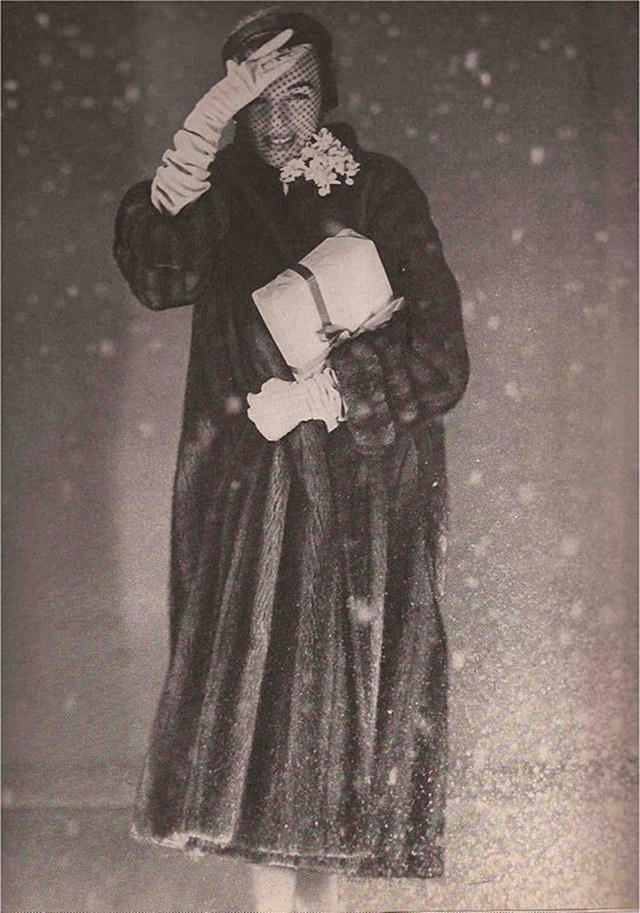
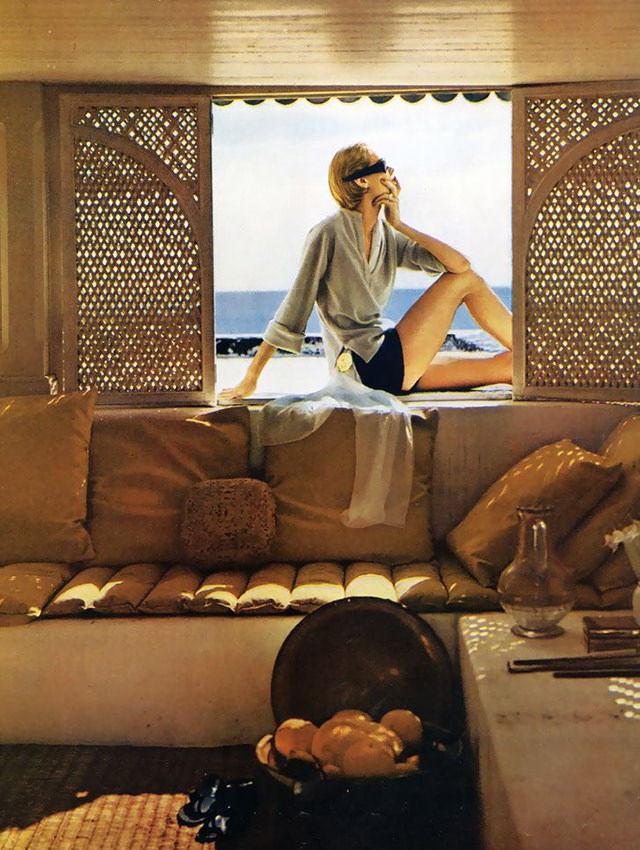
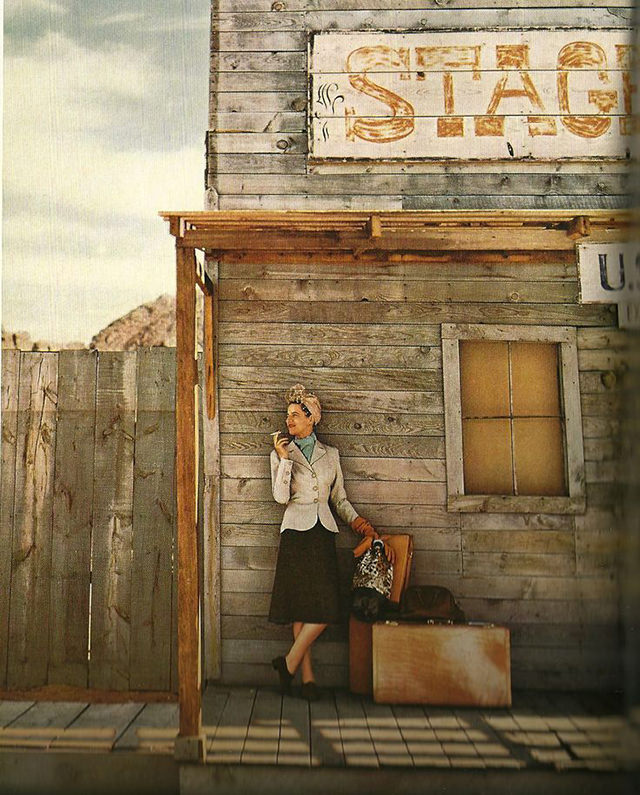
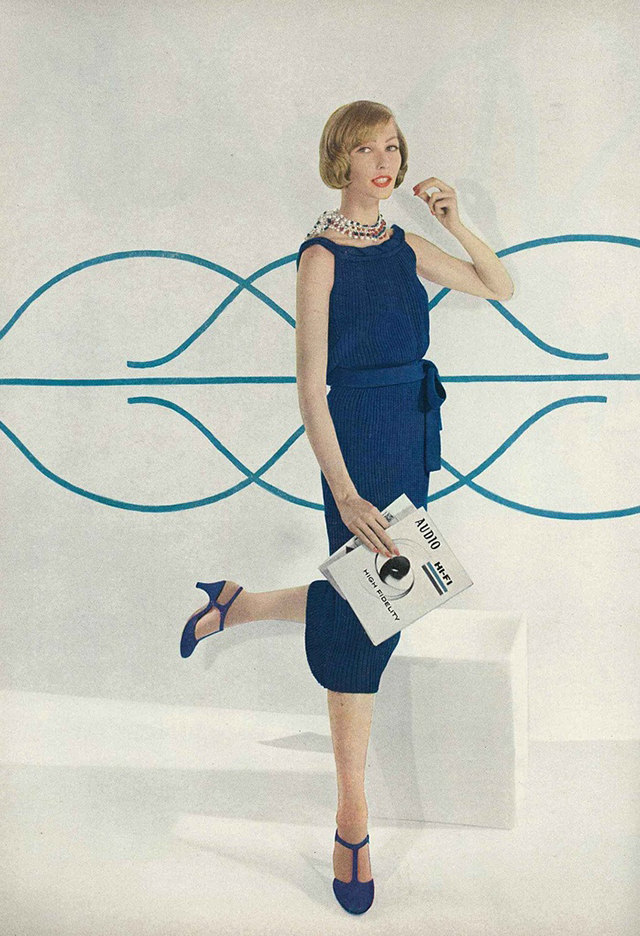
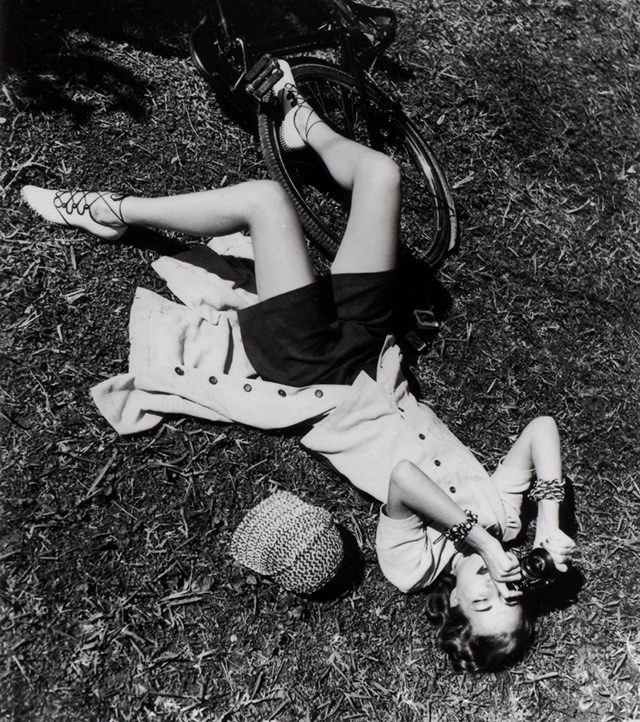
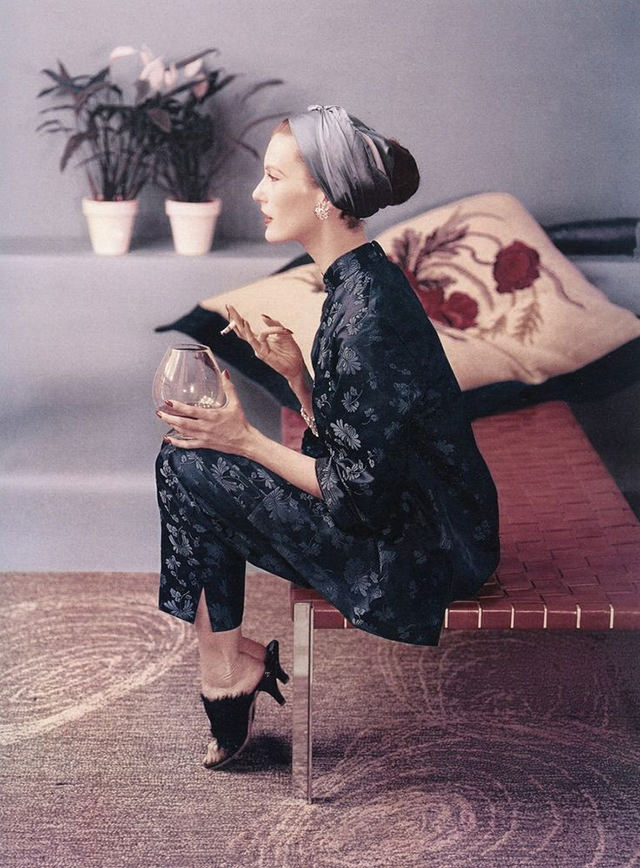
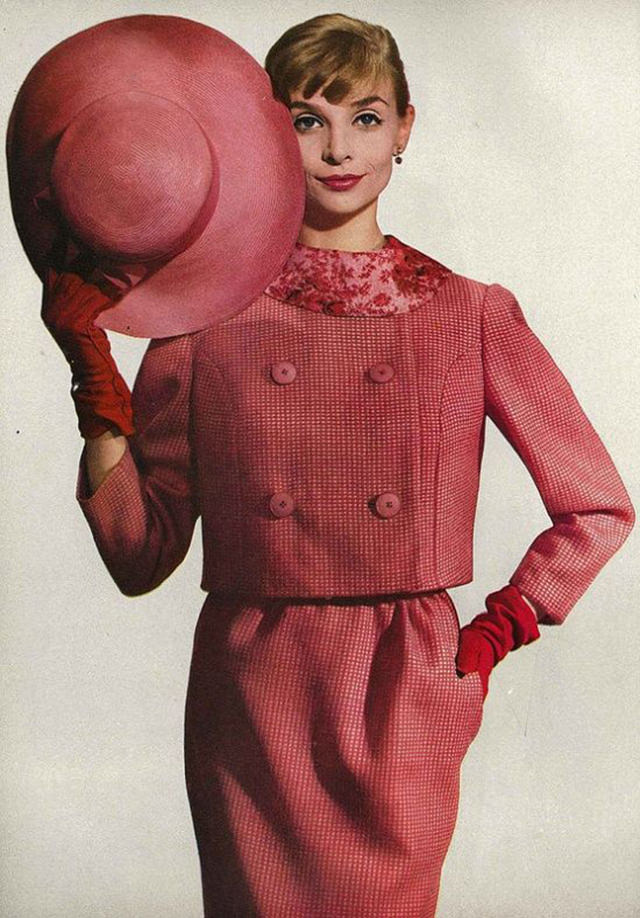
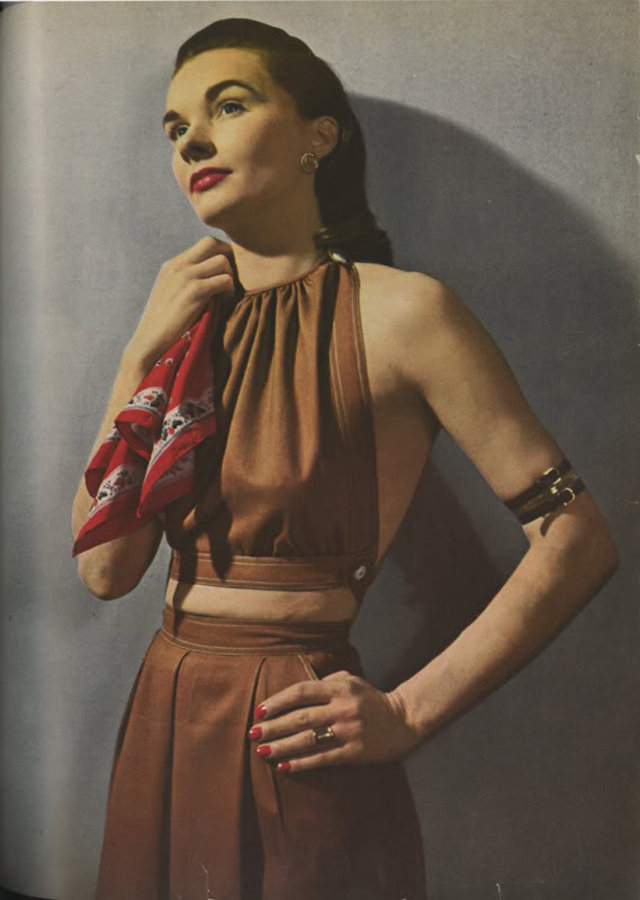
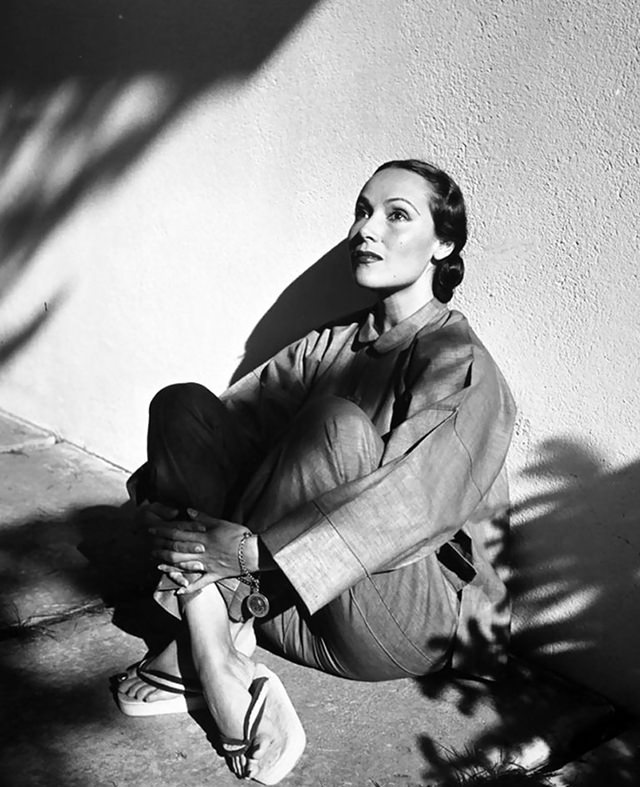
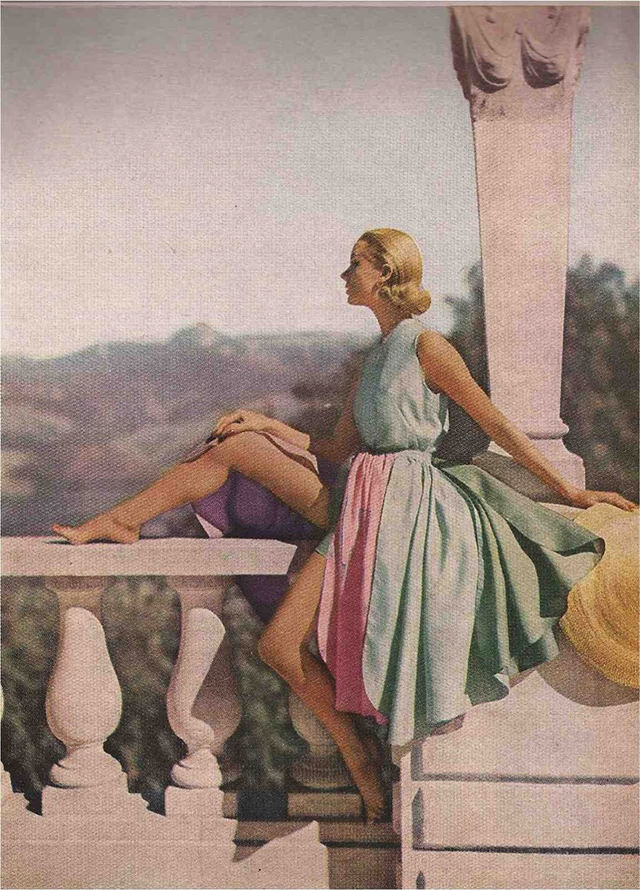
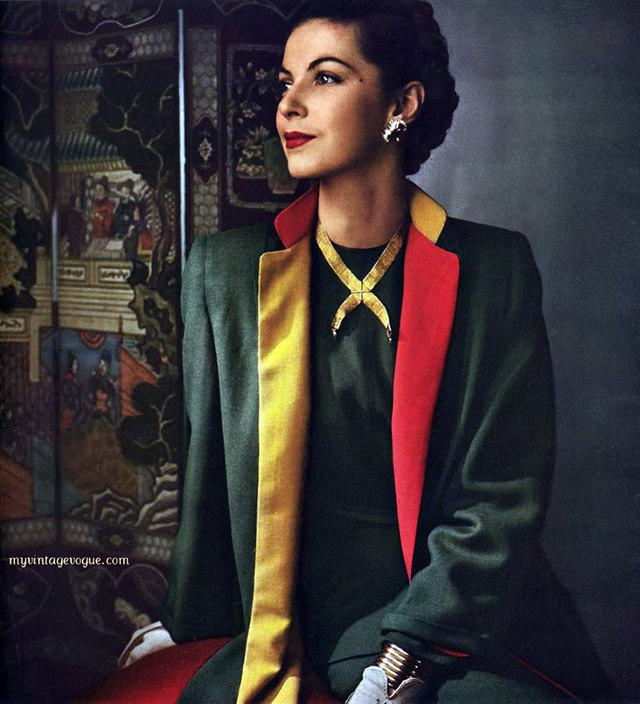
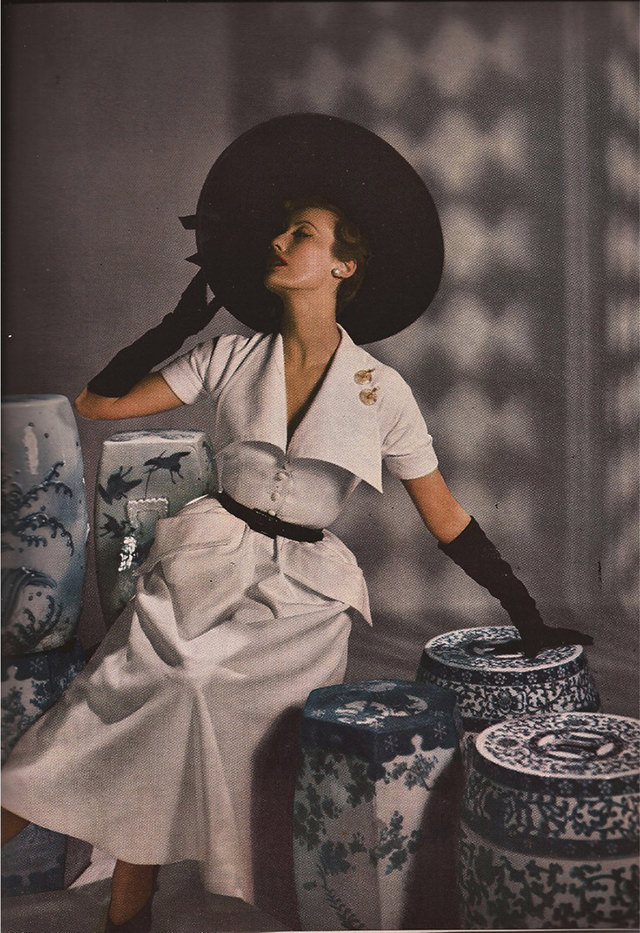
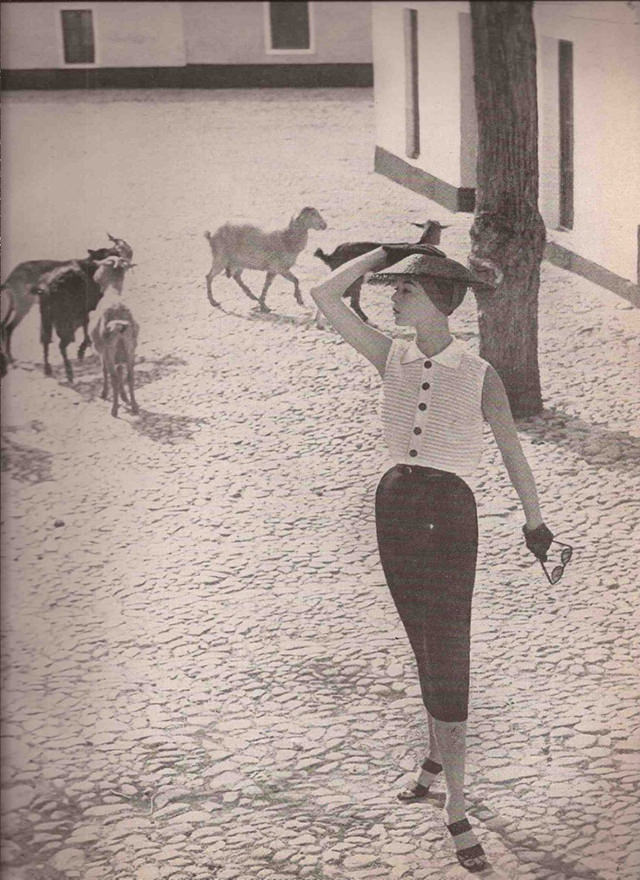
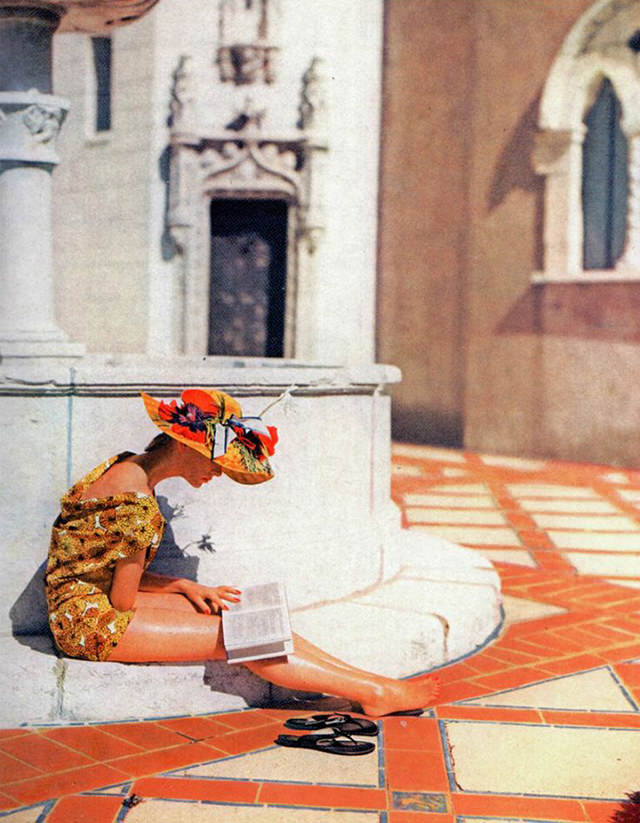
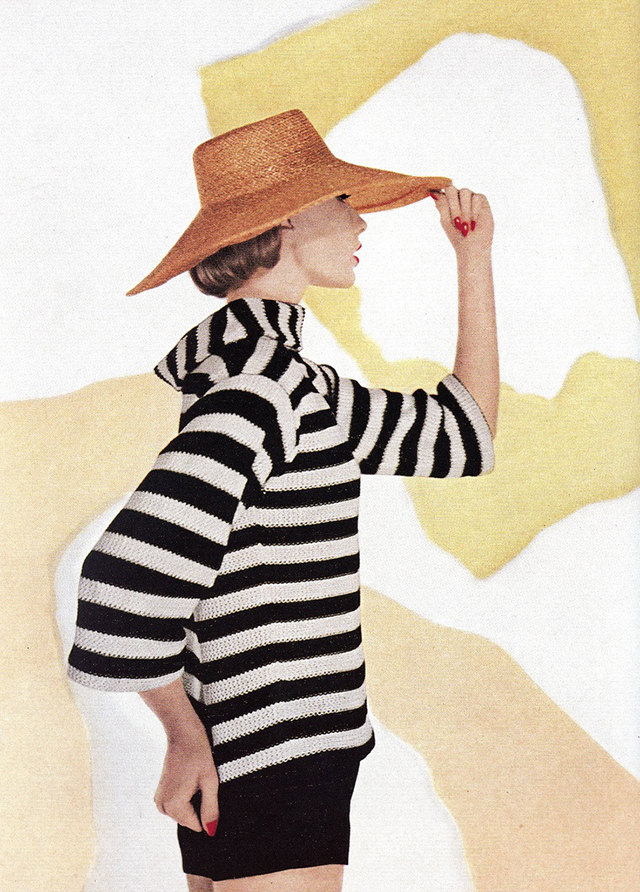
Louise Dahl-Wolfe is one of the most important American fashion photographers of the 20th century. Her work from the 1930s through the 1950s changed how fashion images were made and how women were portrayed in them. She brought a sharp eye for natural light, elegant composition, and authentic feeling to every photograph she took. Her pictures didn’t look staged. They looked alive.
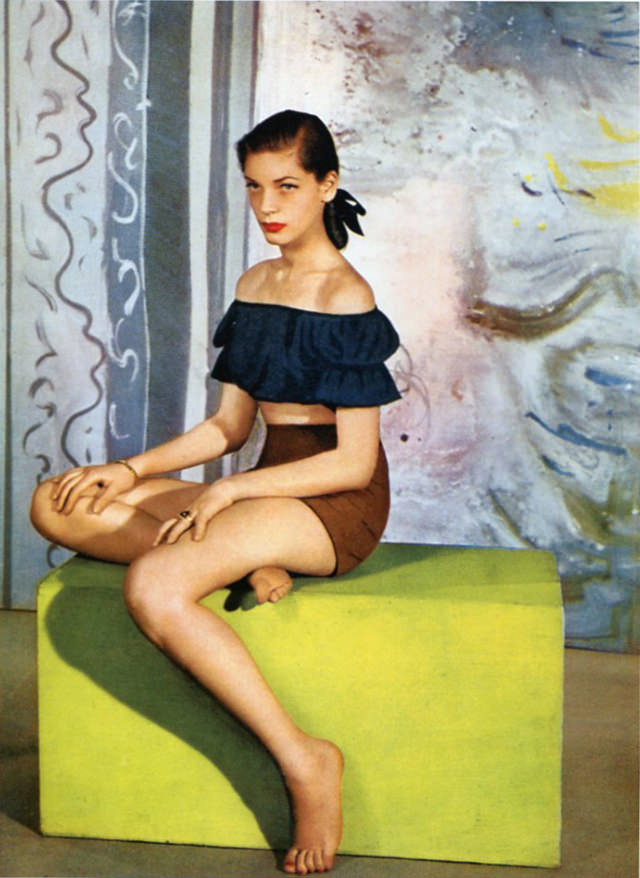
Dahl-Wolfe was born and raised in California. She trained at the San Francisco Institute of Art, where she spent six years studying life drawing, anatomy, figure composition, design, and painting. That deep foundation in the visual arts shaped everything about how she would later approach a photograph — the way a subject stood, the balance of a scene, the weight of light across fabric.
After finishing her studies, she worked designing electrical signs and interiors. Her path into photography began after she met photographer Anne Brigman, whose work opened her eyes to the medium. From that point on, Dahl-Wolfe committed herself fully to the camera.
Her first published photograph, titled Tennessee Mountain Woman, appeared in 1932. At the time, she was living near the Great Smoky Mountains with her husband, sculptor Meyer Wolfe. The image captured a real woman in a real place — raw, unhurried, and honest. That approach to authenticity never left her work.
In 1933, Dahl-Wolfe moved to New York City and opened her own photography studio. She quickly built a reputation working with major clients including Woman’s Home Companion, Saks Fifth Avenue, and Bonwit Teller. Her work was clean, confident, and commercially strong — the kind of photography that sold clothes without making the woman wearing them feel like a prop.
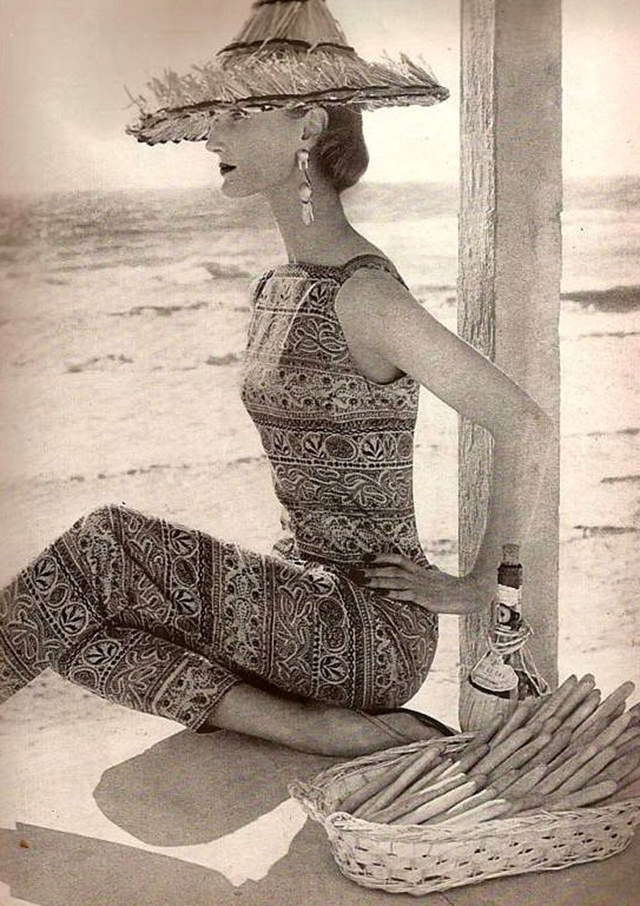
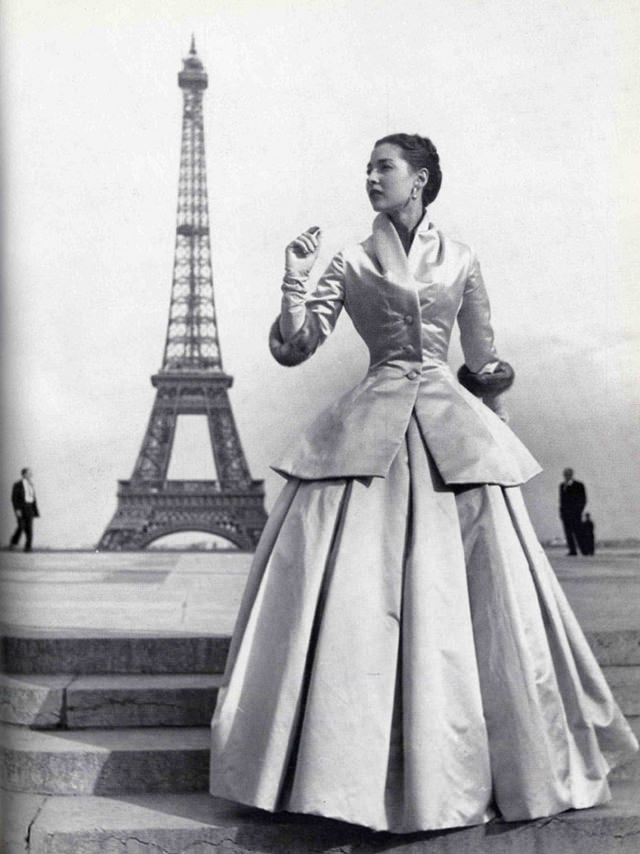
In 1936, editor Carmel Snow hired her as a staff photographer at Harper’s Bazaar. This was the position that would define her career. Over the next two decades, Dahl-Wolfe produced hundreds of photographs for the magazine, working alongside some of the most talented art directors and editors in the business, including Alexey Brodovitch.
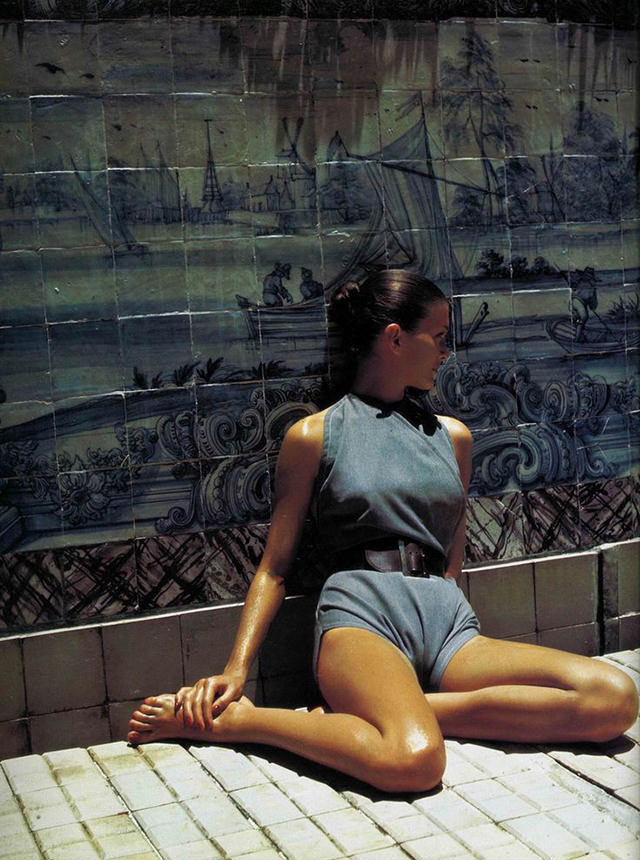
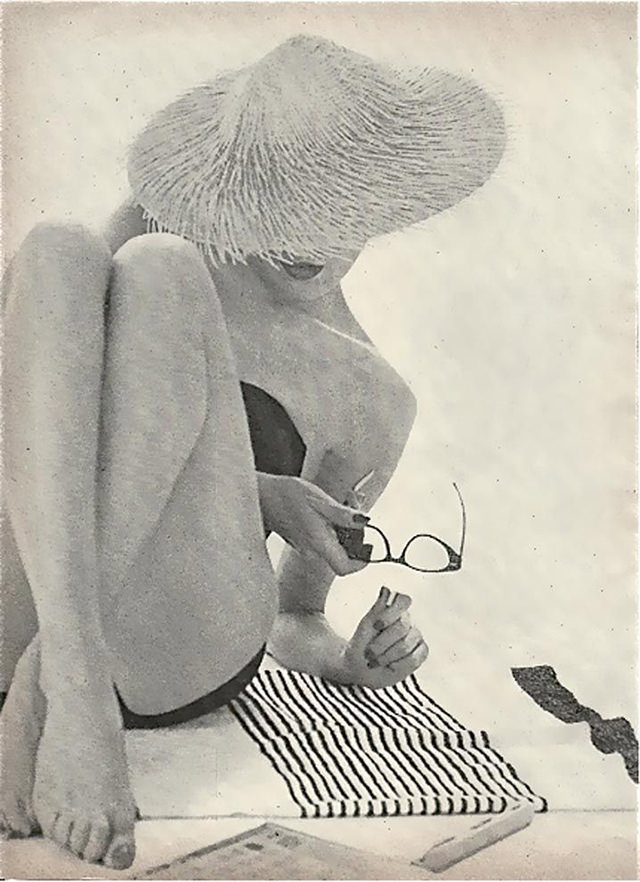
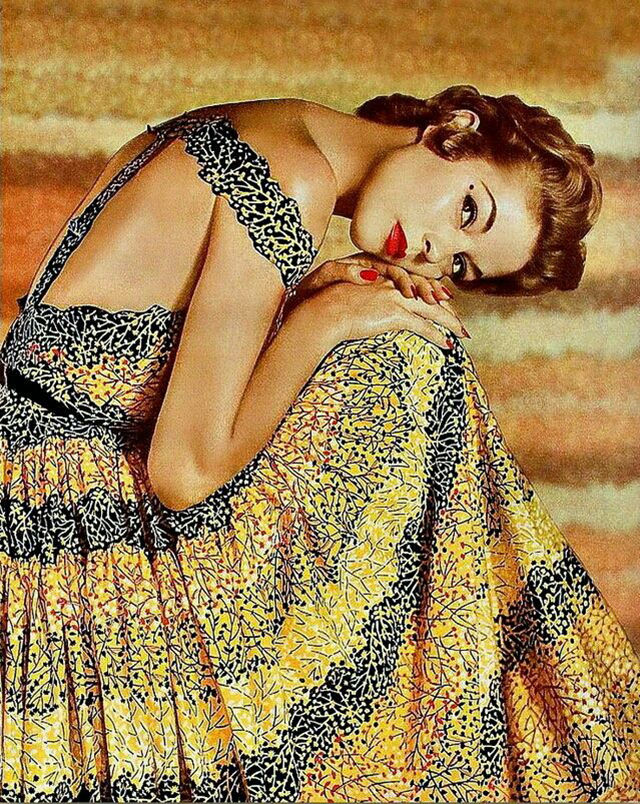
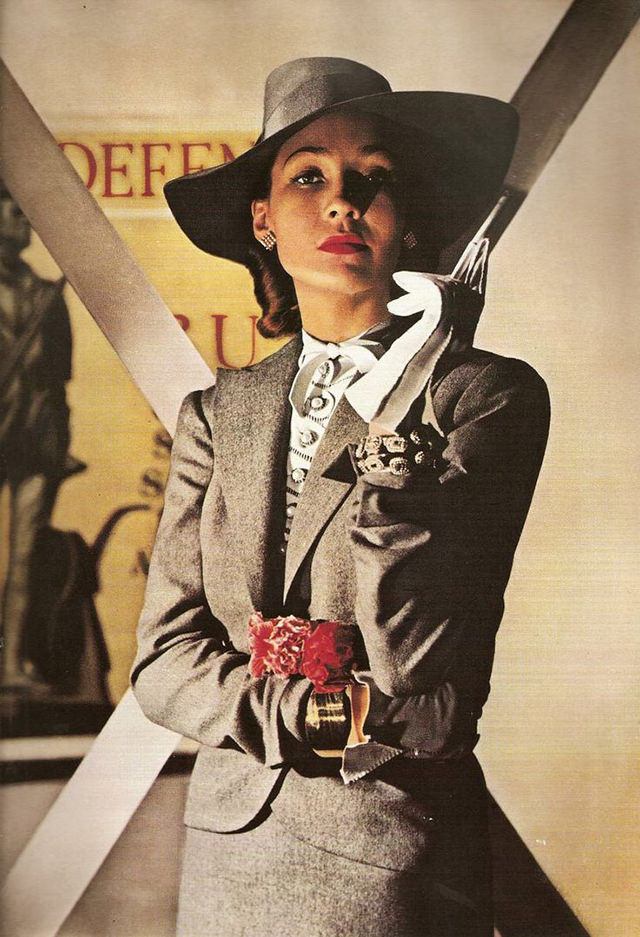
One of her greatest technical strengths was her mastery of color. During a time when color fashion photography was still in its early stages, Dahl-Wolfe set a standard that few others could match. She paid close attention to her color transparencies, making sure every tone and shade was accurate before a single print was made. The results were photographs with rich, sophisticated color that held up beautifully on the printed page.
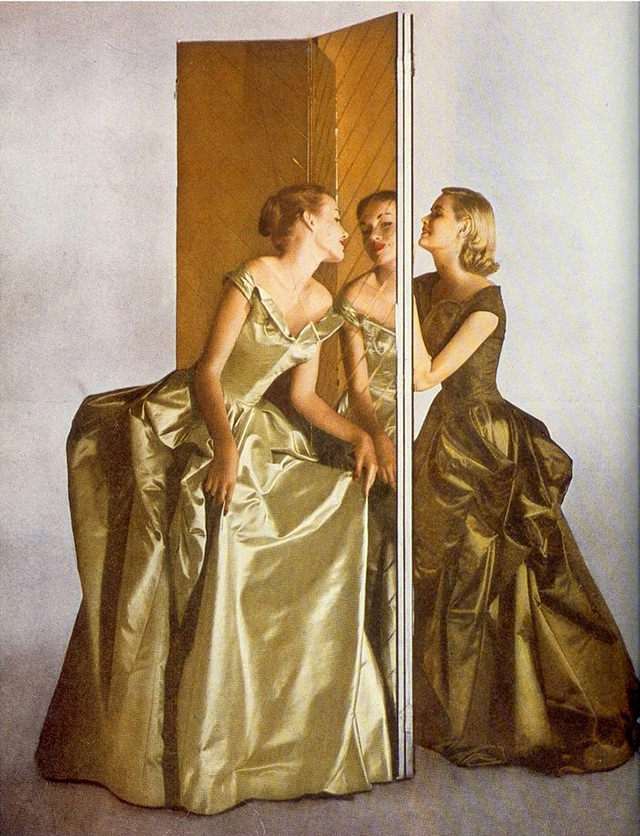
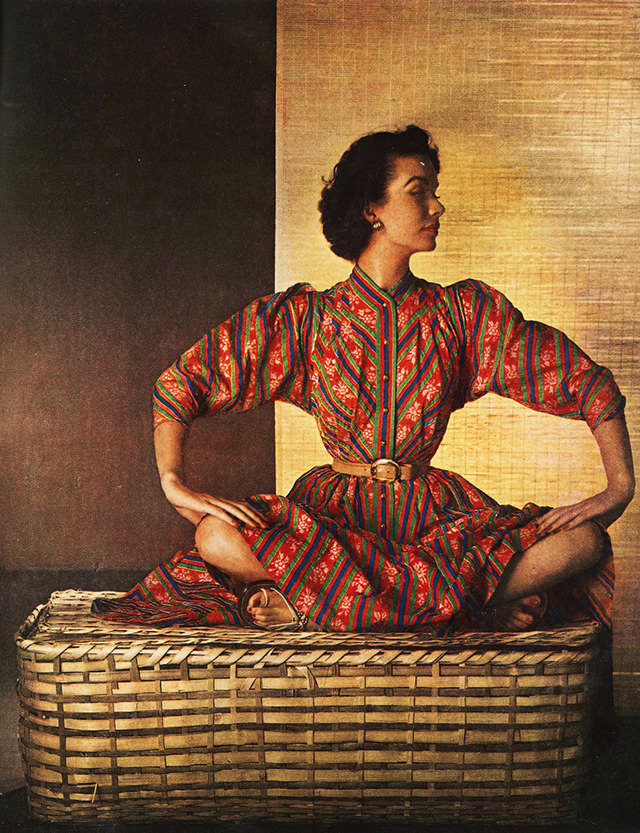
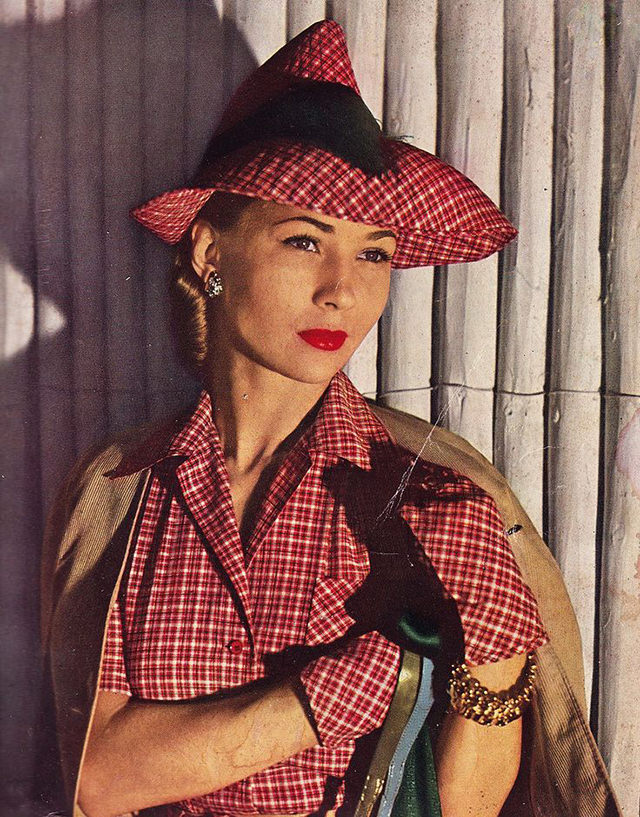
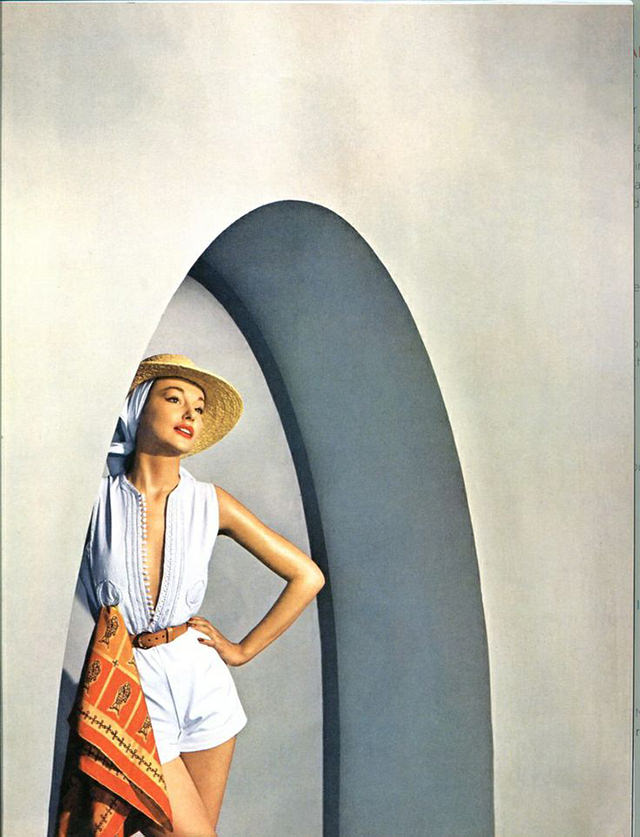
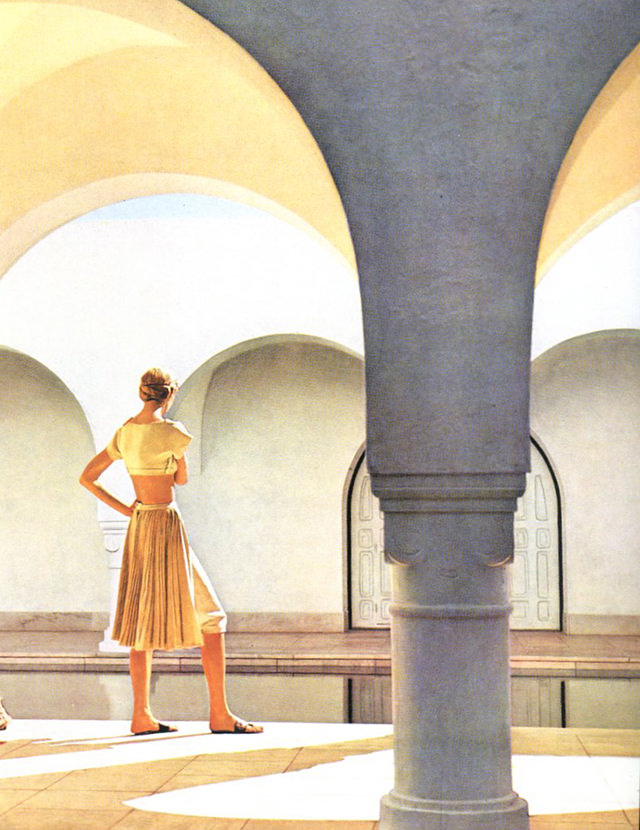
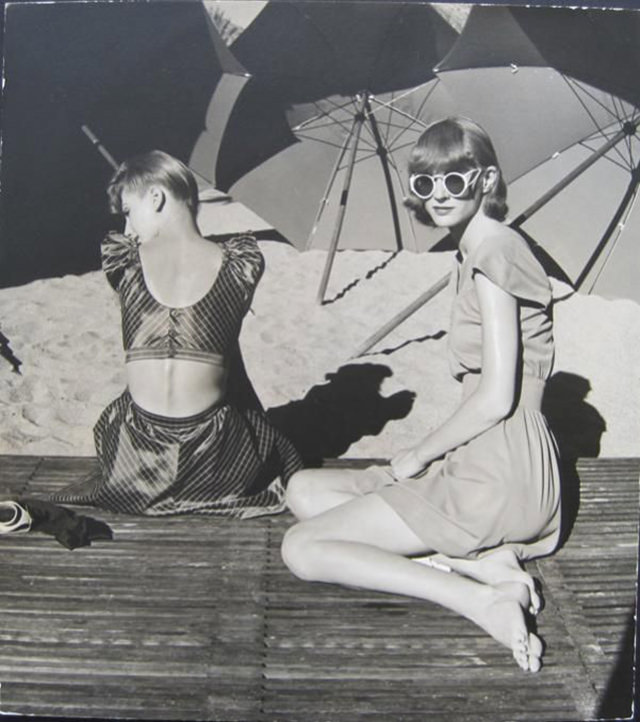
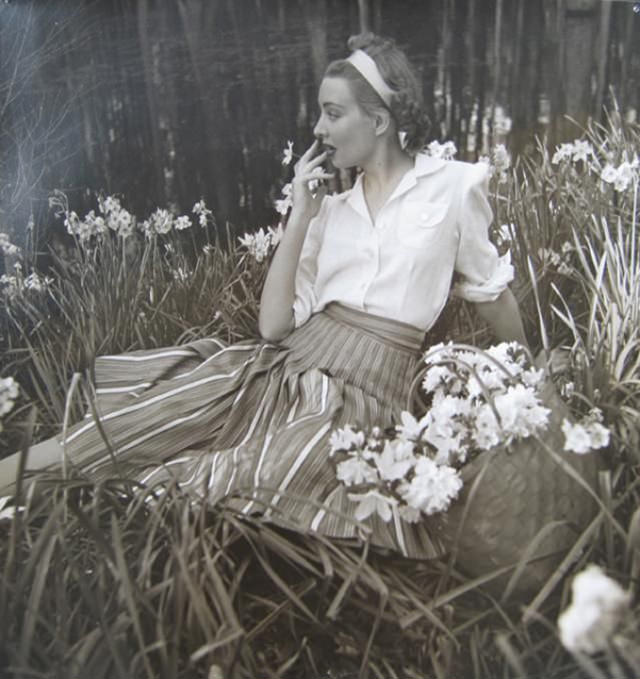
Natural light was central to her method. Rather than relying on studio flash setups and artificial lighting rigs, Dahl-Wolfe worked with the light that existed in a space or outdoors. This gave her photographs a warmth and softness that artificial light simply couldn’t replicate. Models in her work looked like real people bathed in real sunlight — not subjects lit for a commercial shoot.
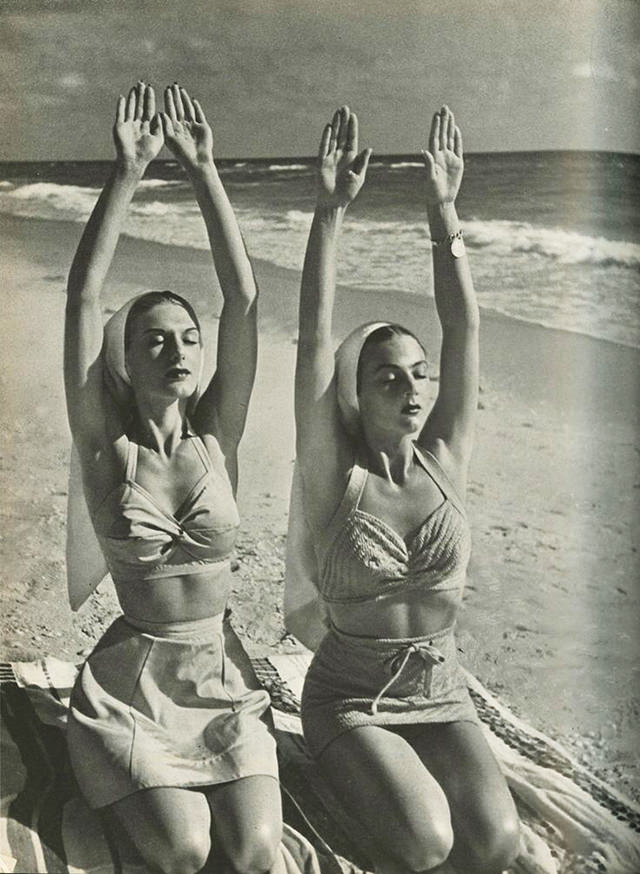
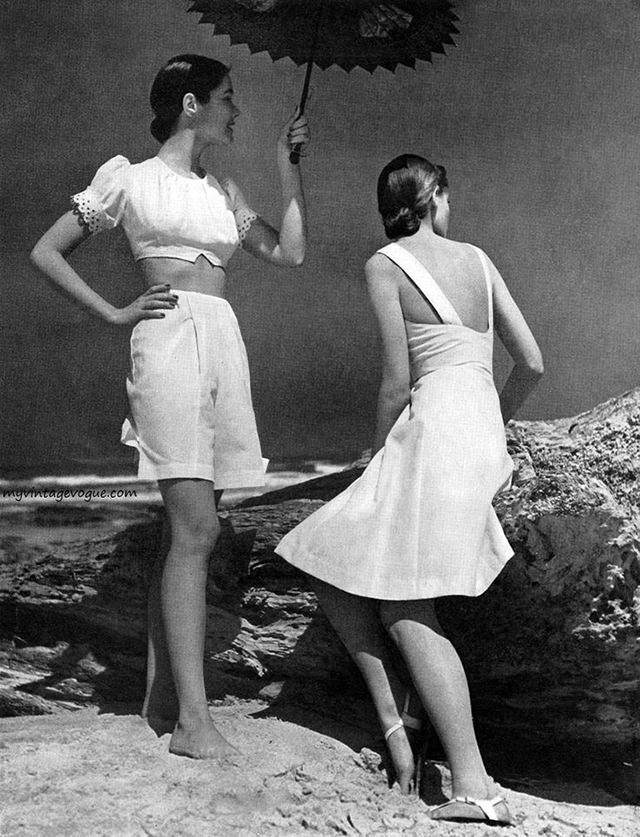
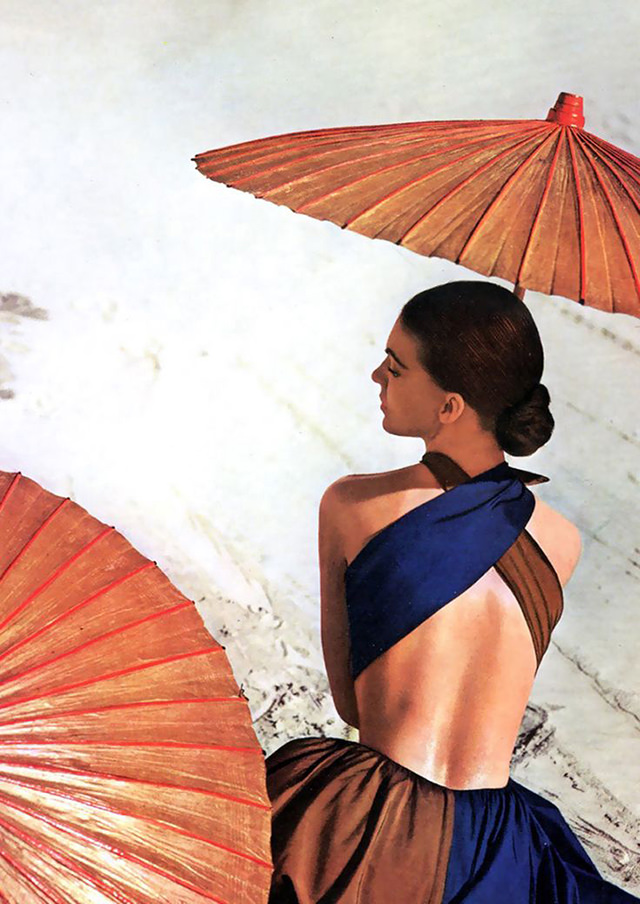
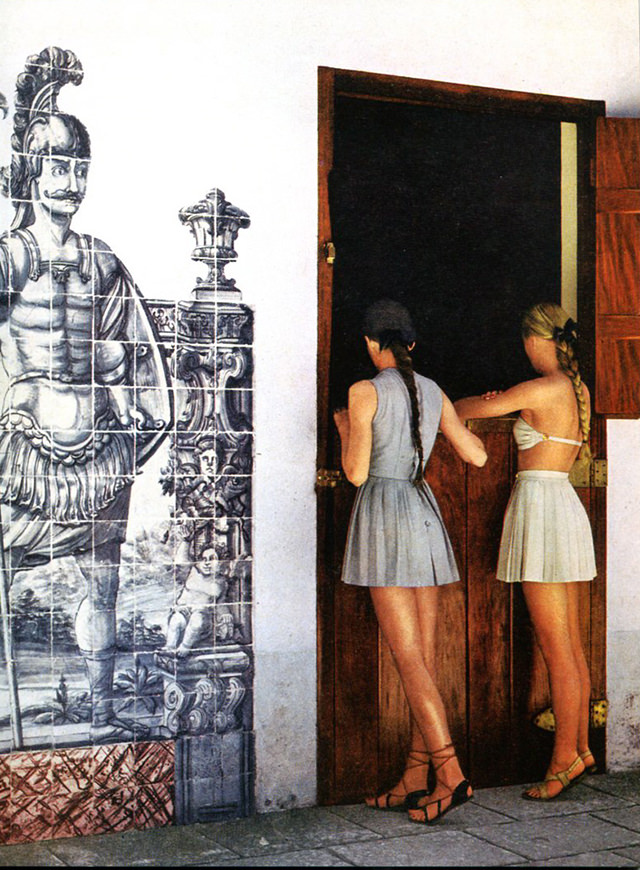
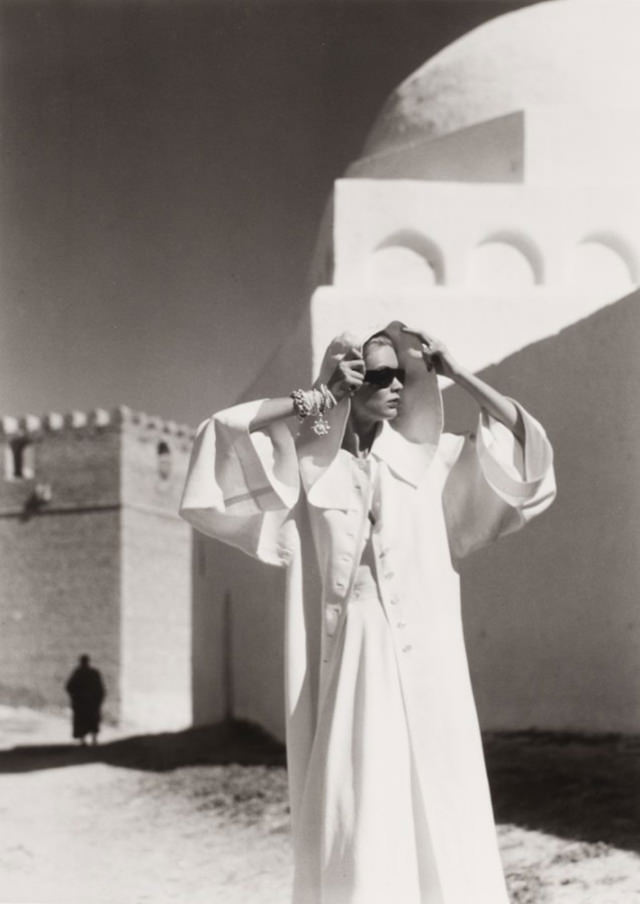
She was also known for taking her models out of the studio entirely. On-location shooting was not yet common in fashion photography, but Dahl-Wolfe made it a signature part of her practice. She traveled extensively with her subjects, shooting in Cuba, Tunisia, South America, and across the American West. Each location brought a different quality of light, a different backdrop, and a new set of visual possibilities.
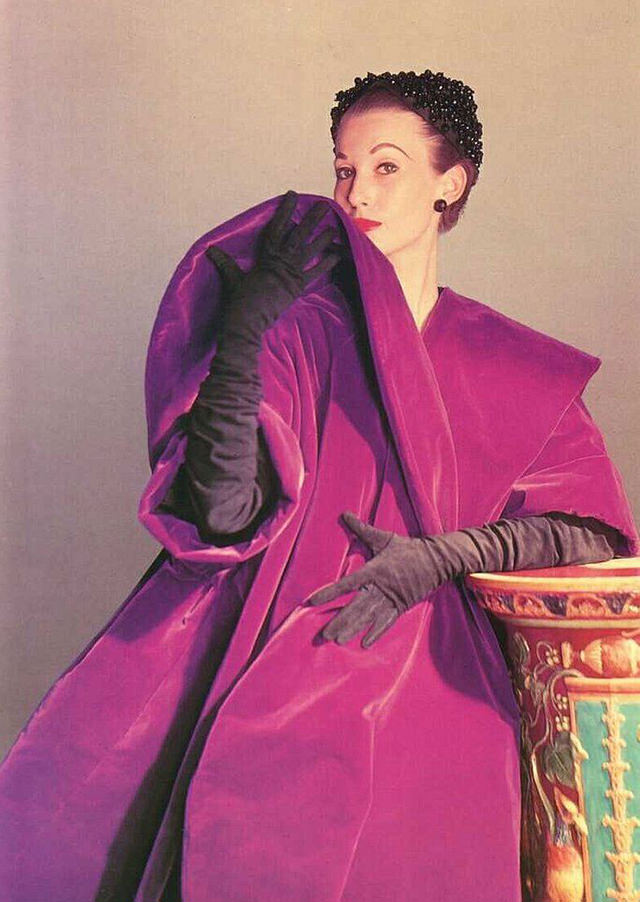
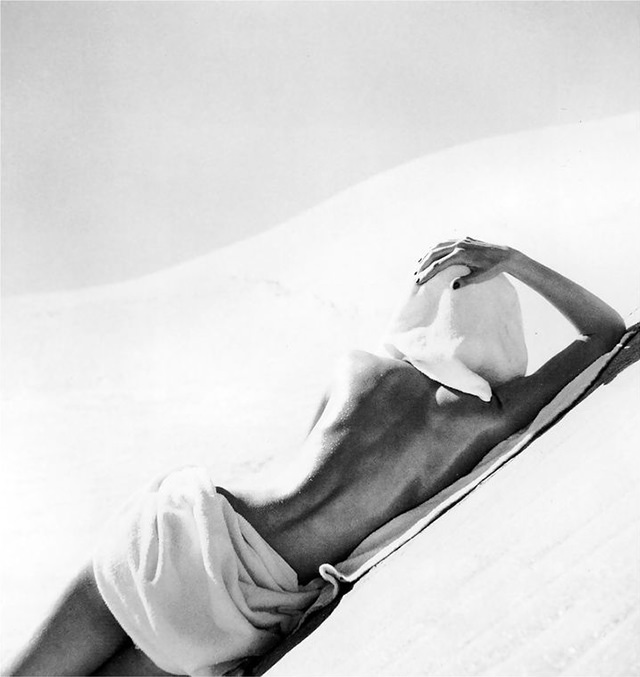
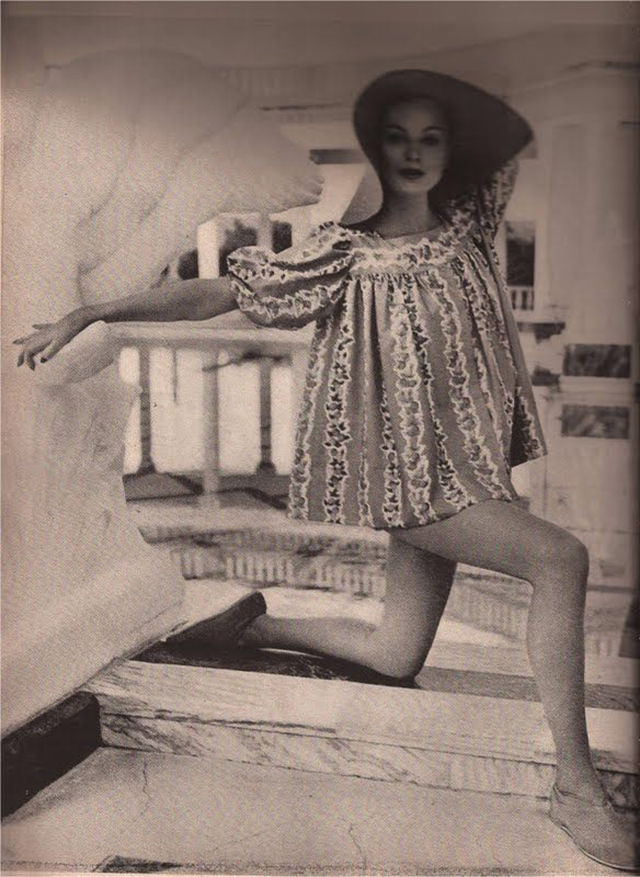
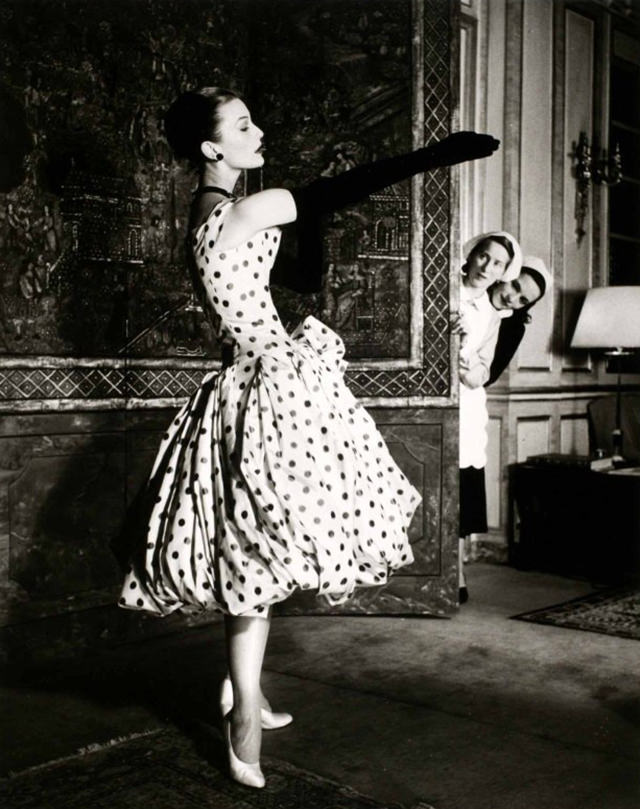
There was something distinctive about how her models appeared in each frame. They weren’t posed in the stiff, formal way common in earlier fashion photography. Instead, they looked relaxed — caught mid-moment, as if they had simply walked into the scene. Dahl-Wolfe created that quality deliberately, building comfort and ease between herself and her subjects before the camera ever came out.
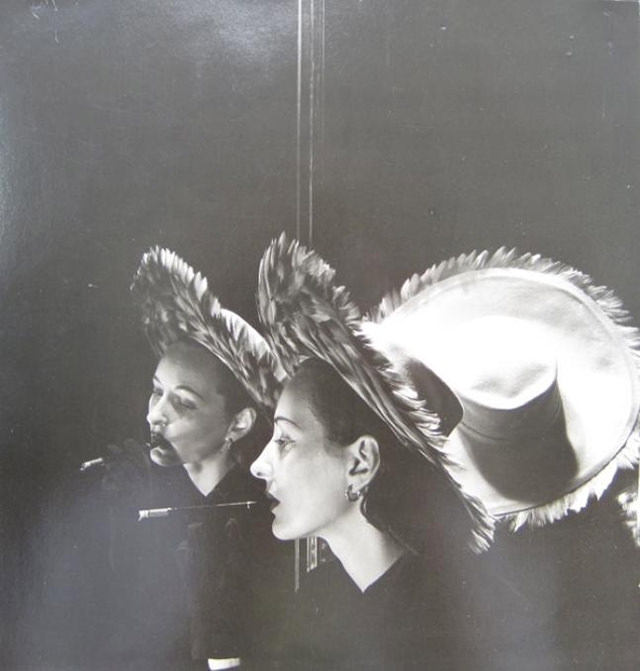
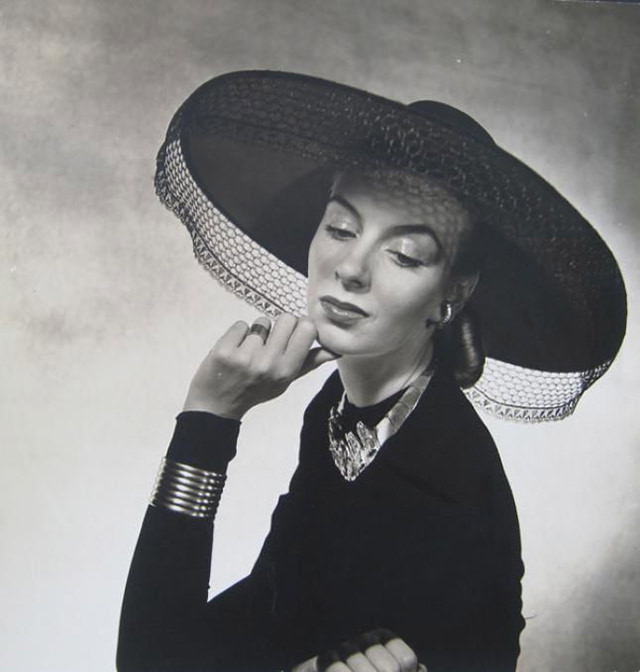
This approach to photographing women — observational, intimate, and free of theatrics — is part of why she is now recognized as a pioneer of what historians call the “feminine gaze” in fashion. Her lens didn’t objectify or distance. It looked at women with curiosity and respect, presenting them as full human beings rather than mannequins for clothing.
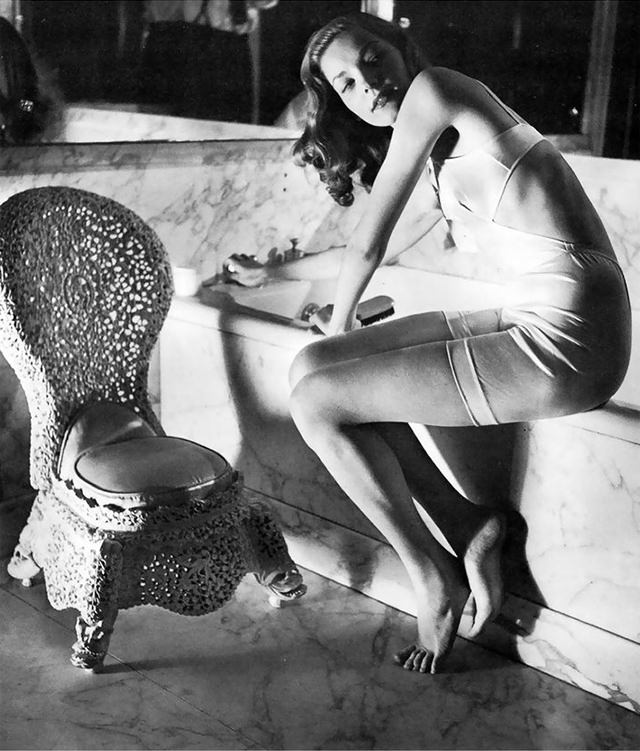
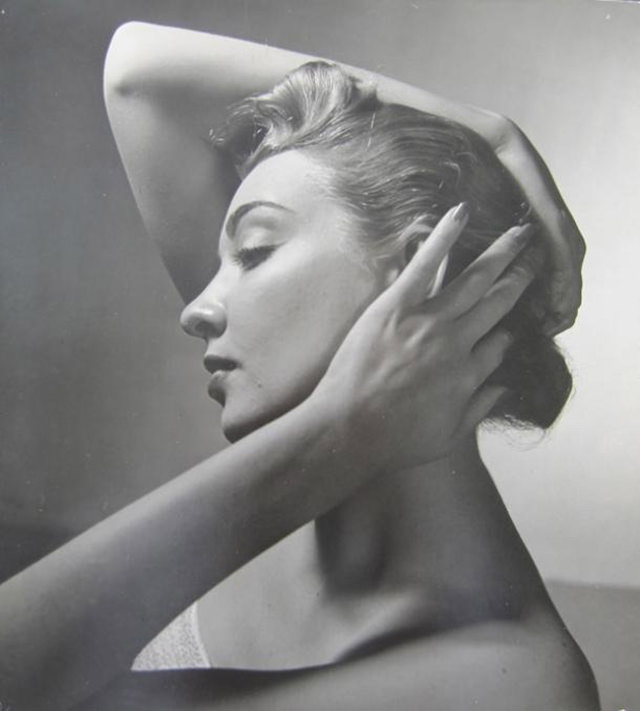
At Harper’s Bazaar, she photographed some of the most celebrated models and public figures of the era. Her work appeared on covers and spreads throughout the 1940s and into the 1950s, helping define the visual identity of the magazine during one of its most celebrated periods.
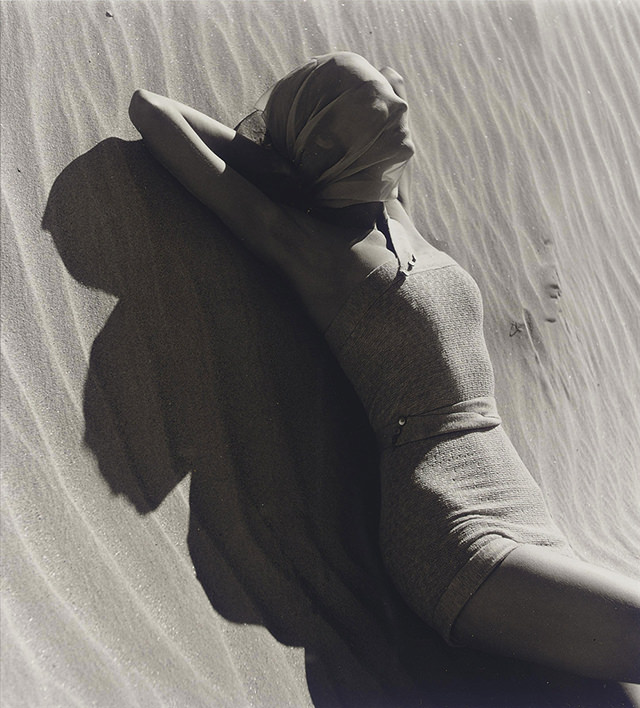
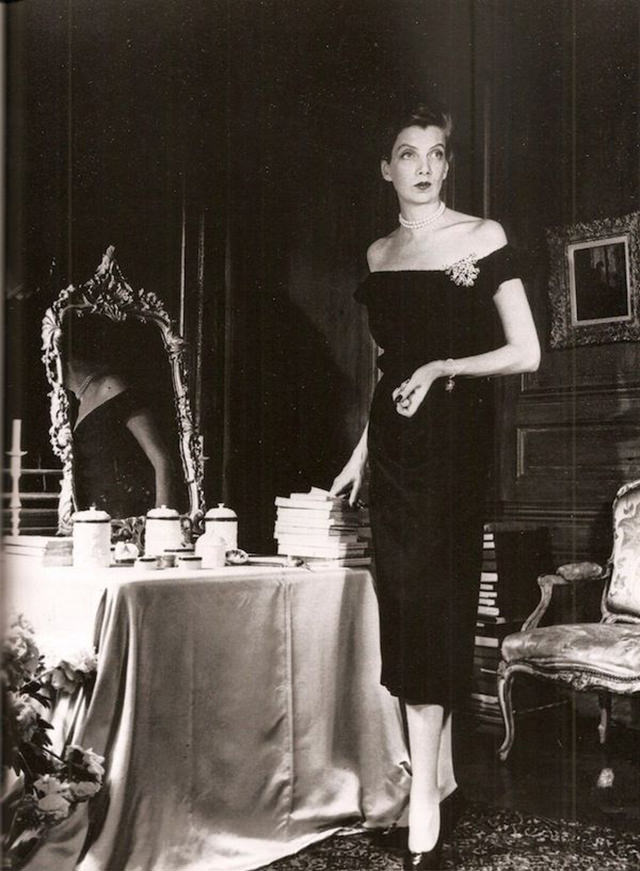
Her photographs were always carefully composed. The training she received in painting and figure drawing showed up directly in how she framed a shot — where the subject sat in the frame, how the background balanced the foreground, what the eye moved toward first. Every element in her images had a reason for being there.
In terms of color work, Dahl-Wolfe had few peers during this era. The technical process of producing accurate color prints from transparencies in the 1940s was difficult and unpredictable. Photographers and publishers frequently struggled with color shifts, poor tonal range, and flat results. Dahl-Wolfe’s insistence on accuracy — and her hands-on involvement in monitoring the reproduction process — meant her work consistently appeared on the page exactly as she intended.
She left Harper’s Bazaar in 1958 after more than two decades on staff. Following her departure, she took on freelance editorial work for magazines including Vogue and Sports Illustrated. She continued shooting until 1960, when she retired and closed her New York studio — the same studio she had opened nearly thirty years earlier.
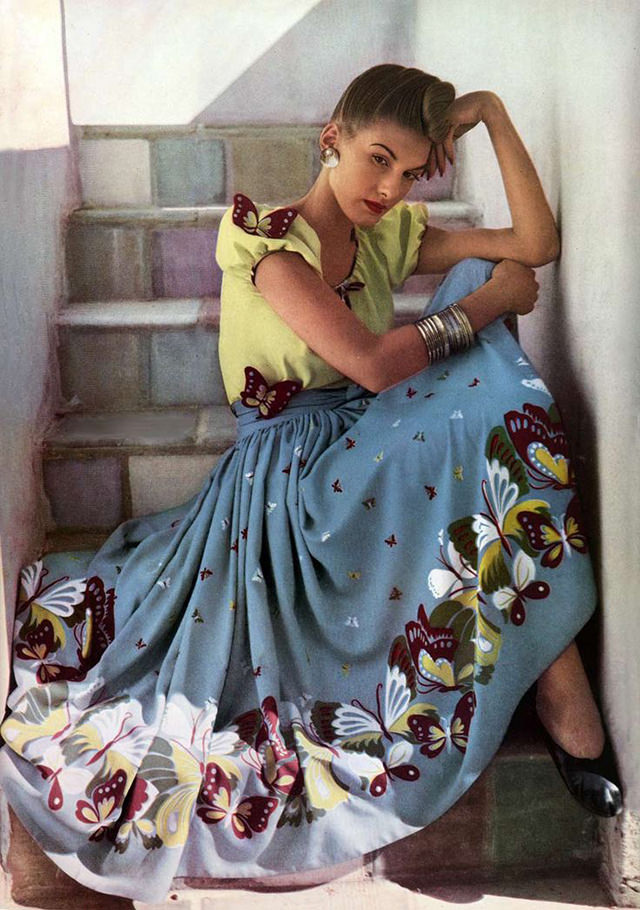
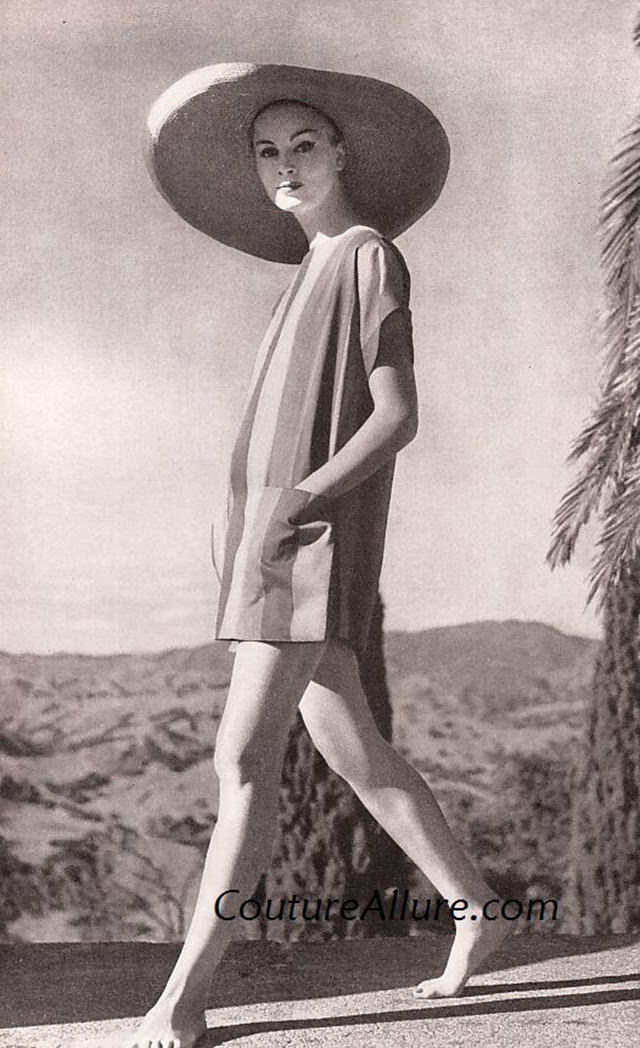
The range of her work across those decades is remarkable. From her early documentary-style portrait of a Tennessee mountain woman to glossy, sun-drenched color spreads shot on beaches in the Caribbean, Dahl-Wolfe demonstrated a consistent ability to make compelling images across very different subjects and settings.
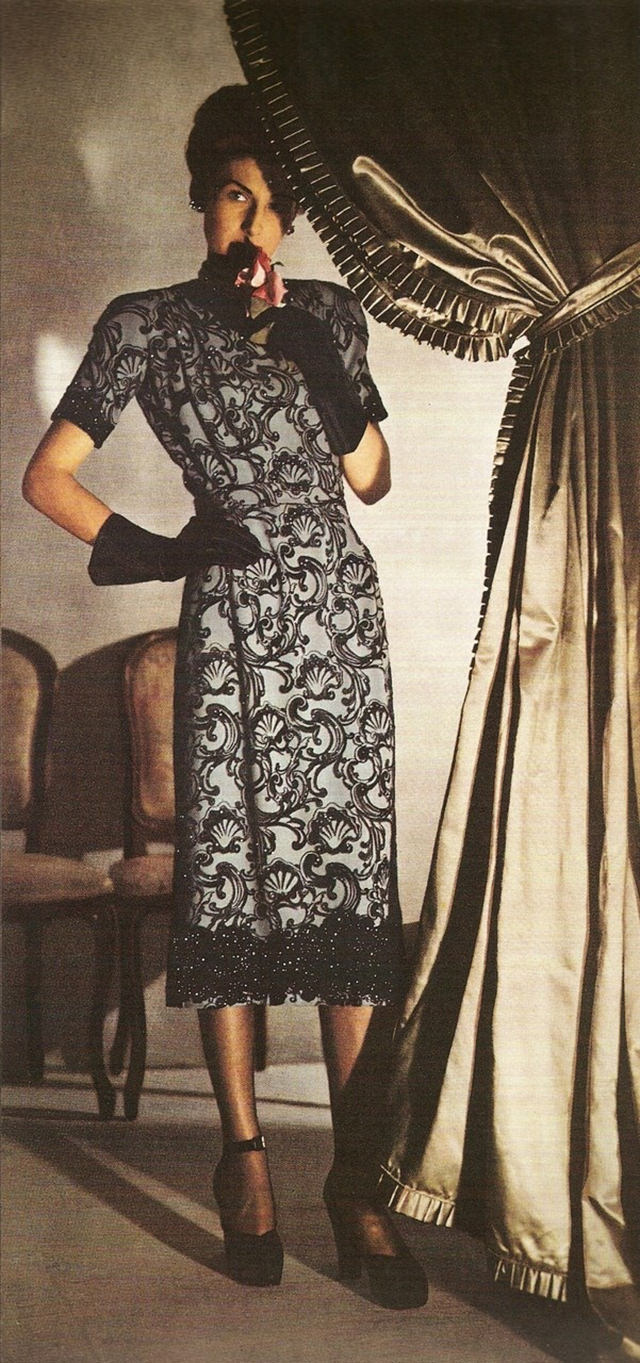
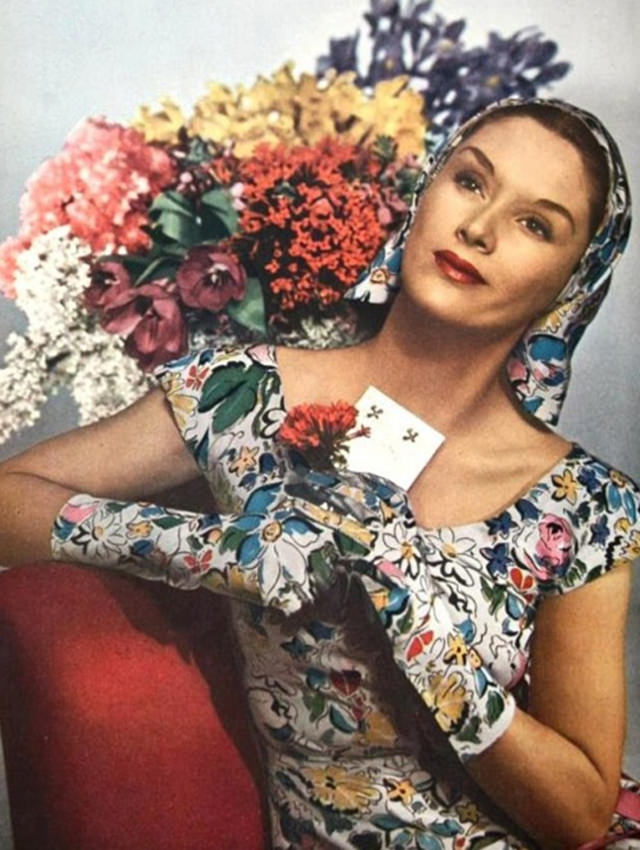
Her outdoor location work in particular stands apart from the fashion photography of her time. While many photographers of the 1930s and 1940s kept their shoots firmly inside controlled studio environments, Dahl-Wolfe was loading her models and gear onto planes and heading to North Africa or Latin America. The environments she chose weren’t random — they added texture, light, and visual contrast that made the clothing feel more alive and the photographs more memorable.
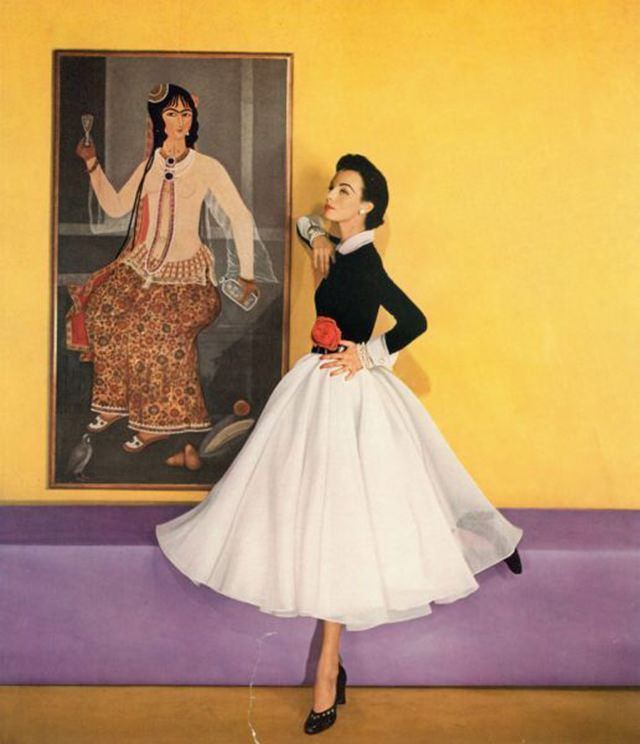
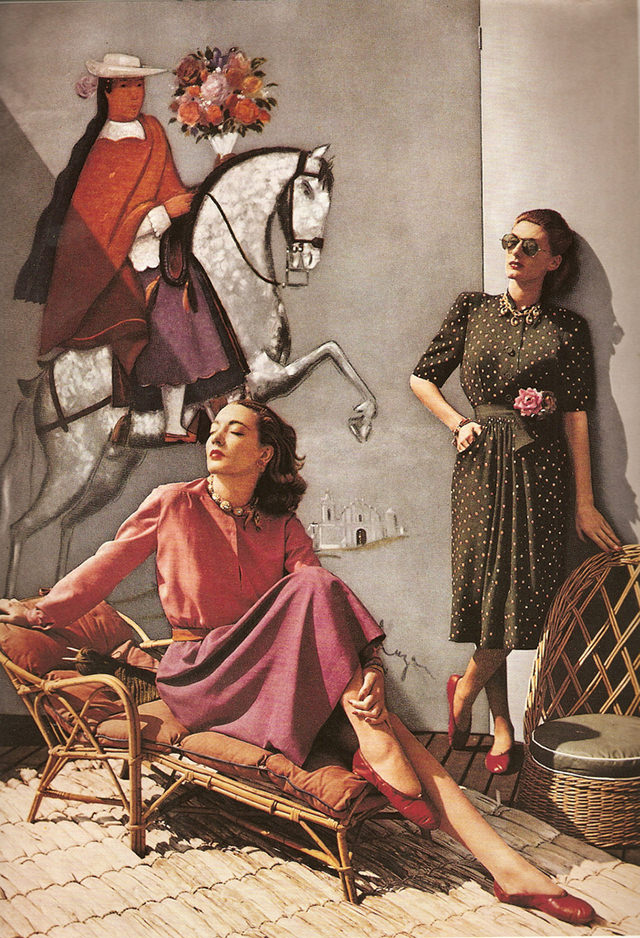
Dahl-Wolfe’s photographs across the 1930s, 1940s, and 1950s document not only the changing face of fashion but also shifting ideas about how women could be presented — as confident, active, and naturally at ease rather than stiffly decorative.