Anne Gunning Parker was born in 1929 to Arnold Barthrop Parker, a coffee planter in Southern Rhodesia. When her parents separated, she was sent back to the United Kingdom, where her aunt raised her. She grew up keenly aware of her heritage — she was a direct descendant of the famous Gunning sisters, two 18th-century Irish beauties who were celebrated across Europe for their looks. It was a lineage she wore with obvious pride throughout her life.
Before modeling ever entered the picture, Anne trained as an actress at the London Academy of Music and Dramatic Art. In 1949, while still a student, she won the London Films Cup for acting talent and was signed to a ten-year contract with Rank. The press called her a taller version of Vivien Leigh. She appeared in several romantic comedies in quick succession — ‘The Gay Lady’ (1949), ‘Helter-Skelter’ (1949), and ‘The Astonished Heart’ (1950) — before her path took a decisive turn toward fashion.
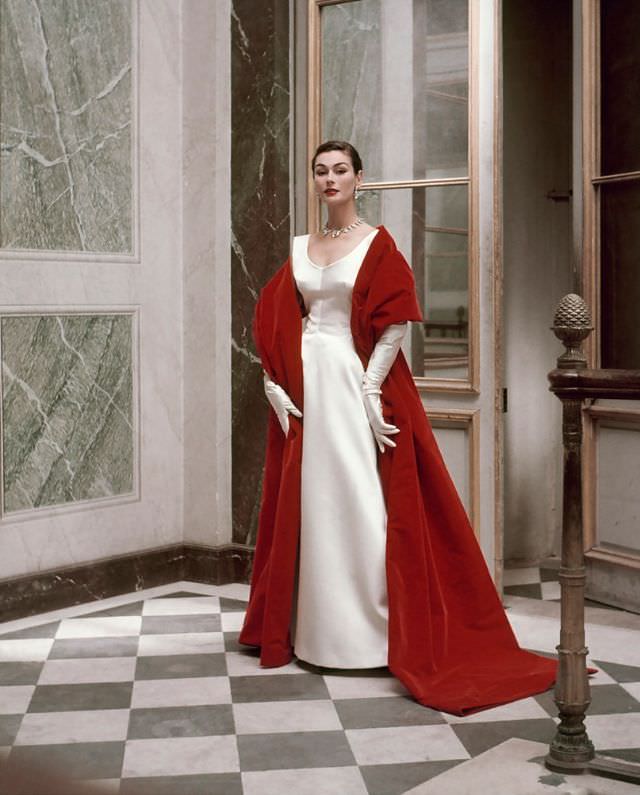
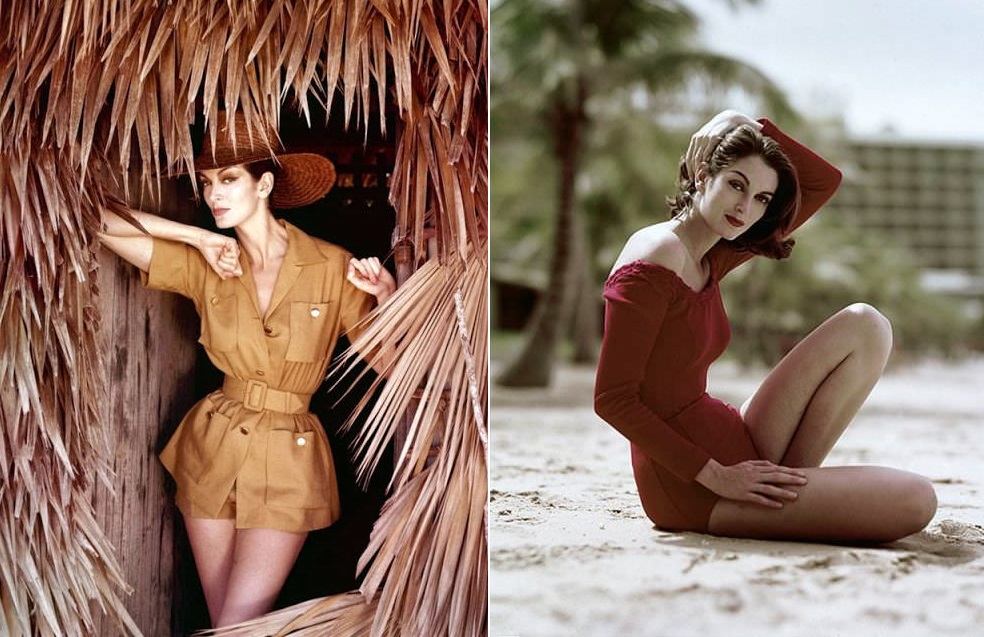
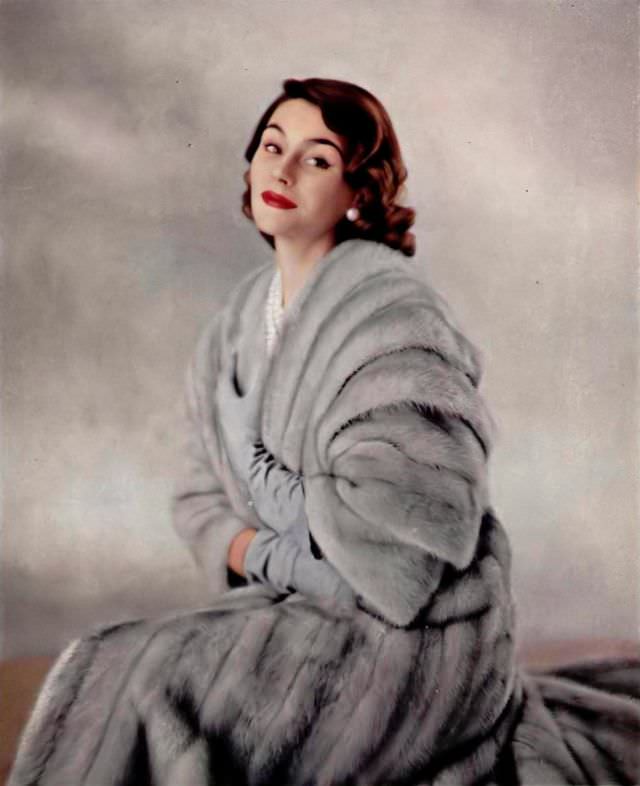
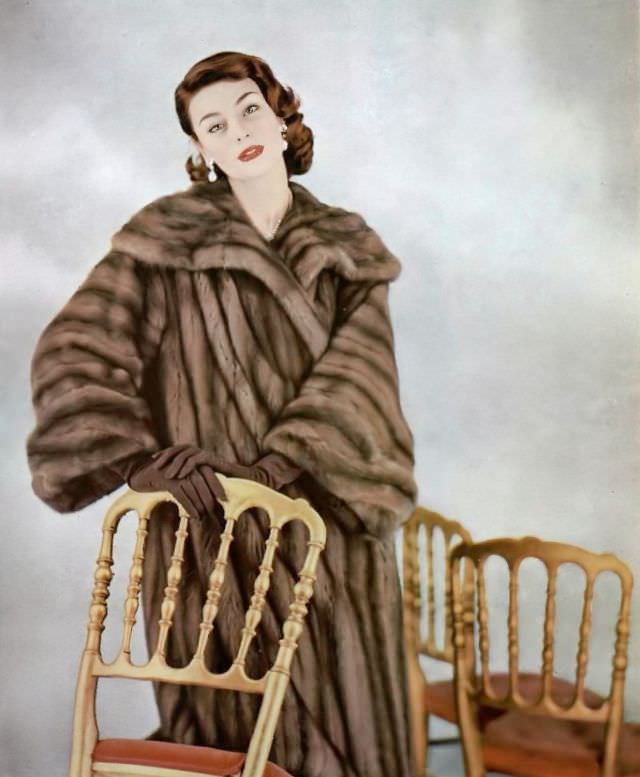
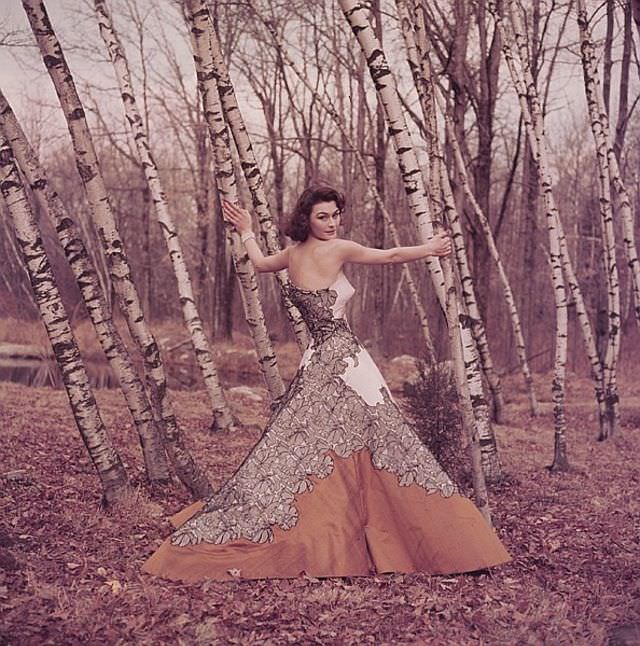
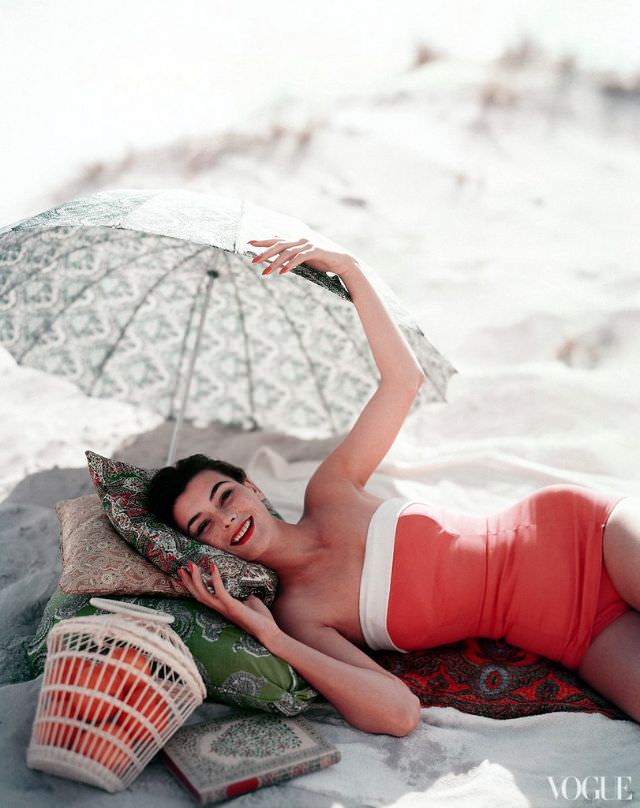
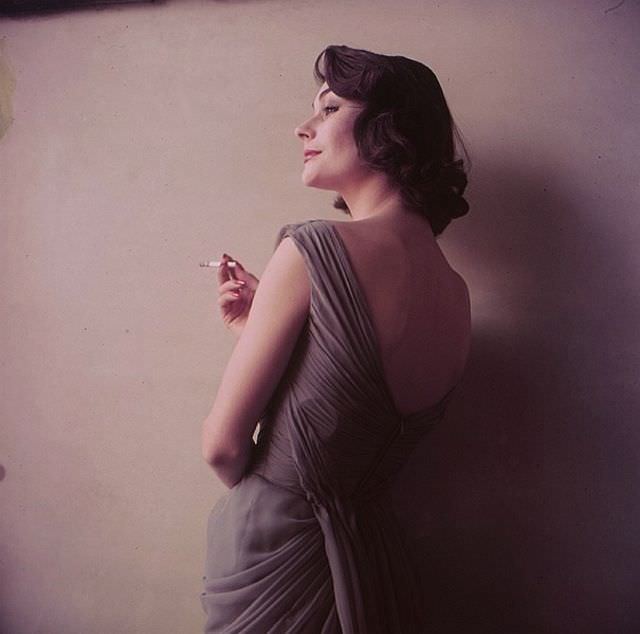
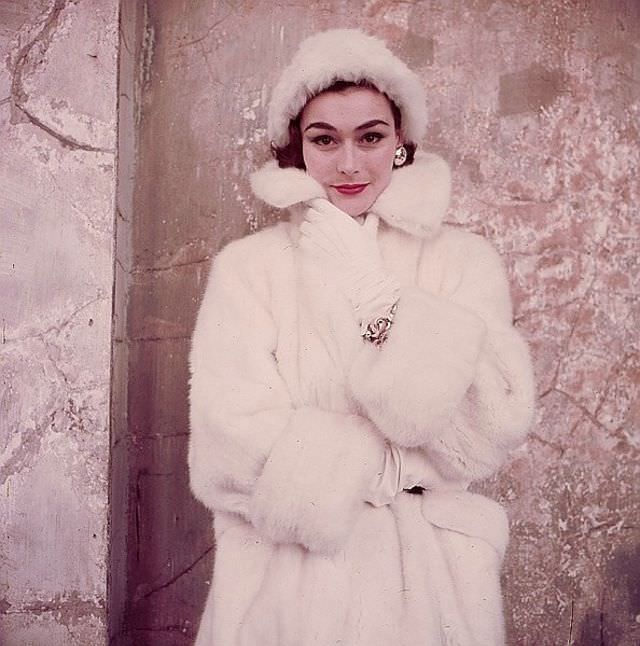
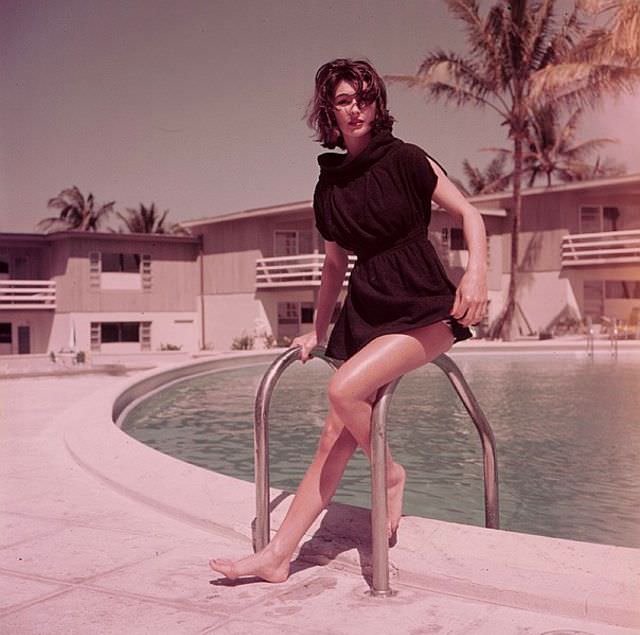
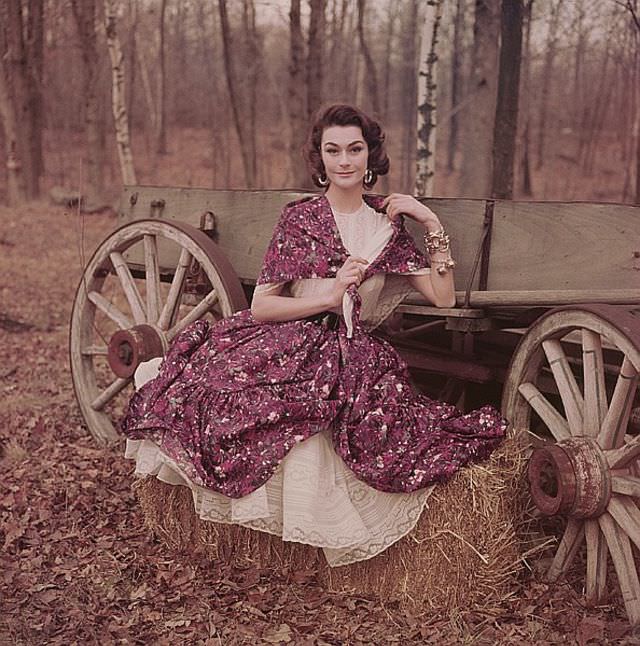
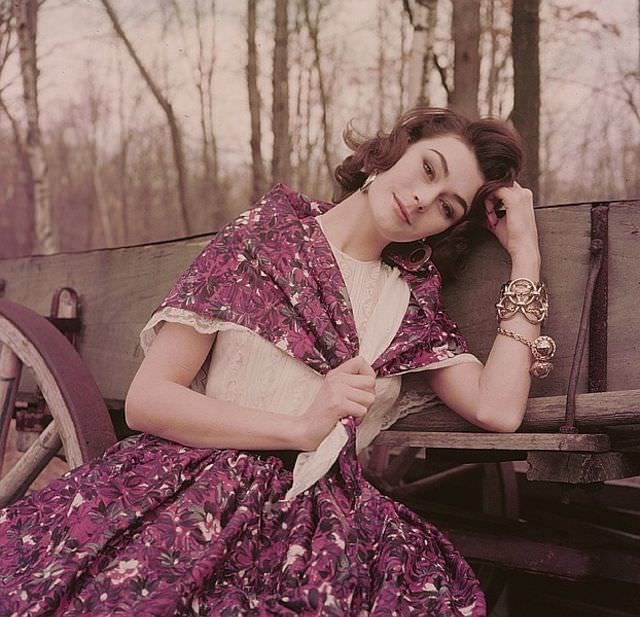
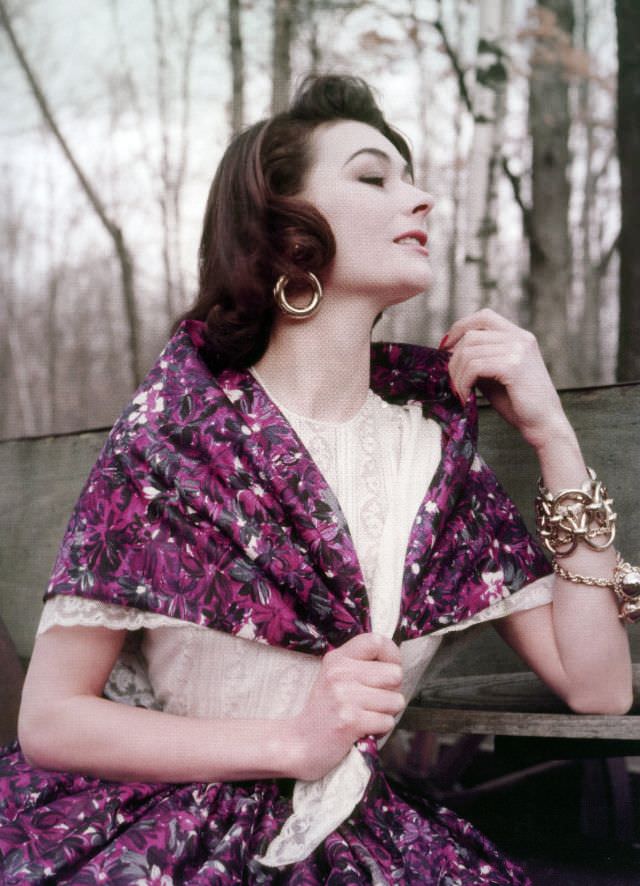
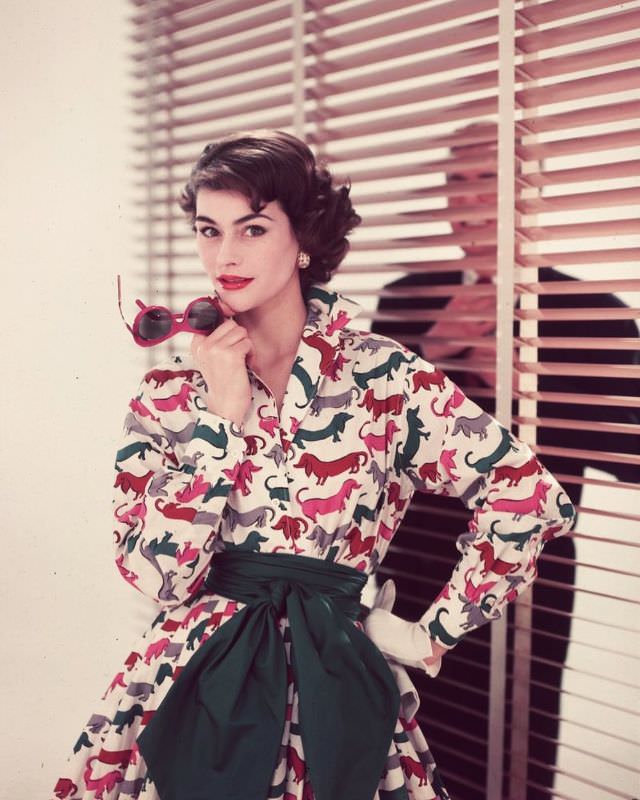
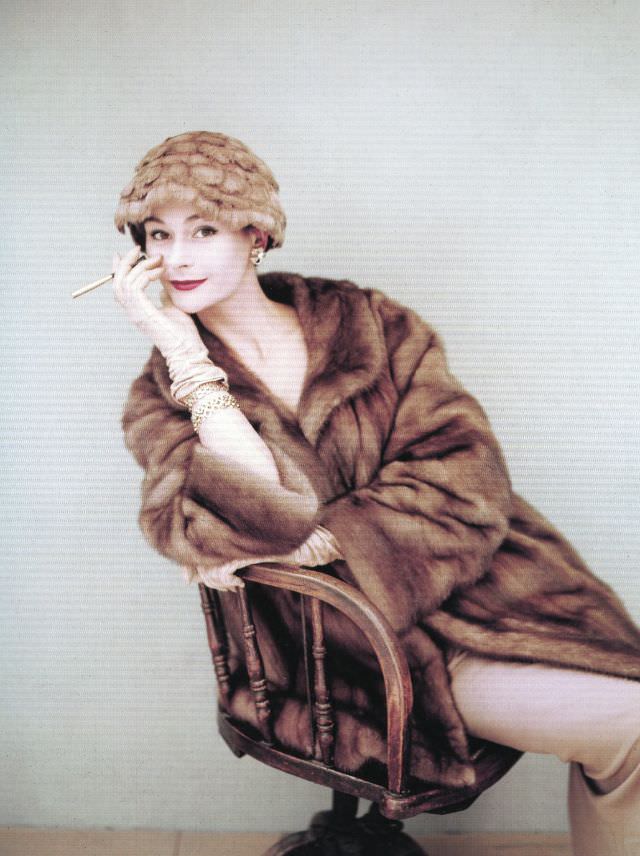
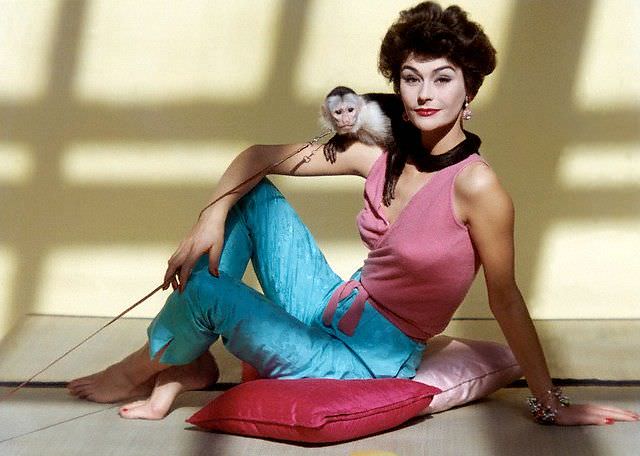
Gunning’s modeling career took off rapidly. Her dark hair, pale skin, and green eyes gave her a striking contrast that photographed beautifully, and her face held a quality rare among models of the era — even when holding the stiff, formal poses that 1950s photographers demanded, a faint half-smile always lingered. It gave her an air of warmth that set her apart on the page.
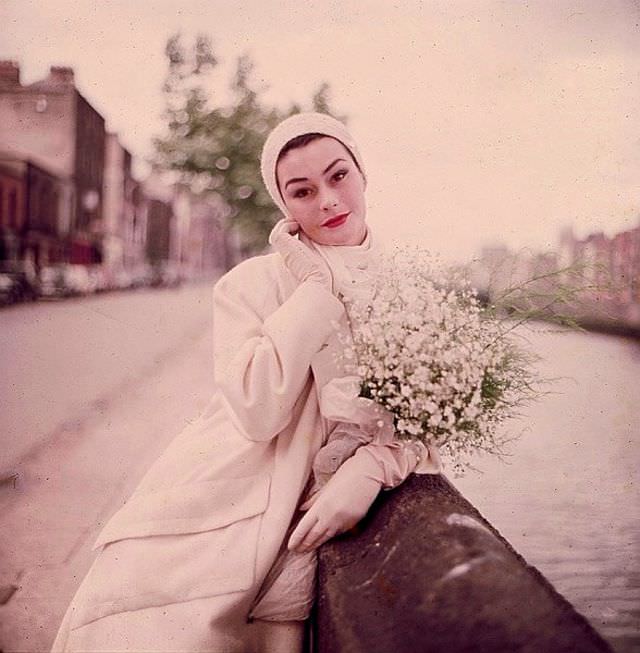
One of her earliest major connections in fashion was with Irish designer Sybil Connolly, for whom she worked as a house model. That relationship proved career-defining. In 1953, Gunning landed the cover of Life magazine, a milestone that cemented her status among the top models working in Britain and Europe at the time. Connolly’s designs — often featuring Irish tweeds, pleated cambric, and evening mantles — were a natural fit for Gunning’s refined, composed presence.
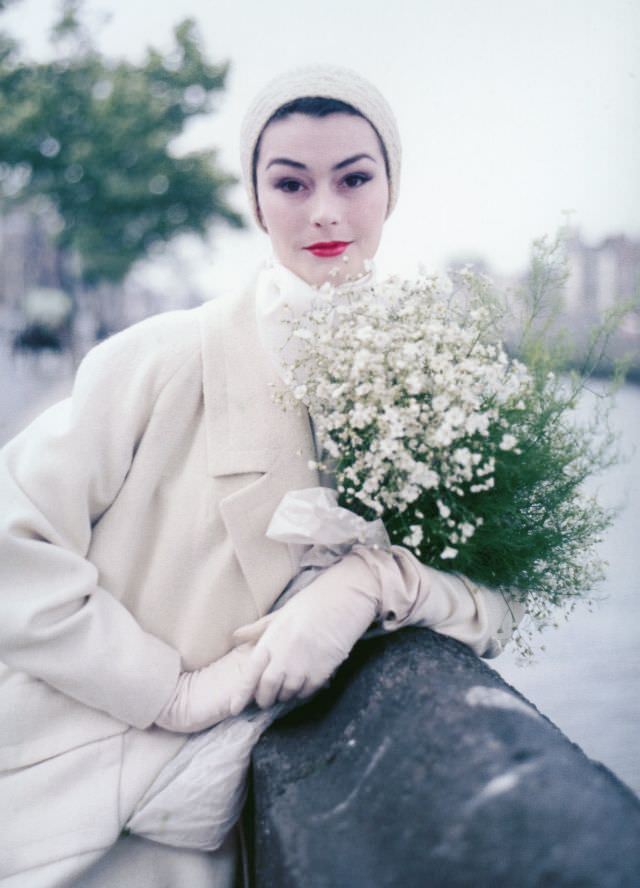
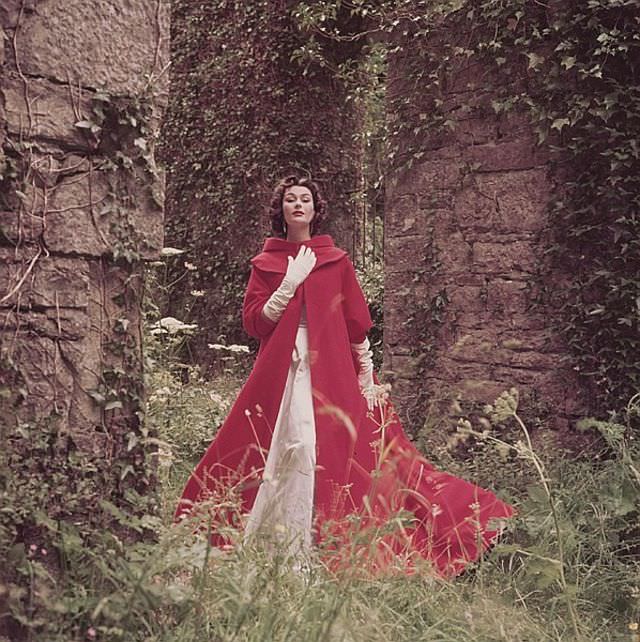
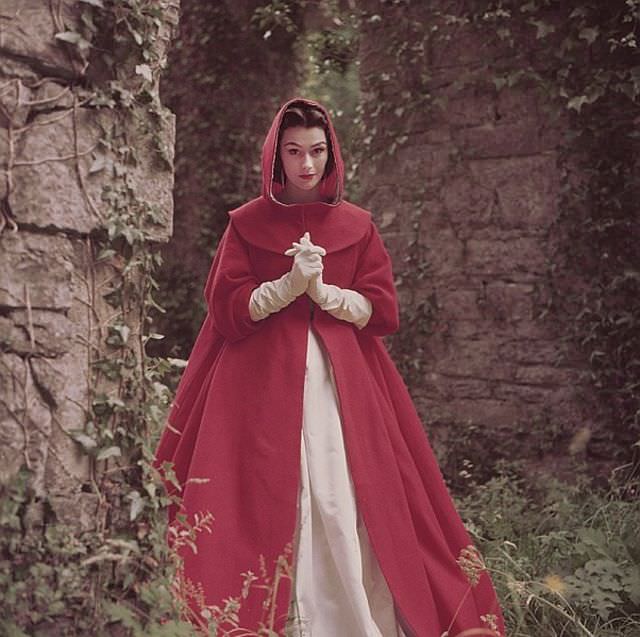
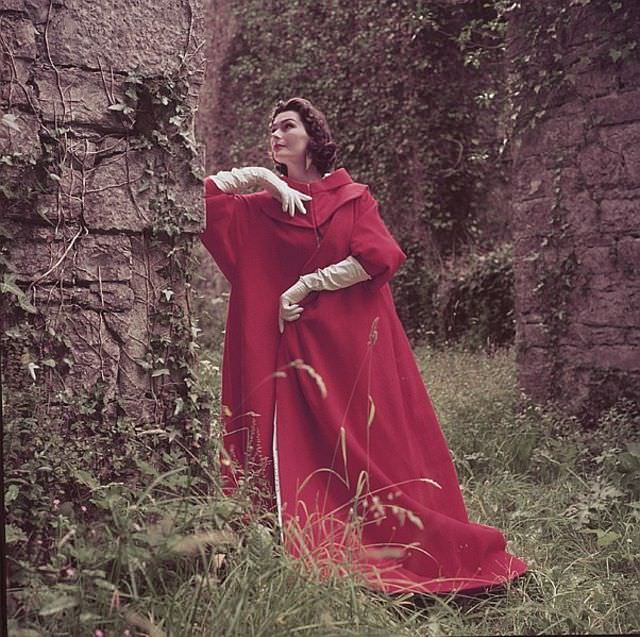
The year 1953 was extraordinarily productive for Gunning. She shot for Vogue, Life, and Paris Vogue, wearing designs from the biggest names in fashion — Christian Dior, Givenchy, Jacques Fath, Lanvin Castillo, and Jean Patou among them. Each shoot showed a different facet of her ability to inhabit a garment completely, whether it was a structured poppy-red Dior wool suit or a delicate silk print dress by Givenchy in shades of yellow.
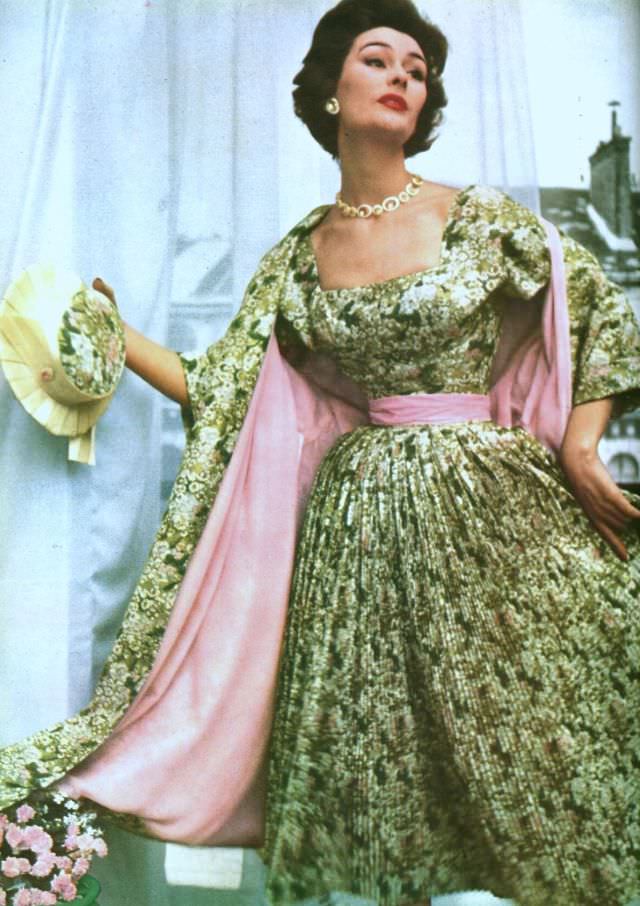
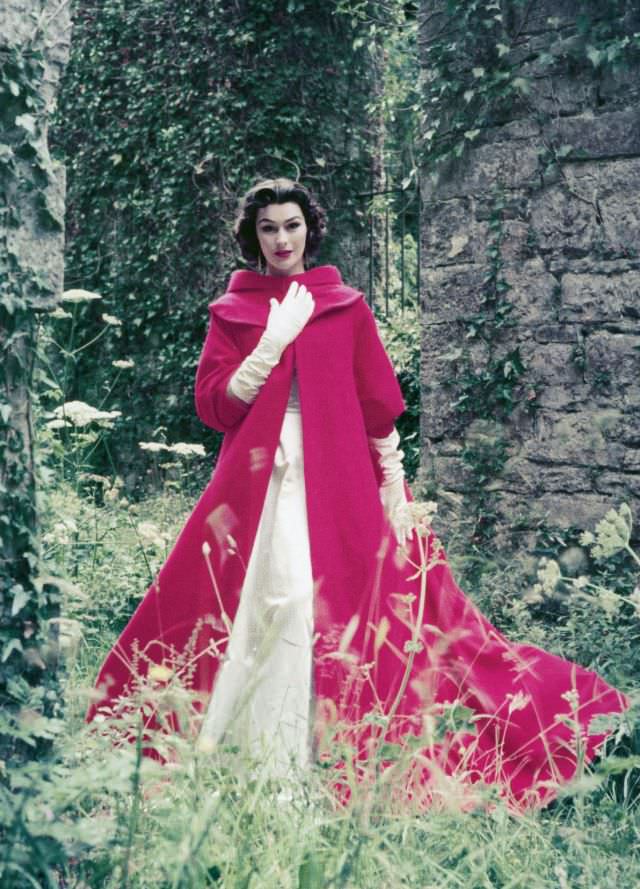
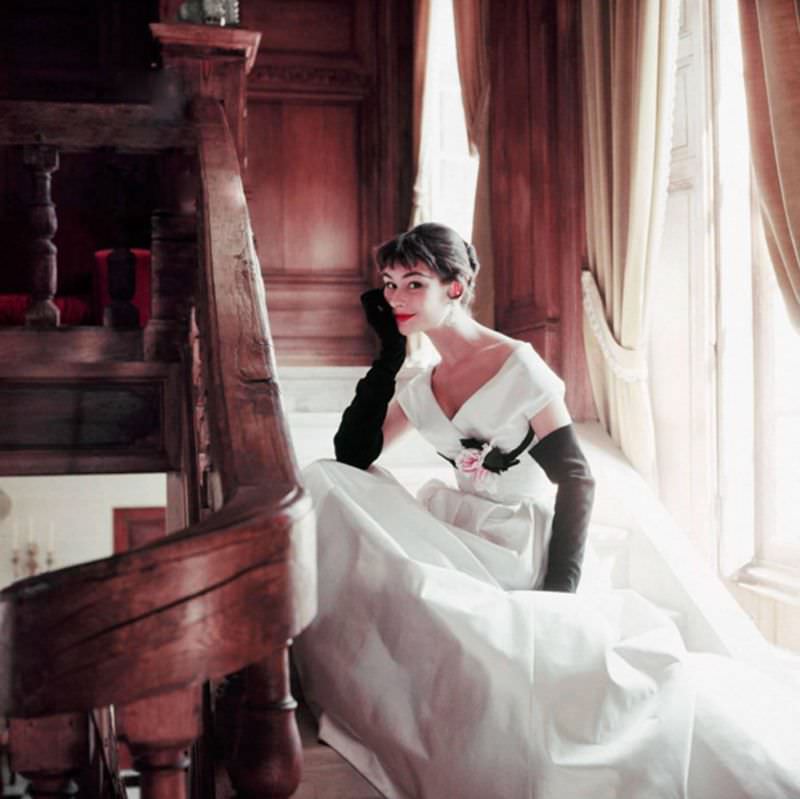
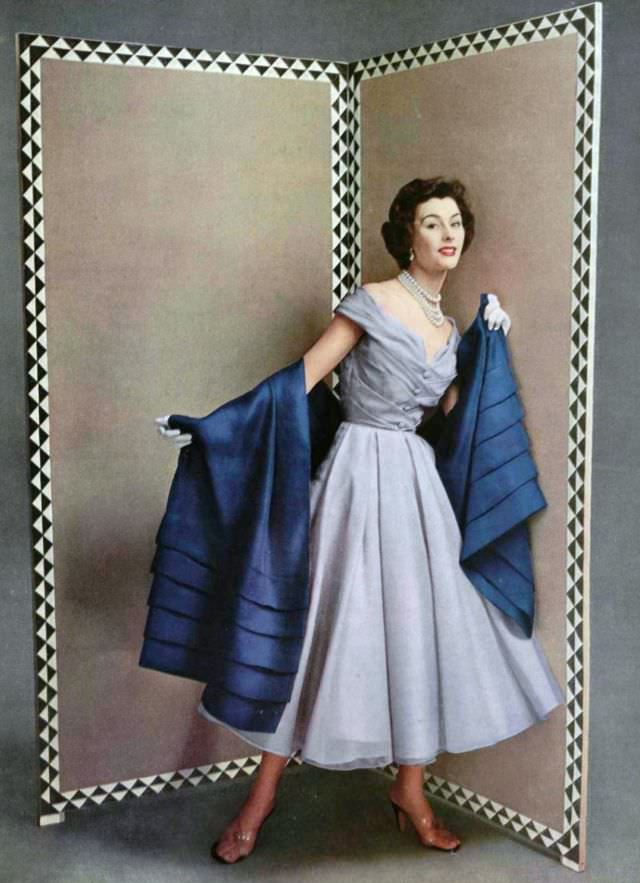
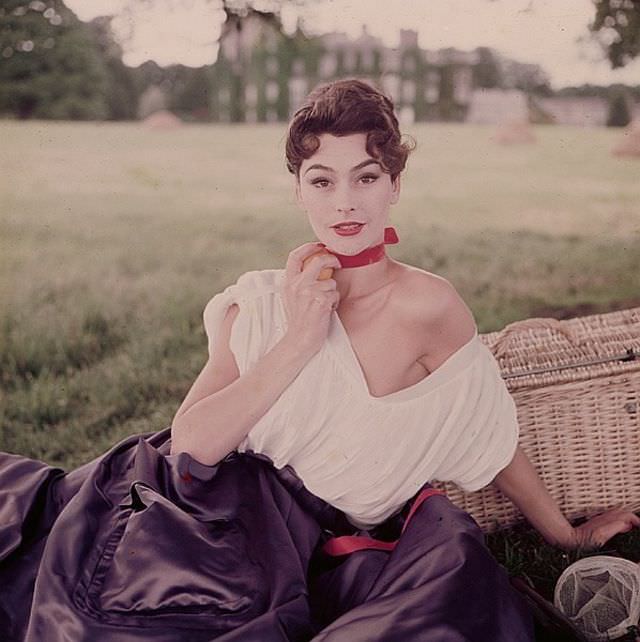
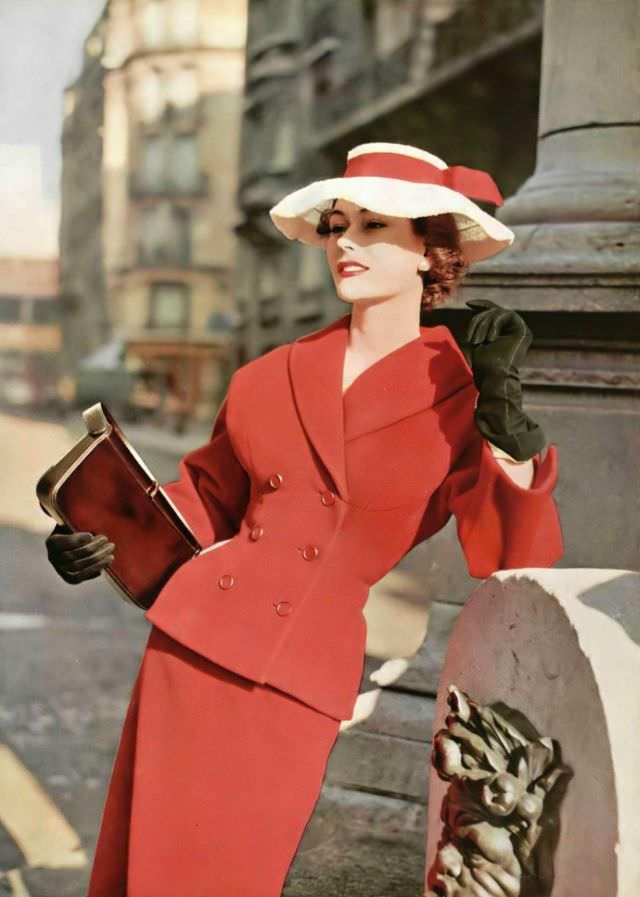
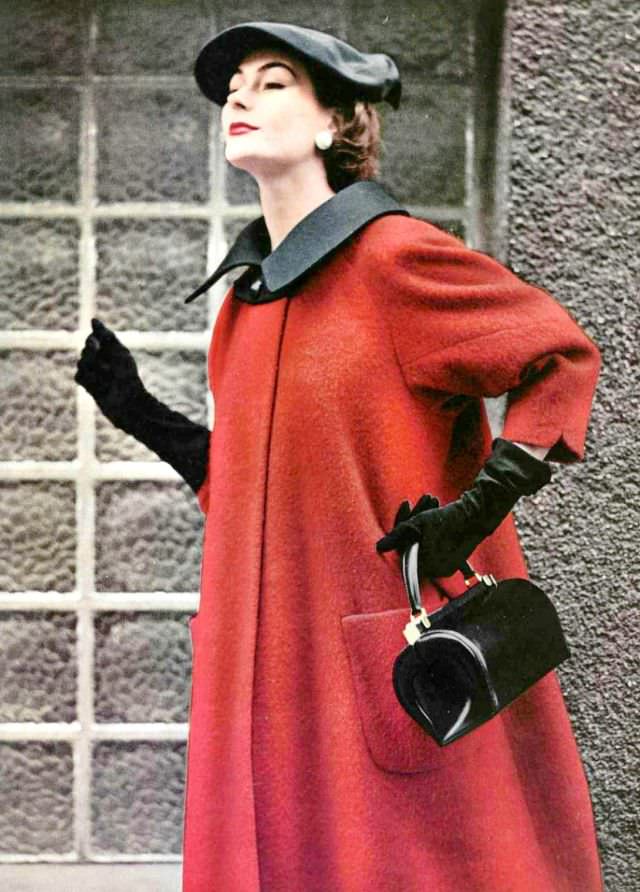
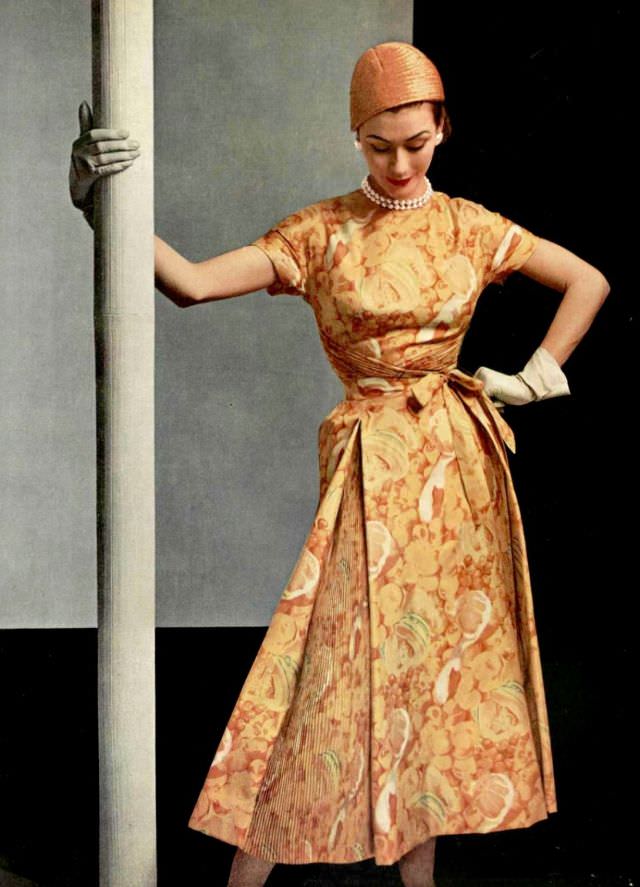
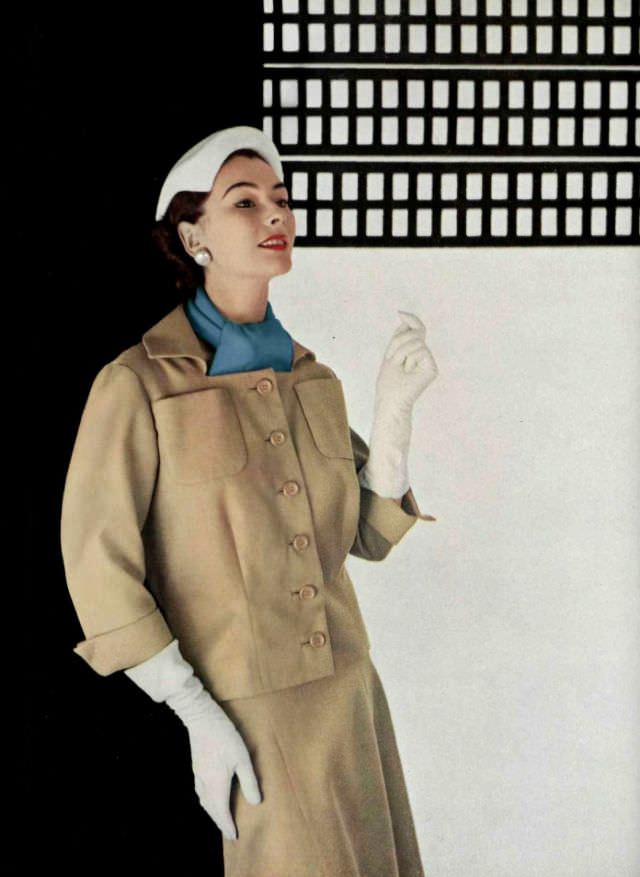
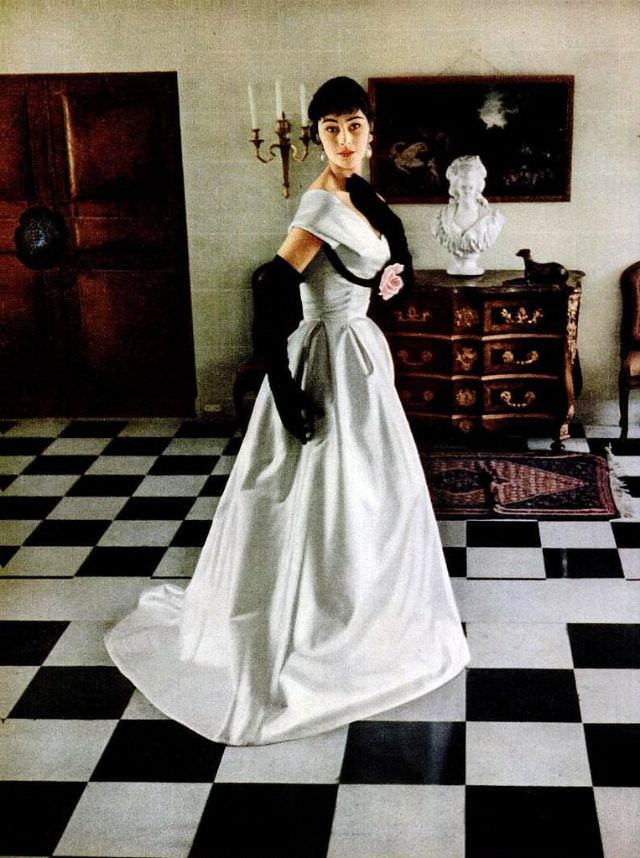
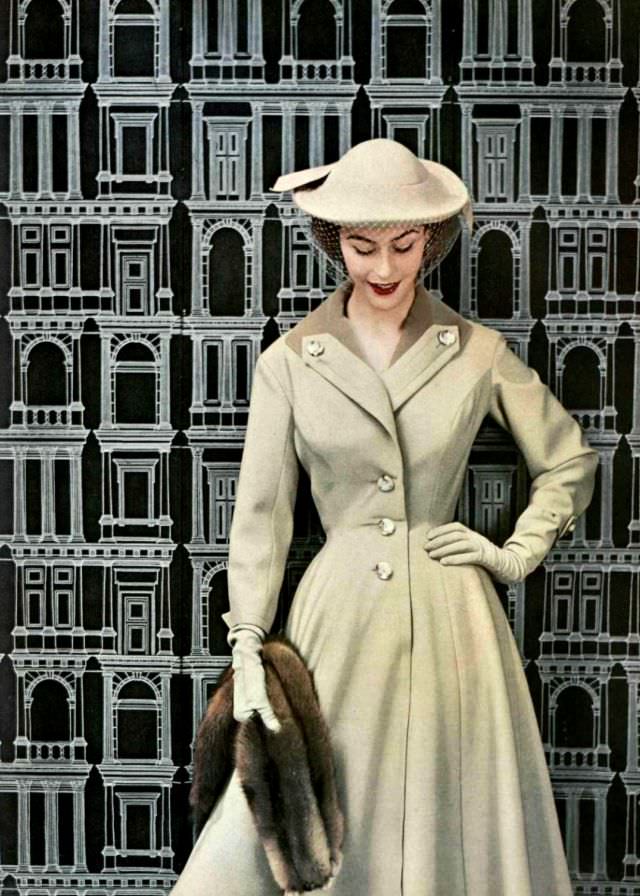
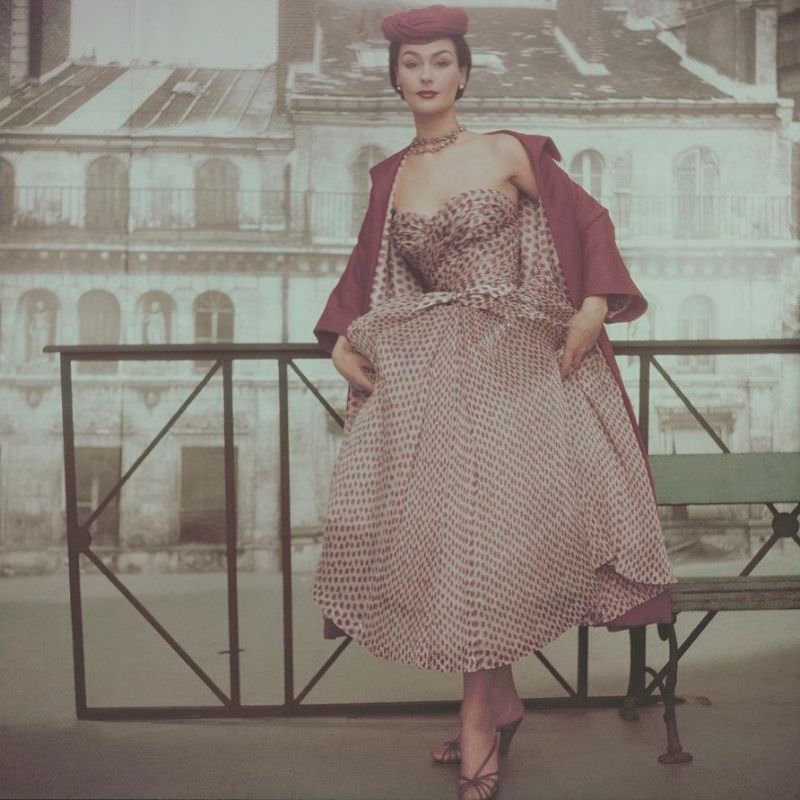
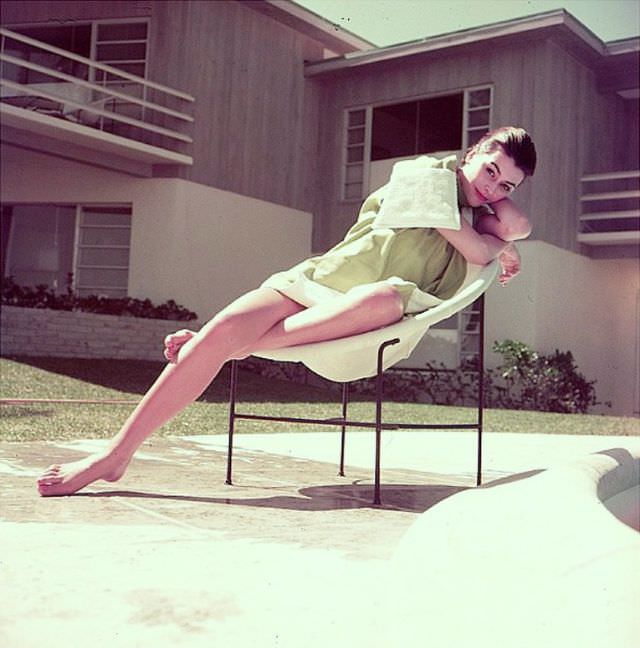
Despite her success on the page, the catwalk was a different matter. The only runway show Gunning ever walked was for Sybil Connolly. She was genuinely afraid of tripping in front of a large audience and found live shows nerve-wracking in a way that studio shoots never were. Her career stayed firmly rooted in editorial and advertising work, including lucrative contracts with Hermès and Sears. She also made regular trips to Paris and America for both editorial assignments and personal travel.
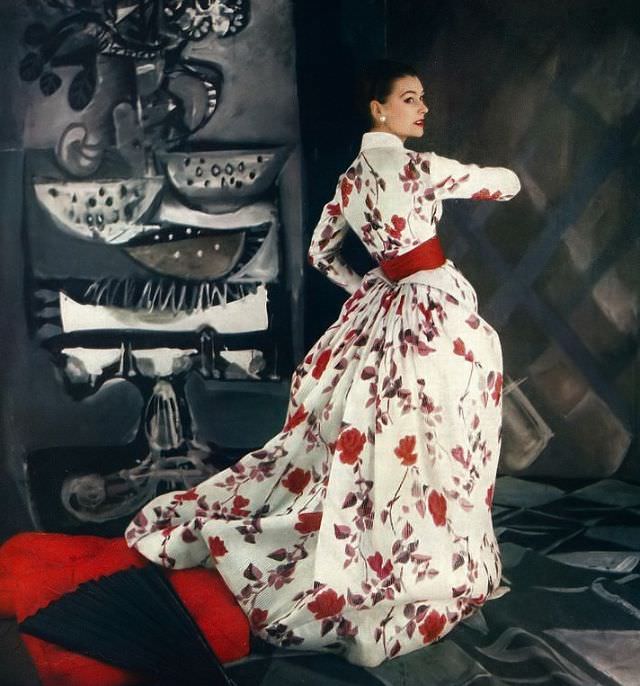
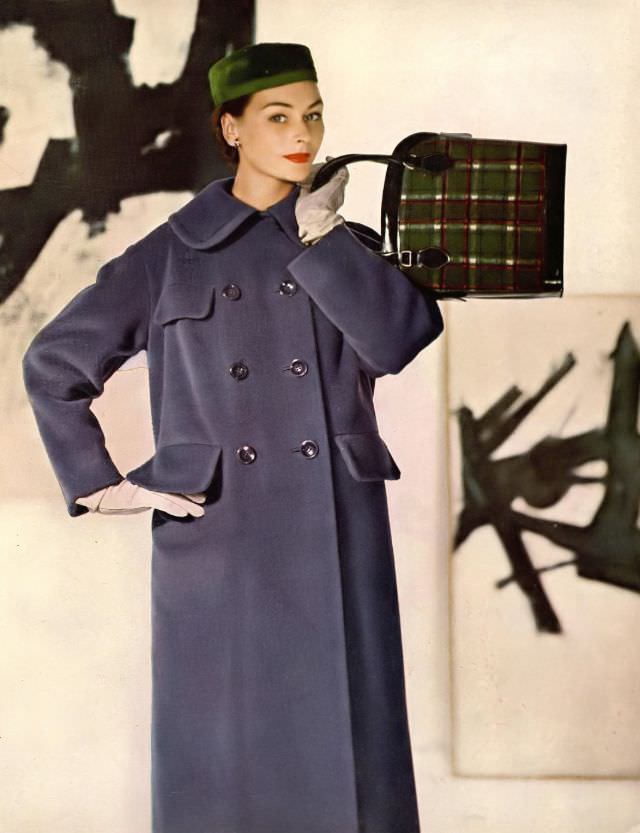
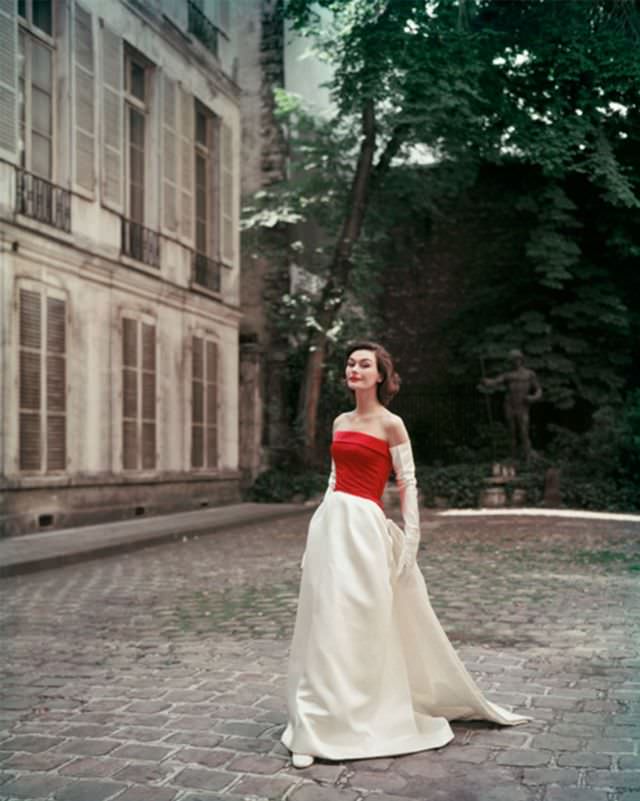
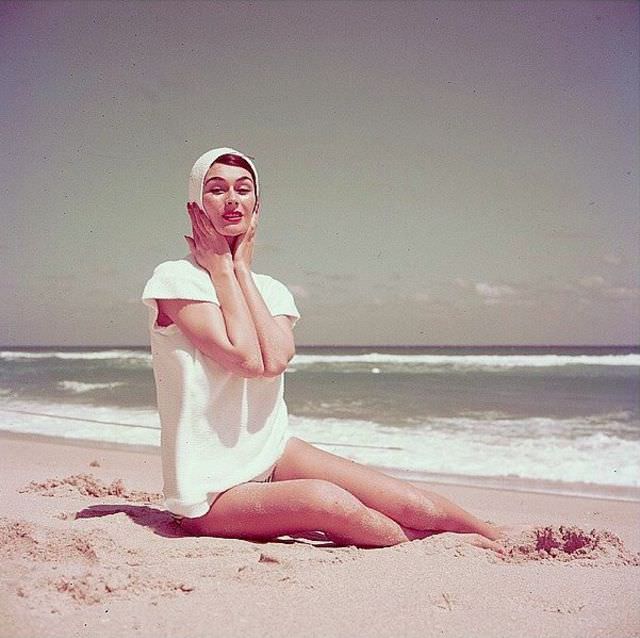
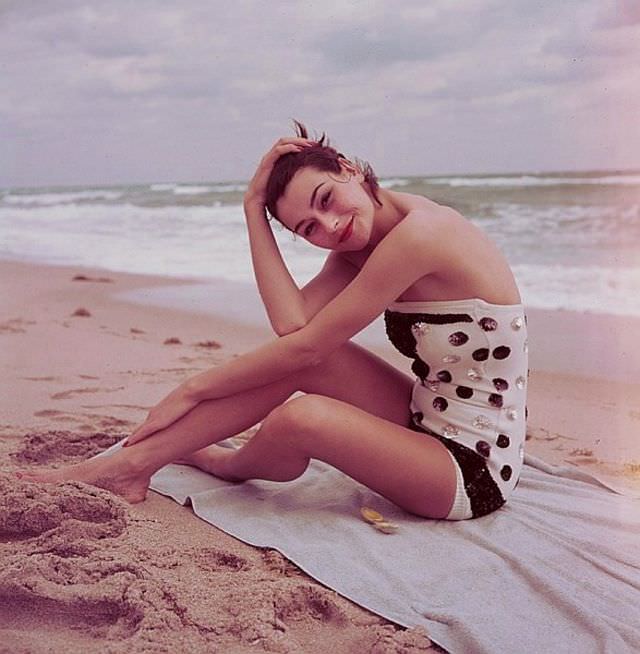
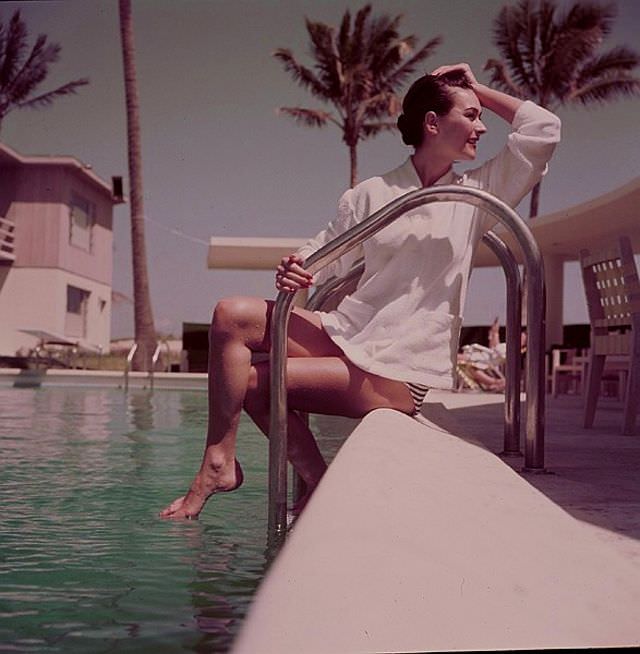
In 1956, Gunning traveled to India with photographer Norman Parkinson and model Barbara Mullen for what became one of the most visually arresting fashion shoots of the decade. The series took her through Jaipur, Tamil Nadu, and other locations rich with architectural detail. For one image, she wore a pale pink coat layered over a deeper matching pink, deliberately chosen to echo the scarlet and gold of the guards’ uniforms at the City Palace of Jaipur. Gold Indian jewelry completed the look, picking up the color of the guard’s turban. In another frame, she stood in a white lace dress against the carved white marble of a temple facade. At the Mylapore Temple, her slender figure in a red and white full-skirted gown visually mirrored the temple’s painted canopy above her. Gunning wore designs by Christian Dior, Susan Small, and Horrocks throughout the series, and the bold, saturated colors of the photographs made them stand out immediately.
On a trip to America, Gunning met fashion designer Oleg Cassini — the same man who would later dress Jacqueline Kennedy as First Lady throughout the 1960s. The two maintained a long-distance relationship for a period. She also had a sustained relationship with British aristocrat Colin Tennant, and the two of them modeled together for a feature in the French fashion magazine Au Jardin Des Modes.
In May 1961, Anne Gunning married British diplomat Anthony Nutting. When he inherited his father’s title, she became Lady Nutting. She stepped away from modeling entirely after the wedding. The couple had no children and remained married until Anne’s death in January 1990.