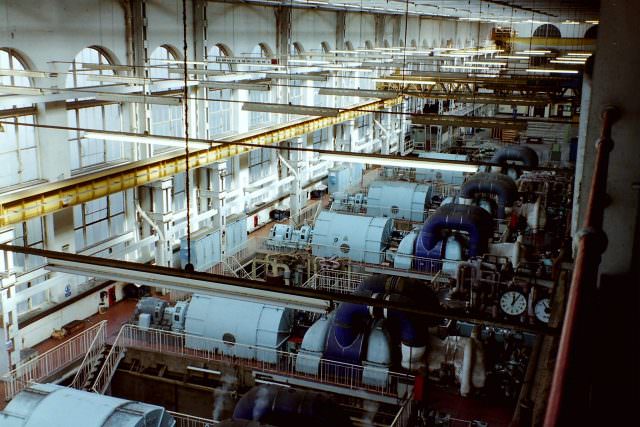
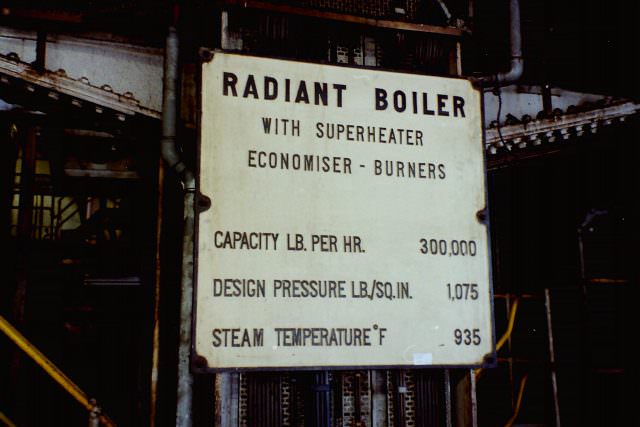
Lots Road Power Station stands as one of London’s most overlooked industrial landmarks. Built in 1904, it predates two far more famous neighbours — Battersea Power Station, which opened in 1933, and Bankside Power Station, which followed in 1952. While Battersea now houses luxury flats and Bankside is home to Tate Modern, Lots Road spent nearly a century quietly doing the hard work of keeping London moving.
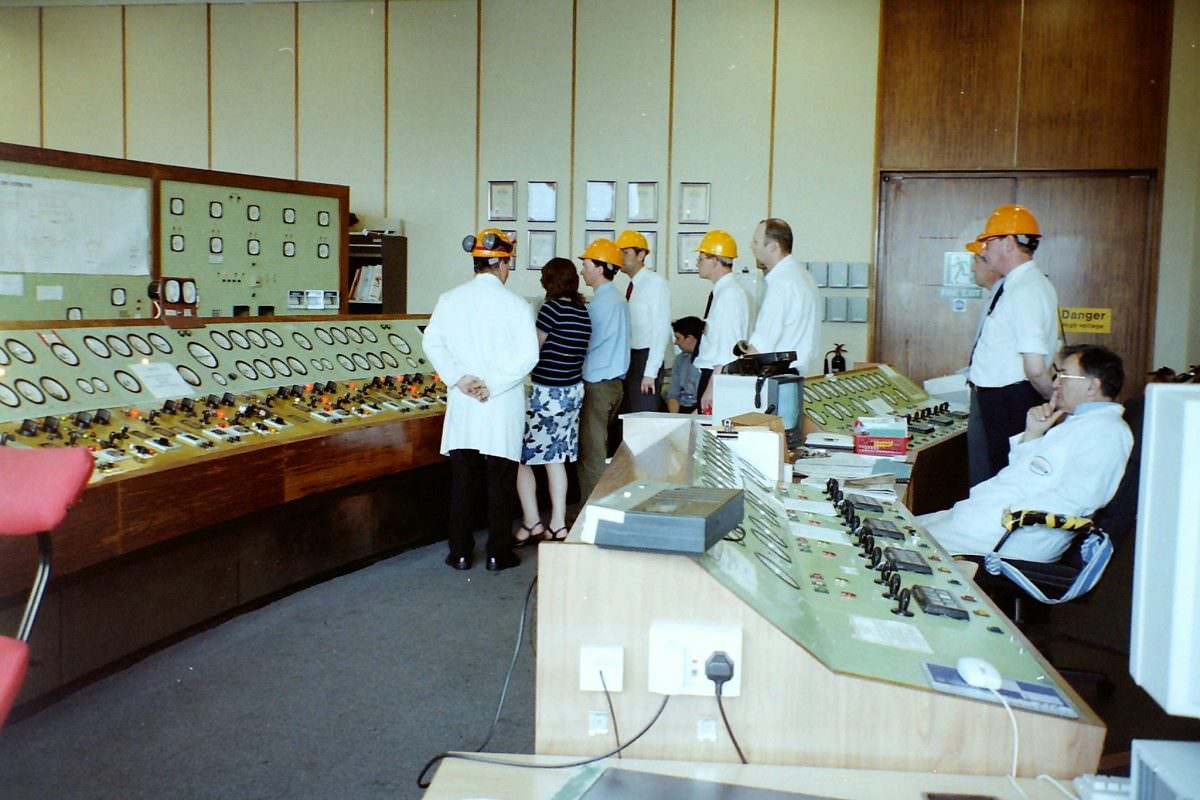
From 1905, the station generated electricity specifically for London’s Underground network. It was a dedicated power source for the Tube at a time when the city’s rail system was rapidly expanding. Even as newer power sources came online, Lots Road was kept in reserve, running as a backup until it finally closed in 2002 when the National Grid took over the supply.
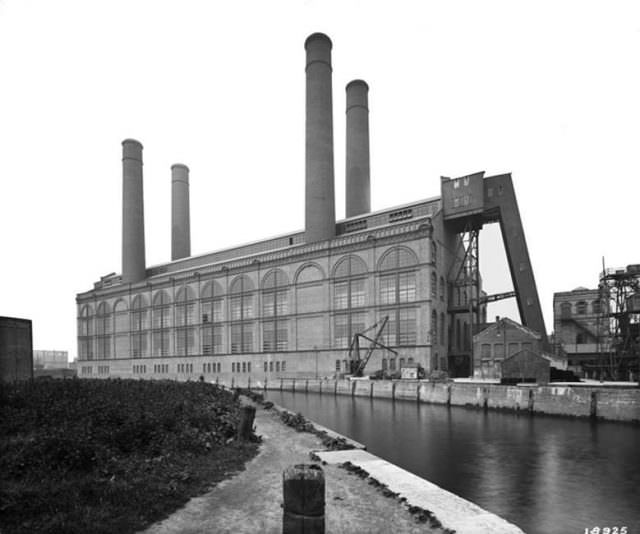

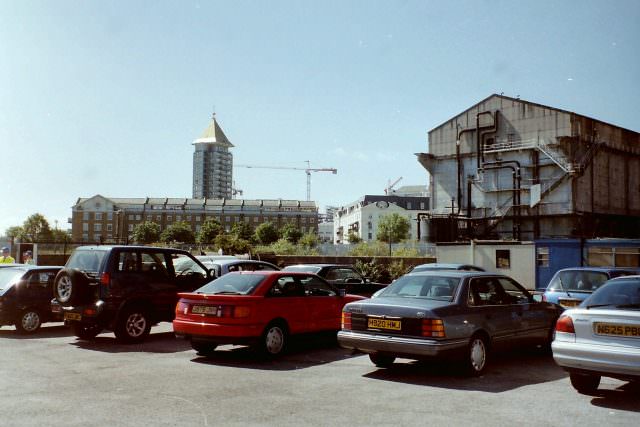
The station’s location is worth noting. Despite being associated with Chelsea — a name that has attached itself to many things in the area, including the local football club — the site actually sits in Fulham, beside former railway yards that became part of what is now known as Chelsea Harbour. The broader Chelsea Waterfront development, which includes the converted power station, now features shops and residential flats.
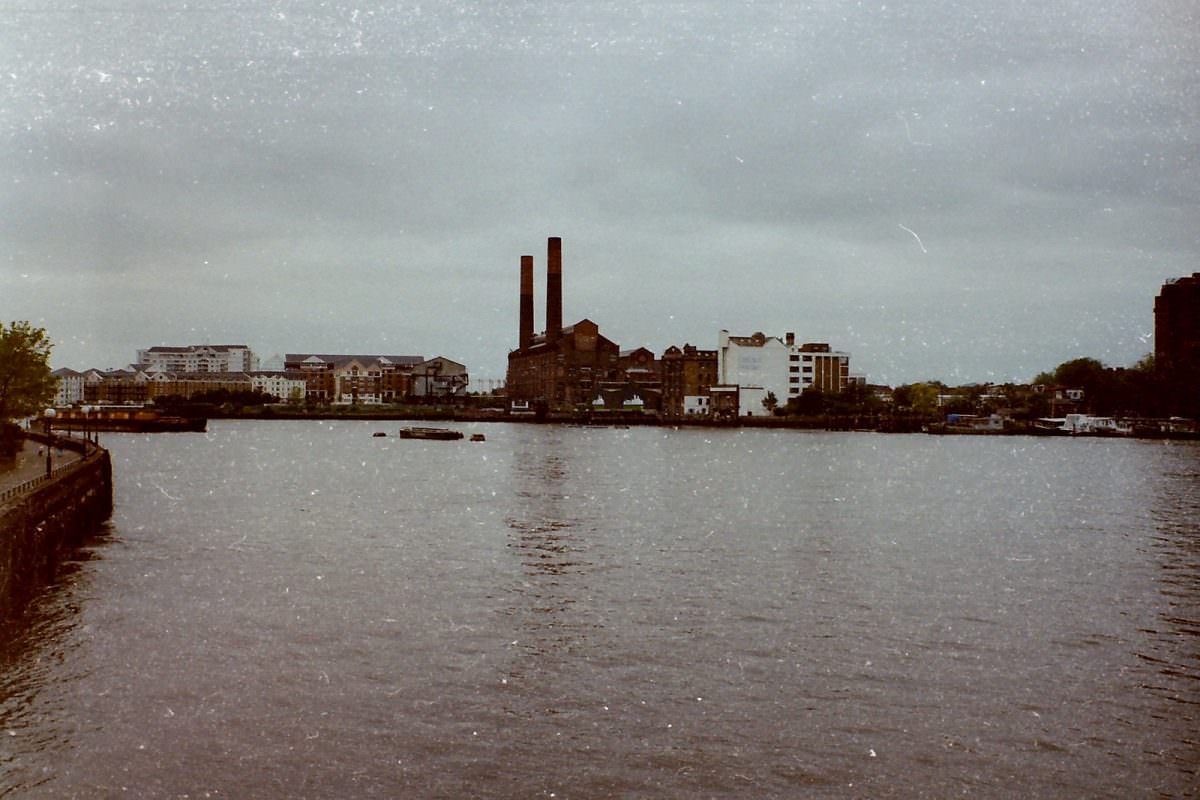
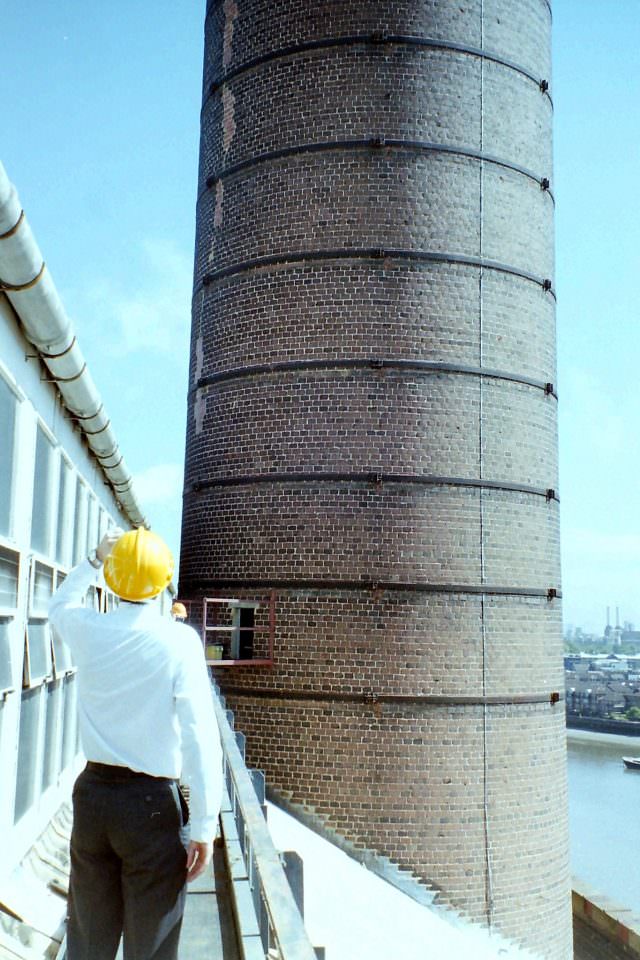
One of the most striking features of the original building was its four chimney stacks, each rising 275 feet above the boiler house. These tall structures gave the station a commanding presence along the Thames. However, after oil prices surged in the 1970s, the number of stacks was gradually reduced — first from four to three, and then down to two — as the station scaled back its operations.
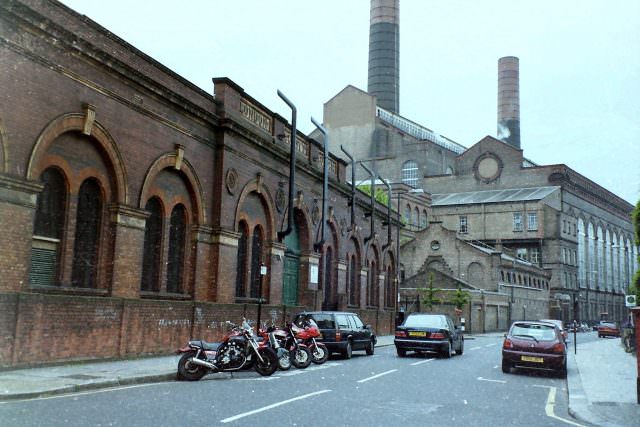
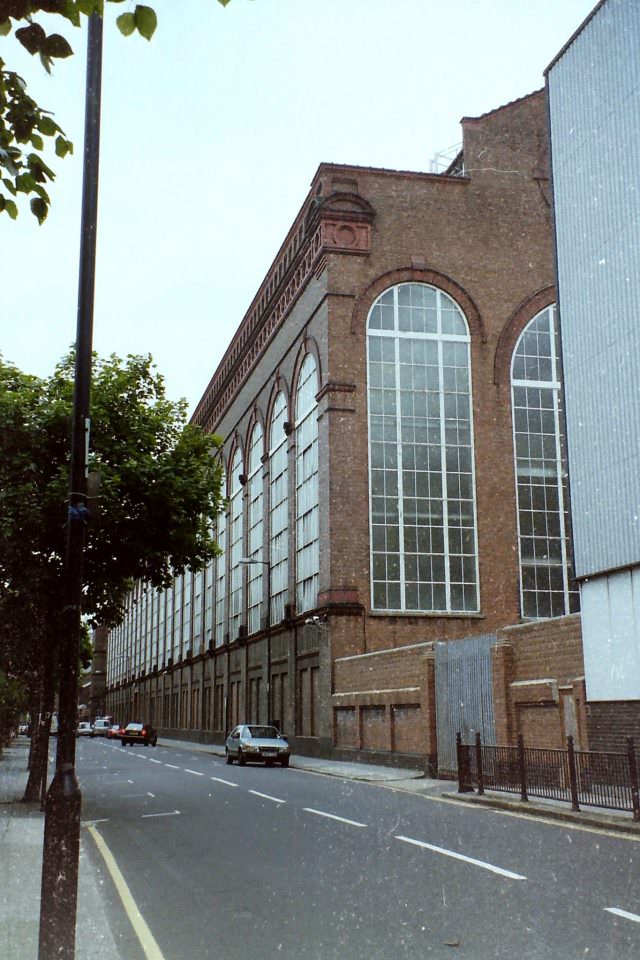
Beyond powering the Tube, Lots Road supplied electricity to other parts of London’s transport network. It provided power for London United Tramways and also served the London General Omnibus Company’s bus works at Chiswick. The station was, in effect, a central engine for much of the capital’s public transport system in the early 20th century.
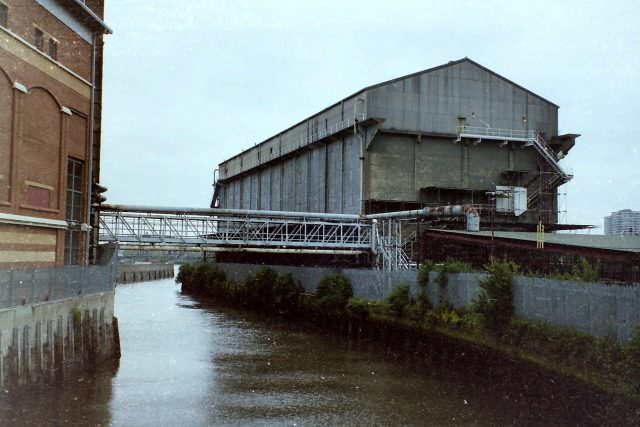
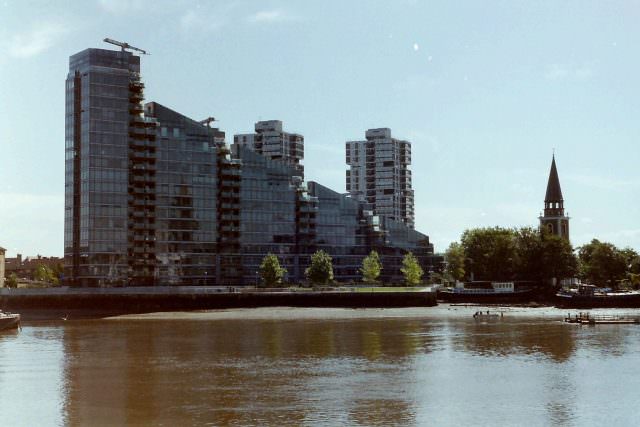
The station also made an unexpected contribution to British broadcasting. Its tall chimney stacks were fitted with aerials by various broadcasters, making Lots Road a small but real part of the development of the radio industry in Britain. The station appeared in numerous London Transport posters over the decades, cementing its place in the visual culture of the city.

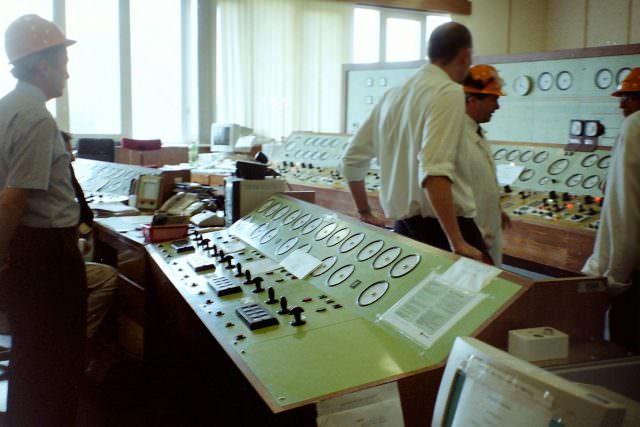
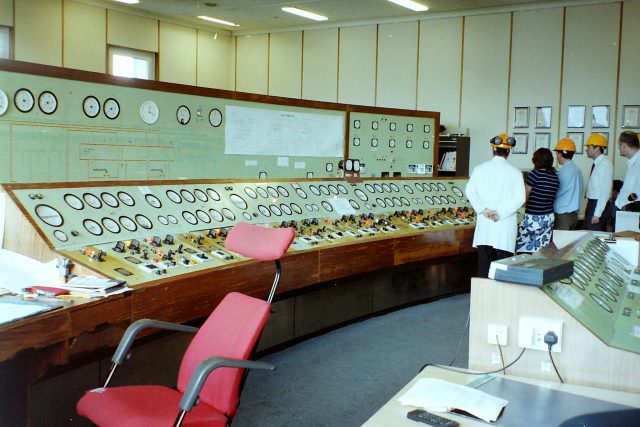
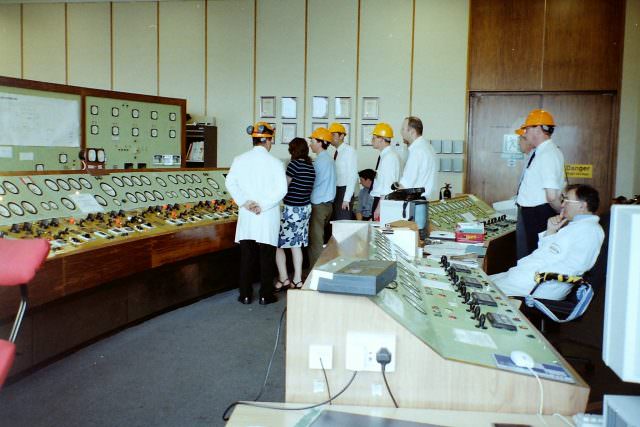
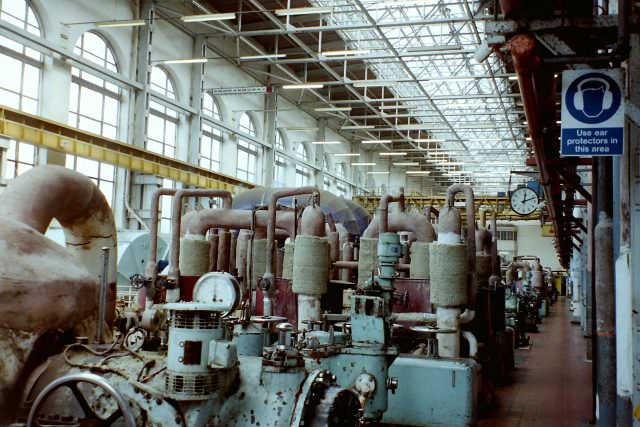
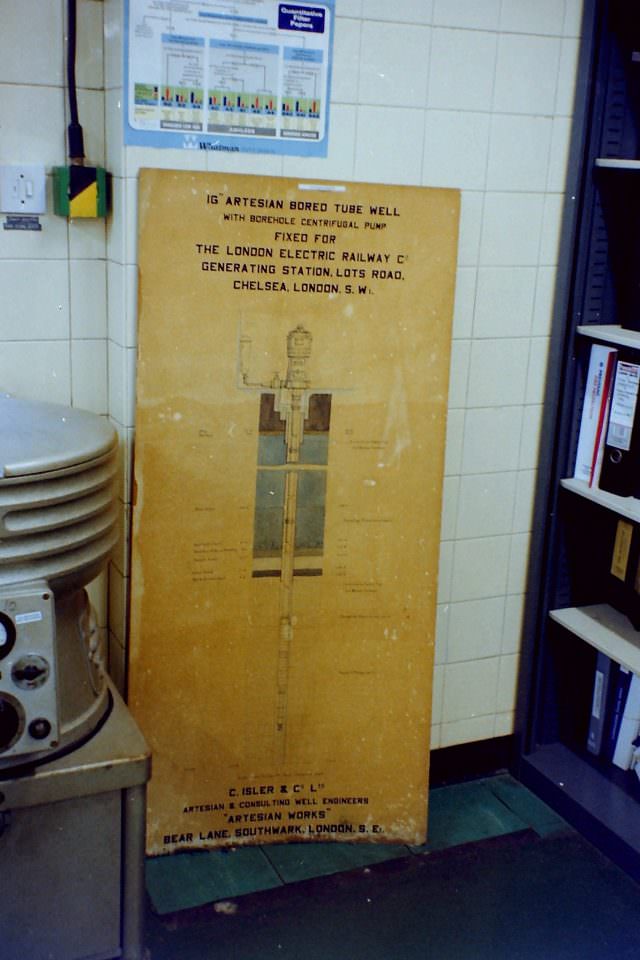
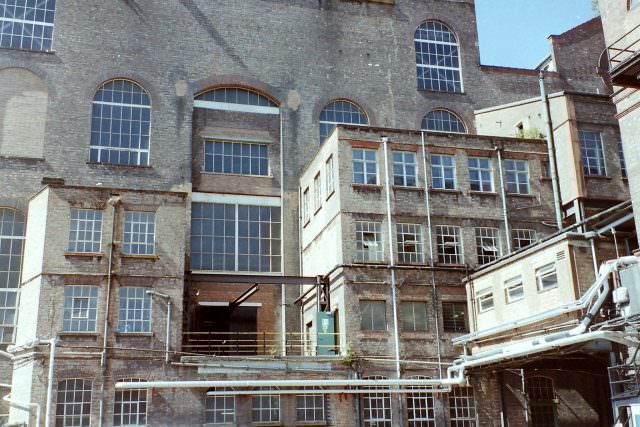
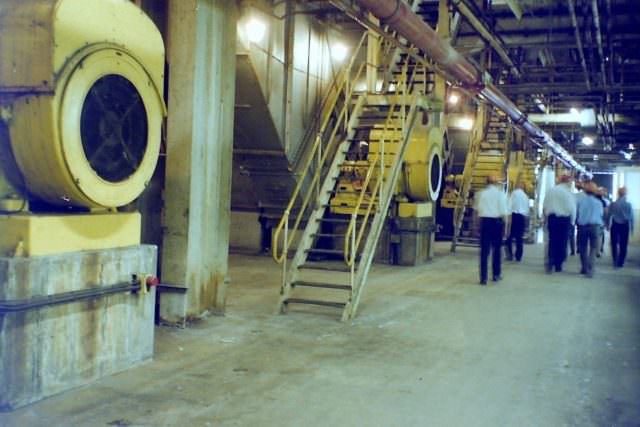
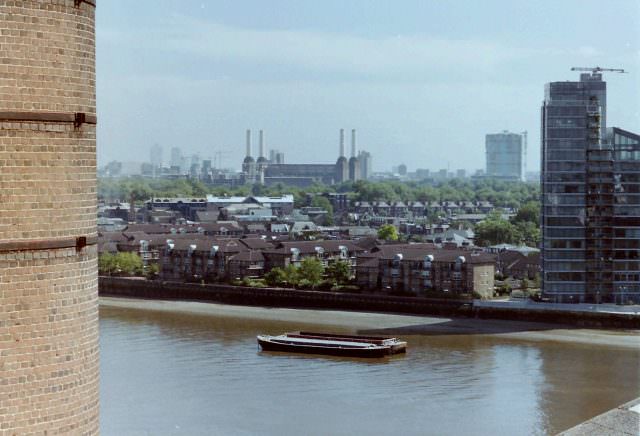
The historic photos collected here offer a rare look at the station across different periods of its life. They capture the building’s industrial scale, its riverside setting, and the changing skyline as the chimney stacks were reduced over time.