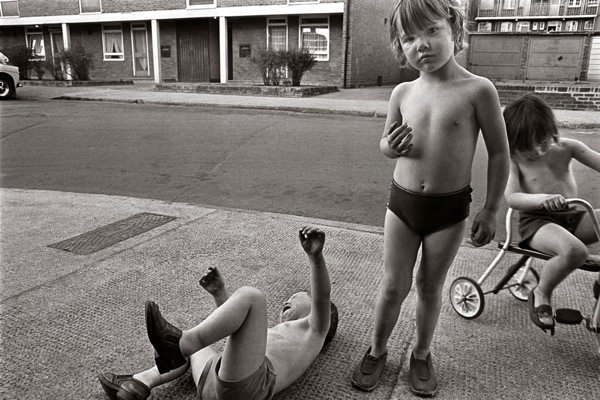
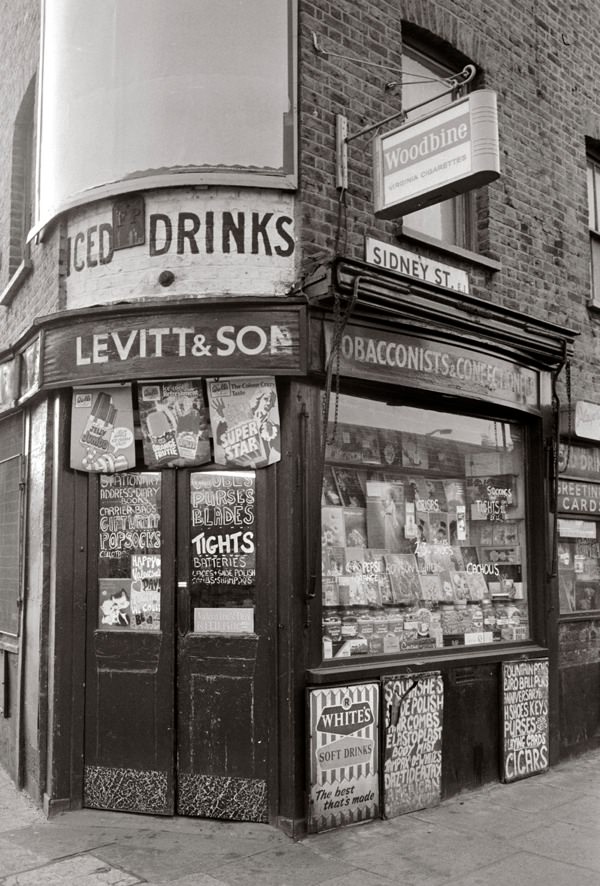
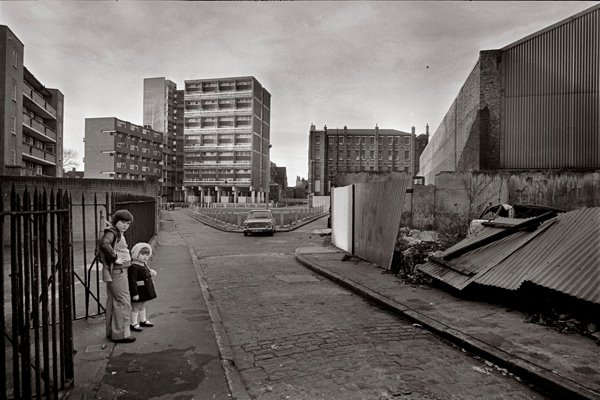
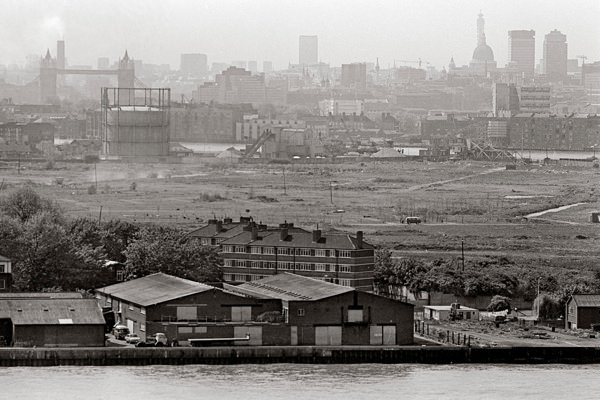
From 1973 to 1978, photographer Tony Bock worked for the East London Advertiser and documented everyday life across the East End. His images don’t romanticize the era — they show it plainly. Streets still bore scars from World War II bombing while new construction pushed forward on the same blocks. The contrast was everywhere.
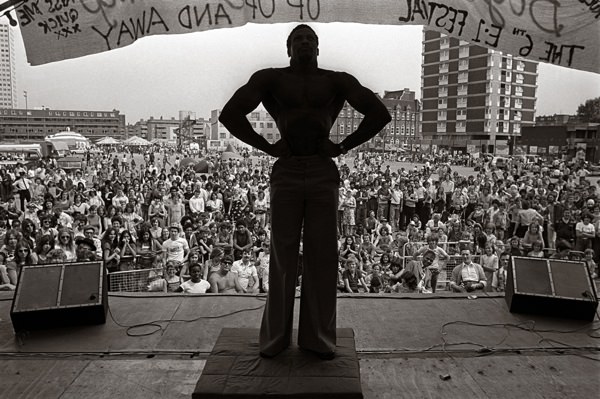
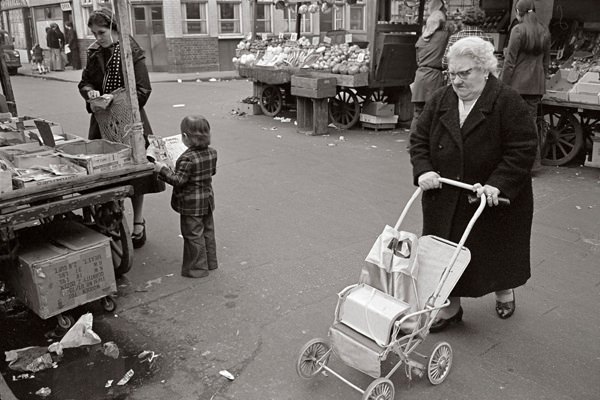
East London in the 1970s was a working-class world. Poverty and unemployment hit many families hard, but the community held tight. Neighbors relied on each other, and local markets like Watney Market kept the neighborhood economy moving. People shopped close to home because that’s where life happened.
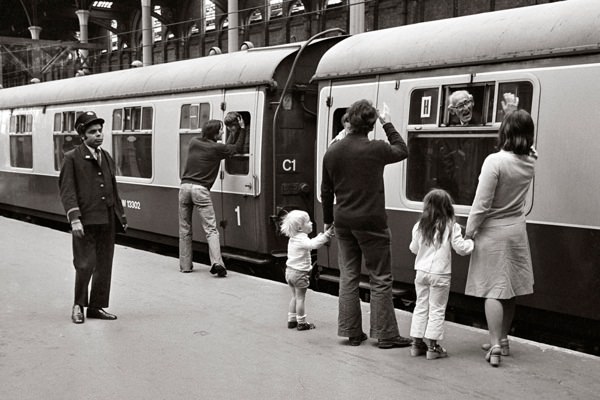
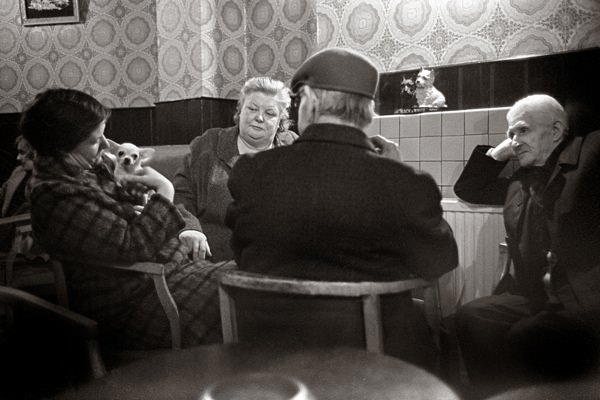
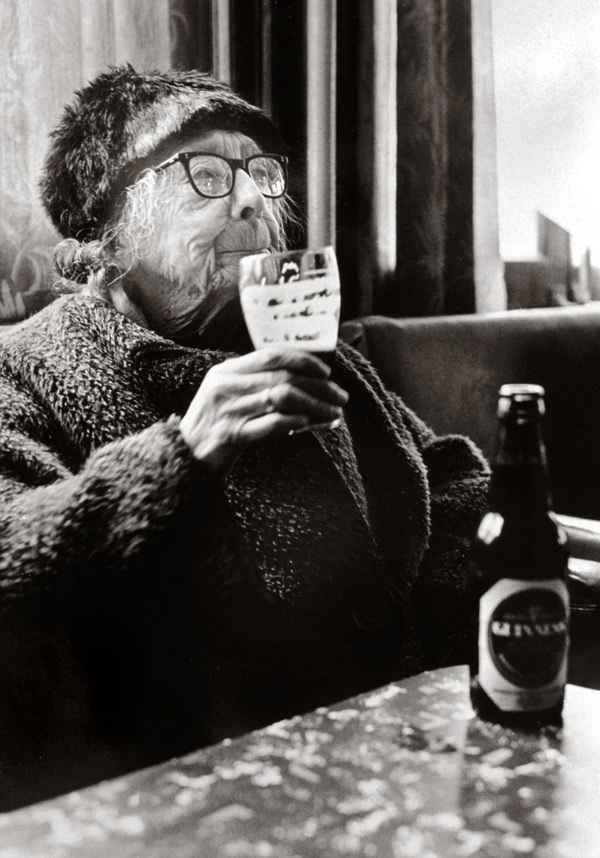
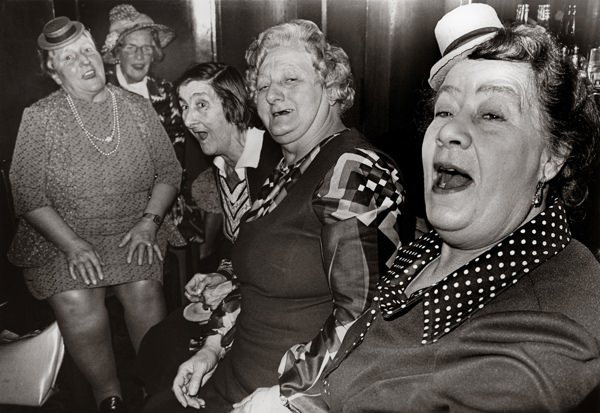
Pubs were central to social life. Places like The White Swan in Poplar and The Royal Oak in Bethnal Green served as gathering points where people unwound after long work weeks. A Saturday night out in Dagenham meant dressing up and heading out — flared trousers, wide ties, bold patterns.
Change was reshaping parts of the city physically. Demolition crews tore down old structures on Tiller Road in the Isle of Dogs as redevelopment crept across the borough. The Commercial Docks at Rotherhithe, once a hub of trade, were also in decline during this period.
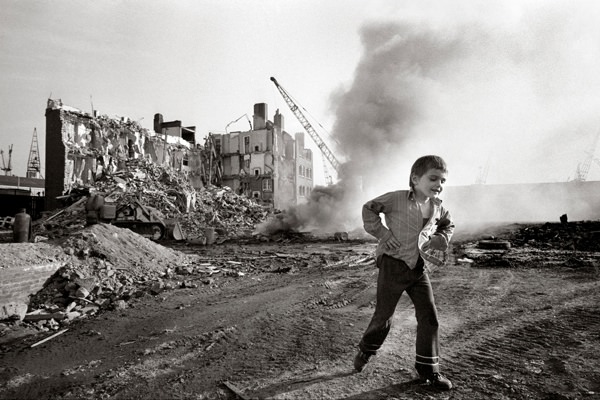
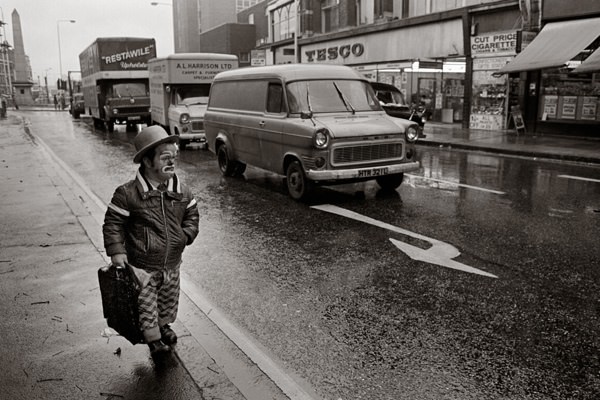
Along the Thames, areas like Wapping retained a raw, weathered character. Kids played freely on streets and stairs with little supervision. Bock’s camera caught children in Poplar and along Pearl Street in Wapping simply living — no screens, no organized activities, just the street itself.
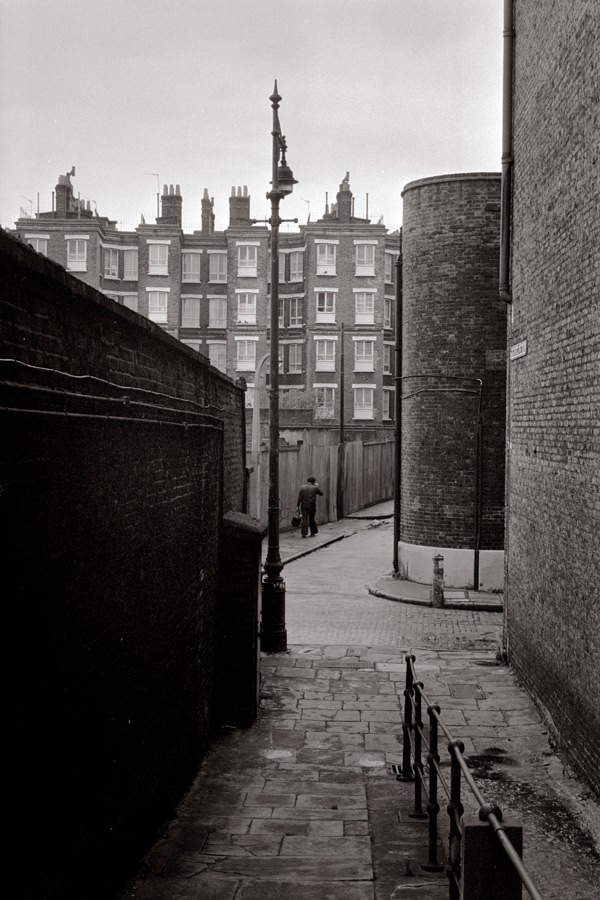
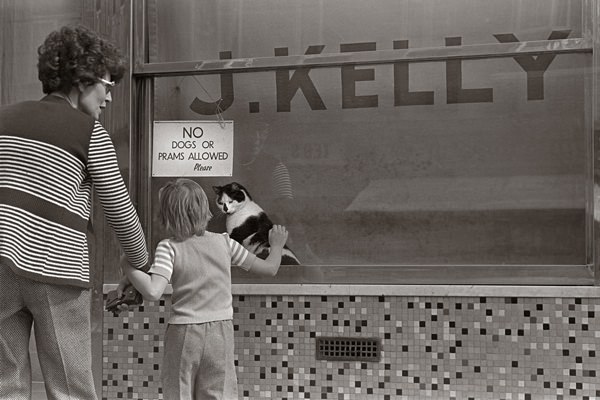
Corner shops on streets like Sidney Street were the lifeblood of local neighborhoods. These small businesses served residents daily and gave each block its own identity. Bock photographed these ordinary places with the same care he gave to festivals and pub nights — treating each scene as worth preserving.