

Leipzig is the most populous city in the German state of Saxony, with a population of over 1.1 million. Following the end of World War II, one-fourth of the city was destroyed by airstrikes. The reconstruction period began in the 1950s.
Since the reunification of Germany, Leipzig has undergone significant change with the restoration of some historical buildings, the demolition of others, and the development of modern transport infrastructure.
Today Leipzig is an economic and trade Centre of Germany and one of the most livable cities in Europe. The annual Leipzig Fair, held in the spring, is one of the most important forums for international trade between eastern and western Europe. Leipzig has many museums, and its academies of dramatic art, musical history, graphic arts, and bookmaking are internationally known.
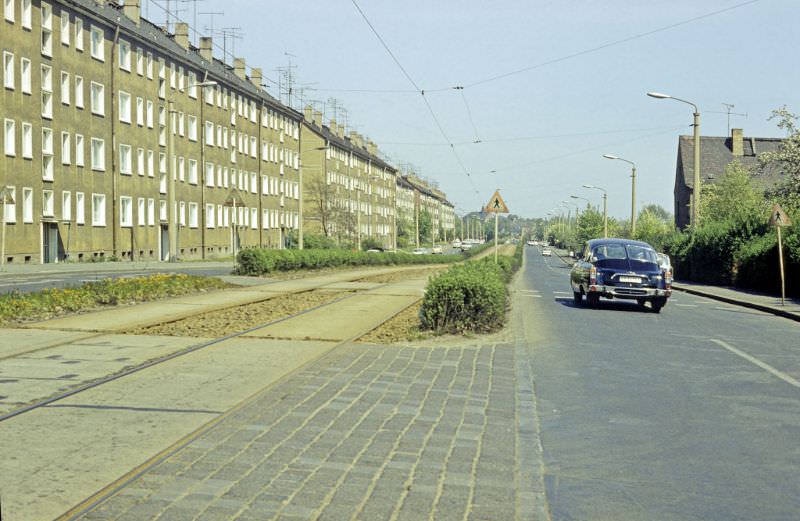
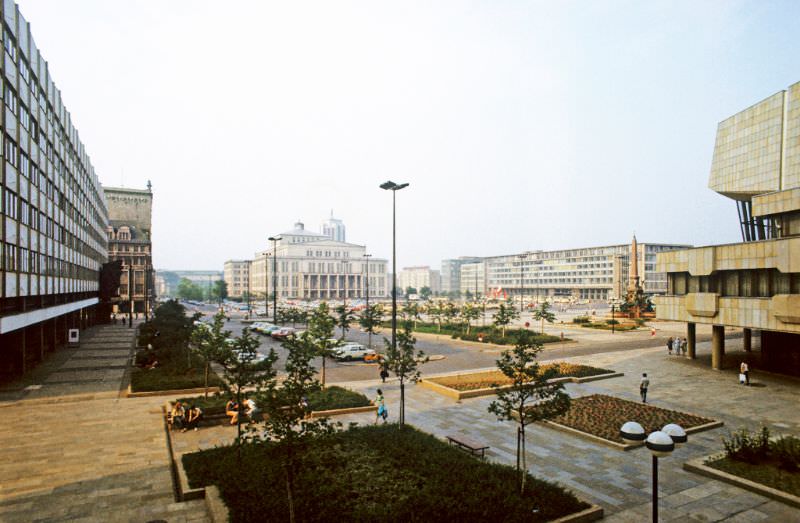
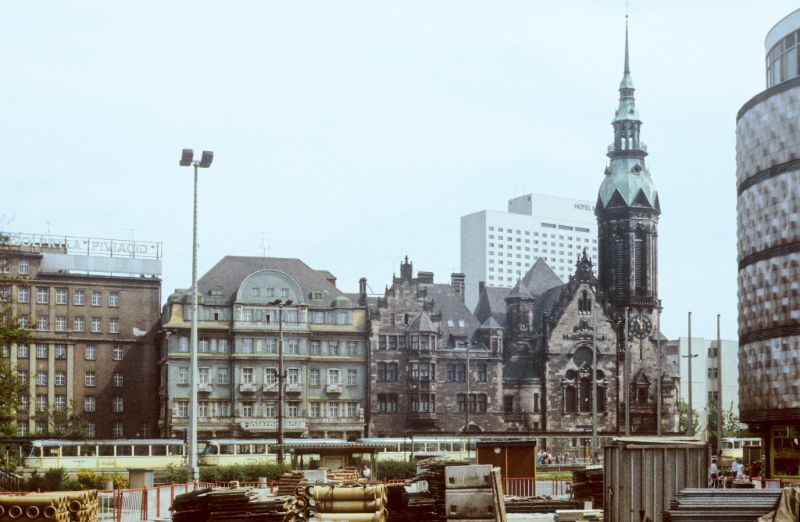
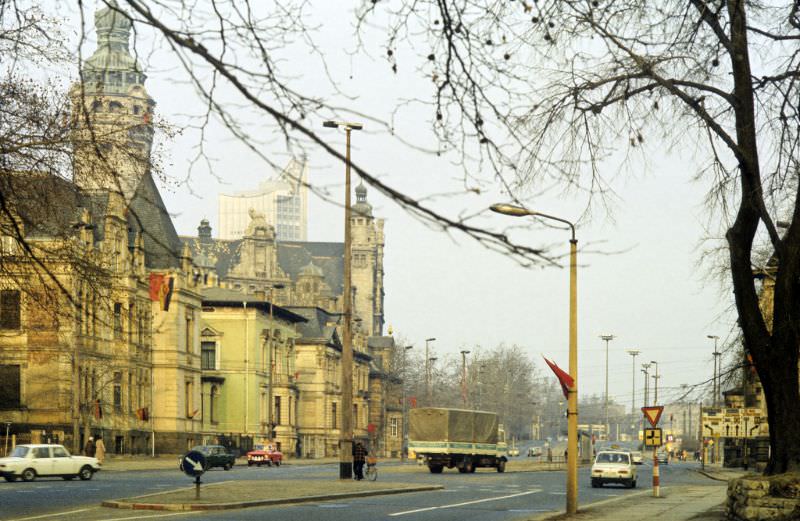
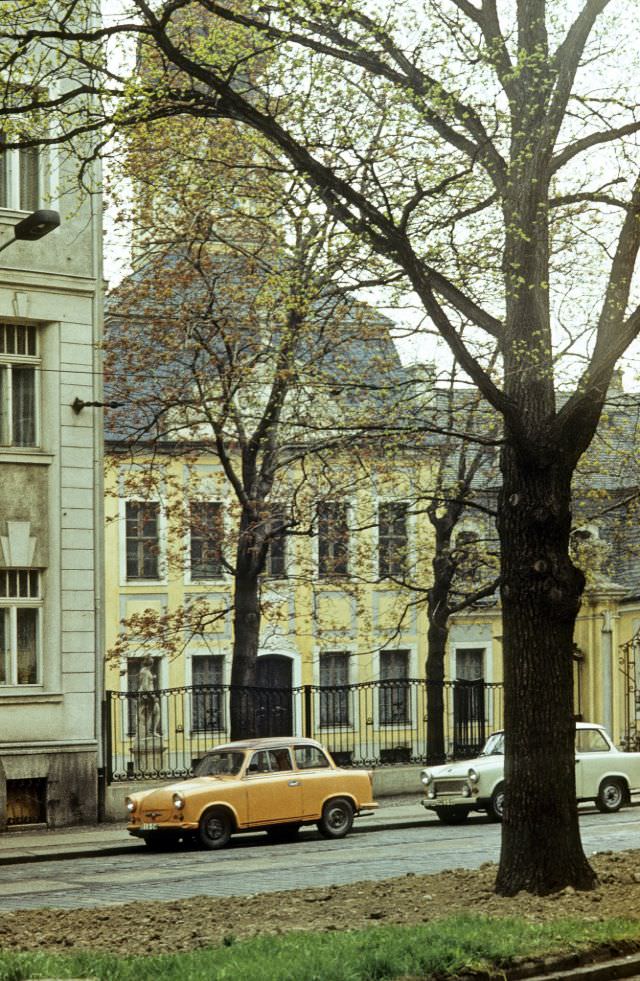
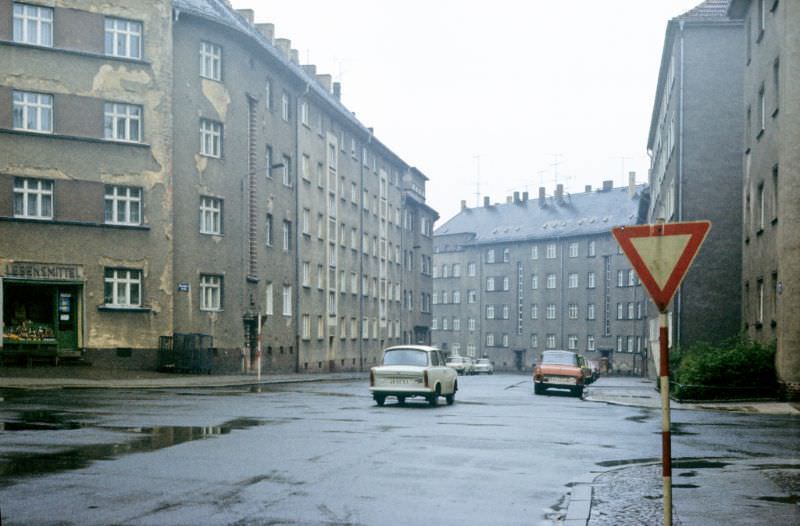
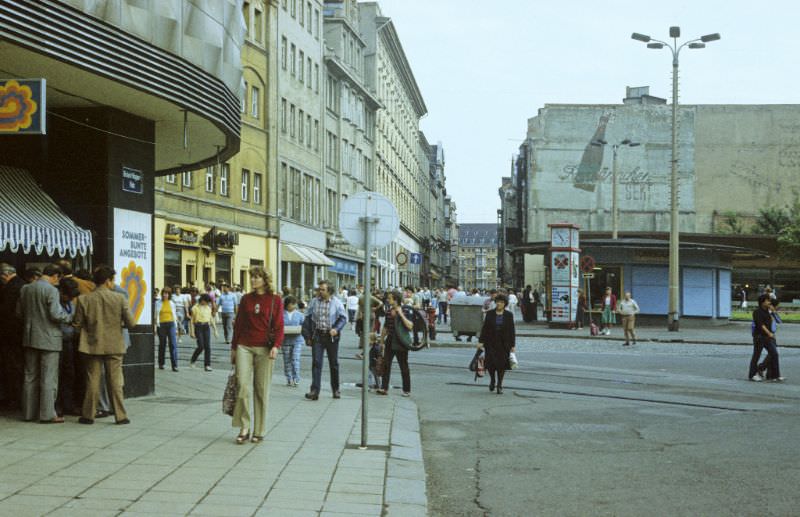
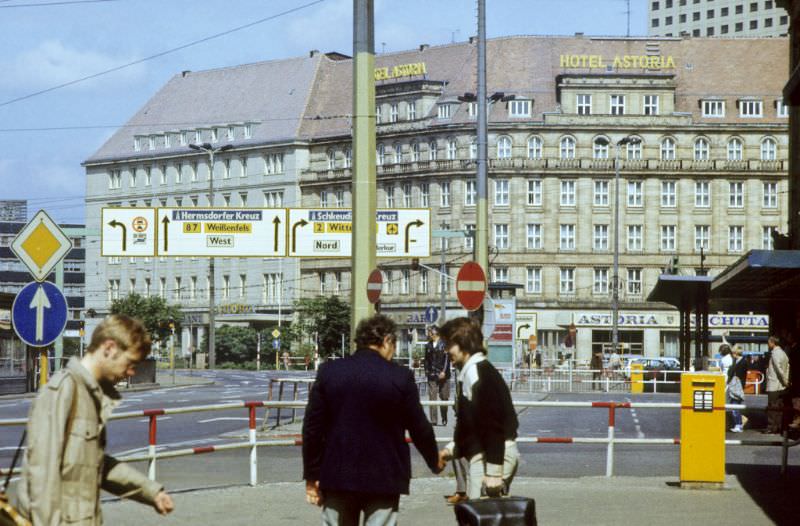
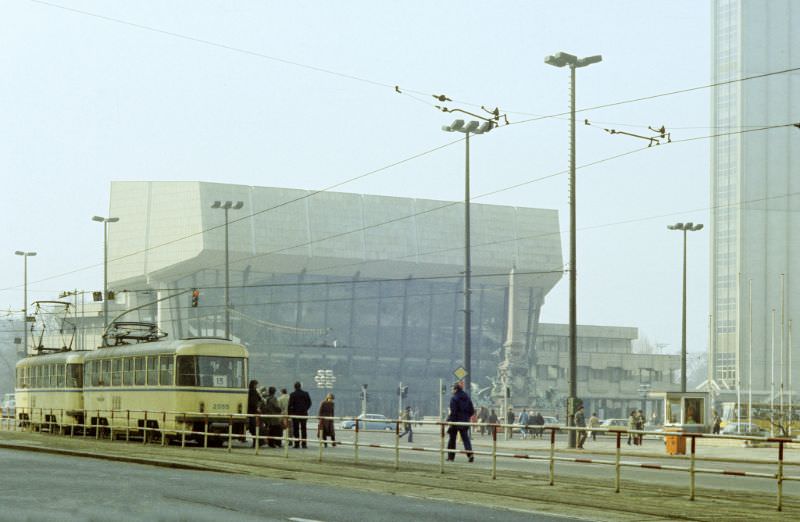
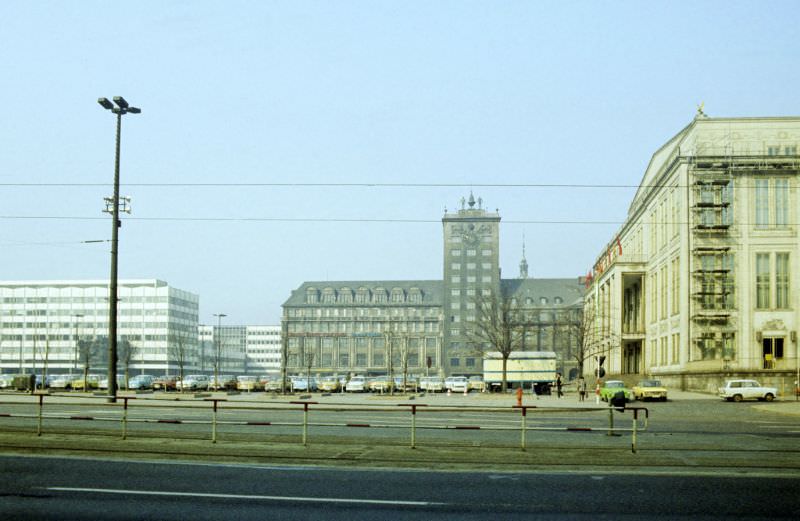
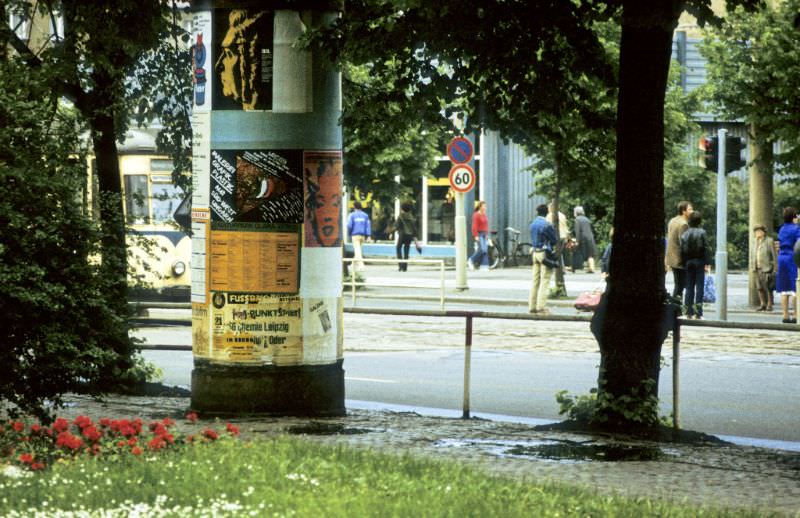
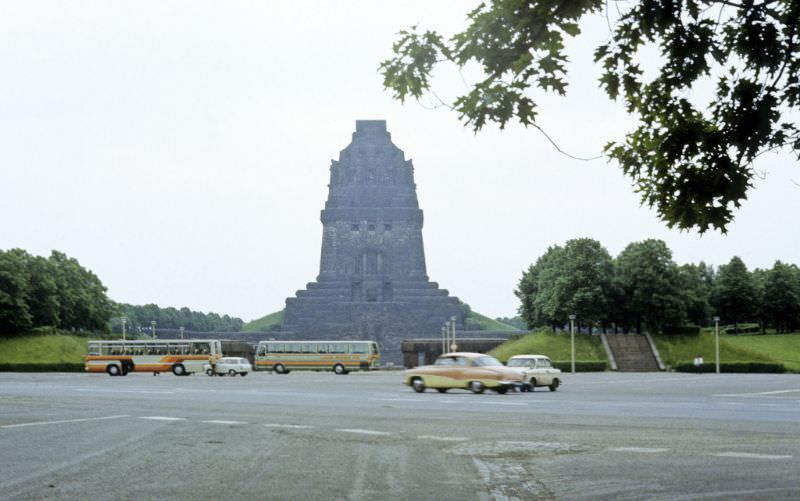
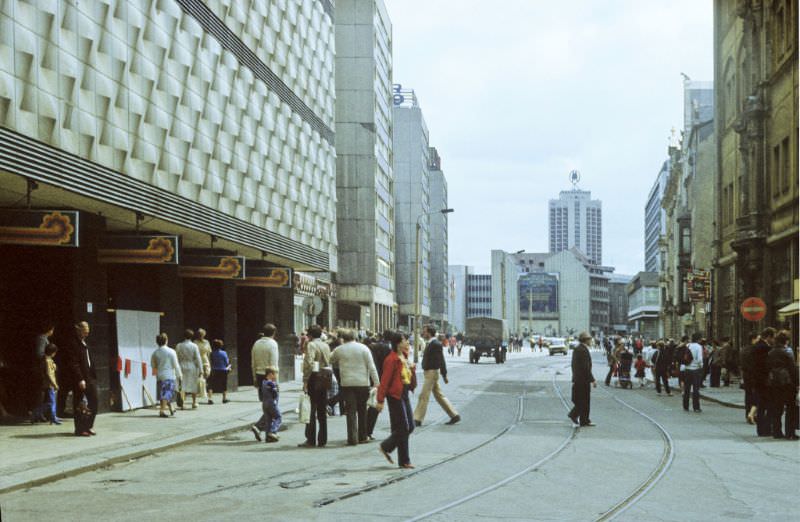
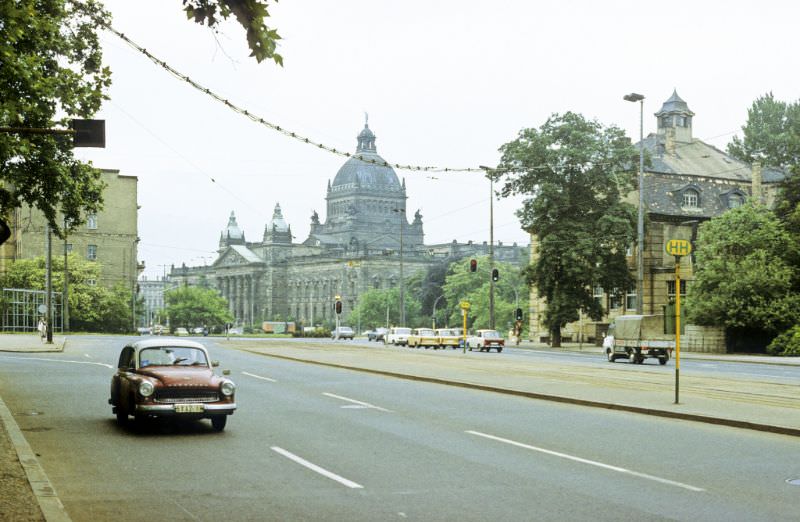
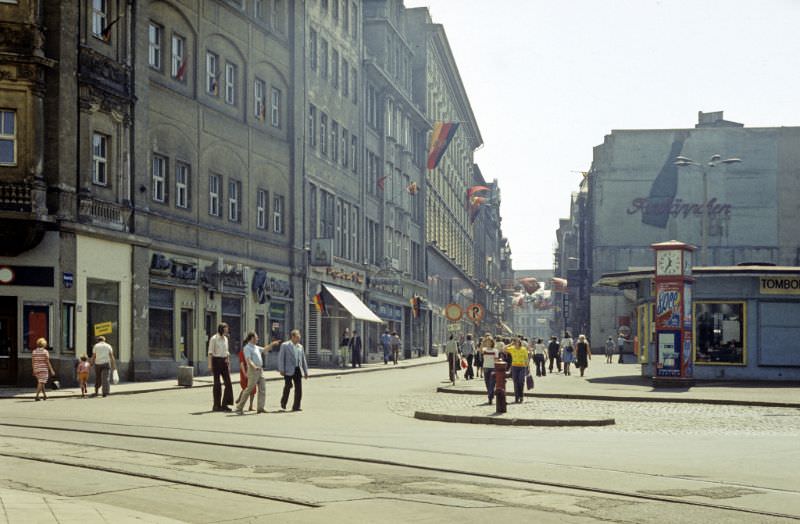
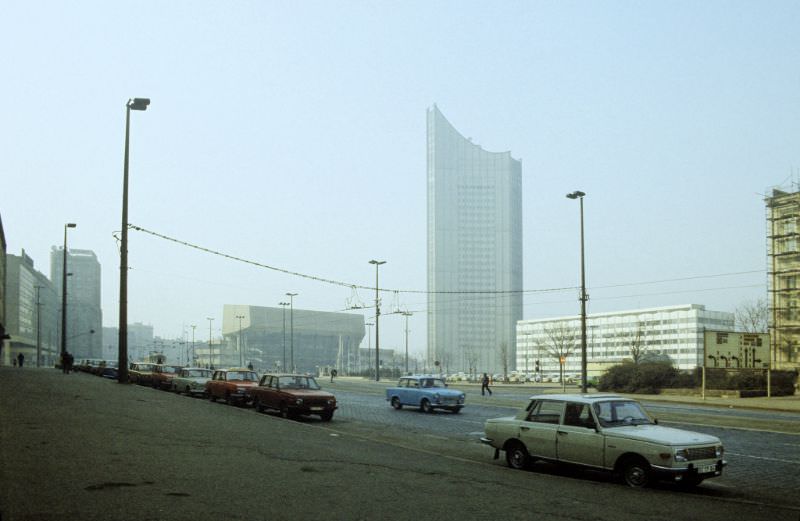
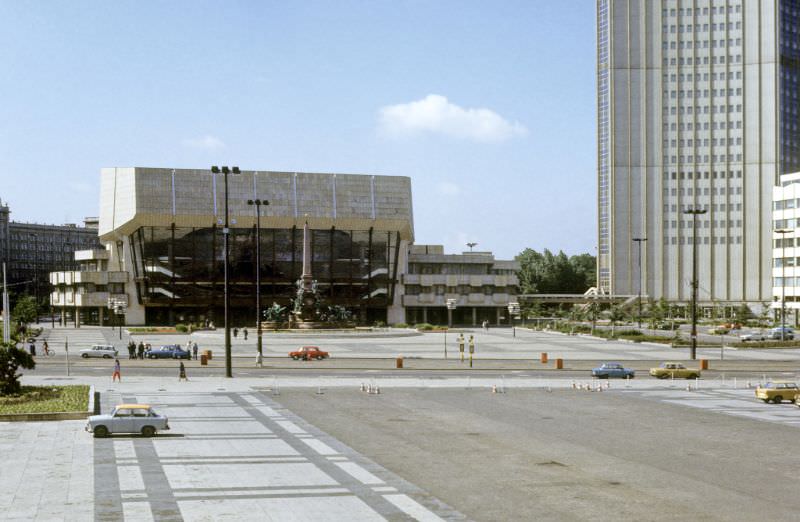
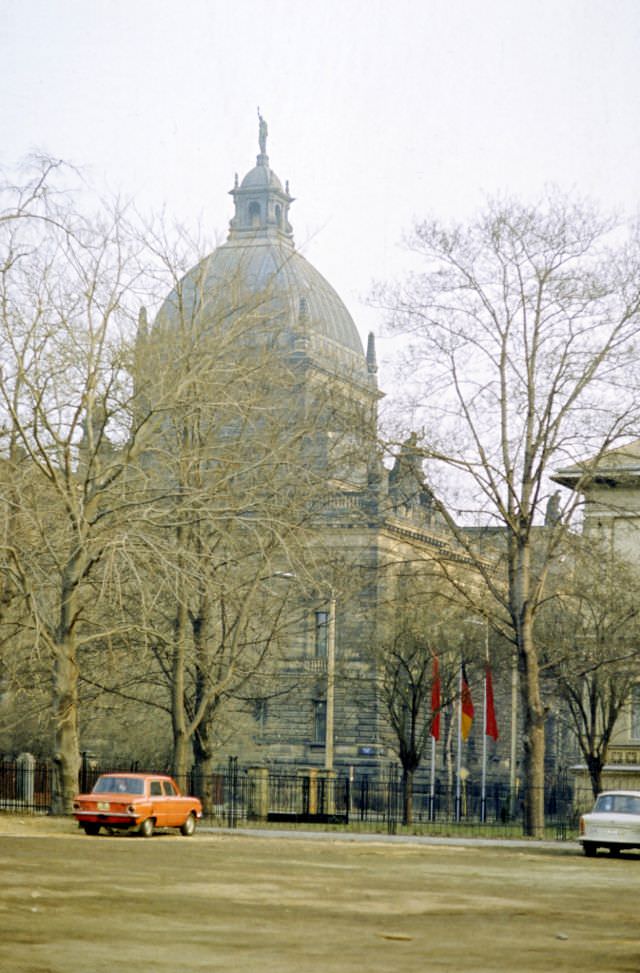
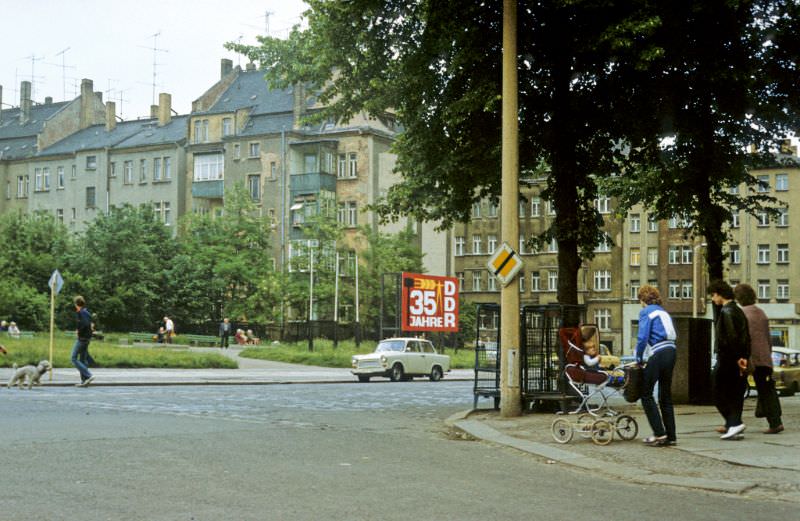
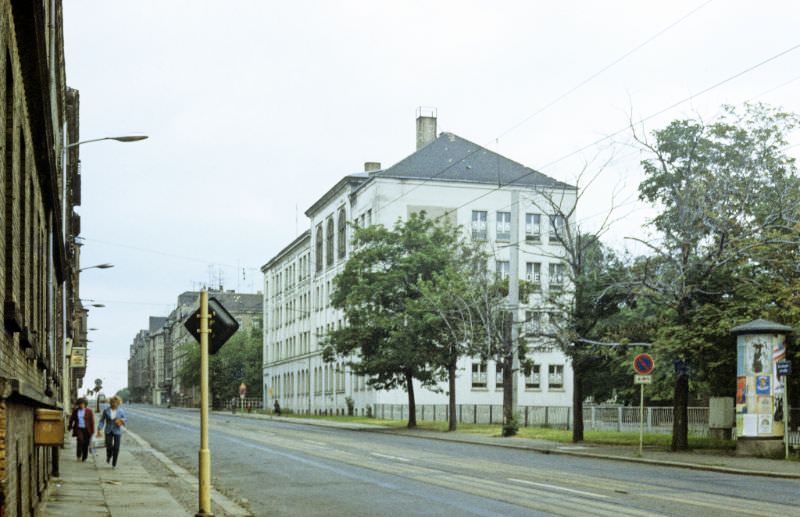
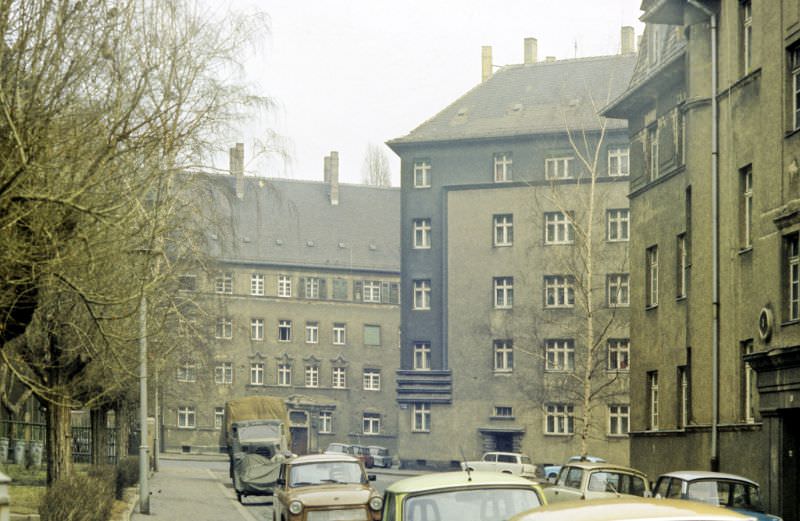
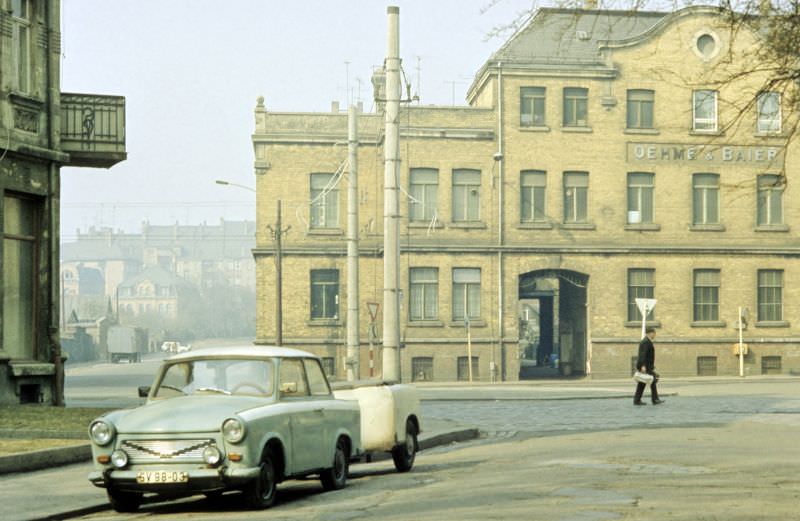
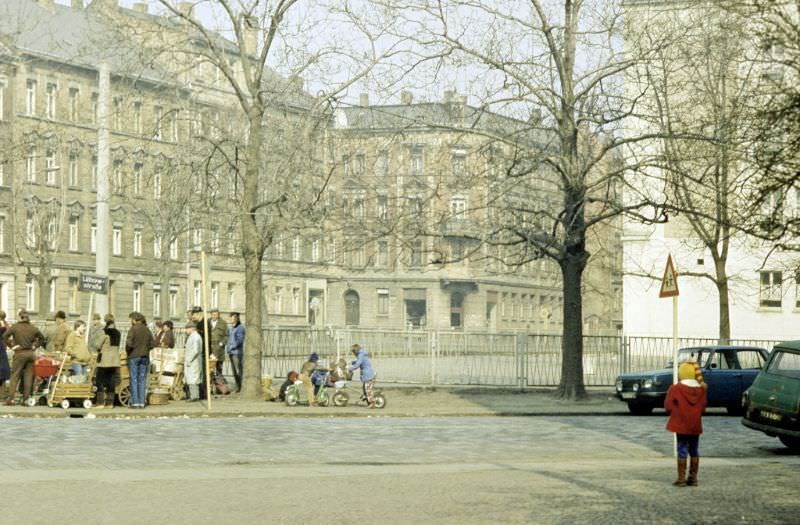
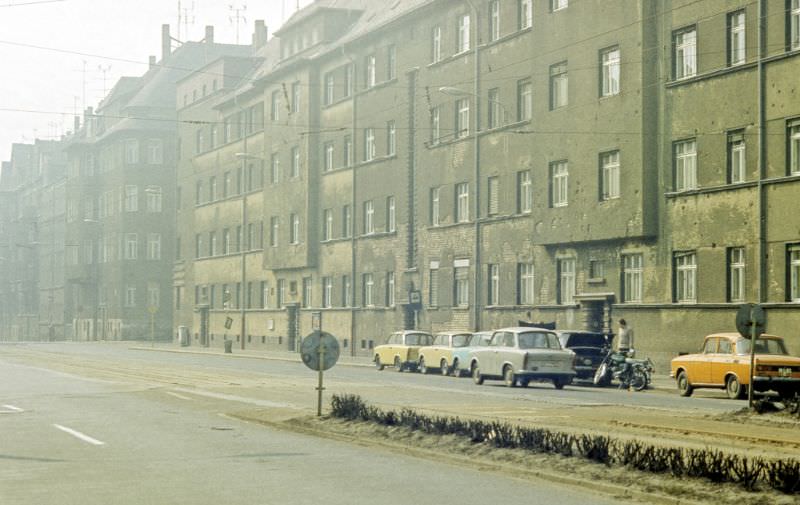
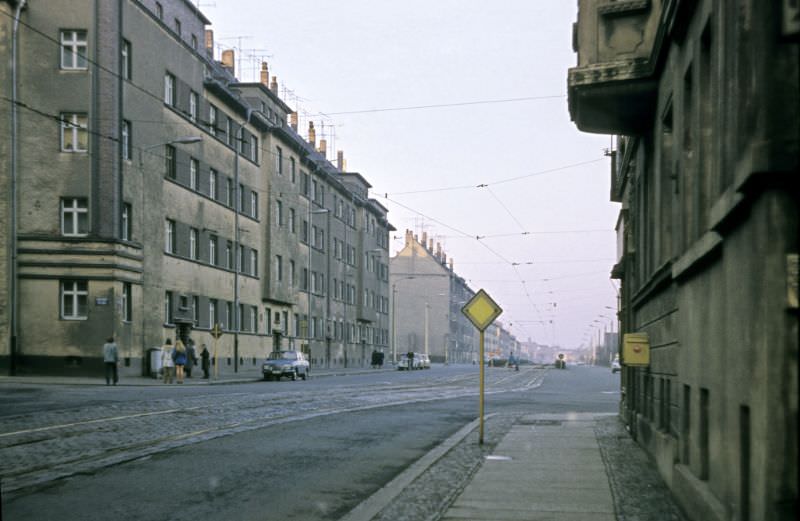
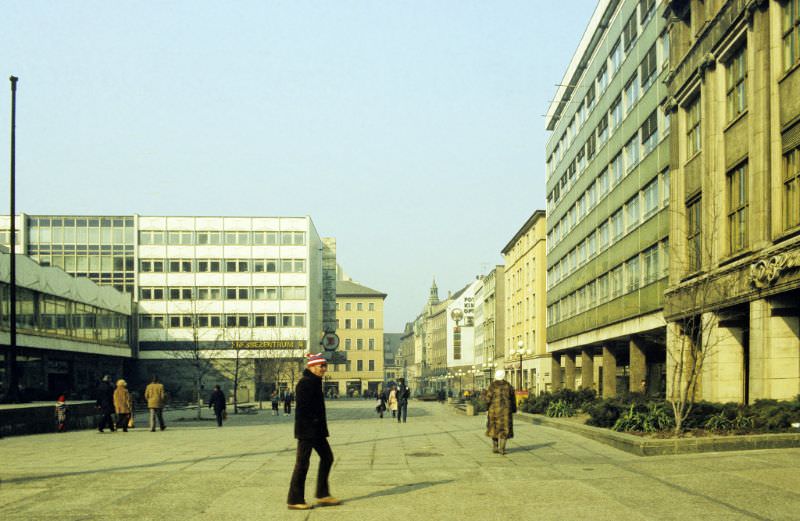
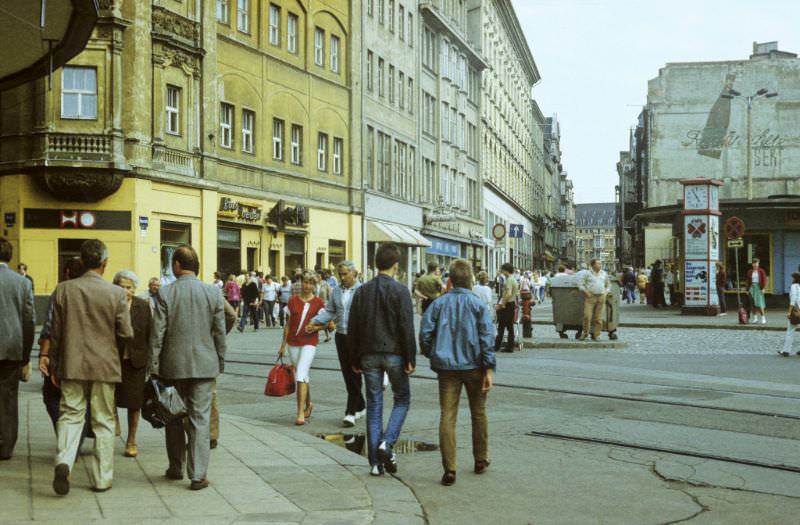
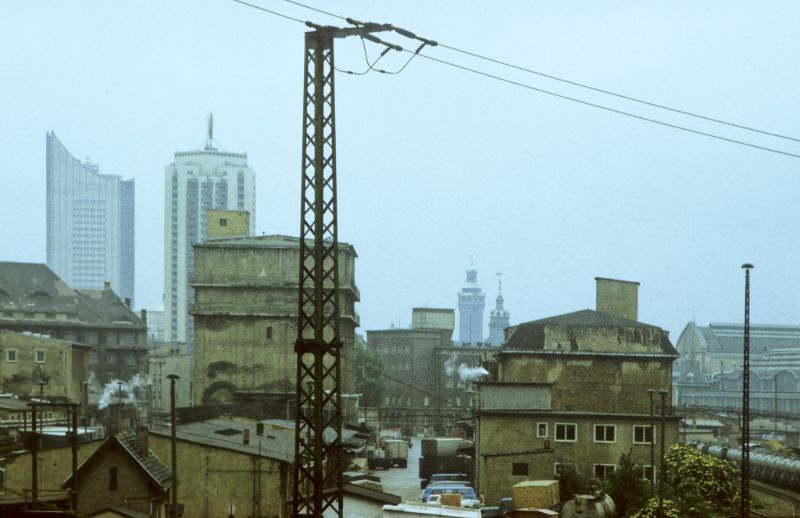
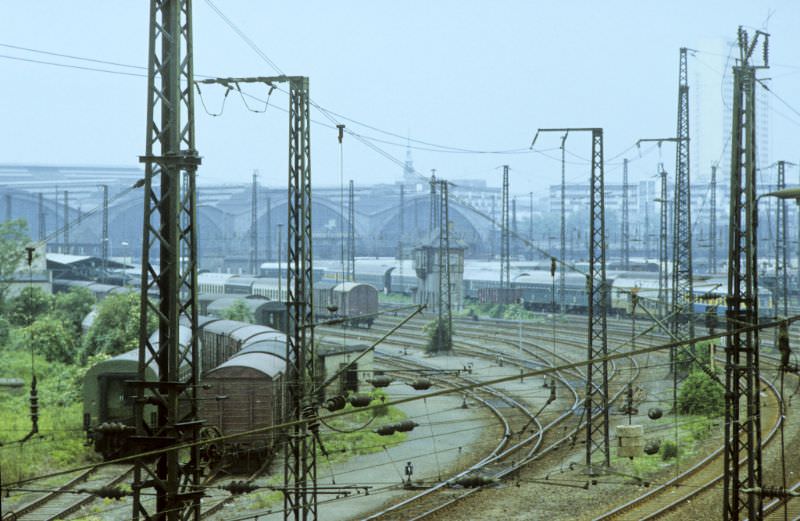
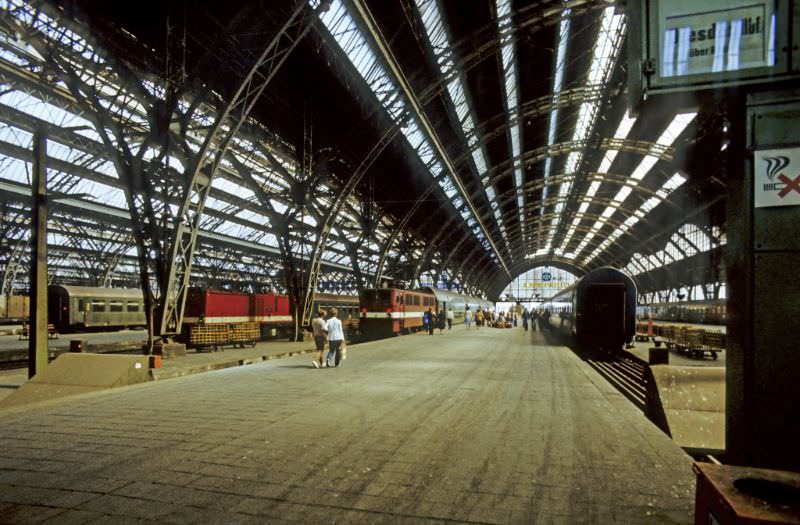
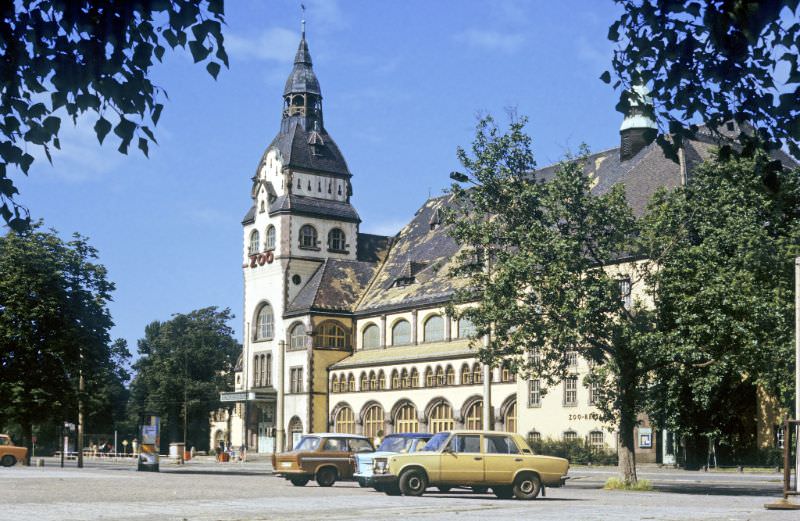
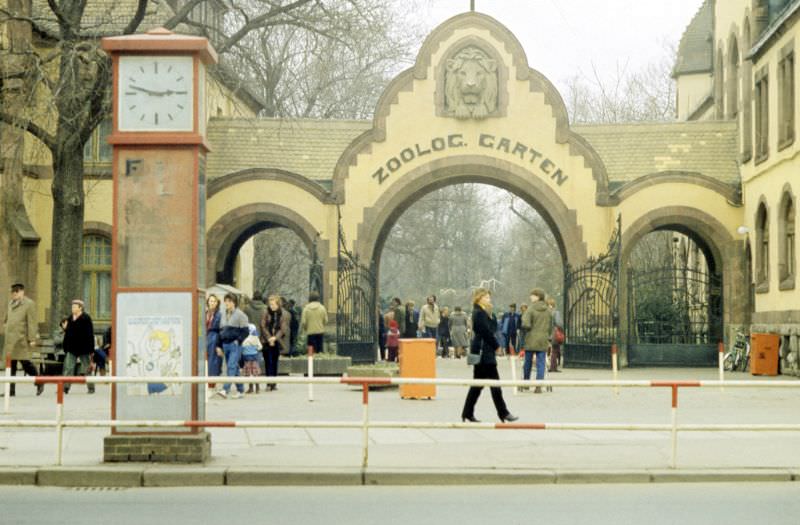
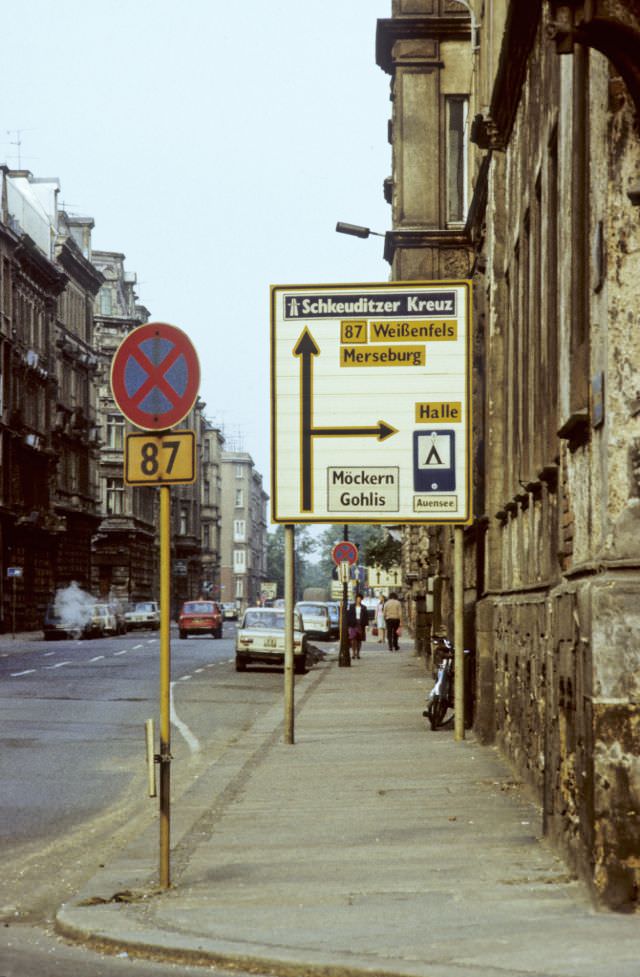
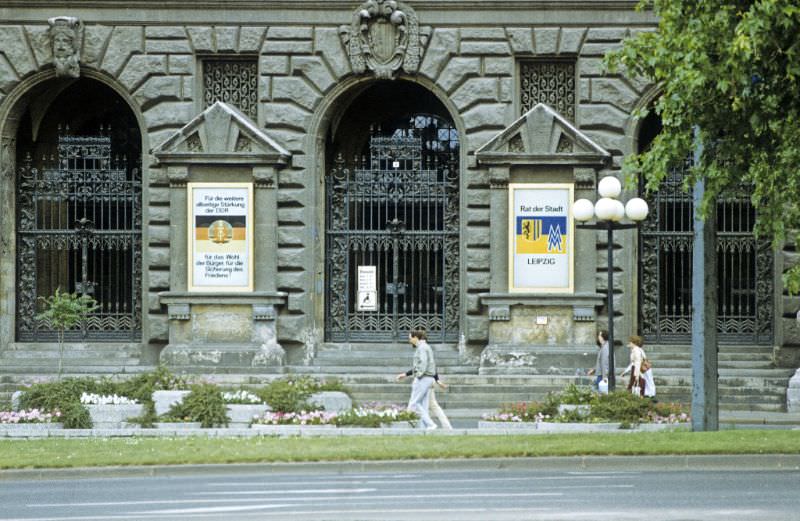
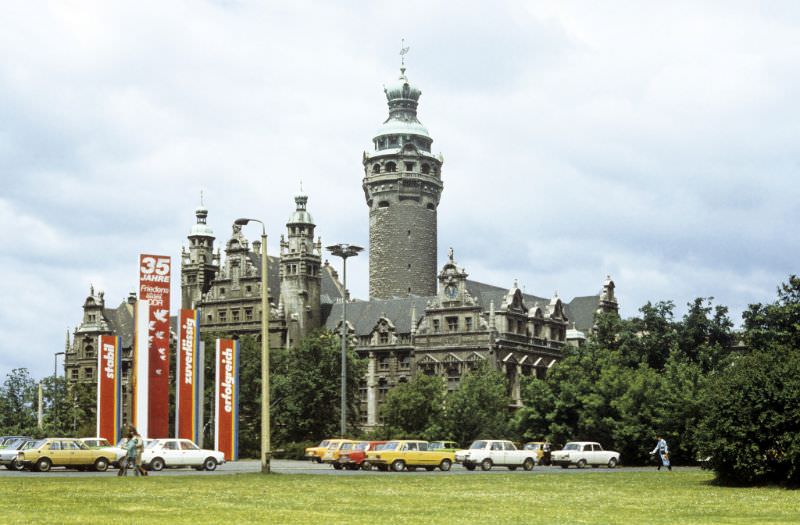
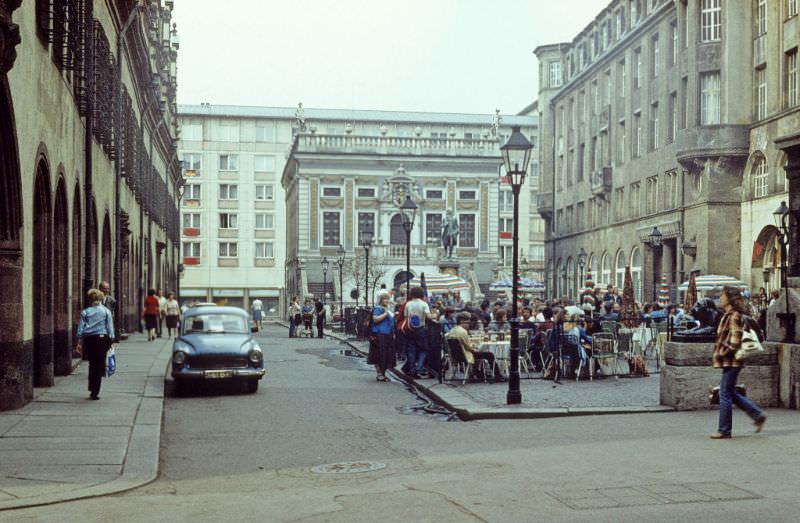
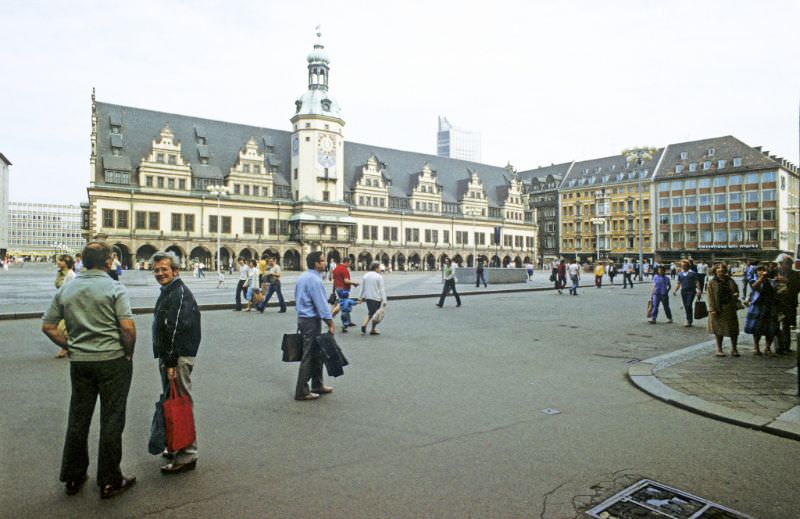
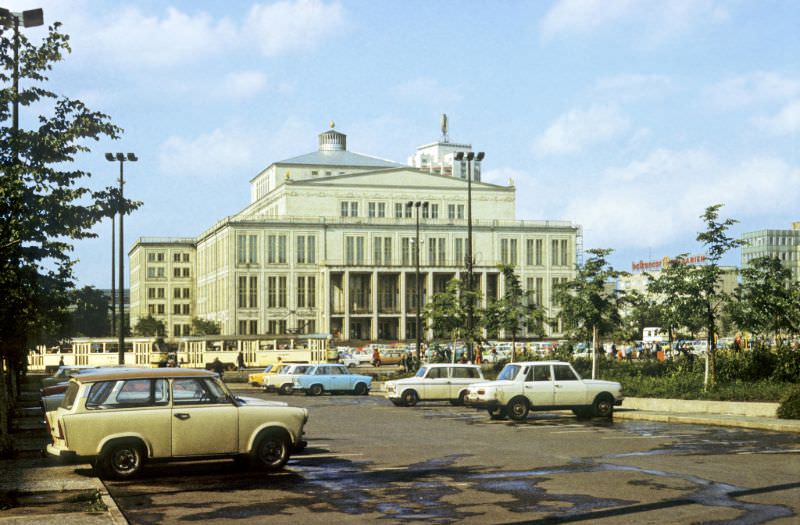
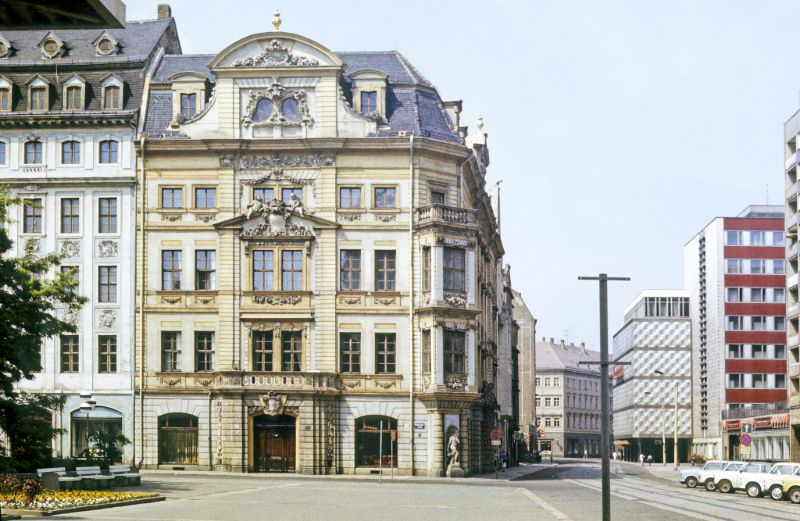
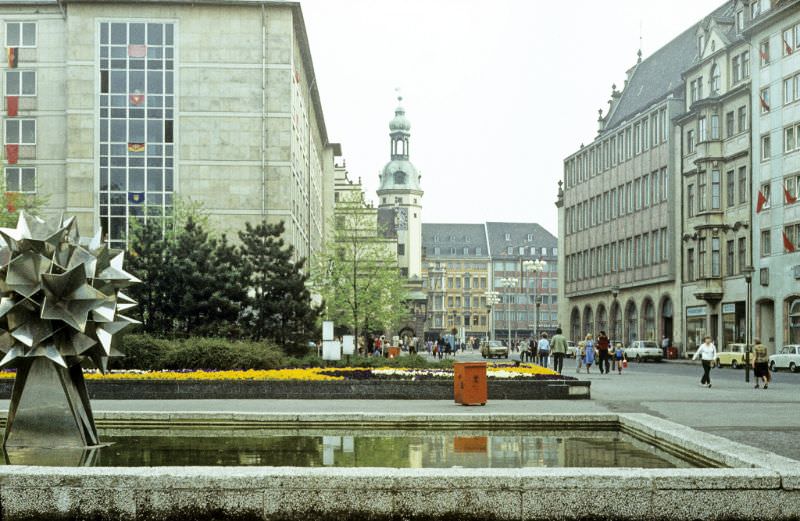
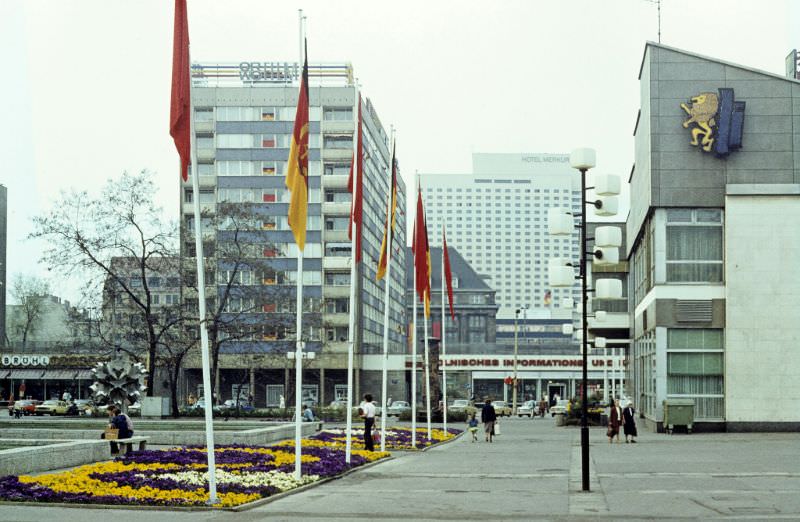
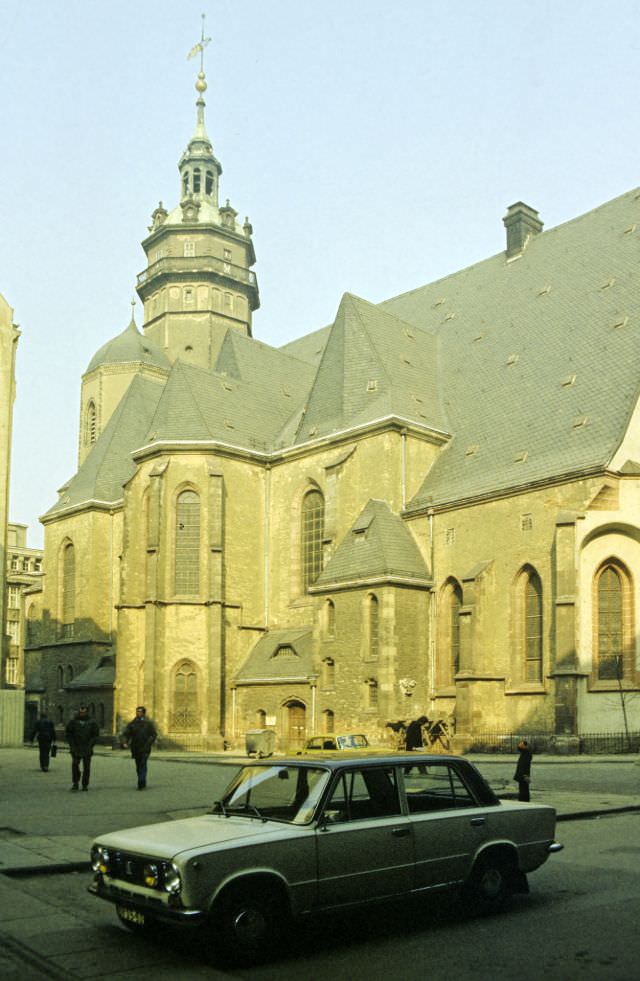
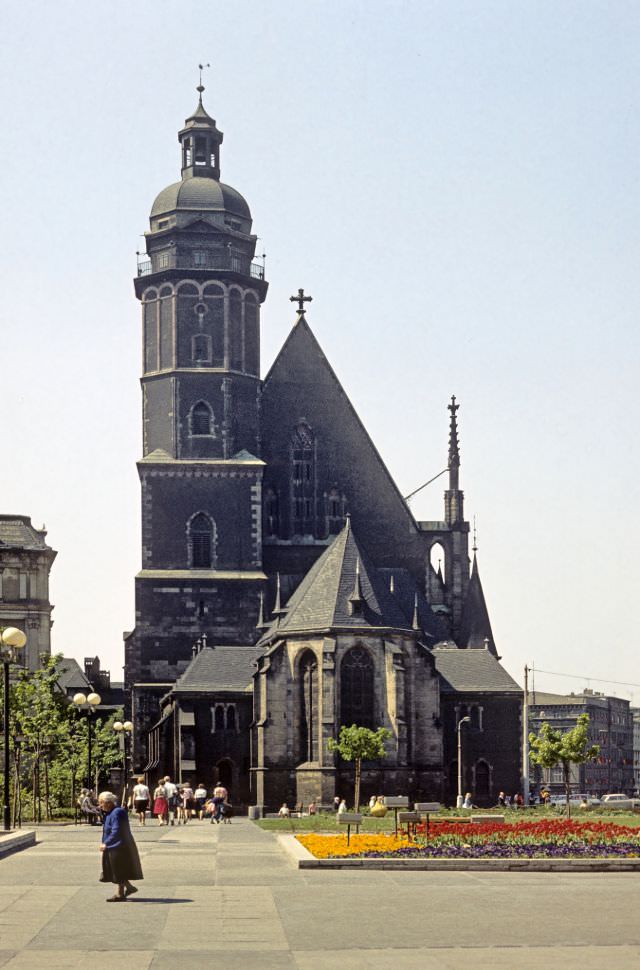
Here below are some stunning photos from the 1980s that show streets, roads, landmarks, and everyday life of Leipzig.
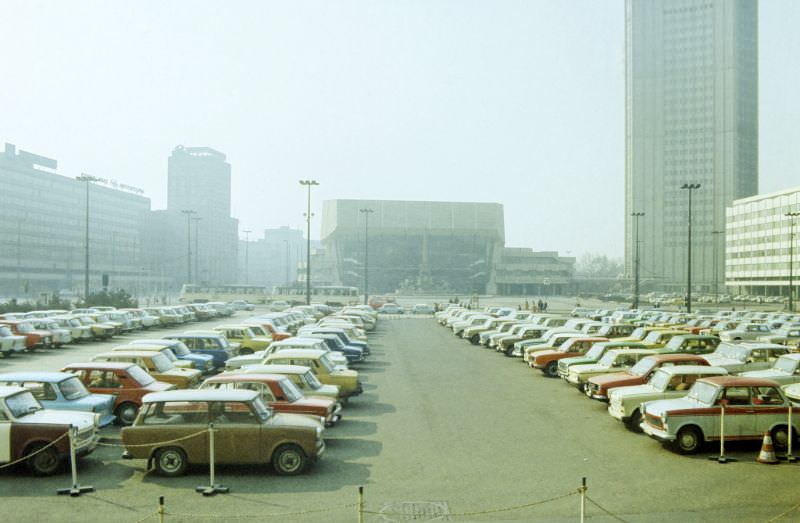
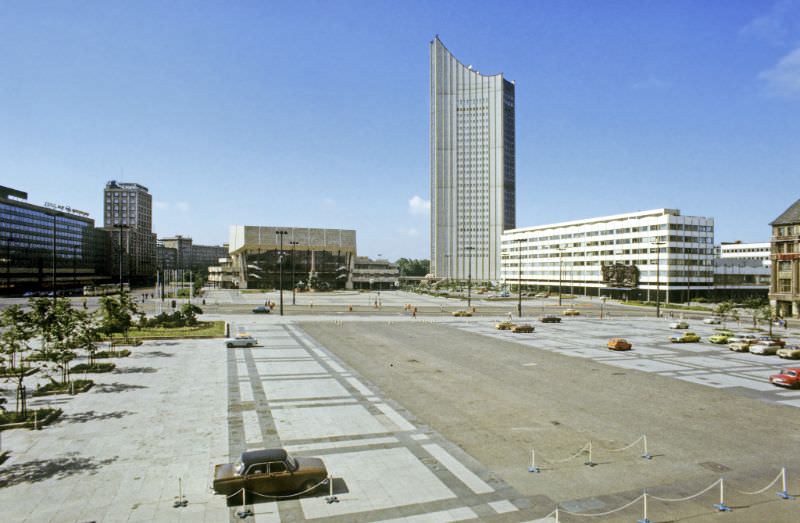
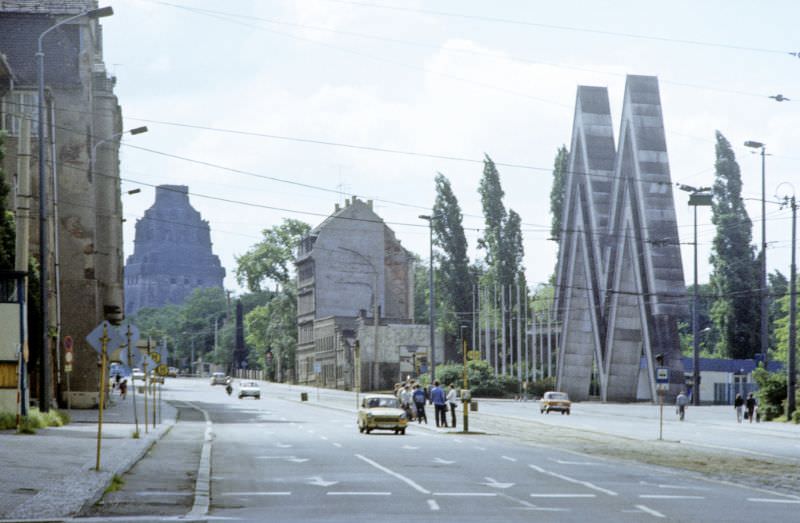
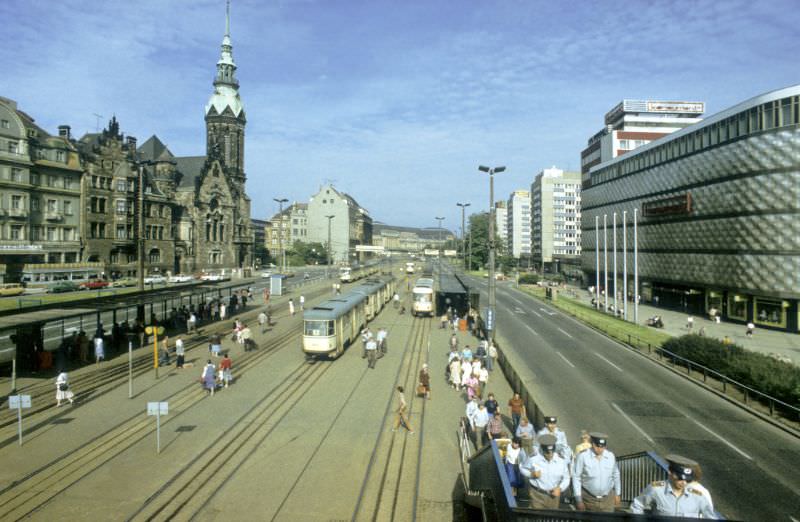
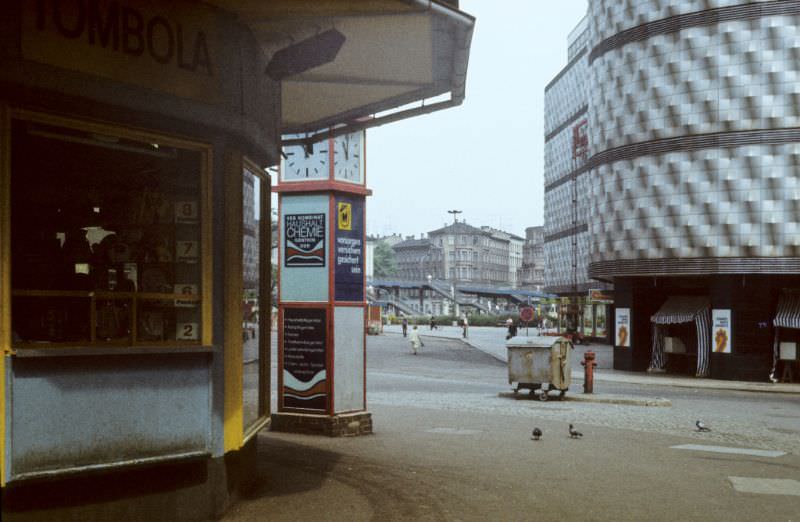

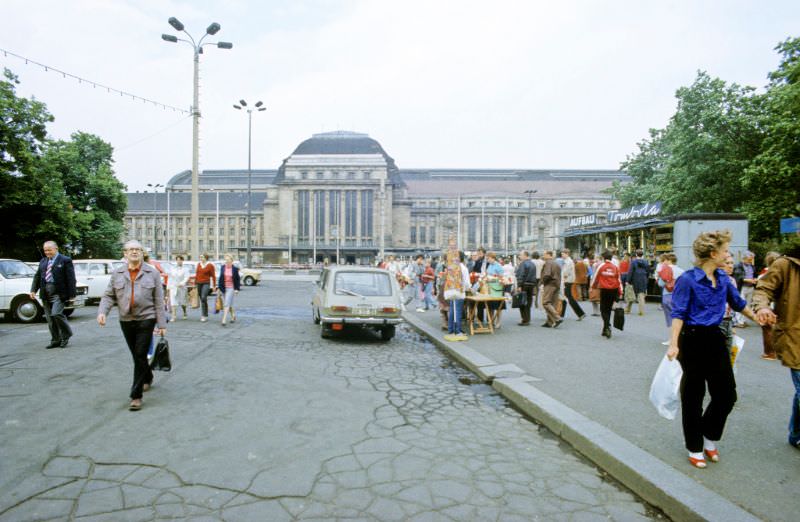
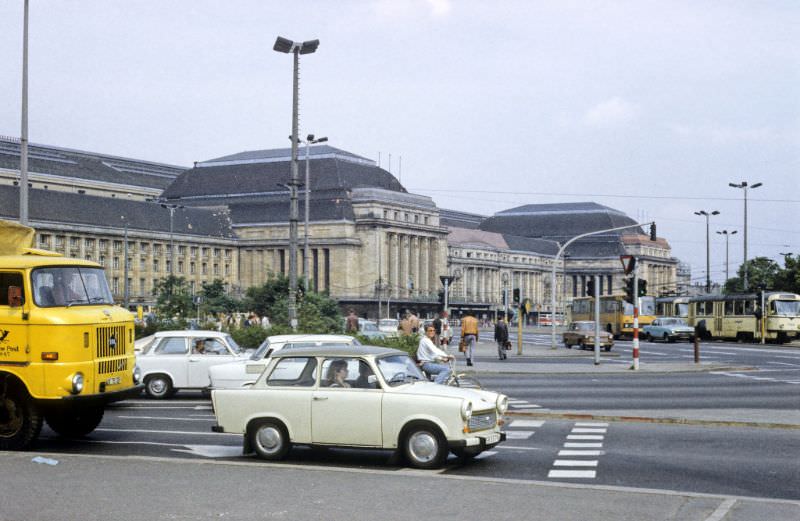
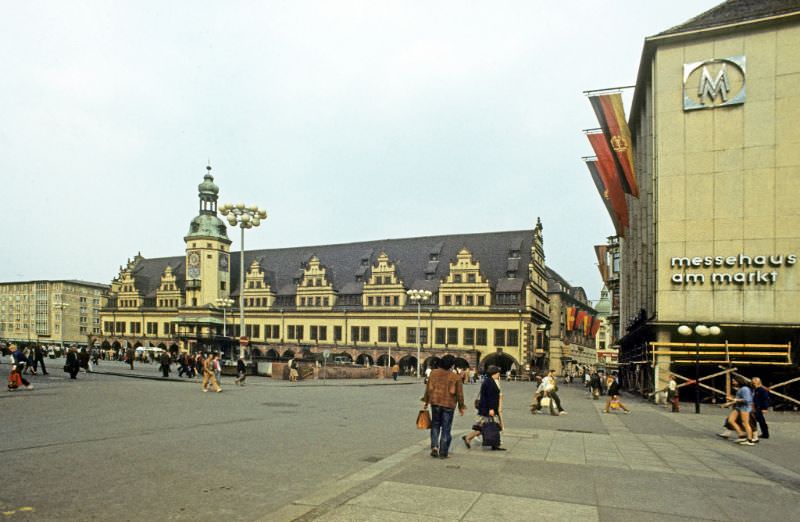
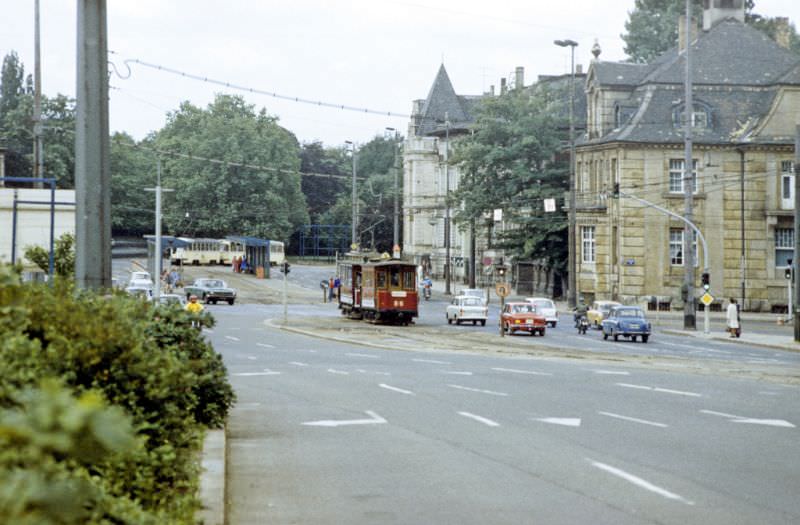
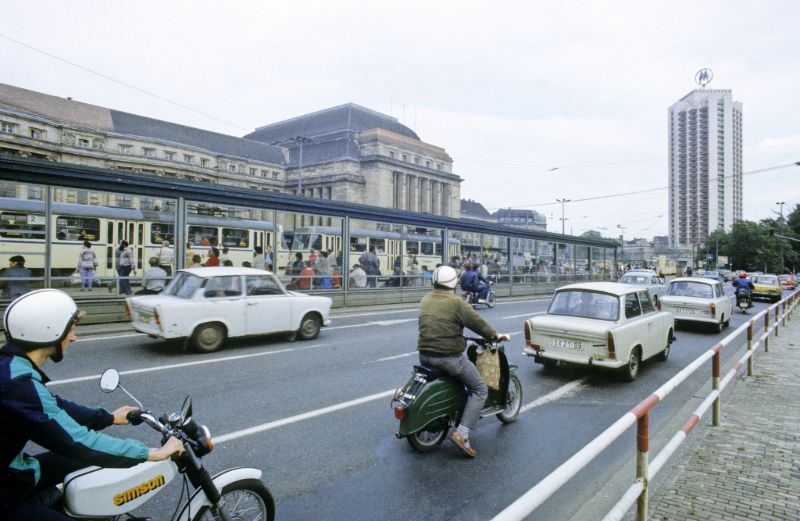
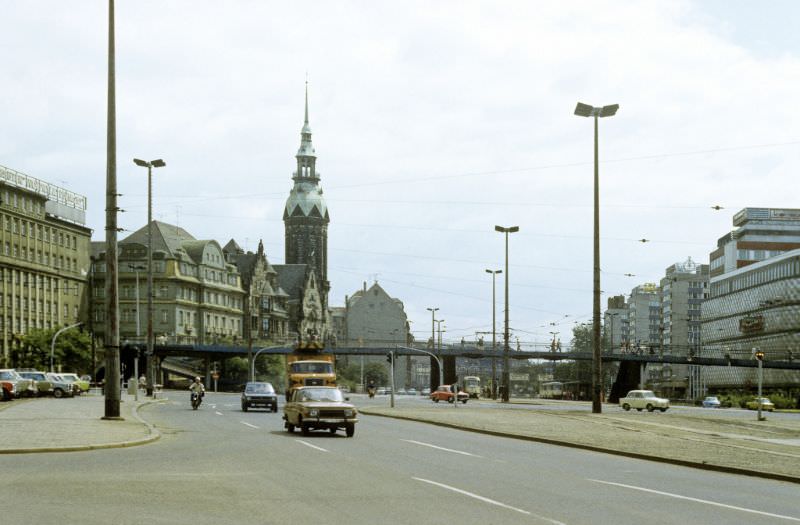
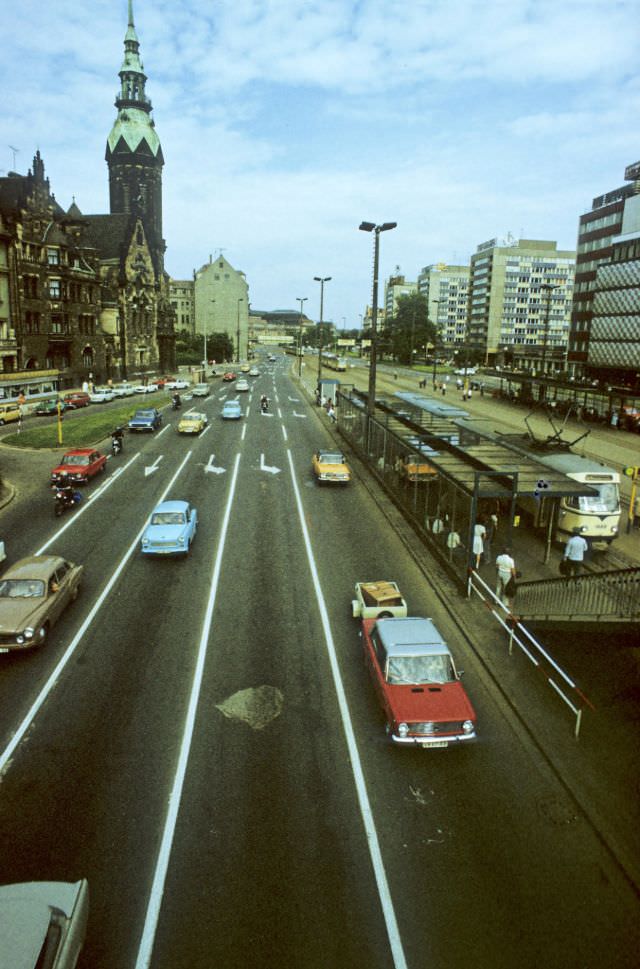
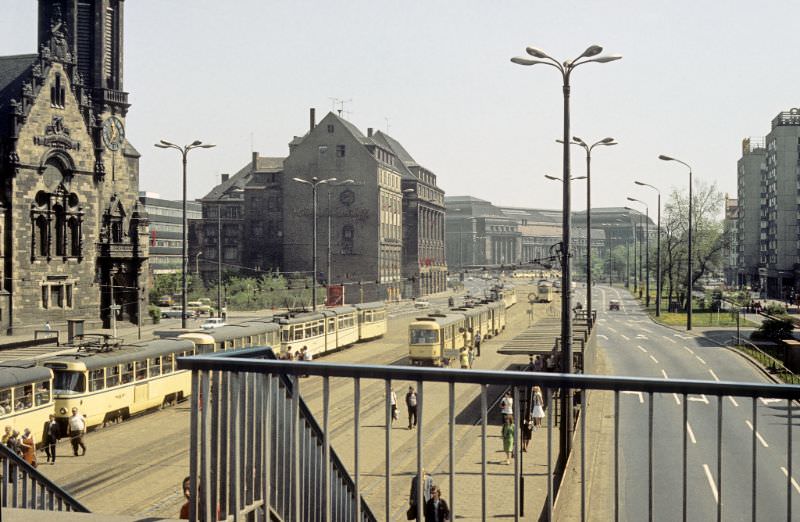
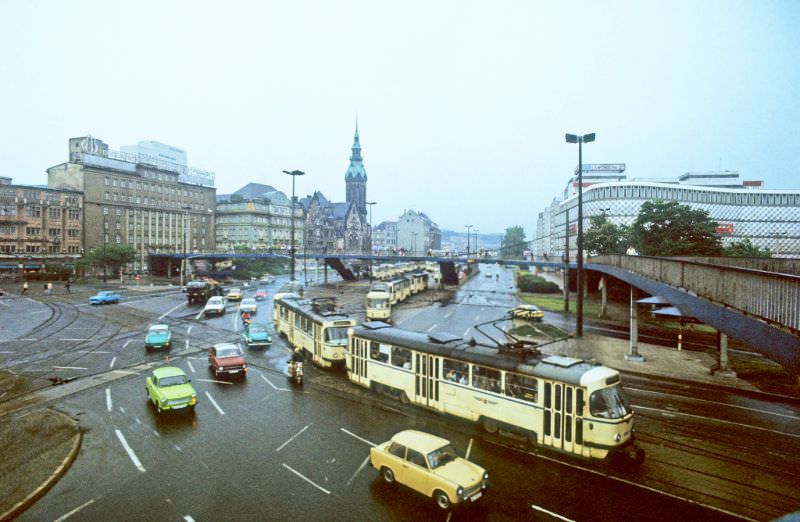
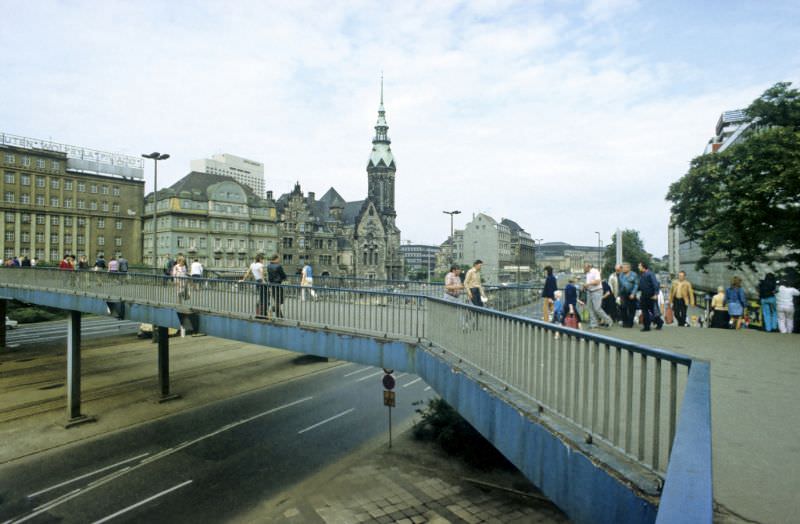

It’s fascinating how much has remained the same in most places. It’s a shame they removed the bridge in front of the Blechbüchse, as it’s now quite inconvenient to cross the road. There’s a somewhat unnecessary tunnel there now, though.
I believe it was actually removed prior to the 2006 World Cup, possibly to eliminate height restrictions for two-story buses.
That overpass was truly something special. I still miss it to this day, and I even bought a jigsaw puzzle featuring it recently.
It’s likely that the bridge was deemed too dangerous to keep, given the amount of traffic passing through. They also removed many tunnels around the city, including the one underneath W. Leuschner Platz.
Because pedestrian over-/underpasses only serve the purpose of keeping people out of the way of cars. They aren’t for convenience.
Interesting
My partner grew up in Leipzig in the 1980’s and is really enjoying the photos. Thanks for sharing!
15000 shades of gray and allmost no cars.. fantastic
The Soviet occupation was much more intense than I realized.
Manchmal denke ich darüber nach, ob es nicht auch zur Verkehrssicherheit beitragen würde, wenn eine neue Fußgängerbrücke am Tröndlinring gebaut werden würde. Leider wird das eh nie passieren, weil das ein 5+ Jahre Projekt wäre, dessen Nutzen wahrscheinlich einfach nicht groß genug ist.
Fußgängerbrücken über innerstädtische Kreuzungen sind 60er-Jahre-Ideen, um den Autos diese lästigen Fußgänger aus dem Weg zu räumen. Außerdem sind die selten barrierefrei.
Das stimmt natürlich! Es wäre für mich auch eher eine ästhetische Sache, die nicht zwingend viel Nutzen hätte. Noch idealer wäre für mich natürlich eine autofreie Innenstadt, aber das wird wohl auch nie passieren