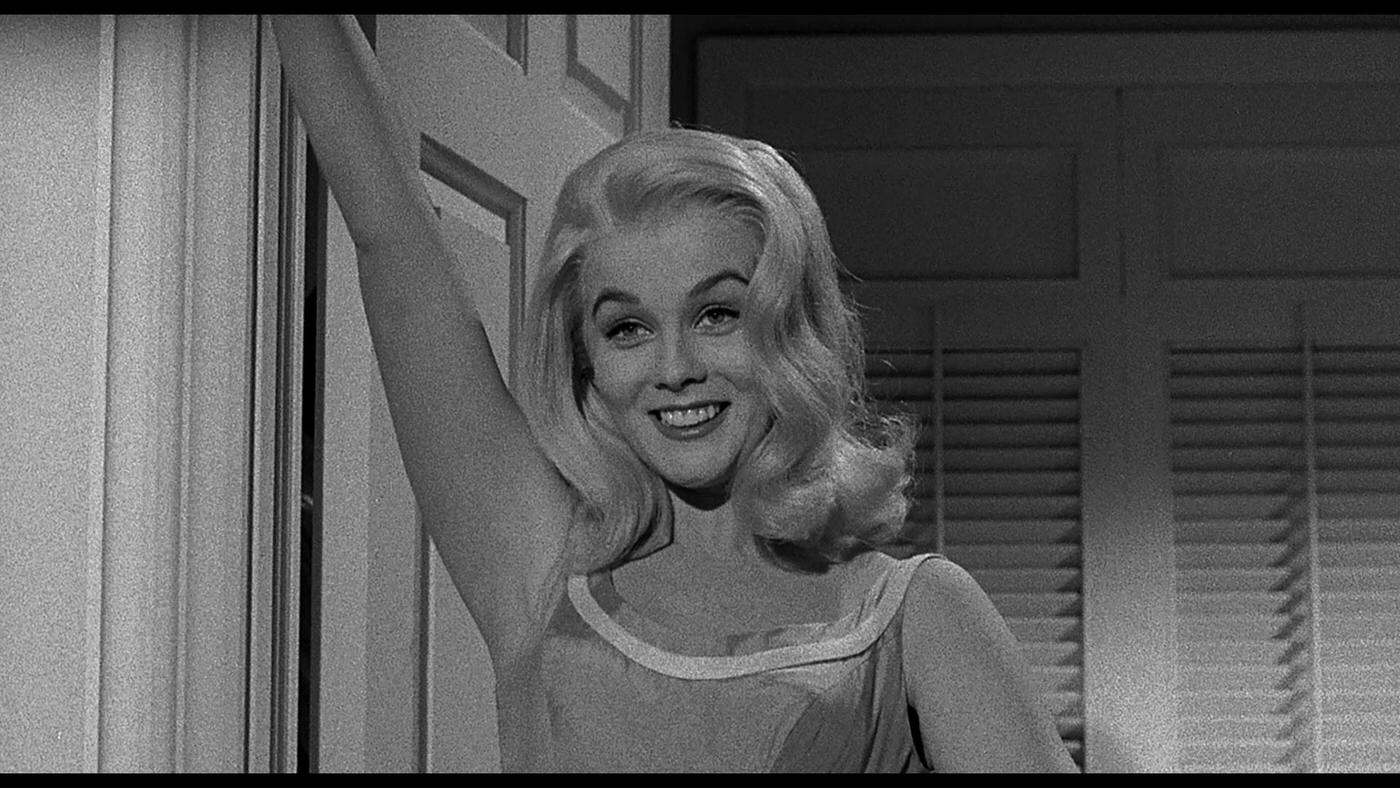
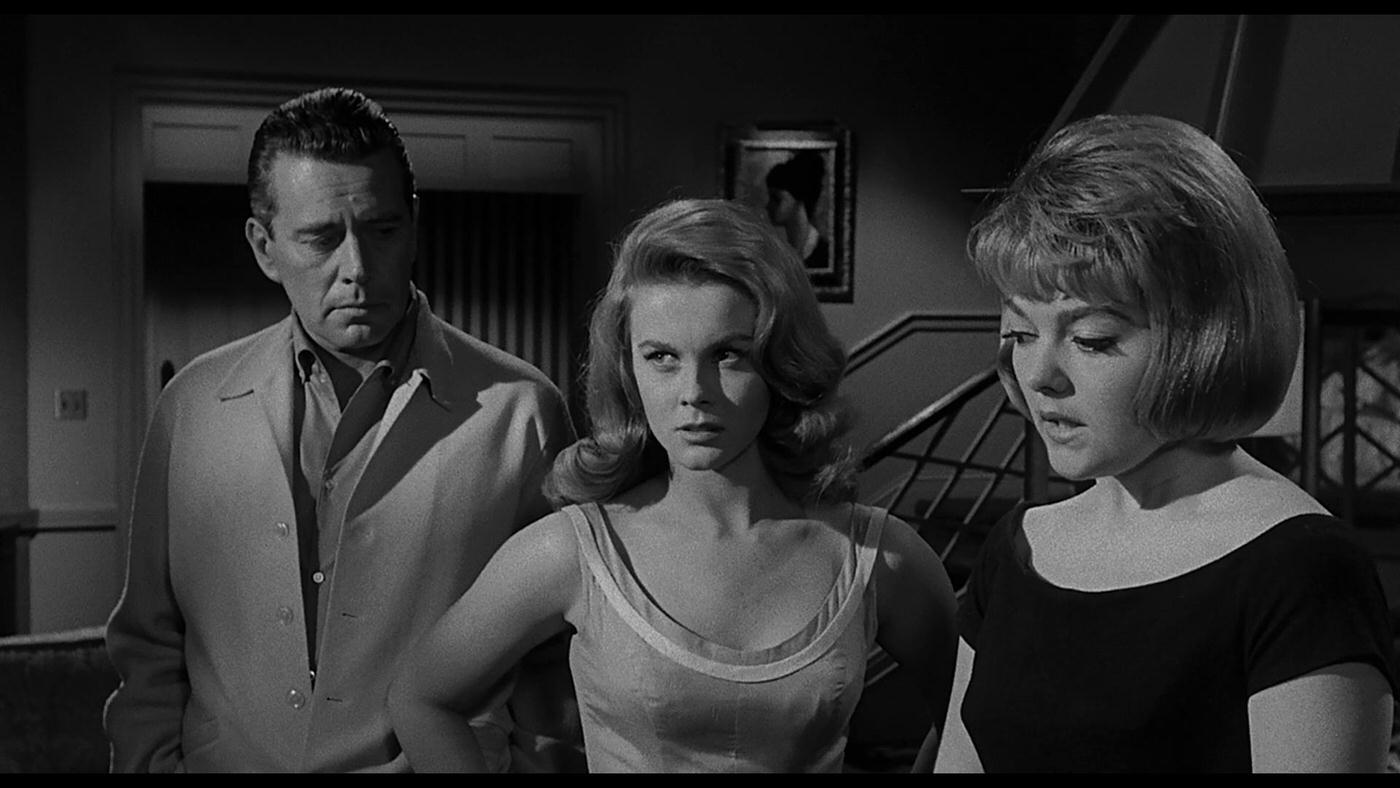
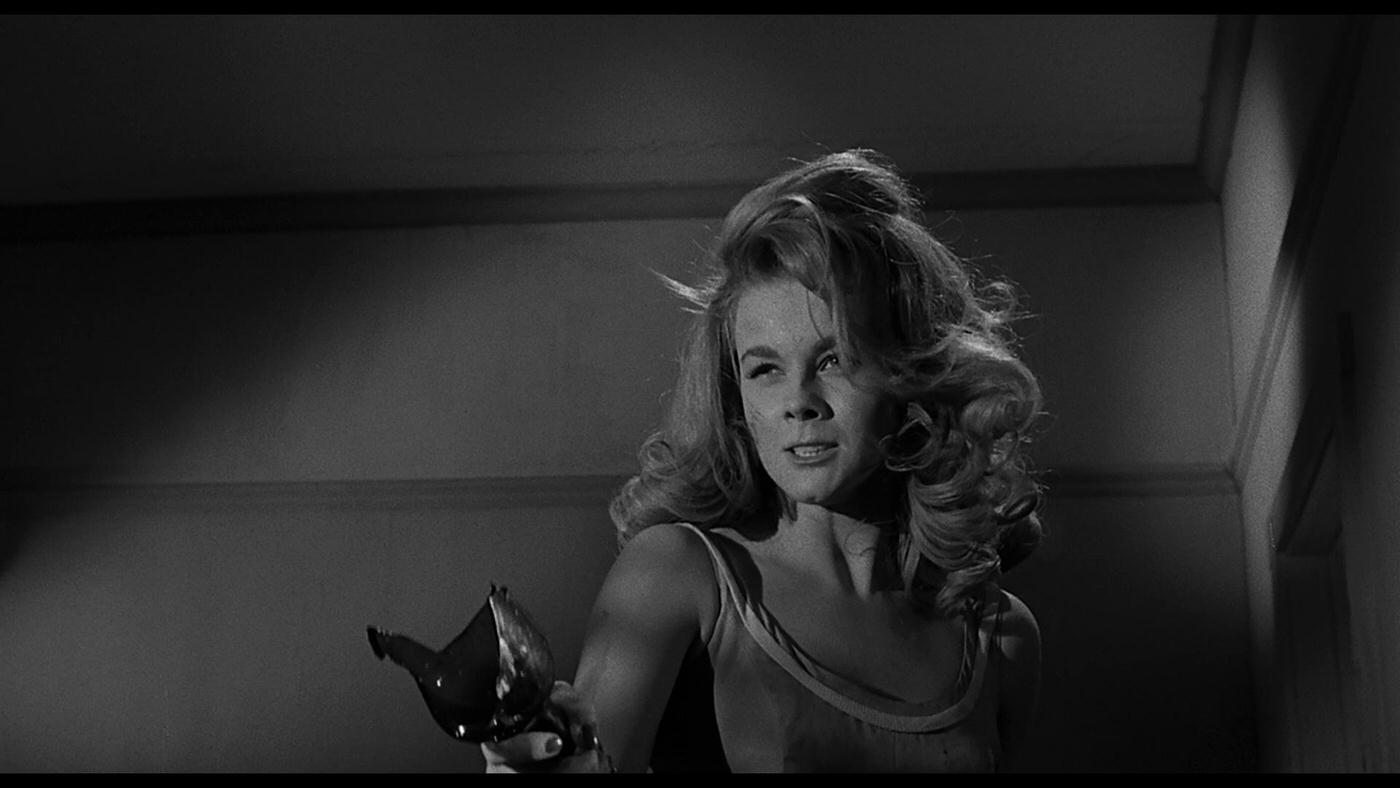
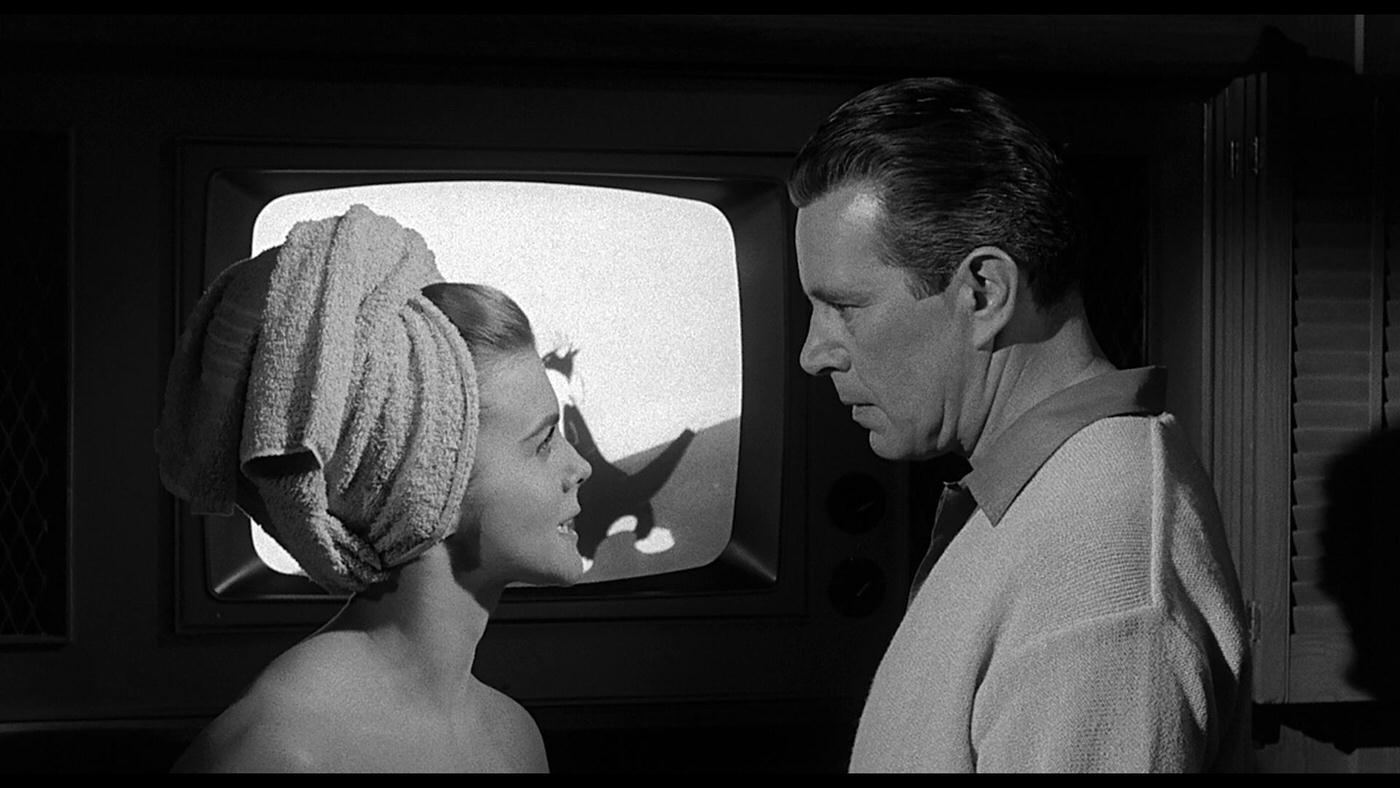
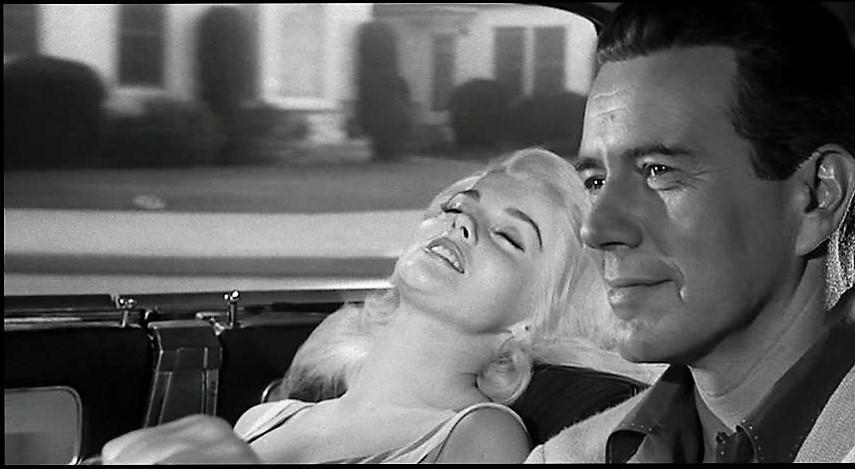
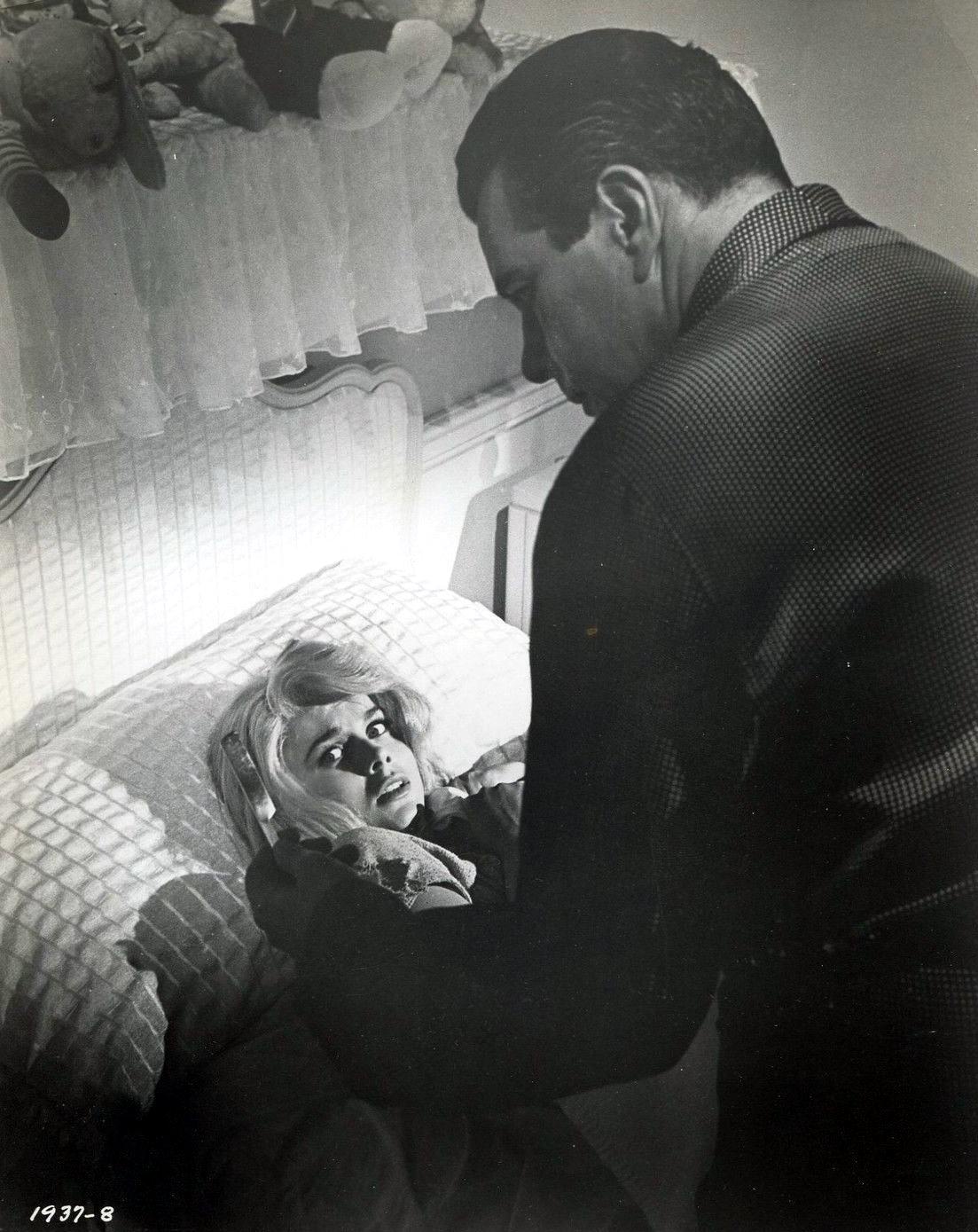
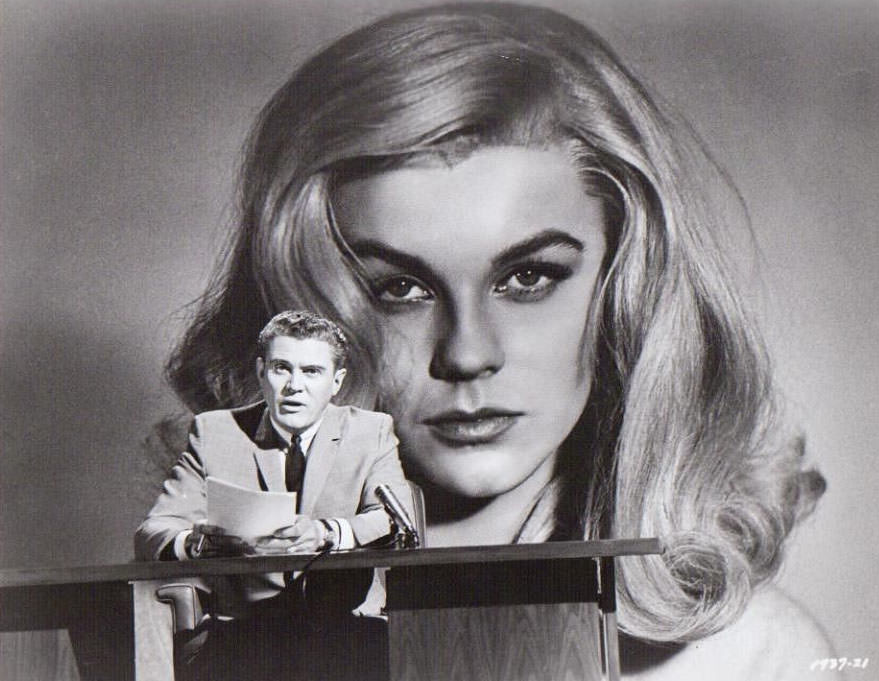
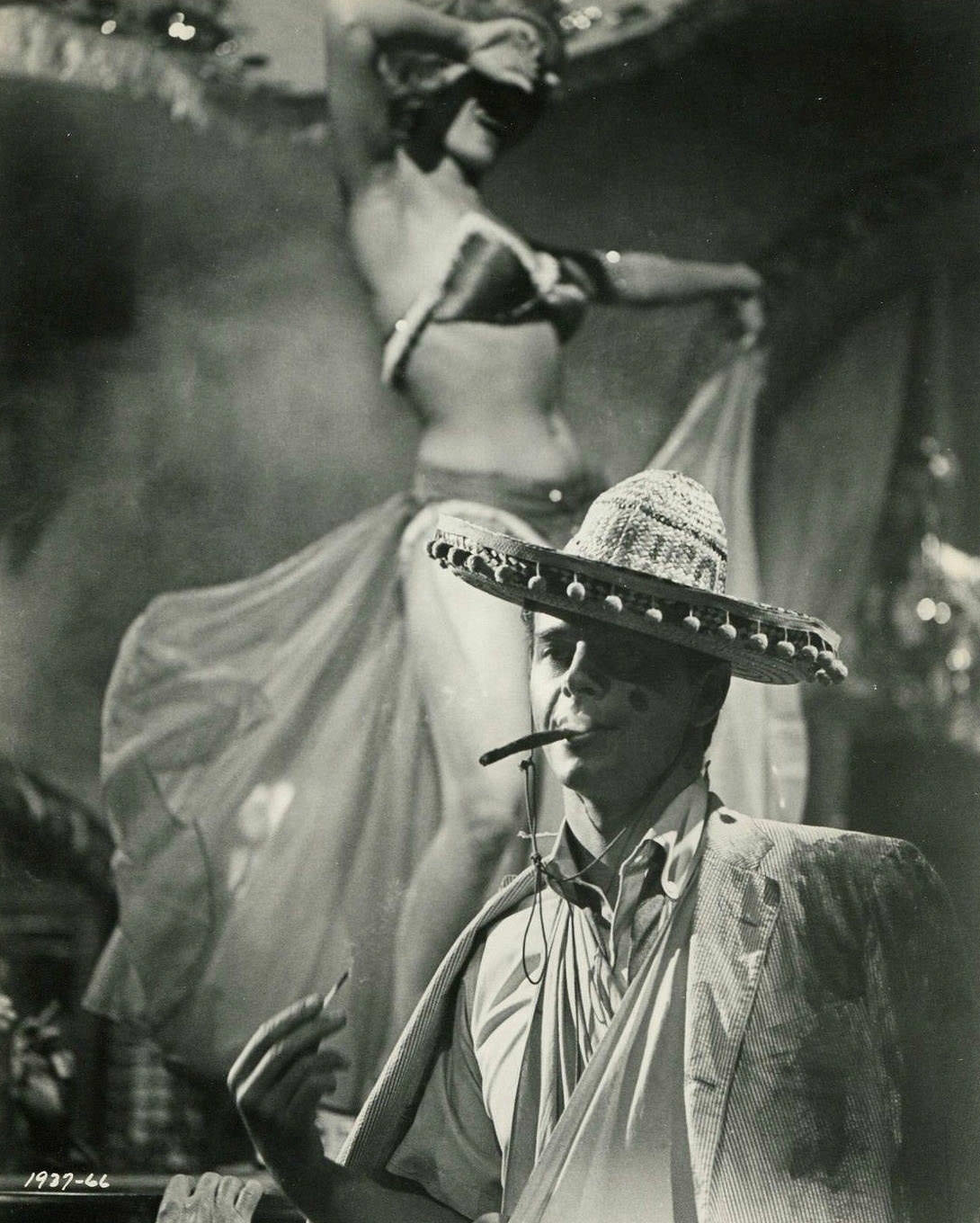
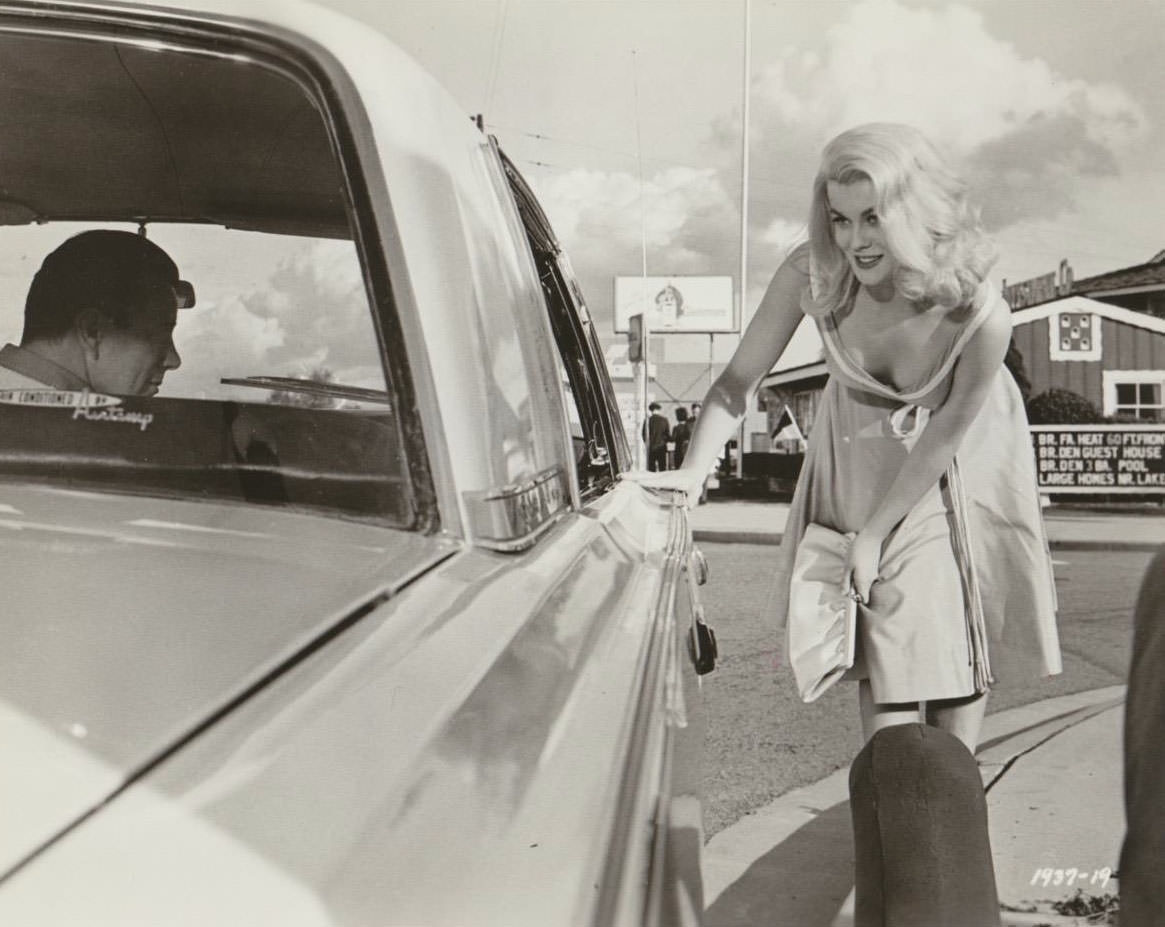
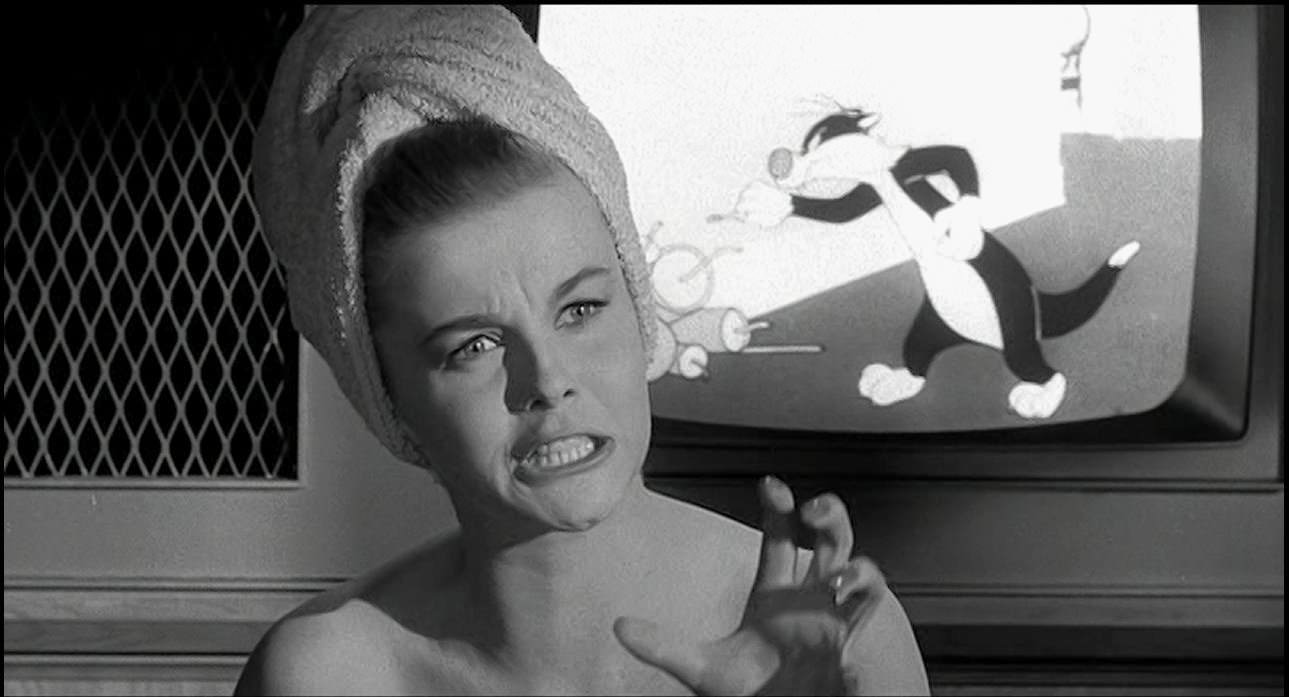
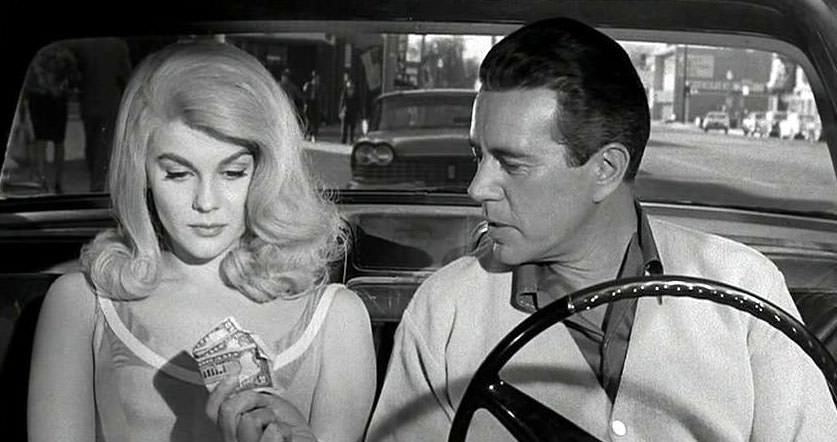
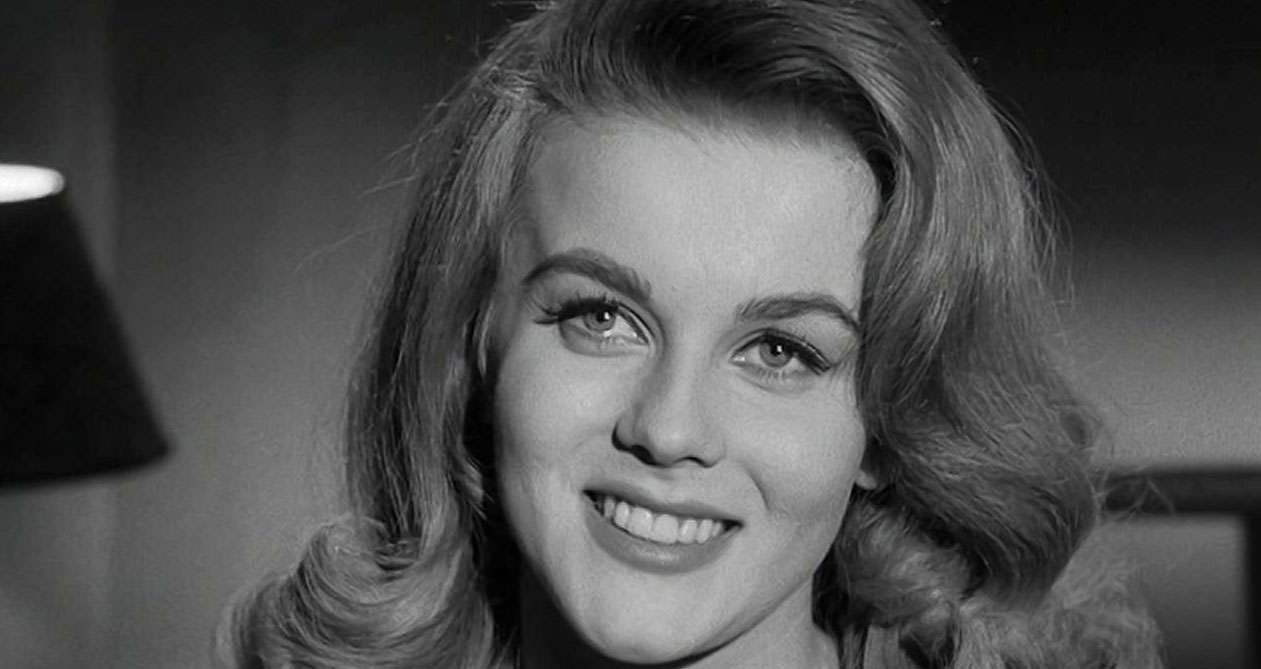
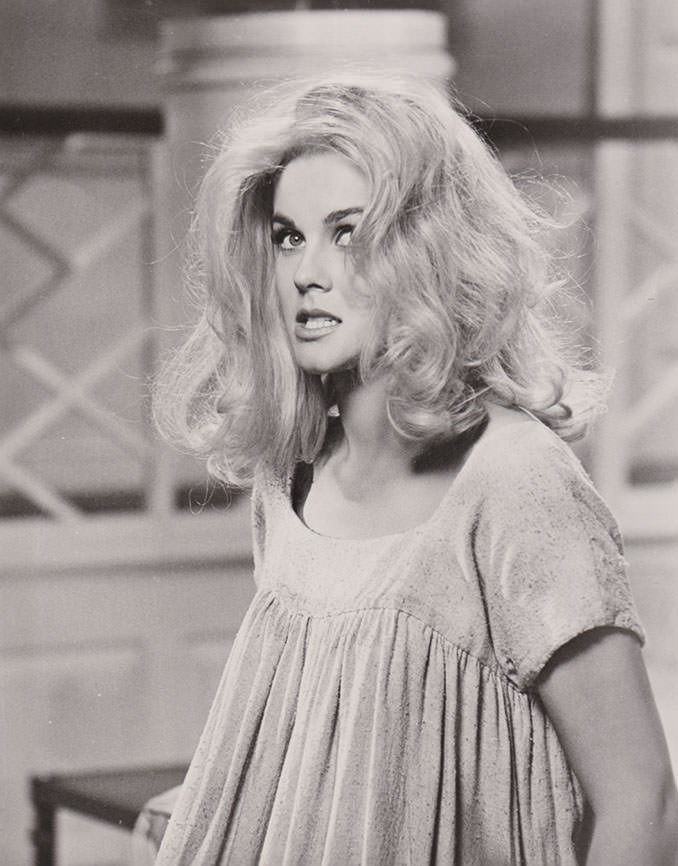
Released by Universal Pictures in 1964, ‘Kitten with a Whip’ gave audiences a side of Ann-Margret they had not seen before. Up to that point, she had built her name on bright, energetic roles. Here, she played Jody Dvorak, a teenage girl who escapes from a juvenile detention facility and hides inside a stranger’s home. The shift was deliberate and striking.
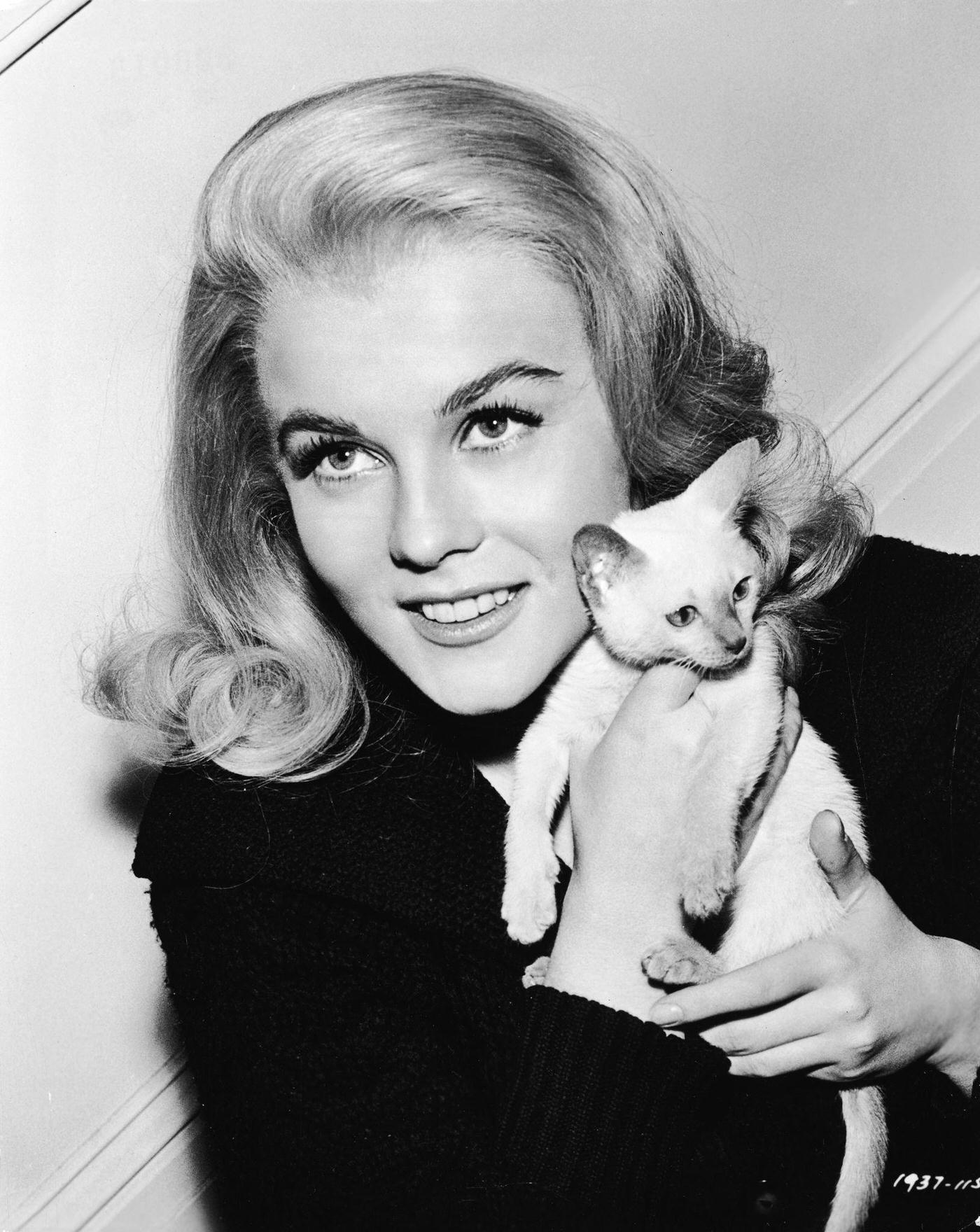
The title tells you exactly what the film is doing. Jody reads as sweet and helpless at first glance — the kitten. But underneath that surface sits something sharp and dangerous — the whip. That tension between appearance and reality drives every scene she shares with the film’s other lead.
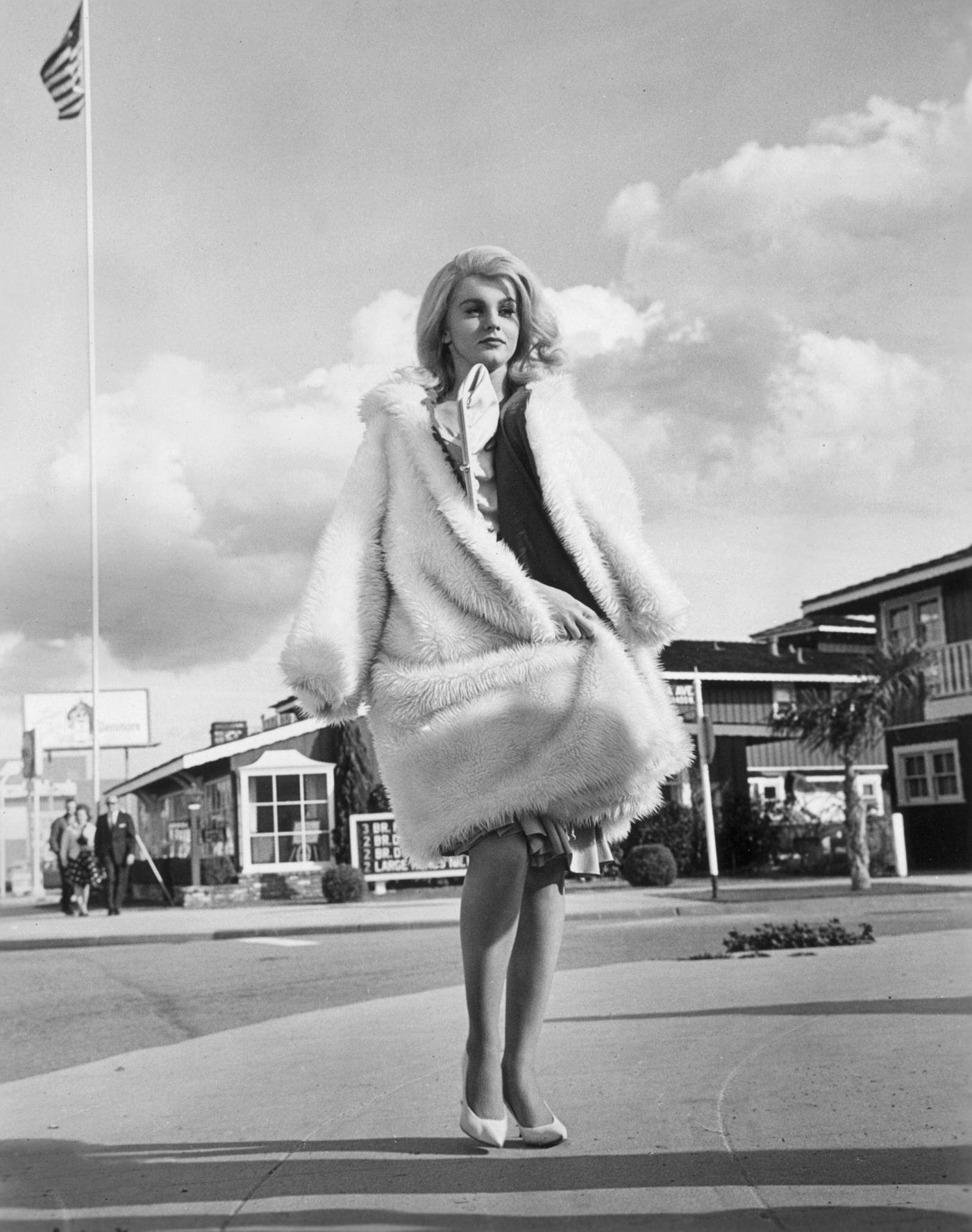
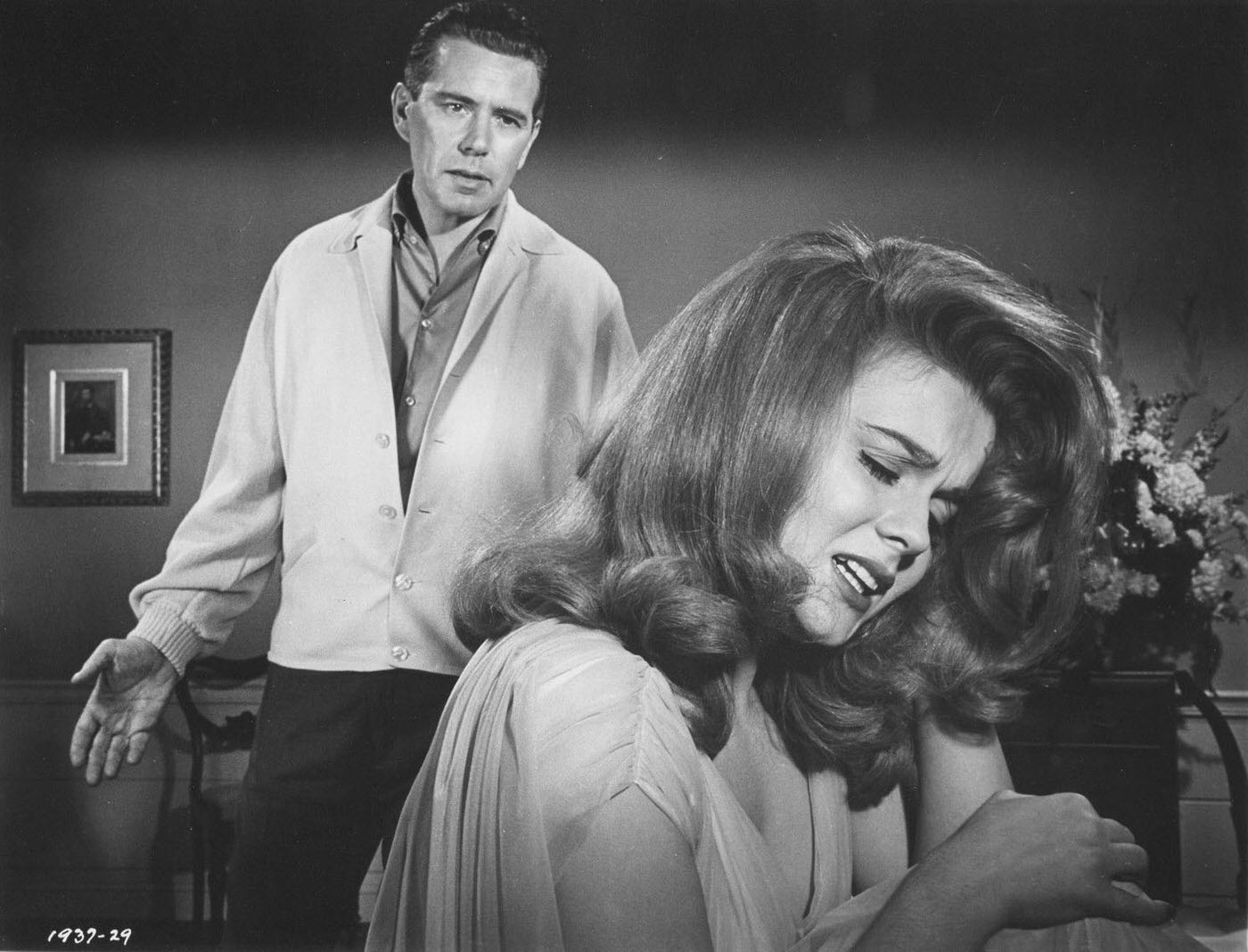
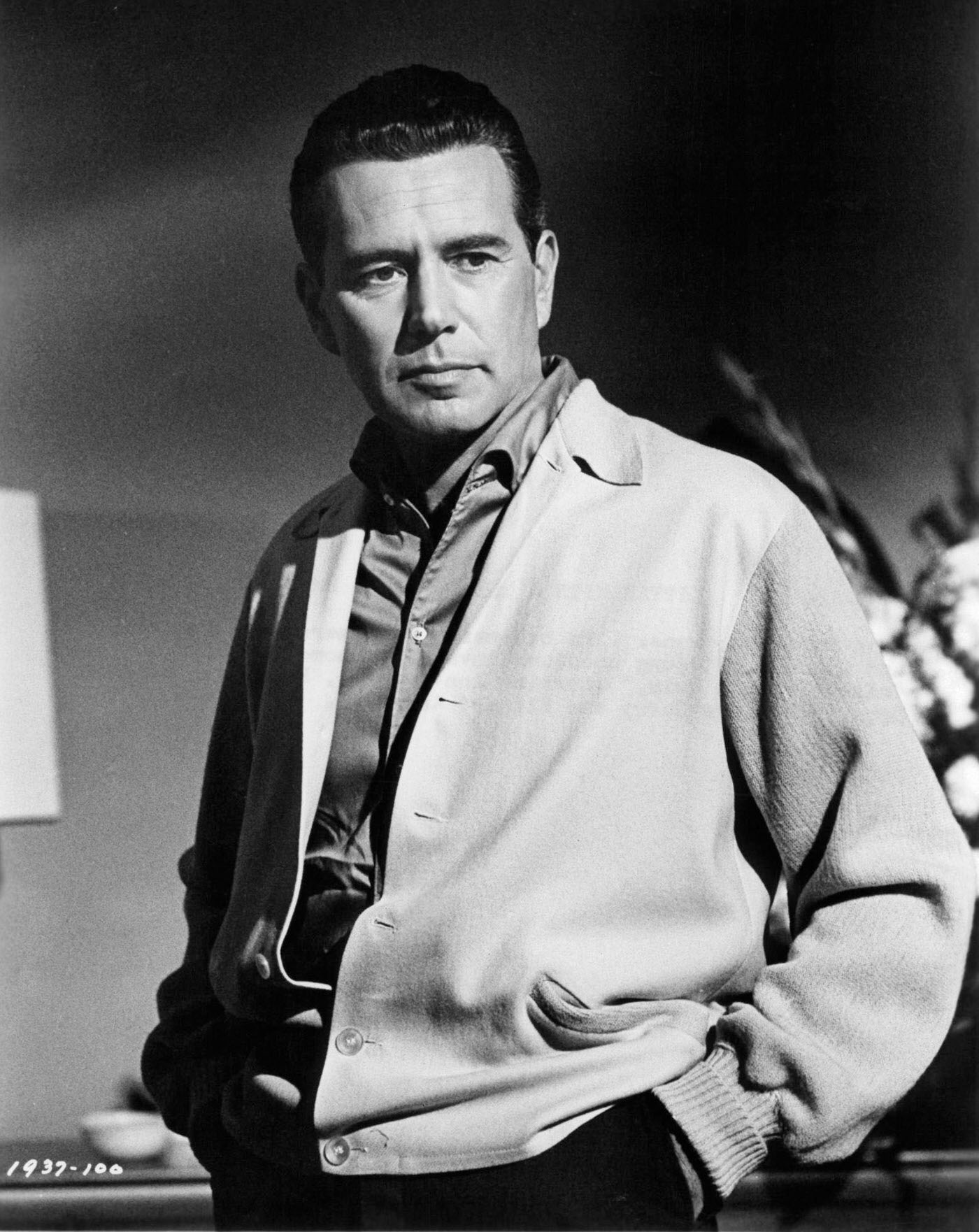
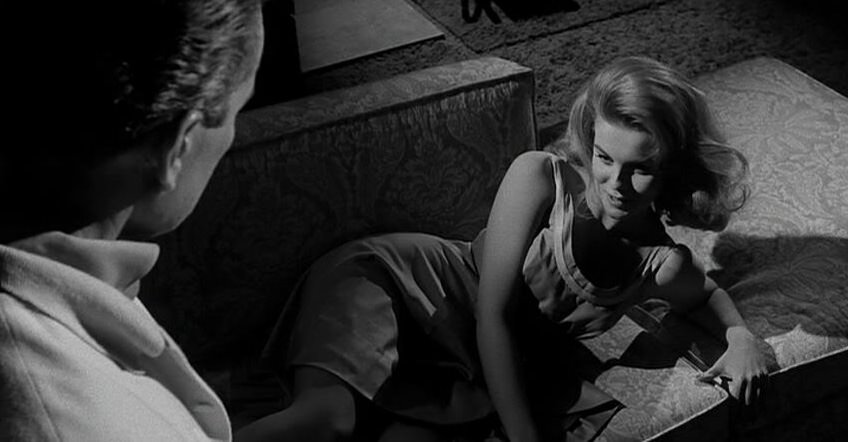
John Forsythe plays David Stratton, a man living a quiet suburban life in California. When he discovers Jody hiding in his house, he tries to handle the situation quietly — and that decision costs him dearly. Jody refuses to leave, and she uses every tool at her disposal to keep David trapped and off-balance.

Forsythe’s David is not a passive victim. His arc moves from a comfortable, complacent man to someone desperately fighting to reclaim his own home and reputation. Forsythe, who would later become widely known for his role in the television series ‘Dynasty,’ brings a steady, grounded intensity to the part that keeps the film’s tension from tipping into melodrama.
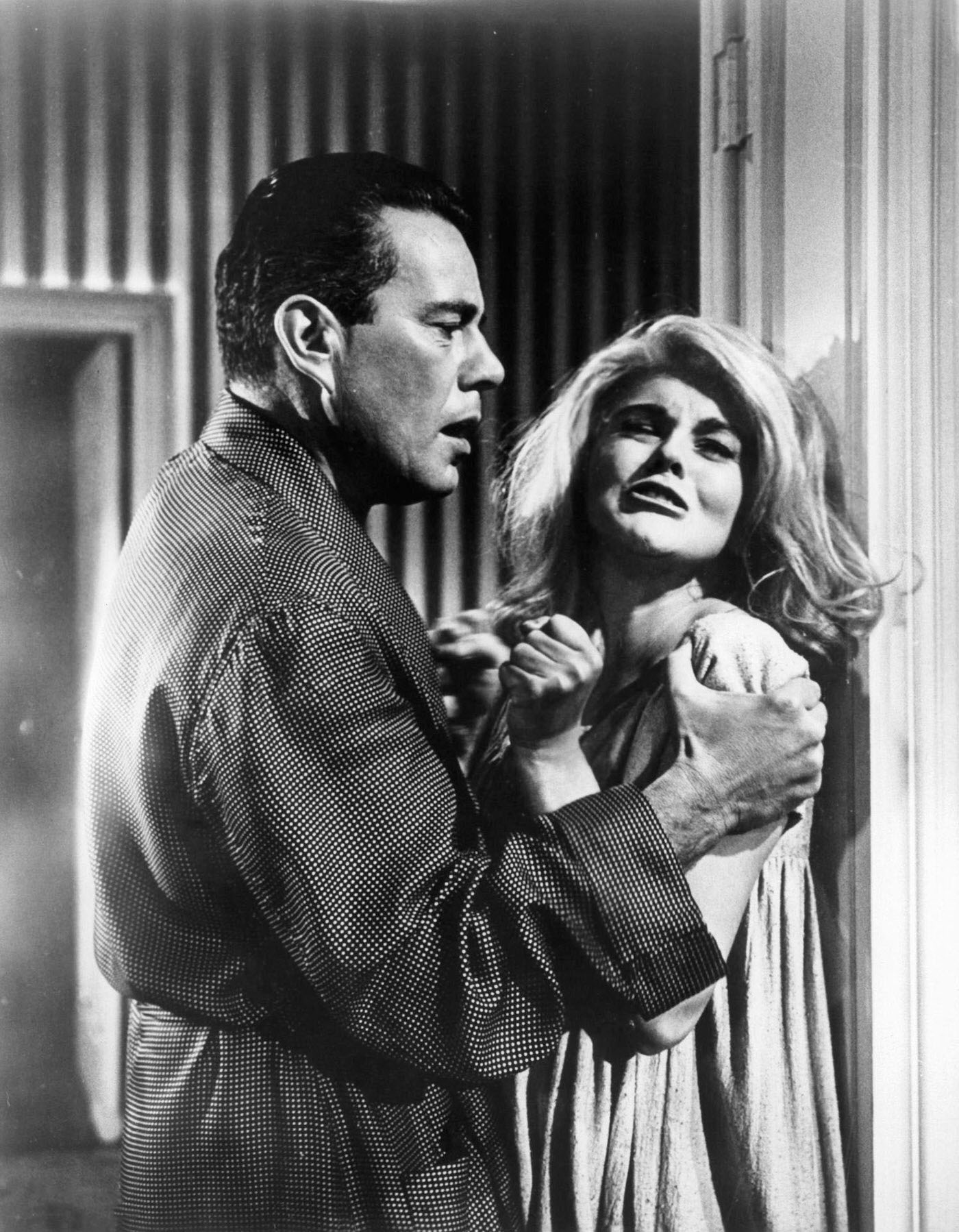
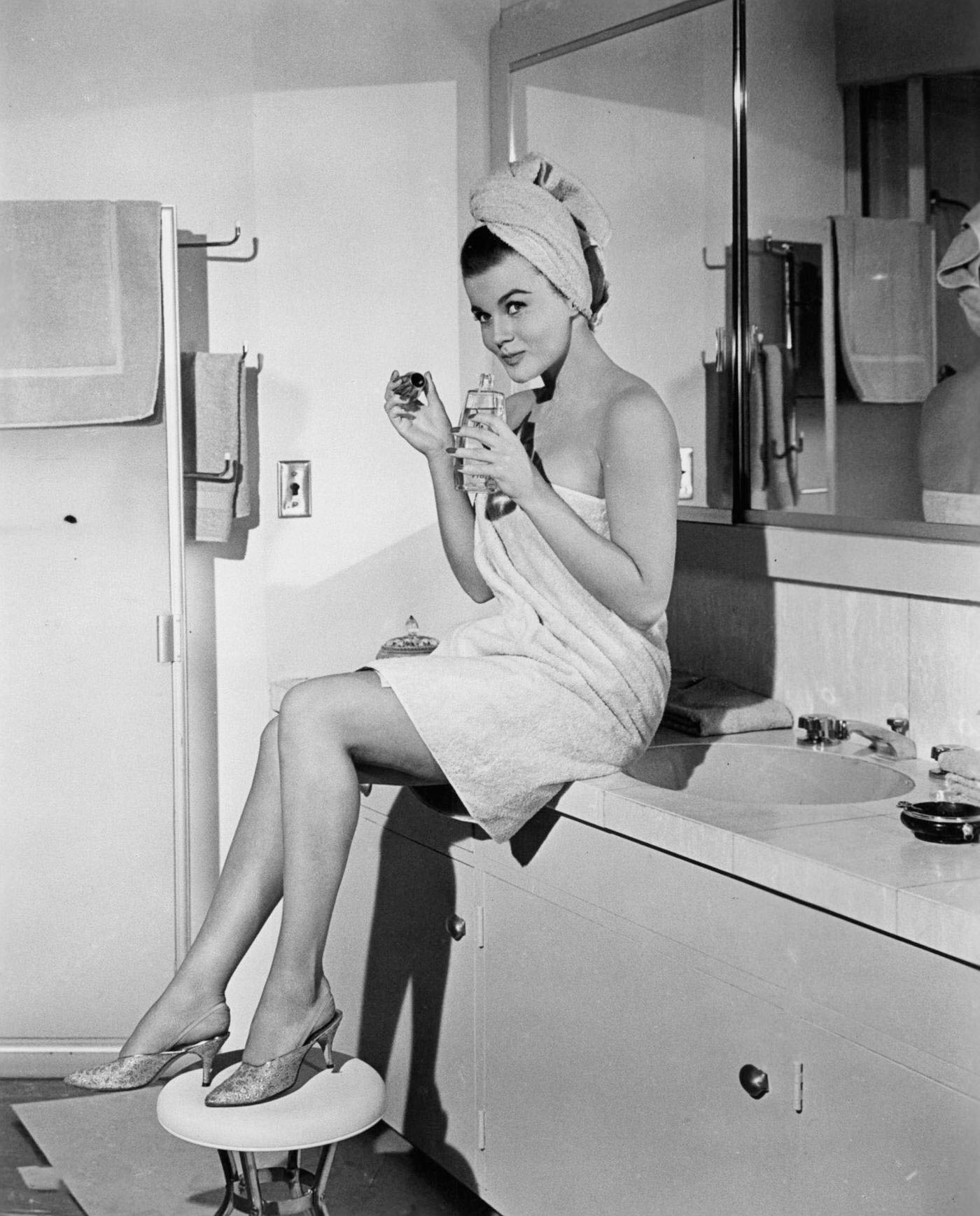
Ann-Margret’s performance as Jody is the engine of the whole picture. She moves between fragility and menace with precision, never letting the audience fully settle on how to read her character. One moment Jody seems genuinely lost; the next, she is calculating and cold. It was a demanding role, and Ann-Margret handled every layer of it.
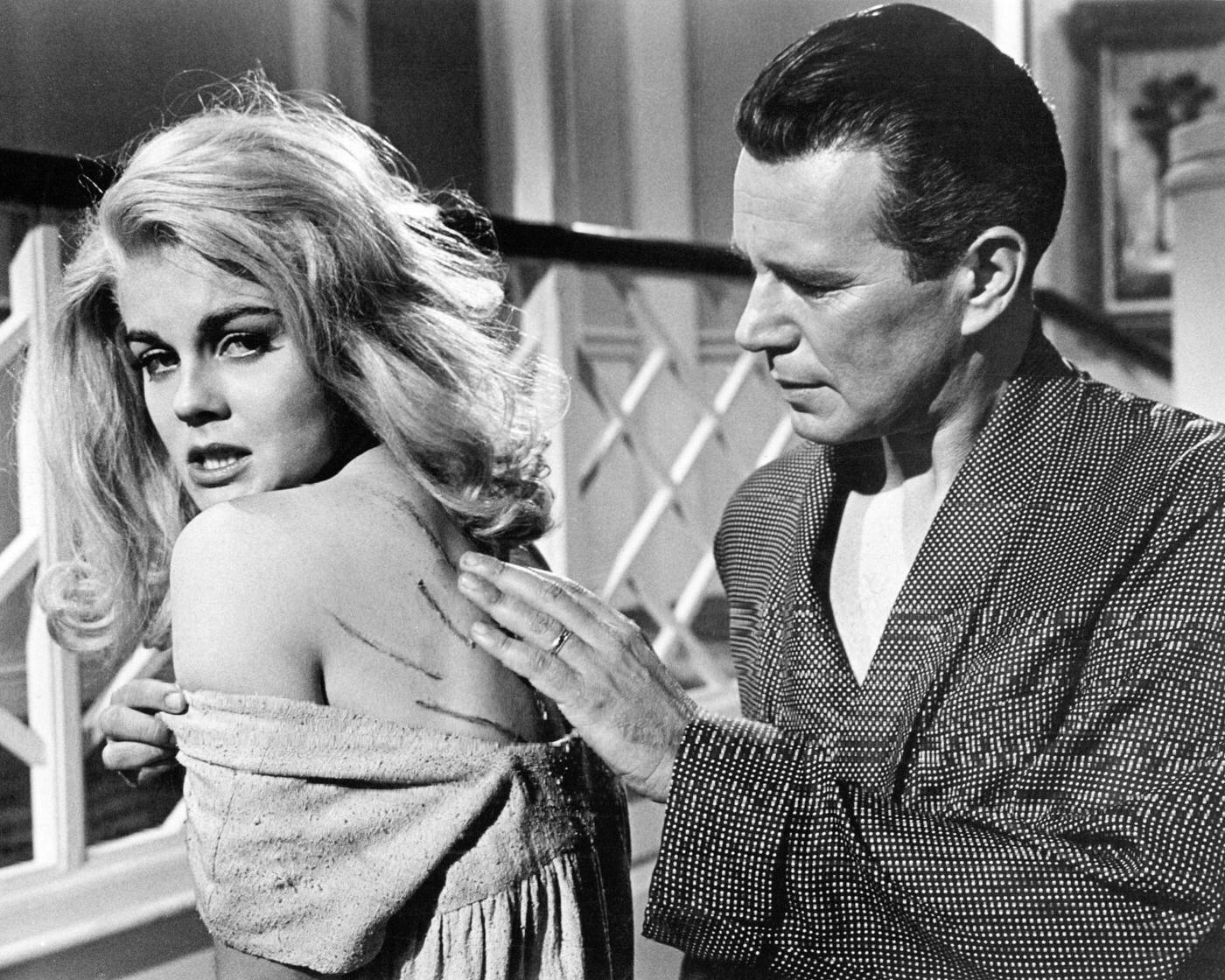
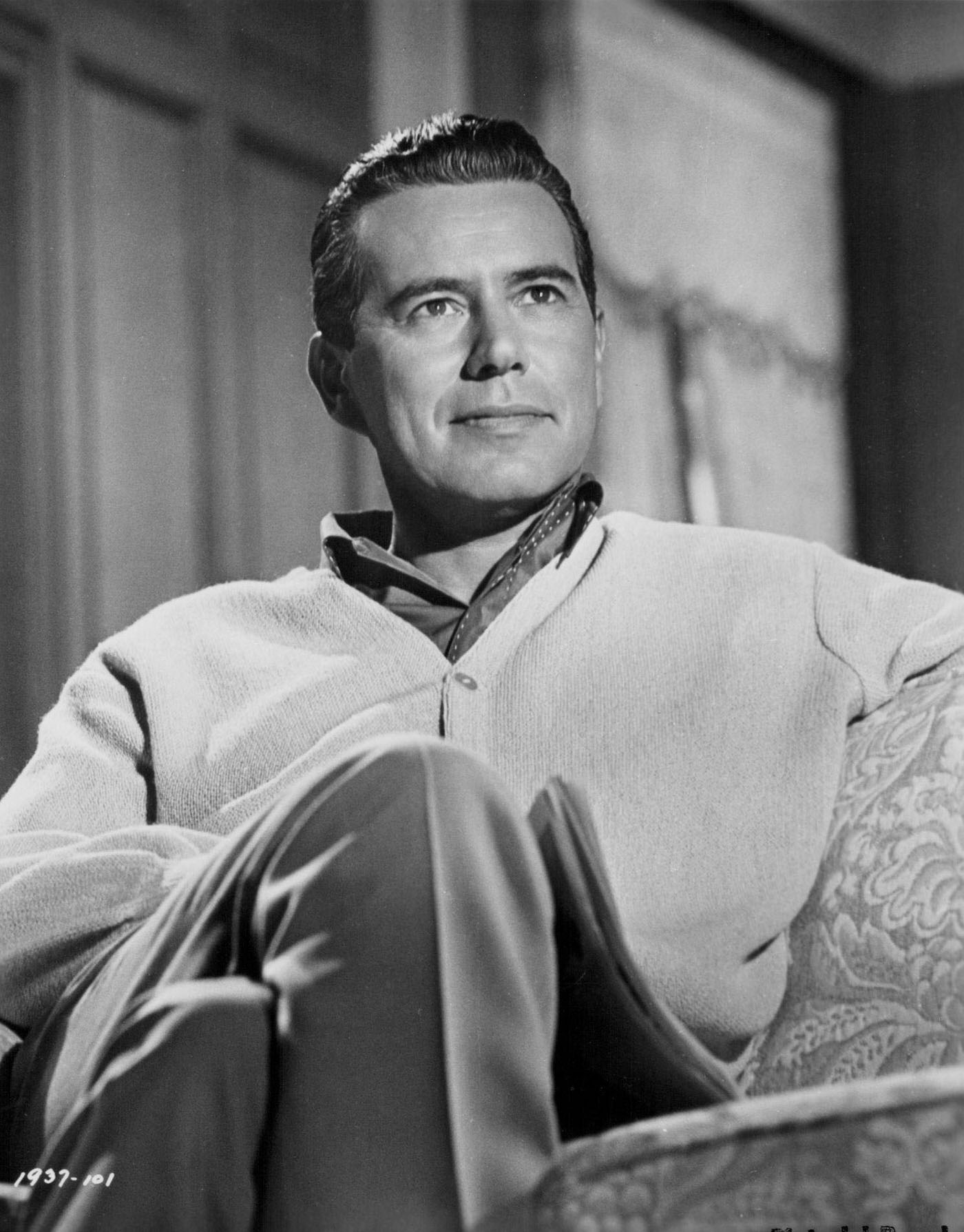
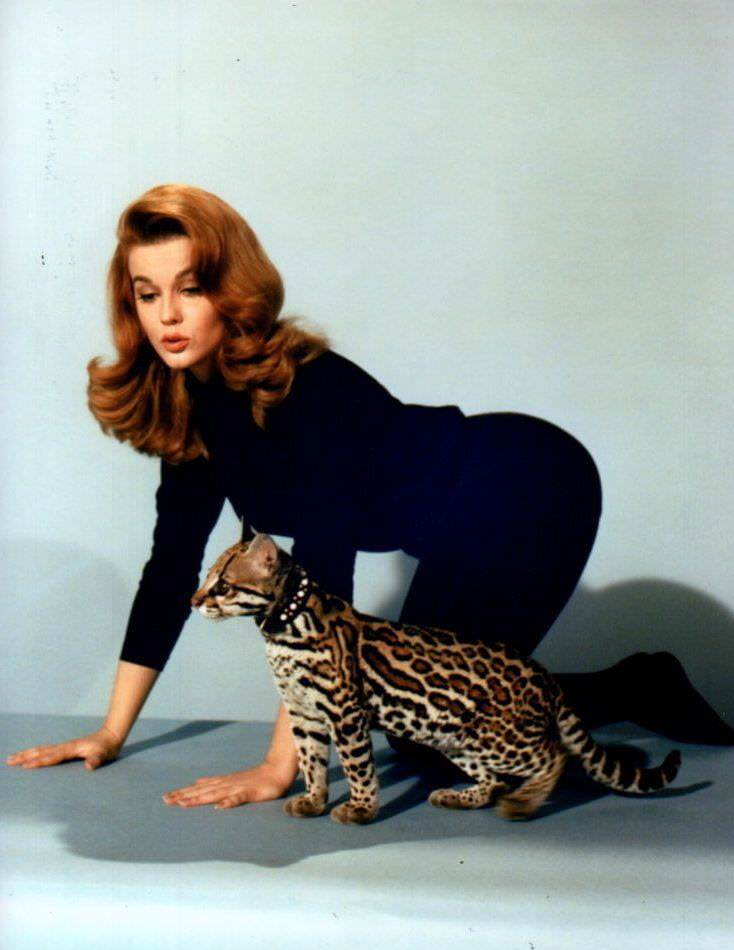
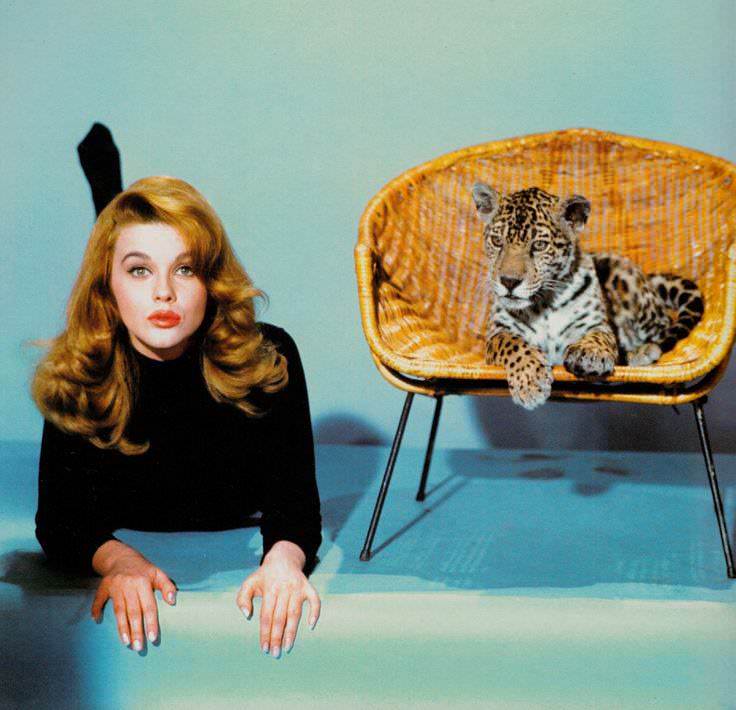
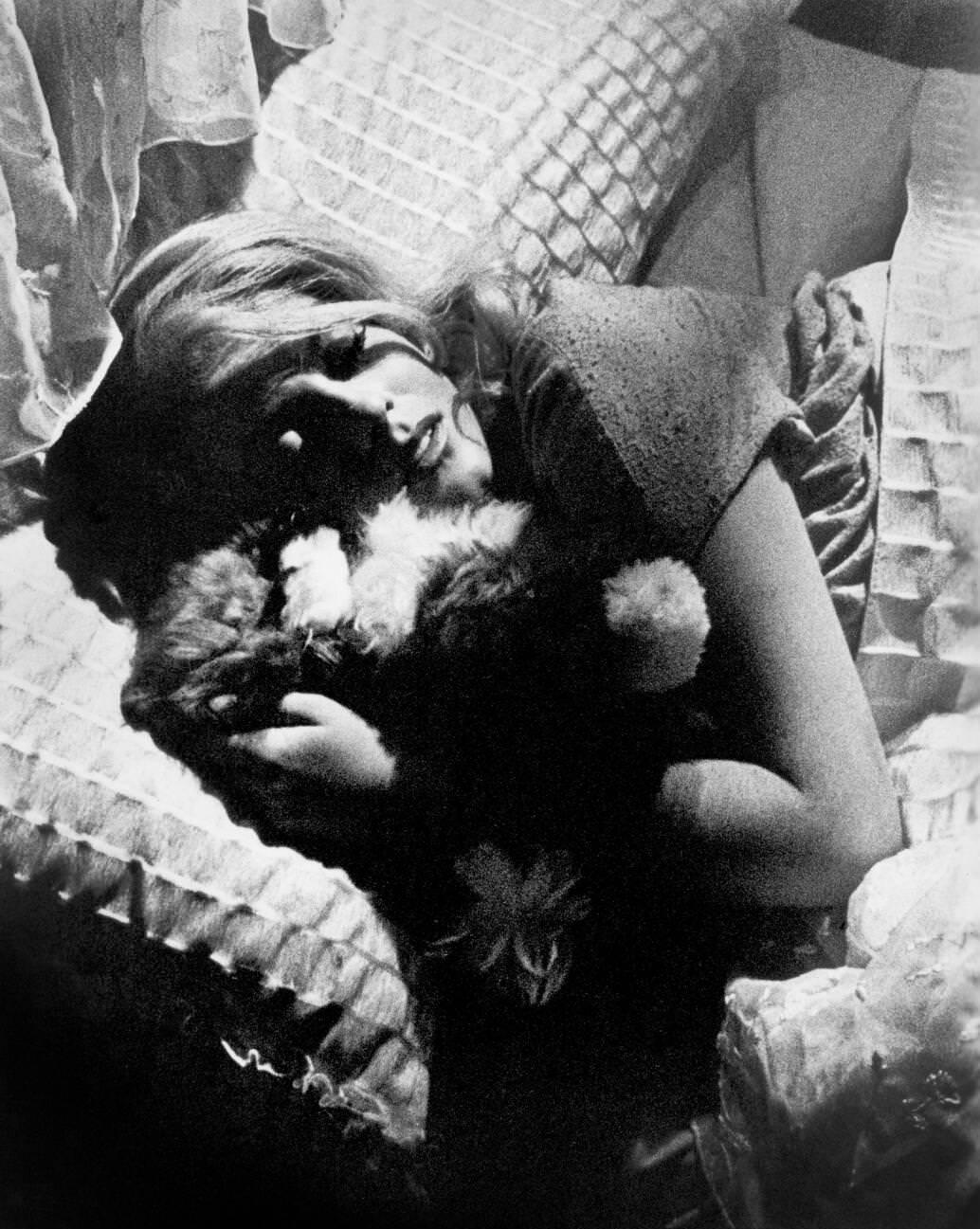
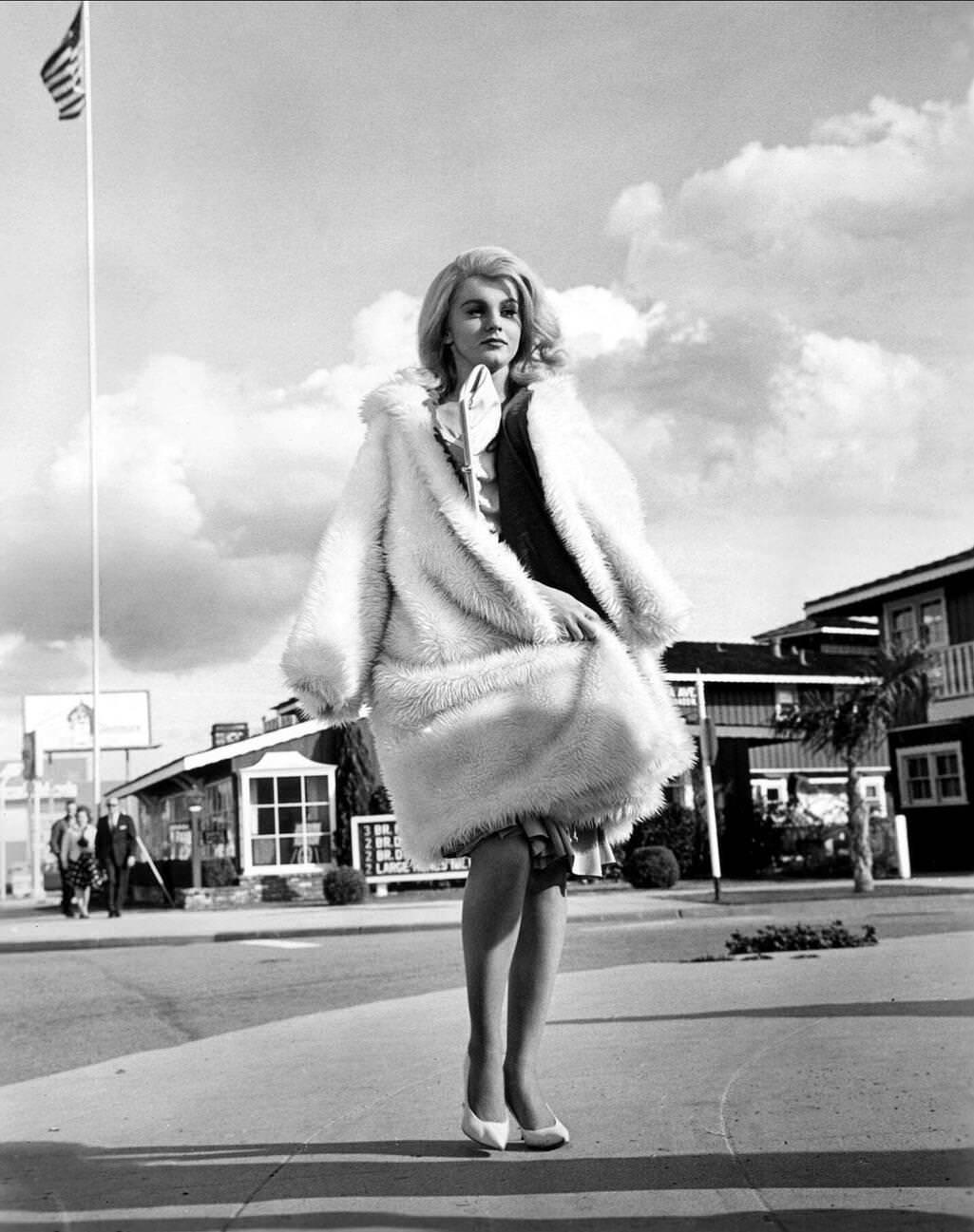
The film’s visual style is firmly rooted in the early 1960s. Mid-century modern interiors, sharp costumes, and clean cinematography give it an aesthetic that holds up well. The promotional materials leaned into the wild-animal imagery, pairing Ann-Margret with exotic cats to reinforce Jody’s unpredictable nature.
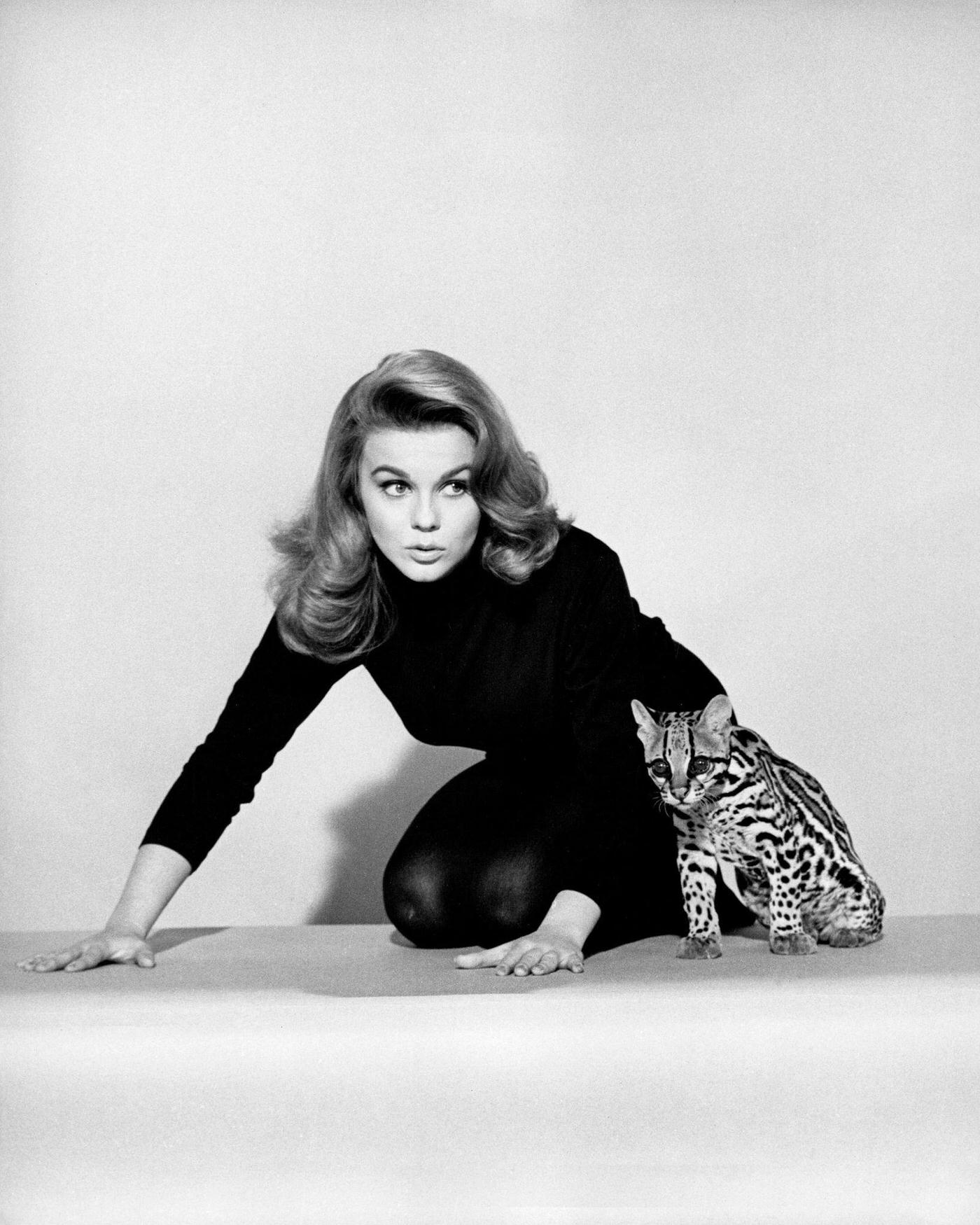
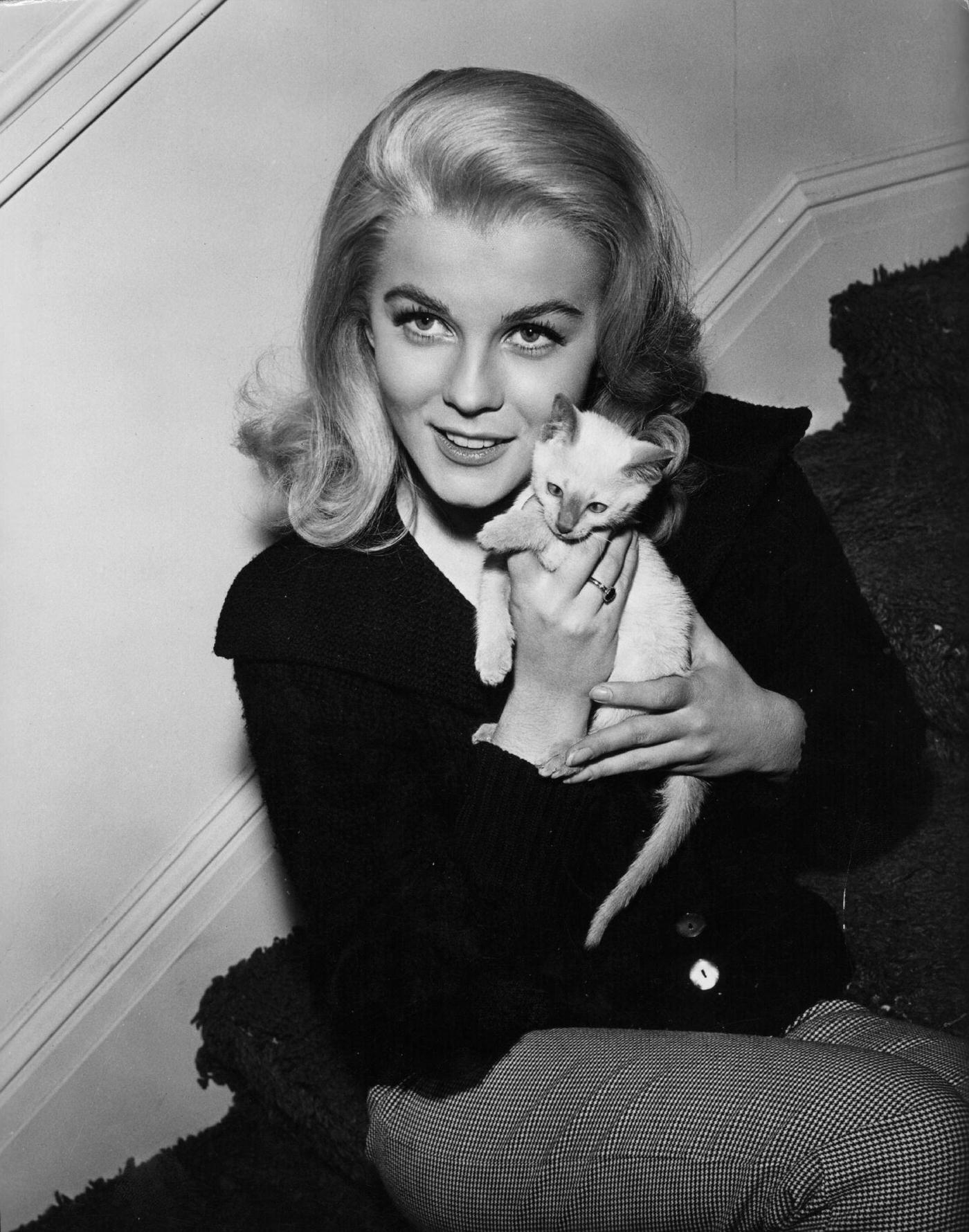
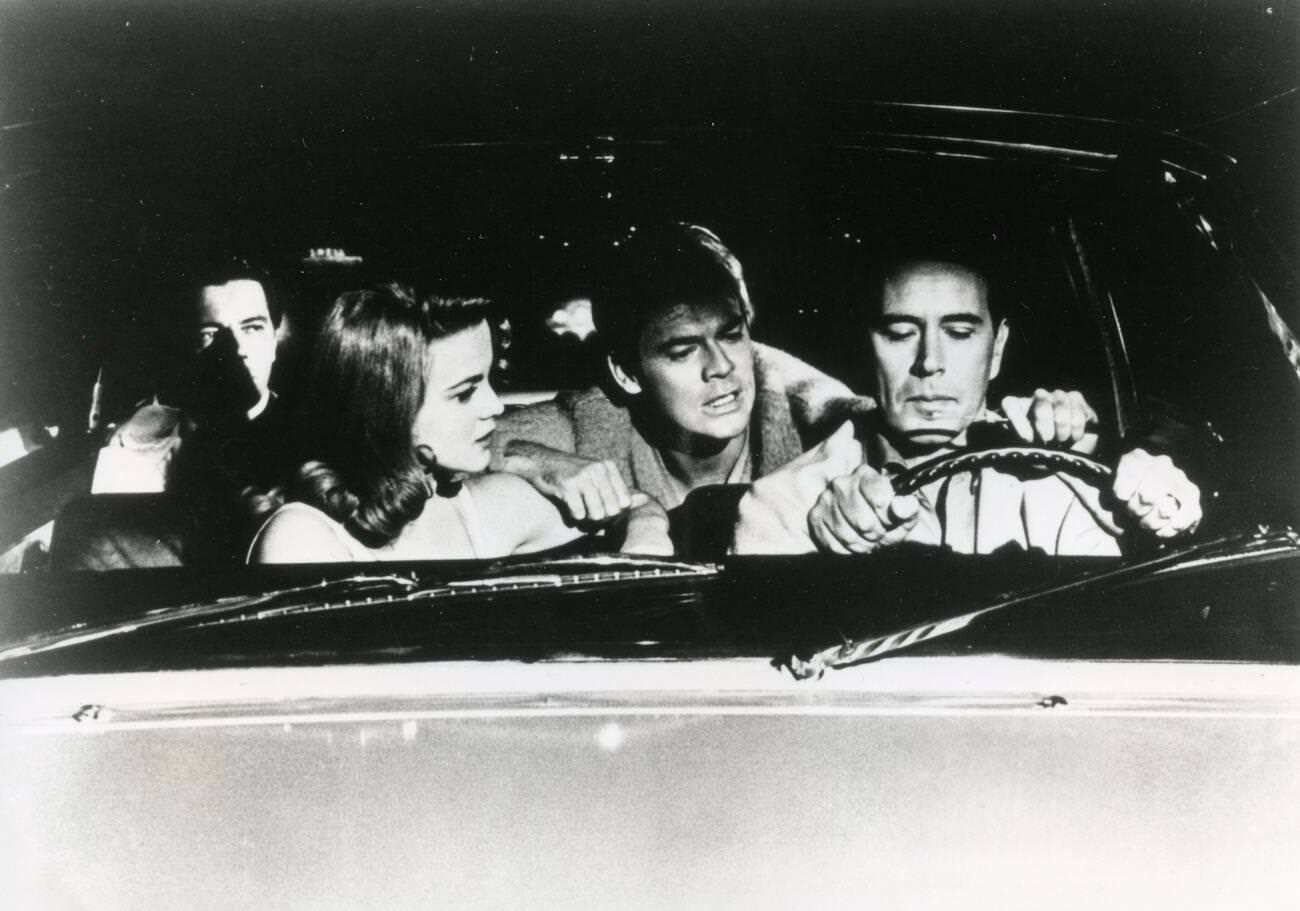
Behind the scenes, the production reflected the broader shift happening in Hollywood at the time. Studios were beginning to explore darker character studies and morally complicated stories. ‘Kitten with a Whip’ sat right at that edge — a noir-tinged thriller with a female lead who was neither villain nor victim in any clean sense.
The film did not perform strongly at the box office on its initial release, but it built a dedicated following over the following decades. Its blend of suspense, rebellion, and style gave it staying power that routine studio thrillers of the same era never achieved.