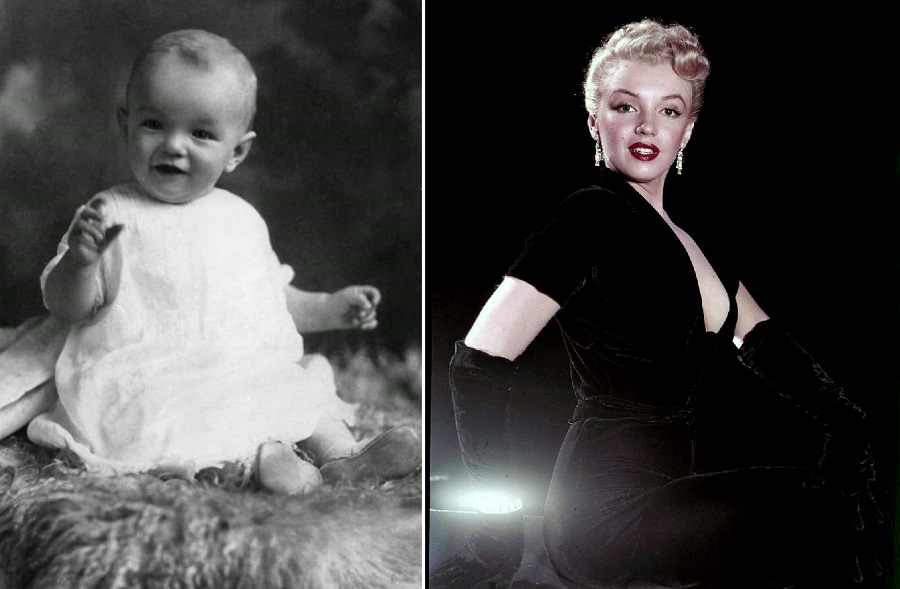
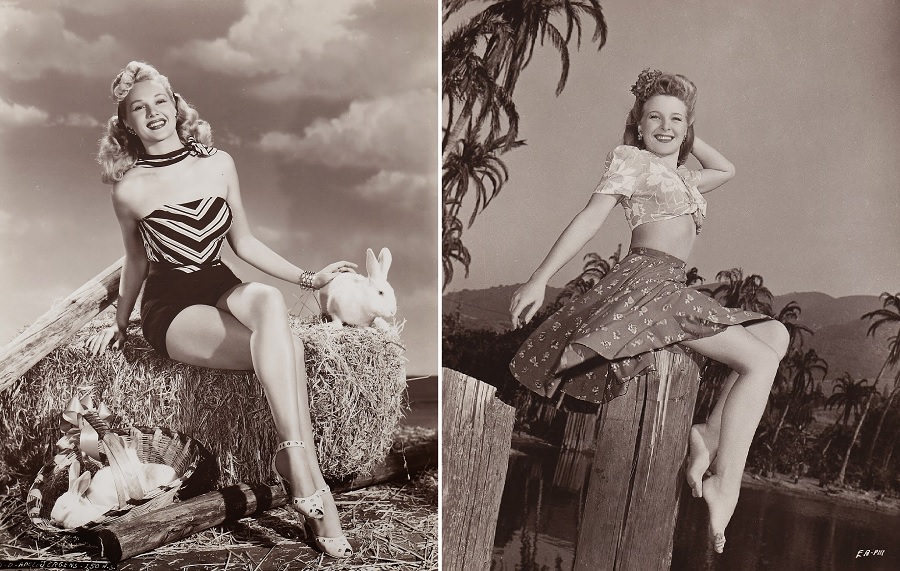
Before Ann-Margret became one of Hollywood’s most recognizable names, she was already performing. As a teenager in the mid-1950s, she sang at weddings, parties, and church socials — building the kind of stage confidence that would later make audiences stop cold. She had a natural energy on stage that was hard to ignore, and she put it to use early.
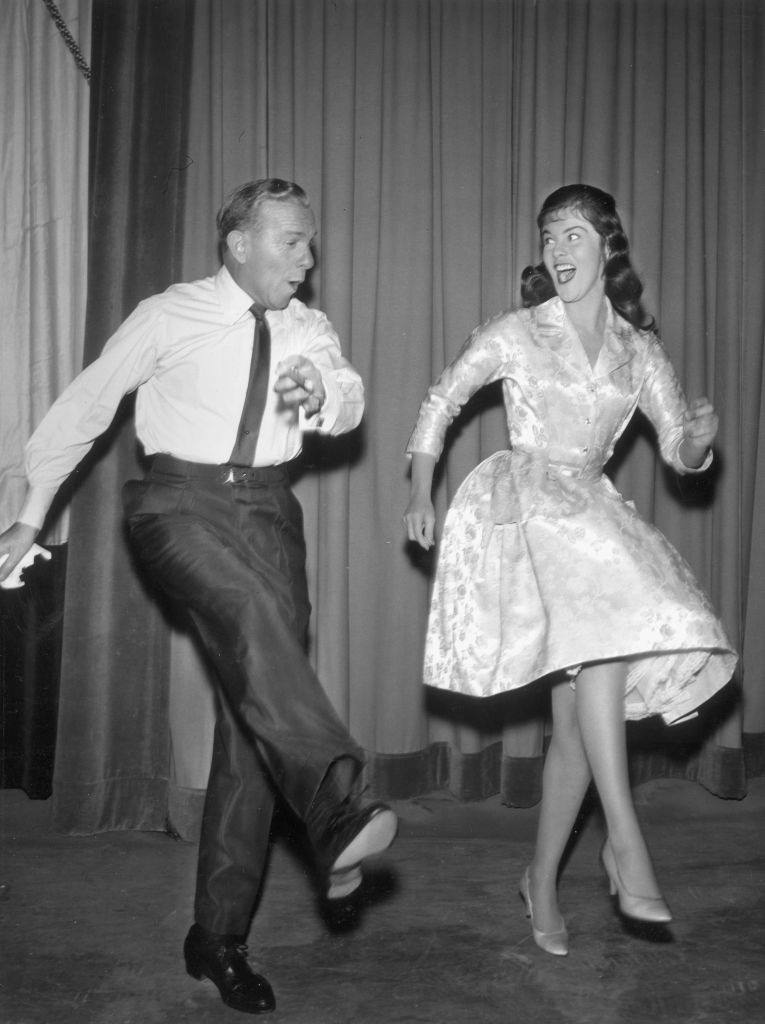
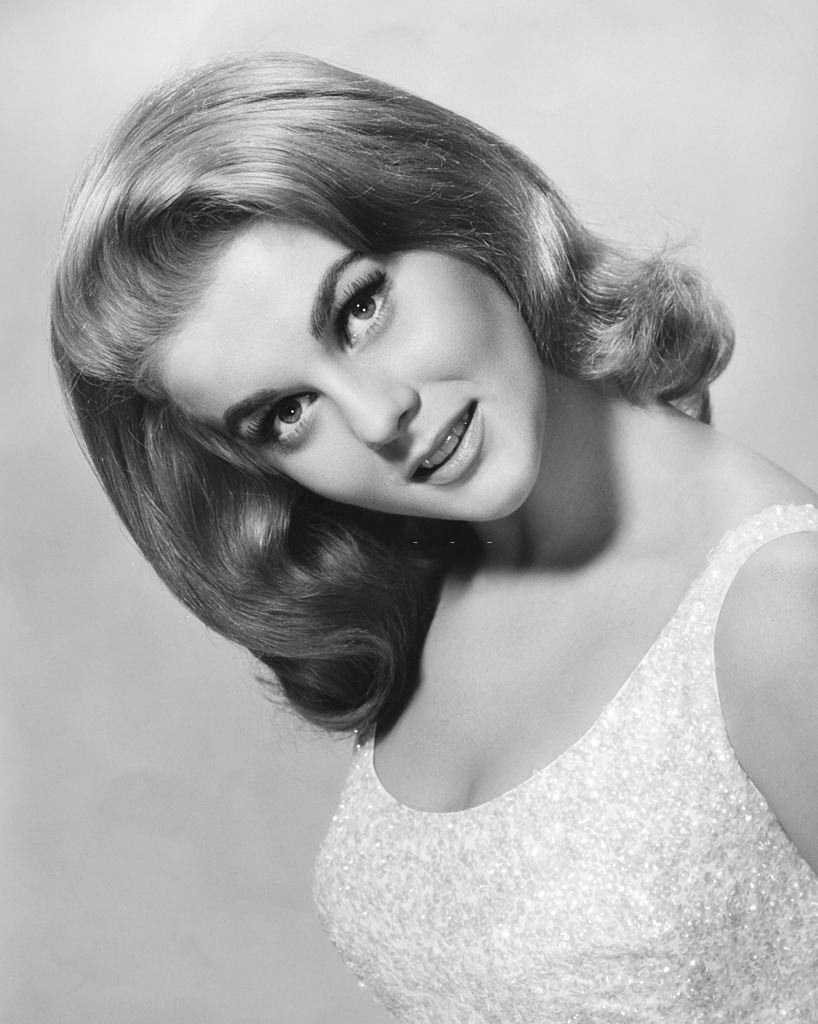
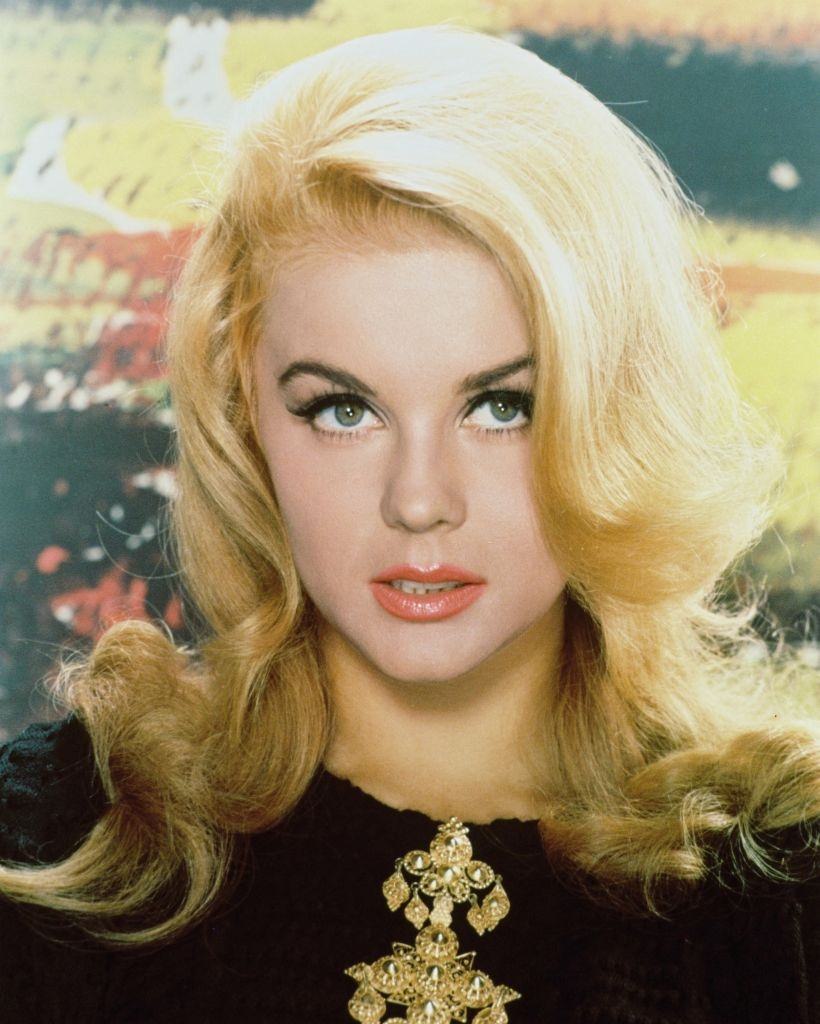
By 1960, Ann-Margret was already catching the attention of the entertainment industry. Her looks were striking, but she backed them up with genuine talent — she could sing, dance, and command a camera with equal ease. Studios and record labels took notice quickly.
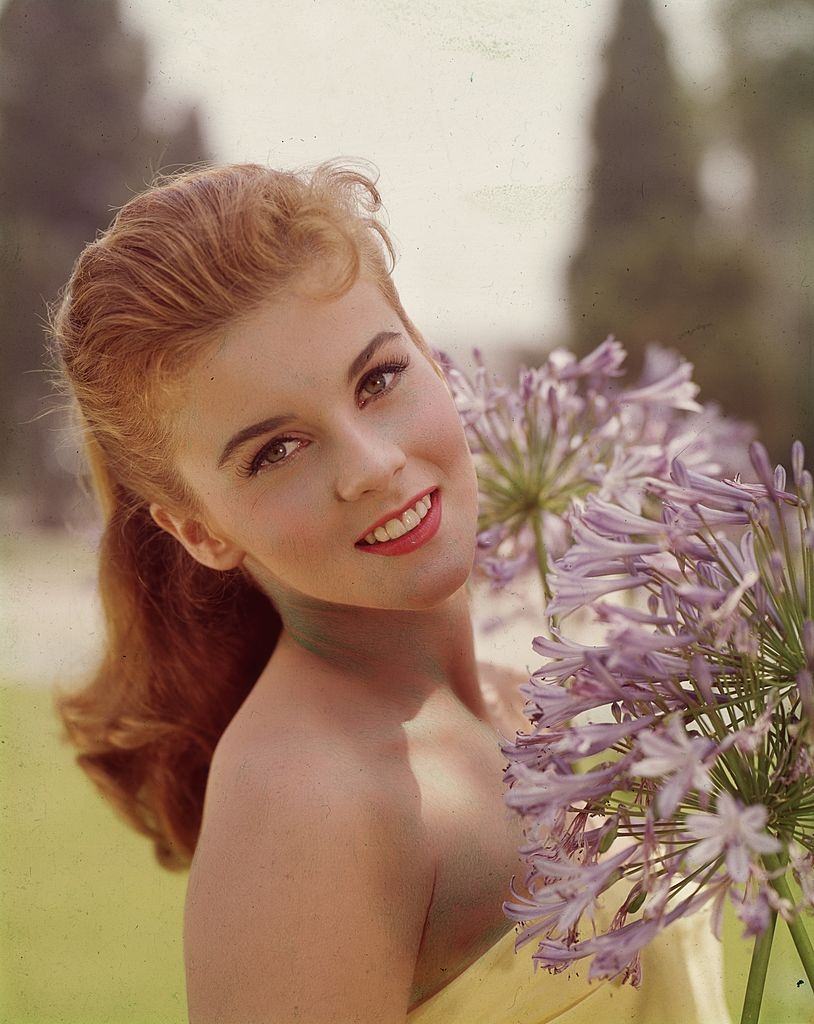
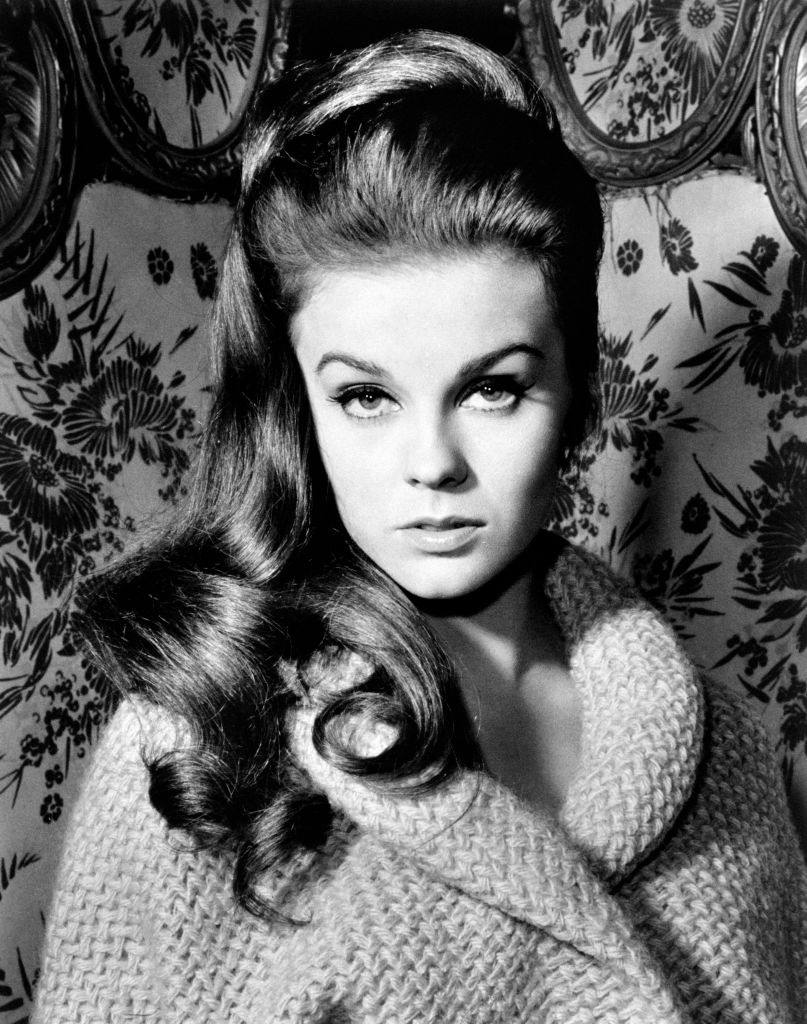
Her film debut came in 1961, when director Frank Capra cast her as Bette Davis’ daughter in Pocketful of Miracles. It was a solid introduction to Hollywood, but it was just the beginning. That same year, she crossed paths with actor Roger Smith — a meeting that would eventually lead to marriage in May 1967.
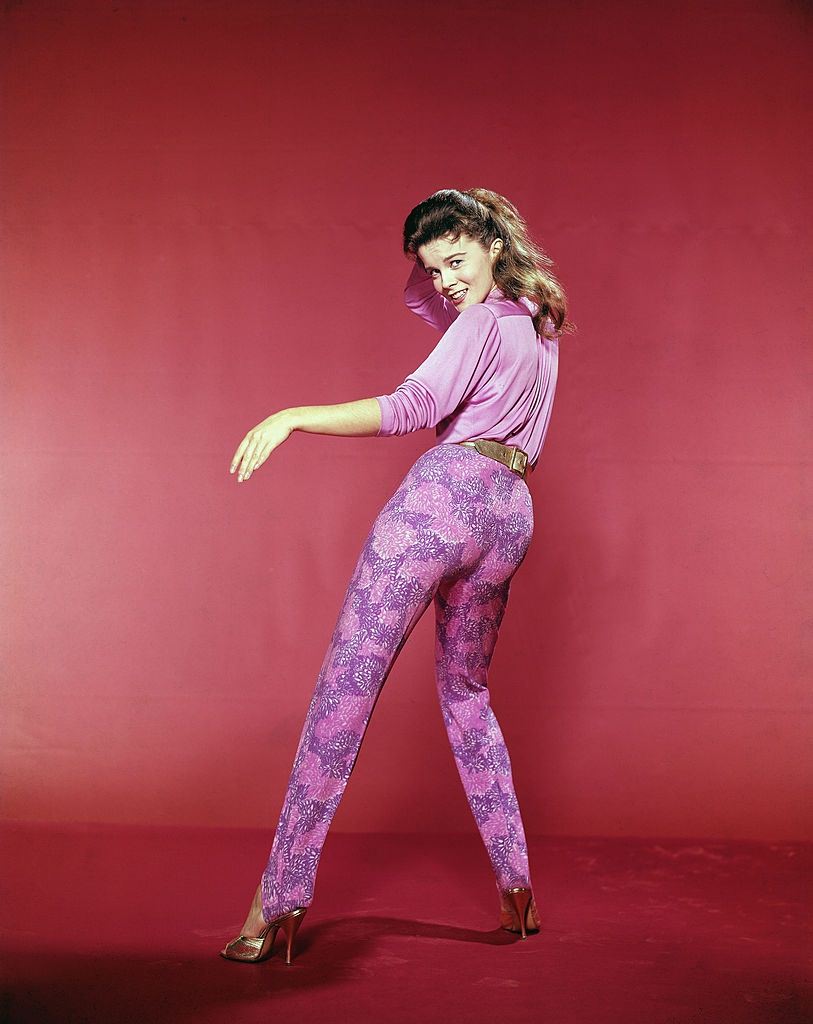
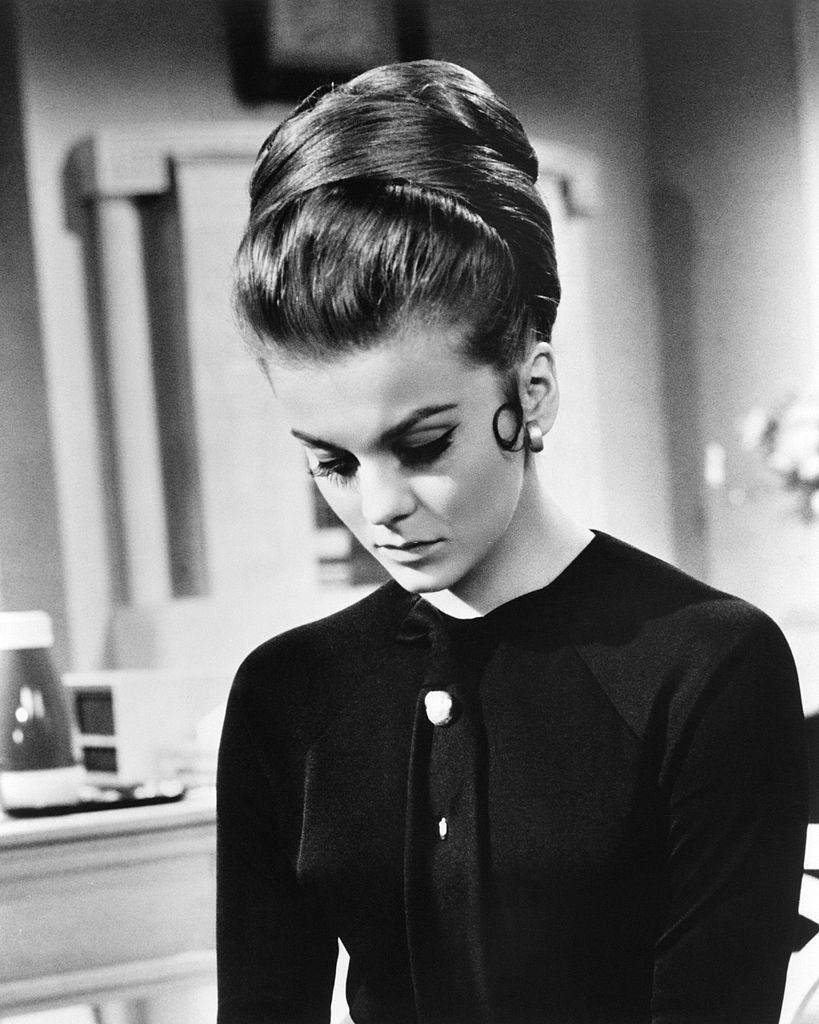
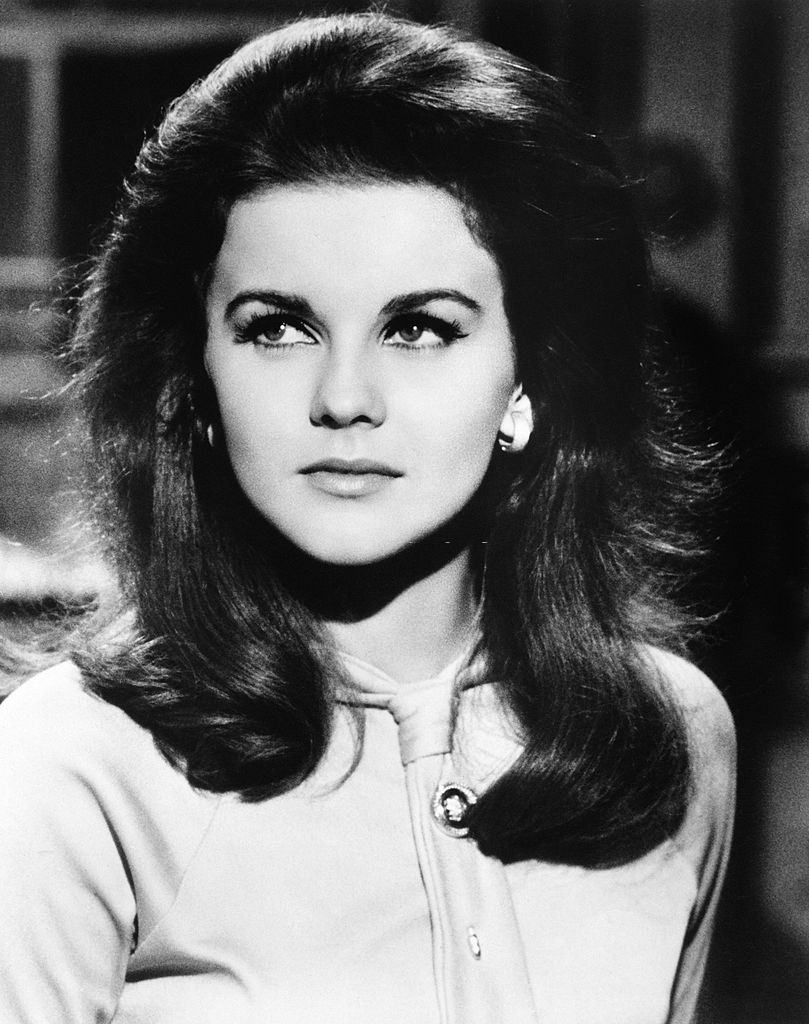
On the music side, Ann-Margret pursued a recording career with the same drive she brought to acting. She auditioned for RCA Victor Records around 1960, and the label signed her. Her single “I Just Don’t Understand” cracked the Top 20 of the Billboard Hot 100, proving she wasn’t just a film actress trying her hand at music — she was a legitimate recording artist.
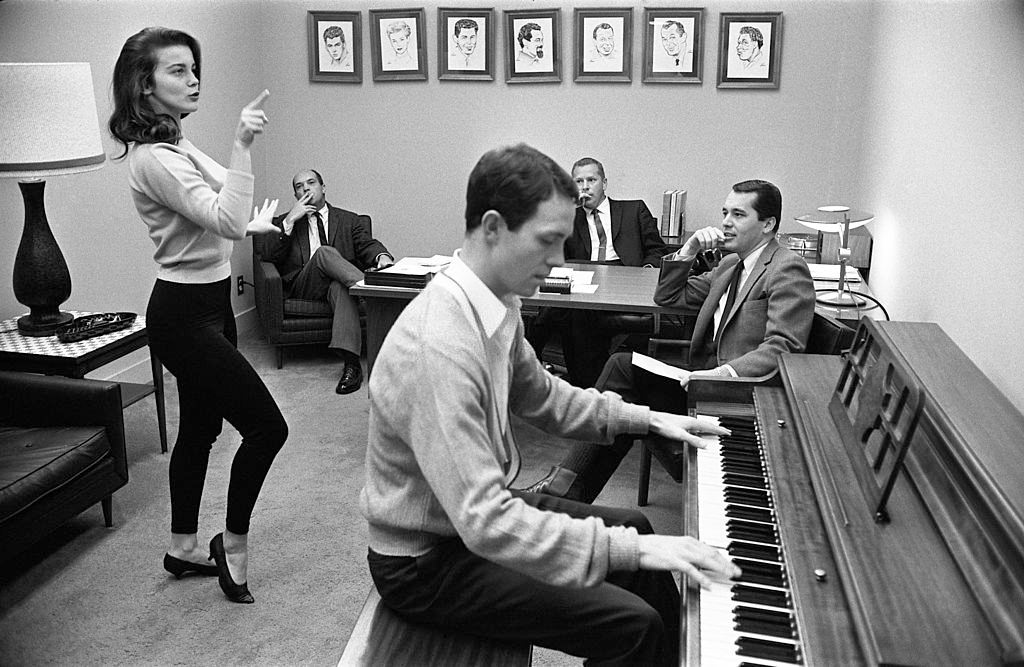
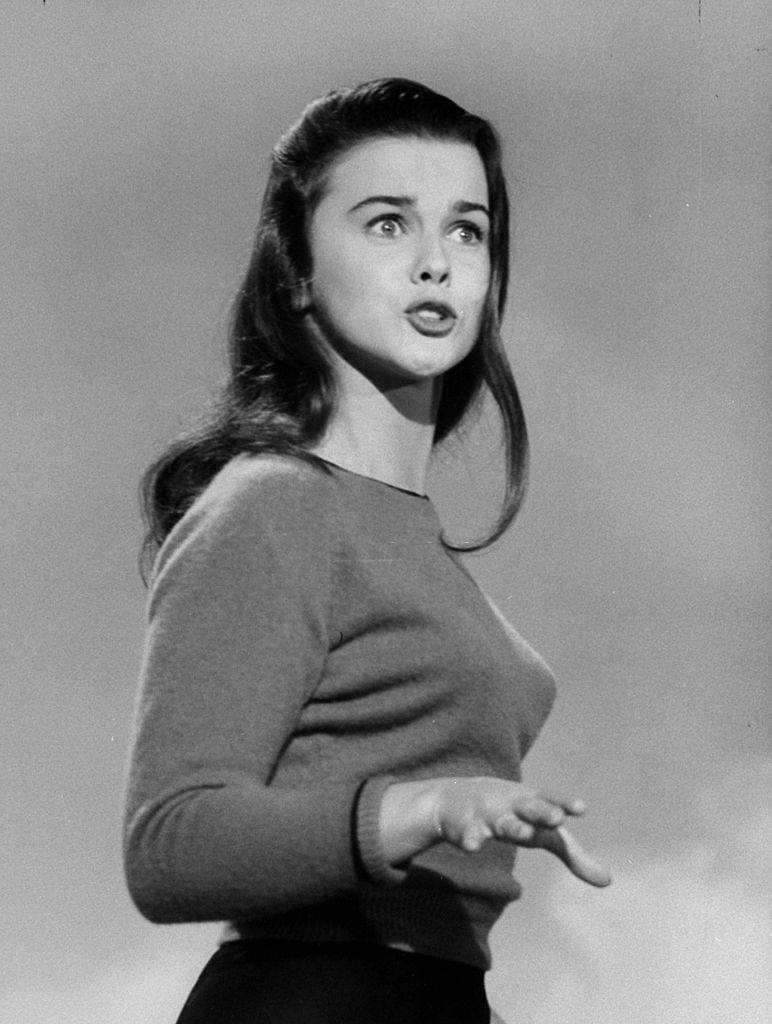
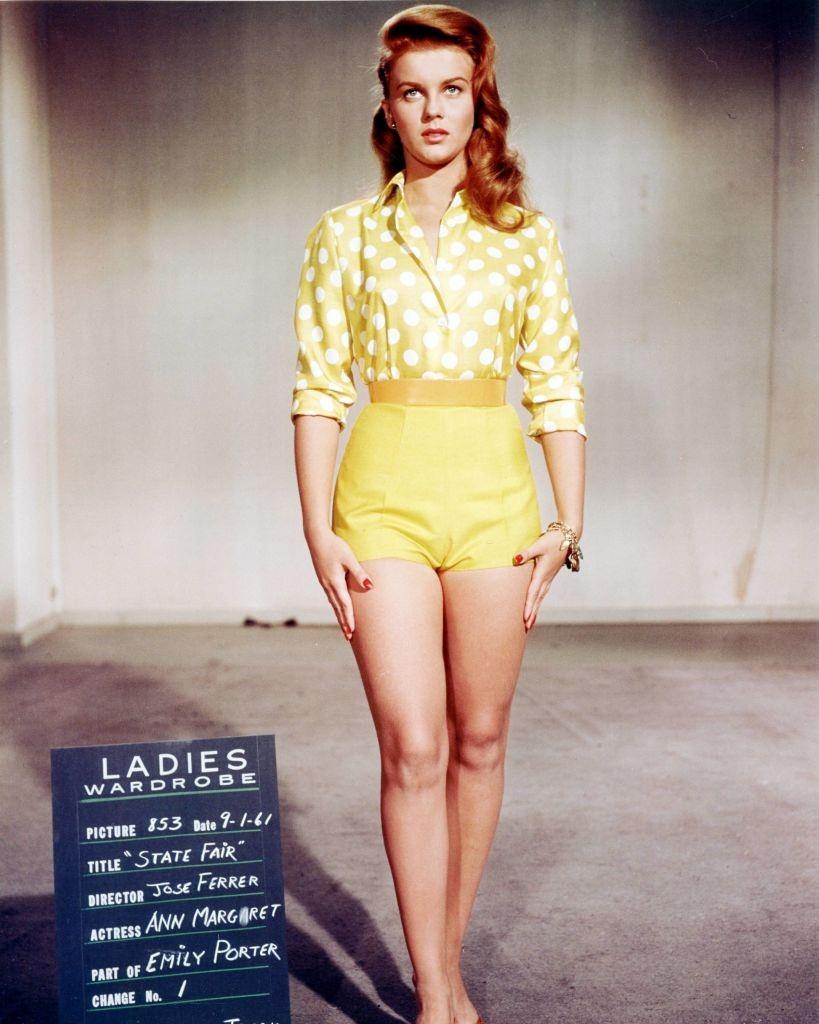
Her screen test at 20th Century Fox for State Fair showed exactly why studios were competing for her. In 1962, she landed the role and delivered a performance that reinforced her star status. That year, she also released her debut album, Here She Is, Ann-Margret, cementing her dual identity as both actress and singer.
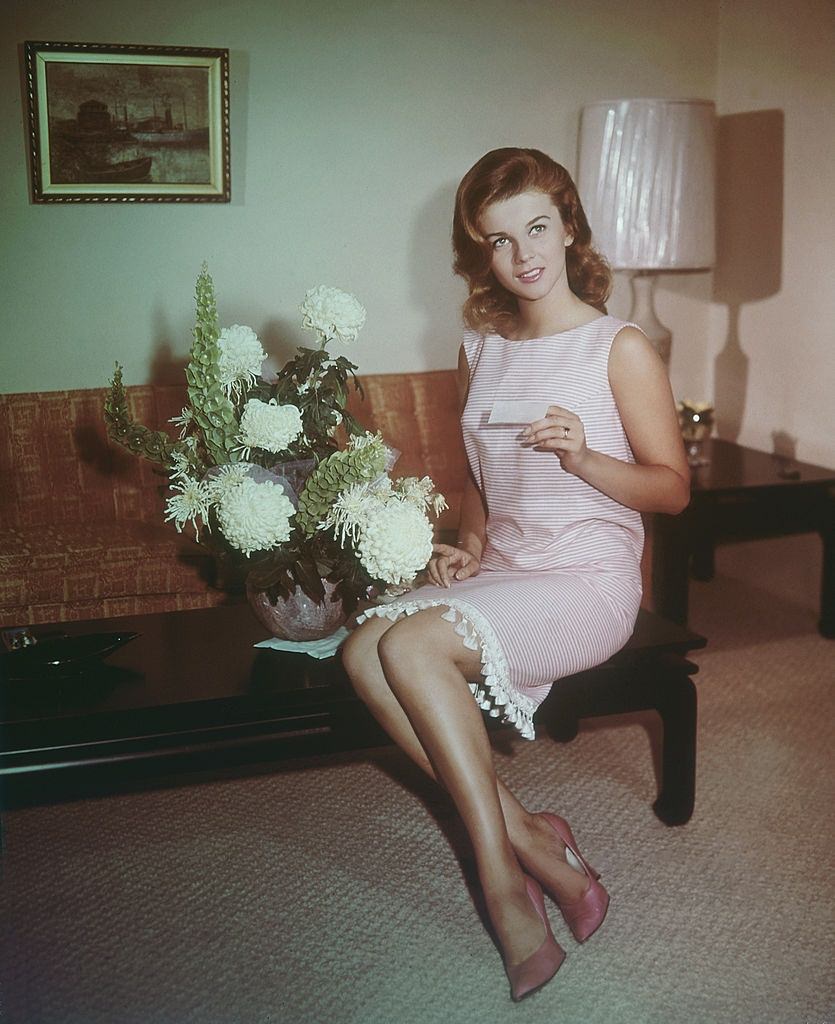
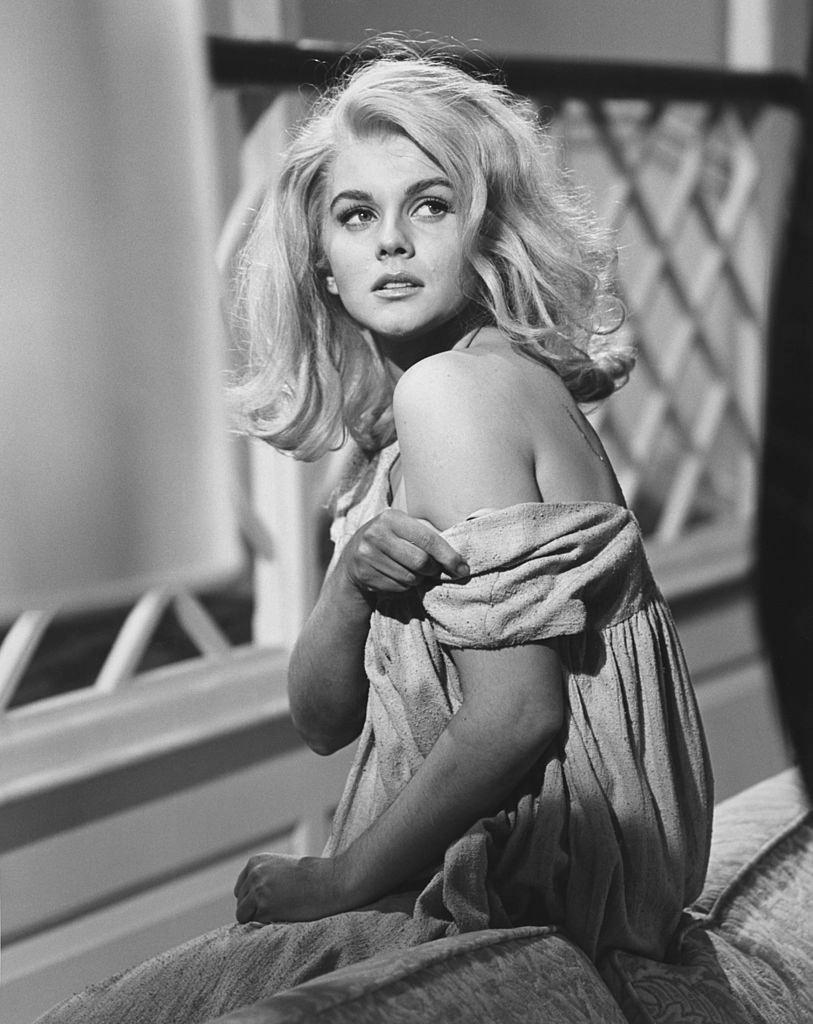
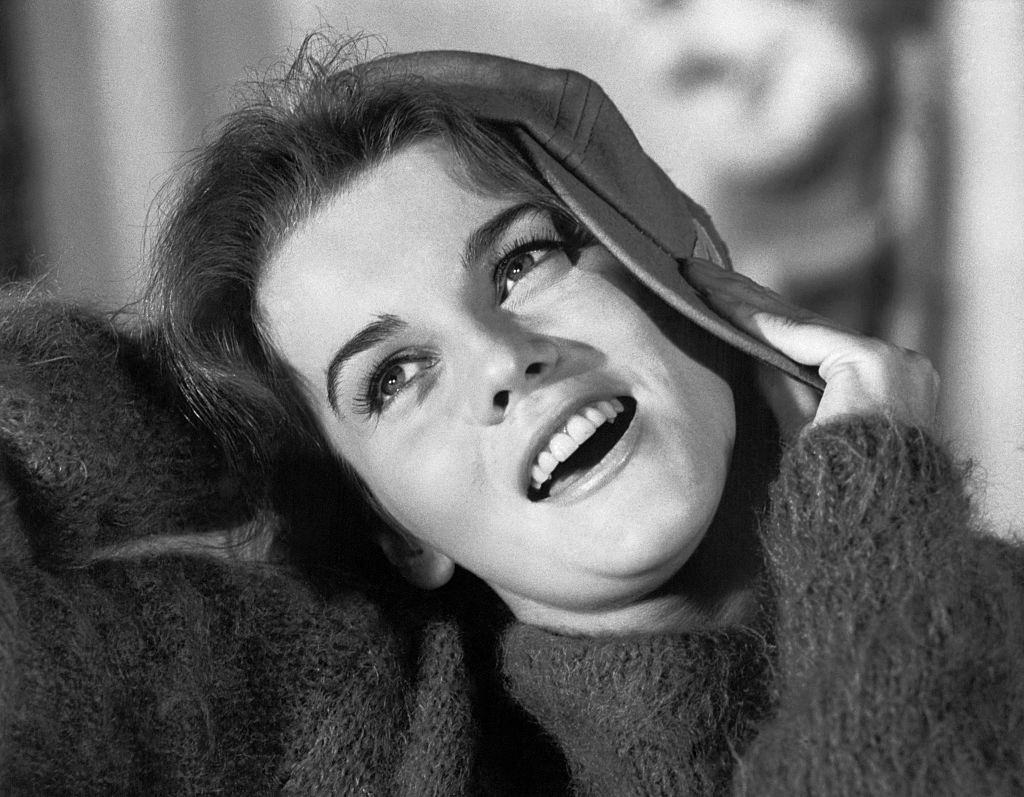
Then came Bye Bye Birdie in 1963. The film was a massive commercial hit and transformed Ann-Margret from a rising starlet into a full-blown superstar. Her dancing and screen presence in the film were electric, and audiences responded. Around the same time, she was invited to perform at President John F. Kennedy’s 46th birthday celebration — a sign of just how fast her profile had risen.
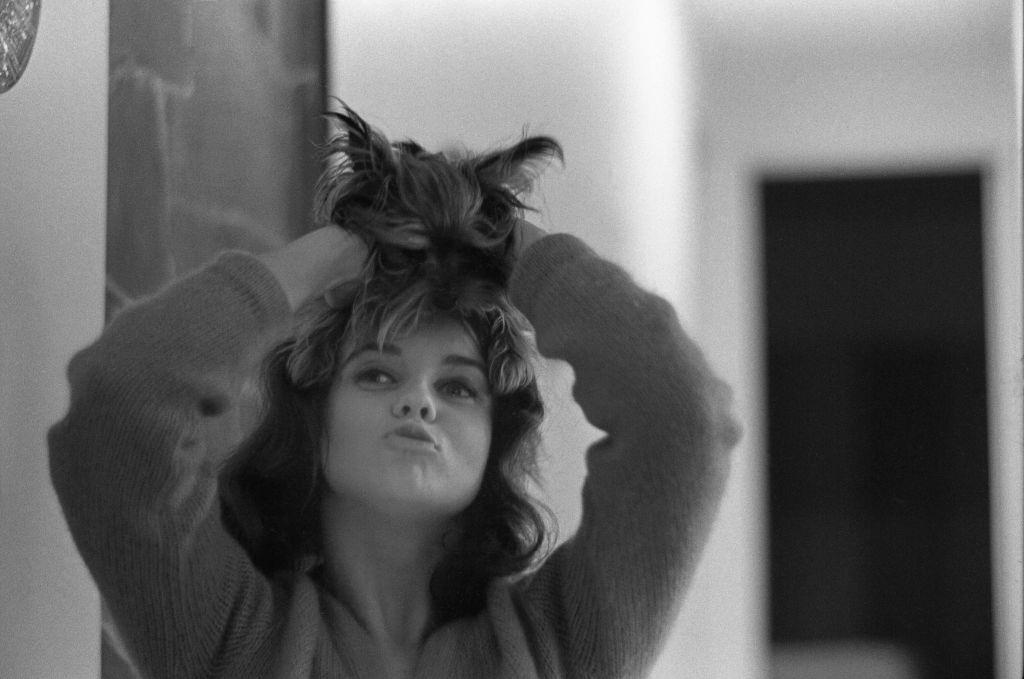
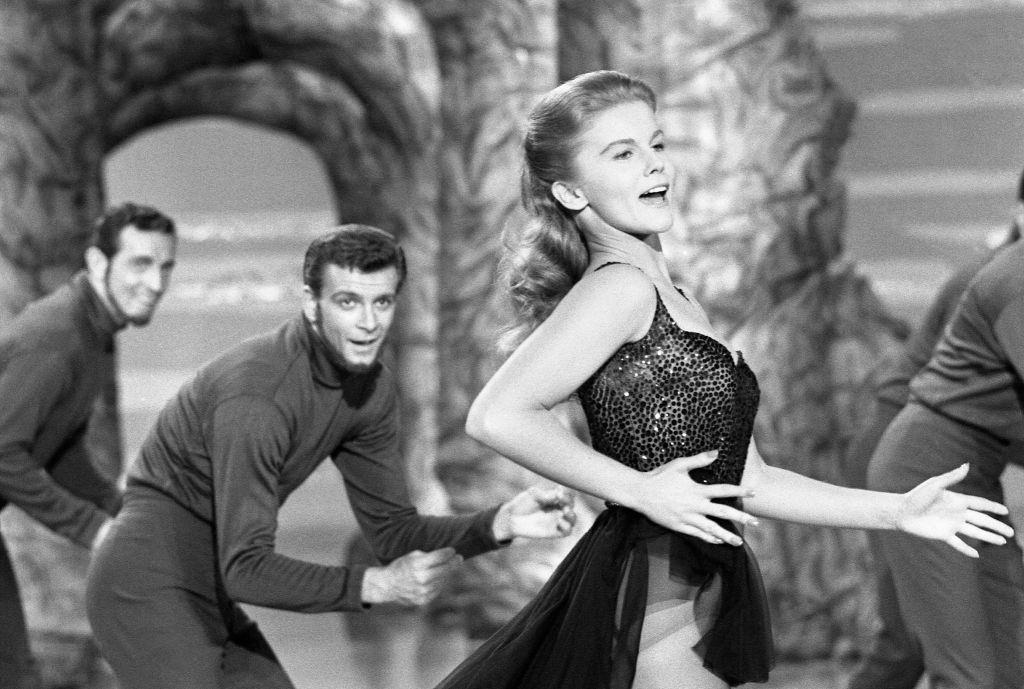
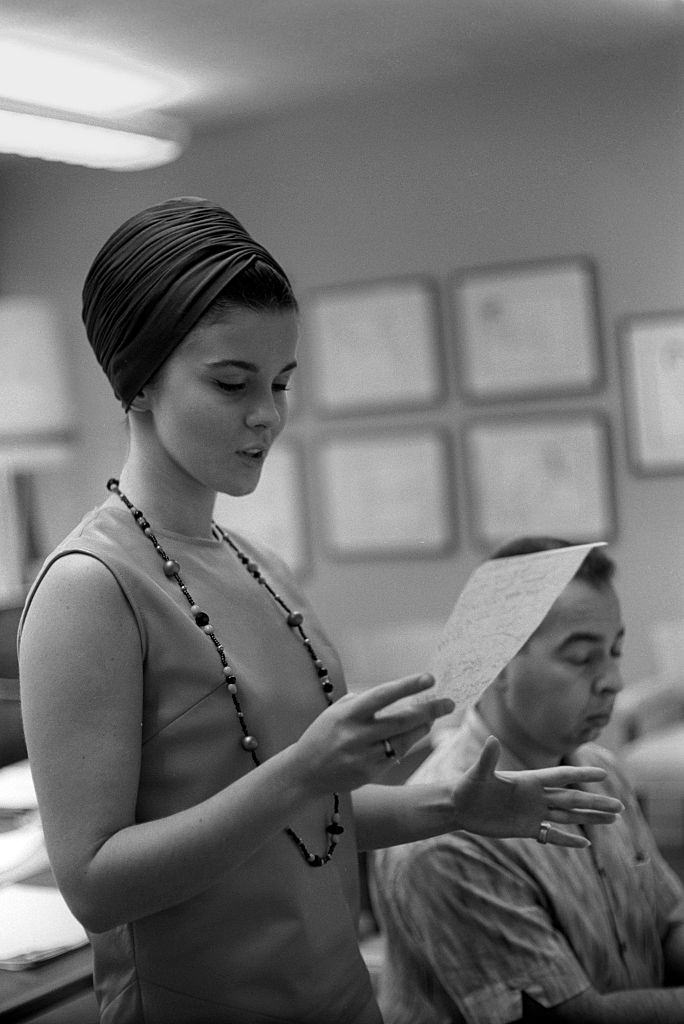
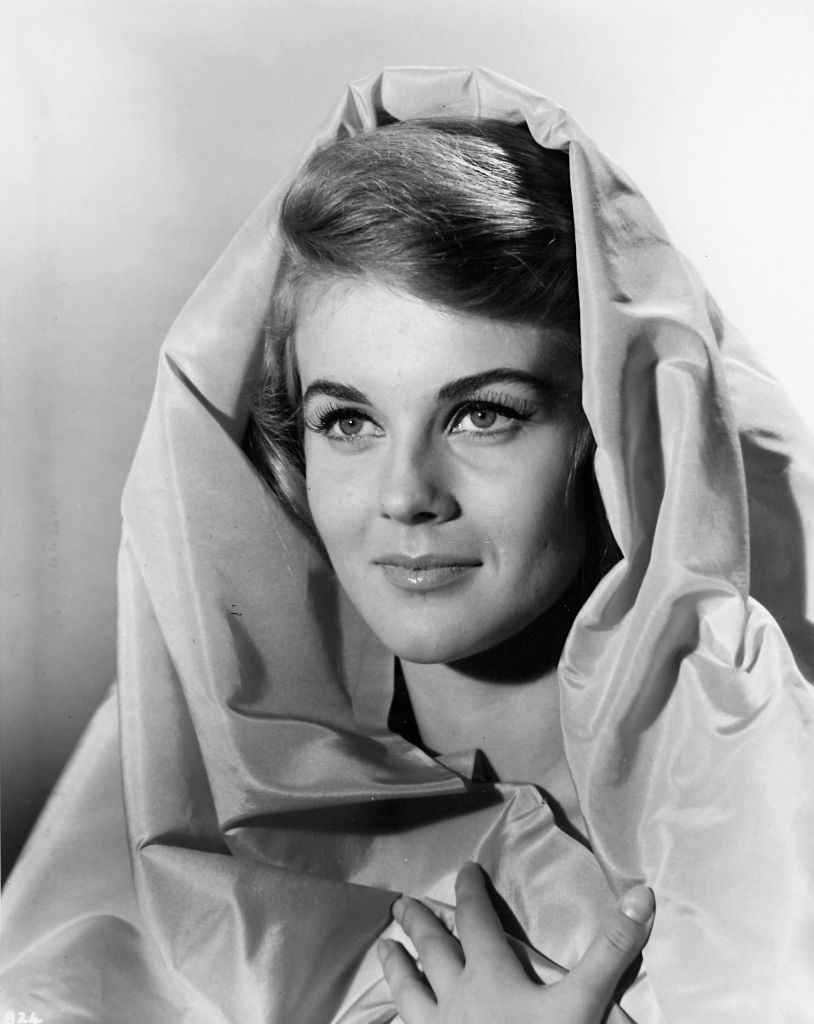
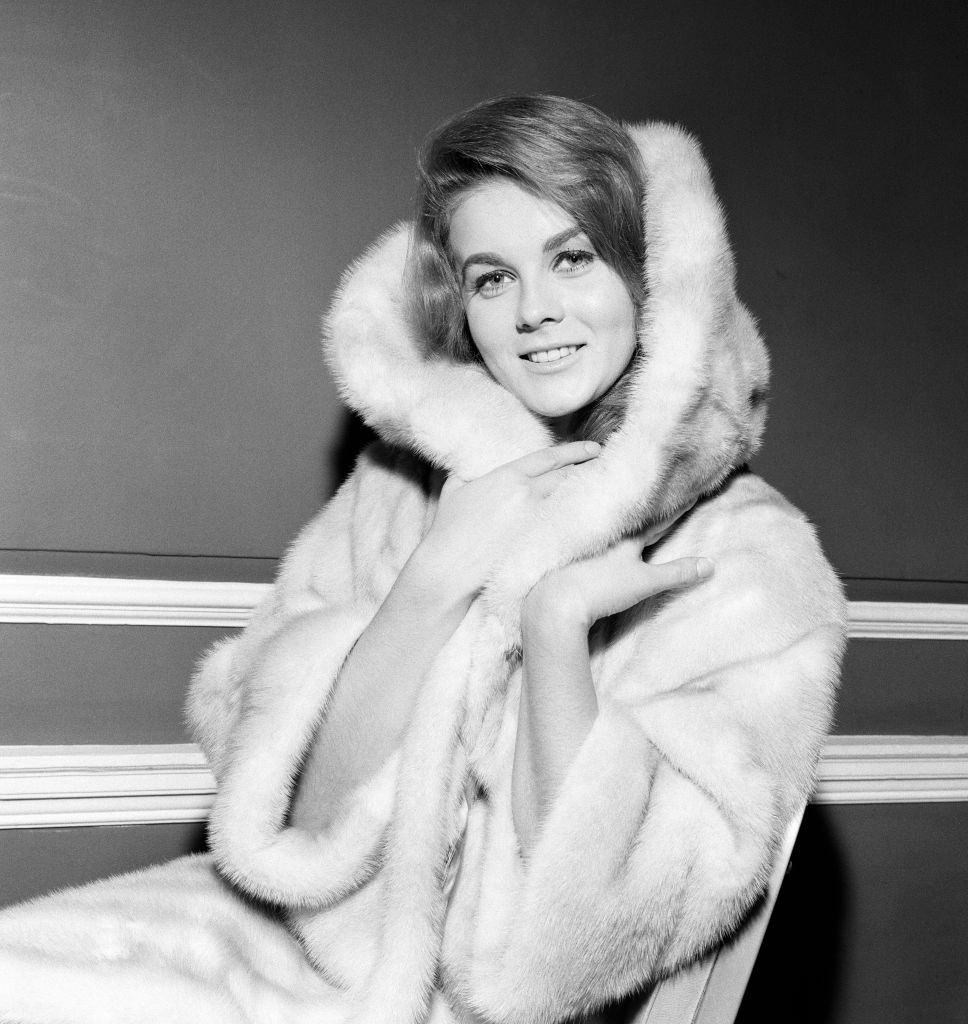
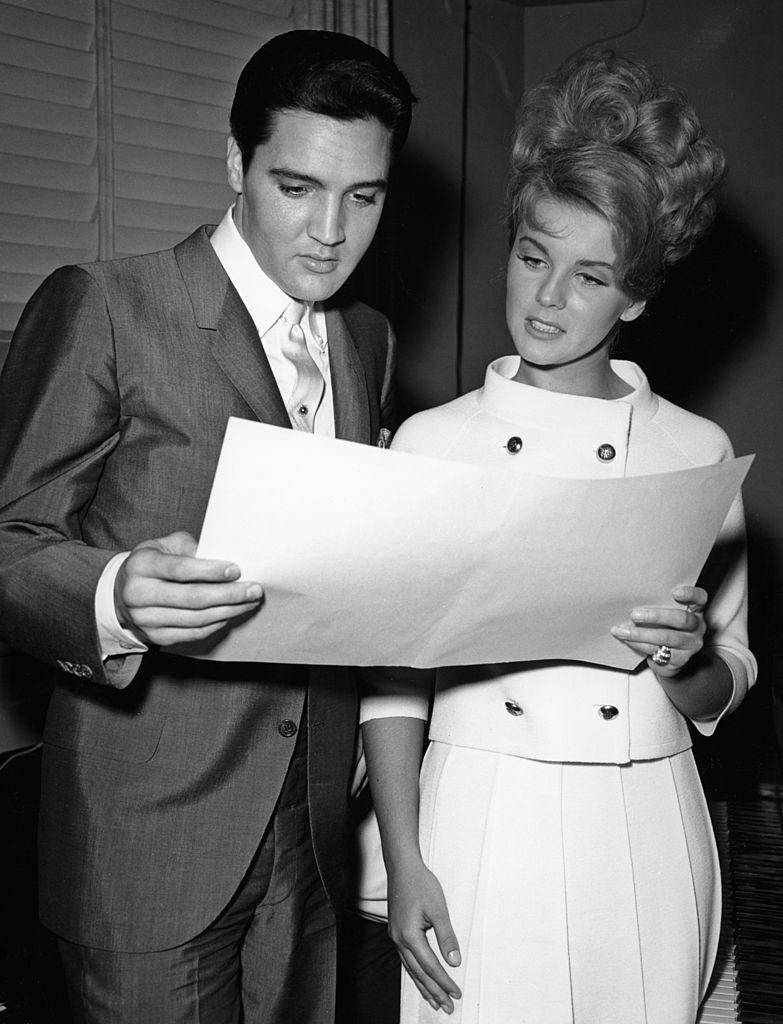
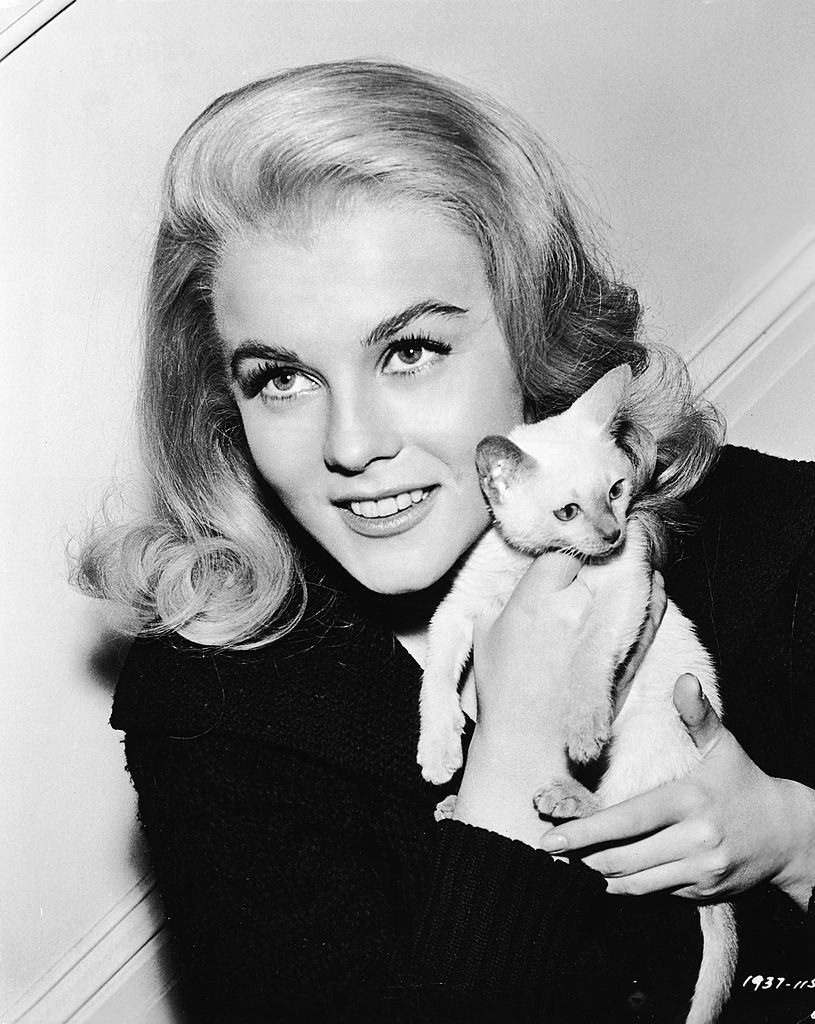
In 1964, Ann-Margret starred opposite Elvis Presley in Viva Las Vegas. The chemistry between the two was undeniable on screen, and the film became one of the most talked-about productions of the year. She also appeared in Kitten with a Whip that same year, alongside John Forsythe, and took on a role in The Pleasure Seekers — a busy year by any measure.
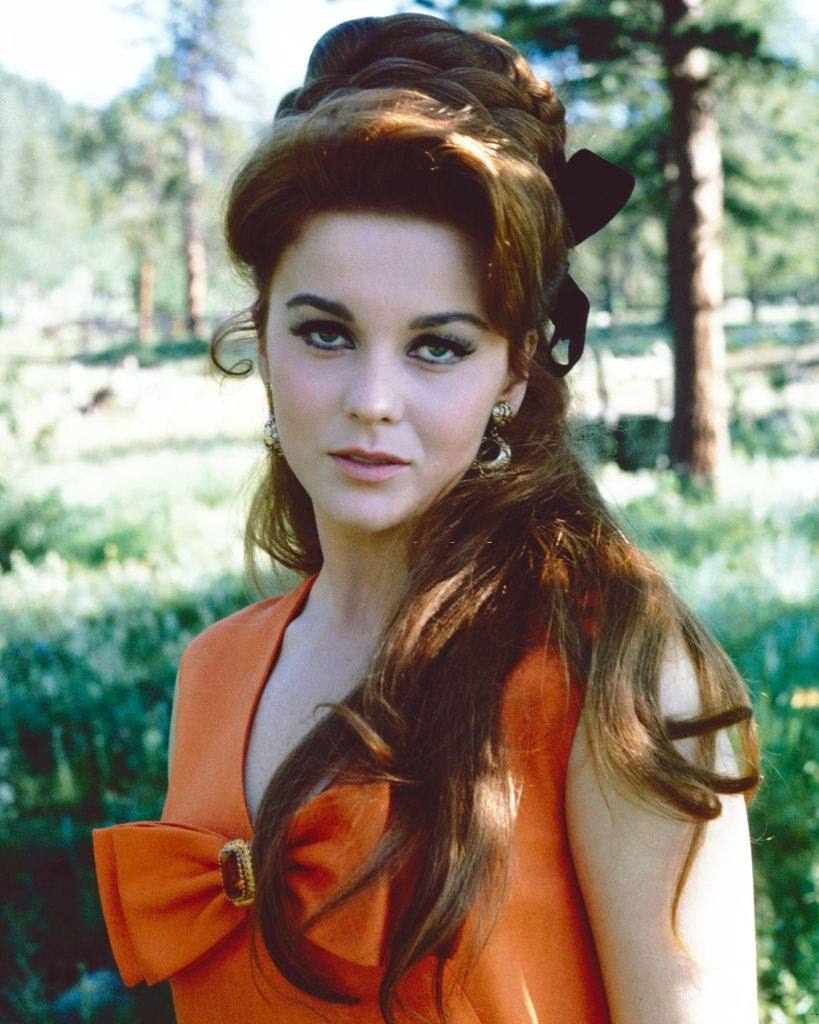
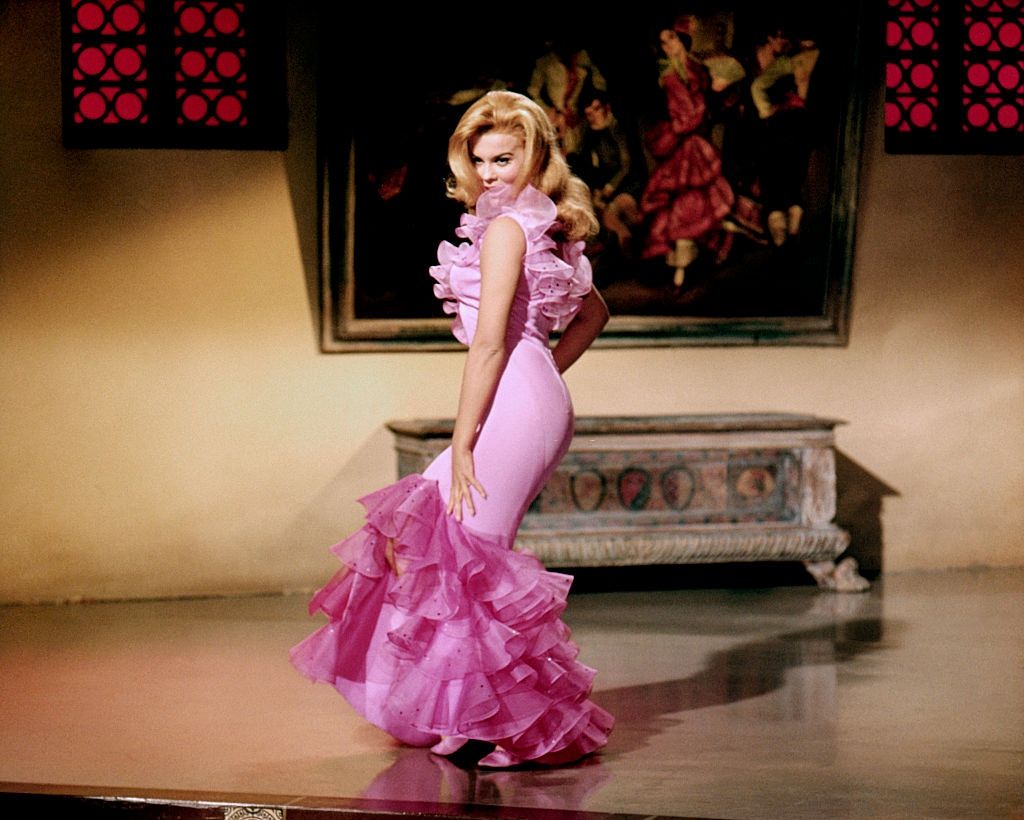
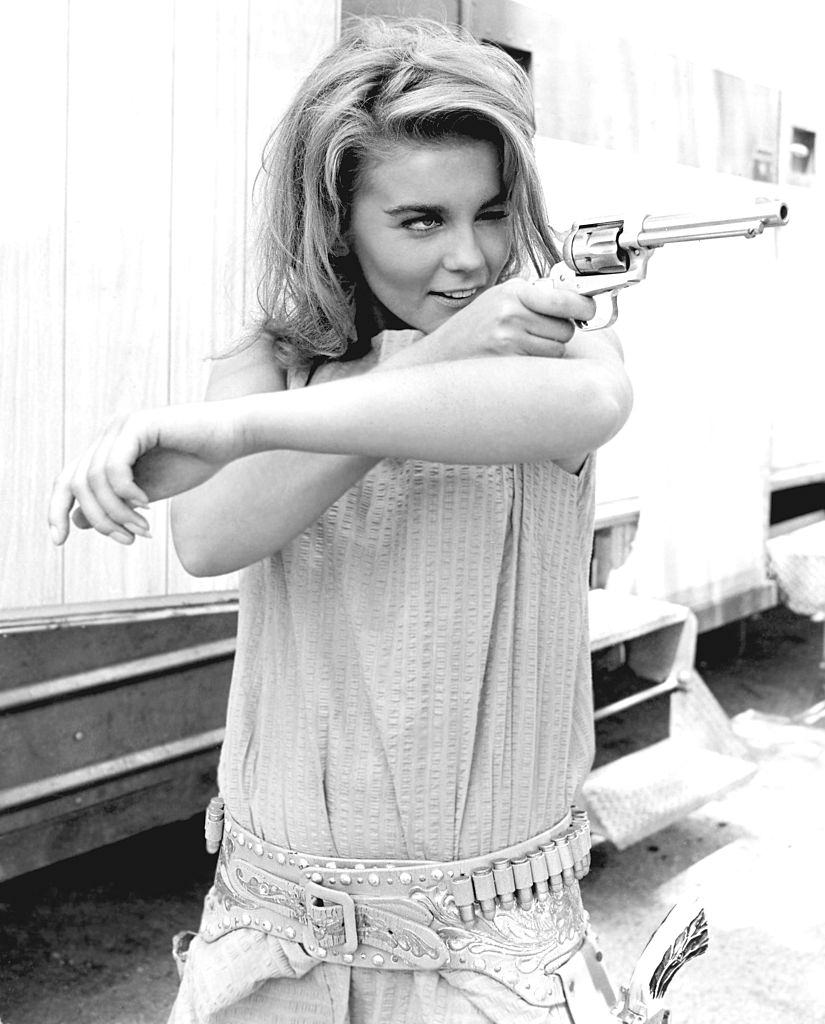
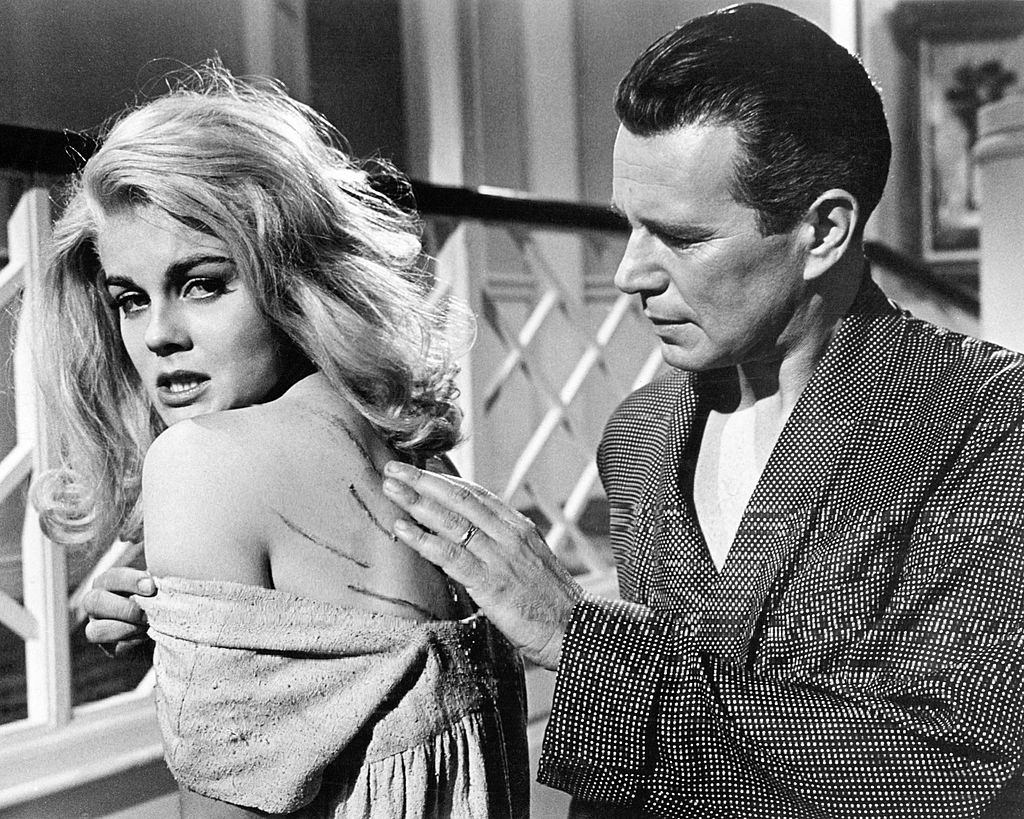
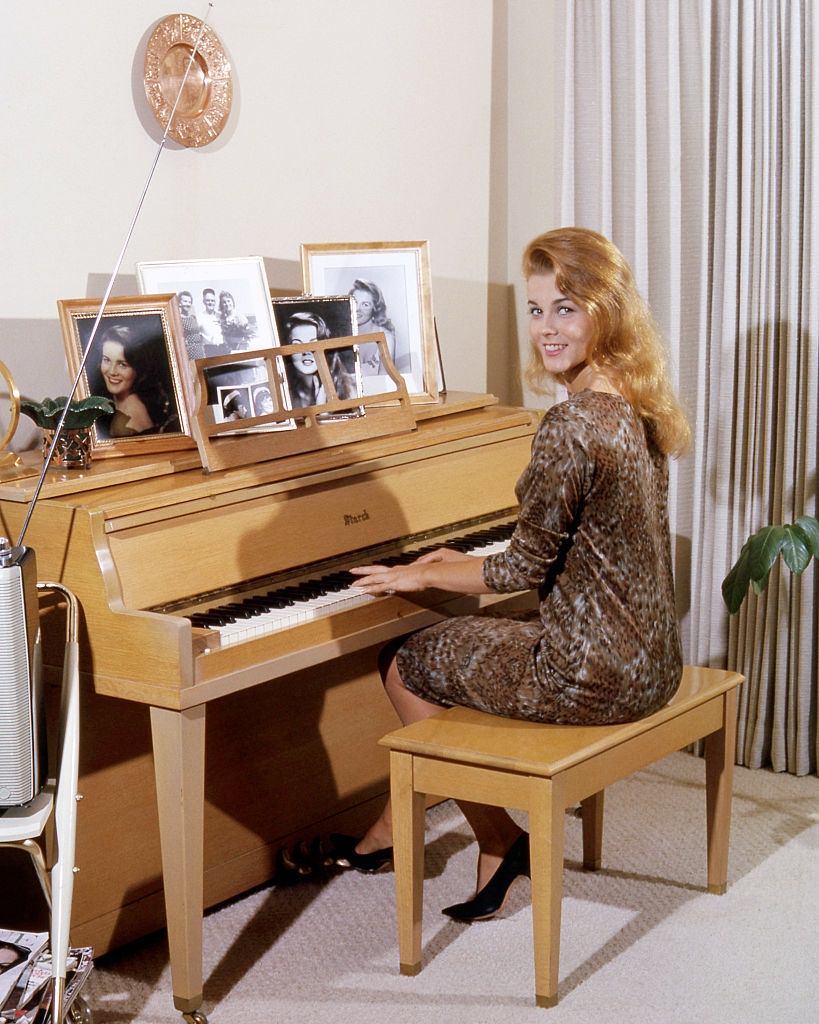
By 1965, Ann-Margret was taking on more complex work. She appeared in The Cincinnati Kid alongside a strong ensemble cast that included Karl Malden, showing she could hold her own in a serious dramatic film. She also traveled to Tokyo in October of that year to promote the film, drawing enormous crowds — her fame had gone international.
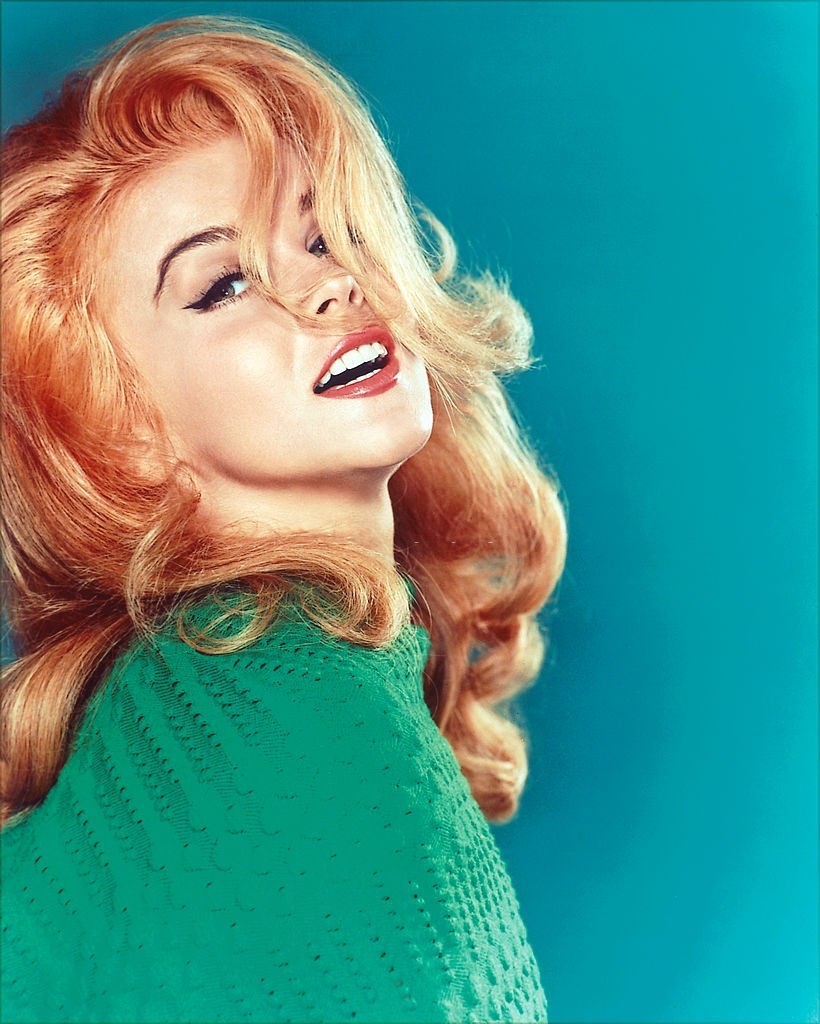
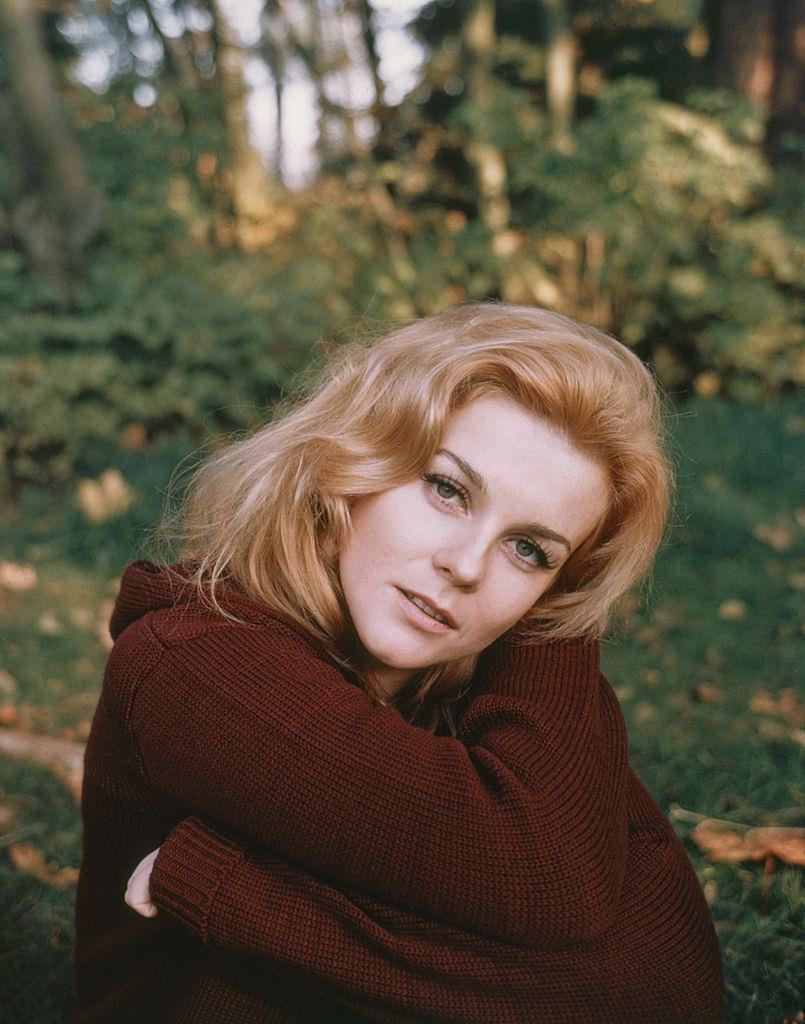
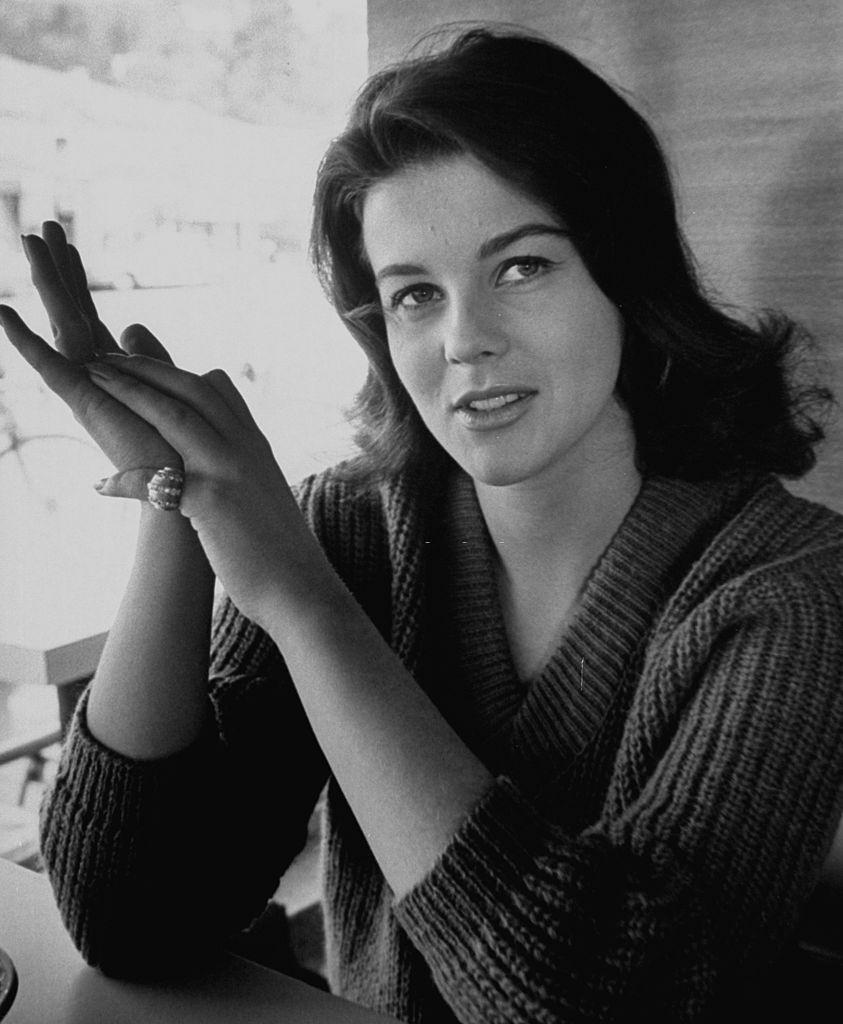
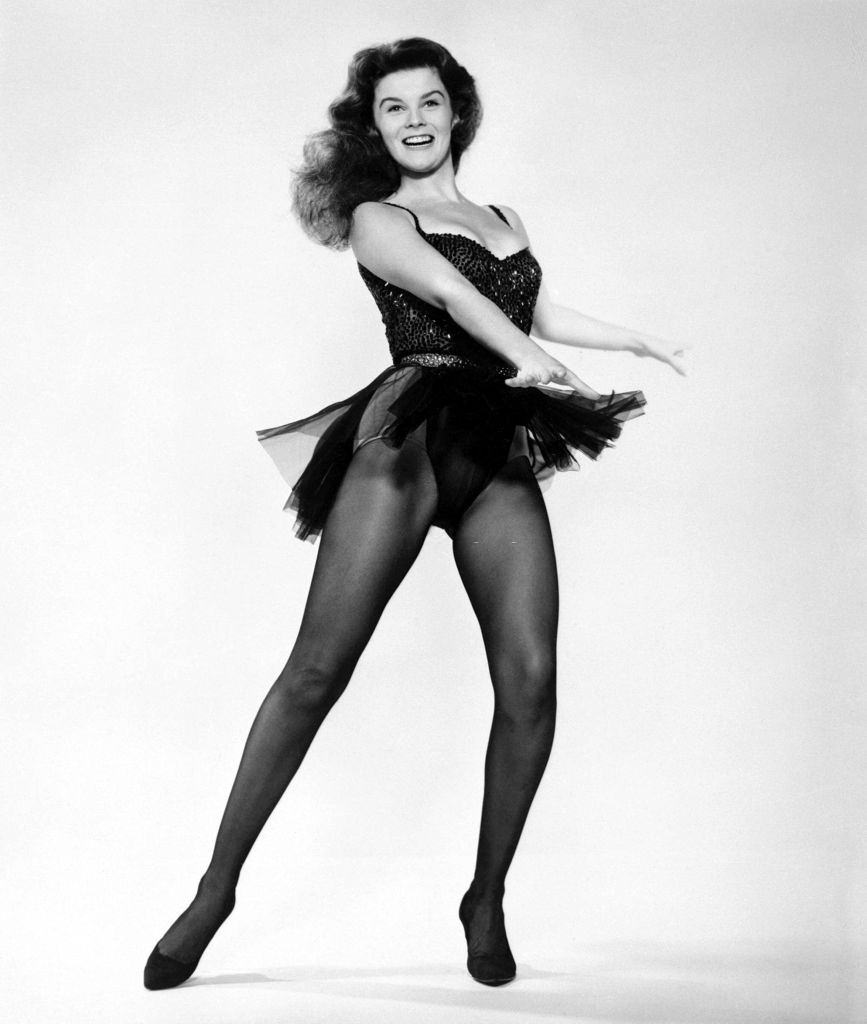
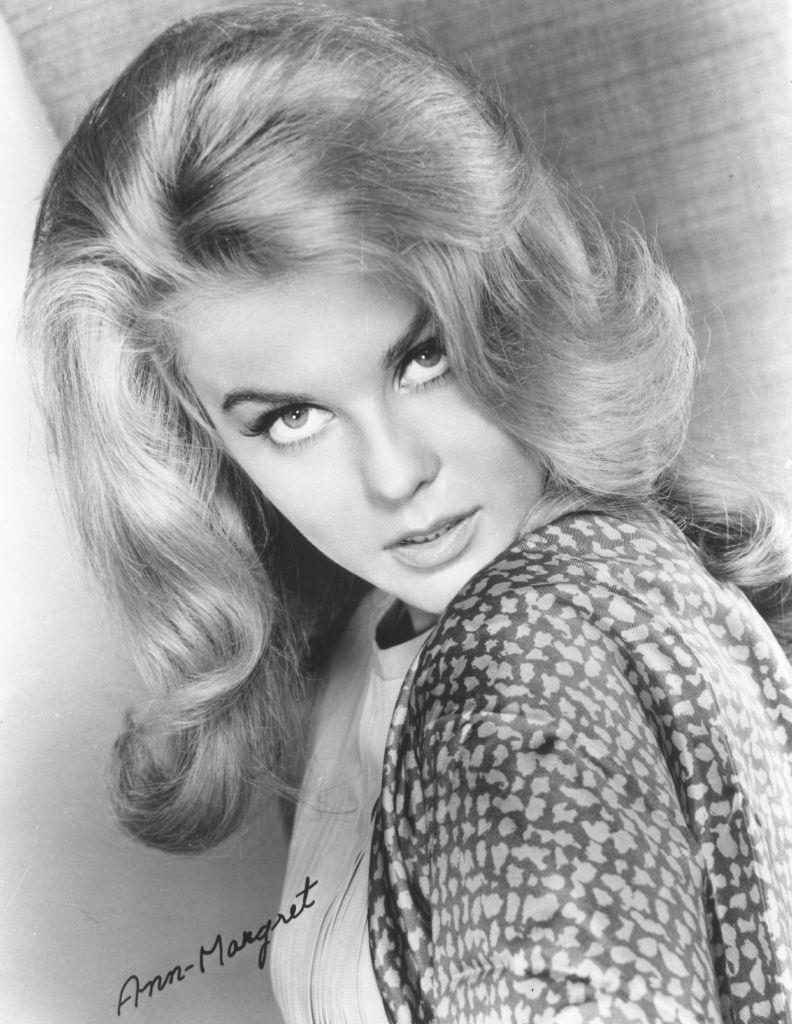
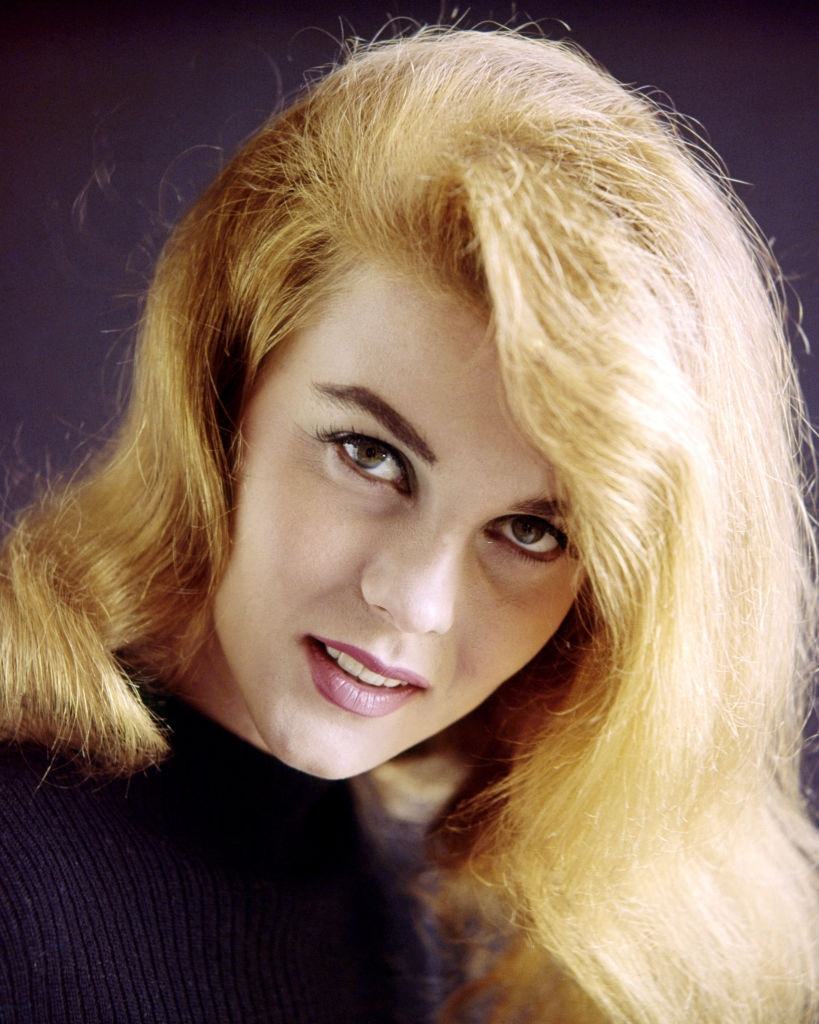
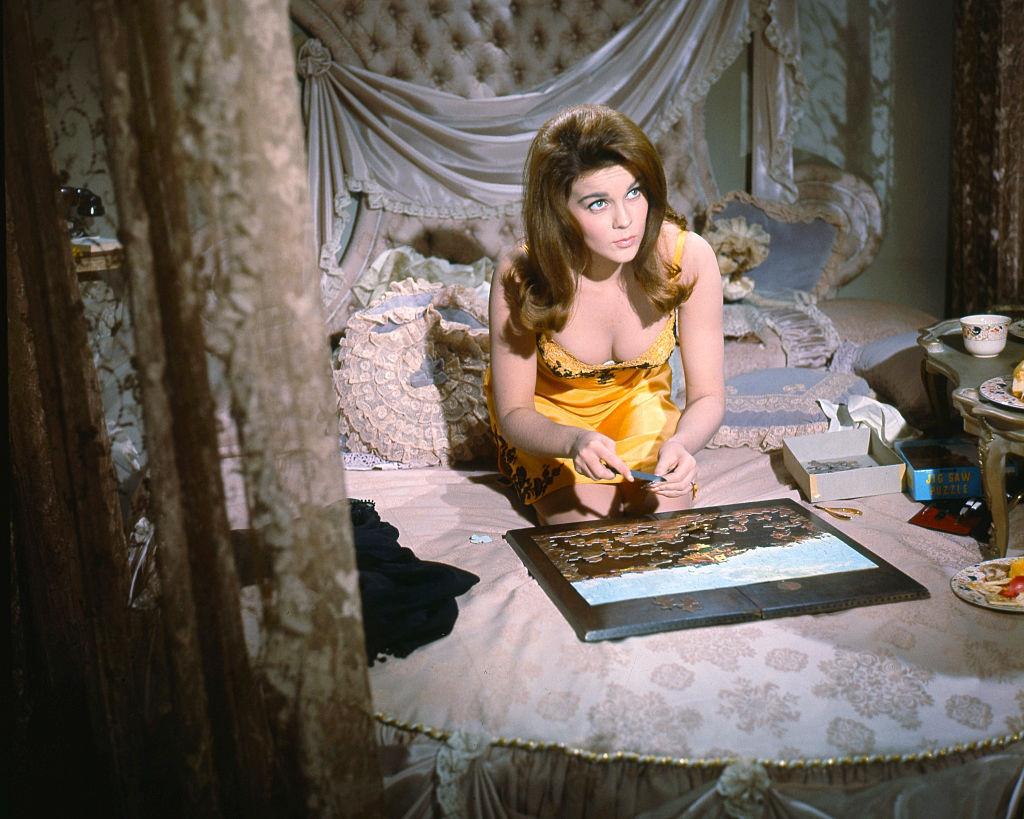
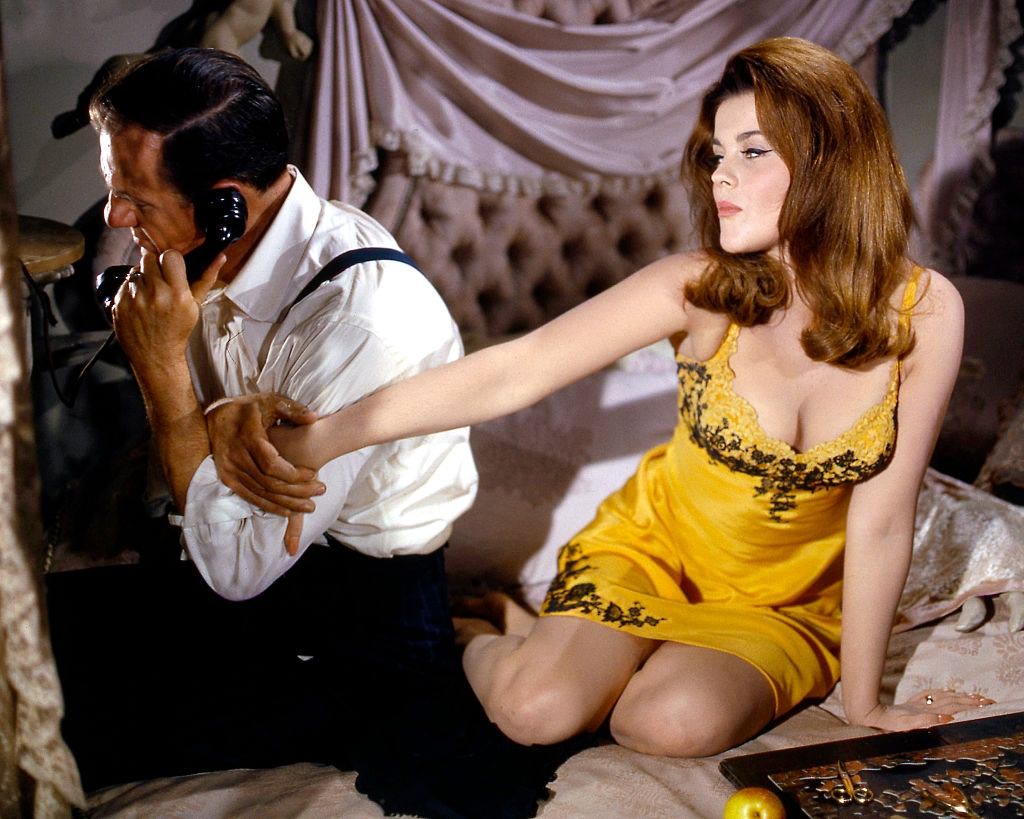
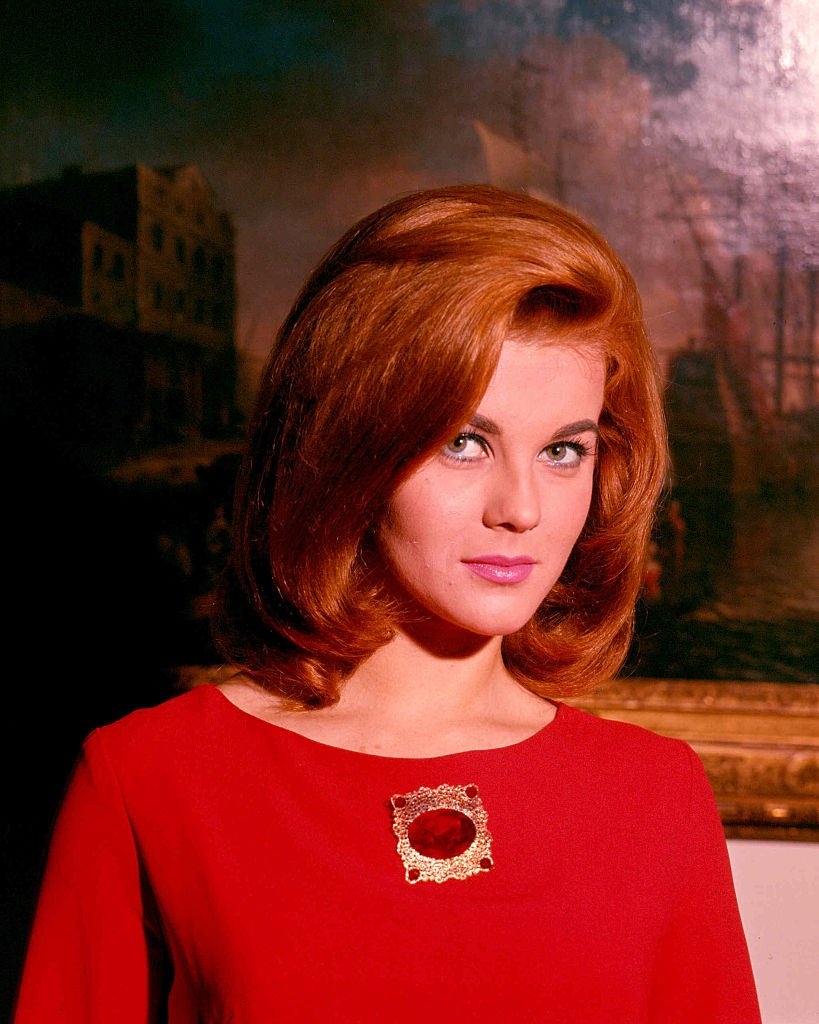
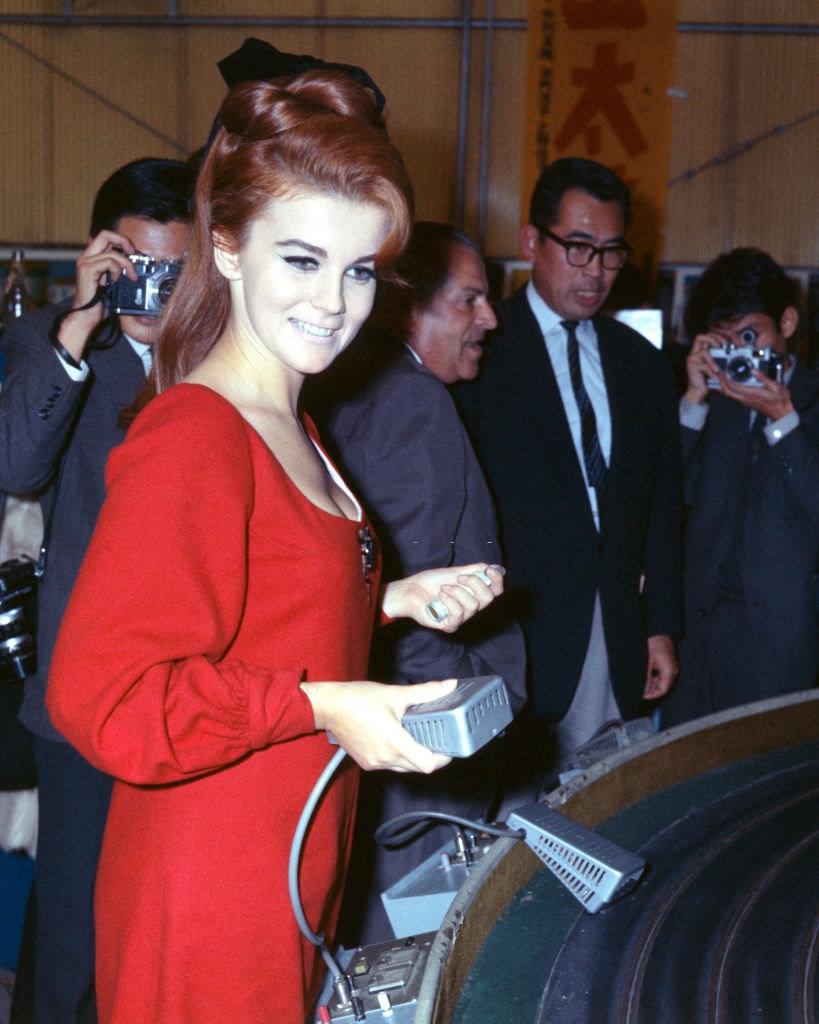
The mid-to-late 1960s brought more film work and a growing reputation as a fashion presence. Critics and studios had initially pigeonholed her as someone whose main asset was physical appeal, but her range as a performer gradually pushed back against that narrow view. She appeared in Made in Paris, Murderers’ Row, and The Swinger, all within a few years of each other.
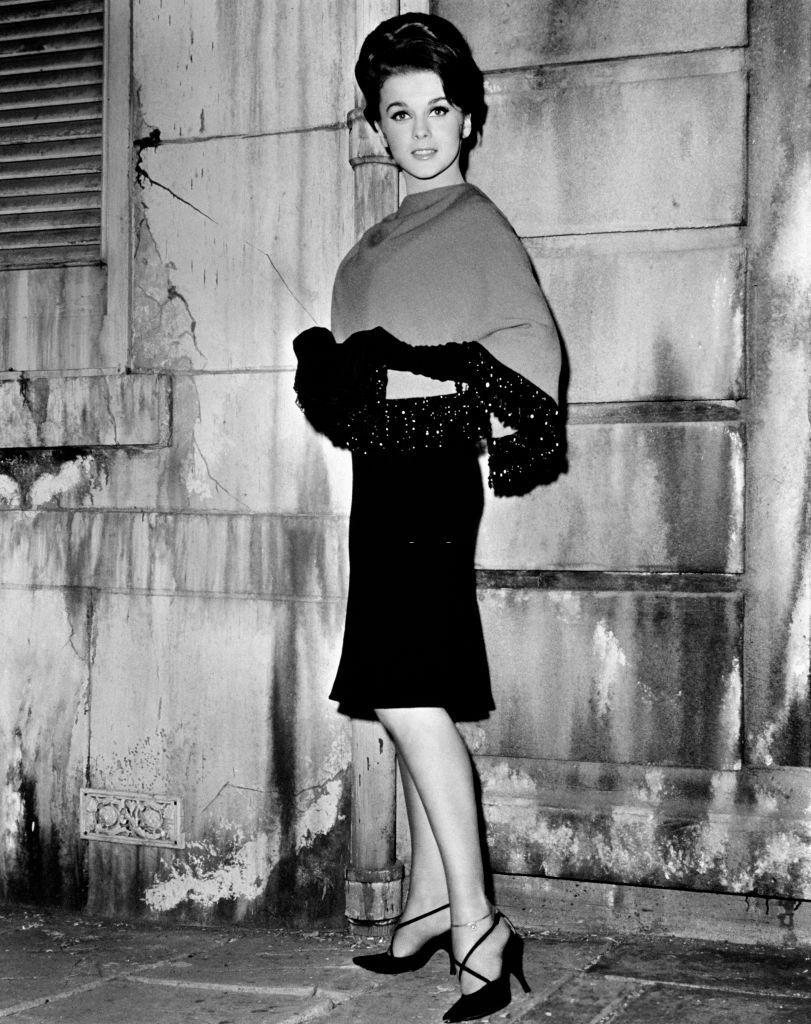
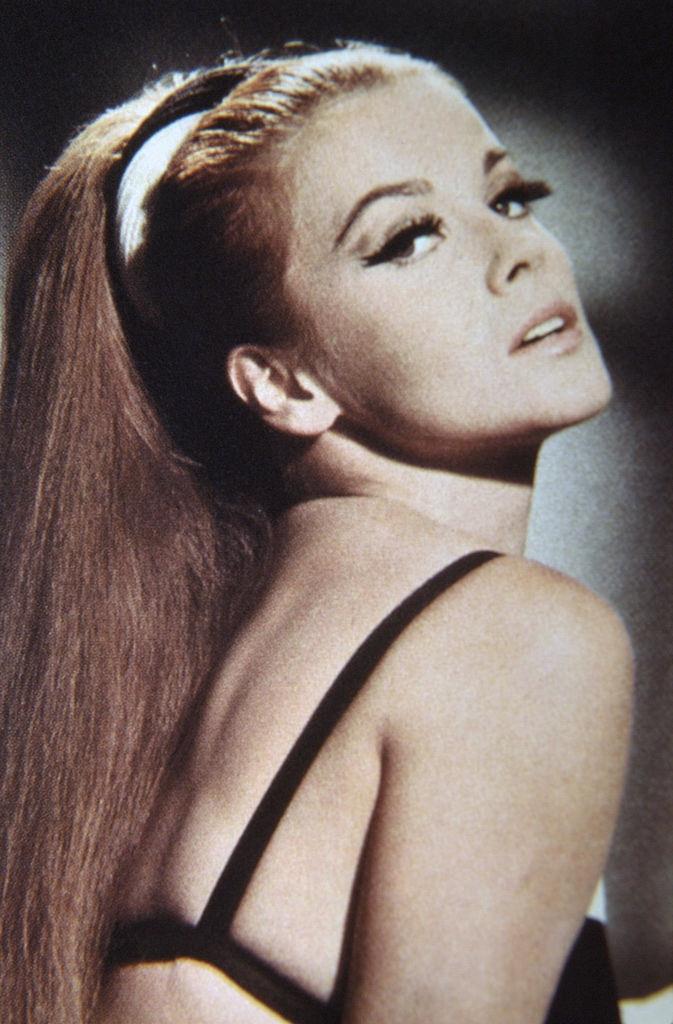
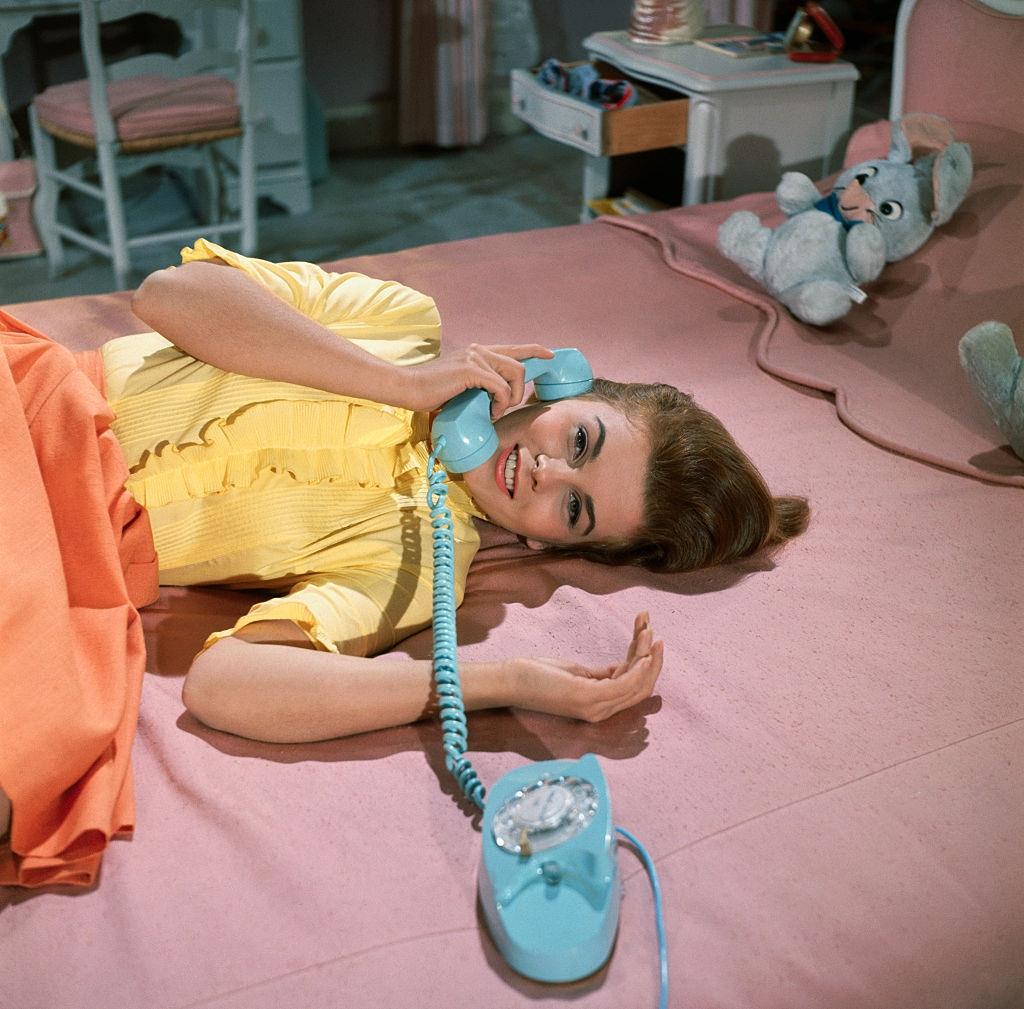
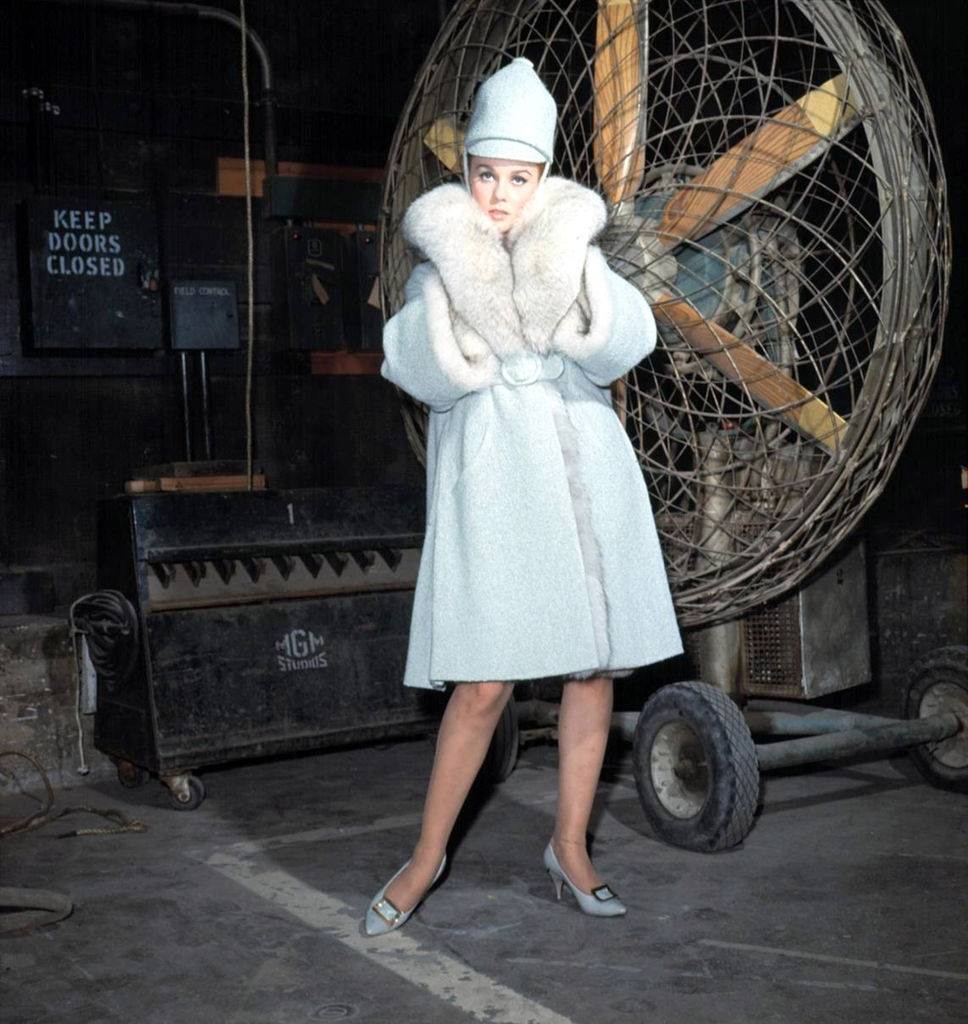
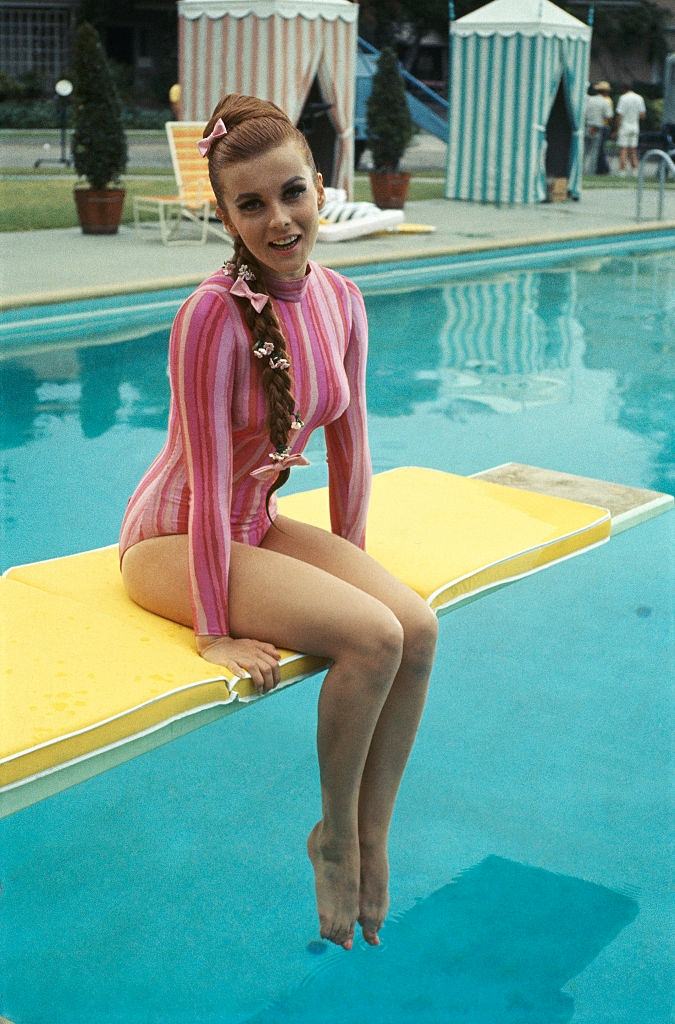
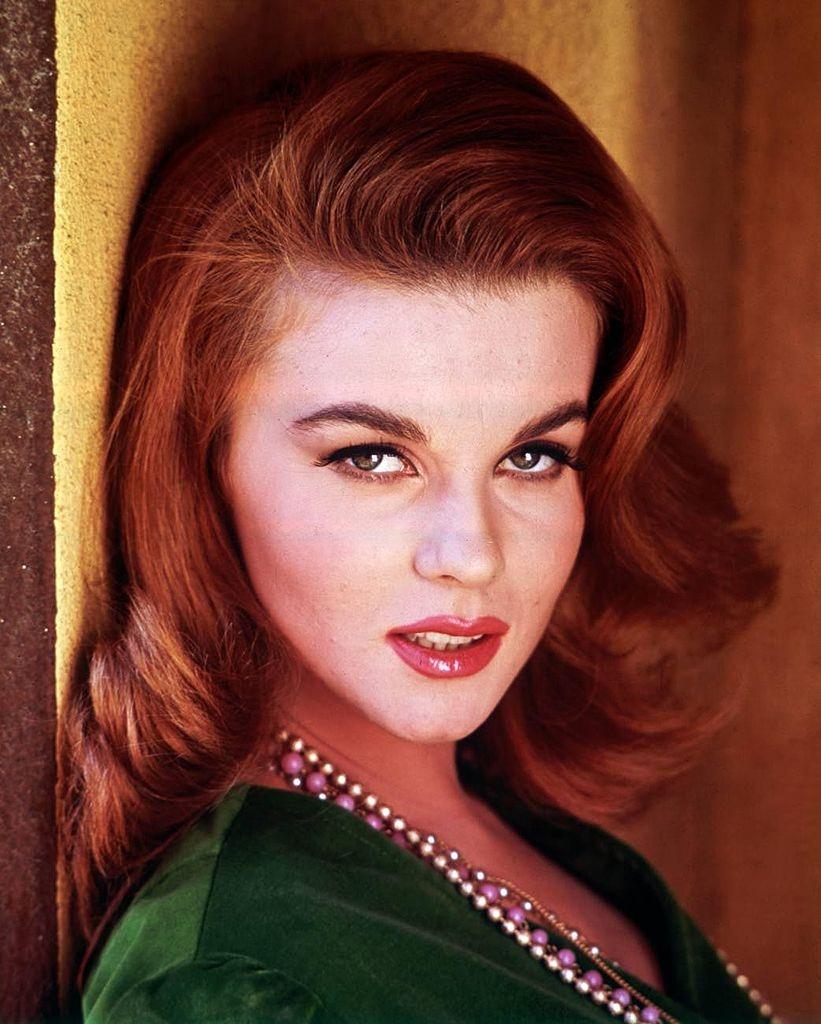
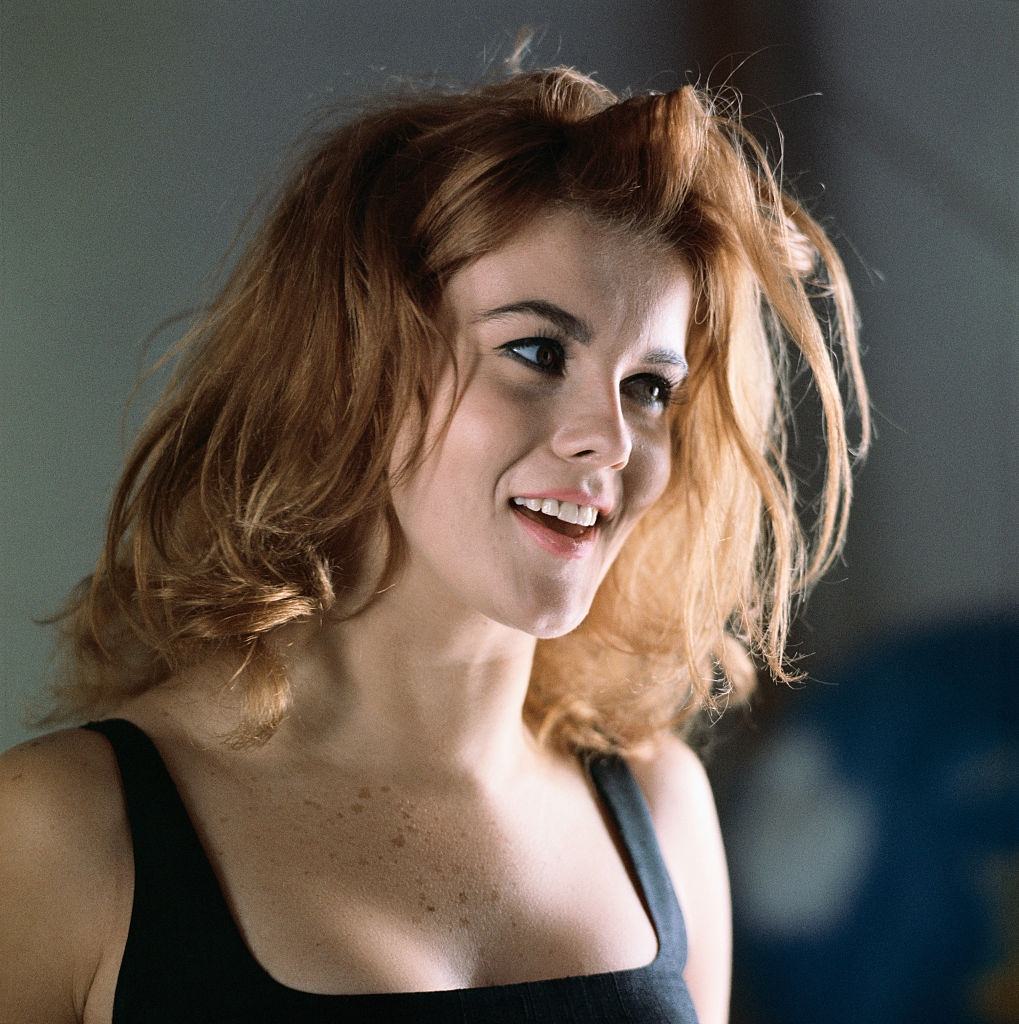
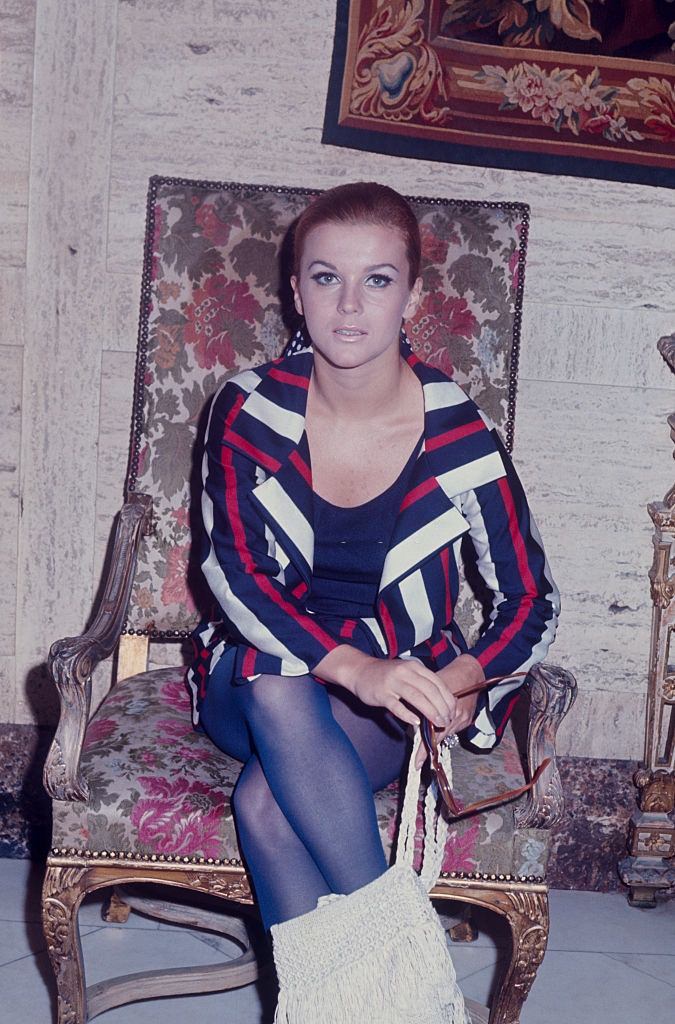
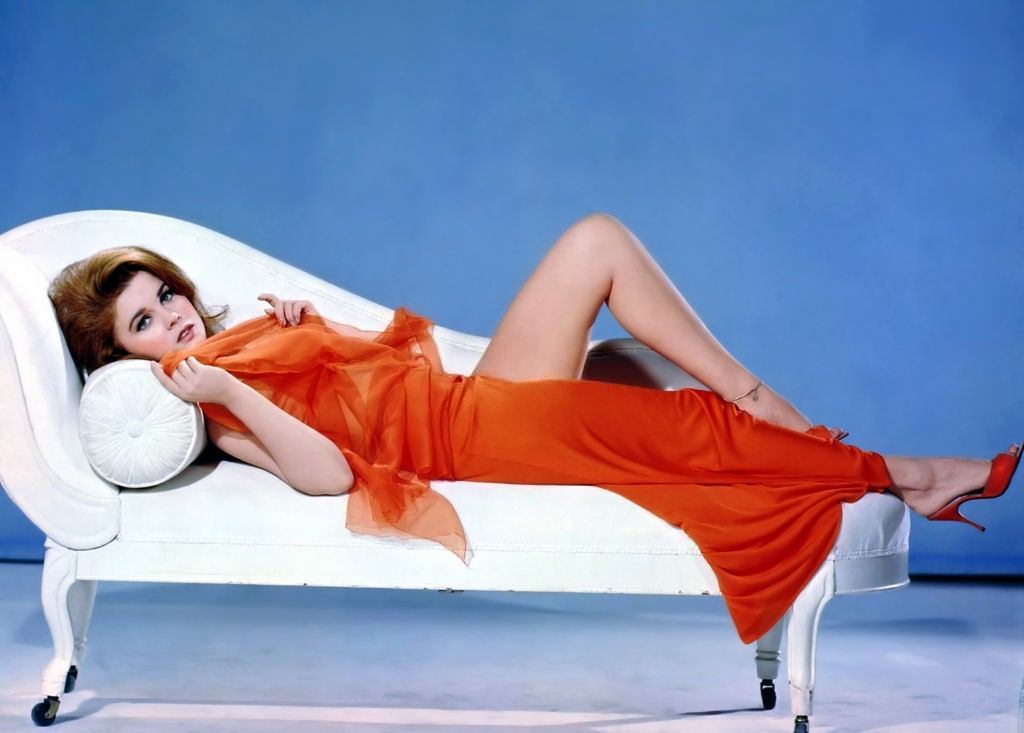
In 1967, she married Roger Smith, the actor she had first met six years earlier. Smith had three children from a previous relationship, and Ann-Margret became their stepmother. The couple remained together for decades. Around that time, her music career also continued its momentum — by the late 1970s and into the early 1980s, she placed multiple songs on the dance charts.
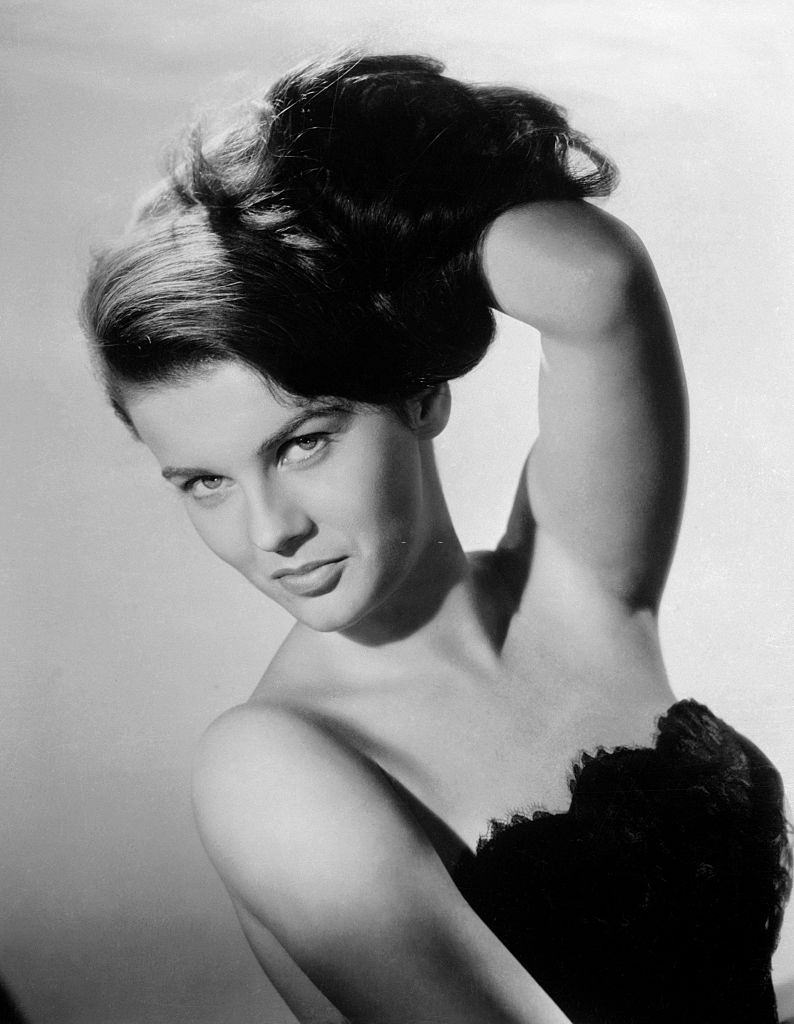
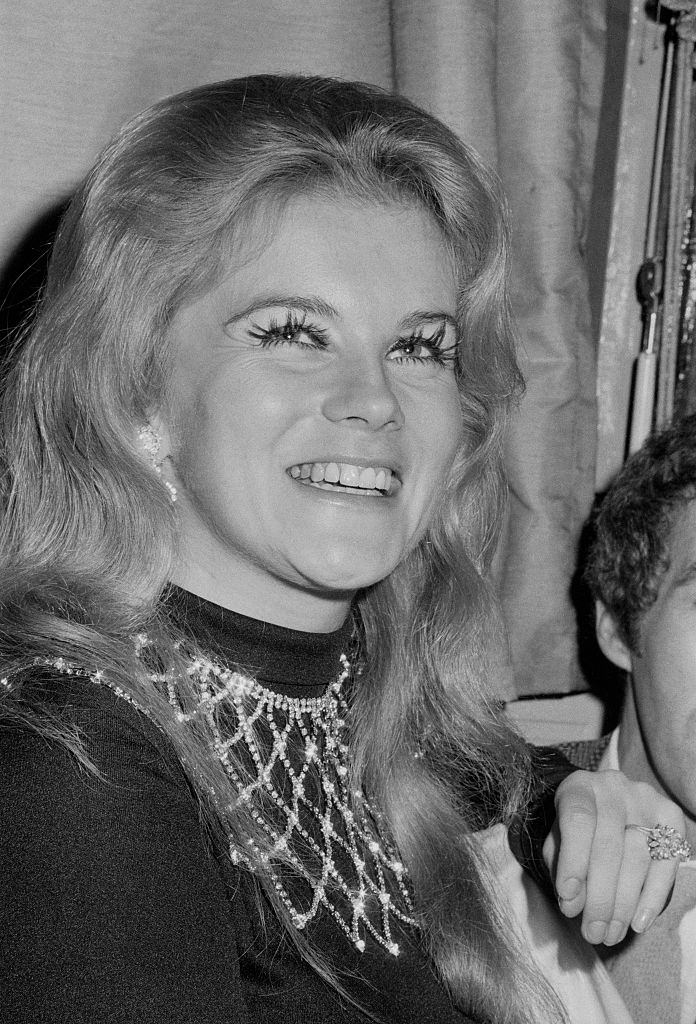
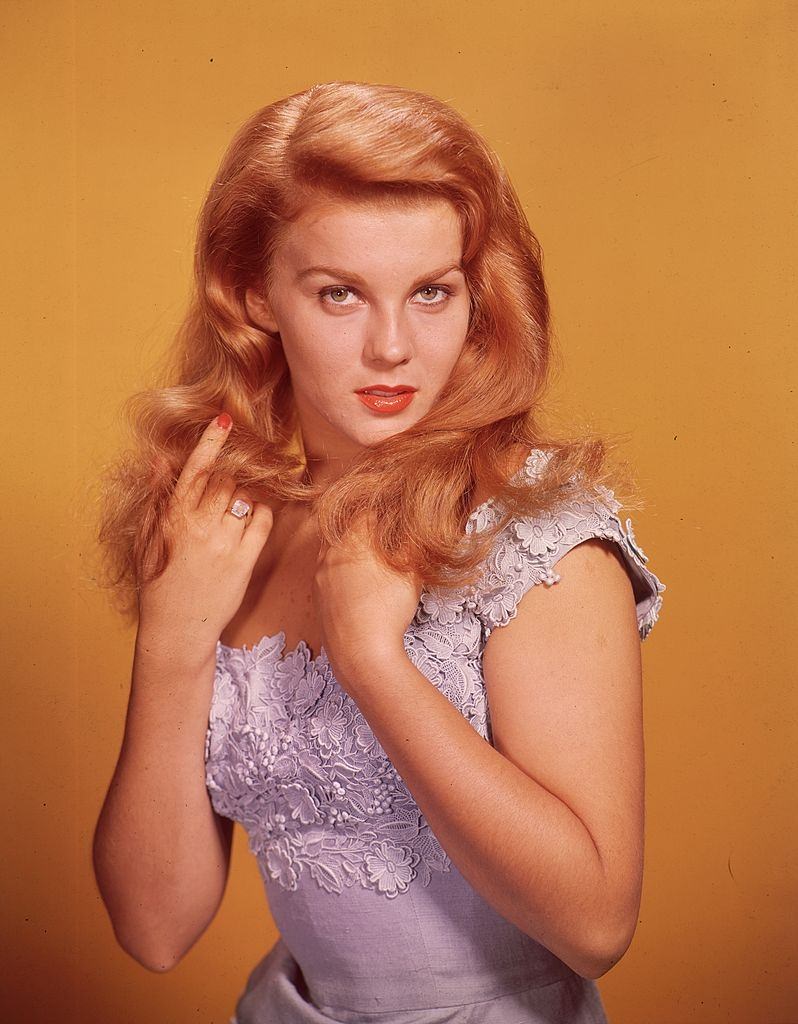
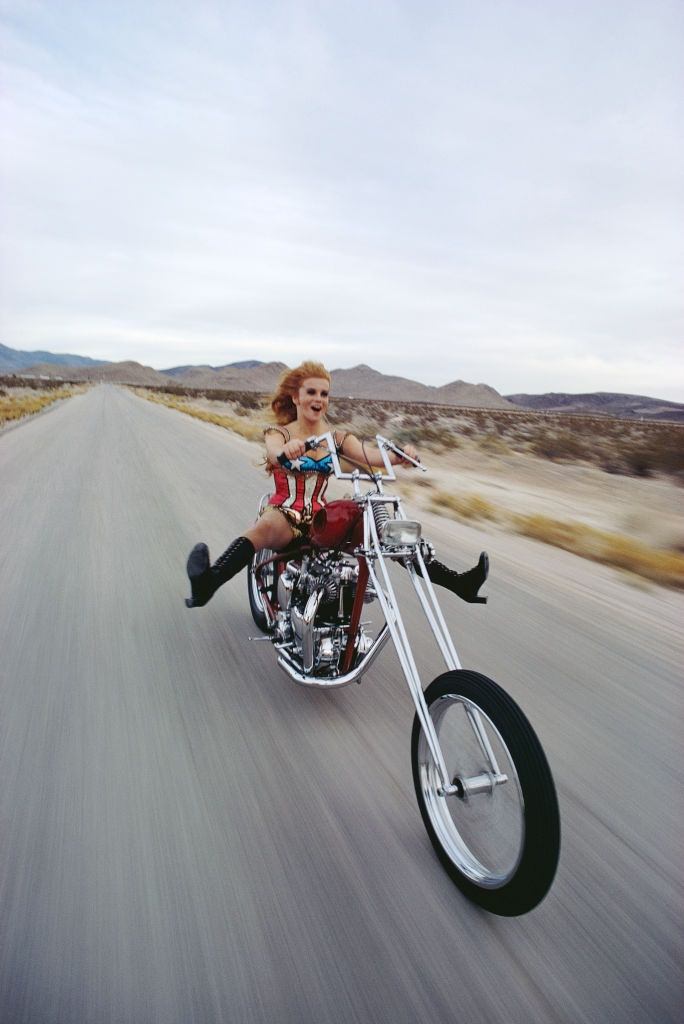
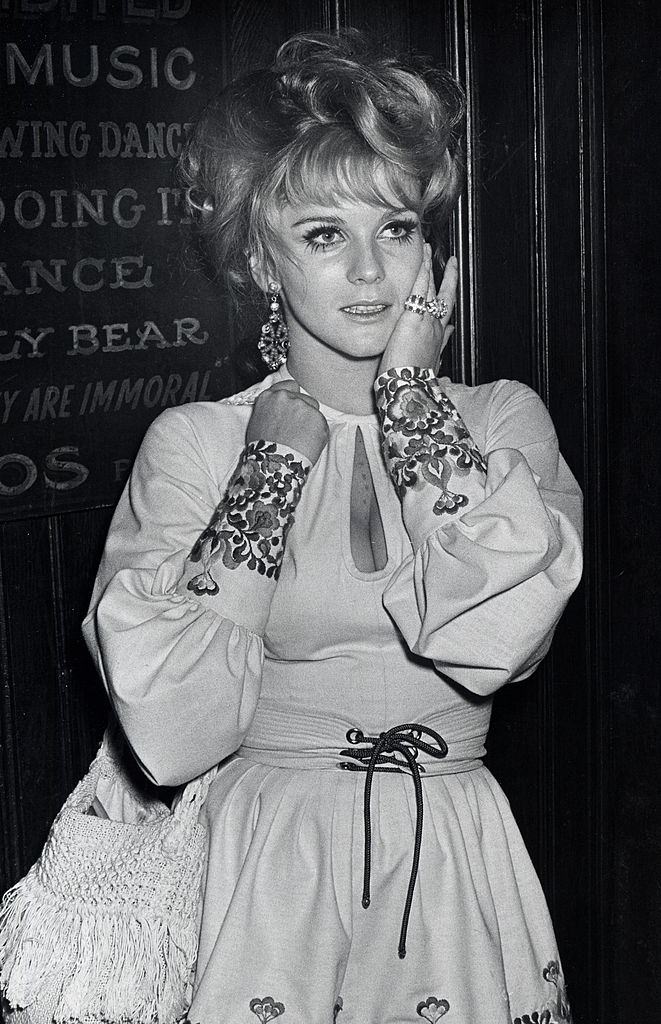
As the decade closed, Ann-Margret showed no signs of slowing down. She remained a fixture in both film and entertainment circles, known as much for her personal style as for her performances. In 1969, she was photographed riding a chopper motorcycle through the desert outside Las Vegas — an image that fit her perfectly. That same year, she attended the 12th Annual Primetime Emmy Awards at Carnegie Hall in New York City.