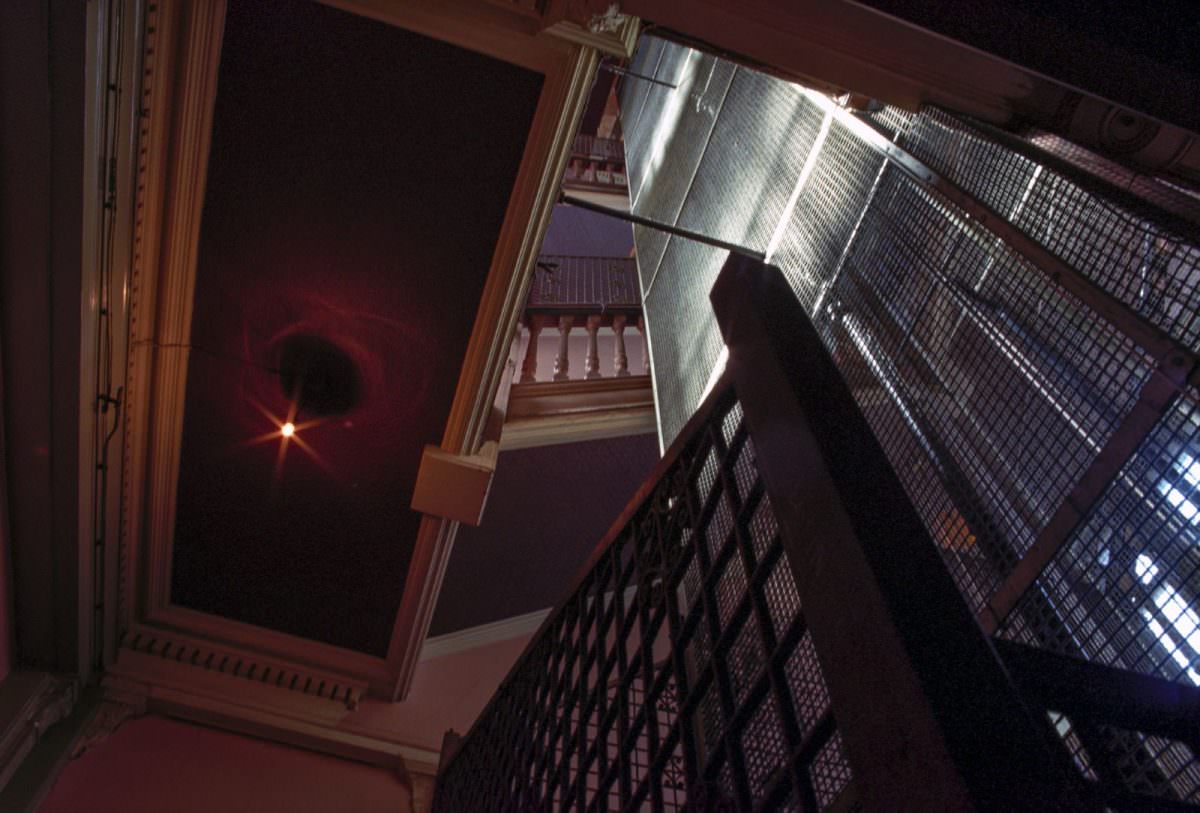
Glasgow’s George Hotel began its life in the 19th century as a row of townhouses near Glasgow Central Station. It was later converted into a railway hotel to serve the growing flow of travellers passing through the city. The building’s Victorian architecture — ornate detailing, sweeping staircases, and grand interiors — gave it a character that set it apart from the average city hotel.
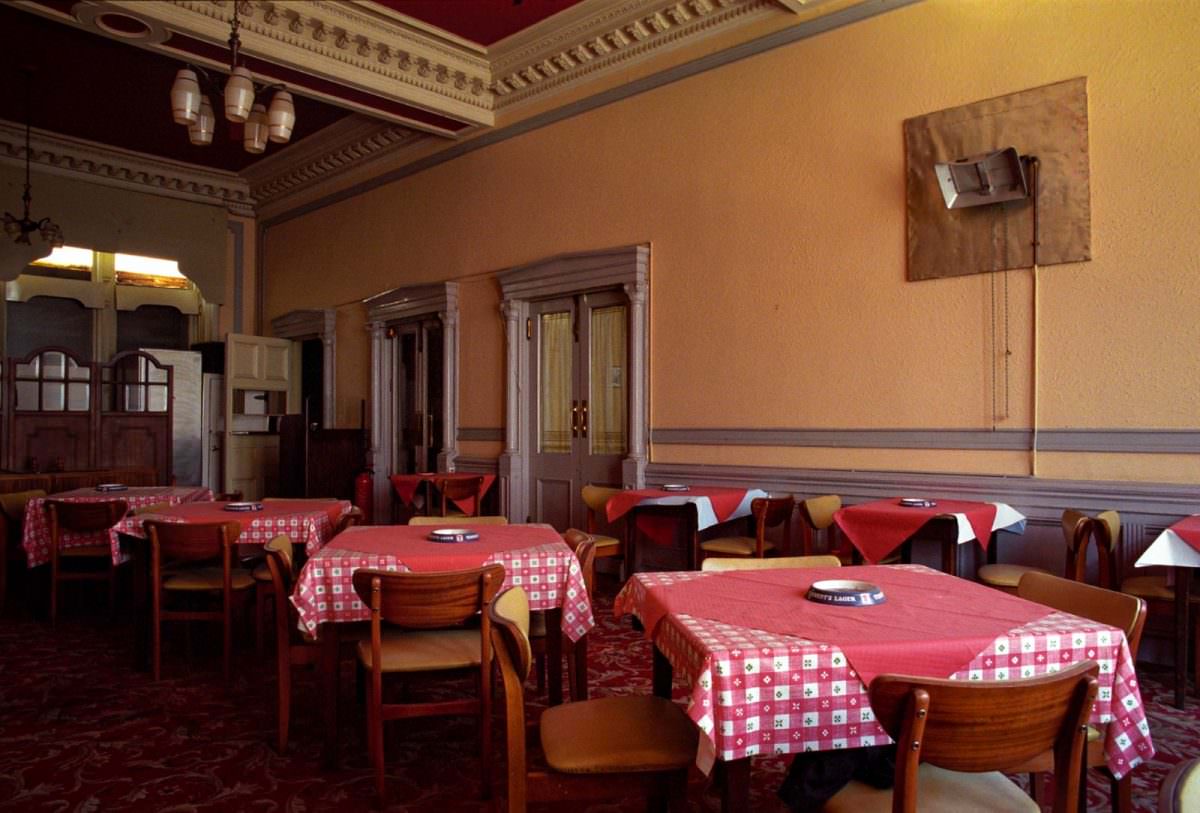
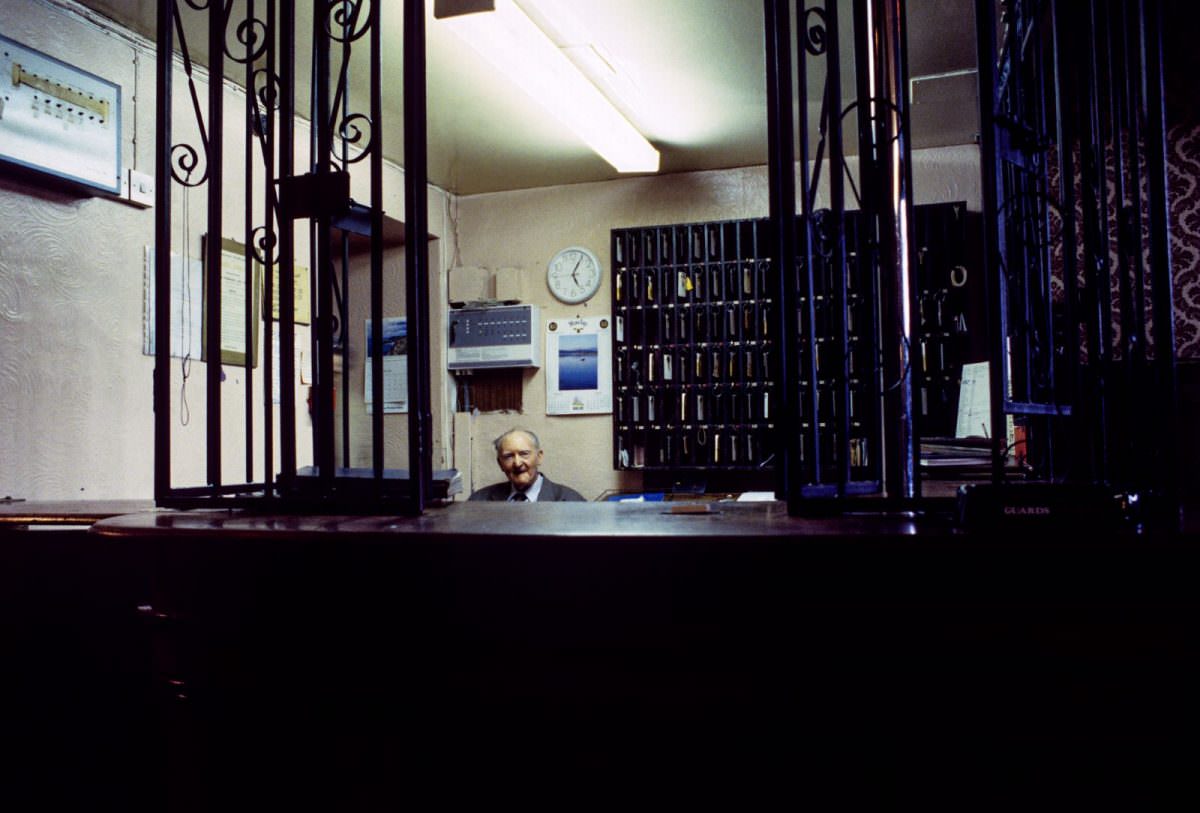
Over the decades, the George underwent renovations and expansions, growing into a large, multi-purpose establishment. At its peak, the hotel operated seven bars across the premises, along with ballrooms, lounges, and guest rooms spread across several floors.
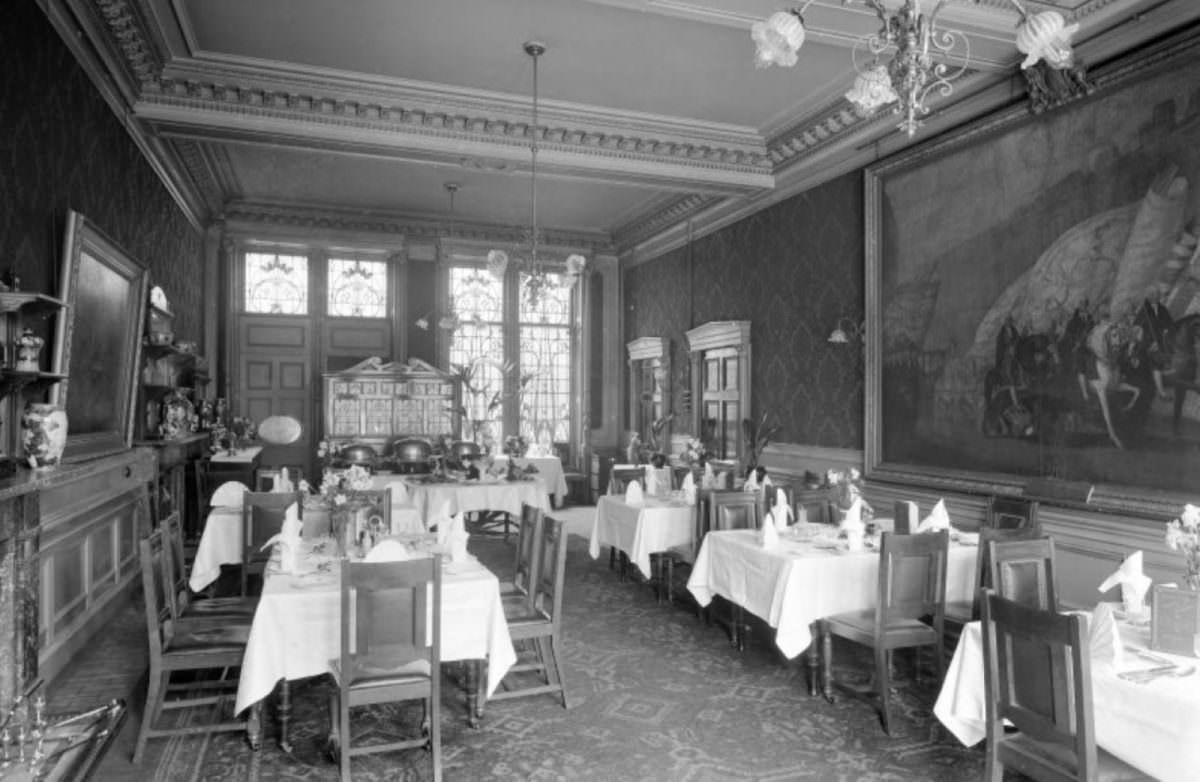
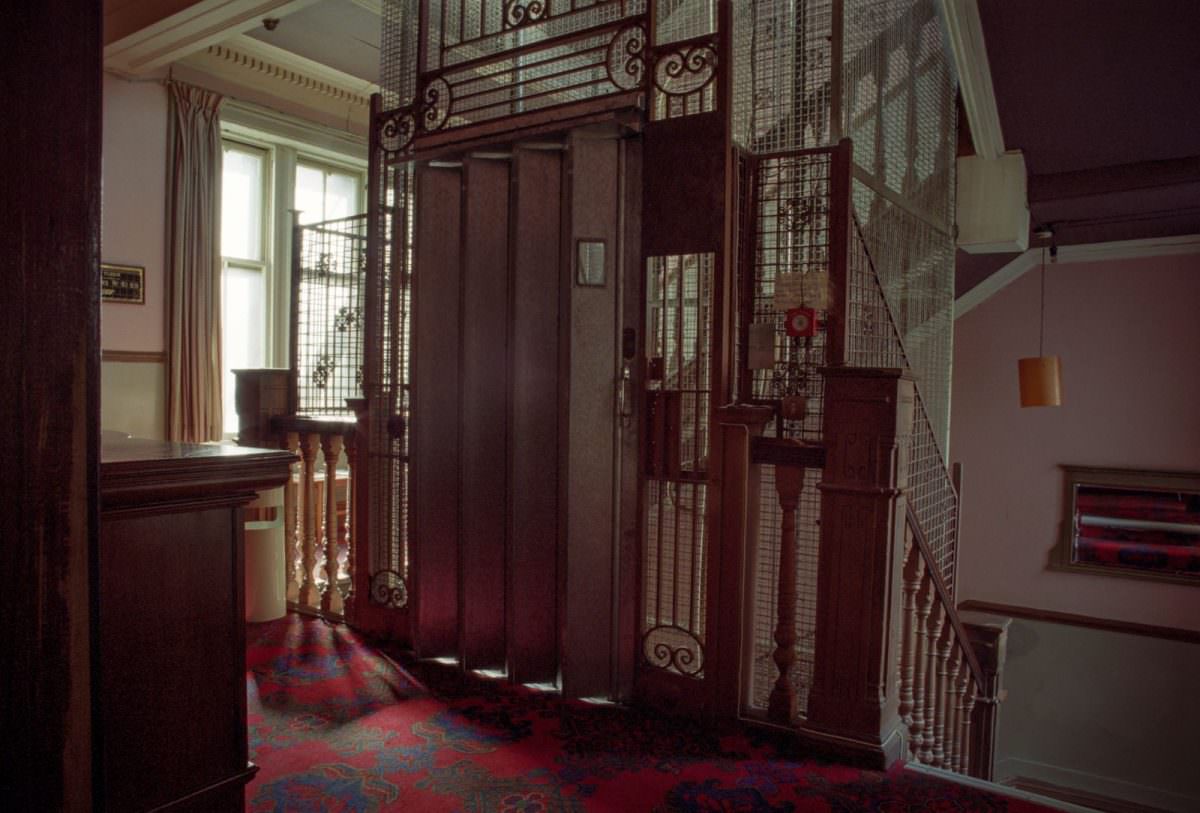
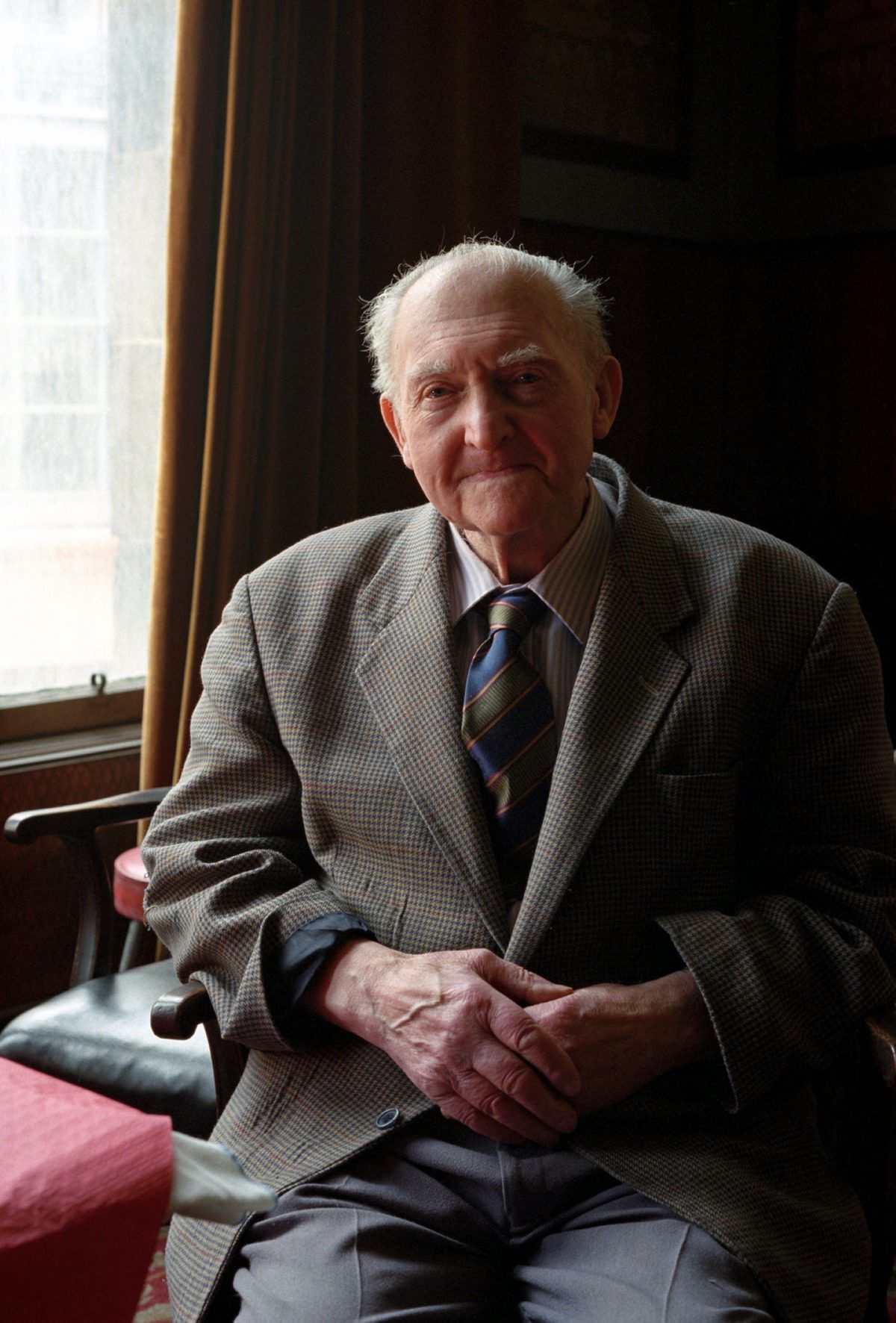
The hotel’s owner for much of its modern era was Peter Fox, a former ballroom dancing champion who brought his own flair to the business. Fox ran the George as both a hospitality venue and a social hub, and his personality shaped the hotel’s identity during some of its most active years.
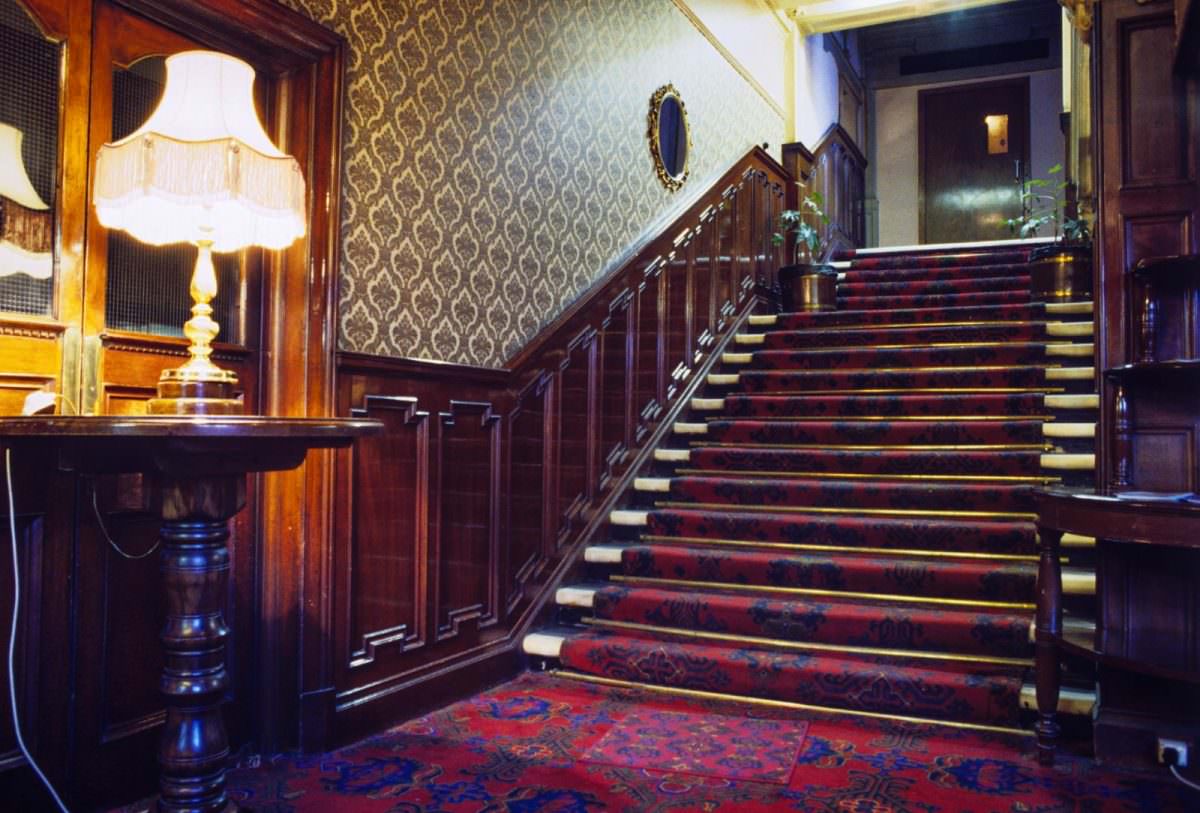
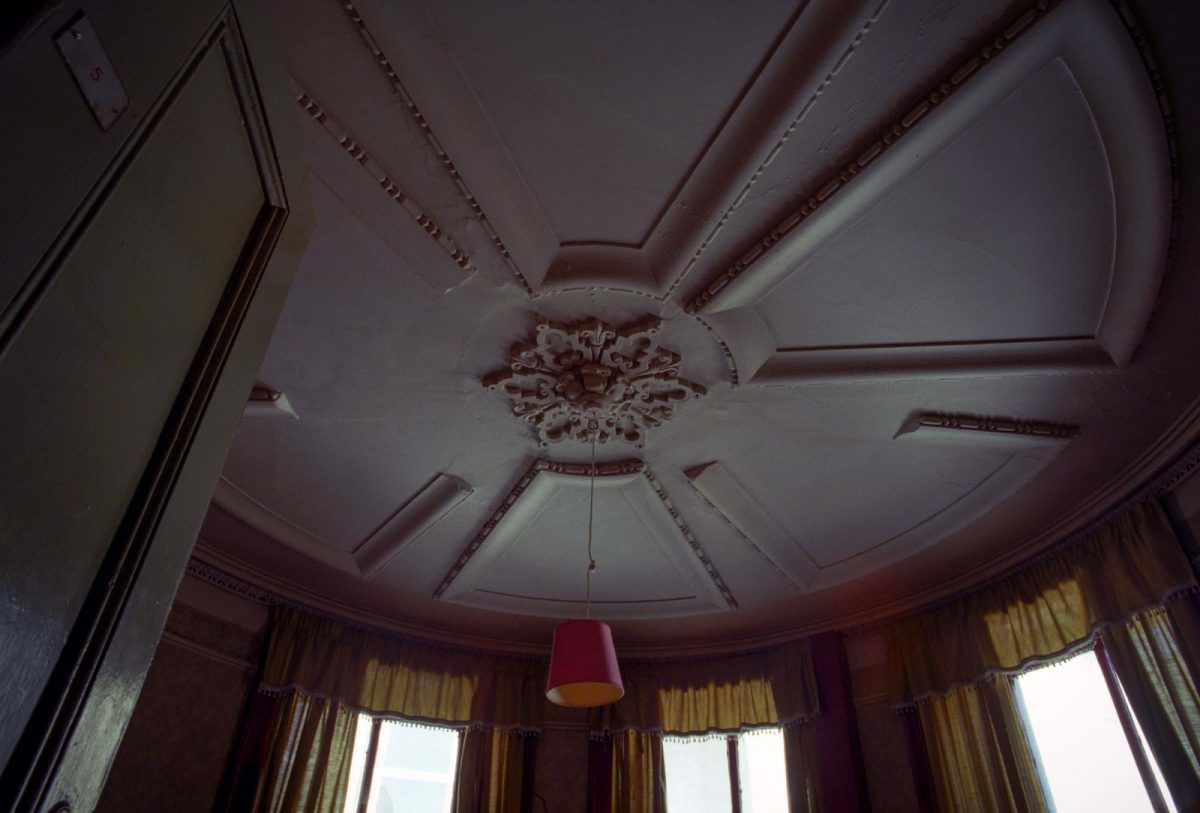
Filmmakers were drawn to the George because its interiors could convincingly stand in for a wide range of settings. In the 1996 cult film “Trainspotting,” one of the hotel’s distinctive circular rooms — fitted with curved doors — was used as the London hotel room where the characters conduct a high-stakes drug deal. The room’s unusual design made it instantly recognisable to fans of the film.
The 1990 film “The Big Man,” starring Liam Neeson, used the hotel’s grand ballroom as a boxing venue. The space was large enough to dress as a fight hall, demonstrating just how adaptable the building was for production crews. The long-running Glasgow detective series “Taggart” also made repeated use of the George, filming in its lounge bar — a room equipped with a sprung dance floor — across multiple episodes.
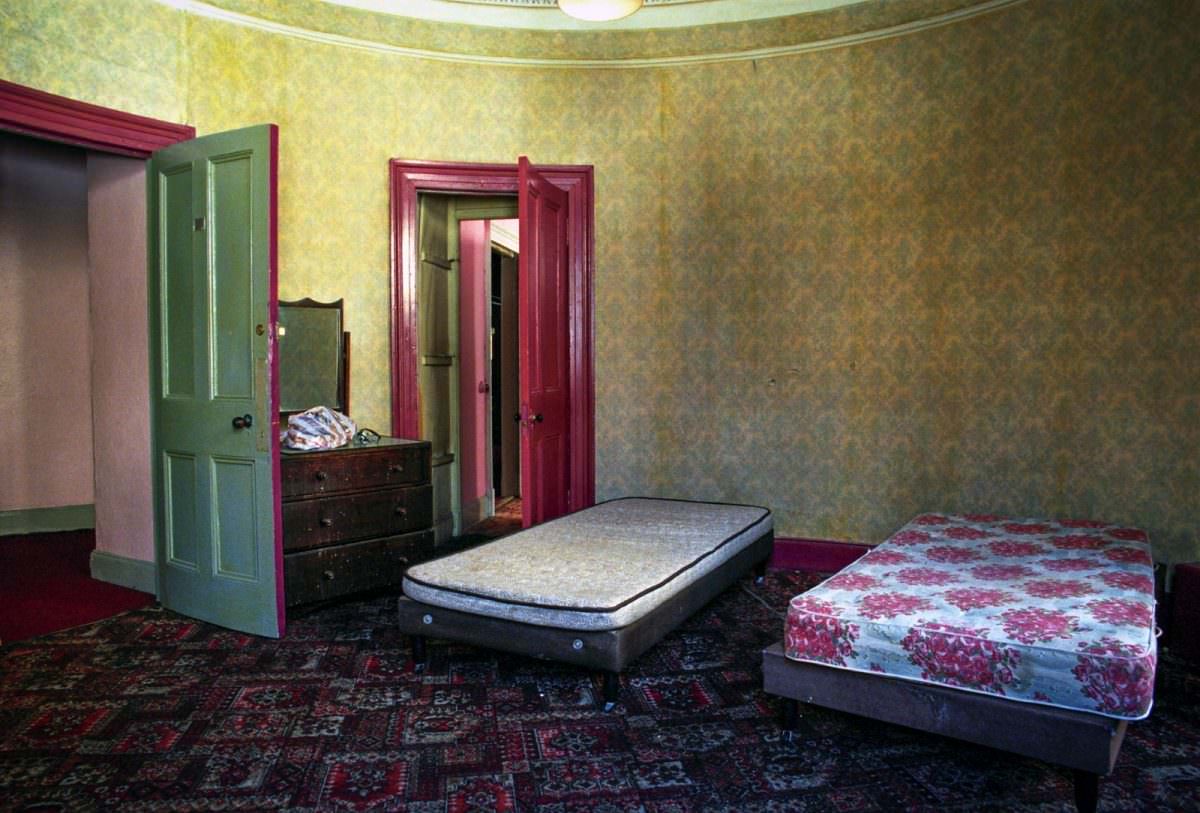
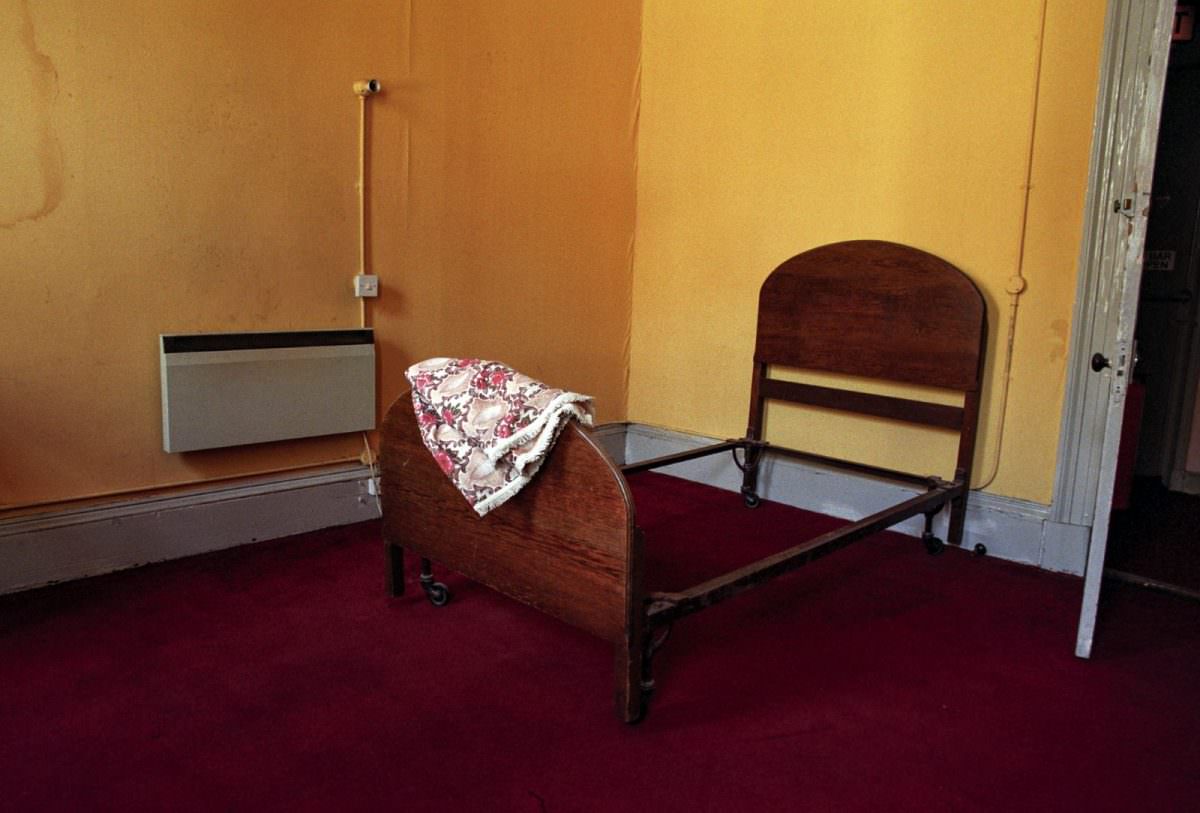
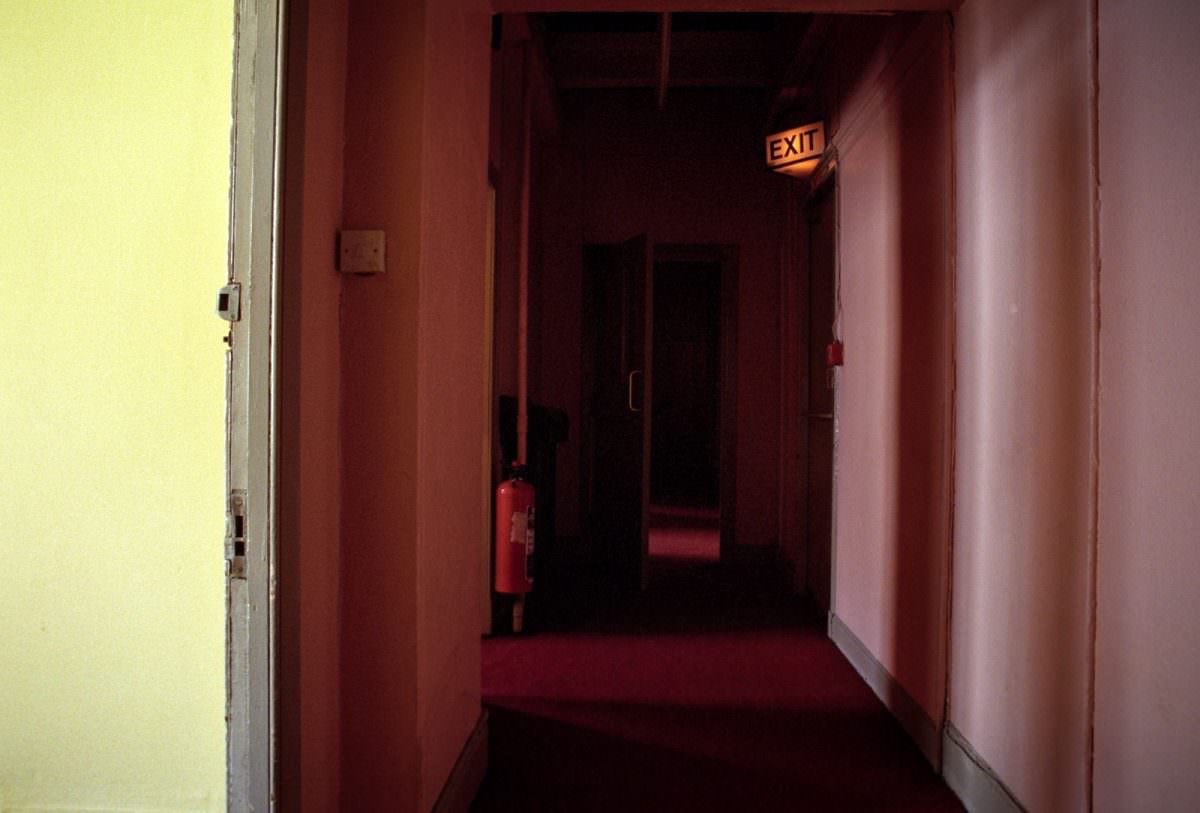
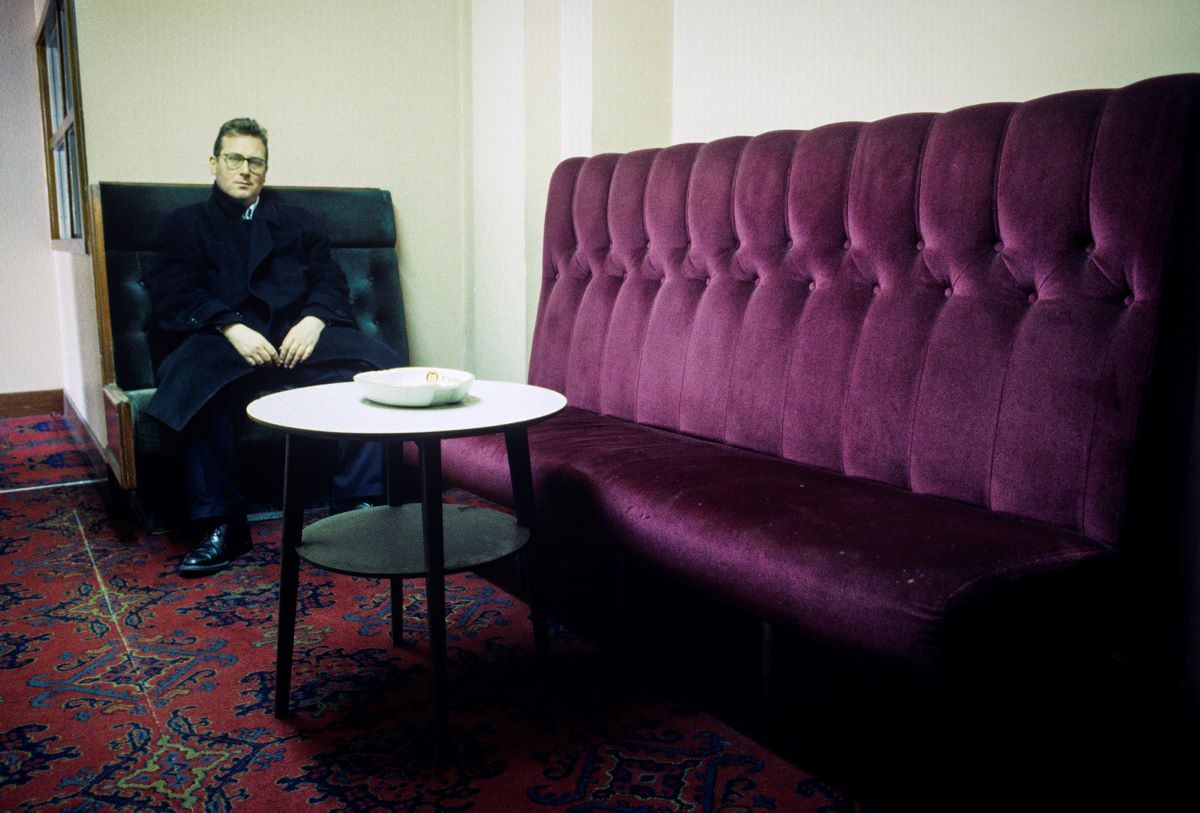
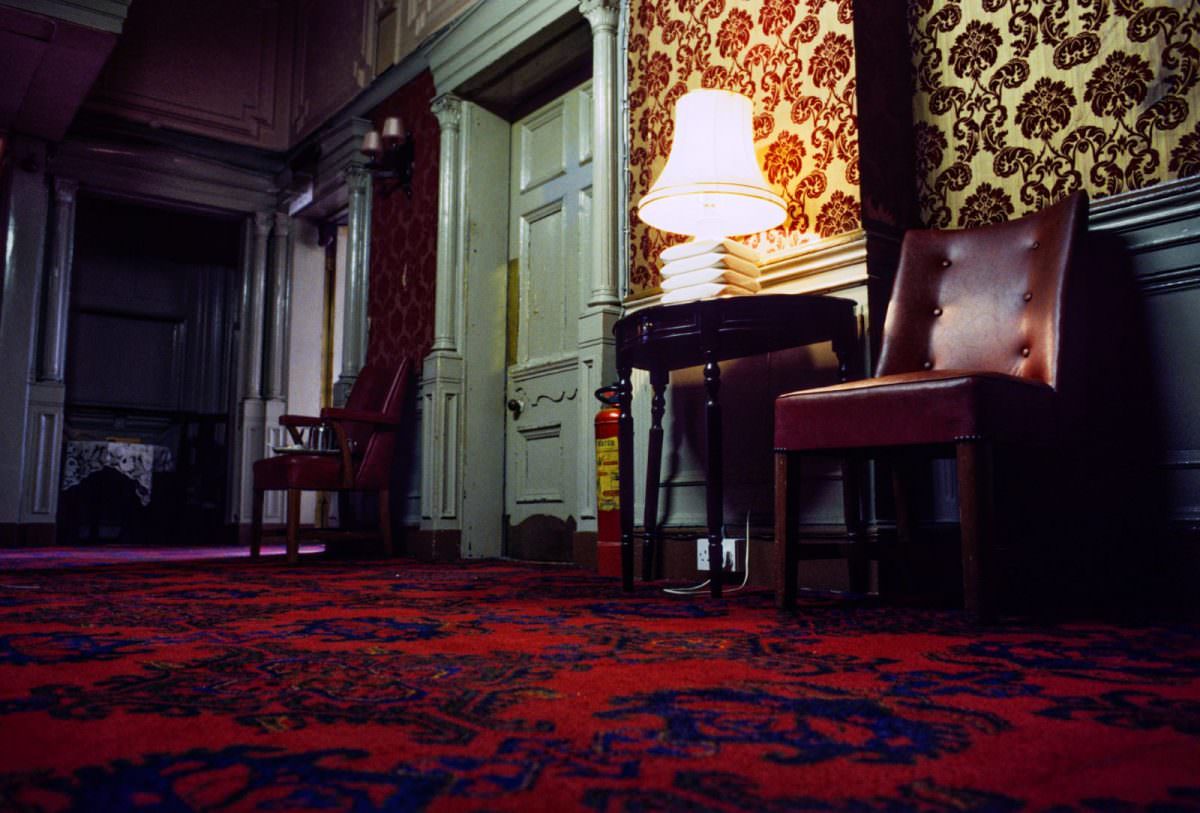
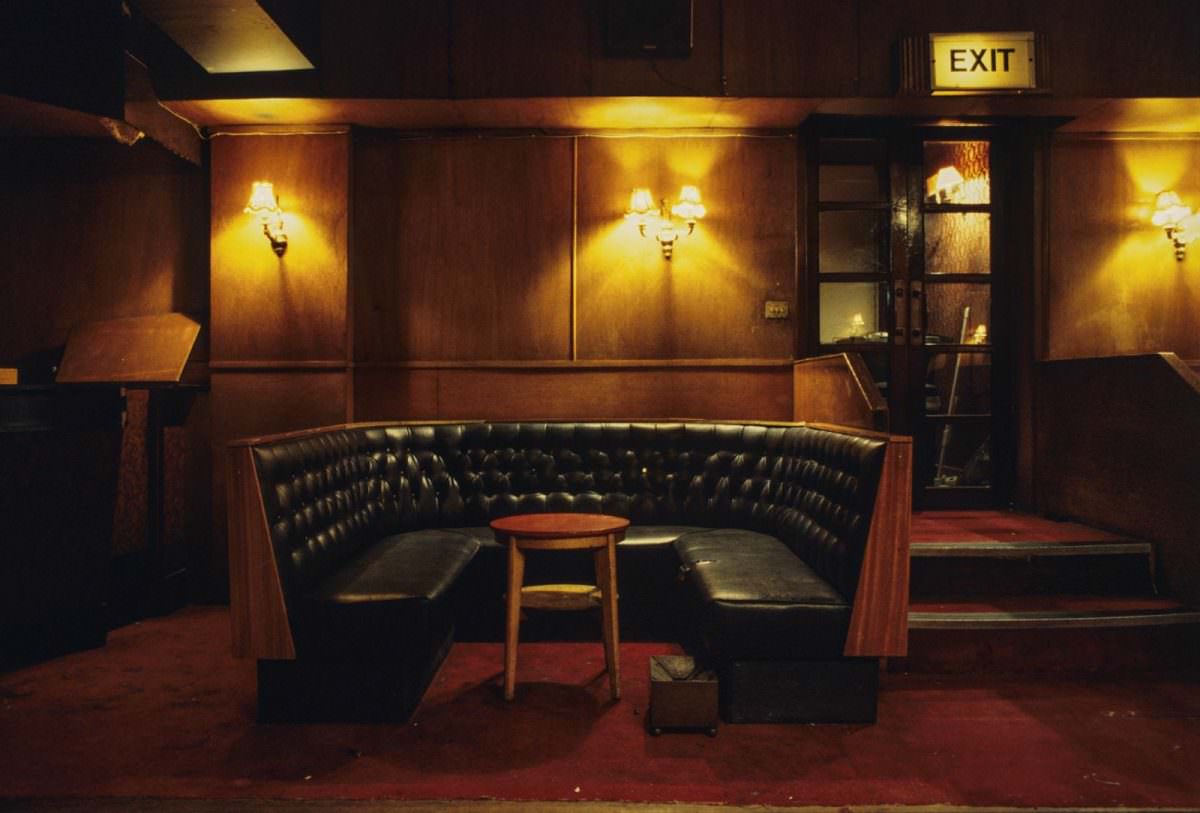
Beyond the main filming locations, the hotel had plenty of character in its quieter corners. A section of the second floor gained a reputation among staff as being haunted. The cocktail lounge was one of seven bars operating on the premises at various times, each with its own atmosphere.
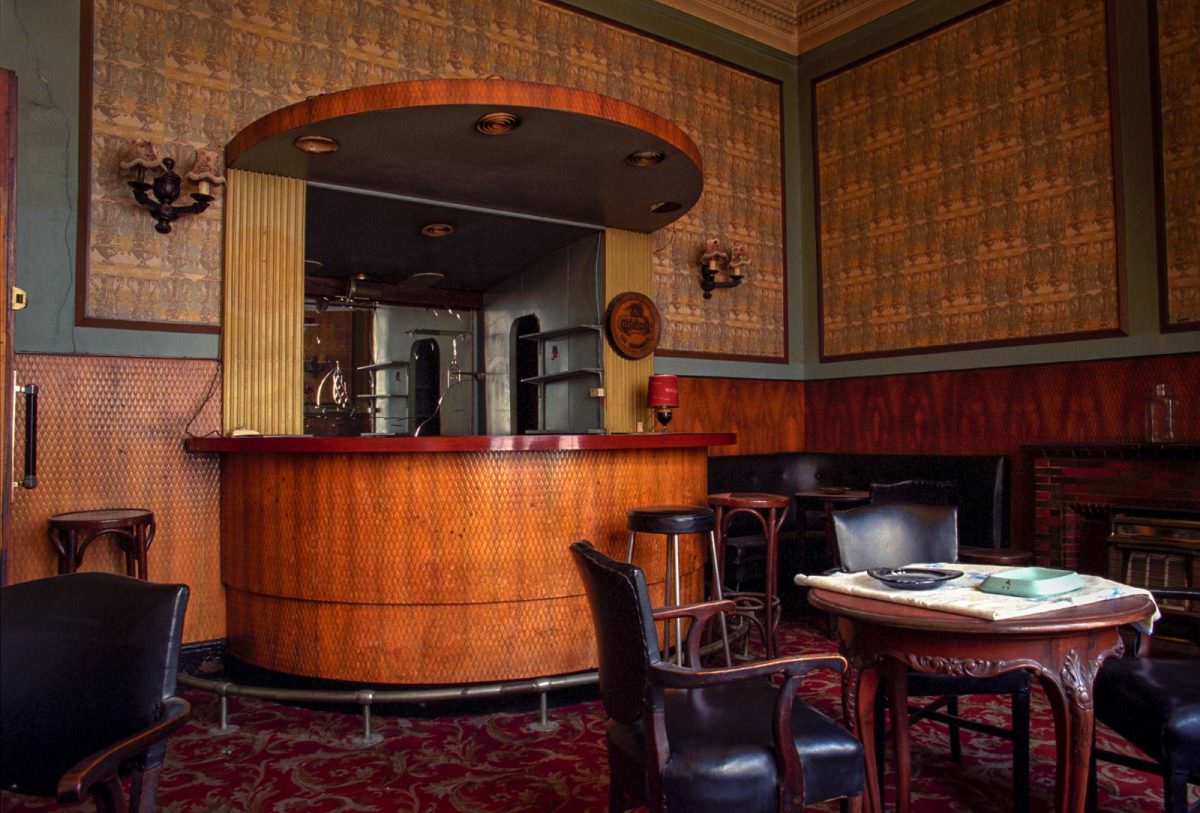
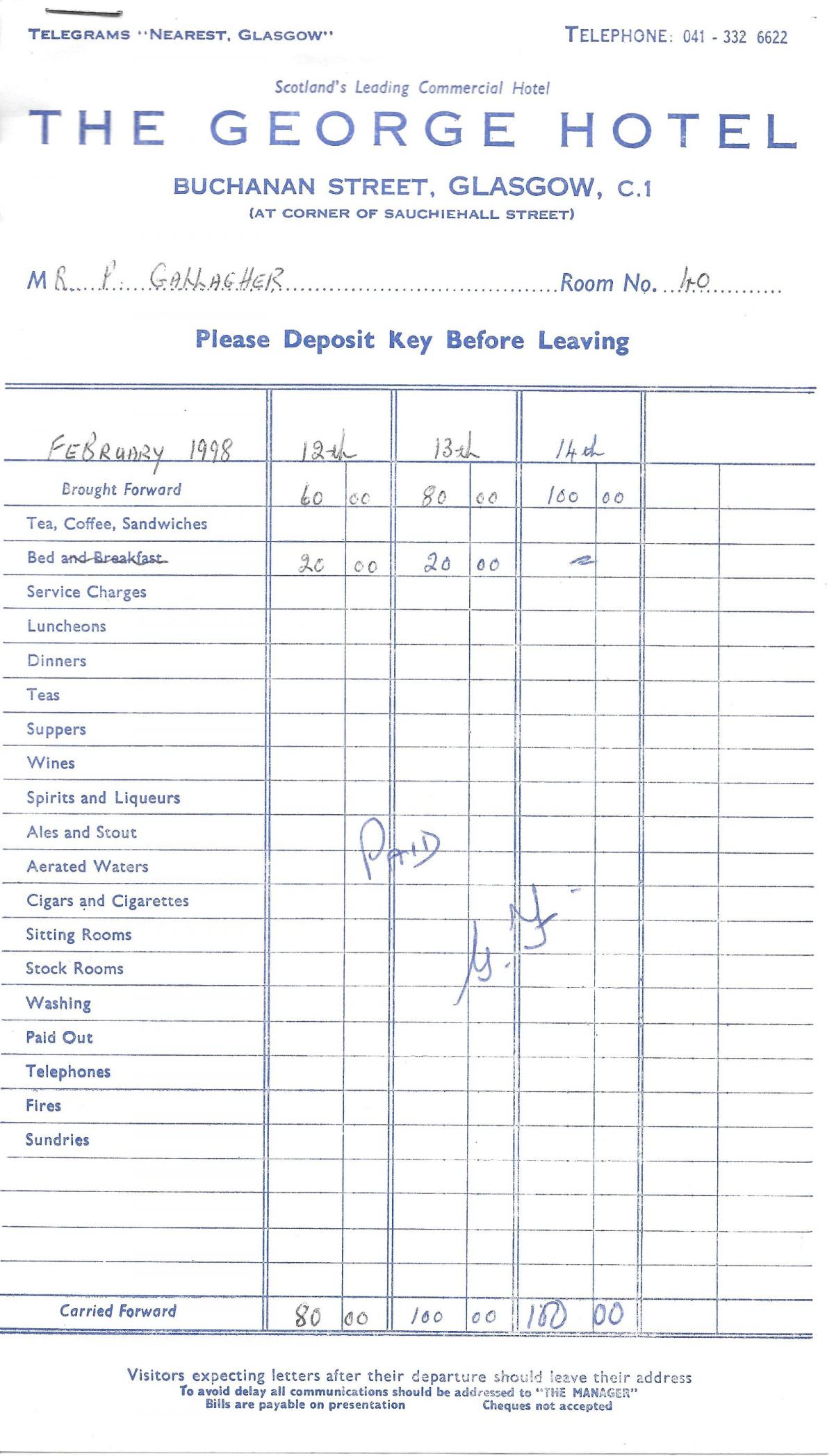
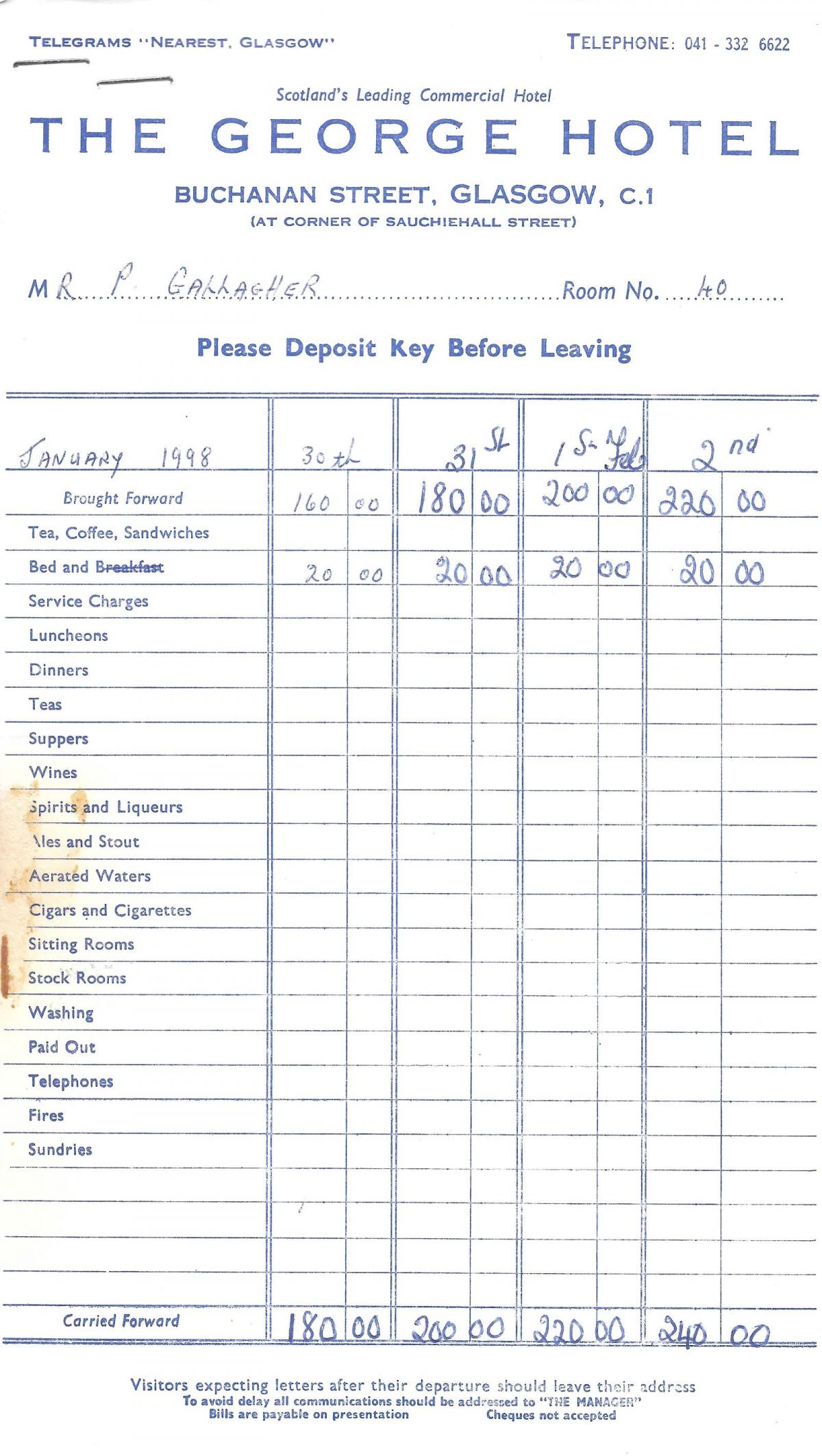
The George also served as a long-term residence for certain individuals, including at least one writer who lived on the premises. Peter Fox remained closely associated with the hotel throughout this period, operating it as a genuine piece of Glasgow’s social and cultural fabric.