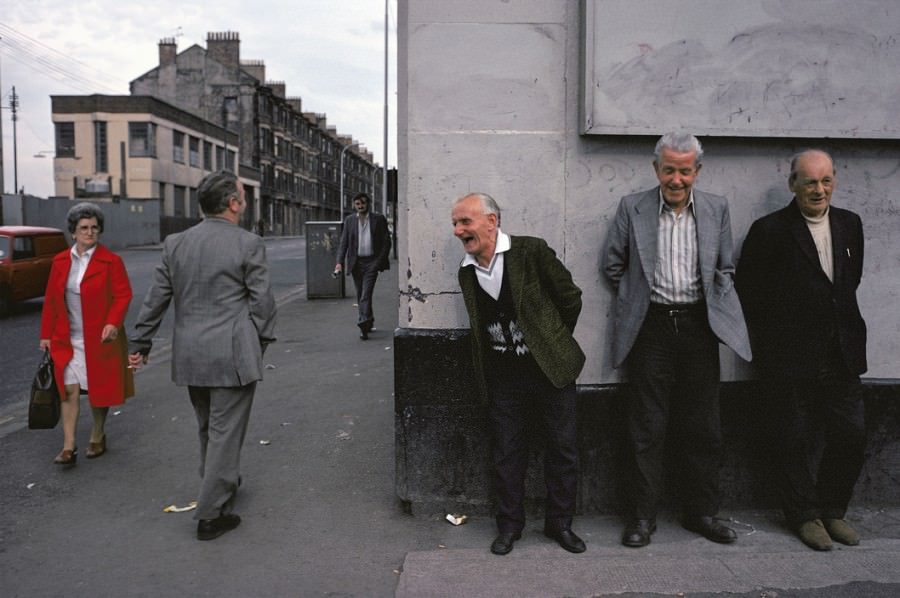
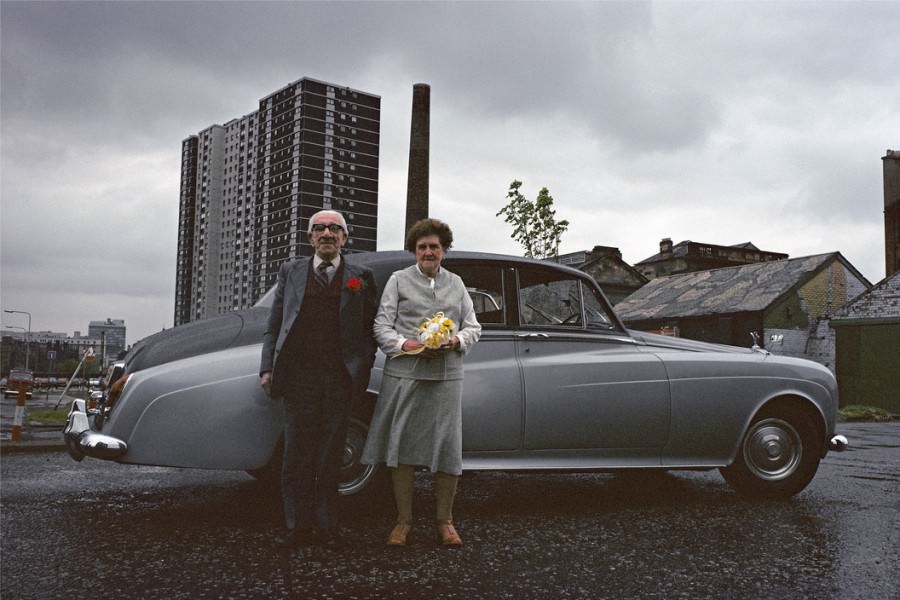
In 1980, the Sunday Times sent French photojournalist Raymond Depardon to Glasgow with a single assignment: document the lives of the city’s residents, rich and poor. Depardon arrived knowing almost nothing about Glasgow. He couldn’t speak English. He had no local contacts and no insider knowledge of the streets. What he did have was a camera and a sharp instinct for where real life was happening.
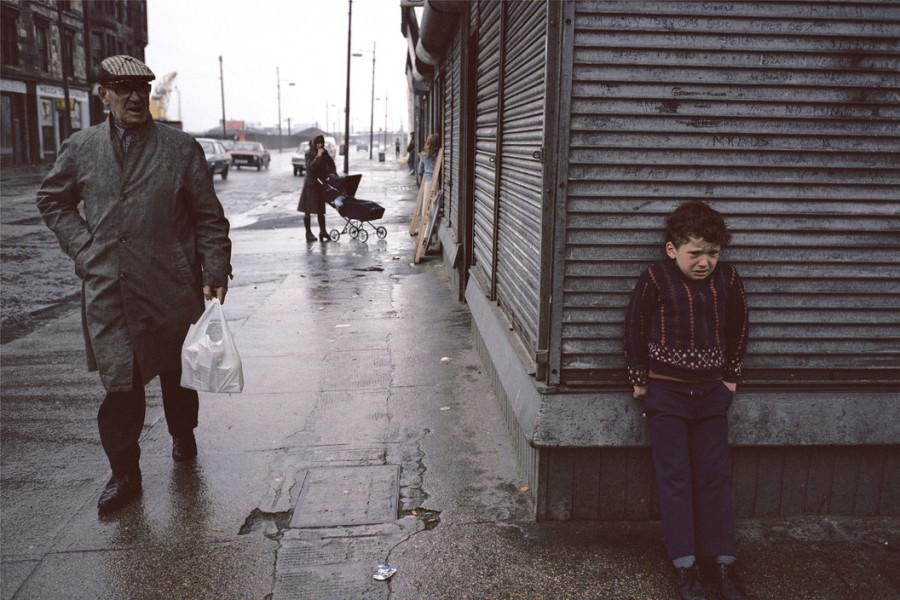
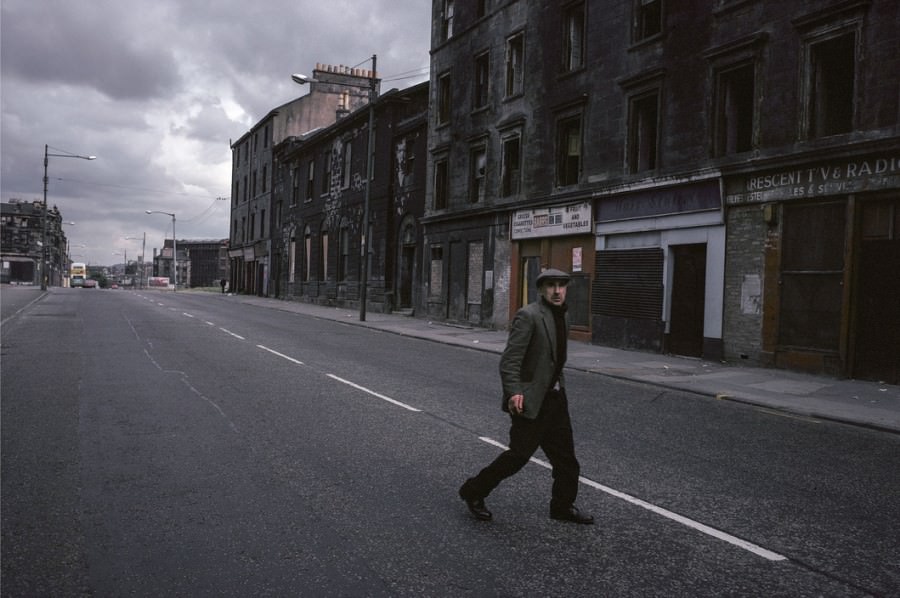
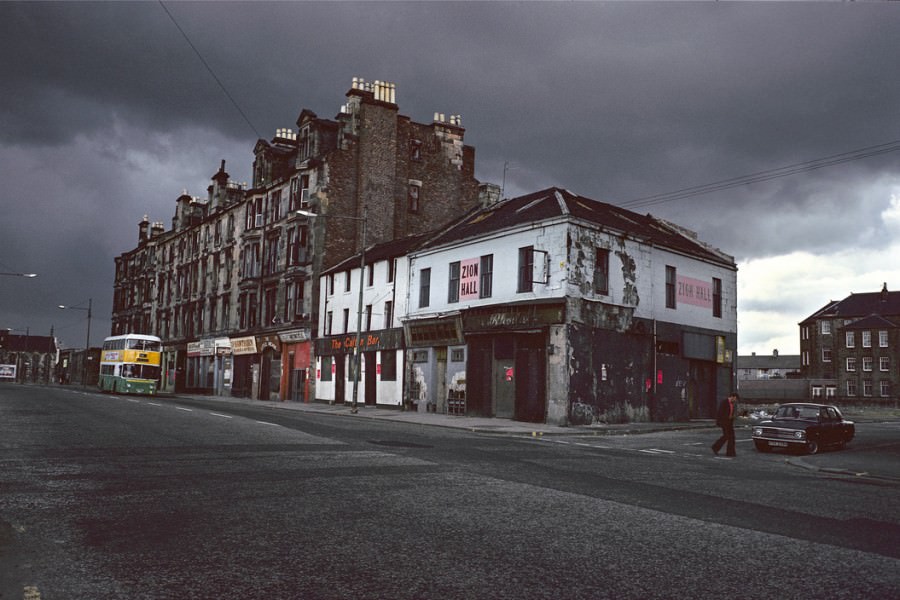
Rather than pointing his lens at the grand Victorian architecture of the city center or the well-kept streets of Hillhead and other affluent neighborhoods, Depardon turned toward the edges. He walked into Govan, Maryhill, the Gorbals, and Calton — districts that bore the full weight of Glasgow’s post-war decline. These were not places tourists visited. These were places where entire communities were living through the collapse of the industries that had built the city.
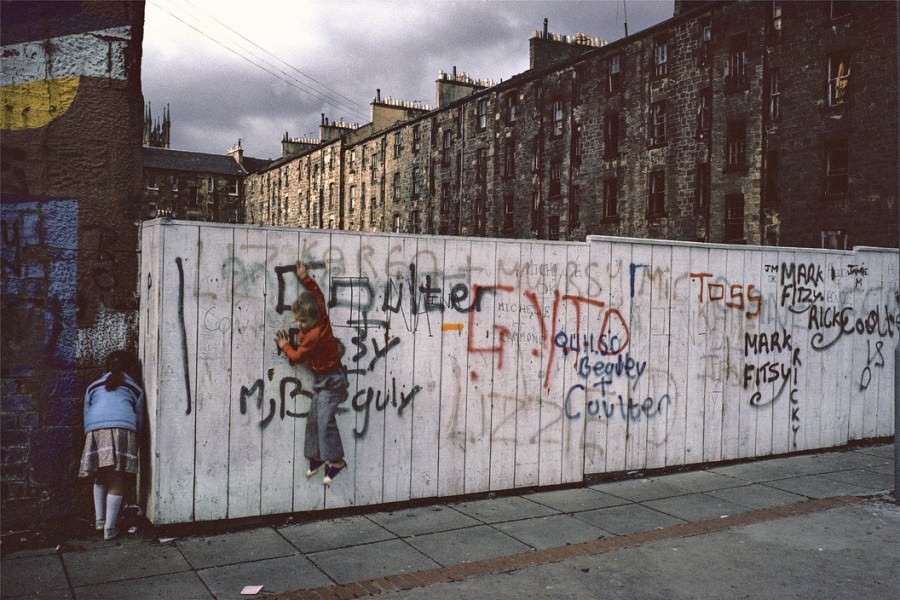
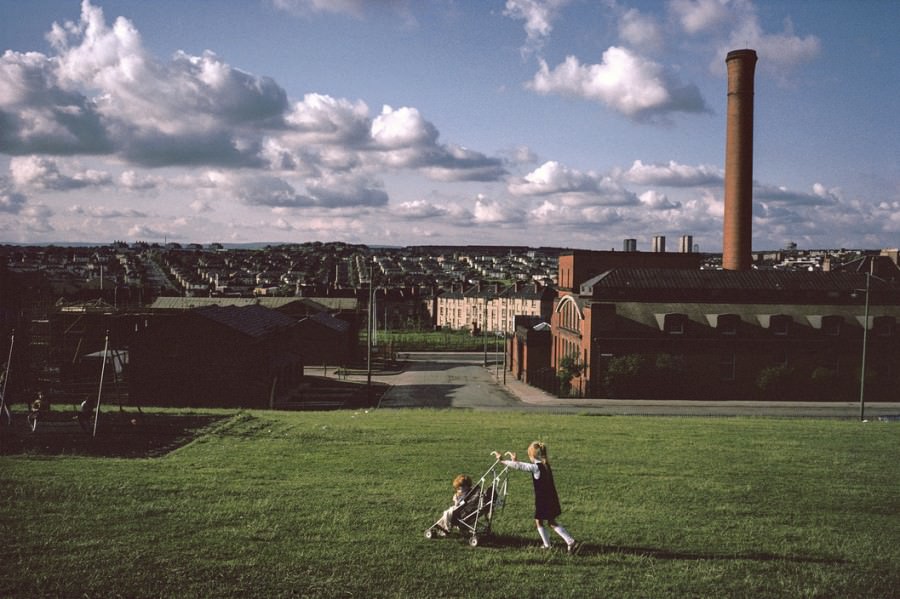
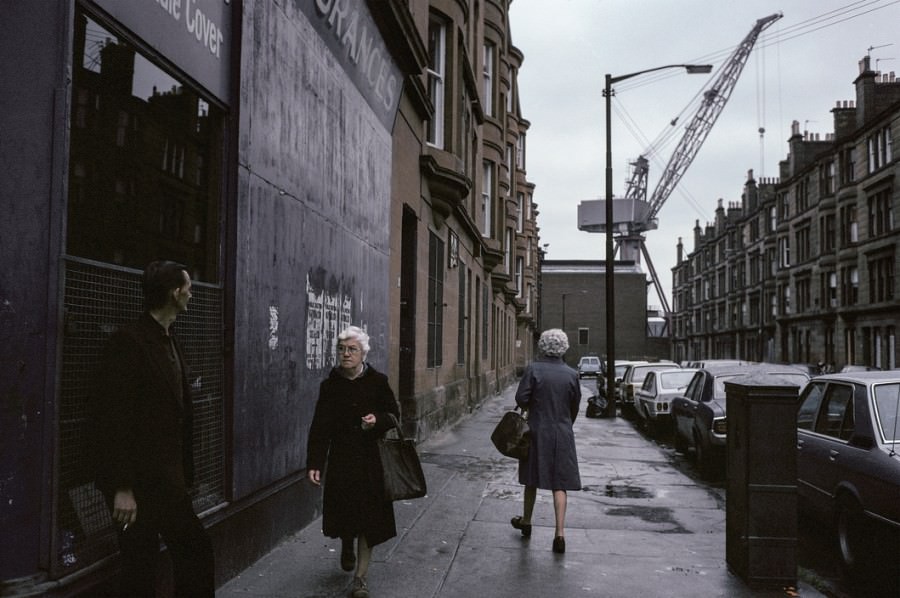
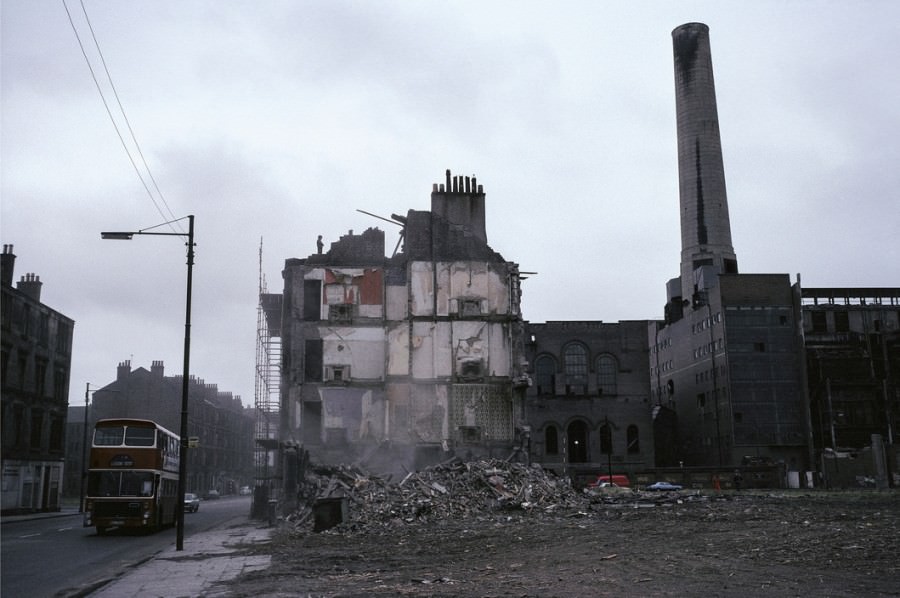
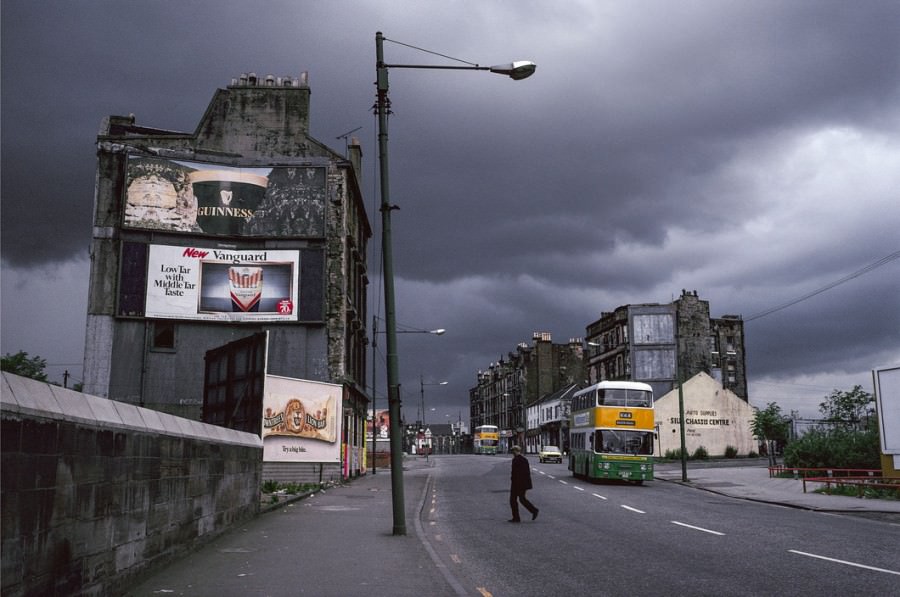
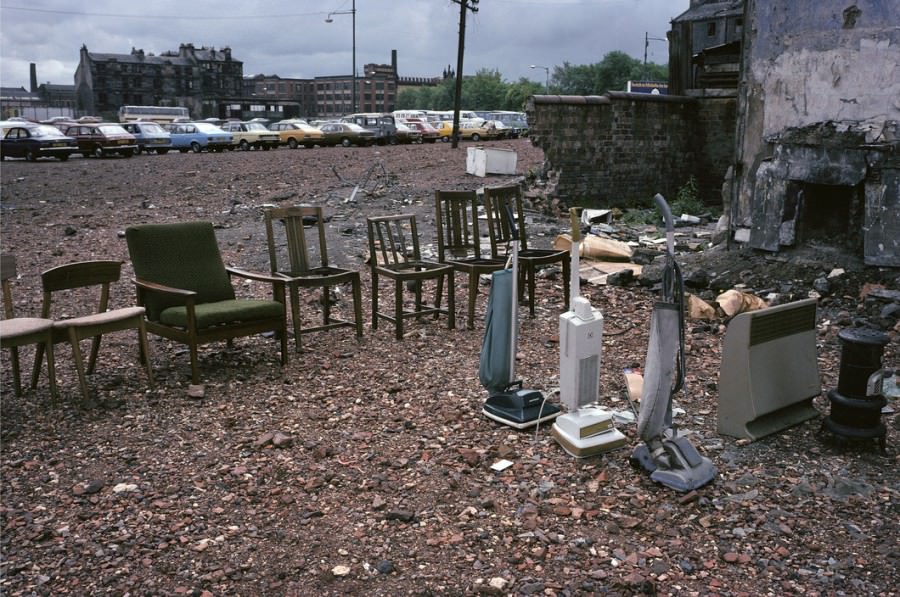
By 1980, Glasgow was deep in the grip of deindustrialization. The shipyards along the Clyde, once the backbone of the city’s economy, had shed tens of thousands of jobs over the previous two decades. Steel works, factories, and warehouses had closed or were closing. The population was shrinking as families left for new towns and housing estates on the outskirts. The neighborhoods Depardon walked through showed all of this plainly — in the faces of the people, the state of the buildings, and the emptiness of streets that had once been packed.
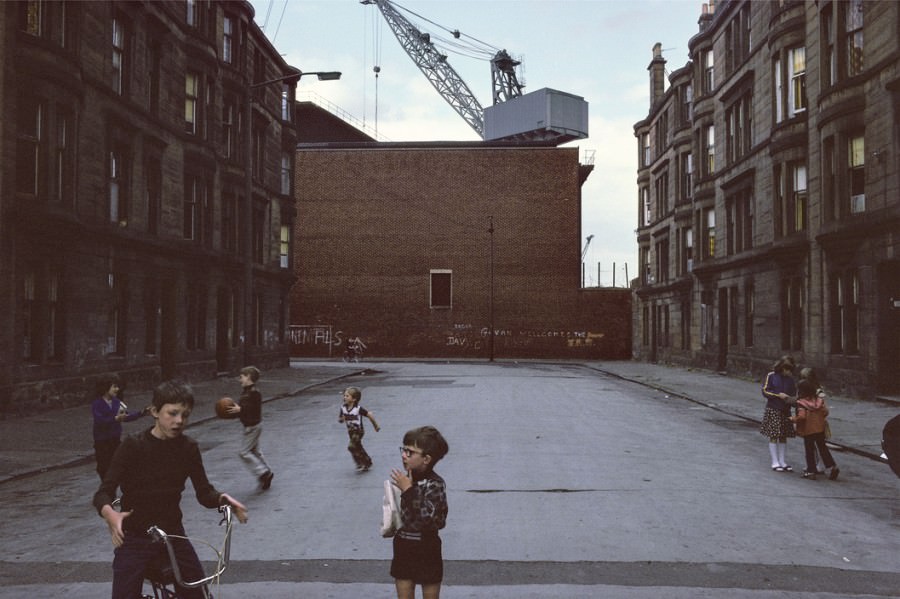
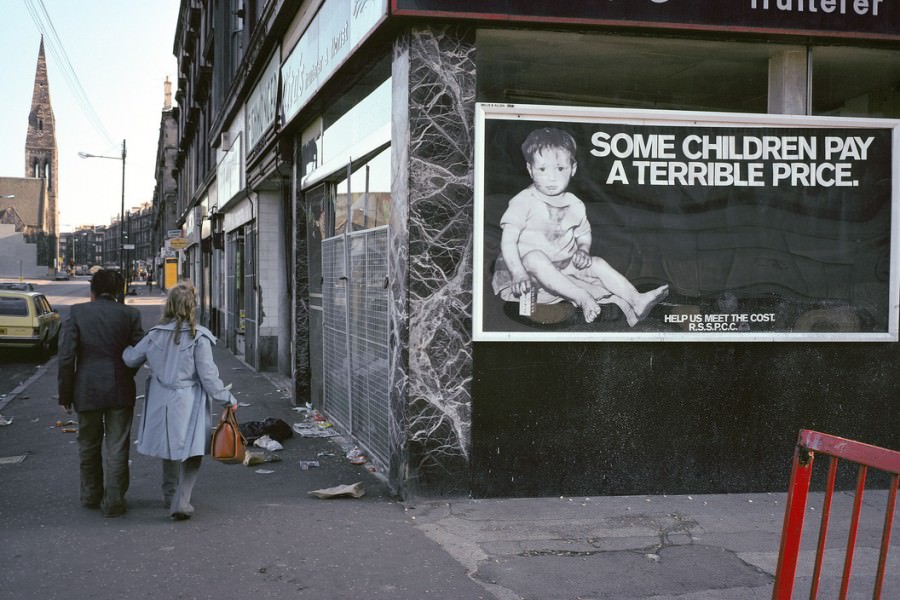
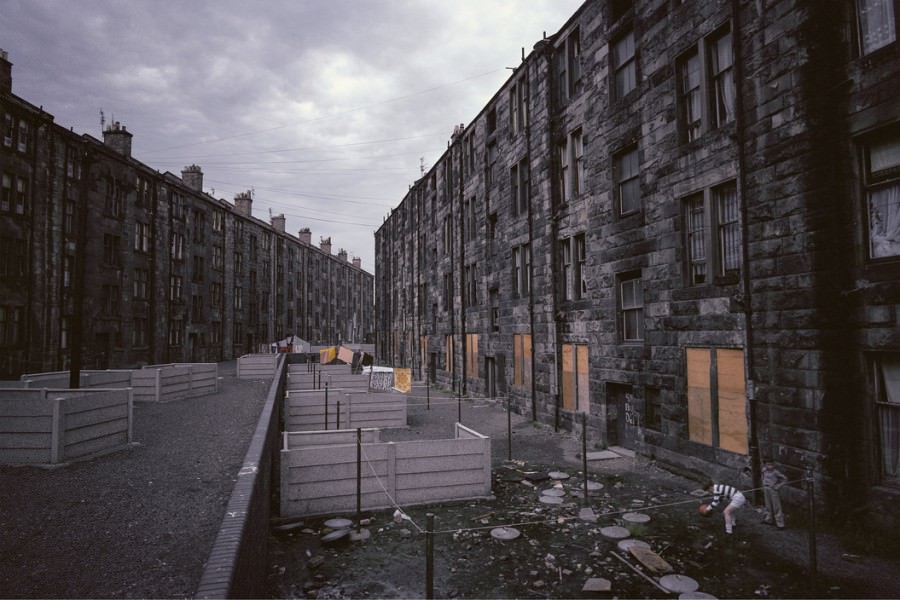
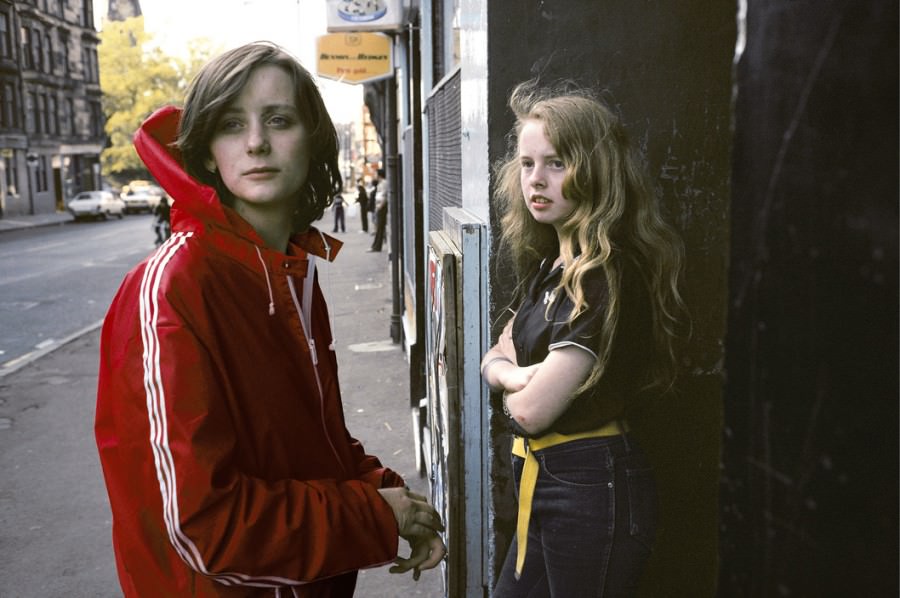
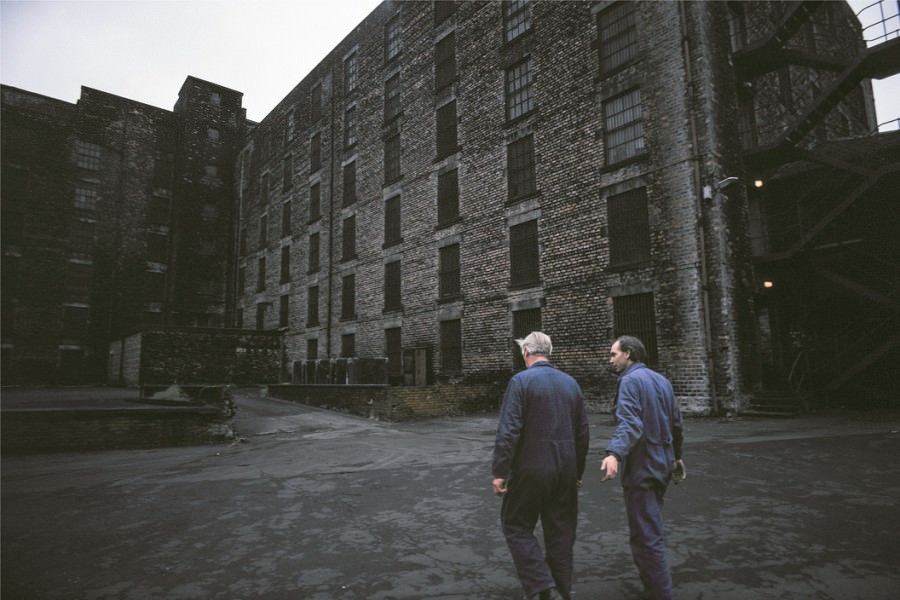
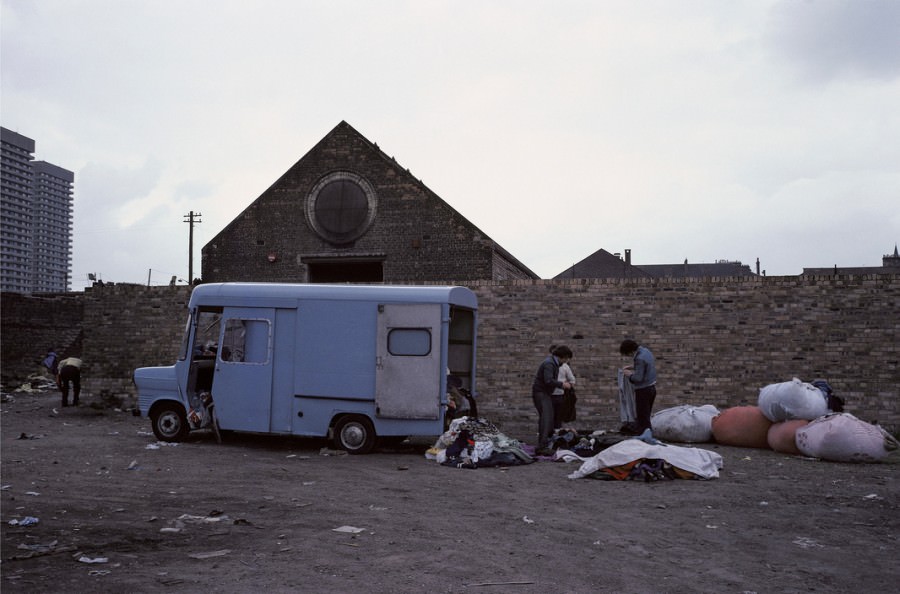
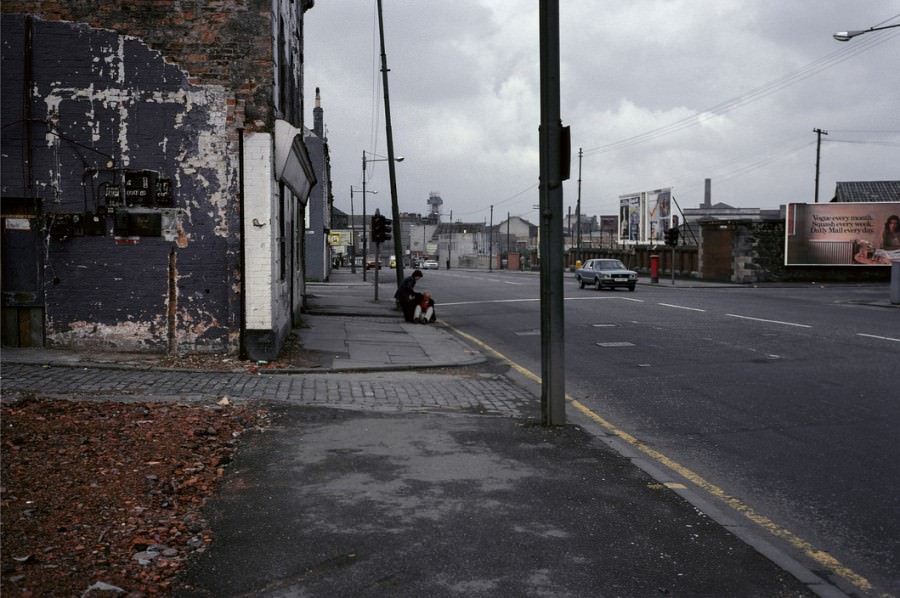
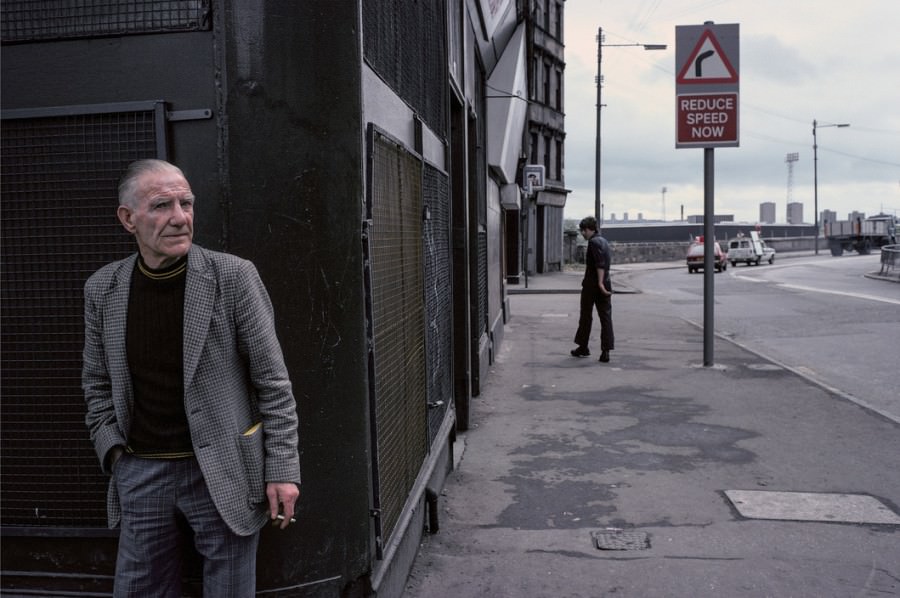
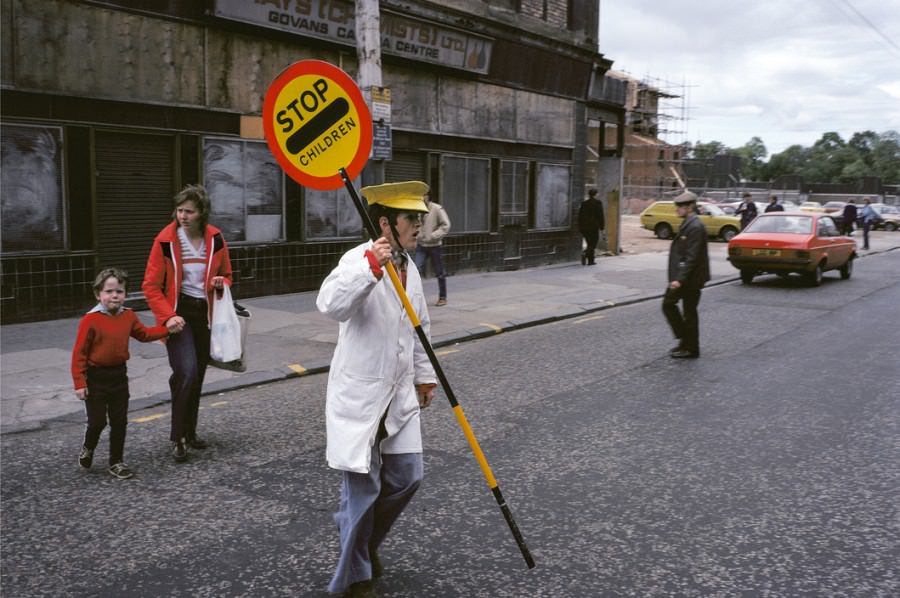
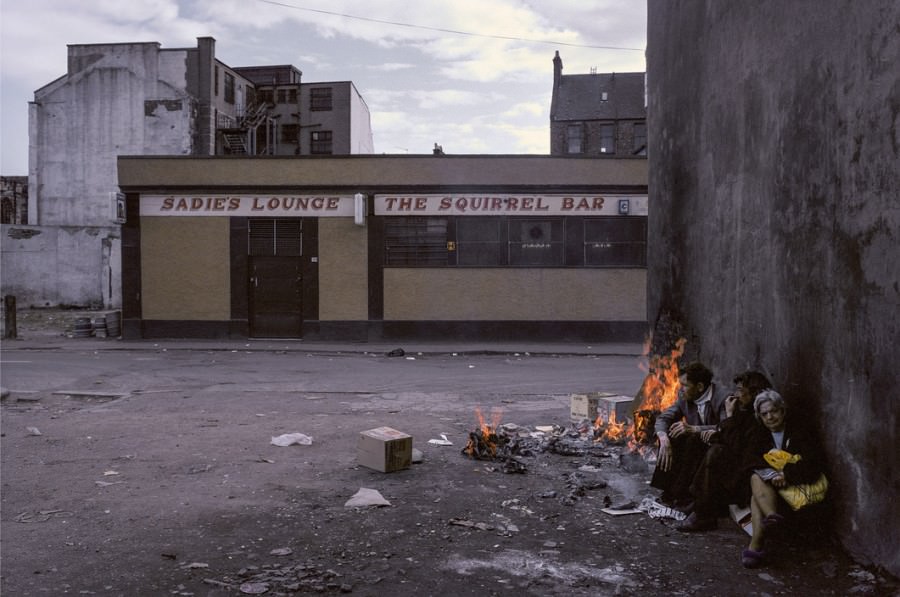
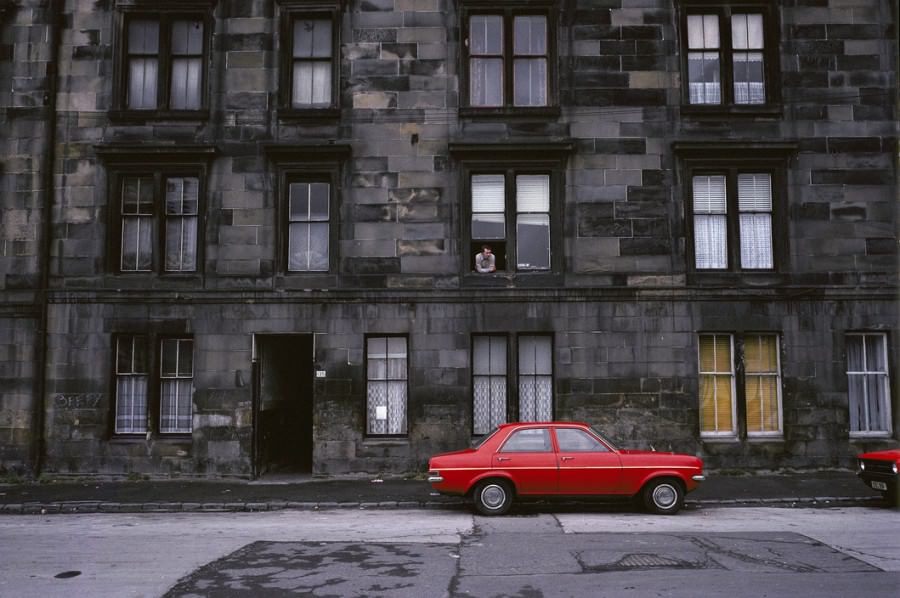
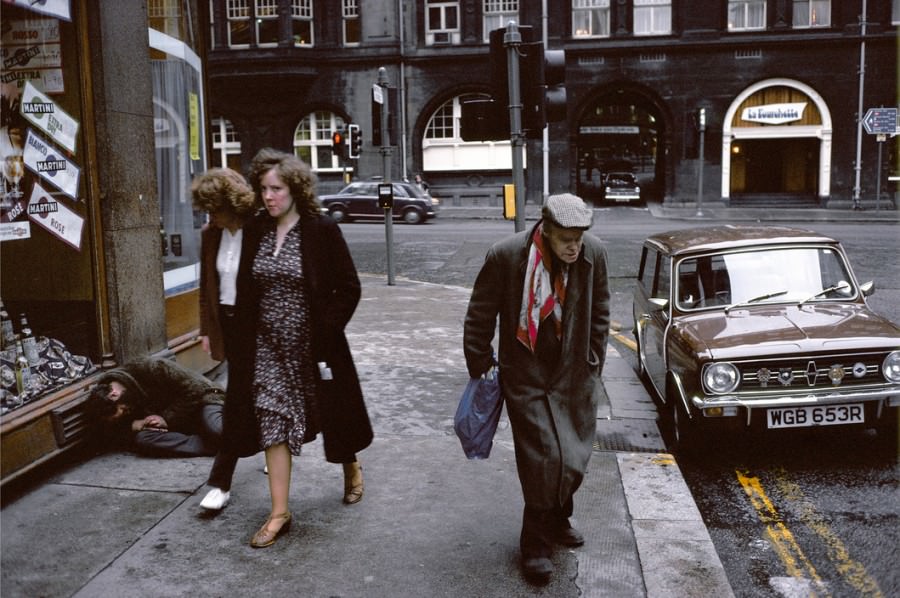
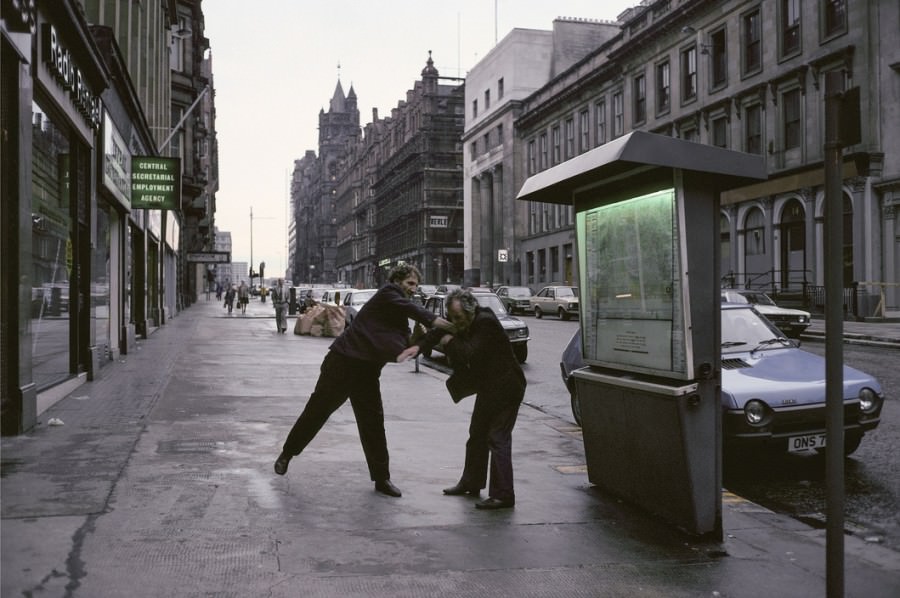
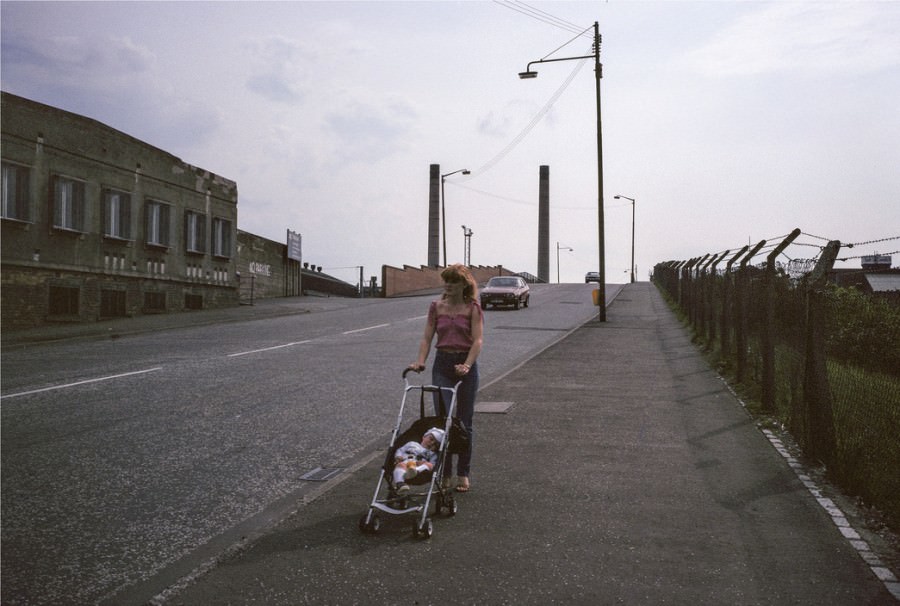
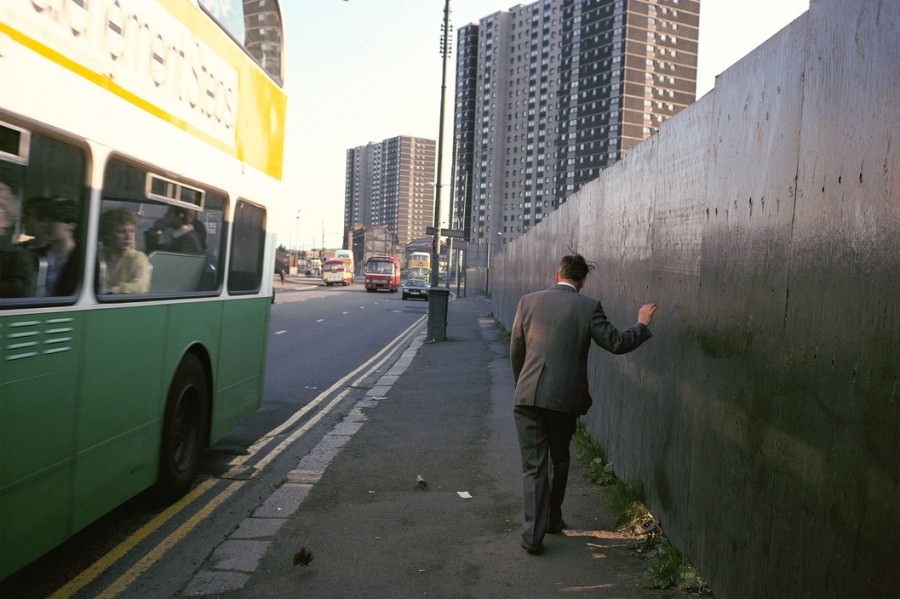
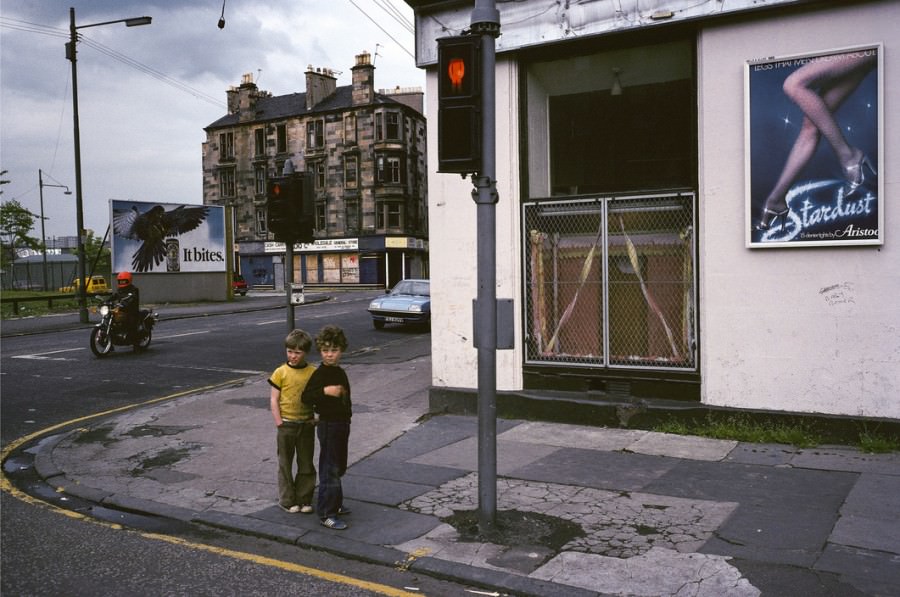
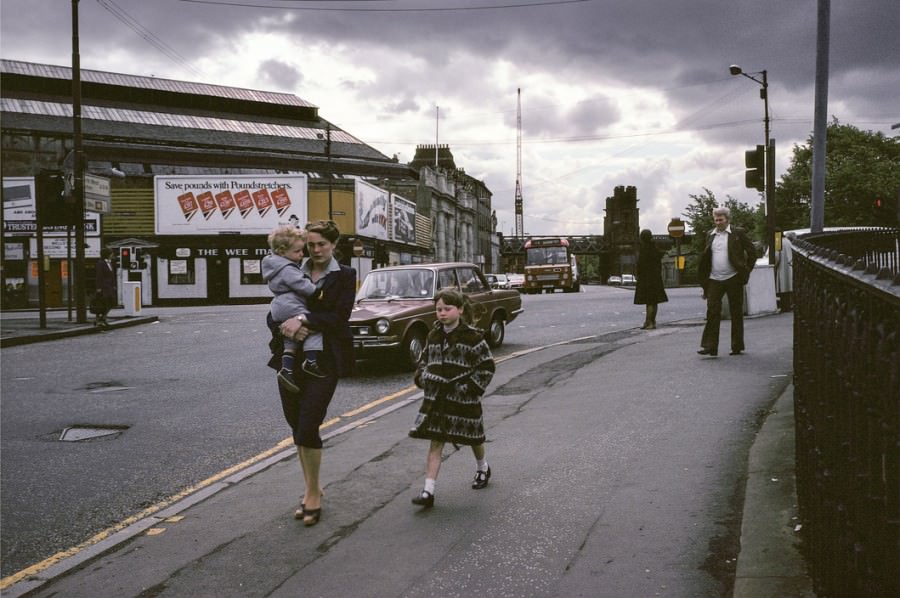
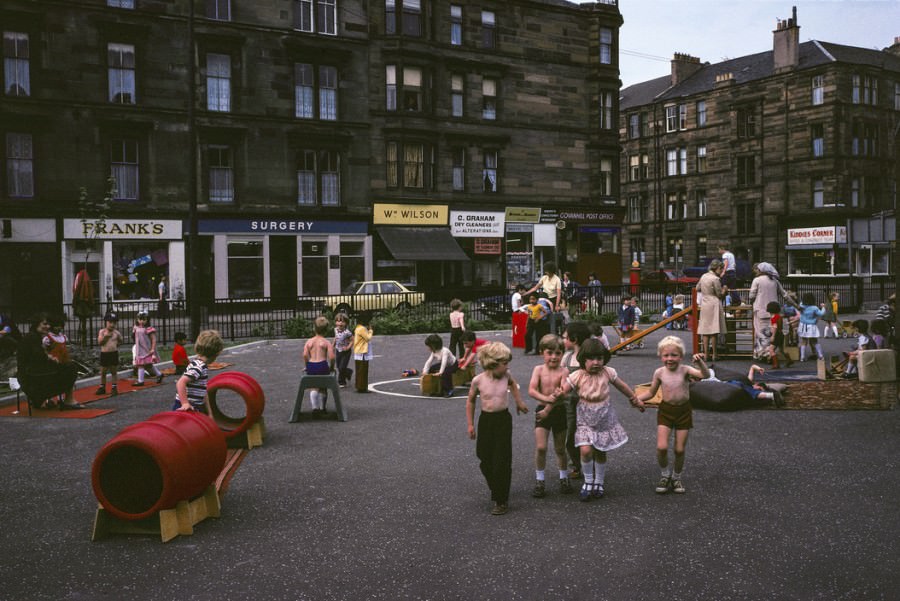
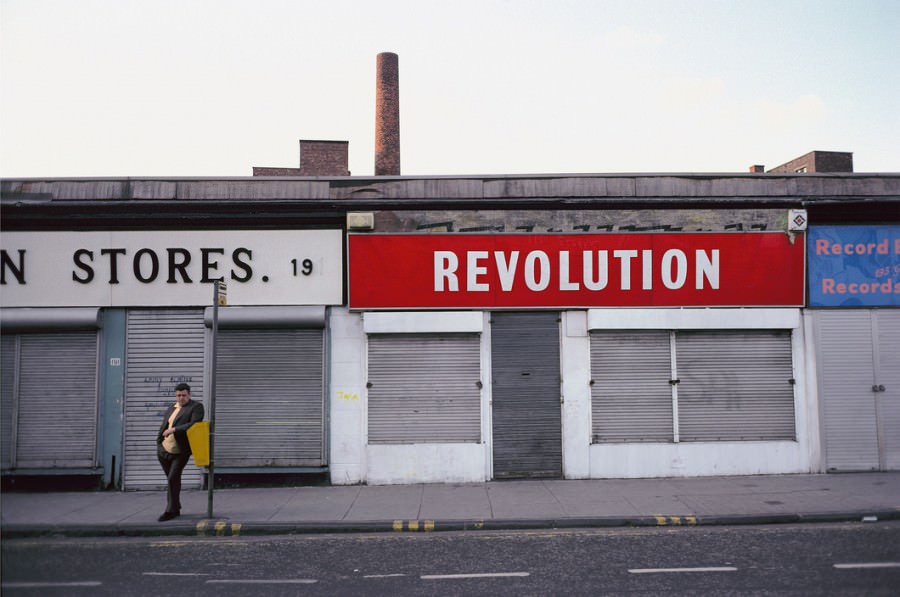
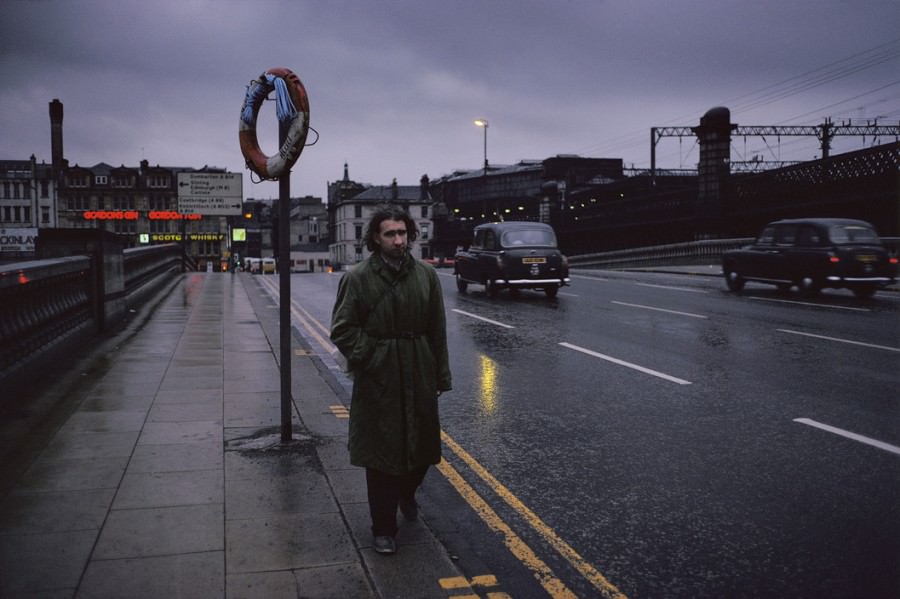
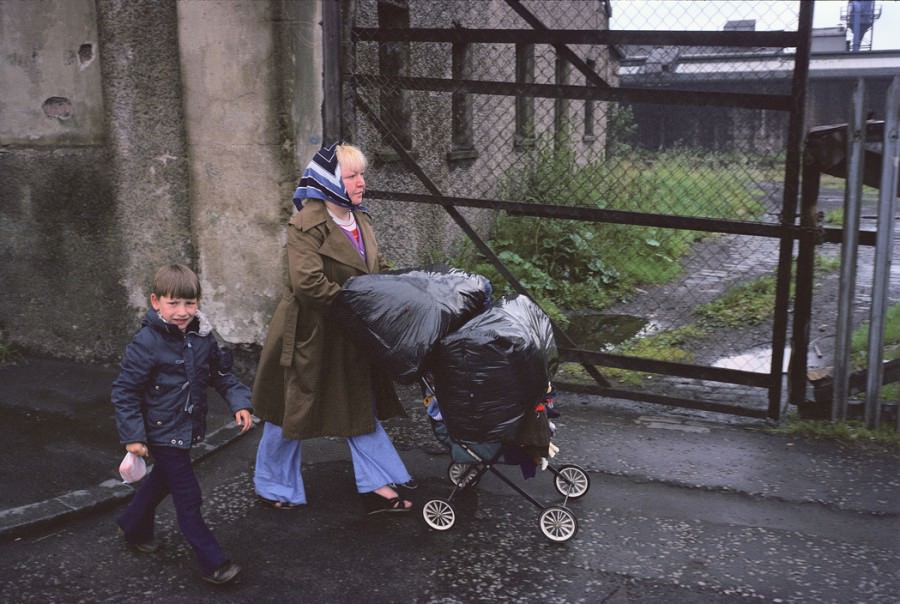
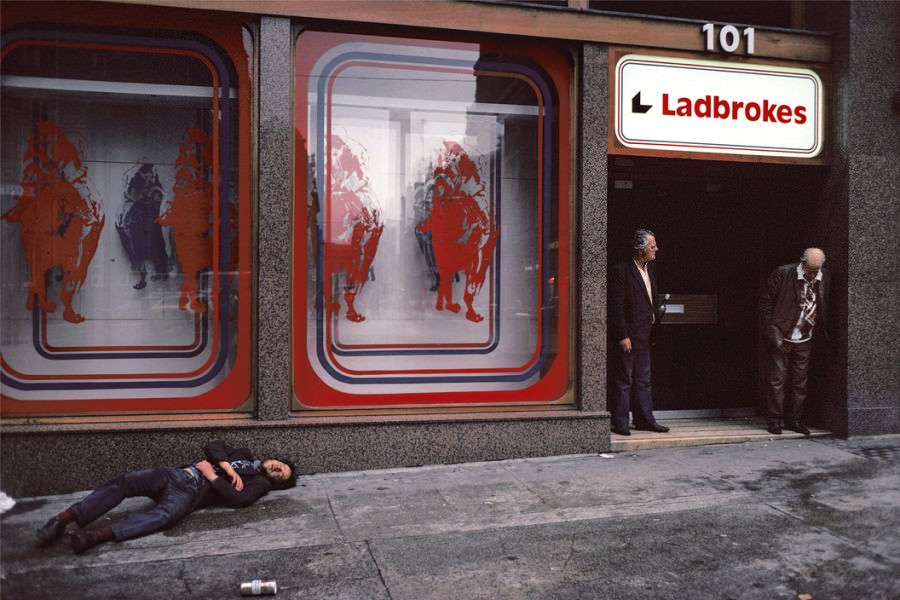
Depardon shot thousands of photographs during his time in the city. The images captured everyday moments — people on street corners, children playing on bare concrete, men gathered outside pubs, women moving through market stalls, and the crumbling facades of tenement blocks. There was nothing posed about any of it. Depardon worked quietly and at close range, the way a street photographer does when they want the scene to stay natural.
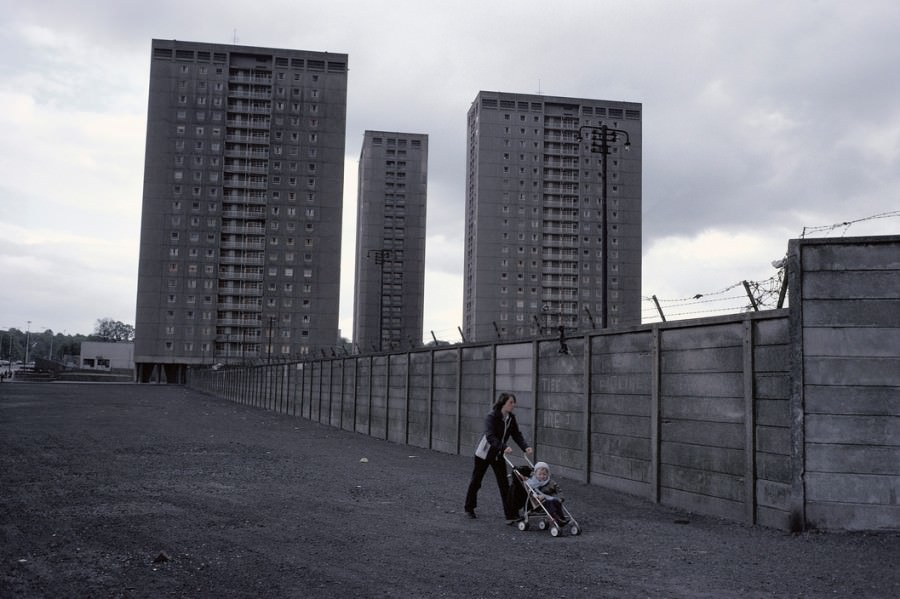
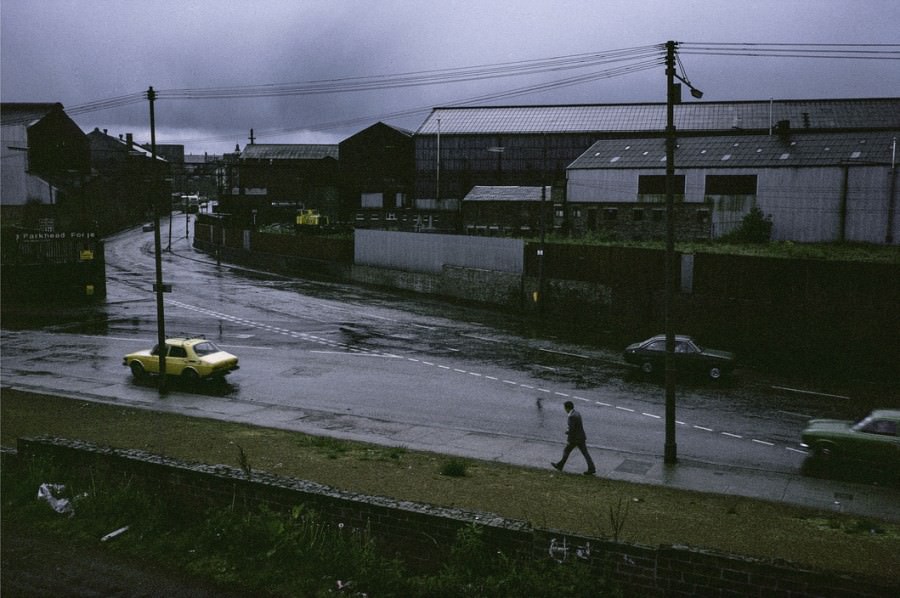
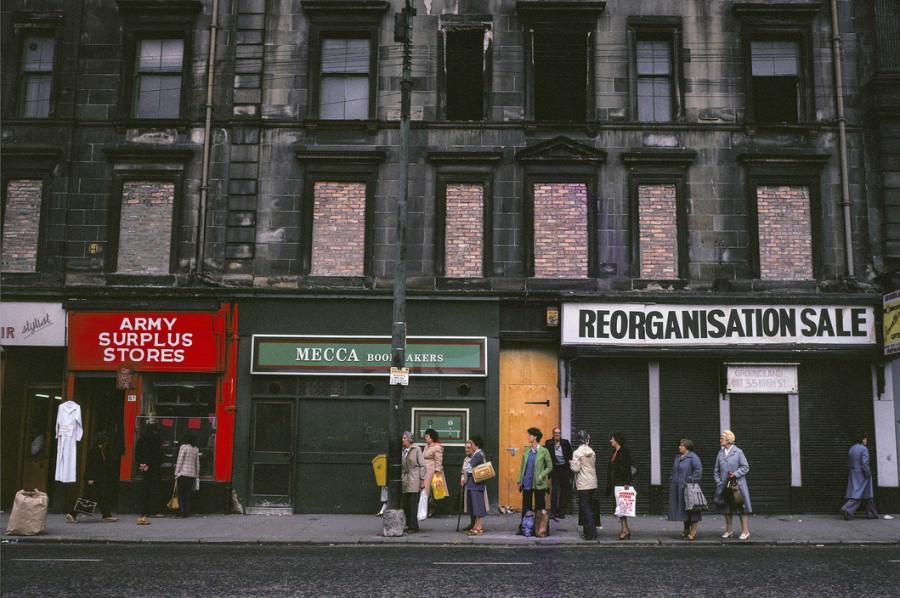
Despite completing the work, the photographs were never published by the Sunday Times. They sat in Depardon’s archive for over three decades. It wasn’t until 2016 that the images finally reached the public, when they were published and exhibited to wide attention. The long delay only added to their power — by the time people saw them, the world Depardon had photographed had almost entirely disappeared.
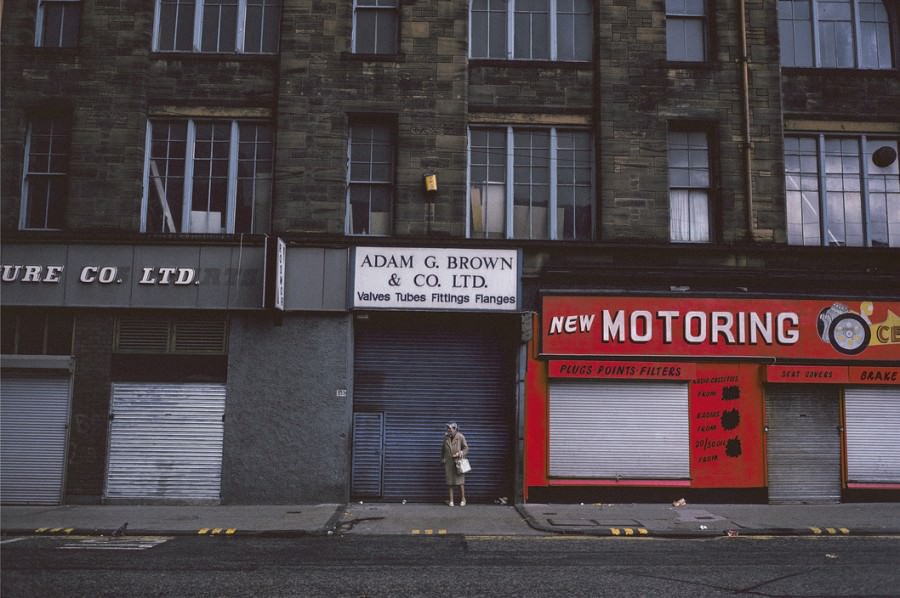
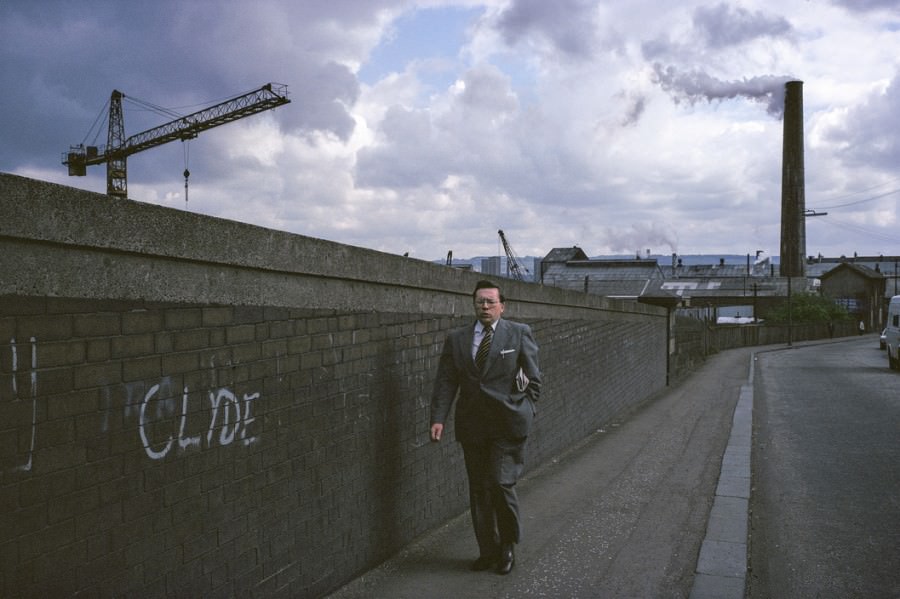
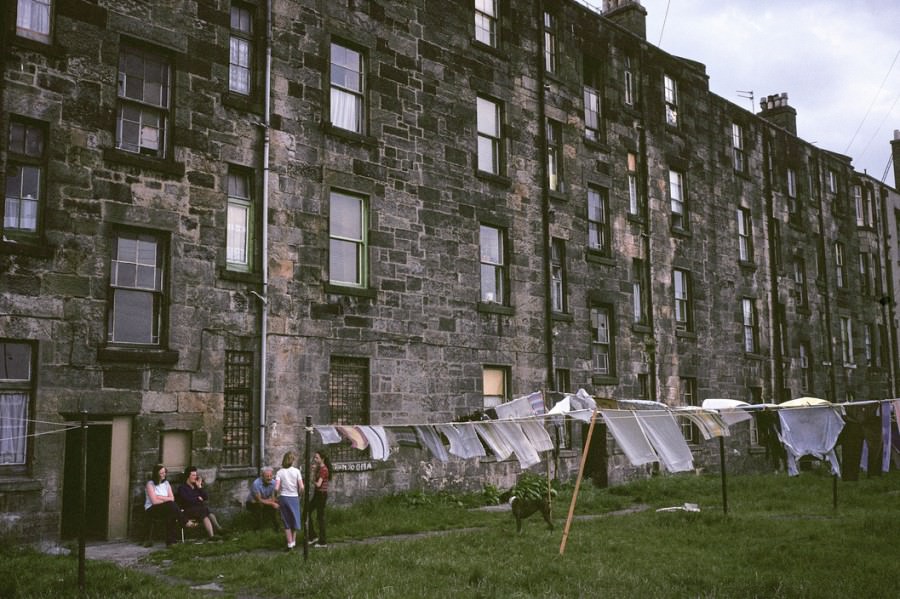
What makes the photographs remarkable is how Depardon handled the light. Scotland’s flat, grey northern light is notoriously difficult to work with. Depardon used it to give his images a tone that matched the mood of the streets — heavy in places, but never hopeless. His outsider’s eye, free from assumptions about what Glasgow was supposed to look like, allowed him to see things a local photographer might have passed over.
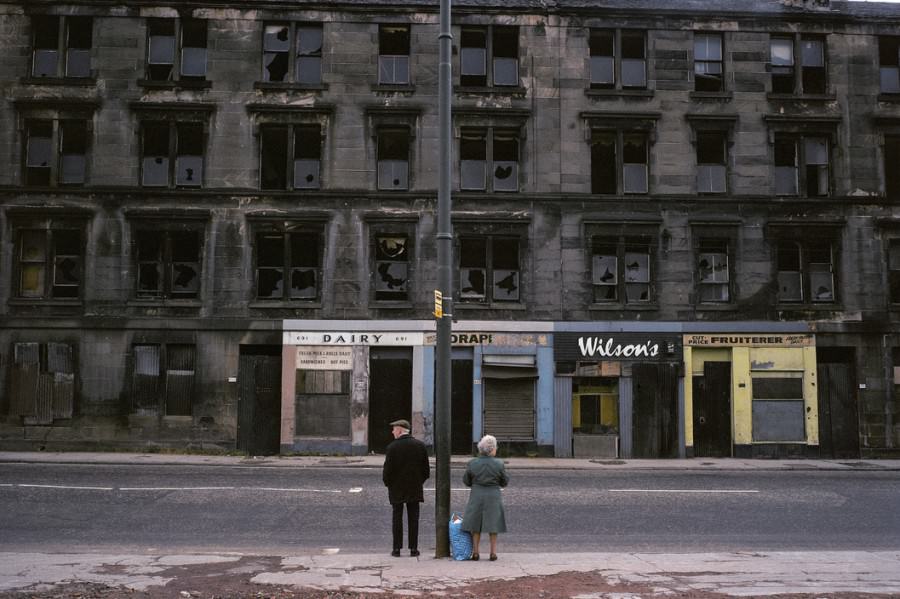
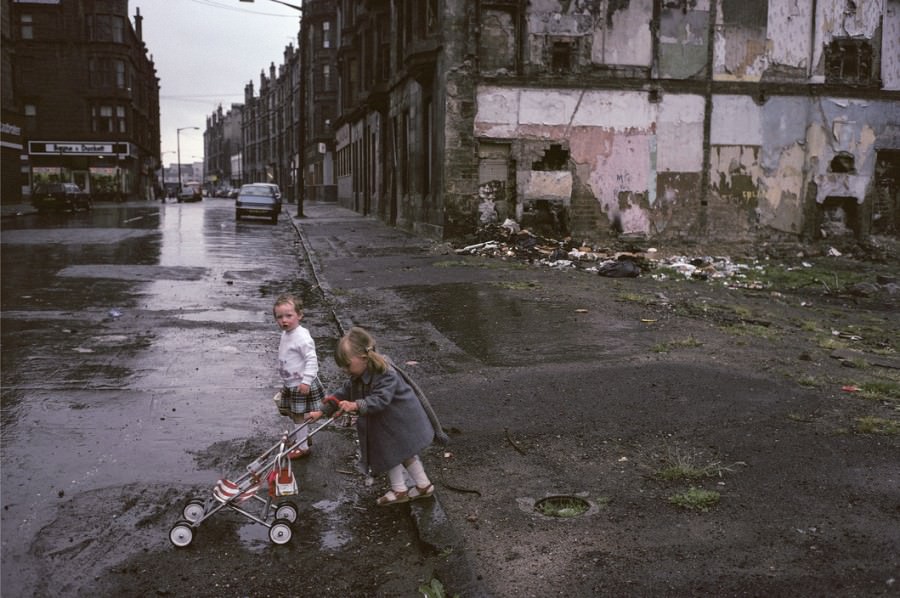
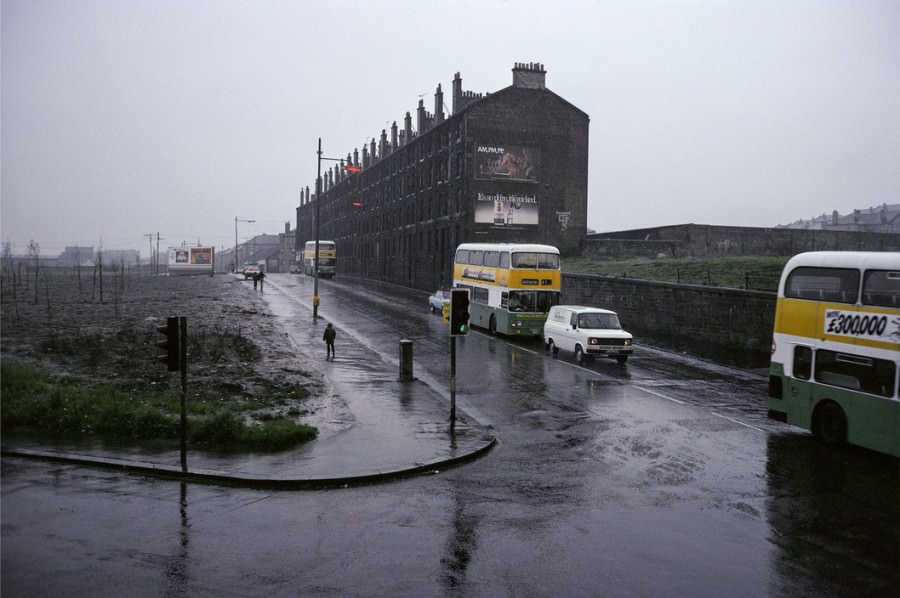
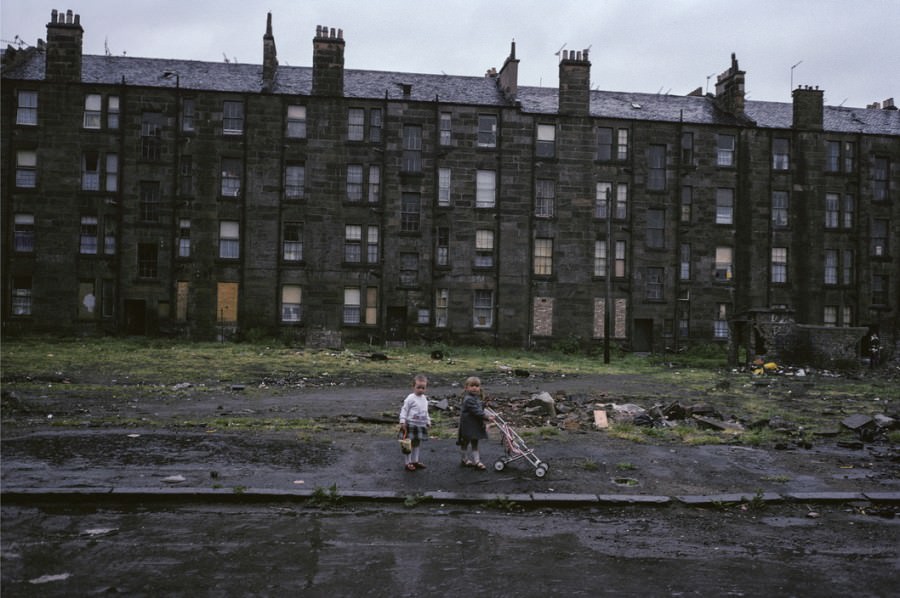
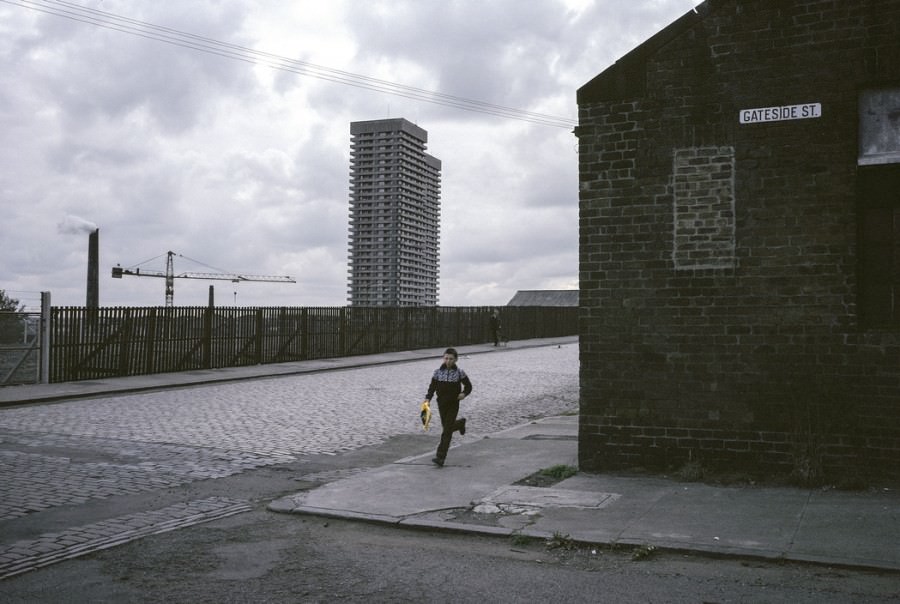
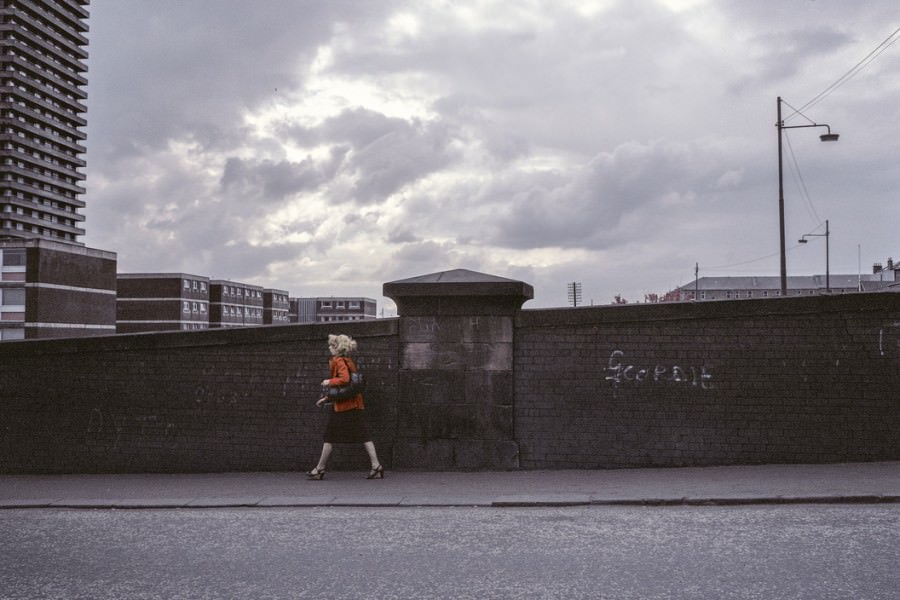
The Gorbals, one of Depardon’s main areas, had been famous for its slum housing since the 19th century. By 1980, the old tenements had largely been demolished and replaced with high-rise blocks. The redevelopment had cleared the physical slums but created new problems — isolation, unemployment, and a loss of the tight-knit street culture that had defined the area for generations. Depardon’s images from the Gorbals show that tension between a community still trying to hold together and an environment that made it harder.
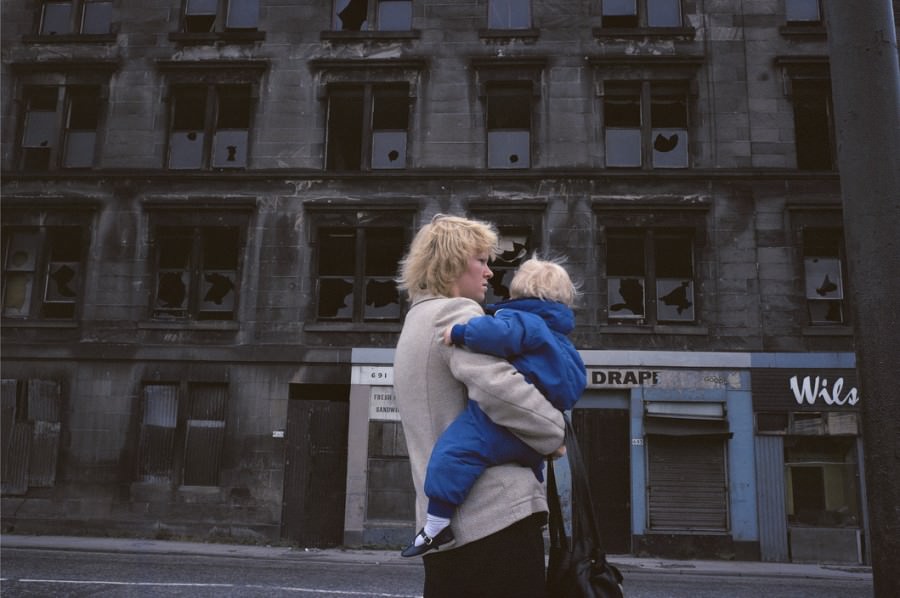
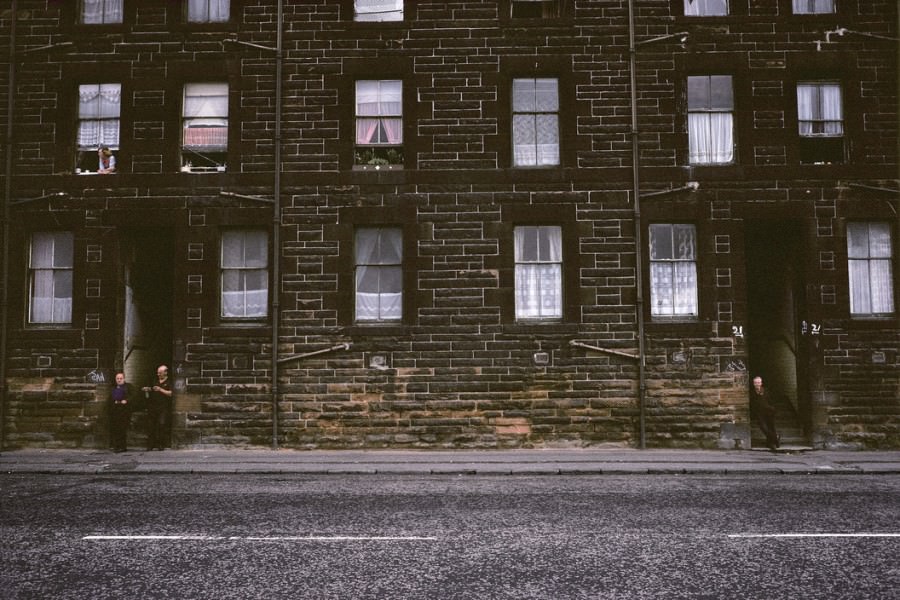
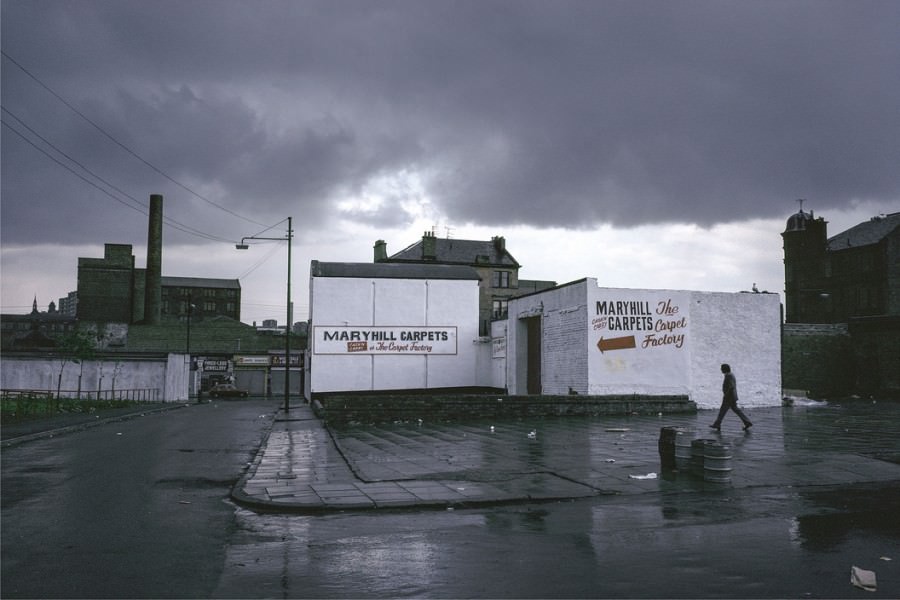
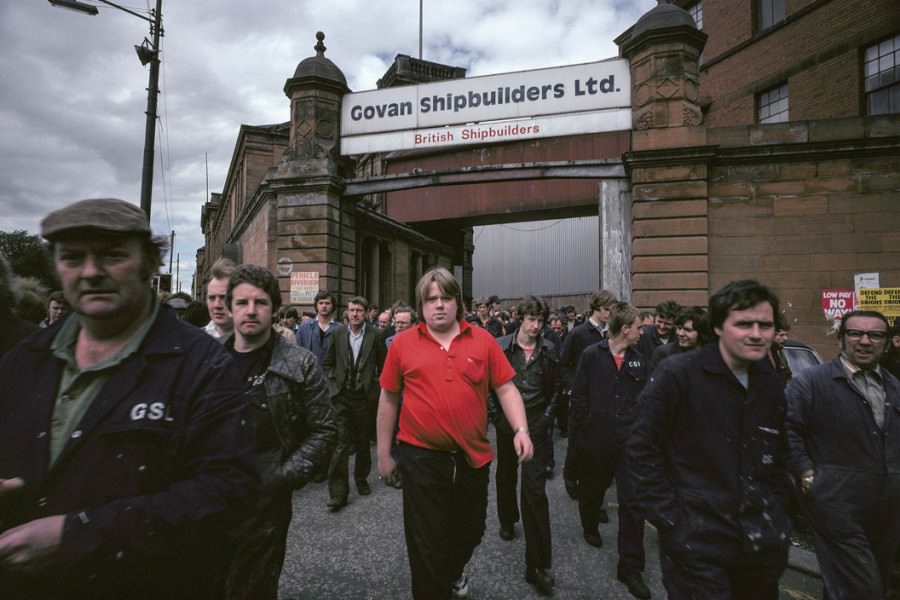
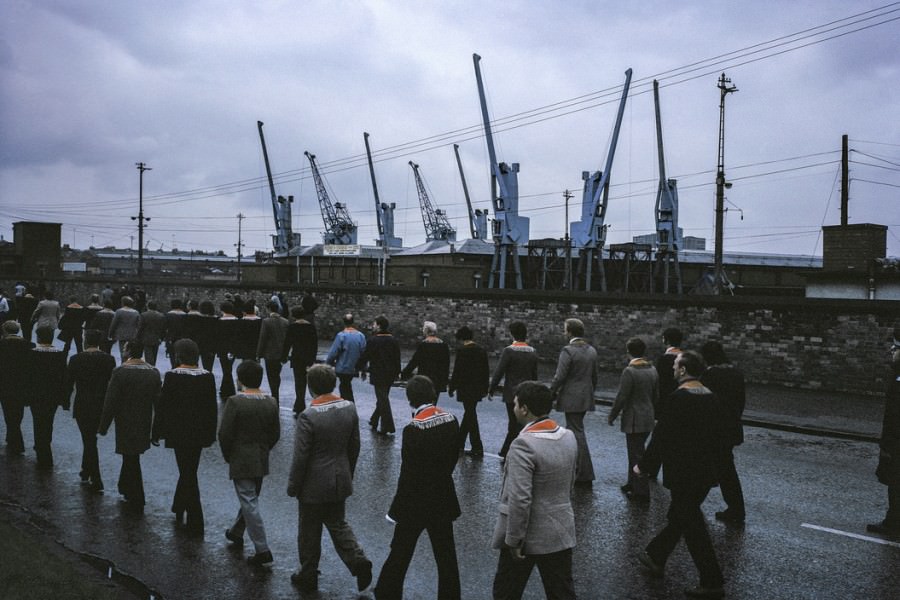
Govan told a different story. Once the heart of Clyde shipbuilding, Govan in 1980 was a district in shock. The yards were cutting workforces drastically. Men who had spent their entire working lives in the industry faced unemployment with no clear alternative. Depardon photographed the streets and the people of Govan during this period of uncertainty, catching the area at one of the most difficult points in its history.
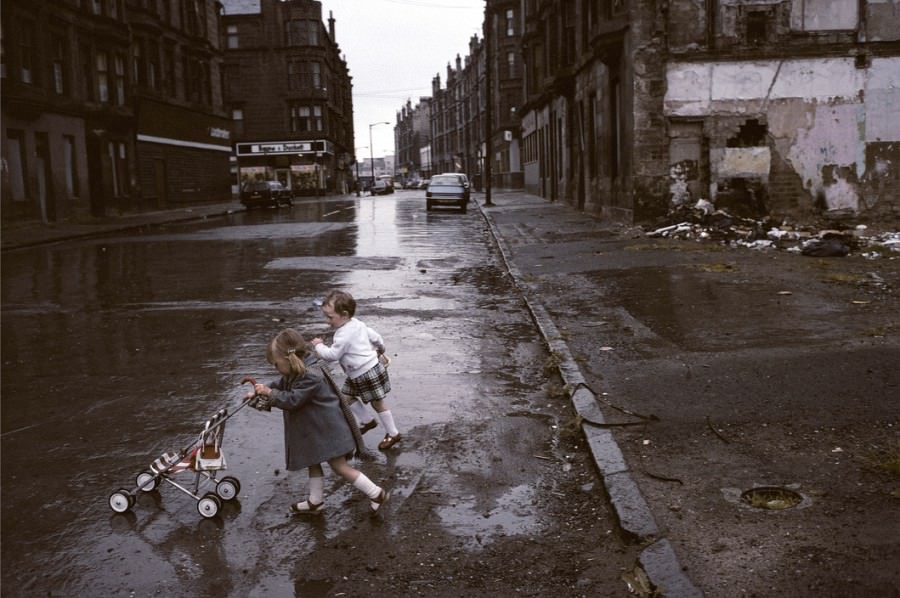
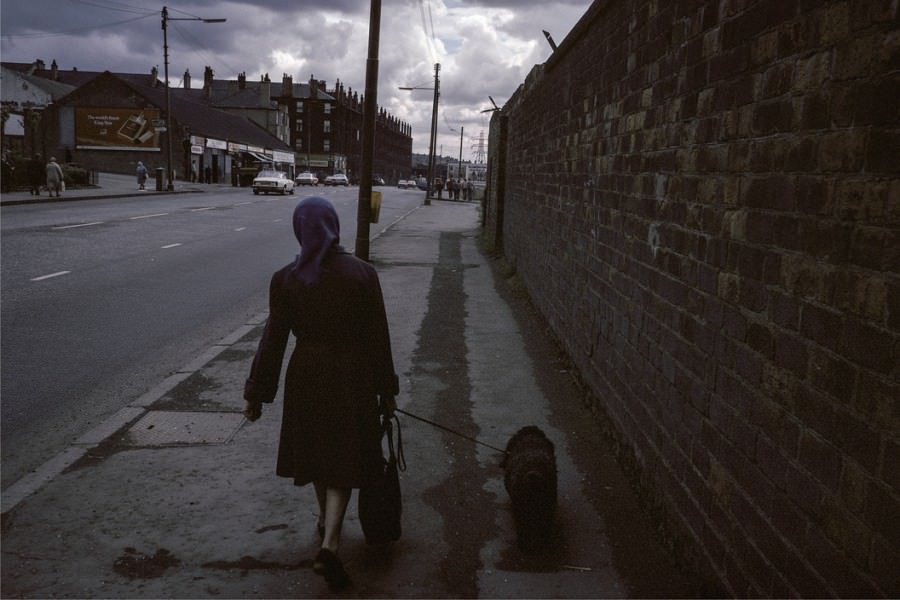
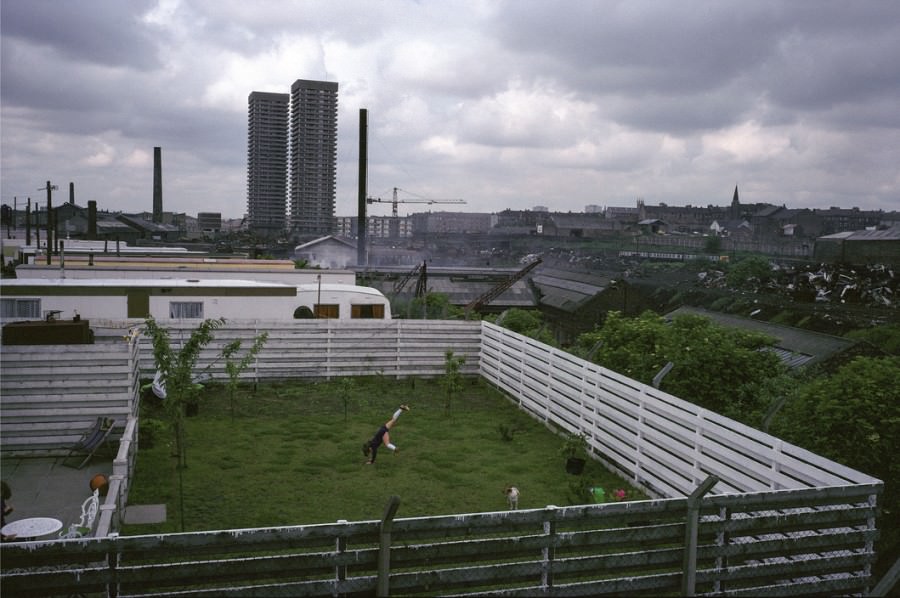
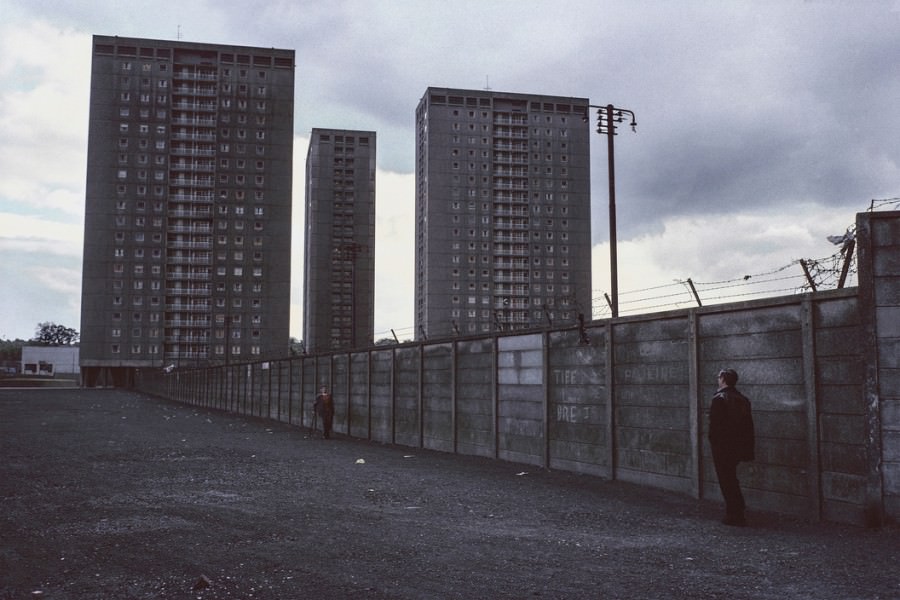
Calton, in the East End of Glasgow, was another area Depardon visited. Even in 1980, Calton had some of the worst health and poverty statistics in Scotland. Life expectancy in the area was among the lowest recorded anywhere in Western Europe. The streets Depardon walked through were ones where hardship was not an occasional event but a daily condition.
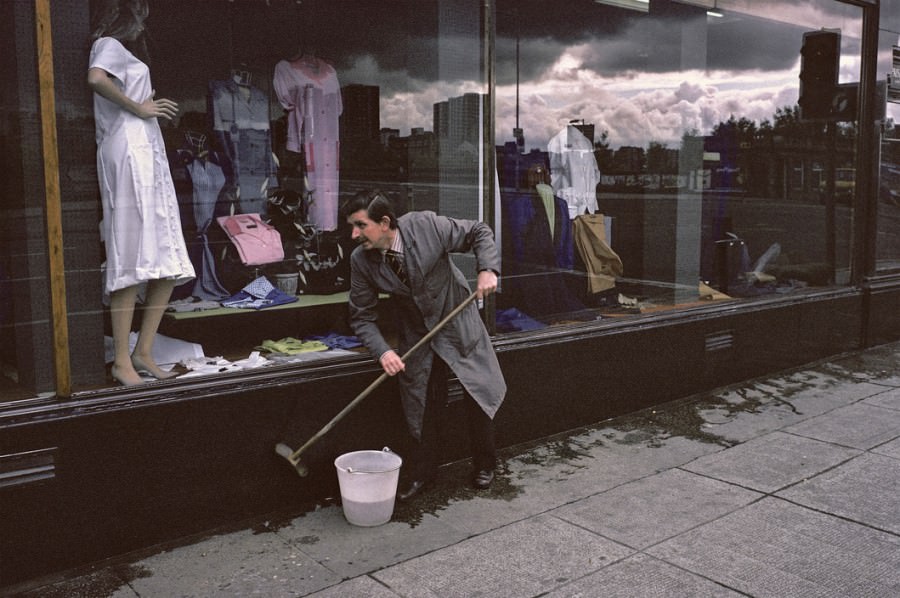
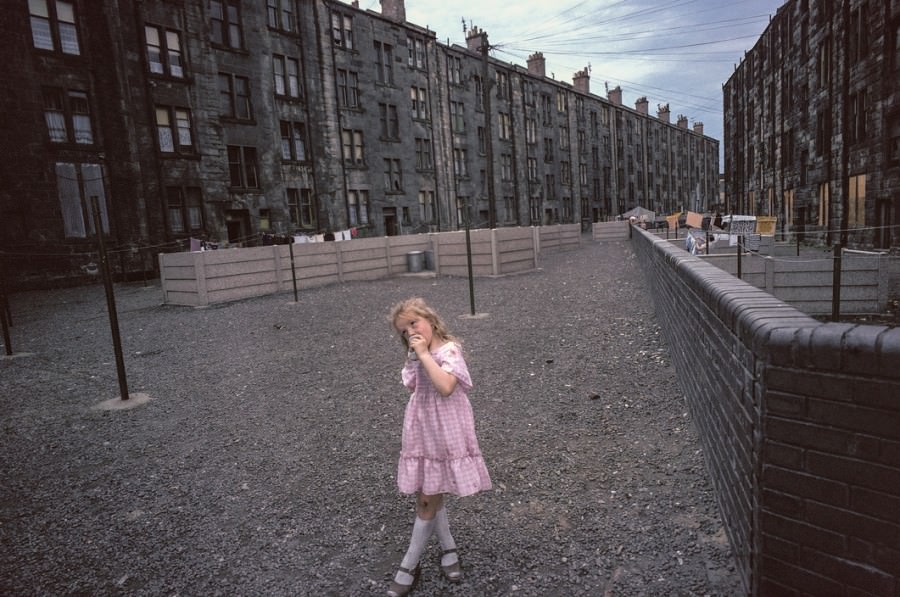
Maryhill, to the north of the city center, rounded out Depardon’s focus areas. Like the others, it was a working-class district feeling the pressure of deindustrialization. The canal-side industries that had once made Maryhill busy were long gone by this point, and the area was trying to adapt to a changed economy without many of the resources needed to do so.
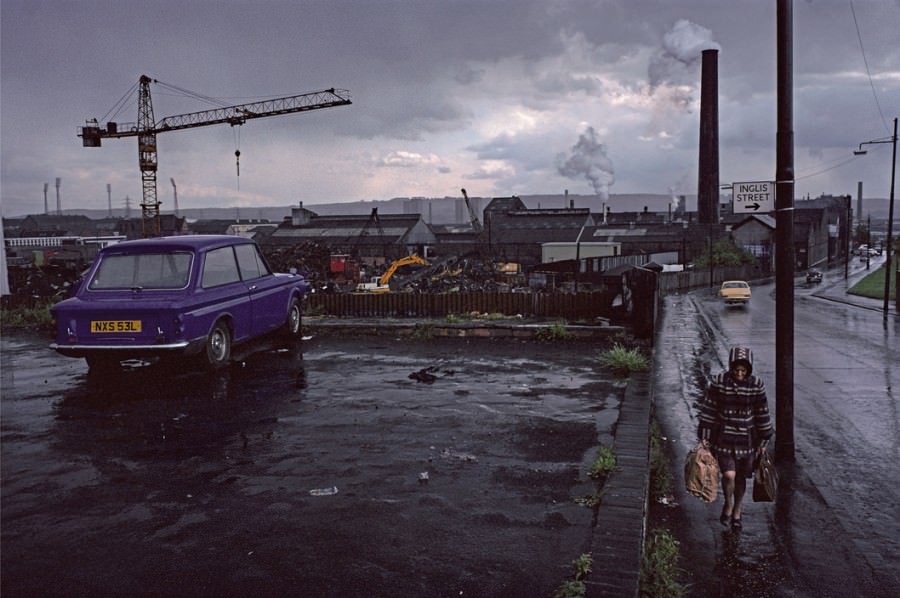
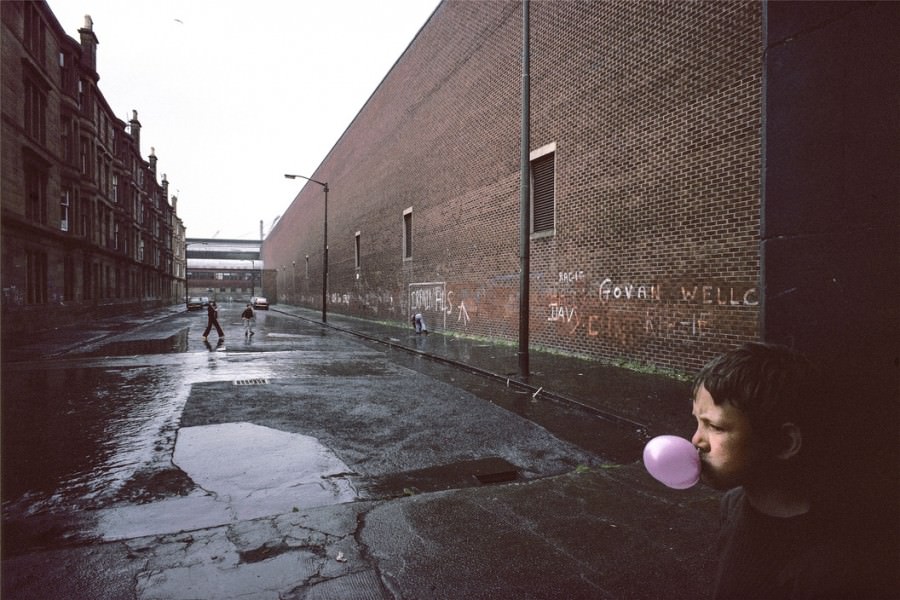
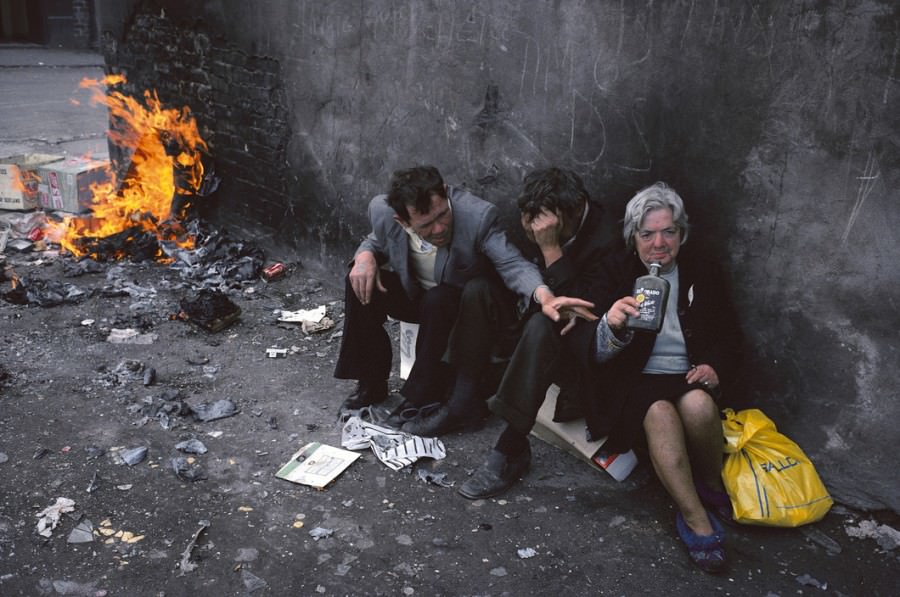
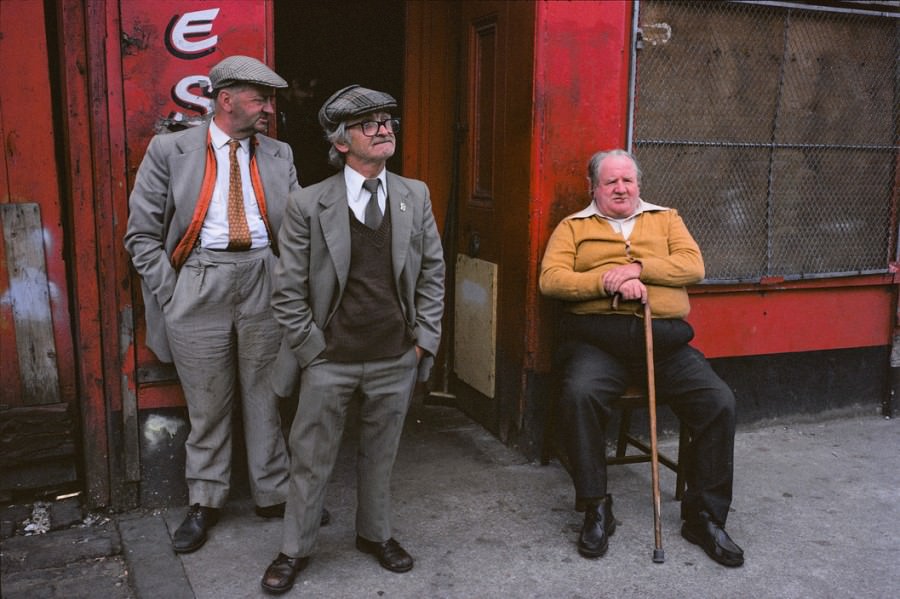
Across all four areas, Depardon’s photographs share a consistent quality. They are direct and undecorated. There is no attempt to make poverty look romantic or dramatic. The images show people living their lives — waiting, working, talking, resting — in surroundings that were often worn and neglected. The dignity in the photographs comes from the subjects themselves, not from any artistic manipulation.