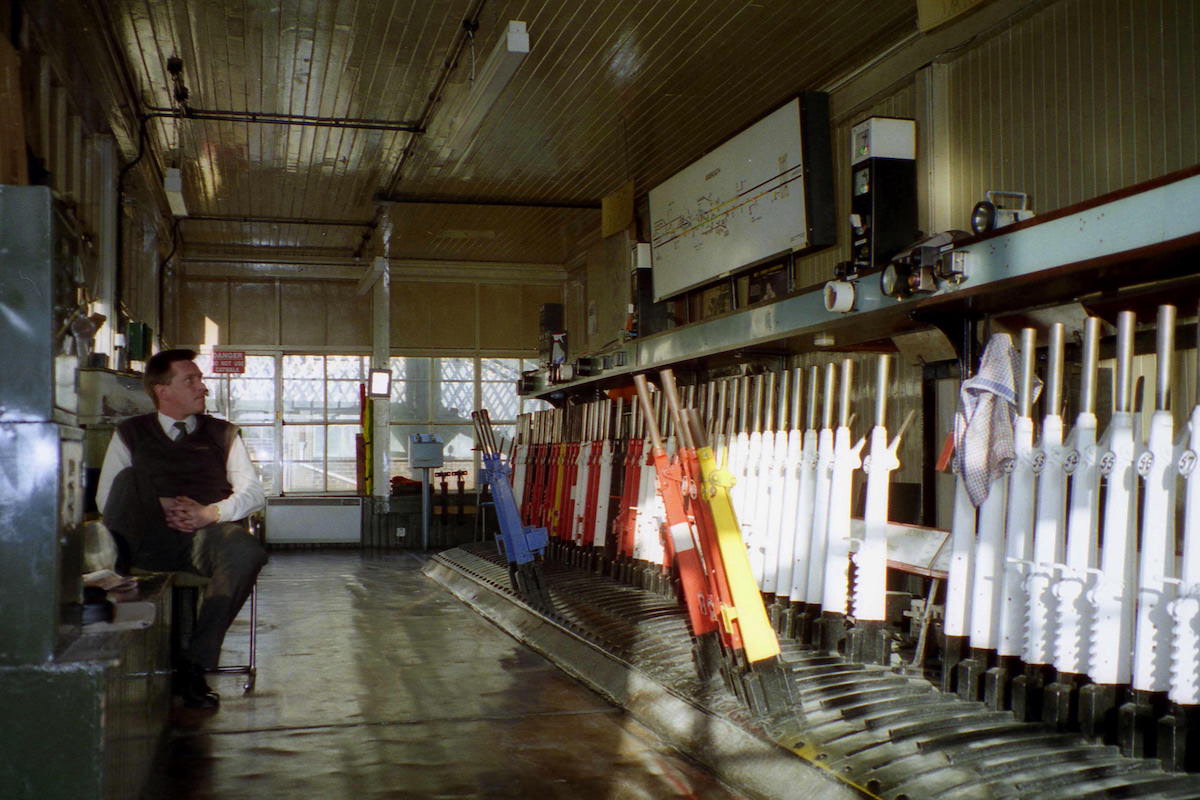
Scotland’s railways in the 1980s and 1990s were a world caught between two eras. Diesel engines had replaced steam, but the old mechanical systems that kept trains safe were still very much alive. At the centre of those systems stood the signal box.
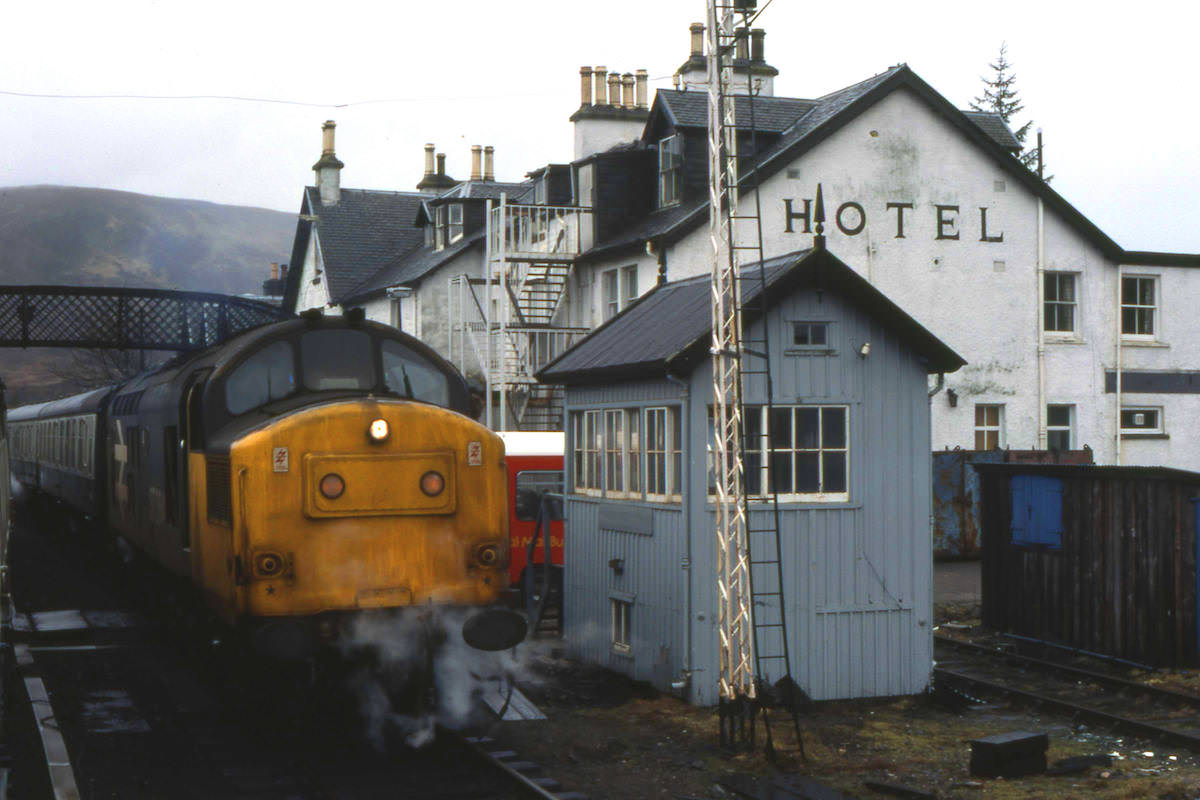
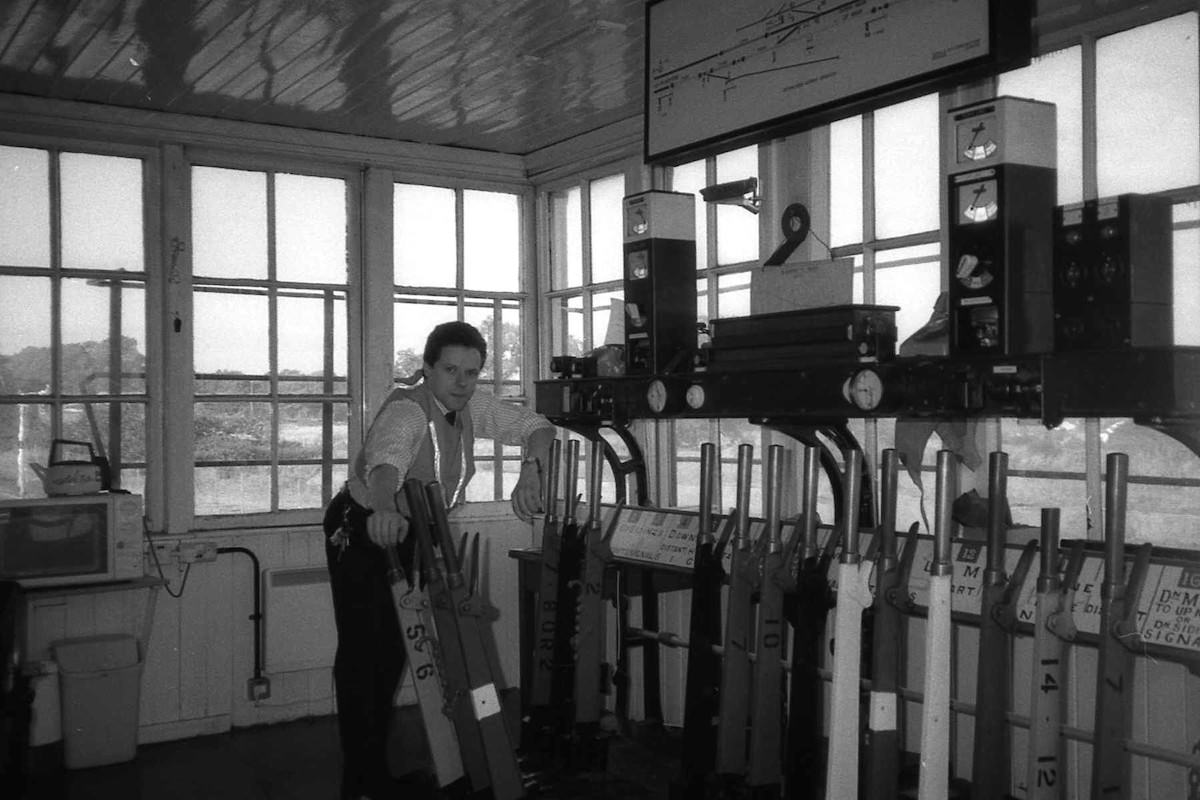
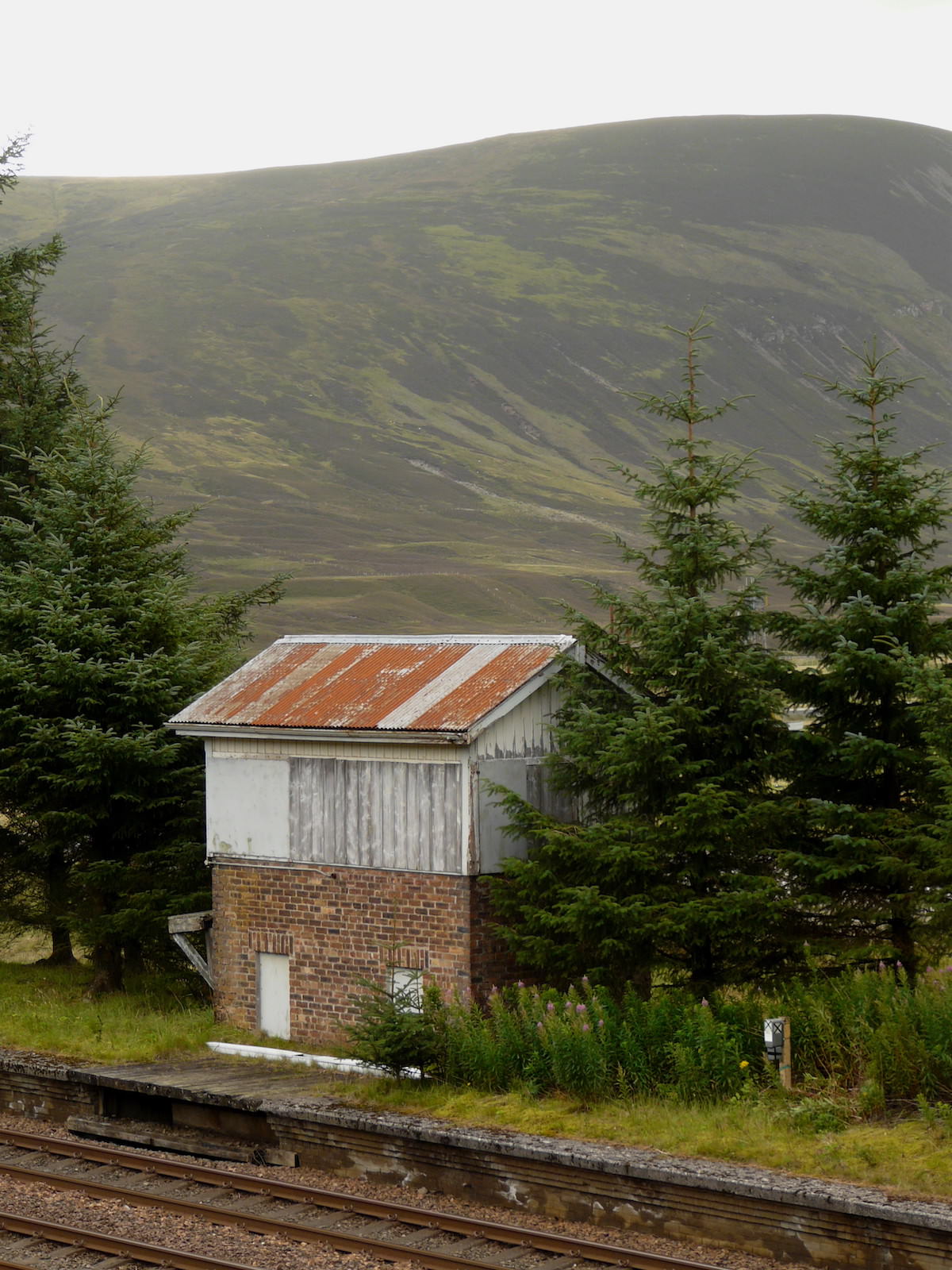
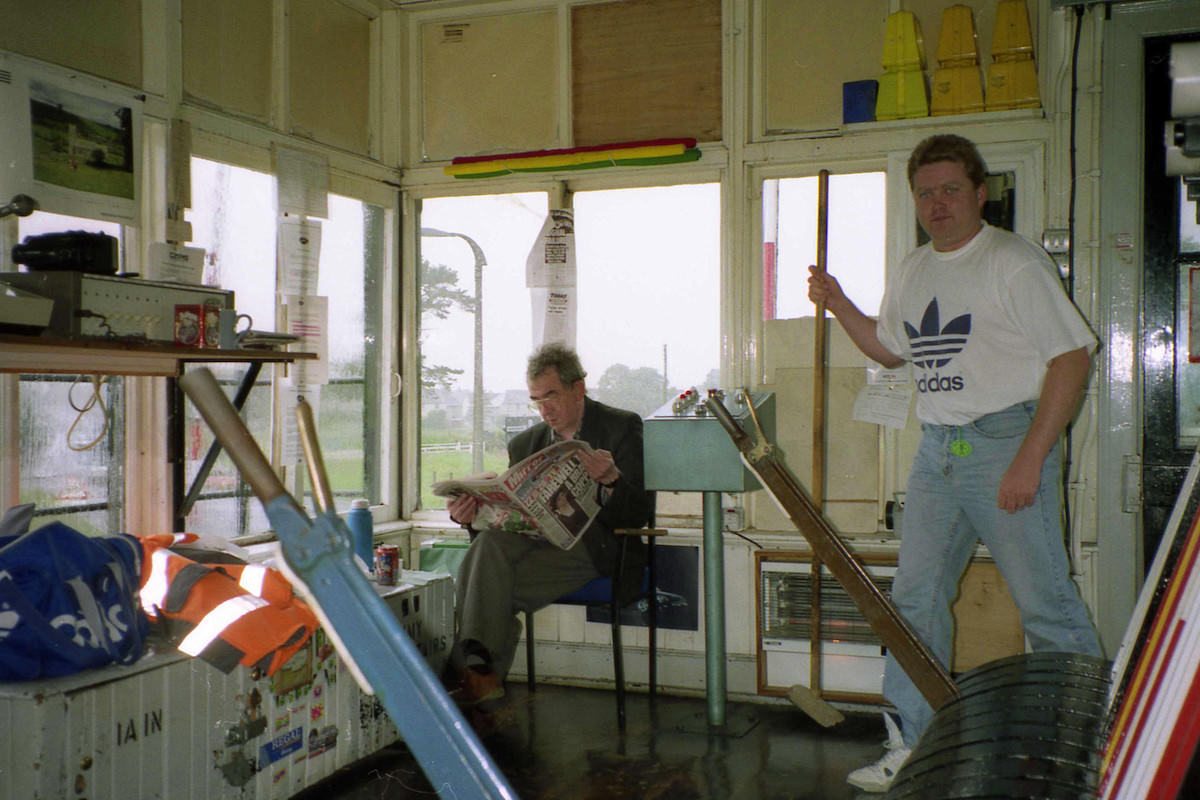
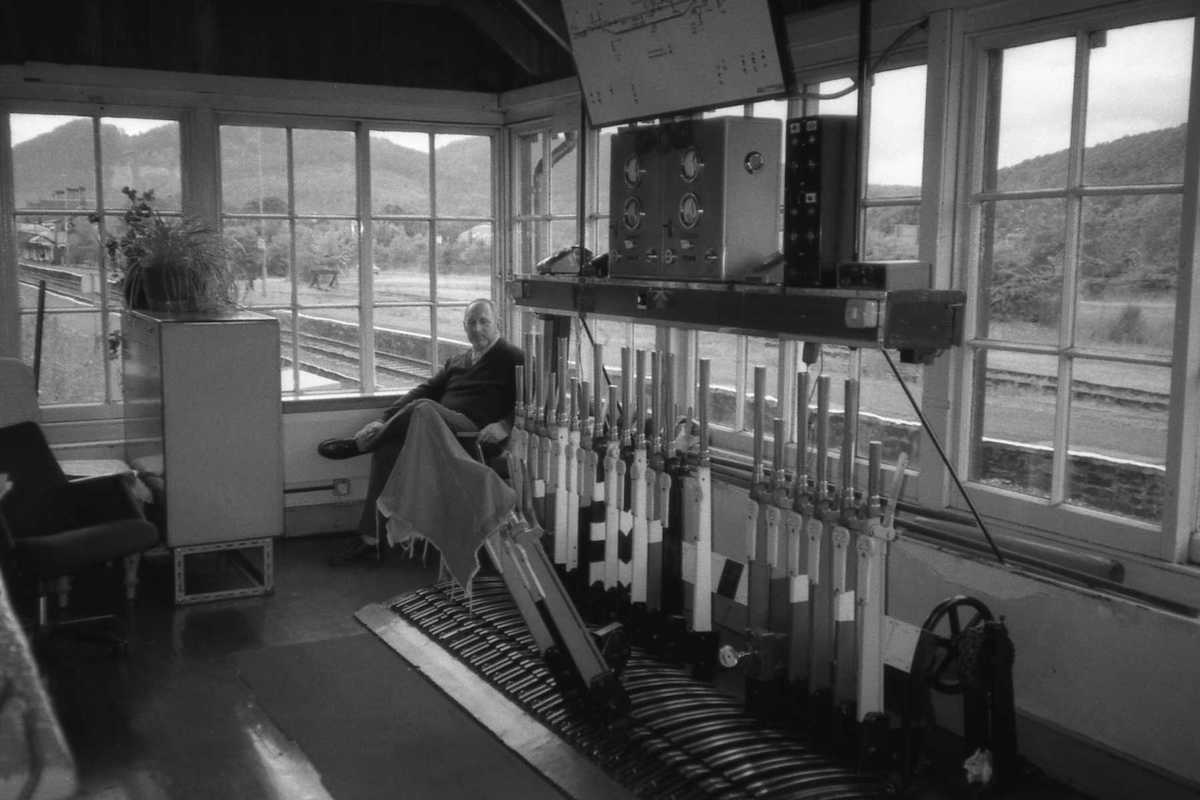
Signal boxes were small wooden or brick structures built beside the tracks. Inside, a signalman operated a frame of heavy levers — each one connected by wires and rods to signals and points out on the line. Pulling a lever could switch a train from one track to another or show a driver a clear road ahead. It was physical, precise work with no room for error.
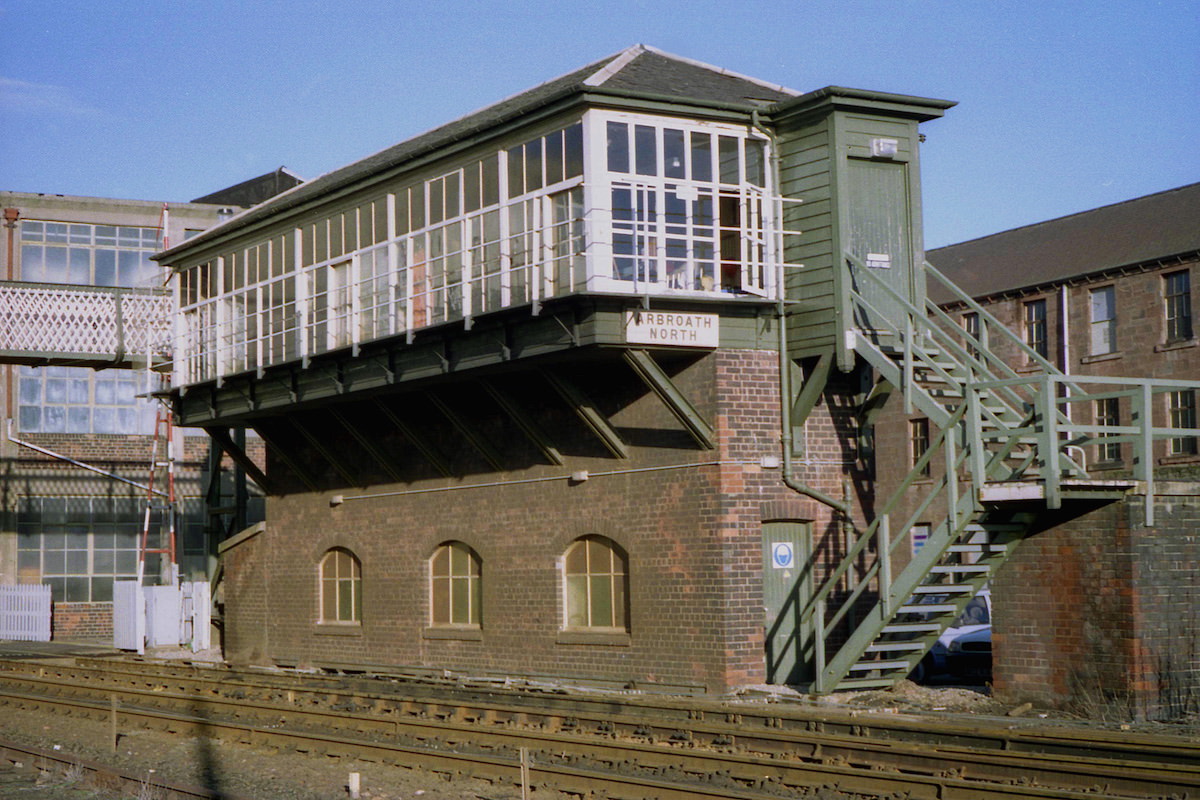
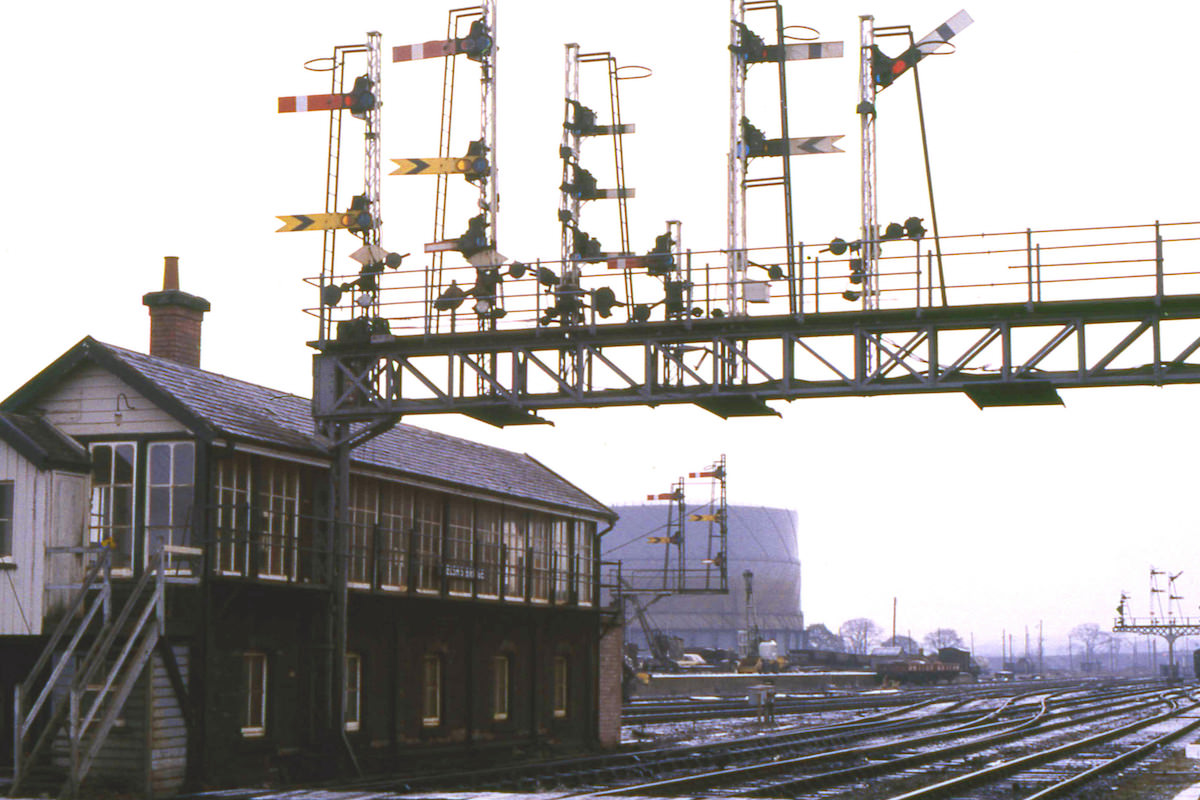
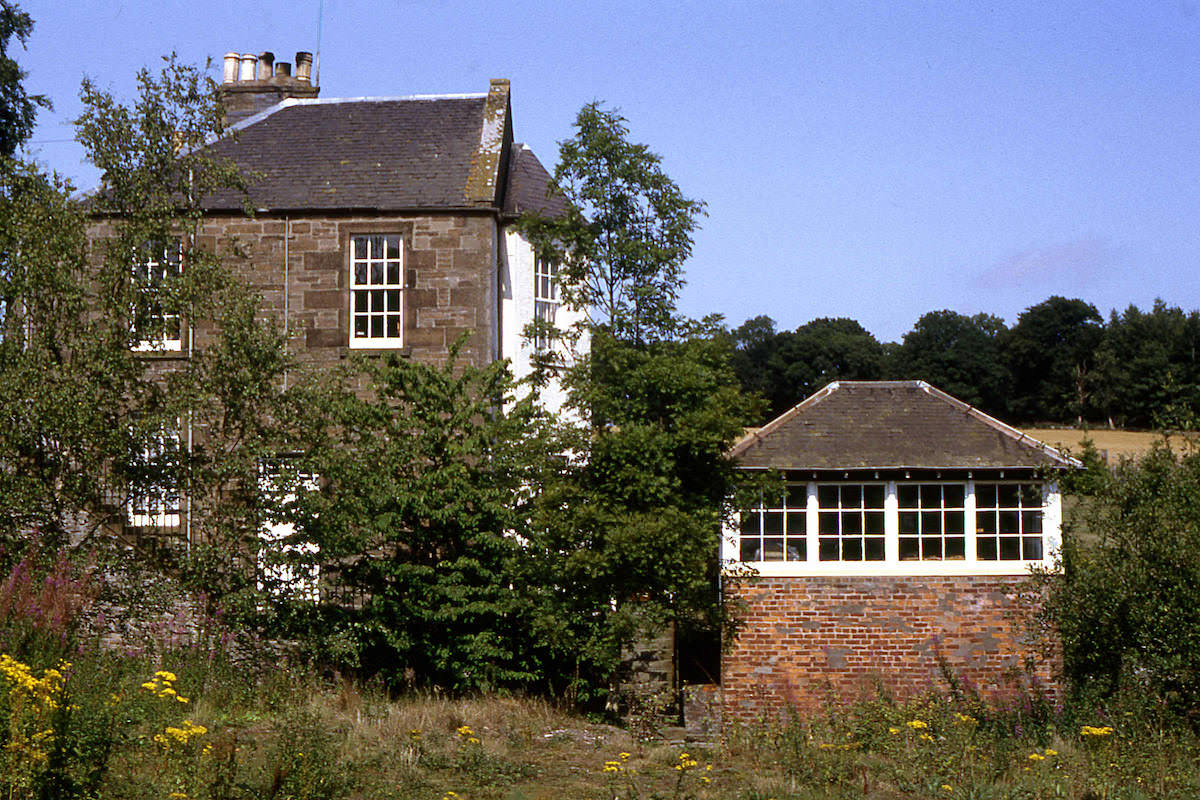
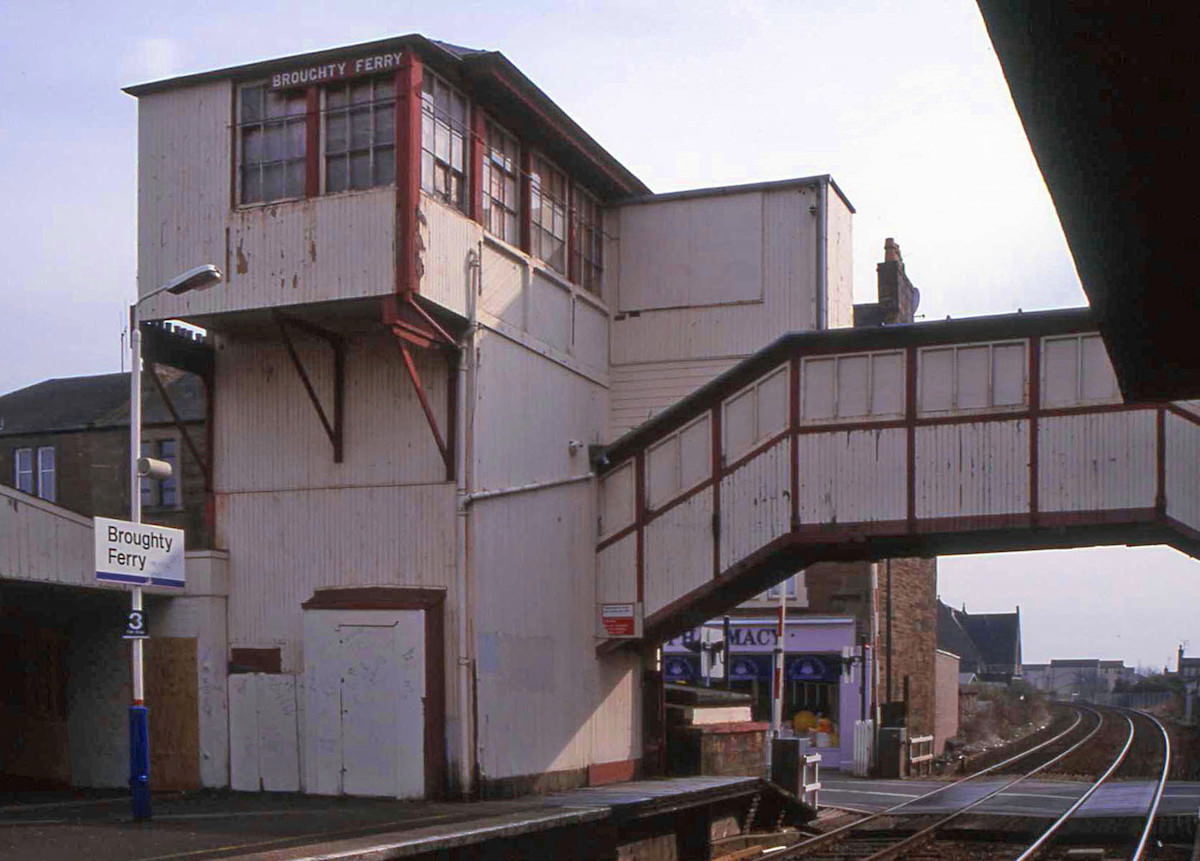
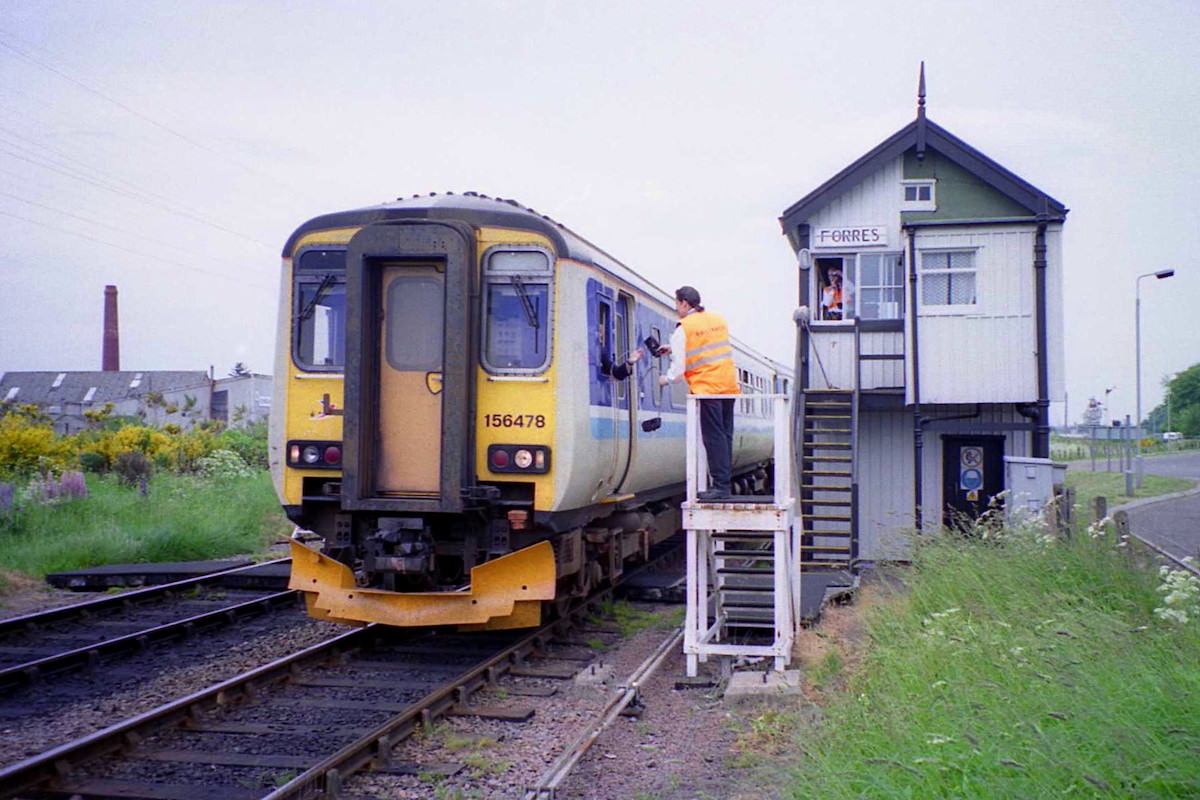
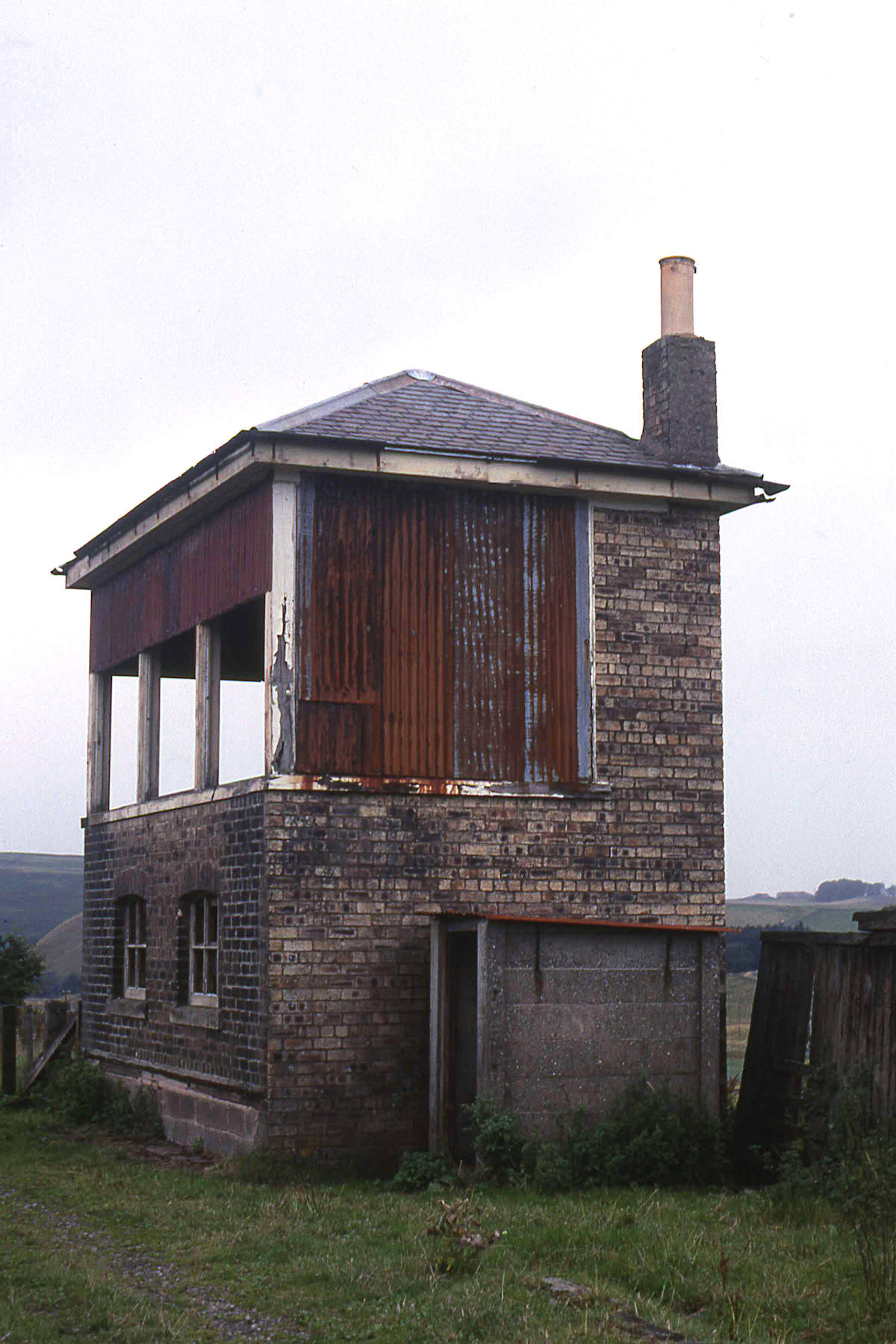
No two signal boxes were identical. A rural box on a single-track line might hold just a handful of levers, while a box at a busy junction controlled a web of interlocking routes. Their buildings reflected this variety — some were plain timber cabins, others featured decorative barge boards and large windows that gave signalmen a clear view along the line in both directions.
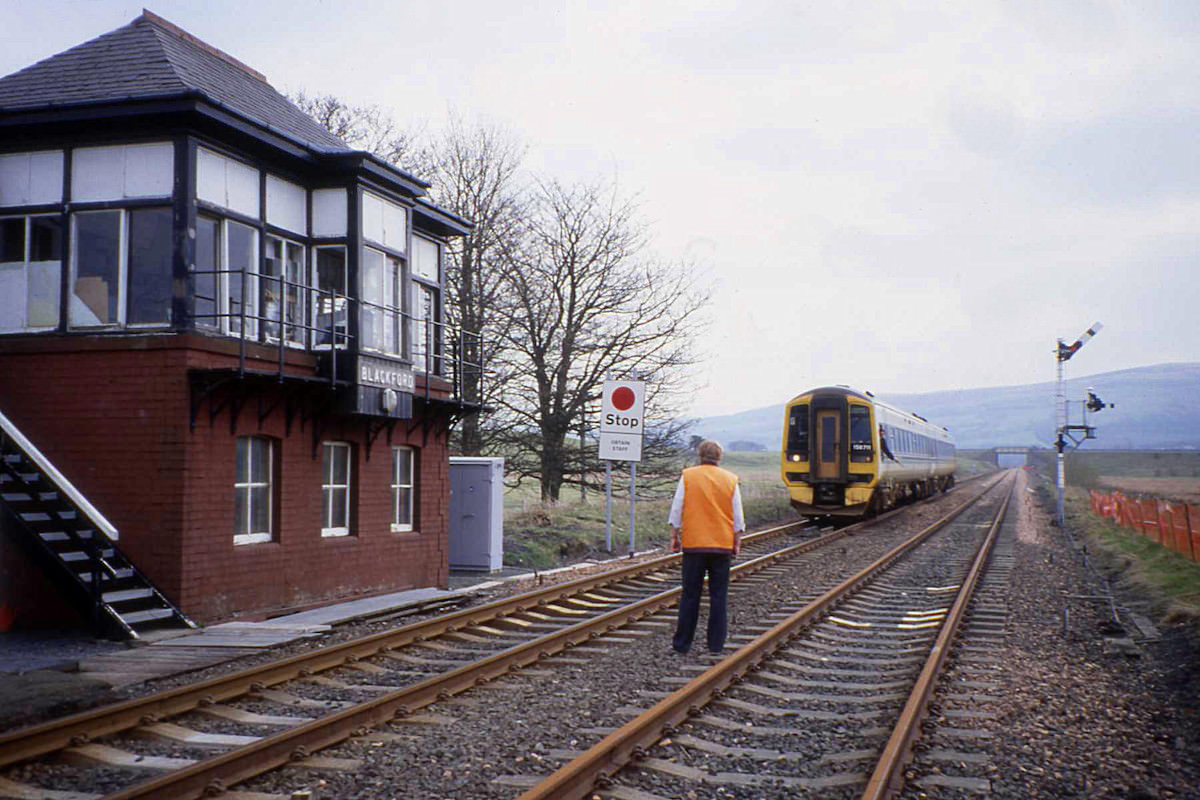
On single-track lines, signalmen used a token system to prevent two trains from occupying the same stretch of track at the same time. A physical token — a metal tablet or staff — was exchanged between the train crew and the signalman as authority to proceed. Without the token, no train moved.
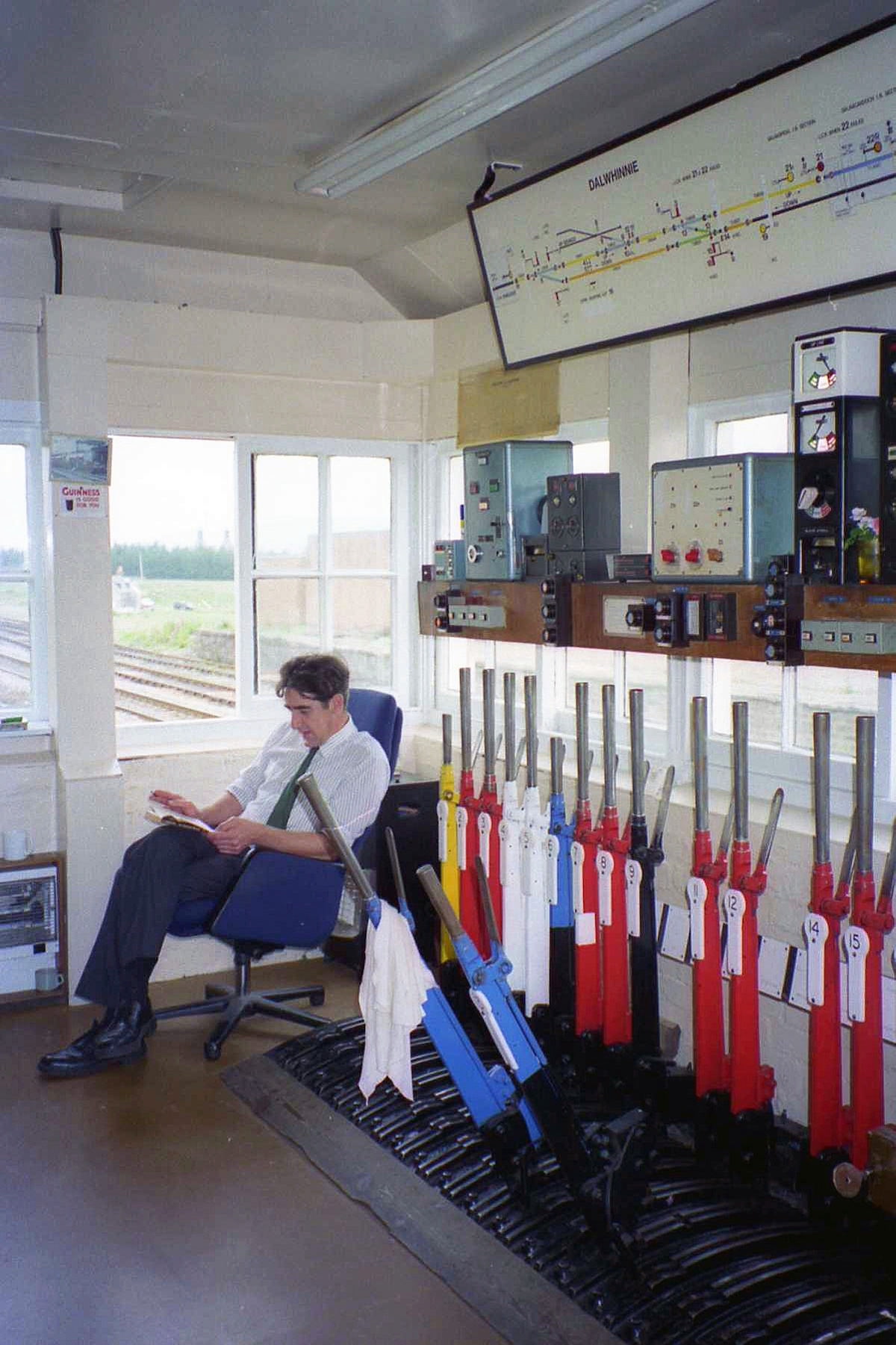
Signalmen worked long shifts, often alone, and were responsible for logging every train movement through their section. They communicated with neighbouring boxes using a bell code — a series of rings that identified each train and confirmed the line was clear. The work demanded total concentration.
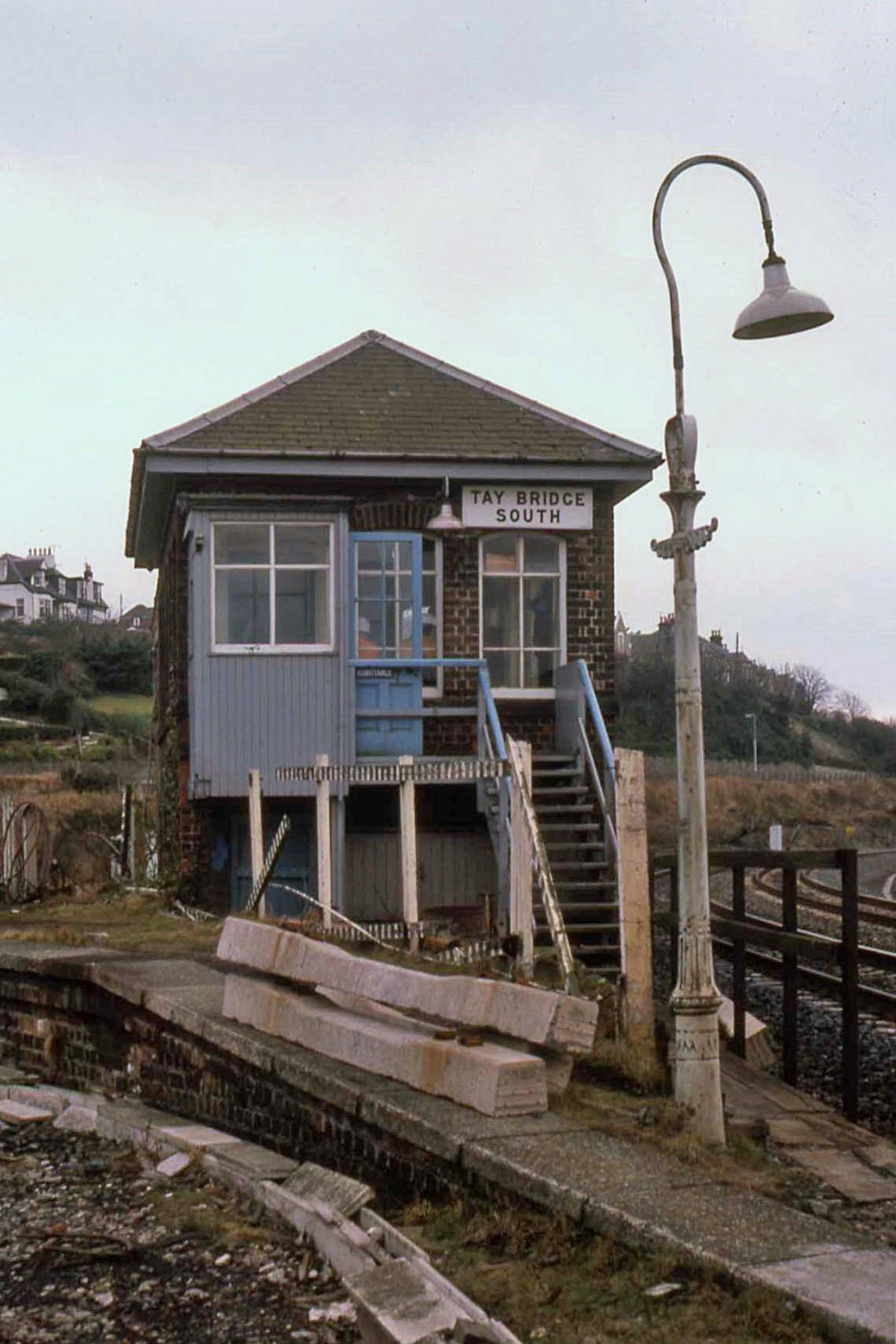
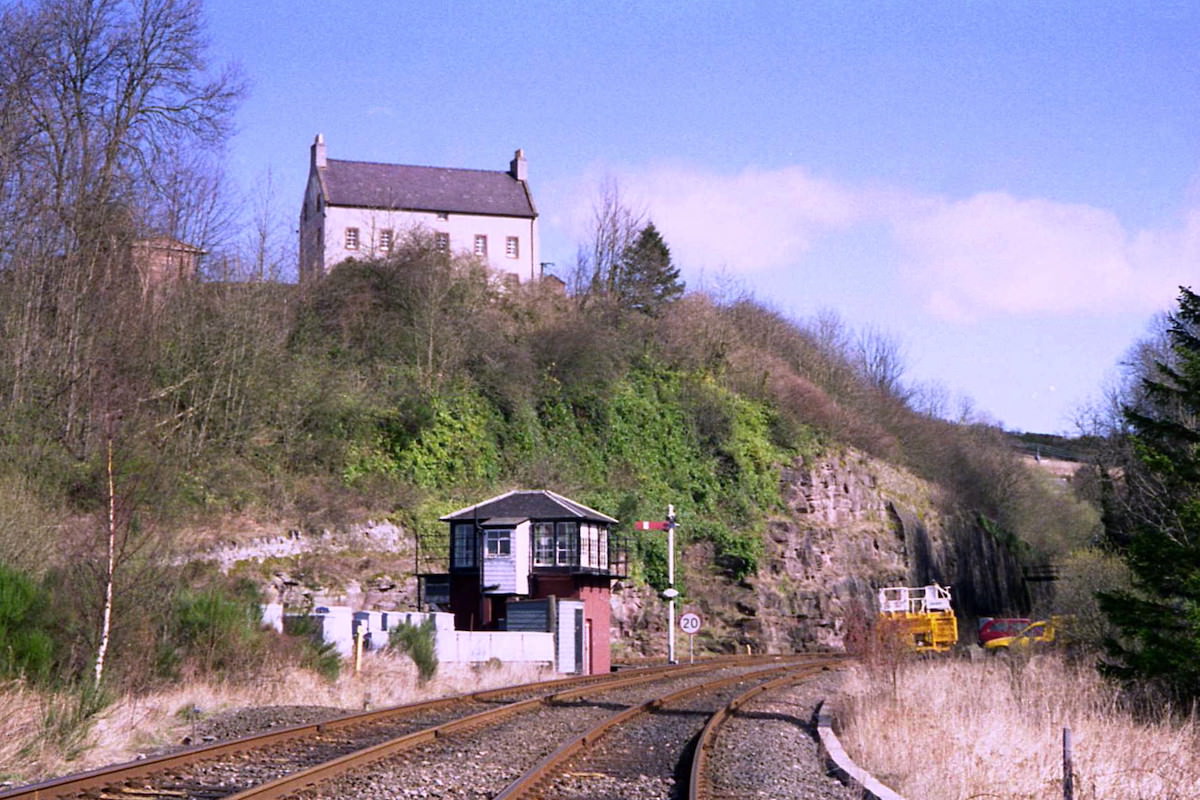
Through the 1980s and into the 1990s, centralised electronic control centres steadily replaced individual signal boxes. Whole routes came under the control of a single room many miles away. As each box closed, its levers were locked, its instruments silenced, and in many cases the building was demolished.
Semaphore signals — the distinctive pivoting arms fixed to tall posts — were a direct extension of the signal box. Each arm was mechanically linked to a lever inside. By the early 1980s, semaphores were already disappearing from Scotland’s main lines, but they persisted at smaller stations and rural locations well into the decade.
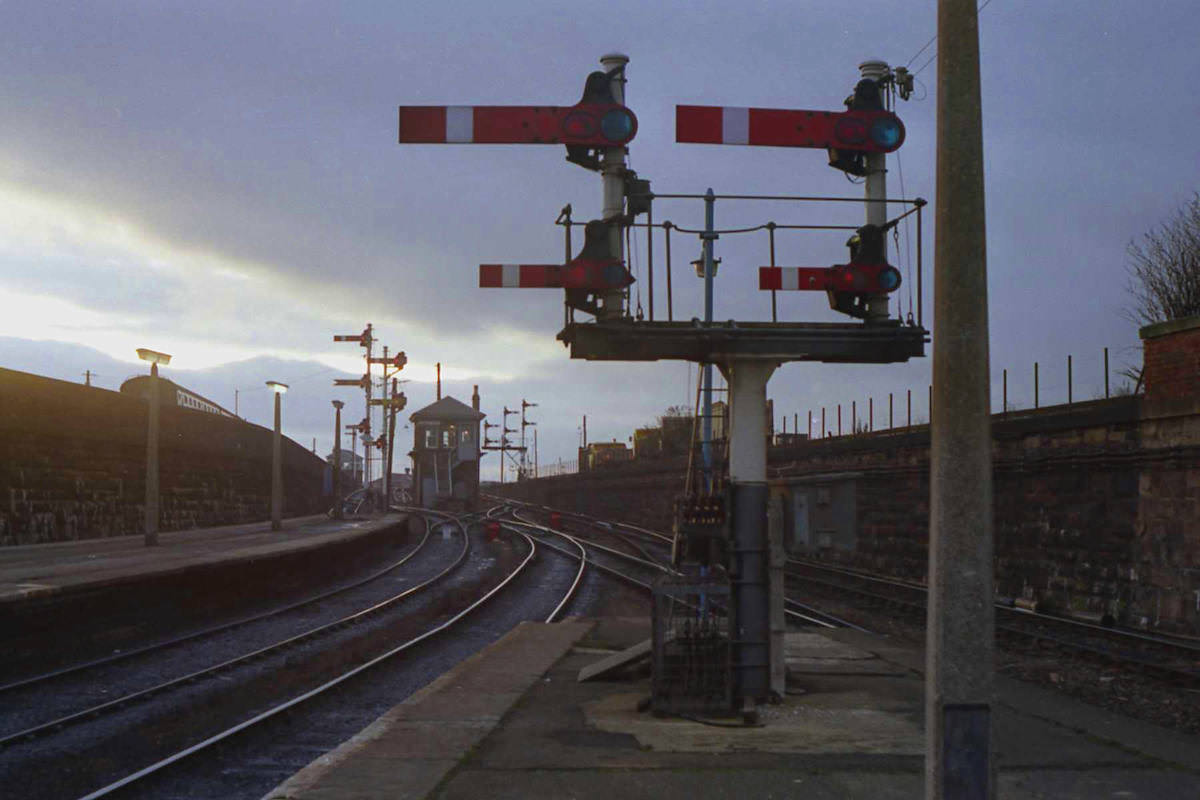
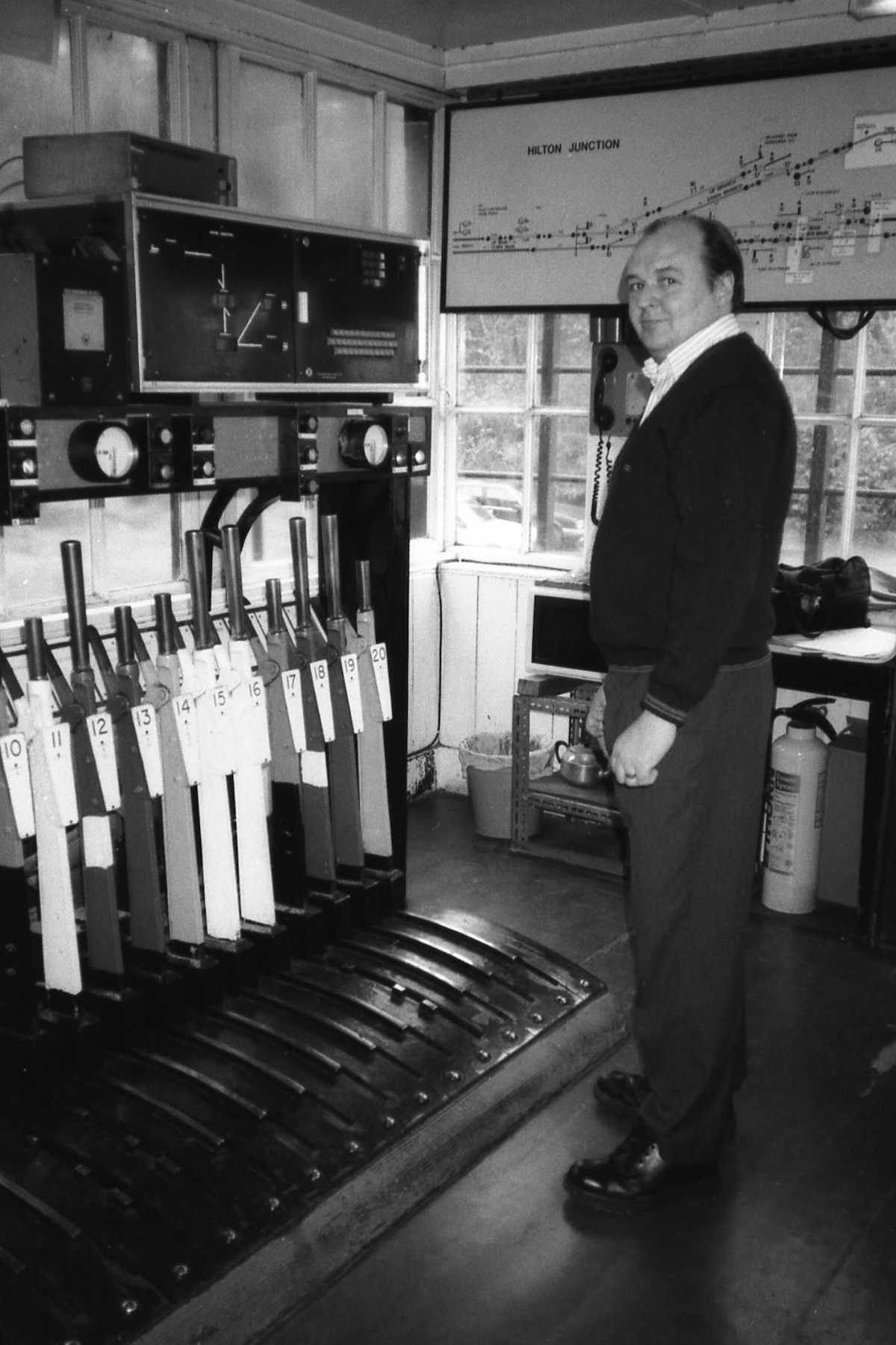
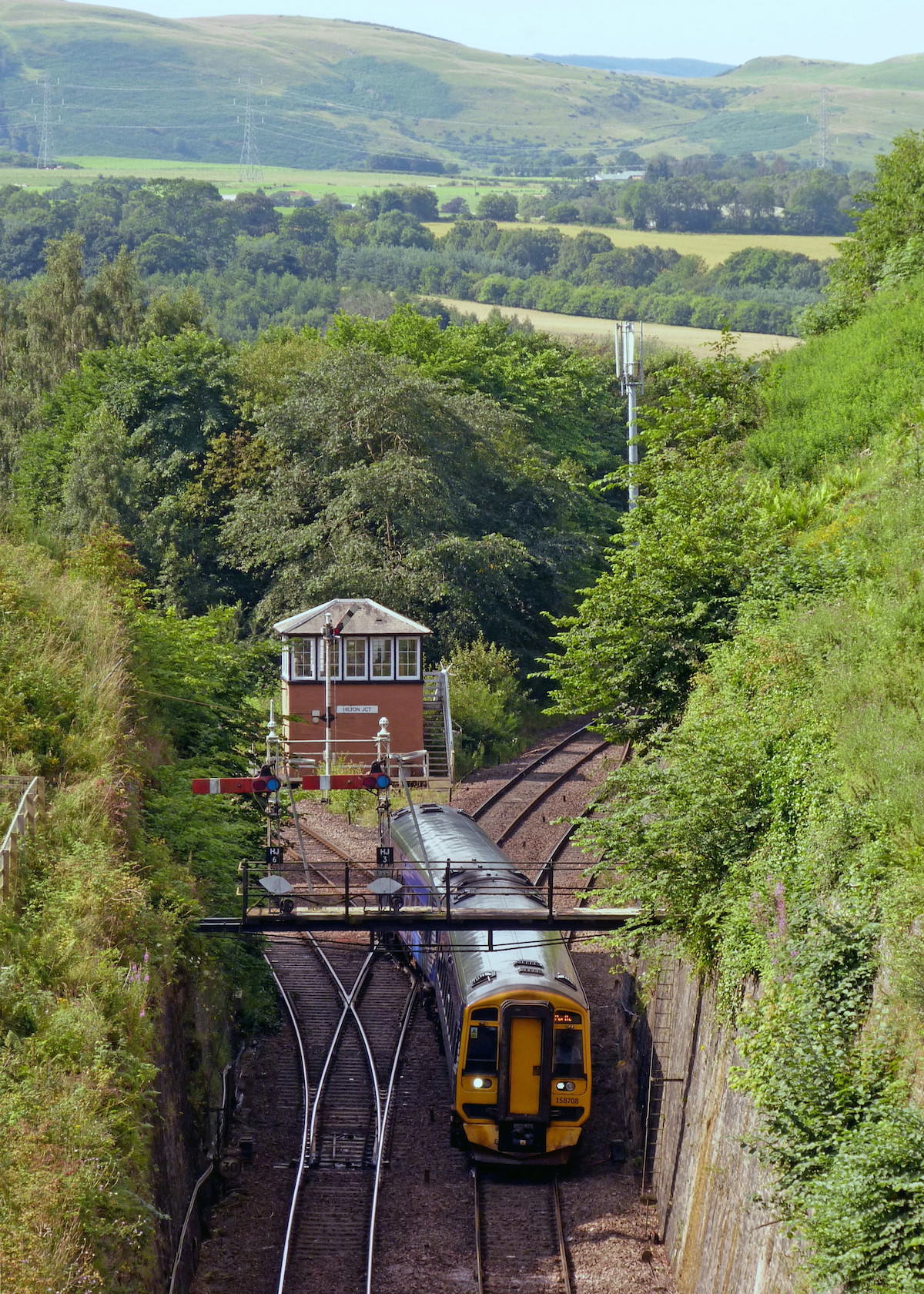
Boxes like those at Errol, Dunning, and Auchterarder sat along the lines of Perthshire, controlling stretches of track that saw a mix of local passenger trains and freight. Each box had its own register, its own instruments, and its own particular rhythm dictated by the timetable it served.
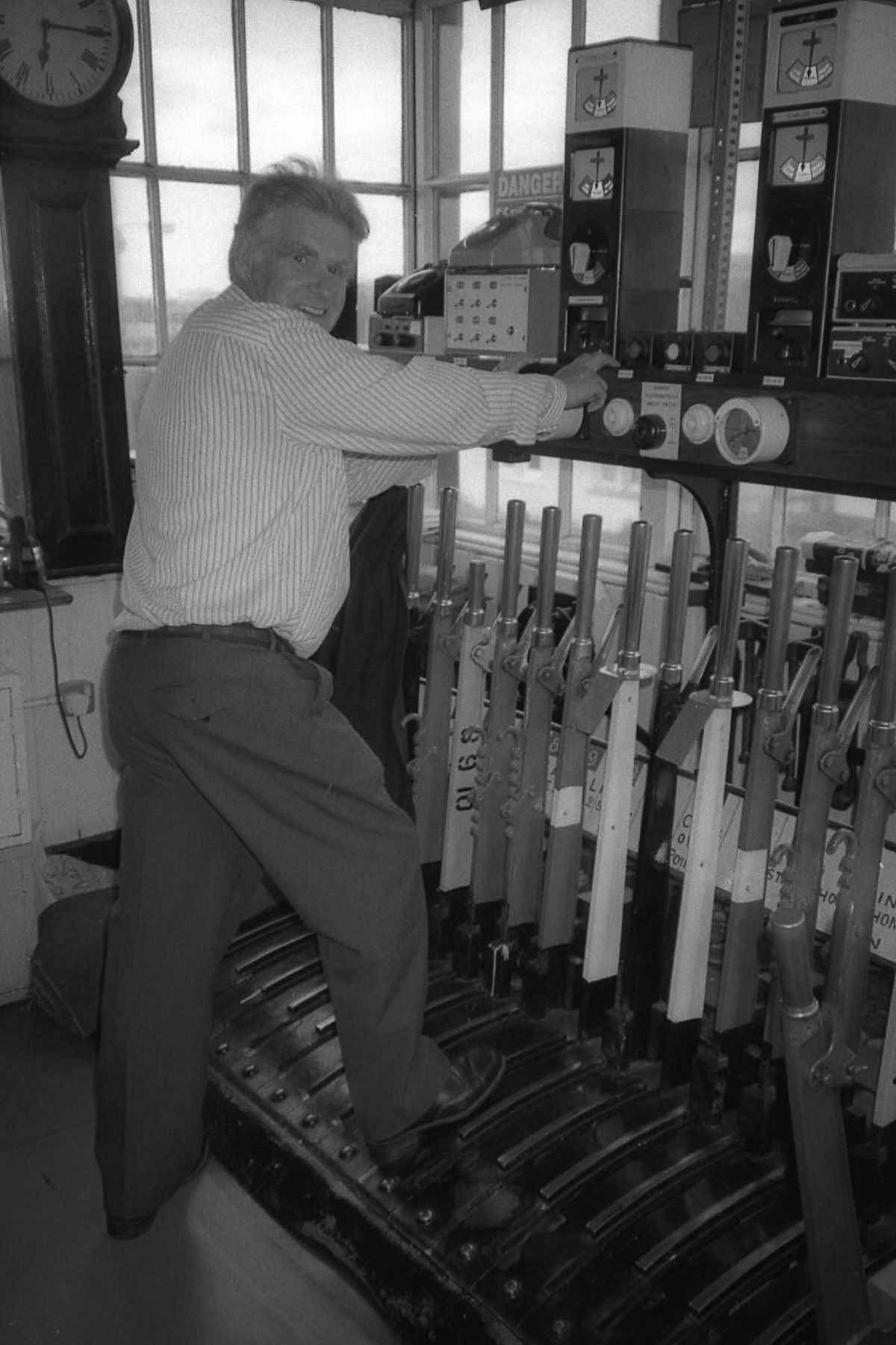
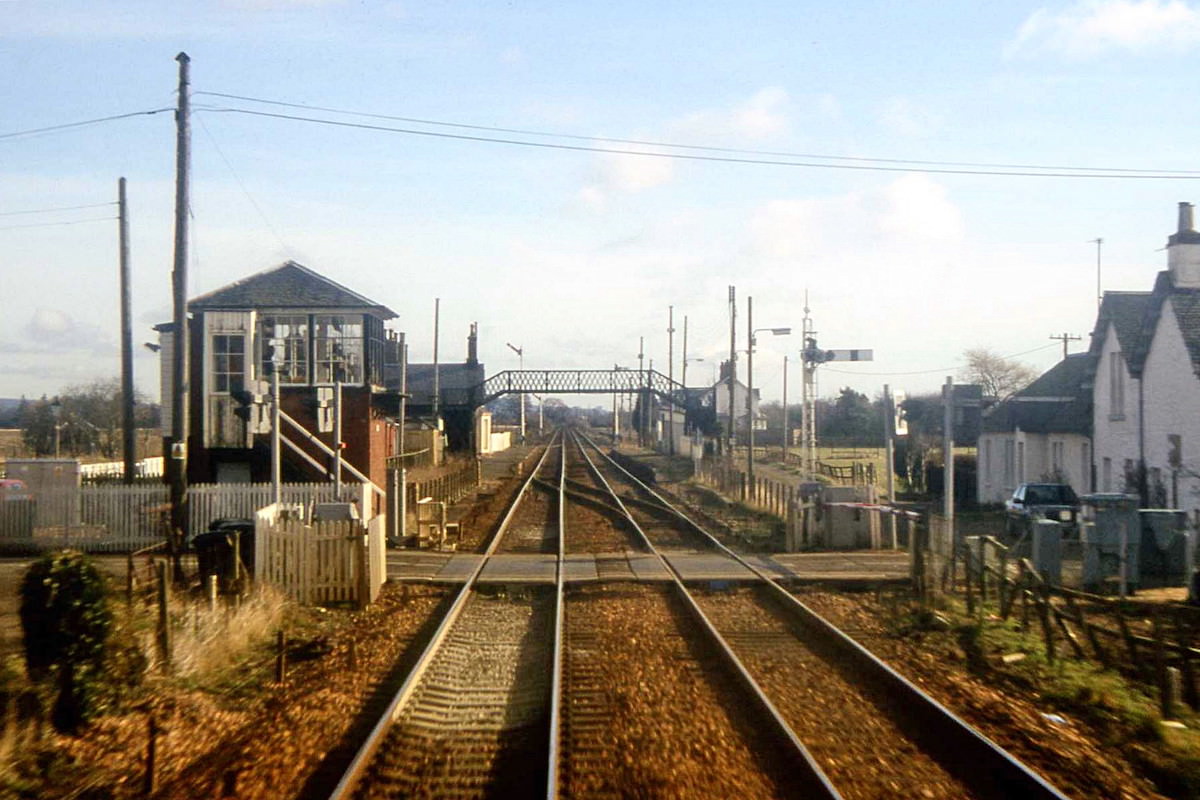
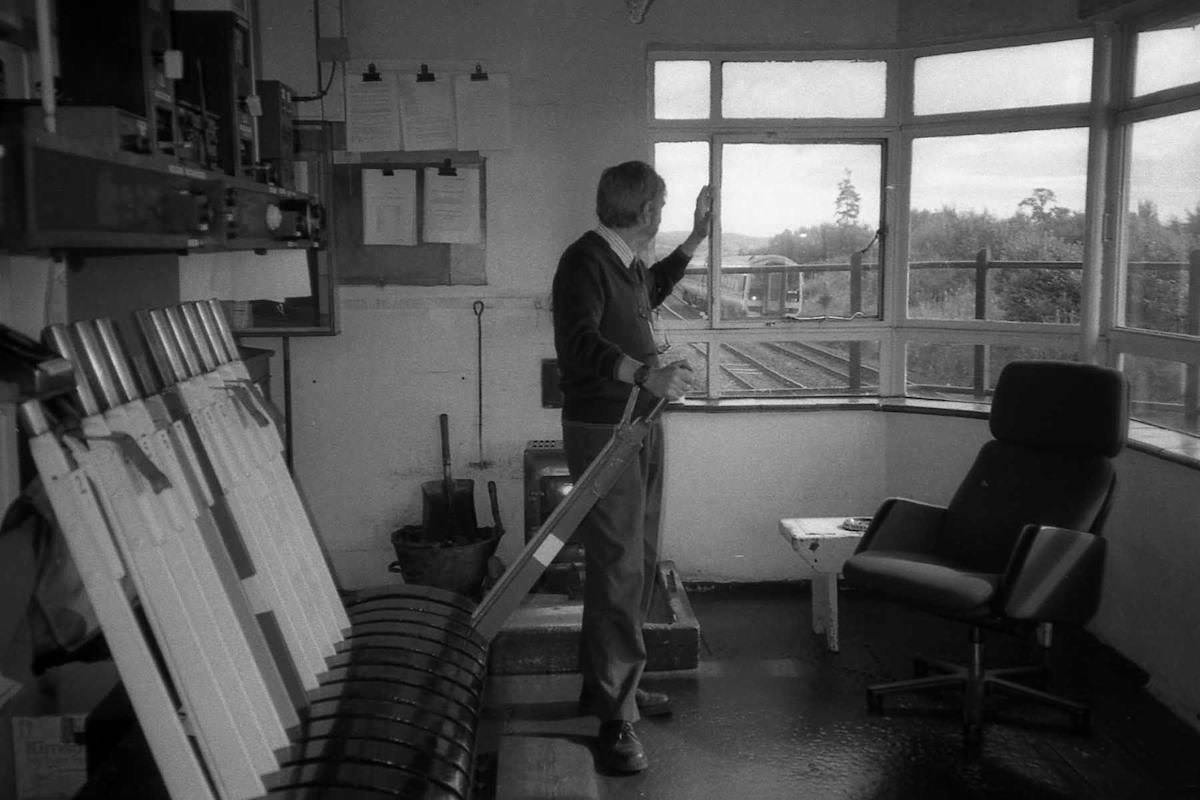
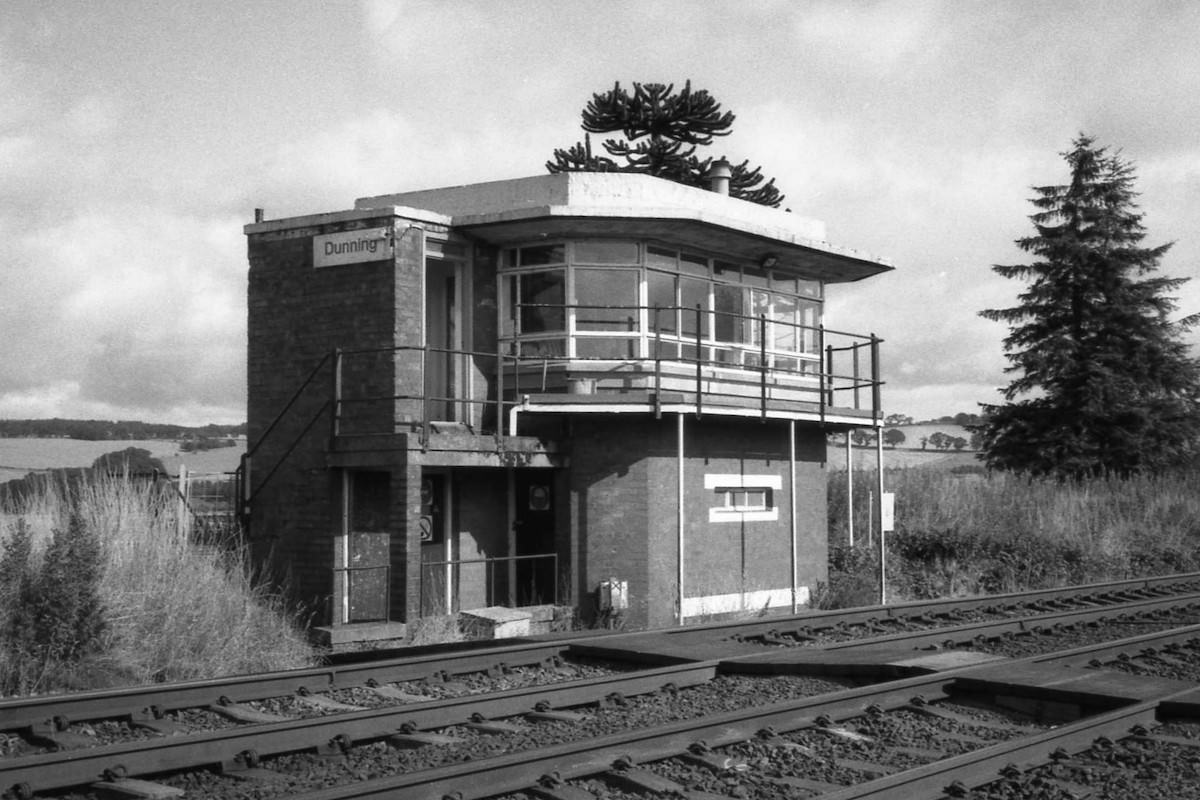
The photographs collected here document these structures during their working lives — not as relics, but as active parts of Scotland’s railway network. They record a method of railway operation that had changed little in a century and that was, by the time many of these pictures were taken, already counting its final years.