
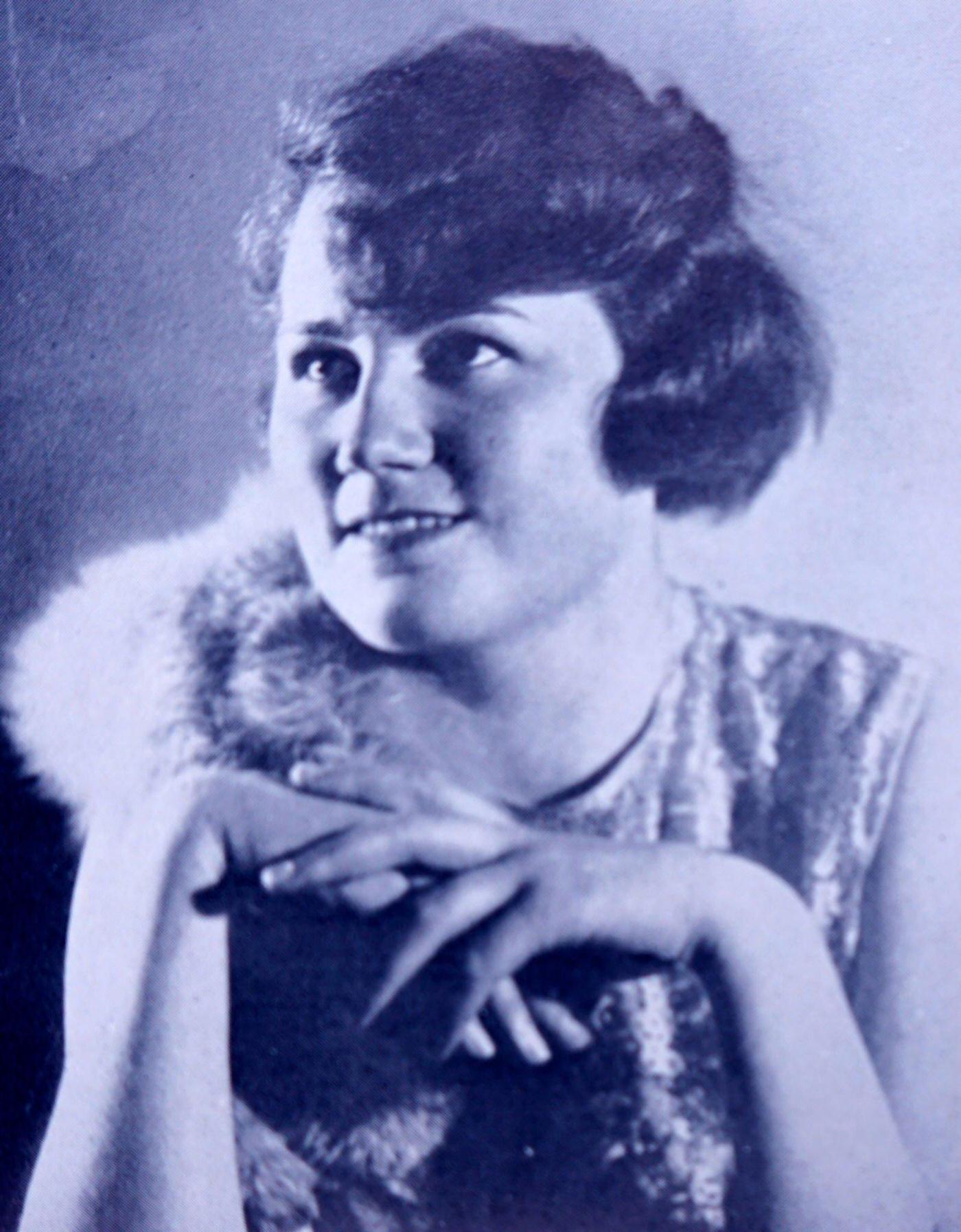
Angela Maria Raubal was born on June 4, 1908, in Linz, Austria, to Angela Raubal — Adolf Hitler’s half-sister. Known to everyone simply as Geli, she grew up largely outside the spotlight that was slowly gathering around her uncle. That changed in the mid-1920s, when Hitler was ascending rapidly through Germany’s political ranks and began spending more time with his half-sister’s family. He was immediately drawn to Geli’s energy and outgoing personality, and the relationship between uncle and niece quickly became something far more complicated.
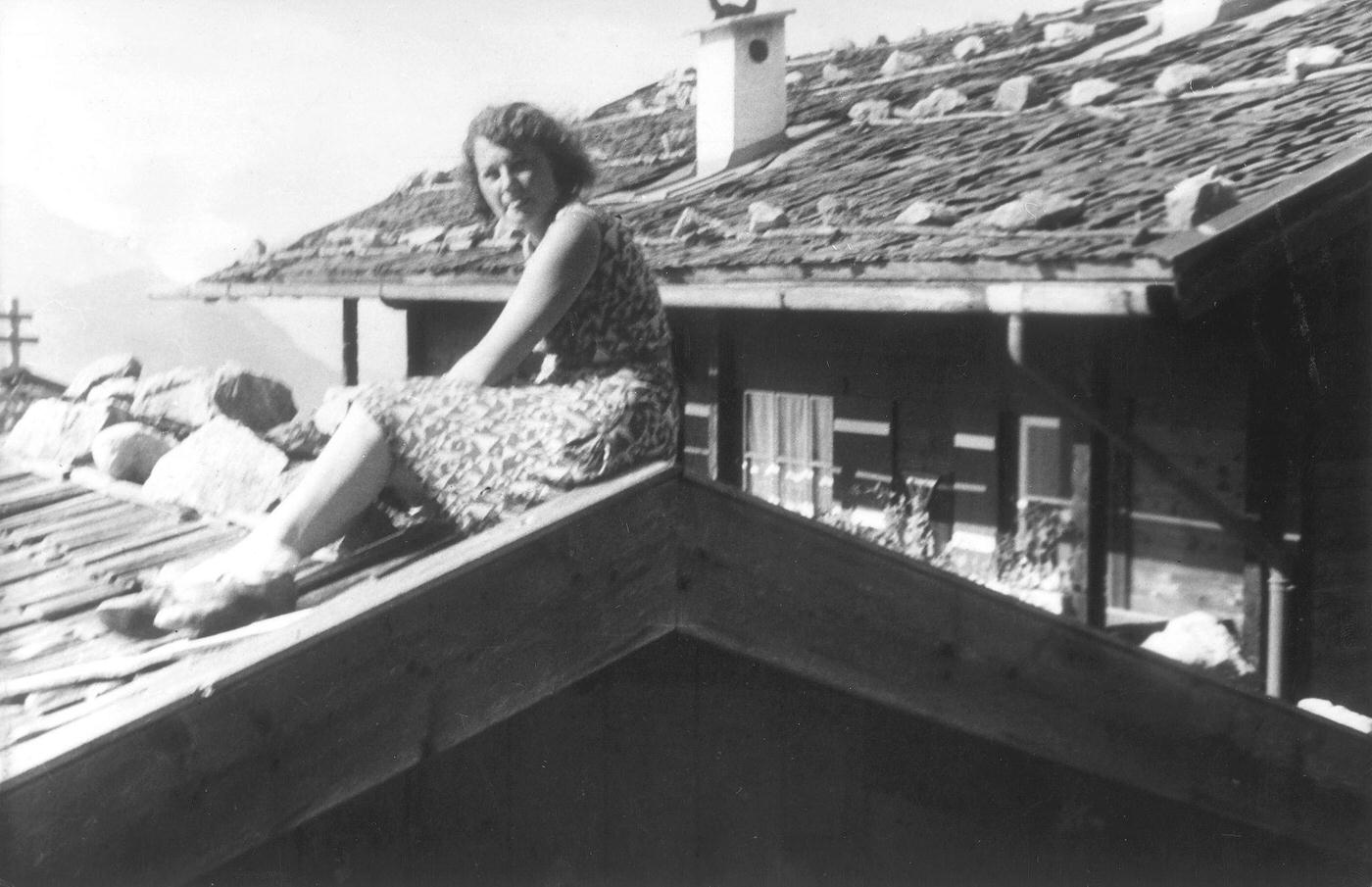
By 1925, Geli was a regular presence in Hitler’s life. Her mother, Angela Raubal, had taken on the role of housekeeper at Hitler’s mountain retreat on the Obersalzberg in Bavaria. This arrangement brought Geli into constant contact with Hitler and his growing circle of political associates. Witnesses from that period describe Hitler as captivated by her — attentive, possessive, and unwilling to let her stray far from his side. To the outside world, he introduced her simply as his niece. Those closest to them understood the bond was something else entirely.
In 1929, Geli moved to Munich and into Hitler’s nine-room apartment on Prinzregentenplatz. The official reason was to pursue medical studies, but her education quickly took a back seat. She took singing lessons, attended Nazi political events, and was escorted nearly everywhere by Hitler or his bodyguards. Hitler’s circle watched the arrangement closely. Some were uneasy. Others simply accepted it. Ernst Hanfstaengl, a close associate of Hitler, later wrote that Hitler was openly infatuated with Geli and made little effort to hide it in private company.
Geli’s mother Angela was the one who had first brought her into Hitler’s orbit. A stern, practical woman, Angela Raubal managed the Obersalzberg household with efficiency and served as one of the few people in Hitler’s life who spoke to him plainly. She was aware of the dynamic between her daughter and her half-brother, though the full extent of her private feelings on the matter was never recorded.
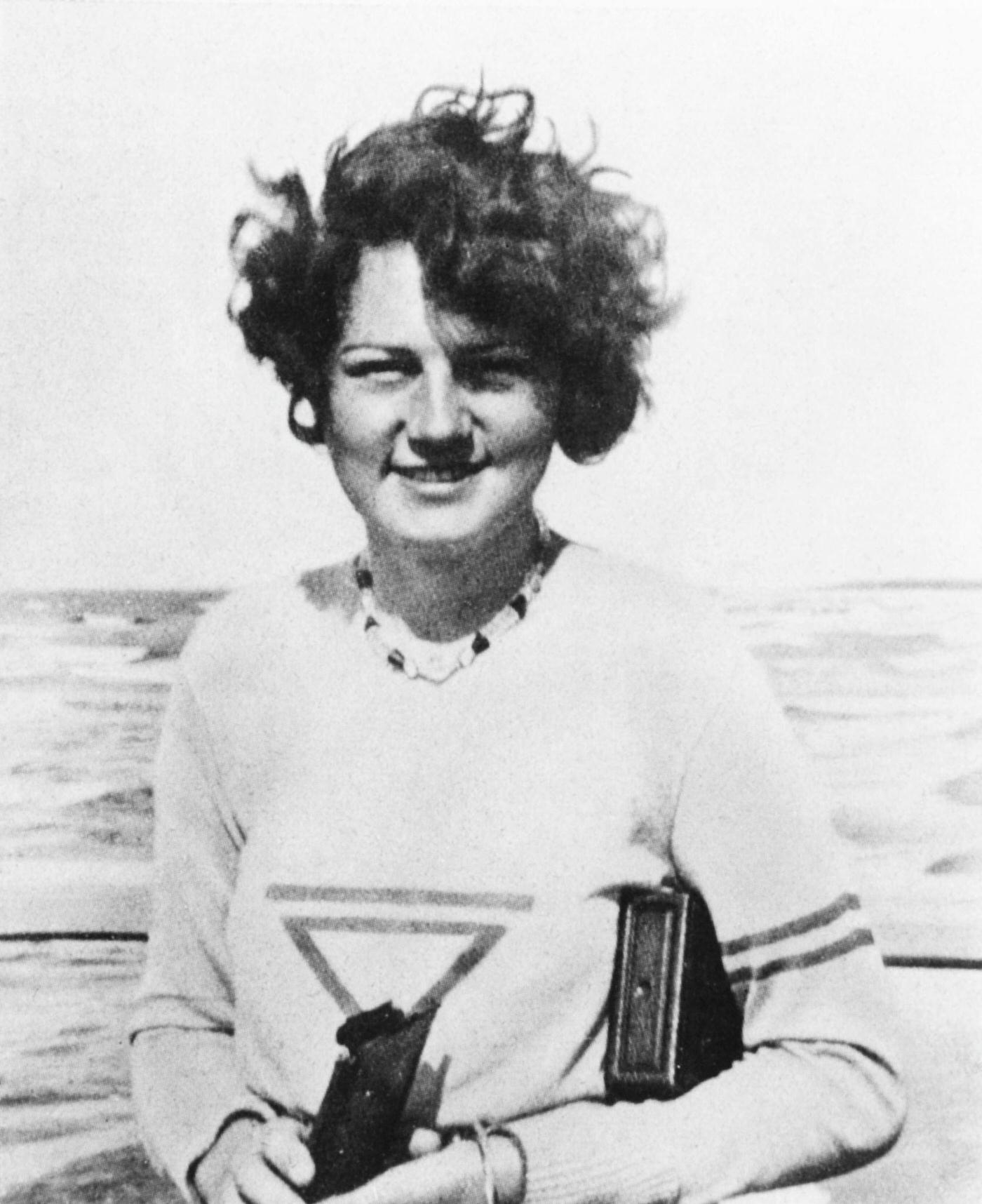
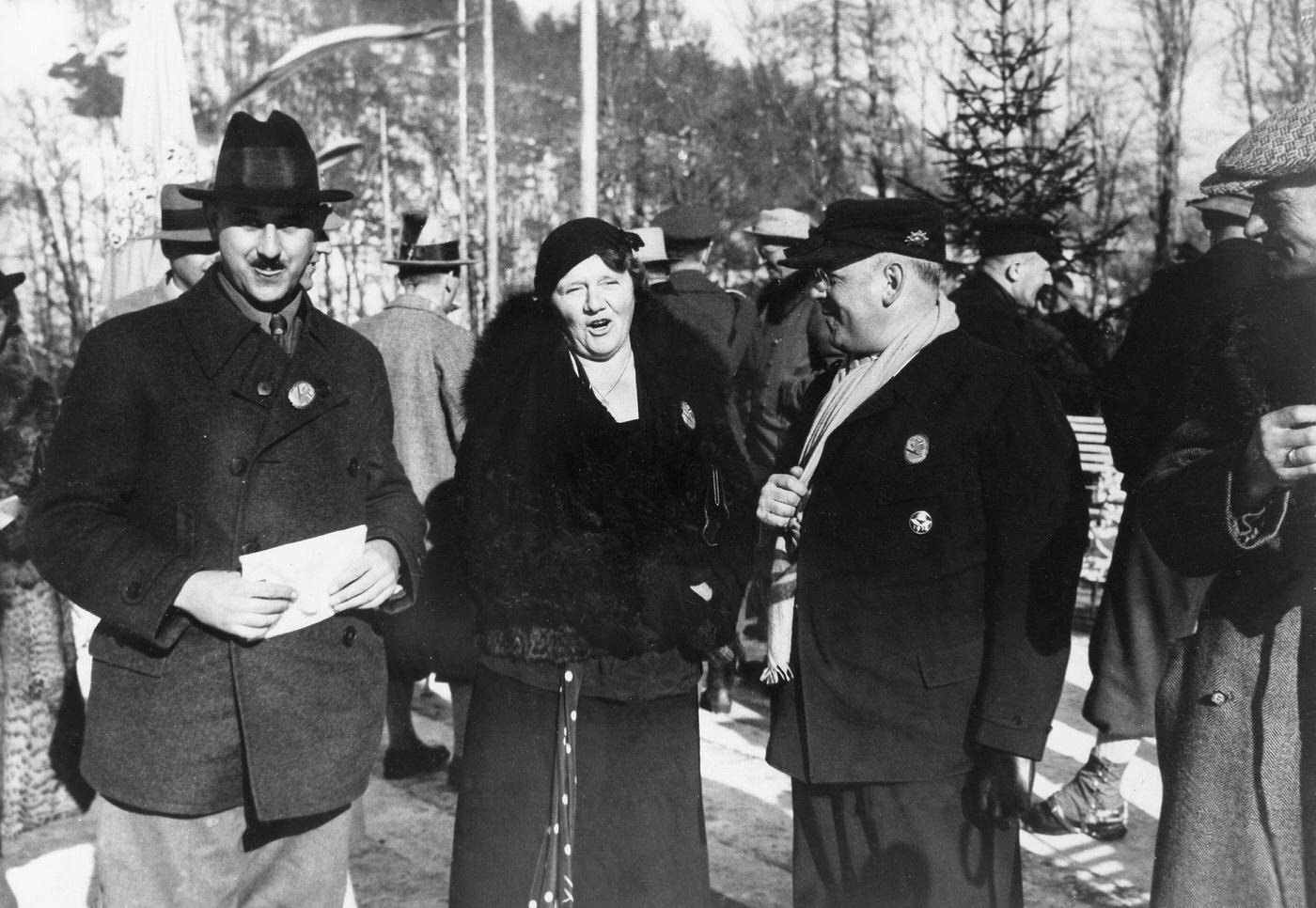
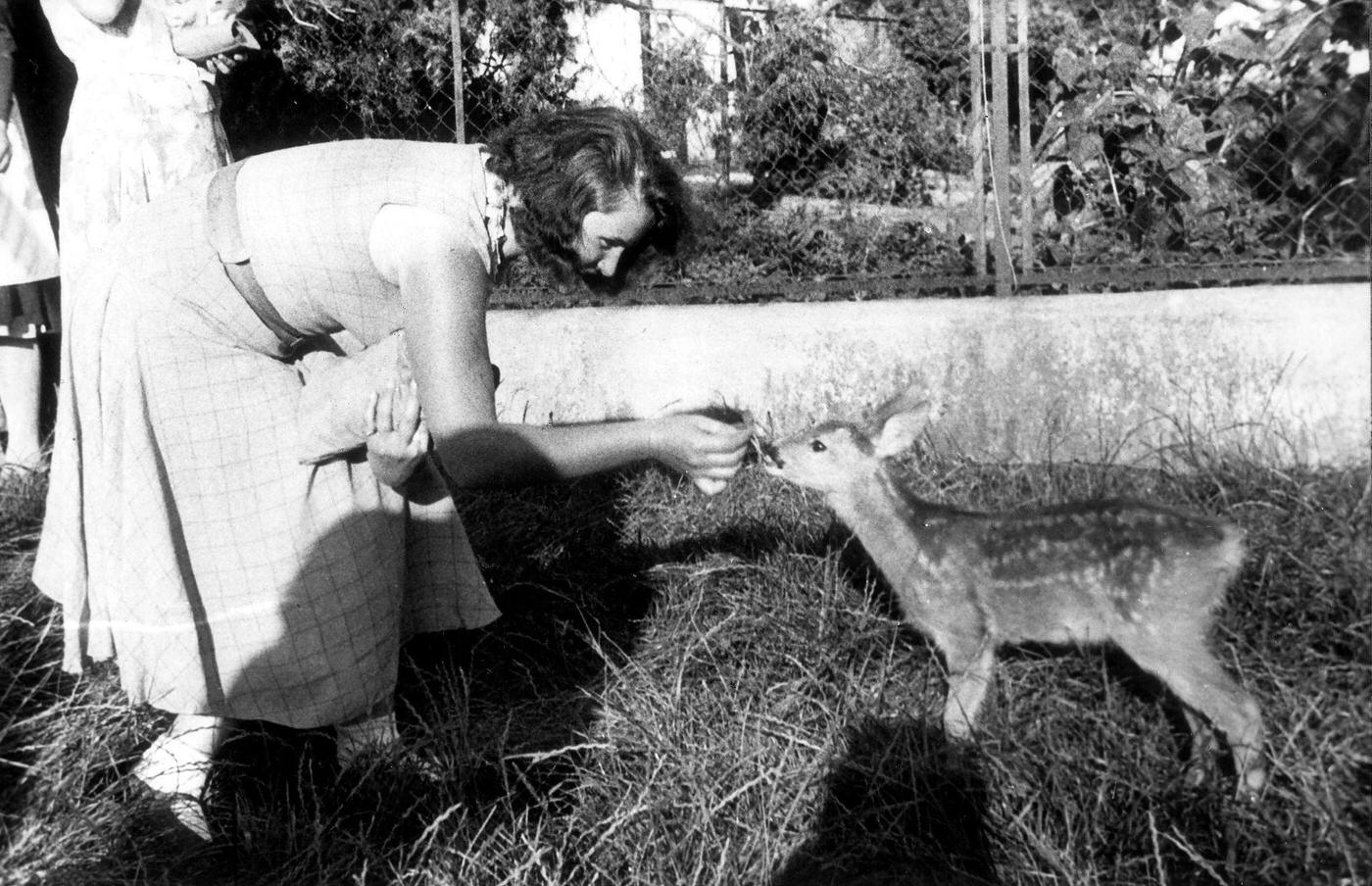
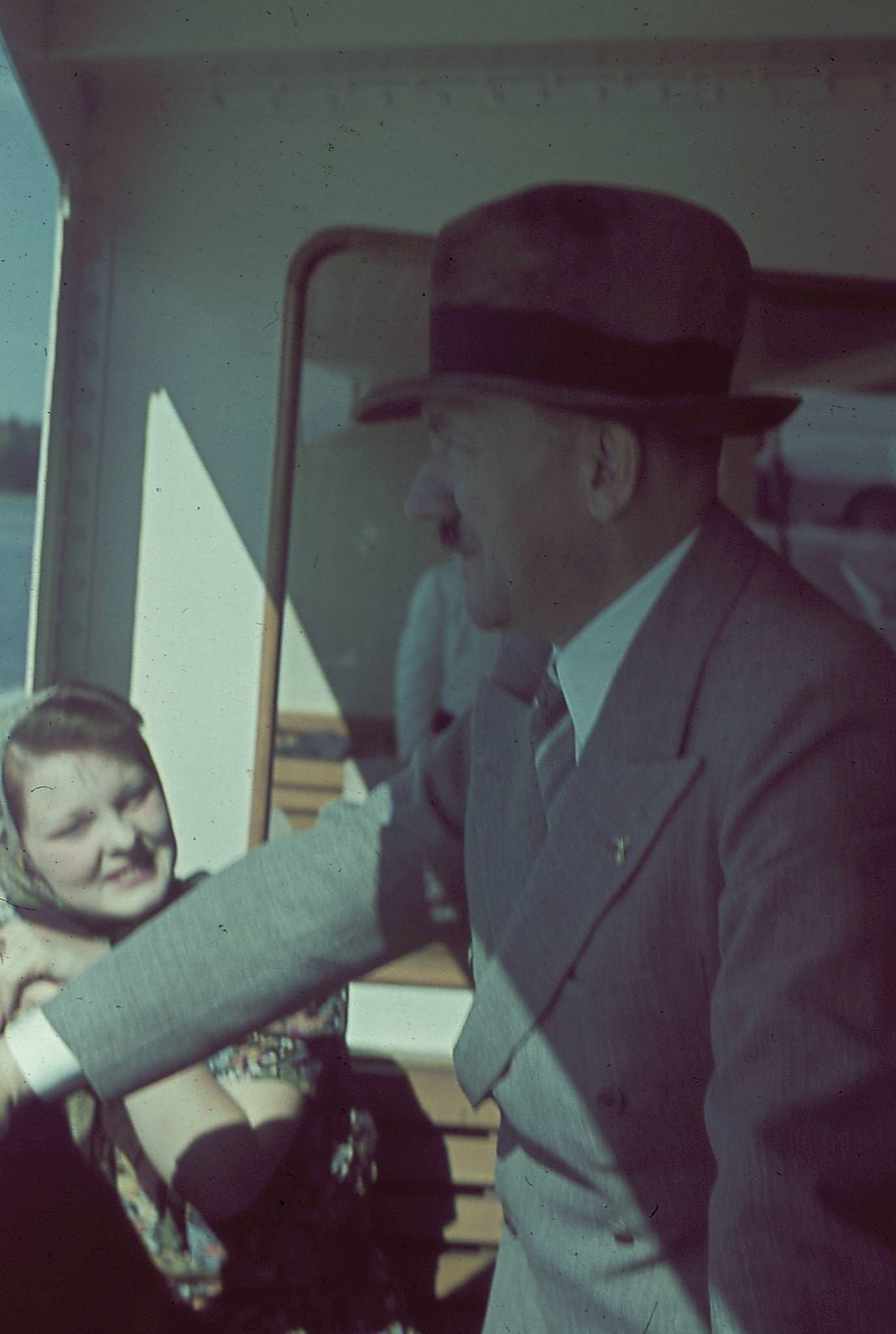
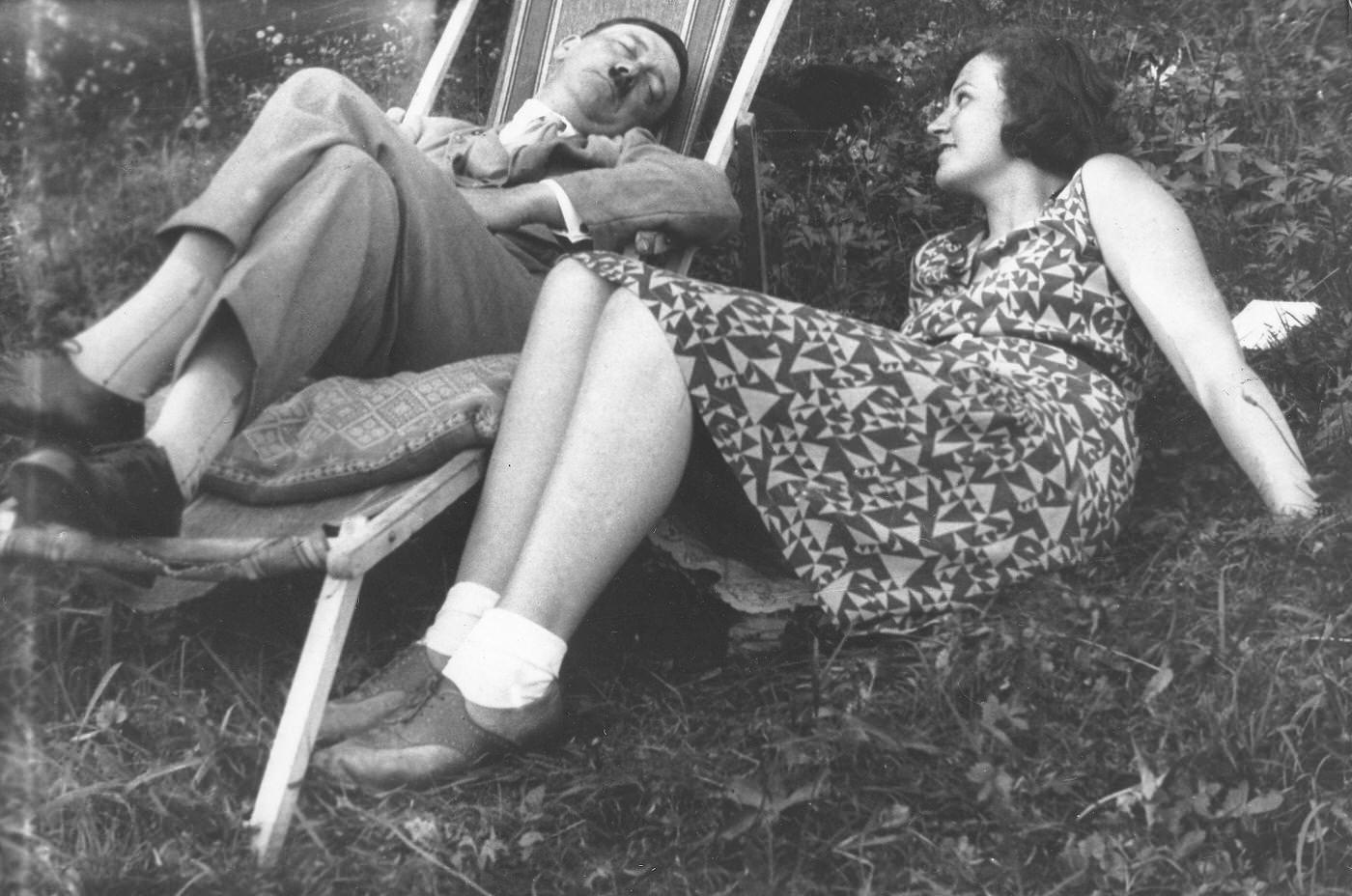
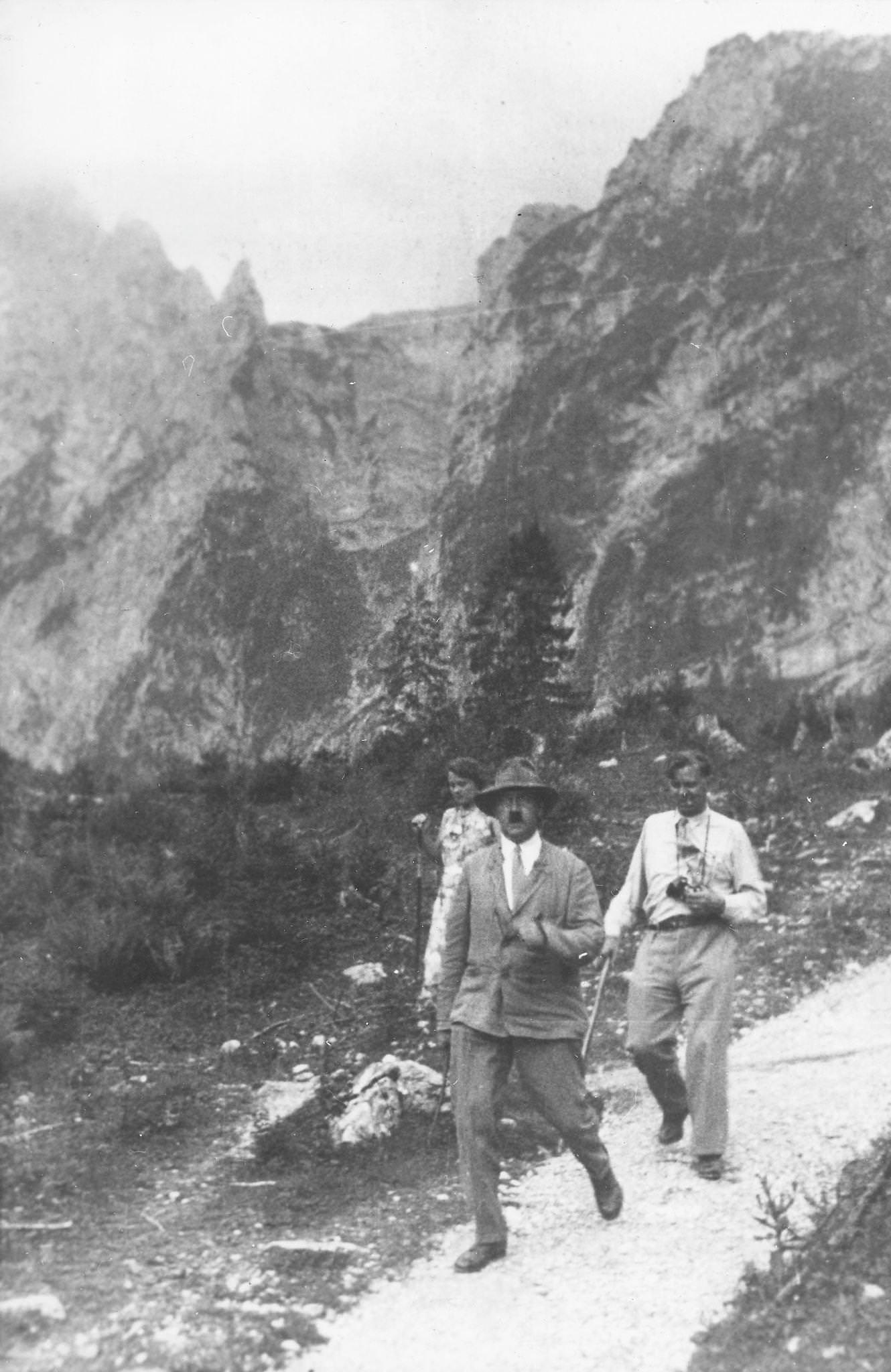
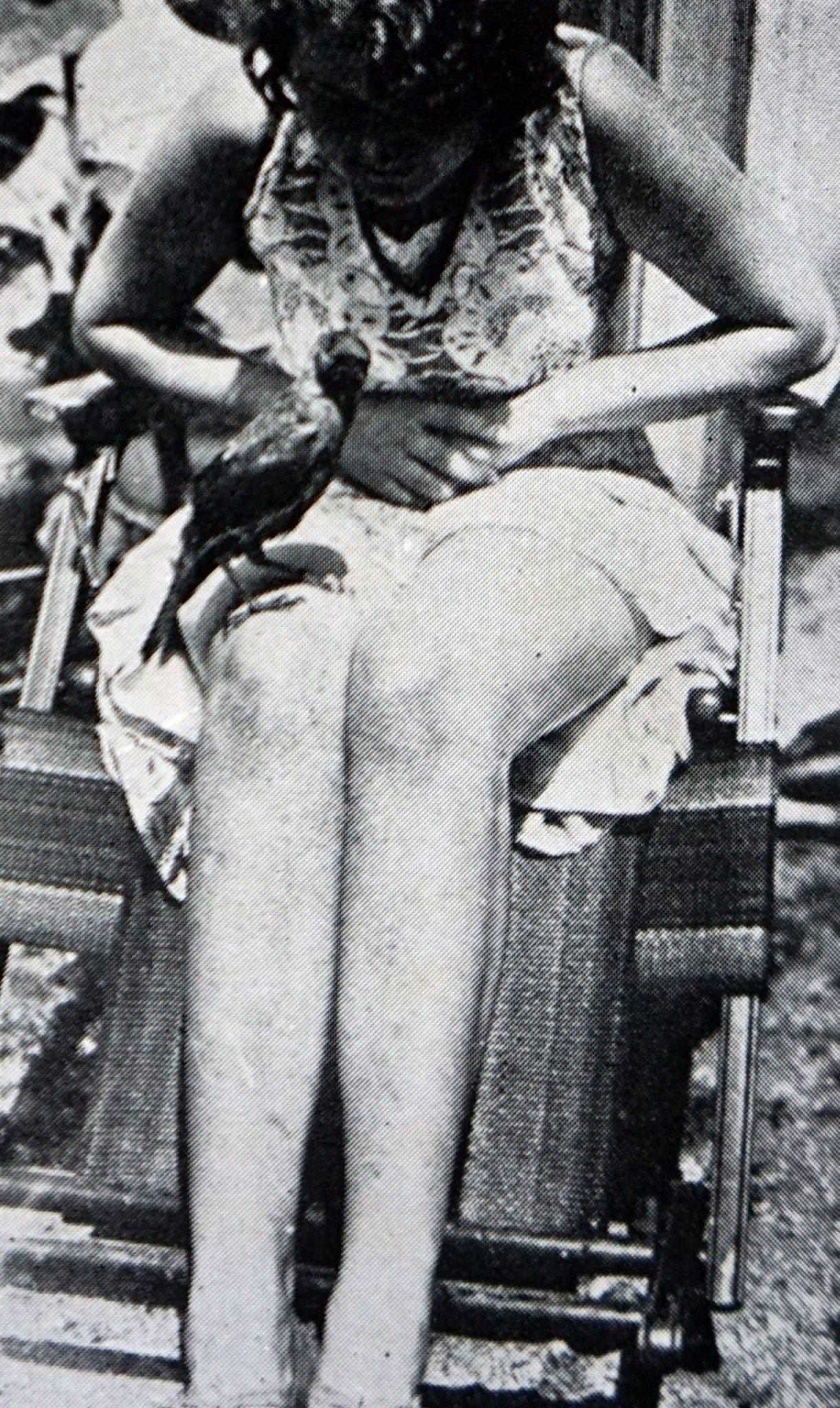
The years 1929 and 1930 marked the height of whatever relationship Geli and Hitler shared. They were photographed together frequently — on trips, at his mountain estate, and during leisure outings. In these photos, Geli appears relaxed, even cheerful. Hitler appears attentive and at ease in ways rarely seen in his political photographs. These were among the most candid images ever taken of him, and Geli is central to nearly all of them.
Behind the casual photographs, the relationship had a darker quality. Hitler controlled where Geli went, who she saw, and what she did. He demanded she be accompanied whenever she left the apartment and reportedly read her personal correspondence. When she expressed interest in a young man — reportedly Emil Maurice, Hitler’s chauffeur — Hitler ended the relationship immediately and dismissed Maurice from his position for a time. Geli grew increasingly frustrated with the restrictions placed on her life. She spoke openly to friends about wanting to move to Vienna to continue her singing career, a plan Hitler flatly refused to allow.
The tension between Geli’s desire for independence and Hitler’s need for control reached a breaking point in September 1931. On the morning of September 18, Hitler left Munich for Nuremberg to continue a political tour. The following morning, September 19, 1931, Geli was found dead in her room in the Munich apartment. She had been shot through the chest with Hitler’s 6.35mm Walther pistol. The weapon lay near her body. She was 23 years old.
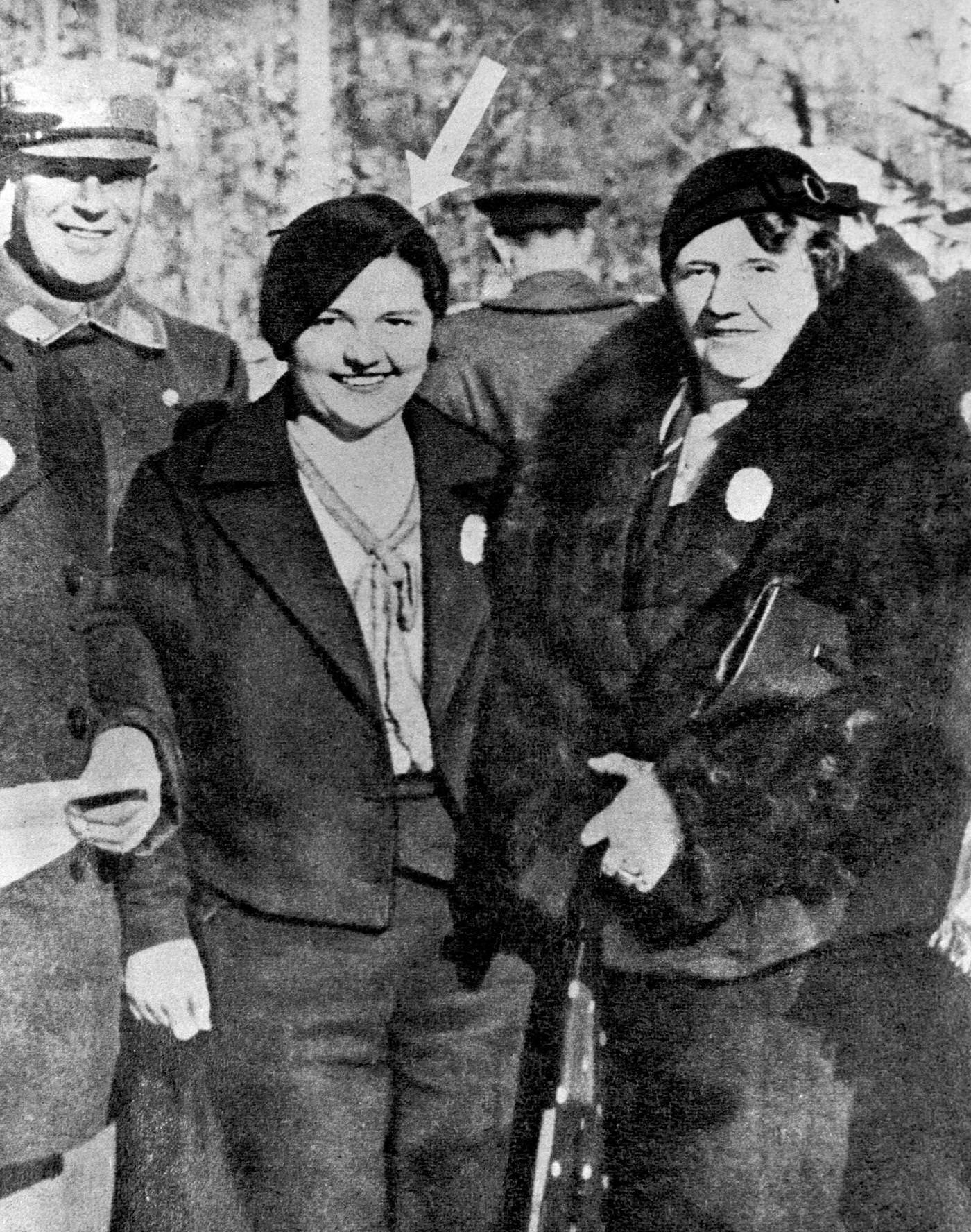
The Munich authorities ruled her death a suicide. The investigation was handled quickly and with little public disclosure. Nazi officials, including Gregor Strasser and Rudolf Hess, were involved in managing the aftermath before formal inquiries were complete. The speed of the proceedings and the political sensitivity of the case generated immediate suspicion. Rumors spread that she had been killed — either by Hitler in a rage before he left the city, or by someone acting on his behalf. No evidence was produced to support these theories, and the suicide ruling stood, but the questions never fully disappeared.
Hitler received the news while en route and turned back to Munich. According to those present in the days that followed, he was visibly shattered. He locked himself away and refused food. His deputies feared what he might do. In the weeks after Geli’s death, Hitler told multiple people that she was the only woman he had ever truly loved. He kept her room in the Munich apartment exactly as she had left it. Portraits of her were hung in his private quarters at the Berghof and in his Berlin residence. A bust of Geli was placed in the room he used most often.
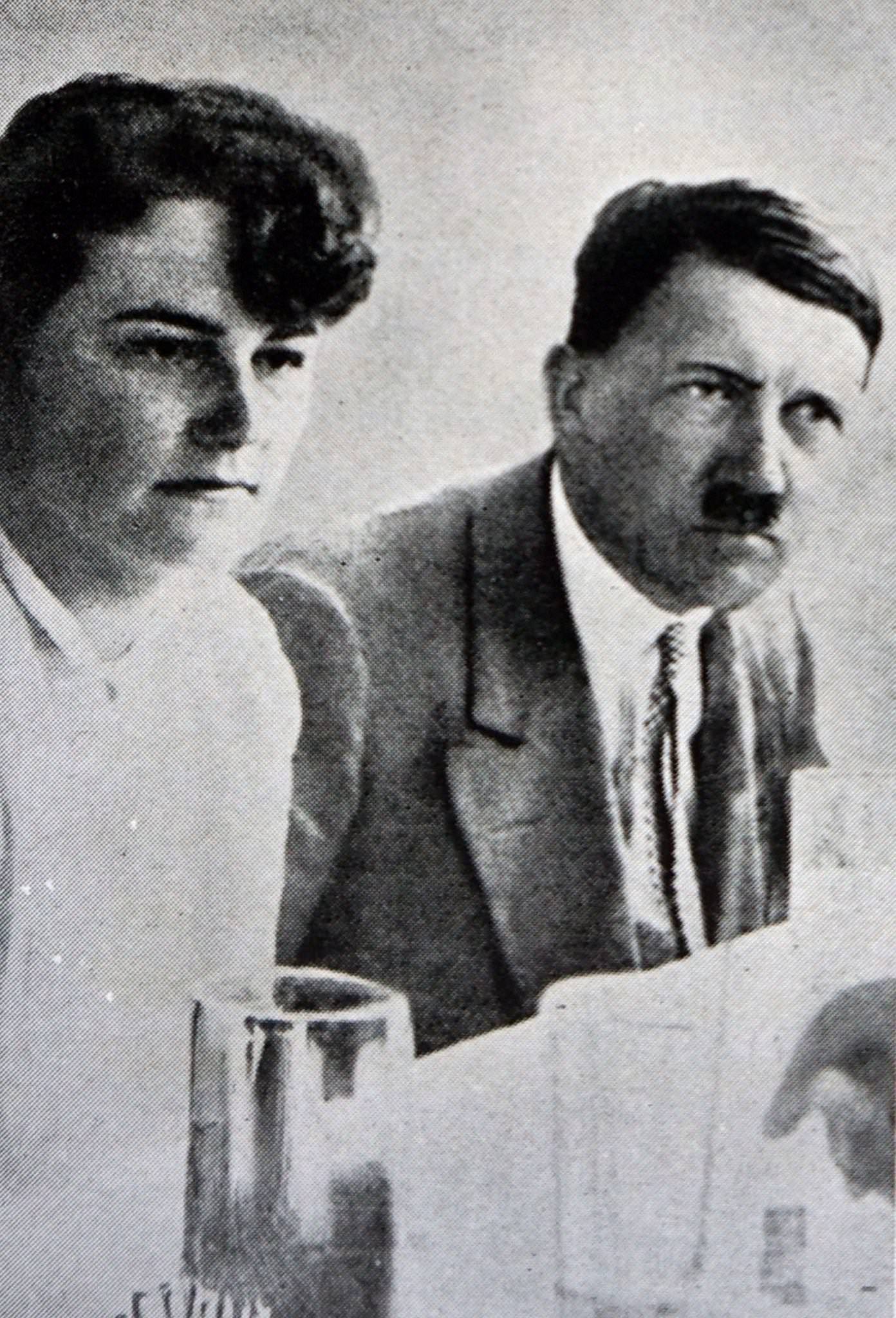
Those who knew Hitler before and after September 1931 consistently noted a shift in him following Geli’s death. He became harder, more withdrawn, and more single-minded in his political ambitions. The softness that occasionally surfaced around Geli — the relaxed man in the deck chair, the attentive companion on the boat — largely vanished from view. What remained was documented in photographs taken during their shared years: a brief, strange, and deeply troubled chapter in the private life of a man the world was about to come to know in very different terms.