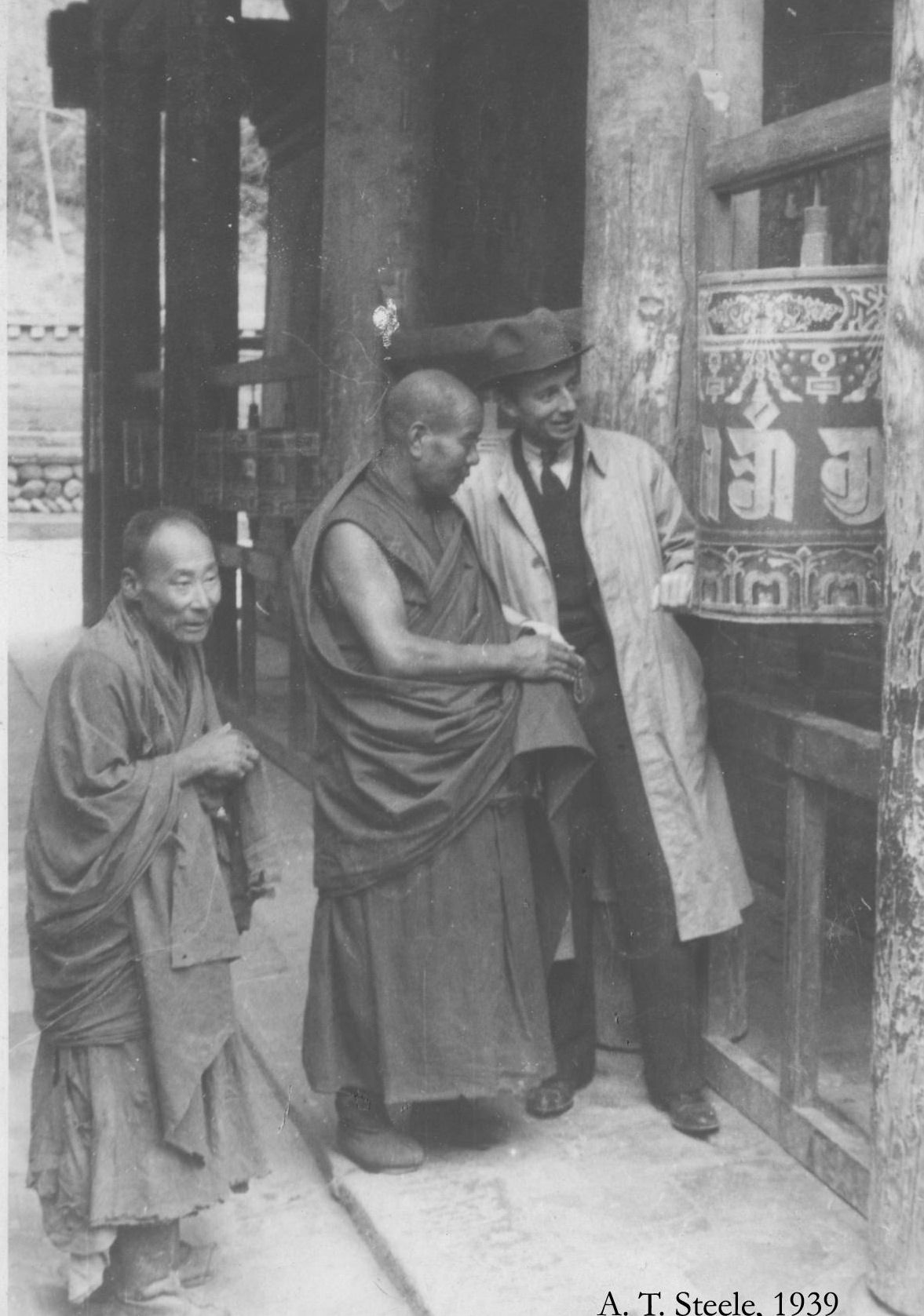
In the summer of 1939, American foreign correspondent Archibald Trojan Steele made a remarkable journey to Kumbum Monastery in northern Tibet. Steele worked for the Chicago Daily News and was based in China at the time. His destination was a four-year-old boy from the Amdo region who was being examined by Tibetan religious authorities as a candidate for the most important seat in Tibetan Buddhism — the throne of the Dalai Lama. The examination involved testing whether the child could identify objects that had belonged to the previous Dalai Lama, one of the key signs used to confirm reincarnation.
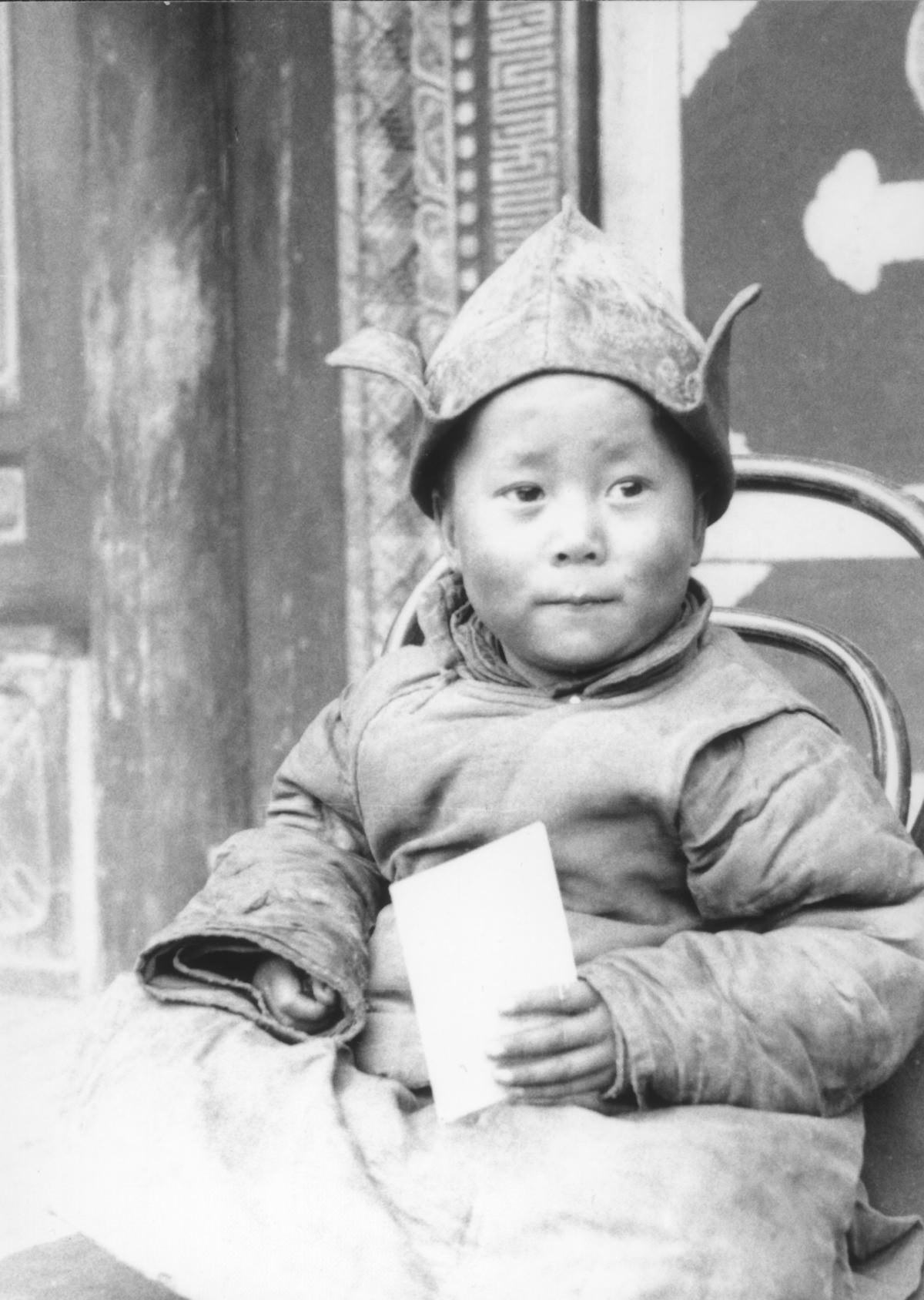
Steele was granted rare access to observe and photograph the boy at Kumbum Monastery. The child — born Lhamo Thondup in 1935 — had already been identified as a strong candidate by a search party sent out after the death of the thirteenth Dalai Lama in 1933. Tibetan officials spent years examining potential candidates before arriving at Kumbum. The boy passed the required tests and was formally recognized as the fourteenth Dalai Lama. He was enthroned in Lhasa in February 1940.
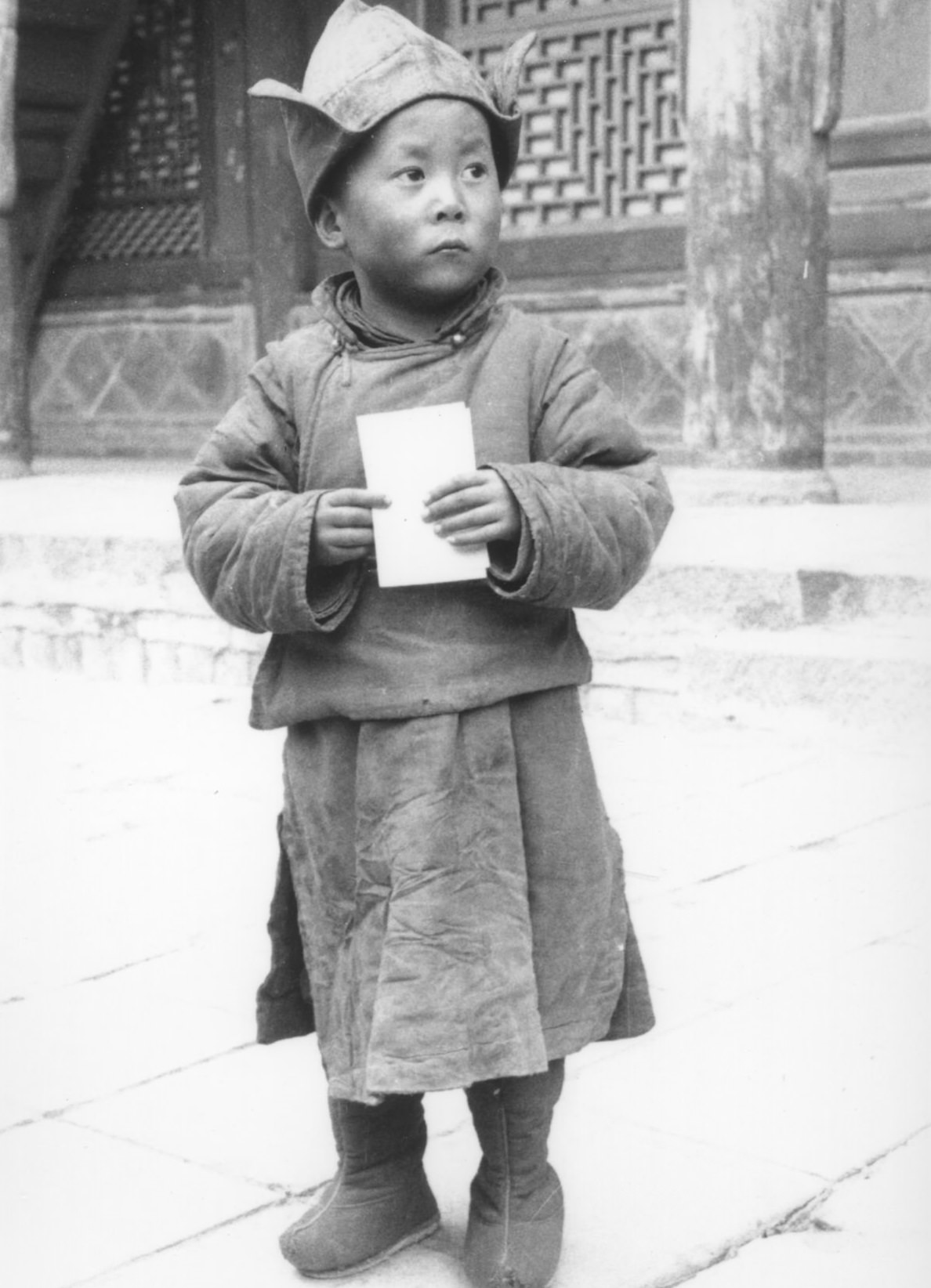
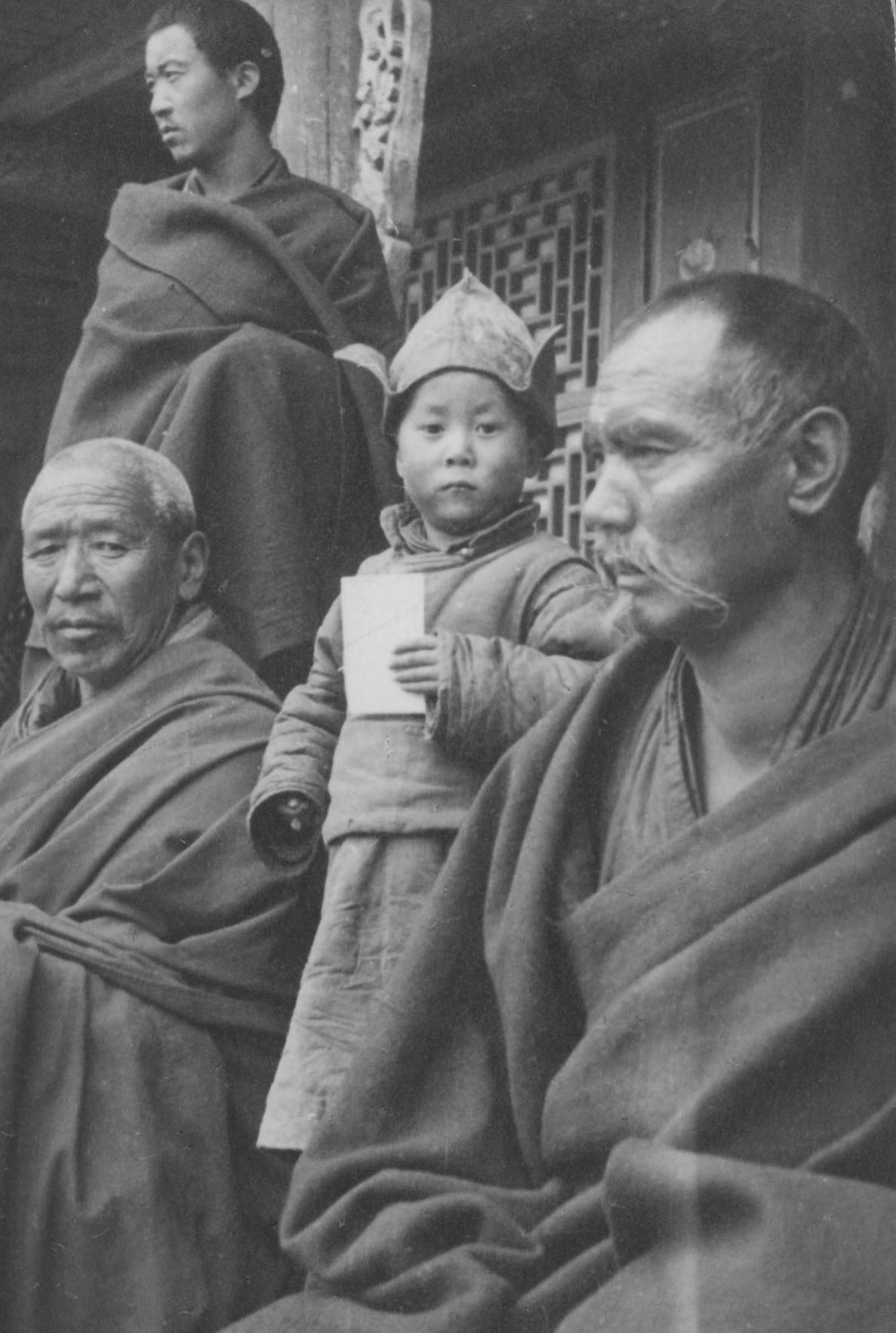
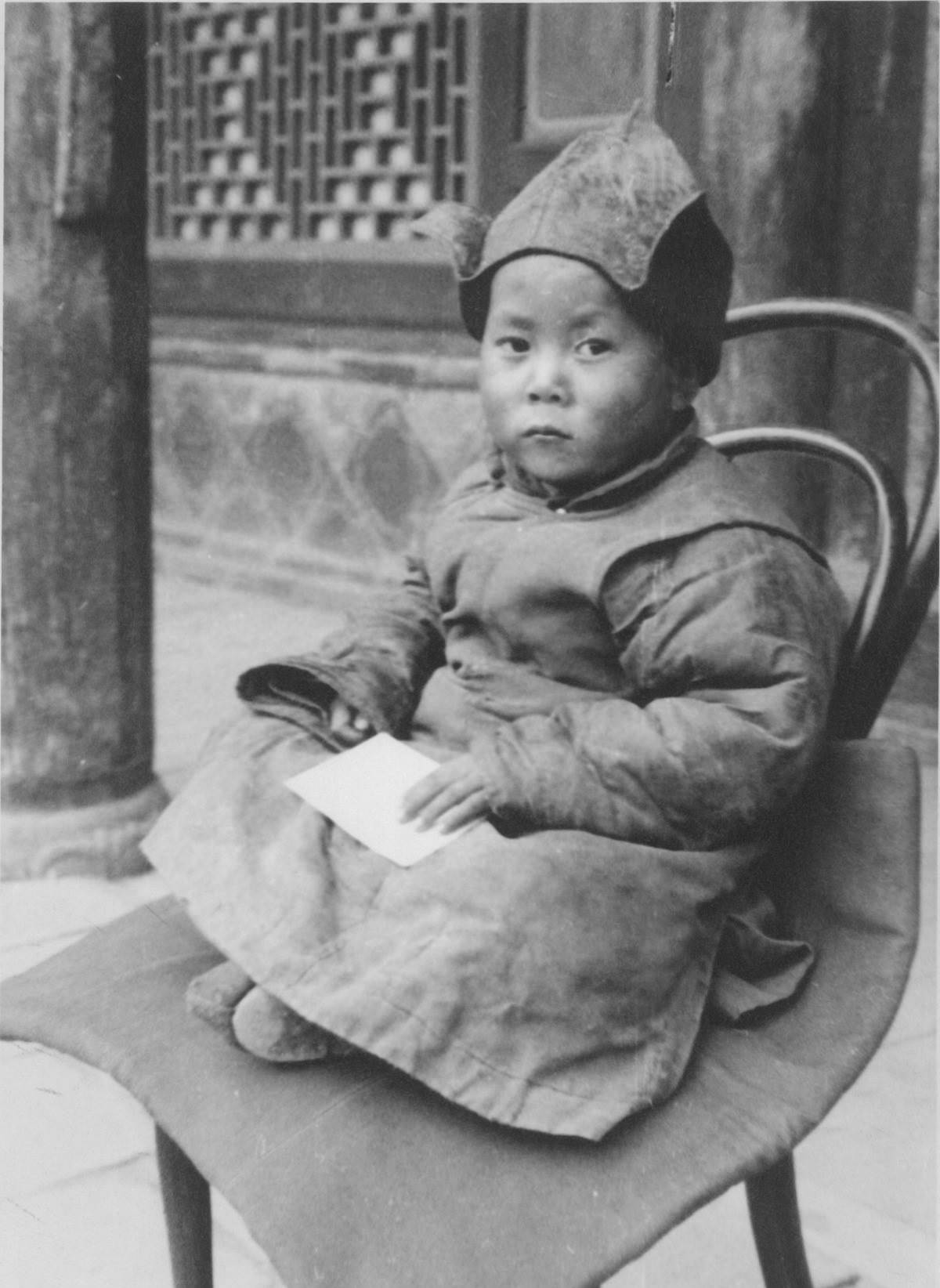
Steele also photographed the boy’s family during his 1939 visit. They were ordinary farming people from Amdo, and their lives changed entirely once their son was confirmed as the new Dalai Lama.
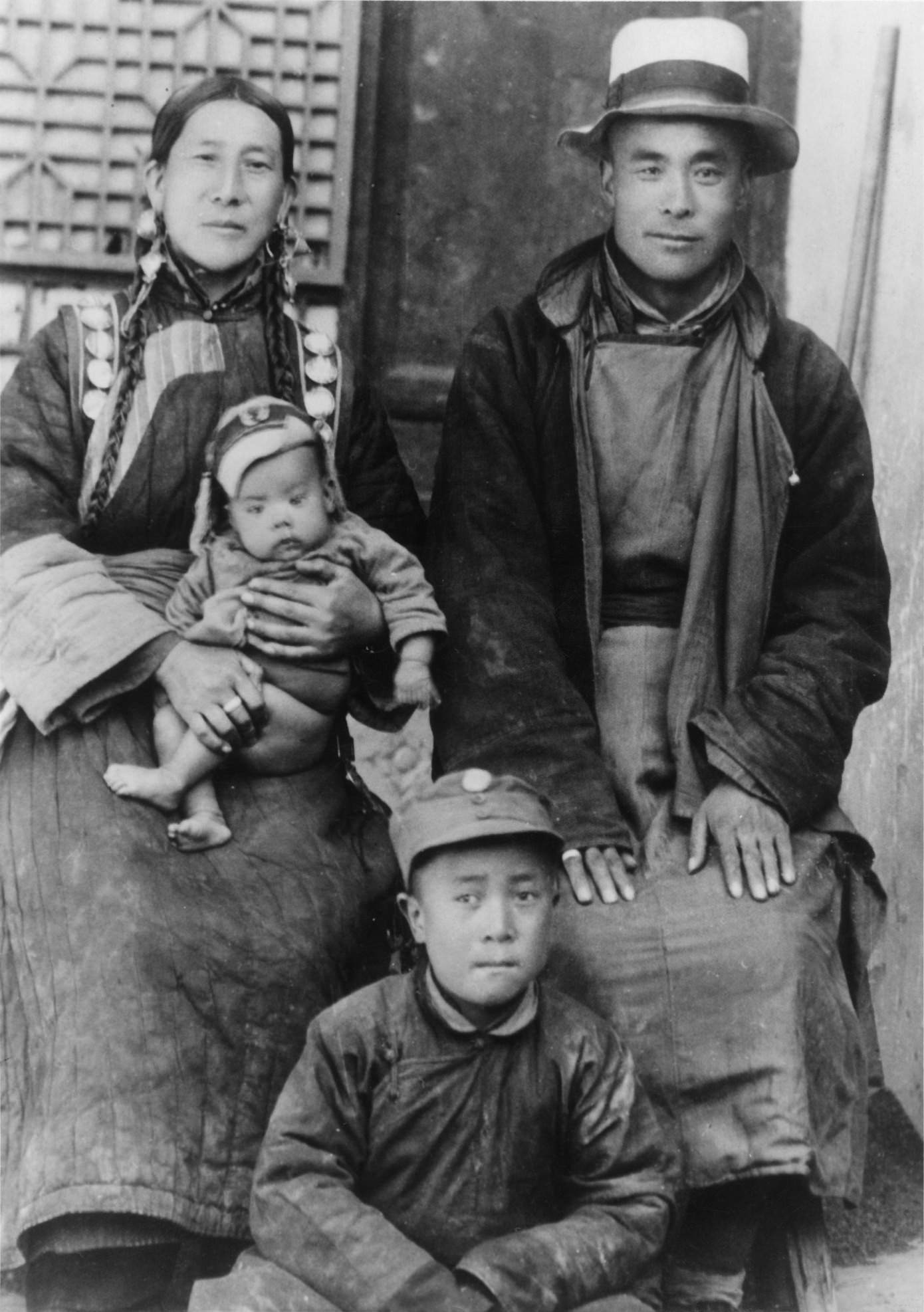
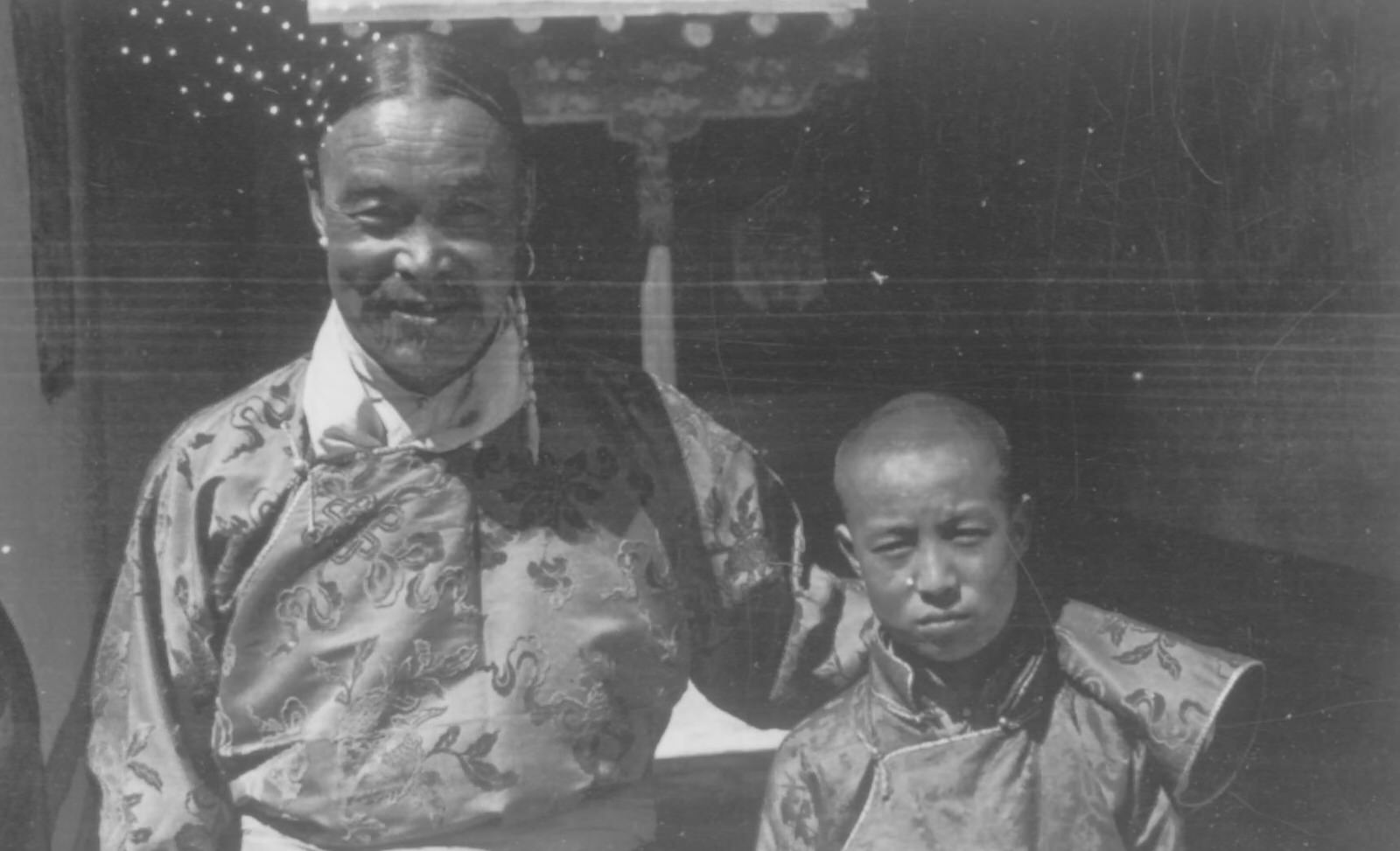
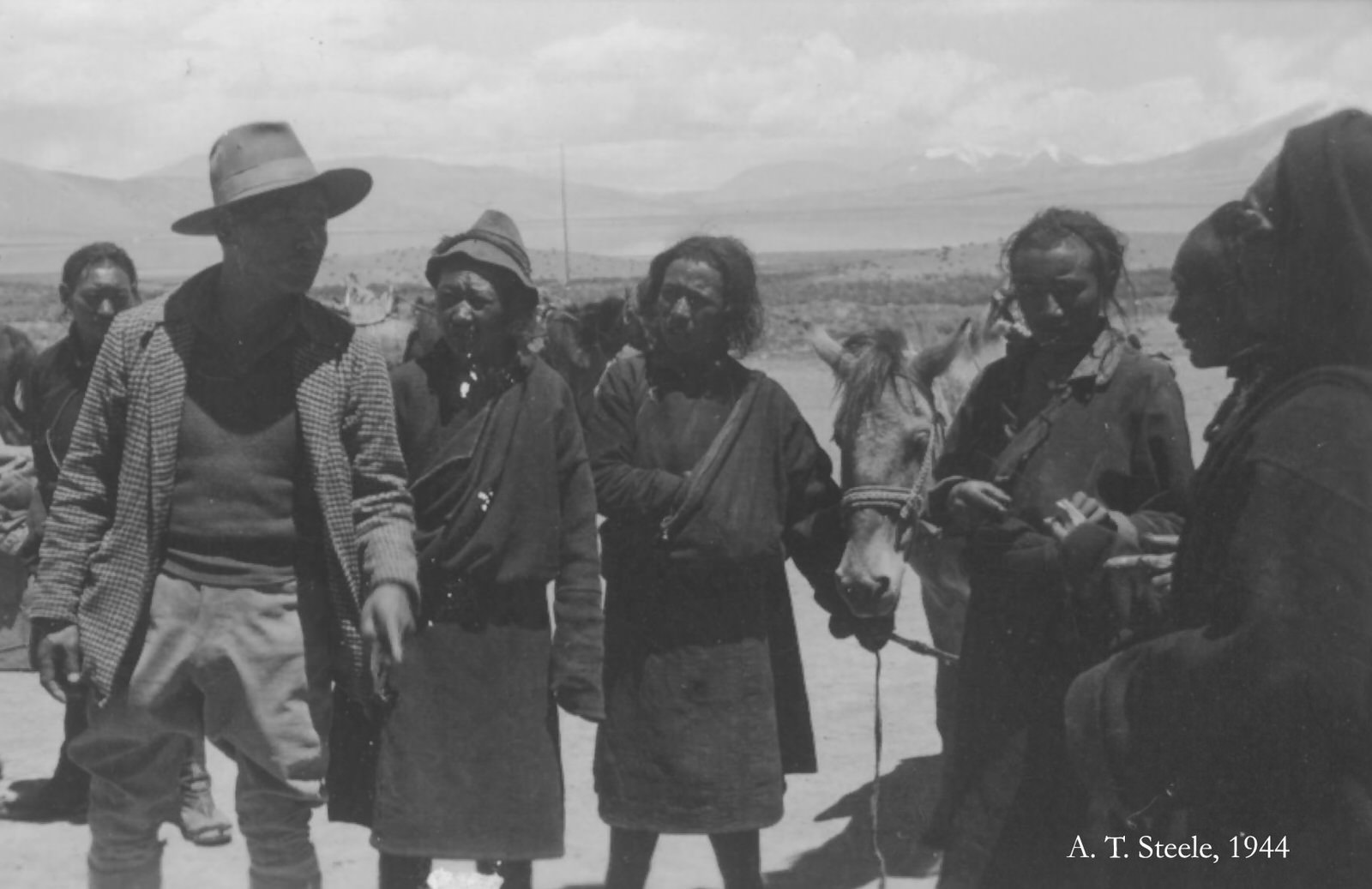
Five years later, in 1944, Steele received a passport to Lhasa — a city almost entirely closed to Western journalists. He made the long overland journey through some of Tibet’s most challenging terrain. The route crossed high-altitude mountain passes, including the 16,400-foot Kharo-la and the Nyapso-la pass, where caravans moved slowly through thin air and biting cold.
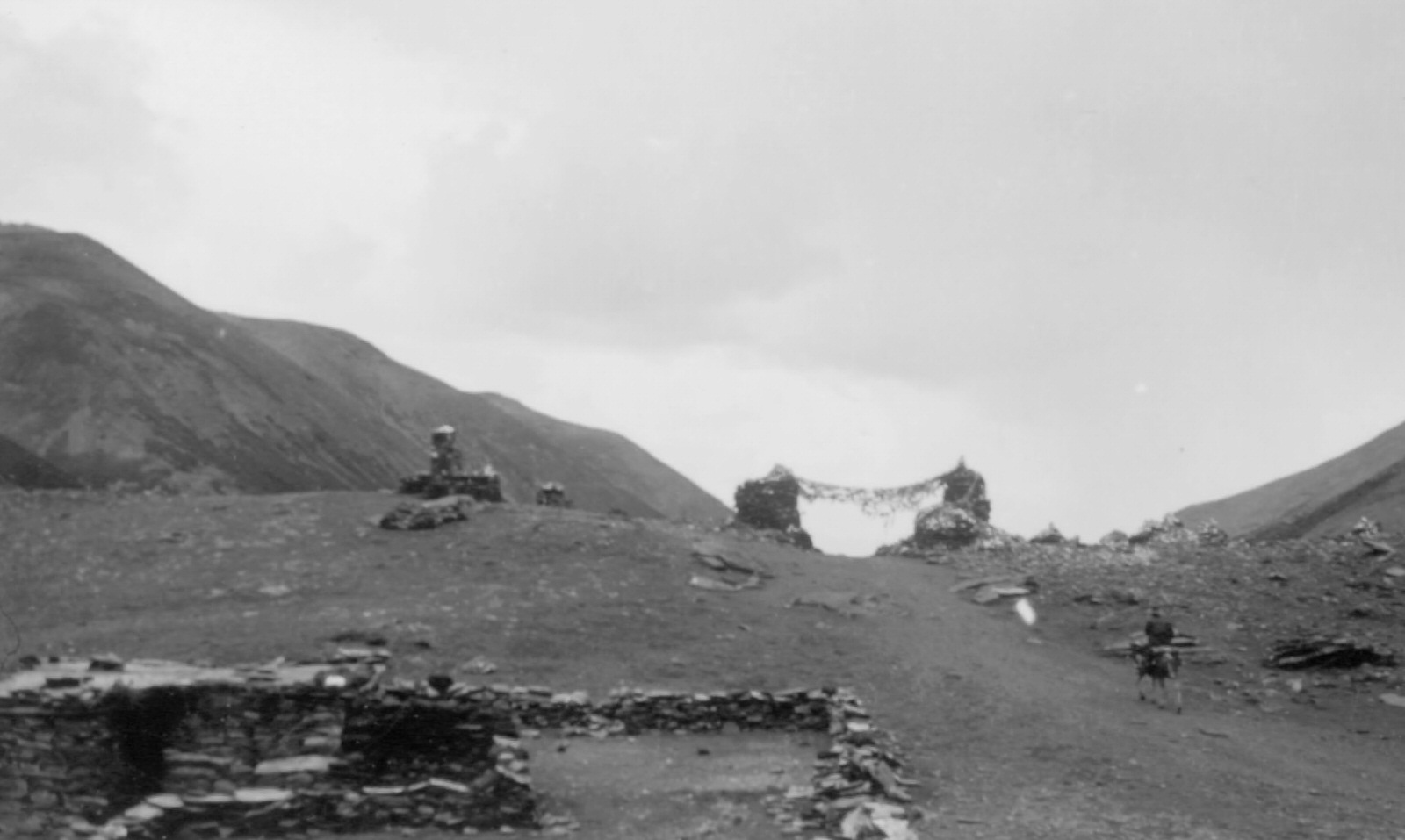
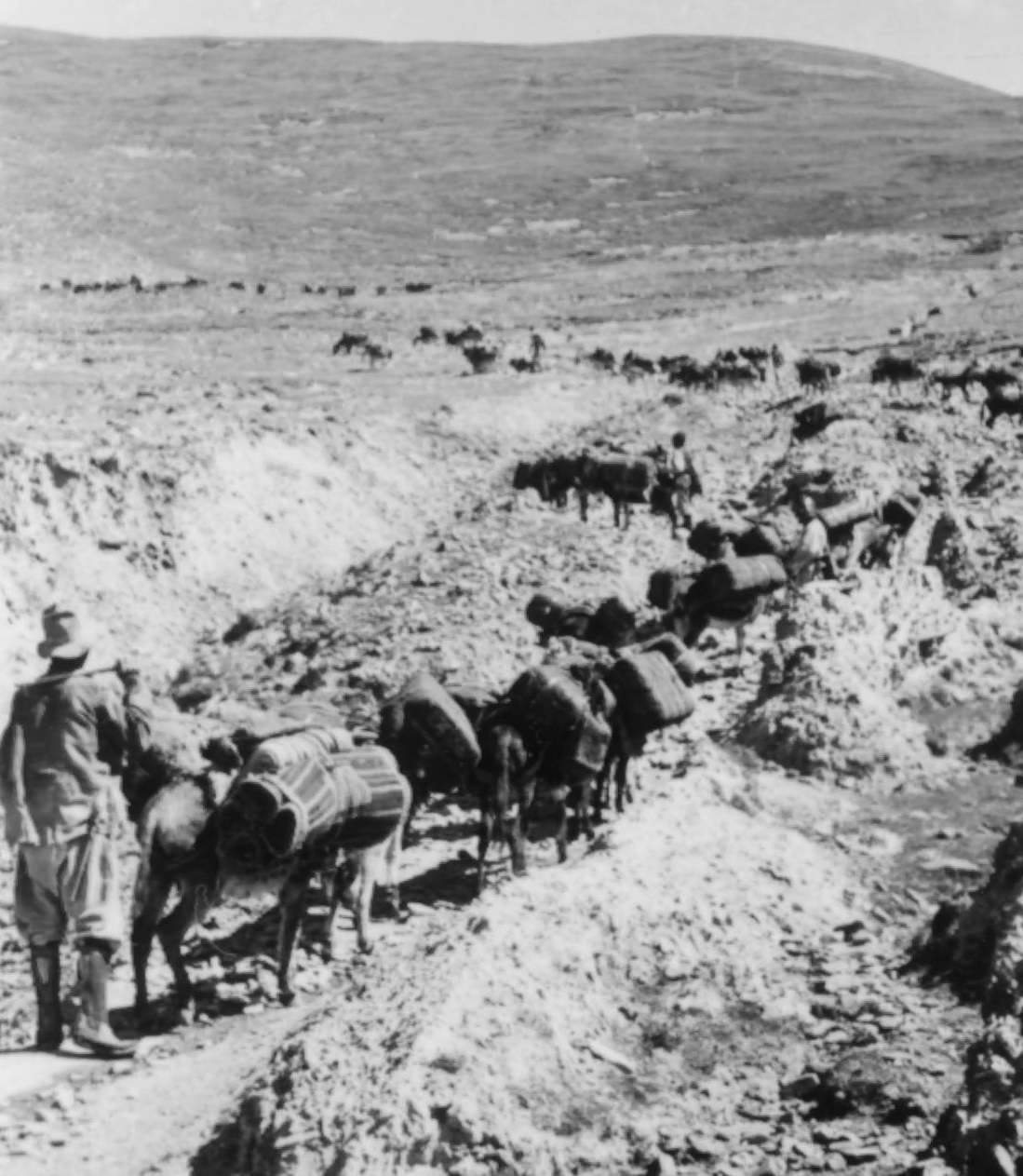
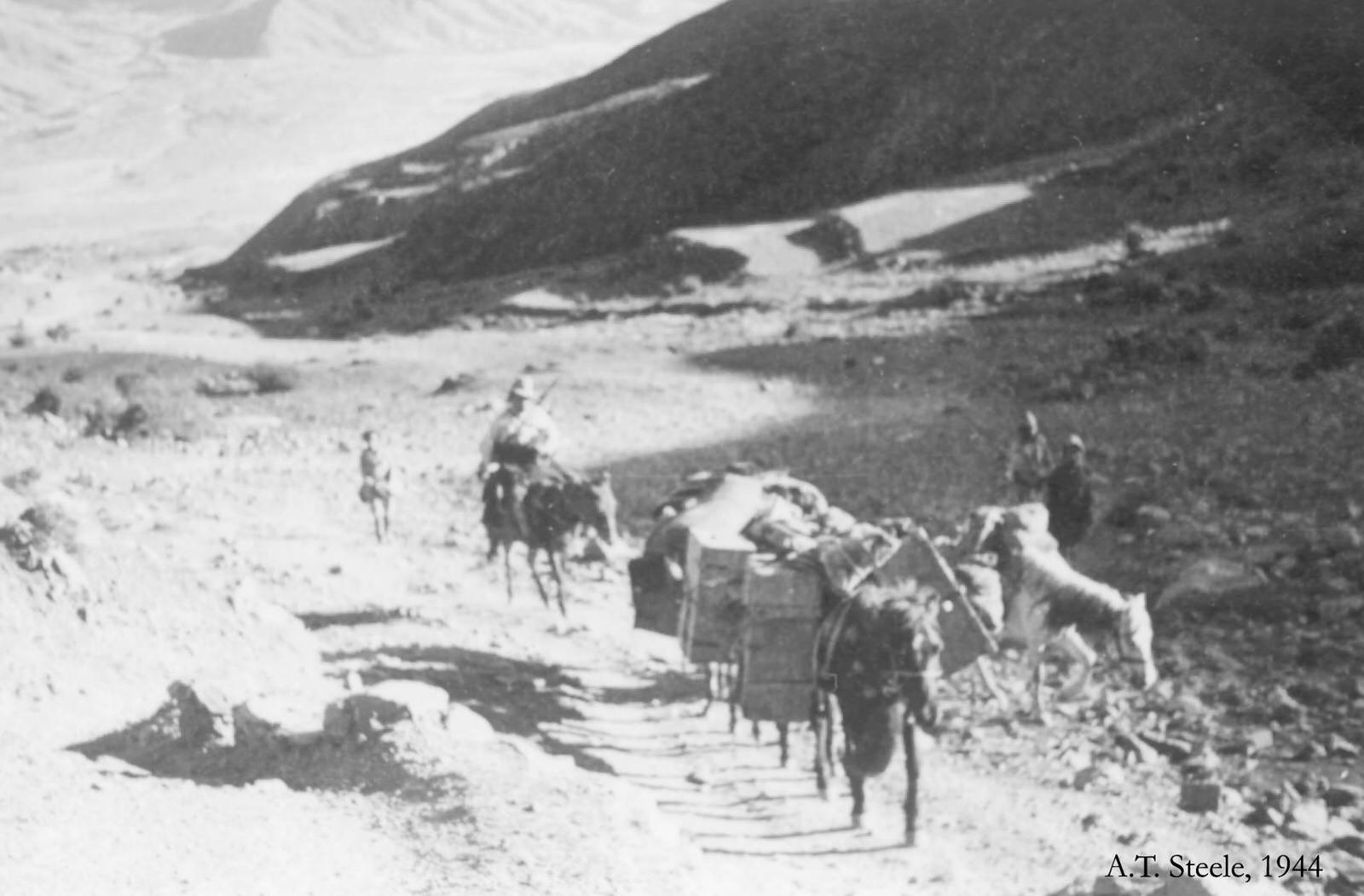
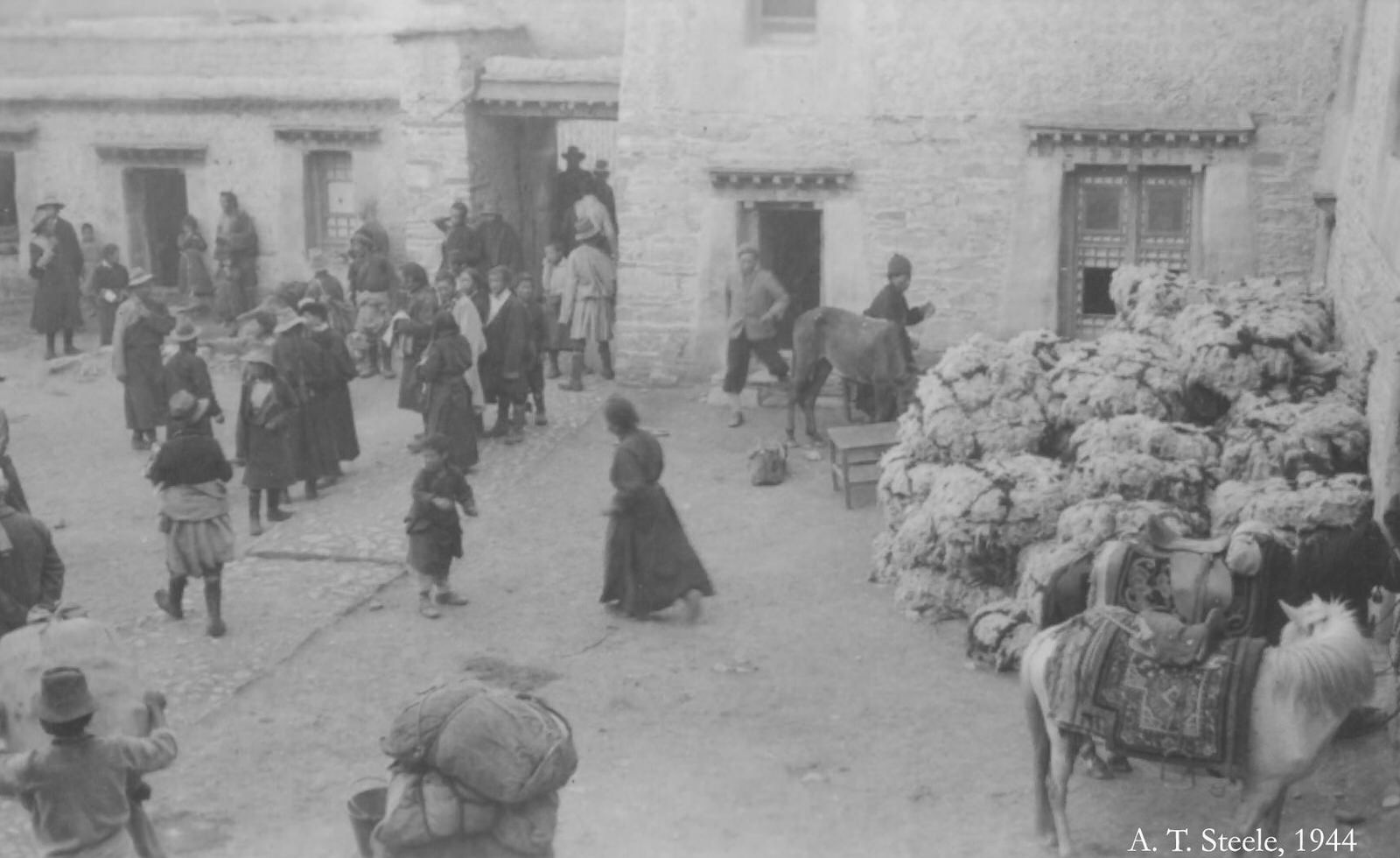
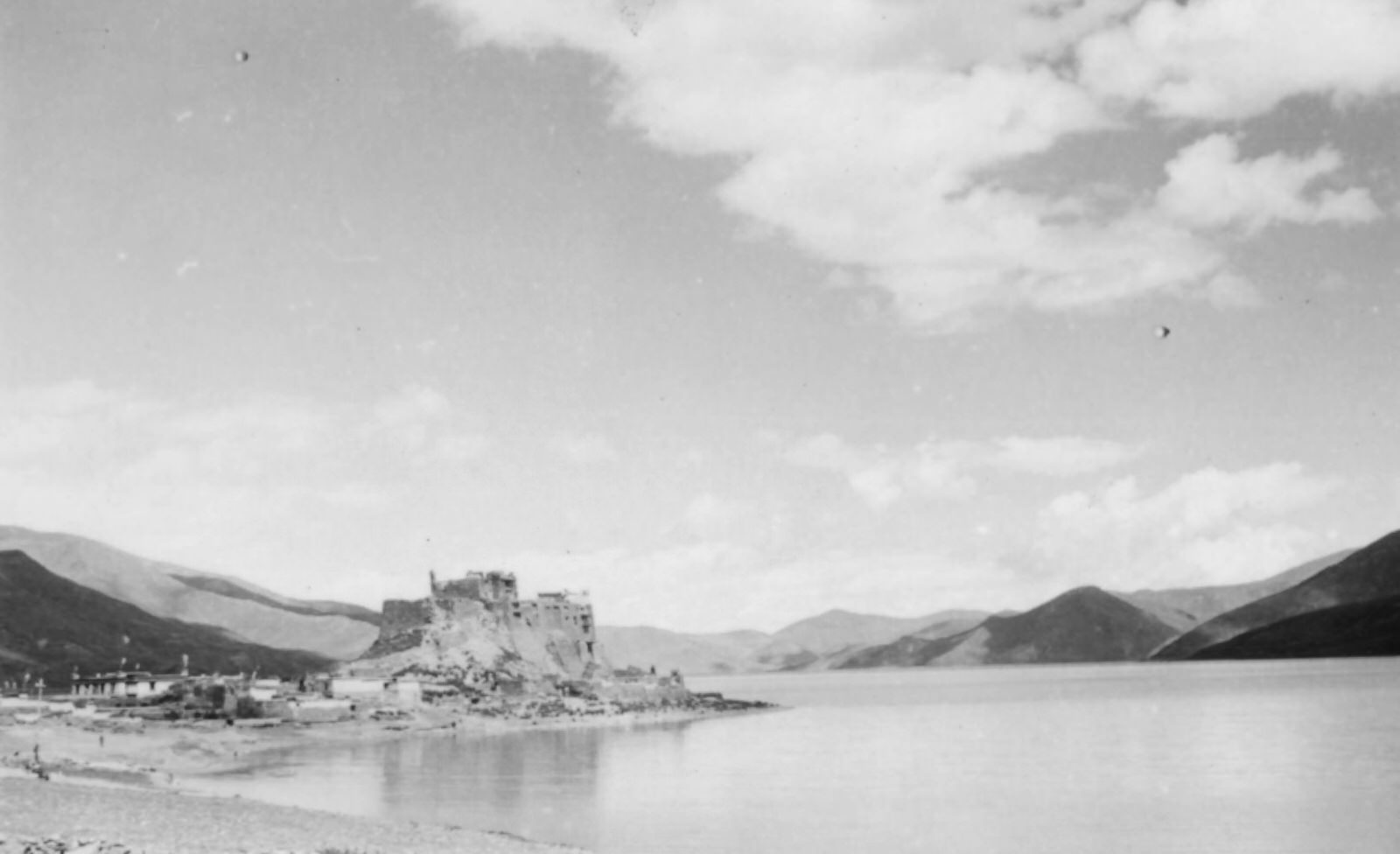
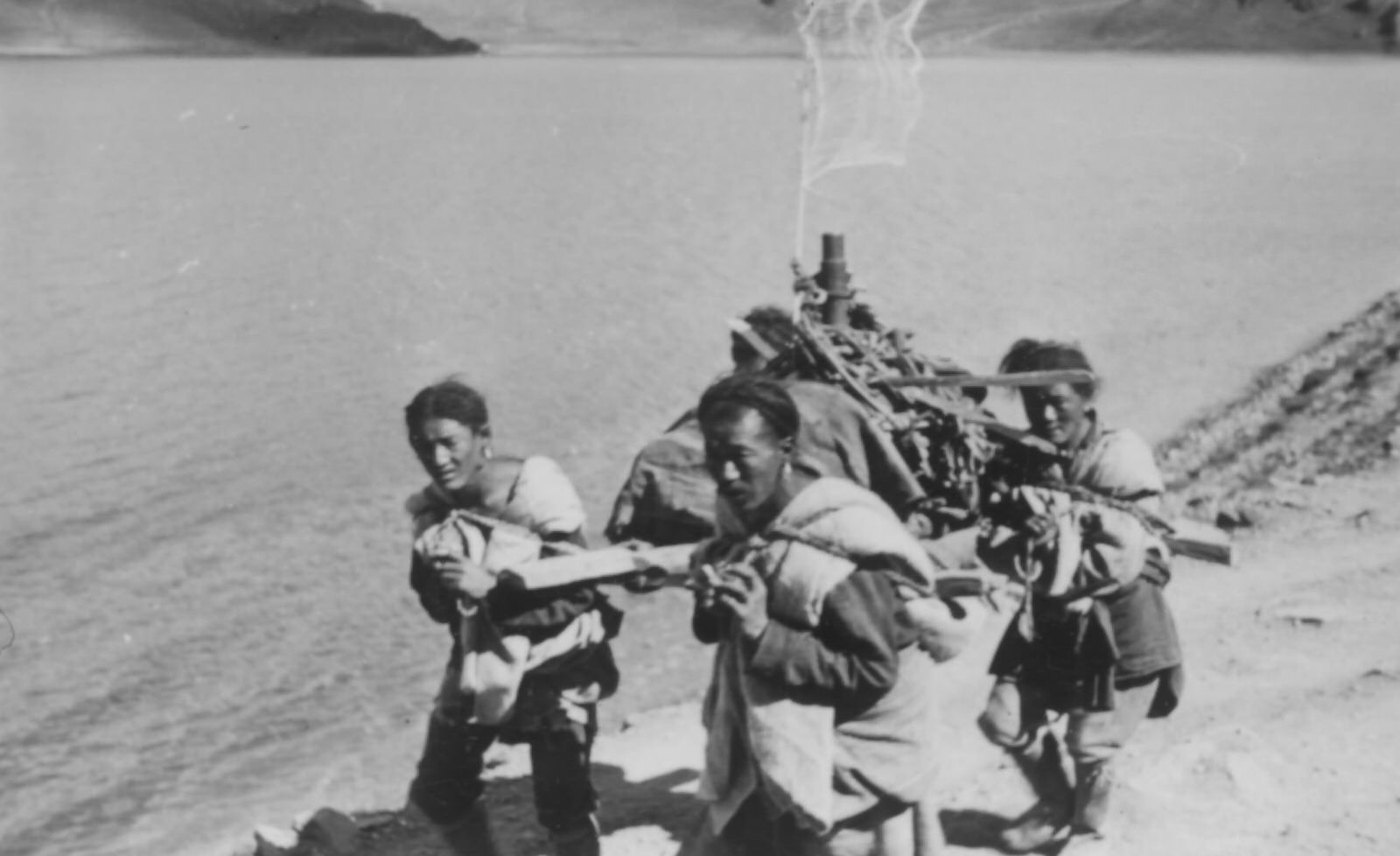
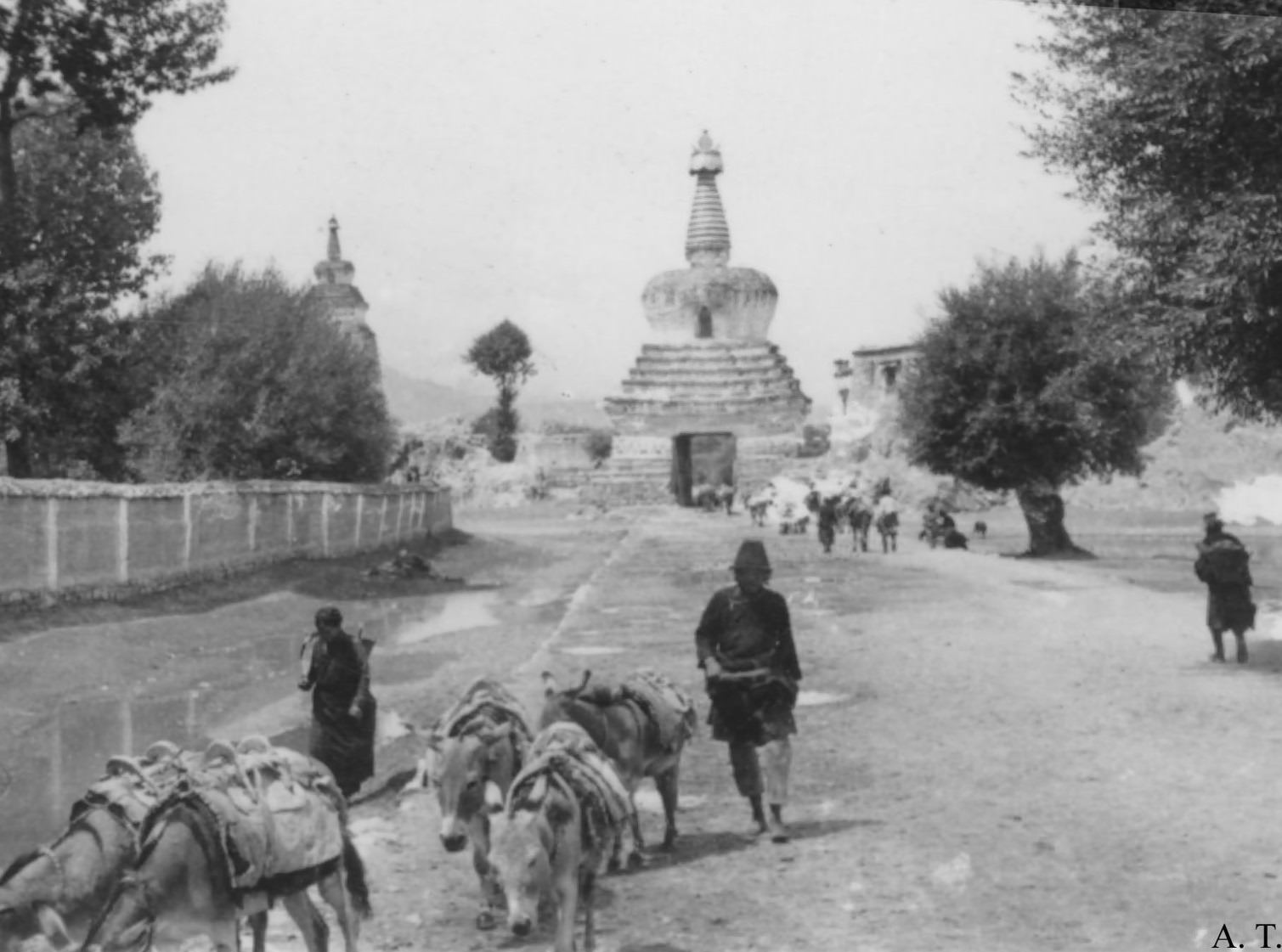
Along the route, Steele photographed the landscape and the people he encountered. The town of Phari — sometimes called the highest, windiest, and dirtiest city in the world — appeared on the trail. The Yamdrok Lake, sitting more than 14,000 feet above sea level, lay along the way as well, its shore lined by the walled town of Pedi. Nepalese porters carried supplies over the Natu pass at the India-Tibet frontier, and yak caravans moved goods across the plateau.
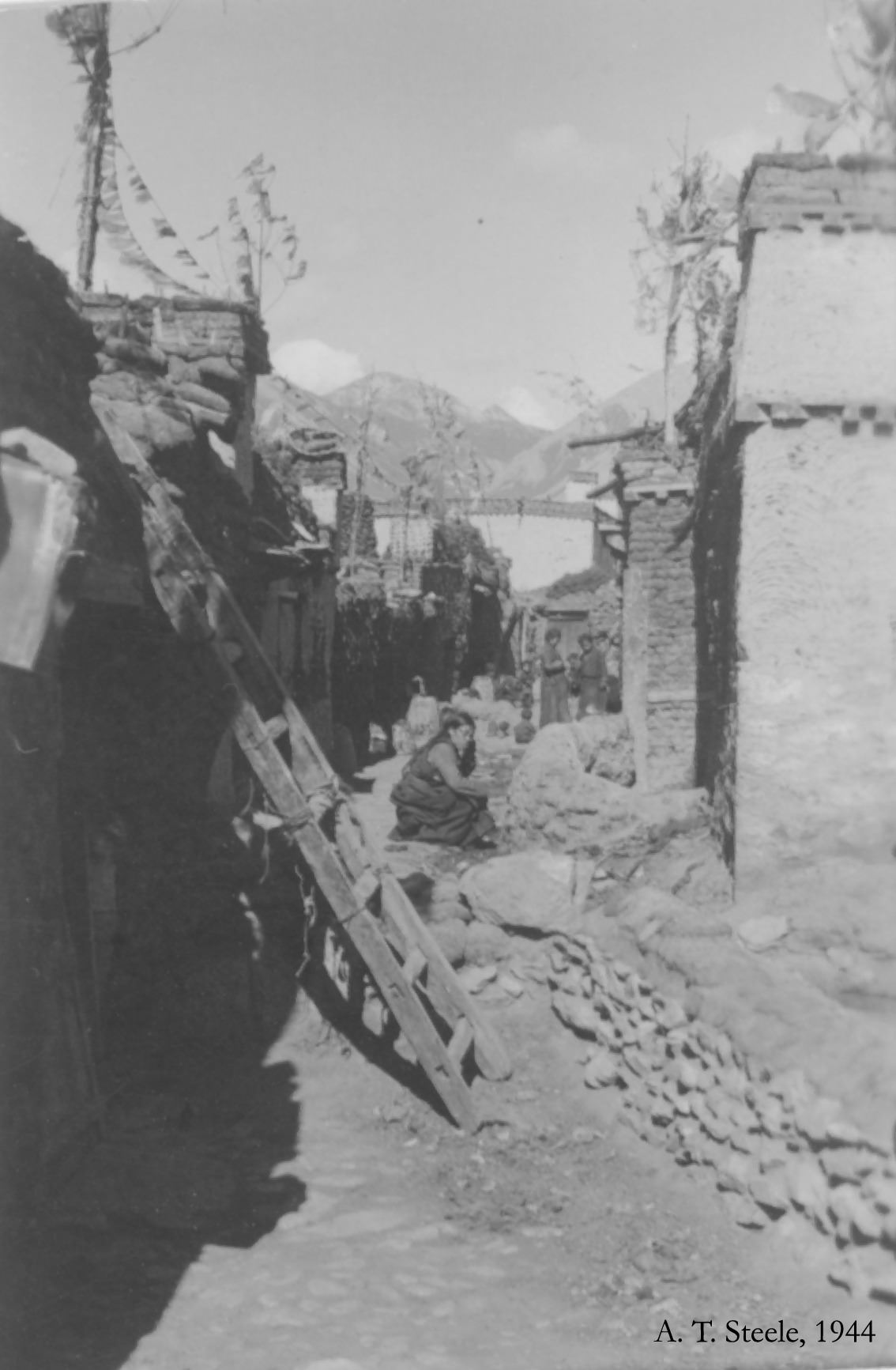
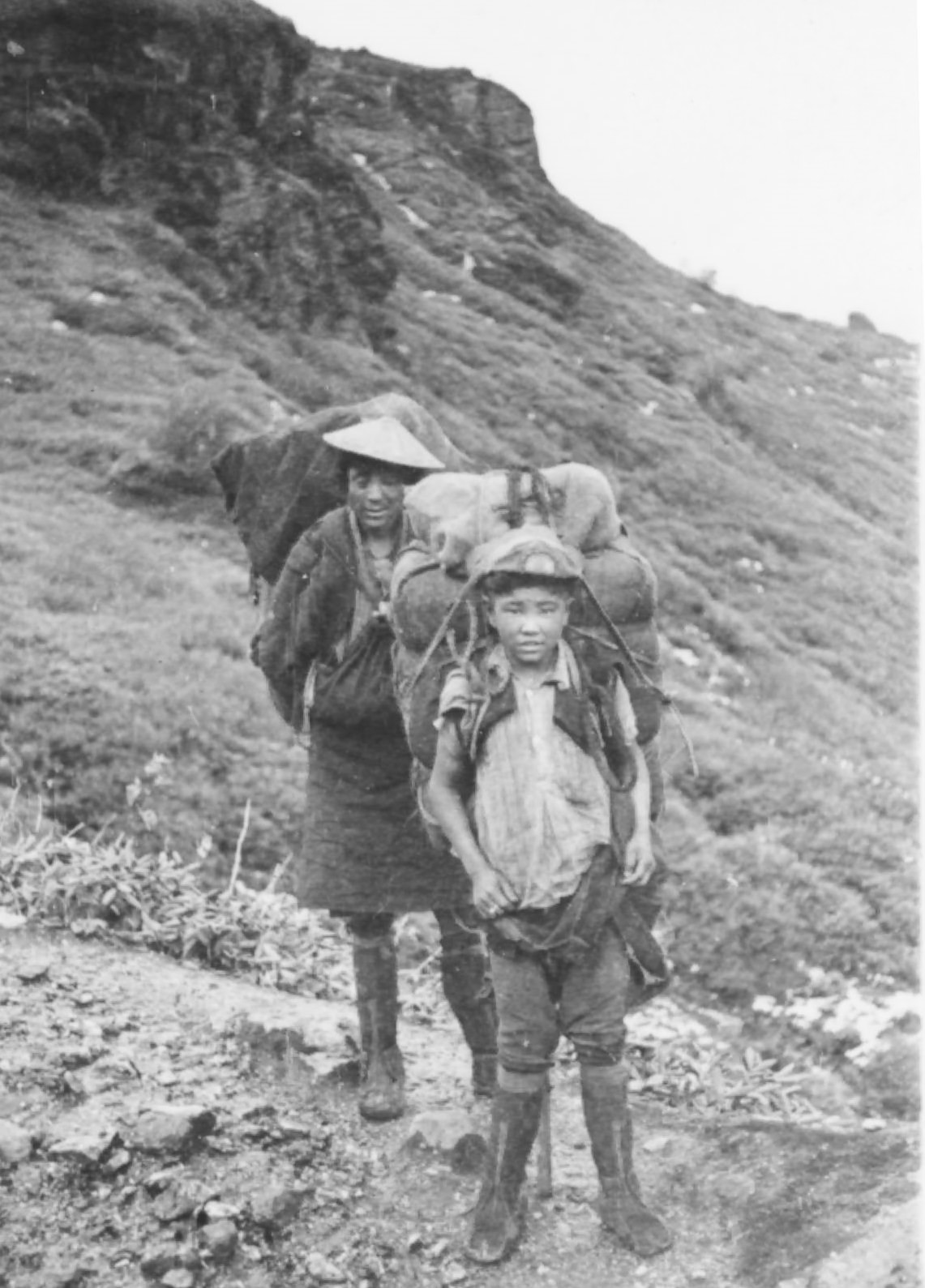
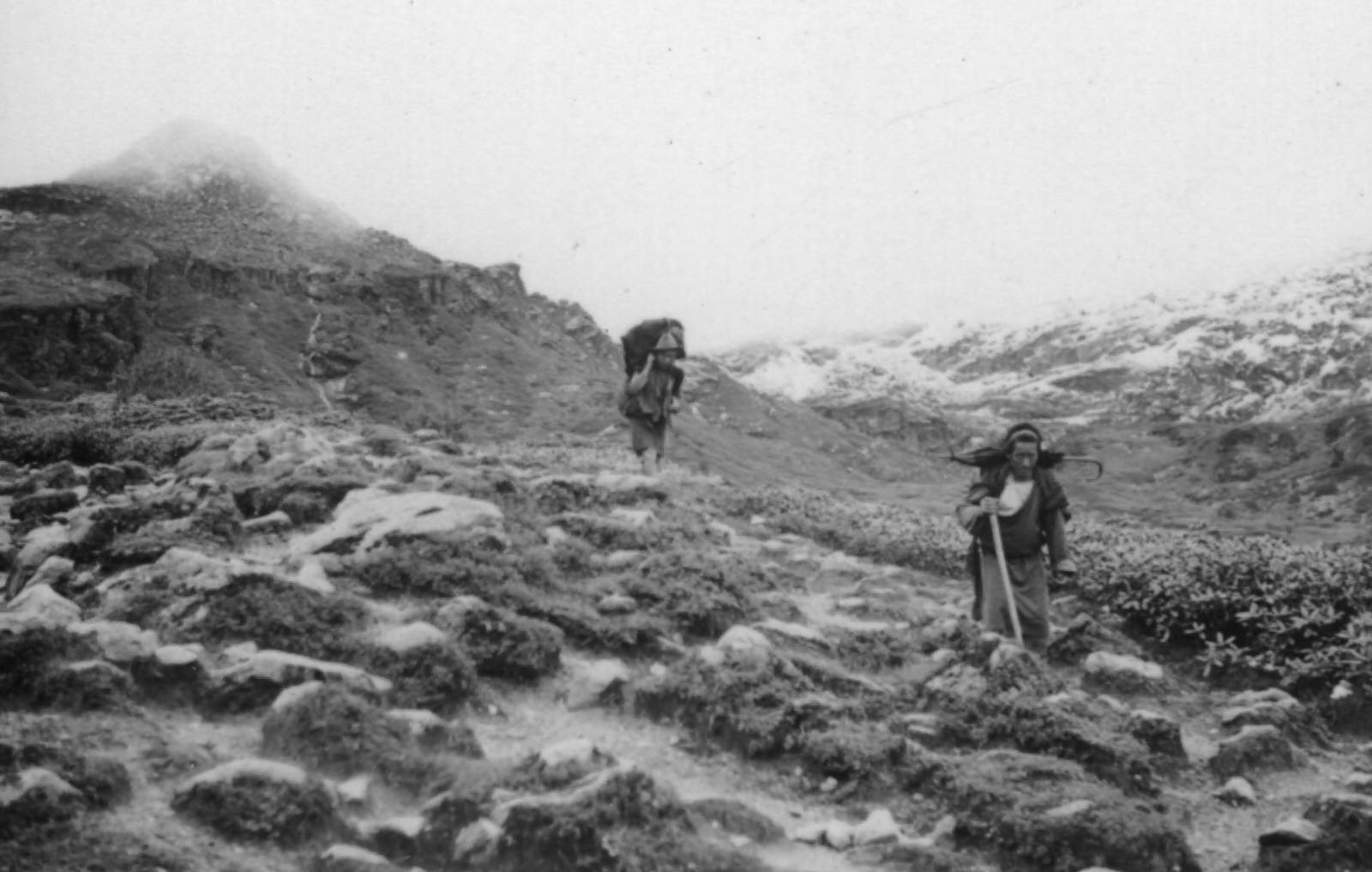
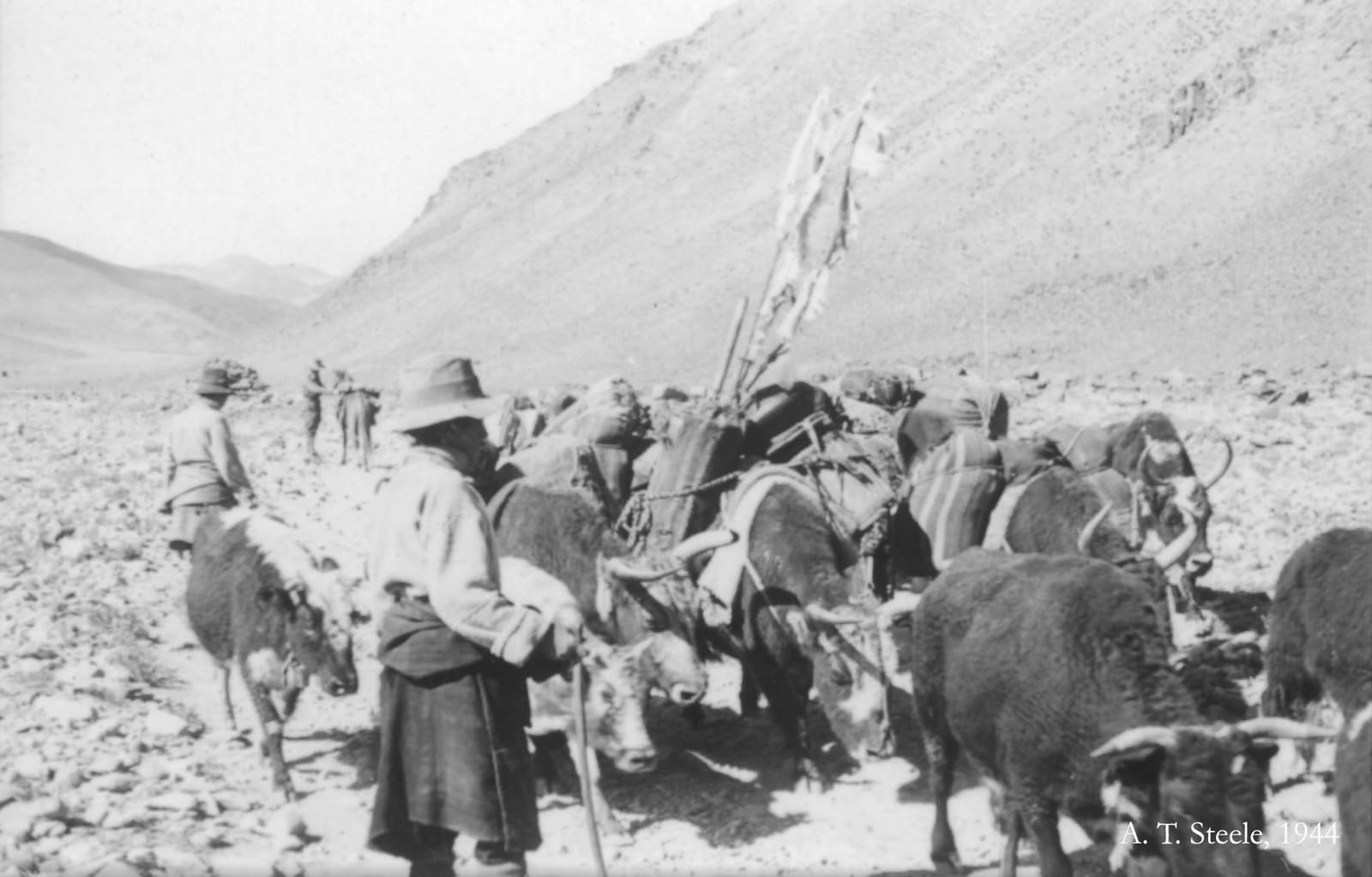
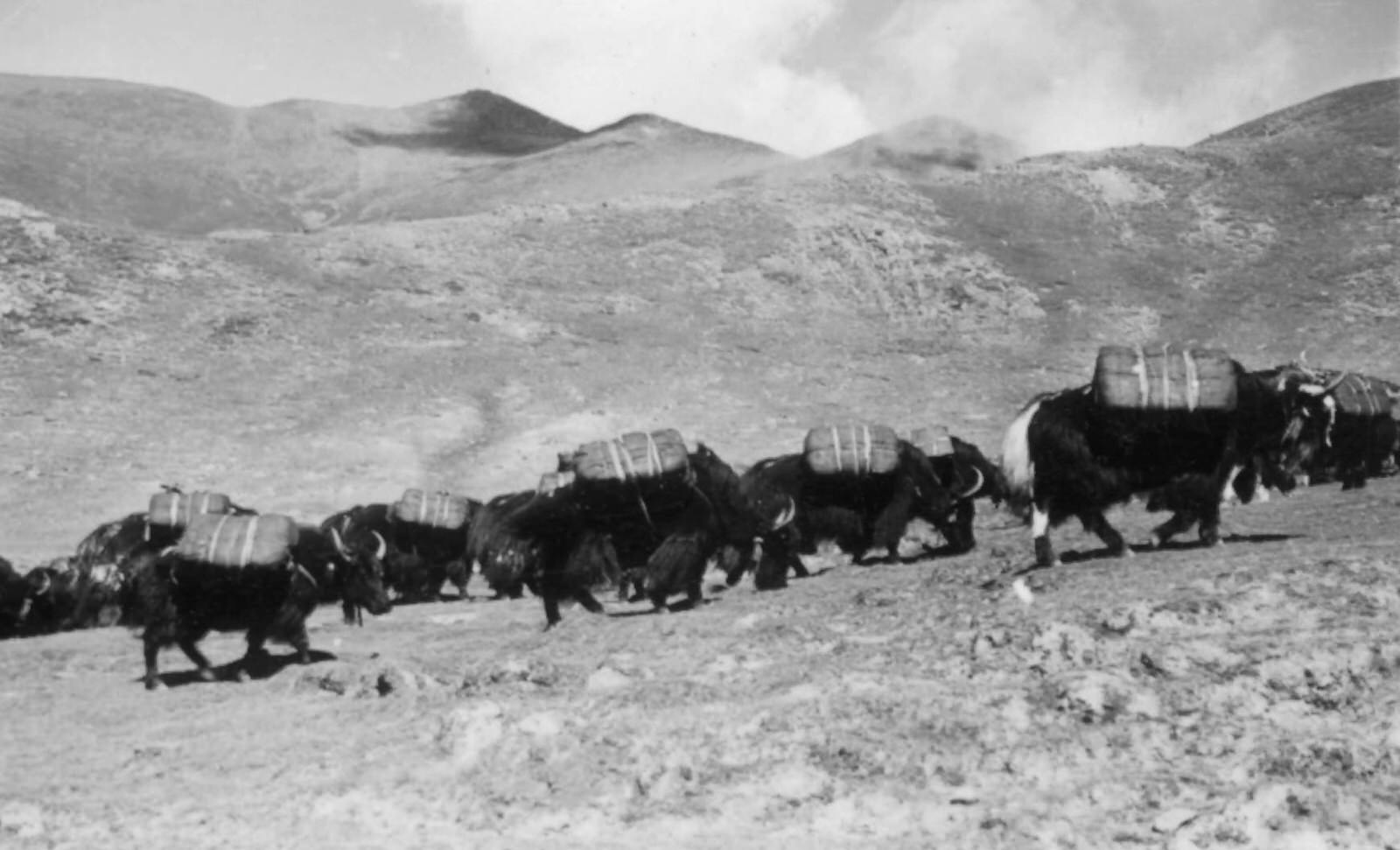
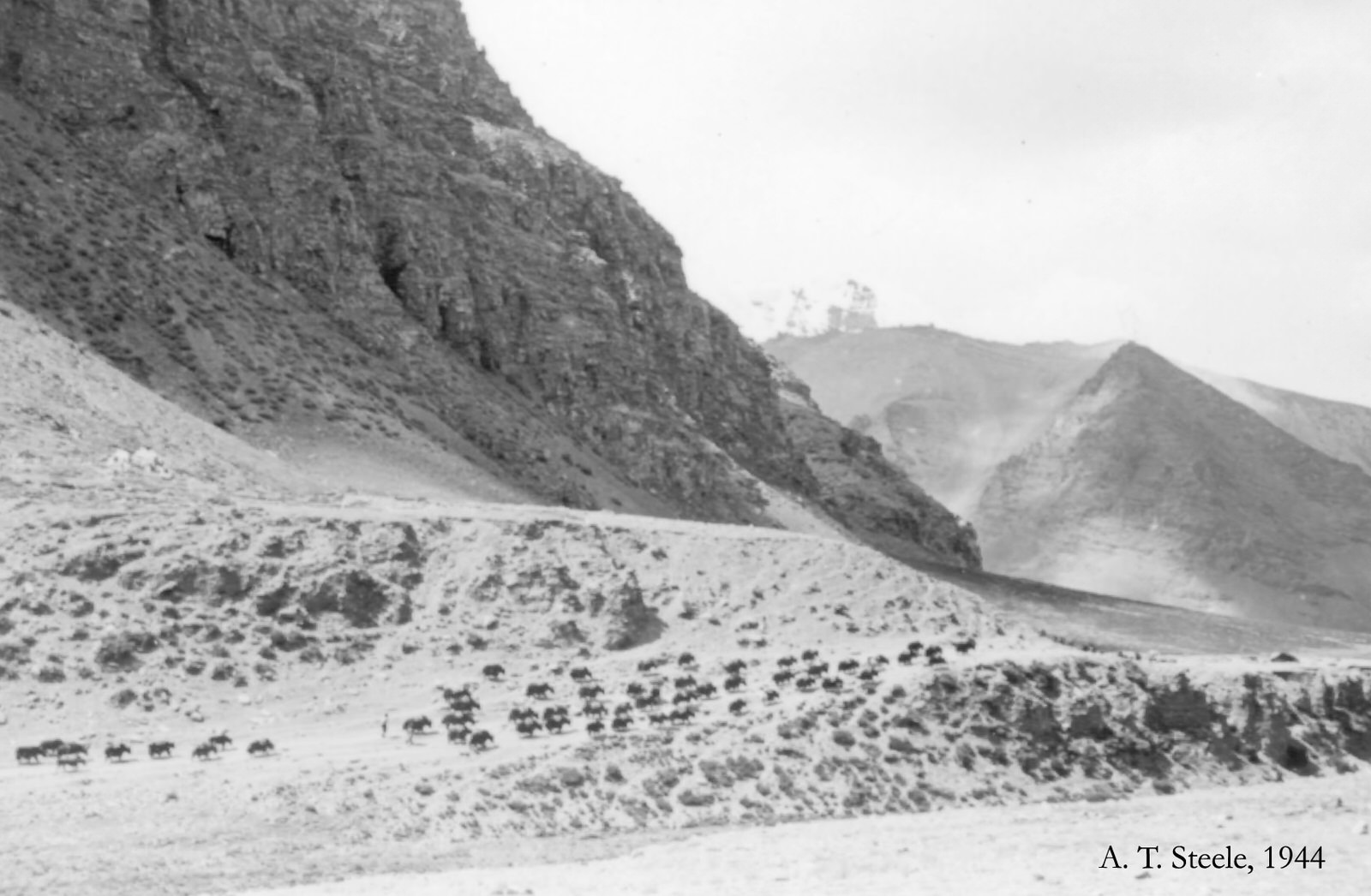
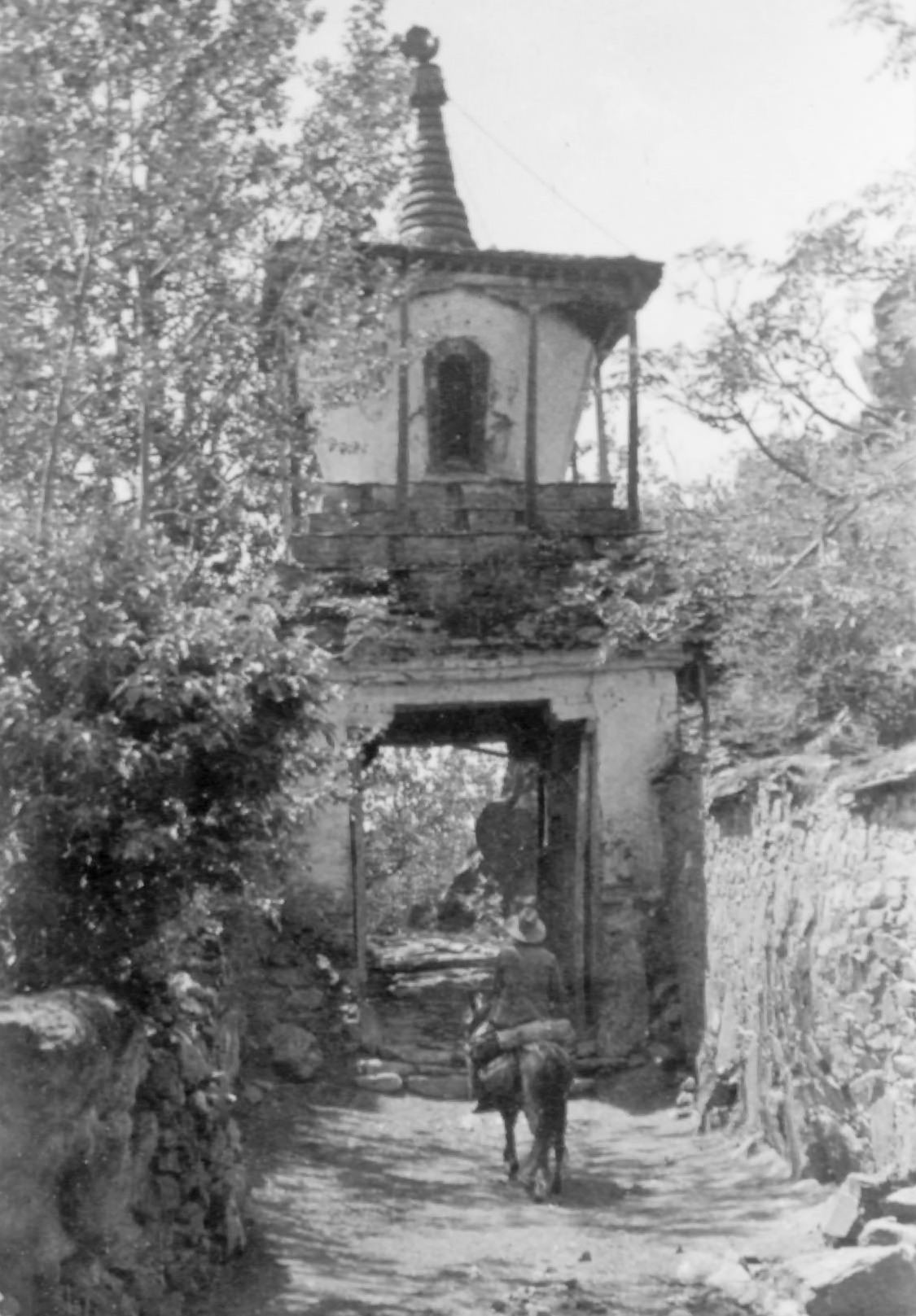
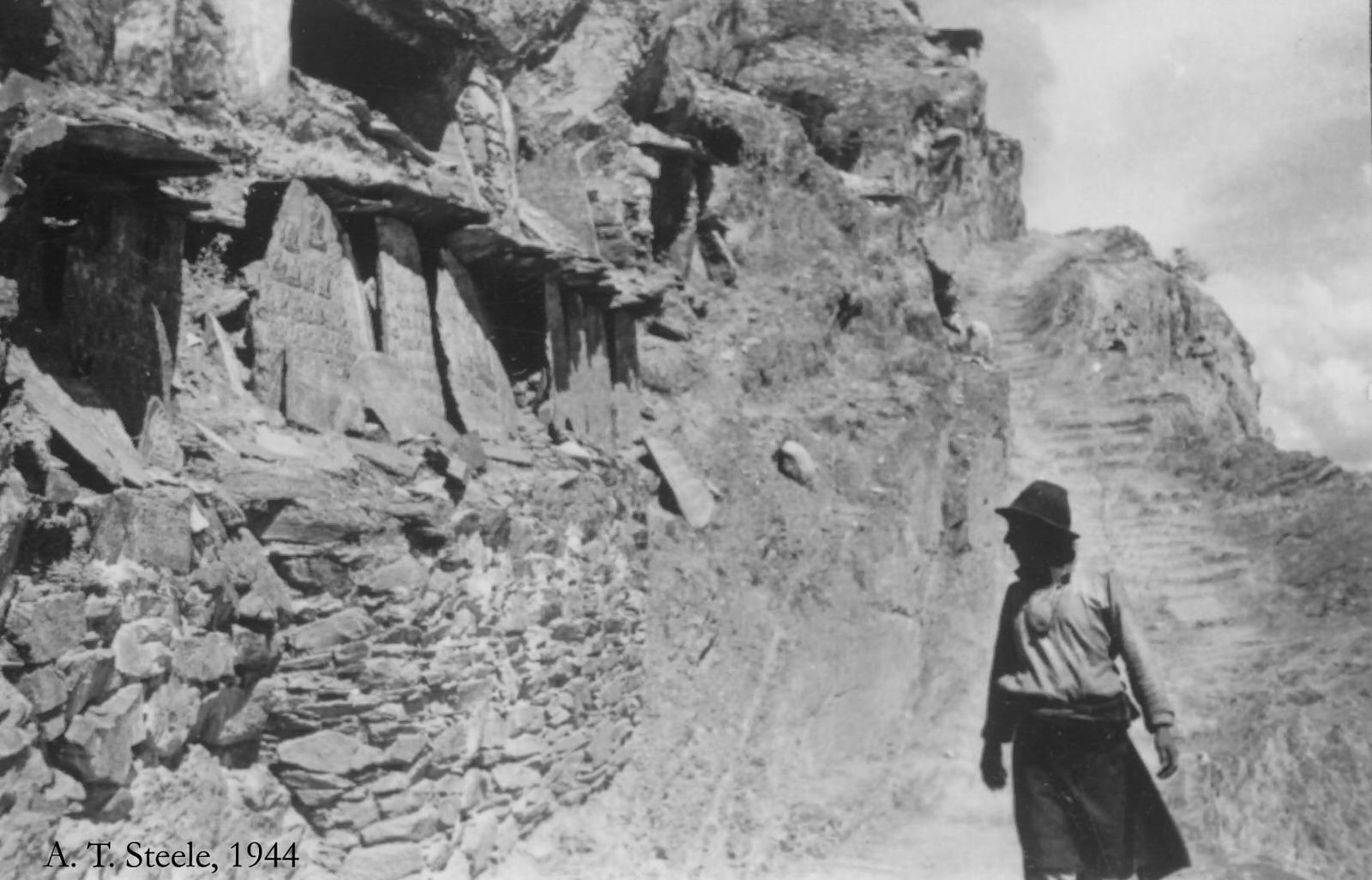
Tibet in 1944 had almost no machinery. What little existed had to be carried in pieces over the mountain passes by hand. Holy monuments lined the trails to Lhasa — chortens, carved stones, and prayer flags marked the sacred routes that pilgrims and traders alike traveled for centuries.
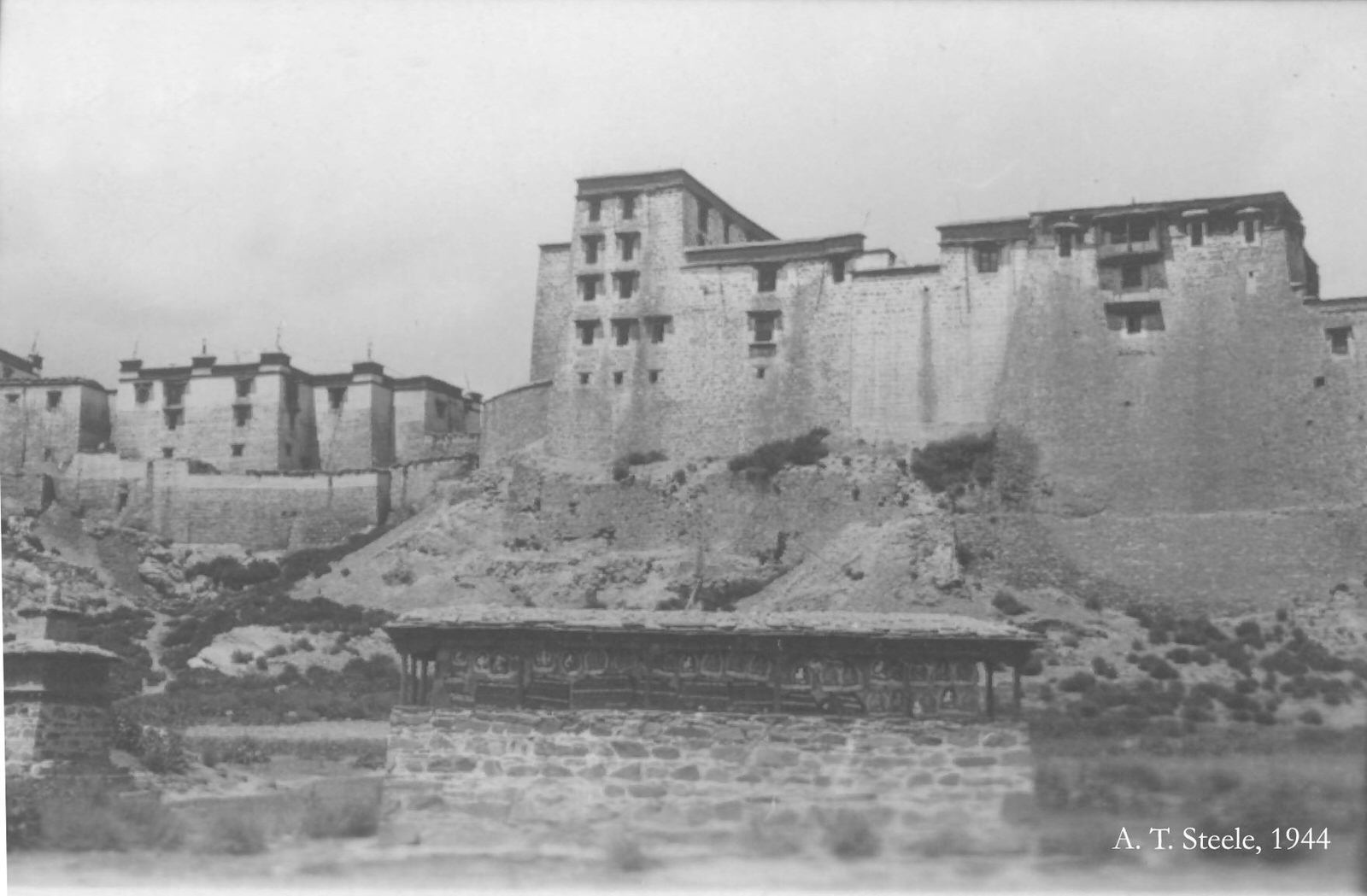
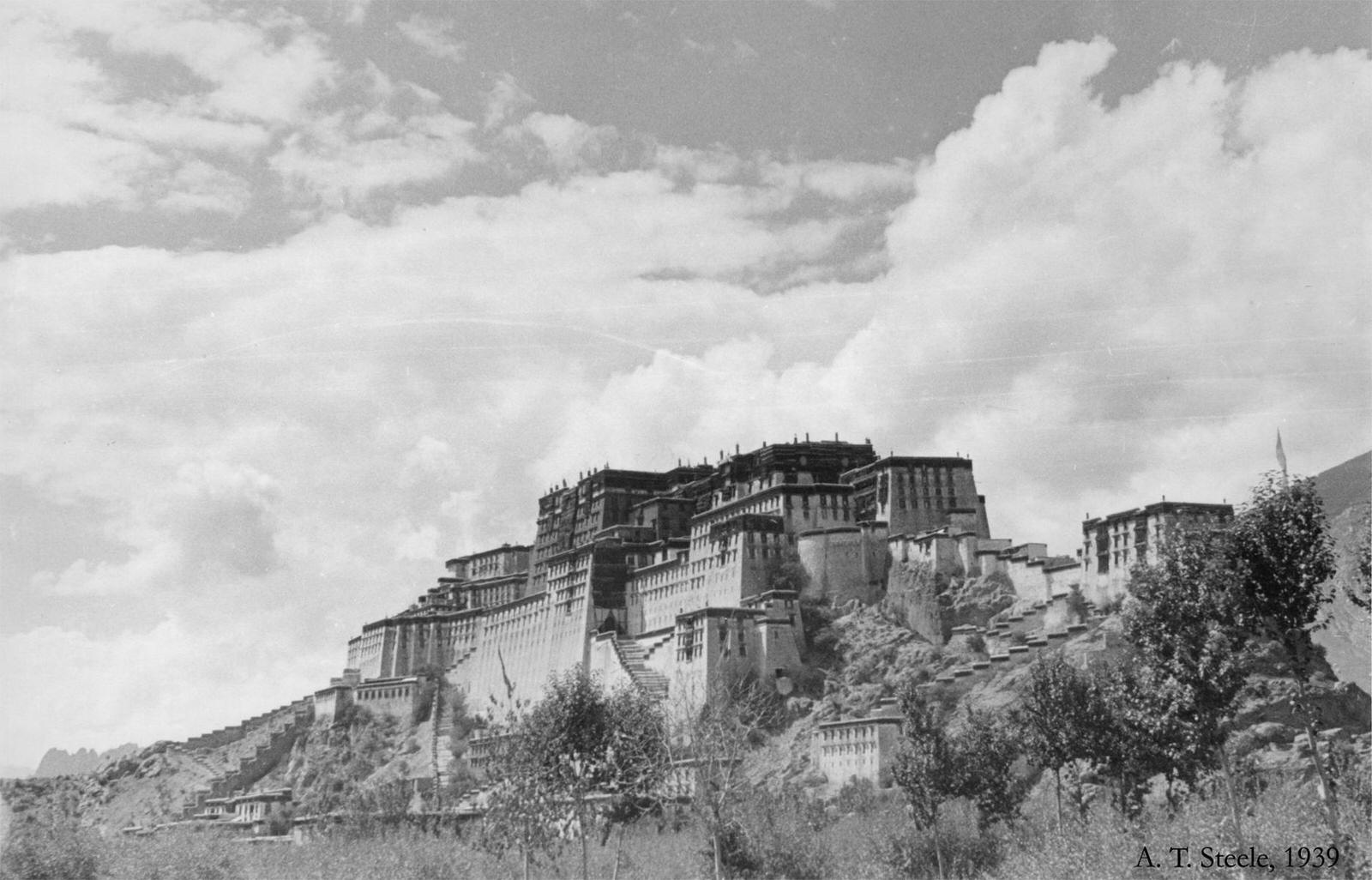
When Steele arrived in Lhasa, the city’s most dominant feature was unmistakable — the Potala Palace, the Dalai Lama’s winter residence, rising dramatically above the valley floor. He photographed it from multiple angles, capturing its enormous white and red walls against the Tibetan sky.
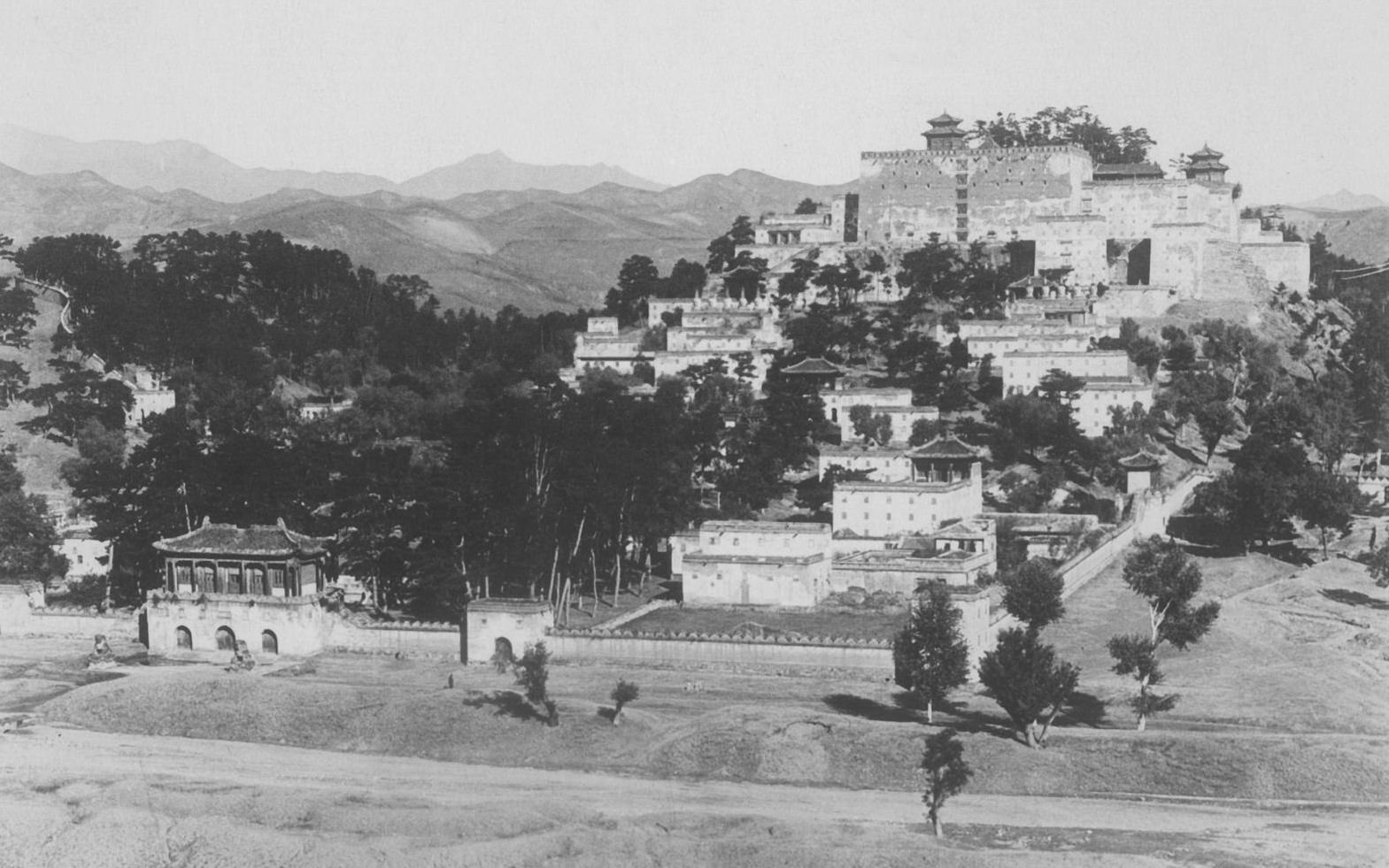
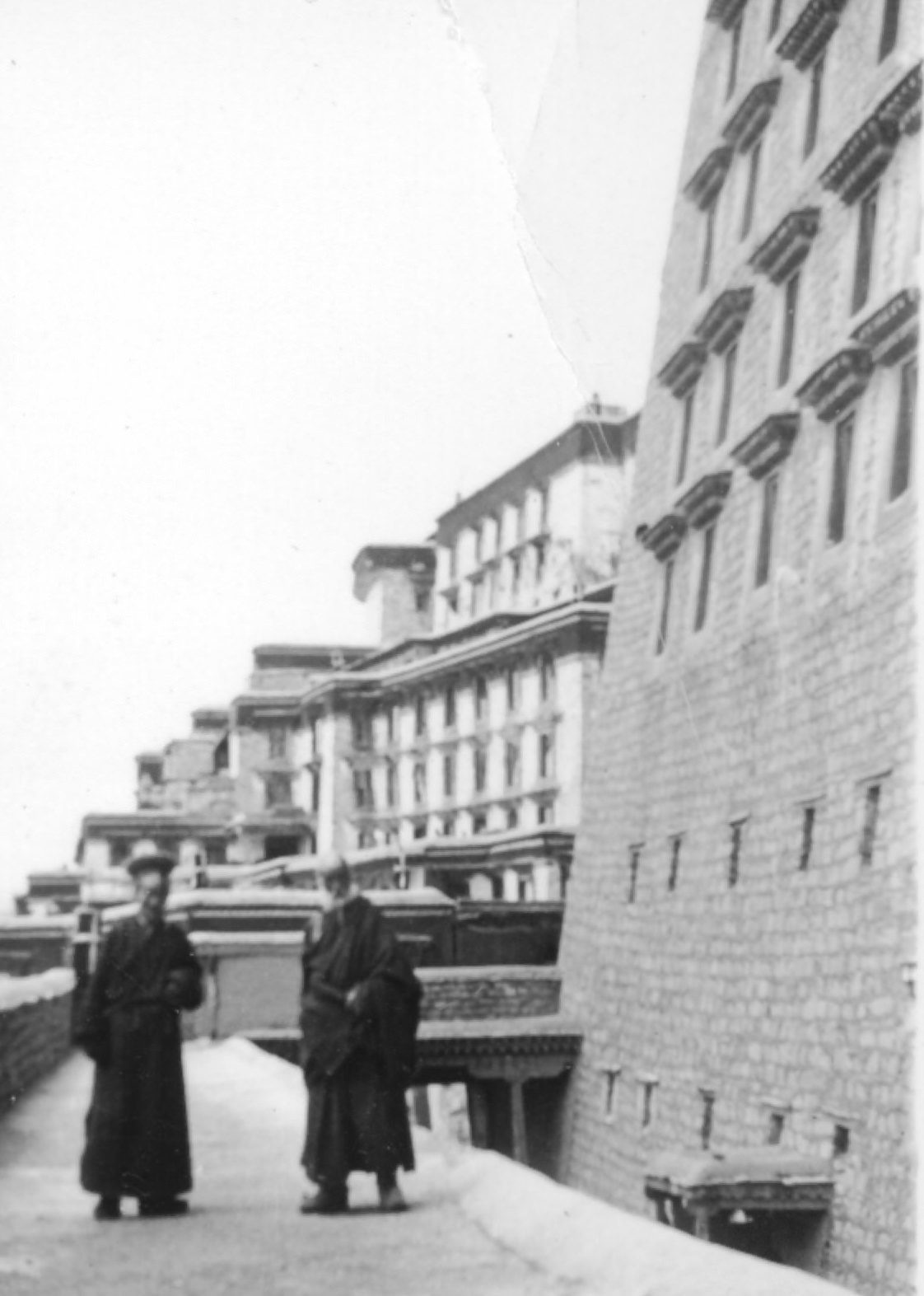
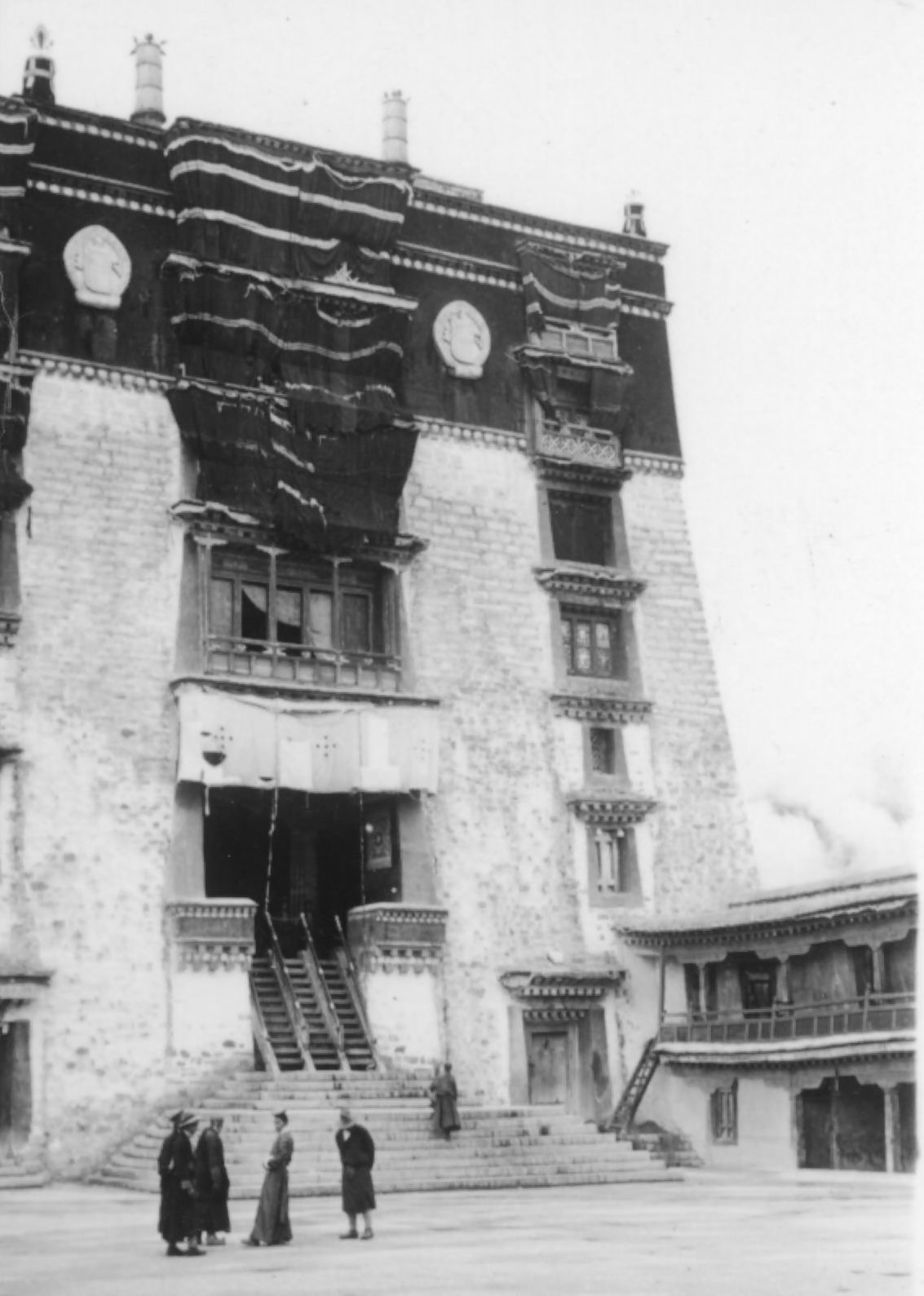
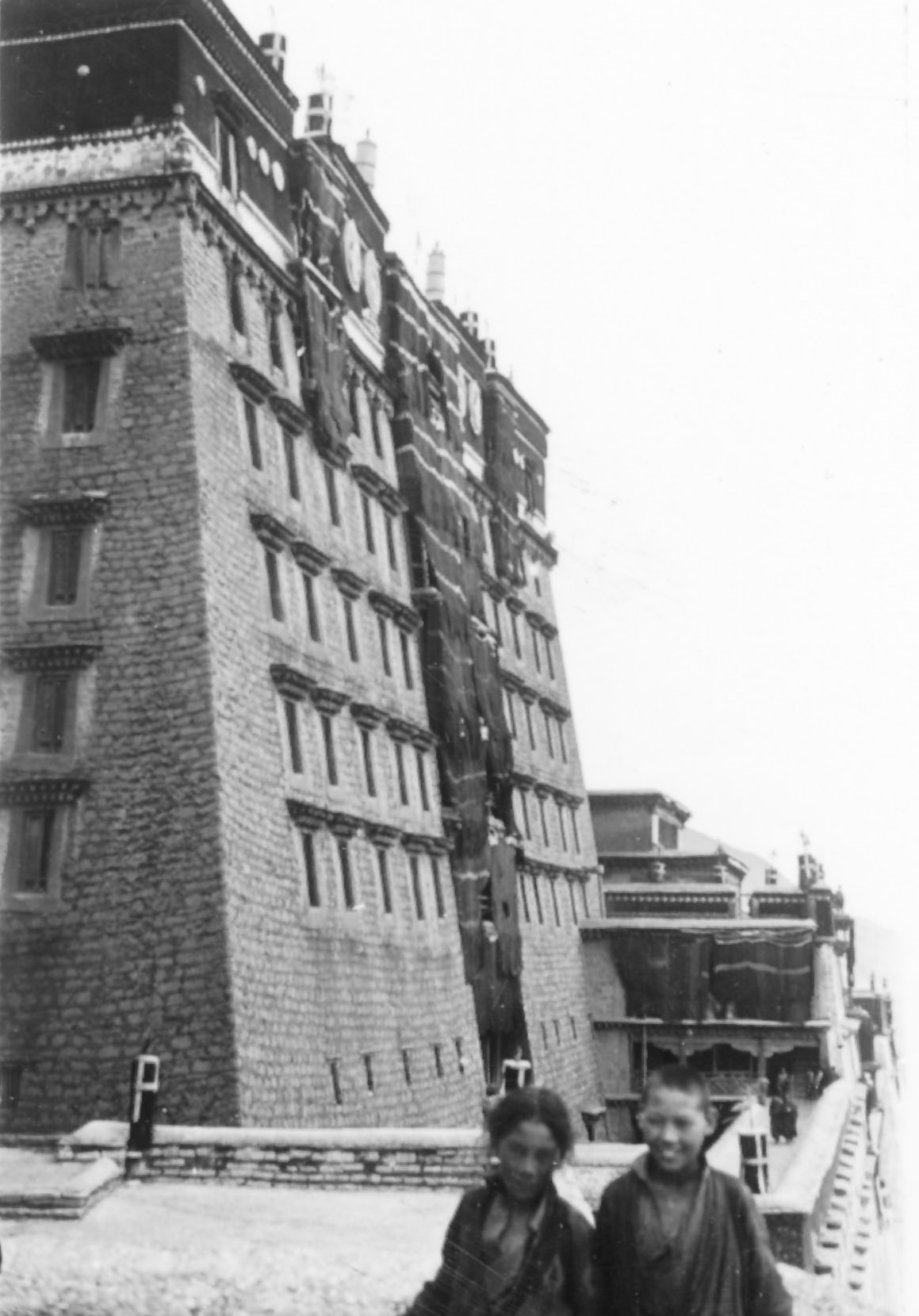
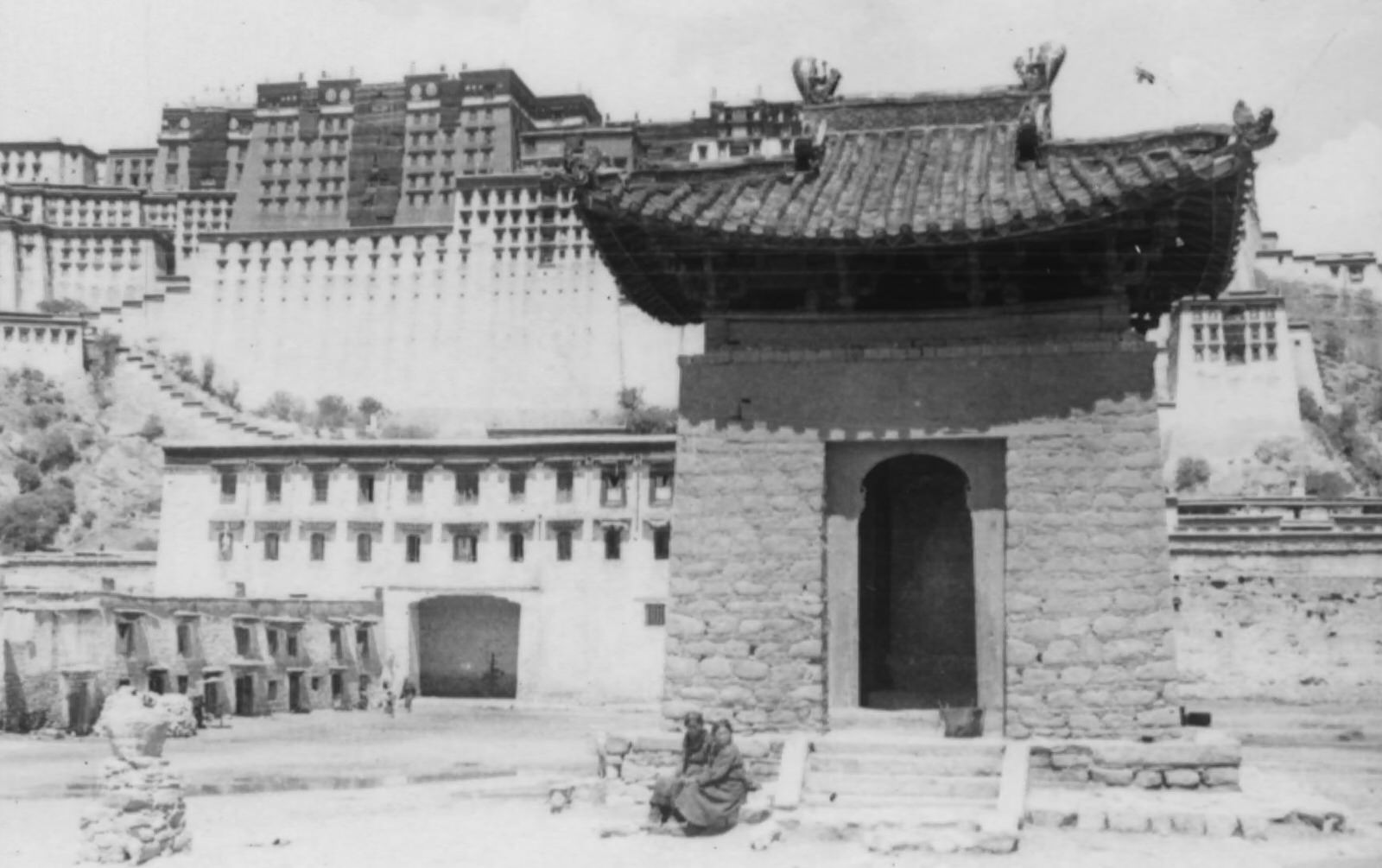
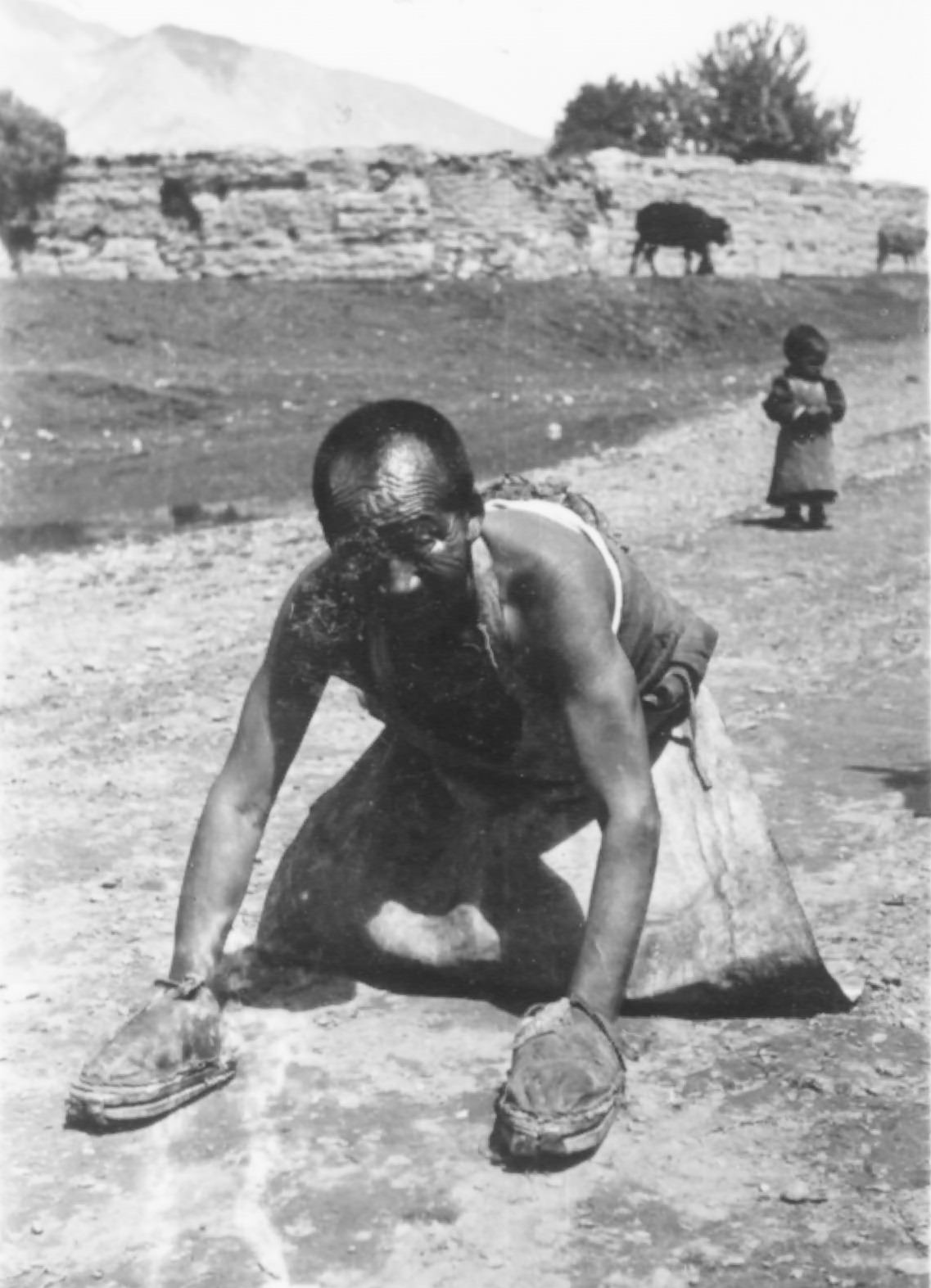
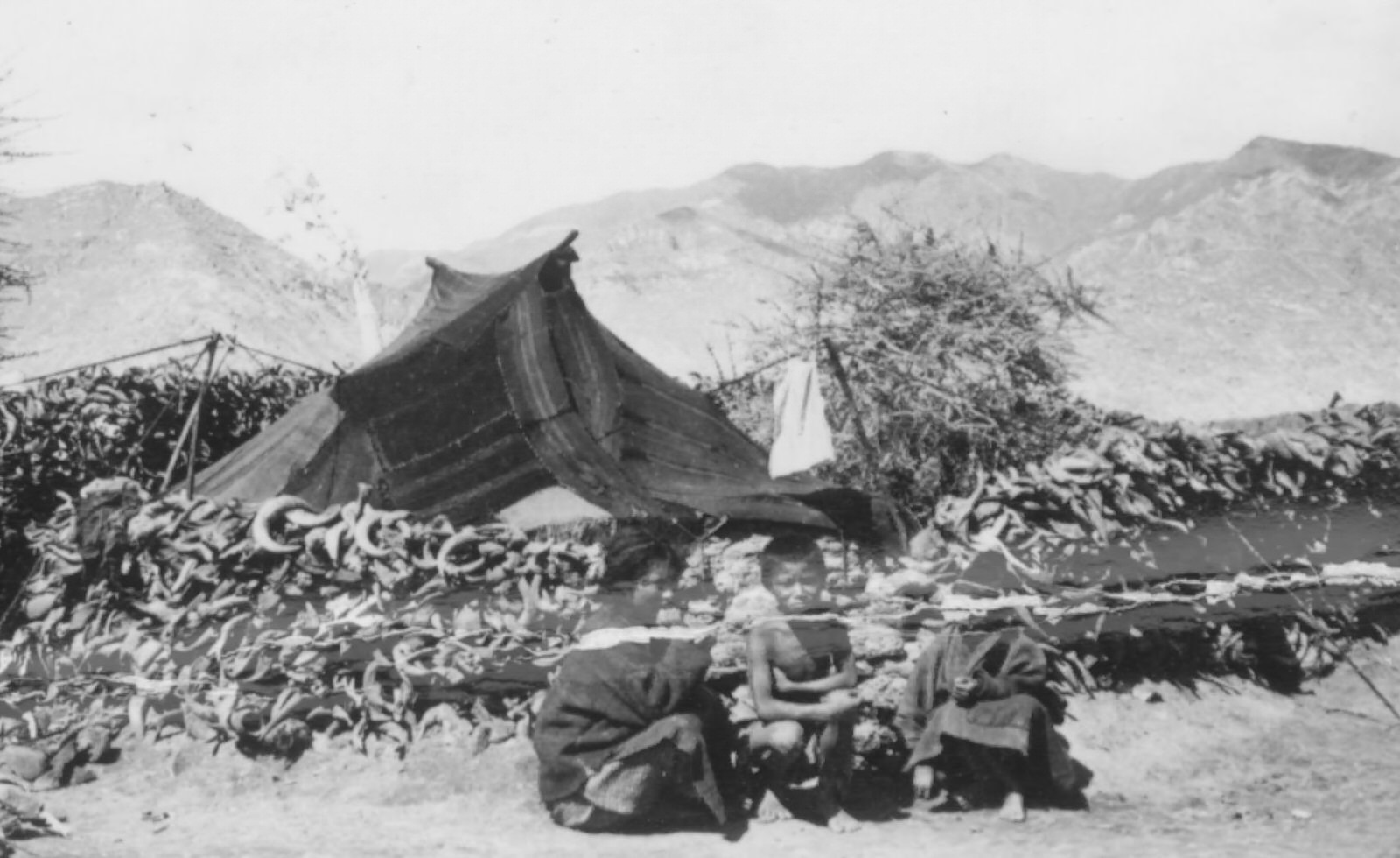
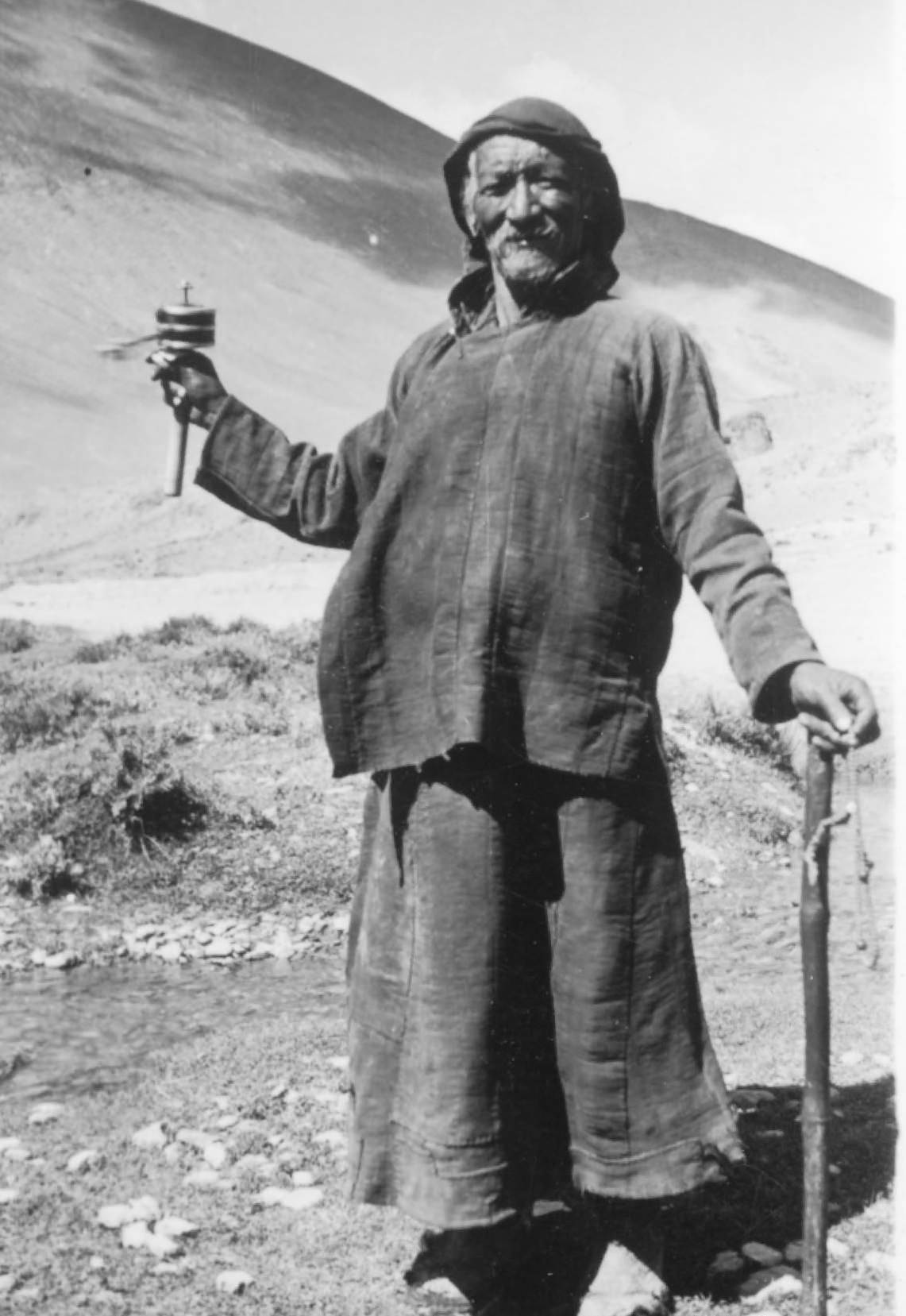
Around the Potala ran the Sacred Way — a pilgrimage path circling the palace. Devout pilgrims prostrated themselves along the entire route, moving forward only the length of their own body with each full bow, wearing wooden slabs to protect their hands. Others walked the path with prayer wheels spinning in their hands. Beggars sat beside the Sacred Way waiting for pilgrims, their tent walls built entirely from stacked sheep horns. Religious carvings and objects lined the path on all sides.
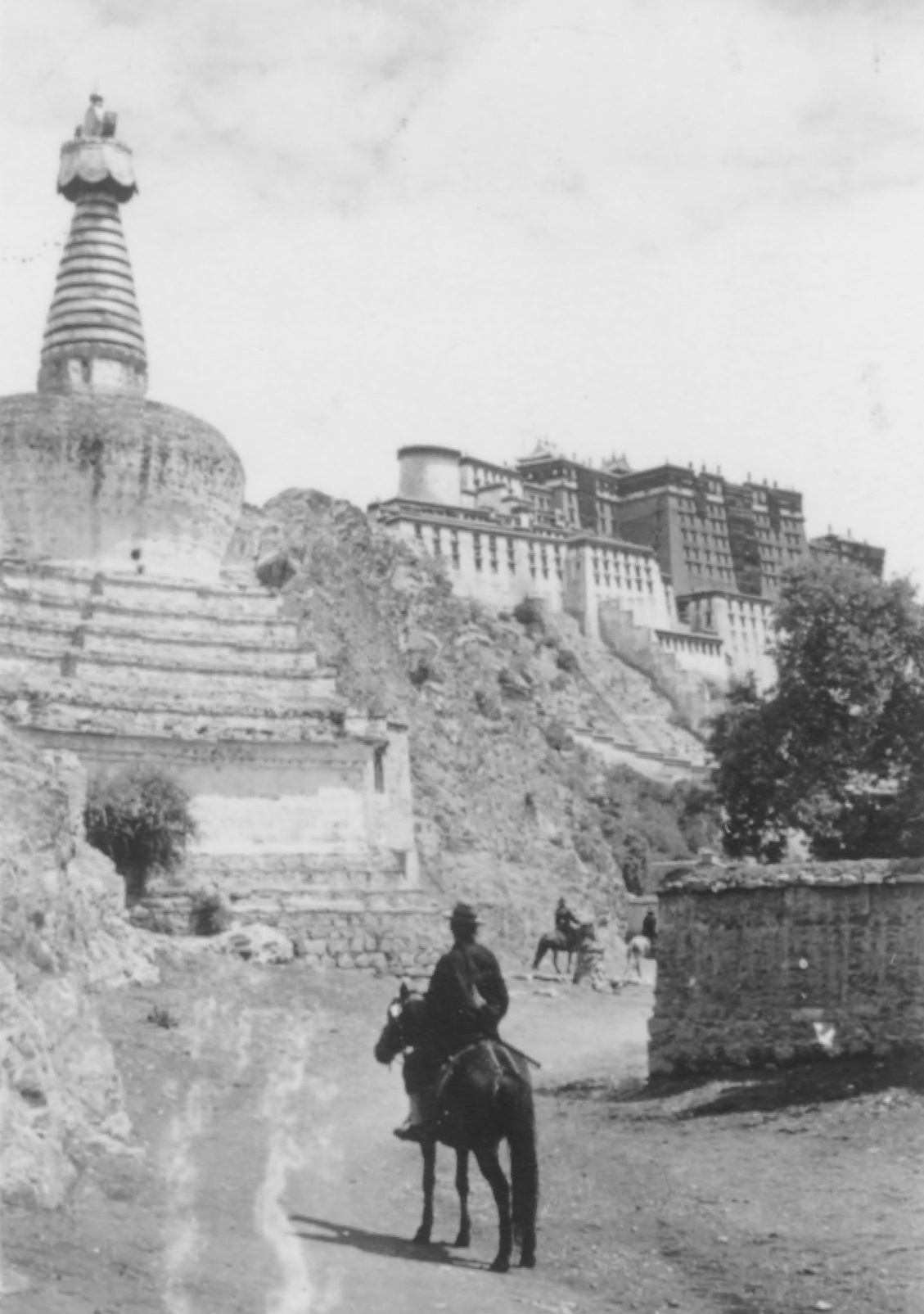
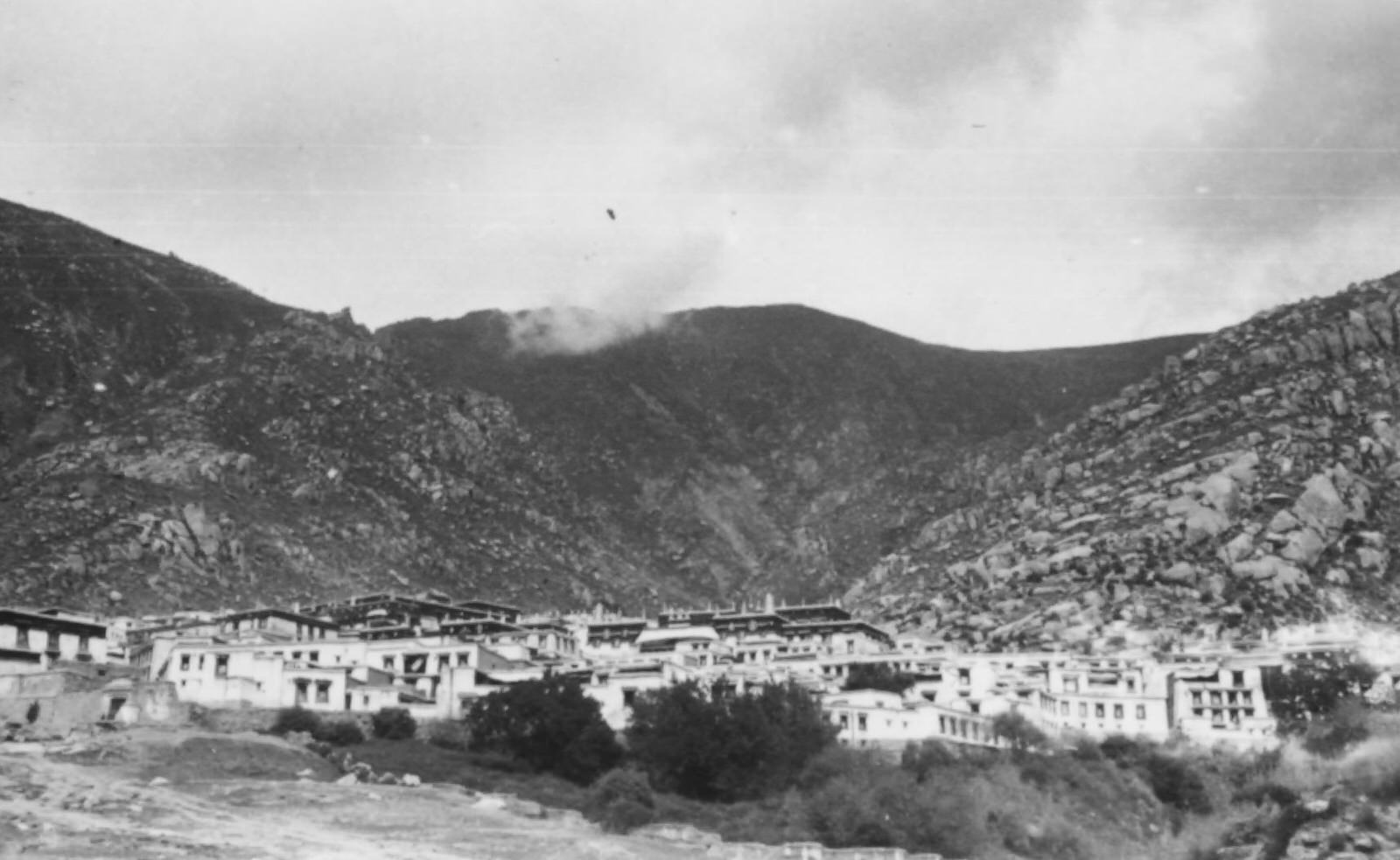
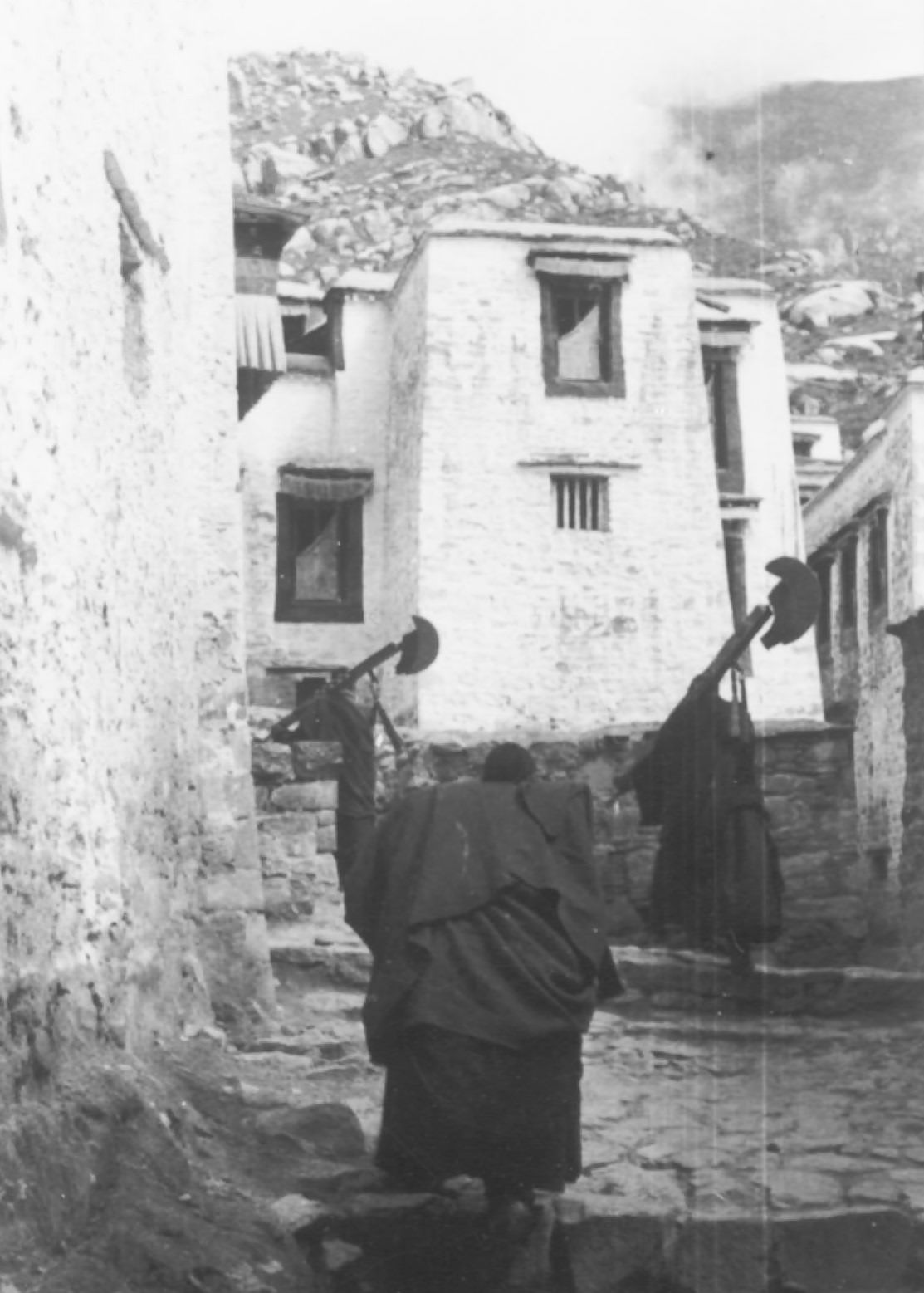
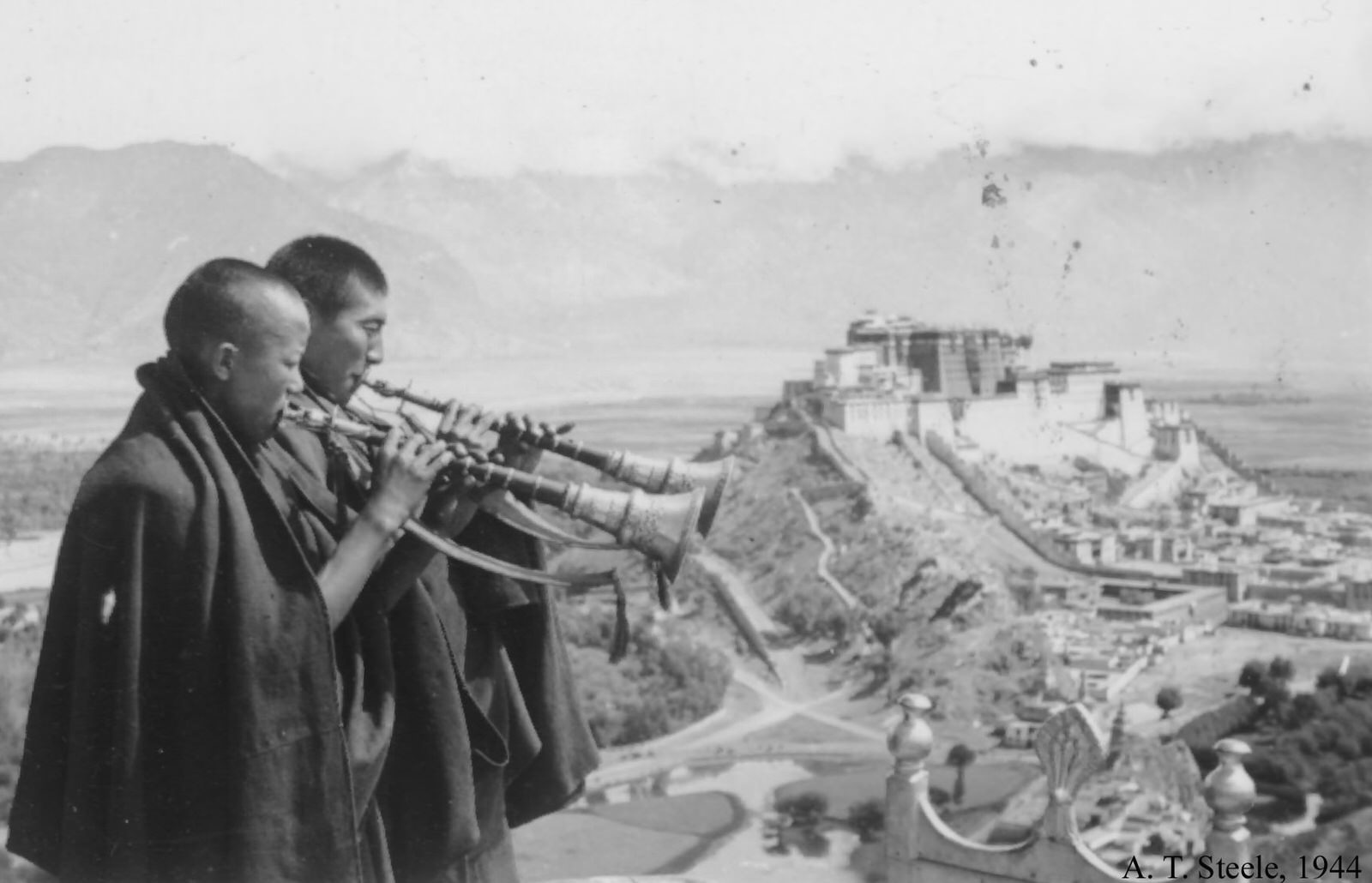
Outside the city stood Drepung Monastery, the largest monastery in the world at the time, housing around 10,000 monks. Inside its grounds, giant monks carrying large bronze shafts of authority walked ahead of visitors through the streets to clear the way. Steele also visited the Temple of Medicine, where Buddhist monks trumpeted the call to prayers from its heights, with the Potala visible in the background.
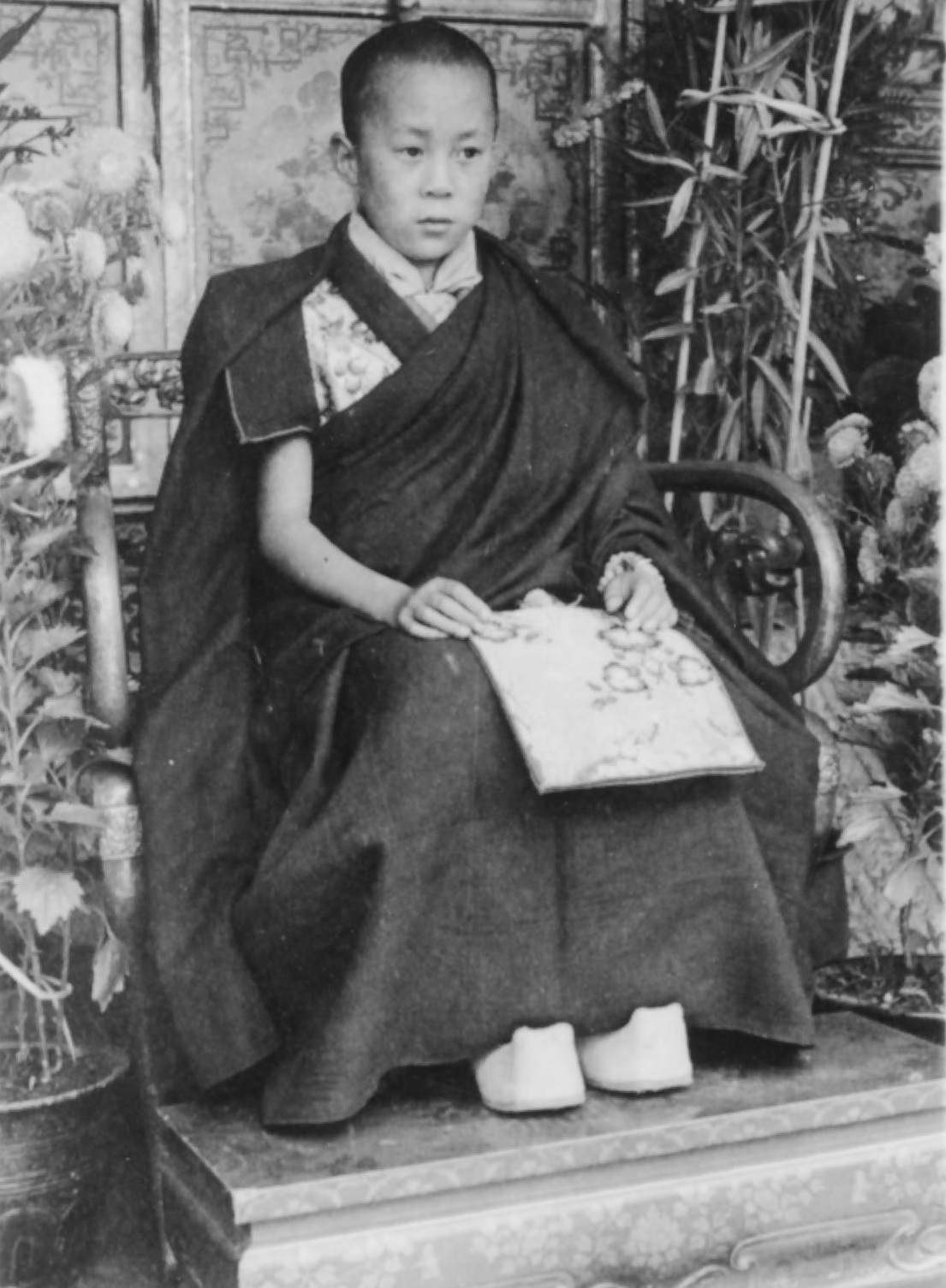
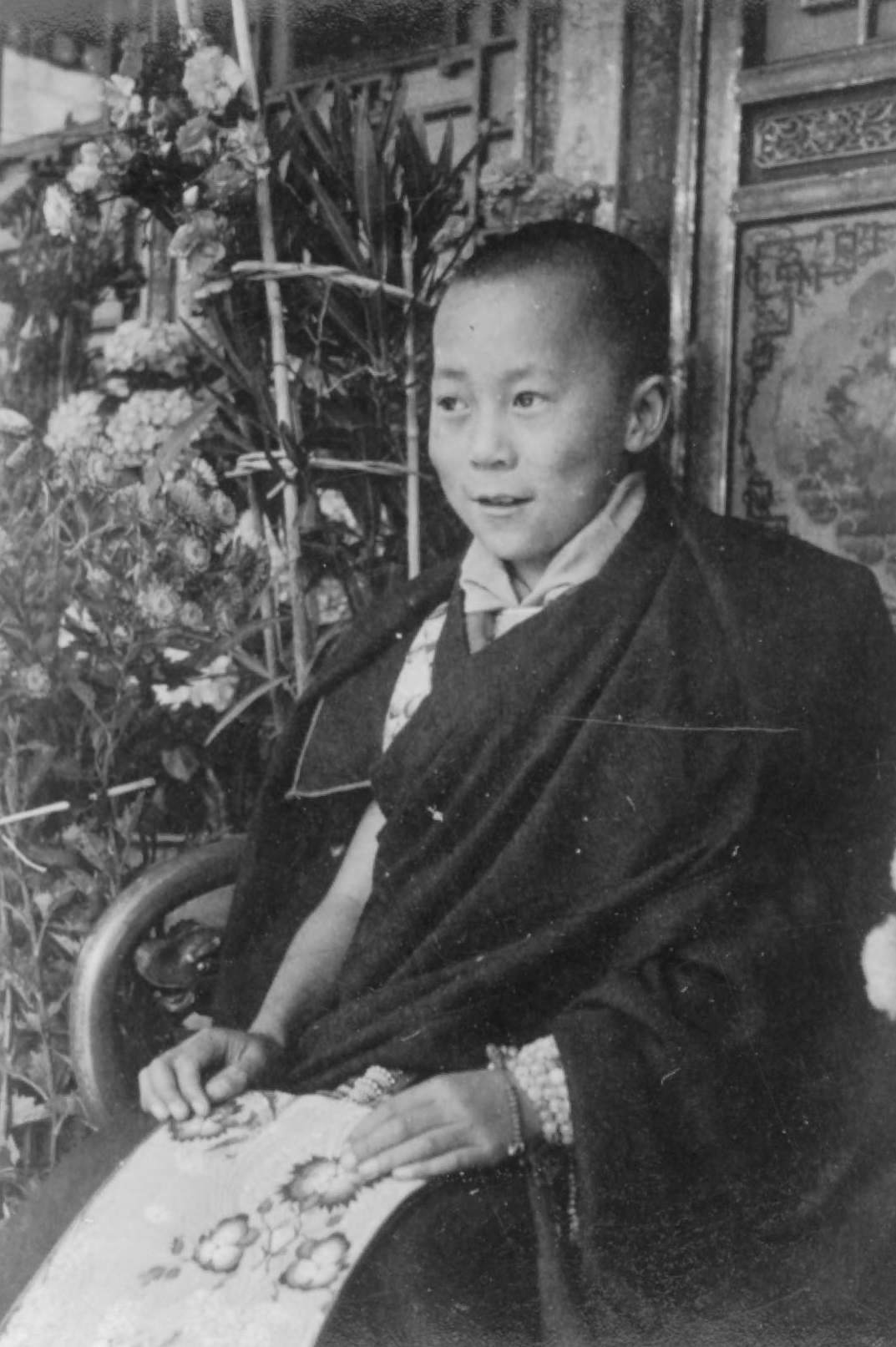
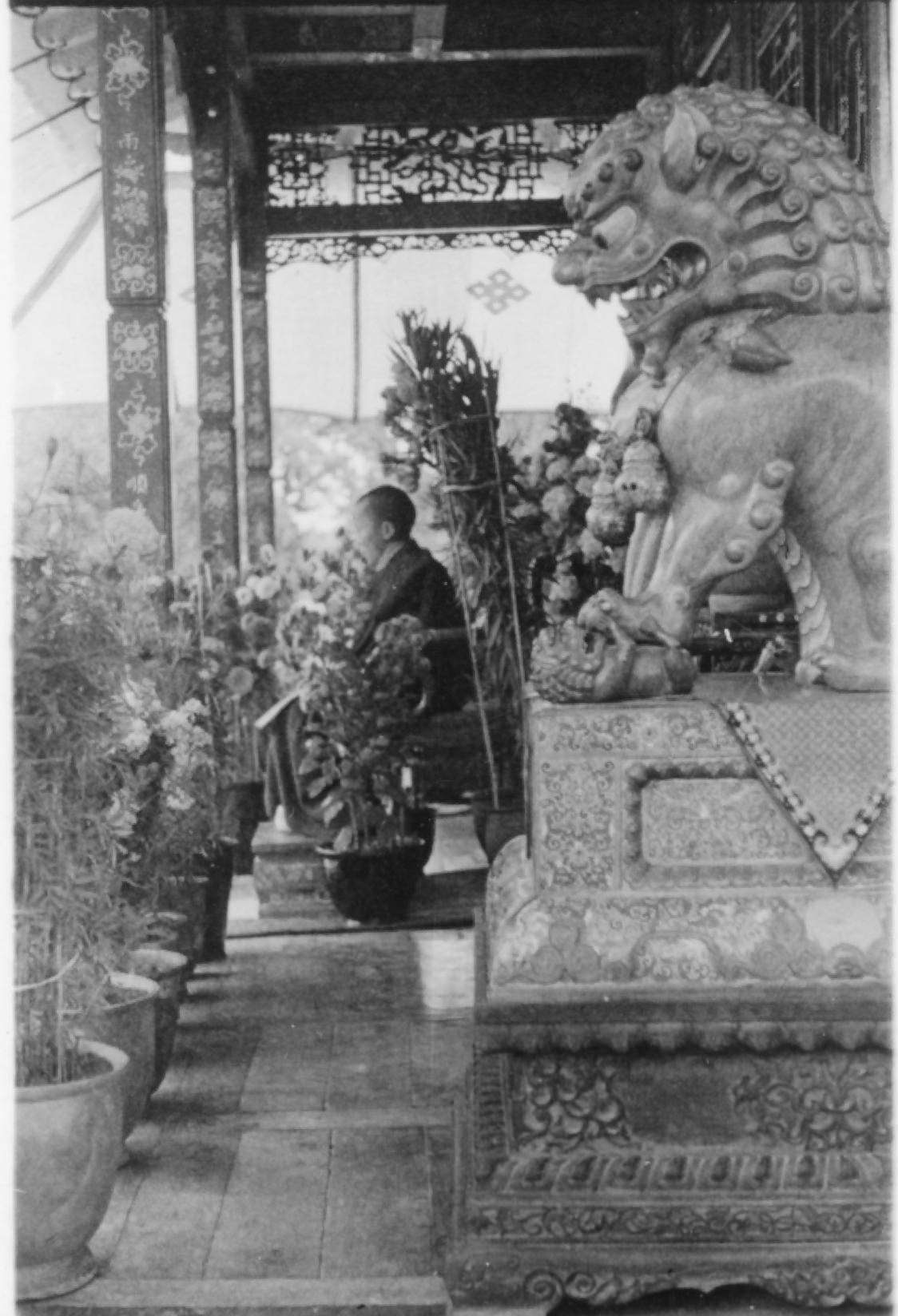
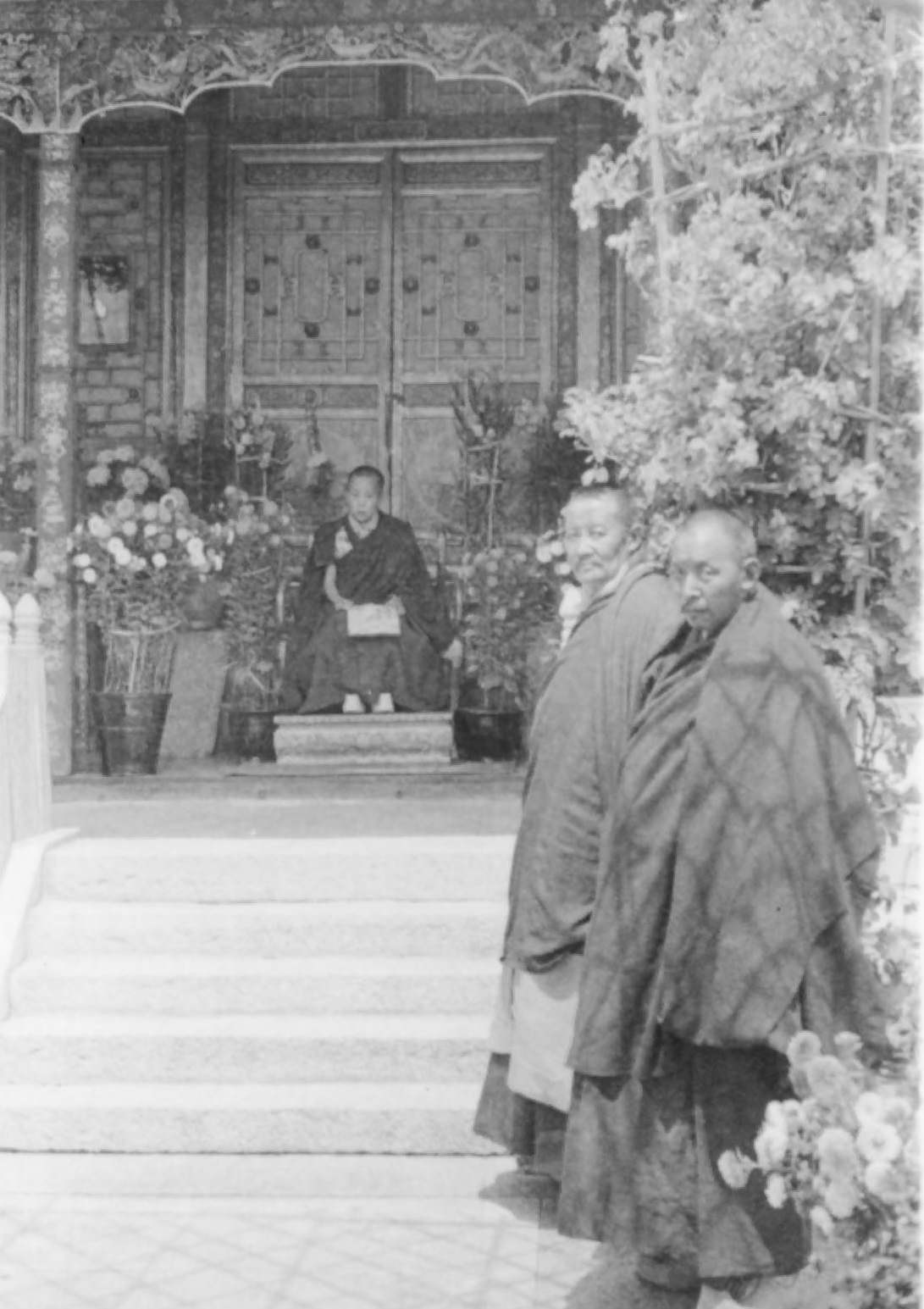
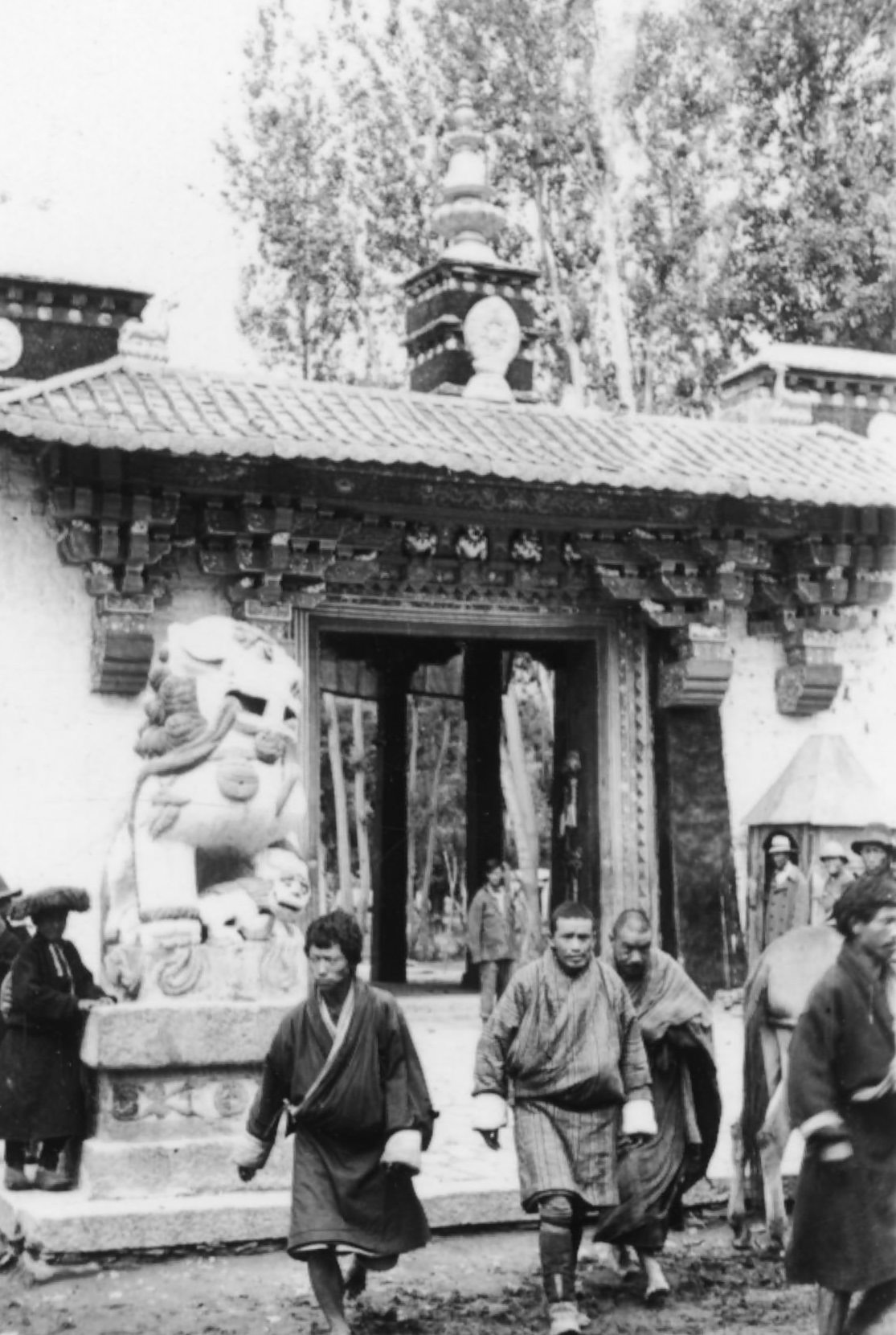
The nine-year-old Dalai Lama received visitors at his summer palace, Jewel Park, in Lhasa. Delegations arrived with gifts, monks and pilgrims entered his throne room to receive his blessing, and officials departed after audience. Steele was among those granted access to photograph the young ruler.
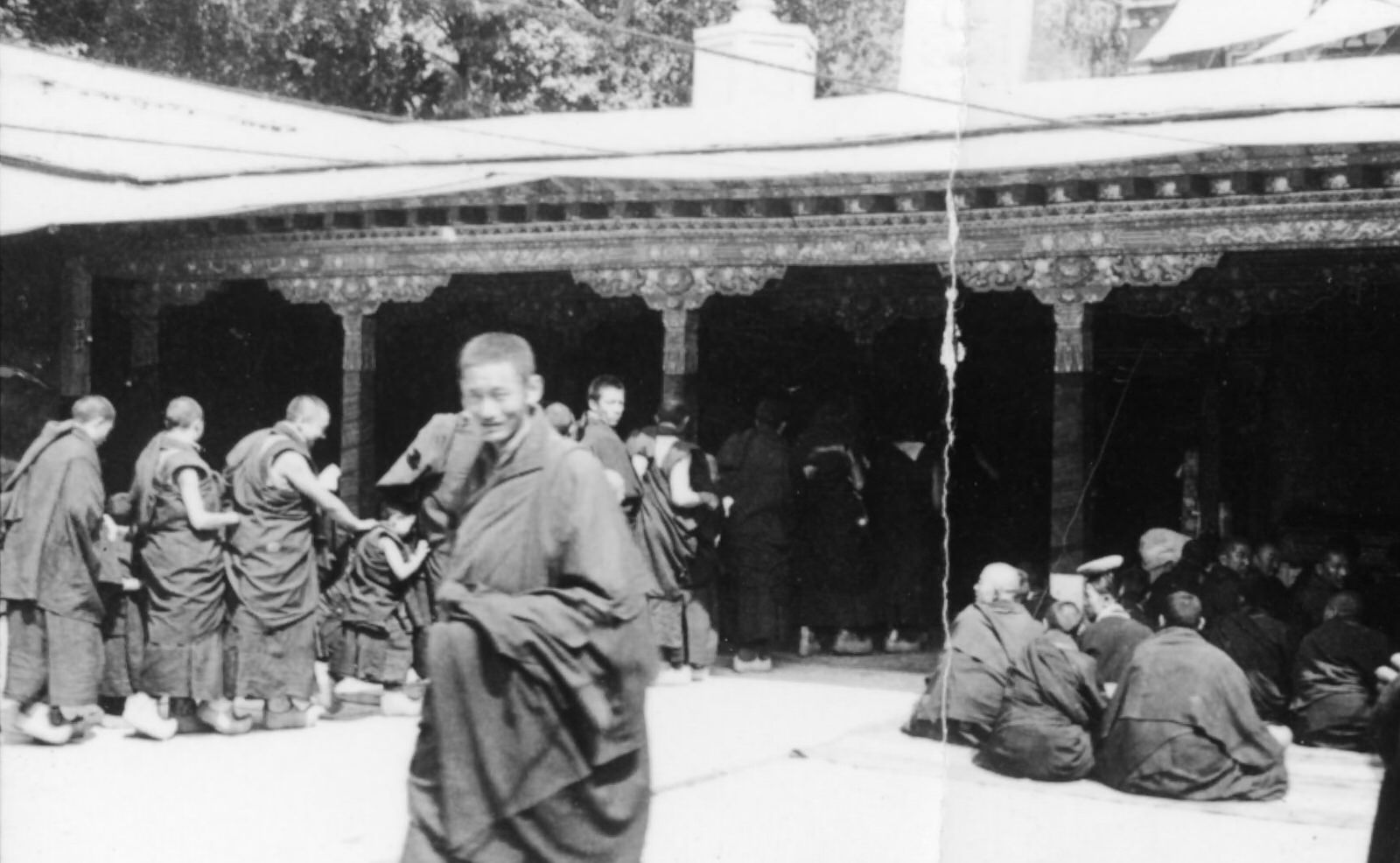
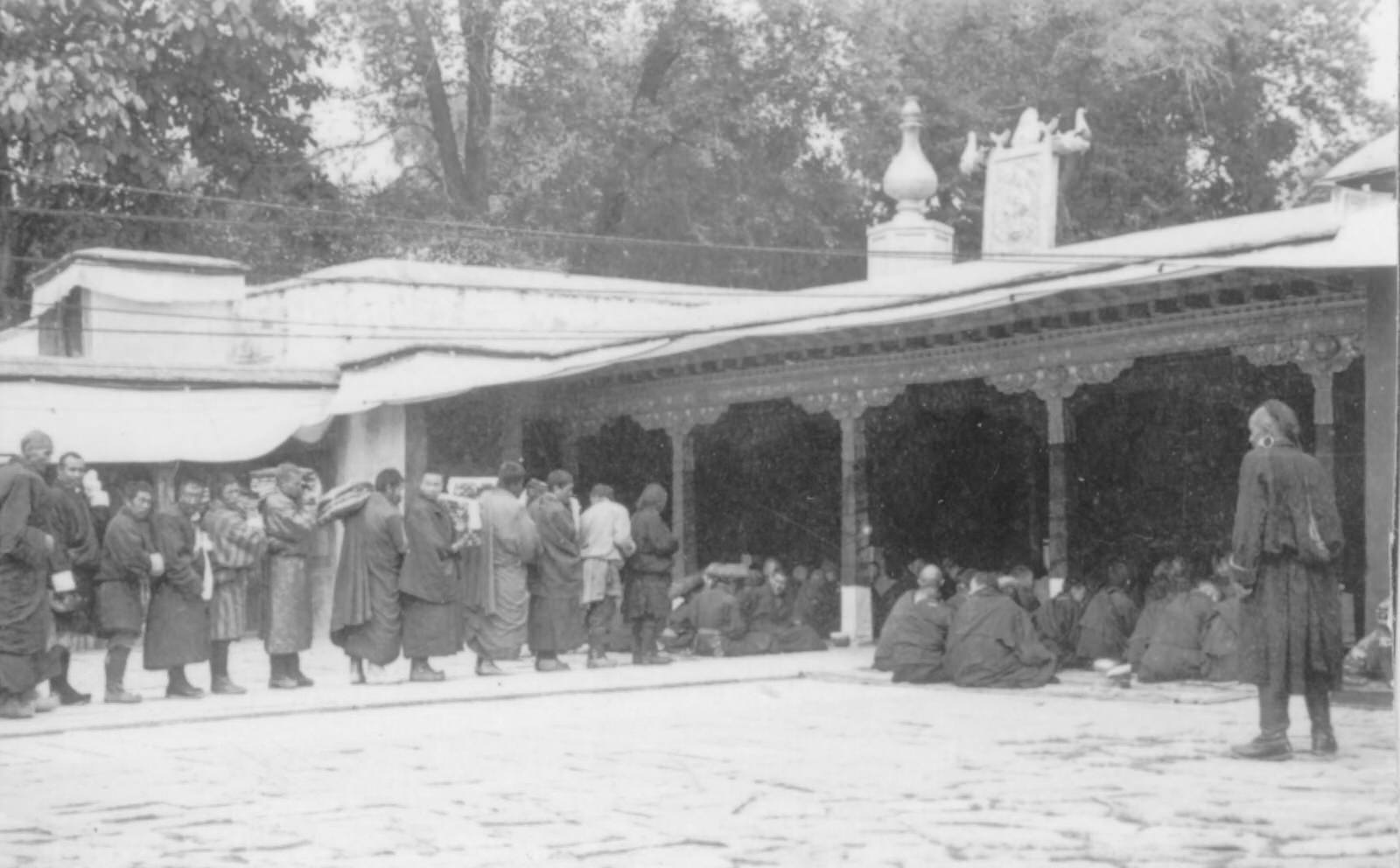
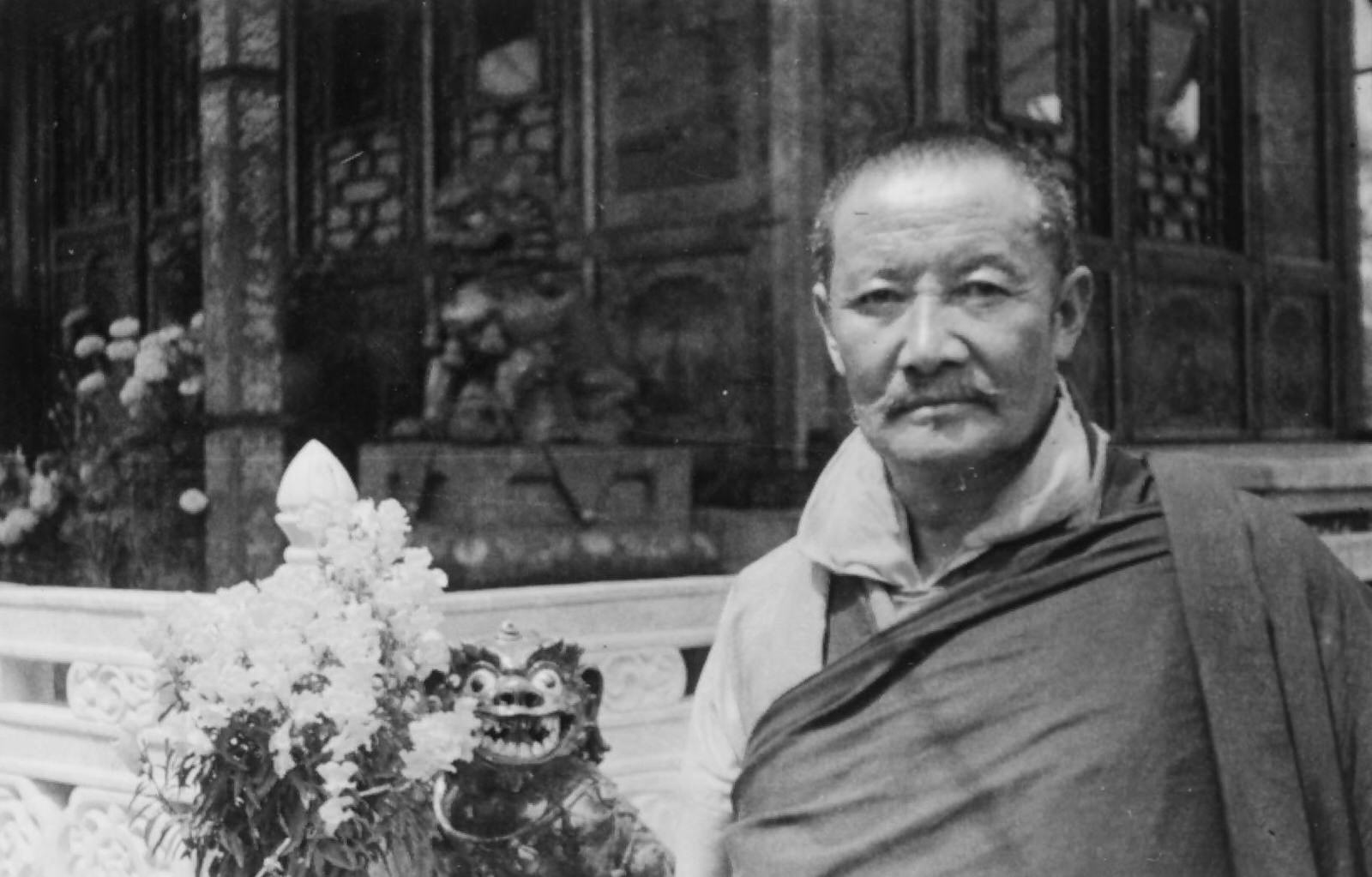
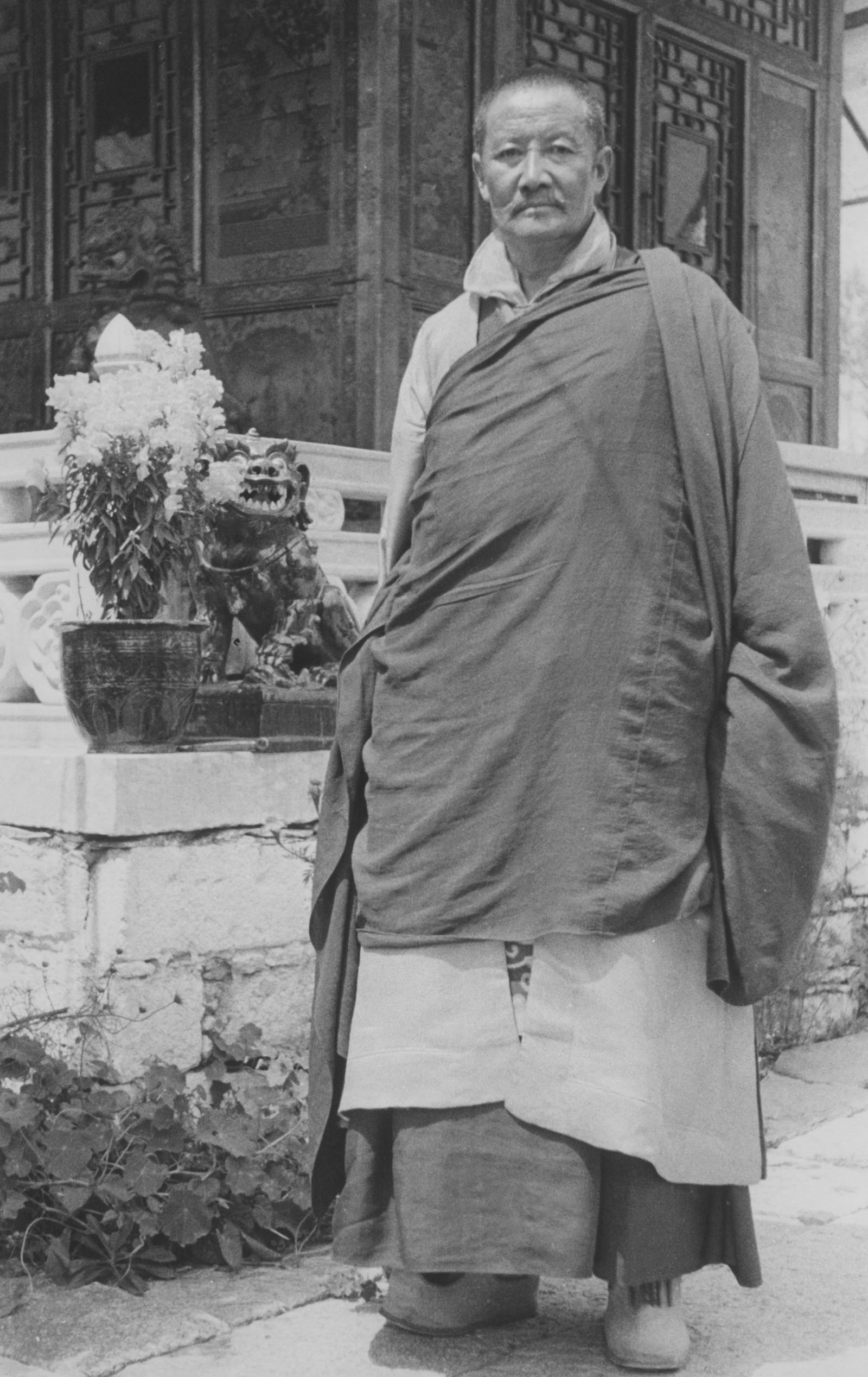
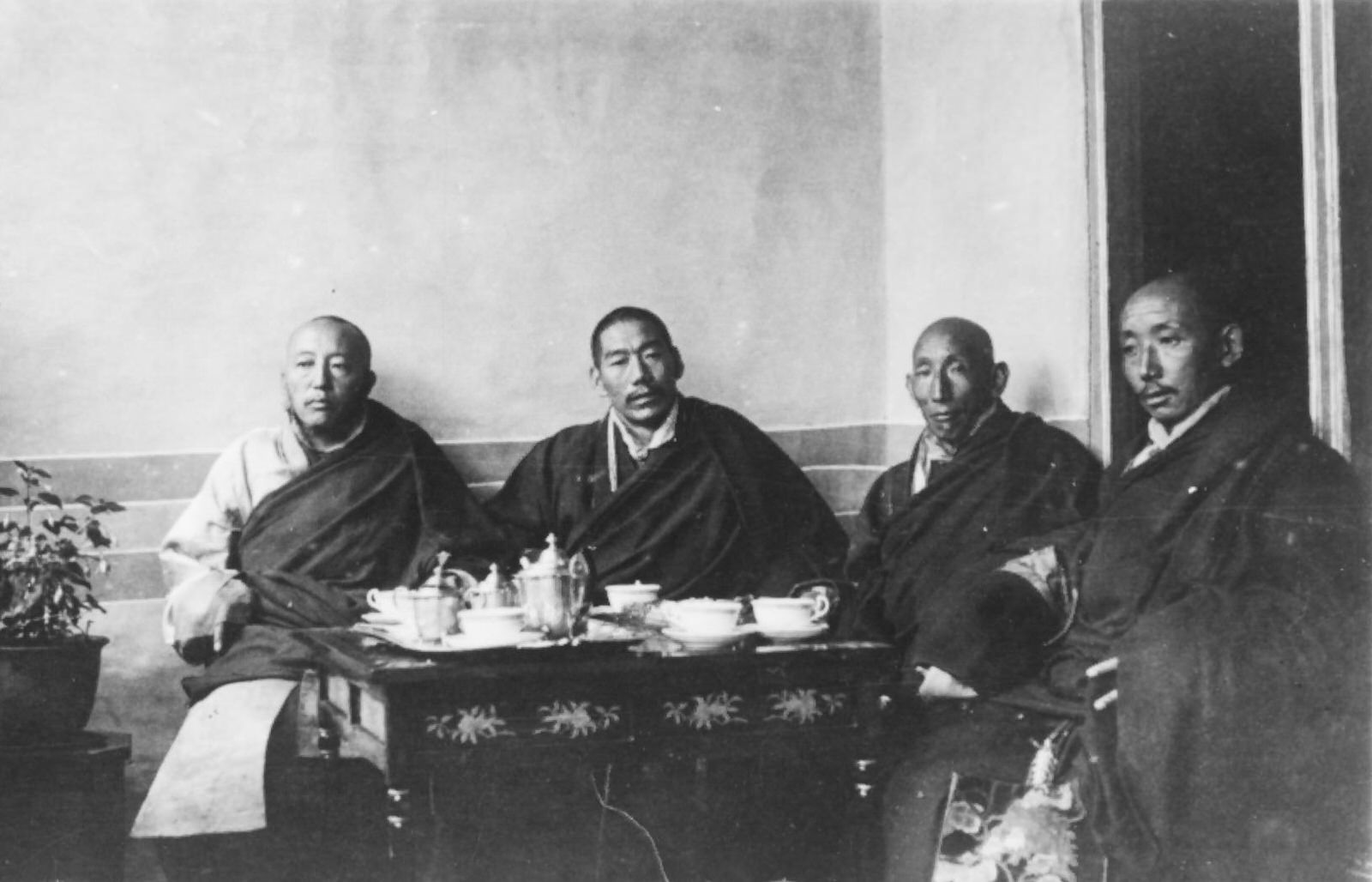
Among the most powerful figures Steele encountered was the Lord Chamberlain, the monk who handled the Dalai Lama’s personal affairs and was one of the most influential men in Tibet. He also photographed the Monk Chief Secretaries — known informally as the “monk cabinet” — who oversaw all Tibetan monasteries and selected monk officials for the Tibetan government. Steele met the State Oracle of Tibet as well, who is known to enter trances and make predictions, though when photographed with Steele, the Oracle was relaxed and composed.
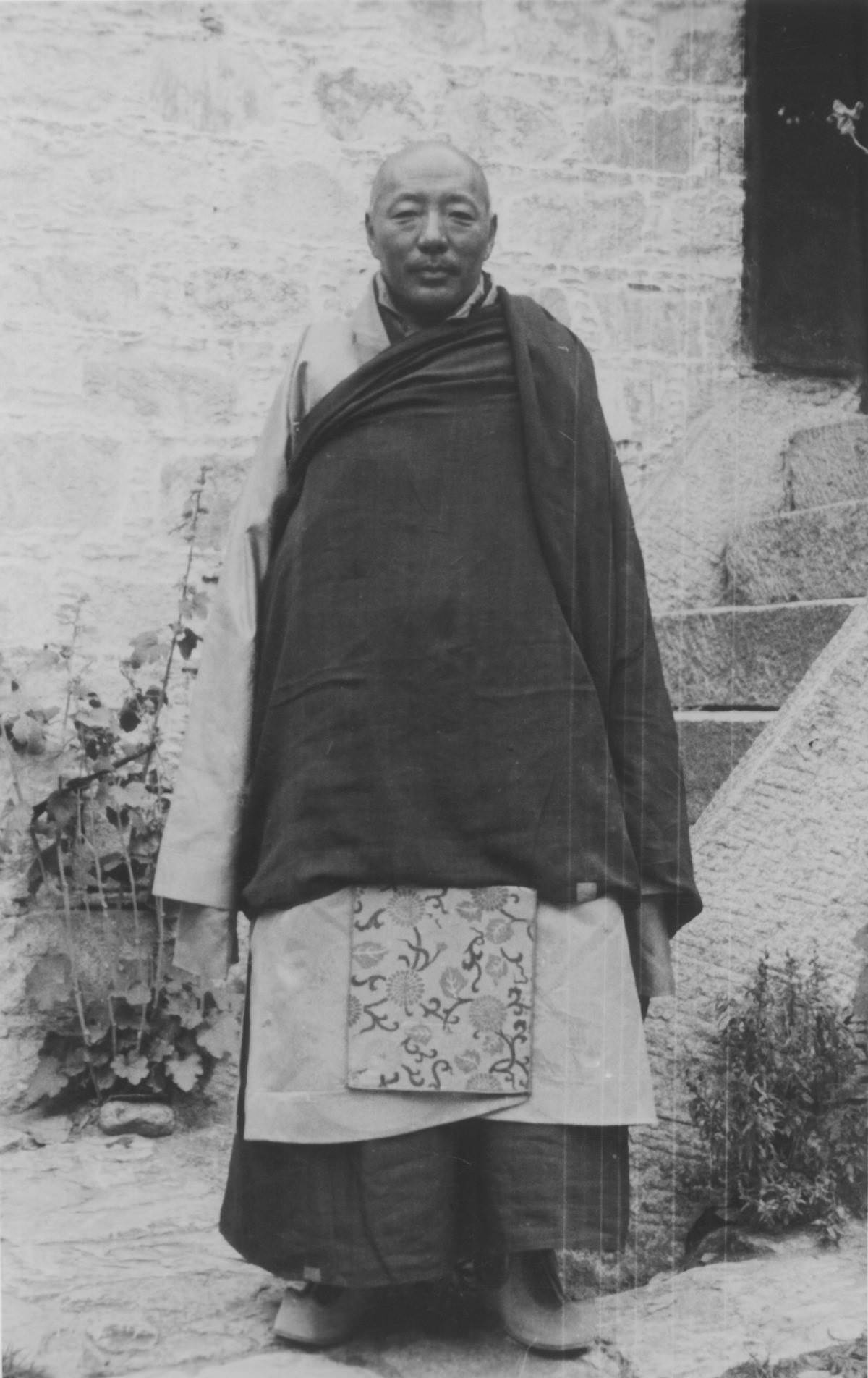
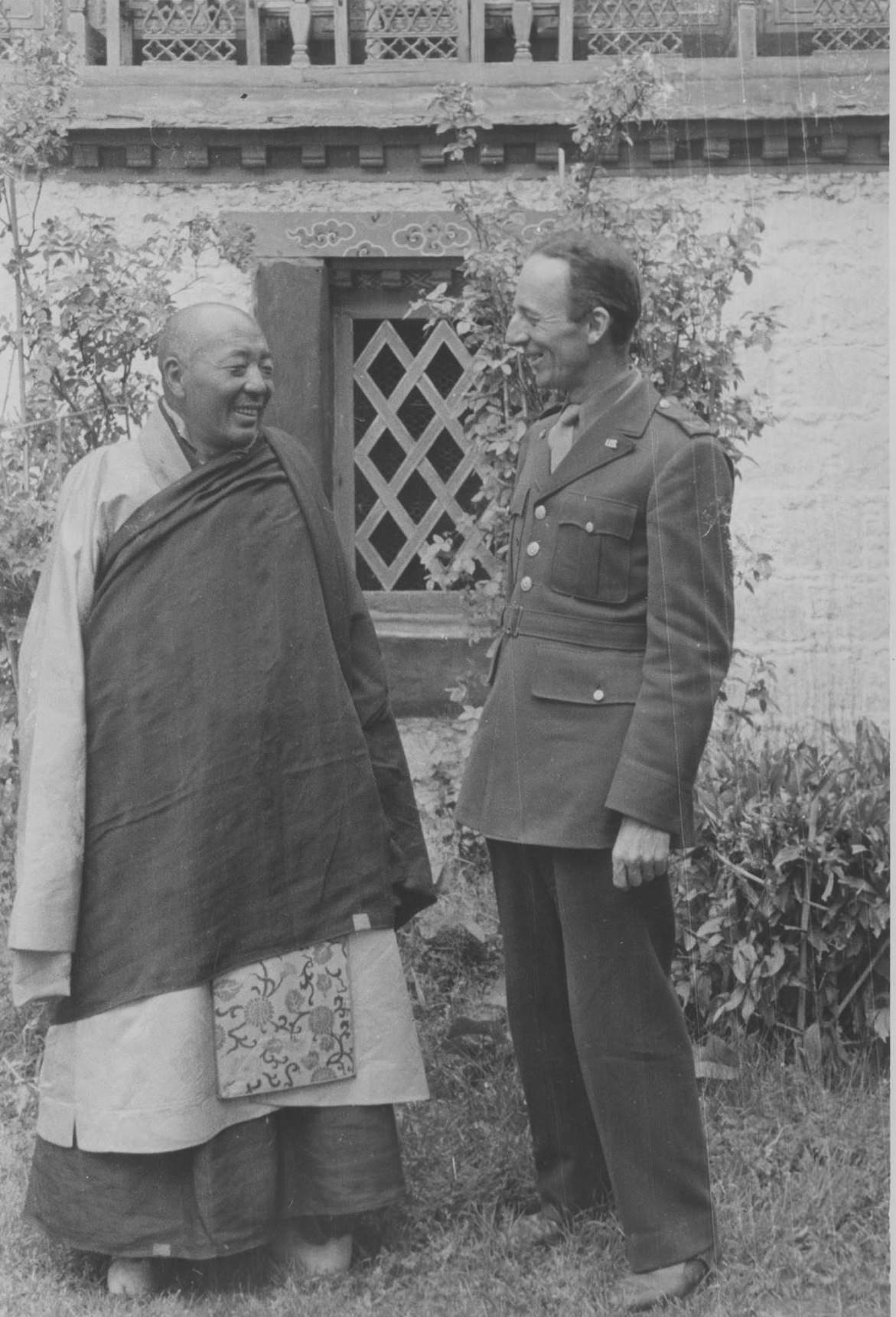
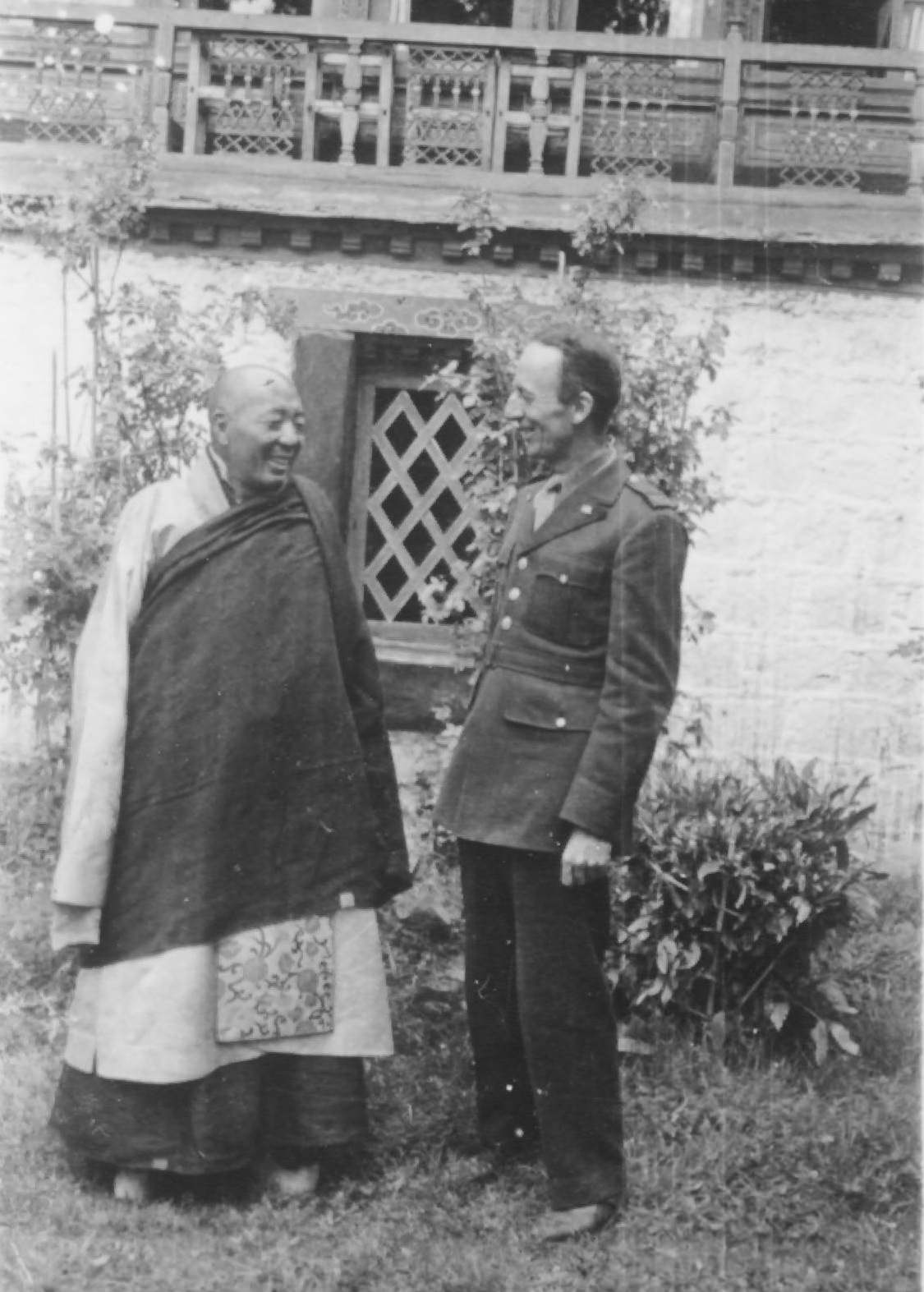
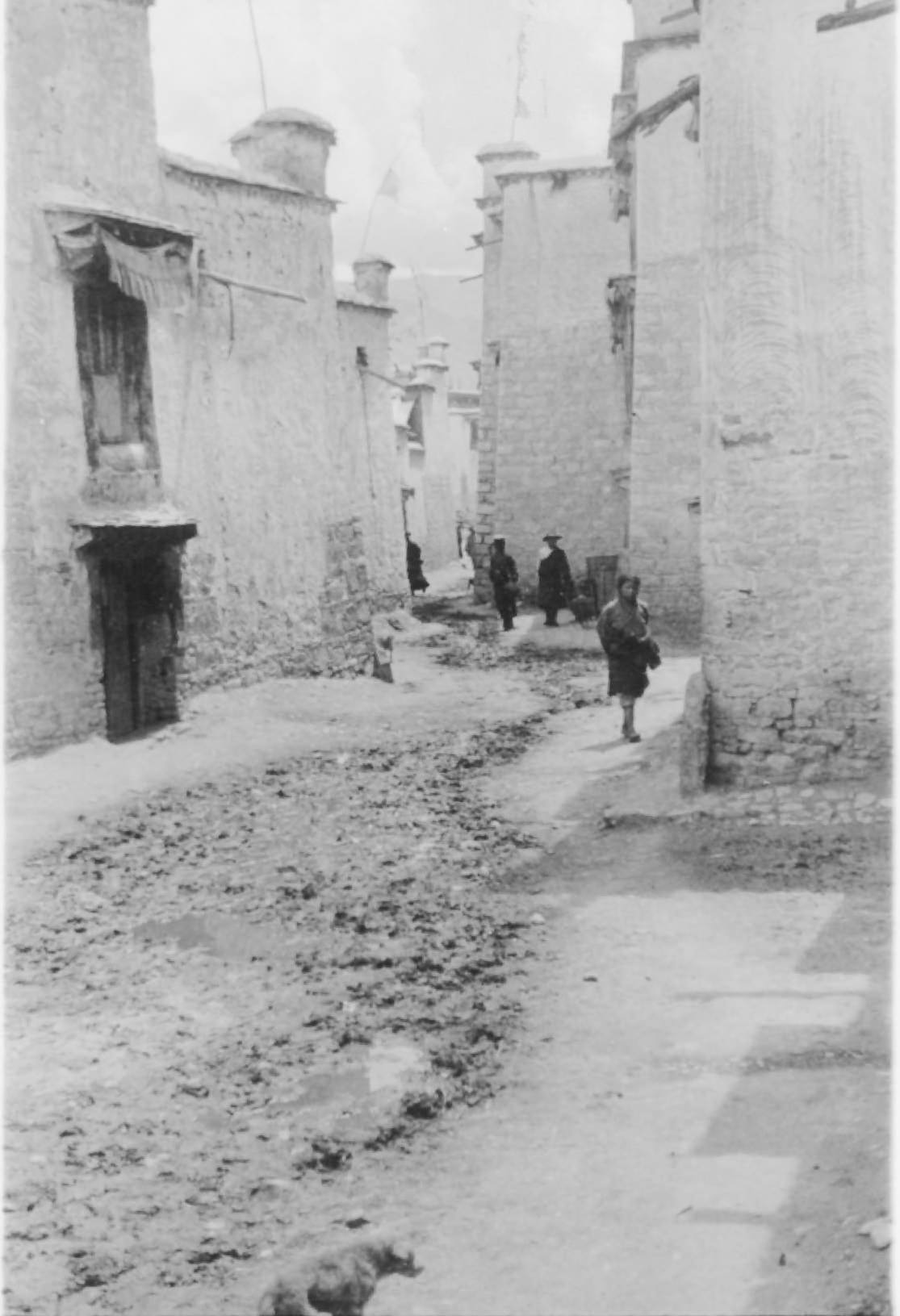
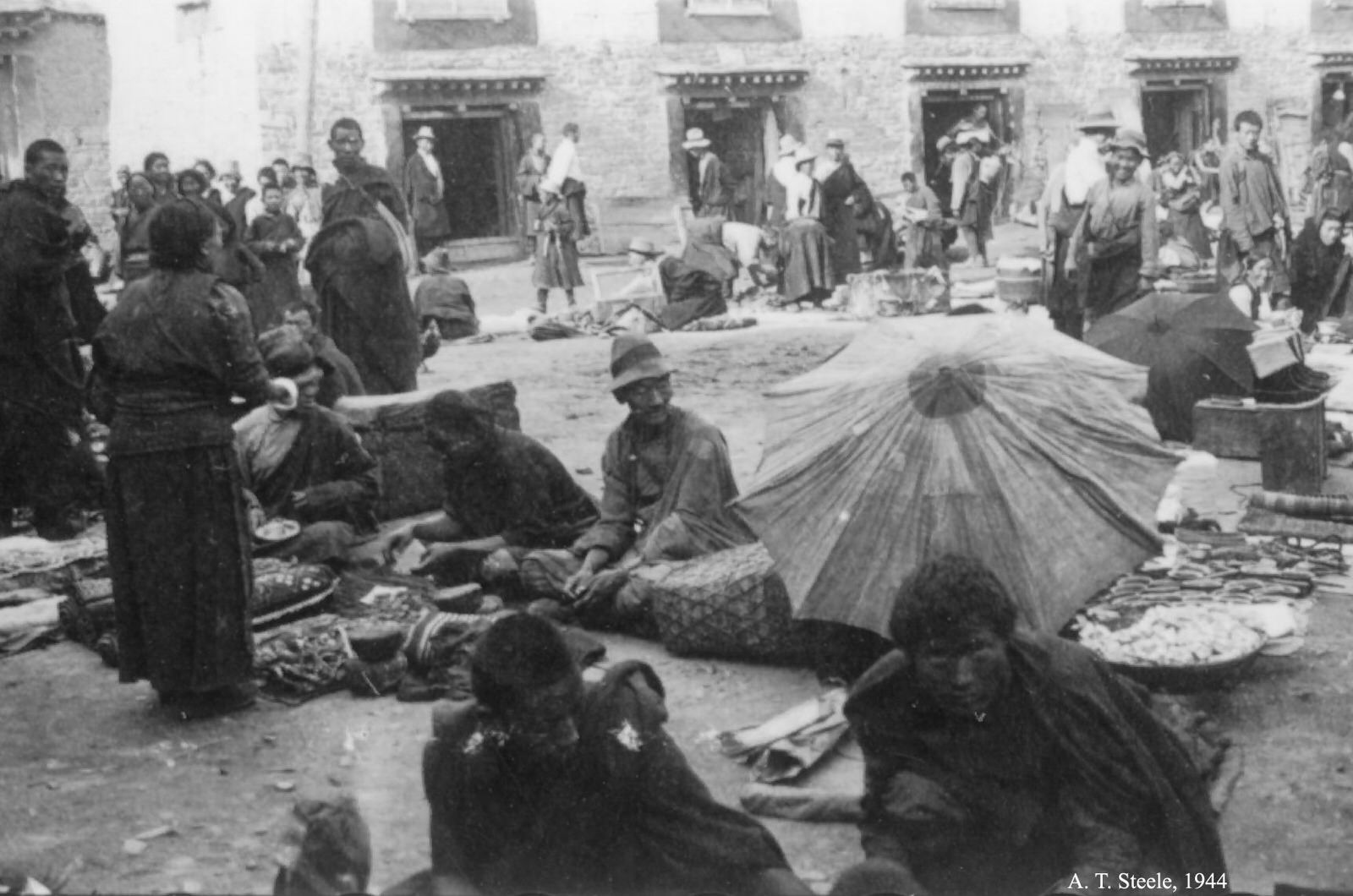
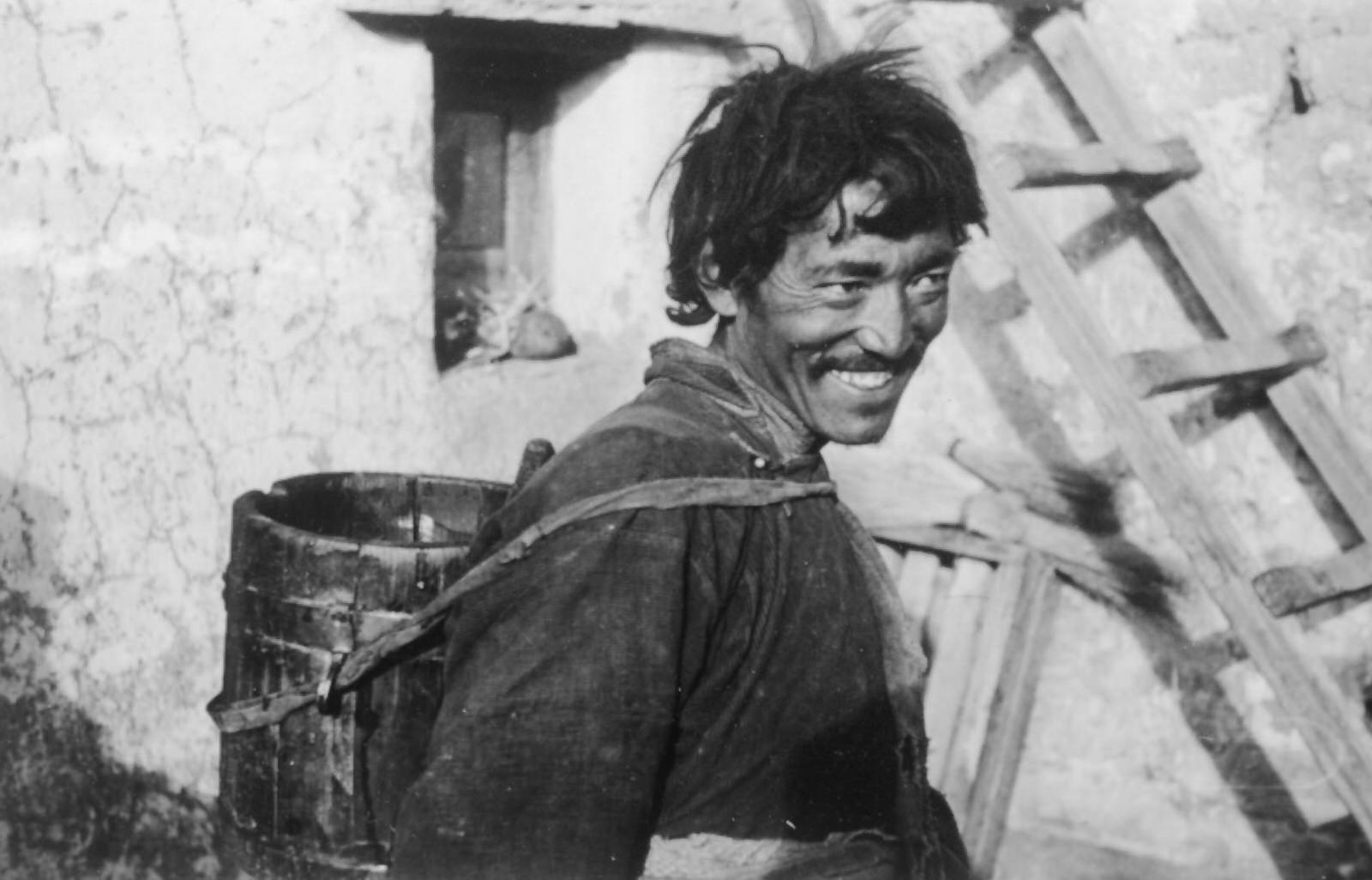
Steele also photographed Lhasa’s streets and daily life. The city’s bazaars, water carriers, and ordinary residents appeared in his lens alongside the religious and political elite. A street in Lhasa in 1944 looked entirely different from any city in the outside world — unmechanized, deeply religious, and isolated by geography and deliberate policy. British political officer Sir Basil Gould was also present in Tibet at the time, and Steele photographed him as well.
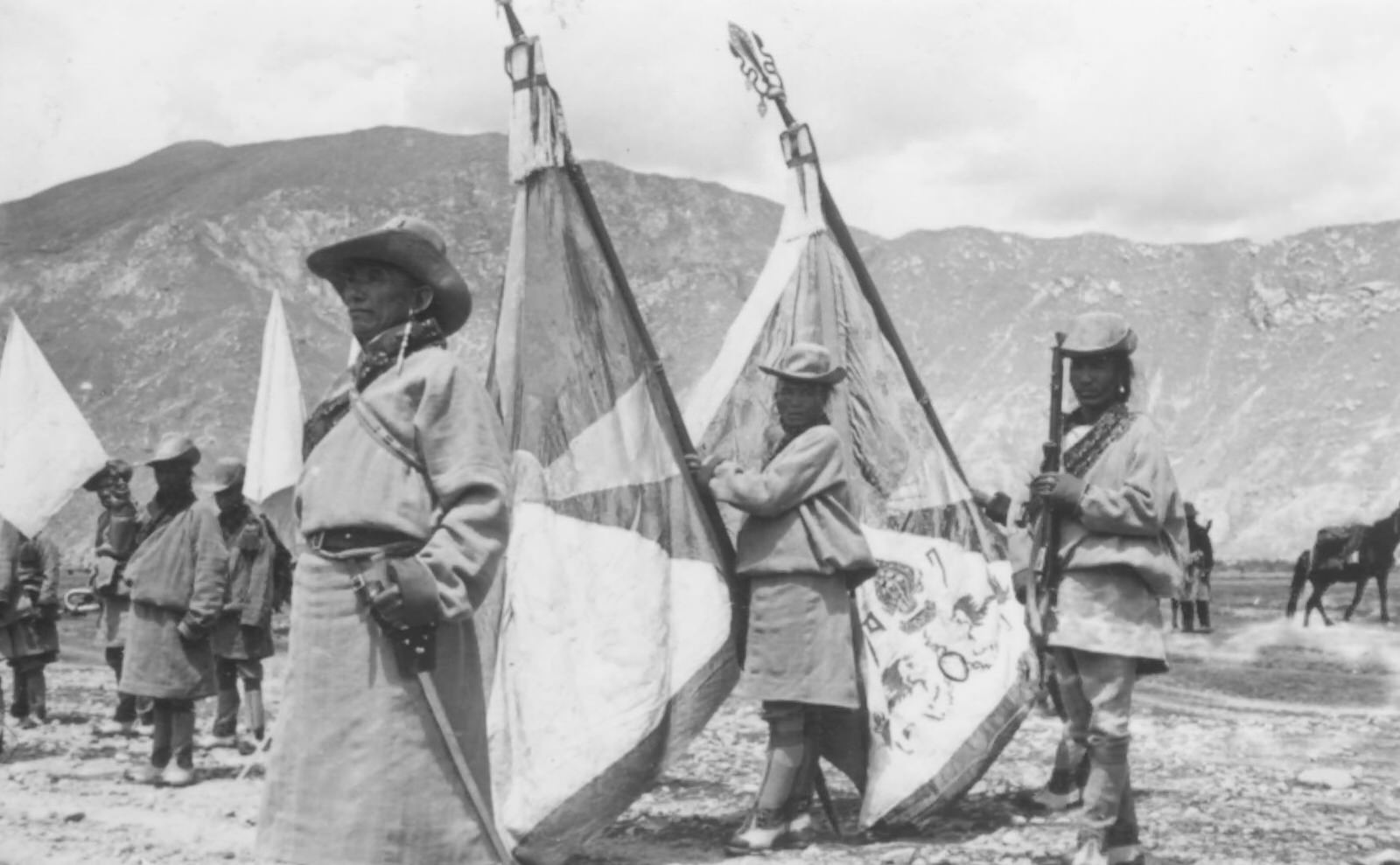
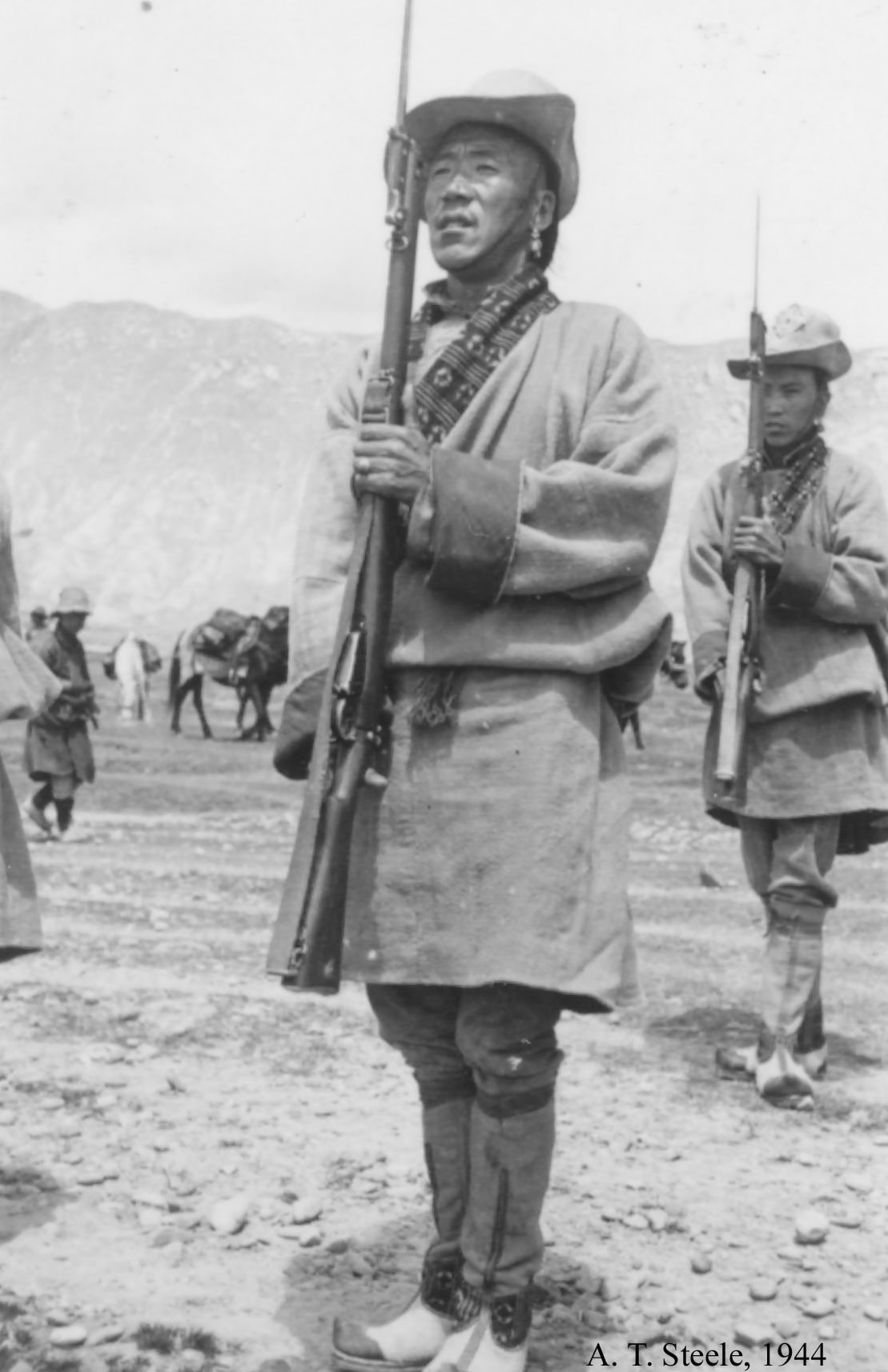
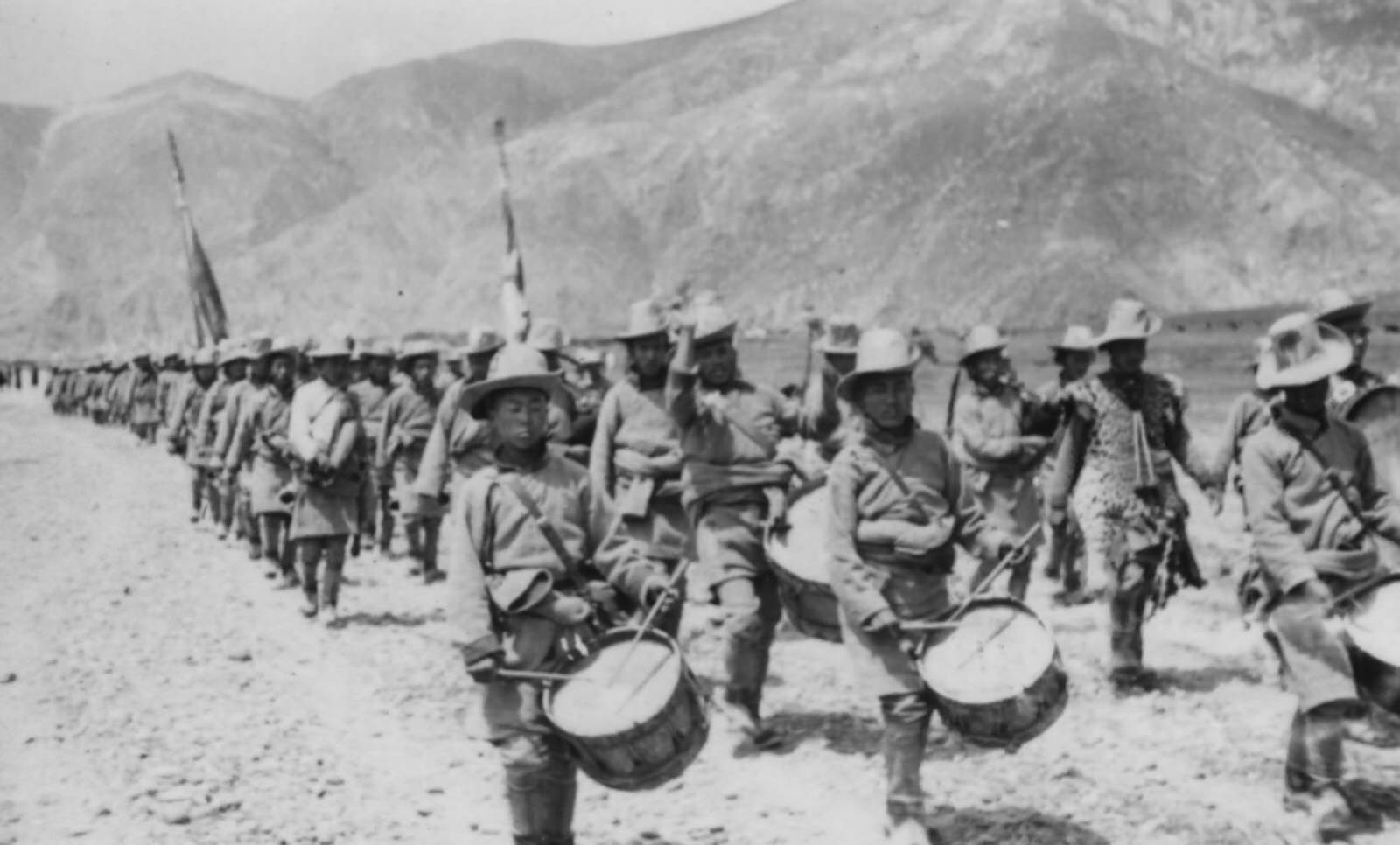
Tibet’s small military was also documented in Steele’s photographs. Color-bearers, soldiers dressed for review, and a formal parade of the Tibetan army appear in his collection. The army was modest in size but maintained a visible ceremonial presence in the capital.
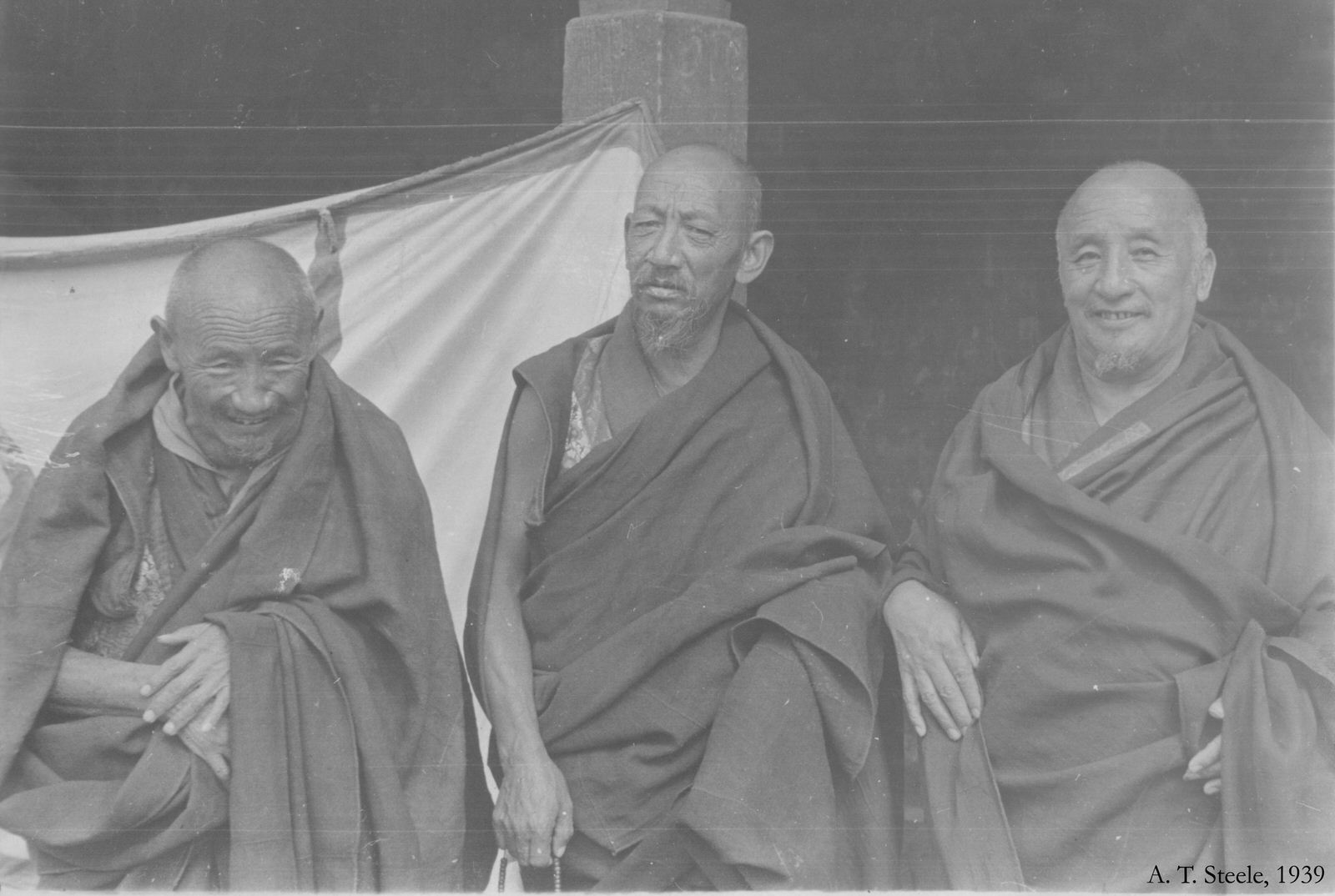
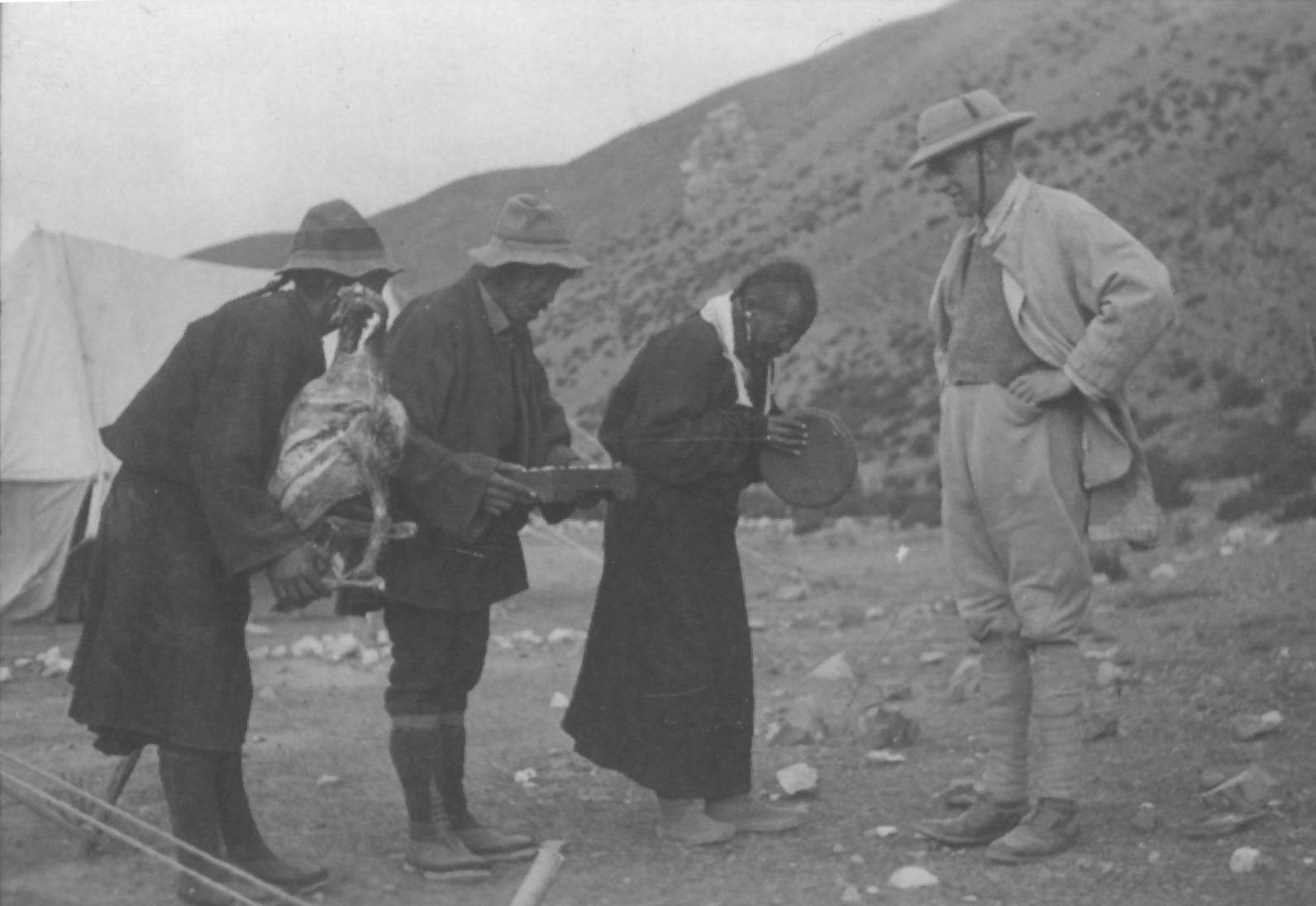
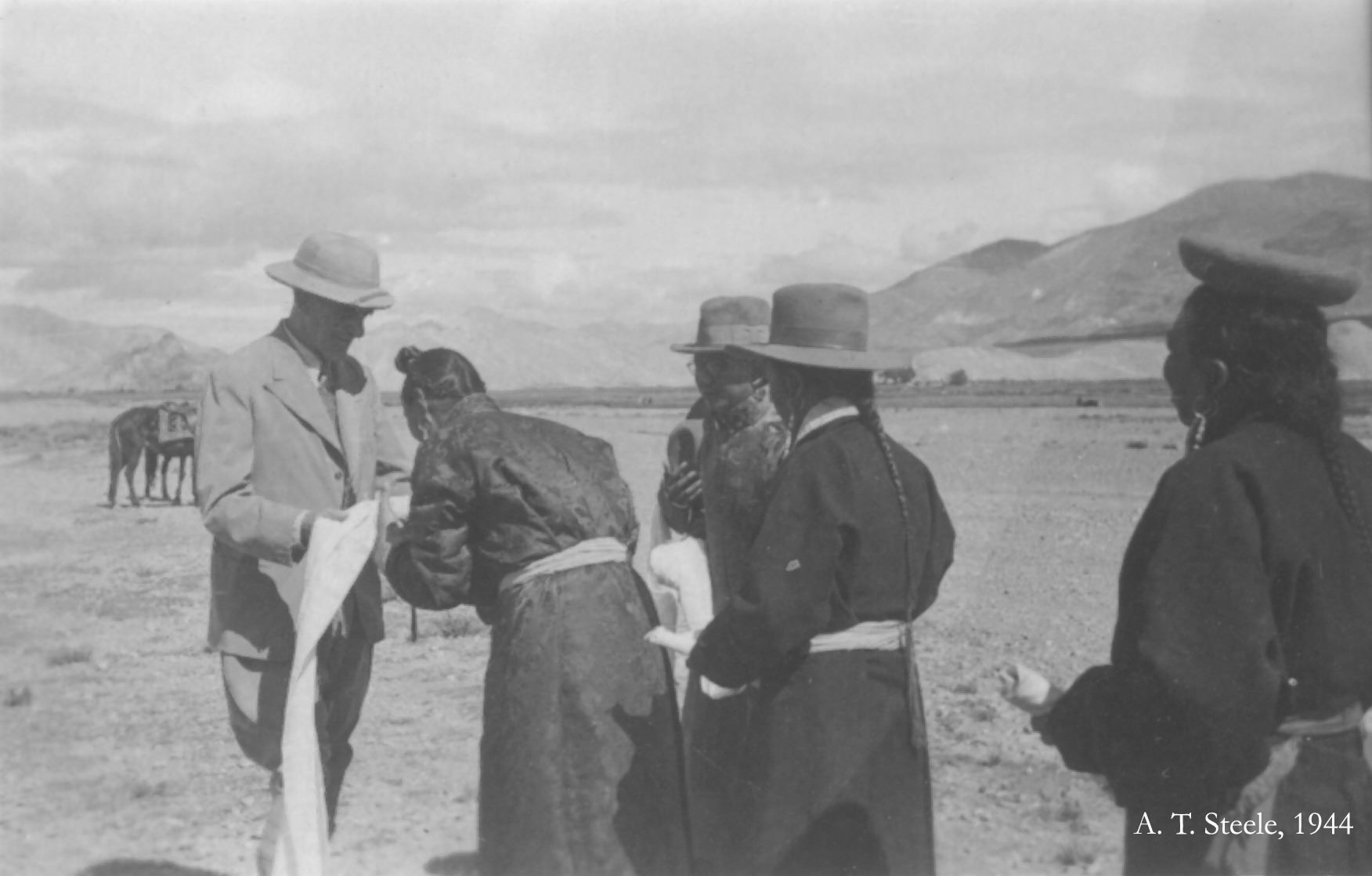
Steele photographed the people he traveled with as well — his Tibetan servant Pa-sang, his monk guide in Lhasa, and the two monks from Kumbum Monastery who had been part of his 1939 visit. The Brahmaputra River, yak-skin boats ferried across it by boatmen, and mules decorated for a Tibetan official waiting outside the Dalai Lama’s palace all appear in his archive.
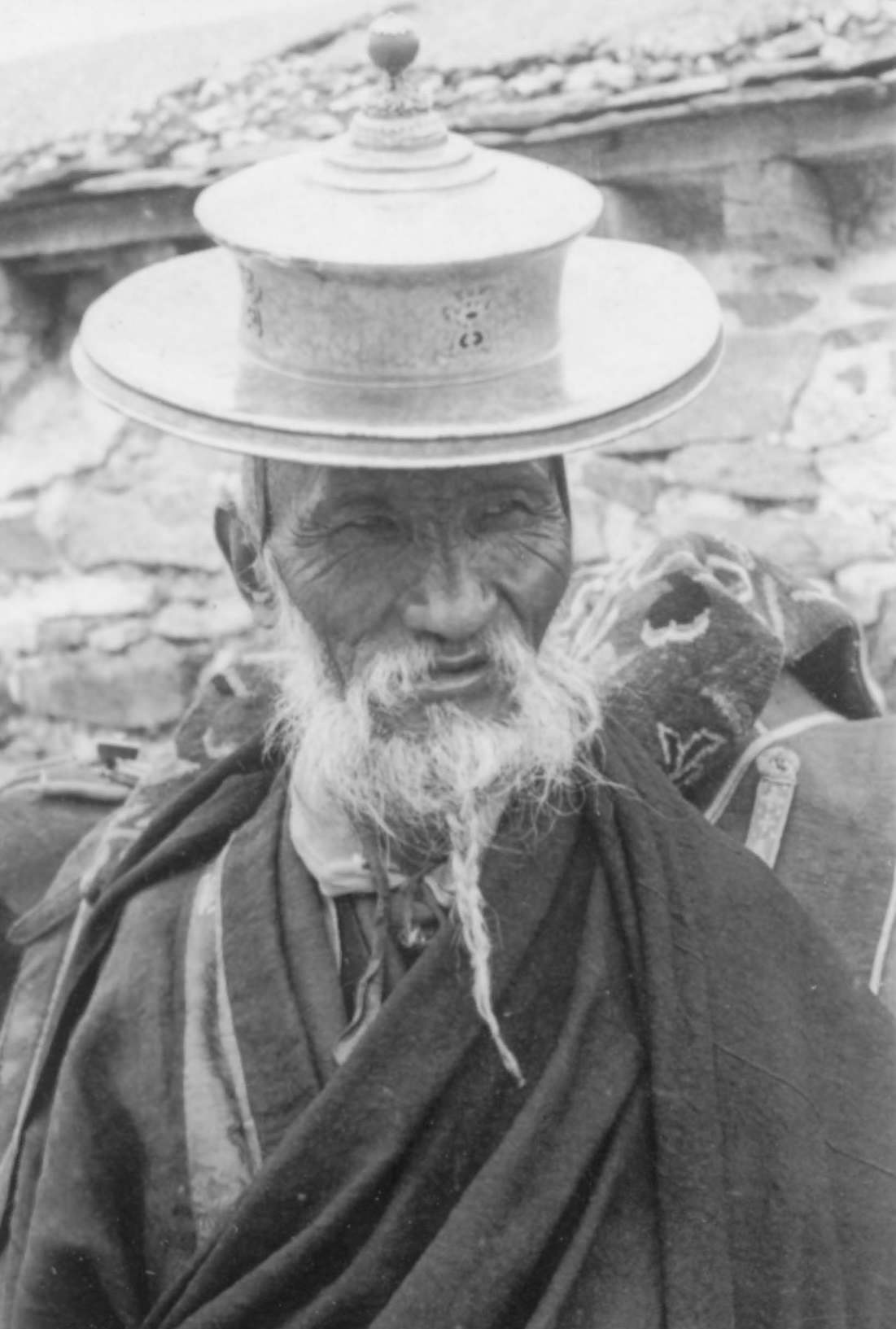
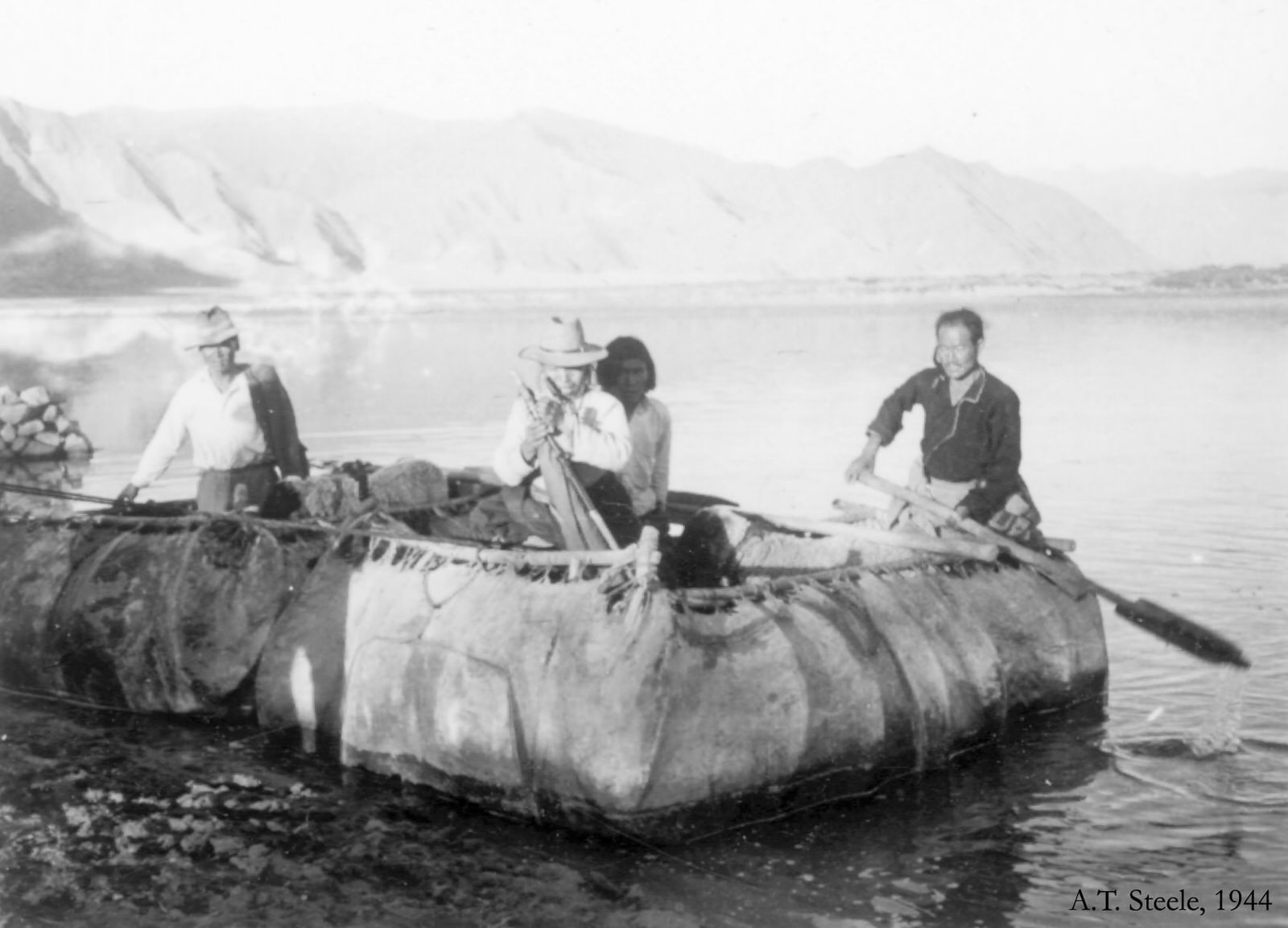
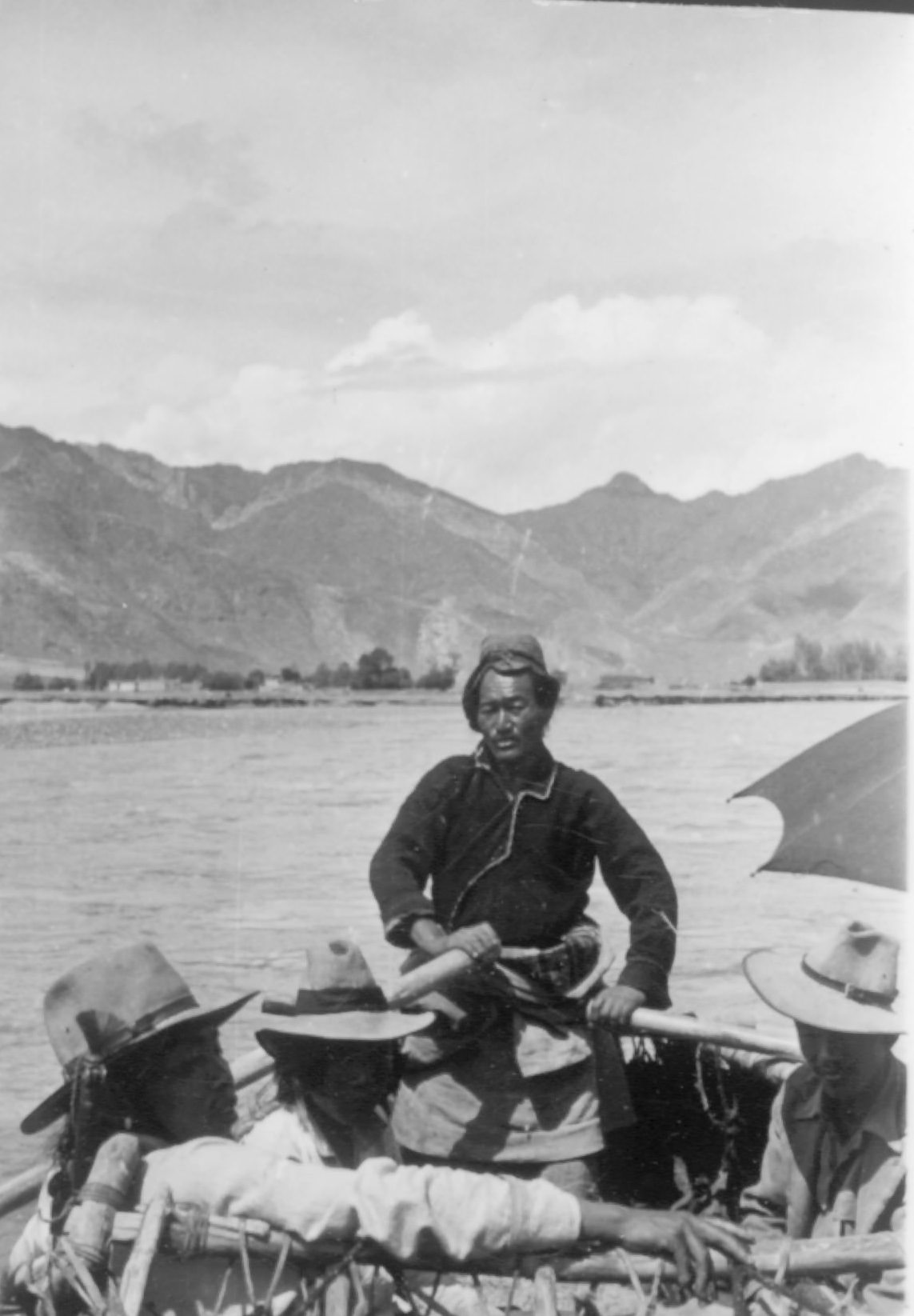
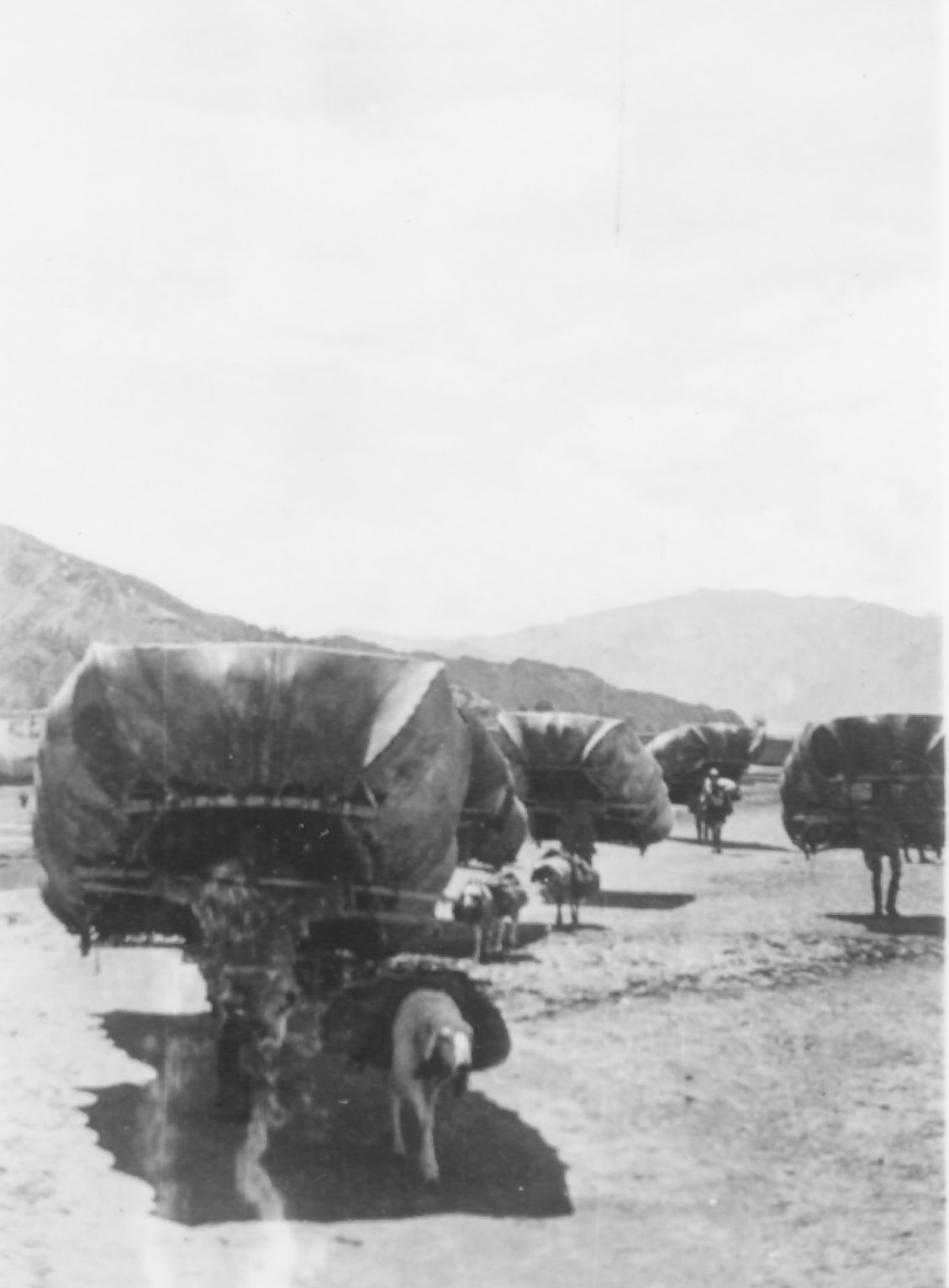
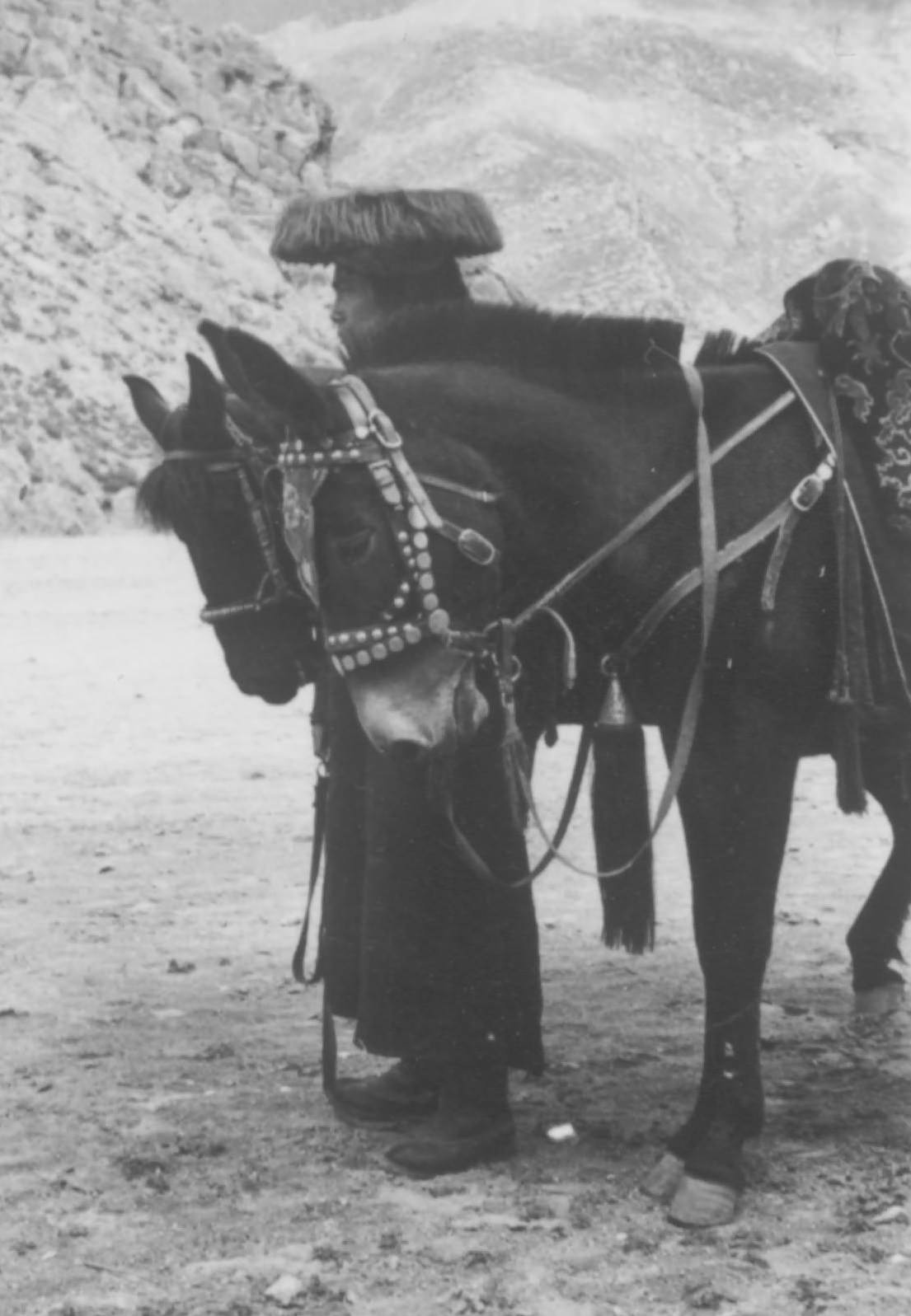
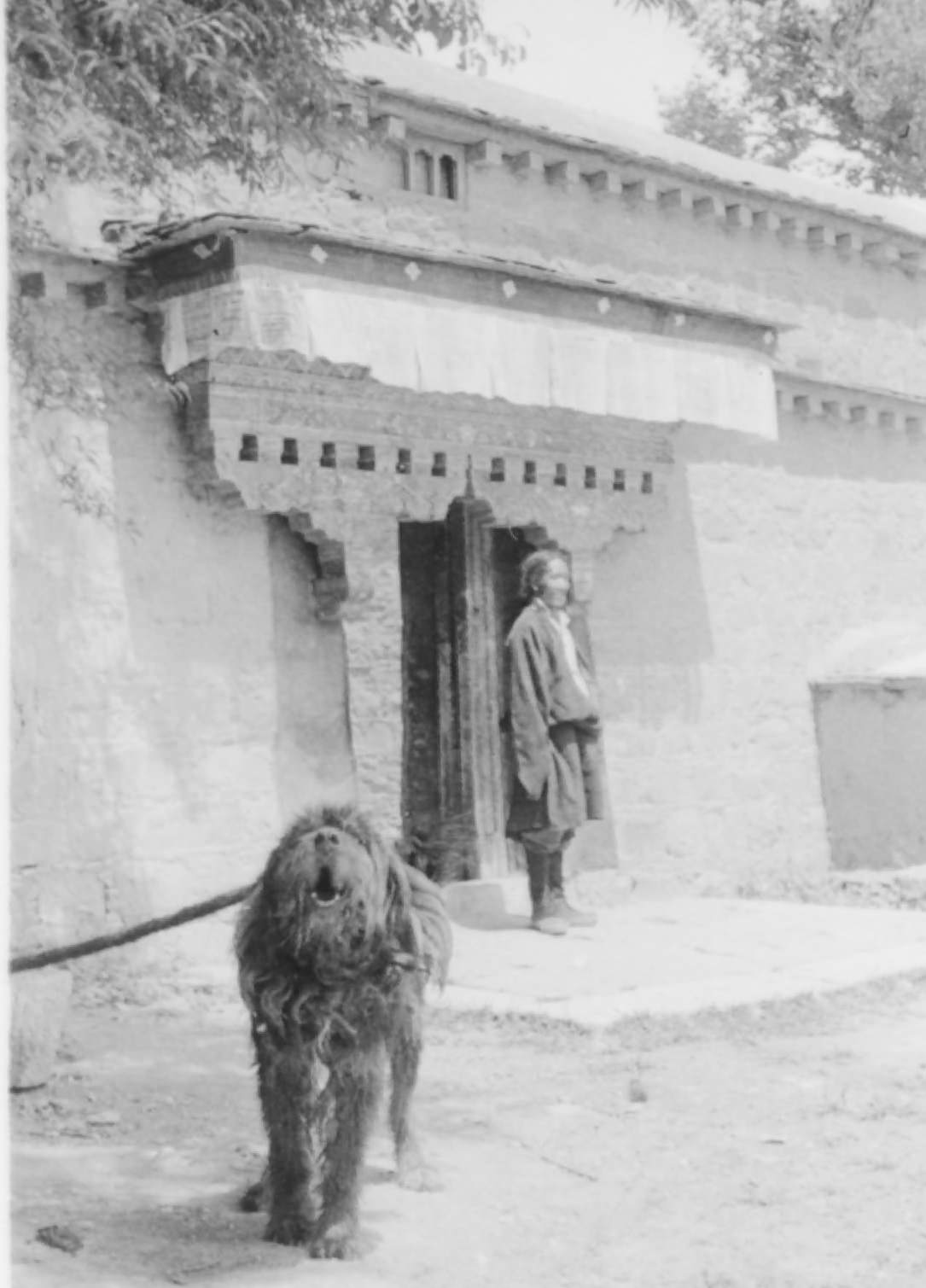
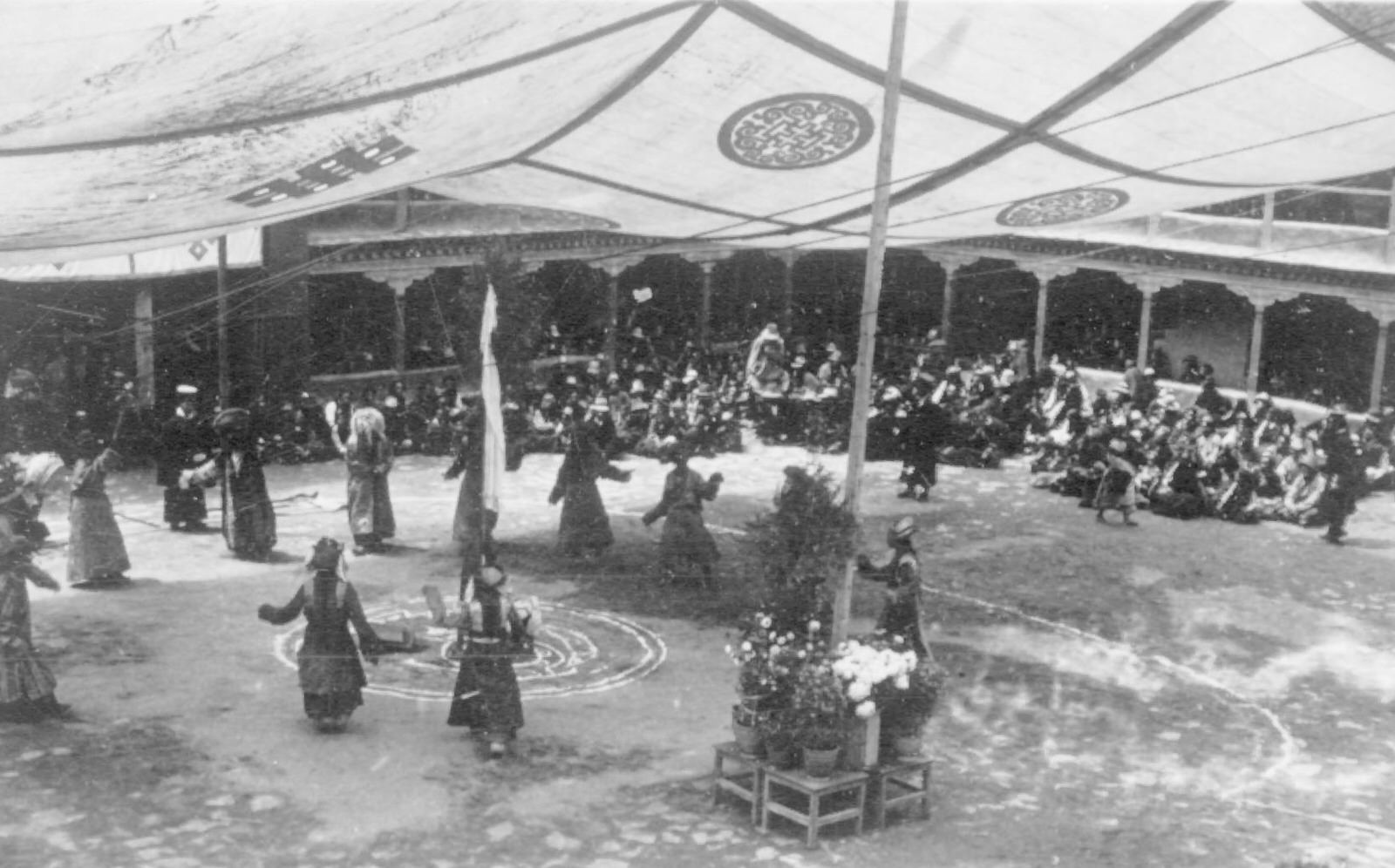
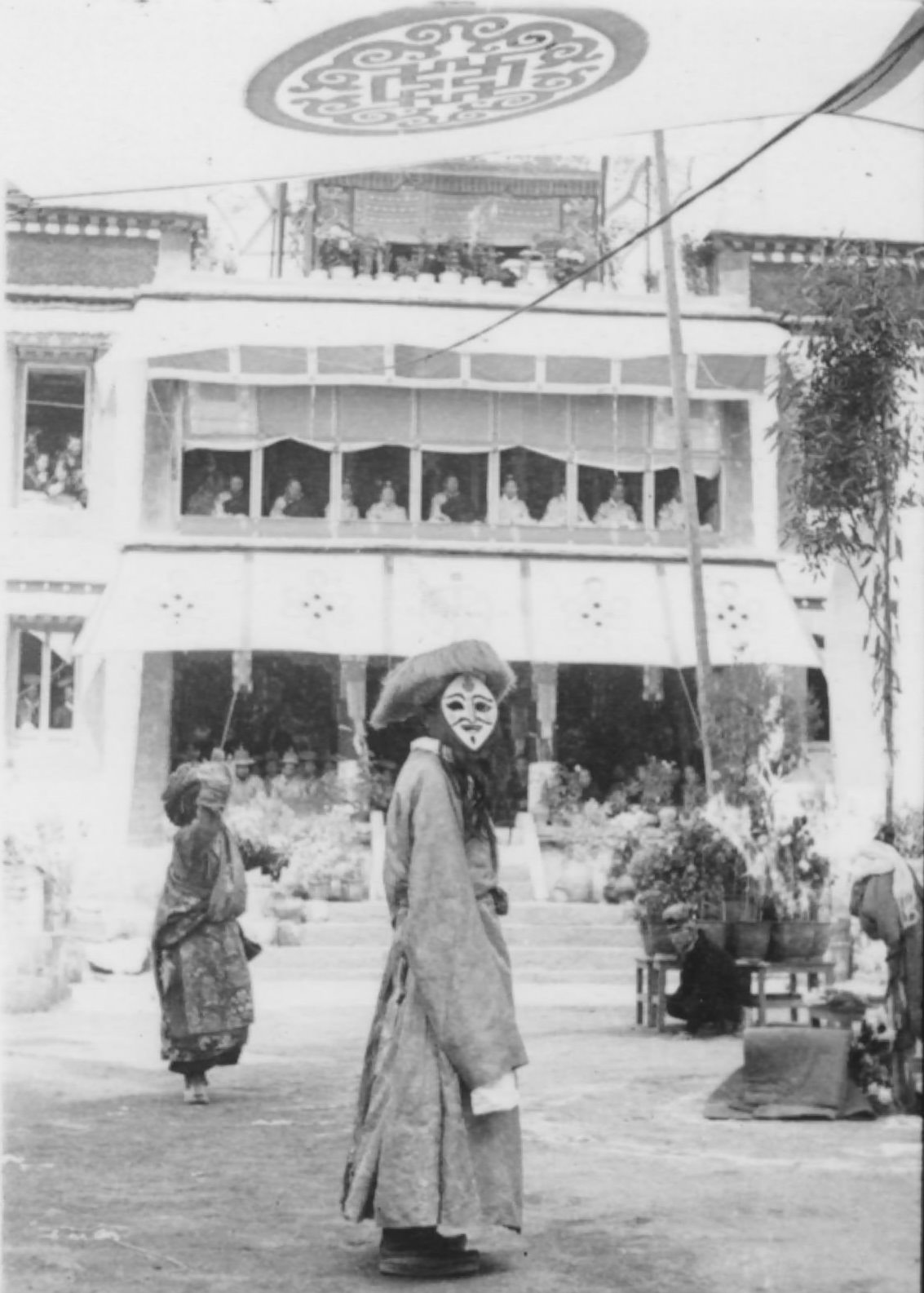
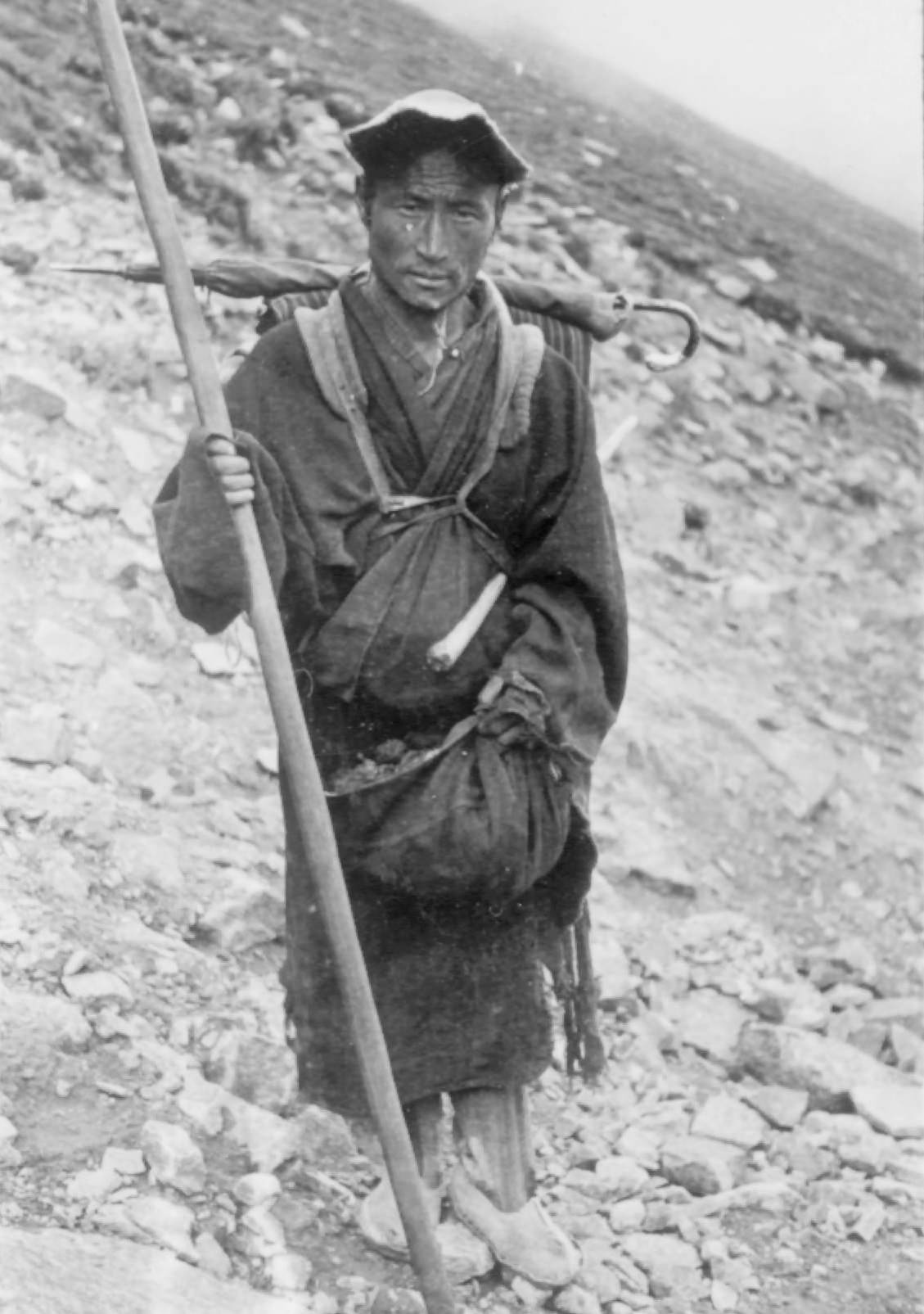
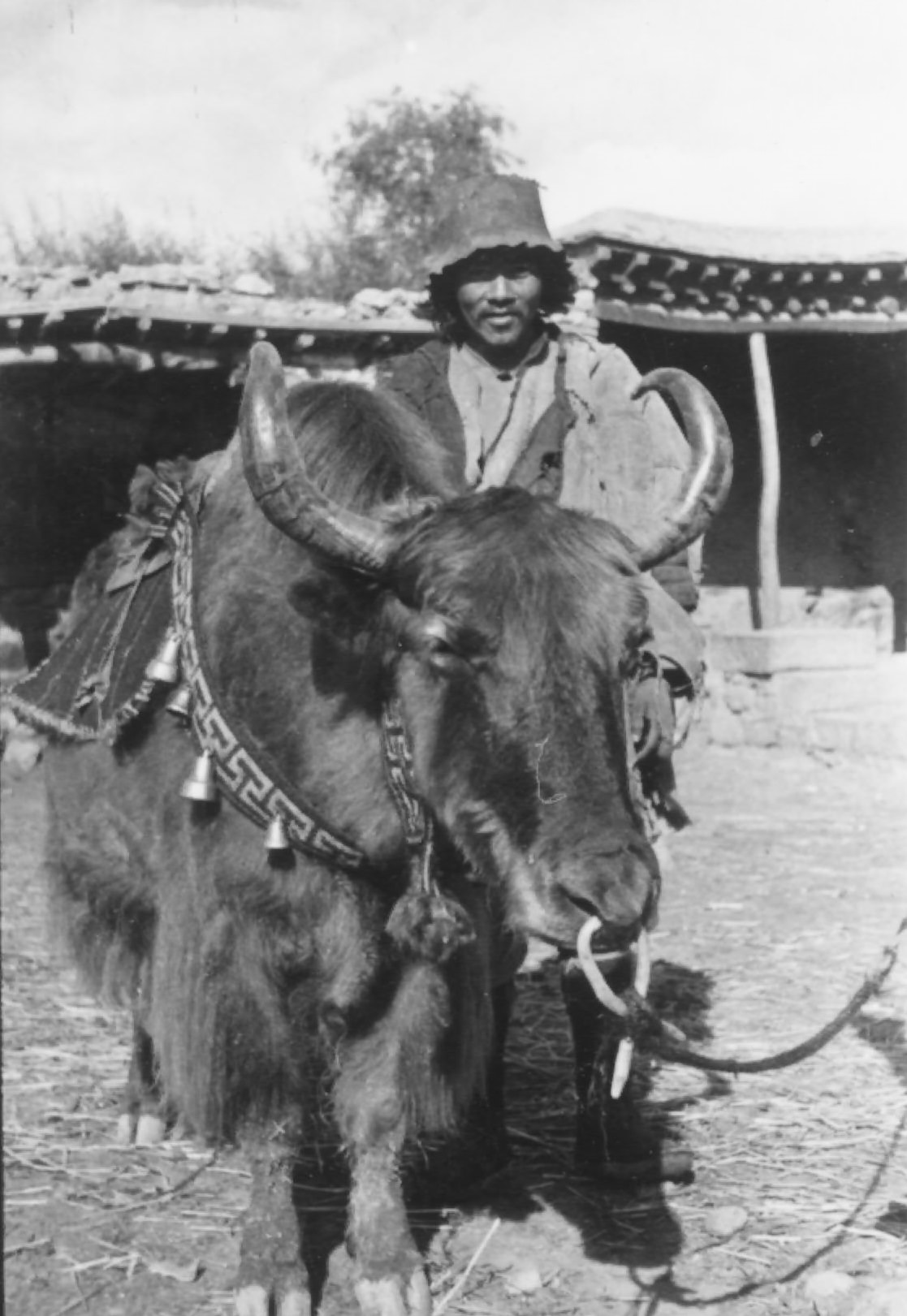
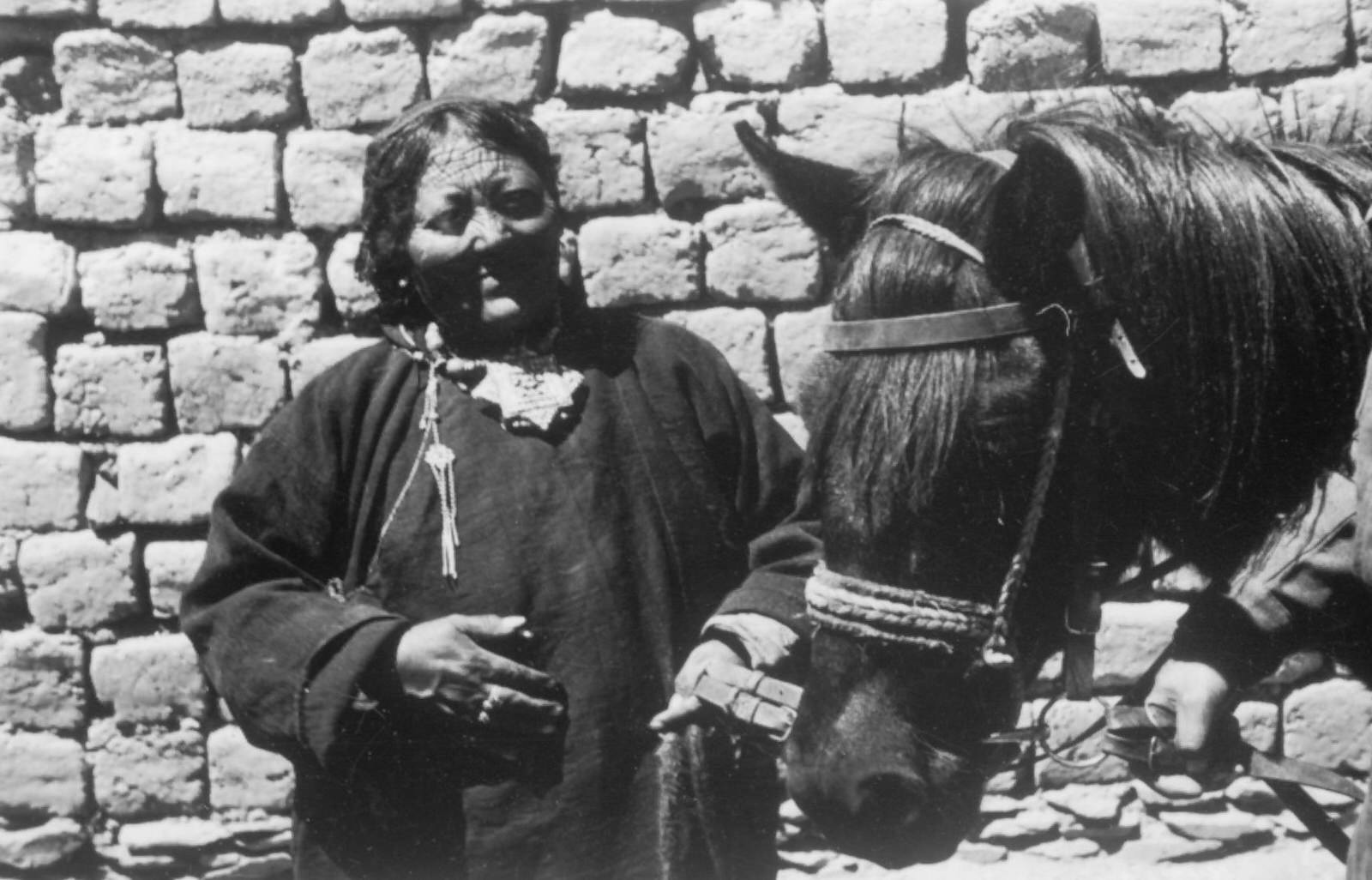
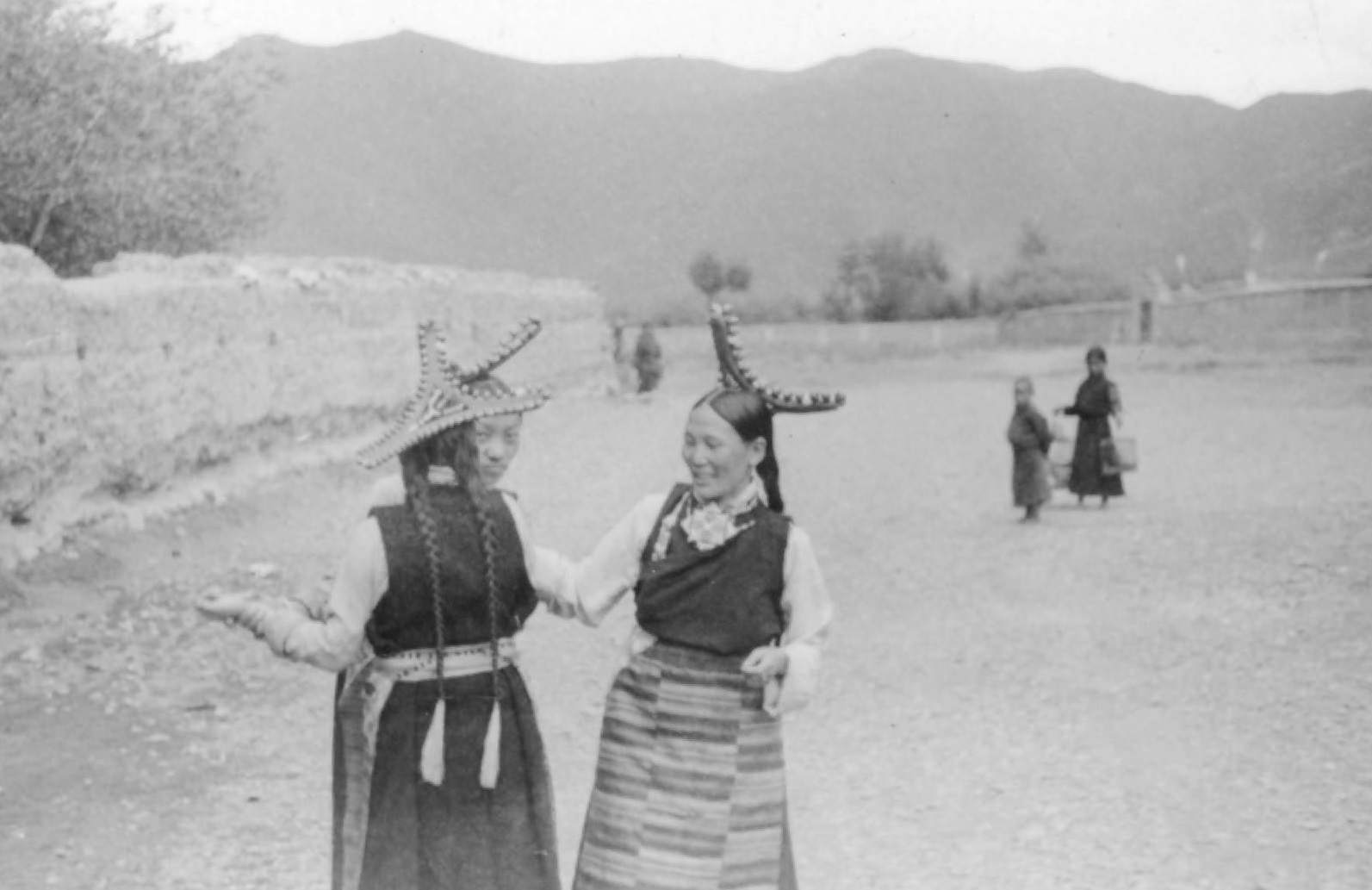
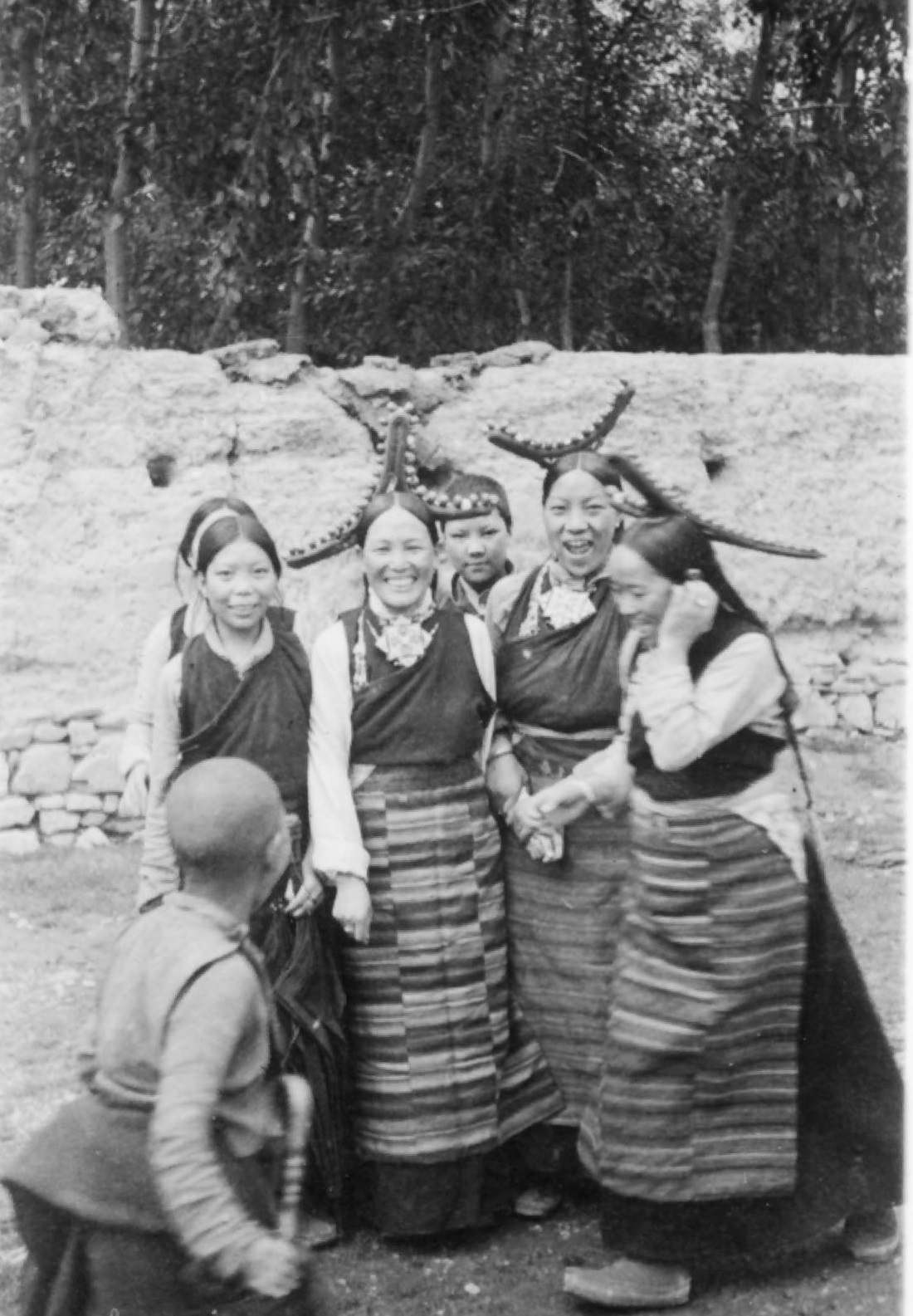
Everyday Tibetan life filled the rest of his frames. A shaggy Tibetan dog barked at the gate of the Dalai Lama’s inner park, Jewel Park. Performers danced at a gathering. A pilgrim monk and a wandering monk carrying a spear appeared on the roads. Peasant women and pilgrims gossiped outside the city. A yak stood beside its owner. All of it was captured on film and eventually donated to the Center for Asian Studies at Arizona State University, where the collection now resides.