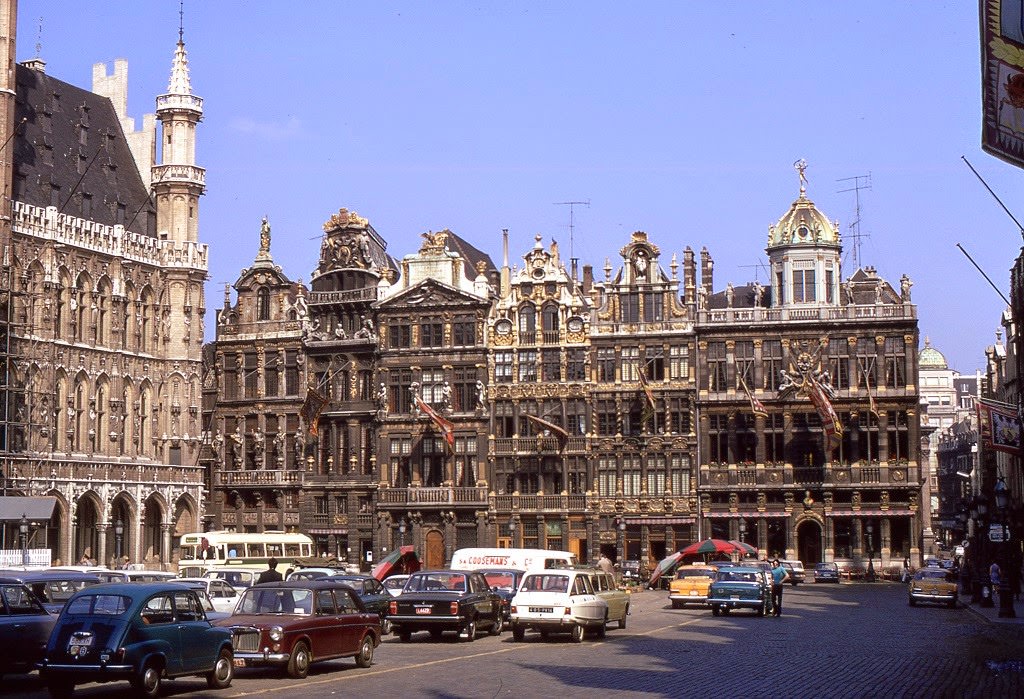
Europe in 1970 was a continent of sharp contrasts. In the West, economies were growing fast. Cities like Paris, London, and Brussels buzzed with energy. Bell-bottom trousers, colorful shirts, and long hair defined the streets. Rock music filled the airwaves, even as April 1970 marked the official breakup of The Beatles — a moment that closed a chapter in European music history.
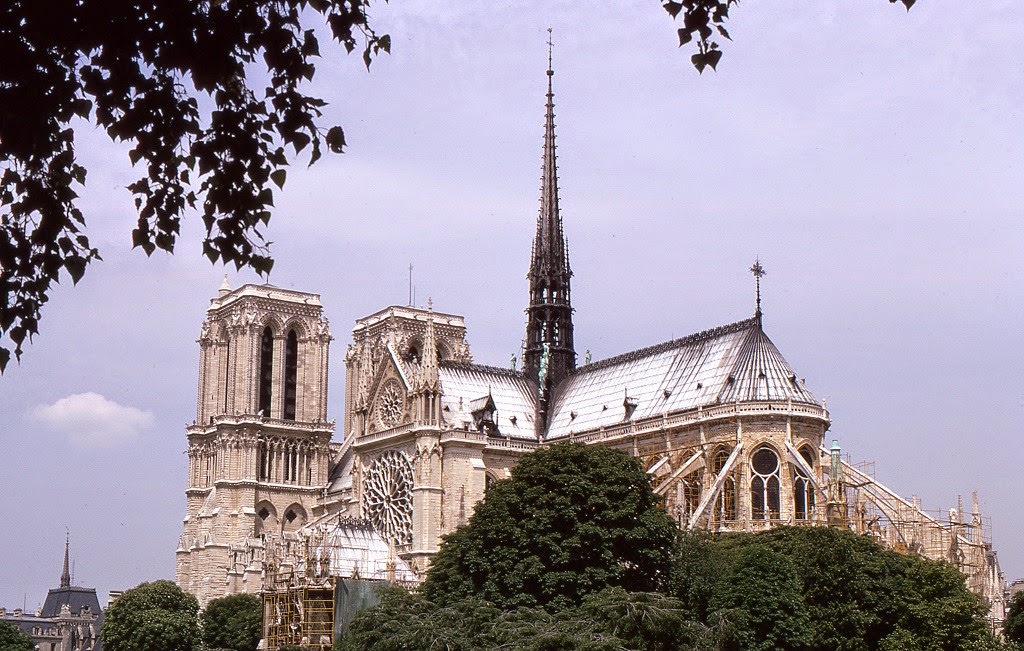
France stood at the heart of Western Europe’s cultural identity. Paris drew visitors to its iconic landmarks, while the countryside offered a quieter, older way of life. Notre Dame Cathedral rose above the Seine as it had for centuries, and the view from the Eiffel Tower stretched across a city still finding its modern shape.
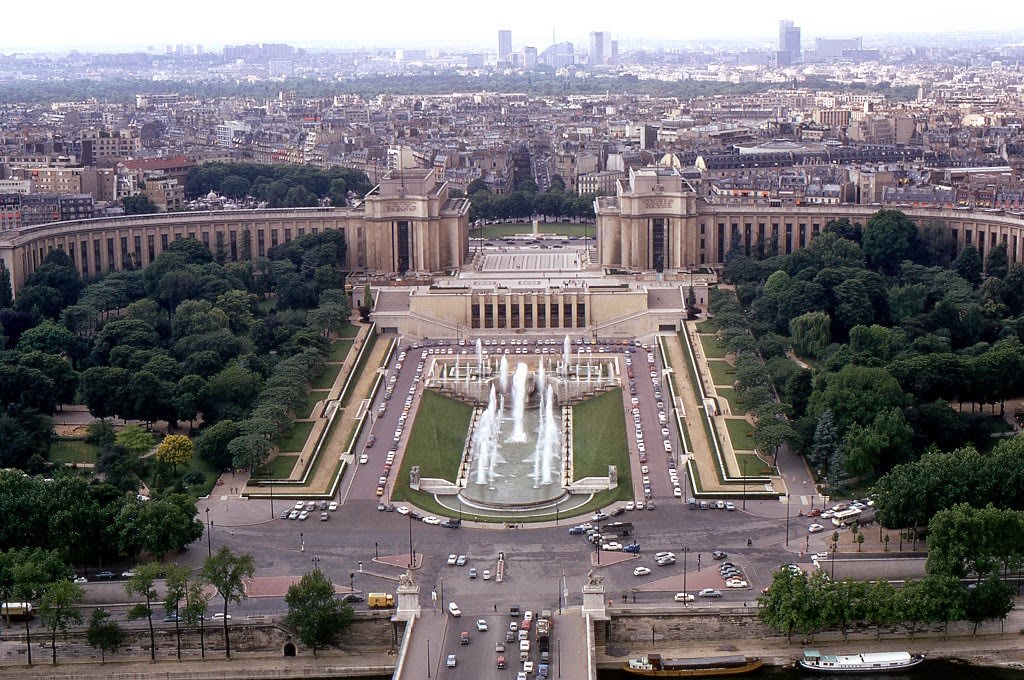
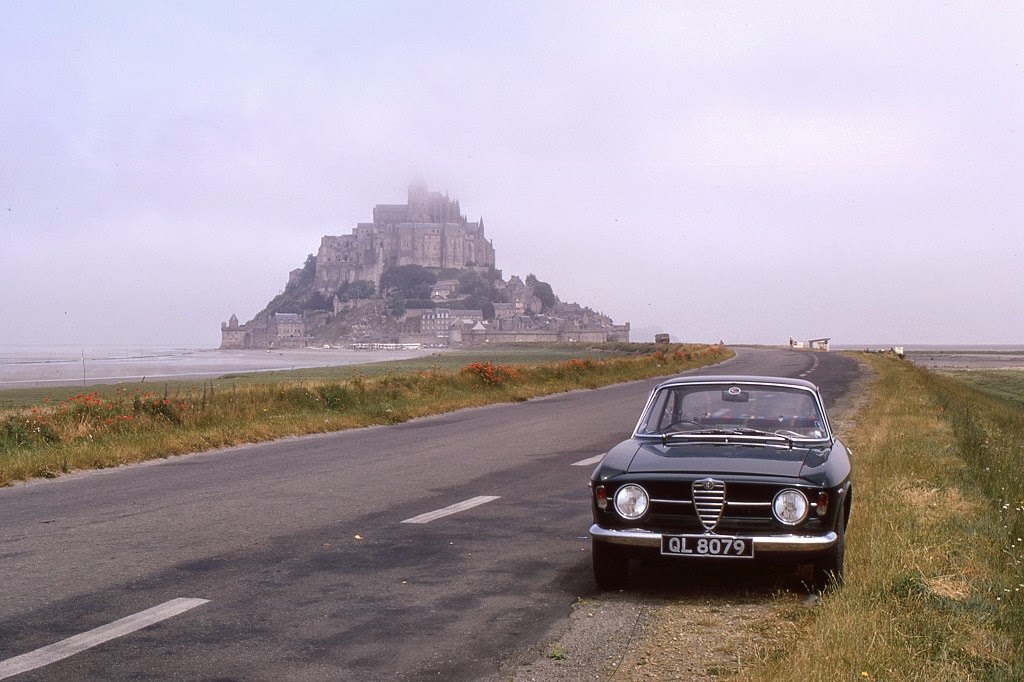
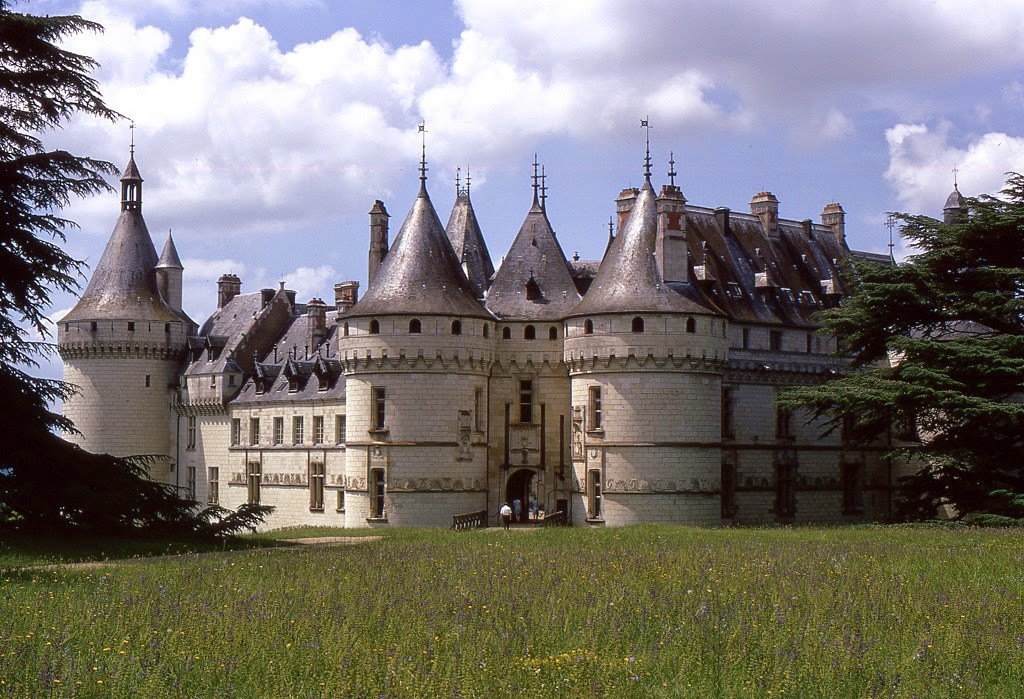
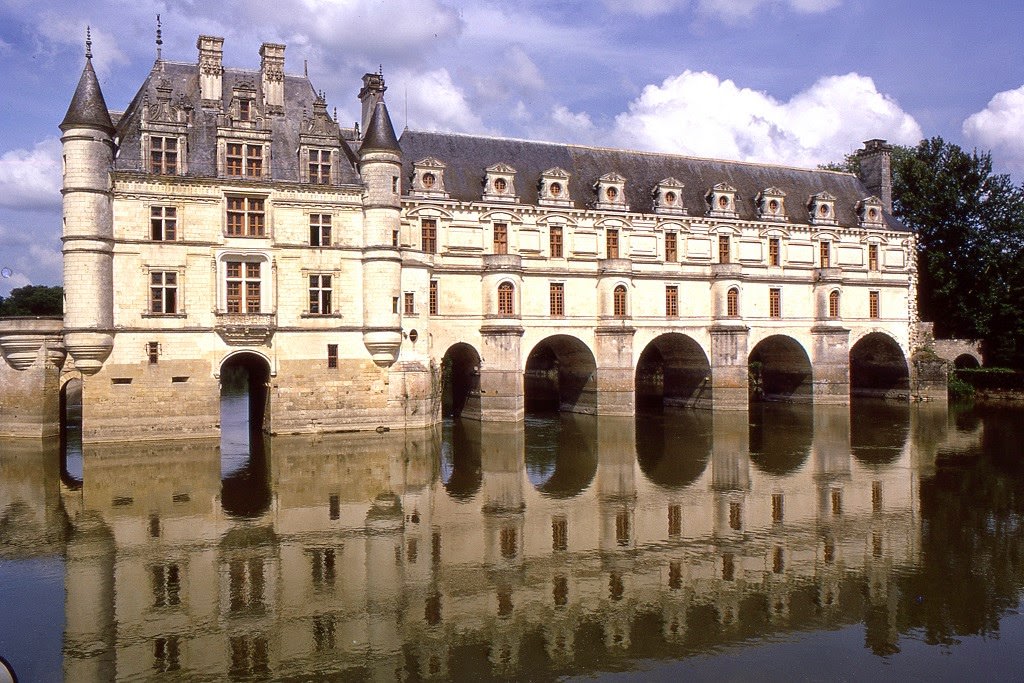
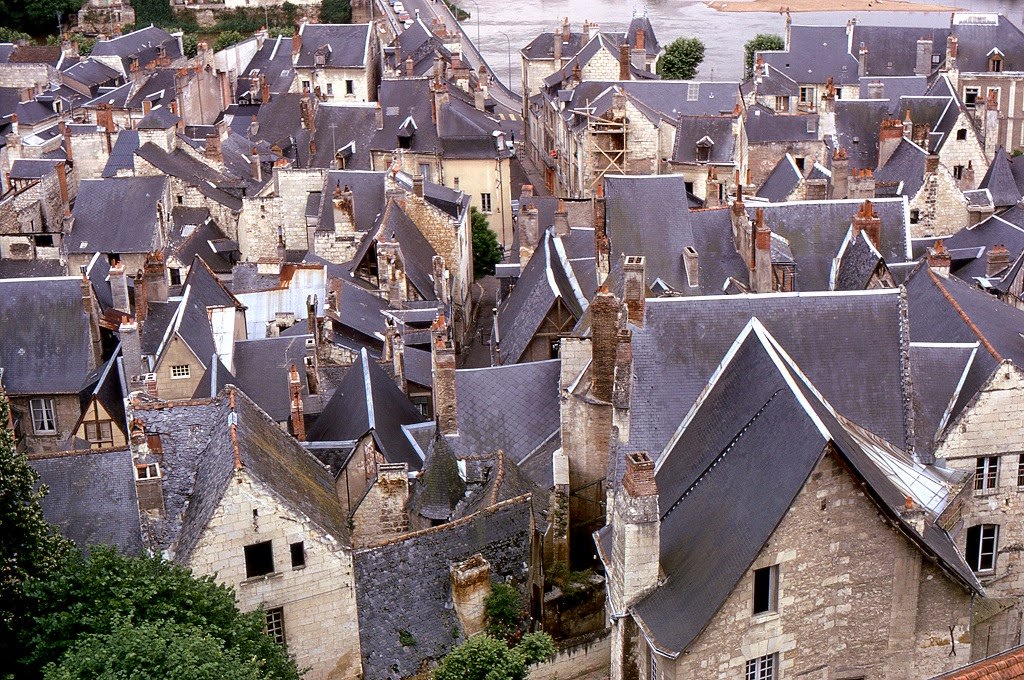
Beyond Paris, France’s landscapes told their own stories. The tidal island of Mont Saint Michel rose dramatically from the sea. The Loire Valley was home to grand chateaux and rolling vineyards, a region that had changed little in appearance over centuries.
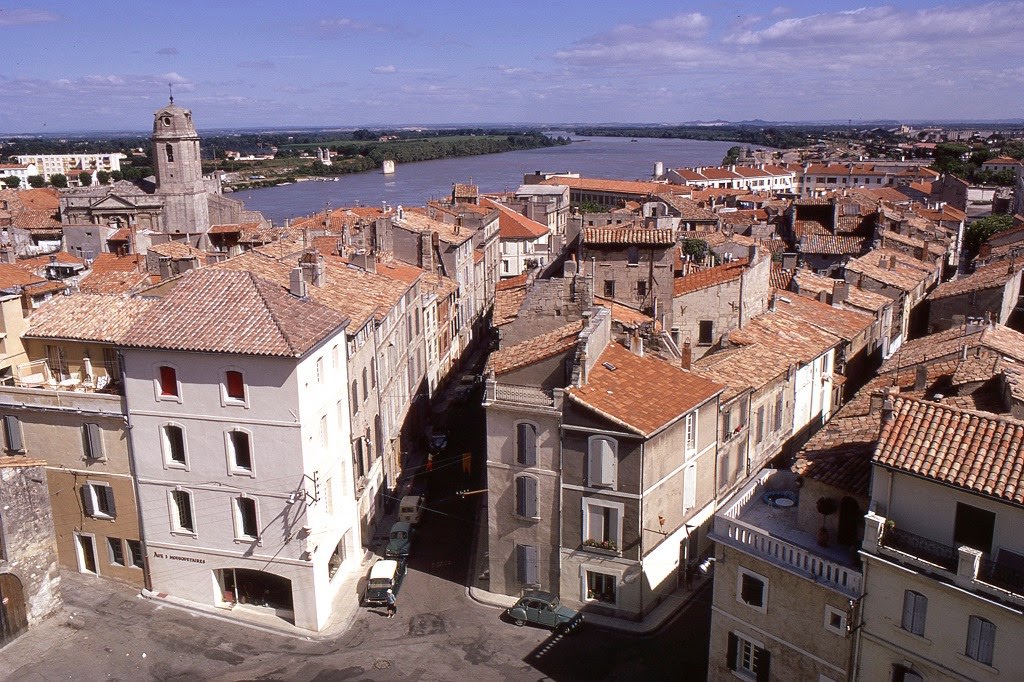
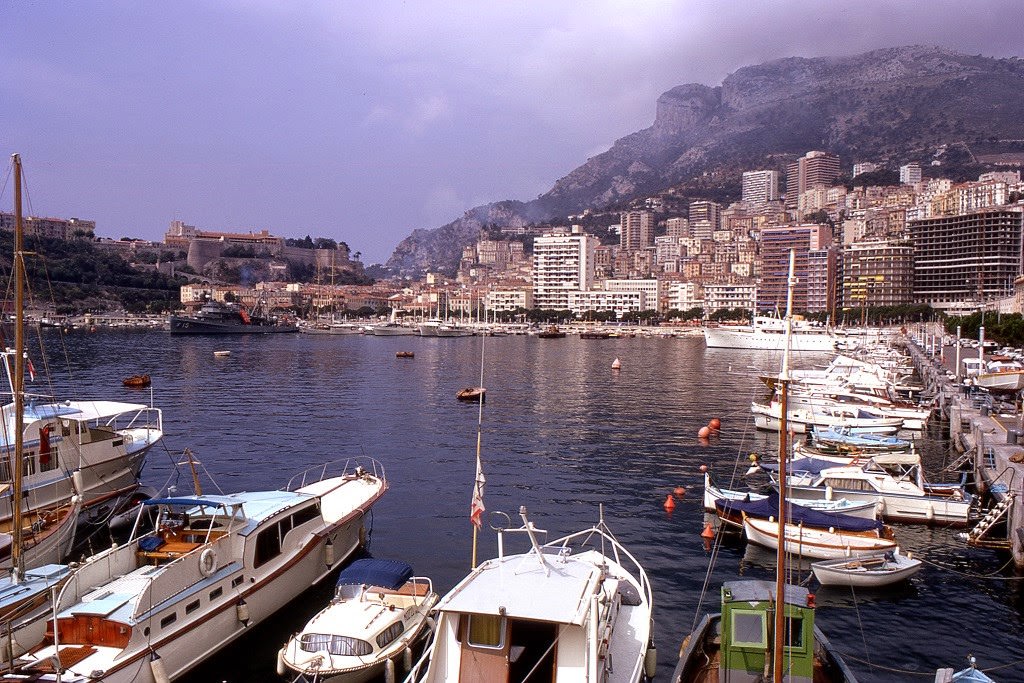
Southern France offered sun-baked towns and Roman ruins. Arles, with its ancient amphitheater, connected 1970 life directly to antiquity. Just across the border, the tiny principality of Monaco glittered with wealth, its harbor already famous for luxury yachts and Grand Prix racing.
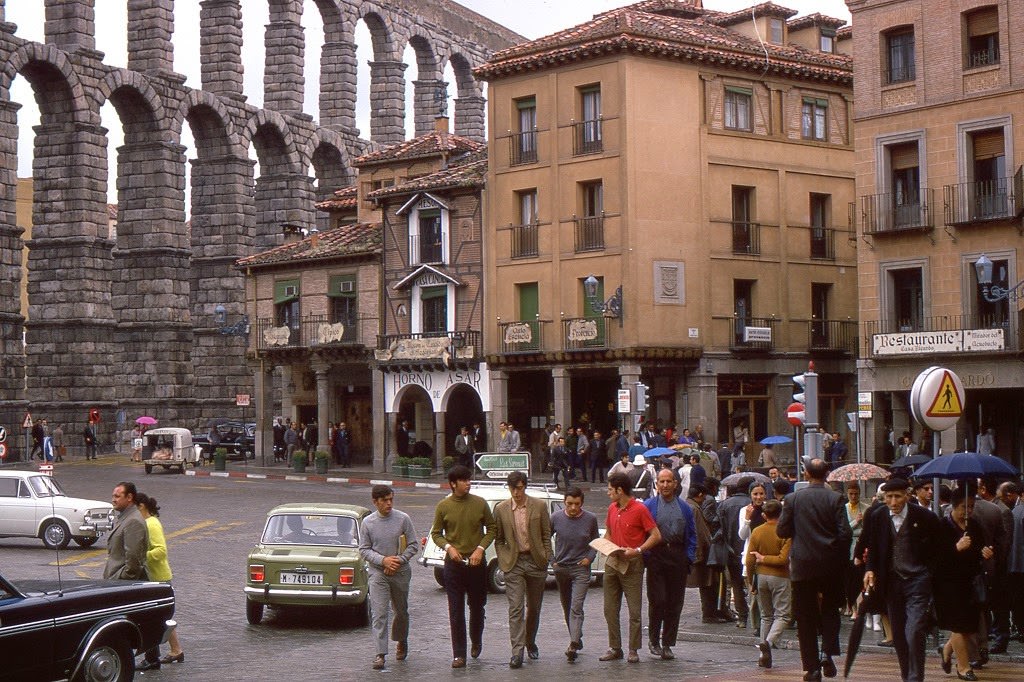
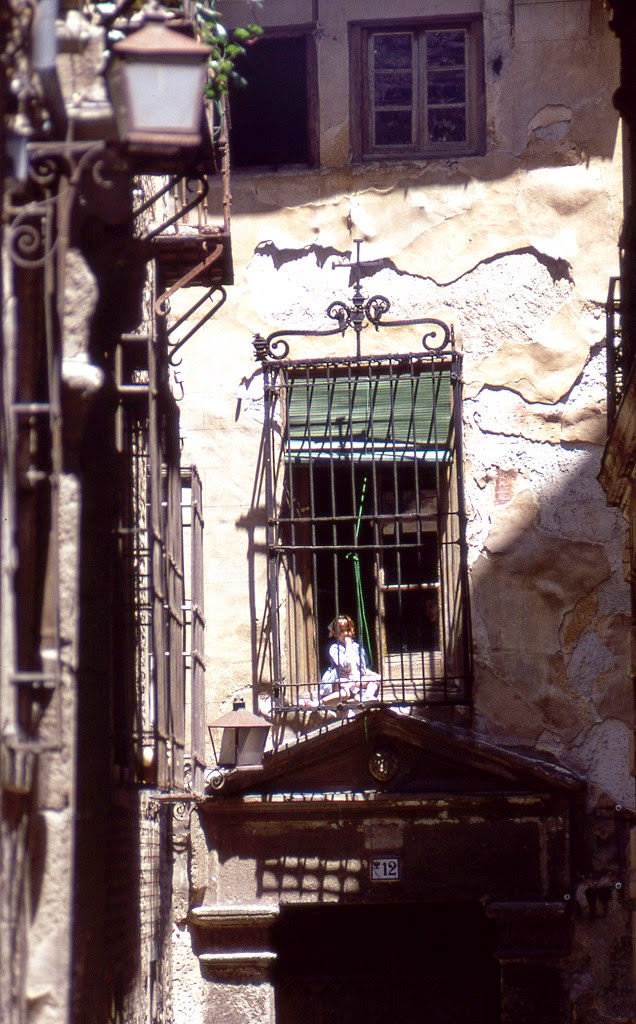
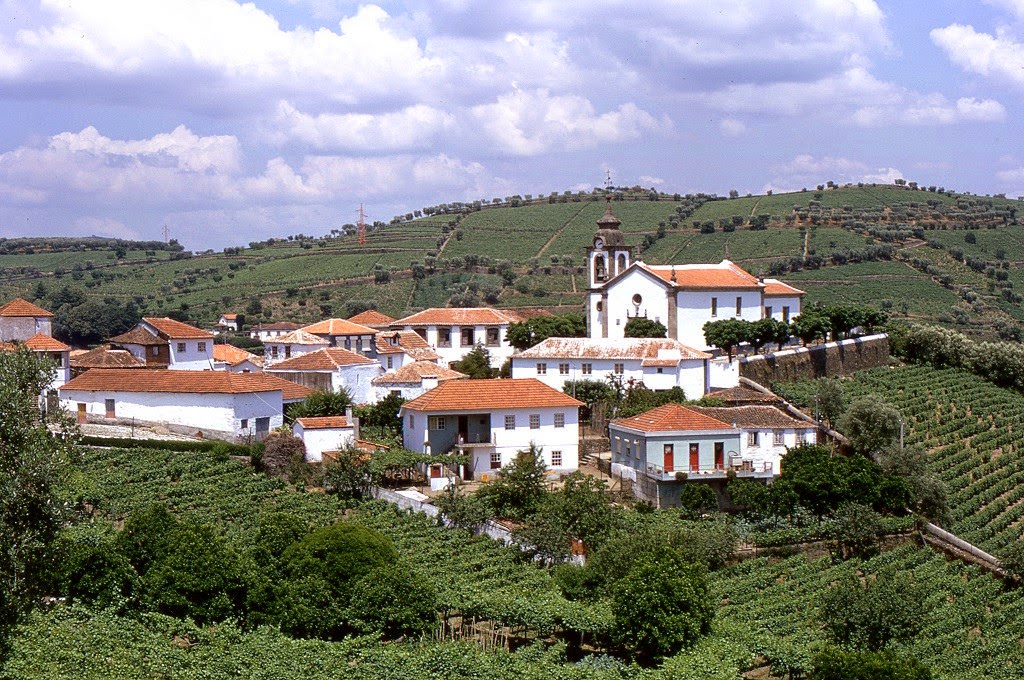
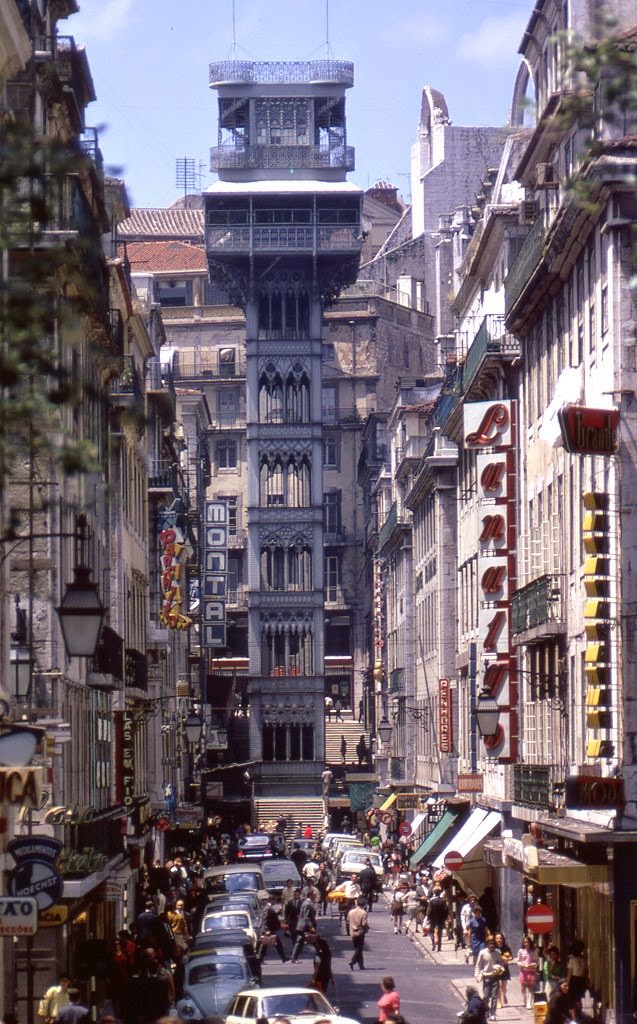
Spain and Portugal were still under authoritarian rule in 1970. Francisco Franco governed Spain, and António de Oliveira Salazar’s Estado Novo regime had only just ended in Portugal. Despite this, Northern Europeans were beginning to flock to the Iberian Peninsula for holidays in the sun — one of the decade’s defining travel trends. Historic cities like Segovia, Toledo, and Lisbon carried the weight of centuries in their stone streets.
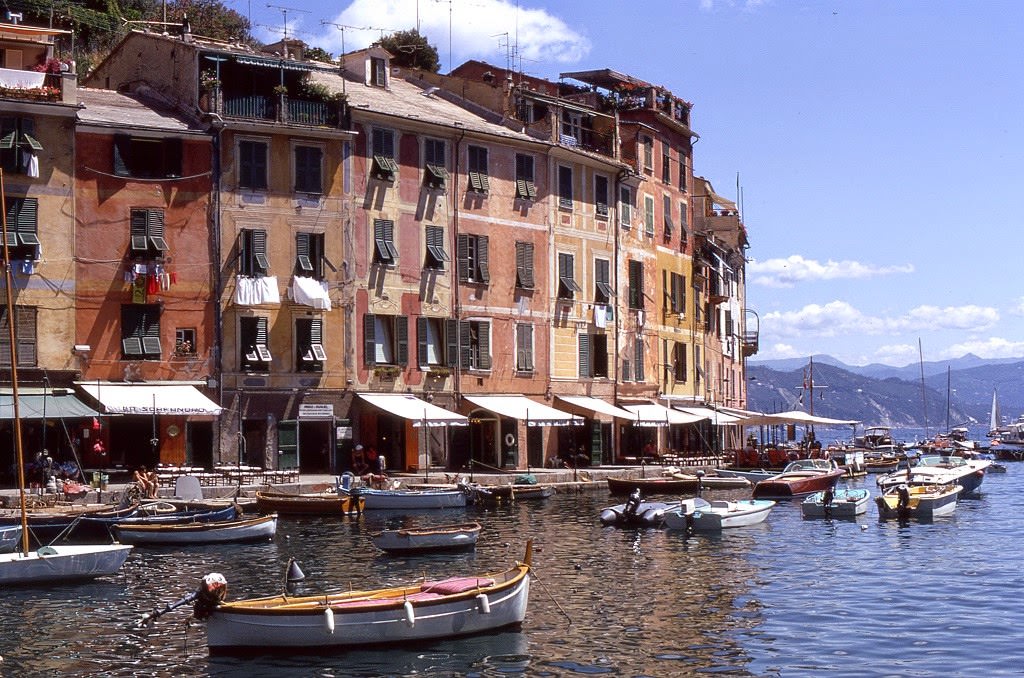
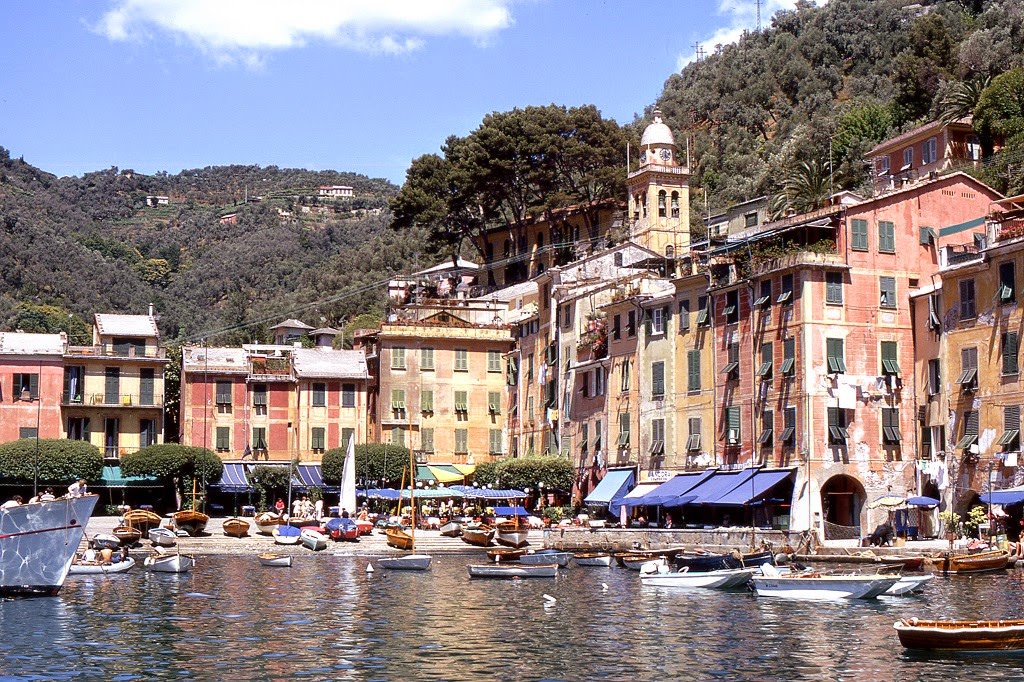
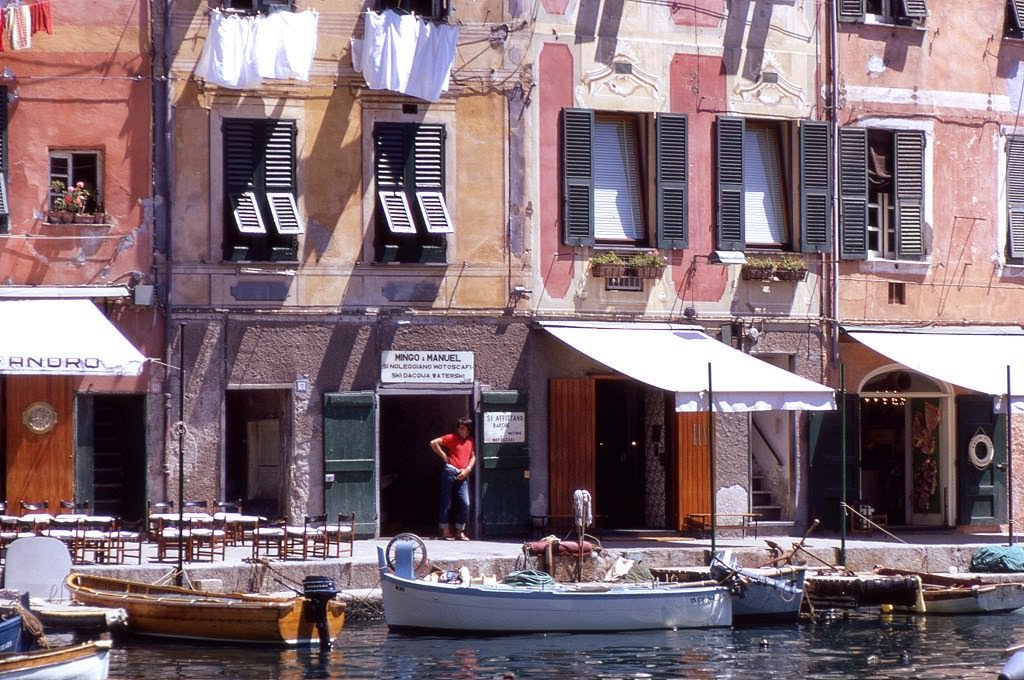
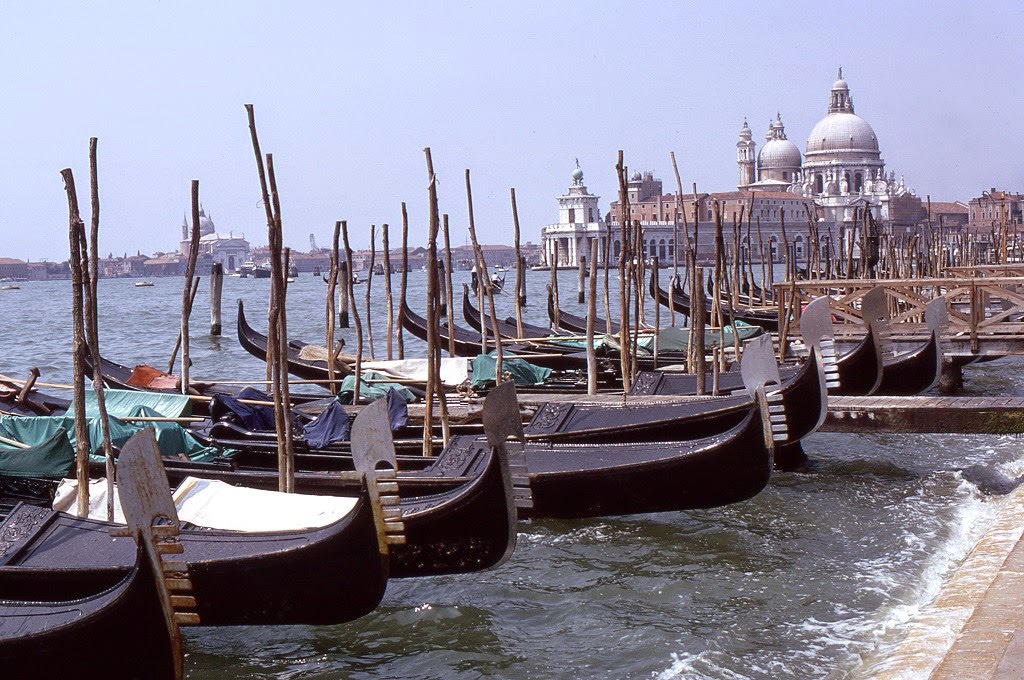
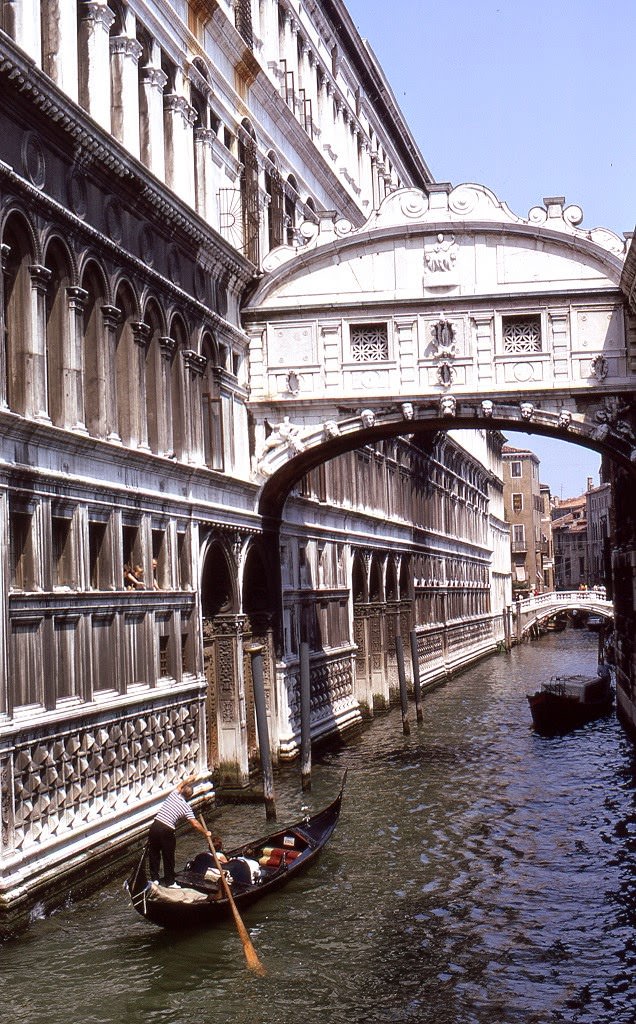
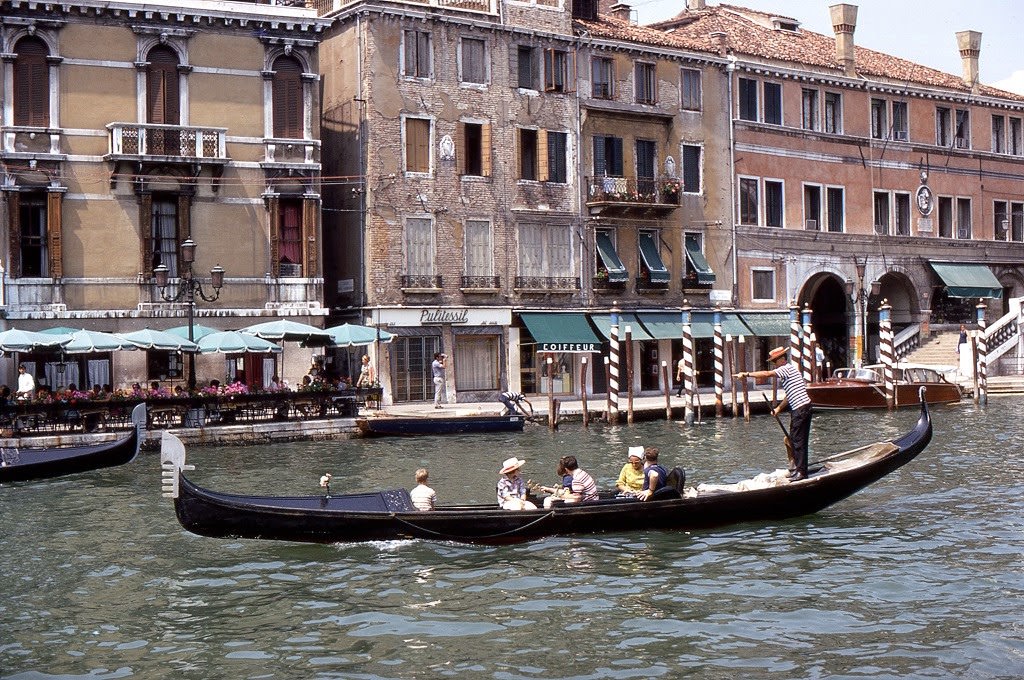
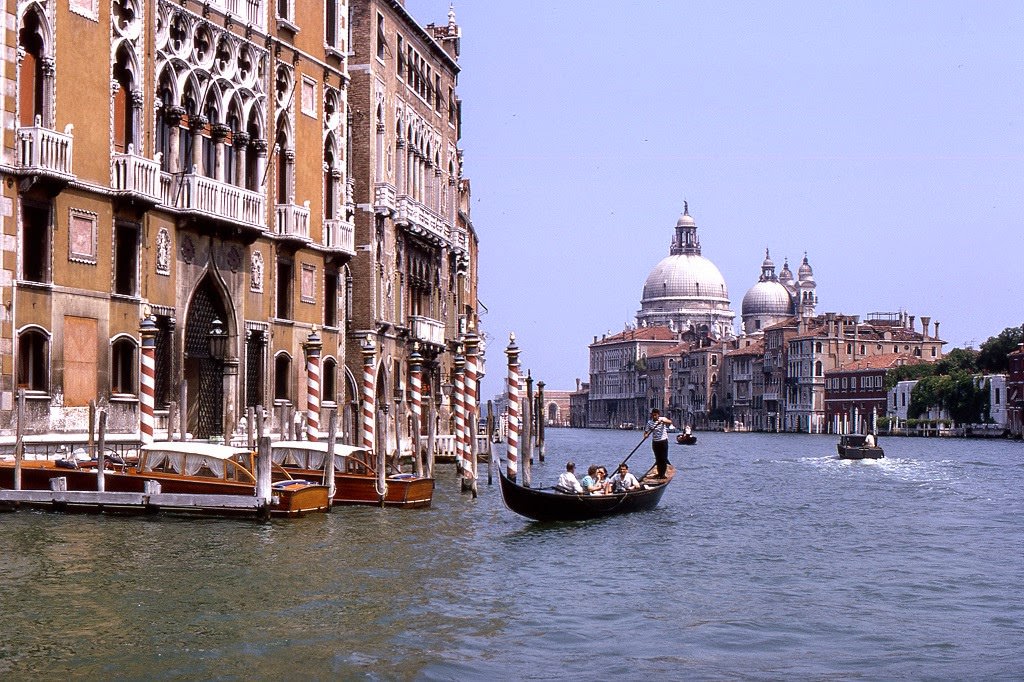
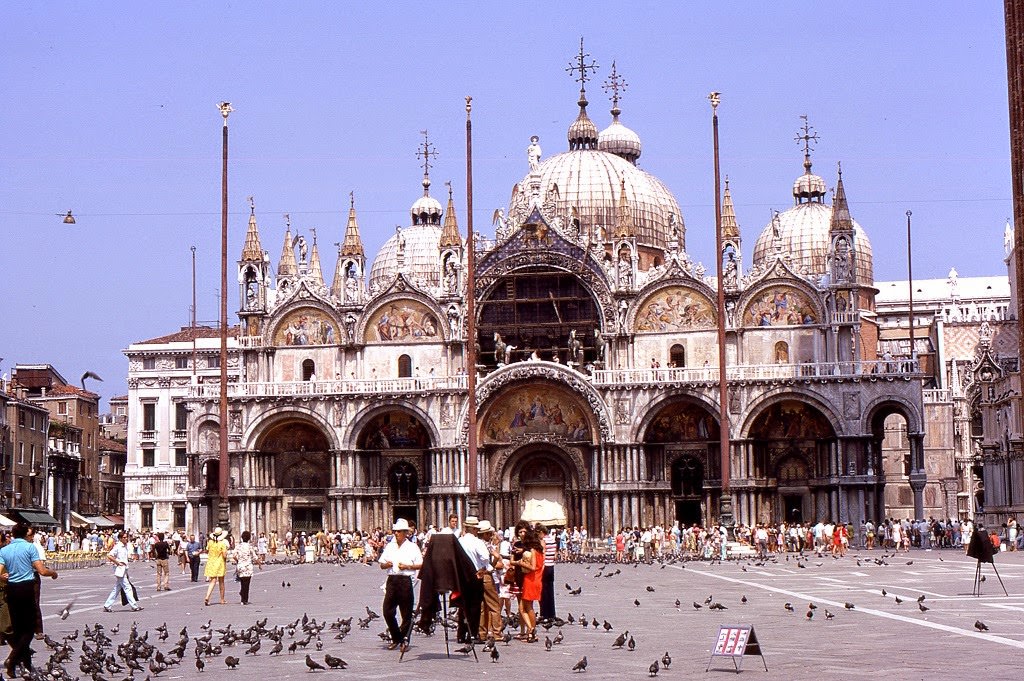
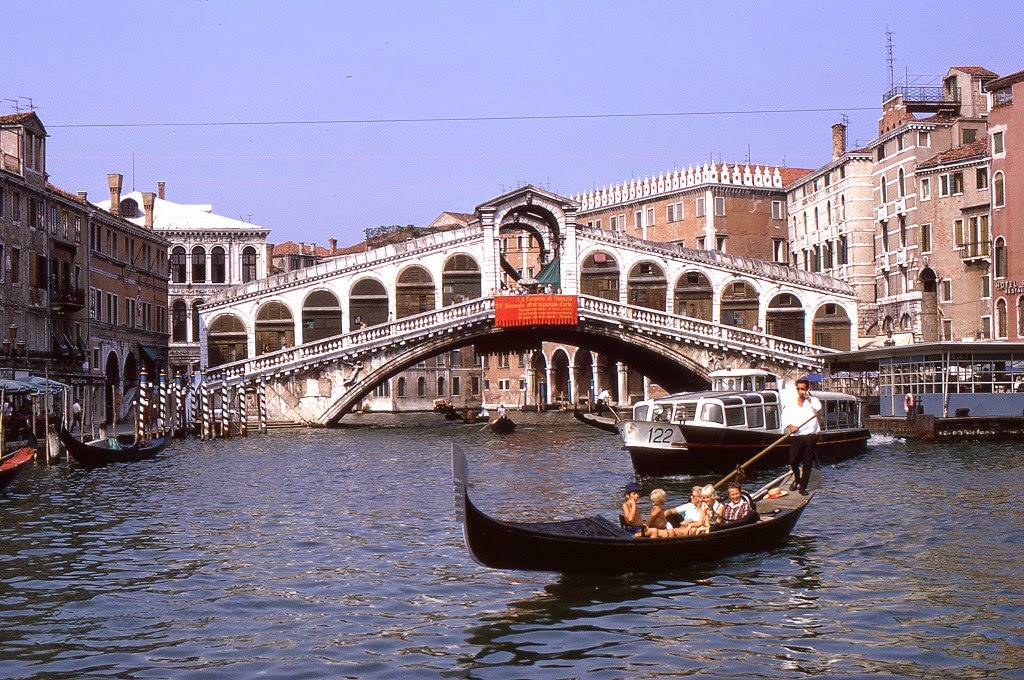
Italy drew travelers to its coastlines and canals. Portofino, a small fishing village on the Ligurian coast, was already becoming a fashionable retreat. Venice remained unlike any other city on earth — its waterways carrying gondolas and motorboats past palaces that had stood for over five hundred years.
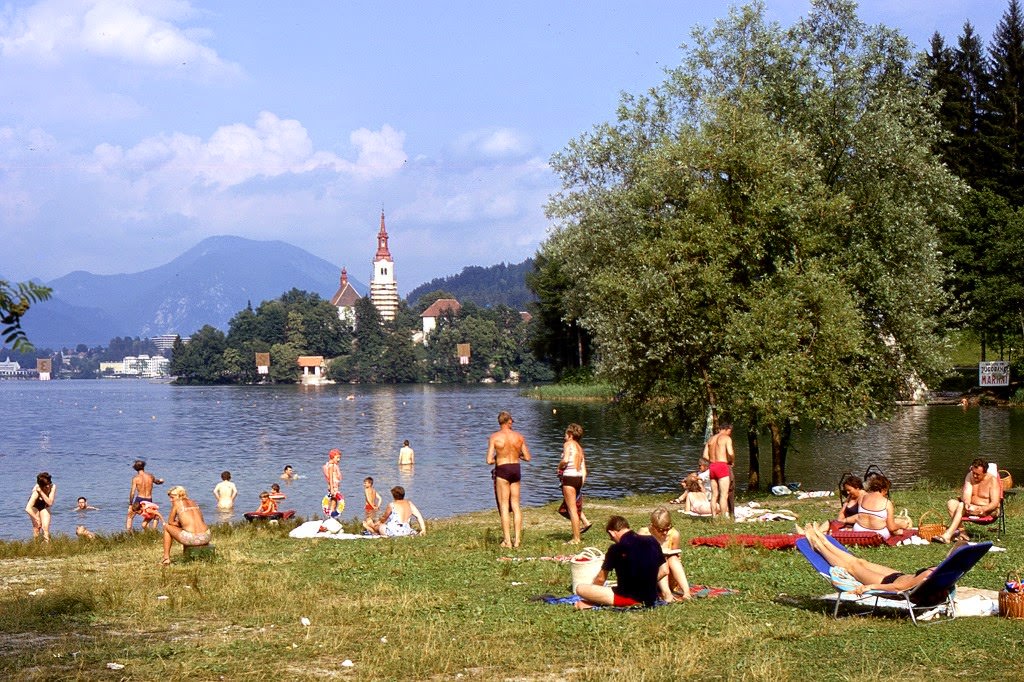
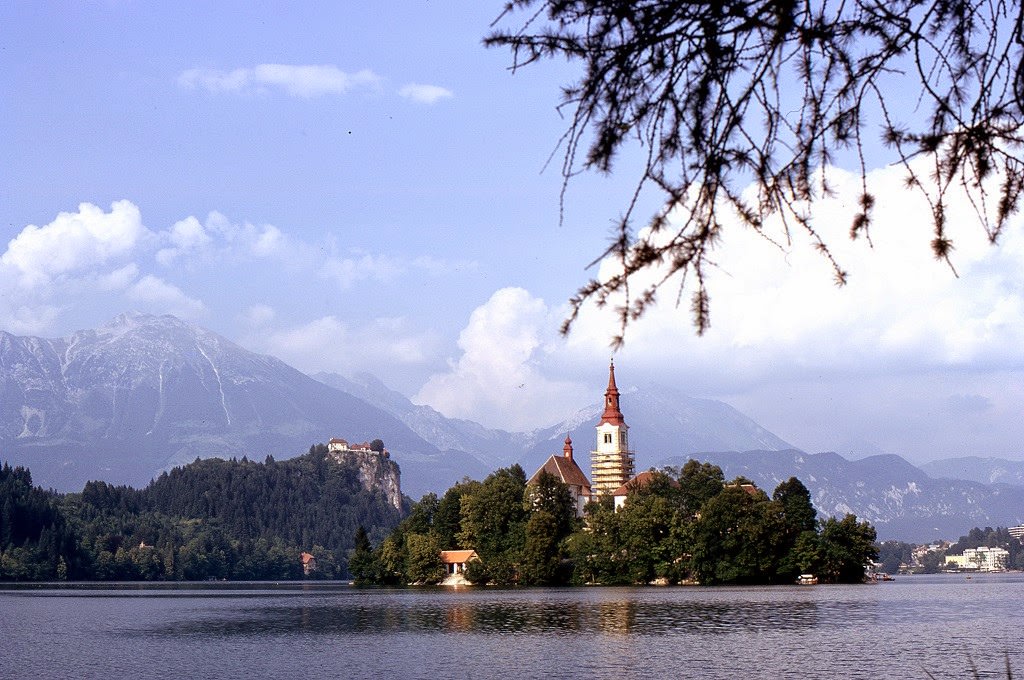
Yugoslavia, though a communist state, charted a unique course outside of direct Soviet control under Josip Broz Tito. The country was more open to Western tourists than its Eastern Bloc neighbors. Bled, with its lake and island church, was one of its most photographed destinations.
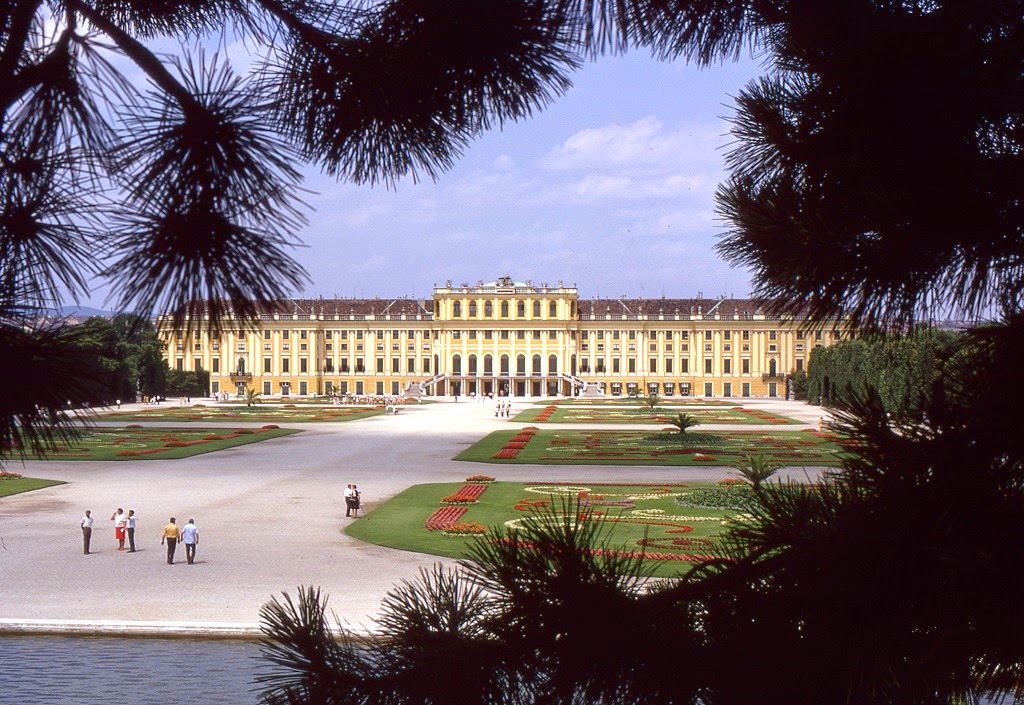
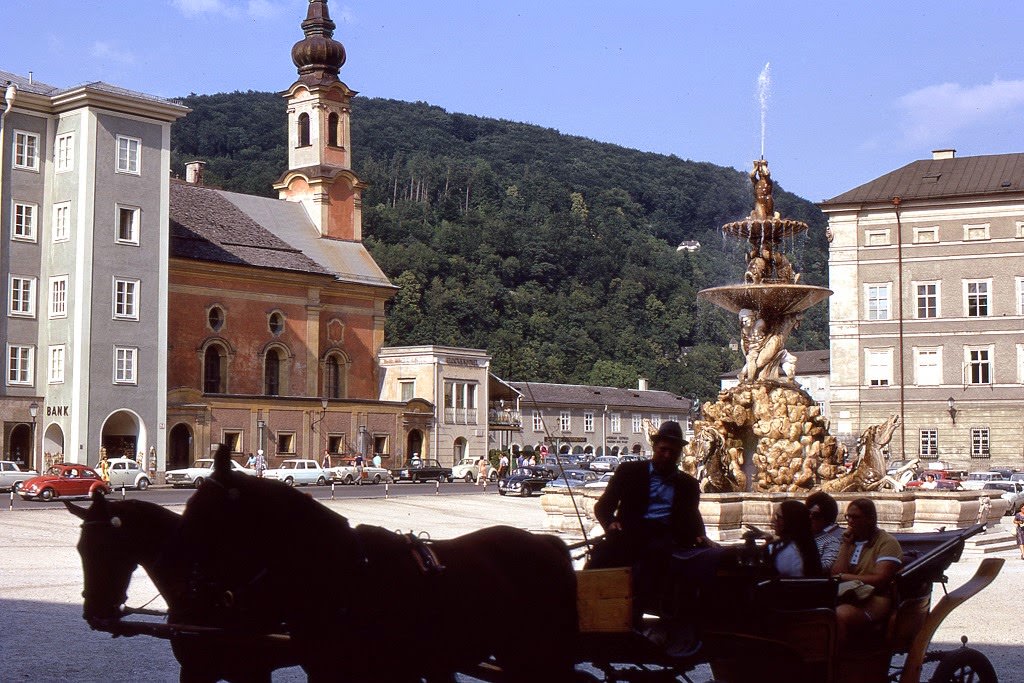
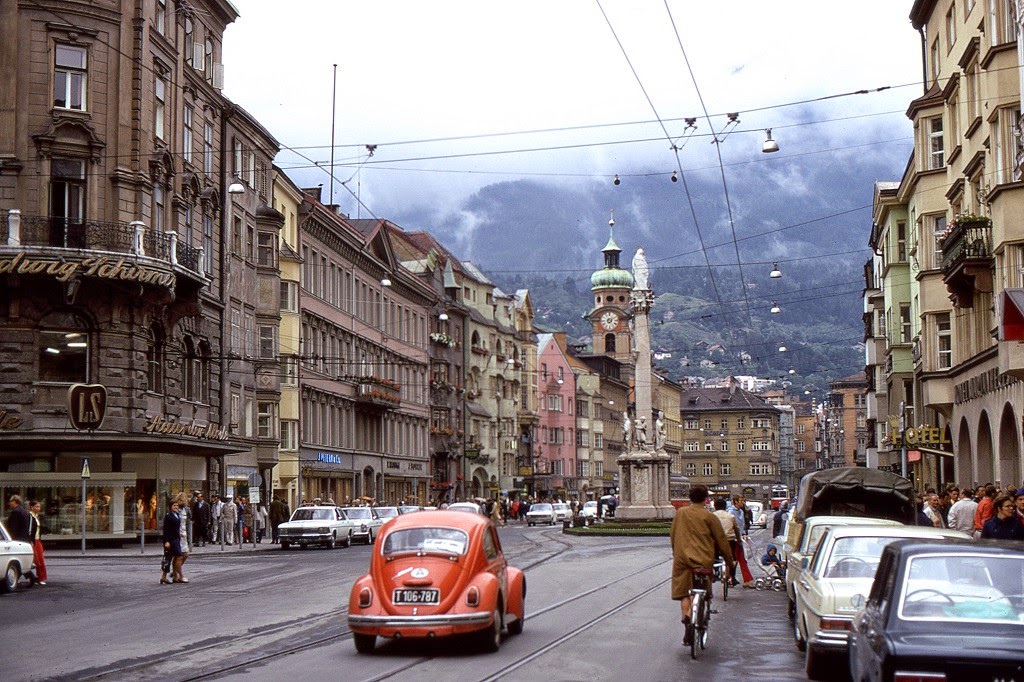
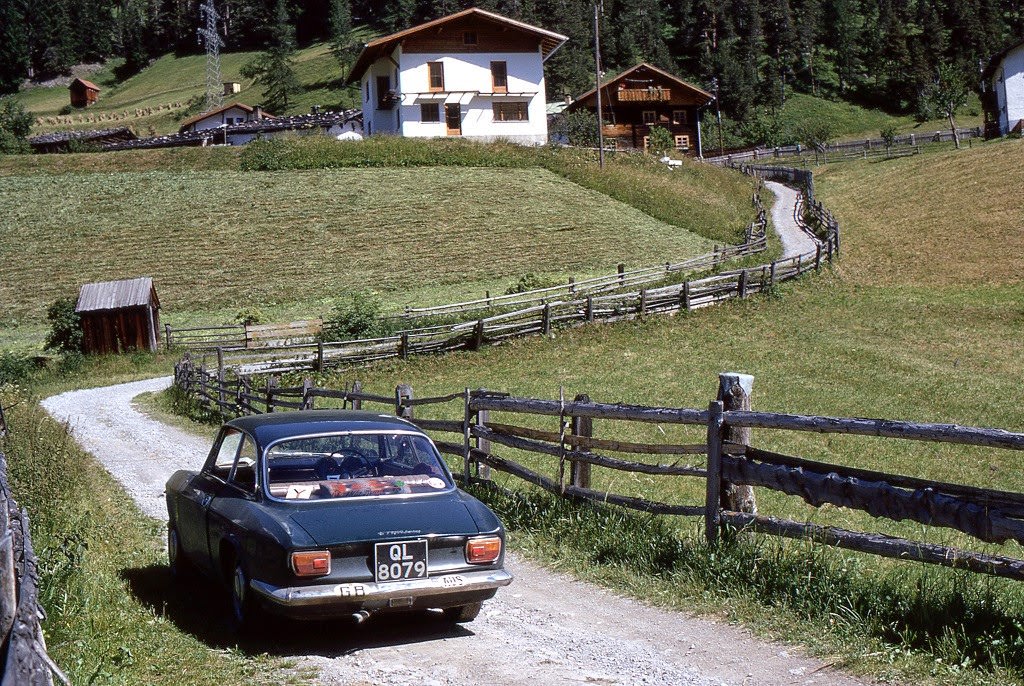
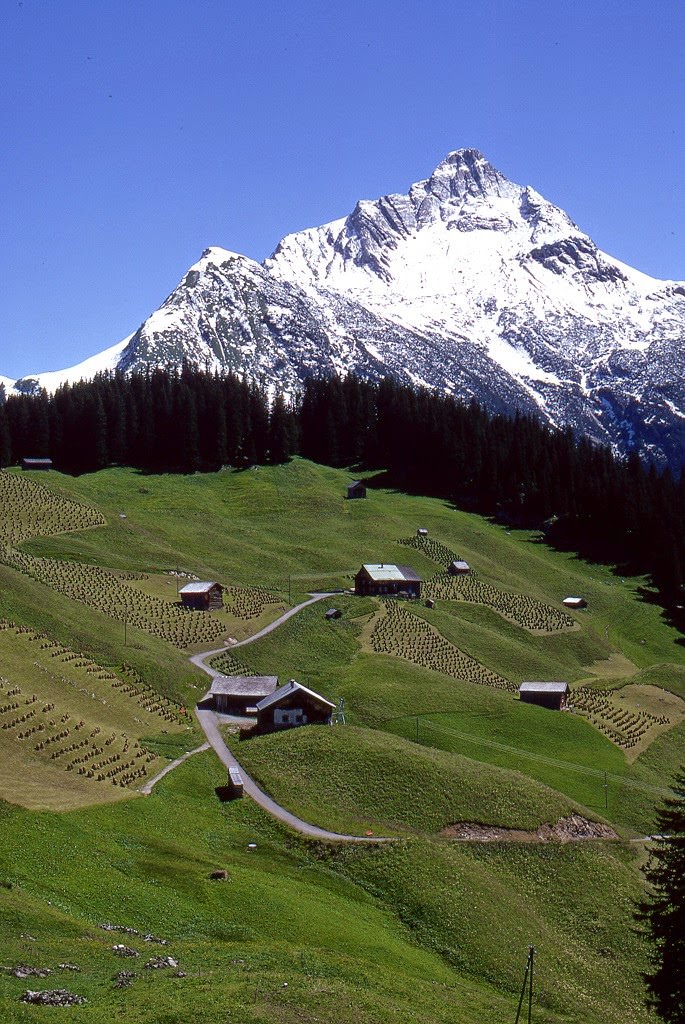
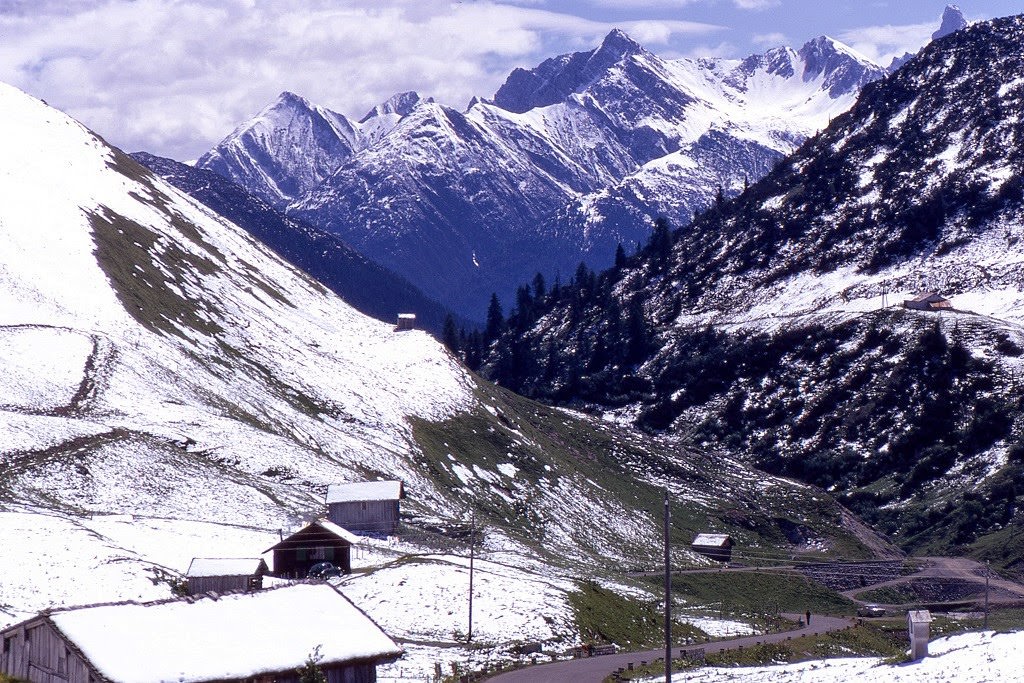
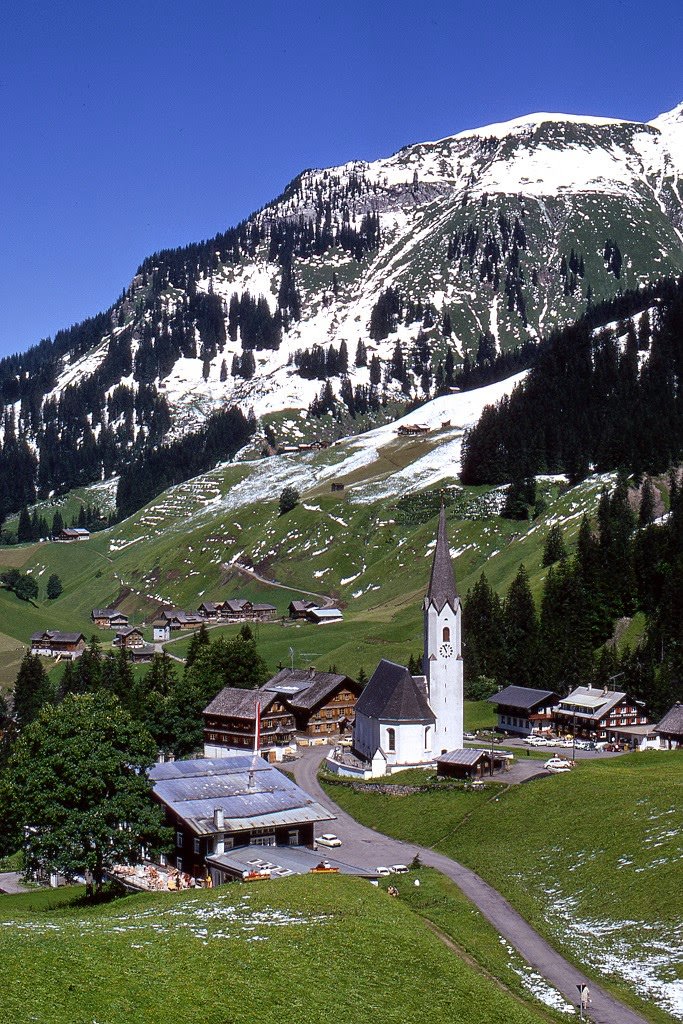
Austria sat at the edge of the Iron Curtain, its grand imperial past visible in Vienna’s Schönbrunn Palace and the baroque towers of Salzburg. The alpine regions of Tyrol and Vorarlberg drew skiers and hikers to some of Europe’s most dramatic mountain scenery.
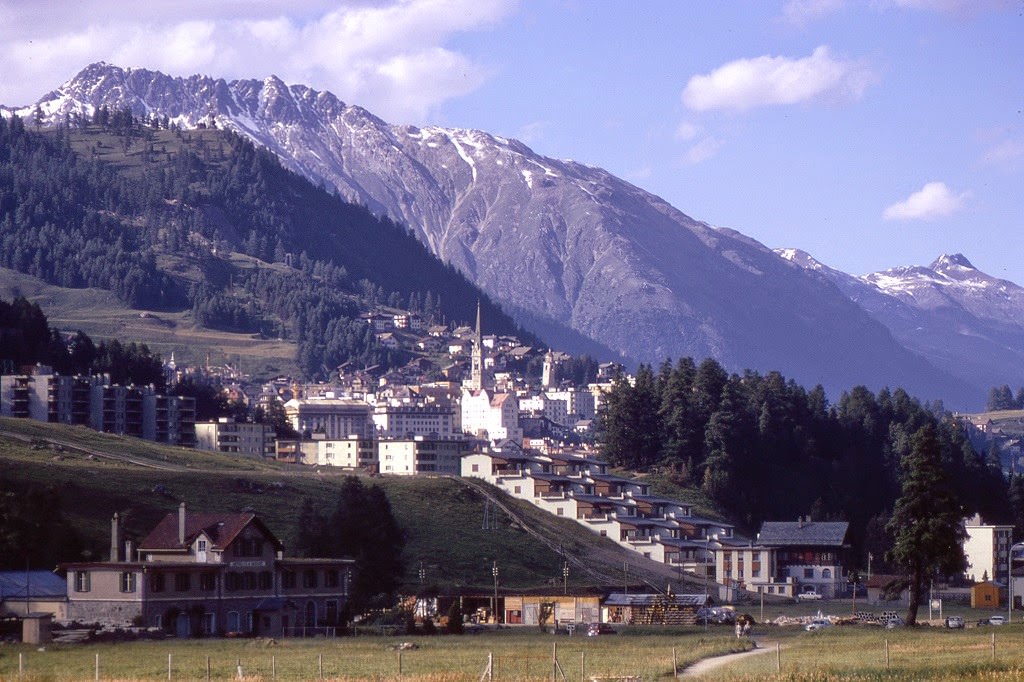
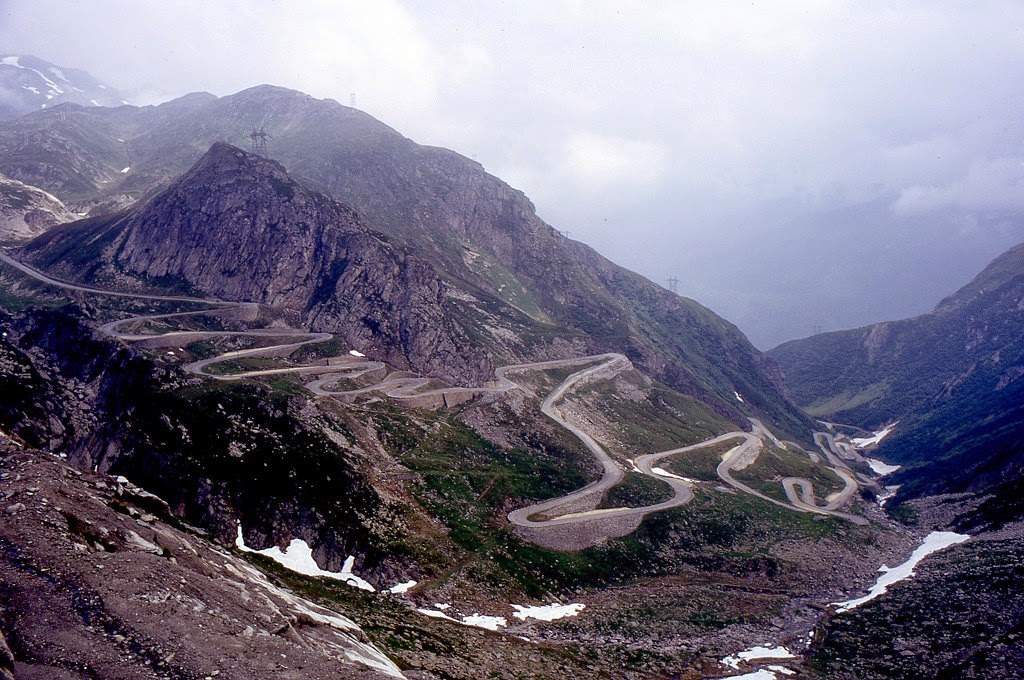
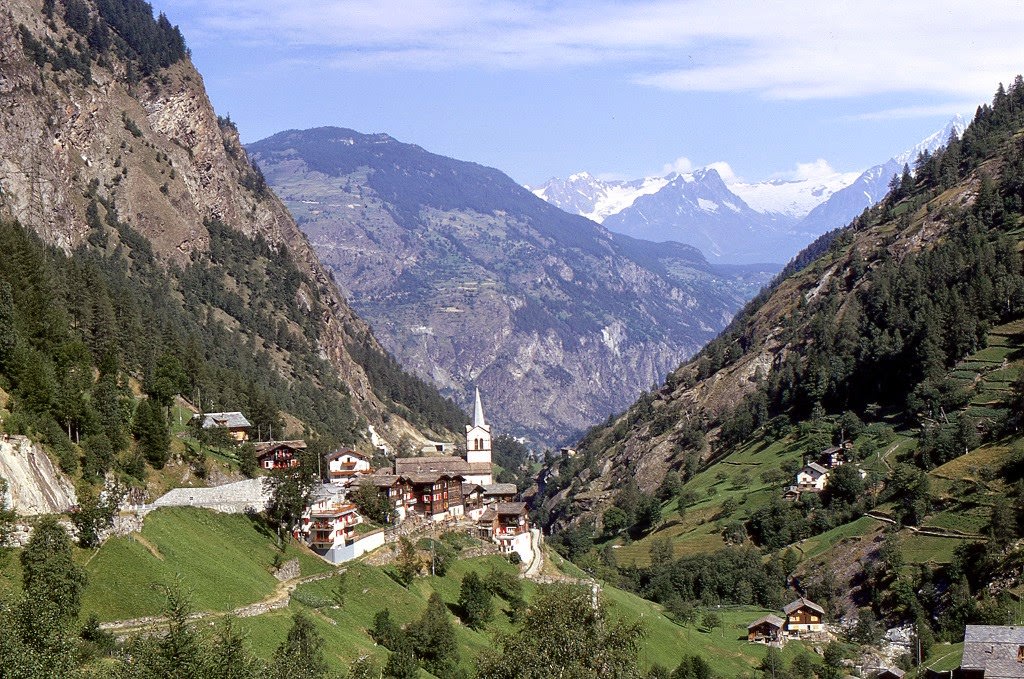
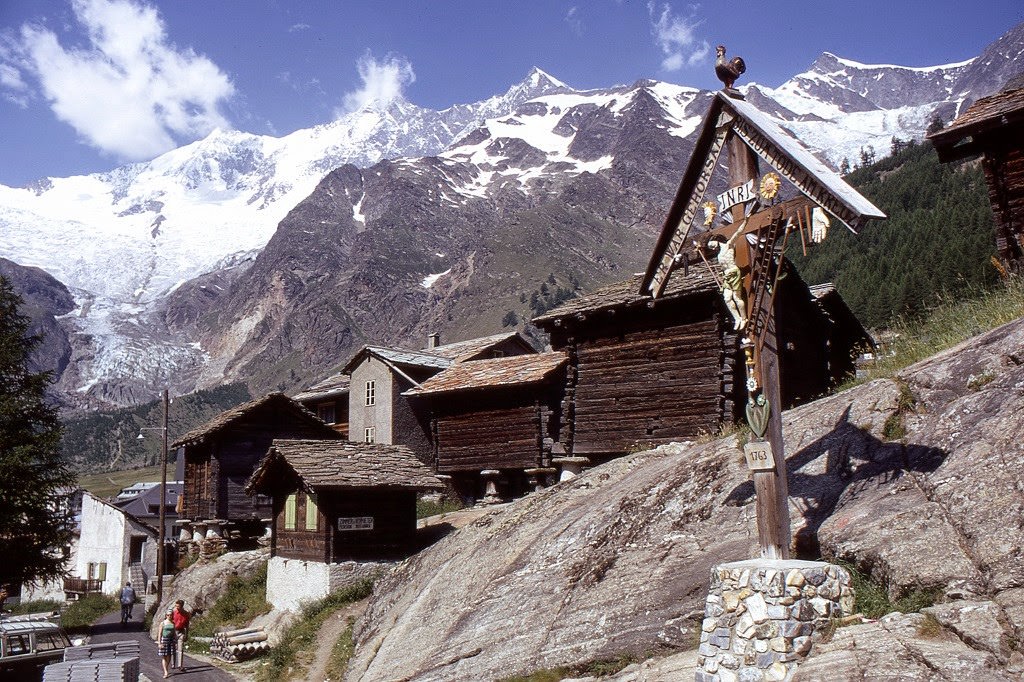
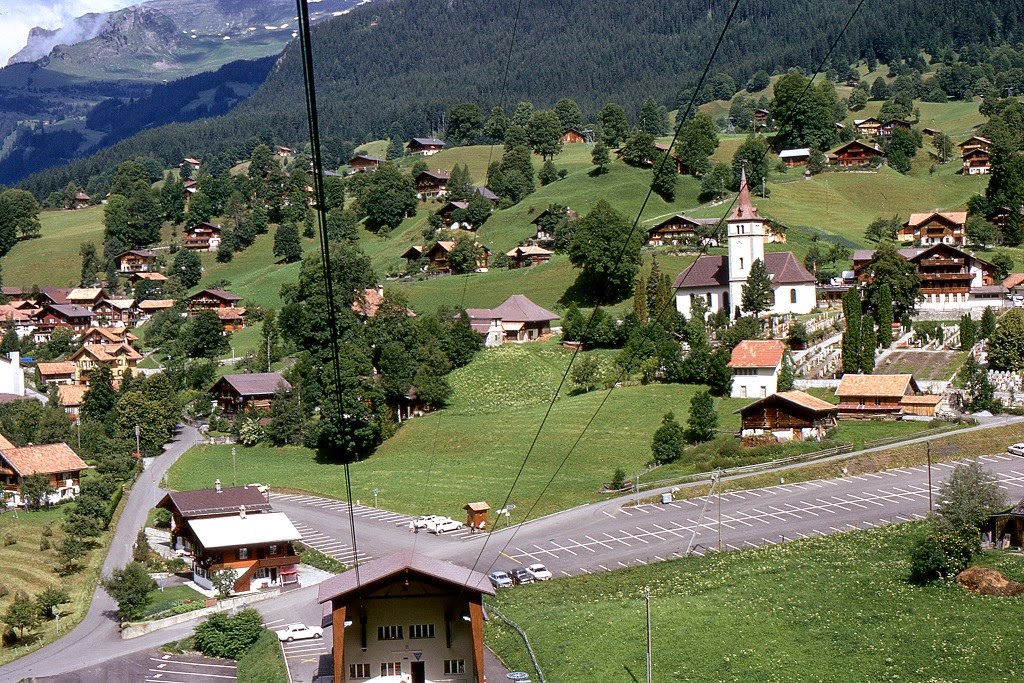
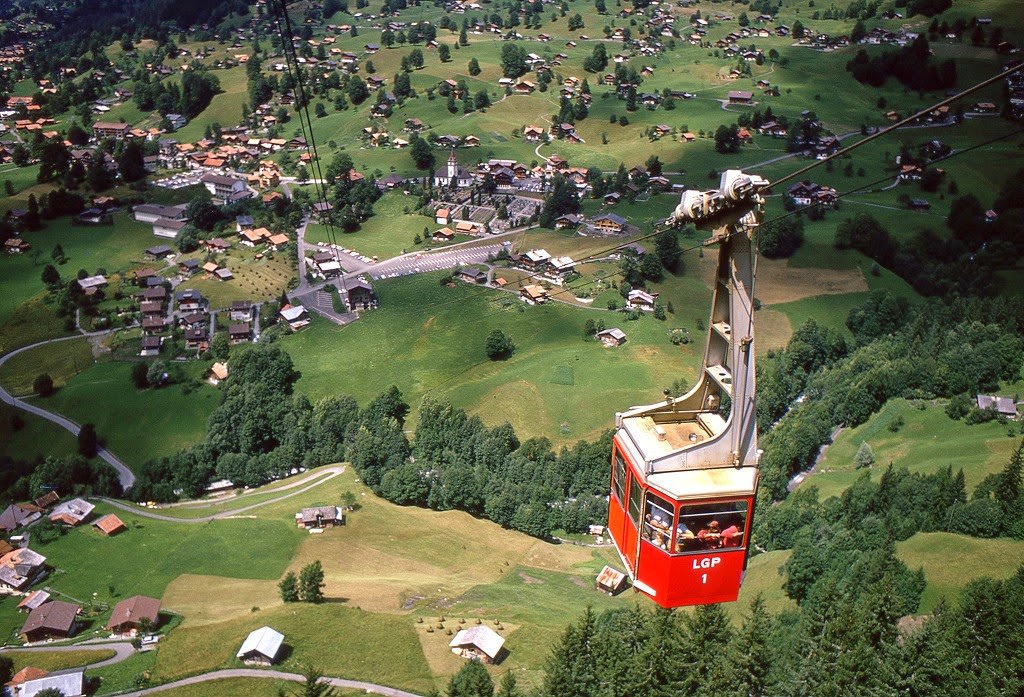
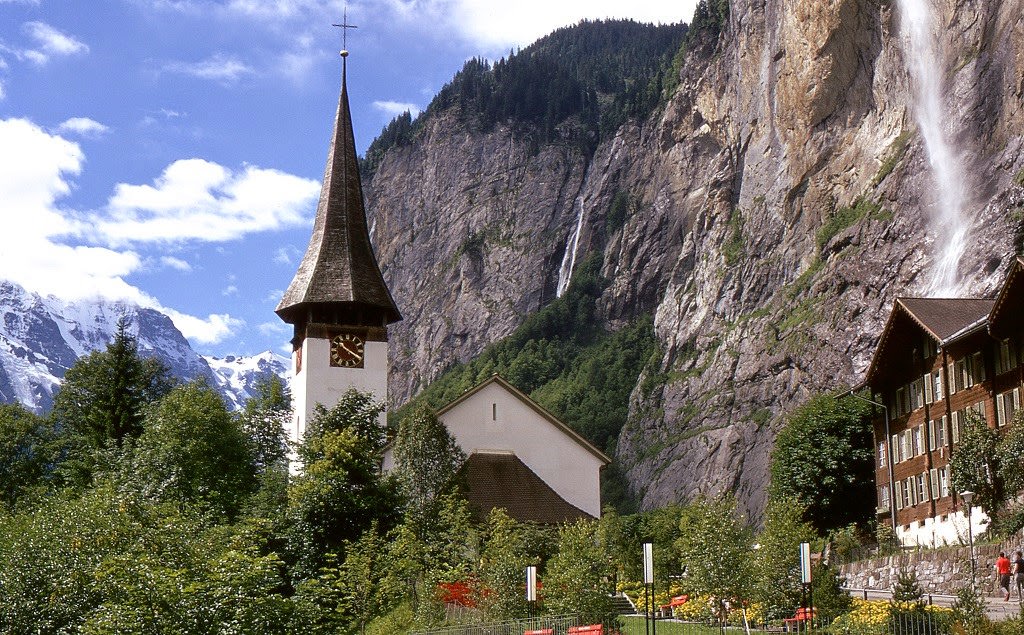
Neighboring Switzerland offered a similar alpine landscape with its own distinct character. Villages clung to steep hillsides, and mountain passes like the Furka cut through some of the highest terrain in all of Europe. Resorts such as St. Moritz and Saas Fee catered to an increasingly affluent tourist class, while Grindelwald and Interlaken welcomed those who came to walk beneath the Bernese Alps.
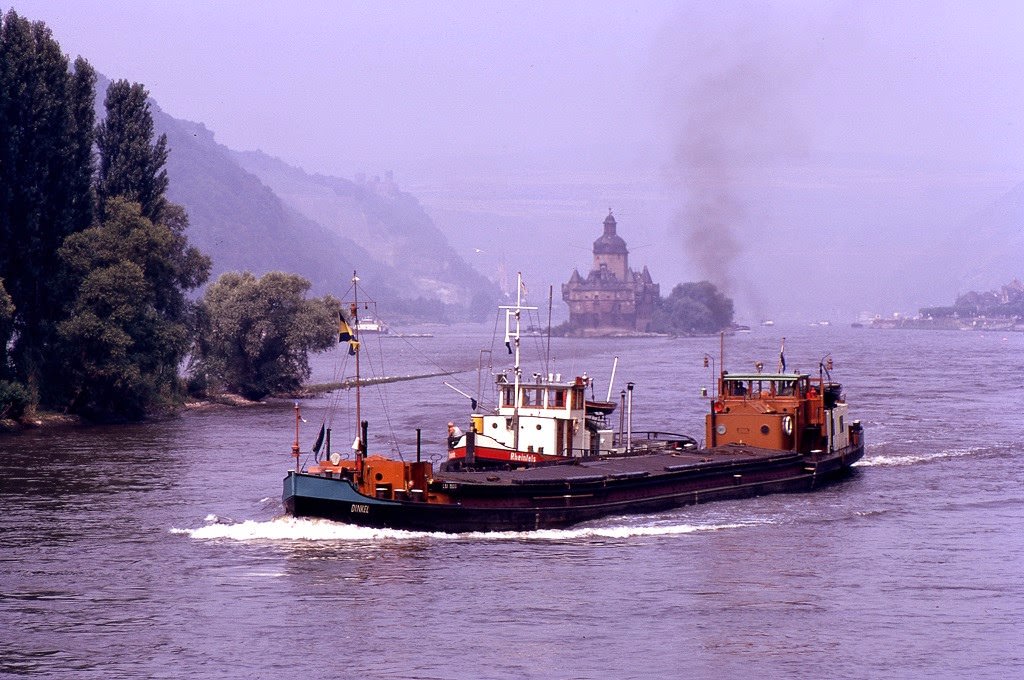
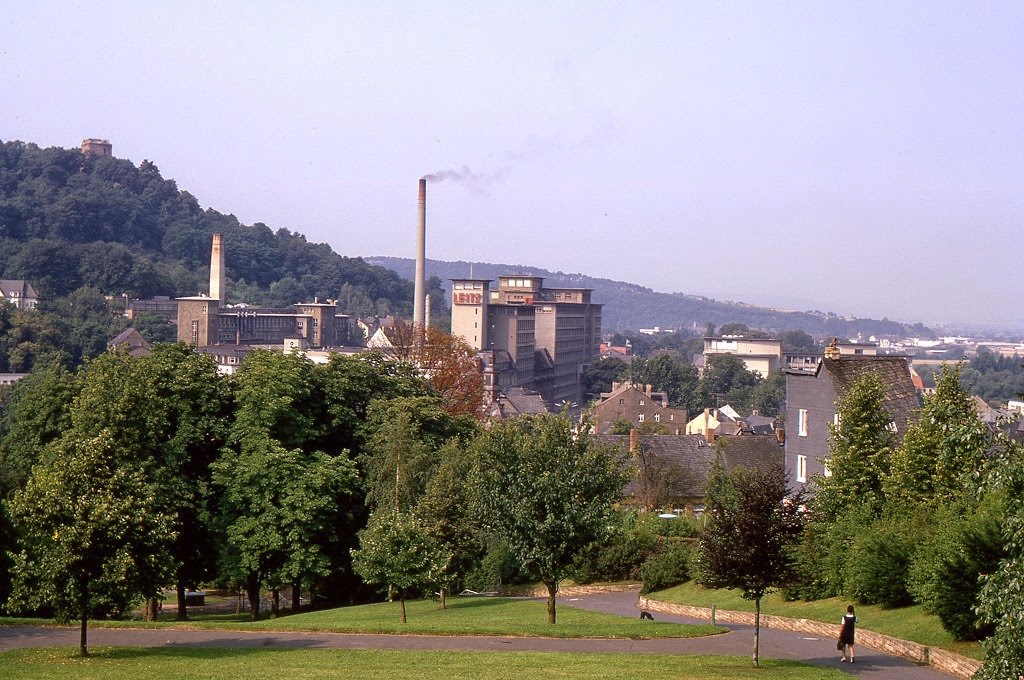
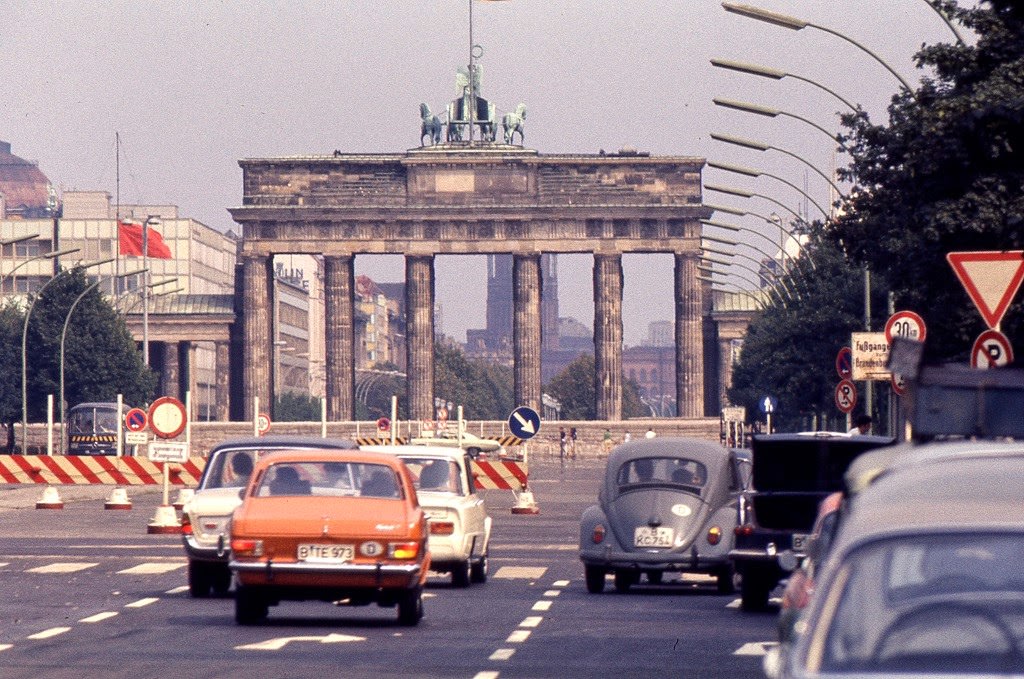
Germany in 1970 was a divided nation. West Germany thrived economically, its cities rebuilt from wartime rubble. The Rhine River wound through a landscape of castles and vineyards. Berlin, however, told the starkest story of the era — the Wall still cut the city in two, separating families on either side with concrete and barbed wire.
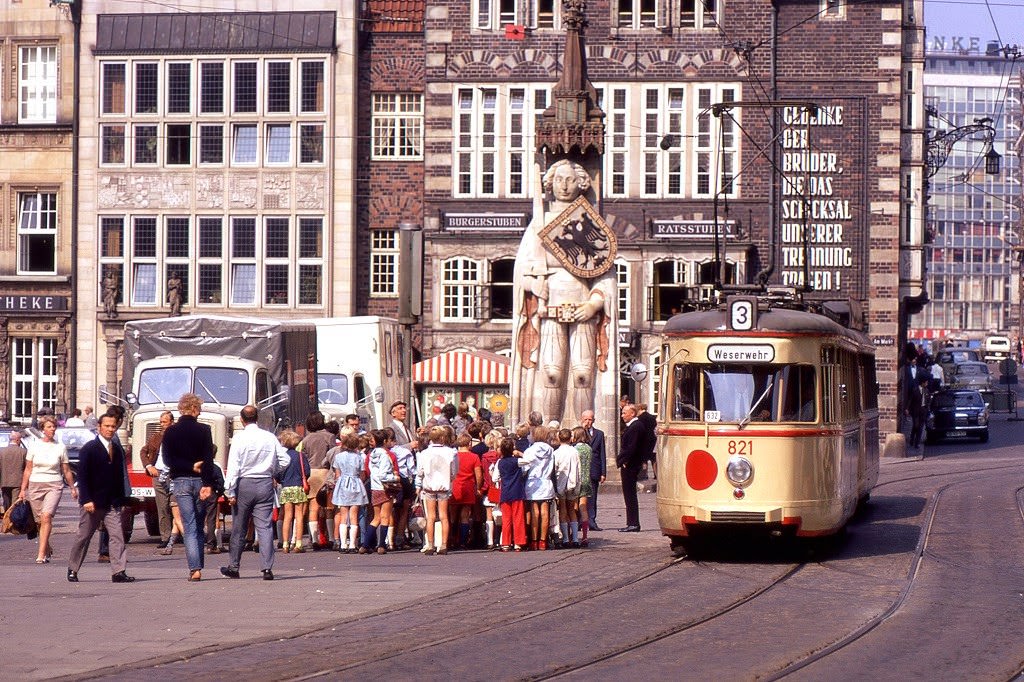
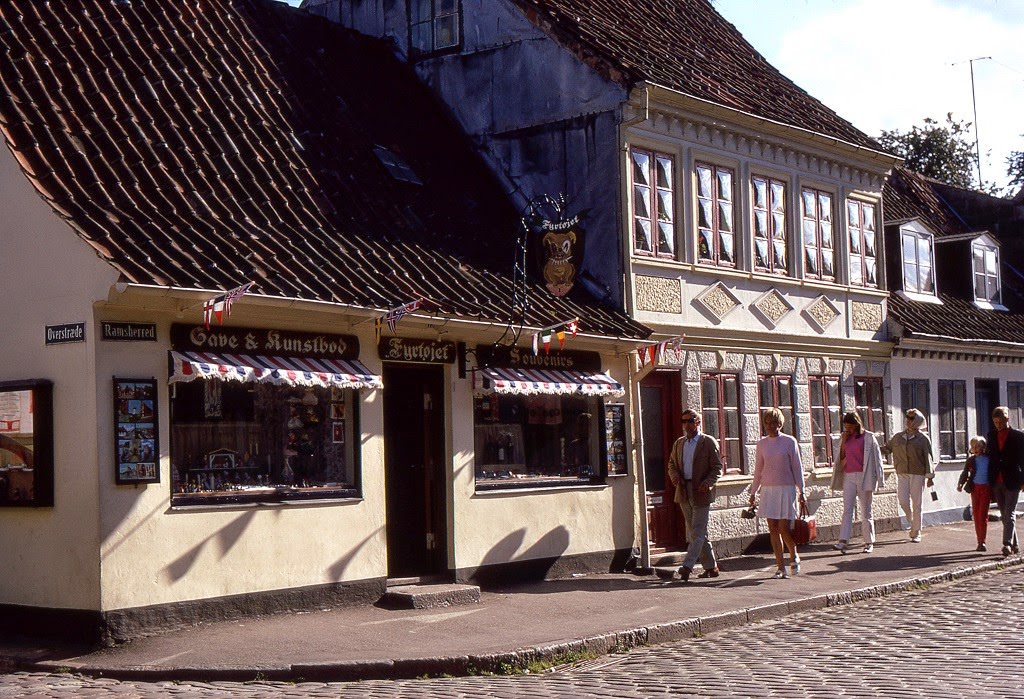
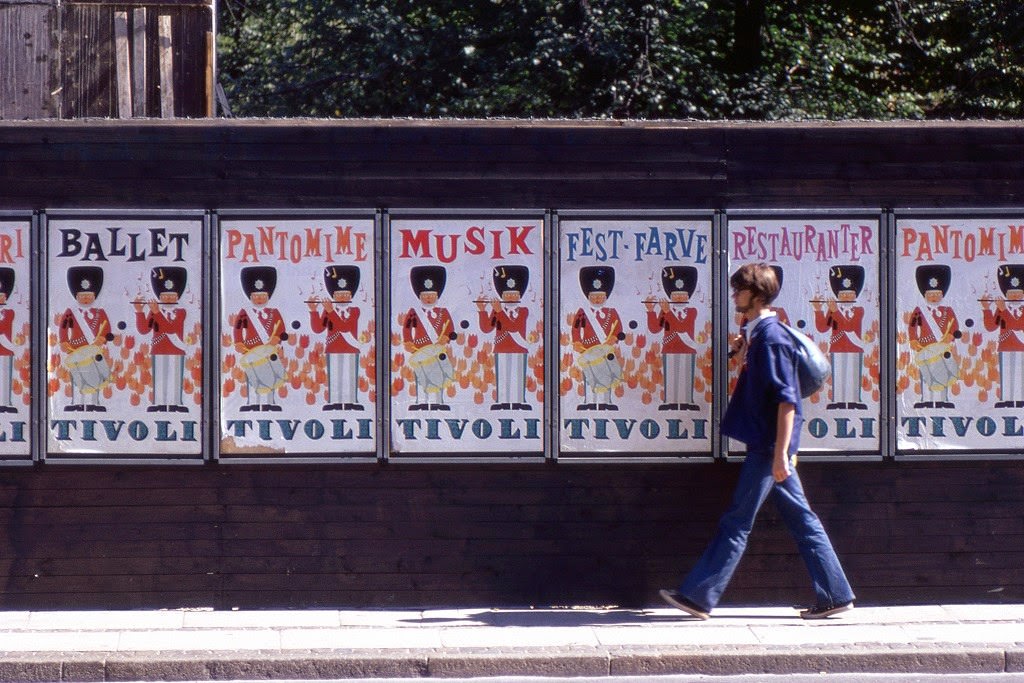
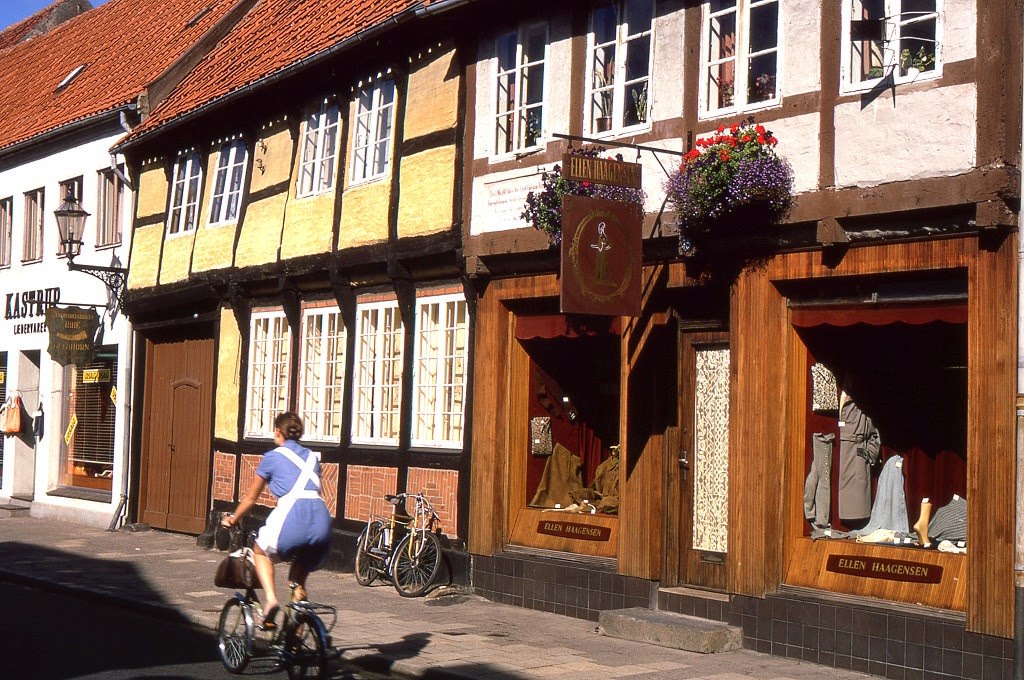
Scandinavia projected a sense of calm order. Denmark’s colorful timber-framed buildings and Copenhagen’s busy harbor reflected a prosperous, stable society. Sweden, too, enjoyed high living standards in 1970, with Stockholm standing as one of the most modern capitals in Europe.
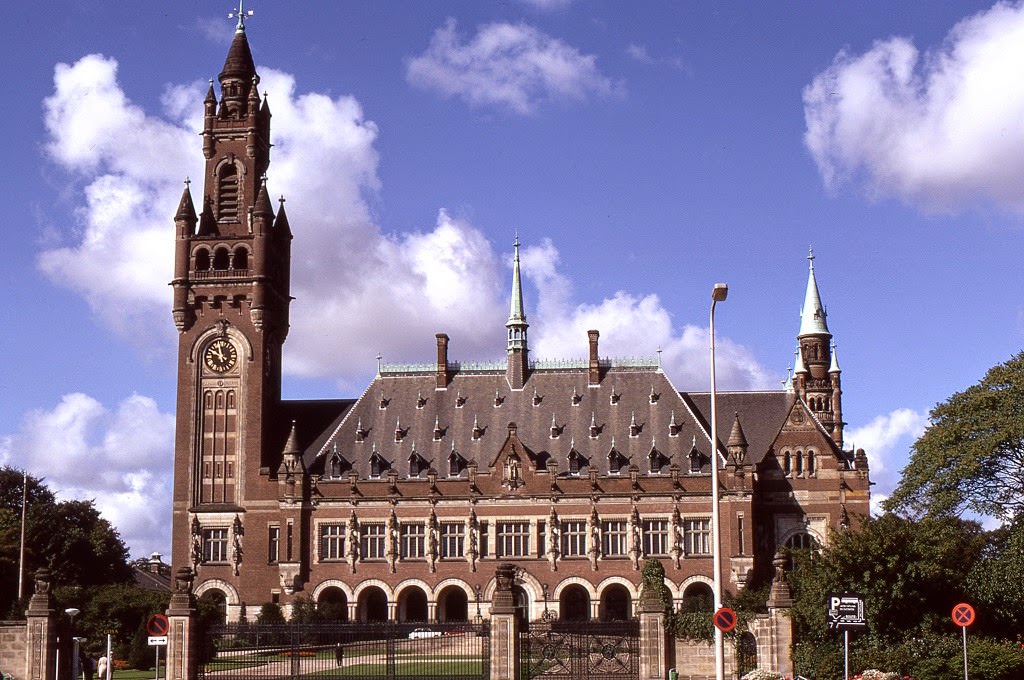
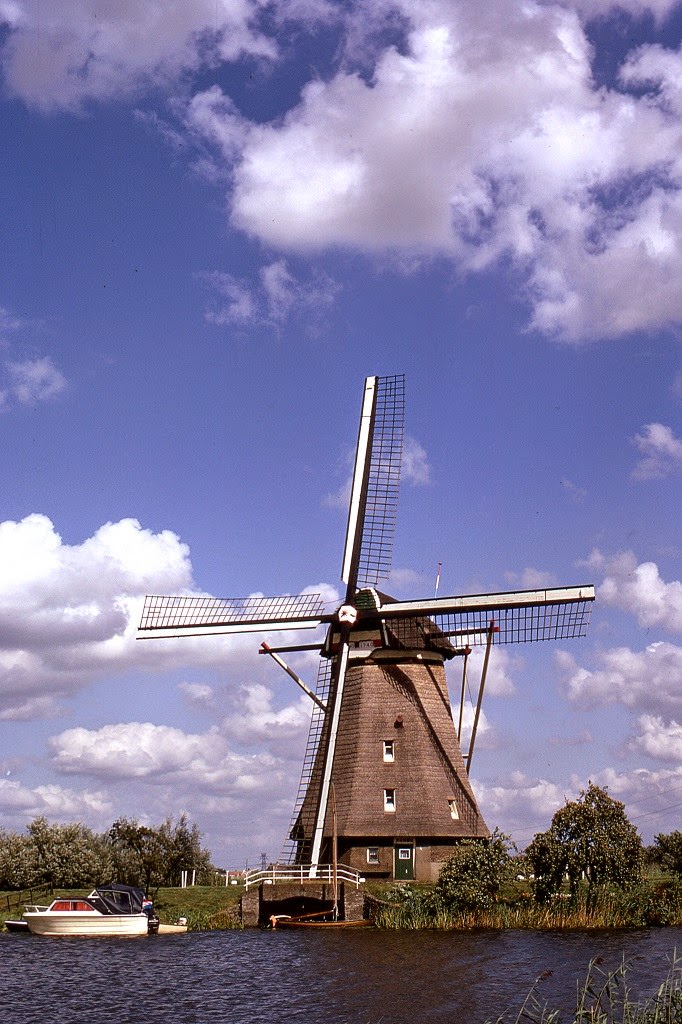
The Netherlands anchored the northwest of the continent. The International Court of Justice sat in The Hague, a symbol of the postwar international order that Western Europe had built. Windmills still turned across the flat Dutch countryside — one of the most enduring images of a nation balancing deep tradition with forward-looking ambition. In 1970, the European Economic Community was preparing its first expansion, and the Netherlands was one of its founding members, already shaping the rules of a new Europe.