

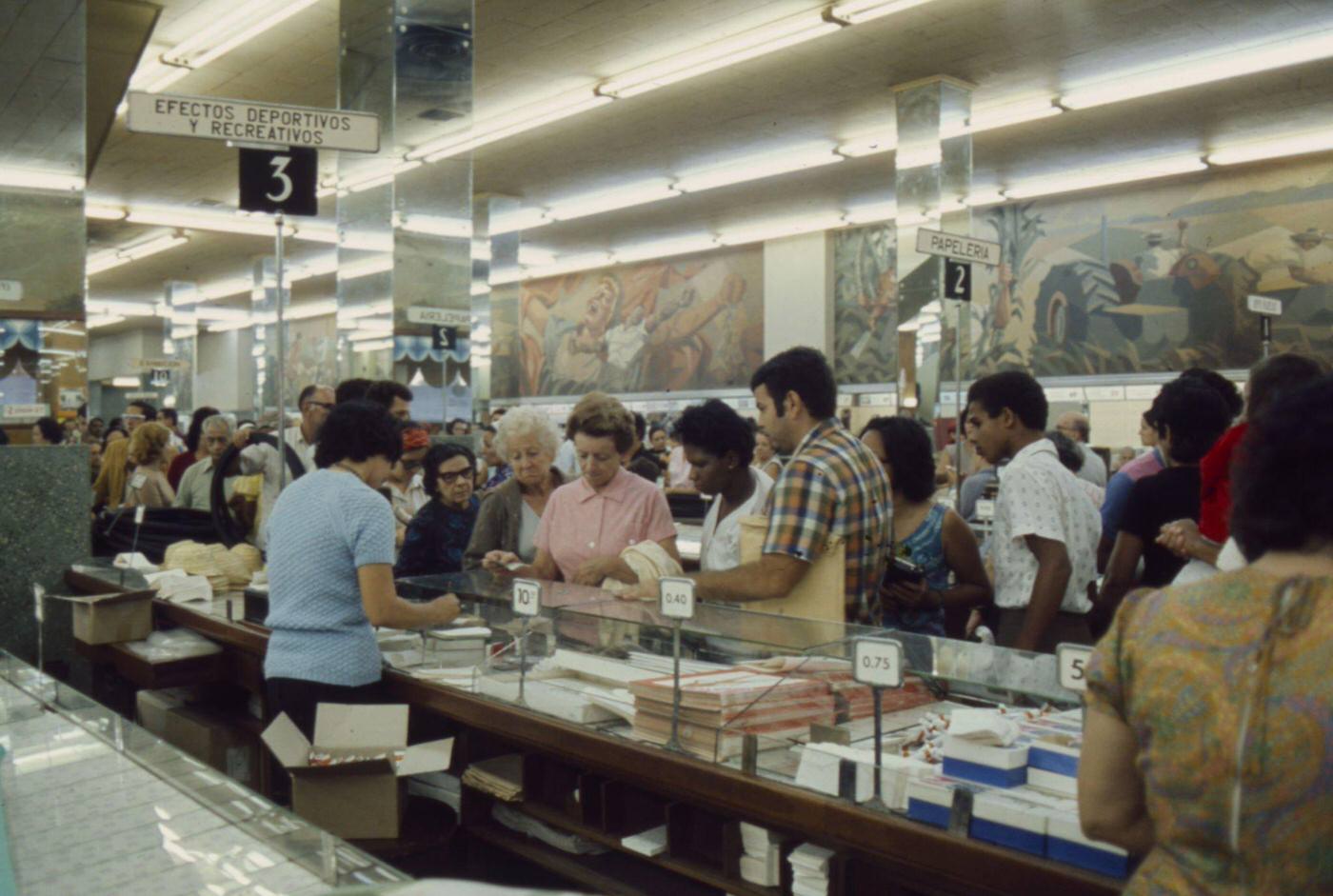
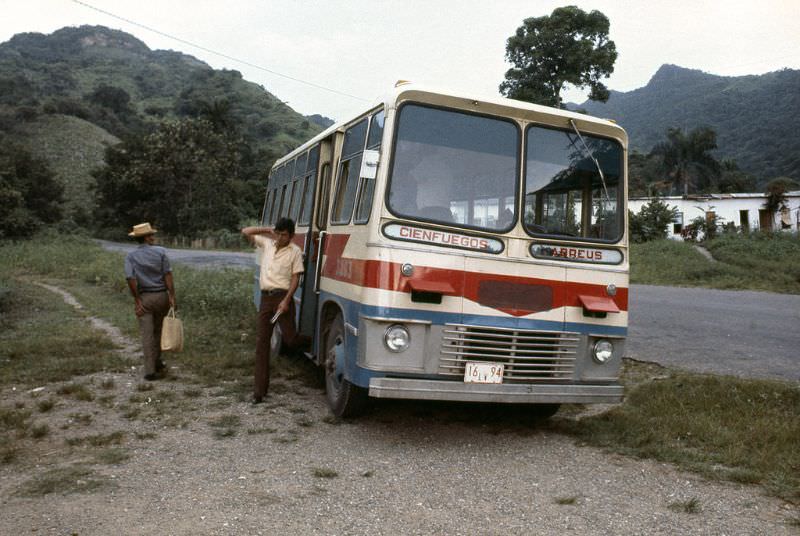
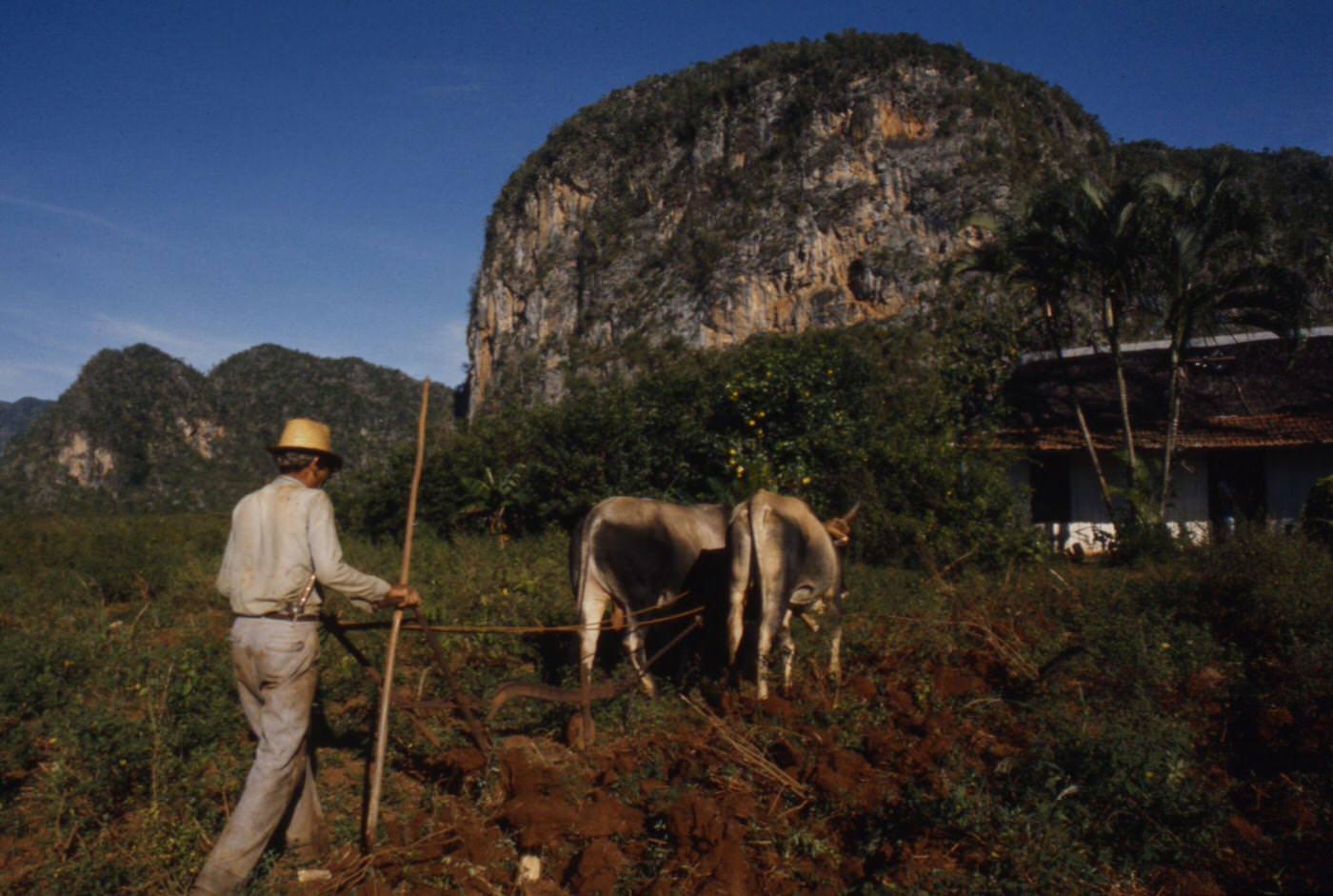
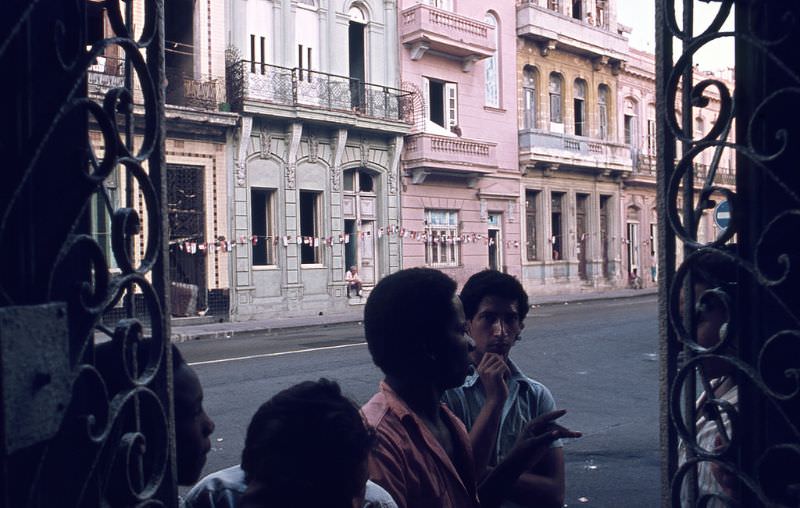
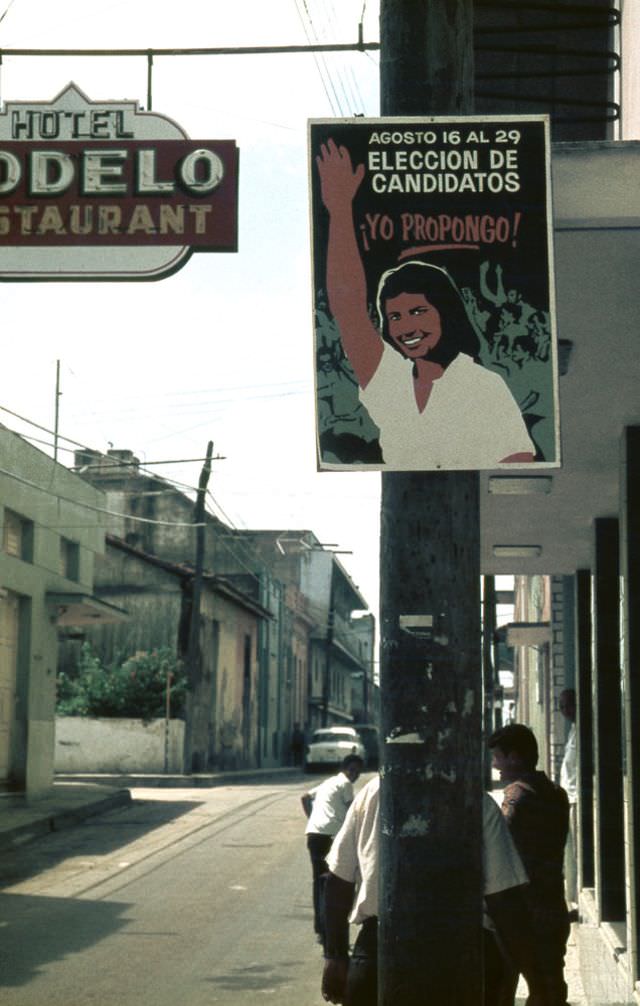
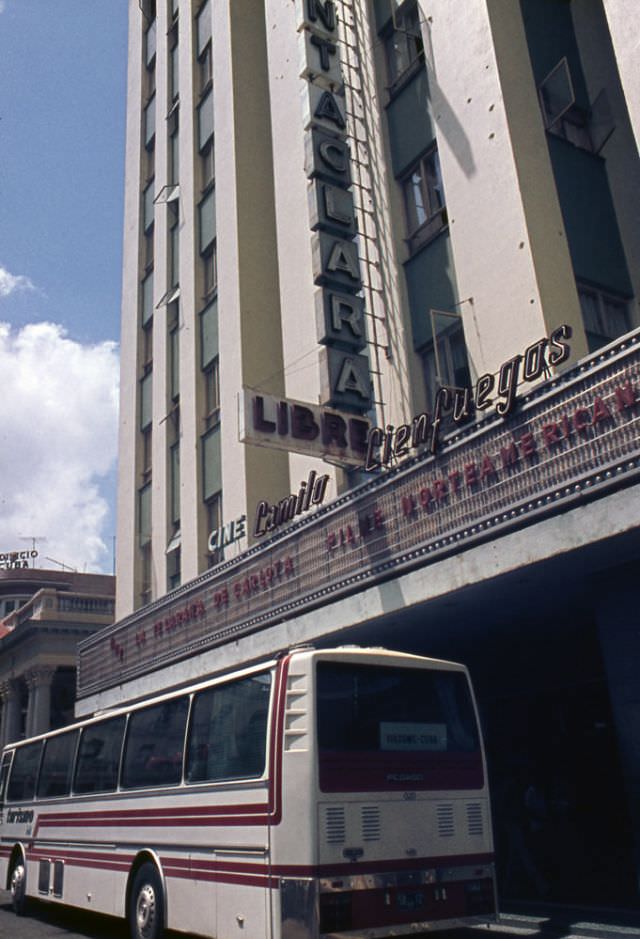
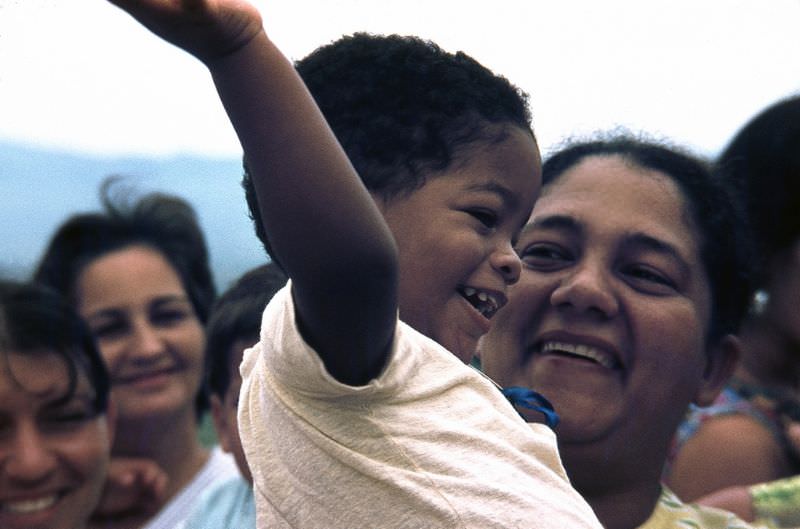
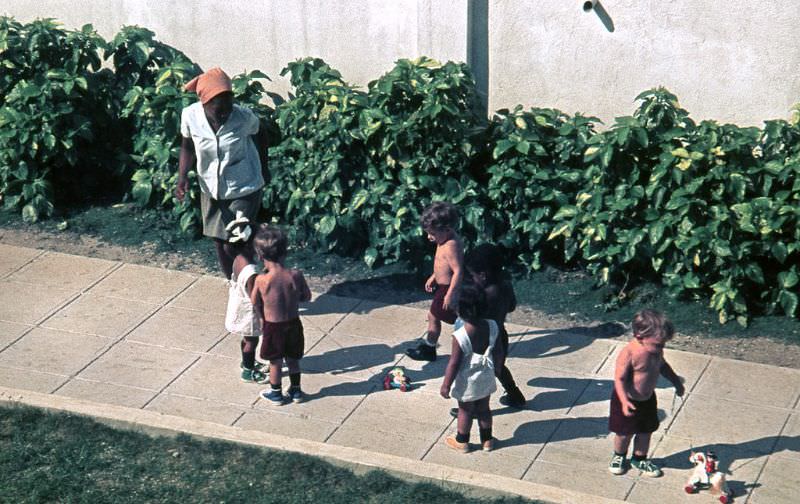
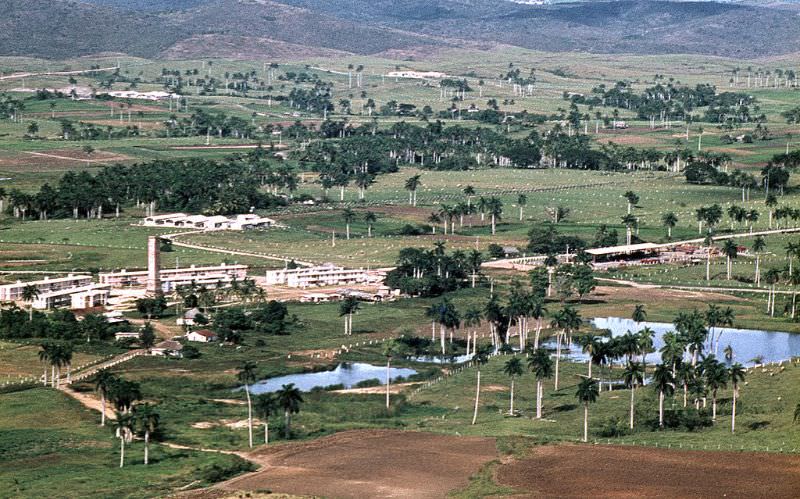
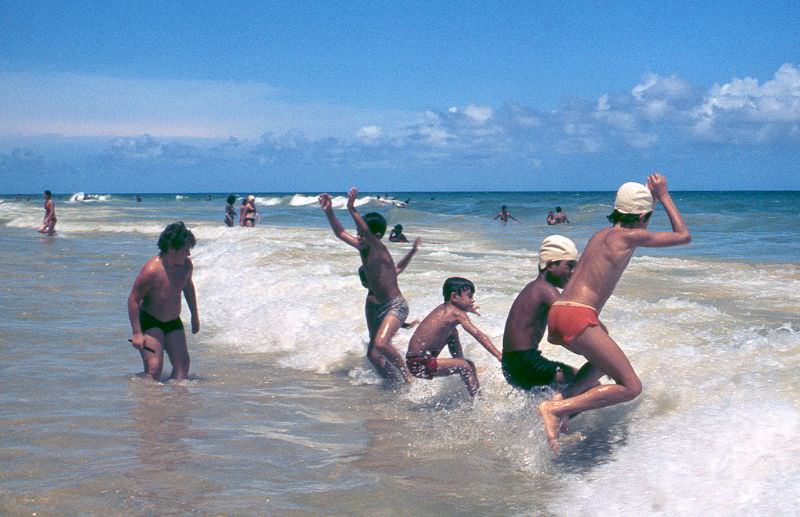
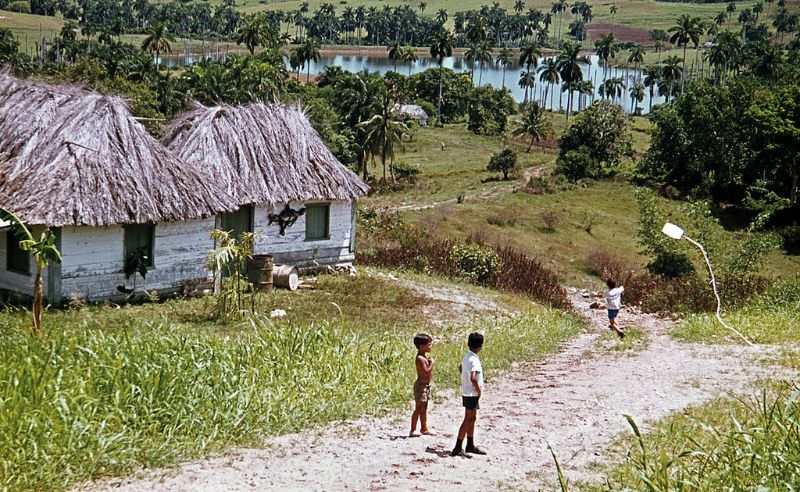
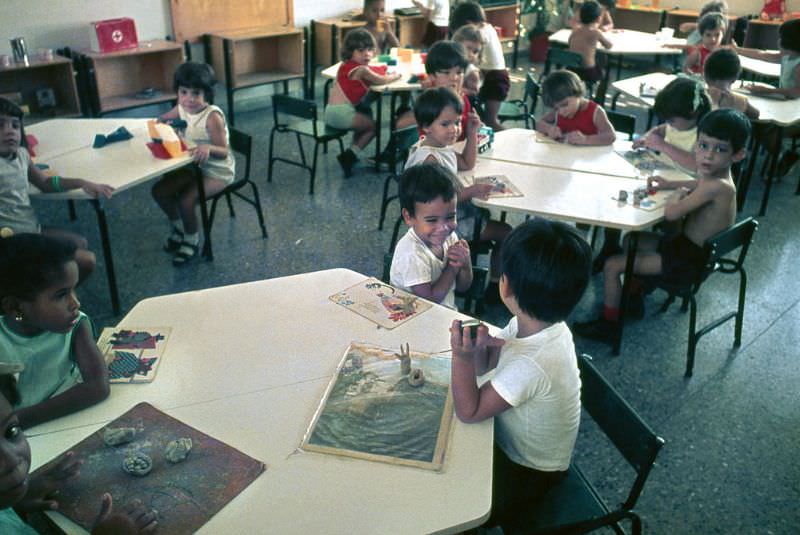
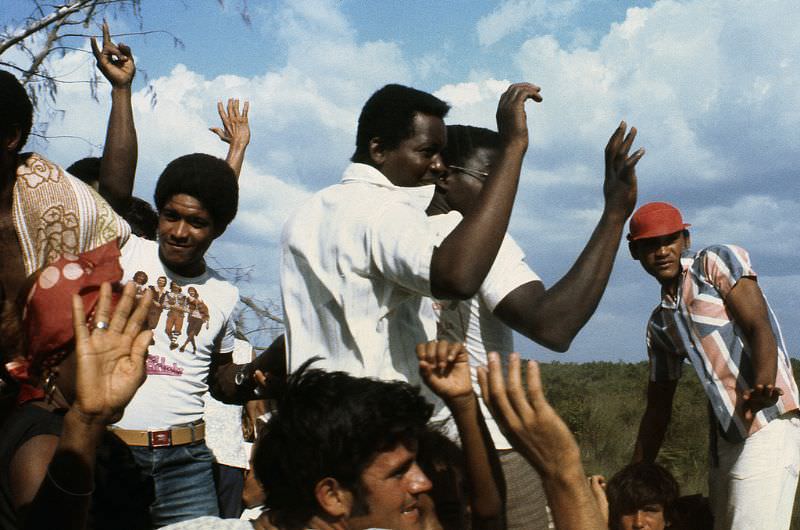
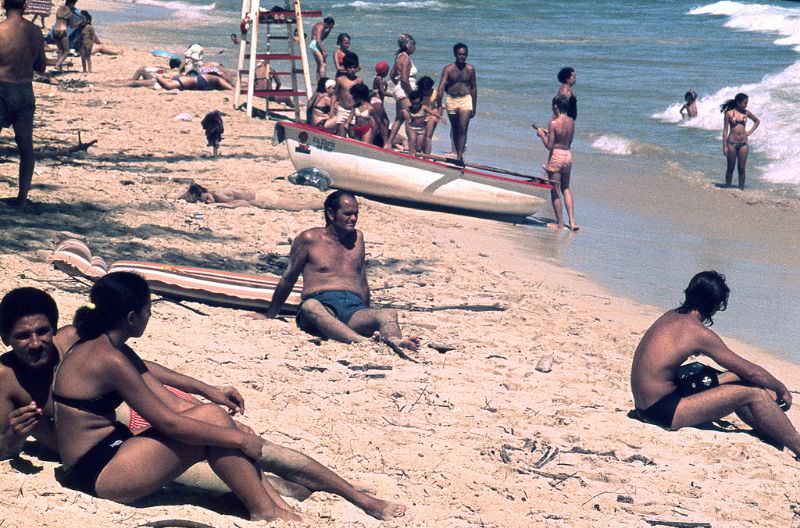
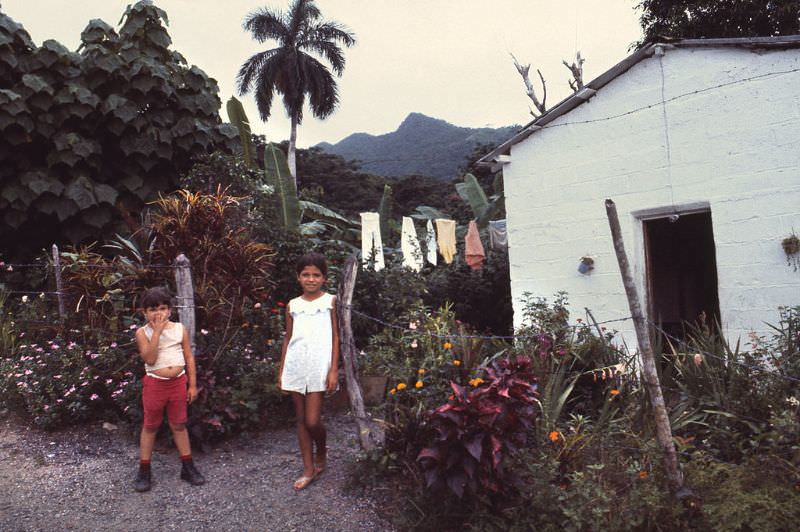
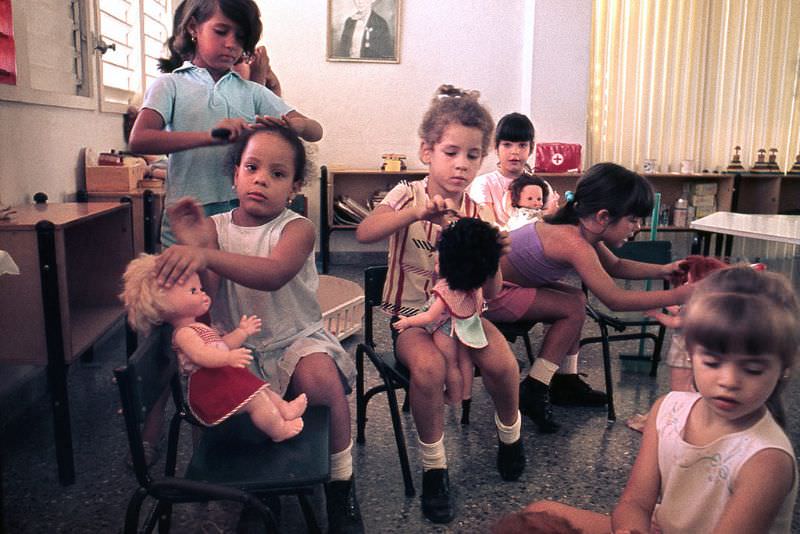
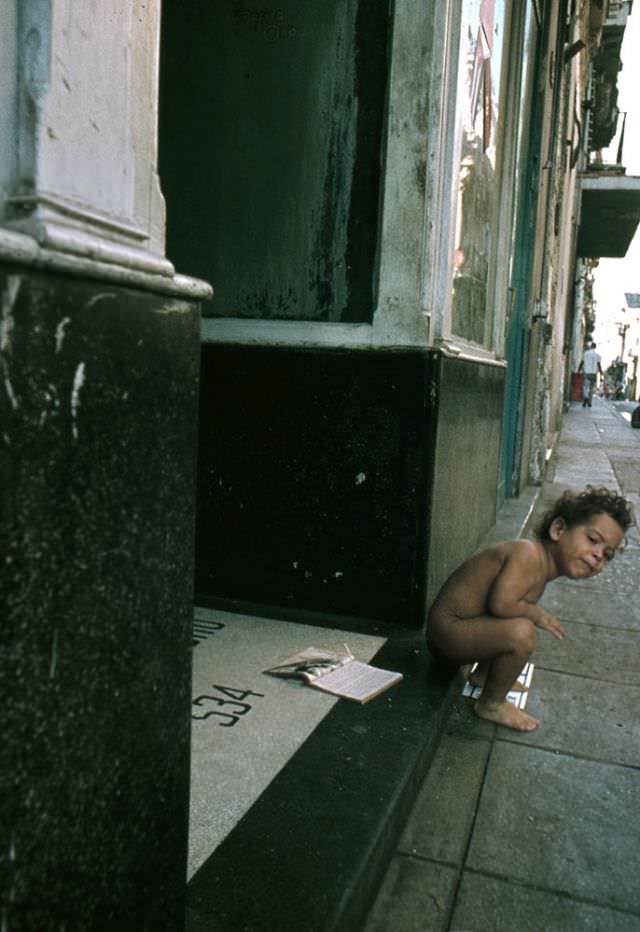
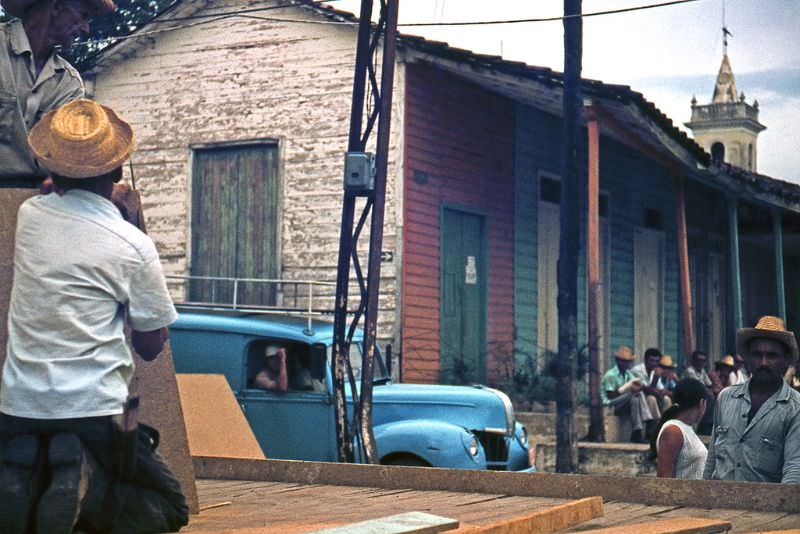
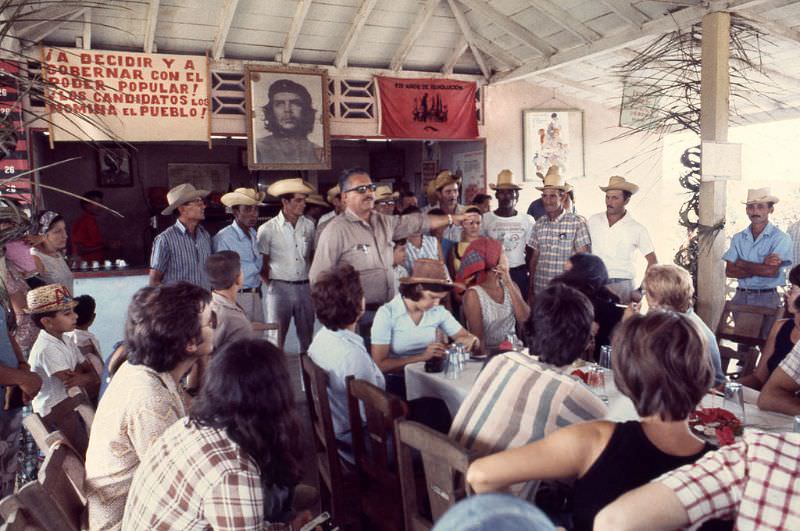
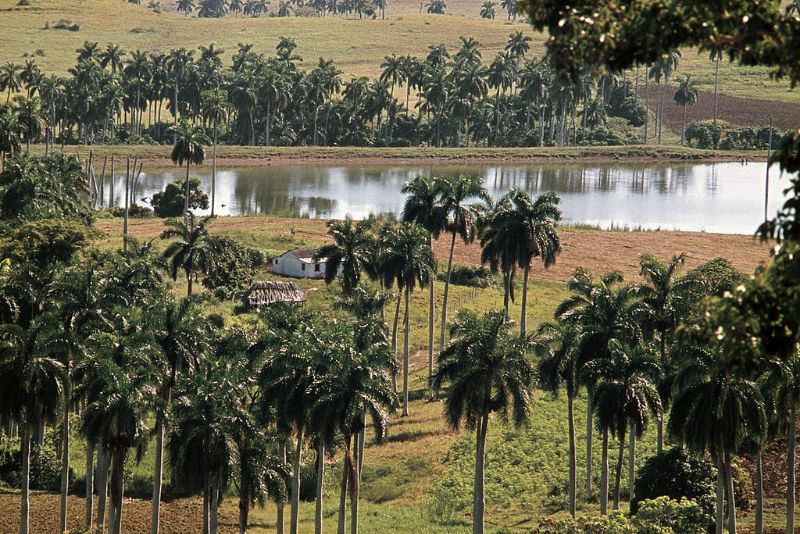
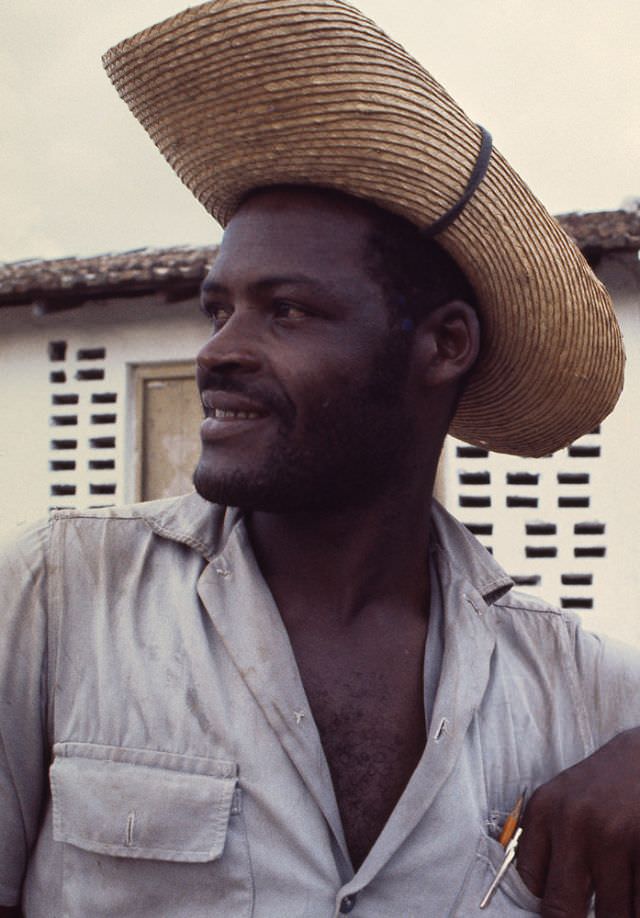
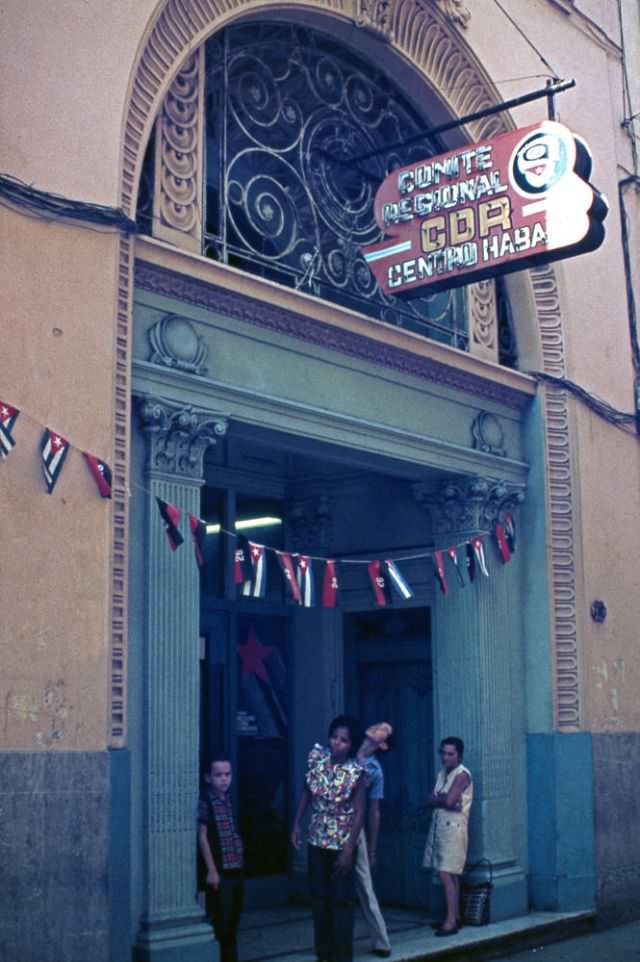
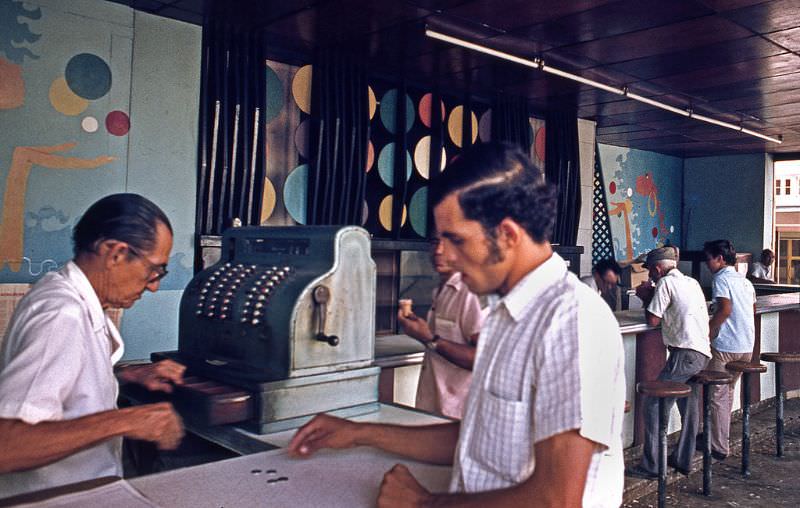
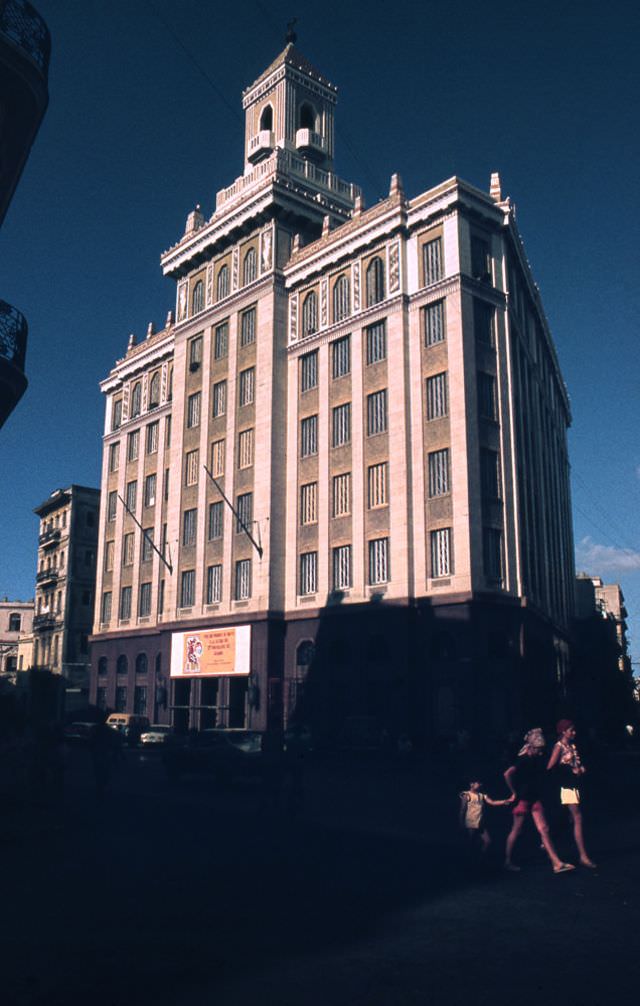
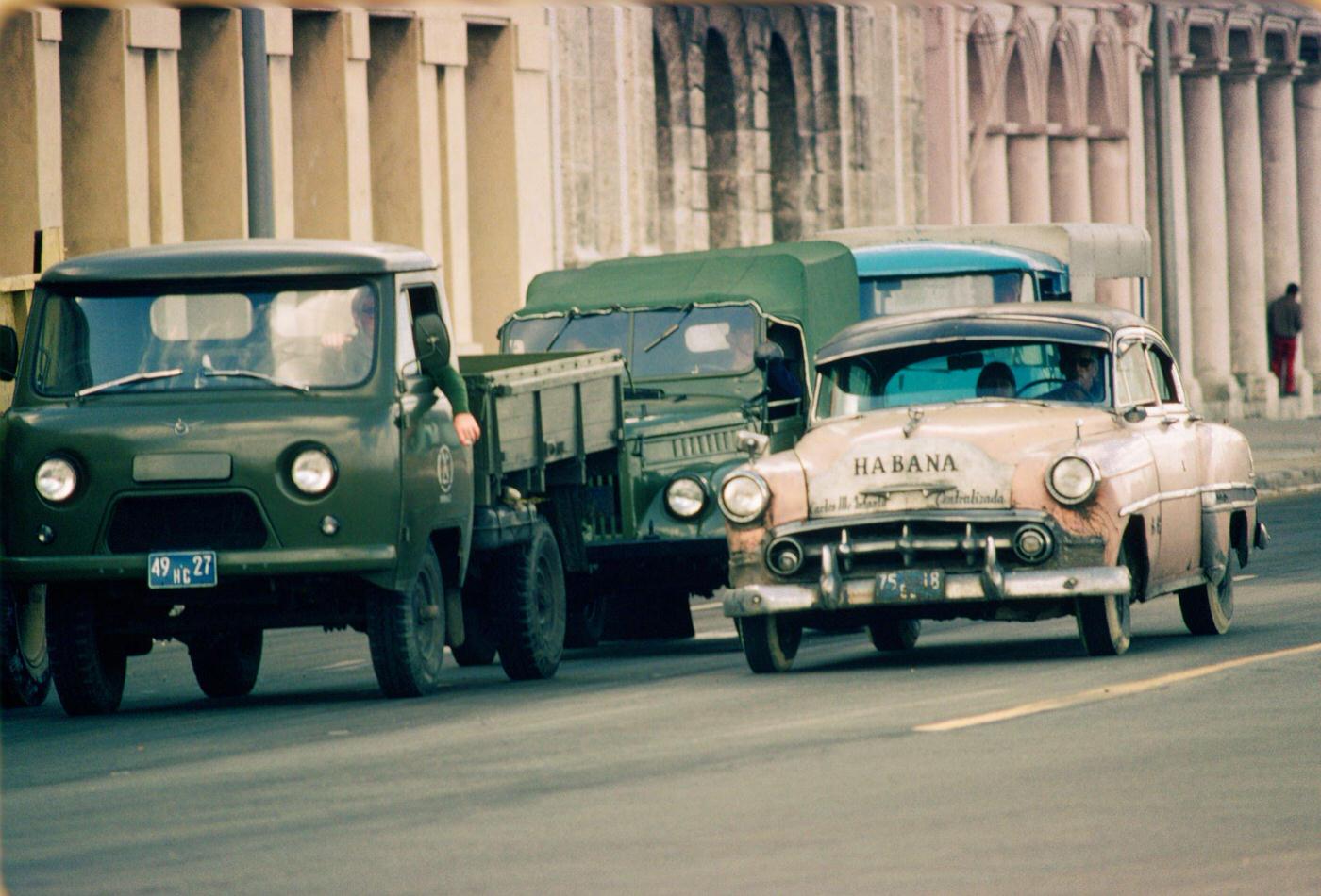
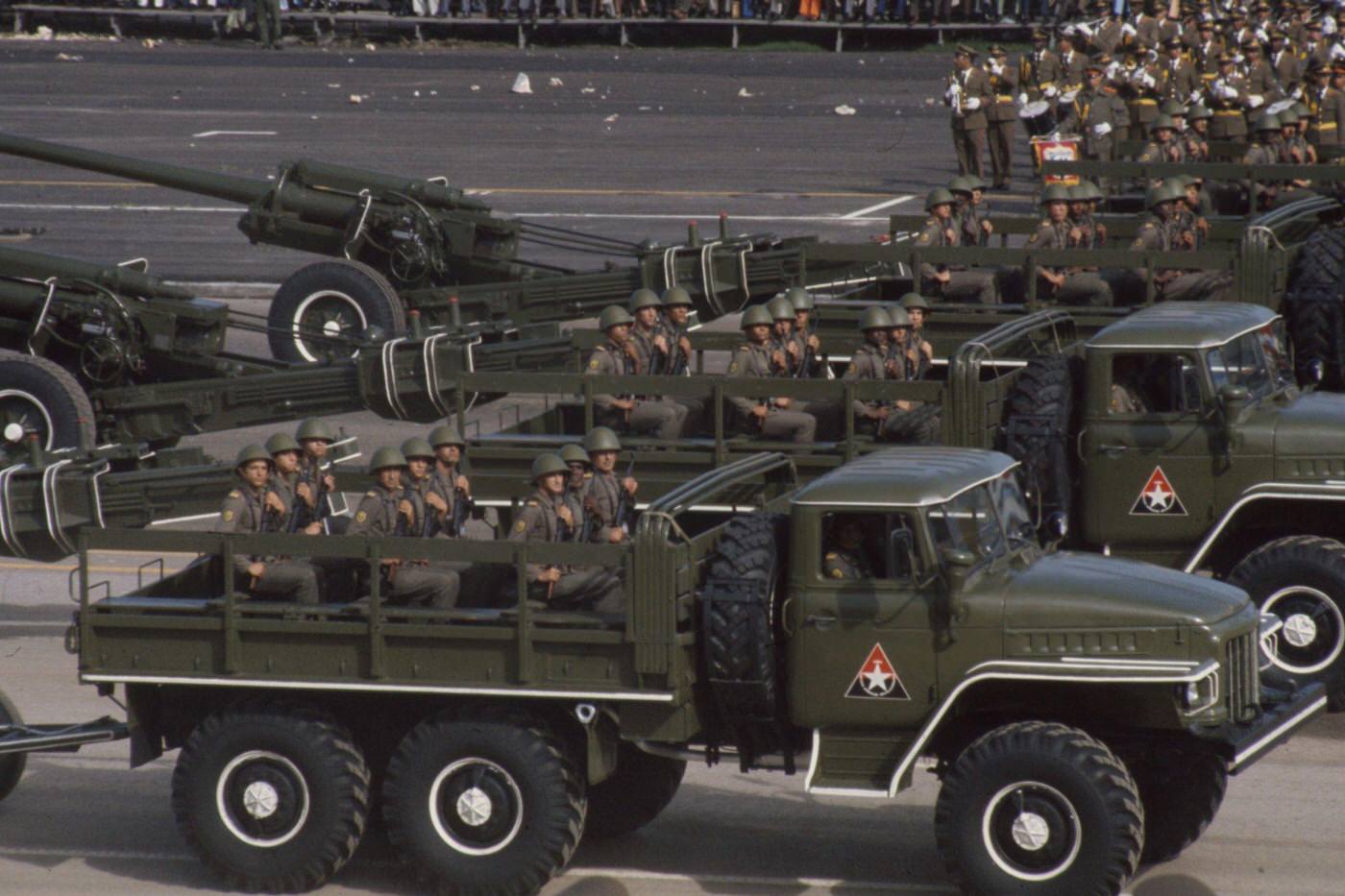
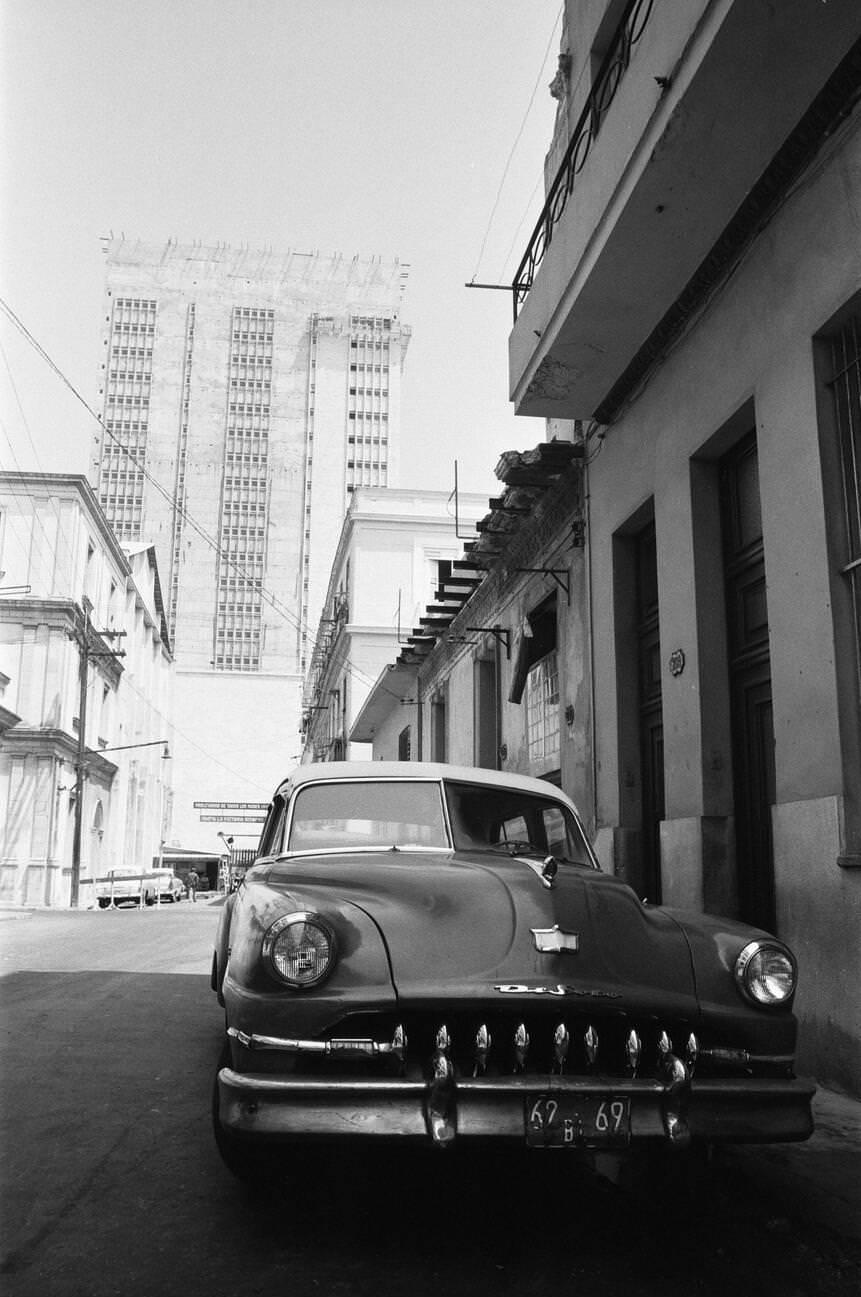
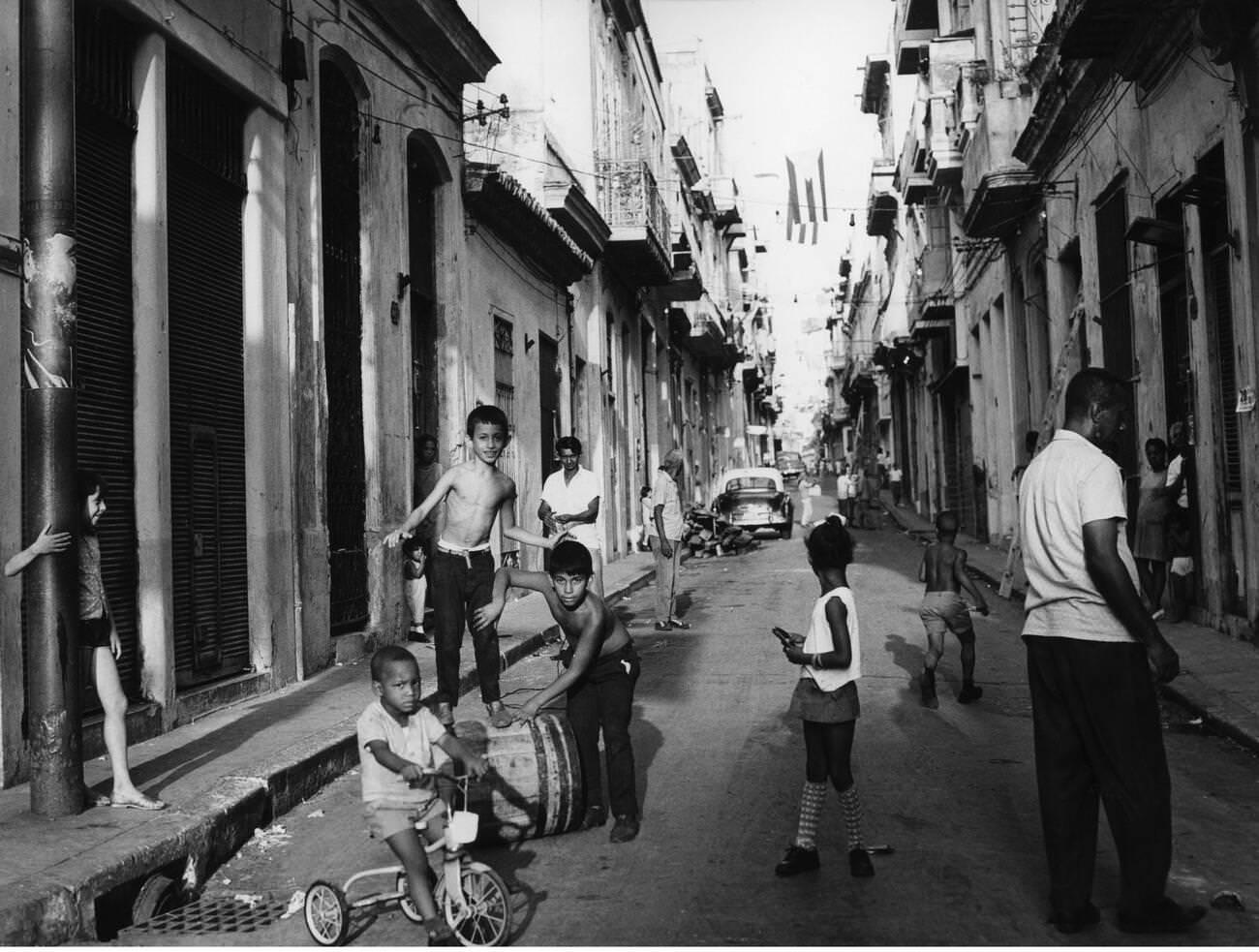
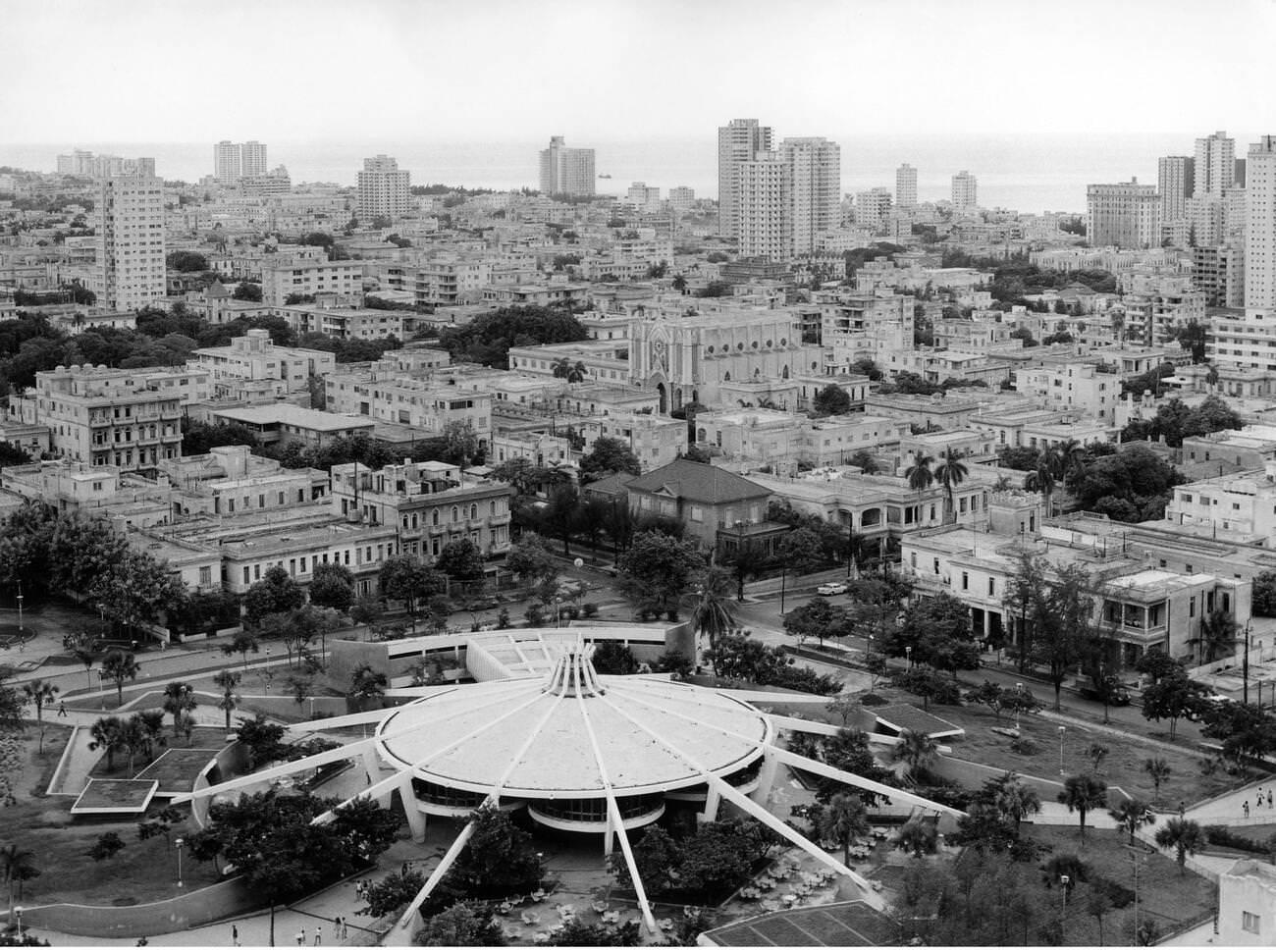
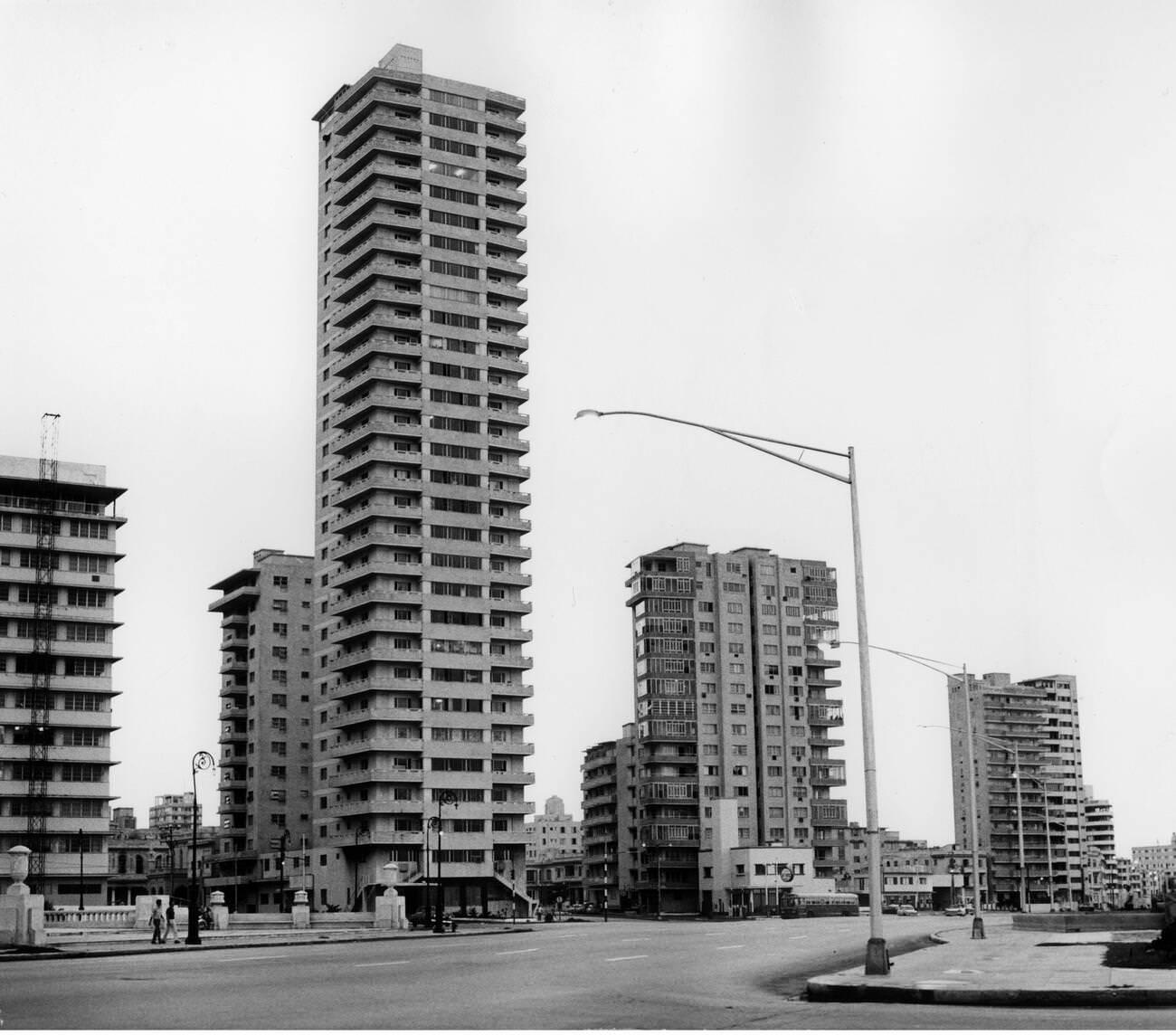
The 1970s was a time of significant change for Cuba, as the country continued to navigate the complexities of life under Fidel Castro’s revolutionary government. As a socialist state and ally of the Soviet Union, Cuba received significant economic support from the USSR during this decade. This assistance helped fund a range of social programs, including education, healthcare, and housing, which contributed to improved living conditions for many Cubans.
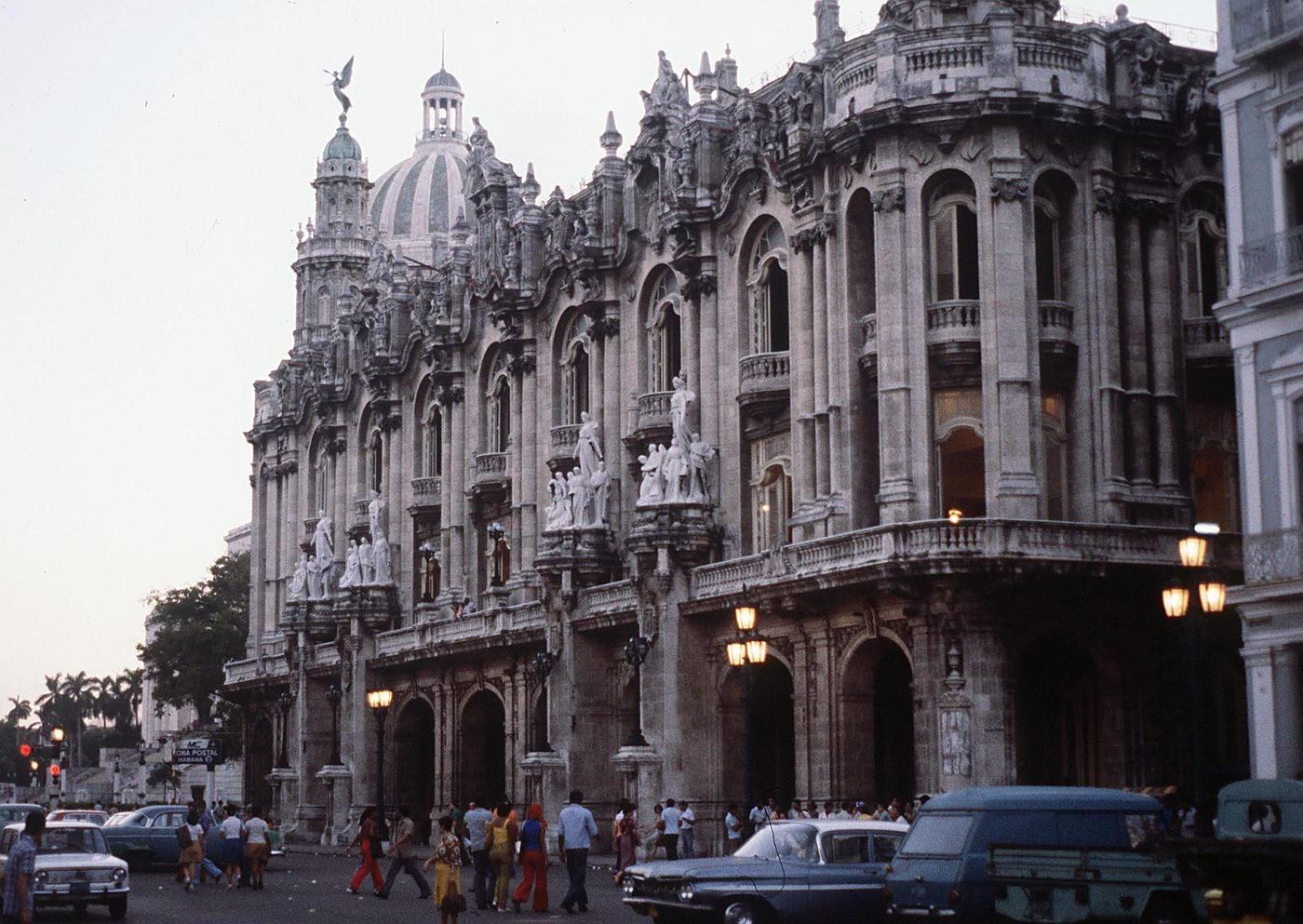
Despite the political and economic challenges, Cuban culture flourished in the 1970s. The decade saw a surge in artistic expression, with Cuban music, dance, and visual arts gaining international recognition. The Afro-Cuban sound, blending traditional African rhythms with Cuban flair, took center stage, with musicians like Irakere and Los Van Van creating a new and irresistible sound that captivated audiences both at home and abroad.
In the world of dance, Cuban ballet gained worldwide acclaim under the leadership of Alicia Alonso and the Ballet Nacional de Cuba. The company’s unique blend of classical ballet and Cuban cultural elements garnered praise and admiration from critics and audiences alike, putting Cuba firmly on the global dance map.
The 1970s also saw a rise in Cuban cinema, with filmmakers like Tomás Gutiérrez Alea and Humberto Solás pushing the boundaries of storytelling and exploring the complexities of Cuban society. Films such as “Memories of Underdevelopment” (1968) and “Lucía” (1968) offered powerful and thought-provoking insights into the Cuban experience, showcasing the island’s vibrant culture and resilient spirit.
During this decade, Cubans also embraced sports as a symbol of national pride. Athletes like Alberto Juantorena and Teófilo Stevenson emerged as international stars, winning Olympic gold medals and putting Cuba on the world stage in athletics and boxing, respectively.
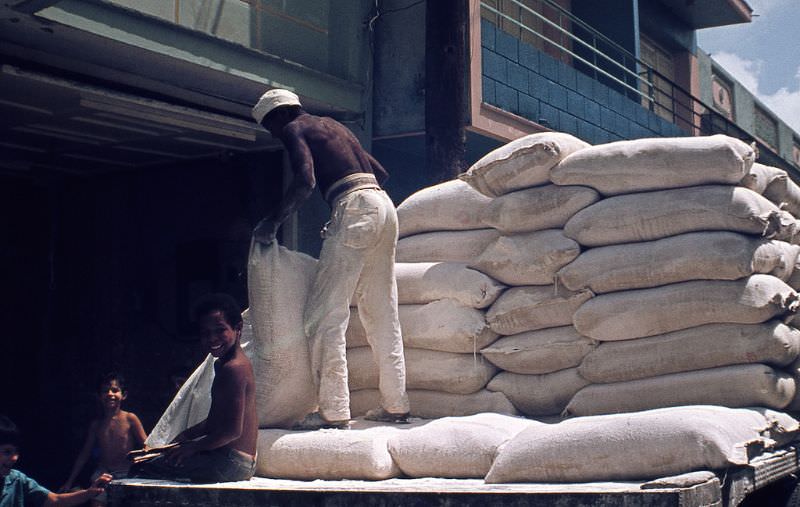
Of course, life in Cuba during the 1970s was not without its challenges. Food shortages, economic difficulties, and political tensions with the United States were ever-present concerns for the Cuban people. Nevertheless, the resilience and resourcefulness of the Cuban people shone through, as they continued to adapt and find ways to thrive despite these hardships.
In many ways, the 1970s was a defining decade for Cuba. The country’s rich culture, artistic achievements, and indomitable spirit demonstrated to the world that, despite political and economic obstacles, the Cuban people remained strong and vibrant. So, as we look back on this fascinating period in Cuban history, let’s raise a glass to the enduring spirit of Cuba and its people – a spirit that continues to inspire and captivate the world today. Hasta la próxima, amigos!
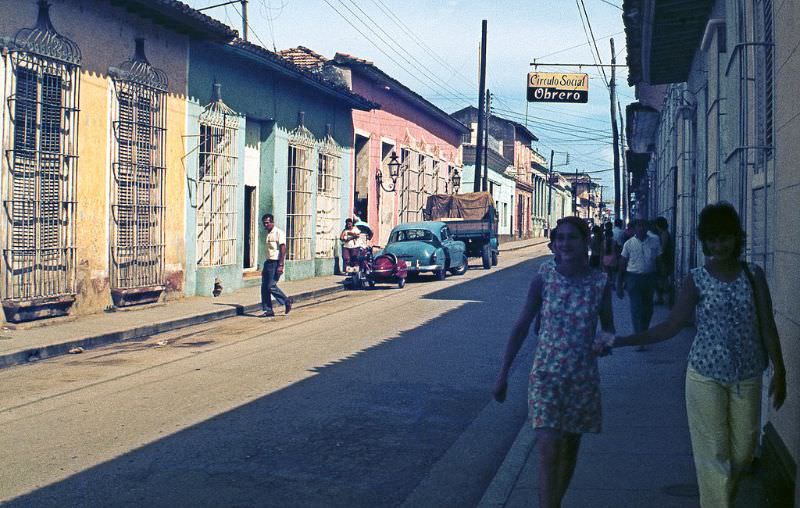
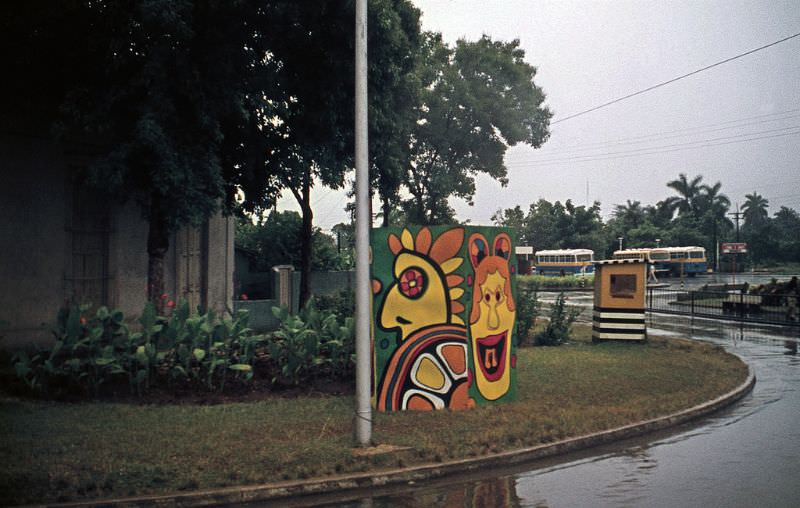
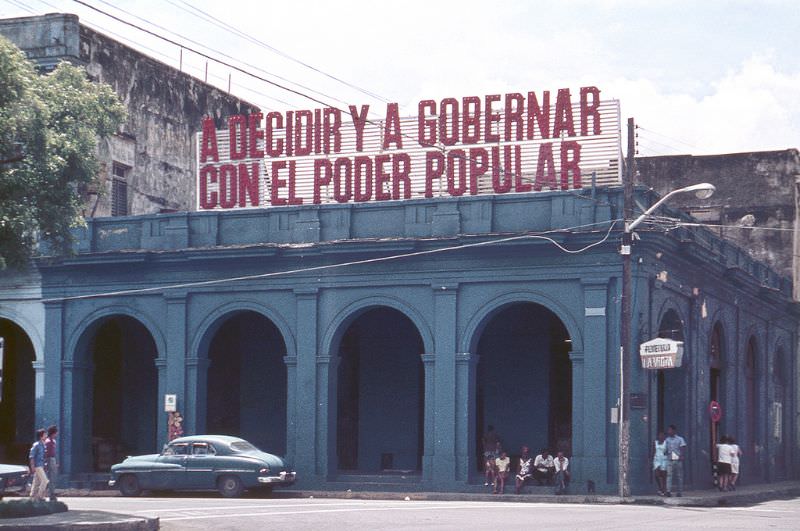
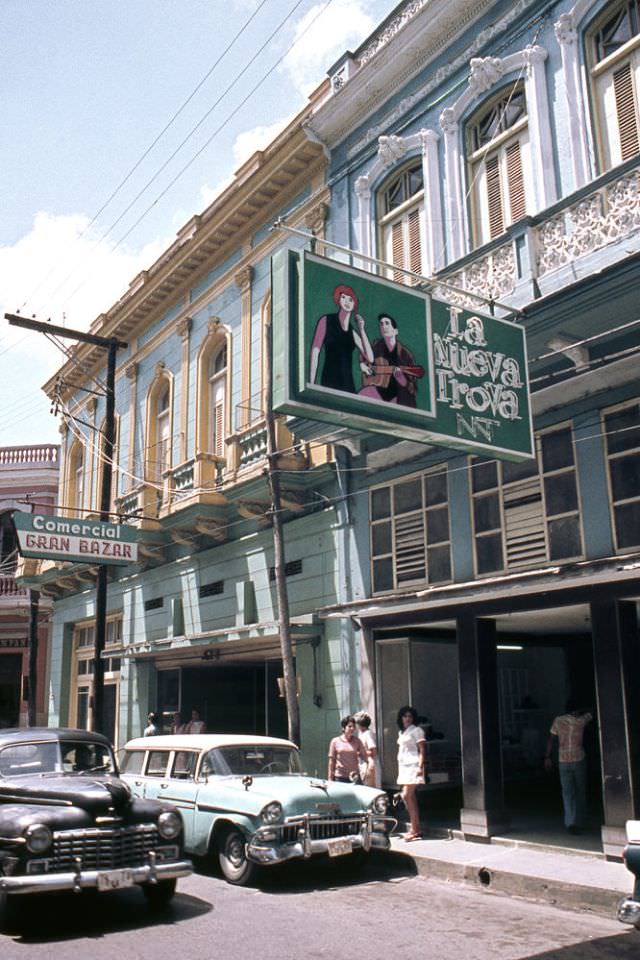
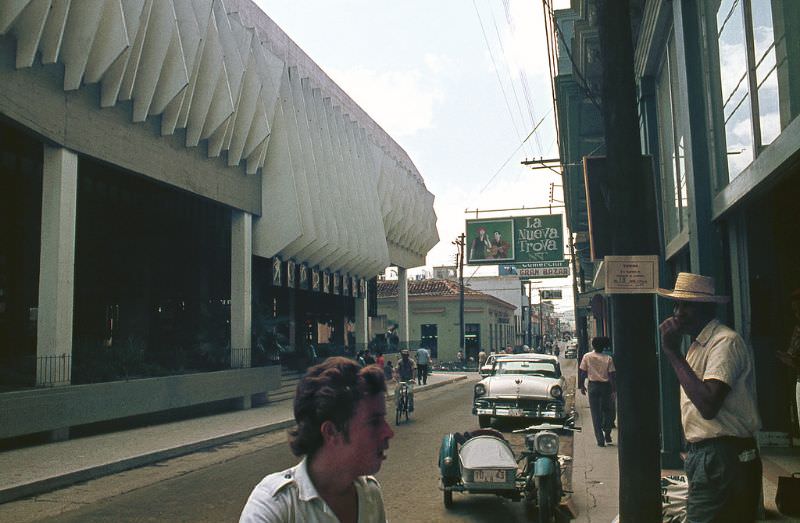
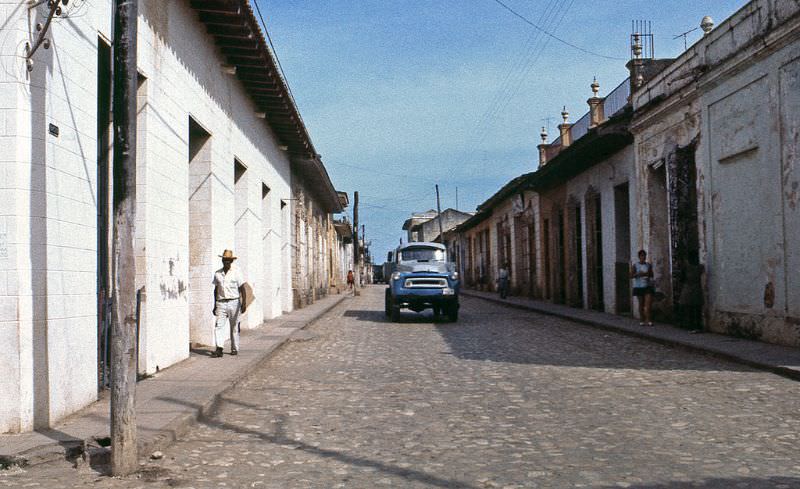
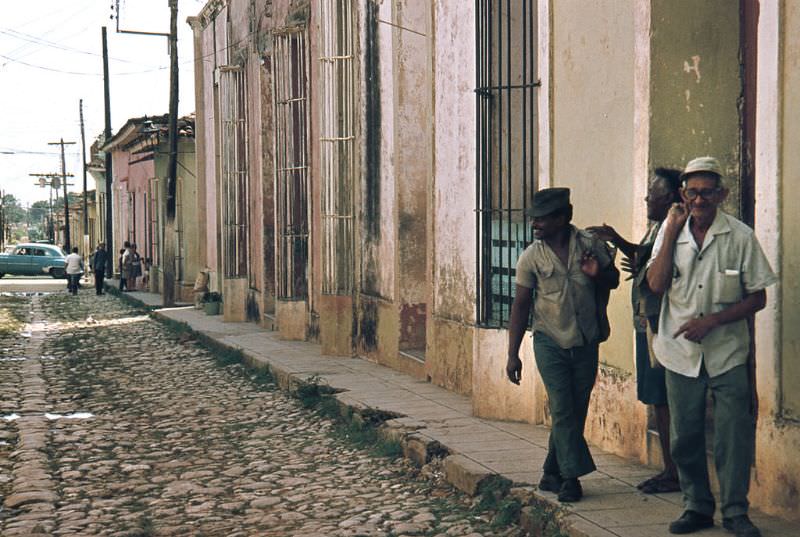
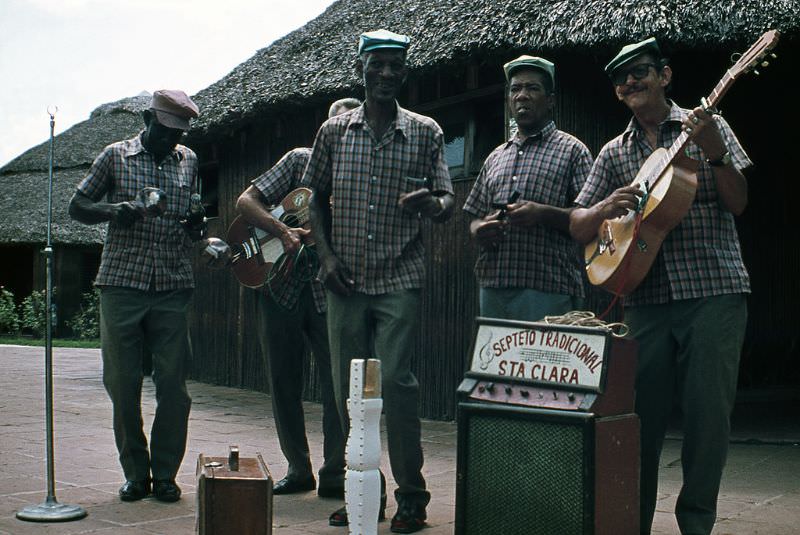
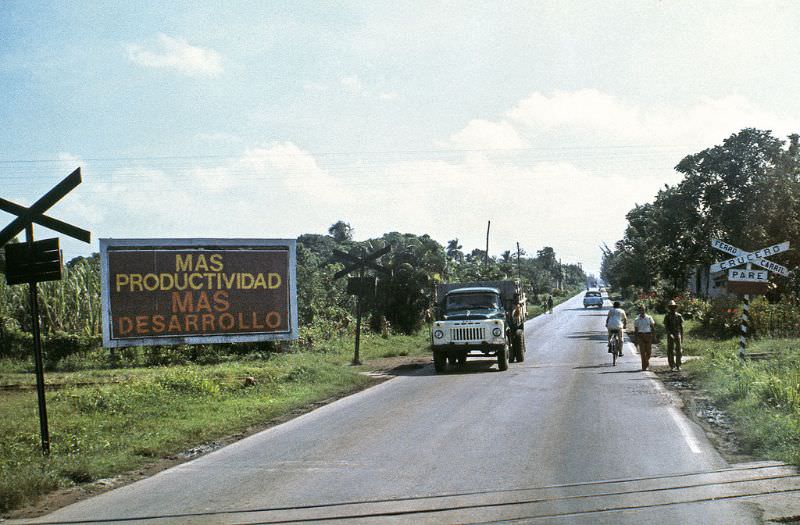
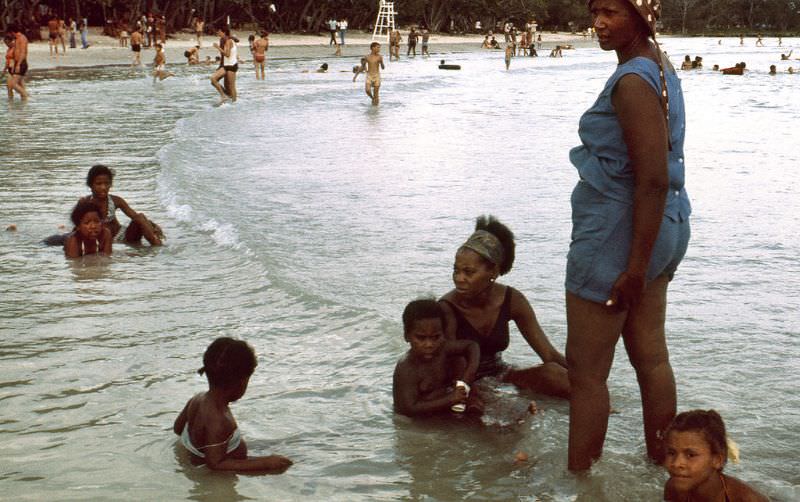
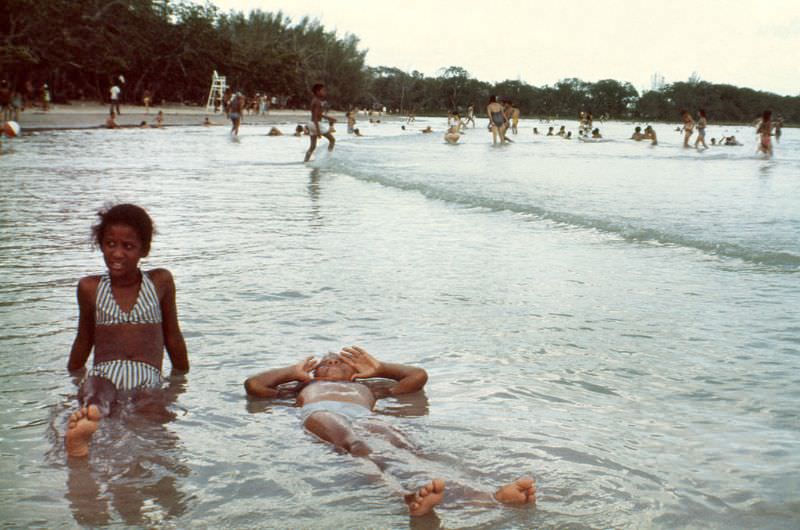
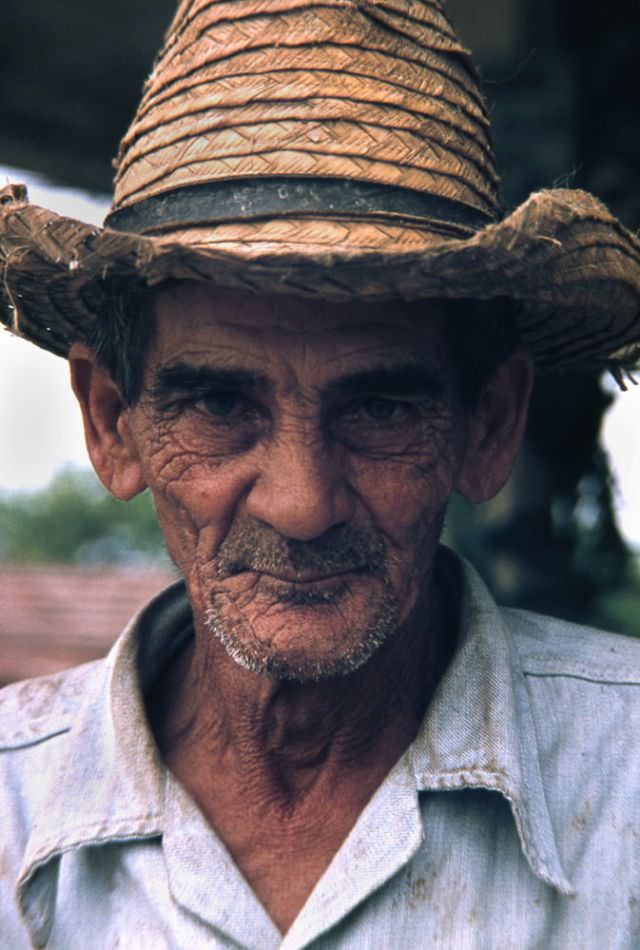

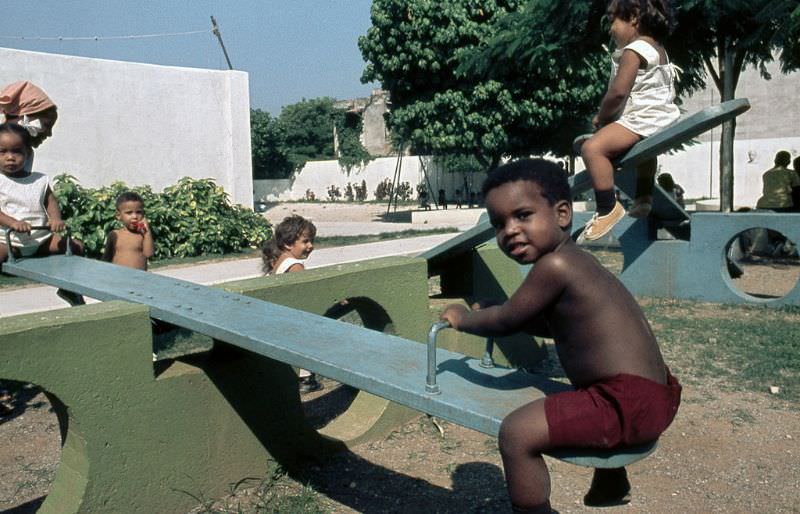
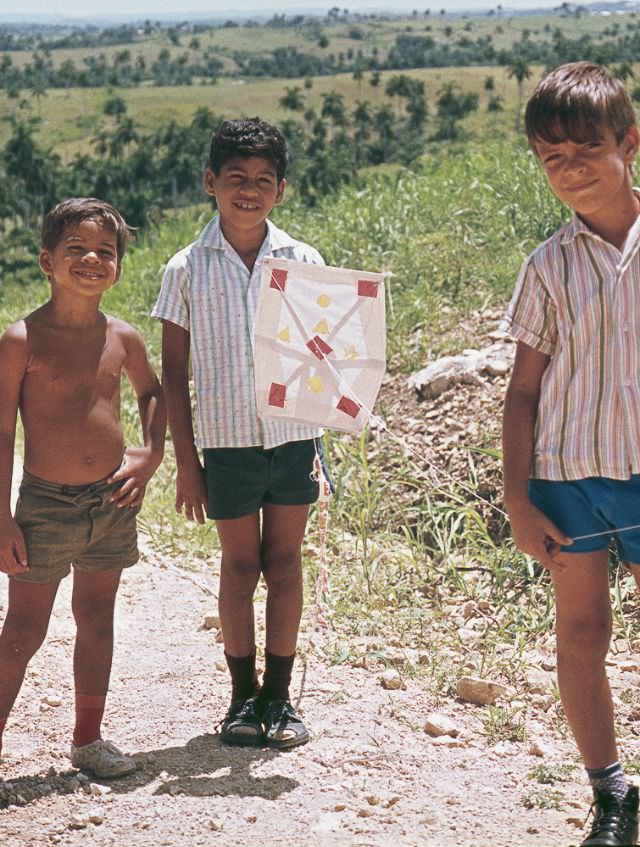
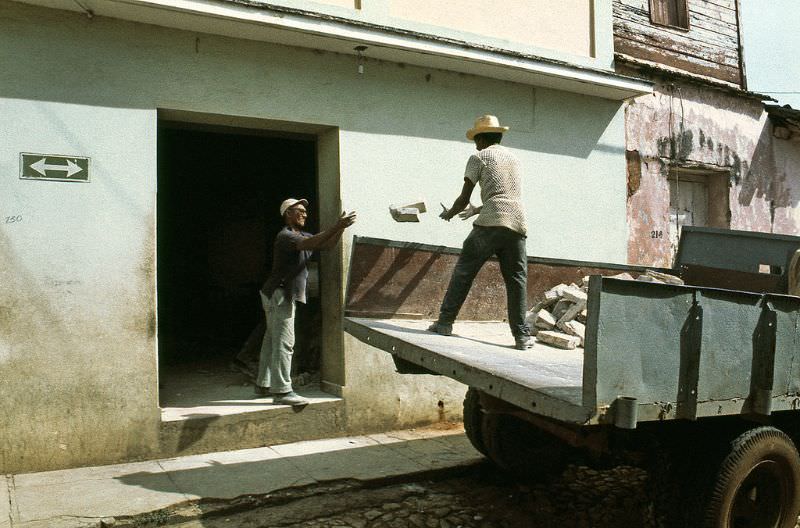
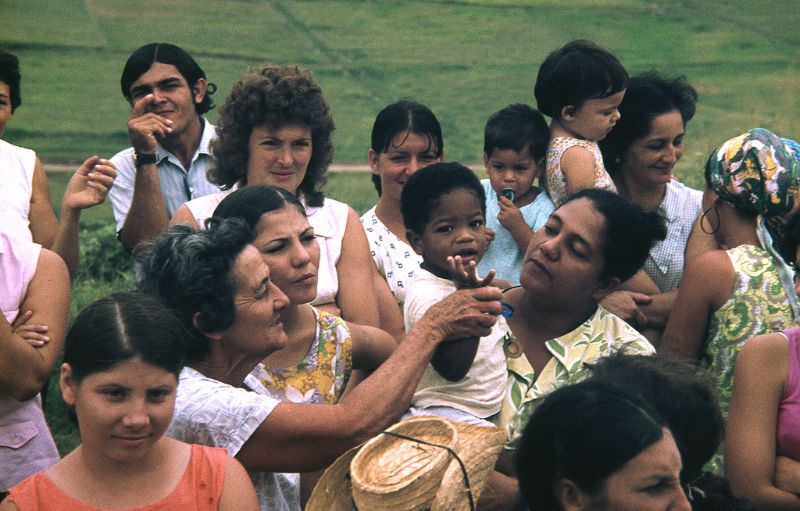
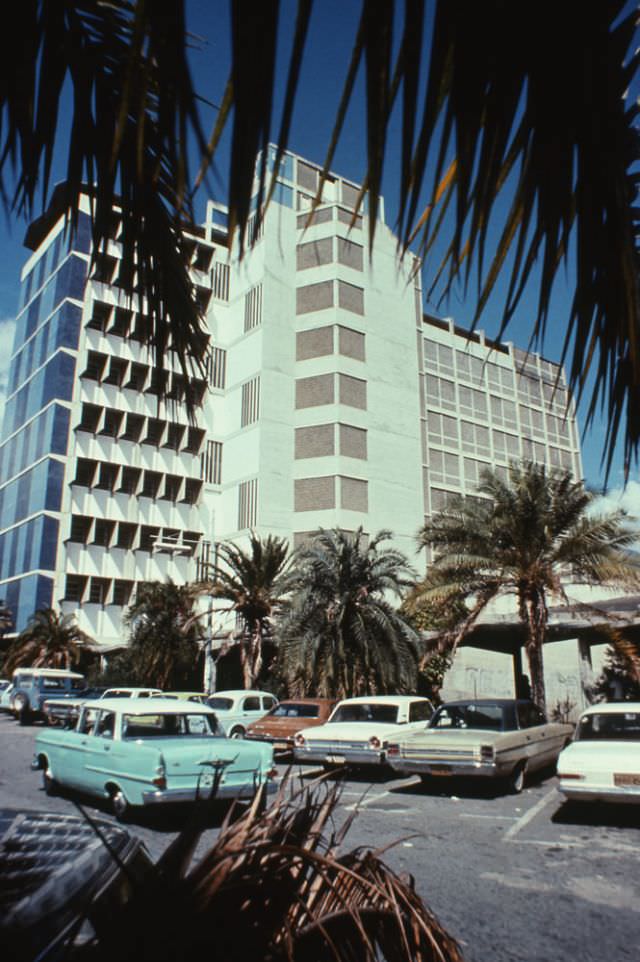
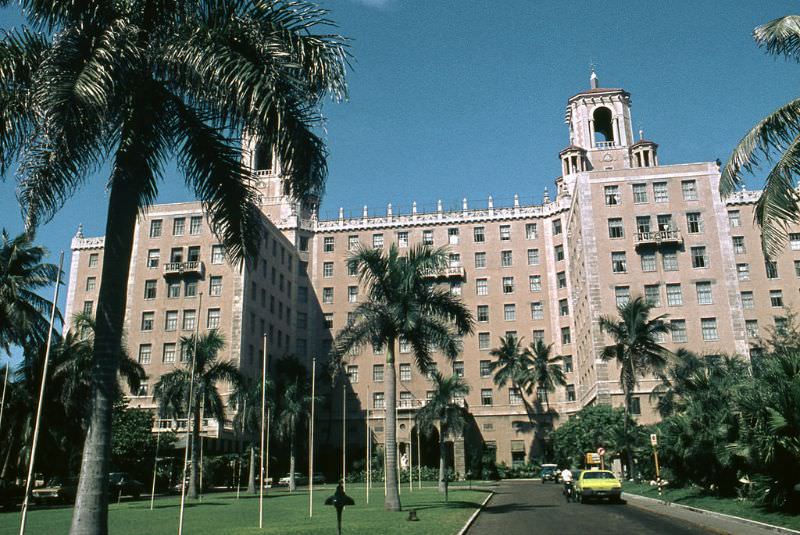
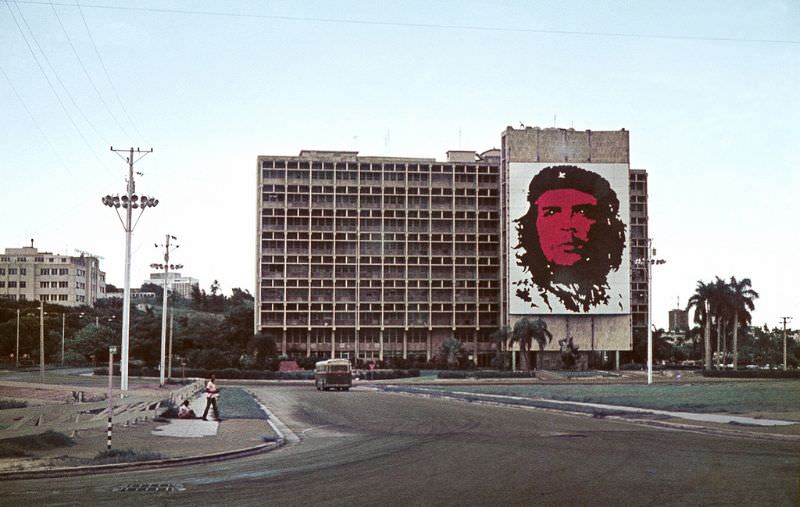
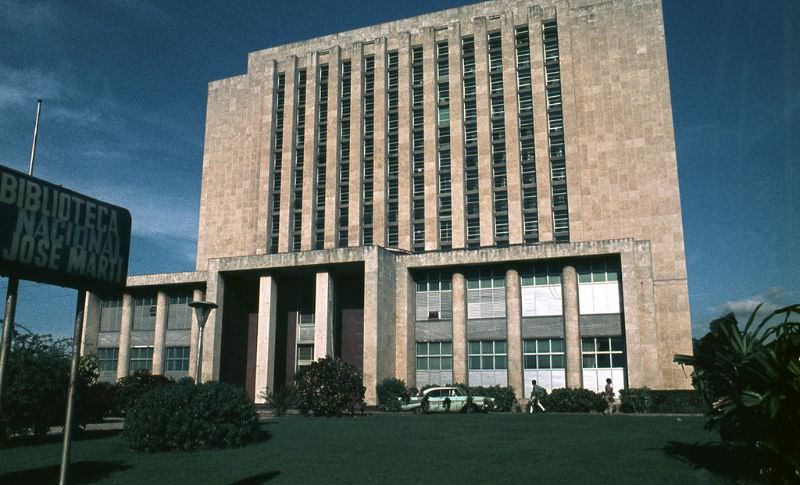
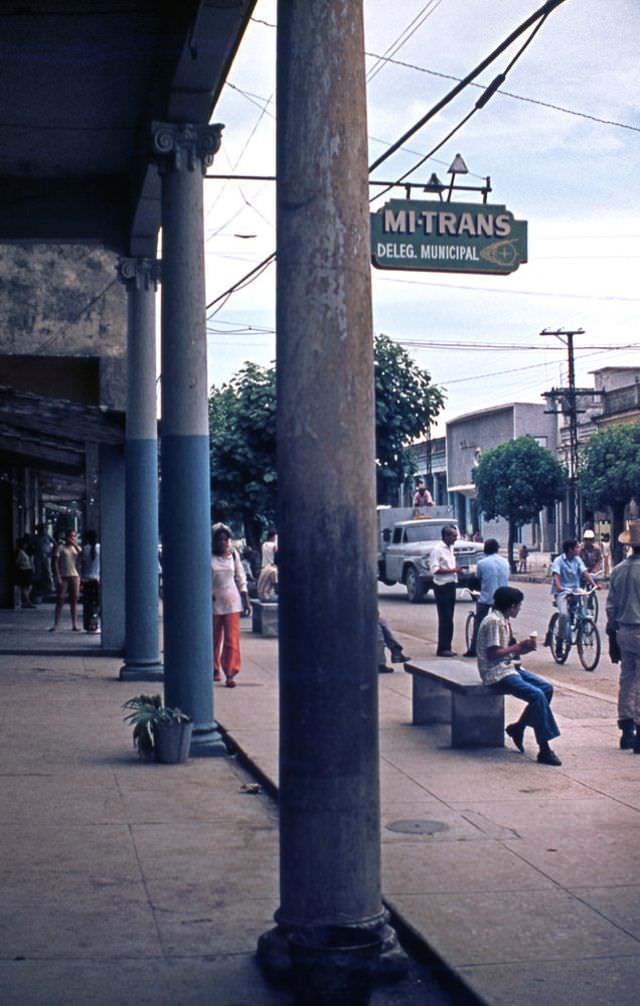
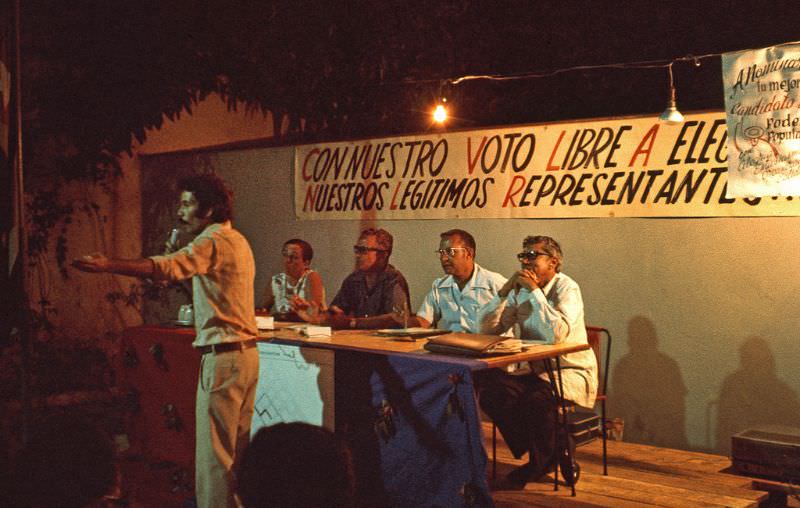
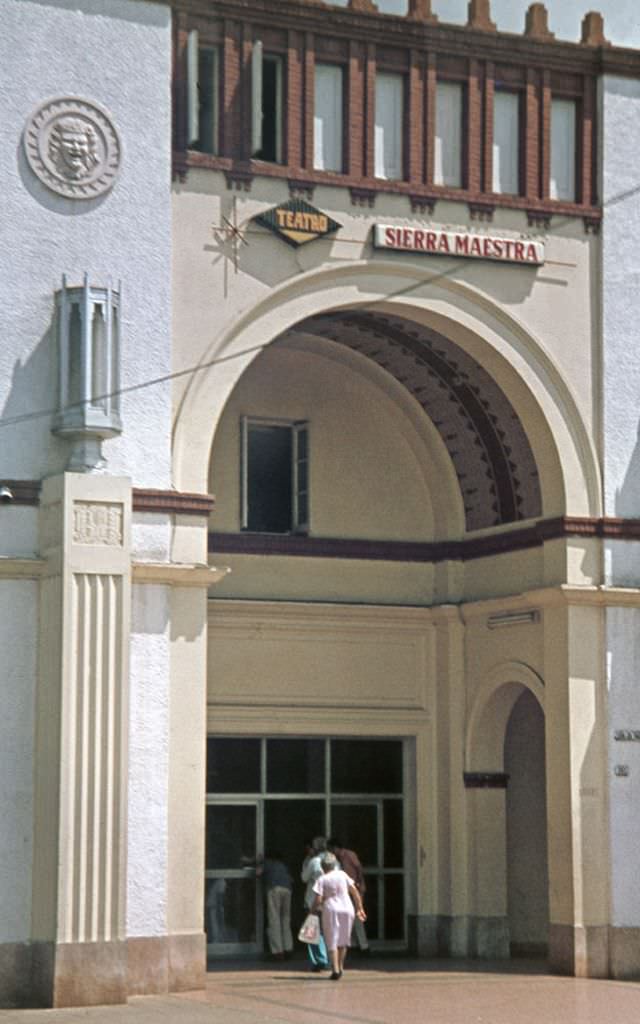
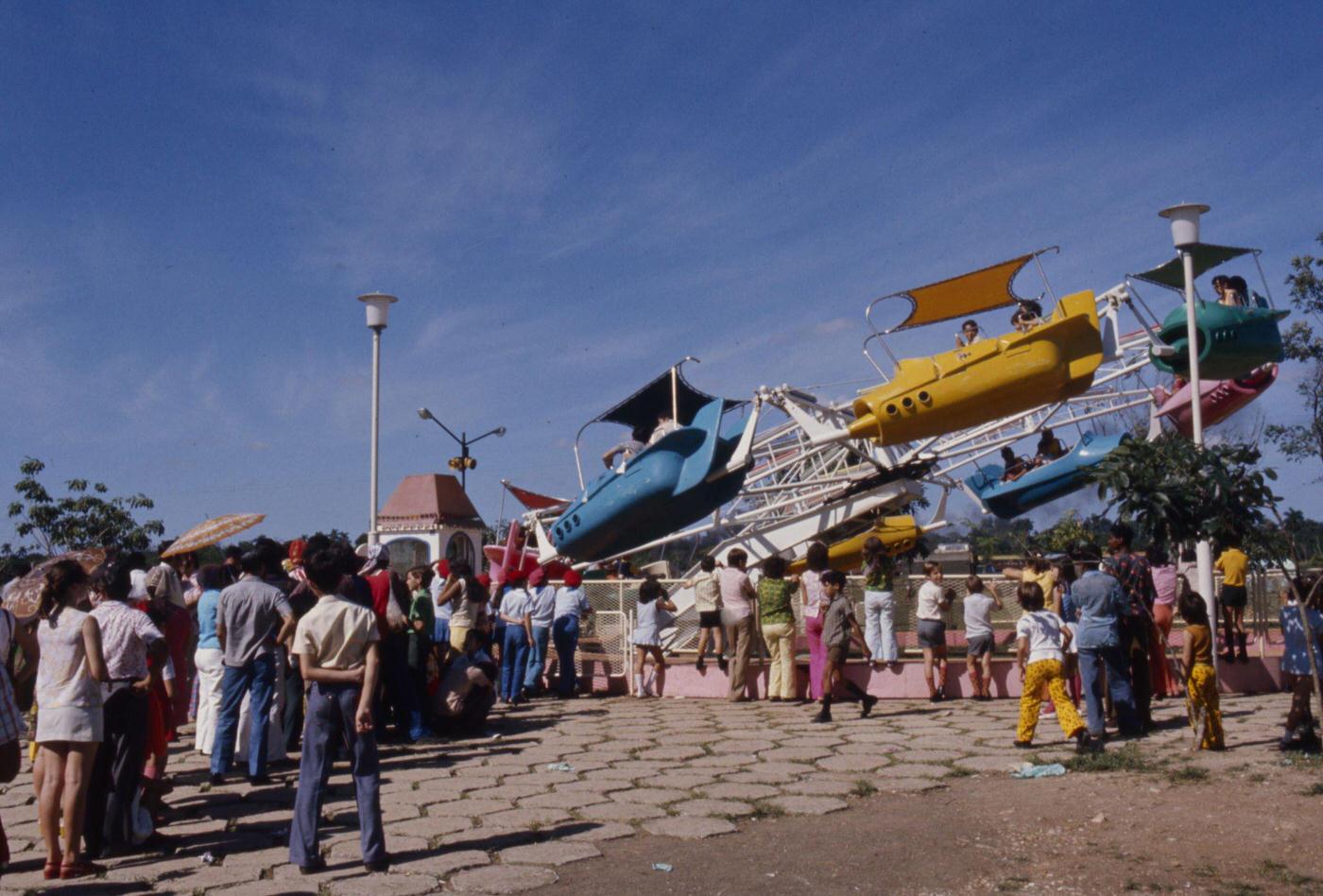
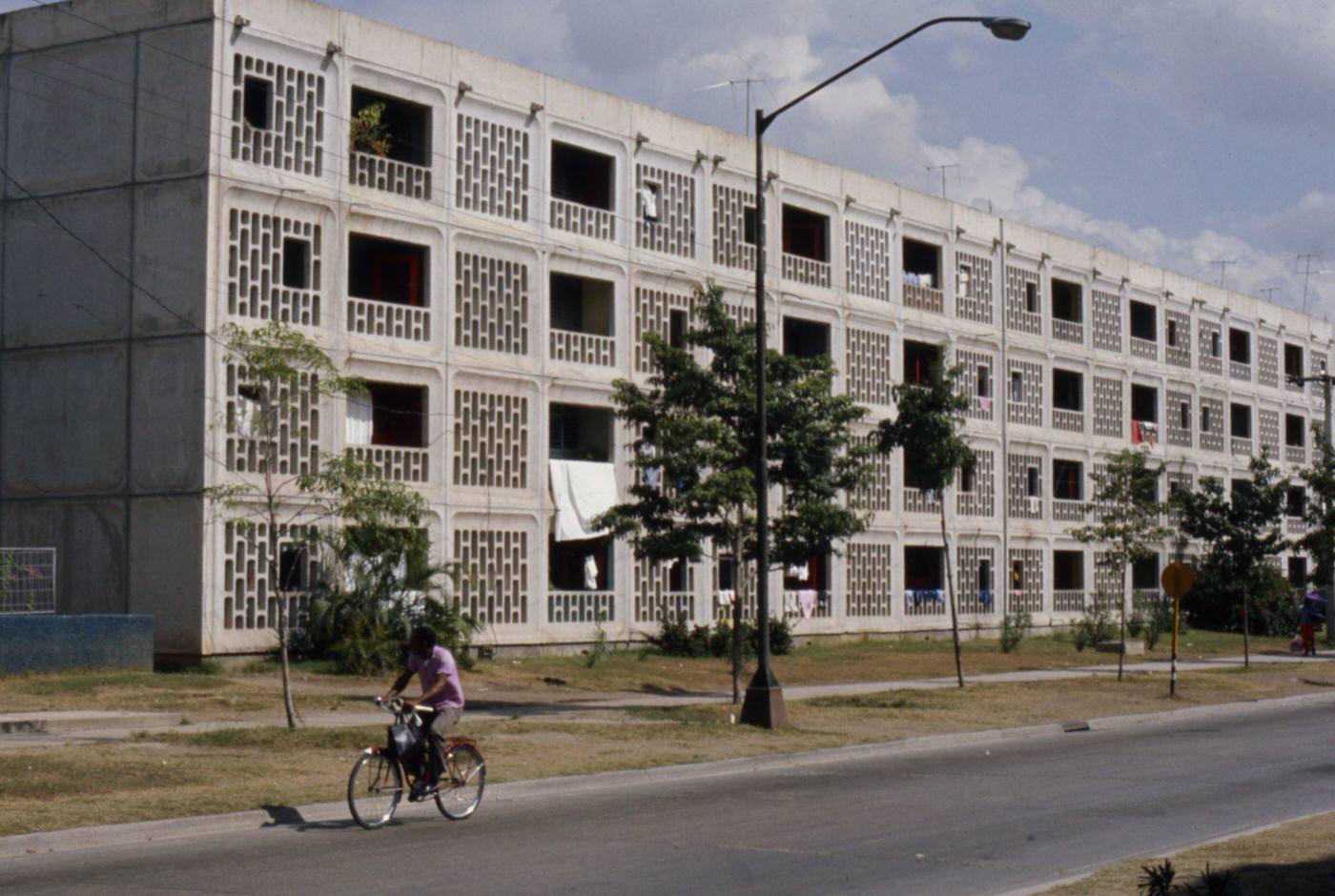
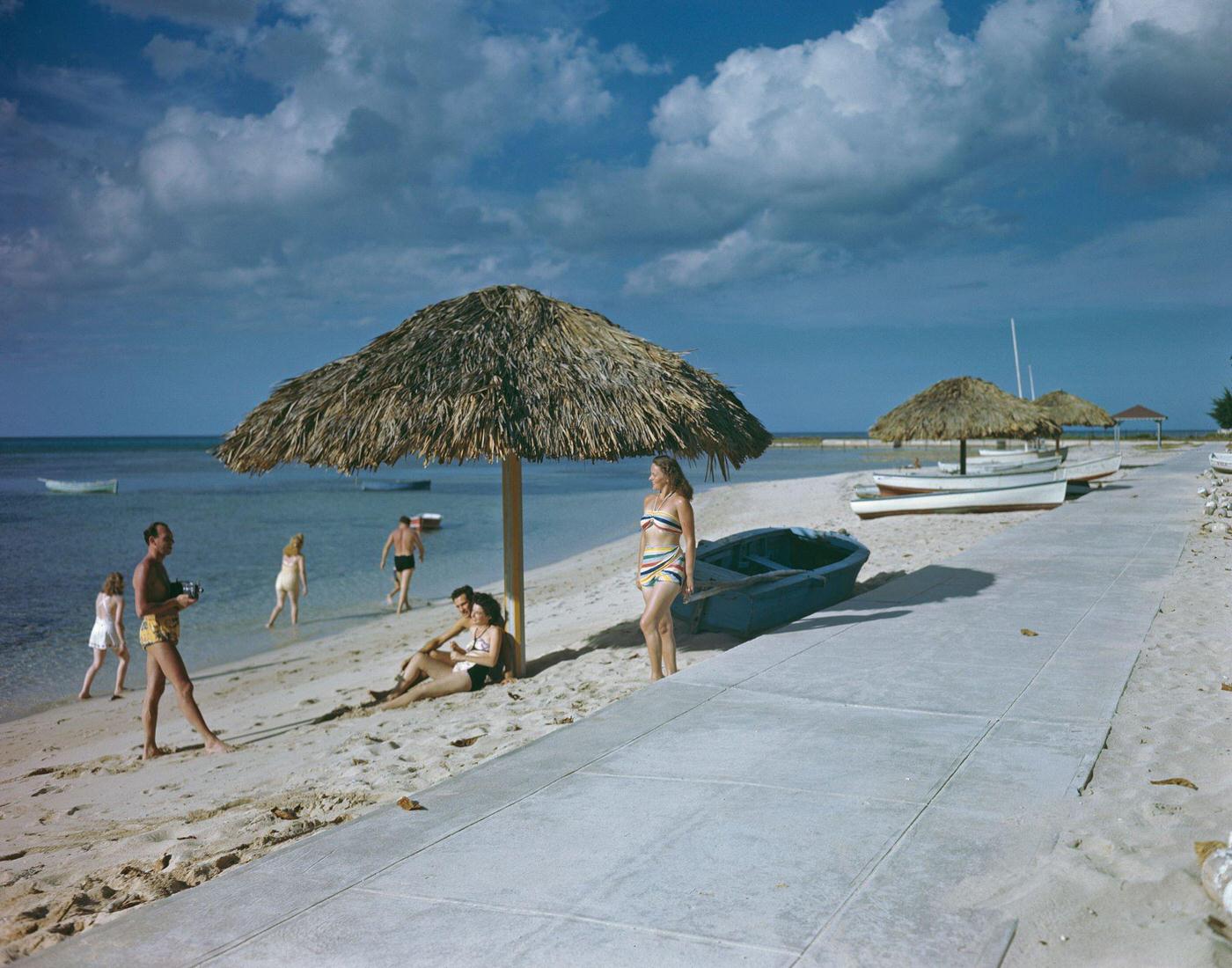
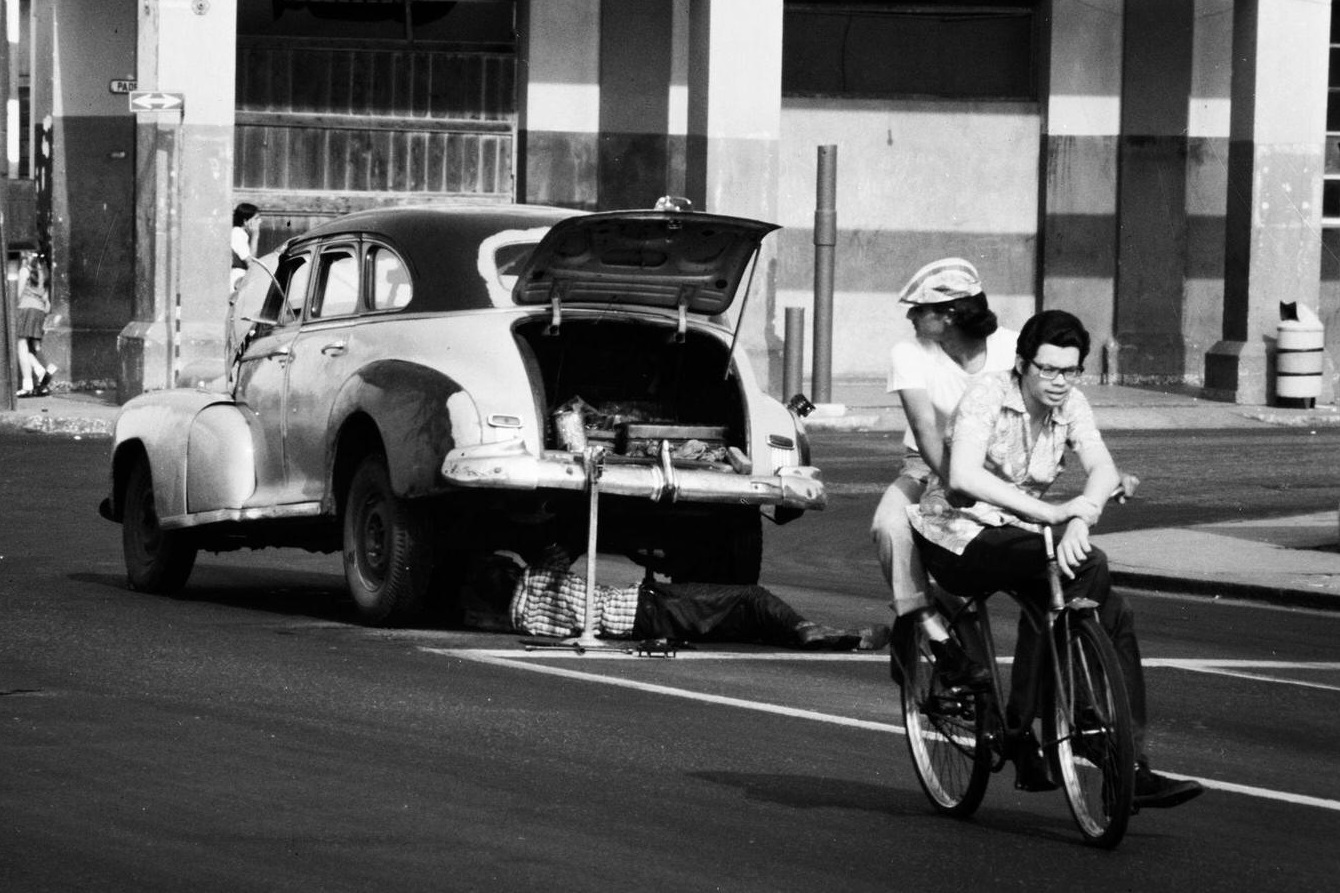
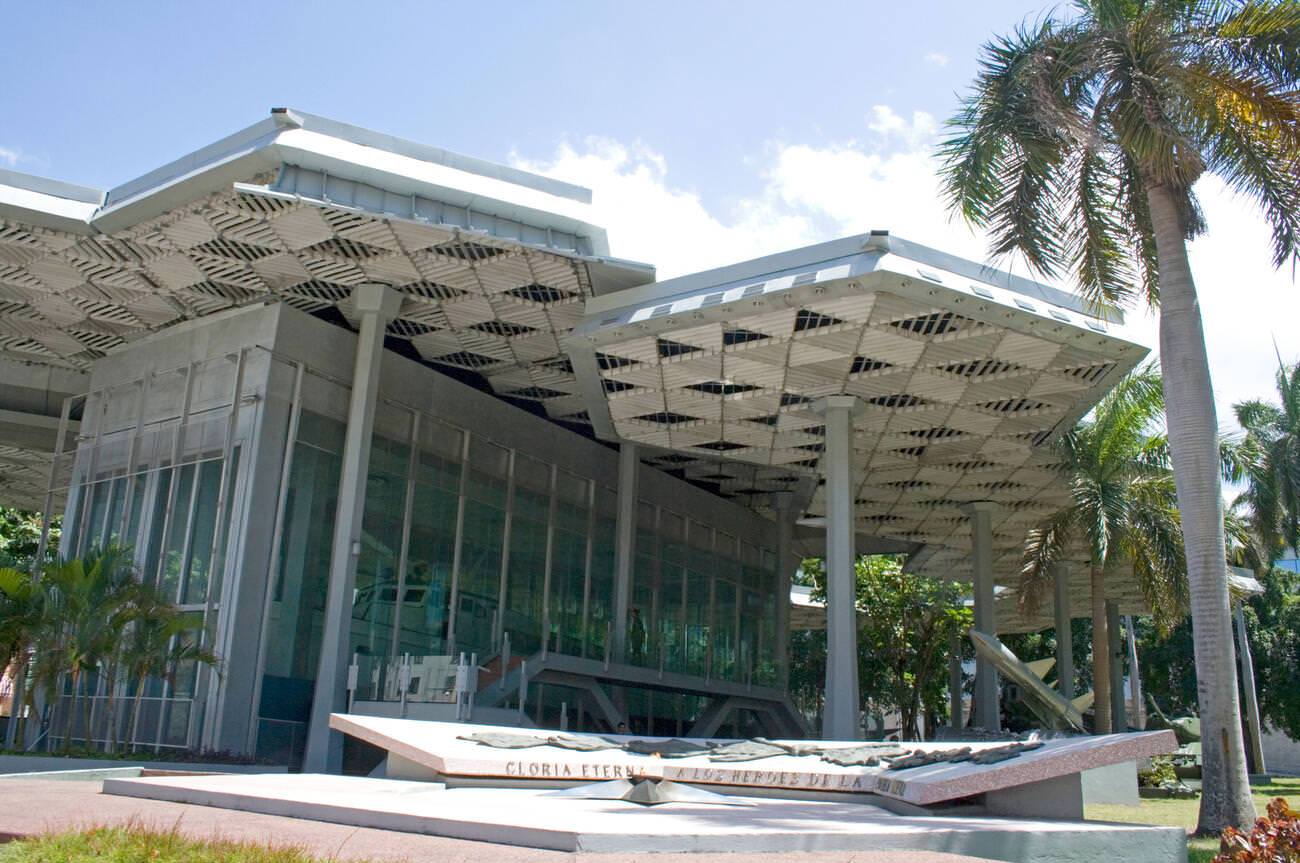
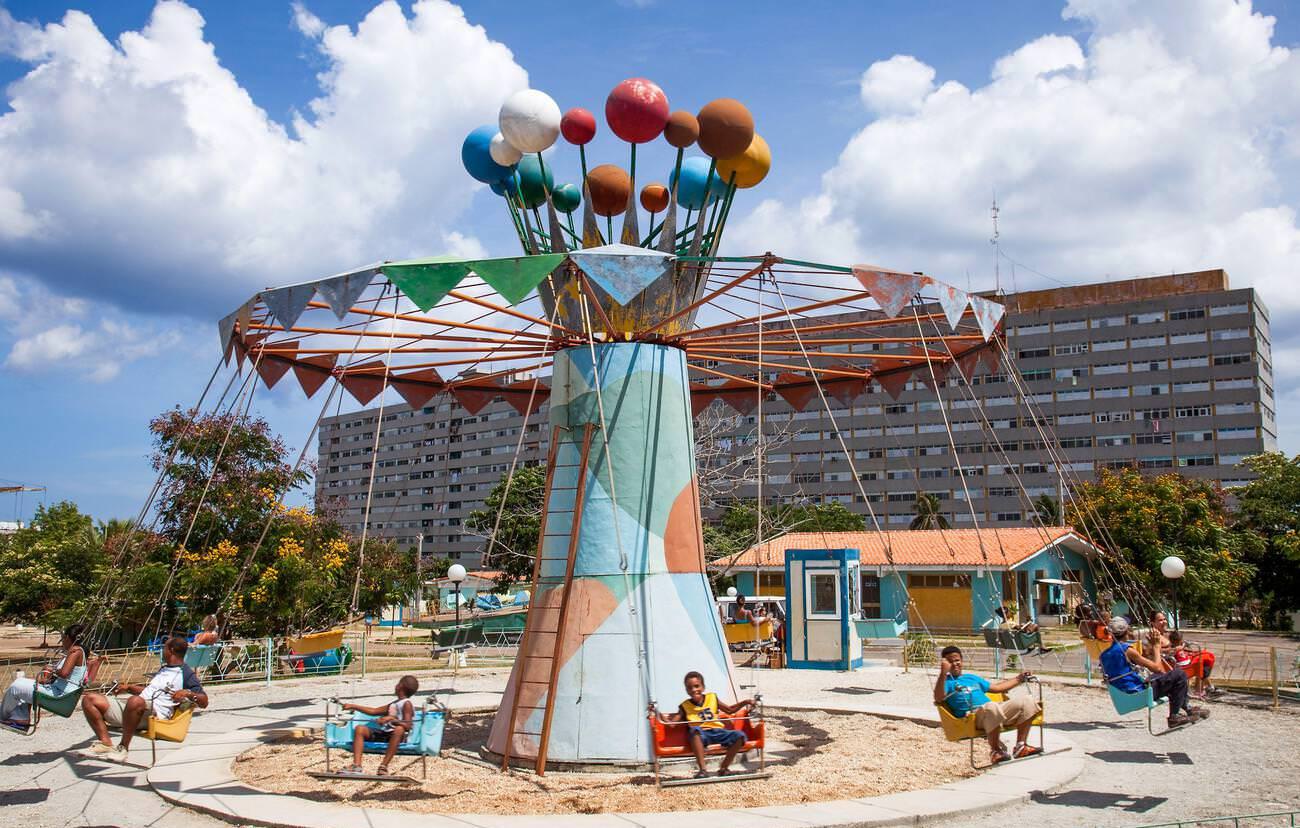
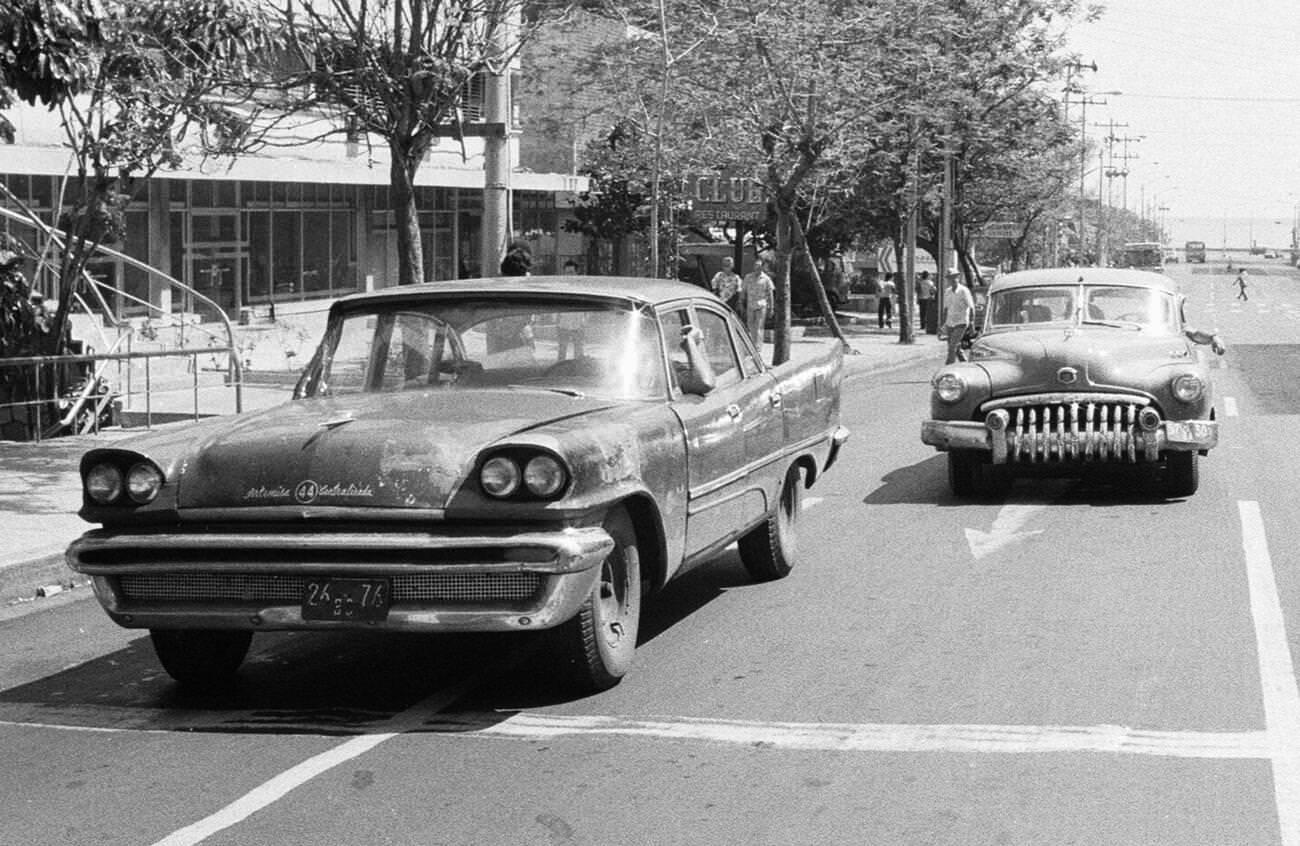
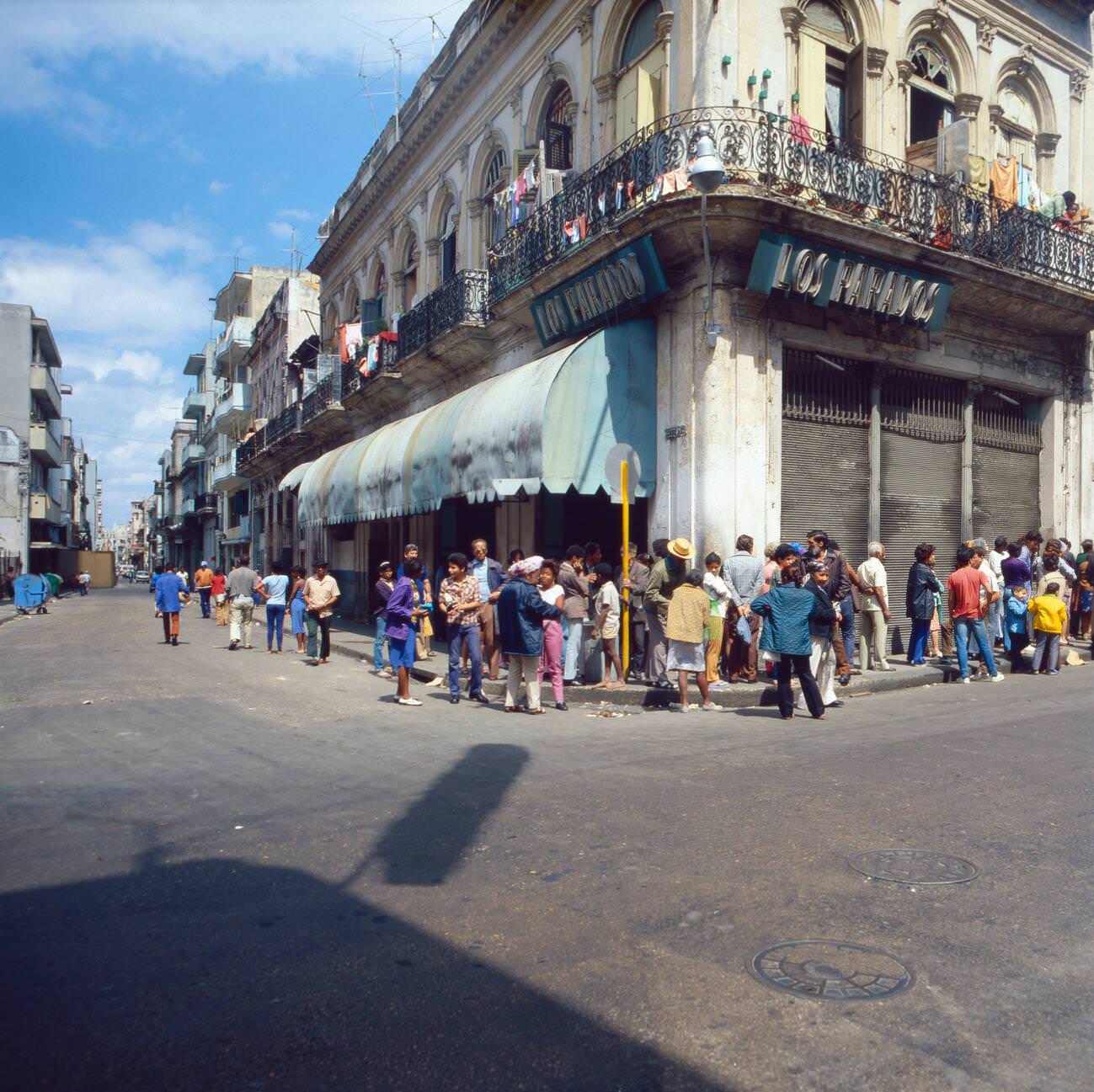
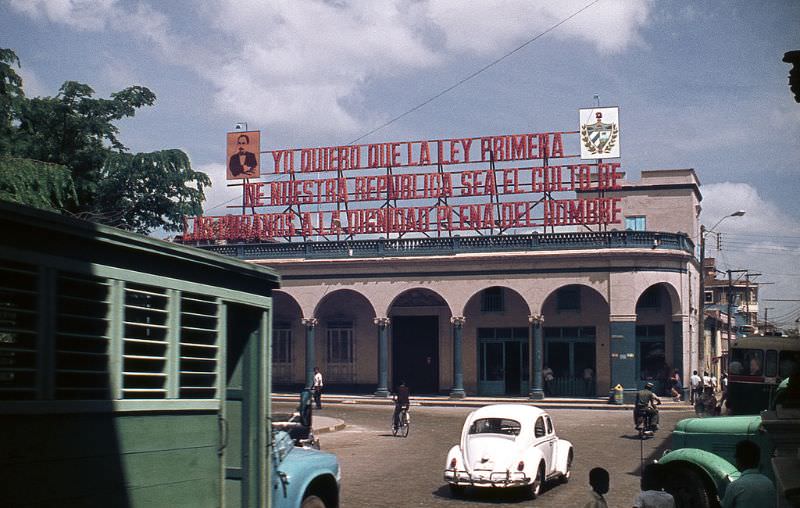
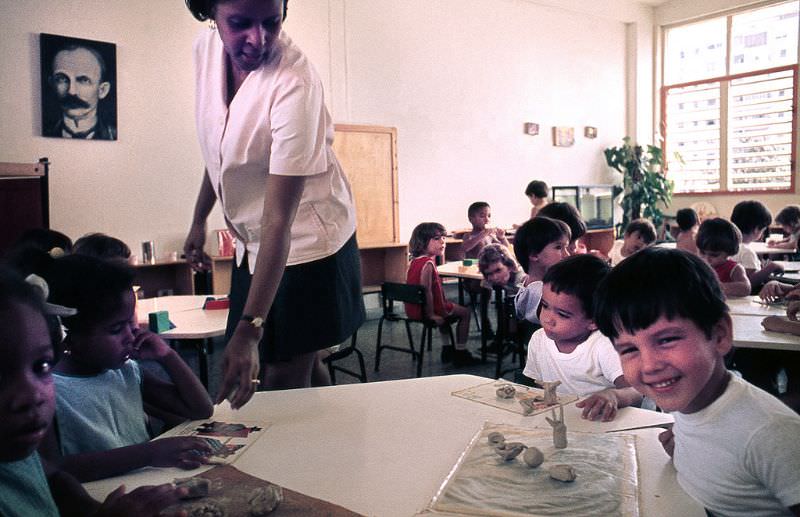
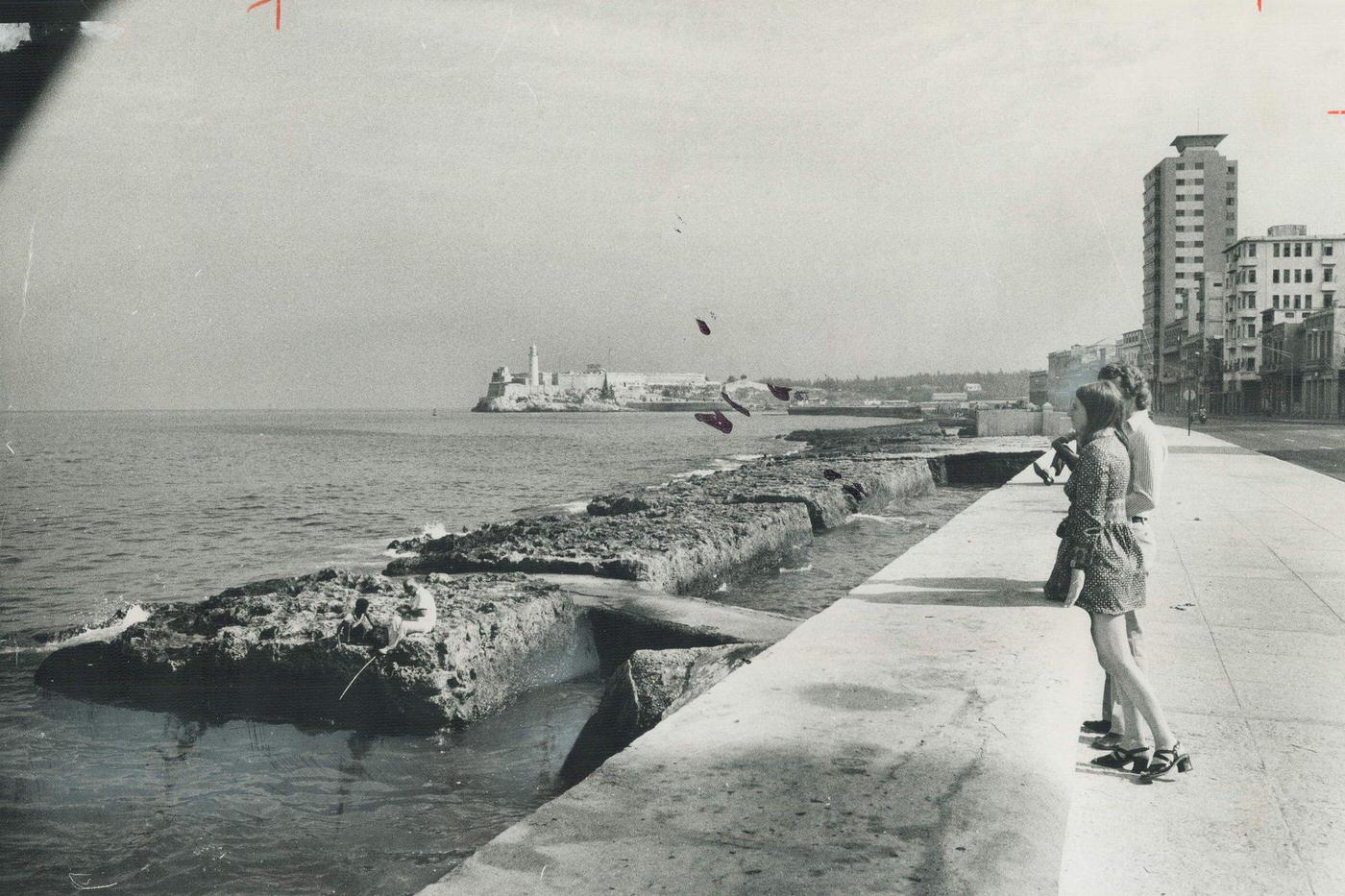
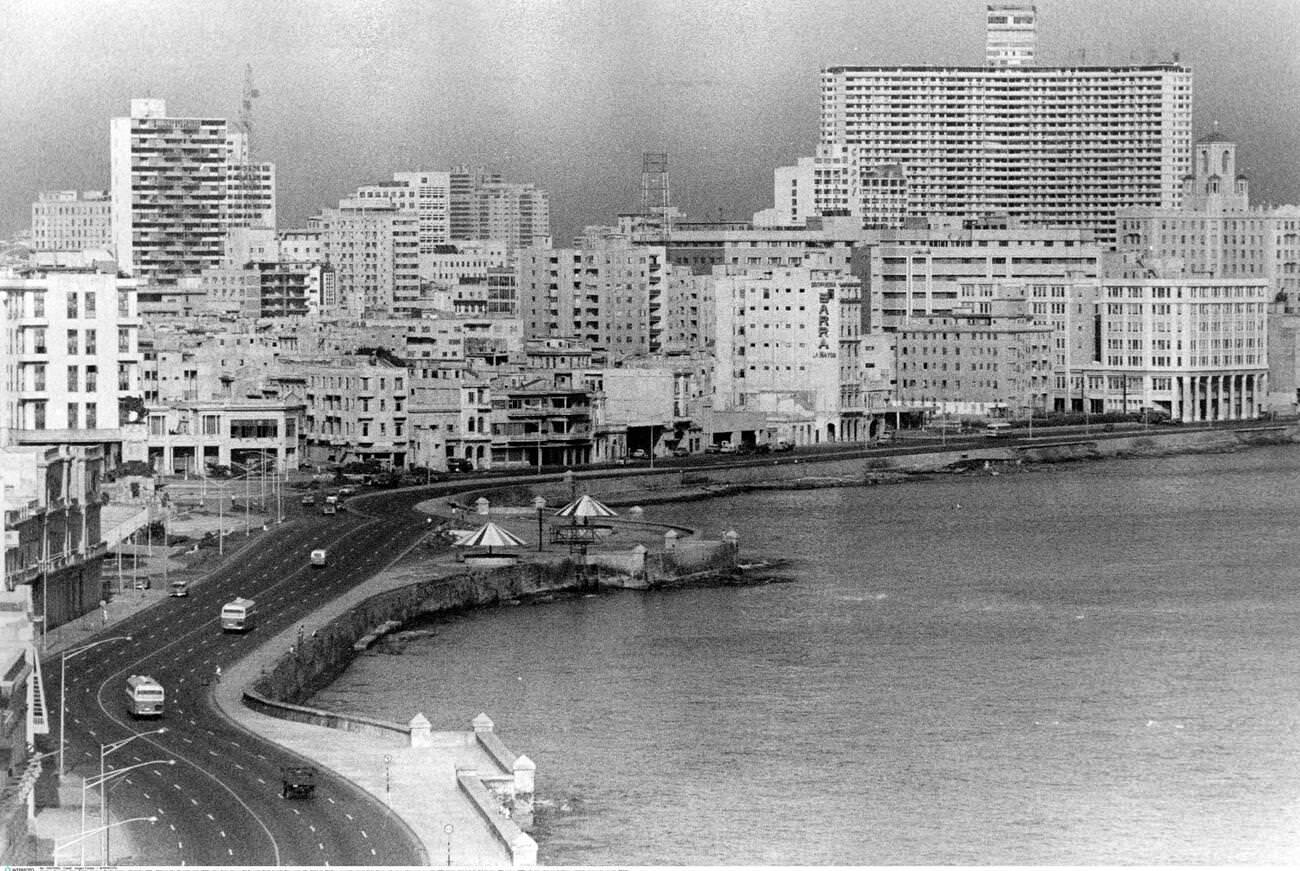
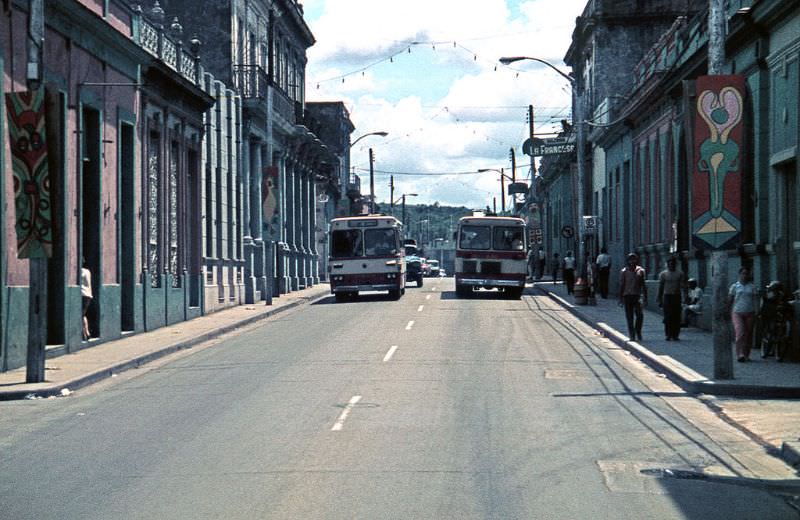
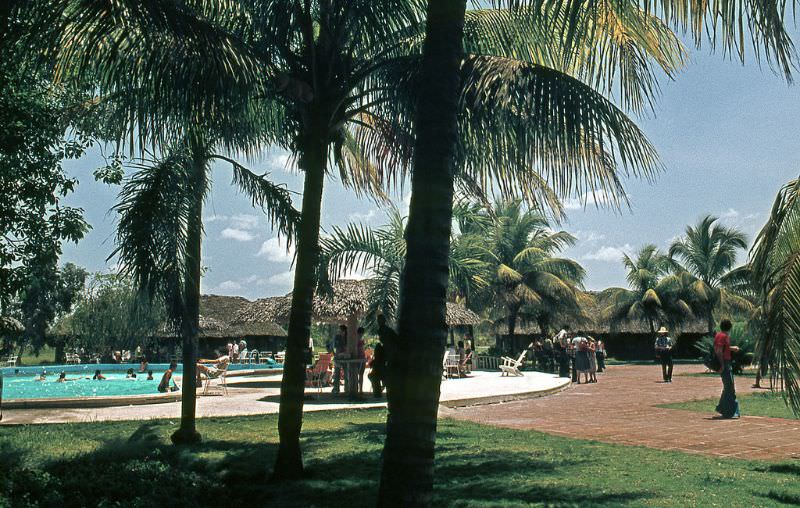

A look at a country spiraling to its own demise
Ah yes the peak of stolen fortune and USSR puppet subsidies, funny how even then you could see the beginnings of misery.
Do the 30s or 40s next, and see an actual 1st world country
But everyone has the same shirt and shoes.
Right? Everyone knows monotony is a clear indicator of joy
I left in 1971 and life was not easy then, very regimented, few things to buy and many people relied on black market food, which was a crime, but people did it. Things improved after I left, they told me, particularly during the 1980s, when there was more abundance, more items of all types available and salaries were enough to meet people’s needs. Soviet subsidies played a big part, but I did not live there during that time nor did I visit. However, I had a neighbor who visited Cuba at the time and reported things had “changed a lot” compared to the time when she left, back in the 1970s. Medical care was good, hospitals were built in the interior of the country, electricity was taken to places where there was none before 1959, life expectancy improved to levels compared to that of developed countries, infant mortality was drastically reduced and Cubans had access to universities and other educational facilities. Cuba became the country with the most doctors per capita in the world, plus many other Cubans chose other professions. Many Cubans at that time went to the Eastern Bloc countries to study.
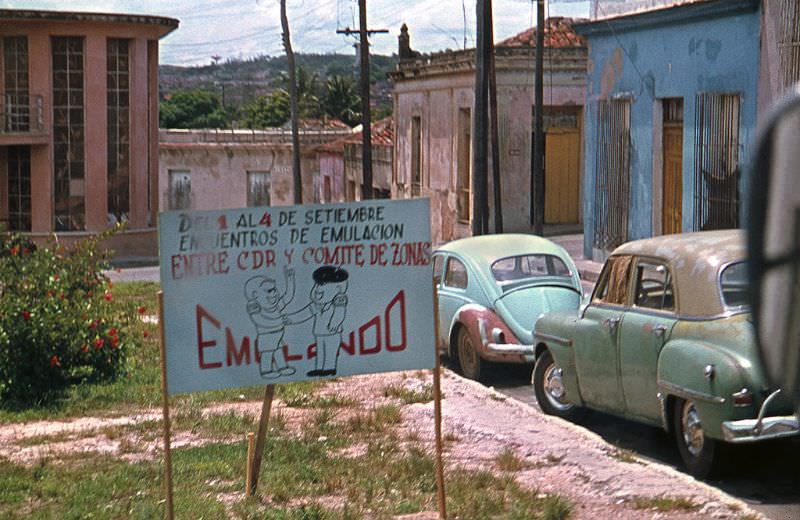
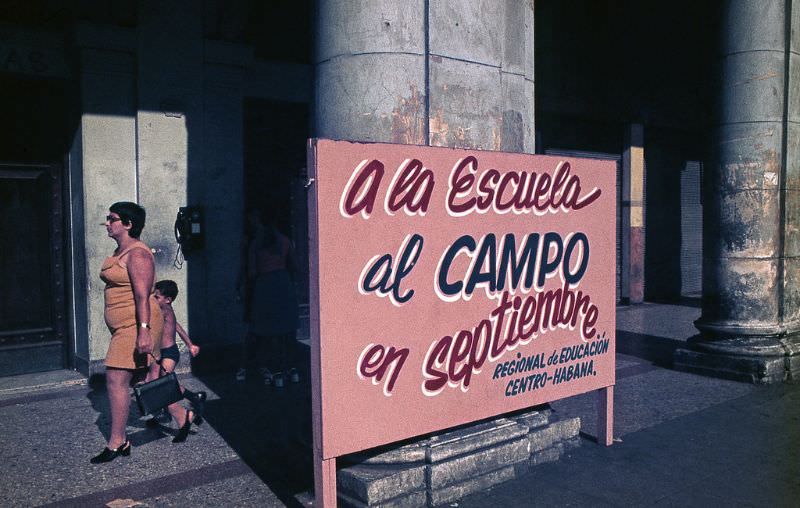
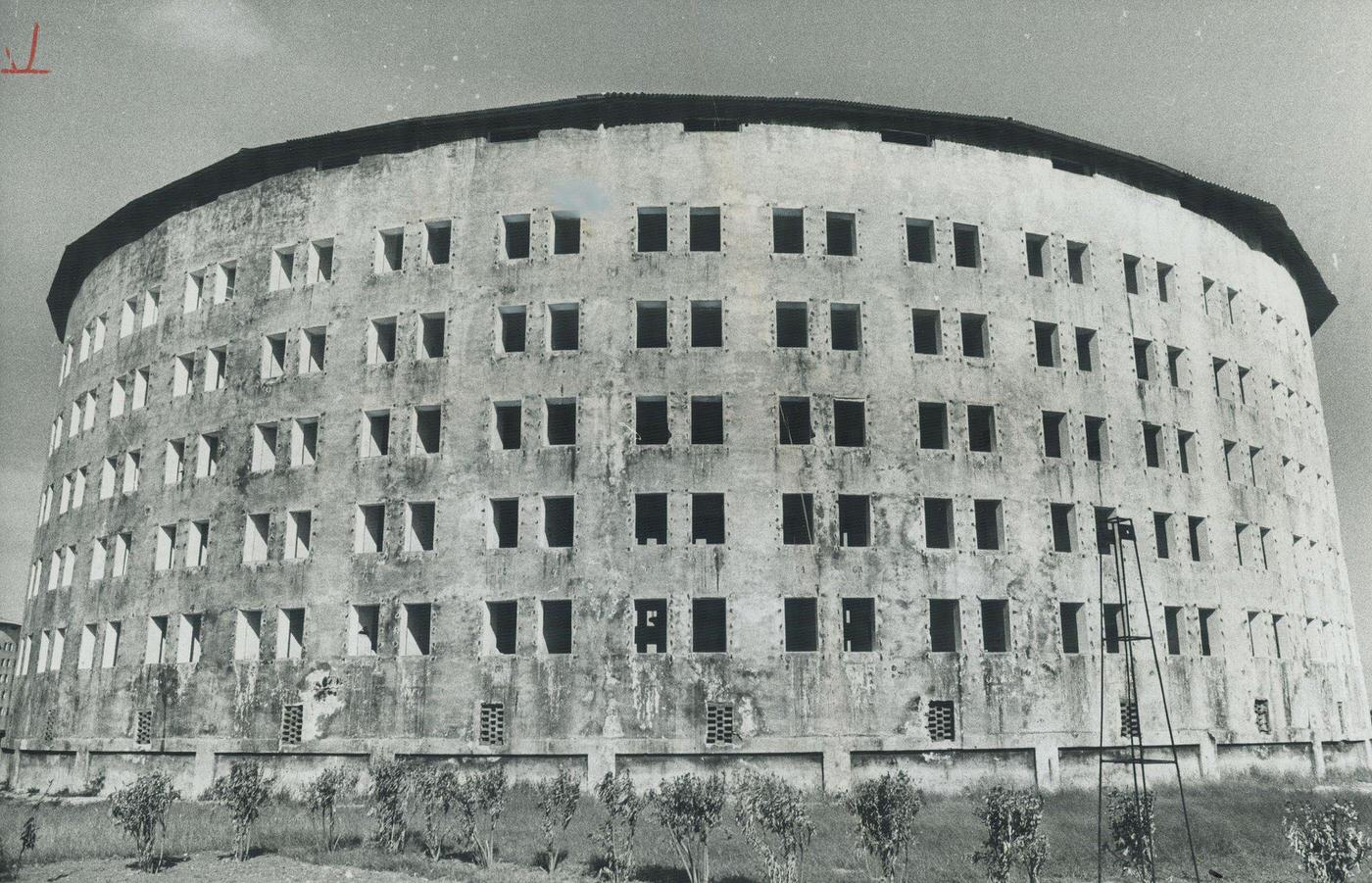
Interesting photos. My great-grandmother, my grandmother’s siblings, and my cousins left in the 70s, mostly towards the middle and end of the decade. In photo #57 the sign makes it sound like going to the countryside and the school were two different things. What they really meant is that in September it’s time to go back to las escuelas de campo, to work in the countryside in order to go to school. The prison in the 61st photo was also used by Fidel, that’s where Huber Matos and Armando Valladares were held.
You accidentally wrote the wrong word. The word is “devolved” so you can edit your post now.