
In the 1950s, Cuba was a place of striking contrasts. Havana’s grand boulevards, luxury hotels, and packed nightclubs earned it the nickname “Paris of the Caribbean.” Tourists flooded in from across the Americas and Europe, drawn by the music, the weather, and the energy of a city that never seemed to sleep. Mambo and cha-cha-cha poured out of clubs and onto the streets, and classic American cars rolled past buildings that mixed Spanish colonial style with mid-century modern design.
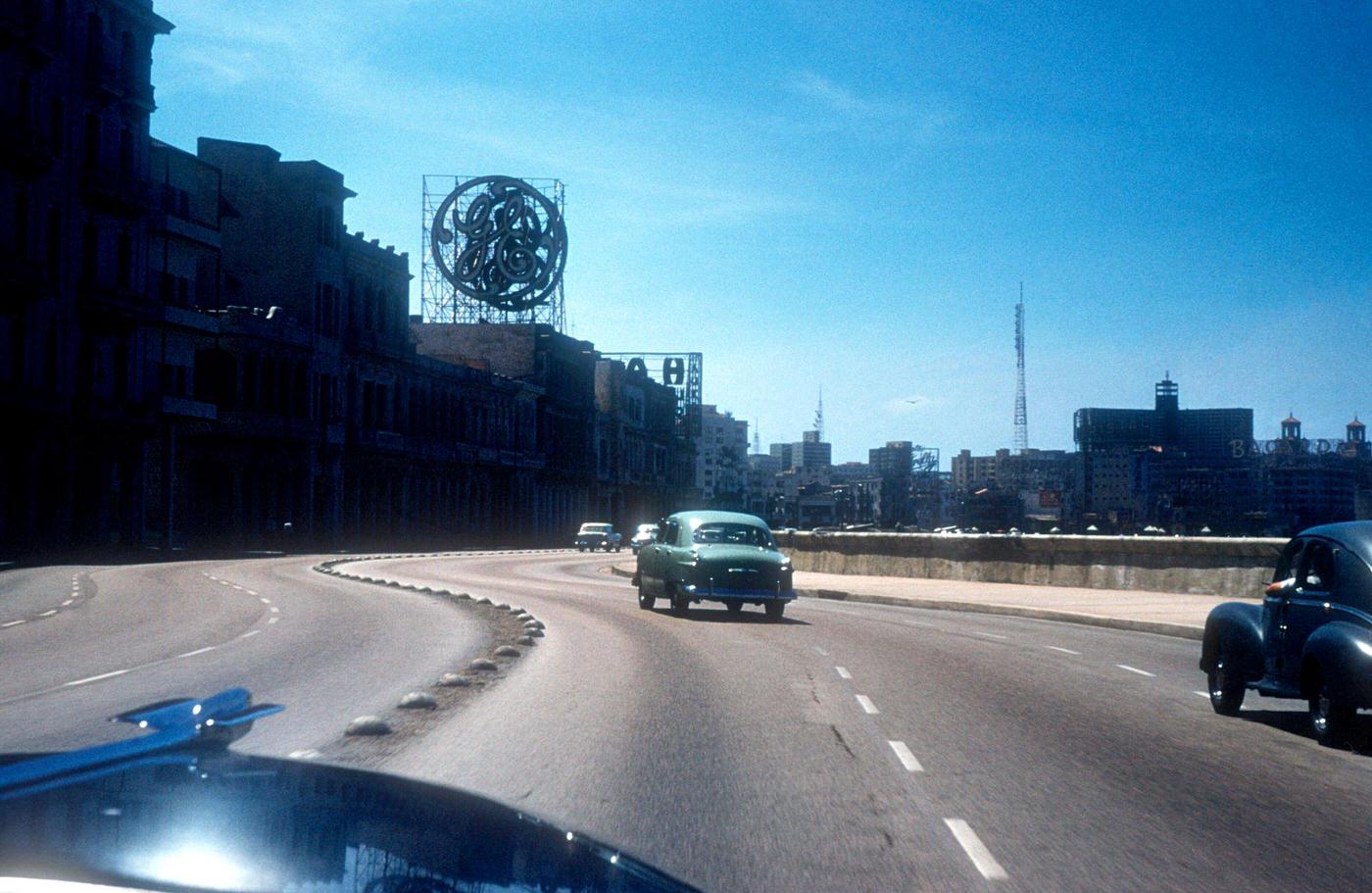
Havana’s commercial center reflected the wave of American investment that shaped Cuba’s economy during this era. Brand-name businesses and modern buildings stood alongside older colonial structures, giving the capital a layered, cosmopolitan feel.
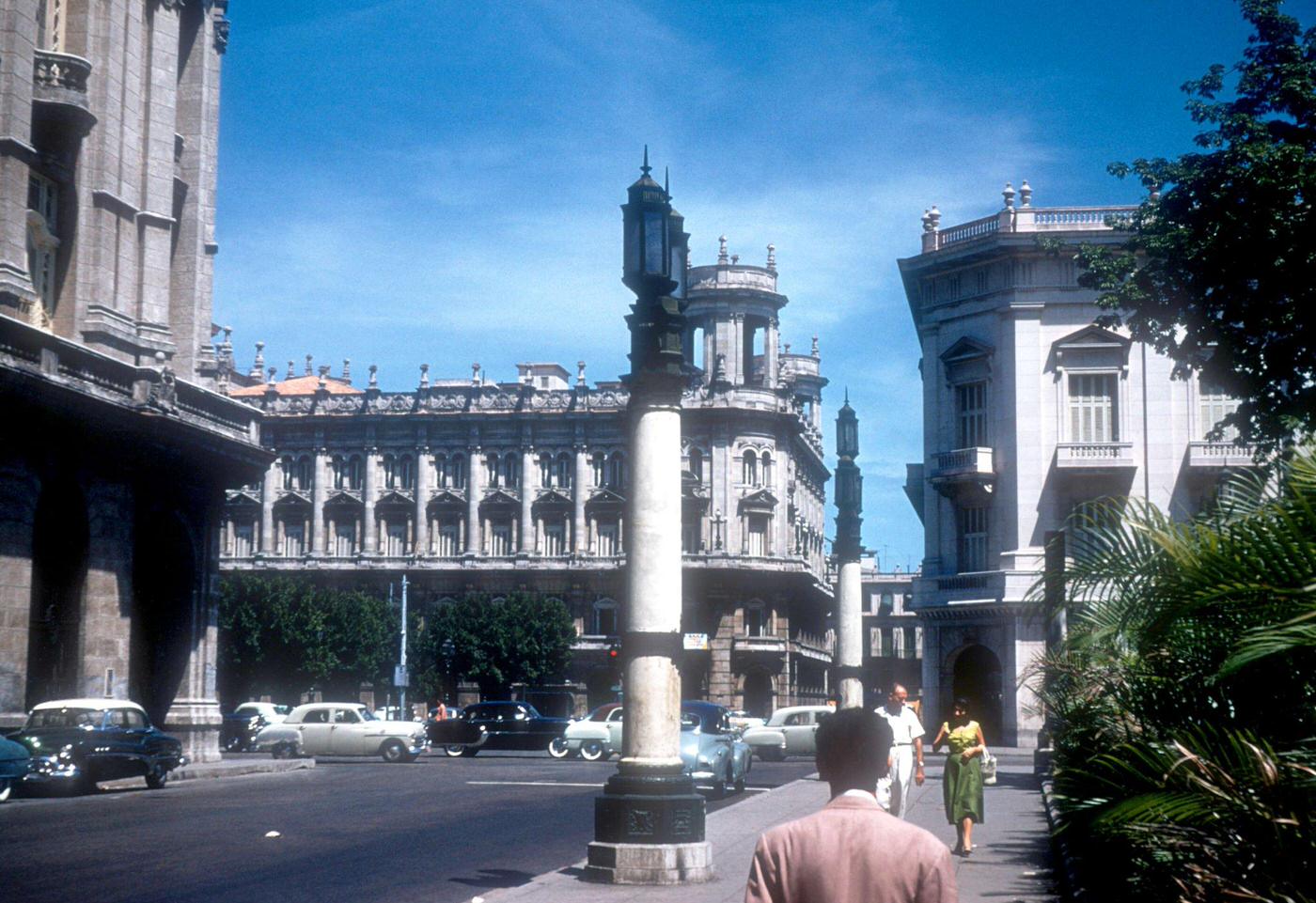
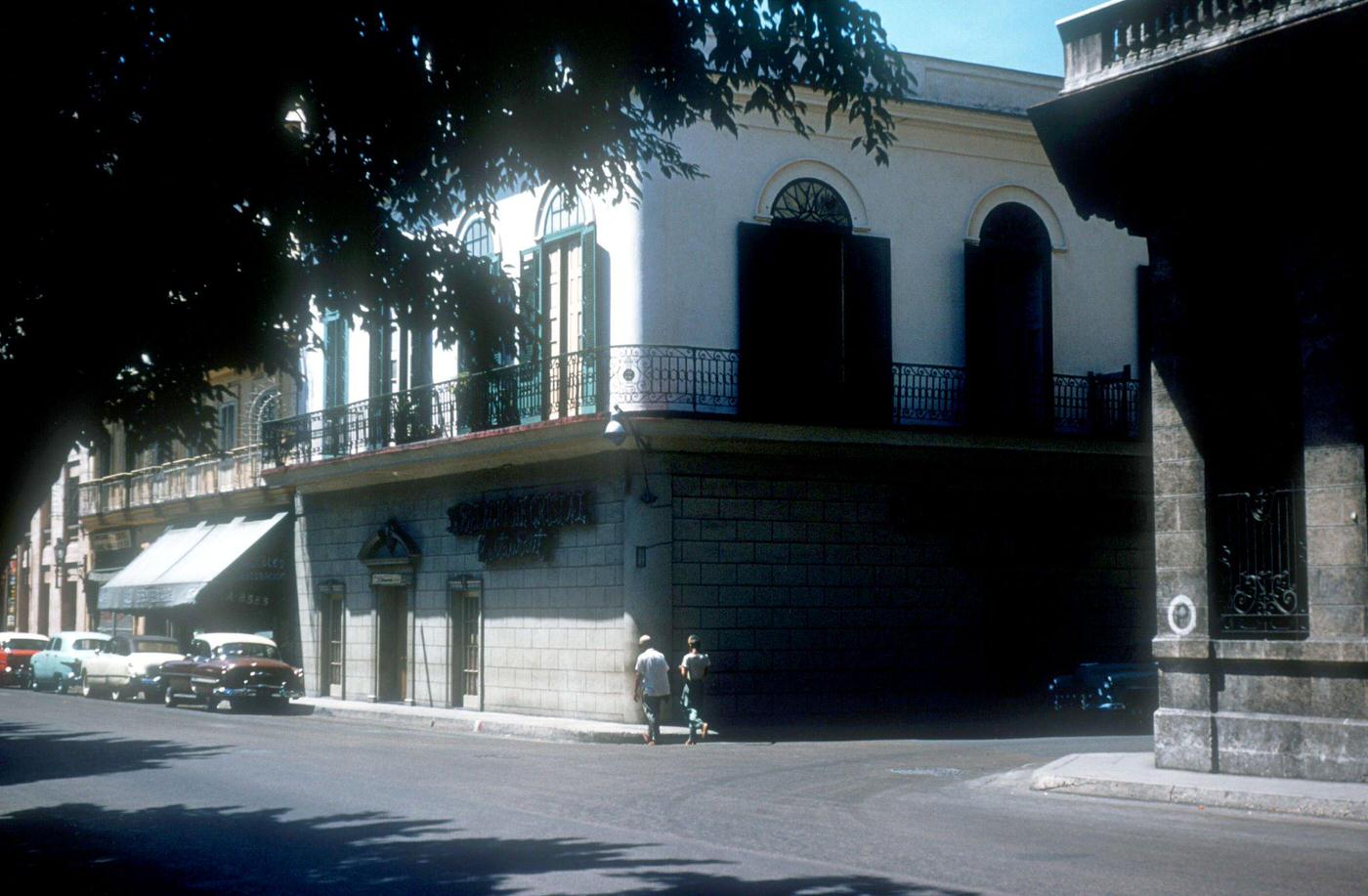
Havana’s sidewalks were alive with pedestrians, vendors, and the constant hum of traffic. The city offered something for nearly every taste — from high-end restaurants to corner bars that became legendary in their own right.
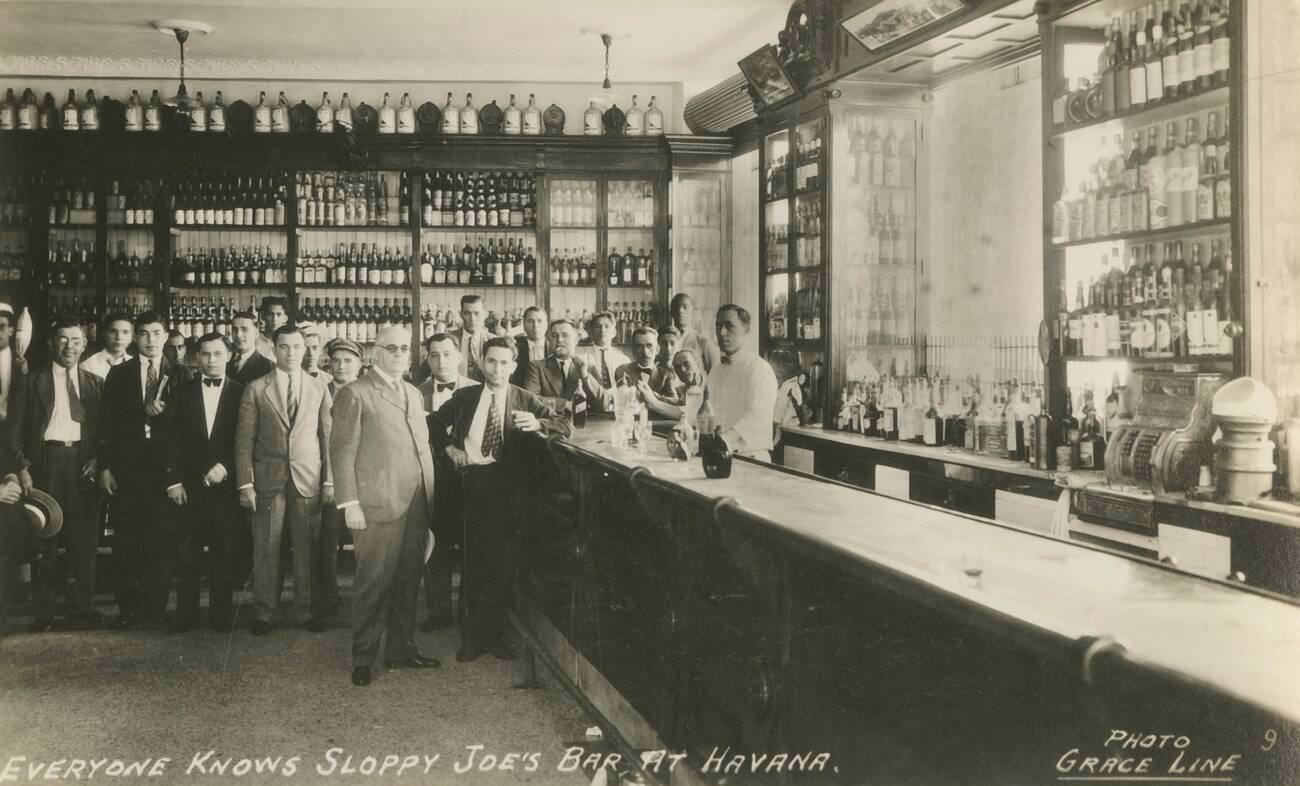
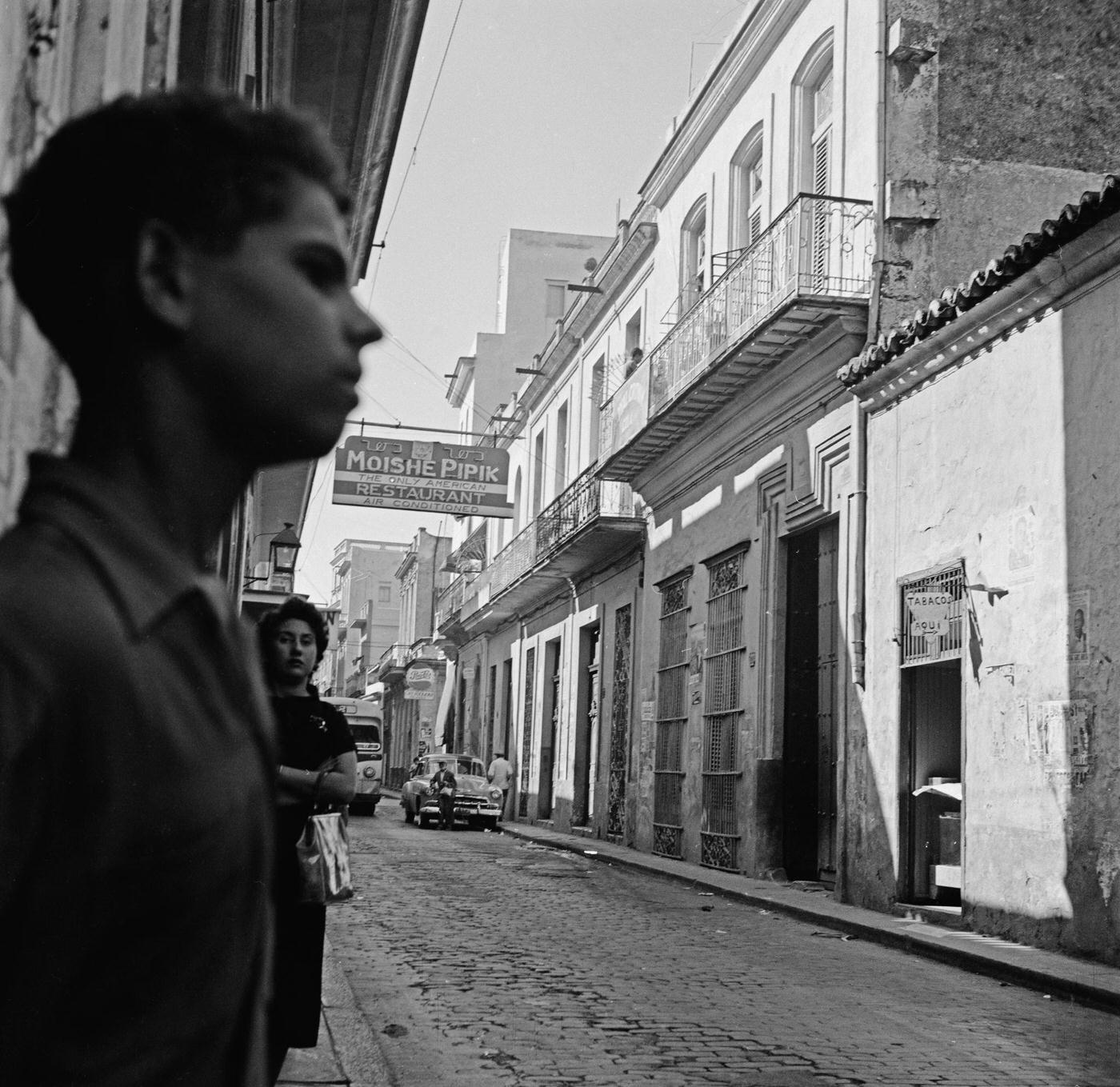
Havana’s dining and drinking scene was remarkably diverse. Sloppy Joe’s Bar was a fixture for tourists and locals alike, while establishments like Moishe Pipik’s Cuban Jewish Restaurant pointed to the broader mix of communities that called the city home. Cuba’s Jewish population, many of whom had arrived as immigrants in the early 20th century, built businesses and social institutions that became part of the urban fabric.
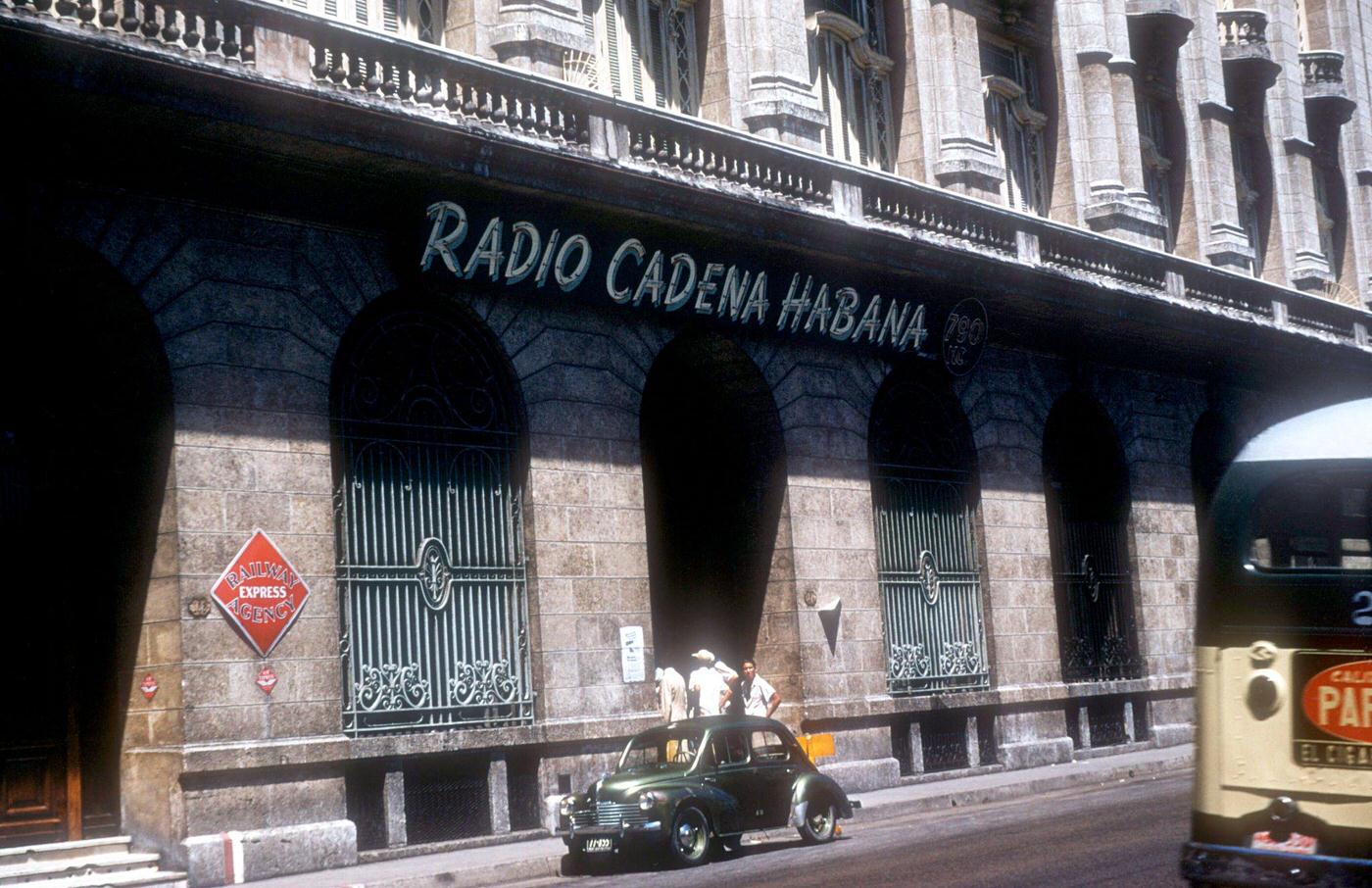
Radio was a central part of Cuban cultural life. Stations like Radio Cadena Habana broadcast music, news, and entertainment across the island, connecting city and countryside. Cuban musicians were gaining international fame during this period — artists like Benny Moré, Celia Cruz, and Pérez Prado were filling theaters and reaching audiences far beyond the island’s shores.
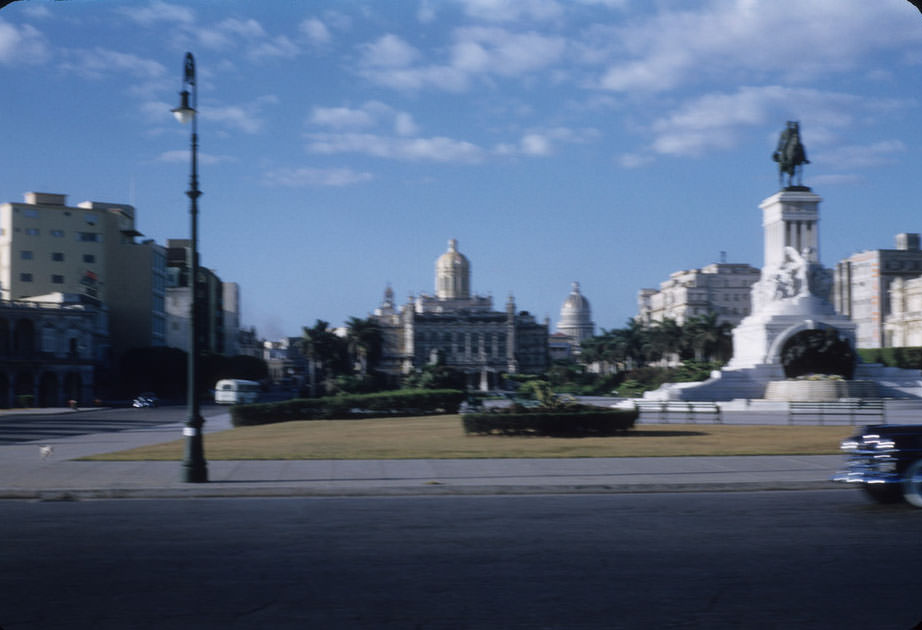
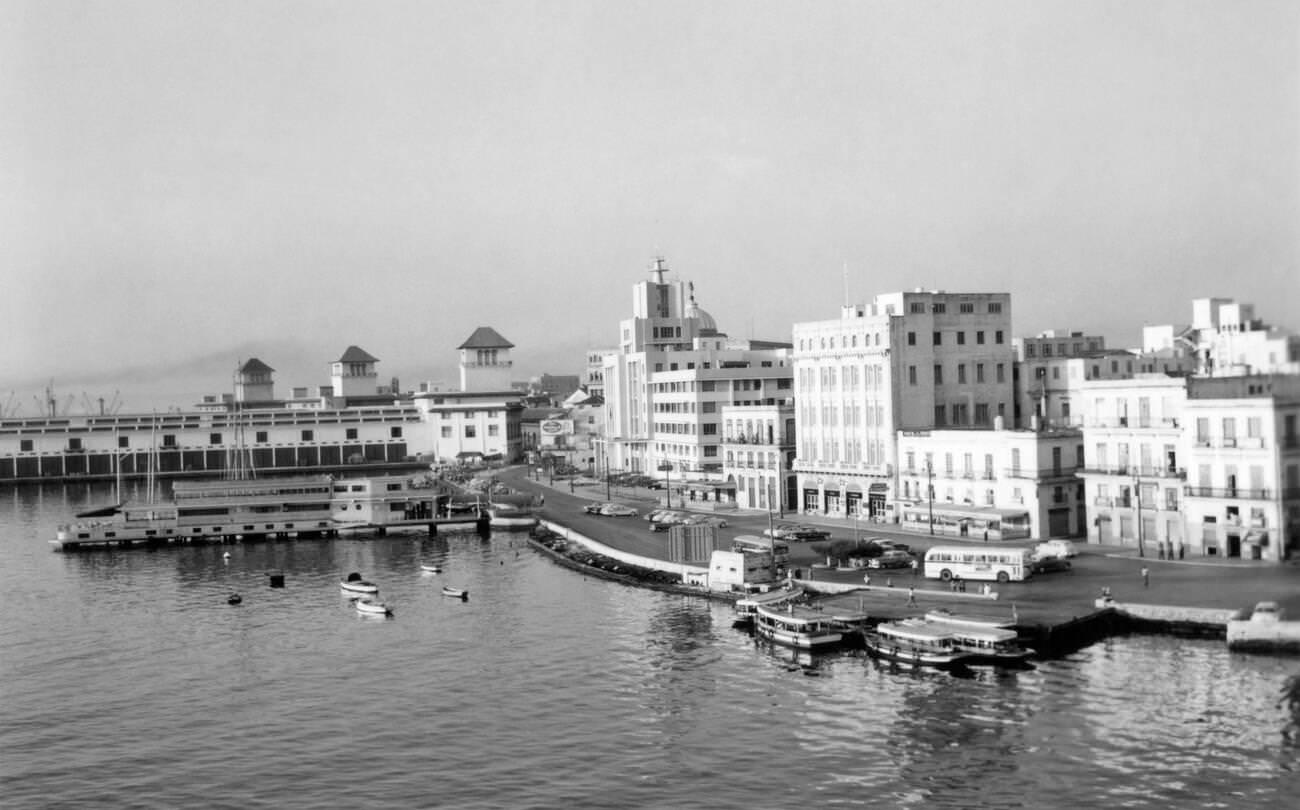
Beyond Havana, Cuba’s other cities had their own distinct character. Santiago de Cuba, on the island’s southeastern coast, was a hub of Afro-Cuban culture and commerce. Its streets mixed colonial architecture with the noise of trolleys and horse-drawn carts.
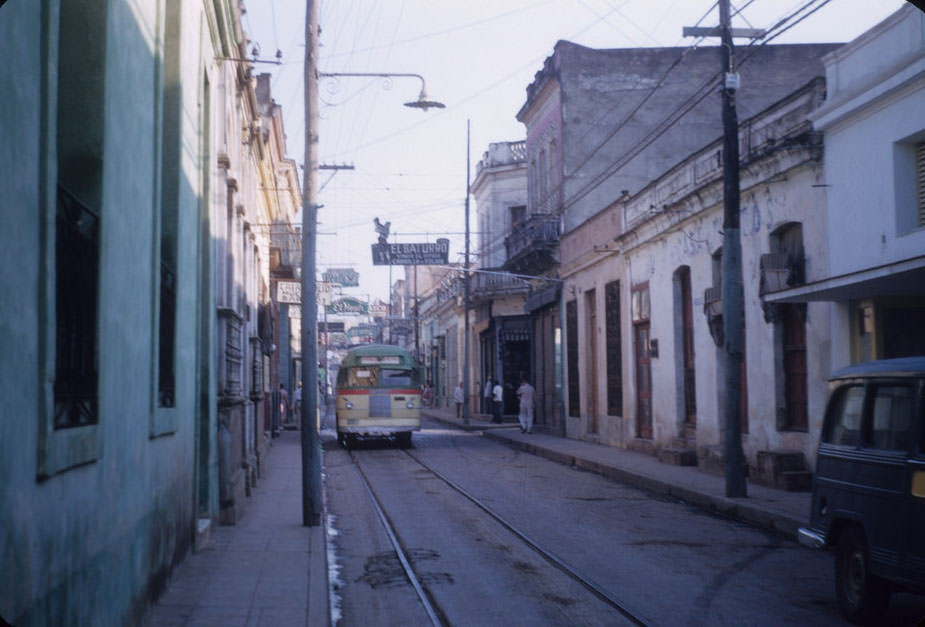
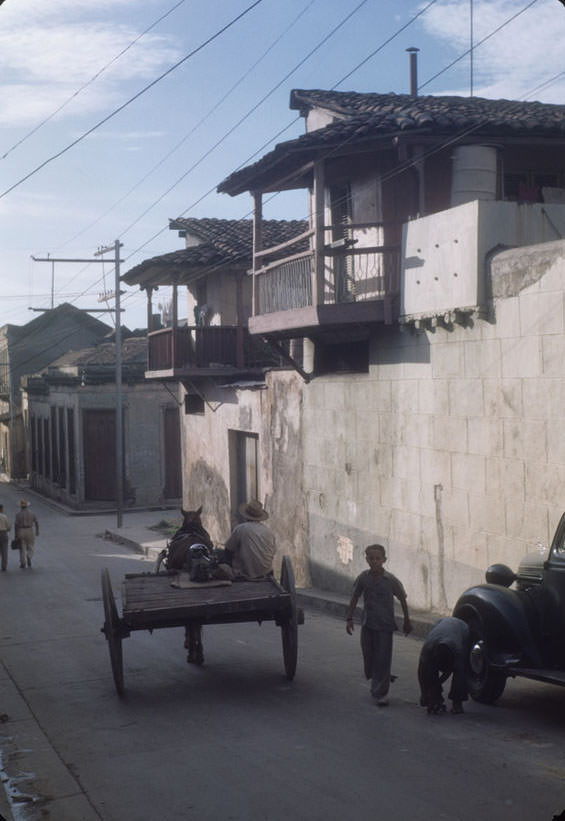
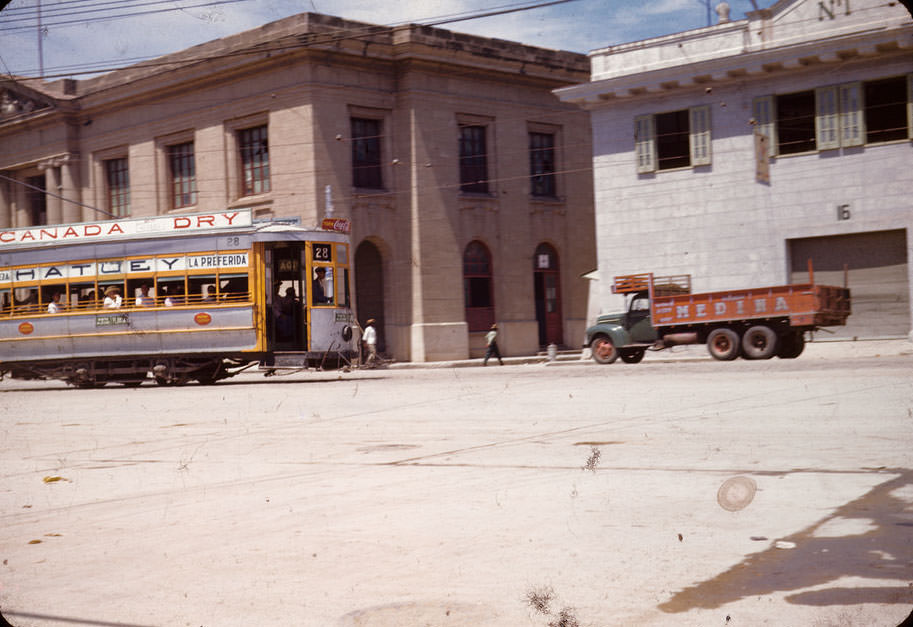
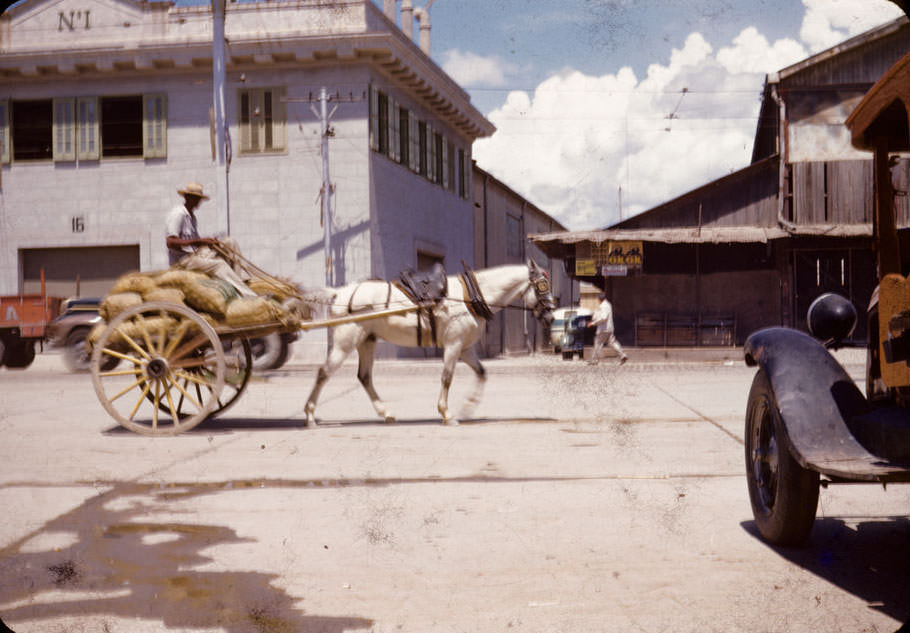
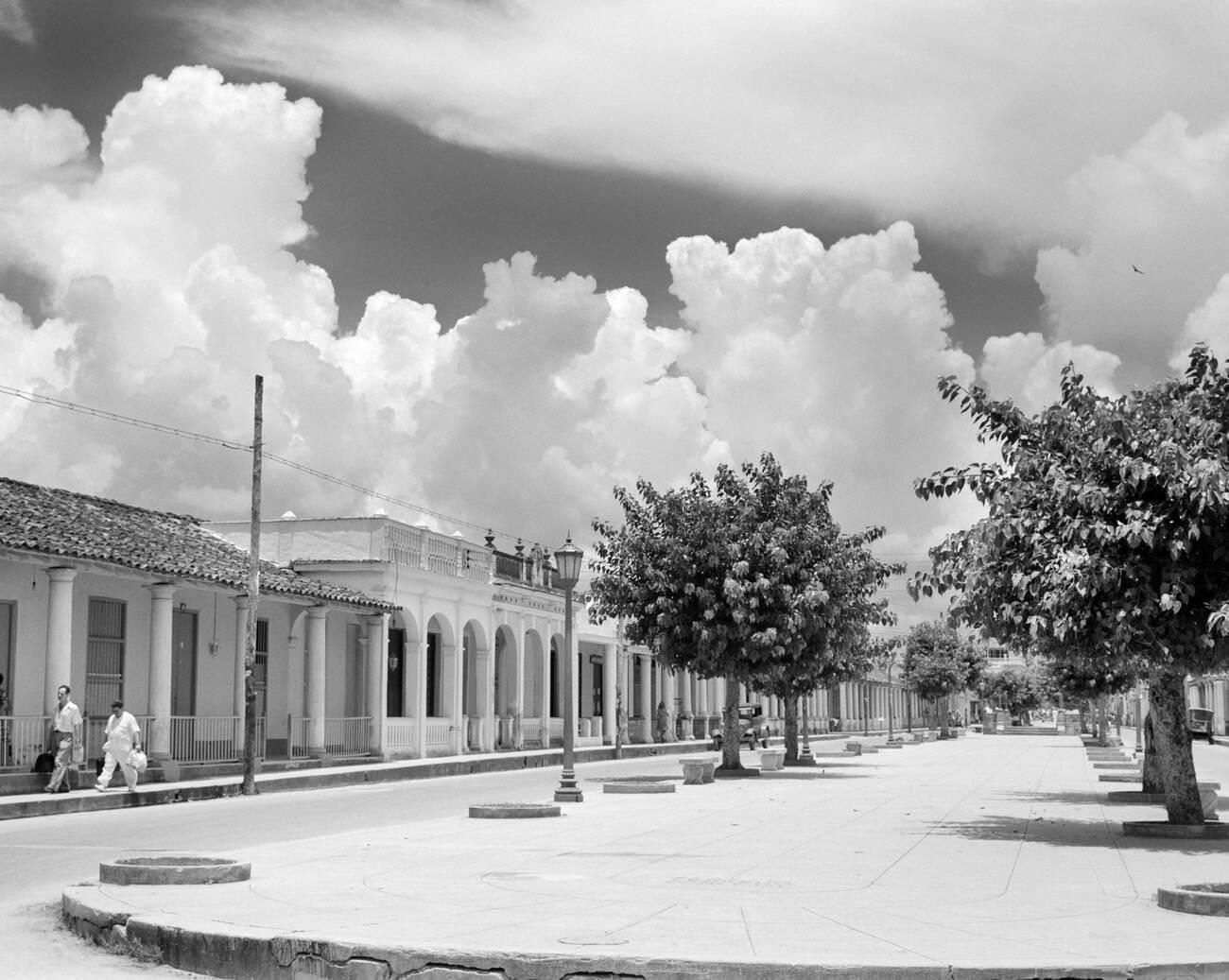
Santa Clara and Sagua la Grande showed a slower pace of life. Horse-drawn taxis waited in the shade of plaza trees, and the local storefronts along the main streets served the everyday needs of working families.
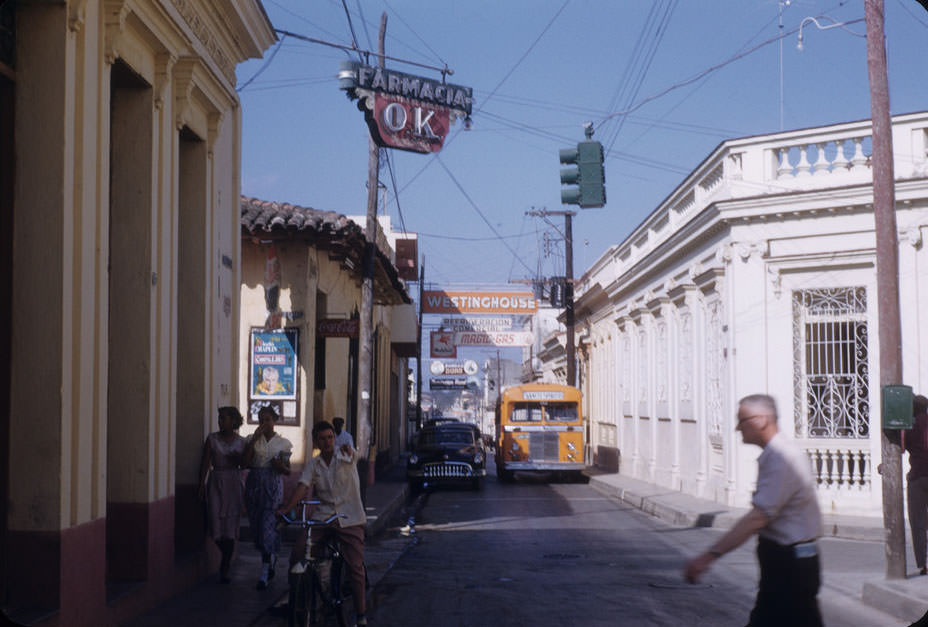
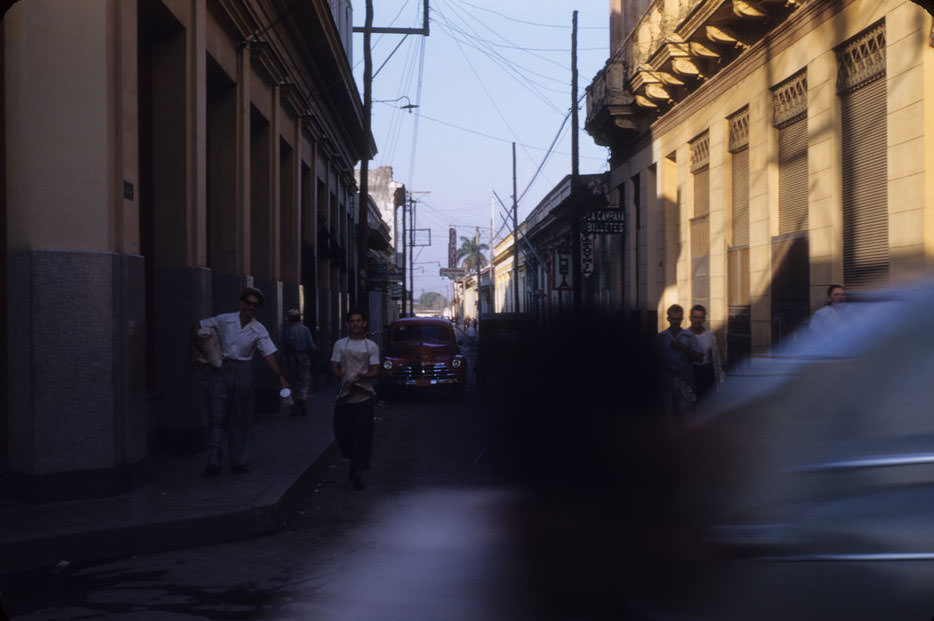
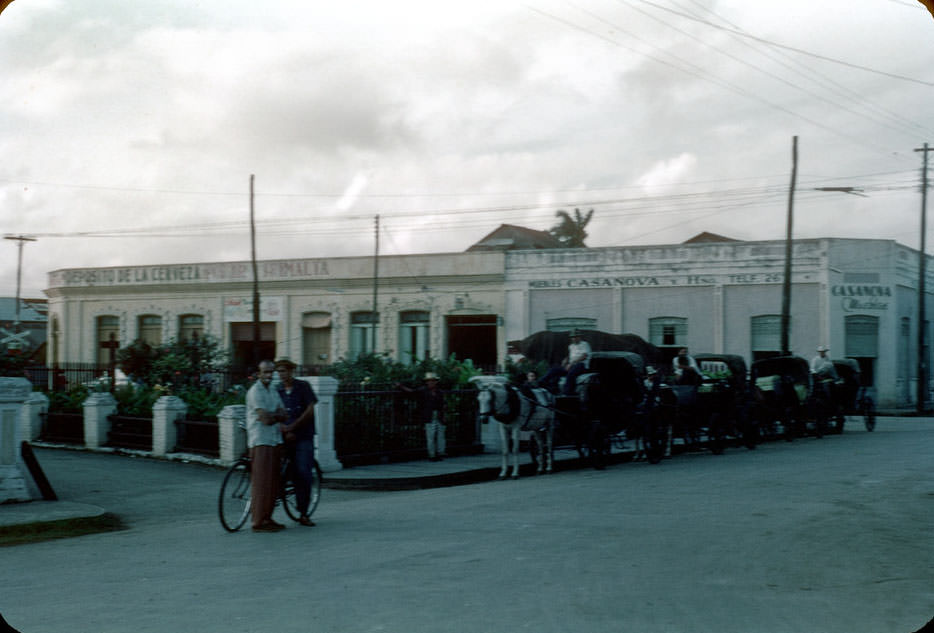
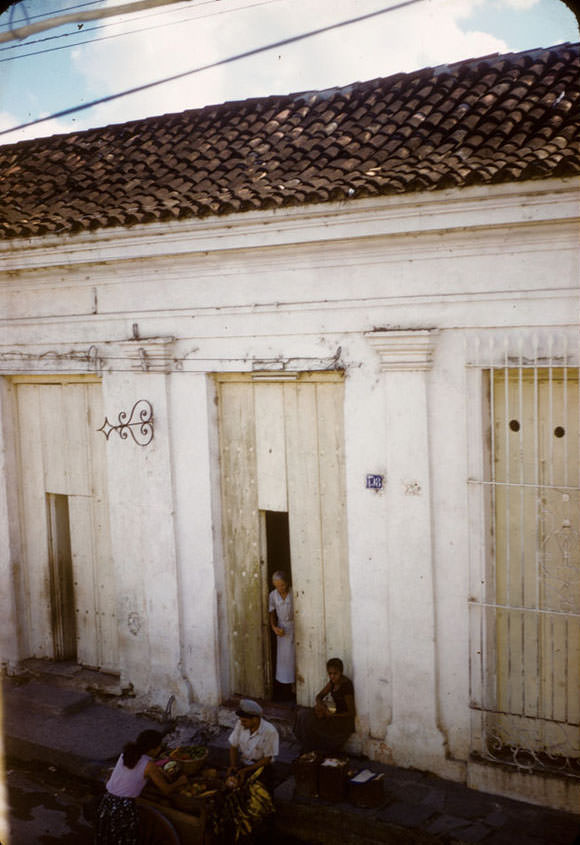
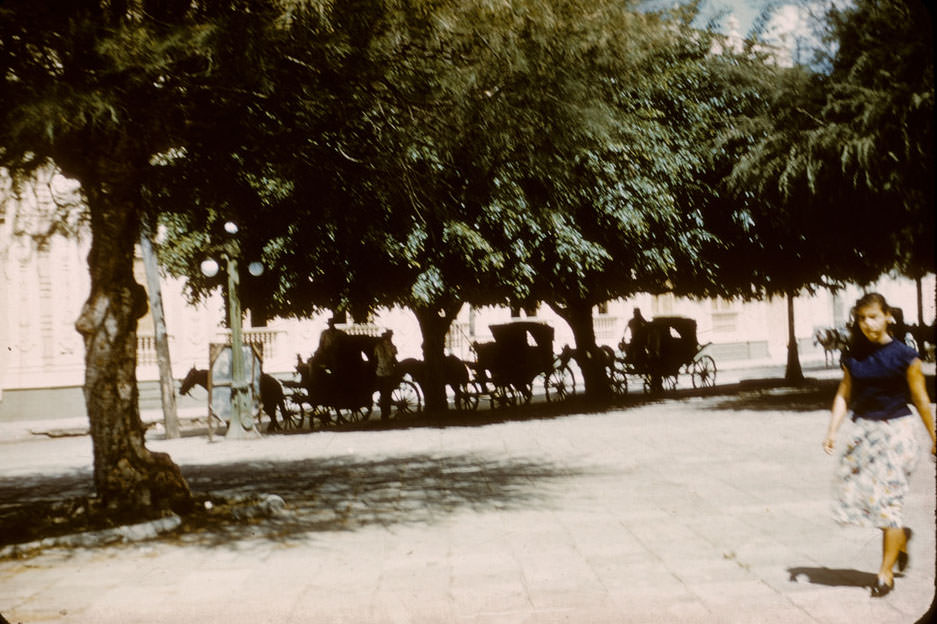
Cienfuegos, built along a sweeping bay on Cuba’s southern coast, was one of the island’s most elegant provincial cities. Its French-influenced grid layout and neoclassical architecture made it stand apart from other Cuban towns.
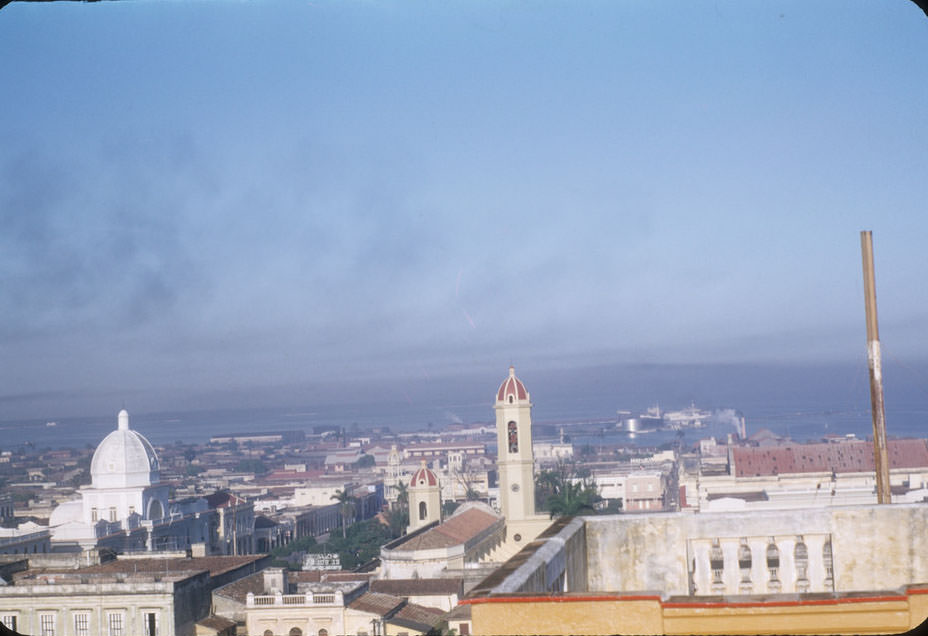
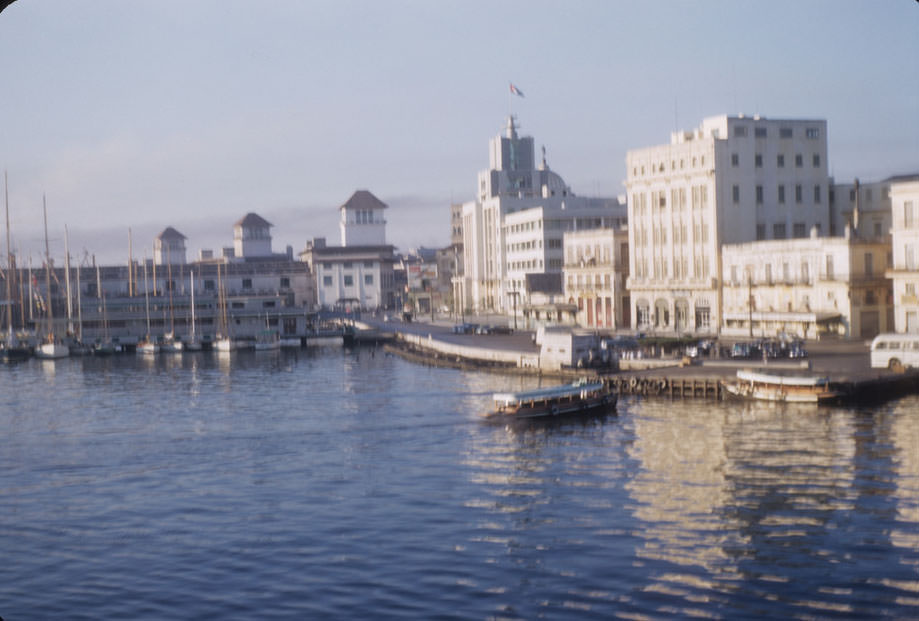
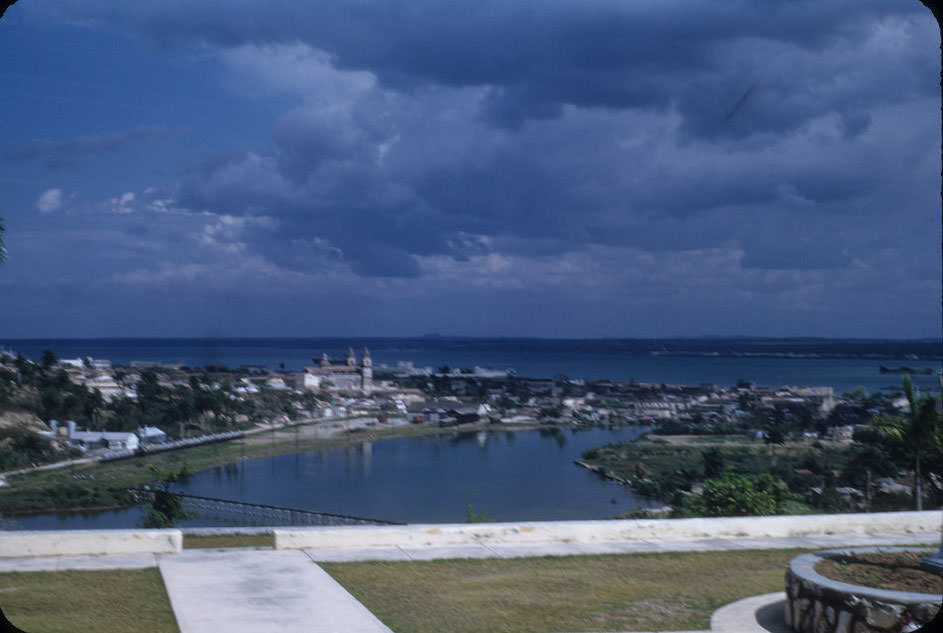
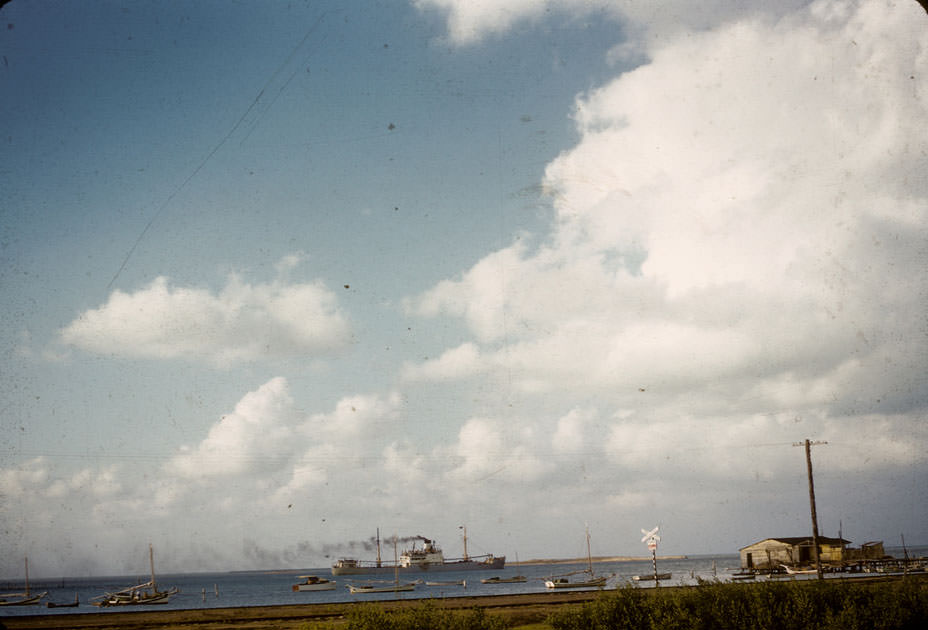
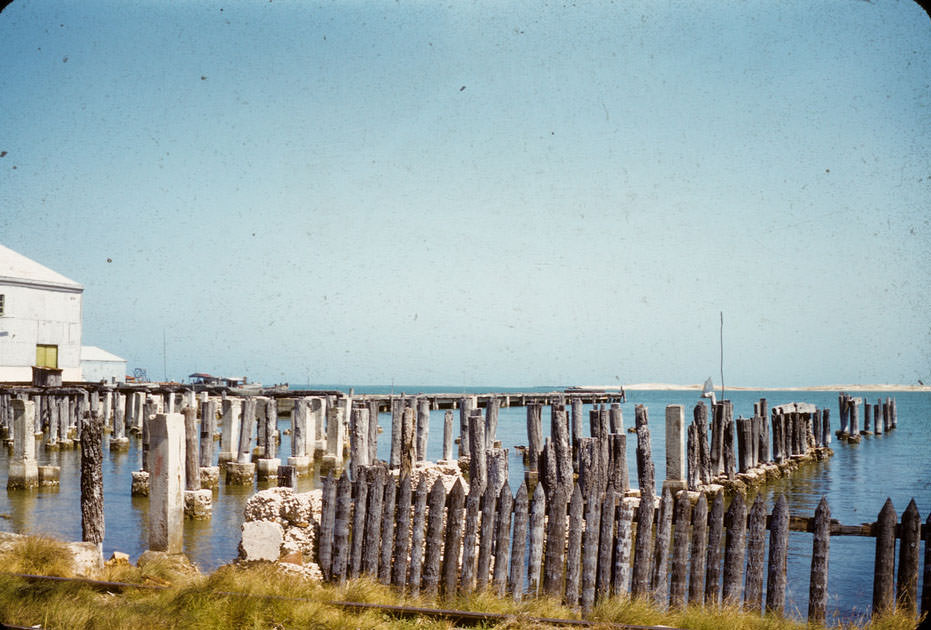
The coastal town of La Isabela was a working port, not a tourist stop. In 1956, freight moved regularly through its docks, and the waterfront reflected the grinding rhythm of Cuba’s export economy.
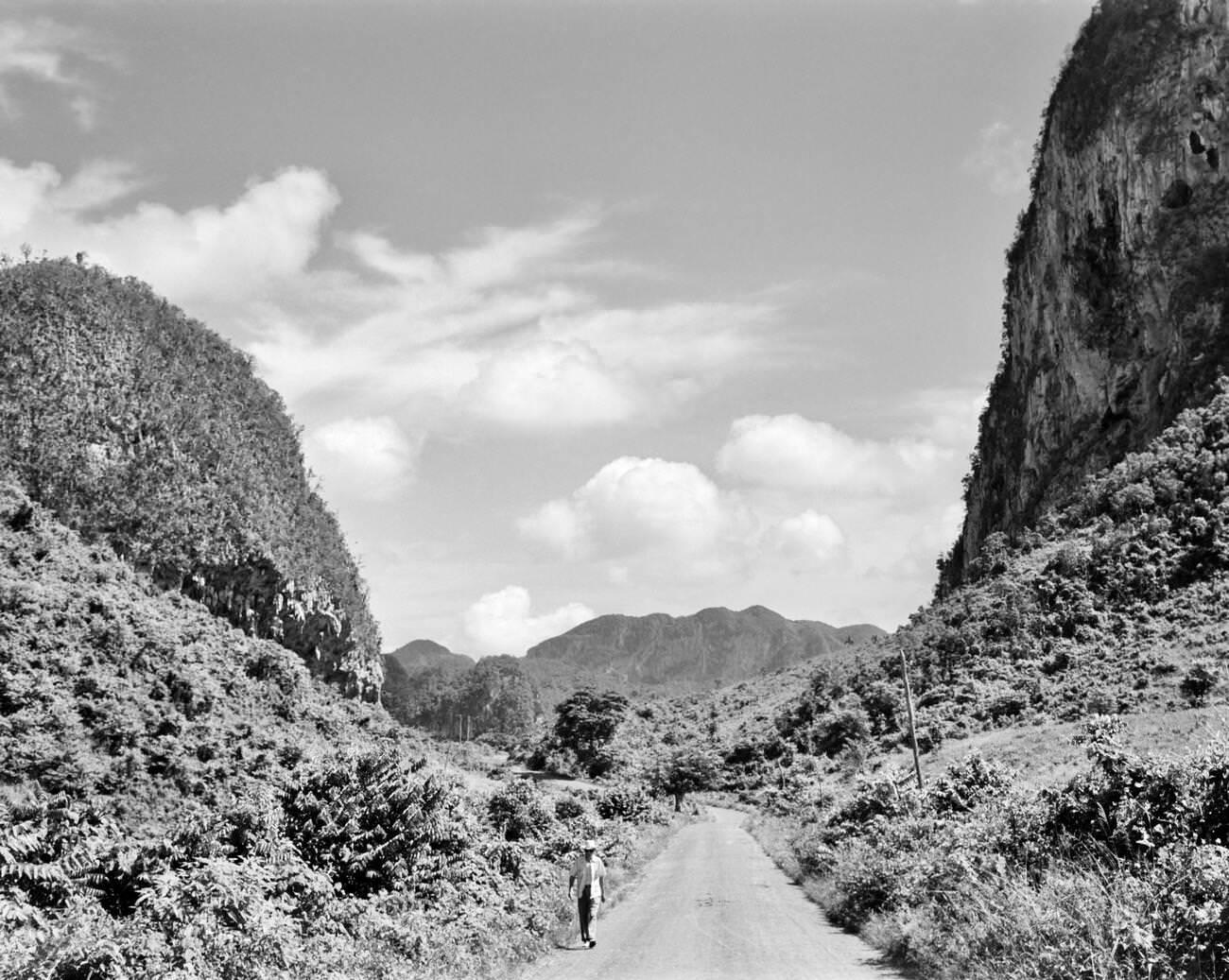
Pinar del Río, in Cuba’s westernmost province, was the heart of the country’s tobacco industry. Its rural roads wound through valleys of red soil and towering palm trees, with small farms producing some of the world’s most prized tobacco leaves.
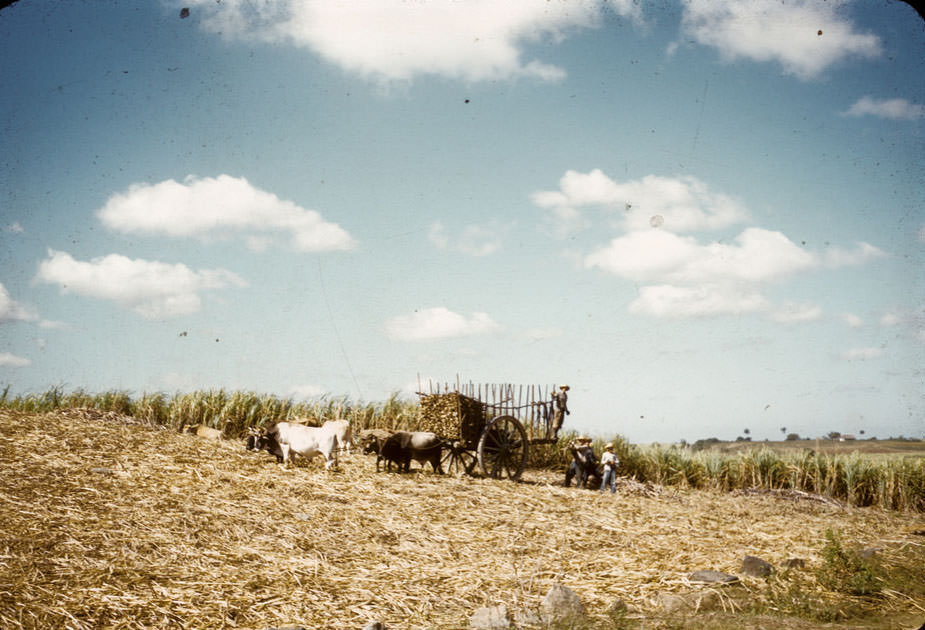
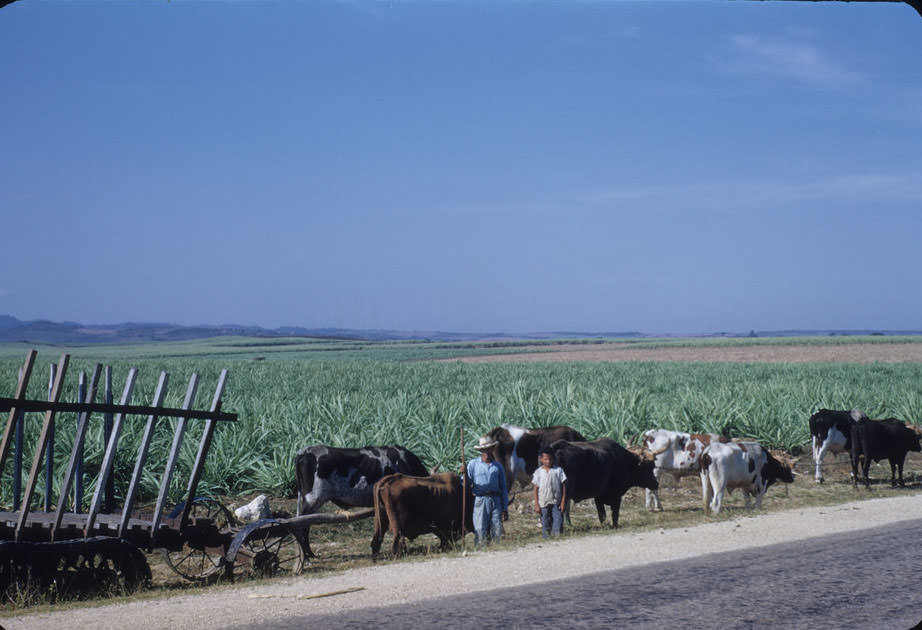
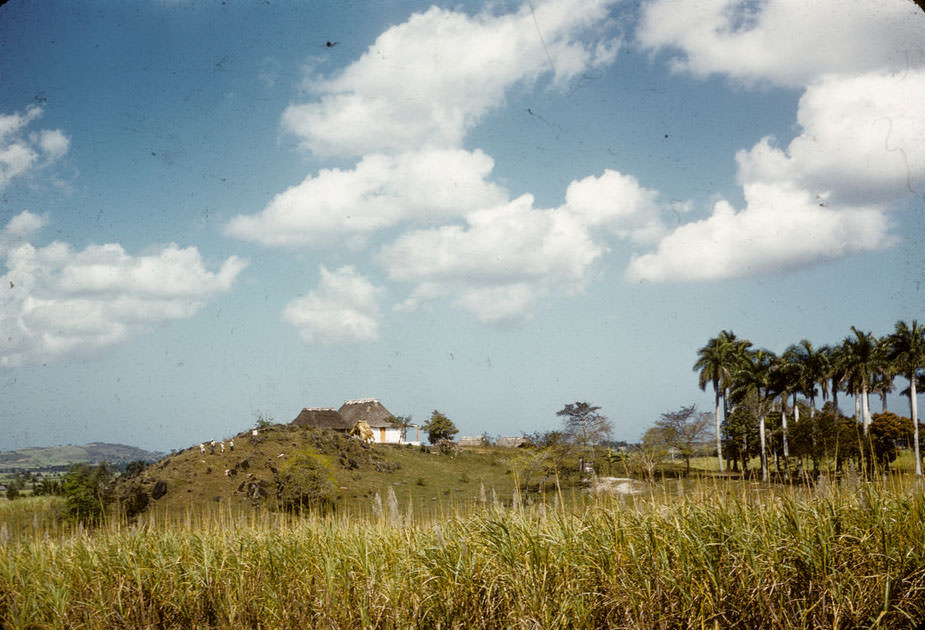
Sugarcane was the backbone of Cuba’s economy. Across the island’s interior, fields stretched to the horizon, and harvesting the cane was backbreaking, seasonal work. Oxen, wagons, and rail lines all played a role in moving the cut cane from field to processing plant.
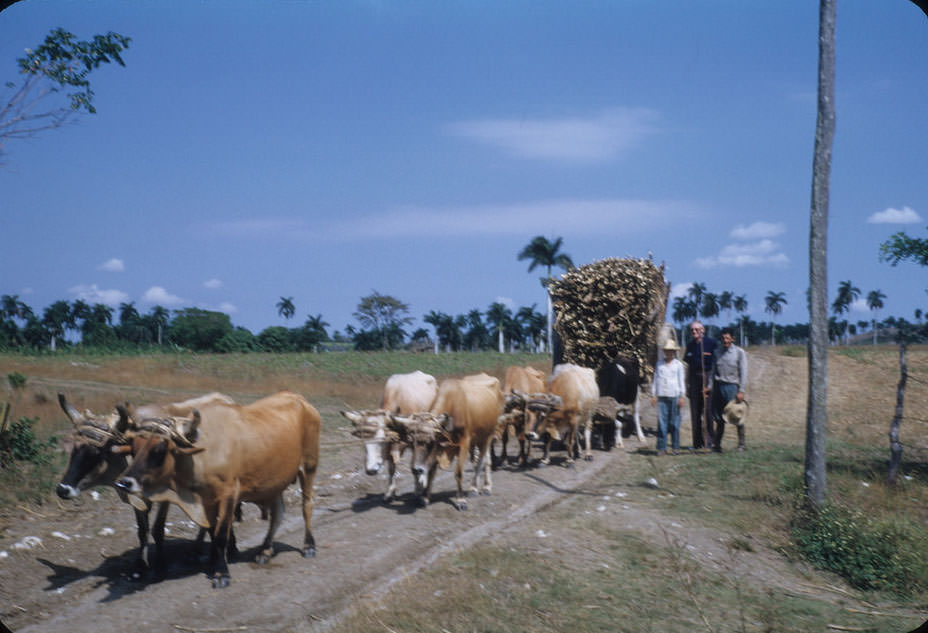
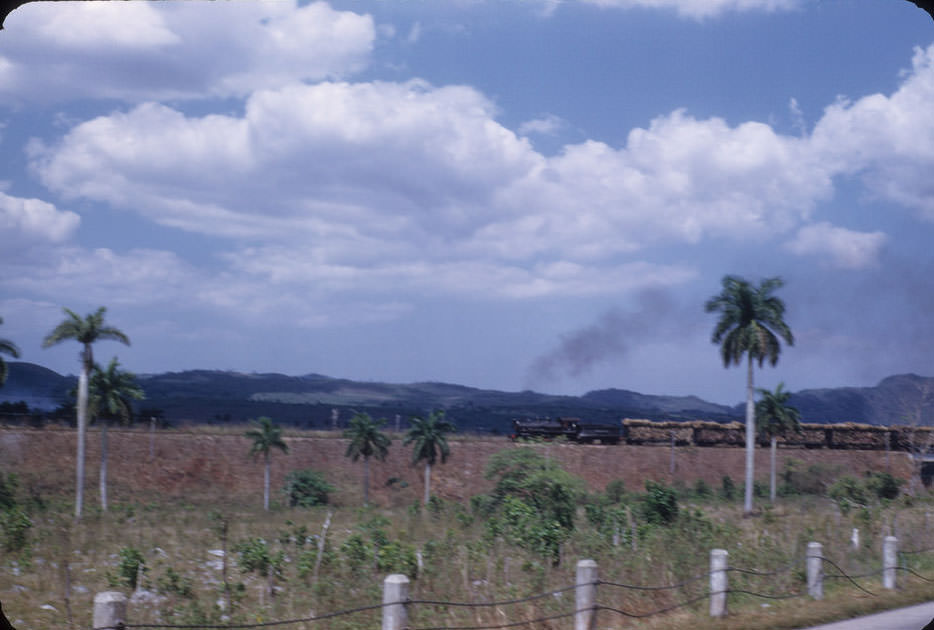
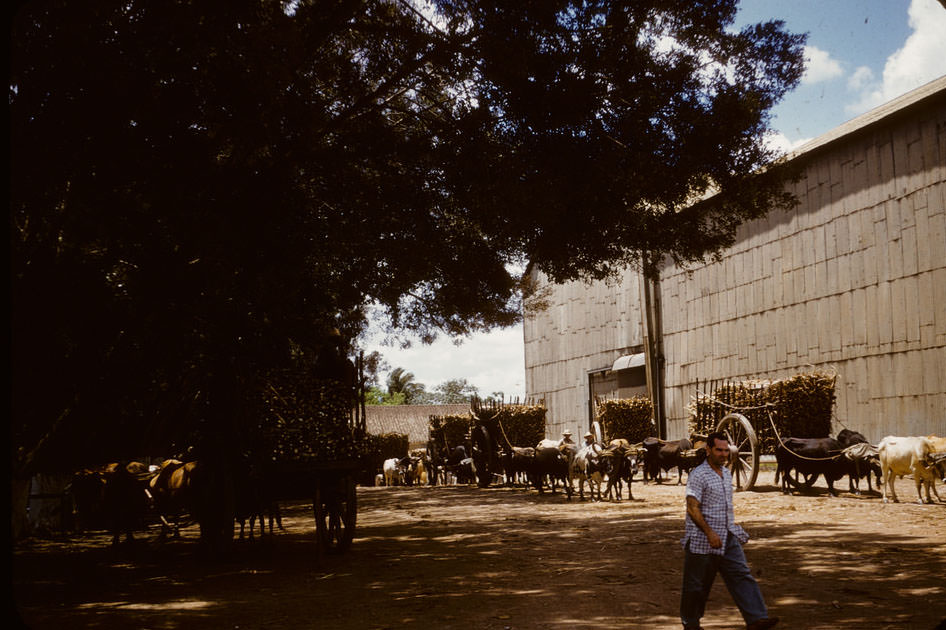
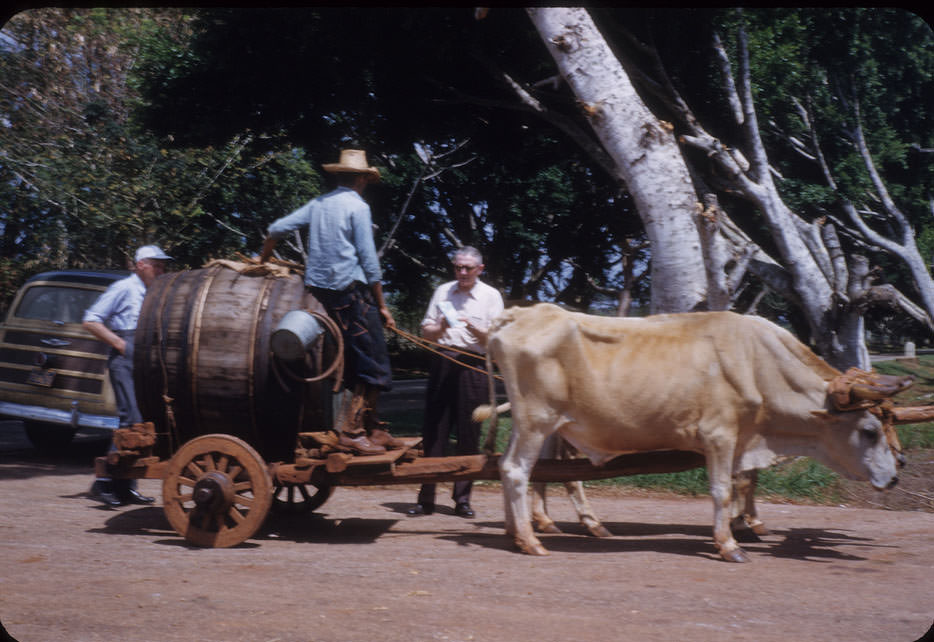
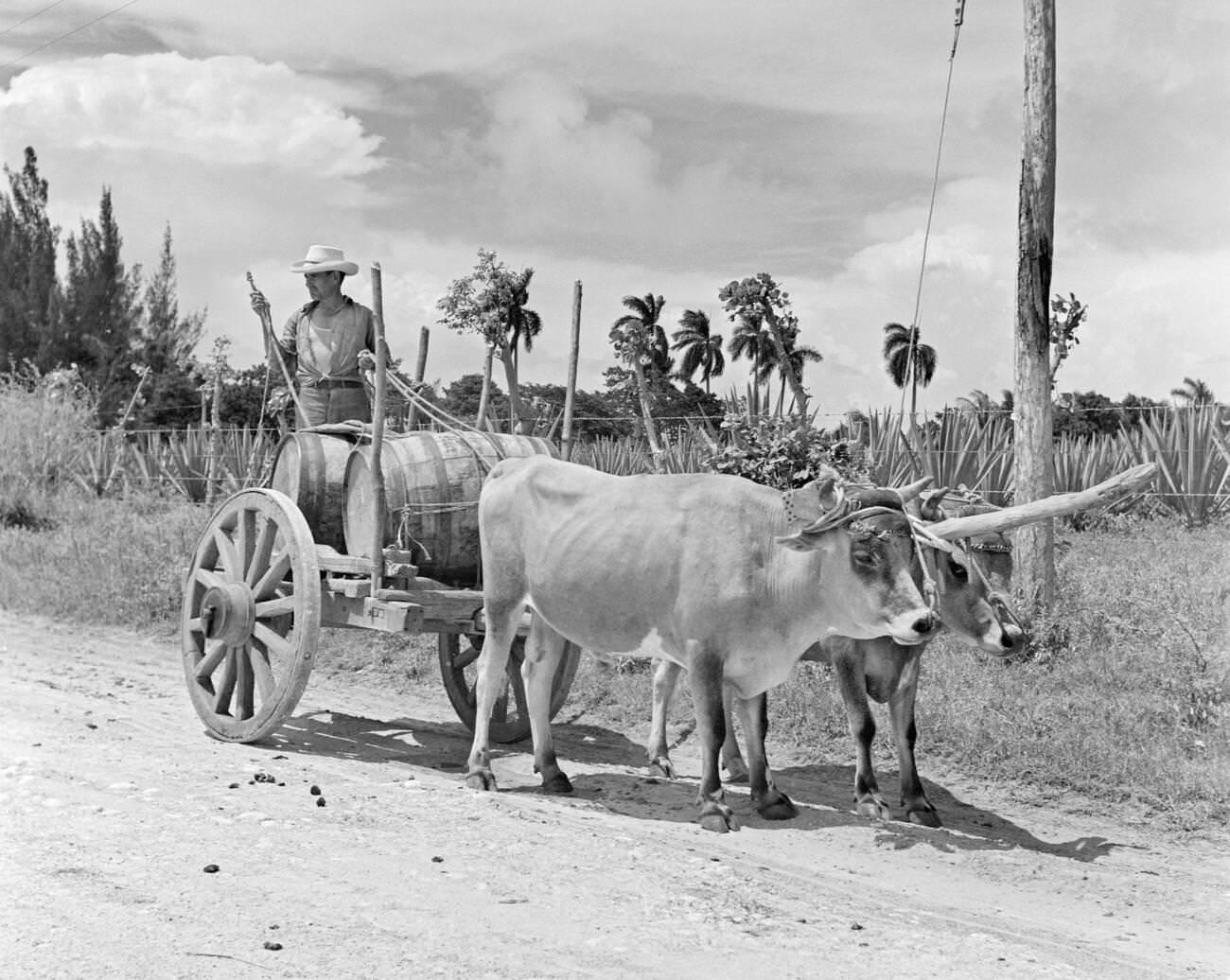
Oxen were used across the Cuban countryside for far more than hauling cane. They pulled barrels, cleared fields, and transported goods that trucks and tractors hadn’t yet replaced in the more remote areas of the island.
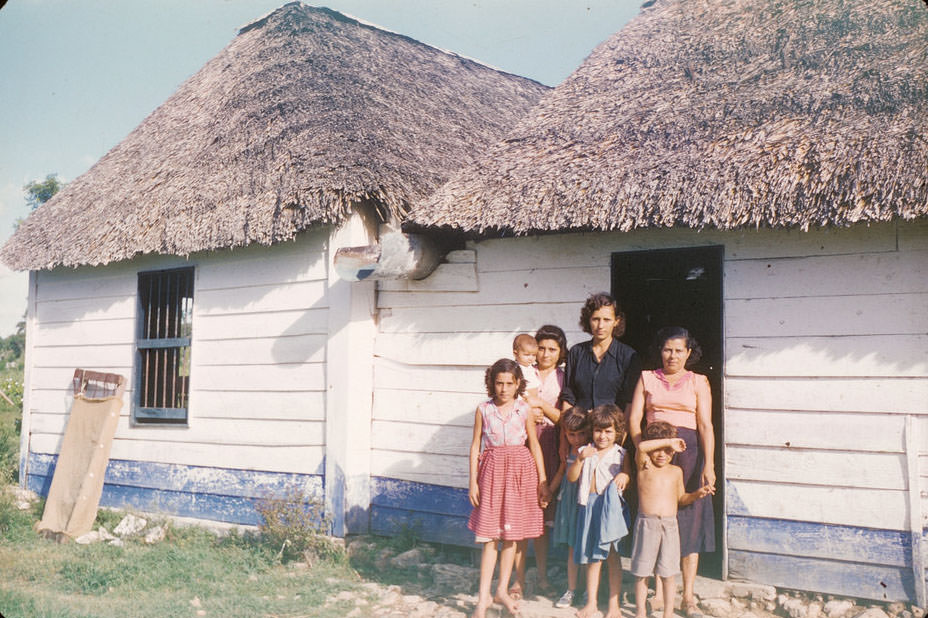
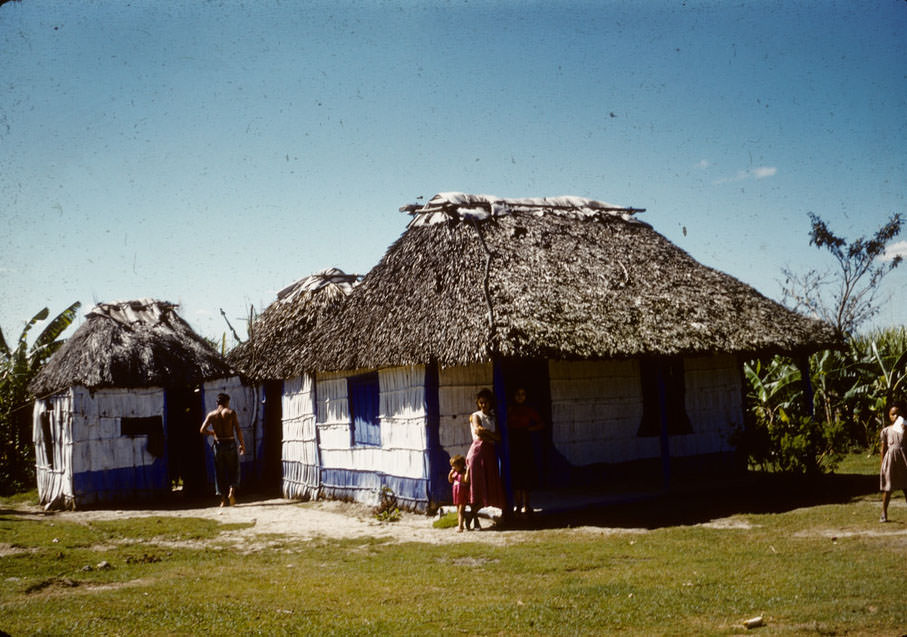
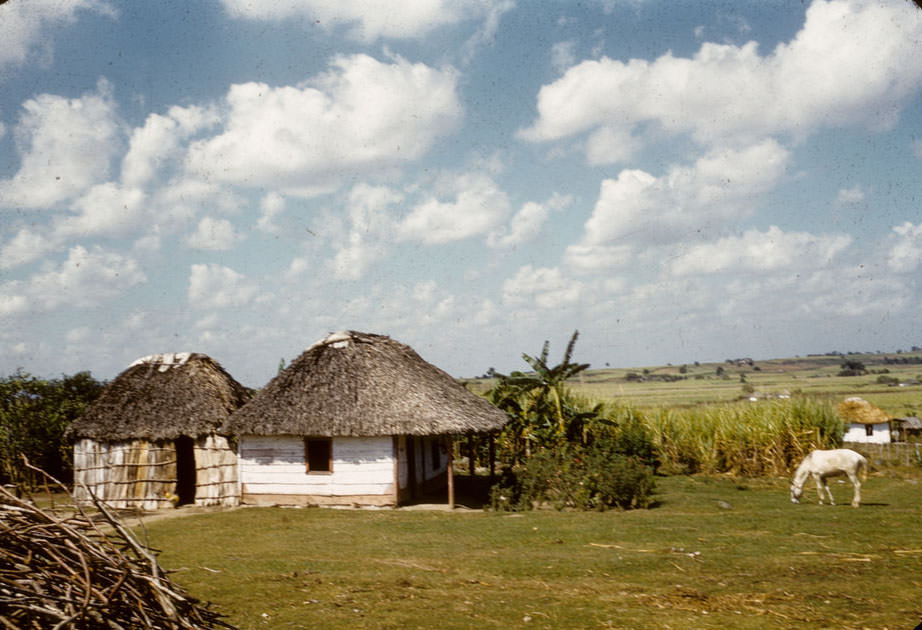
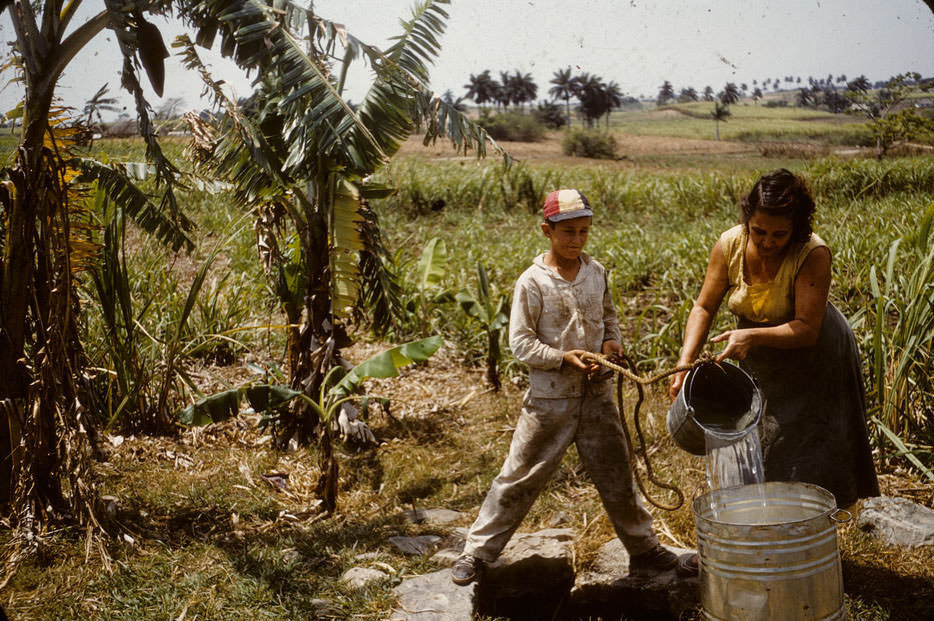
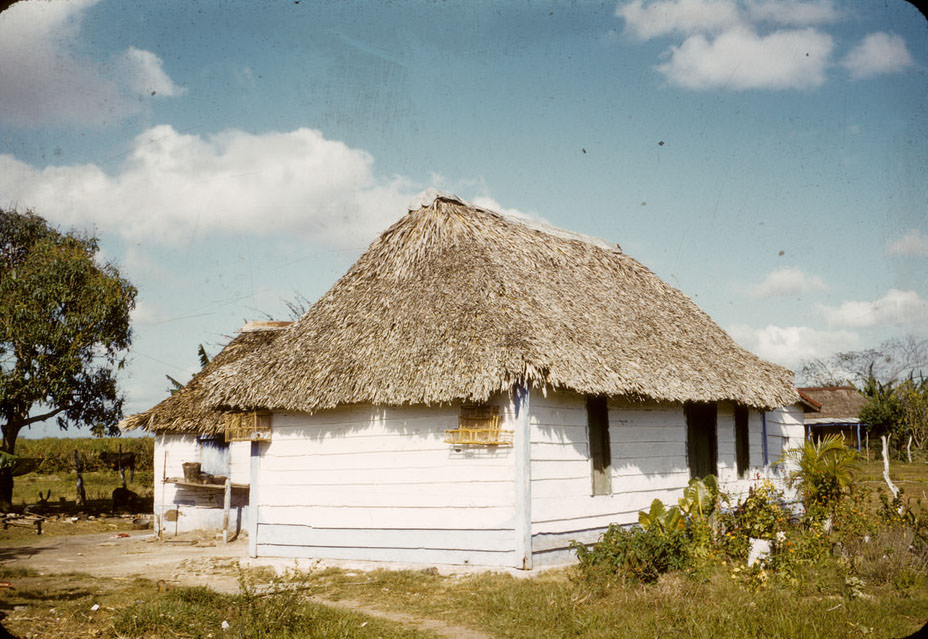
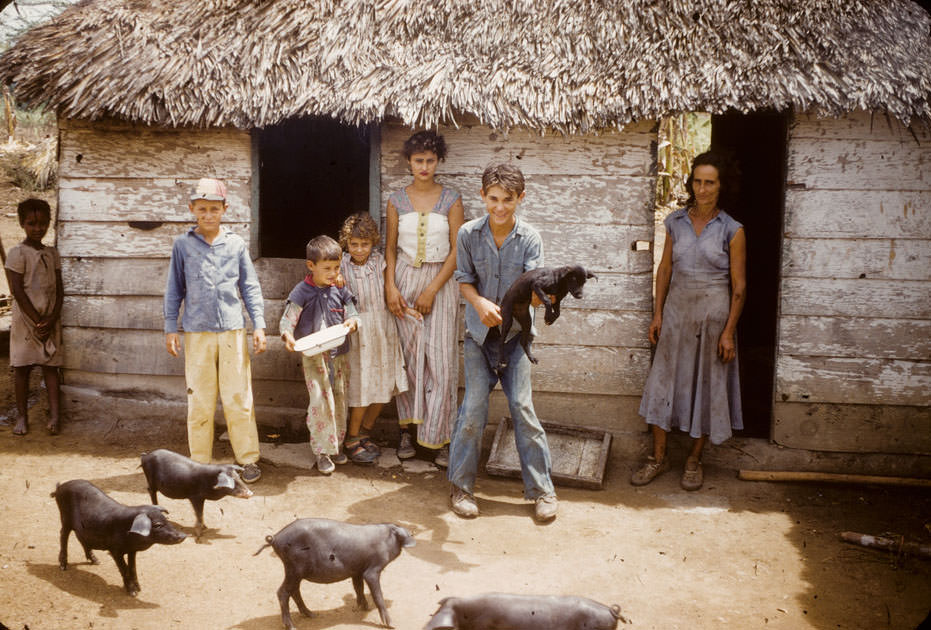
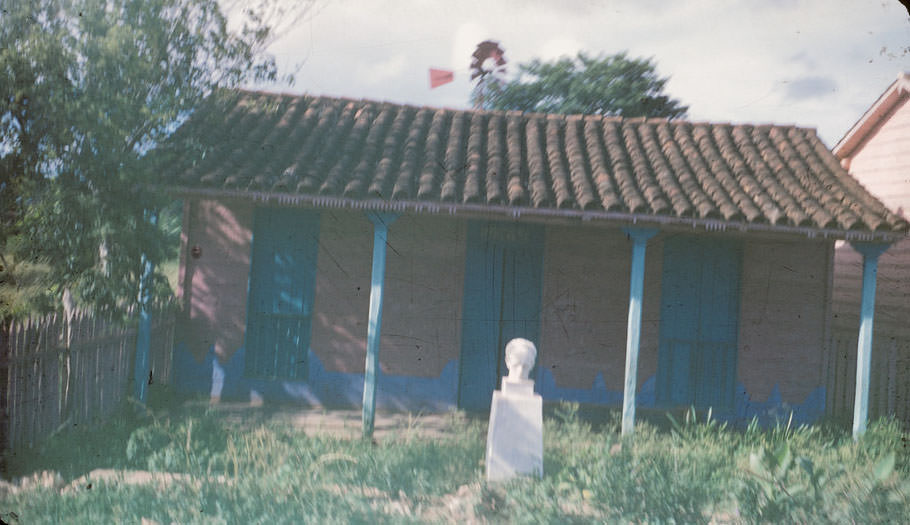
Rural housing in 1950s Cuba ranged from modest painted homes to simple thatched-roof casitas. Many families in the countryside lived without running water, drawing from wells to meet their daily needs. These small communities were tight-knit, and daily life revolved around the land and the people nearby.
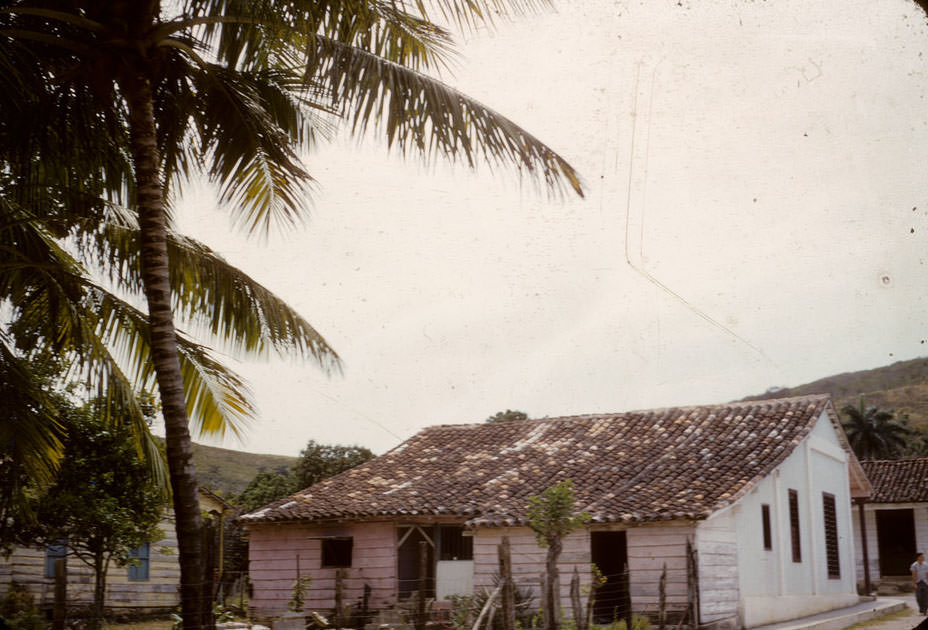
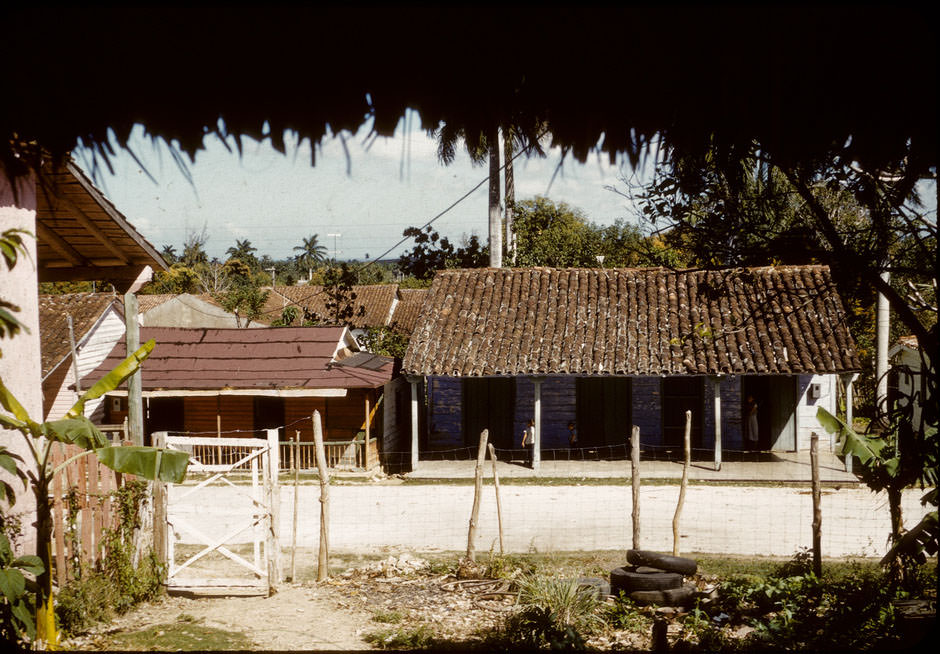
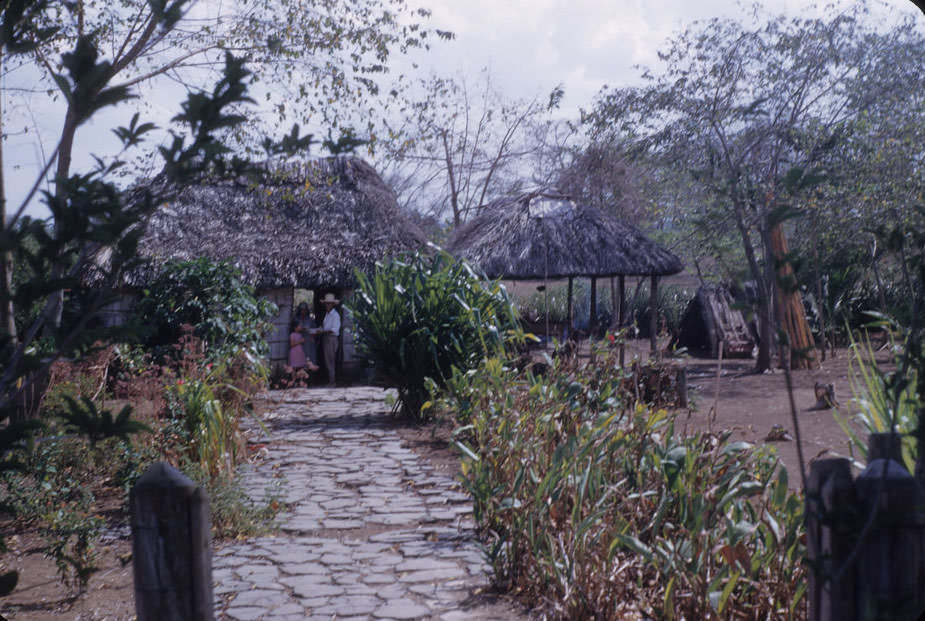
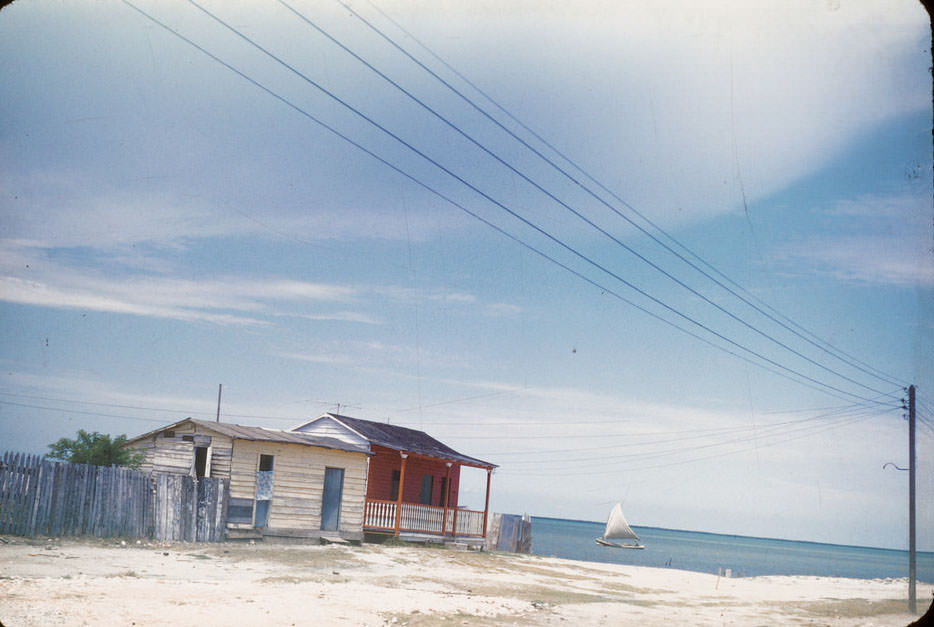
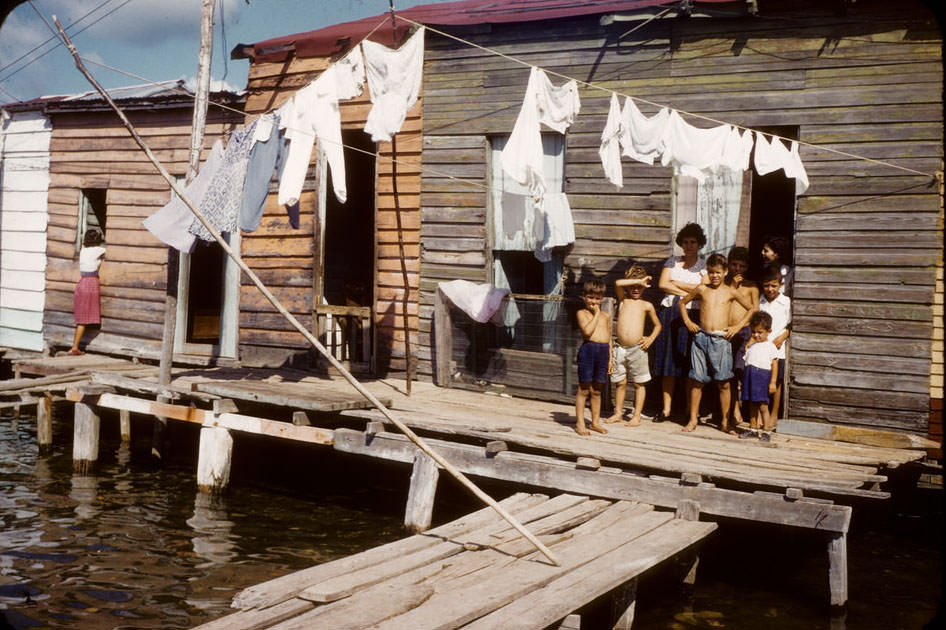
Some Cuban families lived in homes built directly over or beside the water, especially in coastal and river communities. Laundry hung from windows and children played on wooden planks above the surf, making use of every available space.
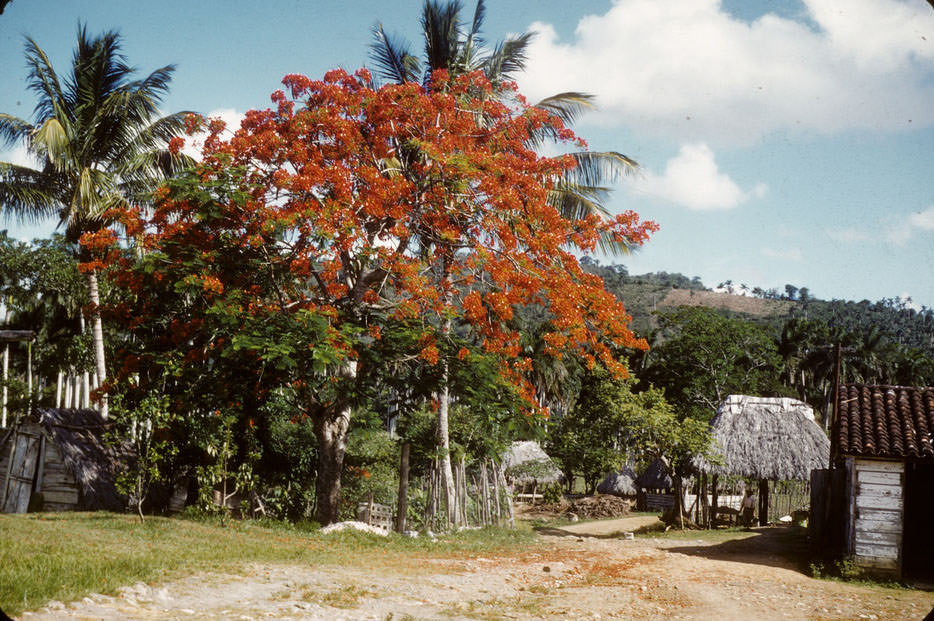
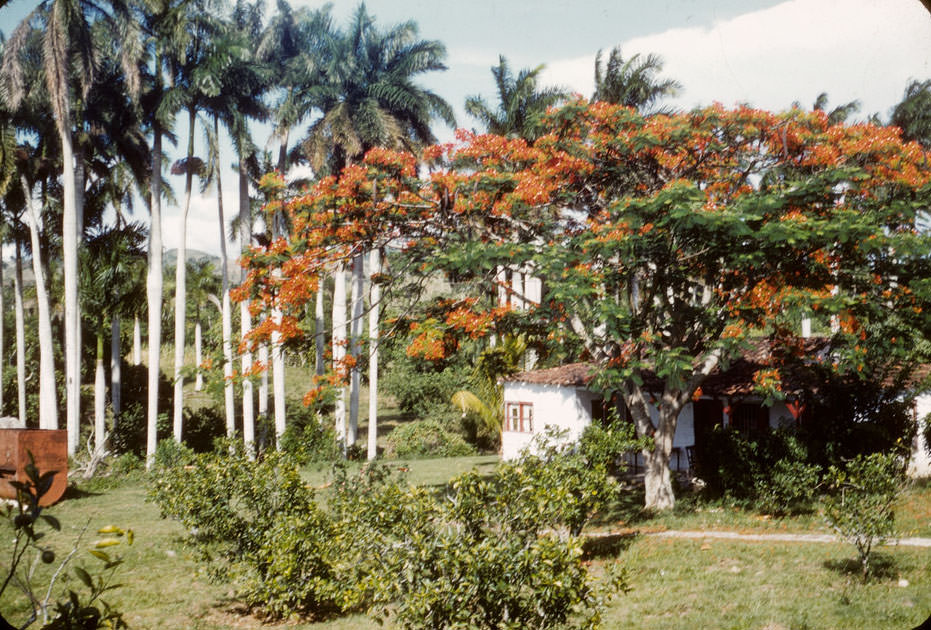
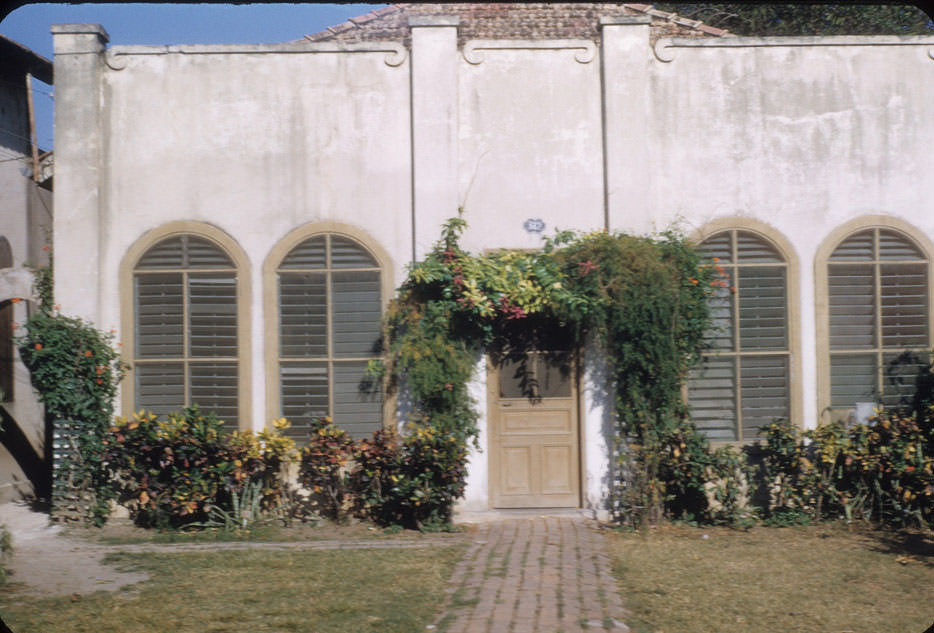
Cuba’s landscape was as varied as its people. Palm groves, flamboyán trees blazing with orange-red flowers, and vast stretches of open countryside defined the island’s interior. The town of Mamey, deep in the rural heartland, sat surrounded by palms that had stood for generations.
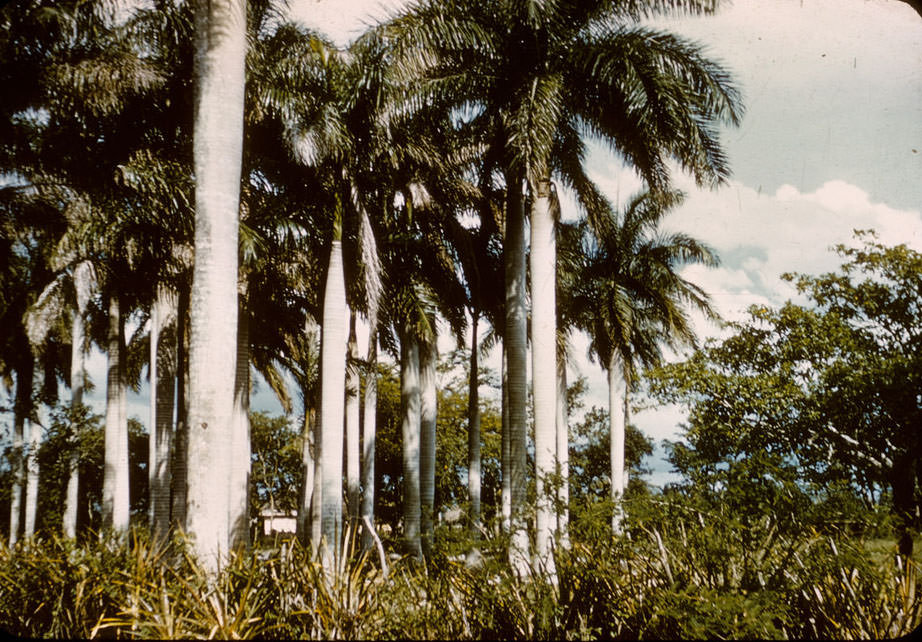
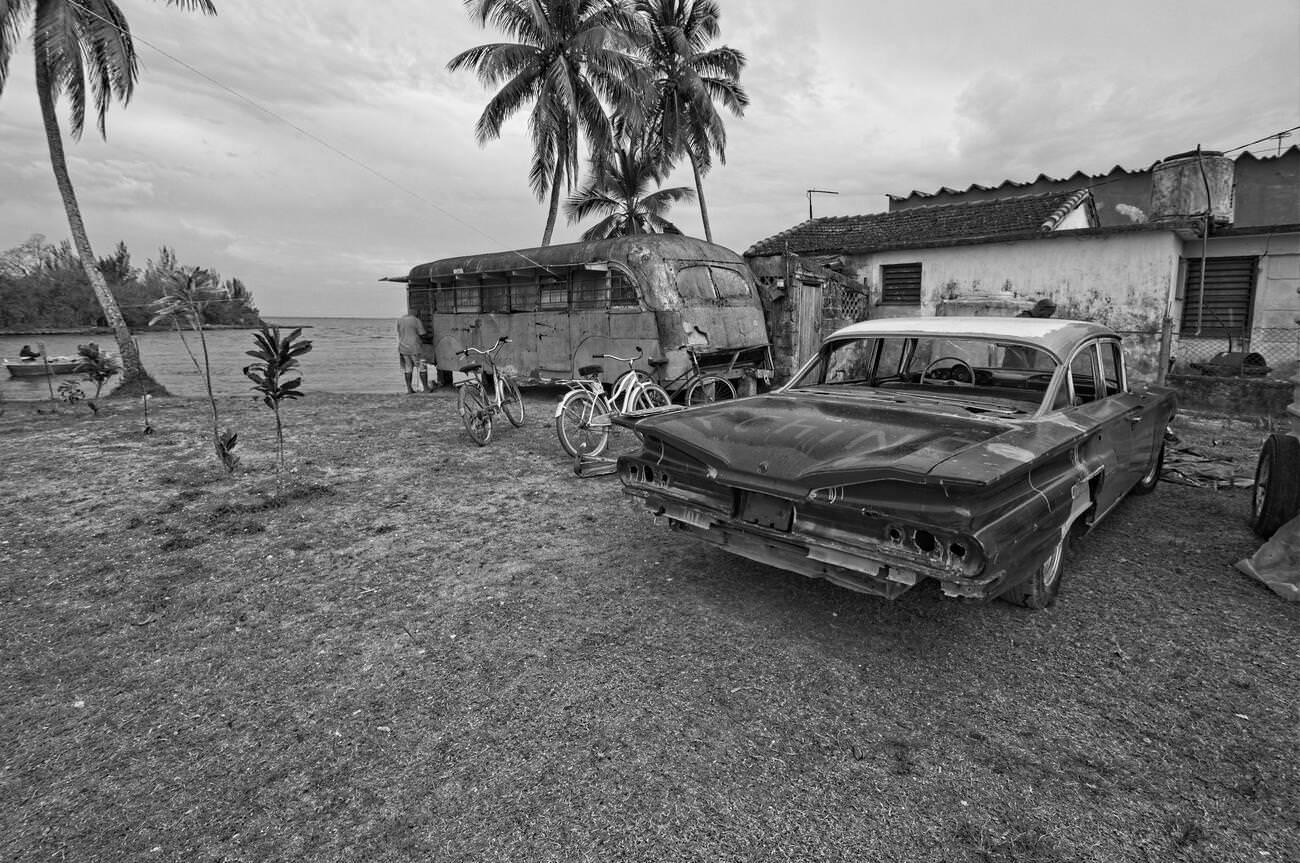
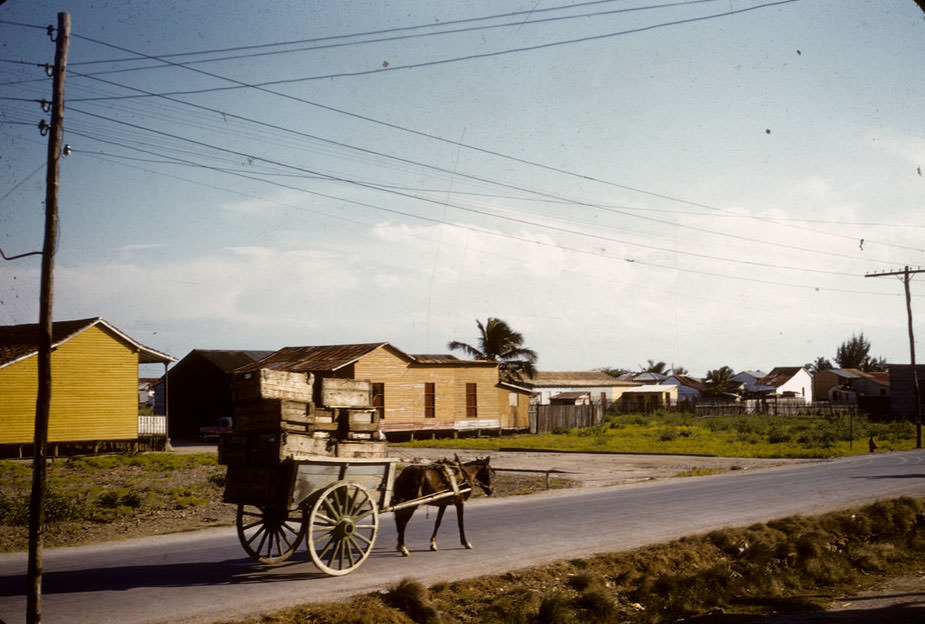
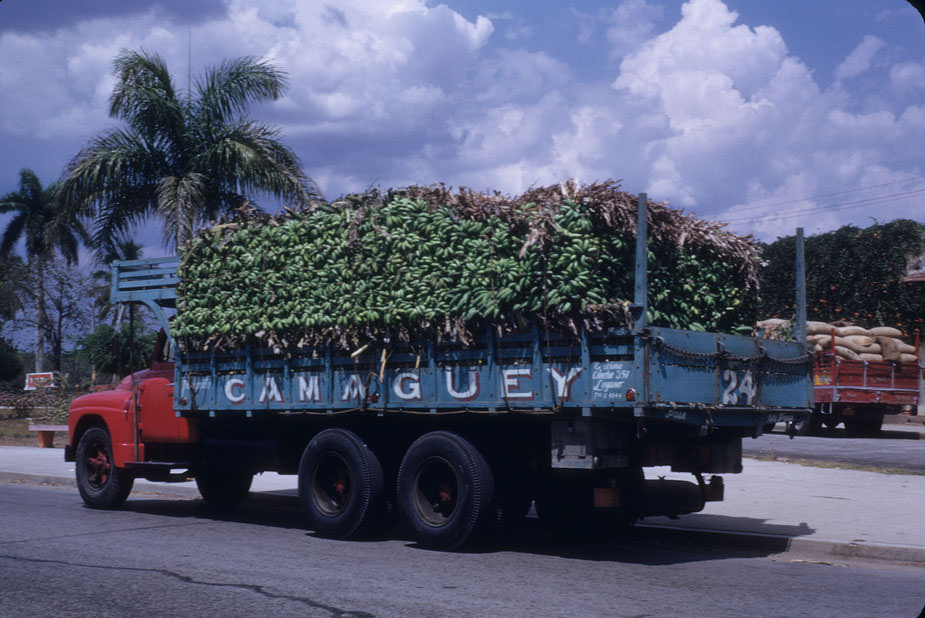
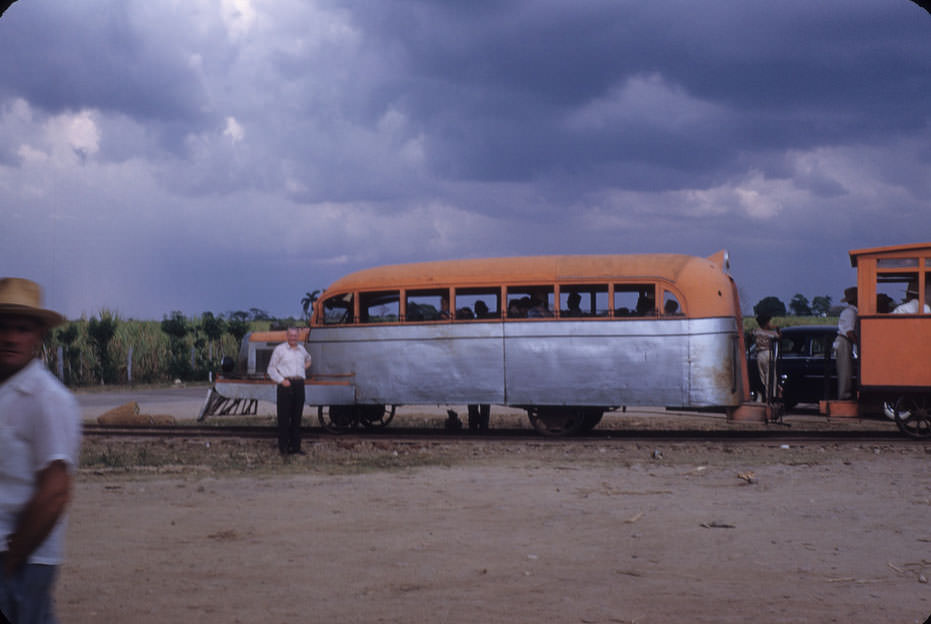
Transportation across the island mixed old and new. A bus converted to run on train tracks served routes where proper rail cars weren’t available, while horse-drawn carts still handled short-haul work in many towns.
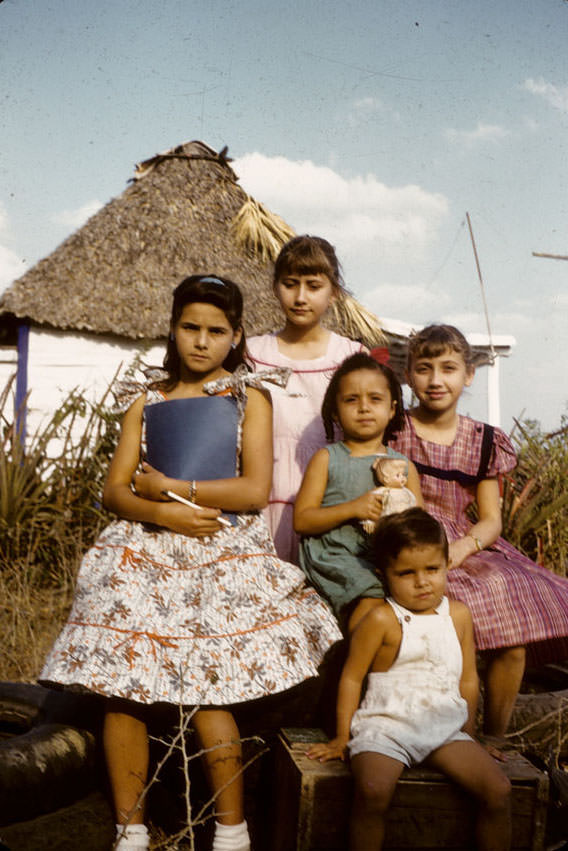
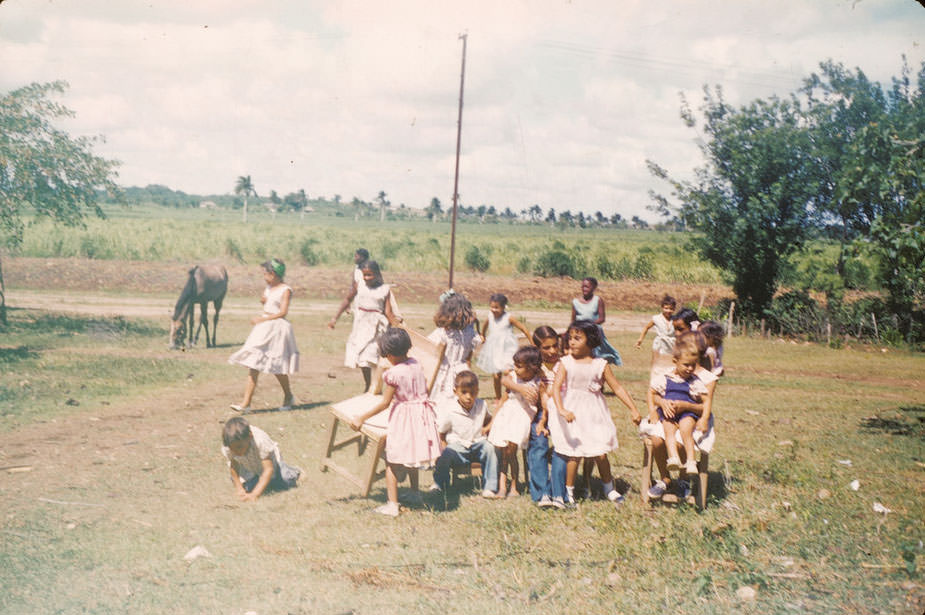
Children were a constant presence in the photographs taken across Cuba during this decade — gathered in fields, seated outside their homes, or standing in front of the schools they attended. Education was valued, though access and resources varied greatly between city and countryside.
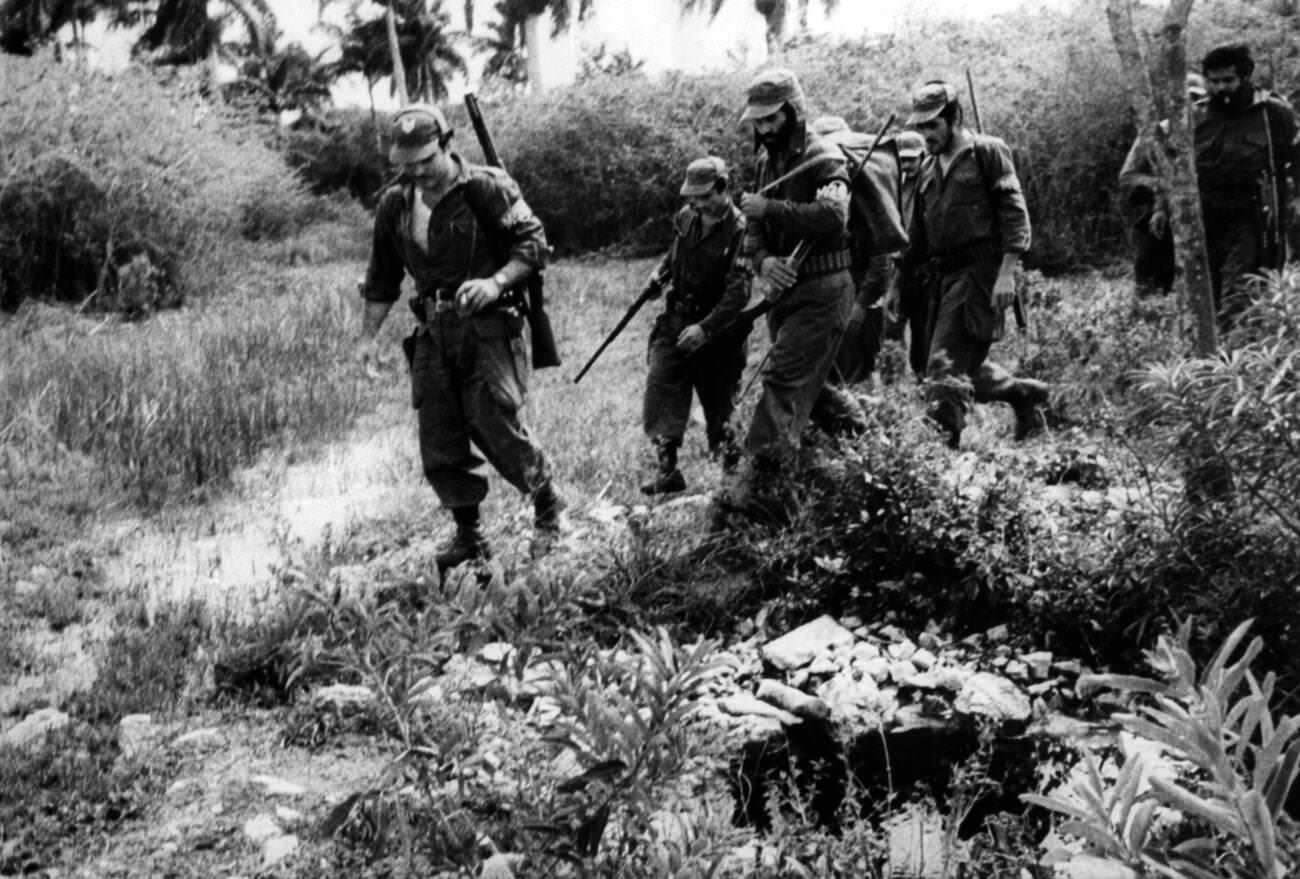
By 1958, political tension had turned into open conflict. Fidel Castro’s rebel forces were operating across central Cuba, gaining ground against the Batista government. The revolution that would reshape the island was no longer just an idea — it was already underway.





And it looks exactly the same today, incredible
Except the Spanish buildings are crumbling and there’s garbage all over the streets and nobody is dressed nicely. And there are no trees because they were used to cook.