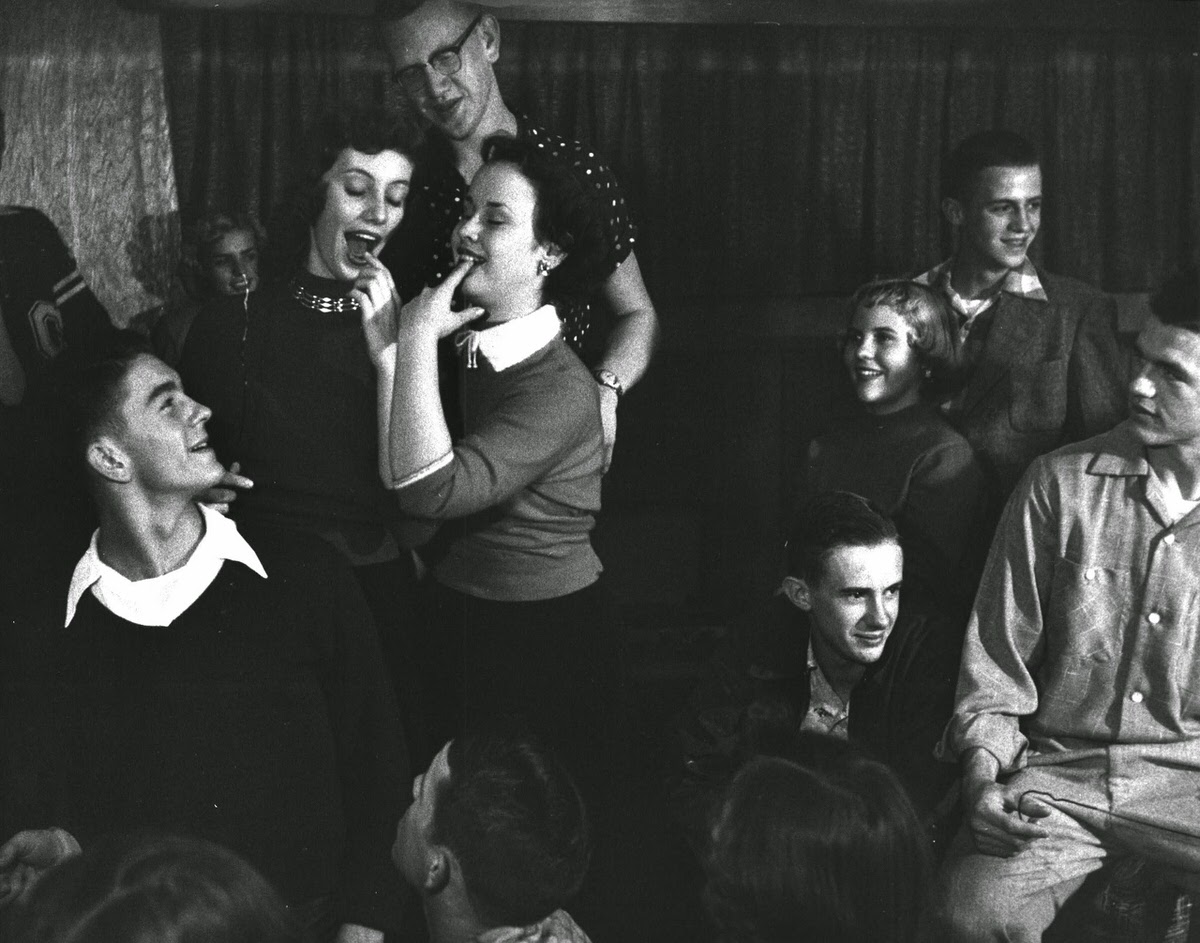
In June 1954, LIFE magazine gave American teenagers a bold label: “The Luckiest Generation.” The title was hard to argue with. These young people came of age during one of the strongest economic booms in U.S. history, and they had the spending money to prove it. Collectively, they poured billions of dollars each year into records, clothing, and entertainment. The concept of the “teenager” as a distinct group in society took firm root during this decade, and American businesses noticed fast.
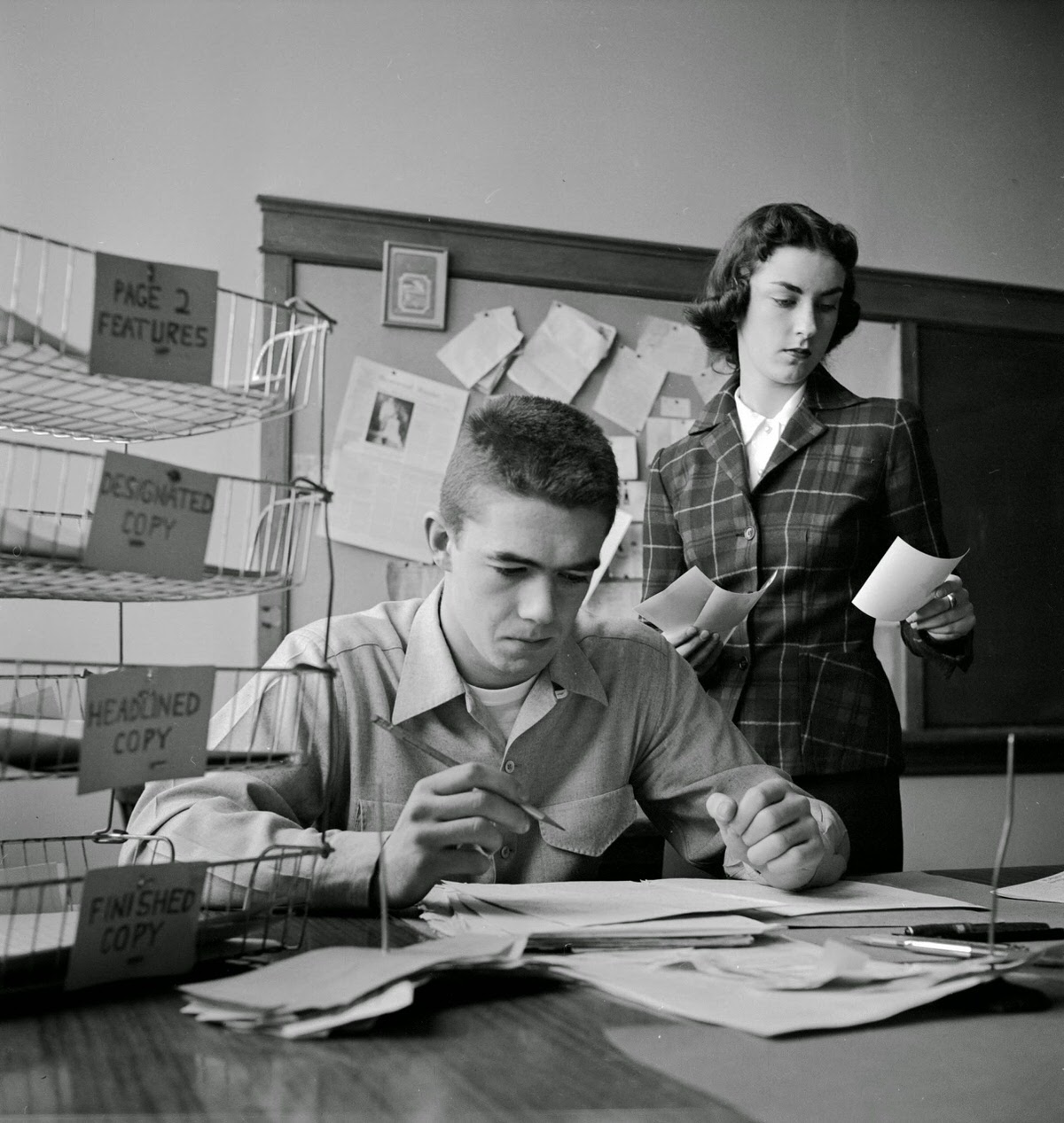
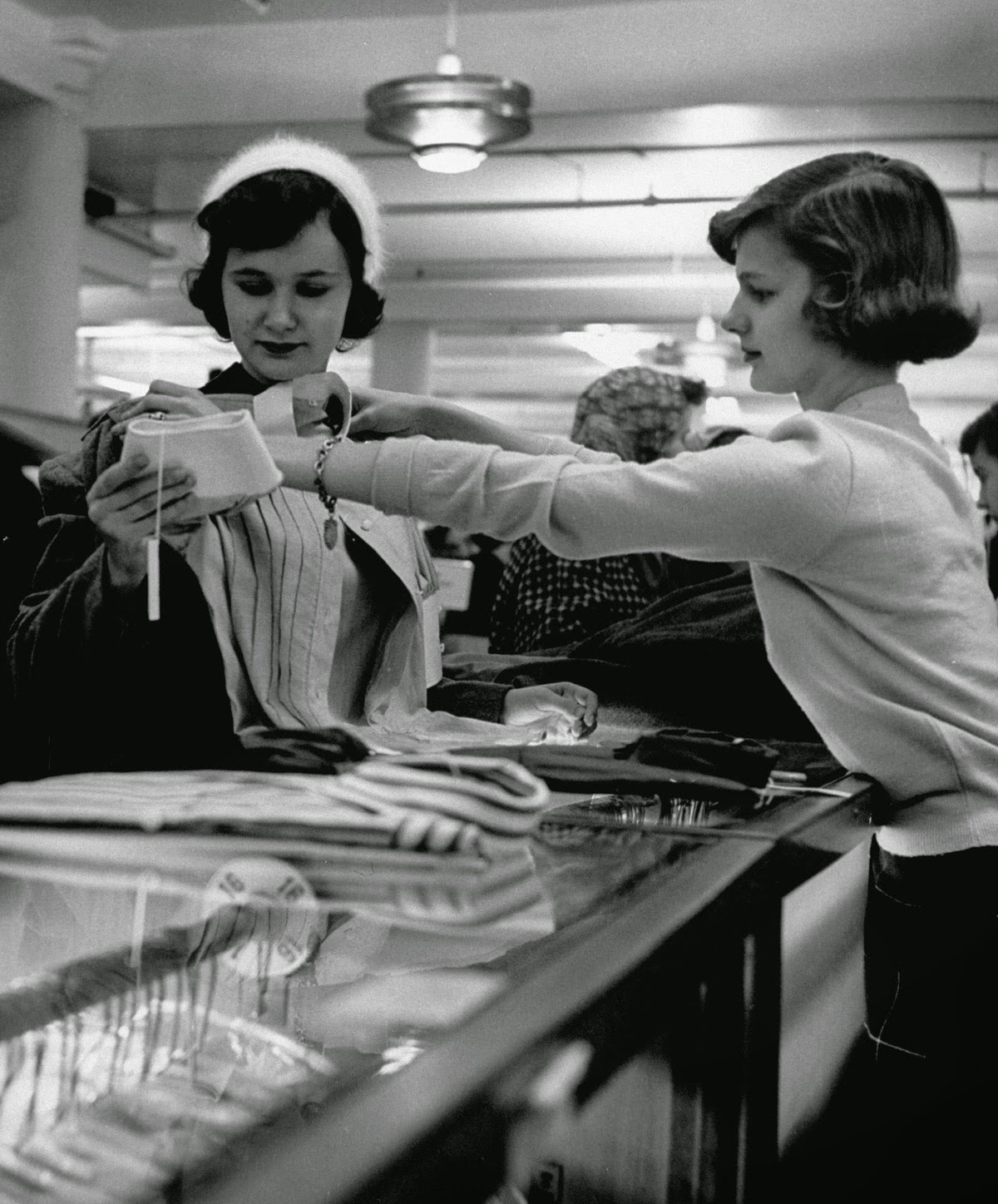
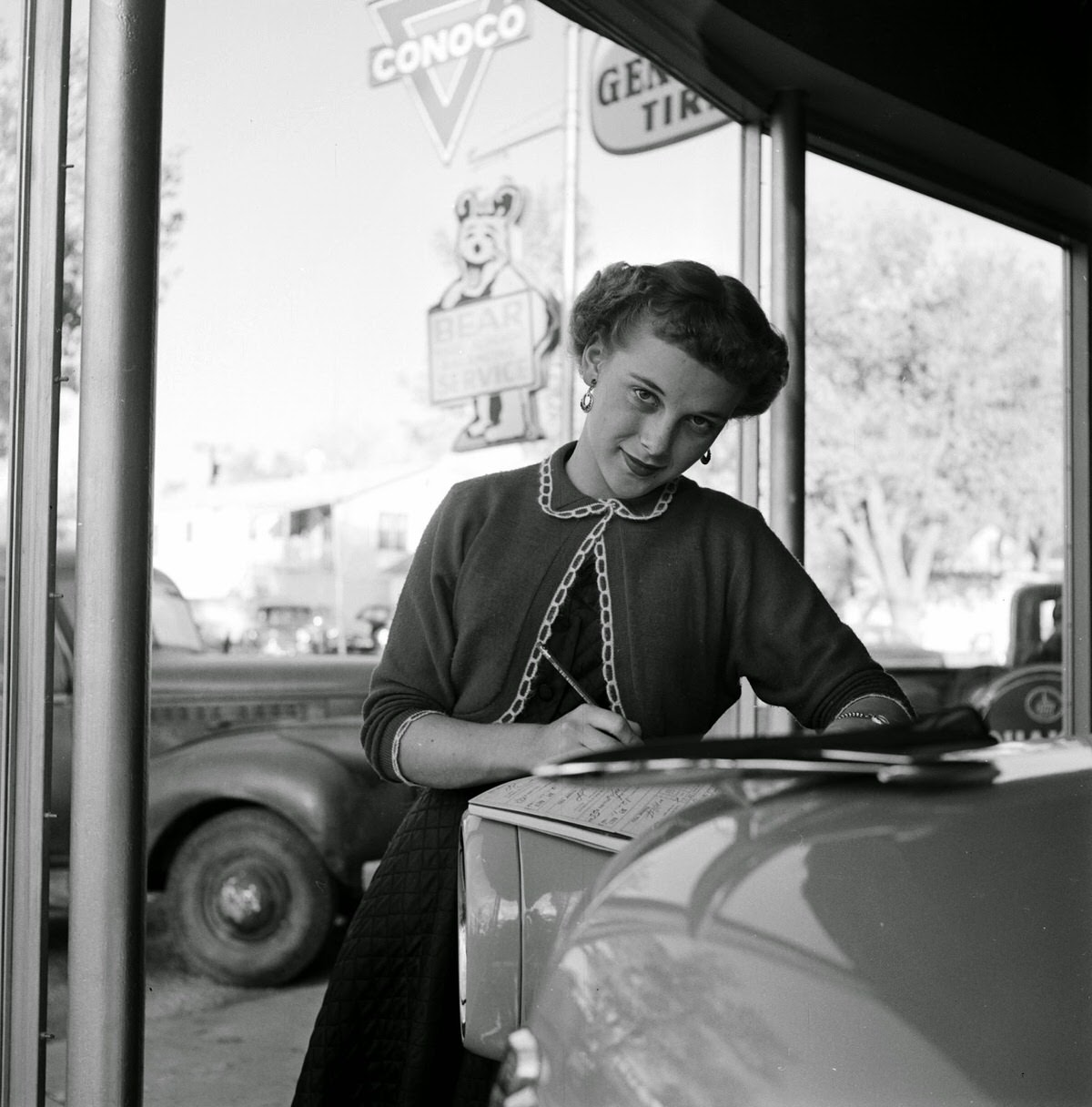
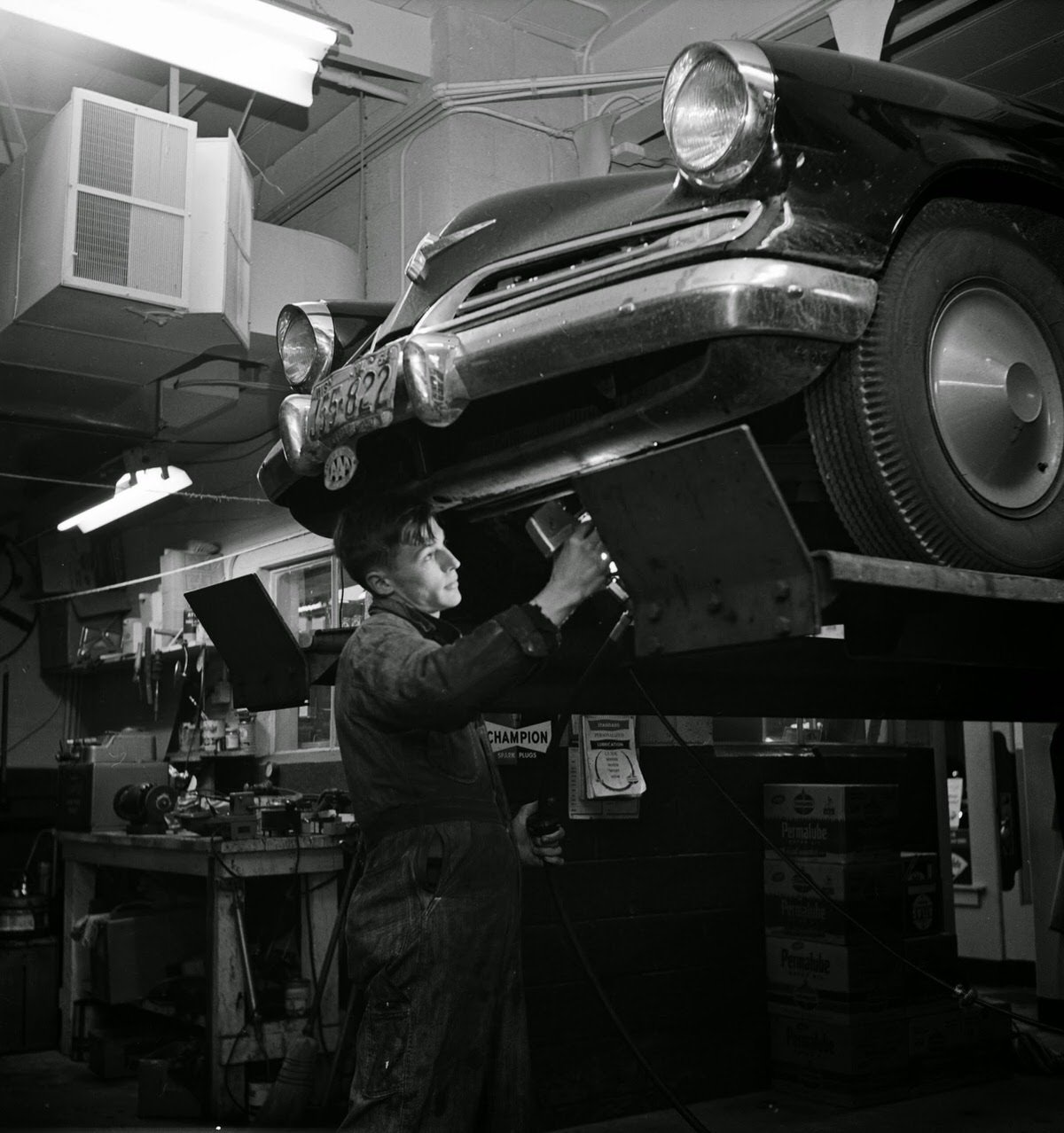
Most high school students held part-time jobs to fund their social lives. At gas stations, grocery stores, and local businesses across the country, teenagers earned their own wages and spent them freely. Some took on more specialized work. Jack Harris worked as a part-time electrician, while Rada Alexander kept books at an auto firm.
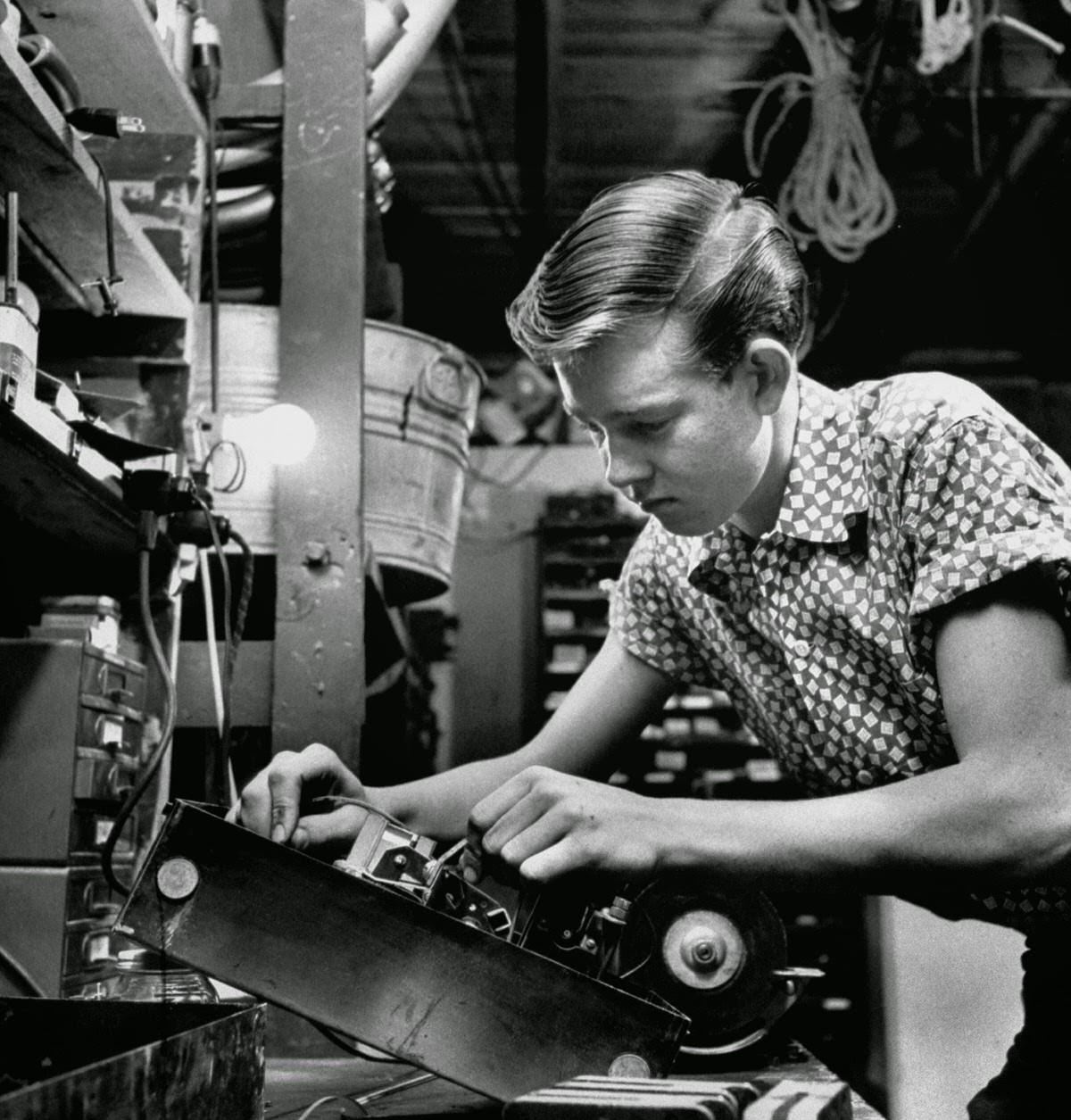
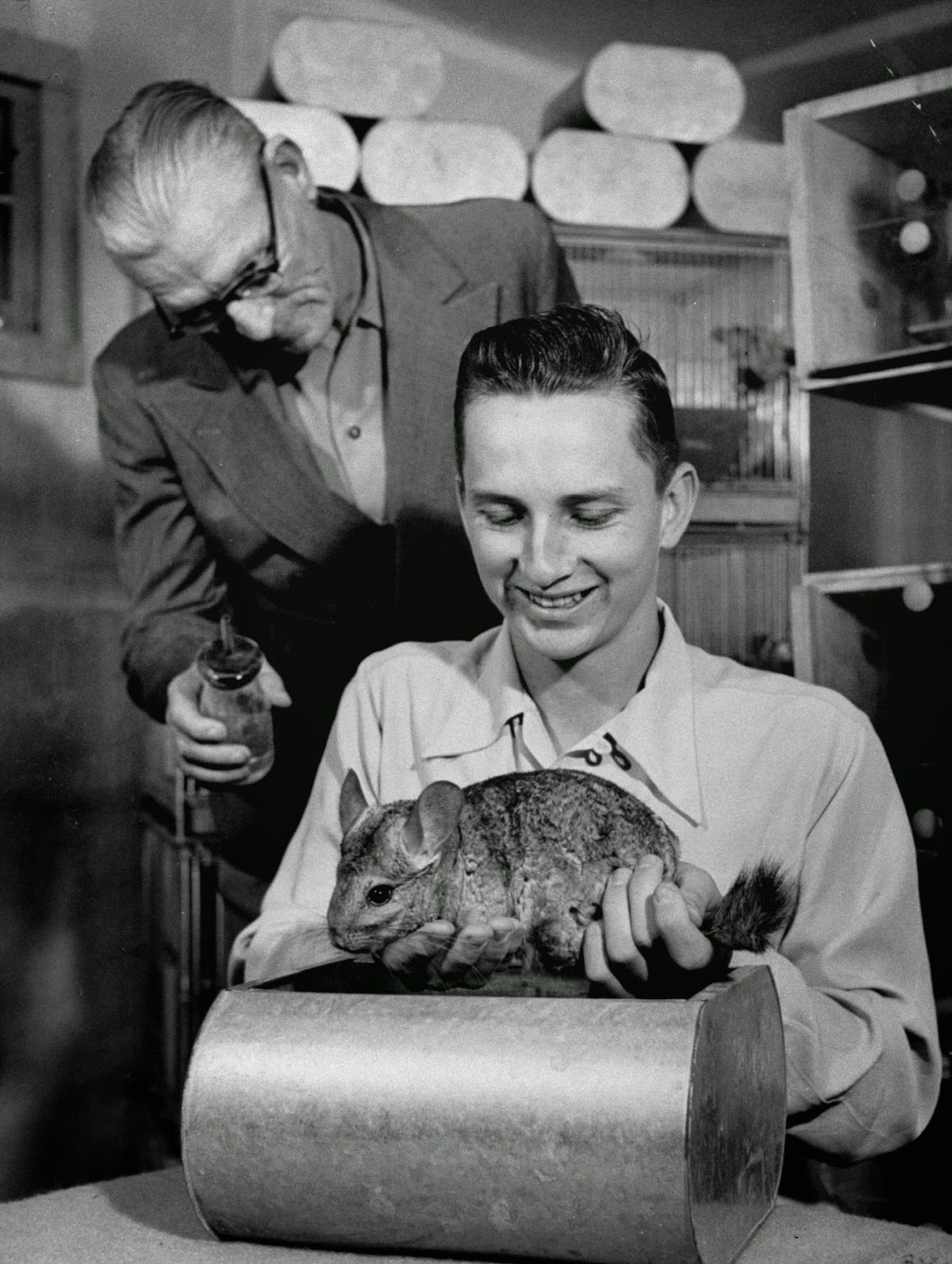
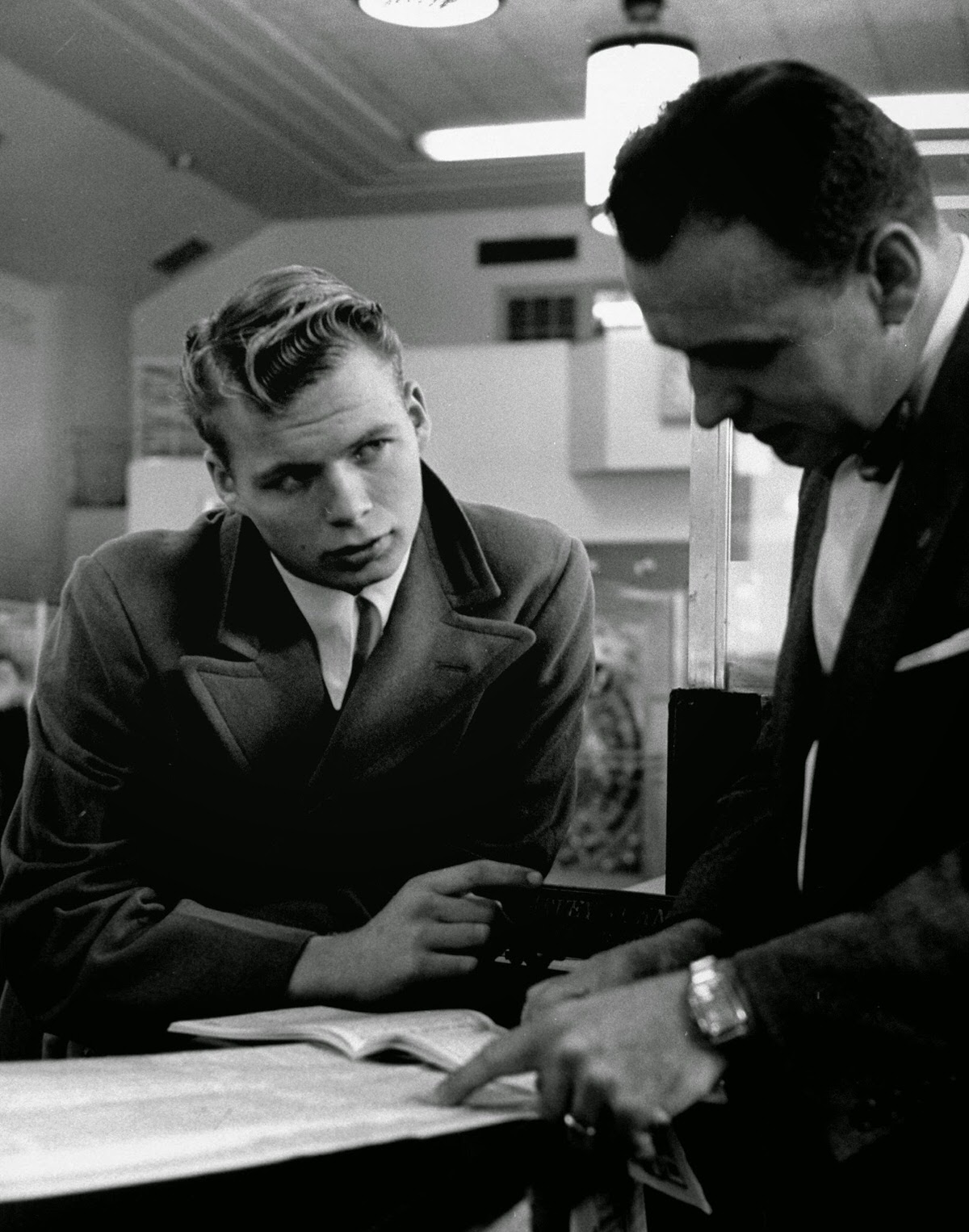
Others turned their interests into small enterprises entirely. Jere Reid Jr. ran a chinchilla breeding business, and David Lenske was already discussing his AT&T shares with a banker. These weren’t rare exceptions — LIFE highlighted them as representative of a generation with real financial ambition.
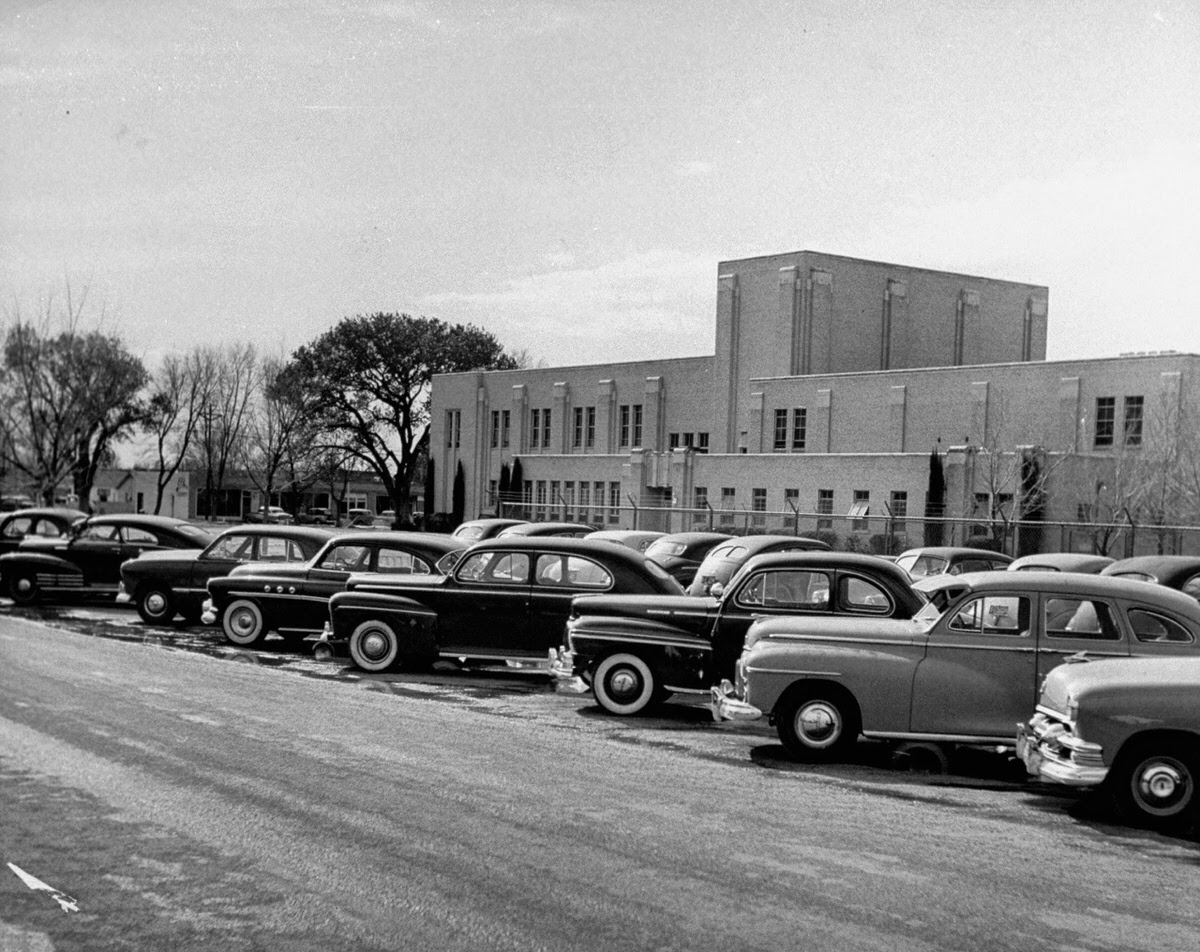
Cars were central to teenage life, especially for young men. Access to a vehicle was a top status symbol. Weekends were often spent repairing and customizing older cars, improving both speed and looks. High school parking lots doubled as showgrounds. Friday night football games and school dances rounded out the social calendar.
Sock hops were a staple of 1950s teen culture. Held in school gyms, they gave students a weekly chance to dance to the rock and roll they heard on American Bandstand and the transistor radio — two technologies that handed teenagers control over their own entertainment for the first time.
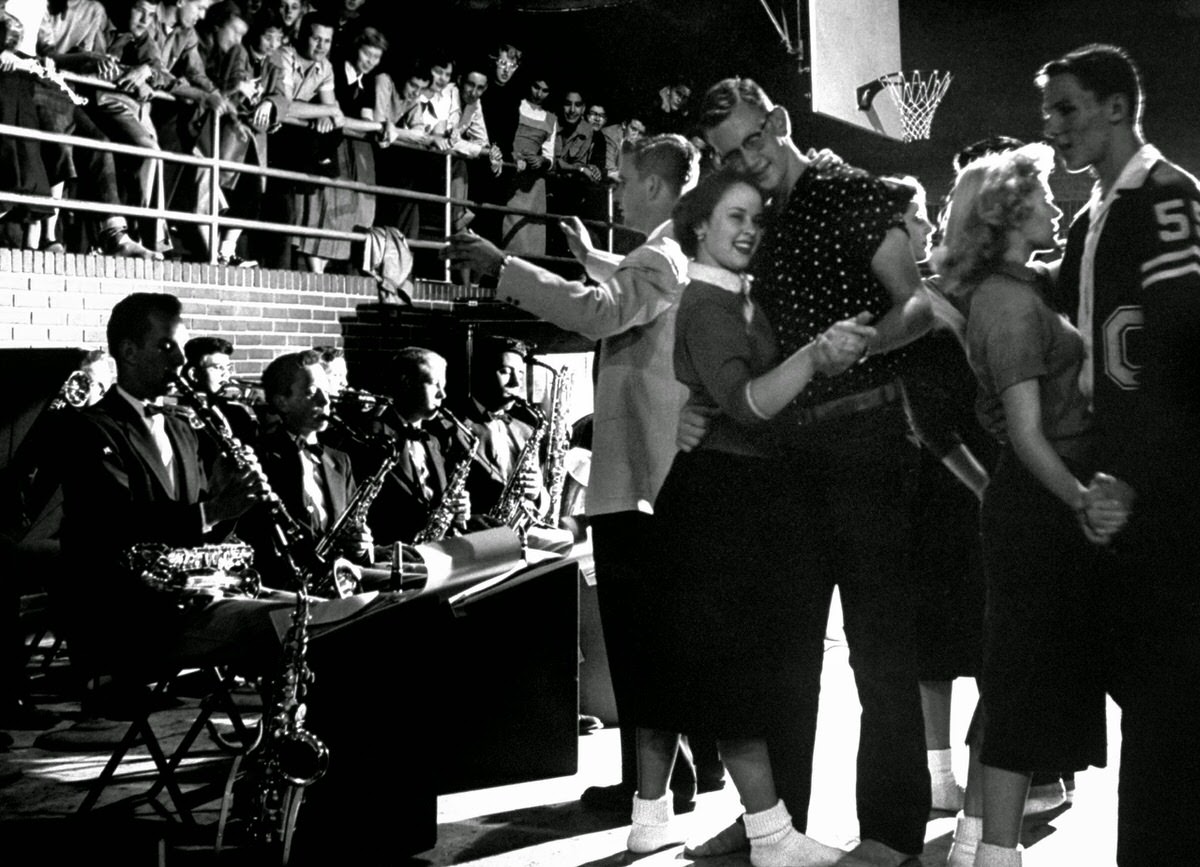
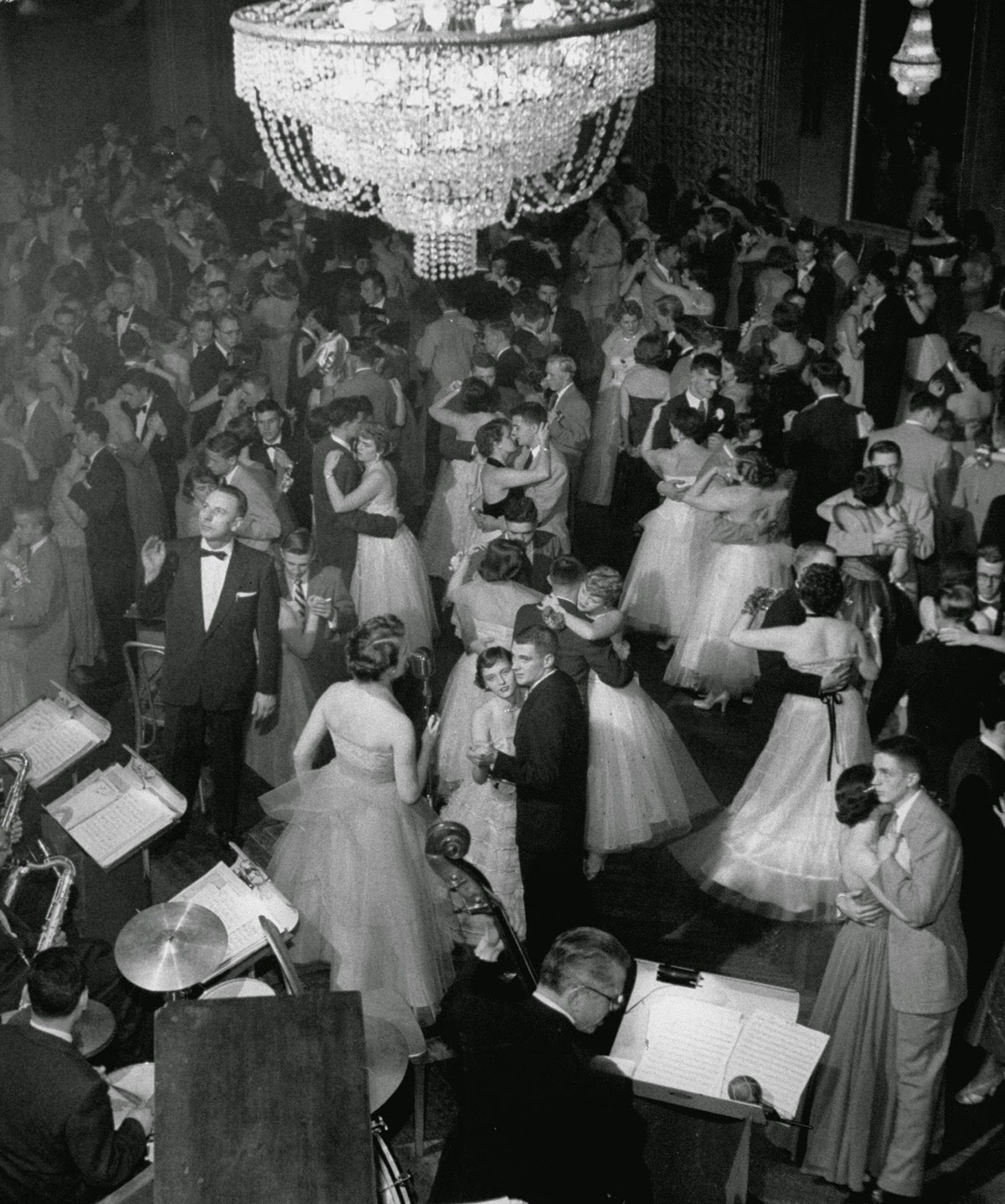
Fashion followed strict codes. Girls wore poodle skirts, cardigans, saddle shoes, and white bobby socks folded at the ankle. Boys styled their hair into ducktails with heavy product and paired leather jackets with jeans or dressed in button-down shirts with slacks. These choices weren’t random — they signaled belonging to a group that was deliberately separate from the adult world.
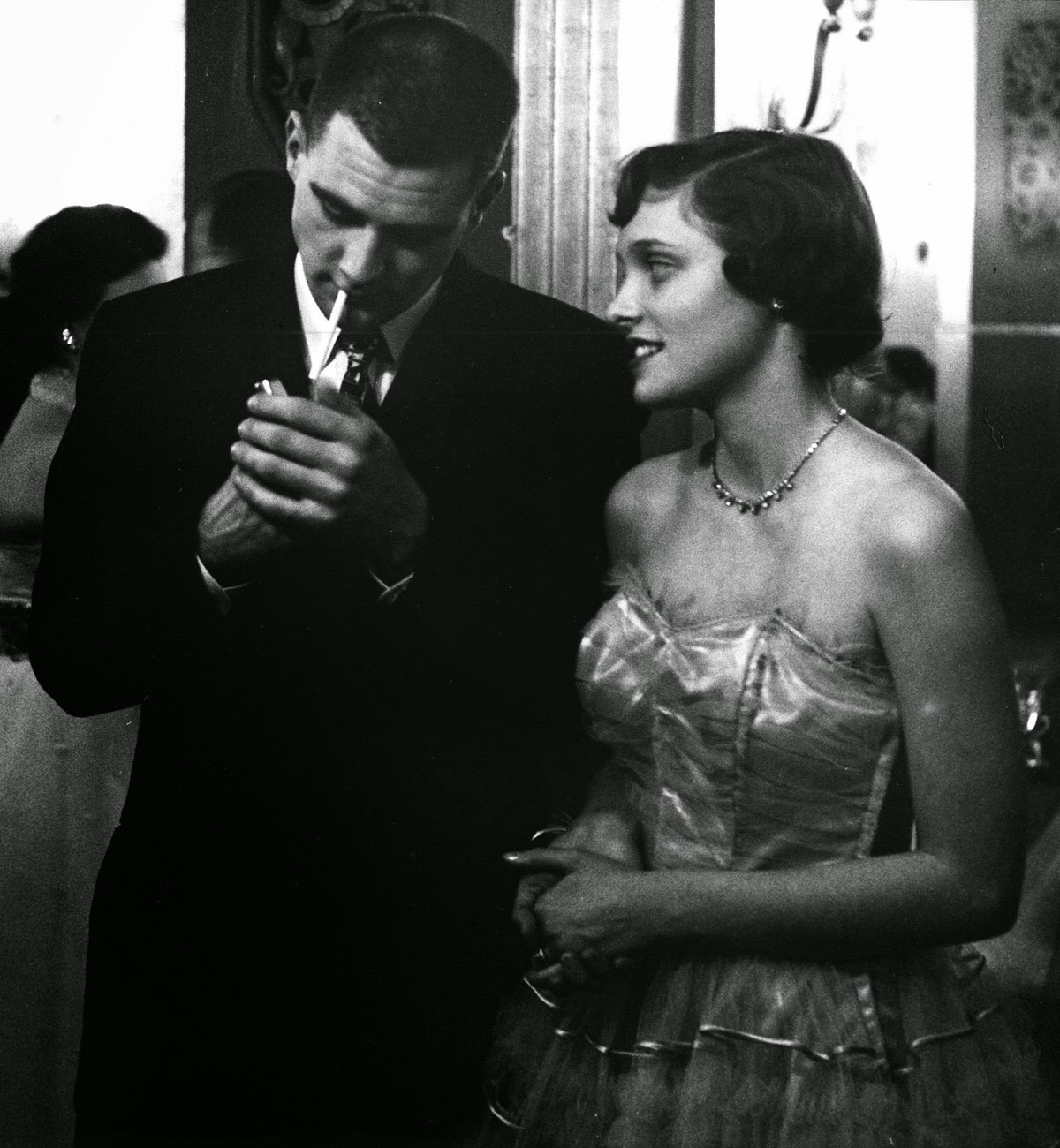
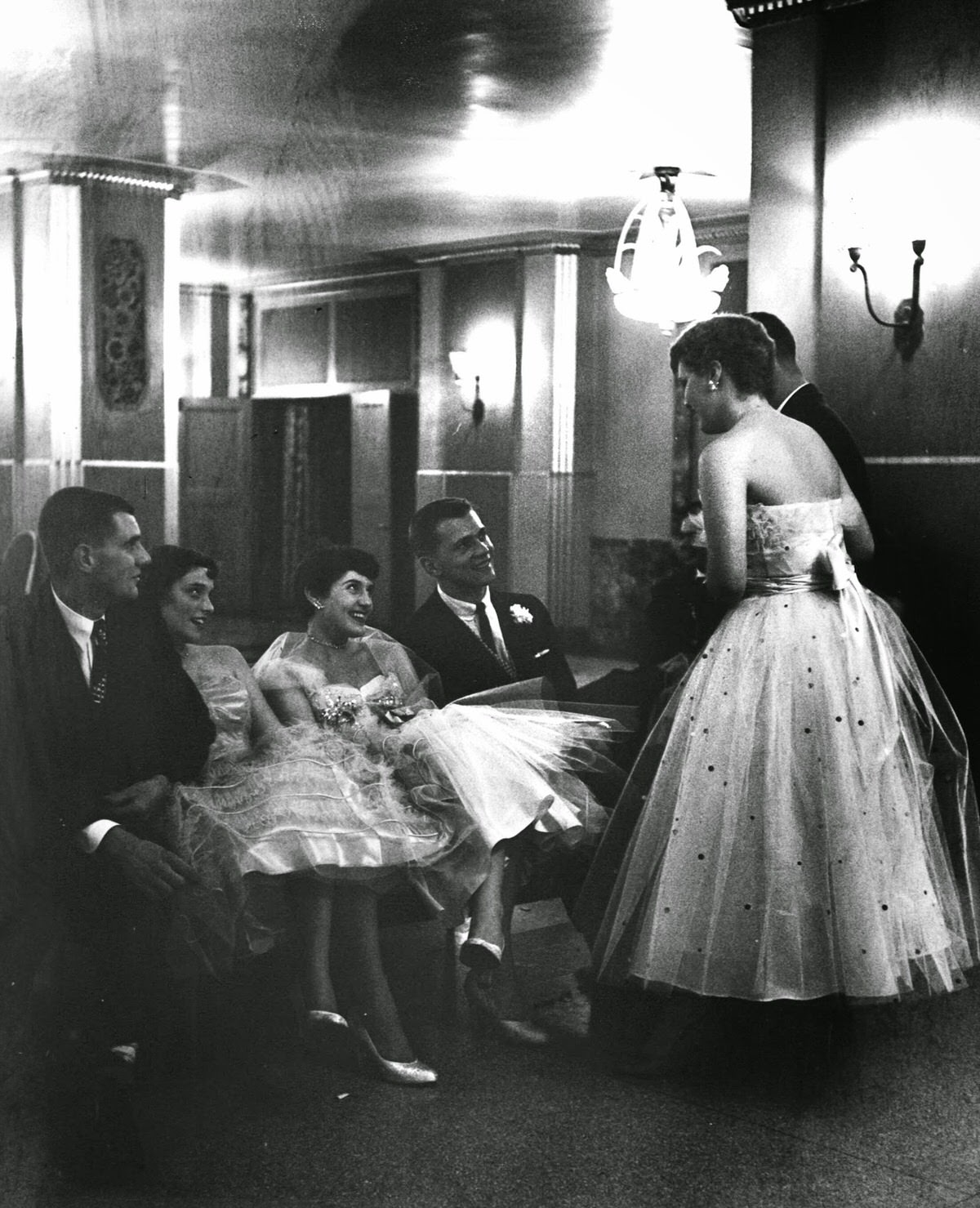
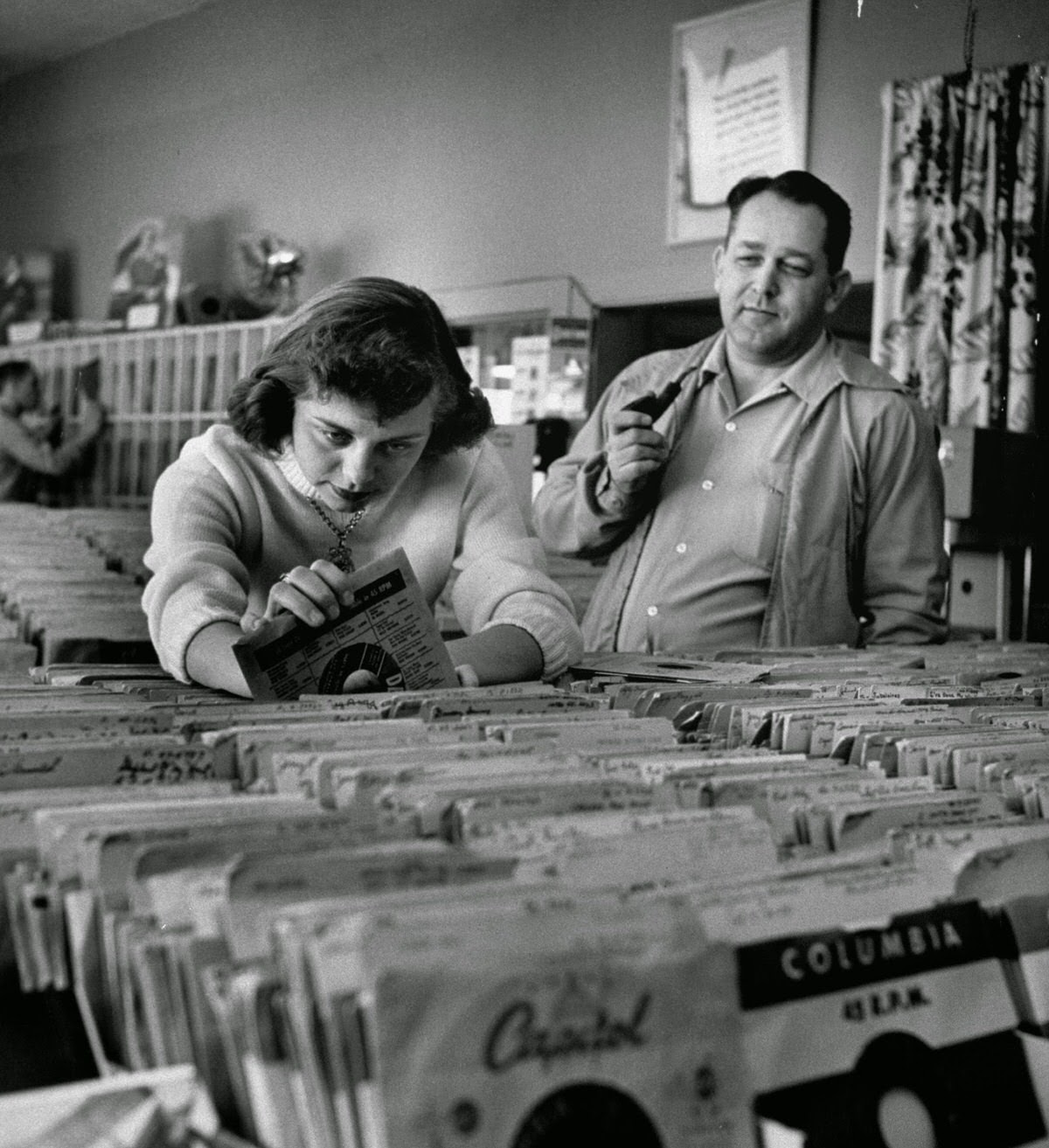
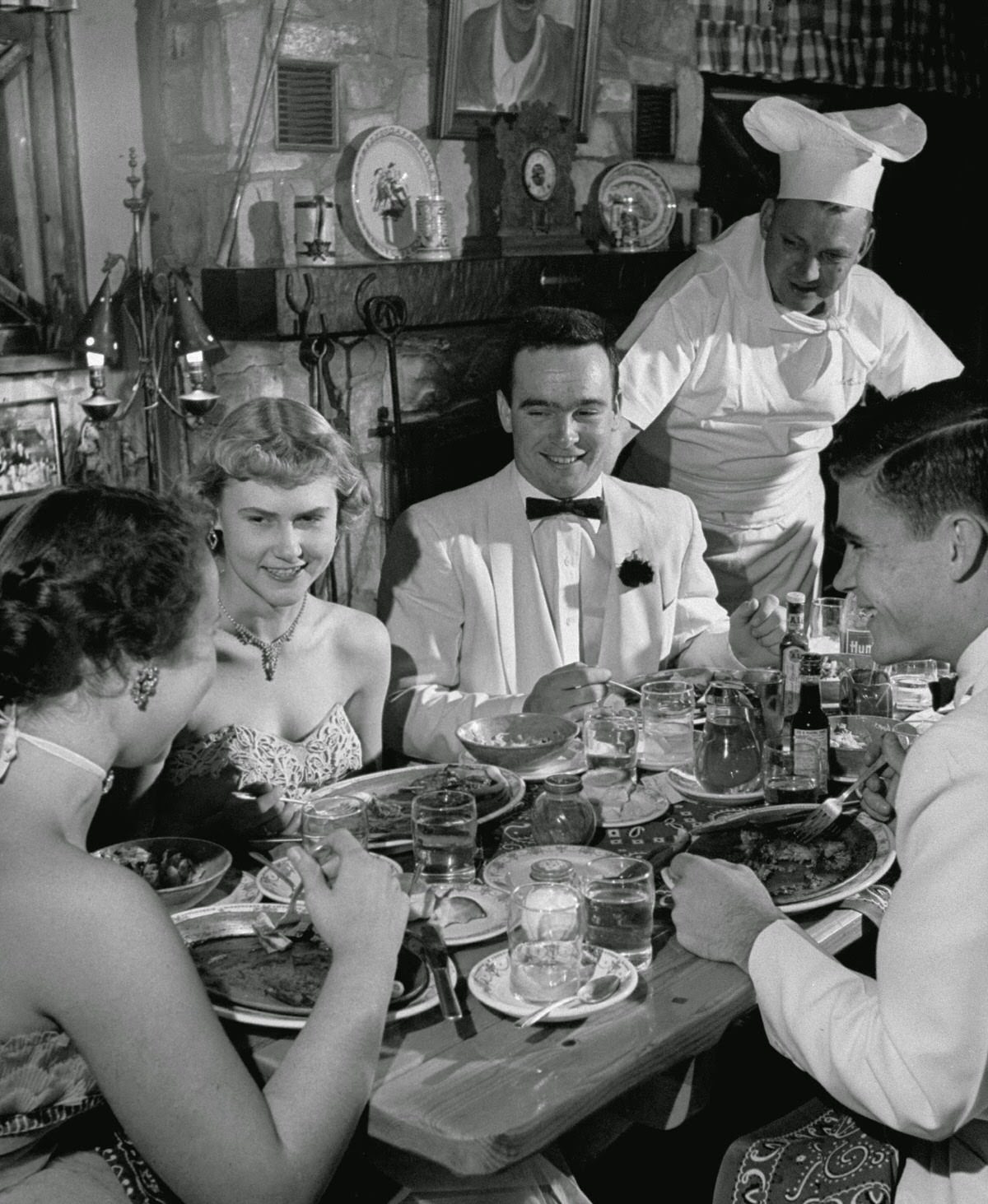
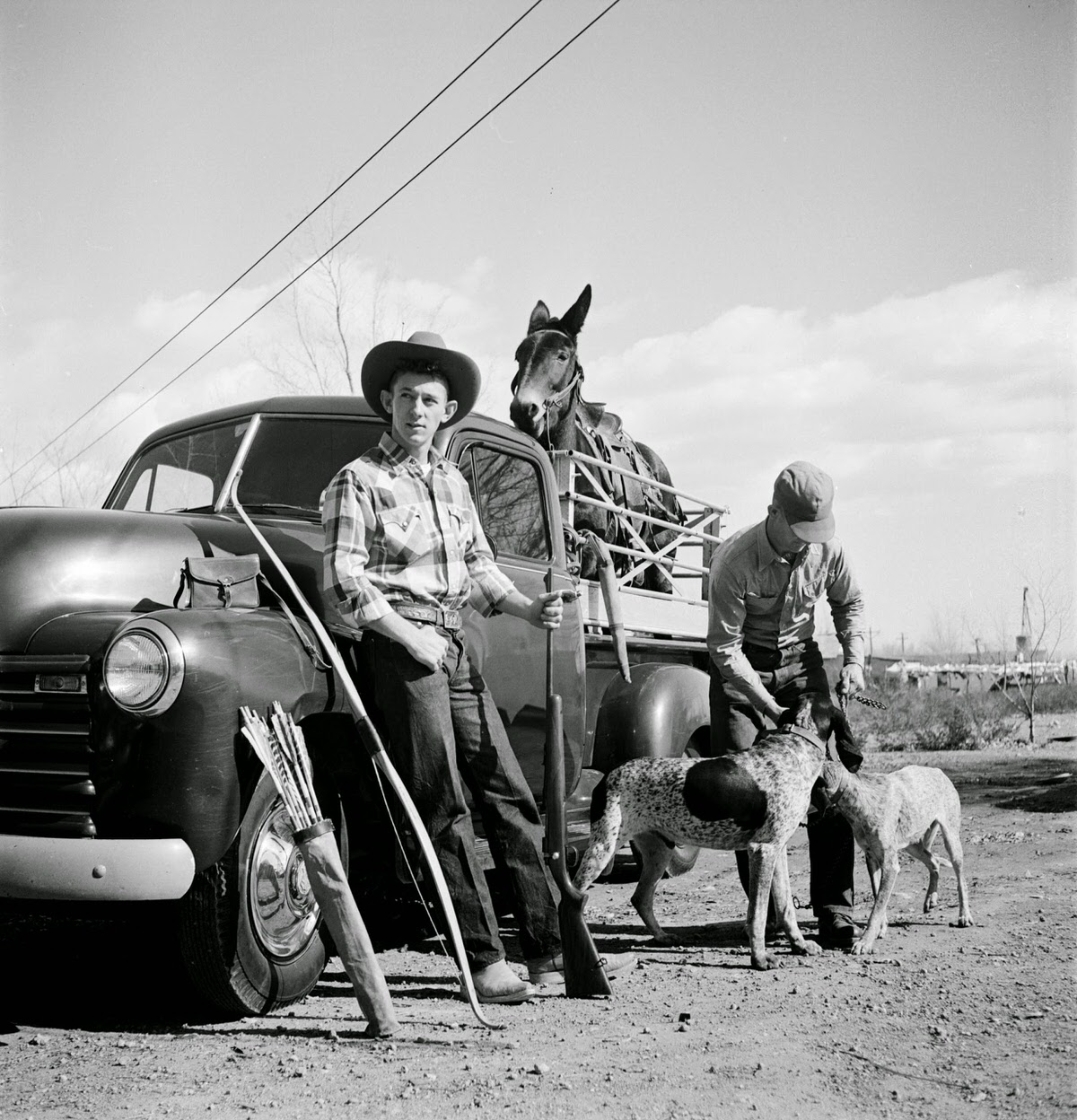
Soda fountains, drive-in restaurants, and music stores were the everyday hangouts. Margaret High worked in a music store, selling the very records her peers were buying. At places like the Red Barn restaurant, teens like Mike Sweeney, Harold Riley, Pat Marsh, and Nita Wheeler turned an ordinary meal into a social event. Whether hunting, working a sales counter, or clocking in as a utility worker, 1950s teenagers filled their lives with both labor and leisure in equal measure.