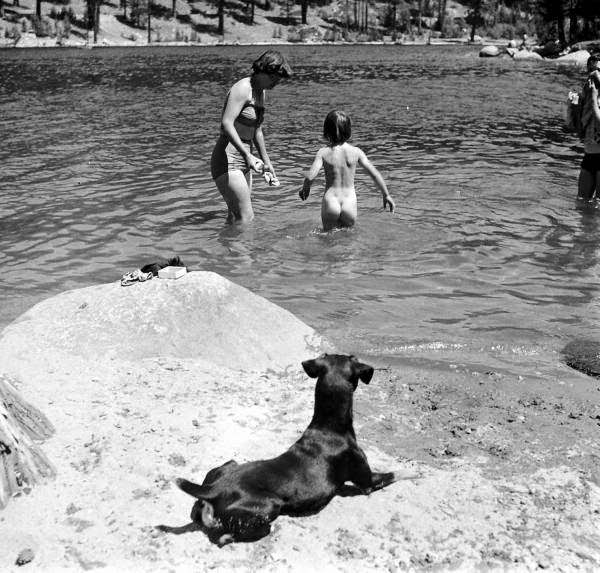
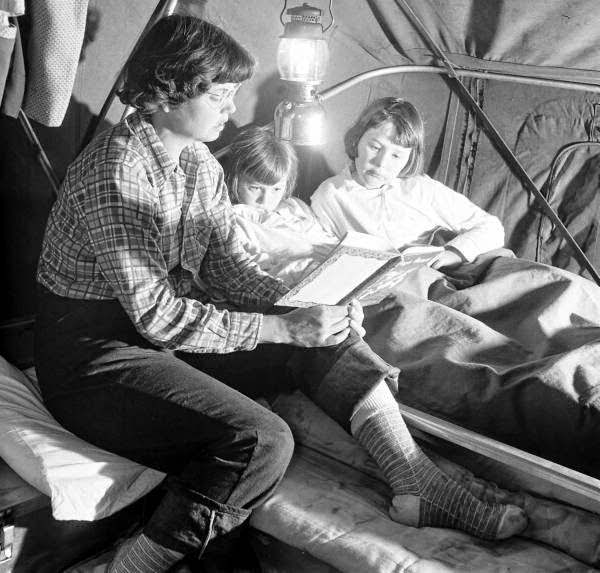
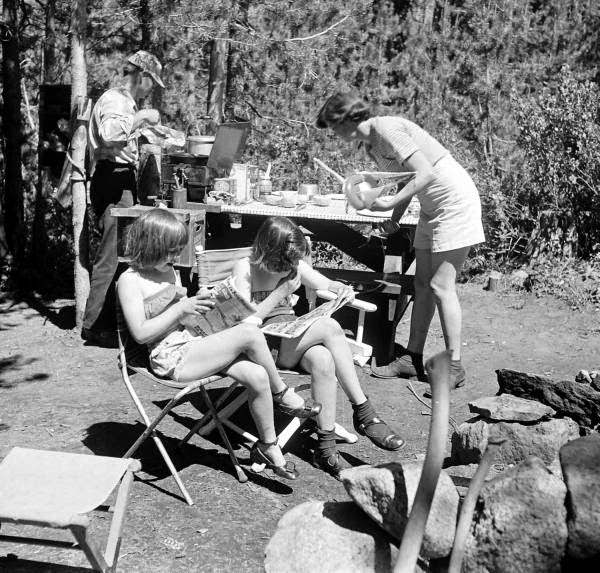
Camping in 1940s America was a physical effort from start to finish. Families hauled large canvas tents held up by thick wooden poles and manila rope. The canvas was heavy, oiled, and waxed for waterproofing. Sleeping meant thin cotton pads or wool blankets laid directly on the ground.
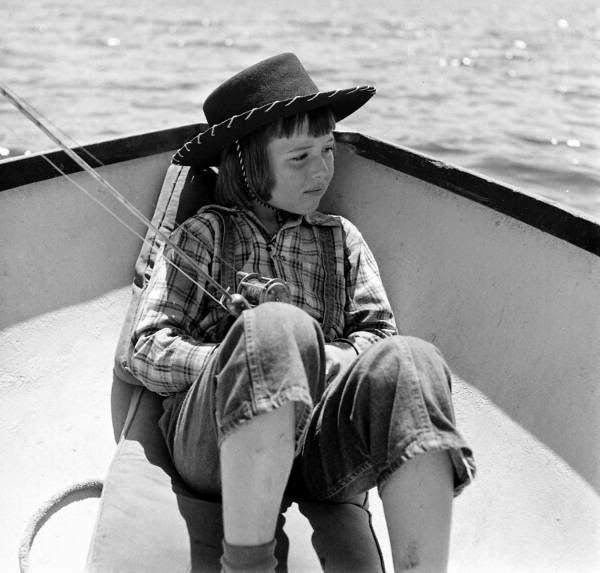
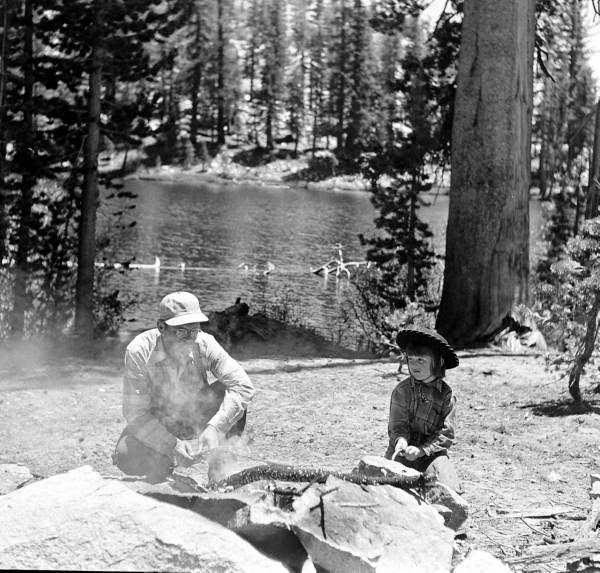
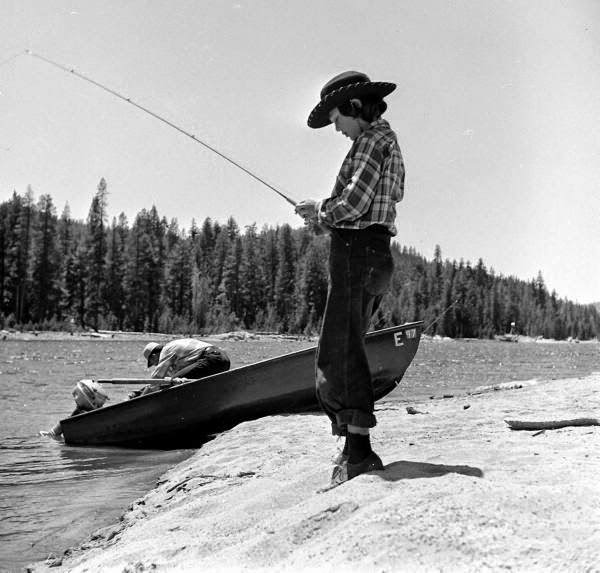
Meals cooked over open wood fires in cast iron skillets and steel coffee pots. Canned vegetables, cured meats, and fresh-caught fish made up most of the food supply. Large blocks of ice packed into galvanized steel coolers kept meat and milk fresh for days.
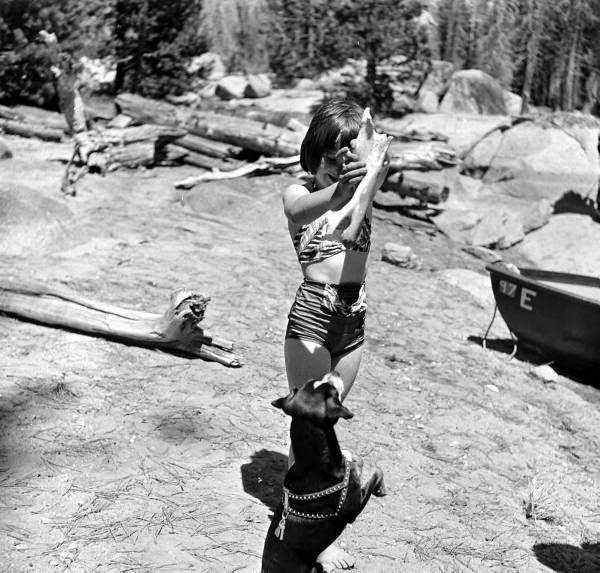
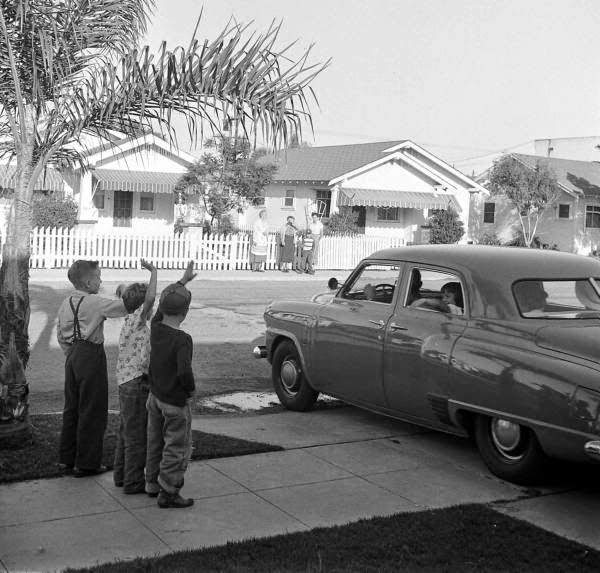
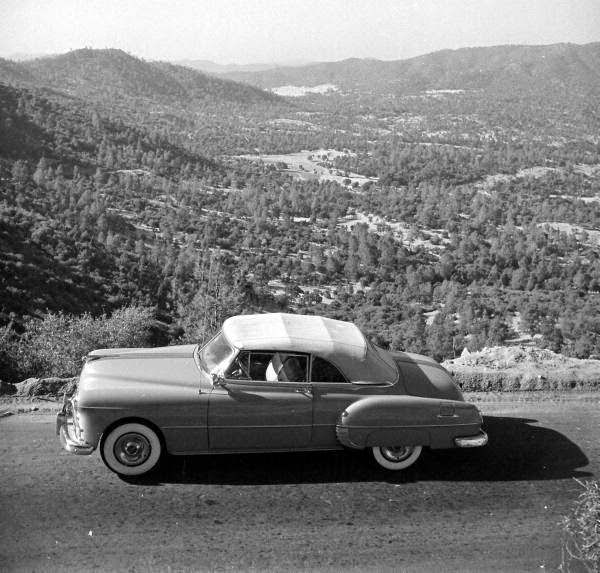
Station wagons with real wooden door panels were the vehicle of choice for many families. Some towed small teardrop trailers with aluminum shells and rear cooking hatches — a major step up from tent sleeping.
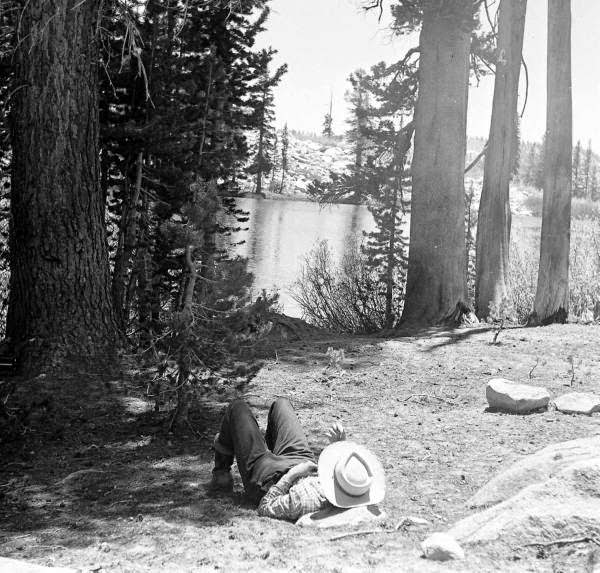
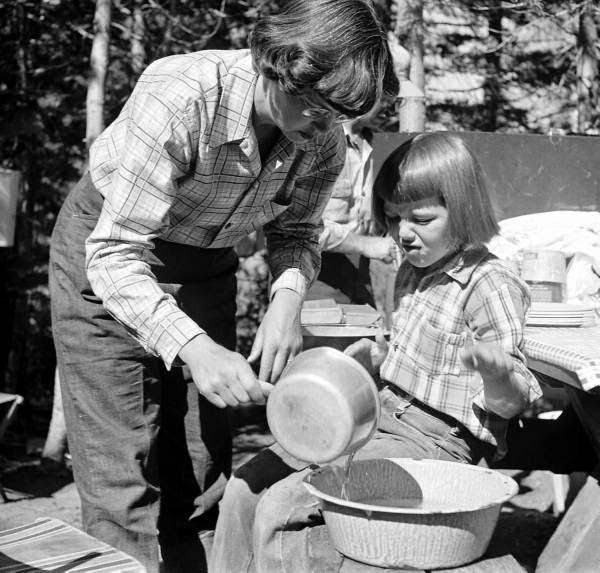
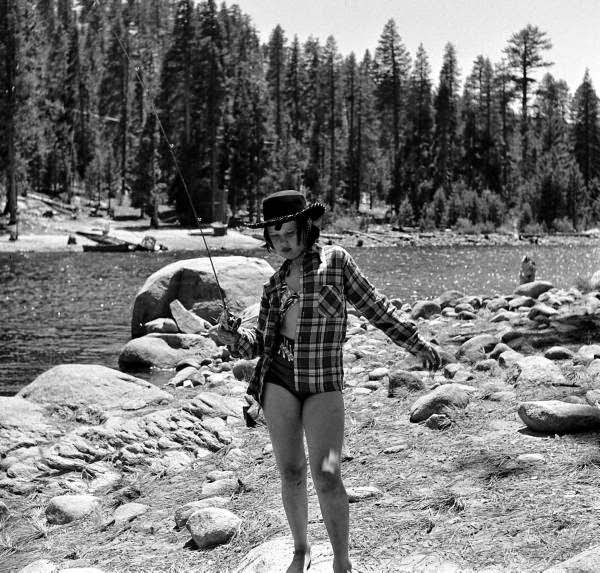
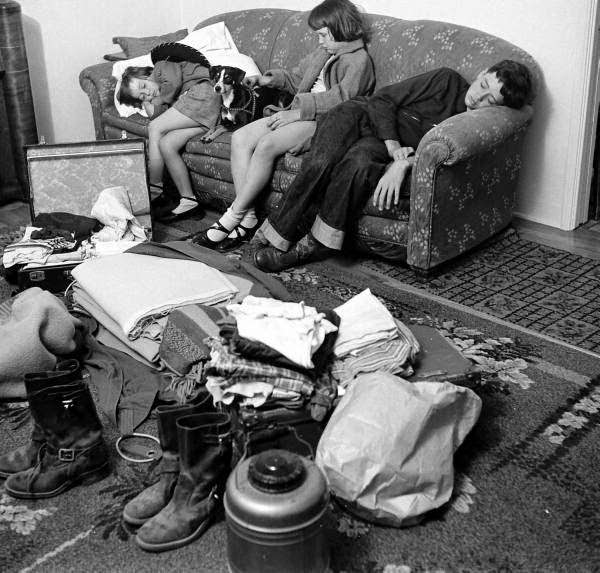
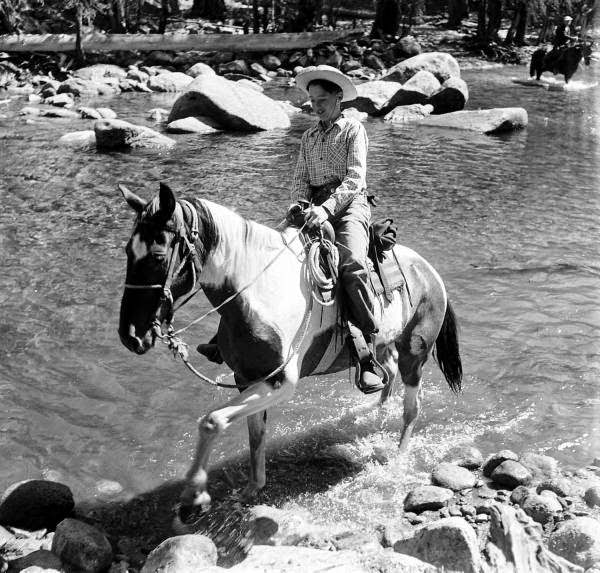
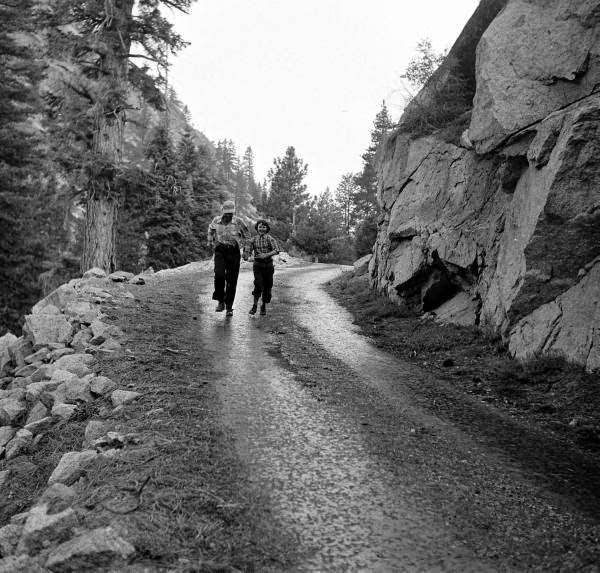
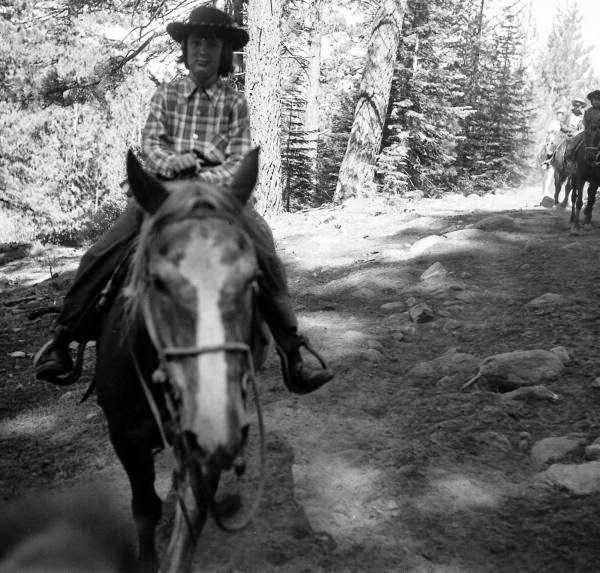
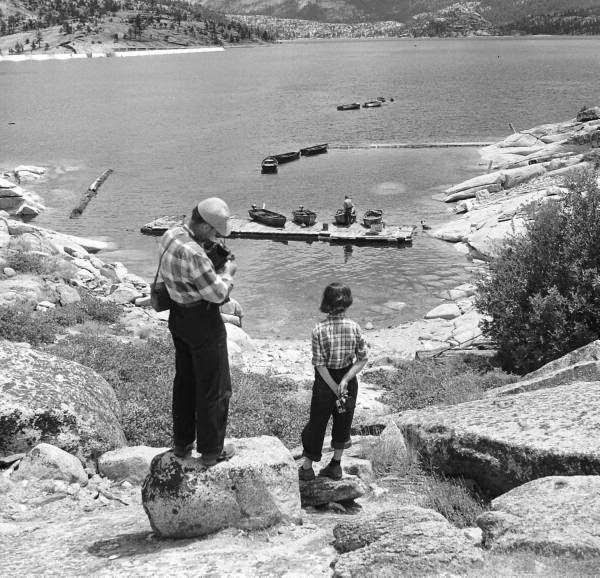
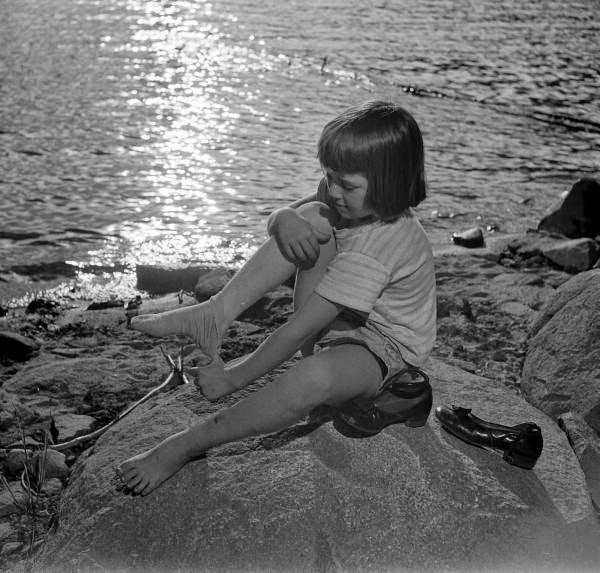
Campers dressed practically in denim trousers, flannel shirts, and leather boots with thick rubber soles. Wide-brimmed felt or straw hats blocked the sun on hikes through rugged terrain like the Great Smoky Mountains.
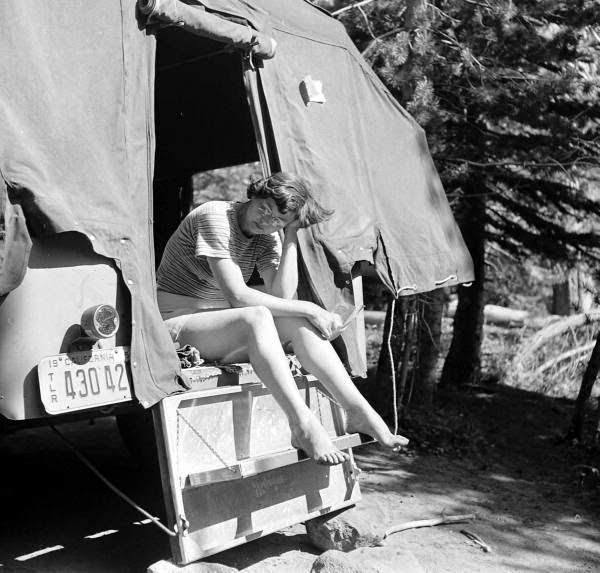
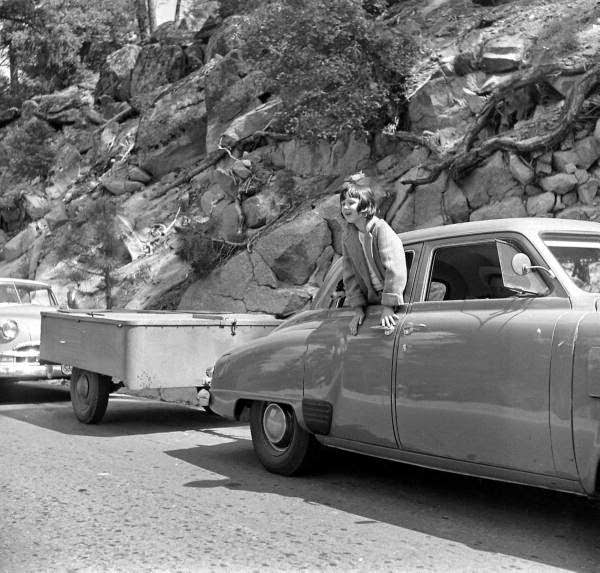
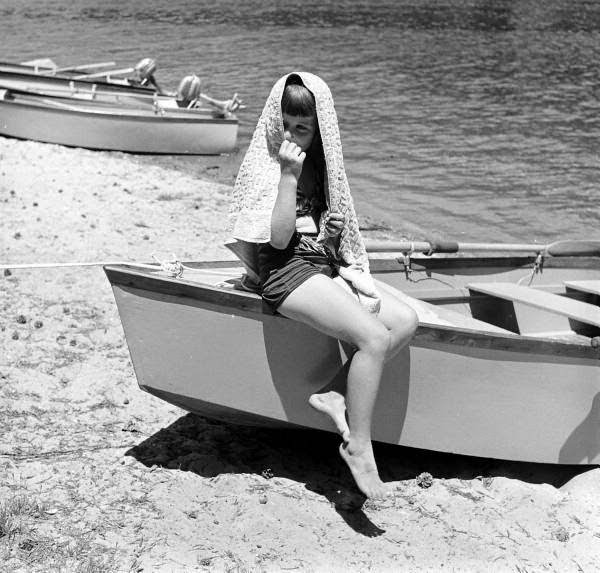
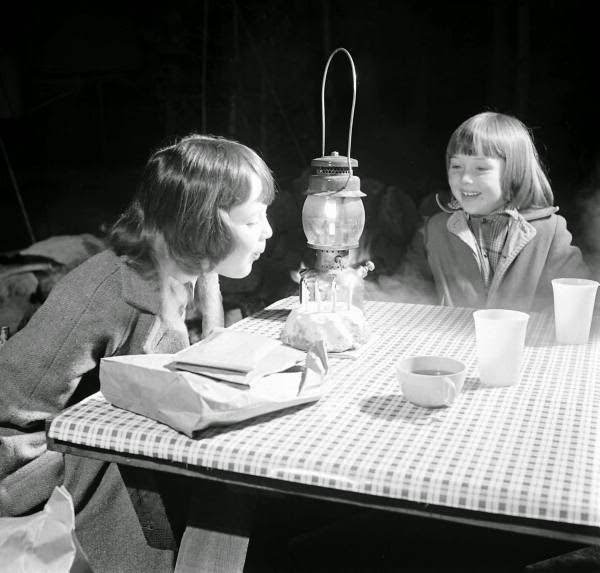
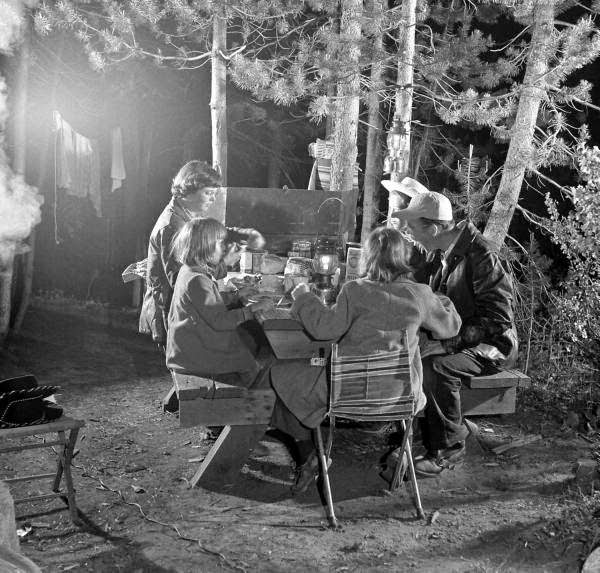
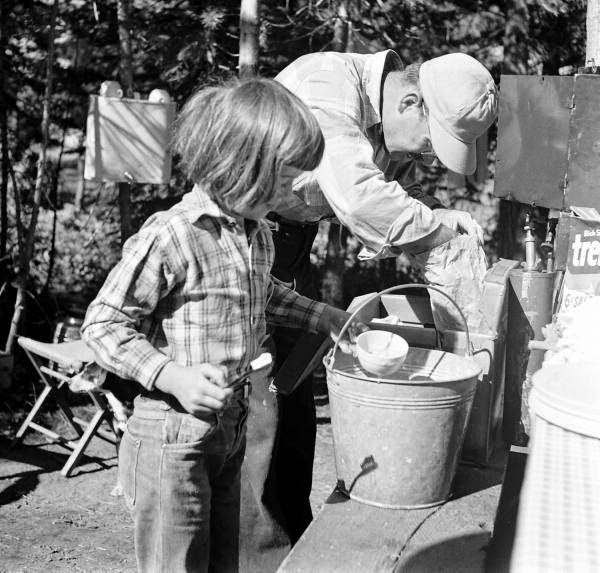
National park campgrounds offered a dirt patch, a stone fire ring, and a wooden picnic table — nothing more. Water came from a central hand pump. Kerosene lanterns provided light after dark, casting a warm glow and a sharp smell across the site.
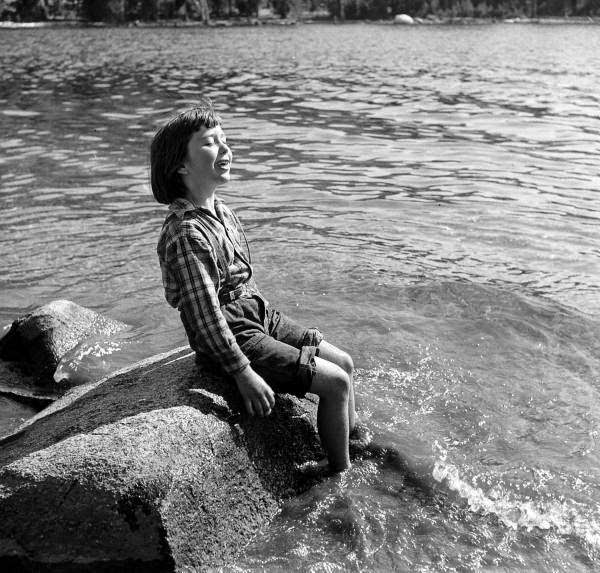
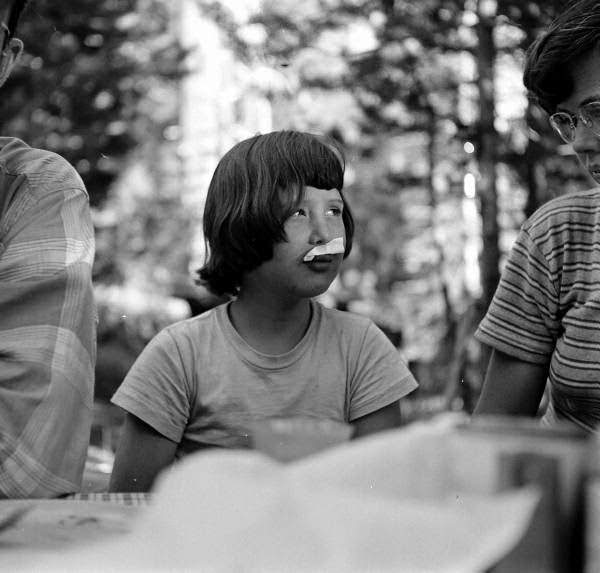
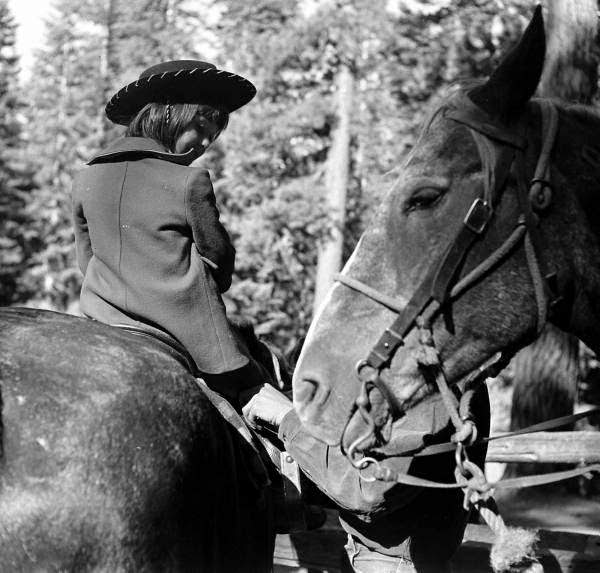
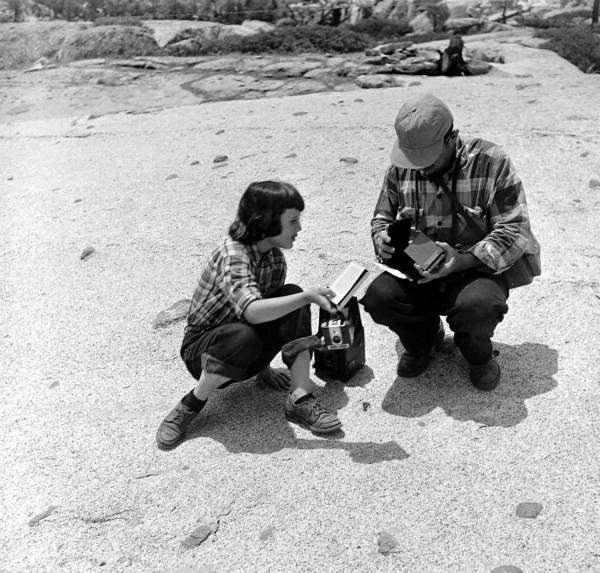
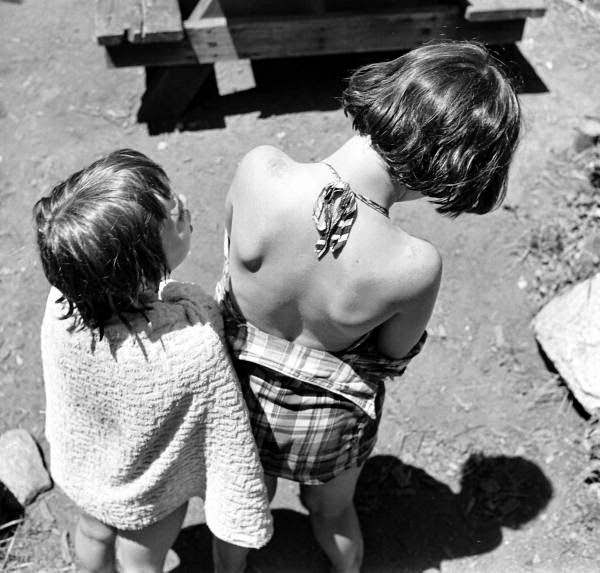
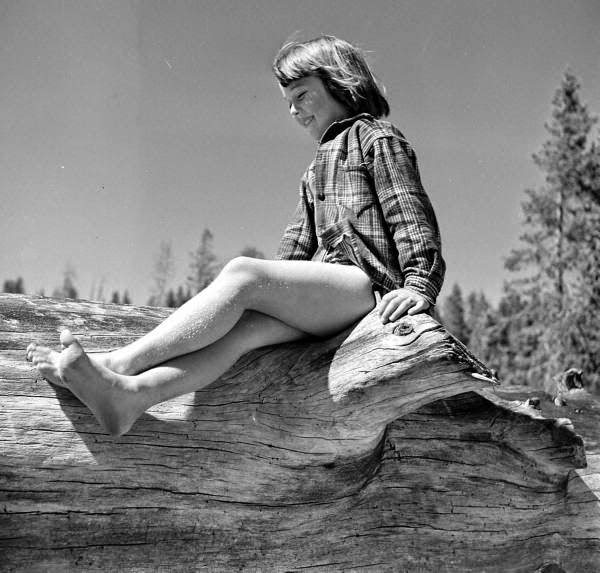
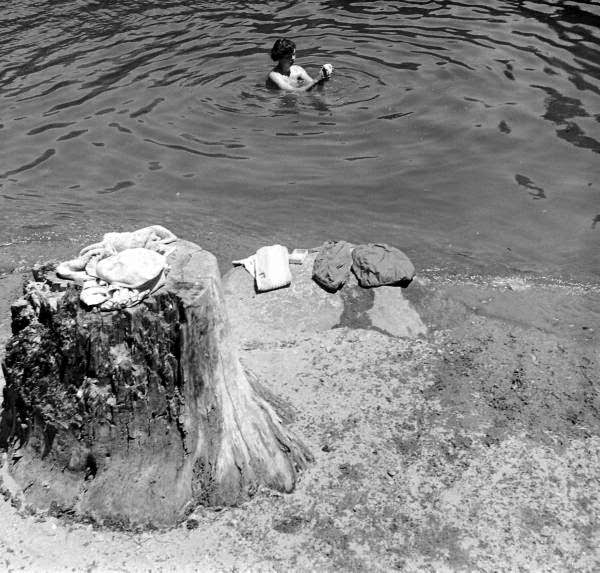
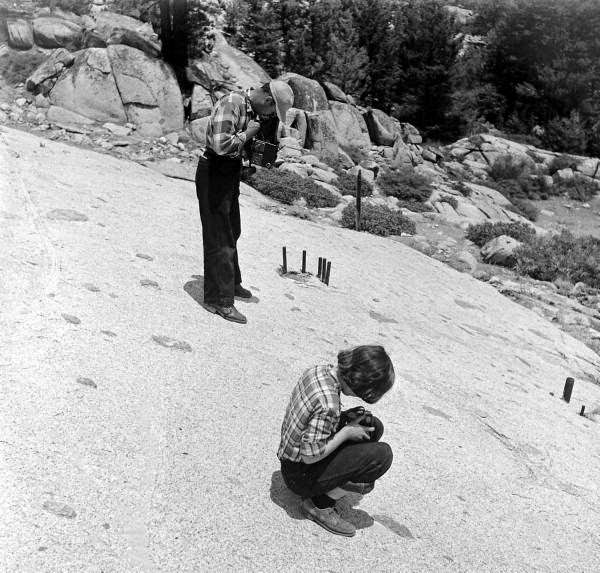
Families documented their trips using hand-cranked cameras, producing black-and-white snapshots that captured the raw, unpolished nature of outdoor life in that era.