In 1950, the neighborhood of Saint-Germain-des-Prés on Paris’s Left Bank became a magnet for young artists, writers, and free spirits from around the world. They shared a rejection of postwar convention, choosing art and personal freedom over steady jobs or stable homes. Many went hungry regularly, yet stayed fully committed to their creative lives.
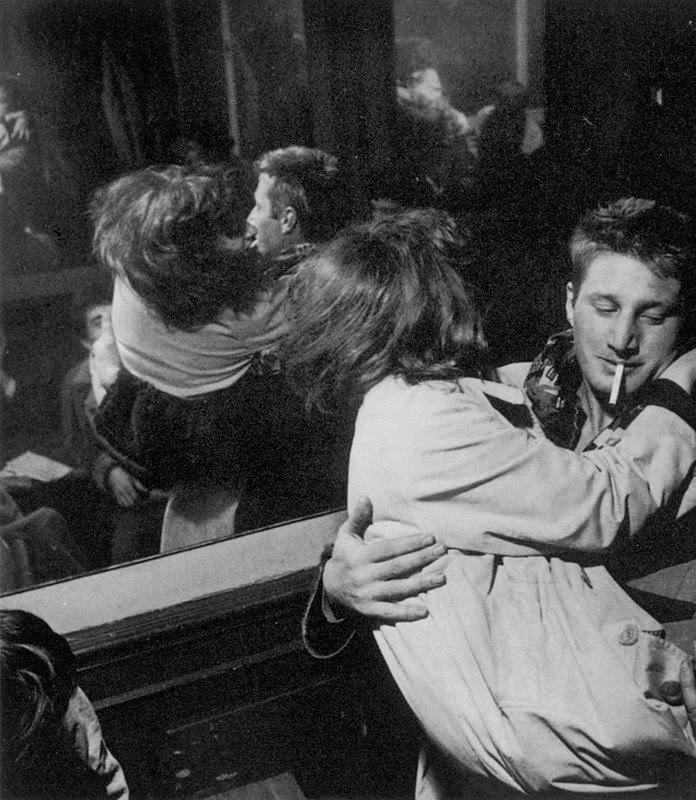
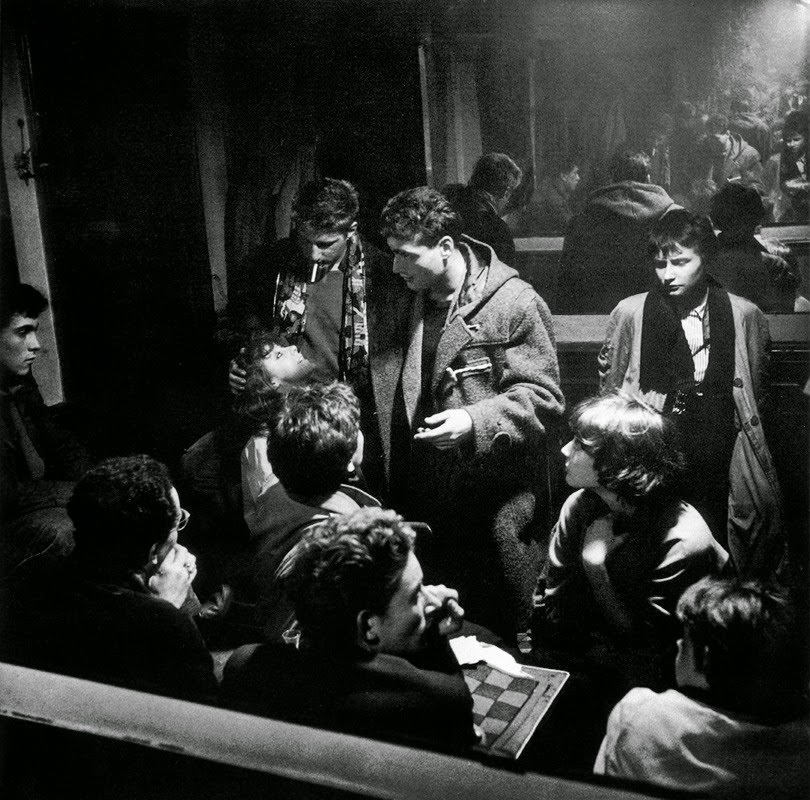
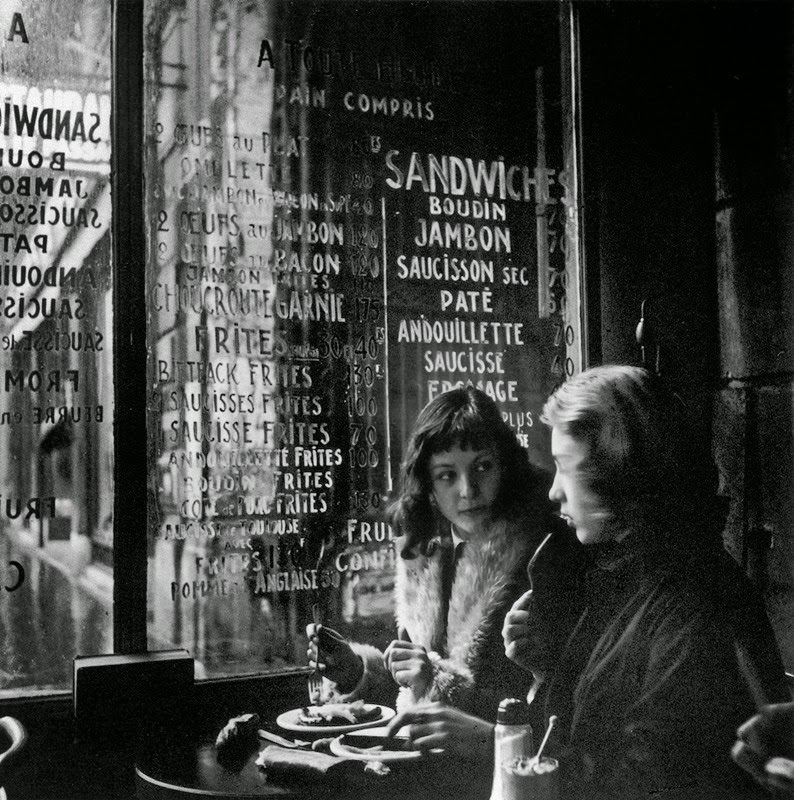
The crowded cafés Le Flore and Les Deux Magots served as both living rooms and workspaces for this community. People filled the tables for hours — smoking, drinking, and debating philosophy late into the night. These weren’t casual meetups; for many, the café was the only warm place they had.
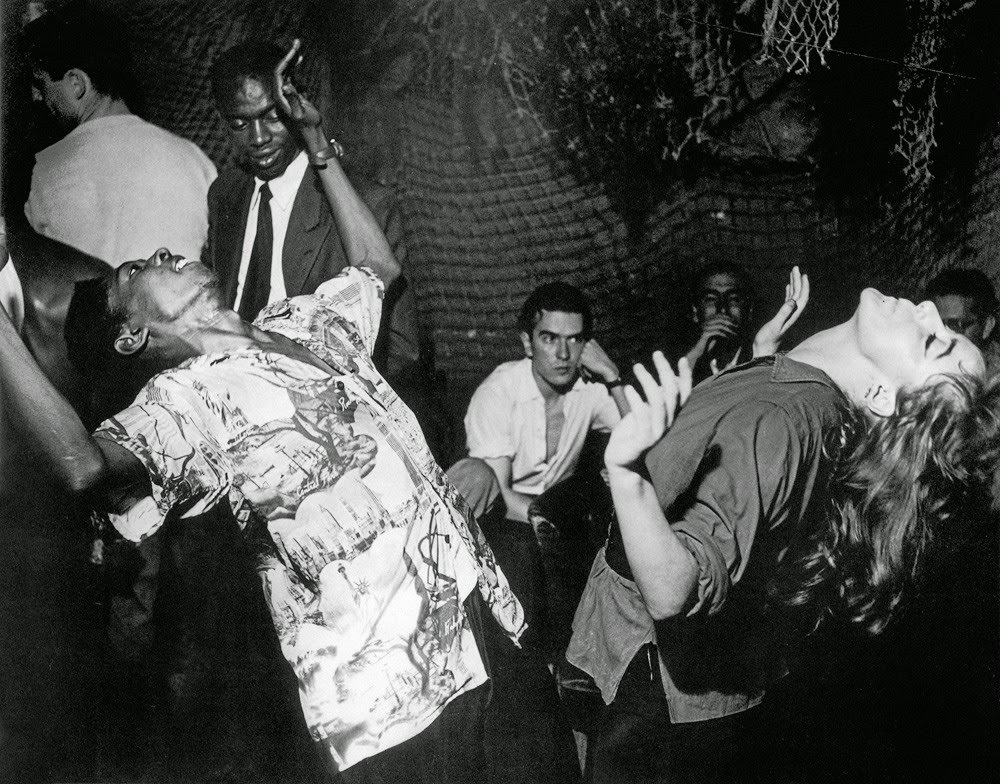
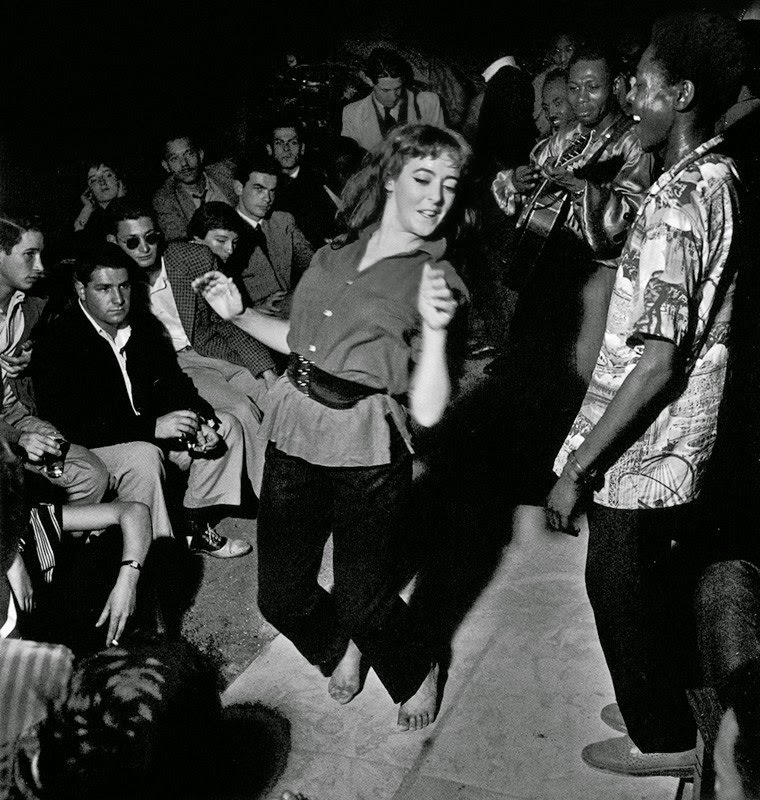
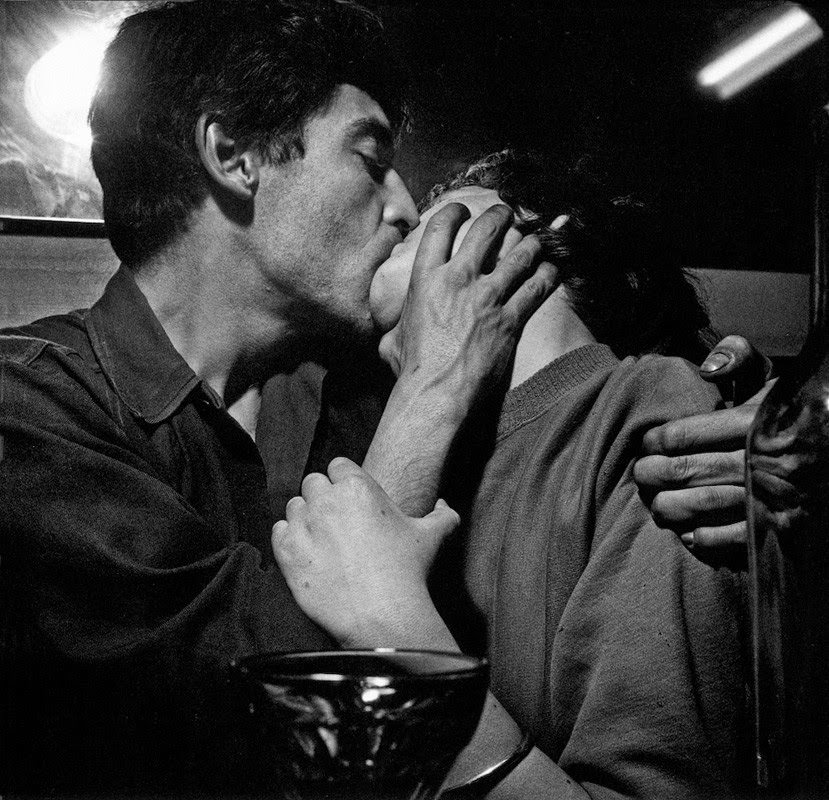
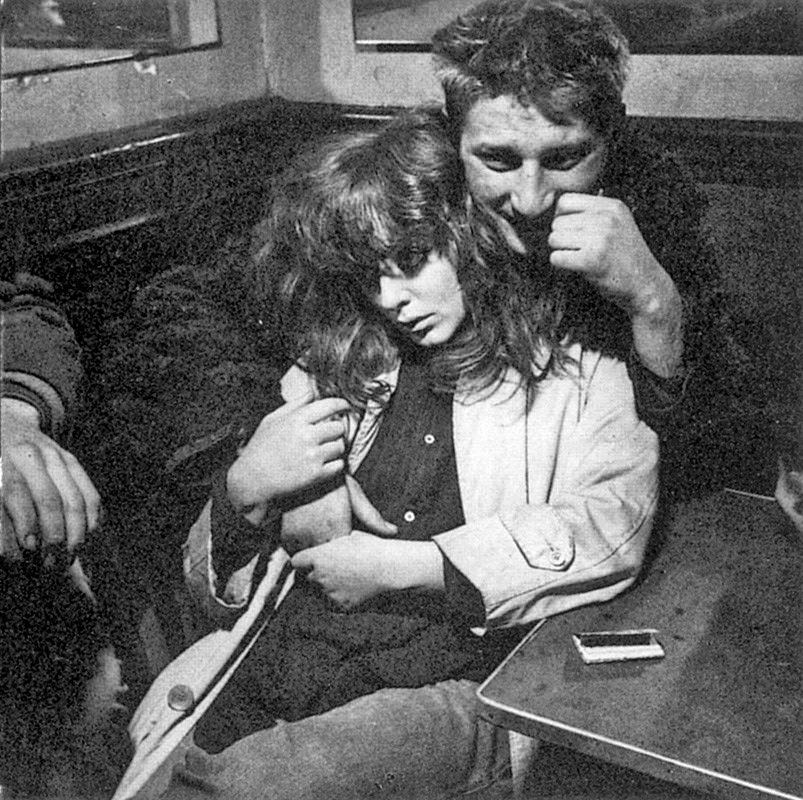
Dutch photographer Ed van der Elsken lived among this crowd and documented their daily lives in raw, black-and-white photographs. He didn’t pose his subjects. Instead, he captured them mid-argument, mid-drink, and mid-dance in dimly lit rooms.
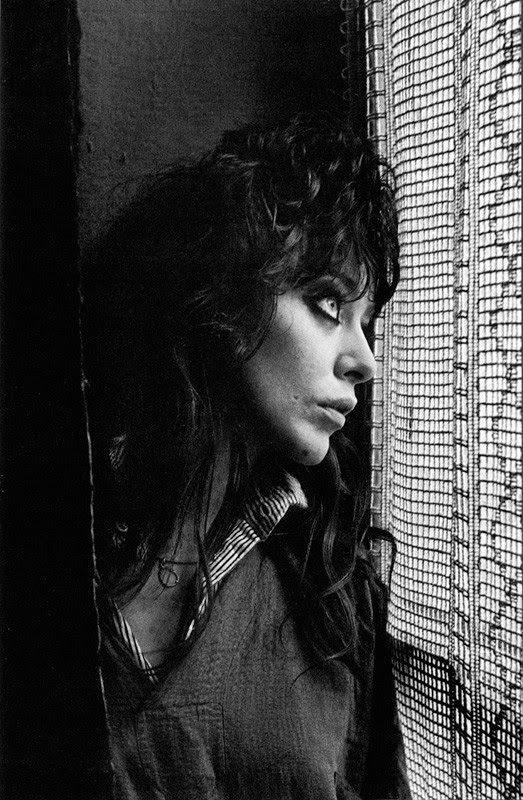
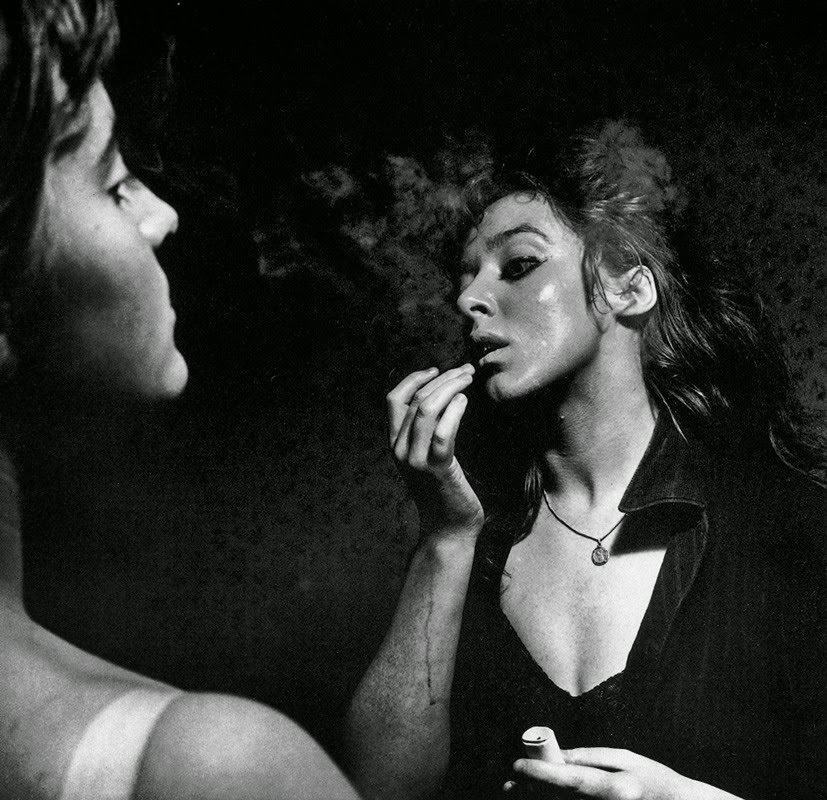
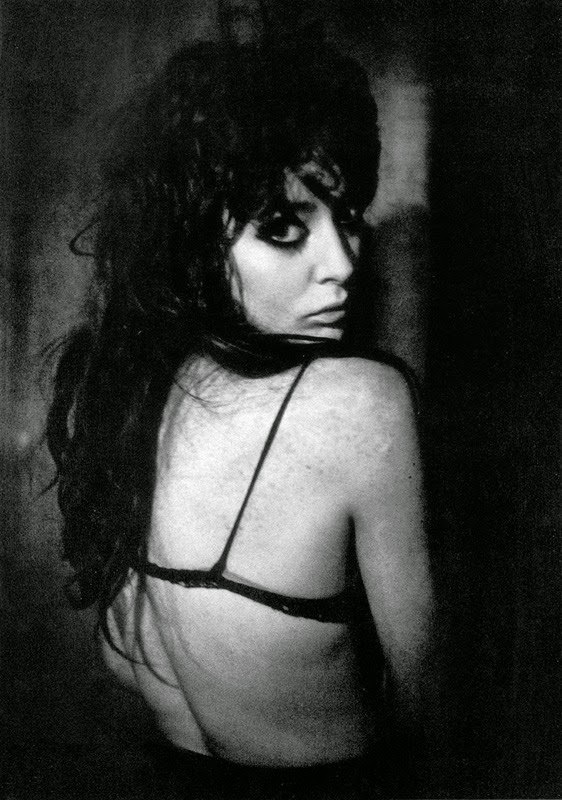
Van der Elsken published his photographs in the 1956 book *Love on the Left Bank*, which brought this underground world to a wider audience. One of its most recognizable faces was Vali Myers, an Australian artist who had arrived in Paris in 1949 after working as a lead dancer in Melbourne.
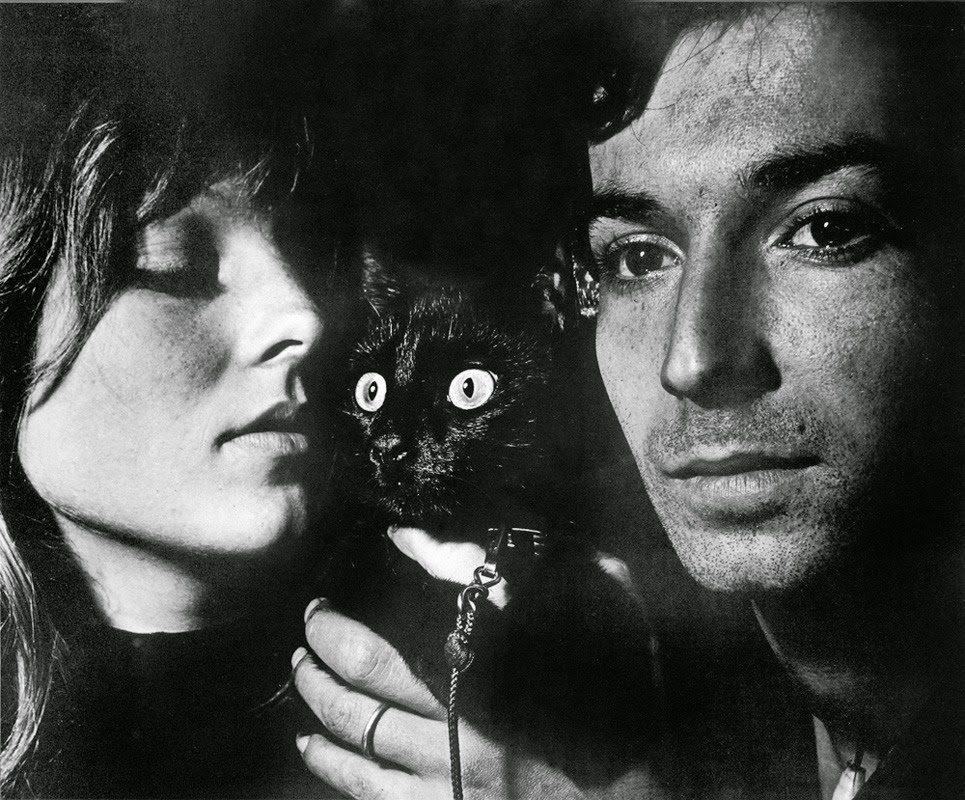
In the book, Myers appears as the character “Ann,” embodying the spirit of the Left Bank scene. She lived on the streets and in cafés, spending her time dancing and creating detailed, intricate drawings. Her look was instantly striking — facial tattoos, dark wild hair, and a style entirely her own.
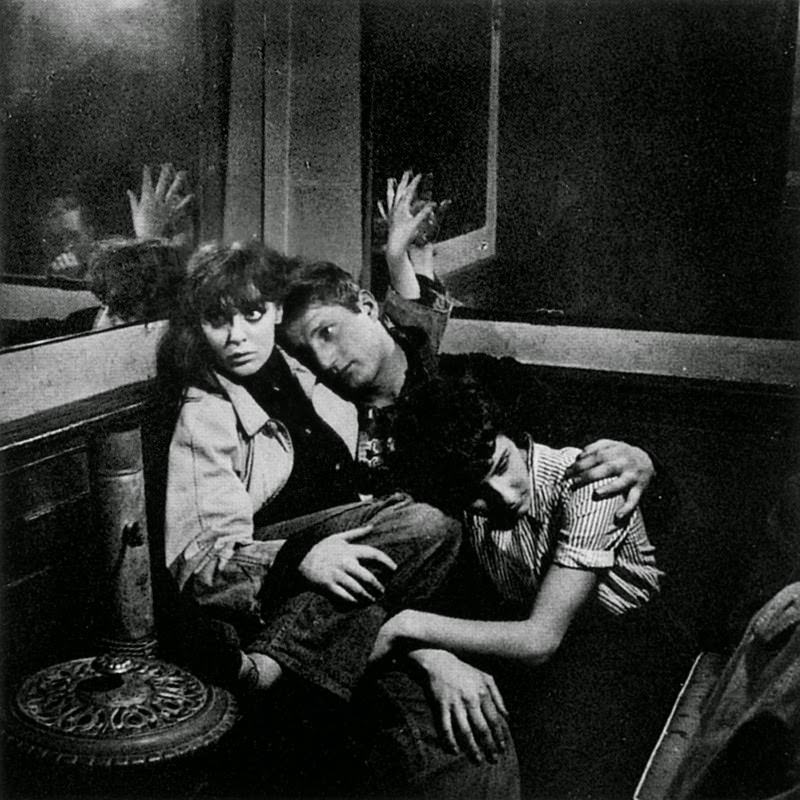
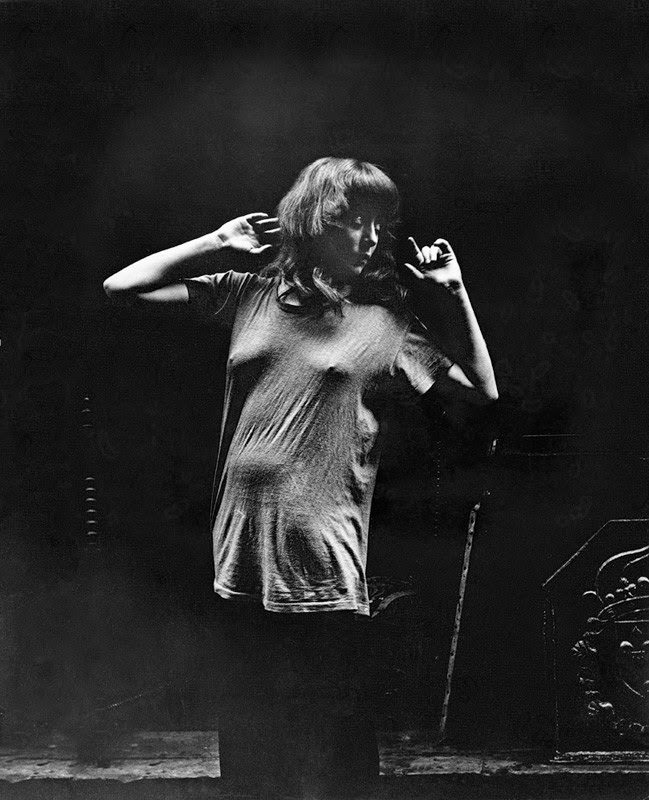
Underground jazz clubs gave this generation their rhythm. They danced until dawn and slept through the day, living on a schedule entirely outside normal society. Jazz wasn’t background music — it was the heartbeat of the whole movement.
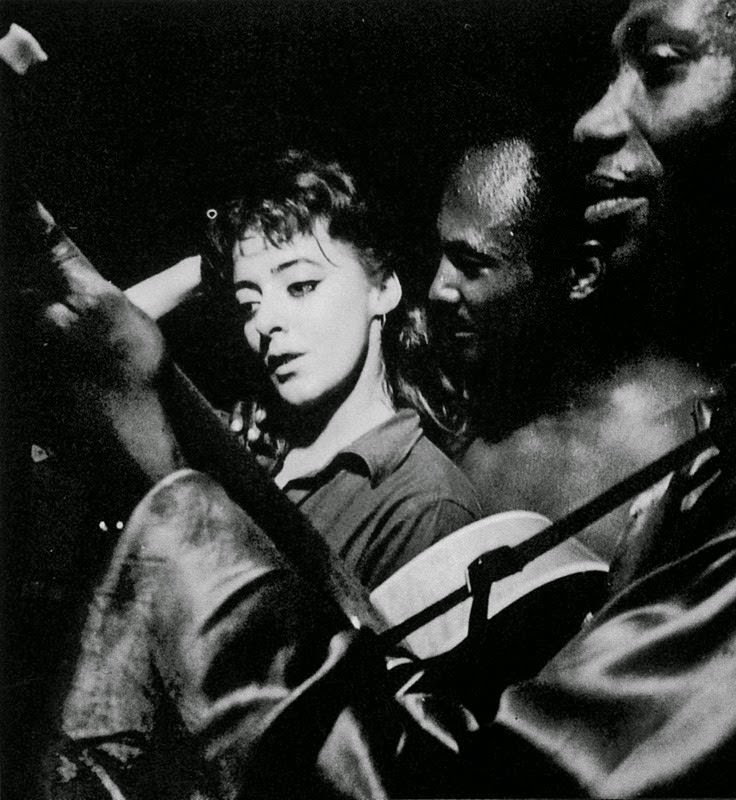
This community openly embraced hedonism — the pursuit of pleasure and immediate experience above all else. The horrors of World War II were still fresh, and this generation responded by living as intensely as possible in the present moment.
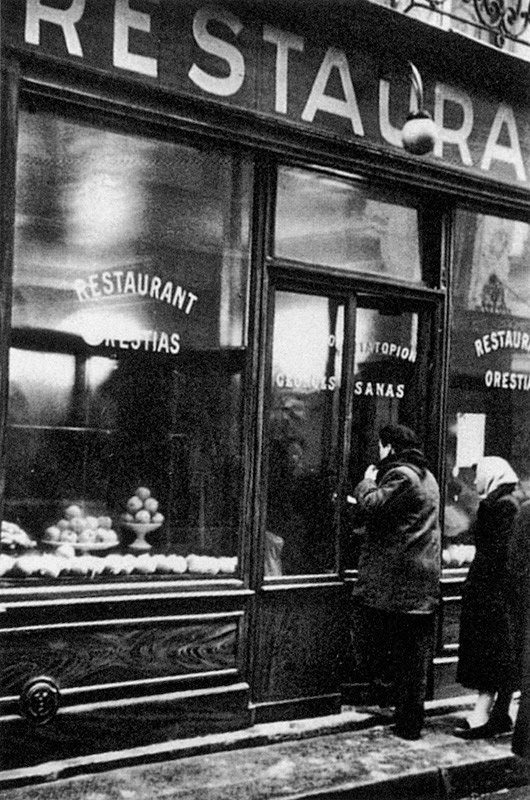
The streets of Saint-Germain-des-Prés were just as important as the cafés and clubs. People gathered on corners, argued on stoops, and wandered through the night. The neighborhood itself functioned as an open-air stage for this restless, creative crowd.