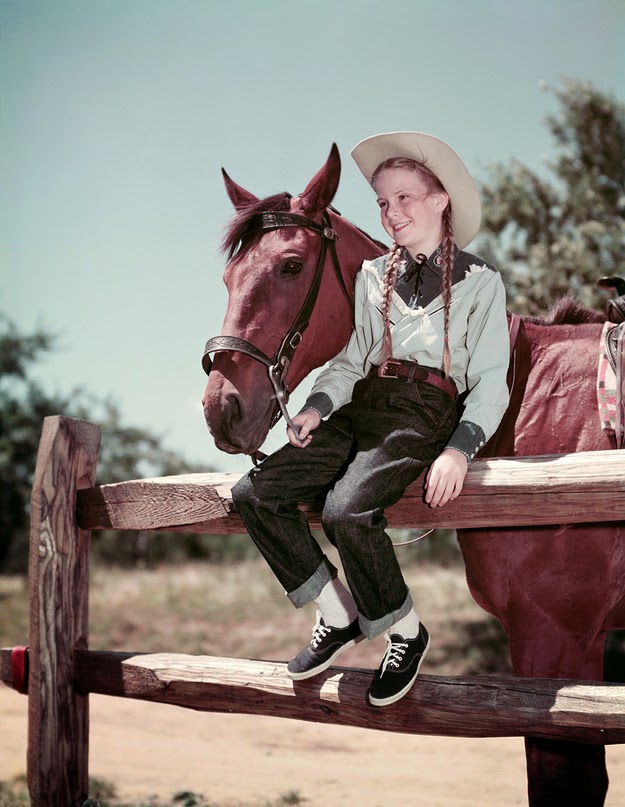
Long before the word “cowgirl” existed, women were already building lives on the rugged frontier. Starting in the 1840s, thousands of families packed their belongings into covered wagons and headed west. They settled in states like Kansas, Nebraska, Wyoming, Colorado, Montana, New Mexico, and Arizona. This migration, one of the largest in American history, stretched from the 1840s through the end of the Civil War.
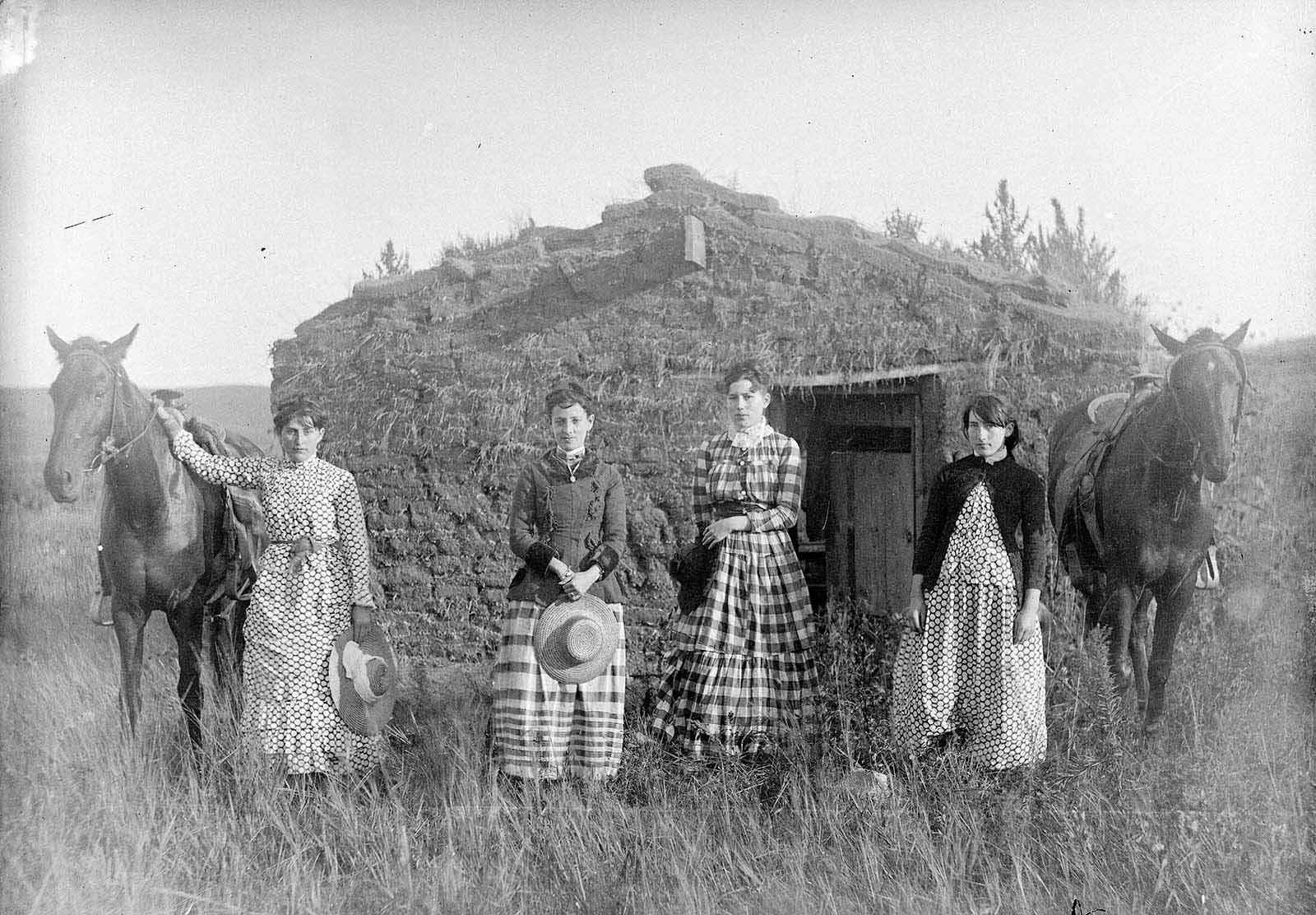
After the Civil War, the U.S. government passed the Homestead Act, which allowed both men and women aged 21 and older who were unmarried to claim 160 acres of land out west. Women took up that opportunity alongside men, though they were far outnumbered. By the 1870s, there were roughly 385,000 men over the age of twenty in the West compared to just 172,000 women. Despite those numbers, women carved out essential roles on farms and ranches, often learning skills that society had reserved exclusively for men — horse riding, cattle roping, and shooting.
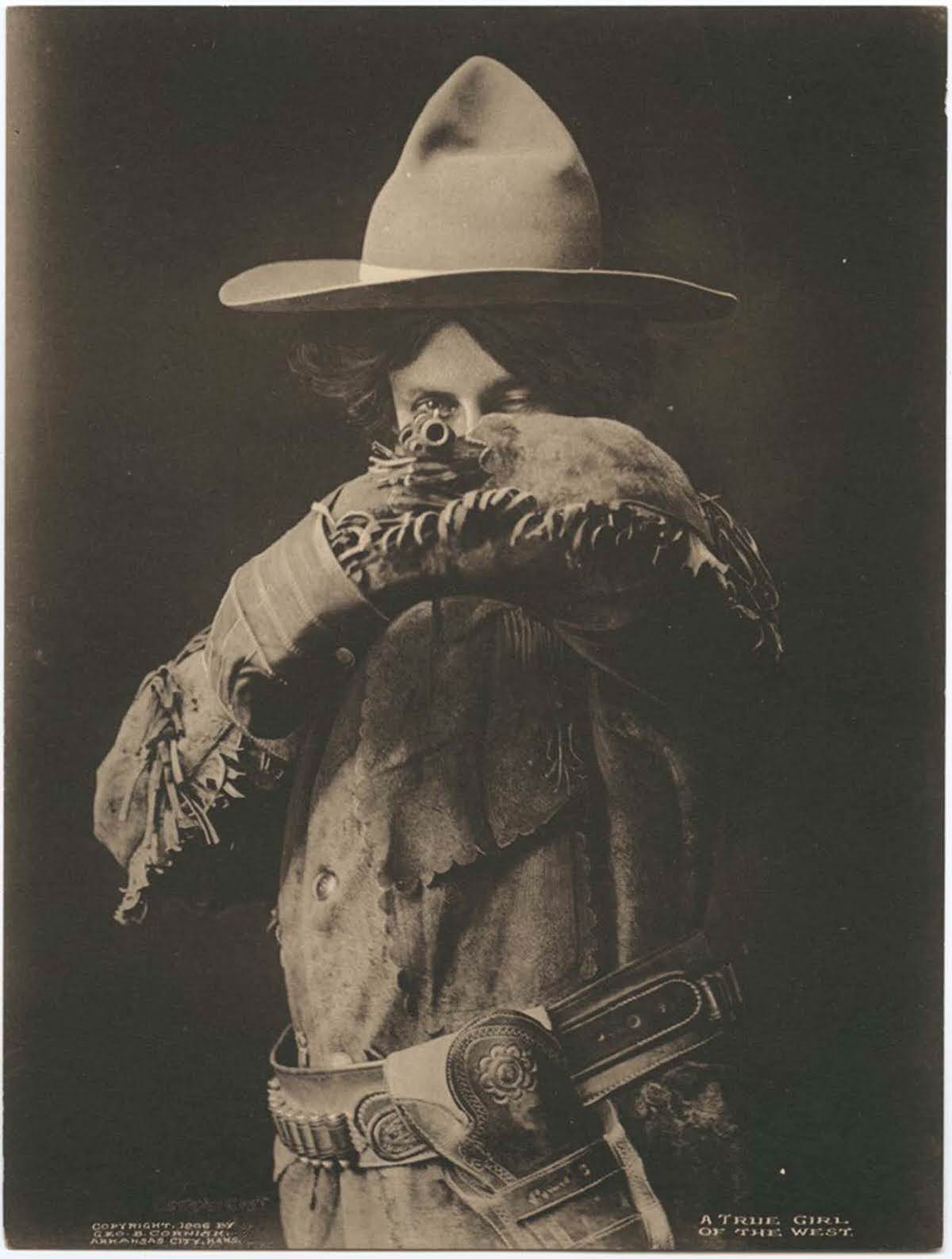
Black women faced additional hardship during this era, enduring the brutal conditions of slavery on top of the already harsh frontier life. For wives, widows, mothers, and daughters on western plains, survival demanded toughness. Some women went further still — a handful disguised themselves as men so they could live and work exactly as cowboys did, free from the restrictions placed on their gender.
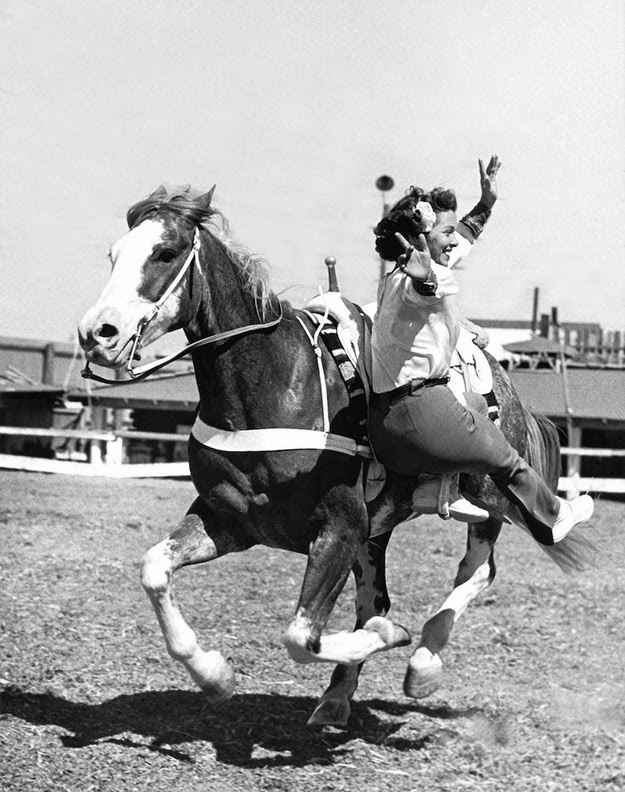
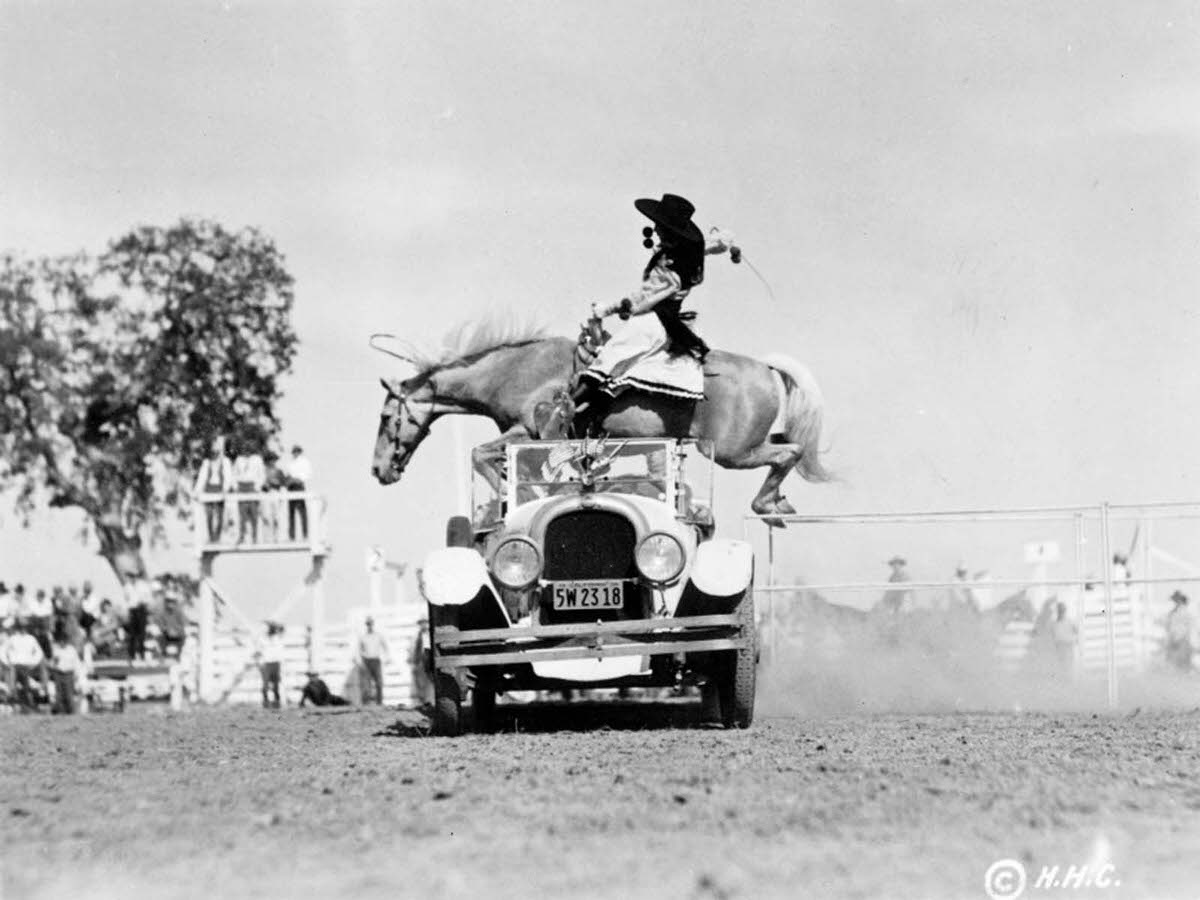
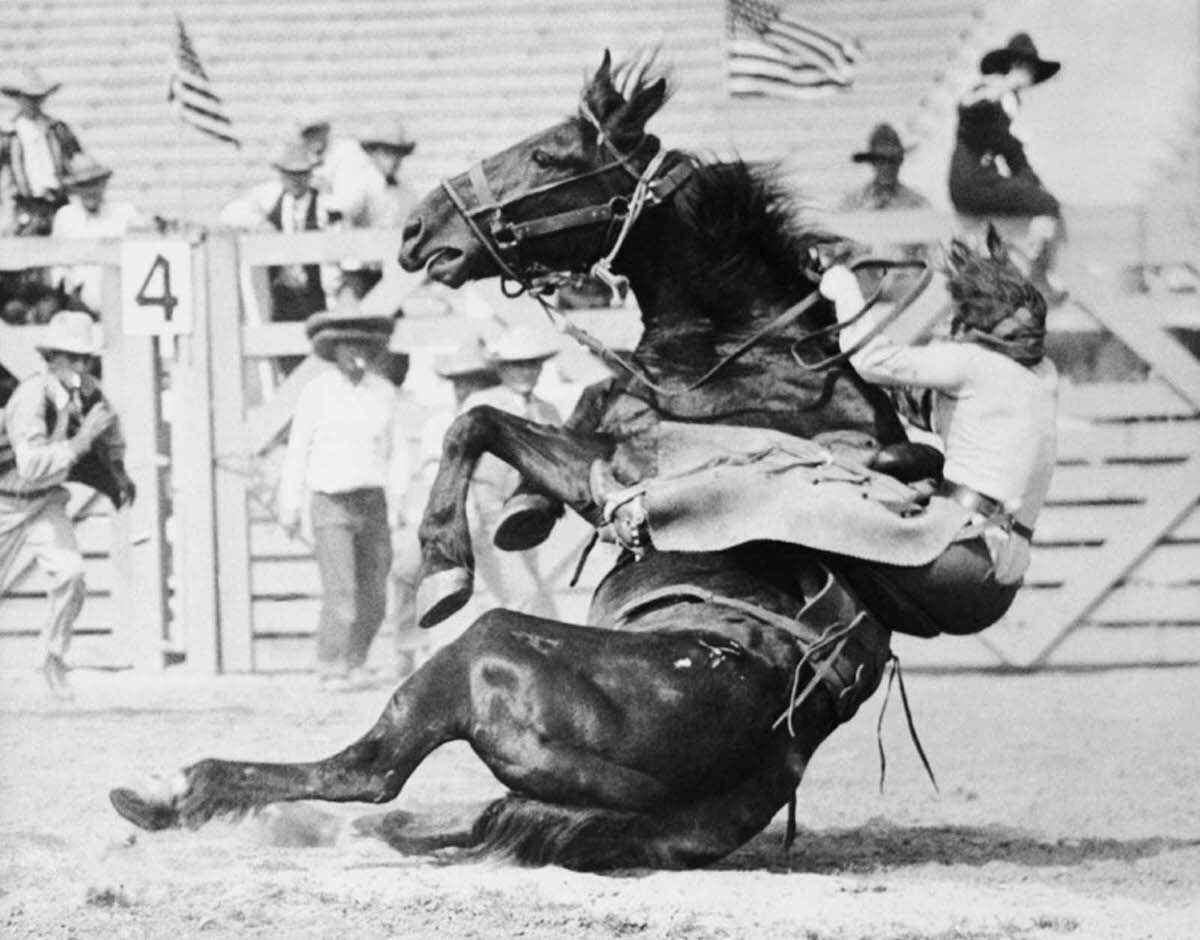
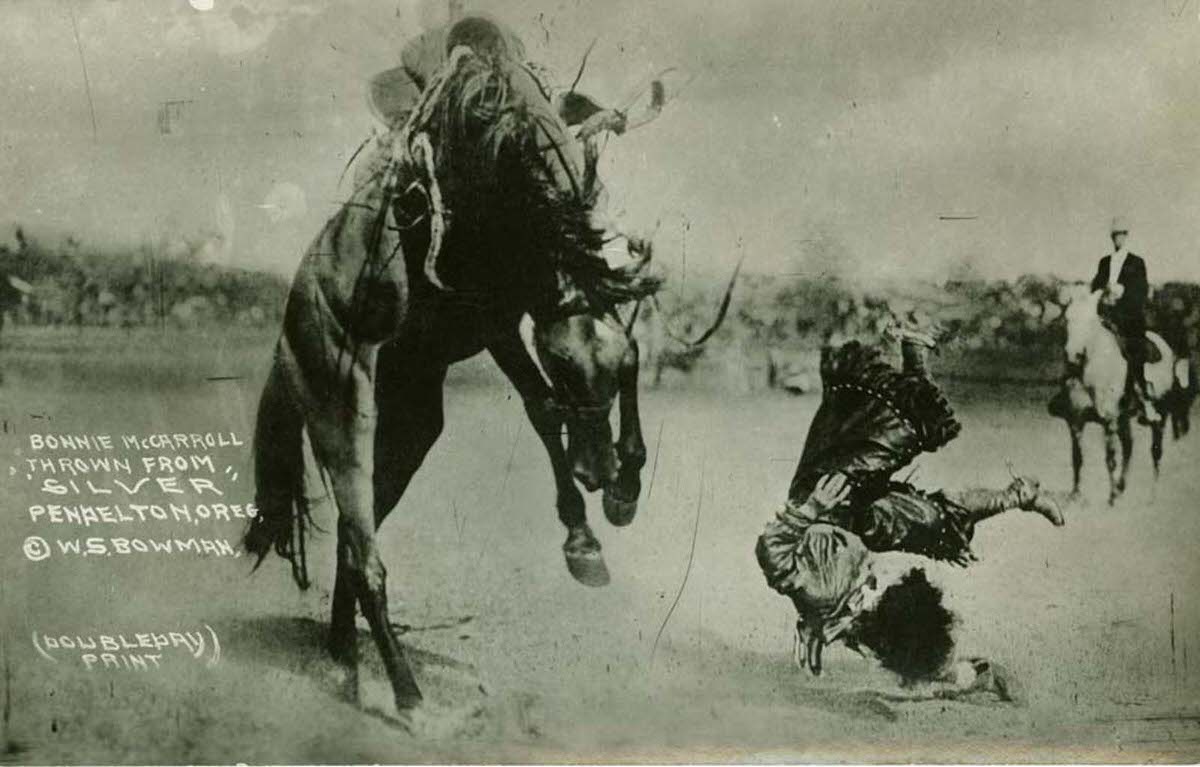
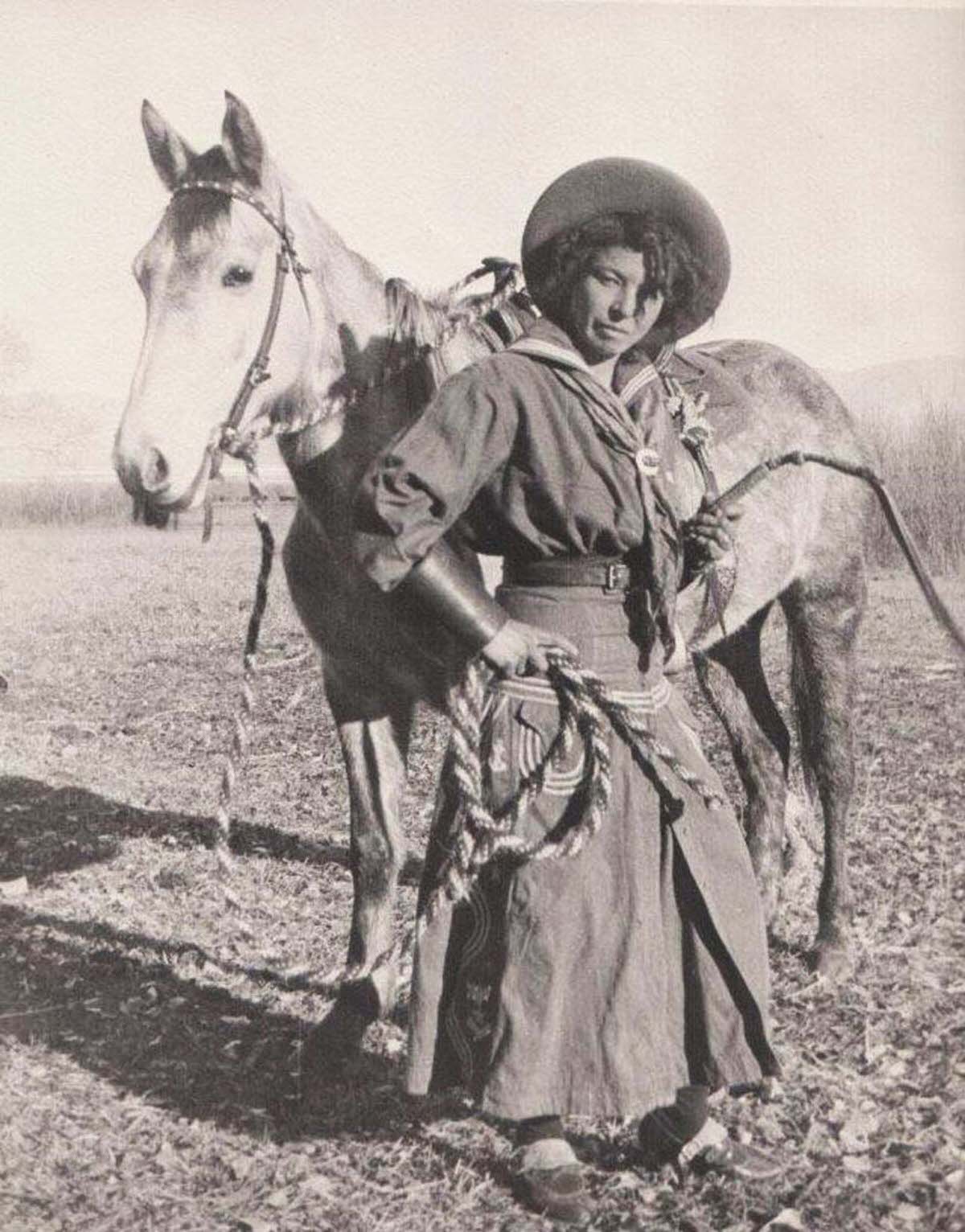
By the early 1900s, rodeos gave cowgirls a public stage. These women didn’t just perform — they competed, took hard falls, and got back up. Fox Hastings was one of them, a trick rider known for taking on the most dangerous horses on the circuit.
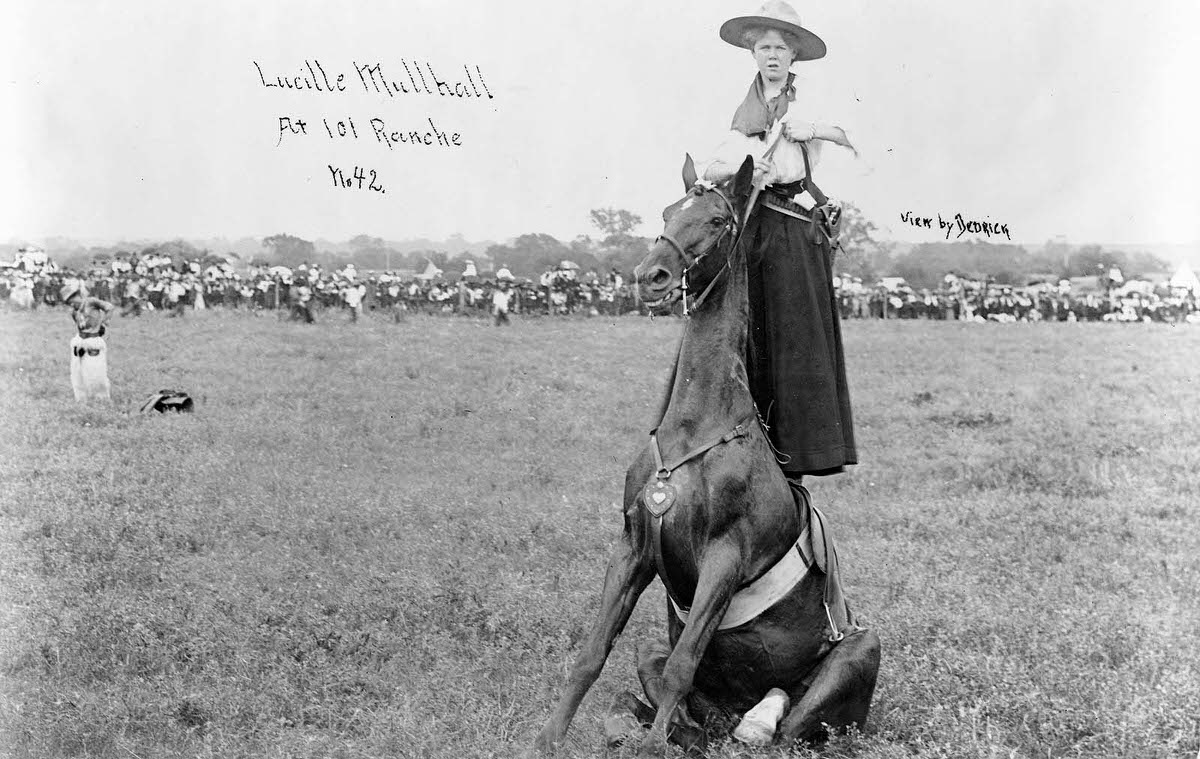
Lucille Mulhall was another standout. Widely considered one of the first true cowgirls, she could rope and ride with the best of them and performed at the 101 Ranch in Oklahoma, one of the most famous wild west show venues of the time.
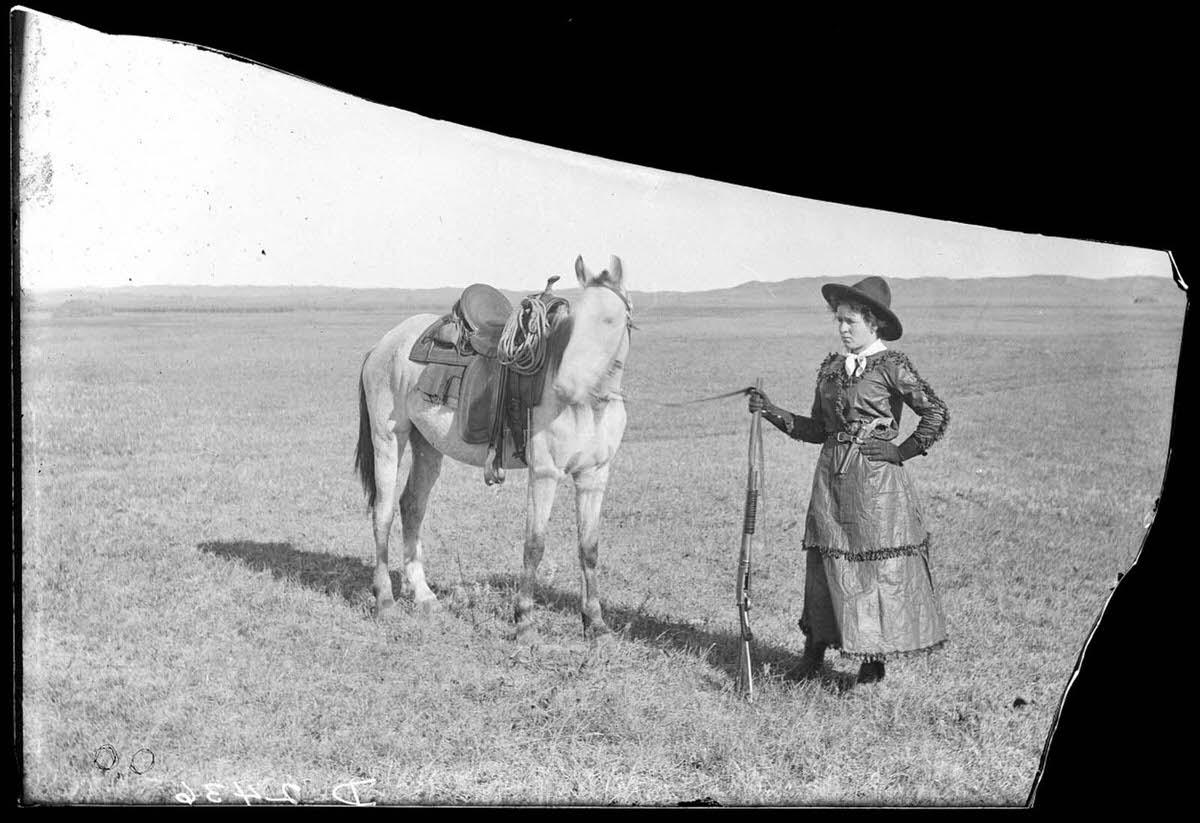
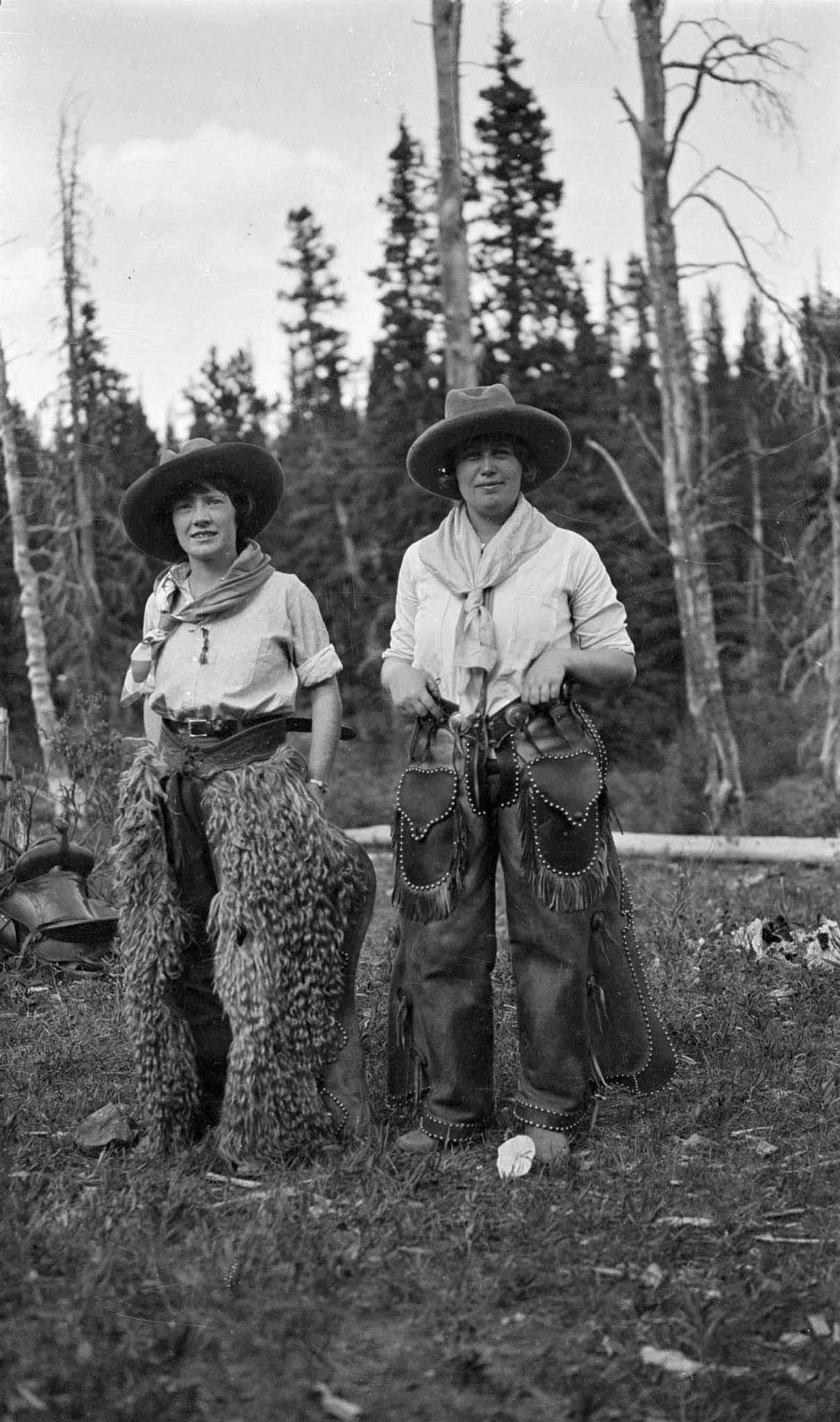
Out on the Nebraska range, women like Sadie Austin were doing the everyday work that kept ranches running — far from the spotlight but no less skilled.
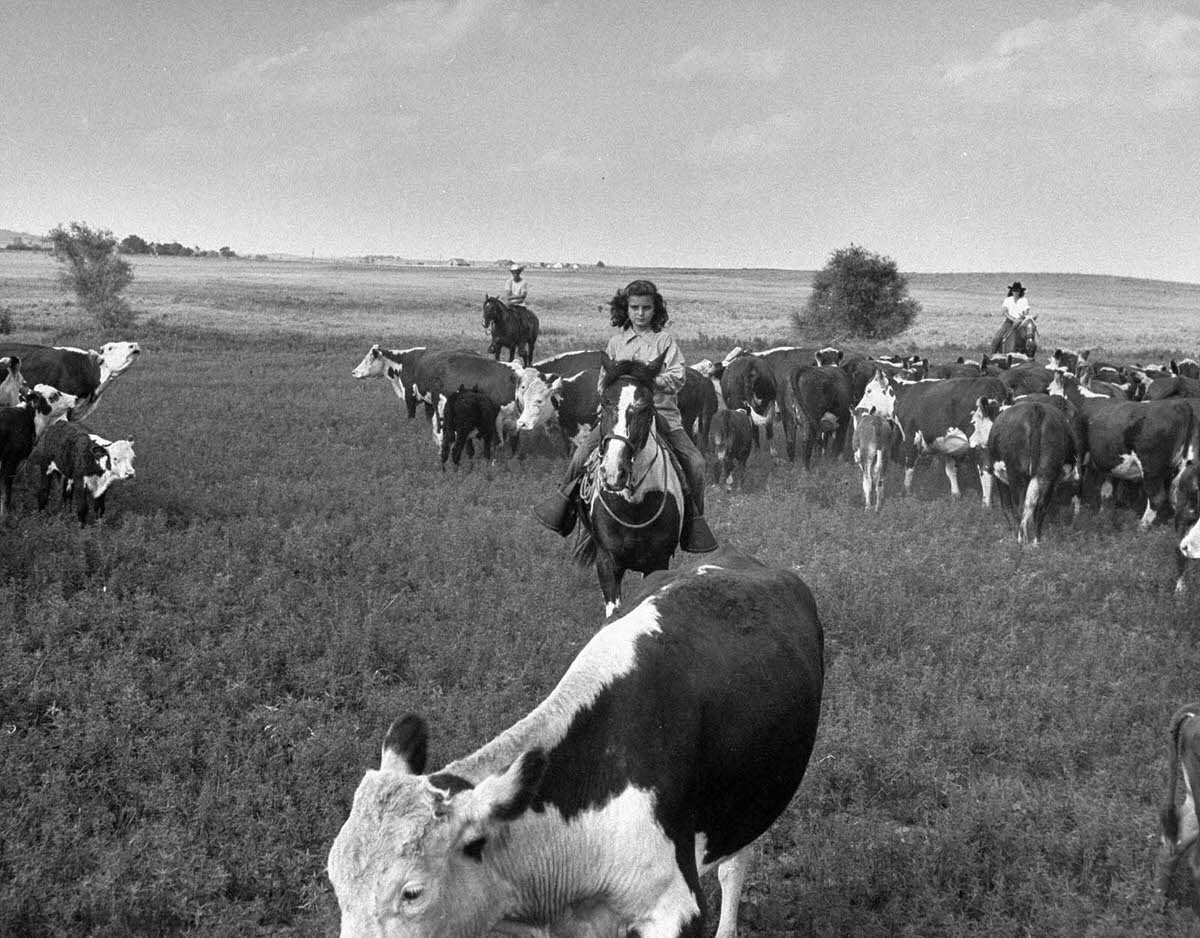
Cowgirl culture wasn’t just for adults. Young riders like Kathleen Hudson joined organized riding and roping clubs, learning the trade on the Oklahoma range while still in their youth.
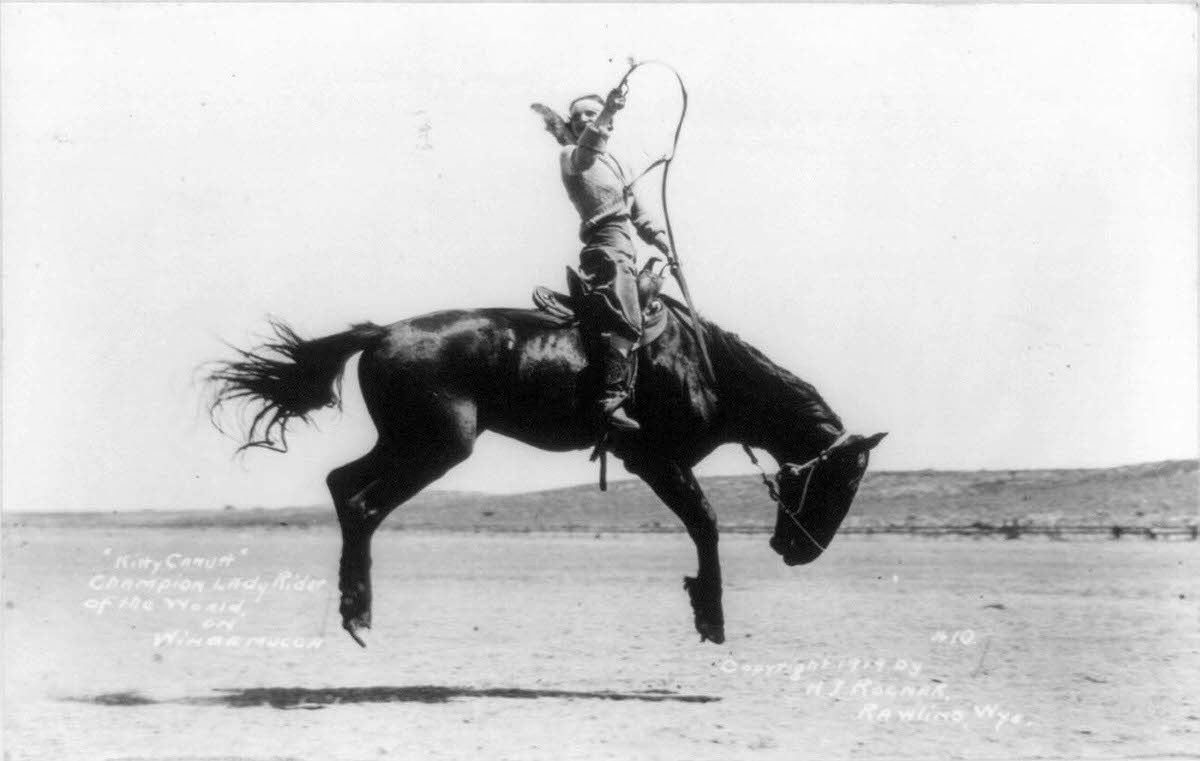
The rodeo arena was a proving ground. Kitty Canutt earned the title of
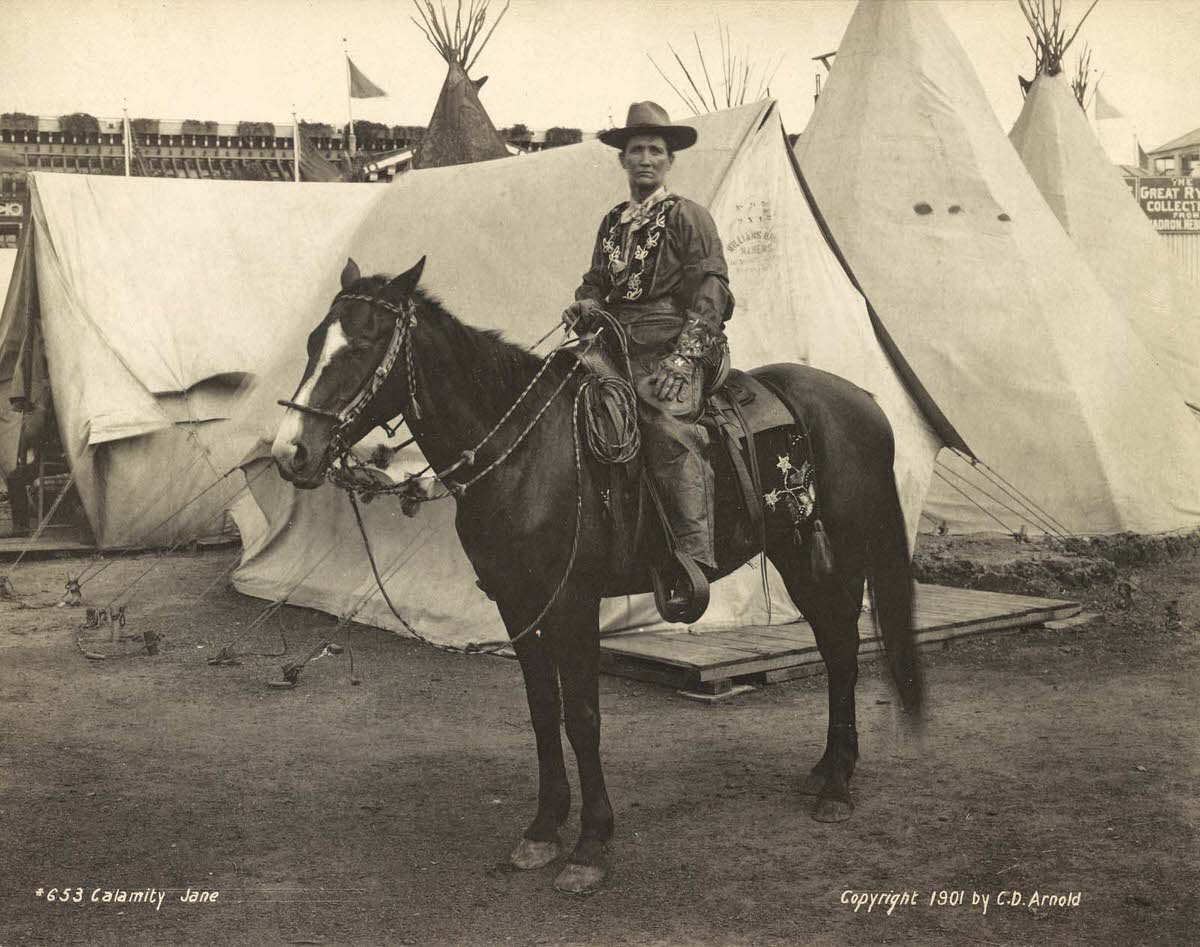
Few names from the frontier era are as recognizable as Calamity Jane. Born Martha Jane Canary, she became a scout, frontierswoman, and public figure who appeared at events like the Pan-American Exposition in 1901 — a living symbol of the untamed West.
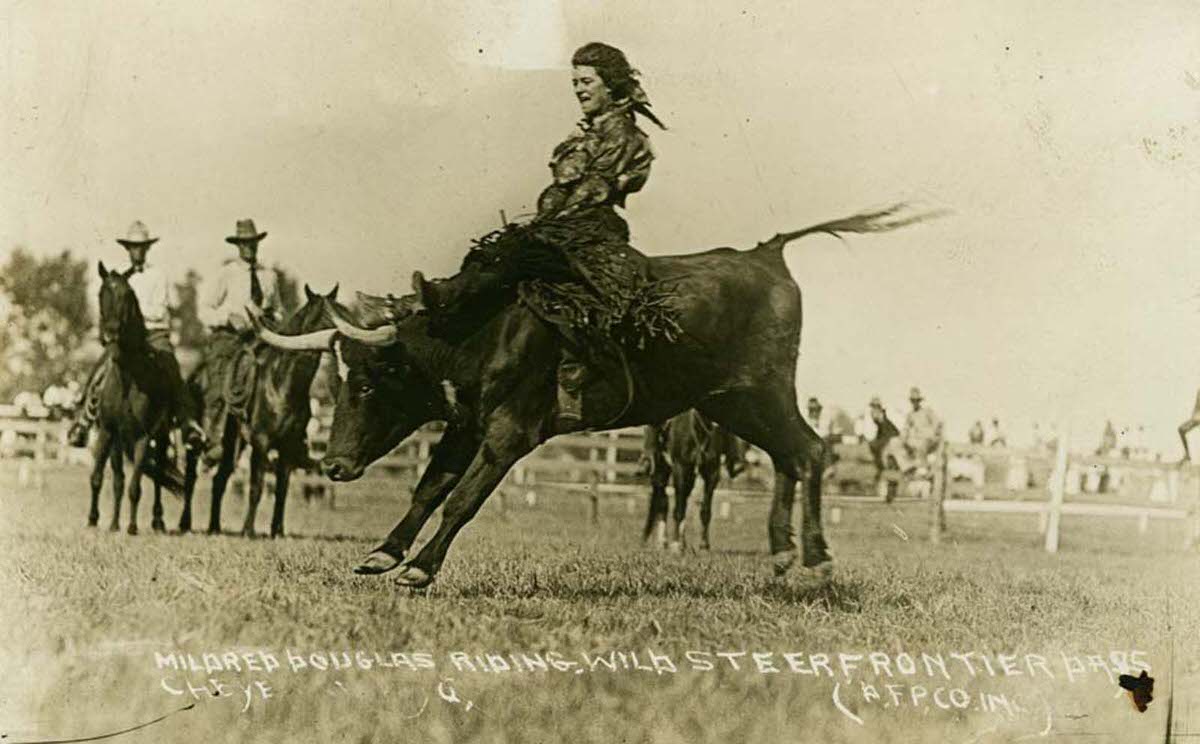
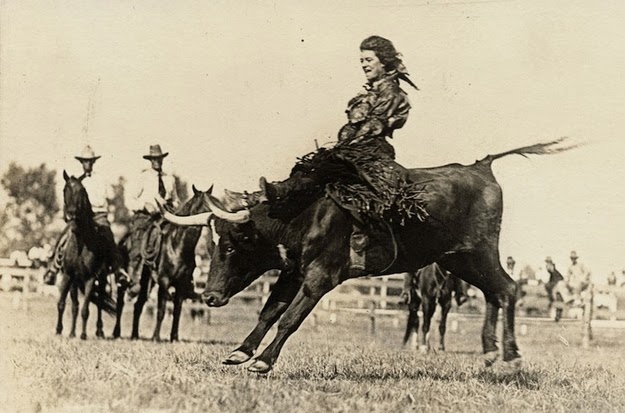
Riding a wild steer was among the most dangerous events any rodeo performer could attempt. Mildred Douglas did exactly that in Cheyenne, Wyoming, around 1917, and later went on to work as a stuntwoman in Hollywood — a career that demanded the same nerve as the rodeo.
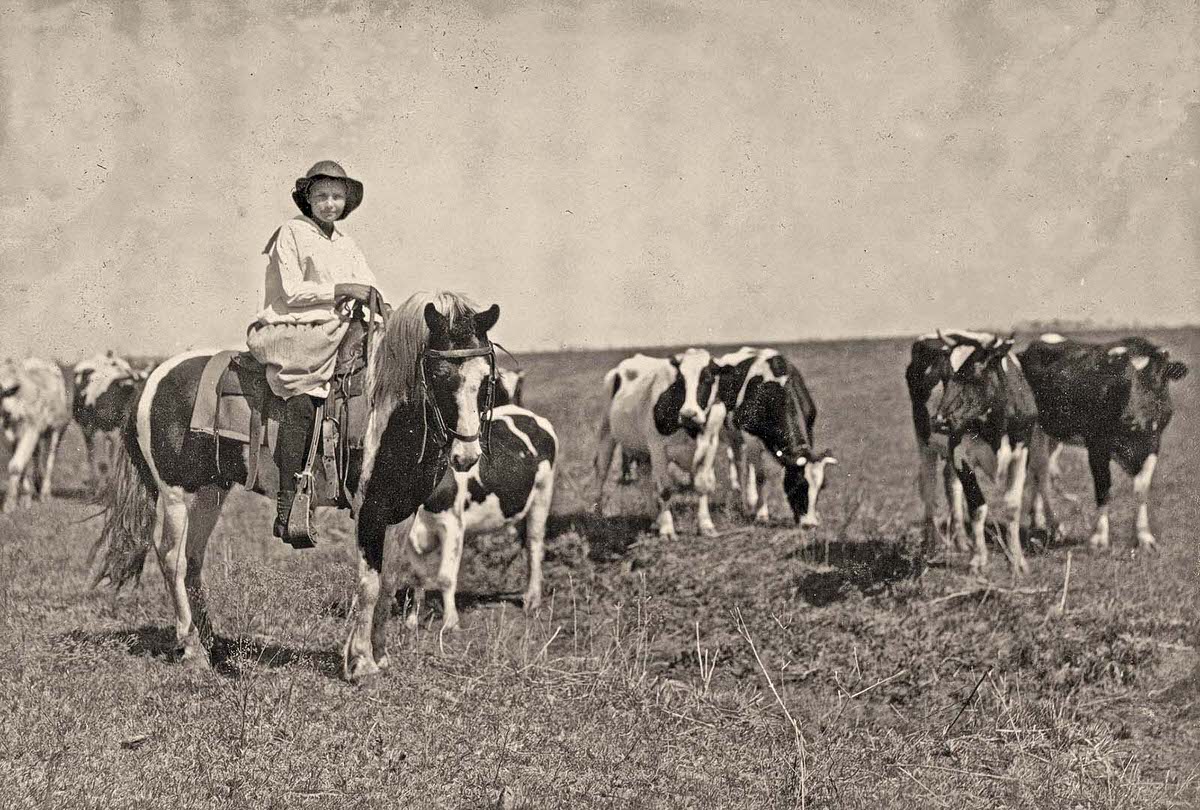
Cowgirl skills were passed down young. Sarah Crutcher was just 12 years old when she was already herding cattle, a reminder that ranch life started early and left little room for a slow learning curve.
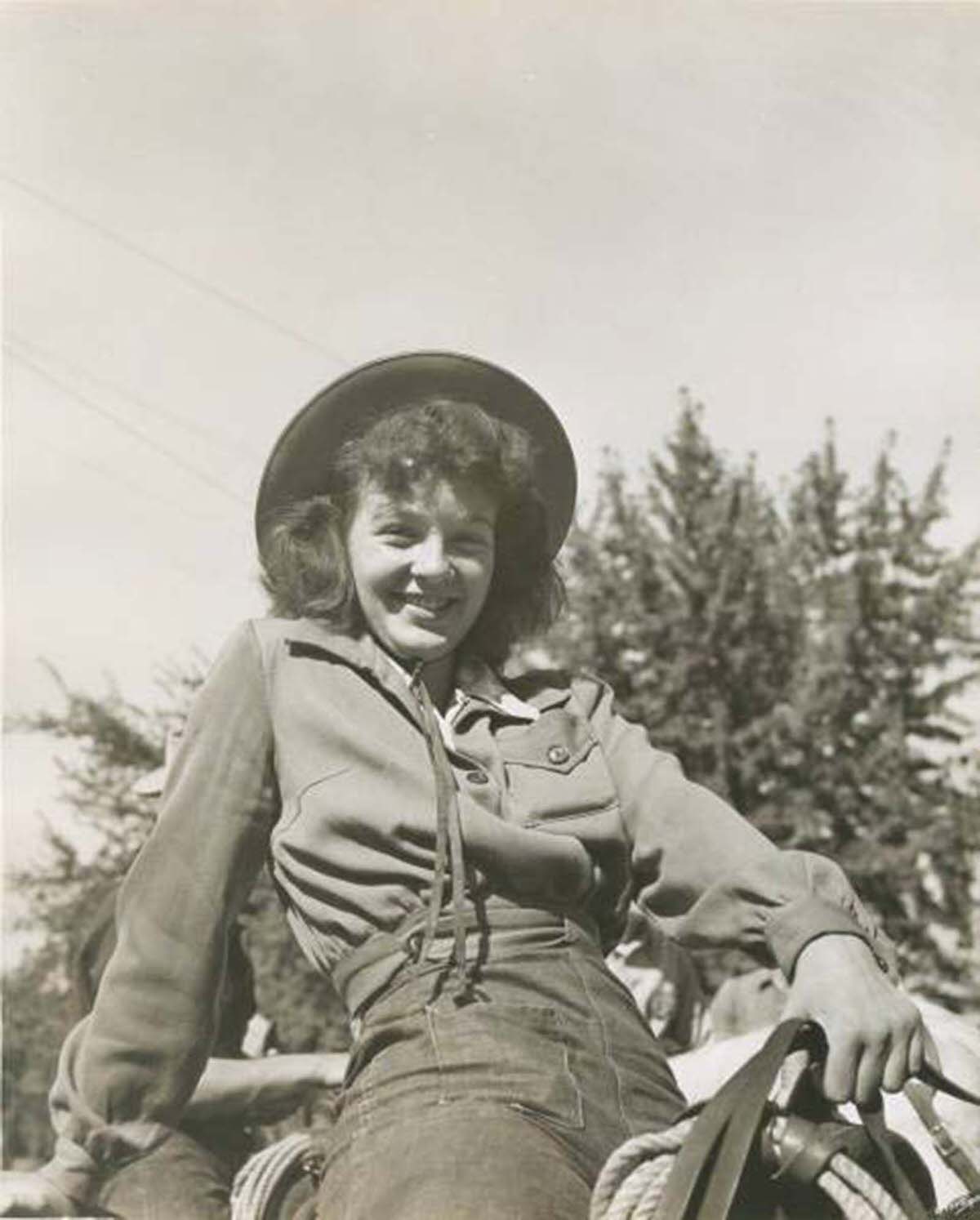
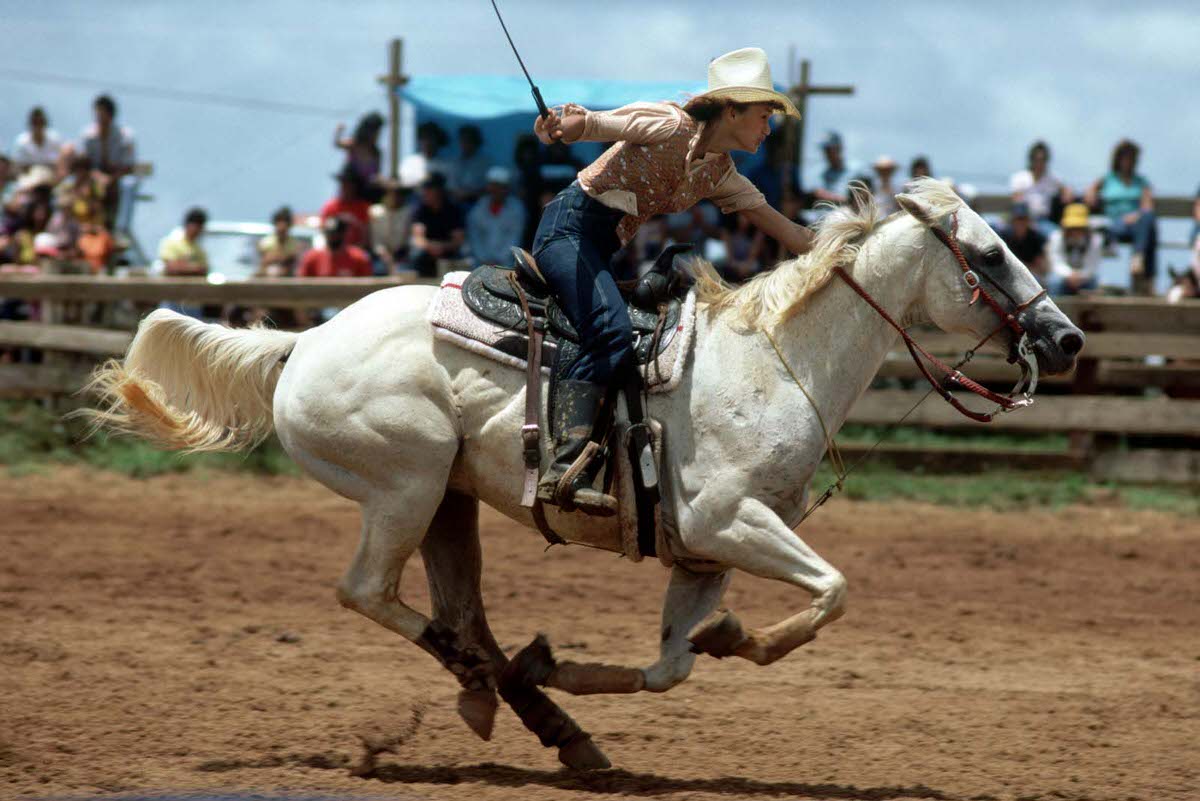
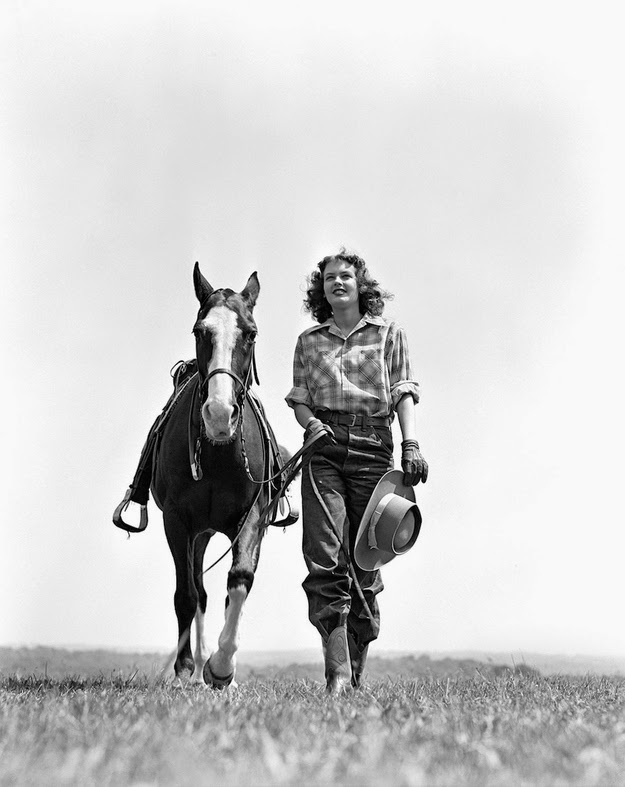
By the mid-20th century, cowgirl culture had spread well beyond the mainland. Rodeos took place as far as Hawaii, where riders competed with the same intensity as their counterparts on the Great Plains. Back on the mainland, the look and lifestyle of the cowgirl had also become a symbol of American identity — photographed, celebrated, and widely recognized.
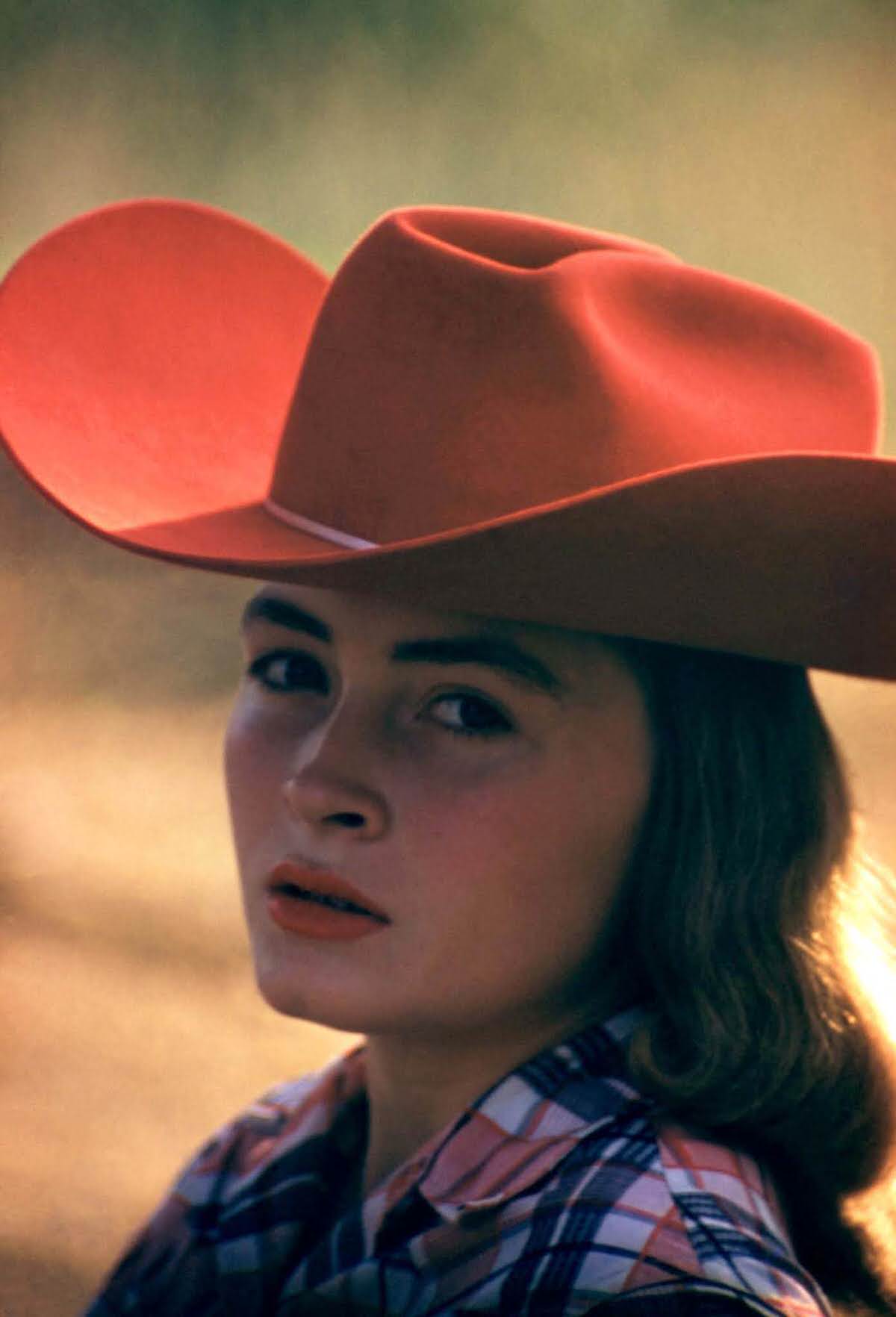
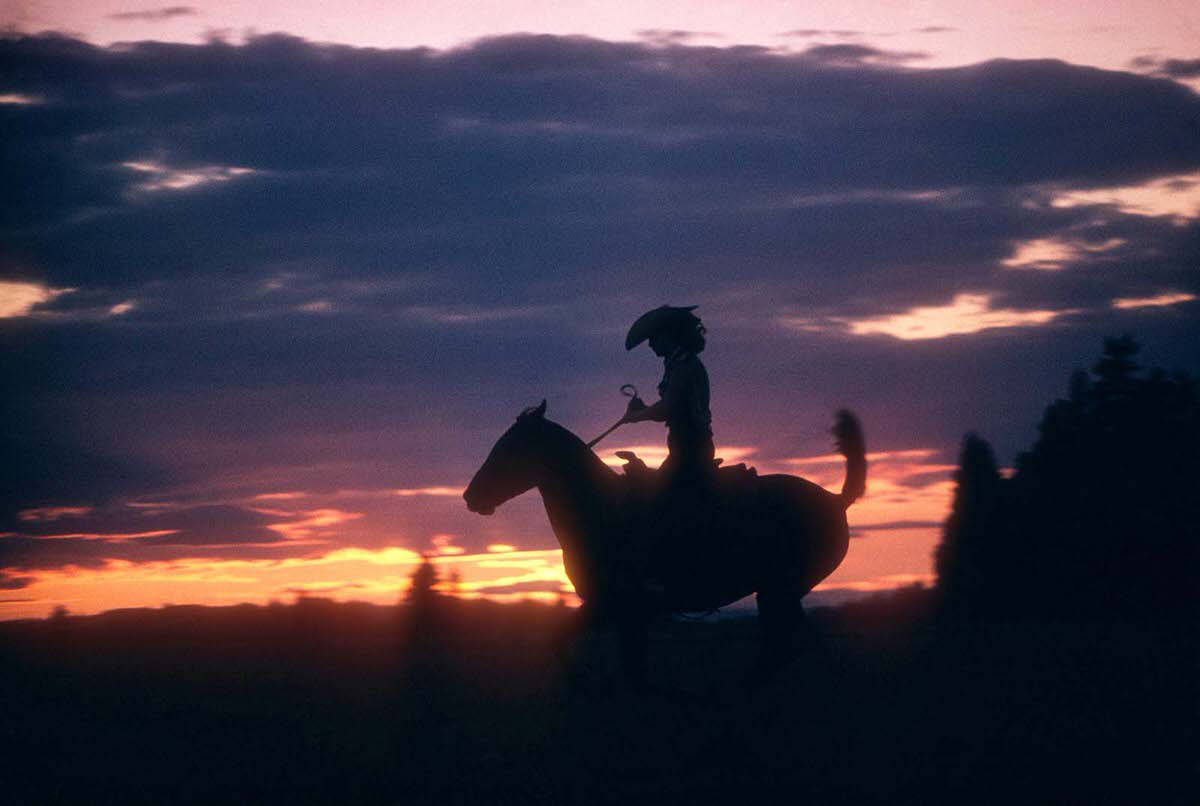
Lasso work was its own discipline. Florence LaDue was a world champion at it, showcasing precision rope skills that took years to master. Roper Jane Burmudy turned the lasso into performance art, combining technical skill with showmanship in what was known as a lasso dance.
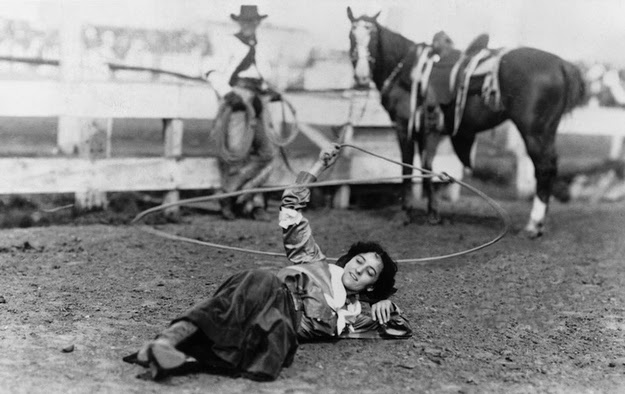
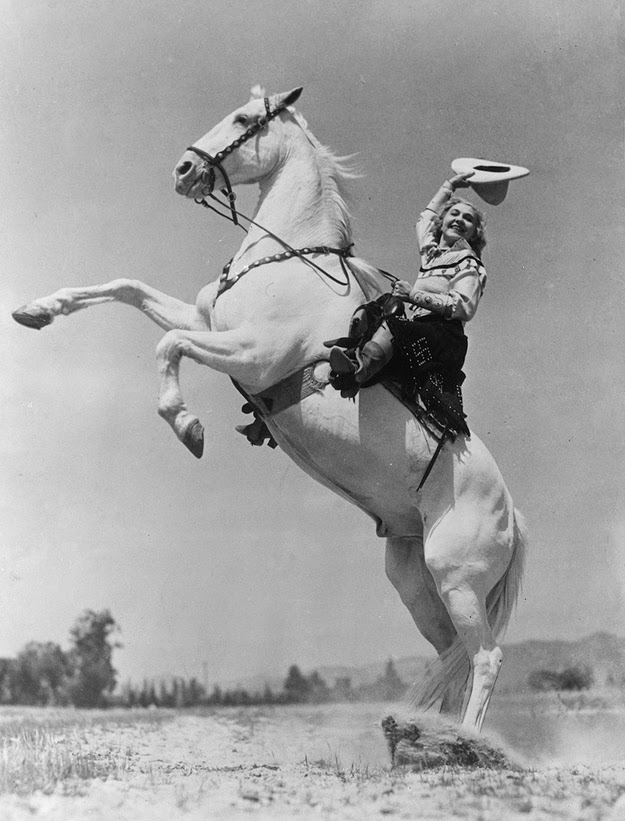
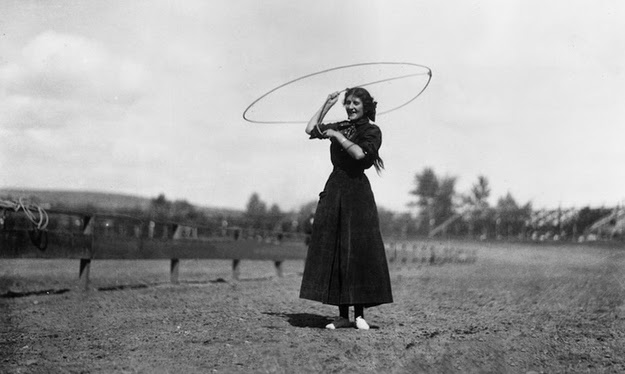
Some cowgirls crossed over into entertainment entirely. Betty Miles was both an actress and a rodeo champion. Mildred Douglas Chrisman moved from the rodeo circuit to Hollywood stunt work, riding bulls professionally as late as 1930.
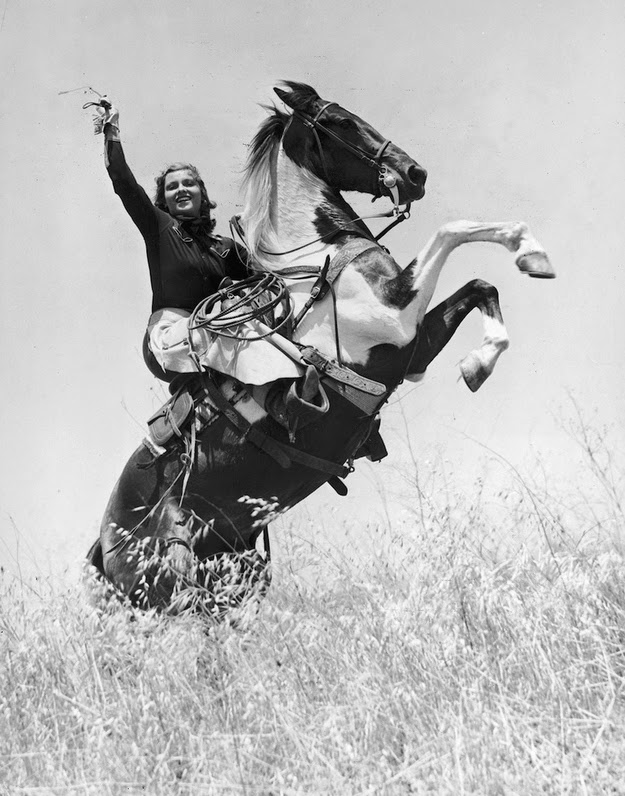
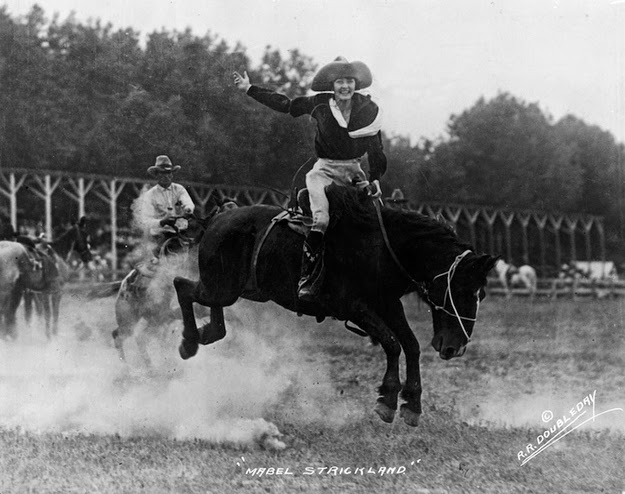
Mabel Strickland was one of the most decorated rodeo horsewomen of her era, competing through the 1920s and earning a reputation as one of the finest riders in the country.
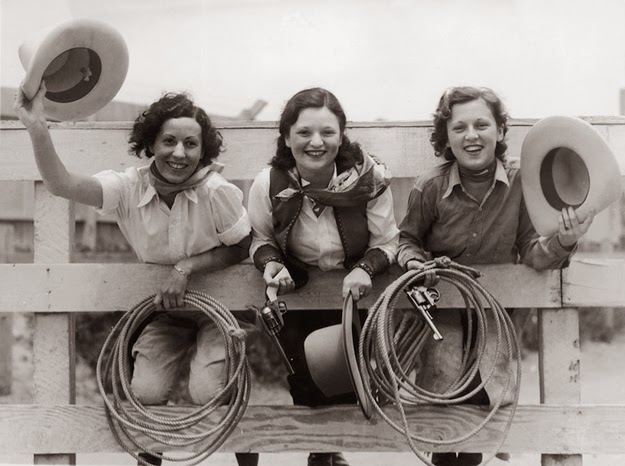
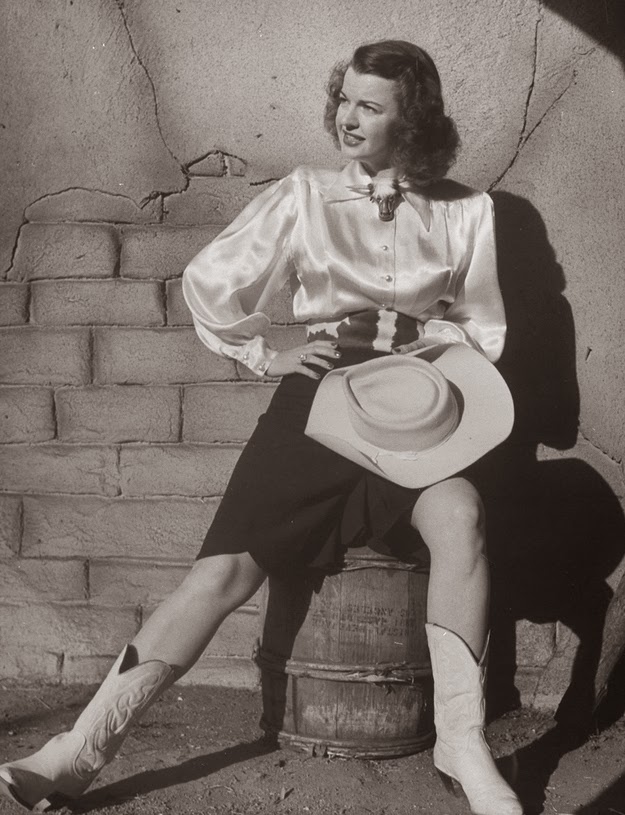
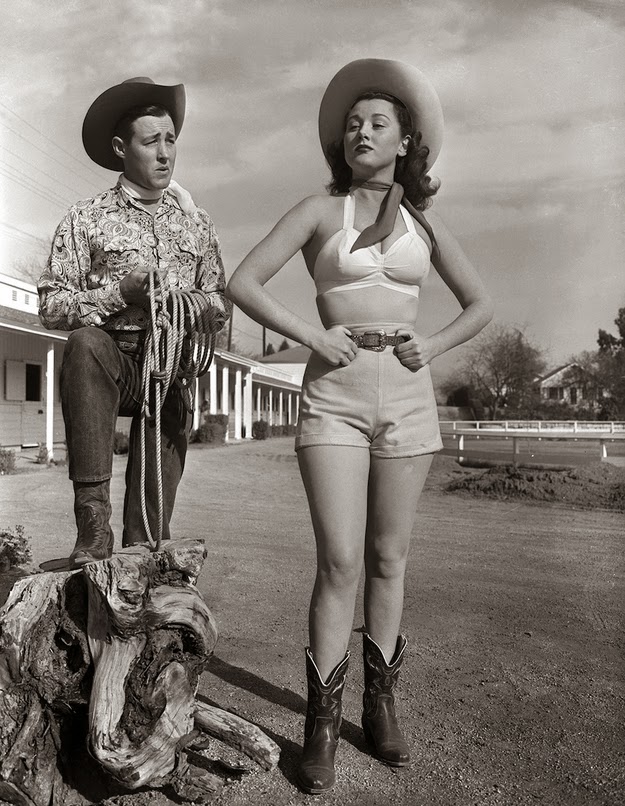
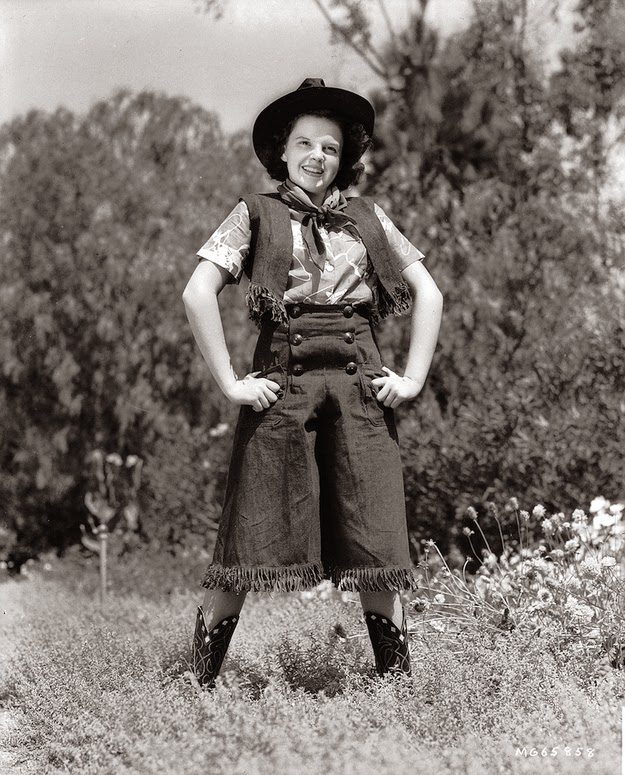
Hollywood took the cowgirl image and gave it a glamorous spin. Actress Dale Evans became one of the most recognizable cowgirl figures in film, while stars like Judy Garland posed in cowgirl costume for publicity shoots that brought western fashion to a national audience.
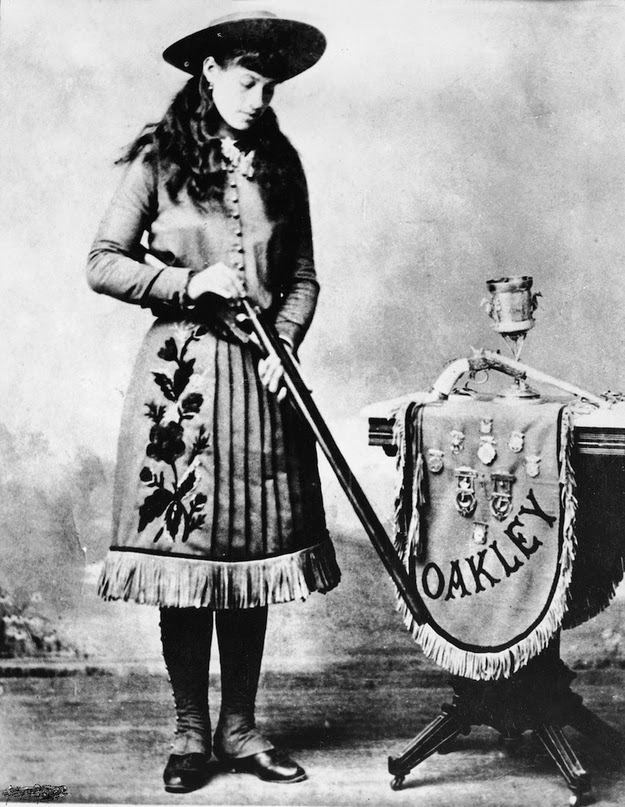
No collection of cowgirl history is complete without Annie Oakley. A sharpshooter from Ohio, she joined Buffalo Bill’s Wild West show and became internationally famous for her marksmanship. Her 1890 publicity photo captures the confidence that made her a household name decades before most women had the right to vote.