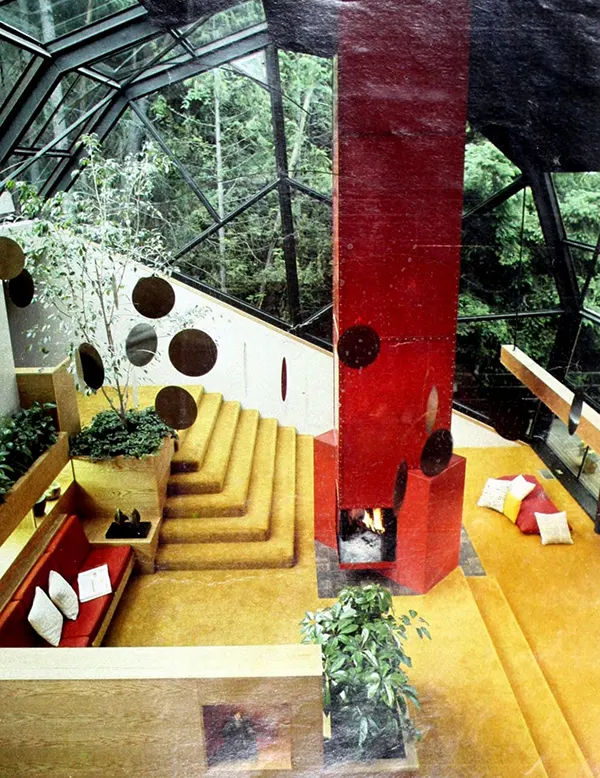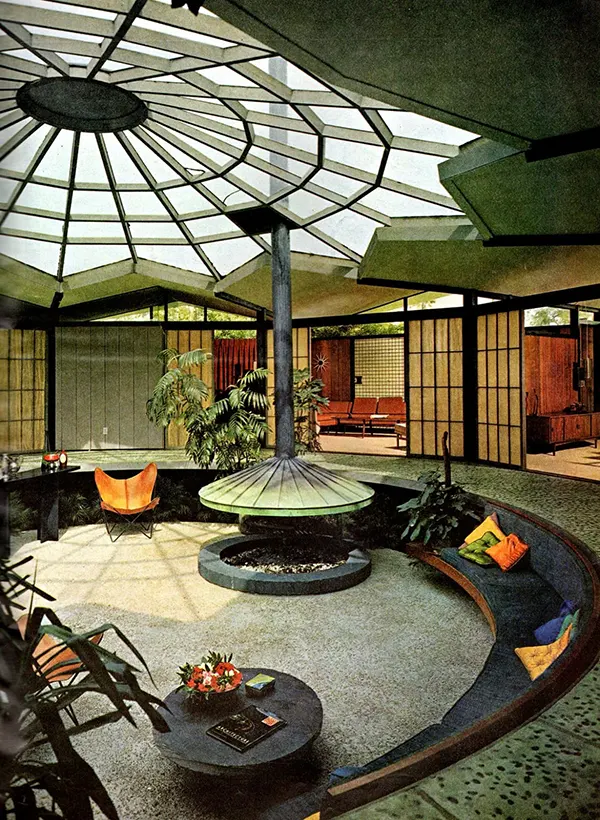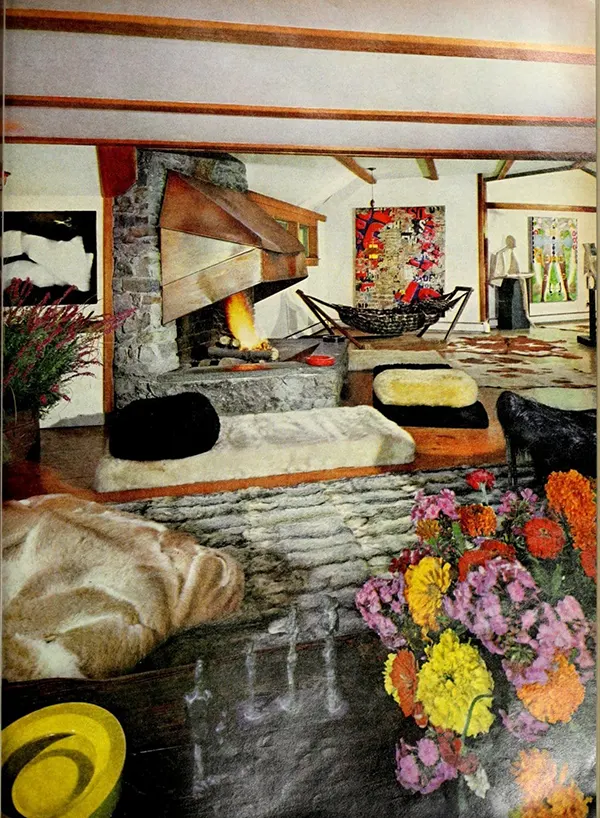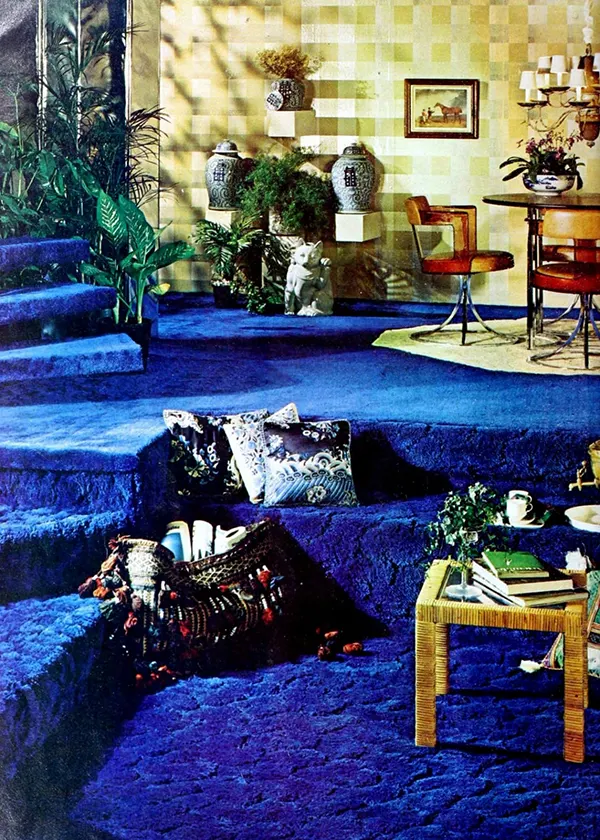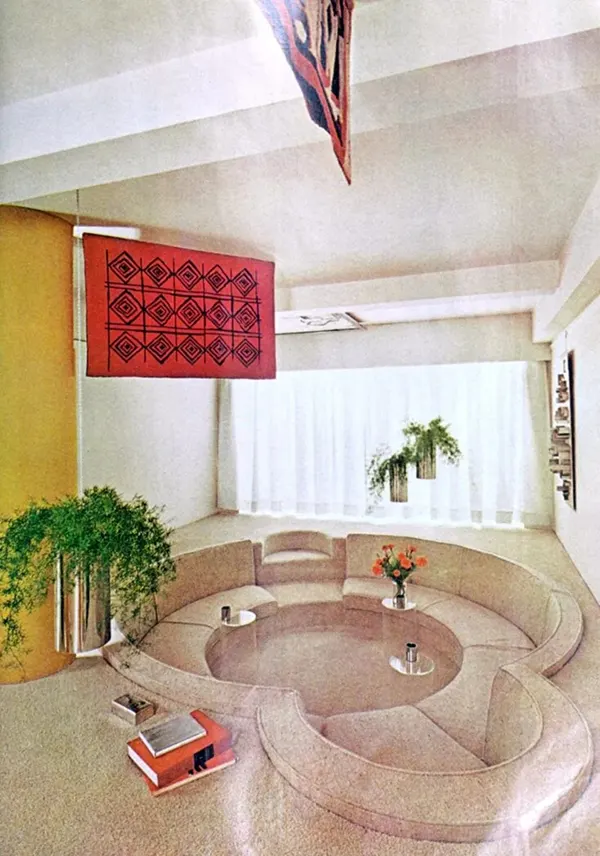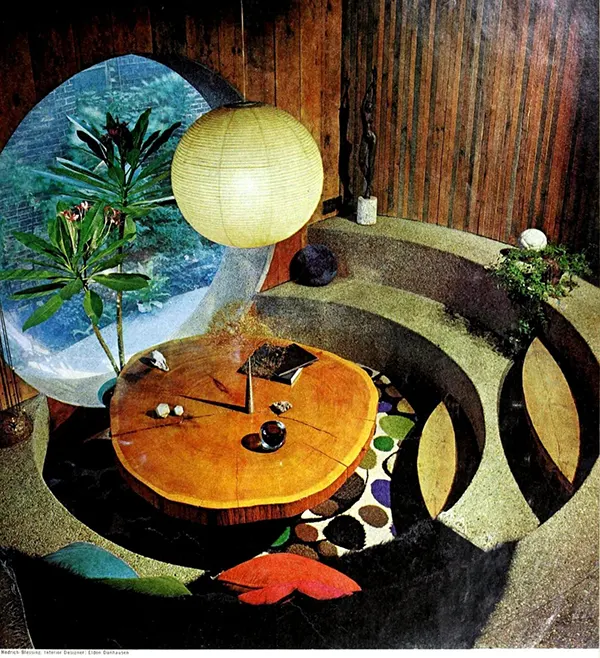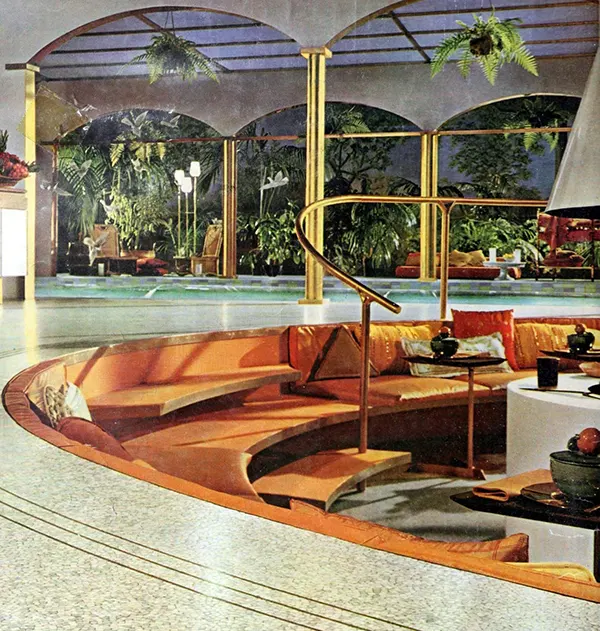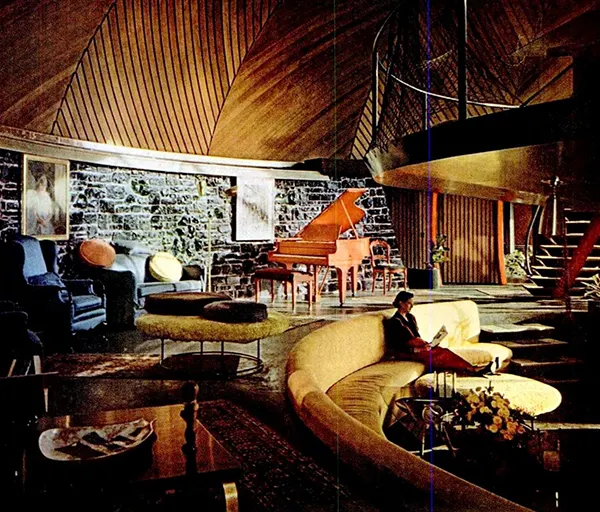

Few design features from the 20th century carry as much personality as the conversation pit. These sunken seating areas — built directly into the floor of a living room — were a bold architectural statement. They weren’t just furniture arrangements. They were a deliberate attempt to reshape how people gathered, talked, and spent time together inside a home.
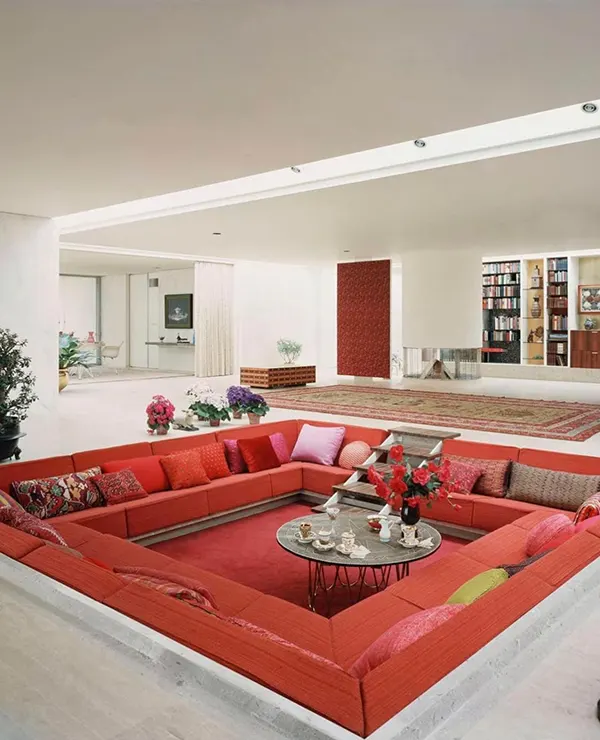
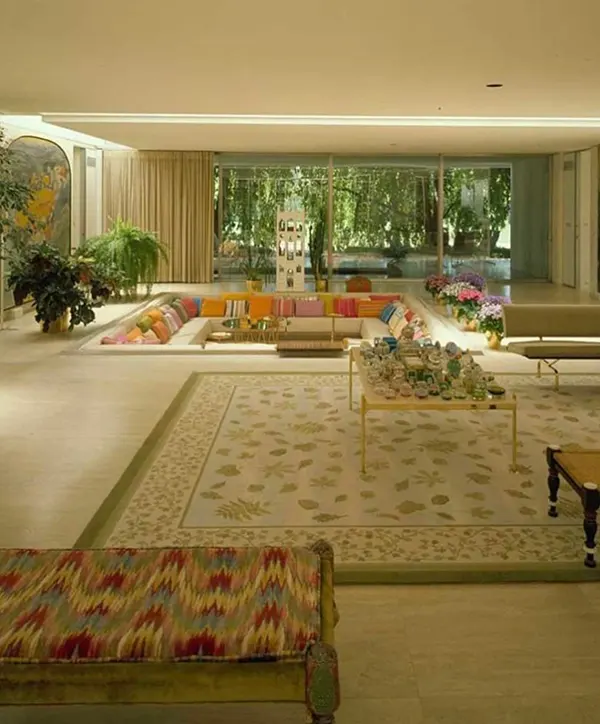
The roots of the conversation pit trace back to architect Bruce Goff, who explored the idea of recessed interior spaces in his experimental designs. But it was Eero Saarinen and Alexander Girard who brought the concept into the mainstream. Their 1958 design for the Miller House in Columbus, Indiana featured a large sunken seating area at the heart of the living room. That single project did more to popularize the conversation pit than anything before it.
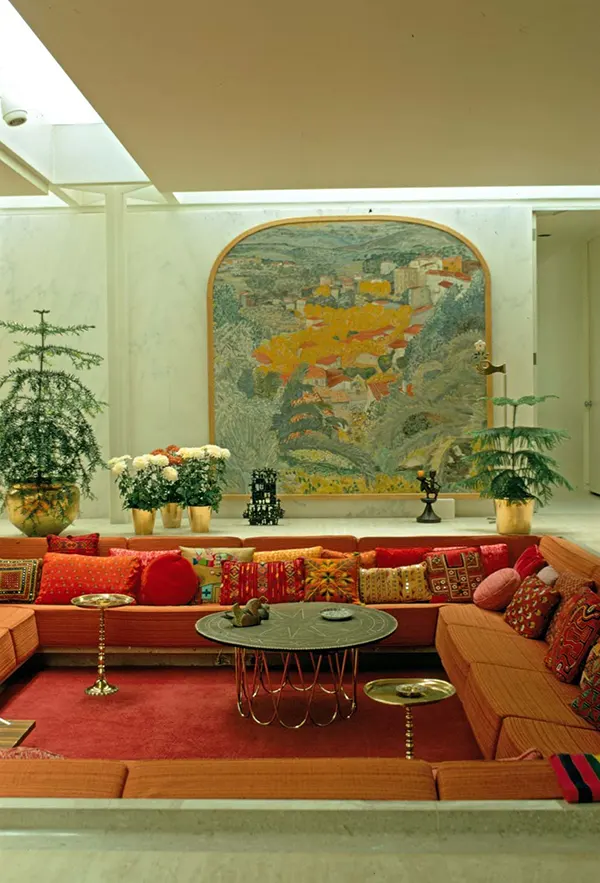
By the early 1960s, conversation pits were appearing in homes across the United States. They became closely tied to contemporary and modernist architecture — the kind of design that rejected fussy ornamentation in favor of clean lines and open spaces. Owning a home with a conversation pit signaled taste, modernity, and a certain social confidence.
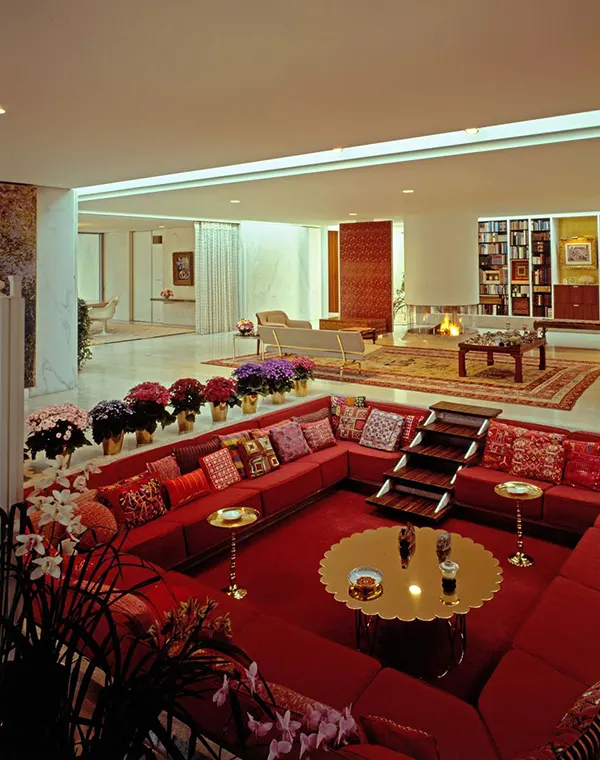
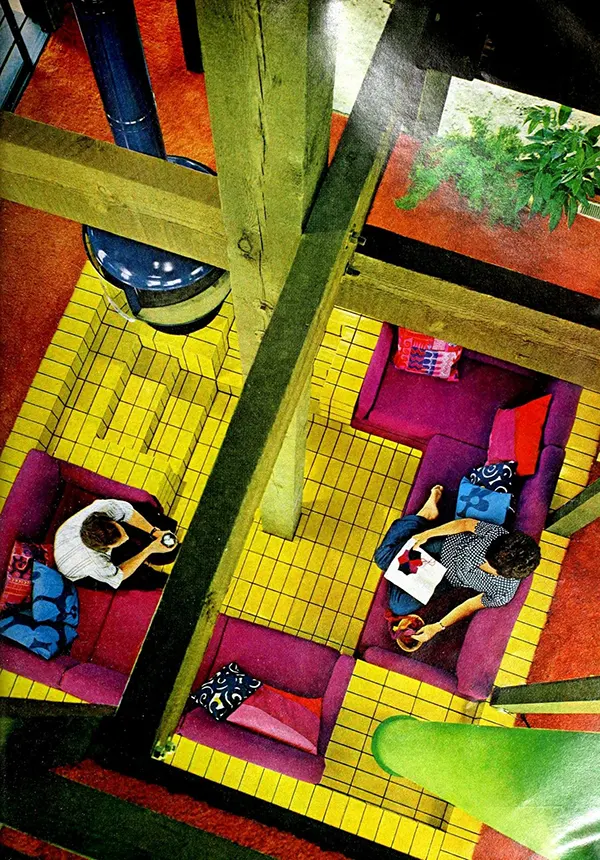
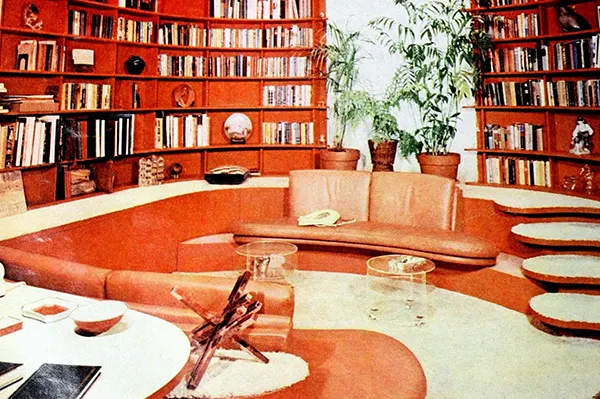
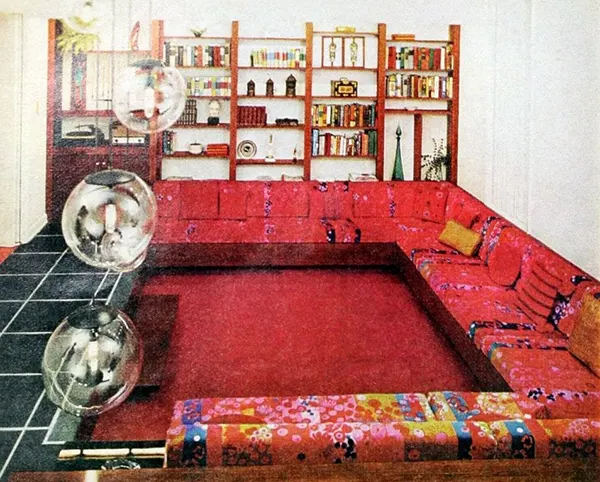
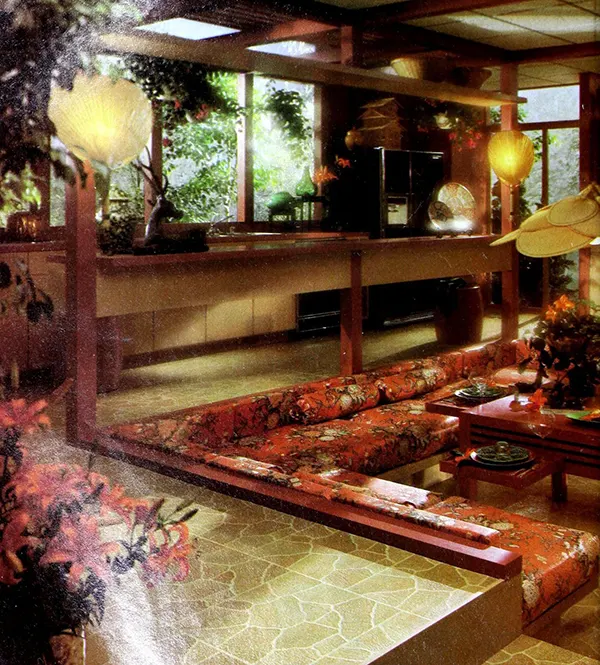
The typical conversation pit sat several steps below the main floor level. Most were square or rectangular, though circular versions appeared frequently in more ambitious designs. The seating ran along the inner walls of the pit, usually padded with thick cushions or upholstered benches. A low coffee table often sat in the center, though some designers left that space open to allow for more flexible seating arrangements.
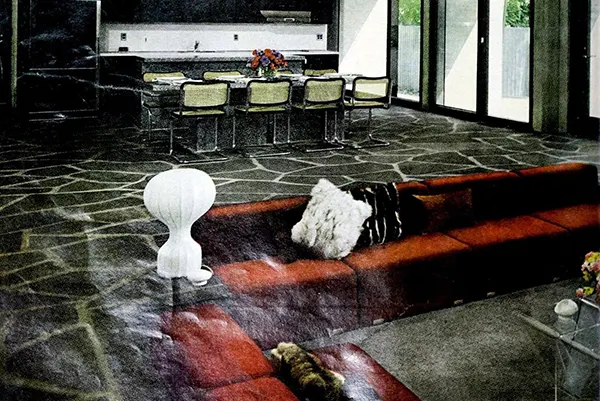
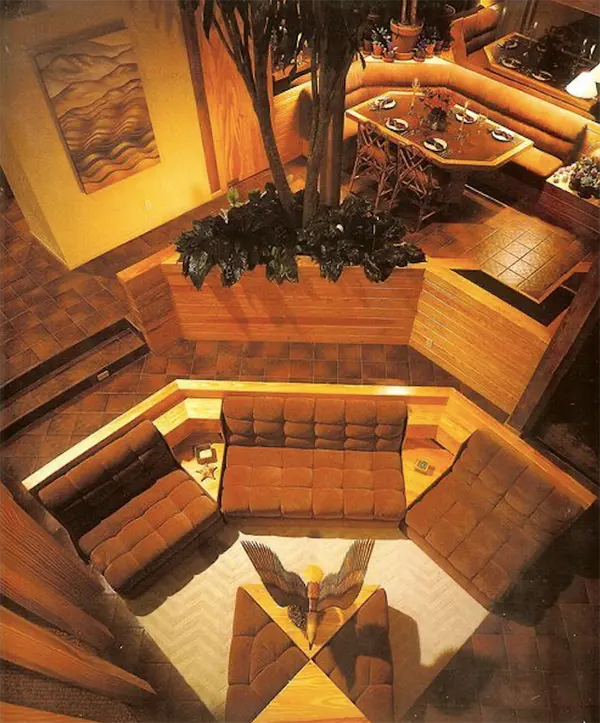
The sunken position served a real purpose. By dropping below the surrounding floor, the pit created a zone that felt physically separate from the rest of the room. Conversations stayed contained. The television, visible from the main floor, became less of a distraction. Guests seated inside the pit naturally faced one another, which encouraged actual dialogue rather than passive side-by-side viewing.
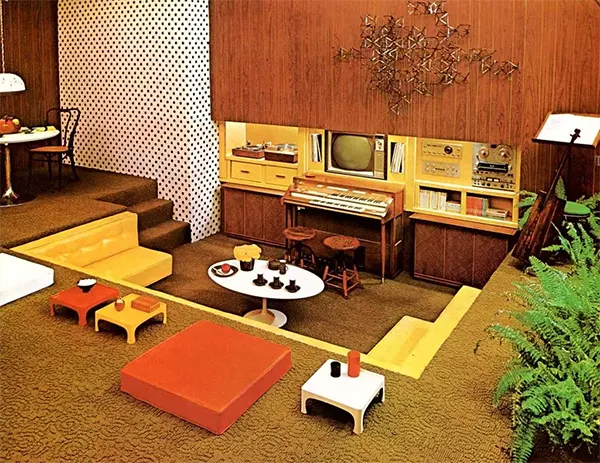
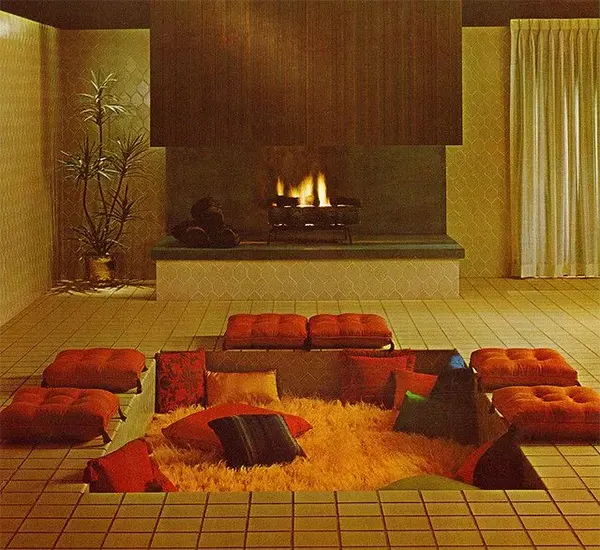
This design fit neatly into the era’s broader shift toward casual entertaining. The formal sitting room — rigid, untouchable, used only for important guests — was giving way to something looser and more relaxed. The conversation pit embodied that shift completely. It invited people to sink in, get comfortable, and stay awhile.
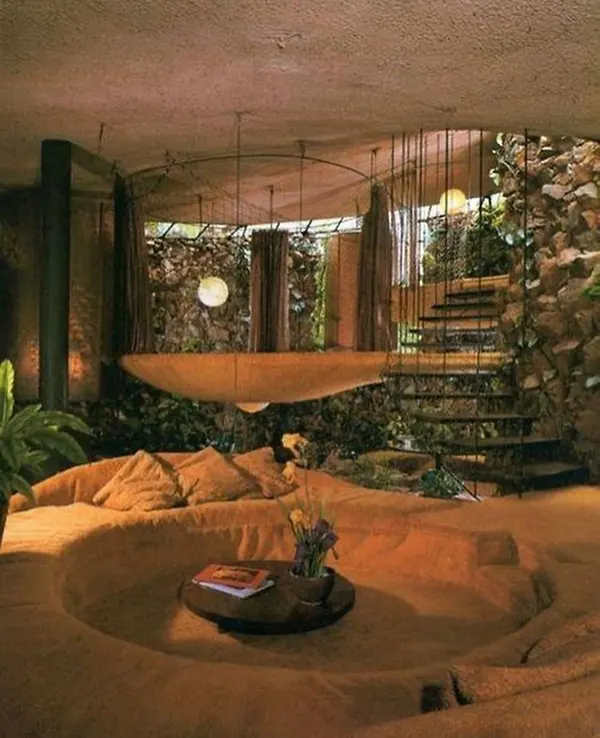
Some designers pushed the feature further. Built-in fireplaces became a popular addition, turning the pit into a warm, enclosed retreat within the larger home. A few high-end versions included rotating platforms or elaborate lighting rigs. These additions transformed the conversation pit from a seating choice into a full environmental experience.
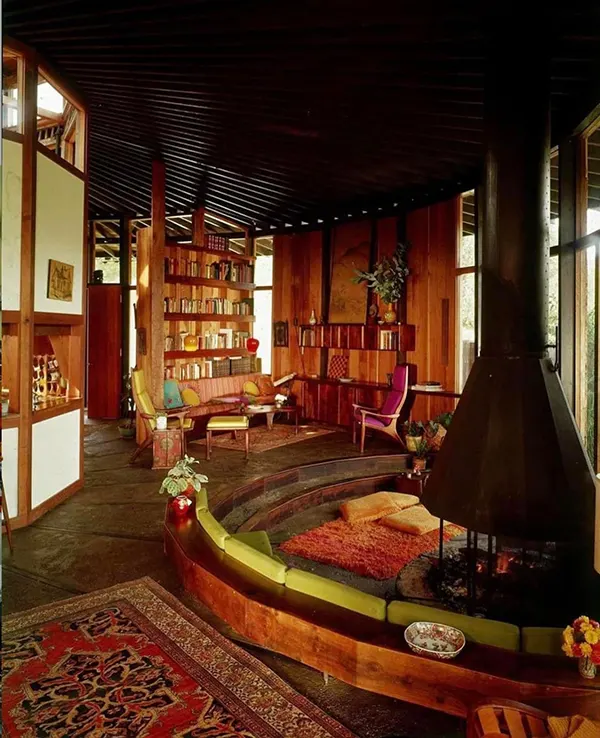
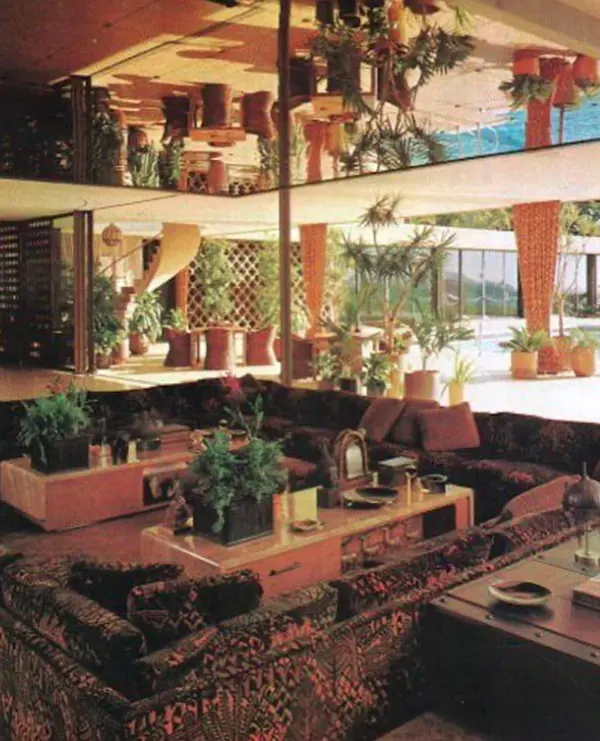
Conversation pits weren’t limited to private homes. Hotels, restaurants, and clubs adopted the format through the late 1960s and into the 1970s. In a public setting, the sunken seating area offered both privacy and visual drama — a corner of the room that felt distinct from the open floor plan surrounding it.
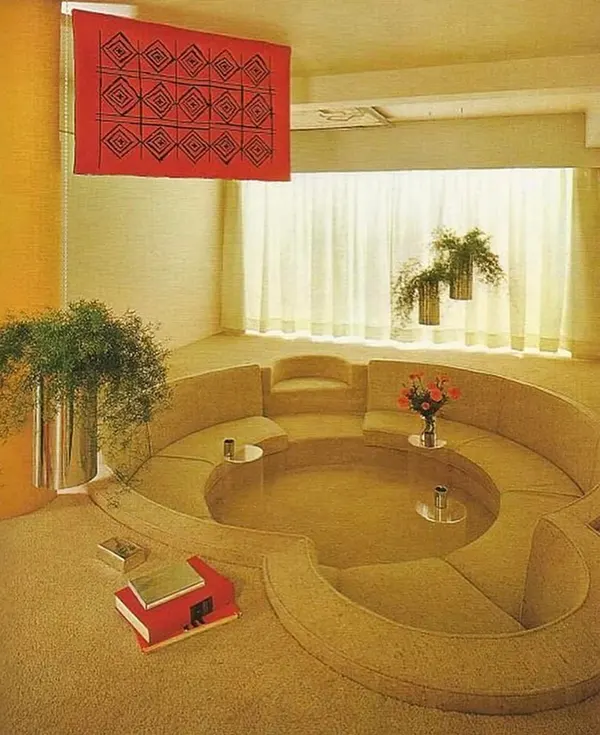
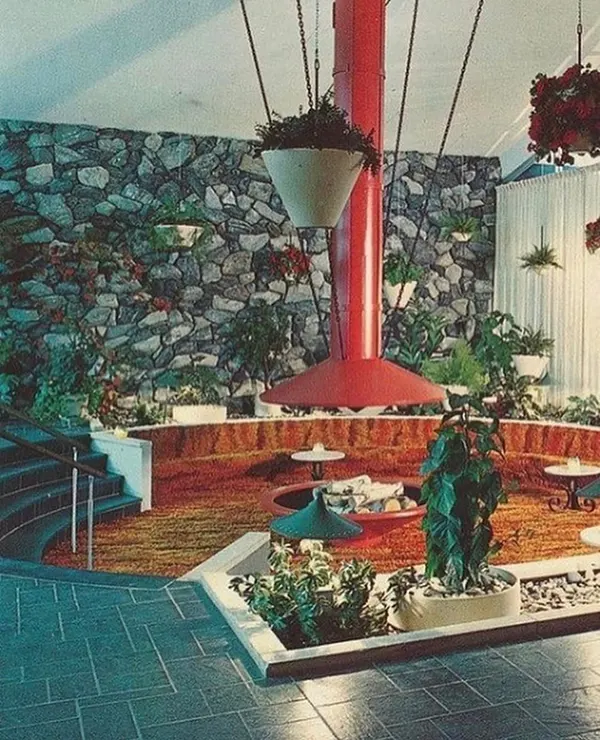
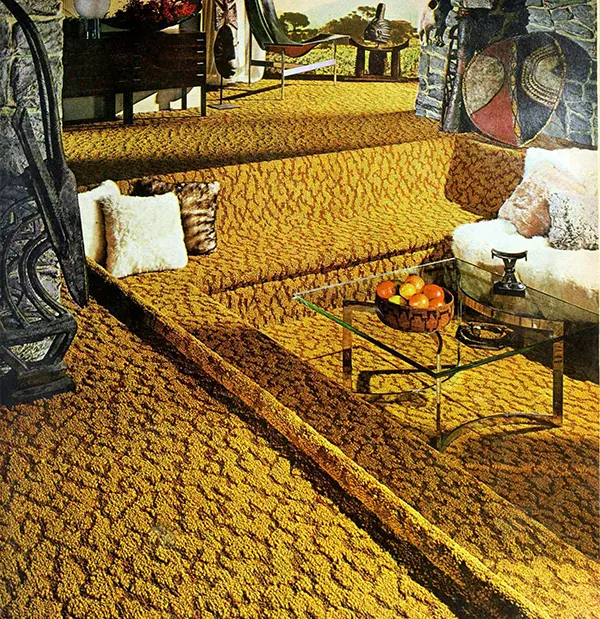
The 1970s represented the peak of the conversation pit’s presence in popular culture. They showed up in celebrity homes, design magazines, and television programs. The aesthetic leaned heavily into earth tones — burnt orange, avocado green, chocolate brown — paired with shag carpet and low lighting. The overall effect was deliberately warm and enveloping.
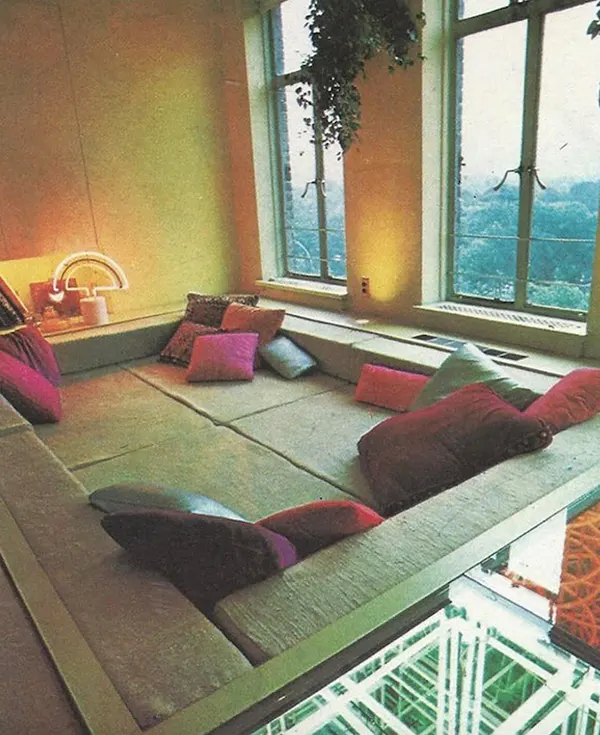
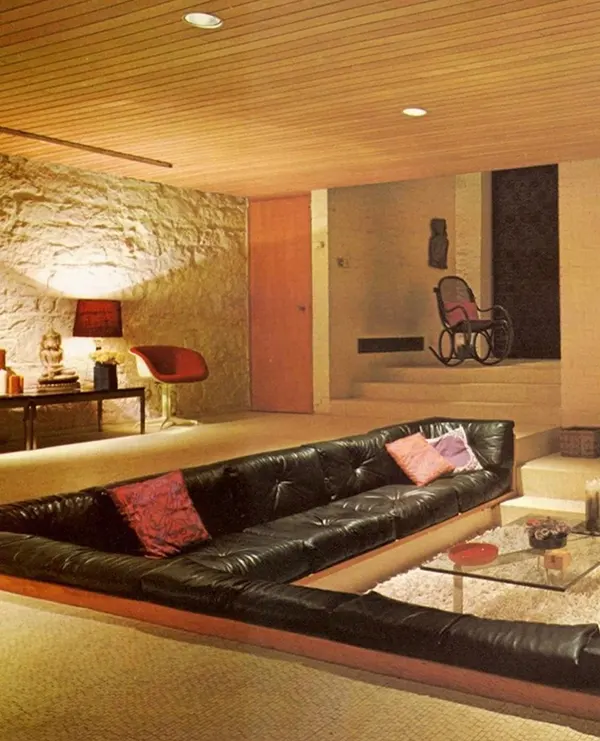
As the 1970s ended, criticism of conversation pits grew louder. Detractors pointed to practical problems. The sunken floor consumed a large amount of usable space. Young children and elderly guests faced a real fall risk at the pit’s edge. Moving furniture in or out was complicated. Cleaning the deep seating was difficult. These weren’t trivial complaints, and homeowners began to fill them in or cover them over.
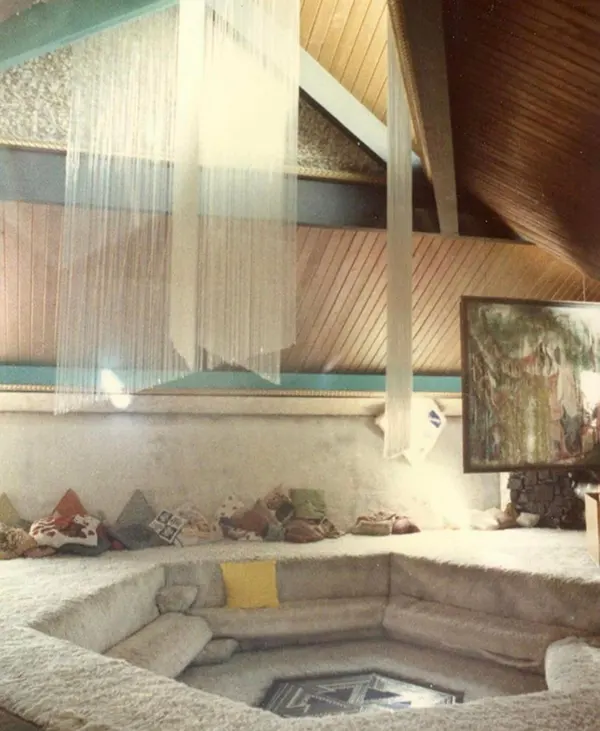
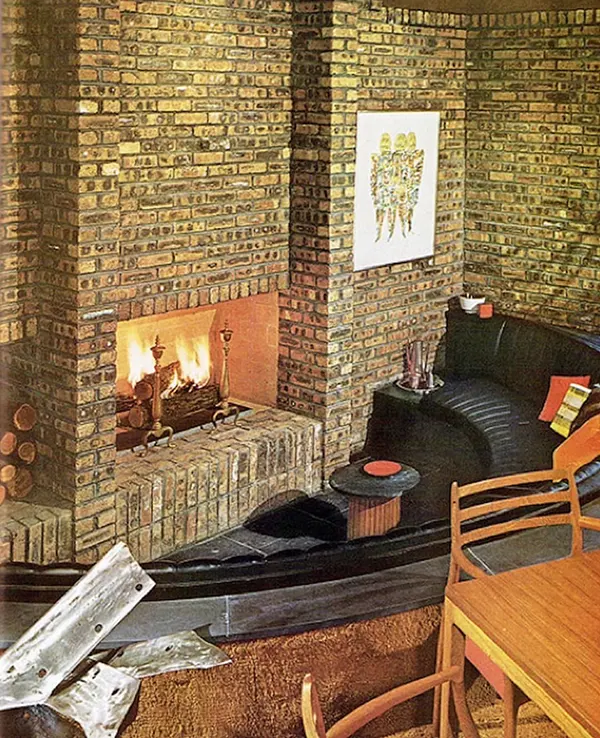
Through the 1980s and into the 1990s, the conversation pit largely disappeared from new construction. The design world moved toward different priorities — larger square footage, open-concept kitchens, and entertainment centers built around television screens rather than face-to-face dialogue.
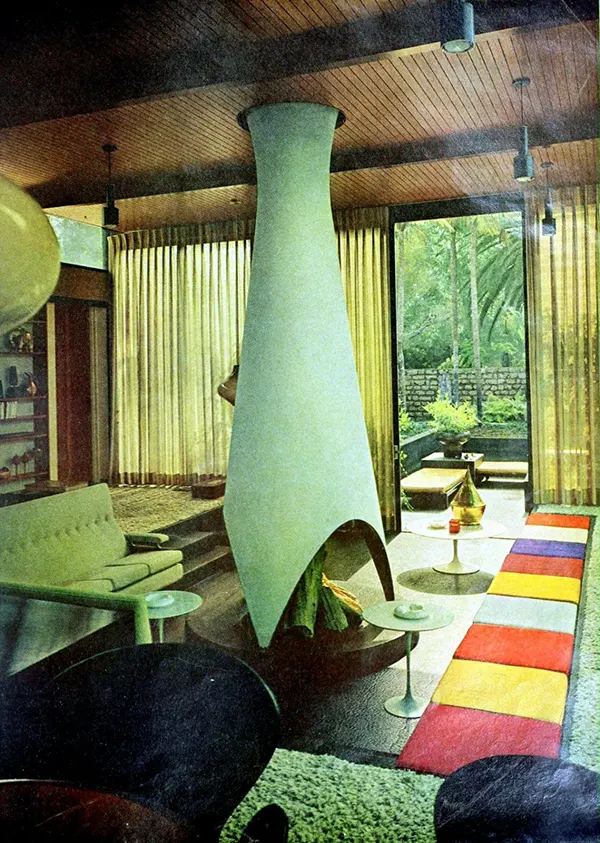
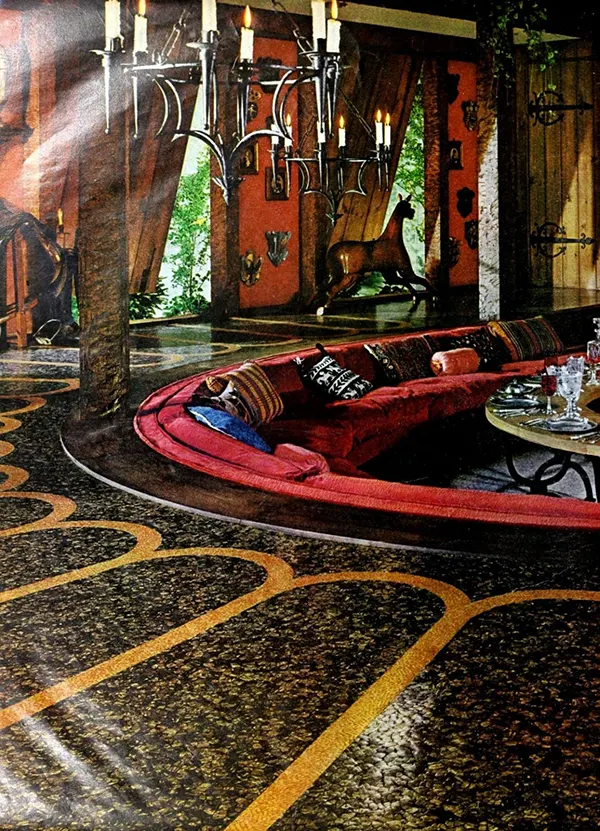
In recent decades, the conversation pit has found a new audience. The revival of mid-century modern design aesthetics brought renewed attention to the feature, and architects began reinterpreting it for contemporary homes. Today’s versions often address the old safety concerns with better-defined edges, lighting strips, and updated materials — while keeping the original intent intact.