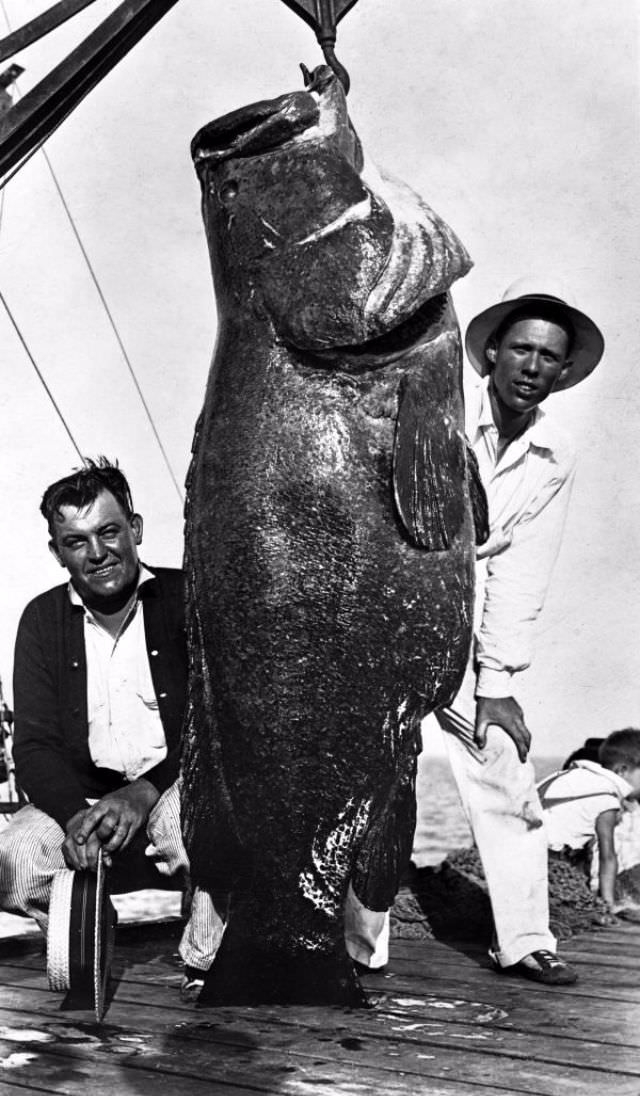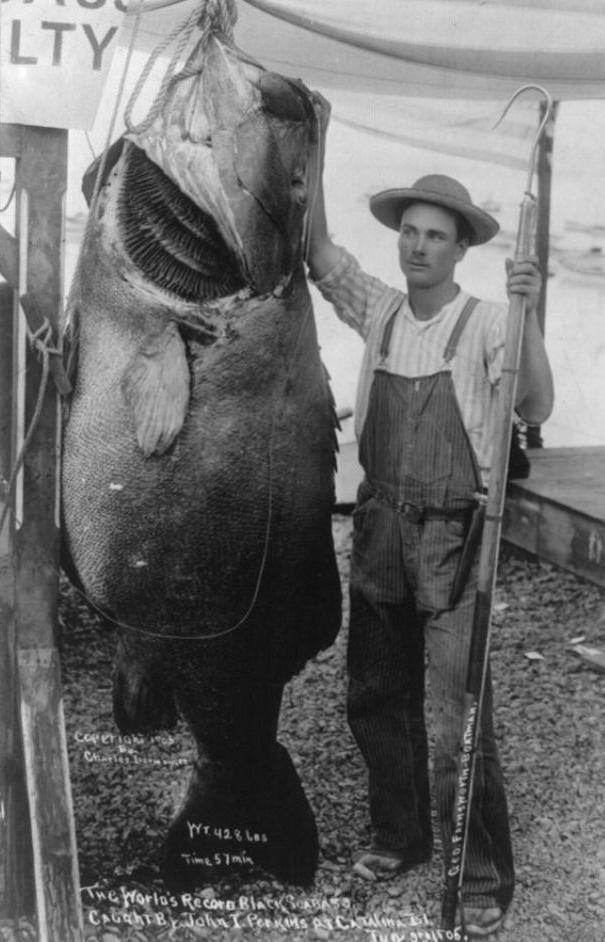
Long before fishing tournaments and GPS fish finders, anglers were pulling jaw-dropping catches from the world’s oceans and rivers — and they had the photos to prove it. From the kelp-rich waters off California’s Catalina Island to the open Atlantic near the Bahamas, the late 19th and early 20th centuries produced some of the most remarkable catches ever recorded. These weren’t just fish stories. They were documented, weighed, and photographed for the world to see.
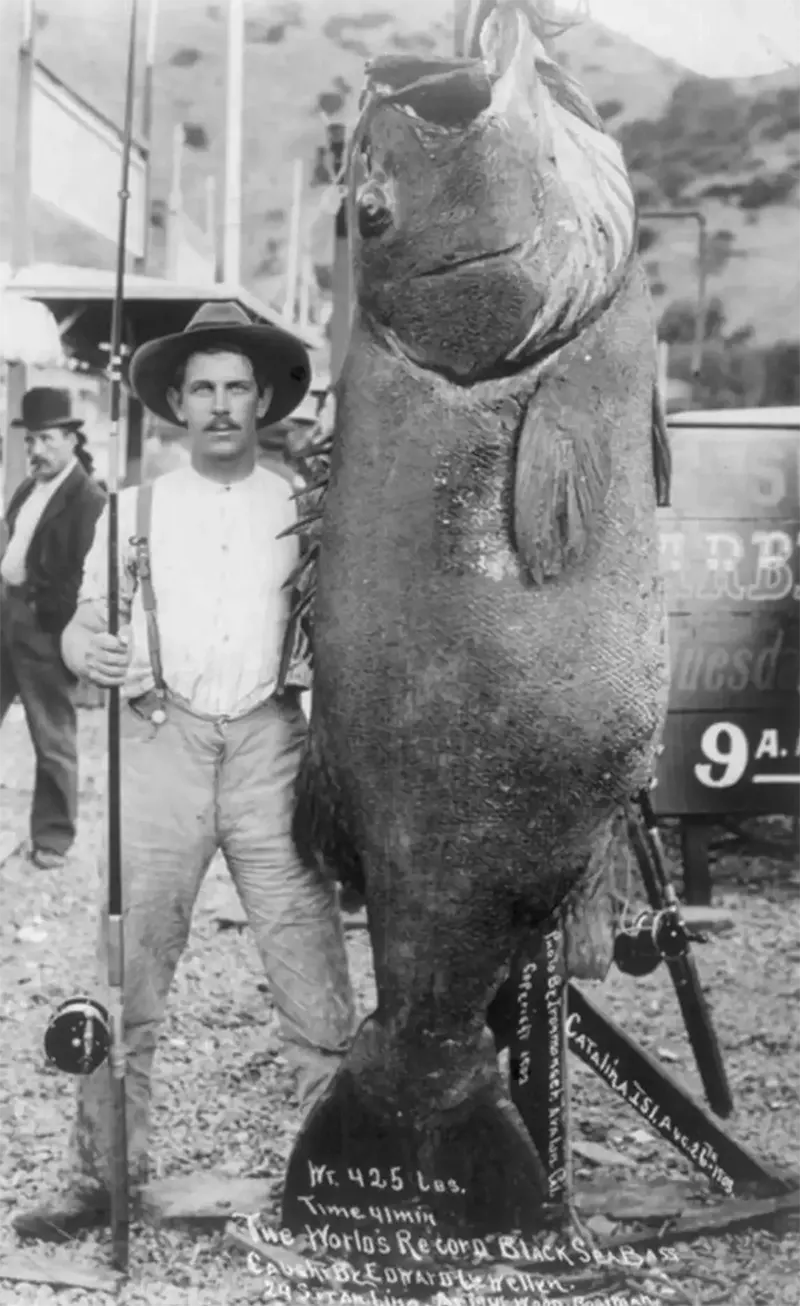
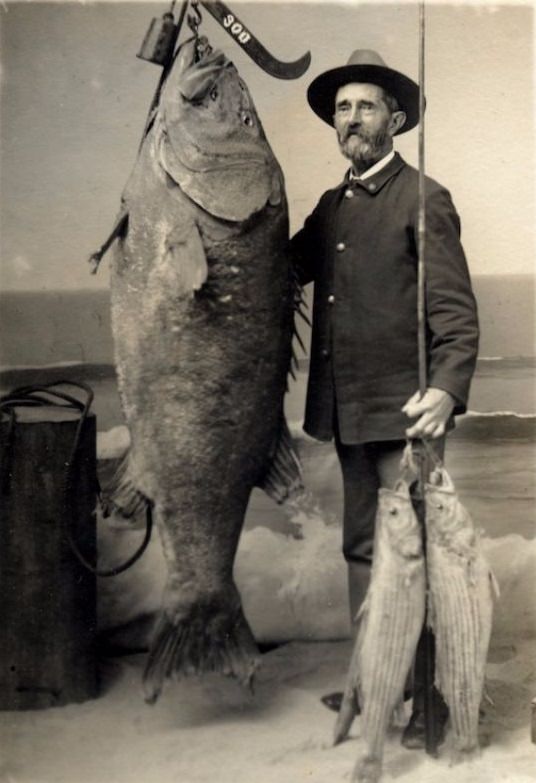
Catalina Island, off the coast of Southern California, was a hotspot for big Black Sea Bass in the early 1900s. Edward Llewellen’s 425-pound catch in 1903 set a record, but he wasn’t alone in targeting these massive fish in those waters.
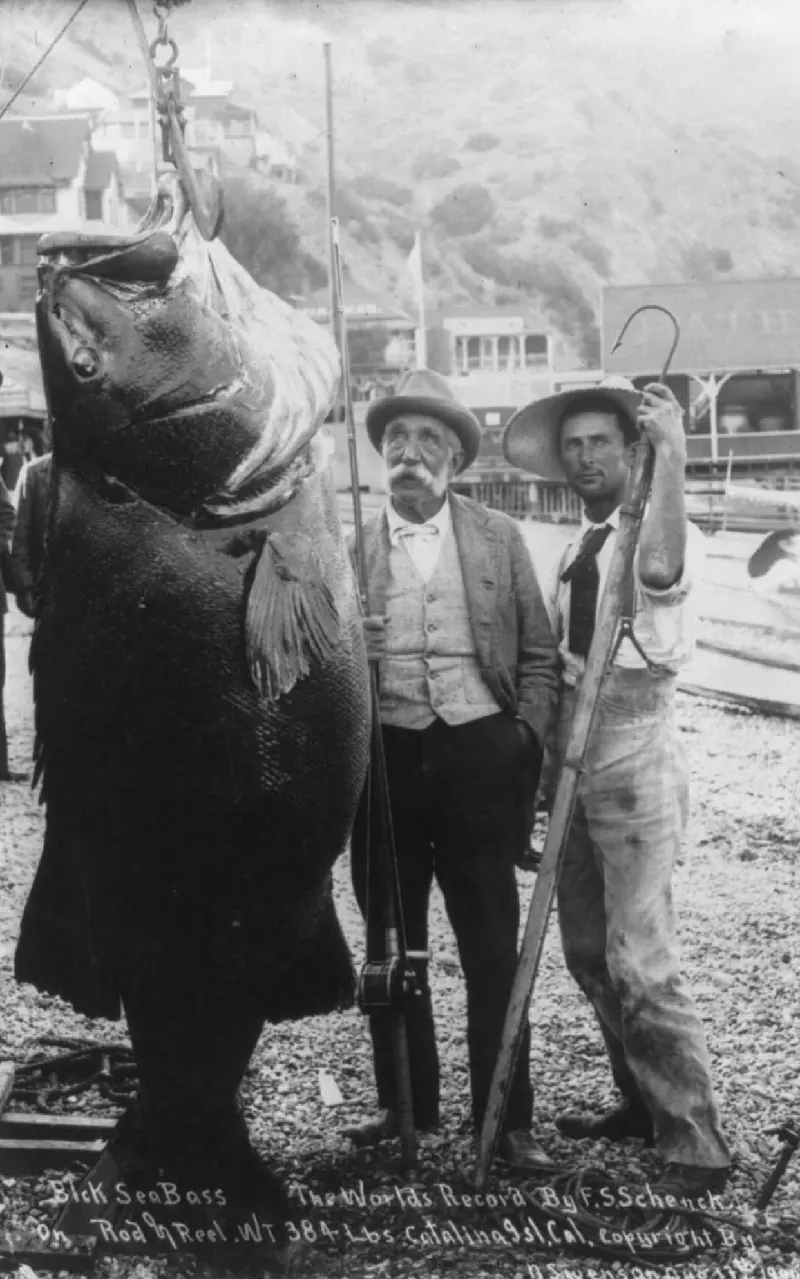
Just three years earlier, Franklin Schenck landed a 384-pound Black Sea Bass from the same waters. These back-to-back Catalina records show how extraordinarily productive that stretch of Pacific coastline was for sport fishermen of that era.
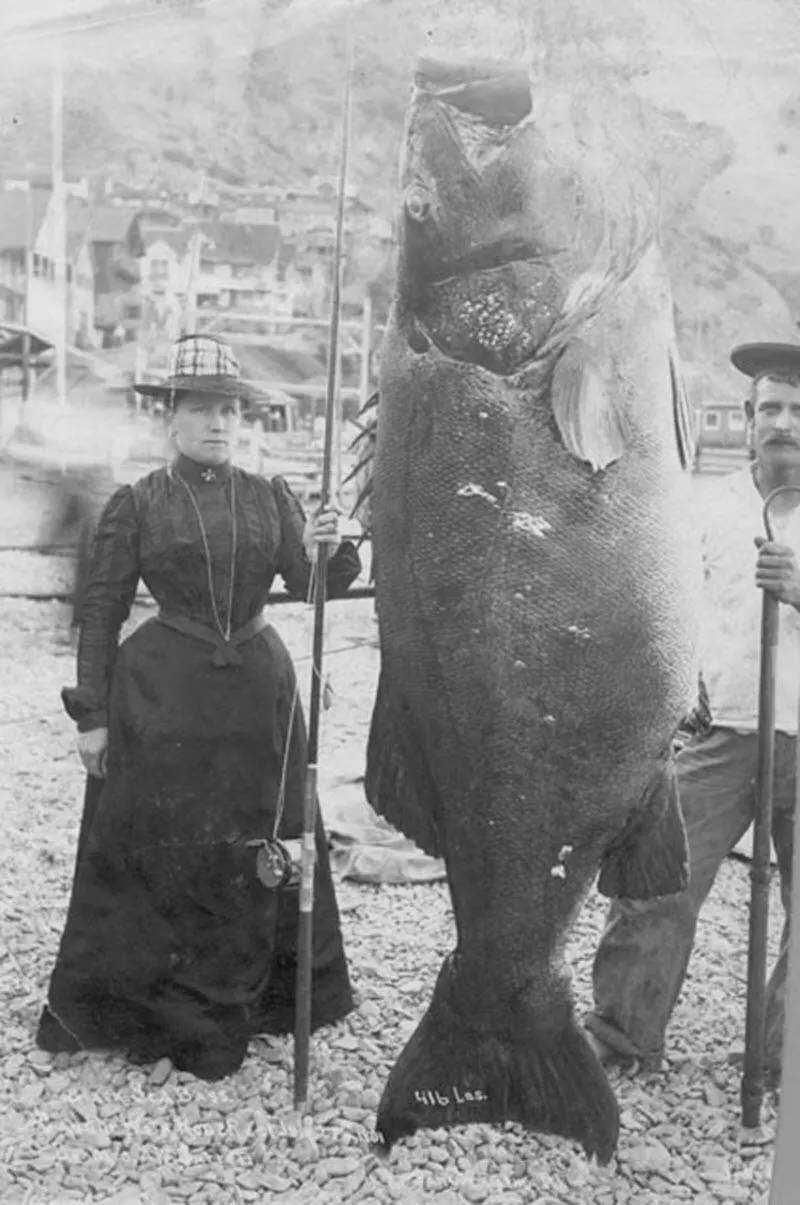
Mrs. A. W. Barret added her own name to the Catalina record books in 1901 with a 416-pound Black Sea Bass. Women were active participants in big-game fishing far earlier than many people realize, and catches like hers were taken seriously by the fishing community.
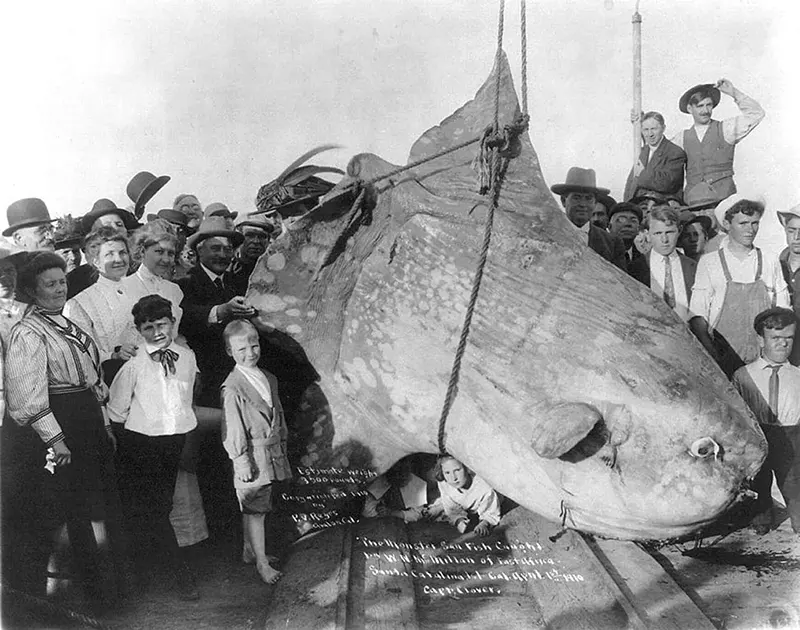
Not all record catches were traditional game fish. In April 1910, W.N. McMillan hauled in a 3,500-pound ocean sunfish — one of the heaviest bony fish species on Earth — near Santa Catalina. The sheer scale of that catch is staggering even by today’s standards.
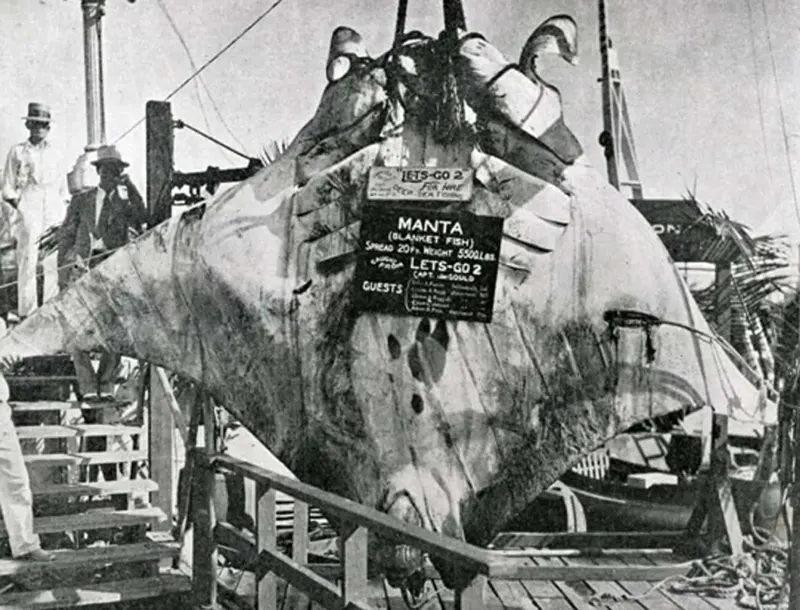
Manta rays drew enormous attention from big-game fishermen in the 1930s. A 5,000-pound specimen measuring nearly 20 feet wide was captured in 1932, and the following year, similar encounters made headlines along the New Jersey coast.
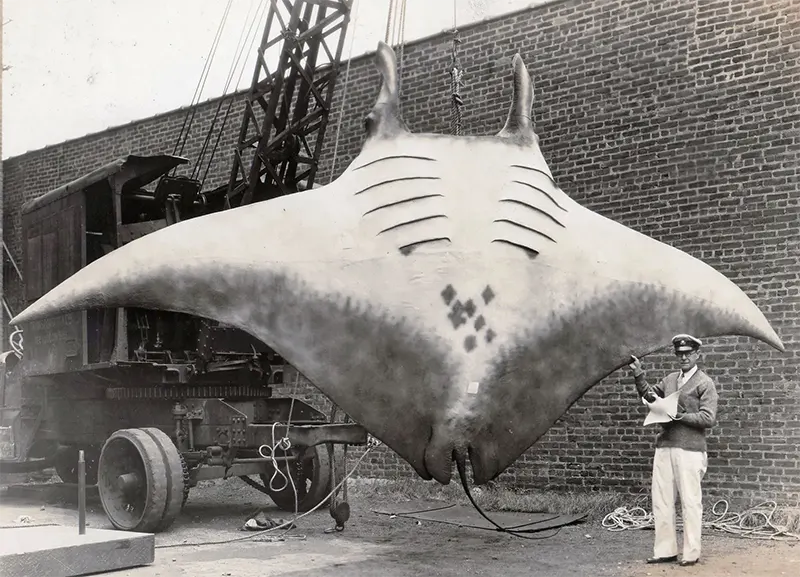
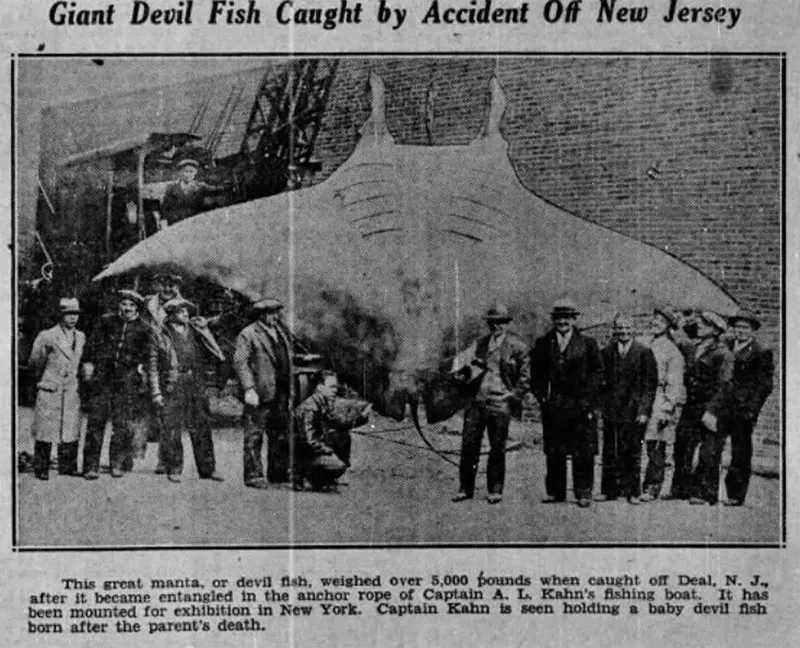
Captain A.L. Kahn became one of the most recognizable figures in this niche of big-game fishing after landing a 20-foot, 5,000-pound manta ray off the New Jersey coast in the summer of 1933. Photographs of his catch circulated widely, cementing his reputation.
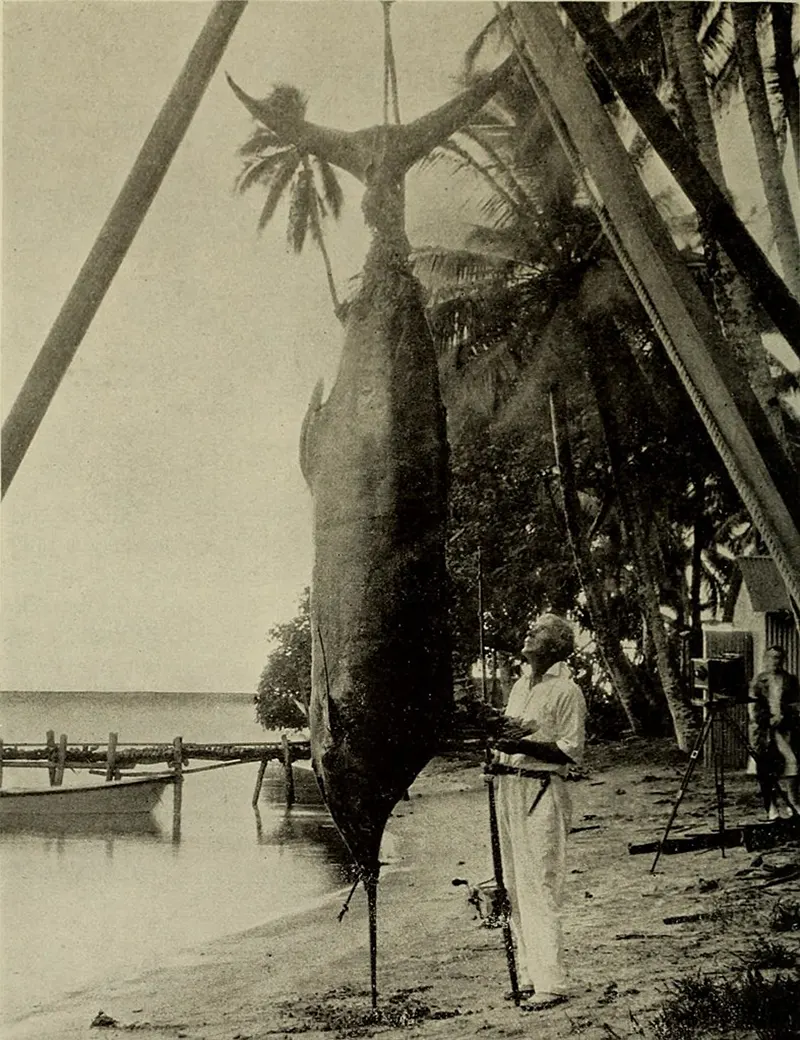
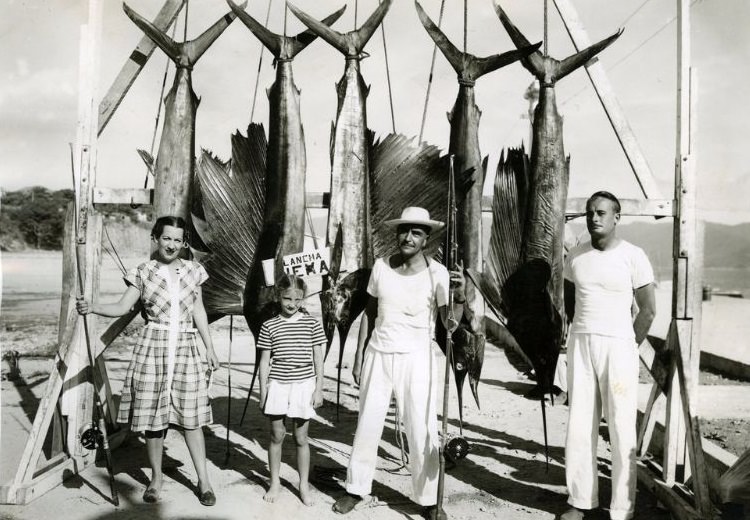
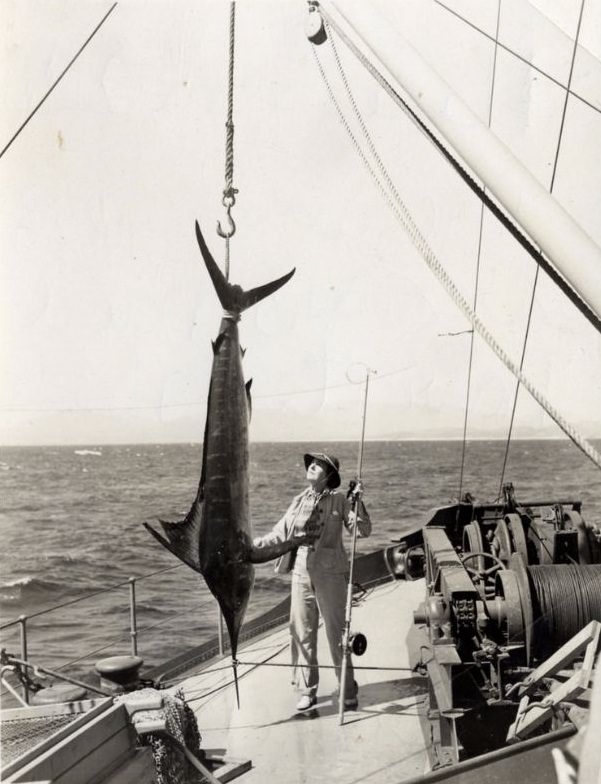
Marlin fishing captured public imagination like few other pursuits. Giant specimens from the Pacific and Atlantic became trophies of serious anglers, and photographs of these fish — often longer than the boats used to catch them — became iconic images of the sport.
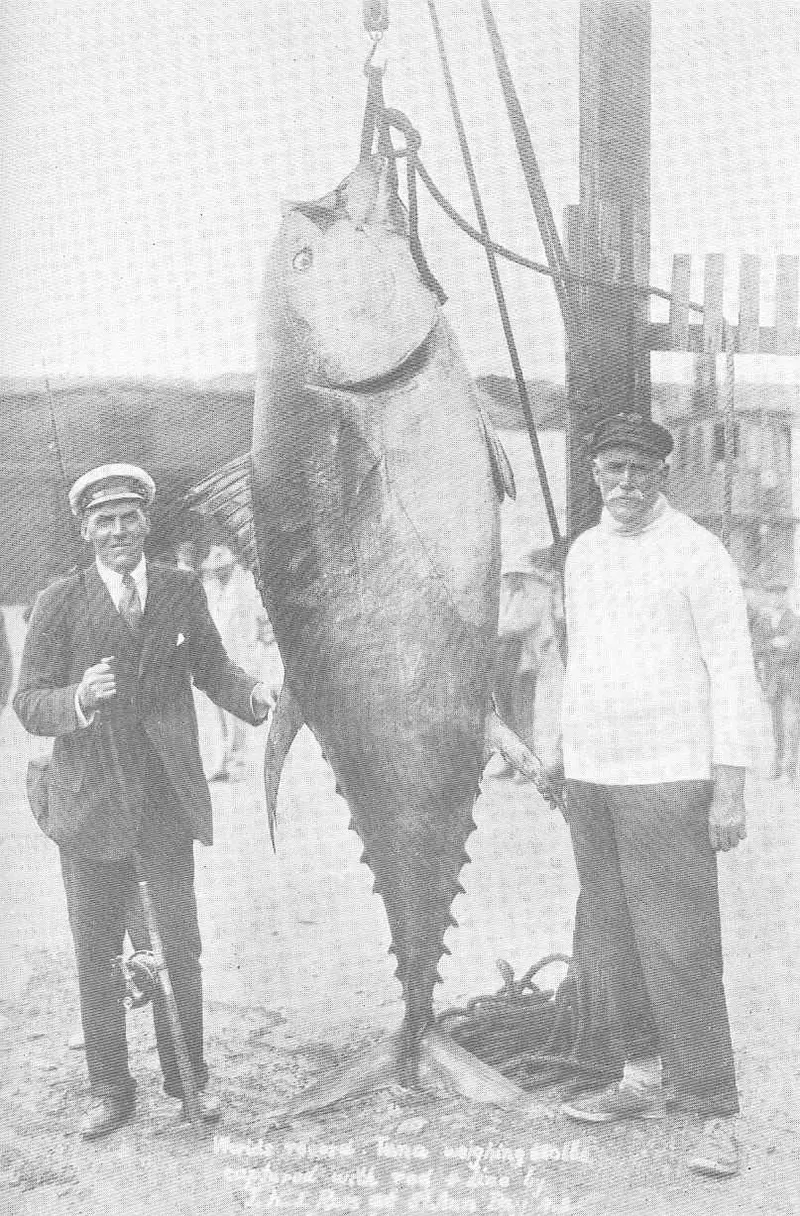
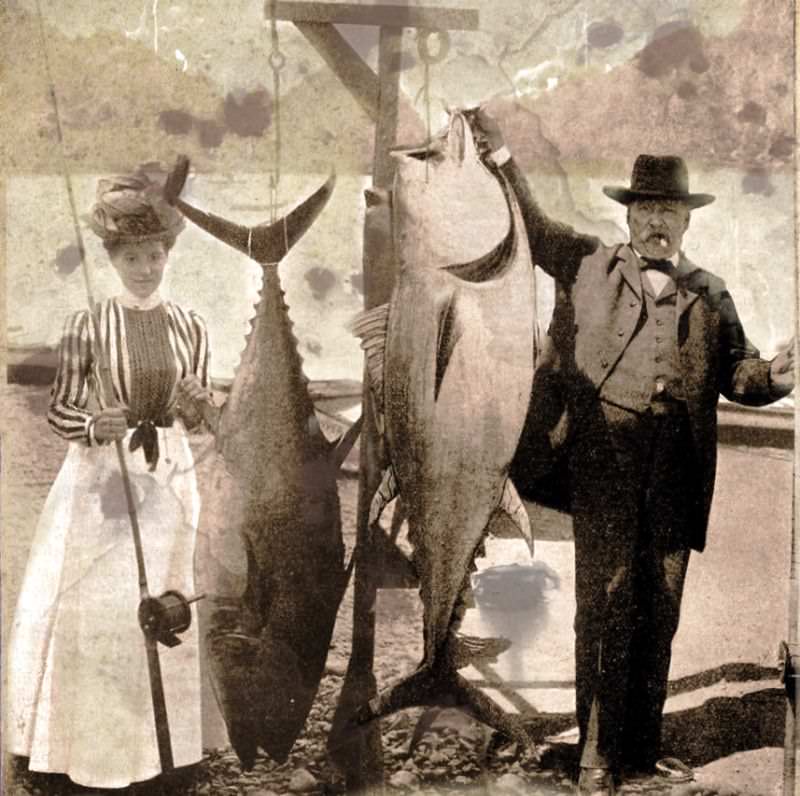
Tuna fishing set its own records during this period. A 680-pound tuna photographed in 1911 represented the upper limits of what rod-and-reel fishing could accomplish at the time, requiring immense physical endurance from the angler.
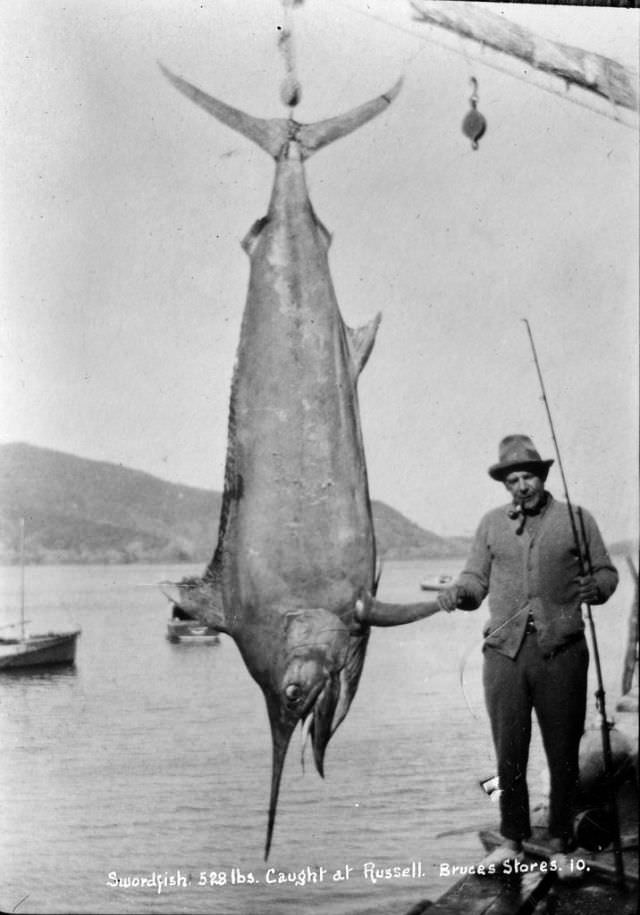
Swordfish were another prized target. A 528-pound swordfish caught near Russell around 1910 stands as a testament to how productive Southern Hemisphere waters were for big-game fishermen of that generation.
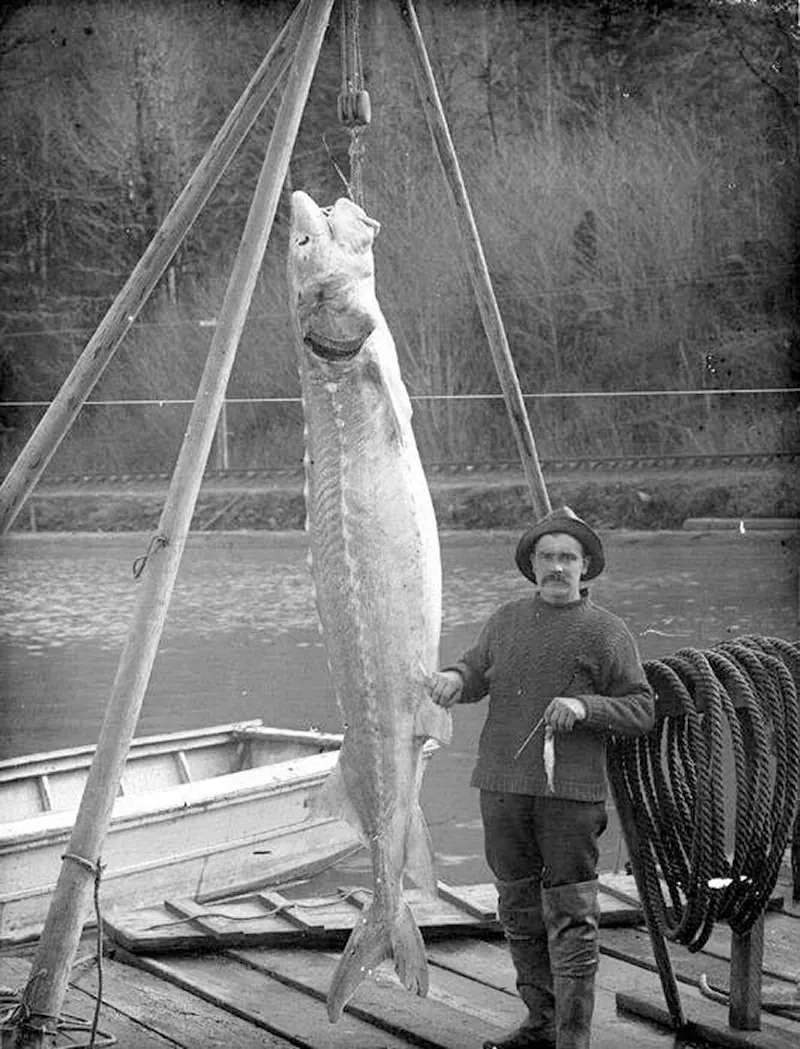
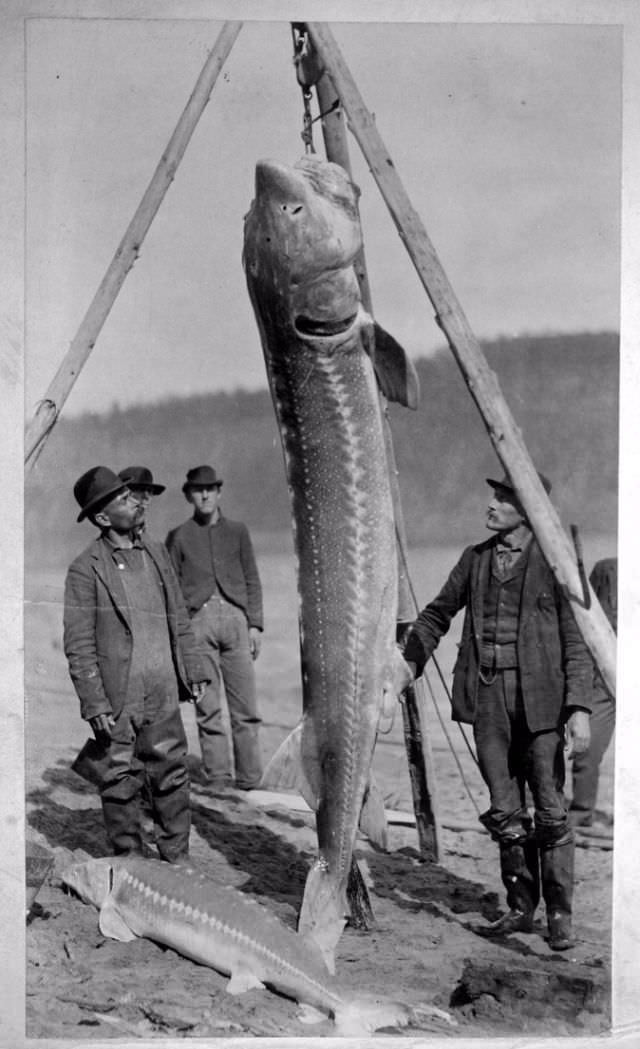
Inland waters produced their own giants. The lower Columbia River was well known for enormous white sturgeon around the turn of the century. These ancient, prehistoric-looking fish could exceed ten feet in length and hundreds of pounds in weight.
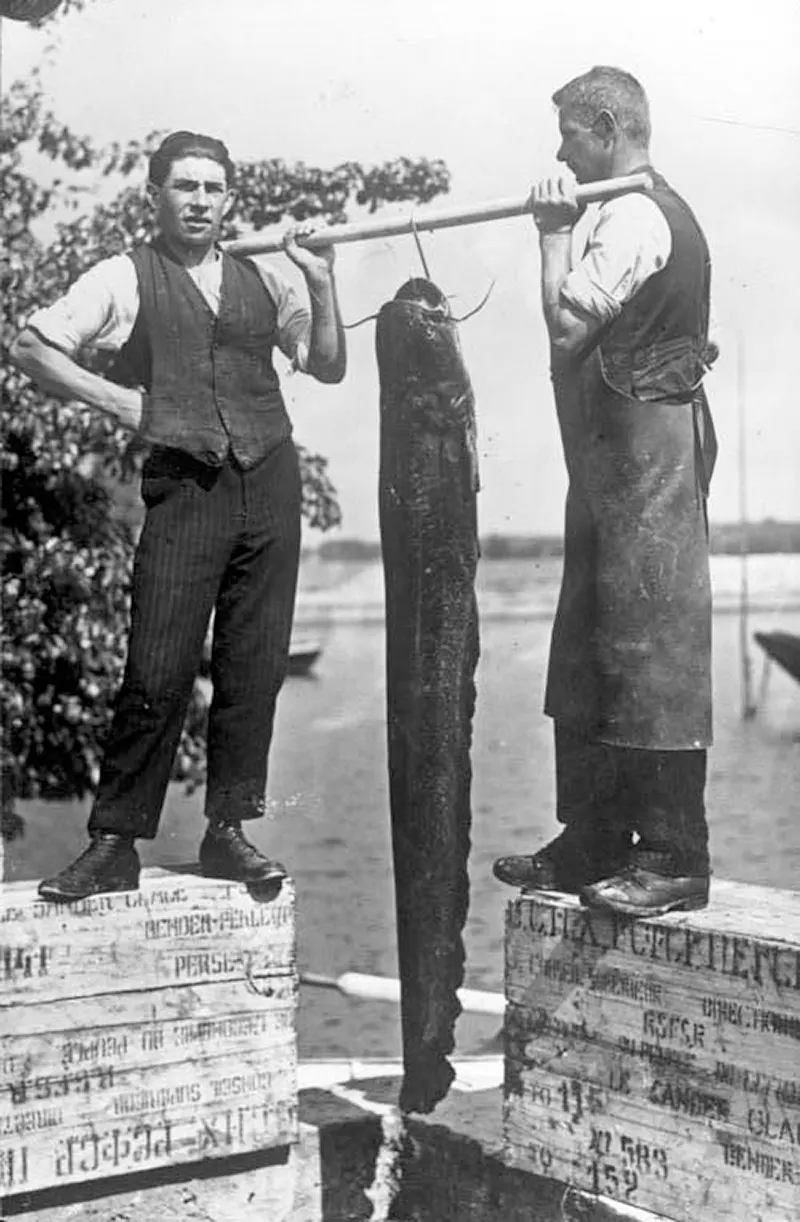
European freshwater fishing had its share of monsters too. A giant catfish photographed in Germany in 1928 shows that record-sized catches weren’t limited to saltwater or the Americas. European rivers harbored fish of equally impressive proportions.
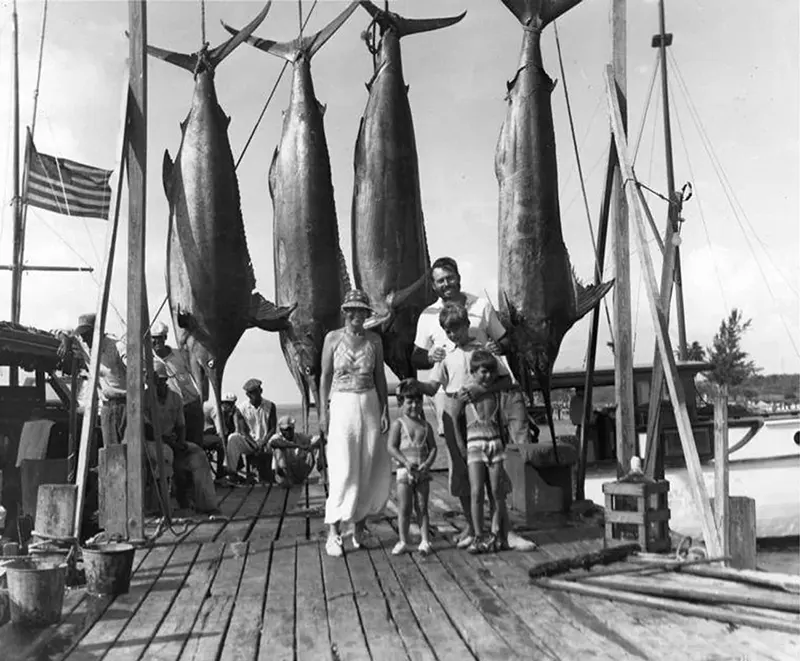
Ernest Hemingway was as well known for his fishing as for his writing. He spent considerable time fishing the waters around Bimini and the Bahamas in the 1930s, often targeting marlin. His trips were well-documented through photographs that show just how serious he was about the sport.
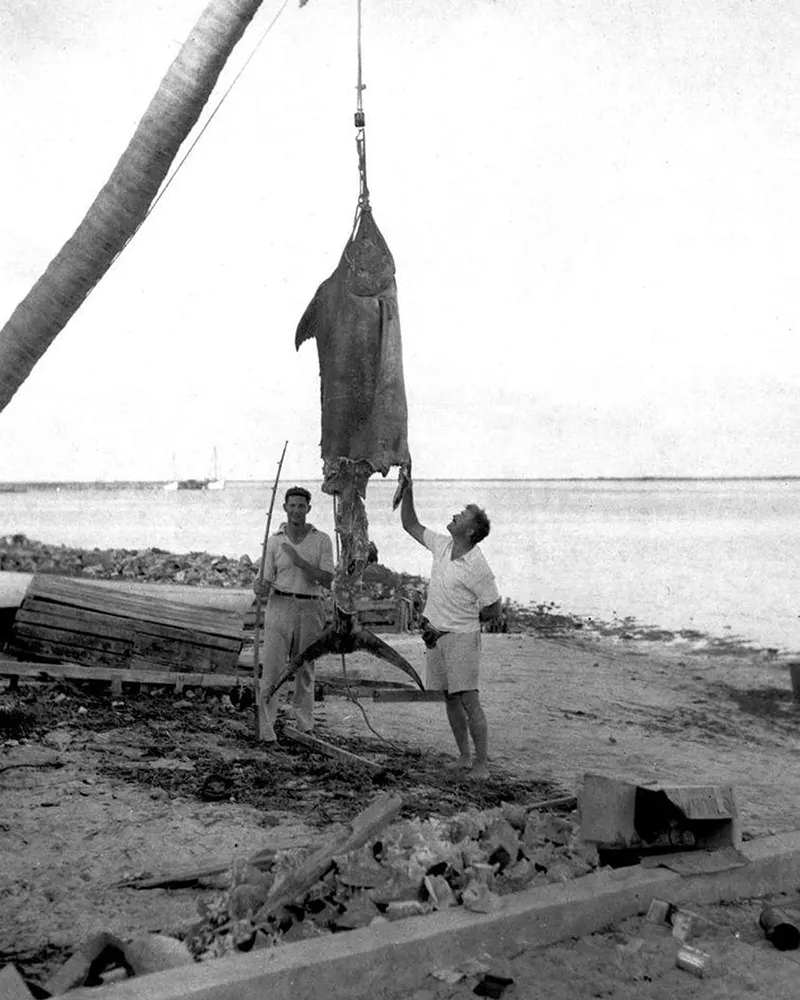
During one 1935 Bahamas trip, Hemingway and his companion Henry Strater posed with the remains of a 500-pound marlin — what was left after sharks had taken their share during the fight to bring it in. It was a common hazard in open-water big-game fishing.
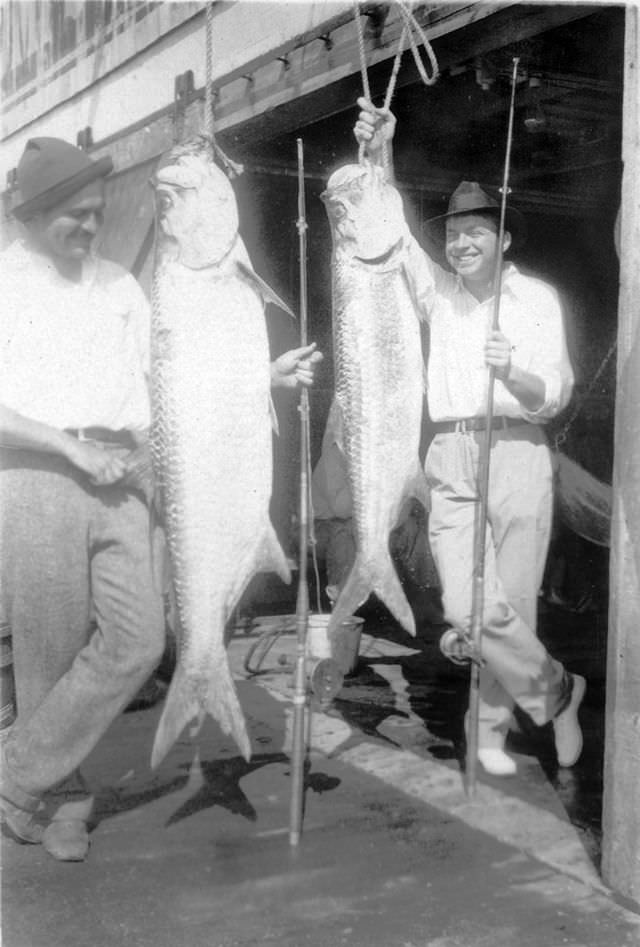
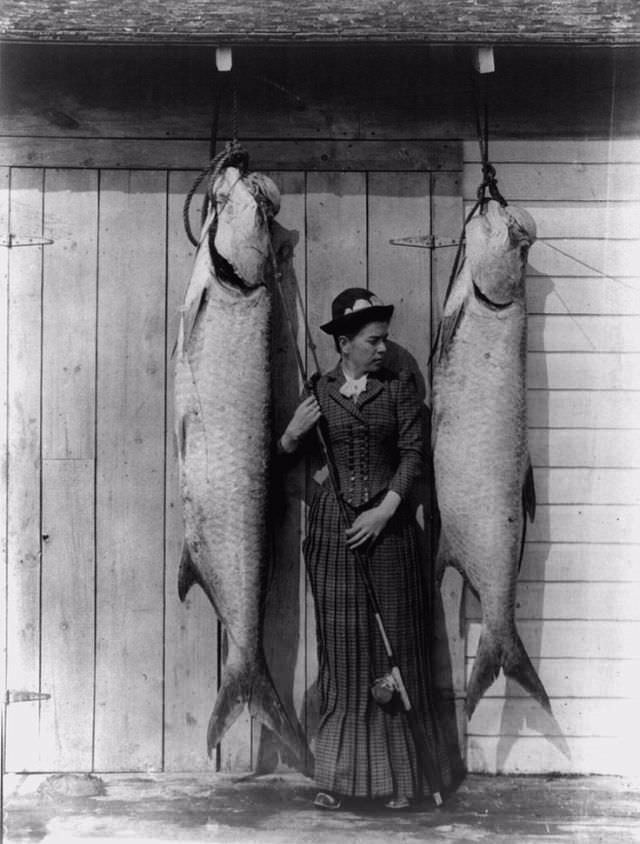
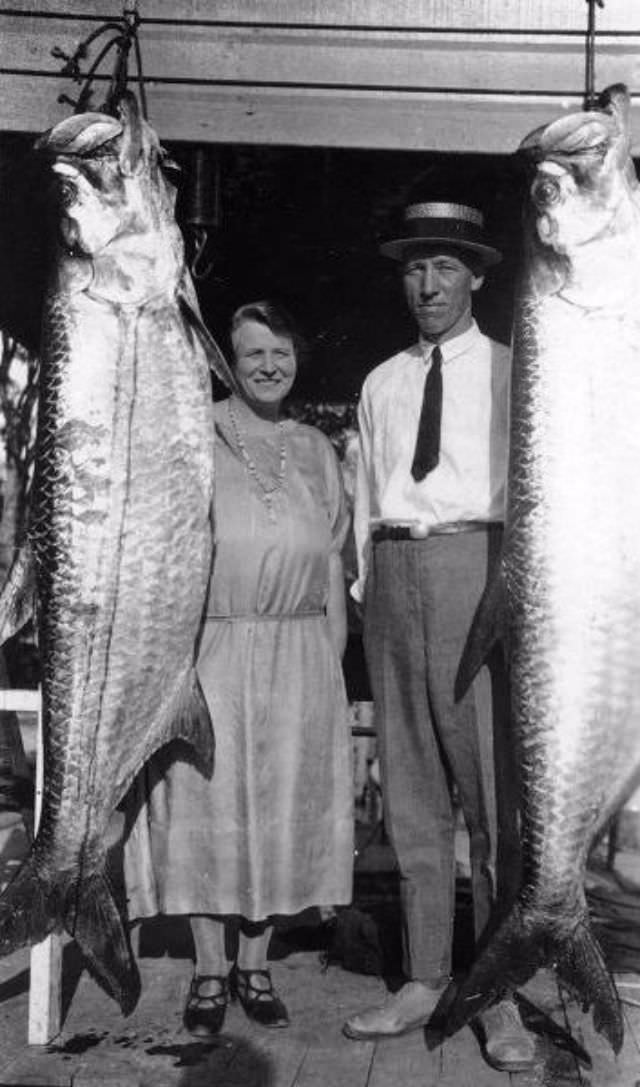
Seven years before the Bahamas trip, Hemingway was fishing the waters off Key West with fellow author John Dos Passos. Their tarpon catch in 1928 is one of many examples of the literary world’s deep connection to sport fishing during this era.
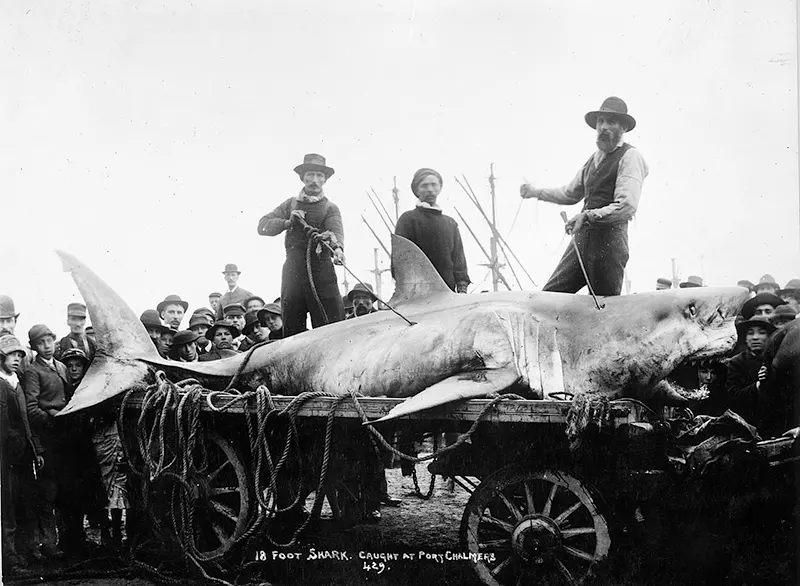
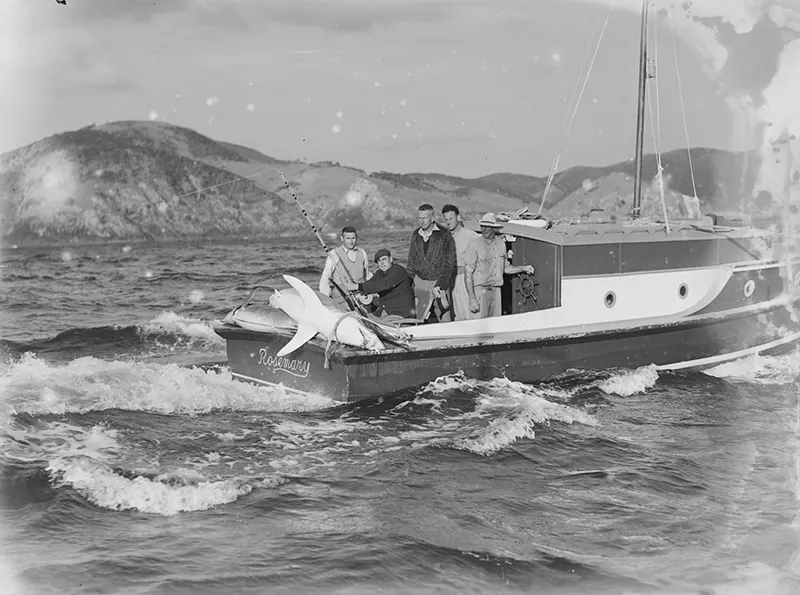
Shark catches were photographed and displayed with pride across the globe. This shark landed at Port Chalmers, New Zealand around 1900 reflects how widespread the big-game fishing culture had become, reaching ports in the Southern Pacific just as readily as those in California or the Atlantic Seaboard.
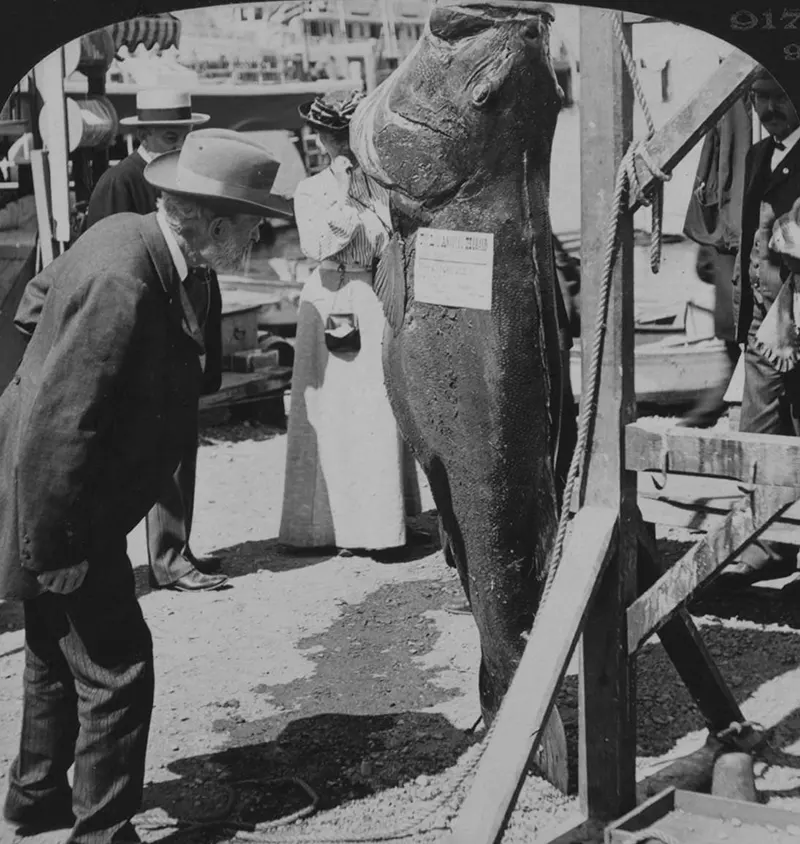
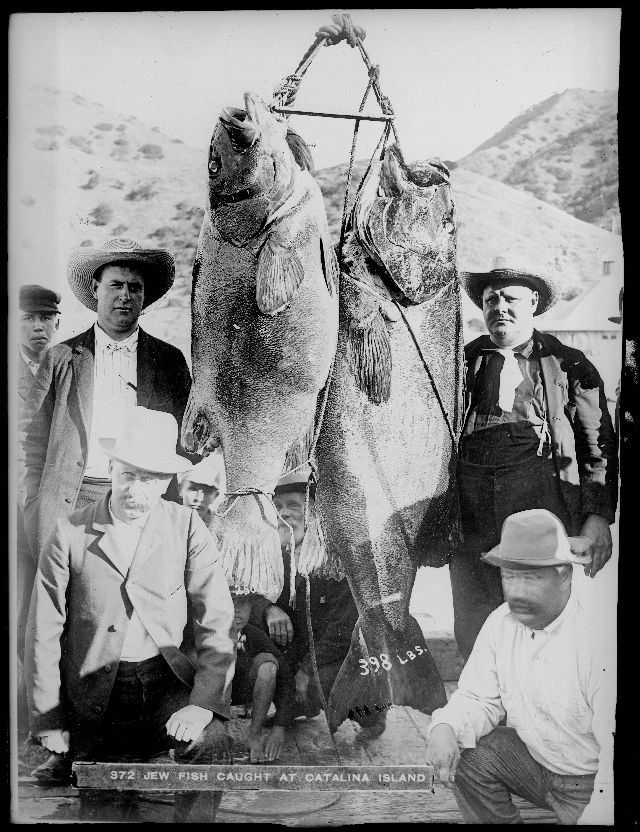
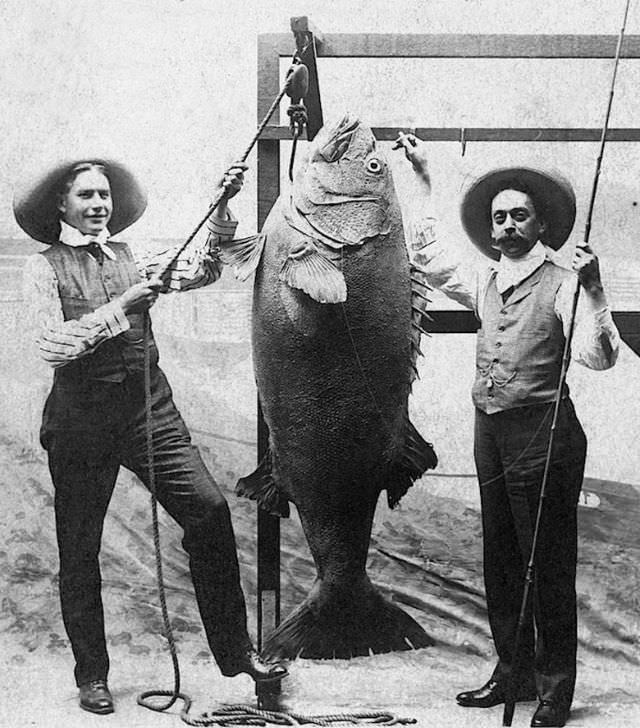
Catalina Island continued to deliver well into the following decade. A 200-pound Black Bass landed there in 1906 and photographs of large Jewfish — now known as Goliath Grouper — from around 1910 confirm the island’s status as one of the premier big-game fishing destinations of the early 20th century.
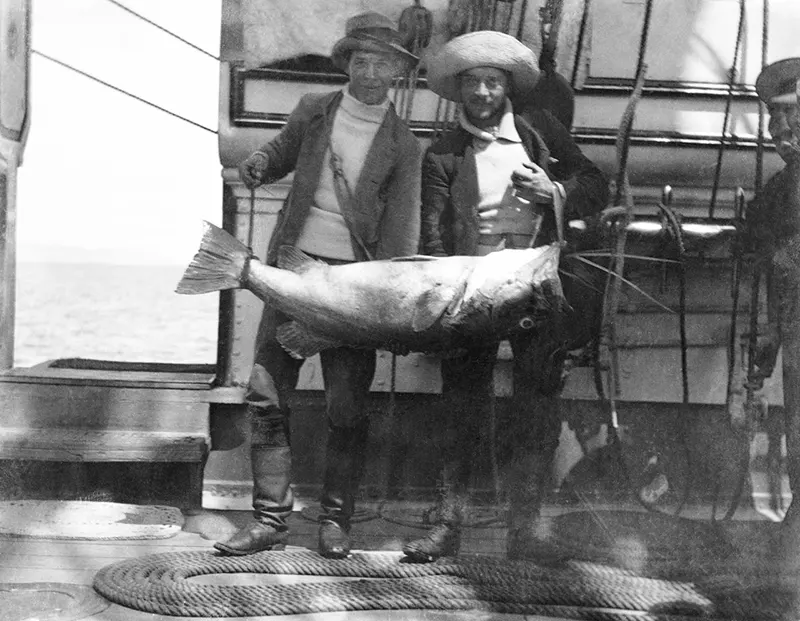
Even naval crews got in on the action. Two crewmen aboard HMS Penguin posed proudly with a large fish in the 1900s, a reminder that fishing was woven into seafaring life at every level — not just among wealthy sport fishermen.
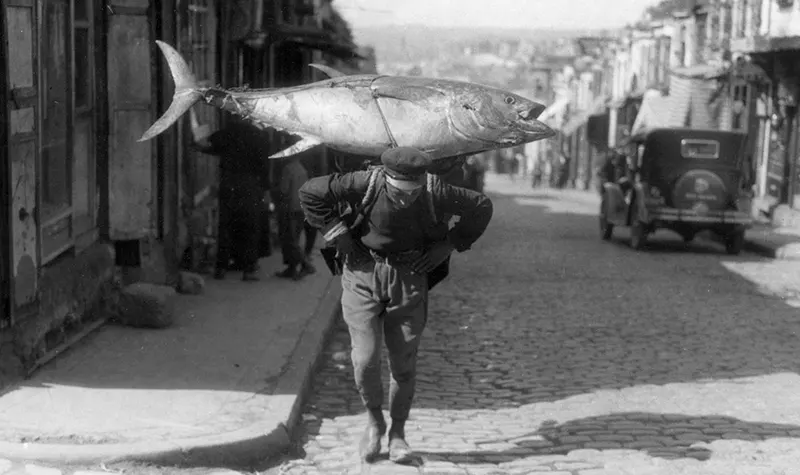
Fishing was never solely a sport for the wealthy. This 1933 photograph of a fisherman in Istanbul captures the everyday side of the craft — a single angler working the Bosphorus, where fishing had been practiced for thousands of years.
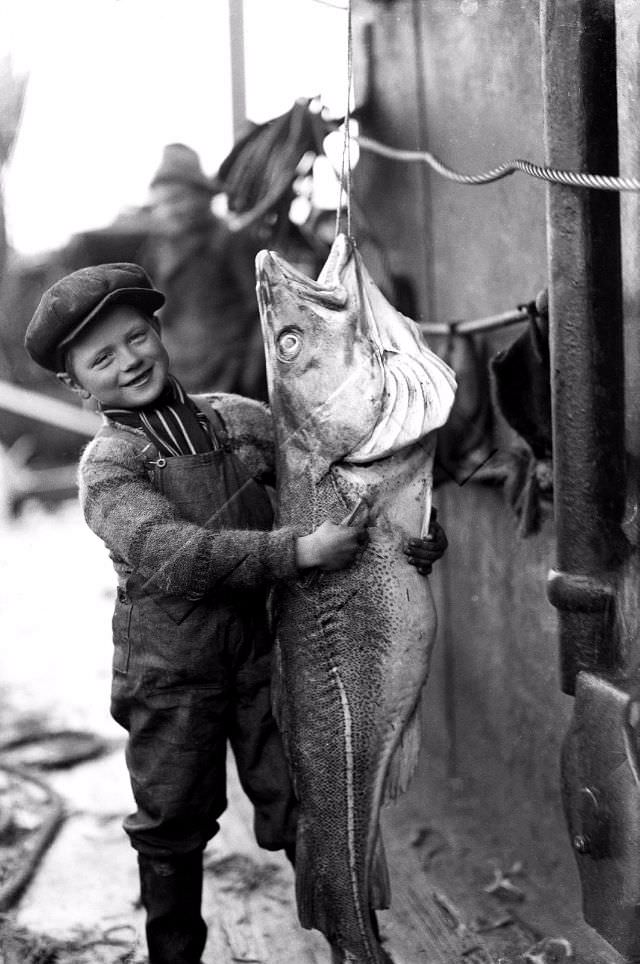
In Greenland, fishing was a matter of survival, not sport. A young boy photographed with a cod in 1927 represents the subsistence fishing traditions that sustained Arctic communities long before the age of big-game tournaments and record books.
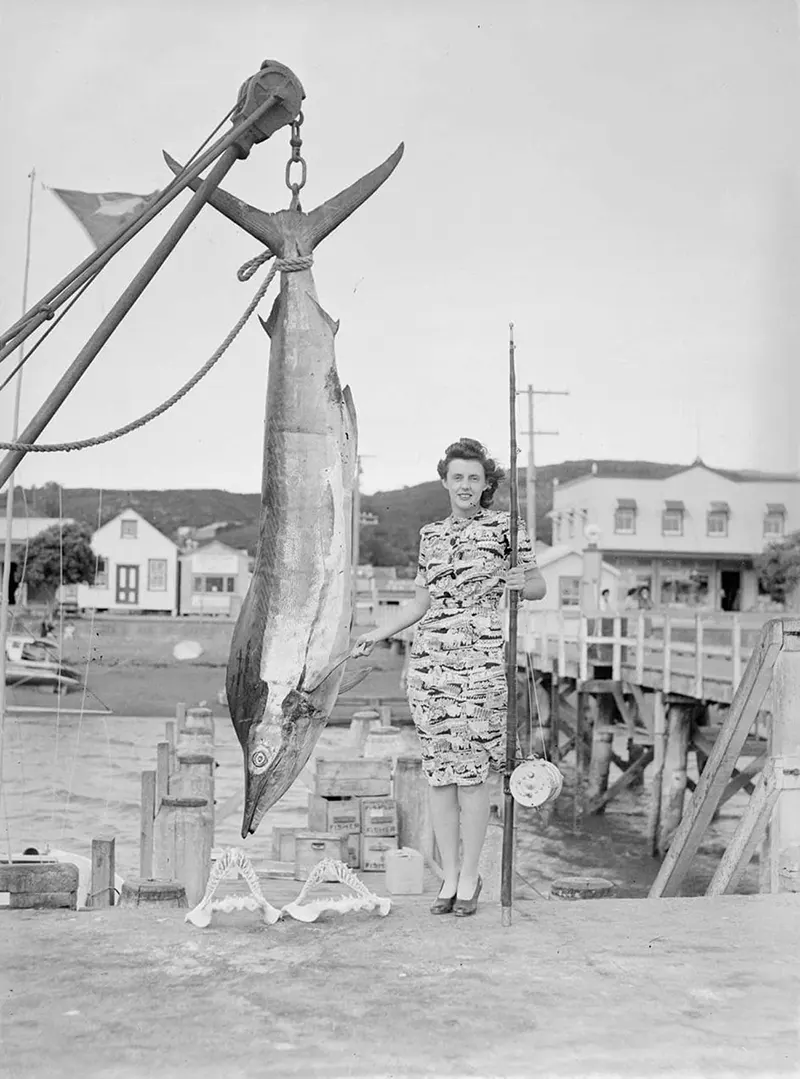
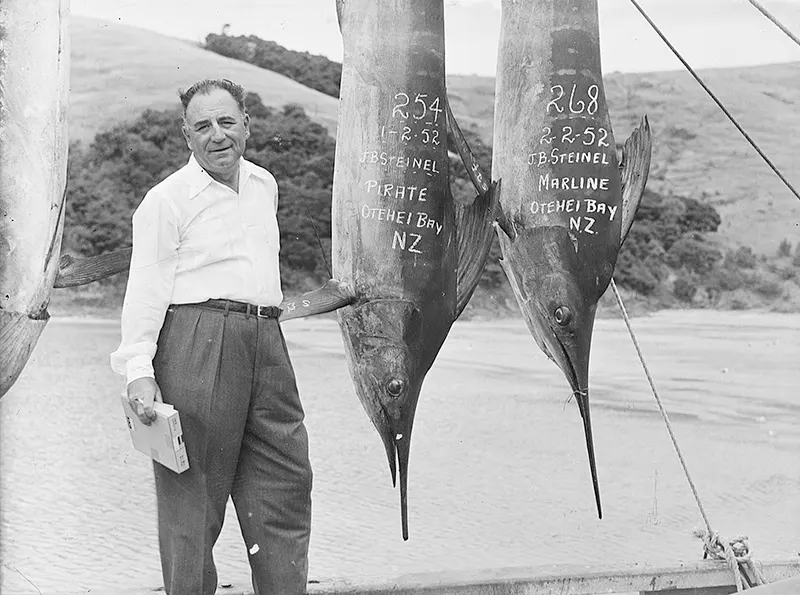
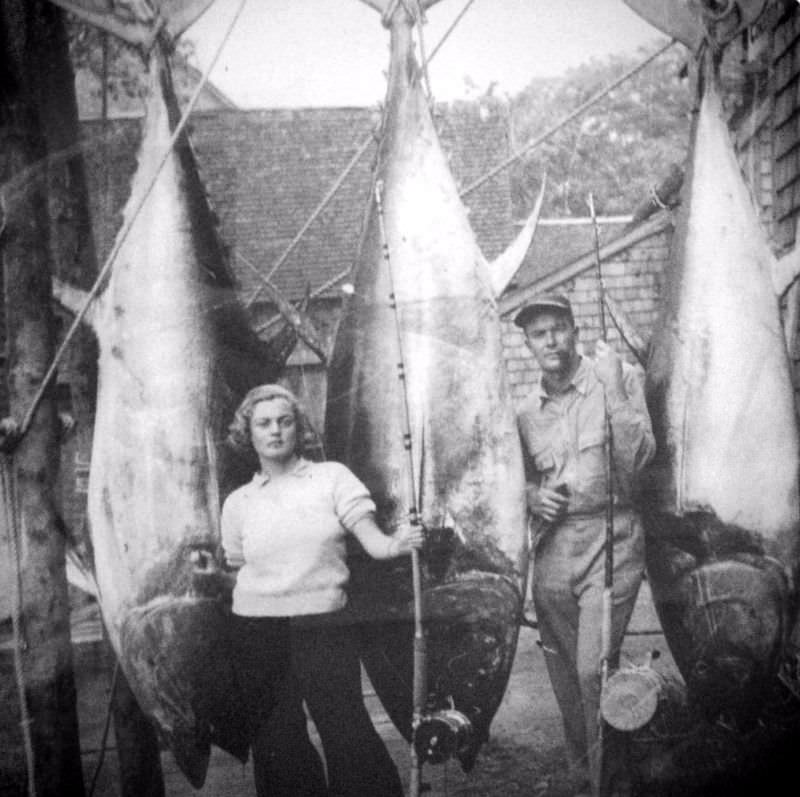
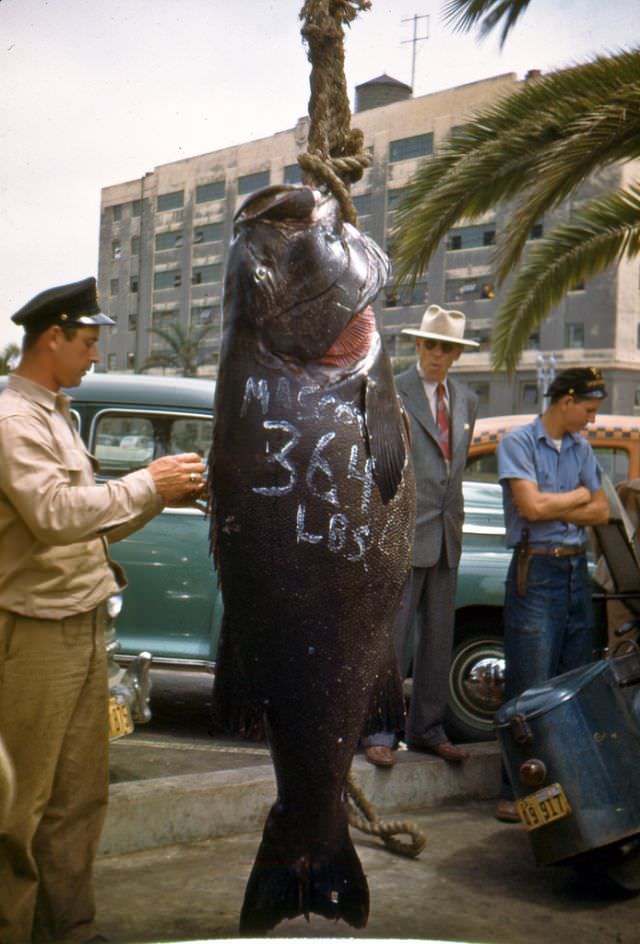
By the 1940s and into the 1950s, sport fishing had become a well-established pursuit with dedicated equipment, clubs, and international competitions. Photographs from this period — including suspended trophy fish and spearfish catches — show how deeply the culture had taken root across the world.