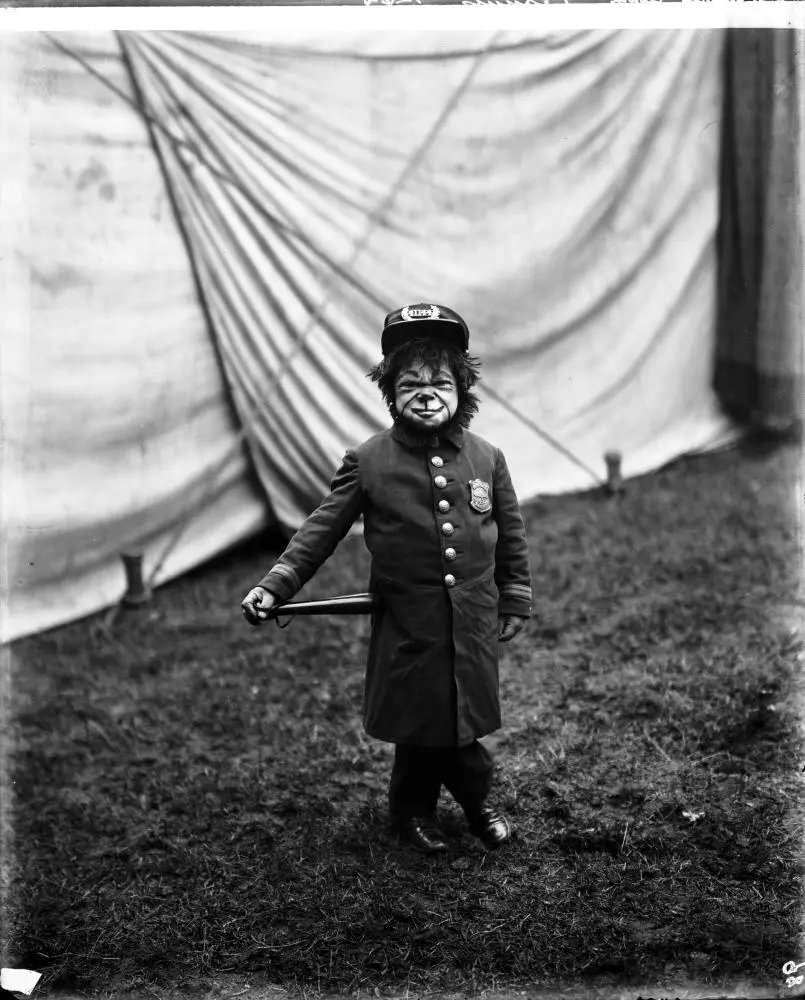
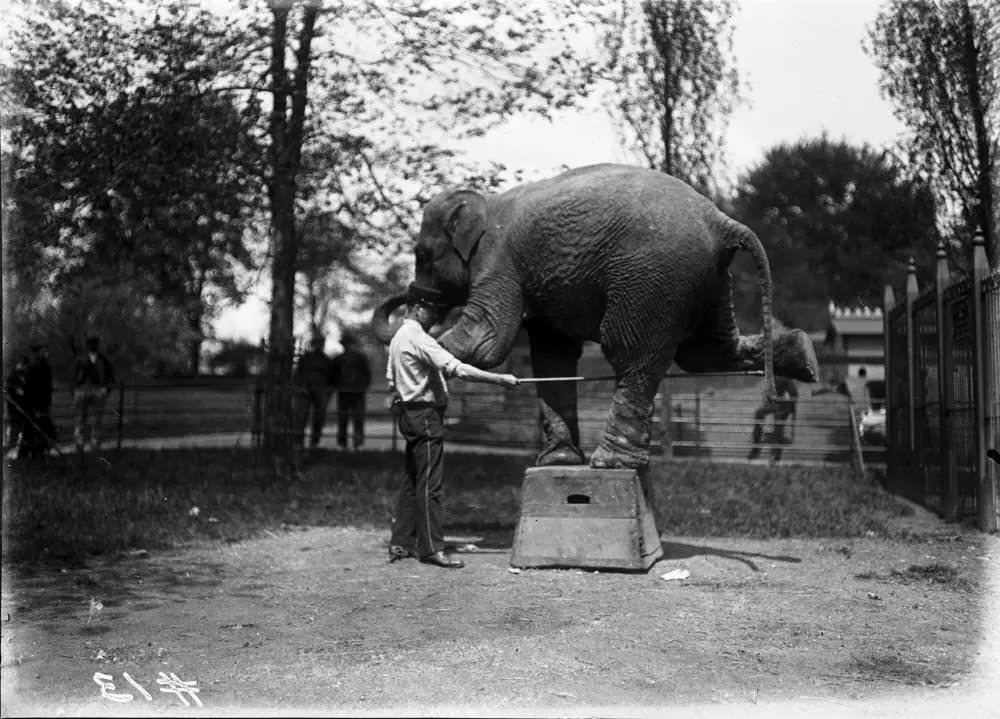
Before movies, television, or the internet, Americans got their thrills from the circus. Between the late 1800s and early 1900s, traveling shows rolled into towns across the country, bringing with them acrobats, exotic animals, clowns, and daredevils. This era is now known as the Golden Age of the American circus, and one man documented it better than anyone else: photographer Frederick W. Glasier.
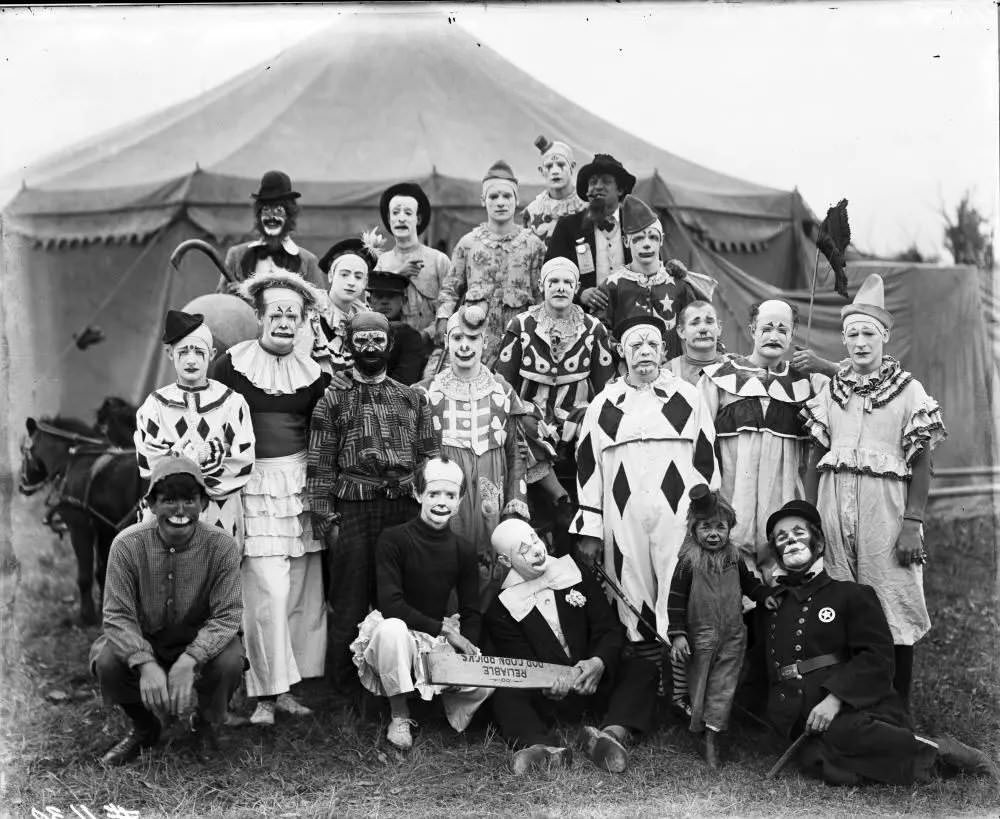
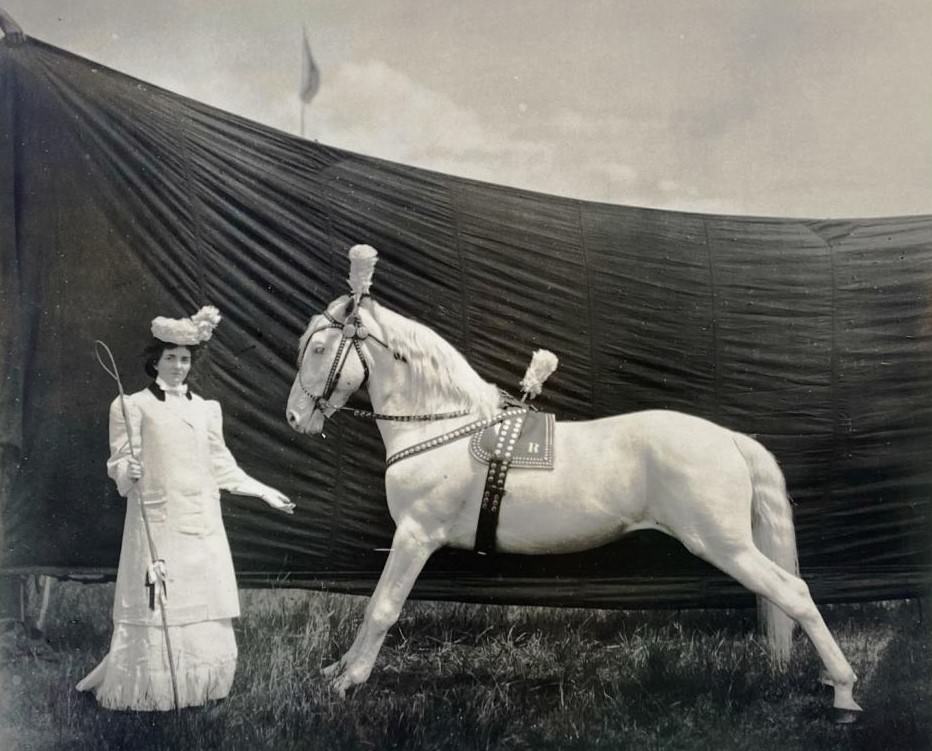
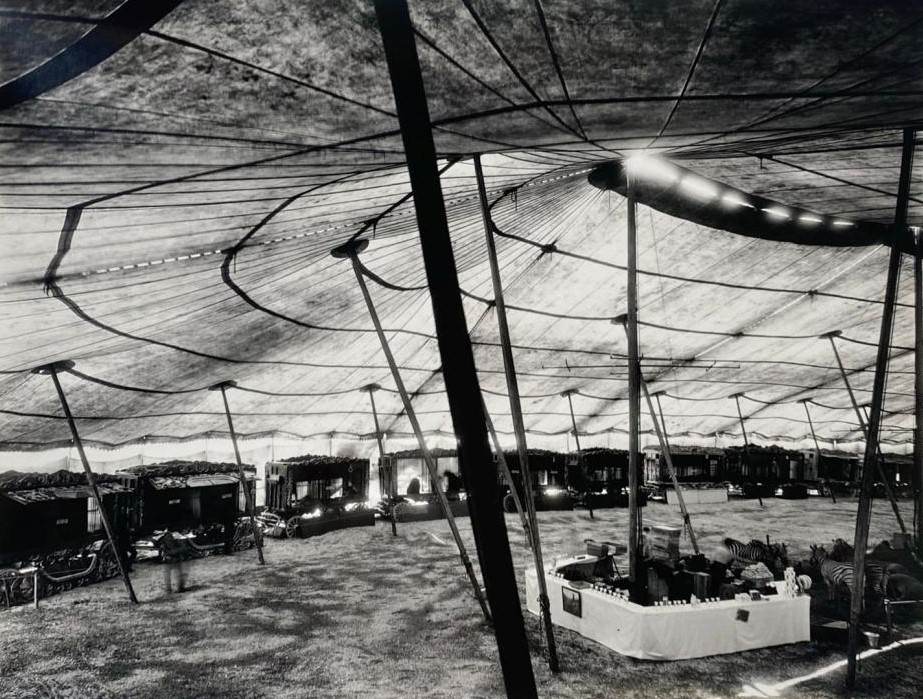
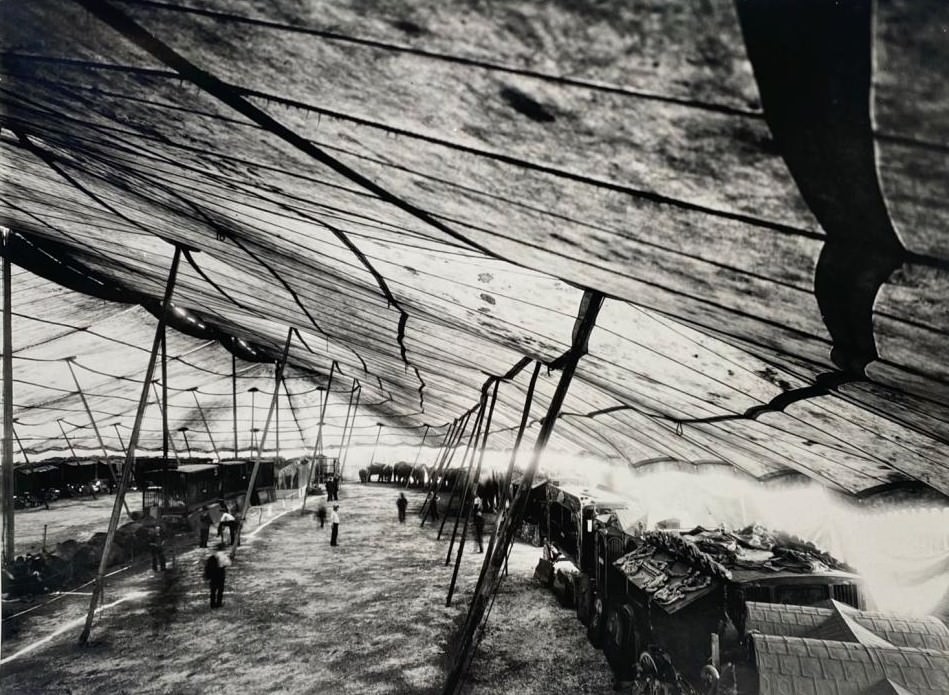
Glasier was born in 1866 and spent his early career as a jeweler. By the time he was 30, he had traded that craft for a camera. He began traveling with major shows, including the legendary Barnum & Bailey Circus, photographing performers, animals, and backstage life with remarkable precision. His large-format cameras demanded both technical skill and patience, but the results were striking — sharp, detailed images full of energy and atmosphere.
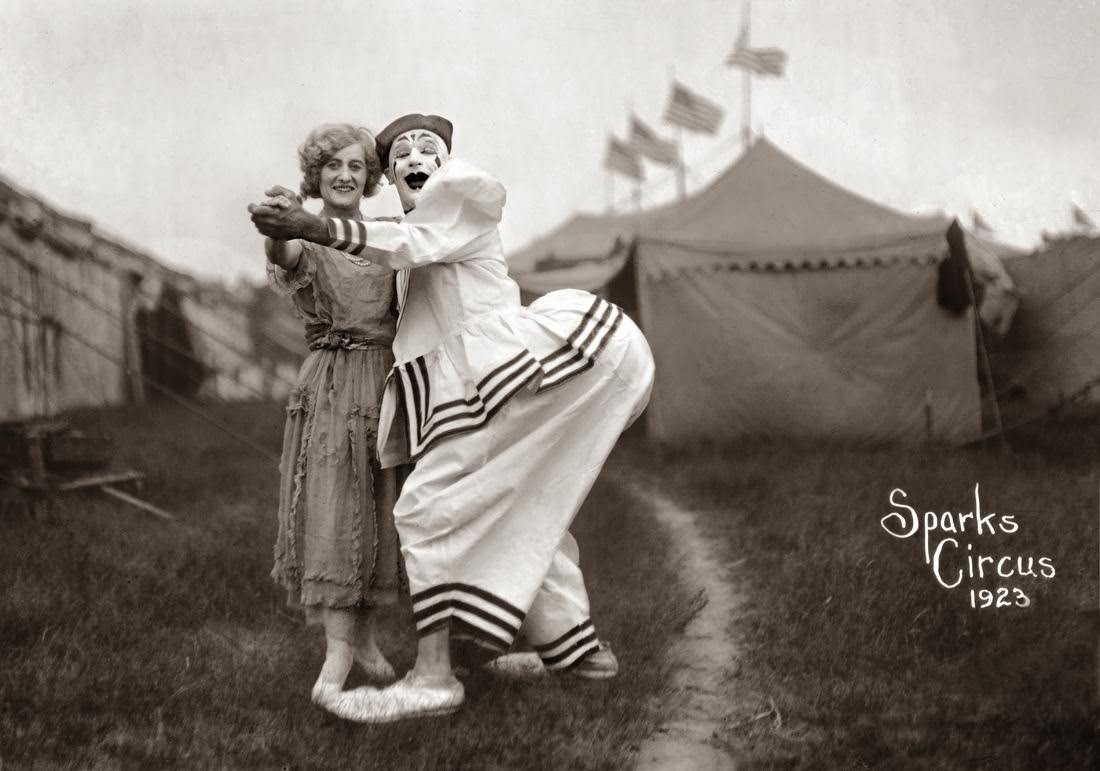
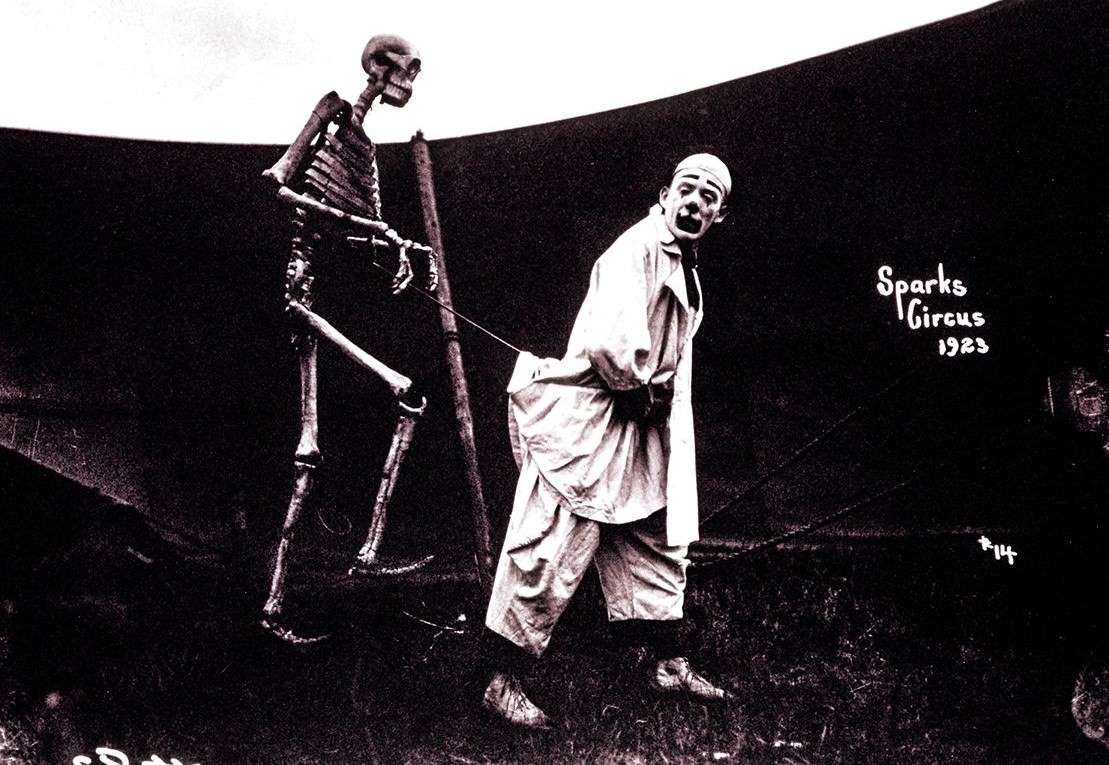
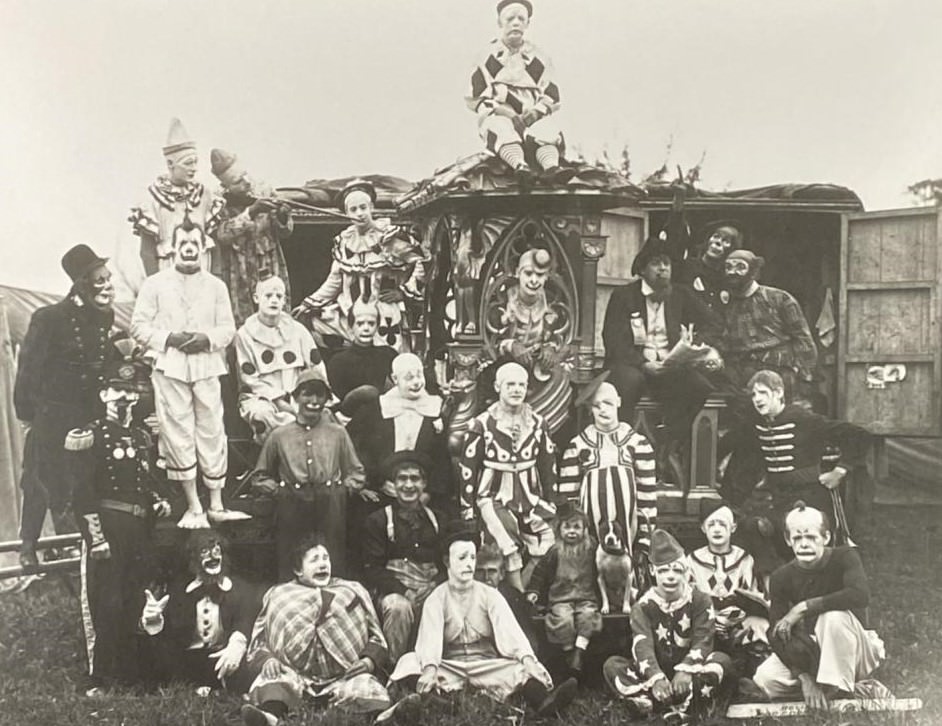
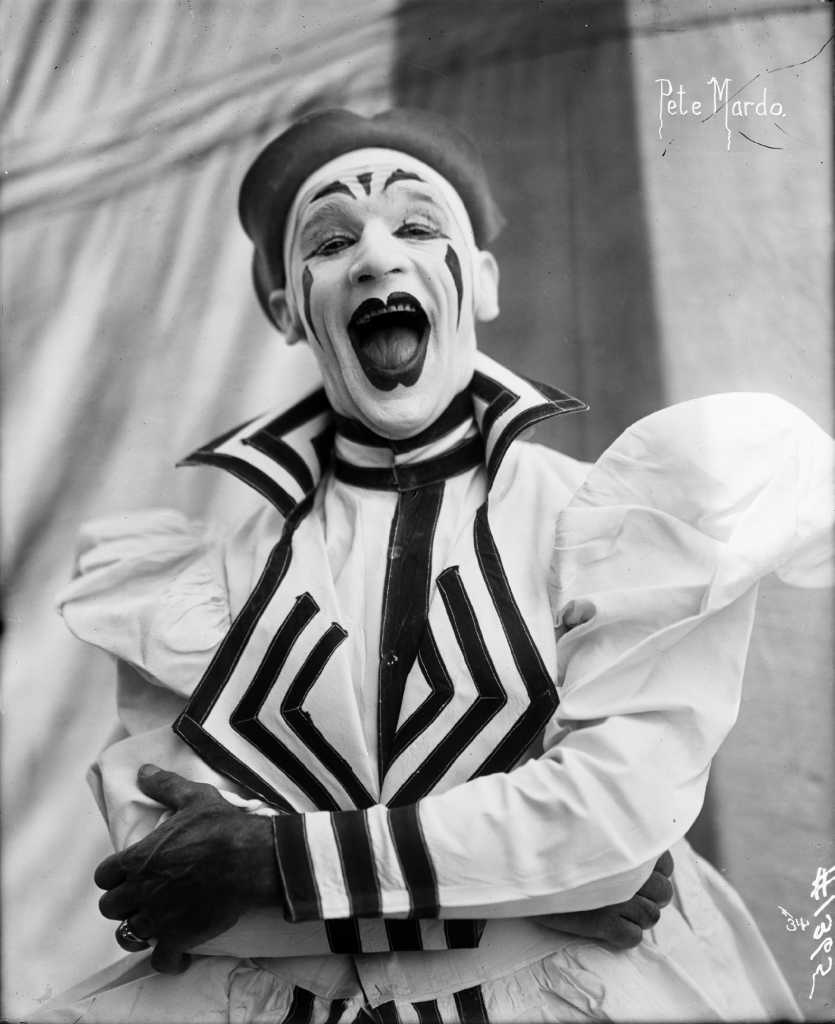
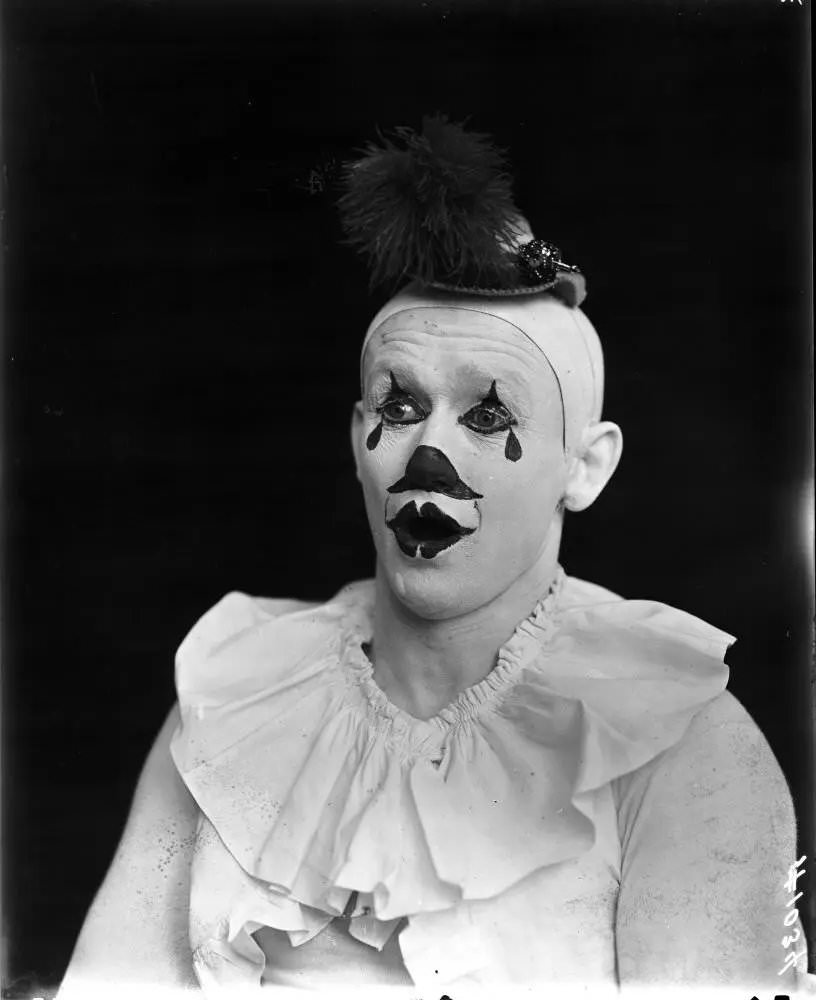
Clowns were a staple of circus life, and Glasier photographed them with the same seriousness he brought to every subject. His portraits of performers like Charlie Clown show not just the costume and makeup, but the personality underneath.
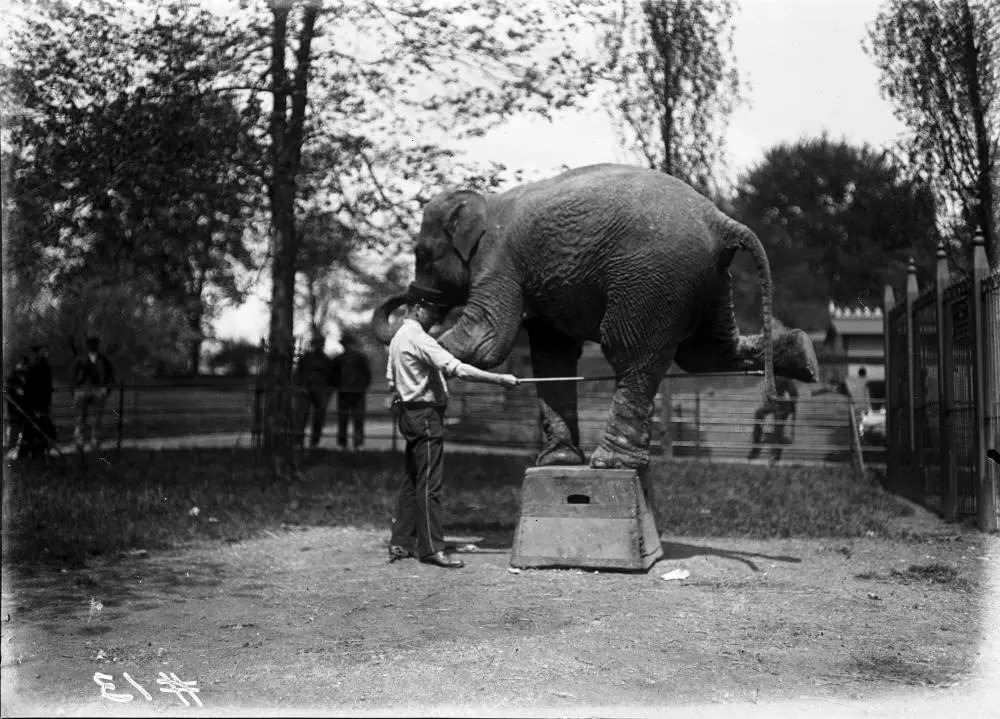
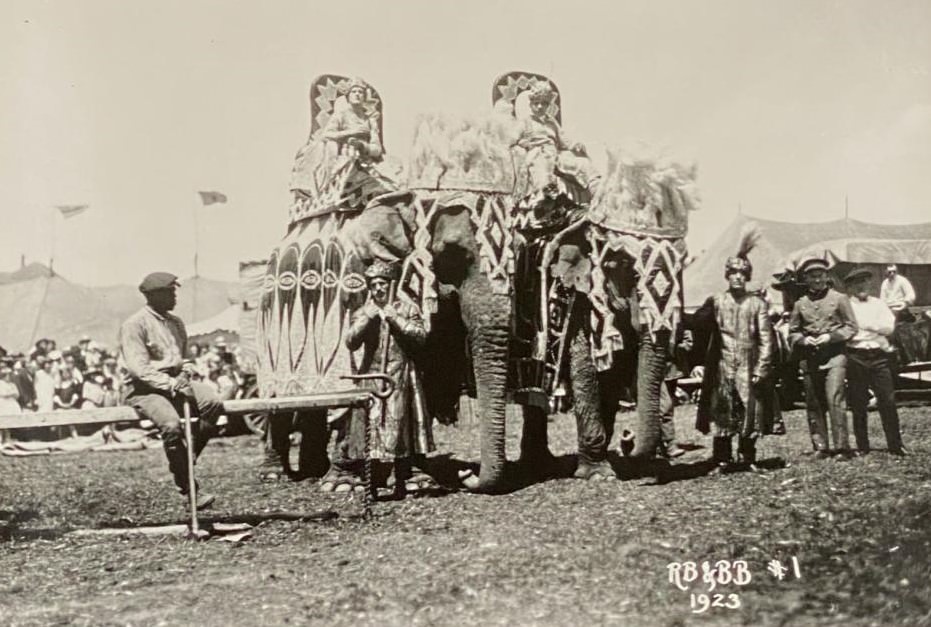
Animals were central to the circus experience. Elephants, in particular, drew enormous crowds and were symbols of the exotic worlds the circus claimed to bring to ordinary Americans. Glasier documented these animals up close, giving viewers a rare look at the scale and spectacle involved.
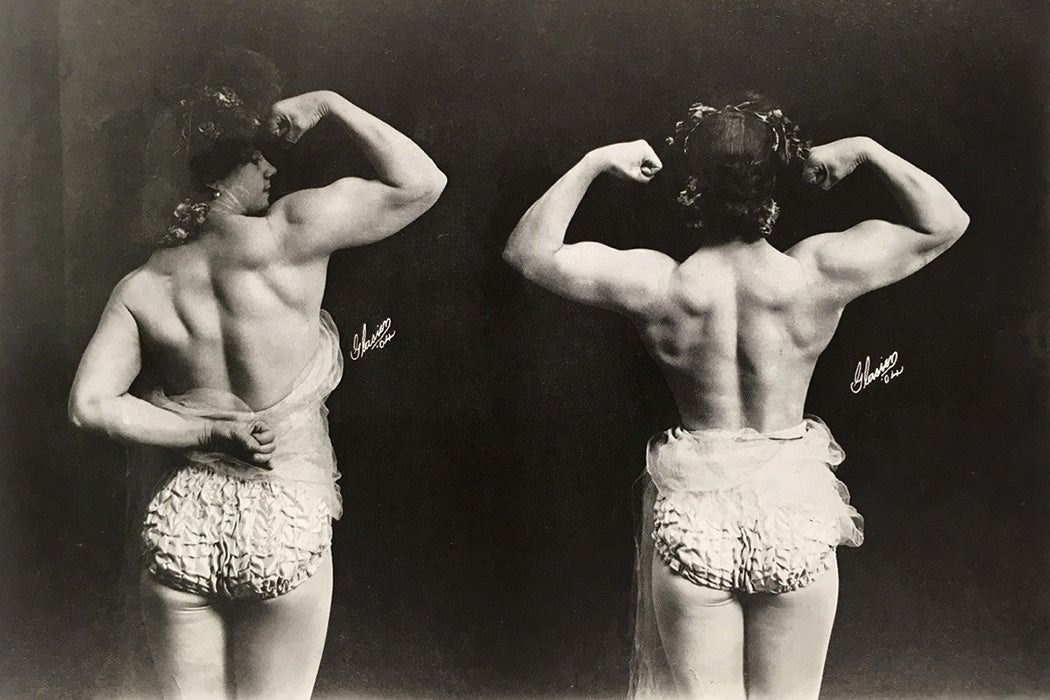
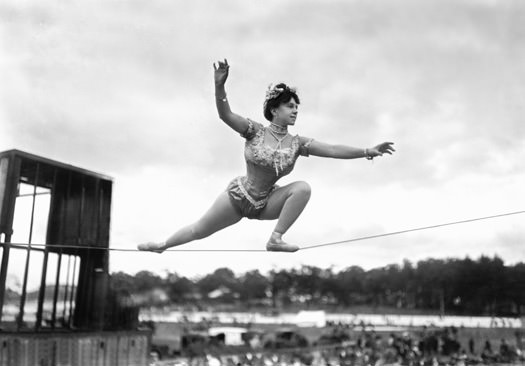
The circus was also a place where extraordinary individuals found fame. Strong women, aerialists, and contortionists drew massive crowds. Charmion, photographed by Glasier in 1904, was celebrated as a strong woman act — a performer who combined athletic power with theatrical flair at a time when such displays by women were genuinely groundbreaking.
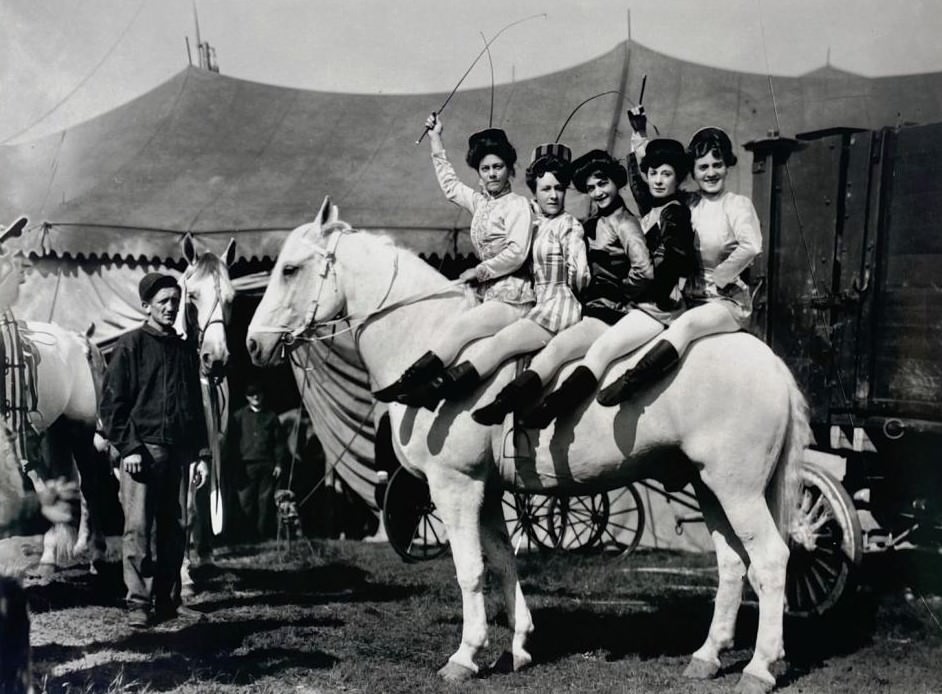
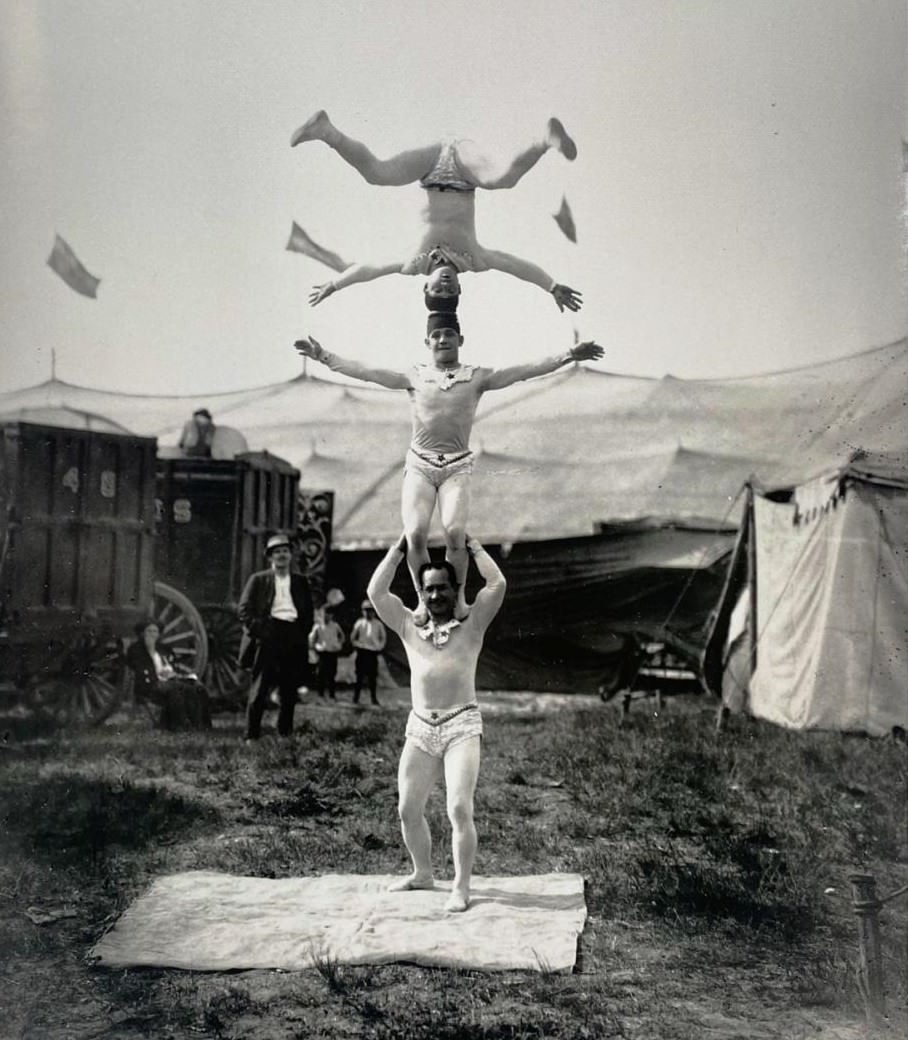
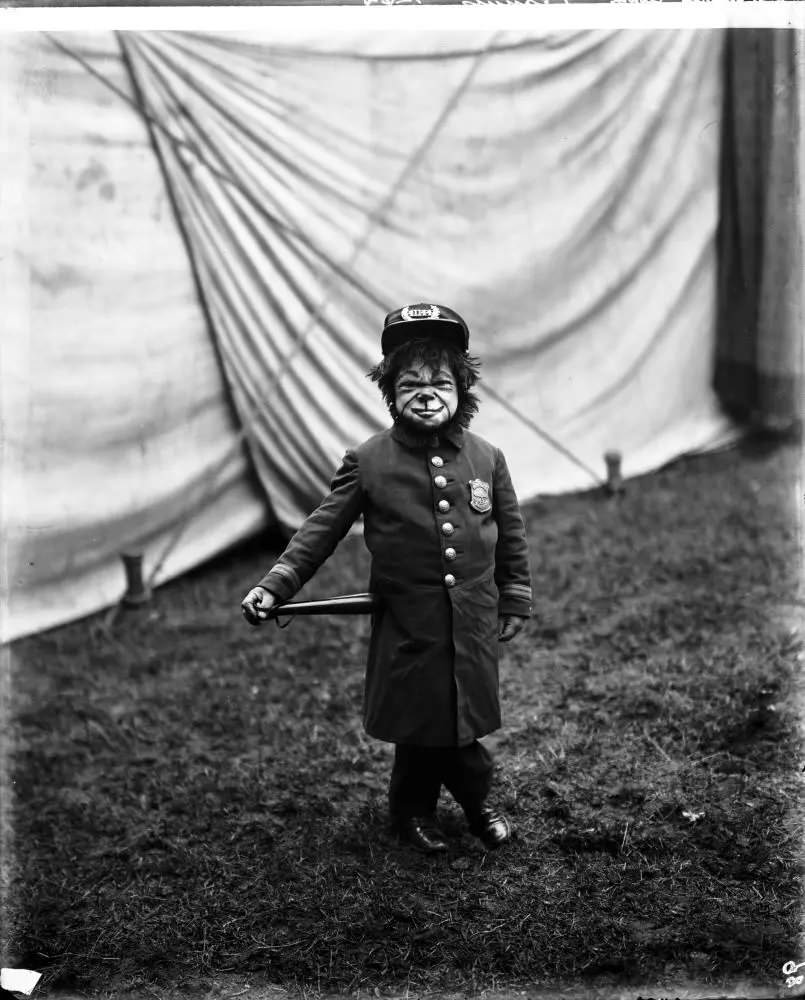
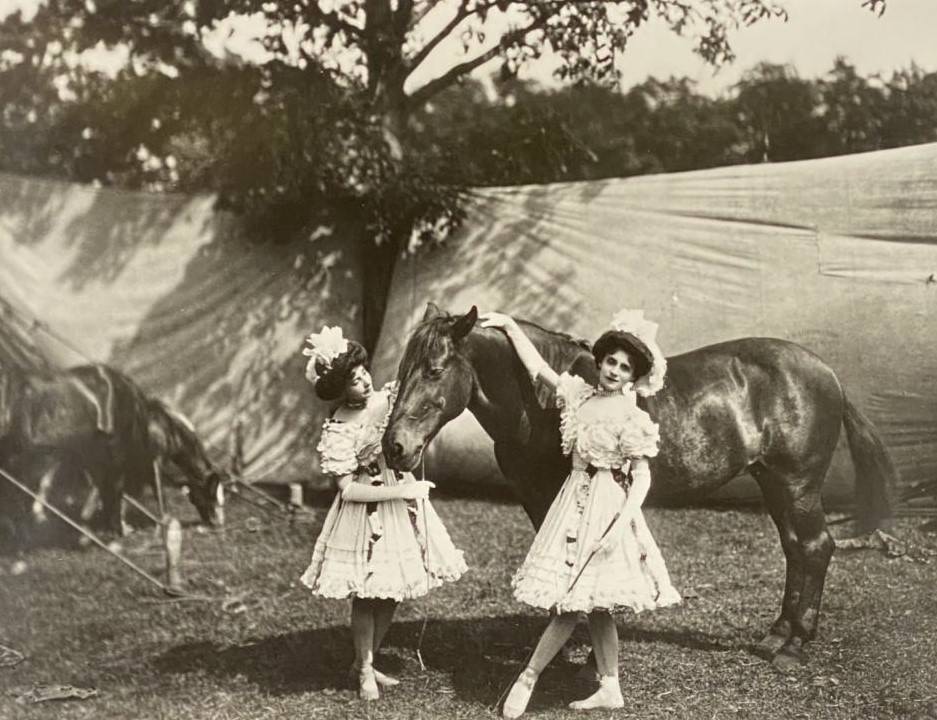
The circus was a genuine melting pot. Performers came from across the United States and around the world, each bringing a distinct skill or cultural tradition. Outsiders and eccentrics who might have struggled elsewhere found recognition under the big top. Glasier’s lens captured this diversity without spectacle — straightforwardly, with respect for his subjects.
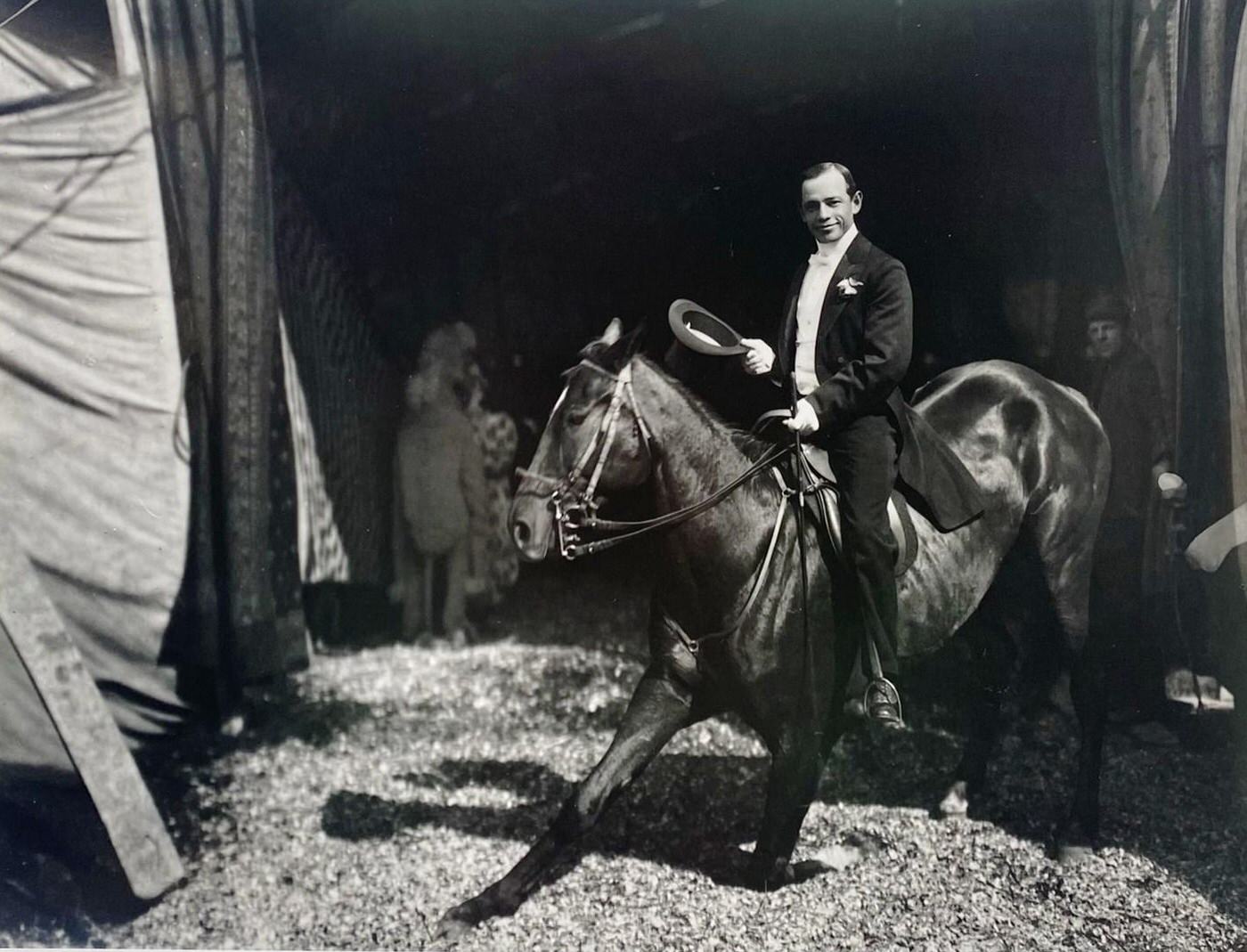
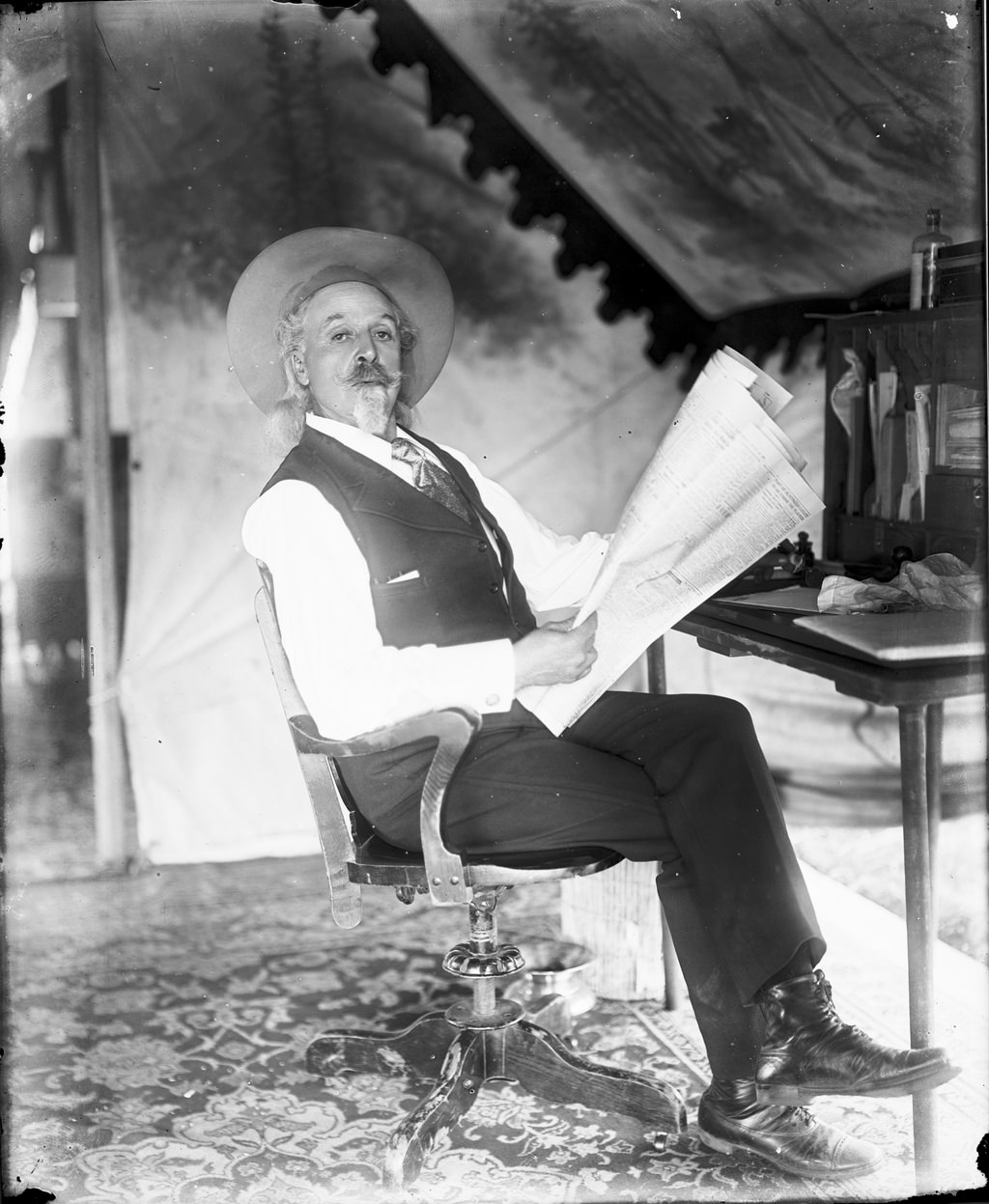
Glasier had a particular admiration for Buffalo Bill — the showman William F. Cody — whose Wild West shows were a major attraction of the era. Glasier photographed him extensively and reportedly admired him so much that he began dressing like him, adopting a Stetson hat, boots, and leather jacket as his personal style.
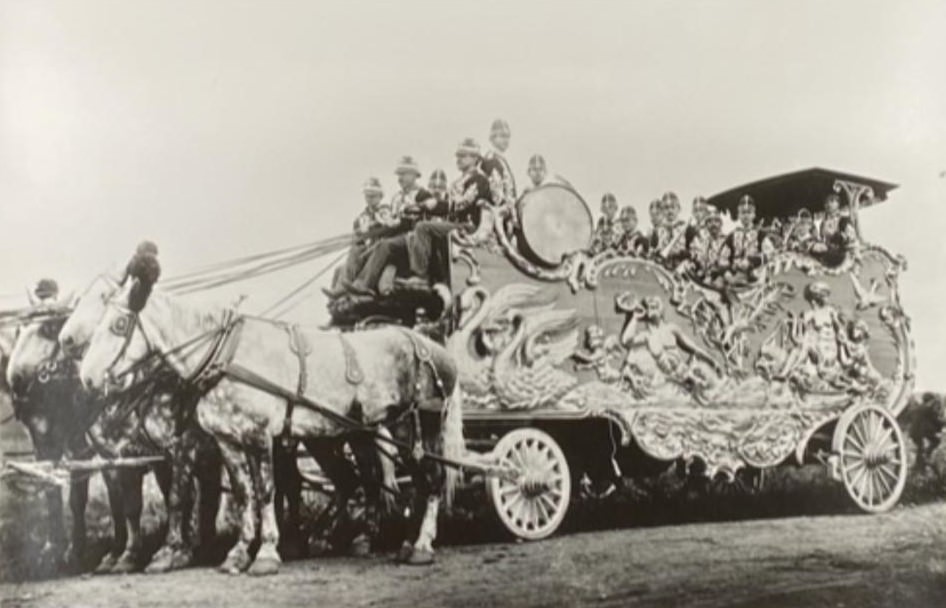
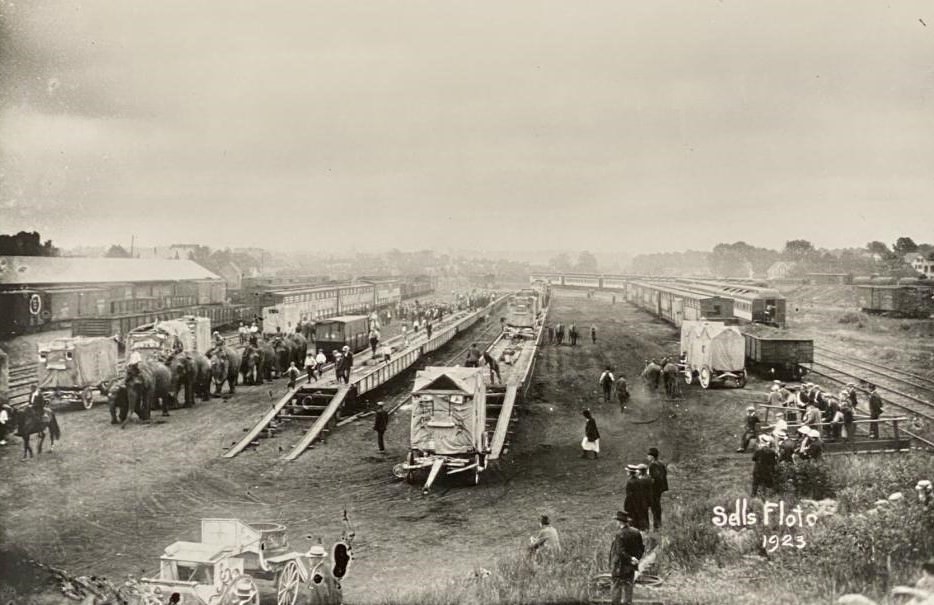
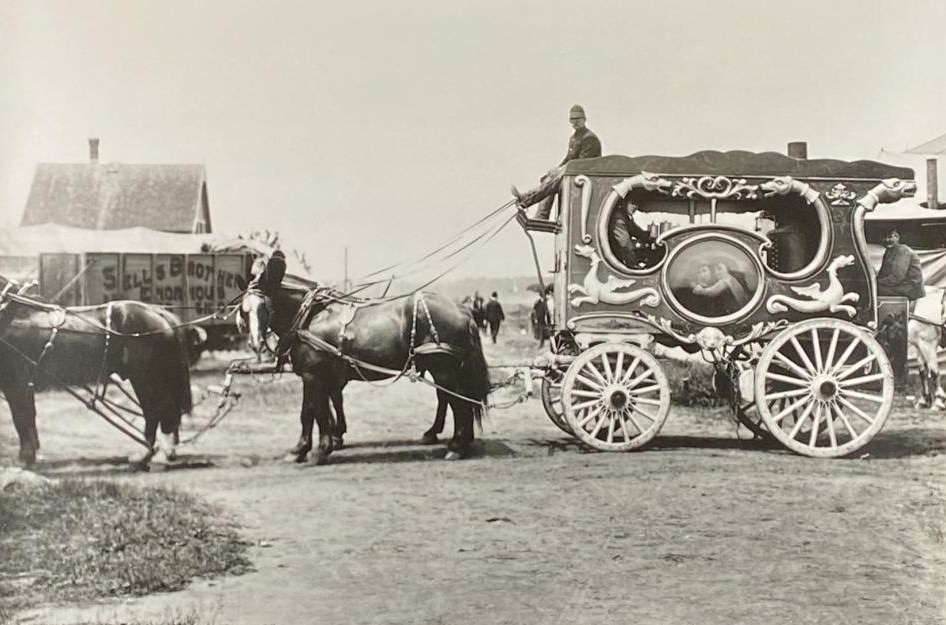
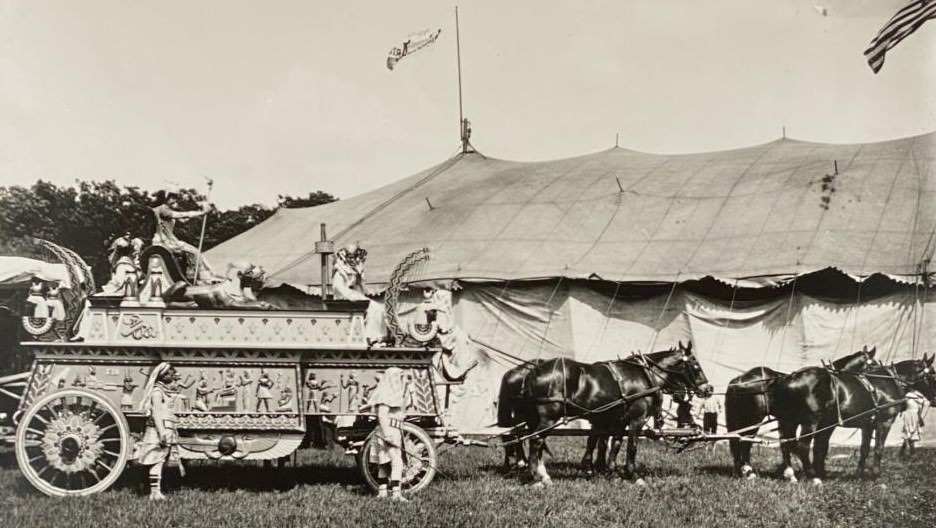
Much of Glasier’s personal life remains unclear. He was married twice and continued working as a photographer well into his later years. He died in 1950, leaving behind an archive that spans decades of American circus history. His photographs are held today in collections including the Ringling Circus Museum, where they remain primary records of a performance world that no longer exists in the same form.