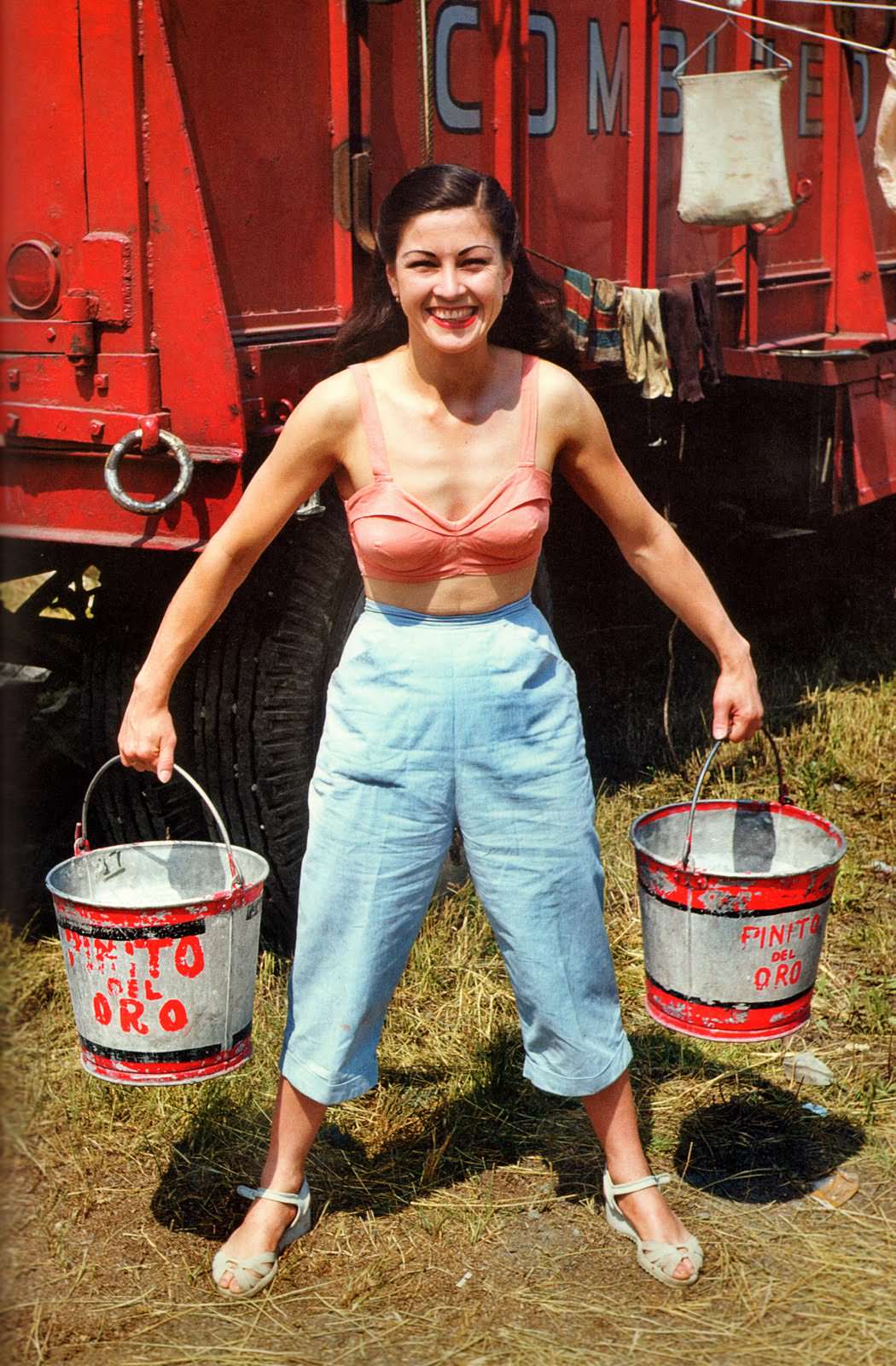
Under the big top of the 1940s and 1950s, American circus women were far more than decoration. They were trained athletes, skilled dancers, and fearless aerialists who anchored the entire show. In circus lingo, they were simply called “girls” — but their work was anything but simple.
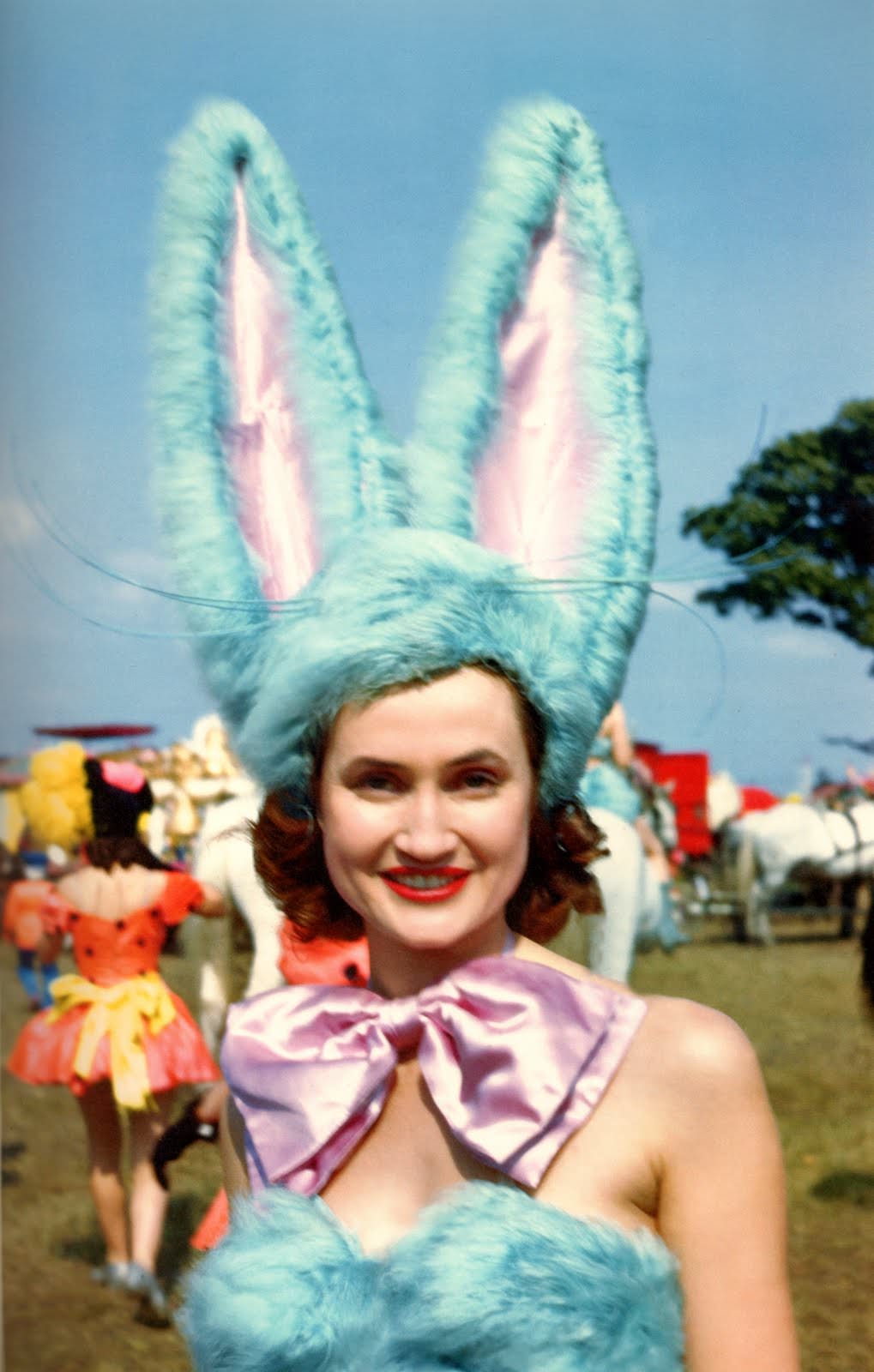
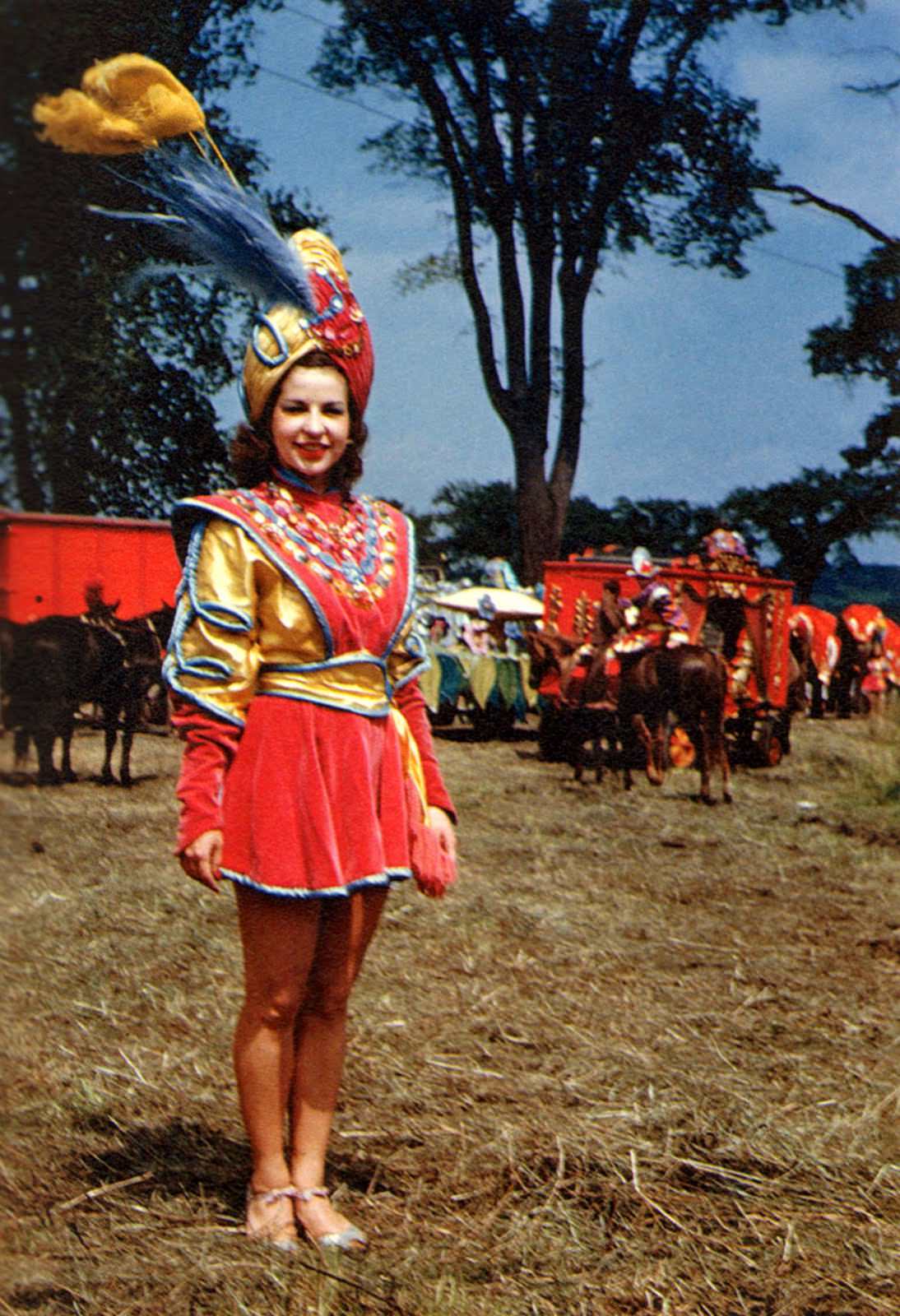
Showgirls at major outfits like Barnum & Bailey and Ringling Bros. trained in dance, acrobatics, and horseback riding. Their sequined and feathered costumes were hand-crafted by in-house seamstresses who traveled with the show. Every parade, every synchronized routine was rehearsed for weeks before it reached an audience.
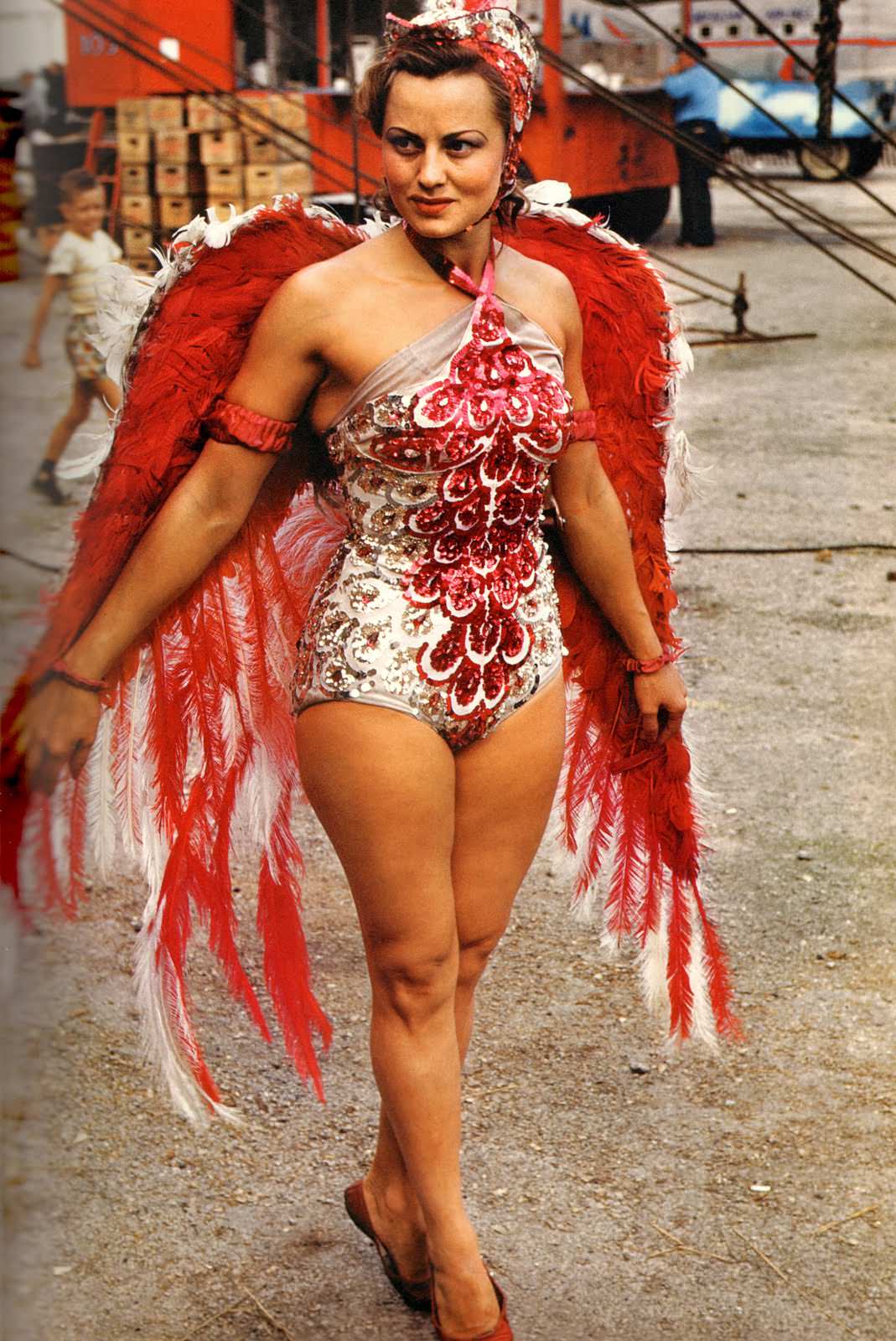
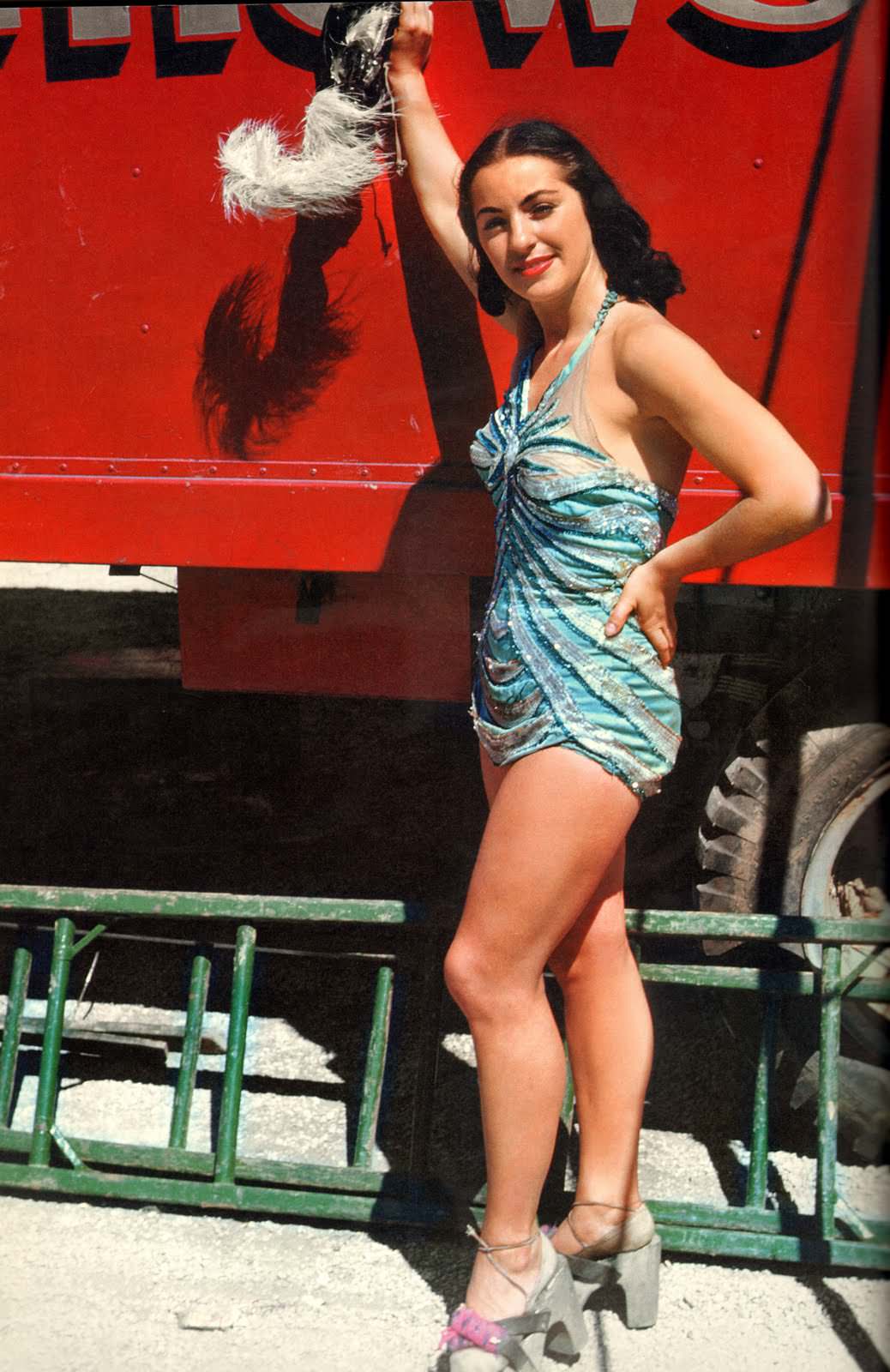
Aerialists were the most daring performers on the roster. They swung from trapezes, twisted on ropes, and executed precise choreography dozens of feet above the crowd. Building the required strength and trust in a partner took years of daily training.
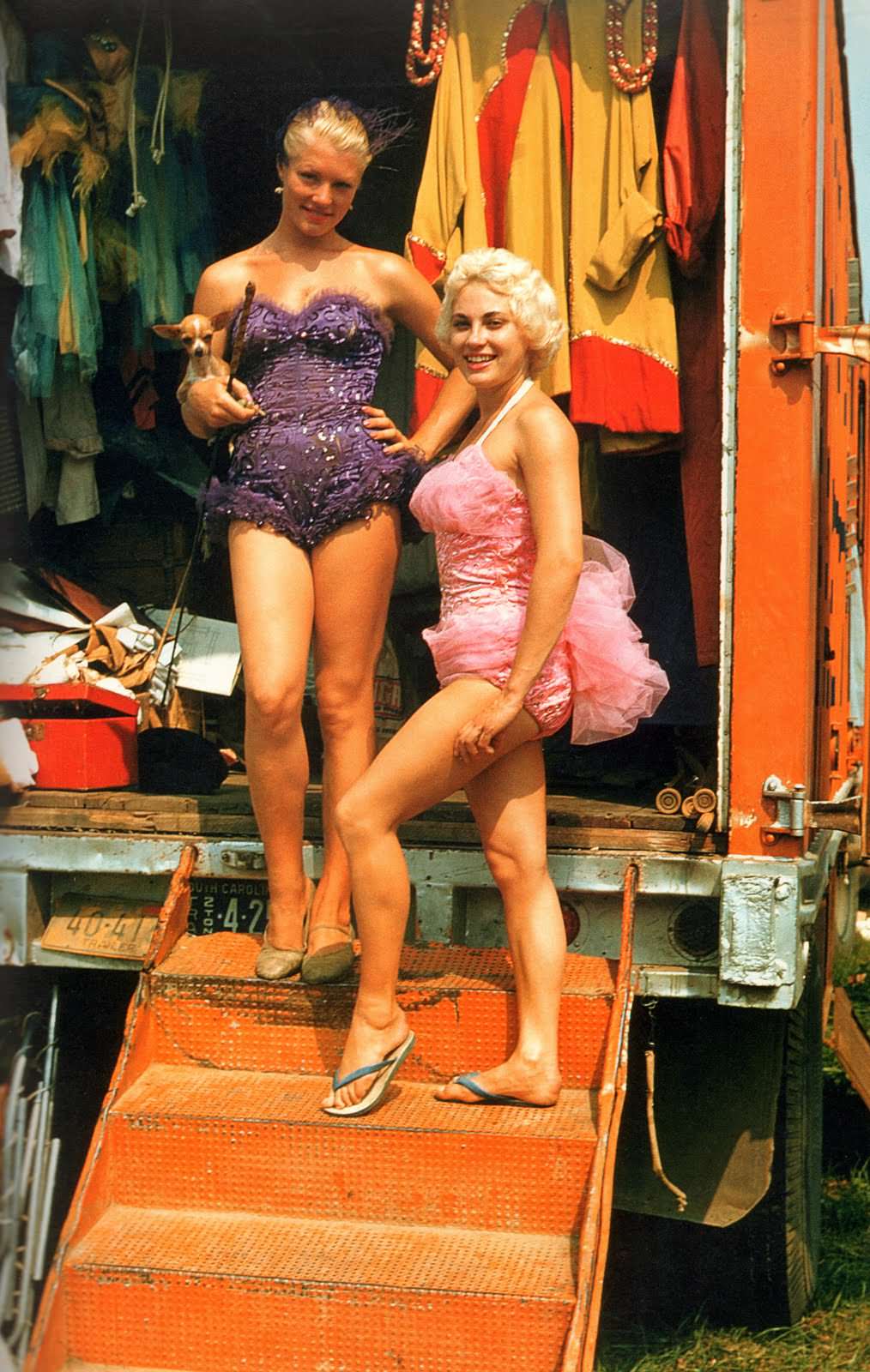
Life on the road was physically grinding. Performers lived in cramped quarters and moved constantly between cities. The wardrobe wagon was a shared workspace where costumes were repaired, altered, and stored — a rolling hub of behind-the-scenes labor that kept the show looking polished every night.
Not all circus women performed in the ring. Some managed animals, others handled rigging and safety equipment. Their work ran overnight and started again before dawn. Pay was often meager, and extended time away from family was standard.
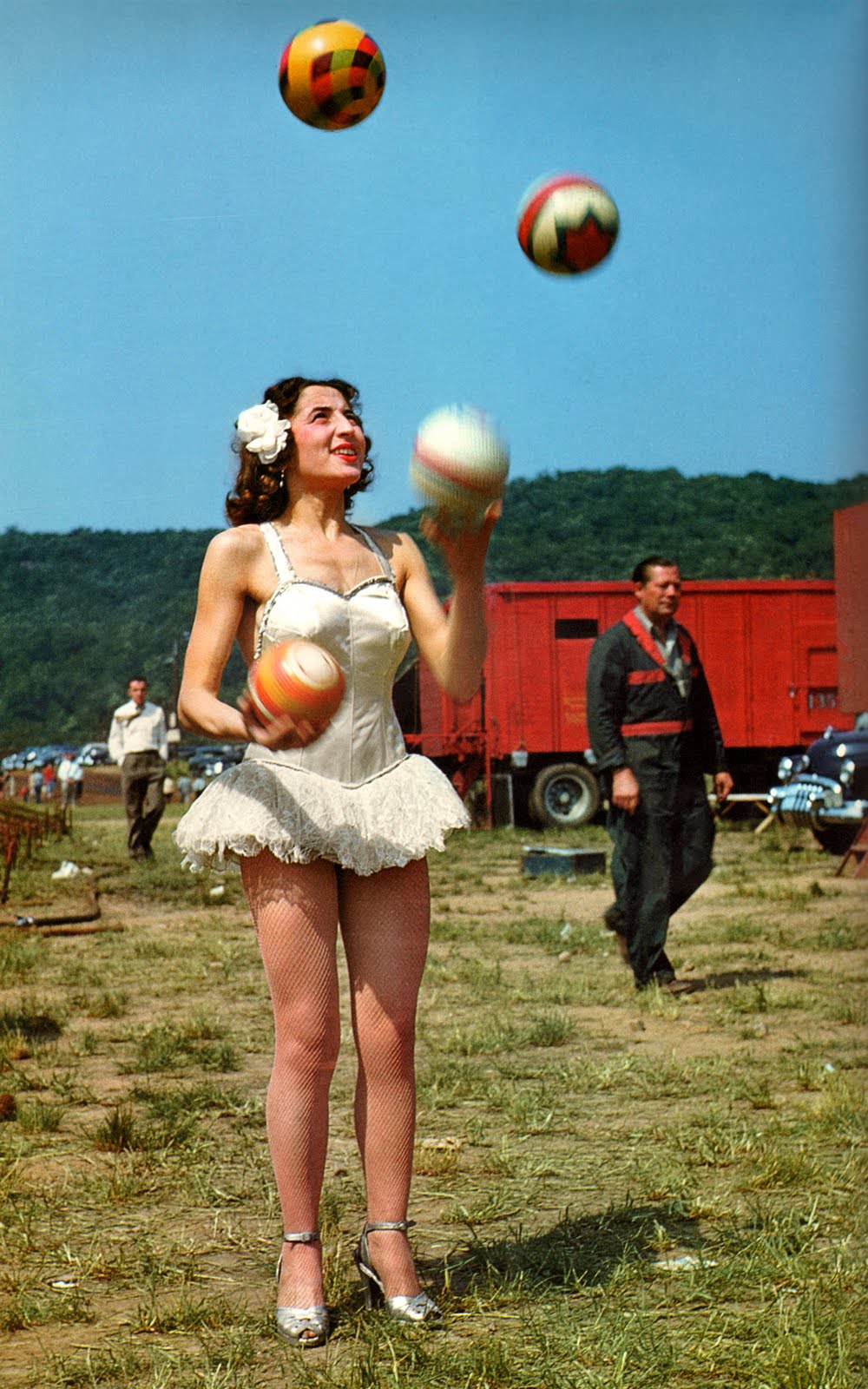
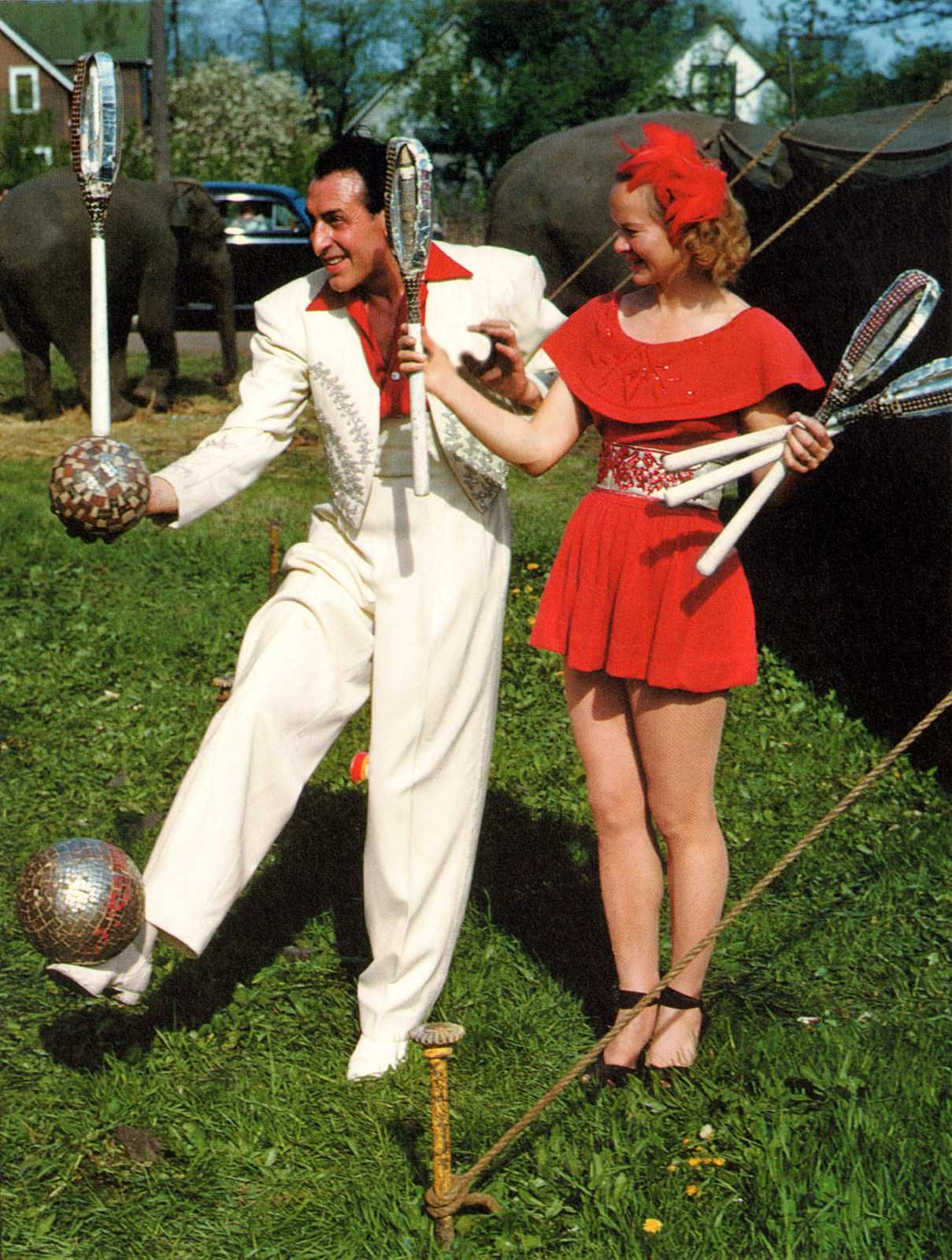
Lottie Brunn was one of the era’s standout individual performers, known for her precision juggling act. Couples acts were also popular — two performers building routines that demanded split-second coordination and total physical trust in each other.
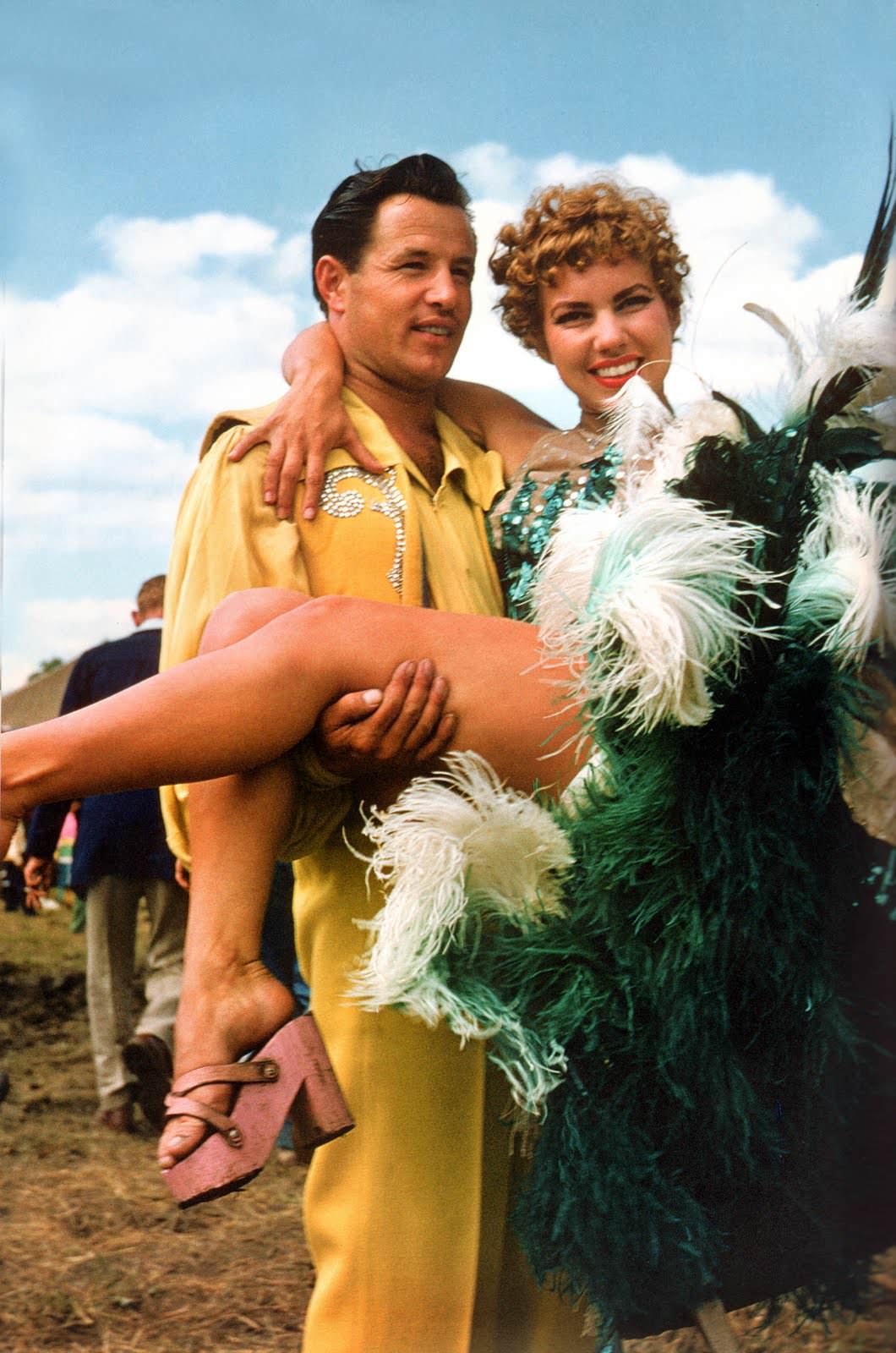
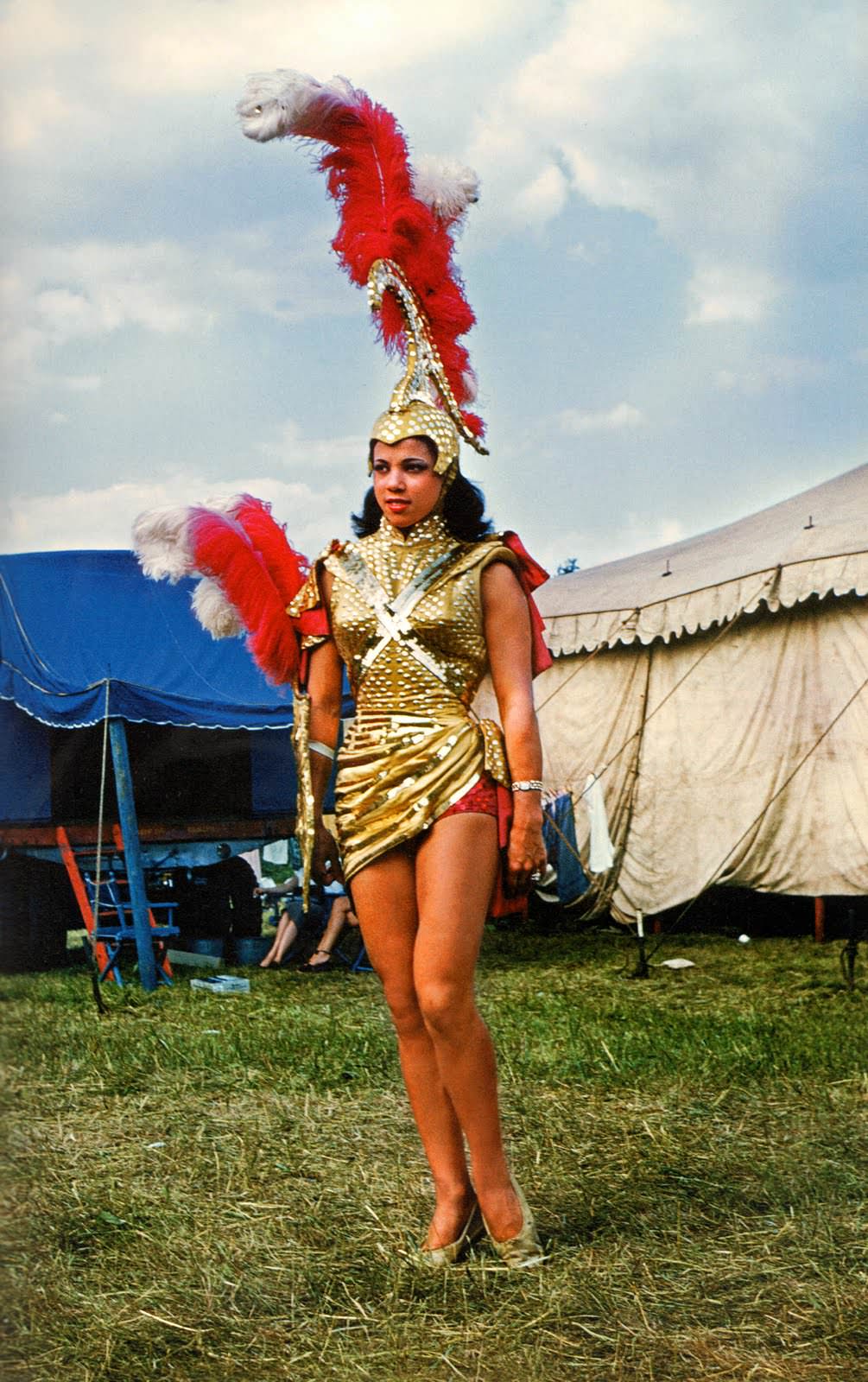
Seasonal and themed shows — like Mardi Gras-style productions — gave performers a chance to take on different characters and costumes throughout the year. The circus community itself was tight-knit. Performers shared meals, rehearsal spaces, and living quarters, forming bonds that lasted well beyond a single season.
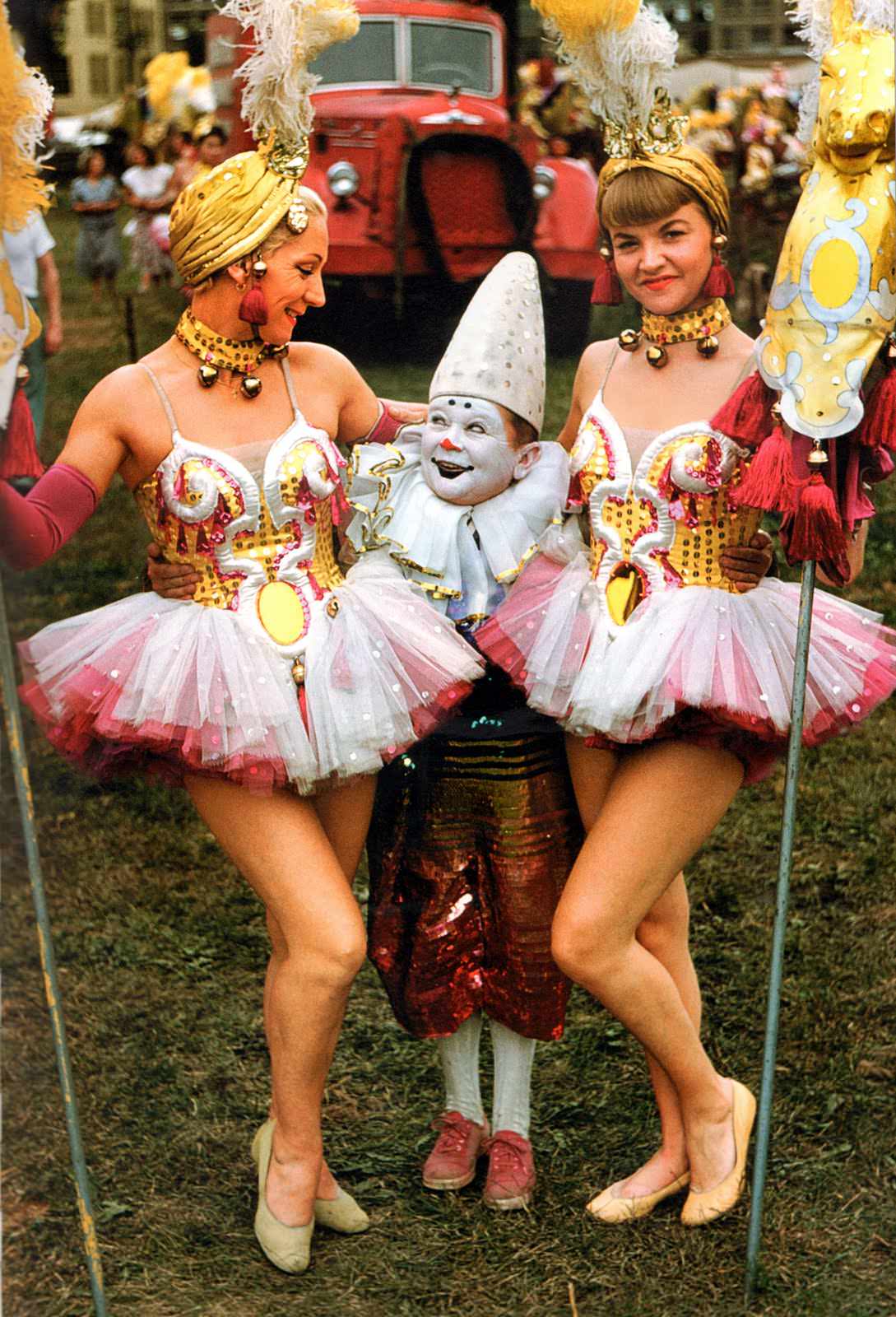
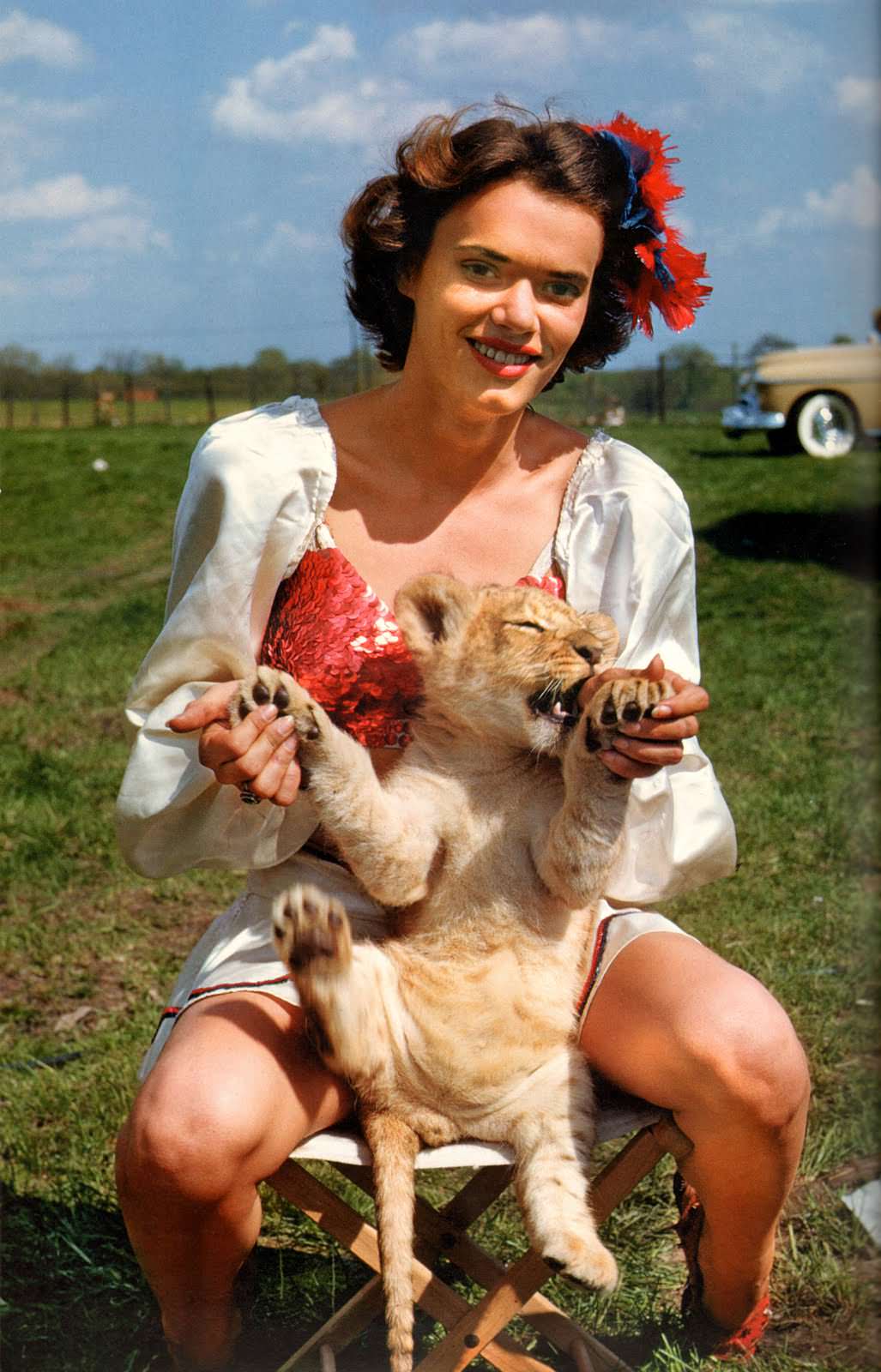
Smaller outfits like the Dailey Bros. and King Bros. circuses offered women many of the same roles found in the larger shows, often with even less crew and more responsibility per performer. A single woman might dance in the opening parade, assist with an animal act, and close the night with an aerial number.
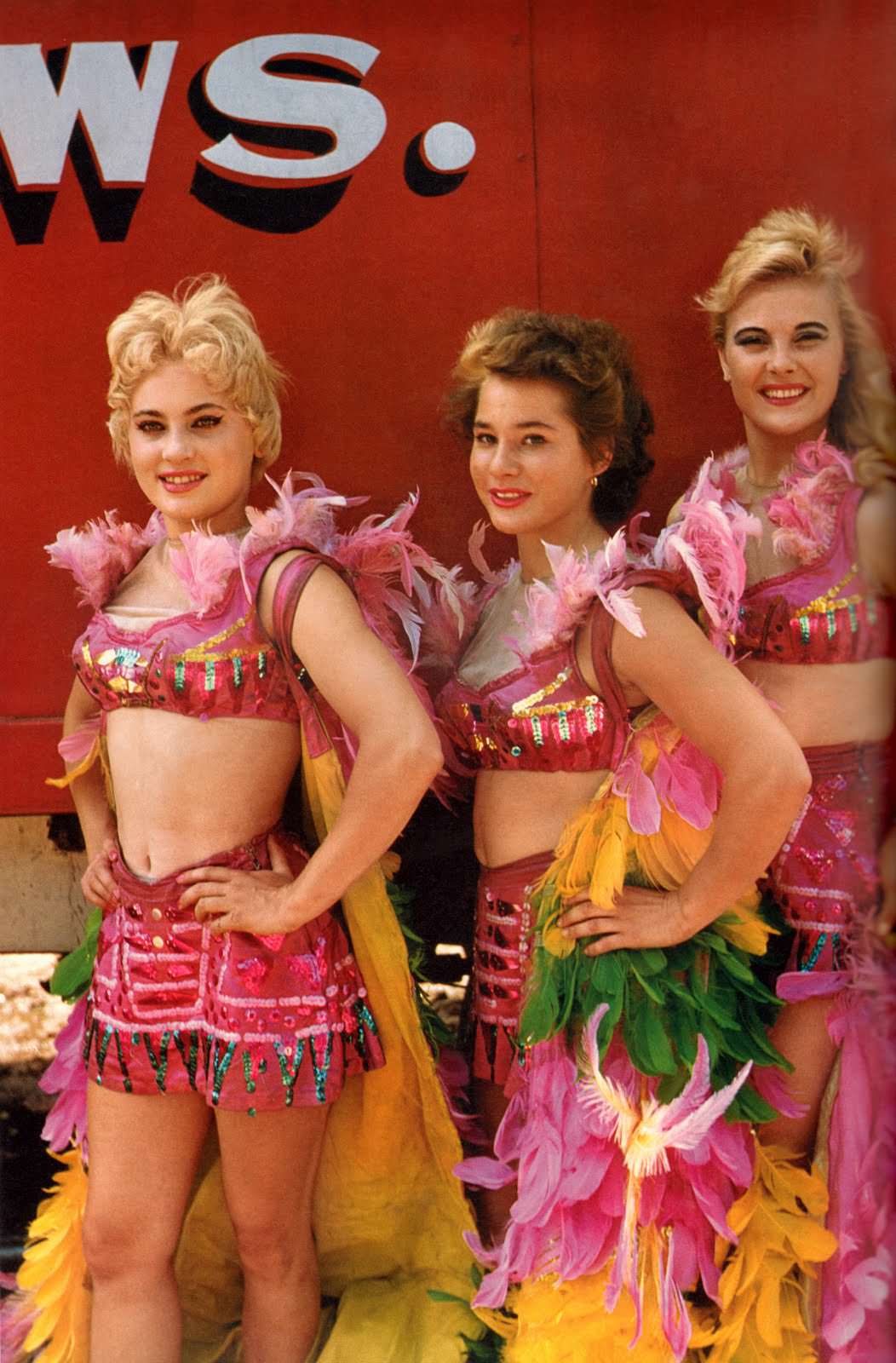
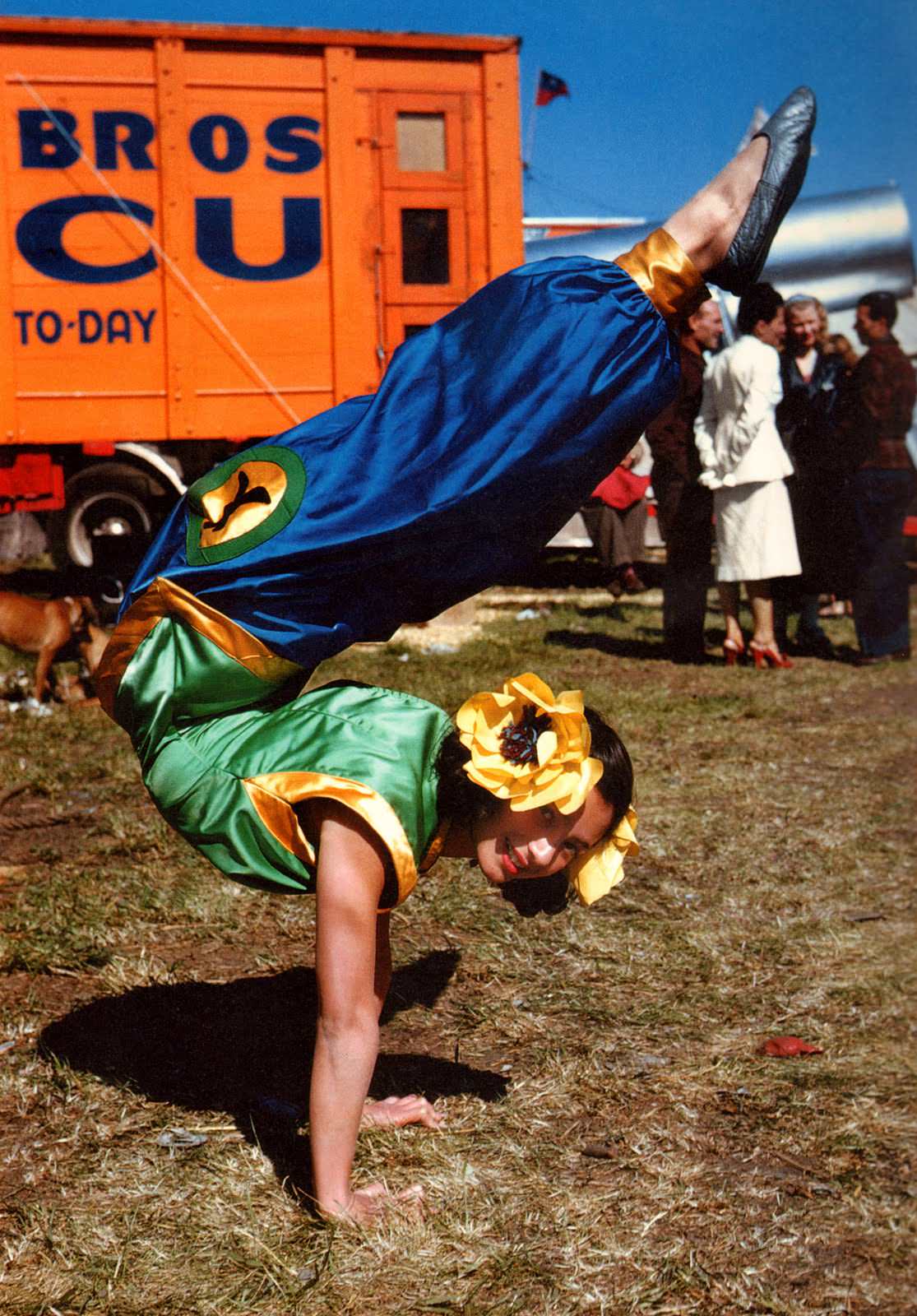
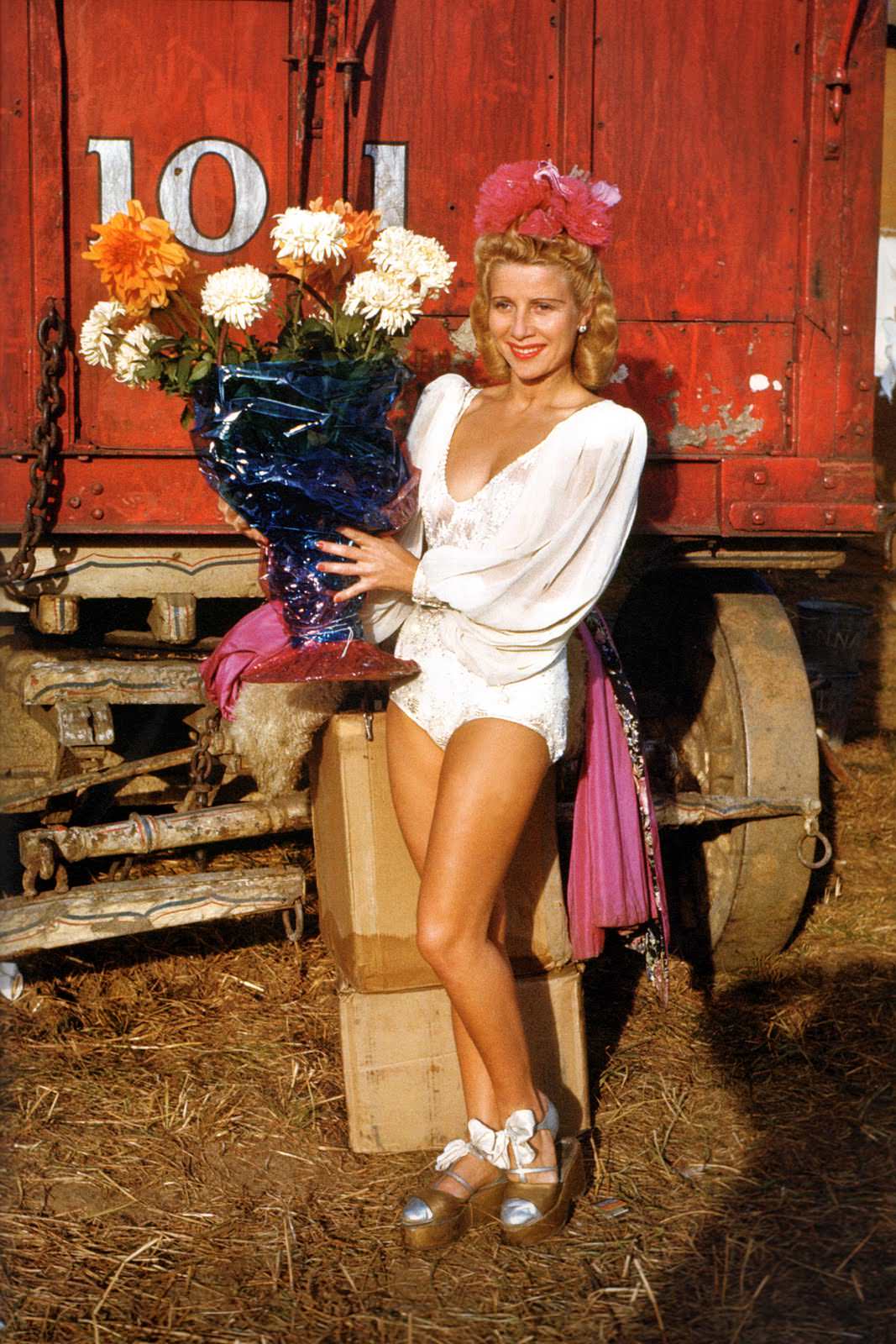
Small celebrations mattered in this world. Birthdays were marked inside the community, often with flowers and shared meals between shows — moments of normalcy within a life that was anything but ordinary.
Spanish aerialist Pinito del Oro became one of the most celebrated trapeze performers of the era. Performing with Ringling Bros. in the early 1950s, she was known for her solo high-wire and trapeze work performed without a safety net — a rare distinction even among seasoned professionals.