During the 1960s, Chrysler used magazine advertisements to position itself as the engineering leader of the American automotive industry. The company moved away from the extreme “tail fin” designs of the late 1950s and toward a more understated, luxurious appearance. These ads appeared in high-circulation publications like Life, The Saturday Evening Post, and National Geographic. The marketing strategy focused on convincing buyers that Chrysler vehicles were more durable and technologically advanced than those built by Ford or General Motors.
The Visual Transition from Art to Photography
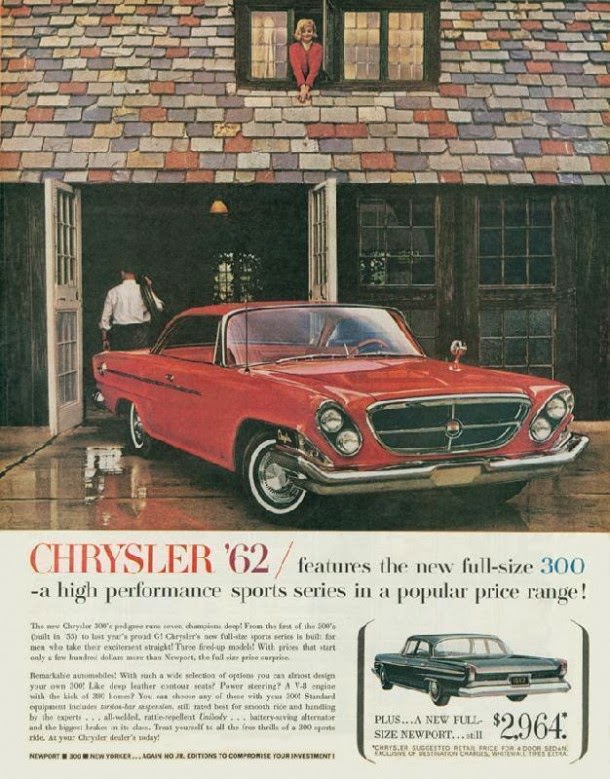
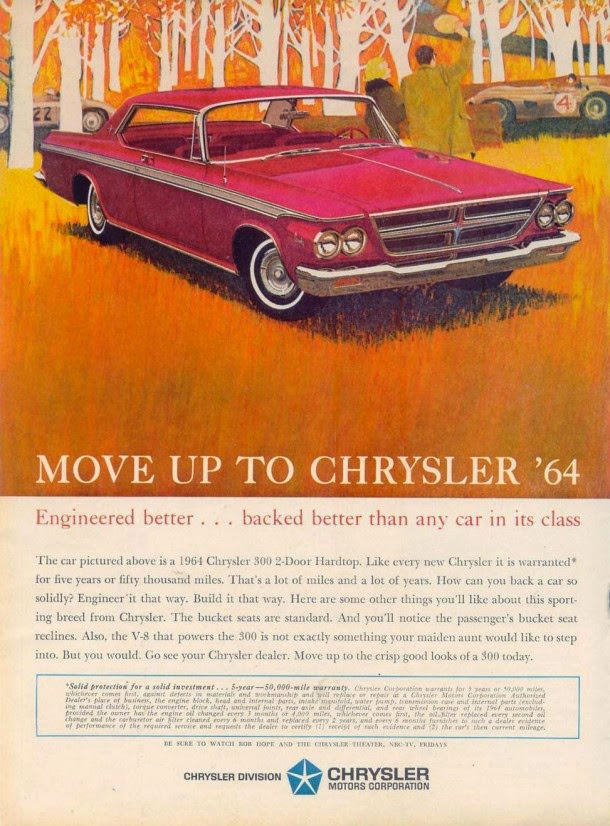
In the early 1960s, Chrysler ads frequently featured high-quality illustrations. These paintings used “forced perspective” to make the cars look longer and lower than they actually were. Artists used vibrant colors to highlight the chrome trim and the deep paint finishes of models like the Newport and the New Yorker. By 1963, the company shifted its focus toward photography. This change was meant to provide a more realistic and honest look at the vehicles.
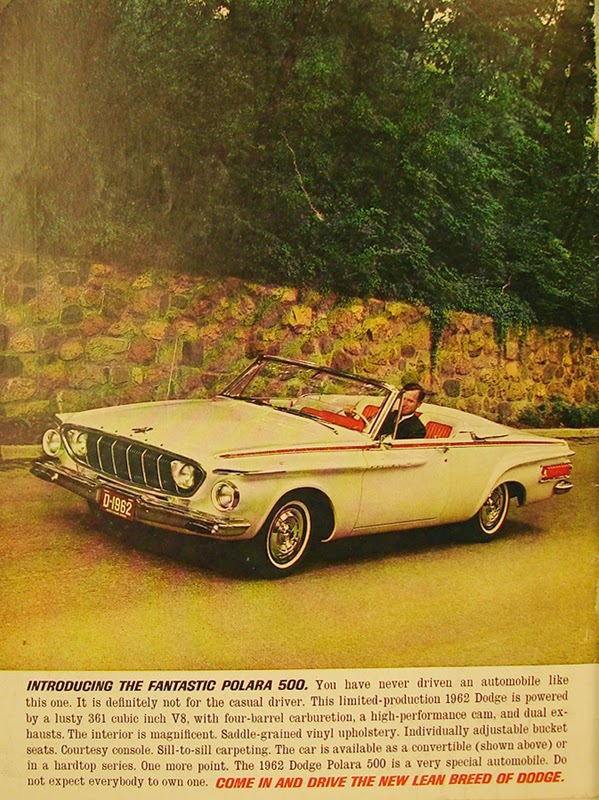
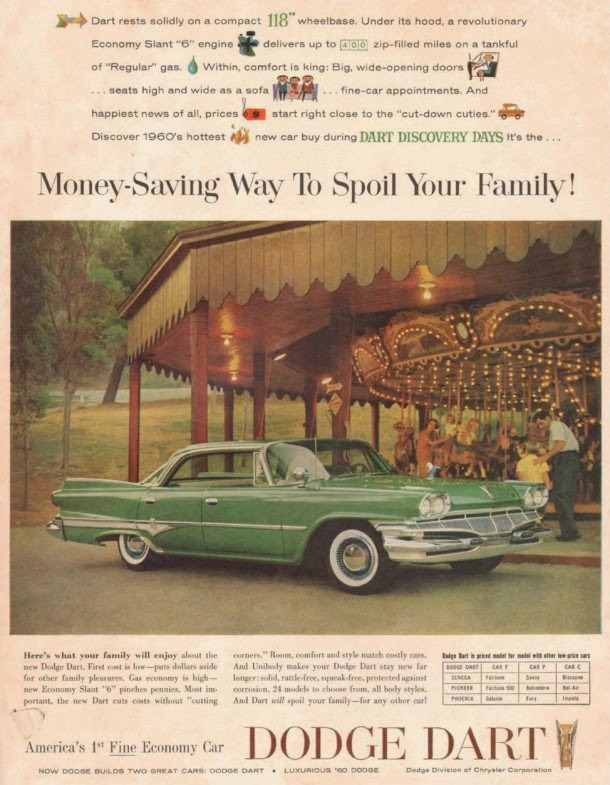
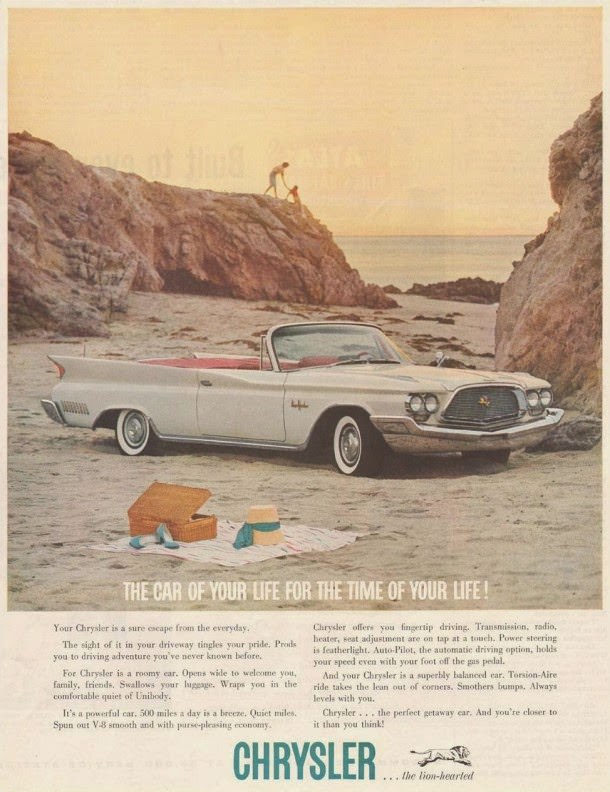
Photographers often placed the cars in front of modern architecture or expensive homes. This connected the brand to the growing American middle class and the suburban lifestyle. The lighting in these photos was carefully managed to emphasize the “crisp” lines of the new body styles designed under Elwood Engel. Engel became the head of design in 1961 and introduced a more formal, squared-off look that dominated the rest of the decade.
Read more..
Marketing the “Engineering First” Philosophy
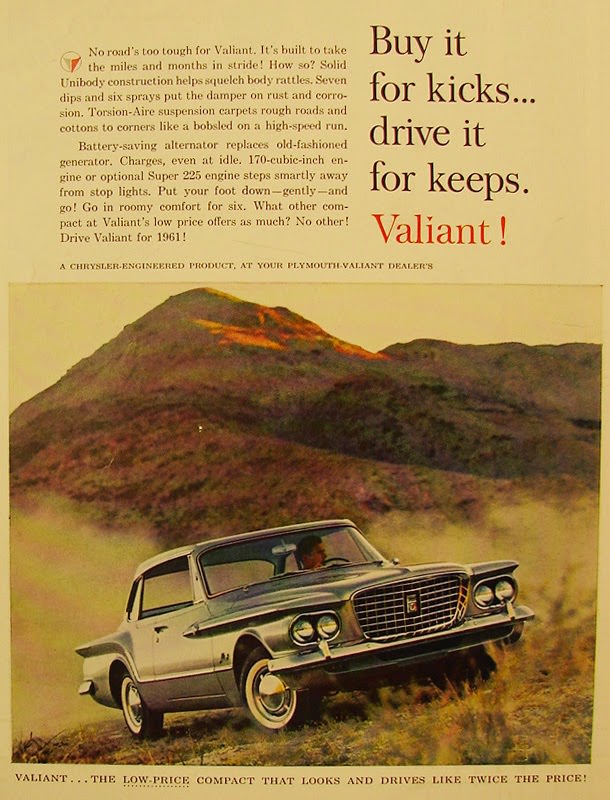
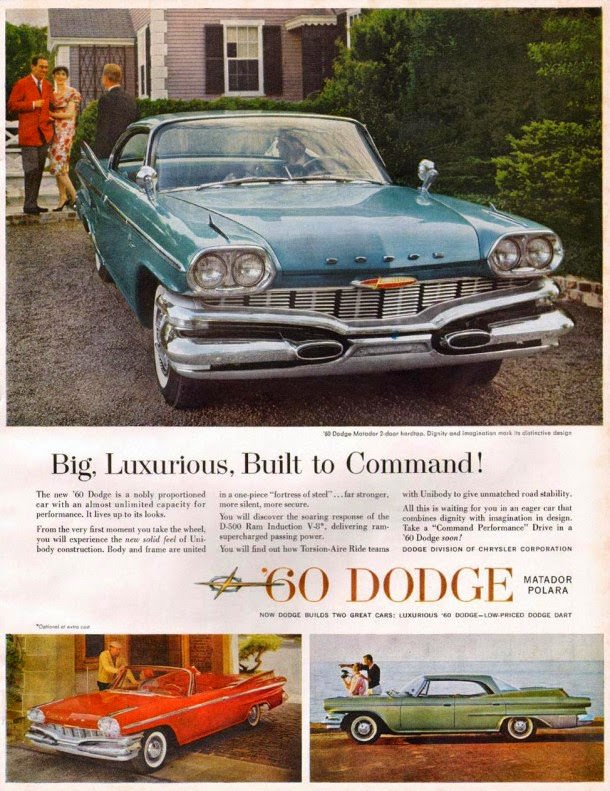
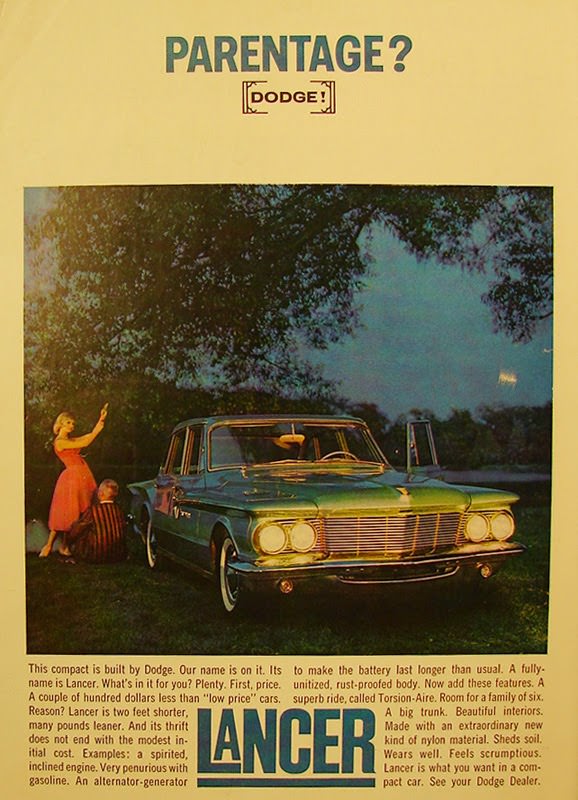
Chrysler advertisements in the 1960s spent a significant amount of space explaining technical features. One of the most common topics was “Unibody” construction. Most other cars at the time used a separate frame and body. Chrysler ads claimed that their all-in-one welded structure was stronger and quieter. The copy often described the hundreds of individual welds used to create a single, solid unit. They promised that this design would prevent the “squeaks and rattles” that annoyed drivers in older cars.
Another frequent topic was the “Torsion-Aire” suspension system. The ads explained how torsion bars worked differently than standard coil springs. They claimed that this system kept the car level during hard turns and prevented the front end from “diving” during sudden stops. The technical descriptions were detailed and aimed at buyers who cared about the mechanical quality of their purchase. The company used the slogan “Engineering for the sake of the car” to reinforce this identity.
The Imperial and the Luxury Market
The Imperial was Chrysler’s most expensive and prestigious model. During the 1960s, Chrysler attempted to market the Imperial as a separate brand to compete directly with Cadillac and Lincoln. Magazine ads for the Imperial were often more minimalist and used more “white space” on the page. The text was shorter and used a more sophisticated tone. These ads highlighted exclusive features like the “Auto-Pilot” cruise control and the high-quality leather interiors.
In 1964 and 1965, Imperial ads focused on the fact that the car was built on its own dedicated assembly line. The copy explained that workers performed extra quality checks on every Imperial before it left the factory. They mentioned the use of real walnut wood trim on the dashboard and the silence of the cabin at high speeds. These advertisements targeted wealthy professionals who wanted a car that felt more exclusive than a standard Chrysler.
The 300 Series and Performance
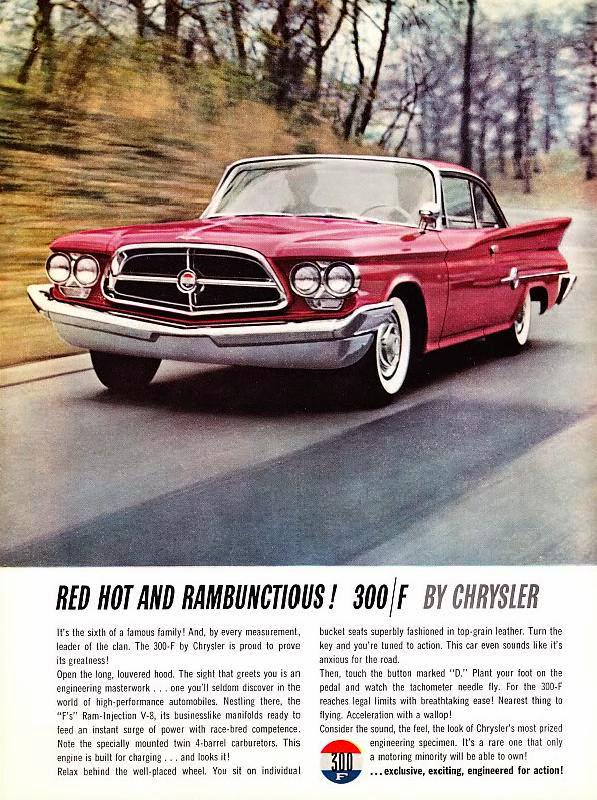
The “Letter Series” cars, such as the 300G and 300H, were the performance leaders in Chrysler’s lineup. Ads for these cars focused on speed and power. They featured the “Ram-Manifold” intake system and the high-horsepower V8 engines. The imagery often showed the cars on open highways or at high-speed testing tracks. The text described the 300 series as a “businessman’s express” that combined luxury with the performance of a race car.
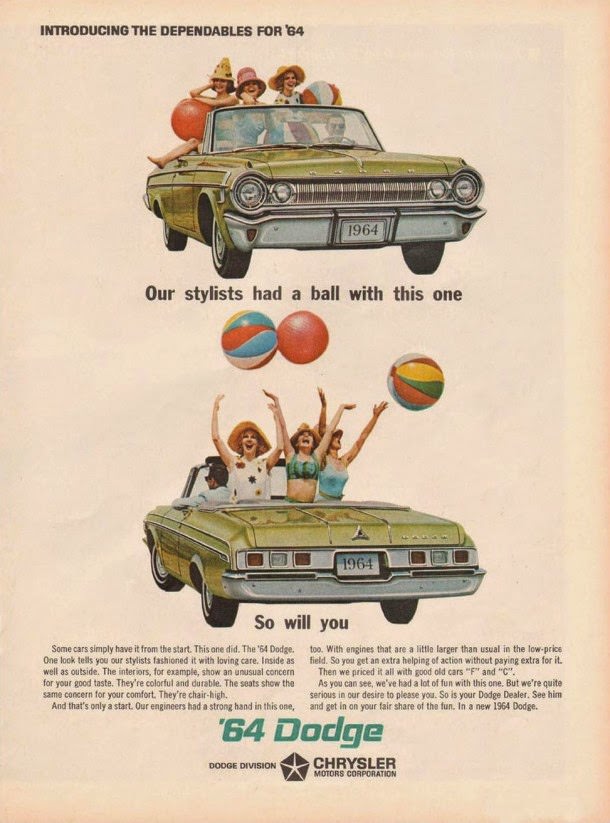
By the mid-1960s, the company introduced the “non-letter” 300 series to reach more buyers. Ads for these models emphasized that a driver could get the same sporty look and bucket seats at a lower price. The photography for these ads was more energetic and often included younger people. This was part of a broader effort to make the Chrysler brand appeal to a wider age group during the rise of the “muscle car” era.
The Five-Year, 50,000-Mile Warranty
In 1963, Chrysler introduced a major marketing tool that appeared in almost every magazine ad for the rest of the decade. They offered a five-year or 50,000-mile warranty on the “power train” of their vehicles. This was a much longer guarantee than what was offered by their competitors. The ads used large, bold text to announce this warranty. They claimed it was proof of the superior quality of their engines and transmissions.
The fine print of these ads explained that the warranty was transferable to new owners if the car was sold. This was a specific tactic to improve the resale value of Chrysler cars. The company used the warranty to counter the perception that their cars were less reliable than those made by Ford or GM. This campaign was highly successful and led to a significant increase in sales during the middle of the decade.
The “Beautiful Chrysler” Campaign
In the late 1960s, the advertising tone changed again. The “Beautiful Chrysler” campaign focused more on aesthetics and comfort. The ads showed the 1968 and 1969 models with their new “fuselage” styling. This design featured curved body sides that made the car look like the body of an airplane. The photography was more artistic and often used sunset lighting or blurred backgrounds to create a sense of elegance and speed.
The copy in these late-60s ads talked about the “roominess” of the interior. They described the “vinyl-clad” roofs and the hidden headlights that were available on the top models. While engineering was still mentioned, it was no longer the primary focus of the page. The brand was moving toward a more lifestyle-oriented approach to match the changing tastes of the 1970s. The ads portrayed the Chrysler owner as someone who had achieved success and wanted to enjoy a quiet, comfortable ride.