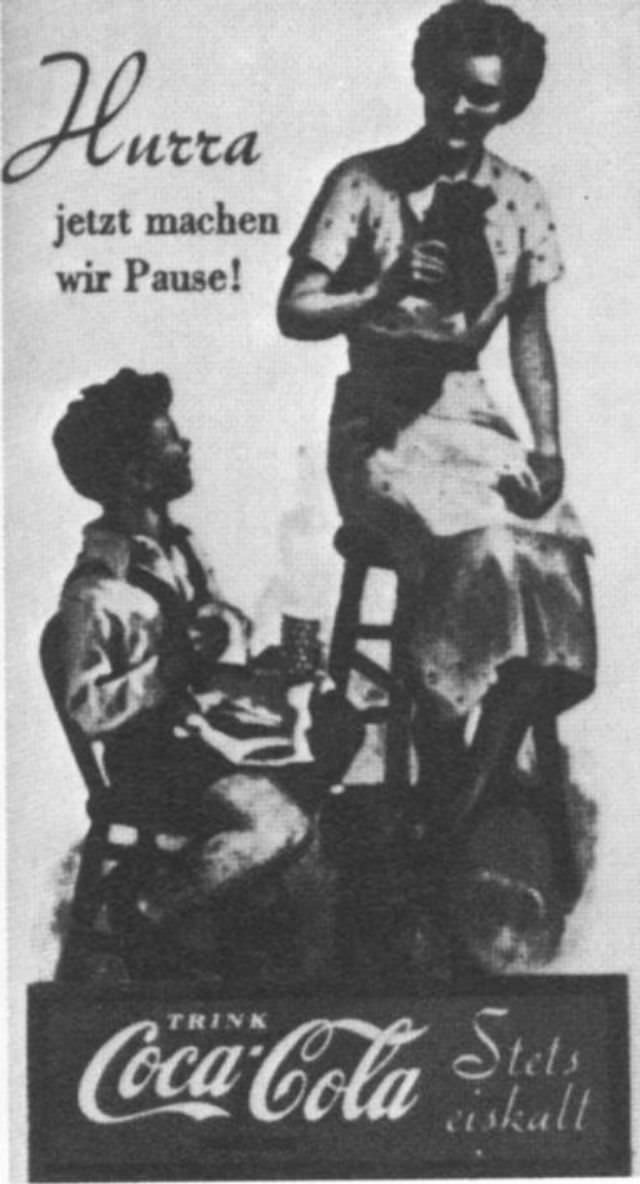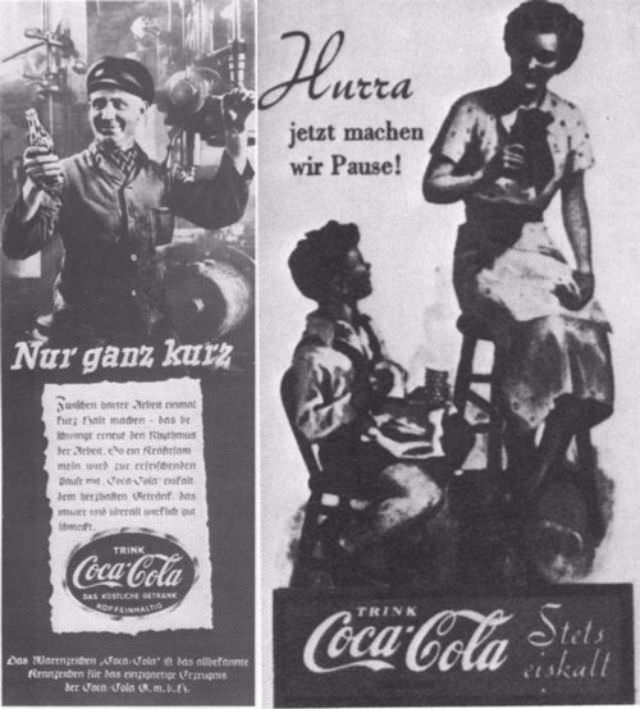

In 1933, the same year Adolf Hitler came to power, Coca-Cola’s German branch began a rapid expansion. The man running it, Max Keith, knew exactly how to operate inside a tightly controlled dictatorship. He kept the brand free of political statements while quietly aligning it with national events and values that passed censorship. The result was a product that felt at home in the Third Reich without ever appearing to endorse it.
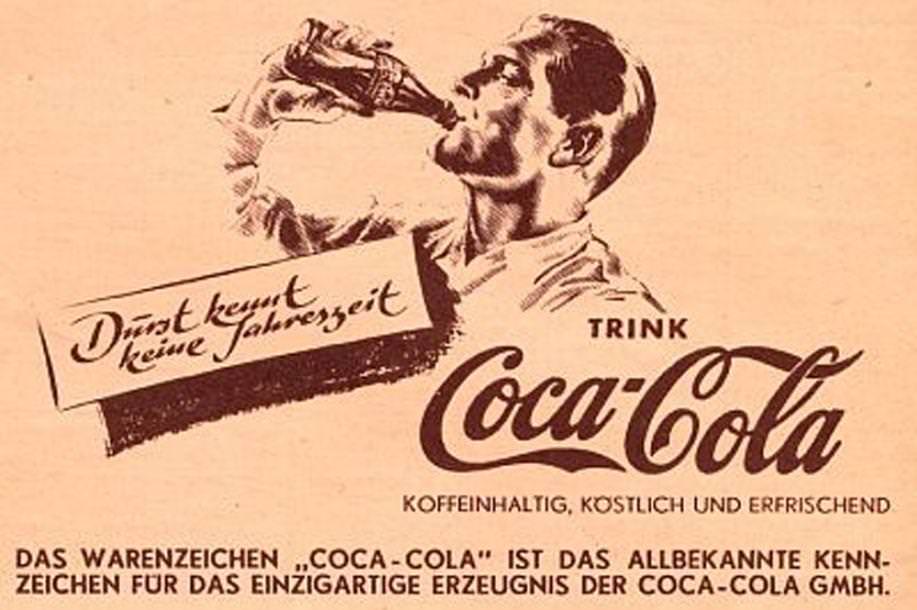
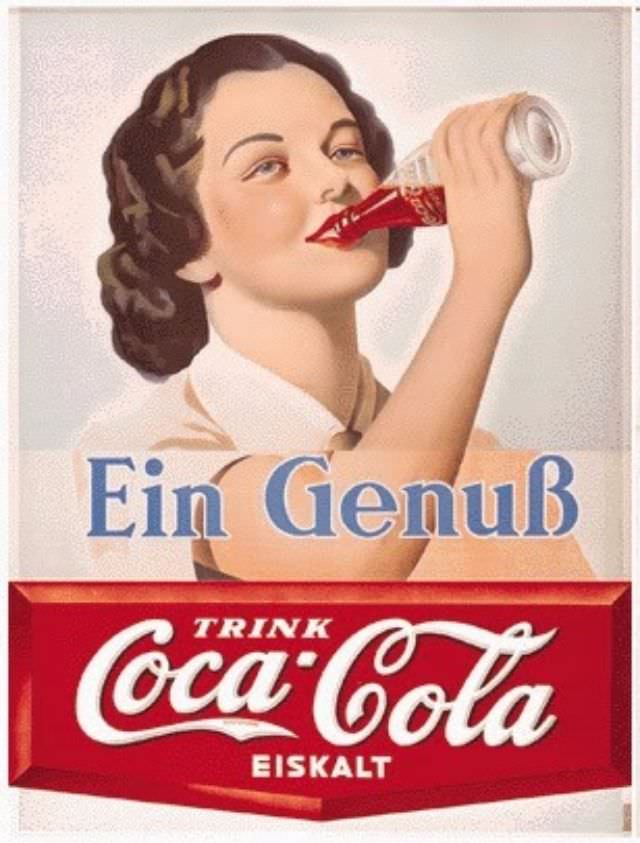
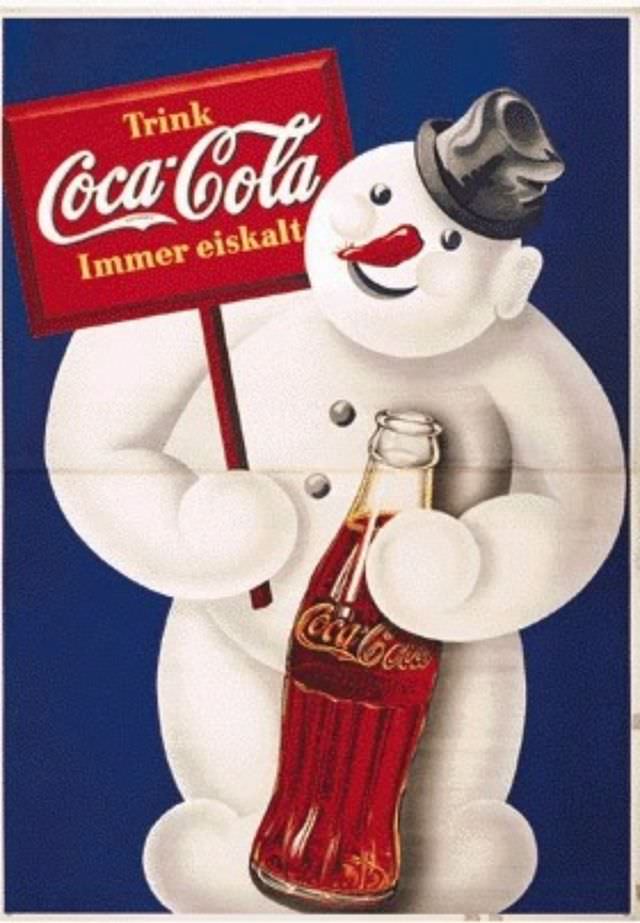
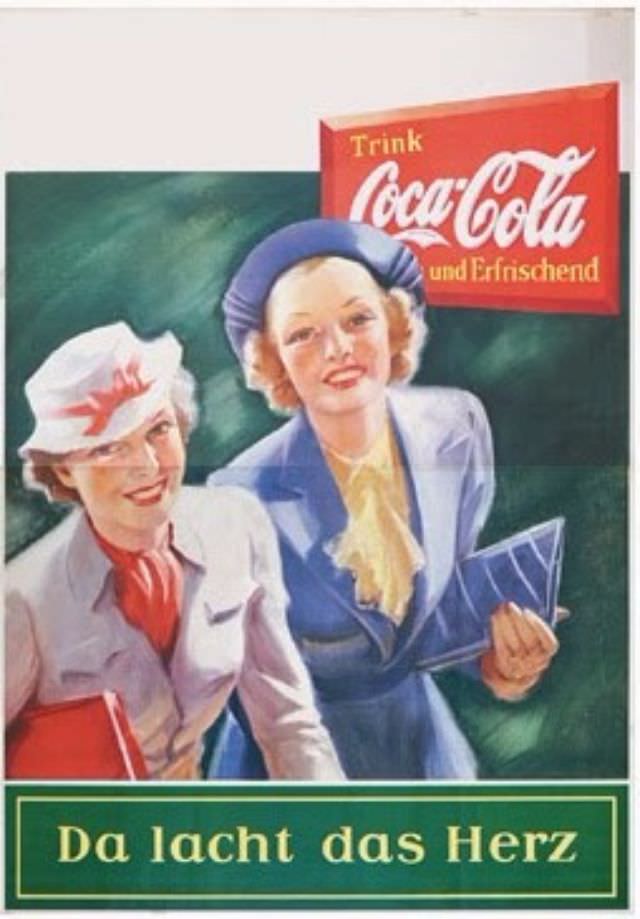
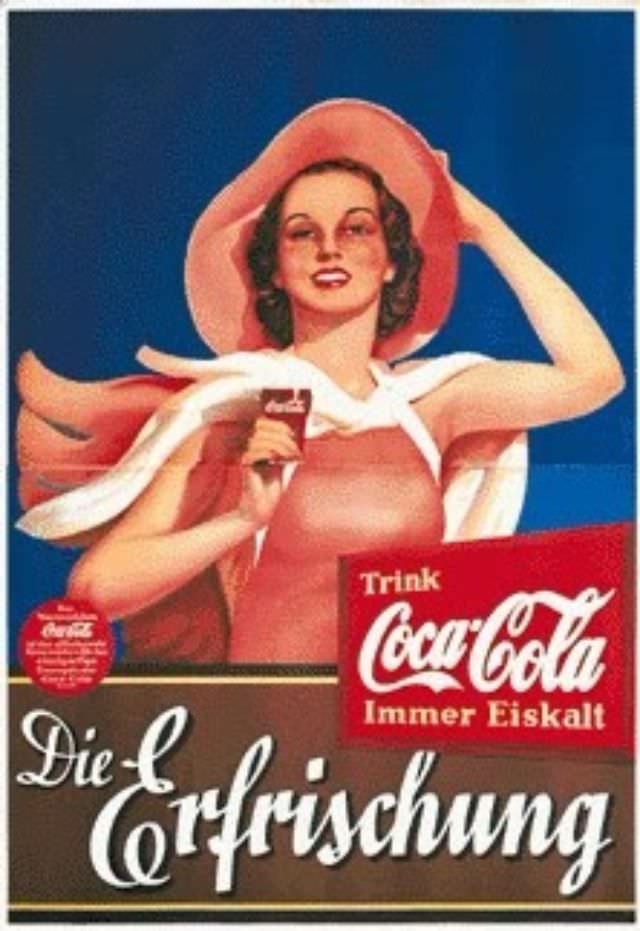
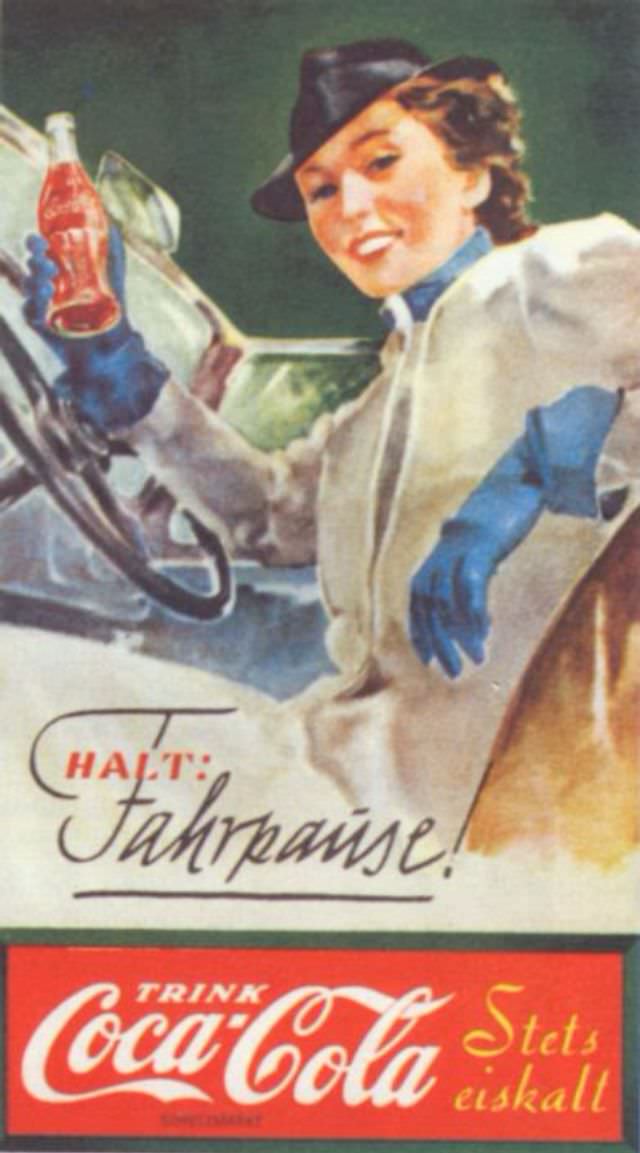
Coca-Cola’s red-and-white branding fit naturally into a country already draped in red banners and white symbols. Ads from the mid-1930s showed cheerful, healthy Germans enjoying the drink in settings that mirrored official propaganda imagery. The tone matched what the regime wanted to project — youth, energy, and national pride — even though no political messaging appeared in the ads themselves.
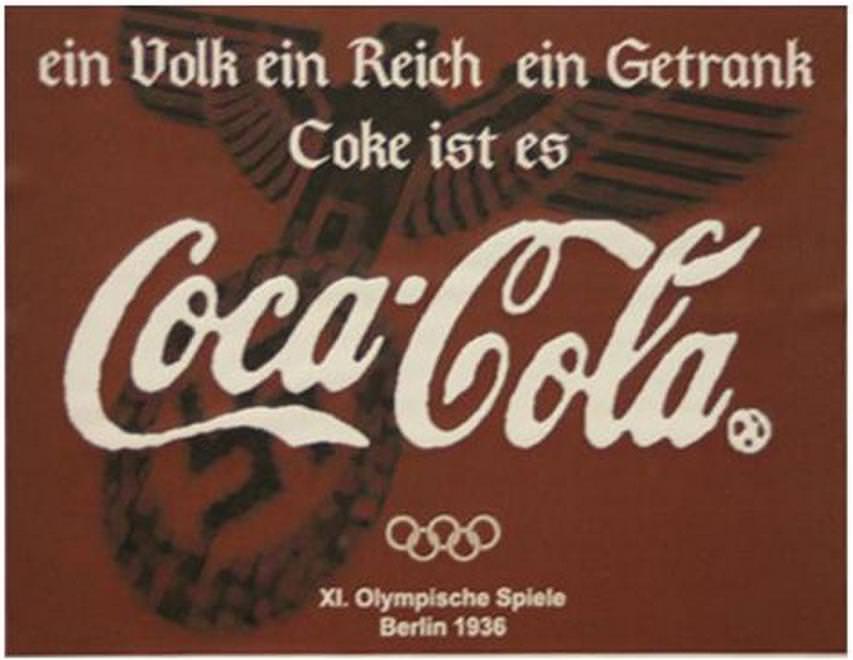
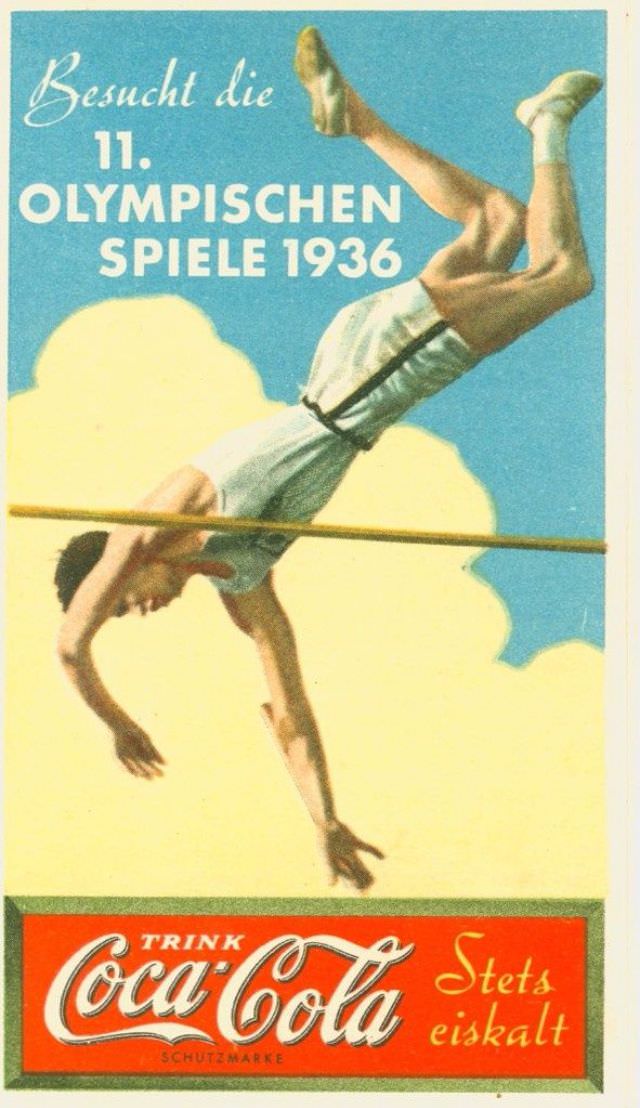
The 1936 Berlin Olympics gave Coca-Cola one of its biggest platforms. The company sponsored events throughout the games, and posters from that year showed athletes mid-action, bottle in hand. Slogans focused on refreshment, togetherness, and vitality — themes the Nazi state was already pushing through its own propaganda machine.
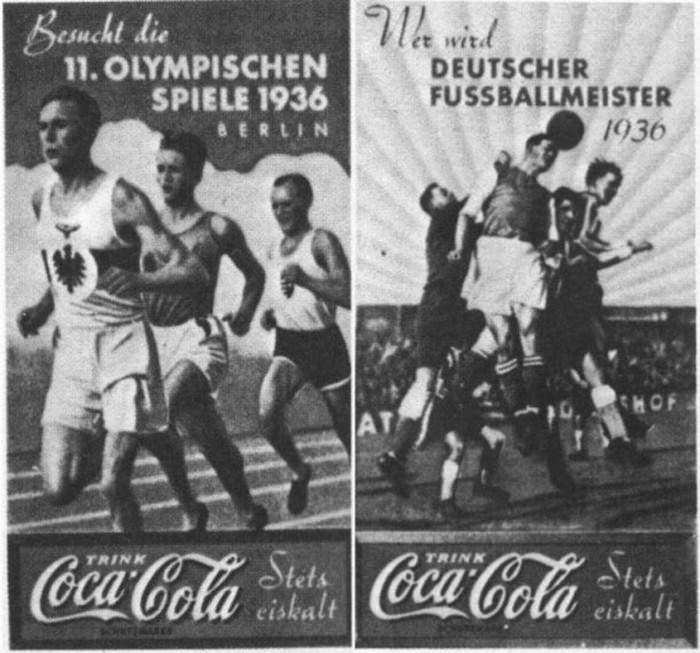
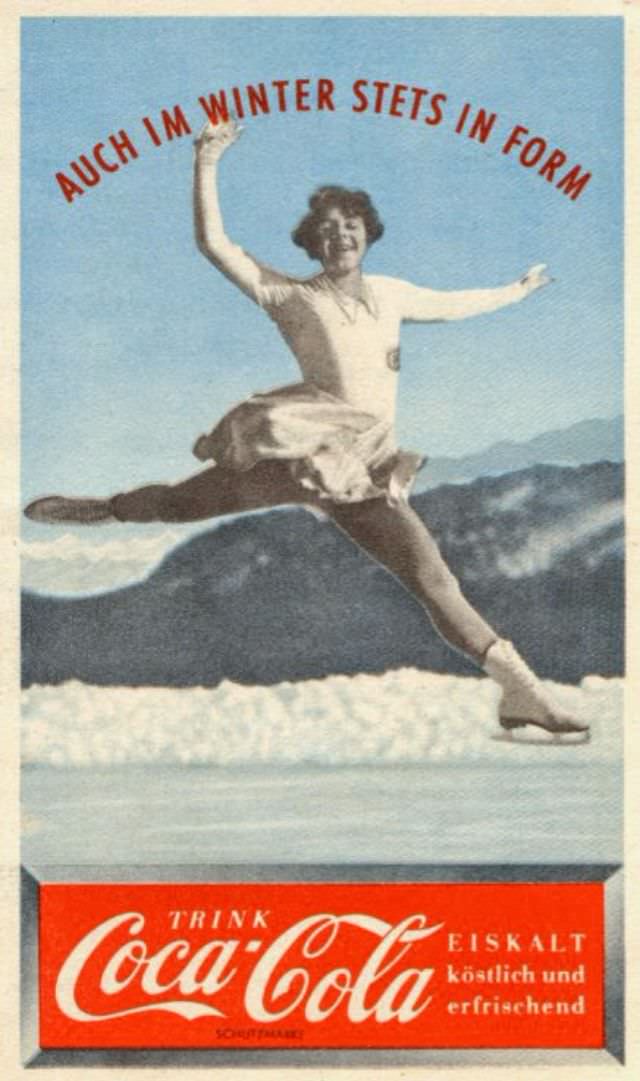
Keith’s operation sold millions of bottles annually, with production facilities running in multiple German cities. The drink reached soldiers’ canteens, factory floors, and company picnics. Coca-Cola became a fixture of everyday German life throughout the late 1930s.
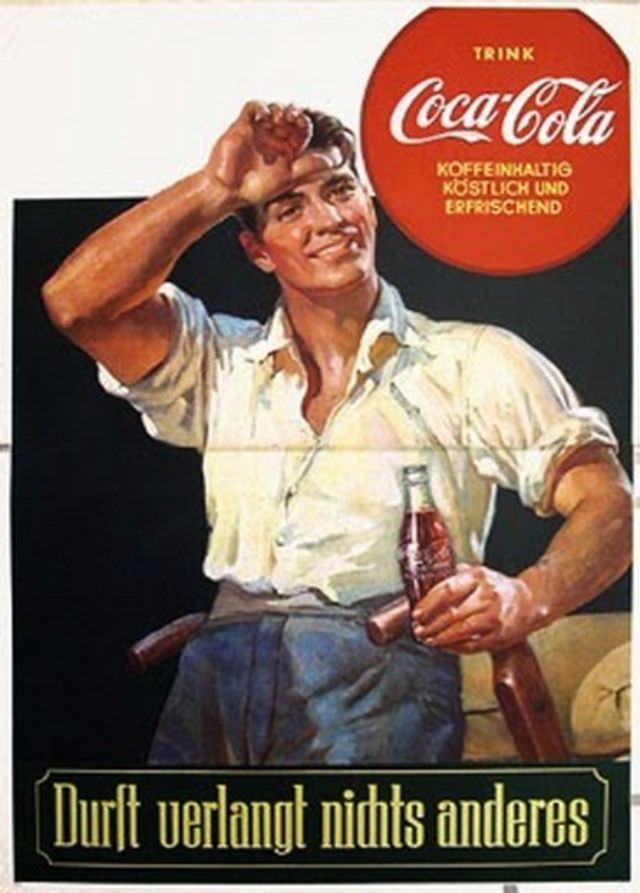
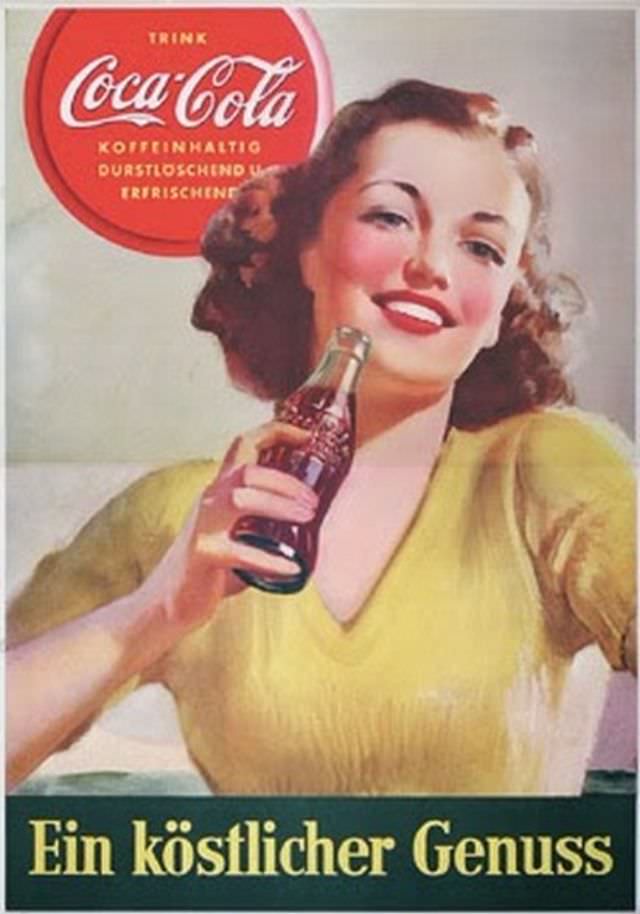
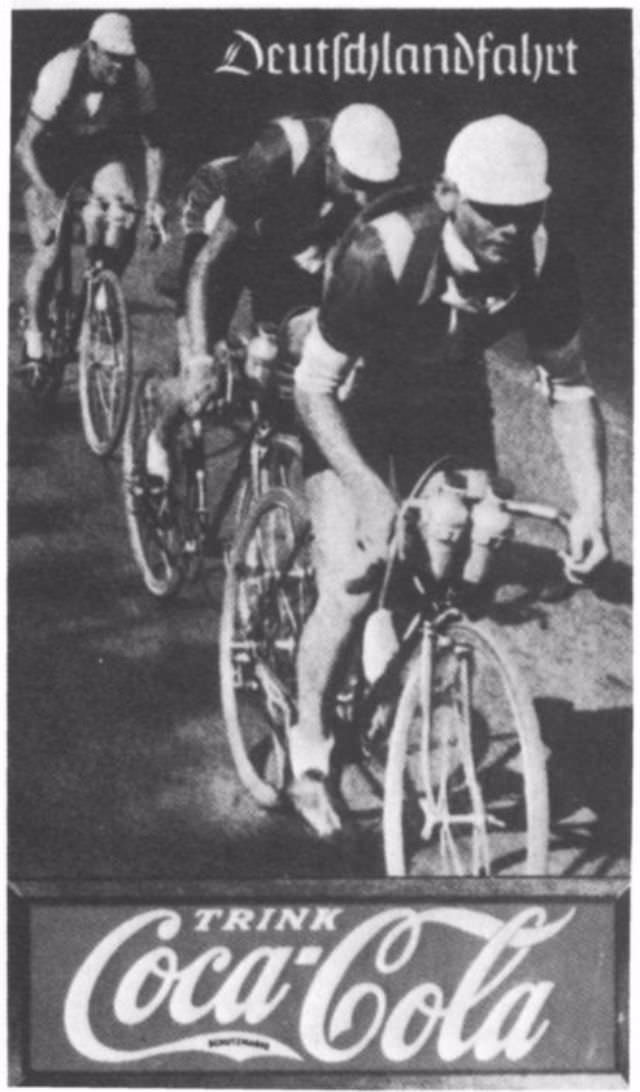
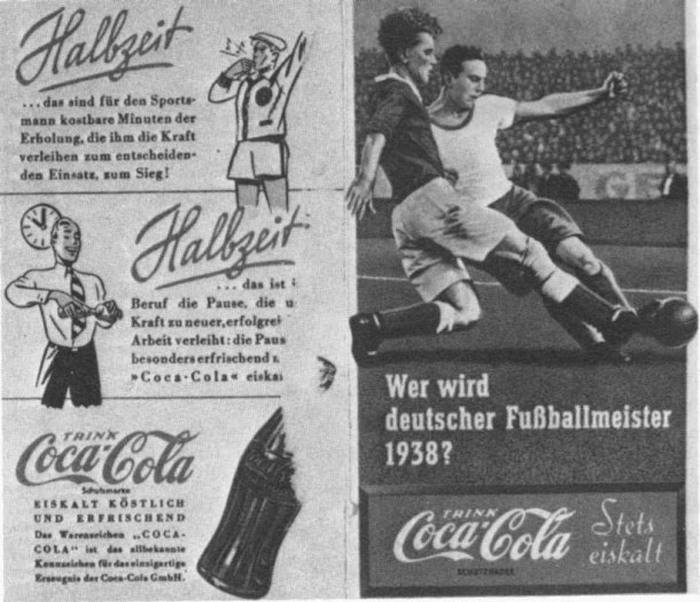
Marketing during this period leaned heavily on sports and youth culture. Football ads, athletic posters, and imagery of young Germans at leisure filled storefronts and public spaces. The brand positioned itself as modern and energizing — qualities that resonated with Nazi ideals of physical strength and national vigor.
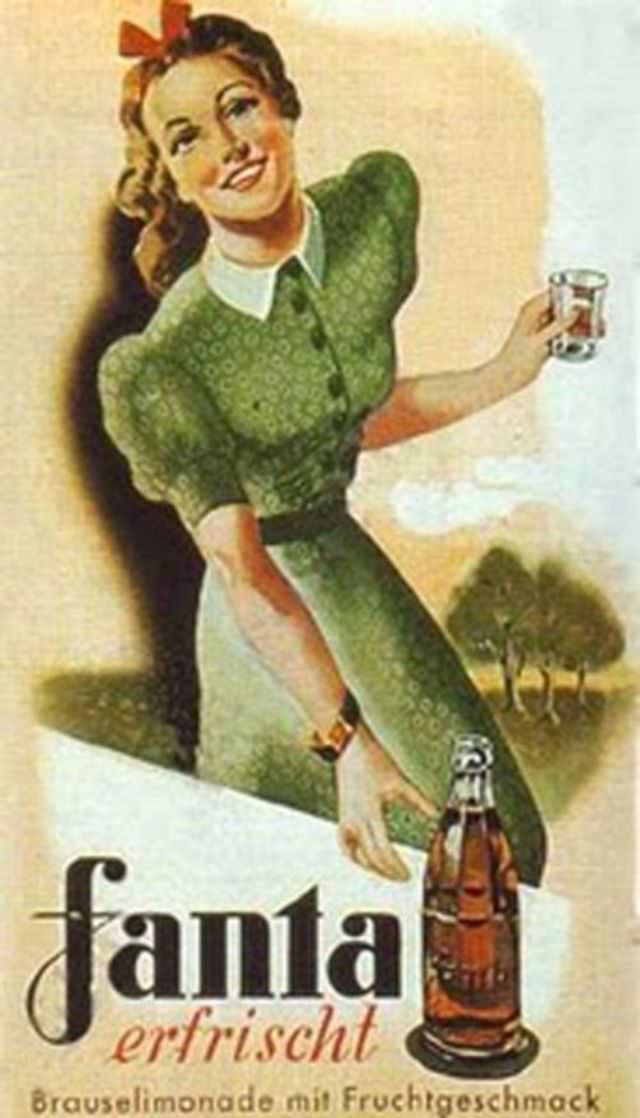
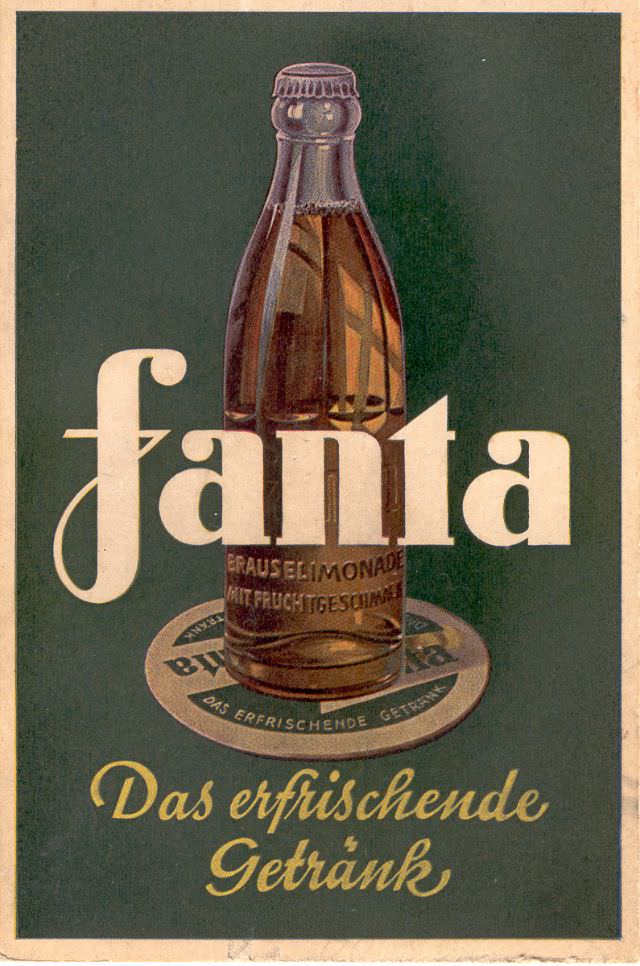
As the war advanced and Allied imports were cut off, Keith’s team invented a substitute drink using available ingredients — whey and apple fiber among them. They called it Fanta, and it was marketed heavily inside the Reich, often displayed in stores alongside older Coca-Cola imagery. Meanwhile, on the North African front, German troops found a cache of Coca-Cola left behind by retreating Allied forces. With no ice available in the desert heat, Luftwaffe pilots tied wet-cloth-wrapped bottles to the wings of their Messerschmitt Bf 109 fighters and cooled them in midair. They drank the ice-cold bottles on the runway after landing.