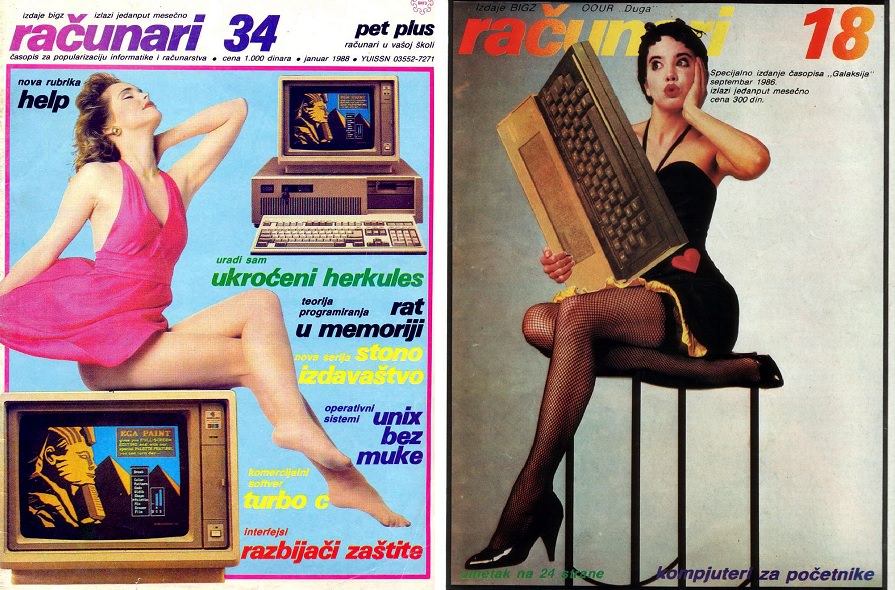
In the early 1960s, Coca-Cola was everywhere — a global icon wrapped in nostalgia and tradition. Pepsi was the underdog. Rather than compete on Coke’s terms, Pepsi’s advertisers made a sharp decision: forget the older generation. Target the young. They identified the massive wave of Baby Boomers entering adulthood and named them the “Pepsi Generation.” These were people who wanted action, excitement, and something new — not their parents’ soft drink.
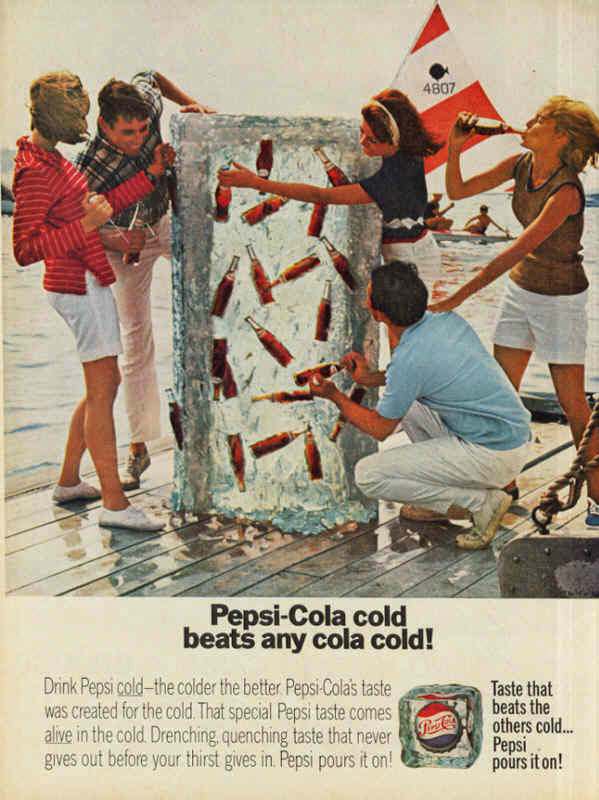
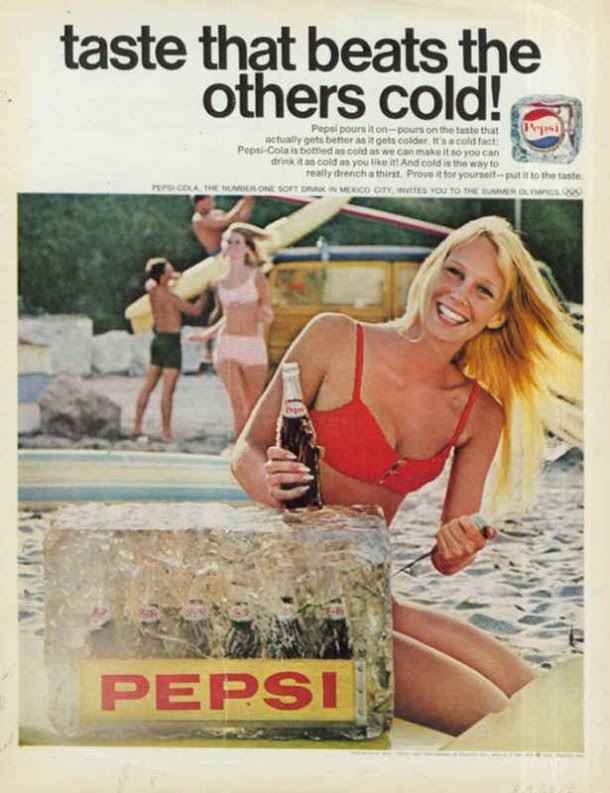
The famous jingle put it plainly: “Come Alive! You’re in the Pepsi Generation!” Ads filled magazines with images of young people skiing, surfing, and dancing. The brand wasn’t selling a cola — it was selling a lifestyle. And the centerpiece of that lifestyle was cold. Not just cold as in temperature, but cold as a feeling: sharp, modern, energizing. The opposite of warm nostalgia.
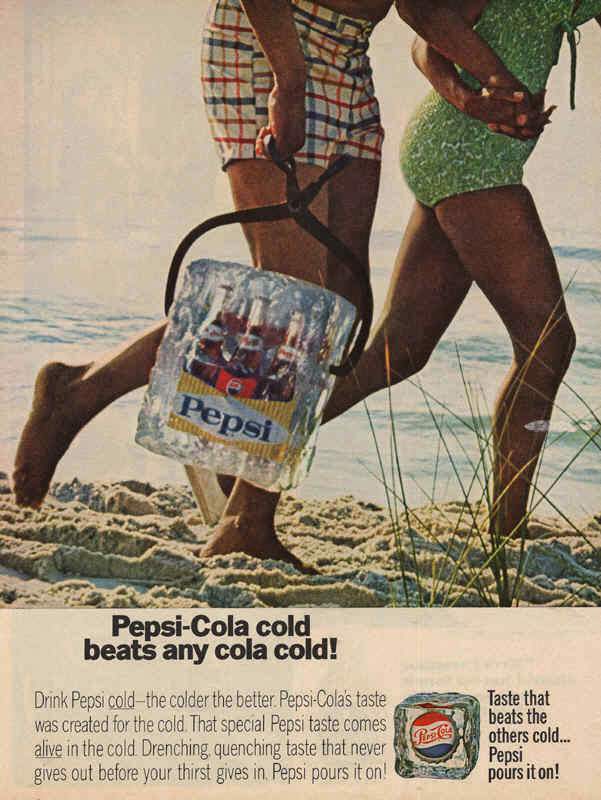
Pepsi’s most clever move was reframing the competition entirely. The slogan “Pepsi-Cola’s taste was created for the cold” made a bold scientific-sounding claim — that Pepsi’s formula was specifically built for low temperatures, and that its “special Pepsi taste comes alive in the cold.” This wasn’t just a preference; it was presented as a built-in advantage. The direct challenge followed: “Pepsi-Cola Cold Beats Any Cola Cold!” The question was no longer which cola tasted better — it was which cola performed best the way people actually drank it: ice-cold.
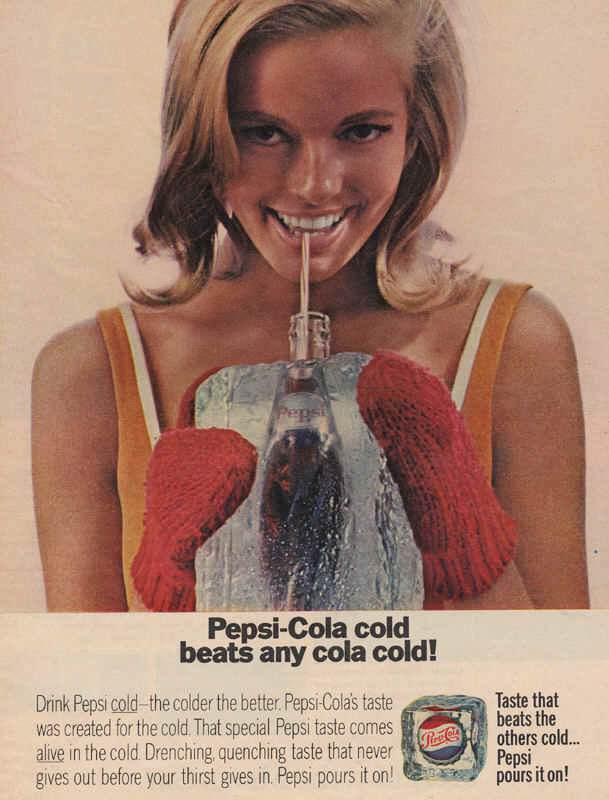
Every print ad and TV commercial reinforced this idea visually. Bottles dripped with condensation. Glasses were packed with glistening ice. Frosty mugs sat front and center in every scene. Viewers didn’t just see Pepsi — they felt the chill. It was a deliberate sensory strategy, and it worked.
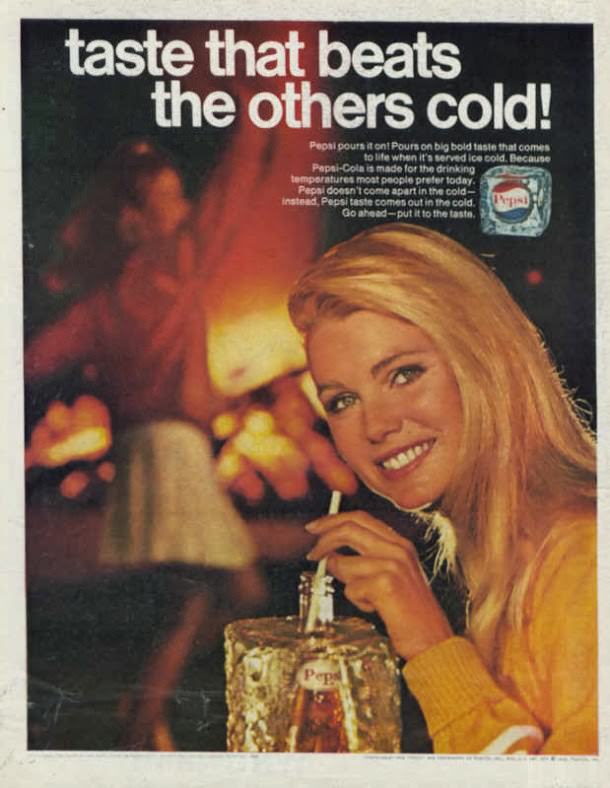
The ad copy matched the imagery with equally aggressive language. One line promised a “drenching quenching taste that never gives out before your thirst gives in.” The words “drenching” and “quenching” weren’t gentle — they described a flood of refreshment hitting a serious thirst hard. Another tagline, “Pepsi pours it on!”, suggested both an overflowing glass and a full-throttle approach to life.
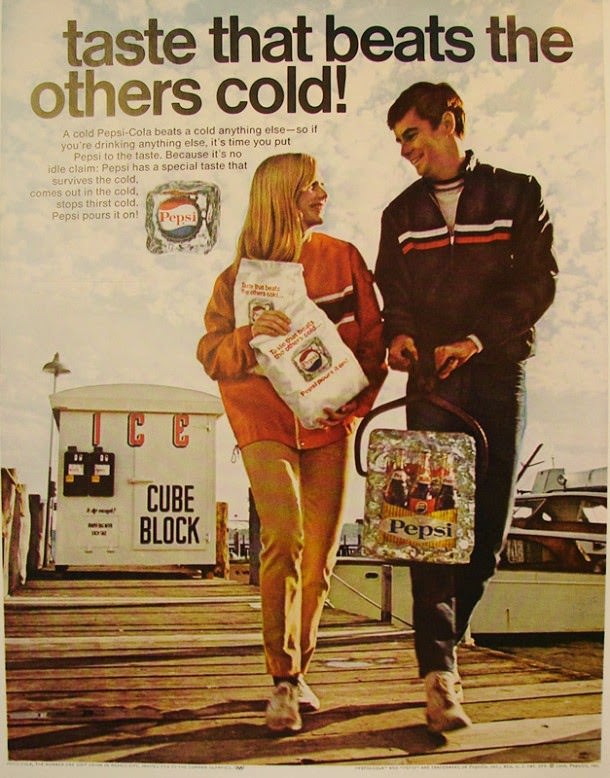
Television commercials were shot like mini-movies. Young people raced dune buggies, played beach volleyball, and danced at packed parties — all cut to fast-paced, upbeat soundtracks. Each commercial ended the same way: someone tilting their head back for a long drink from a sweating, ice-cold Pepsi bottle as the jingle hit its peak. In magazines like LIFE and Look, full-color print ads placed that same frosty bottle at the center of every aspirational scene. The drink wasn’t just present — it was the point.