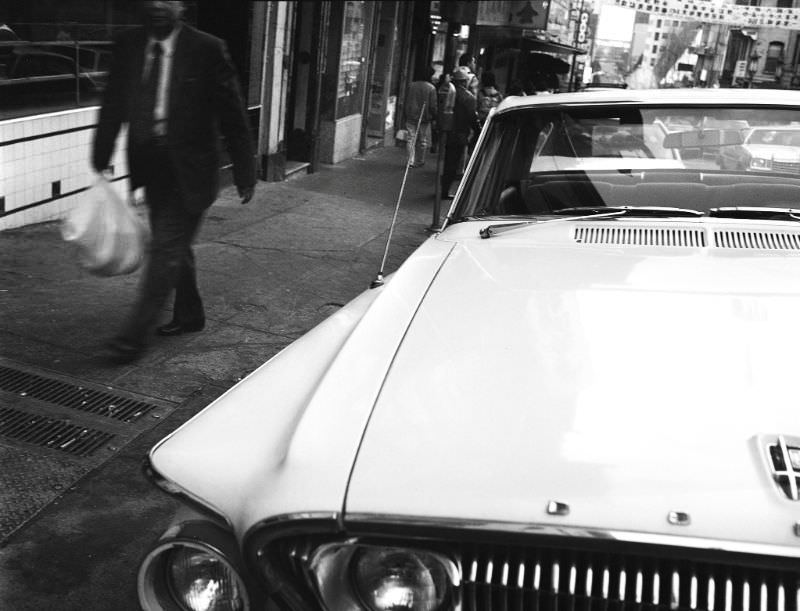
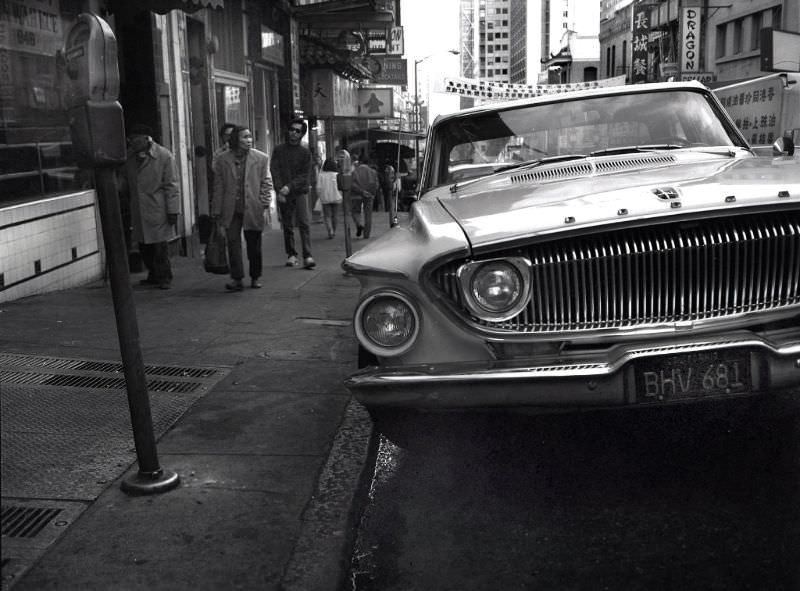
San Francisco’s Chinatown is the oldest in North America, established in 1848 and centered on Grant Avenue and Stockton Street. It is also the largest of the city’s four Chinese neighborhoods and the most significant Chinese community outside of Asia. For generations, it has served as a point of arrival for immigrants who found affordable housing, familiar food, and a common language packed into just a few dense city blocks.
The neighborhood functions as a self-contained world. It holds two hospitals, numerous churches, parks, a post office, and a web of social clubs that have guided newcomers for well over a century. Elderly immigrants in particular rely on Chinatown, where the culture and language of home are present on every corner. Despite its compact size, Chinatown draws more visitors each year than the Golden Gate Bridge. Between 1969 and 1988, photographer Dave Glass documented the neighborhood’s streets in detail, capturing daily life at a time when the area was both a working community and a place in the middle of change.
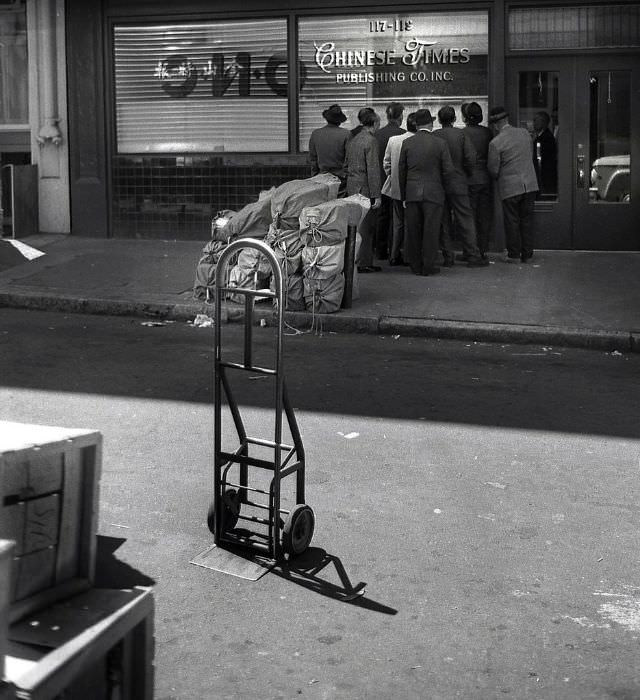
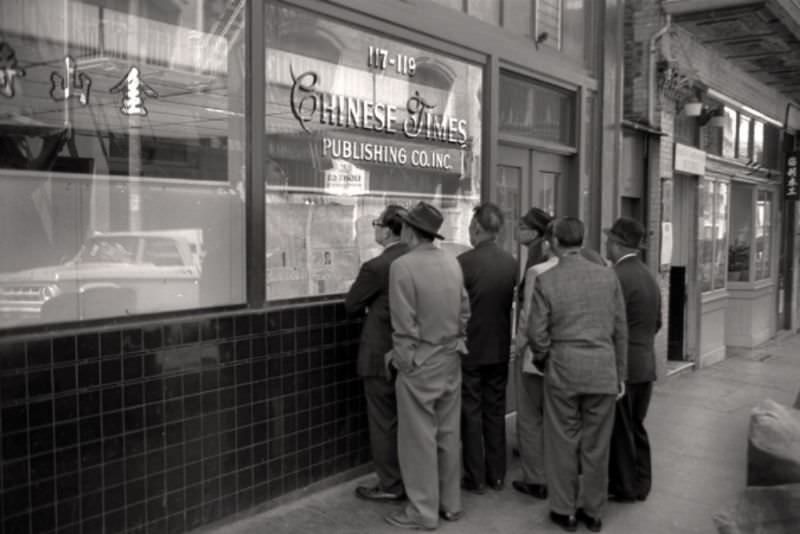
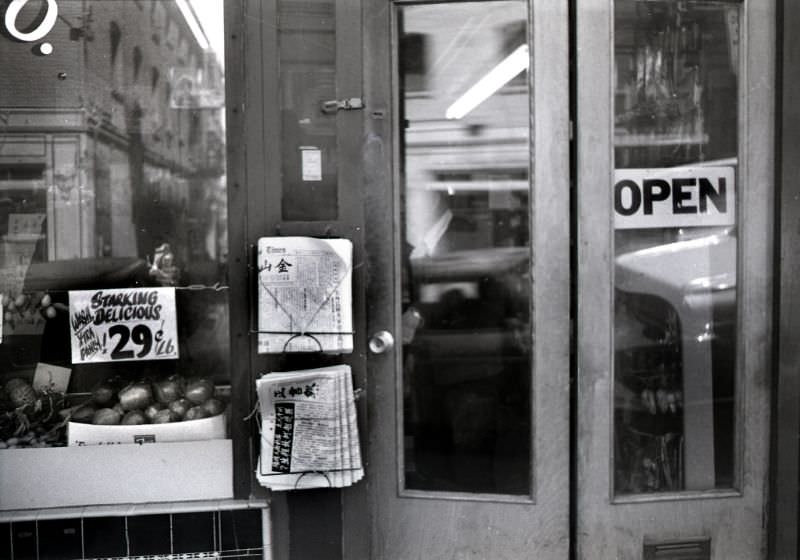
One of the neighborhood’s quieter streets, Waverly Place, held real institutional weight. The Chinese Times Publishing Co. operated from 117 Waverly, putting out Chinese-language news for the community.
Grant Avenue was the commercial spine of Chinatown, and the intersection at Pacific Avenue was a hub of food retail. The Dupont Market stood at that corner, its sidewalk displays spilling outward in the way typical of neighborhood grocers across the district.
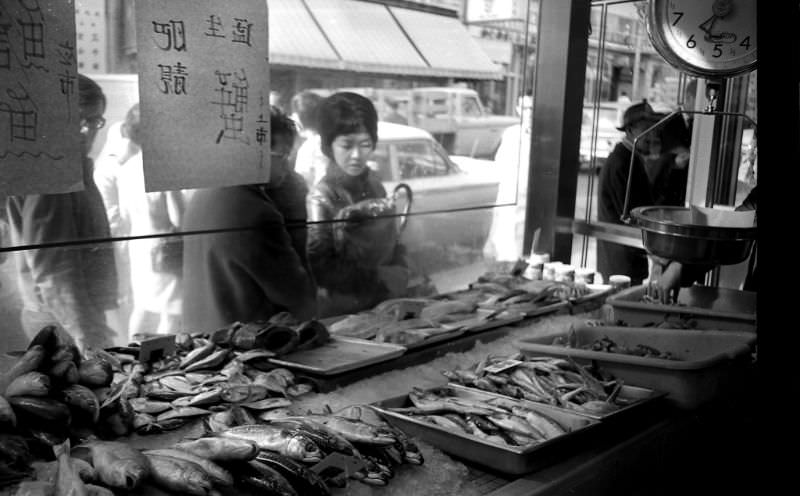
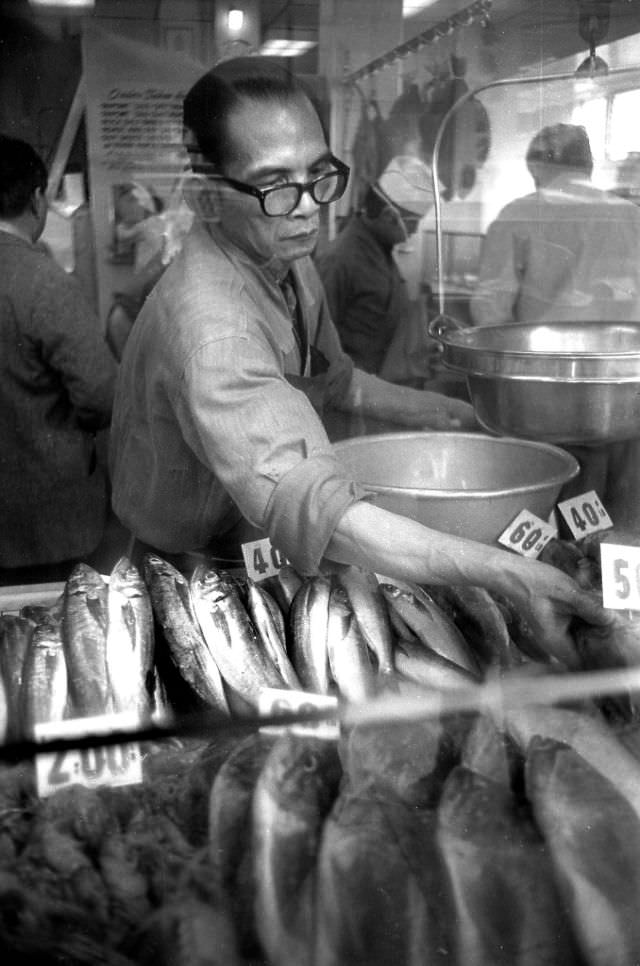
Not all of Chinatown’s life played out on main thoroughfares. Hang Ah Alley was one of several narrow lanes running between the major streets, offering a glimpse of the neighborhood away from tourist foot traffic.
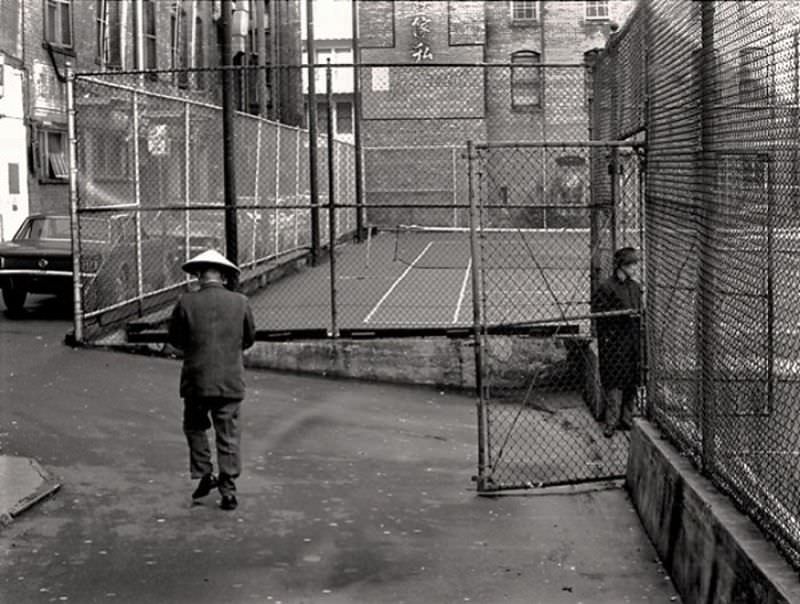
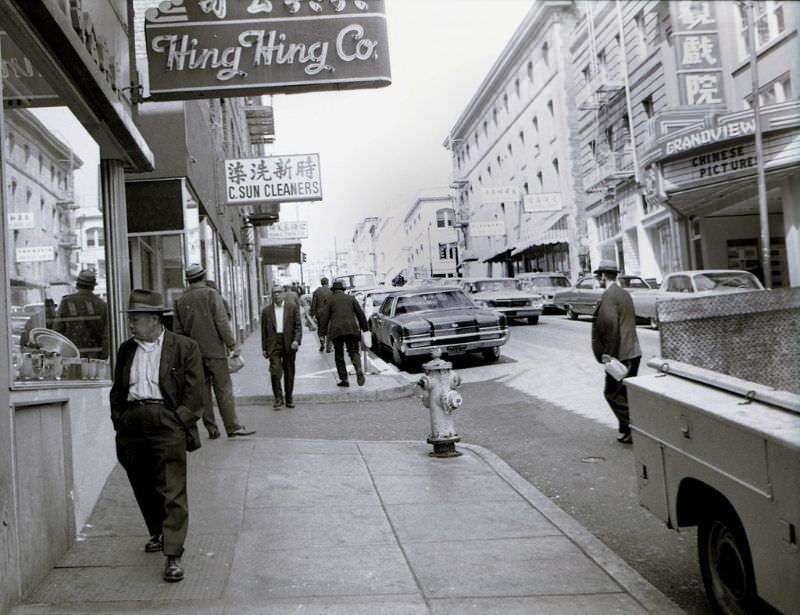
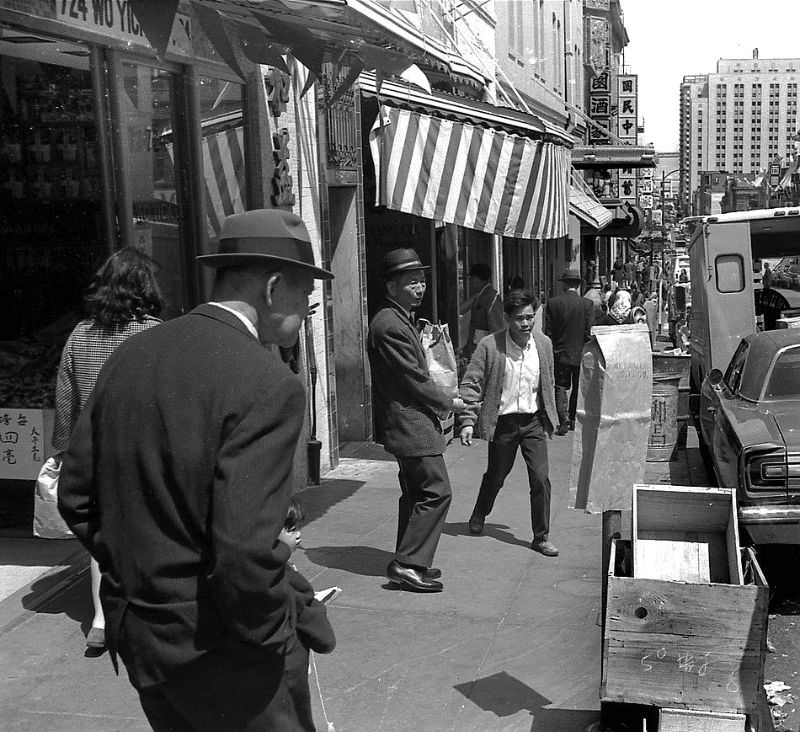
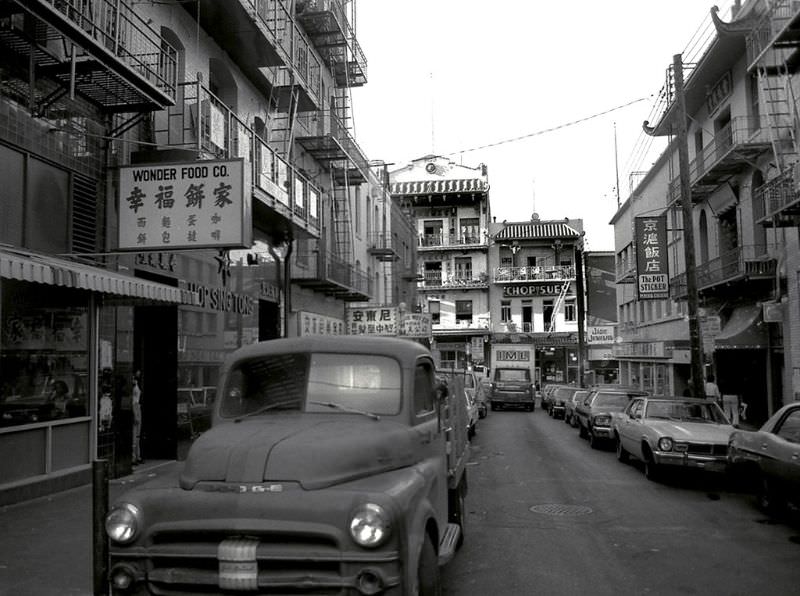
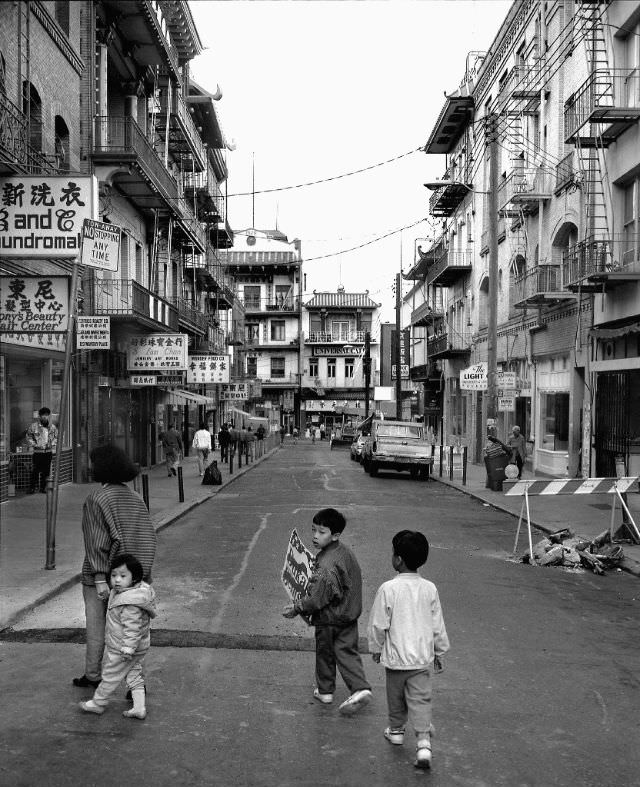
Jackson Street between Grant and Stockton captured the layered texture of daily Chinatown life — storefronts, foot traffic, and the functional clutter of a neighborhood built for residents rather than sightseers.
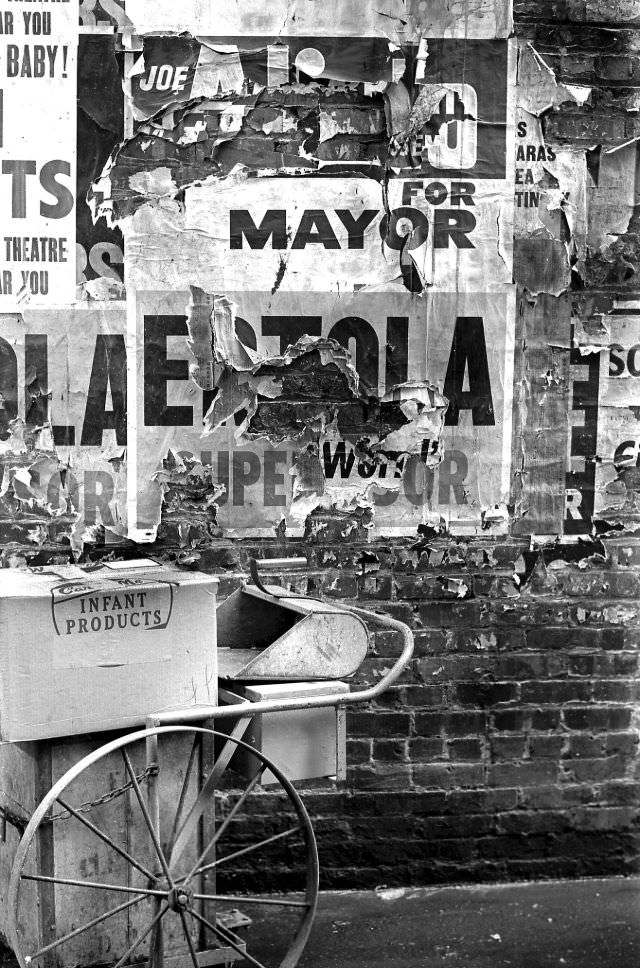
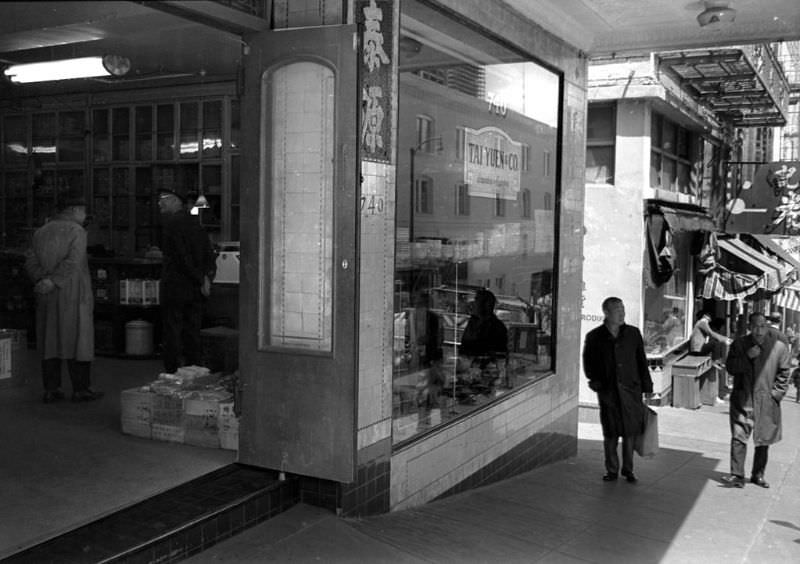
Businesses like Tai Yuen Co. on Jackson Street stocked the goods that kept households running — dry goods, household items, and specialty products that couldn’t be found outside the neighborhood.
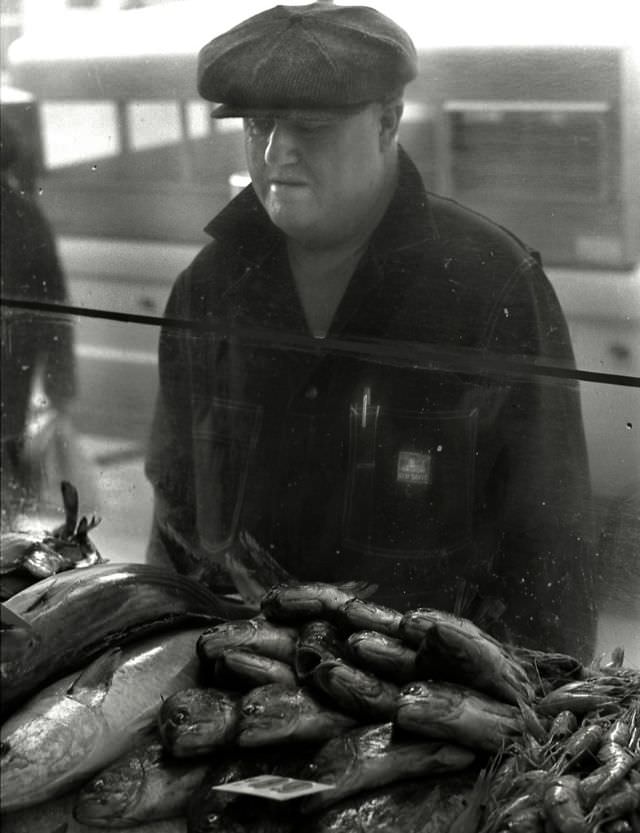
By 1970, Glass returned to the Grant and Pacific intersection repeatedly. The DuPont Fish Mart and the Dupont Market remained central to the block, their fresh produce and seafood drawing daily shoppers from across the neighborhood.
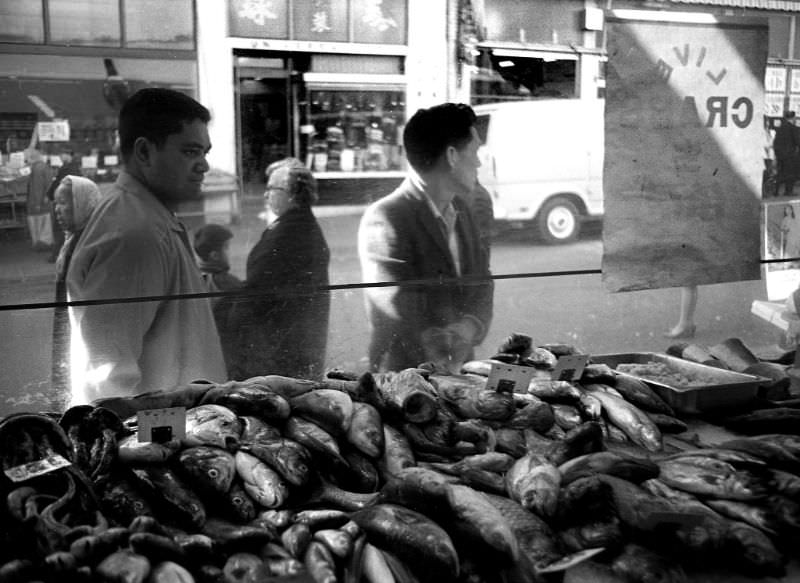
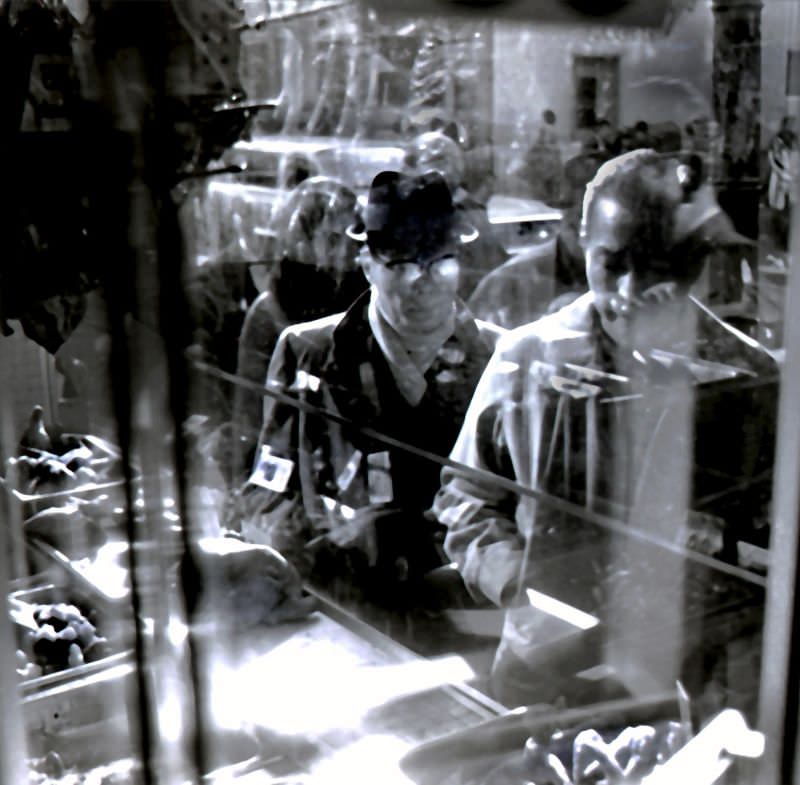
Along Grant Street at the edge of North Beach, small grocers bridged two distinct neighborhoods, serving both Chinese residents and the Italian-American community that had long called North Beach home.
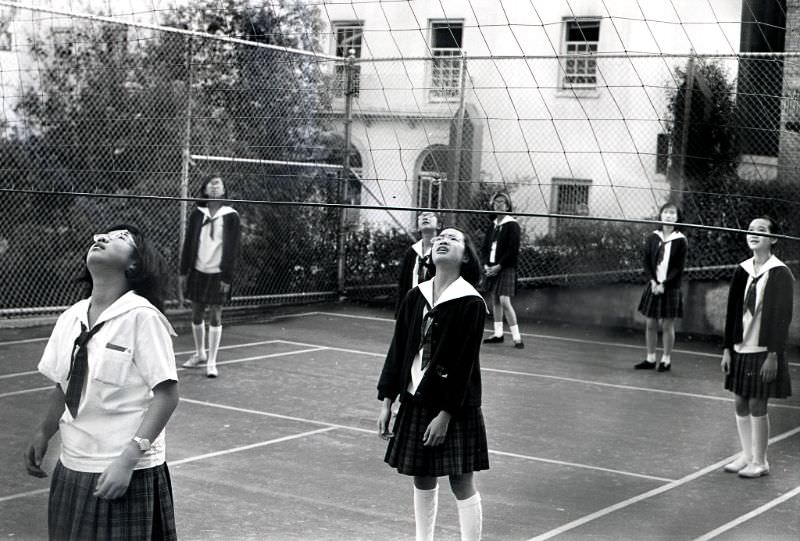
Education was a cornerstone of community life. Central Chinese High School, founded in 1888, trained generations of students in both Chinese language and academic subjects. By 1970, it was still active and deeply woven into the neighborhood’s identity.
Jackson Street remained one of the most photographed corridors in Chinatown. By 1972, the sidewalk scene between Stockton and Grant showed the neighborhood in full motion — vendors, residents, and the general business of a densely populated urban street.
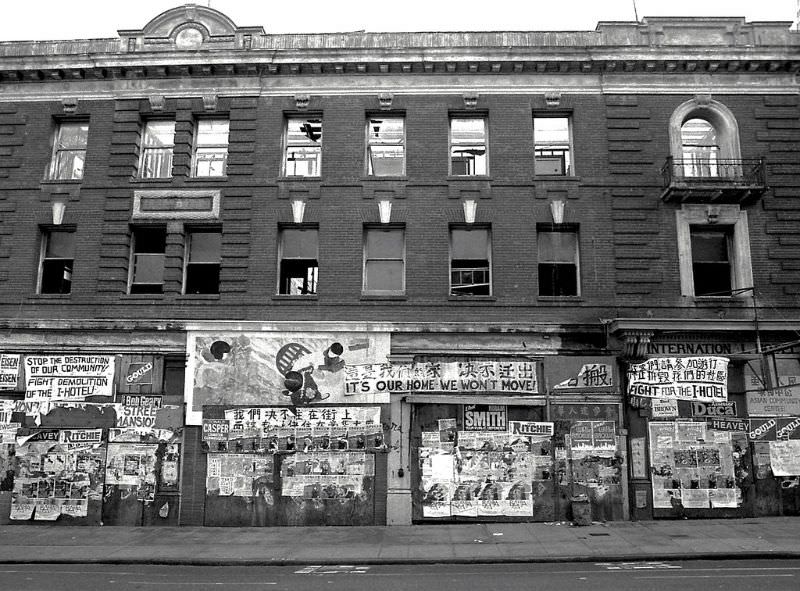
The International Hotel, known widely as the I-Hotel, stood at the corner of Kearny and Jackson and had been home to elderly Filipino and Chinese immigrants for decades. By 1977, its tenants had been forcibly evicted after years of legal battles, and the building was demolished in 1981. Glass photographed it in 1978, just after the evictions, when its presence still dominated that corner.
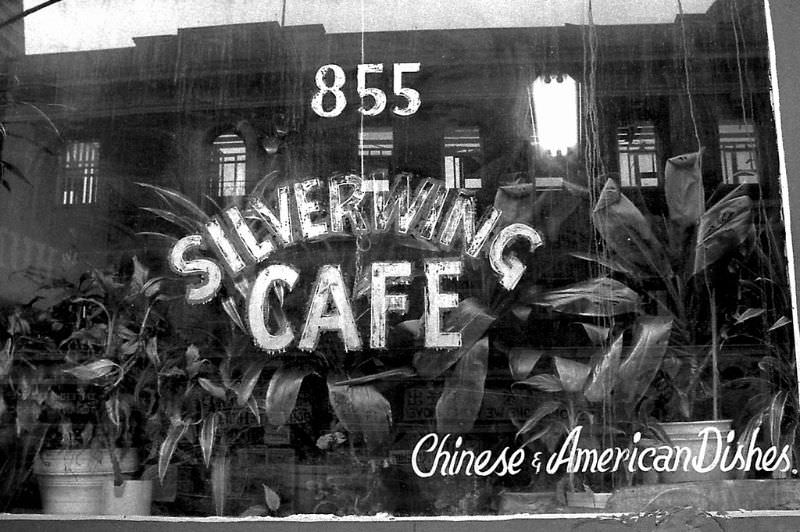
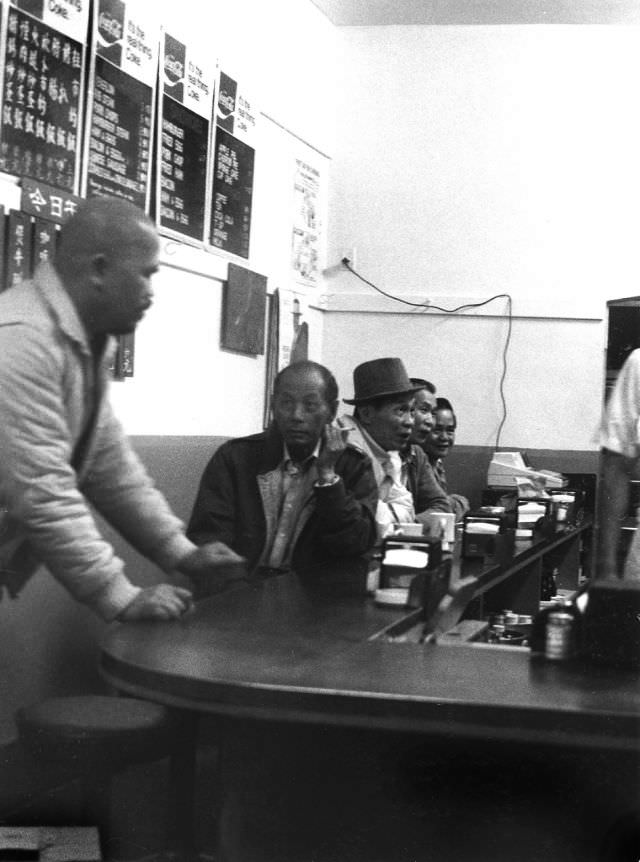
By 1980, the New Lun Ting Cafe on Jackson Street was a fixture of neighborhood life. Small cafes like this one served working residents inexpensive meals and acted as informal gathering places throughout the day.
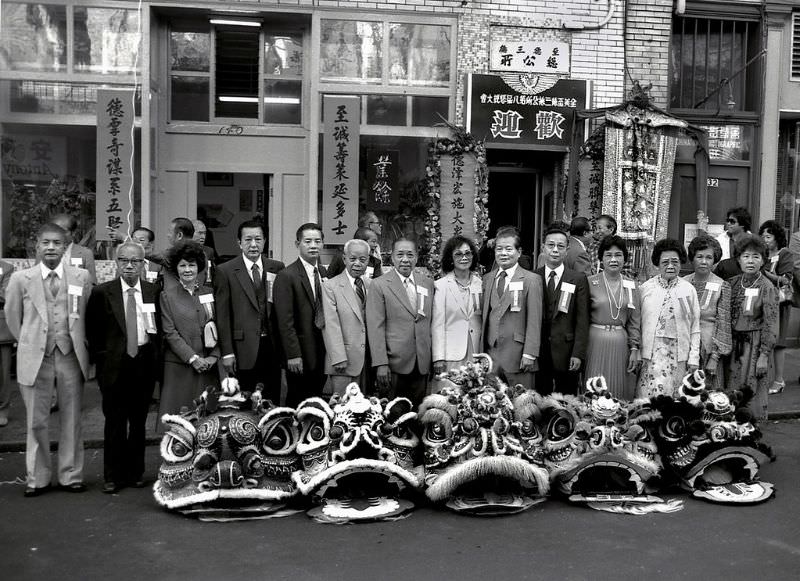
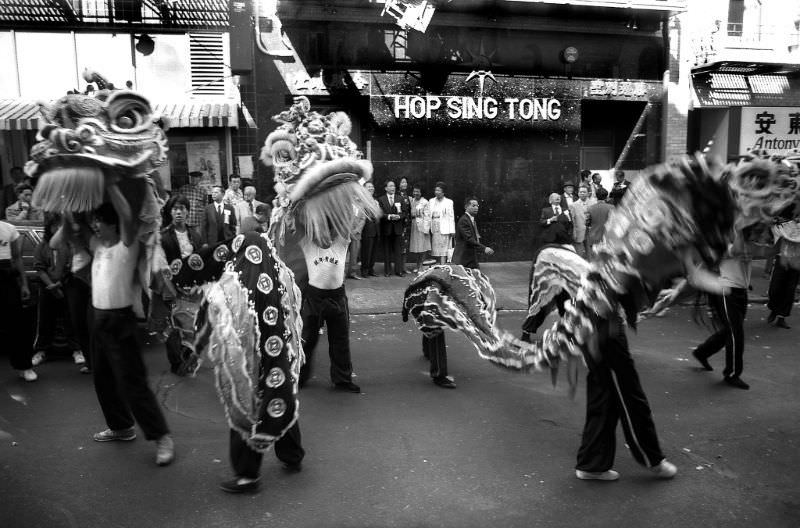
In 1982, Glass documented a range of community events on Waverly Street. Chinatown’s civic leaders gathered in one frame, while lion dancers performed nearby — a traditional practice tied to Lunar New Year celebrations and community milestones.
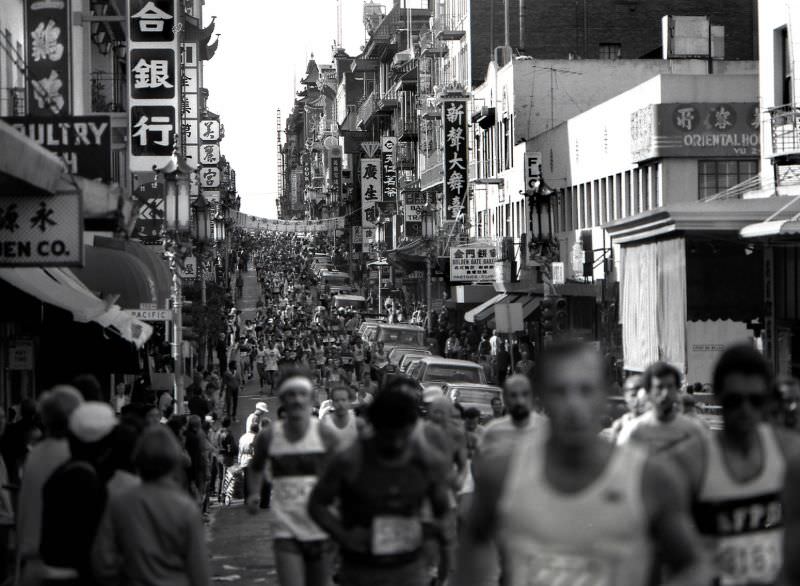
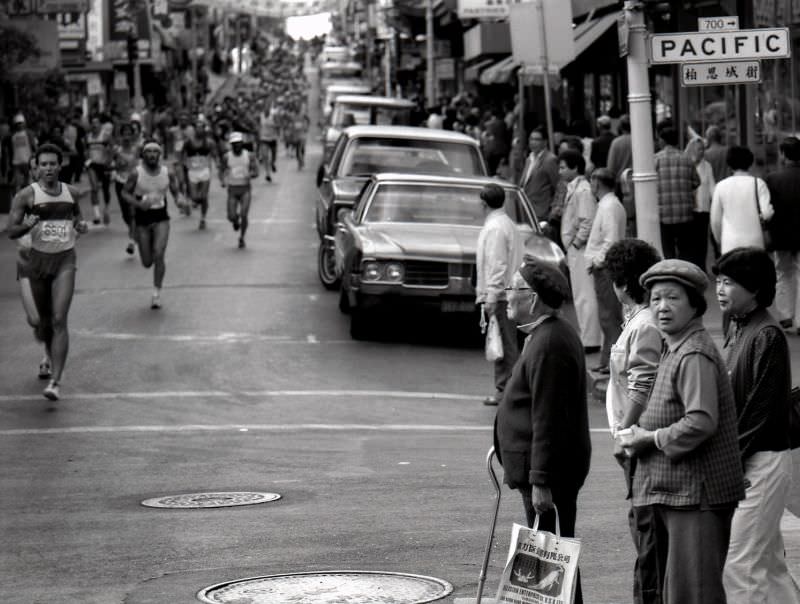
That same year, the San Francisco Marathon passed through the neighborhood. Runners streamed past the Grant and Pacific intersection, cutting through the same block that Glass had photographed for over a decade.
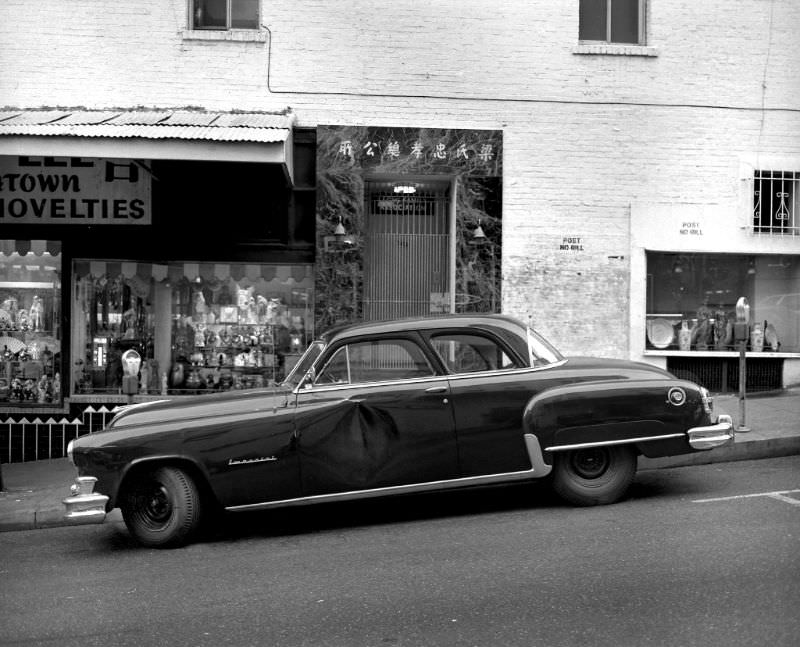
By the late 1980s, Glass was still shooting in and around Chinatown. A 1952 Chrysler Imperial appeared on Clay Street in 1987, parked among the neighborhood’s tightly packed blocks — an aging machine that had outlasted the era it came from.
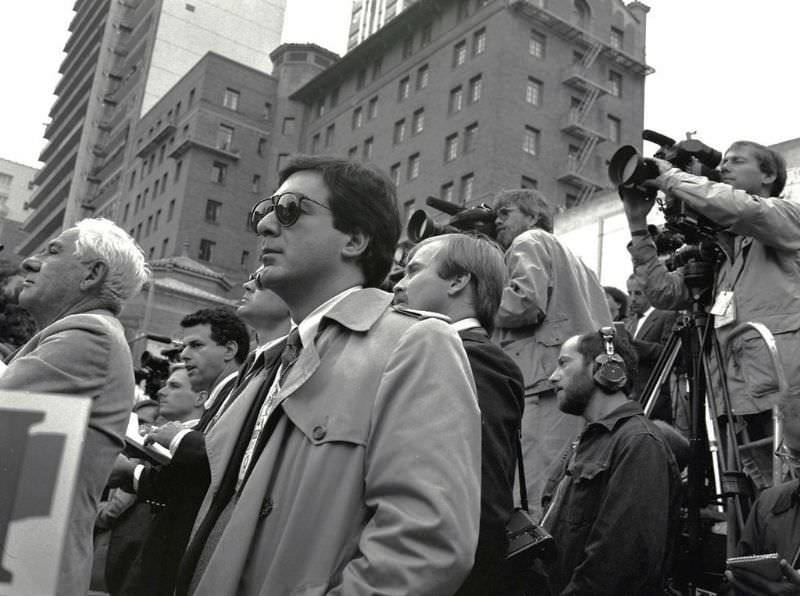
In 1988, Sacramento Street near Chinatown briefly became a stop on a national political tour. Media crews and press corps gathered to document Michael Dukakis’s presidential campaign visit to the Bay Area, a moment when the neighborhood’s streets appeared on news broadcasts across the country.
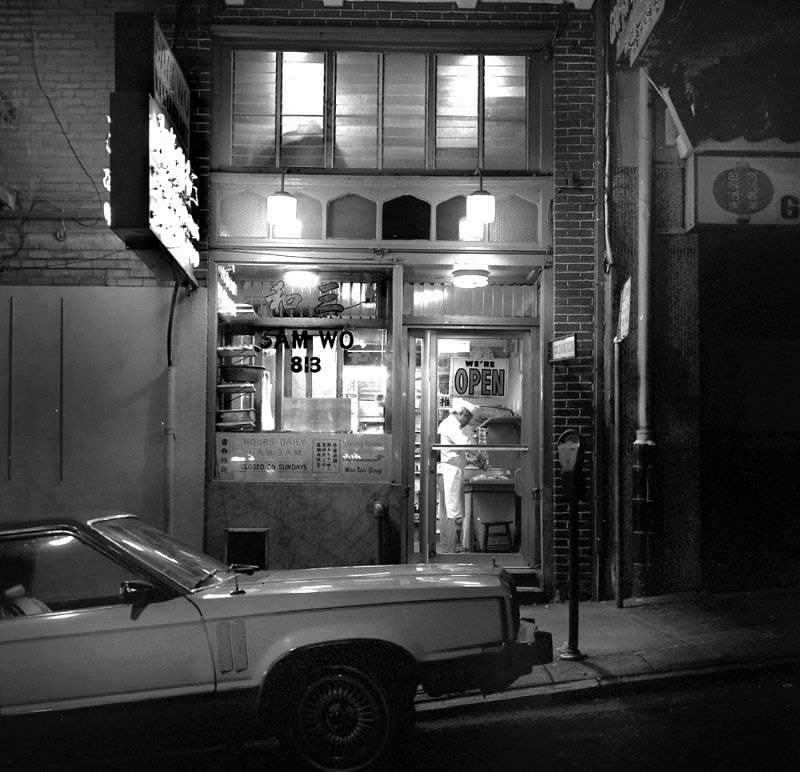
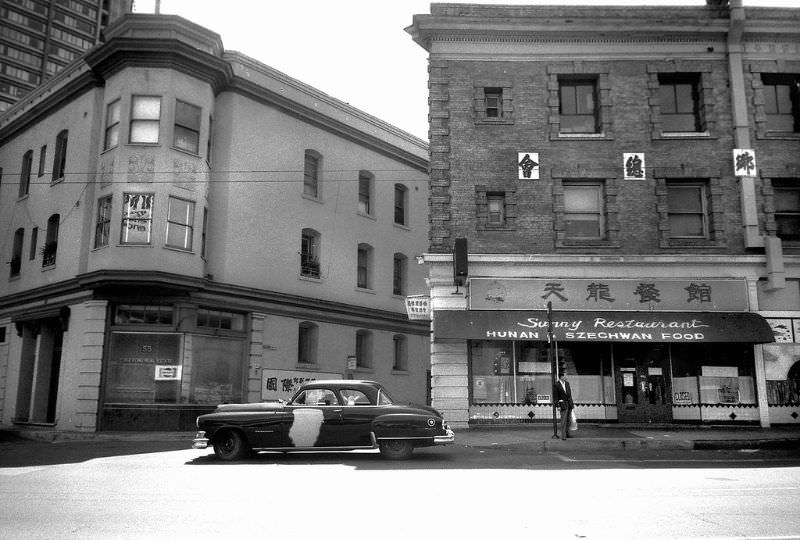
Sam Wo restaurant at 813 Washington Street was another Chinatown institution that Glass captured in 1988. The restaurant had been operating since 1907 and was known for its no-frills food and notoriously blunt service. Washington Street itself, running between Kearny and Grant, remained one of the neighborhood’s most active corridors.