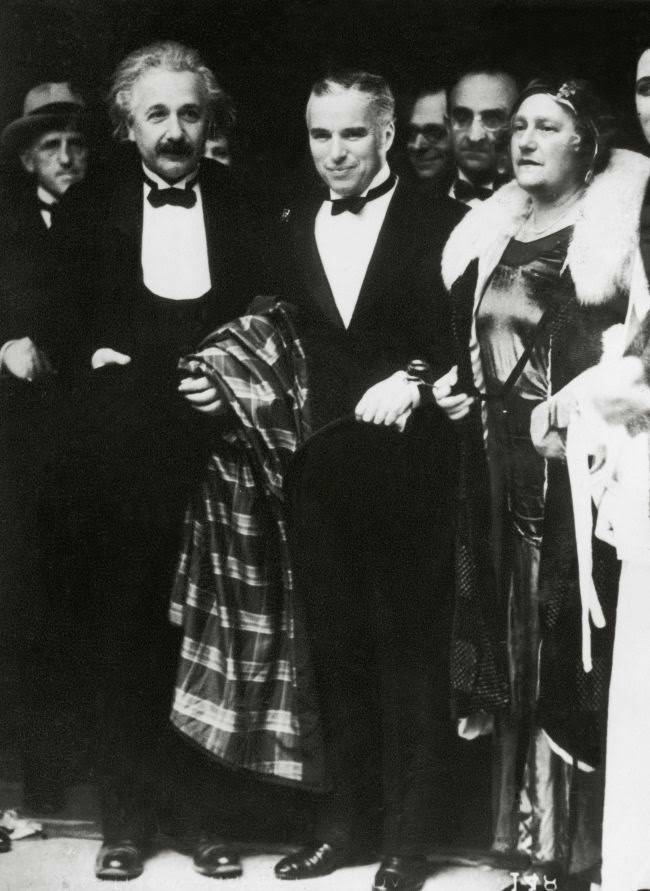
Charlie Chaplin was the most recognizable face in the world during the early 20th century. His fame allowed him to move in the highest social circles, connecting with world leaders, scientists, and writers. In 1931, Chaplin invited Albert Einstein to the premiere of his film City Lights in Los Angeles. The two men arrived together in formal wear, and the crowd went wild. During the screening, Einstein became emotional and cried during the final scene. Chaplin famously told Einstein that people cheered for him because everyone understood him, but they cheered for Einstein because nobody understood him.
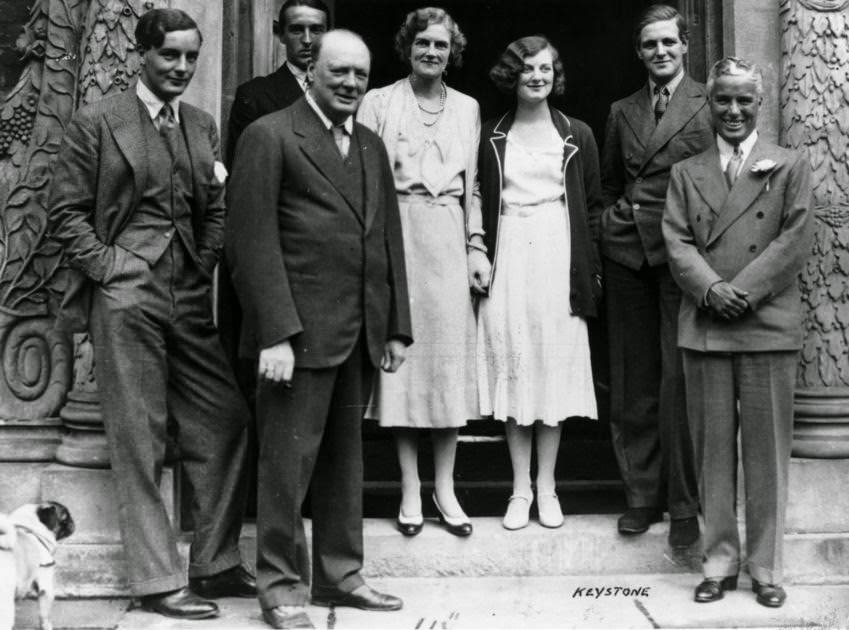
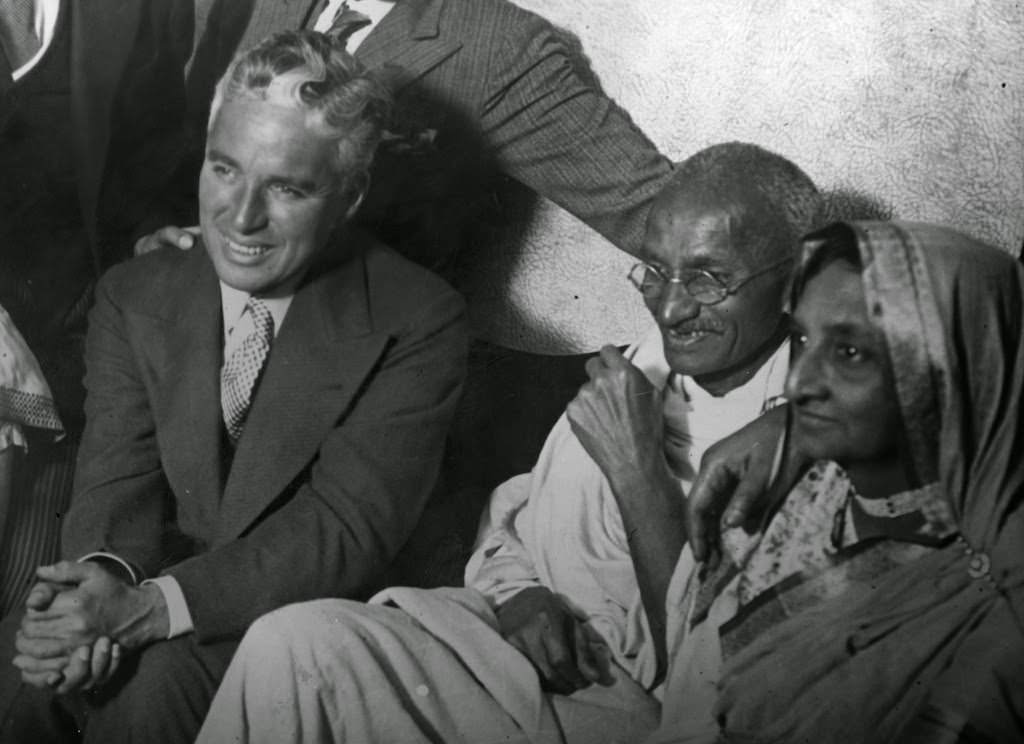
Chaplin also sought out political and spiritual leaders. In September 1931, he met Mahatma Gandhi in a small house in London. Although Gandhi did not watch movies and had never heard of Chaplin, the two spent time discussing the impact of modern machinery on the working class. This conversation influenced Chaplin’s views on industrial society. Chaplin also maintained a long friendship with Winston Churchill. He visited Churchill at his home, Chartwell, several times. They spent hours discussing world politics and the art of filmmaking. Churchill even suggested that Chaplin should play the role of a young Napoleon in a future project.
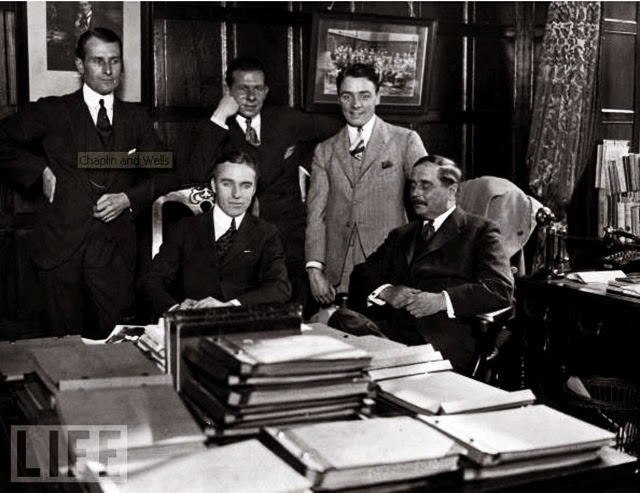
Writers also gravitated toward Chaplin’s genius. He hosted H.G. Wells at his home in Hollywood for extended stays. They talked about the future of society and the role of the individual in a changing world. Chaplin was not intimidated by these great minds. He used his platform to learn from them while sharing his own views on human nature. These meetings were not just social calls but serious exchanges of ideas between the most influential figures of the century.