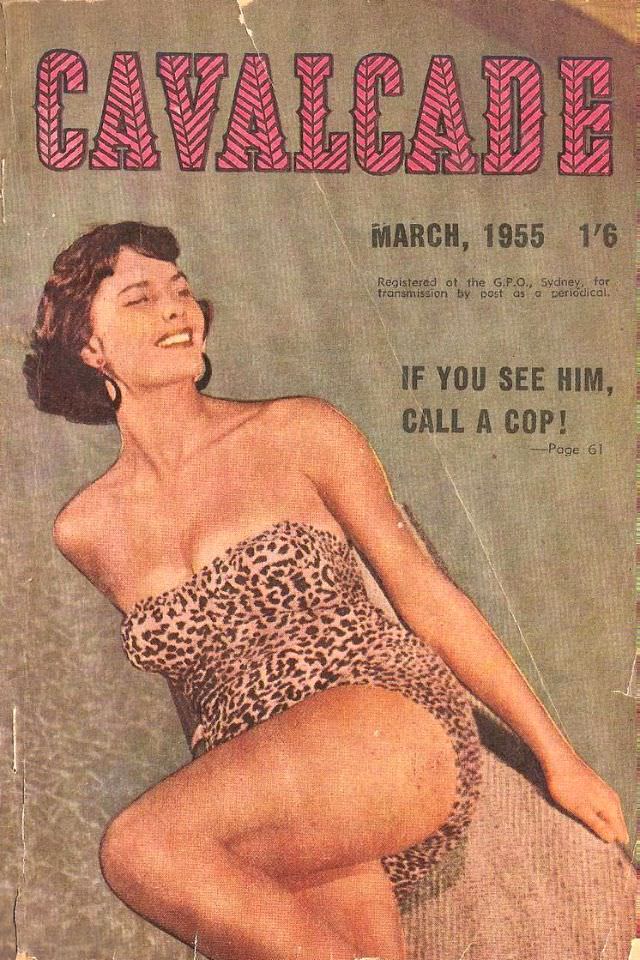
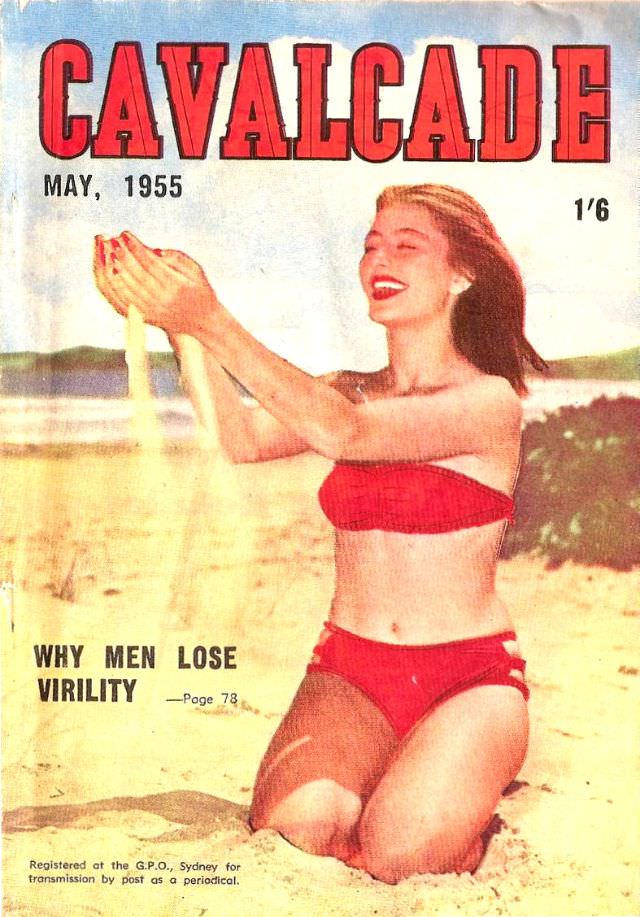
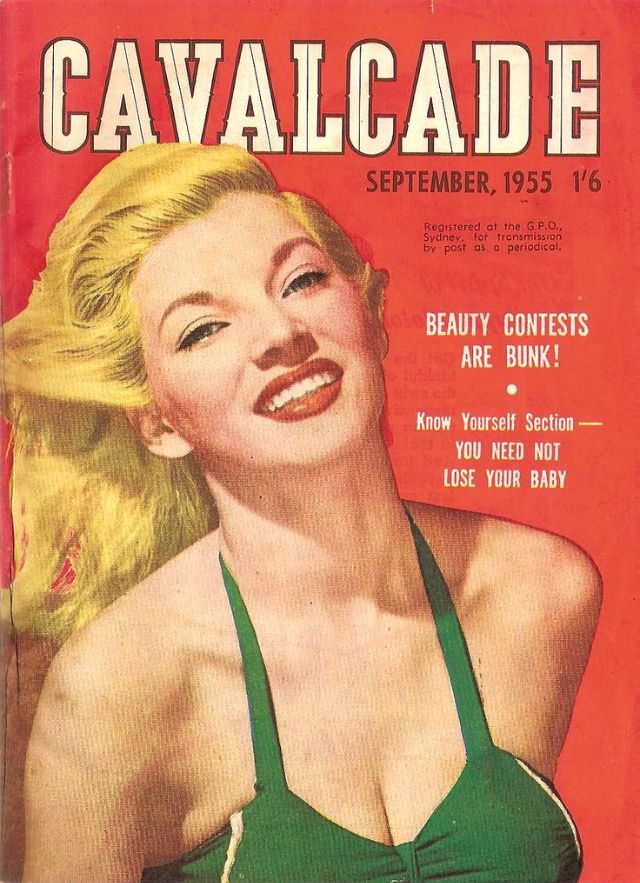
Cavalcade launched in Australia in the early 1940s as a wartime publication. Its early issues were serious in tone, focused heavily on World War II news, articles, and commentary. The cartoons were mild, and the overall feel was sober — exactly what you’d expect from a magazine born in the middle of a global conflict.
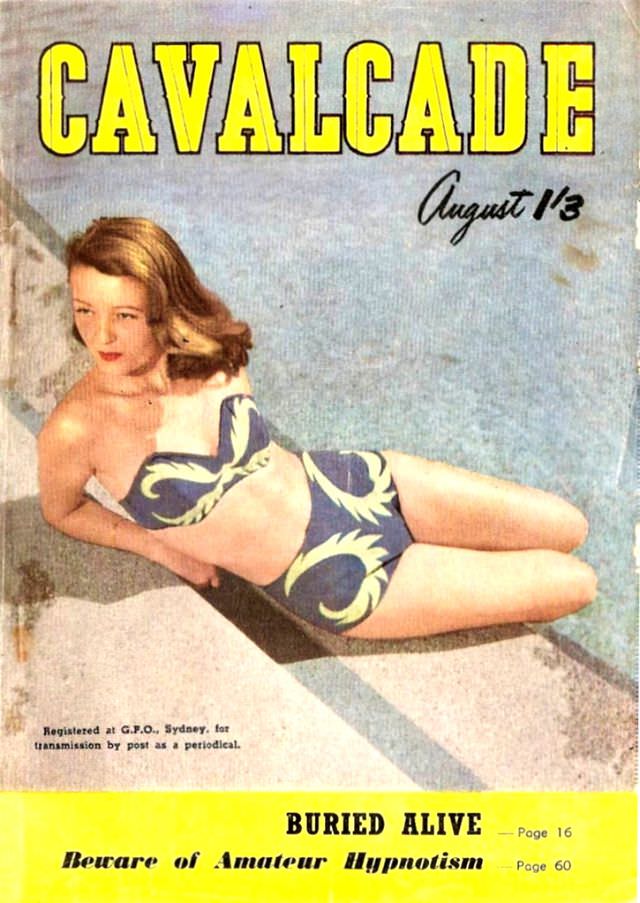
By the early 1950s, the war was over and Australia’s cultural mood had shifted. Cavalcade shifted with it. The magazine began moving away from wartime seriousness and toward bolder, more sensational content. Covers became eye-catching, designed to grab attention on newsstands across the country.
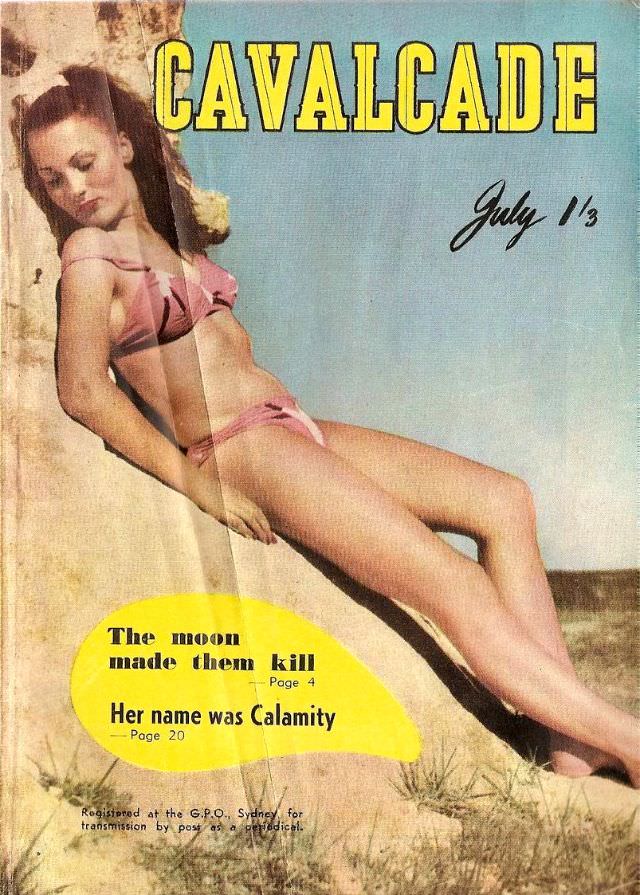
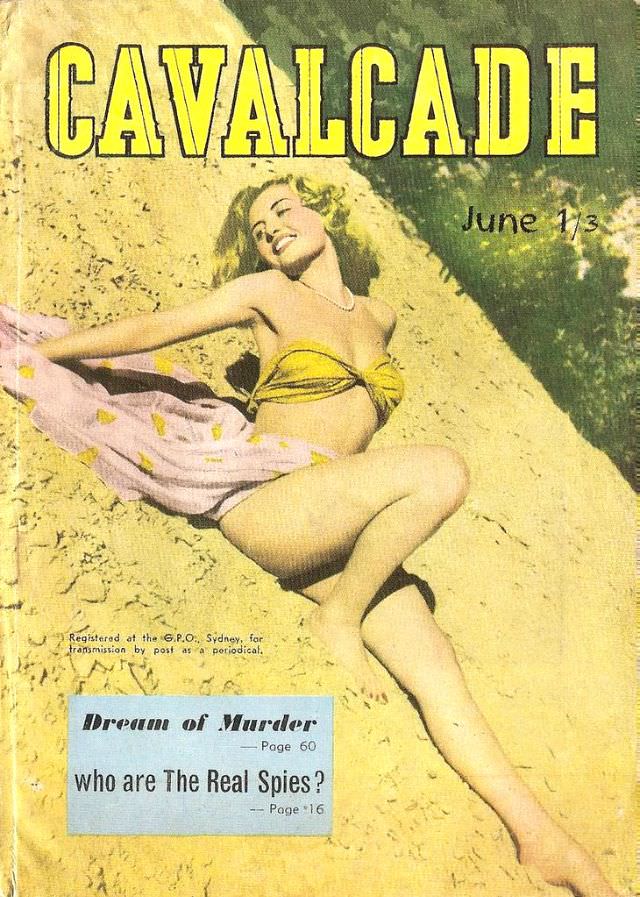
The 1951 covers mark one of the most visually consistent stretches in the magazine’s history. Month after month, the art direction pushed a glamorous, confident aesthetic that set Cavalcade apart from more conservative Australian publications of the time.
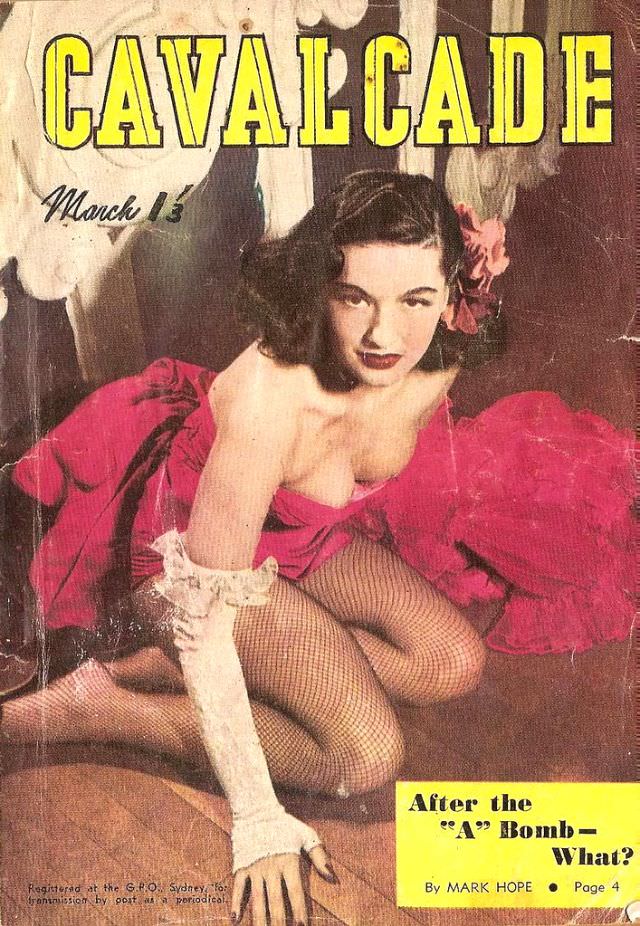
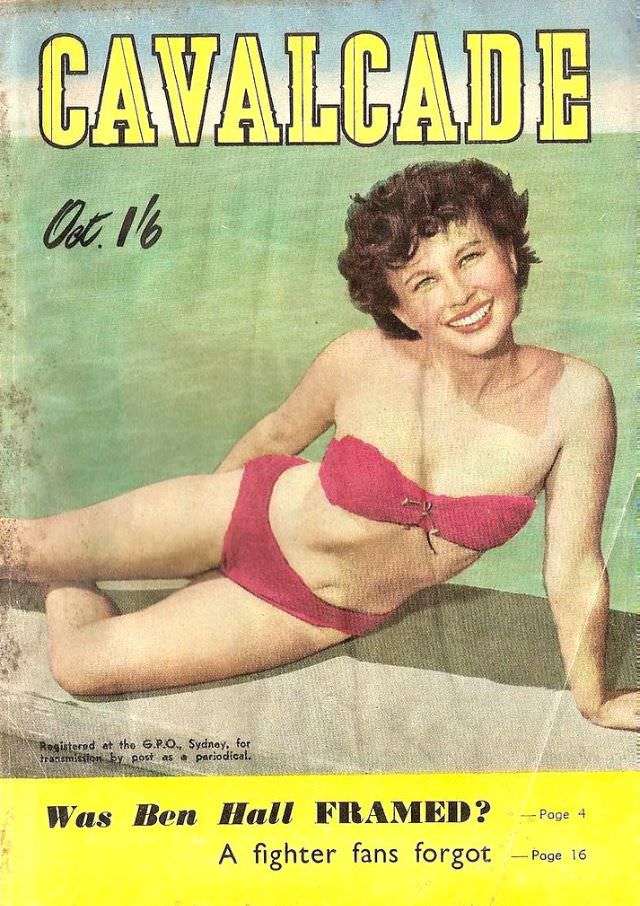
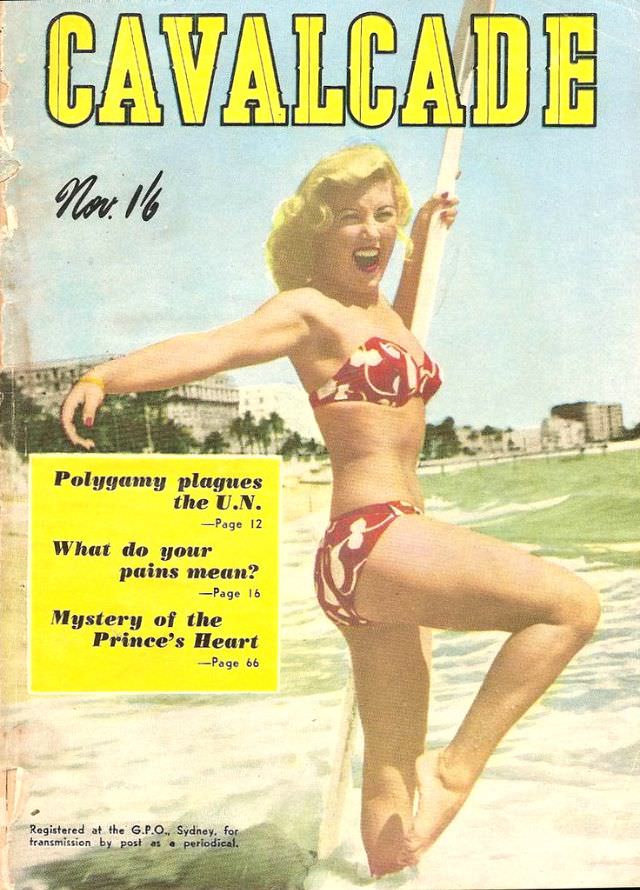
Inside the magazine, the content was also changing fast. Text stories took on lurid, sensational themes. The cartoons grew bolder and more risqué. This wasn’t accidental — it was a deliberate editorial push to attract a wider male readership looking for something edgier than the mainstream press offered.
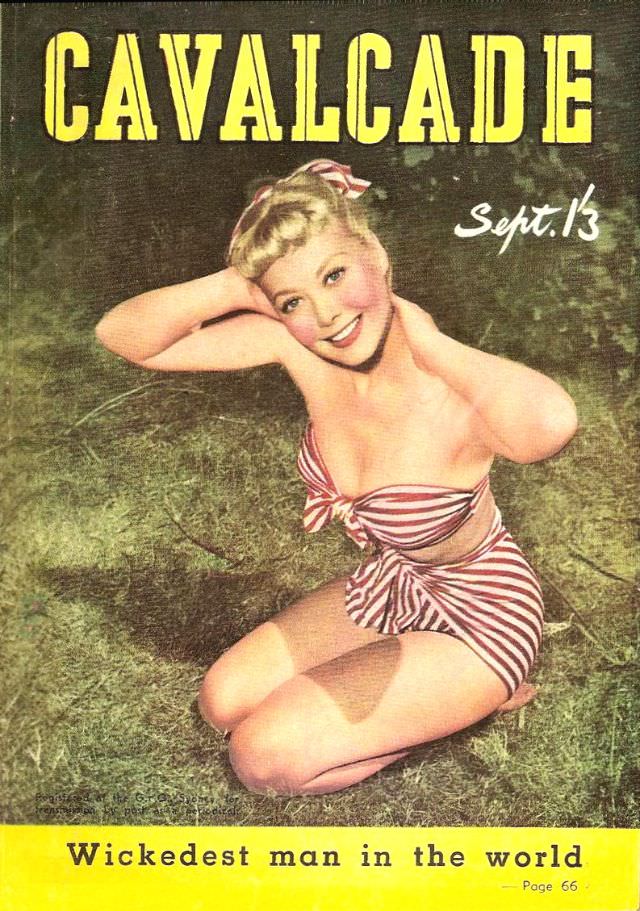
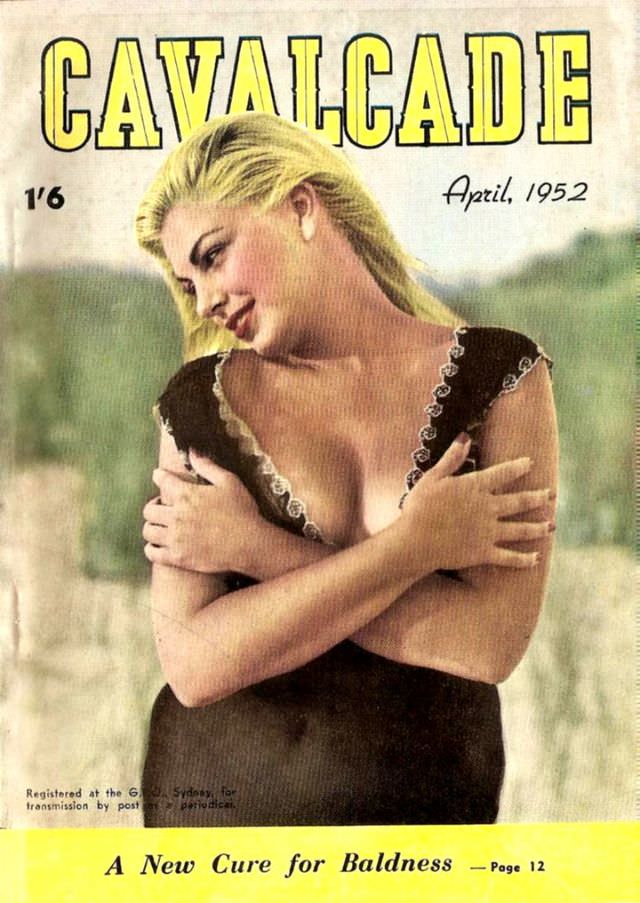
One standout contribution to Cavalcade during this period came from artist Phil Belbin. His comic stories appeared regularly throughout the magazine’s run in the 1950s. Belbin’s artwork was well-crafted and brought a distinct visual narrative quality to the publication, making his pages among the most anticipated by regular readers.
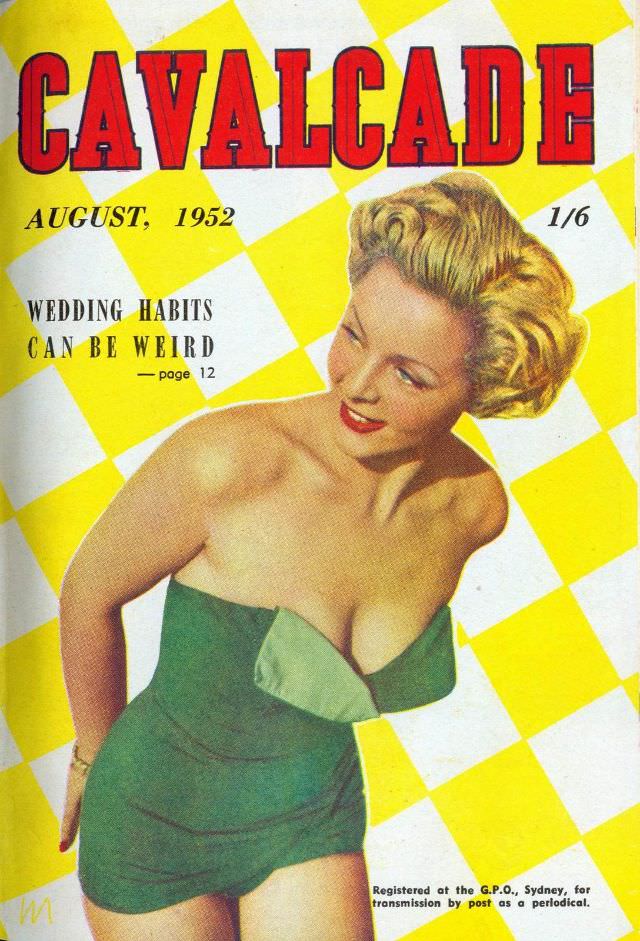
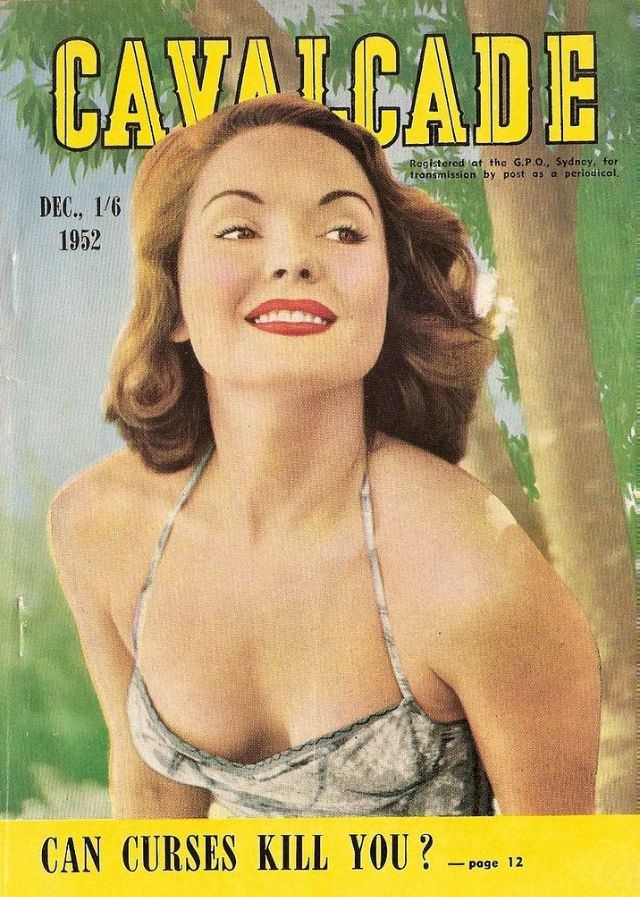
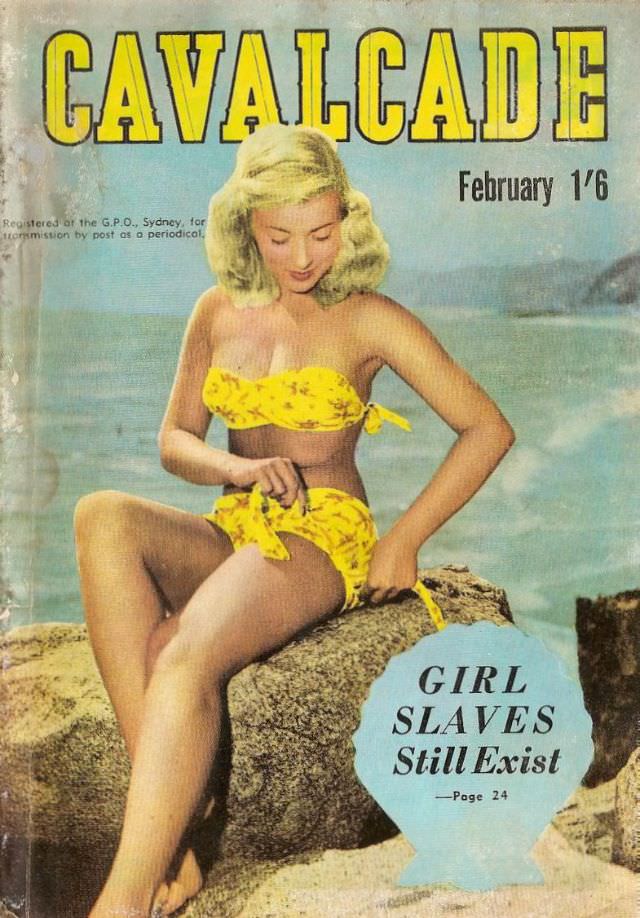
Through 1952, the covers continued to deliver. Each issue presented a fresh, polished image that reflected the magazine’s growing confidence in its identity as Australia’s premier men’s entertainment title.
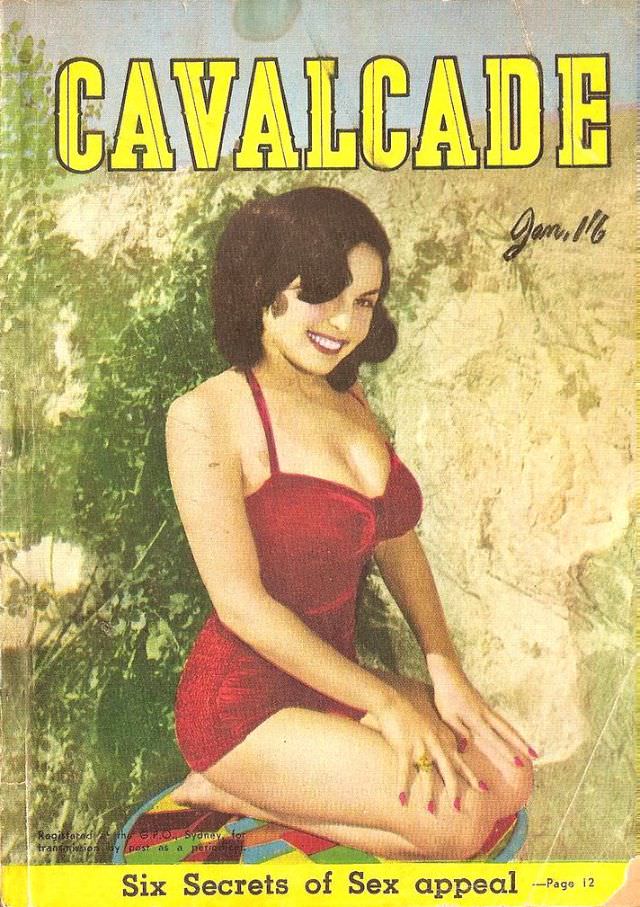
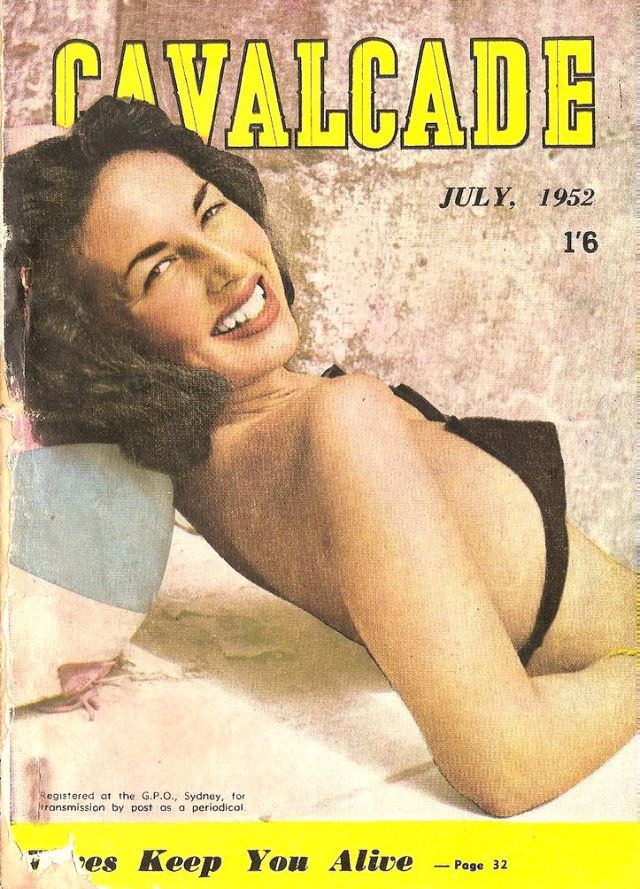
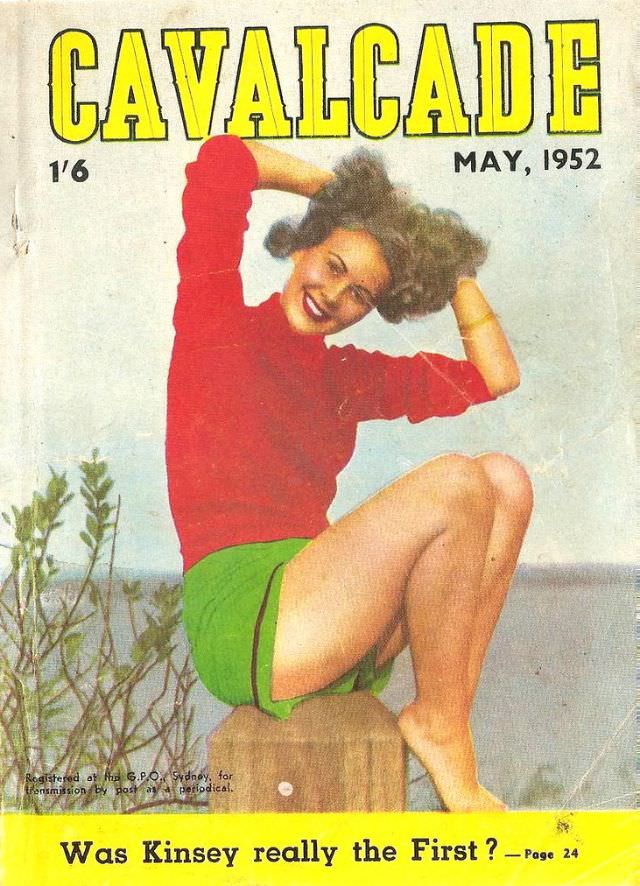

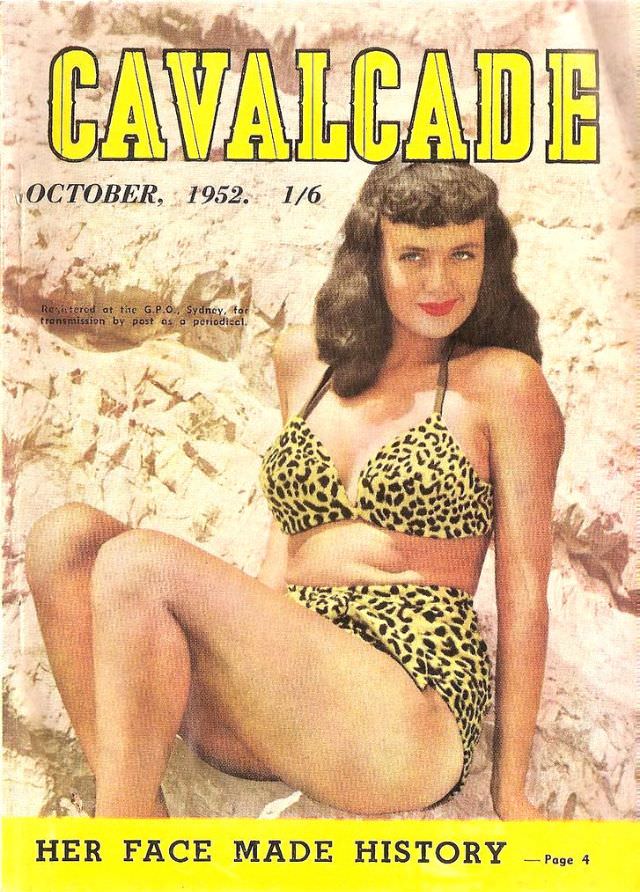
Into 1953, Cavalcade’s format grew increasingly close to what American magazines like Playboy would popularize later in the decade. The emphasis on lifestyle, entertainment, and attractive cover imagery placed Cavalcade ahead of the curve in the Australian market.
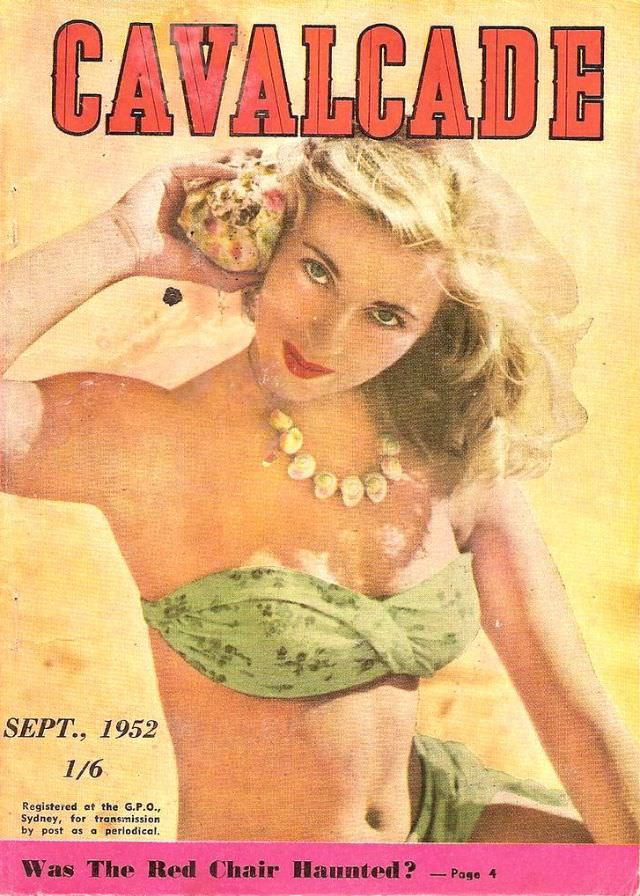
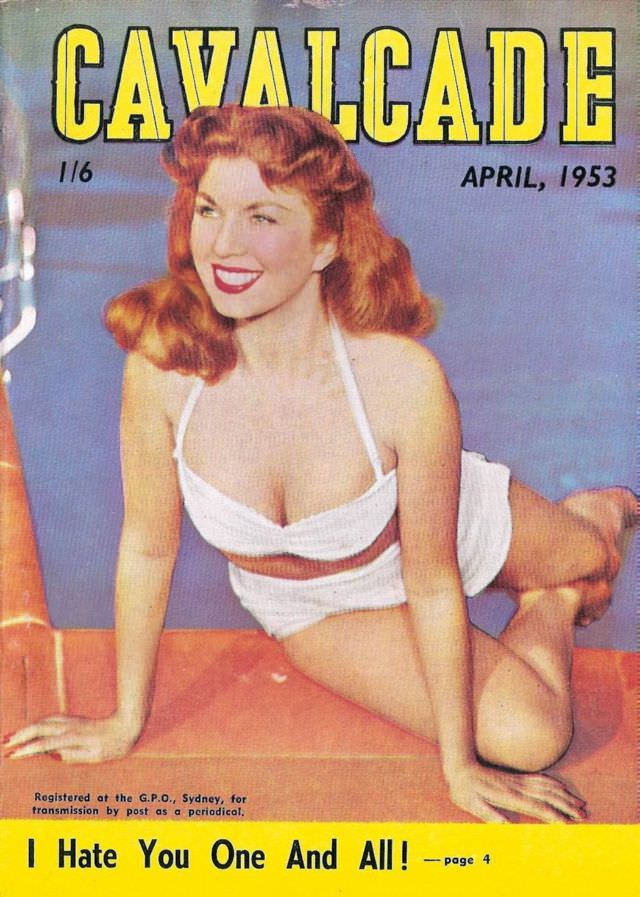
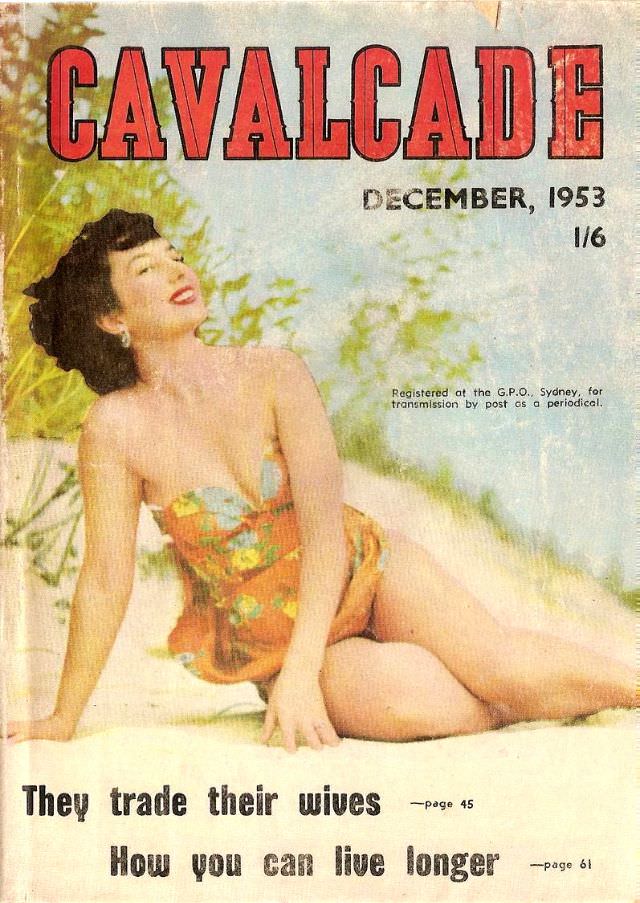
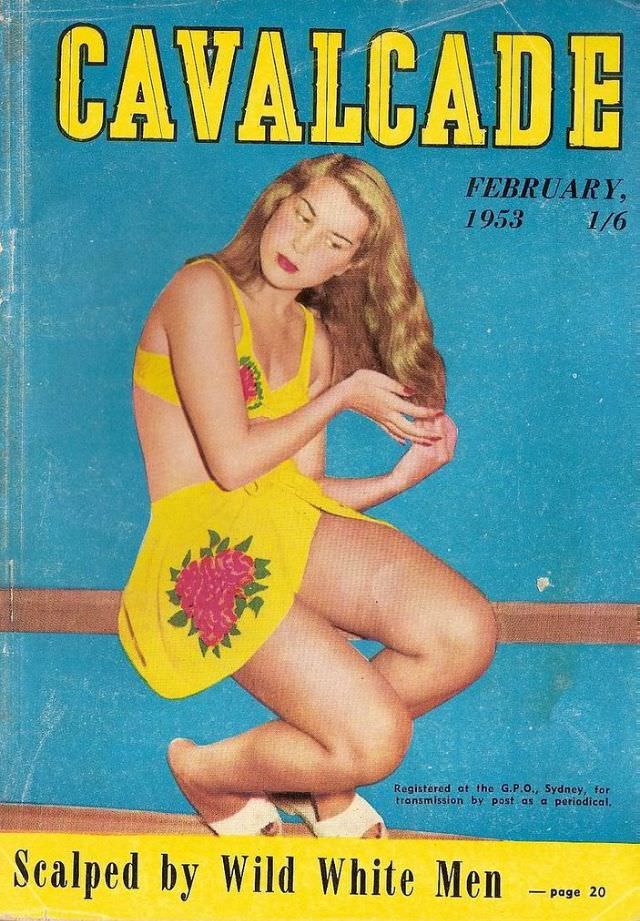
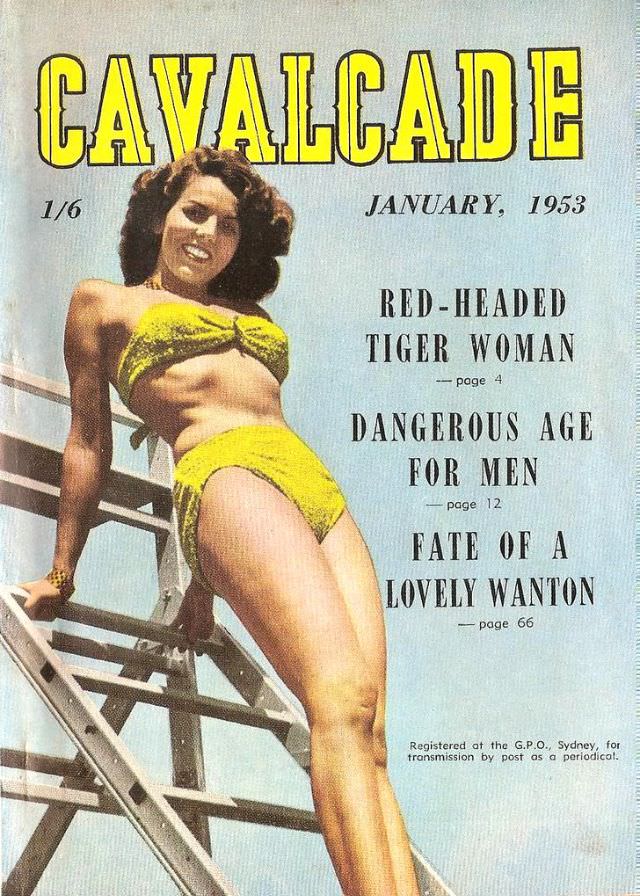
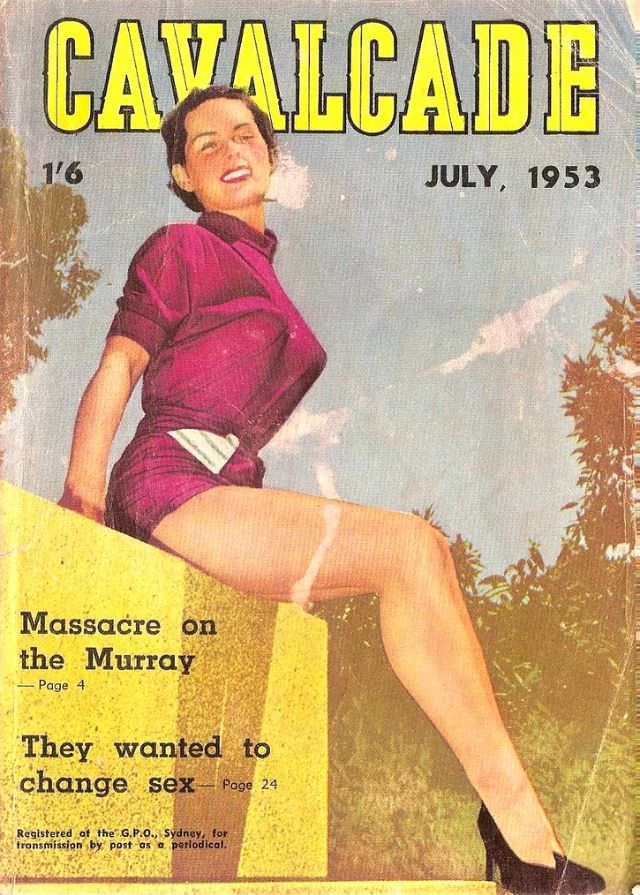
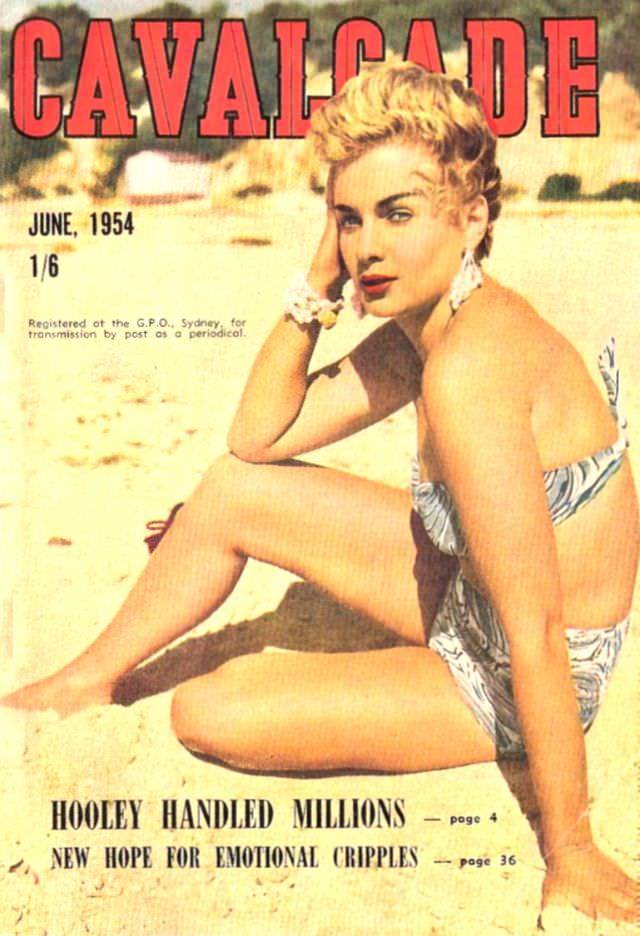
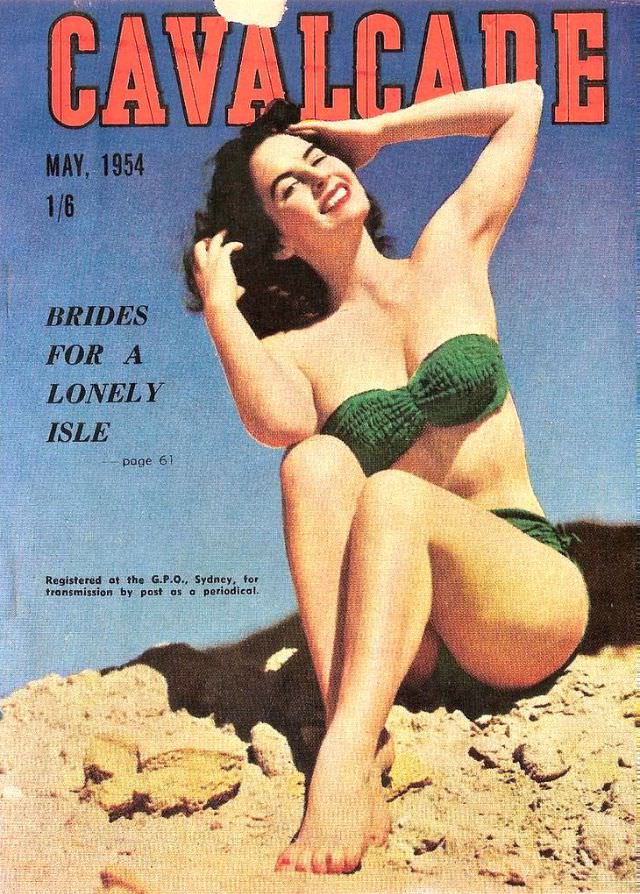
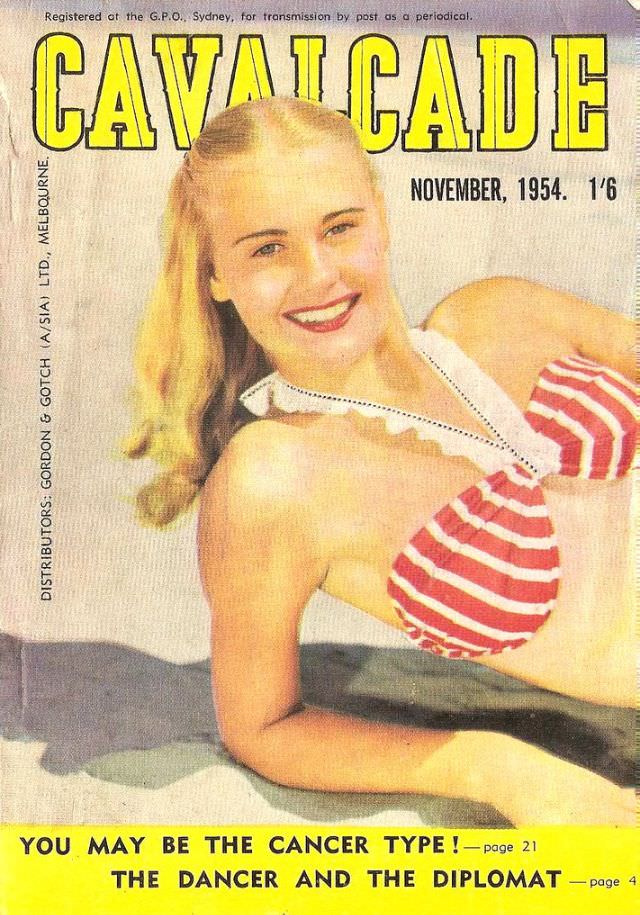
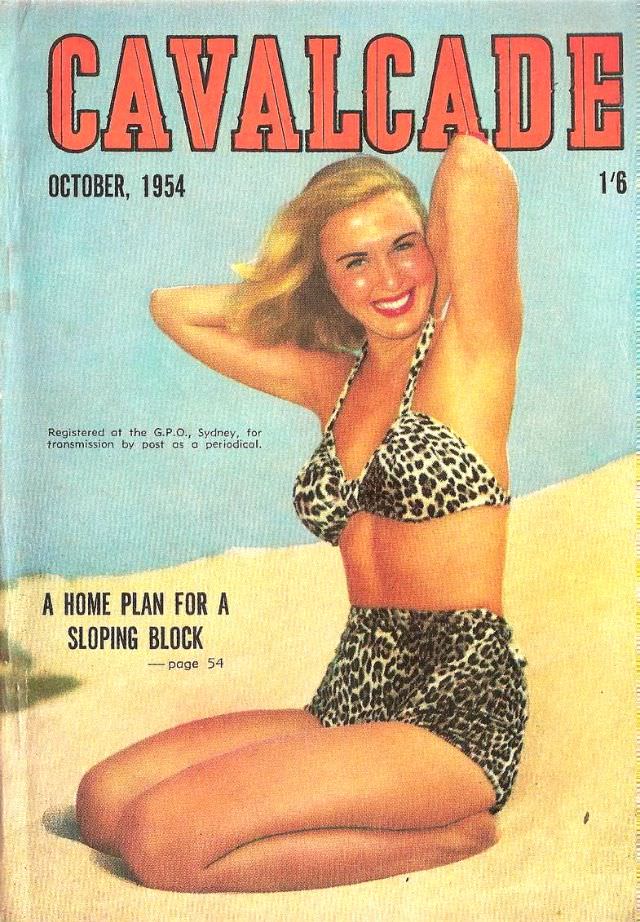
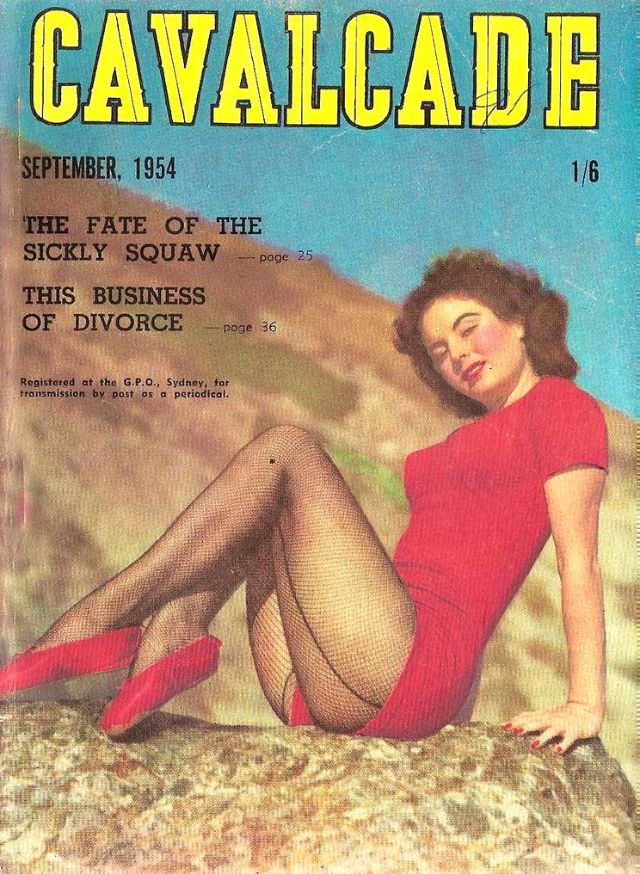
The mid-decade covers from 1953 and 1954 show a magazine fully committed to its new direction. The artwork is bolder, the compositions more dynamic. Cavalcade was no longer just a wartime relic — it was a modern men’s title that understood its audience.
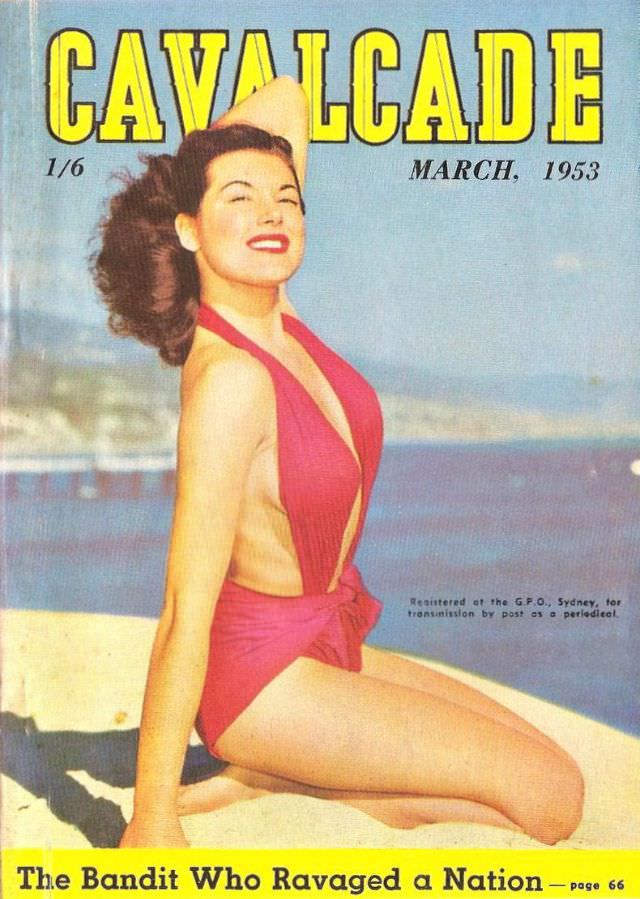
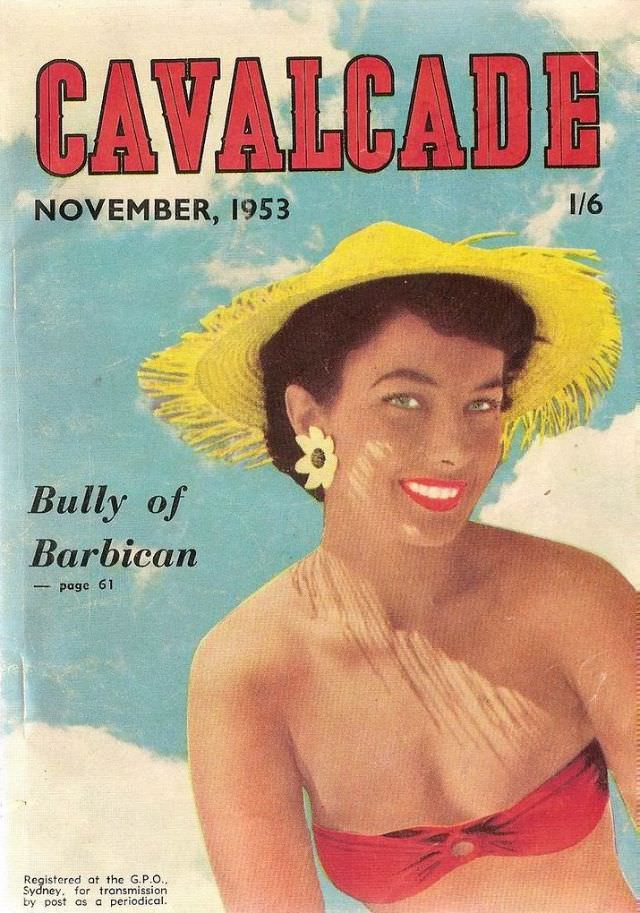
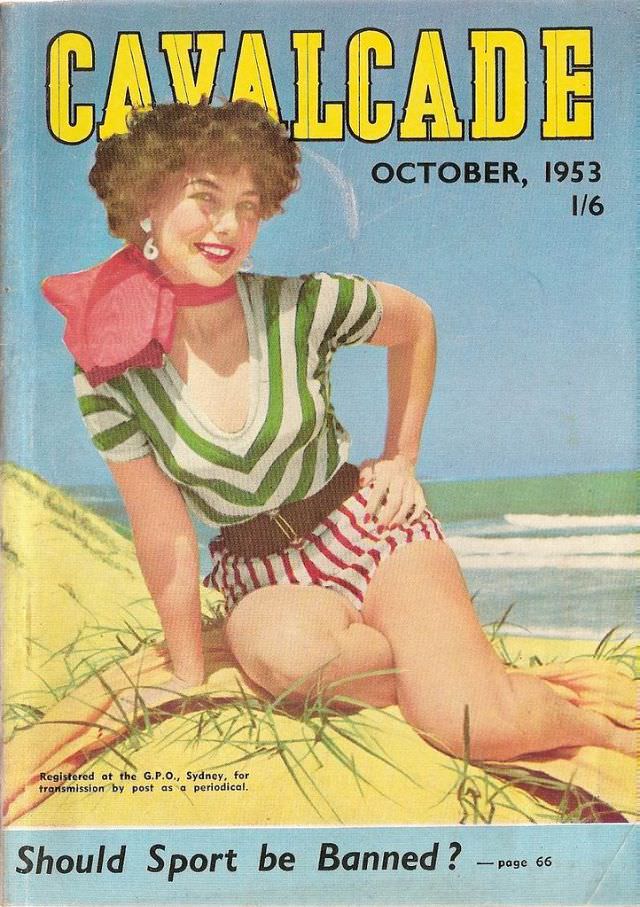
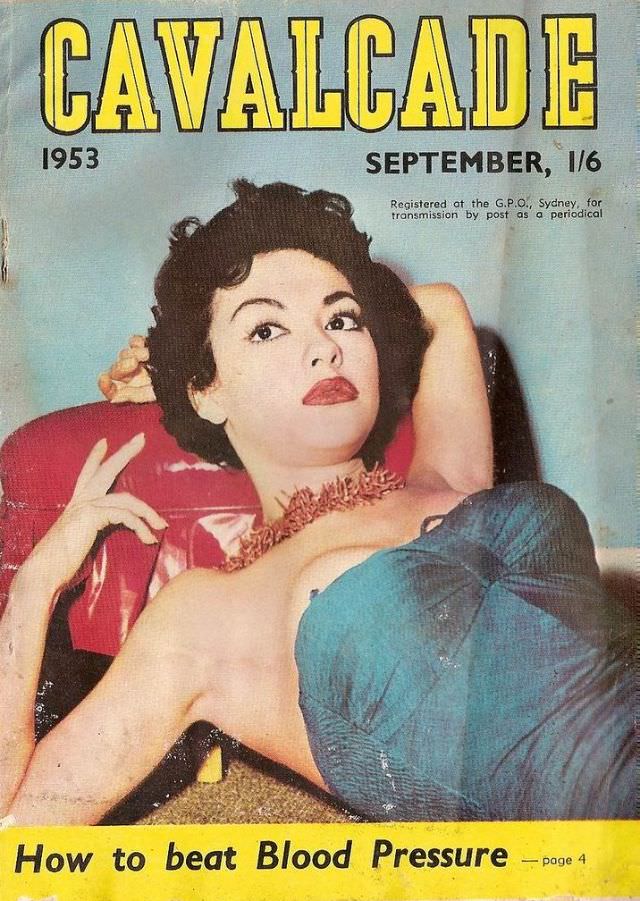
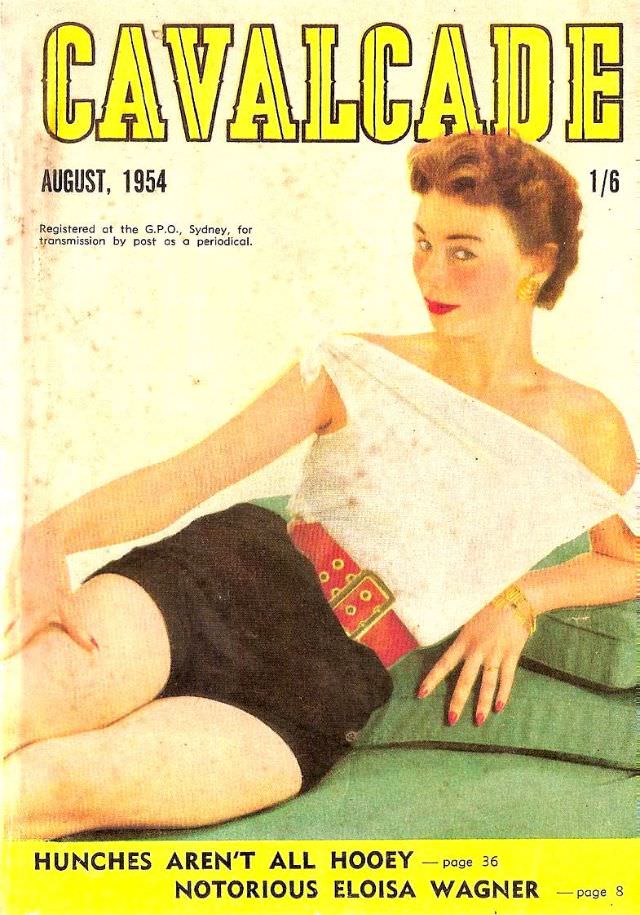
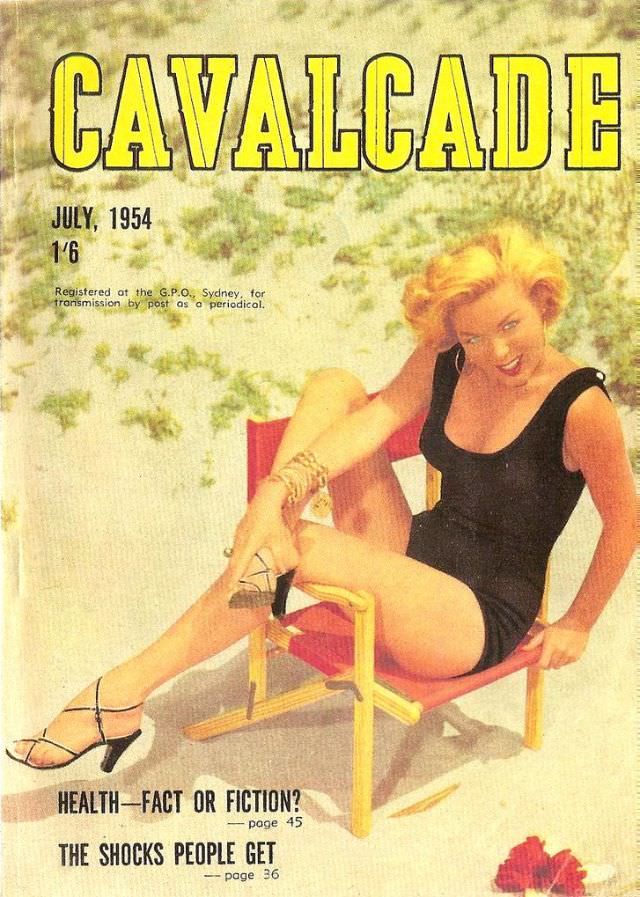
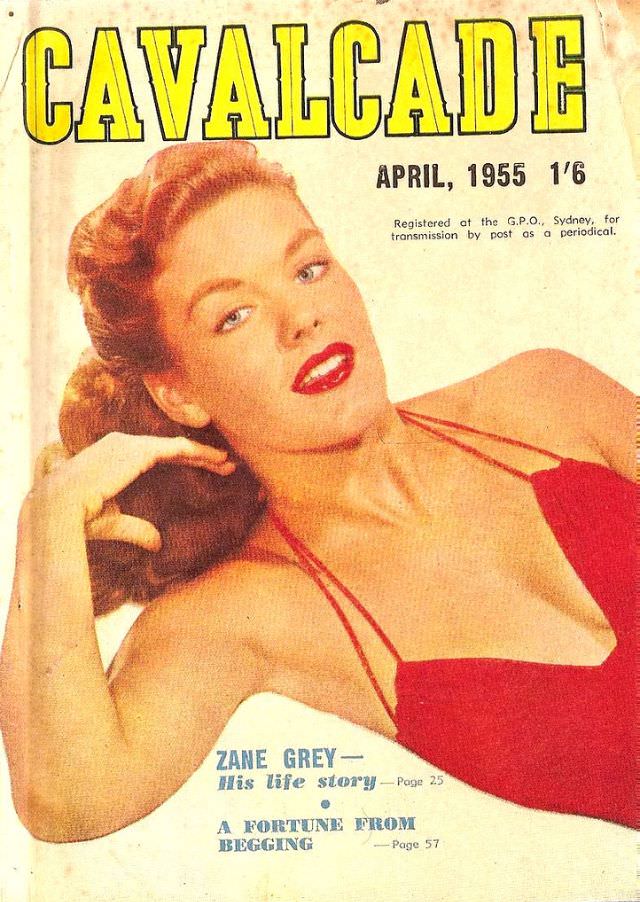
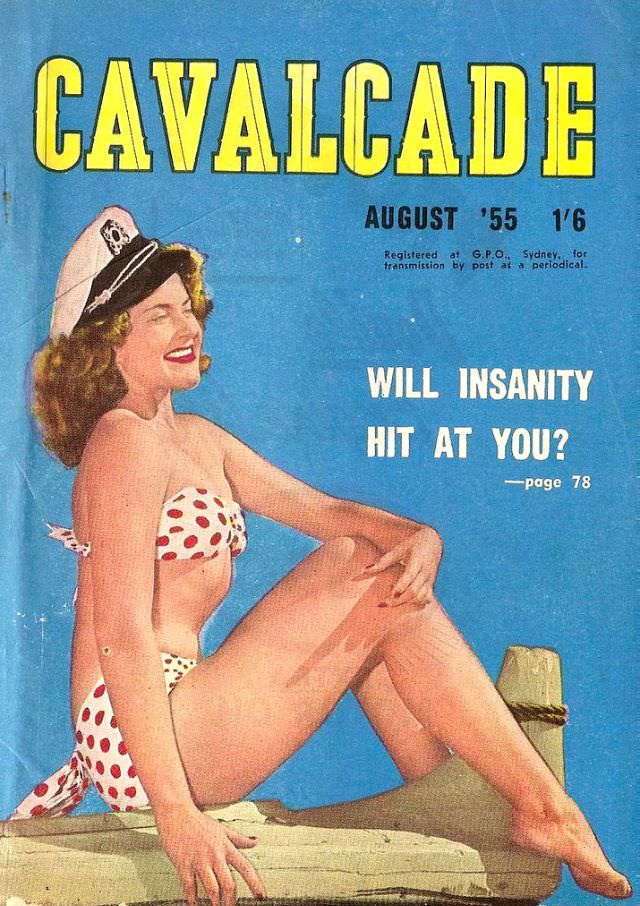
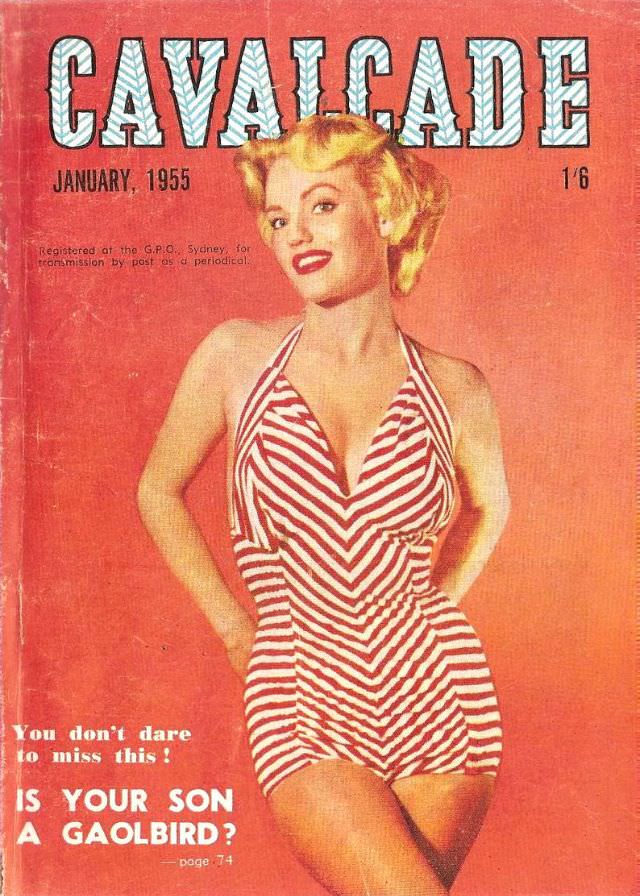
By 1954 and into 1955, Cavalcade’s covers had reached their most polished form. The women depicted were styled with the sleek glamour typical of the era, and the design sensibility matched what readers expected from the best international men’s magazines of the time.