

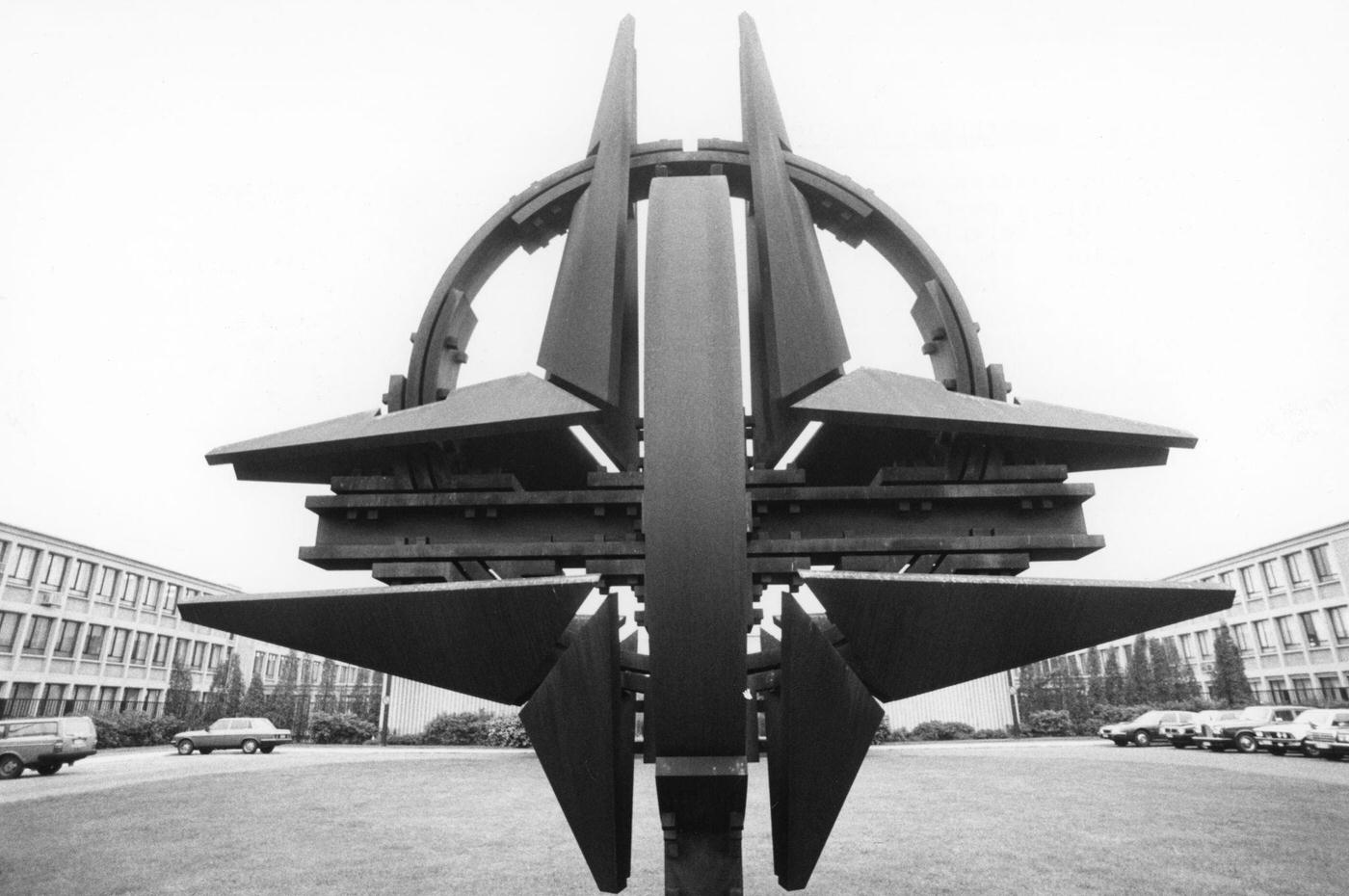
Brussels in the 1980s was undergoing significant changes, influenced by its role as the de facto capital of the European Union. The city saw an influx of bureaucrats, diplomats, and foreign workers, which spurred economic growth. Numerous offices and institutions related to the EU opened their doors in Brussels, making the city a hub of European politics and decision-making.
Urban Development and Architecture
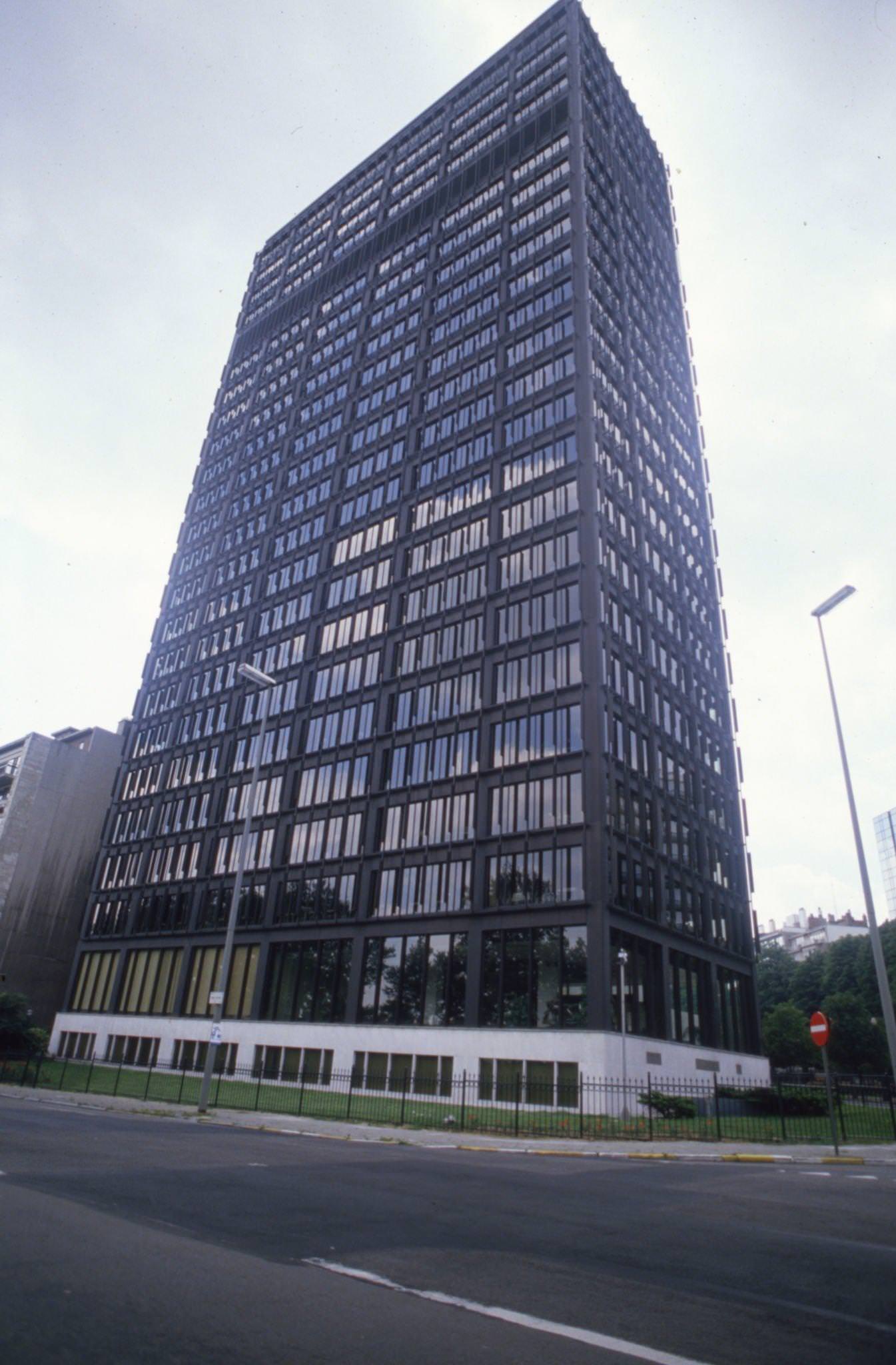
The ’80s witnessed several urban development projects aimed at accommodating the growing population and the needs of the EU institutions. The European Quarter, which houses key EU institutions, was a focus of such development efforts. This led to a change in the architectural landscape, with modern buildings often replacing older structures.
Social and Cultural Scene
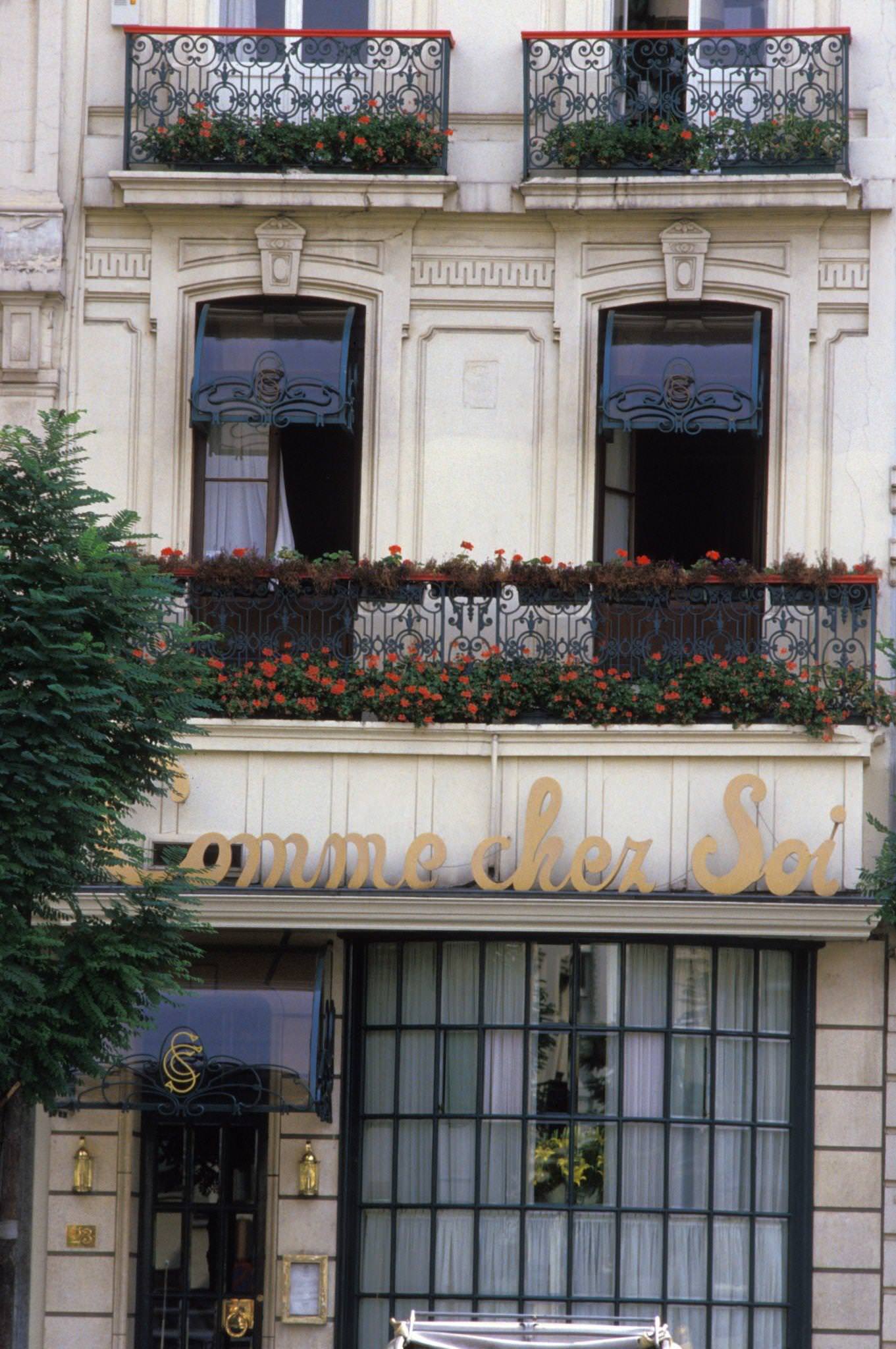
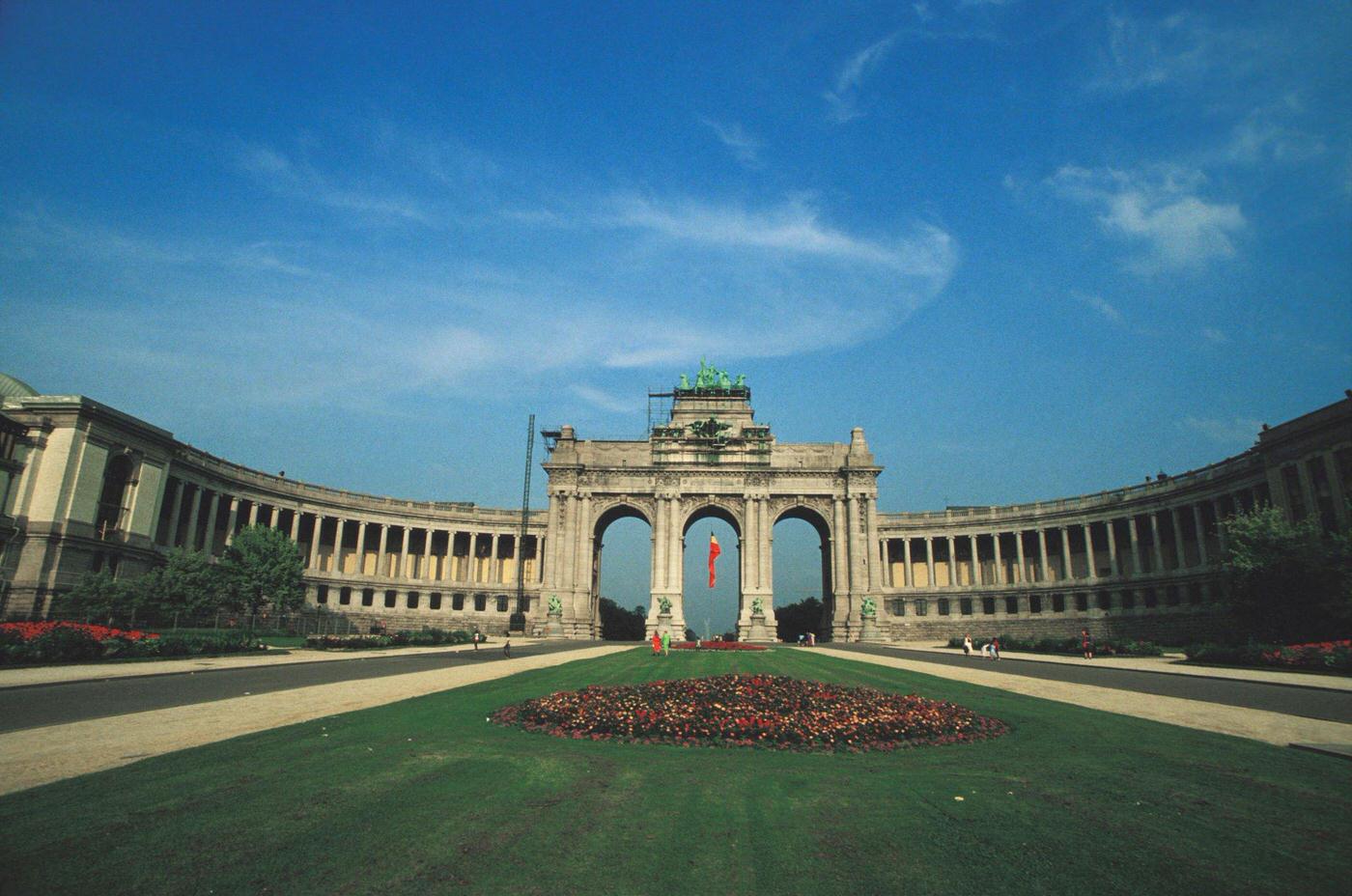
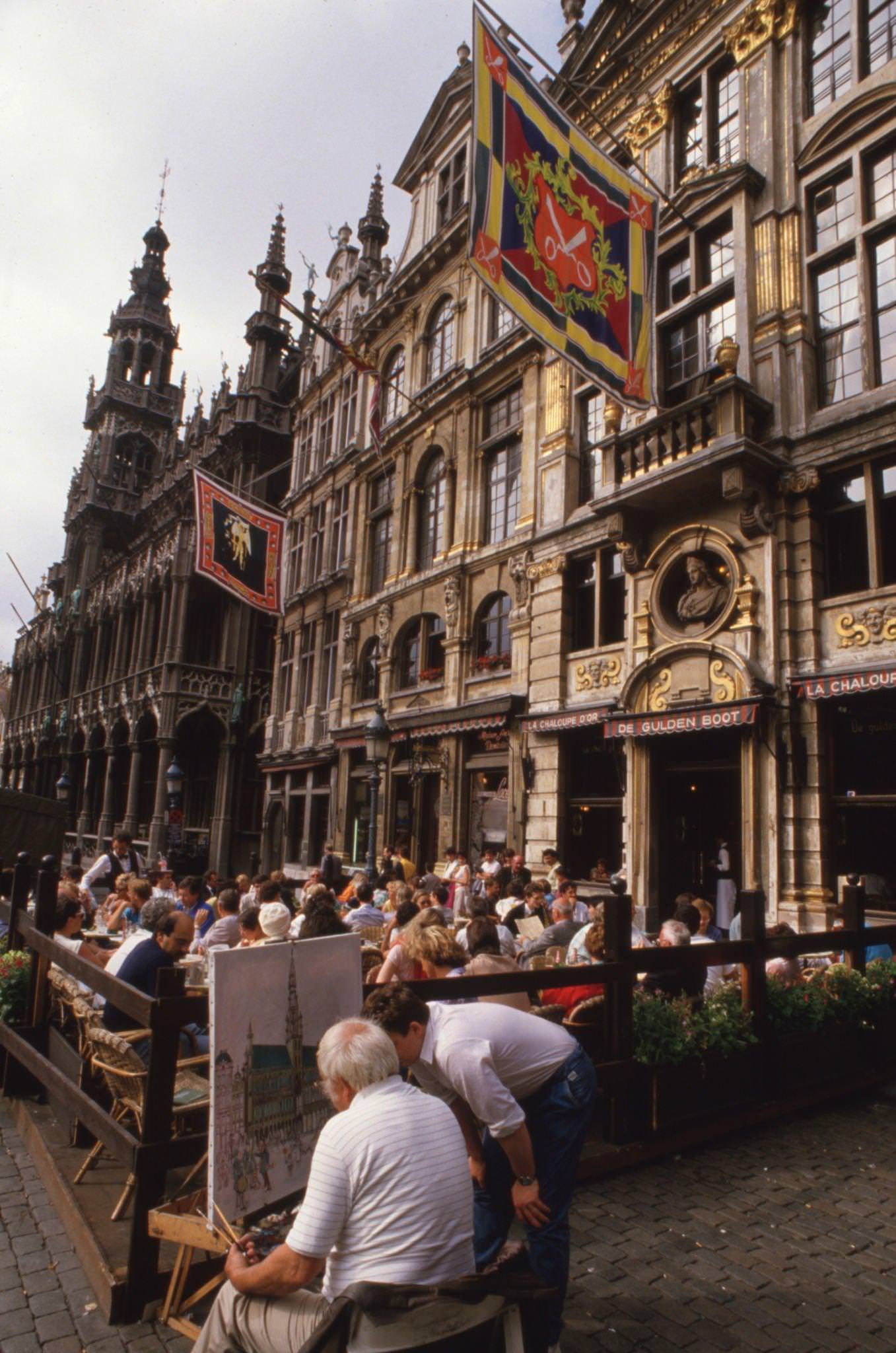
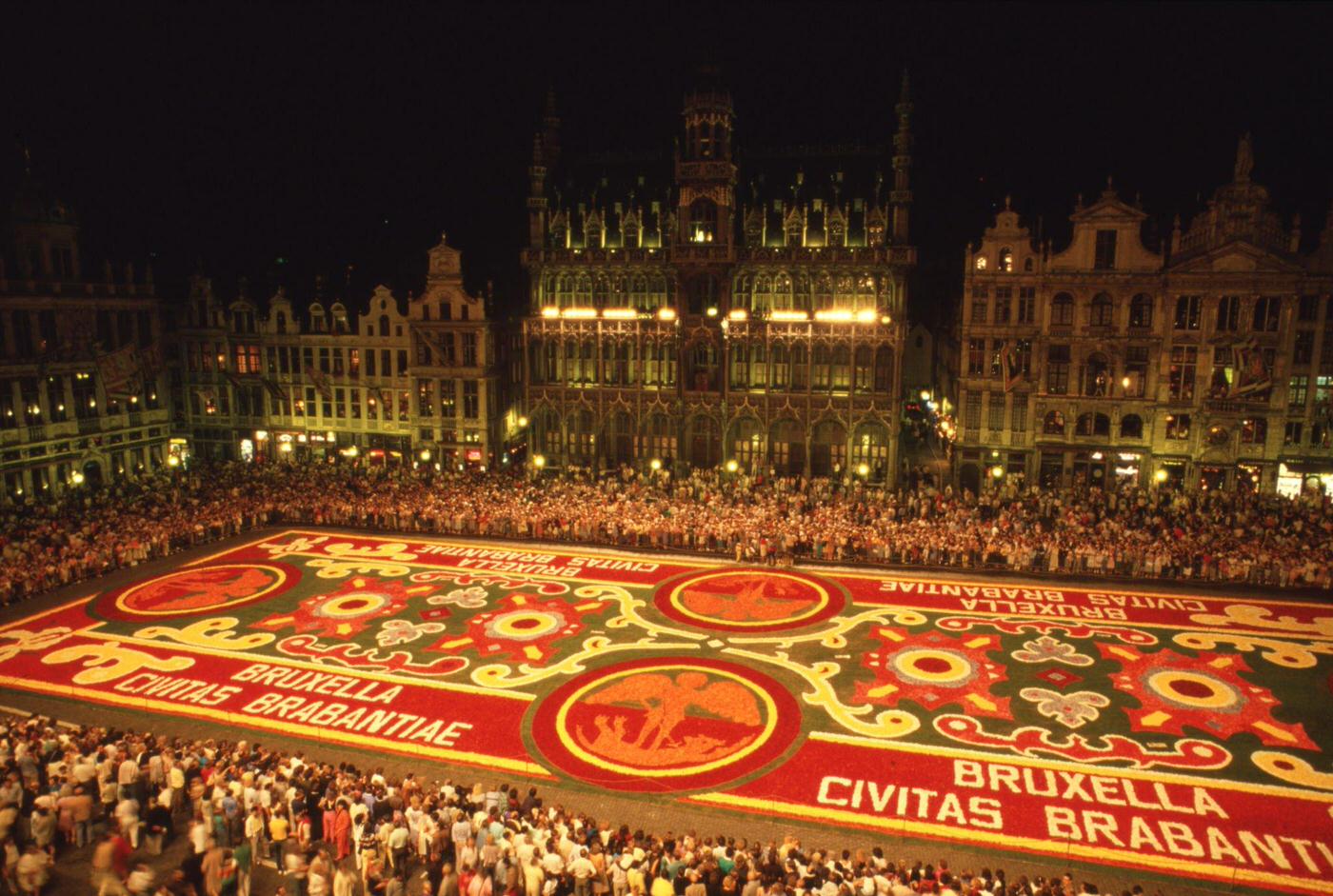
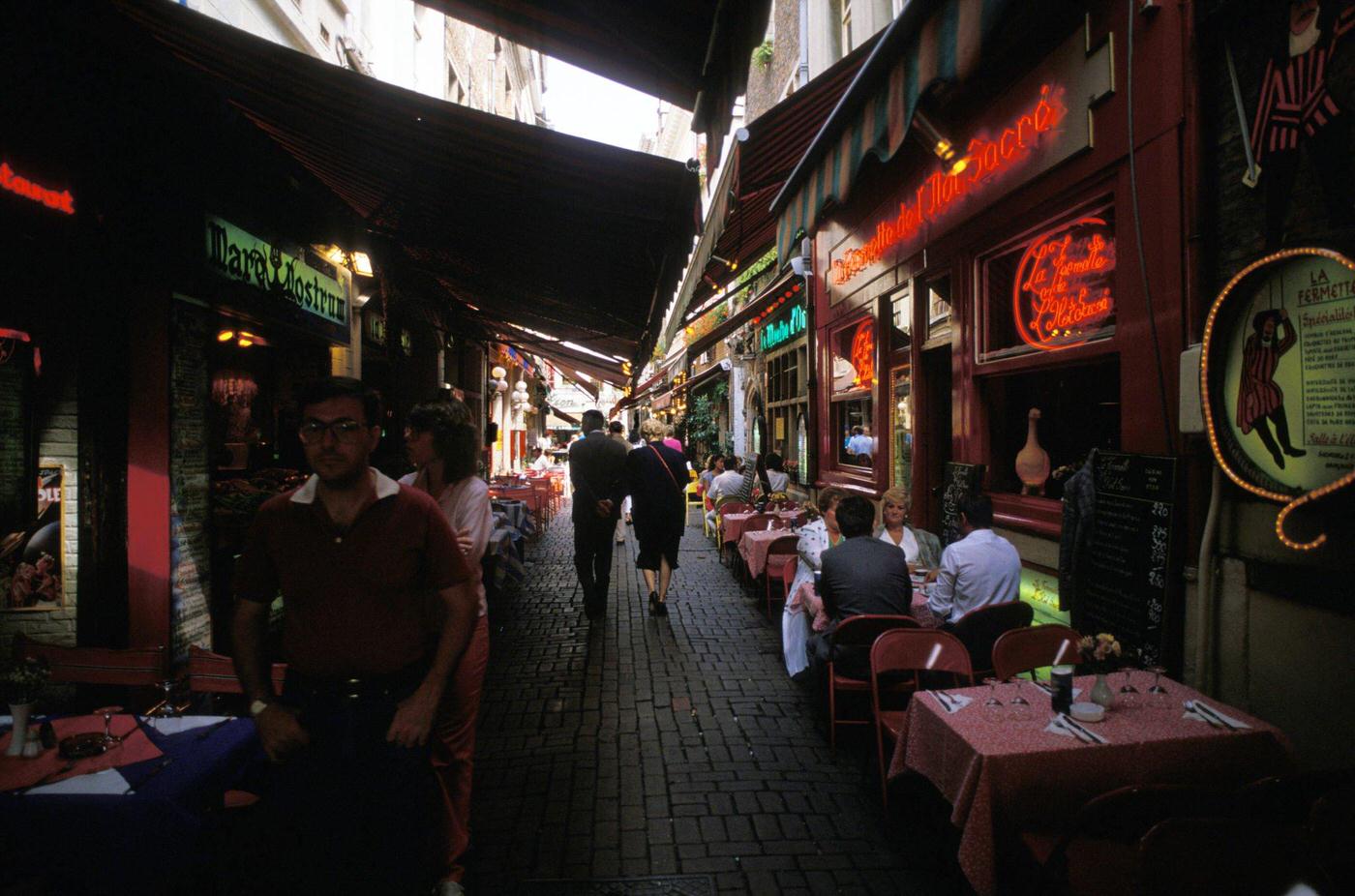
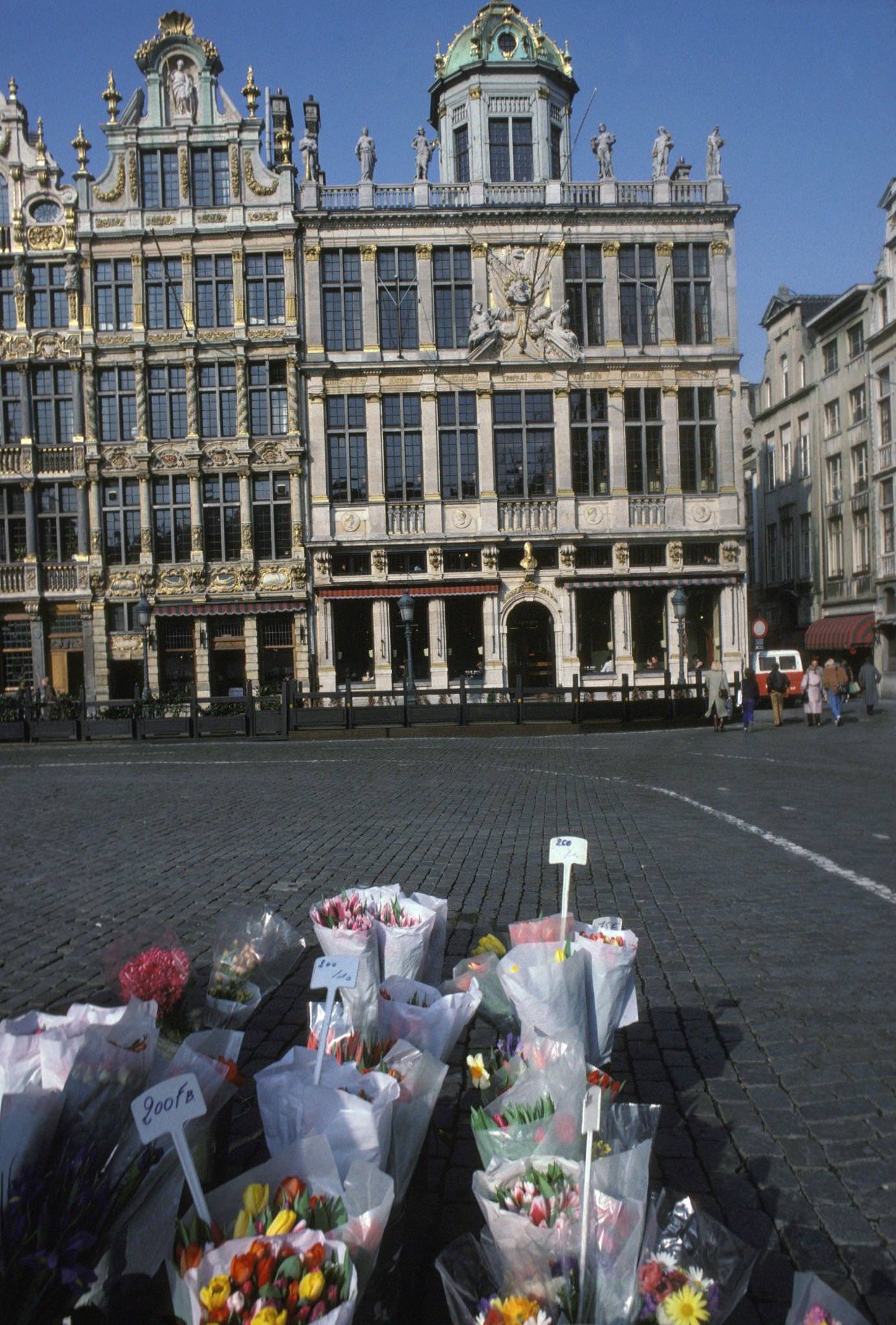
Brussels in the 1980s was a melting pot of cultures, thanks to its international status. Restaurants, bars, and cultural centers representing various European nations became a common sight. This decade also saw a rise in cultural events such as art exhibitions, music festivals, and theater performances, making Brussels a vibrant city for arts and culture.
Read more
Transportation and Infrastructure
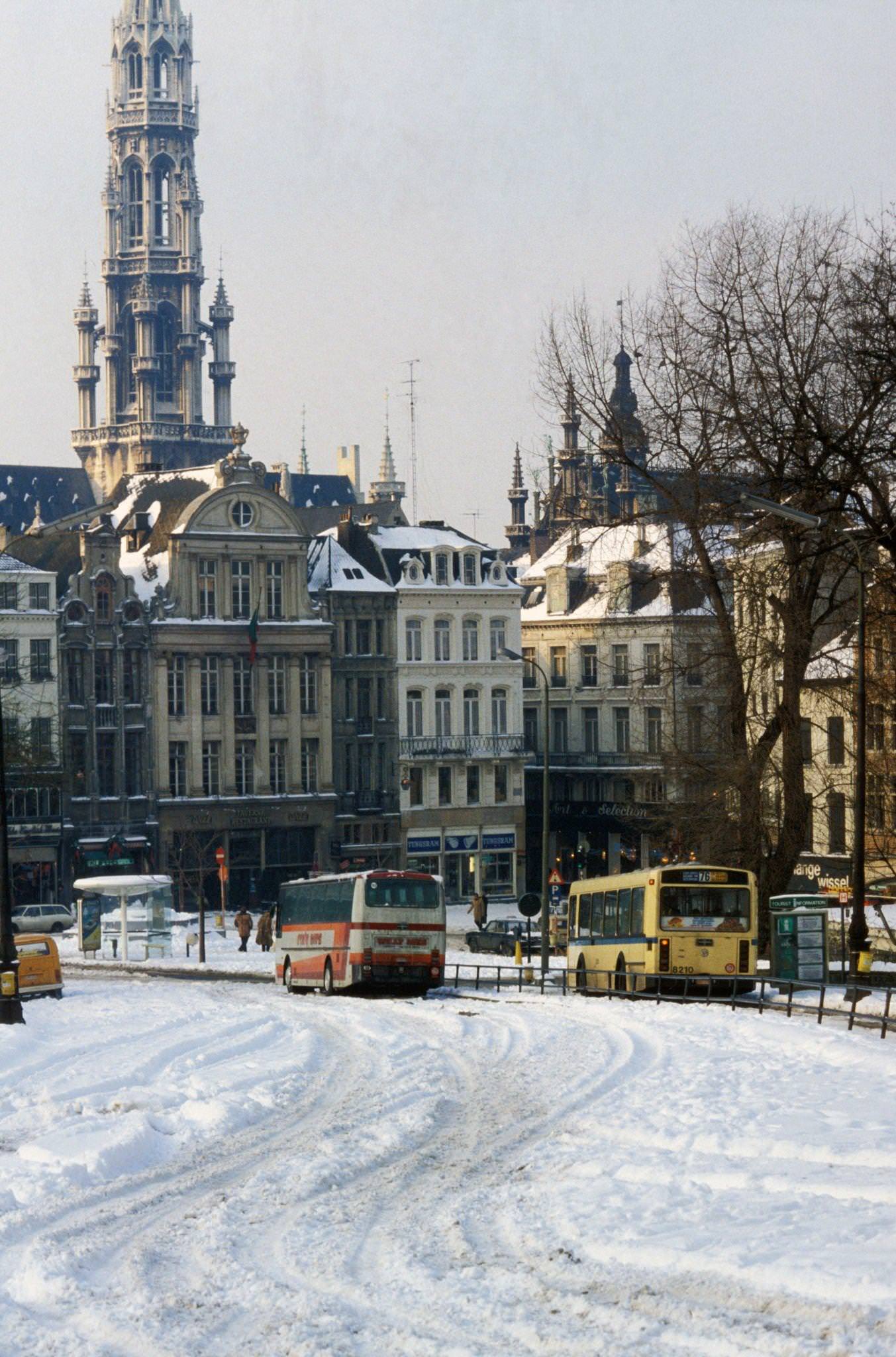
Efforts to modernize the city’s transportation system were evident during this decade. The Brussels Metro expanded its lines, and the city focused on improving public transport to cope with the increasing population. Infrastructure development was essential to facilitate the easy movement of people, especially EU officials who often had to travel for work.
Political Climate
The 1980s was a decade of political stability for Brussels, despite being a period of tension between the Flemish and French-speaking communities of Belgium. Brussels emerged as a neutral ground where both communities could coexist, partly due to its international status. However, the city was not entirely immune to political protests and demonstrations, often related to wider European and global issues.
Crime and Security
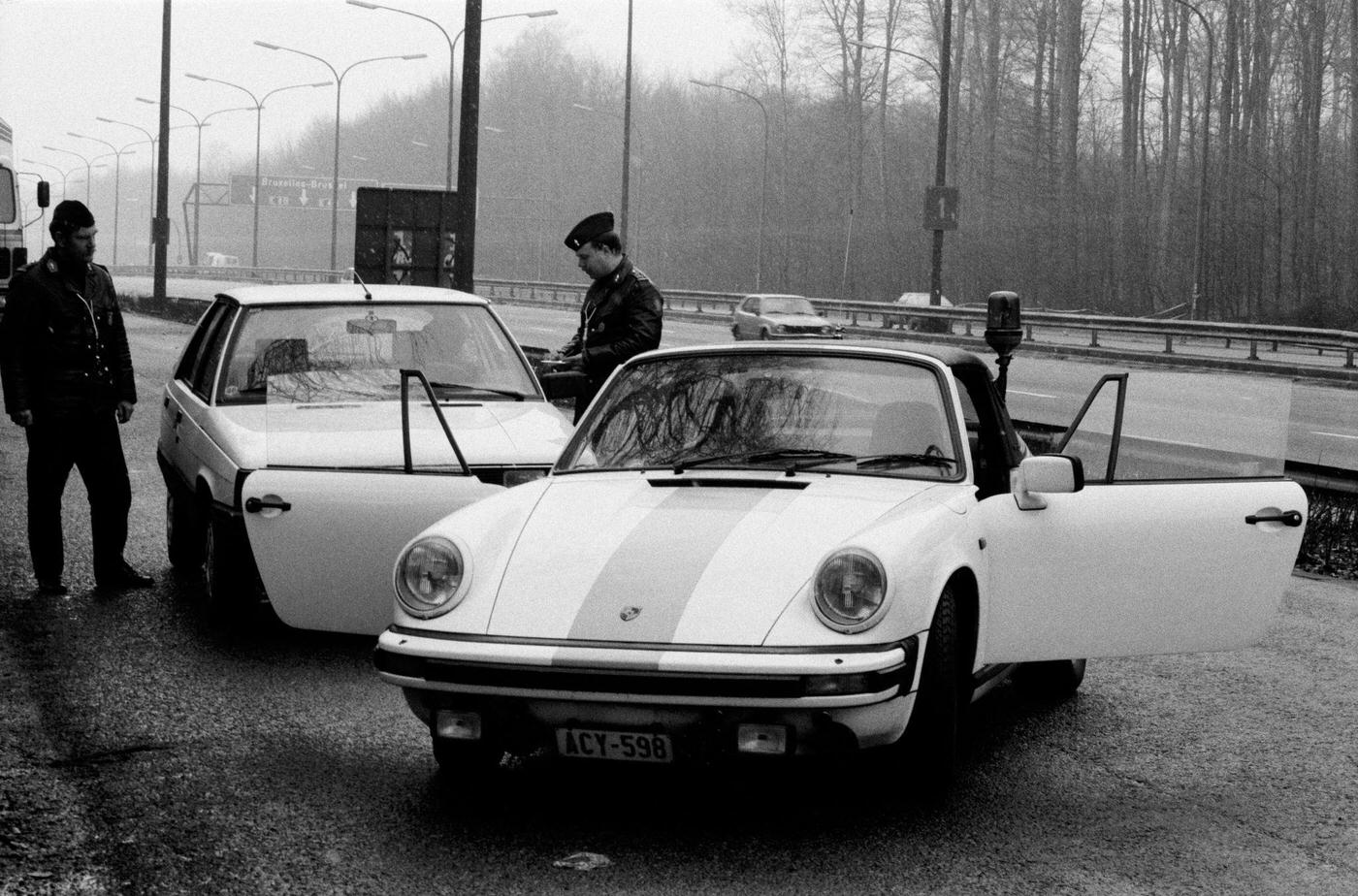
Like many major cities, Brussels faced challenges related to crime and security. However, with the presence of international institutions and the consequent international spotlight, there was a concerted effort to maintain a higher standard of security. Police presence was increased around key areas, and various security protocols were put in place.
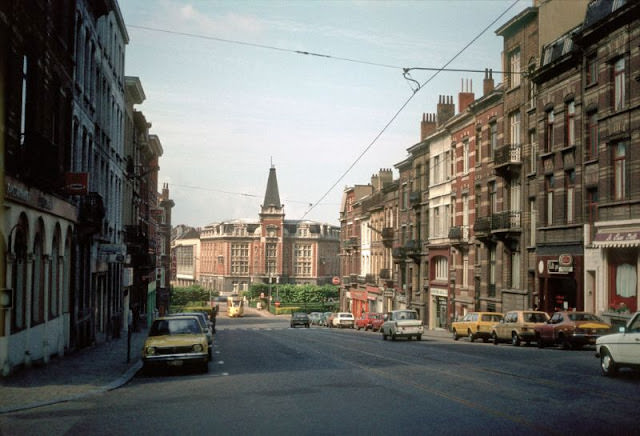
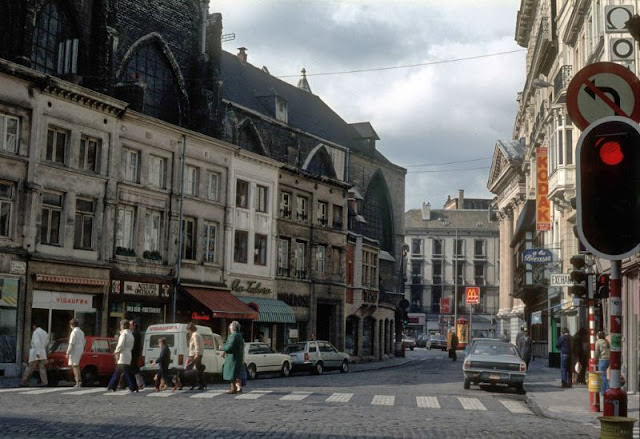
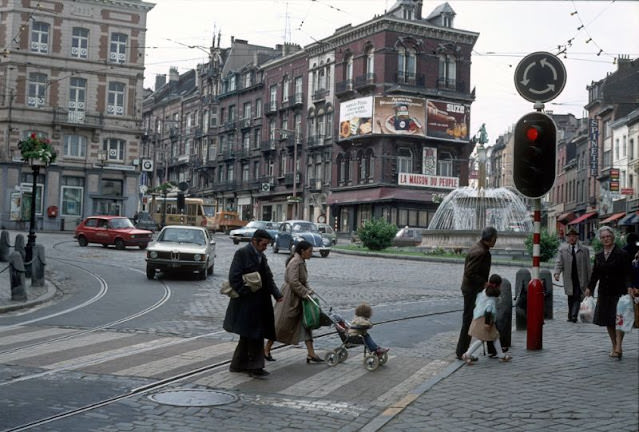
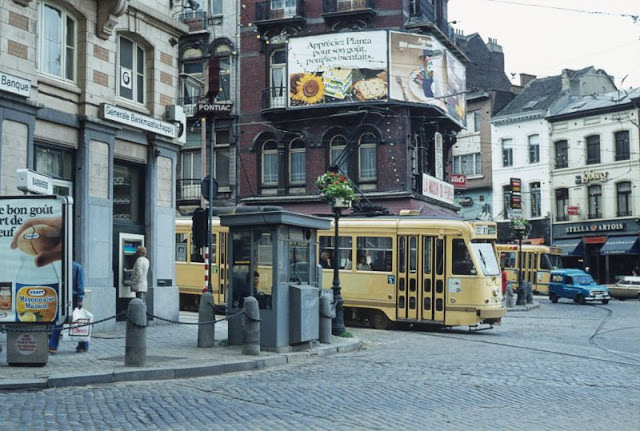
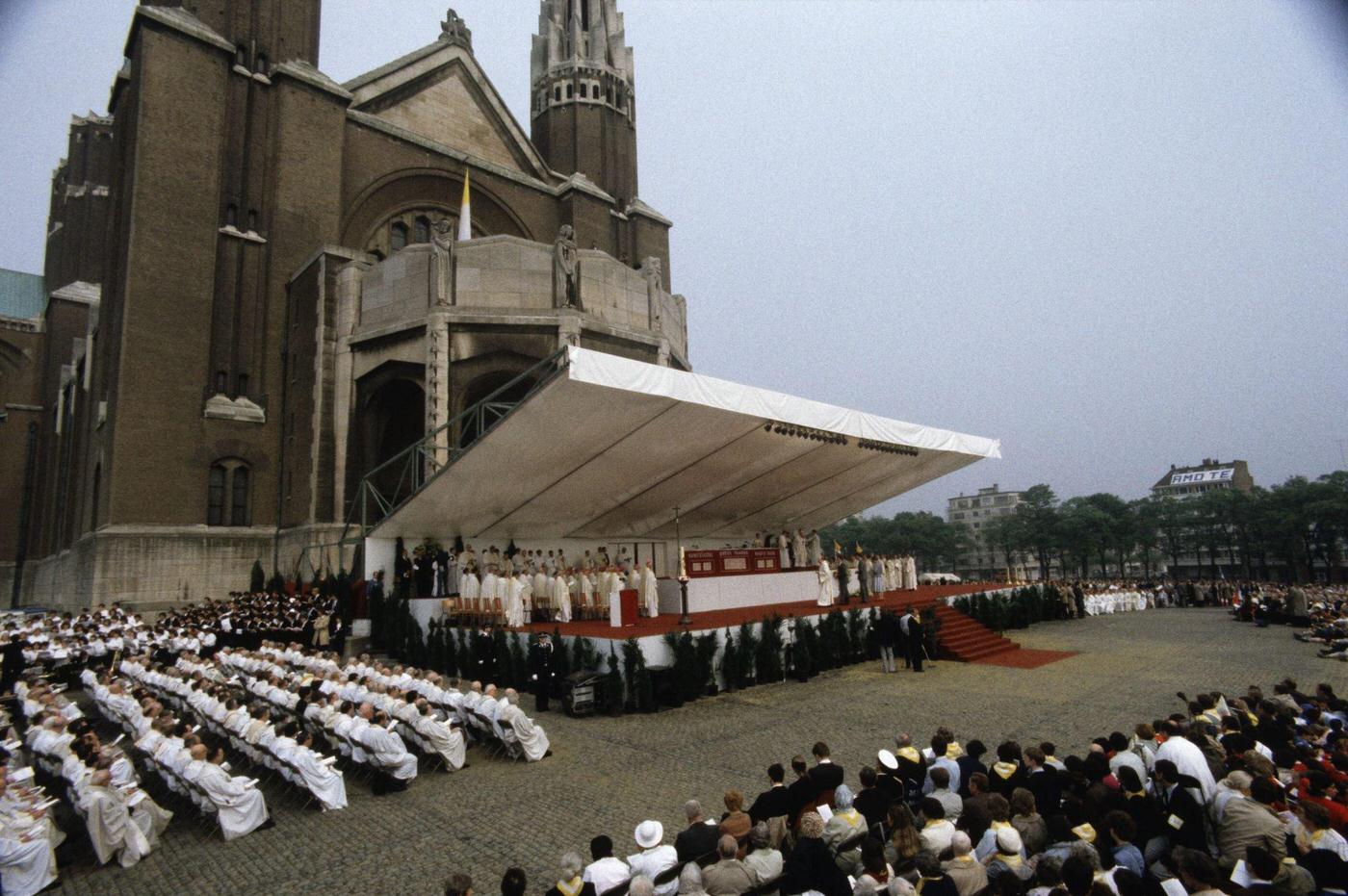
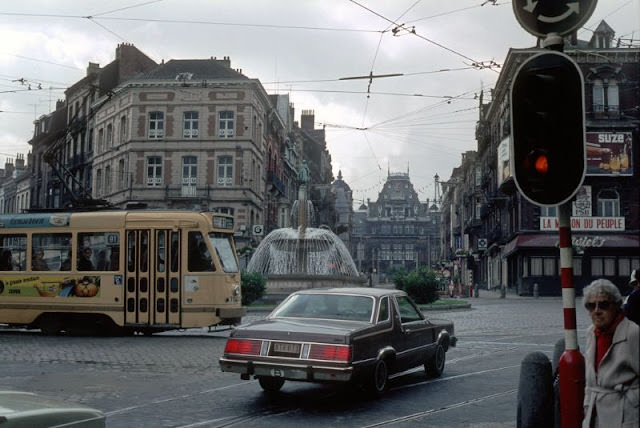
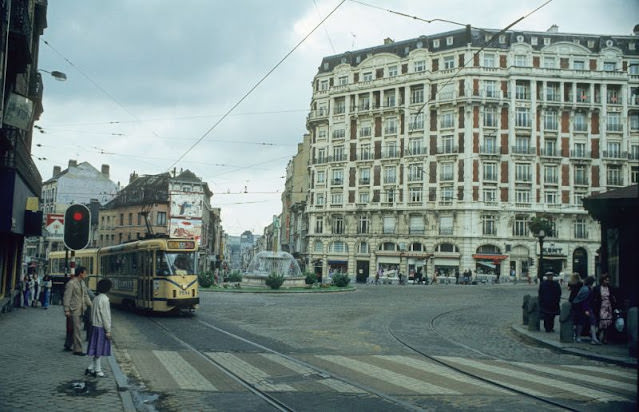
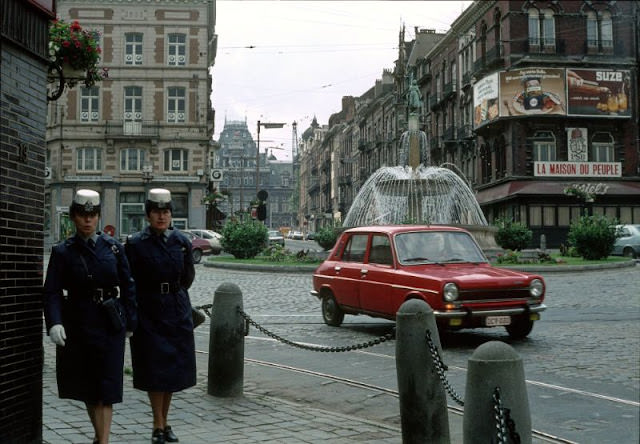
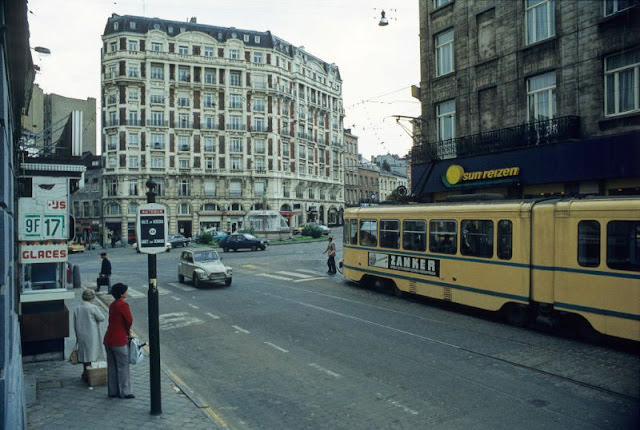
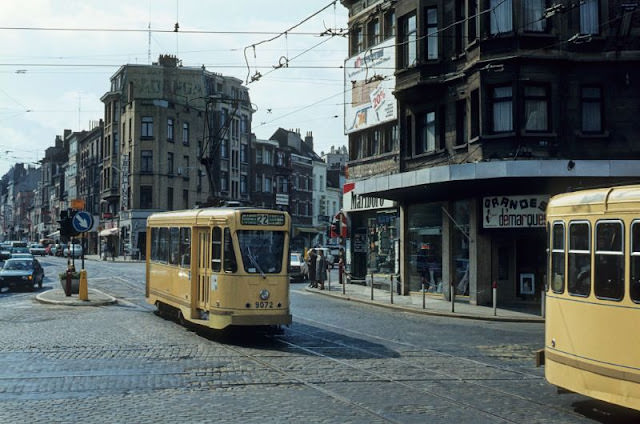
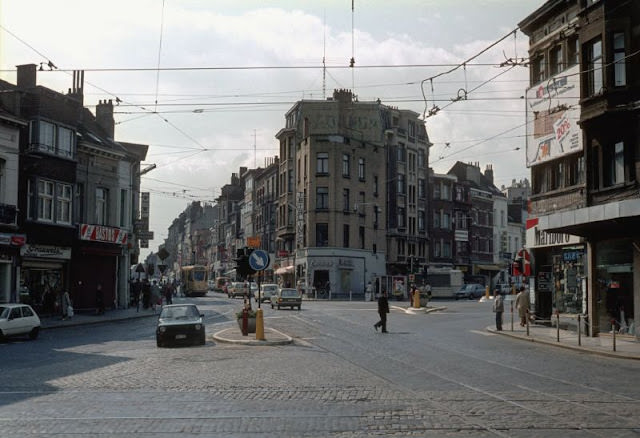
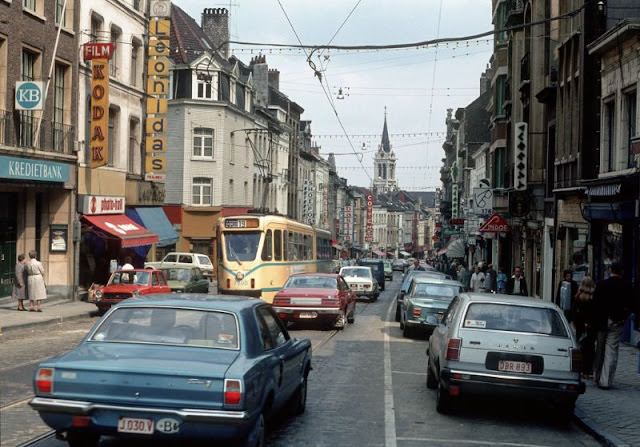
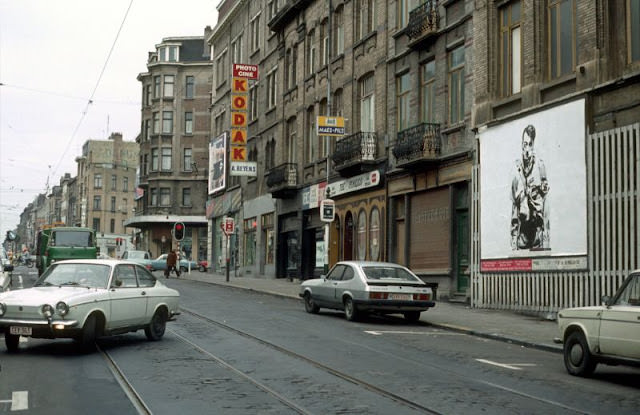
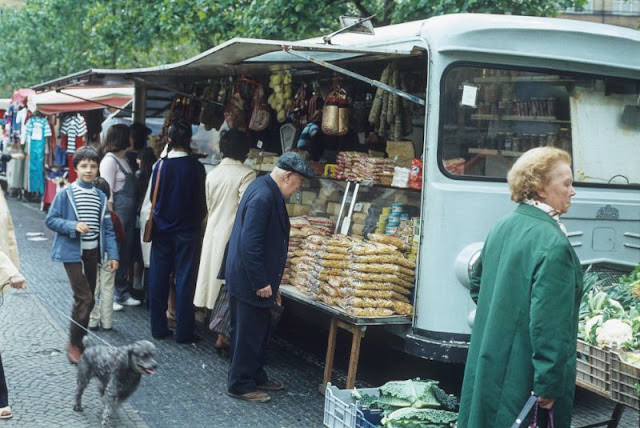
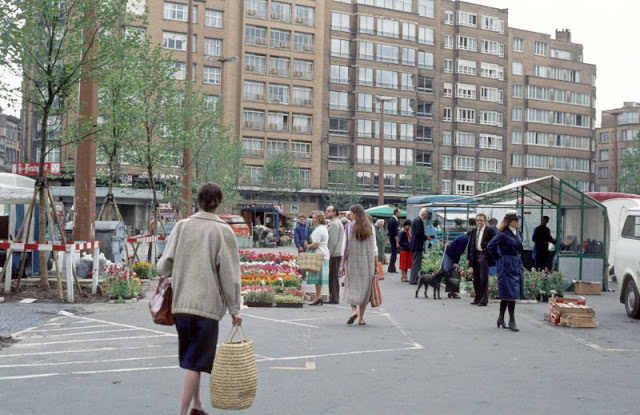
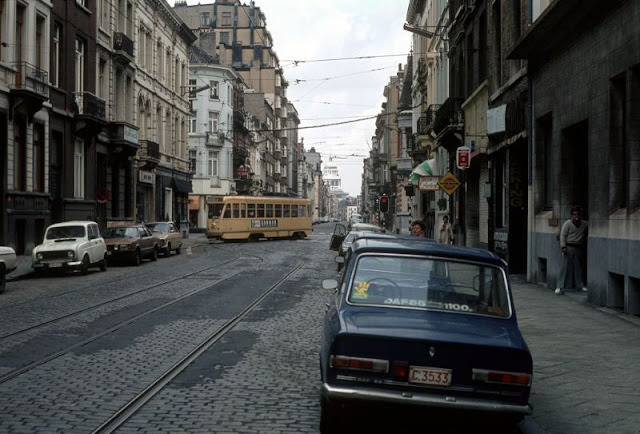
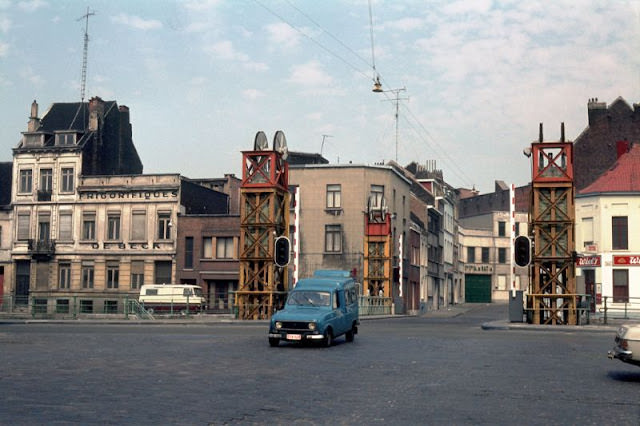
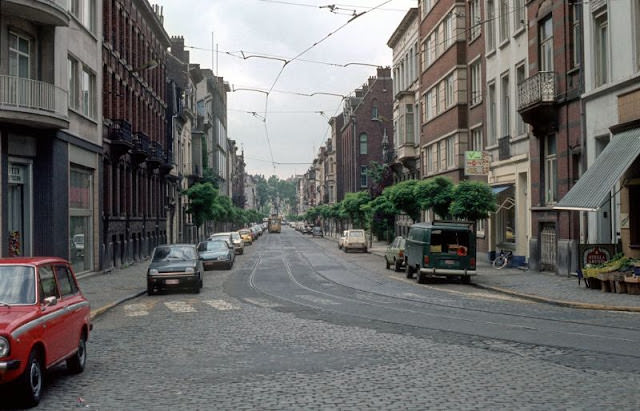
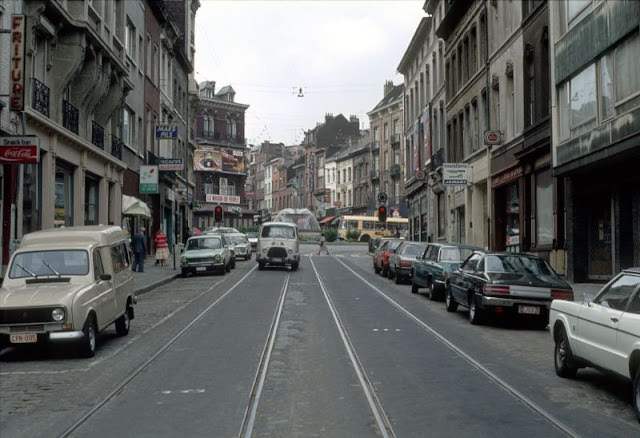
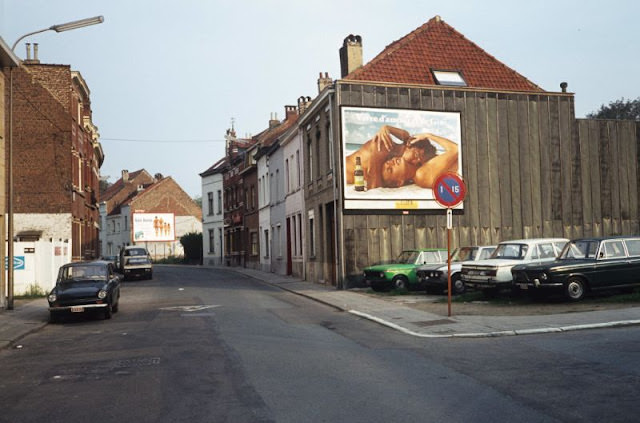
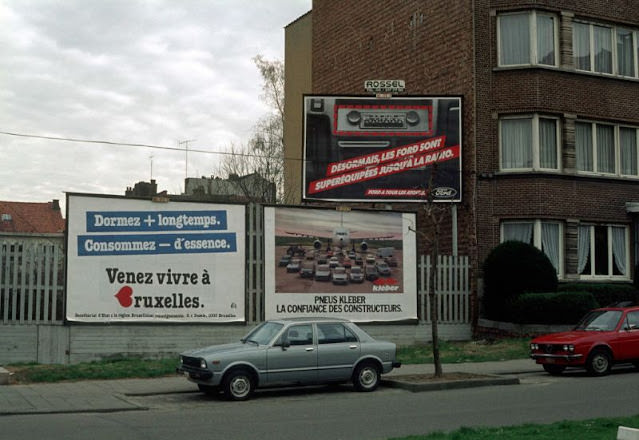
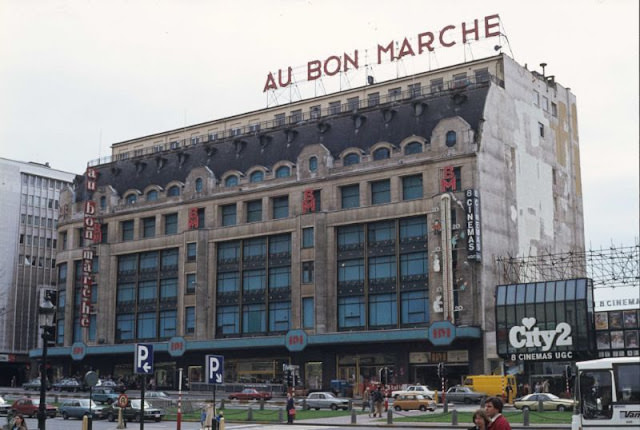
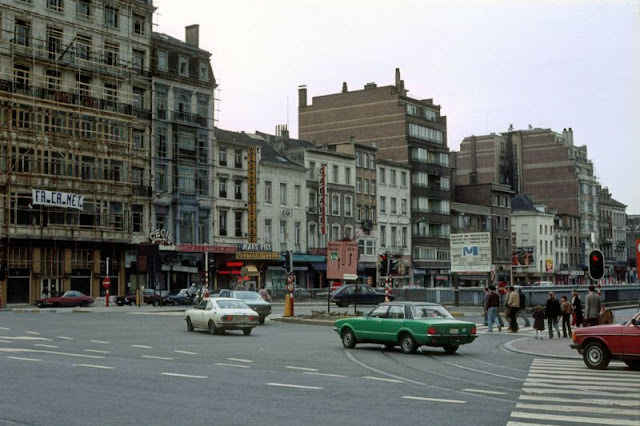
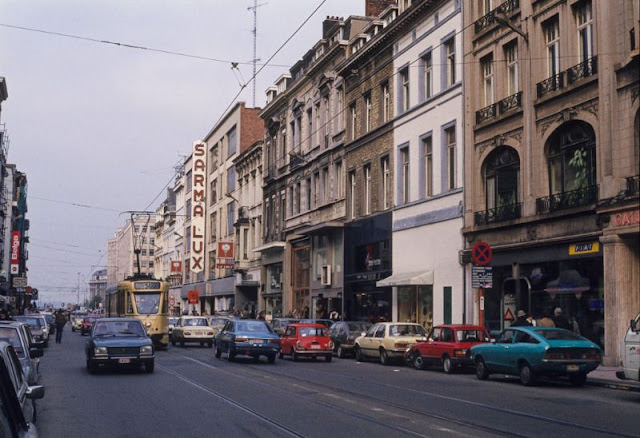

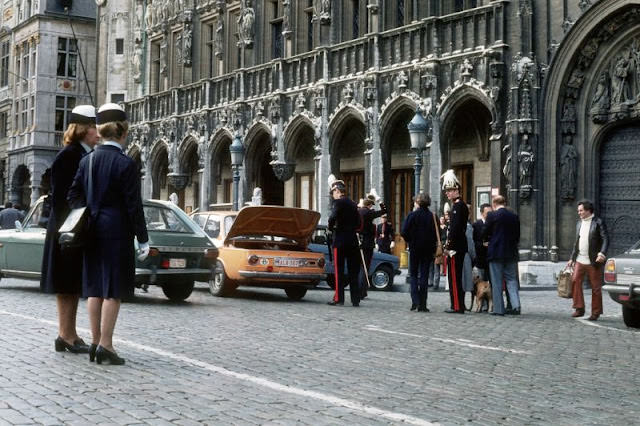
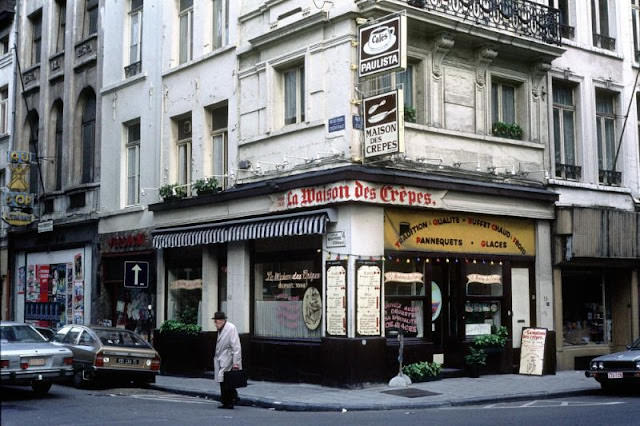
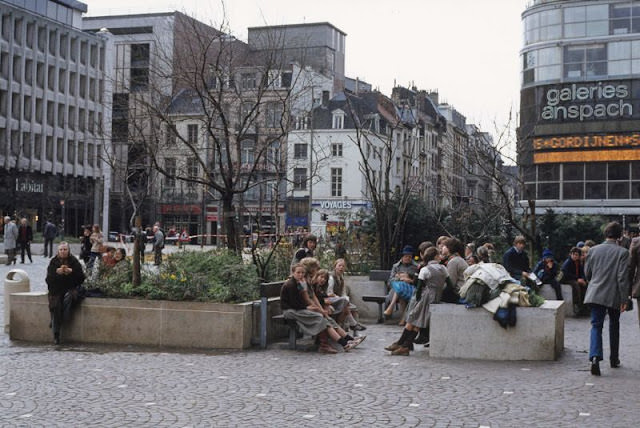
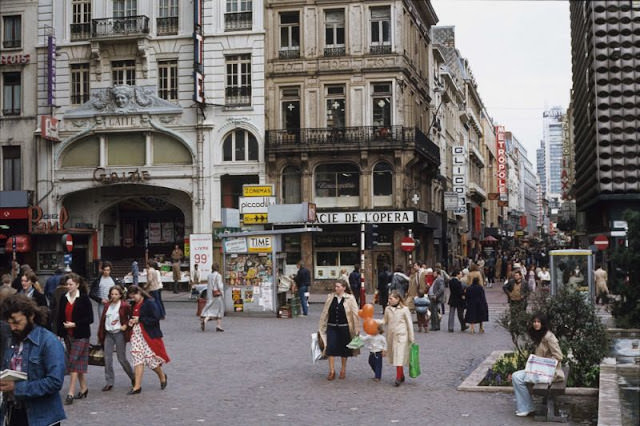
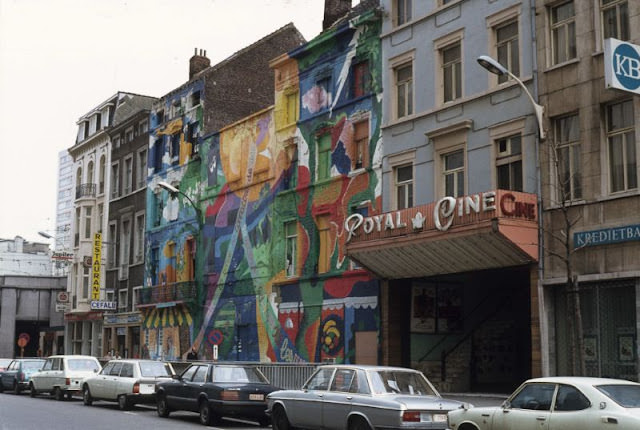
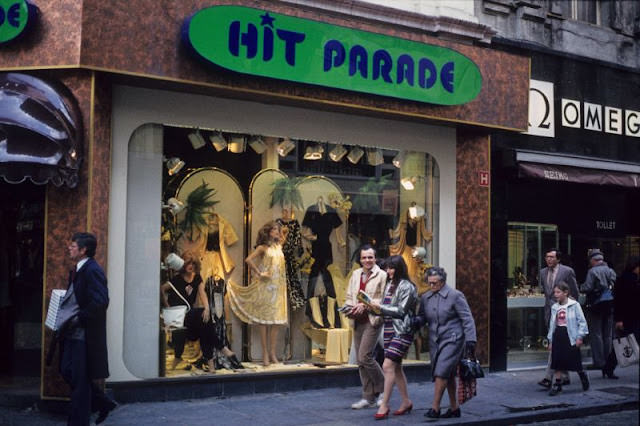
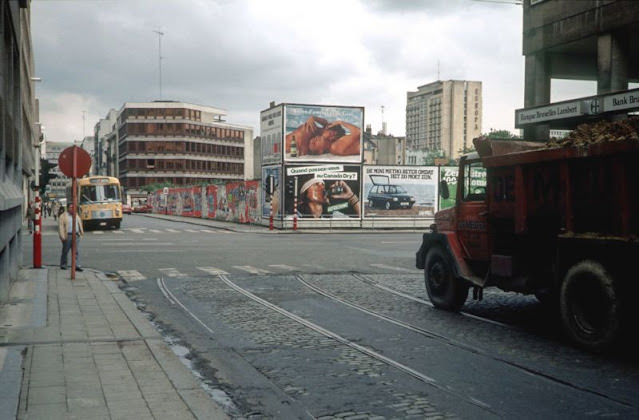
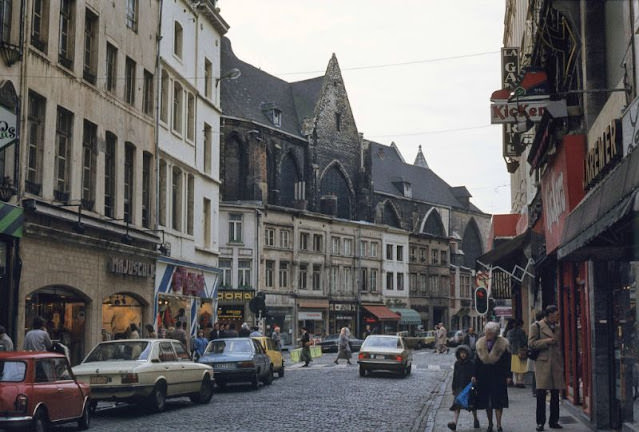
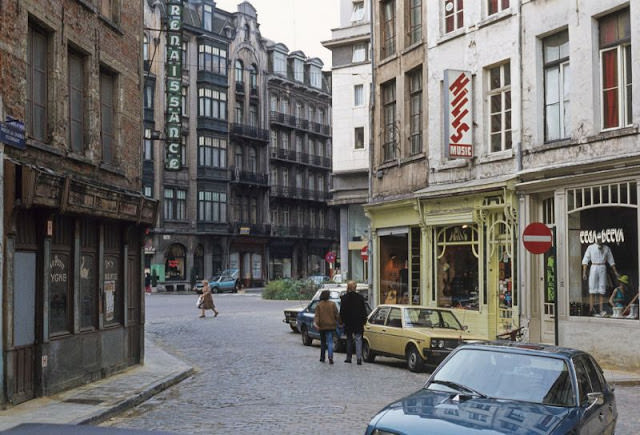
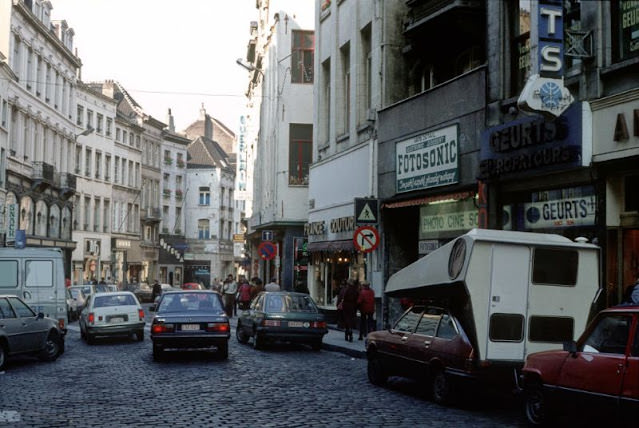
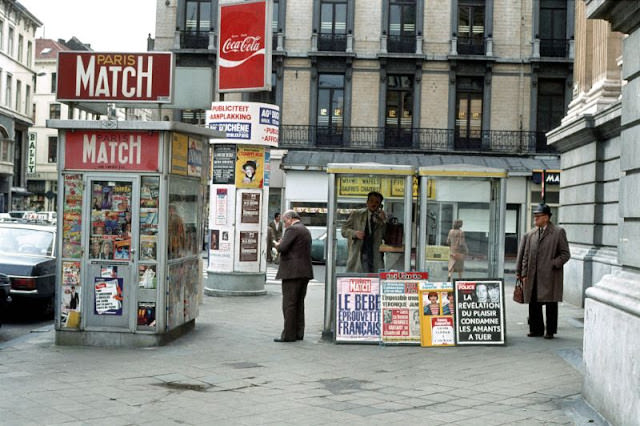
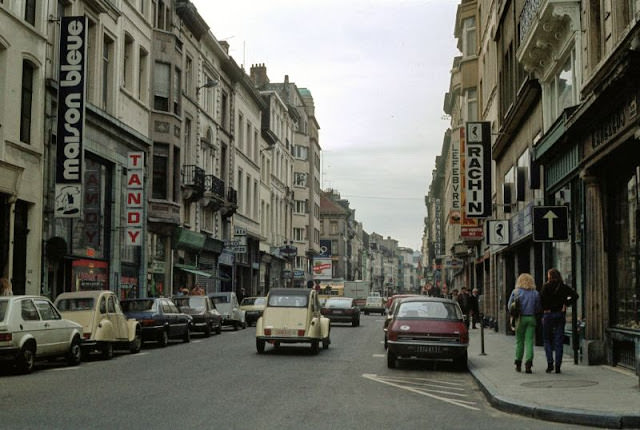
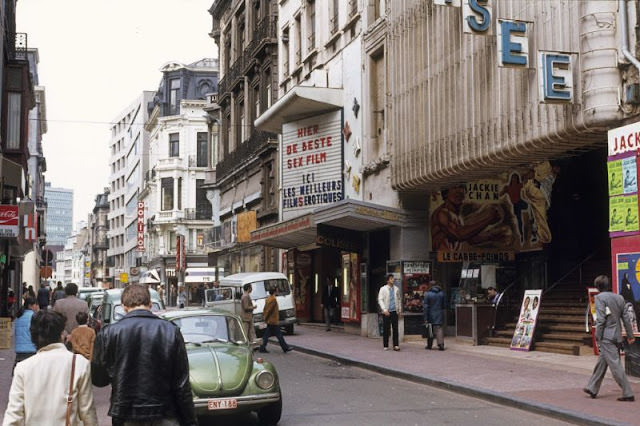
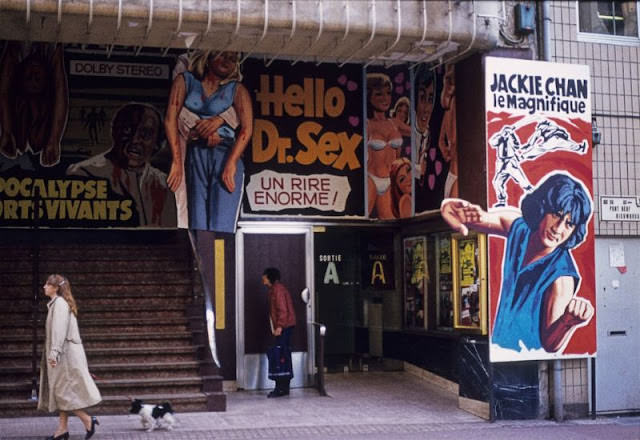
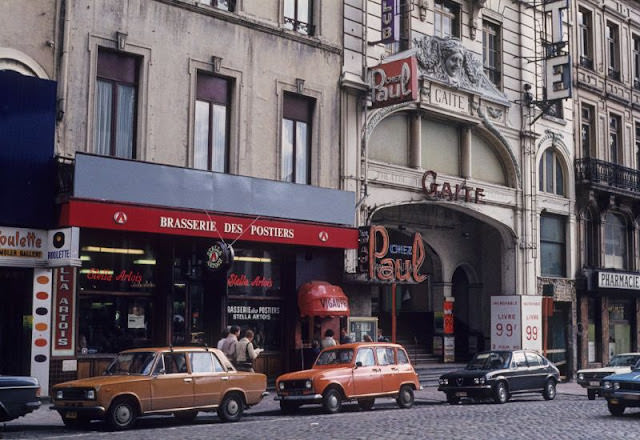
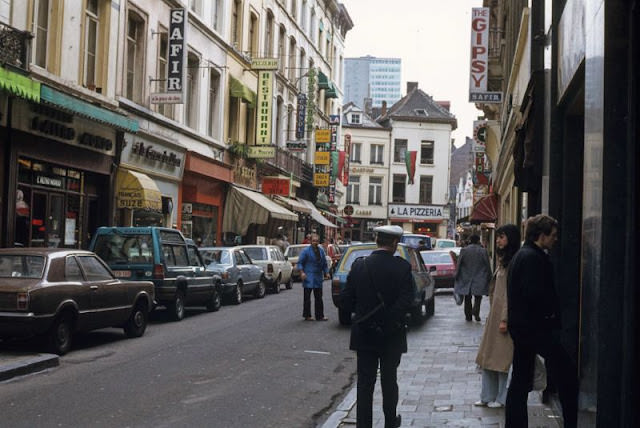
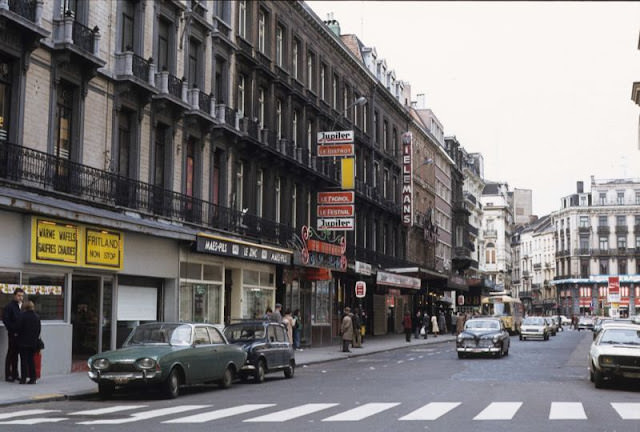
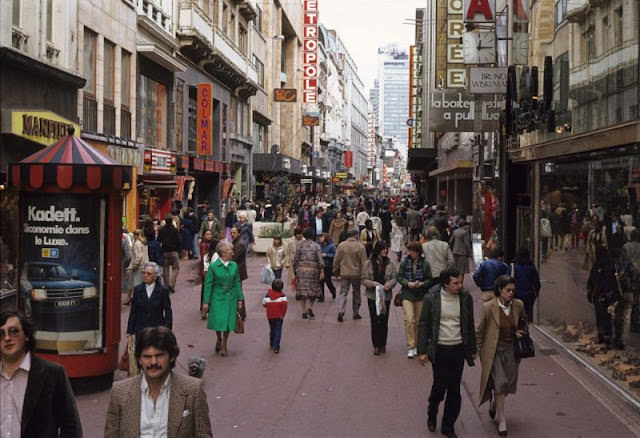
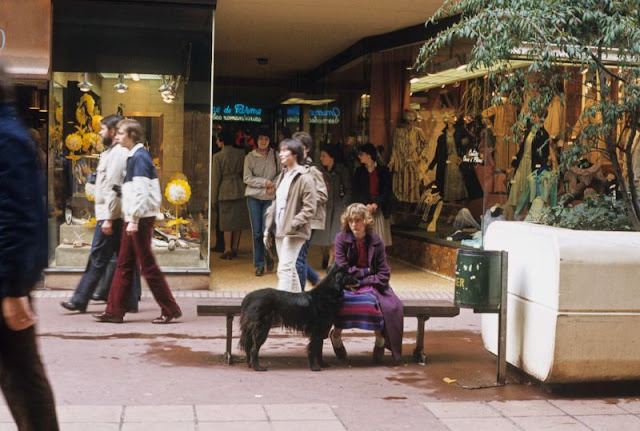
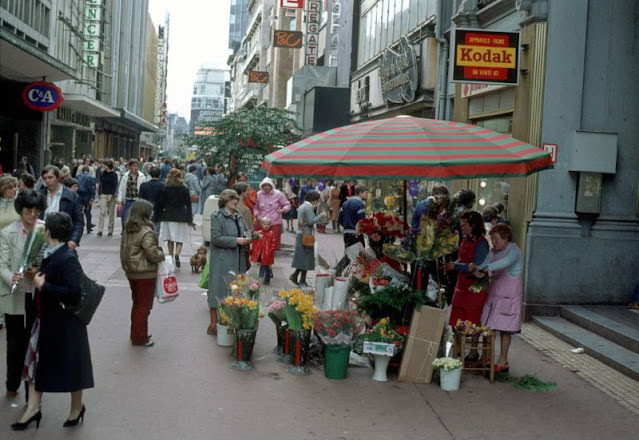
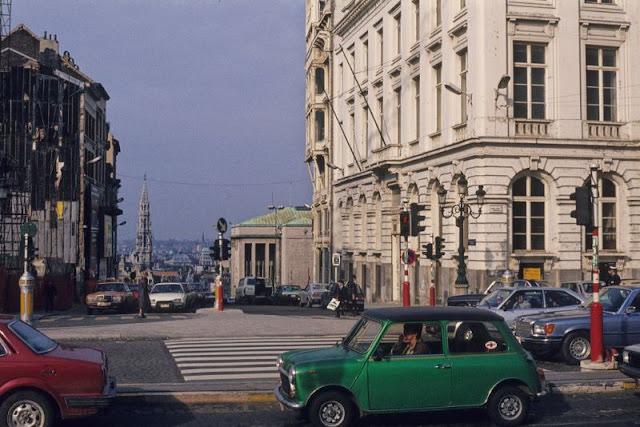
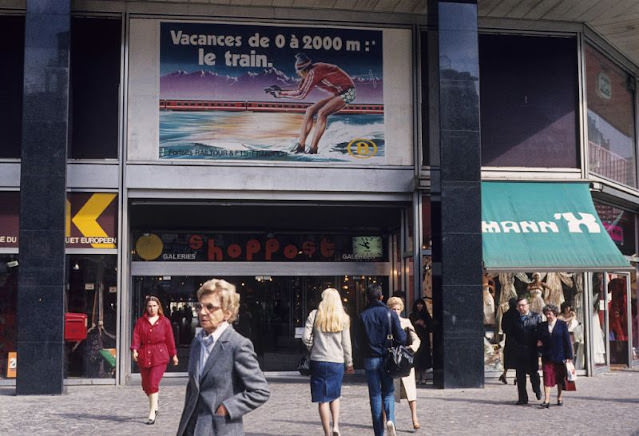
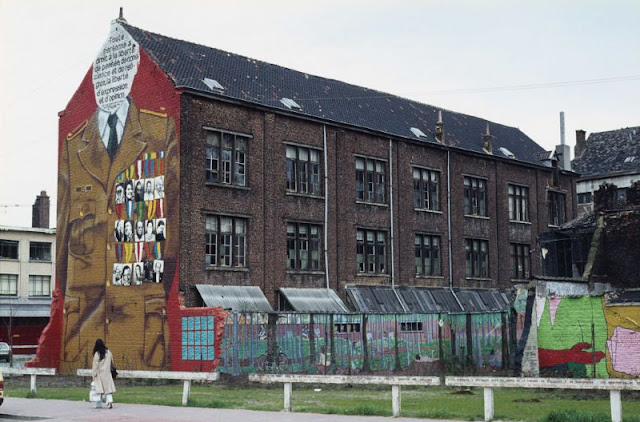
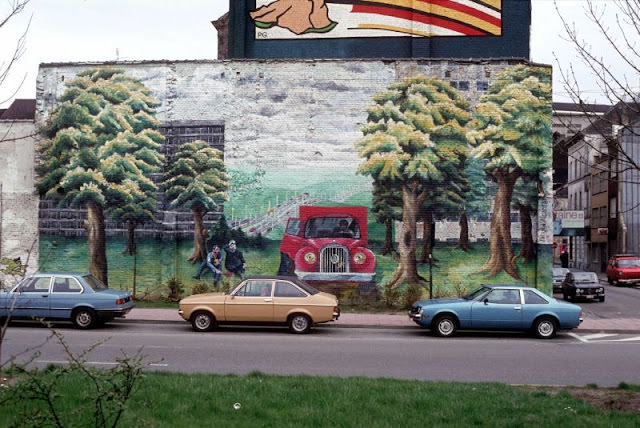
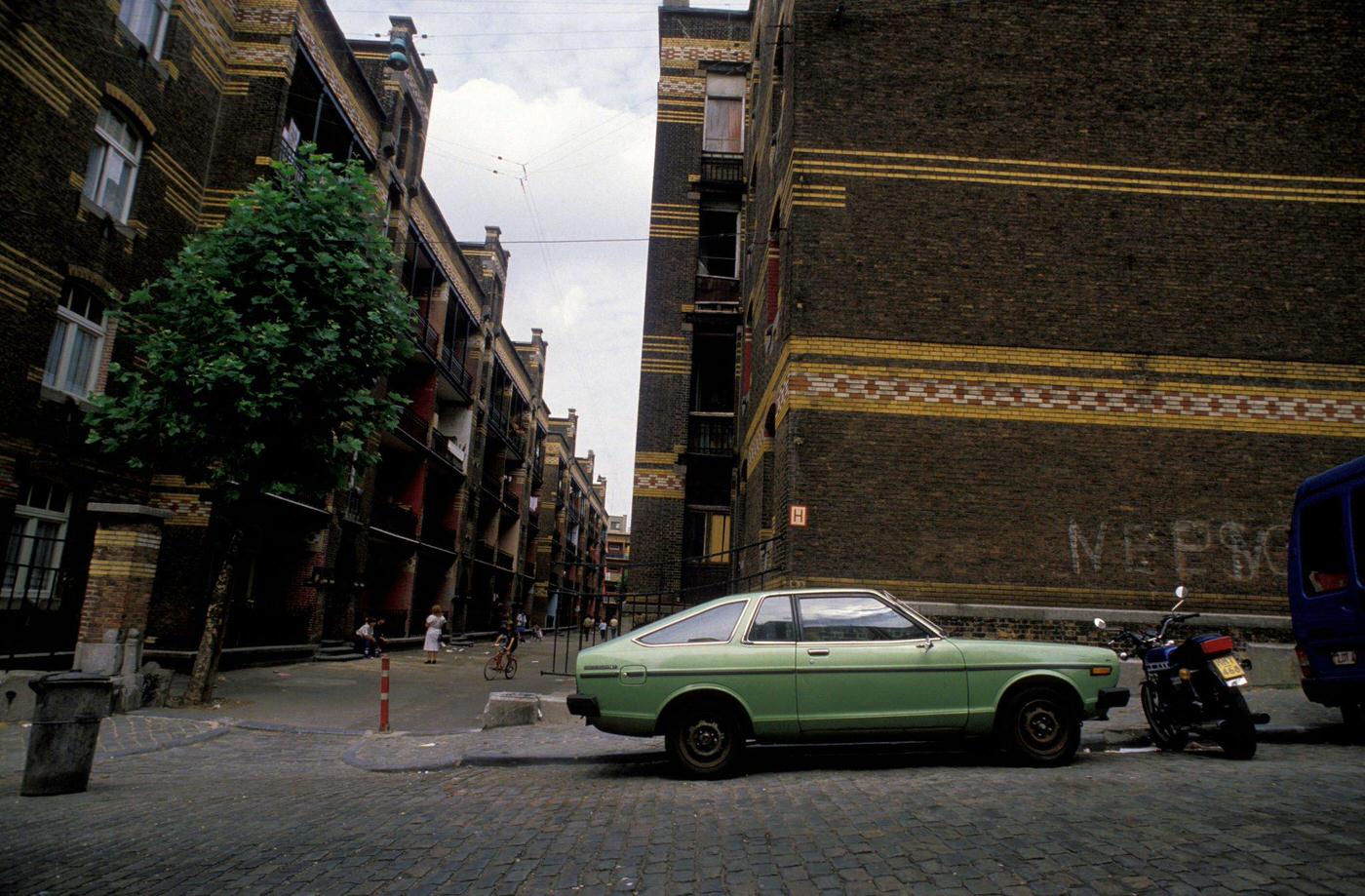
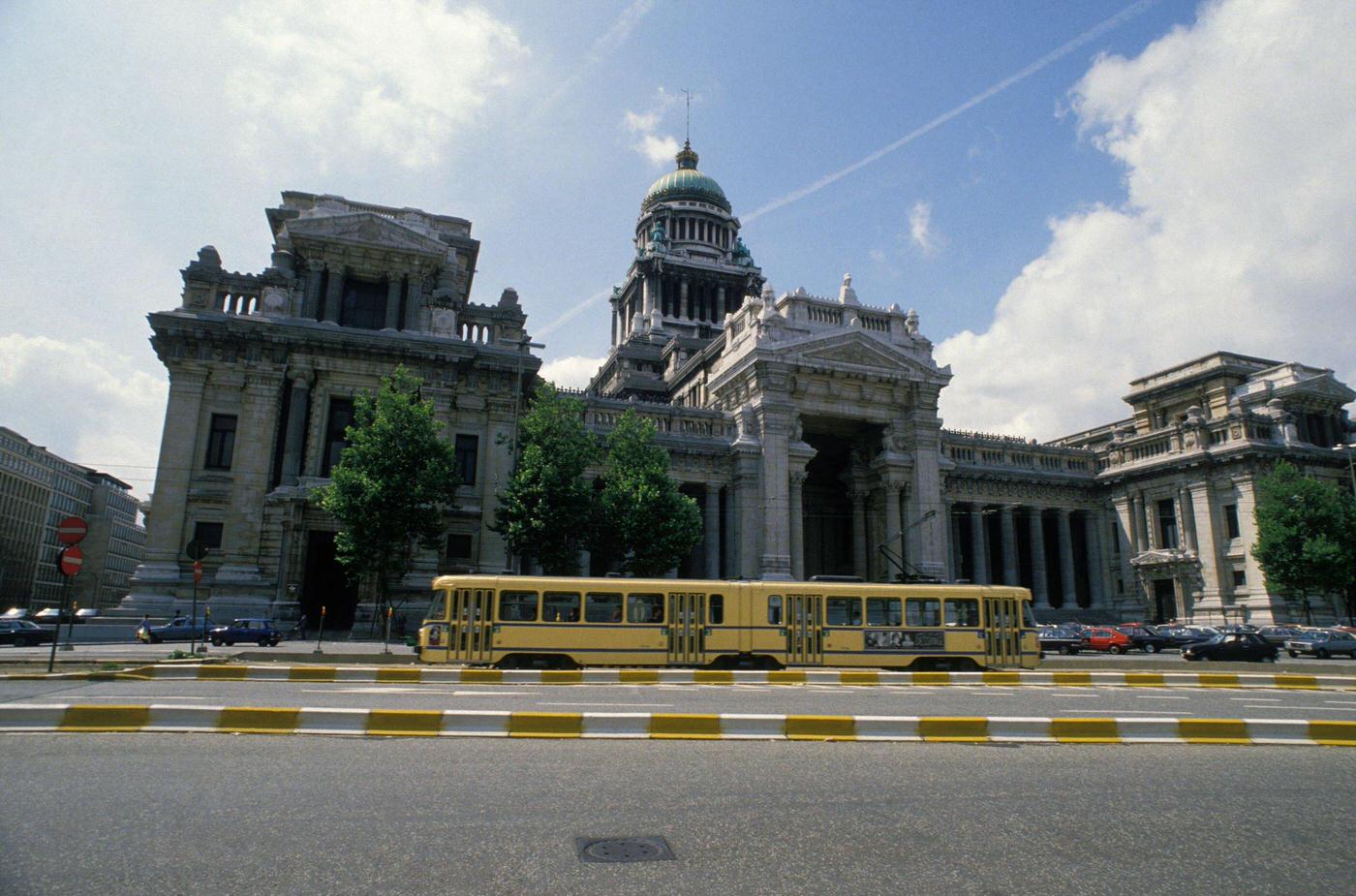
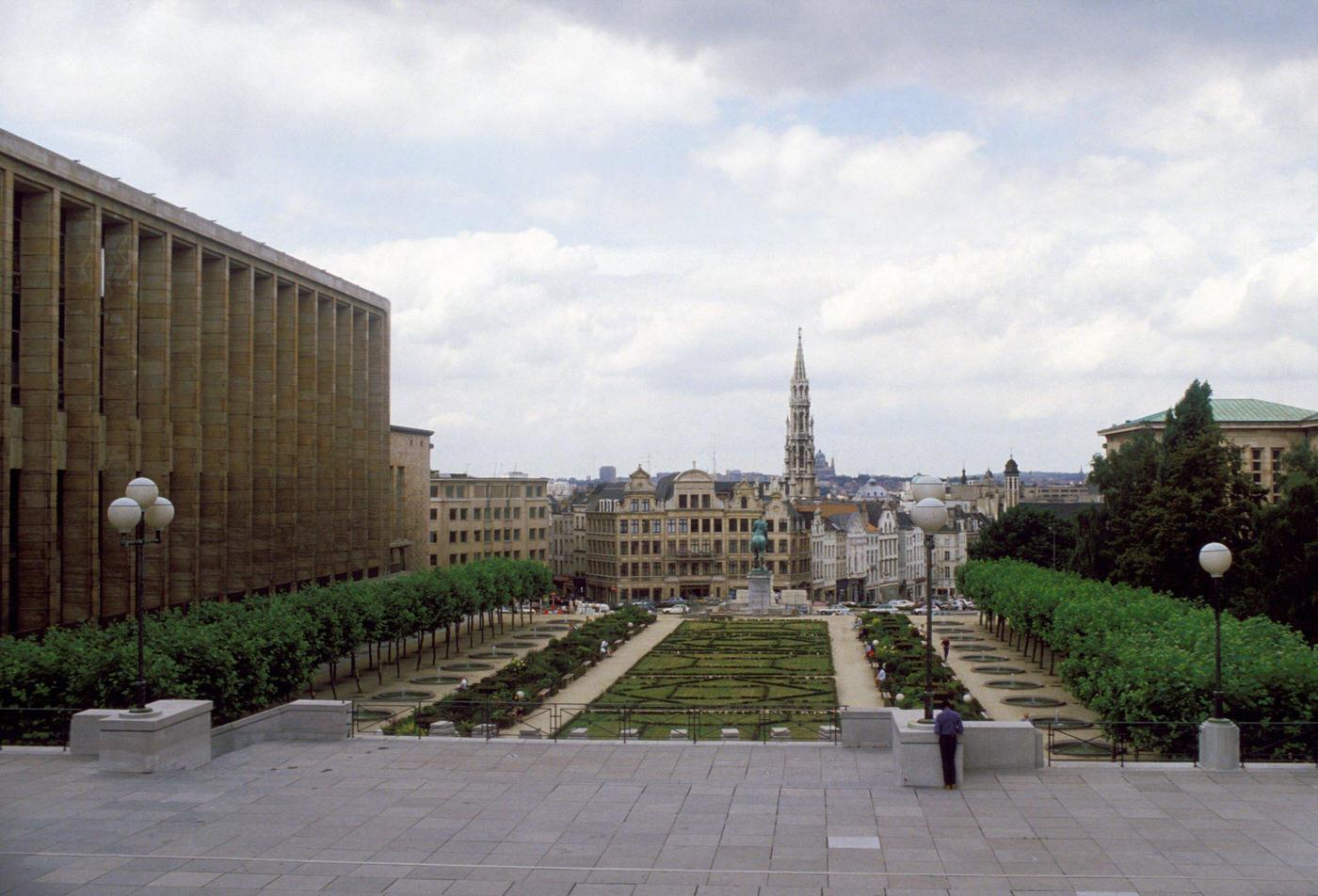
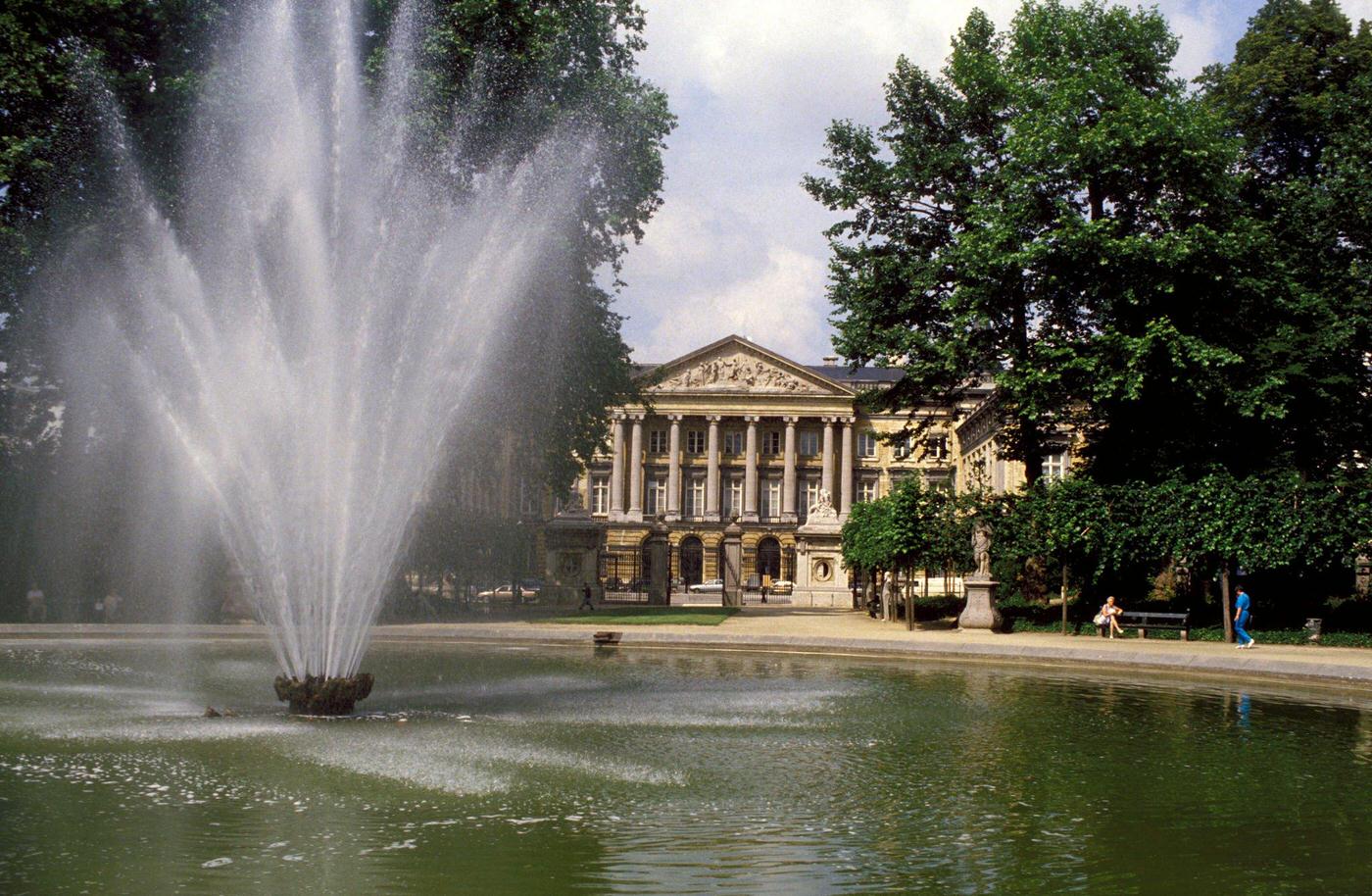
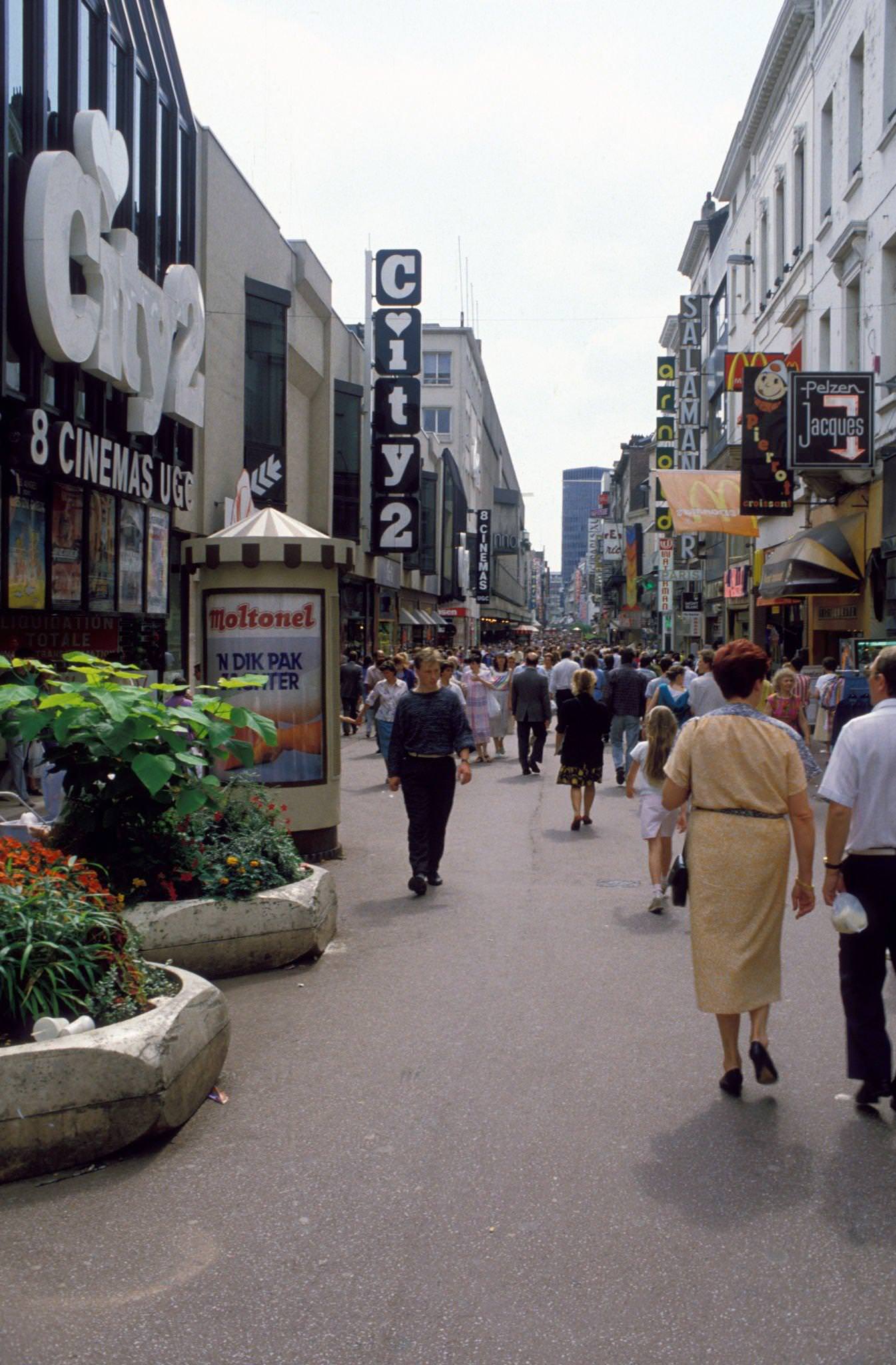
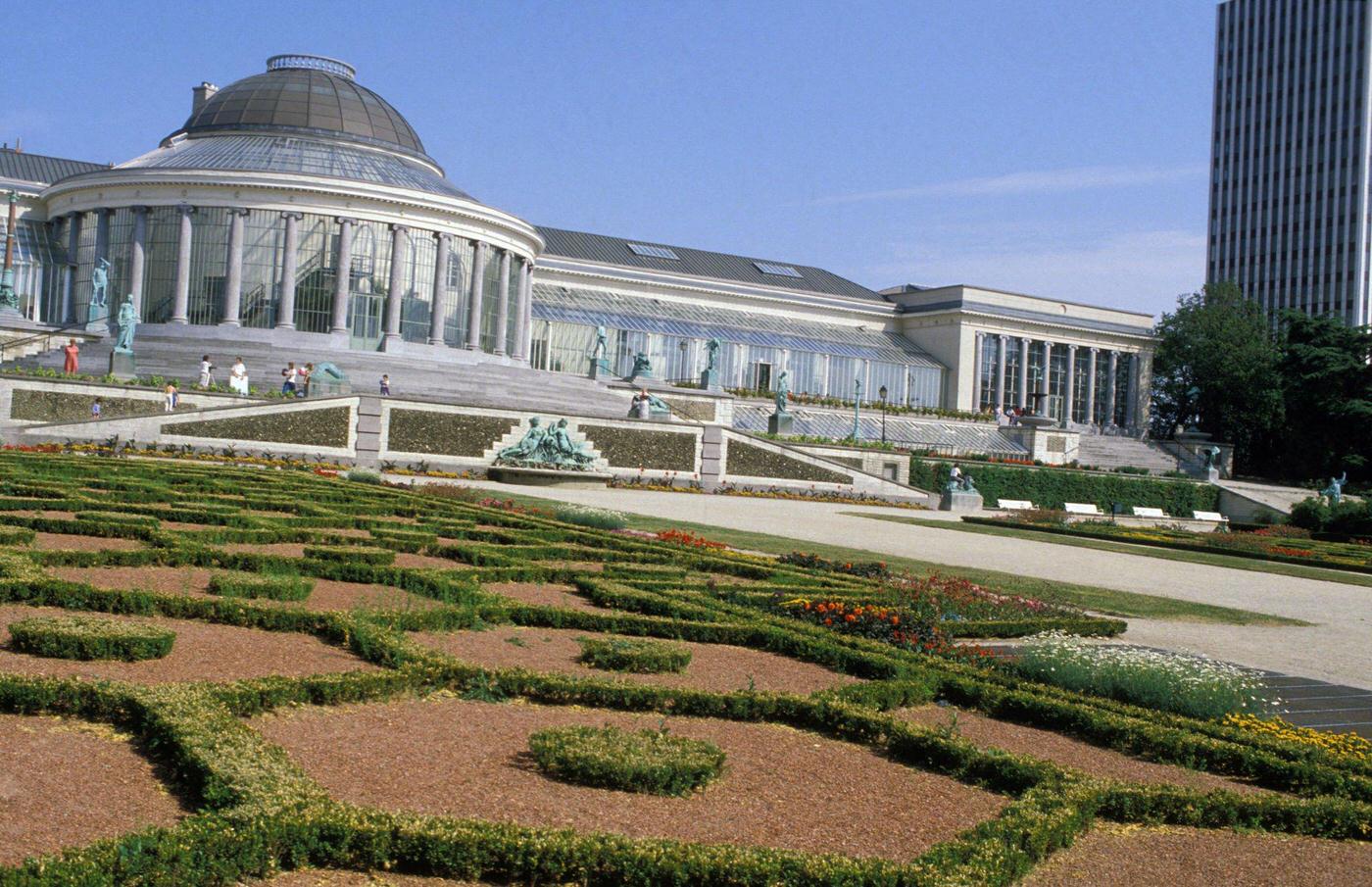
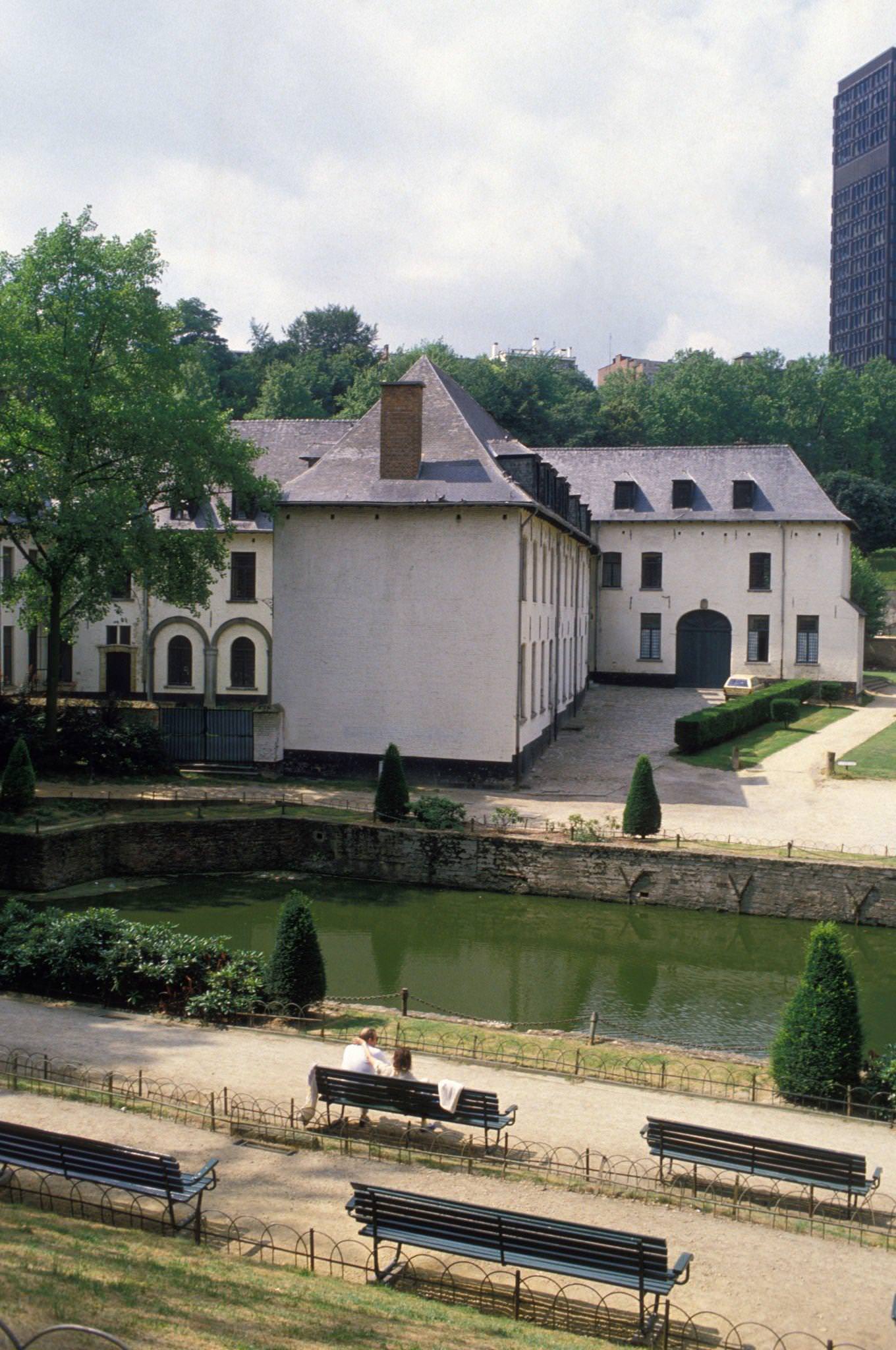
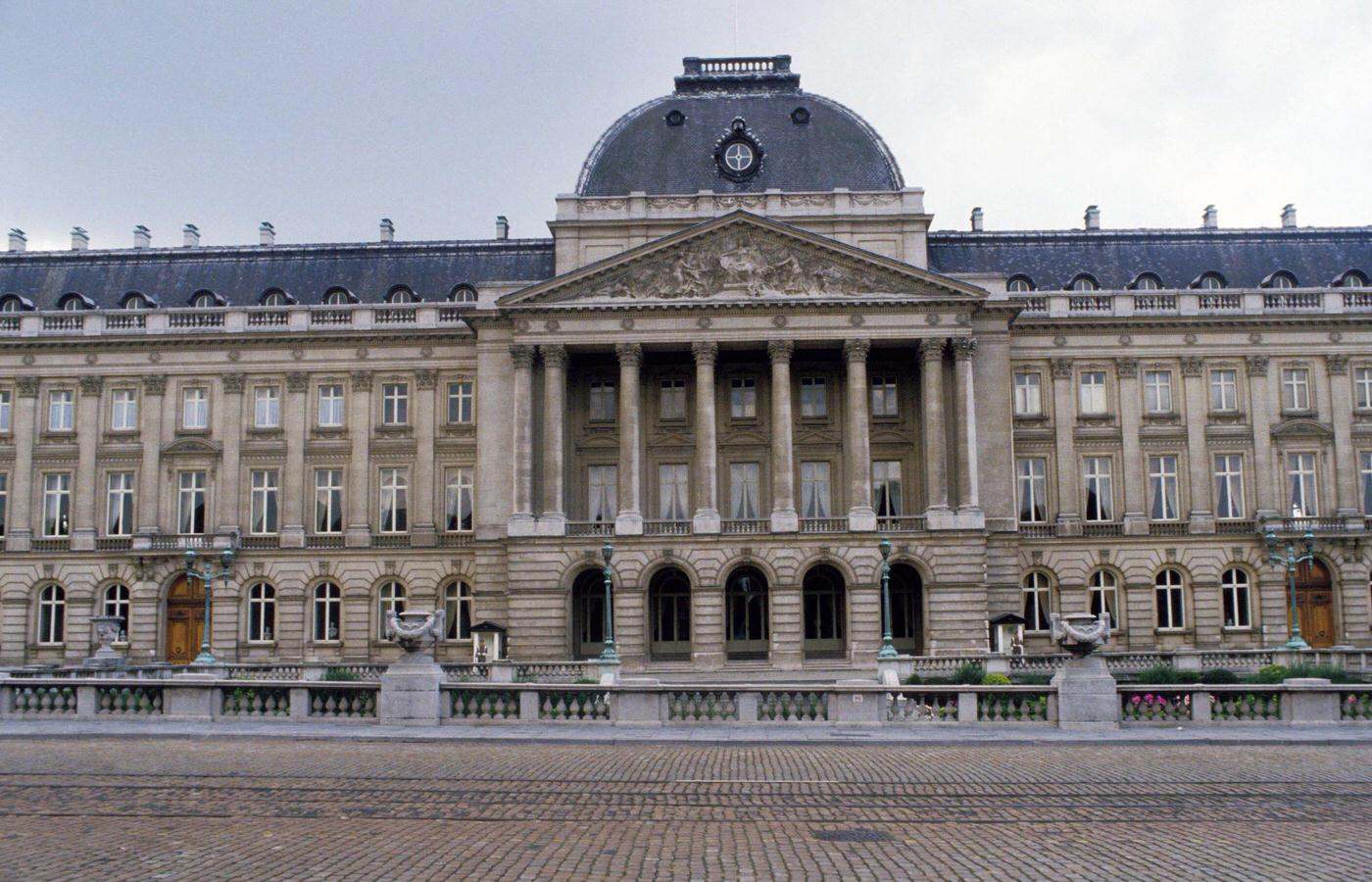
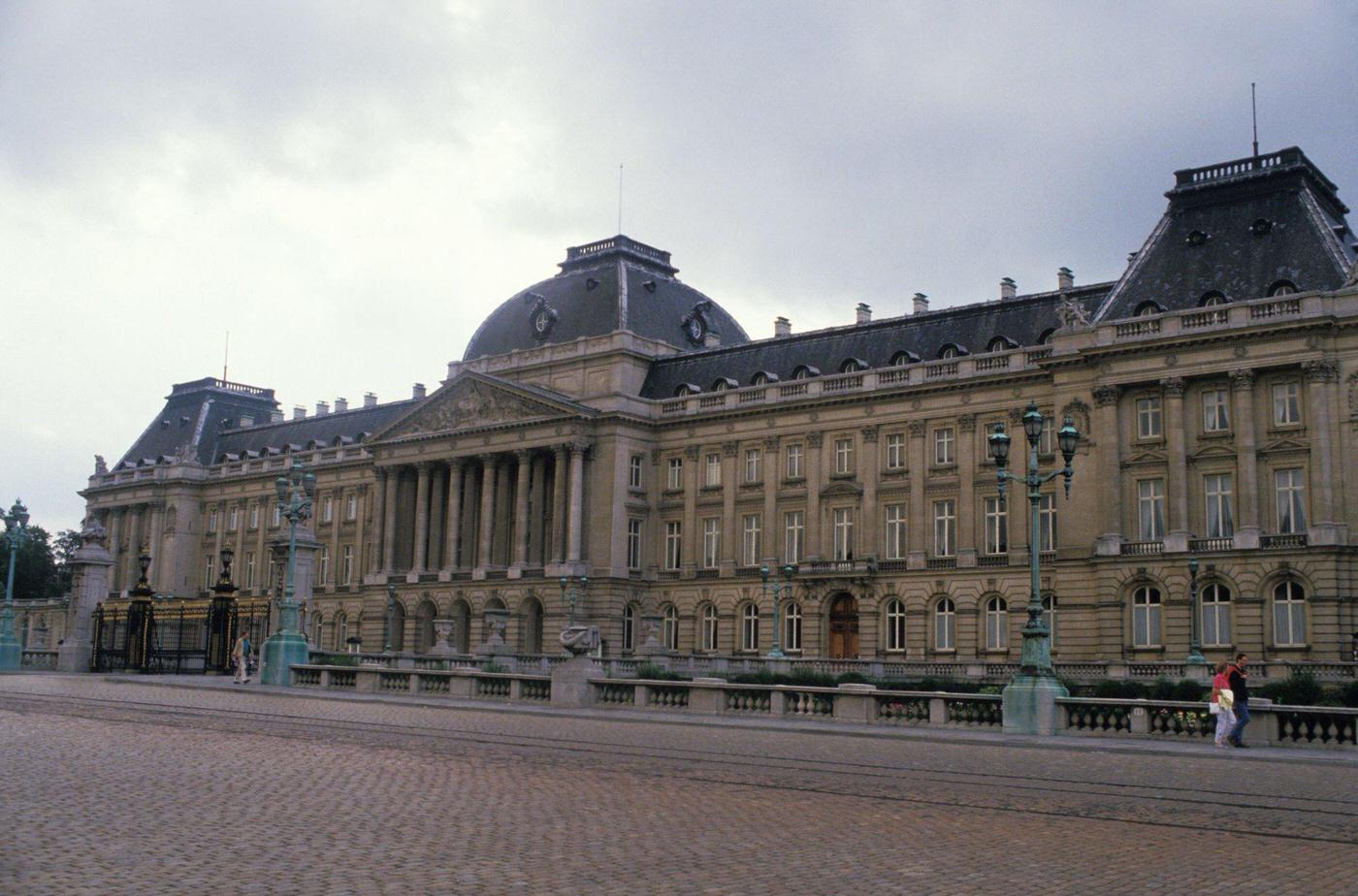
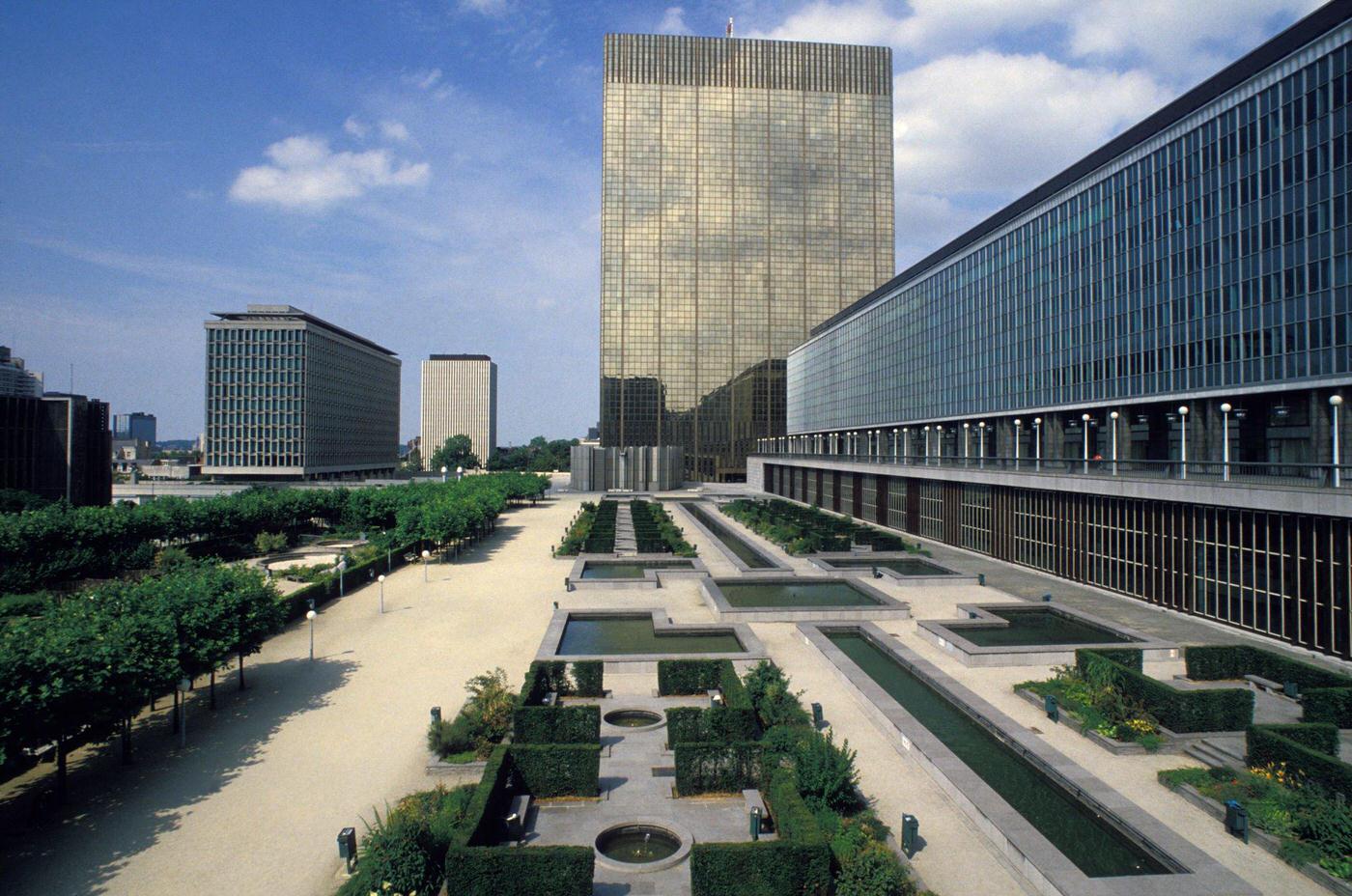
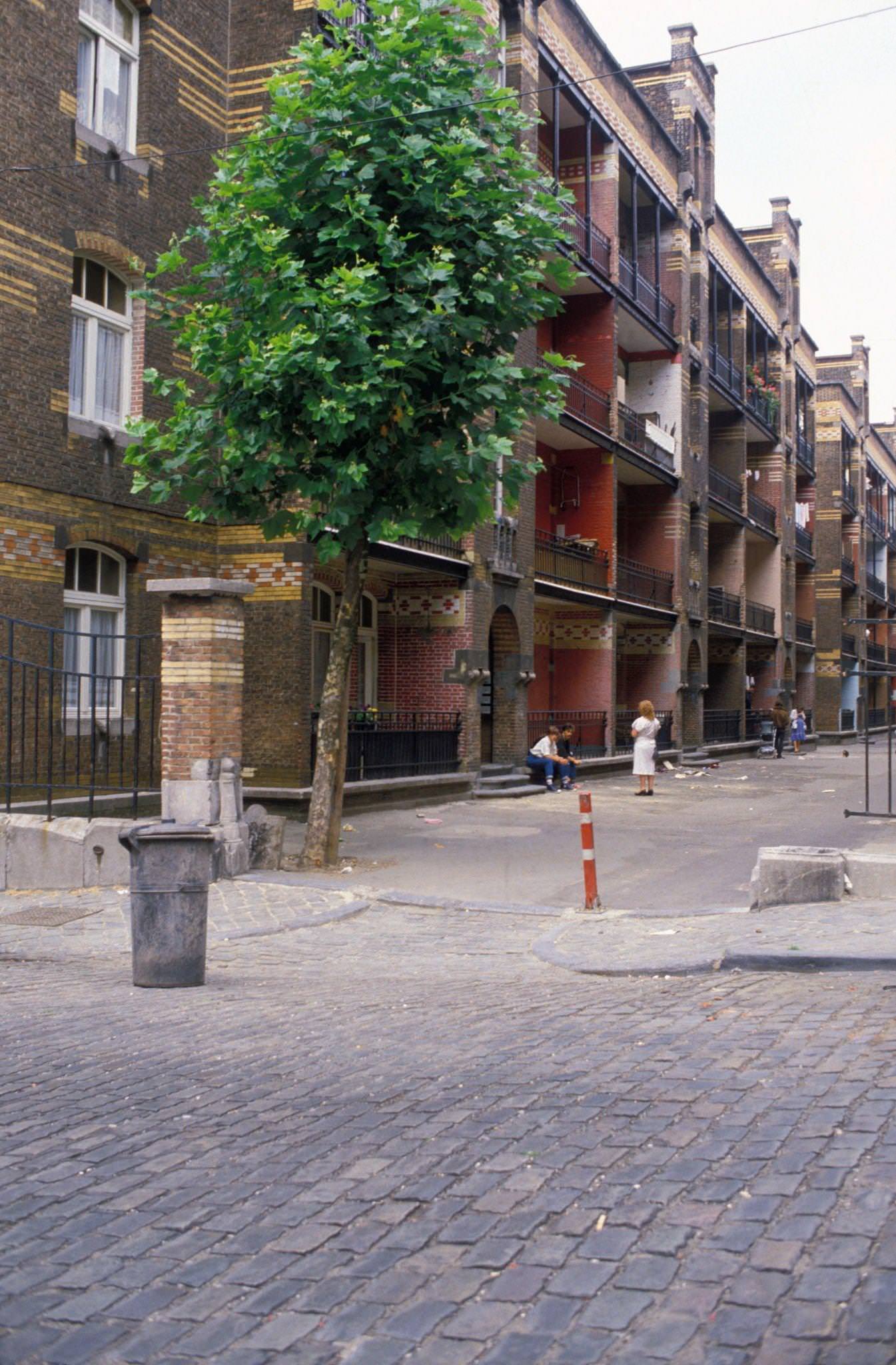
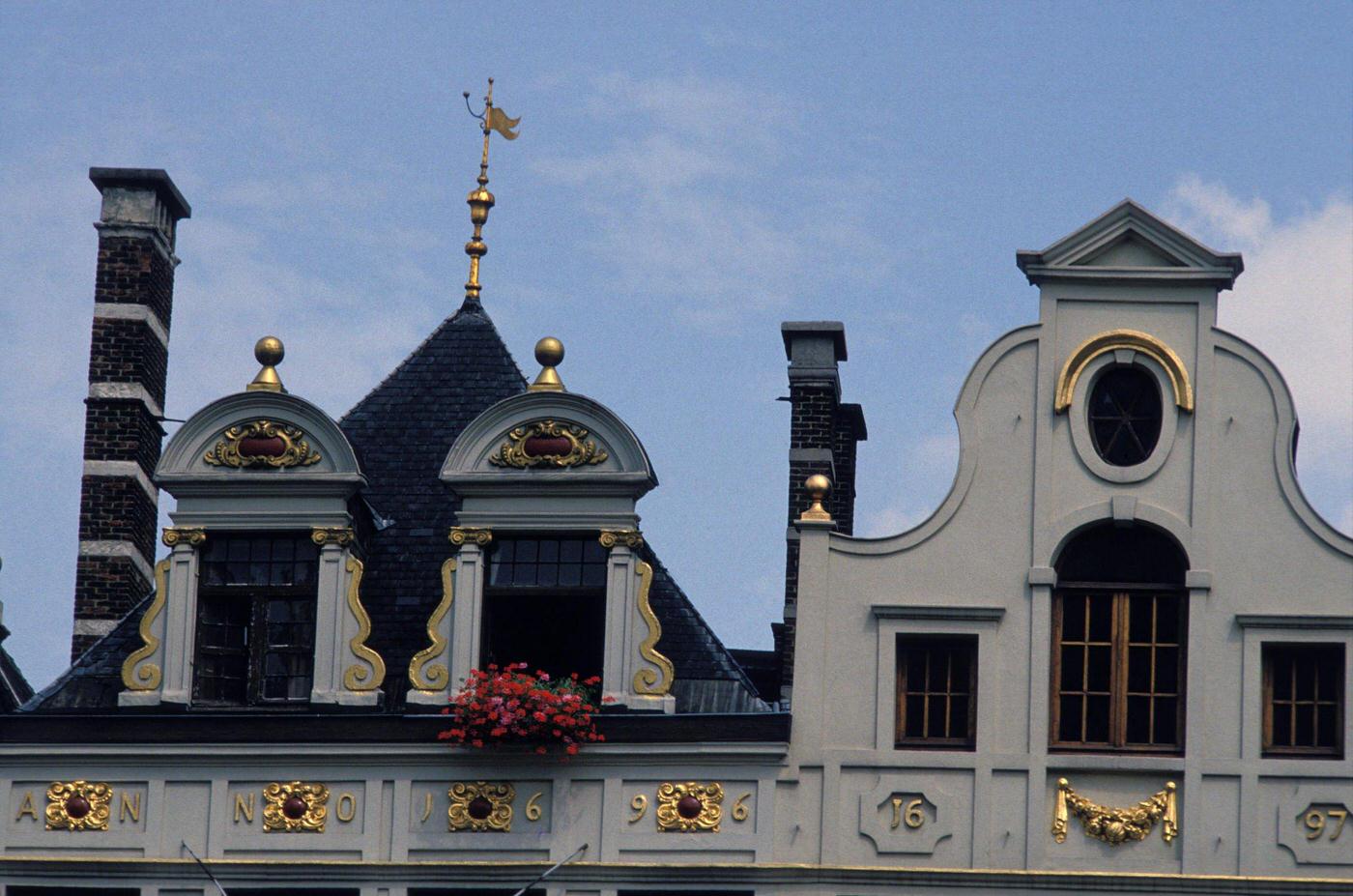
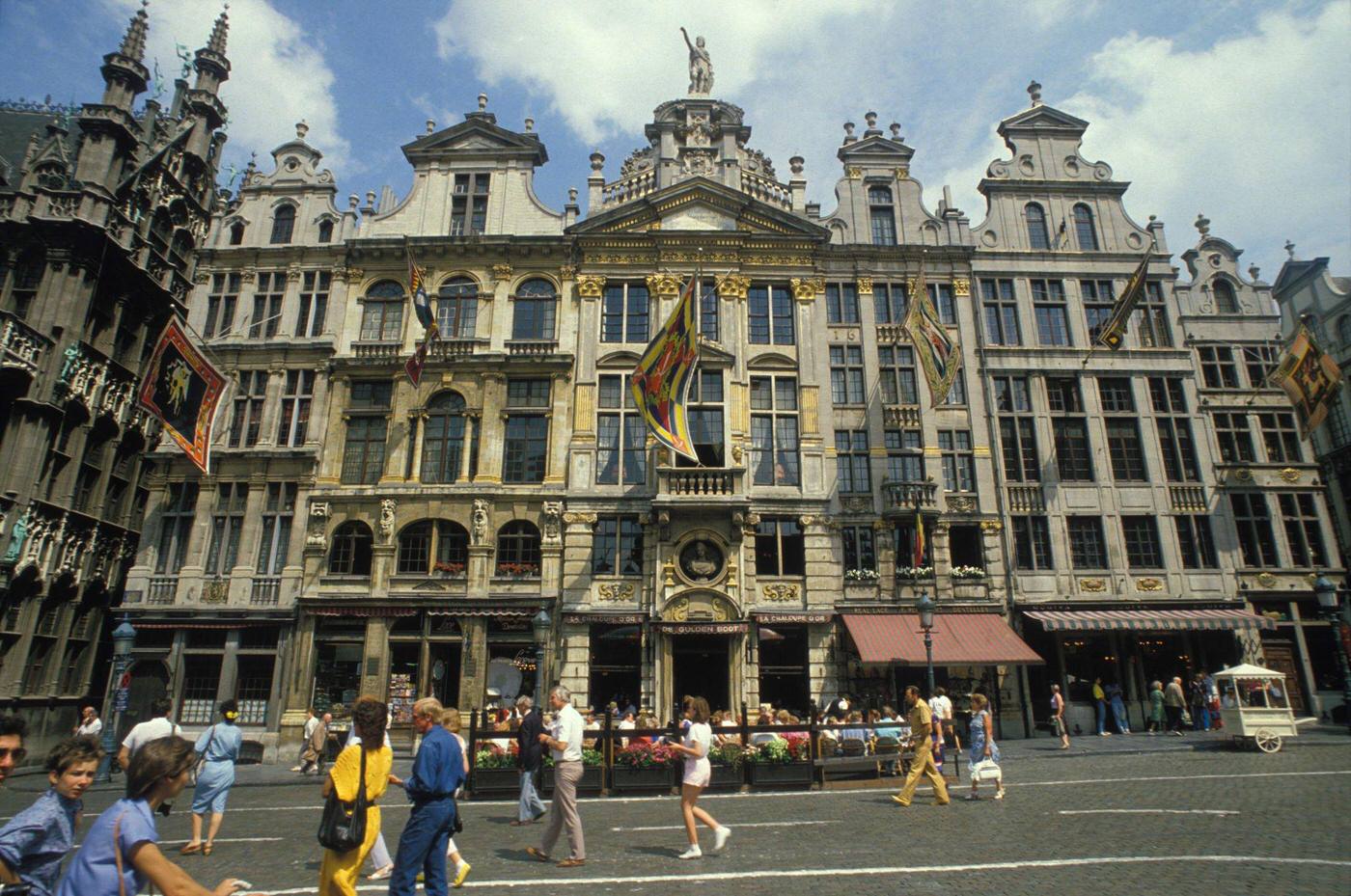
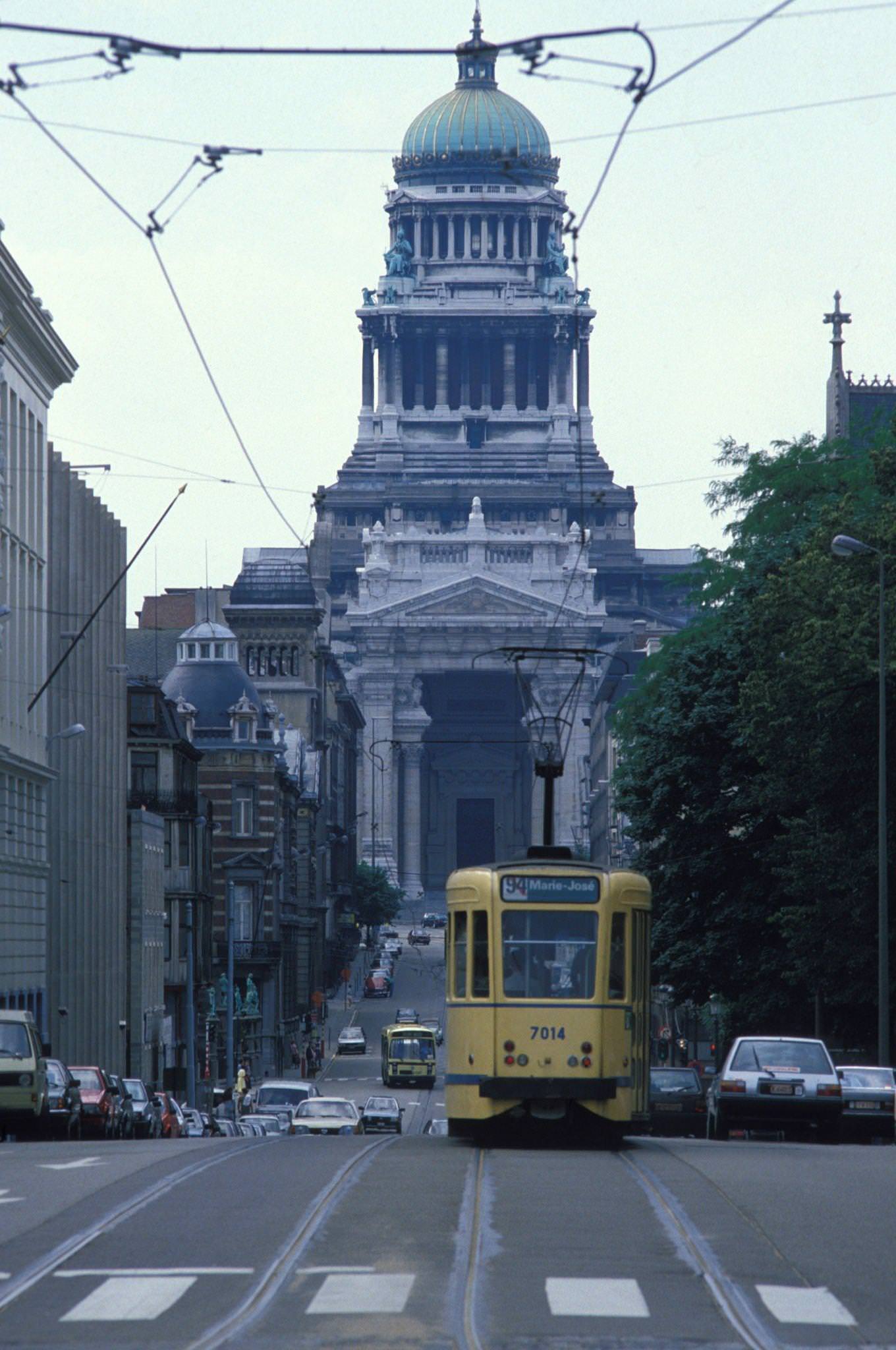
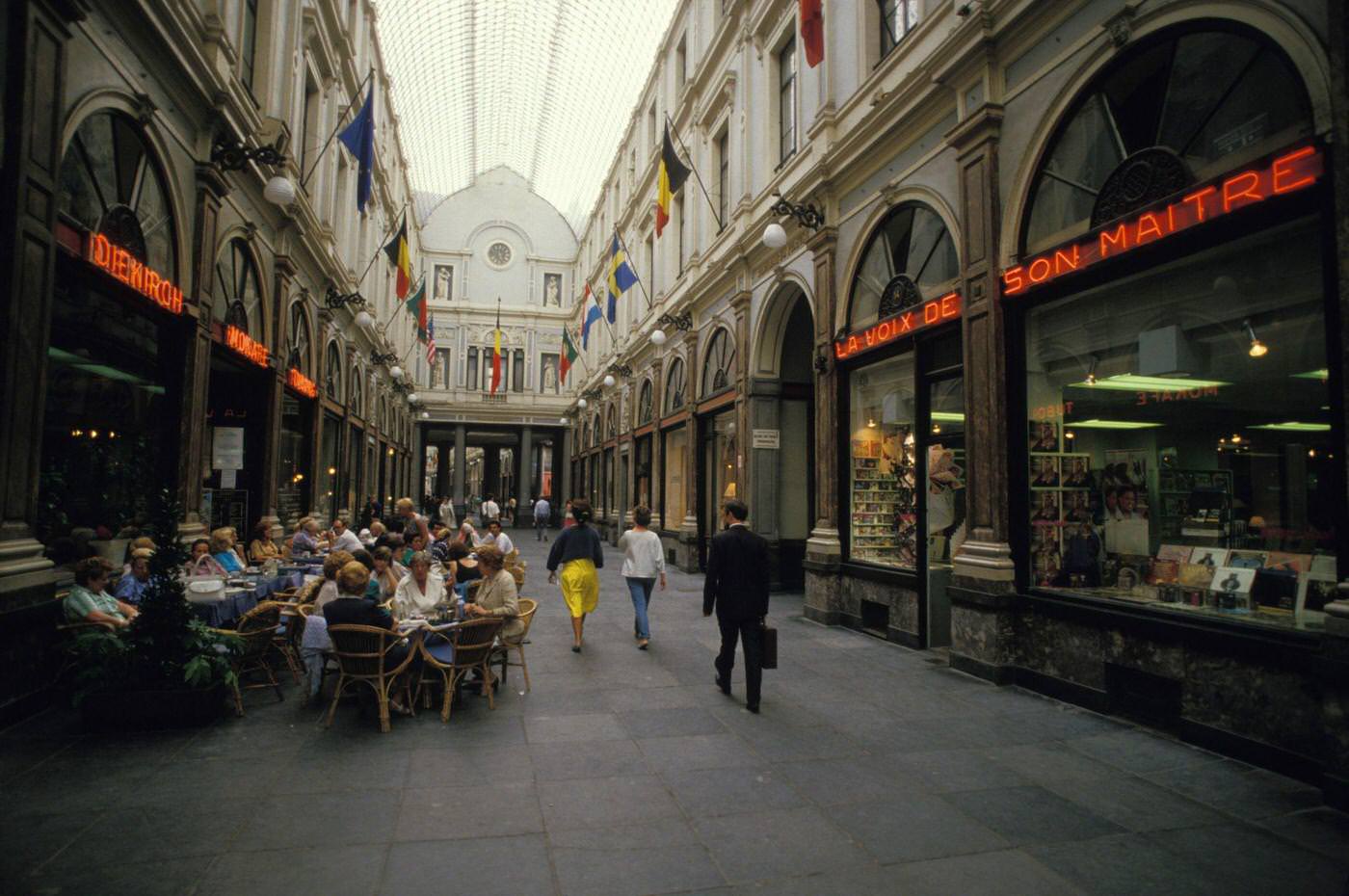
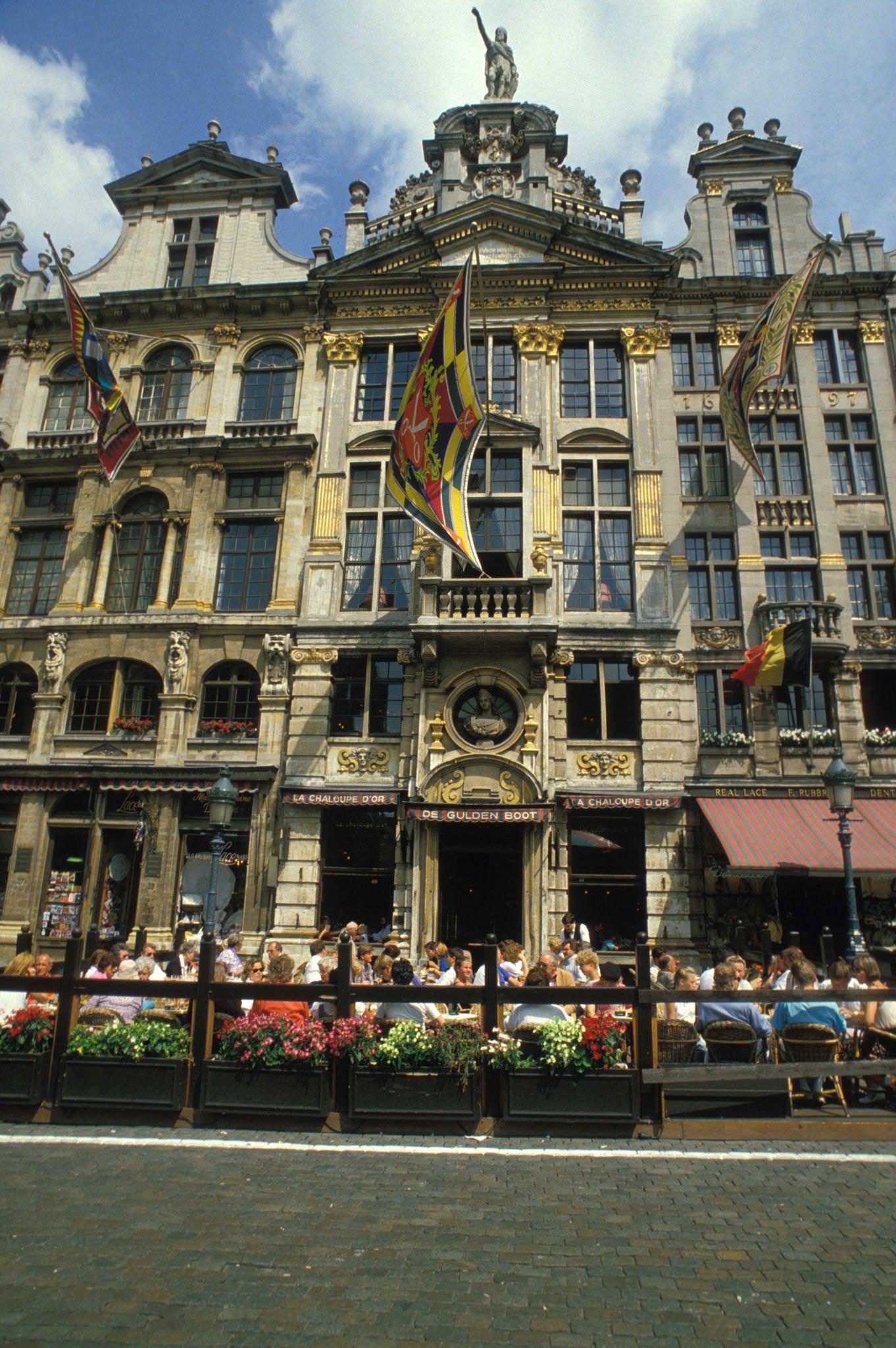
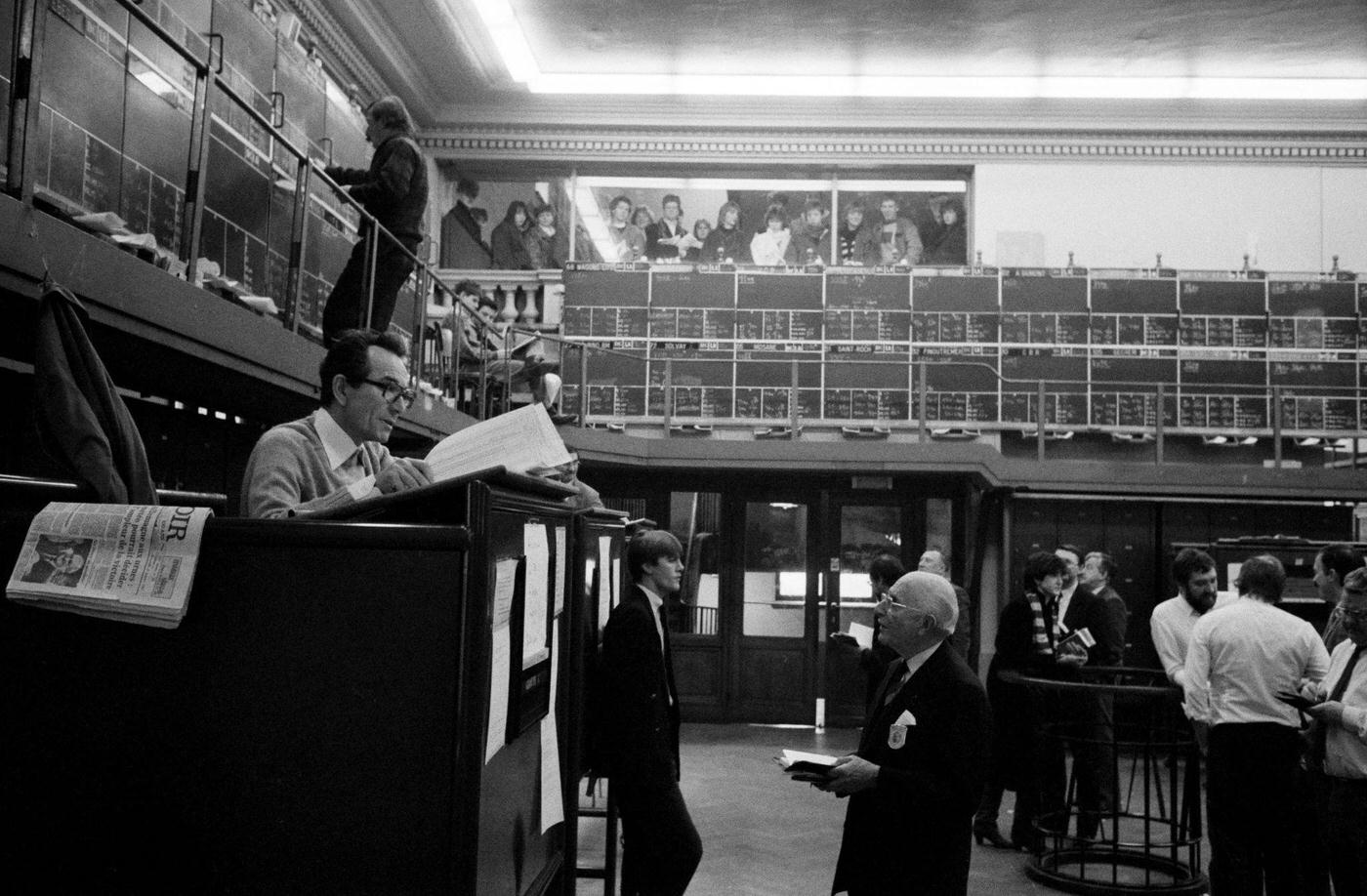
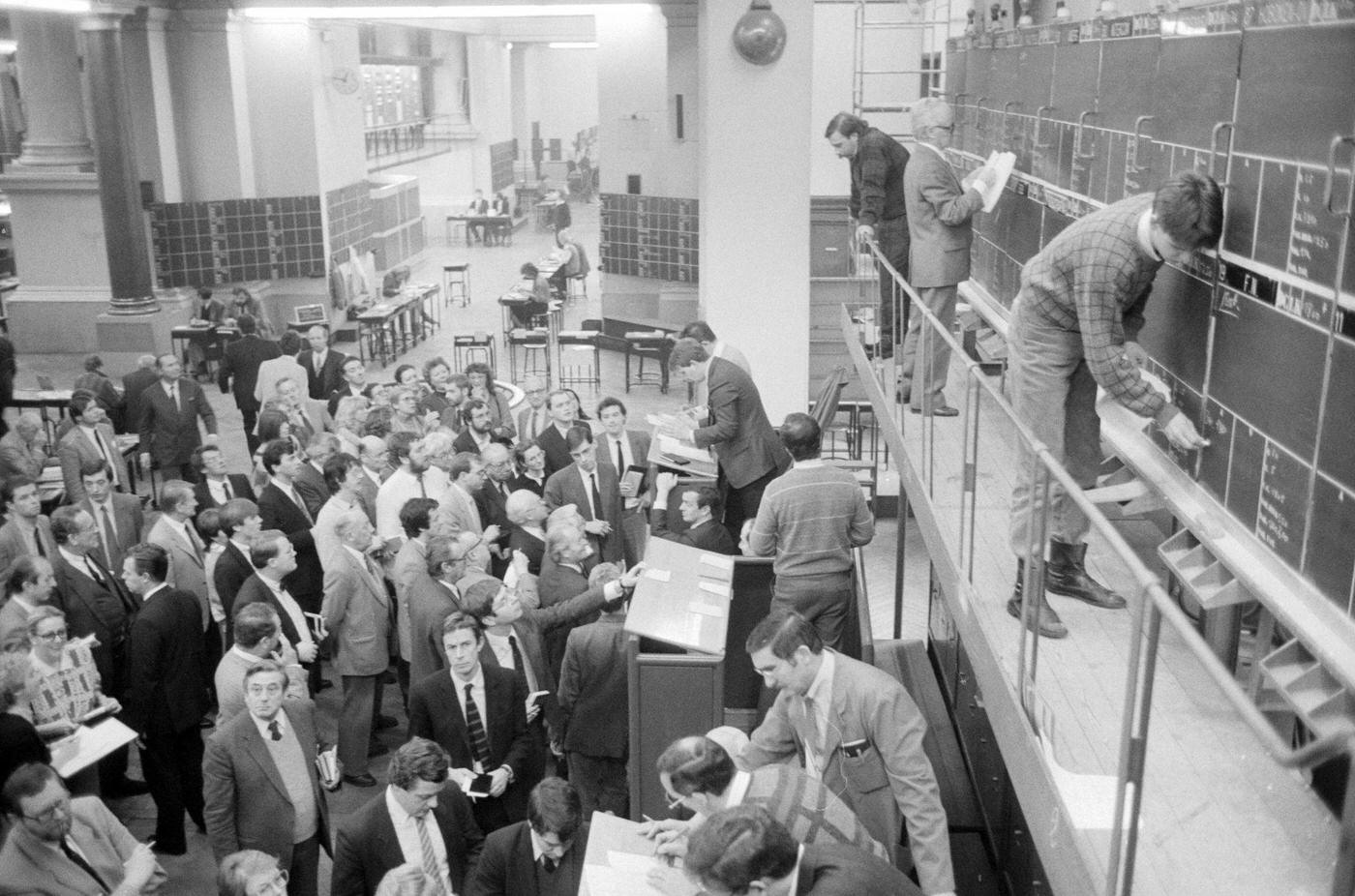
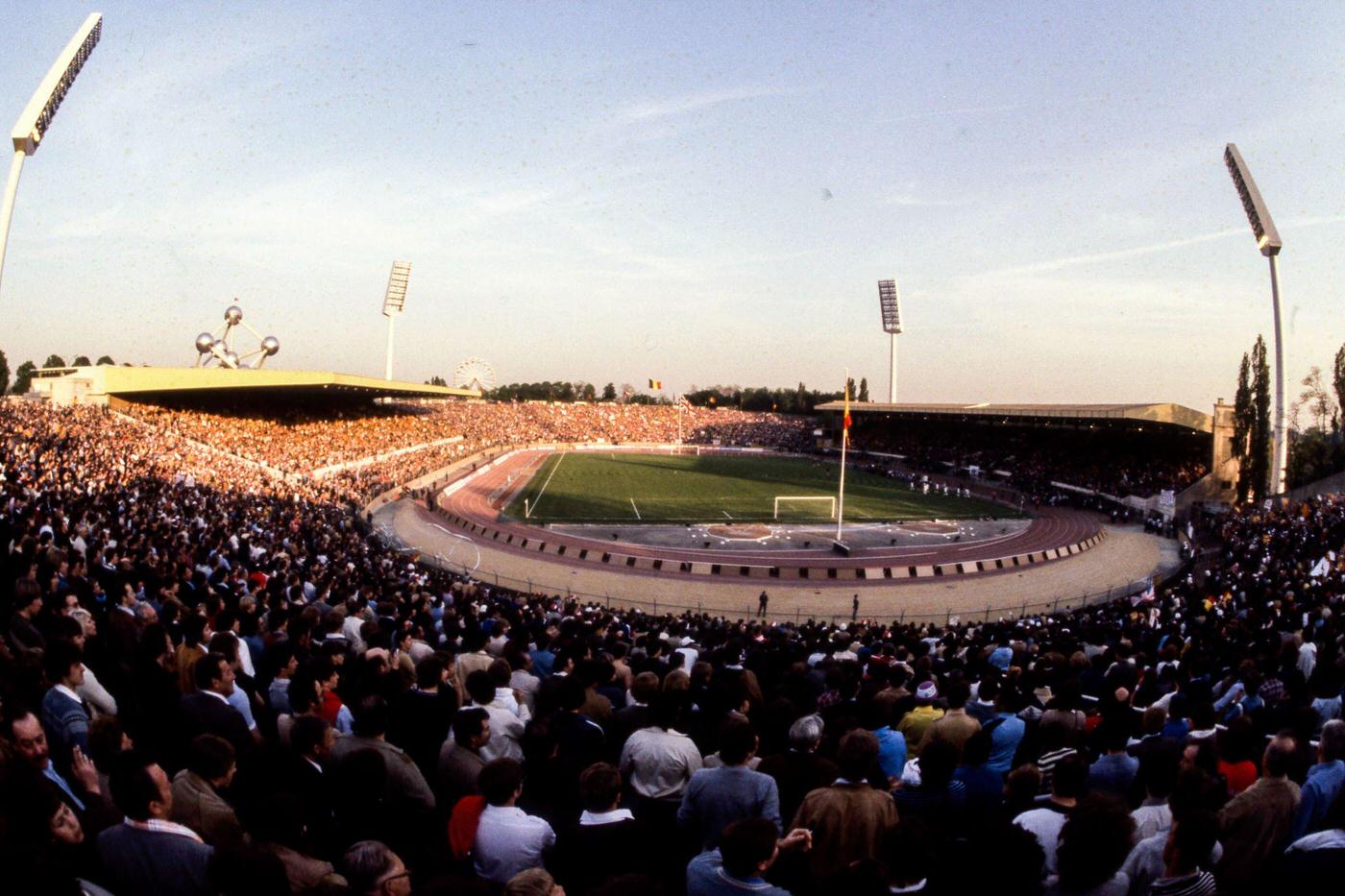
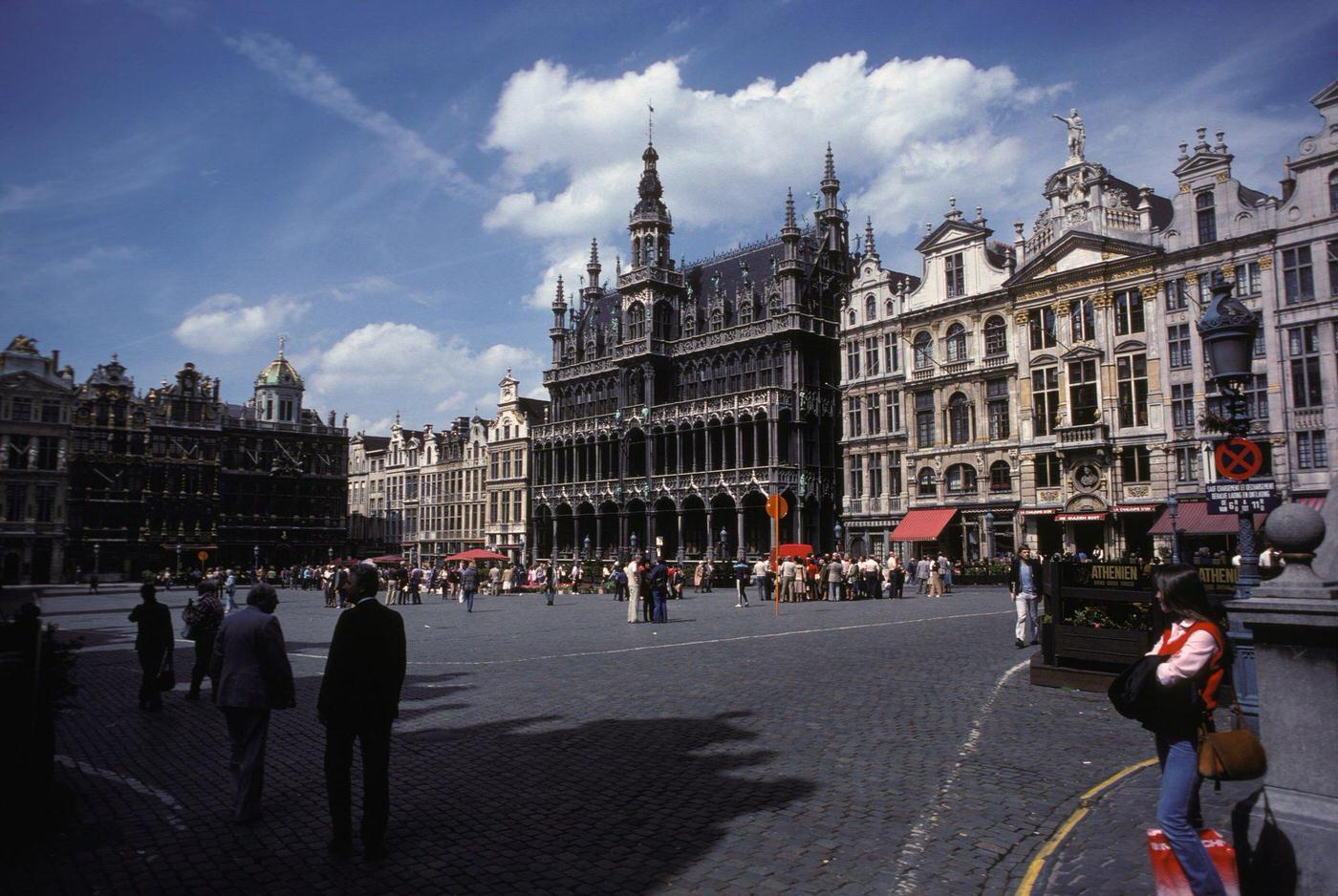
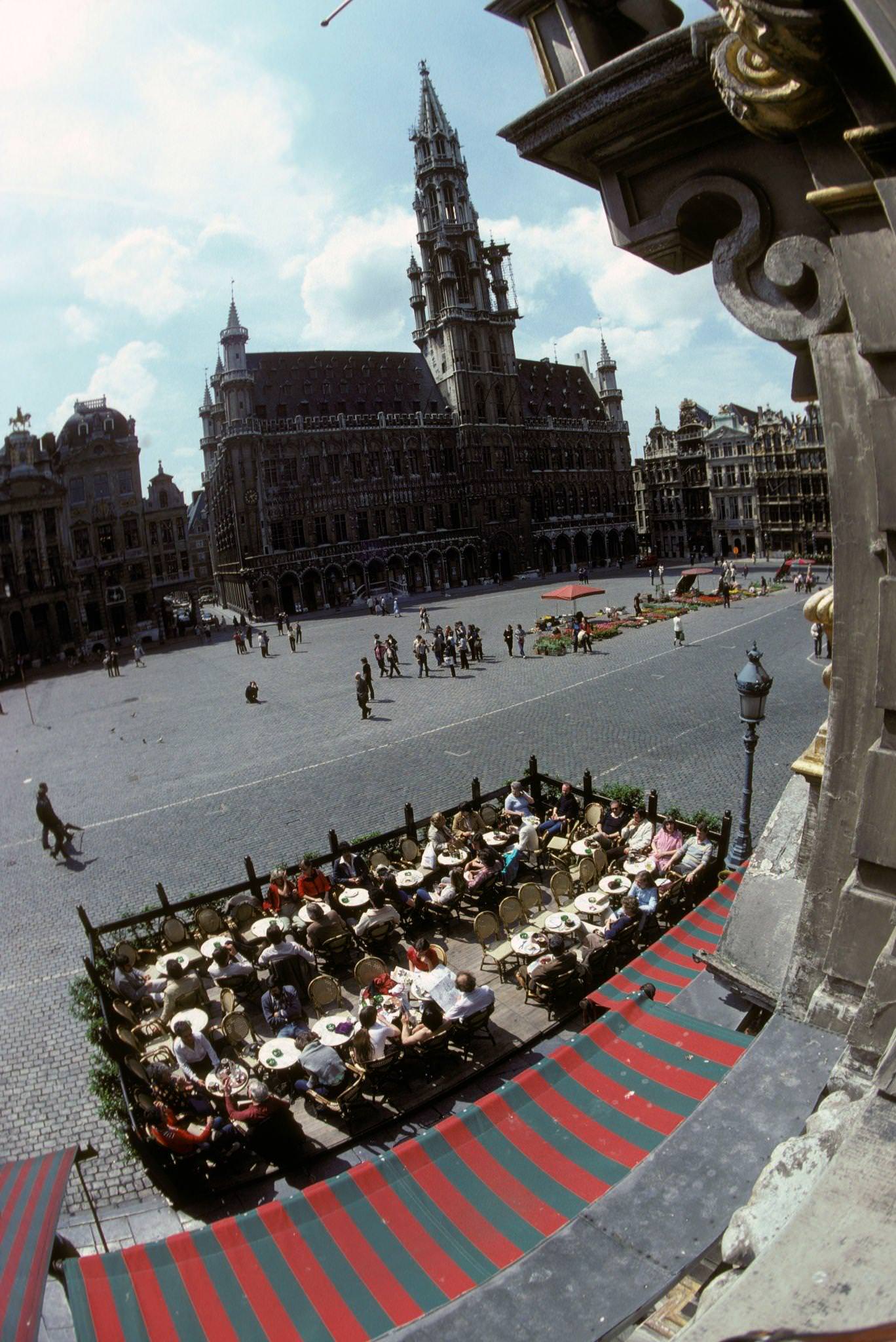
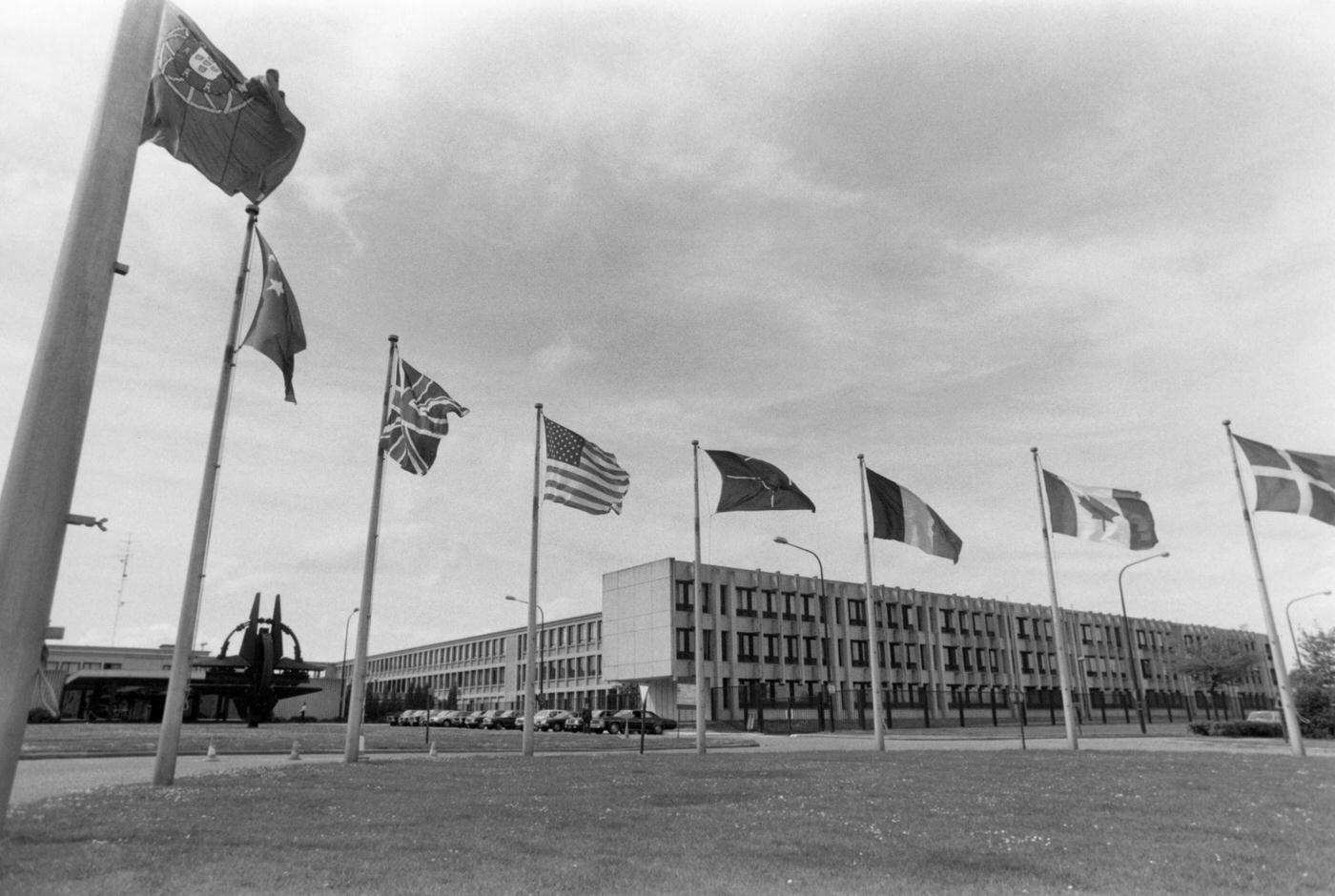
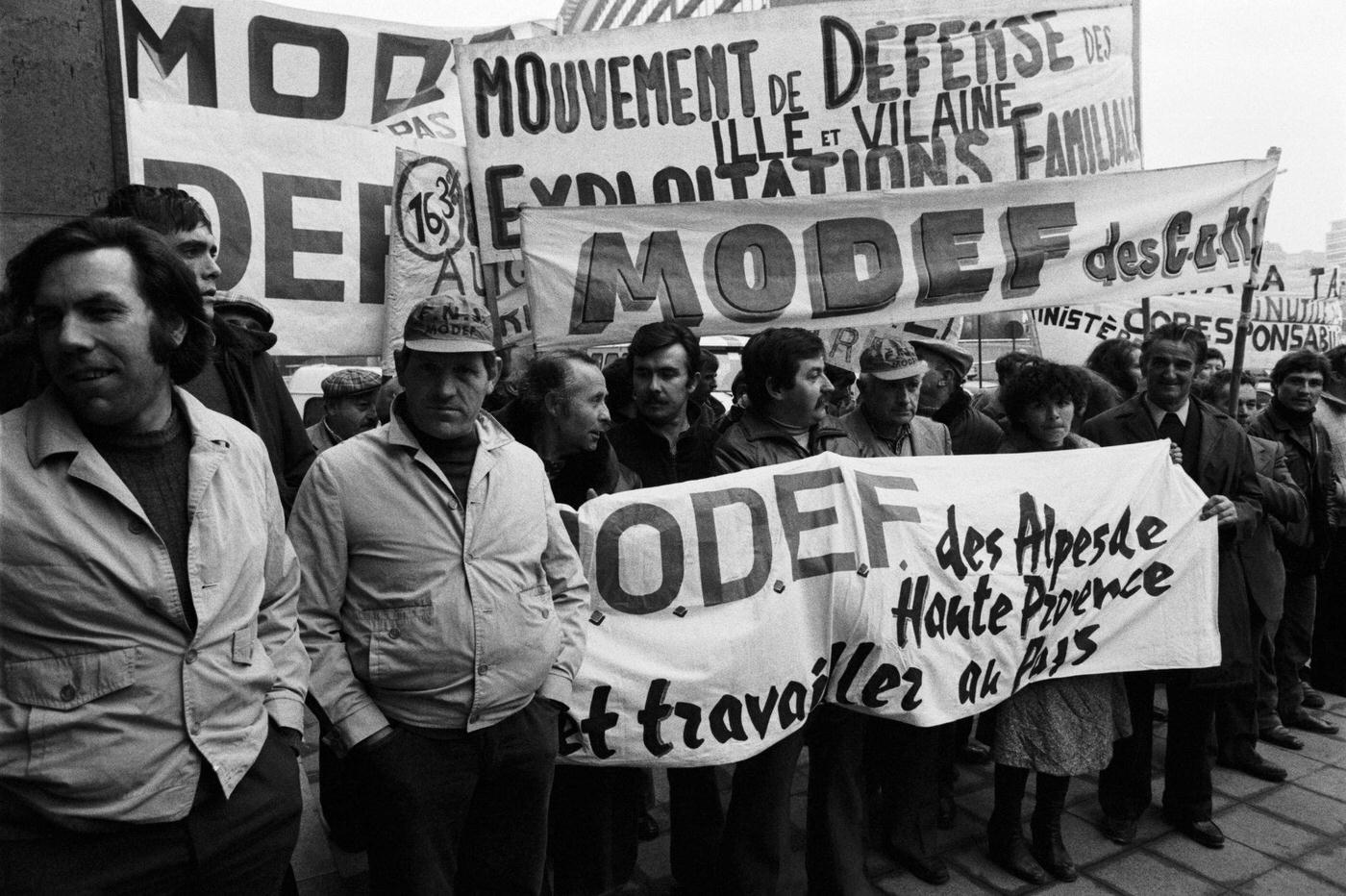
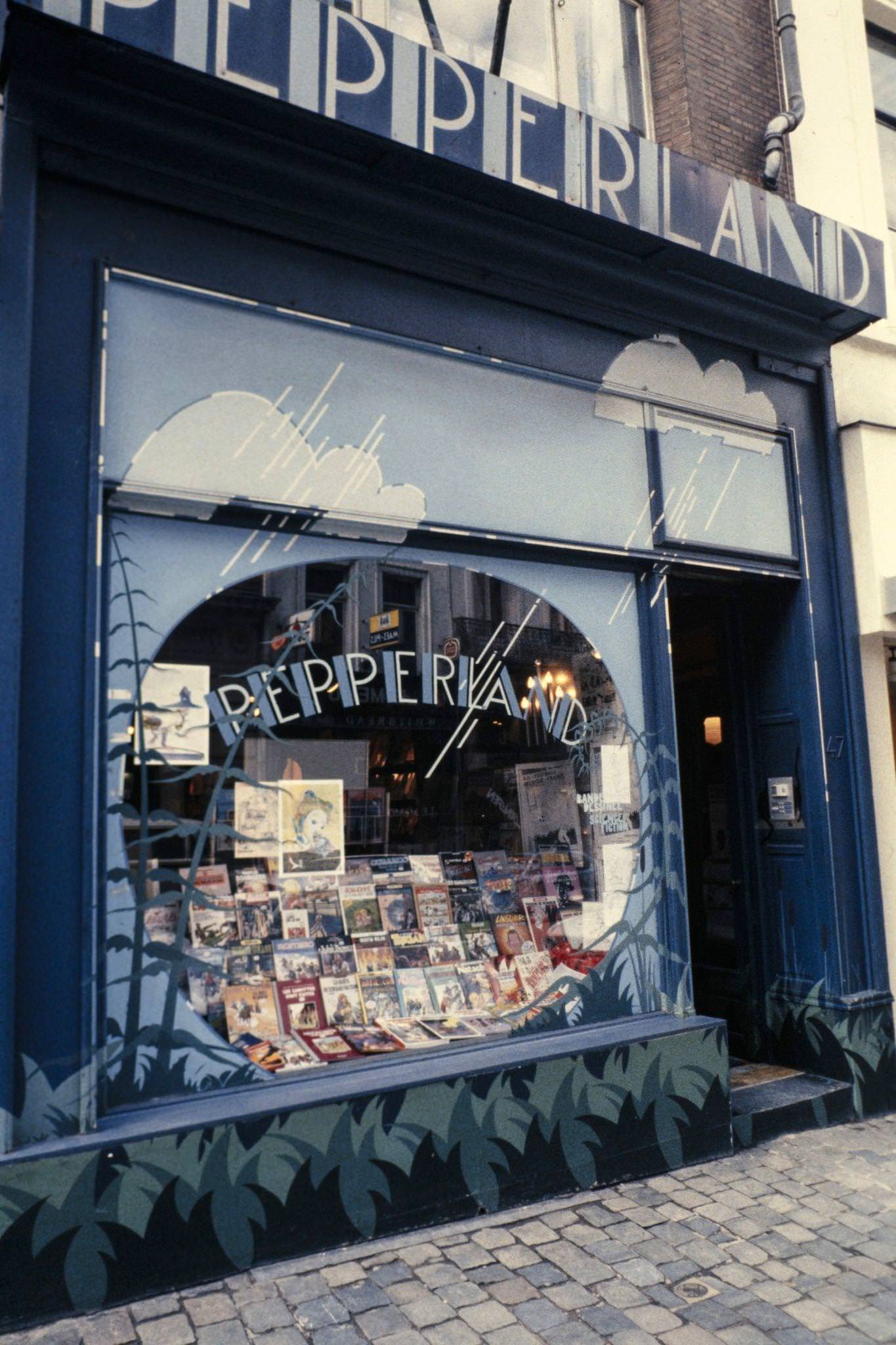
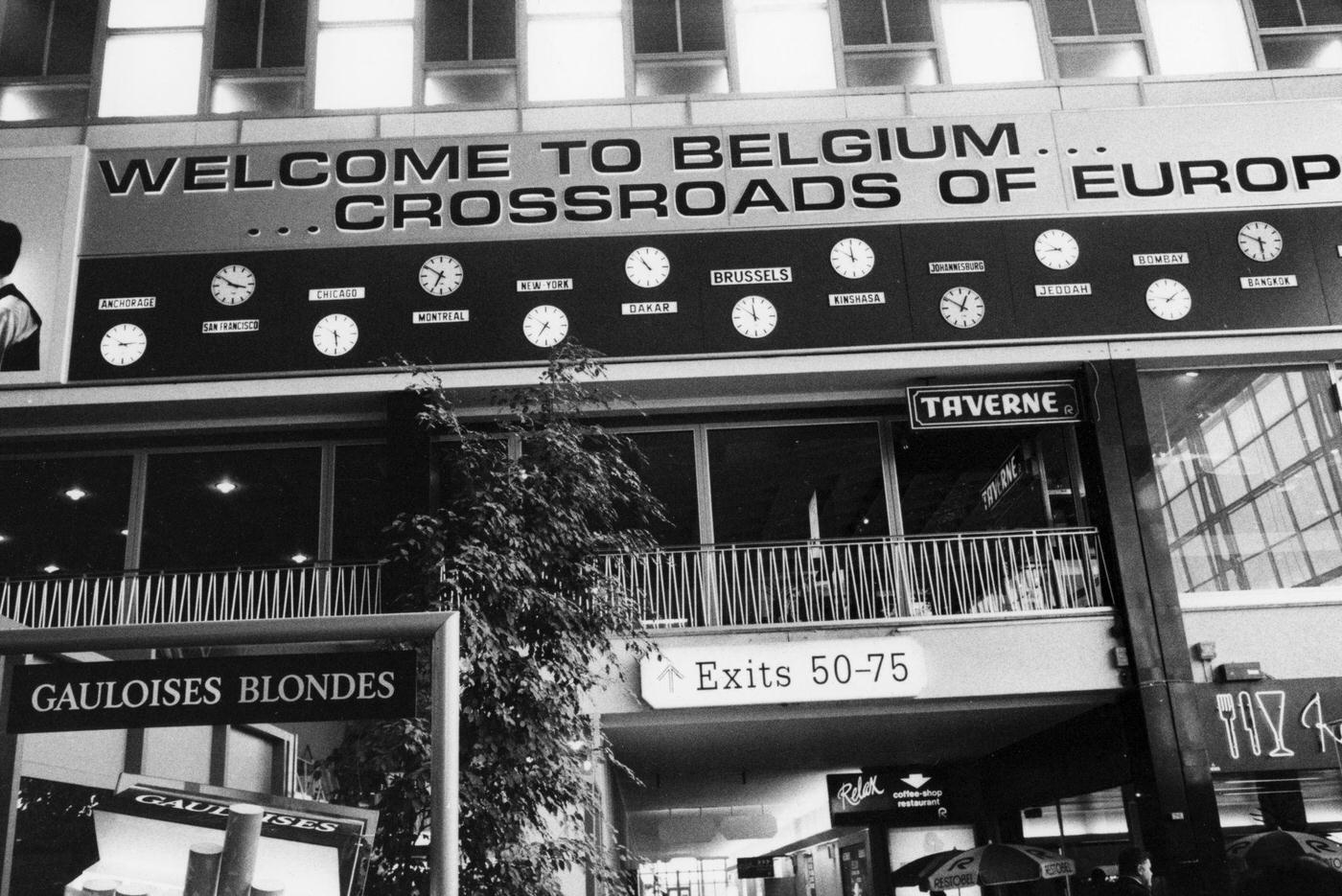
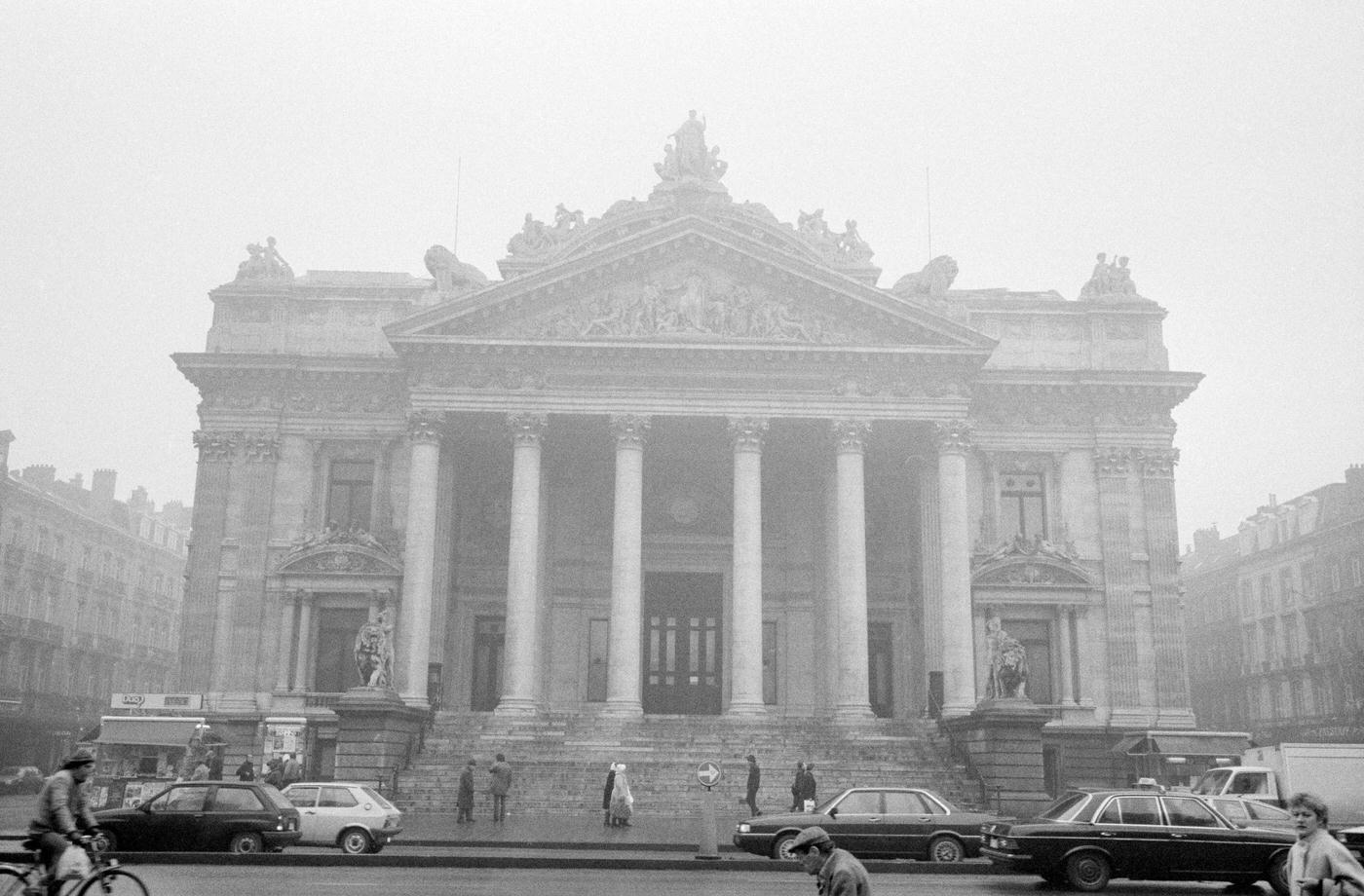
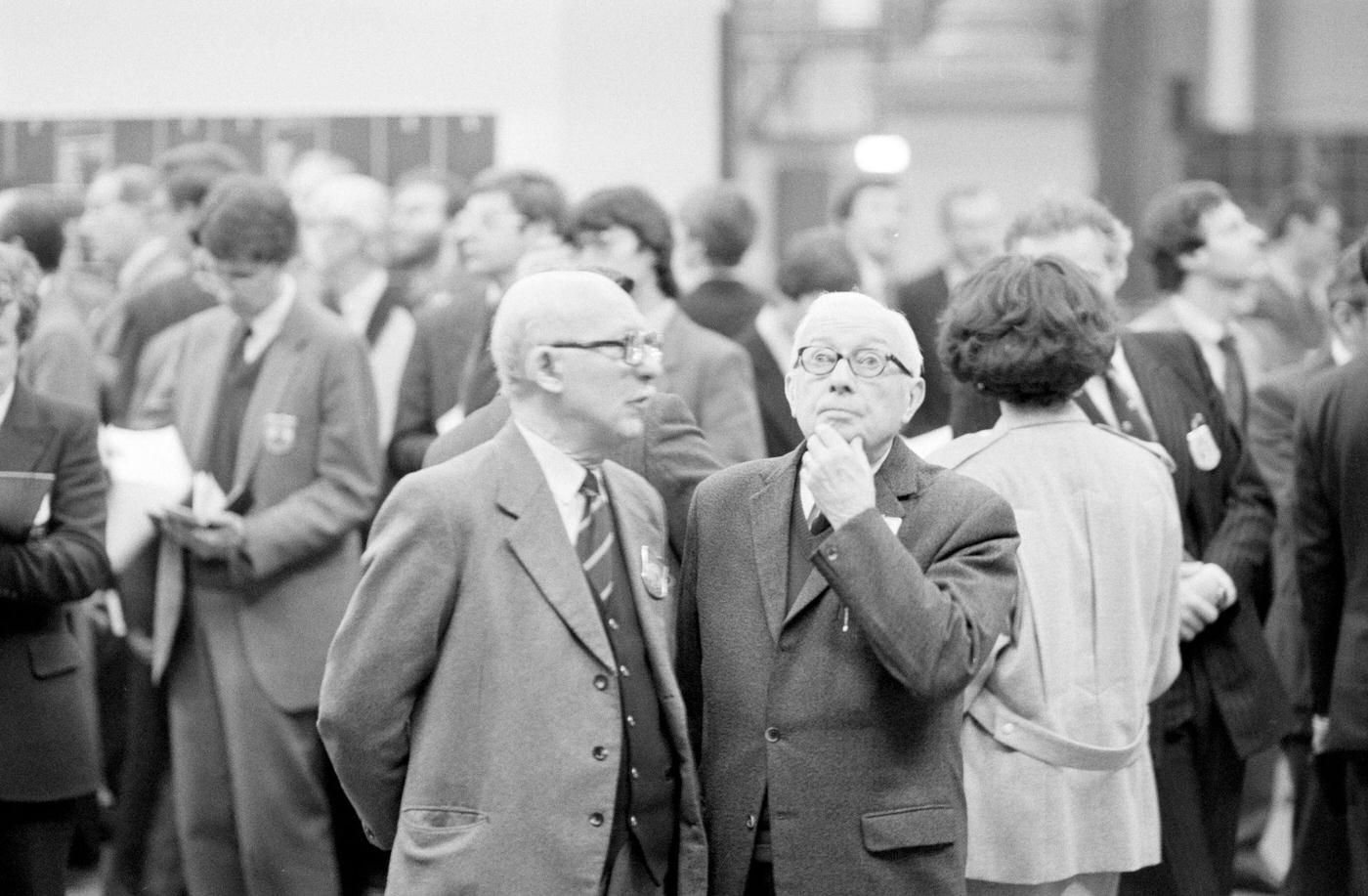
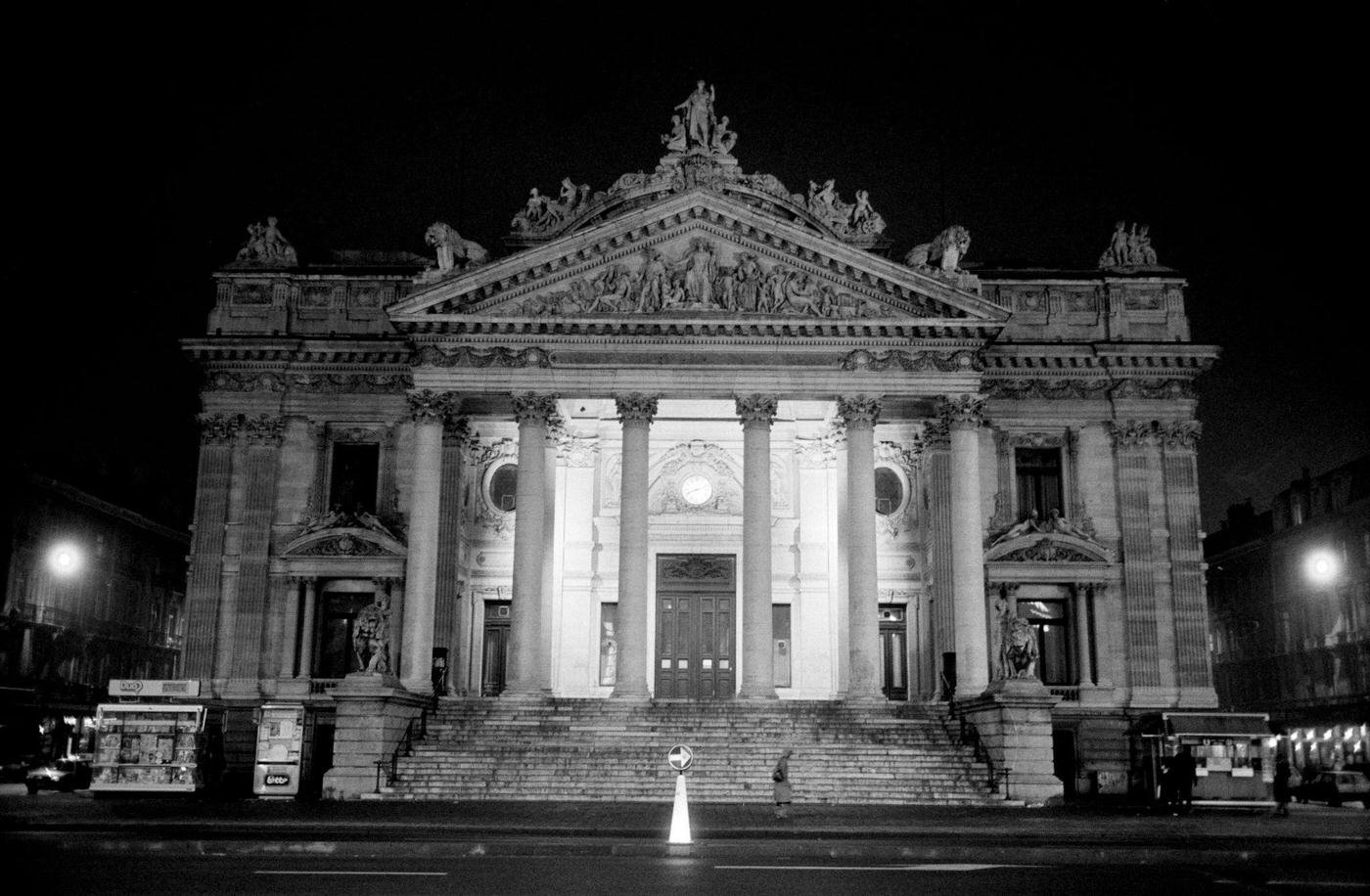
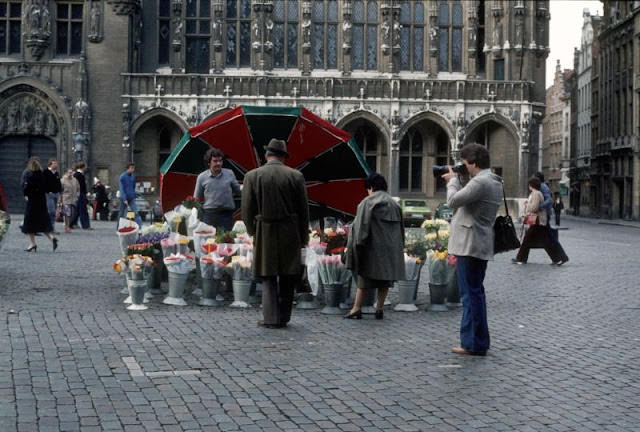
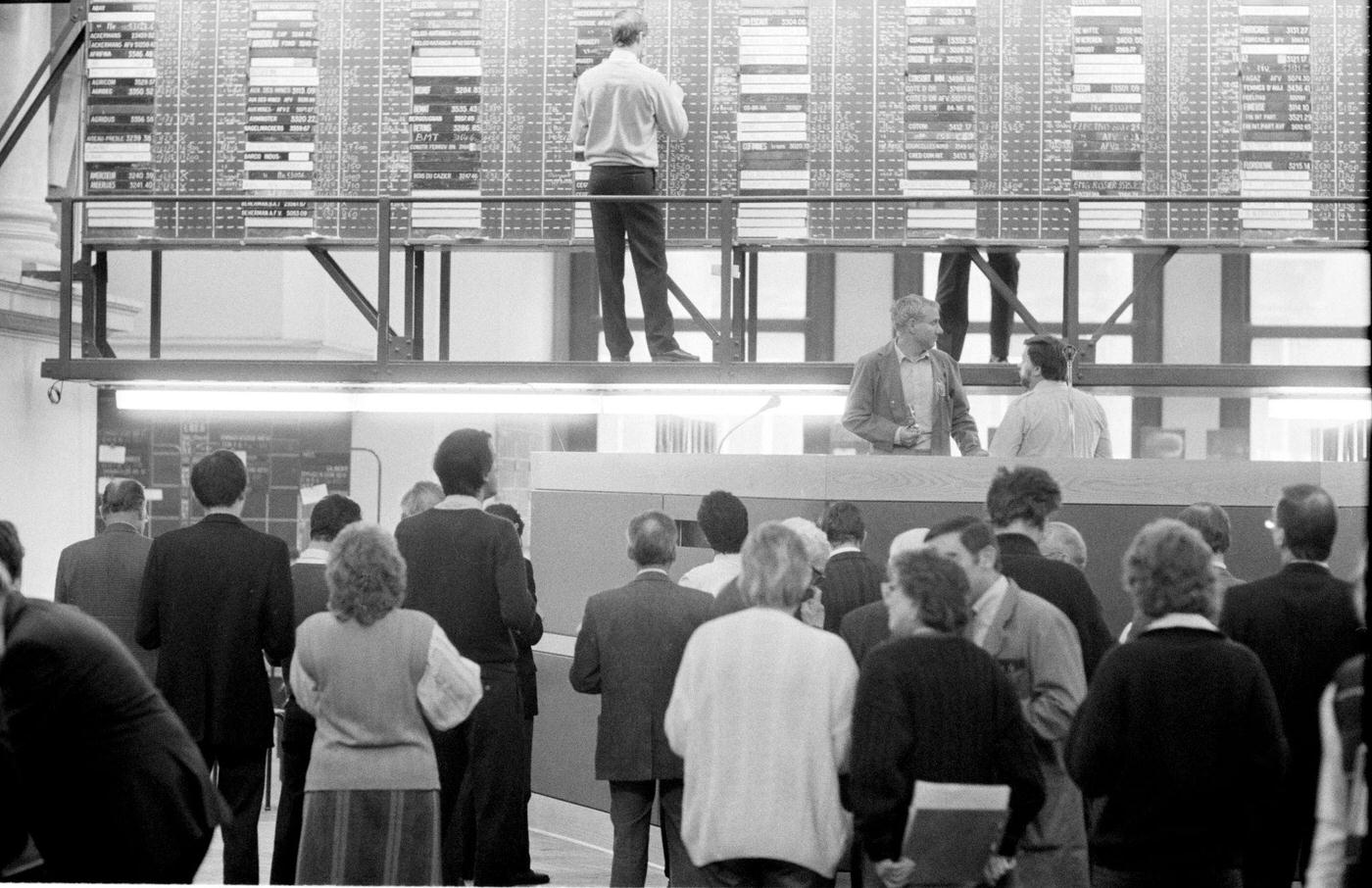
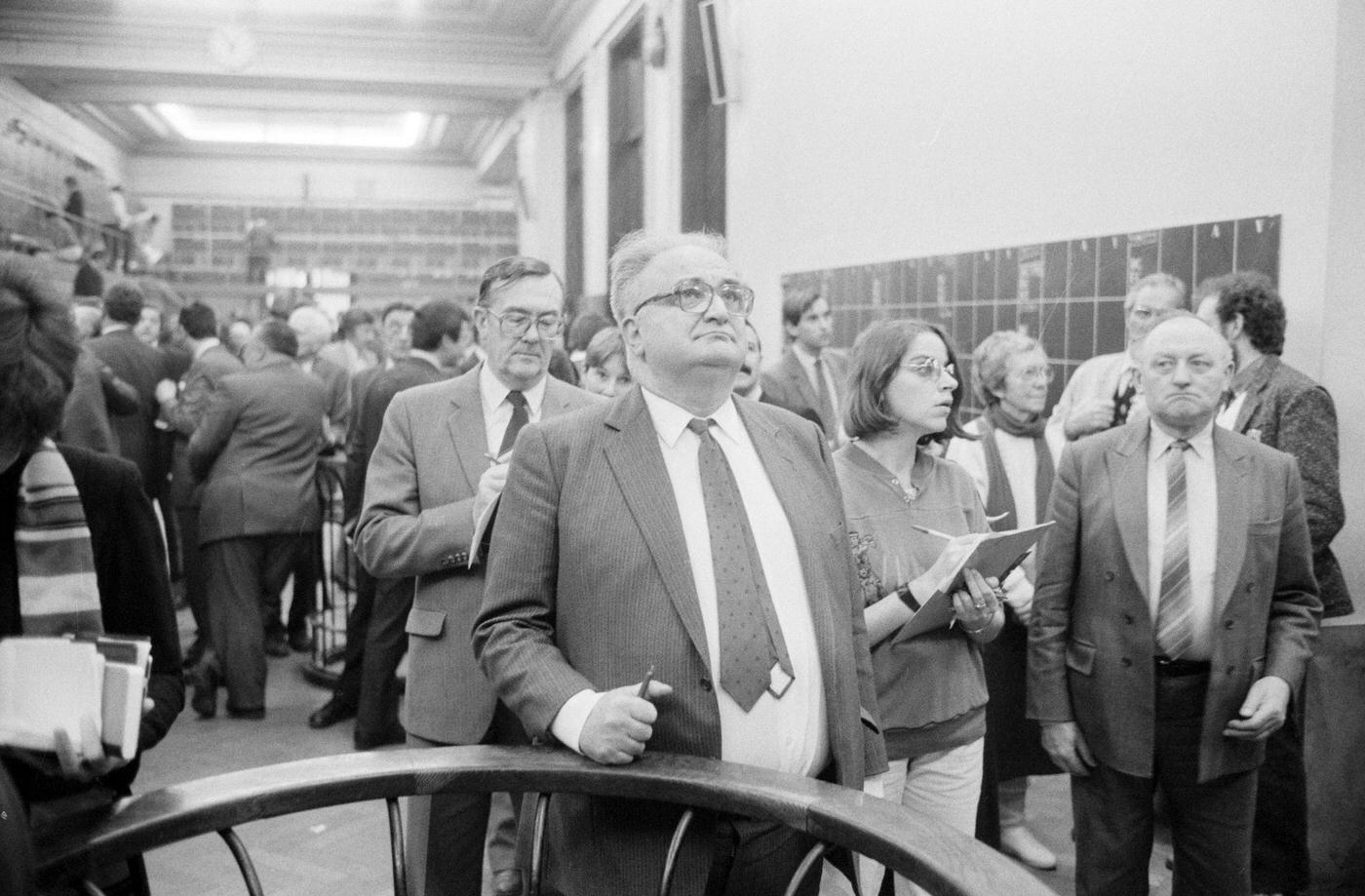
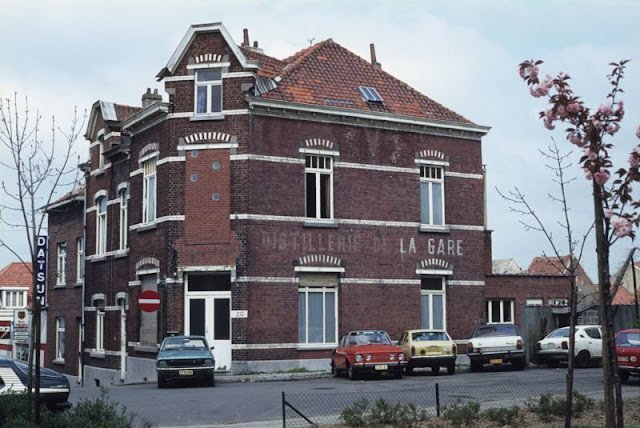
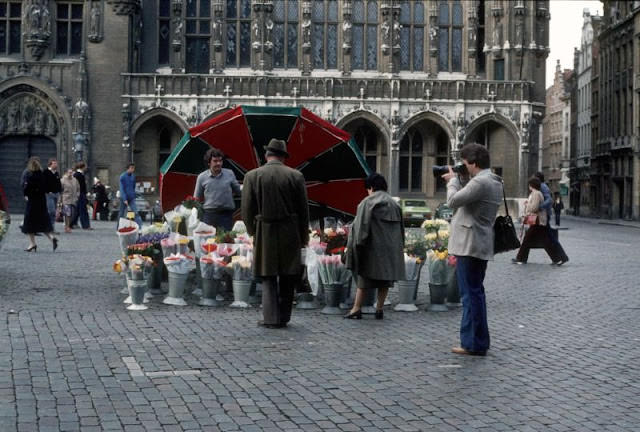
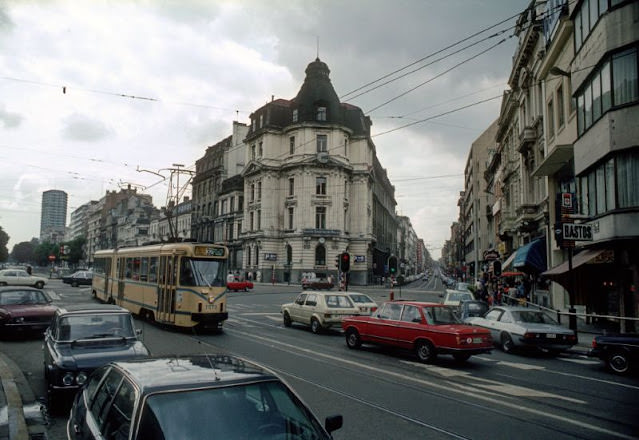

Nice pictures! It seemed so clean and organized. Too many cars though. It got really fucked up in 40 years.
Brussels was way more dirty and ugly before than now. A really depressing city. No idea why people say the opposite, may be non brusseleers. The difference was that the rents was cheap at the time.
But what time are you talking about? I can imagine it was worse in the 1980’s
I also admit that there are huge differences. I really like the south of Brussels.. Forest, Uccle, Ixelles and the east and Jette but the rest is not my thing
I’m probably in the background of one of these pictures after July 1984
Crazy to see Barriere without potholes, and also notice the roundabout sign.
The most interesting picture is picture number 20. You can see a poster with “Venez vivre à Bruxelles” (“Come live in Brussels”). It’s a reminder of how poorly Brussels was perceived at the time, with many people deciding to leave the city. Now, just put up an apartment for rent or sale, and you’ll receive offers within hours.
Yes, true. Bruxelles used to be quite dull, boring and poor. It’s much better nowadays.
Even with way more cars, it looks clean and nice. Civilised. Not the dystopian unintegrated mess we have now. These pics make me sad…