

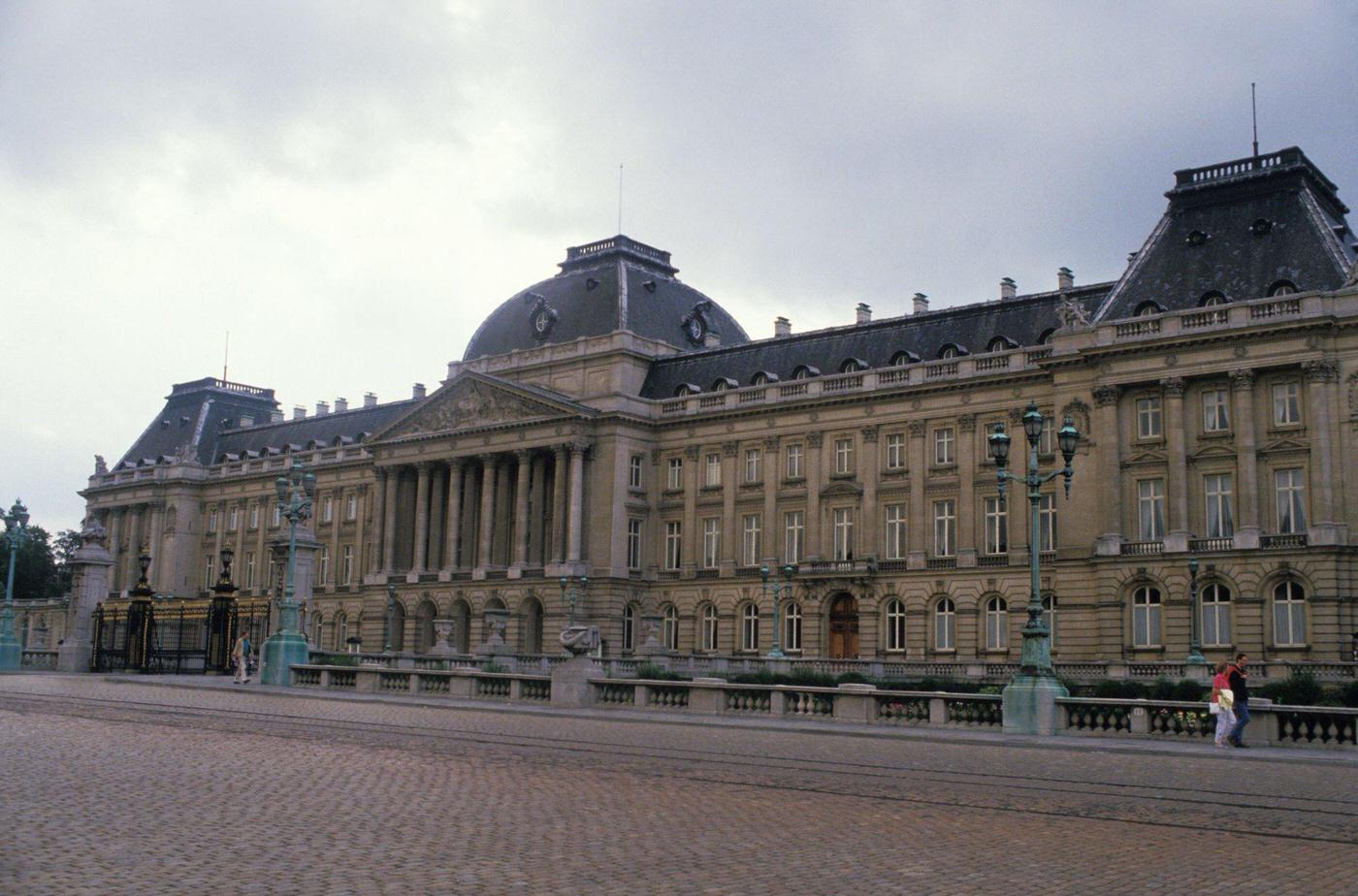
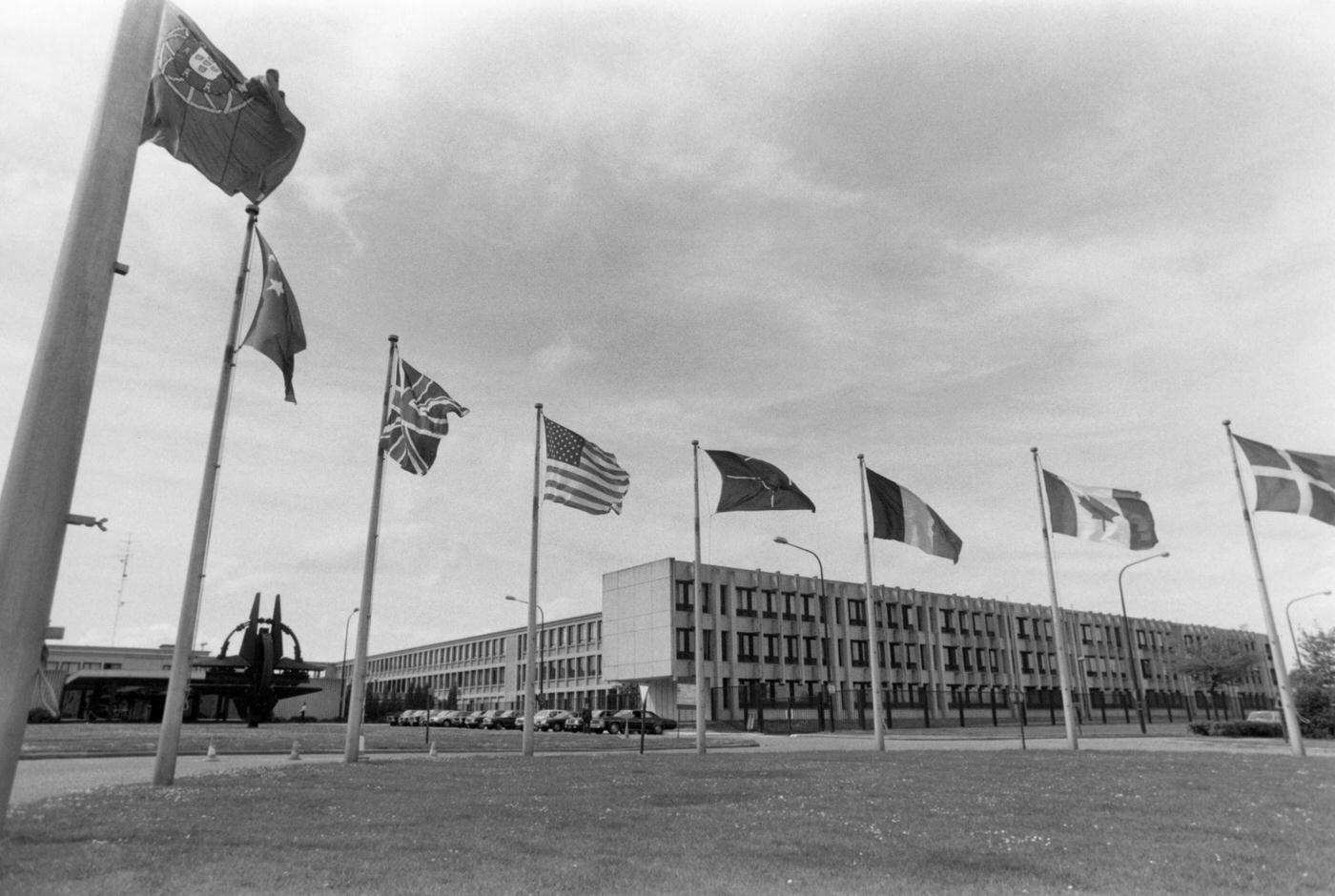
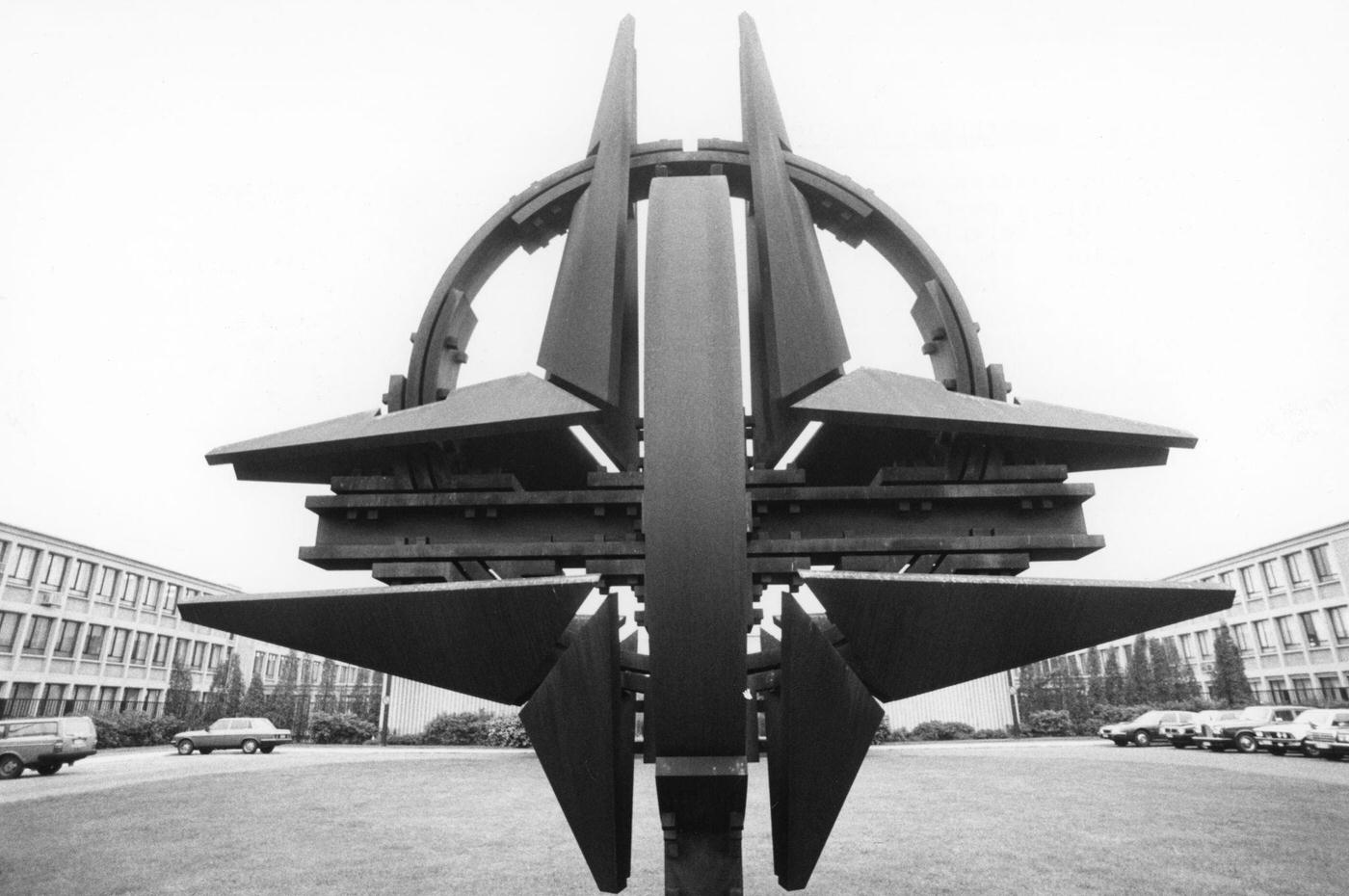
Brussels in the 1980s was undergoing significant changes, influenced by its role as the de facto capital of the European Union. The city saw an influx of bureaucrats, diplomats, and foreign workers, which spurred economic growth. Numerous offices and institutions related to the EU opened their doors in Brussels, making the city a hub of European politics and decision-making.
Urban Development and Architecture
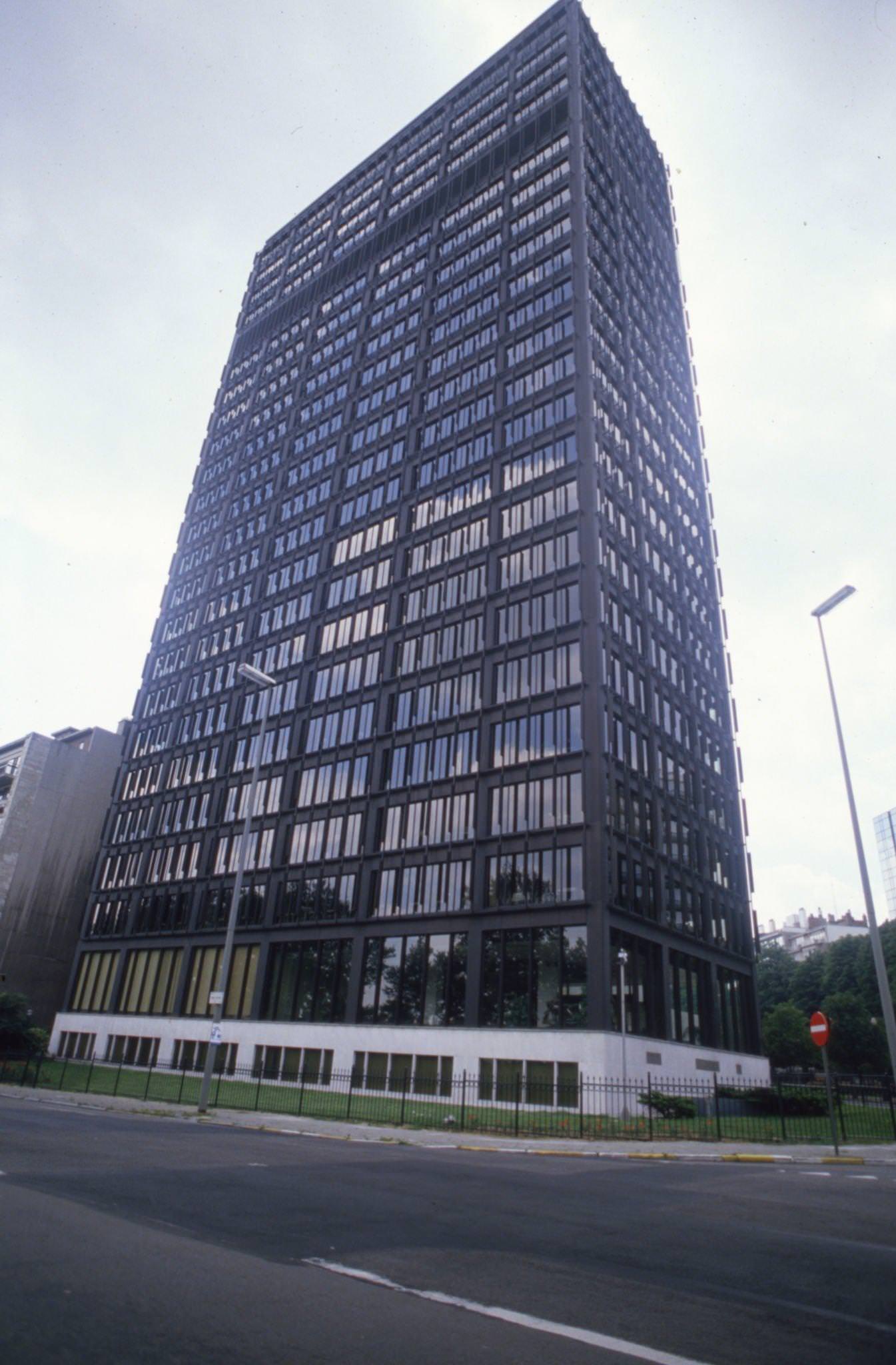
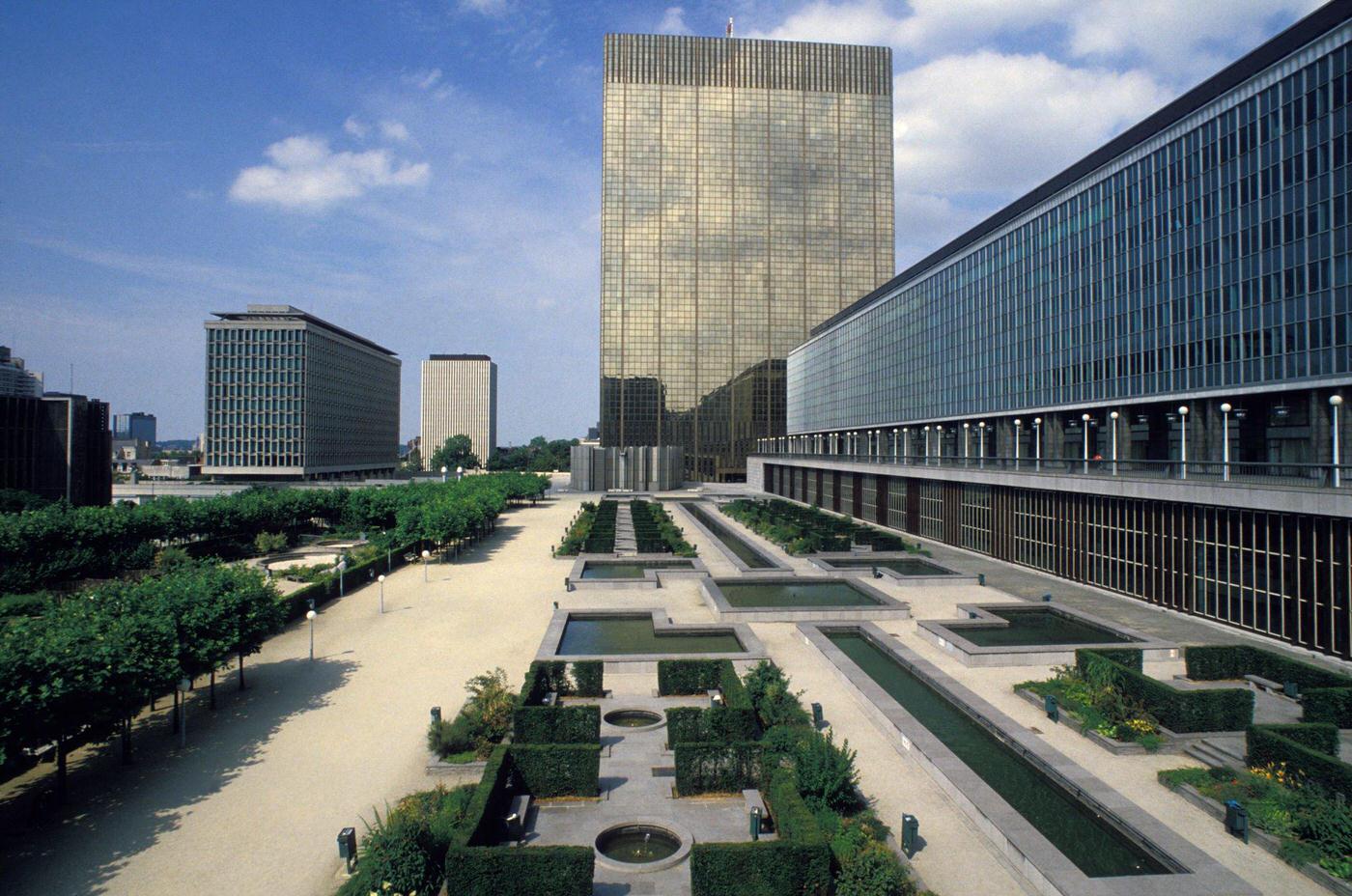
The ’80s witnessed several urban development projects aimed at accommodating the growing population and the needs of the EU institutions. The European Quarter, which houses key EU institutions, was a focus of such development efforts. This led to a change in the architectural landscape, with modern buildings often replacing older structures.
Social and Cultural Scene
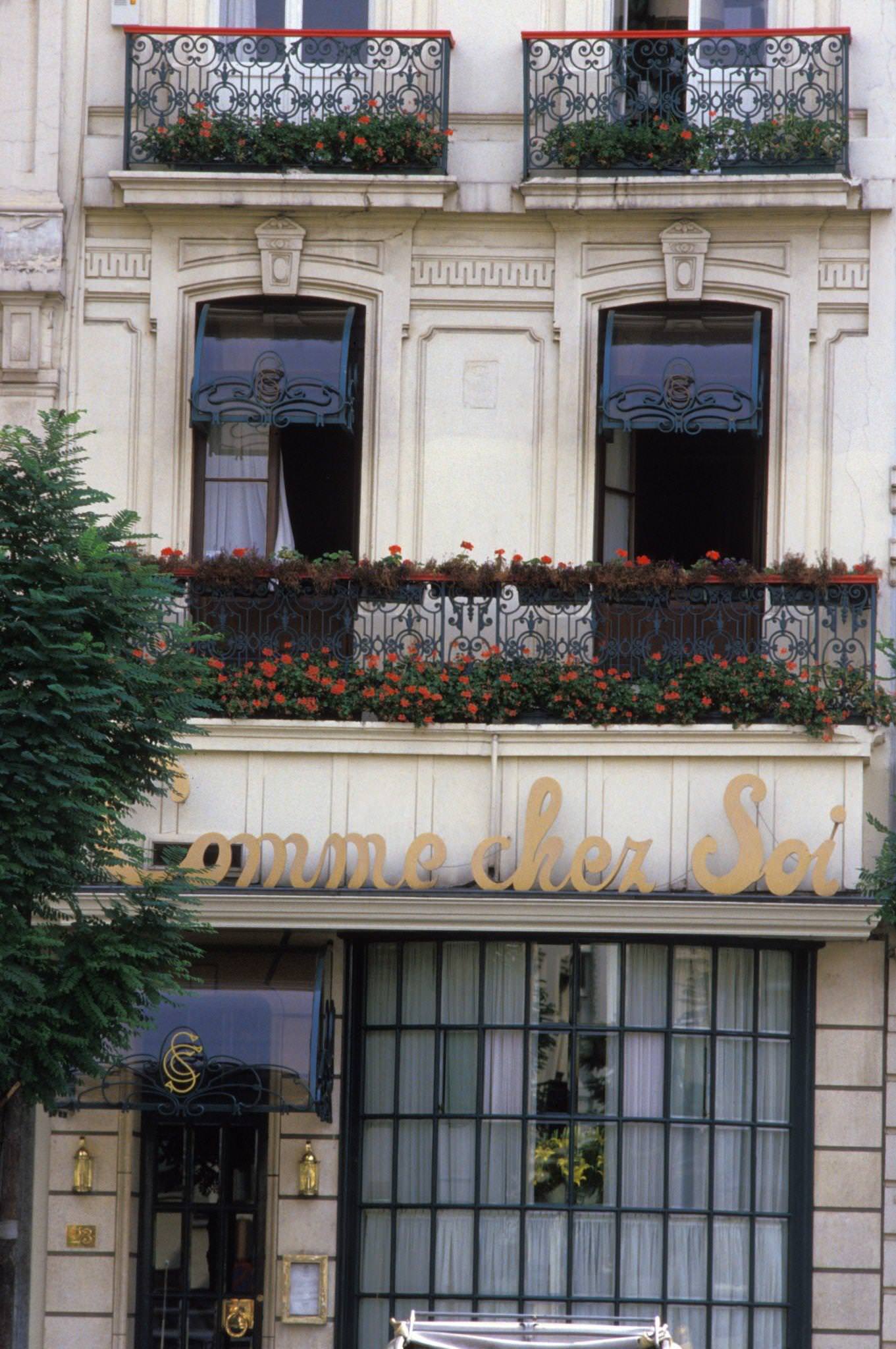
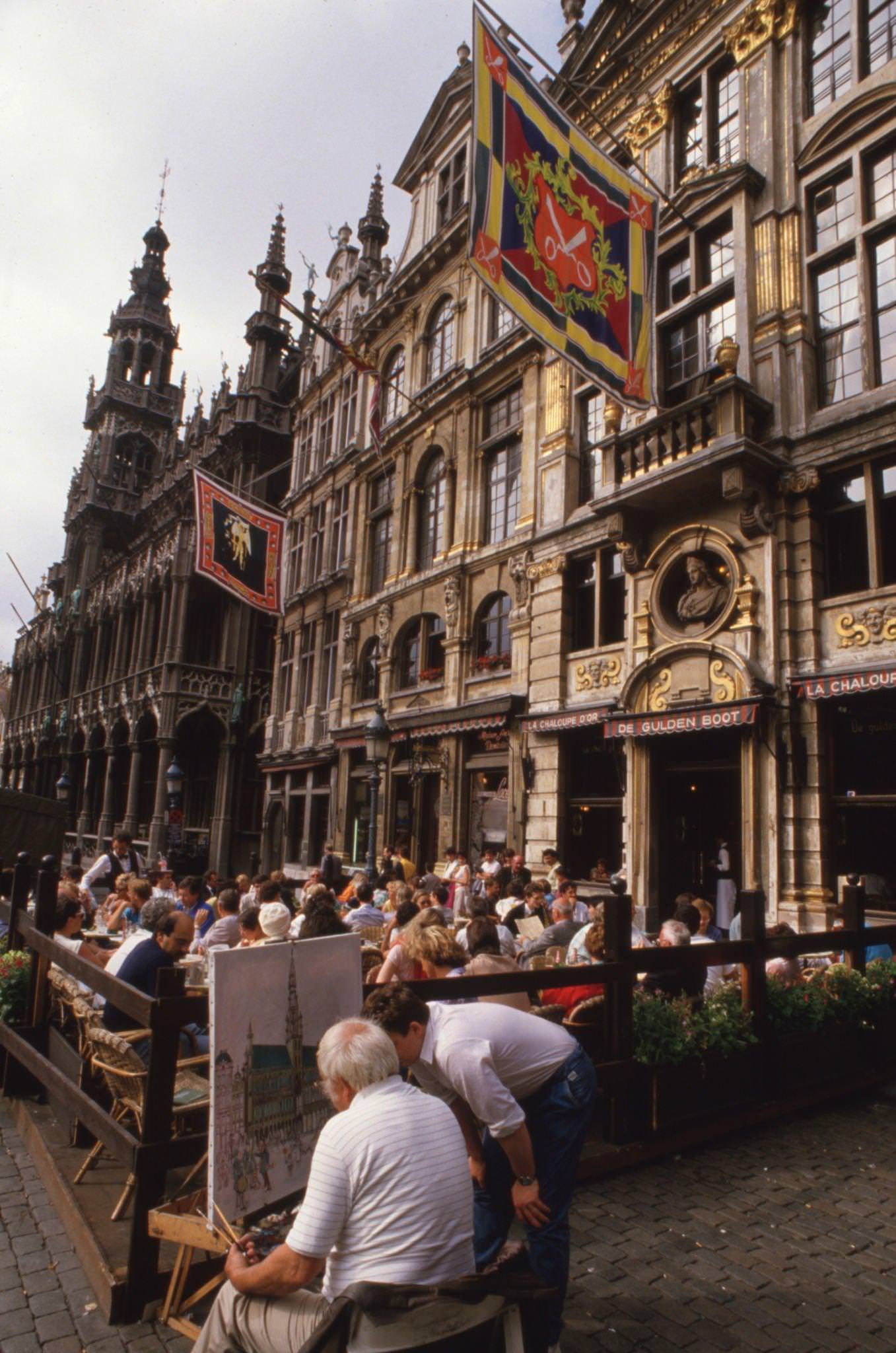
Brussels in the 1980s was a melting pot of cultures, thanks to its international status. Restaurants, bars, and cultural centers representing various European nations became a common sight. This decade also saw a rise in cultural events such as art exhibitions, music festivals, and theater performances, making Brussels a vibrant city for arts and culture.
Read more
Transportation and Infrastructure
Efforts to modernize the city’s transportation system were evident during this decade. The Brussels Metro expanded its lines, and the city focused on improving public transport to cope with the increasing population. Infrastructure development was essential to facilitate the easy movement of people, especially EU officials who often had to travel for work.
Political Climate
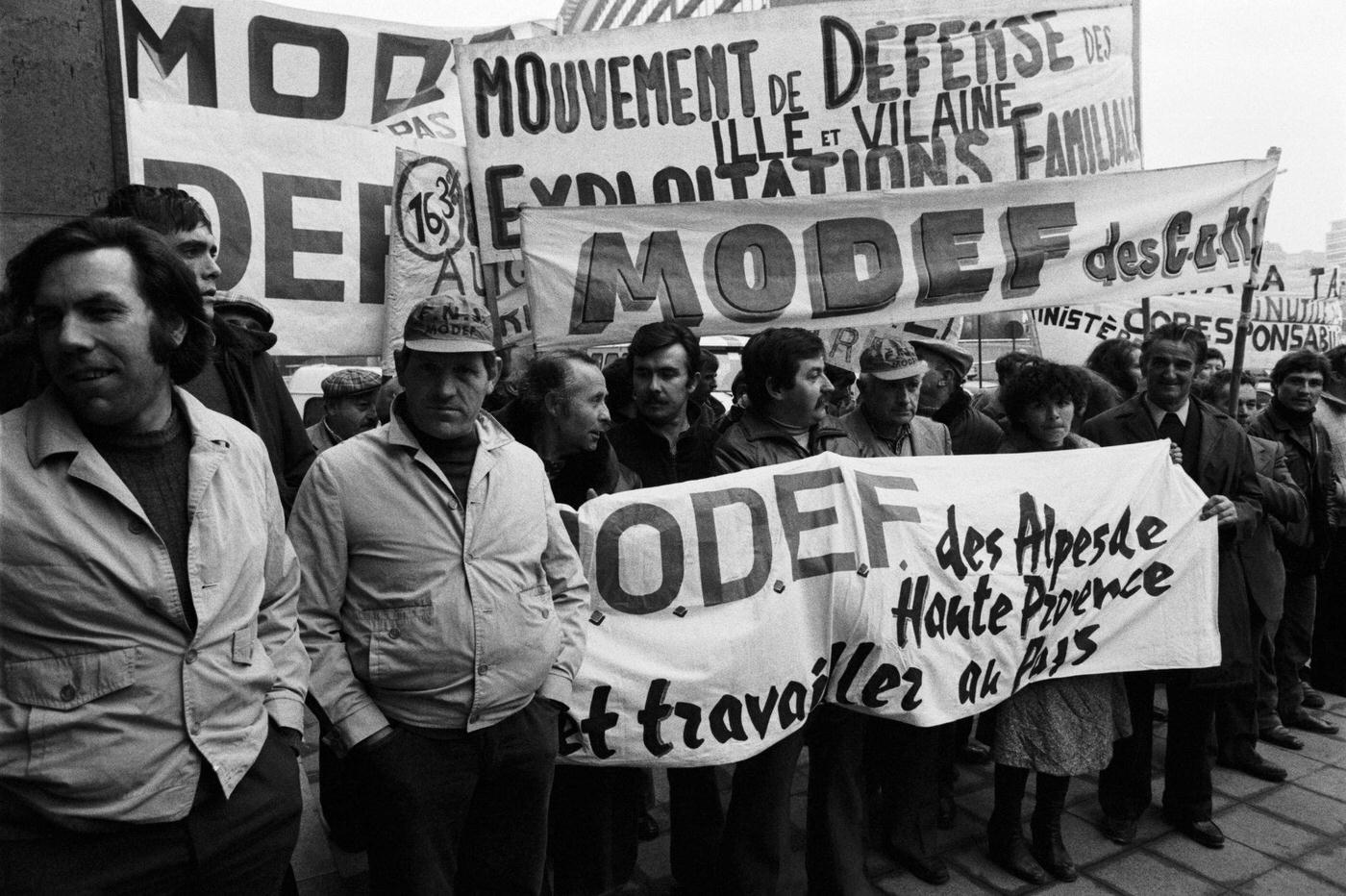
The 1980s was a decade of political stability for Brussels, despite being a period of tension between the Flemish and French-speaking communities of Belgium. Brussels emerged as a neutral ground where both communities could coexist, partly due to its international status. However, the city was not entirely immune to political protests and demonstrations, often related to wider European and global issues.
Crime and Security
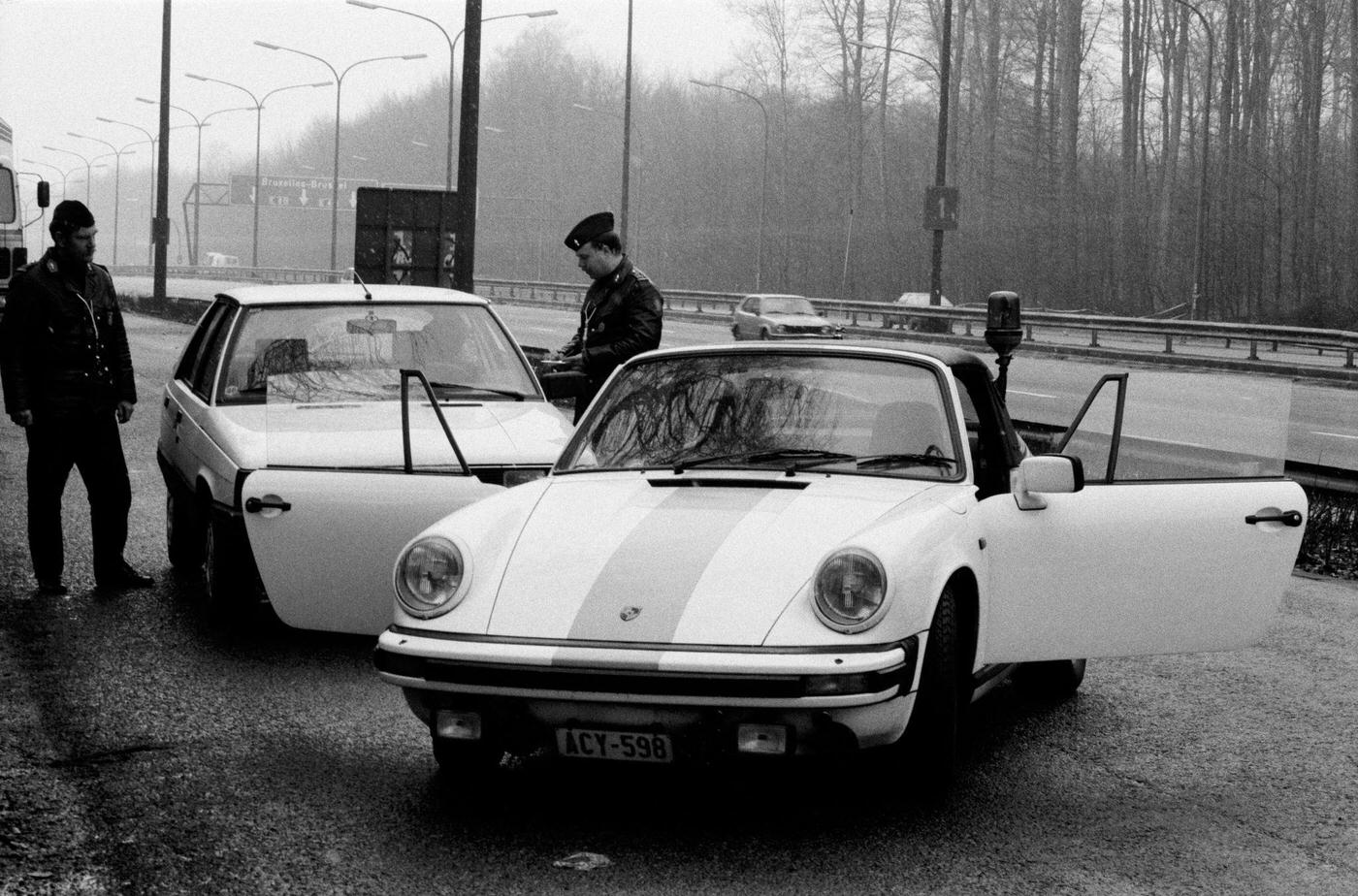
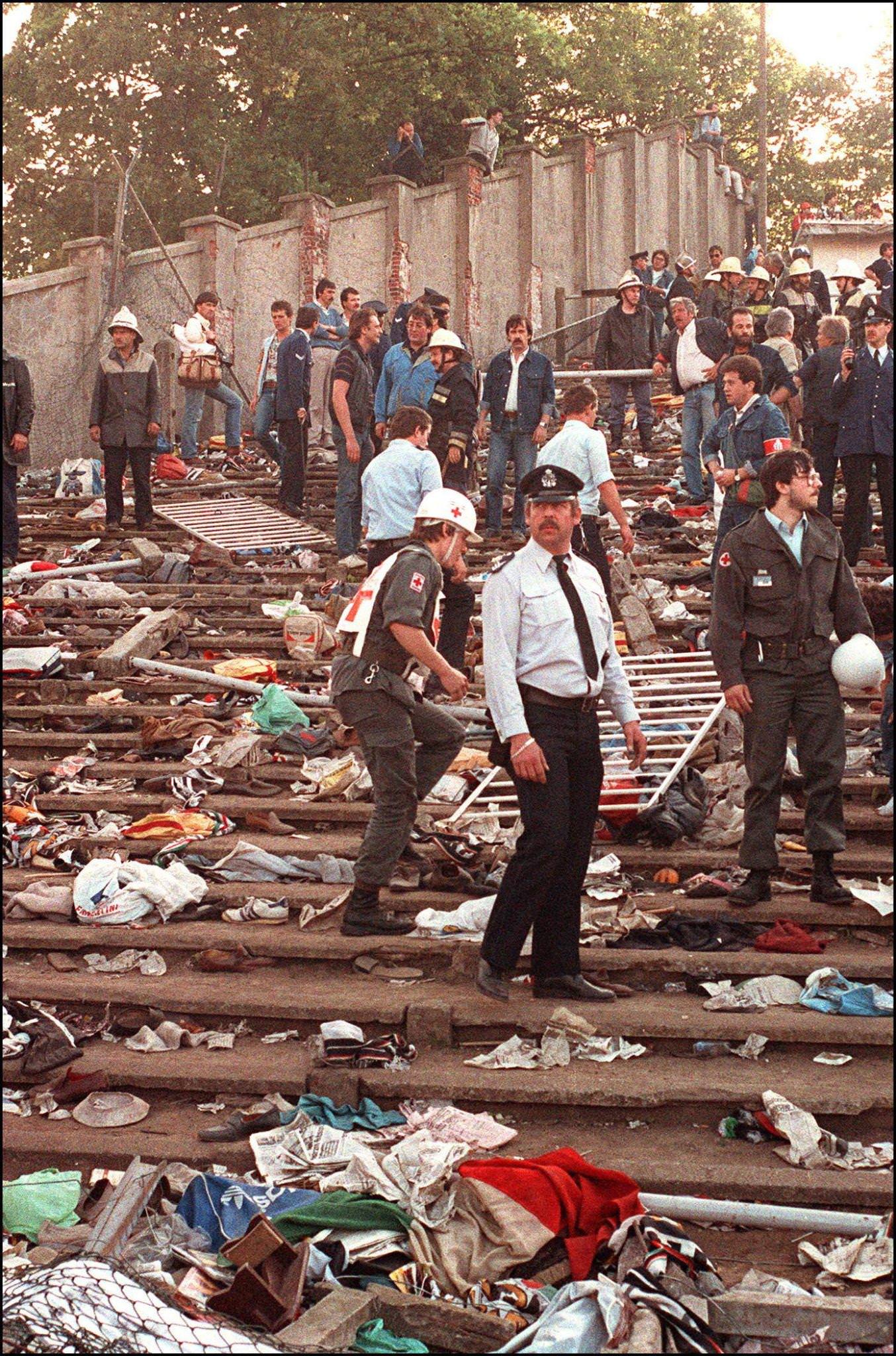
Like many major cities, Brussels faced challenges related to crime and security. However, with the presence of international institutions and the consequent international spotlight, there was a concerted effort to maintain a higher standard of security. Police presence was increased around key areas, and various security protocols were put in place.
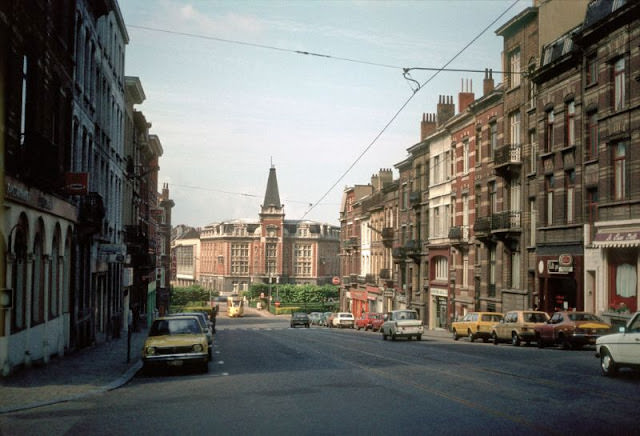
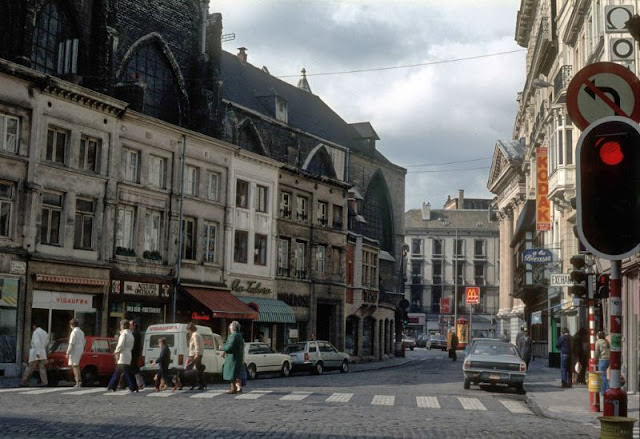
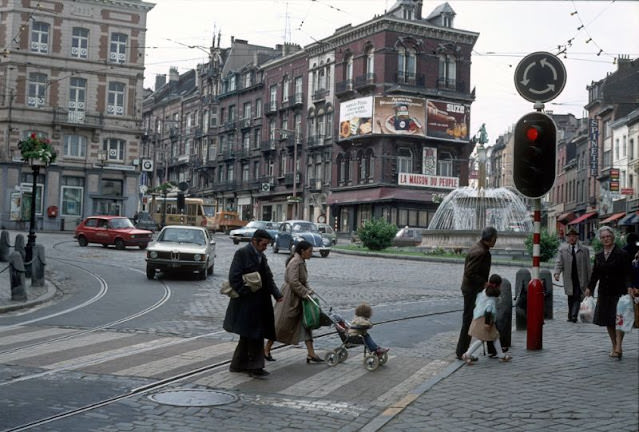
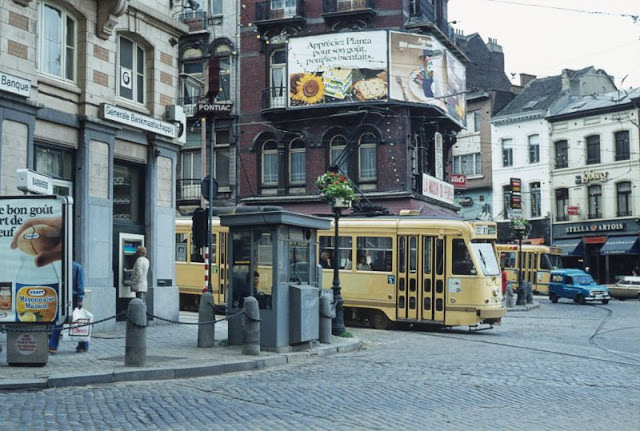
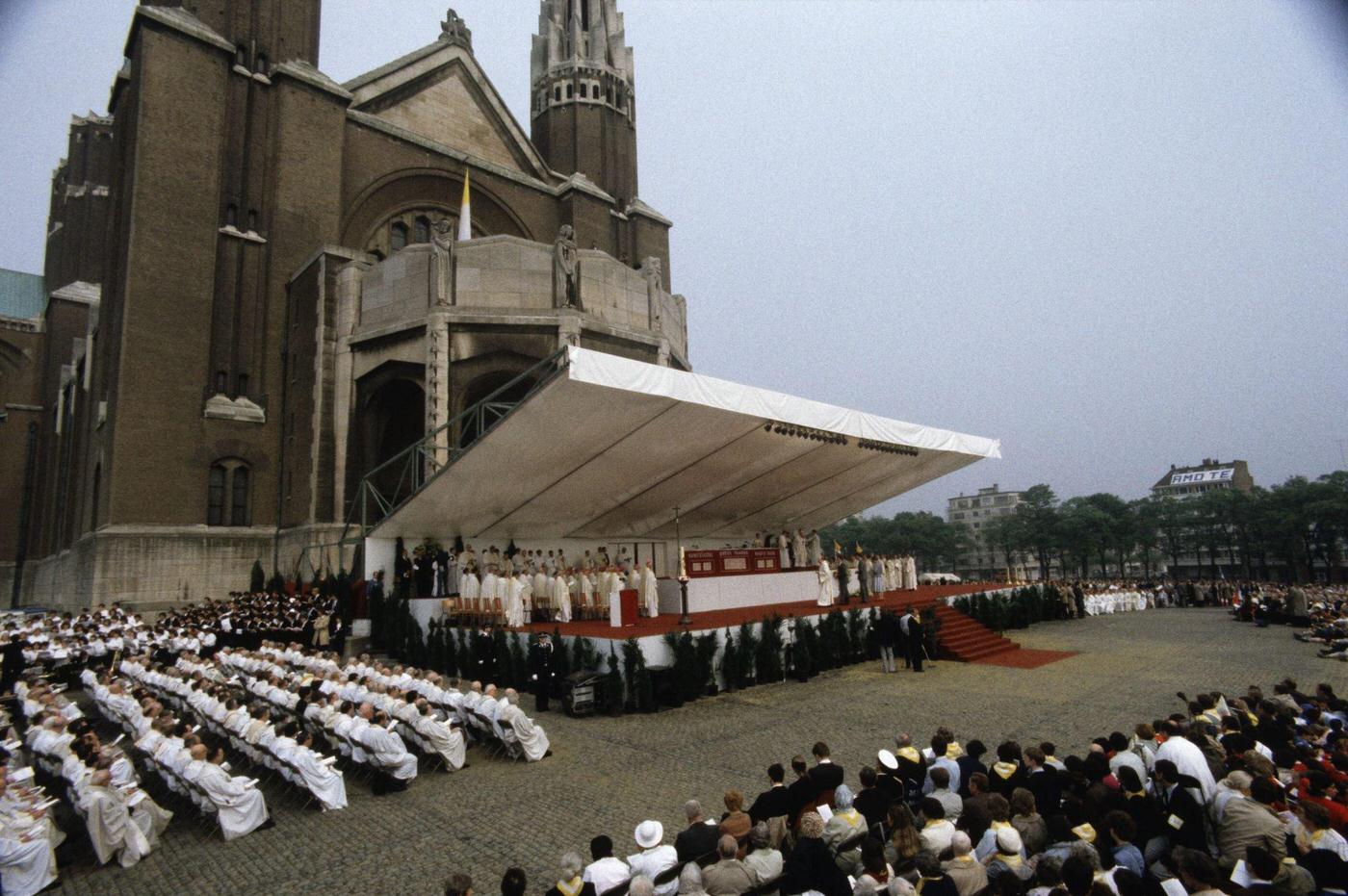
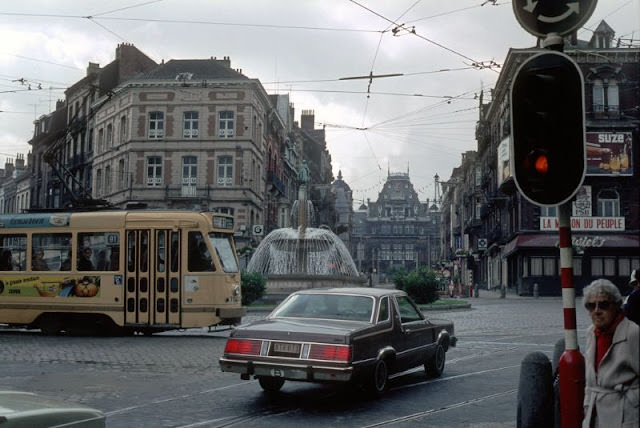
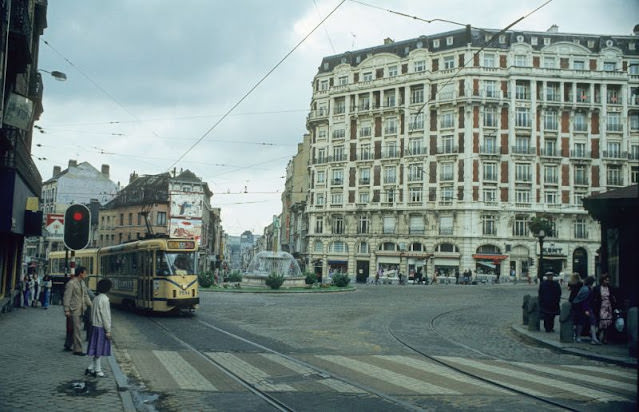
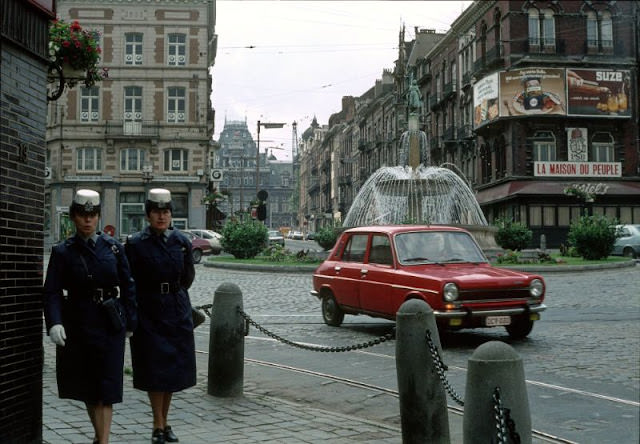
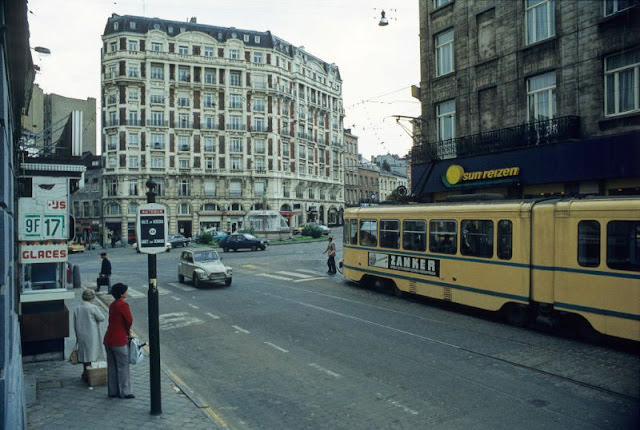
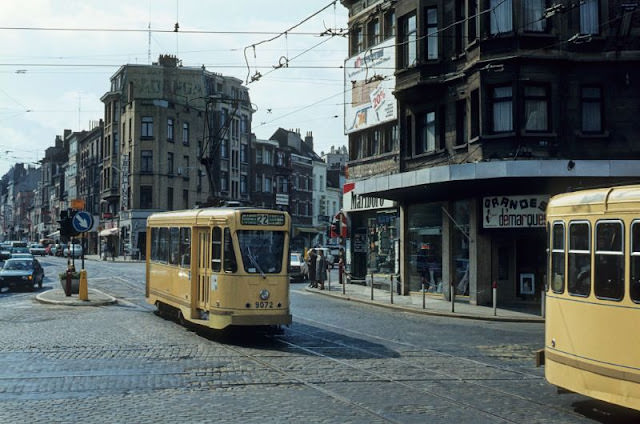
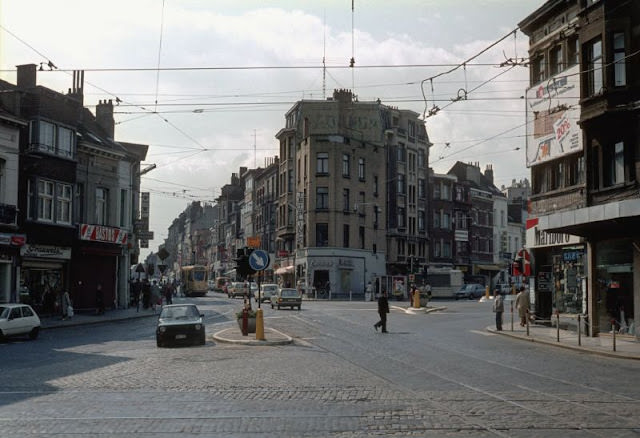
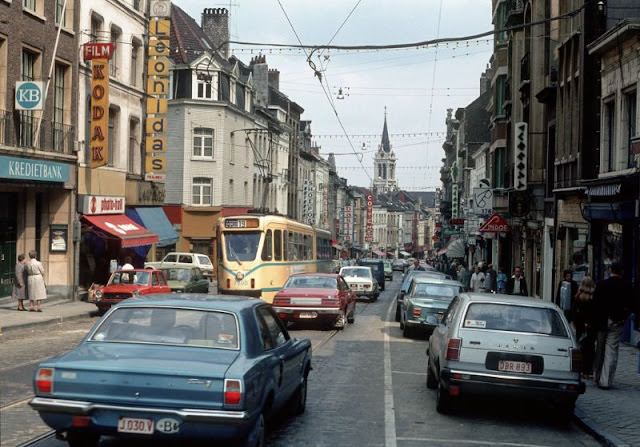
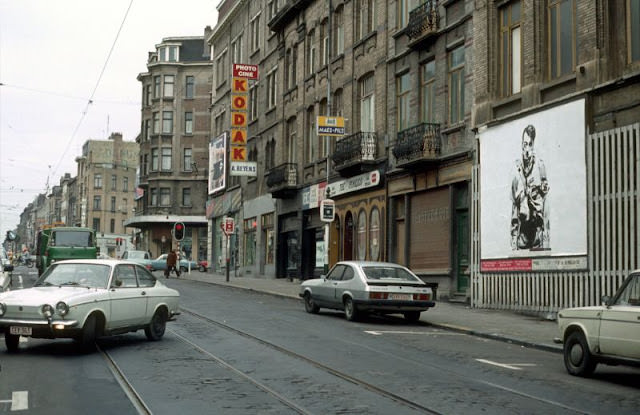
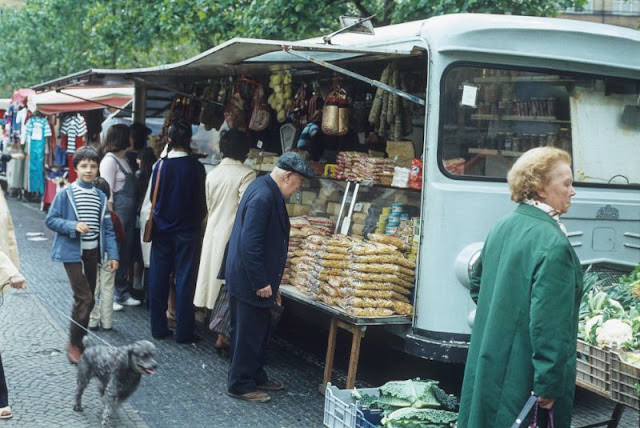
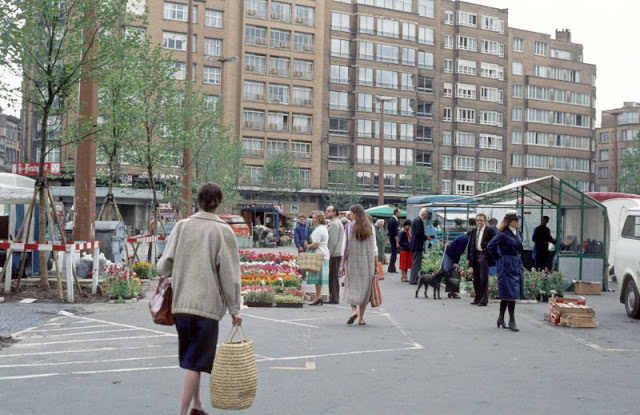
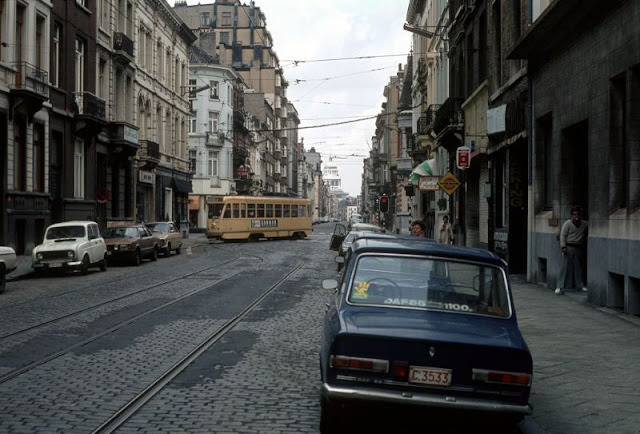
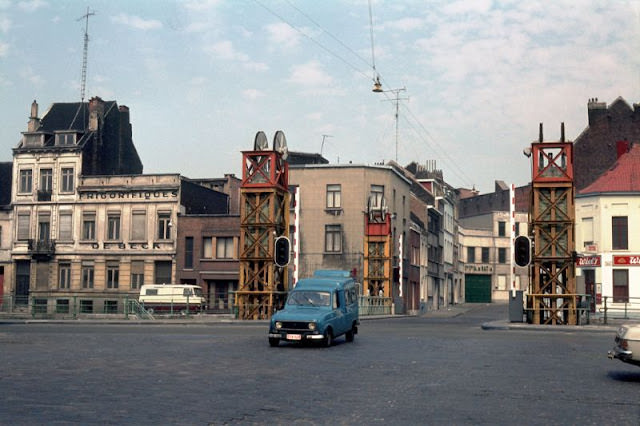
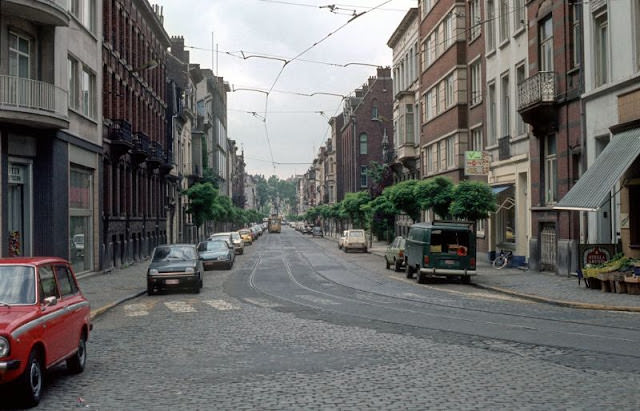
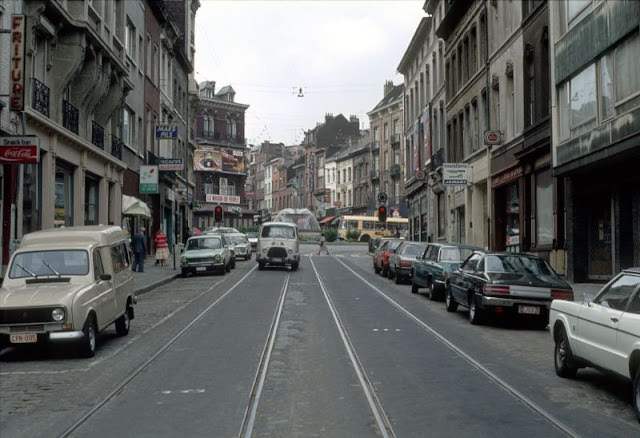
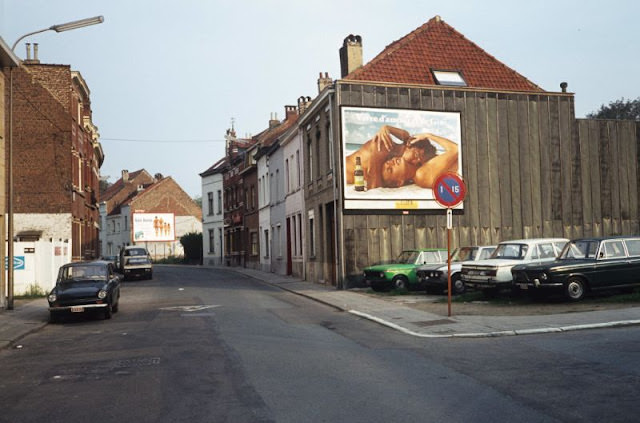
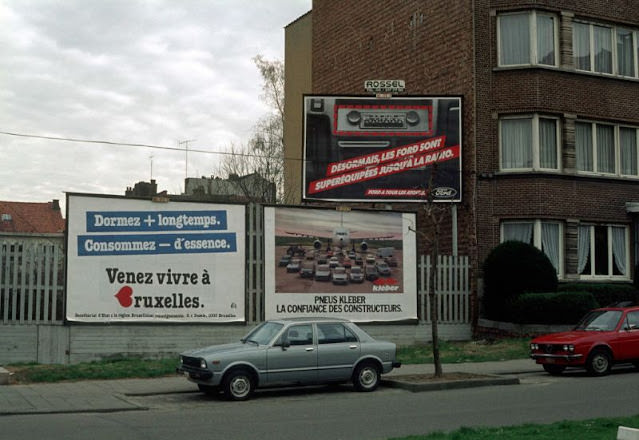
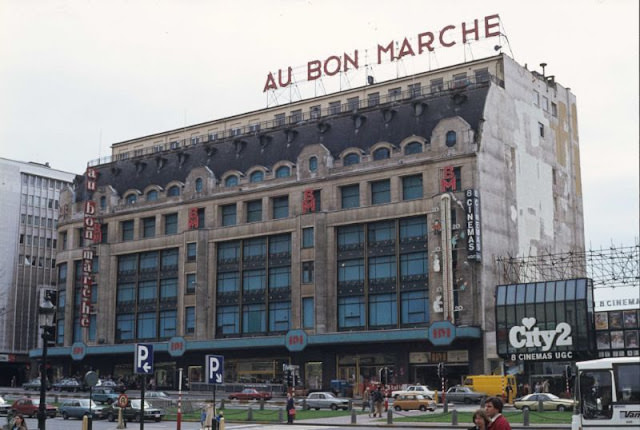
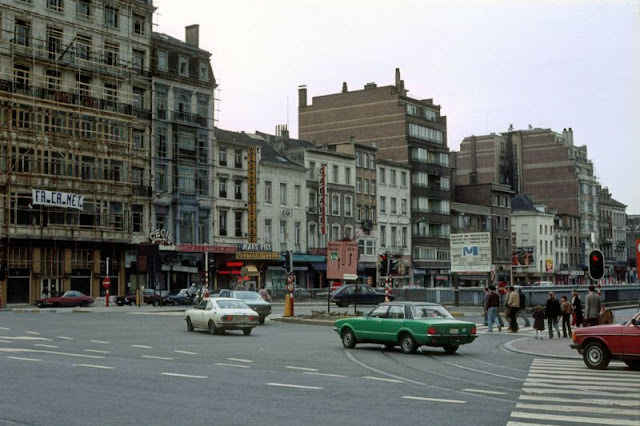
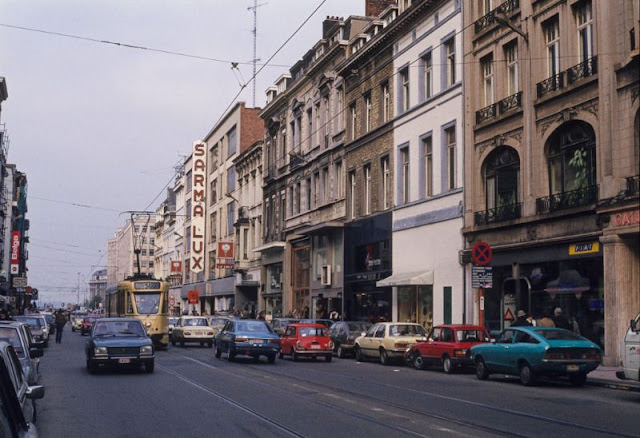

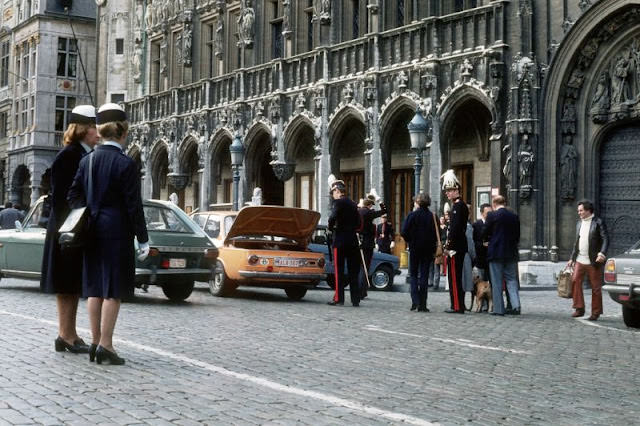
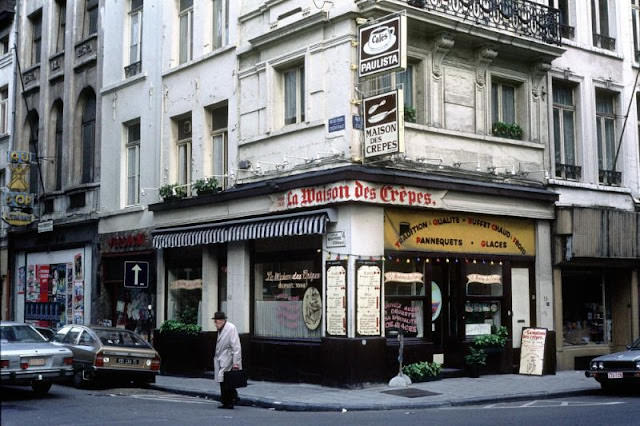
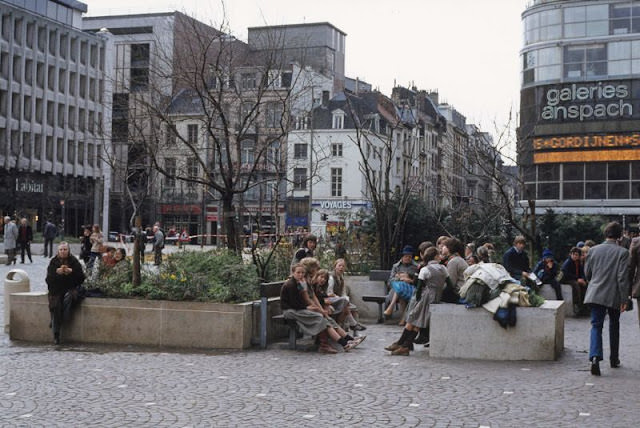
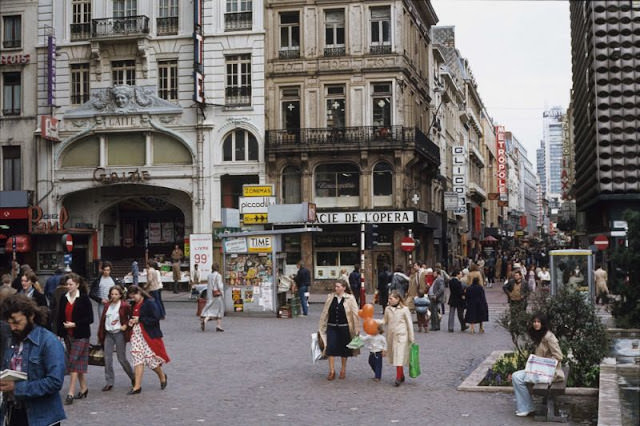
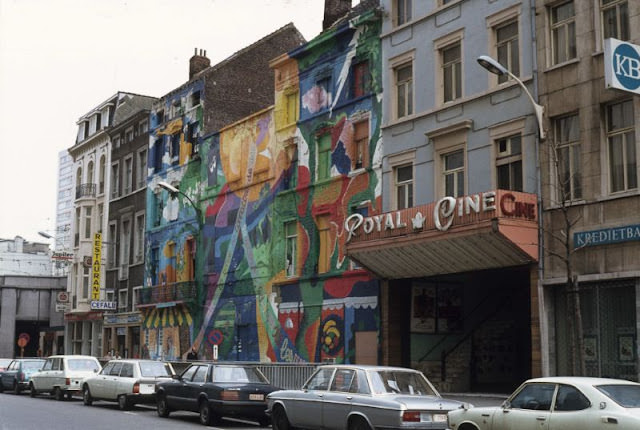
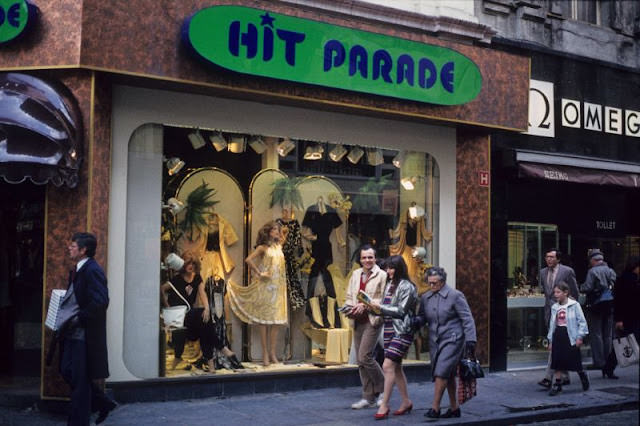
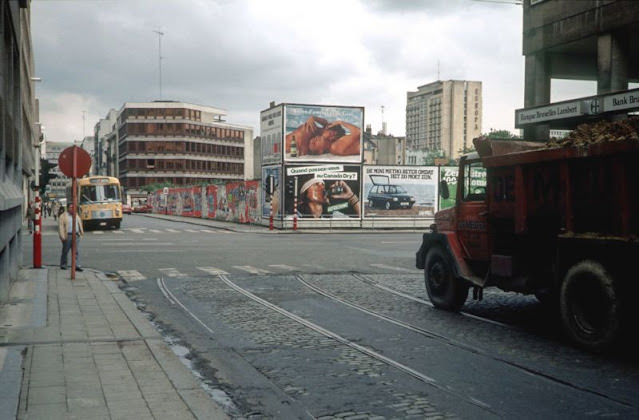
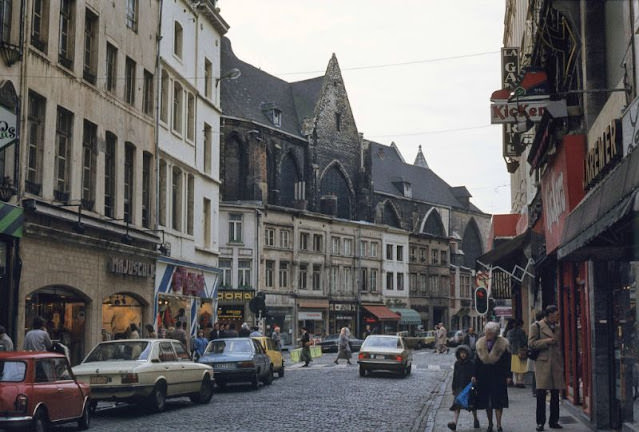
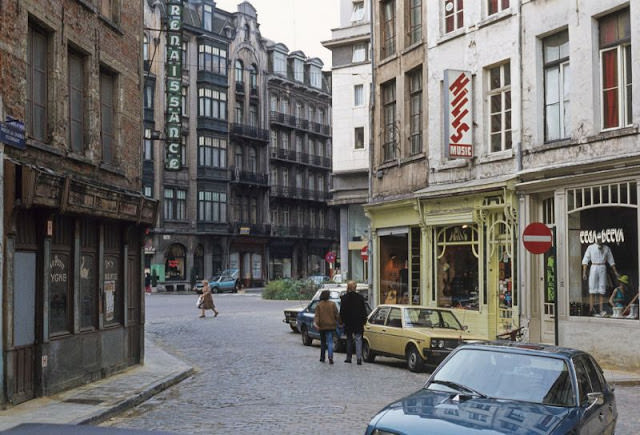
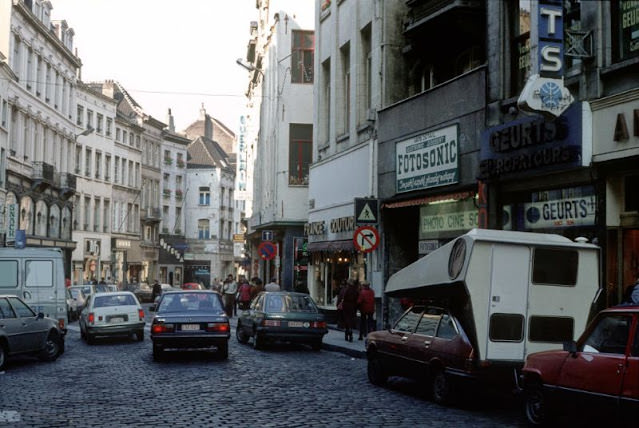
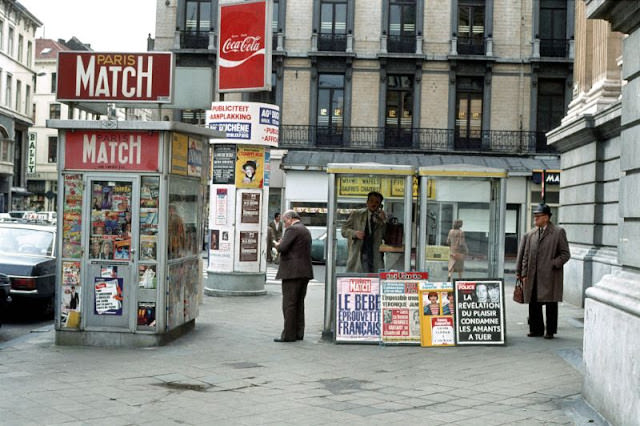
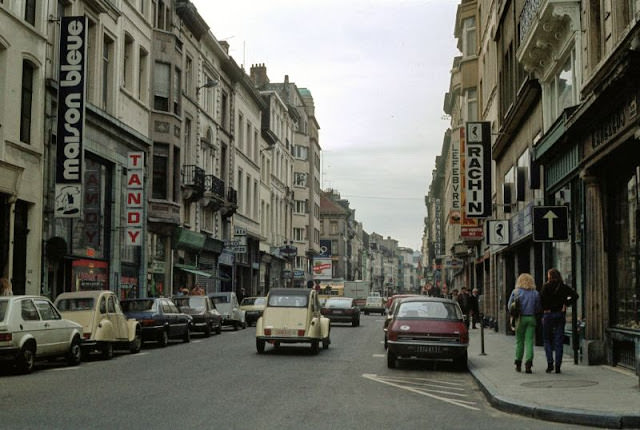
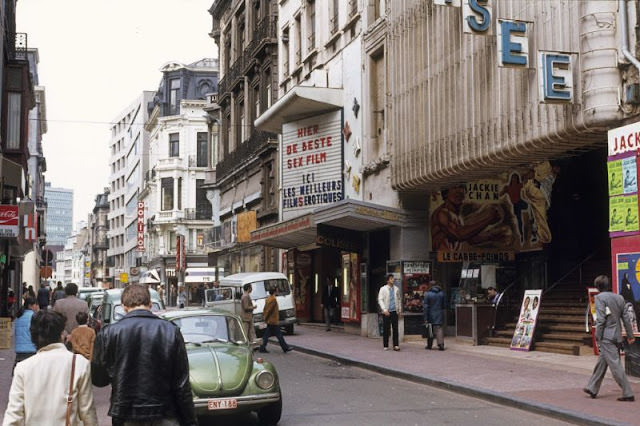
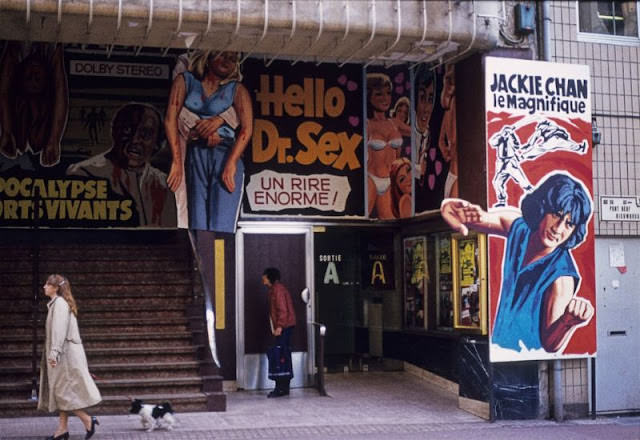
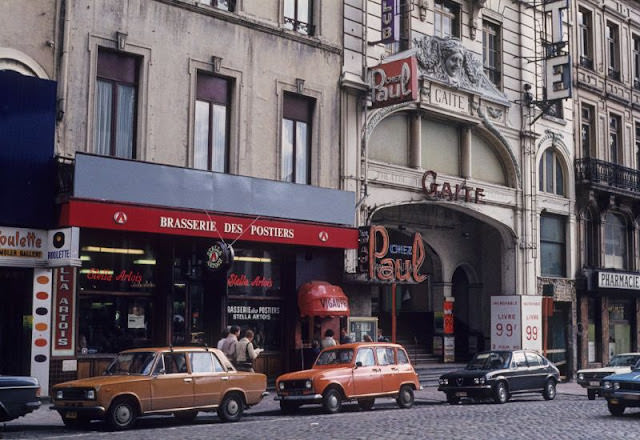
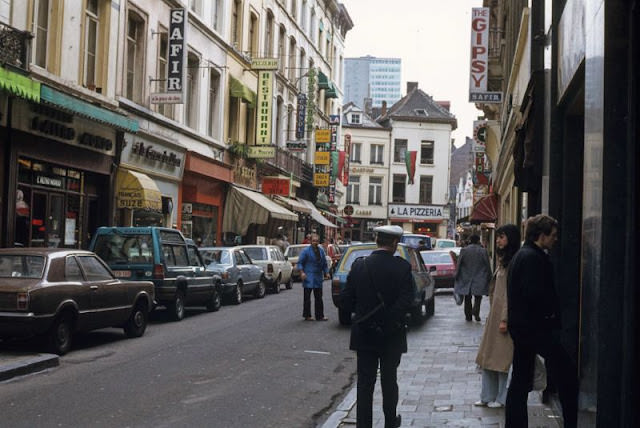
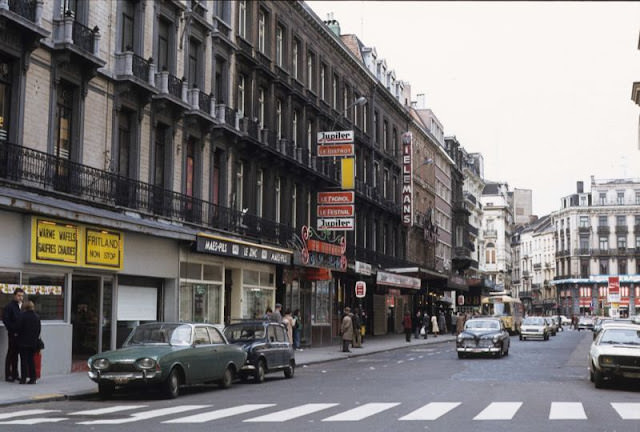
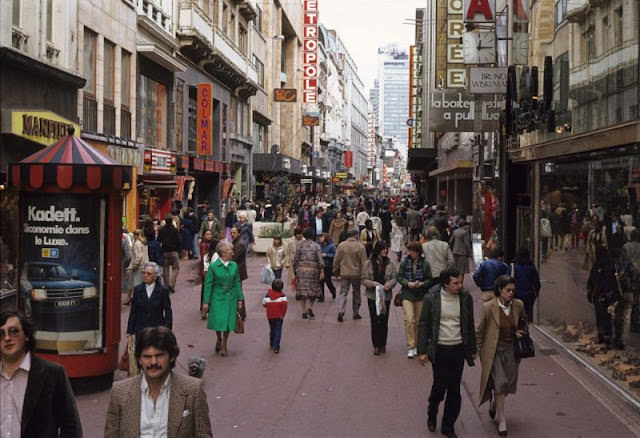
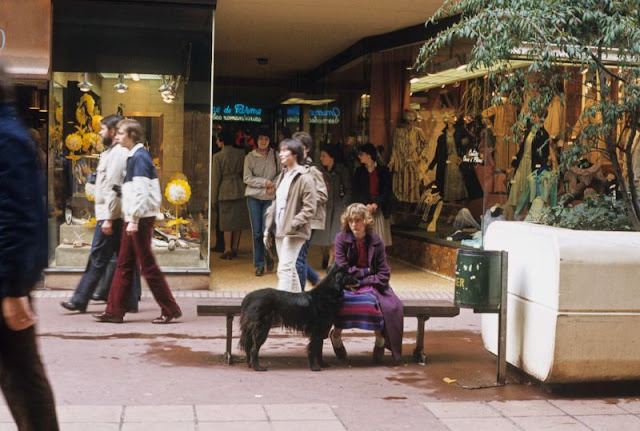
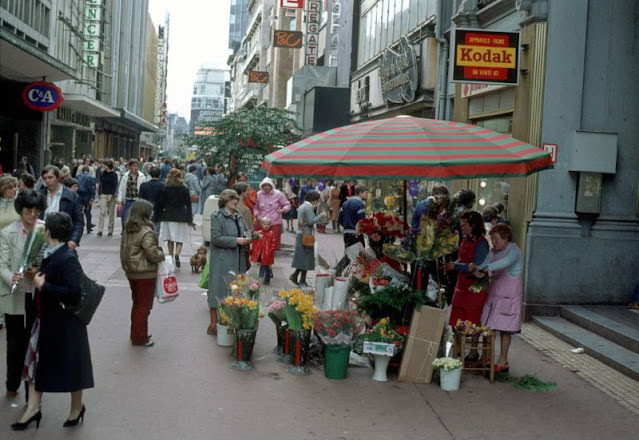
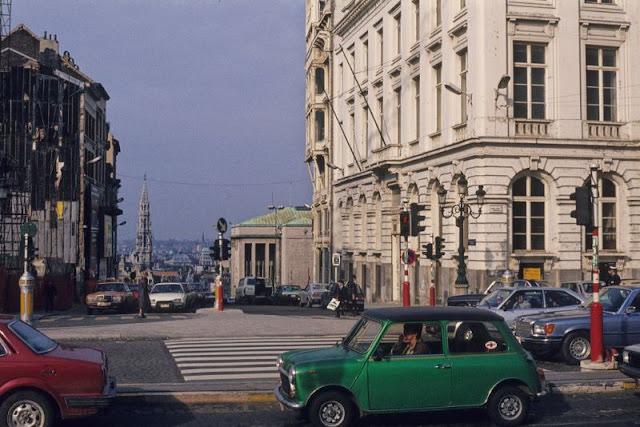
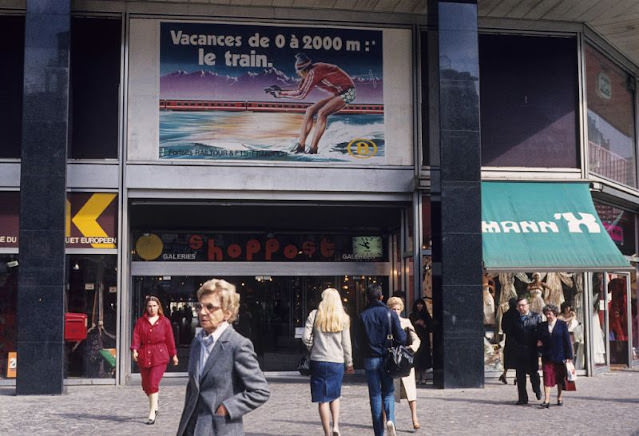
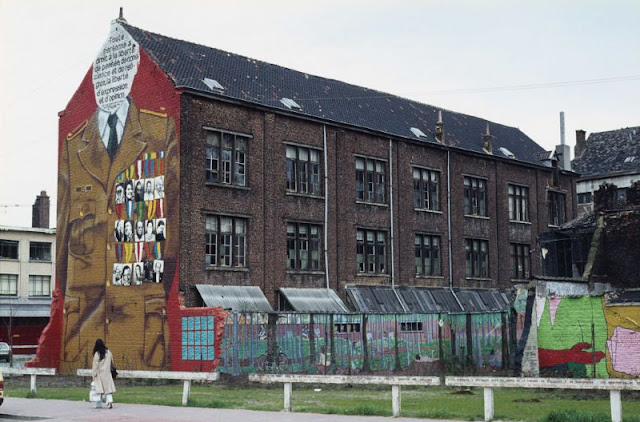
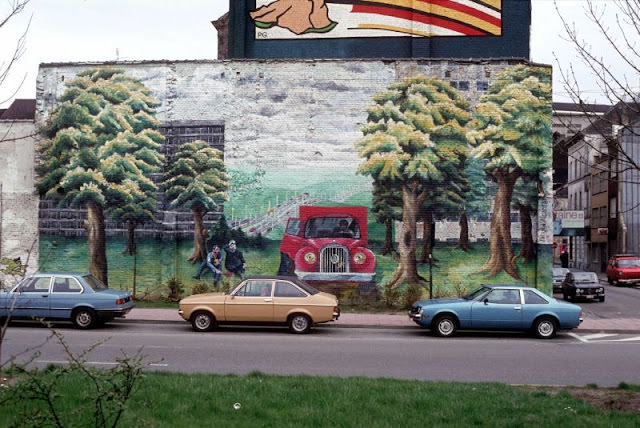
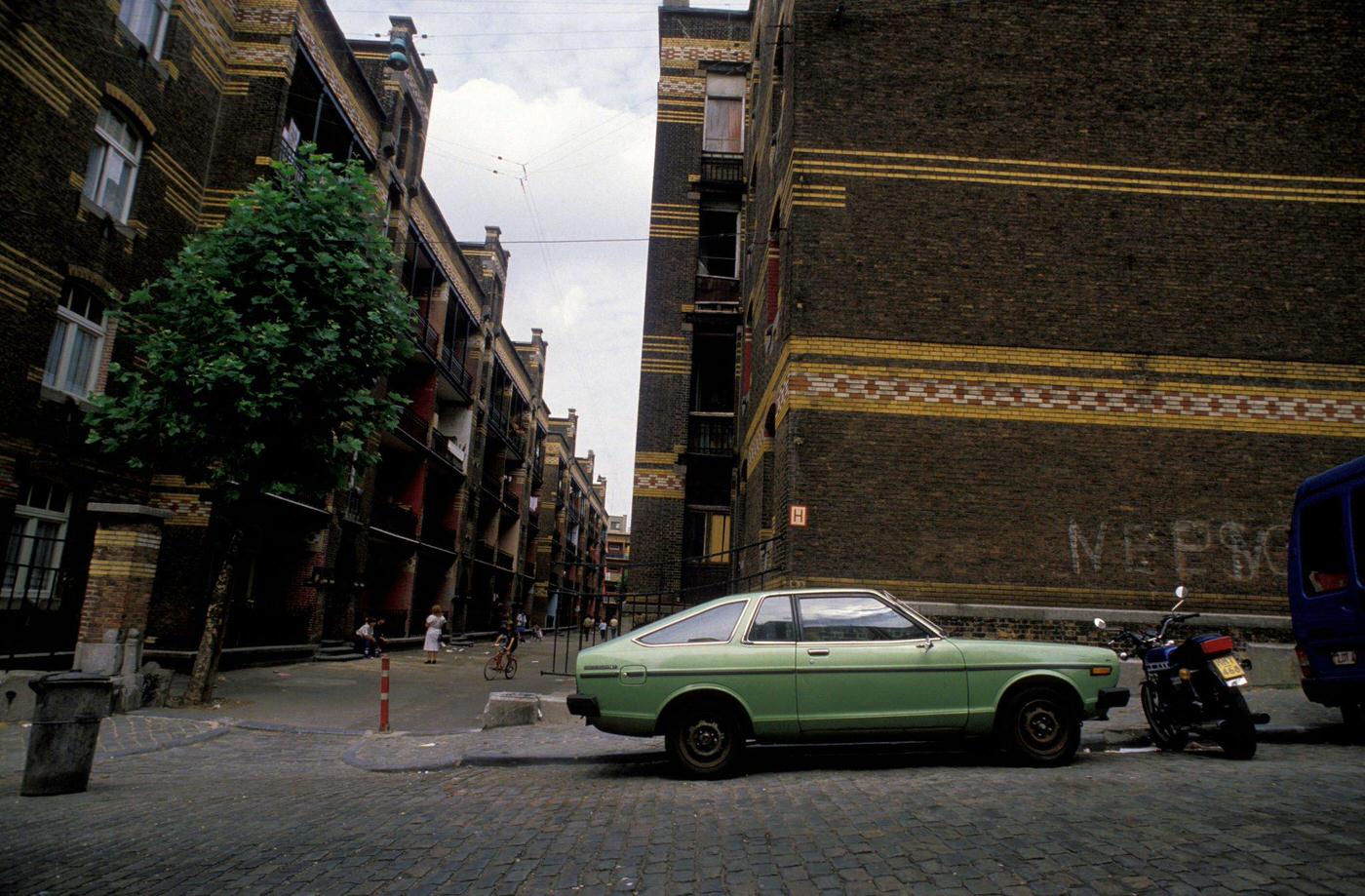
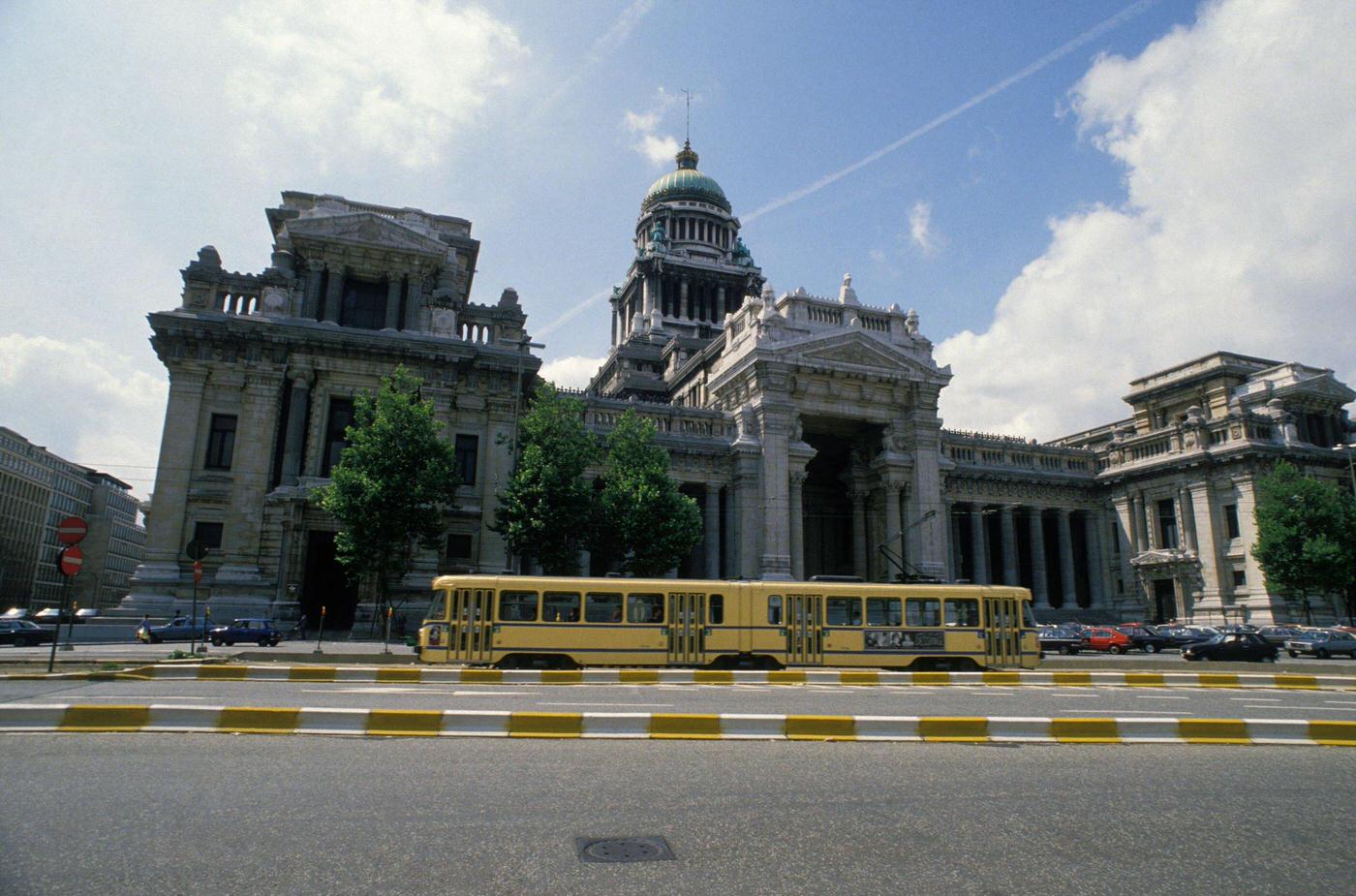
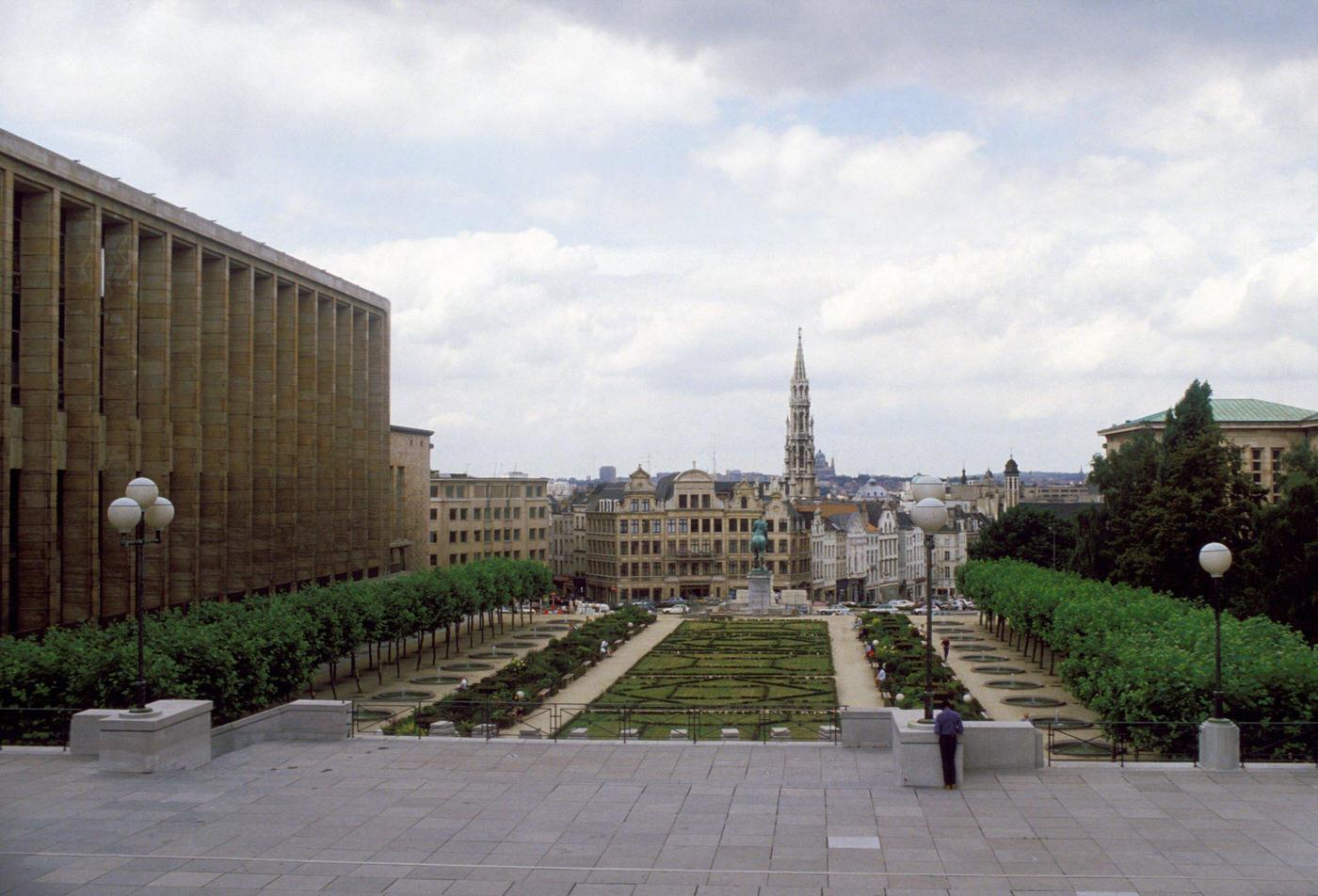
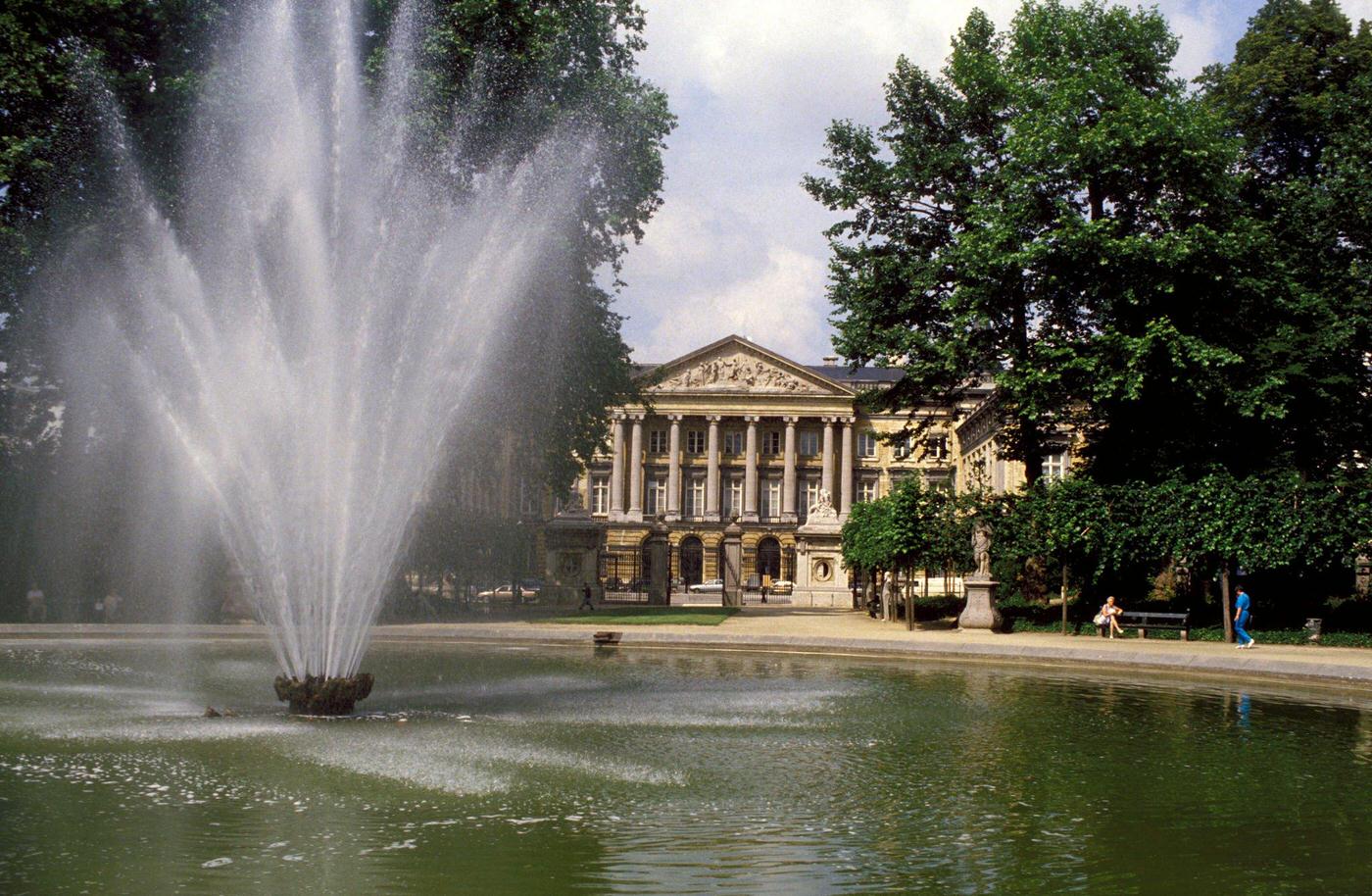
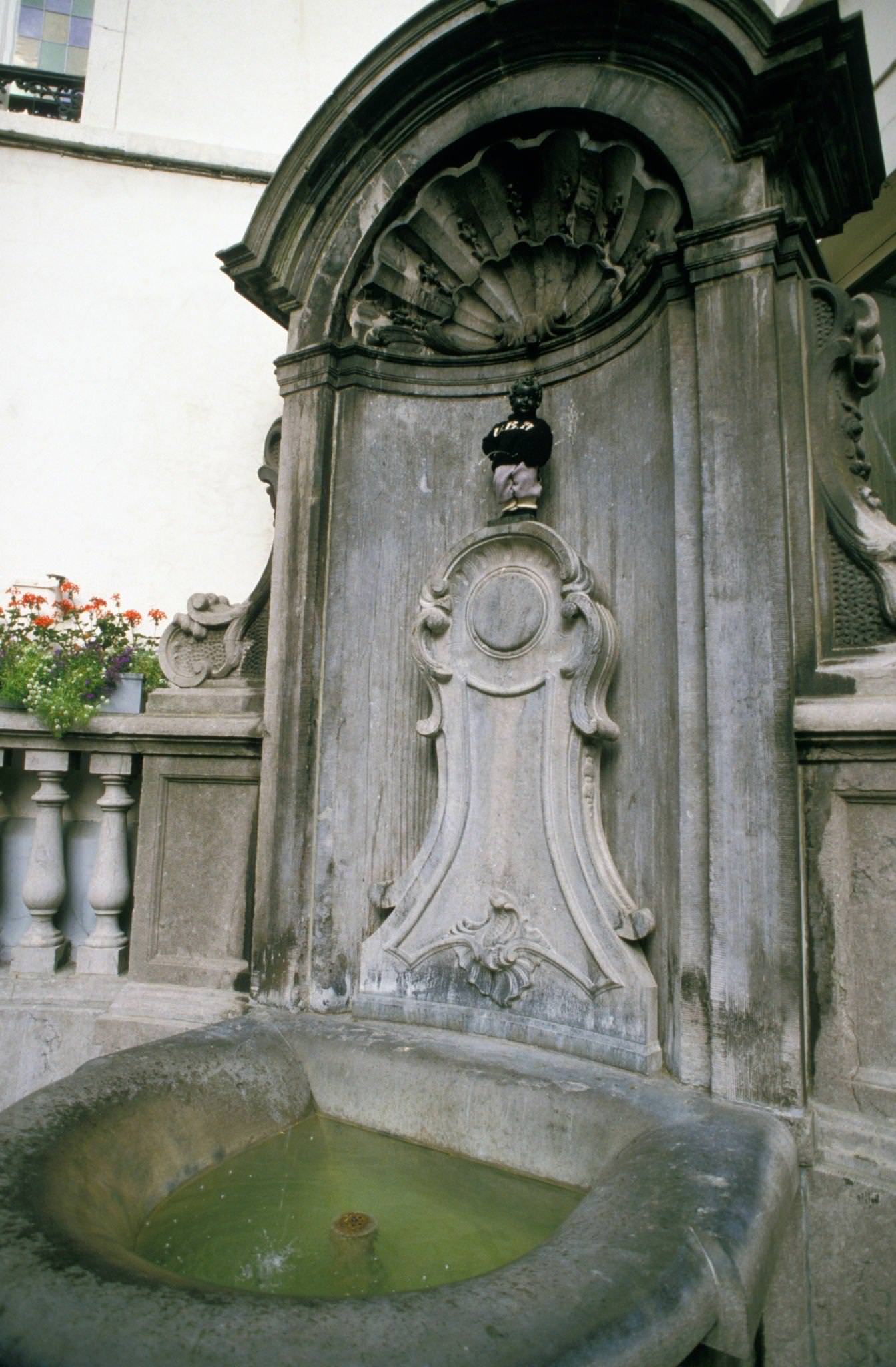
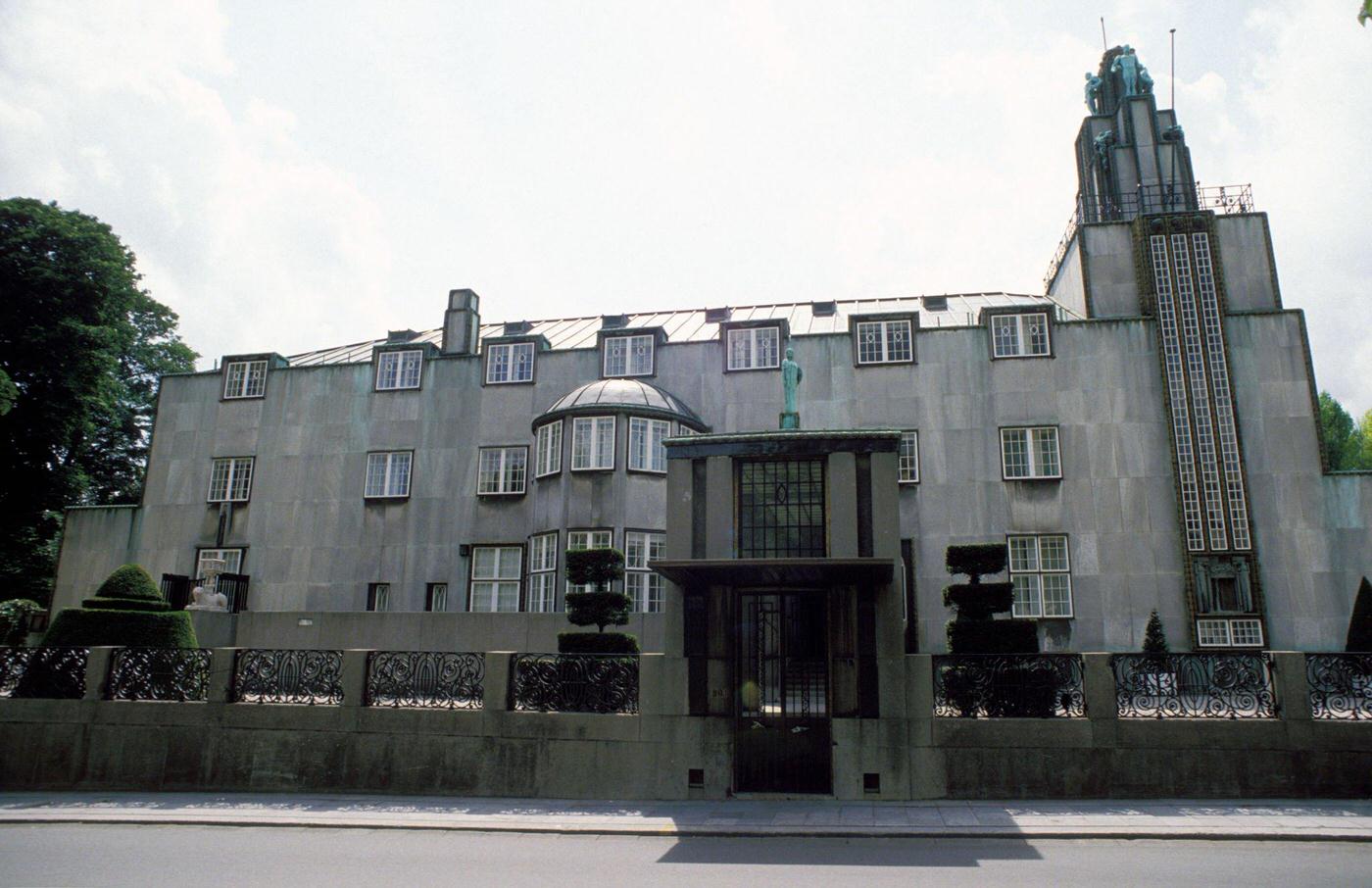
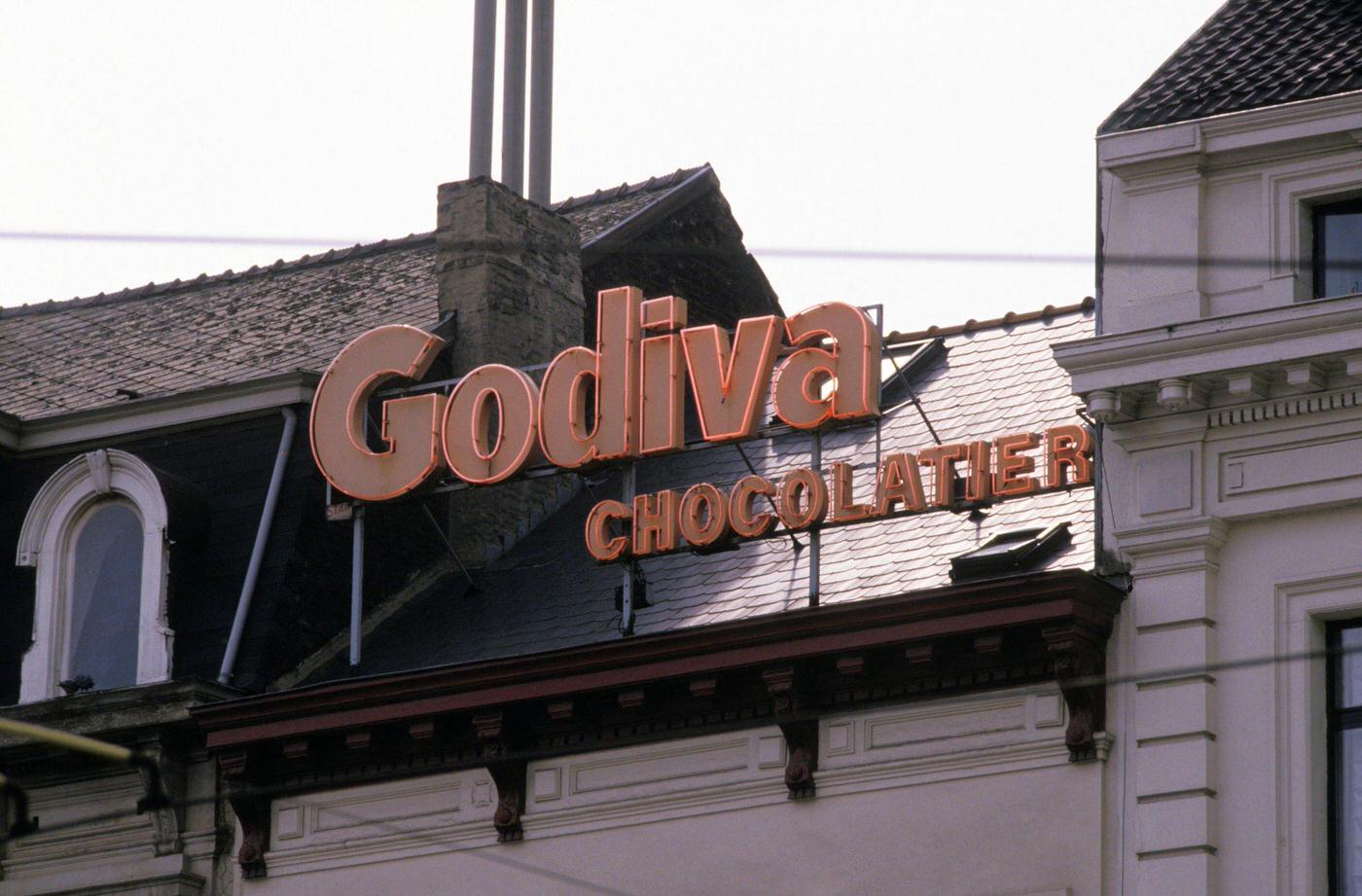
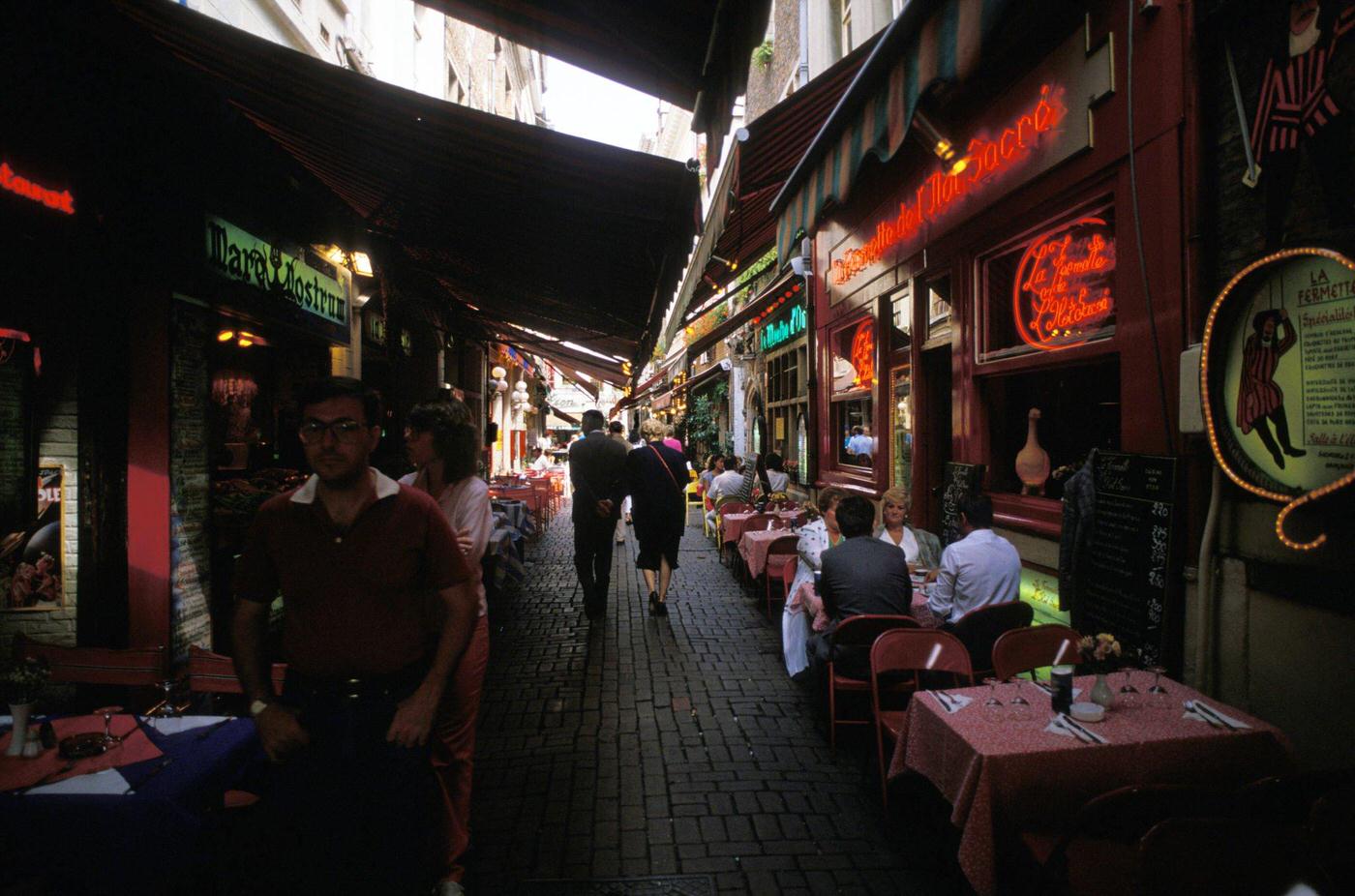
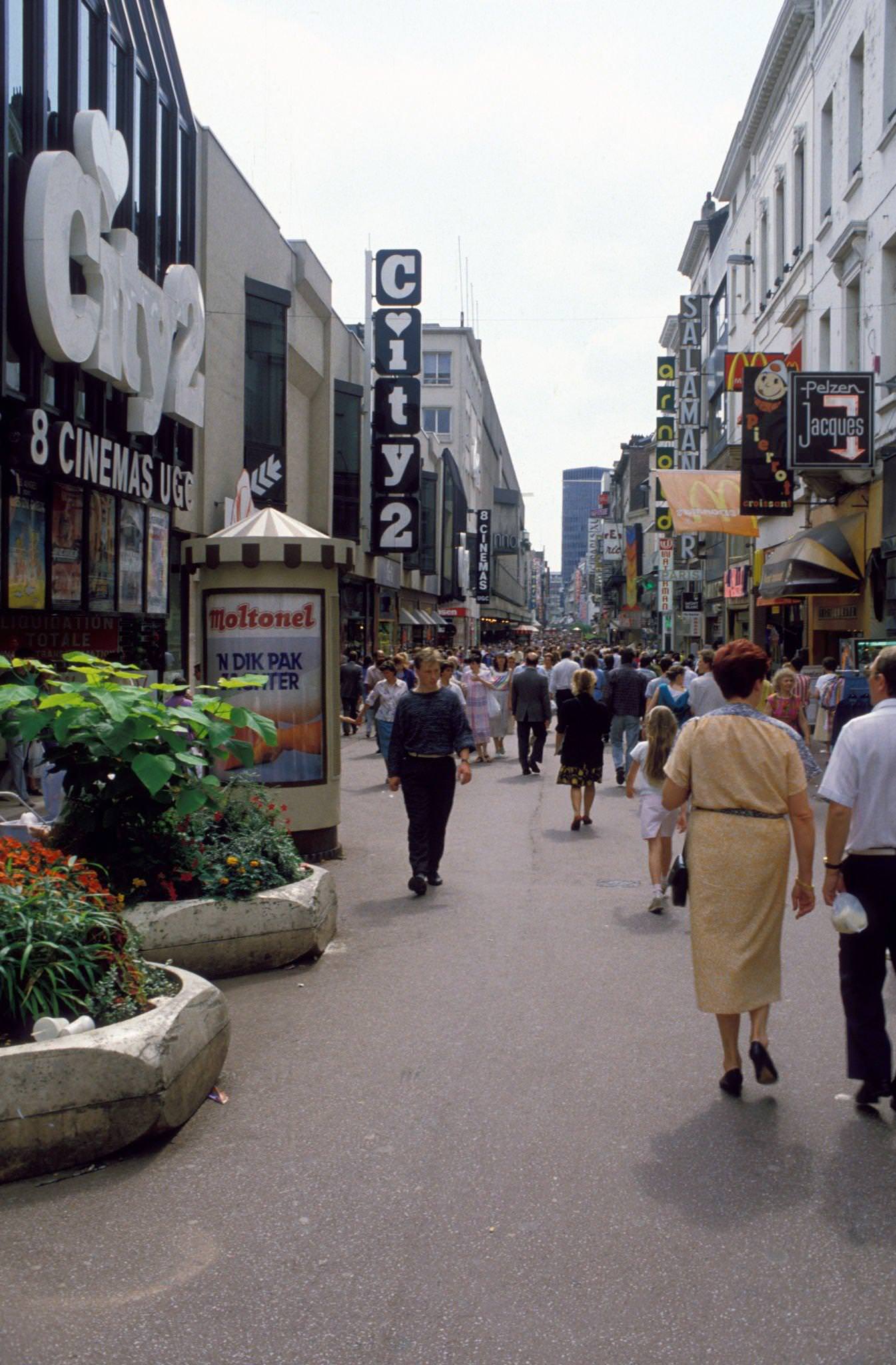
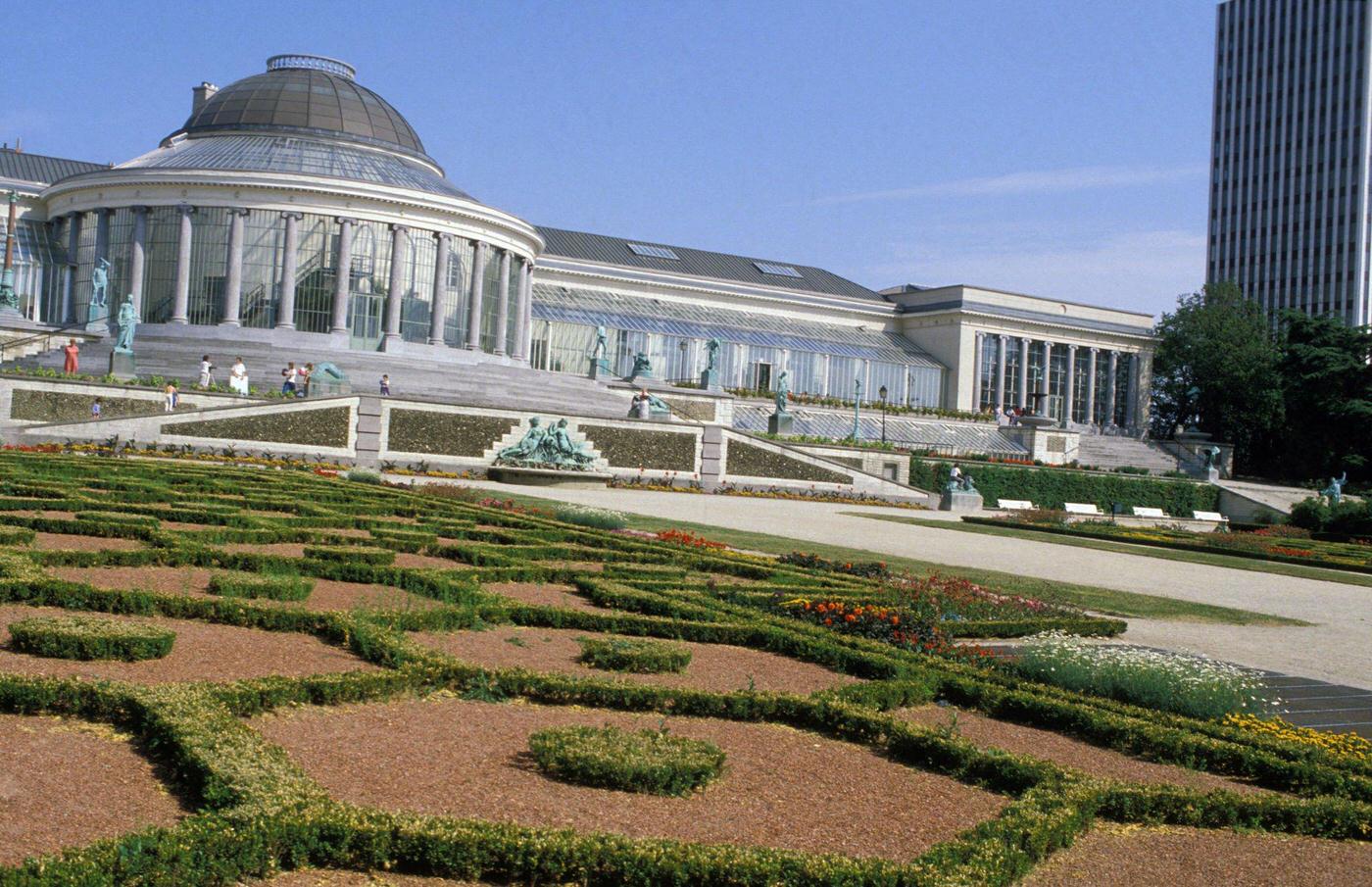
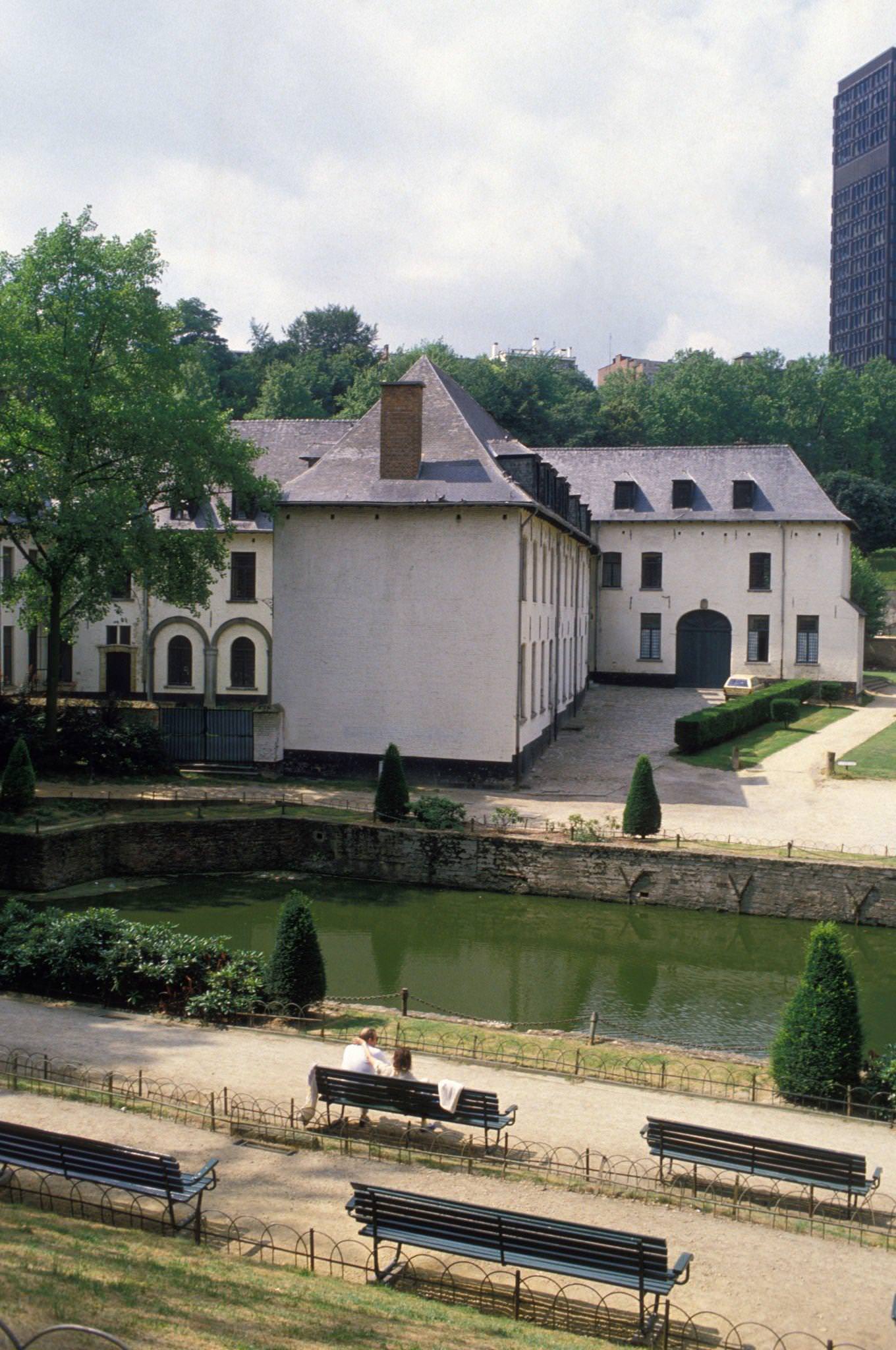
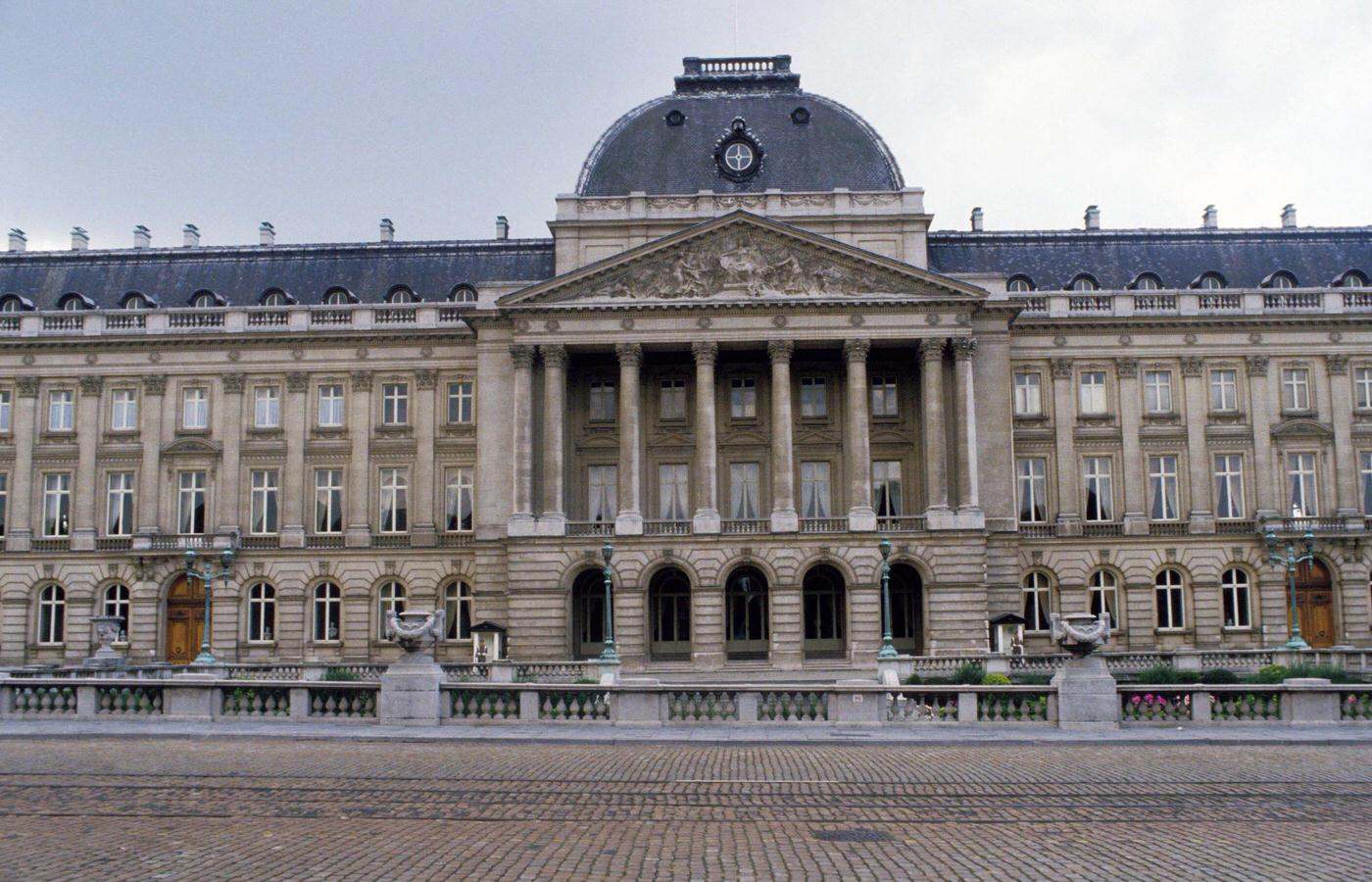
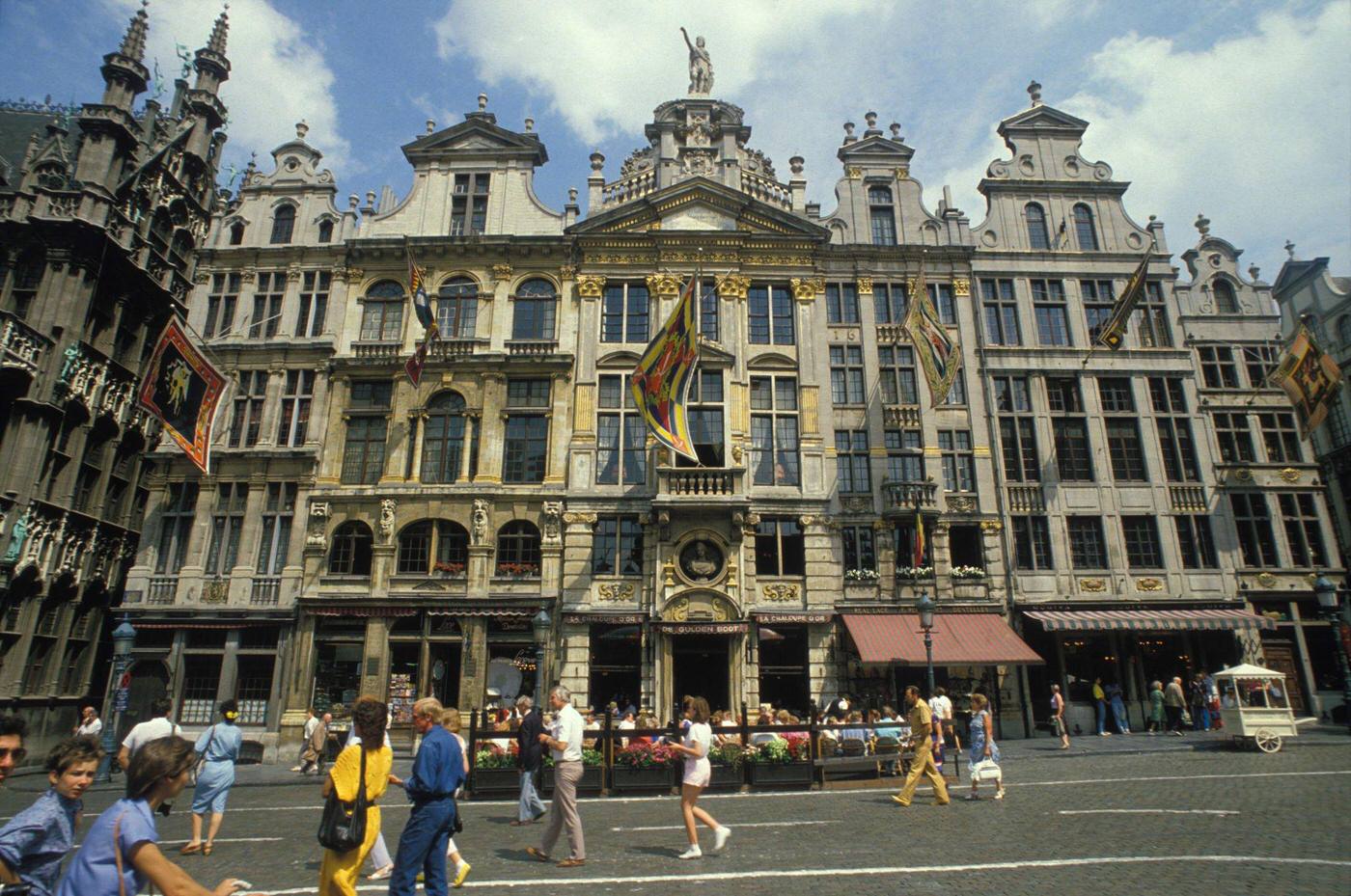
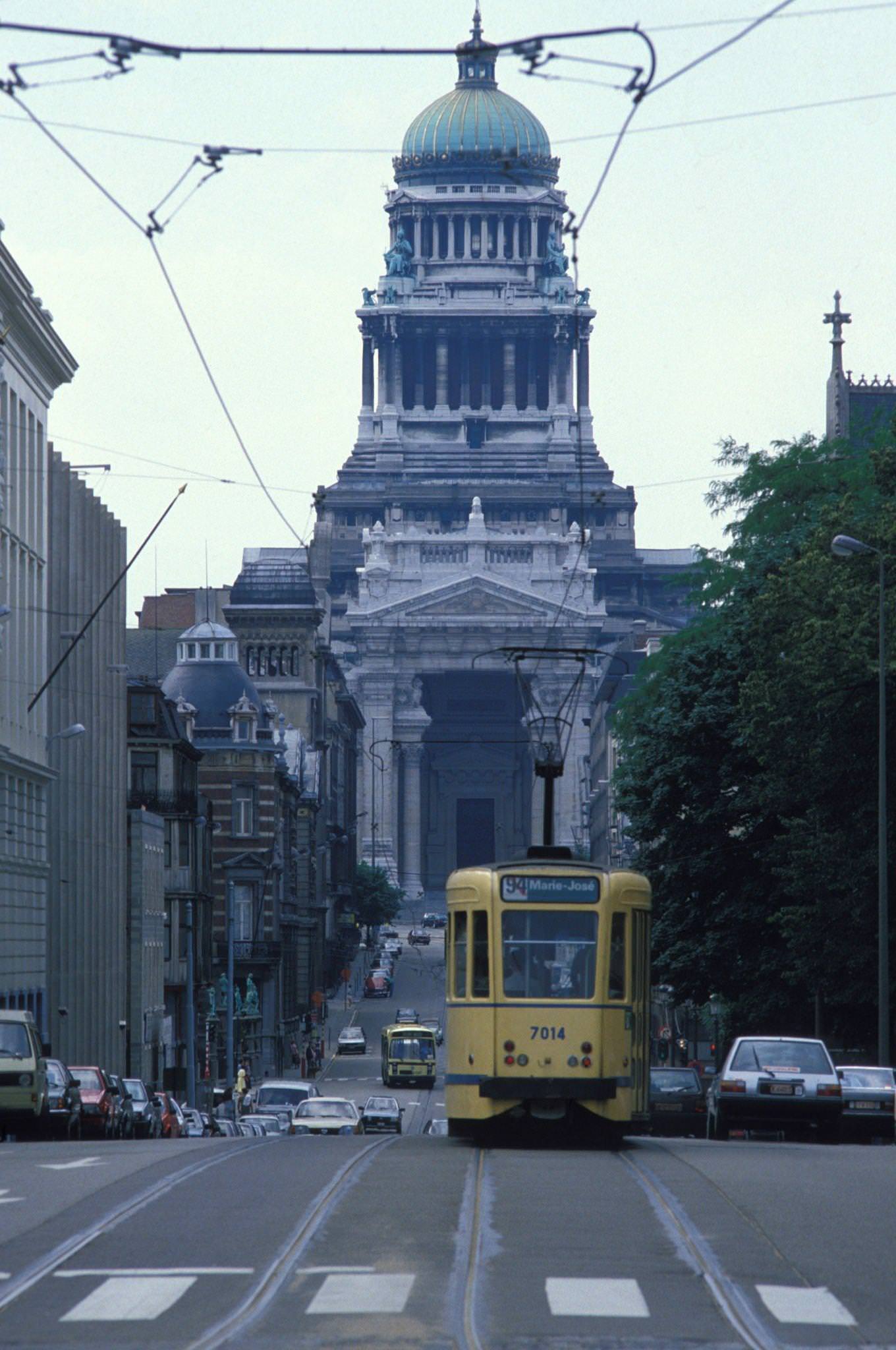
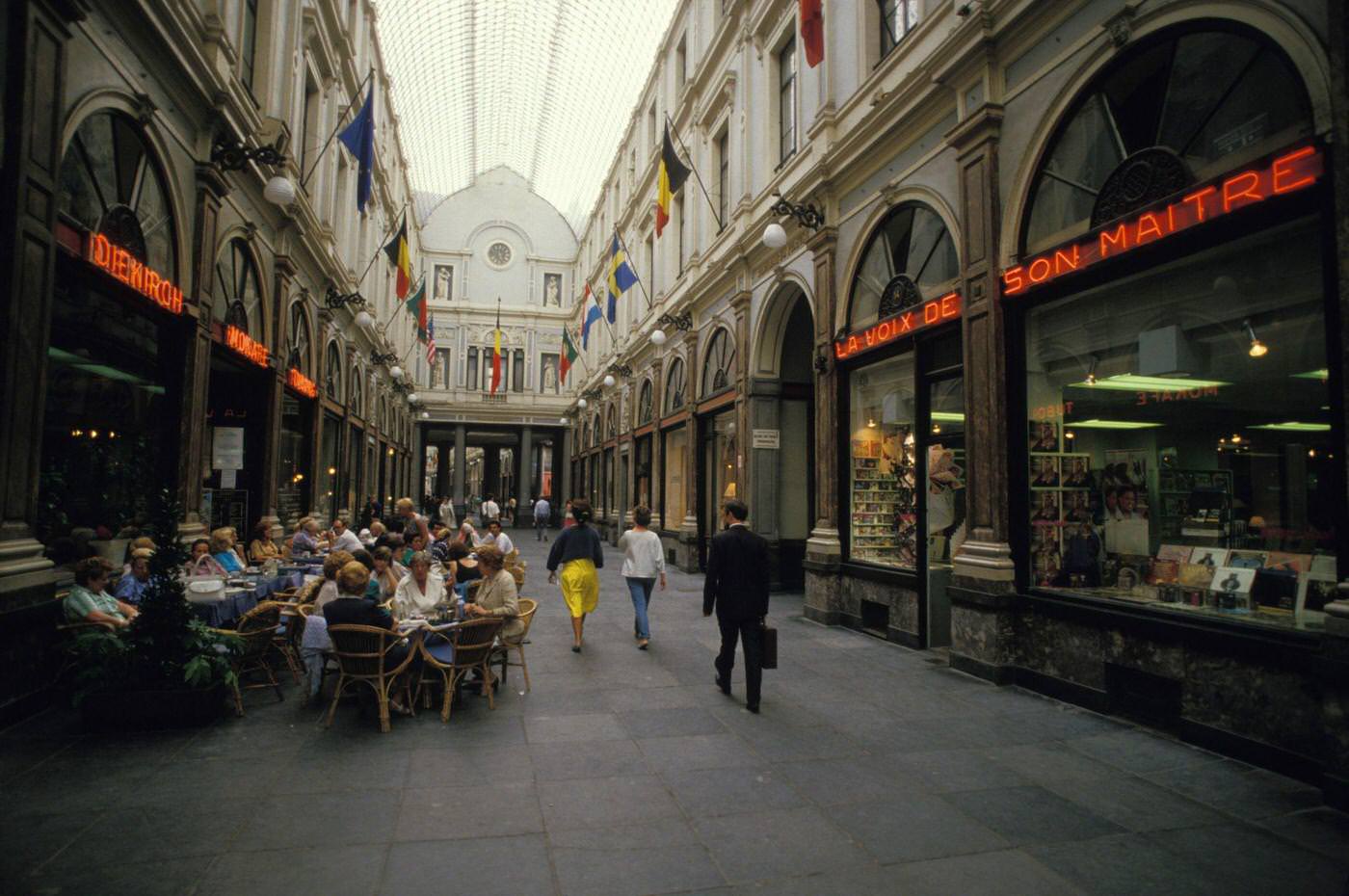
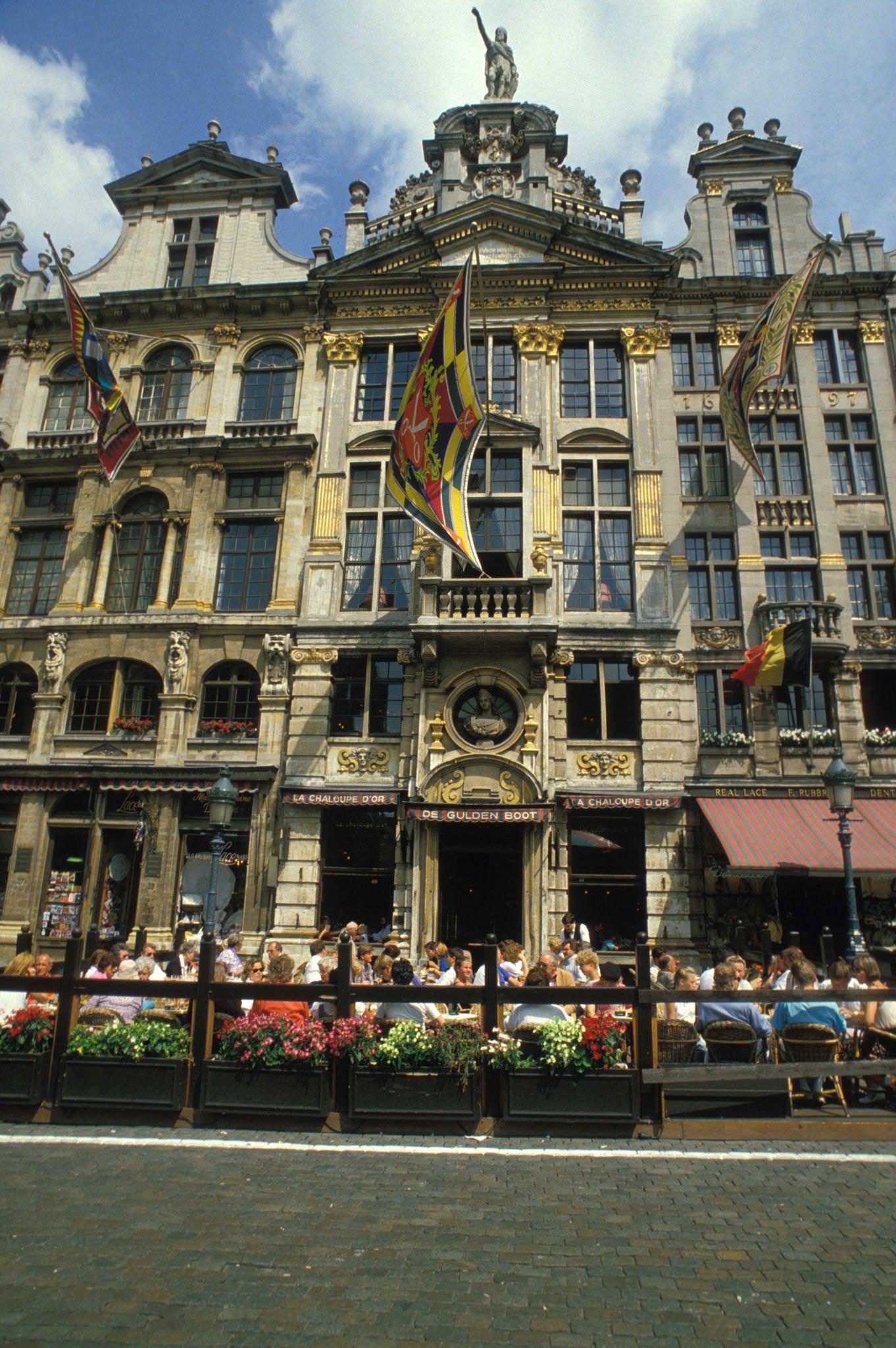
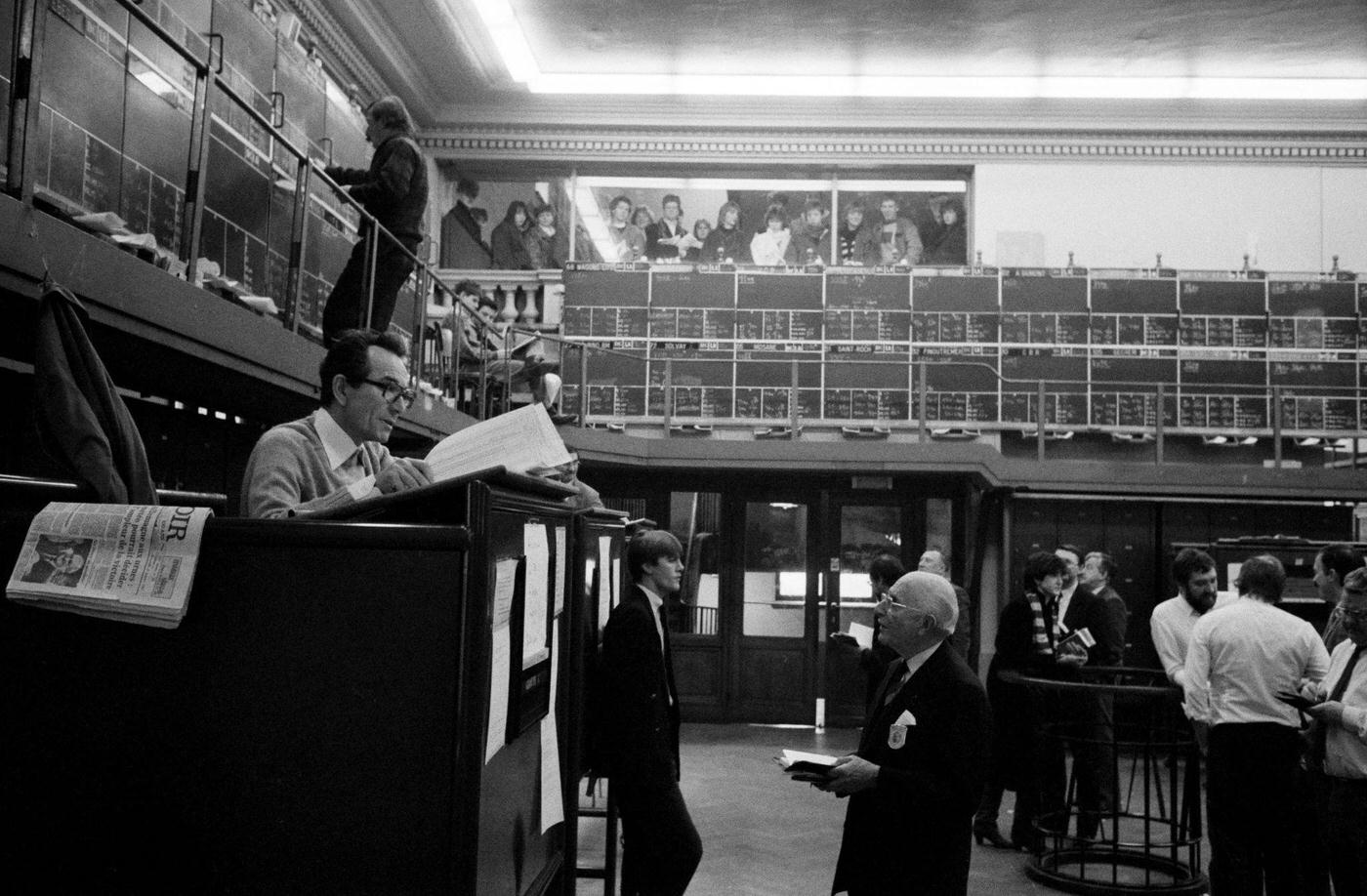
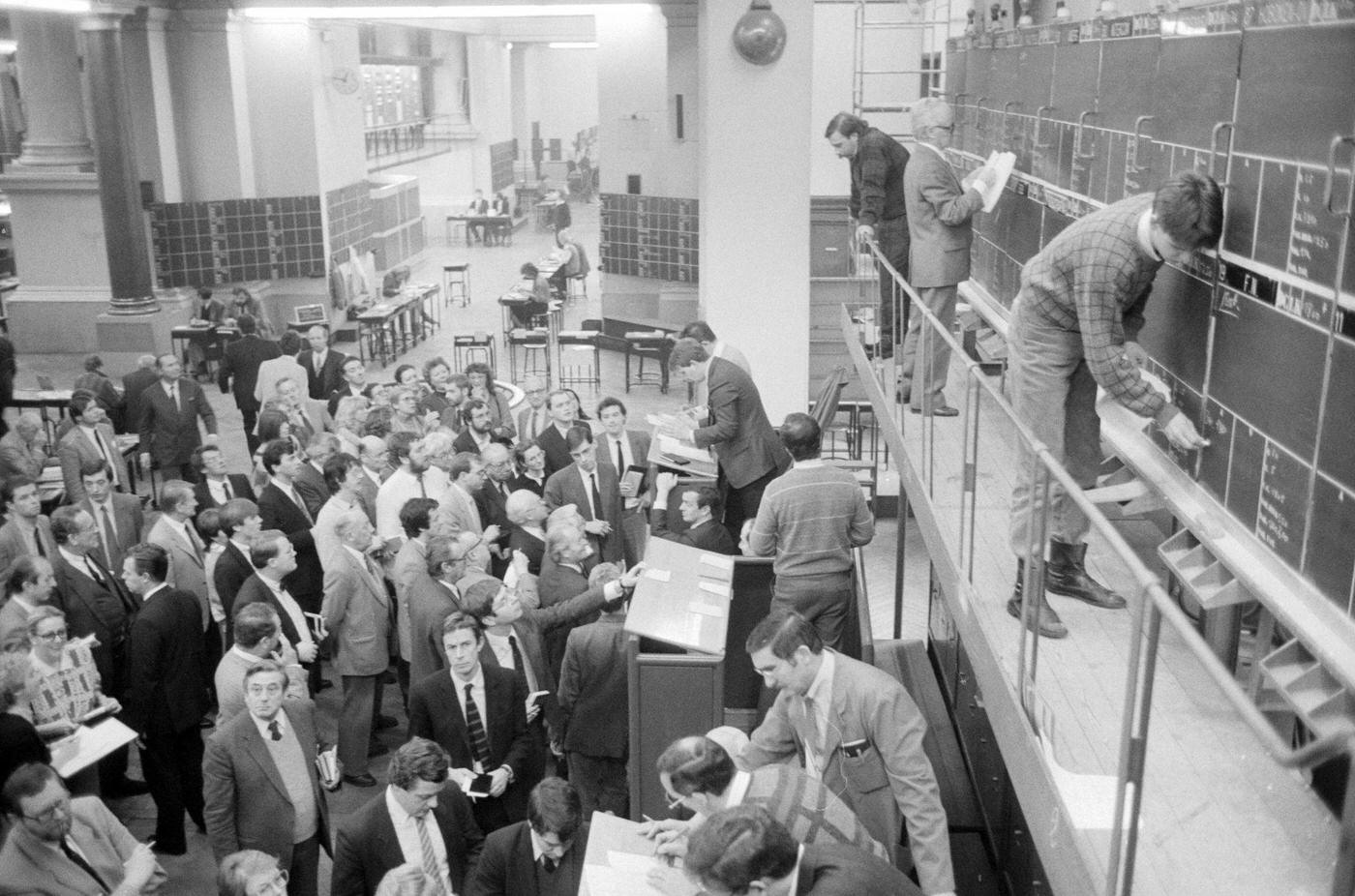
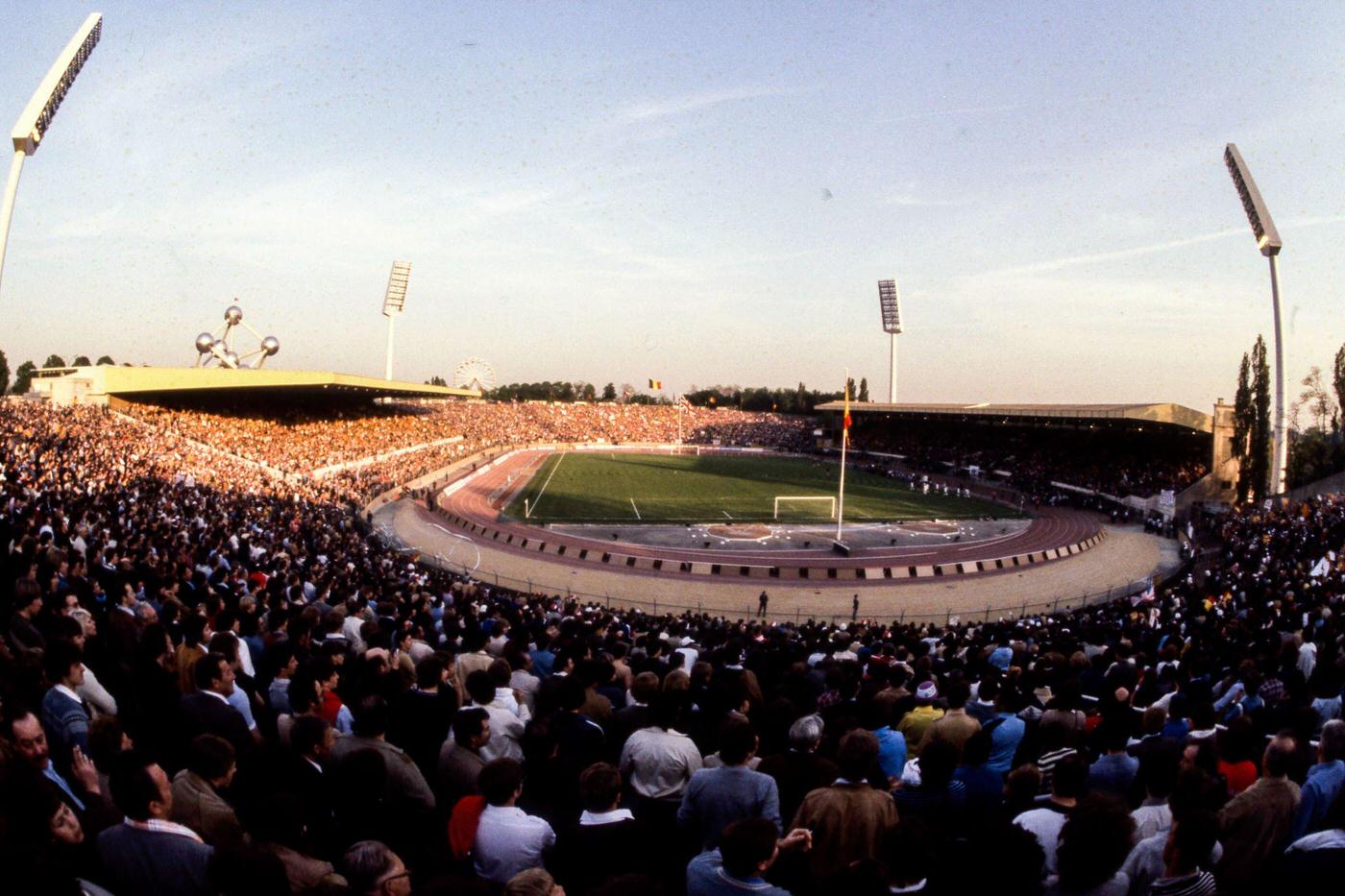
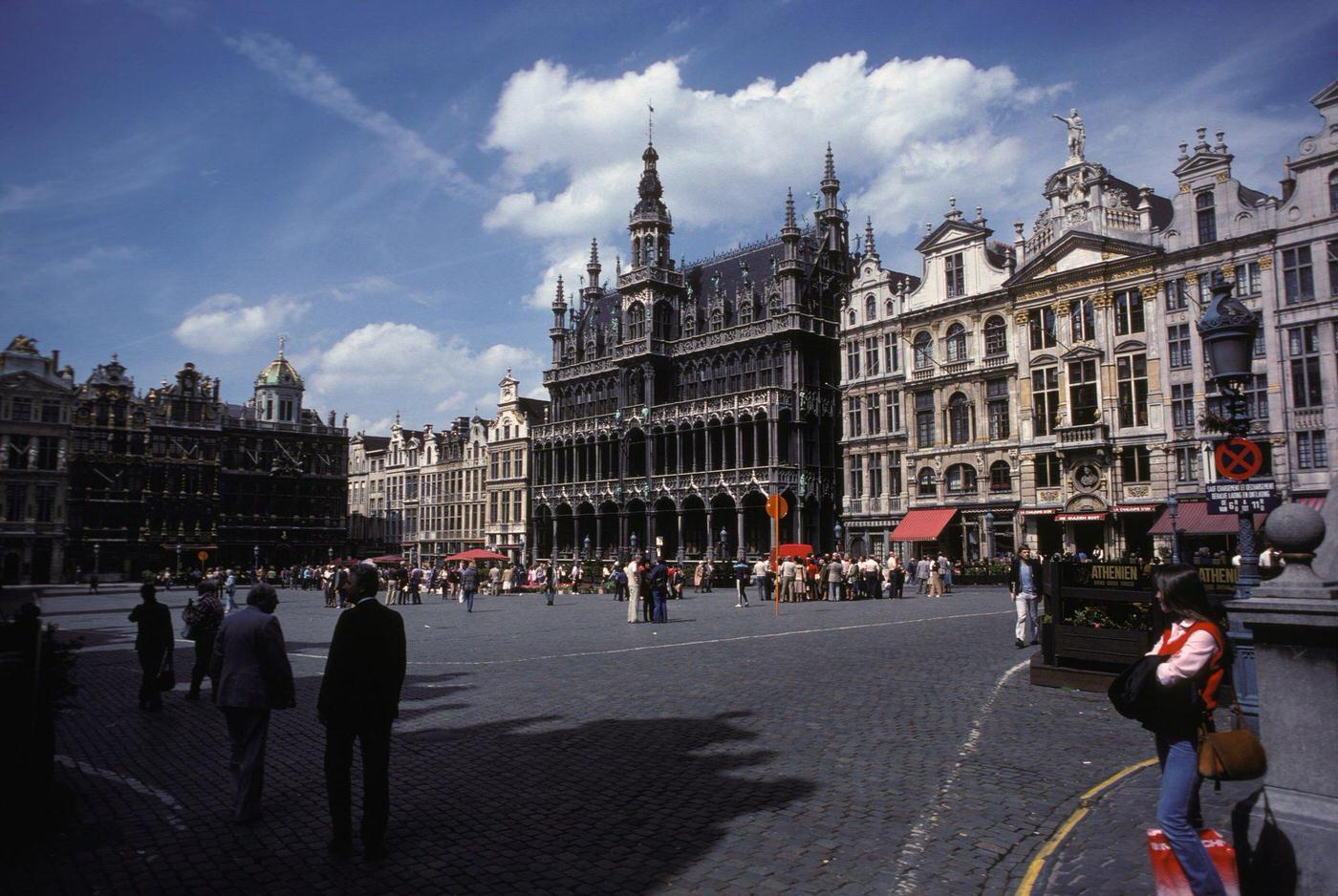
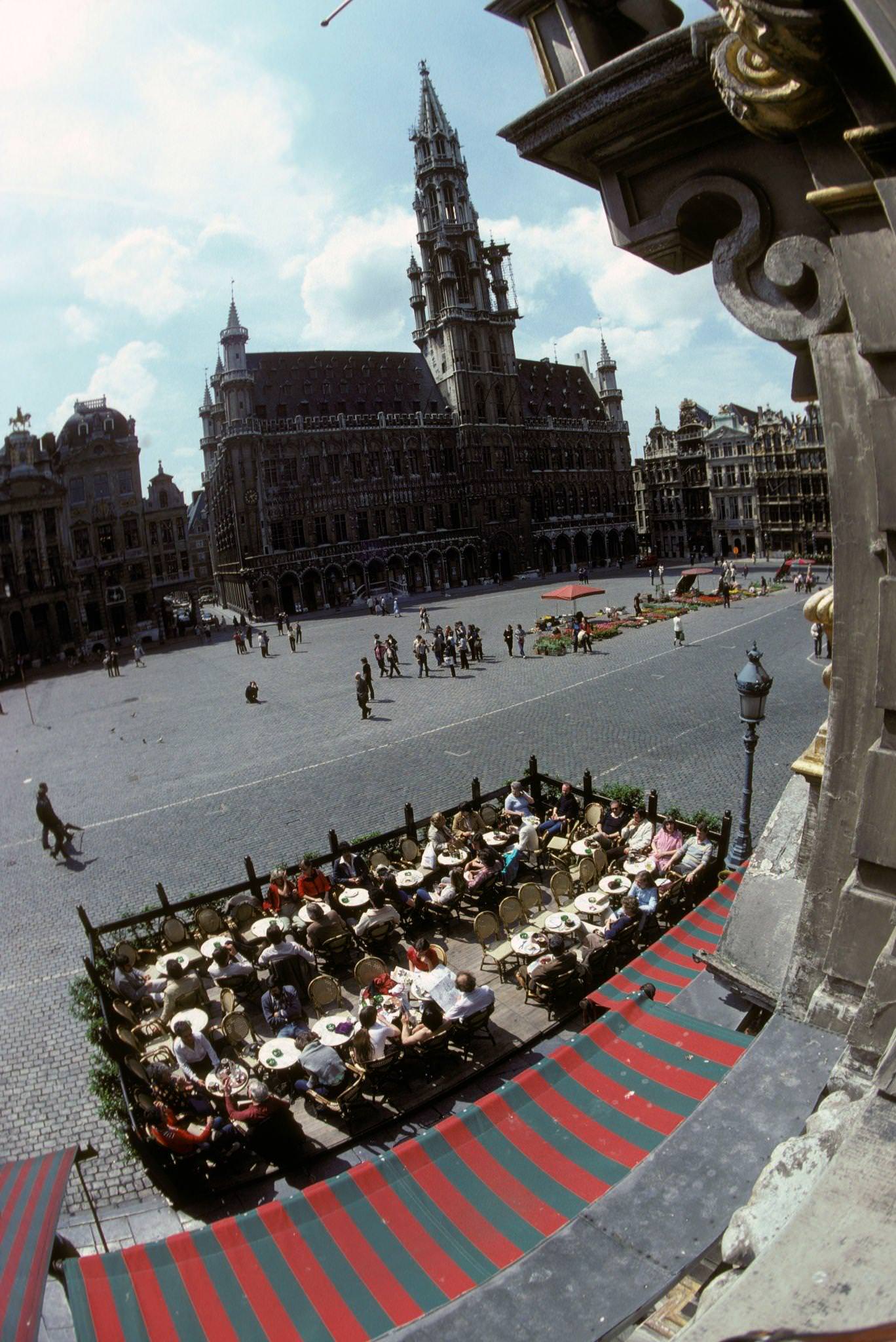
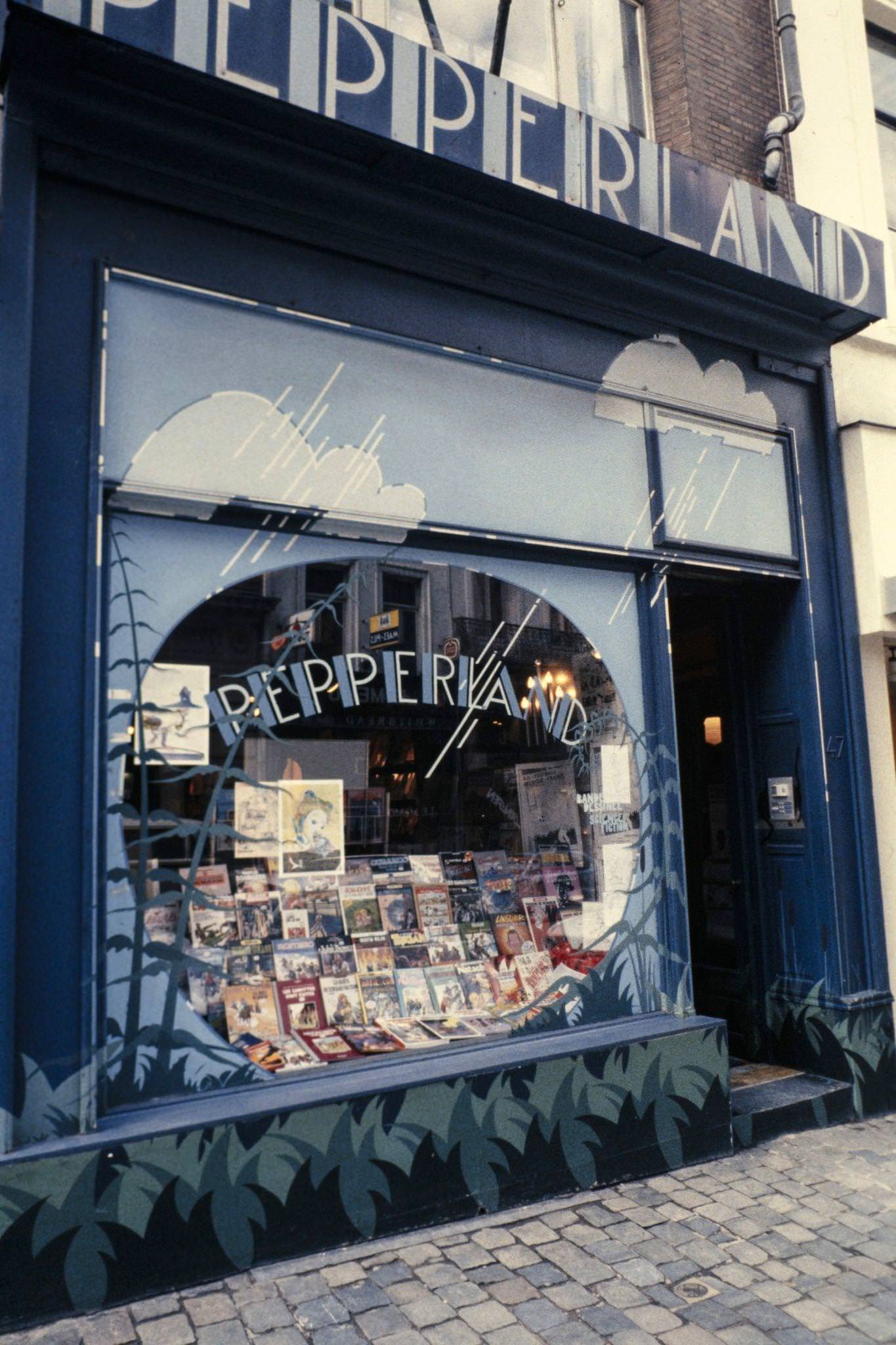
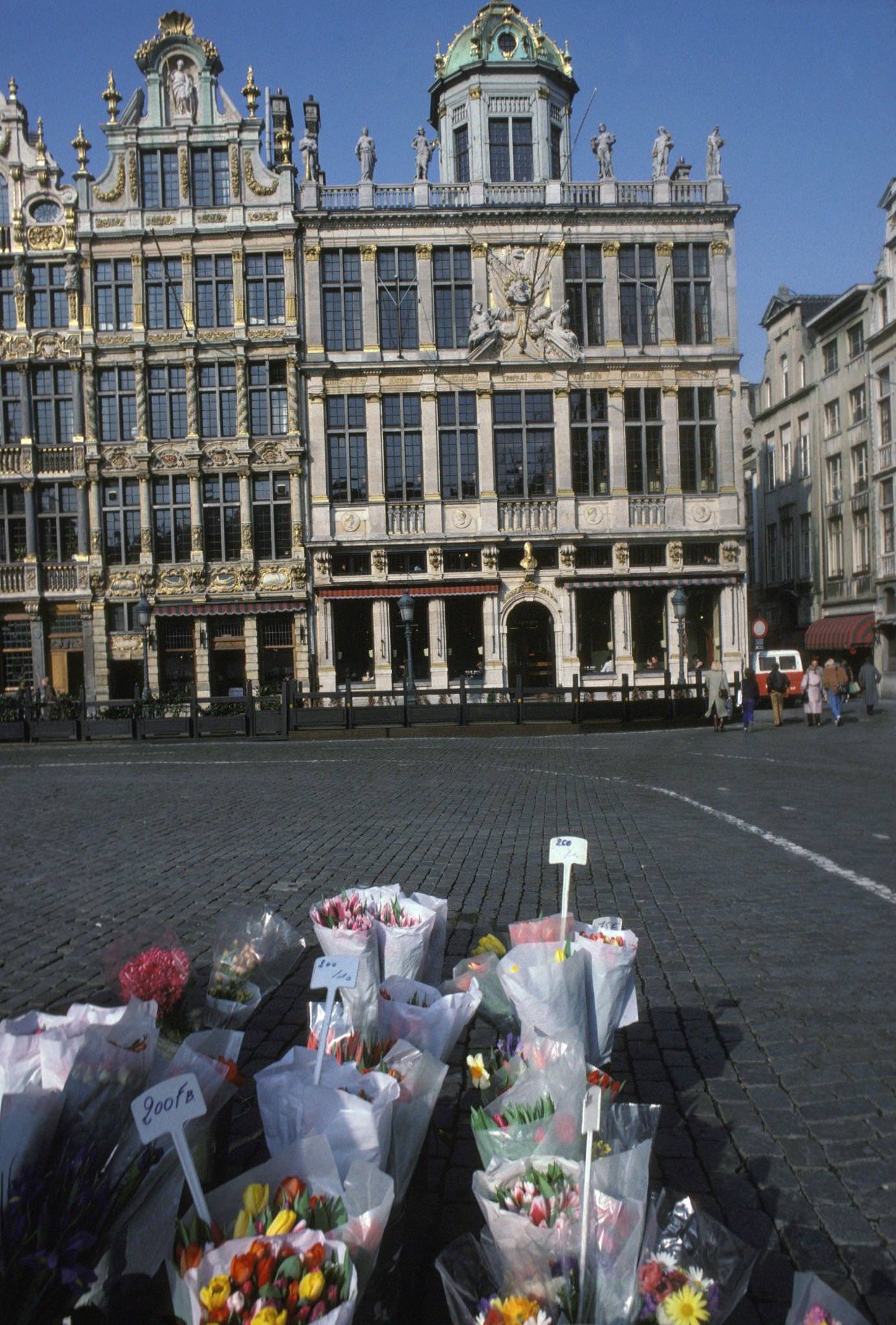
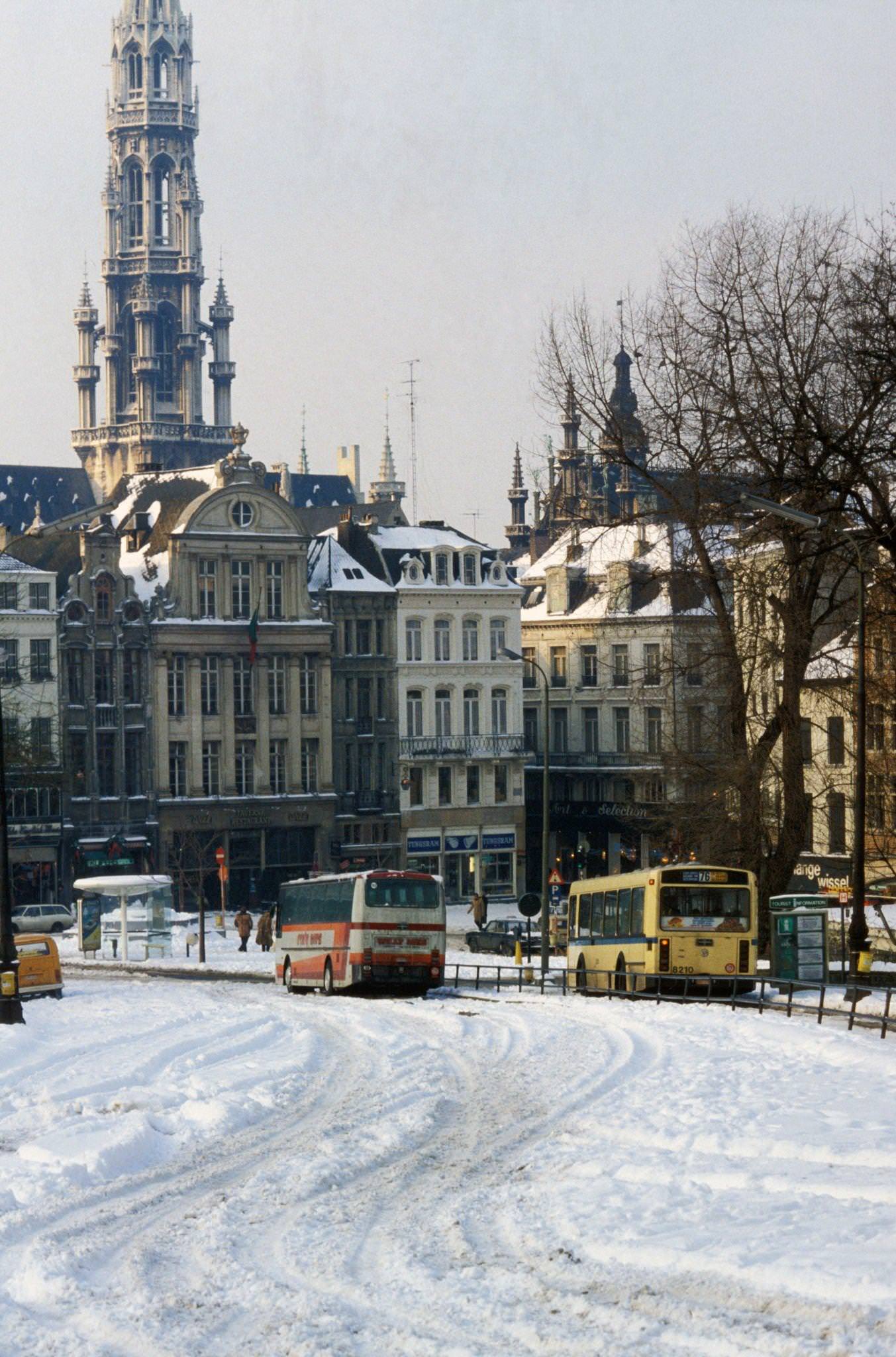
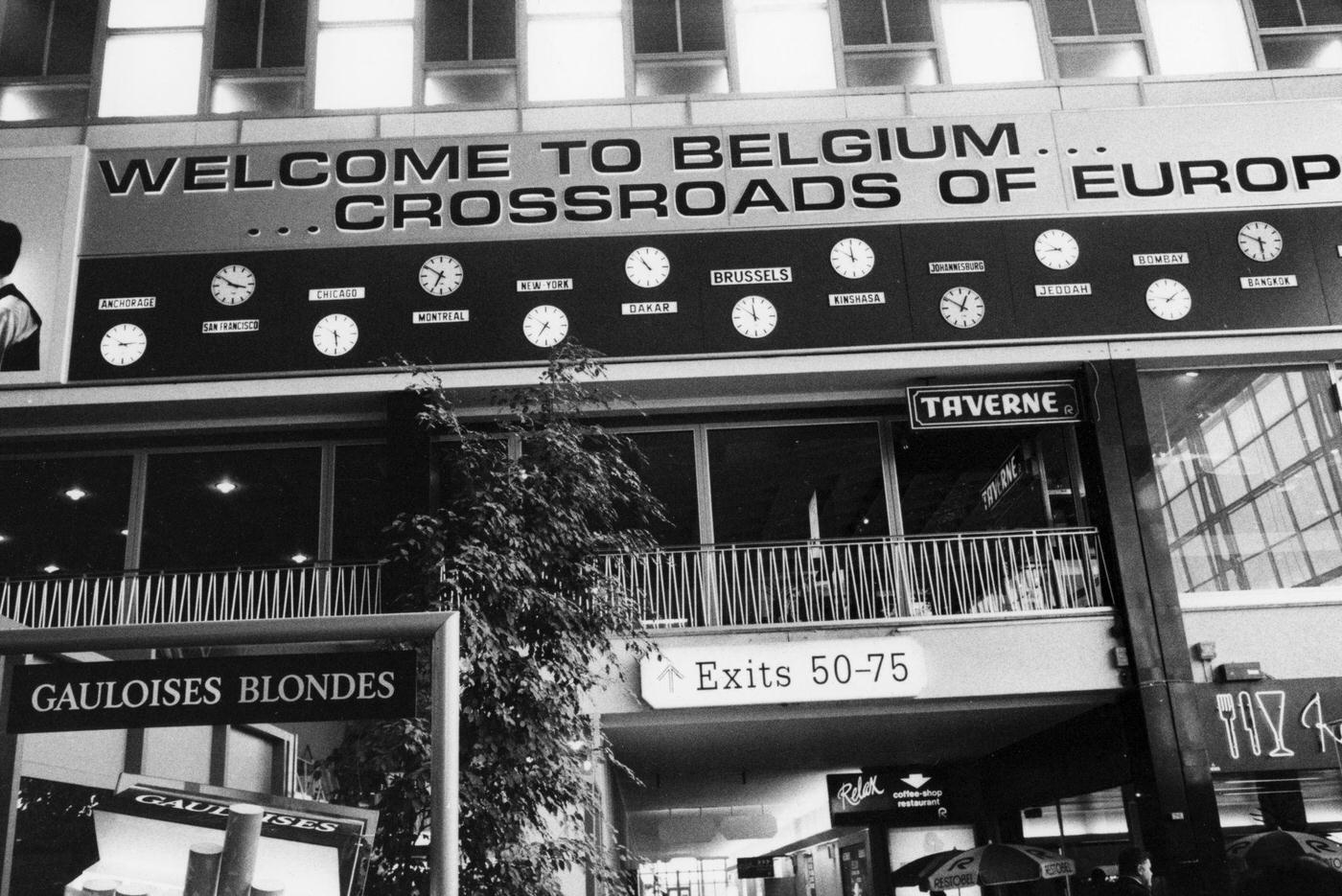
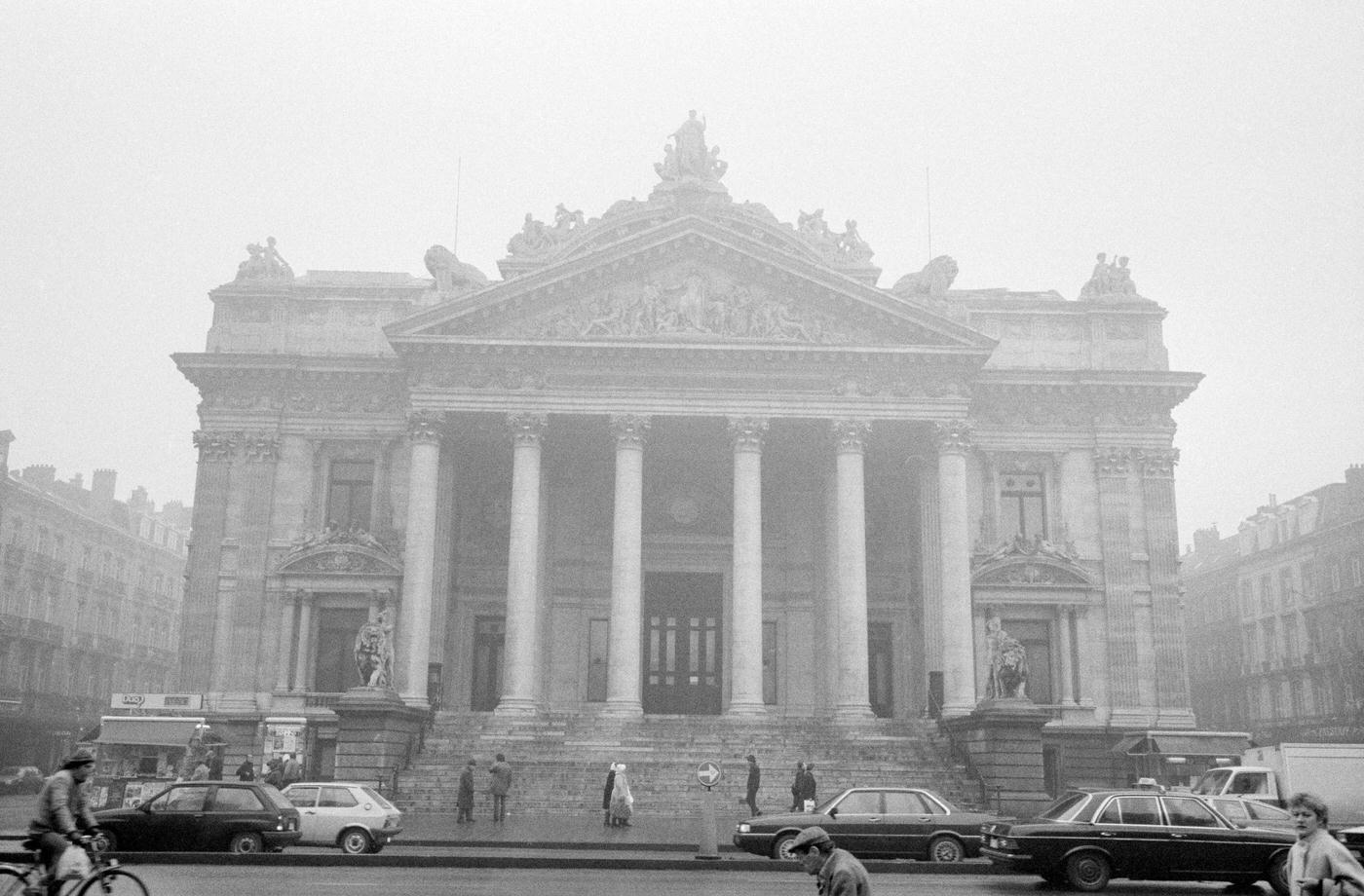
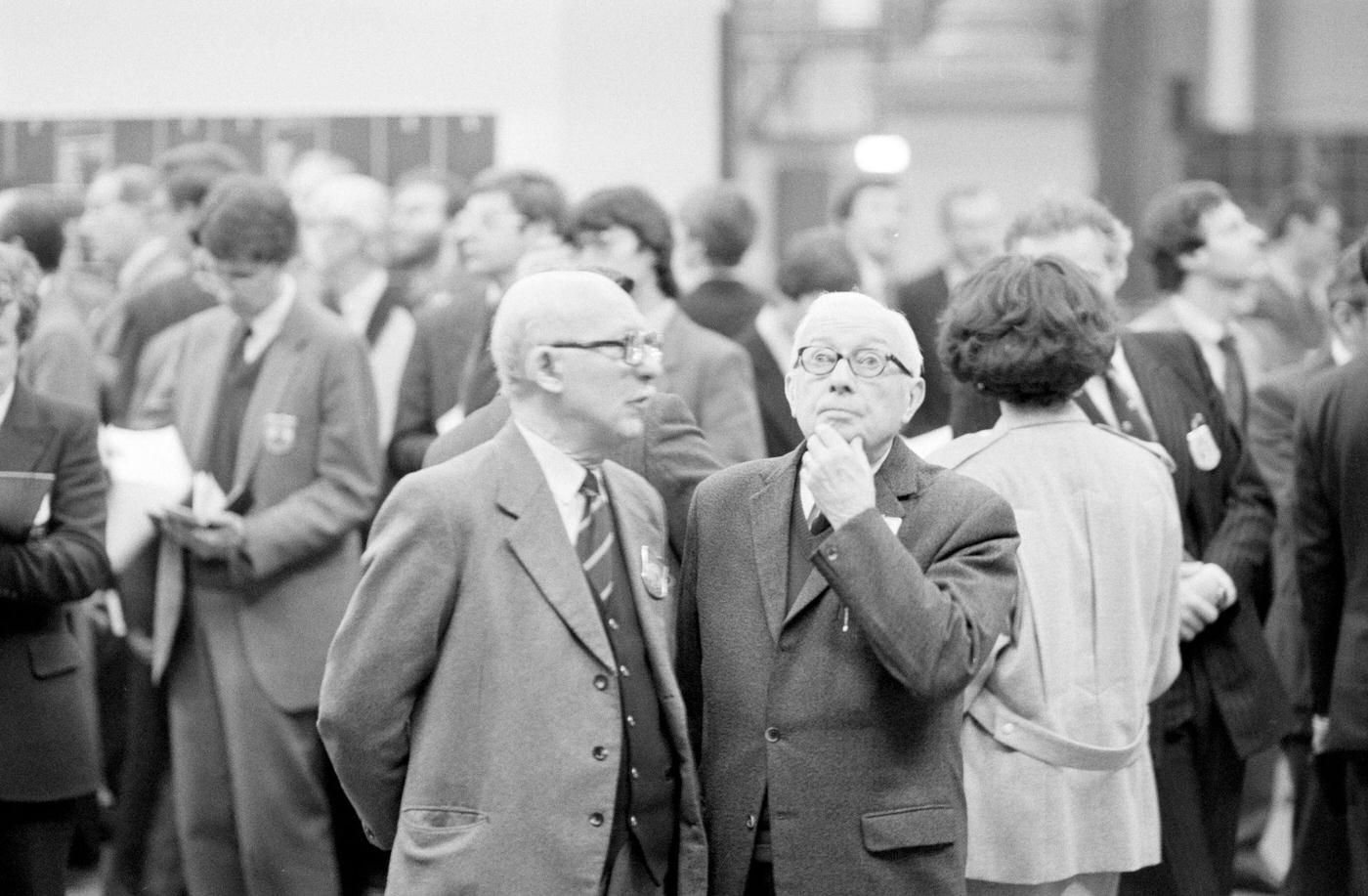
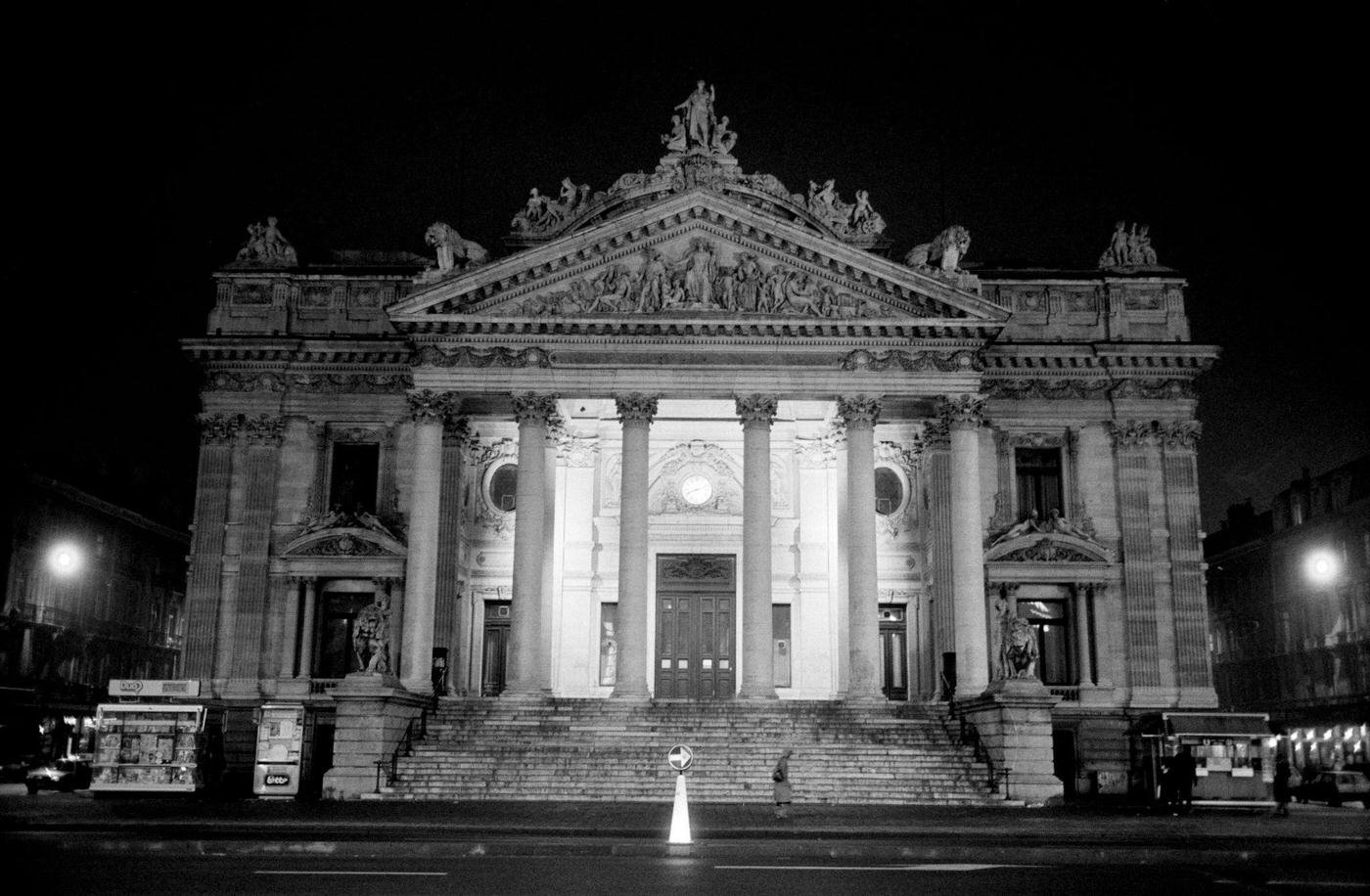
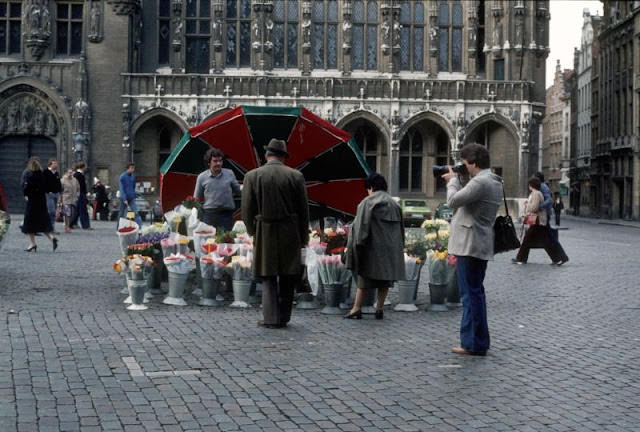
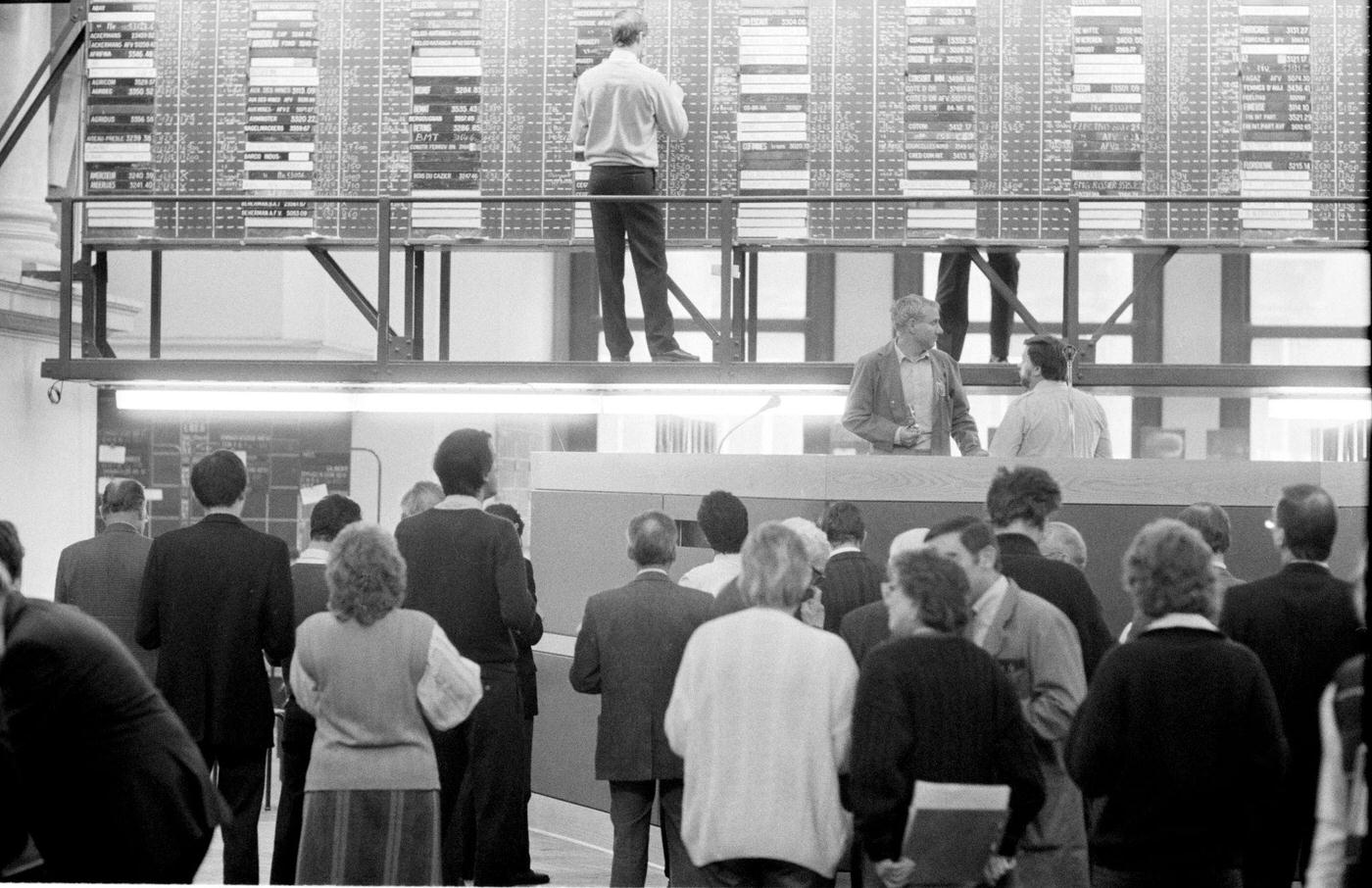
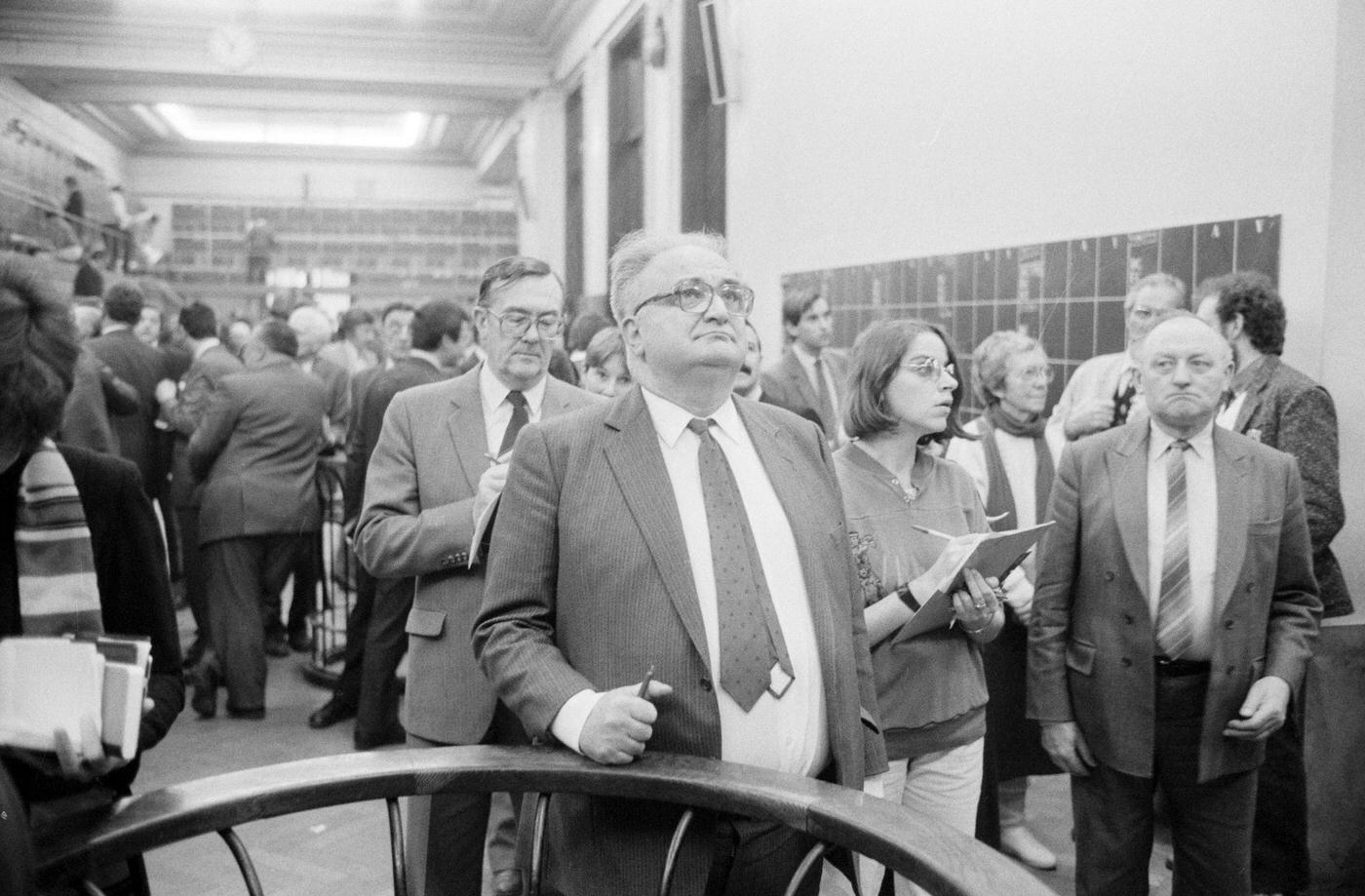
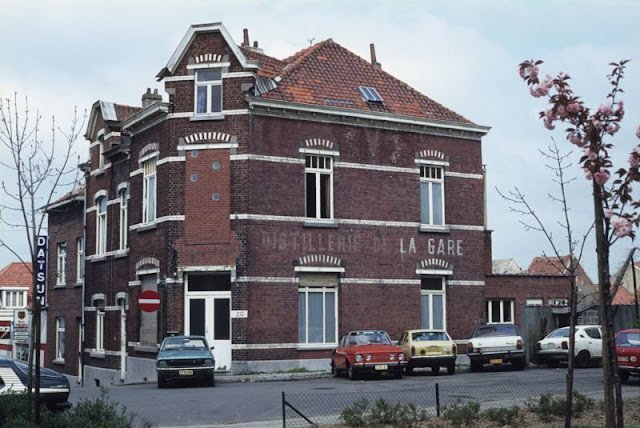
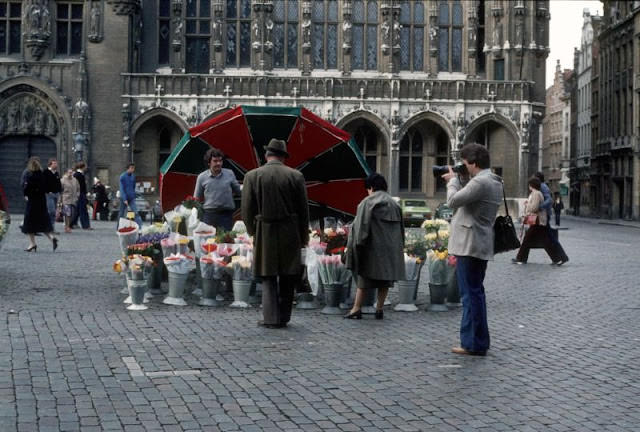
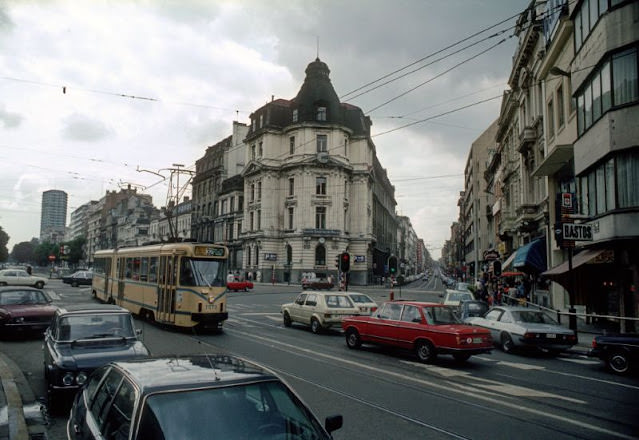

So, more crowded today, less clean. But much more beautiful today…
Still looked like Belgium , nice
Wow… gay street didn’t look gay (I wonder when it started to turn?) and City2 already existed!
But the Wolowes still seem to look the same!
Brussels in the 70s, 80s, and 90s was an ugly, dirty city. And boring as hell! There was literally nothing. We can criticize Brussels as much as we want now, but the massive influx of young Europeans and young Flemish people completely transformed the cultural scene—though it also brought gentrification. I swear that in the 90s at 10pm the city was dead.
I agree, it’s so much better know, and I am personally very happy to welcome immigrants and expats that make the city so much more interesting and alive.
Most striking? Not as many cars as today but already s… up the city