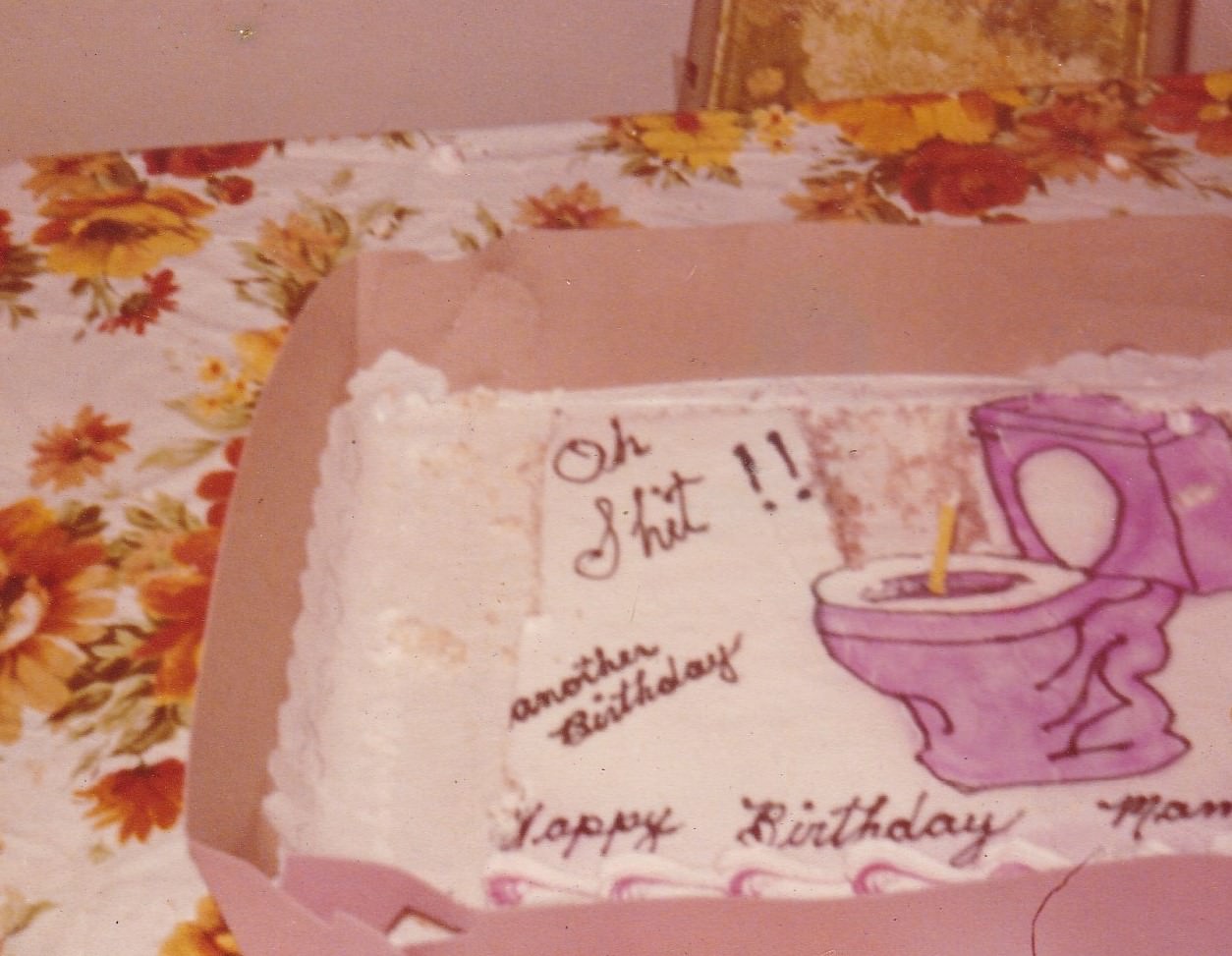
Long before fondant sculptures and towering tiered cakes took over social media feeds, birthday cakes were far simpler — and just as special. In the early 20th century, most birthday cakes were made from scratch at home. Mothers and grandmothers reached for the same basic ingredients every time: butter, sugar, eggs, and flour. Vanilla, chocolate, and spice were the go-to flavors, finished off with a generous layer of homemade frosting.
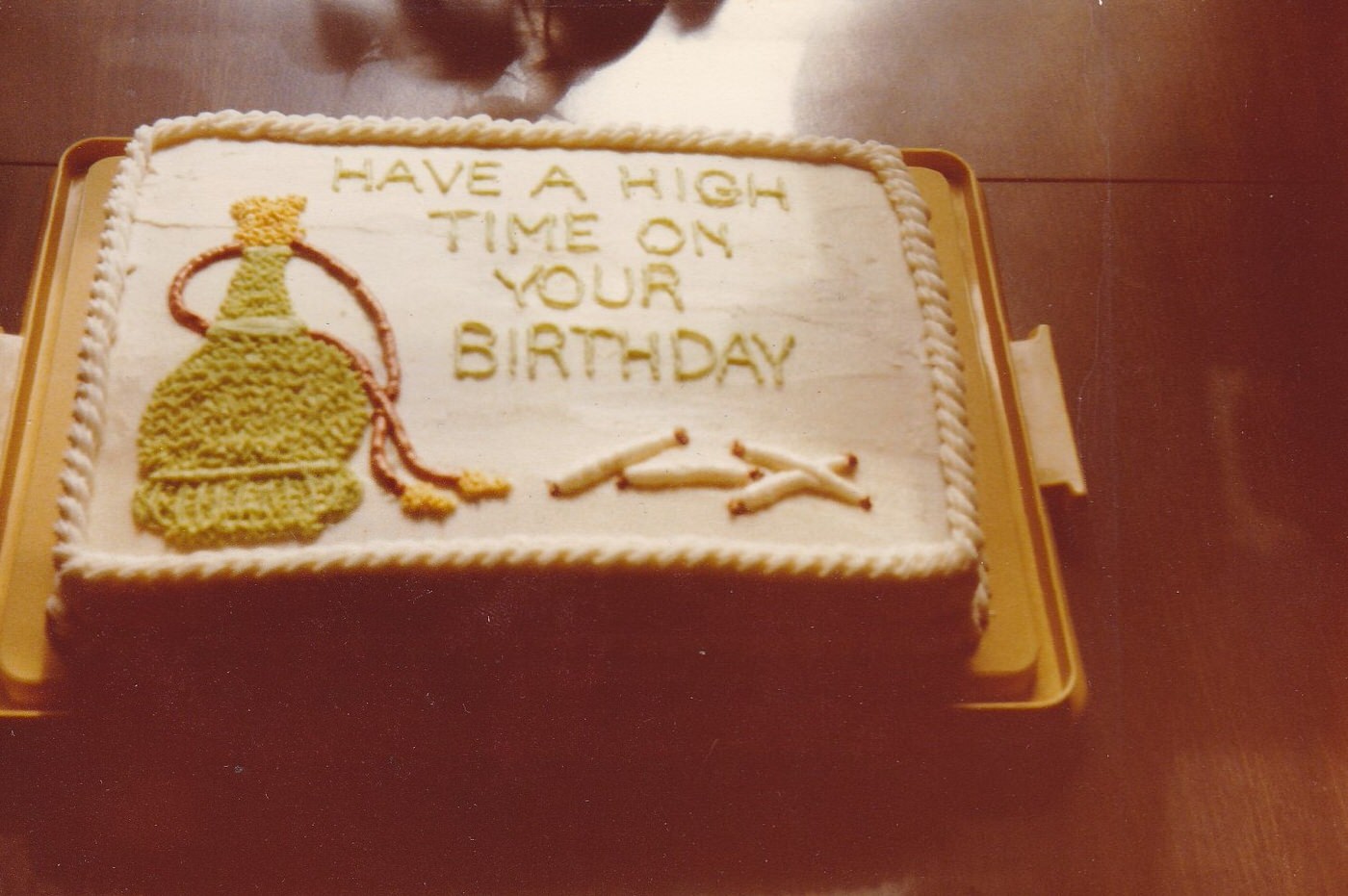
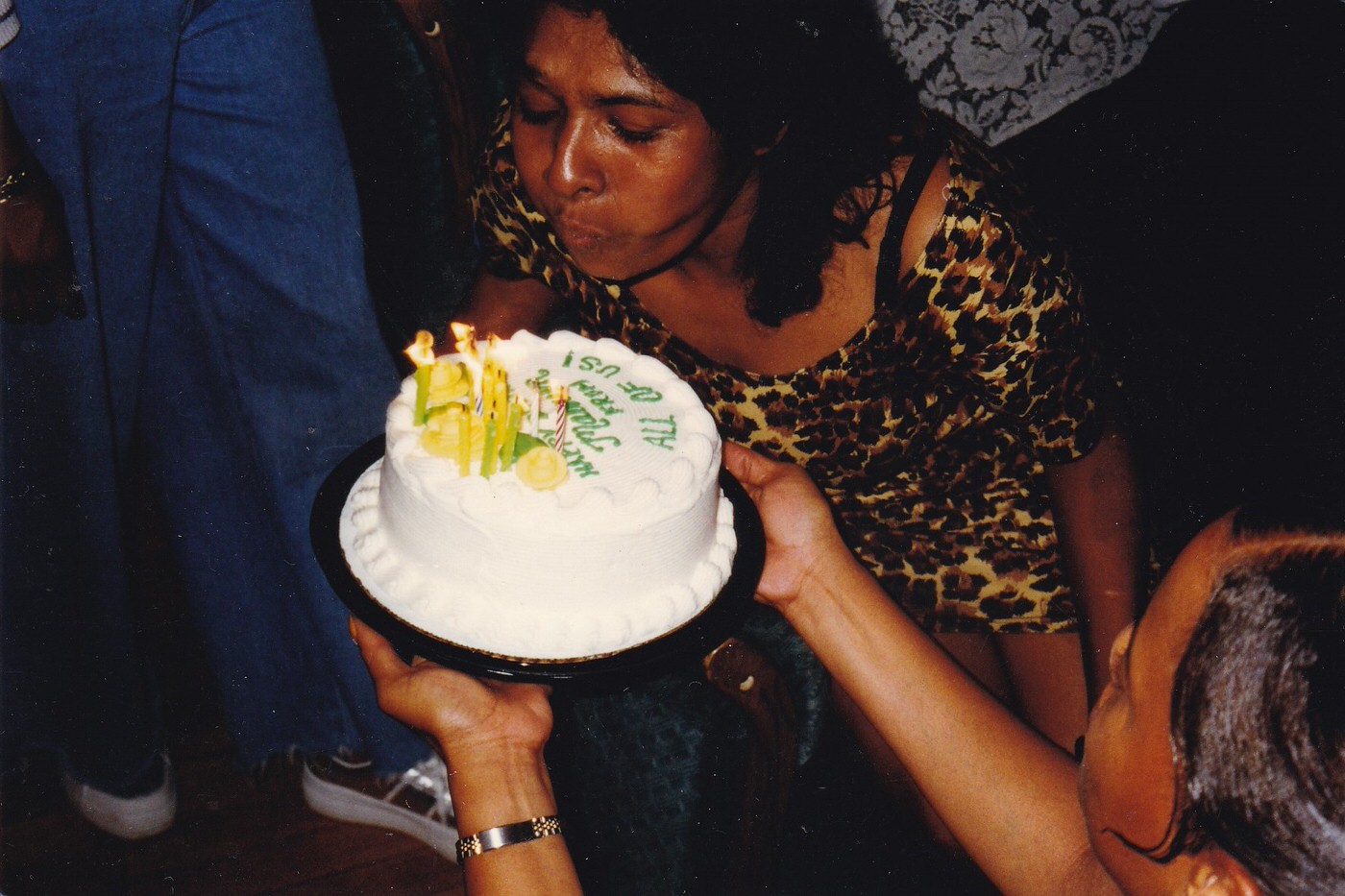
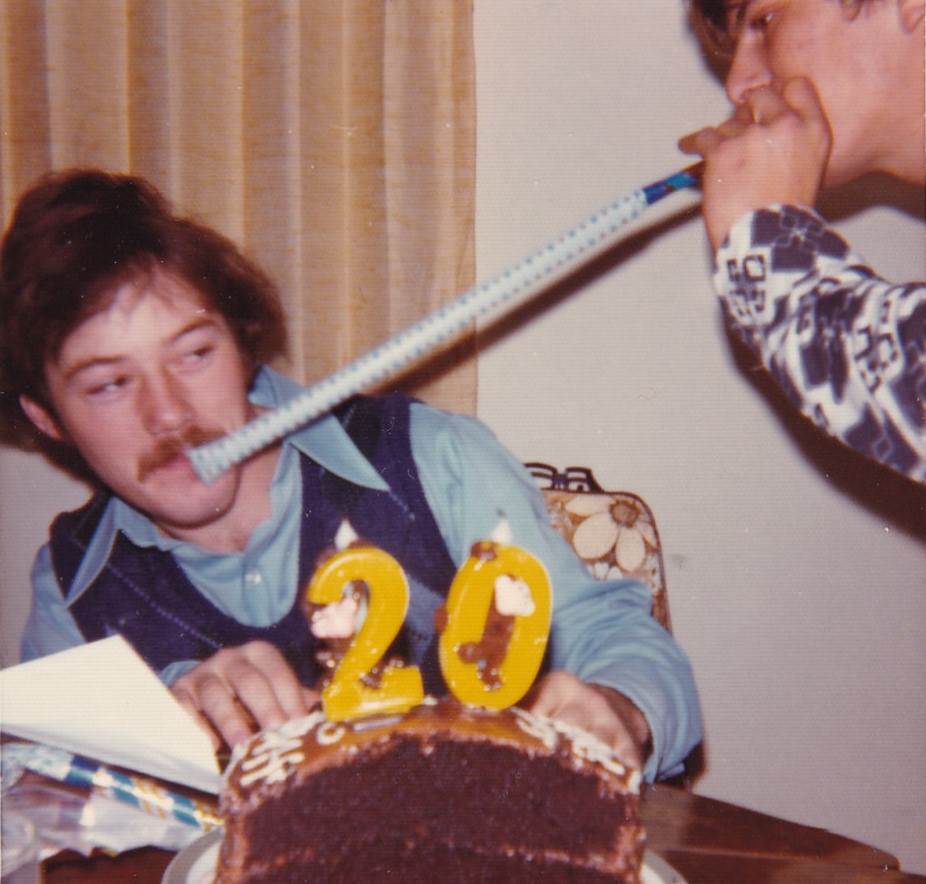
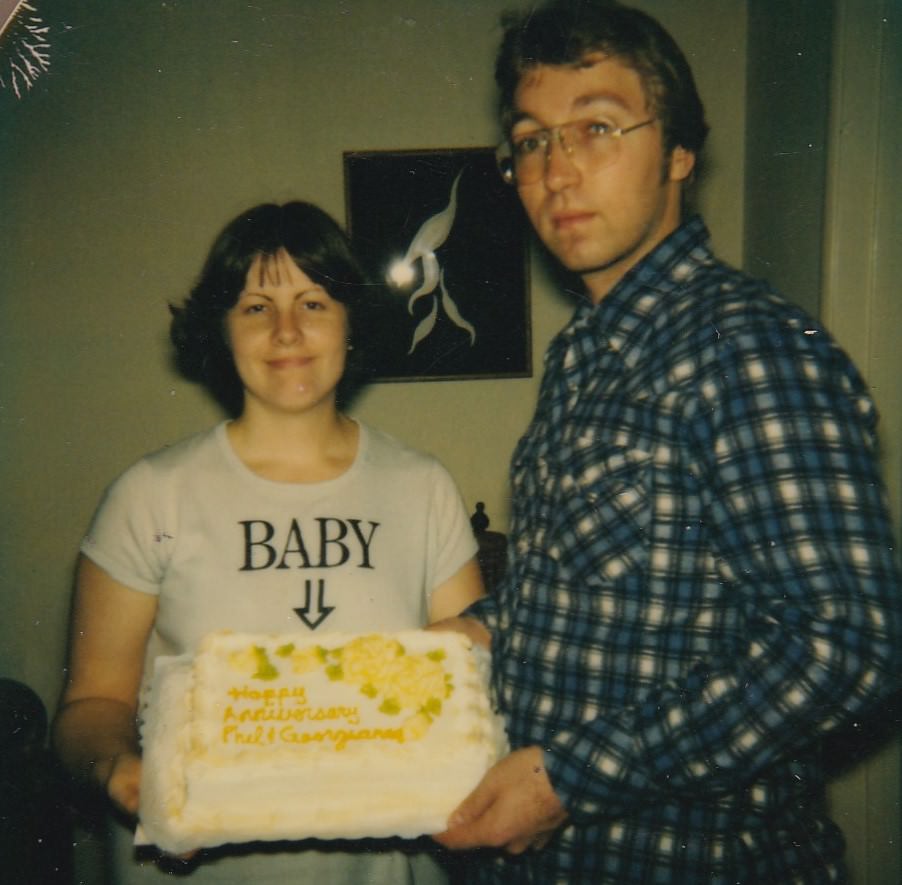
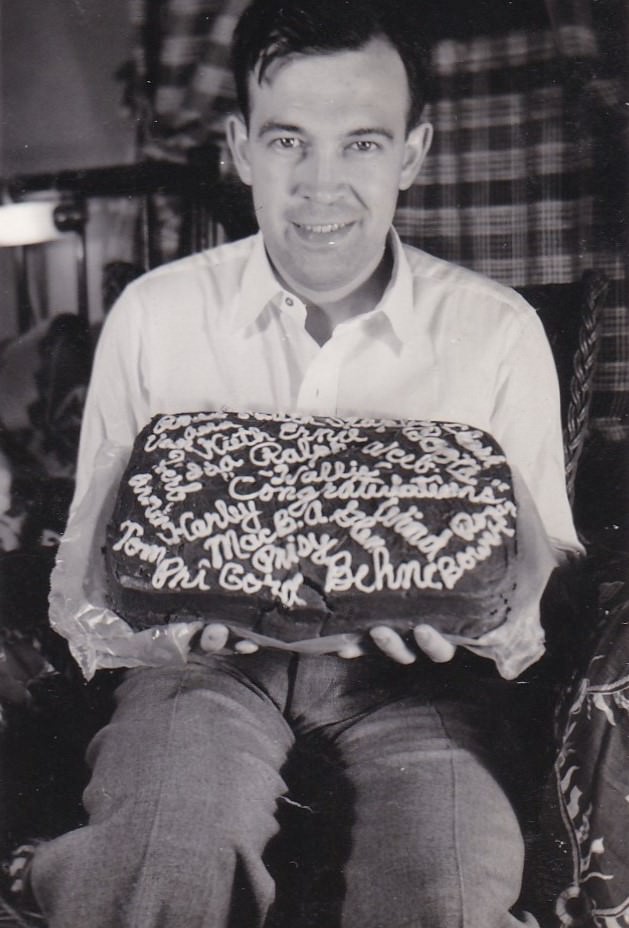
Decoration wasn’t the point. Sharing something sweet with the people around the table was. Old photographs from these decades show faces lit up by candlelight, everyone gathered close, fully present in the moment.
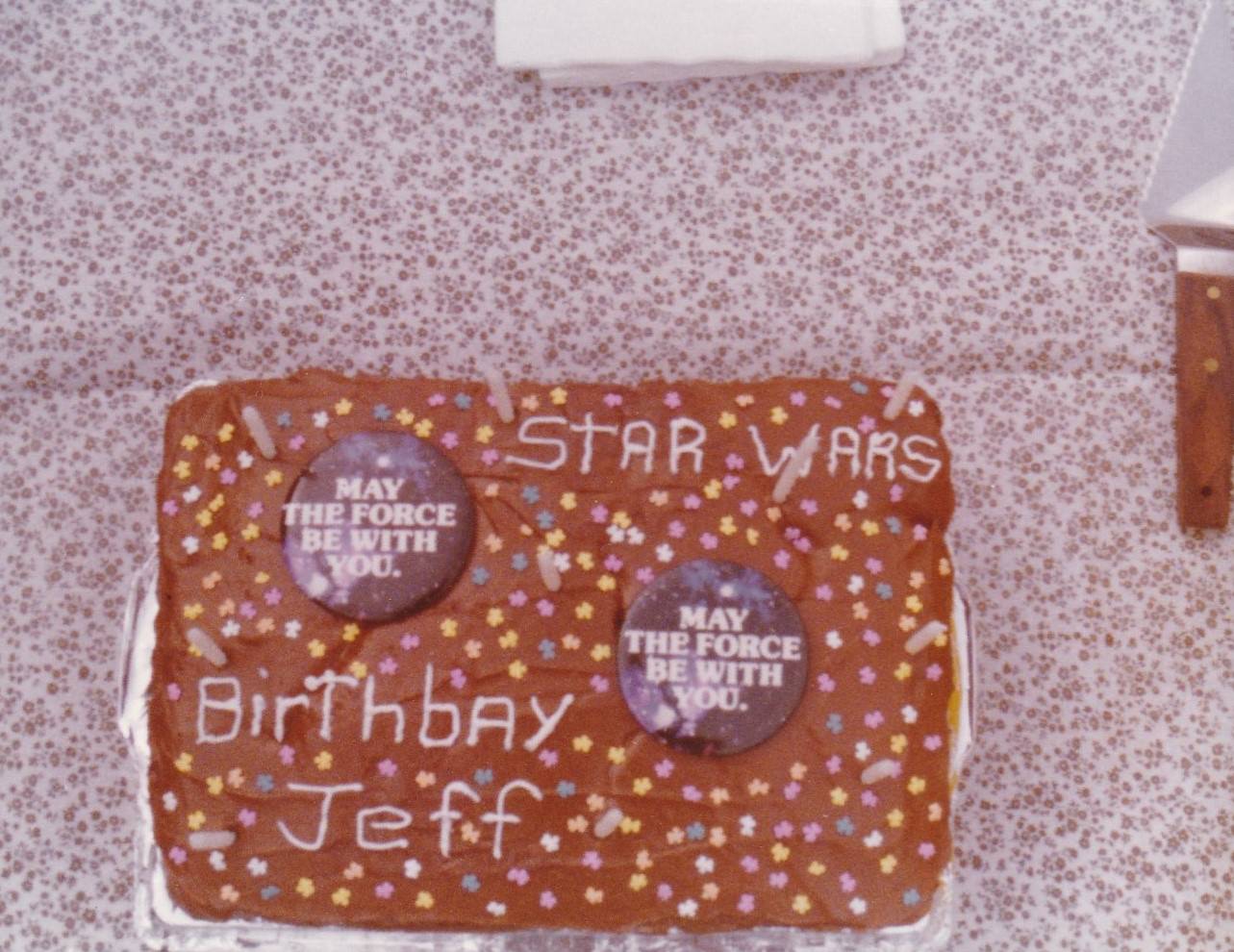
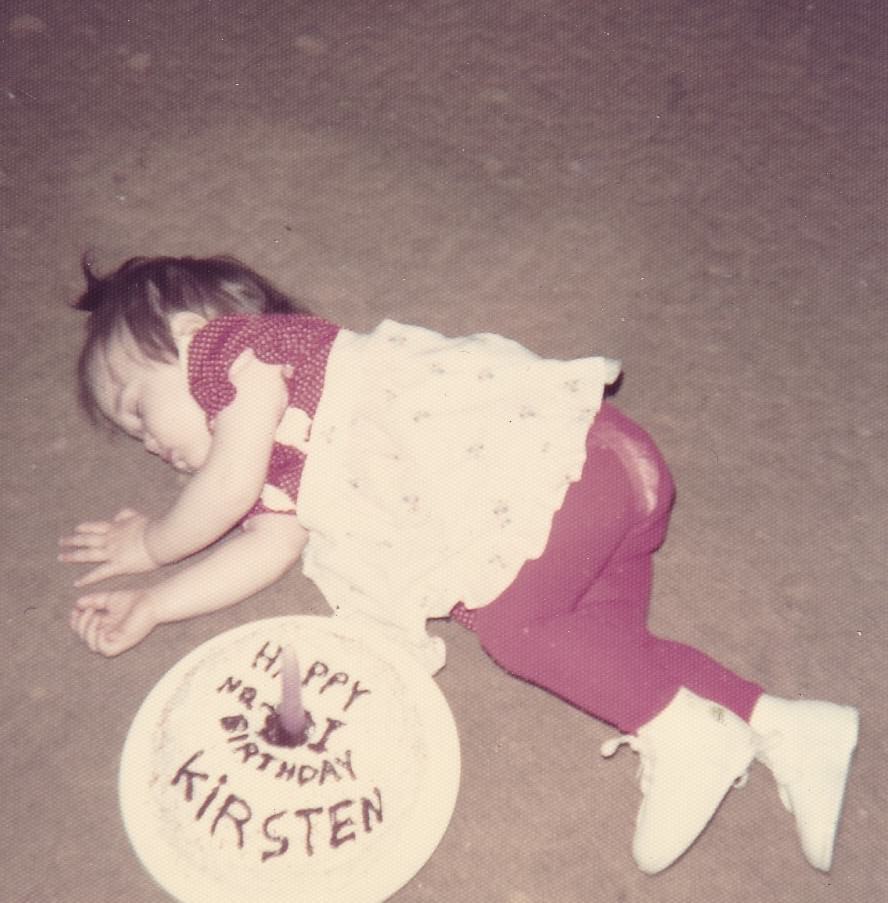
The candle traditions we take for granted today weren’t always standard. Some early birthday photos show cakes with just one candle — a single flame meant to represent the light of life. Others show a random cluster of candles arranged for a festive look, with no connection to the person’s actual age.
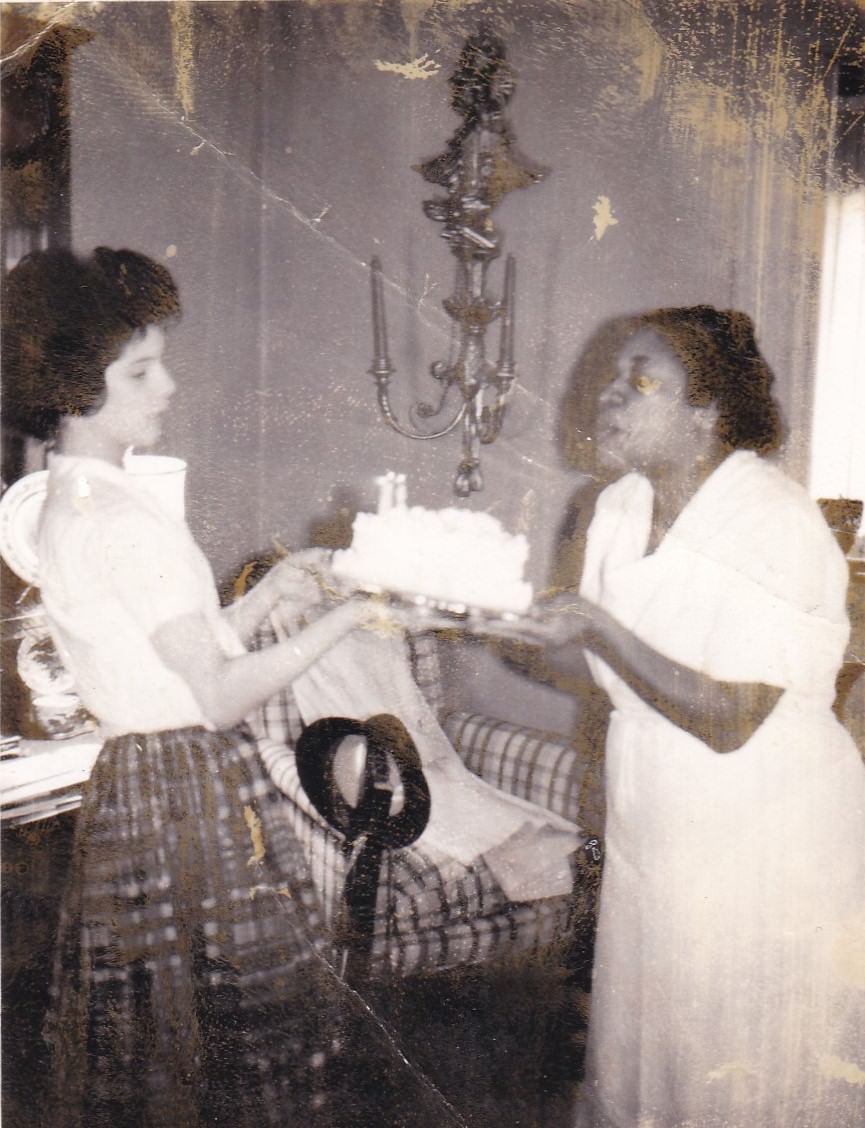
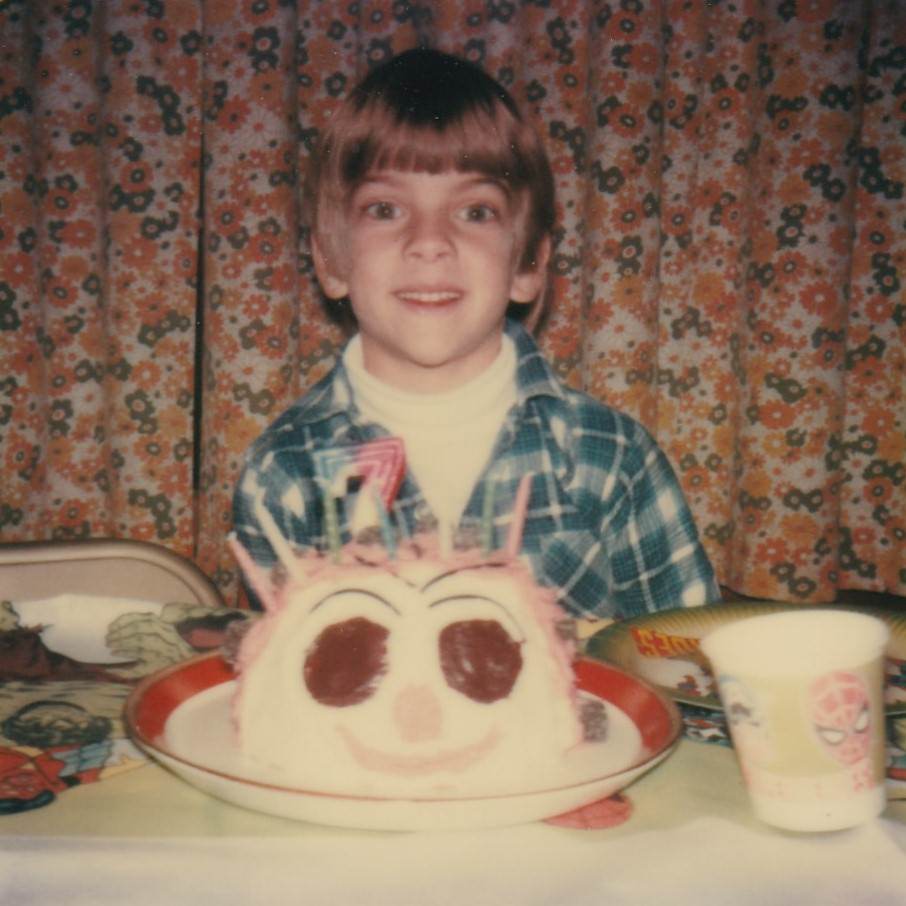
As decades passed, birthday cake culture shifted alongside broader changes in American life. After World War II, boxed cake mixes hit grocery store shelves and quickly became a household staple. Brands marketed them as a fast, reliable way to put a birthday cake on the table without spending hours in the kitchen.
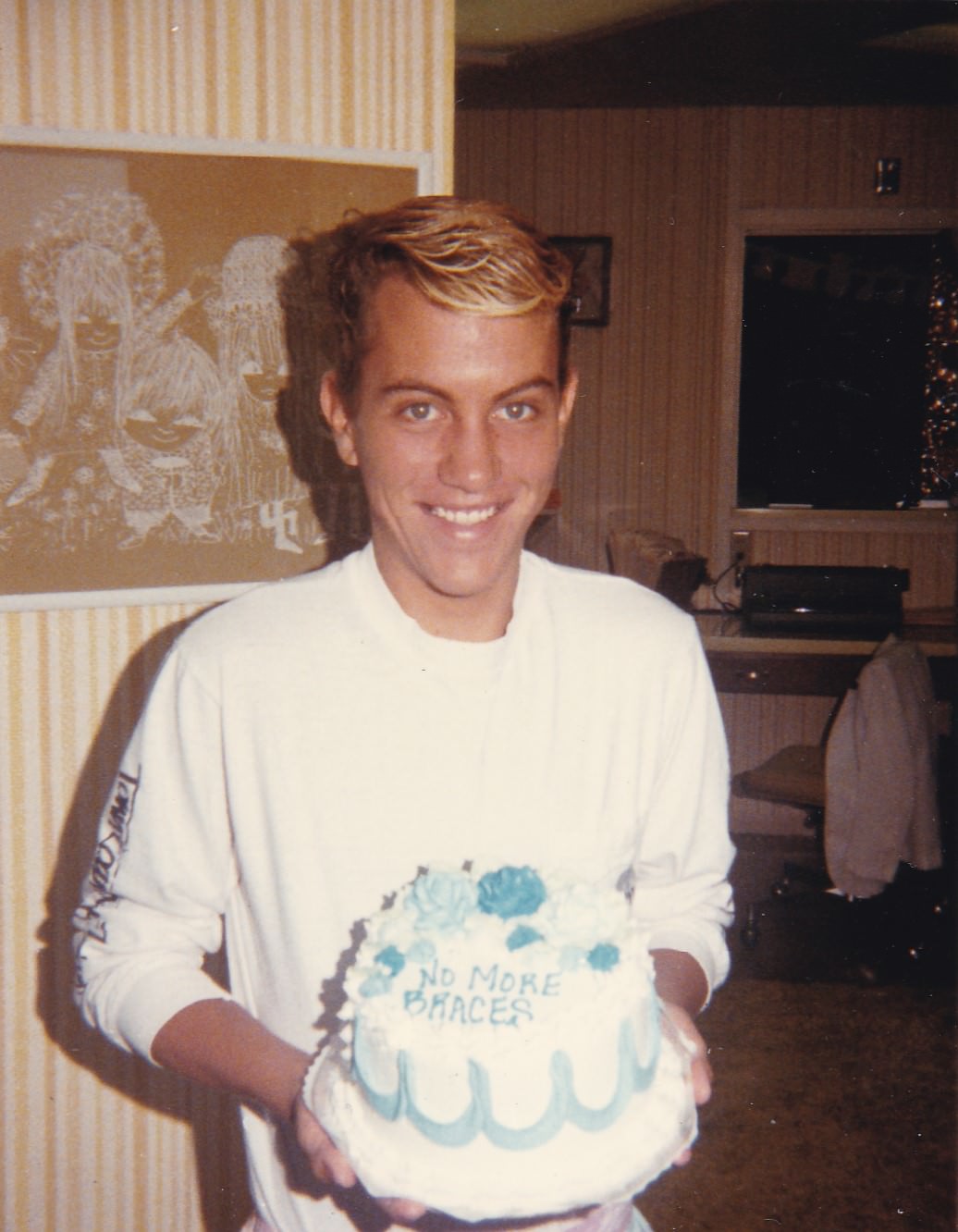
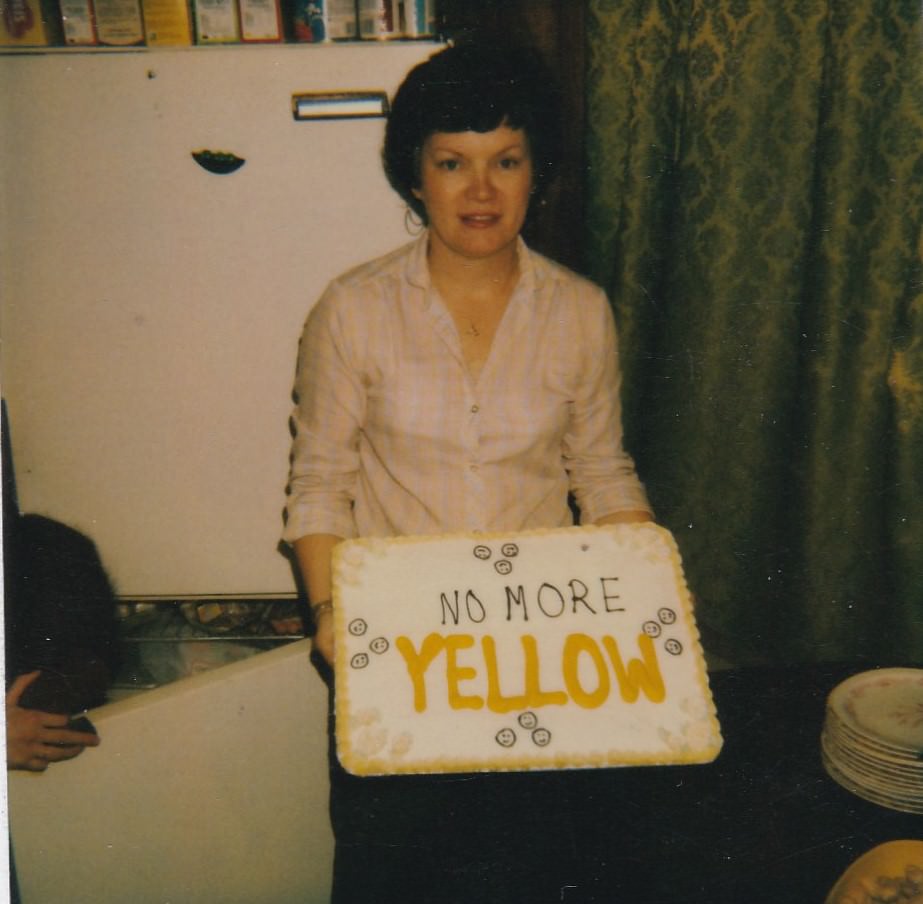
Ready-made frosting soon followed, completing the convenience package. The results were consistent and crowd-pleasing, even if they lacked the personal touch of a from-scratch recipe. For many families, box cakes became the new tradition.
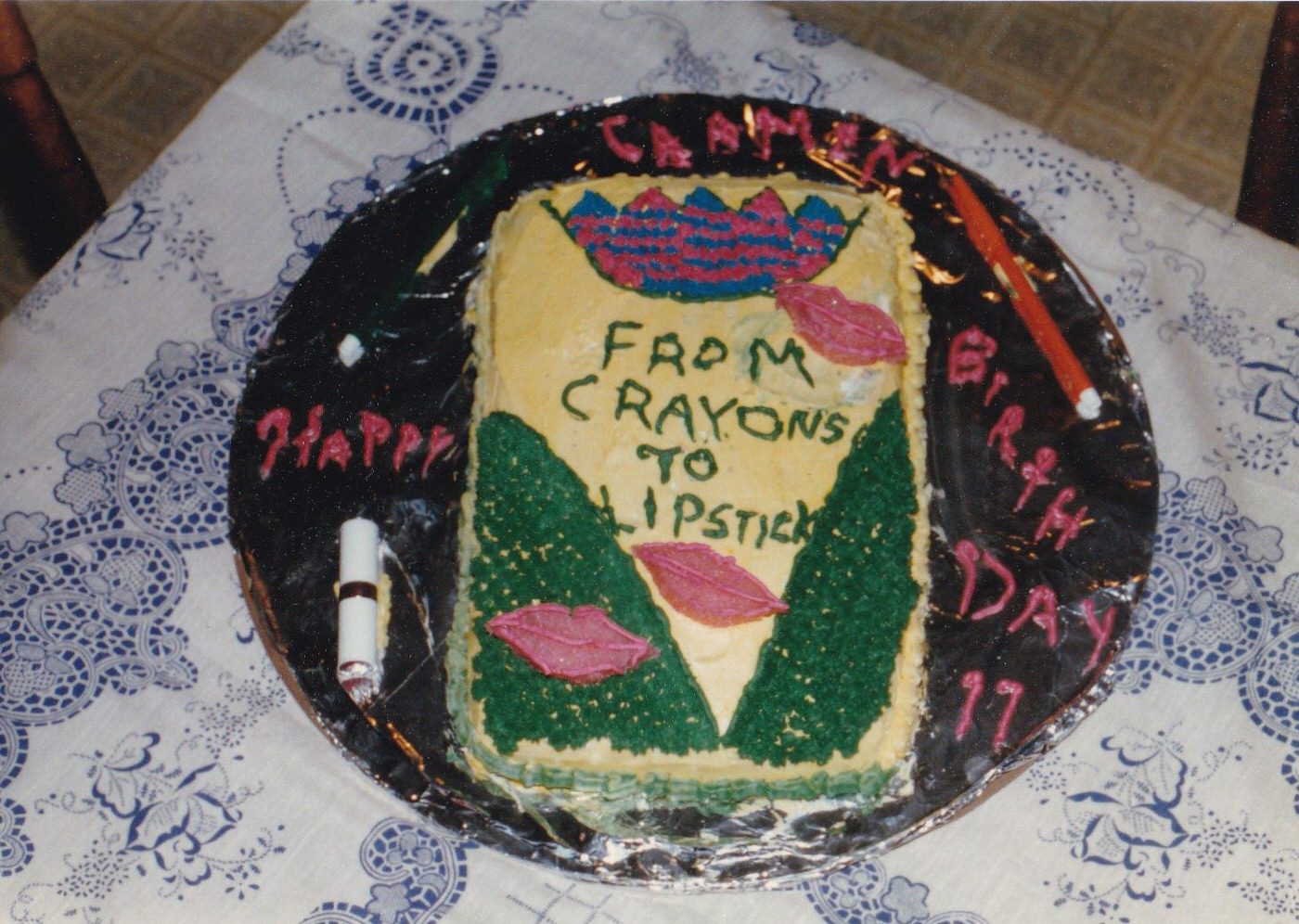
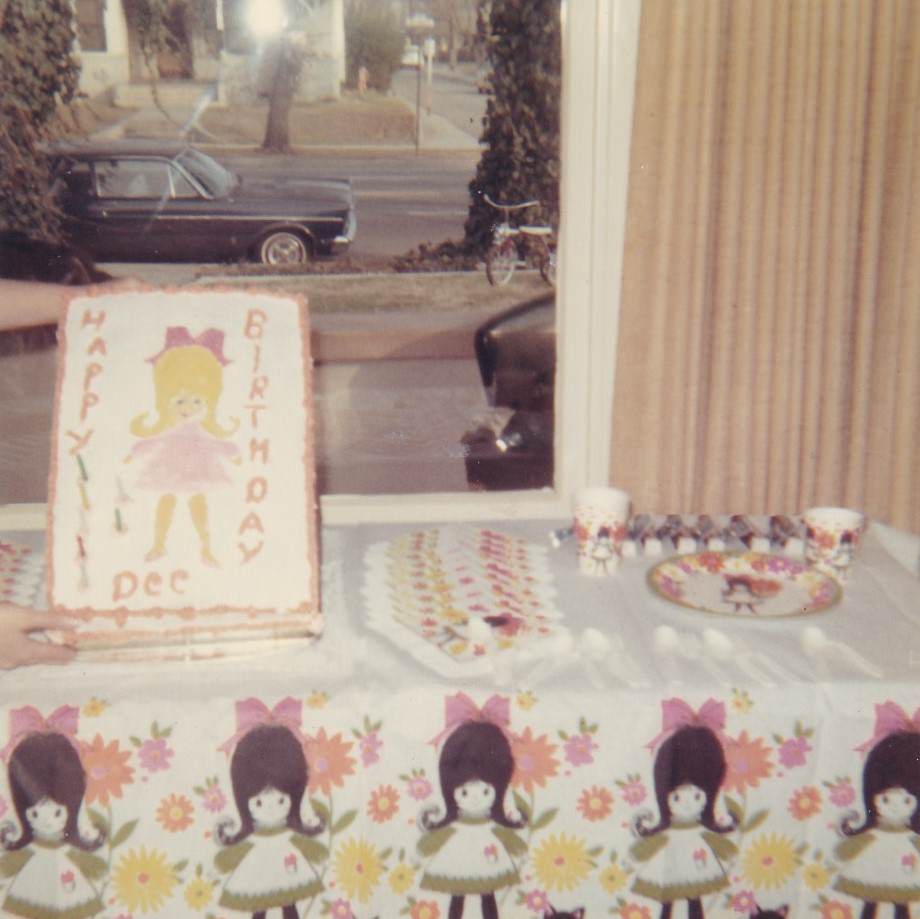
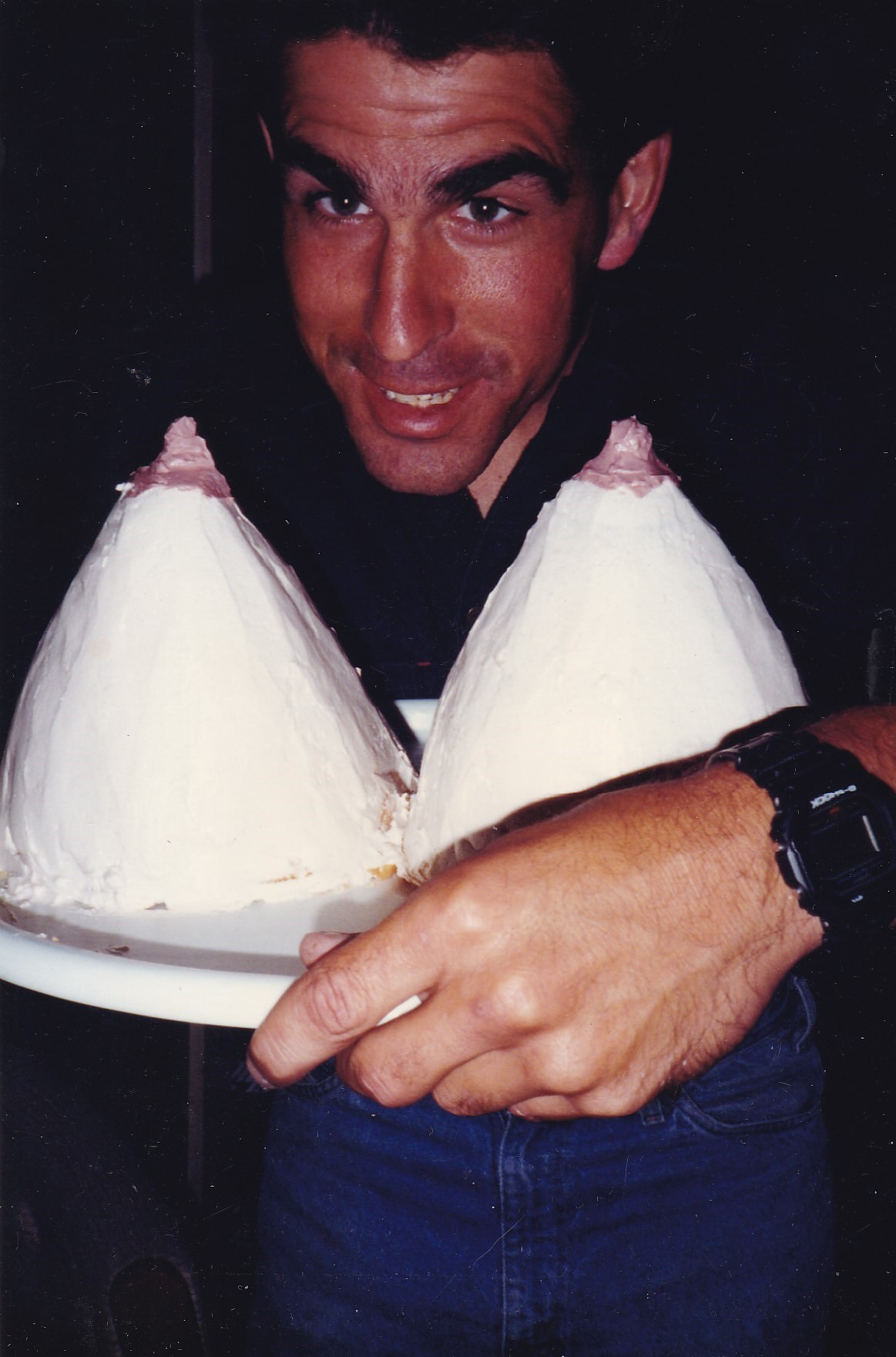
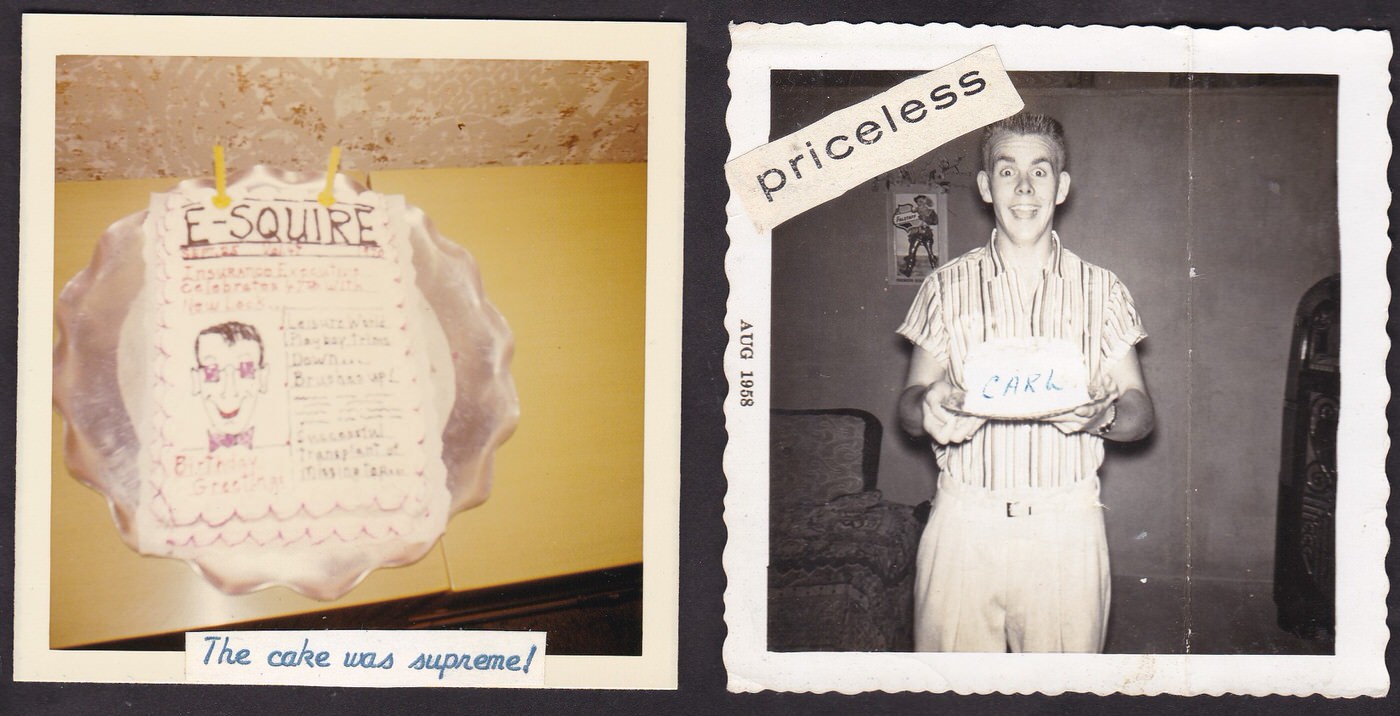
What these vintage photos capture, regardless of the era, is the consistency of the moment itself. A cake placed at the center of a table. Candles burning. People leaning in.
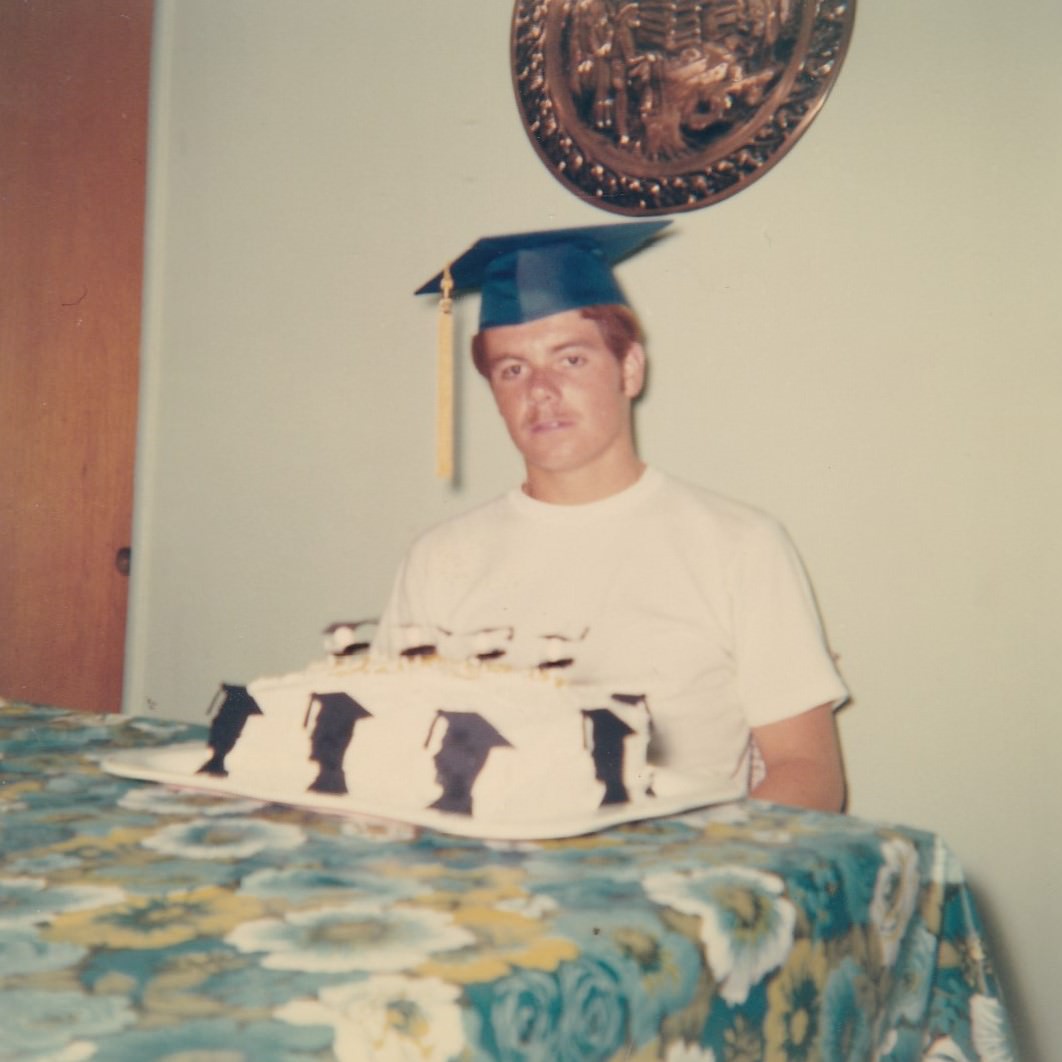
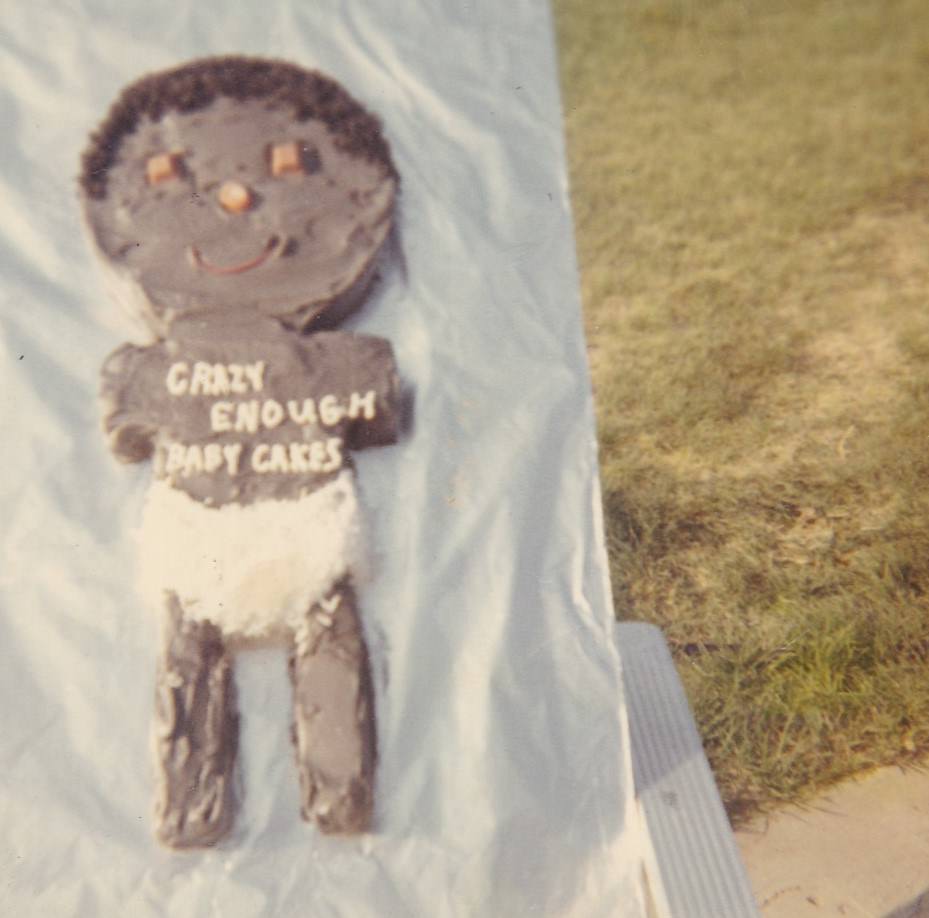
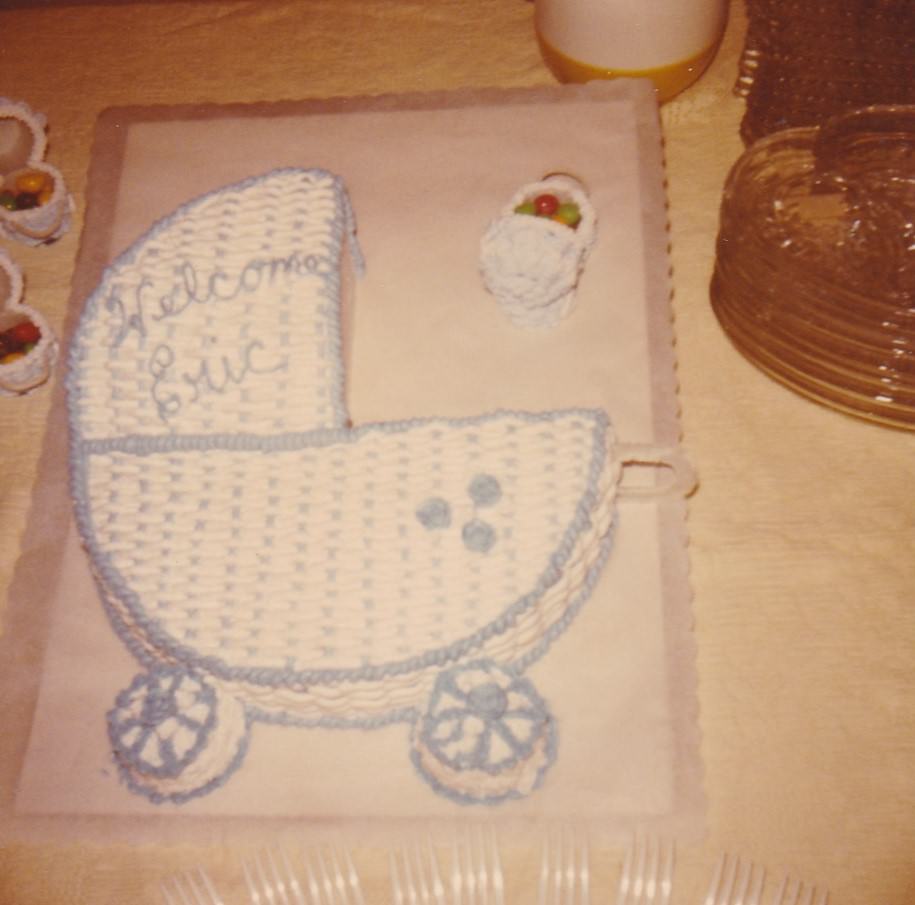
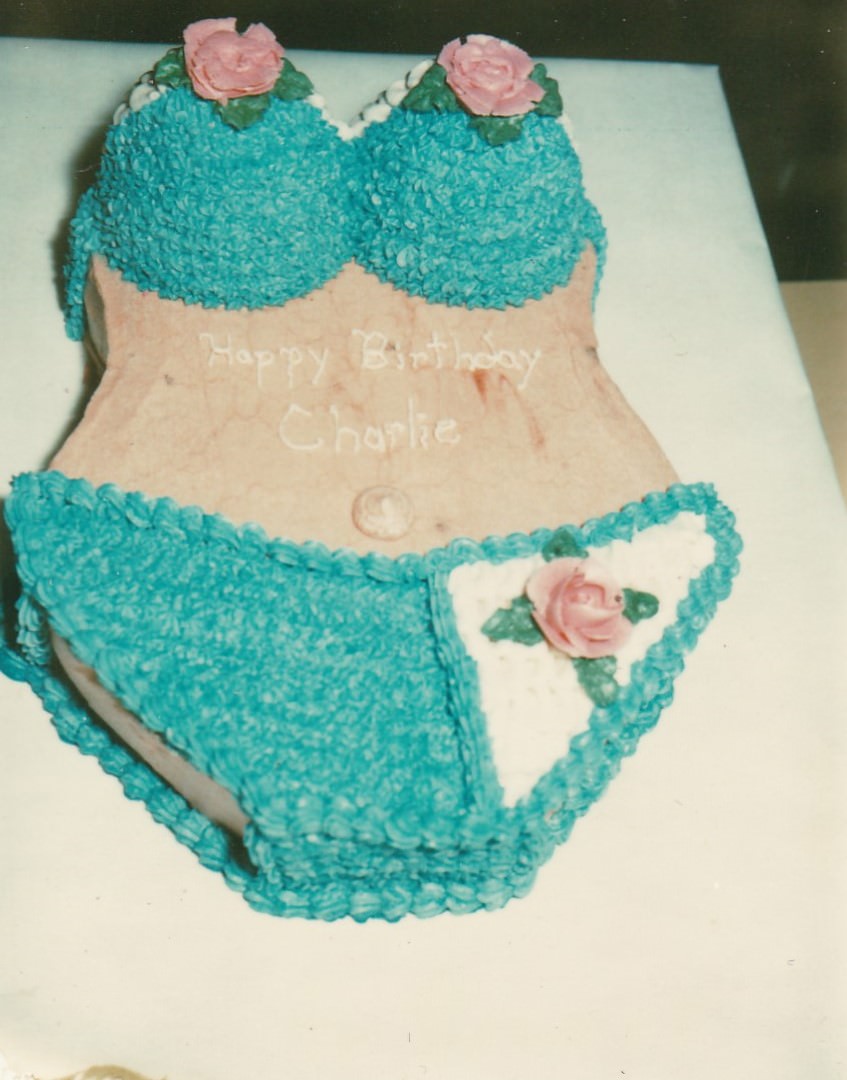
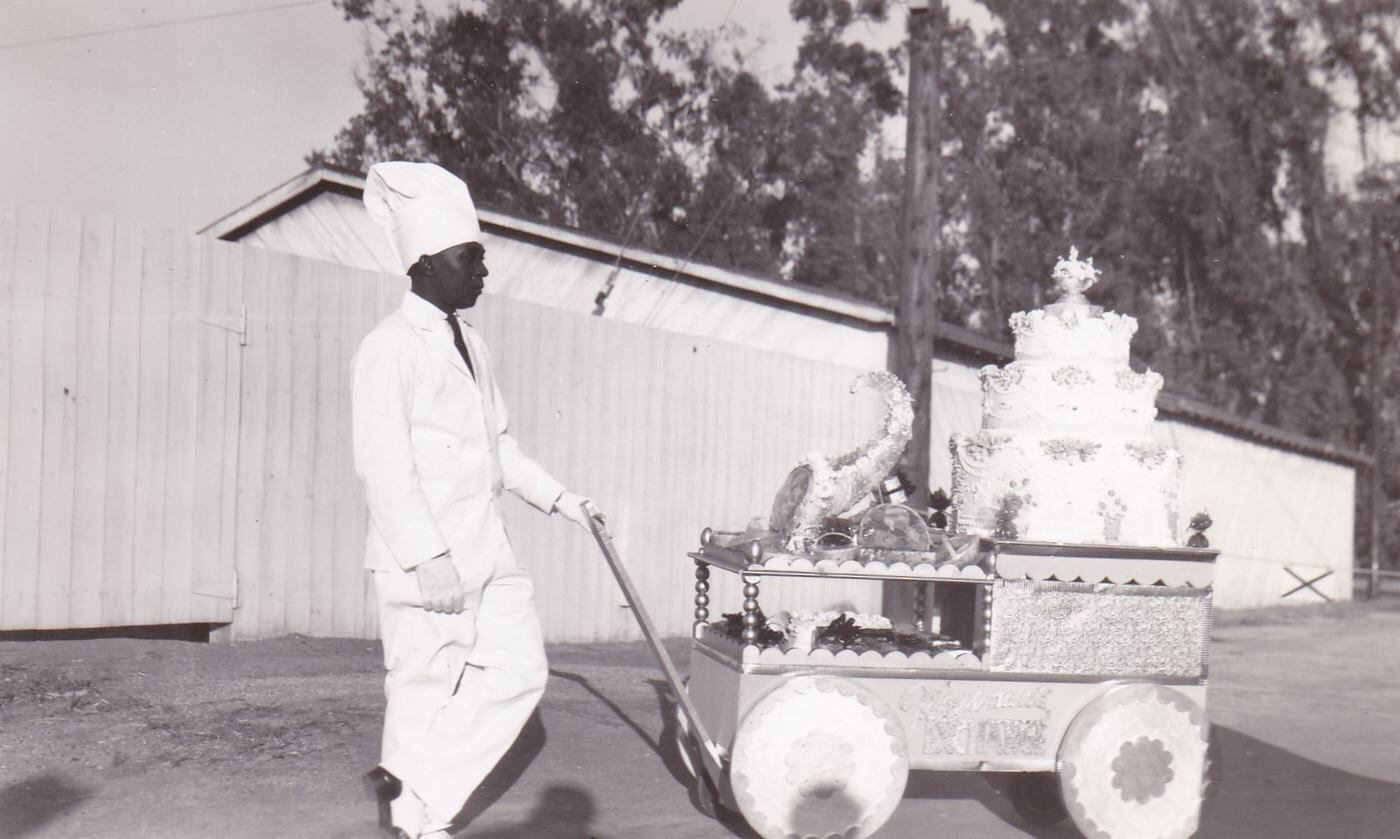
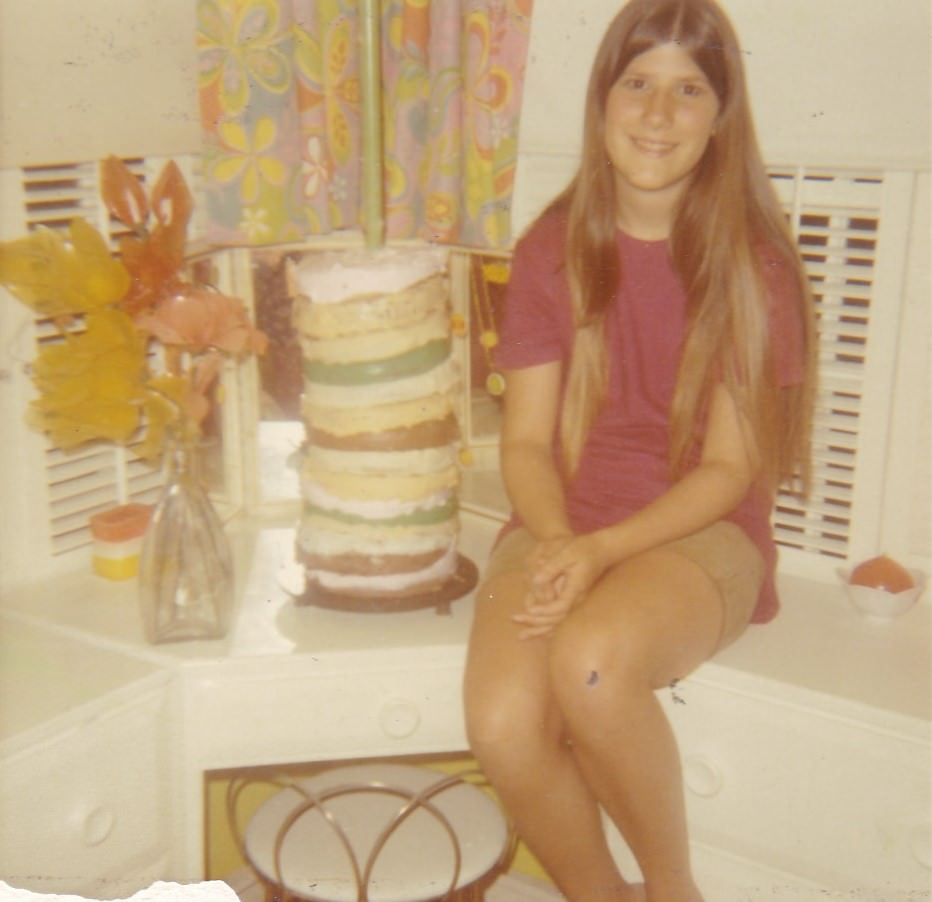
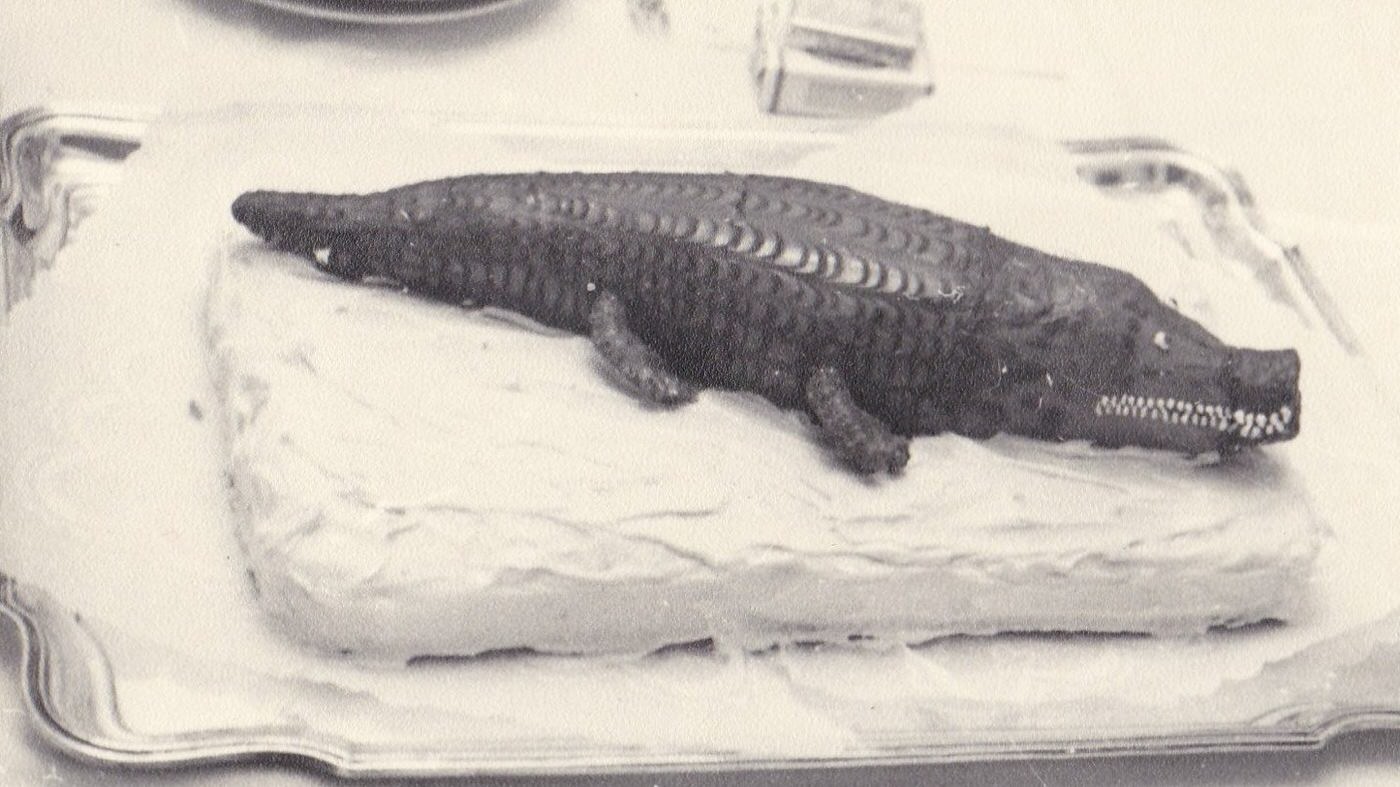
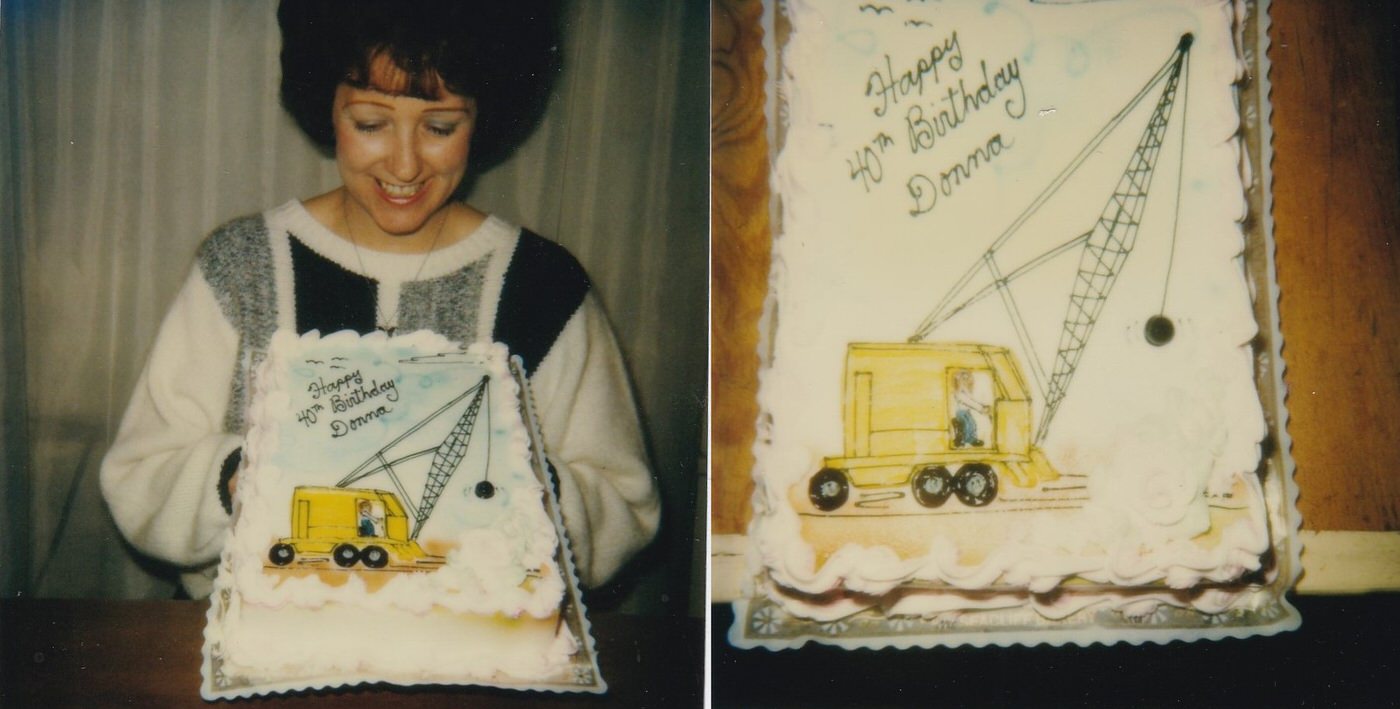
The styles changed with each passing decade — the frosting techniques, the color choices, the number of layers. But the ritual stayed the same.
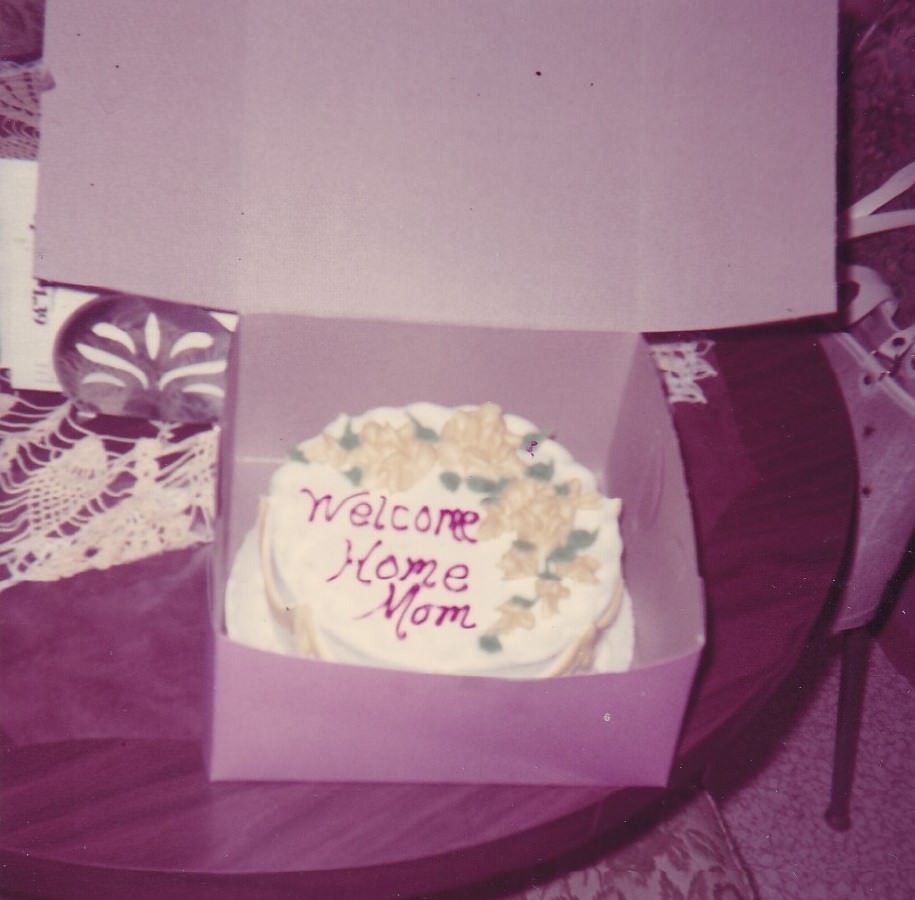
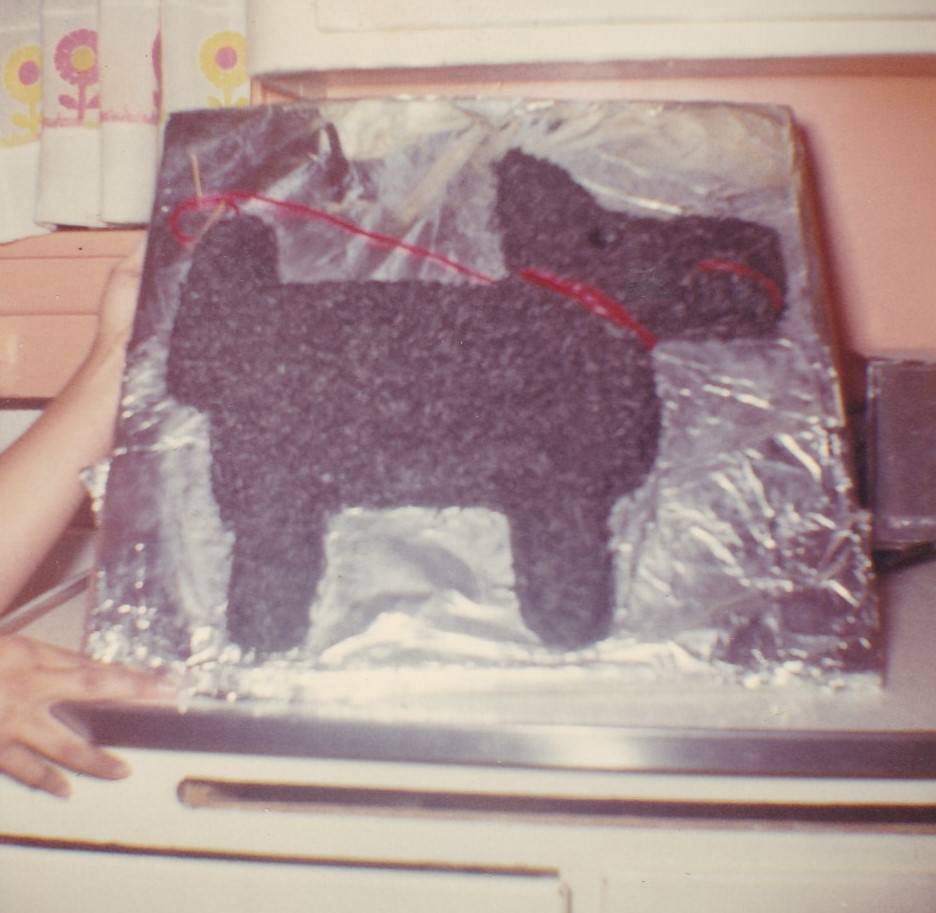
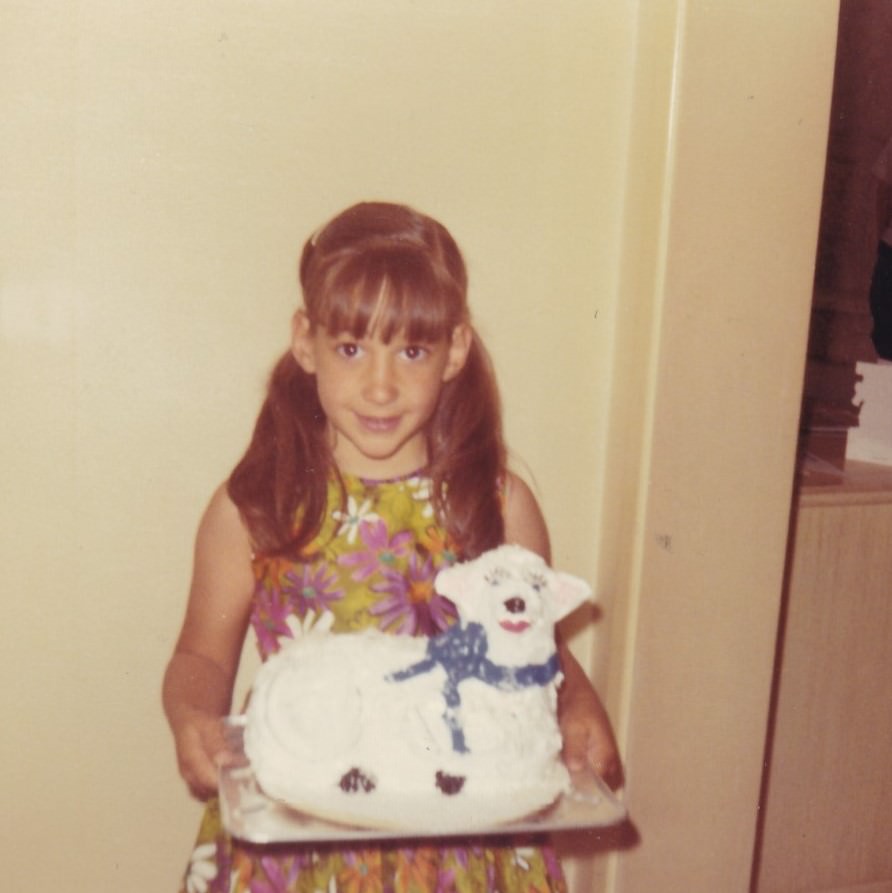
Scroll through these vintage snapshots and you’ll notice how little the core of the celebration actually changed. A birthday cake, no matter how plain or how fancy, always marked the same thing: another year lived.