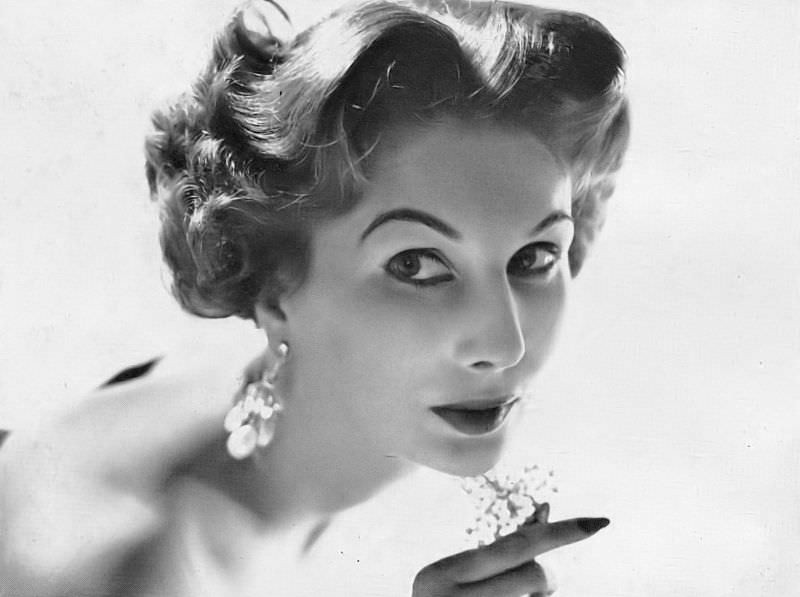
Barbara Goalen was born in 1921 with the kind of looks that stopped a room cold. Dark hair, pale skin, a 5’8″ frame, and an hourglass figure — she had the physical ingredients that photographers and designers spent careers searching for. But those features alone don’t explain why she became the most famous face in British fashion. That took something harder to measure: an almost electric sense of presence that she carried into every room and in front of every lens.
Her path into modeling was anything but conventional. She had first lived a quiet domestic life — a debutante, then a wife, then a mother of two. Only after her marriage ended in divorce did she turn to the runway. For a woman in the late 1940s, that pivot took real nerve. Britain was still pulling itself out of the wreckage of World War II. The country was threadbare and bruised, and the fashion industry was among the first places people looked for relief. Goalen arrived at precisely the right moment.
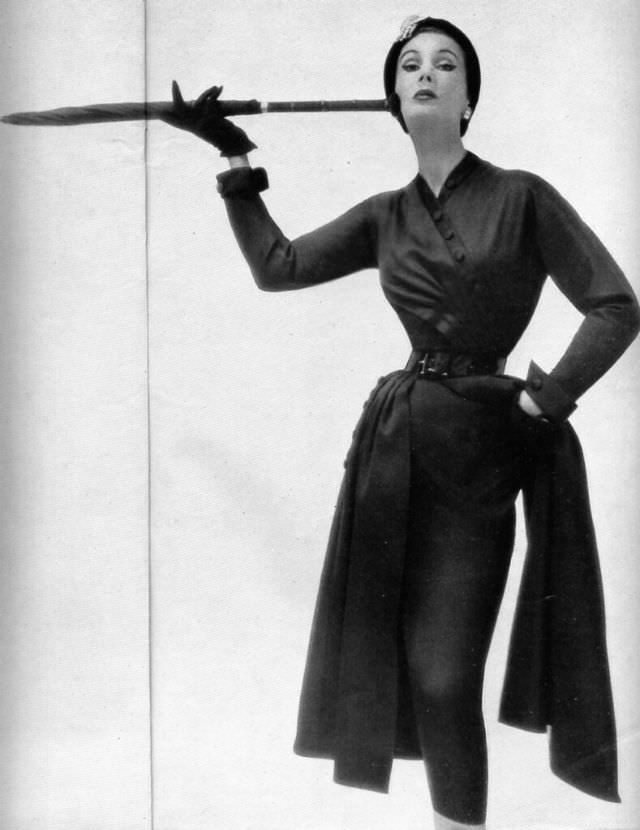
She threw herself into the work with a professionalism that set her apart from her peers. She was always on time, always prepared, and relentlessly focused on producing the best possible image. She didn’t simply wear a garment — she inhabited it, using her posture and expression to communicate the designer’s intent. That approach made her the first call for the biggest names in the business.
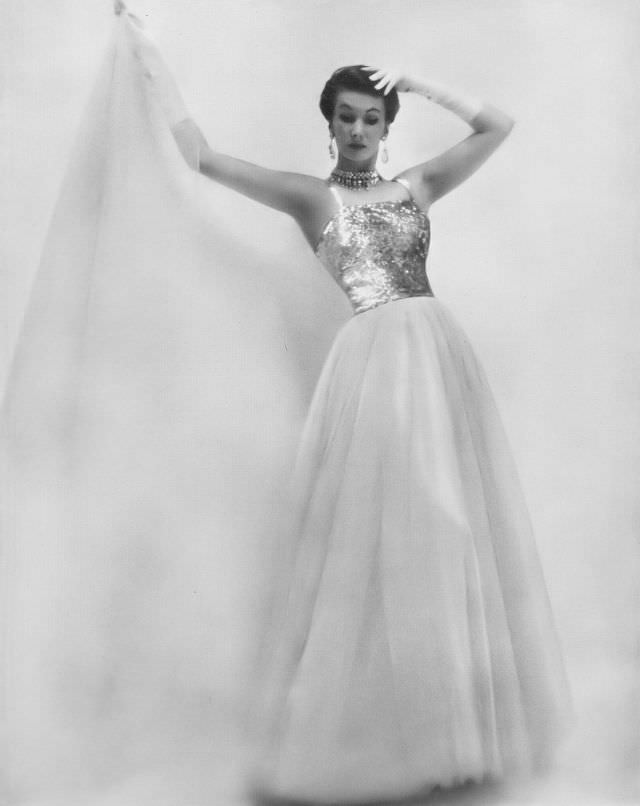
Goalen worked extensively with Christian Dior, whose New Look — defined by nipped waists, full skirts, and a deliberately feminine silhouette — suited her figure perfectly. She also worked with Balenciaga and Givenchy, two of the most technically demanding couture houses in the world. These were designers who expected precision from their models, and Goalen delivered it every time.
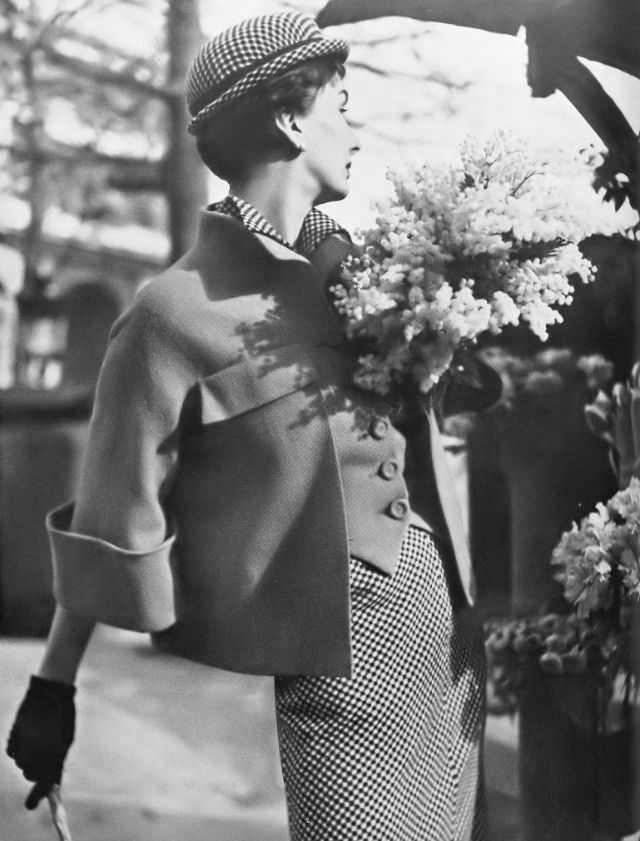
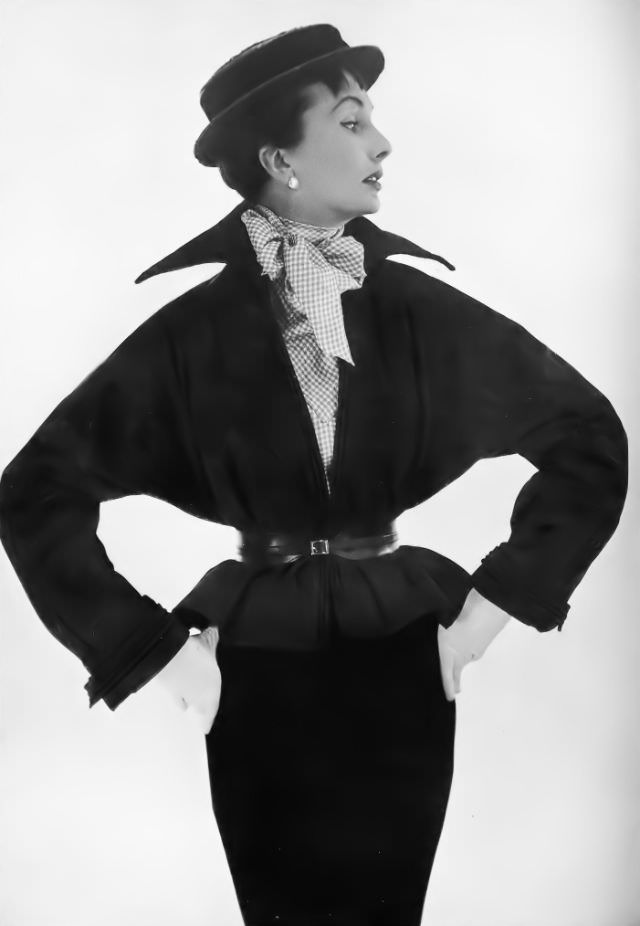
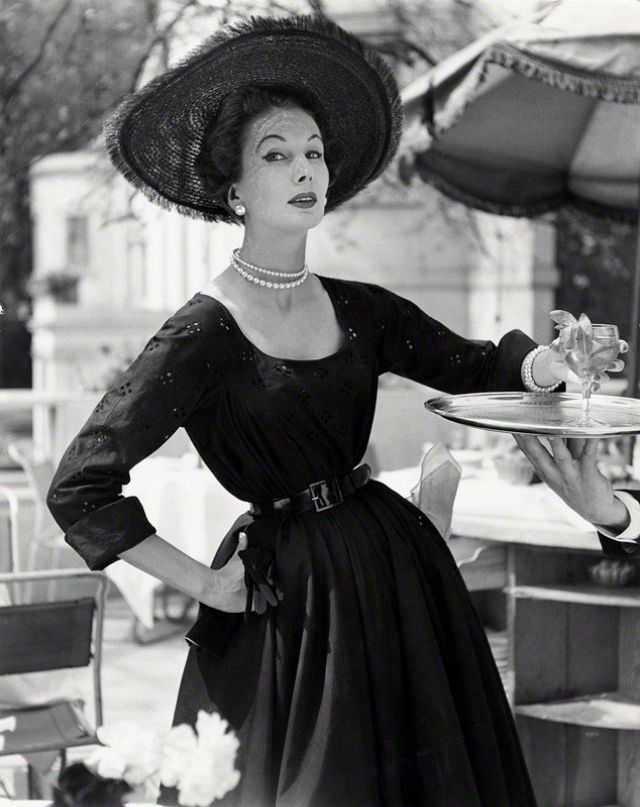
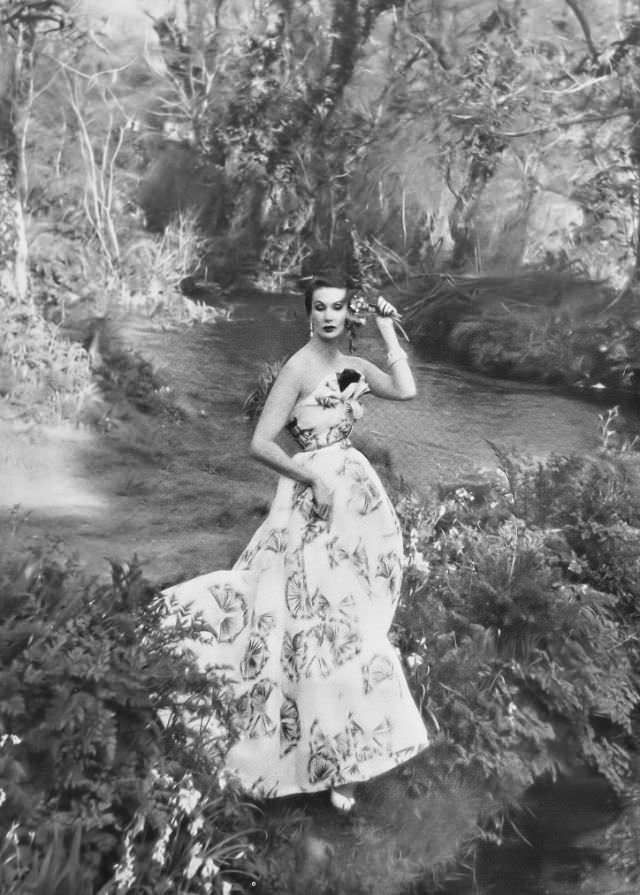
The early 1950s were Goalen’s peak years, and the photographs from that period show a woman entirely in command of her craft. Whether wearing an elaborate evening gown or a sharp tailored suit, she brought the same focused energy. Her expressions were controlled but never stiff. Her body language read as effortless, even when the garments she wore demanded great care to move in.
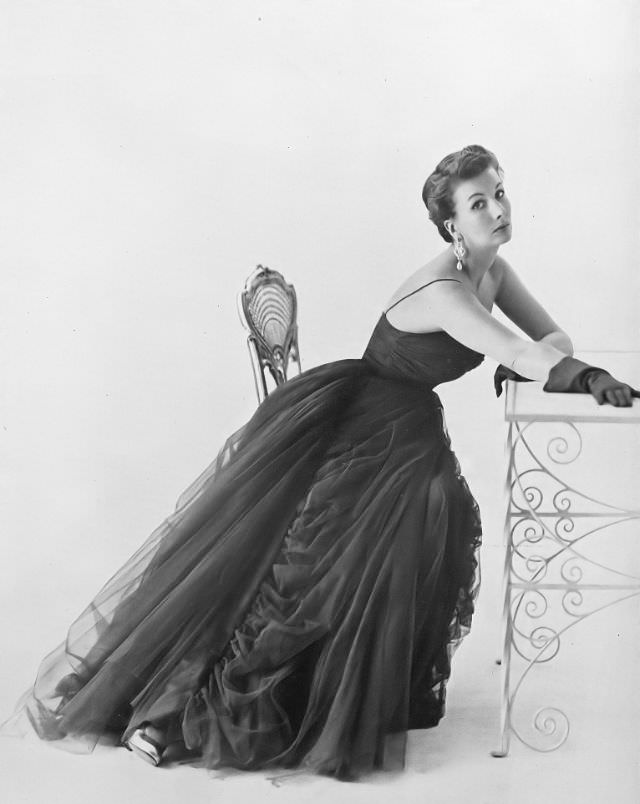
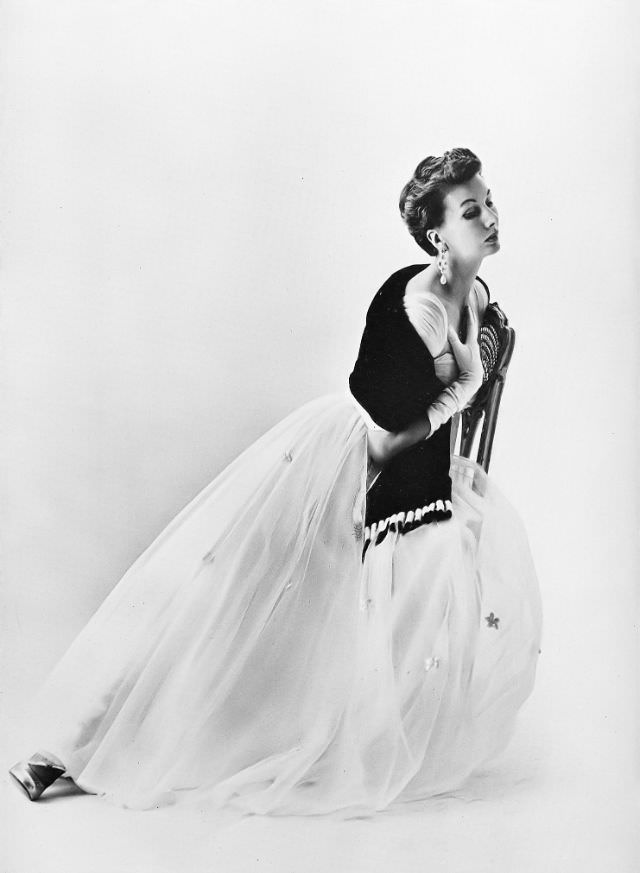
Susan Small was one of the British labels she returned to repeatedly. The brand specialized in elegant ready-to-wear, and Goalen’s ability to elevate a garment made her an ideal partner for a label working hard to compete with French couture. In her hands, even a relatively accessible design looked like it belonged on a Paris runway.
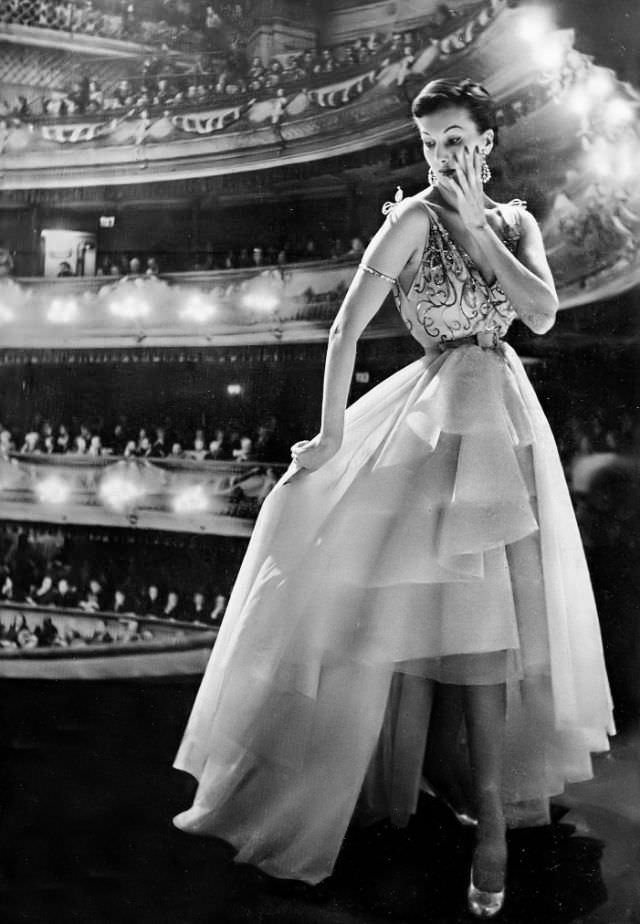
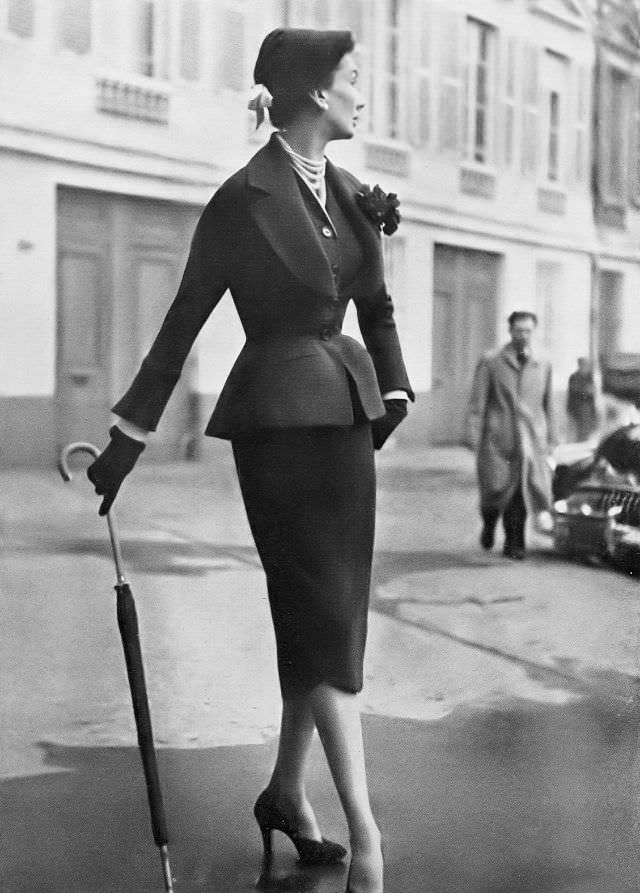
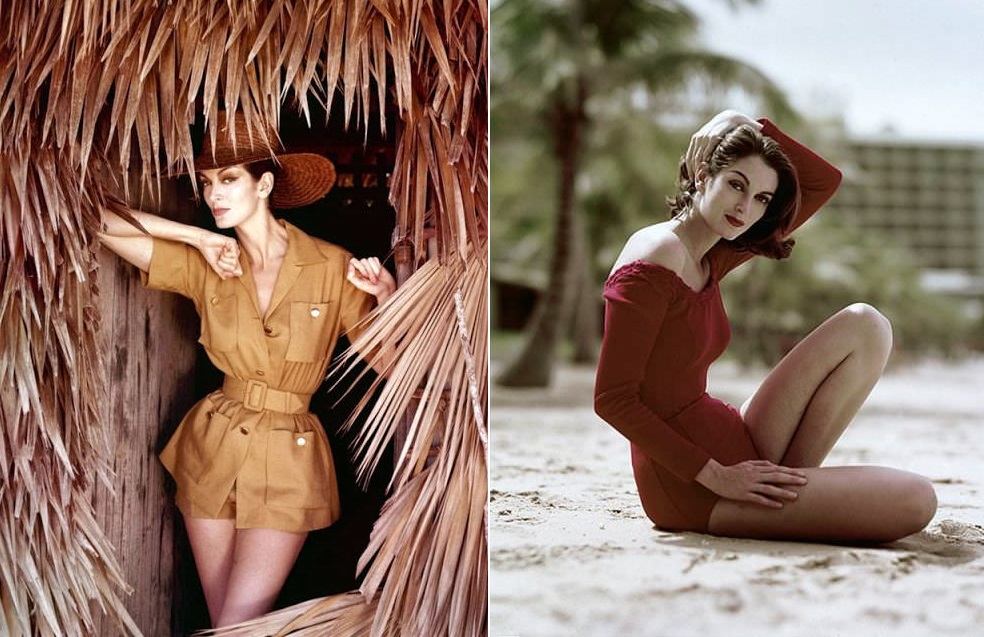
Her range across garment types was remarkable. She moved from hand-knit sportswear to full couture evening dress without losing her signature authority. The photos show her wearing pieces by a wide range of designers — from Angèle Delanghe to Molyneux to Balenciaga — each one styled with meticulous attention to detail, and each one given the same serious, focused treatment.
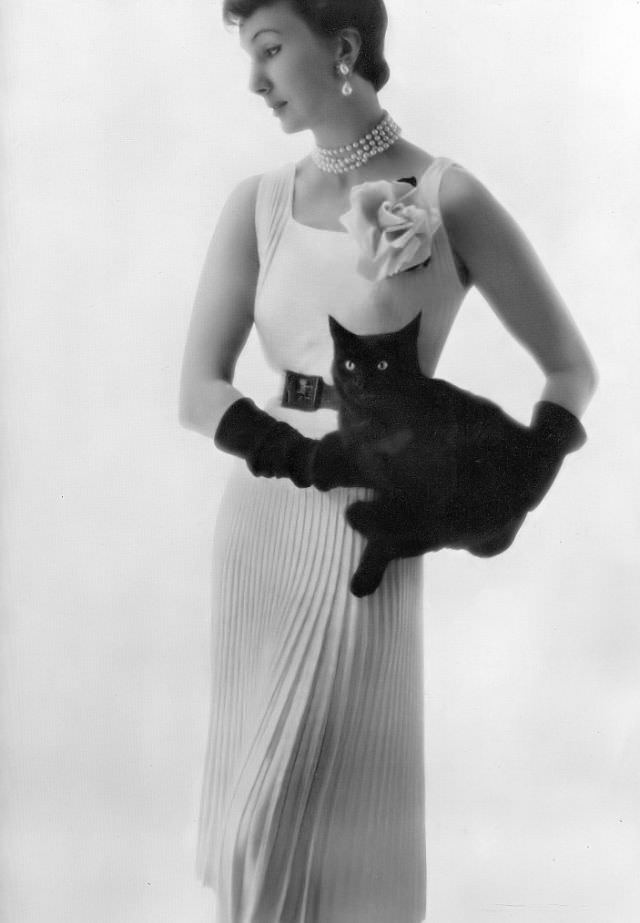
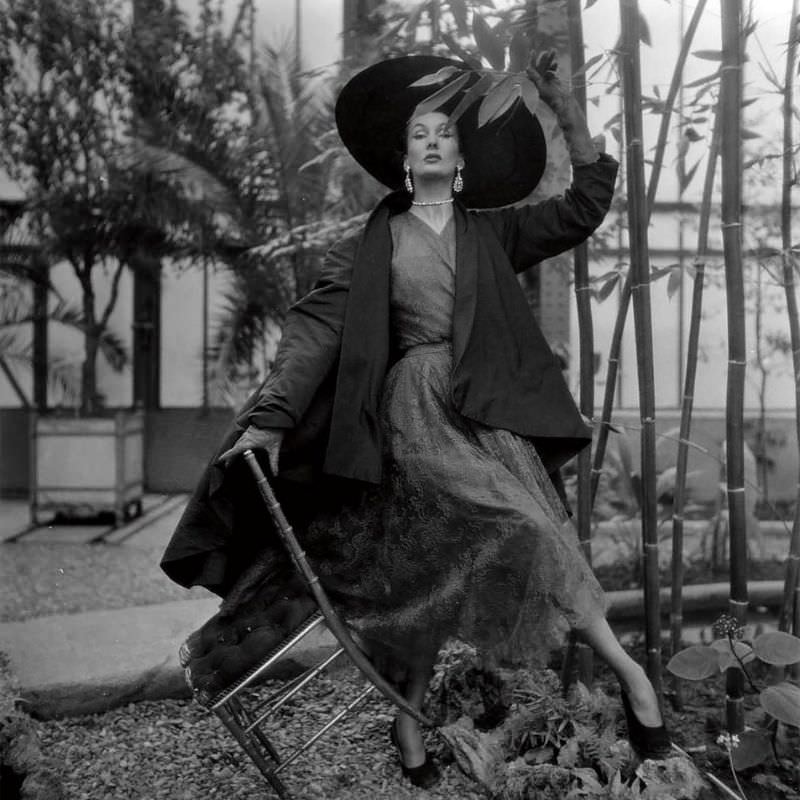
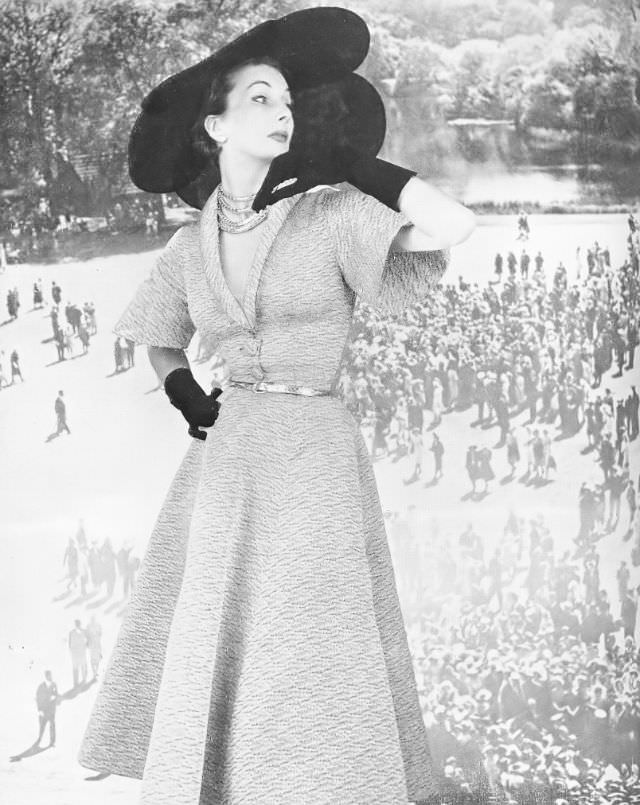
By 1950, Goalen was the most photographed woman in Britain. Her face appeared in Vogue and Harper’s Bazaar regularly. Readers recognized her immediately. She had become, in the truest sense, the face of British fashion during one of the industry’s most transformative decades.
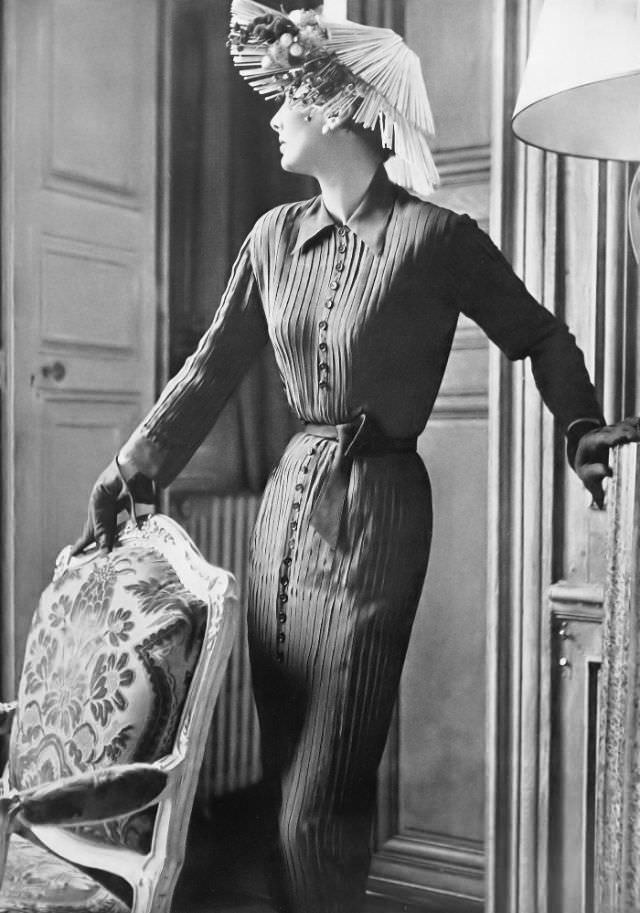
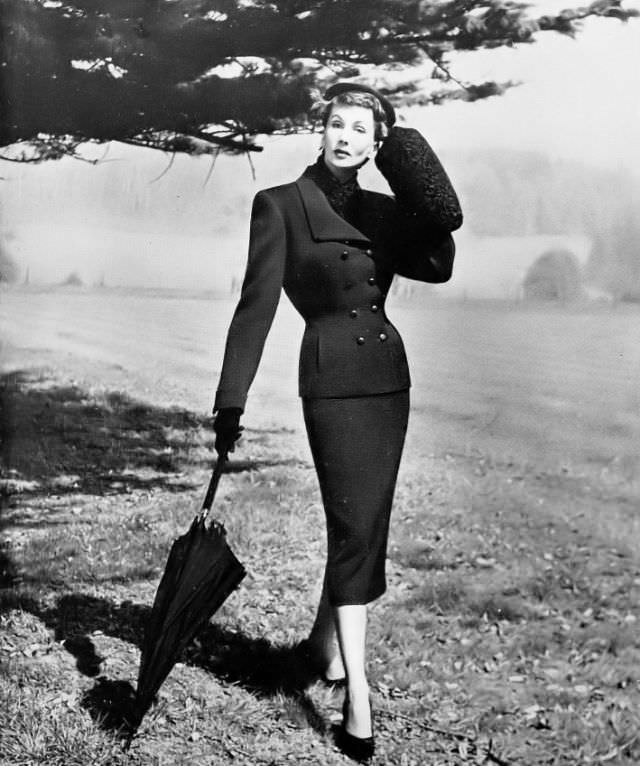
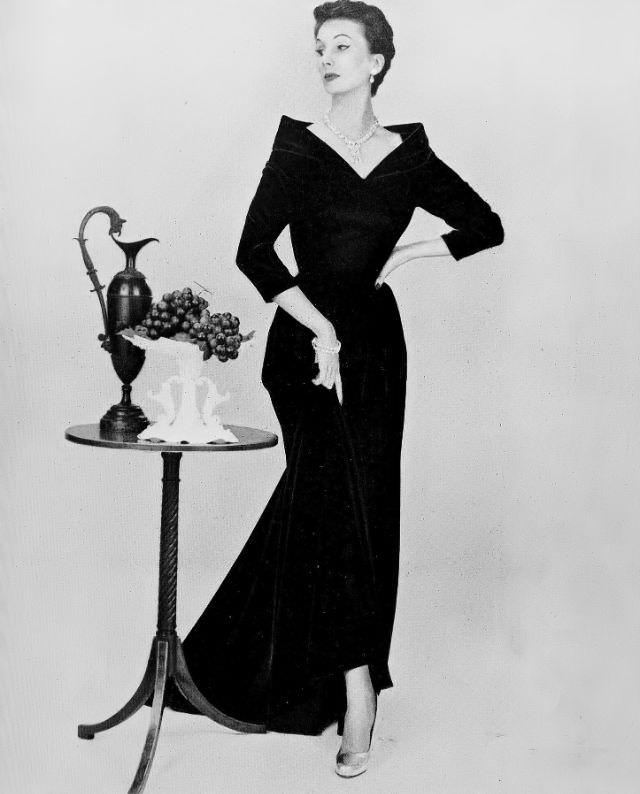
The department stores of London — Harvey Nichols, Debenham & Freebody — also featured her regularly, making her familiar not just to the fashion elite but to everyday British women who browsed their pages. She bridged the gap between exclusive couture and the high street without compromising her image in either direction.
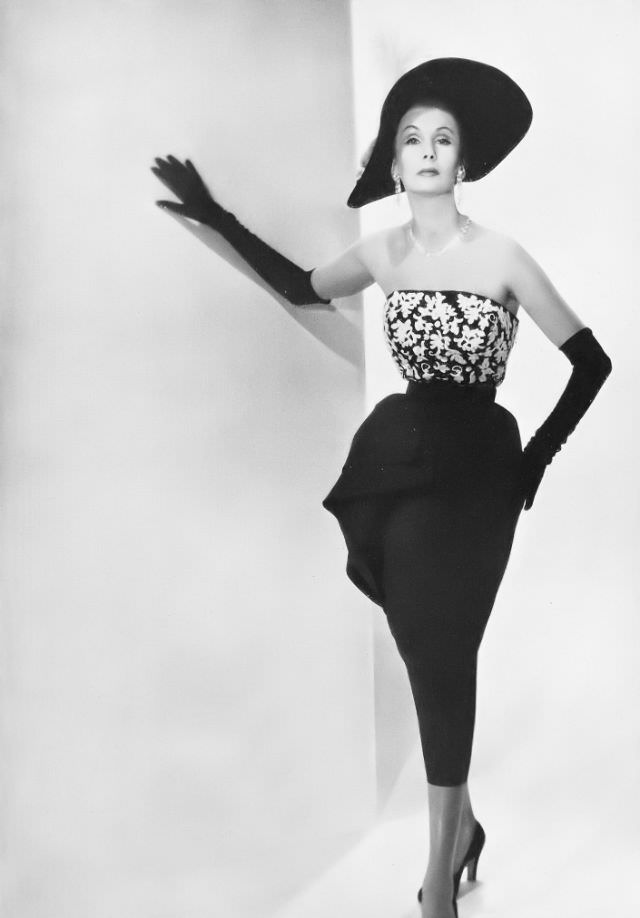
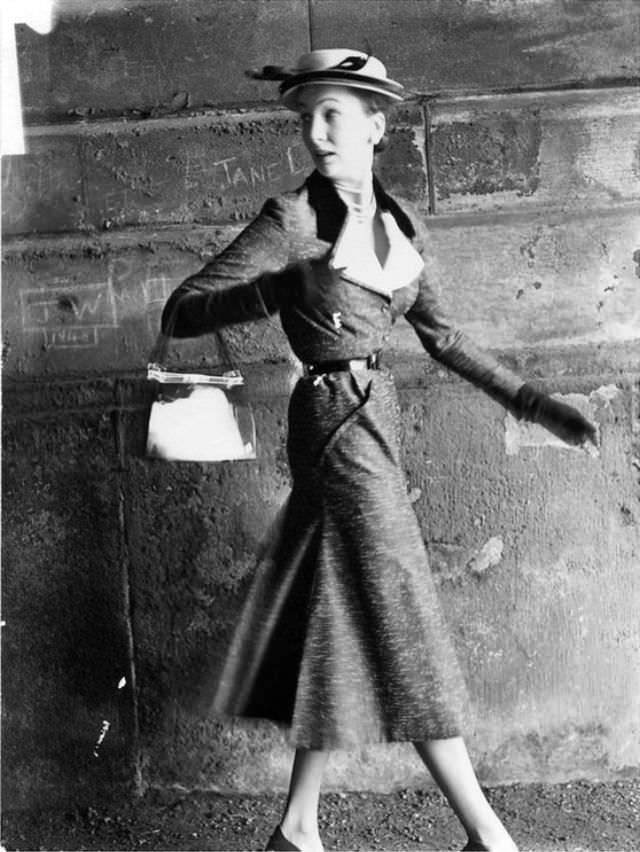
Moving into 1951, the photographs show Goalen continuing to work at full pace across an astonishing variety of labels and looks. She appeared in everything from dramatic evening gowns to structured day suits, always with the same composed, deliberate energy. Her work with photographers during this period helped define what editorial fashion photography looked like in Britain.
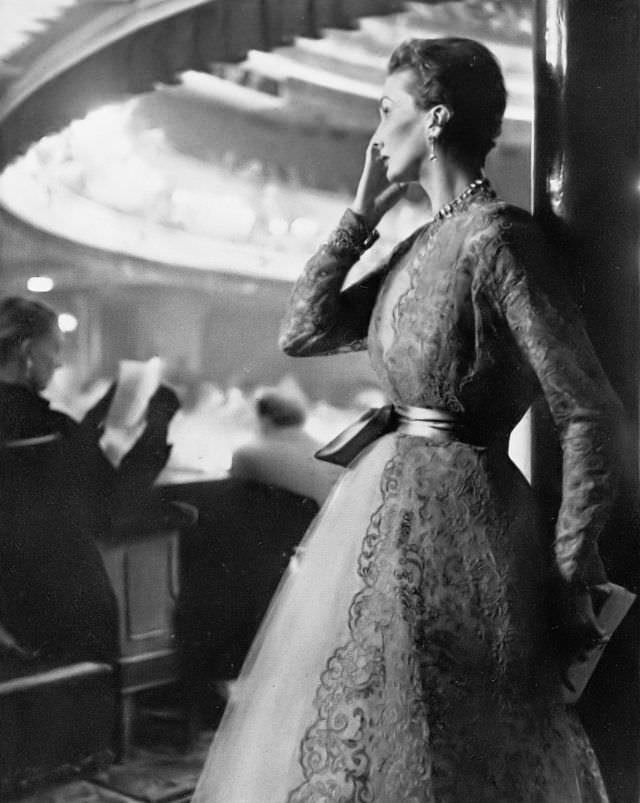
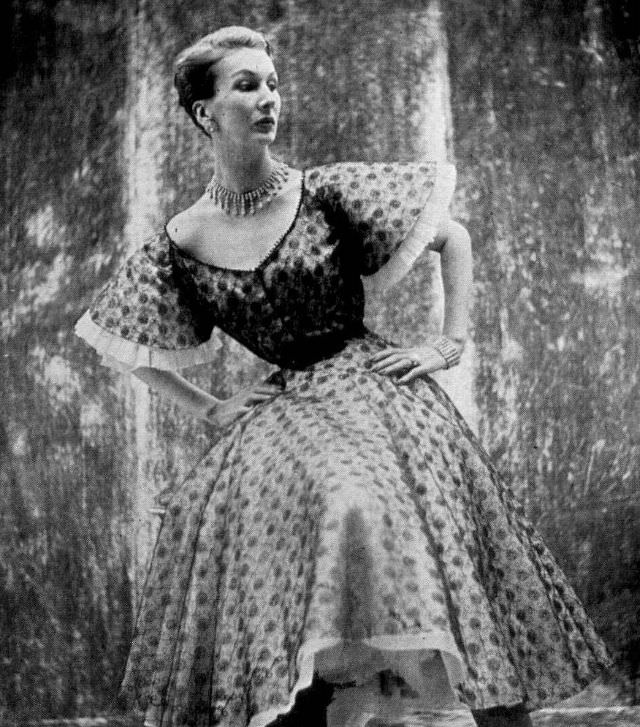
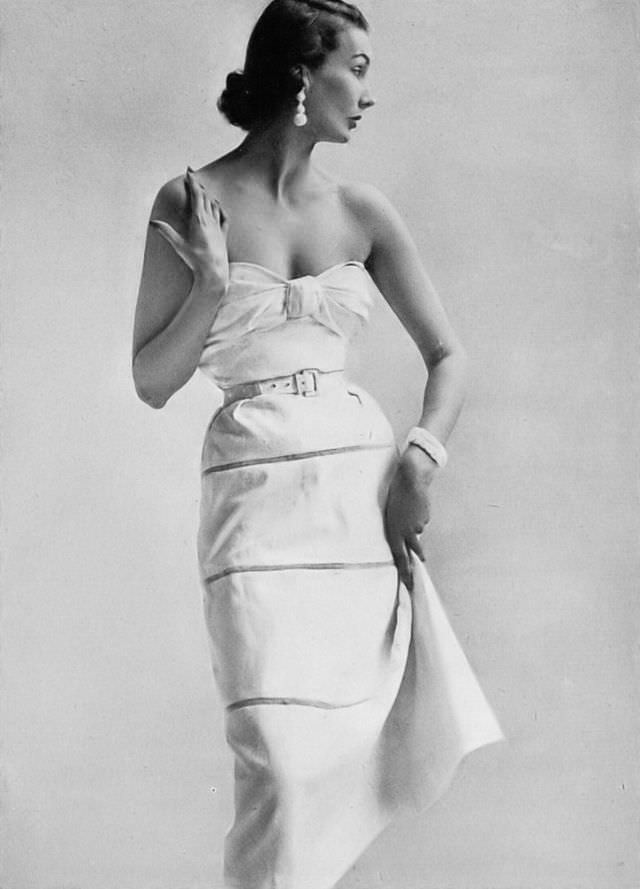
Her work with Lachasse, a British couture house known for precise tailoring, showed a different dimension of her skill. In structured suits and formal daywear, the theatrical side of modeling fell away. What remained was a cool, almost architectural stillness that made the cut of a garment read with complete clarity — exactly what a tailor needed from a model.
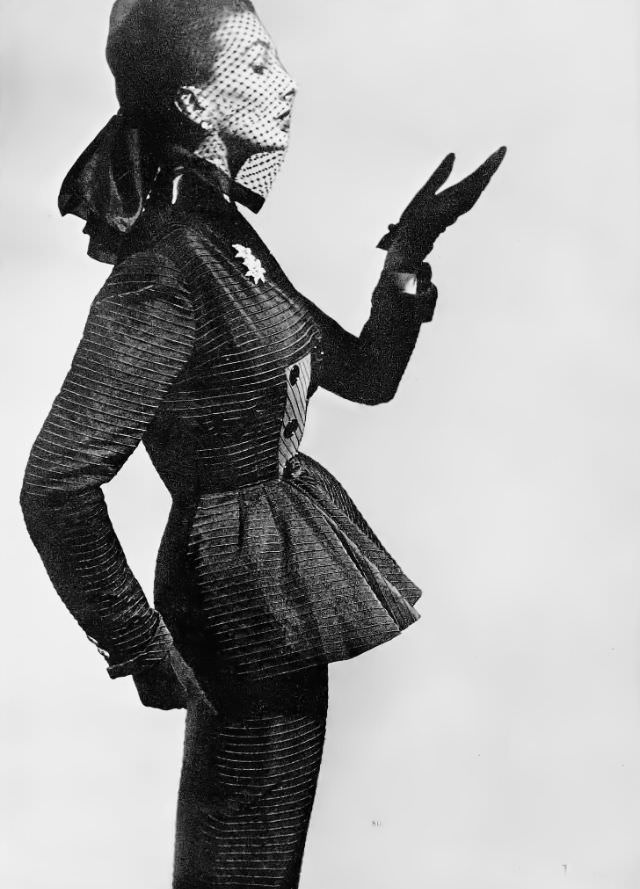
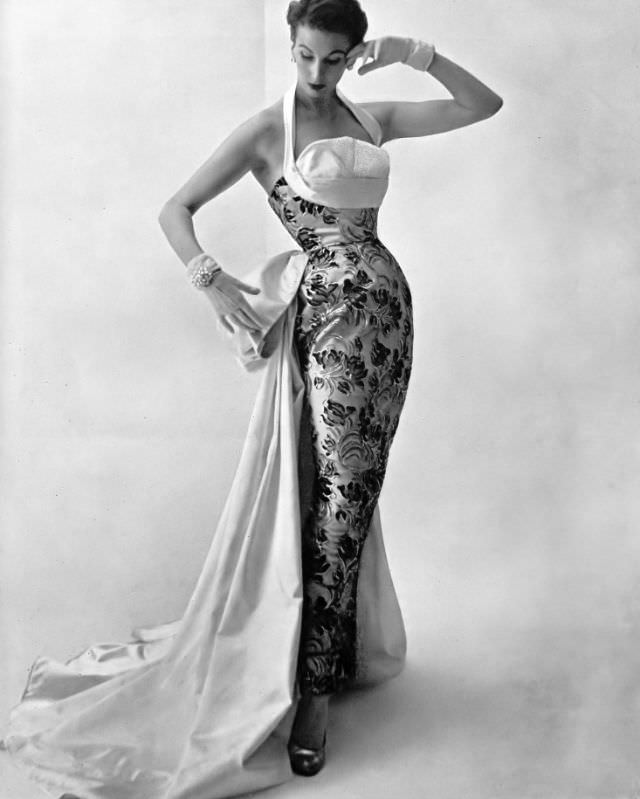
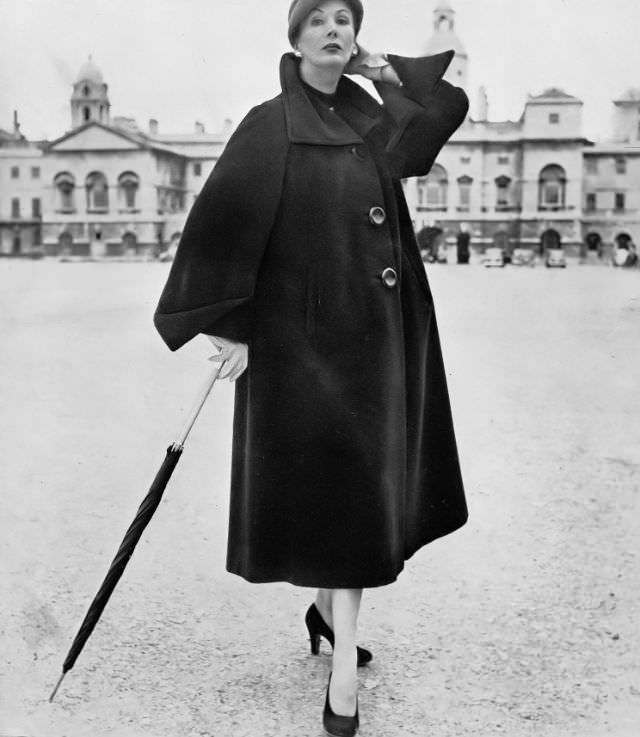
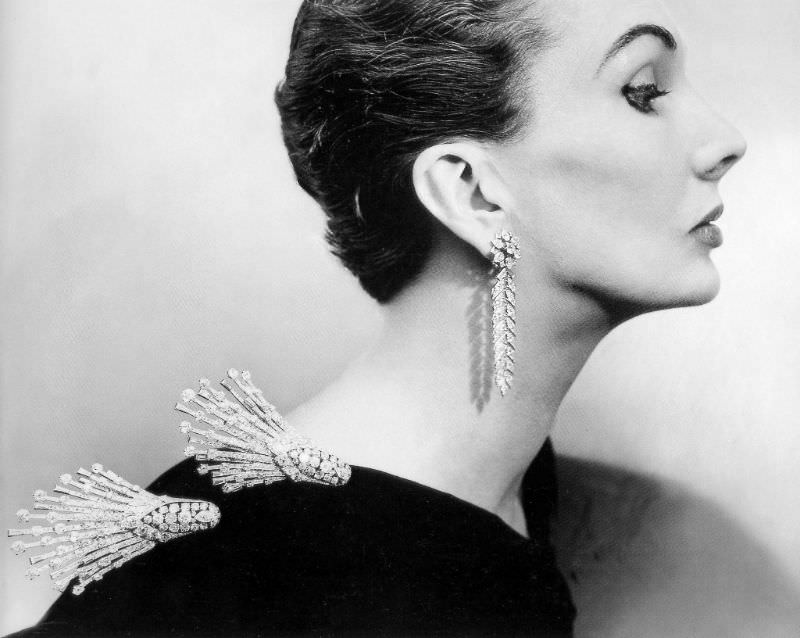
Photographer Anthony Denney captured her in 1951 in a portrait that demonstrated just how well her face held up to close scrutiny. Where many models of the era relied on heavy styling and elaborate staging, Goalen needed neither. Her features — the dark brows, the sharp cheekbones, the steady gaze — were enough on their own.
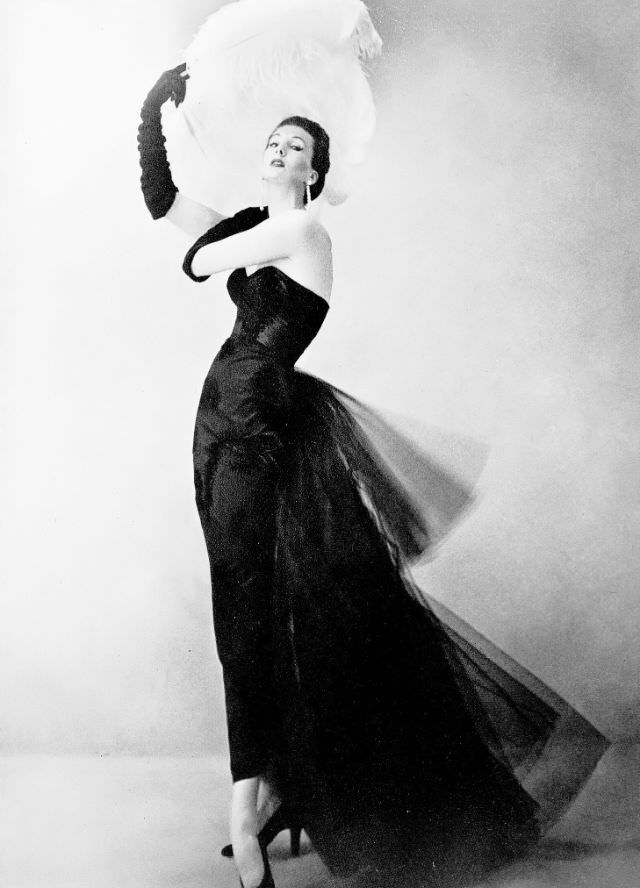
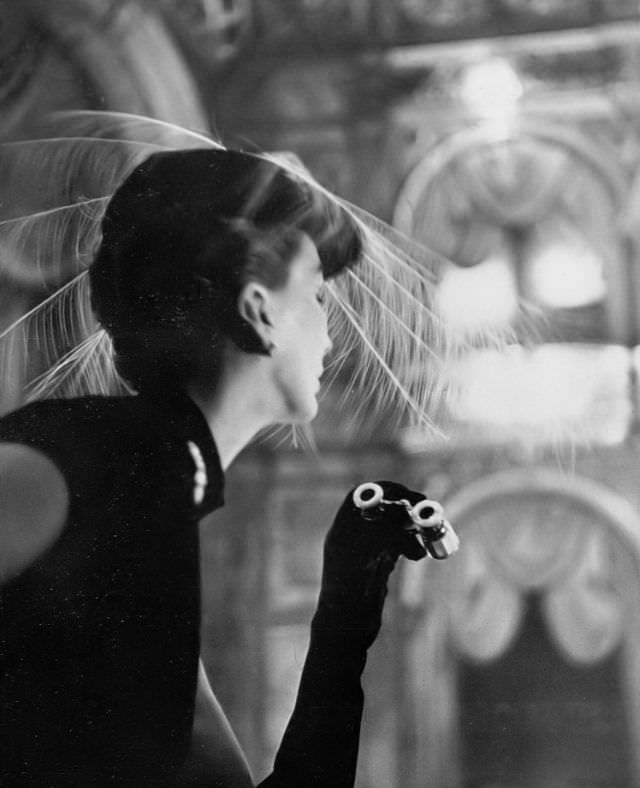
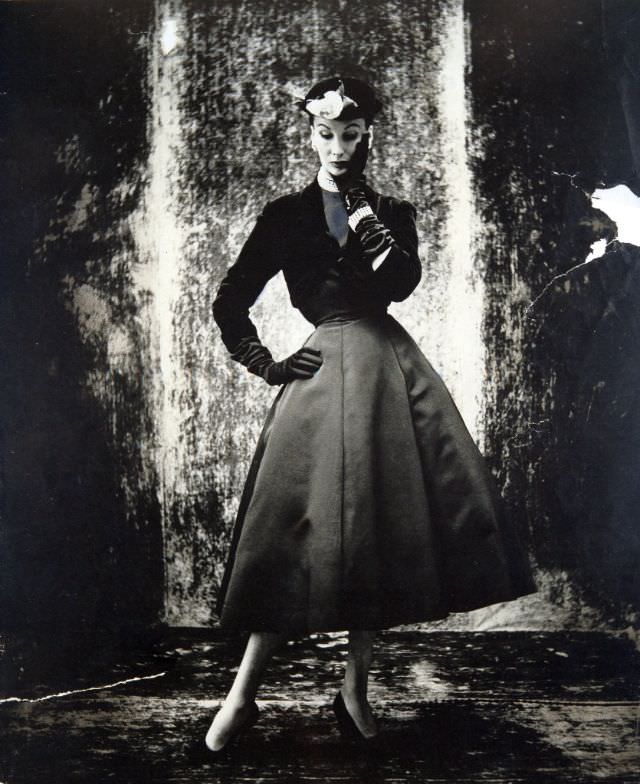
By 1952, Goalen was in constant demand. Her schedule across that year included British couture houses, department store campaigns, and shoots with newspaper photographers including John French, who photographed her in a Hardy Amies town dress for the Daily Express. French’s clean, graphic style matched her own directness perfectly, and the resulting images were some of the sharpest of her career.
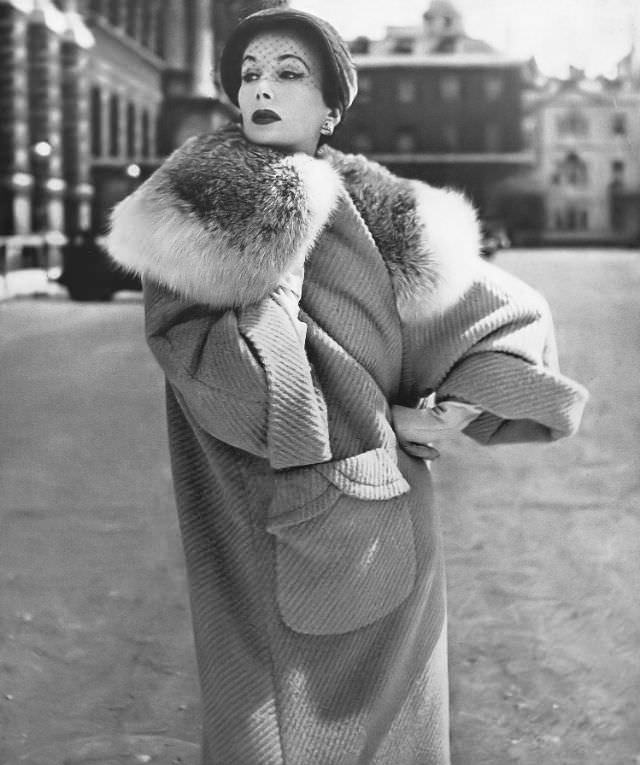
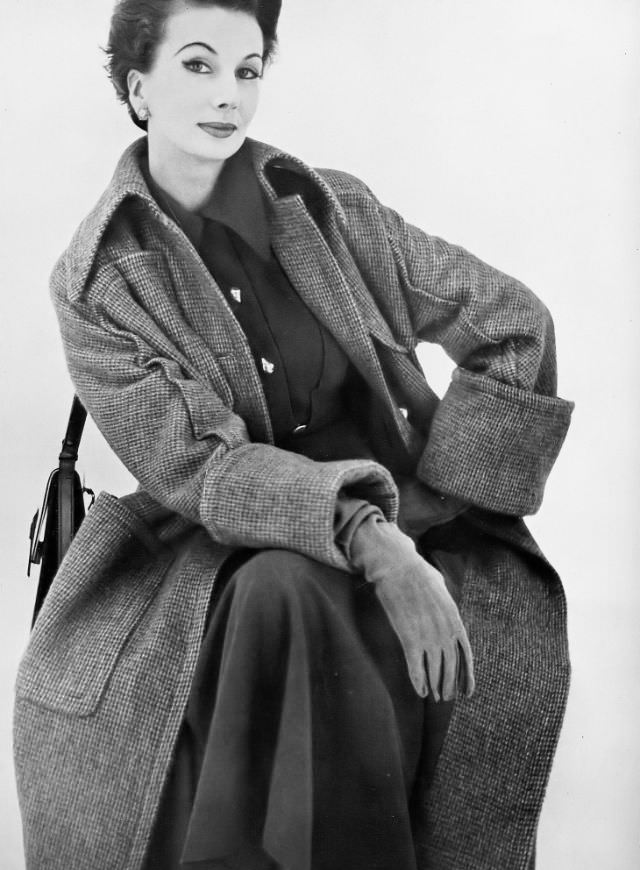
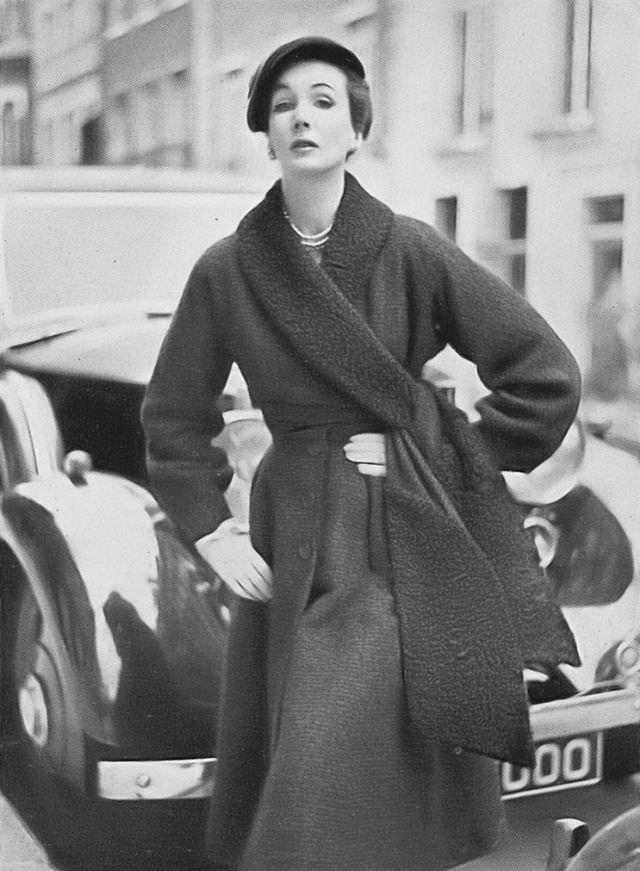
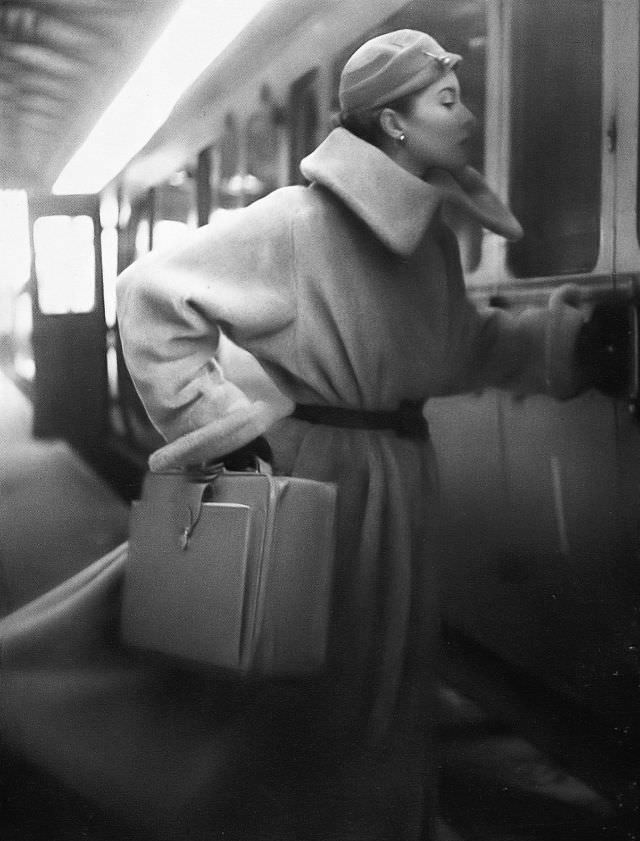
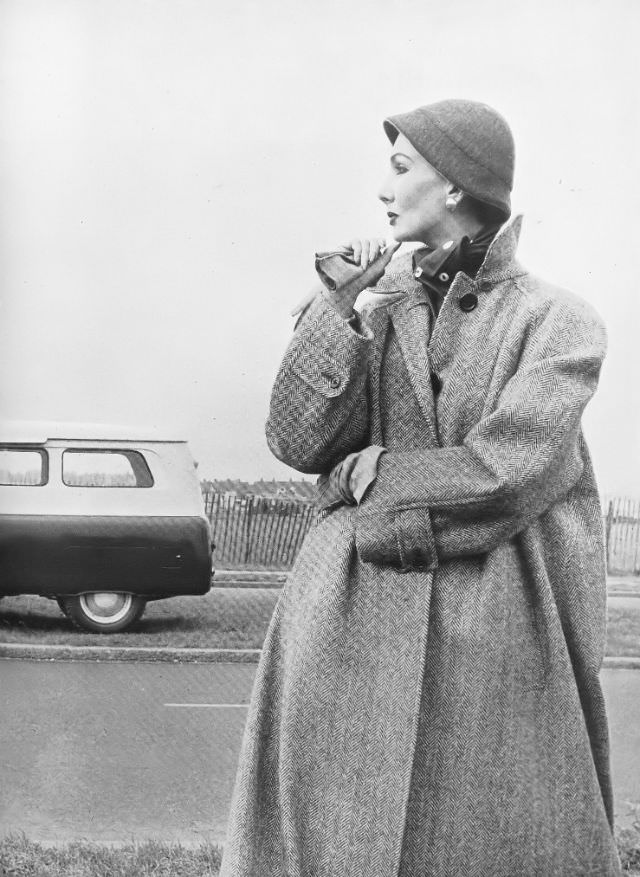
Outerwear was a recurring theme throughout her 1952 work. Britain’s coat manufacturers — from Aquascutum to Digby Morton — understood that a well-fitted coat on Goalen was one of the most effective advertisements they could produce. Her posture and height showed the lines of a coat with an accuracy that few other models could match.
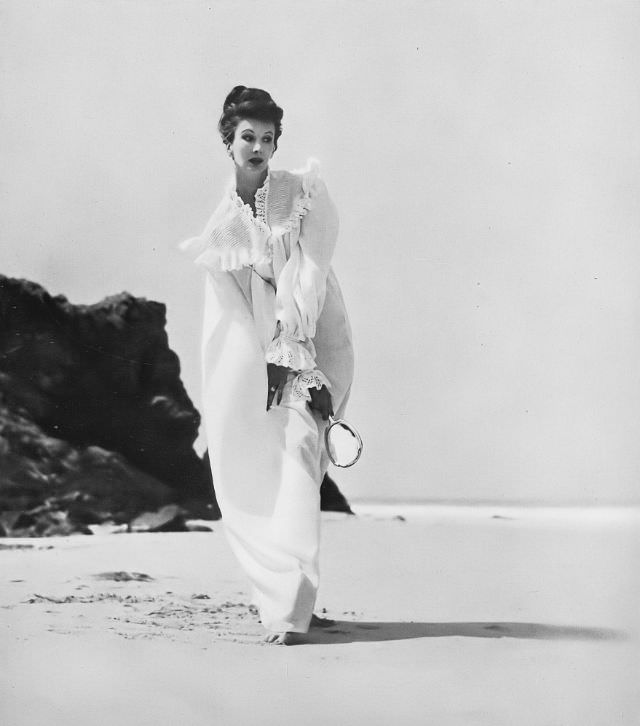
The range of her 1952 work went beyond outerwear and formal fashion. She also appeared in a fine white lawn nightdress for Janet West — an intimate, domestic piece that required a completely different kind of presence. That she pulled it off with the same authority she brought to a Dior suit said much about the breadth of her skill.
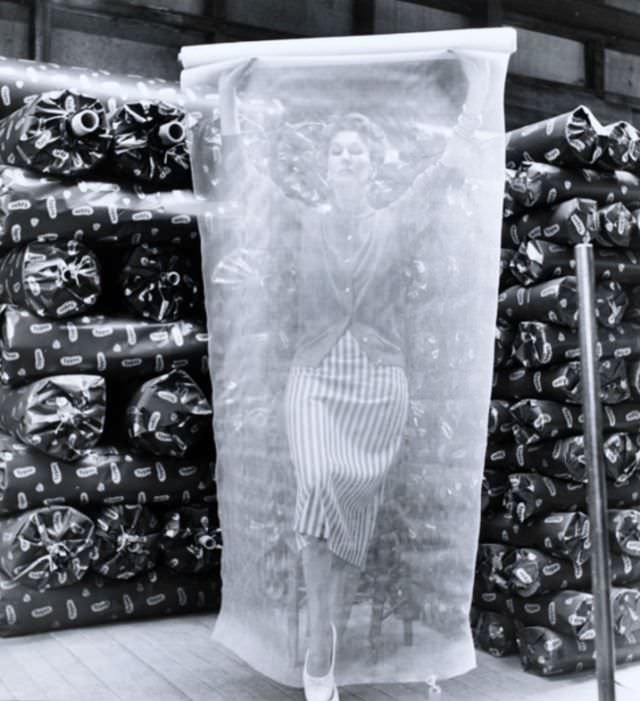
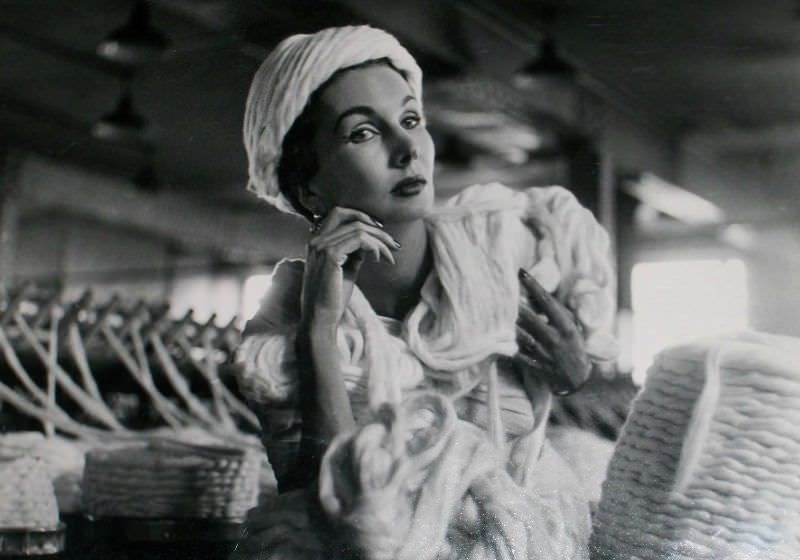
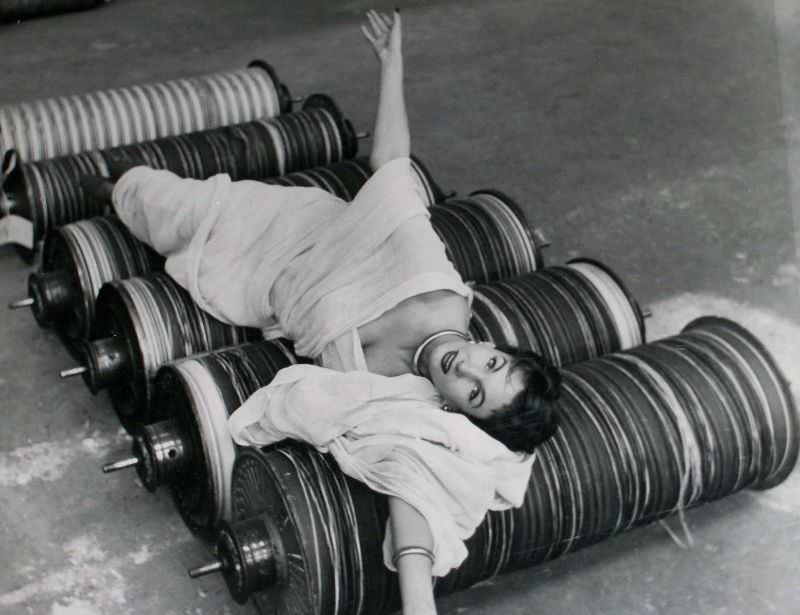
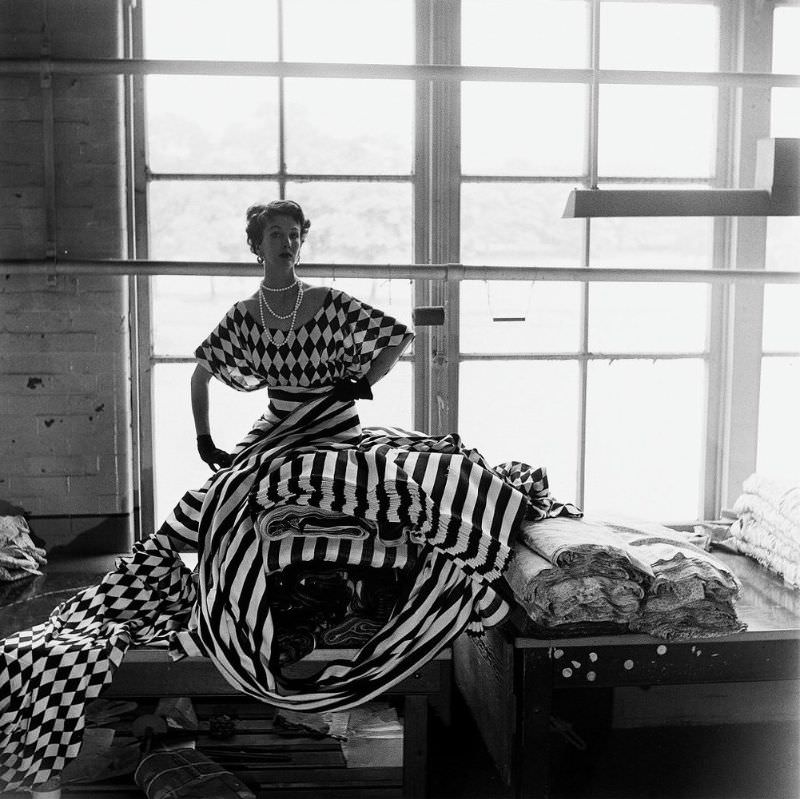
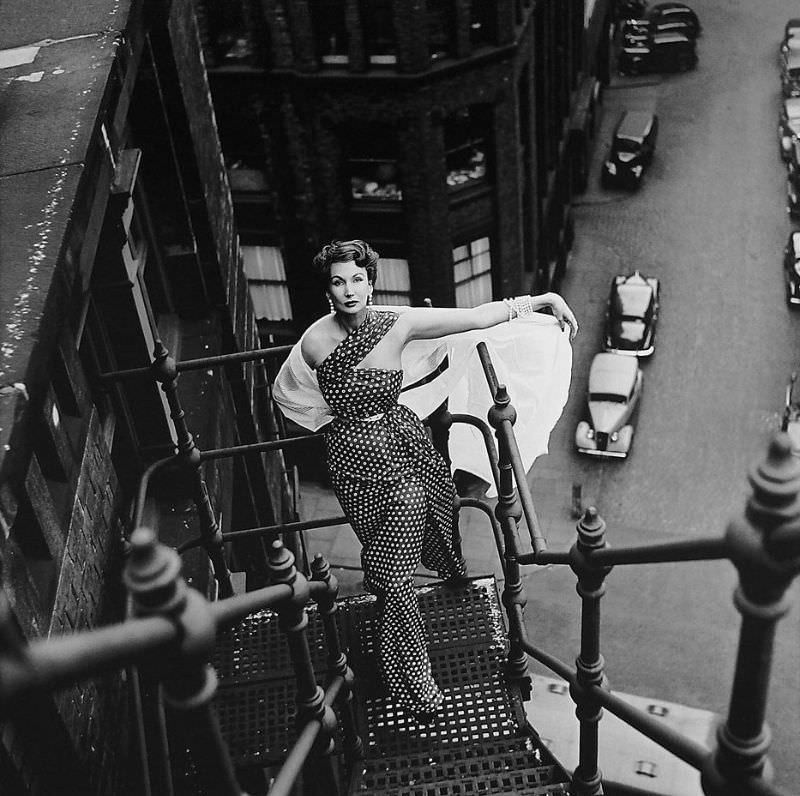
Her 1953 season brought work with Irish designer Sybil Connolly, photographed by Milton Greene — the American photographer best known for his portraits of Marilyn Monroe. Greene’s eye for light and texture gave Goalen’s images a new depth. In Connolly’s Donegal tweeds and shaggy woolen suits, she looked grounded and natural, the country-house elegance of the pieces sitting easily on her frame.
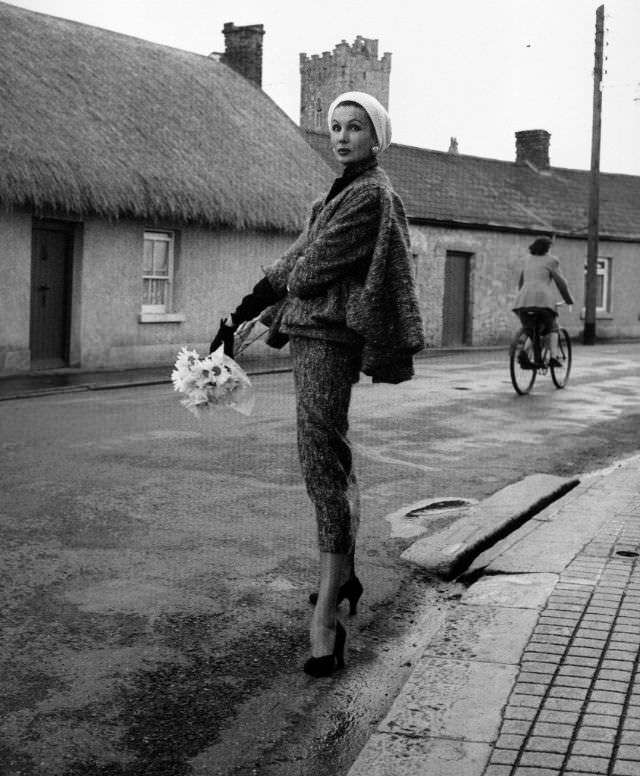
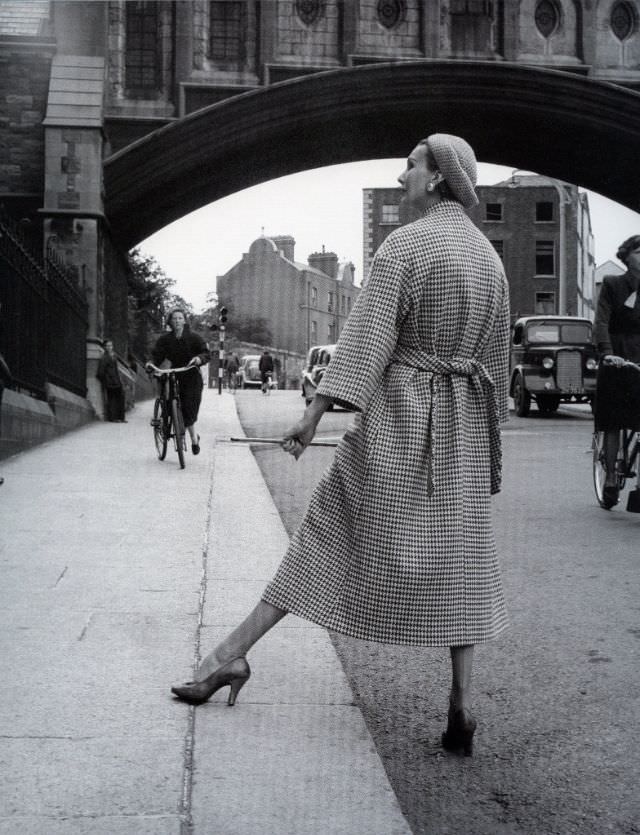
Her 1953 work also included pieces from Dorville, Roecliff & Chapman, and Spectator Sports — a wide cross-section of the British fashion market. From brocade coats to jersey day dresses, she showed the same focused attention to each garment. The consistency of her work across so many different houses and styles was one of the things that set her apart from every other model working in Britain at the time.
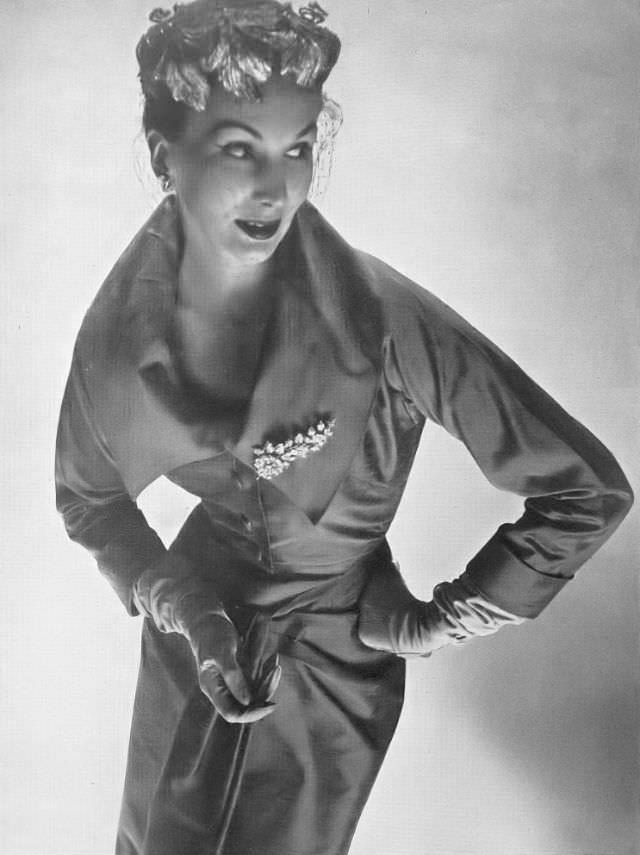
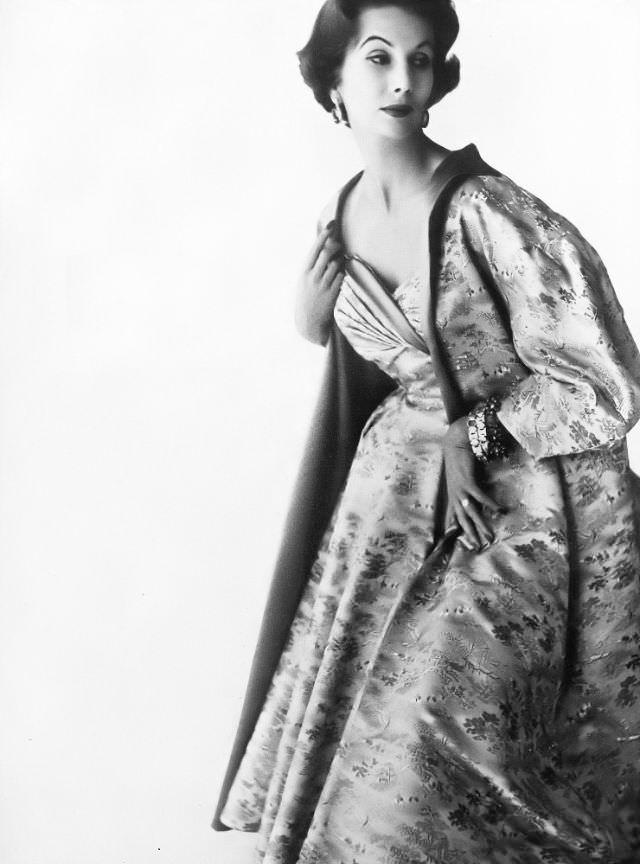
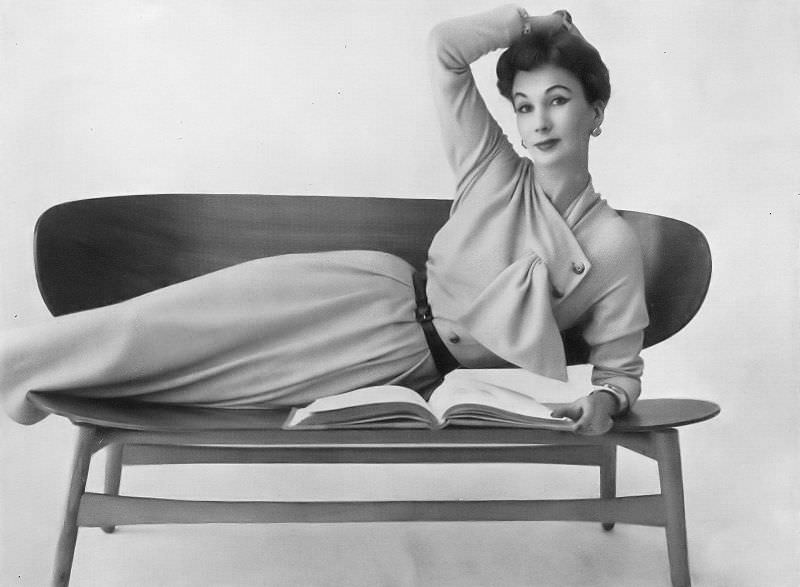
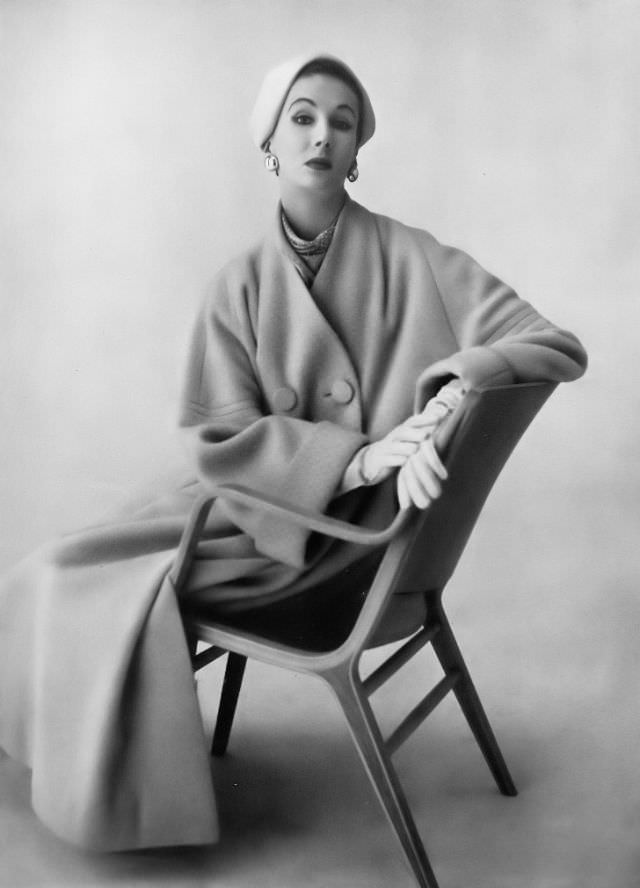
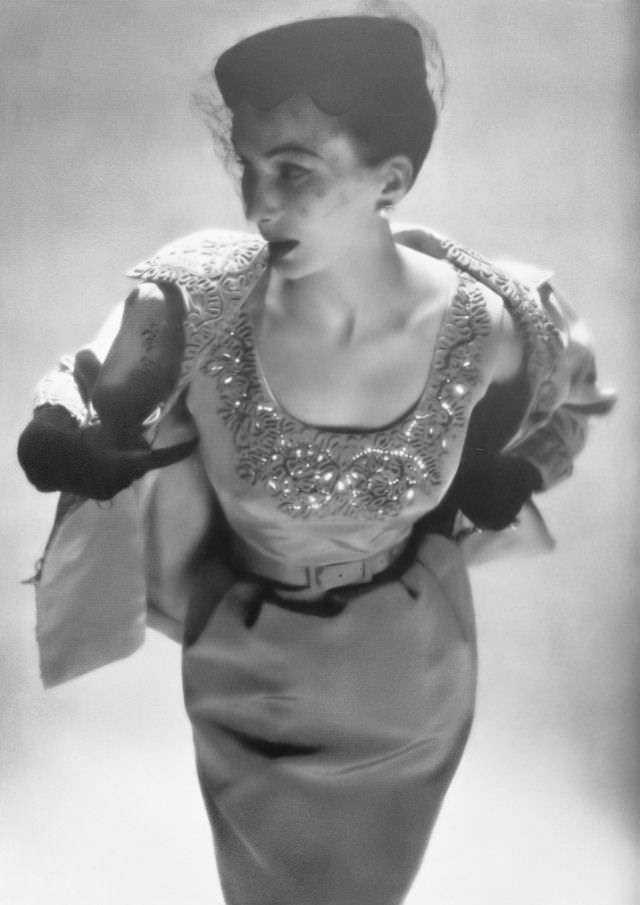
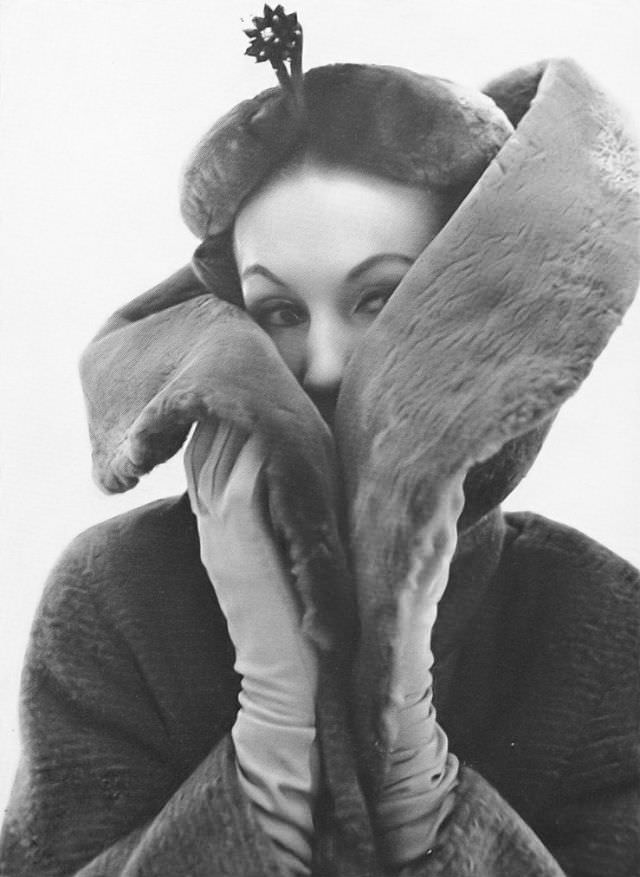
Goalen retired from modeling in 1954 to focus on her family. Her active career had lasted less than a decade. In that time, she had established herself as the standard against which every other British model of the era was measured. The 1955 photograph below — taken after her retirement — shows her still carrying herself with the same composed authority that had defined her working years.