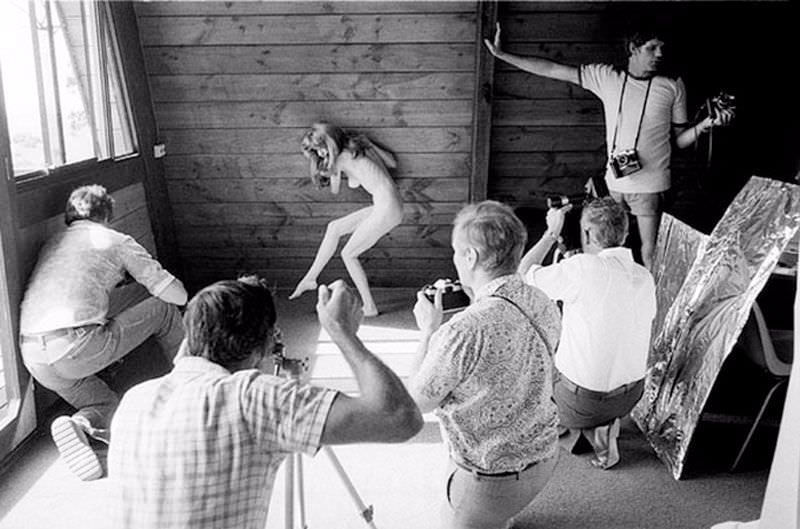
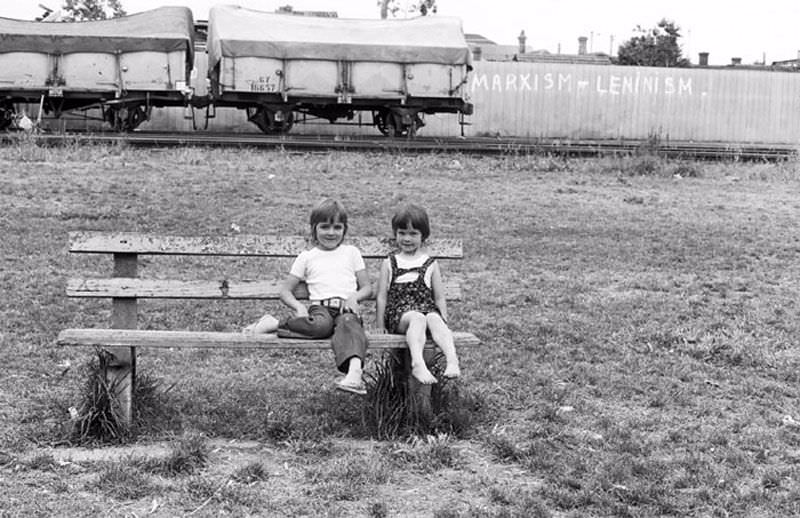
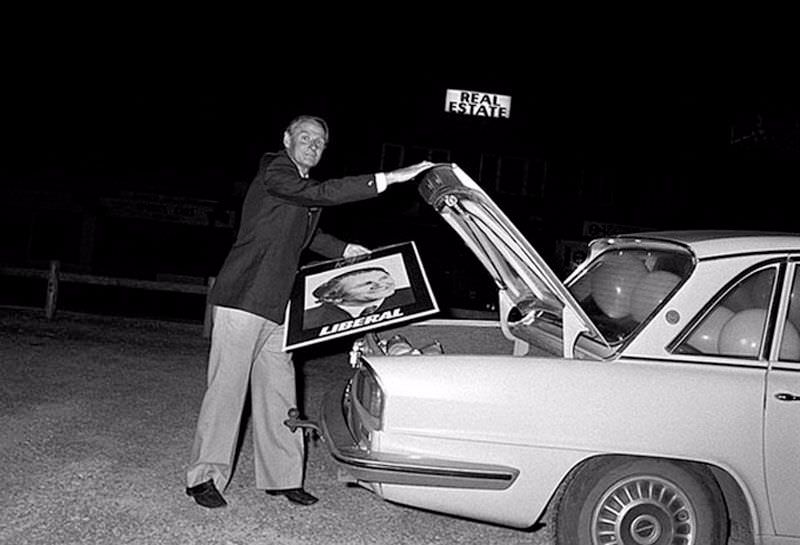
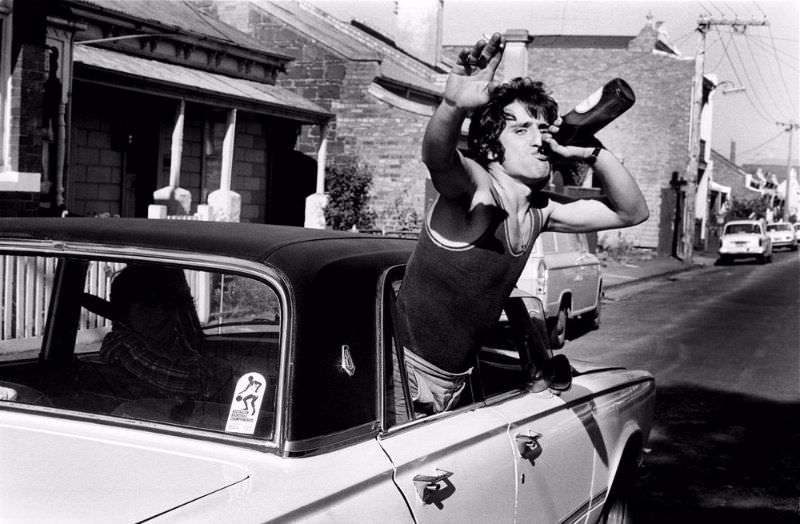
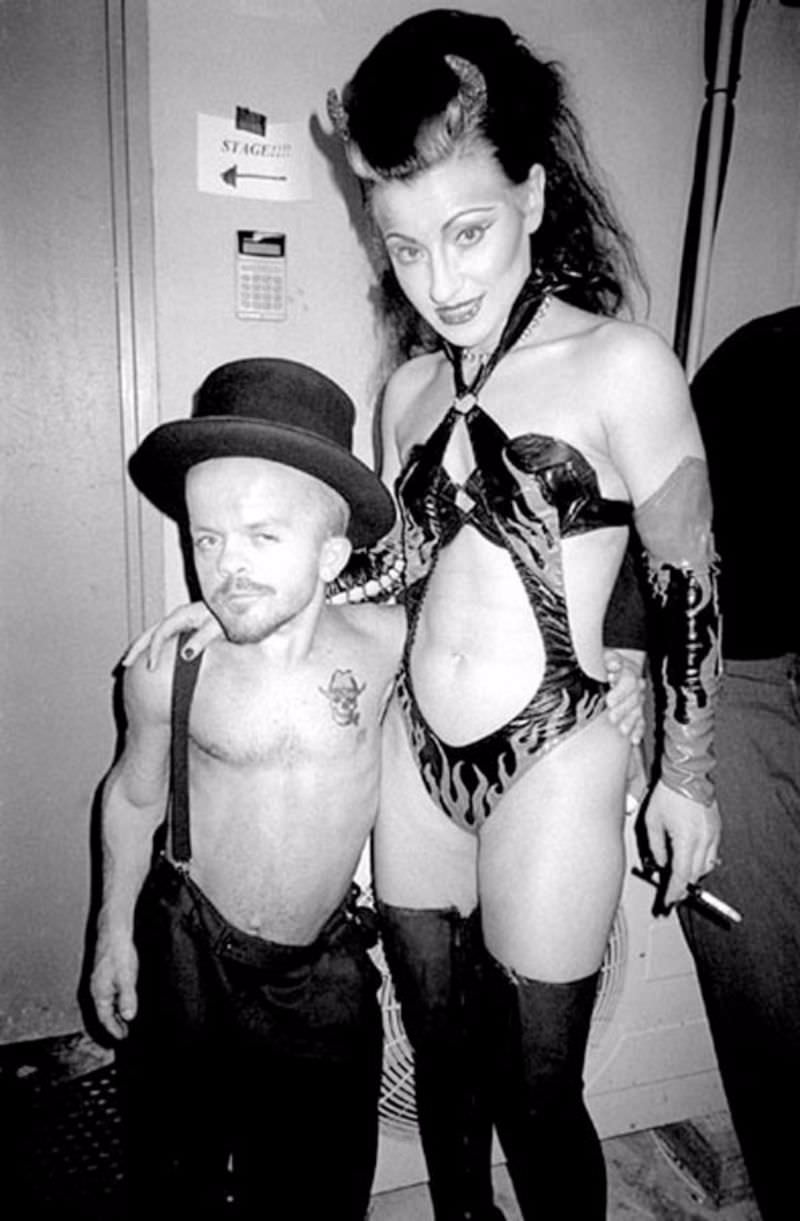
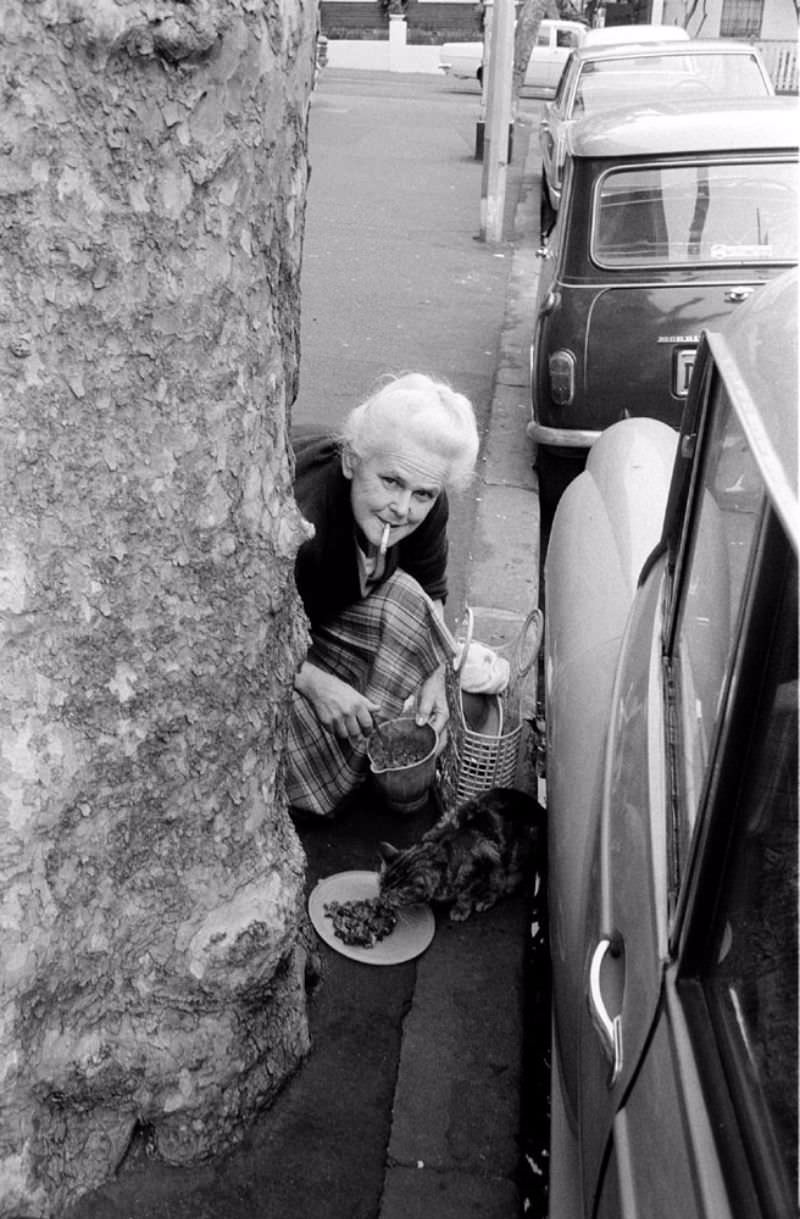
Rennie Ellis — born Reynolds Mark Ellis in Melbourne in 1940 — picked up a camera in the 1960s and never put it down. By the time the 1970s arrived, he had already built a reputation as one of Australia’s sharpest photographic eyes. What set him apart was his candid, up-close style. He didn’t arrange his subjects or wait for perfect lighting. He moved through crowds, beaches, and backstreets and caught people exactly as they were.
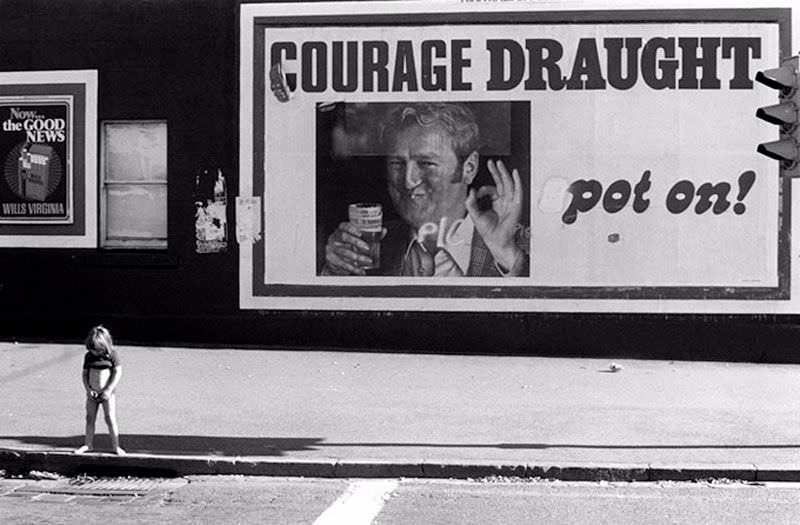
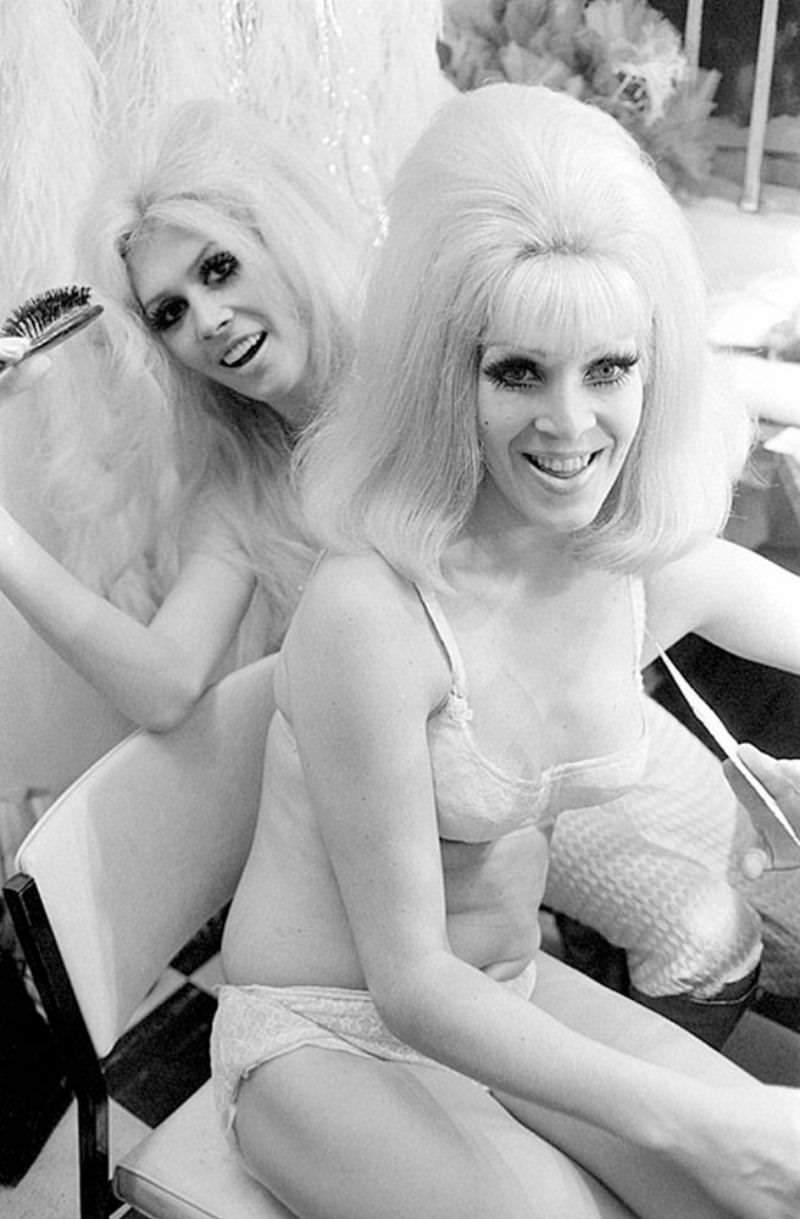
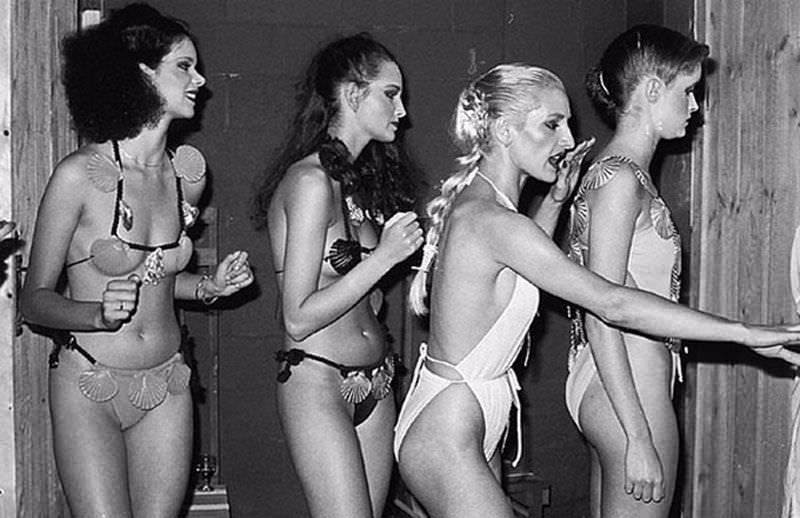
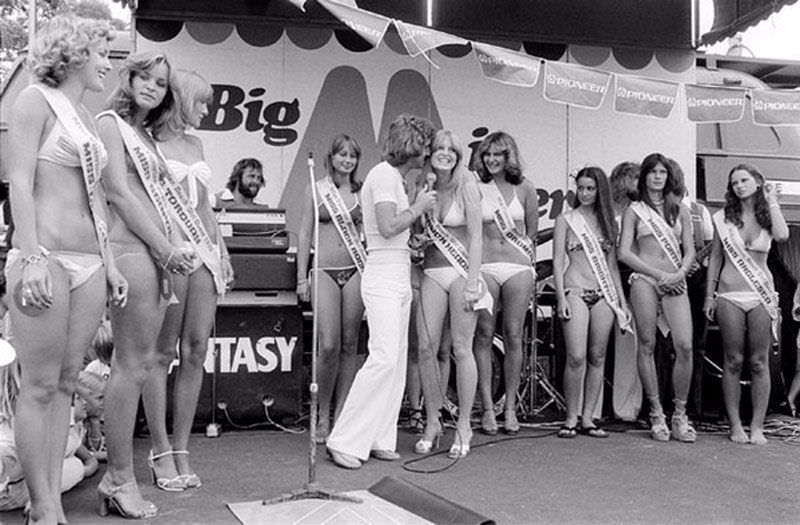
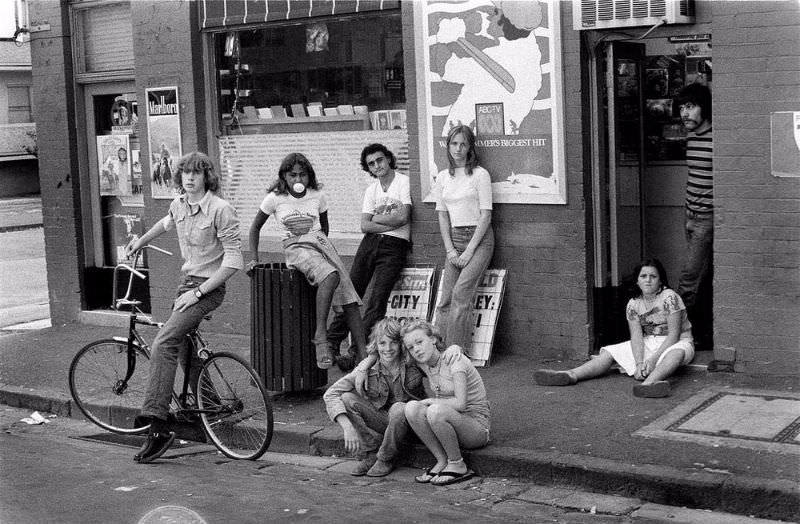
Australia in the 1970s was changing fast. Fashion was bolder, youth culture was louder, and a new sense of national identity was taking shape. Ellis was there for all of it. His photographs from this decade show fashion models, surfers, and young Australians making their mark on a country that was rapidly shedding its old, conservative image.
One of his most recognised images is a portrait of a young couple at a Melbourne beach. It became a defining snapshot of the relaxed, sun-drenched lifestyle that many Australians lived — or aspired to — during that era. The photo feels effortless, but that was Ellis’s skill. He made the ordinary look worth remembering.
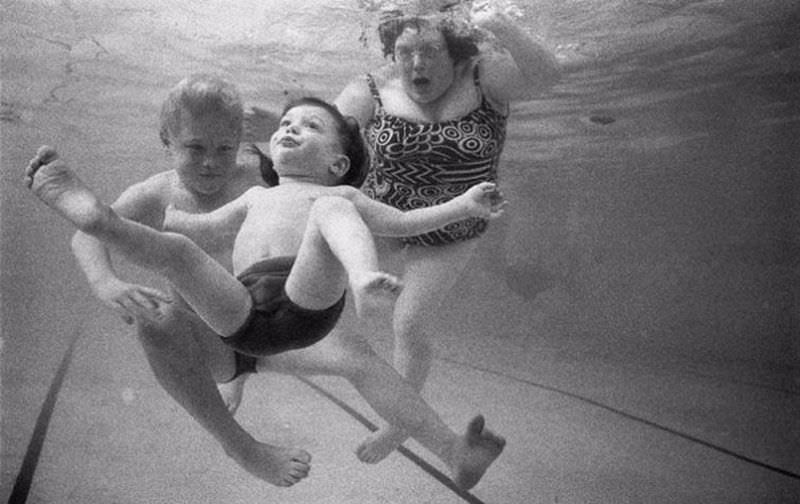
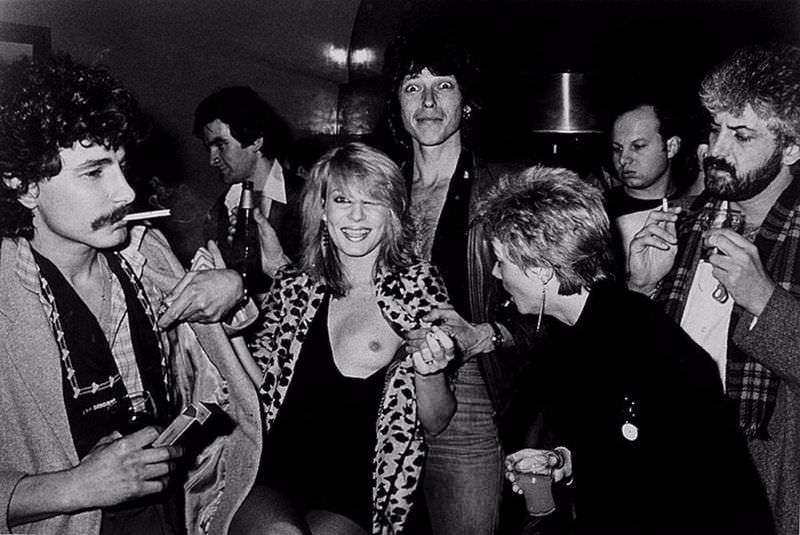
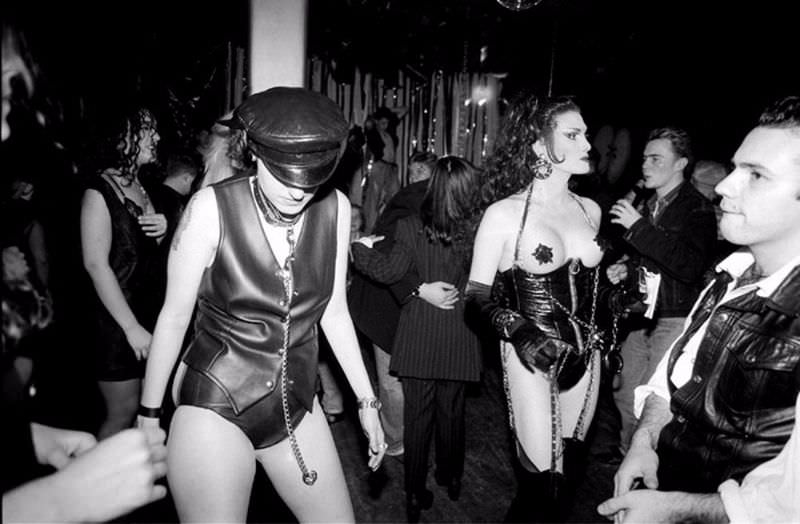
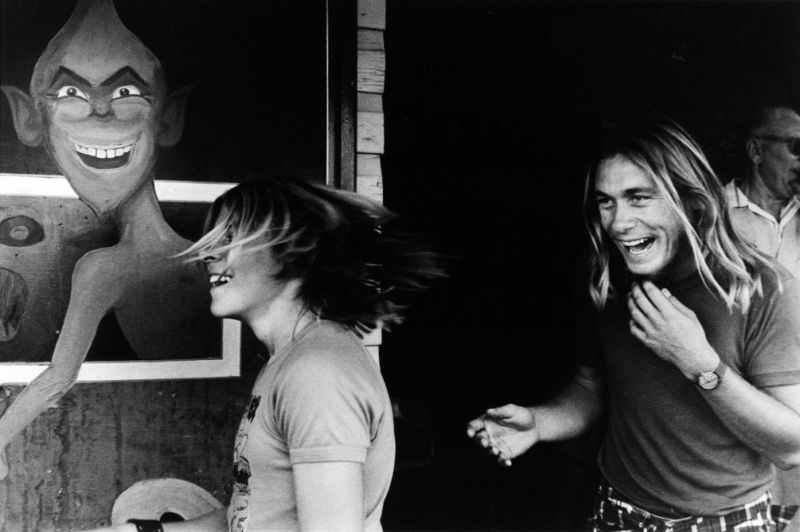
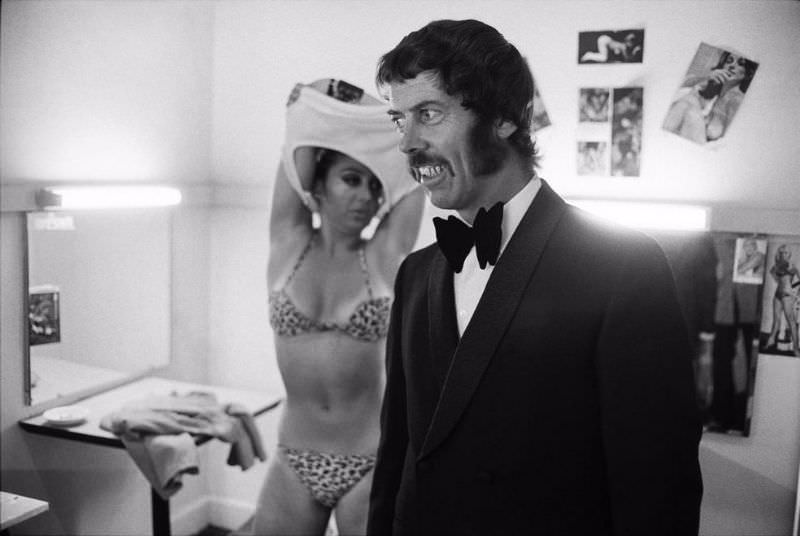
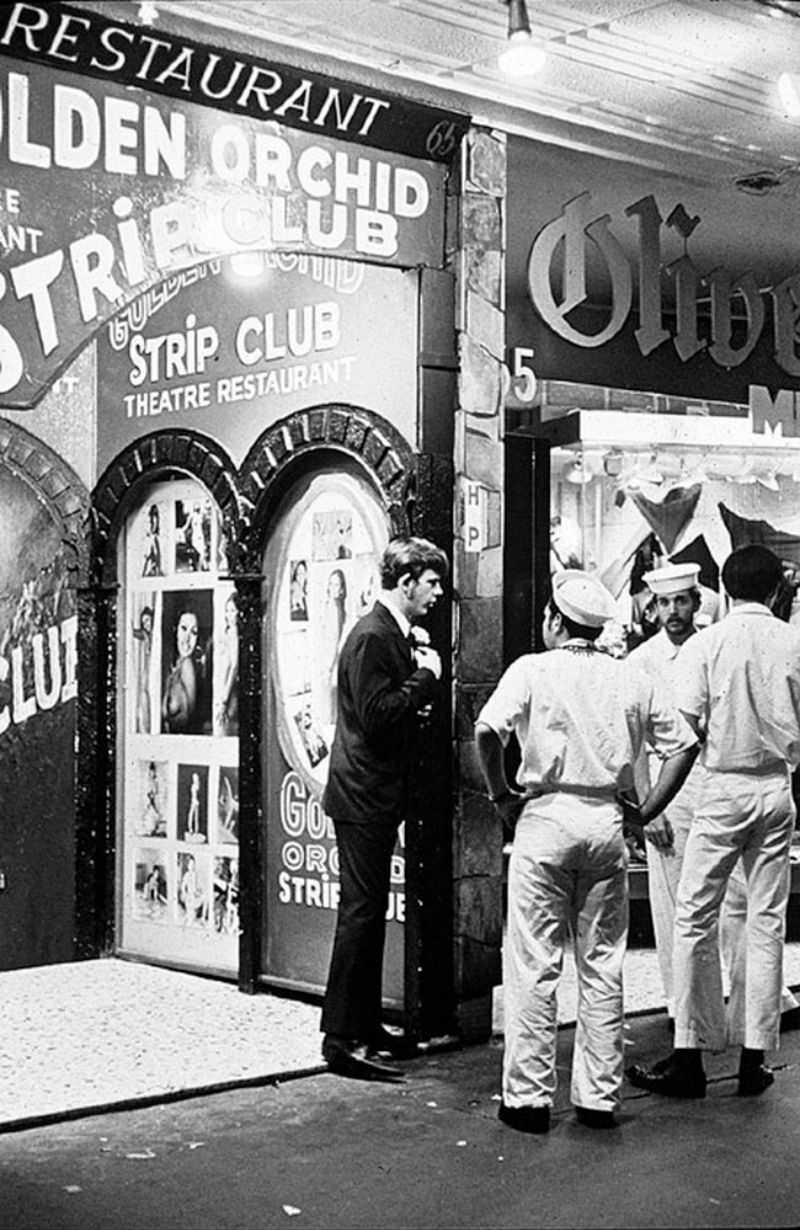
Melbourne’s inner-city nightlife was another world Ellis documented closely. The clubs, bars, and streets of the city’s inner suburbs buzzed with energy after dark, and Ellis captured that energy without flinching. His images from those nights are raw and real — faces caught mid-laugh, bodies pressed together on dance floors, moments that were never meant to be photographed.
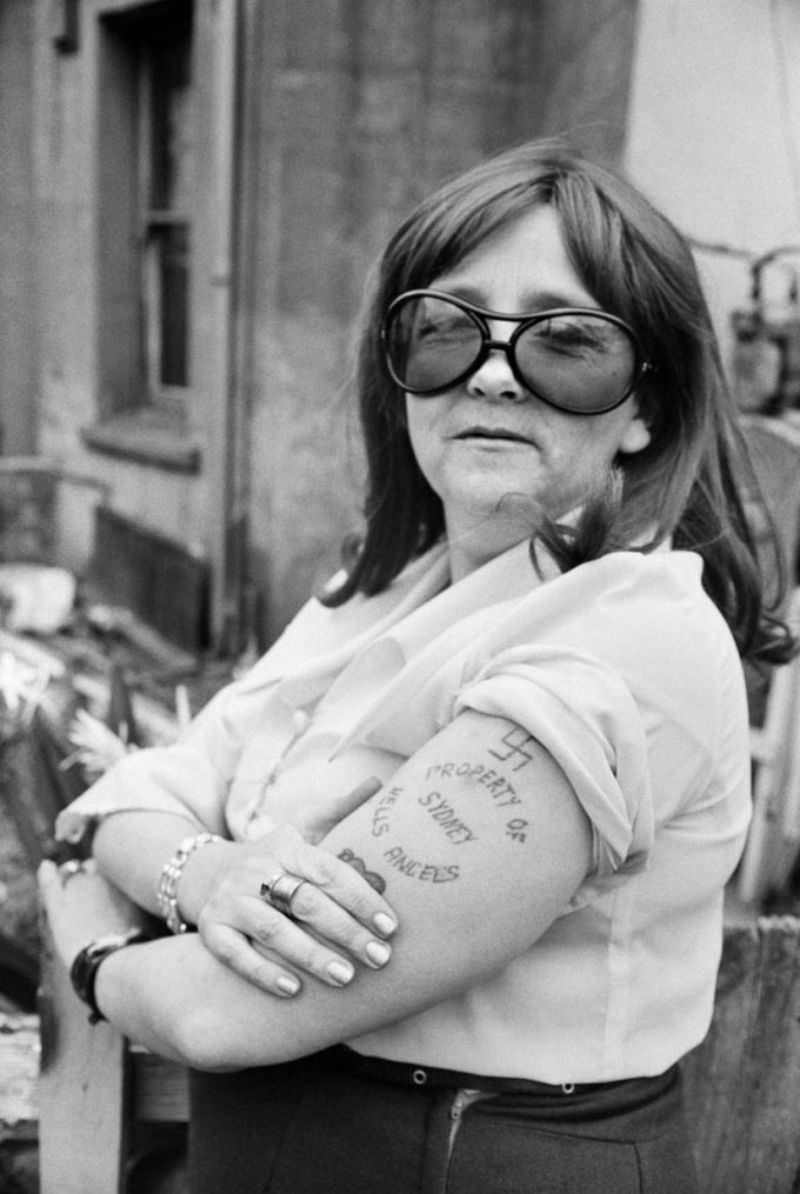
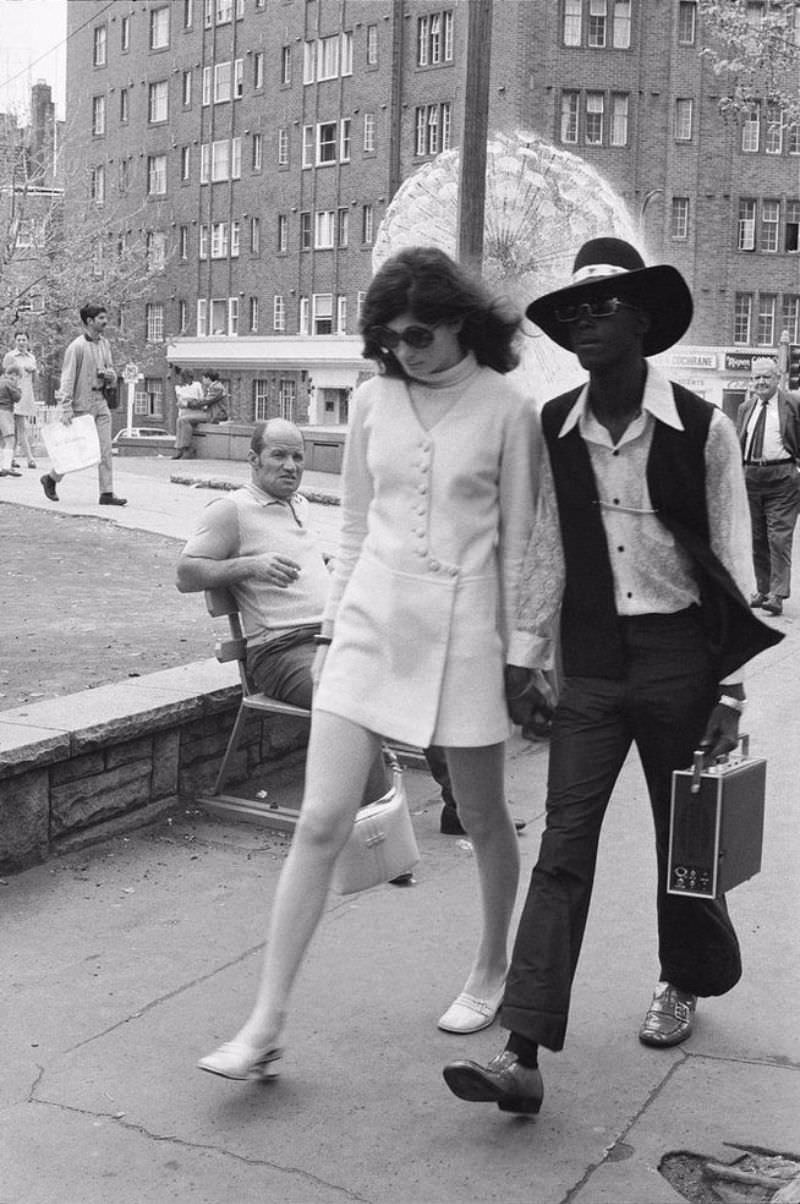
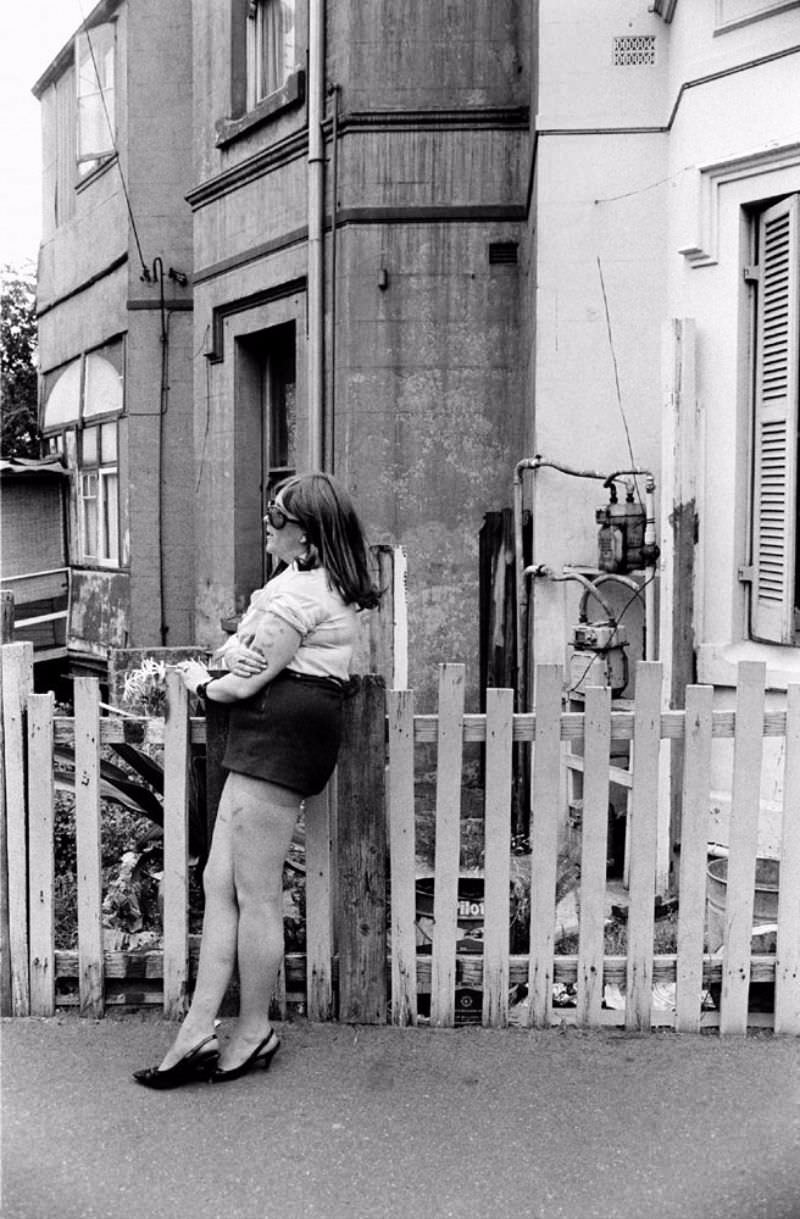
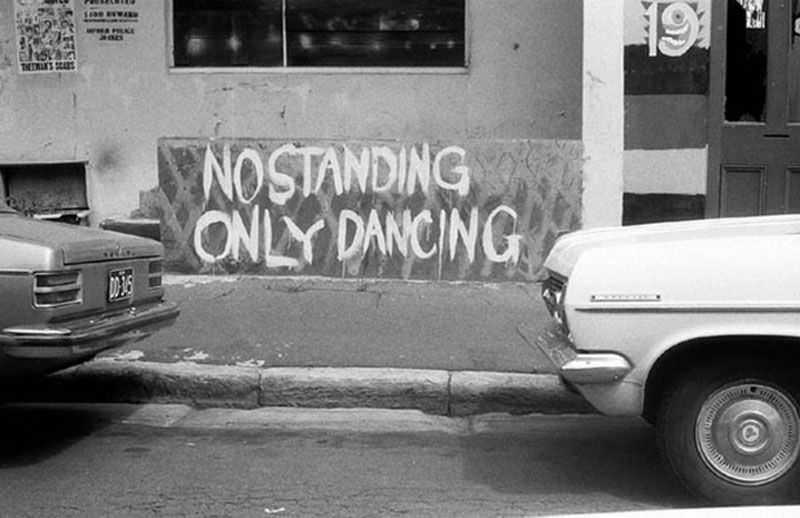
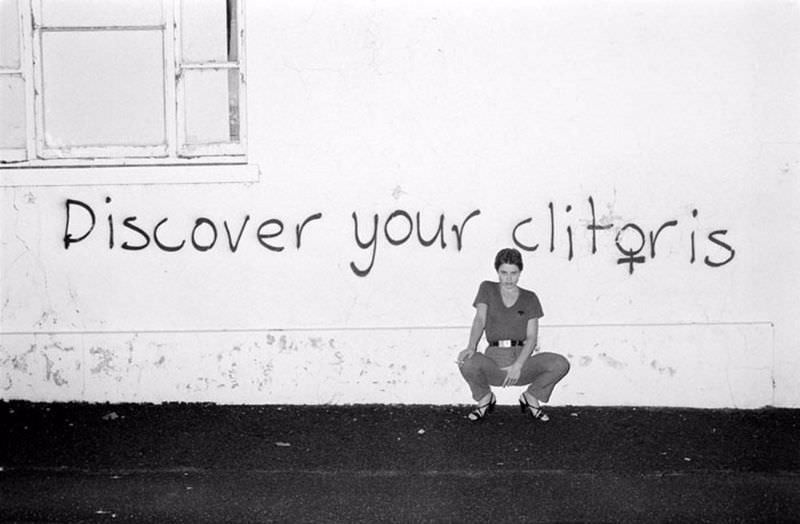
He was just as comfortable covering social and political events. Throughout the 1970s and 1980s, Australia saw protests, policy shifts, and cultural movements that reshaped the country. Ellis turned his lens on these moments with the same directness he applied to beach portraits and nightclub scenes.
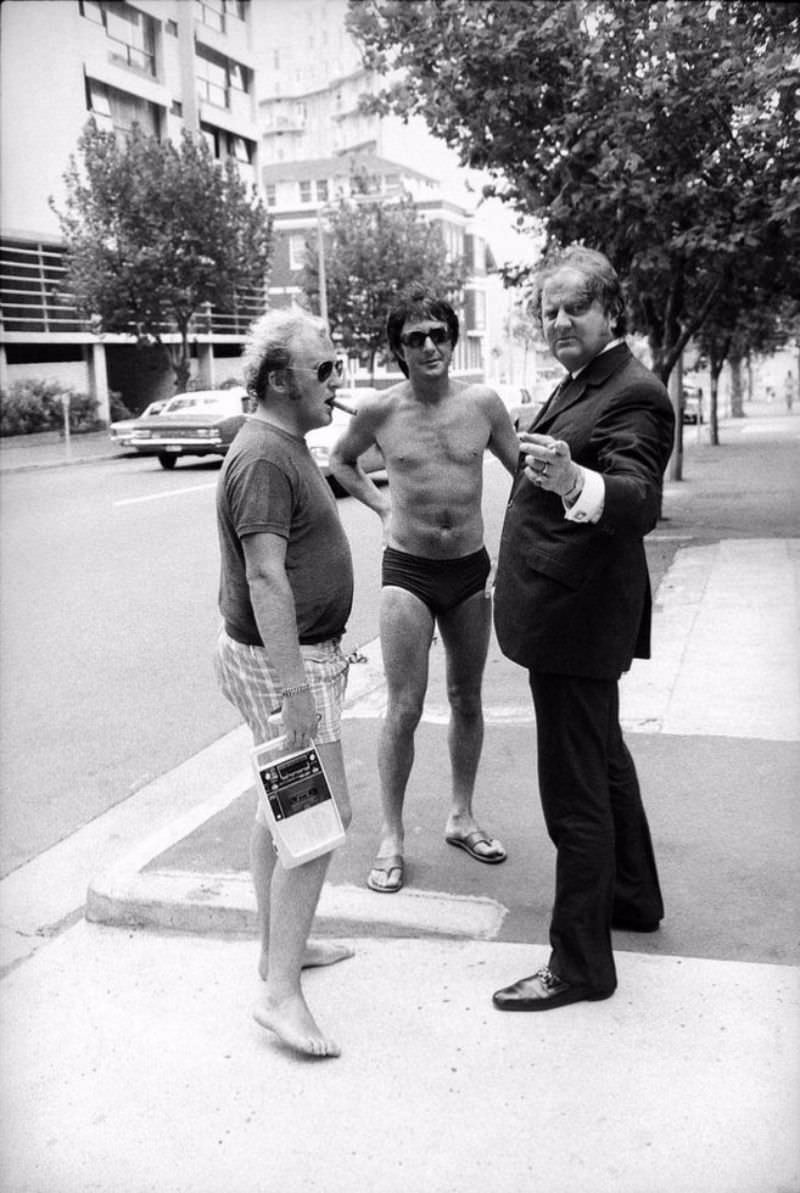
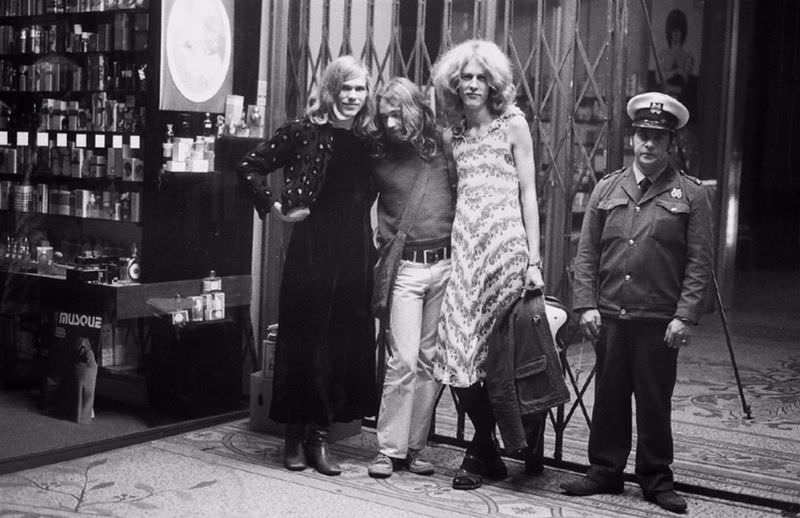
By the 1980s, Ellis had amassed a body of work that functioned as a living record of two decades of Australian life. The fashions changed, the music changed, and the faces changed — but his approach stayed consistent. Every frame was personal, immediate, and grounded in the specific reality of its moment.
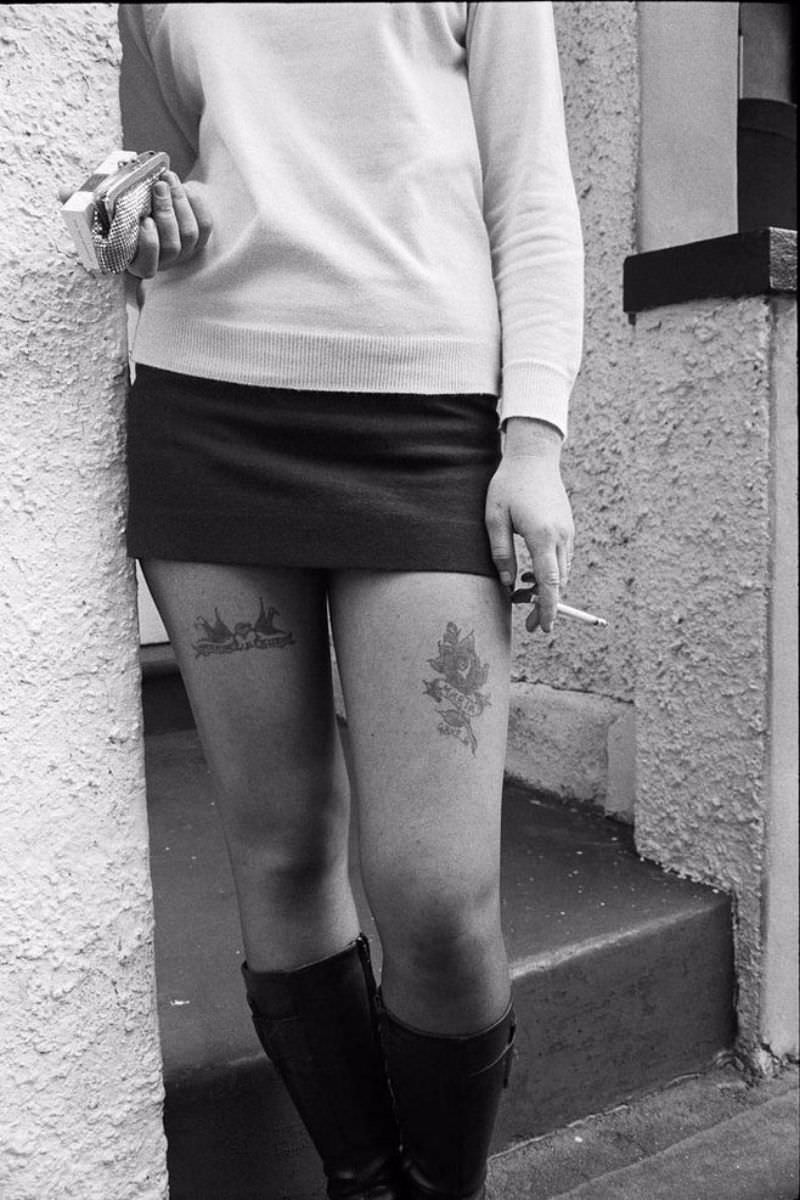
His work documented surfers riding the waves off Australian coastlines, their culture a growing force in the national identity of the time.
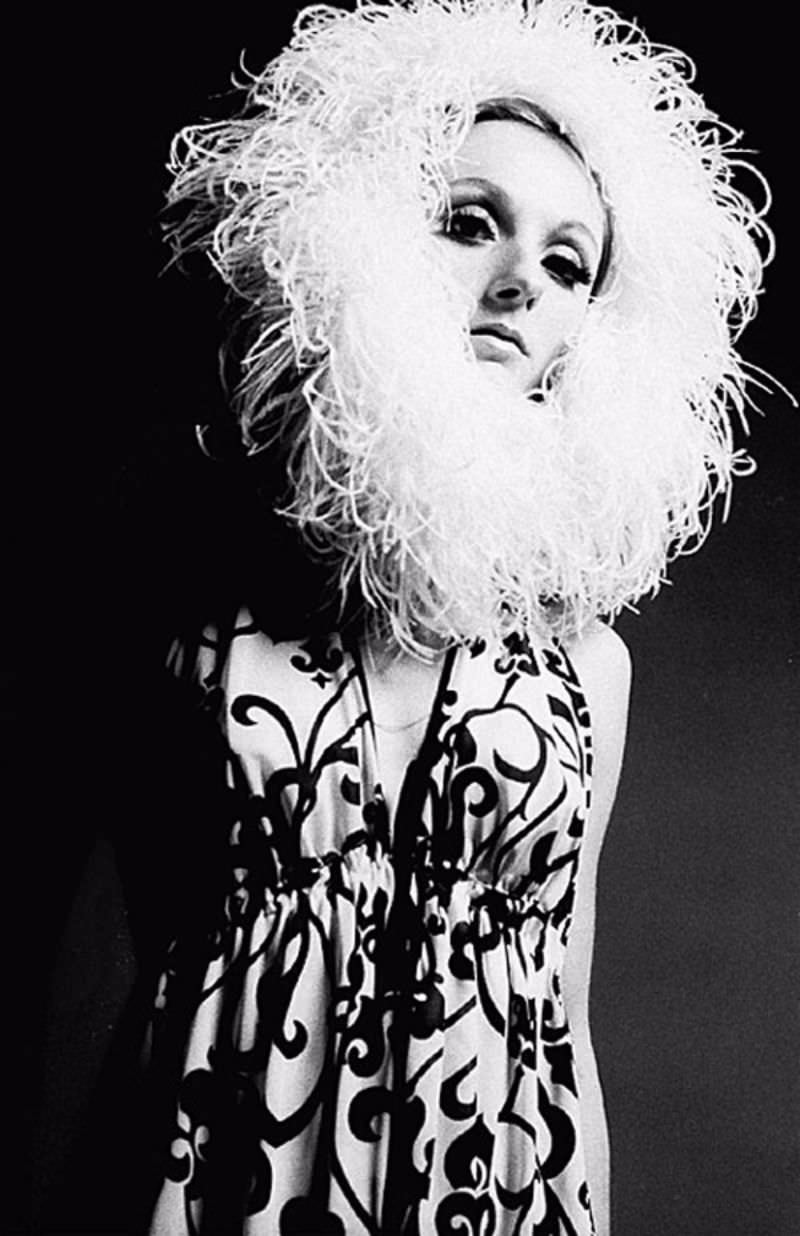
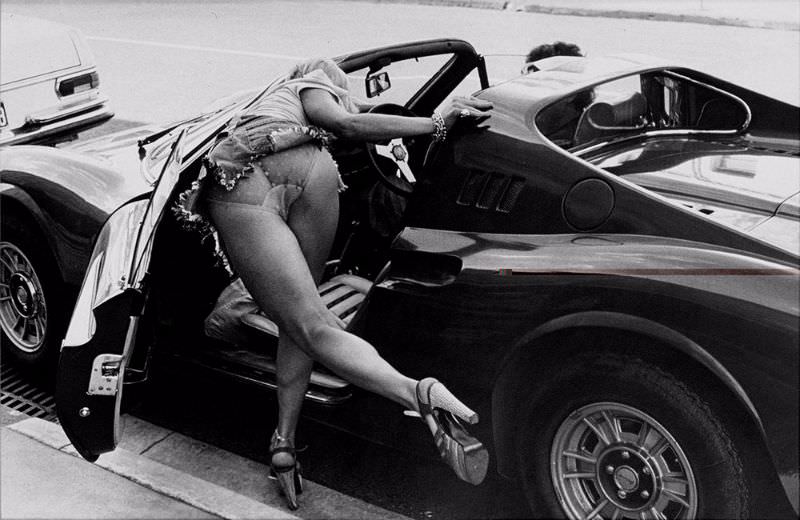
Ellis photographed fashion with the same energy he brought to street scenes. The models in his images never look untouchable — they look like people, which was very much the point.
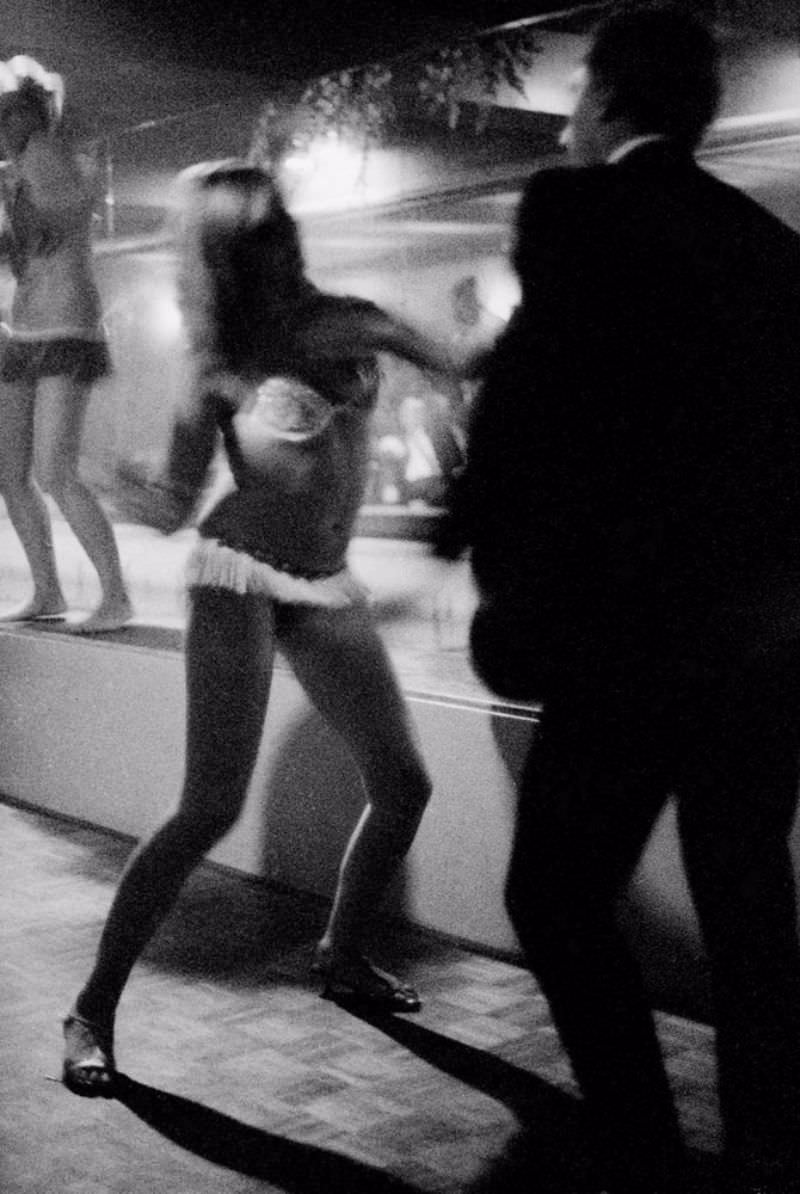
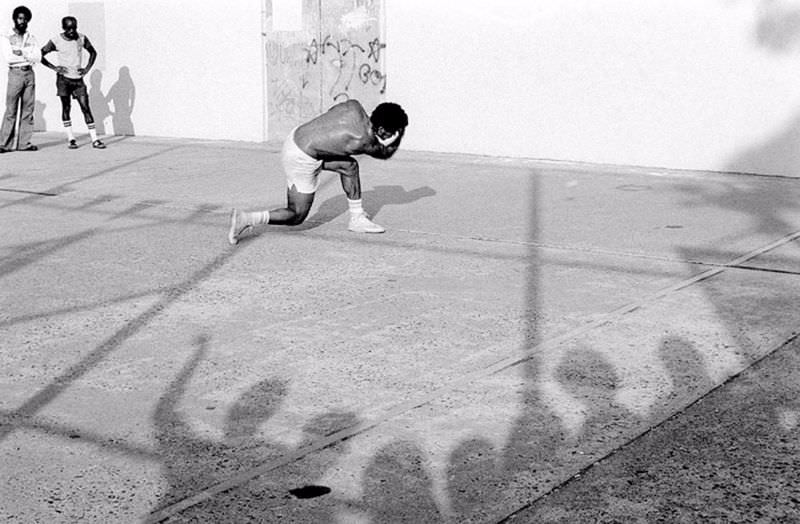
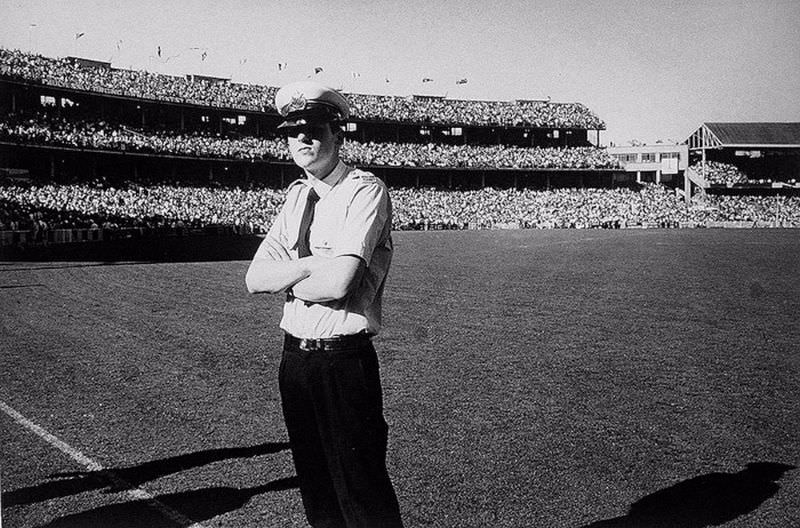
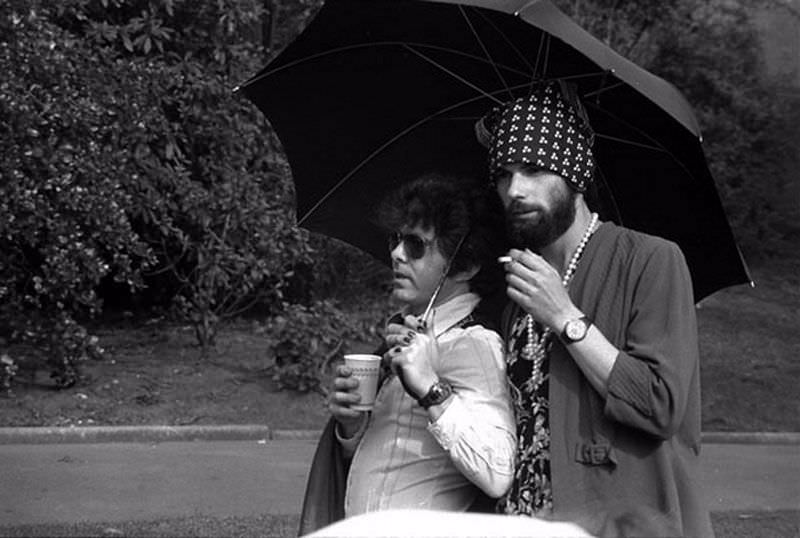
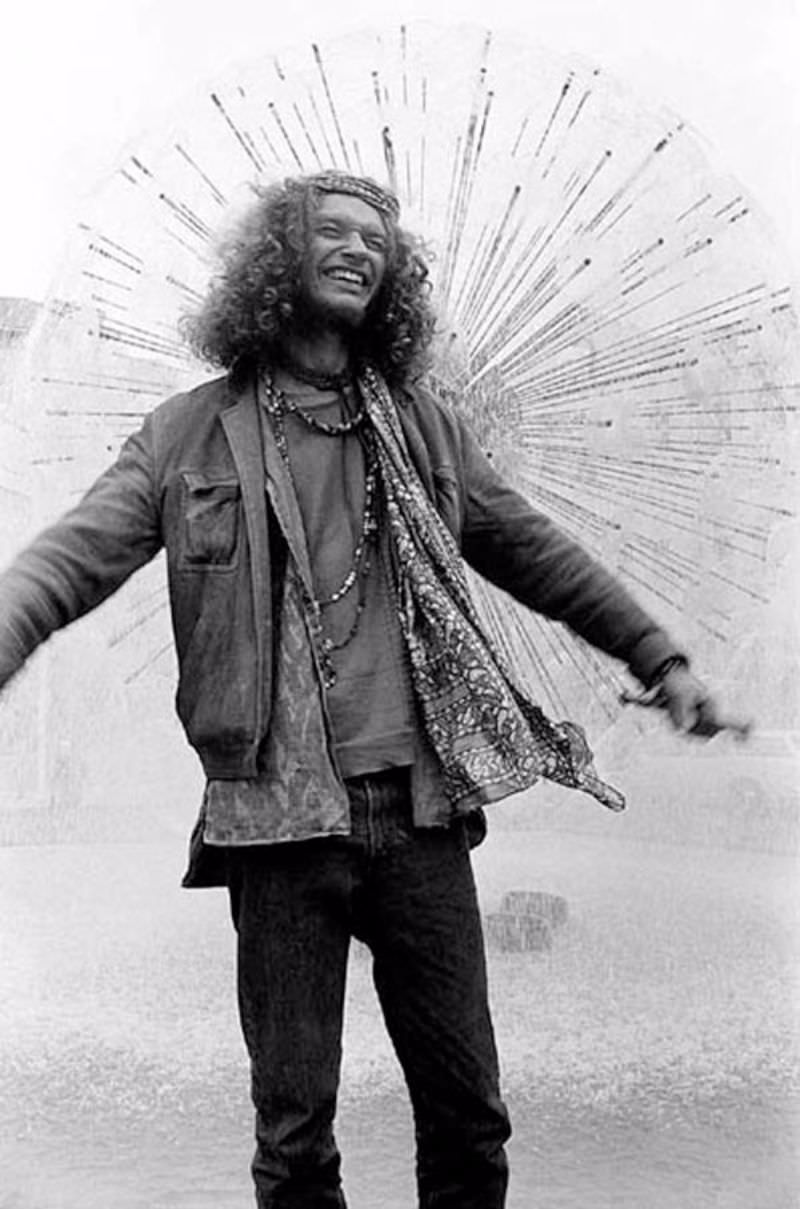
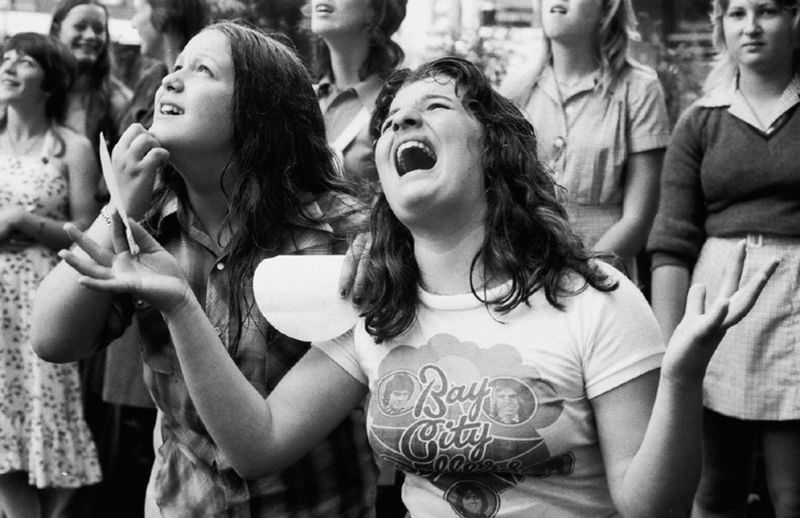
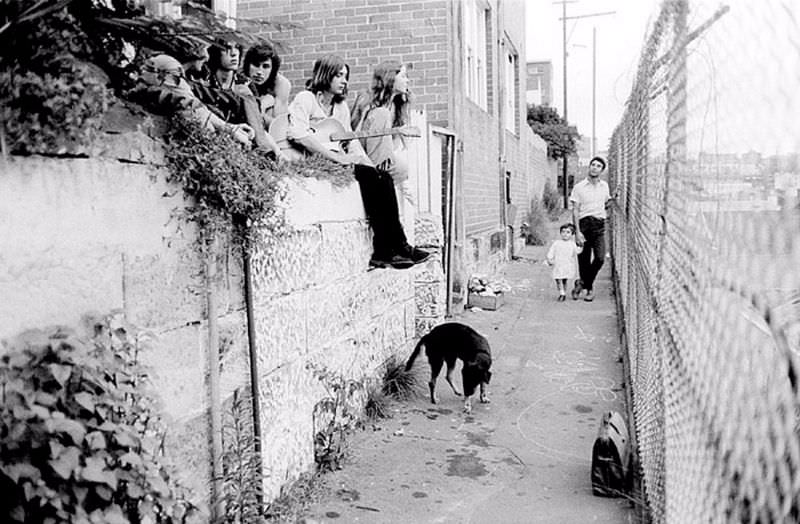
Youth culture sat at the centre of much of his work. Young Australians in the 1970s and 1980s were carving out identities that were distinctly their own — separate from British influence, separate from American pop culture, and rooted in something specifically Australian.
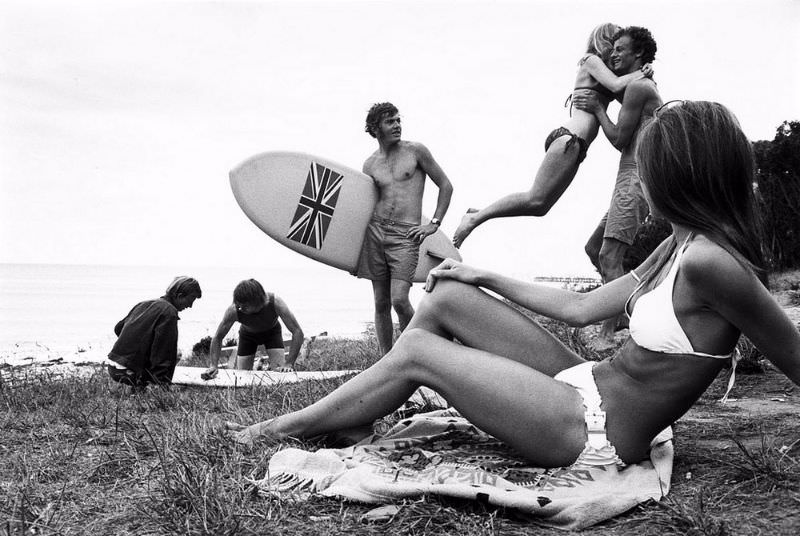
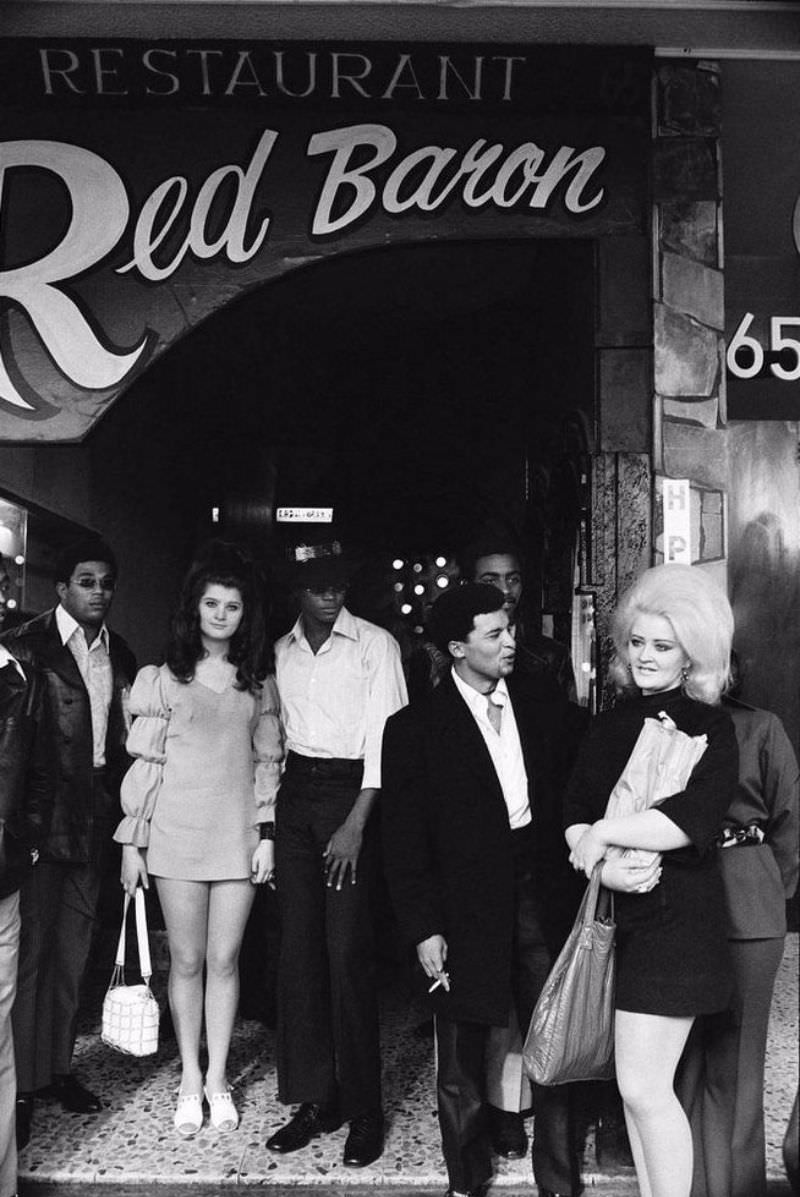
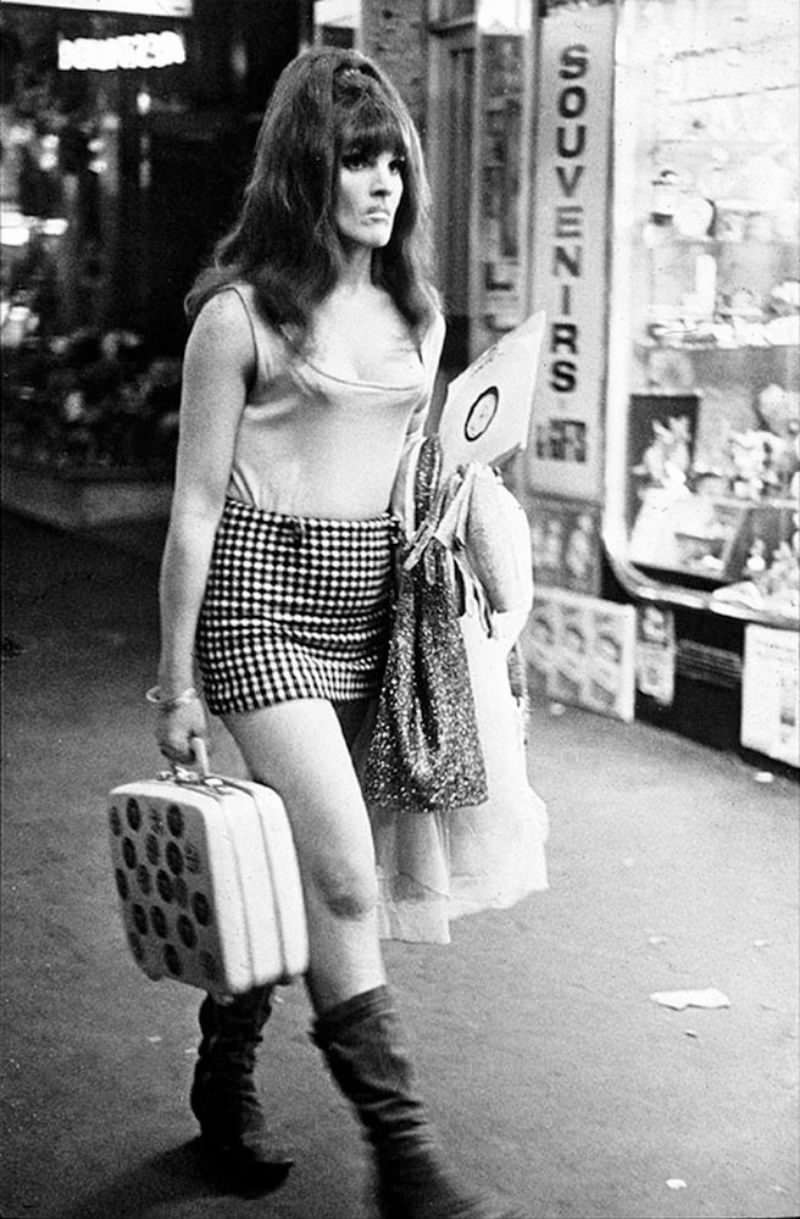
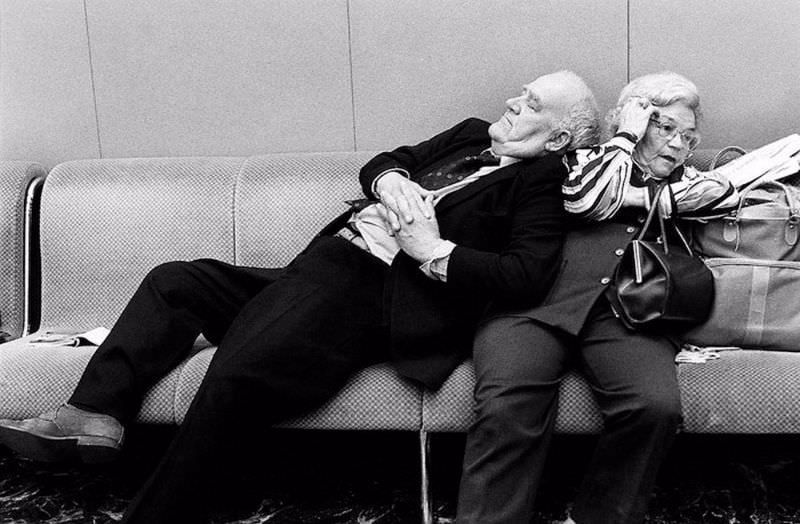
Ellis had a gift for finding individuality in a crowd. Whether he was shooting a festival, a protest, or a quiet afternoon at the beach, he consistently found the single face or gesture that said everything.
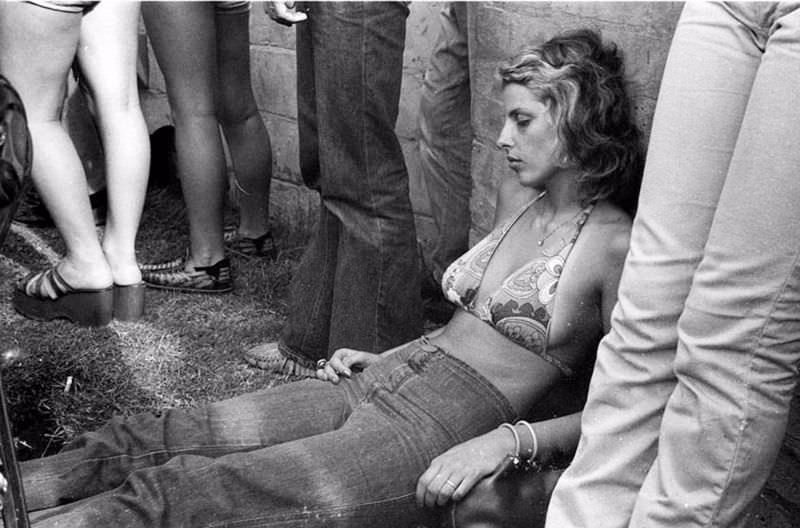
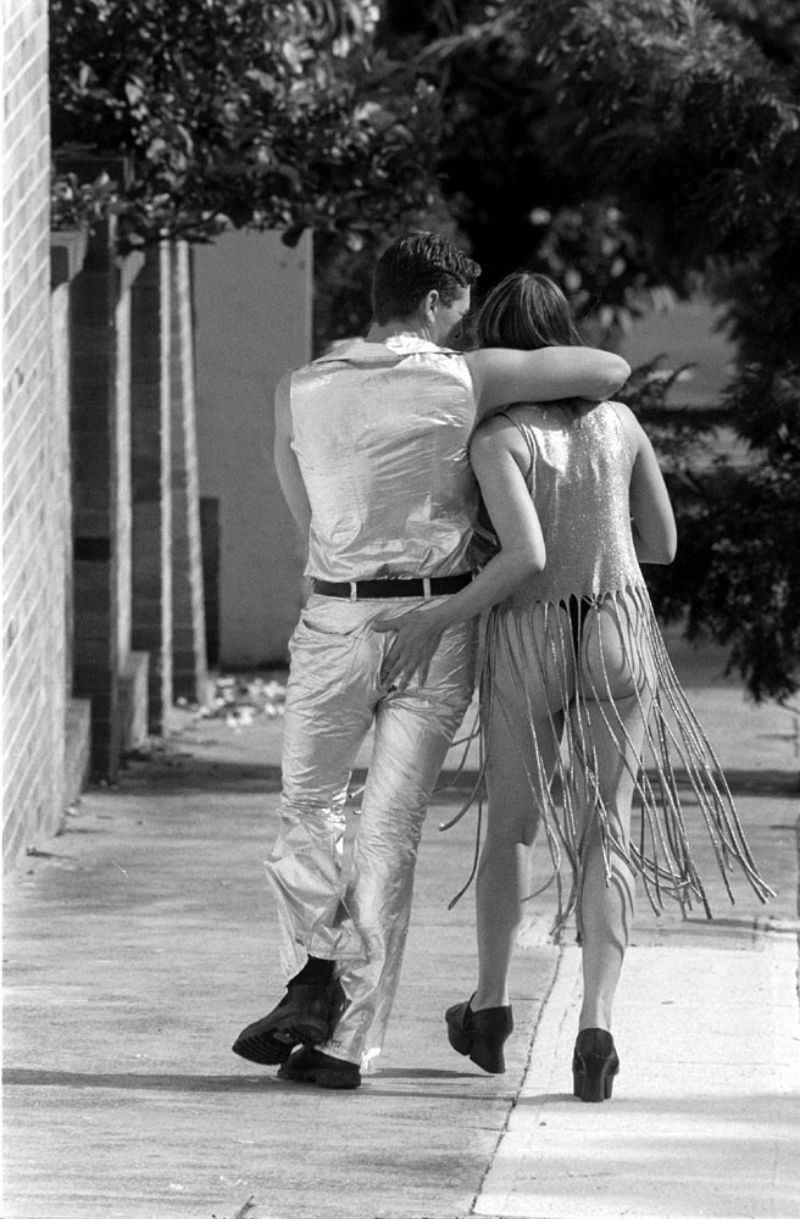
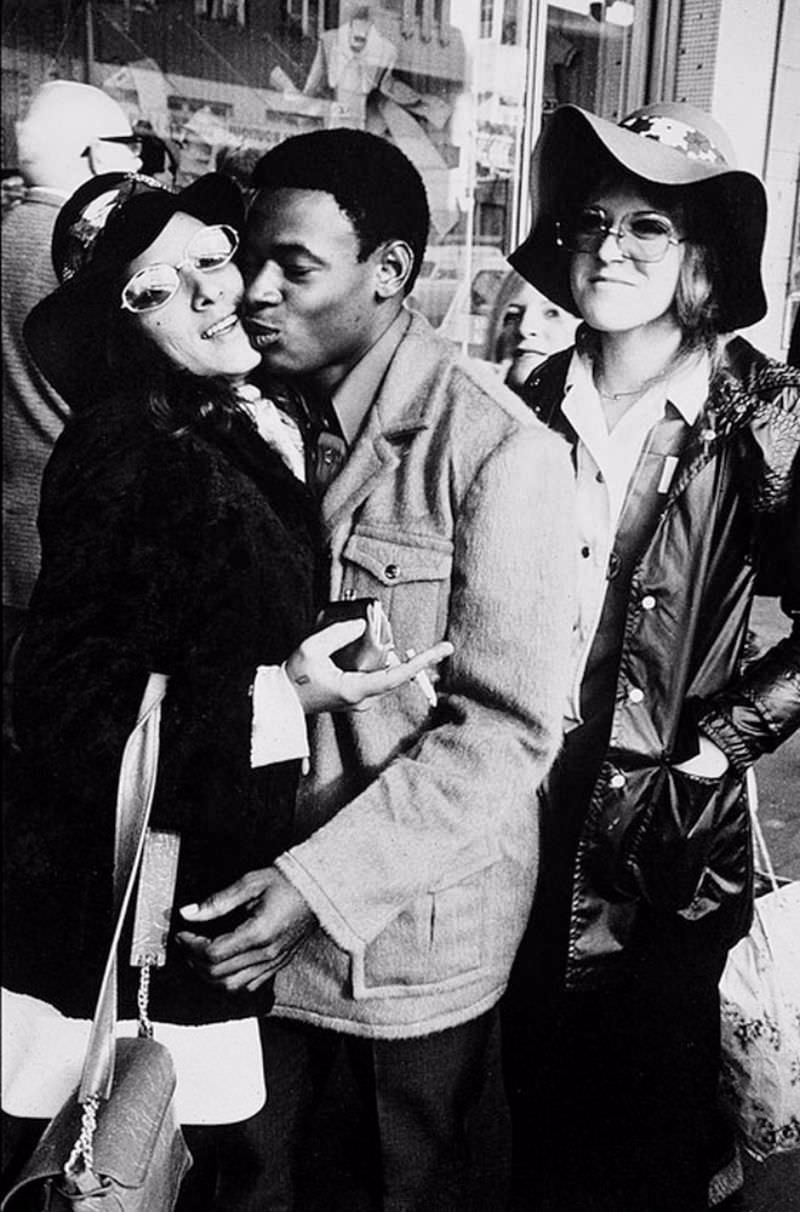
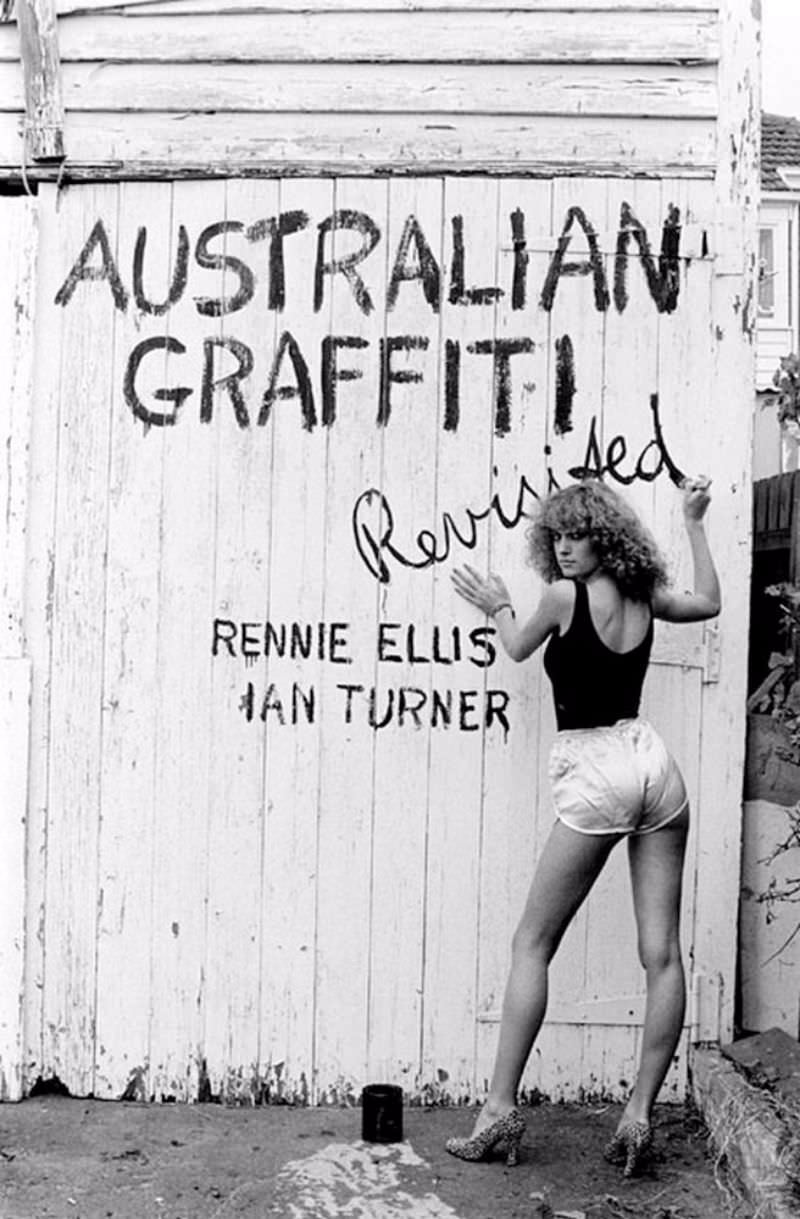
The social changes of the era showed up clearly in his portraits. Attitudes toward gender, race, and class were all shifting in Australia during these decades, and Ellis photographed people across all walks of life without hierarchy or bias in his framing.
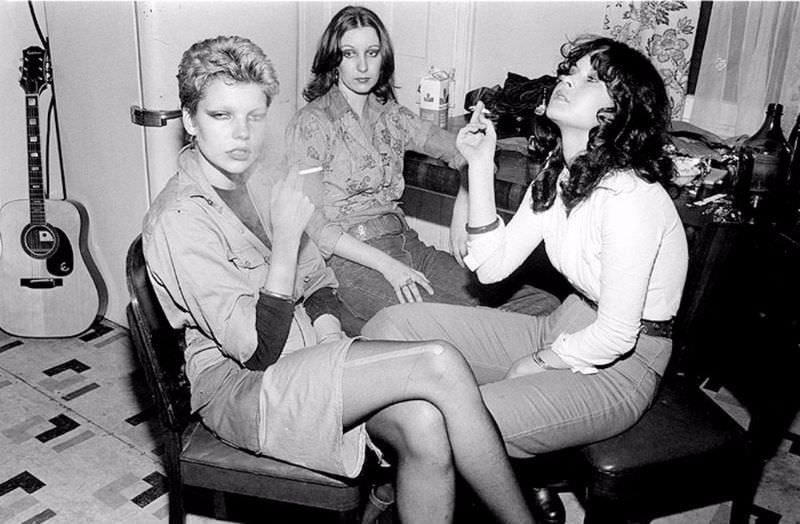
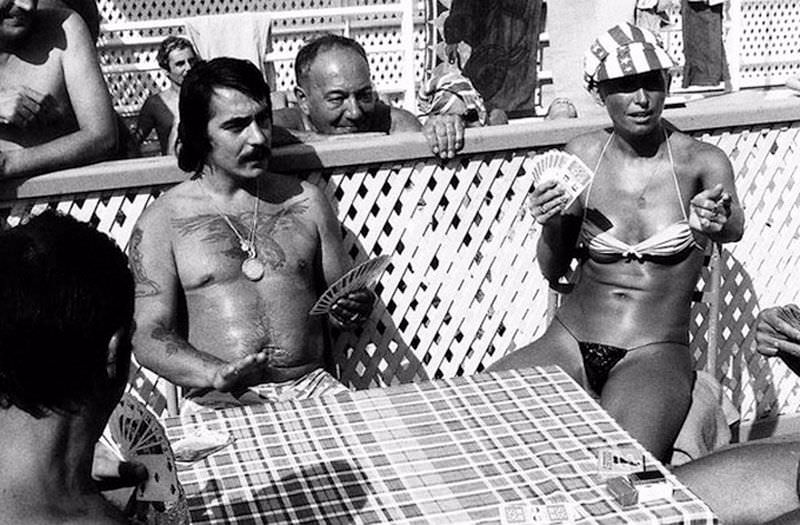
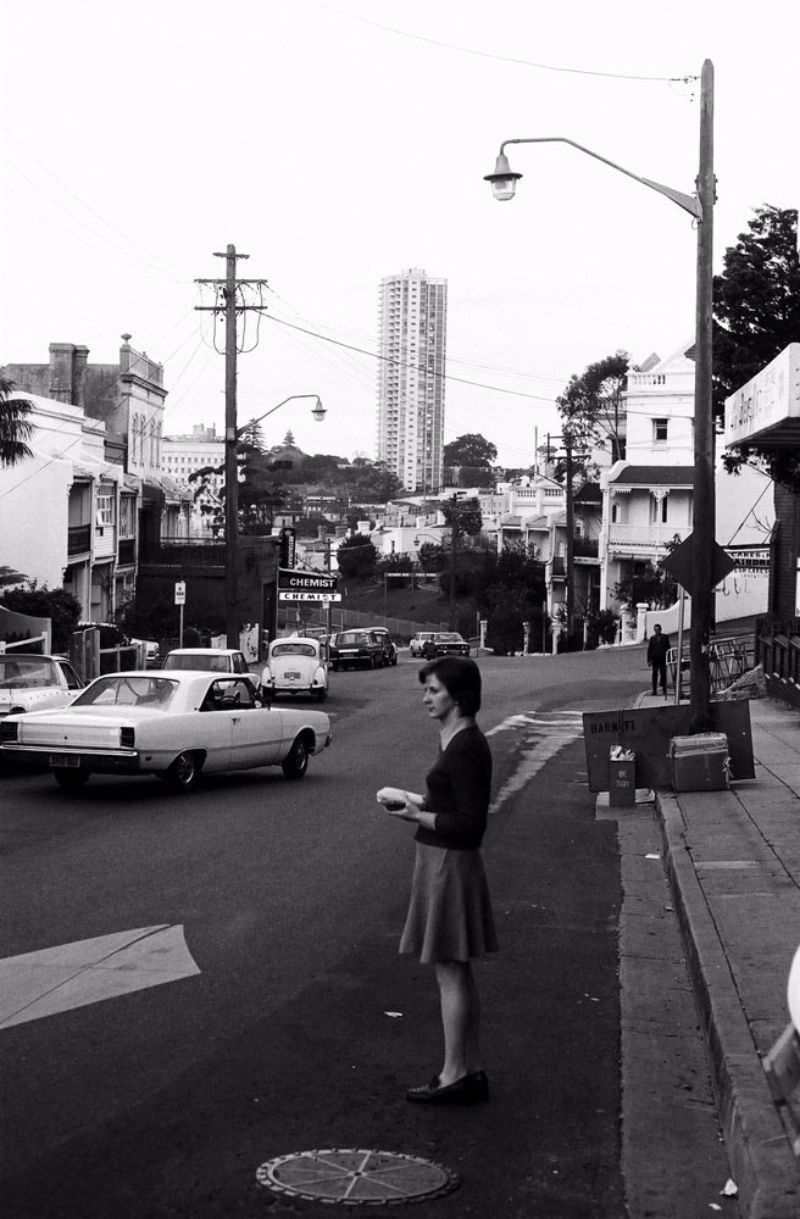
His archive stretches across thousands of images, each one a precise document of a specific time and place in Australian history.
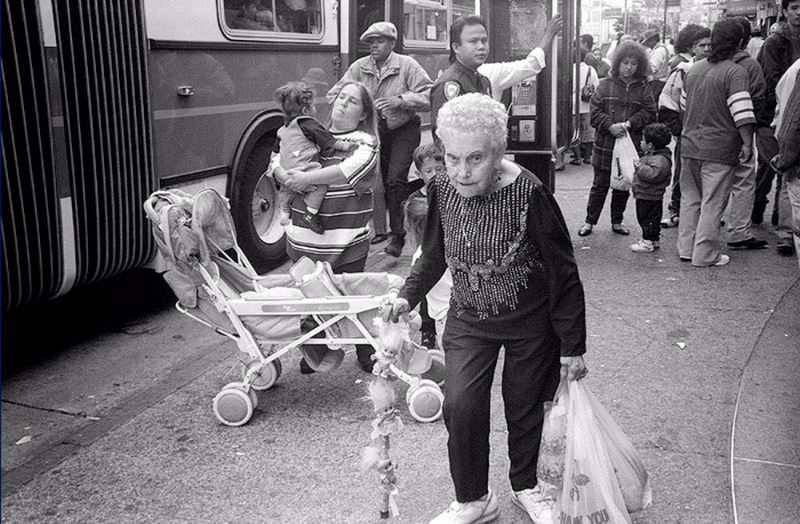
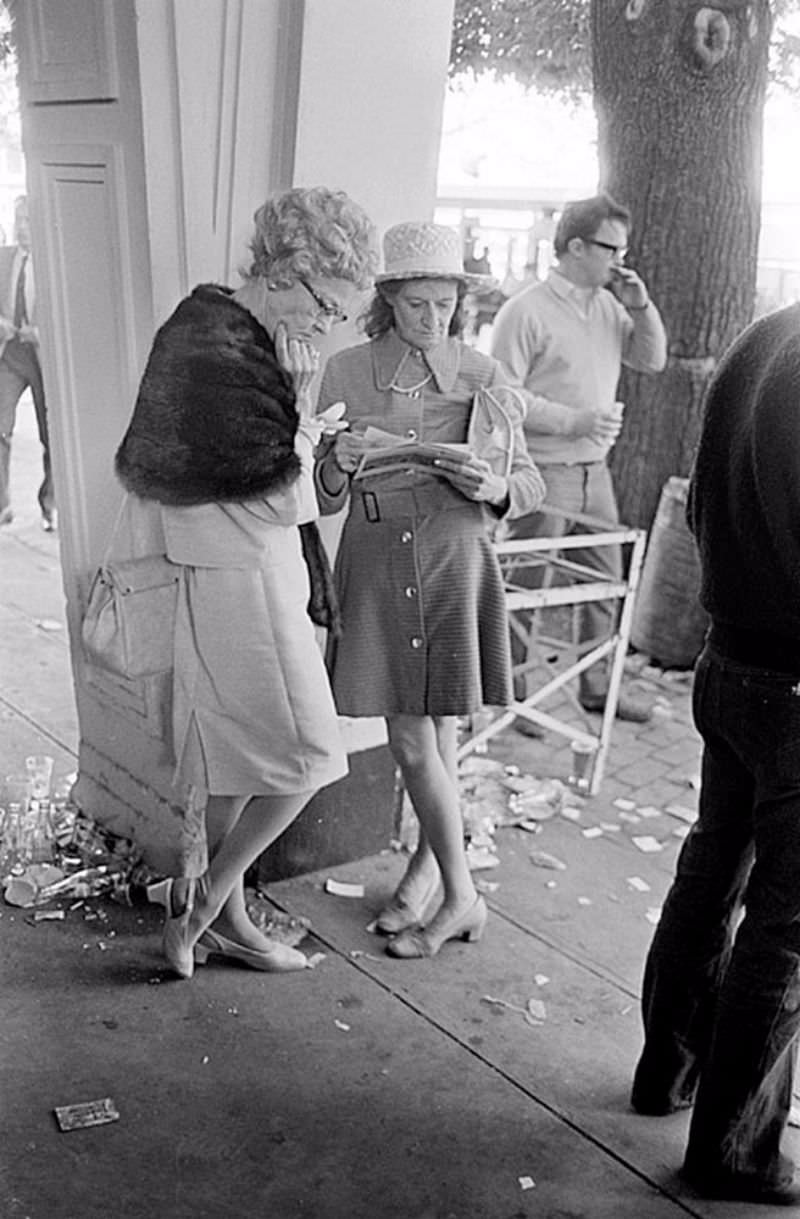
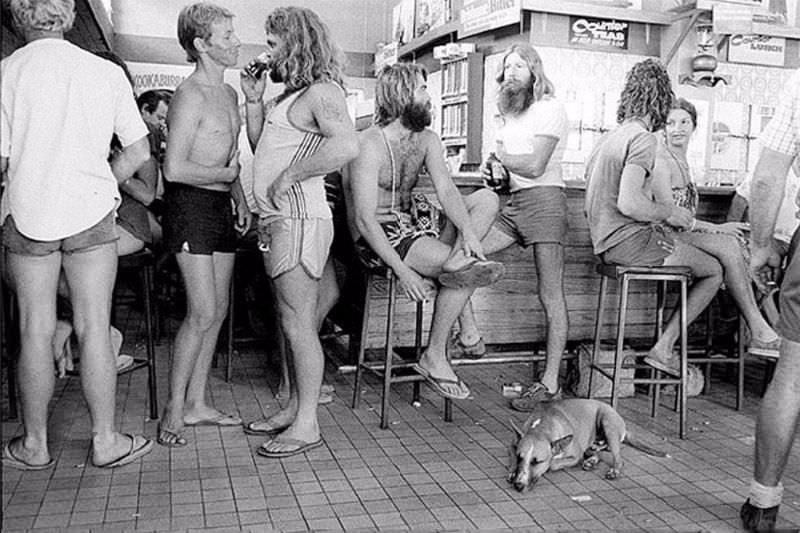
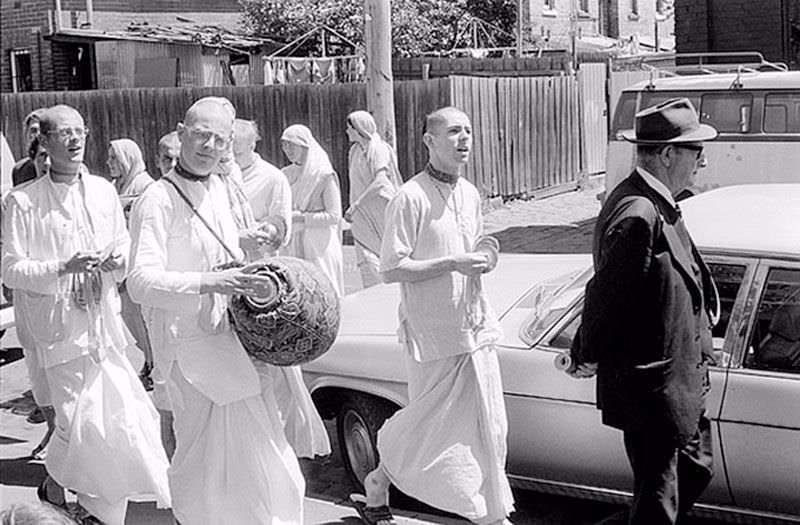
Rennie Ellis died in 2003 at the age of 63. His photographs remain an essential primary source for anyone wanting to understand what Australian life actually looked and felt like across those two transformative decades.