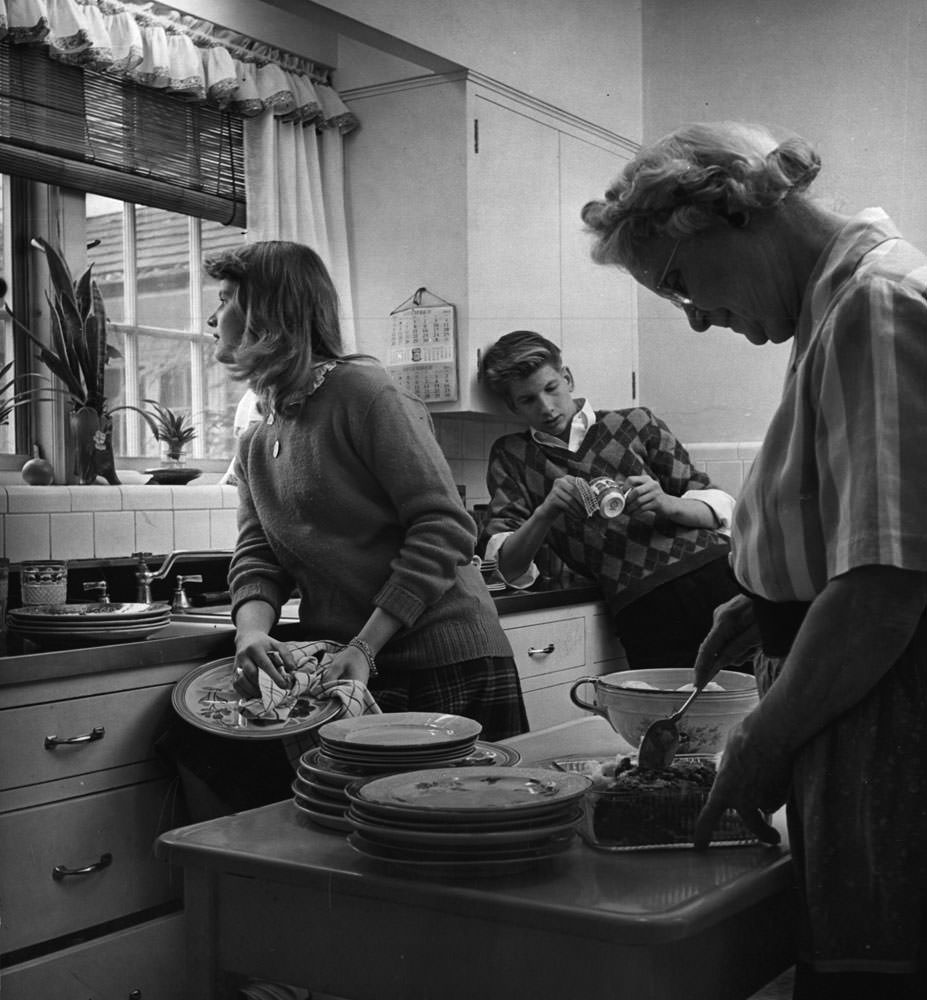
American teenage girls in the 1940s lived in a world shaped by routine, rules, and close social circles. Most lived at home and followed strict family expectations. Parents set curfews, approved friendships, and guided behavior. Daily life revolved around school, church, and family duties. Independence existed, but it was limited and closely watched.
World War II was part of the background of their lives. Fathers, brothers, and older boyfriends were often away in military service. News of the war came through newspapers and radio broadcasts. Rationing affected food, clothing, and gasoline, but many teens felt shielded from the war’s direct dangers. The conflict felt distant compared to the immediate concerns of school and friends.
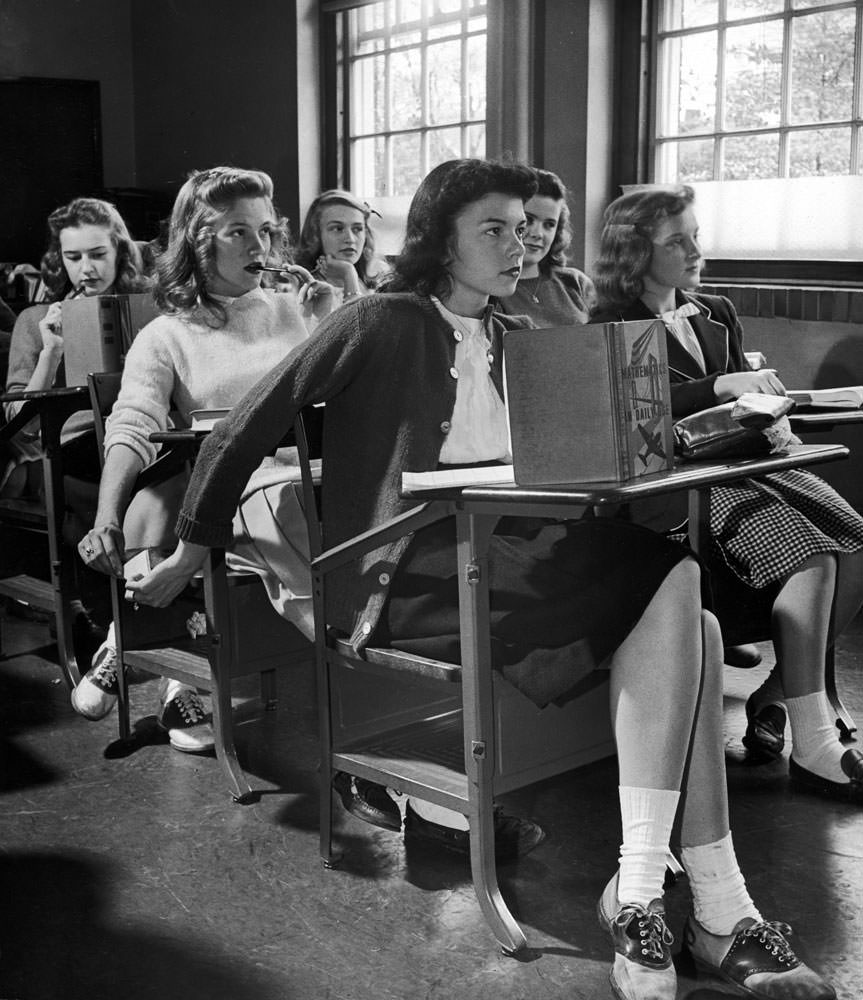
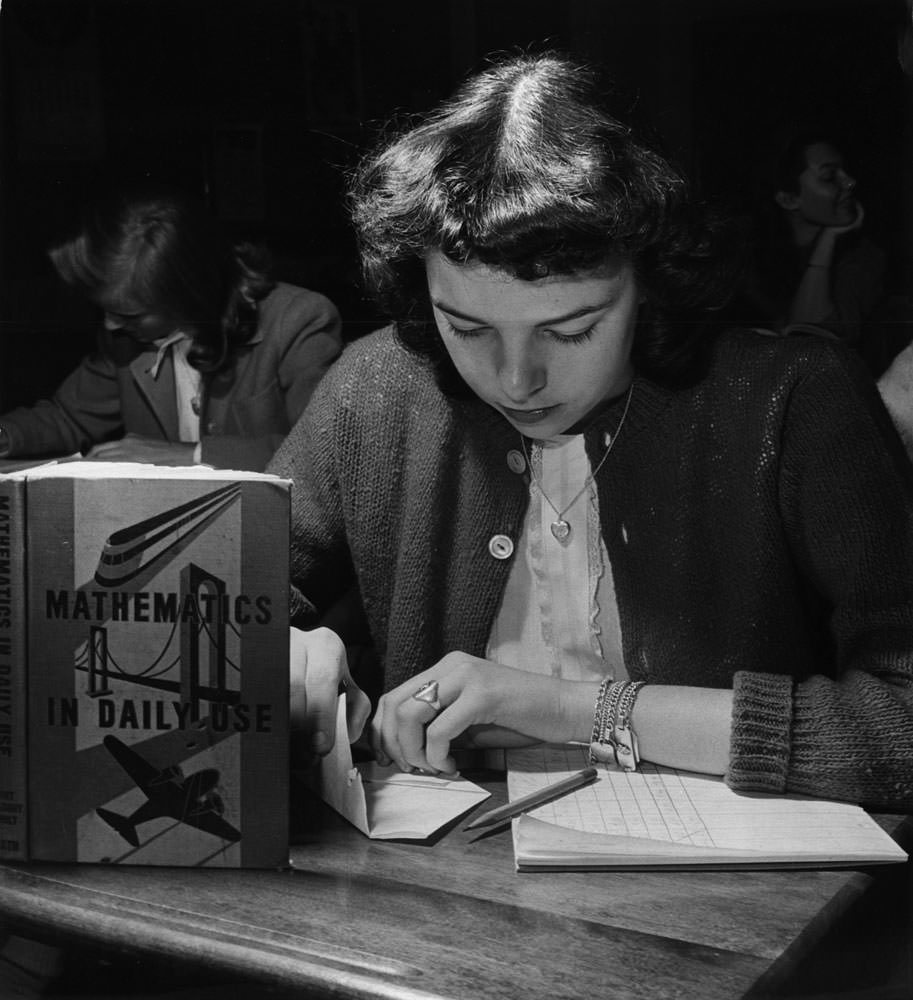
School played a central role. High school attendance increased during this decade, especially for white, middle-class girls. Classes focused on traditional subjects alongside home economics. Girls learned cooking, sewing, and household management. These lessons reflected the expectation that most would become wives and mothers.
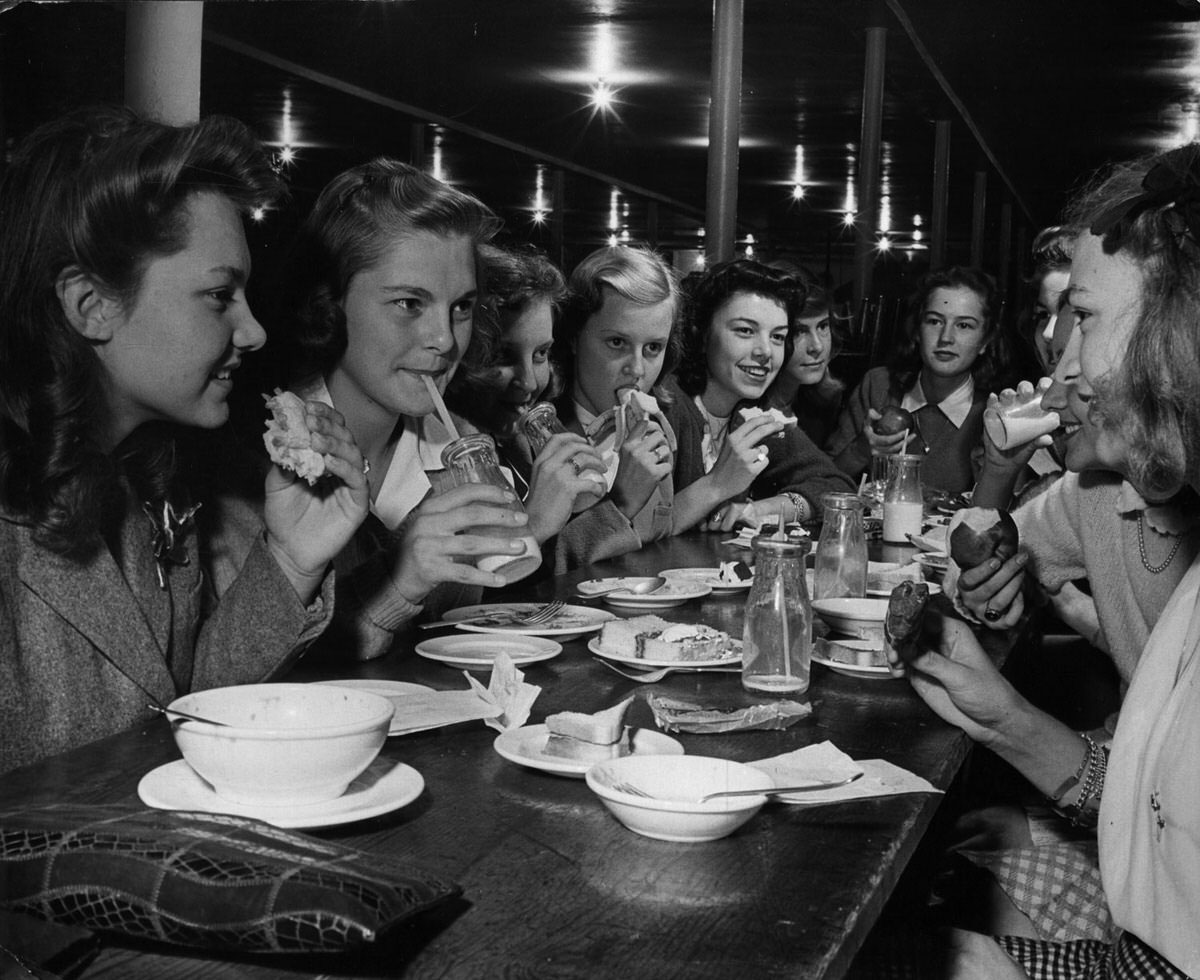
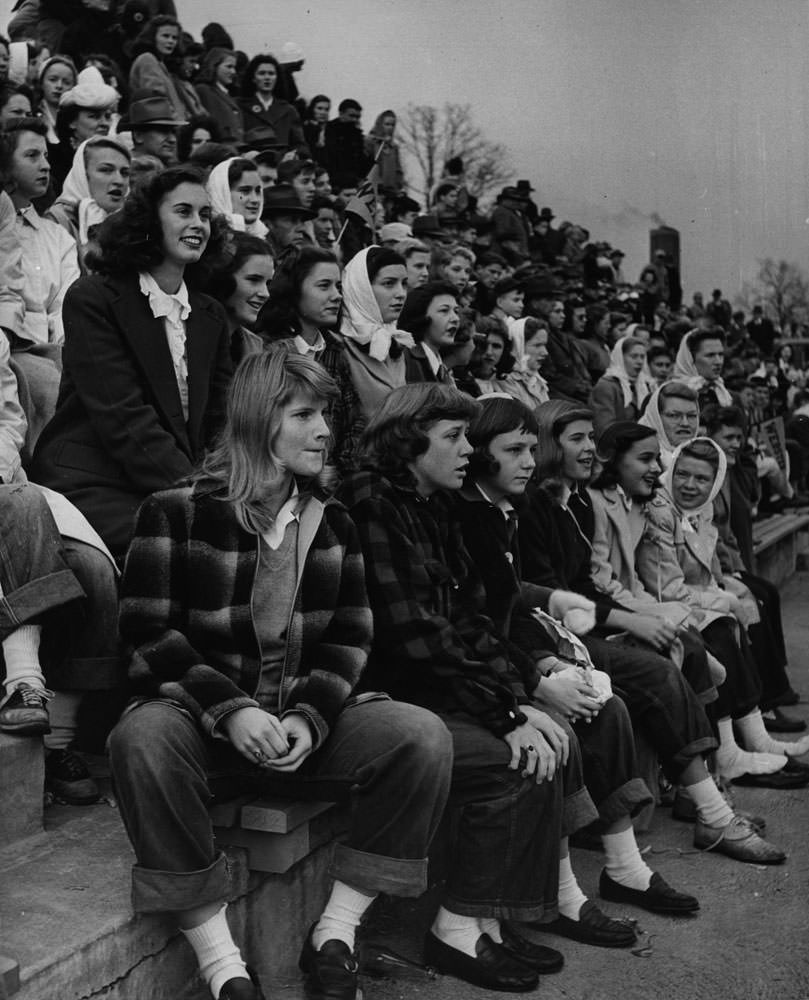
Social life centered on peer groups. Teenage girls spent large amounts of time together, often in tightly knit circles. Friendships were intense and emotionally close. Girls shared secrets, worries, and plans for the future. These groups shaped opinions about fashion, dating, and popularity.
Read more
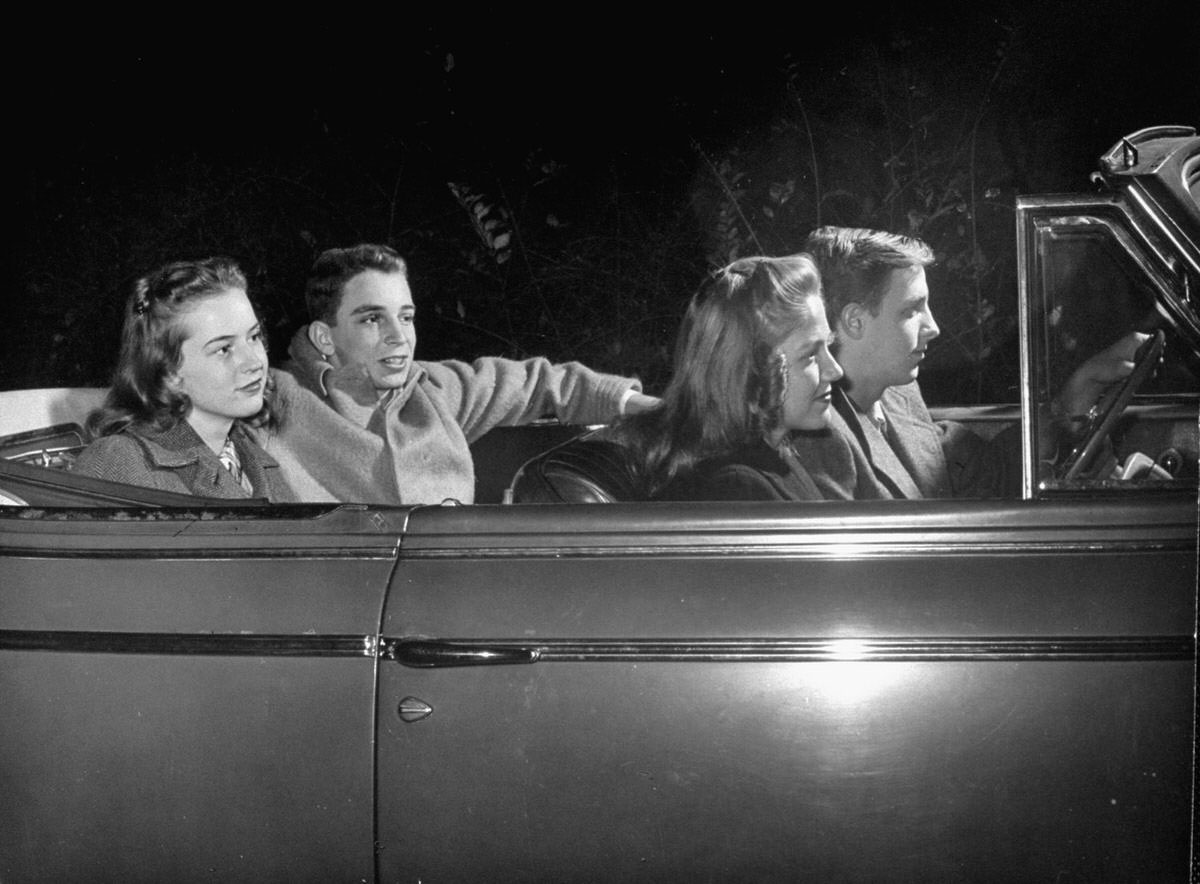
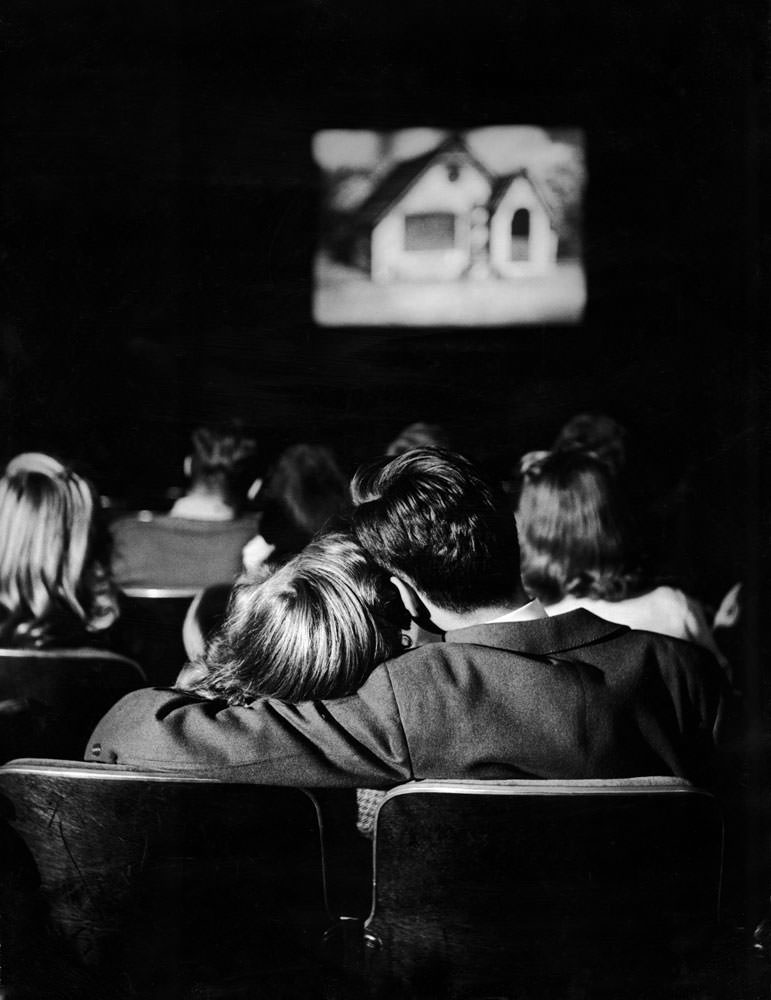
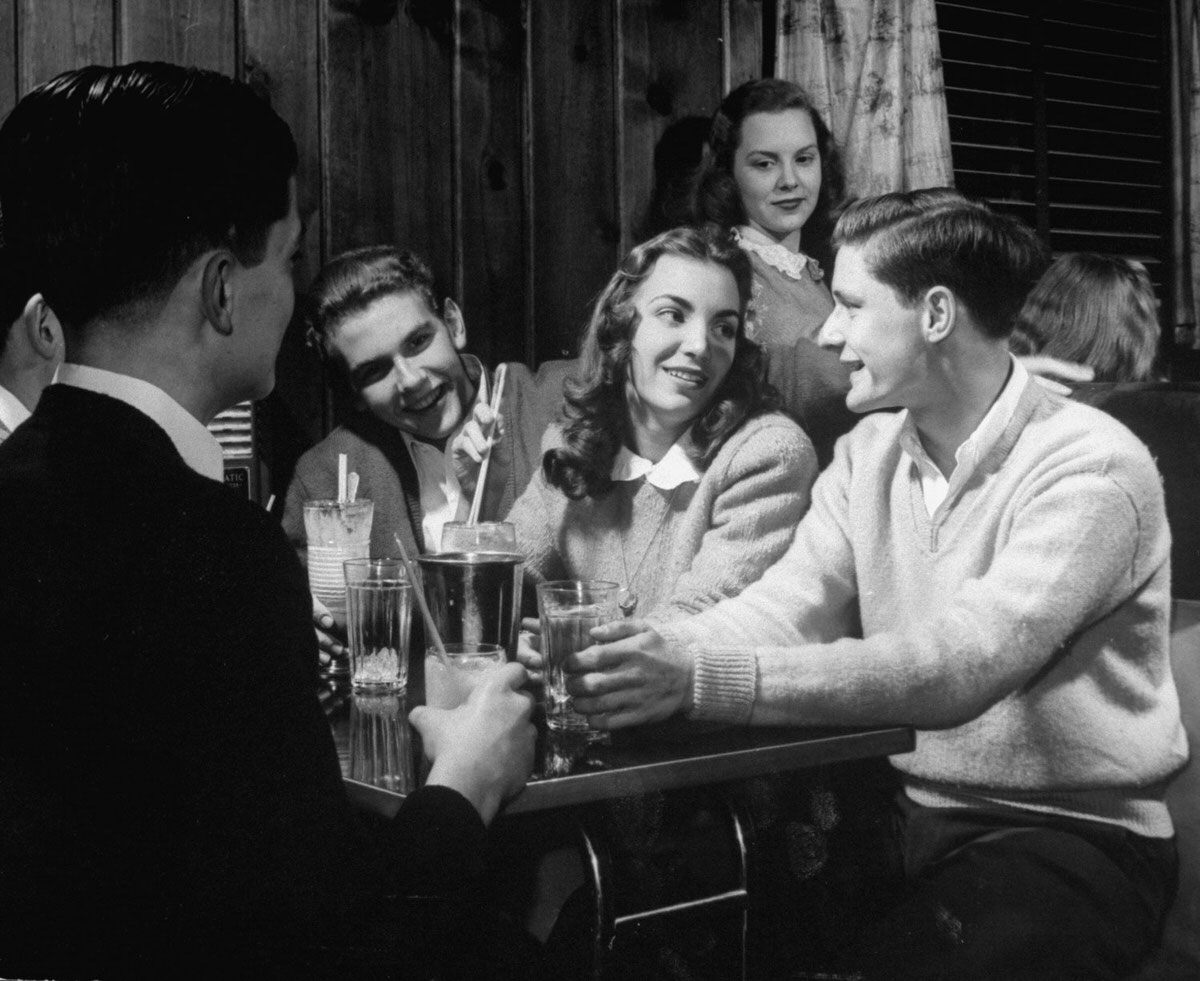
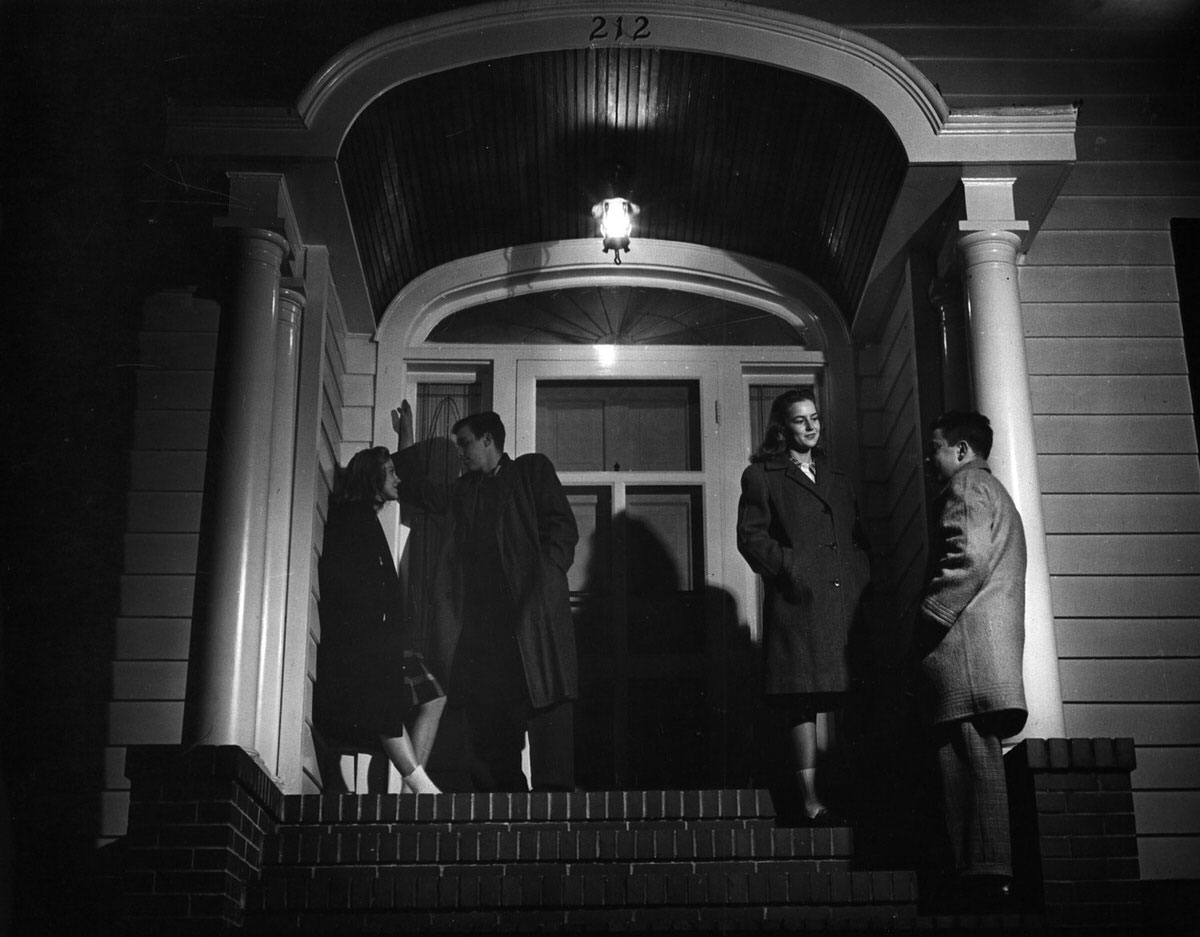
Dating followed clear rules. Group dates were common, especially at younger ages. Boys were expected to initiate contact and pay for outings. Popular activities included movies, soda fountains, school dances, and walks around town. Physical boundaries were clearly defined by social norms. Reputation mattered, and gossip spread quickly in small communities.
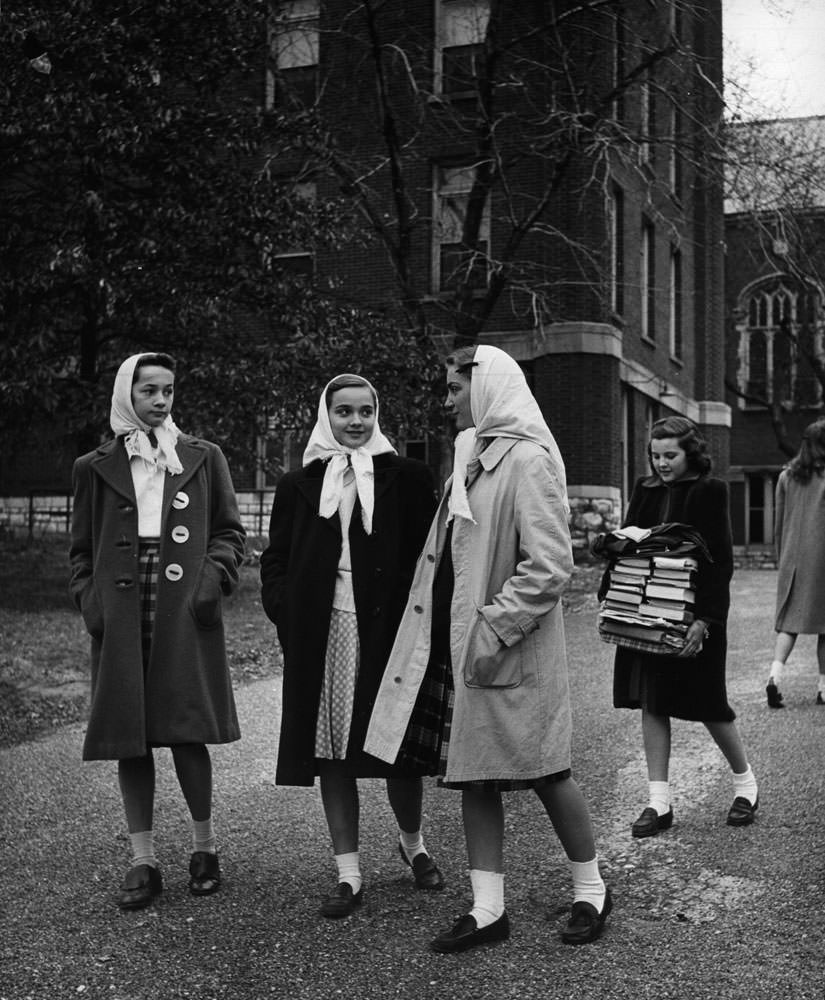
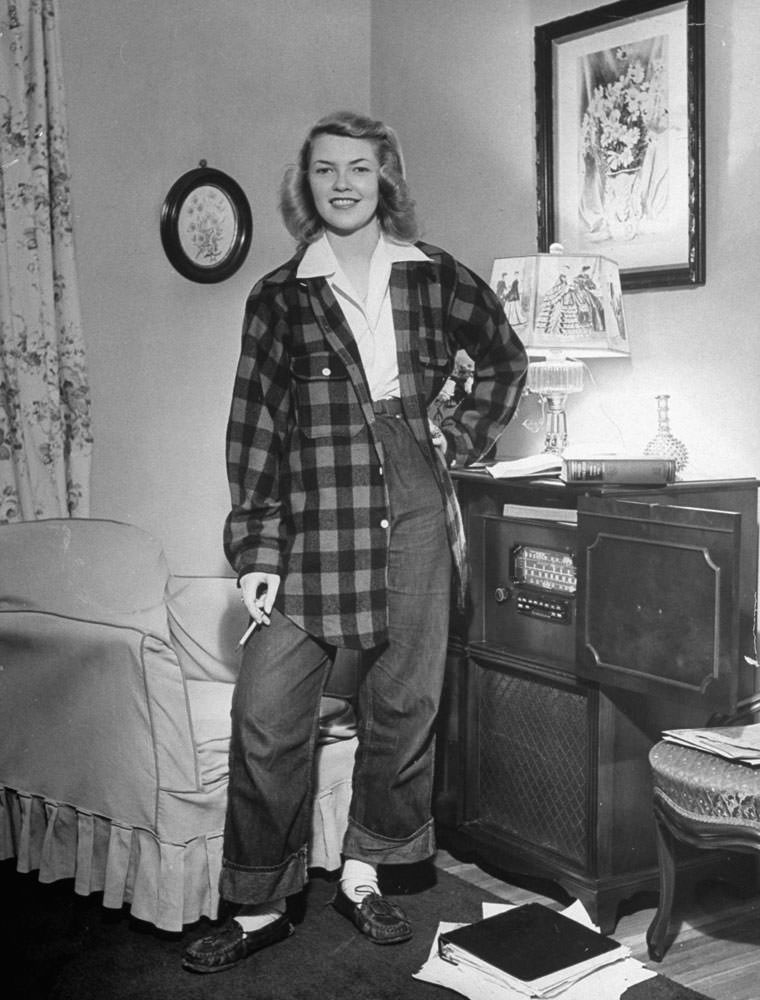
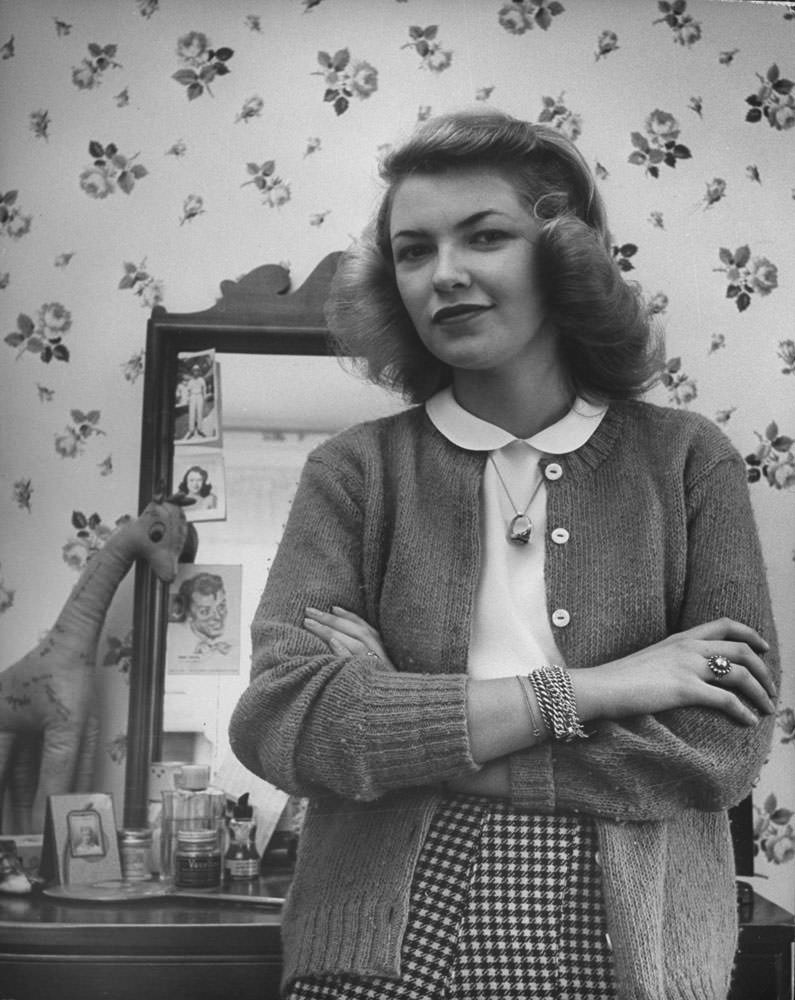
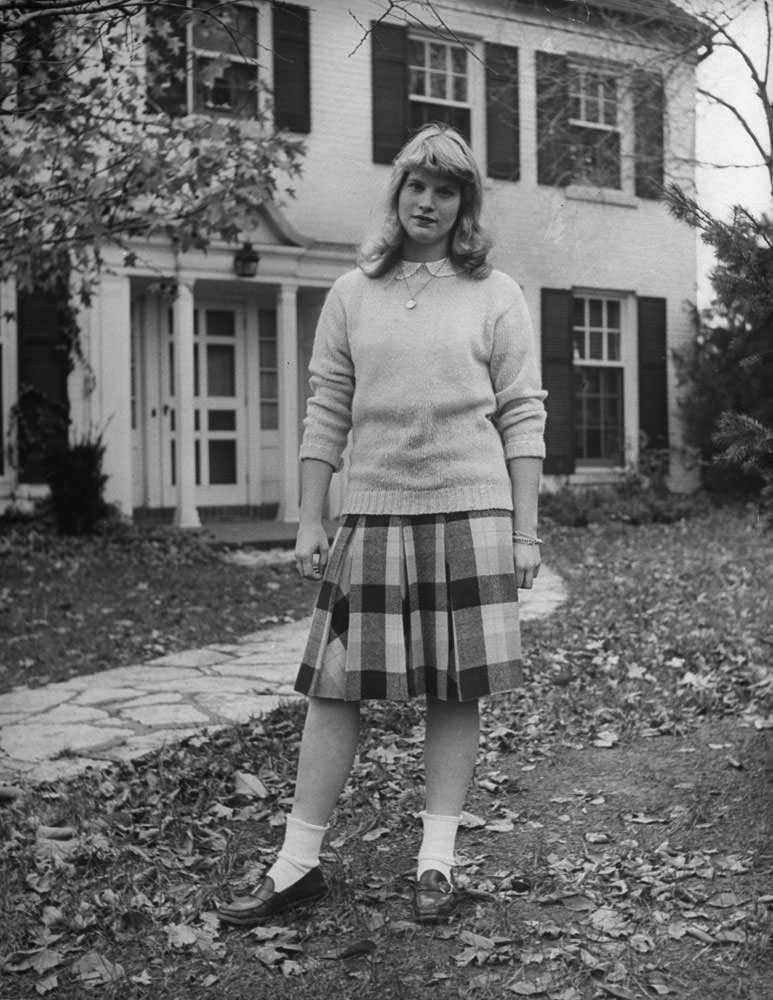
Fashion reflected both personal taste and wartime limits. Many girls wore simple dresses, skirts, sweaters, and saddle shoes. Clothing was often homemade or altered to save fabric. While magazines promoted polished and glamorous styles, real teens dressed for comfort and practicality. Trends spread through schools more than through advertising.
Marketers were just beginning to recognize teenagers as a distinct group. Products aimed at adults were often repackaged for younger consumers. Music, cosmetics, and clothing ads started using youthful language. These efforts did not always match how teens actually lived or dressed. Teenage culture was still forming and not fully understood.
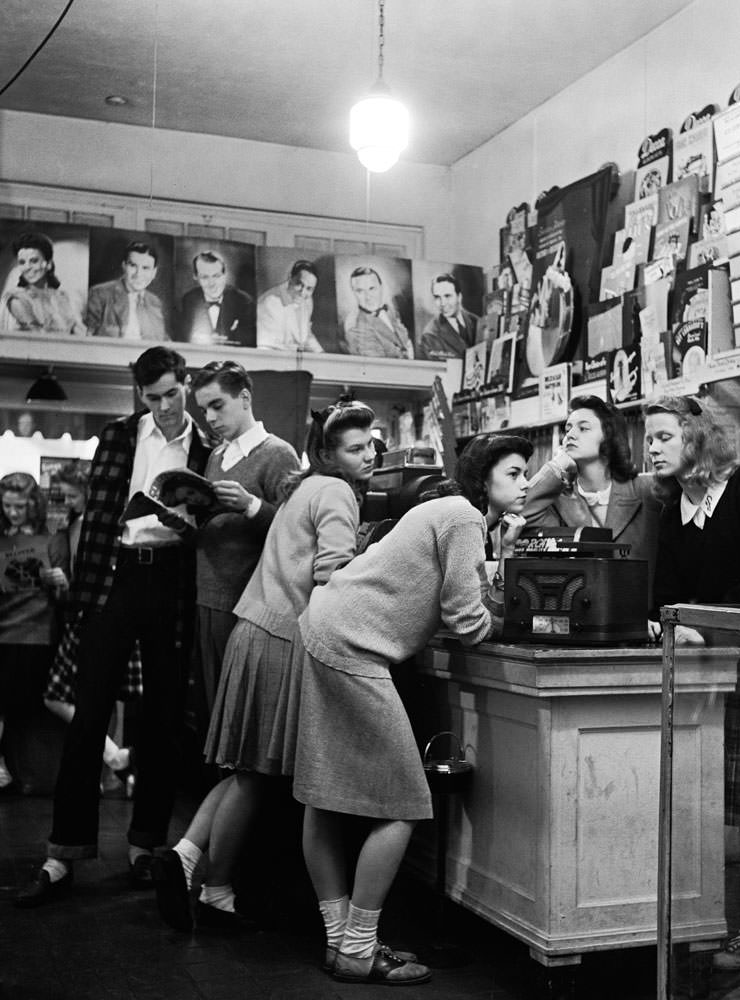
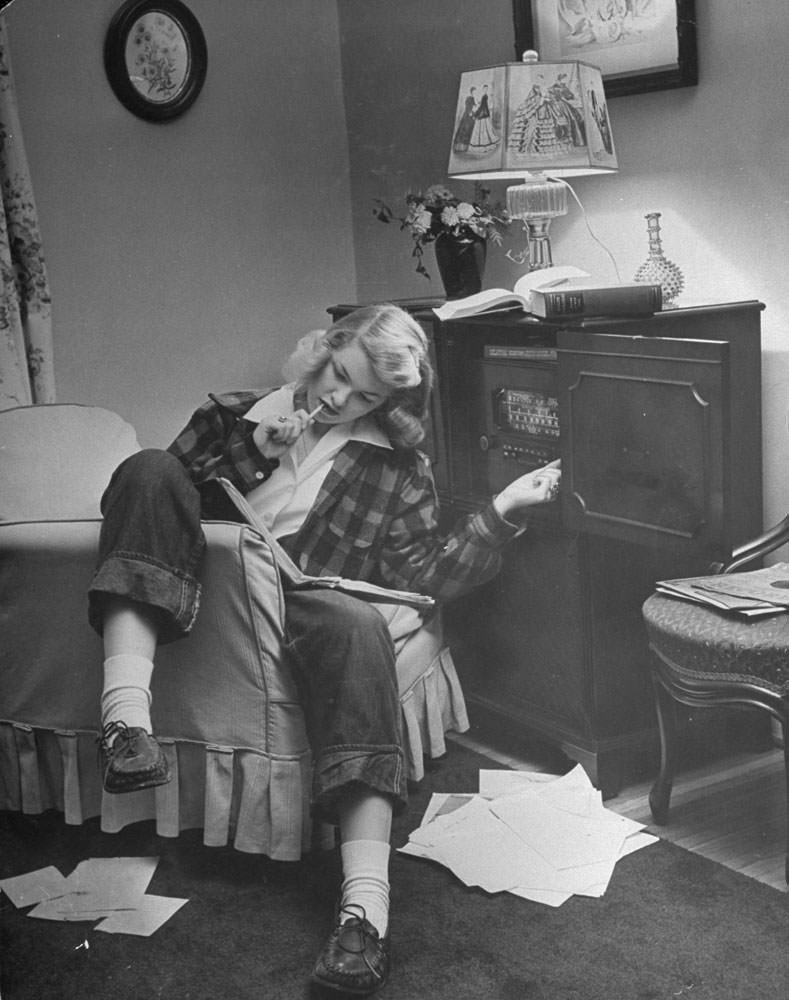
Entertainment played a strong role in shaping identity. Girls listened to radio programs, followed movie stars, and read fan magazines. Actresses and singers influenced hairstyles and makeup choices. Trips to the movie theater were a major social event. Films offered romance, excitement, and escape from routine life.
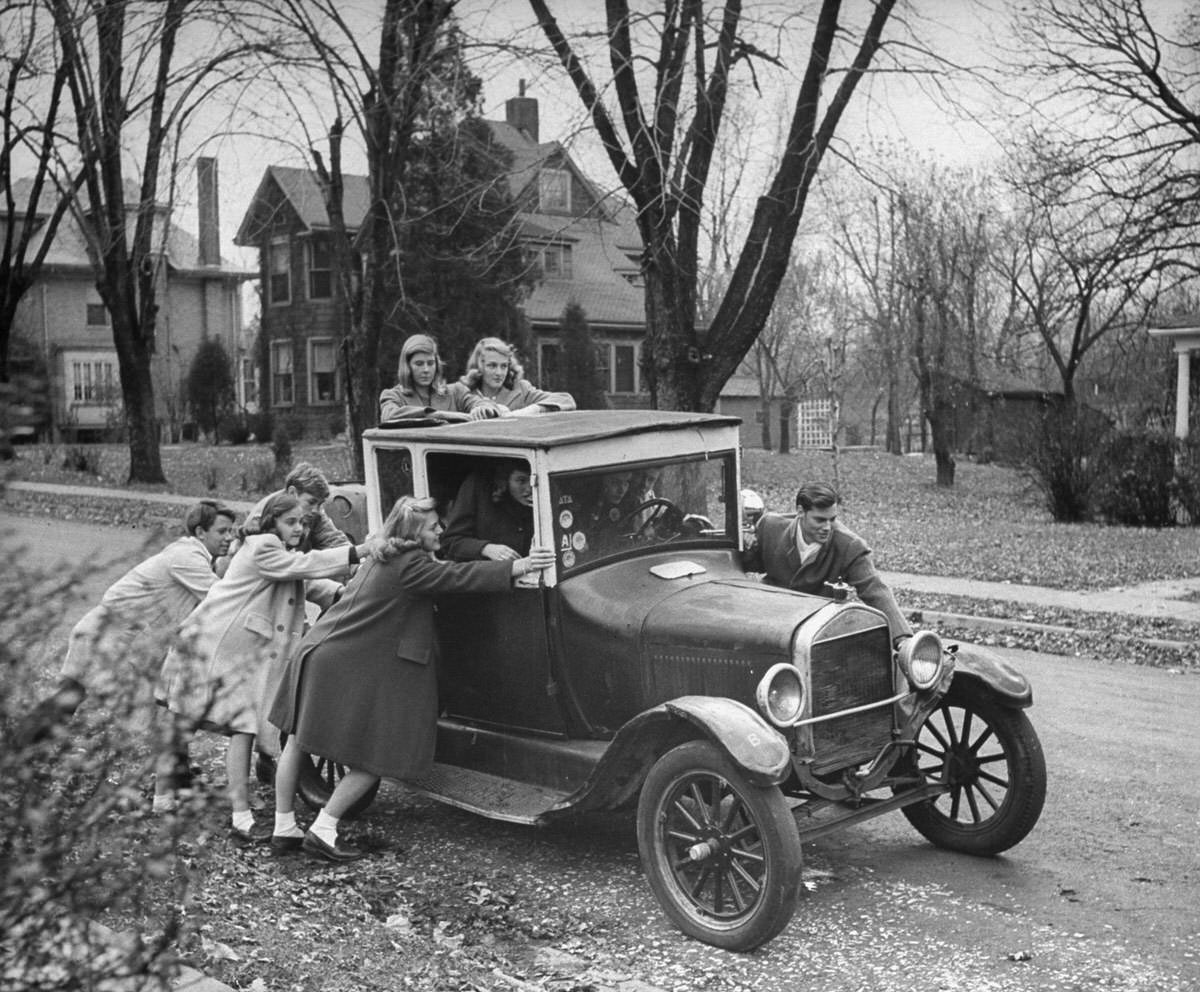
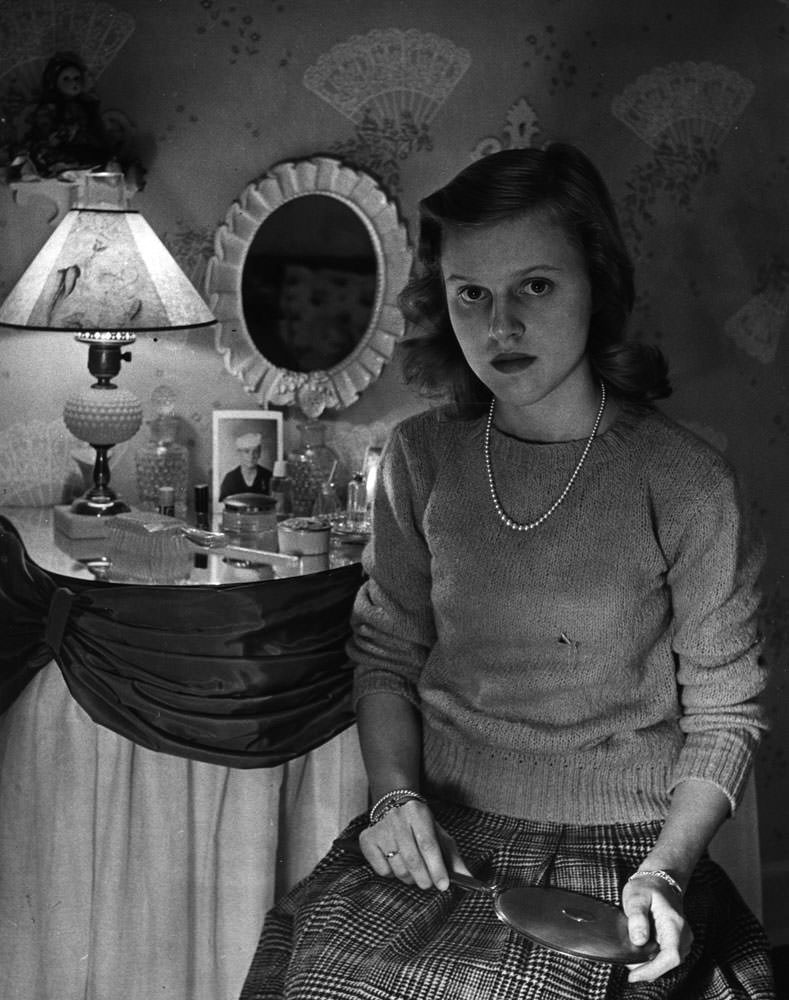
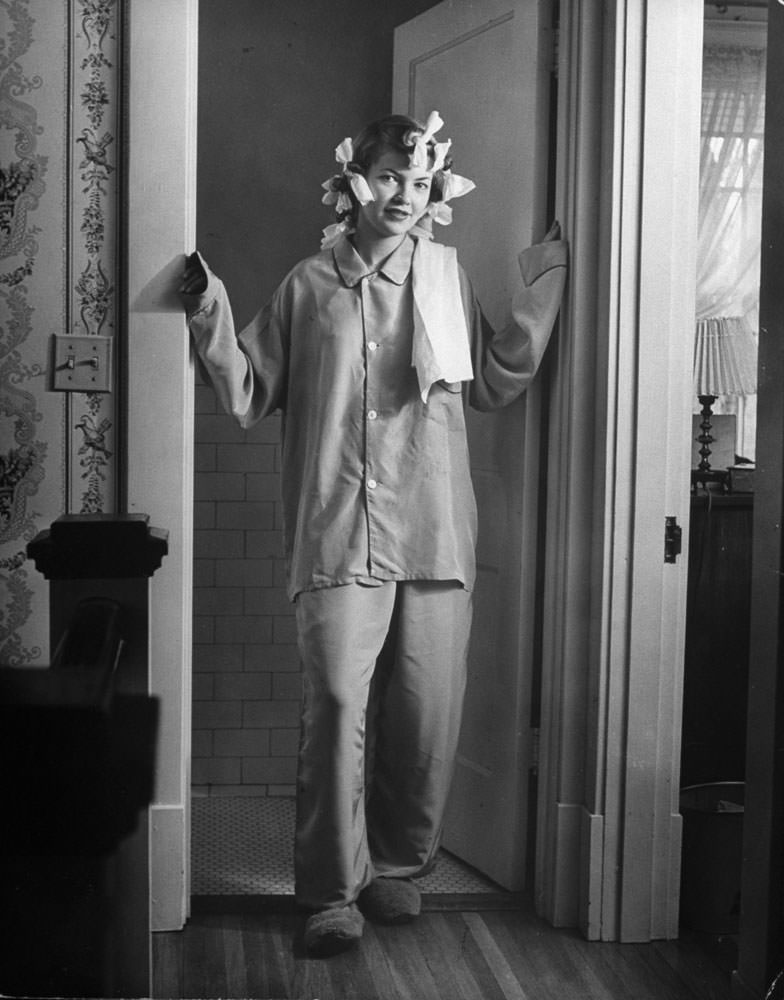
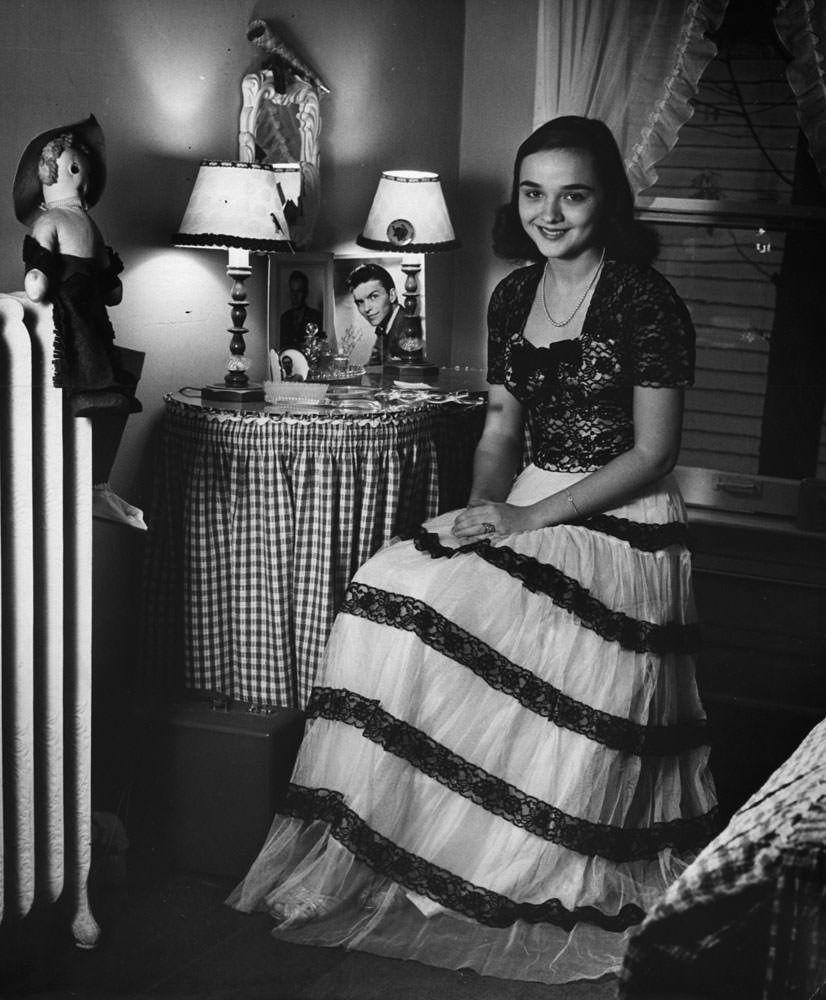
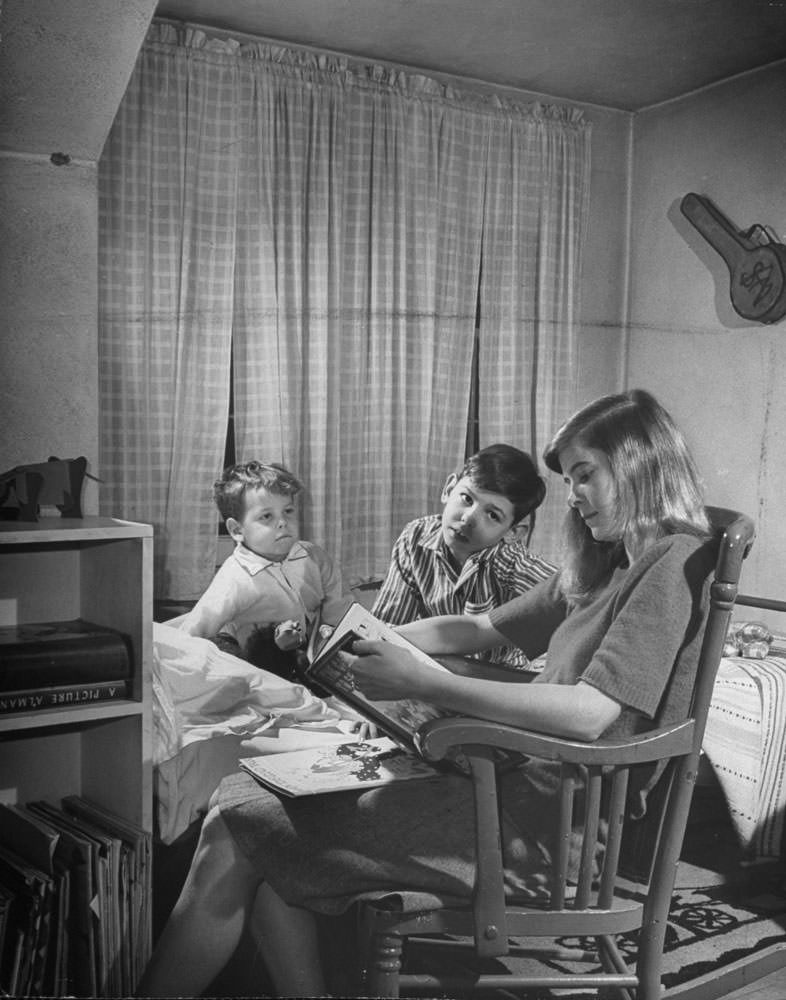
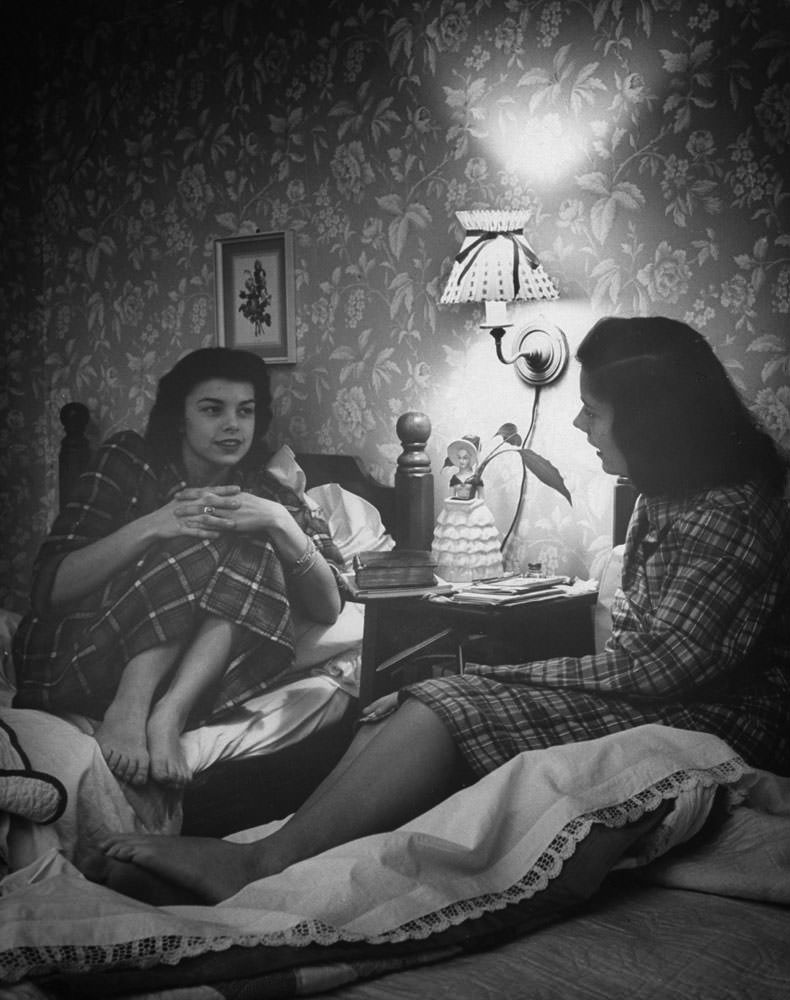
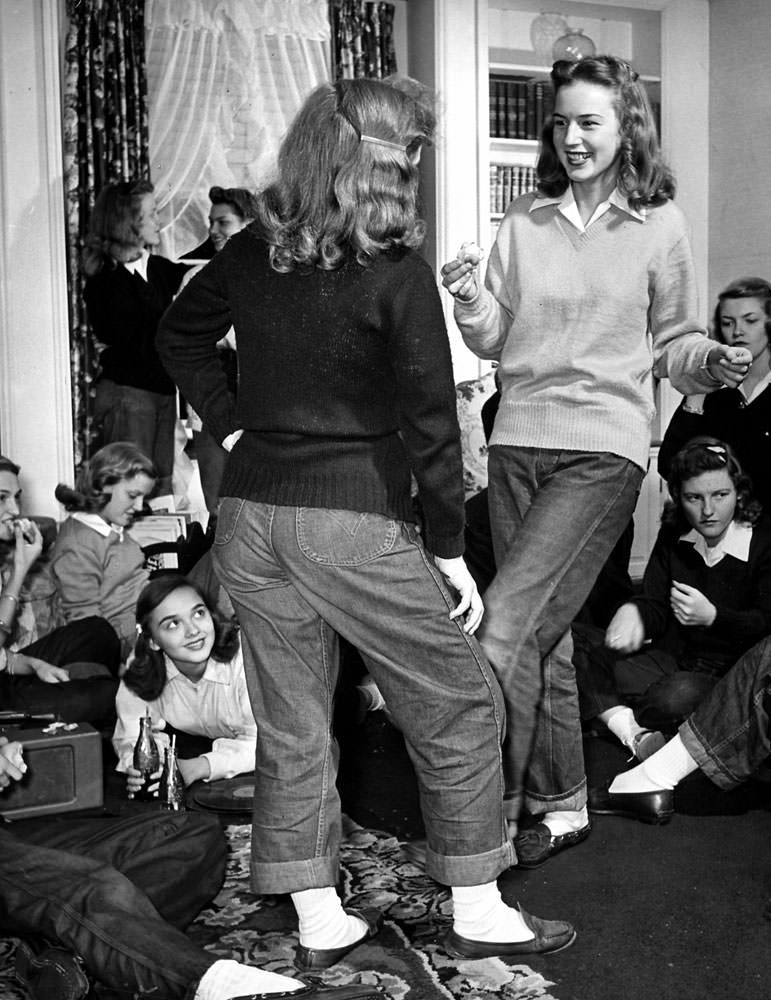
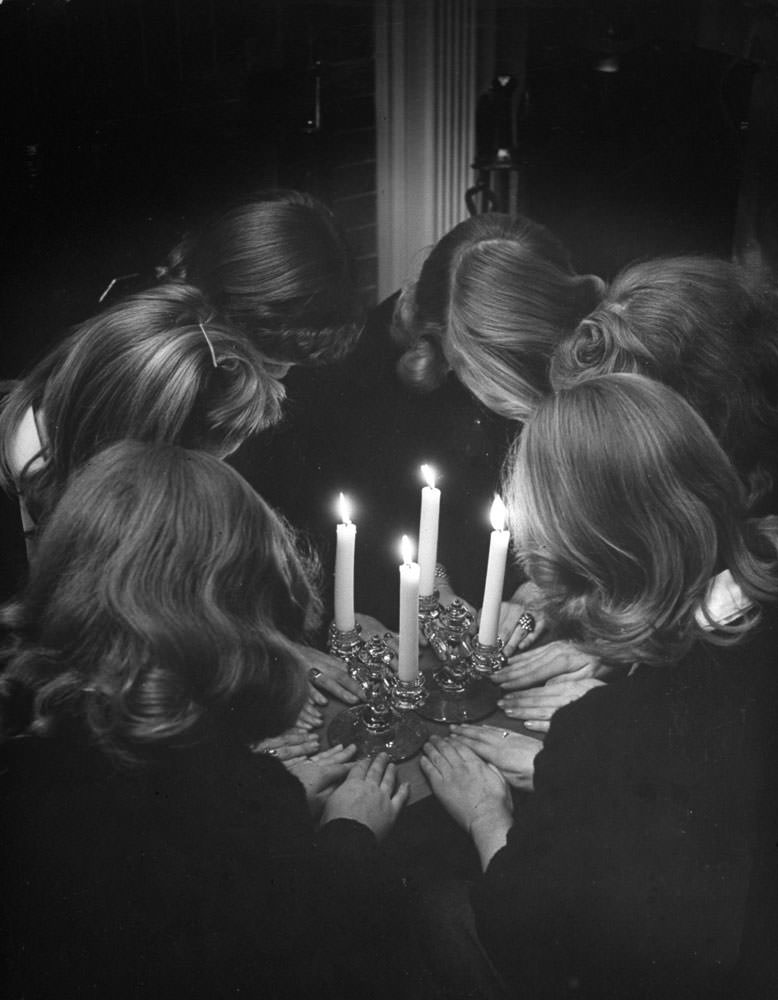
Photographs taken in 1944 by LIFE photographer Nina Leen captured this world in detail. She documented twelve girls aged fifteen to seventeen in Webster Groves, Missouri. The images showed sleepovers, shopping trips, school activities, and quiet moments at home. The girls appeared relaxed, playful, and deeply connected to one another.
LIFE magazine presented teenage girls as living in a separate and joyful world. The article described them as carefree and enthusiastic. This portrayal focused on white, middle-class teens and ignored many others. Girls from working-class families or minority communities lived very different lives. The article reflected both curiosity and misunderstanding.
Family expectations shaped future goals. Many girls expected to marry young and start families soon after high school. College was an option for some, but not the norm. Career dreams often centered on teaching, nursing, or clerical work. These paths were seen as suitable and respectable.