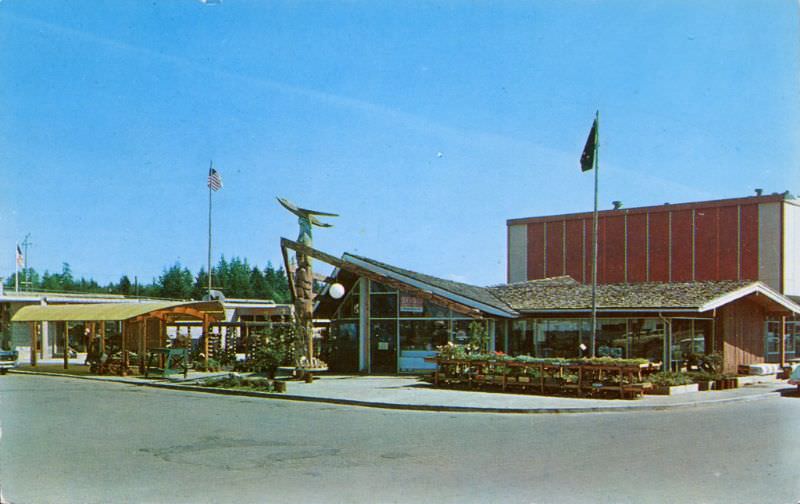
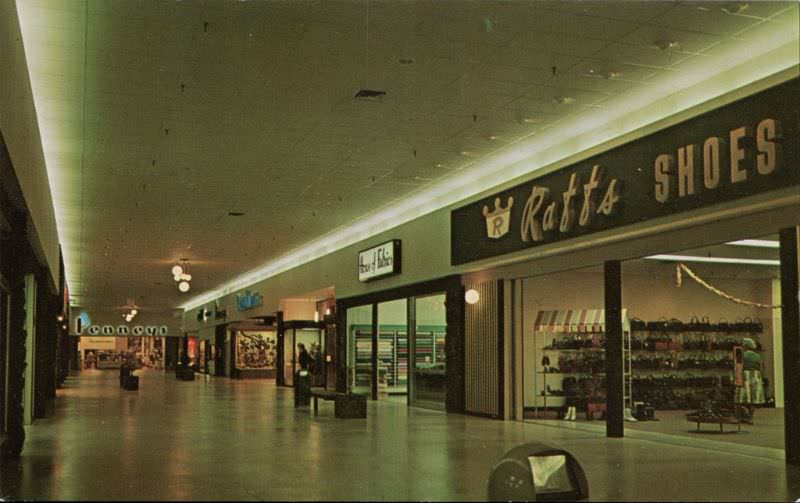
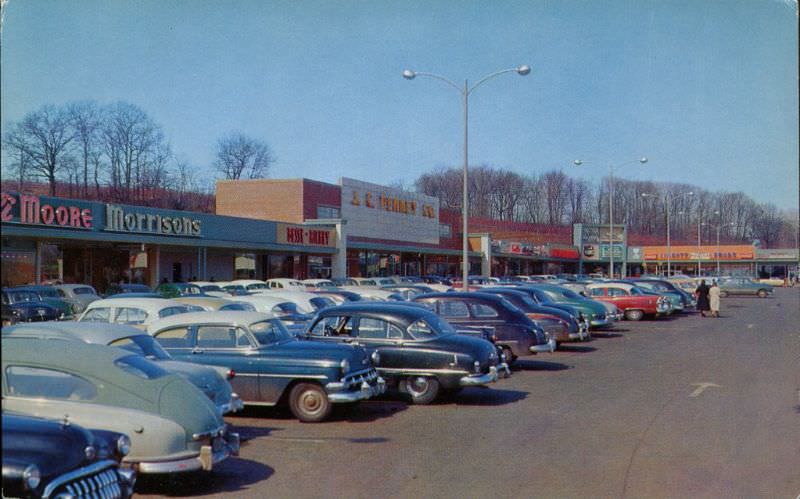
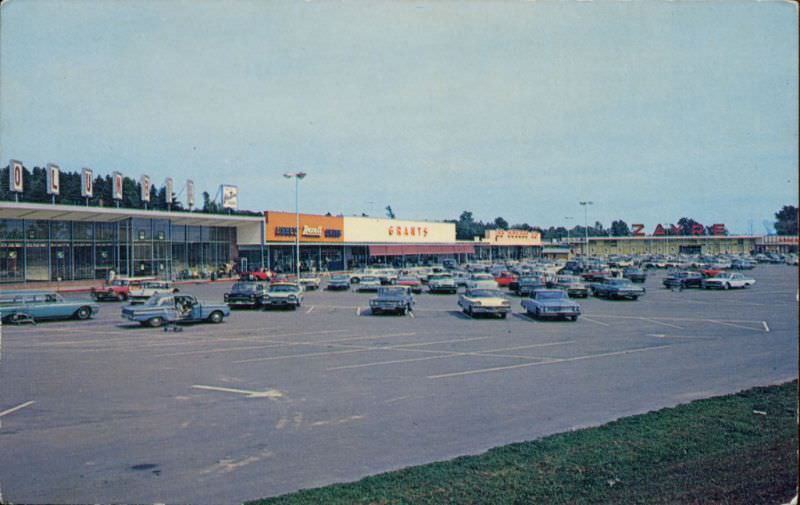
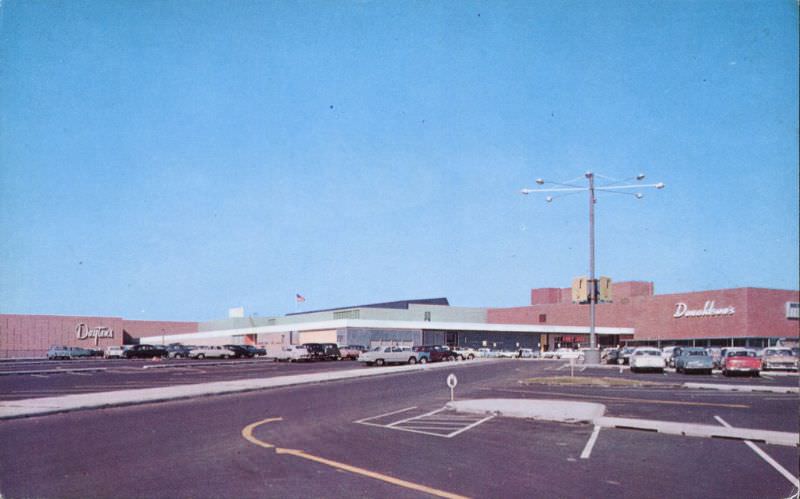
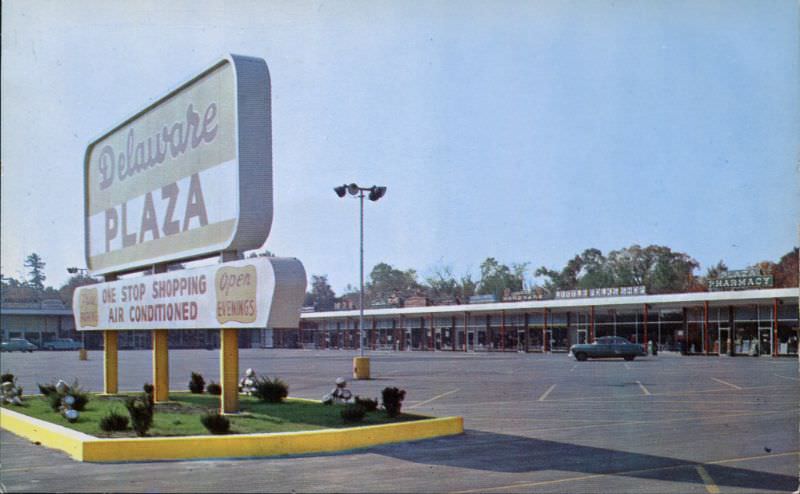
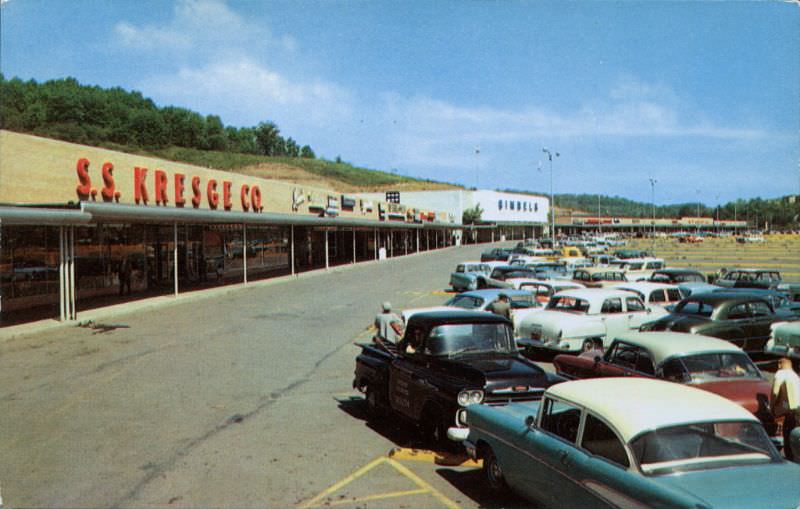
By the time the 1960s arrived, the American shopping mall was no longer a novelty — it was a national institution. A strong postwar economy, rapid growth in the suburbs, and the expanding interstate highway system all pushed mall construction into overdrive. Developers raced to meet demand from a swelling middle class that wanted convenience, variety, and a reason to leave the house. Having dozens of stores under one roof with a parking lot right outside was a genuinely new way to live, and millions of Americans embraced it.
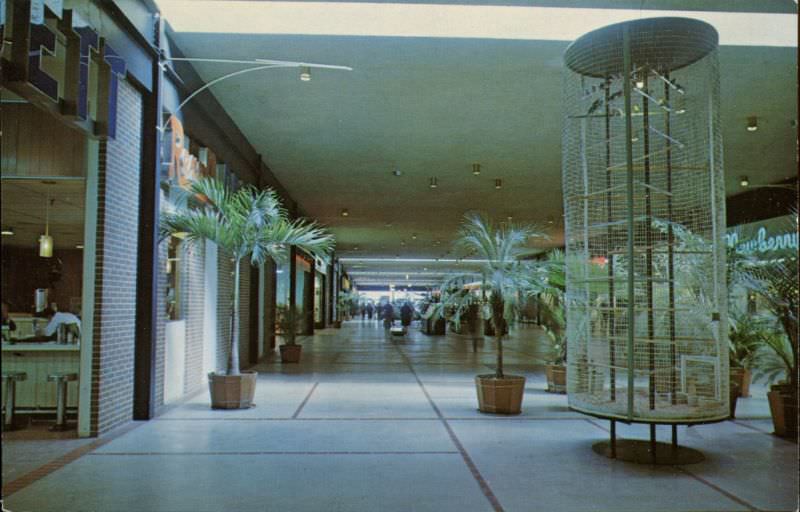
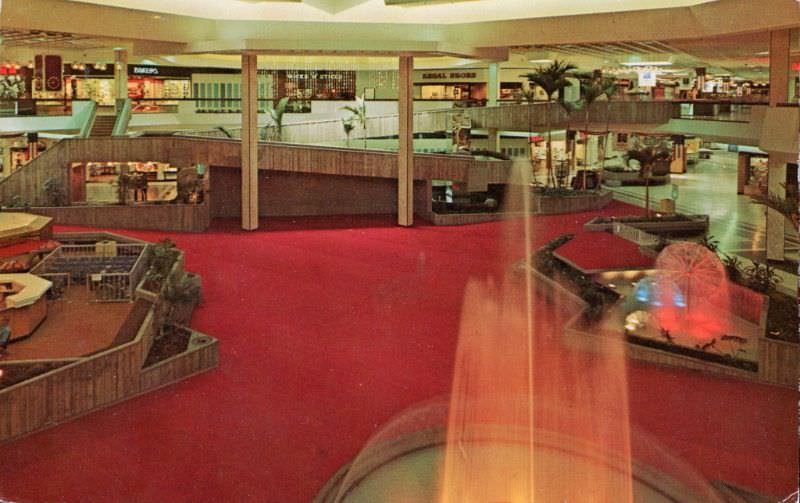
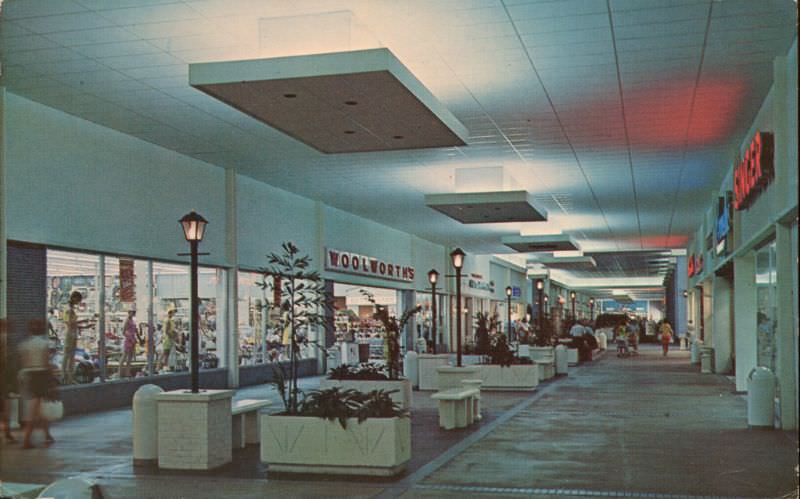
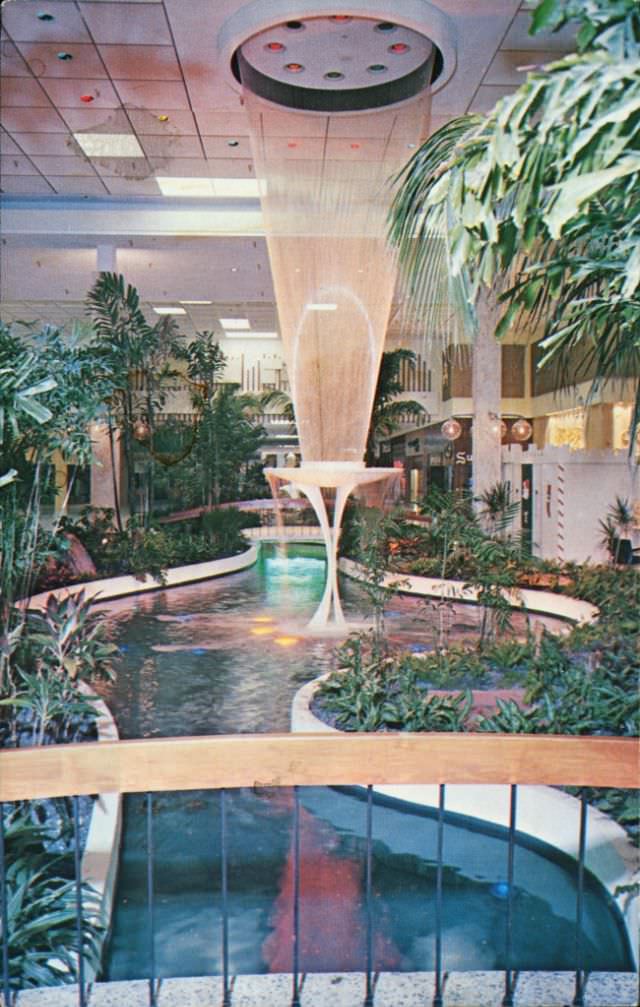
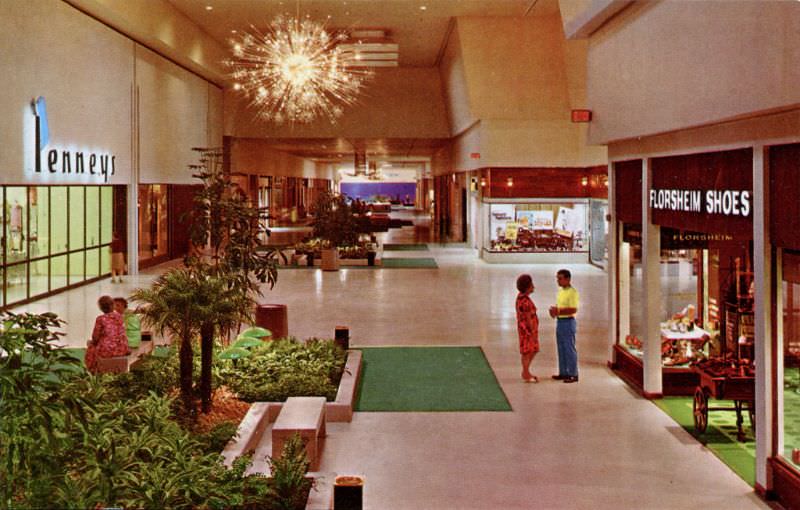
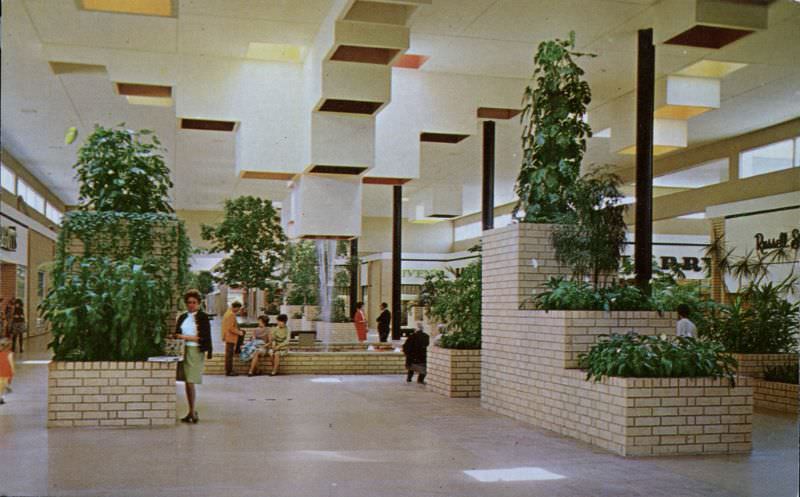
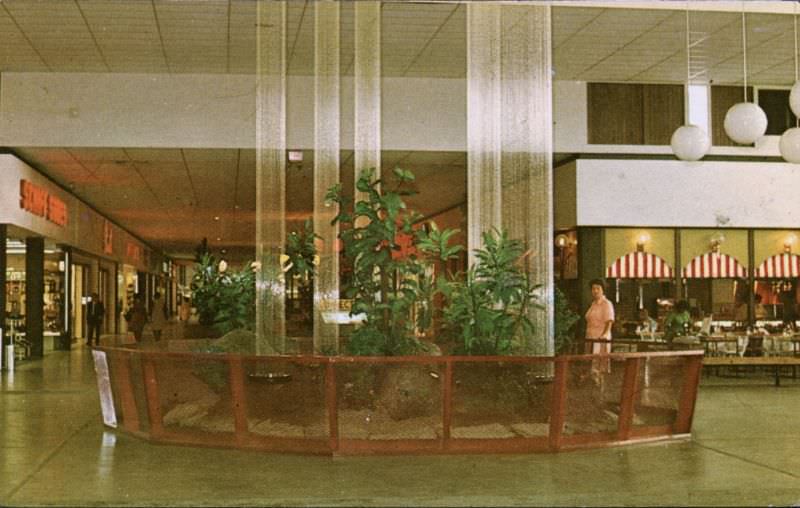
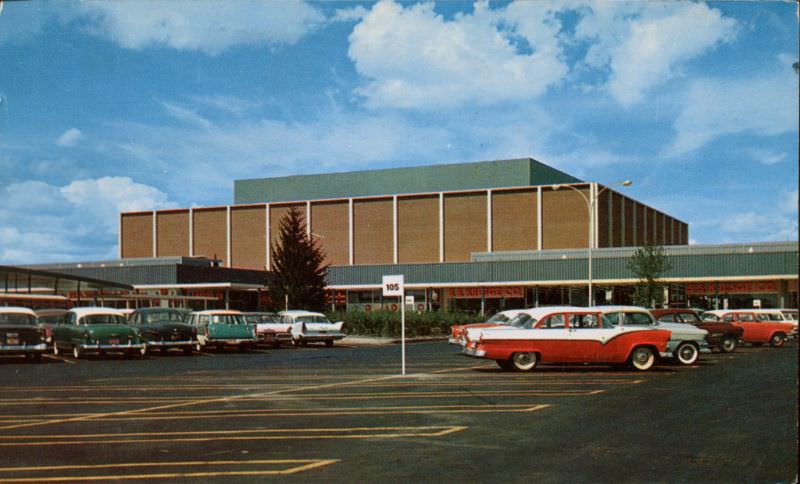
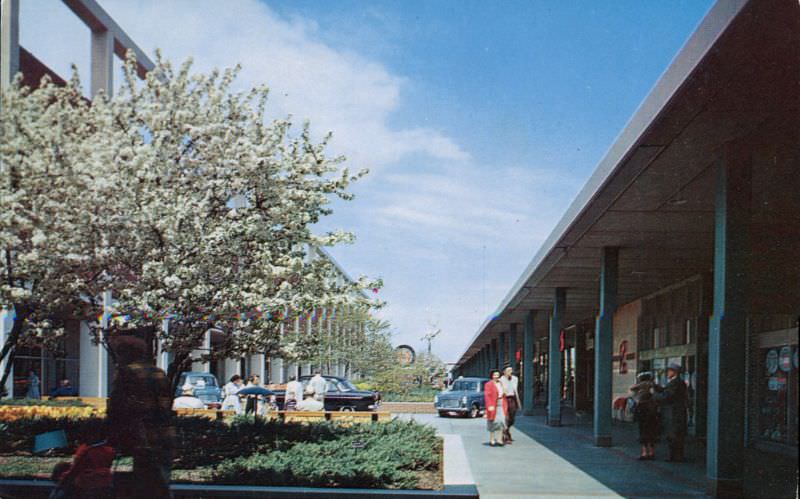
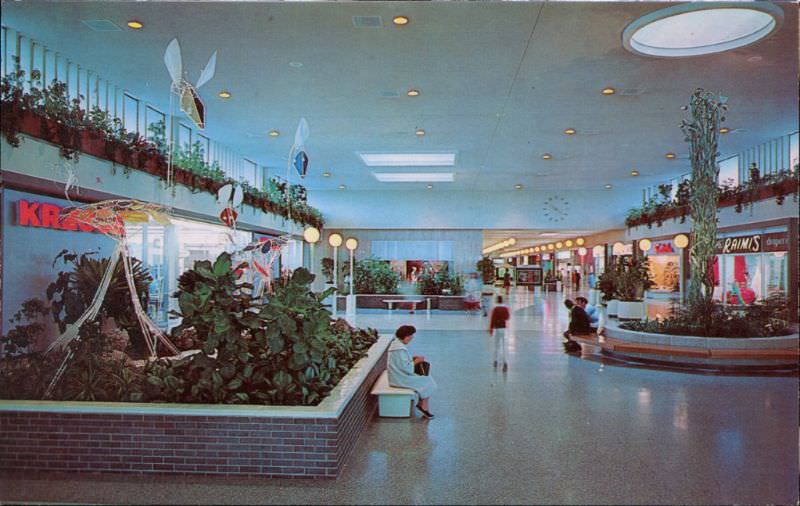
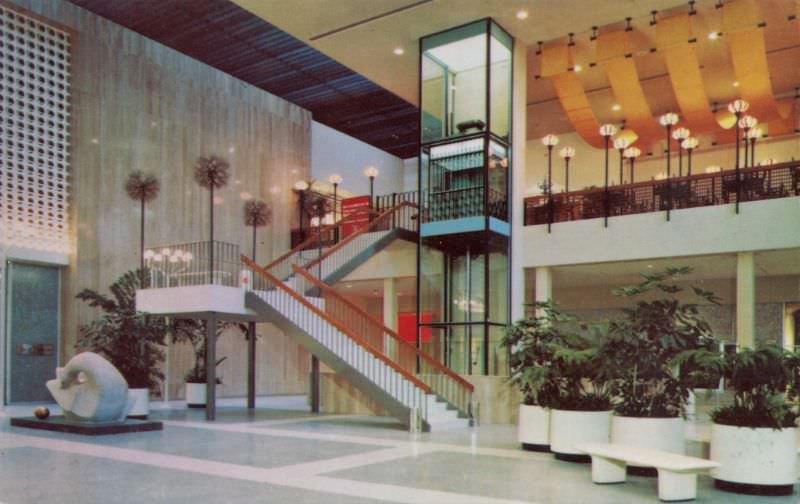
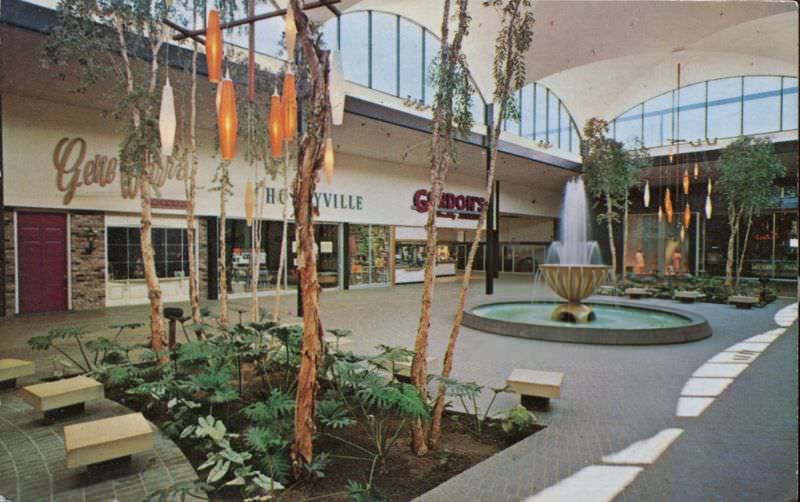
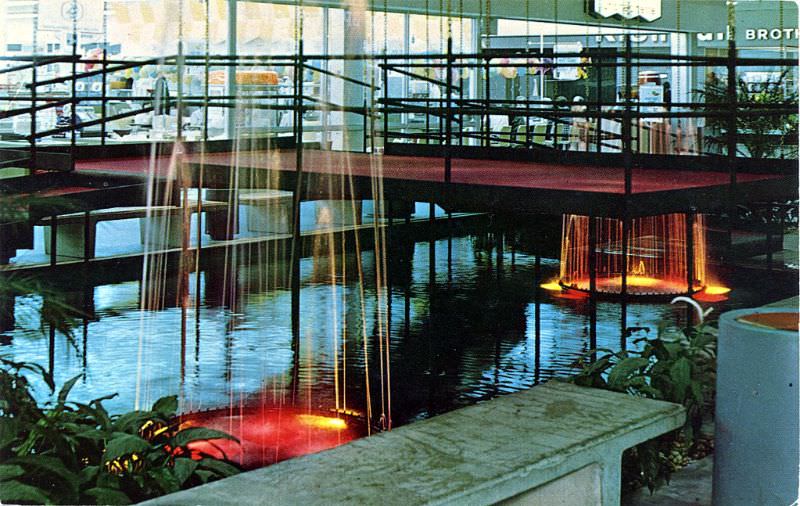
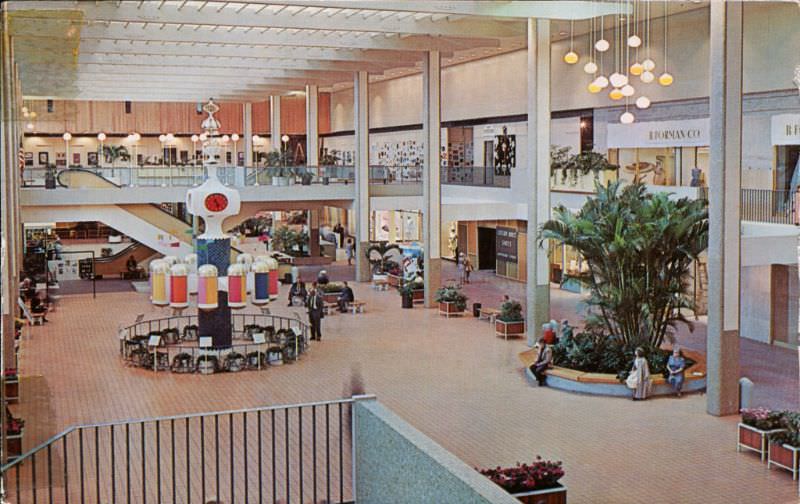
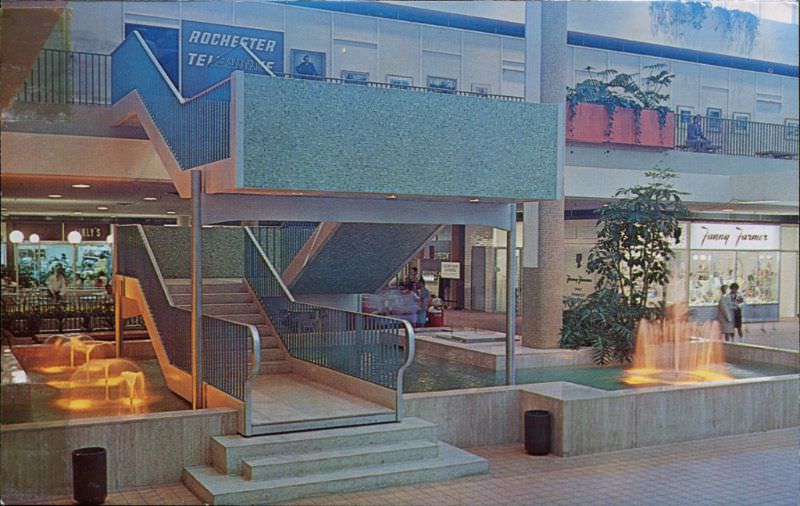
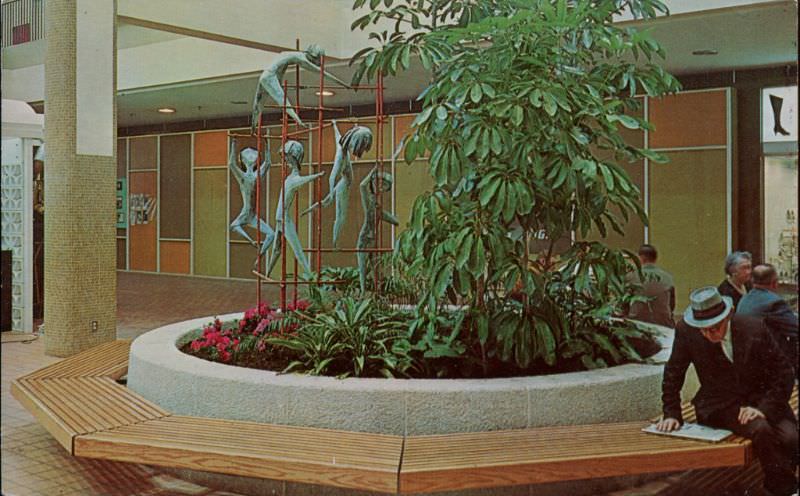
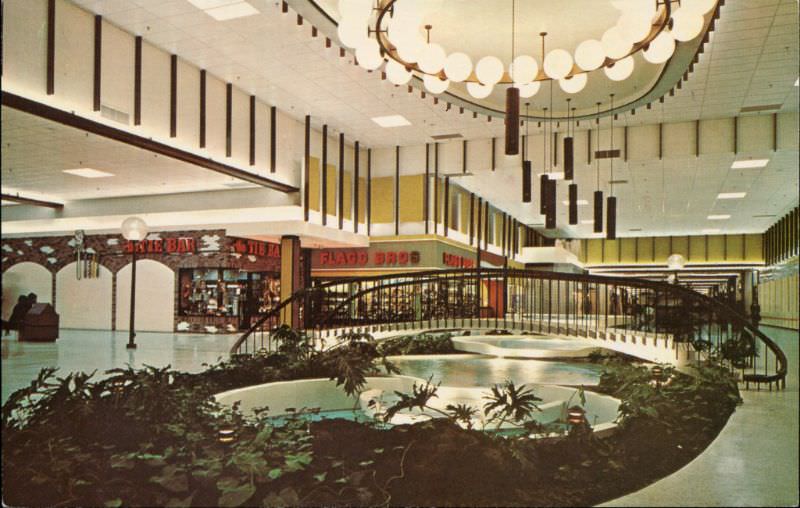
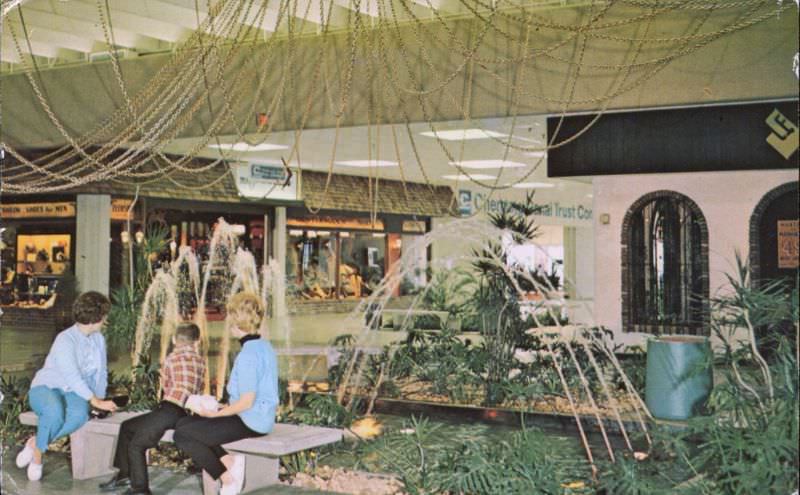
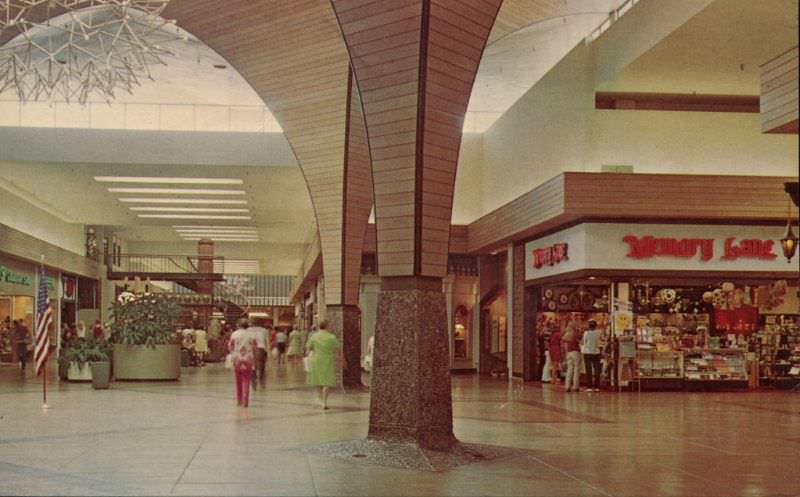
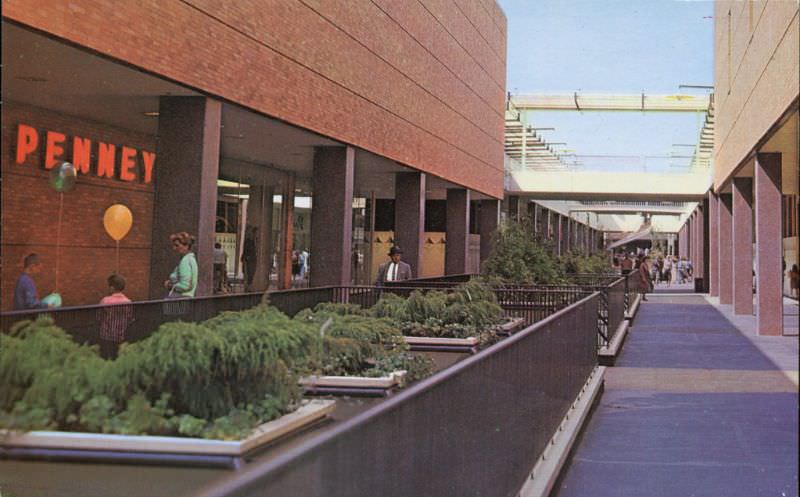
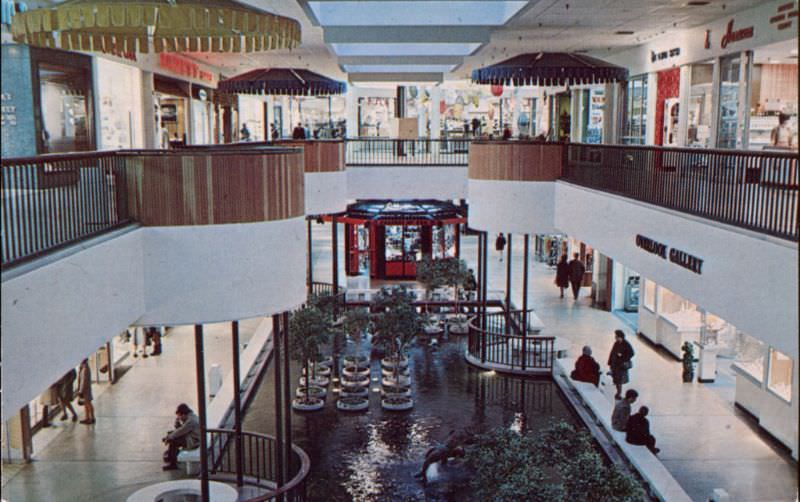
The architecture of these malls was bold and forward-thinking. Designers moved away from the purely functional and leaned into spectacle. Wide corridors, soaring ceilings, and dramatic open courtyards made malls feel like destinations in themselves. Some featured bird cages and ornamental fishponds. Others installed eye-catching fountains and decorative bridges. These details weren’t accidental — they were meant to slow shoppers down and make the experience enjoyable enough to stay for hours.
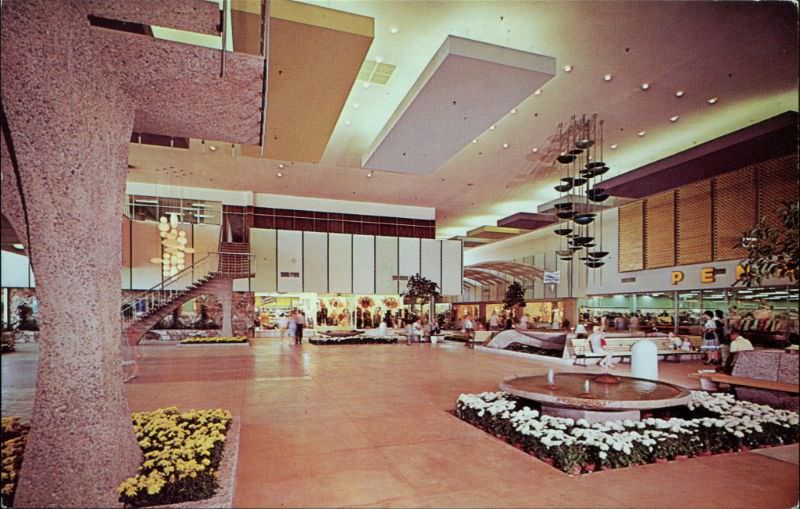
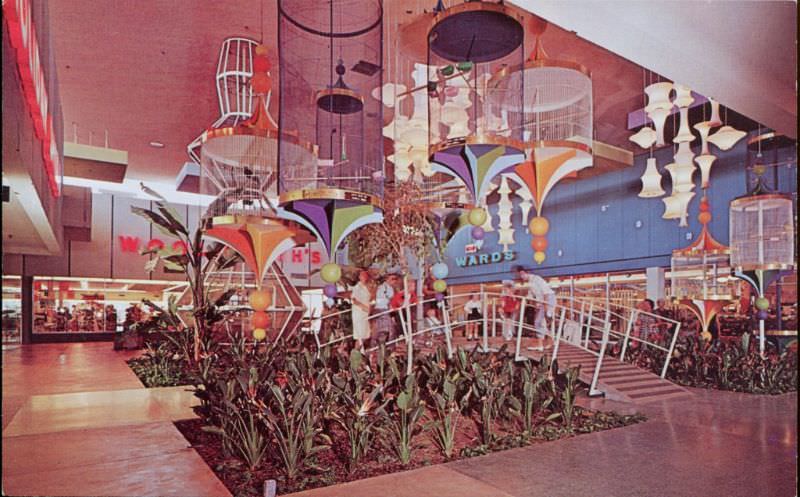
Chris-Town Shopping Center in Phoenix was a prime example of this design philosophy. Its Court of Birds — a landscaped interior space complete with live birds — turned a routine shopping trip into something closer to a leisure outing. This kind of theatrical touch was common across the country, as mall developers competed for shoppers’ attention and loyalty.
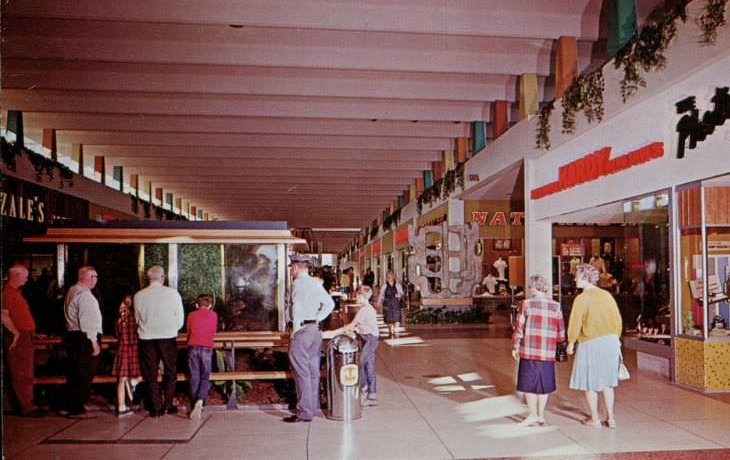
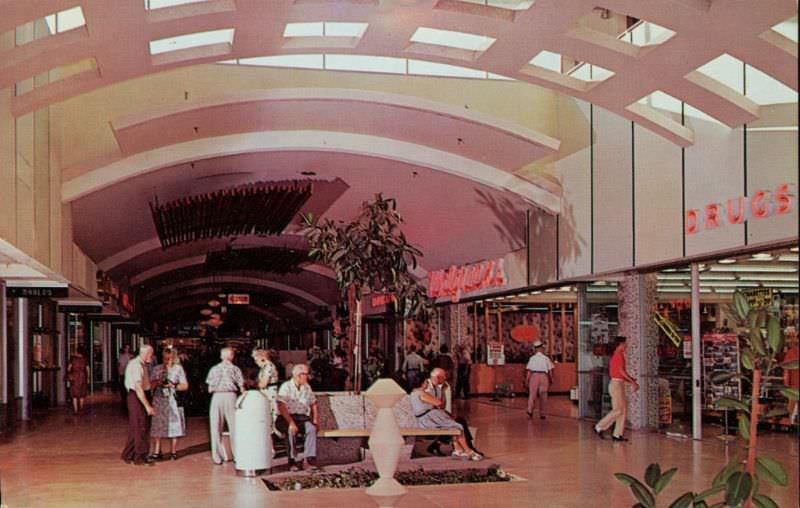
California became one of the most active states for mall development during this period. Cities like West Covina, Canoga Park, and Riverside each saw new regional shopping centers open their doors to eager suburban shoppers. The Topanga Plaza in Canoga Park featured a rain fountain — an indoor water feature that doubled as a visual centerpiece and a gathering spot.
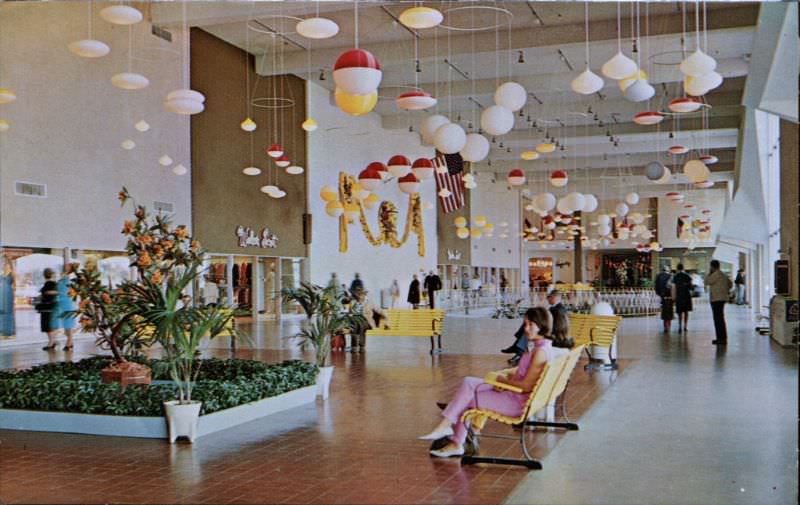
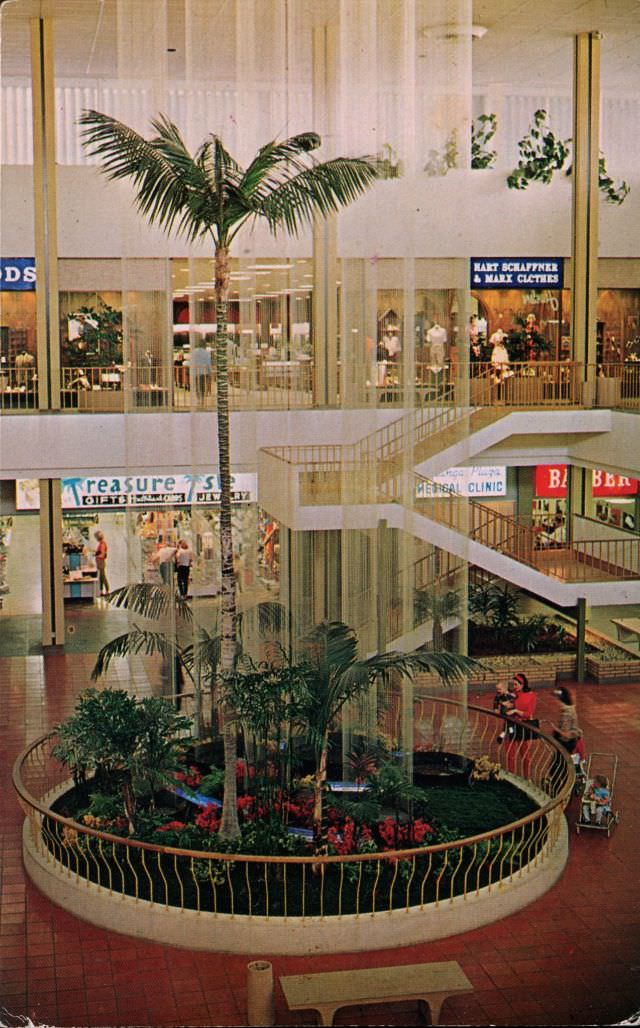
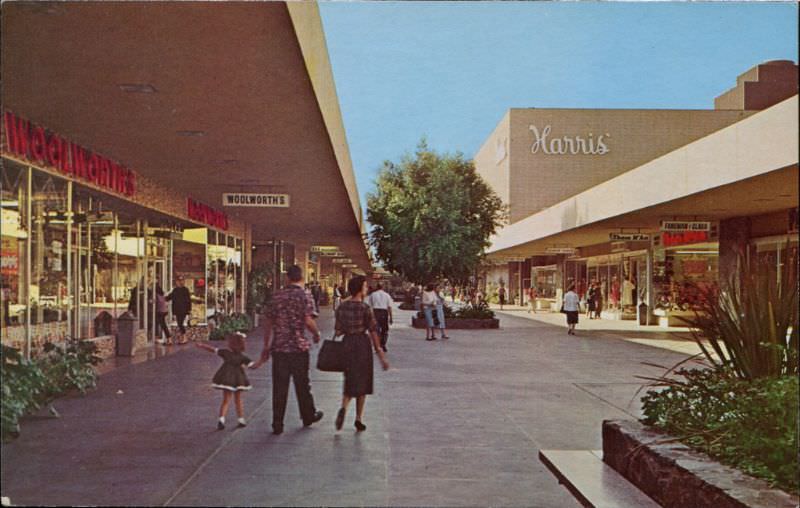
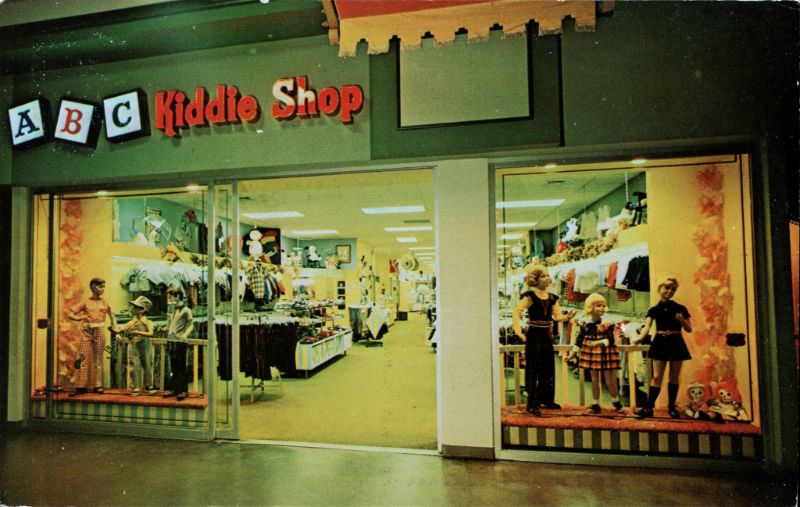
Colorado offered one of the decade’s most ambitious mall projects. Cinderella City in Englewood opened in 1968 and was, at the time, the largest enclosed shopping mall in the United States. It featured distinct themed sections, including the Shamrock Mall, and dedicated retail space specifically for children, like the Kiddie Shop. The scale of Cinderella City reflected how seriously developers were taking the mall as a self-contained world.
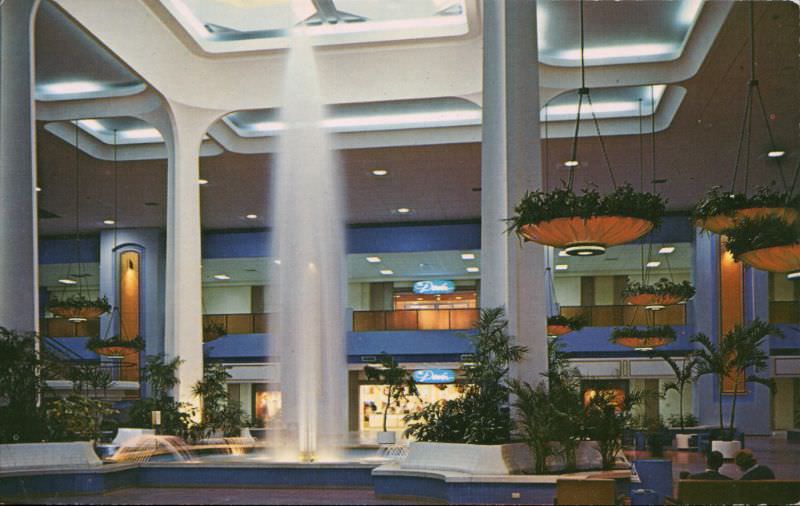
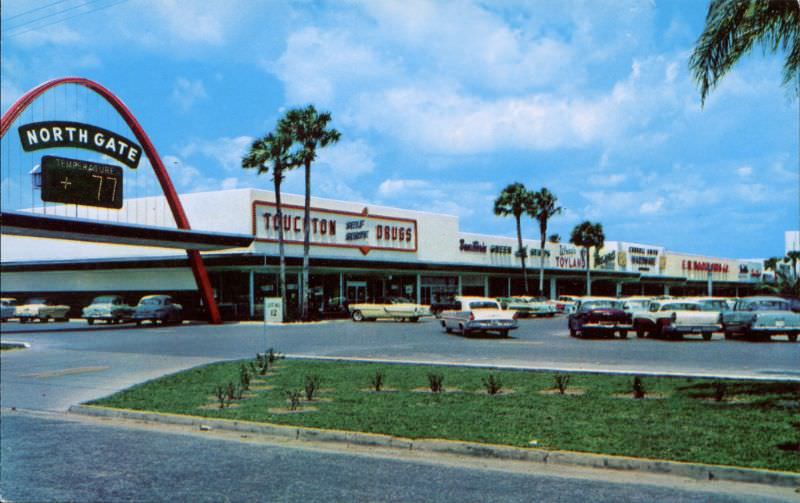
Florida’s rapid population growth made it fertile ground for mall builders. From Jacksonville to Fort Myers, Tampa to Winter Park, new shopping centers were opening across the state throughout the decade. Each one anchored its local community and attracted shoppers from surrounding neighborhoods who previously had to travel into dense city centers to find a full range of stores.
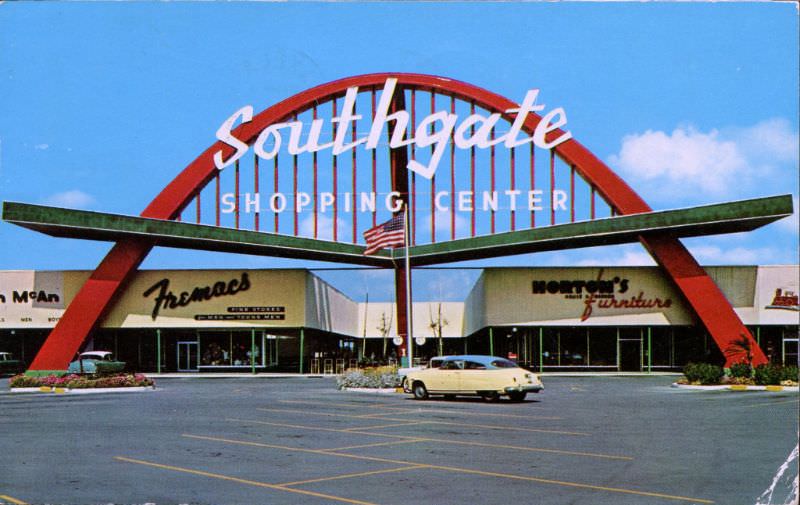
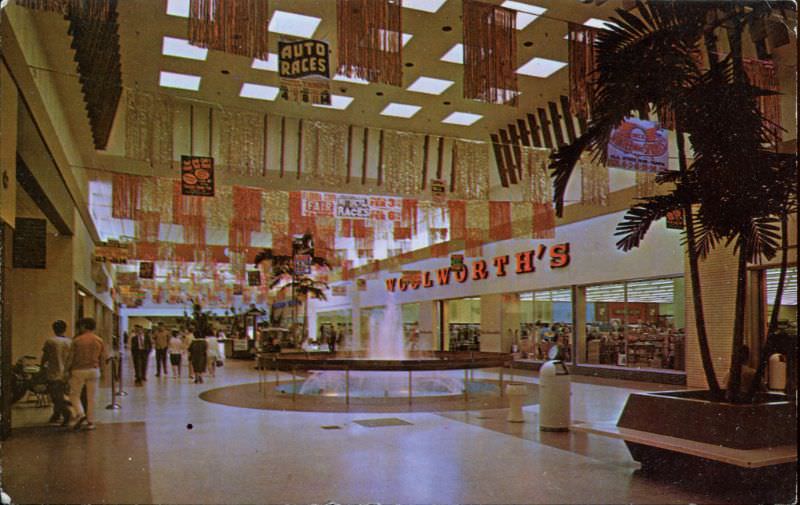
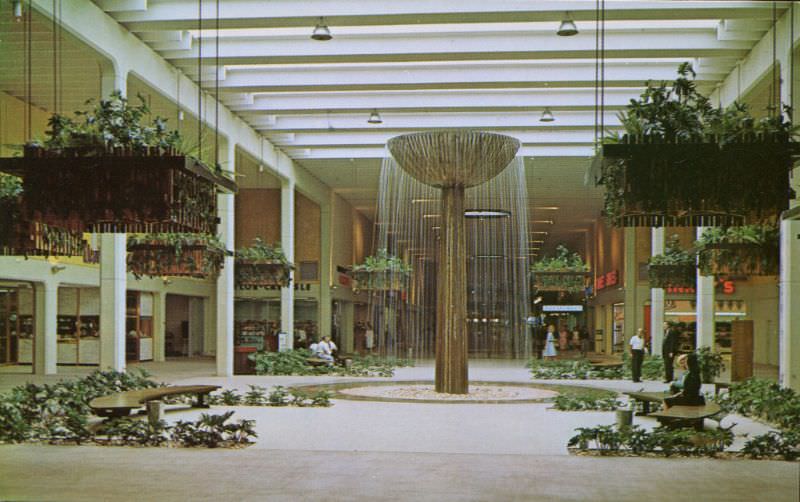
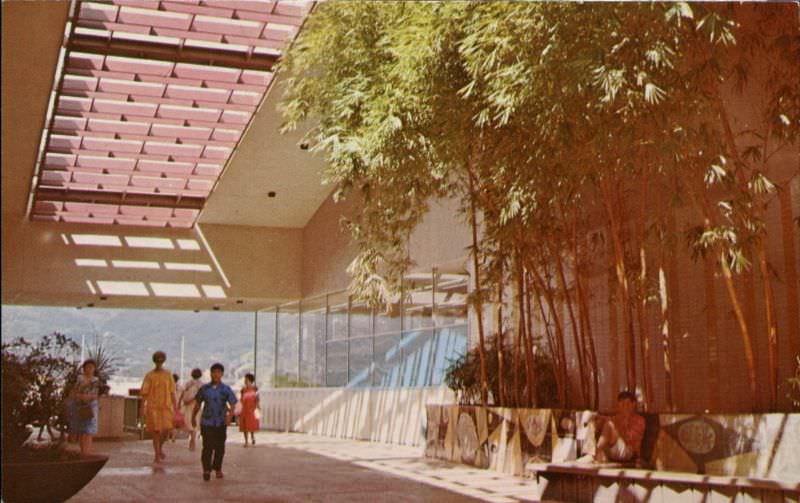
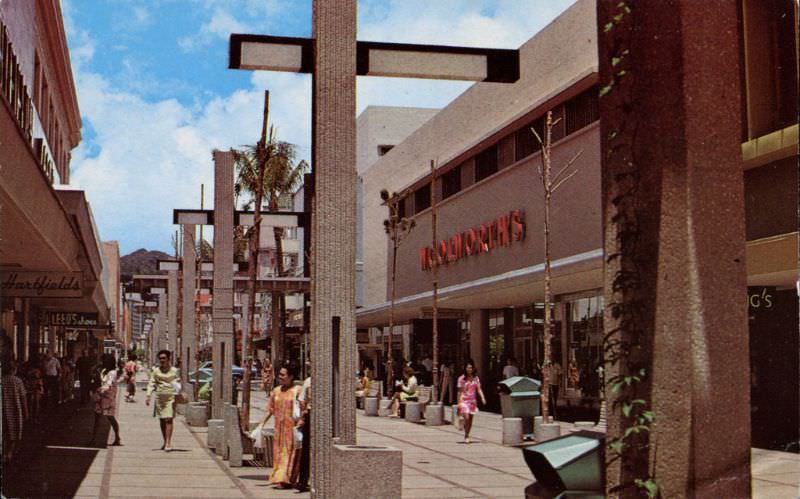
Even Hawaii joined the mall boom. The Ala Moana Shopping Center in Honolulu, which opened in 1959, grew steadily through the 1960s into one of the largest open-air shopping centers in the world. Fort Street Mall offered a different model — a pedestrian shopping street in the heart of the city, demonstrating that the mall concept could take more than one form.
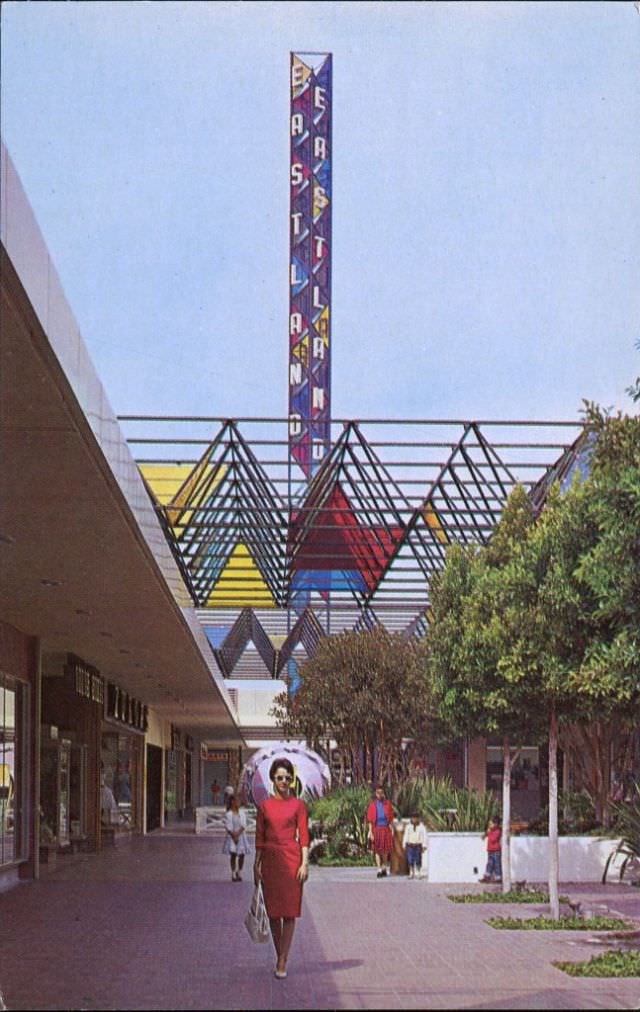
Michigan stood out as one of the defining states for mall culture in this era. The Northland Center in Southfield, which opened in 1954 and expanded through the 1960s, was one of the largest shopping complexes in the world at its peak. It housed more than 100 stores anchored by four major department stores. Elsewhere in the state, the Eastland Center in Harper Woods, the Westland Center in Wayne, and the Woodland Mall in Grand Rapids all reflected Michigan’s outsized role in shaping what the American mall would become.
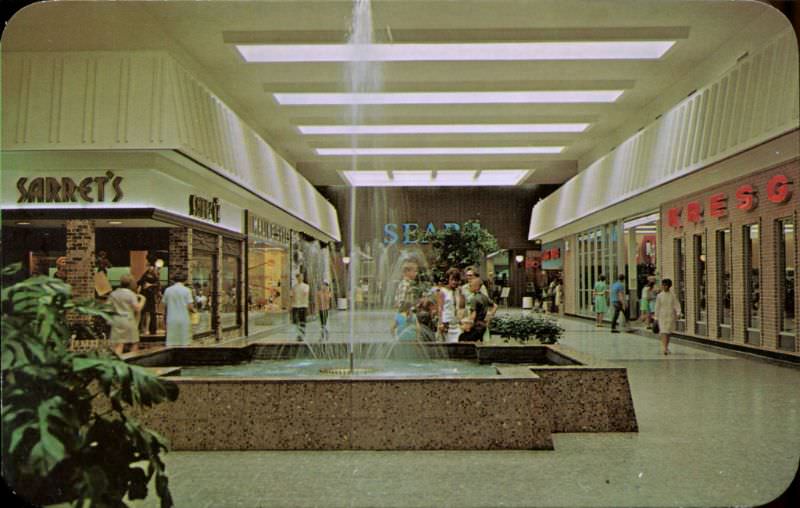
As malls spread to Minnesota, Mississippi, and Missouri, the retail mix inside them was also changing. Department stores remained the anchor tenants that drew the crowds, but smaller specialty shops multiplied alongside them. Record stores thrived during the Beatlemania years of the mid-1960s. Fashion boutiques reflected the rapid style shifts of the decade. These shops gave malls a personality that went beyond basic shopping.
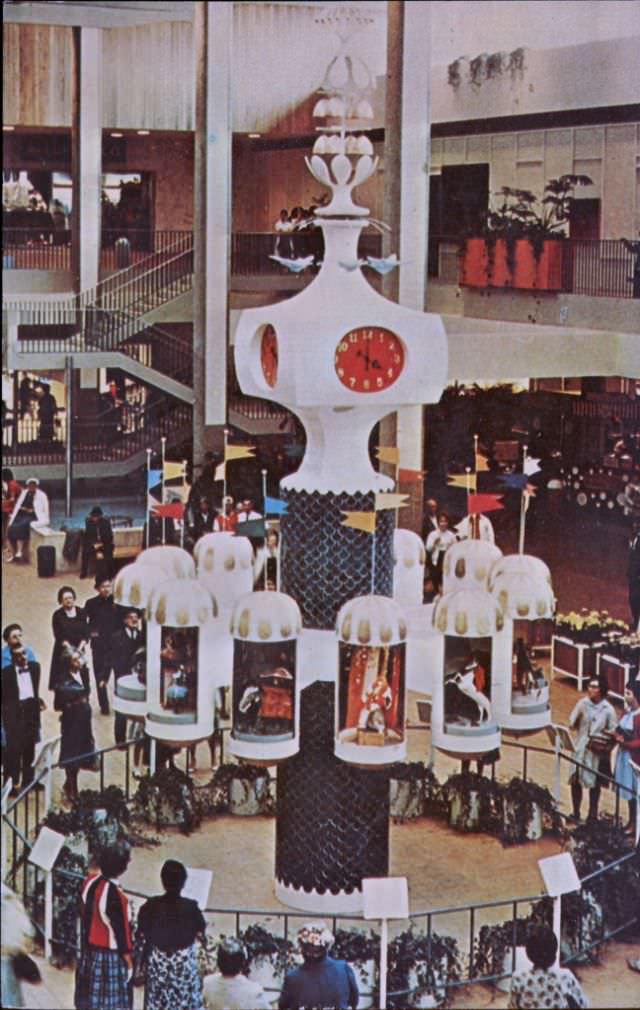
New York produced some of the decade’s most visually striking mall spaces. Midtown Plaza in Rochester, which opened in 1962, was one of the first enclosed urban shopping malls in the United States. Its centerpiece was the “Clock of the Nations,” a large animated clock that became a beloved local landmark. The mall also featured dramatic interior spaces designed to feel like a street-level downtown, indoors and climate-controlled.
Oregon made its own mark on mall history. The Lloyd Center in Portland, which opened in 1960, was among the earliest large enclosed malls in the Pacific Northwest and famously included an indoor ice rink. By the middle of the decade, Portland planners were also promoting the concept of the “climate-controlled mall” as a regional selling point — a direct acknowledgment that indoor shopping was now a lifestyle choice, not just a practical one.
Texas contributed some of the decade’s most celebrated retail spaces. NorthPark Center in Dallas opened in 1965 and immediately set a new standard. Its clean modernist design incorporated commissioned art throughout the building, treating the mall interior as a cultural space, not just a commercial one. It drew shoppers who came as much for the experience as for the stores.
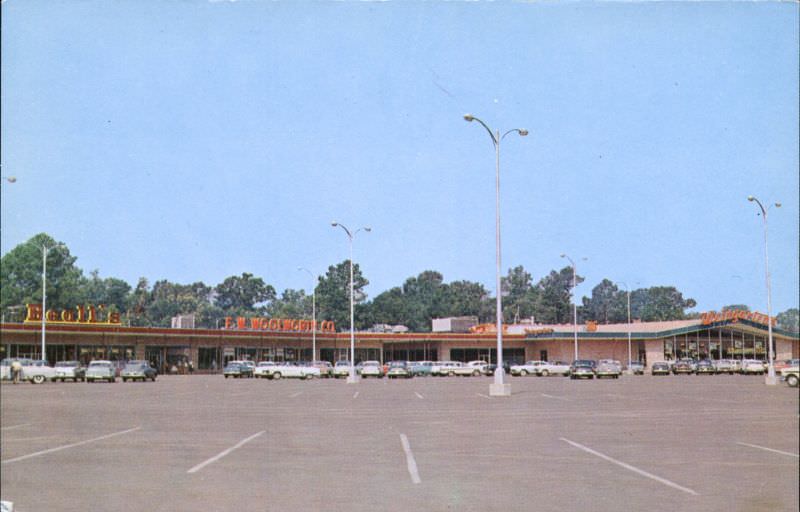
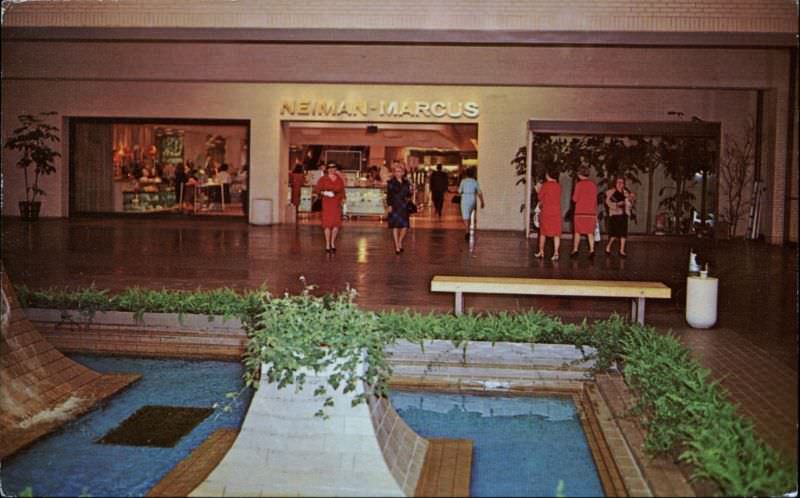
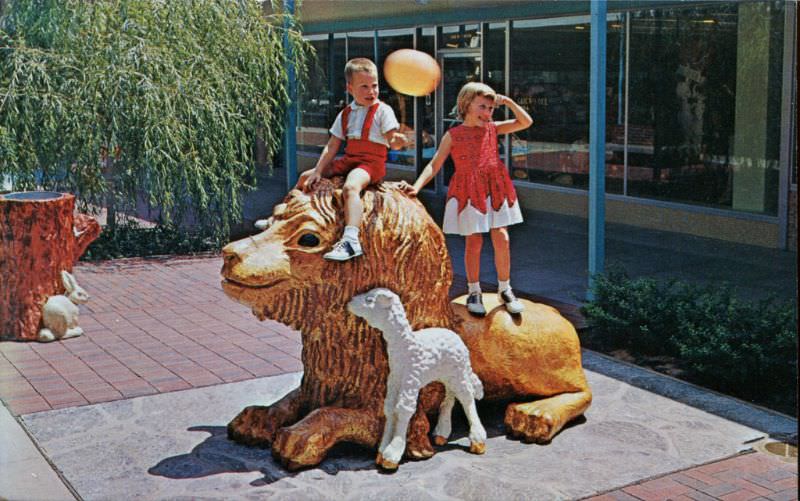
From Washington State to the Pacific Coast, malls continued to take root in communities large and small. Teenagers used them as meeting points. Families made them Saturday destinations. Civic groups held events there. Concerts and art shows filled their common areas. The 1960s shopping mall was simultaneously a store, a social club, a public square, and a symbol of what postwar American prosperity looked like at street level.