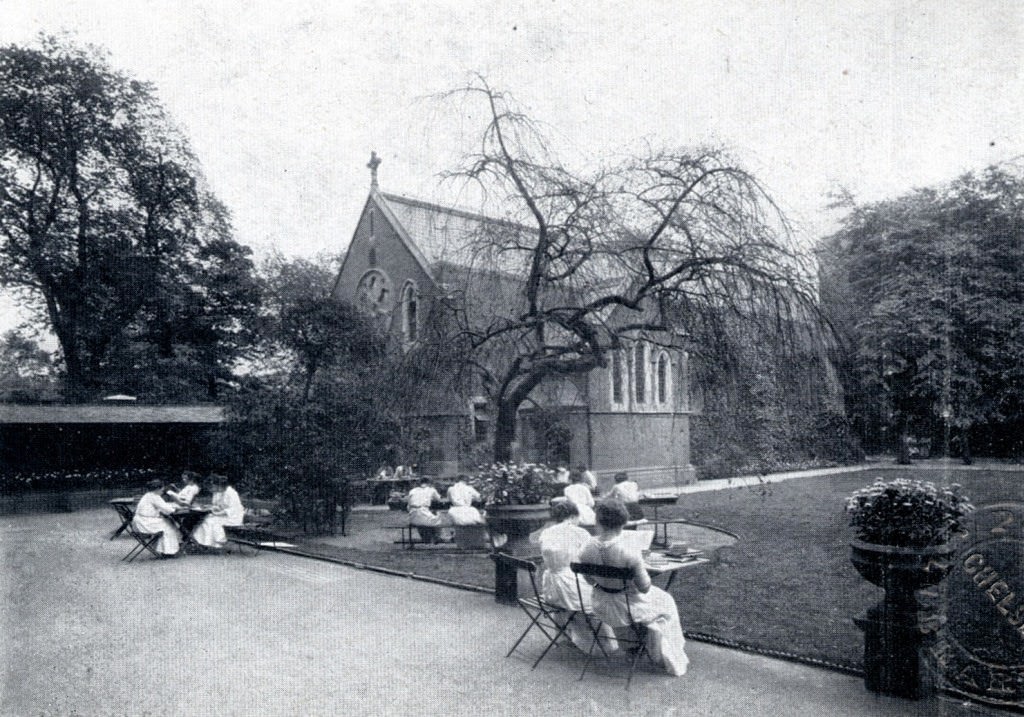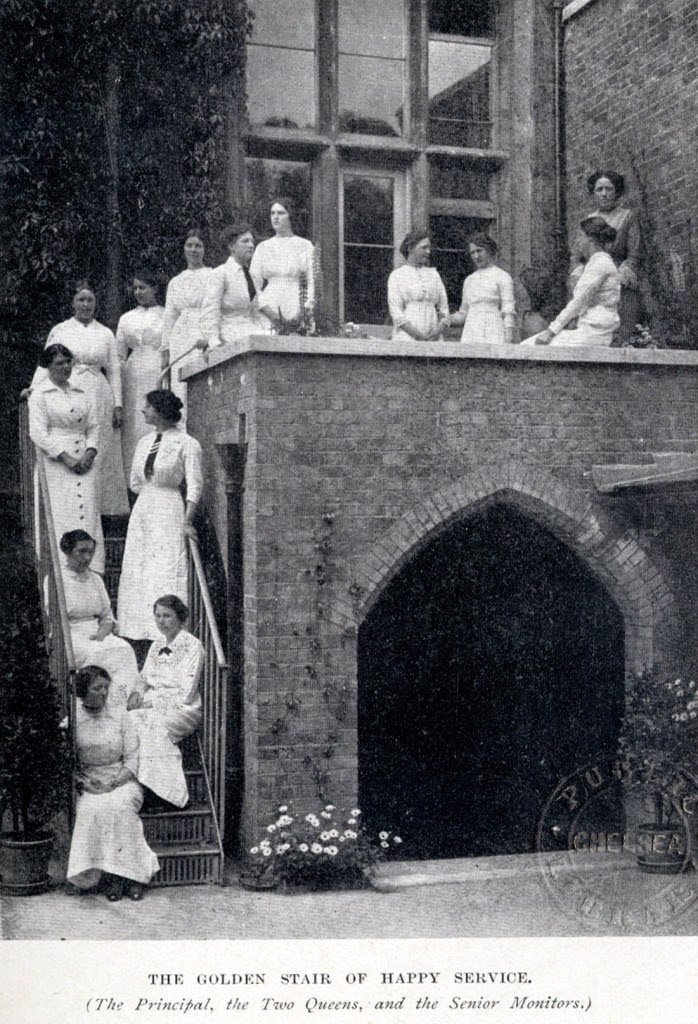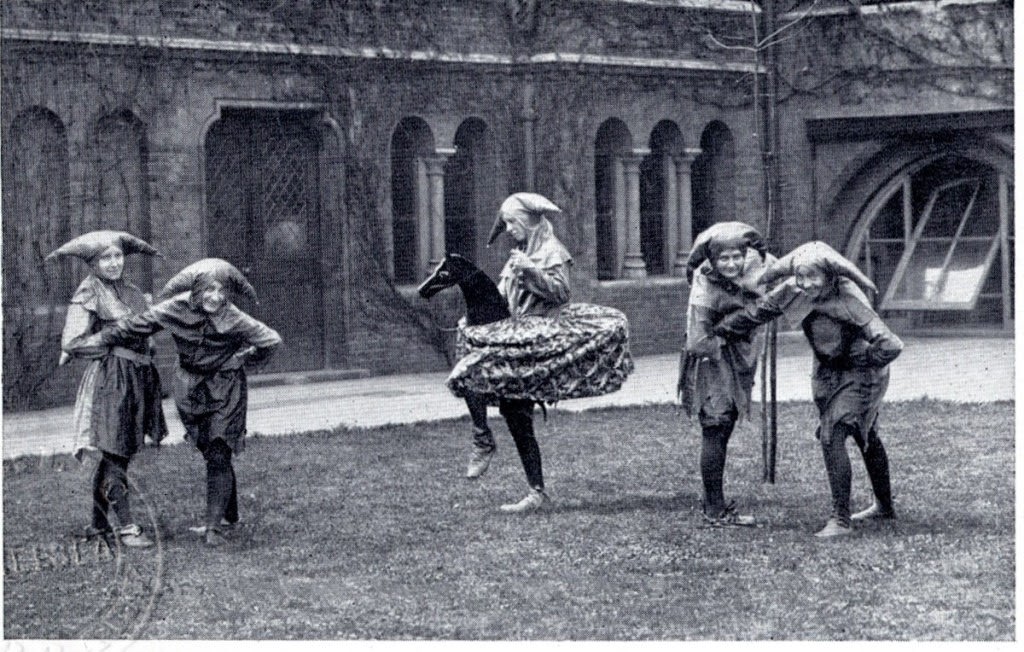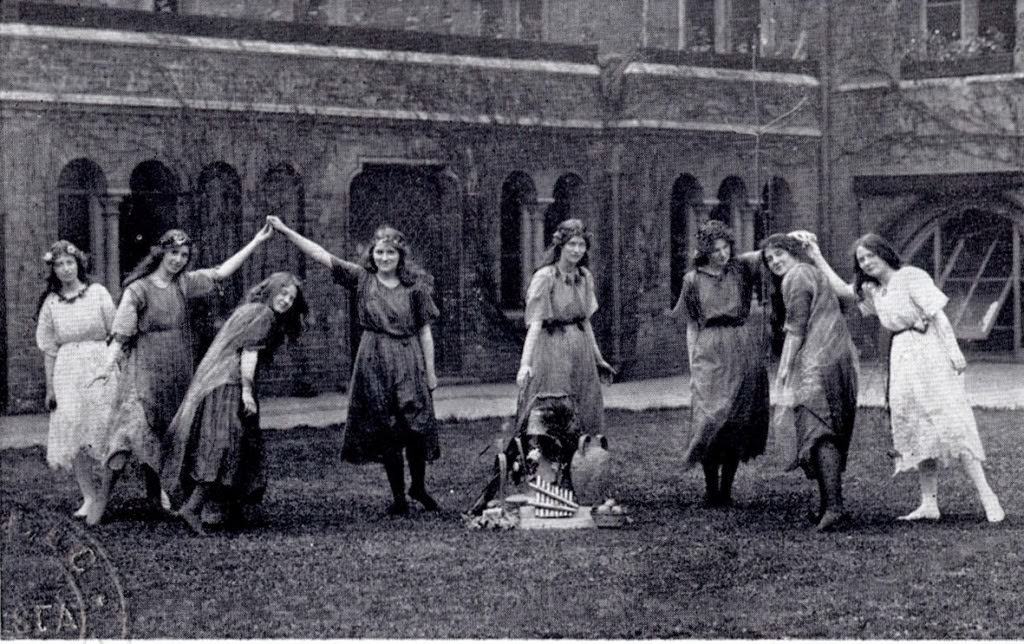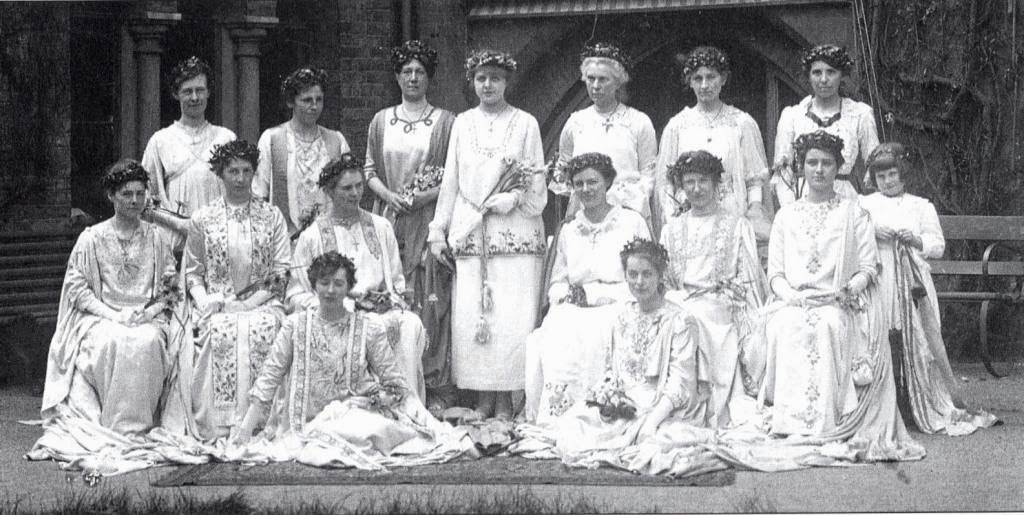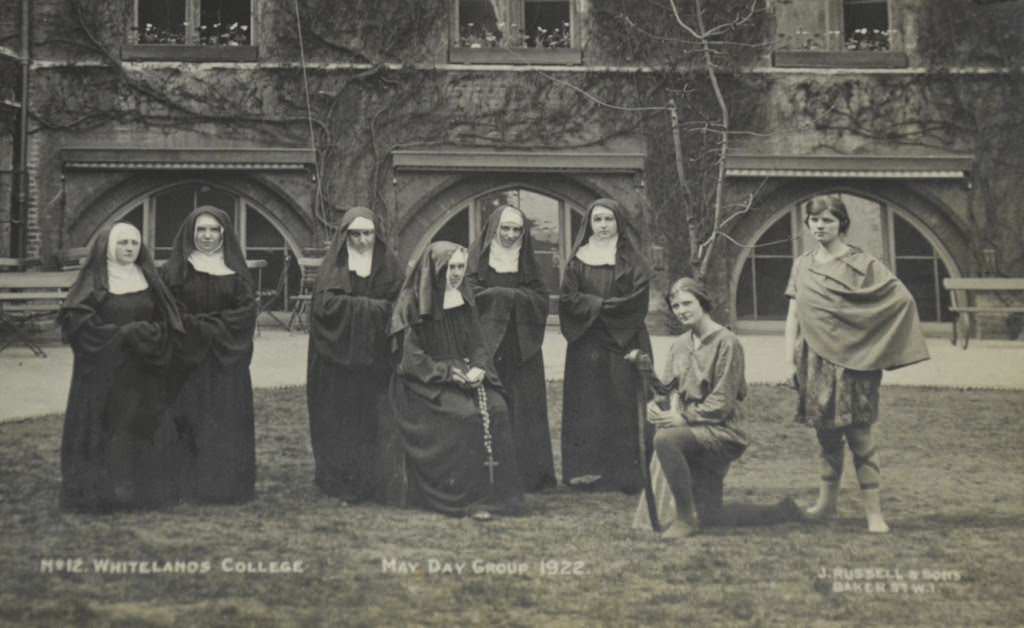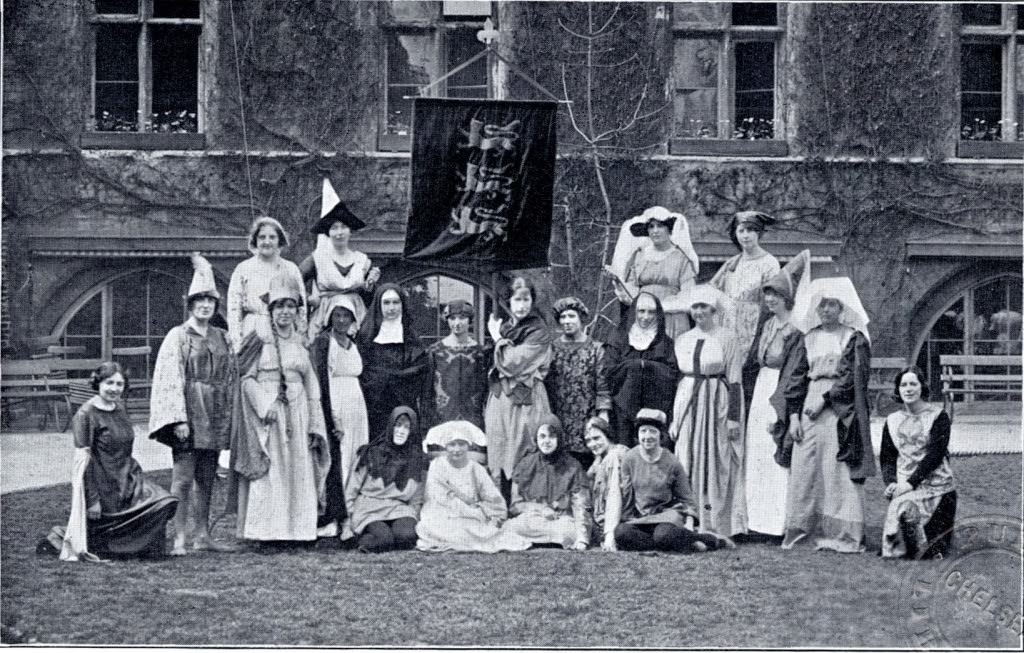

In 1881, the art critic John Ruskin introduced a unique tradition to Whitelands College. He believed the female students needed a celebration that honored beauty and nature amidst their rigorous teacher training. The college Principal, Reverend John Faunthorpe, enthusiastically adopted the idea. Together, they created a festival that blended the structure of a Christian service with the imagery of ancient folk customs. This event became the highlight of the academic year.
The Election of the Queen
The selection of the May Queen followed a specific set of rules laid out by Ruskin. The students did not vote for the most popular or the most intelligent girl in the school. Instead, they cast their ballots for the “likeablest and loveablest” student among them. This instruction ensured that the winner was chosen based on her kindness and good character. On the morning of the first of May, the staff tallied the votes and announced the new monarch to the excited student body.
The Royal Robes and the Gold Cross
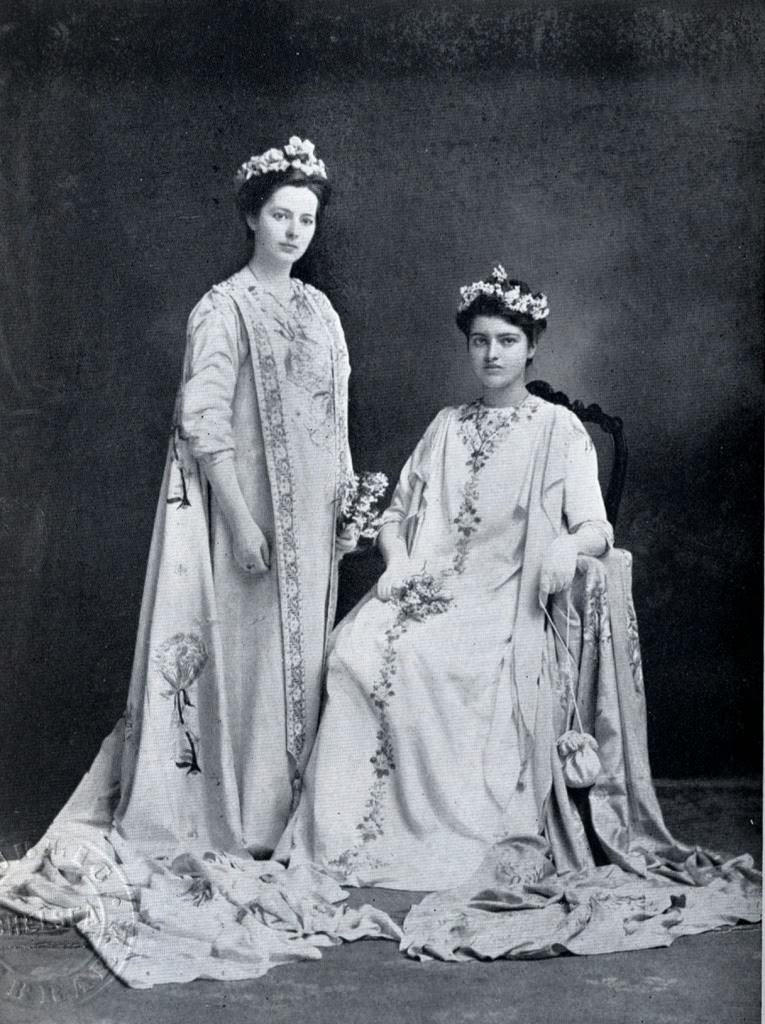
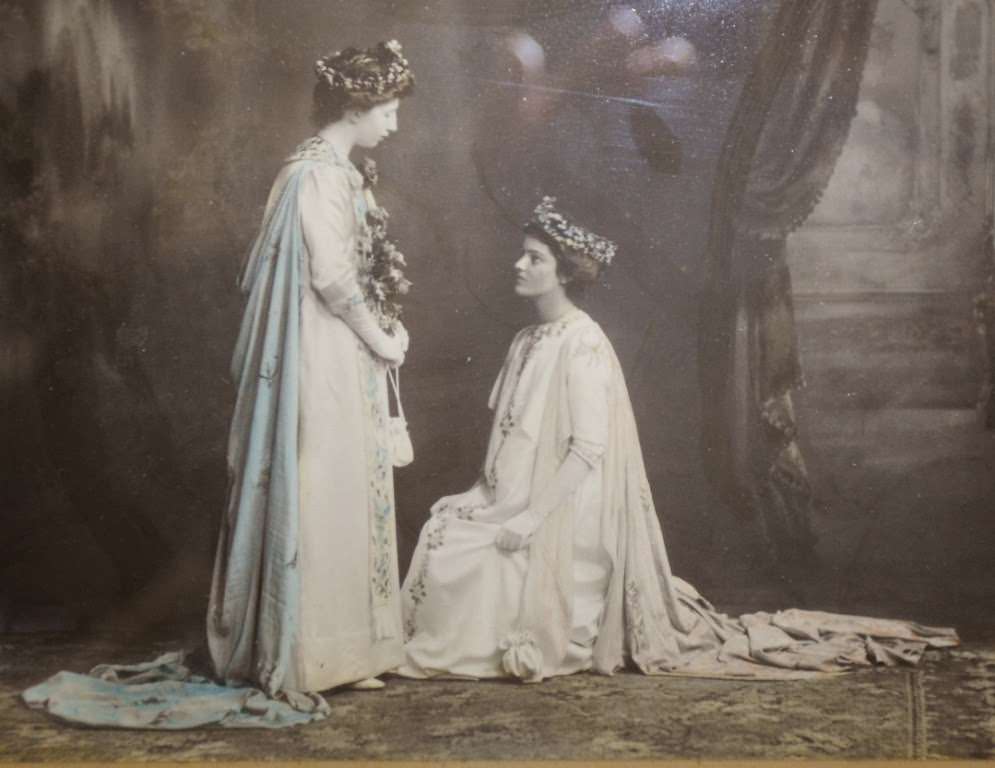
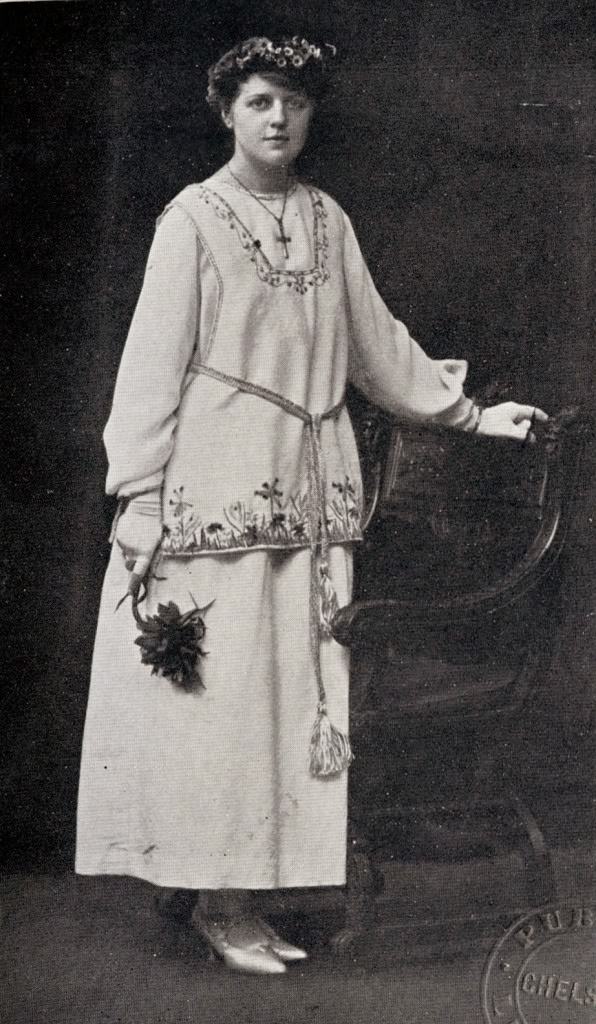
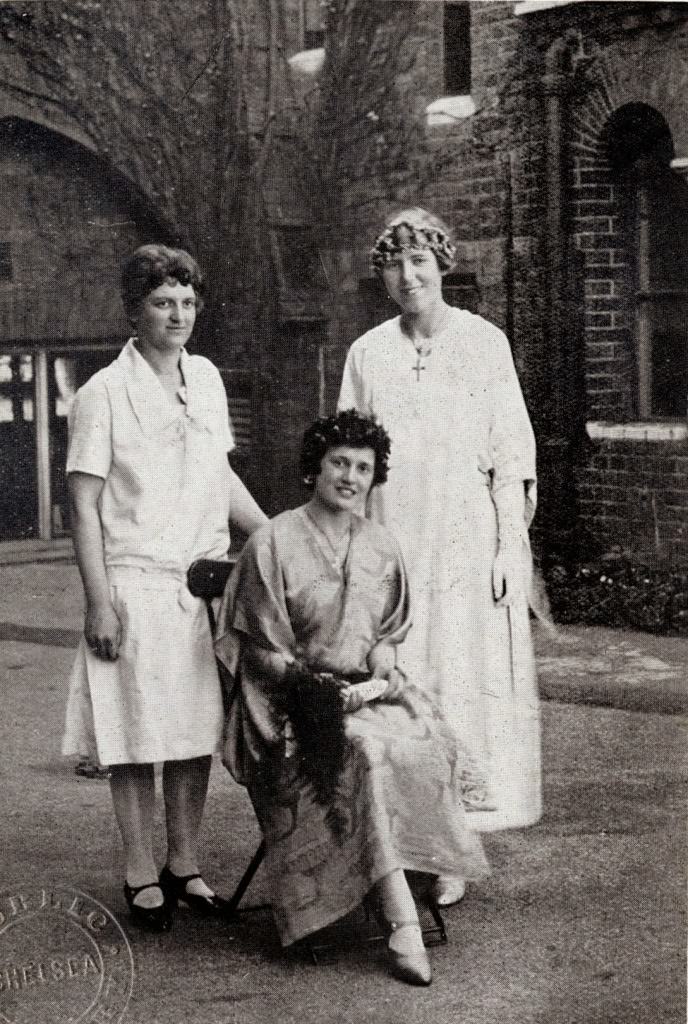
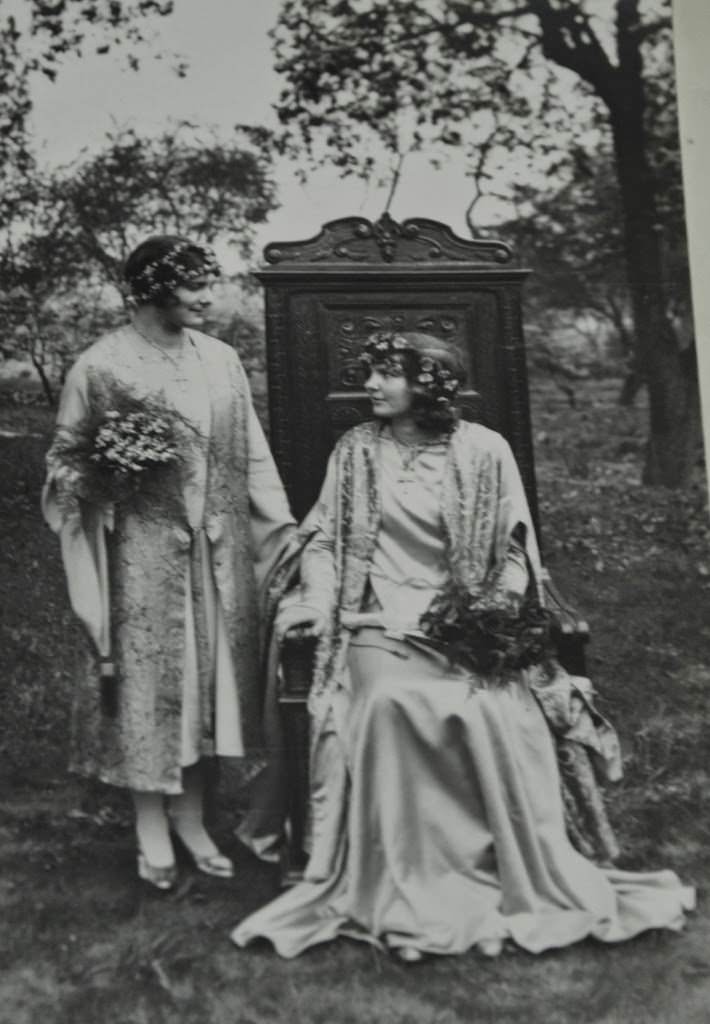
The May Queen wore a gown designed specifically for the occasion. These dresses were typically made of cream or white fabric and featured hand-stitched embroidery. To complete the outfit, John Ruskin donated a solid gold cross necklace every year. He commissioned artists to design these pieces, which often featured patterns of leaves or hawthorn blossoms. During the coronation, the Principal placed this valuable cross around the Queen’s neck as a permanent gift.
Read more
The Procession and Chapel Service
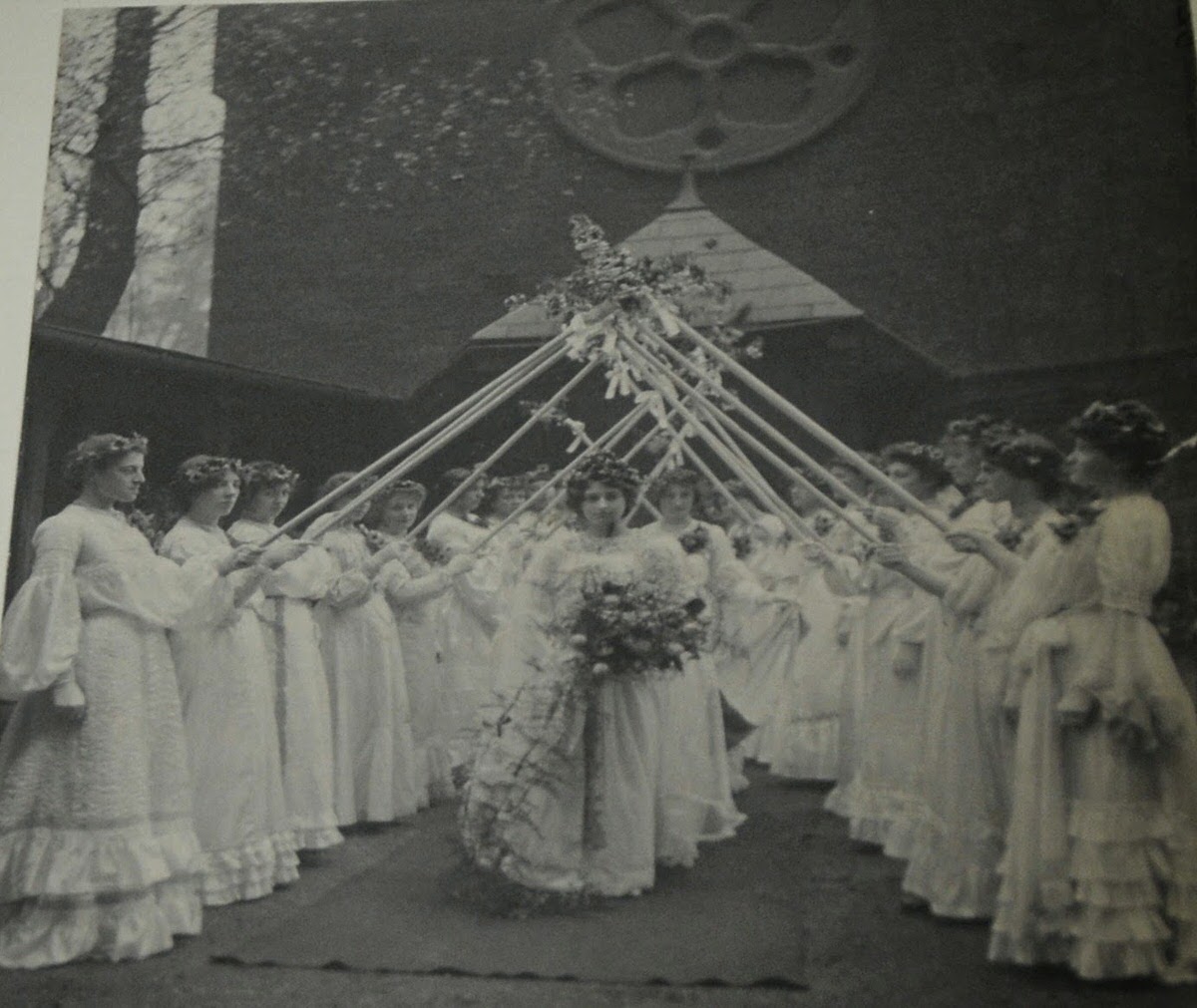
The festival day began with a solemn religious ceremony. The students, dressed in white frocks, processed into the college chapel. They carried garlands of fresh flowers and branches gathered from the gardens. The service included specific hymns and prayers dedicated to the season. The May Queen knelt before the altar, grounding the day’s festivities in the college’s Anglican faith before the secular celebrations began.
Maypole Dancing and Duties
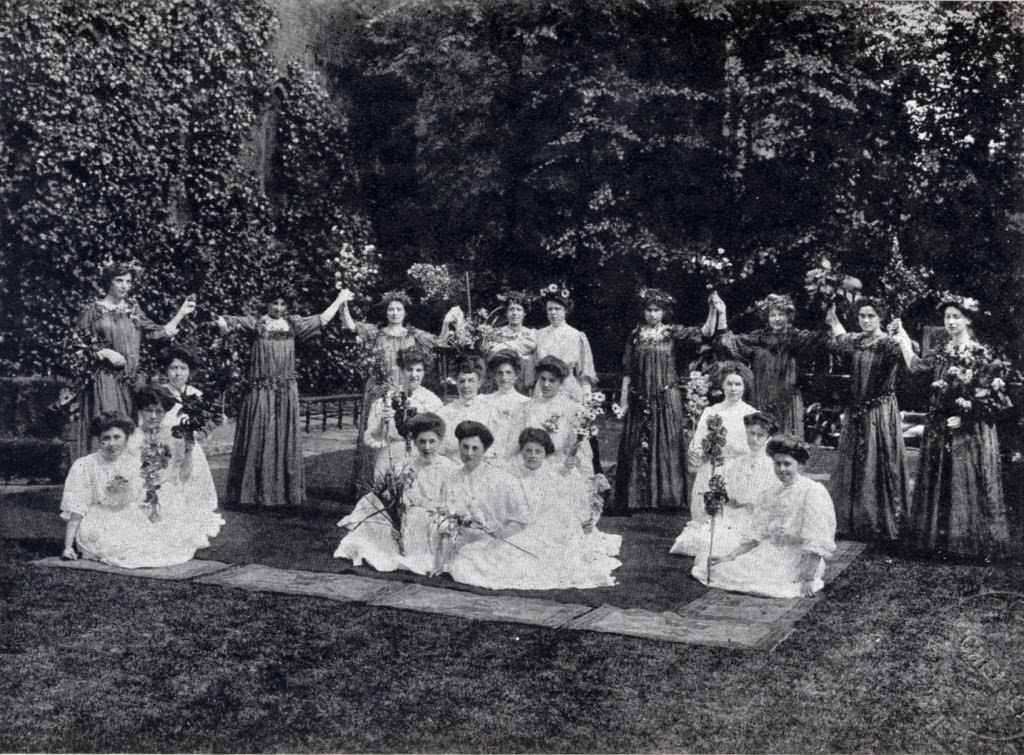
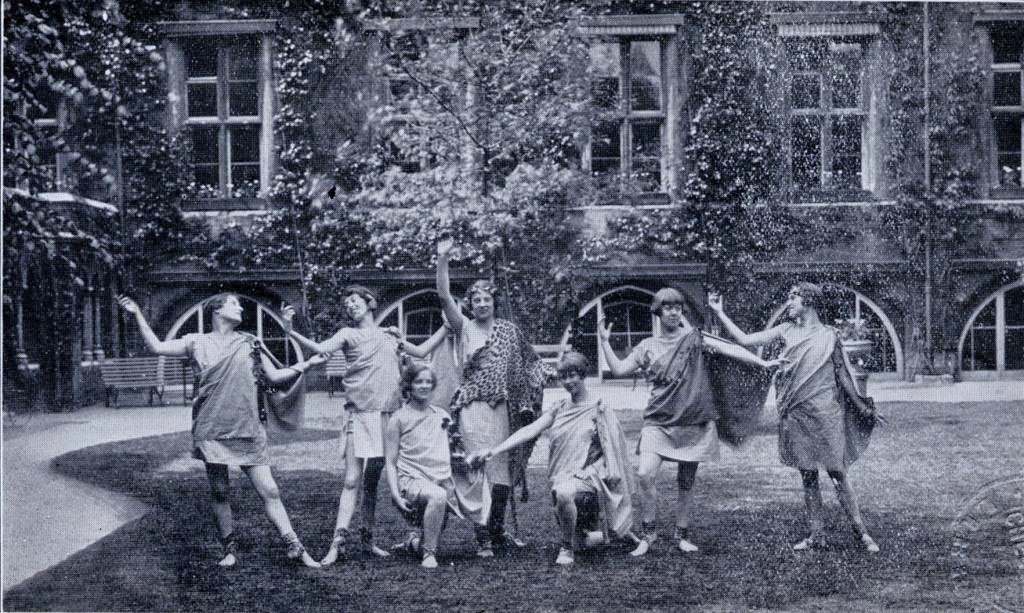
After the chapel service, the energy of the day shifted to the outdoors. The students gathered on the lawn to dance around a tall Maypole. They held long, colorful ribbons and wove them into intricate patterns as they circled the pole. The Queen watched these performances from a throne covered in greenery. Her role involved more than just sitting; she had specific responsibilities to fulfill. She distributed books to her peers and directed charitable donations to the local poor, acting as a leader for her community for the day.