In the early 1900s, the draft horse was America’s primary source of raw pulling power. These animals often weighed over a ton and were bred specifically for strength and endurance. They hauled timber, coal, and grain through city streets and along unpaved rural roads. On farms, they pulled plows, harrows, and seed drills across heavy soil, allowing a single farmer to work far more land in a day than human labor alone could manage.
Four breeds dominated the era: the Percheron, Belgian, Shire, and Clydesdale. Belgians were prized for sheer pulling force. Percherons combined muscle with agility, making them useful in both open fields and tighter city spaces. Shires and Clydesdales, tall and steady-tempered, became favorites on busy urban streets where reliability mattered as much as strength.
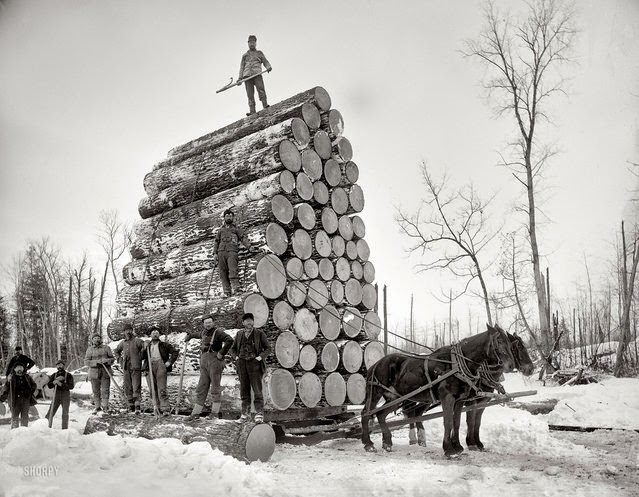
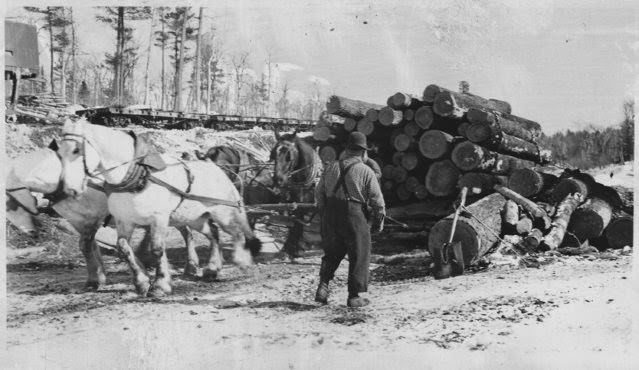
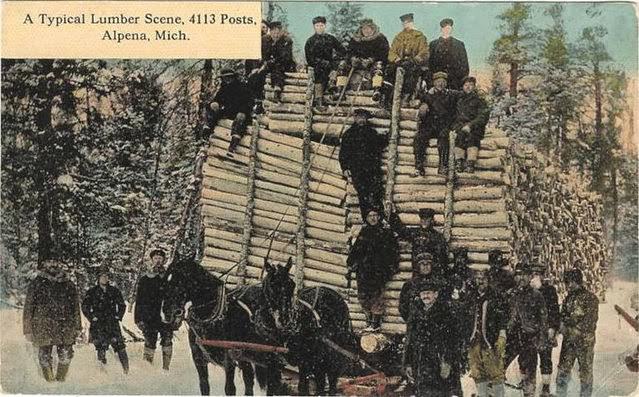
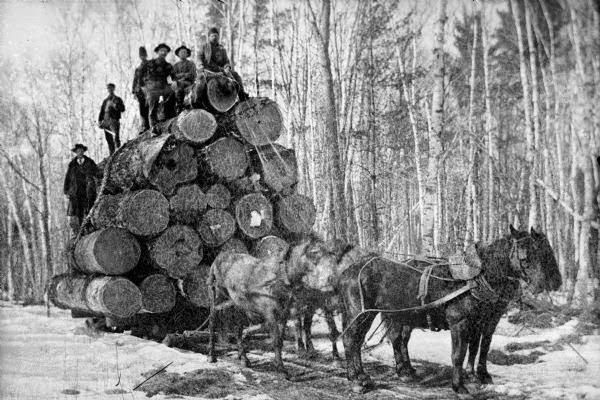
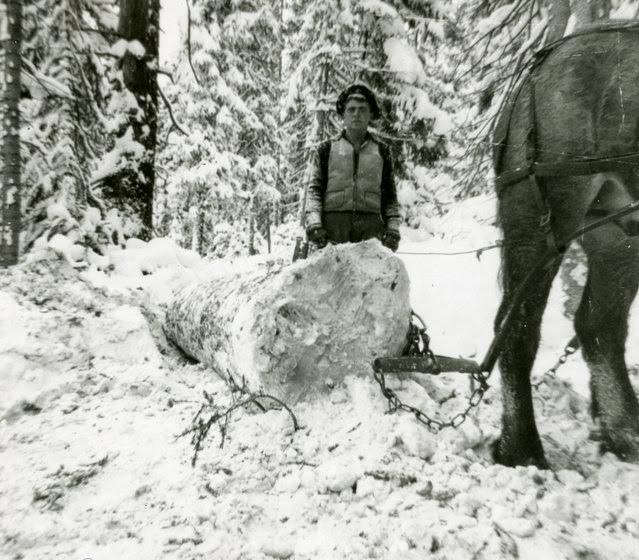
Logging camps put draft horses to some of their hardest work. Teams dragged massive logs from deep inside forests to riverbanks or rail lines, navigating muddy and uneven terrain that early trucks simply could not handle. In winter, they hauled loaded sleighs across frozen ground with the same steady effort they gave in warmer months.
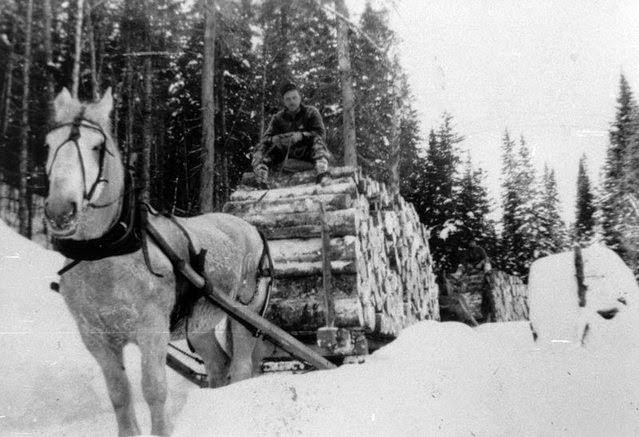
Timber operations relied on horses to move logs to stream banks, where they were stacked and held for the spring drive — a seasonal flood that carried logs downstream to mills. The horses’ sure-footedness made them irreplaceable in these wet, rough conditions.
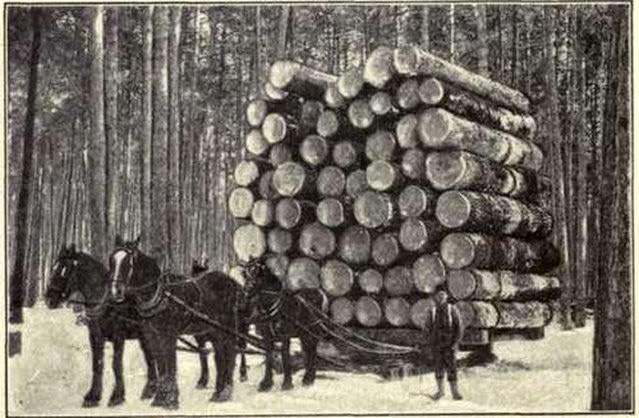
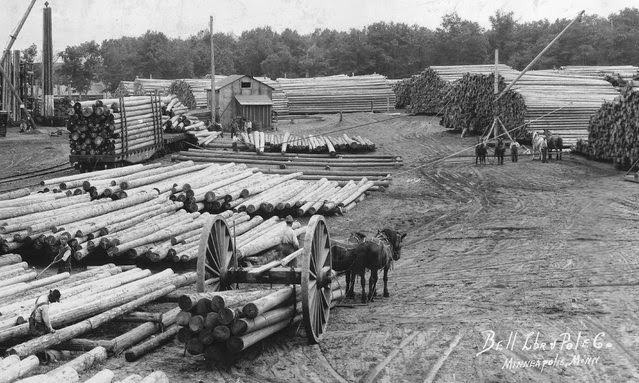
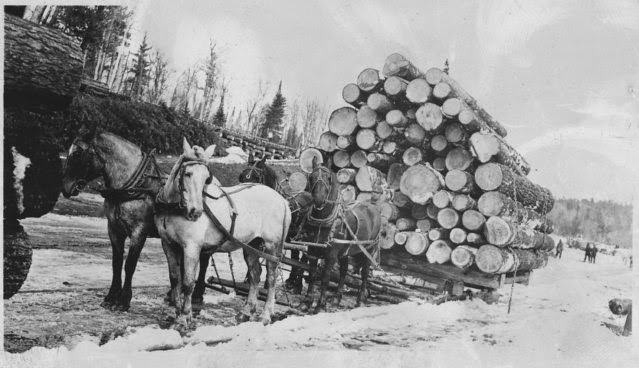
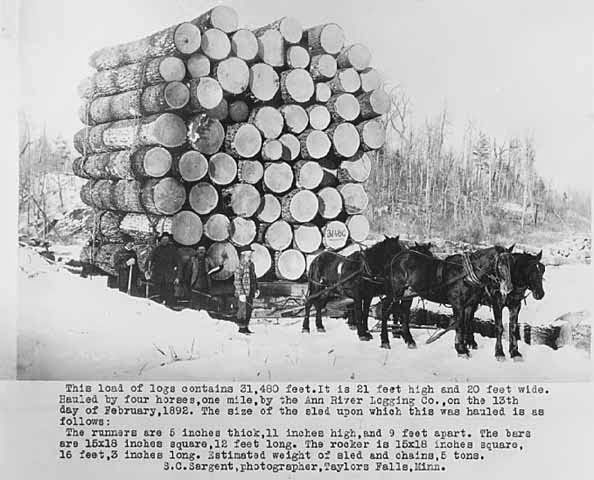
The loads these teams hauled were extraordinary. A single sled could carry tens of thousands of board feet of timber, the weight distributed across runners that glided over packed snow or frozen dirt. Skilled teamsters managed the horses’ pace, harness tension, and rest intervals to prevent injury during these grueling hauls.
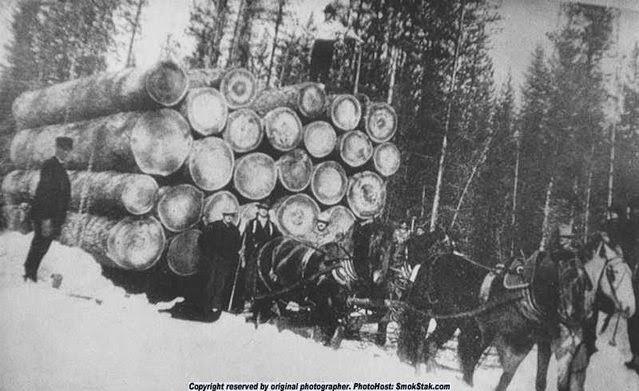
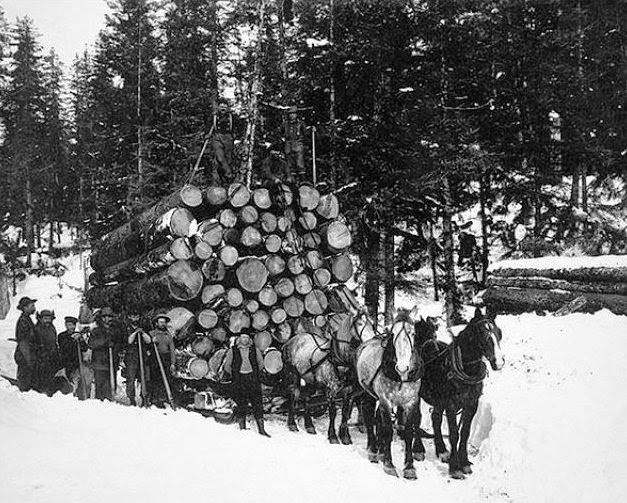
Operations stretched into remote and harsh regions. Teams worked government railway corridors in Alaska, pulling log sleighs dozens of miles from the nearest town. Feeding these animals was a serious daily commitment — oats, hay, and fresh water kept them capable of long hours under heavy loads.
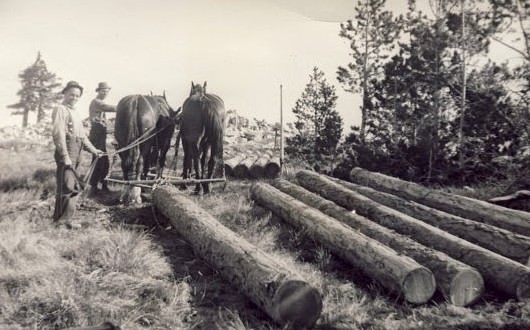
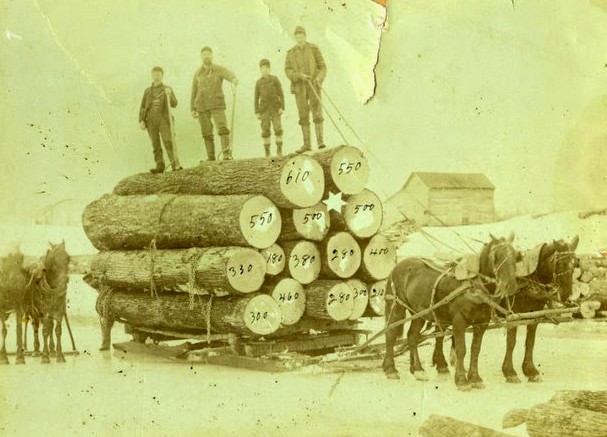
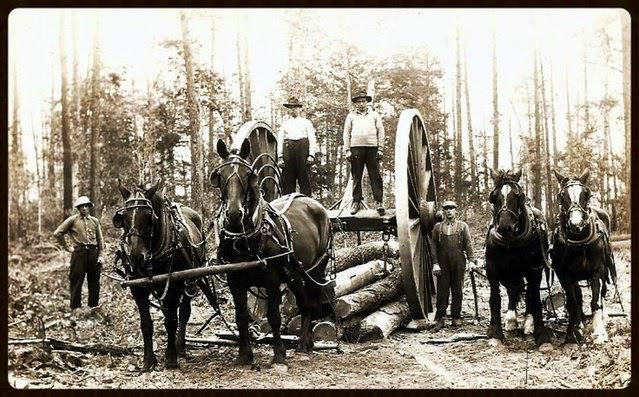
Logging crews often recorded the board footage directly on the logs themselves, tracking the value of each load. The teamsters and laborers posed alongside their horses with visible pride — these animals were partners in the work, not just tools.
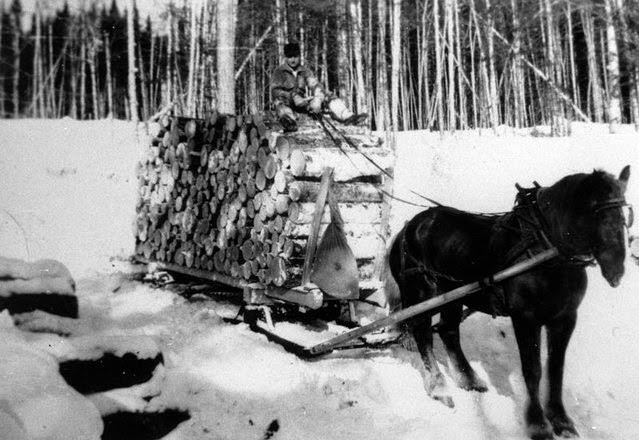
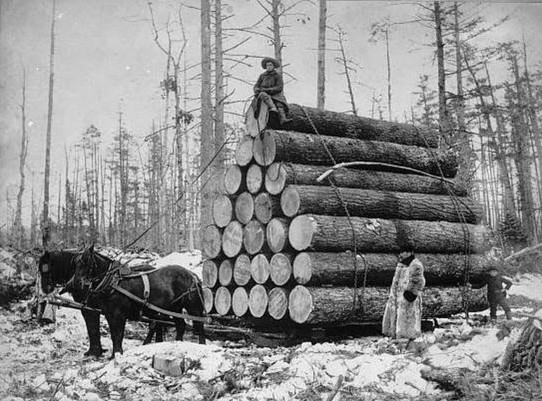
Even as motorized trucks became more common after World War I, many logging and hauling operations kept horse teams on the payroll. Early engines lacked the traction and reliability that experienced horse teams delivered in remote terrain.
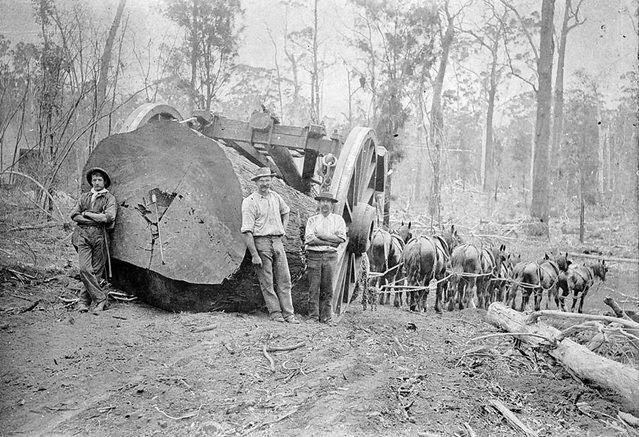
Specialized equipment was developed to work alongside horse teams. Log jinkers and large-wheeled frames lifted the front end of a log off the ground, reducing drag and letting a single horse move timber that would otherwise require far more effort.
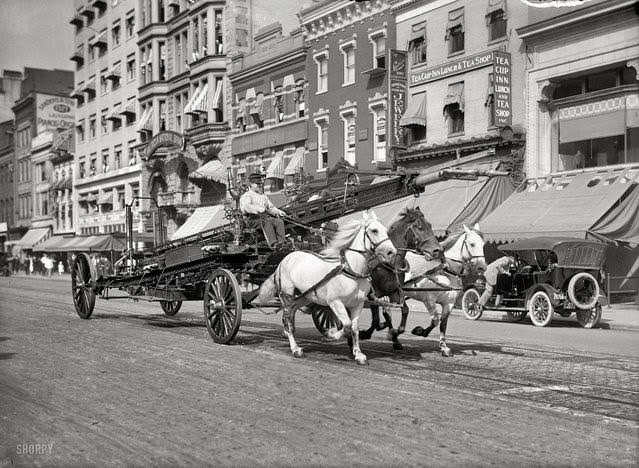
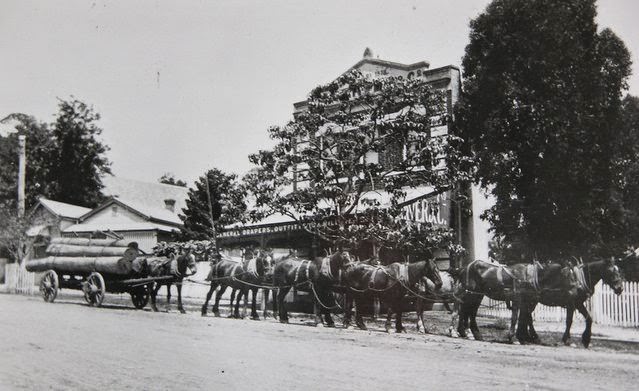
In cities, draft horses pulled brewery wagons, delivery carts, street-cleaning equipment, and even fire department water towers at full gallop. Their steady temperament in chaotic urban environments made them as valuable on cobblestone streets as in forest clearings.