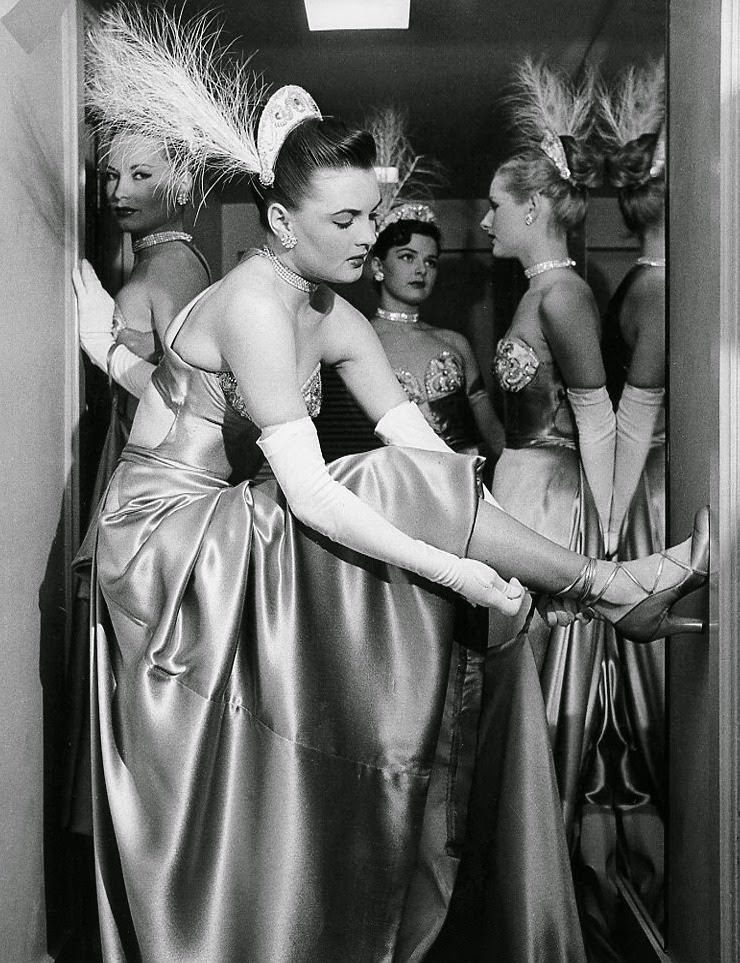
The chorus girls who lit up theaters and nightclubs in the 1940s and 1950s were known for flawless kicks, synchronized smiles, and sequined costumes that caught every beam of stage light. What audiences never saw was the controlled chaos happening just feet away from the curtain.
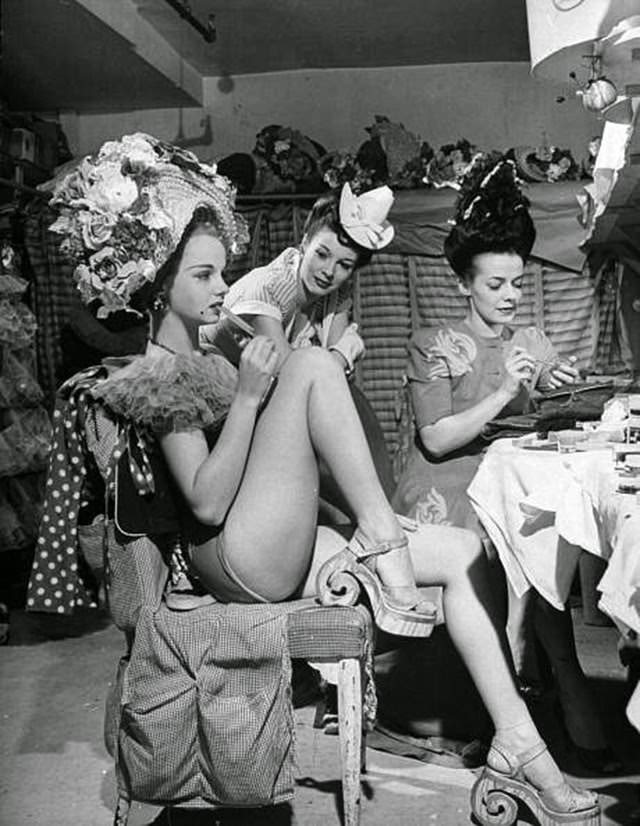
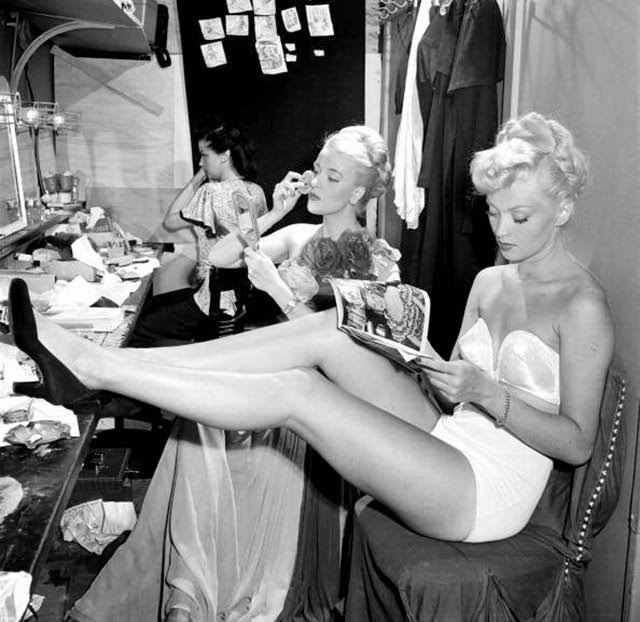
Backstage dressing rooms were tight, loud, and relentless. Rows of mirrored vanities lined the walls, each lit by warm bulbs that cast a glow over powdered faces and half-pinned hair. The air was thick with hairspray, face powder, and perfume—a scent that never fully left the room.

Every girl at her mirror worked with practiced precision. Stockings were checked, seams straightened, and lipstick applied without a second look. A crooked hem or smudged liner was not an option. Choreographers expected perfection, and the women delivered it—every single night.
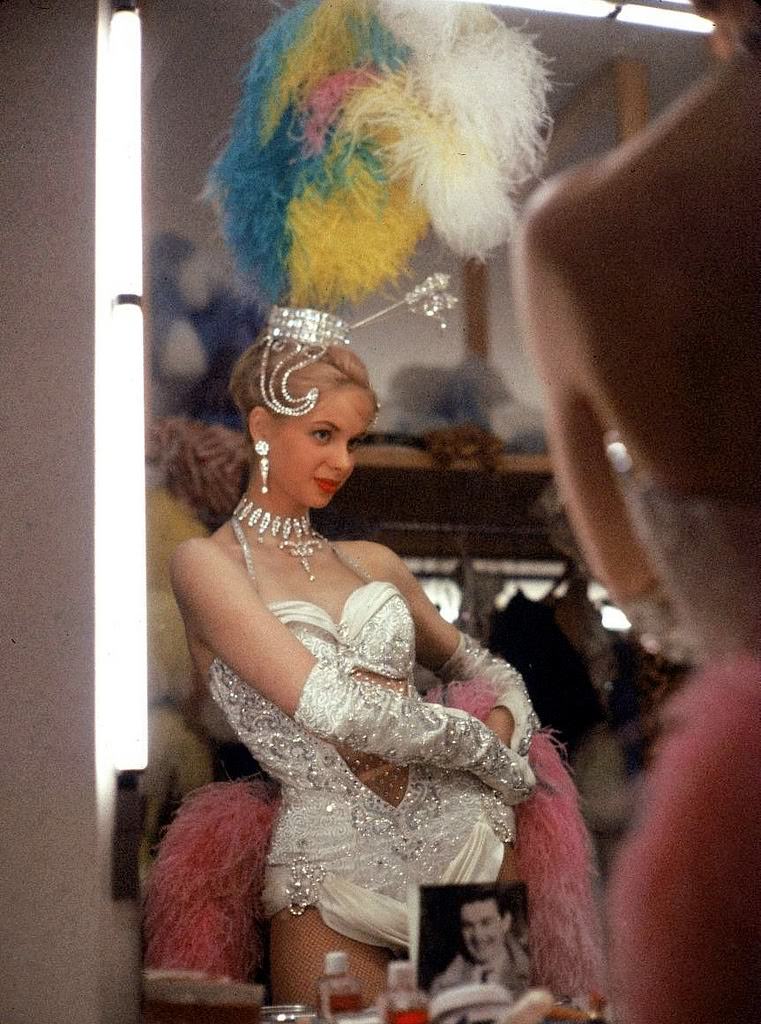
Las Vegas in the early 1950s was a booming stage for this world. The Riviera’s chorus girls were among the most photographed performers of the era, captured both mid-preparation and fully costumed. These rare images reveal the unglamorous reality that preceded every polished performance.
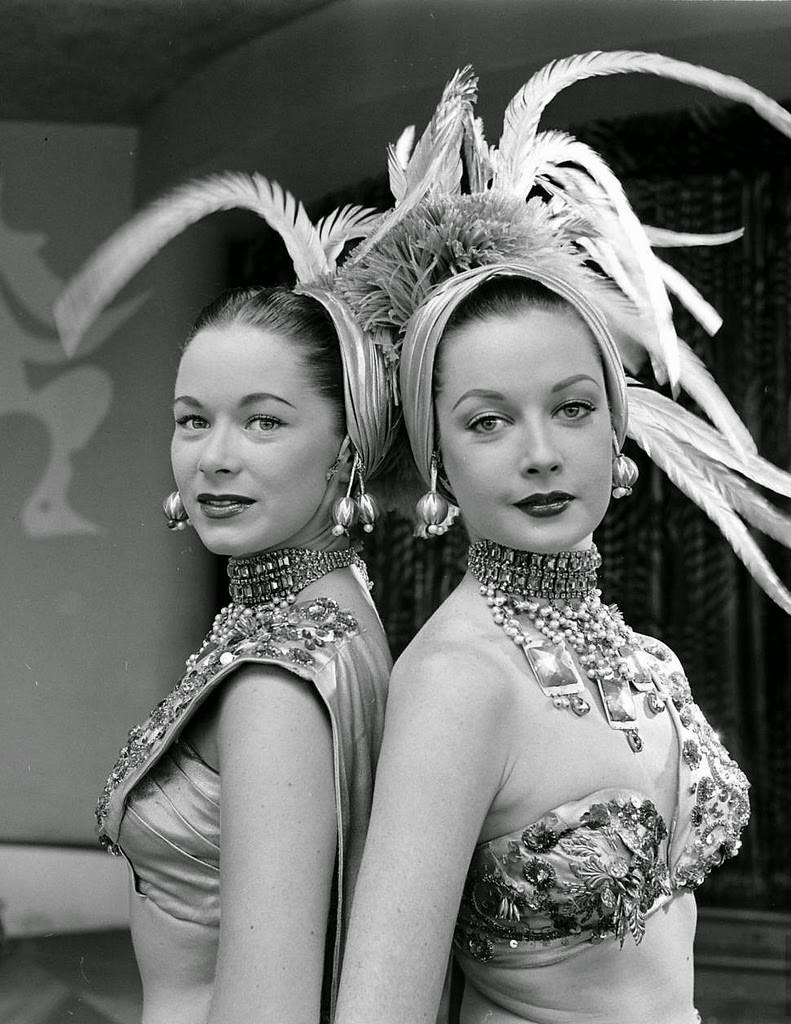
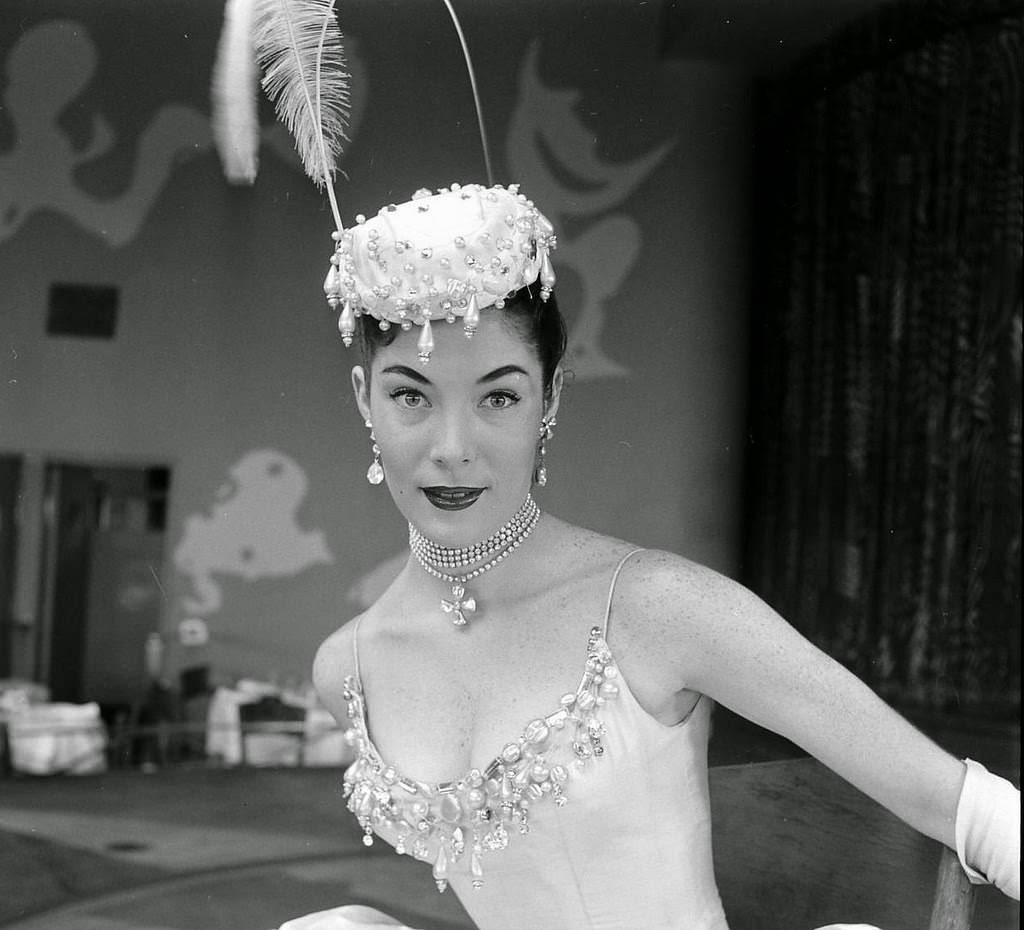
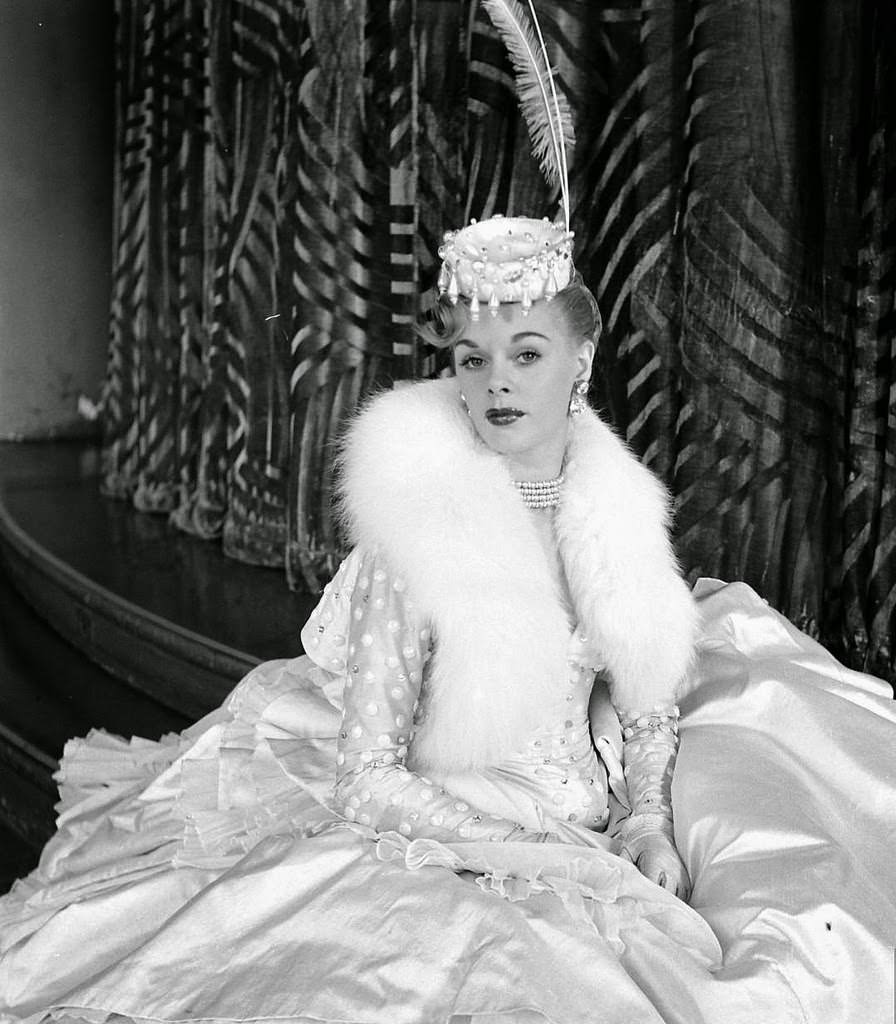
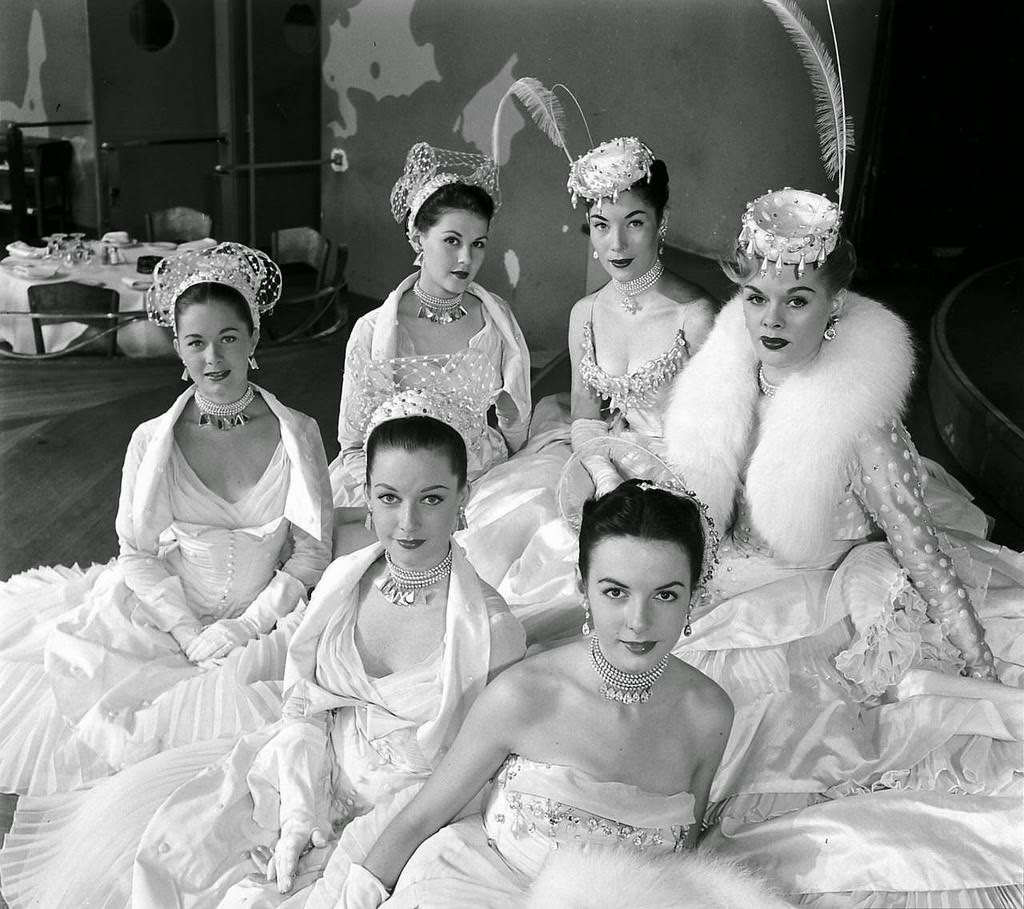
Stagehands moved through the room delivering last-minute costume repairs—replacing missing rhinestones, tightening straps, resewing hooks. In one corner, a girl in a robe rehearsed arm movements, eyes locked on her own reflection. Conversations overlapped: some laughing about a missed step in rehearsal, others quietly counting beats under their breath. The sound of tap shoes on wooden floors was constant.
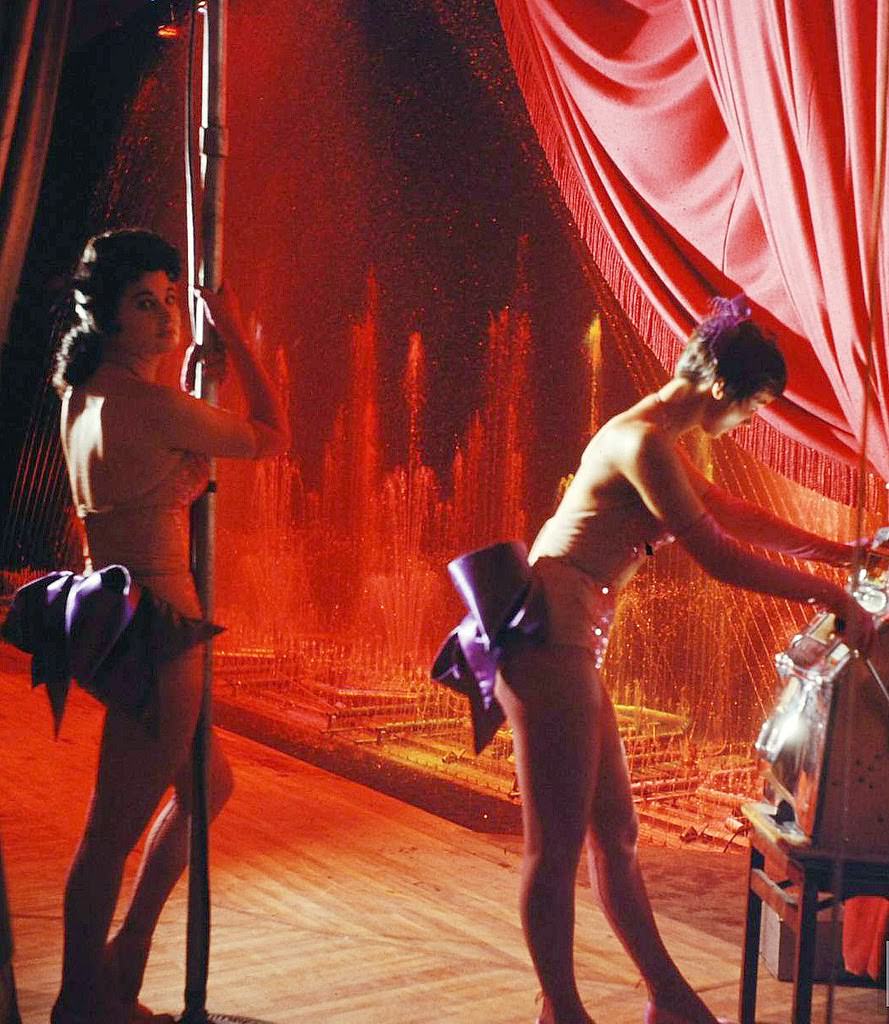
The backstage world extended well beyond Las Vegas. In Paris, the Lido produced some of the most celebrated showgirls in Europe. Among them were Alice and Ellen Kessler, German twins who became international stars through their appearances there in 1959.
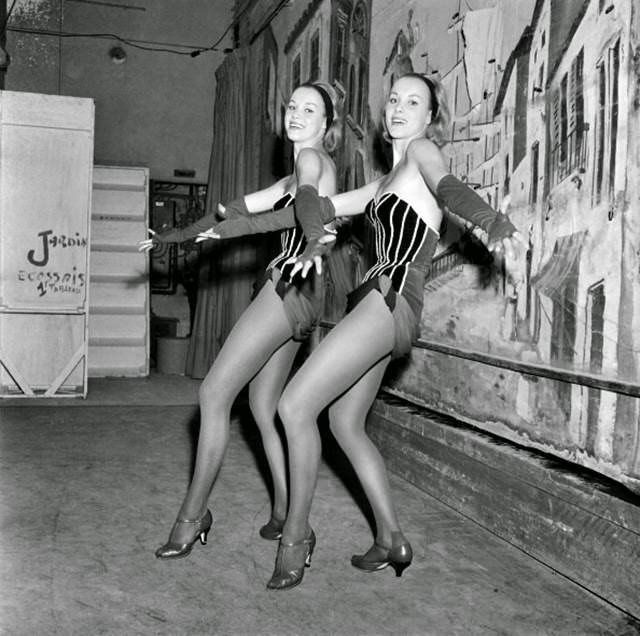
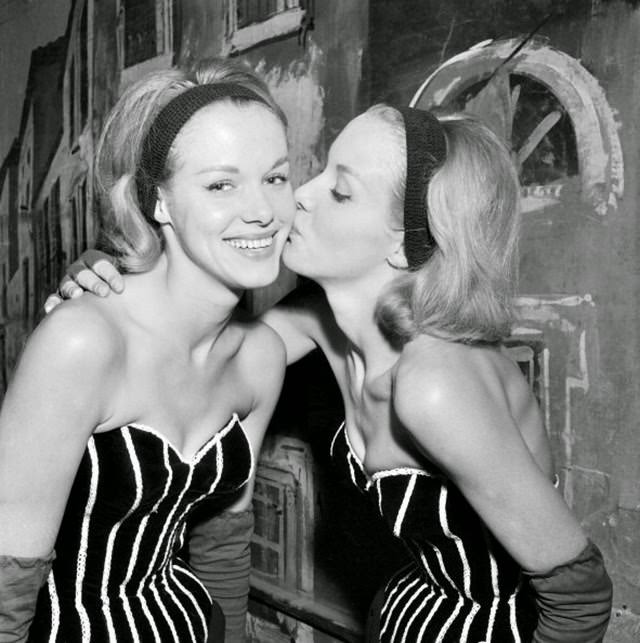
Across the Atlantic, chorus girls at Milan’s legendary La Scala opera house shared similarly cramped quarters. The dressing rooms there mixed the grandeur of one of the world’s most famous stages with the everyday grind of costume adjustments and makeup touch-ups.
When the stage manager called, everything stopped. Conversations cut off mid-sentence. Feather fans were grabbed, heels clicked into place, and every face shifted into show-ready composure. The transformation was instant and total.

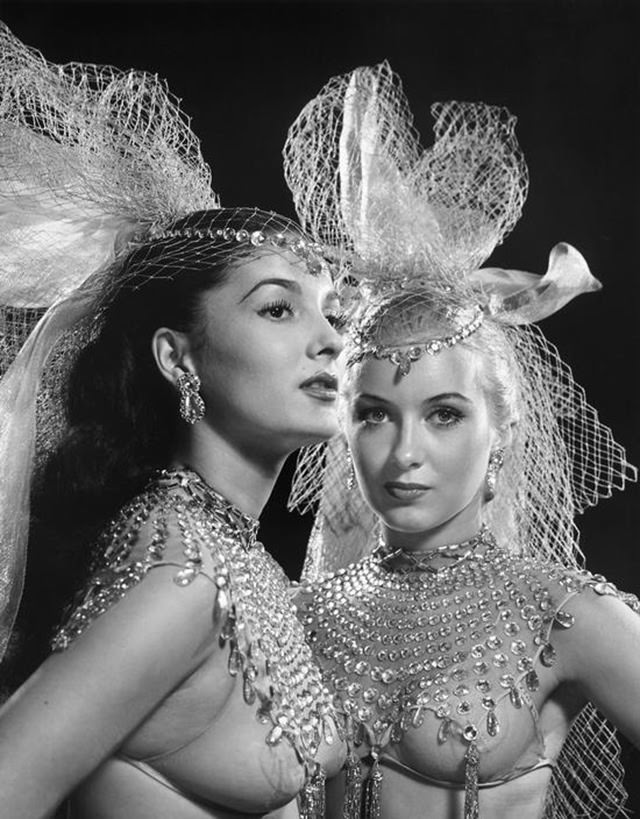
These women operated on split-second timing and near-military discipline. The dressing room was not a place to relax—it was the engine room of the show. What happened behind that curtain made everything that happened in front of it possible.