

Brussels in the 1980s was undergoing significant changes, influenced by its role as the de facto capital of the European Union. The city saw an influx of bureaucrats, diplomats, and foreign workers, which spurred economic growth. Numerous offices and institutions related to the EU opened their doors in Brussels, making the city a hub of European politics and decision-making.
Urban Development and Architecture
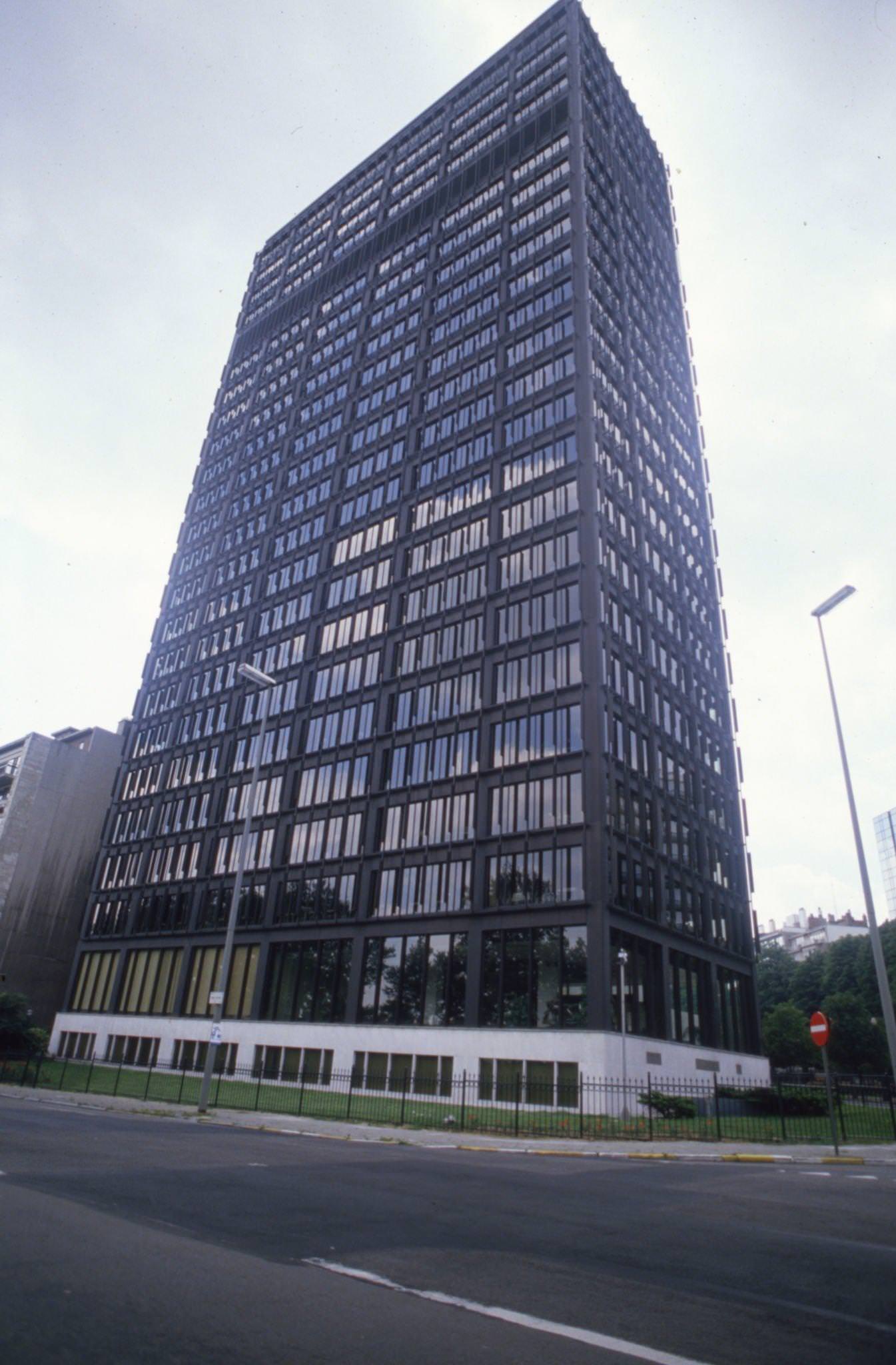
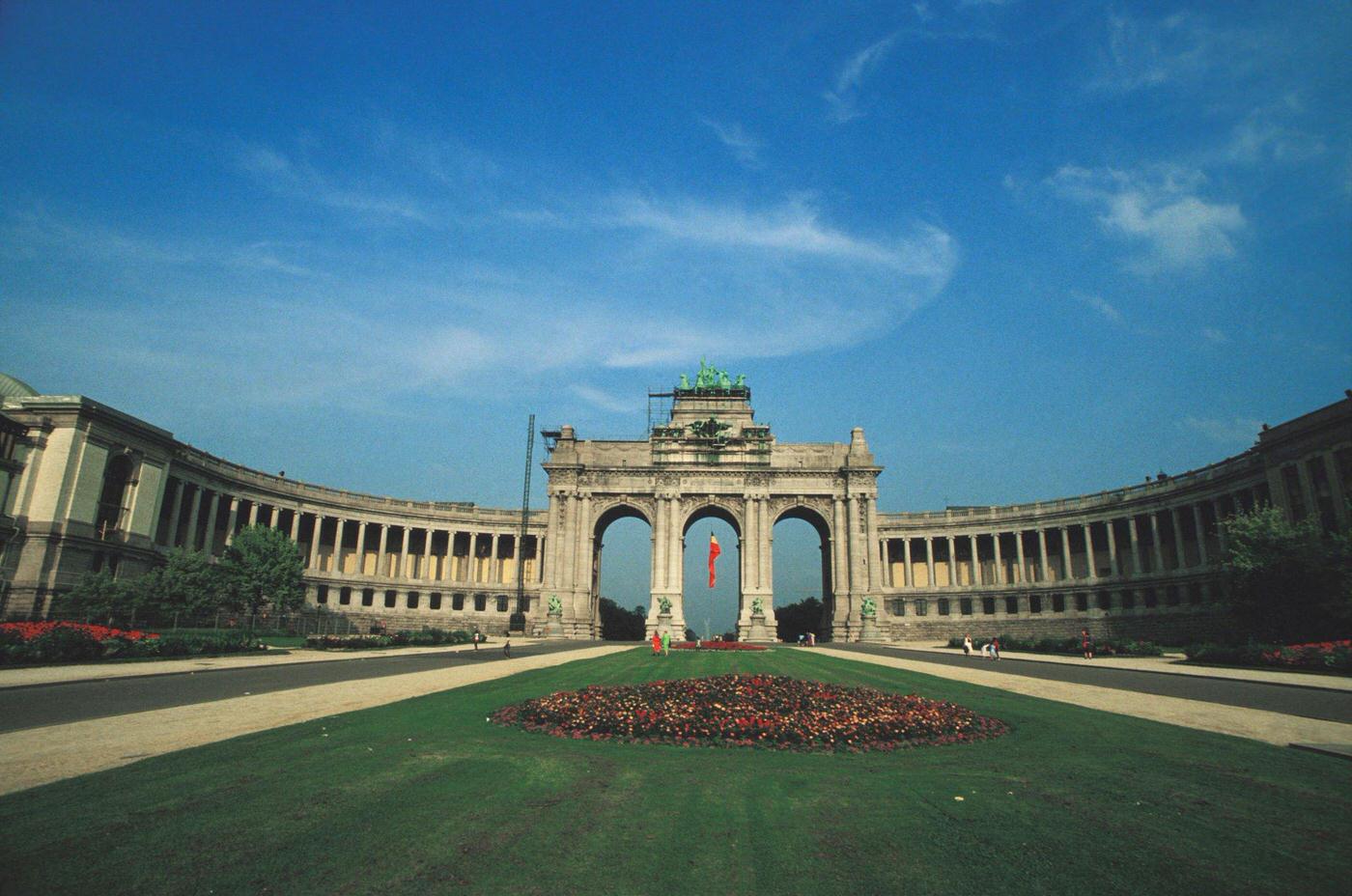
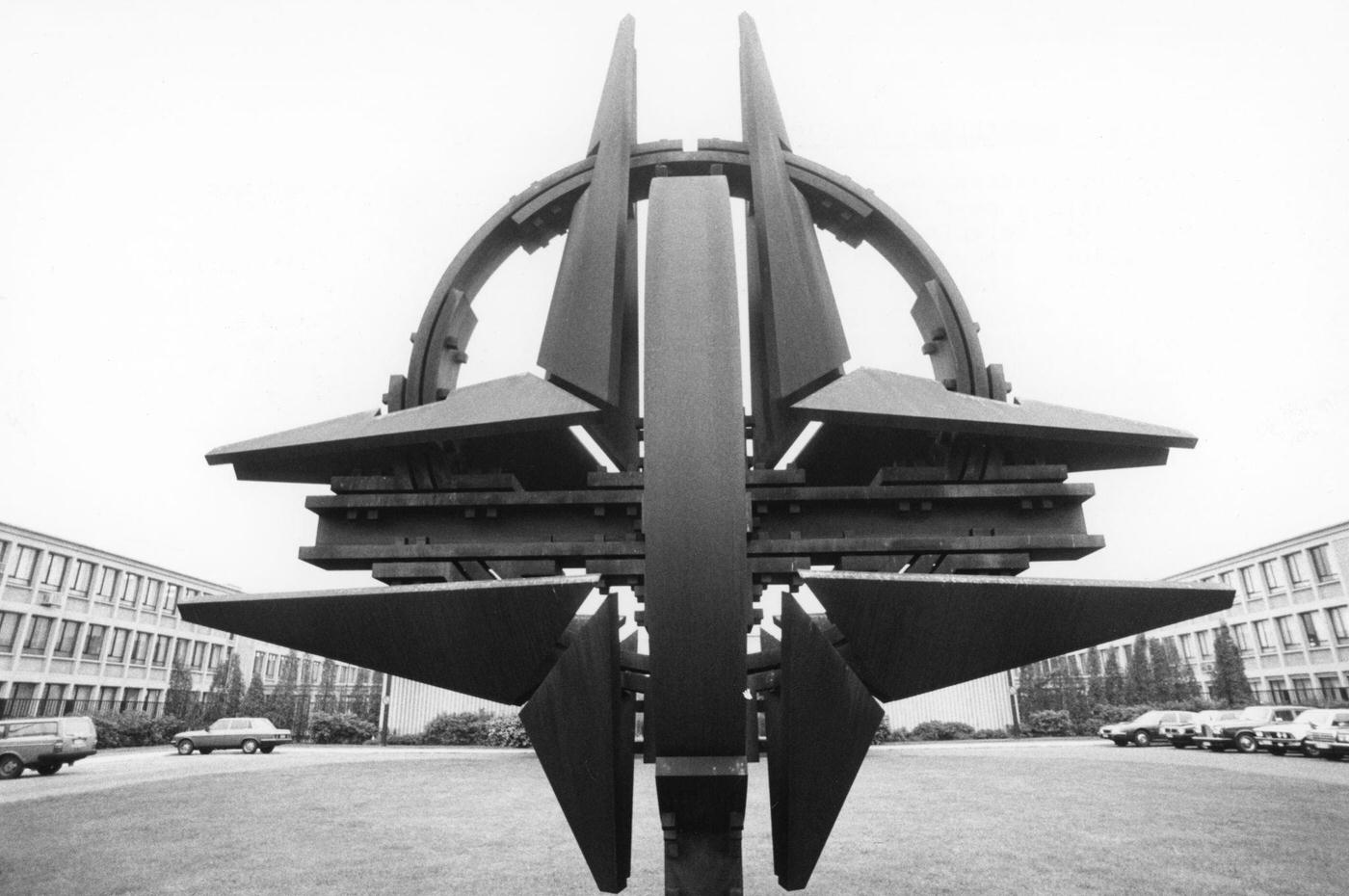
The ’80s witnessed several urban development projects aimed at accommodating the growing population and the needs of the EU institutions. The European Quarter, which houses key EU institutions, was a focus of such development efforts. This led to a change in the architectural landscape, with modern buildings often replacing older structures.
Social and Cultural Scene
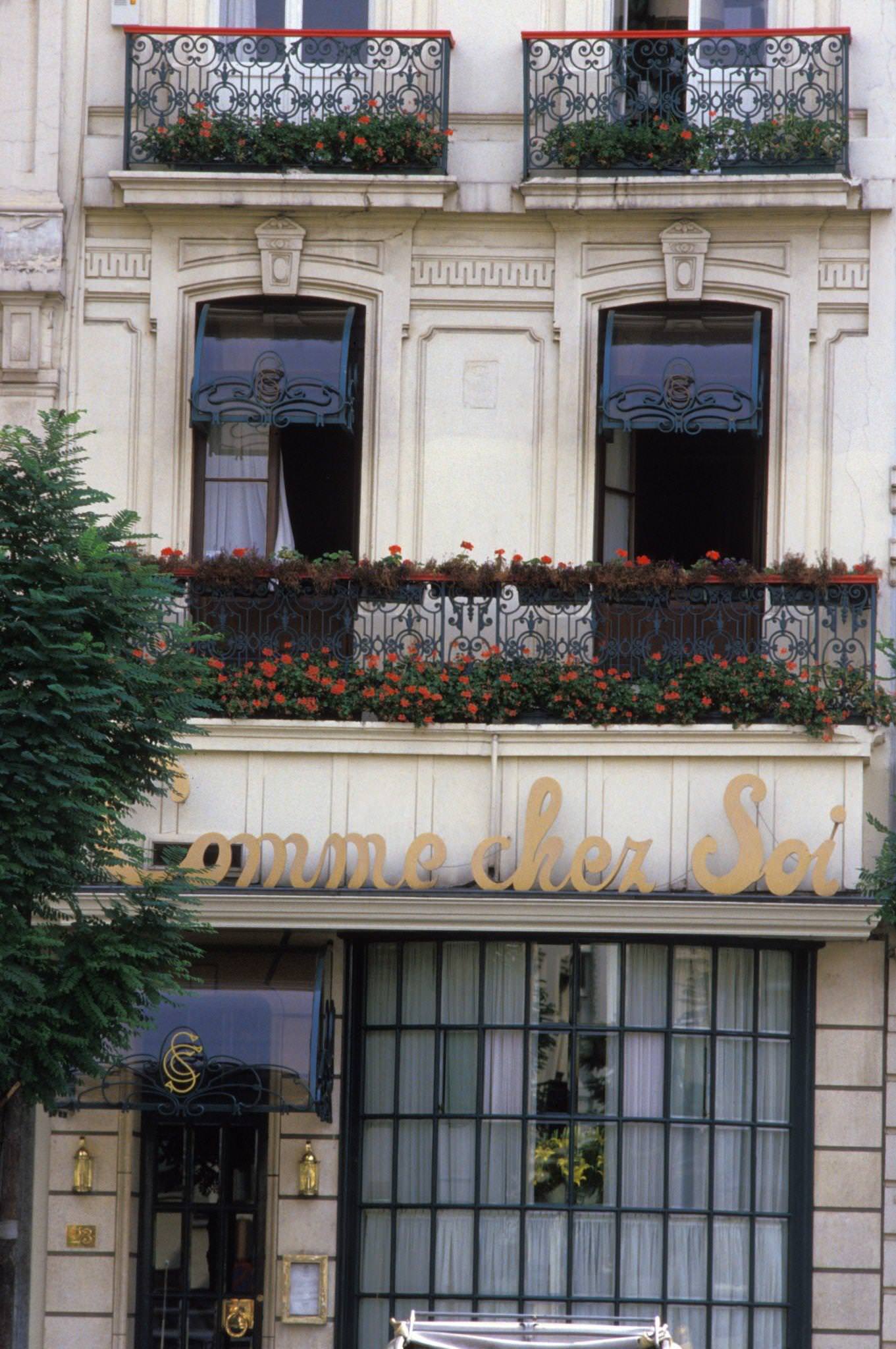
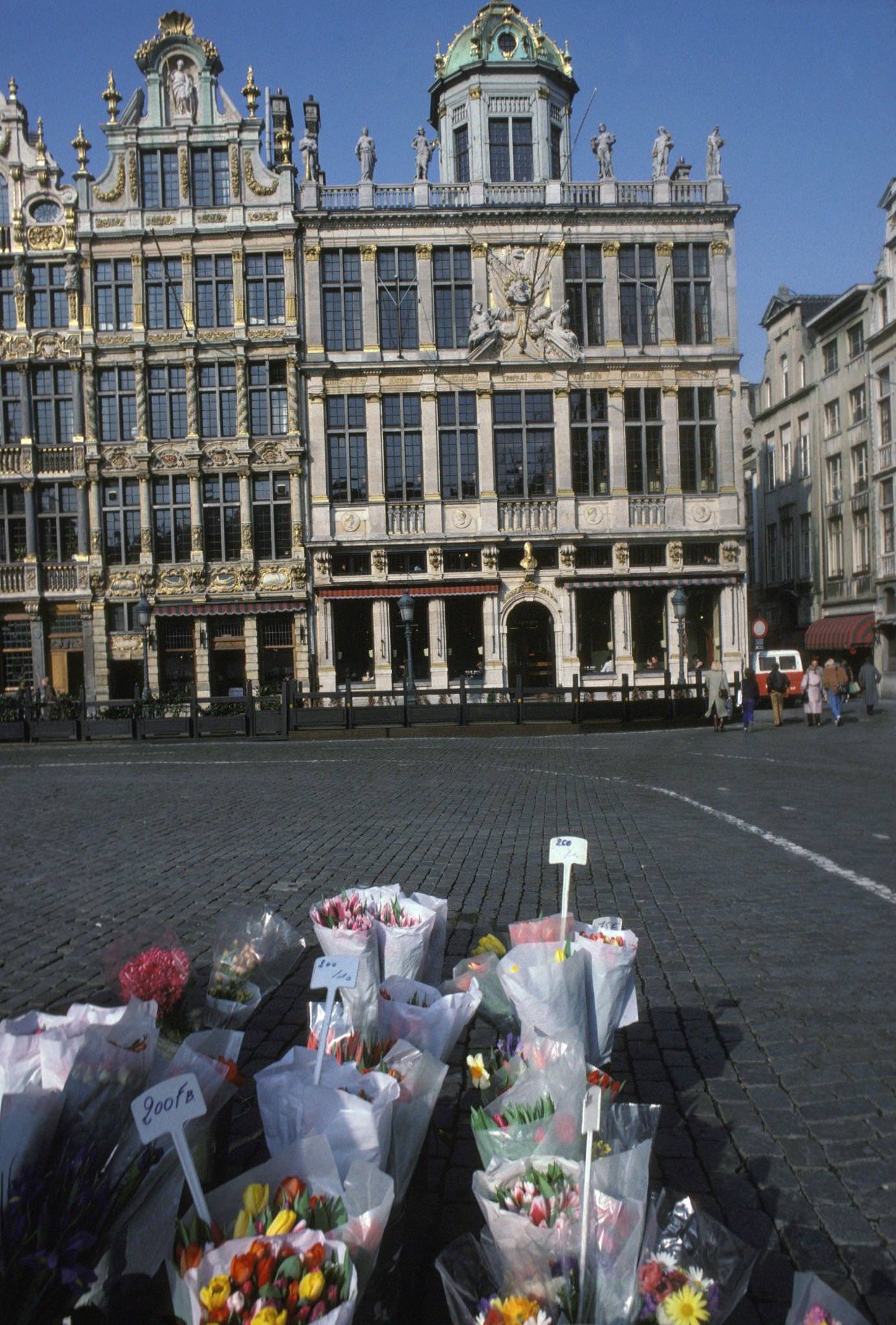
Brussels in the 1980s was a melting pot of cultures, thanks to its international status. Restaurants, bars, and cultural centers representing various European nations became a common sight. This decade also saw a rise in cultural events such as art exhibitions, music festivals, and theater performances, making Brussels a vibrant city for arts and culture.
Read more
Transportation and Infrastructure
Efforts to modernize the city’s transportation system were evident during this decade. The Brussels Metro expanded its lines, and the city focused on improving public transport to cope with the increasing population. Infrastructure development was essential to facilitate the easy movement of people, especially EU officials who often had to travel for work.
Political Climate
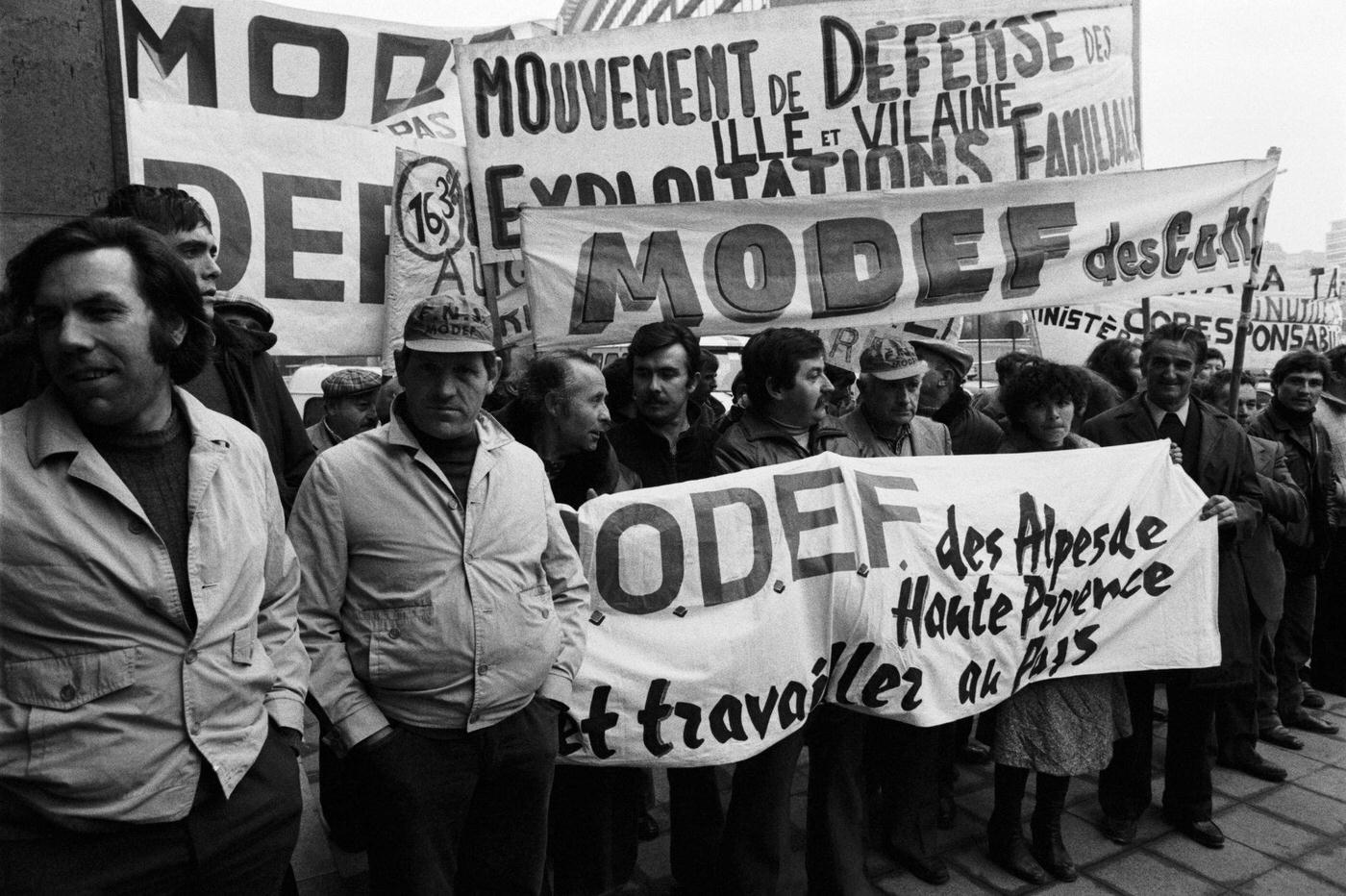
The 1980s was a decade of political stability for Brussels, despite being a period of tension between the Flemish and French-speaking communities of Belgium. Brussels emerged as a neutral ground where both communities could coexist, partly due to its international status. However, the city was not entirely immune to political protests and demonstrations, often related to wider European and global issues.
Crime and Security
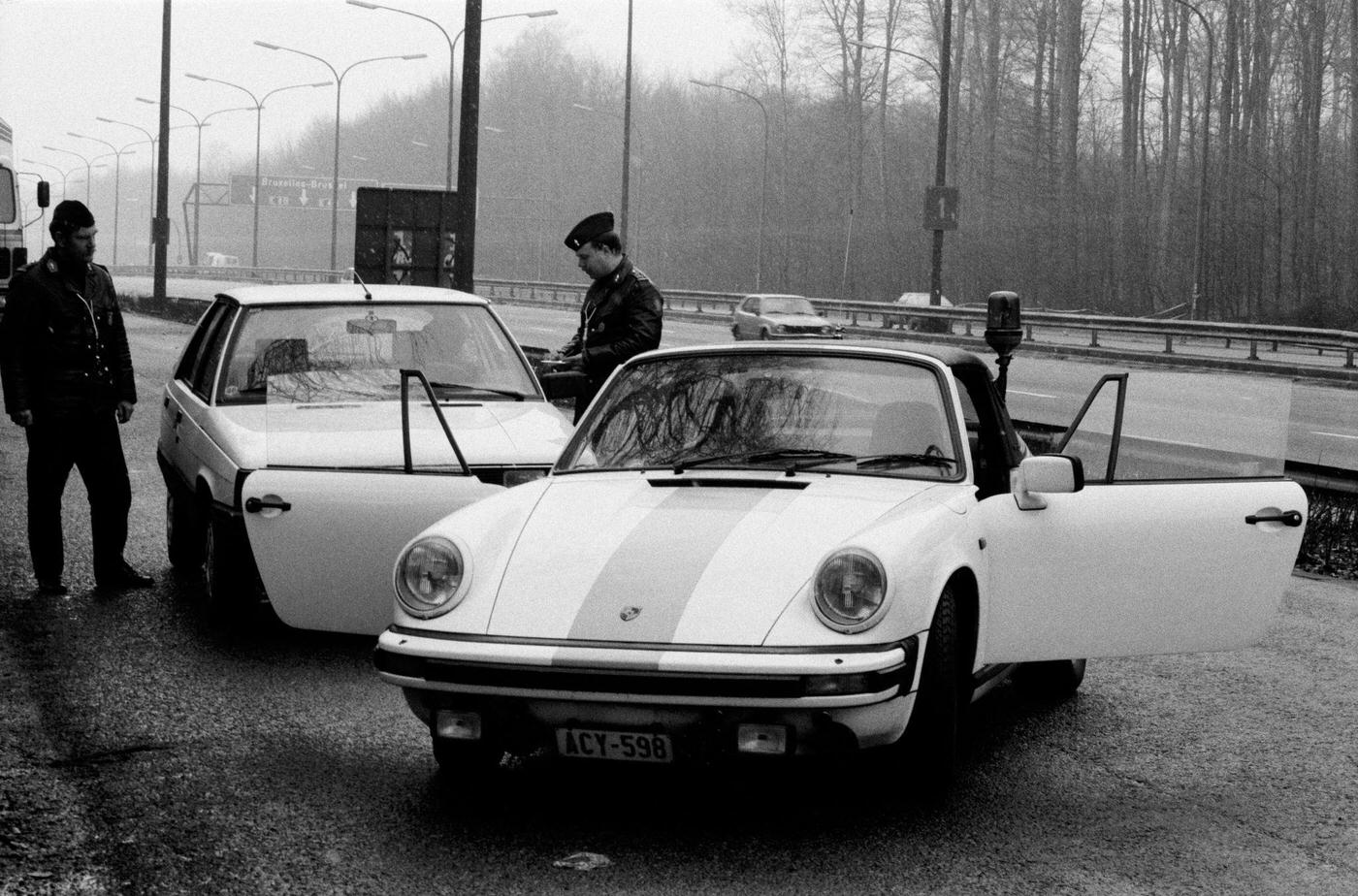
Like many major cities, Brussels faced challenges related to crime and security. However, with the presence of international institutions and the consequent international spotlight, there was a concerted effort to maintain a higher standard of security. Police presence was increased around key areas, and various security protocols were put in place.
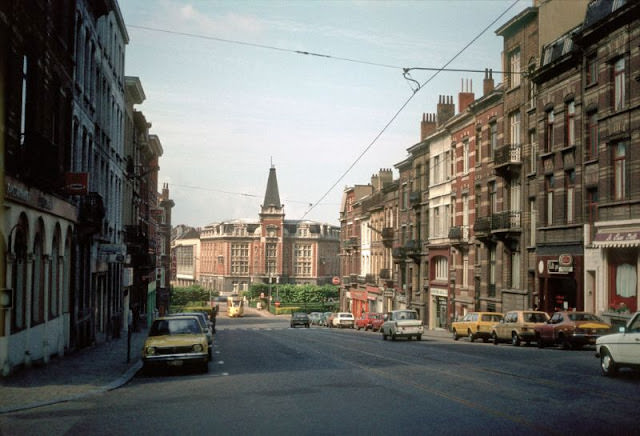
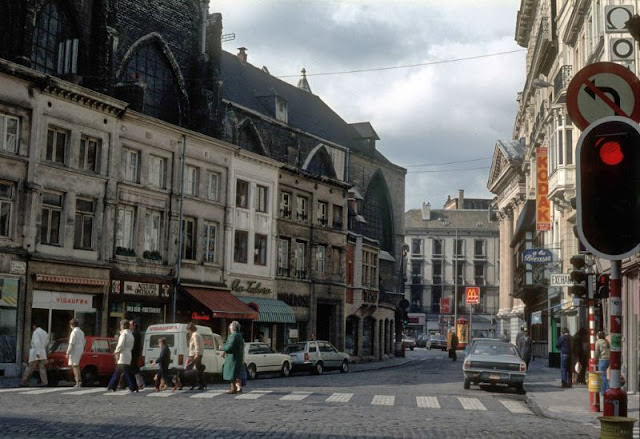
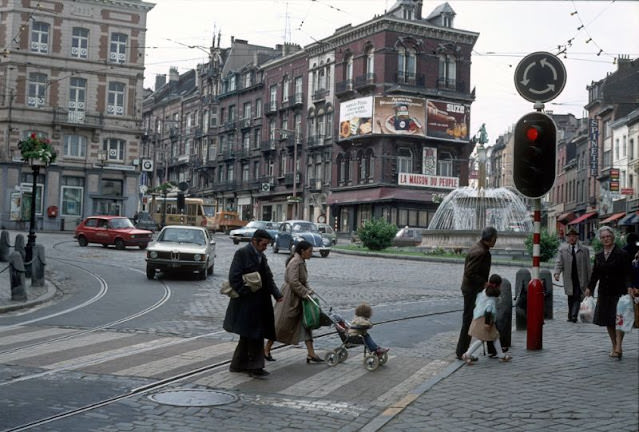
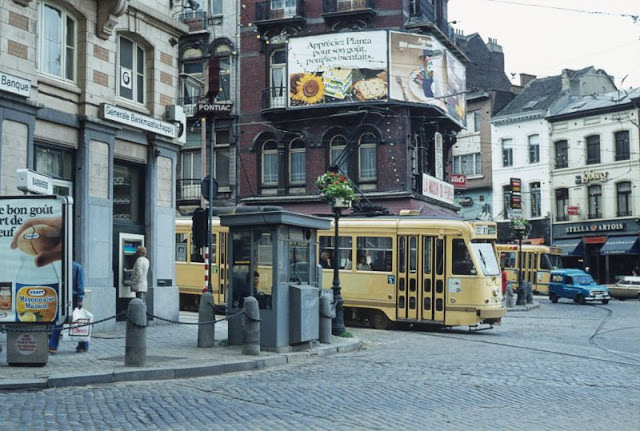
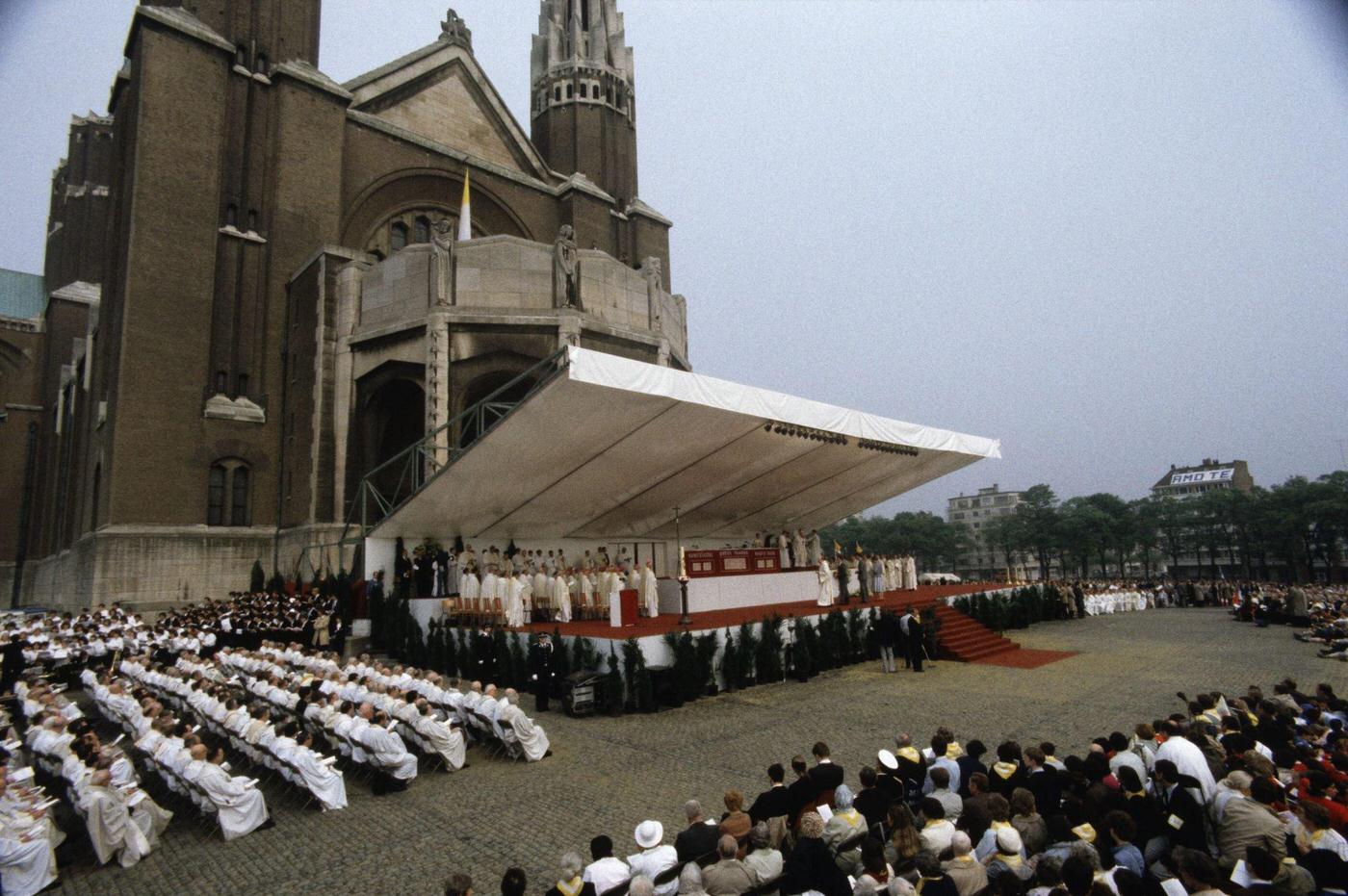
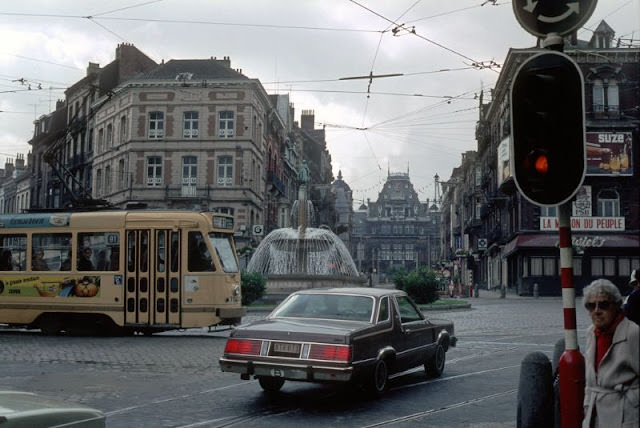
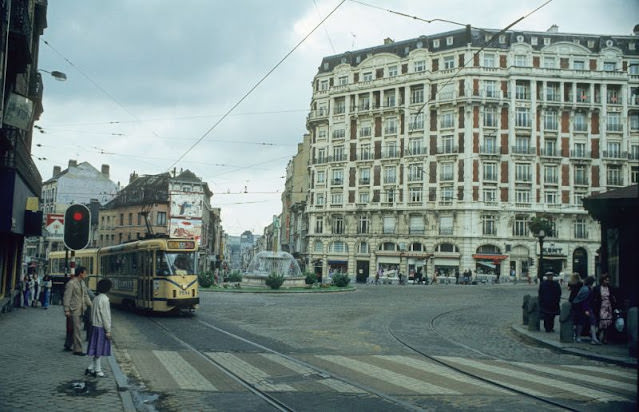
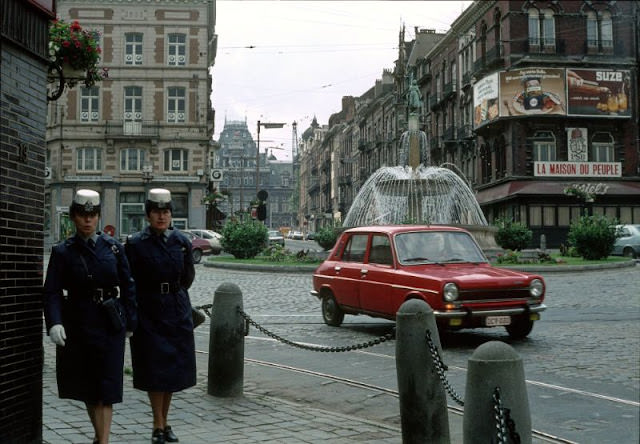
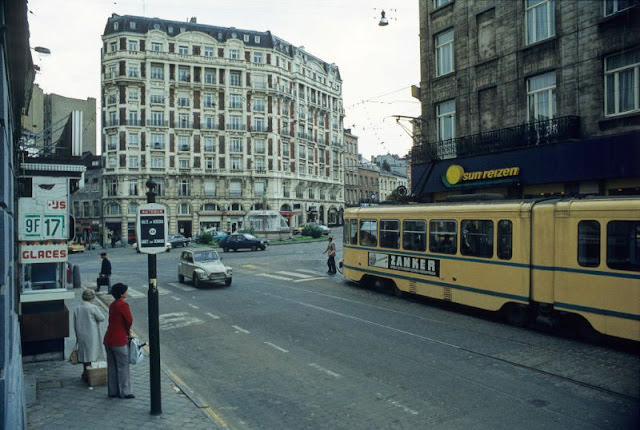
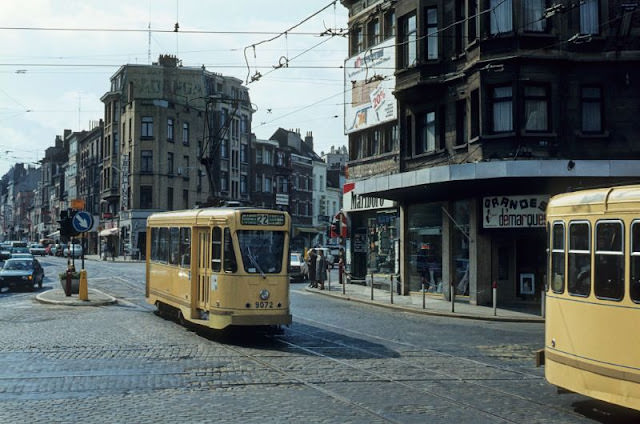
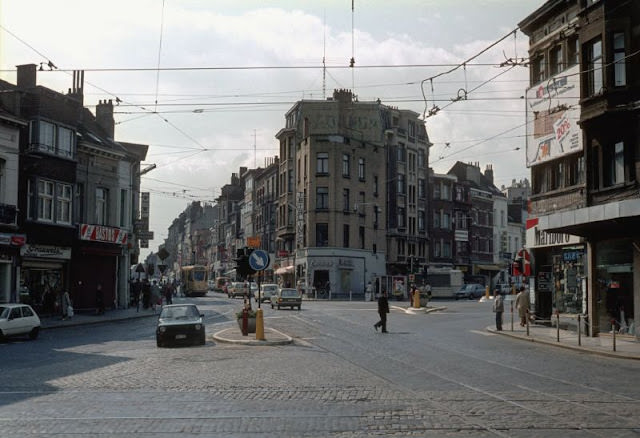
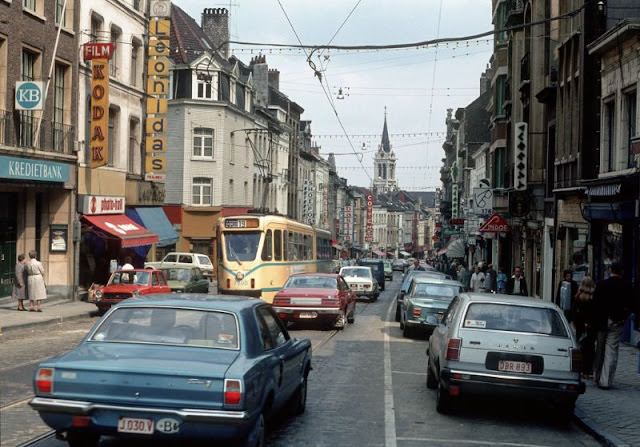
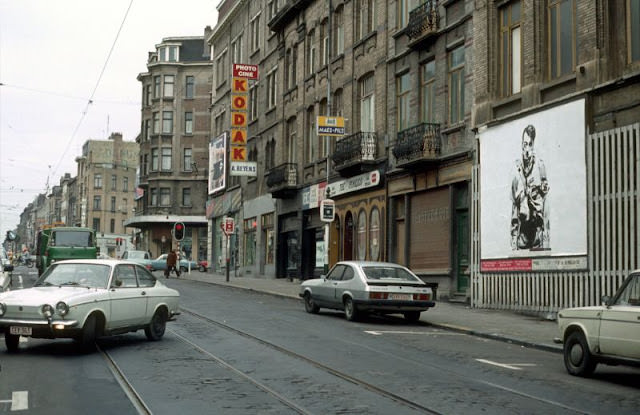
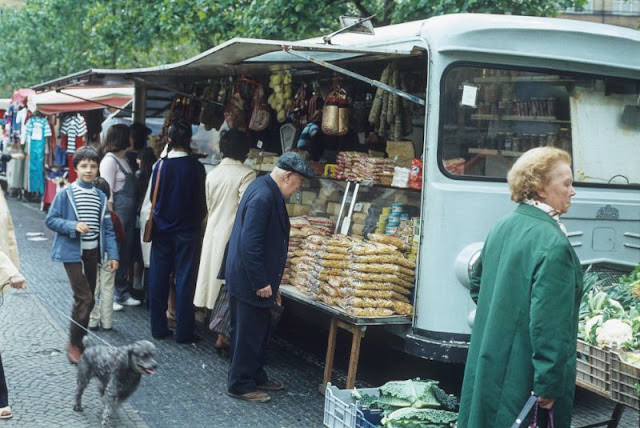
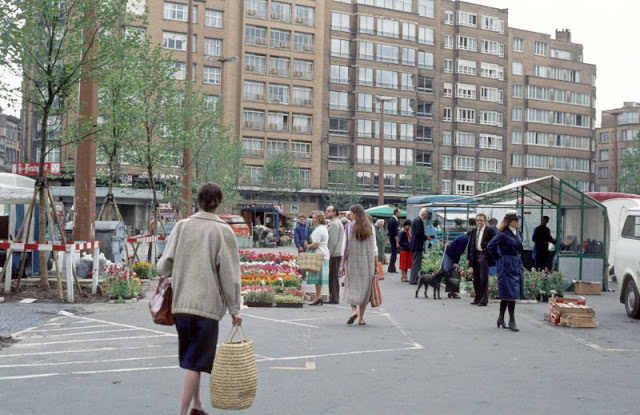
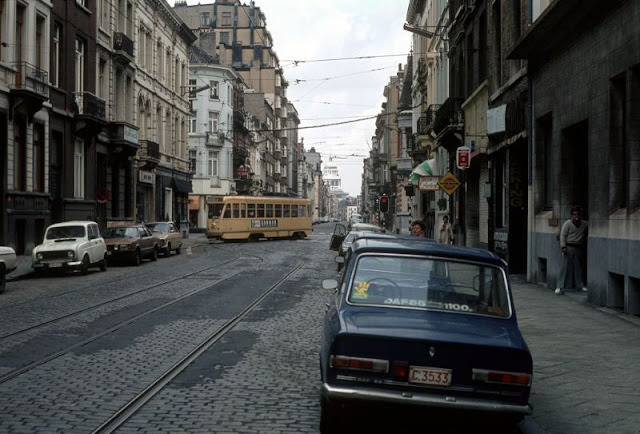
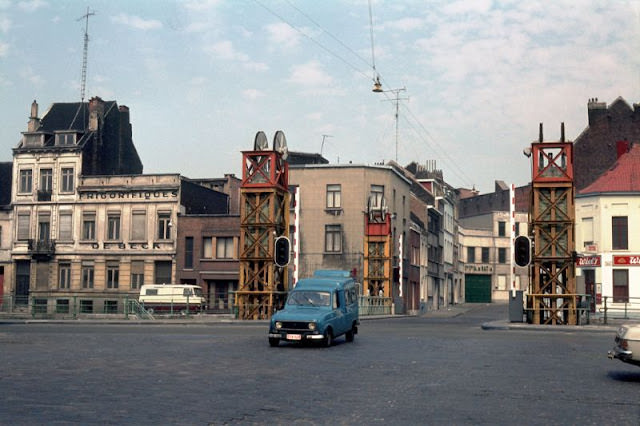
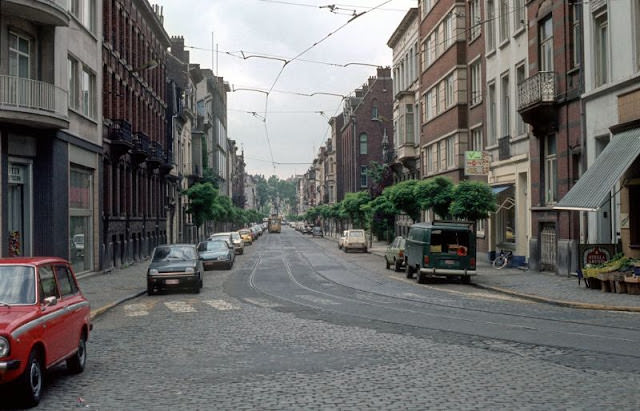
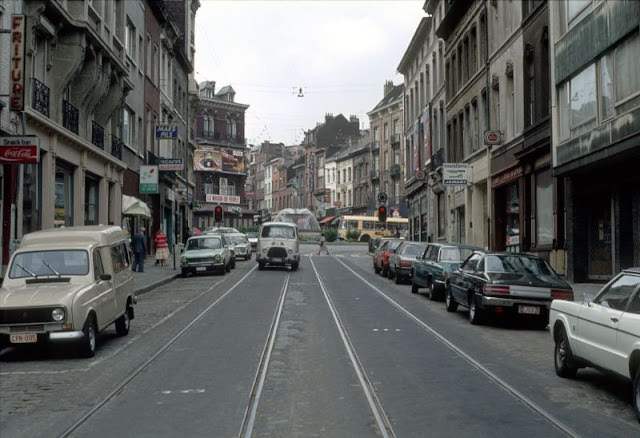
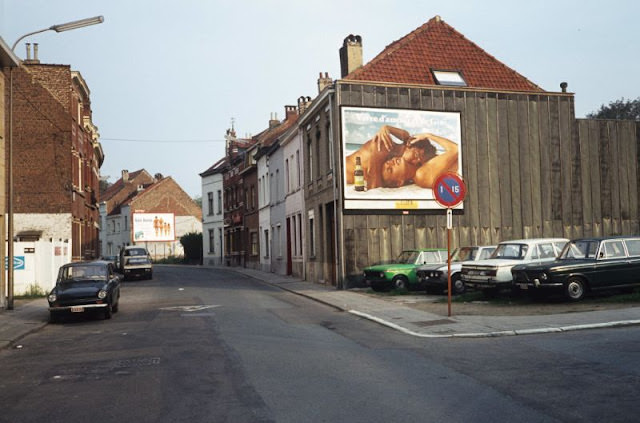
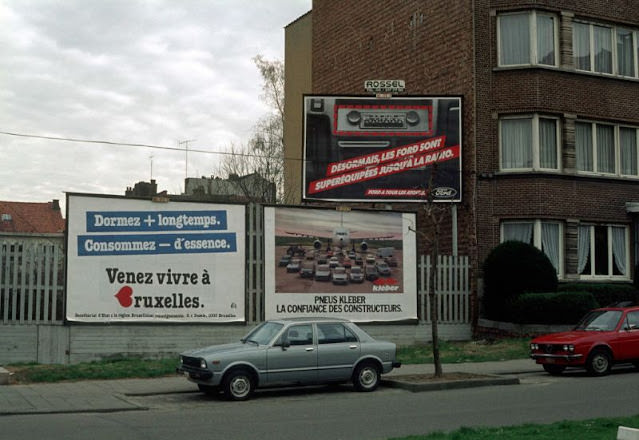
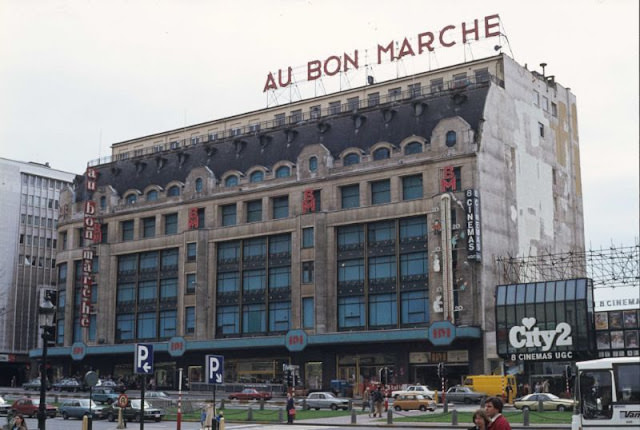
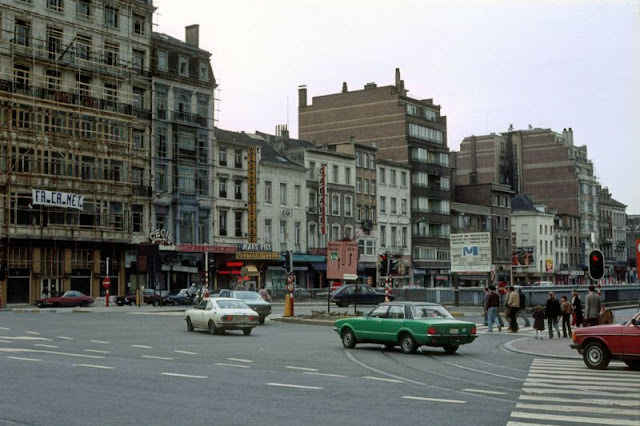
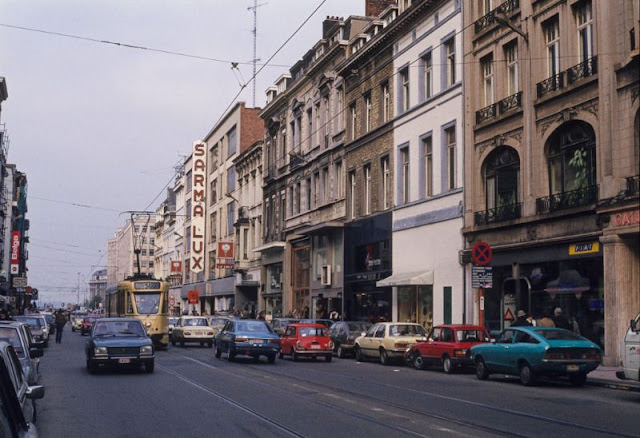

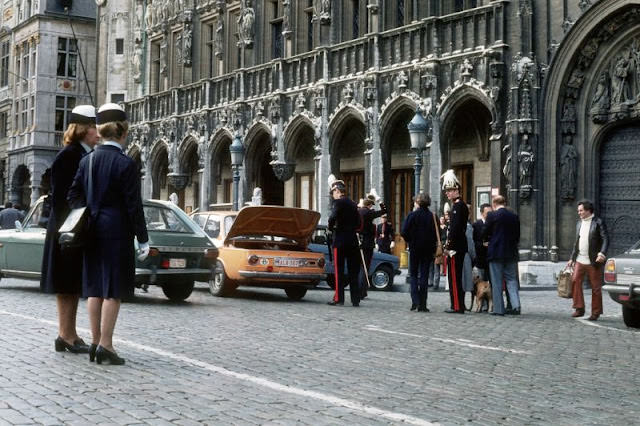
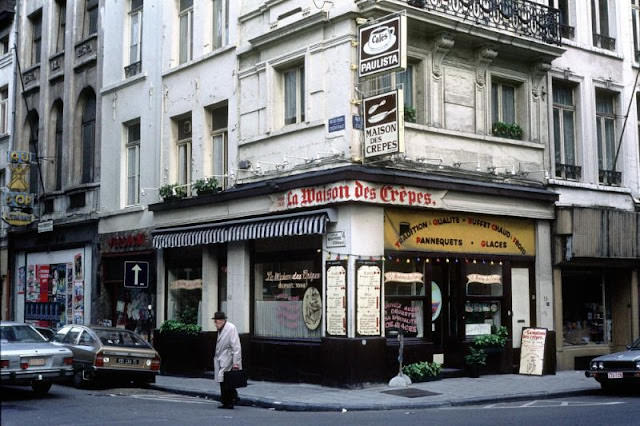
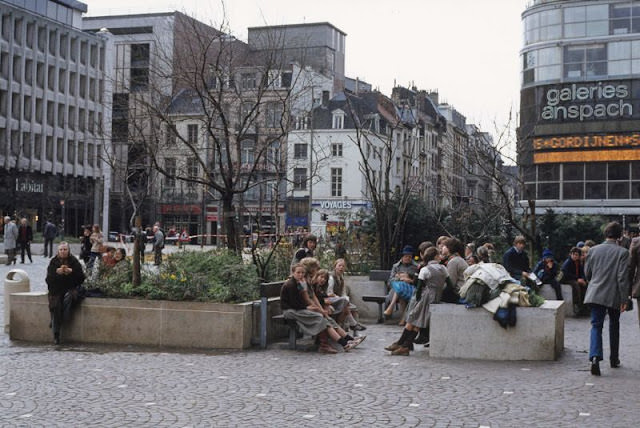
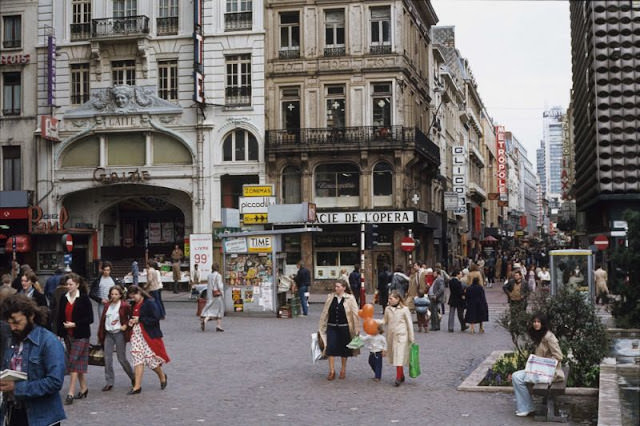
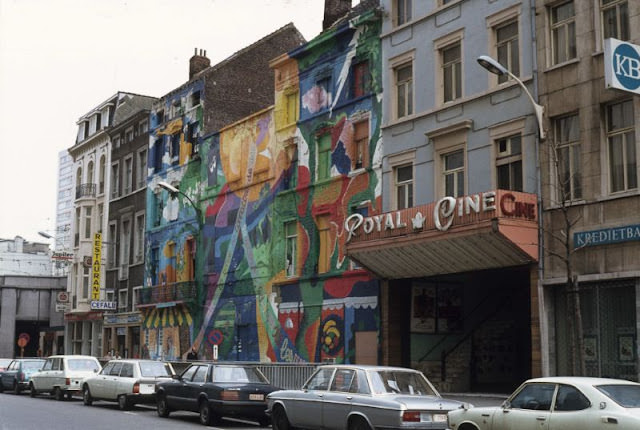
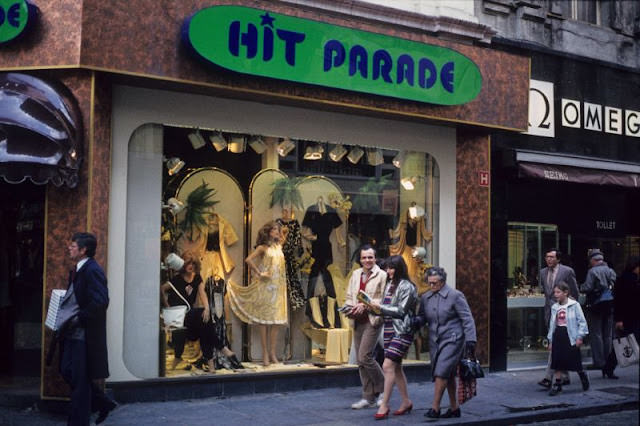
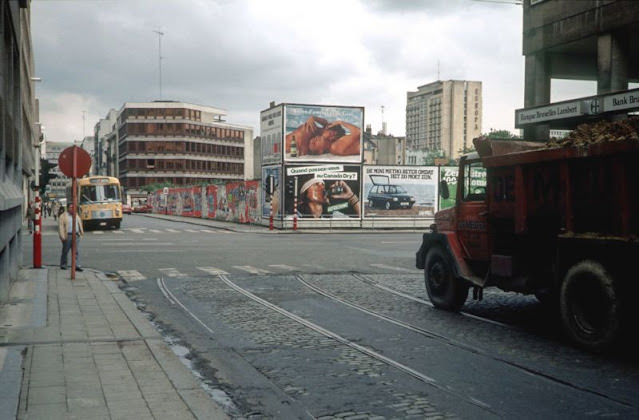
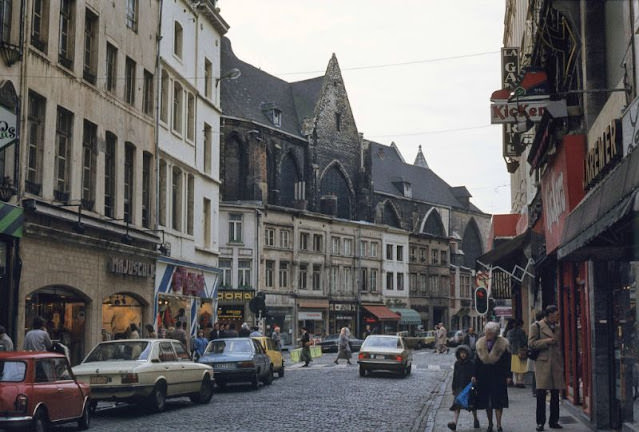
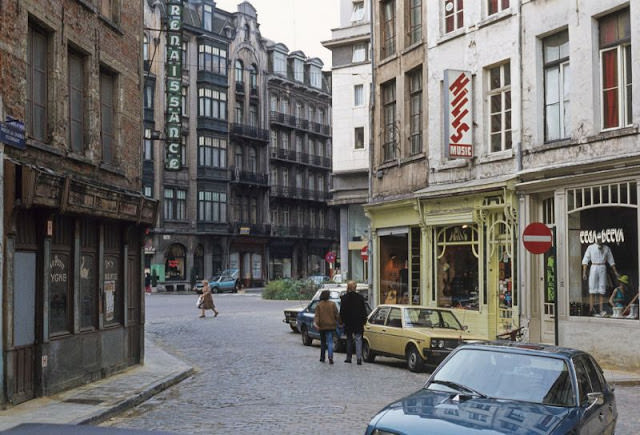
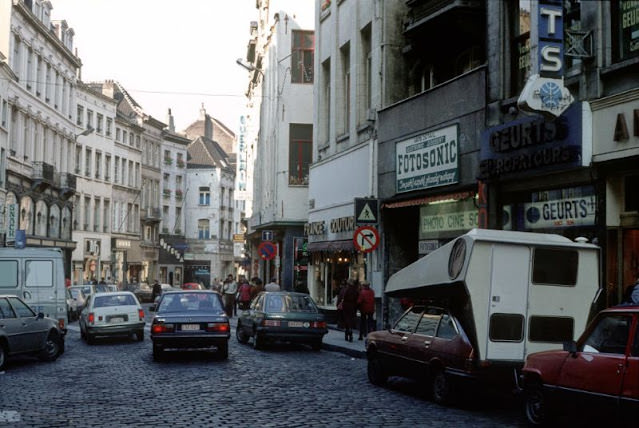
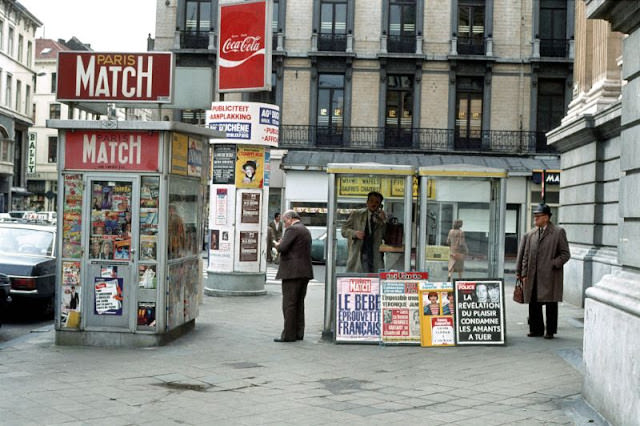
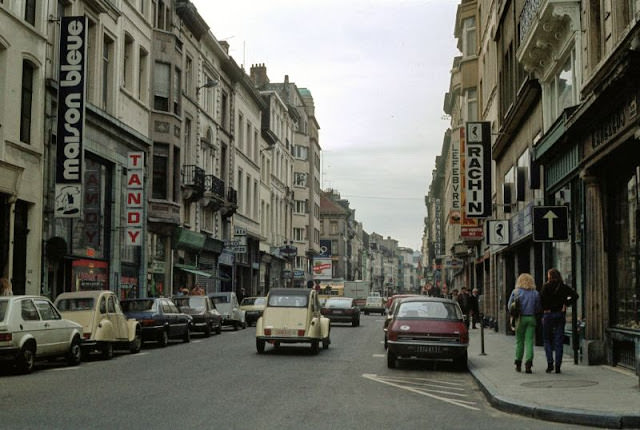
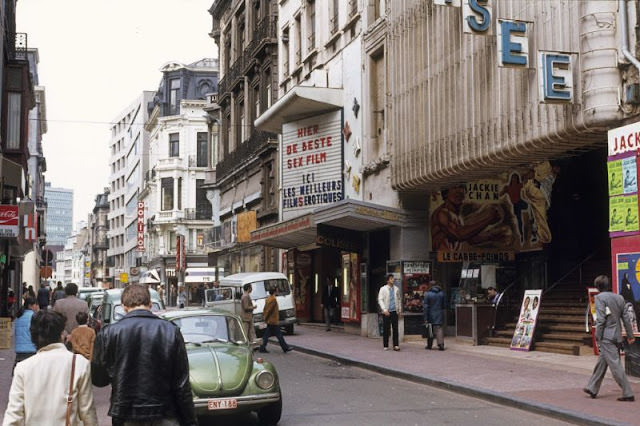
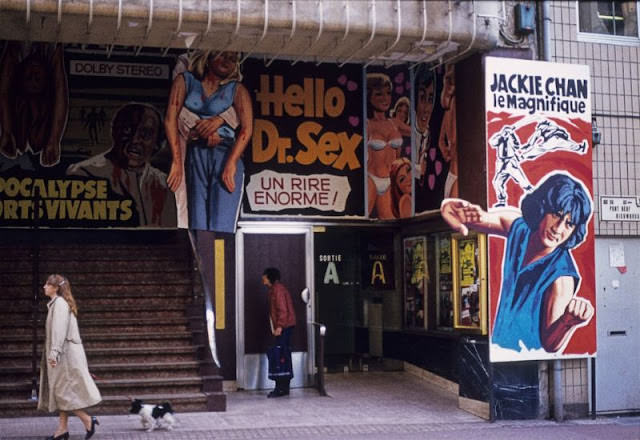
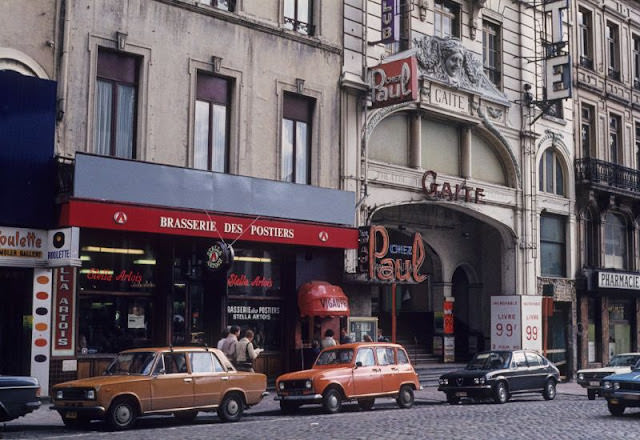
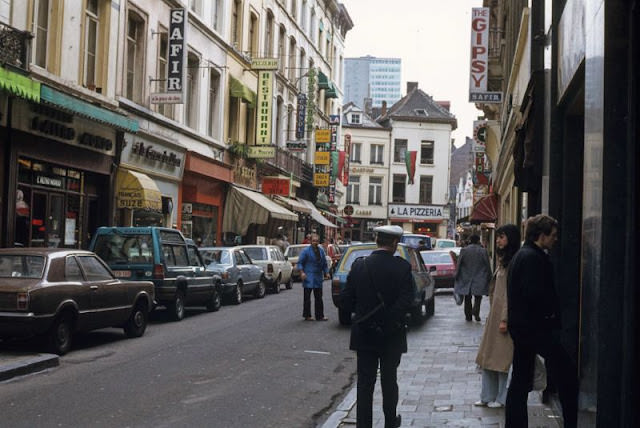
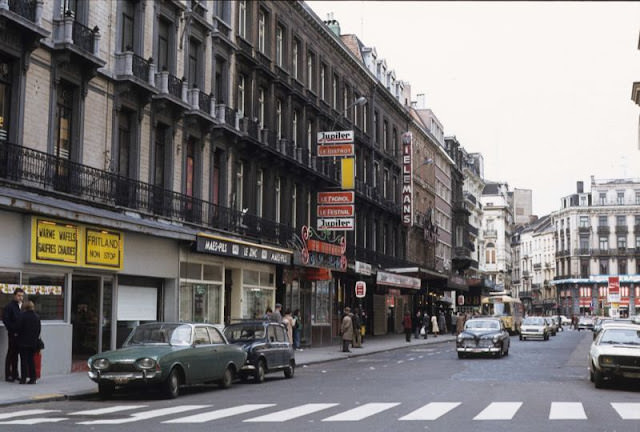
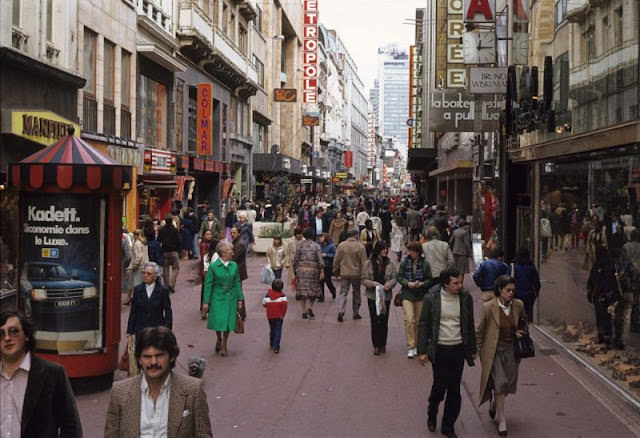
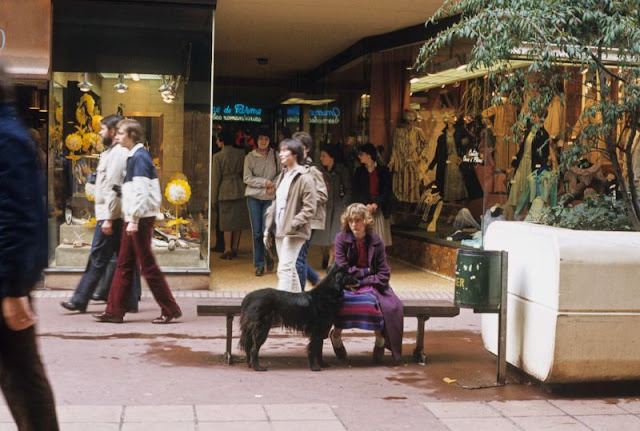
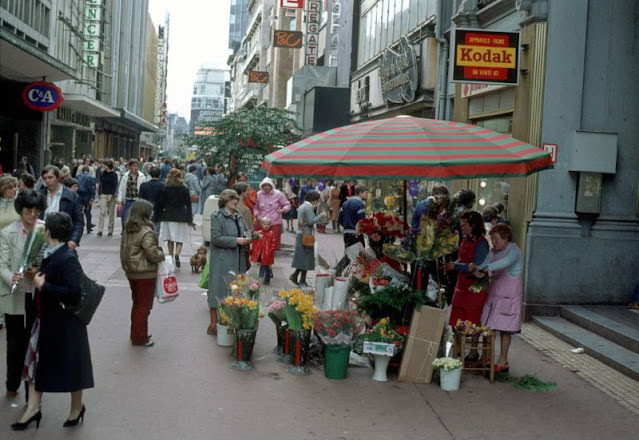
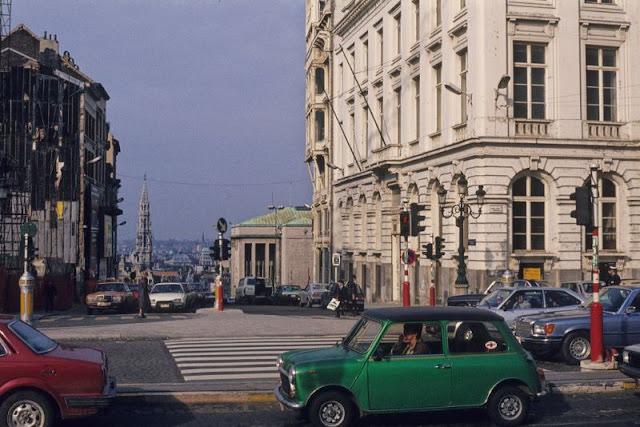
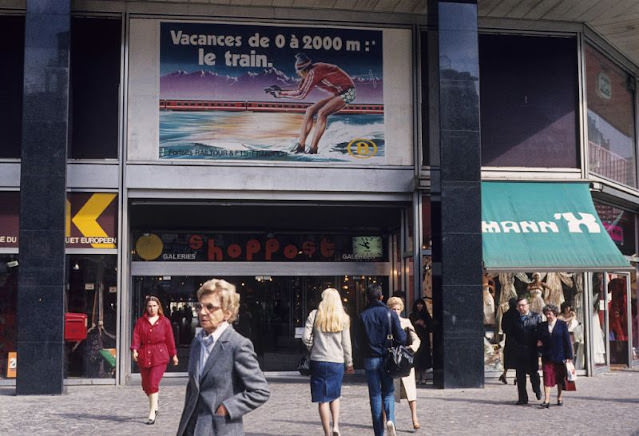
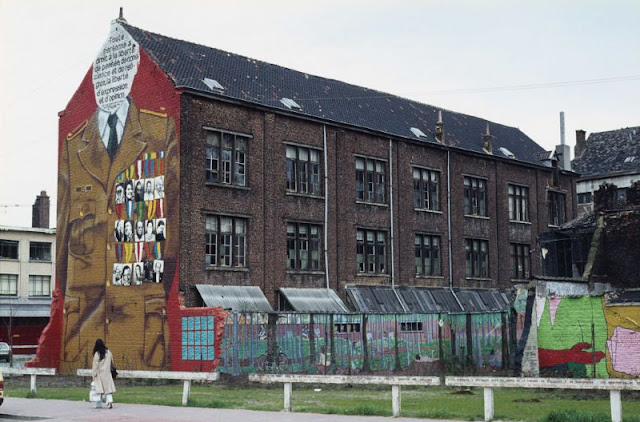
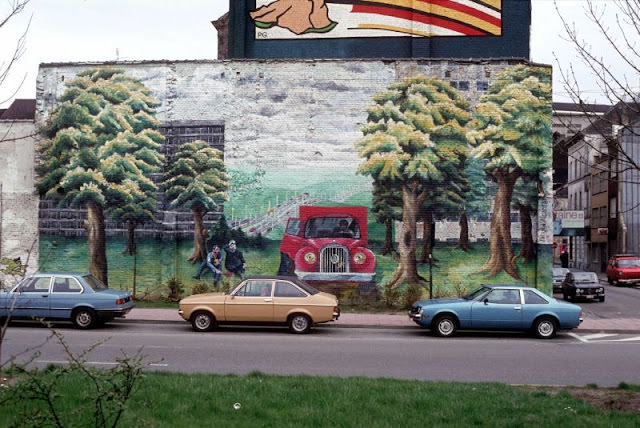
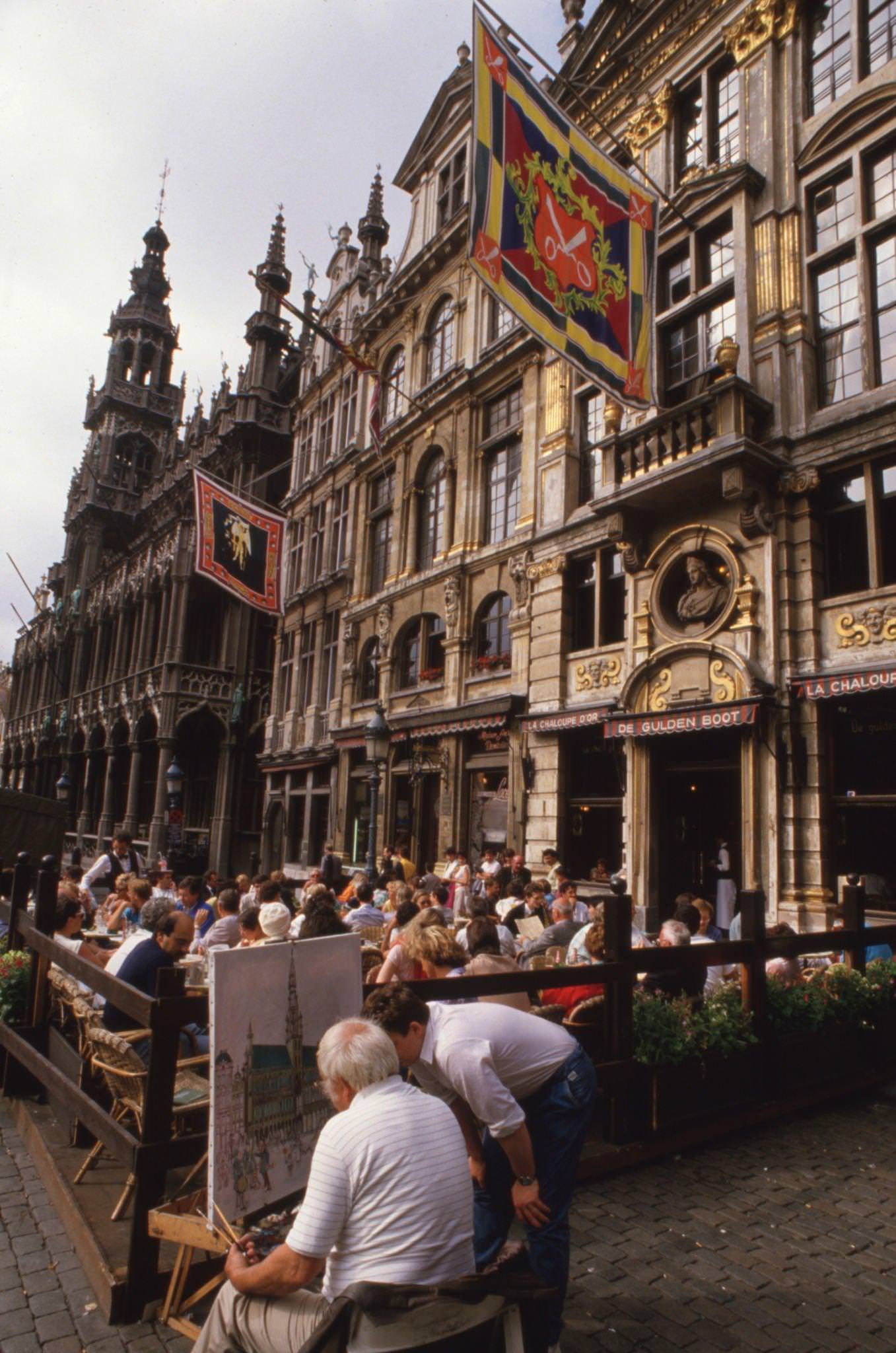
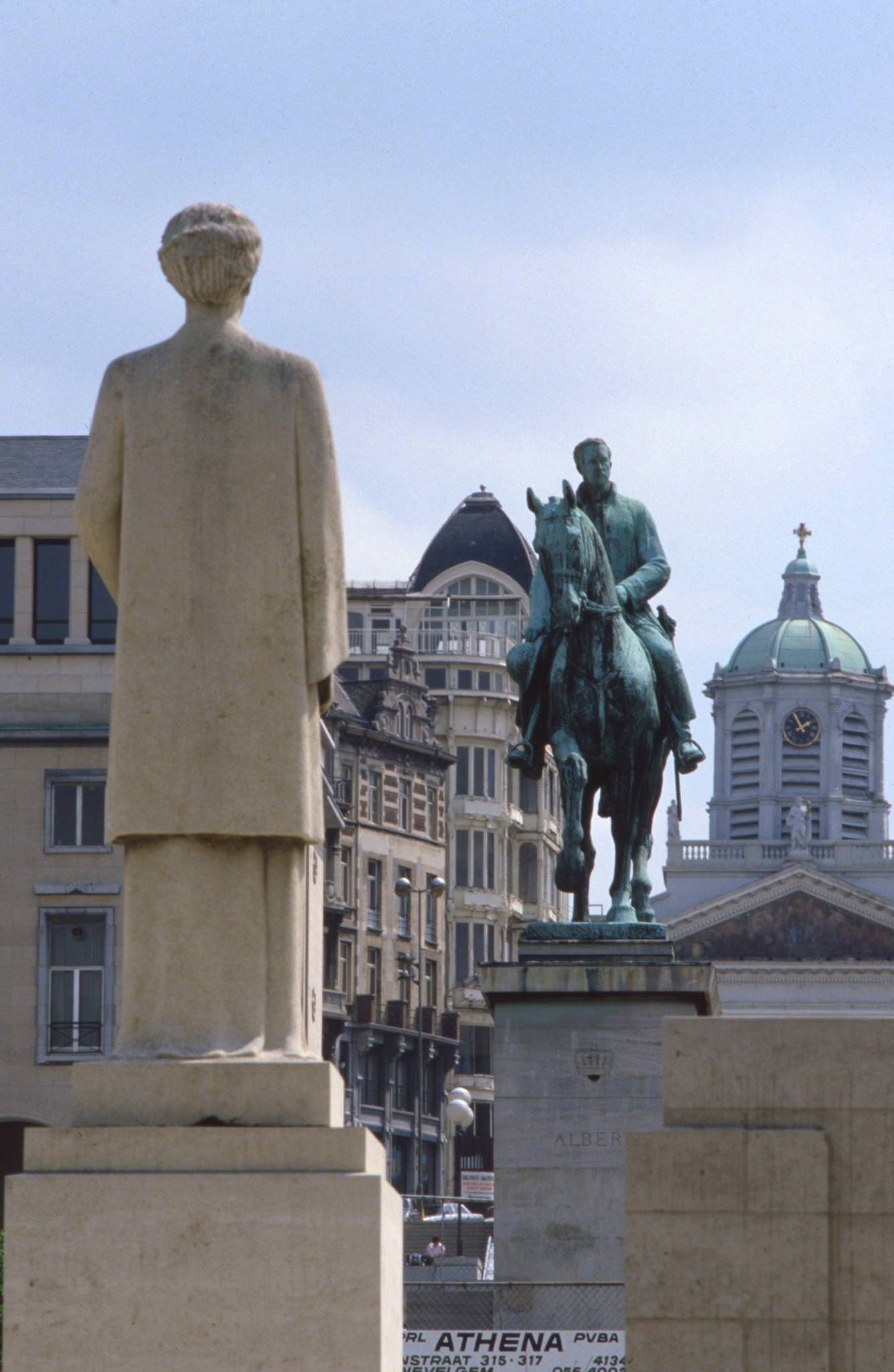
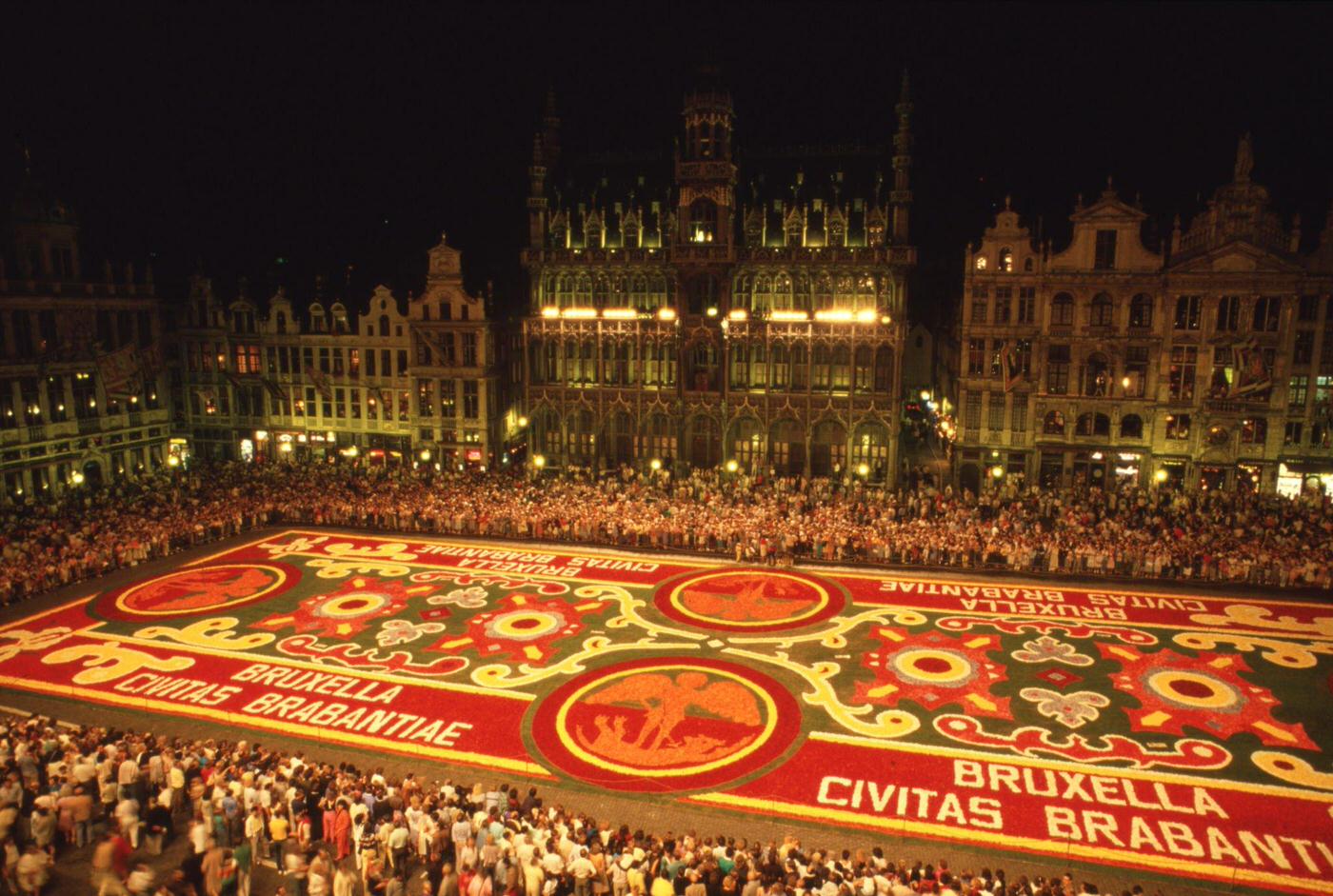
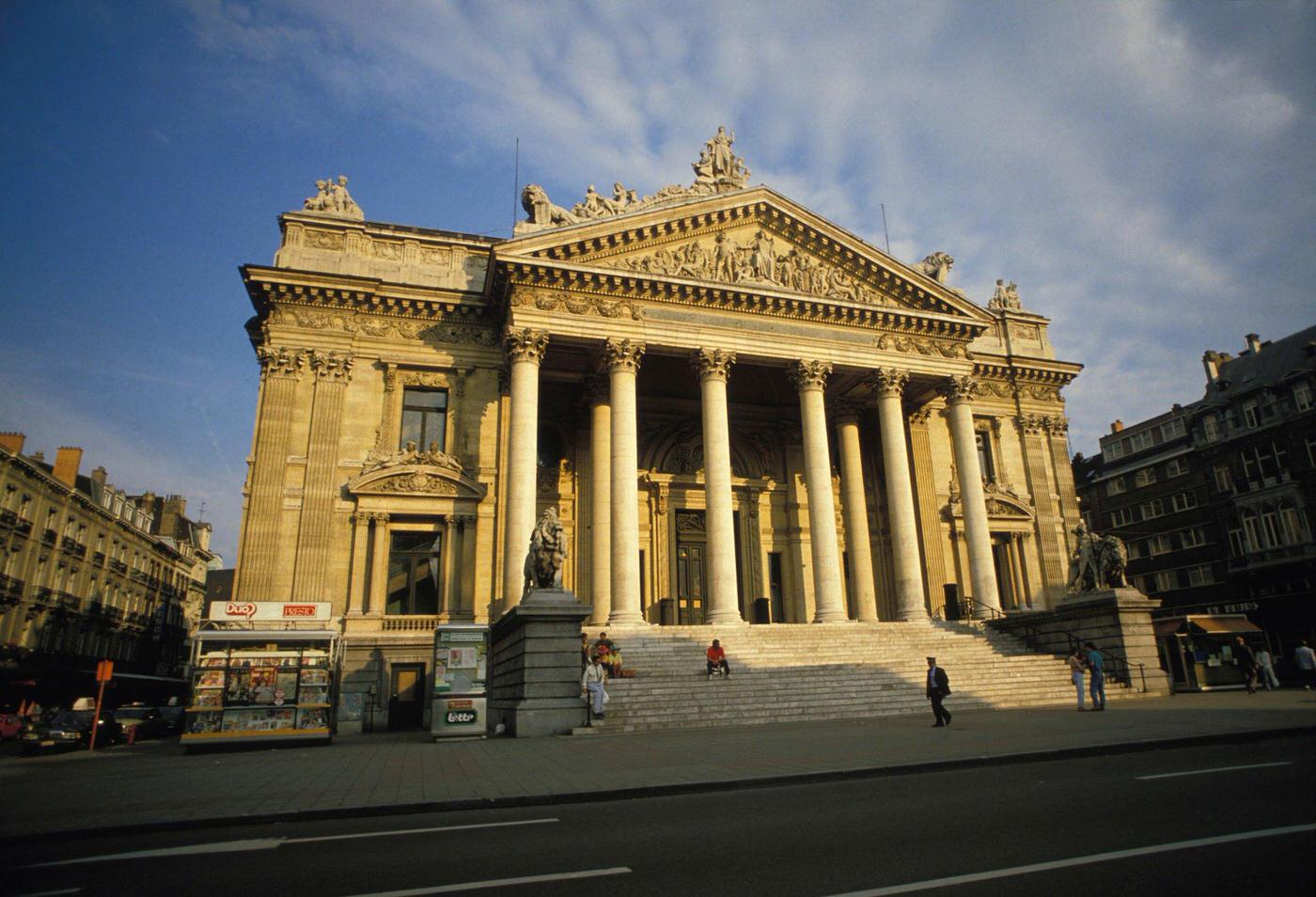
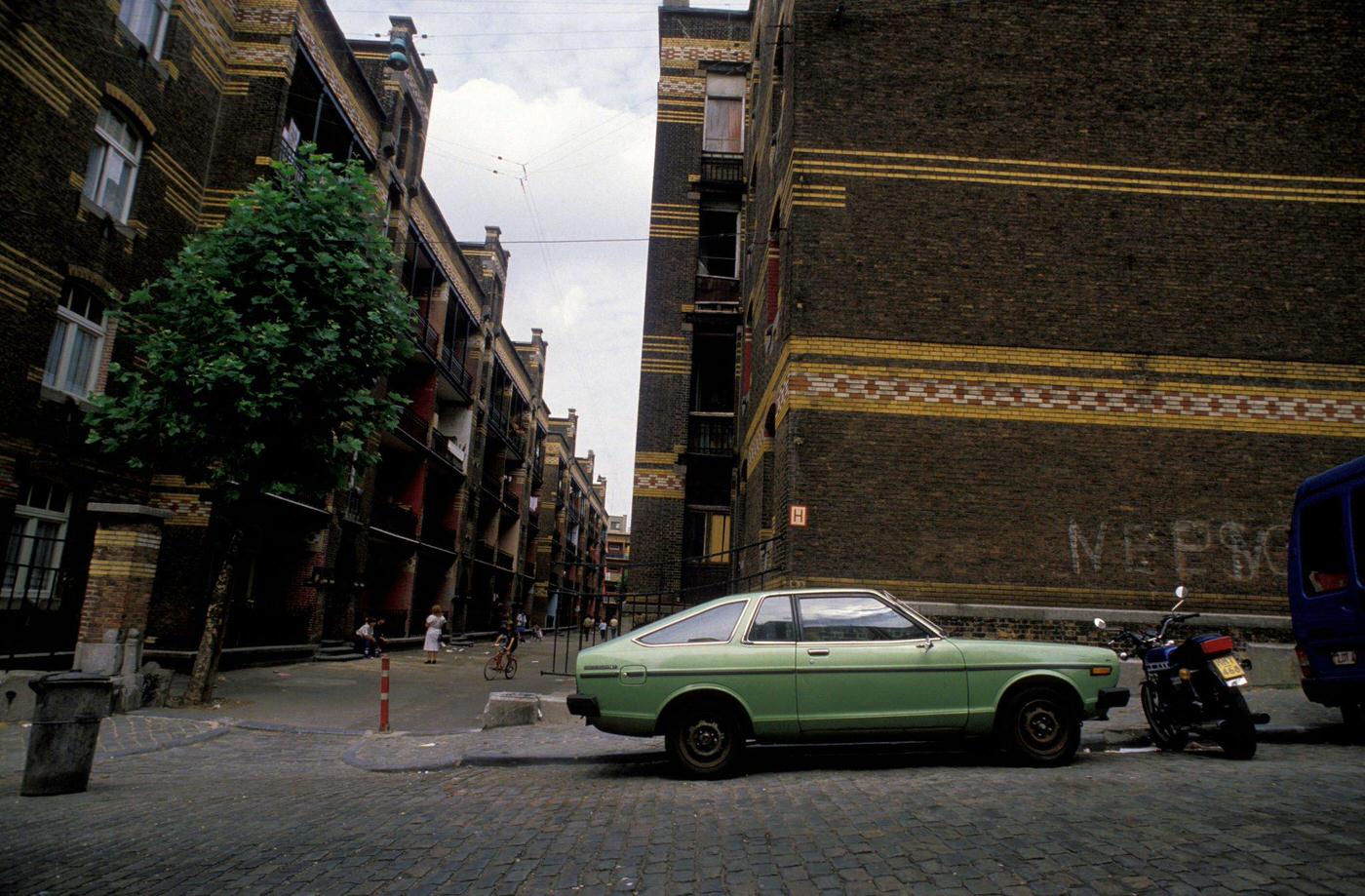
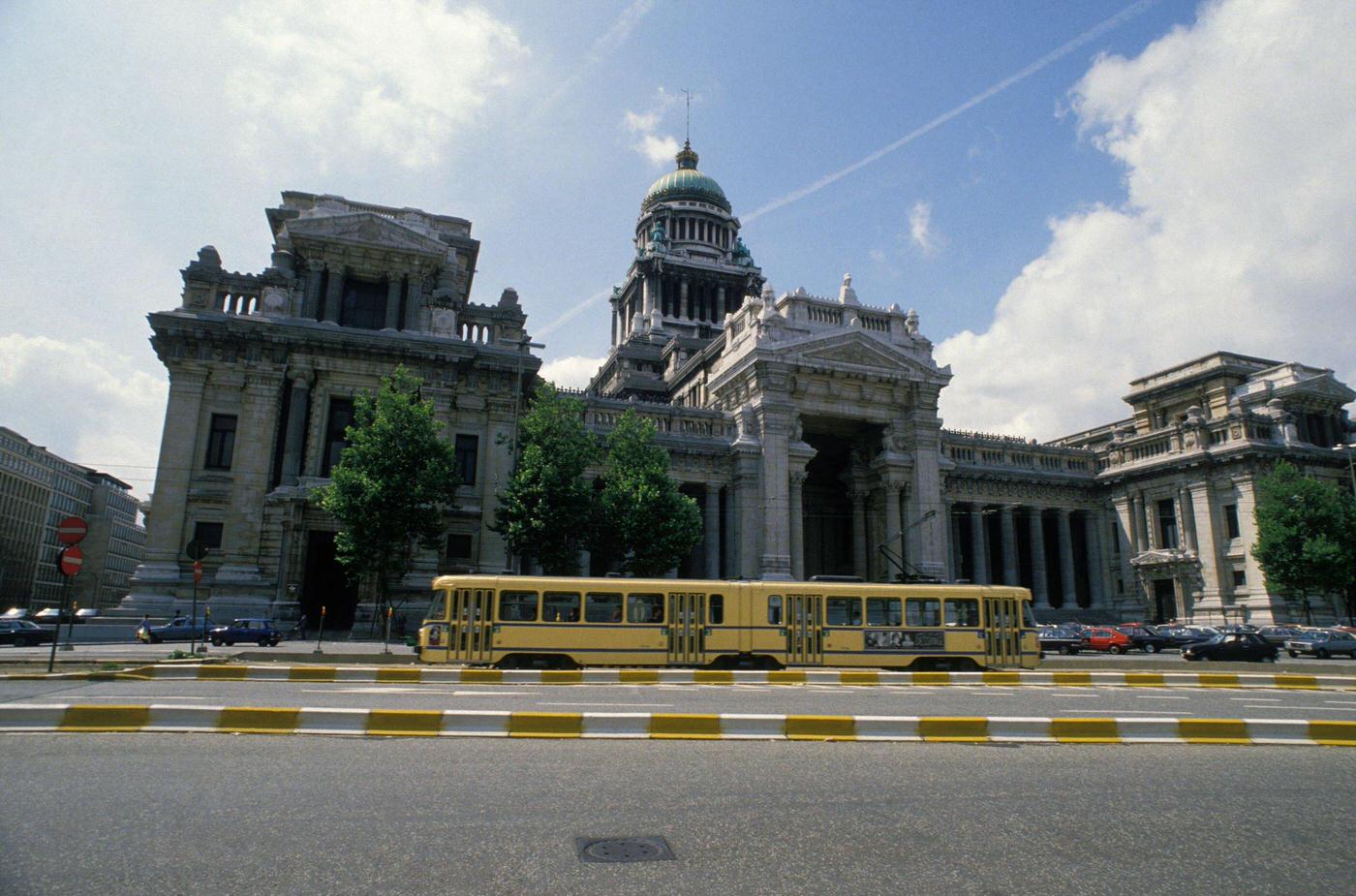
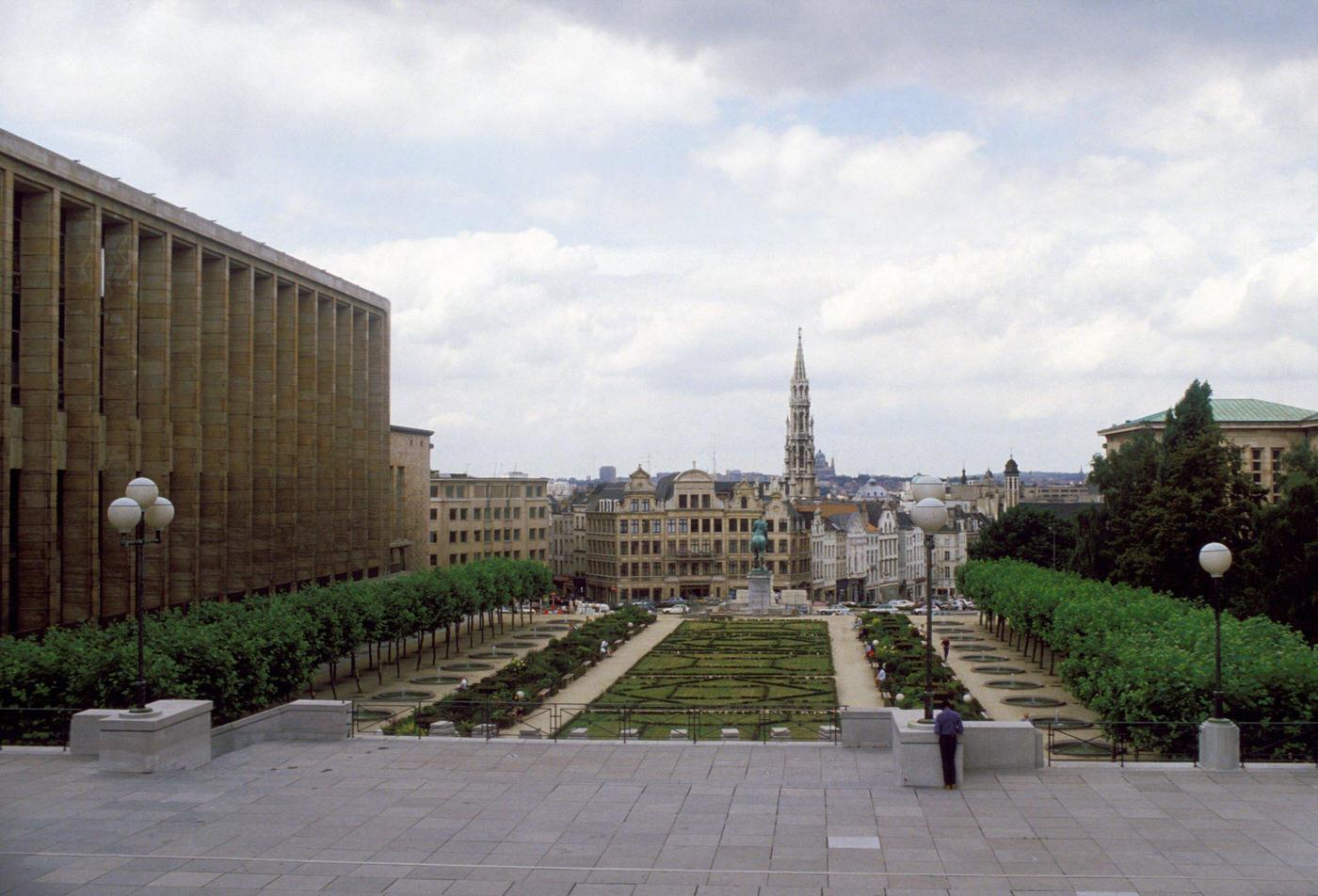
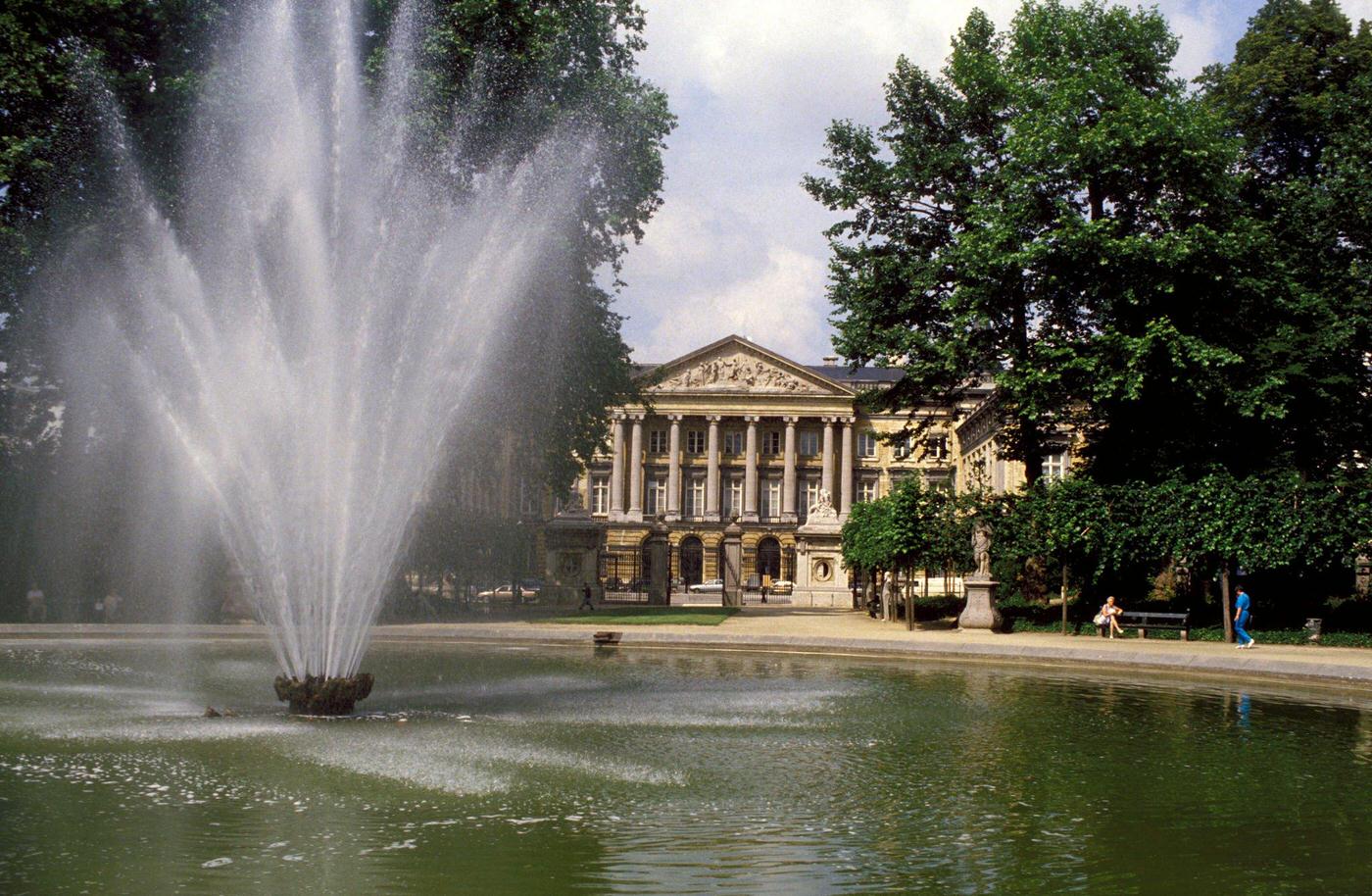
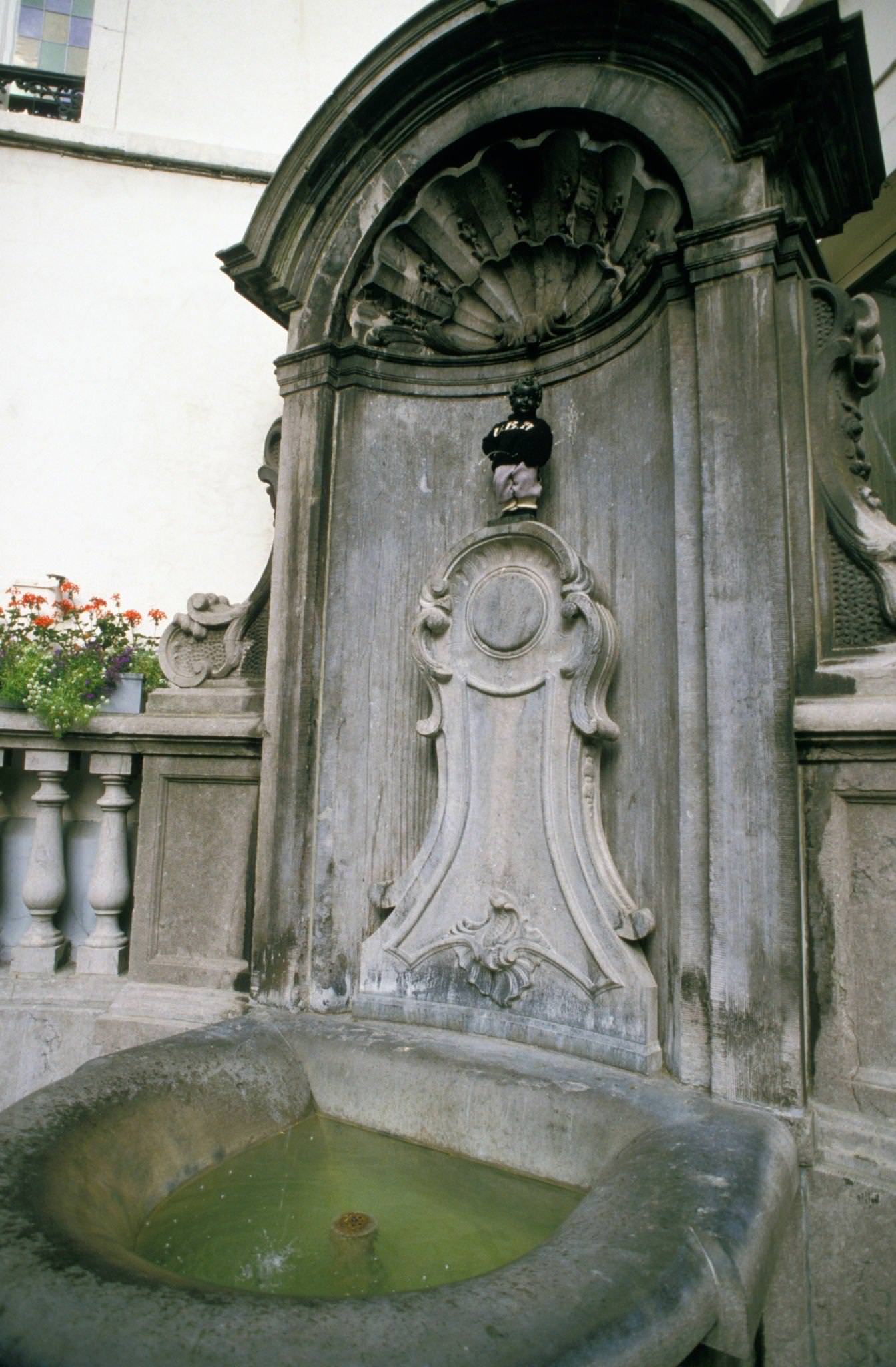
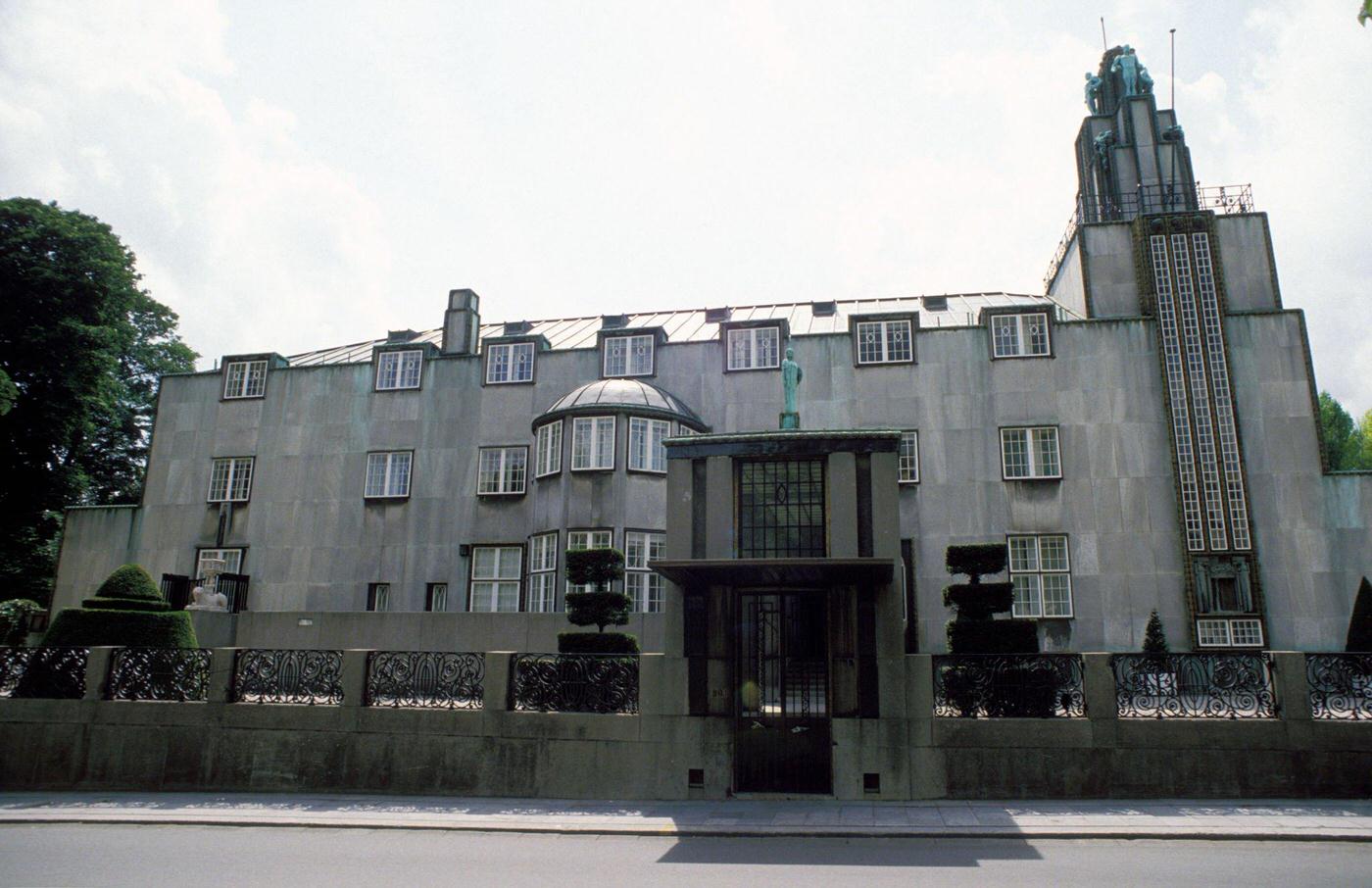
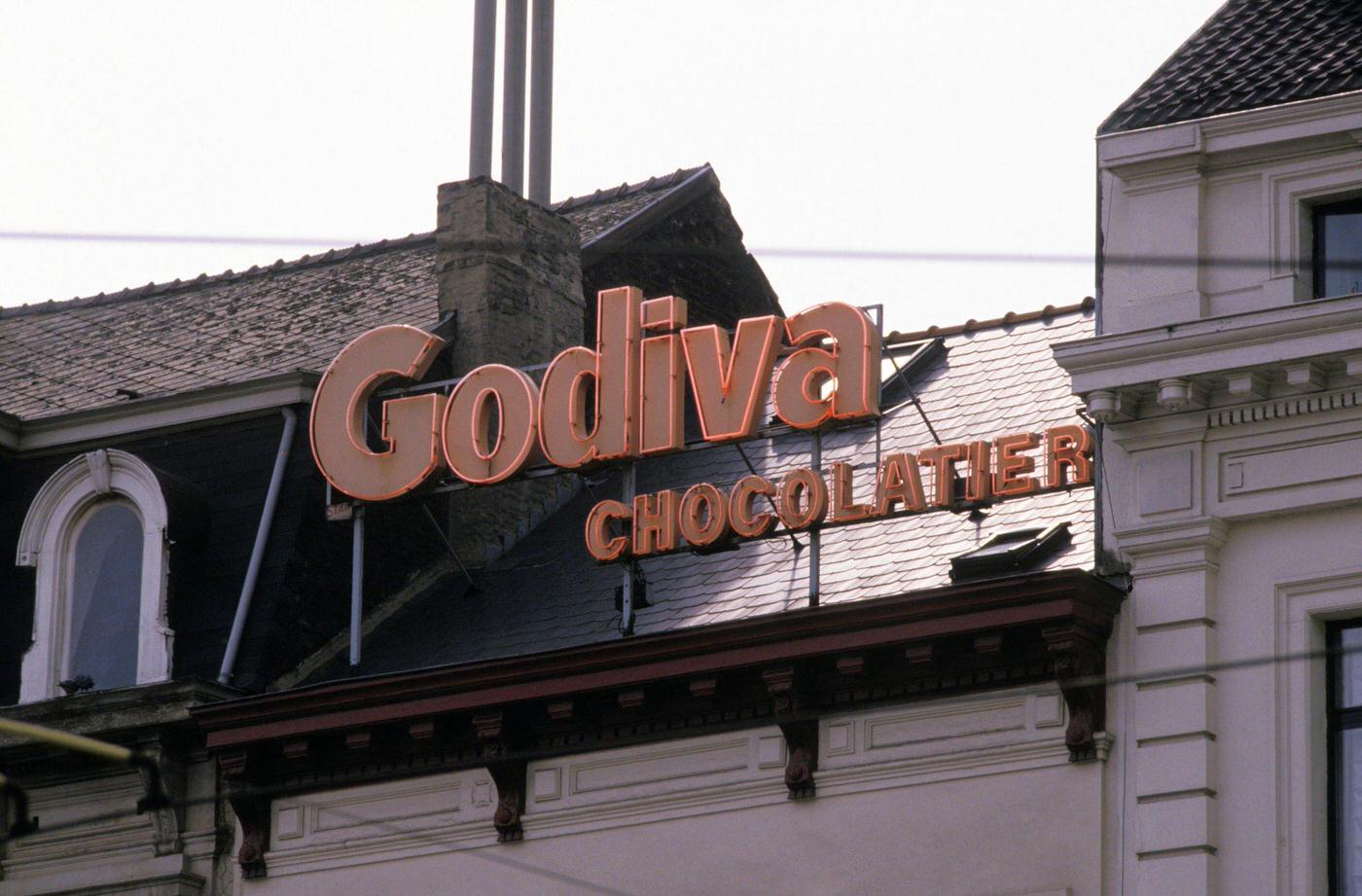
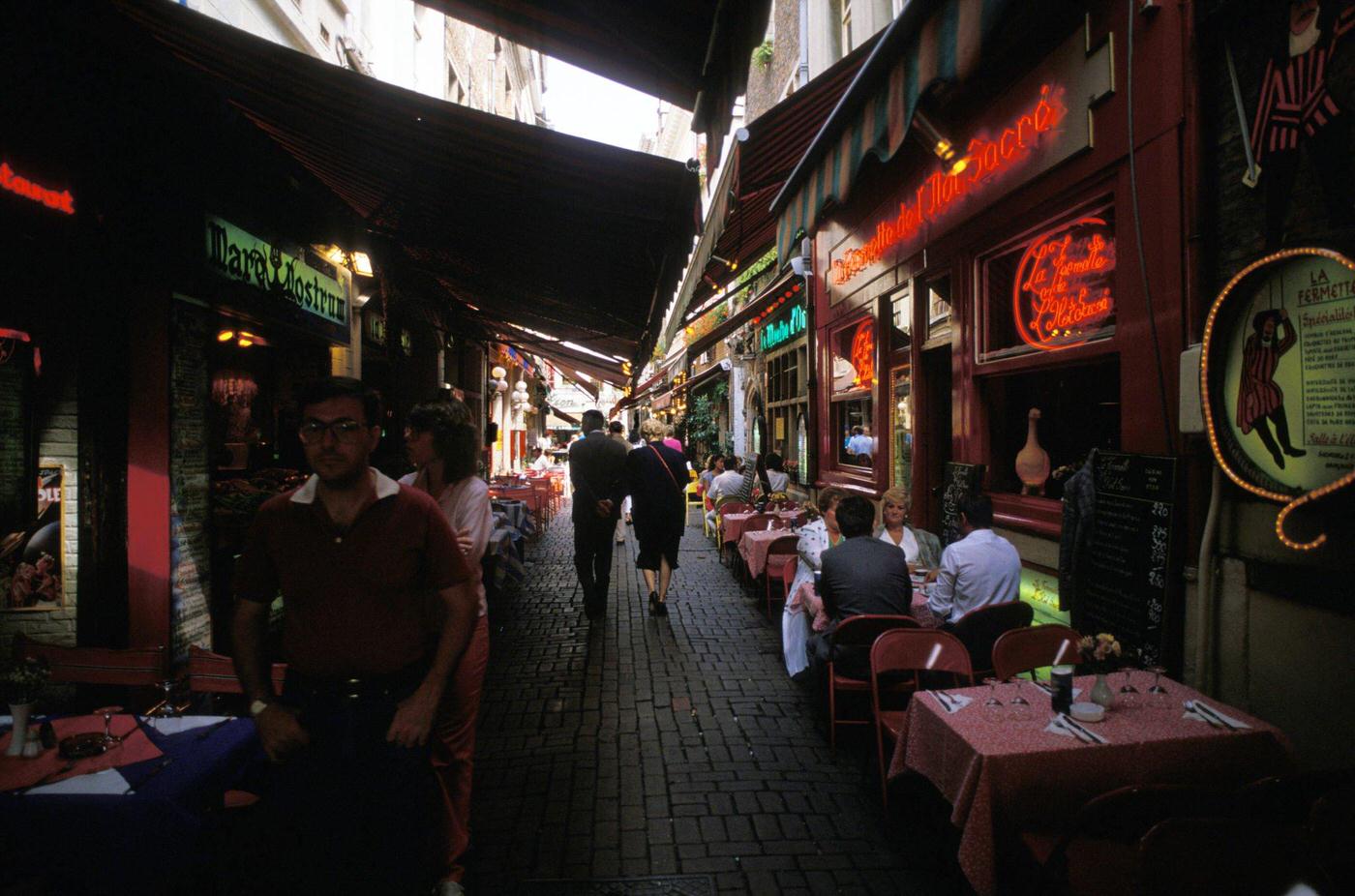
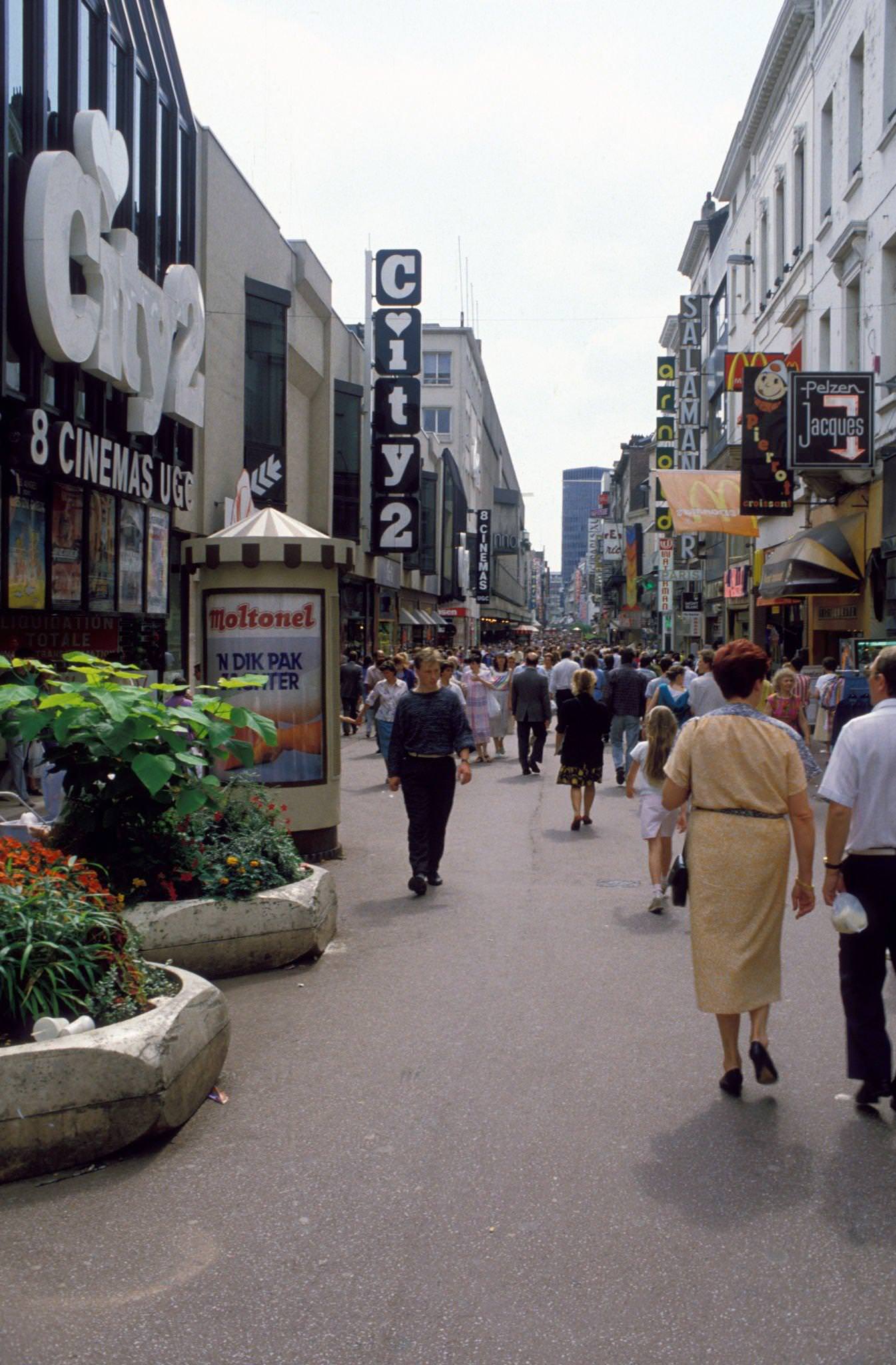
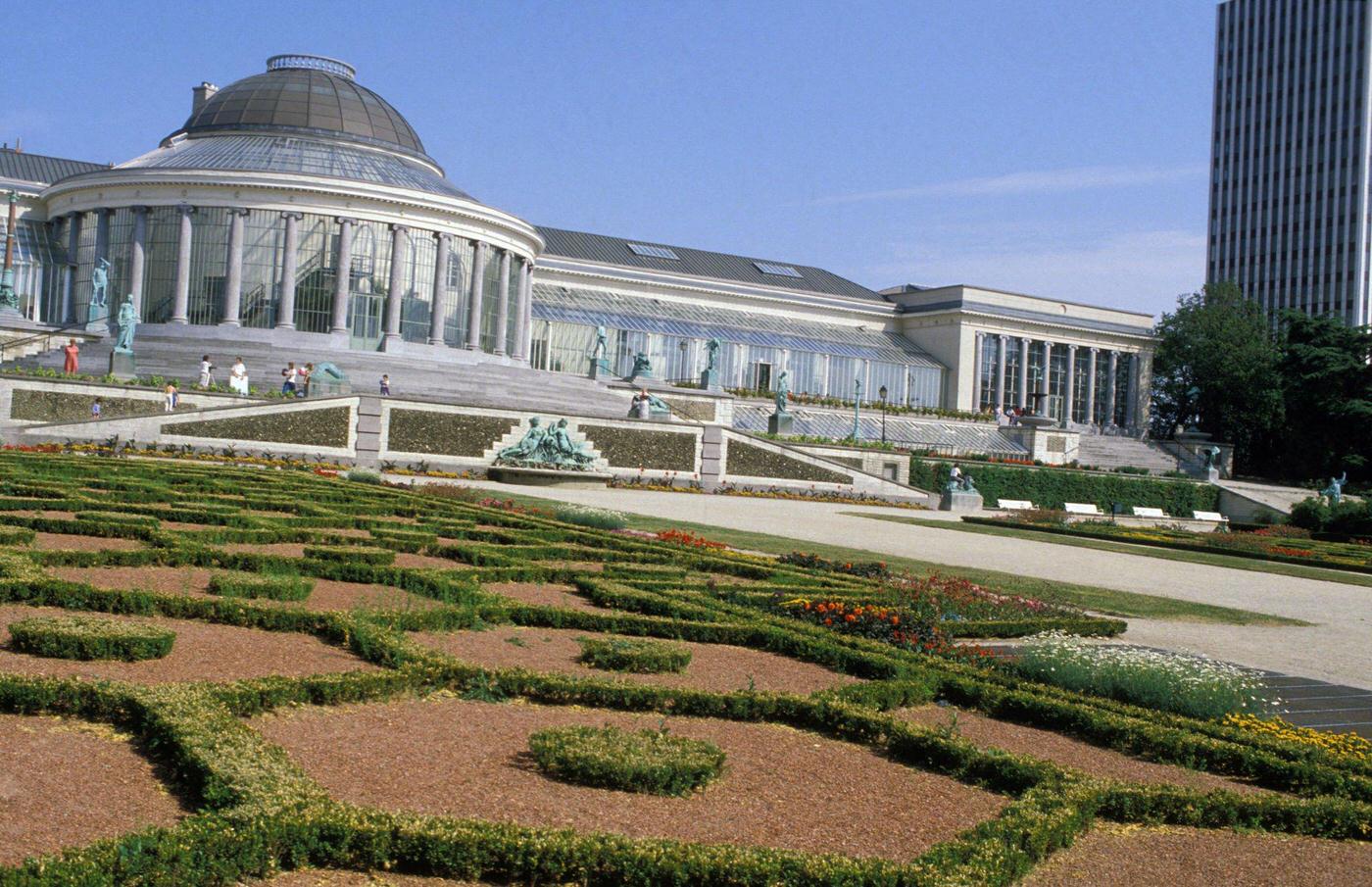
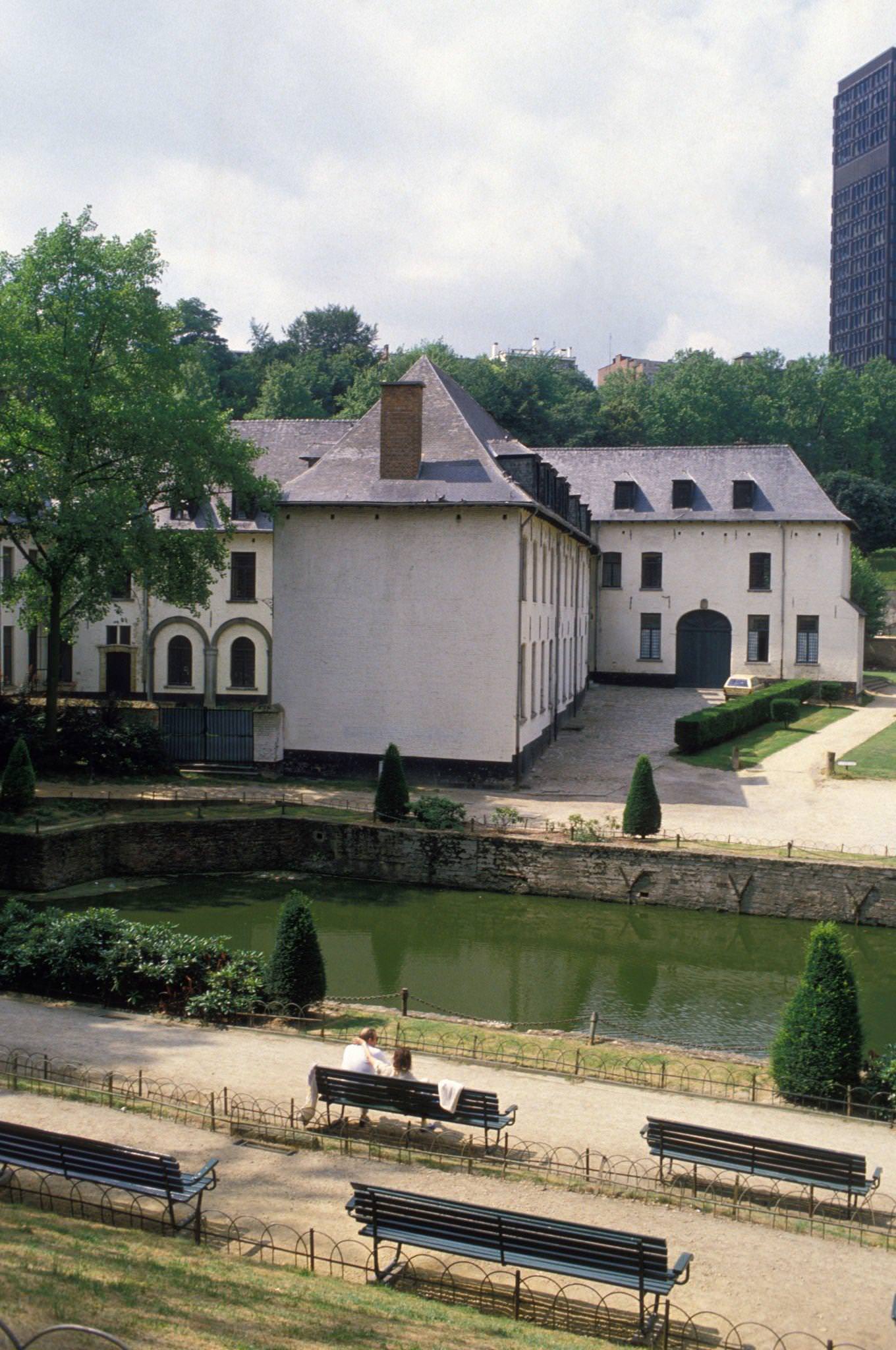
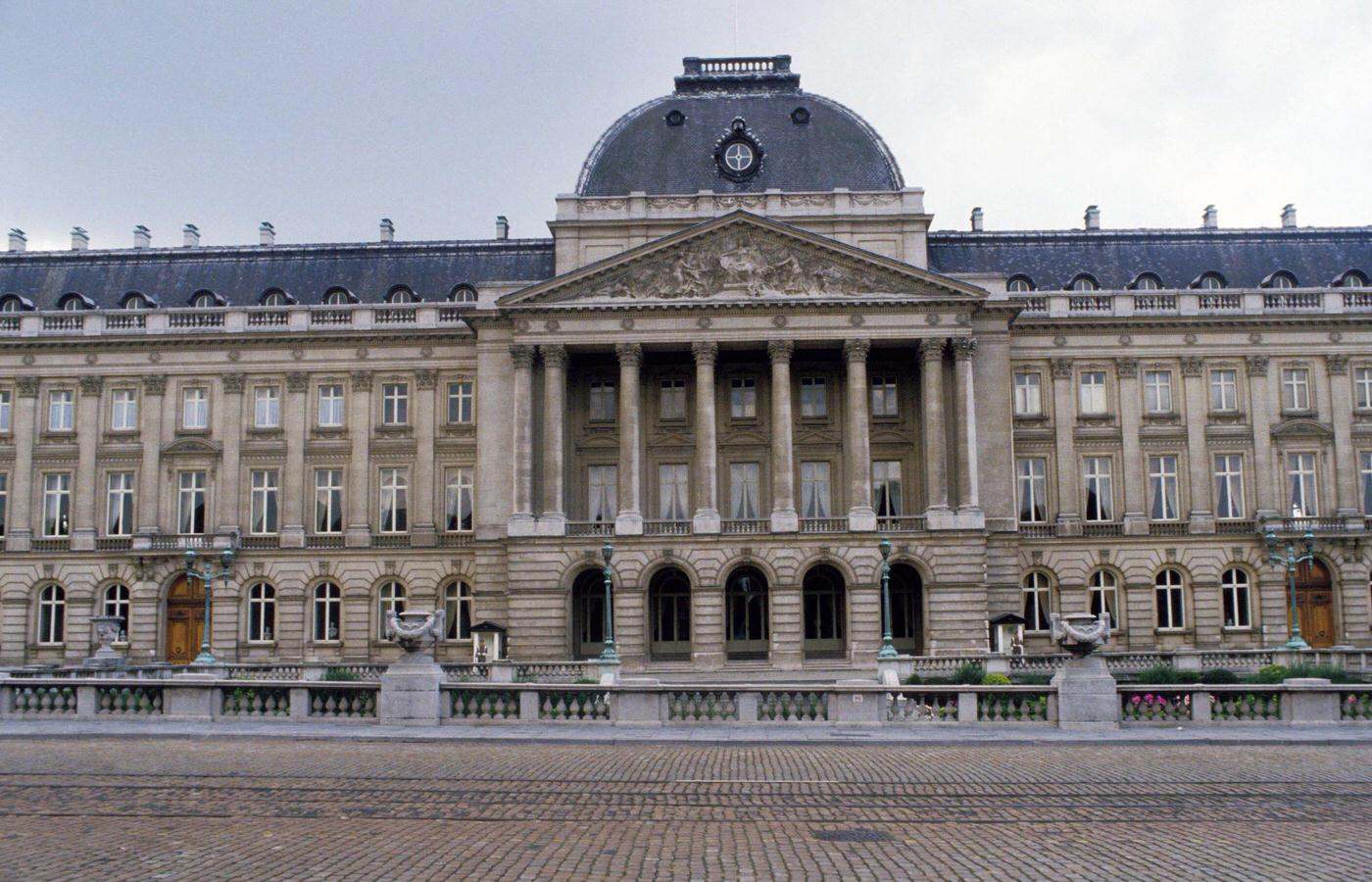
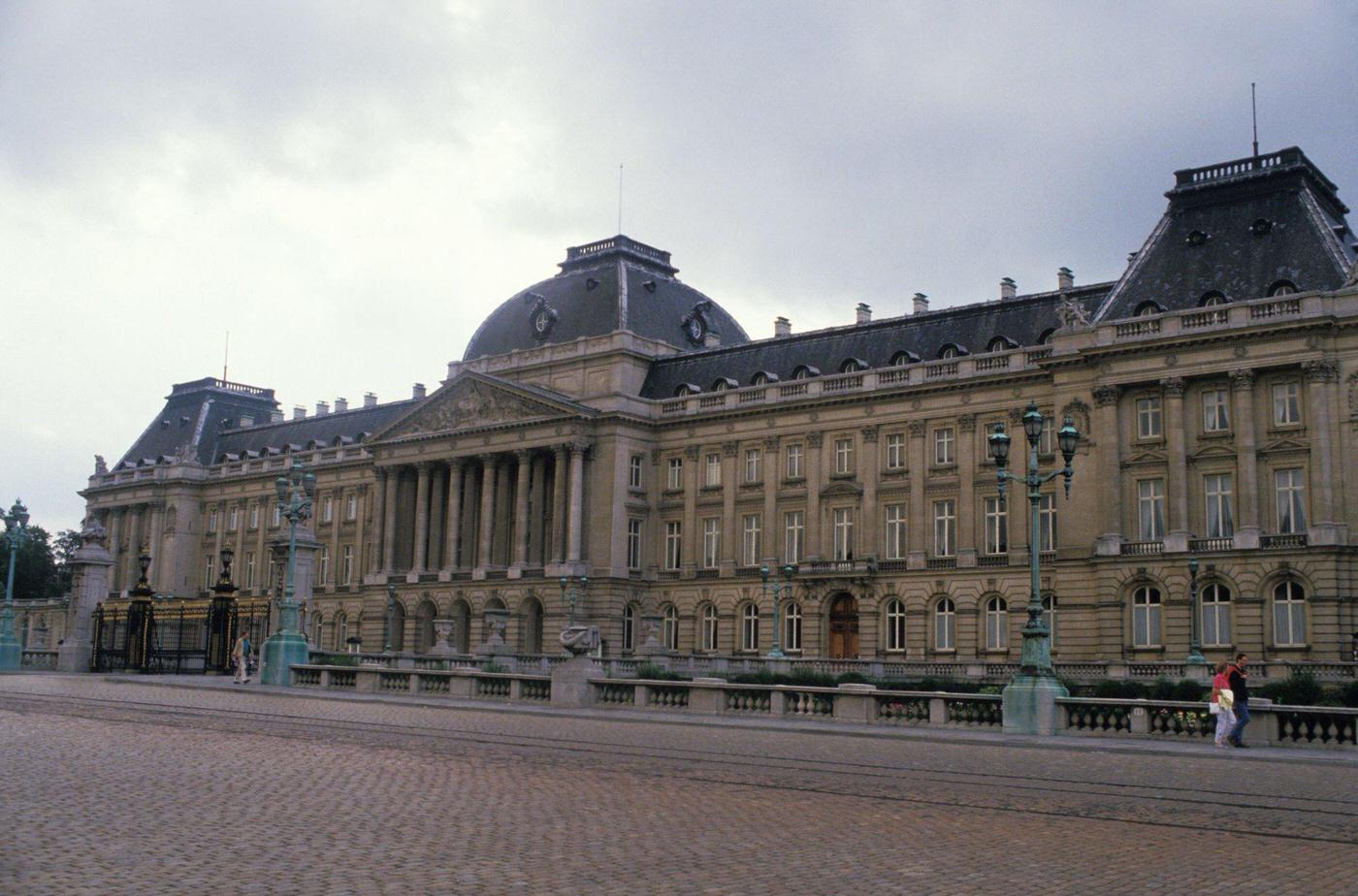
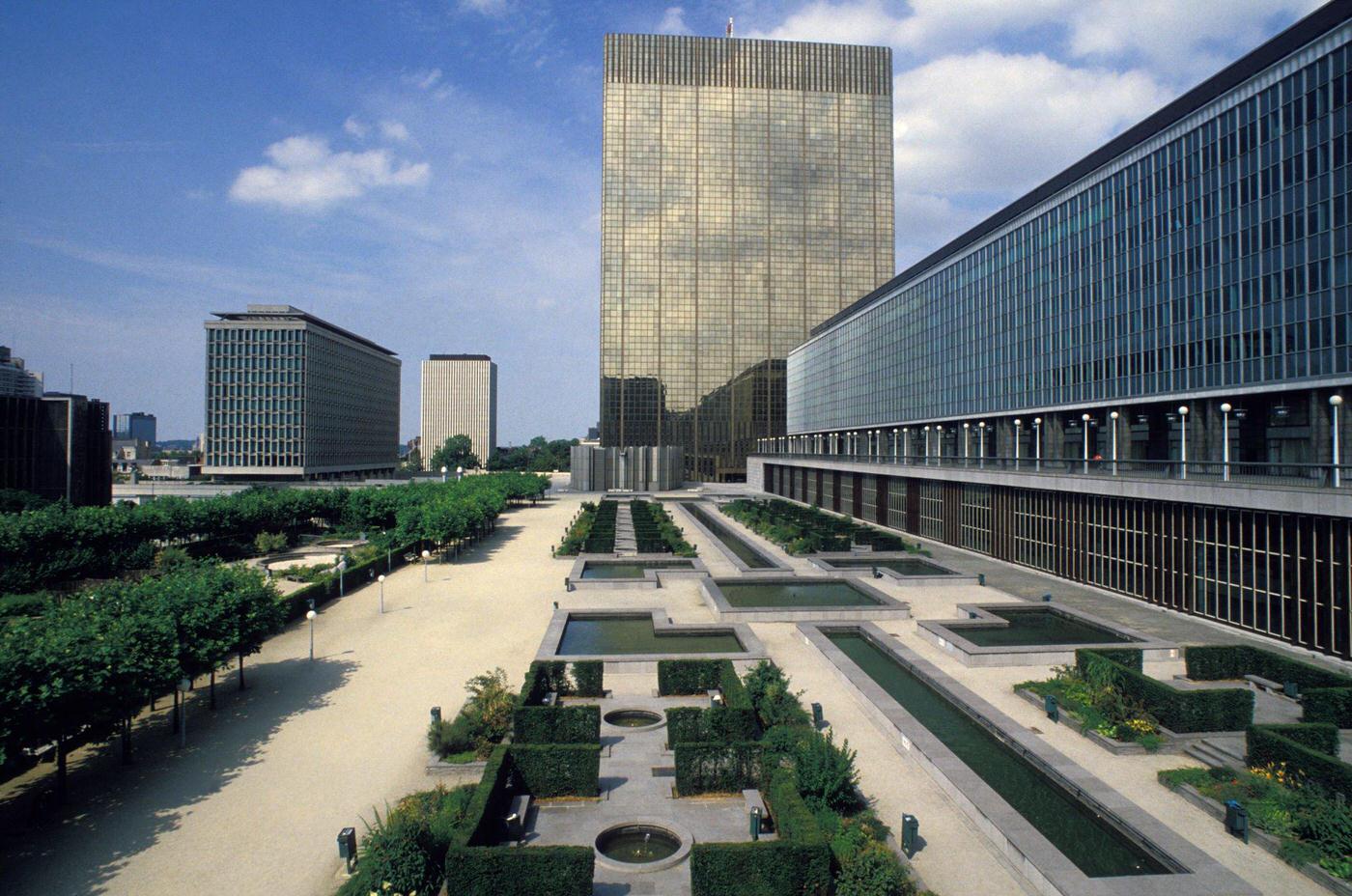
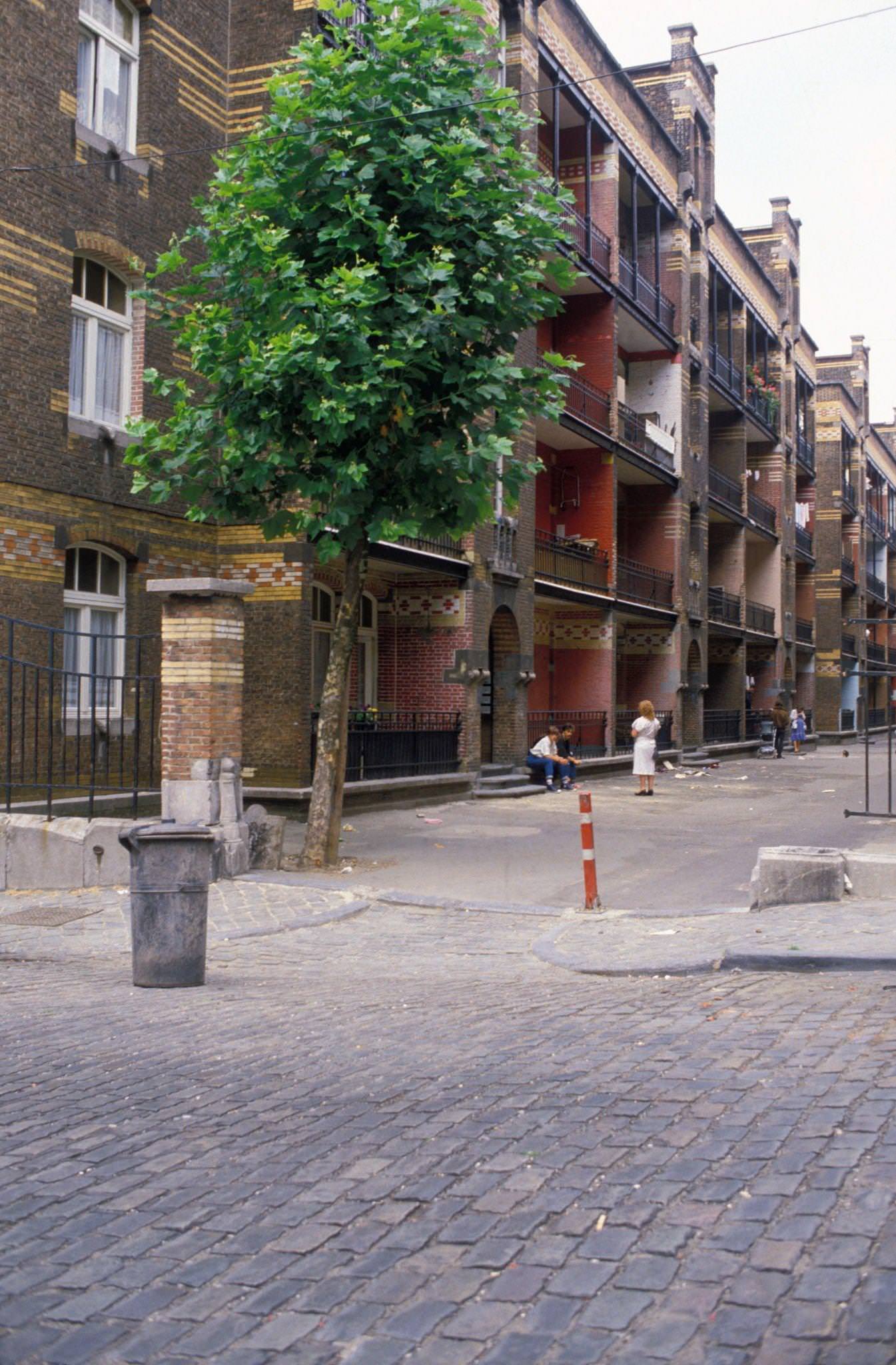
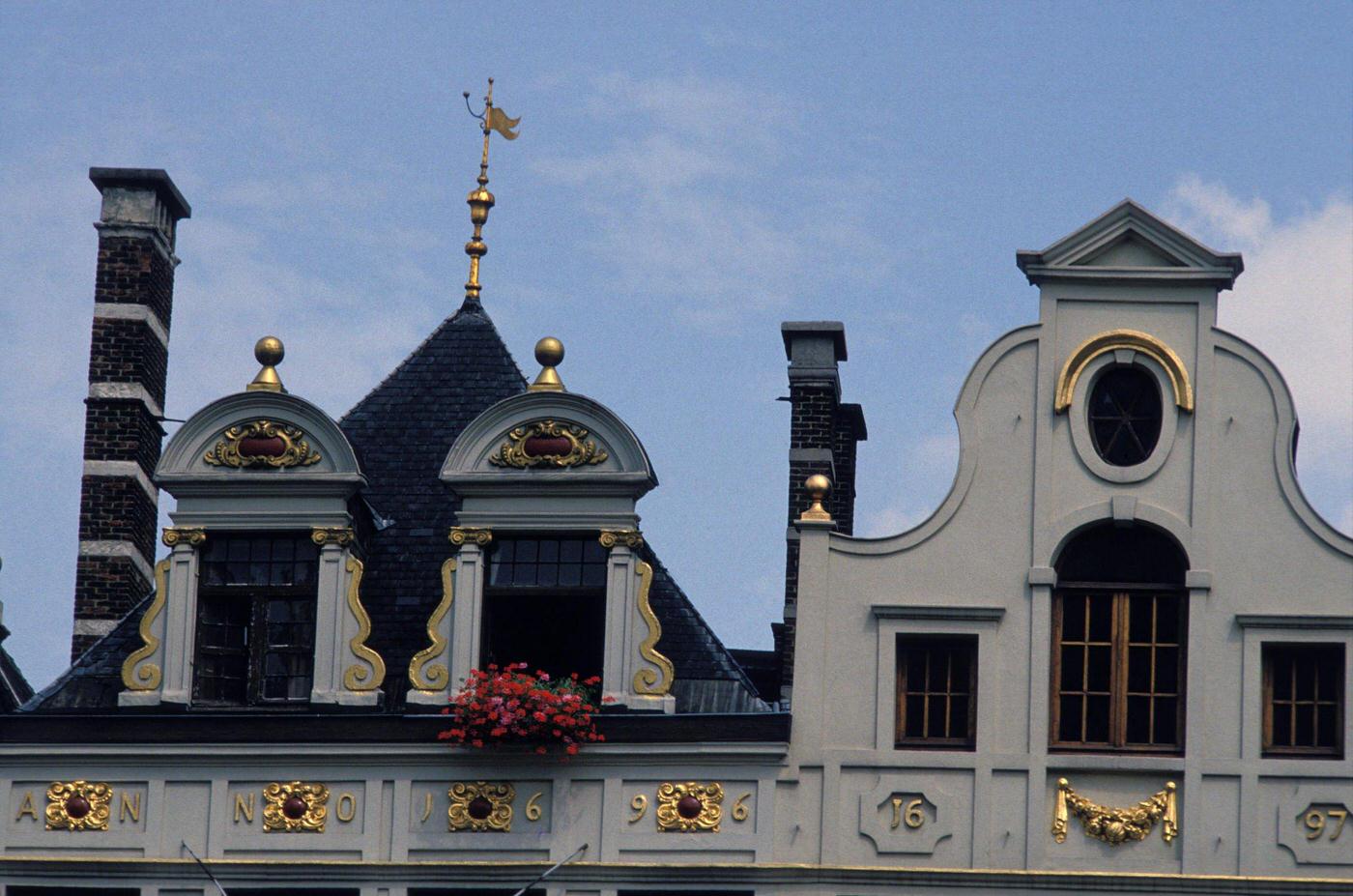
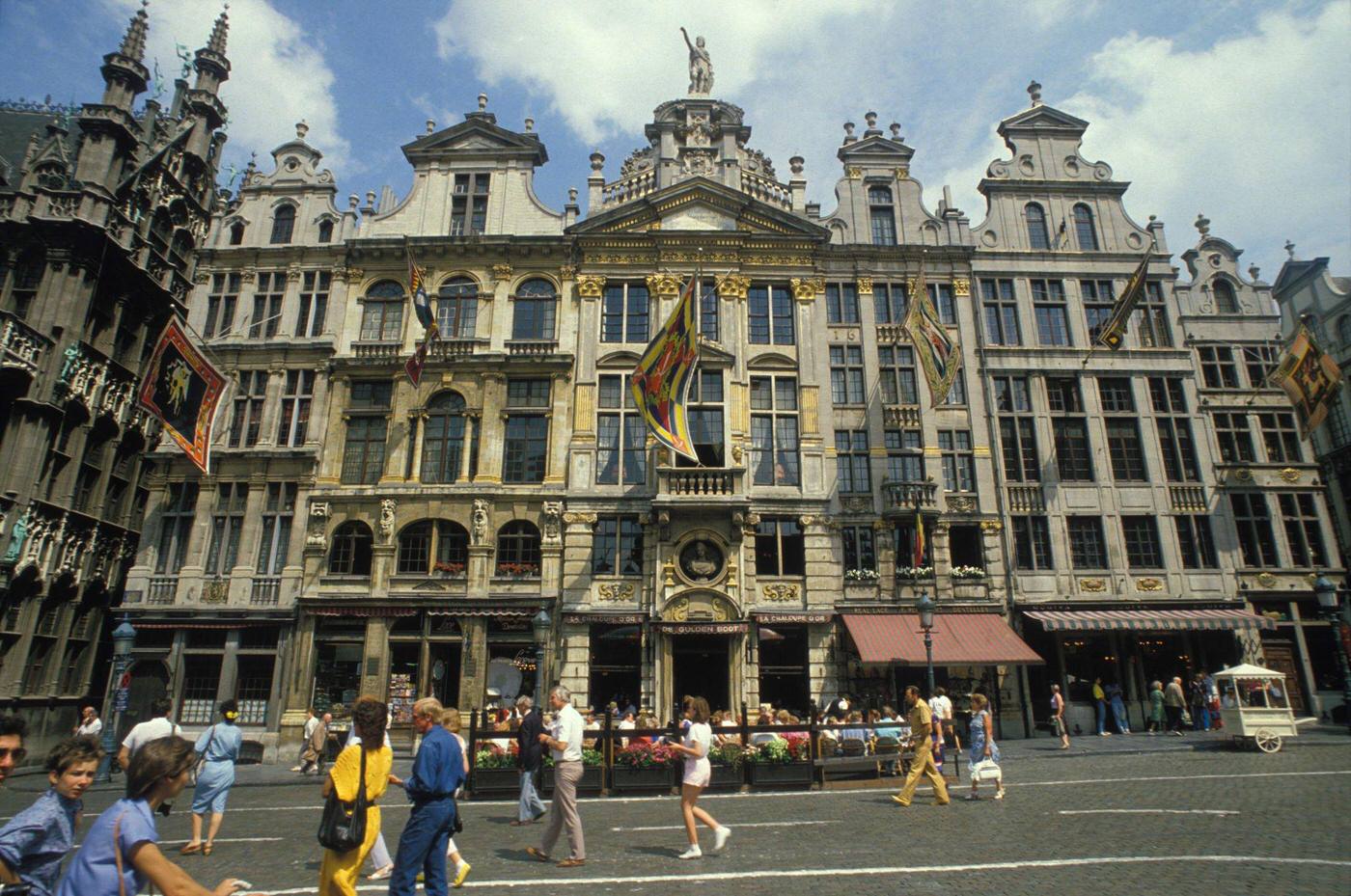
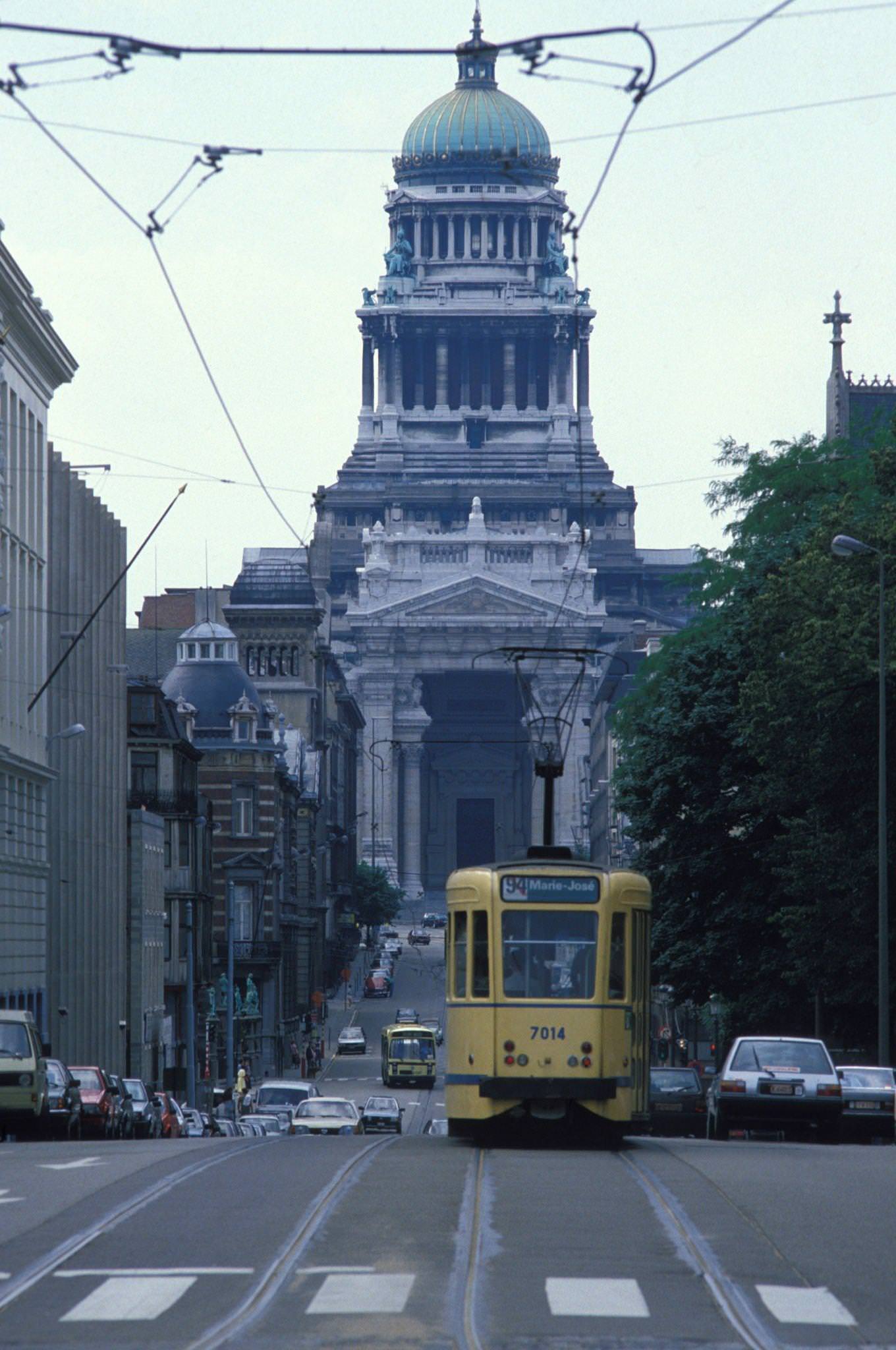
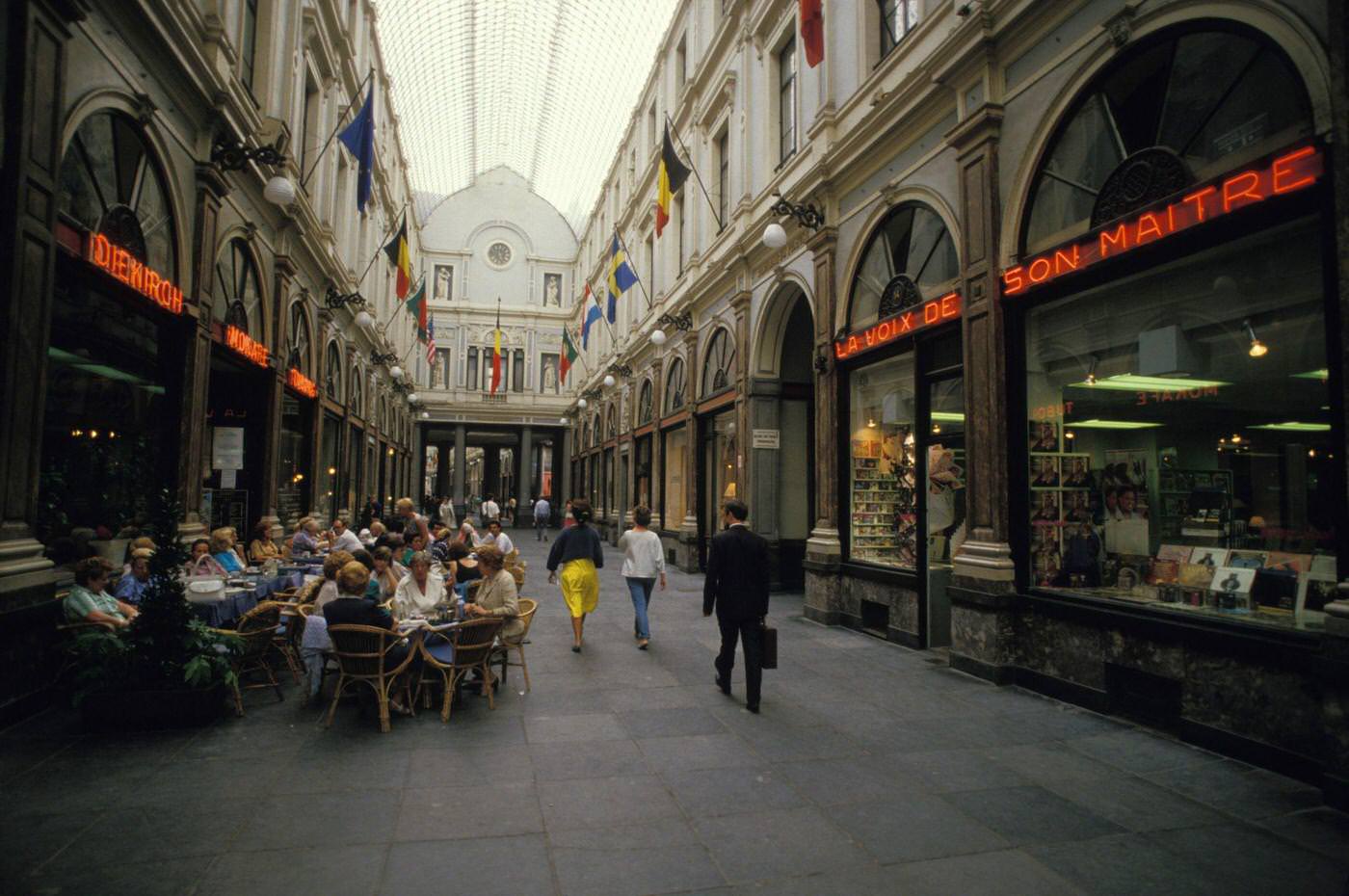
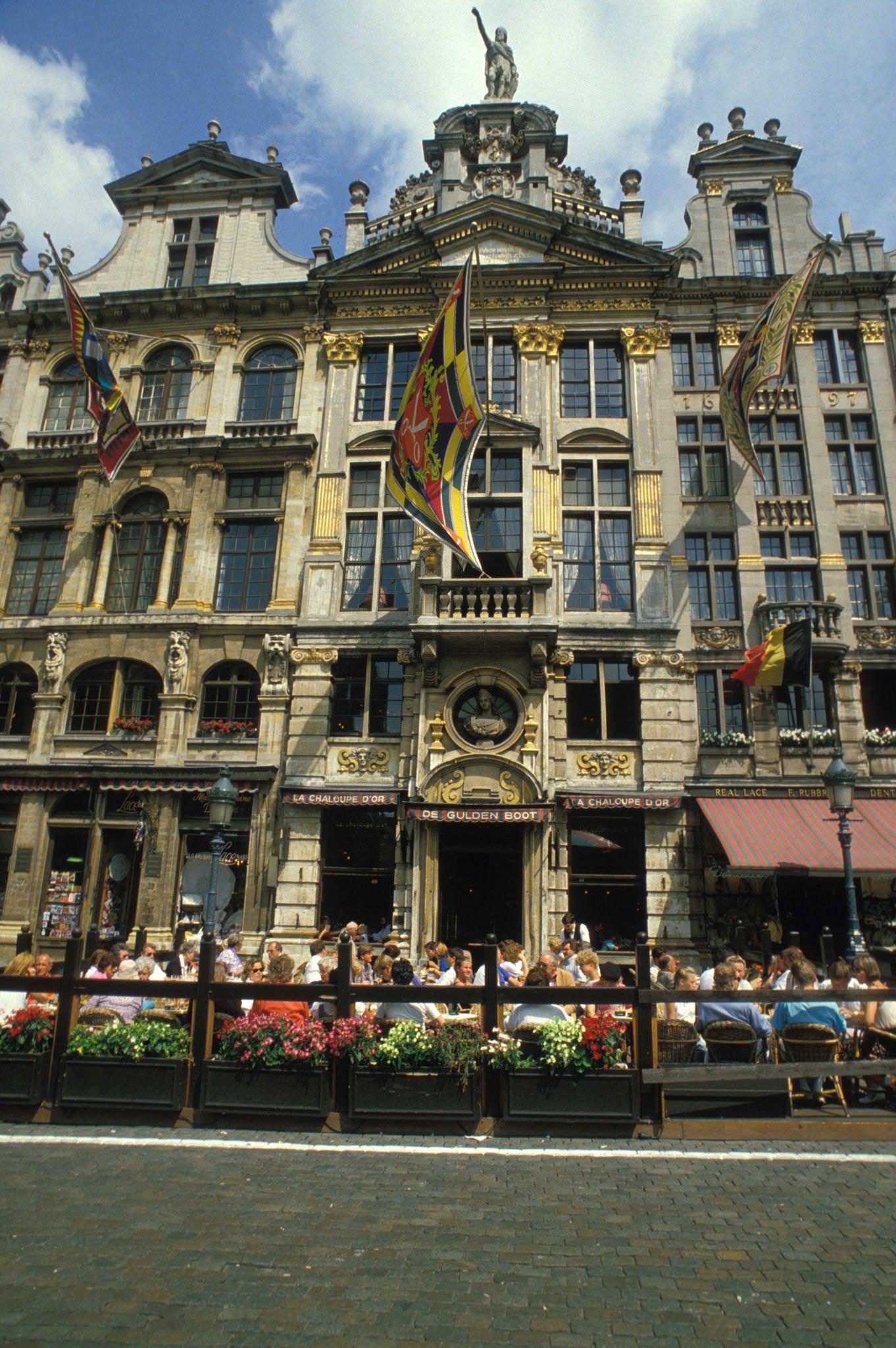
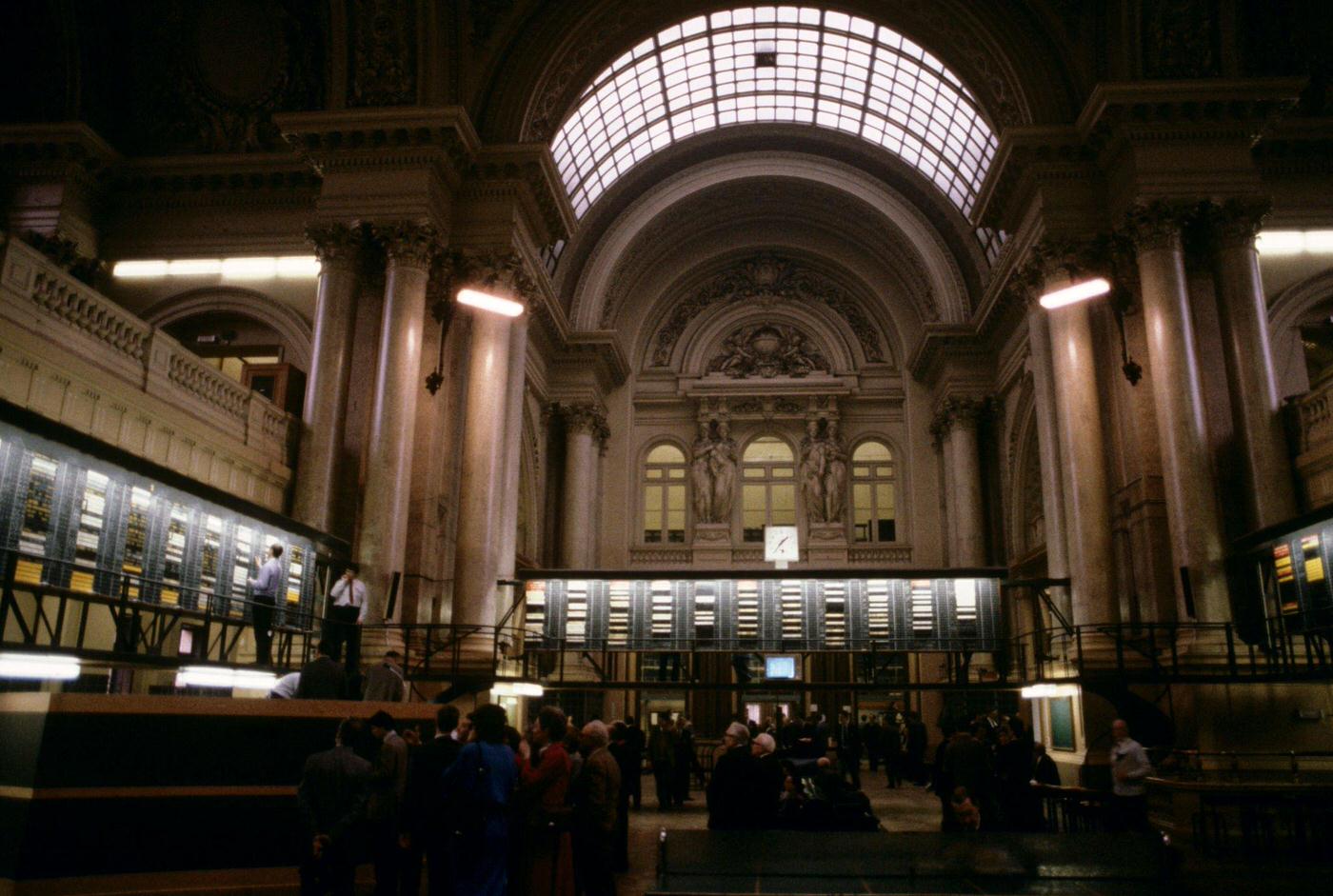
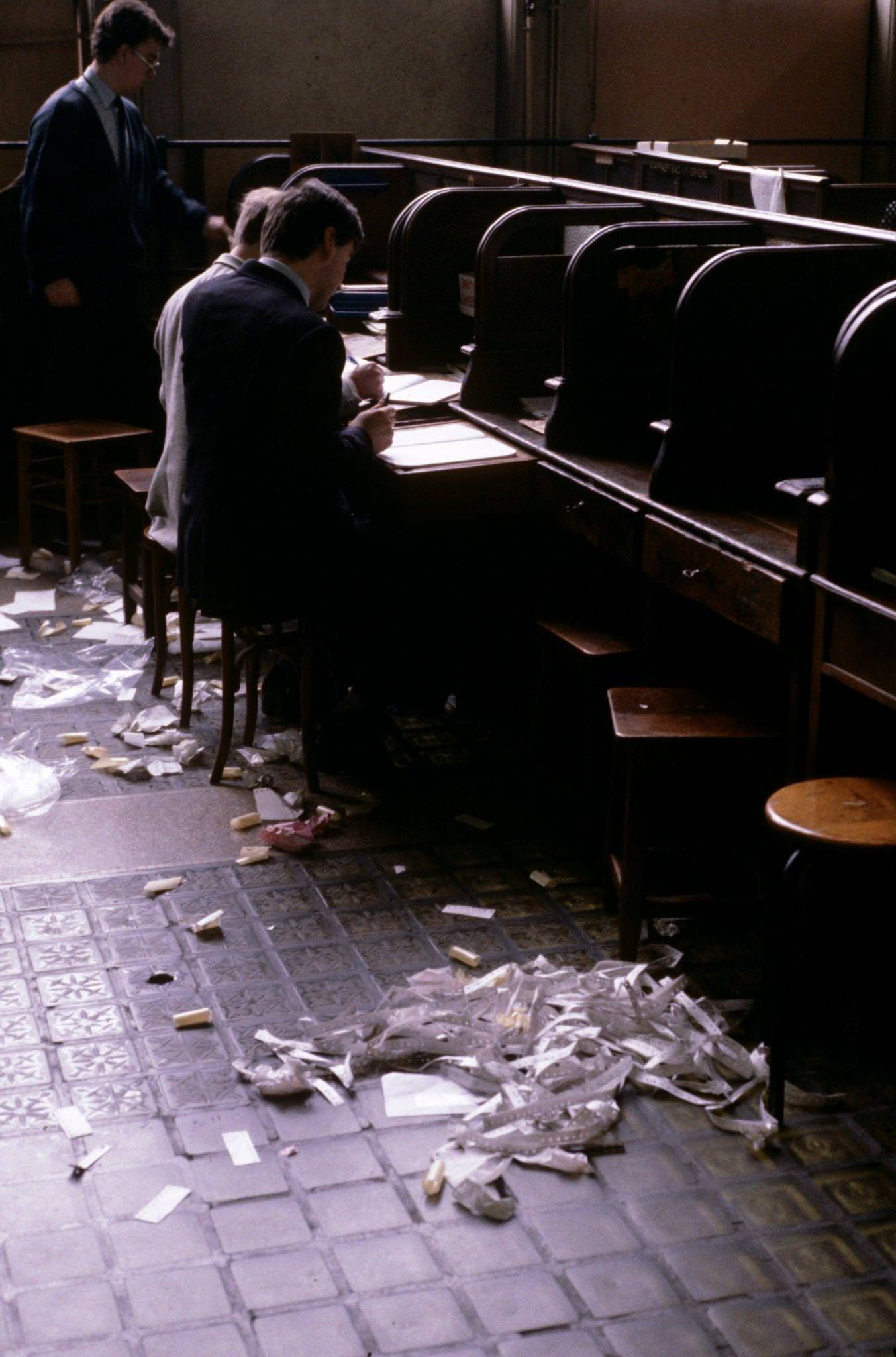
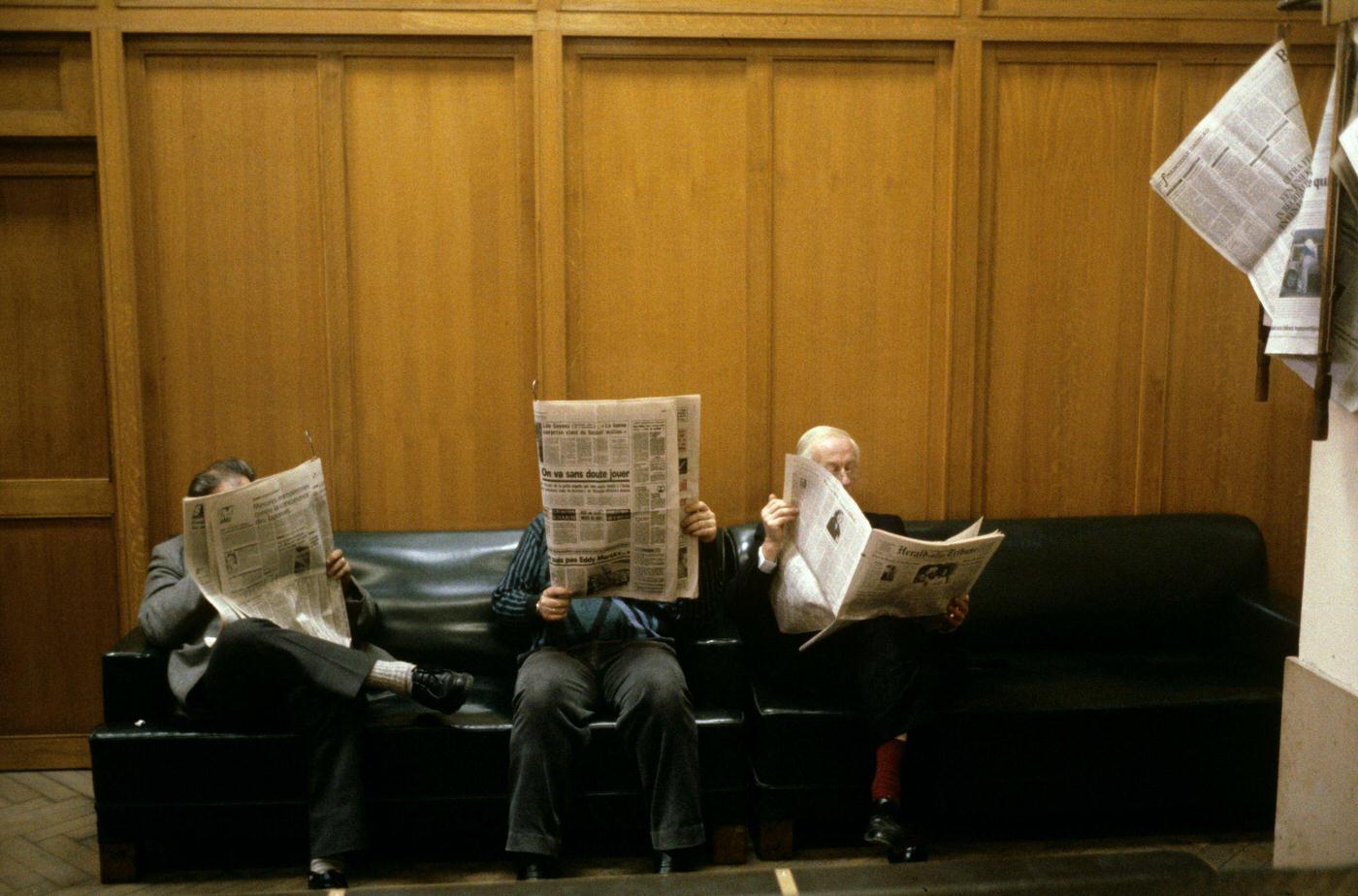
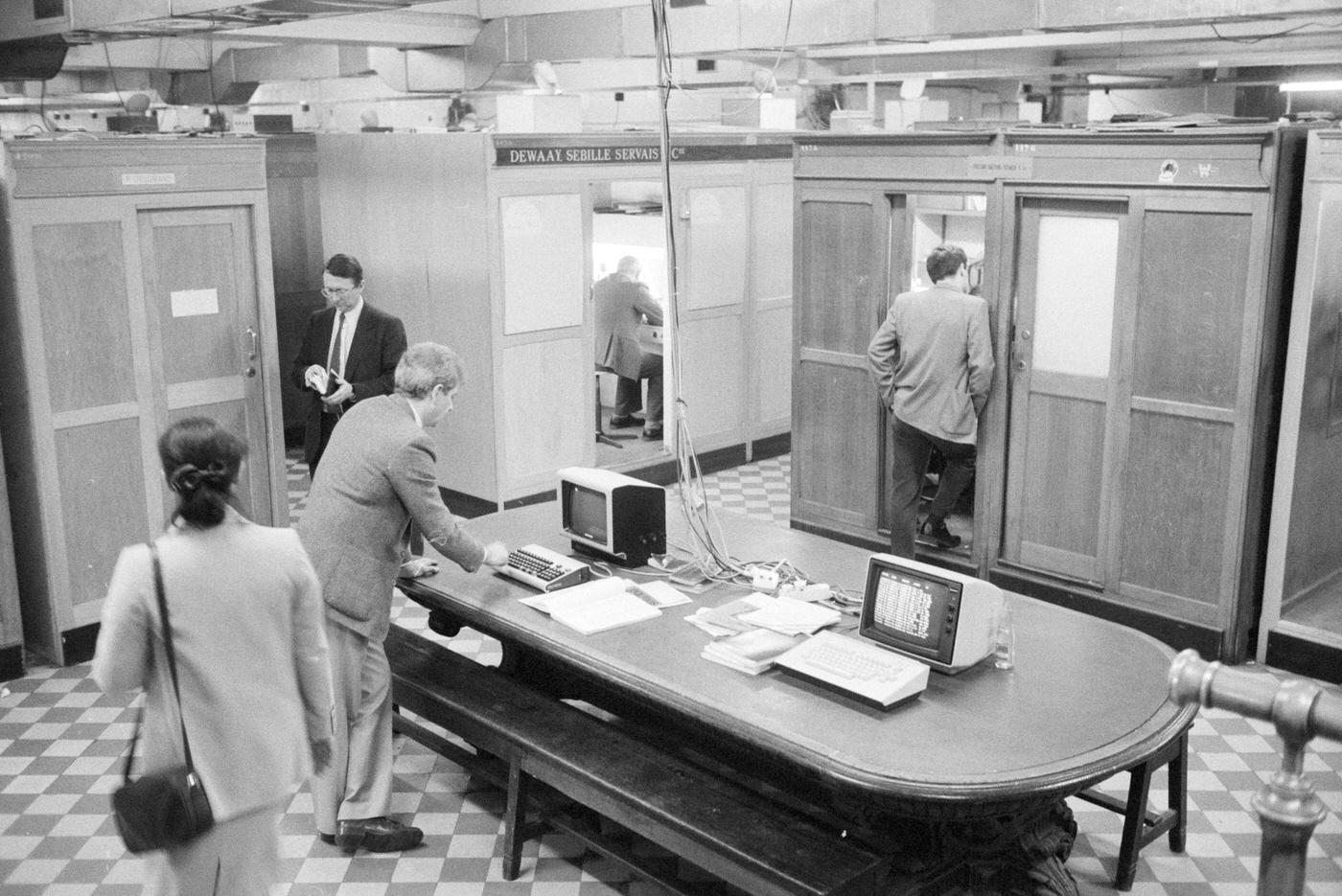
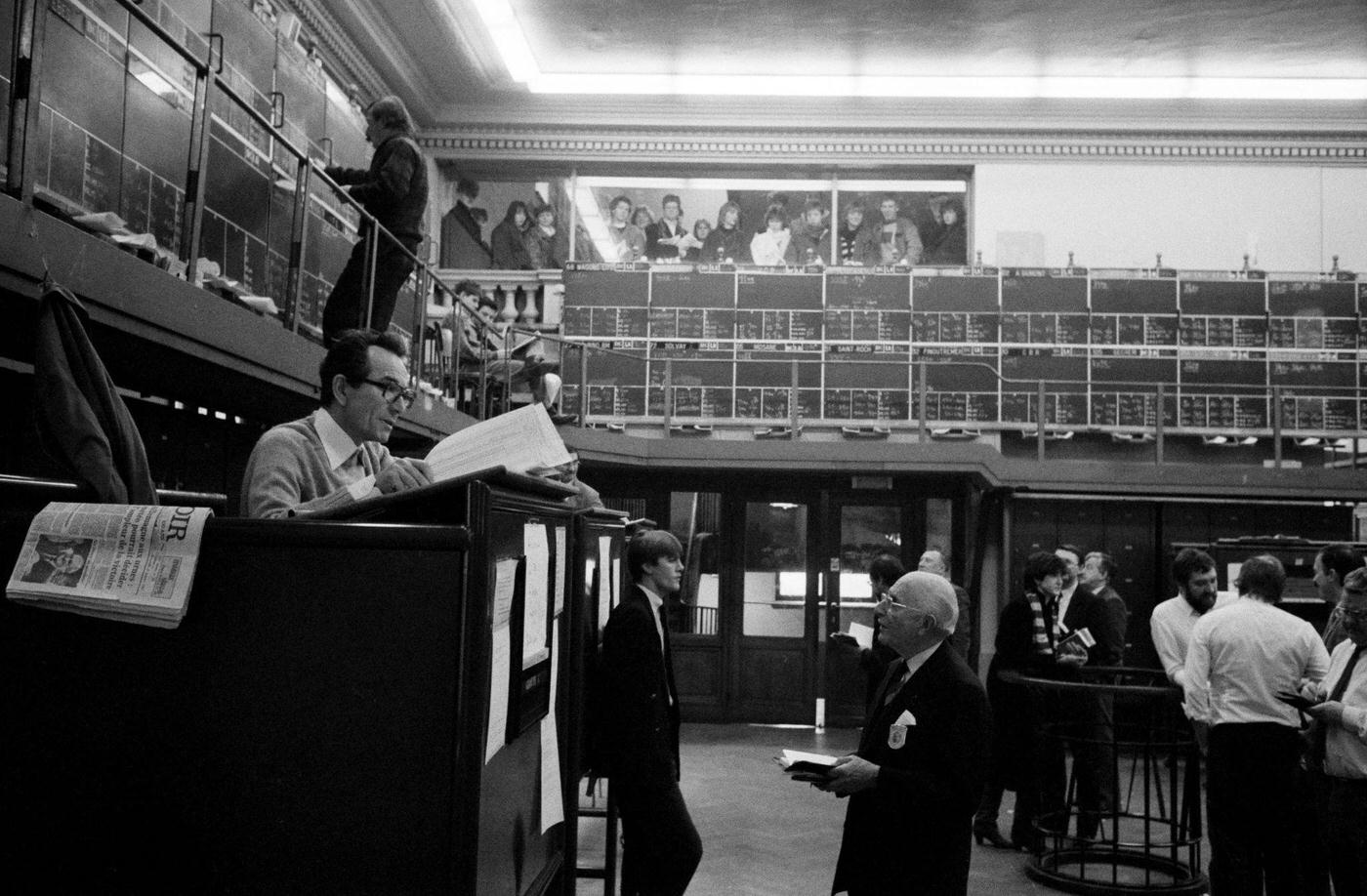
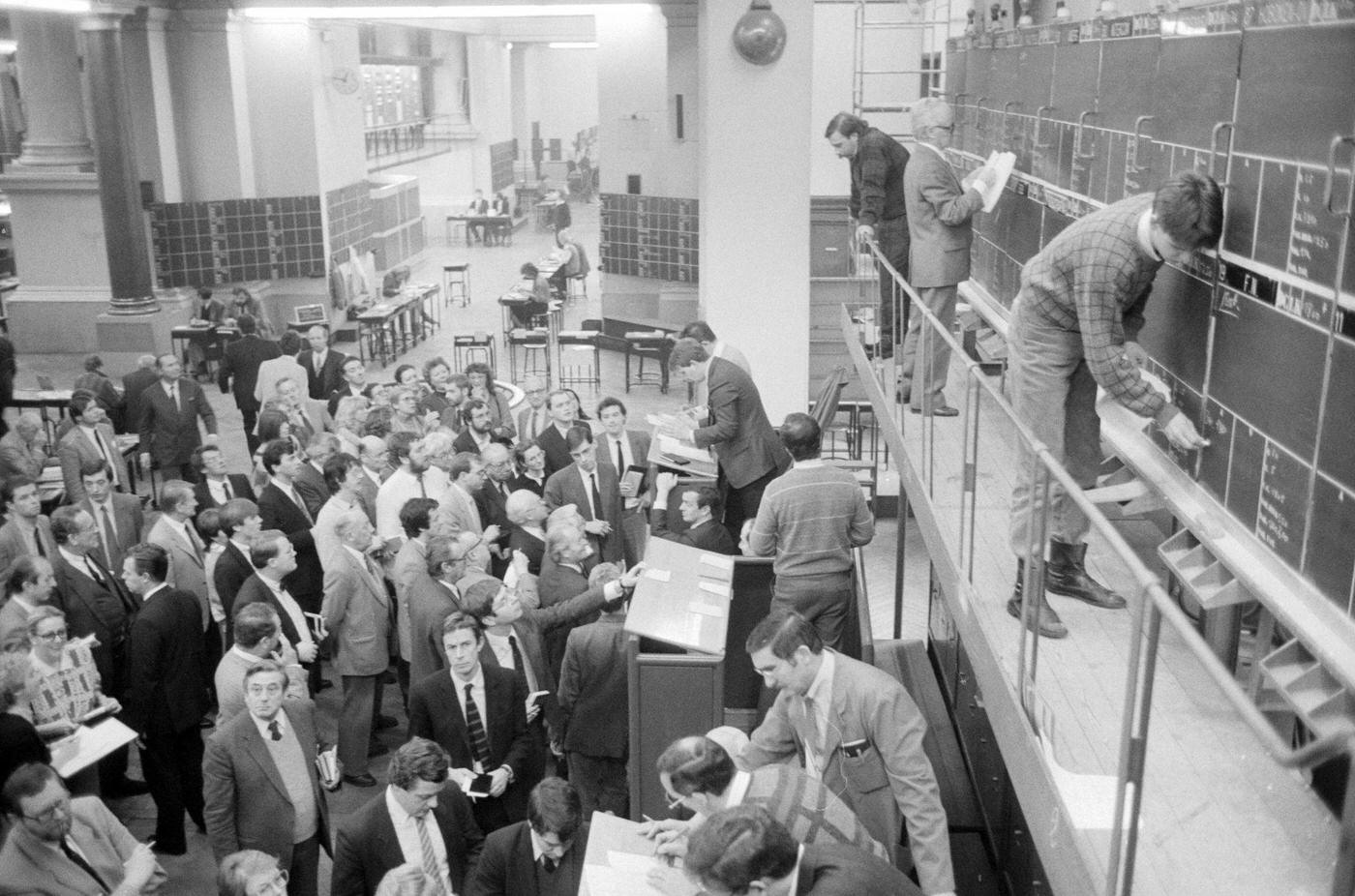
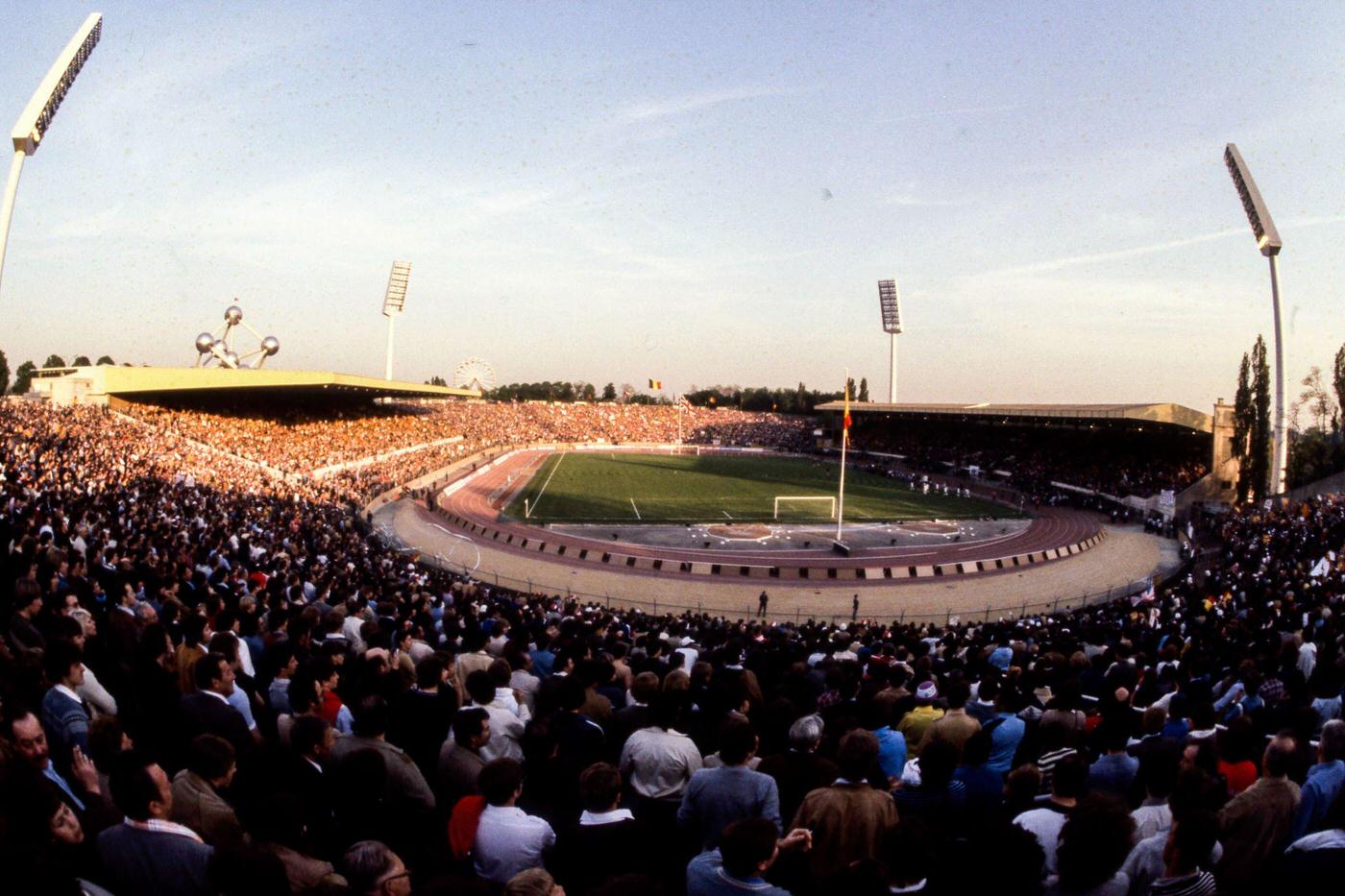
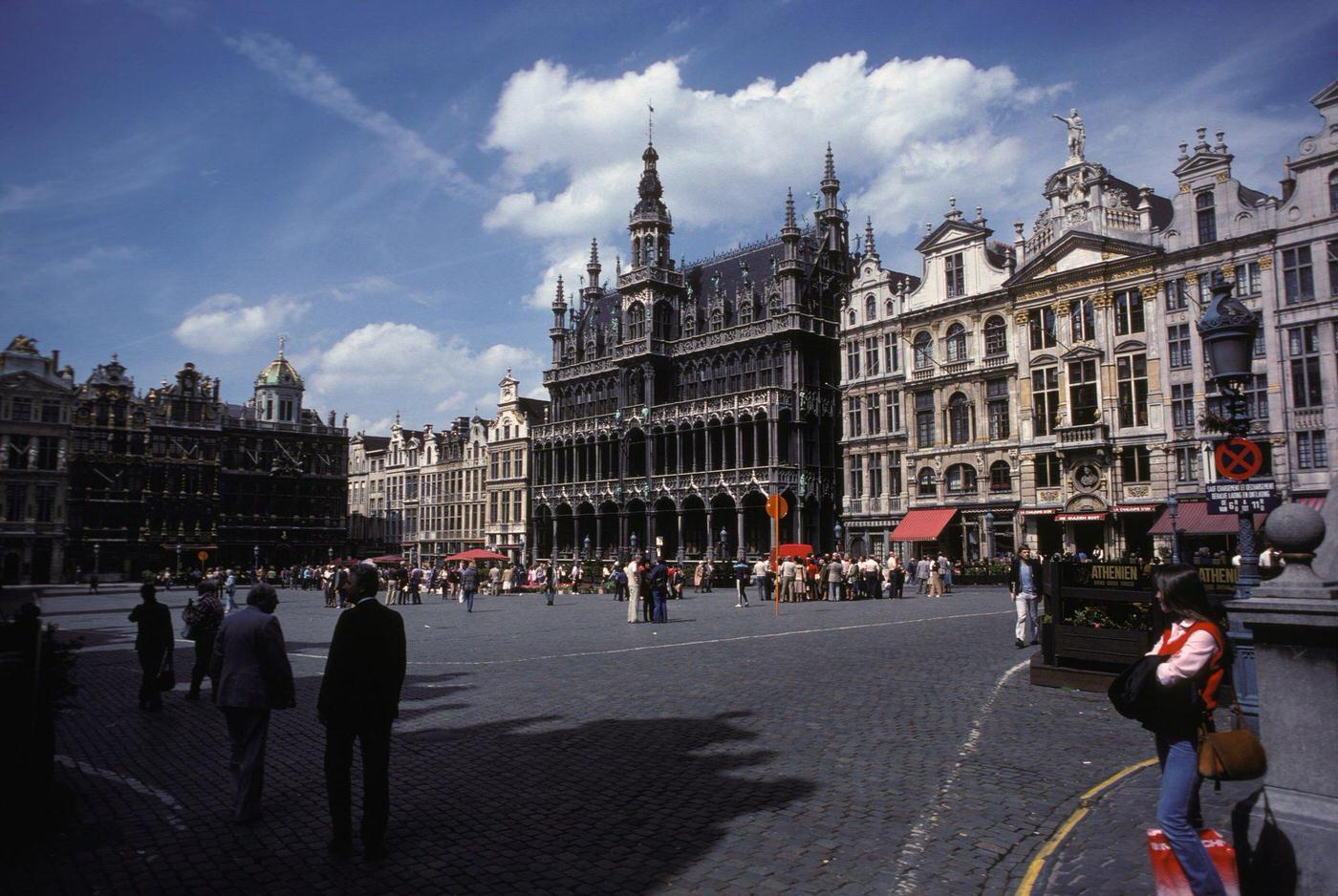
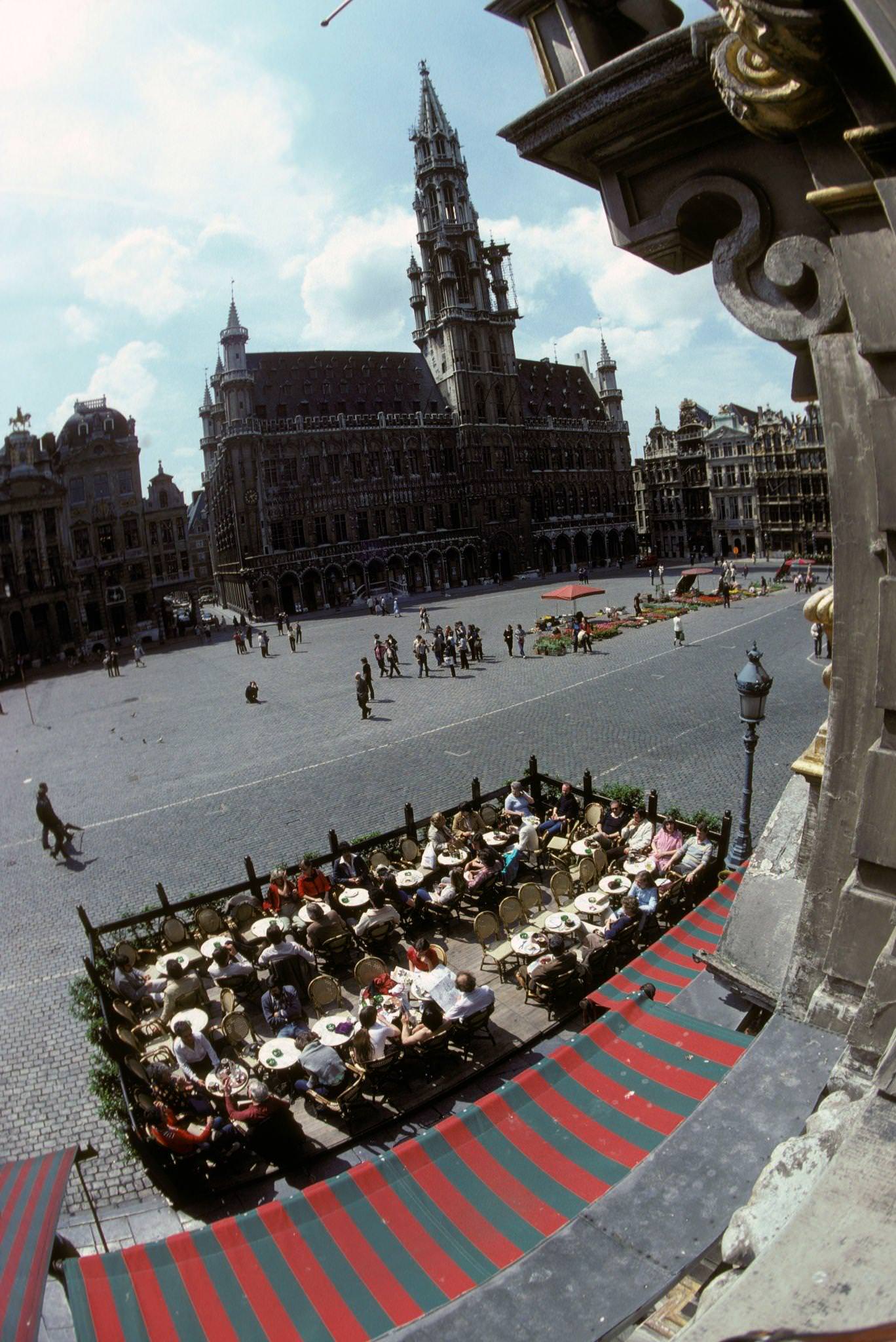
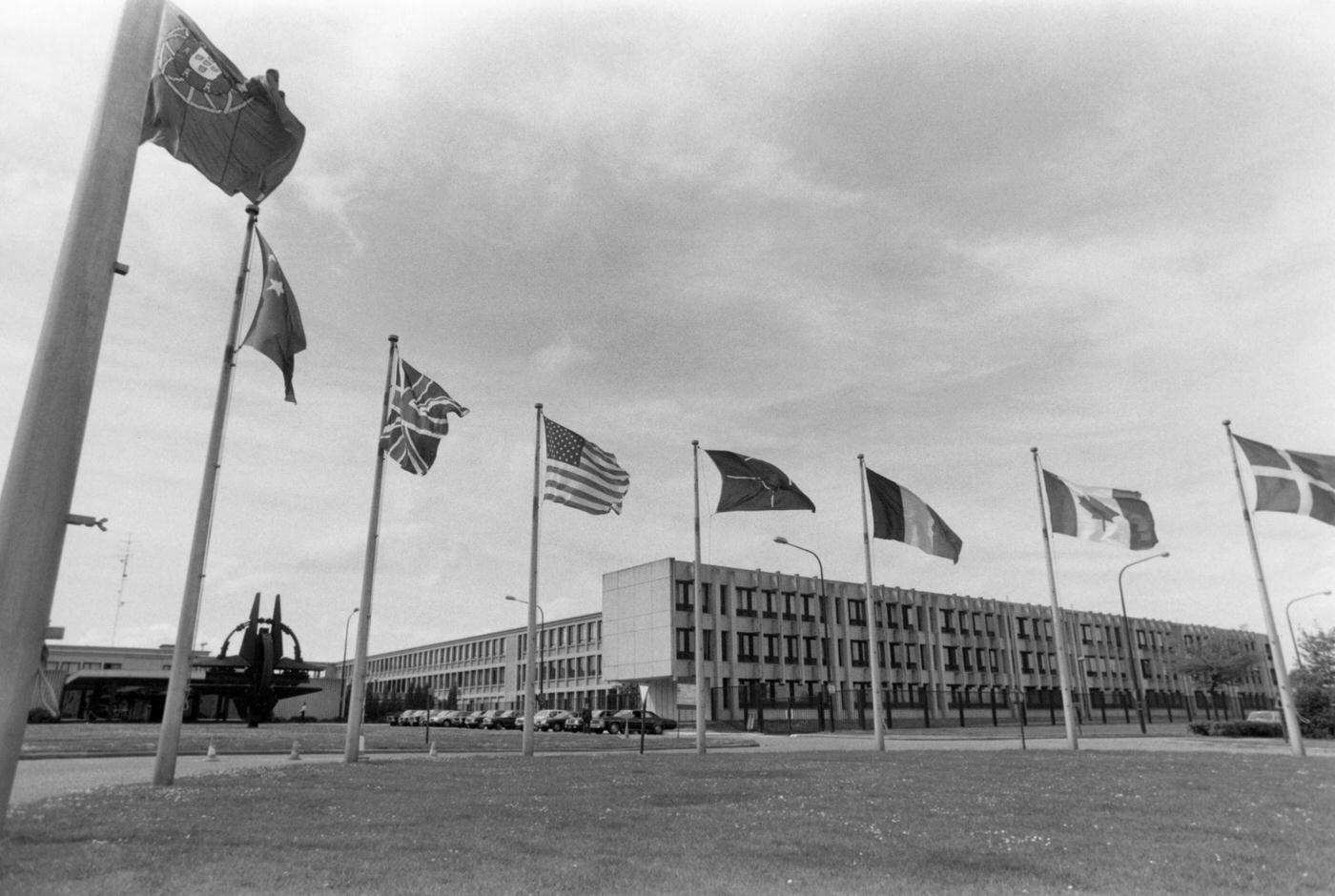
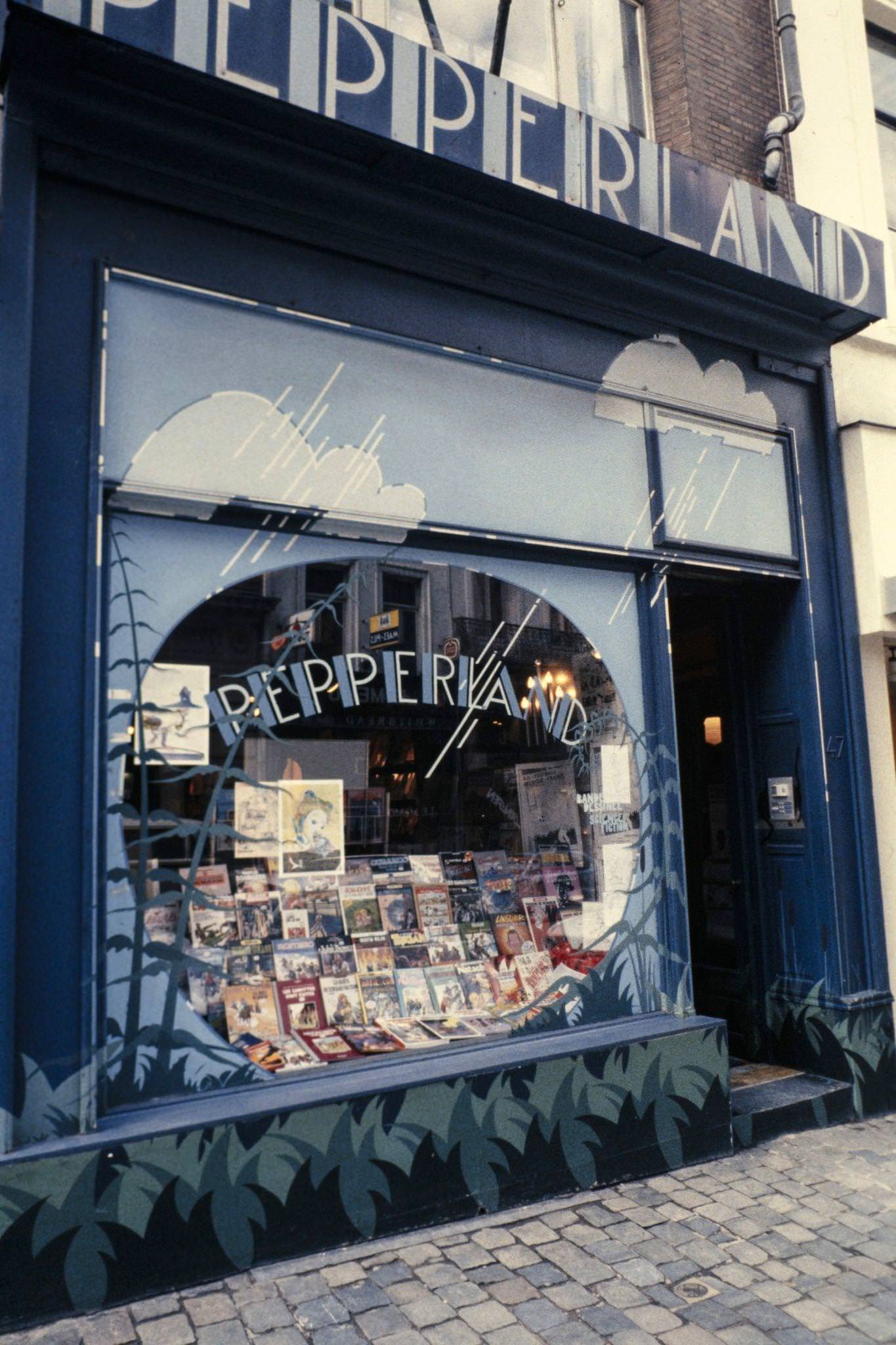
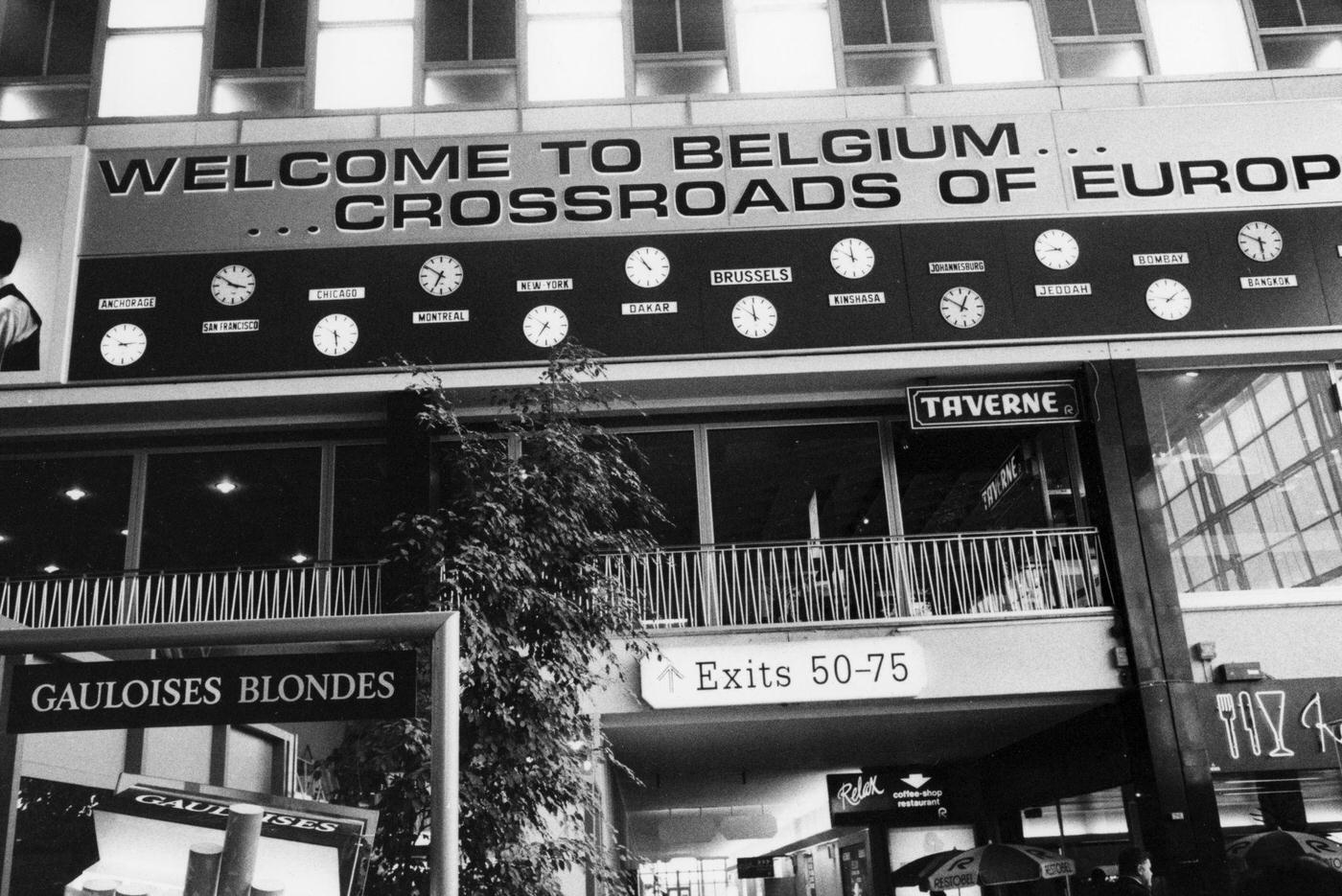
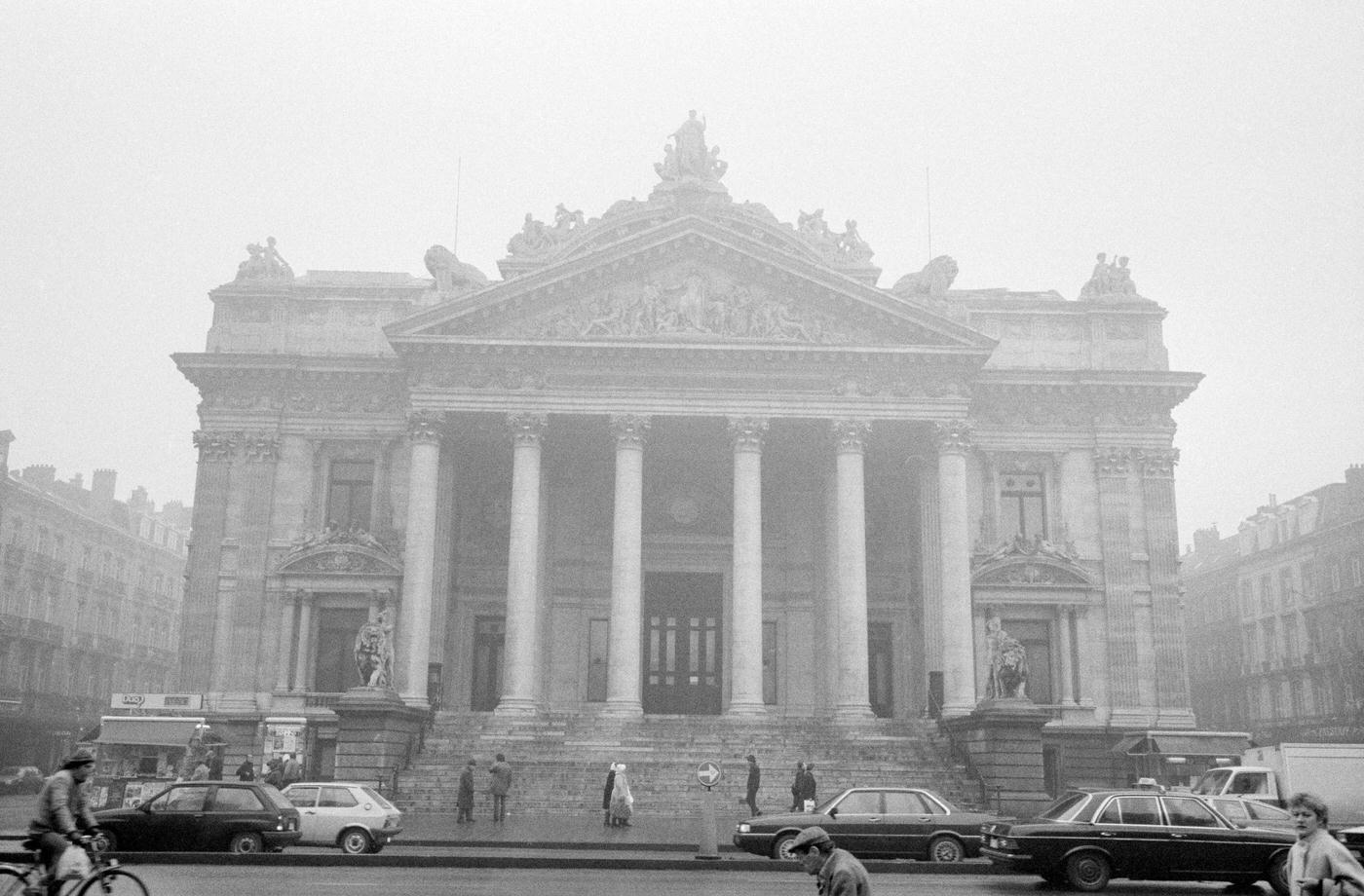
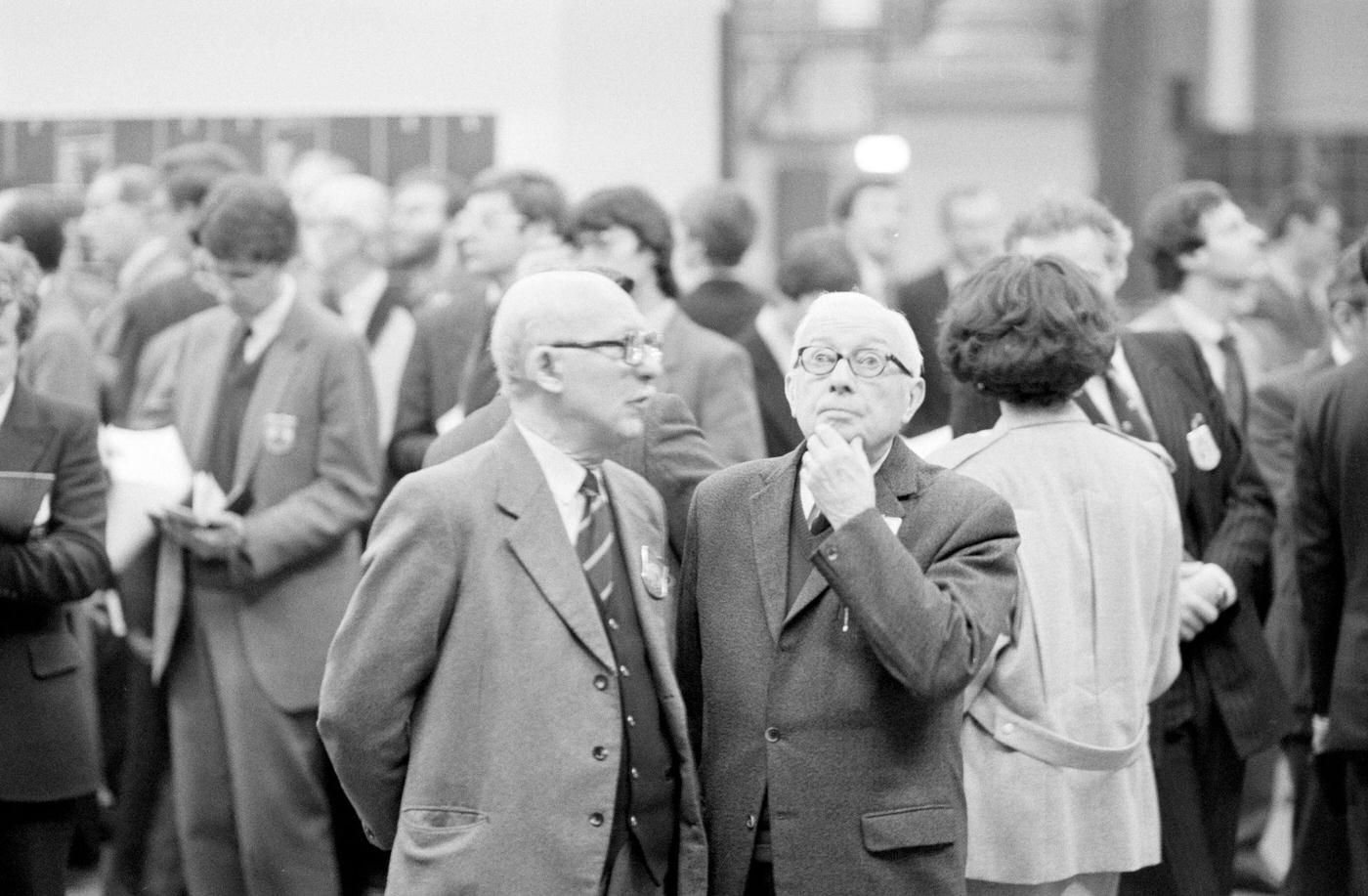
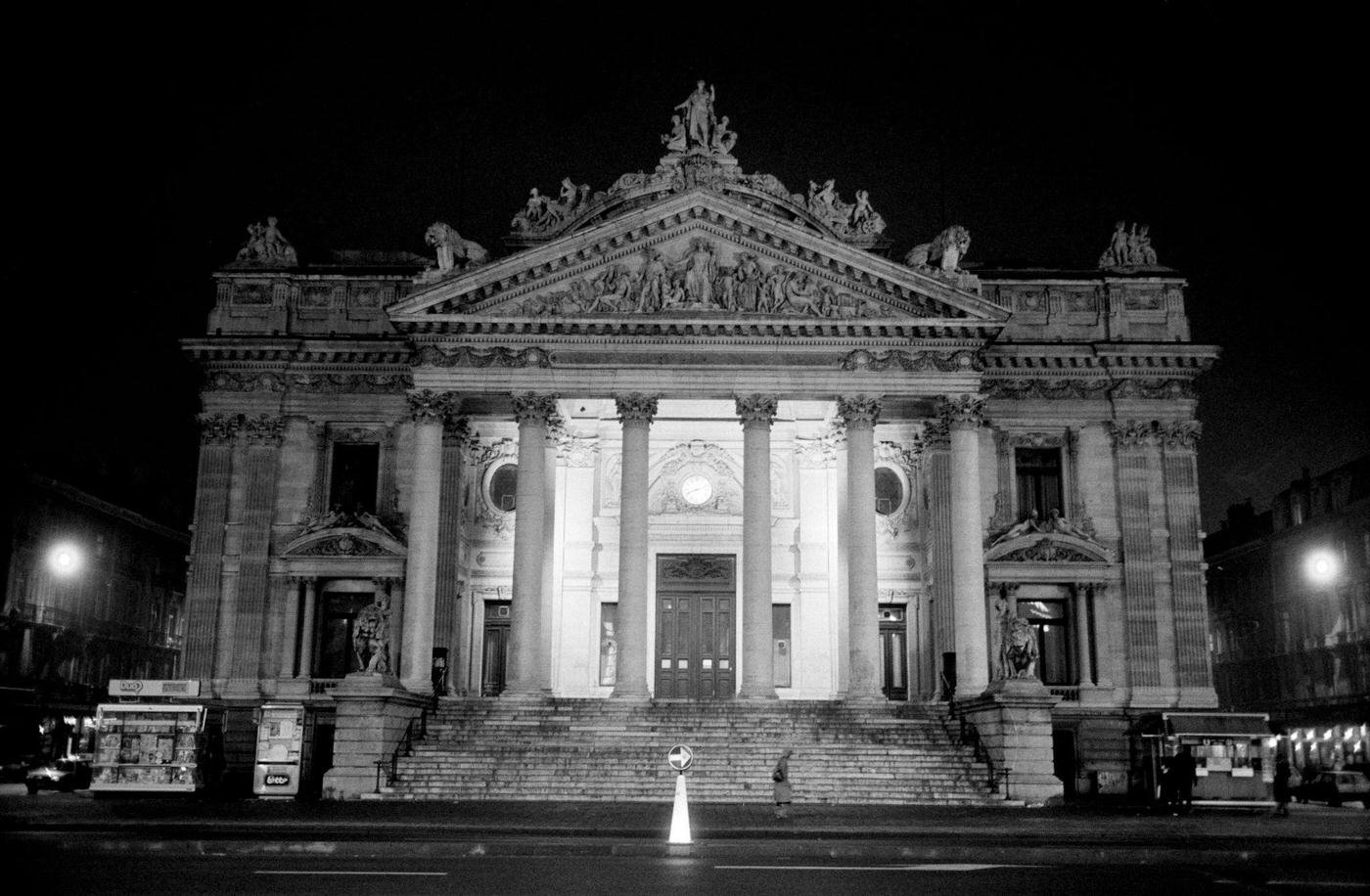
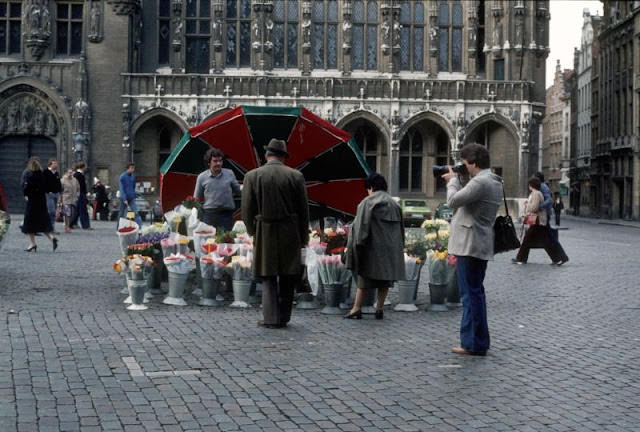
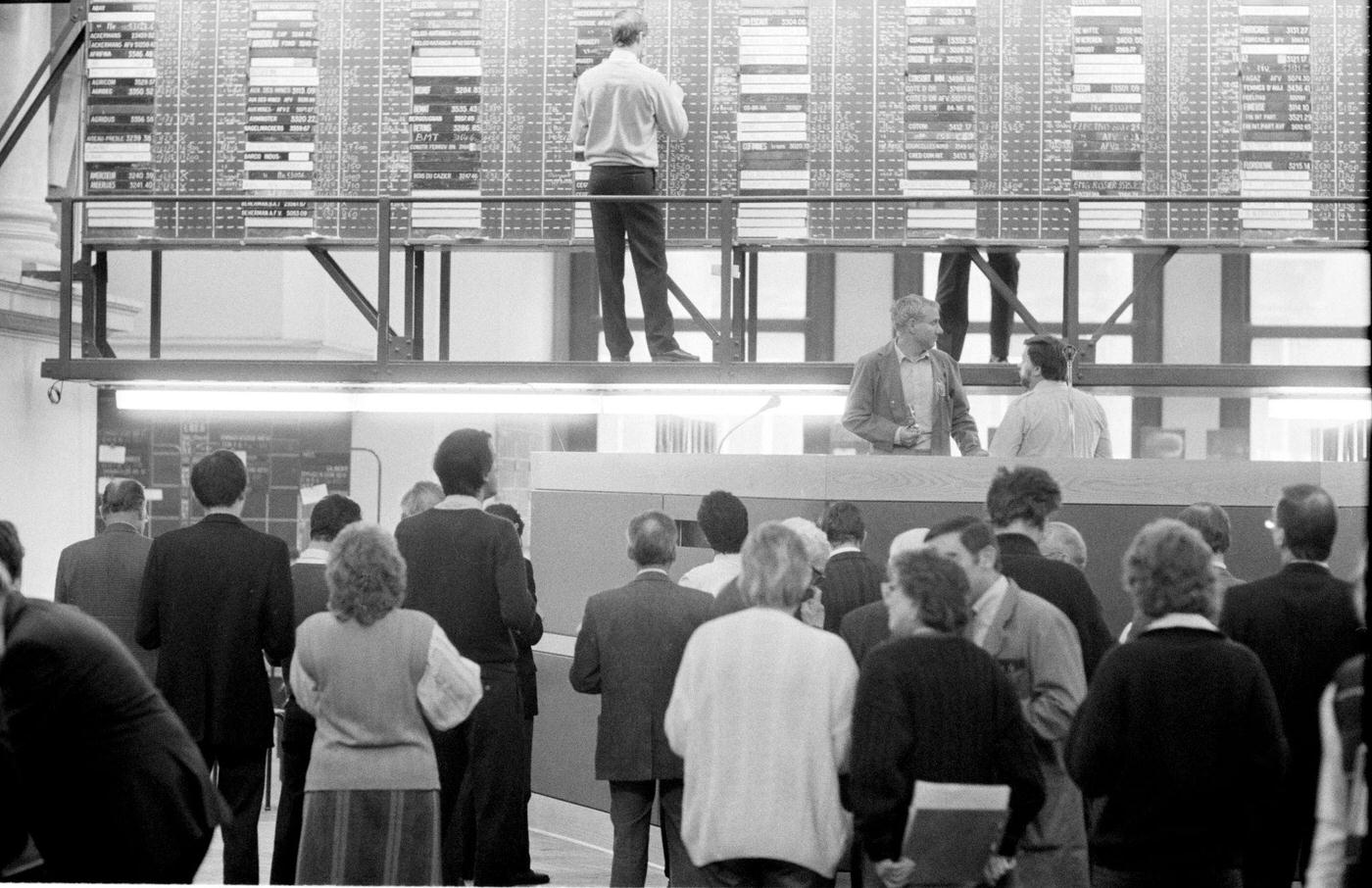
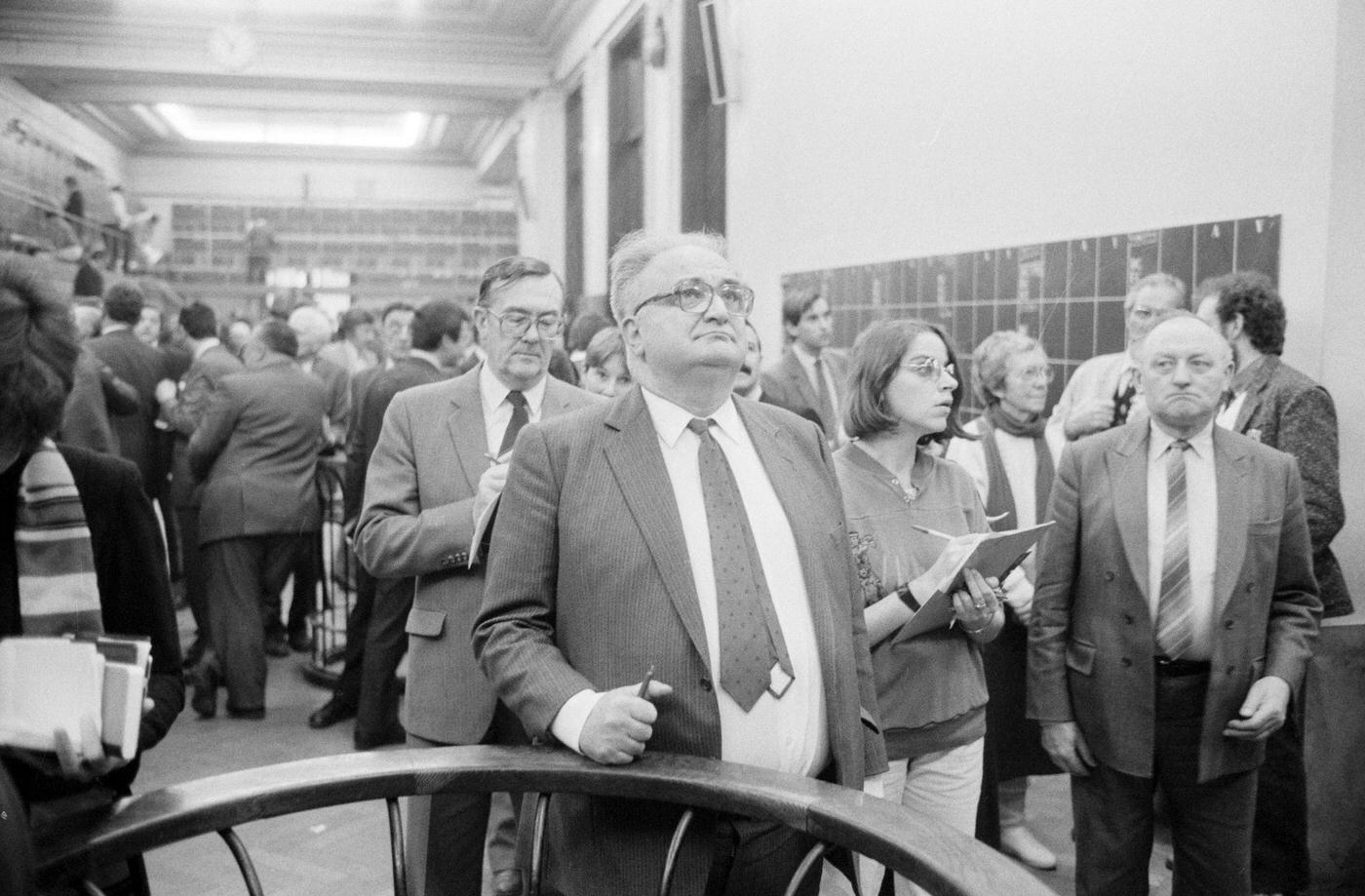
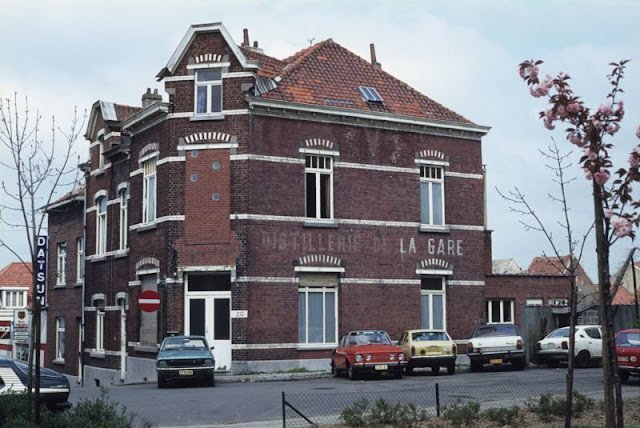
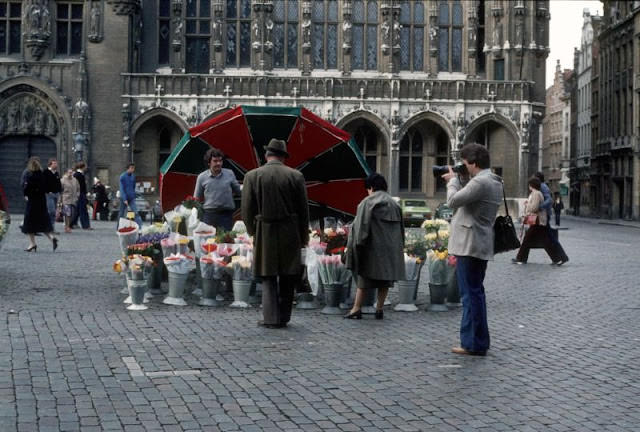
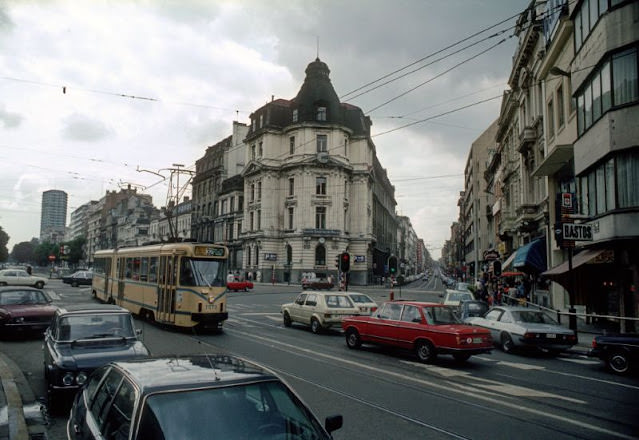

Pretty crazy how relatively little has changed in 40-45 years.
Barrière looks pretty much identical.
Yep if it weren’t for the trams and cars, could have been taken yesterday.
Nothing but the people lol
Hard to imagine parking spaces once where too big for the average car.
some really cool pictures! i love the colourful cars from that era.
was someone alive and well during that time and care to share some experiences?
I was 18 when I came to Brussels in 1984 go studio in ULB, 31 when I left in 1997.
A lot of young gangs, you were Punk, Rocker or Skinhead. A few years later, you had the Minet, the wealthy youth in expensive clothes and Cars. A very strong partying and clubbing culture. Rock cafés like The Blues Corner left me found memories.
Heavily polluted city air! Between coal and mazout heating and trafic, I would get a headache and diarrhea everytime I was coming back to the city after a few days away.
People smoking everywhere.
Tourists, but less. Still I had a “I’m not a tourist, I live here” pin on my punk coat, lol.
Cars were indeed colorful. Recentely I told my soon to be 15 son that I was happy to see the colorful cars come back.
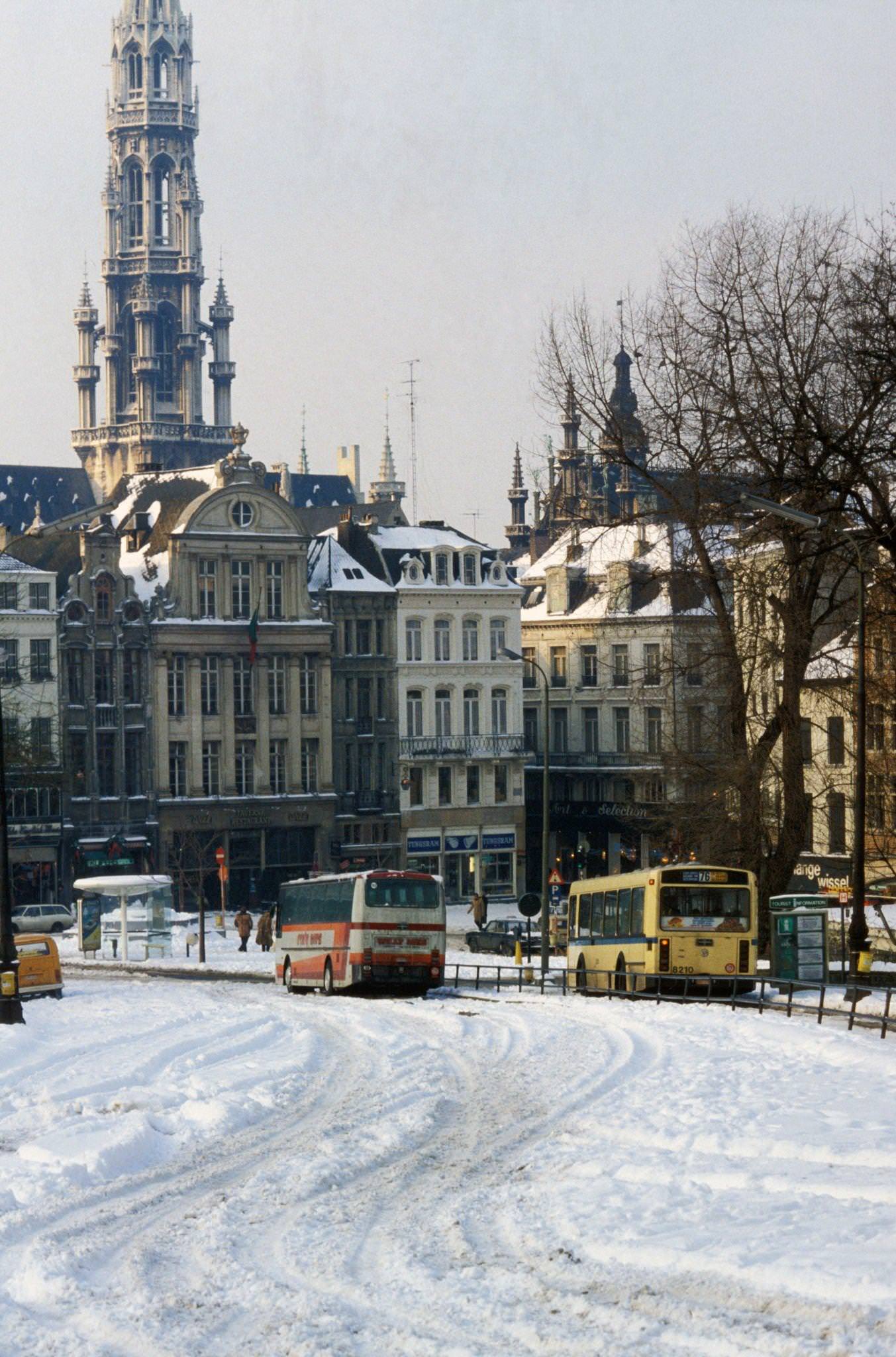
Still remember that 1985, January 1st 06:00, it started to snow in spite of the extrême cold, and I was stuck in Brussels for 6 weeks.
The 1990s had a different vibe
What those old photos usually show is that there were less immigrants back then, less trash on the streets, and more parked cars.
It’s funny how the parking spots look huge in comparison to vehicle size.
Yes cars were a lot smaller back then. It’s a PITA to park a modern car in an old garage.
When looking at these old pictures, it always surprises me how empty the streets are, there’s hardly anyone around