Rome in the 1980s was a city caught between its ancient past and a turbulent present. Millions of tourists still flooded St. Peter’s Square every year, drawn by centuries of history. Yet beneath the surface of this eternal city, political violence, social change, and rapid modernization were reshaping daily life in ways that few outsiders noticed.

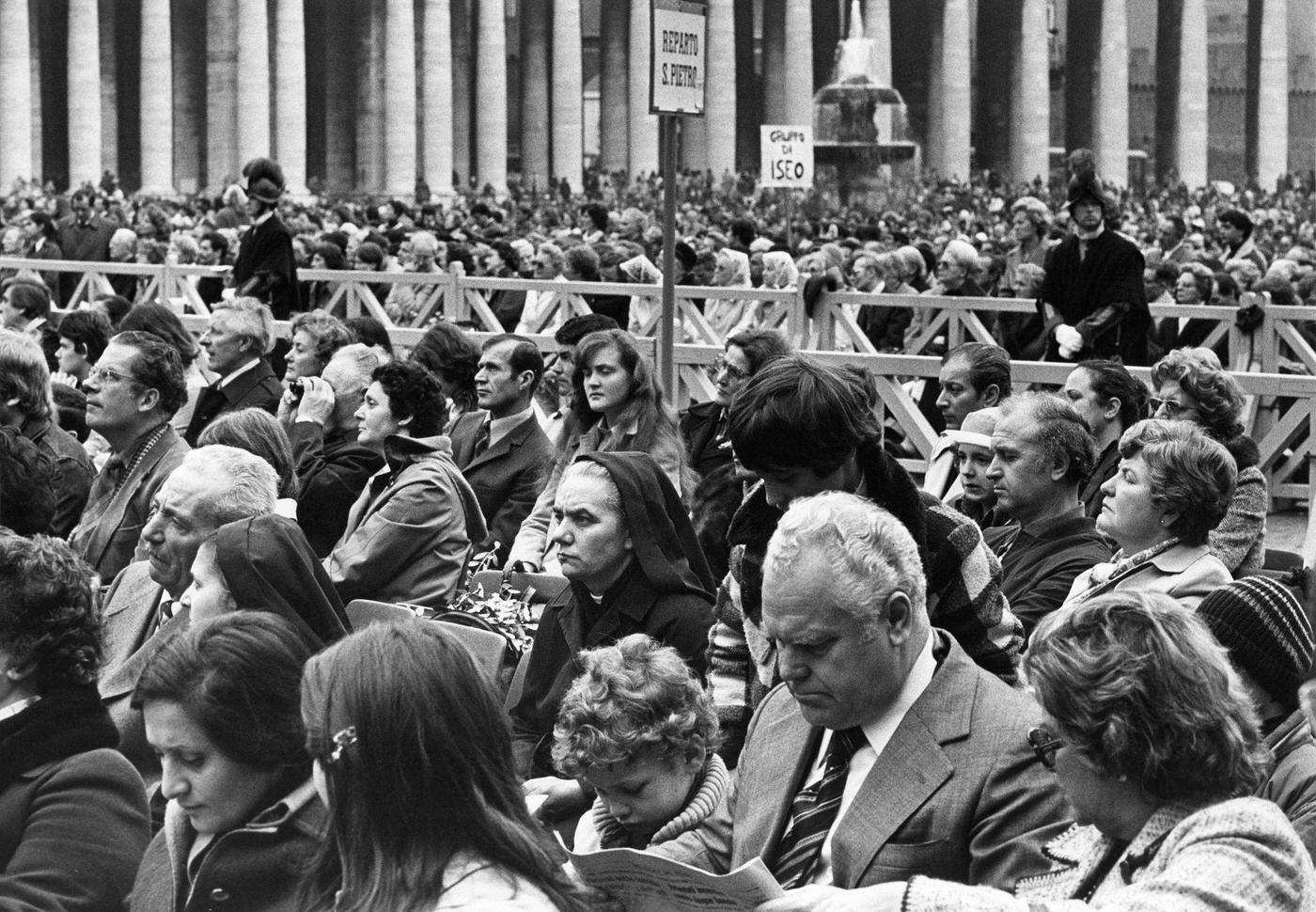
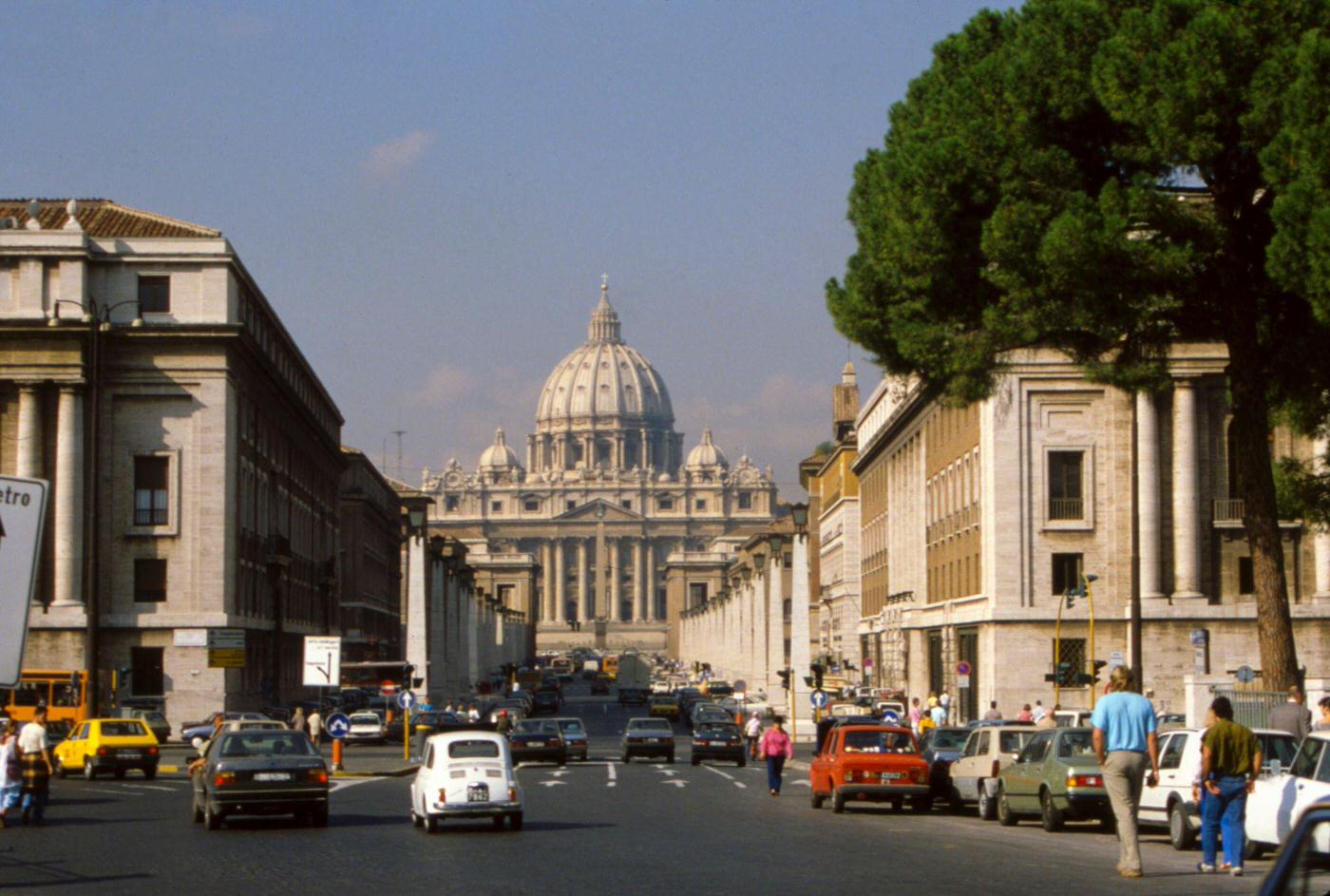
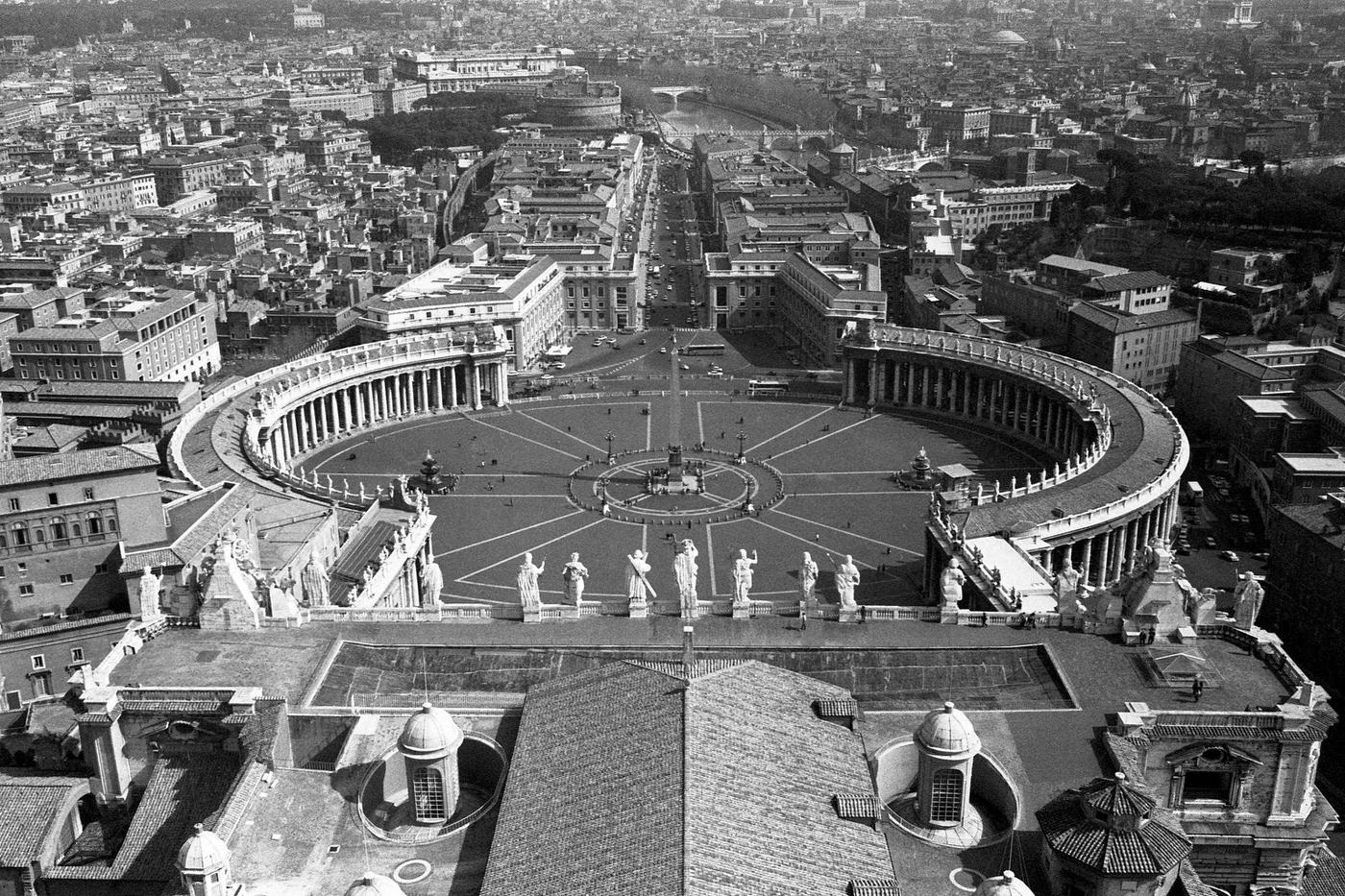
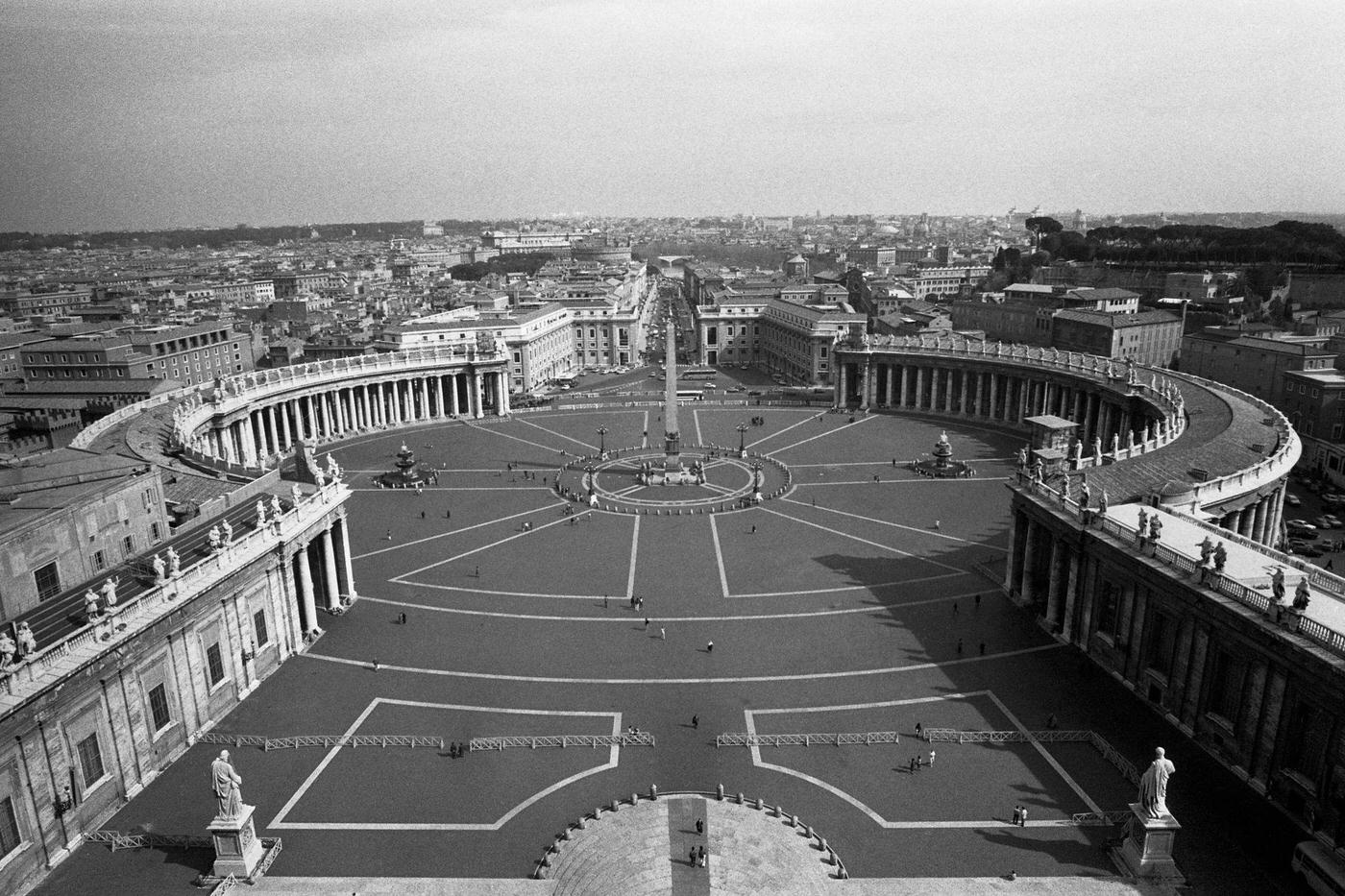
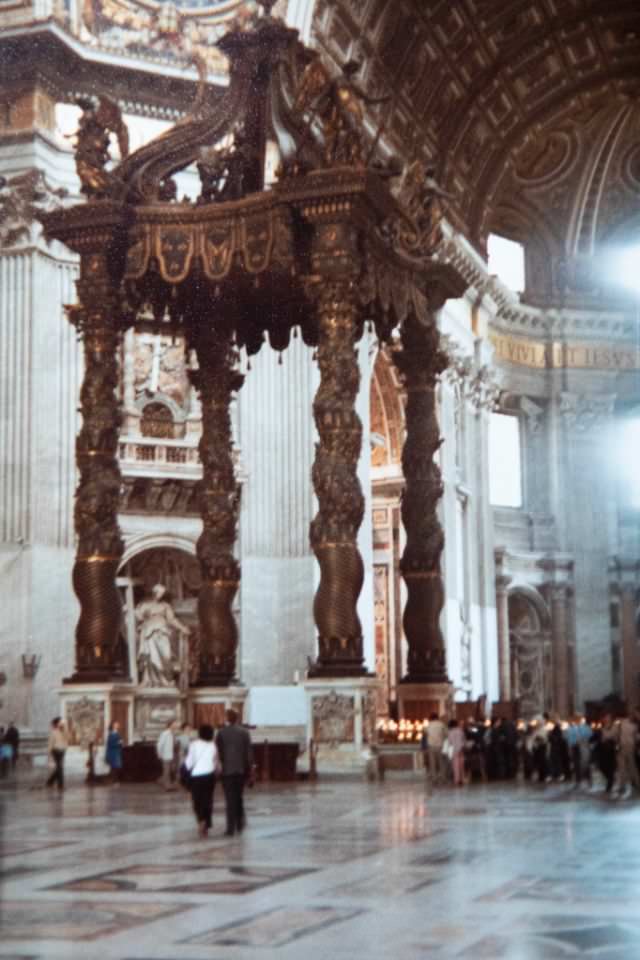
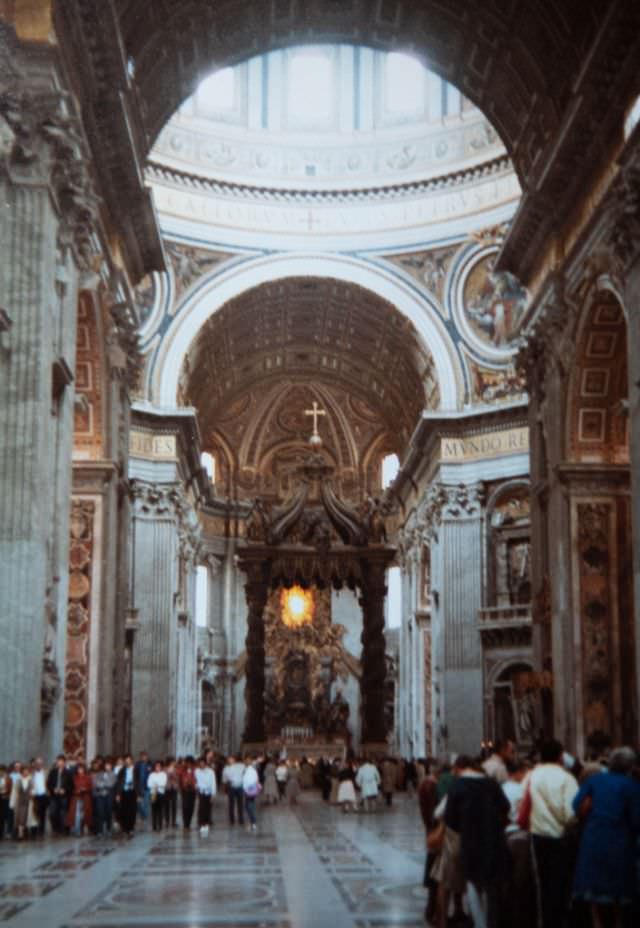
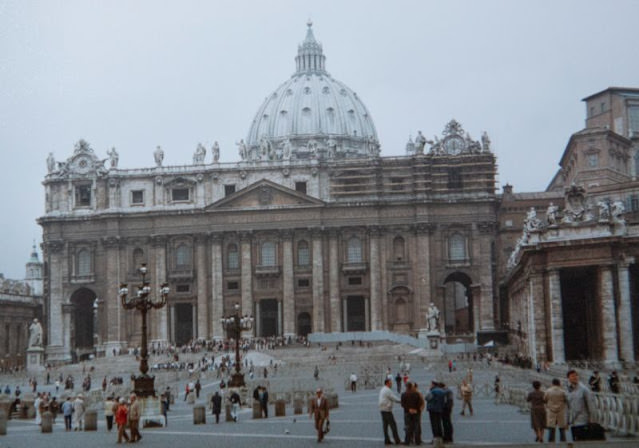
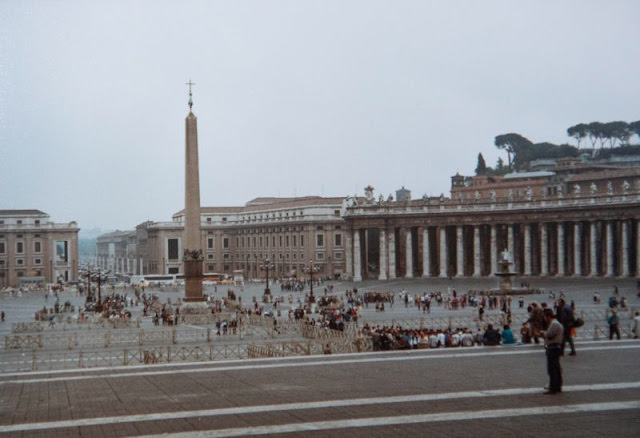
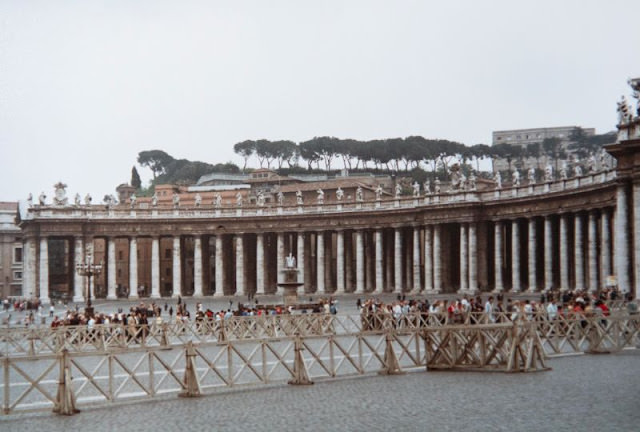
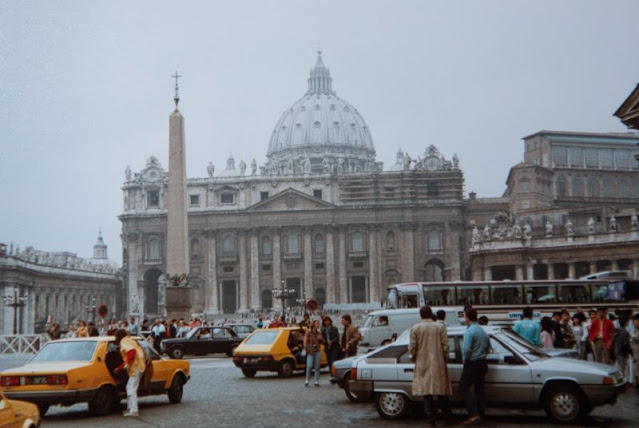
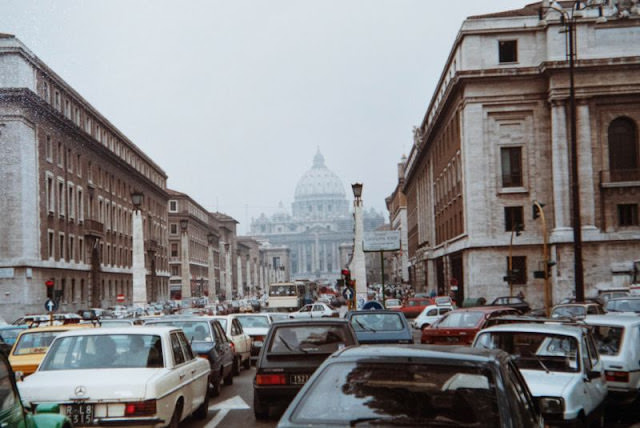
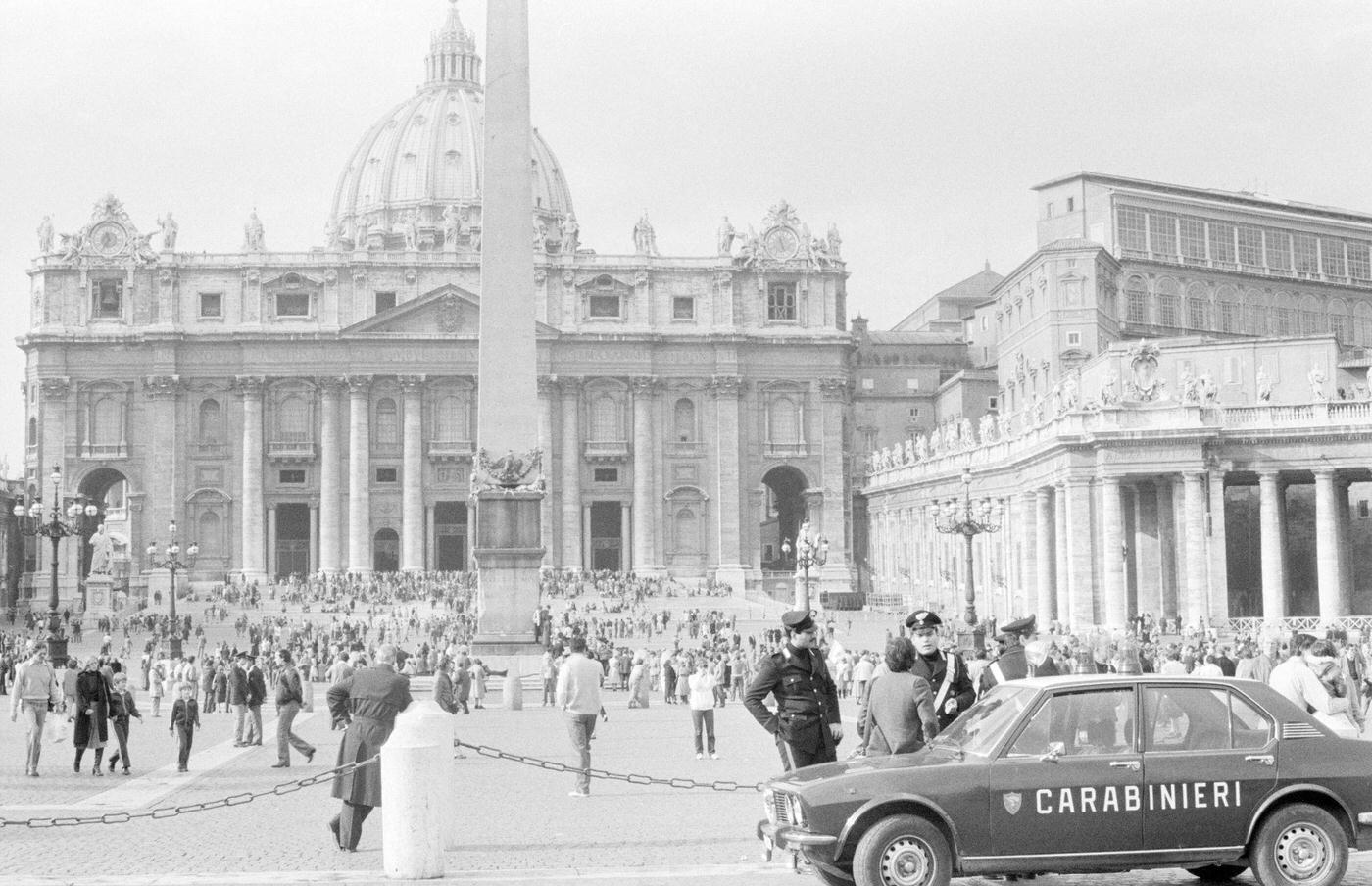
The Vatican remained the spiritual center of Rome — and of the Catholic world. St. Peter’s Basilica drew pilgrims and sightseers in equal measure, and its grand square was one of the most recognizable spaces on earth. The Via della Conciliazione, the wide boulevard leading directly to the basilica, was lined with hotels and tourist shops, forming the main artery connecting the Vatican to the rest of the city.

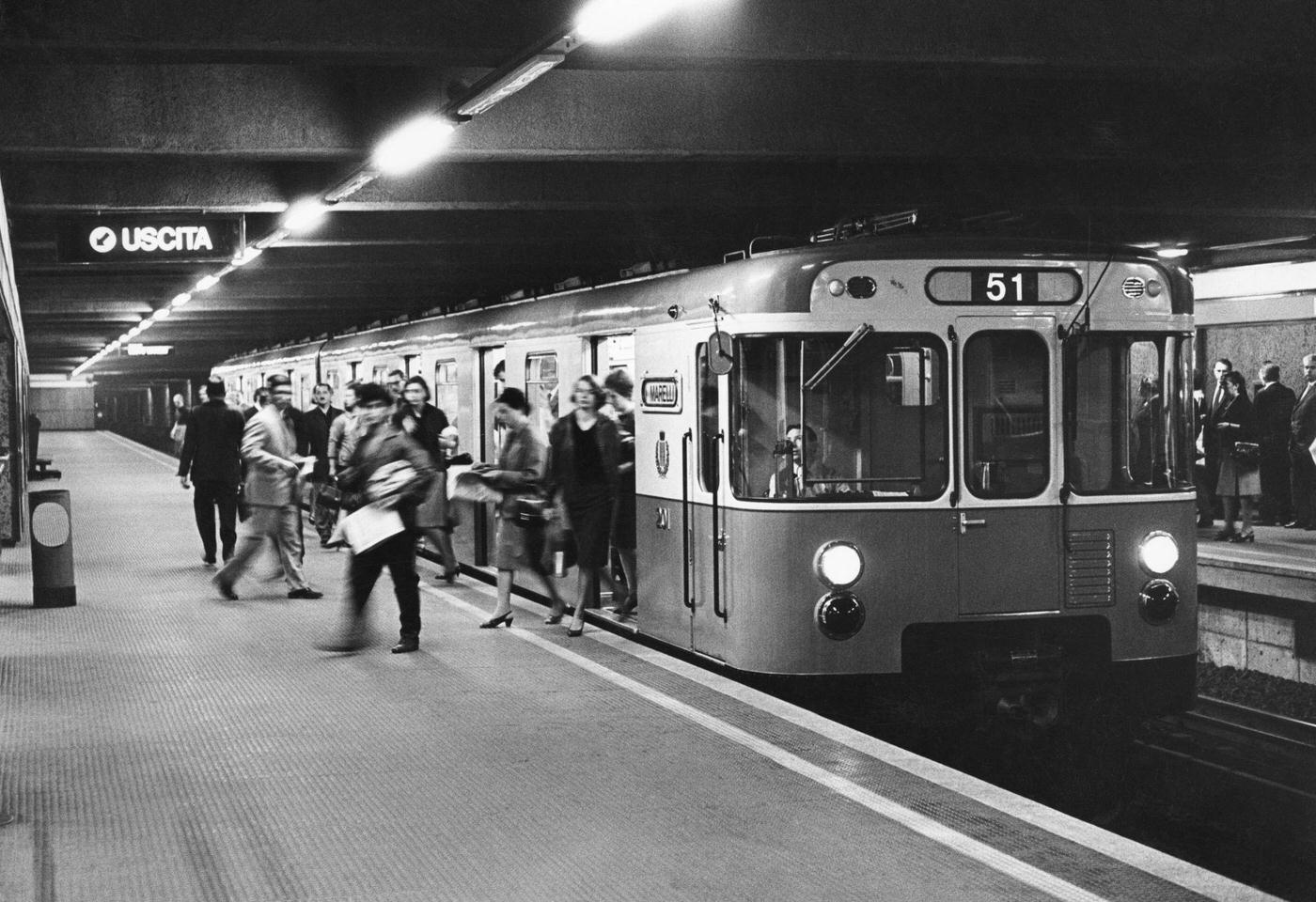
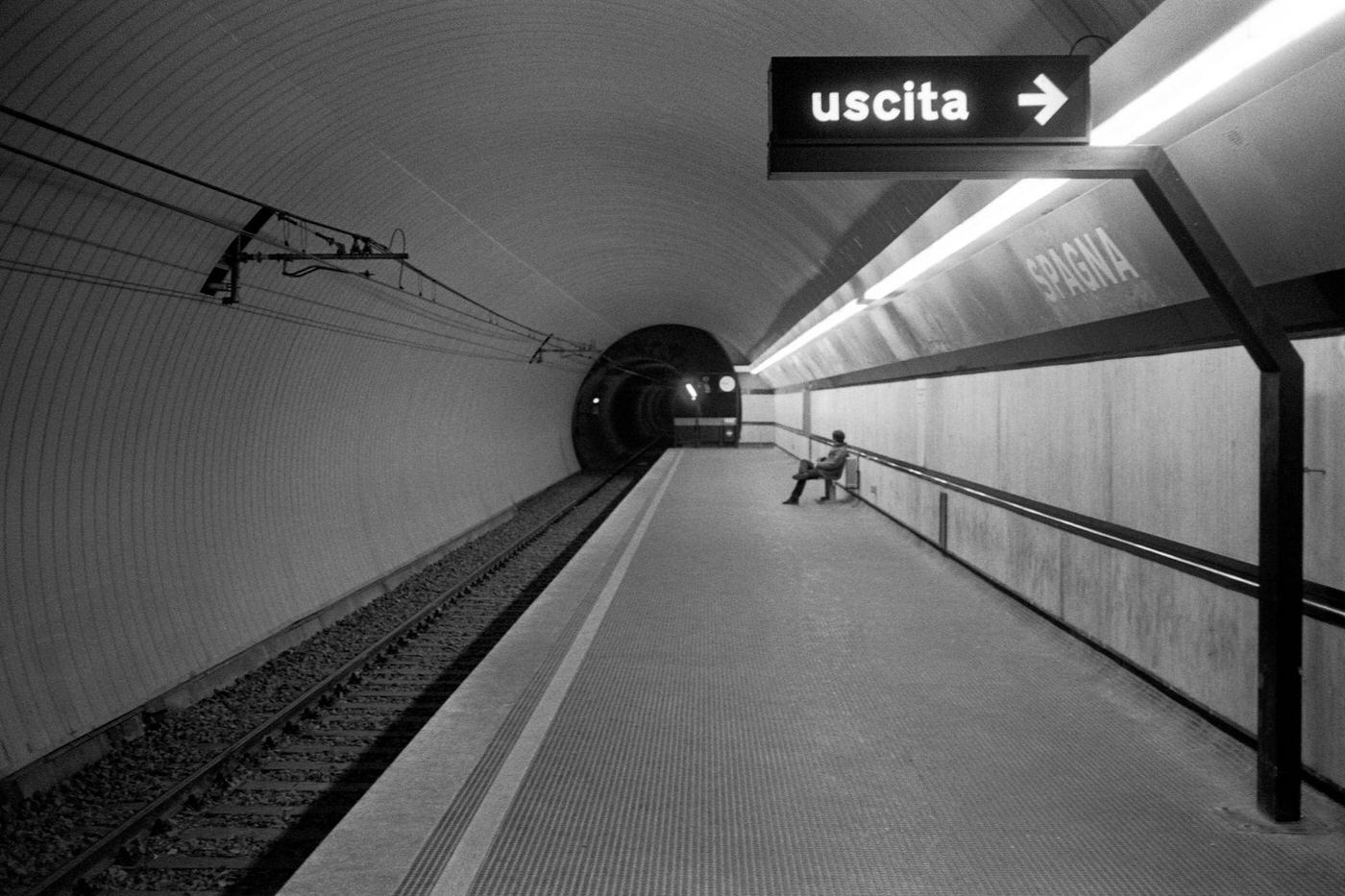
Getting around the city was a mix of old and new. Rome’s Metro system, though limited compared to other European capitals, provided a vital link across the sprawling urban landscape. The trains were functional, the stations sparse, and the platforms sometimes eerily quiet — a sharp contrast to the chaos of the streets above.


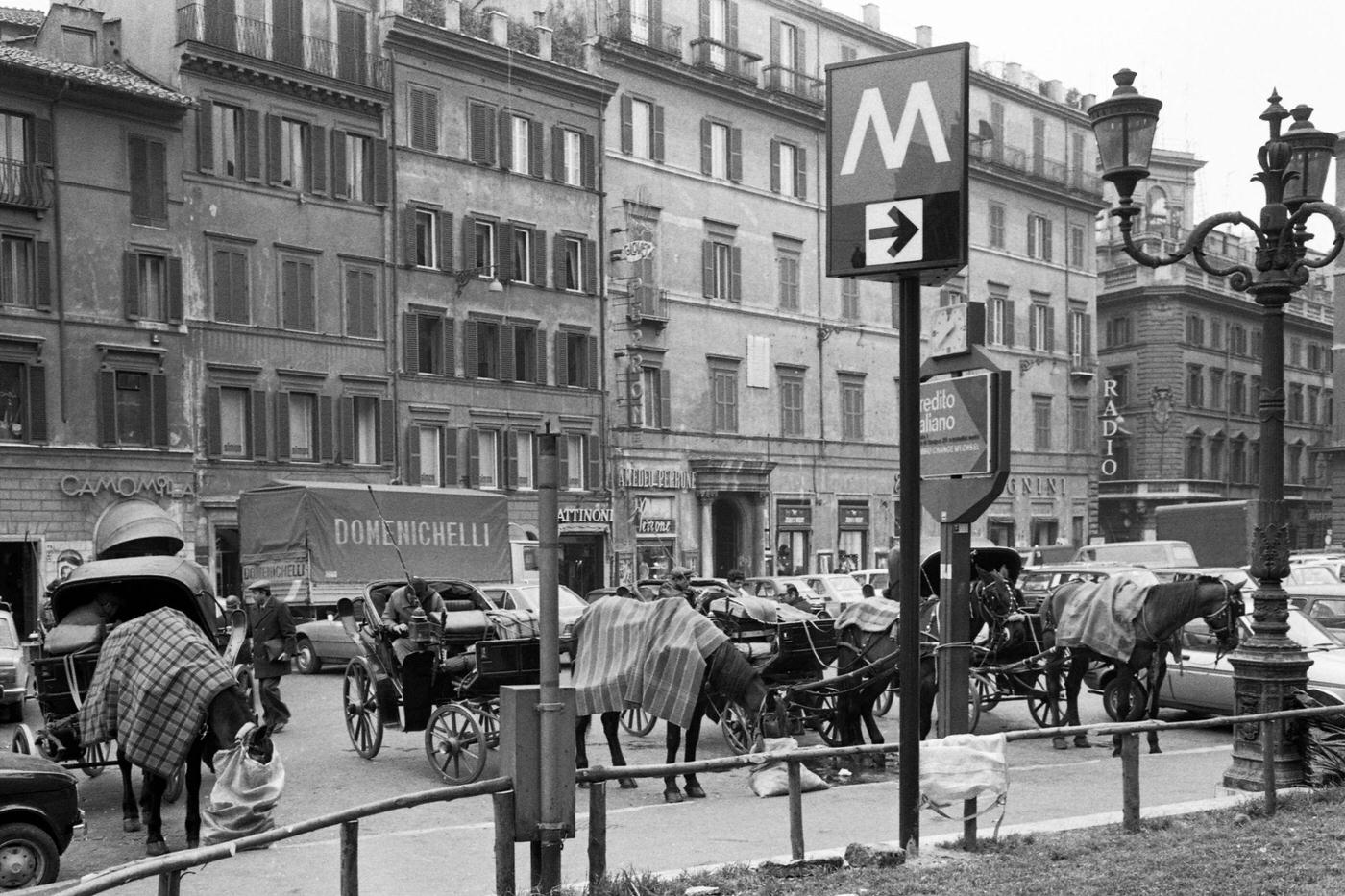
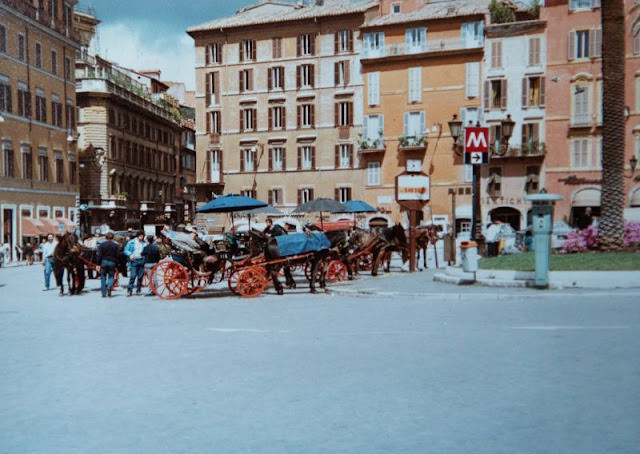
Above ground, the streets told a different story. Horse-drawn carriages still operated near the Metro entrances in 1980 — a striking sight that summed up Rome’s ability to hold ancient tradition right alongside modern infrastructure.

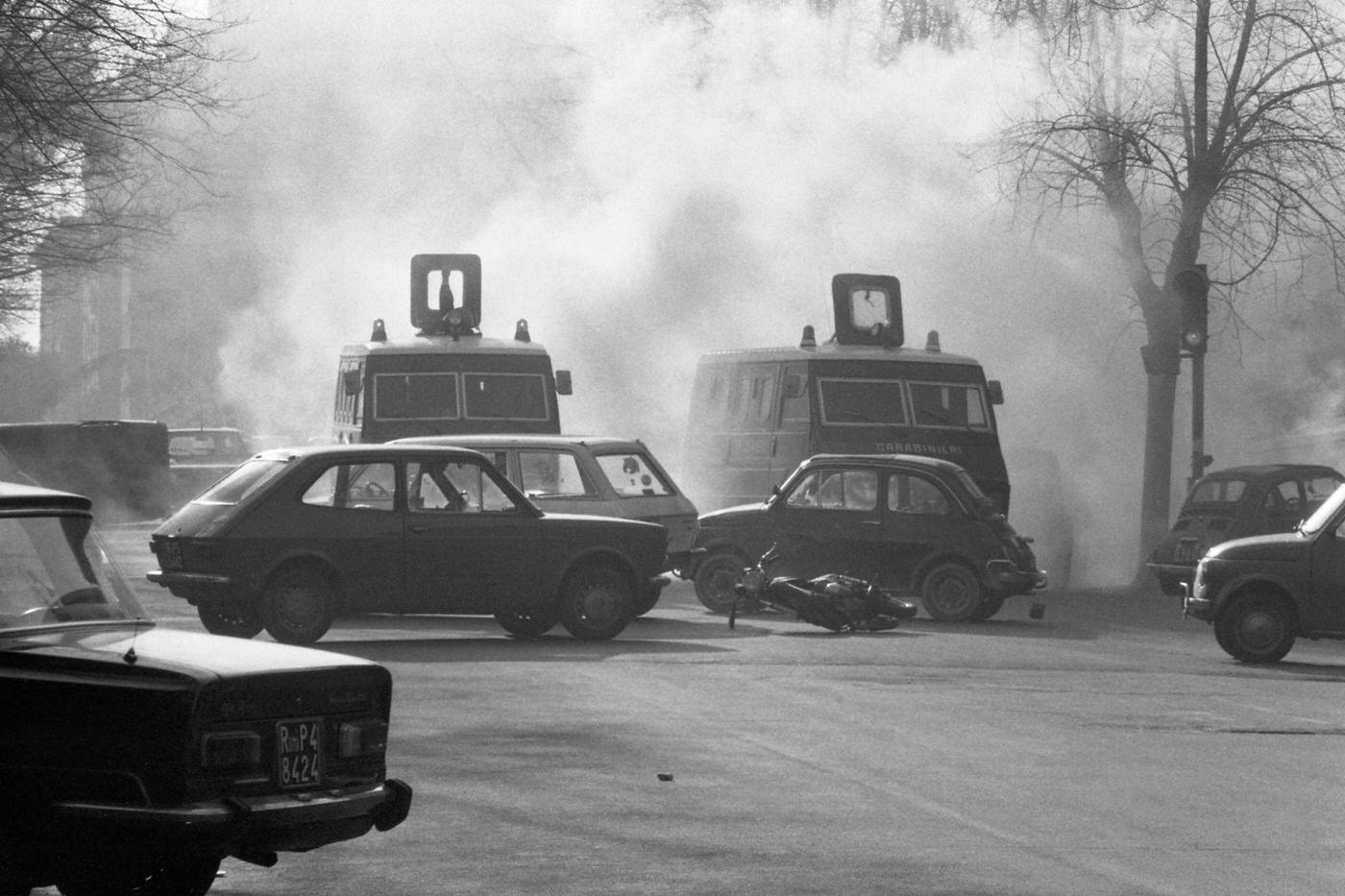
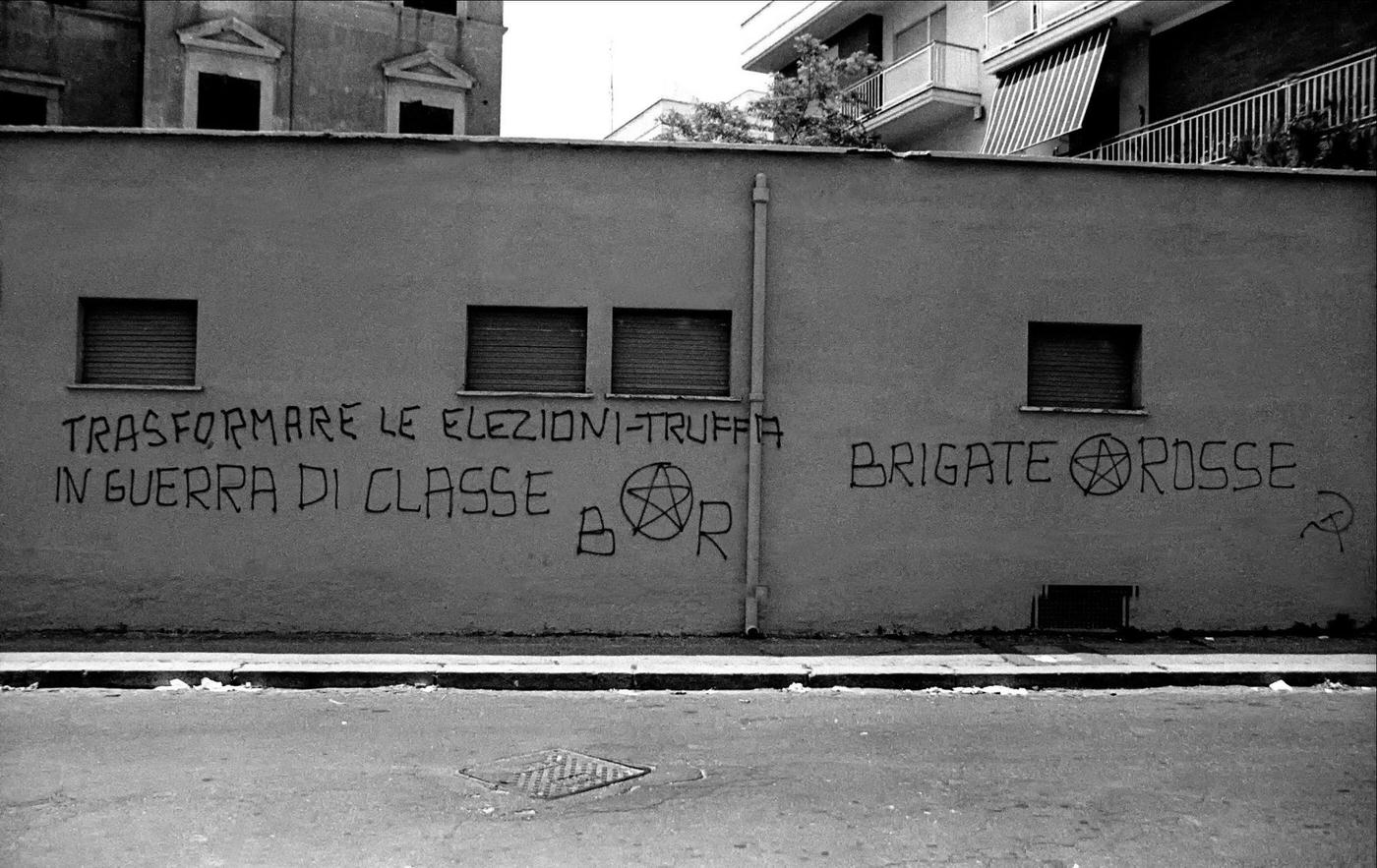
The political climate in Rome at the start of the decade was tense. The Red Brigades, a far-left militant organization, had terrorized Italy throughout the late 1970s. Their most notorious act was the kidnapping and murder of former Prime Minister Aldo Moro in 1978. That violence cast a long shadow into the 1980s. Student protests were common sights on Roman streets, and police were frequently deployed to control them. Red Brigades graffiti appeared on walls across the city, a raw and visible reminder of the ongoing ideological war being fought in plain sight.

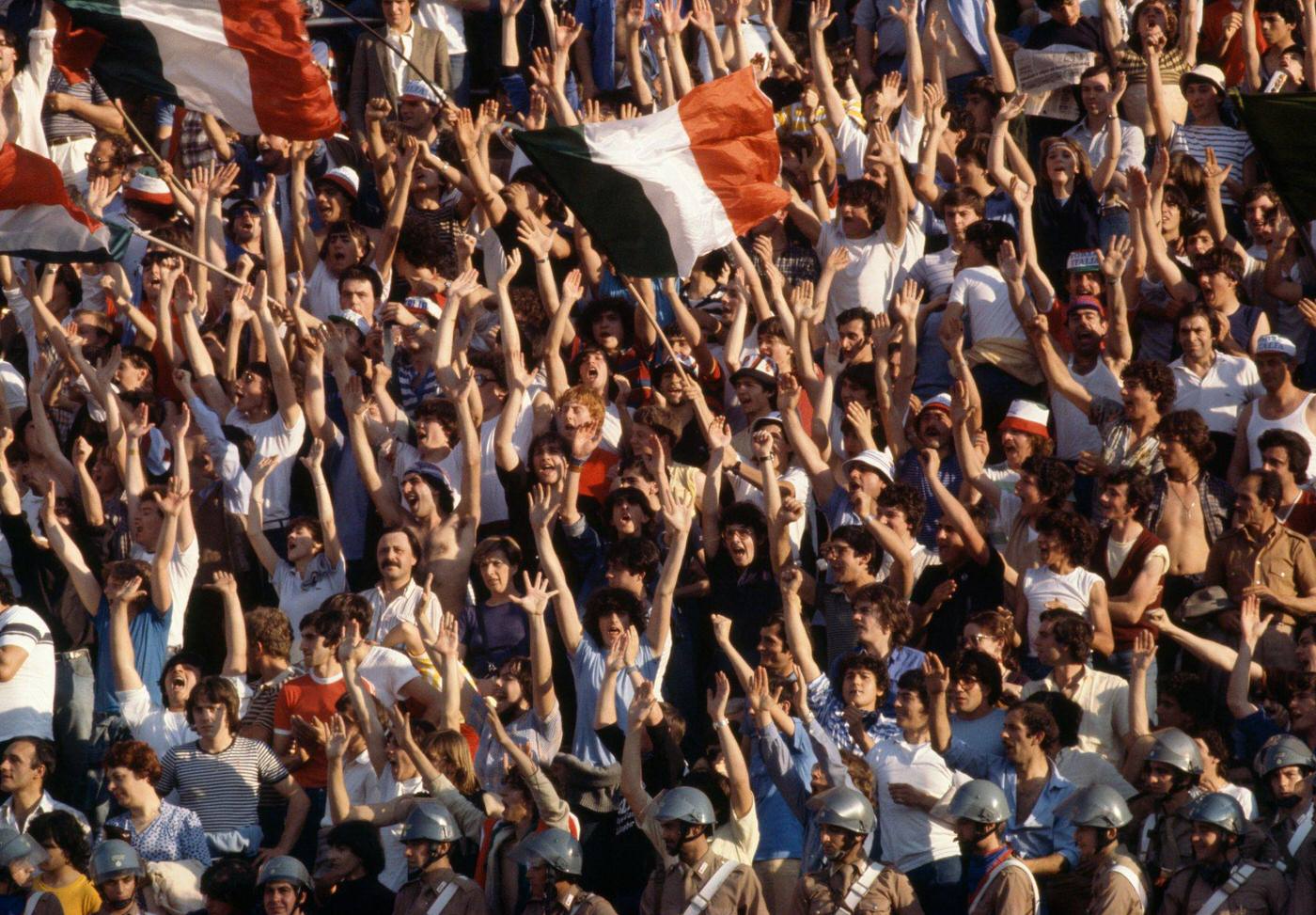
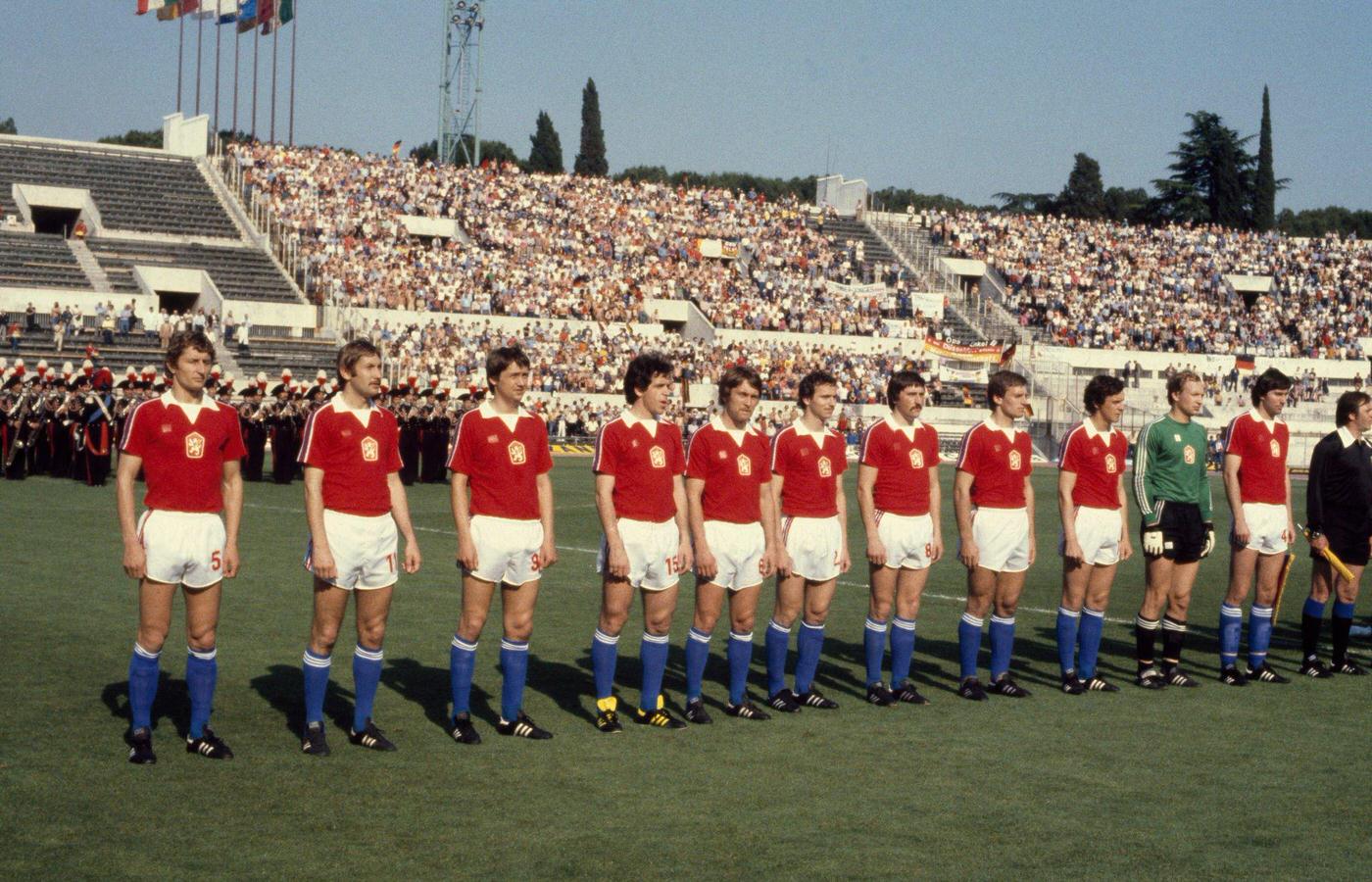
In the summer of 1980, Rome hosted matches for UEFA Euro 1980, bringing a welcome wave of football excitement to the city. Italy’s passionate fans packed stadiums and spilled into the streets. Teams from across Europe, including Czechoslovakia, lined up at Rome’s venues, and the tournament gave the city a rare moment of joy amid the political noise of the era.


While football briefly united the city, the threat of political violence never fully disappeared. Red Brigades slogans and inscriptions praising class war appeared across Rome’s walls, a daily reminder that the group’s ideology still had followers willing to act on it.

In 1981, Rome became the focus of global attention twice. Danuta Walesa, wife of Polish Solidarity leader Lech Walesa, visited the city — a moment that tied Rome to the broader struggle for freedom taking place behind the Iron Curtain. Then, on May 13, 1981, a gunman shot Pope John Paul II in St. Peter’s Square. The Pope survived the assassination attempt, but the attack shook the Catholic world and left Rome reeling.


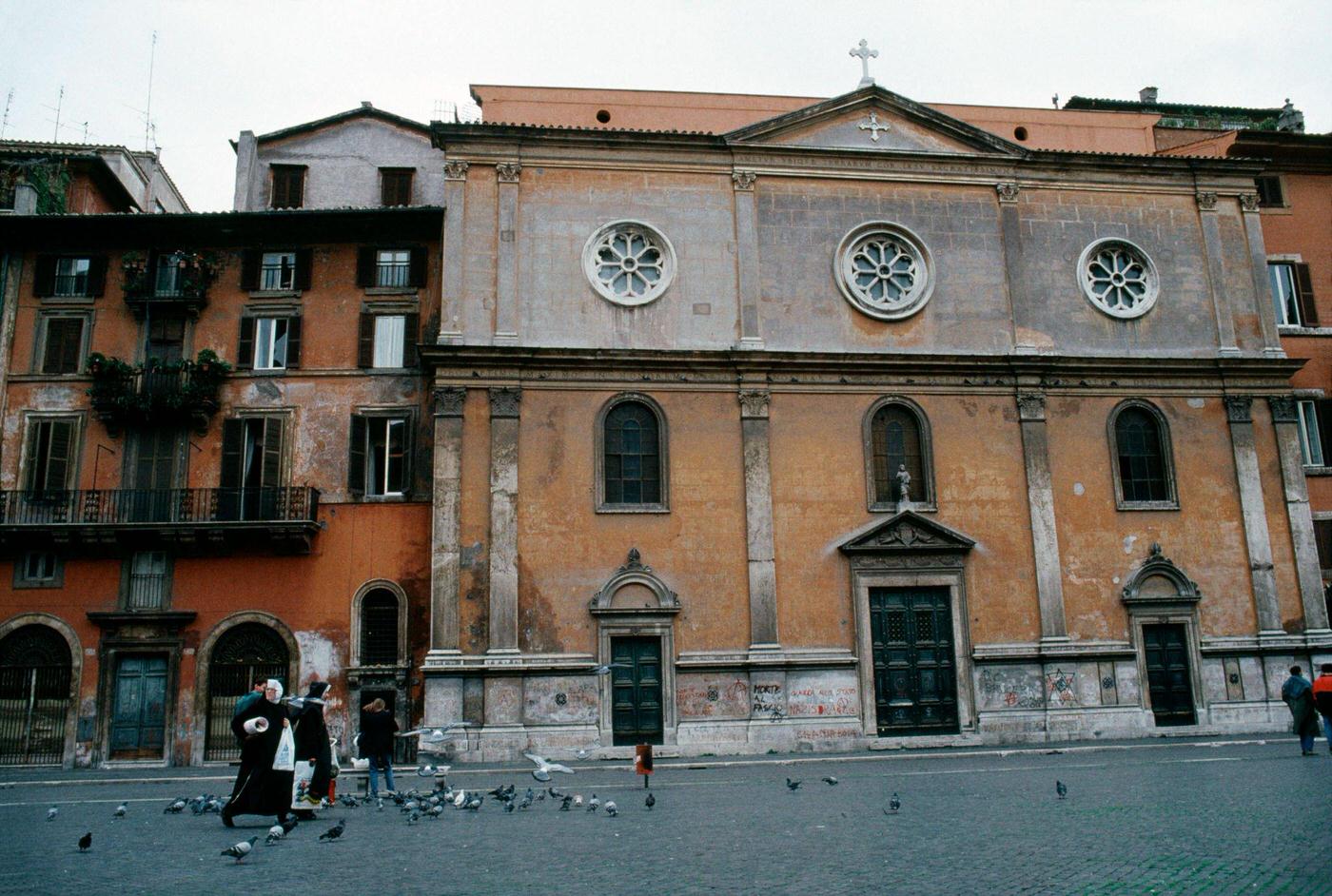
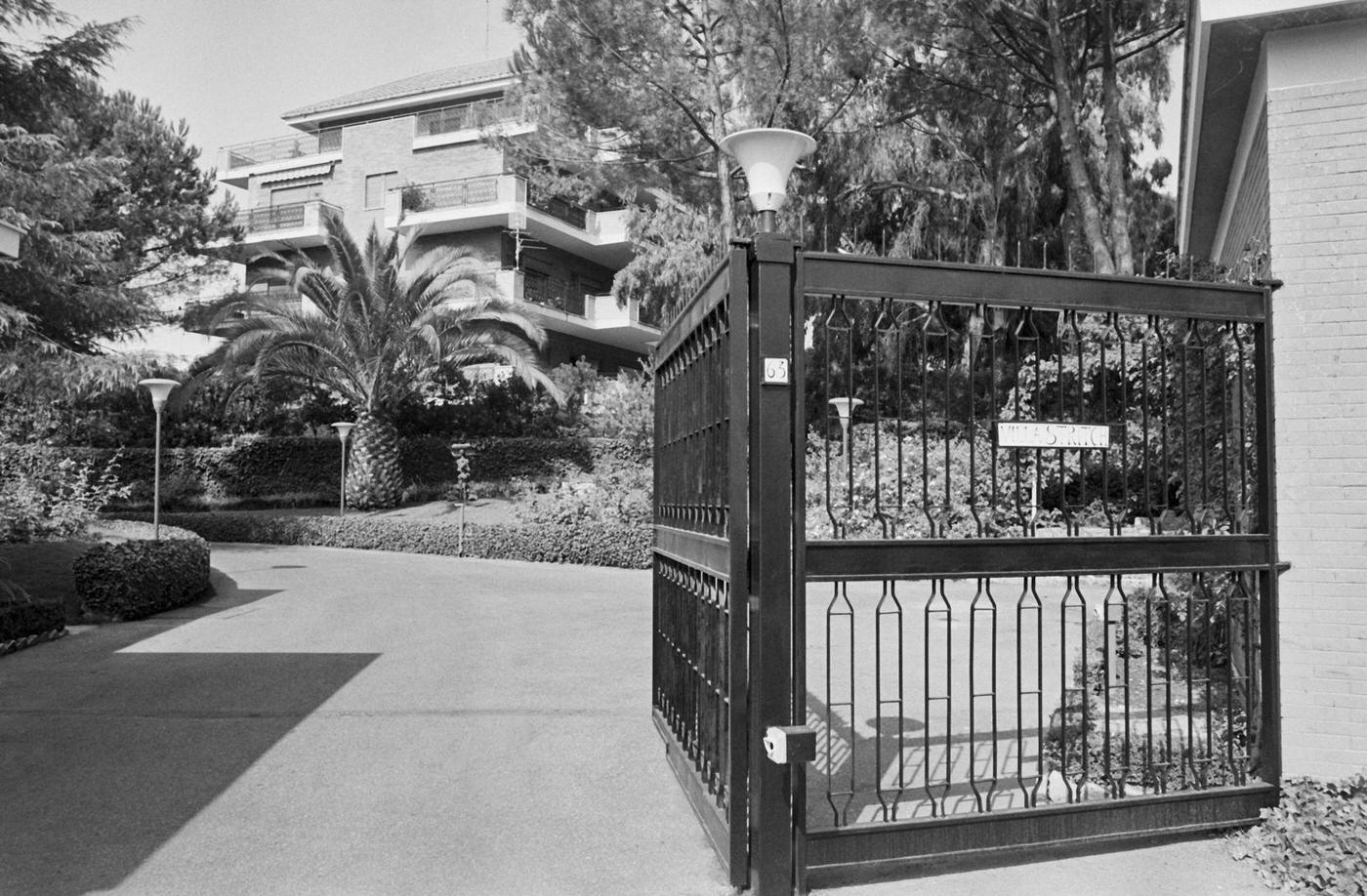
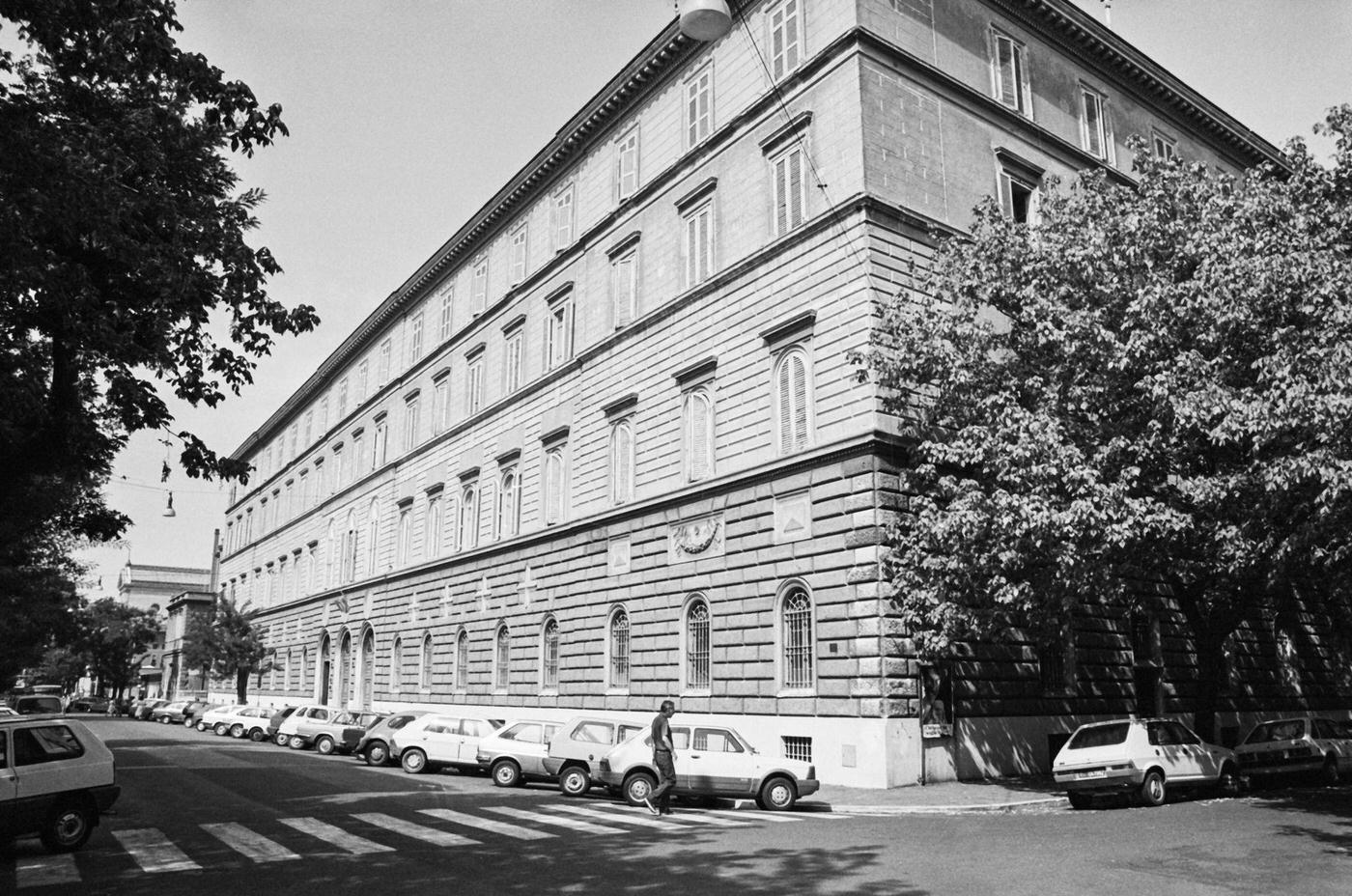
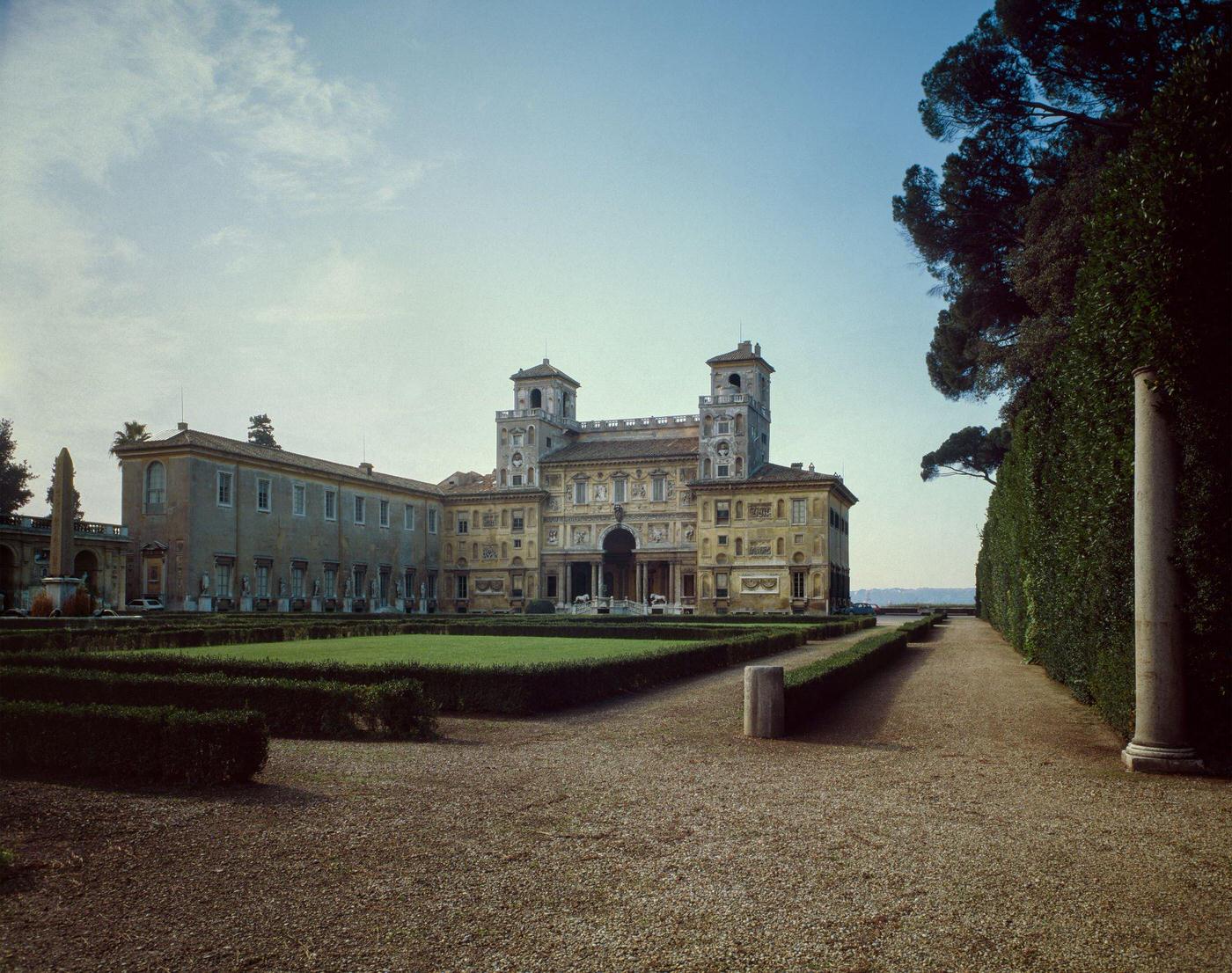
Beyond the headlines, Rome’s neighborhoods carried on their quieter routines. Churches like St. Joseph’s stood as anchors of community life. Private residences built for visiting American Catholic clergy, such as Villa Stritch, reflected the deep ties between Rome and the global Catholic Church. Elegant gardens like those at Villa Medici offered green retreats within the dense urban fabric.


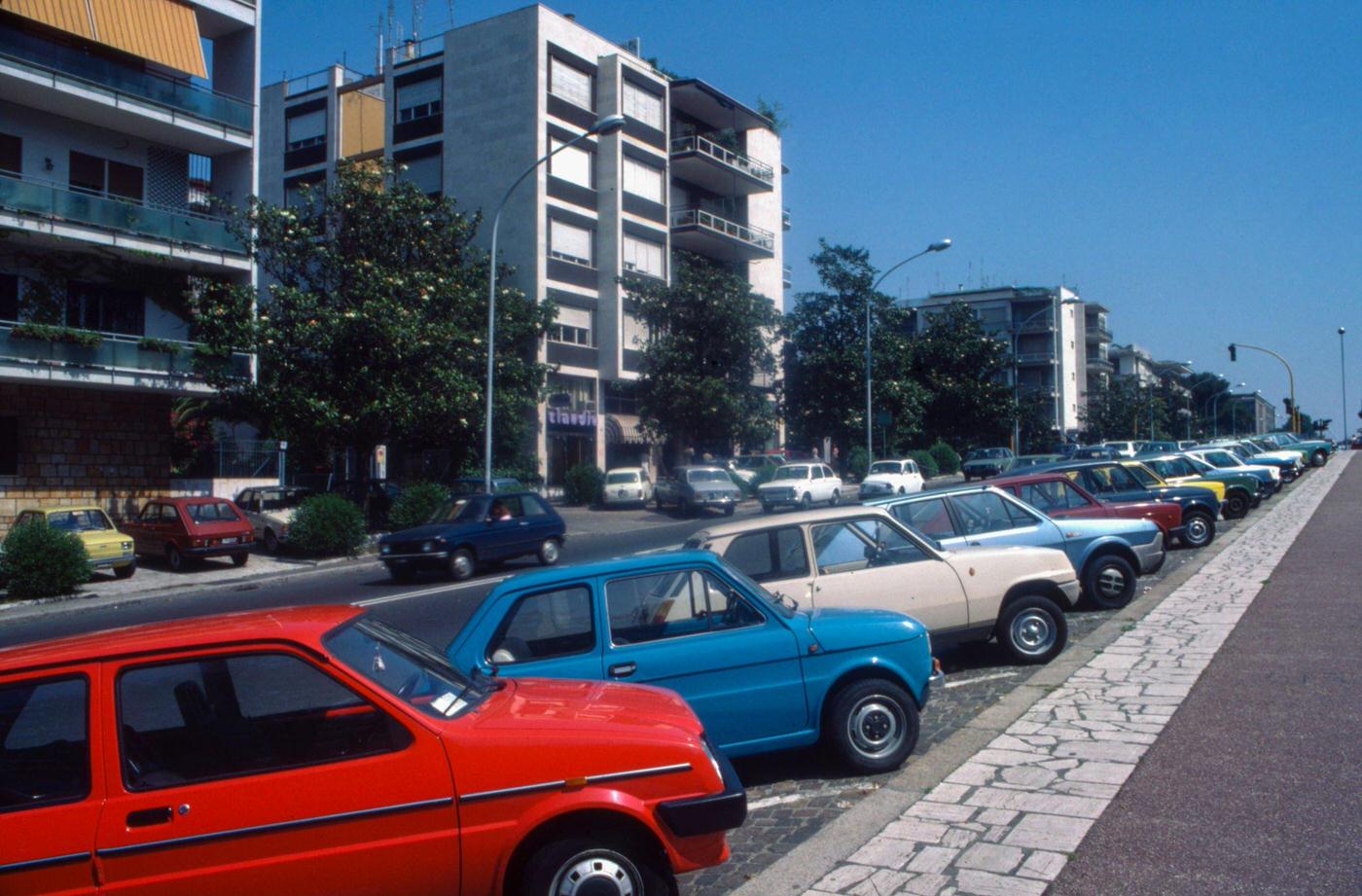
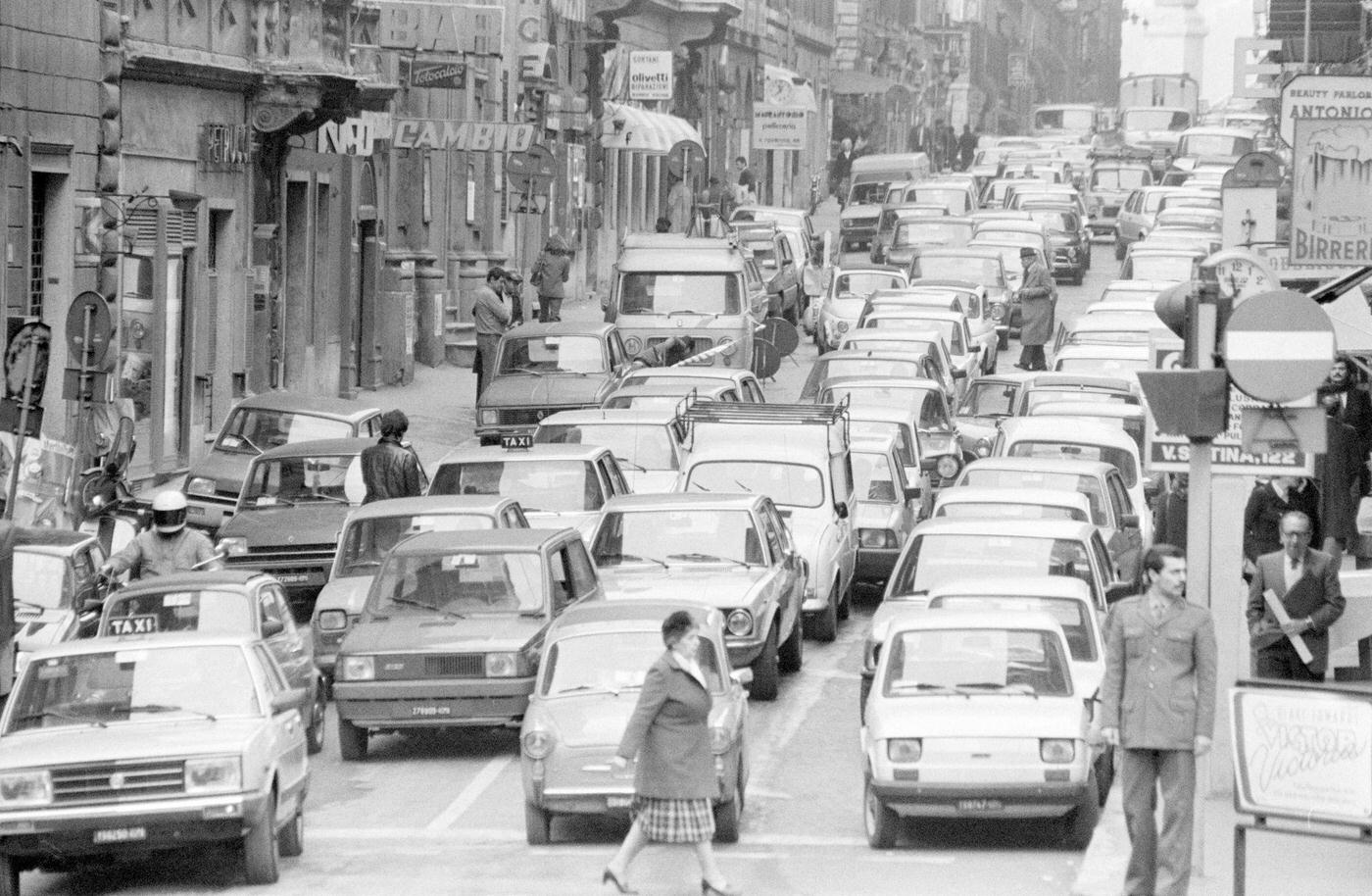
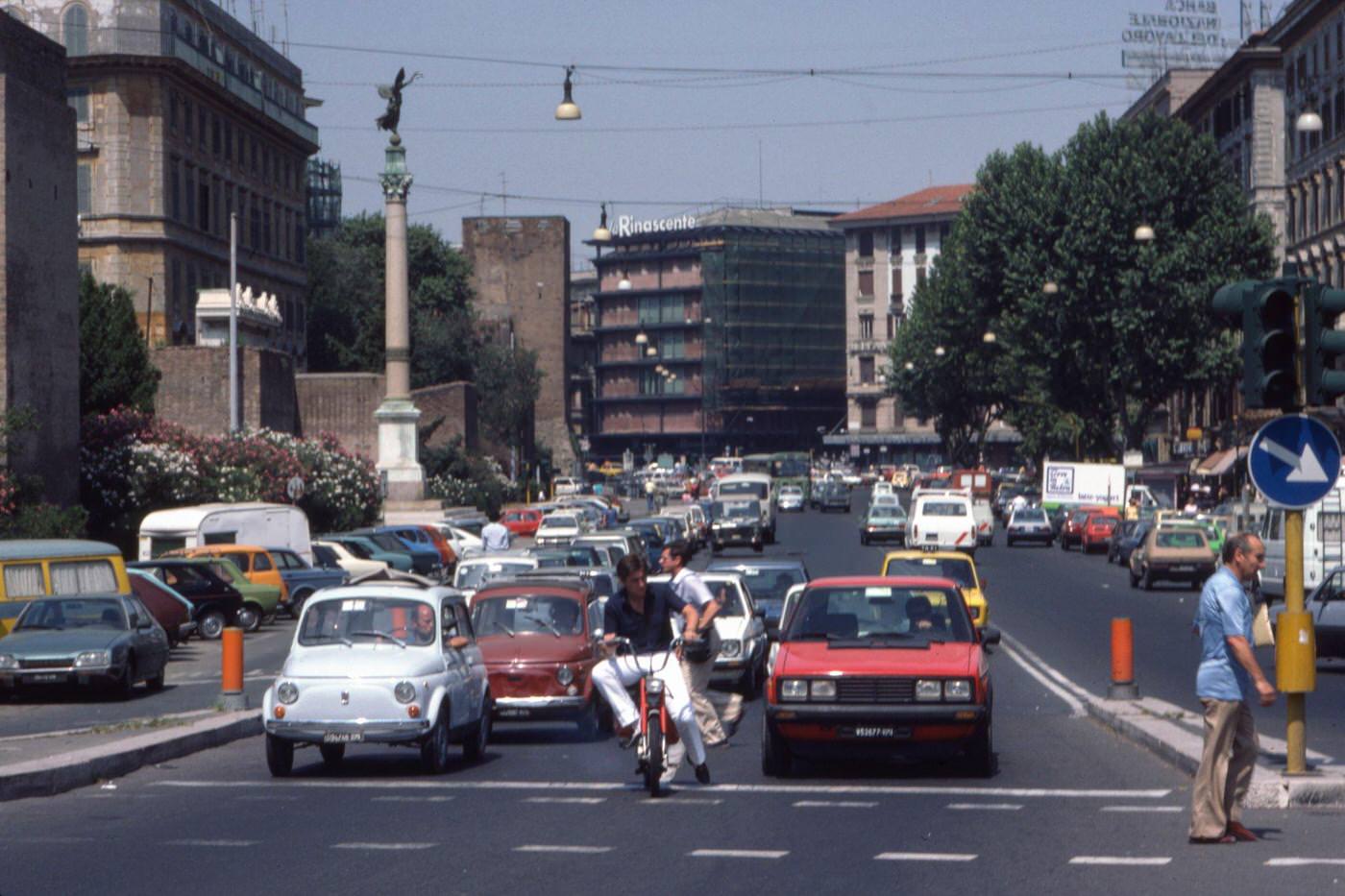
By December 1982, Rome’s roads were already choked with traffic. The city’s street grid, built around ancient paths and piazzas, was never designed for the volume of cars that the modern era brought. Yet even in gridlock, Rome retained its grandeur — its squares and basilicas rising above the noise of idling engines.


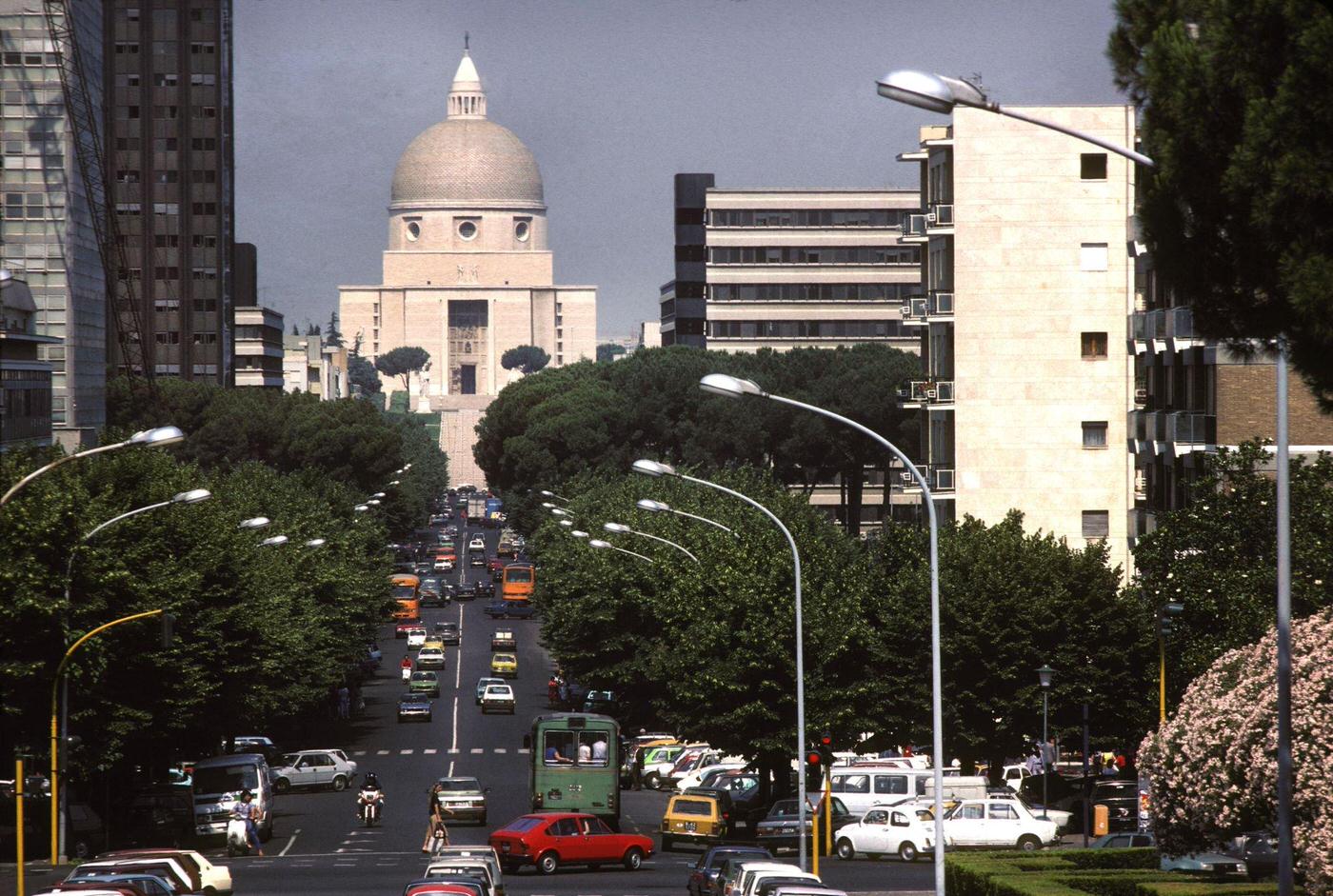
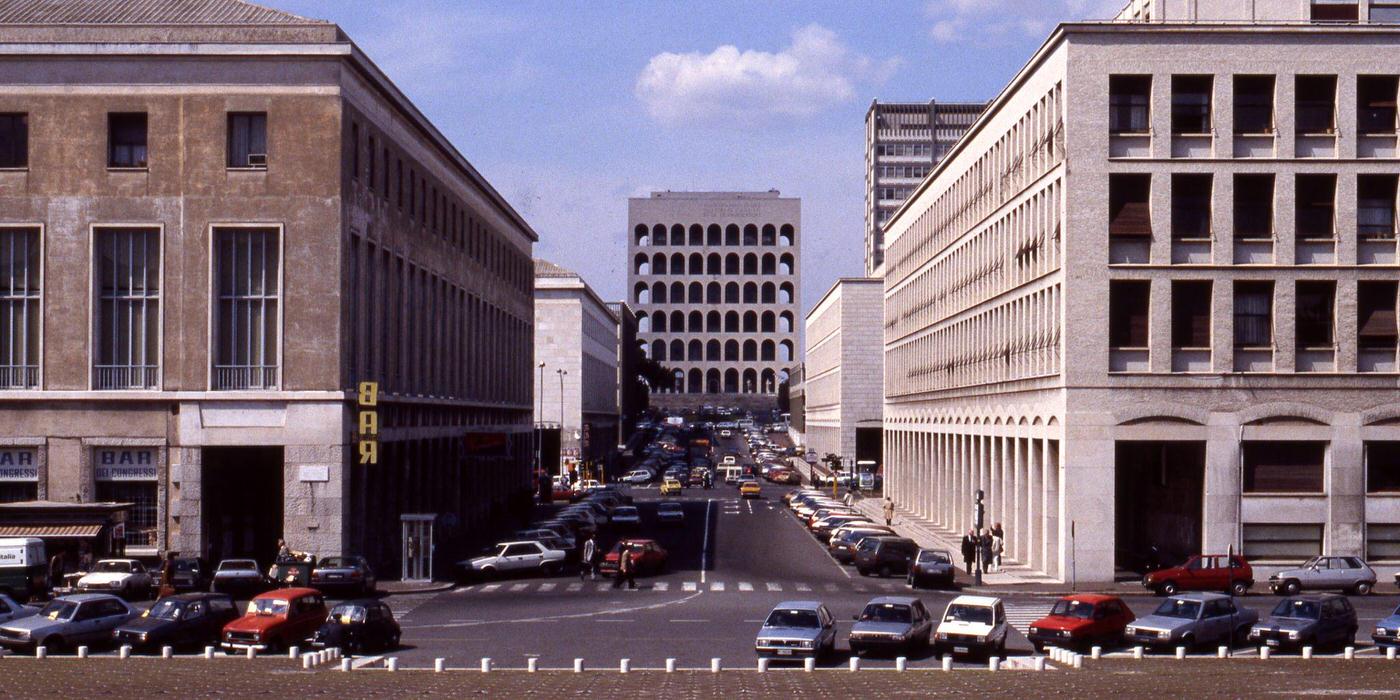
The EUR district — officially the Esposizione Universale di Roma — offered a very different face of the city. Built under Mussolini for a world exposition that never happened due to World War II, its broad, rational streets and monumental architecture stood in stark contrast to the winding medieval alleys of central Rome. By 1983, it was a fully functioning residential and business district.


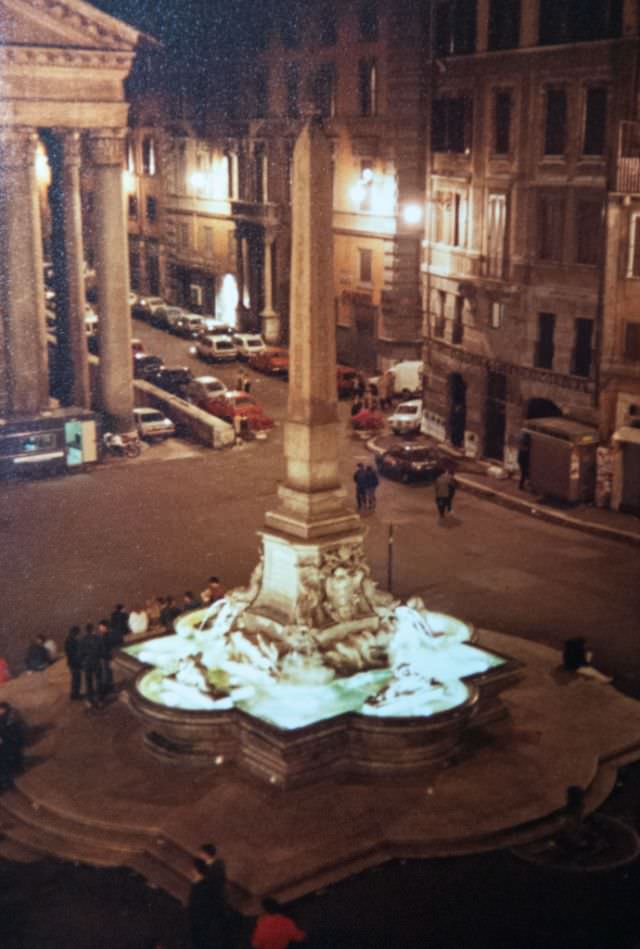
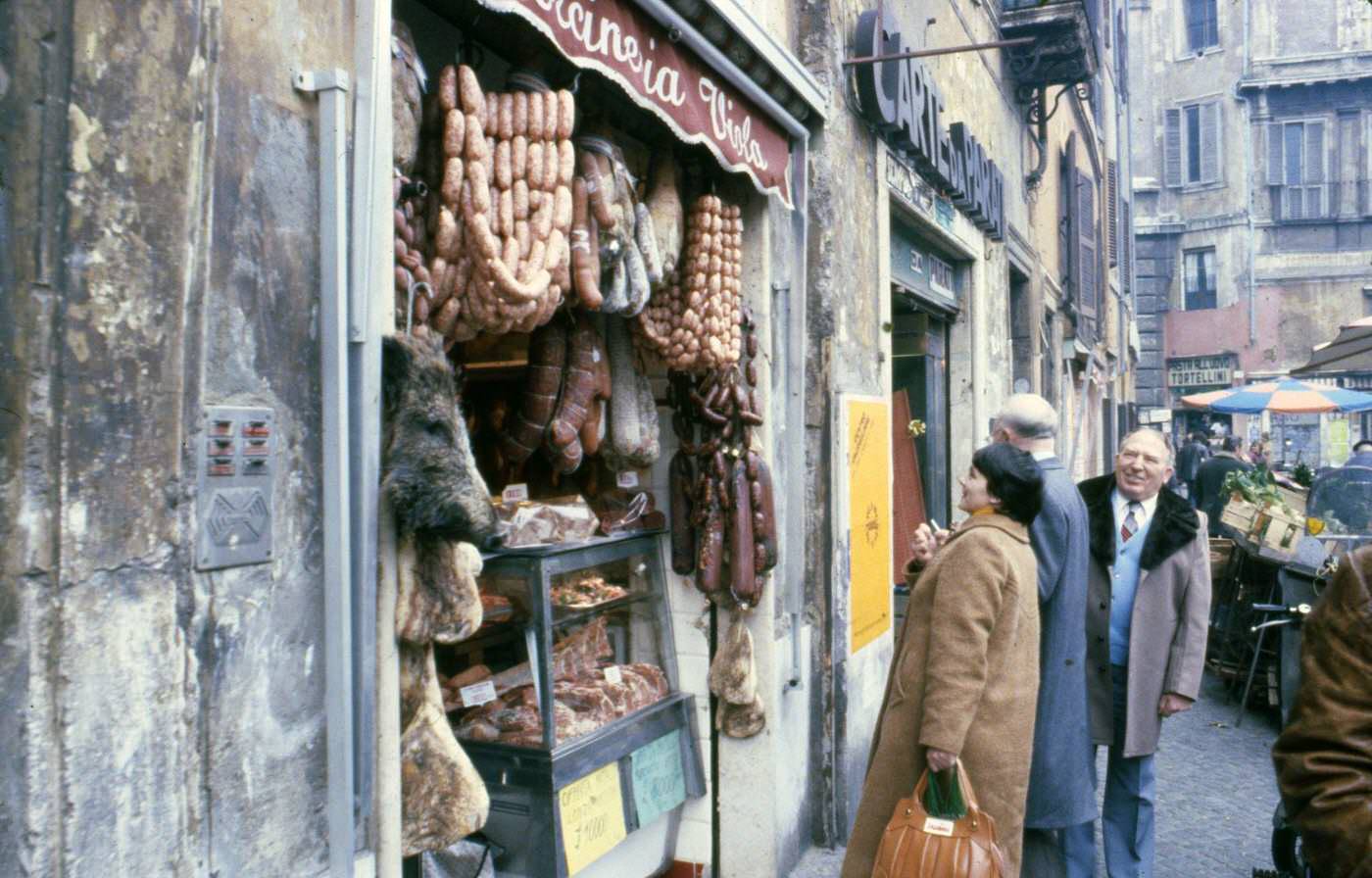
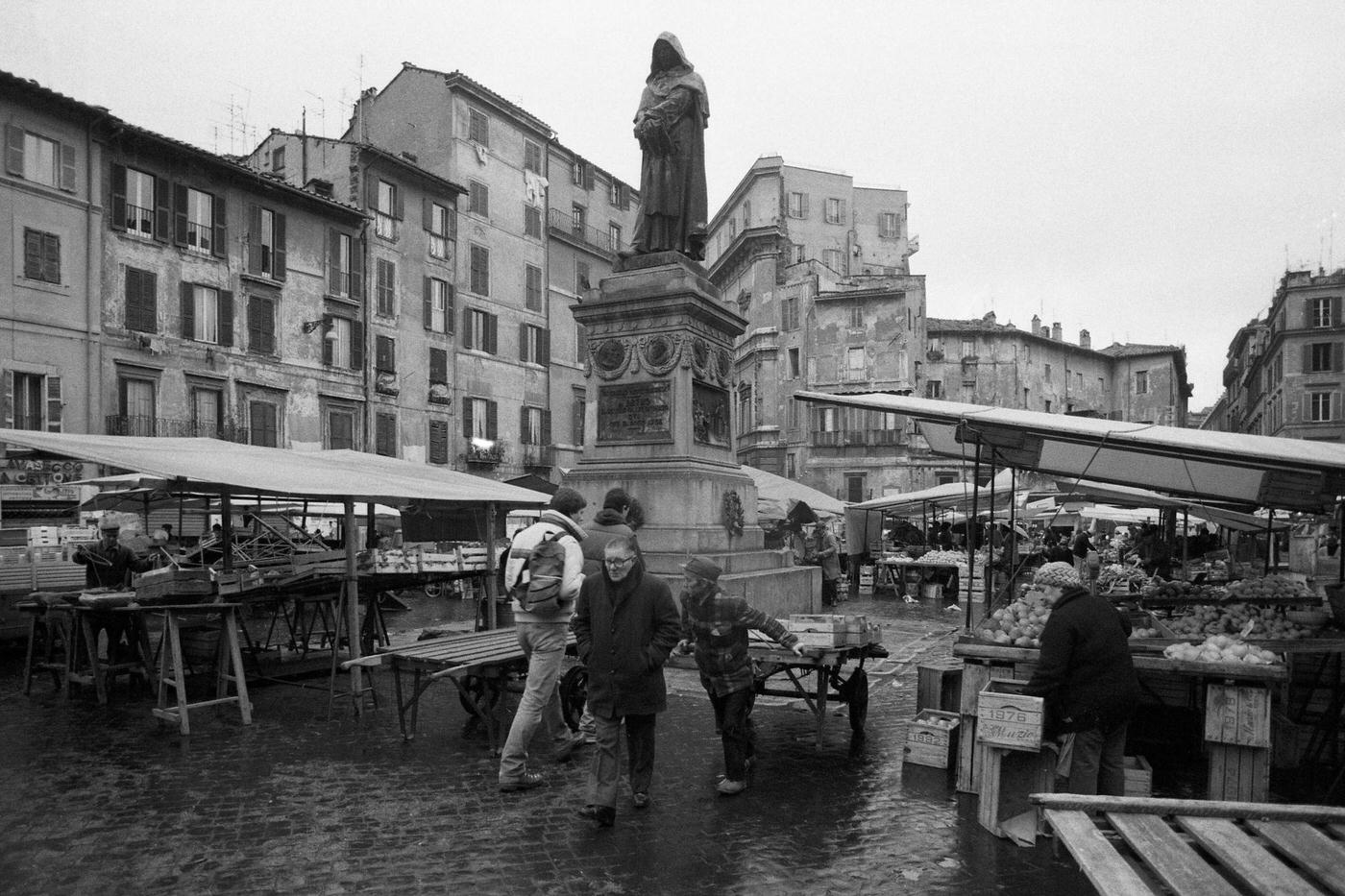
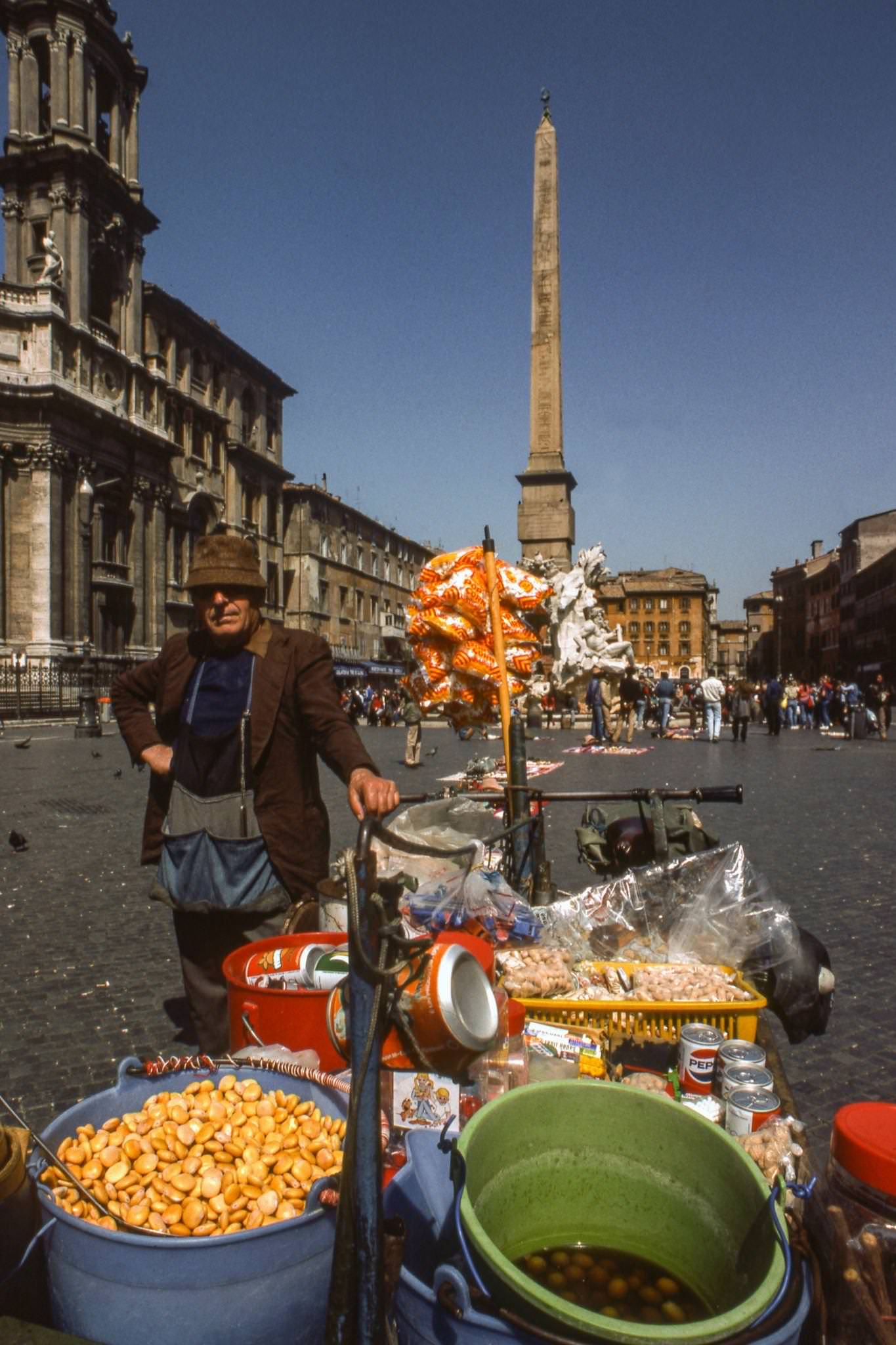
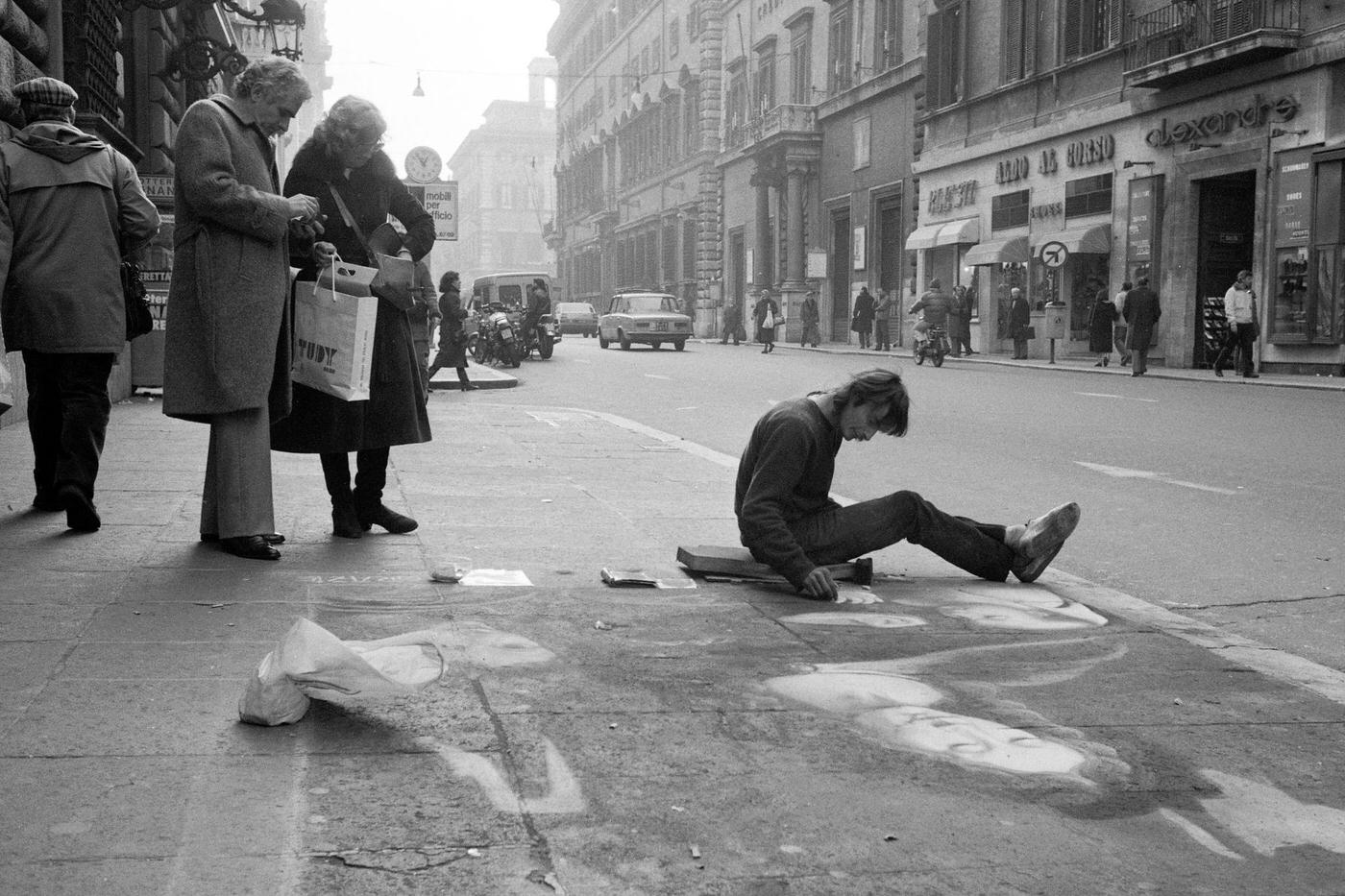
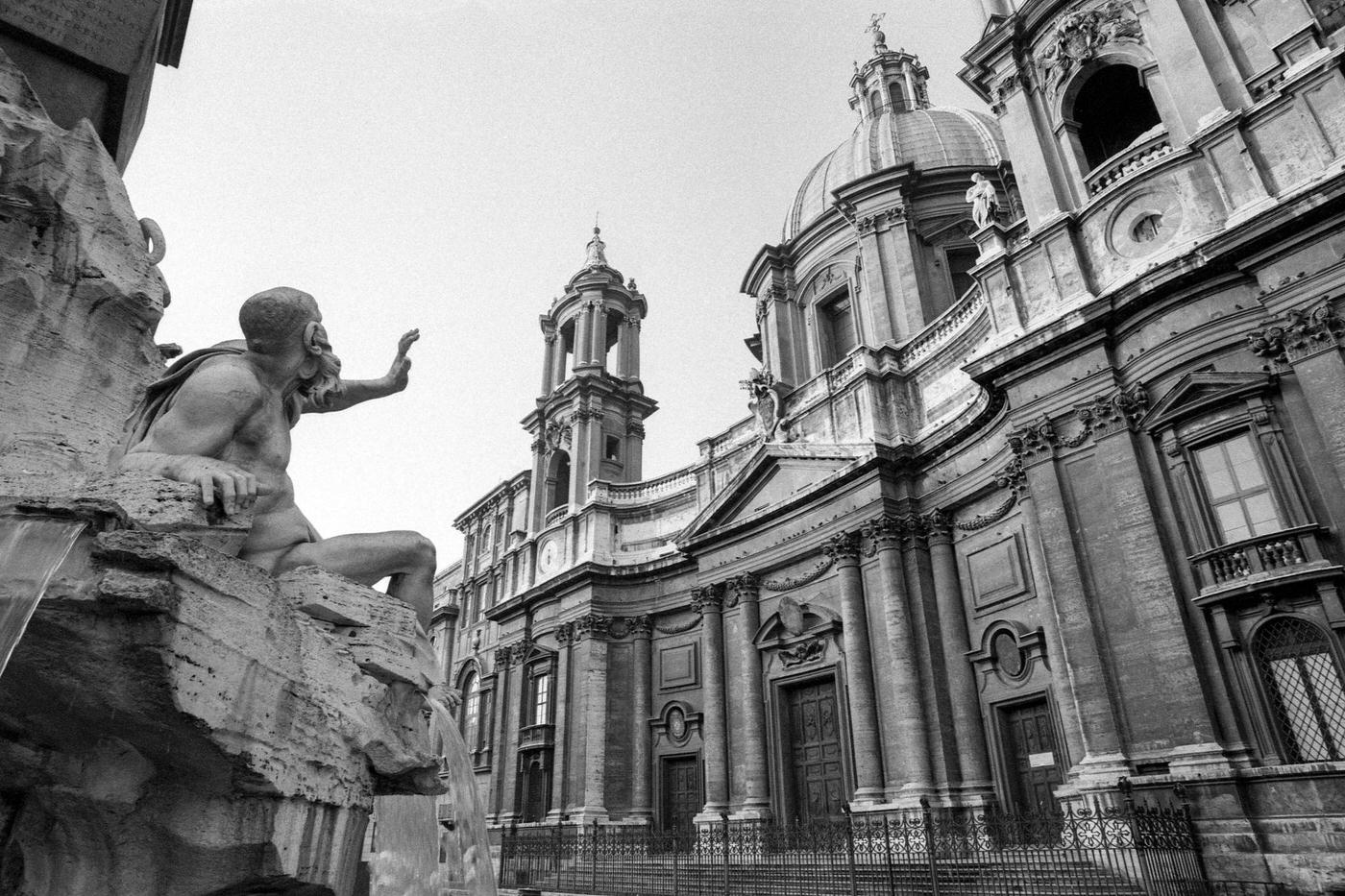
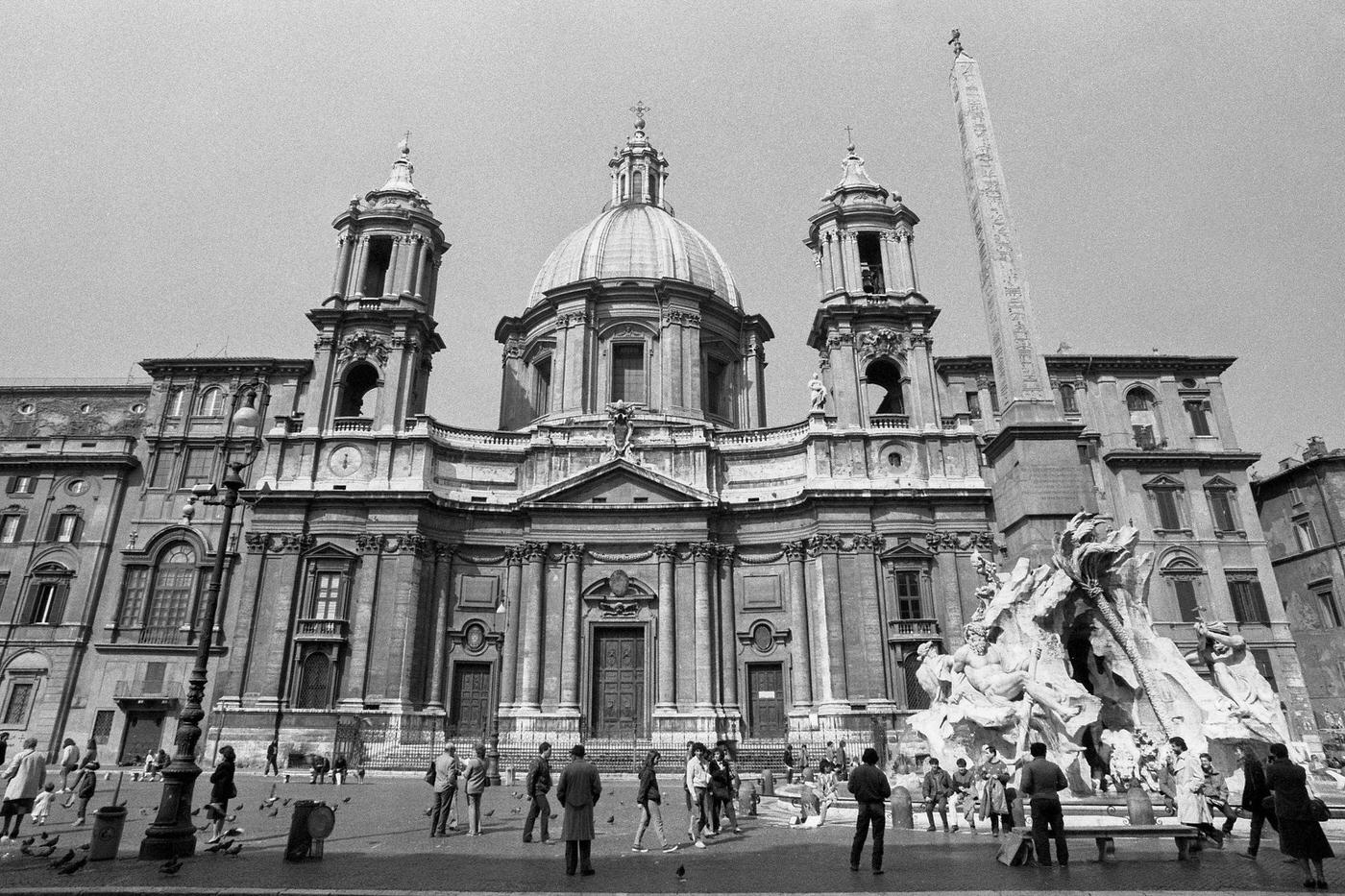
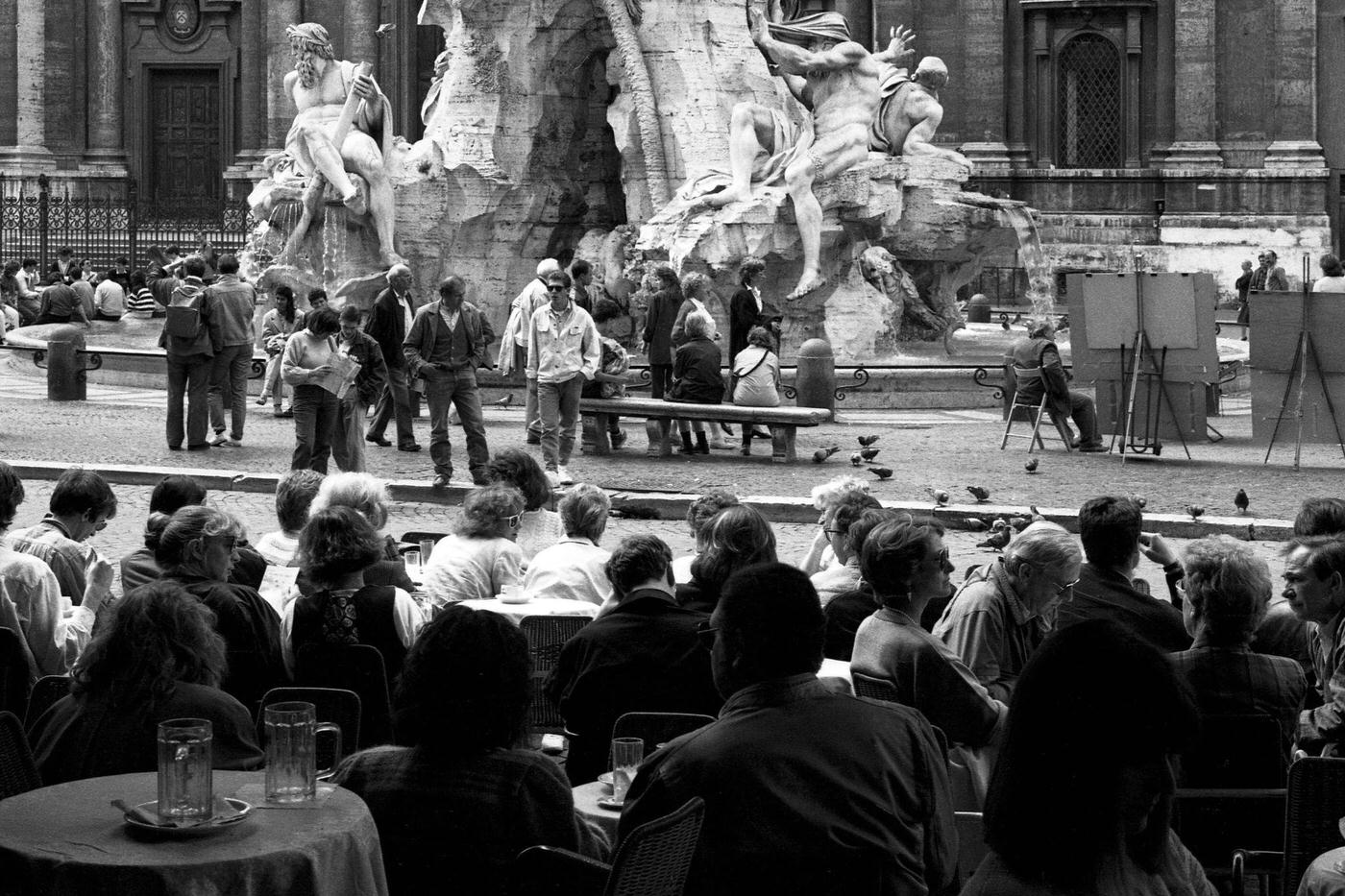
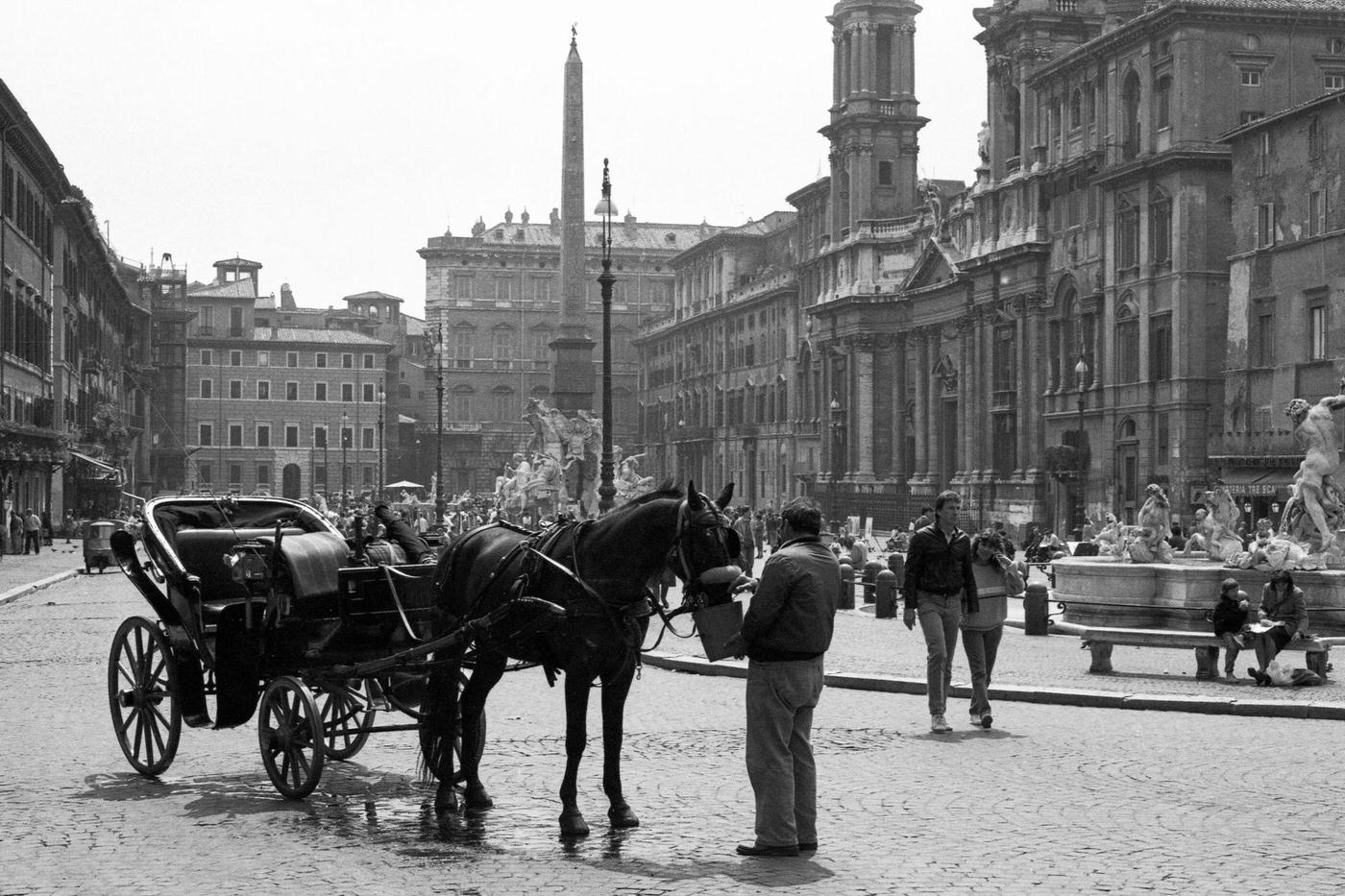
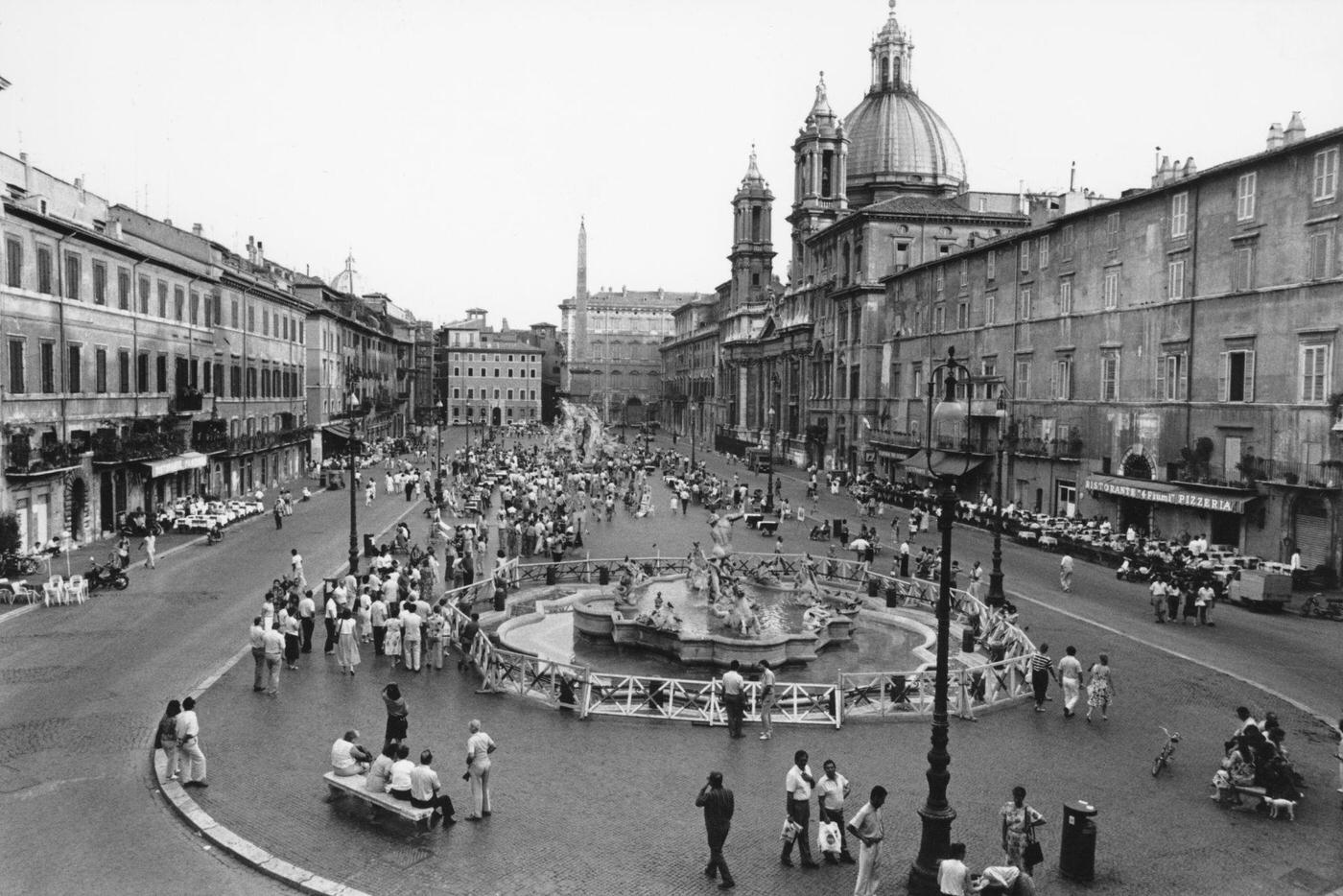
Rome’s streets were full of artists, vendors, and everyday hustle. Street painters worked on the sidewalks, drawing portraits and selling artwork to passersby. The Campo de’ Fiori market was still in full swing in 1984, a centuries-old open-air marketplace where Romans bought produce, fish, and flowers. Piazza Navona, with its magnificent Bernini fountain and Baroque church of Sant’Agnese, was a magnet for both vendors and tourists throughout the decade.


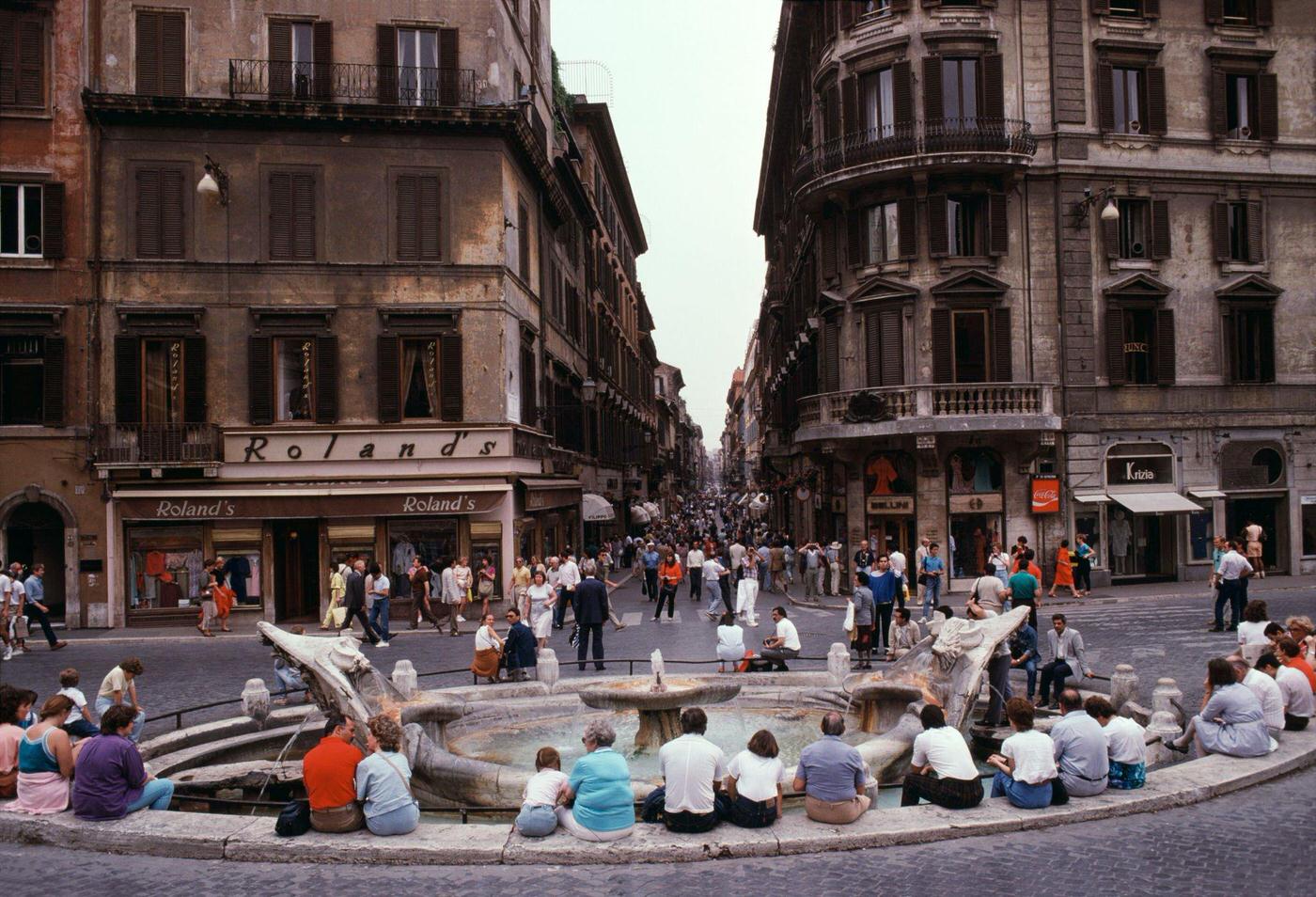
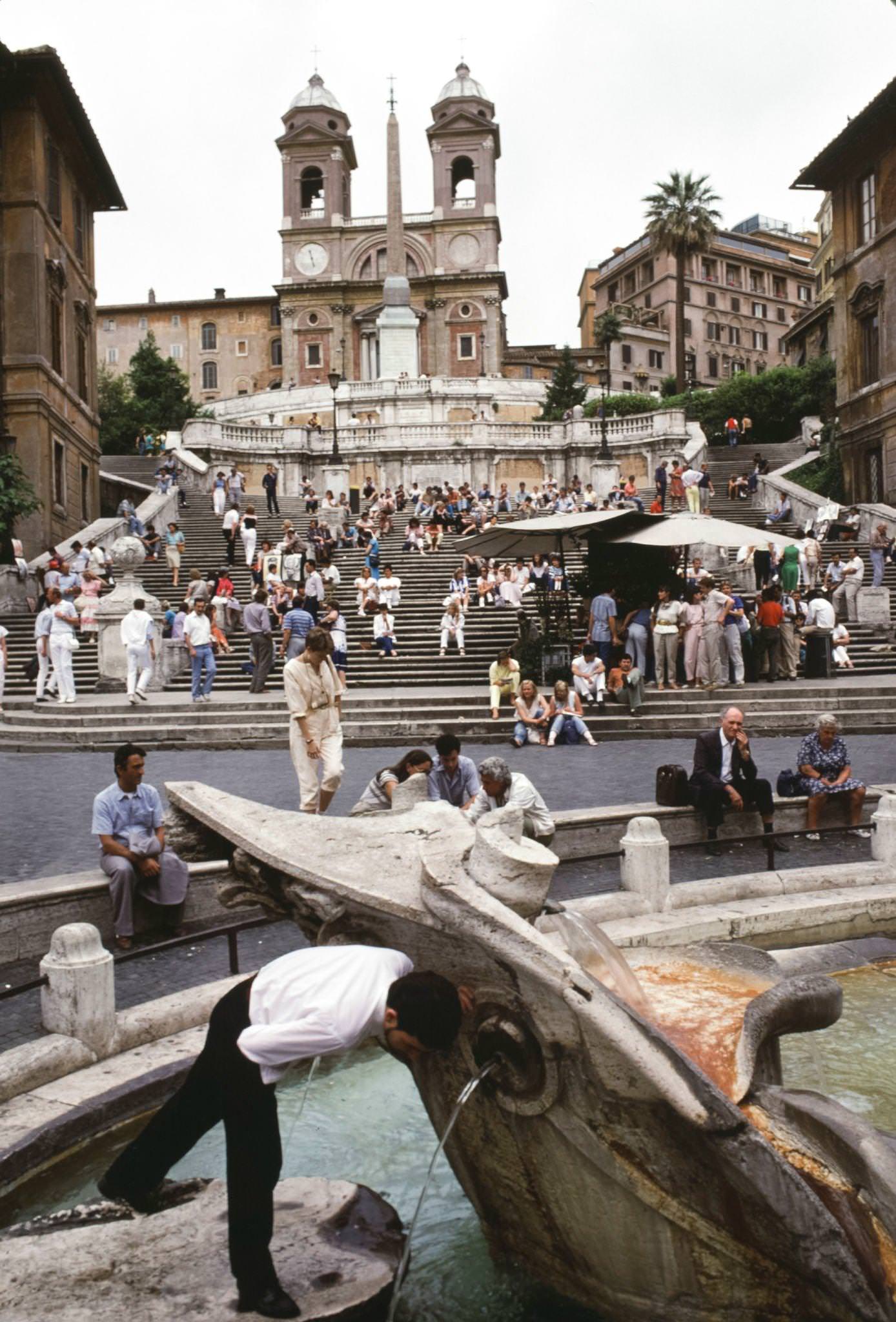
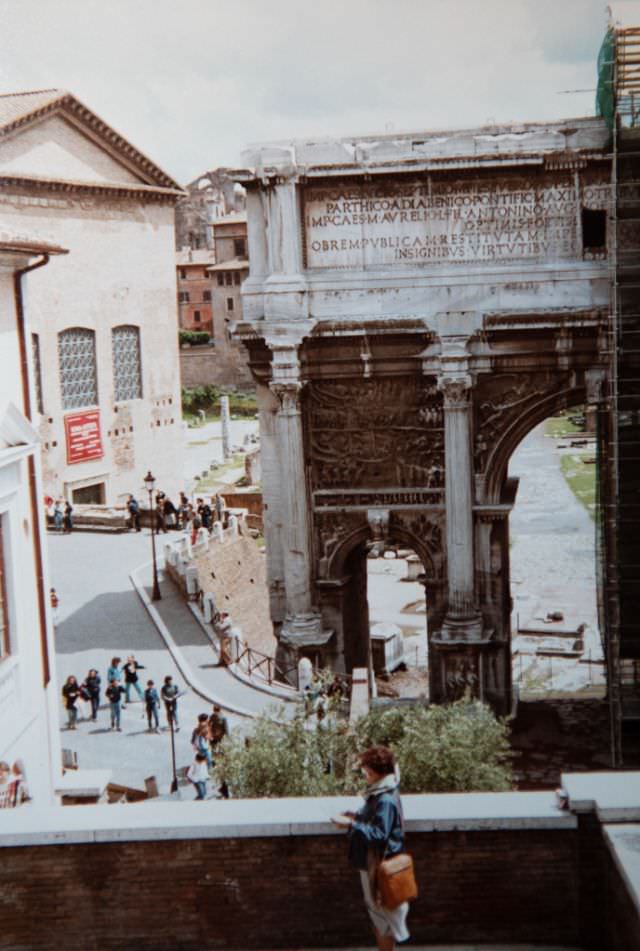
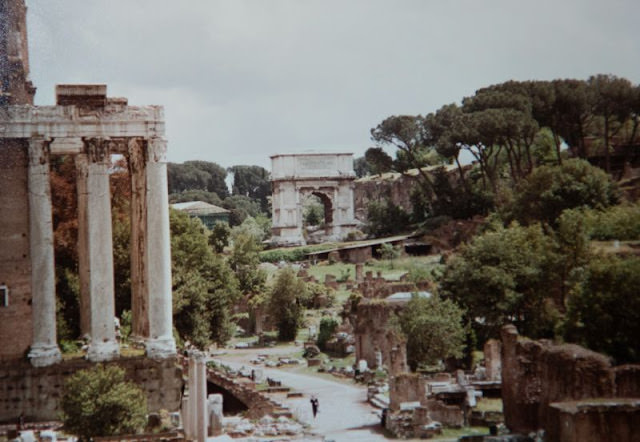
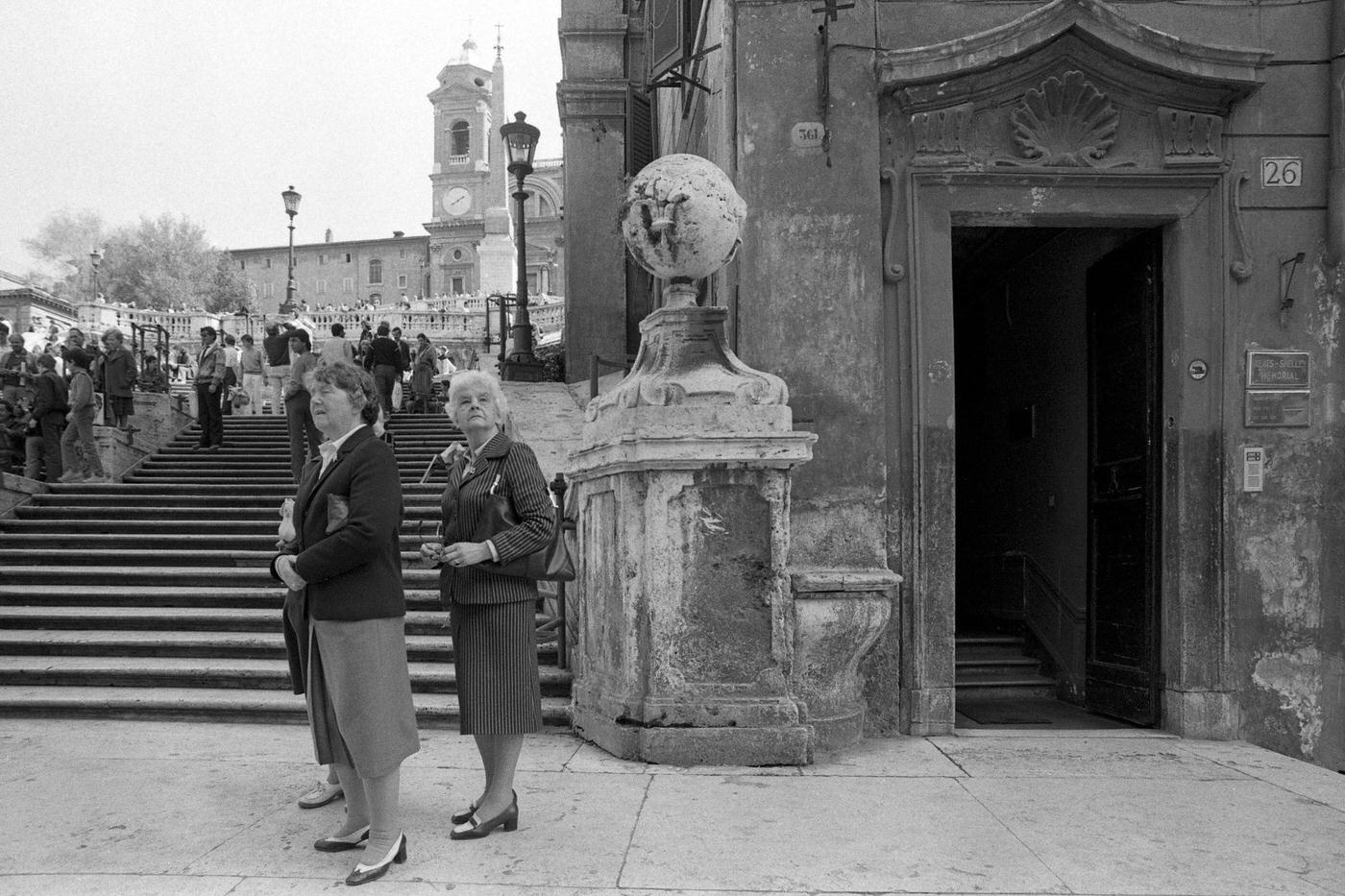
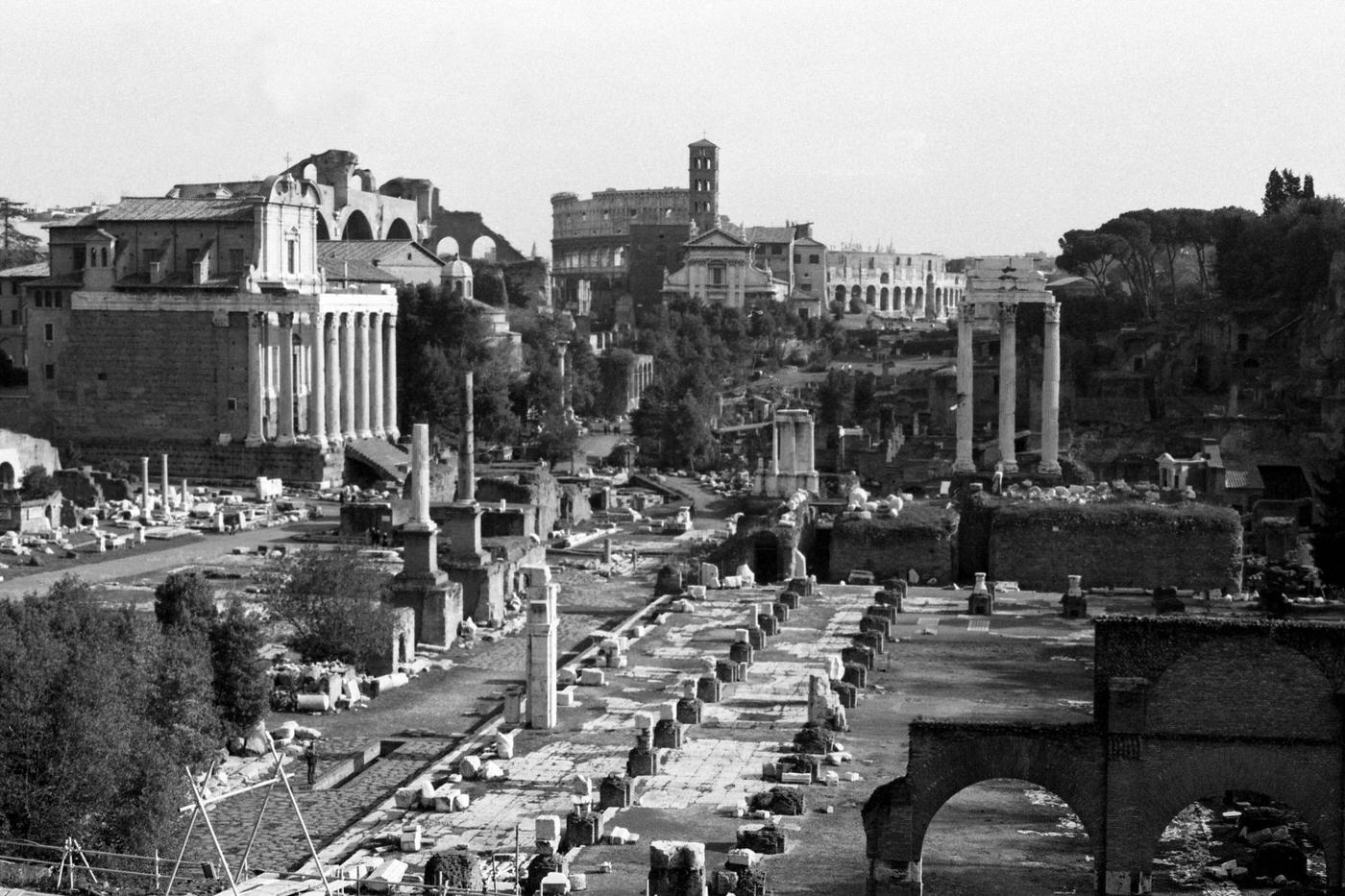
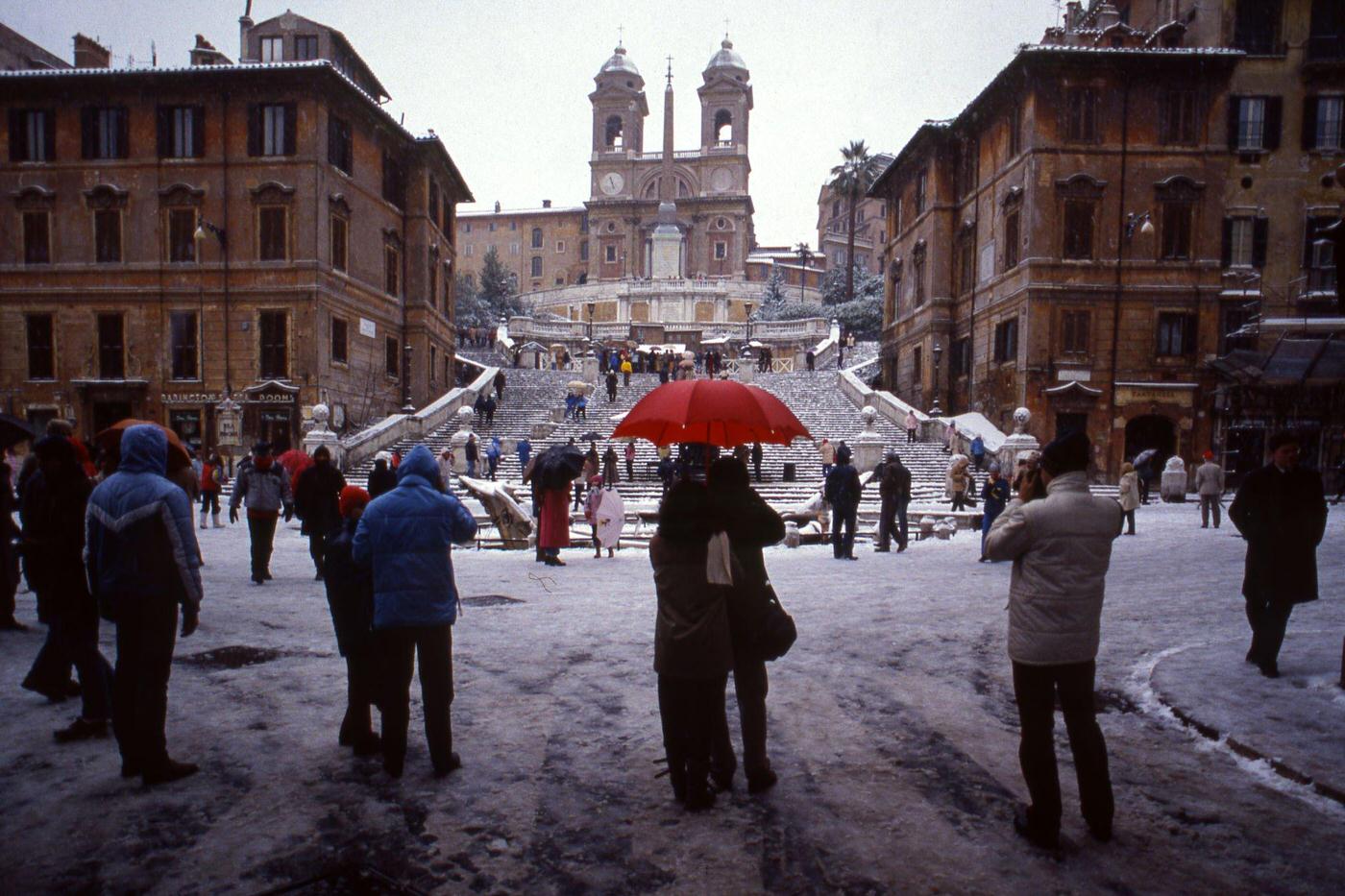
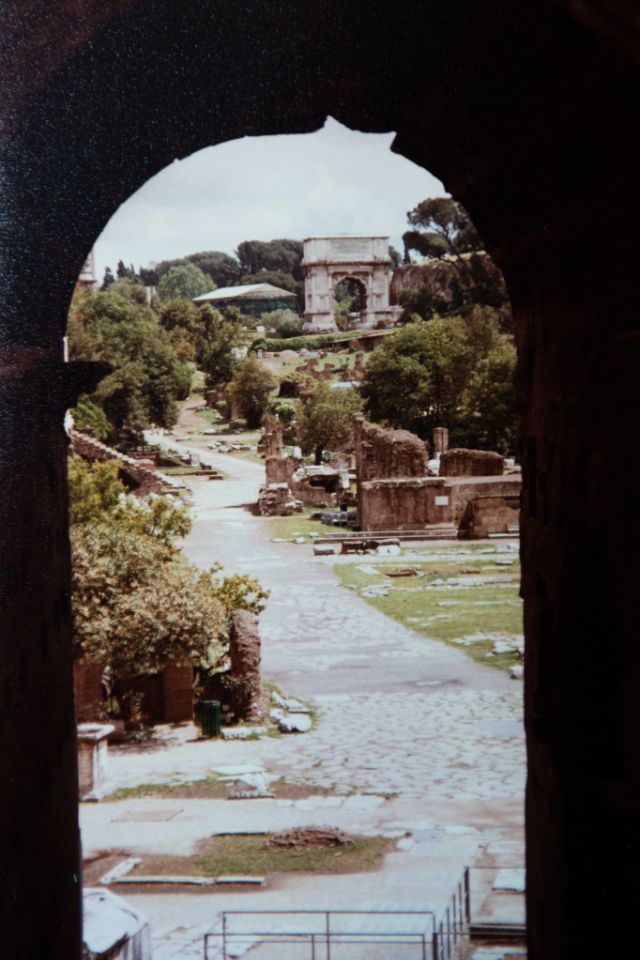
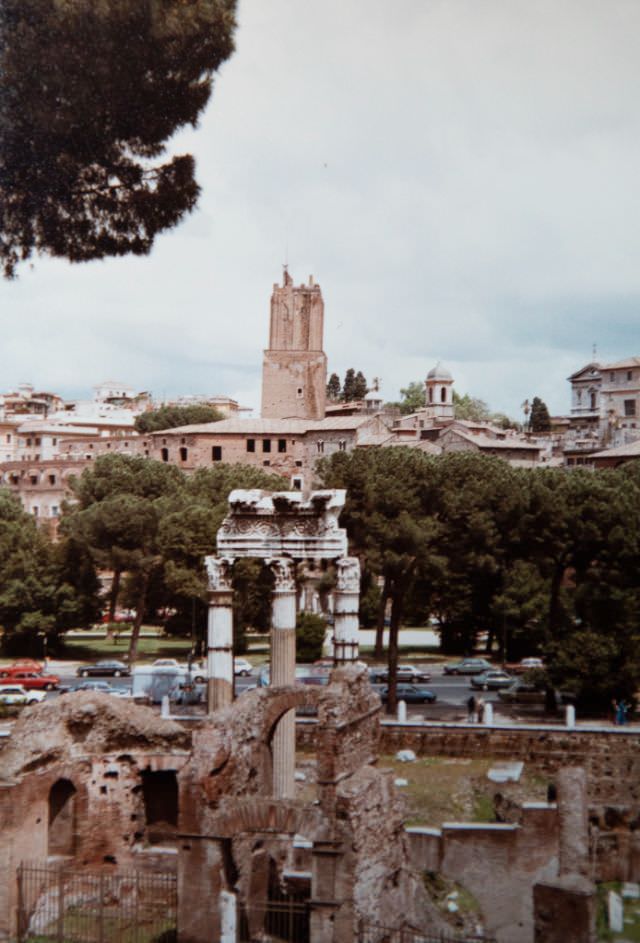
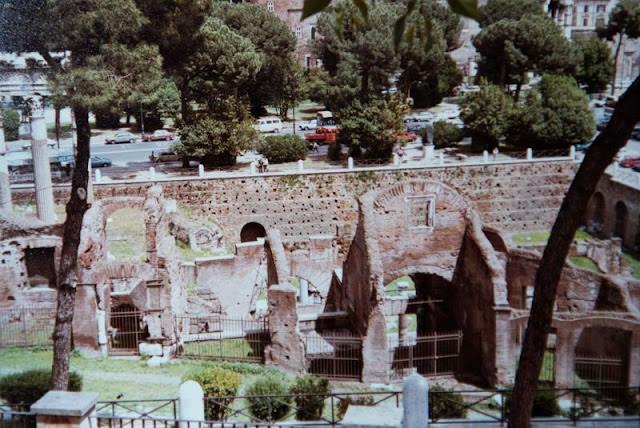
The Spanish Steps remained one of Rome’s most beloved gathering spots. Locals and tourists alike sat on the broad travertine staircase leading up to the Trinità dei Monti church, watching the city move below them. Nearby, the Roman Forum stood as a silent testament to Rome’s ancient origins, its ruins drawing steady crowds of visitors and historians.


The EUR district’s Palazzo della Civiltà Italiana — often called the Square Colosseum — was a defining piece of Fascist-era architecture that had, by 1984, become simply part of Rome’s complex urban fabric. Its rows of arched windows made it one of the most photographed buildings in the district.

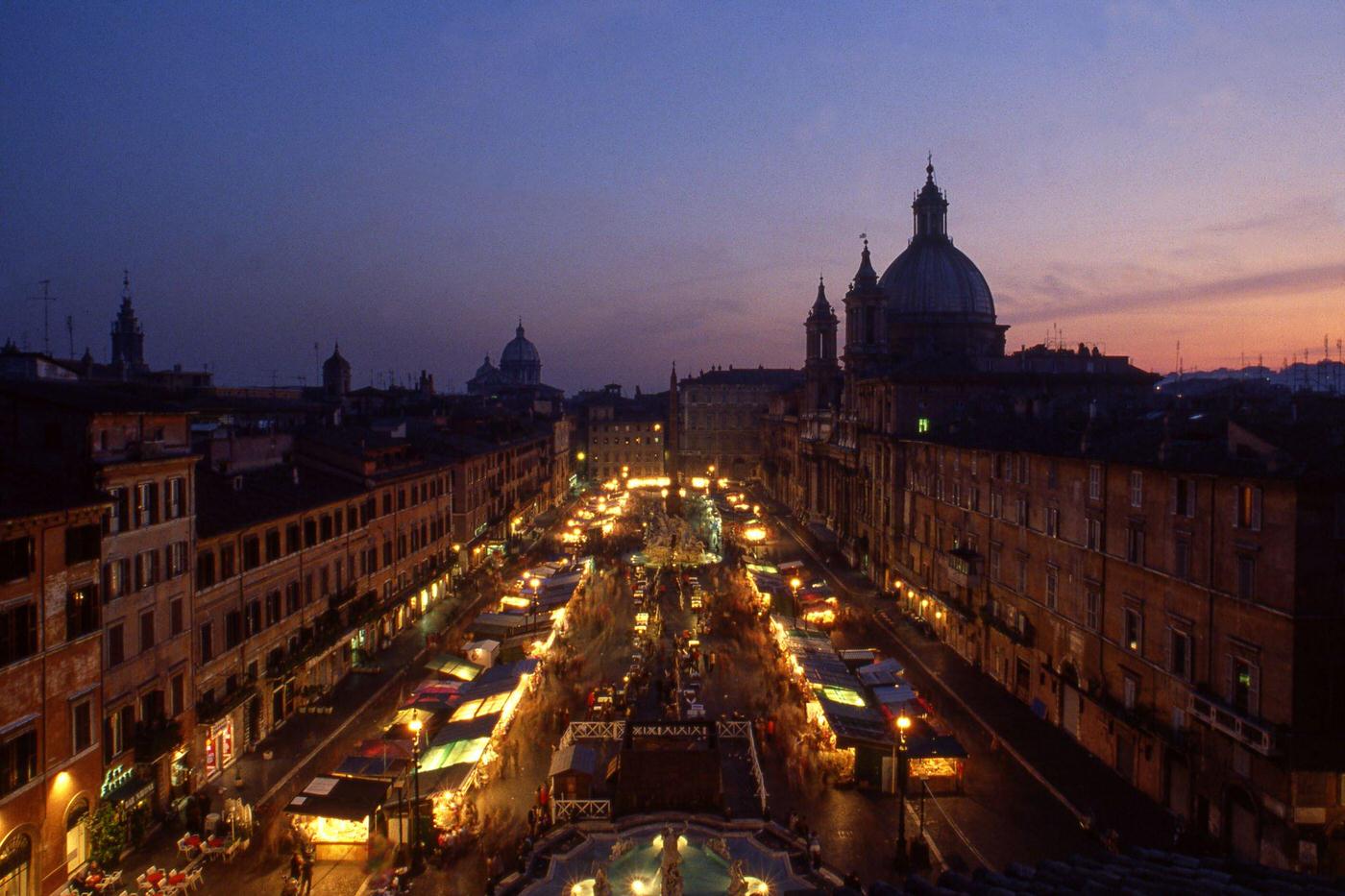
As December arrived, Piazza Navona transformed into a Christmas market. Vendors set up stalls selling toys, sweets, and decorations, filling the square with color and noise. The tradition was deeply embedded in Roman culture and drew families from across the city every year.

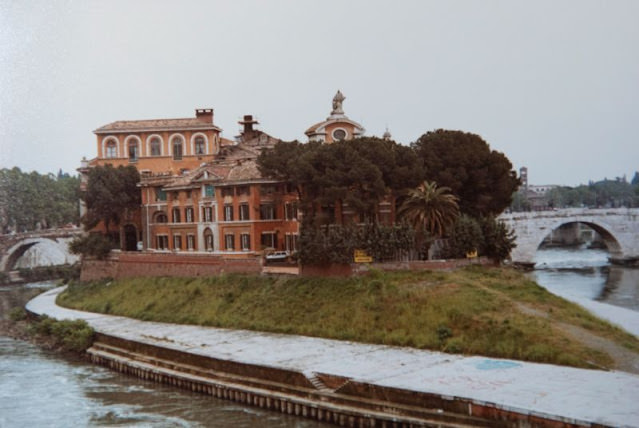
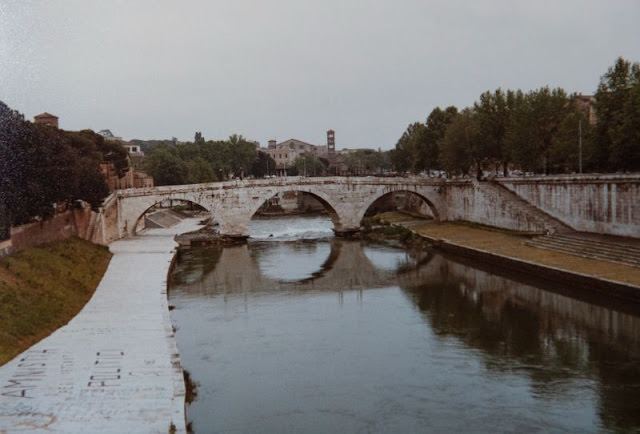
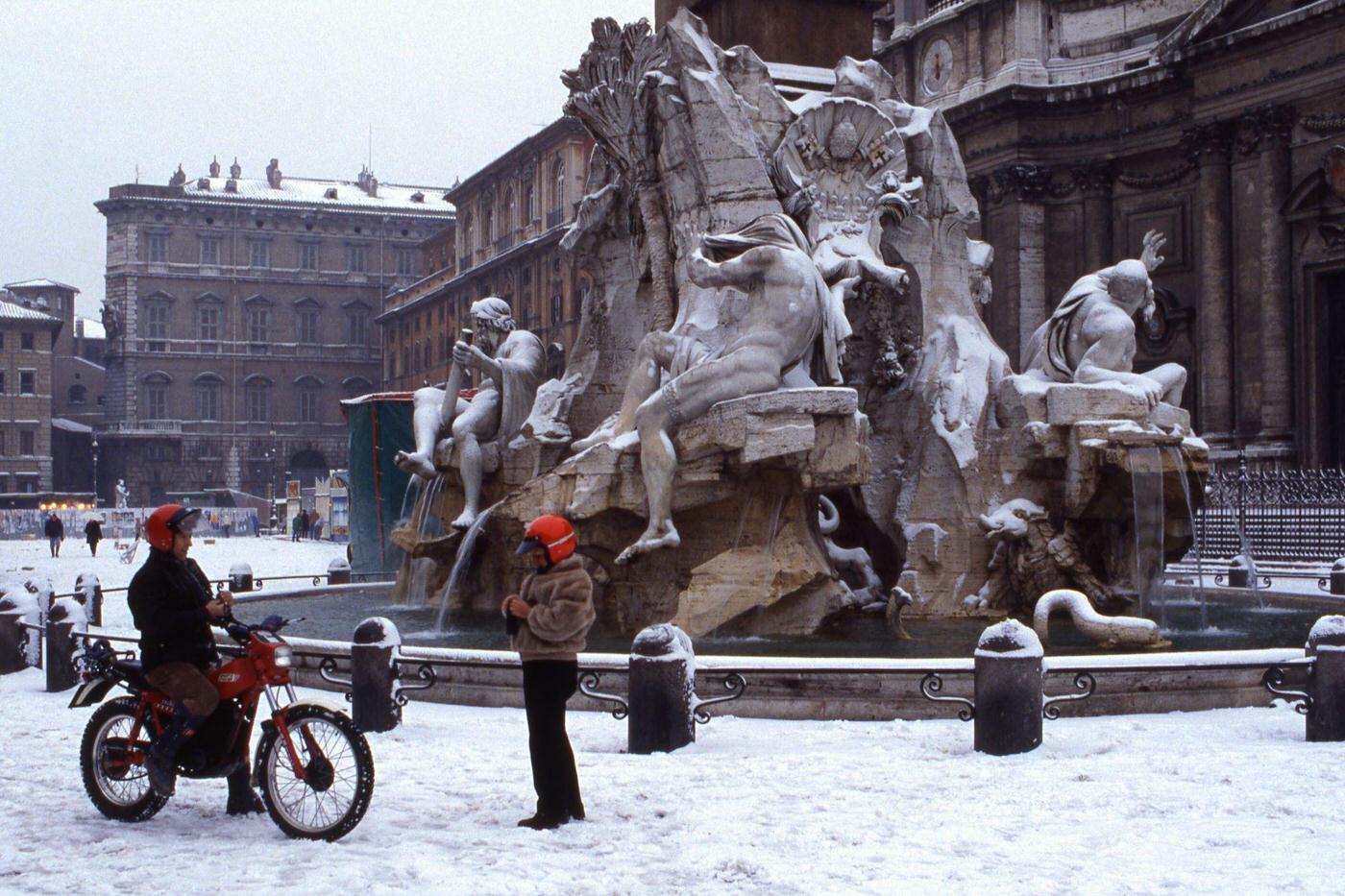
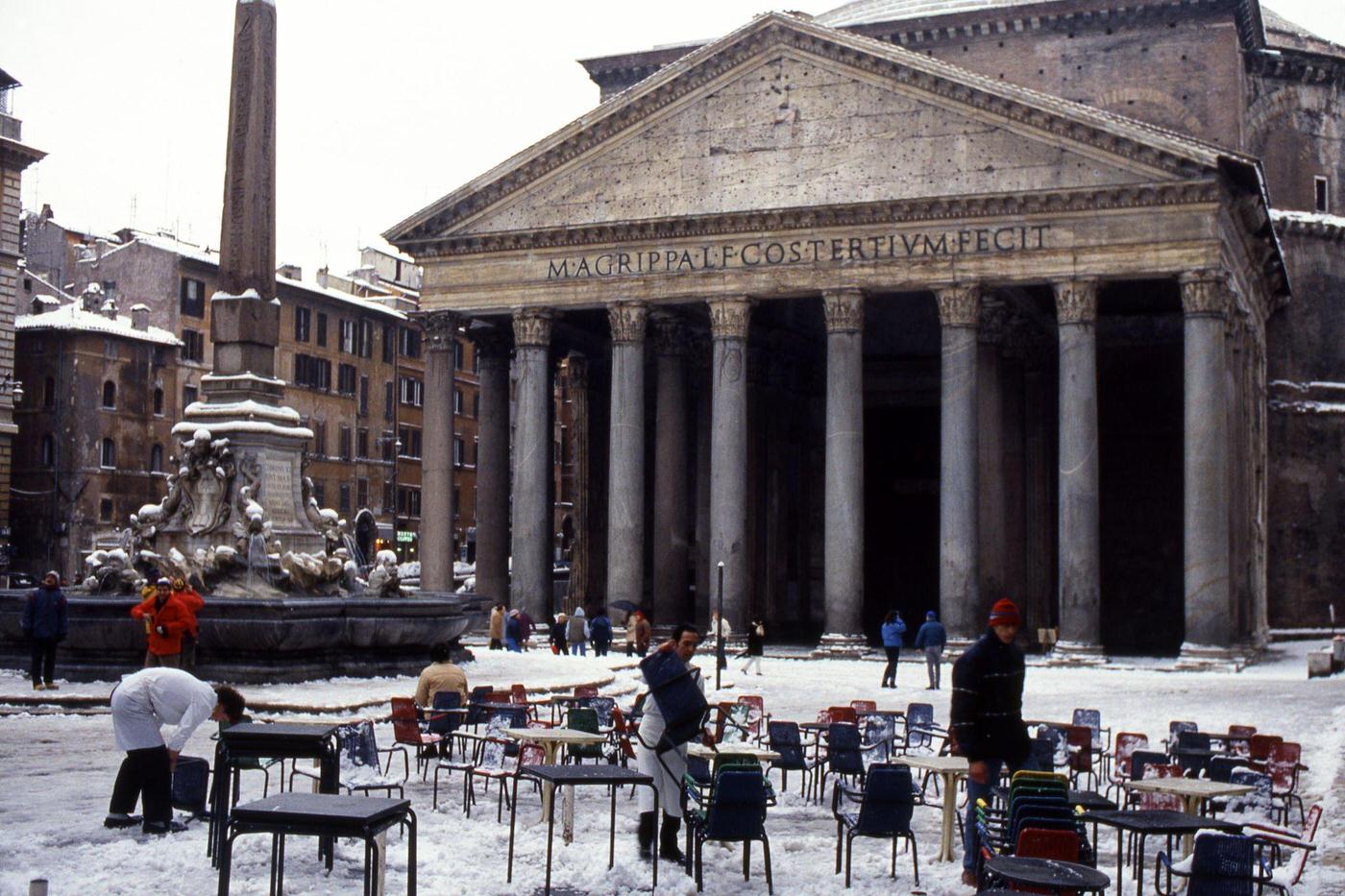
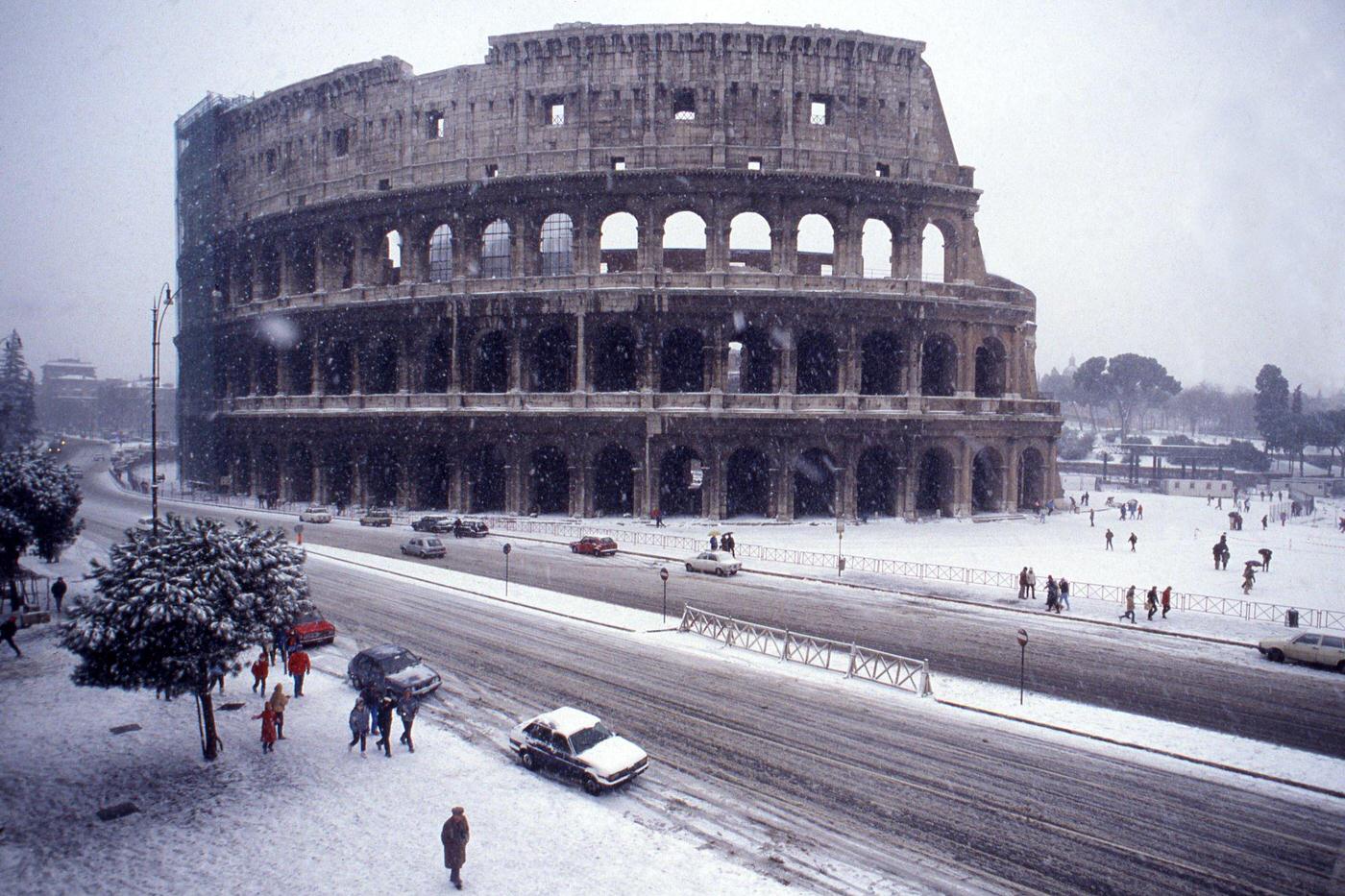
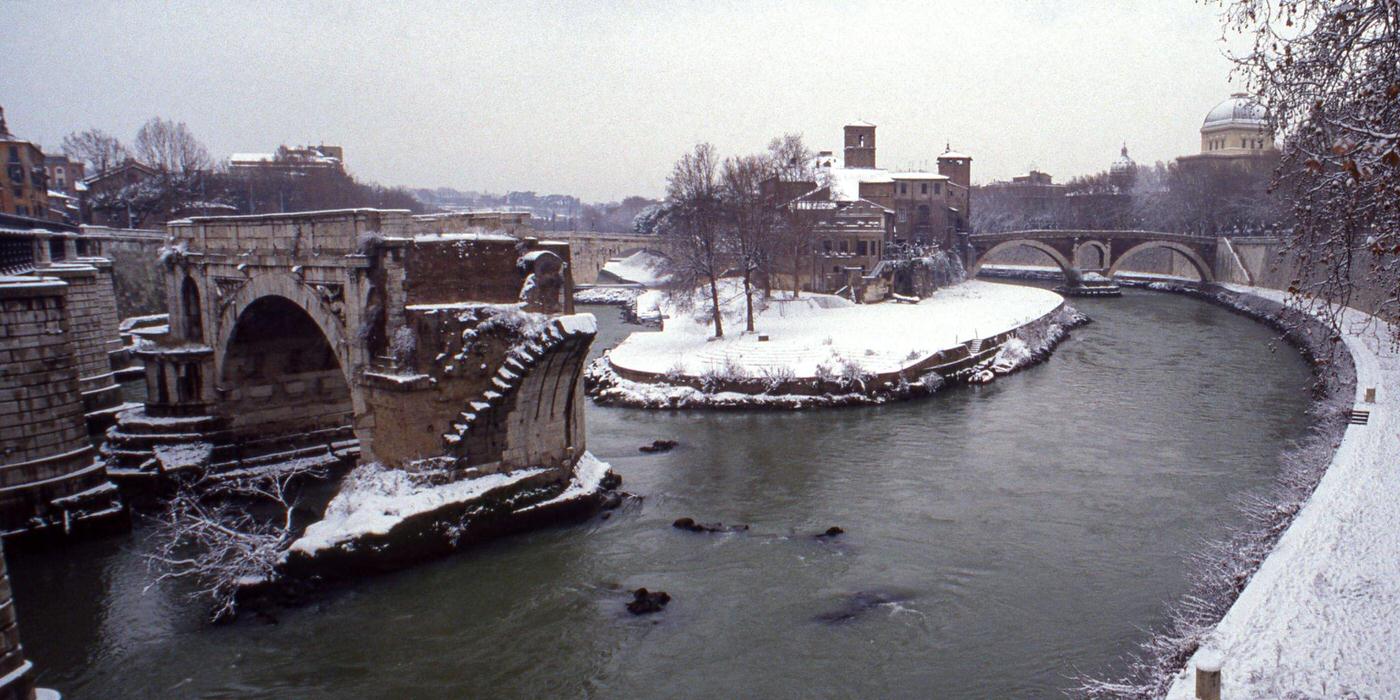
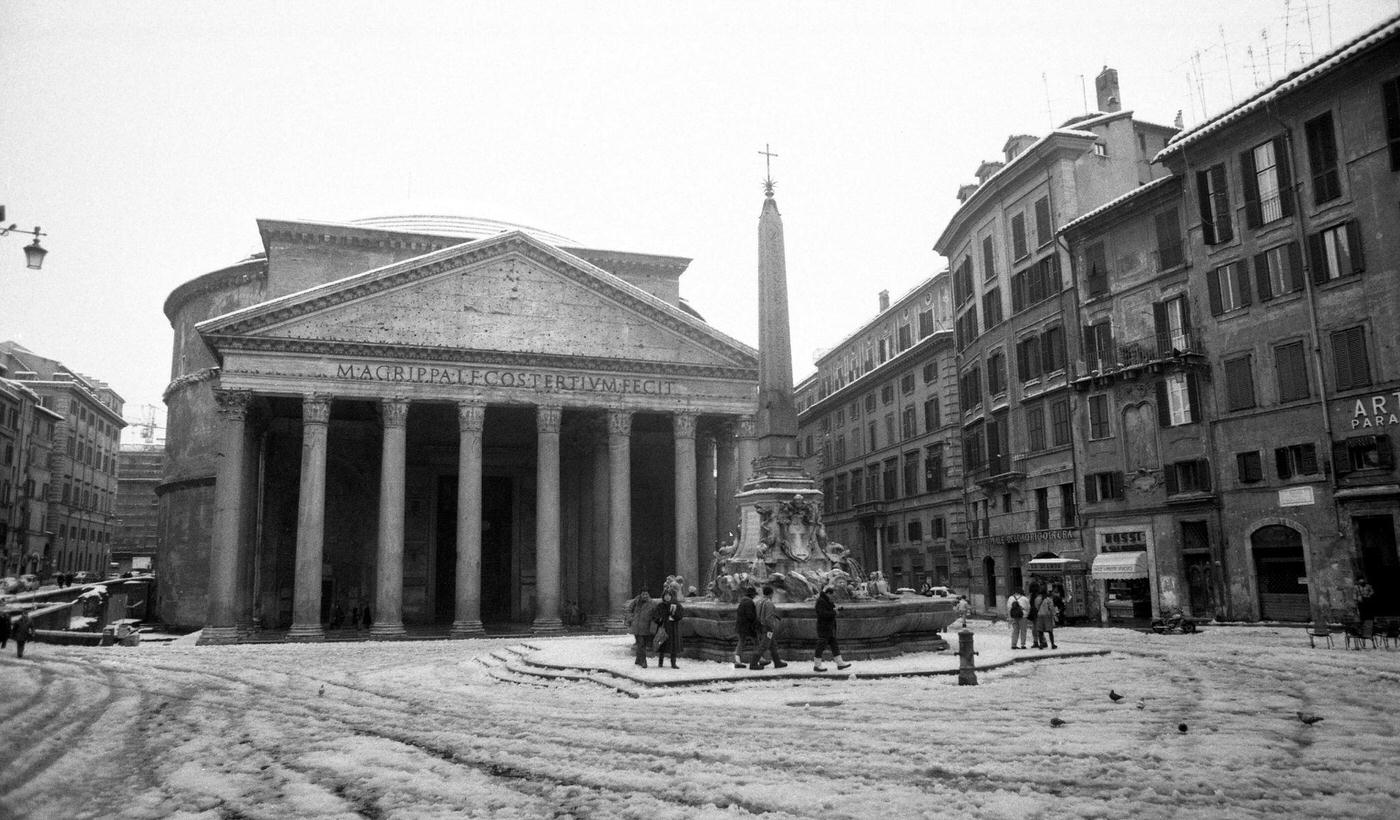
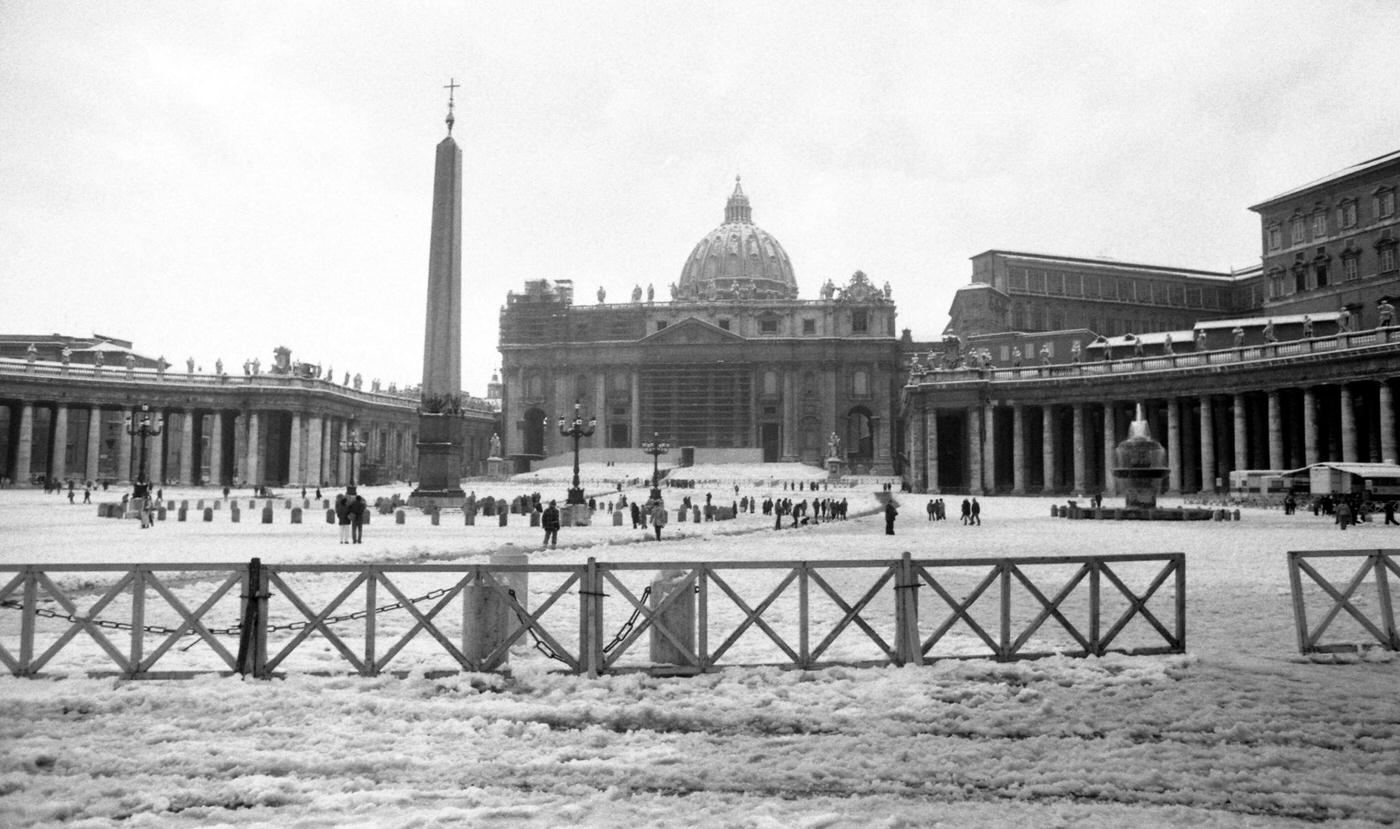
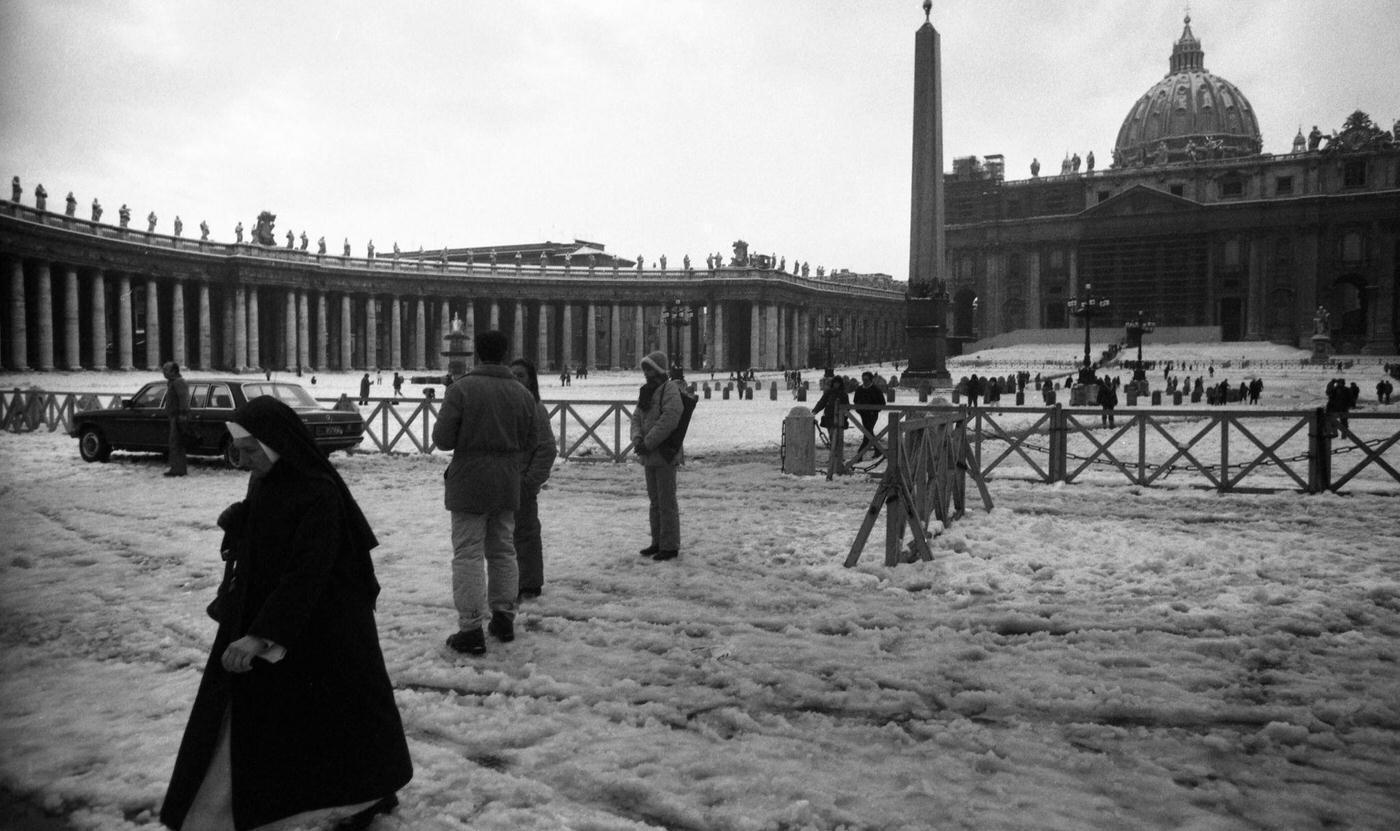
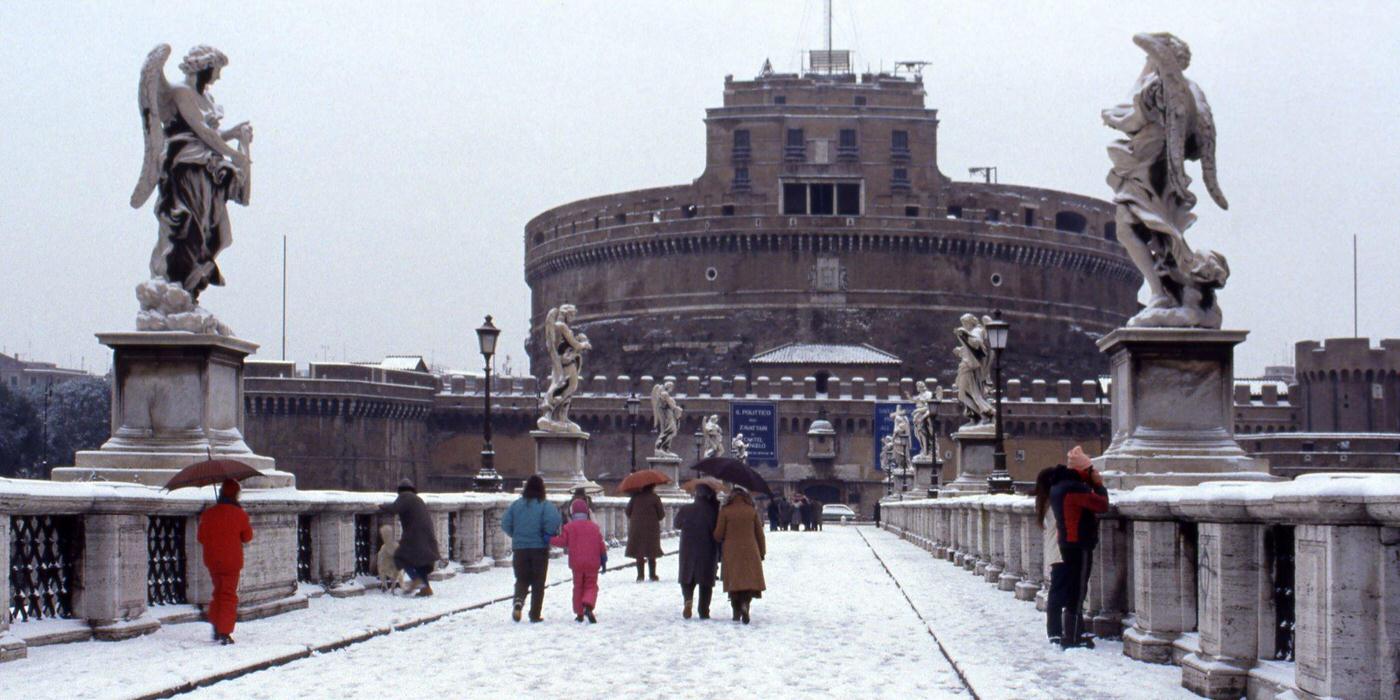
In early 1985, a rare and heavy snowfall blanketed Rome. Snow is an uncommon sight in the city, and when it came, it transformed the ancient landmarks into something almost otherworldly. Bernini’s Fountain of the Four Rivers sat under a thick white layer. The Colosseum, the Spanish Steps, and the plaza outside the Pantheon were all blanketed in snow. Even the Tiber River and the Isola Tiberina were coated in white. Romans reacted with a mixture of wonder and disruption — the city was not built for winter weather.


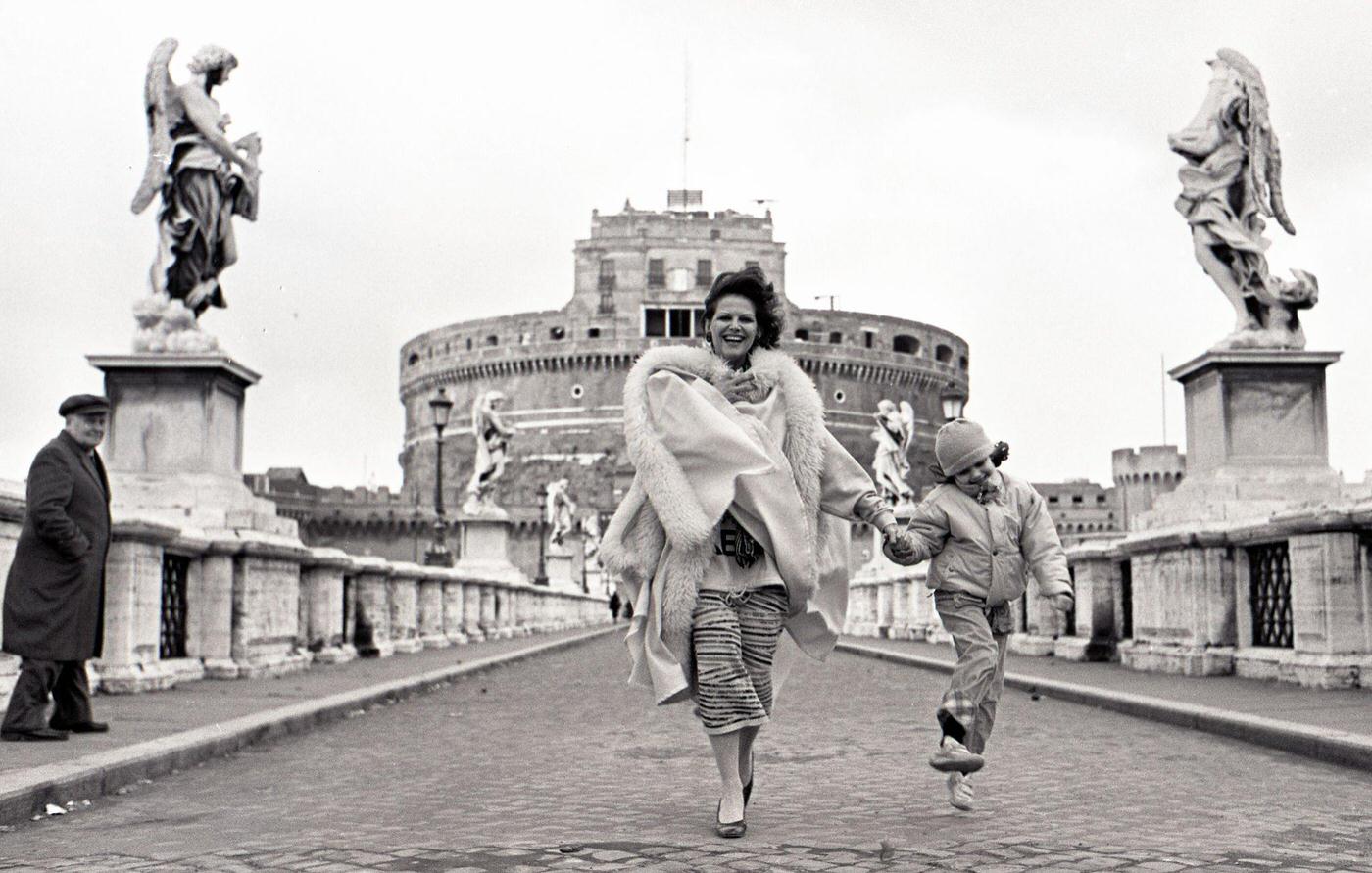
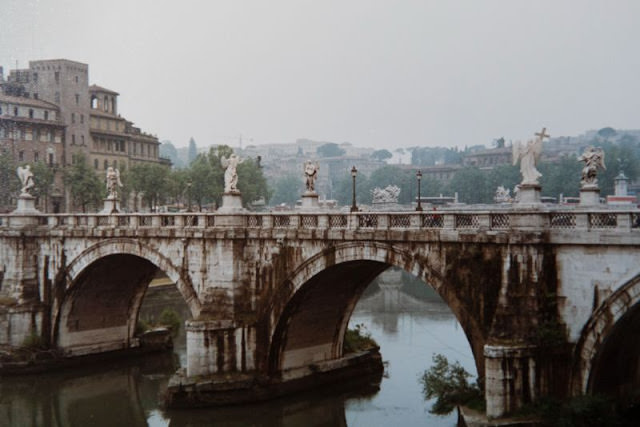
Italian actress Claudia Cardinale visited Castel Sant’Angelo with her daughter Claudine in 1985. The cylindrical fortress on the banks of the Tiber had served as a mausoleum, castle, and papal refuge over the centuries, and by the 1980s it functioned as a museum and one of the city’s most striking landmarks.

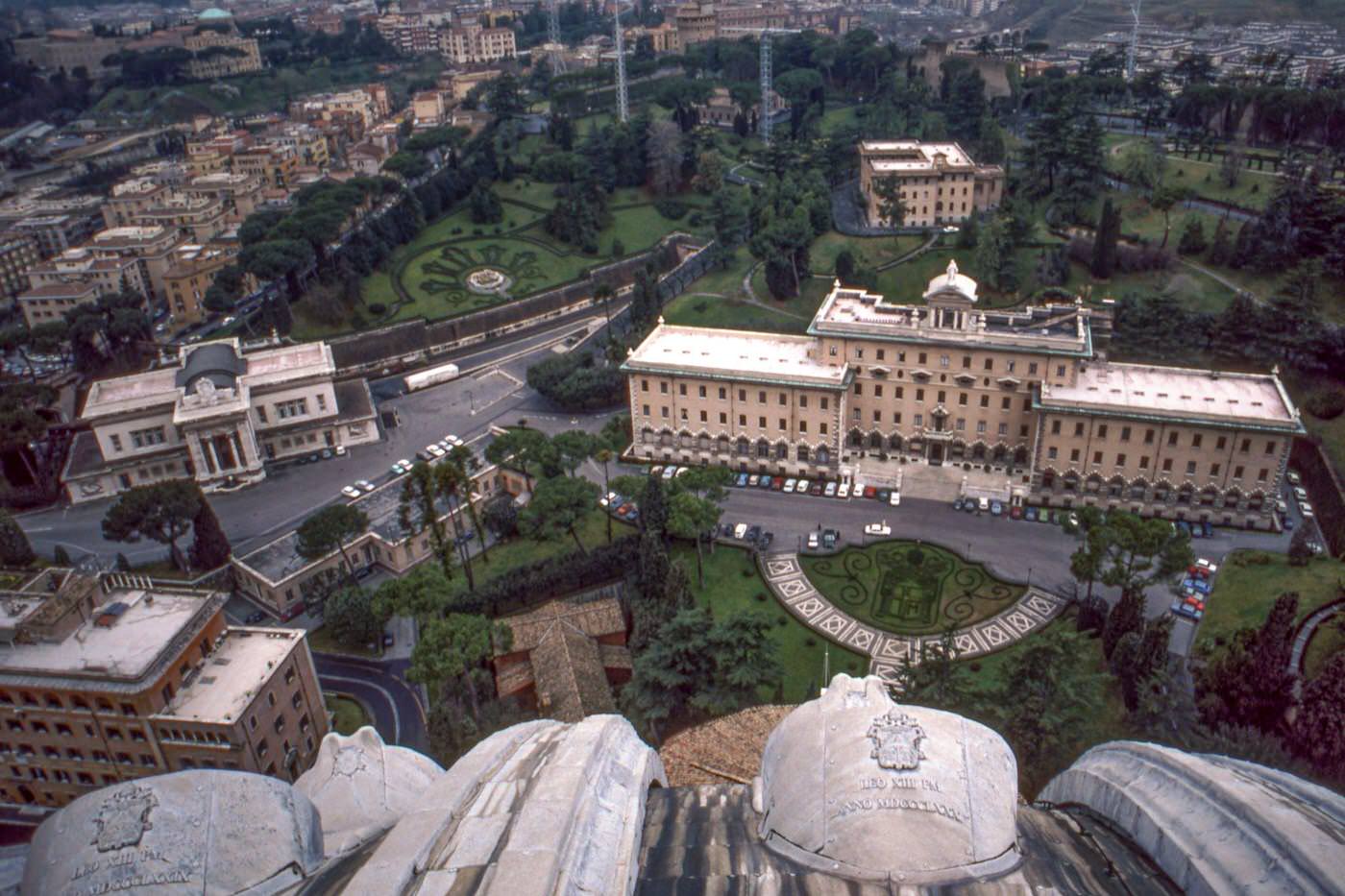
The view from St. Peter’s dome gave a sweeping panorama of Vatican City — its railway station, the Governorate Palace, and the vast colonnaded square below all visible in remarkable detail. The aerial perspective revealed just how self-contained the tiny state within a city truly was.


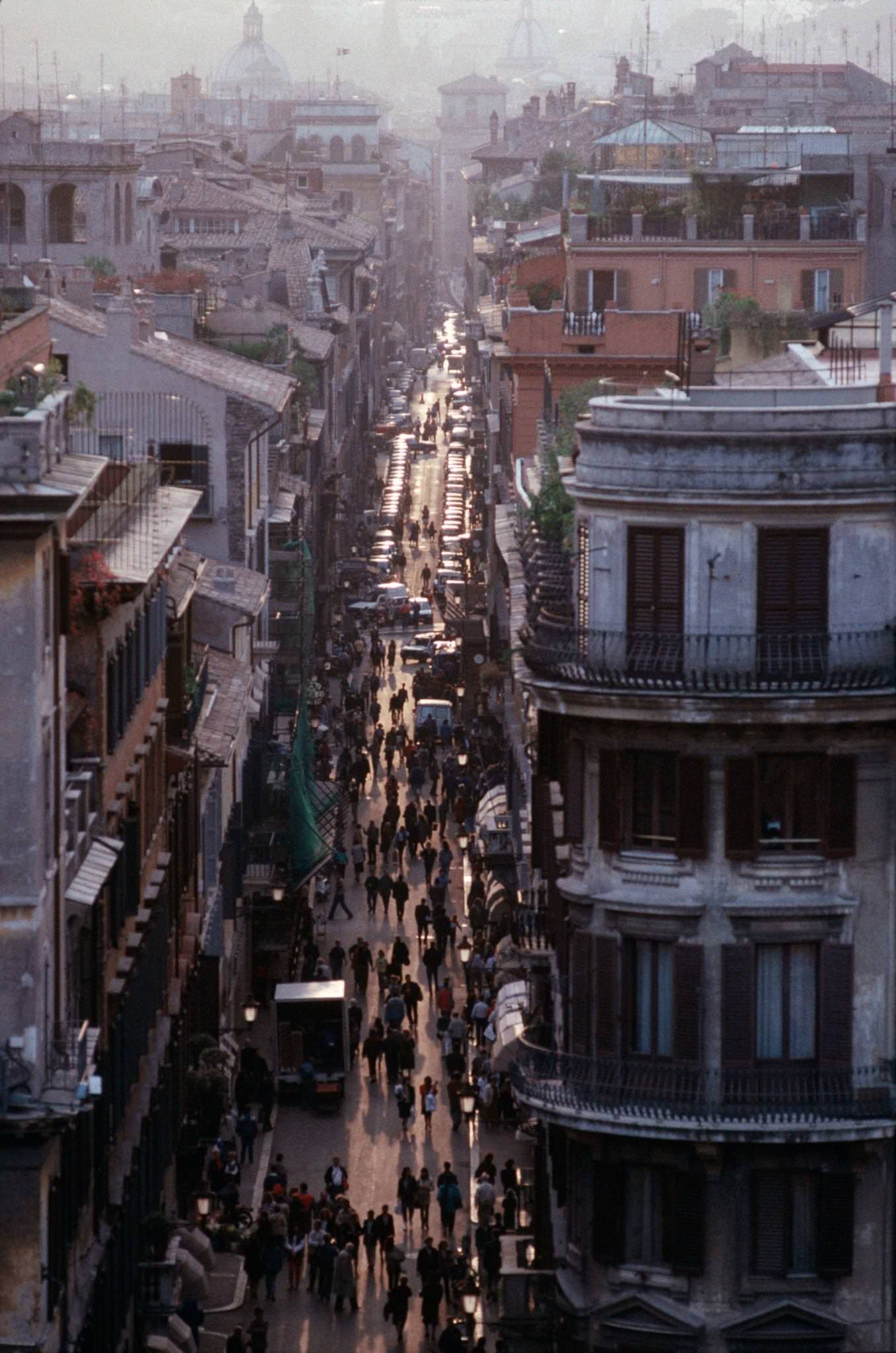
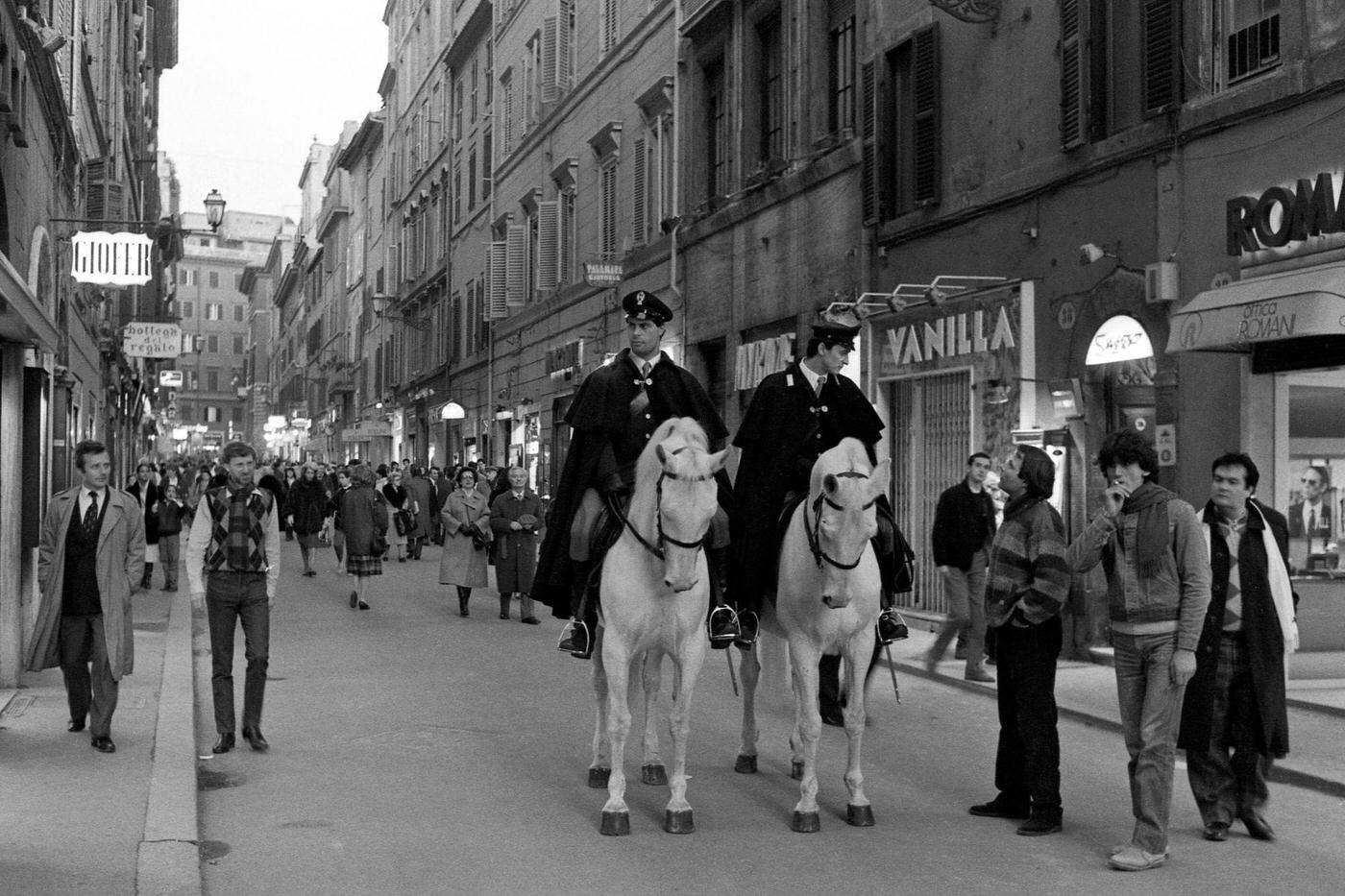
Fashion was a serious business in 1980s Rome. Via Condotti, the luxury shopping street running from the Spanish Steps toward the Tiber, was home to the world’s most prestigious fashion houses. Mounted police officers patrolled nearby Via Frattina, keeping order in a neighborhood that attracted both wealthy shoppers and large crowds. Rome used its fashion credentials to compete directly with Milan for status on the global runway.

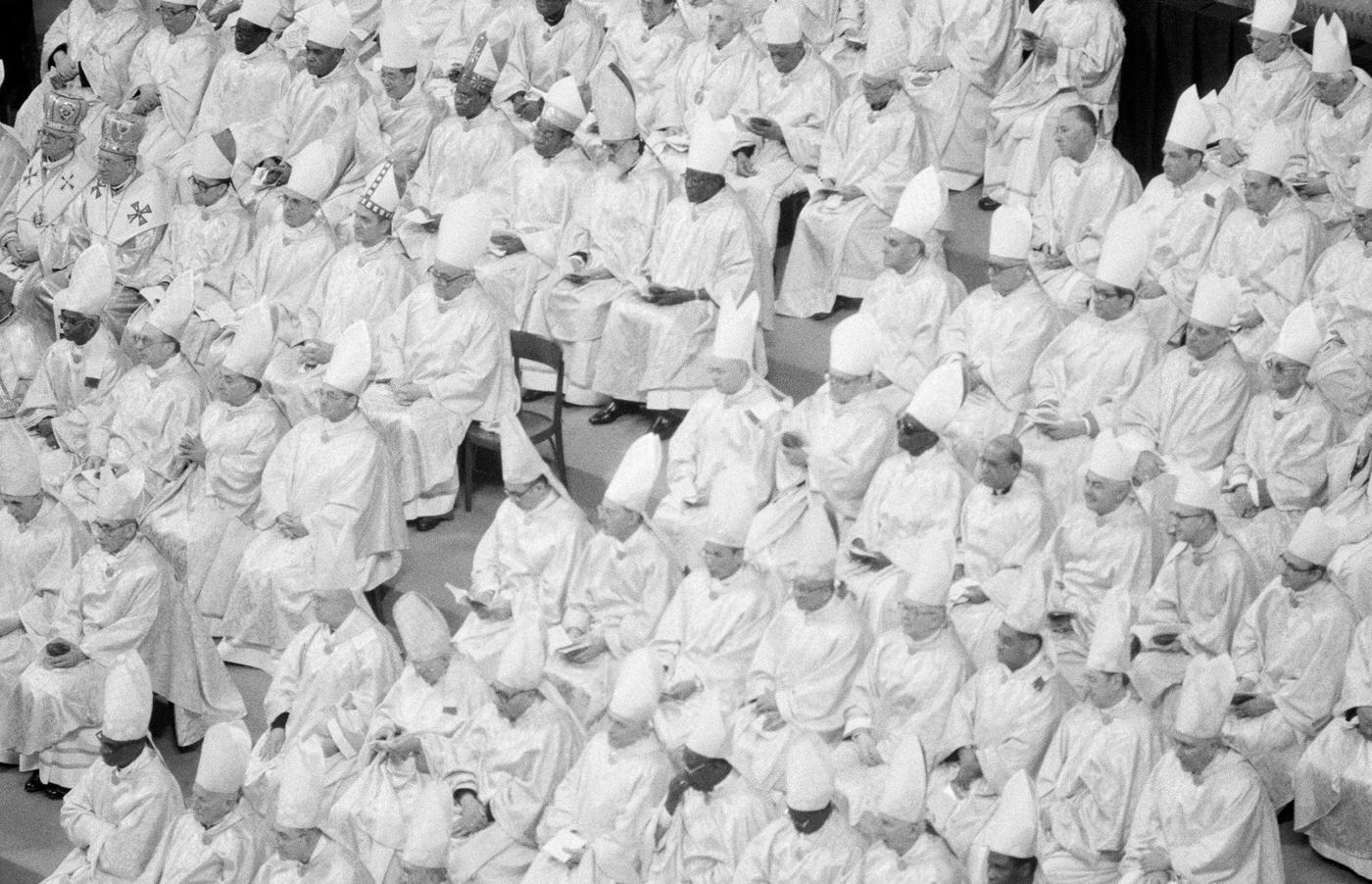
In 1985, the Vatican hosted the opening of the Extraordinary Synod of Bishops at St. Peter’s Basilica. The gathering was called by Pope John Paul II to mark the 20th anniversary of the Second Vatican Council, and it drew church leaders from across the world to Rome.

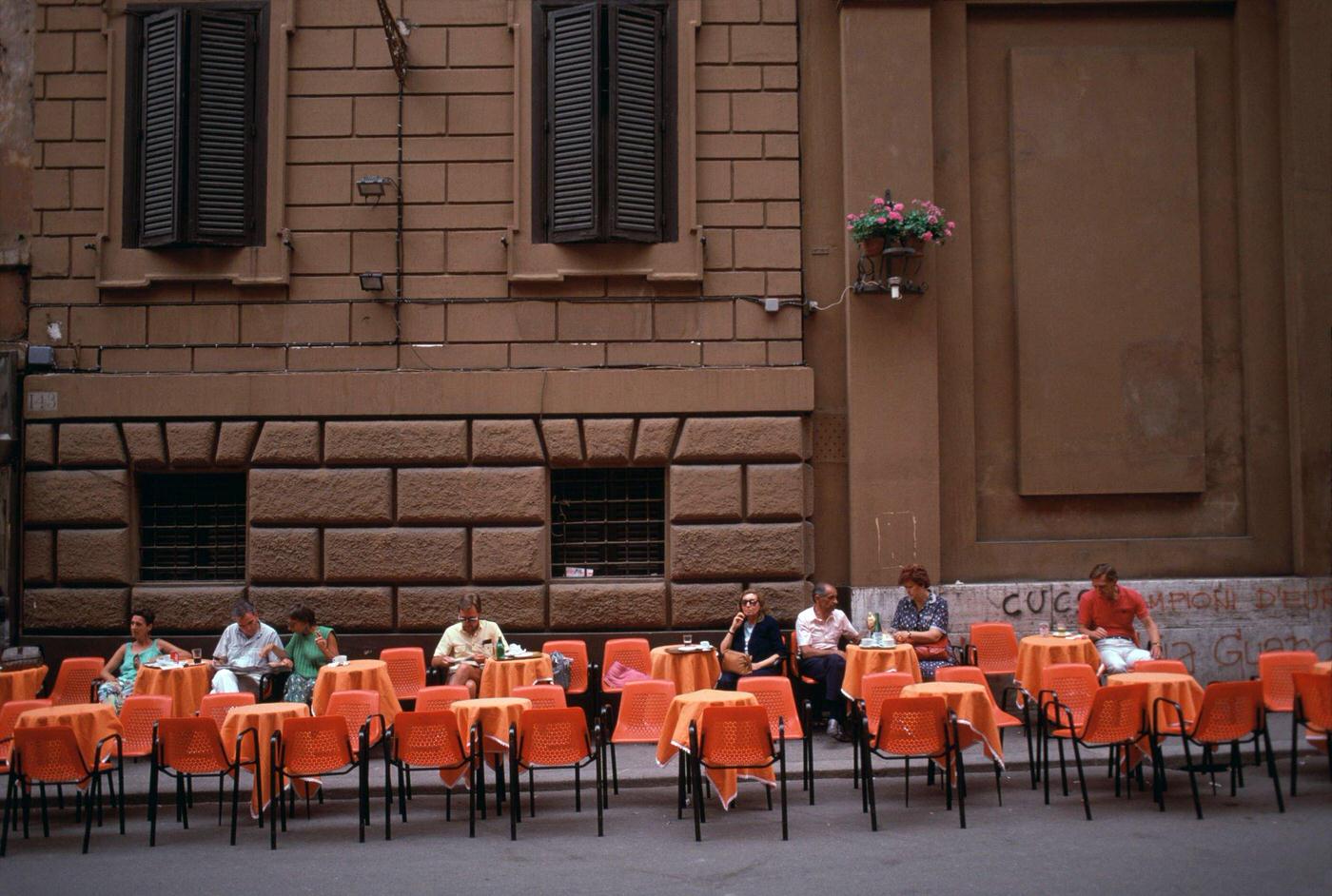
The Barcaccia Fountain at the base of the Spanish Steps was a daily gathering point. Cafes nearby offered outdoor seating, and the Steps themselves were a social hub as much as a tourist attraction. Pigeons, street vendors, and sketch artists competed for space on the wide travertine staircase.


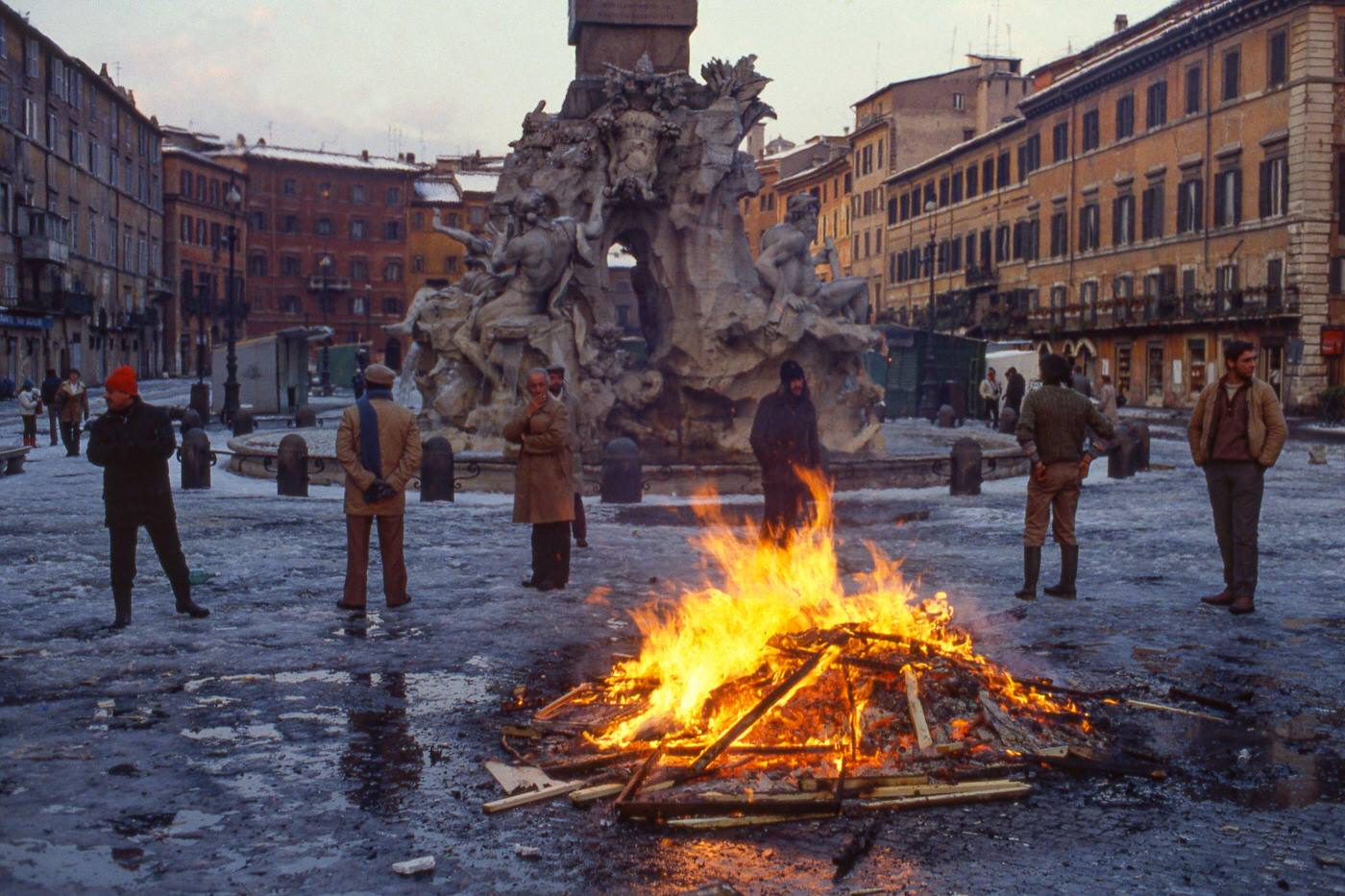
After the Christmas market in Piazza Navona closed each January, a bonfire was lit to mark the end of the festive season — a Roman tradition tied to the Feast of the Epiphany. Even in winter snow, Castel Sant’Angelo presented a dramatic silhouette against the grey Roman sky.


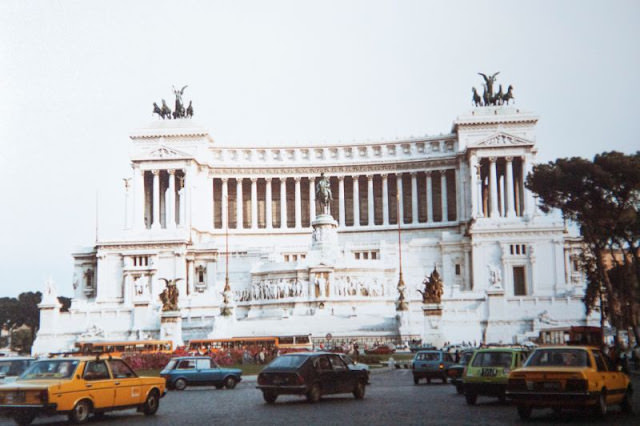
Rome’s iconic landmarks in 1985 were as busy as ever. The Piazza di Spagna, Capitol Square, and the Monument to Victor Emmanuel II — the towering white marble structure Romans nicknamed the ‘Wedding Cake’ — were all regular stops for visitors navigating the city’s historic center.


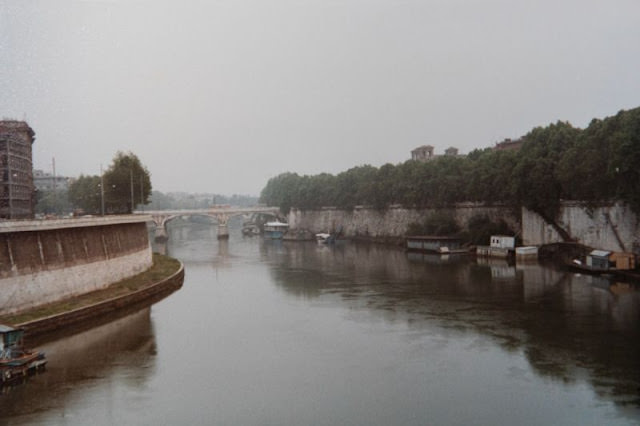
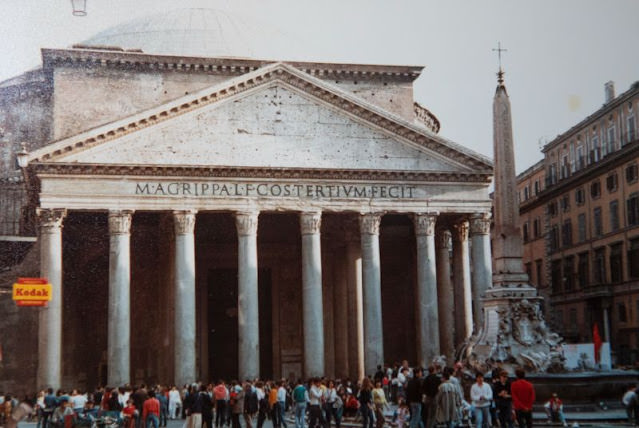
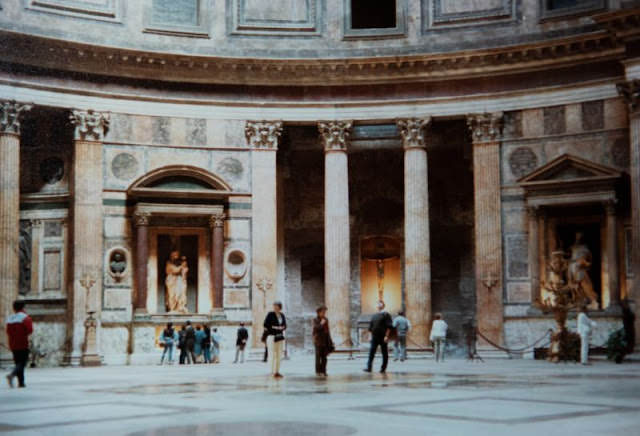
The Pantheon, one of the best-preserved ancient buildings in the world, drew constant crowds to its square. Inside, a circular hole in the dome — the oculus — let in daylight and rain alike. The Tiber River wound through the city, its embankments busy with joggers, fishermen, and vendors.


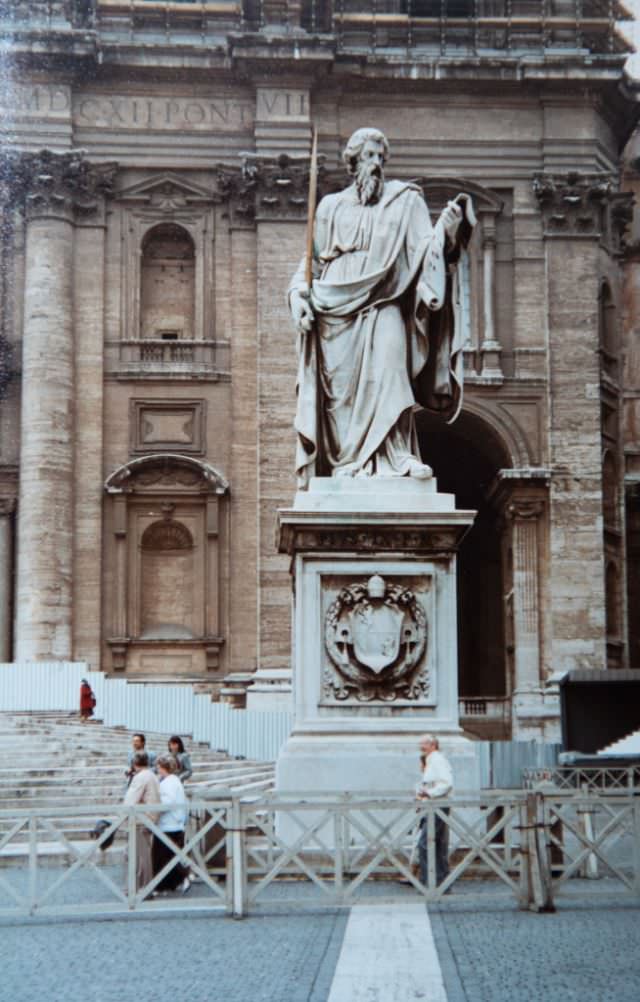
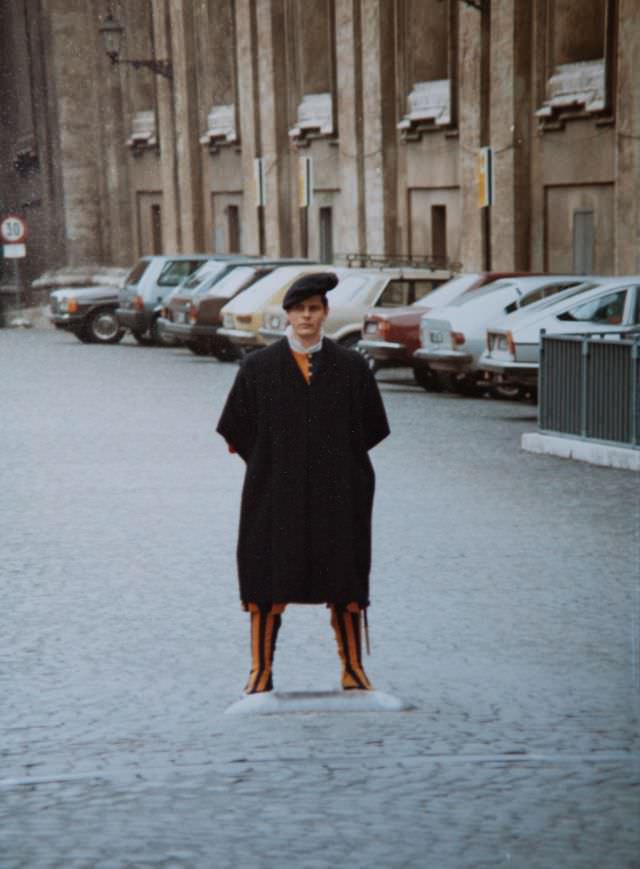
St. Peter’s Basilica and its vast square were captured from every angle by photographers in 1985. The Swiss Guard, in their distinctive striped uniforms, stood watch at the Vatican’s entrances — a centuries-old tradition that continues to this day.


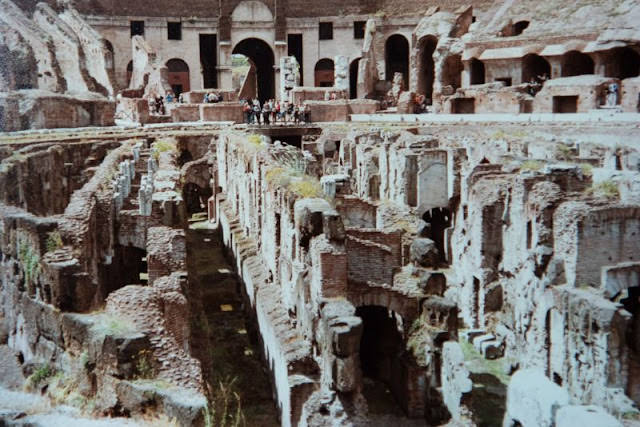
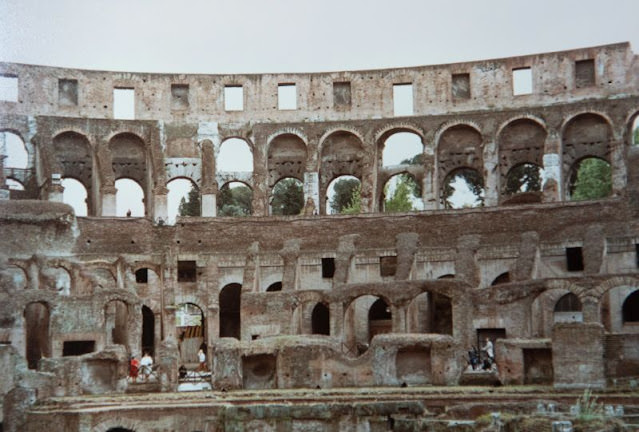
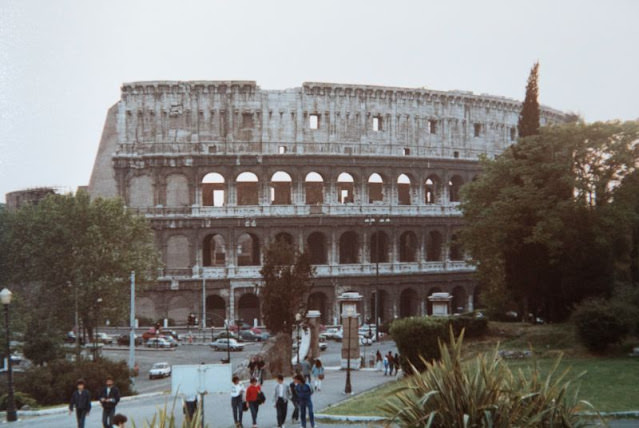
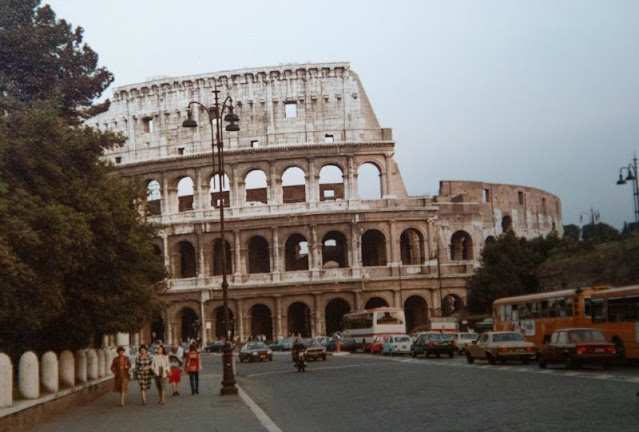
The Colosseum was one of the decade’s most photographed landmarks. Built in 70–80 AD, the amphitheater that once hosted gladiatorial combat stood as both a tourist draw and a symbol of Rome’s long story. By the 1980s, it was fenced and managed as a heritage site, though wild cats famously roamed its ruins — a small colony that had lived among the ancient stones for generations.


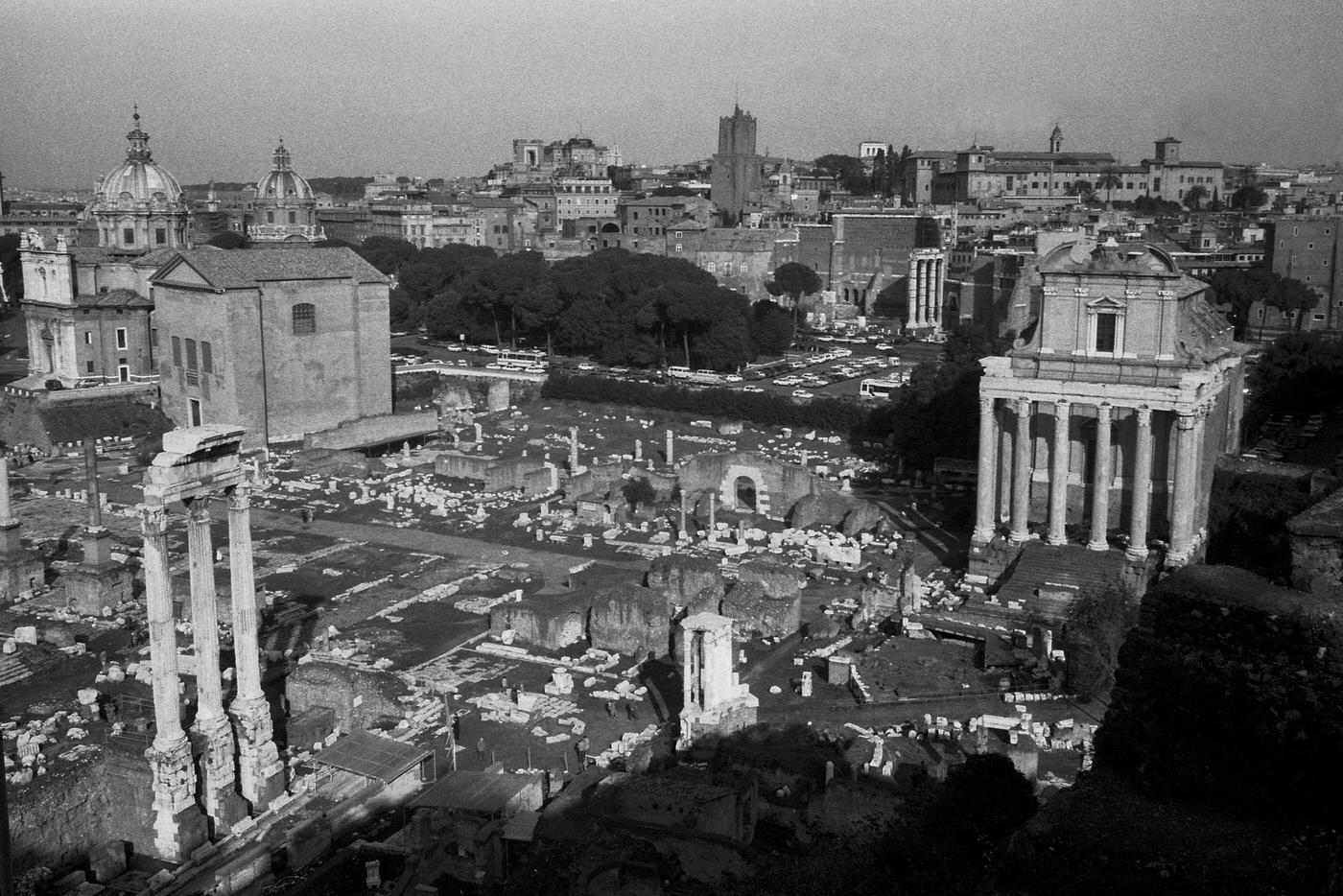
The Pantheon’s interior was as breathtaking in the 1980s as it had been for nearly two thousand years. Its unreinforced concrete dome remained the largest of its kind in the world. The Roman Forum, just down the road, was a vast open-air museum of broken columns, triumphal arches, and temple foundations — the ruined heart of what was once the center of an empire.


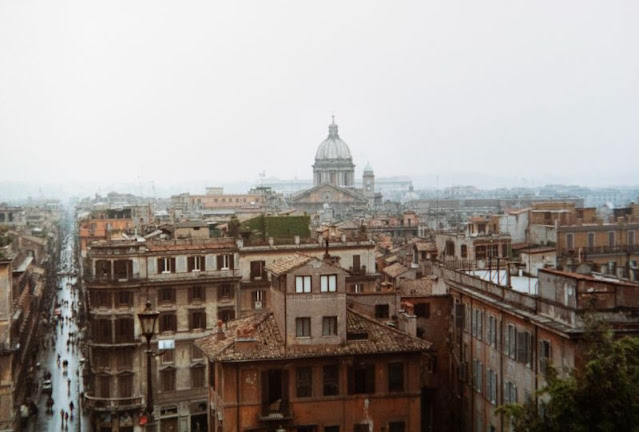
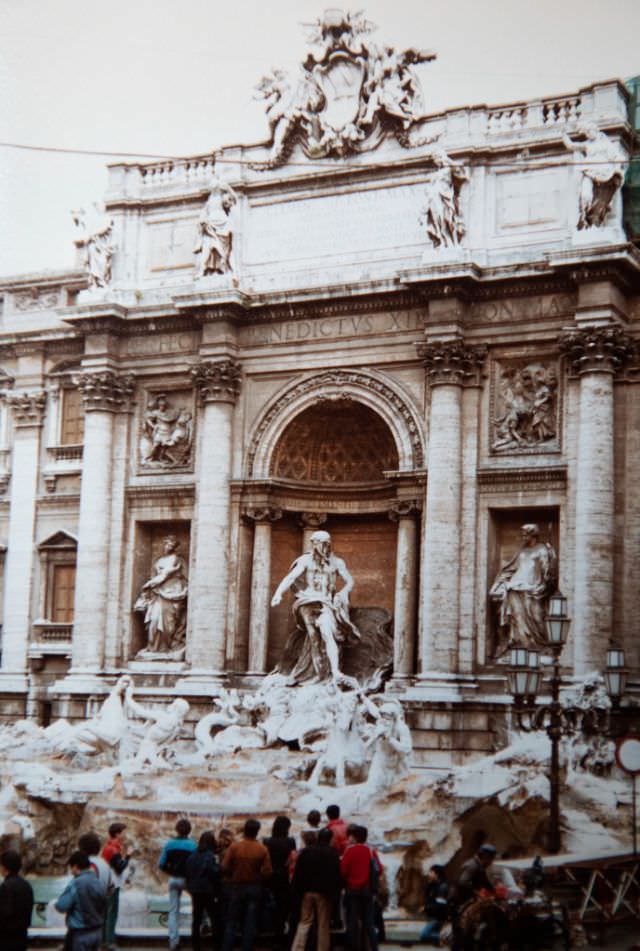
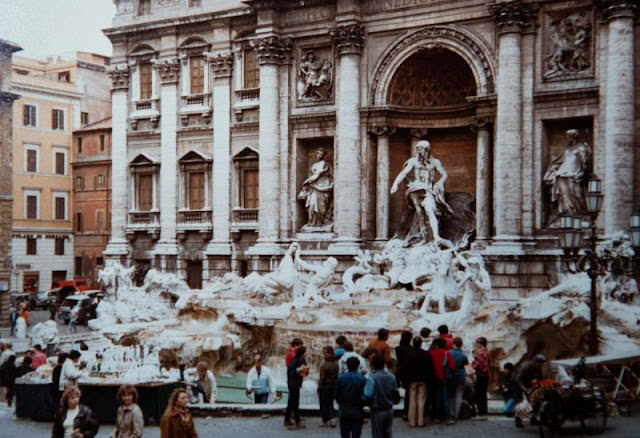
The Trevi Fountain, the largest Baroque fountain in Rome, drew enormous crowds even in the 1980s. The tradition of tossing a coin into the water to ensure a return to Rome was already firmly established by this decade. Nearby, views from the Spanish Steps stretched across the rooftops of the city all the way to the dome of St. Peter’s.


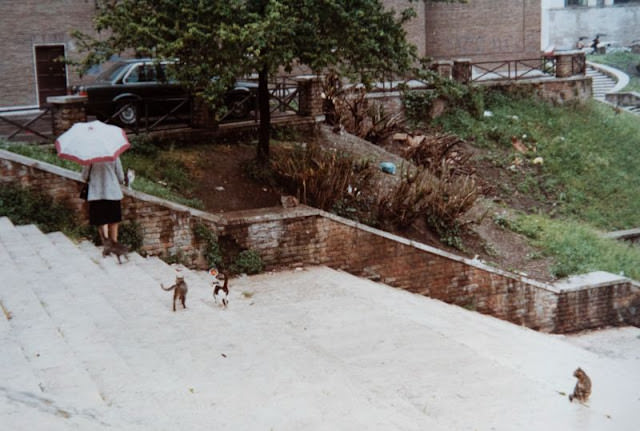
Among the most charming and unexpected residents of 1980s Rome were the wild cats that made their home in the city’s ancient ruins. Colonies were particularly visible around the Colosseum, the Largo di Torre Argentina, and the Roman Forum. They were fed by local volunteers and had become an accepted — even celebrated — part of Roman life.

Snow returned to Rome again in early 1986, this time coating St. Peter’s Square and the Pantheon’s piazza in white. It was just as rare and striking as it had been the year before, bringing the city to a near standstill while offering photographers some of the most dramatic images of the decade.


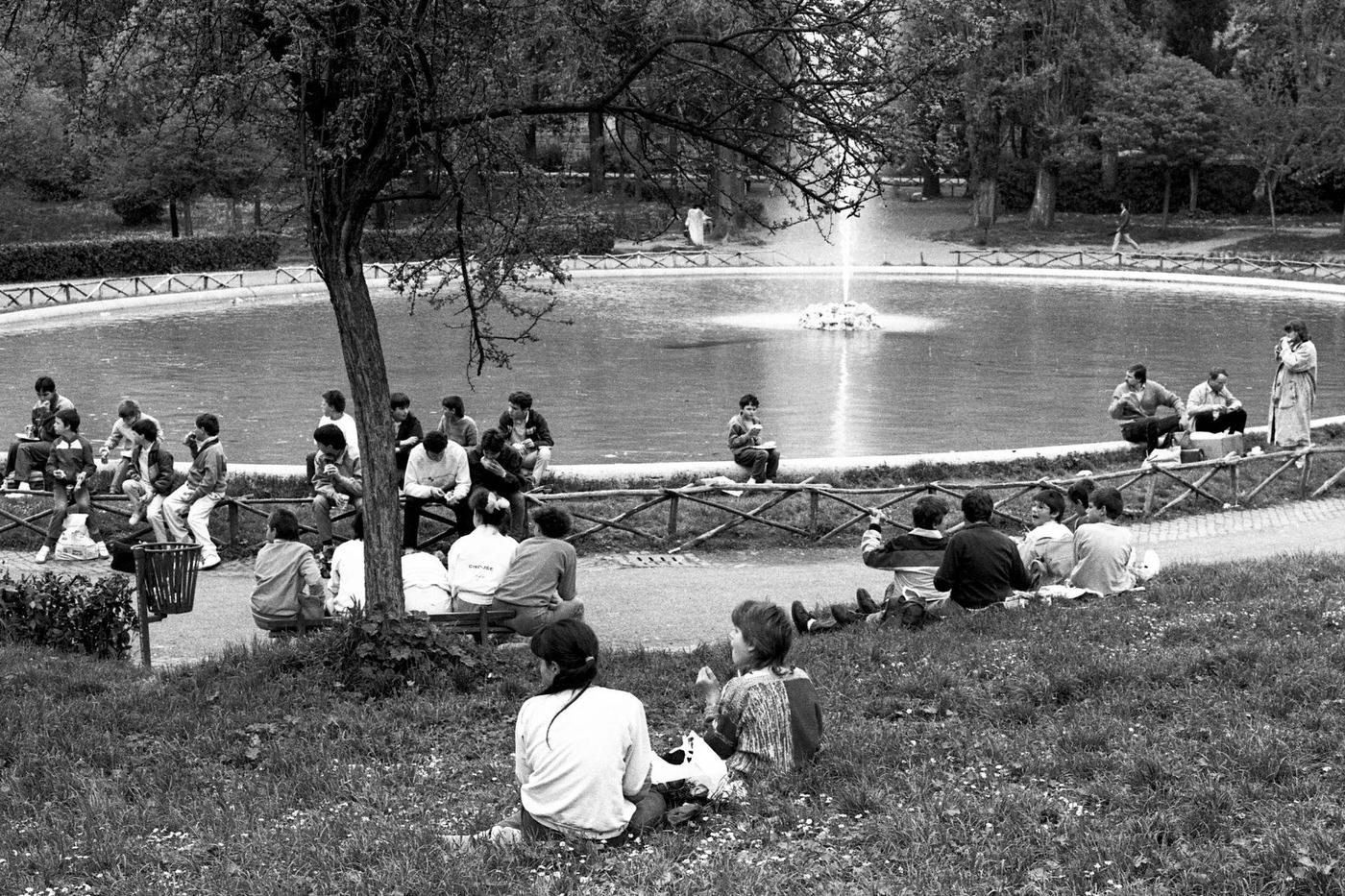
Throughout 1986, the Roman Forum continued to pull in visitors who walked among the ruins of temples dedicated to the Dioscuri and to Antoninus and Faustina. Villa Borghese park offered Romans a green escape from the city streets, its fountains surrounded by families and students on weekends. Piazza Navona remained as lively as ever, while horse and carriage rides around the square carried tourists through the Baroque heart of Rome.


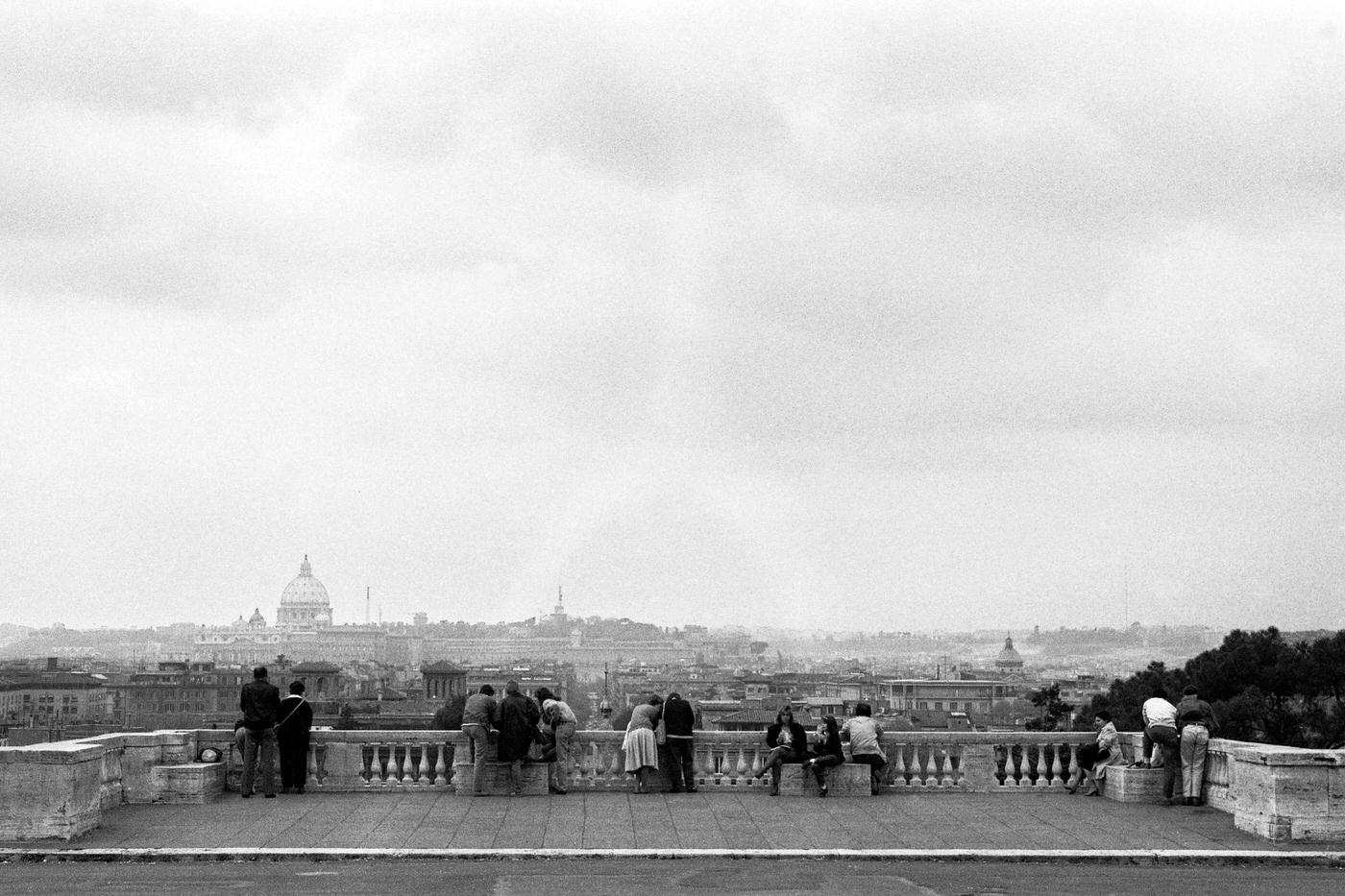
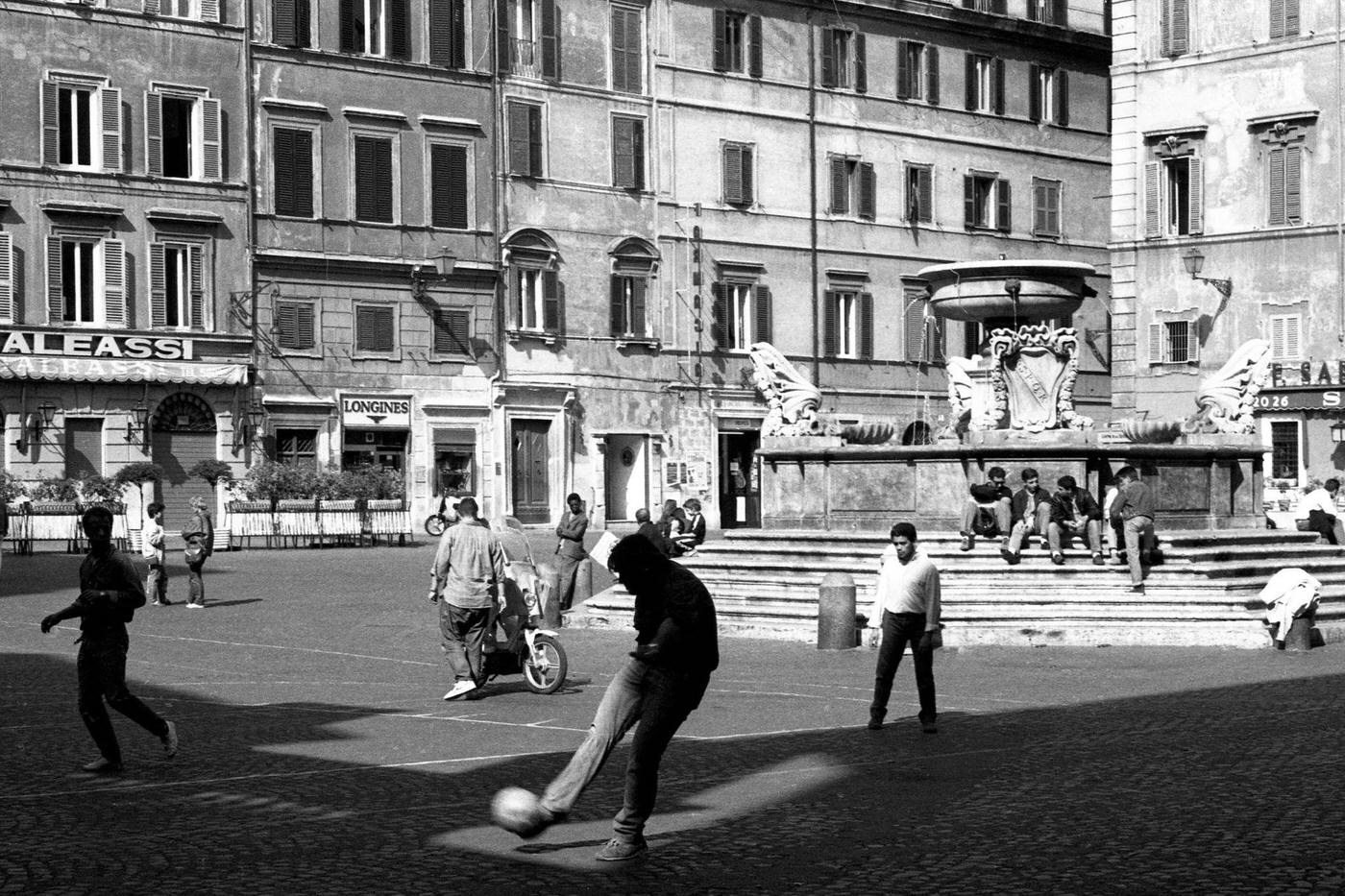
The Pincio Terrace, perched above the Piazza del Popolo, offered one of the finest panoramic views of Rome. From there, the city spread out in an unbroken sweep of domes, towers, and rooftops. Down in the Trastevere neighborhood, children and young men played football in the piazzas — an informal game of street soccer that was as Roman as any monument.


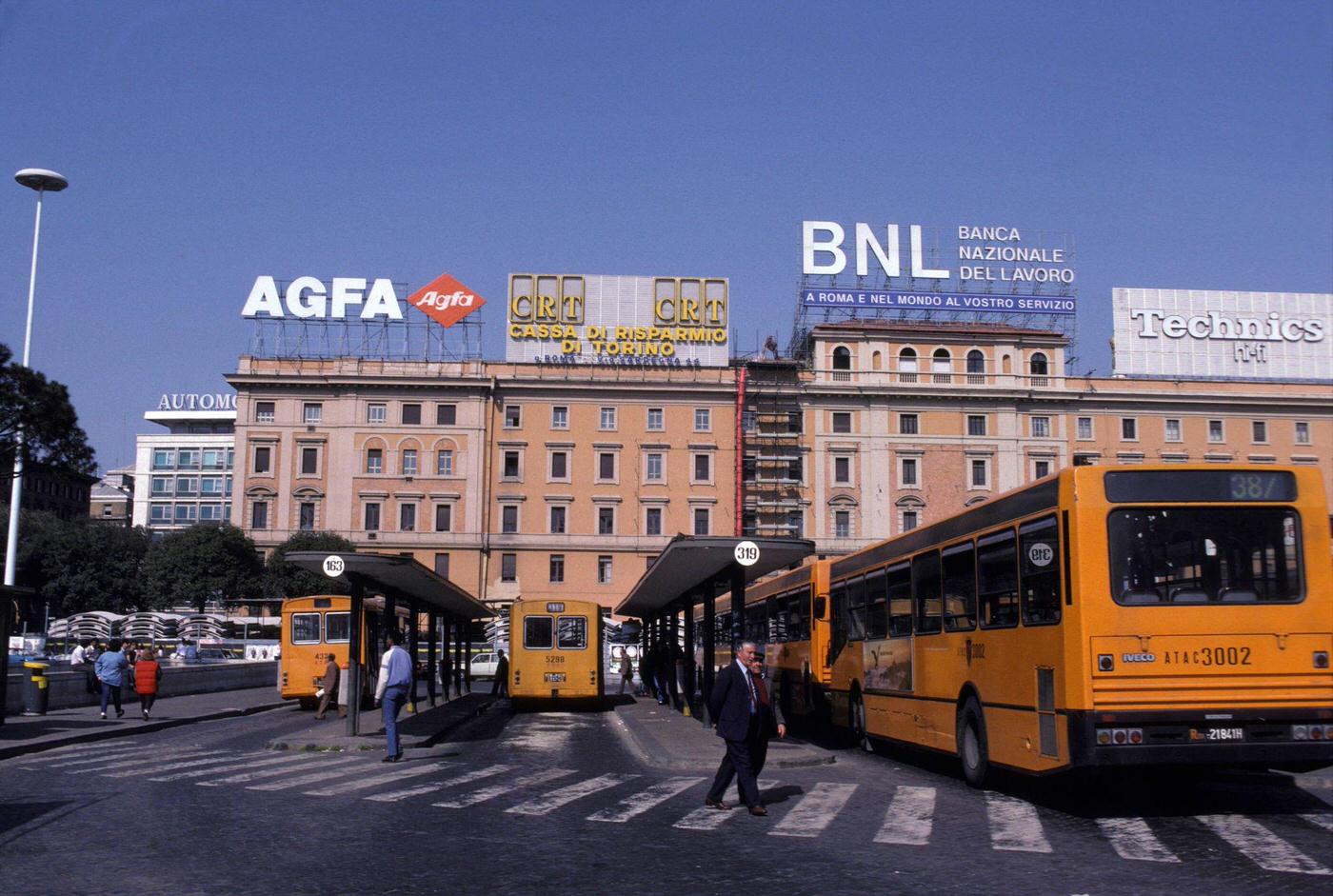
Rome Termini, Italy’s largest railway station, was a constant hub of movement in 1987. Trains arrived from across Italy and Europe, depositing travelers directly into the heart of the city. The station’s broad postwar facade was a landmark in its own right, and the surrounding neighborhood was one of Rome’s most densely populated and commercially active.

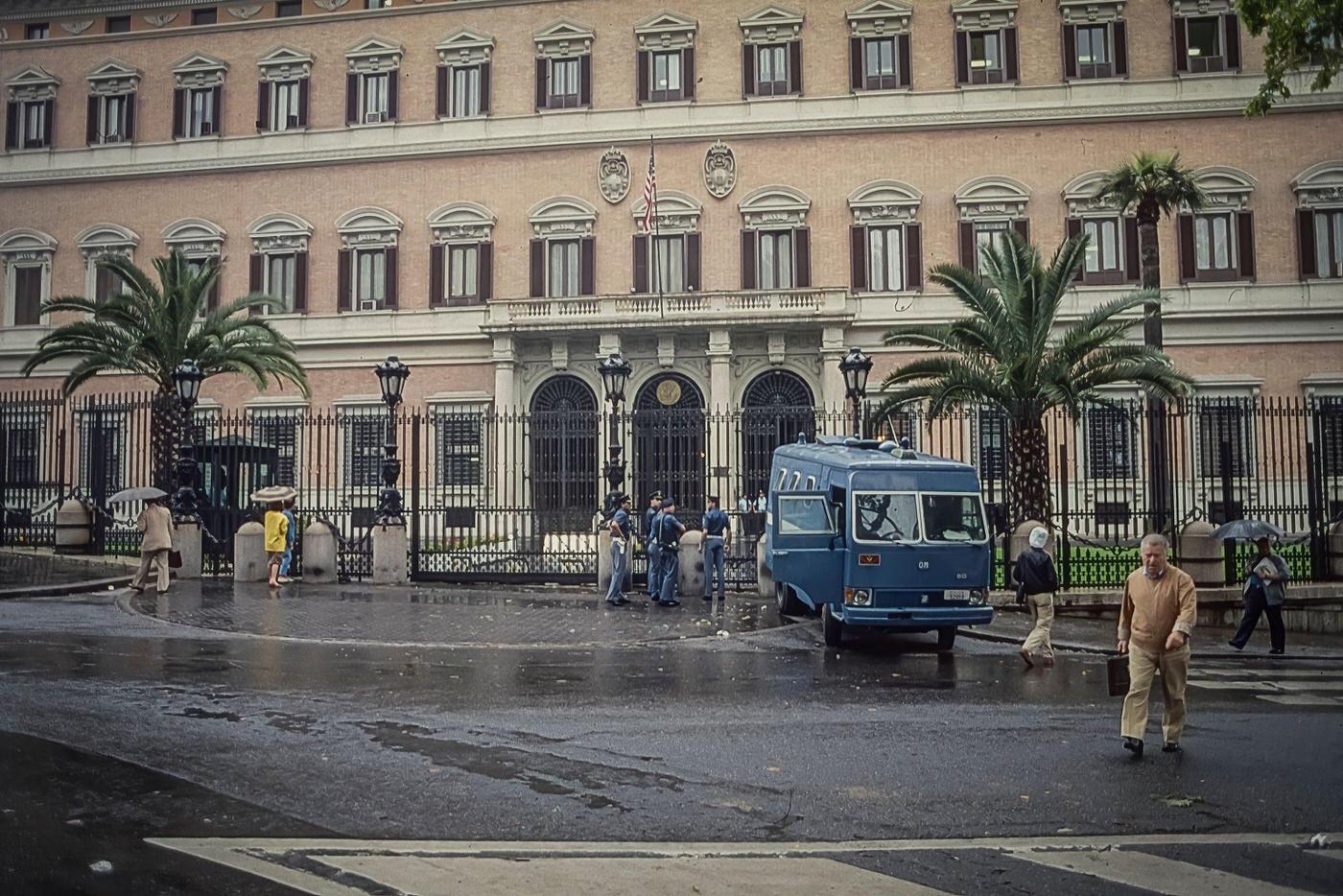
In 1987, a car bomb exploded near the American Embassy in Rome. The attack was part of the wider pattern of political violence that had plagued Italy throughout the decade, and it served as a stark reminder that Rome was not immune to terrorism even as the Red Brigades’ organizational strength had weakened.
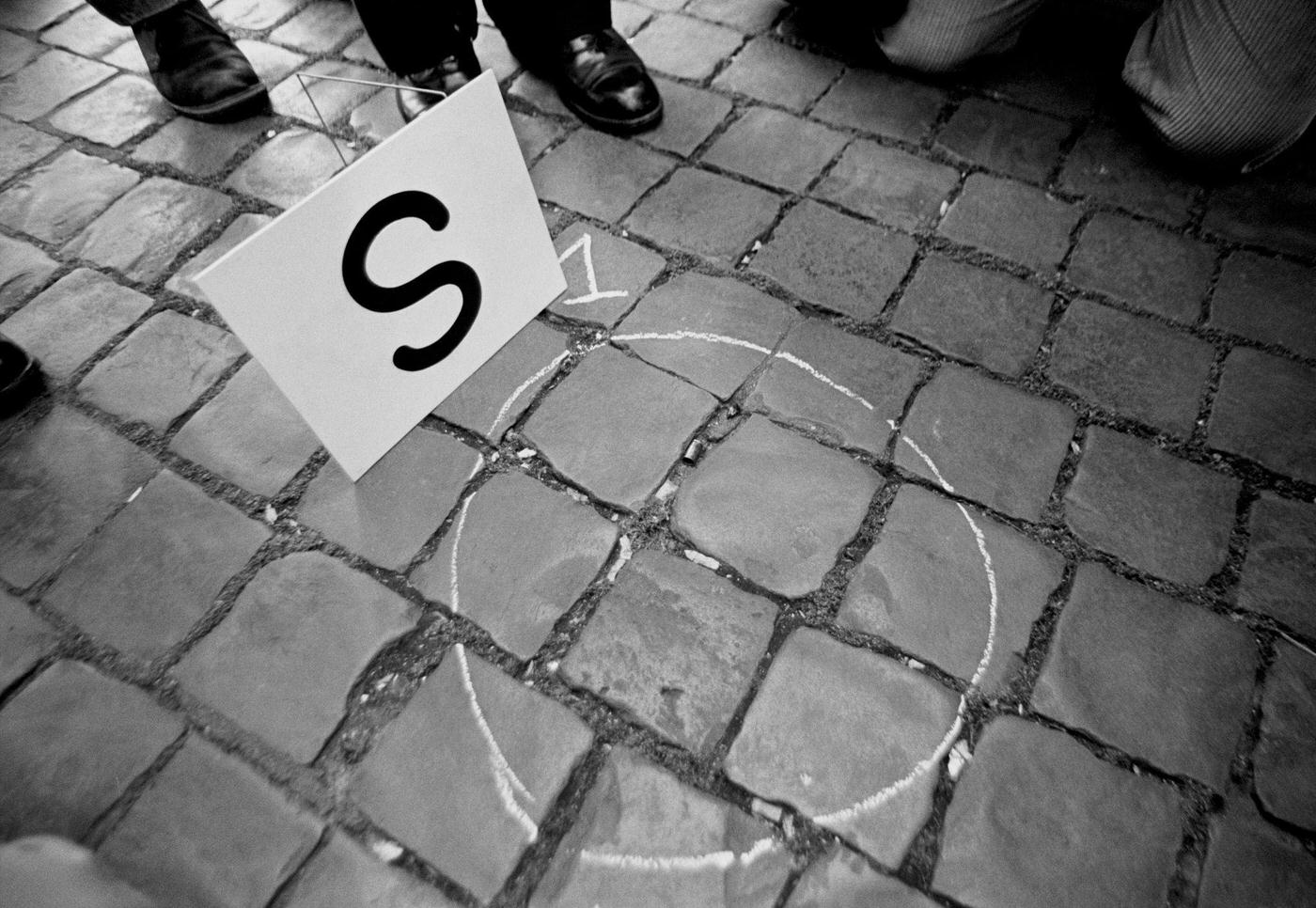
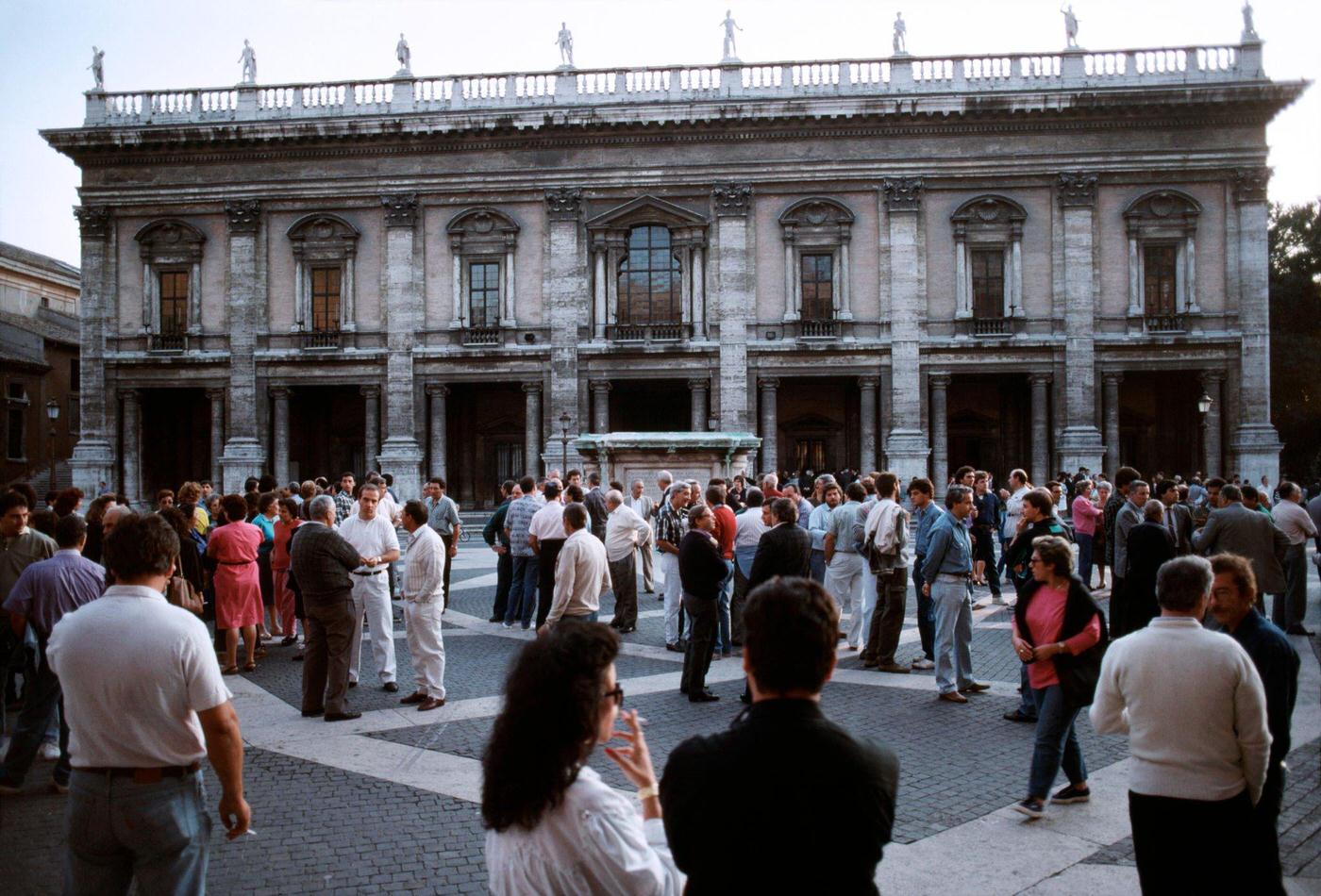
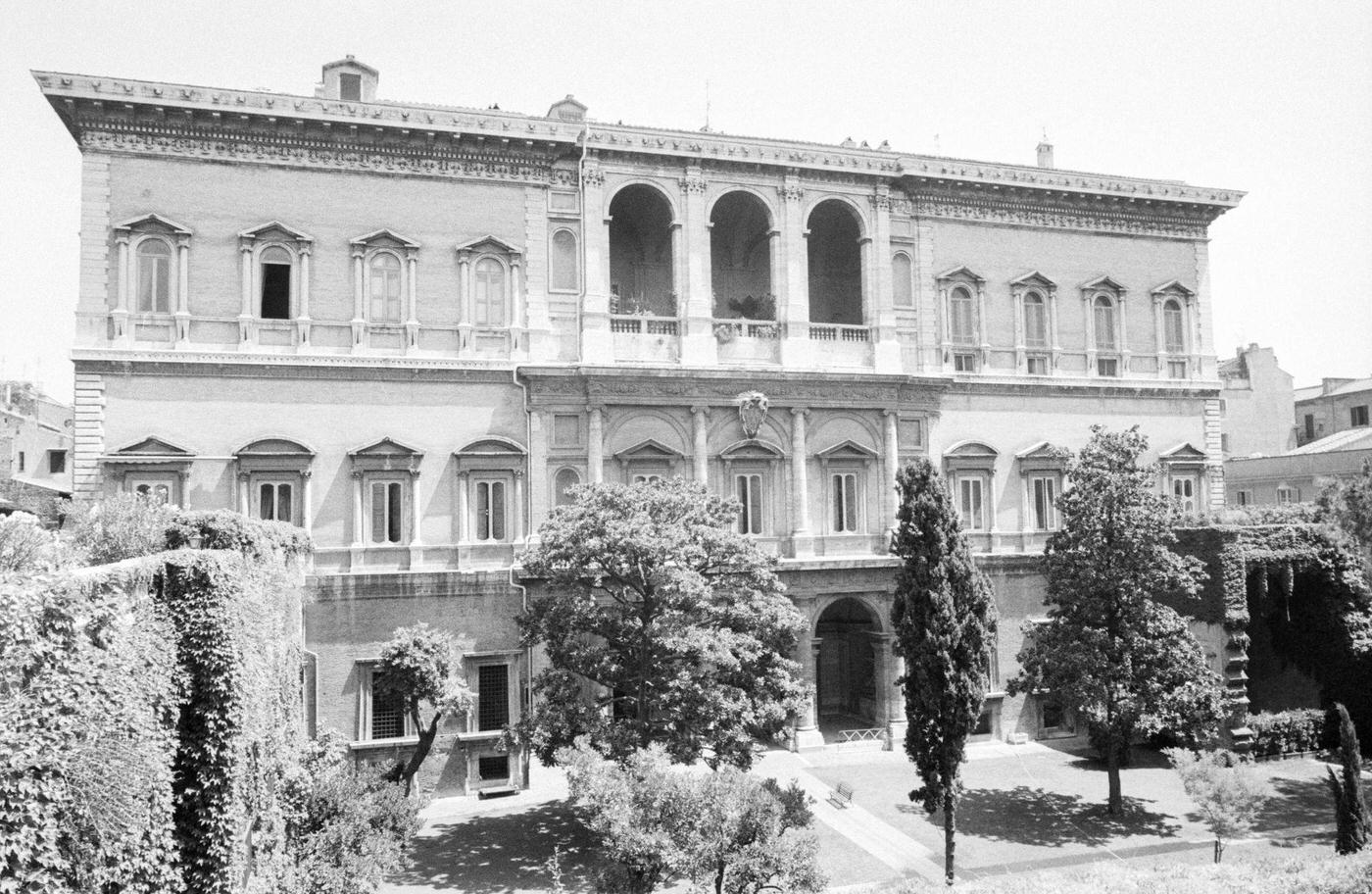
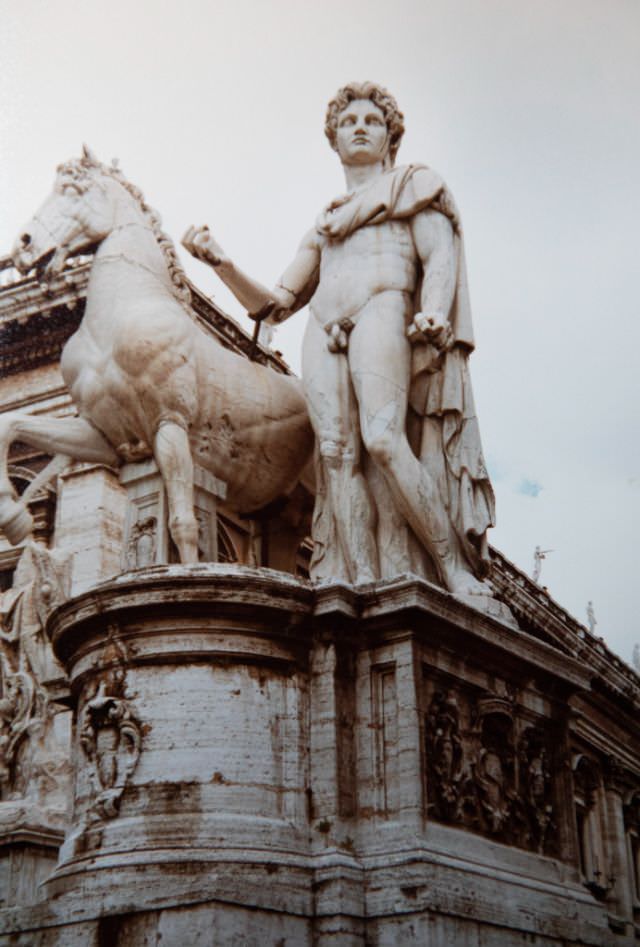
By 1988, the city’s monumental civic spaces were as commanding as ever. The Piazza del Campidoglio — designed by Michelangelo and sitting atop the Capitoline Hill — remained one of Rome’s most dramatic urban set pieces. The Palazzo Farnese, a Renaissance palace that served as the French Embassy, was another landmark that blended historical grandeur with an active diplomatic function.


As the decade closed, Piazza Navona’s Four Rivers Fountain and the Piazza del Popolo were captured in photographs that show a city still very much defined by its Baroque and ancient heritage. The aerial view of Via Condotti in 1989 revealed just how narrow and tightly packed Rome’s luxury shopping district was — a thin corridor of high-end commerce cutting through centuries of dense urban history.


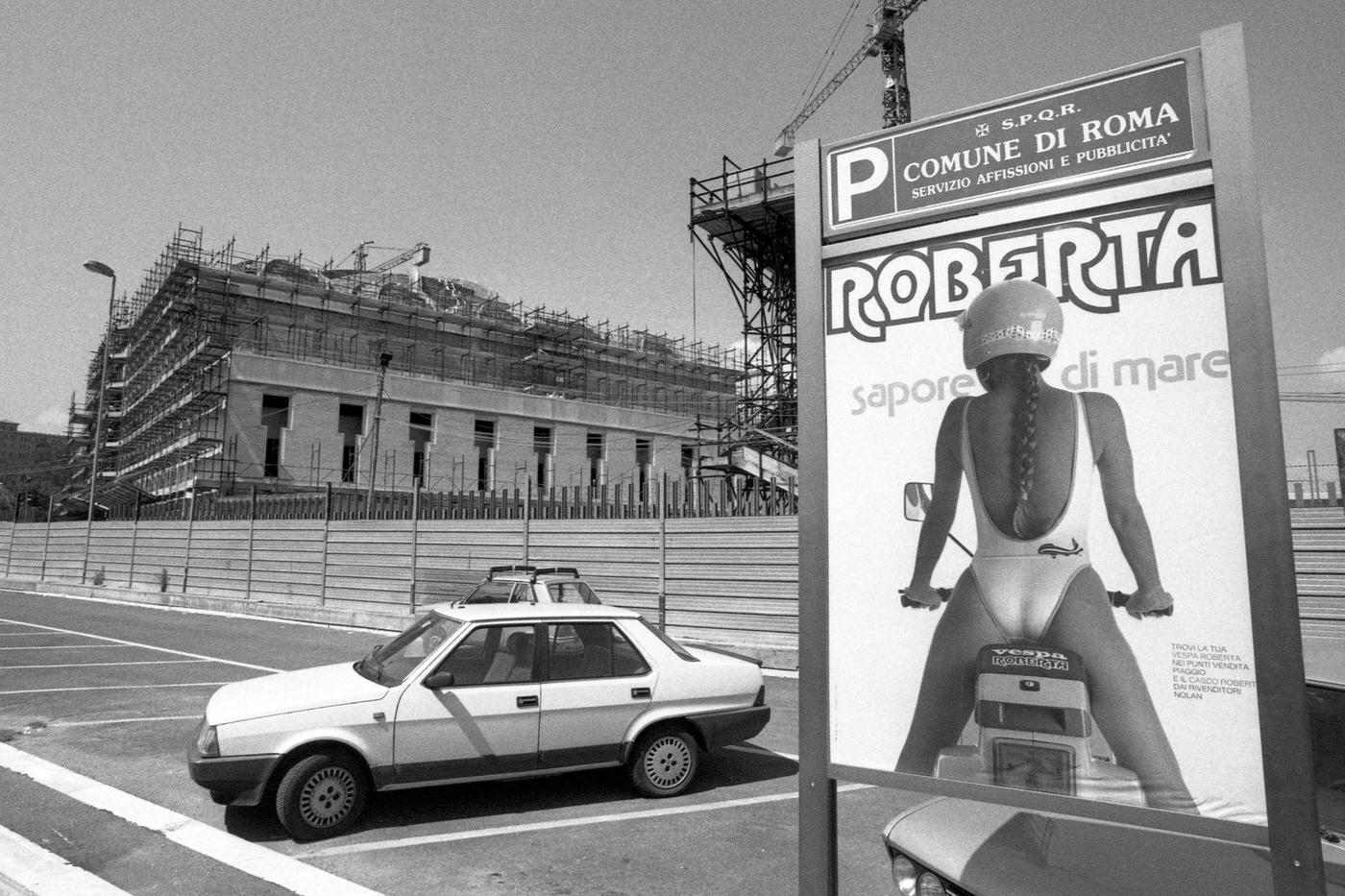
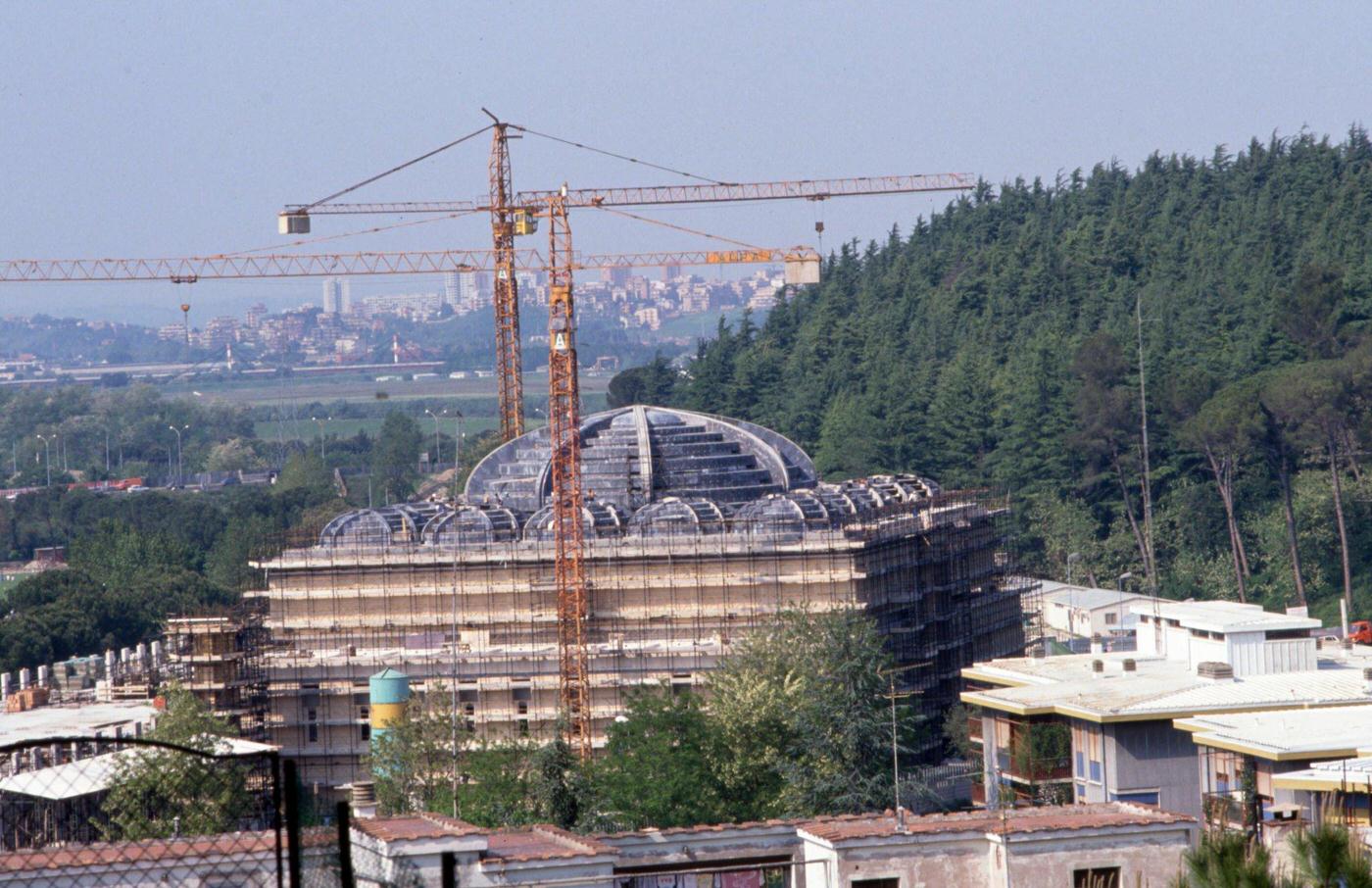
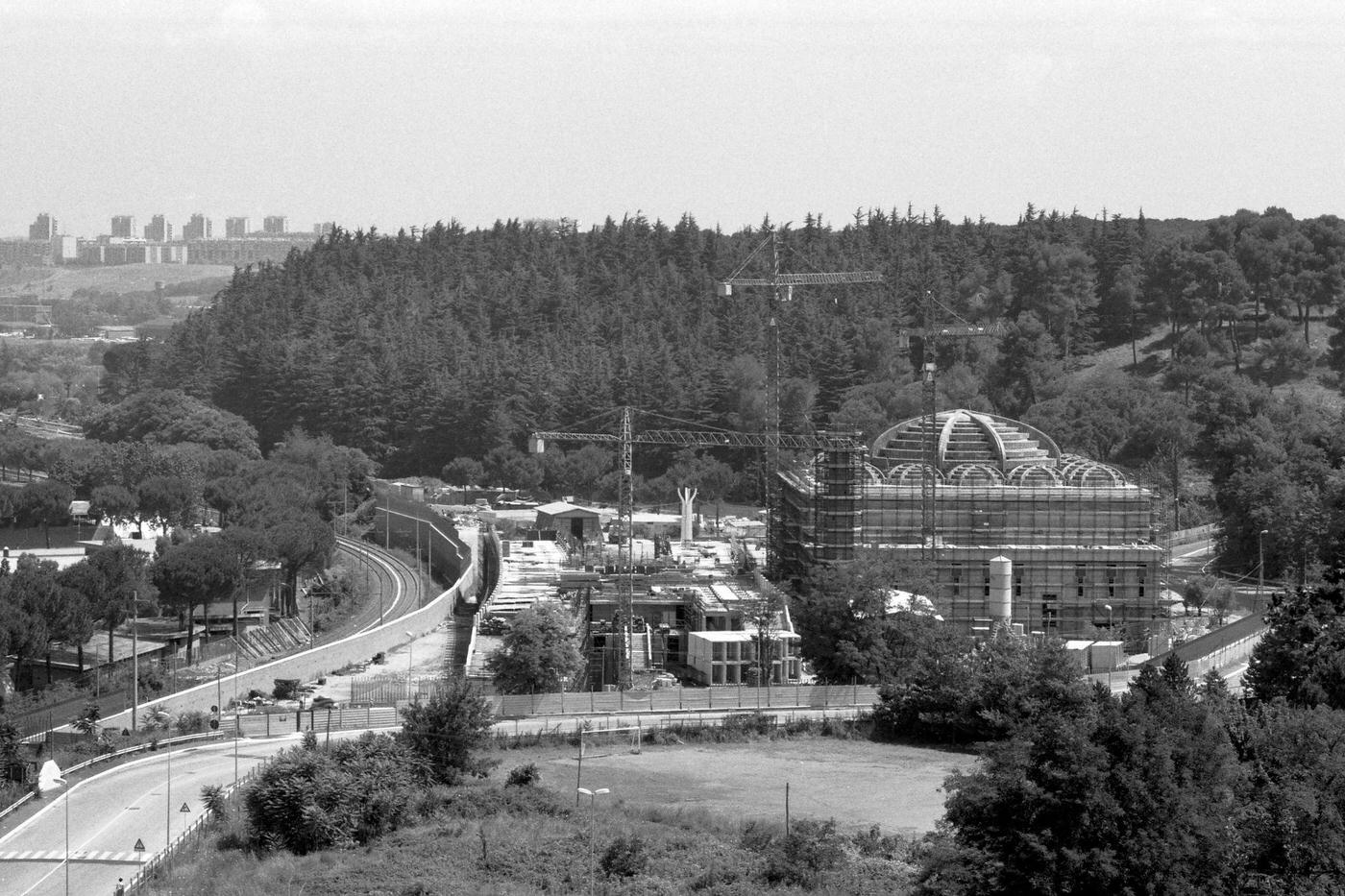
One of the most significant construction projects of the late 1980s was the Rome Mosque, built in the Parioli district. When completed in 1995, it became the largest mosque in Europe. Construction began in earnest in the late 1980s, and photographs from 1989 show the scale of the project under way — a visible marker of Rome’s growing Muslim community and its place in an increasingly diverse city.


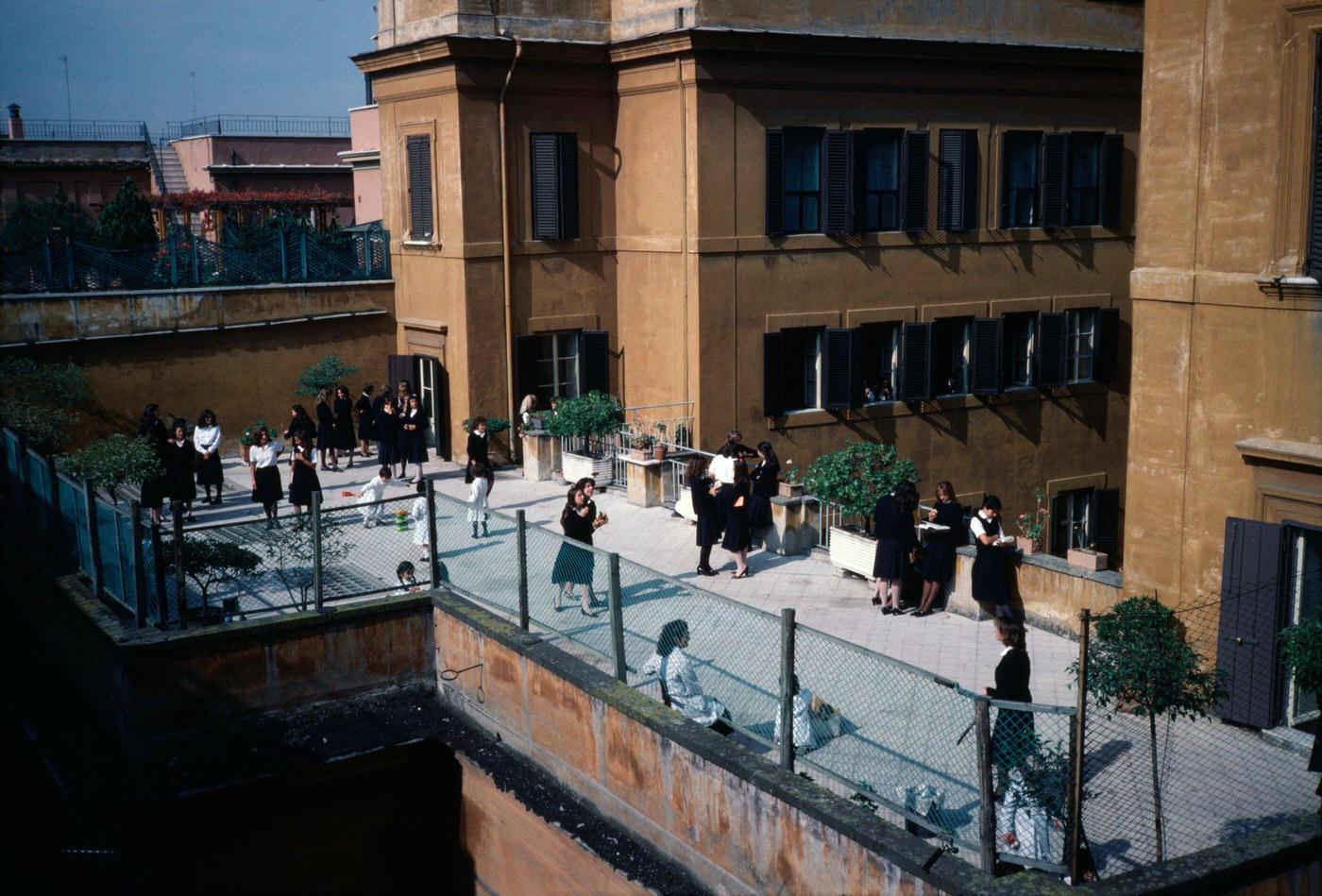
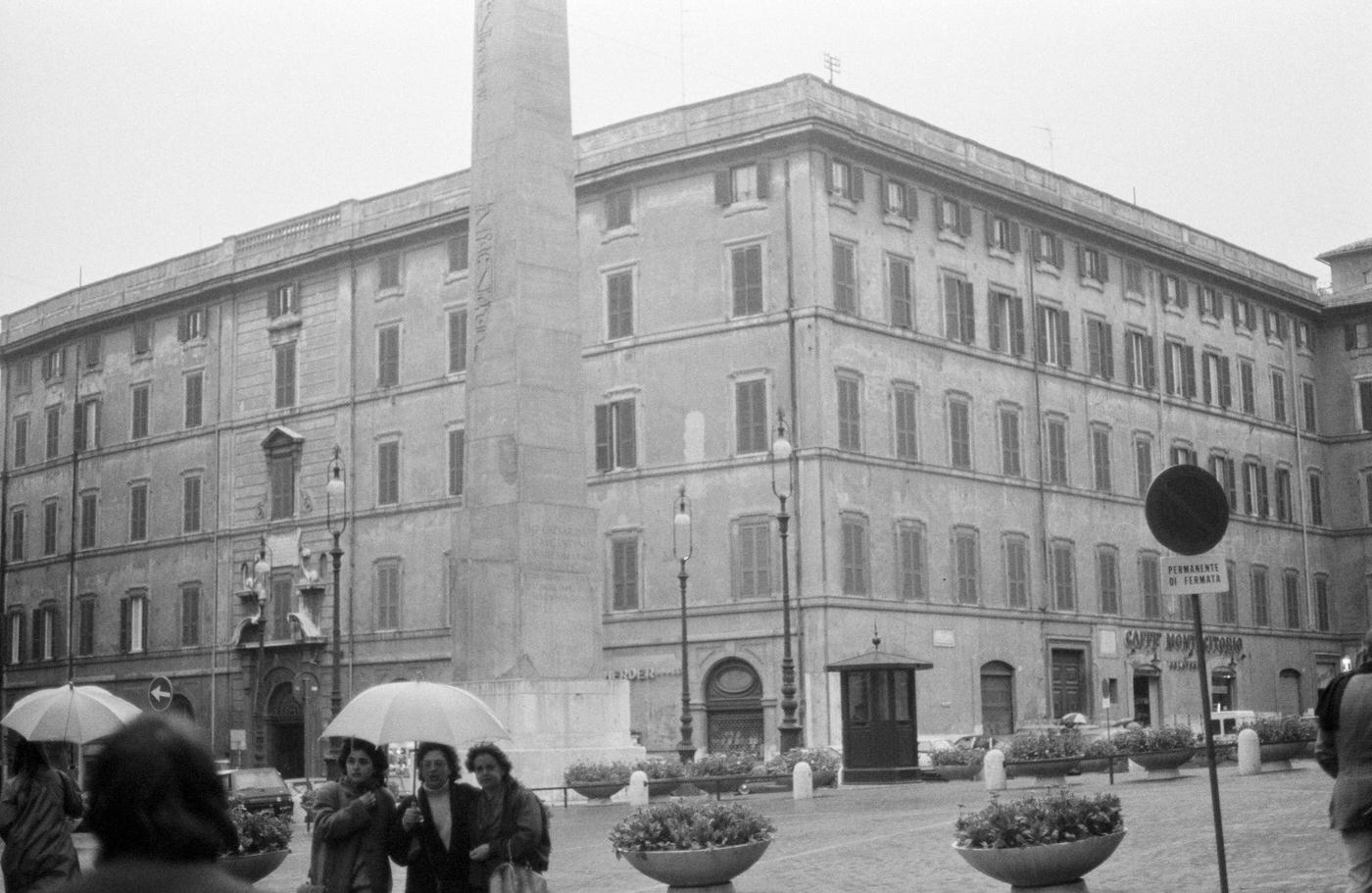
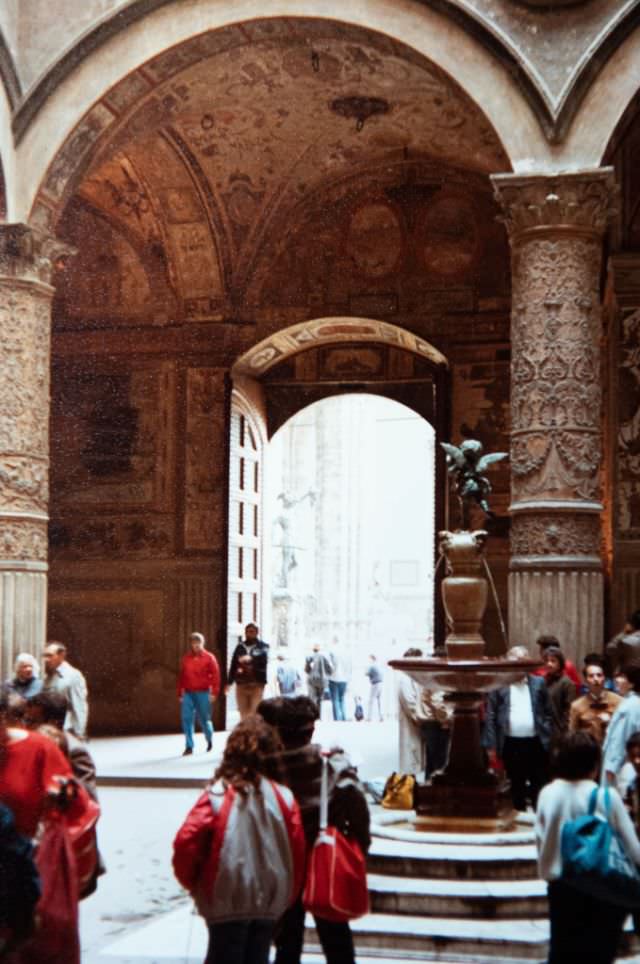
Some of these pictures and captions are quite random or outright wrong: #3 is Milan metro, not Rome; #17 is Montecitorio, not St. John Lateran Square; #51 is piazza dei Cinquecento, where Termini station is, but the building pictured is not the station, a terrace is called “church”, some places seem not out of the 1980s and so on.
As someone commented, many of those captions are plain wrong: after several ones, among which piazza Montecitorio misidentified as St. John Lateran I gave up. May someone knowledgeable about Rome re-check these?