

In the 1960s, Manchester underwent enormous and complicated changes. After WWII, cities like Manchester lost control of gas and electricity – and, therefore, much of their income. Heavy industry, cotton processing, and trading all suffered severe downturns, leading to high unemployment rates. Manchester lost 150,000 manufacturing jobs between 1961 and 1983. The city’s population also declined during that period. By 1971, Manchester’s population was 544,000, up from 662,000 in 1961.
This decade has also seen the rise of new buildings, skyscrapers, and housing schemes in the city. Some of the buildings constructed during the 1950s and 1960s became landmarks, but few aesthetically noteworthy buildings were. The 118-meter-tall CIS Tower became the tallest building in the United Kingdom in 1962, and the Piccadilly Plaza followed three years later. Overcrowded and shabby housing was also demolished to make way for high-rise apartment buildings.
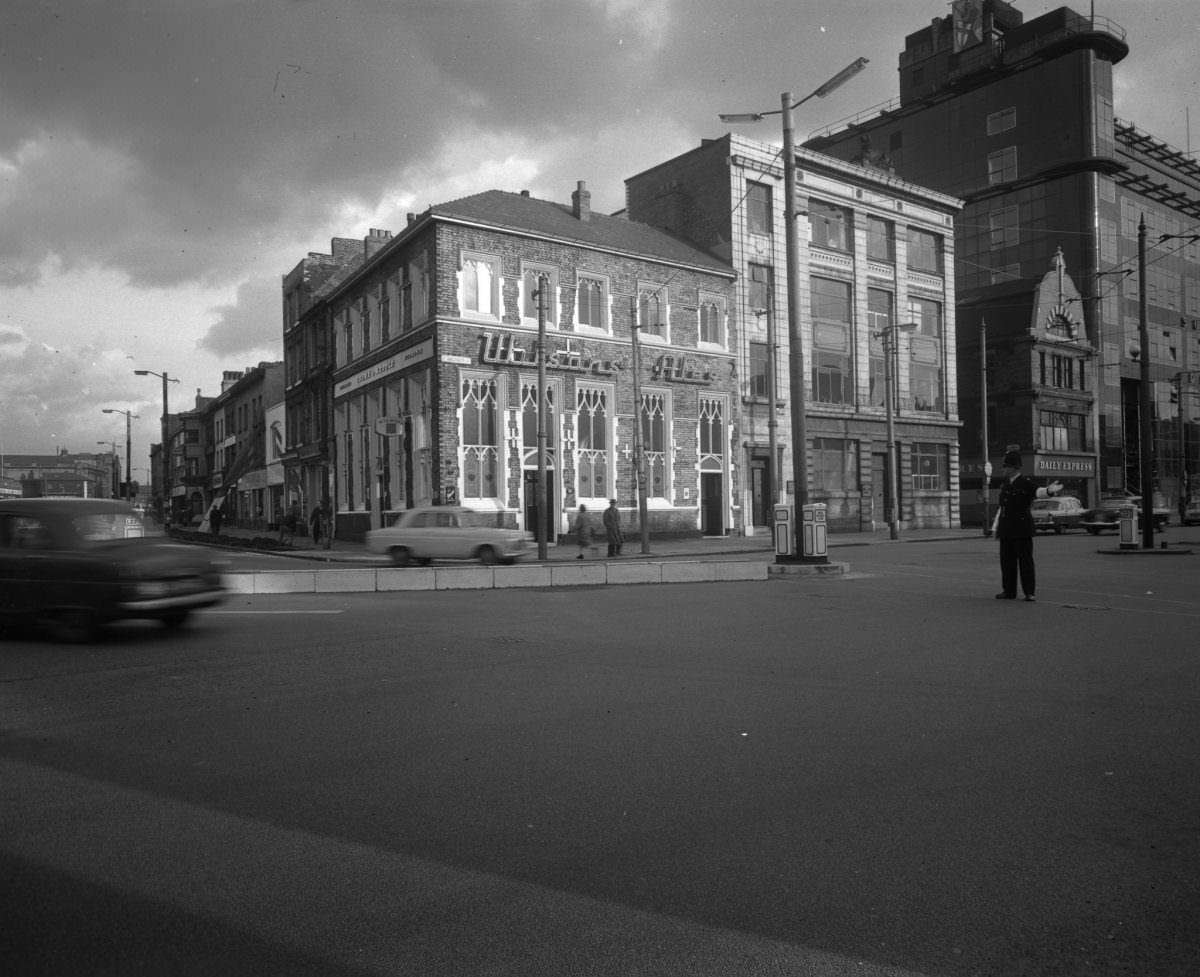
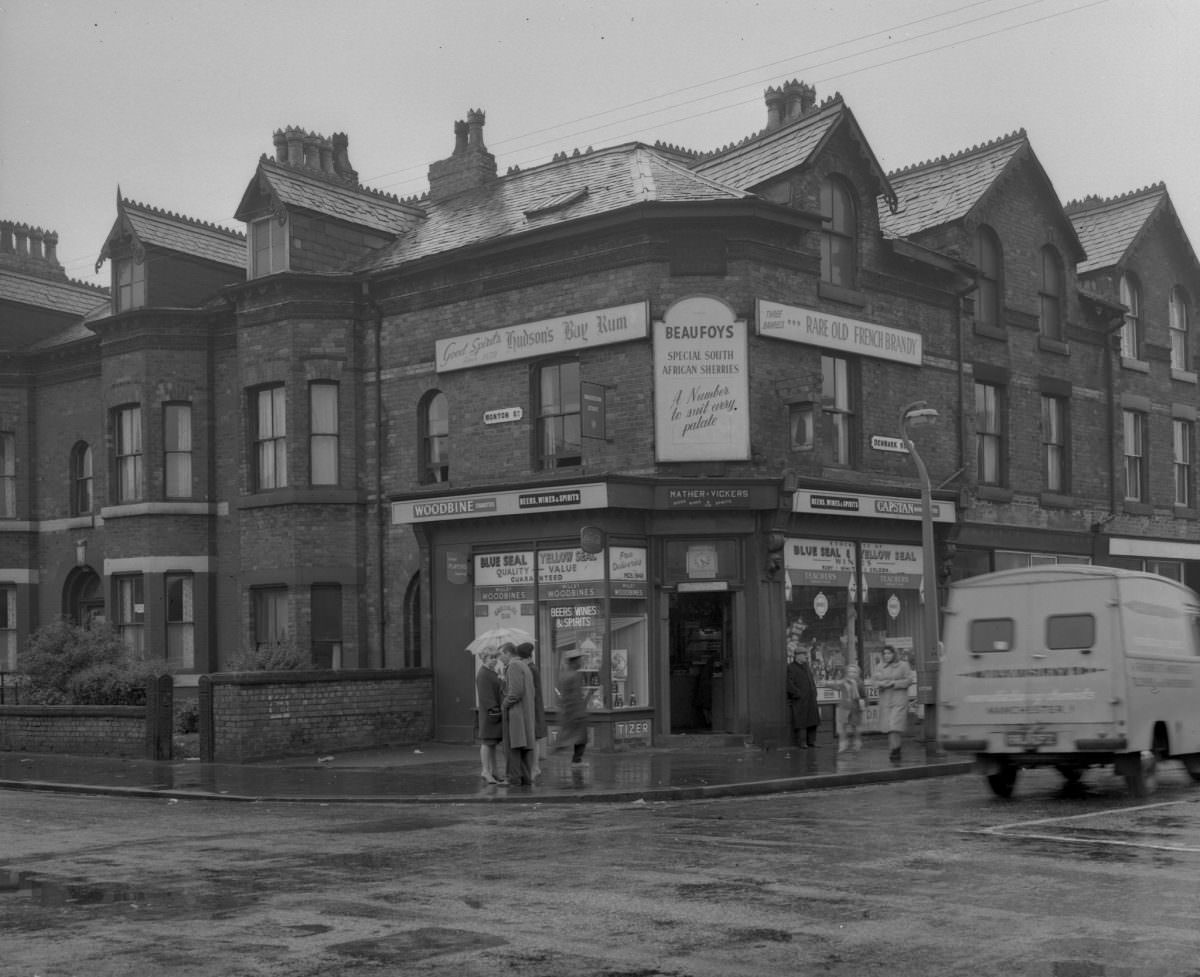
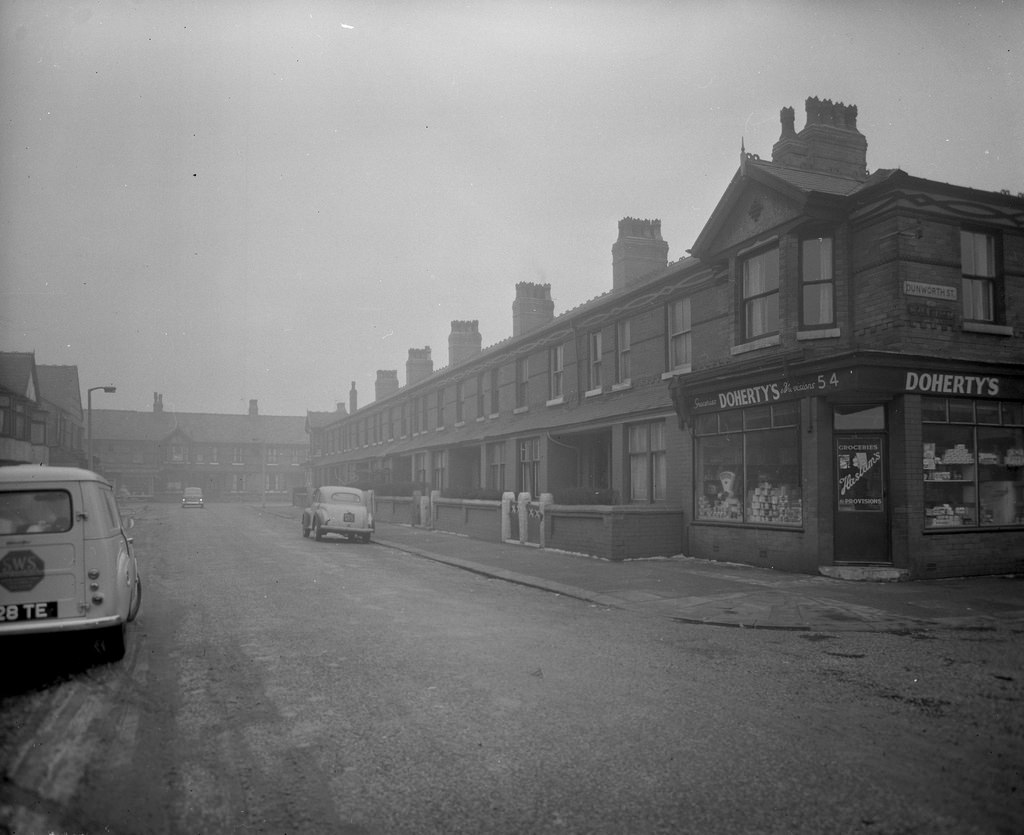
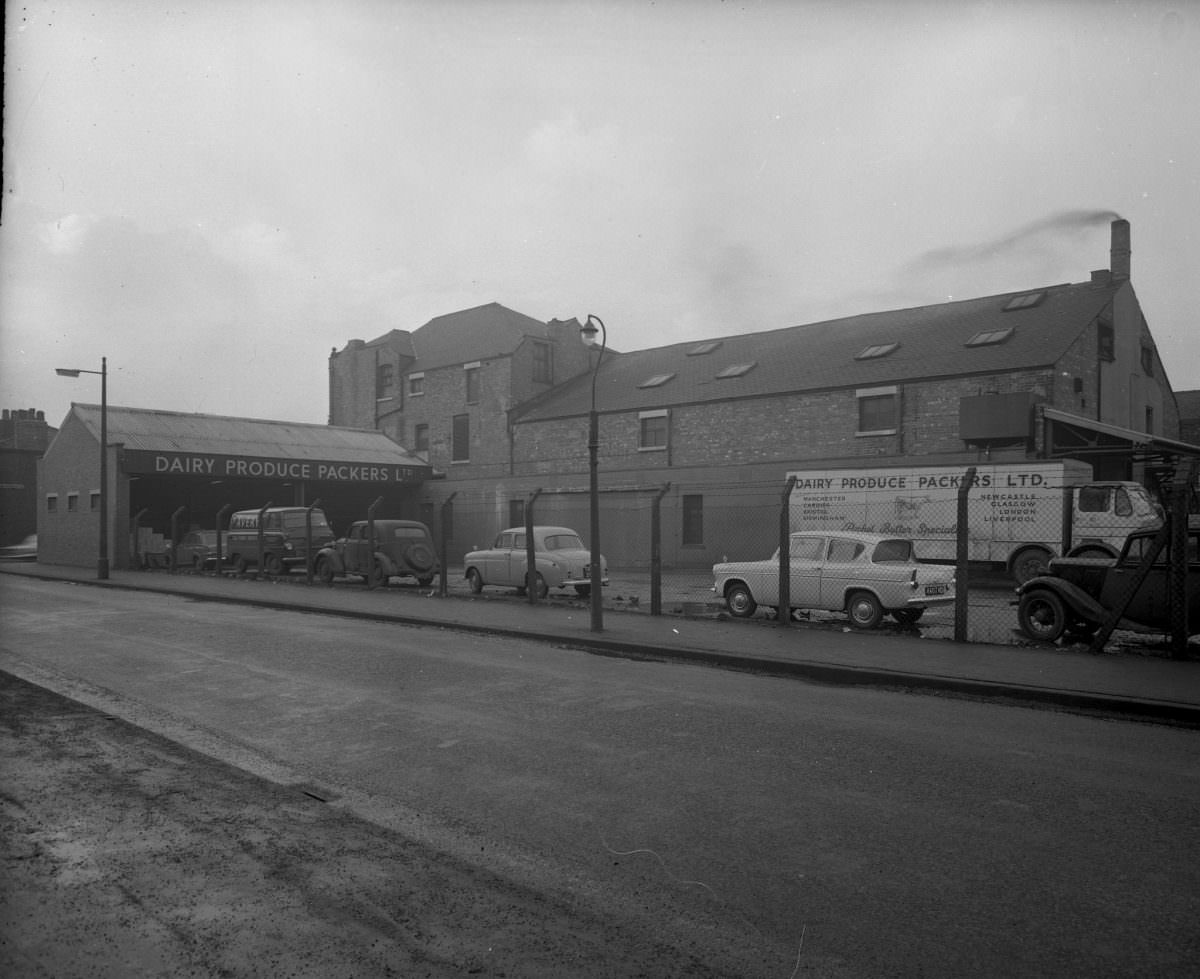
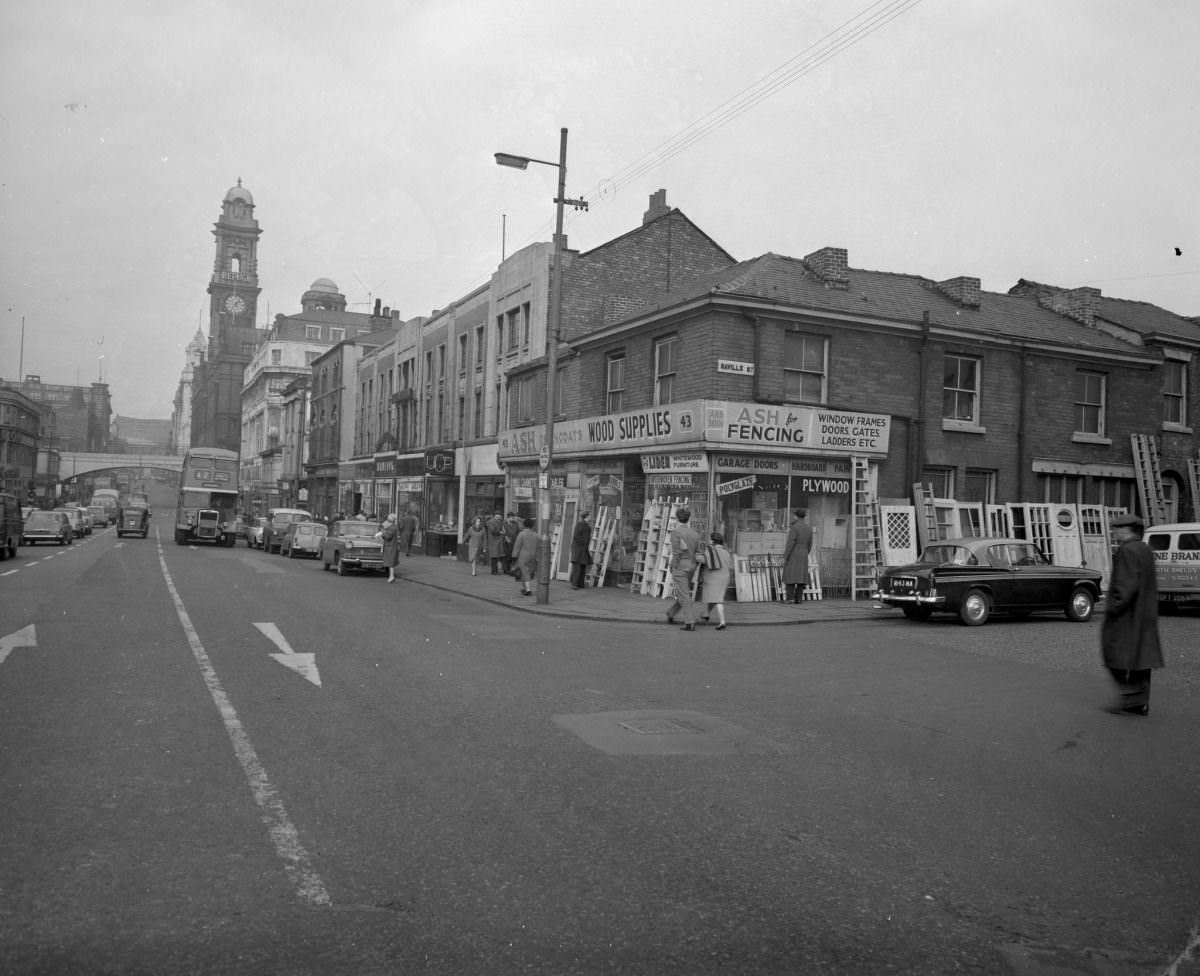
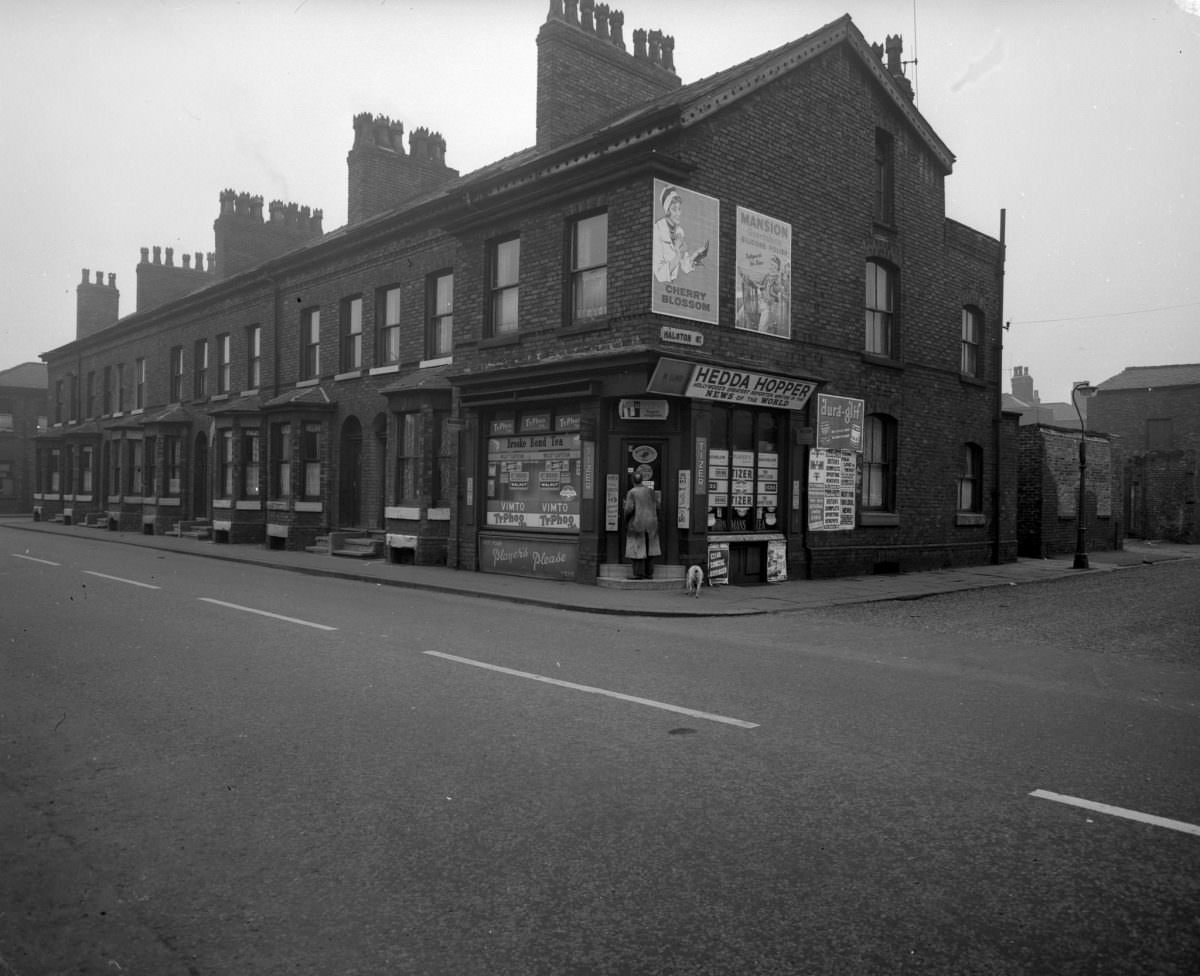
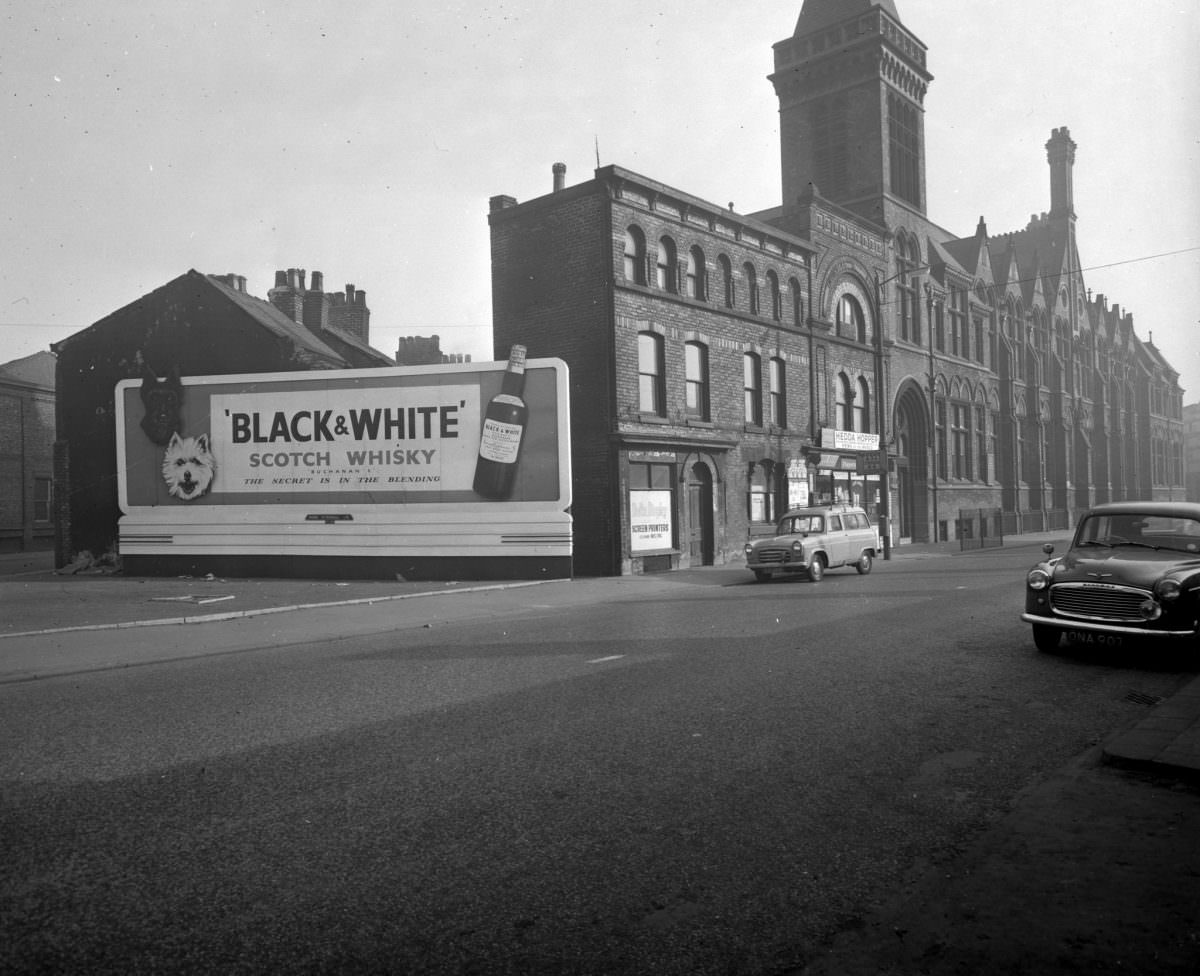
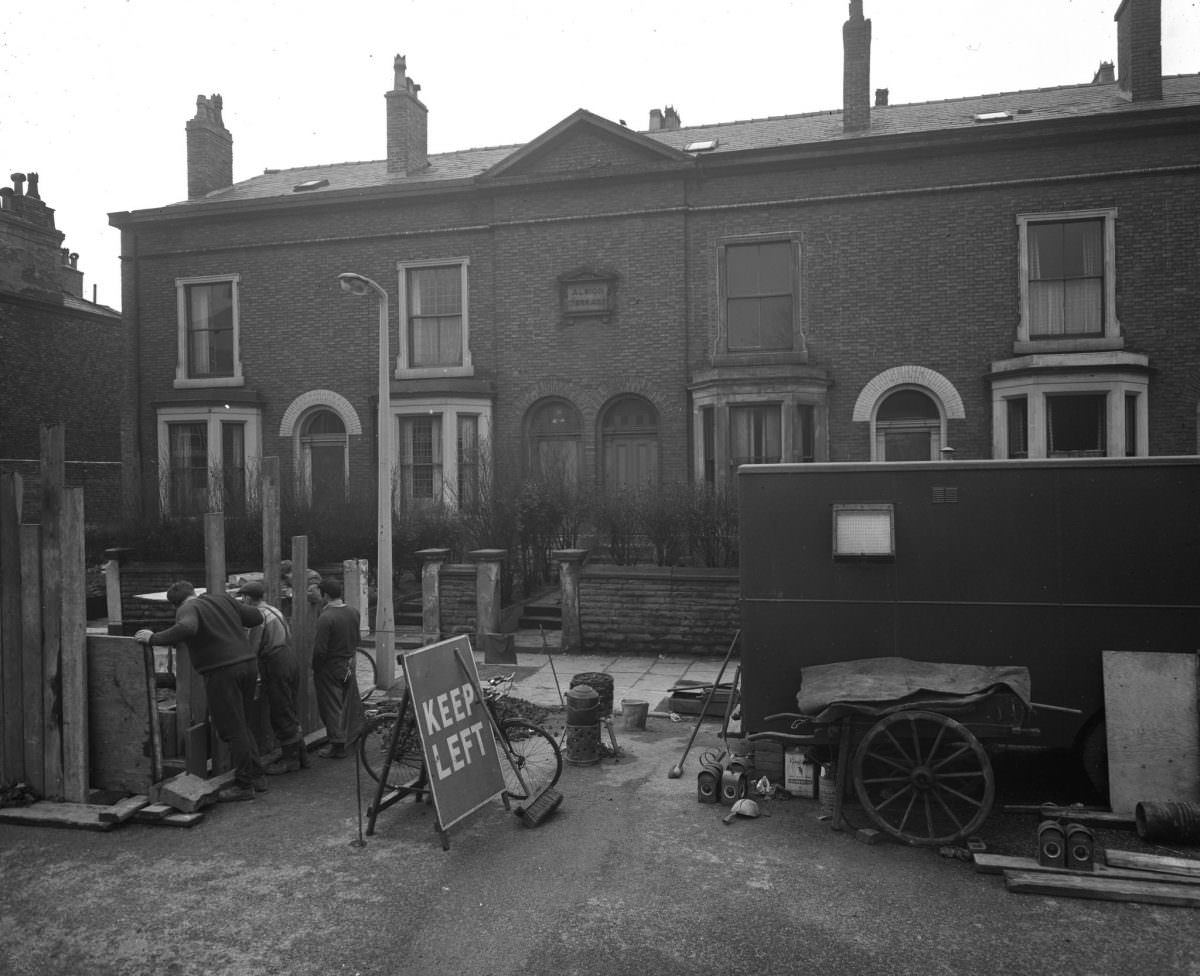
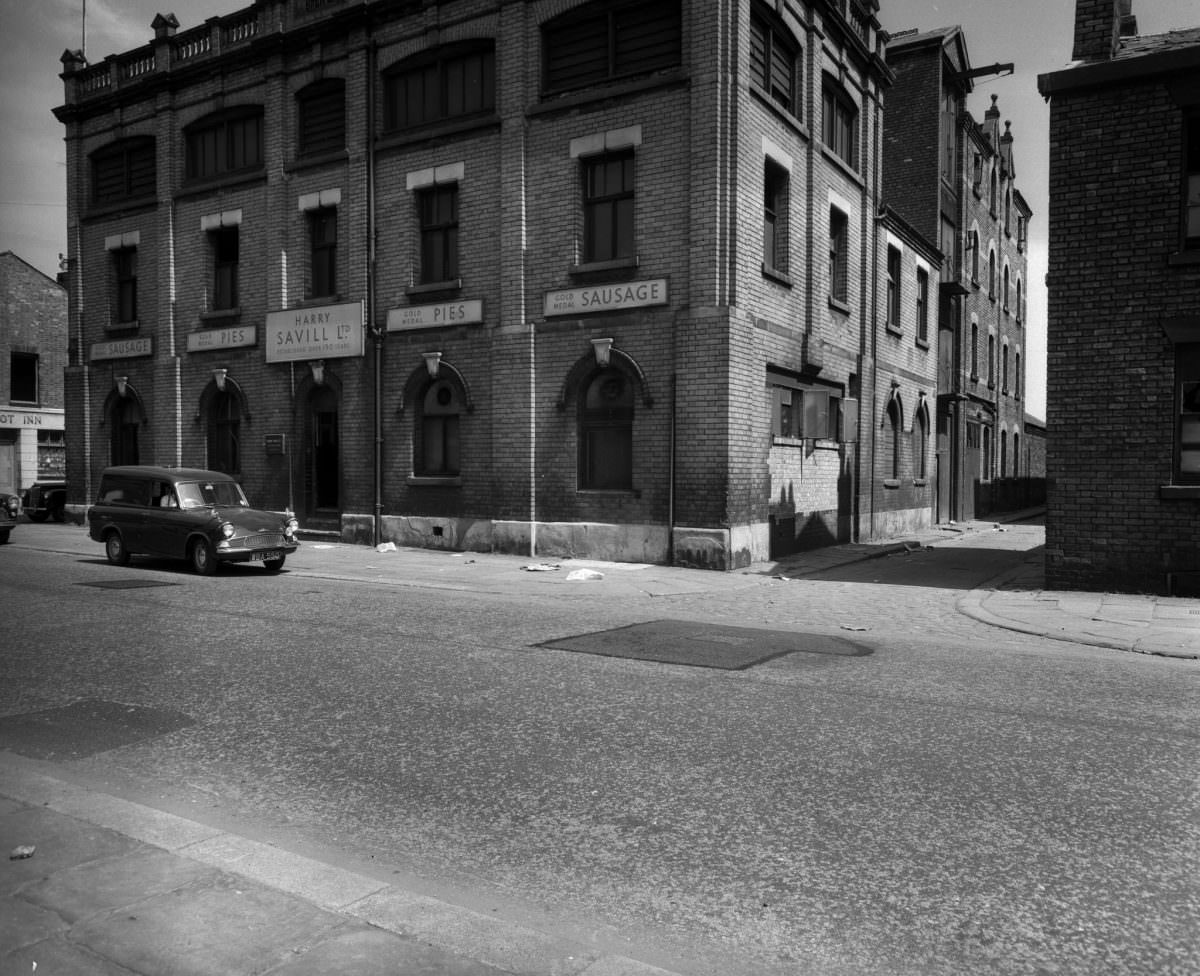
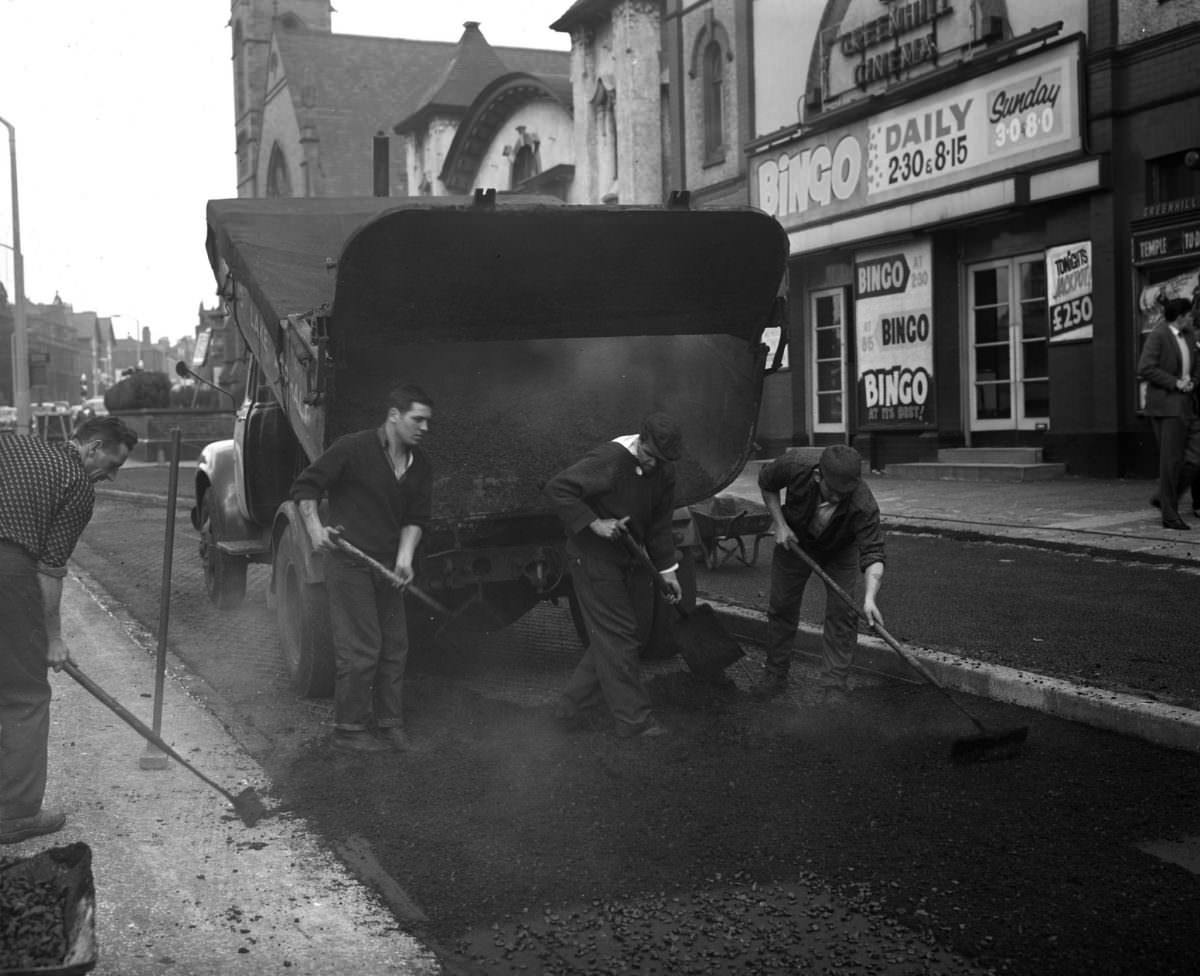
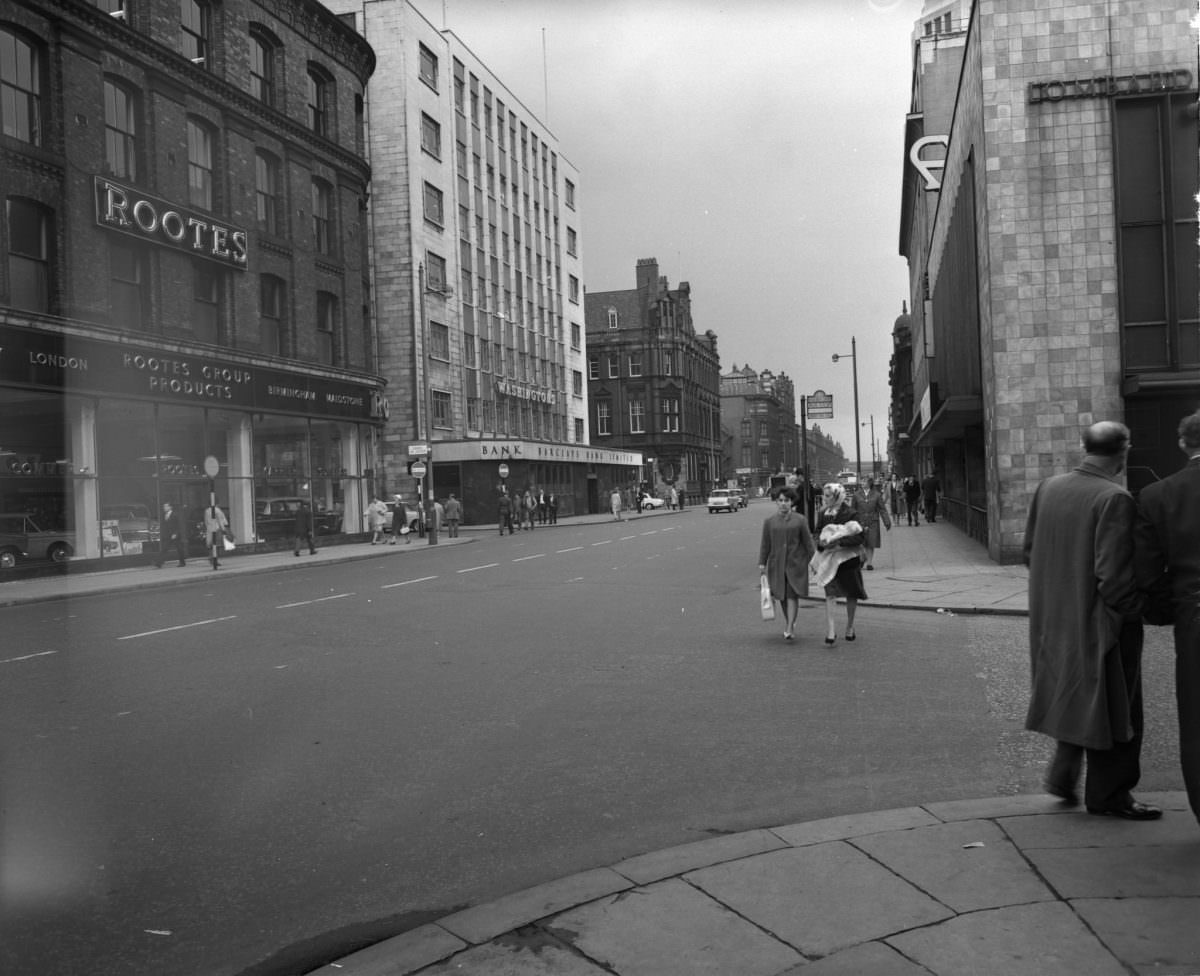
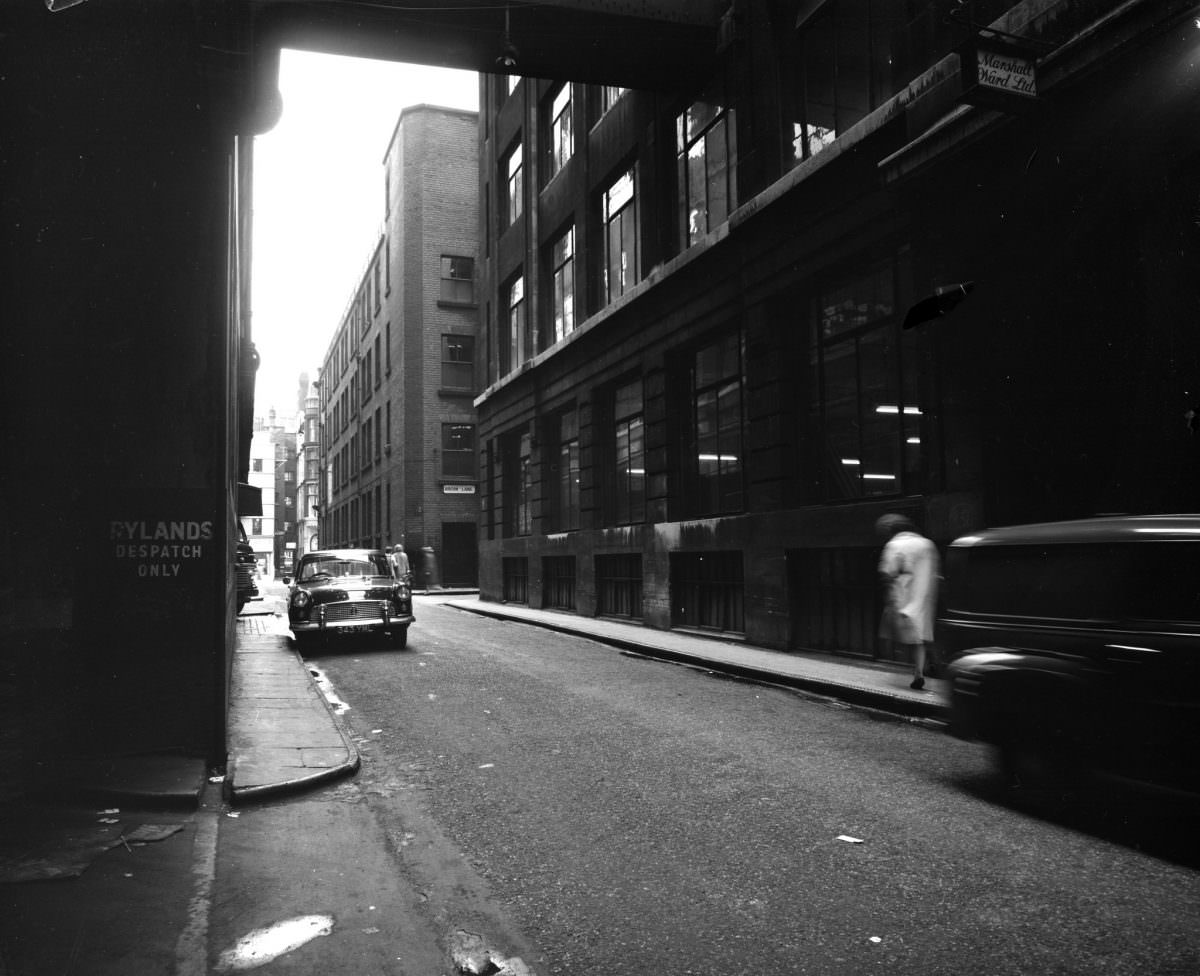
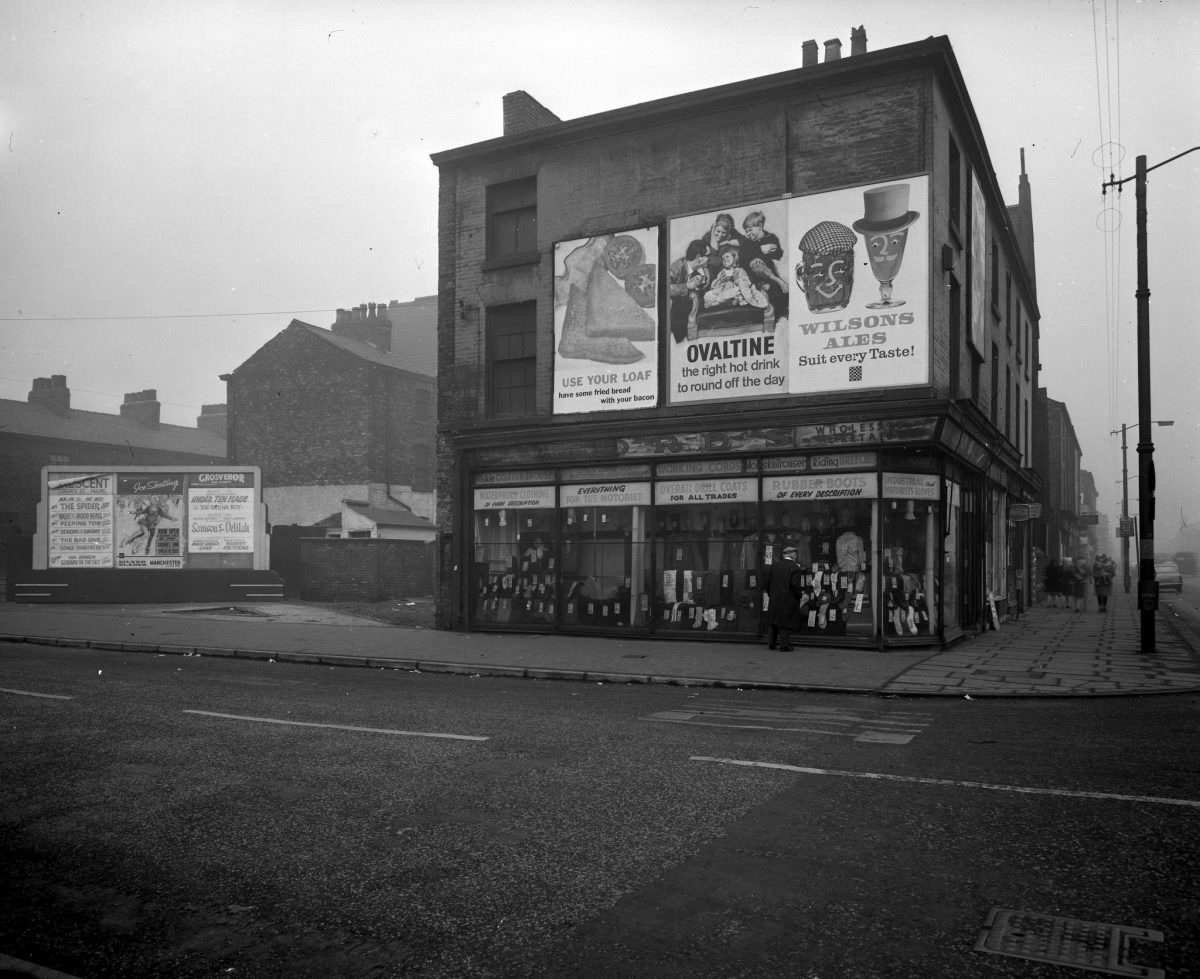
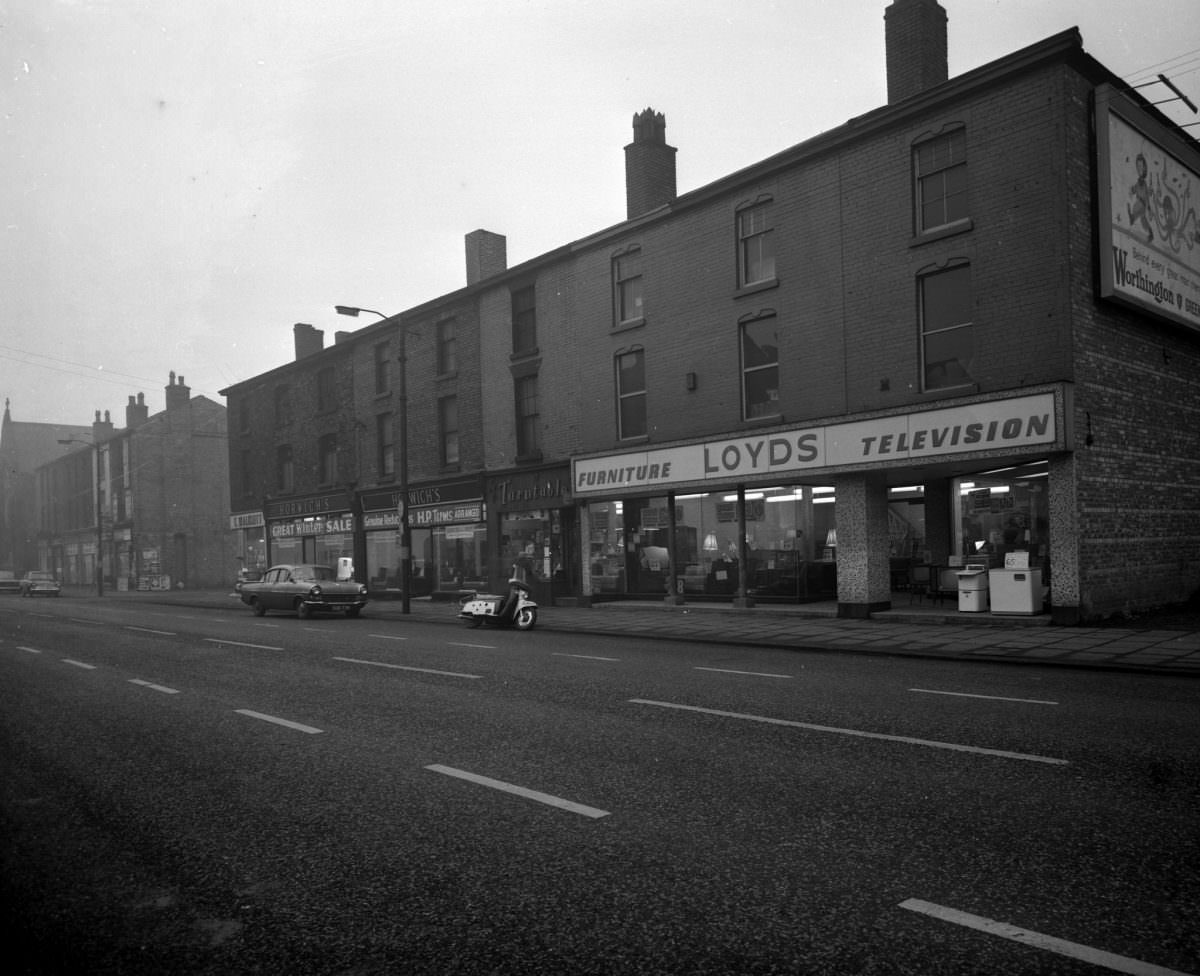
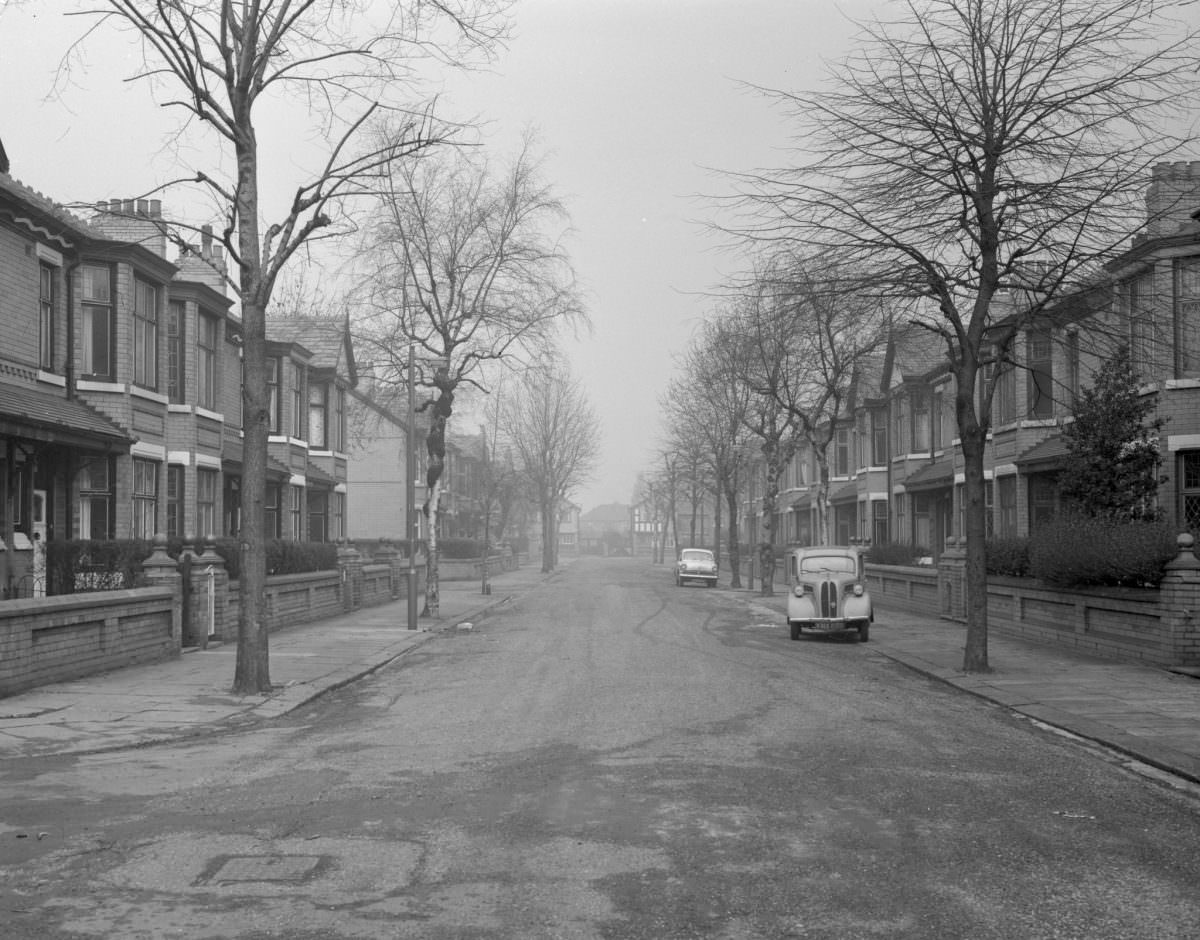
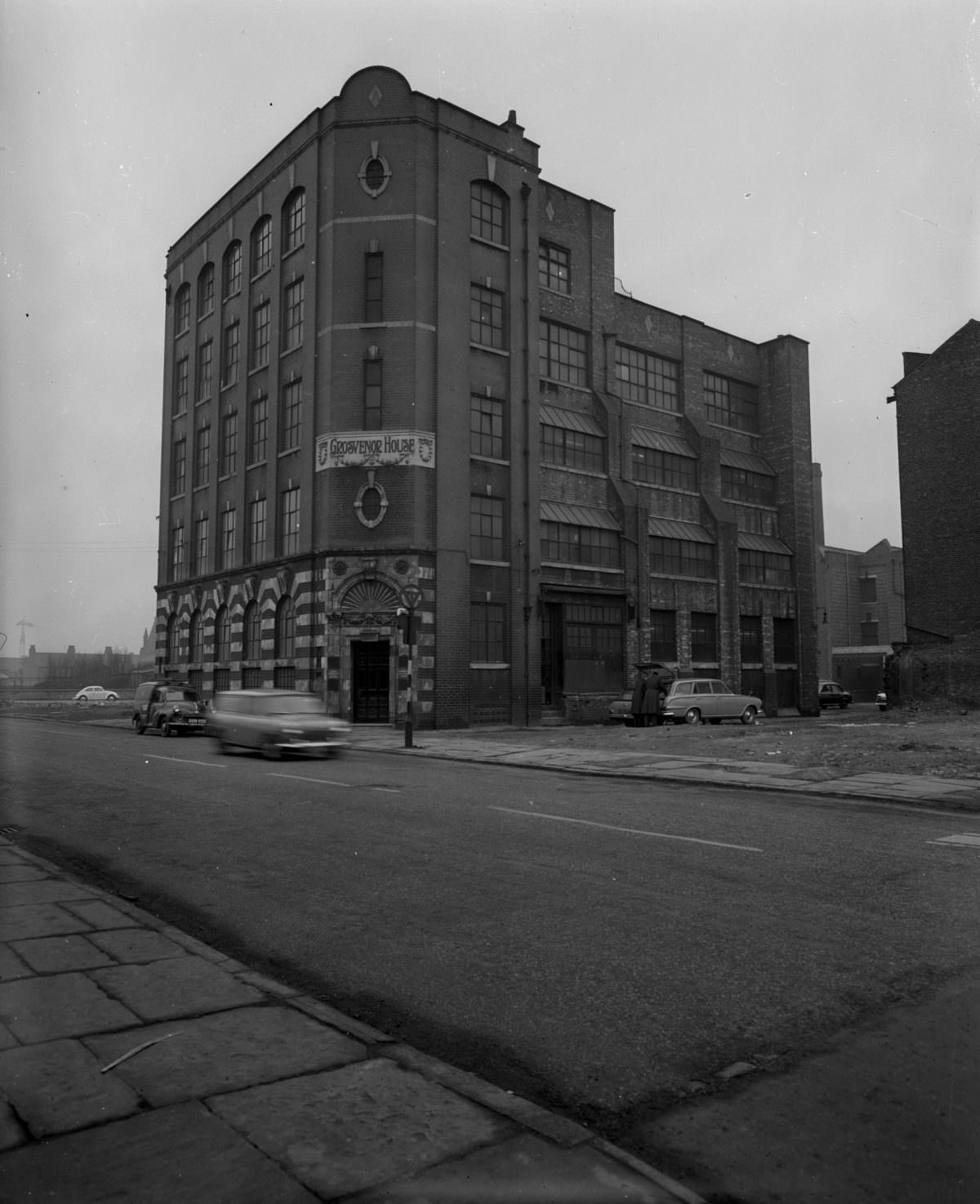
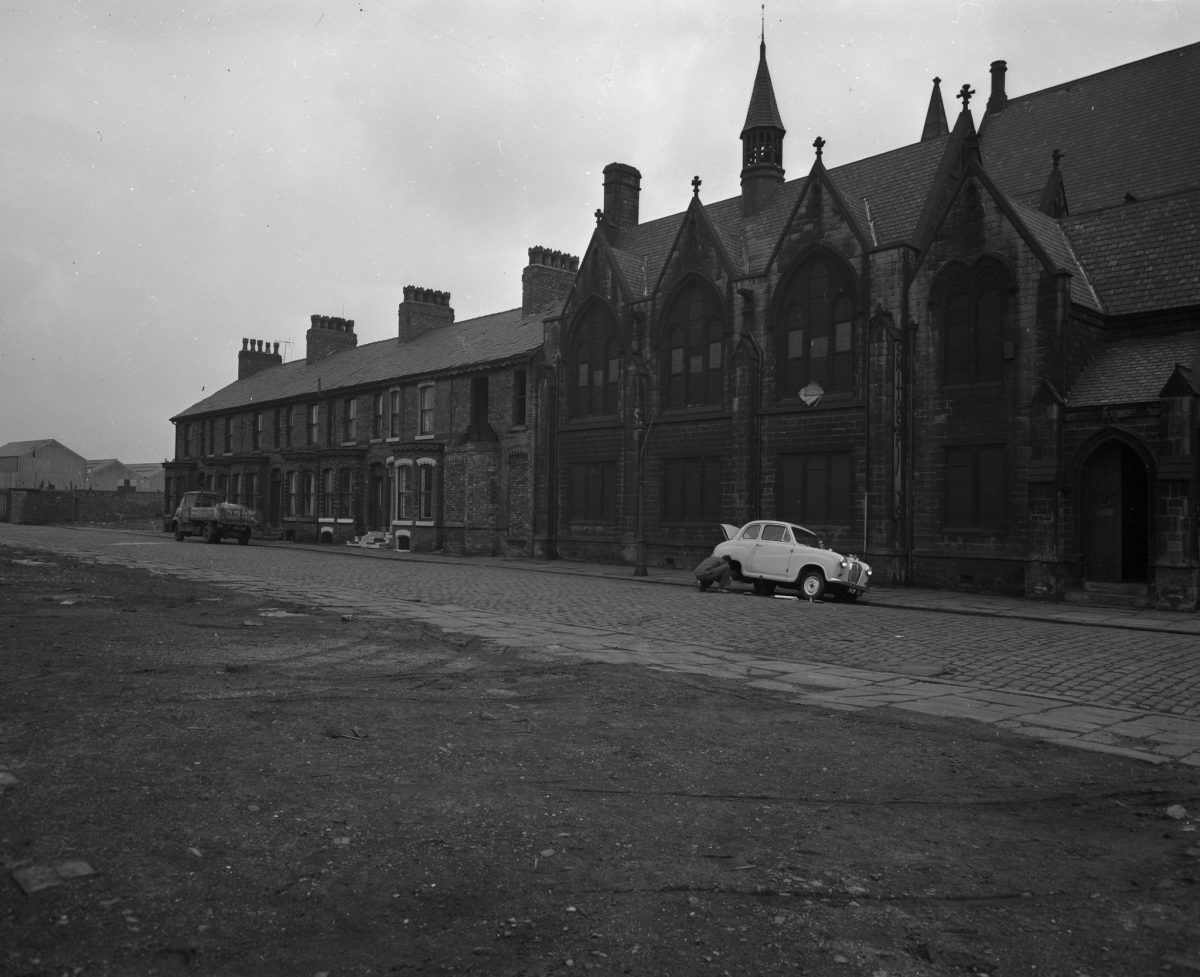
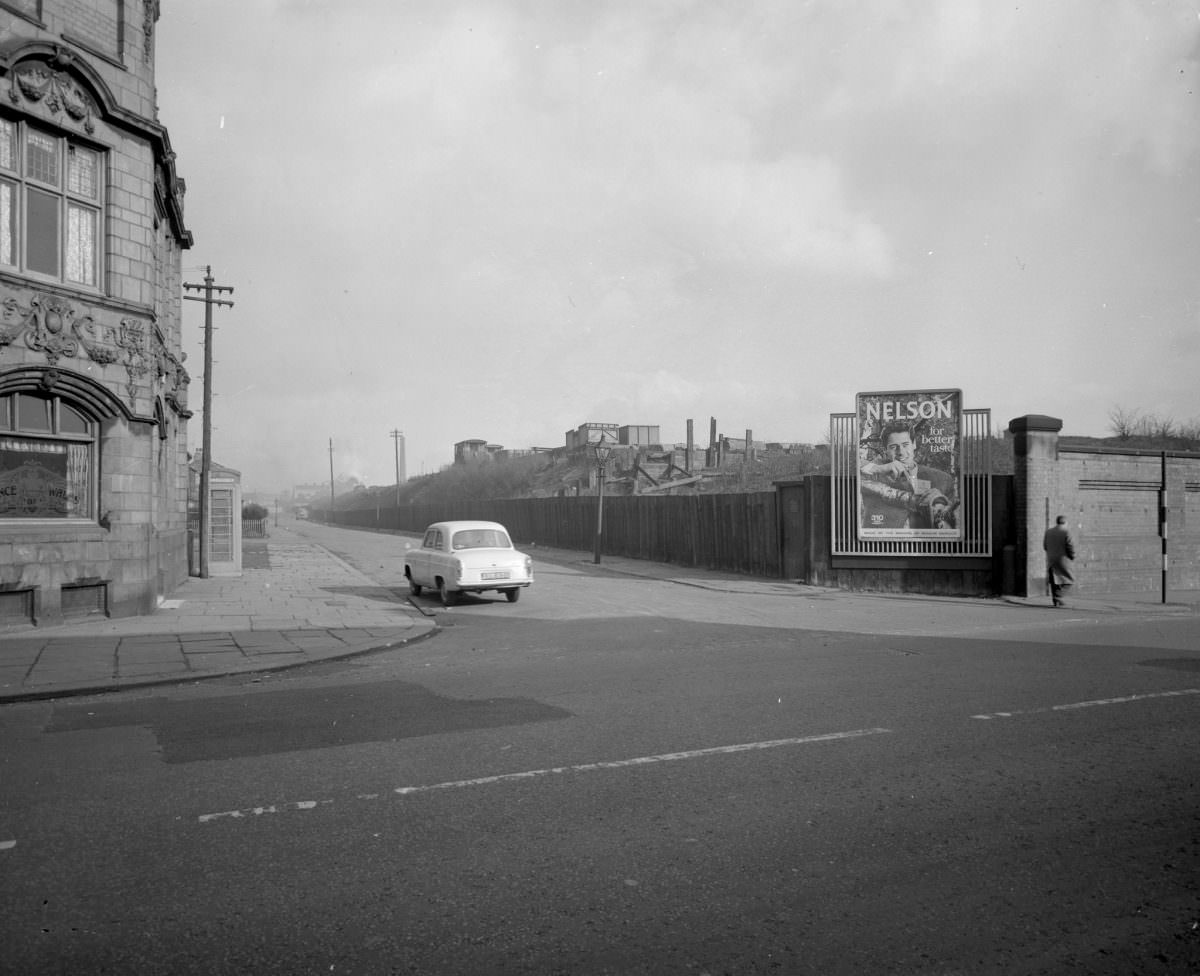
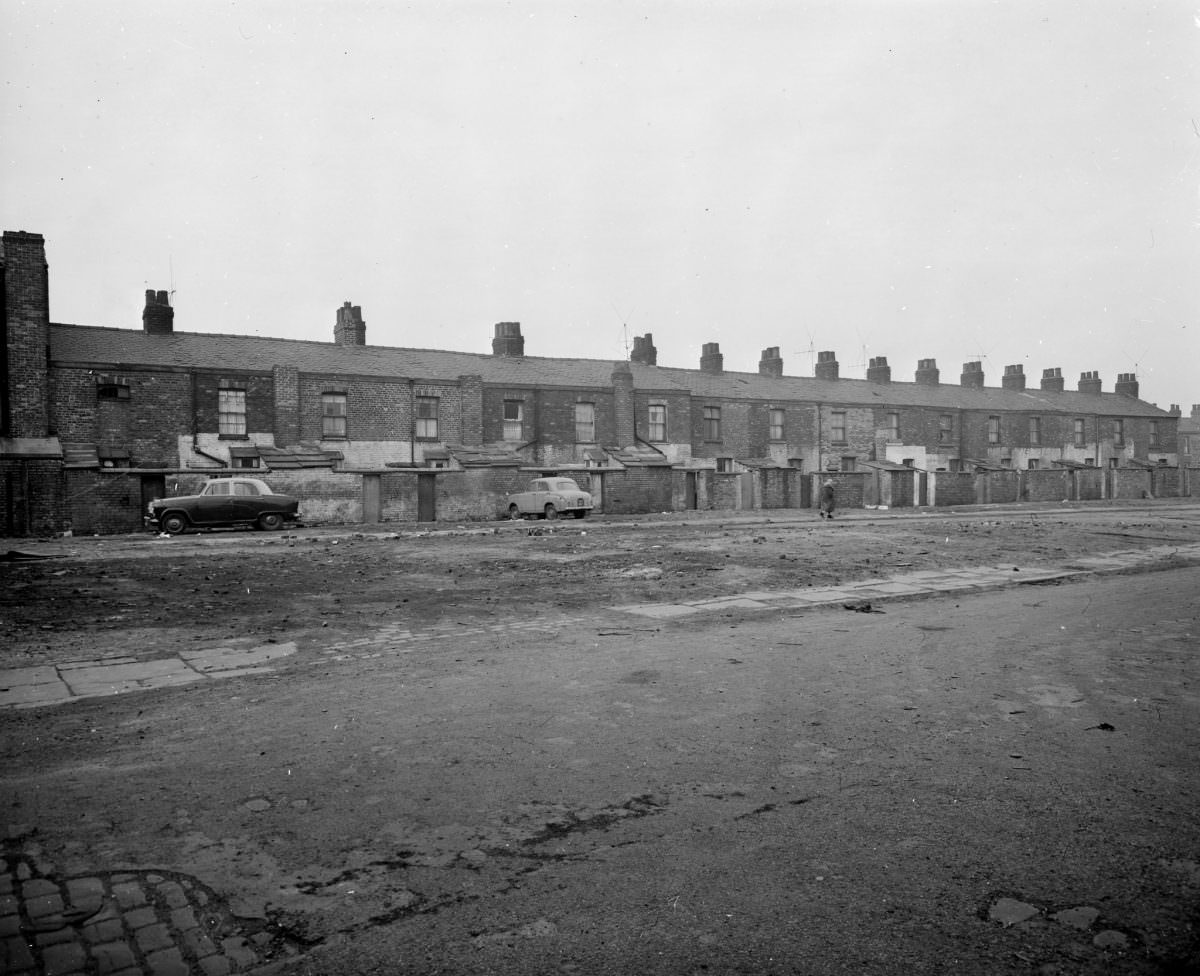
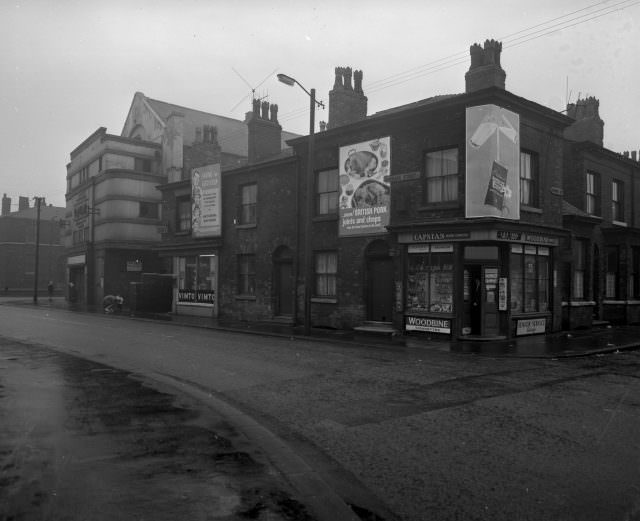
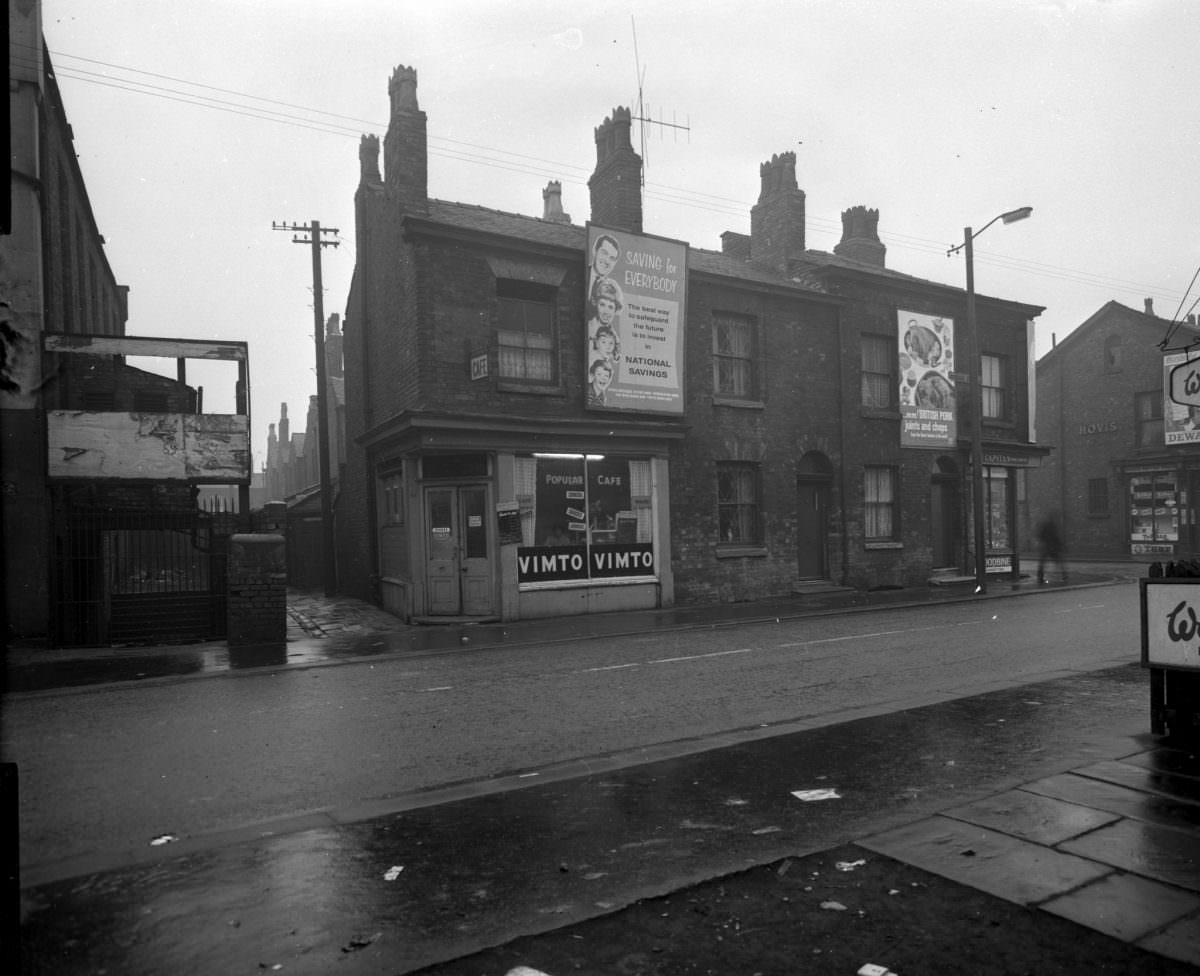
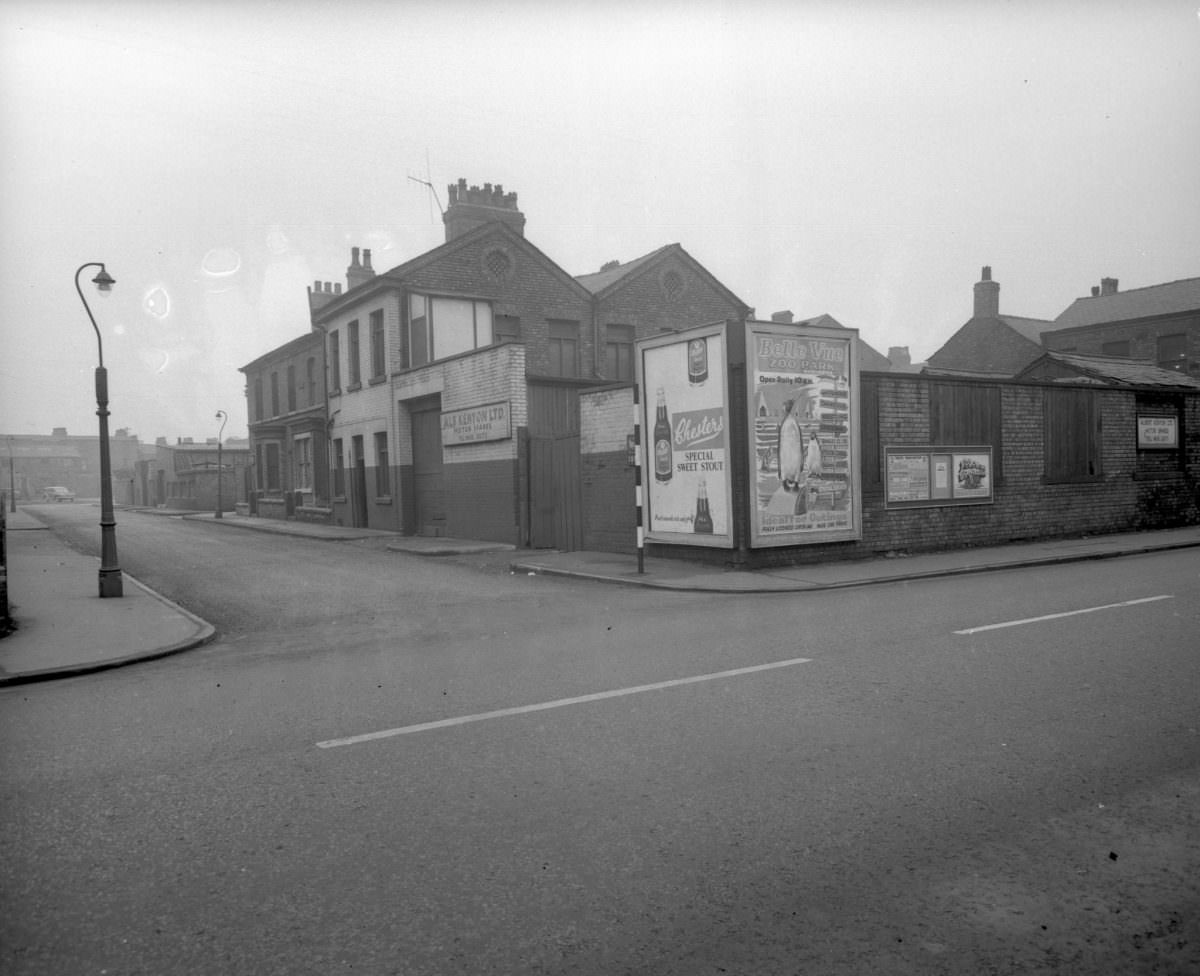
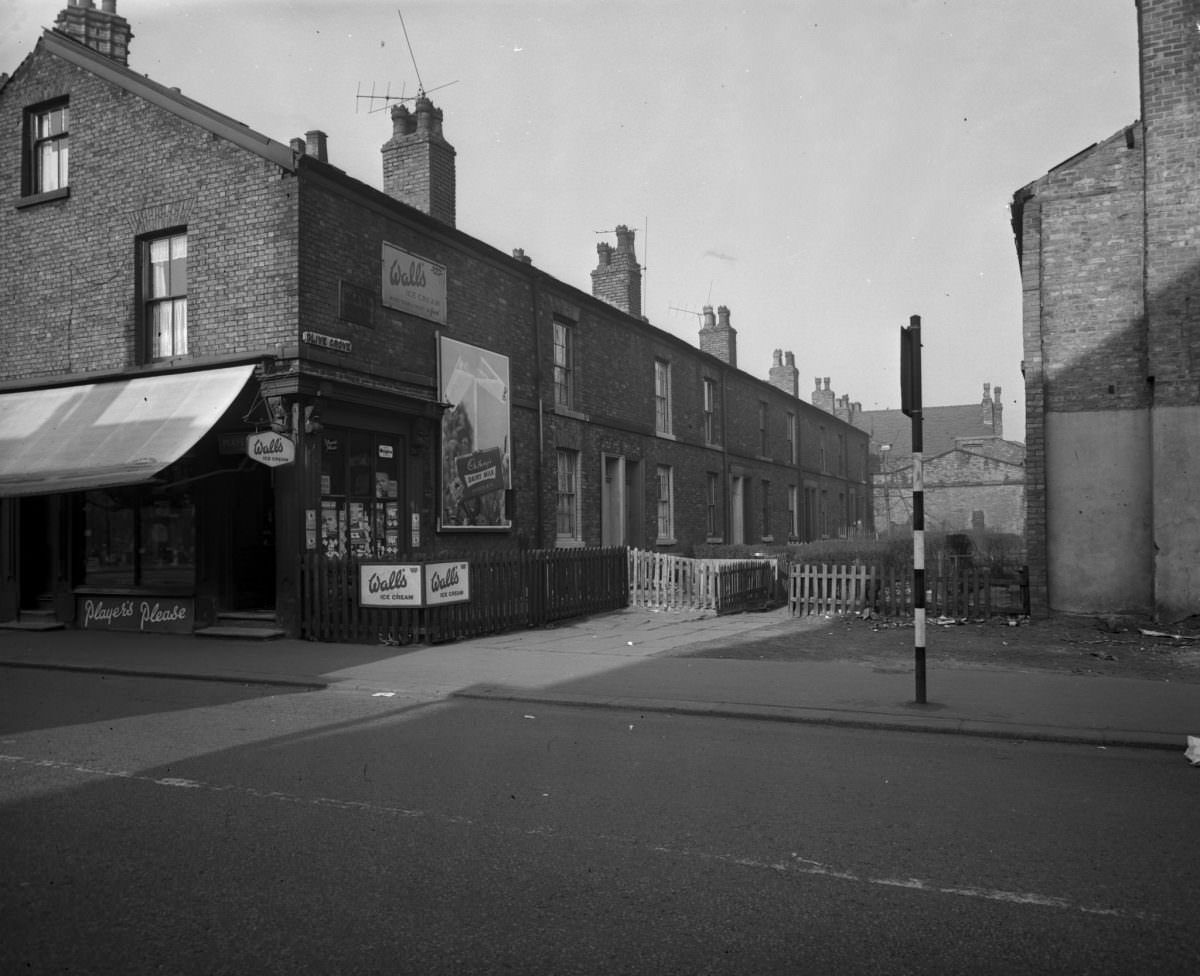
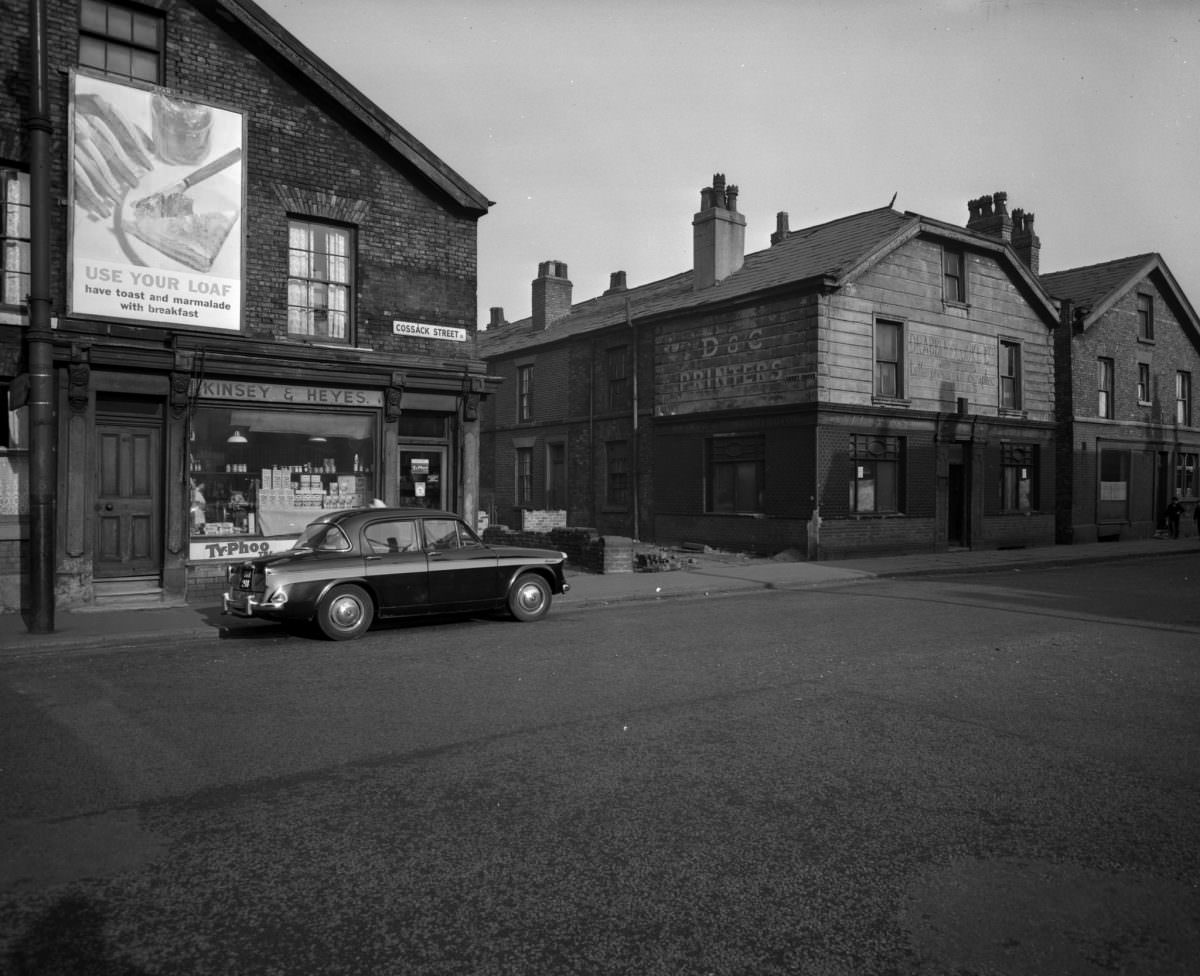
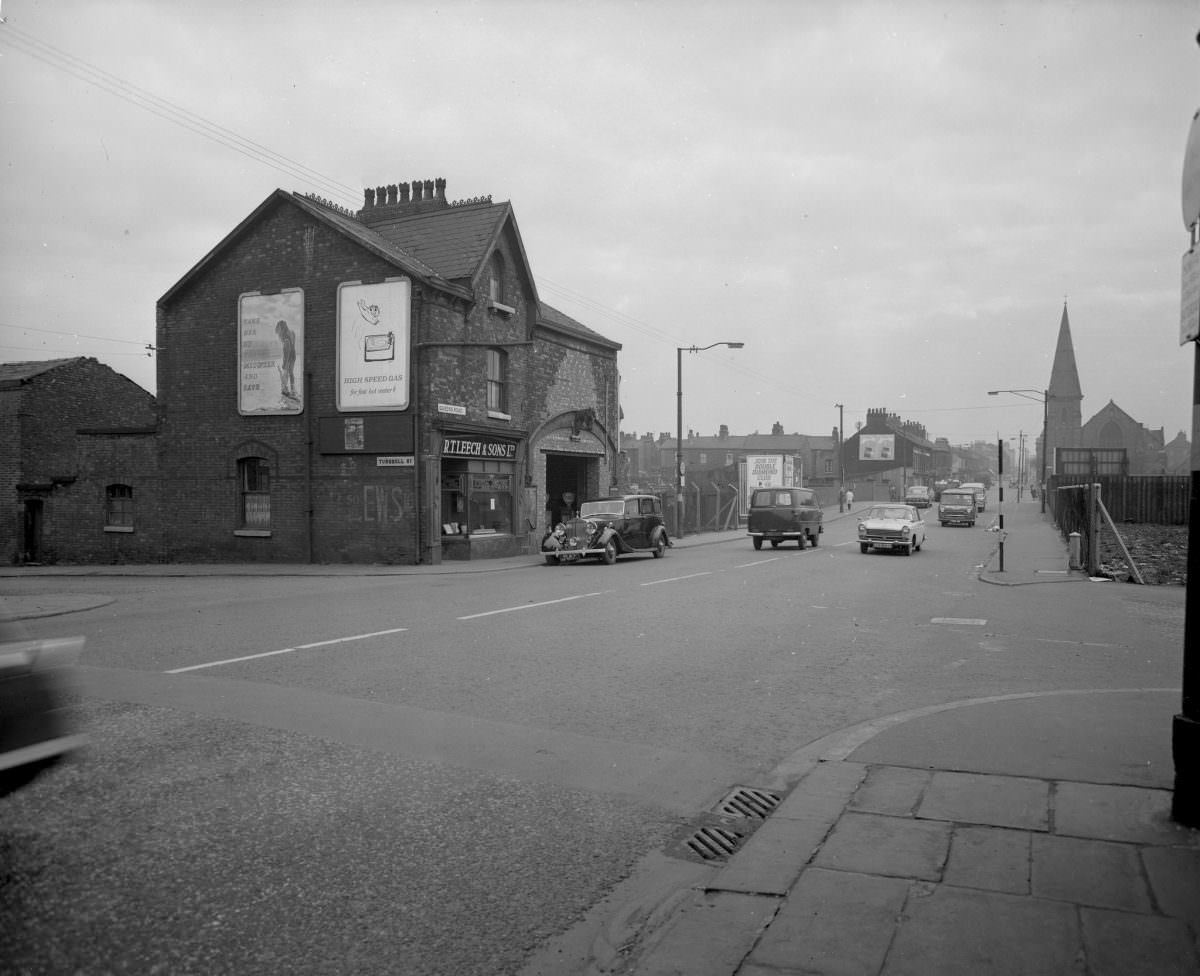
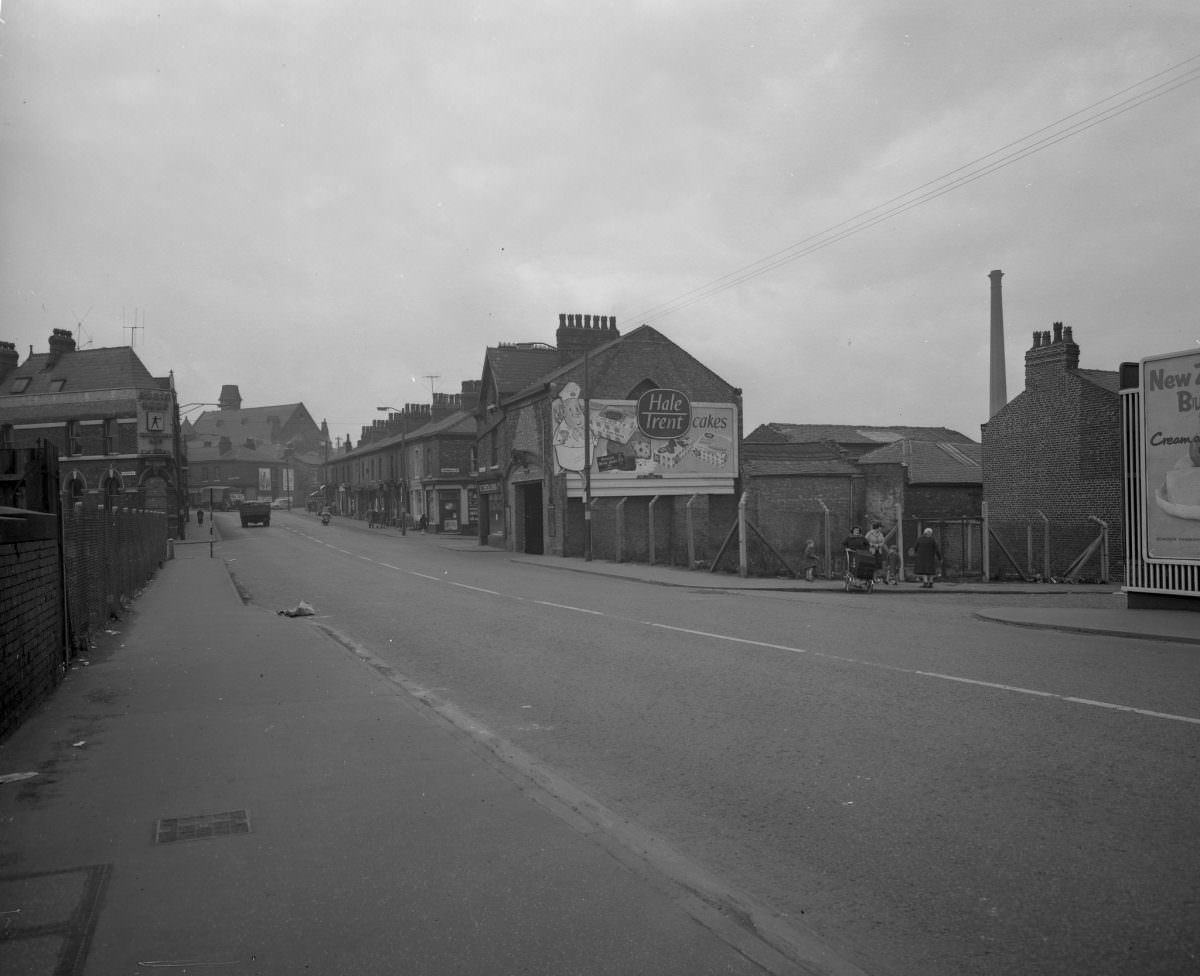
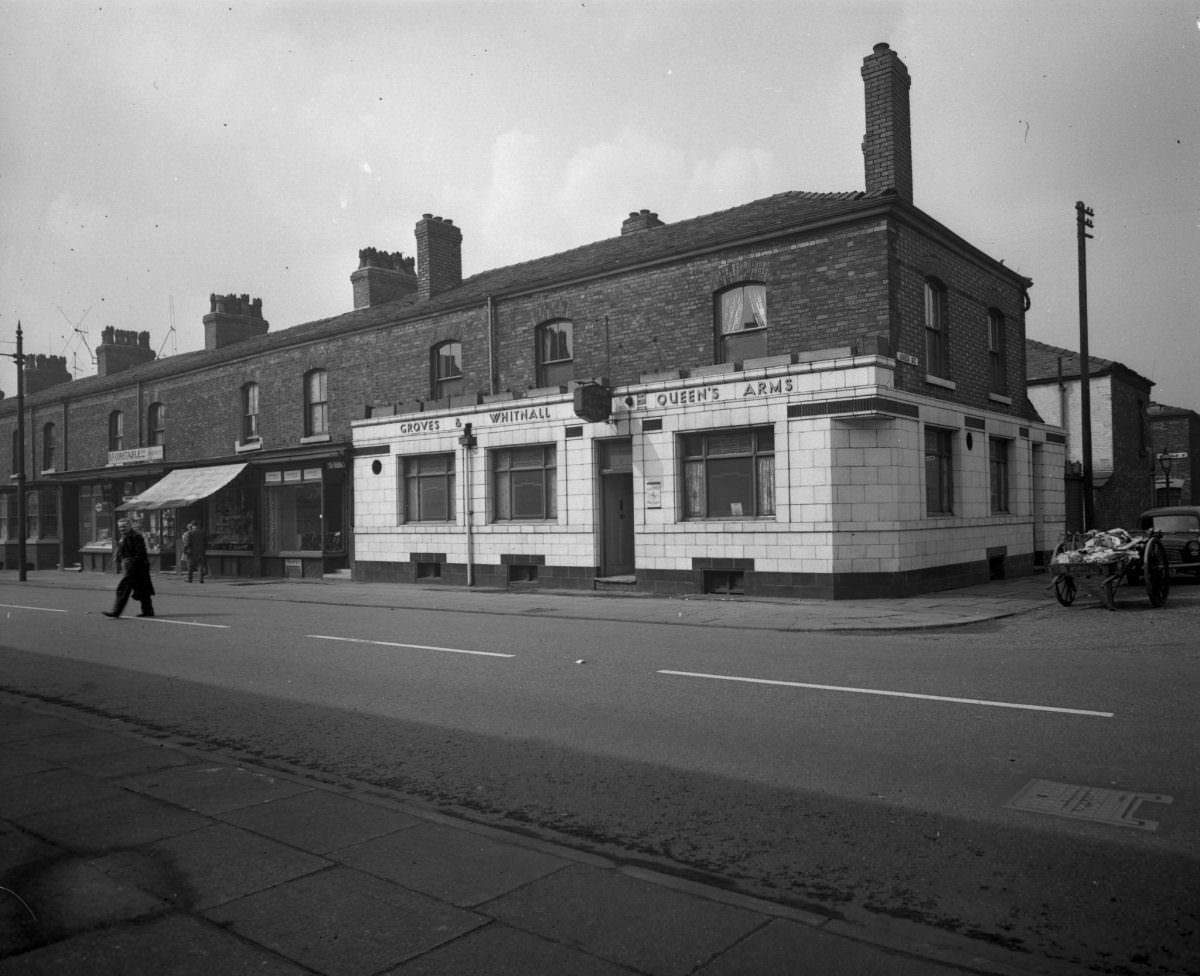
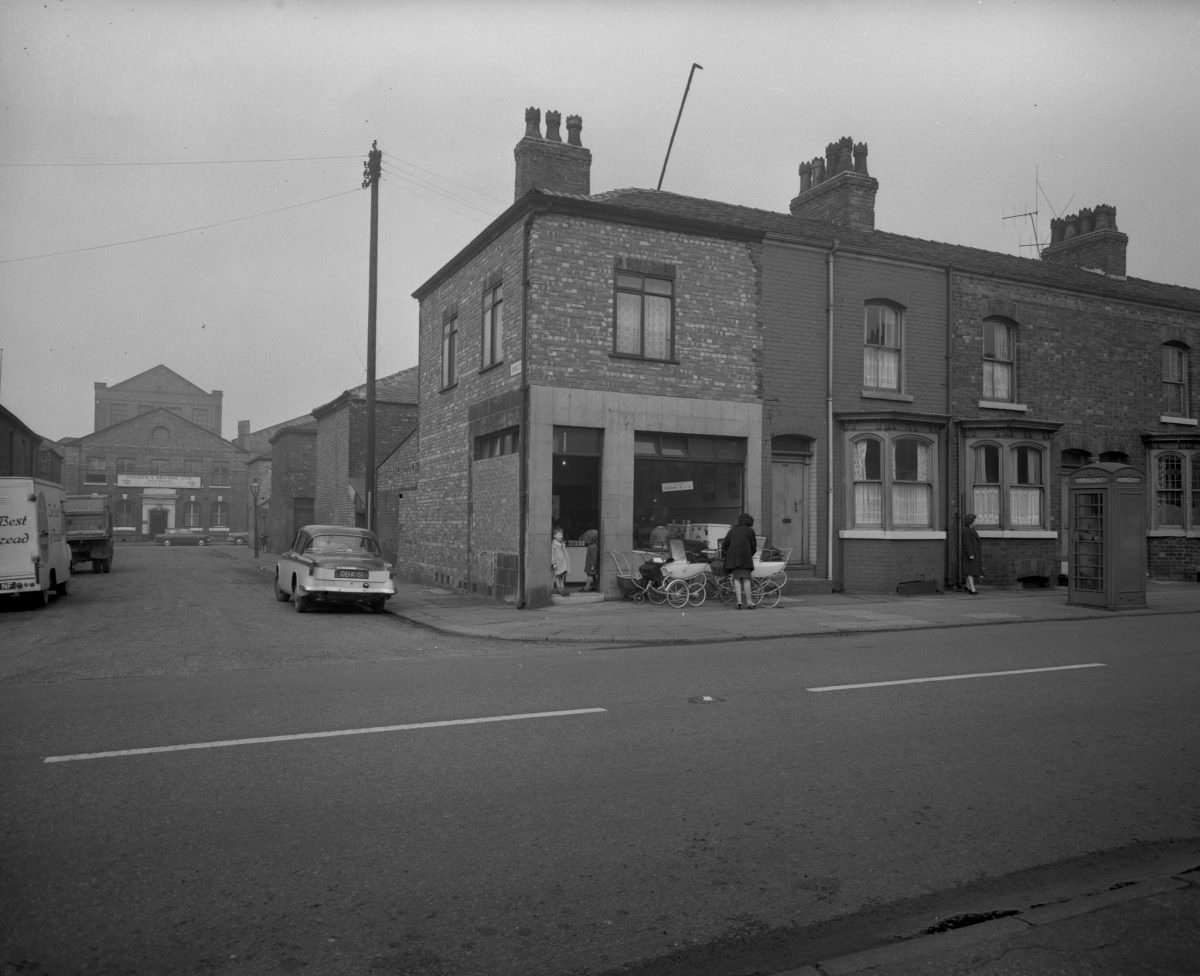
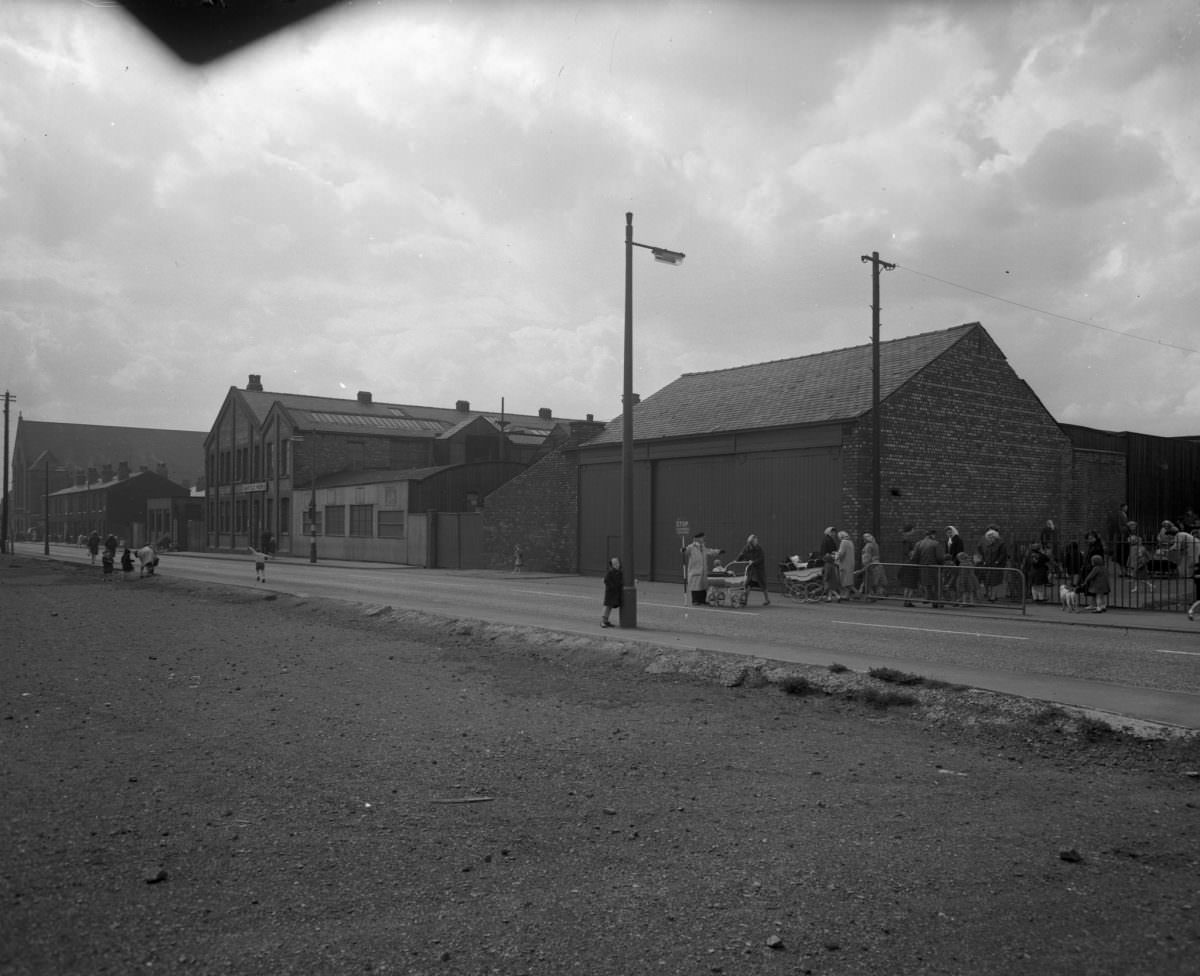
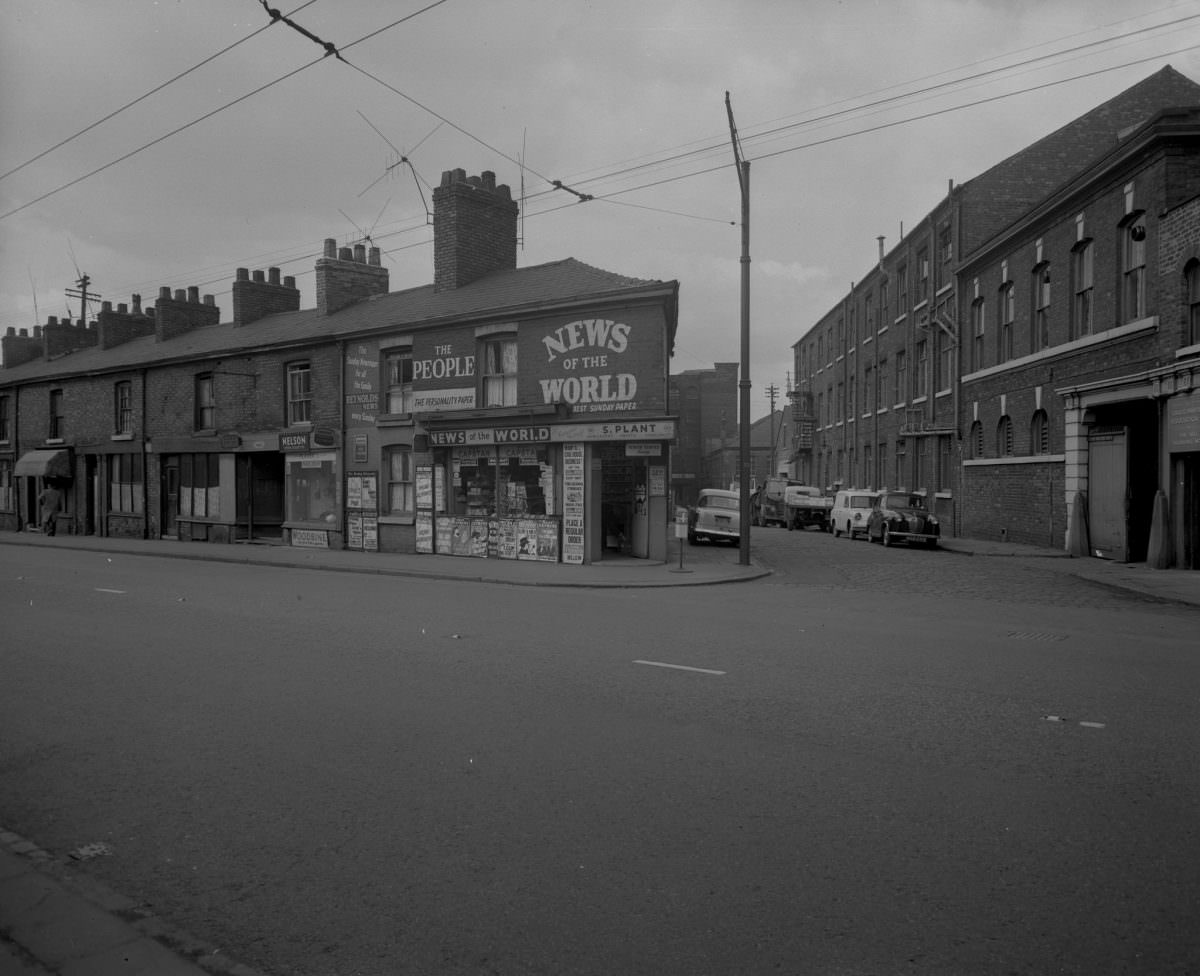
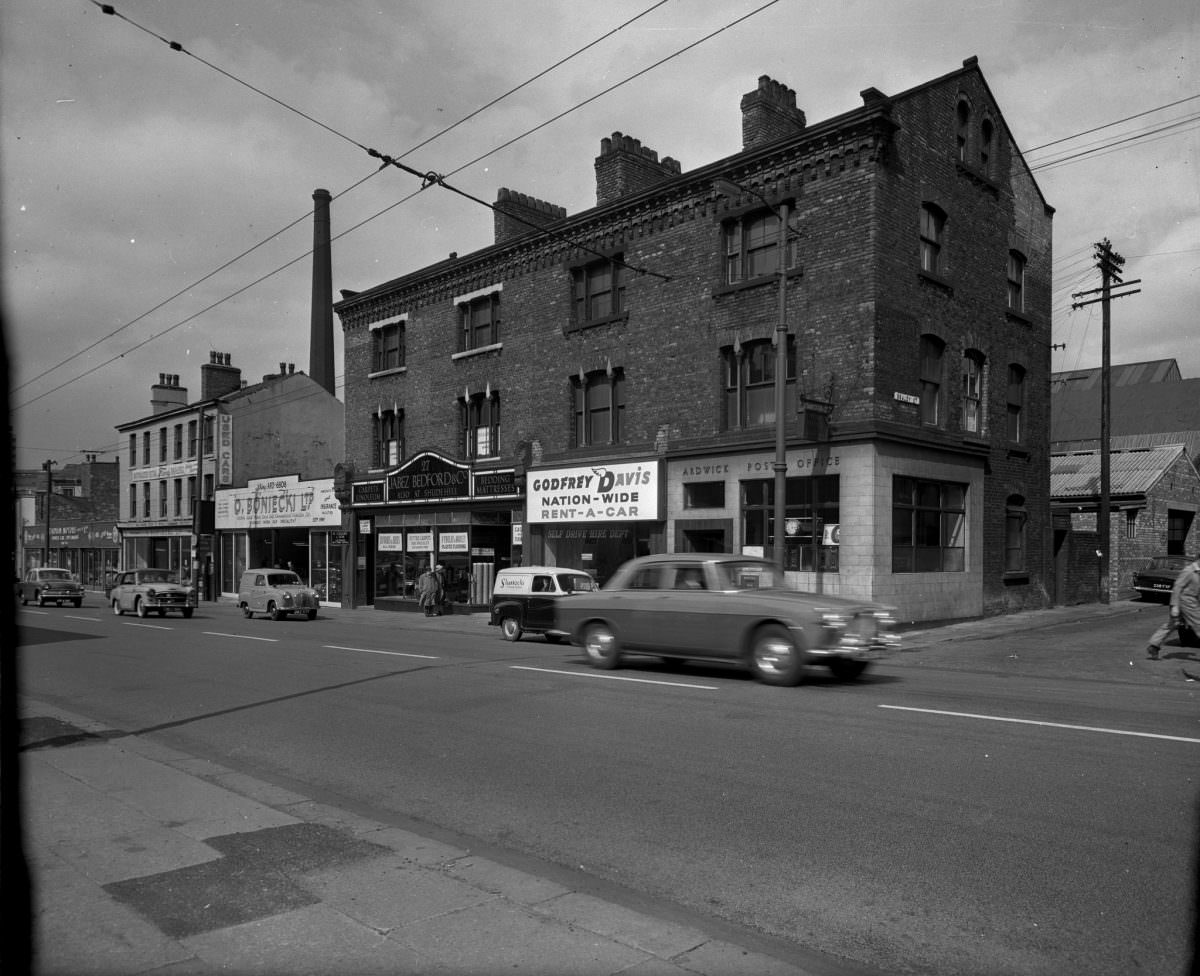
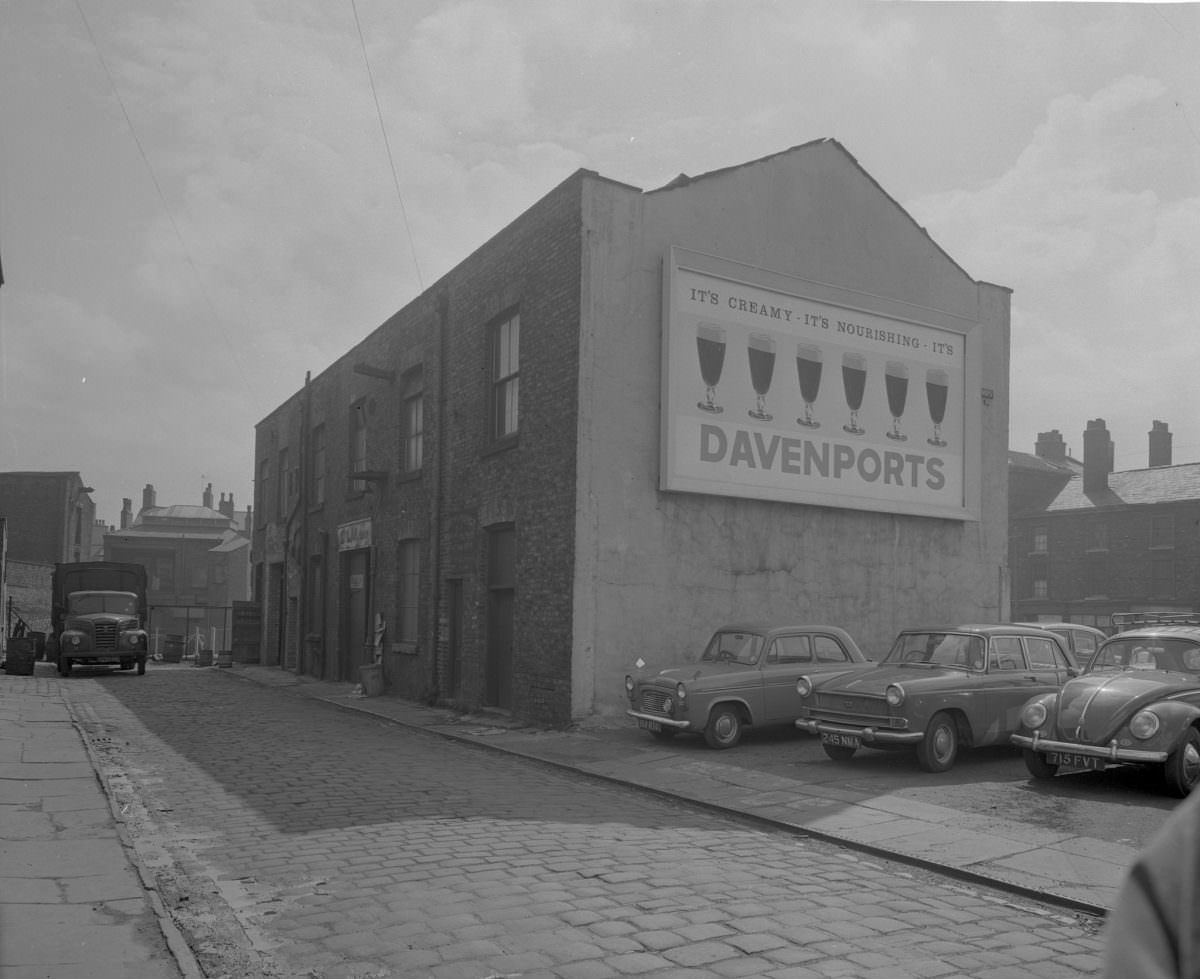
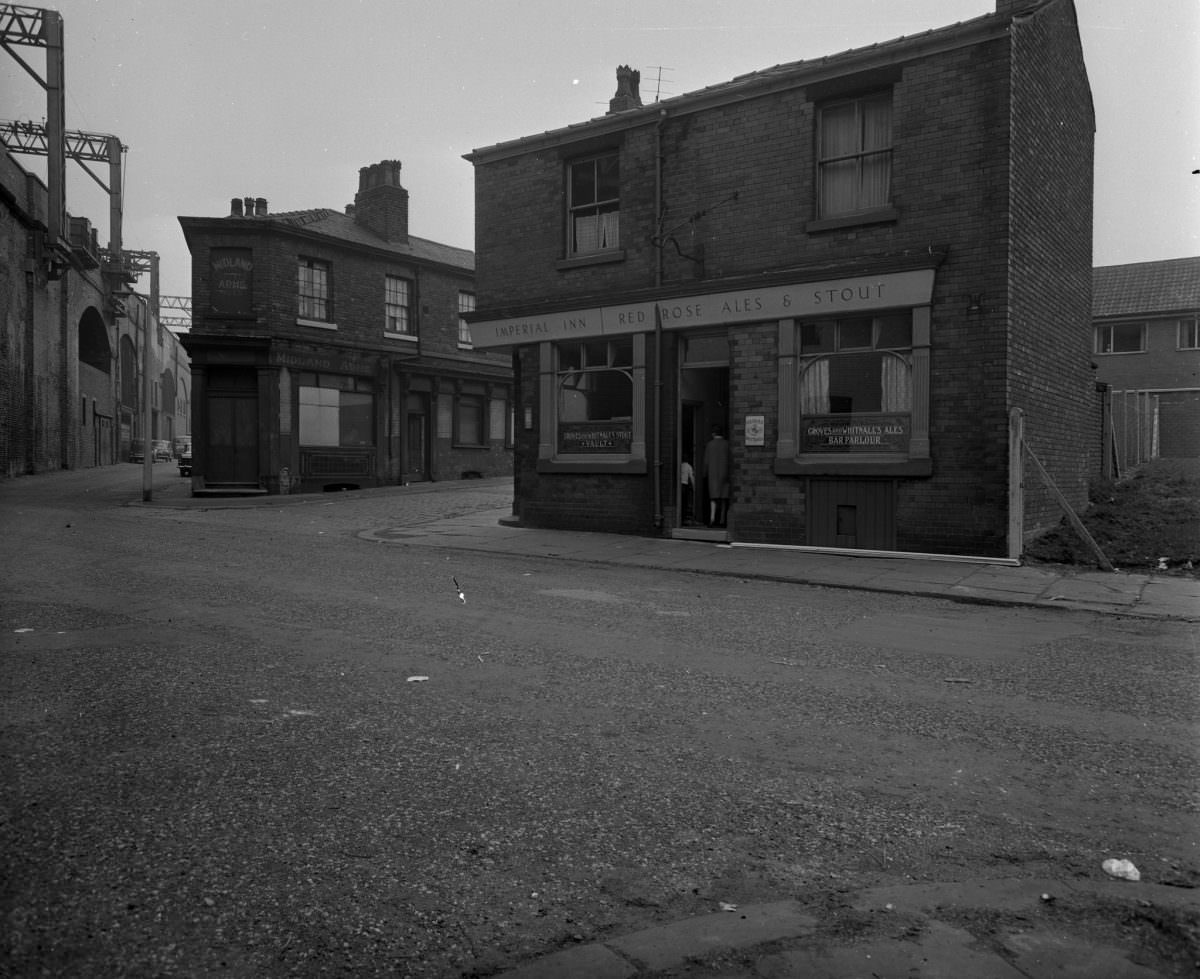
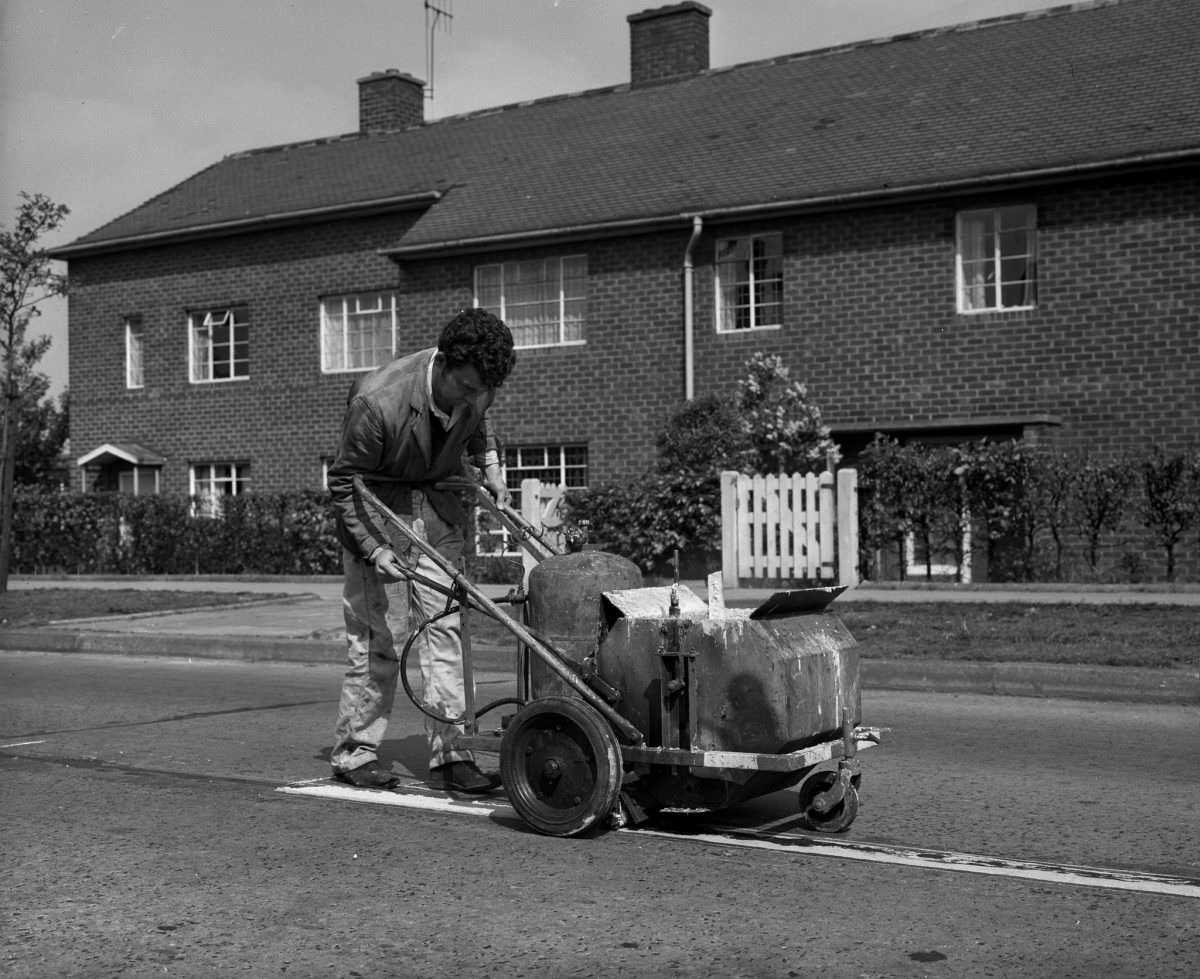
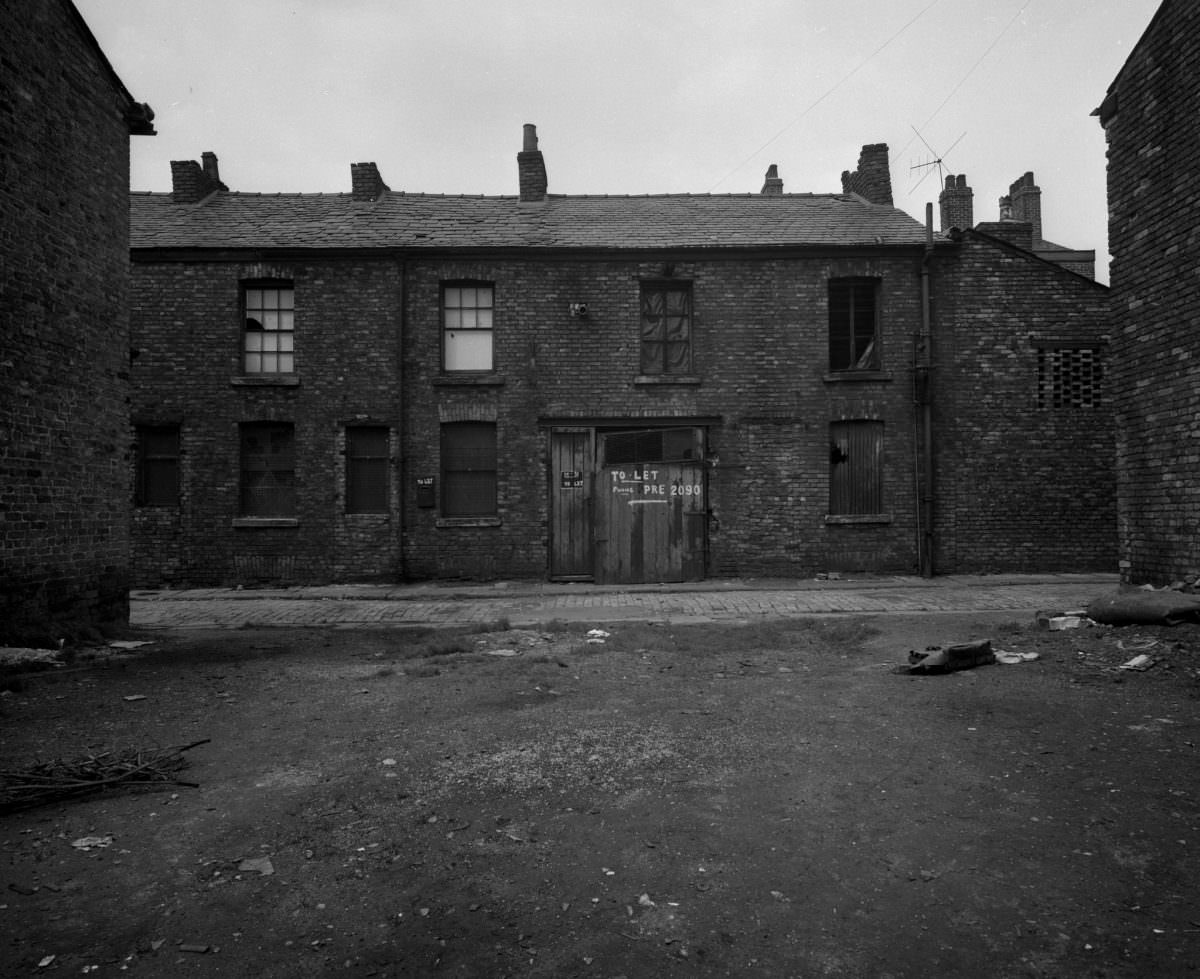
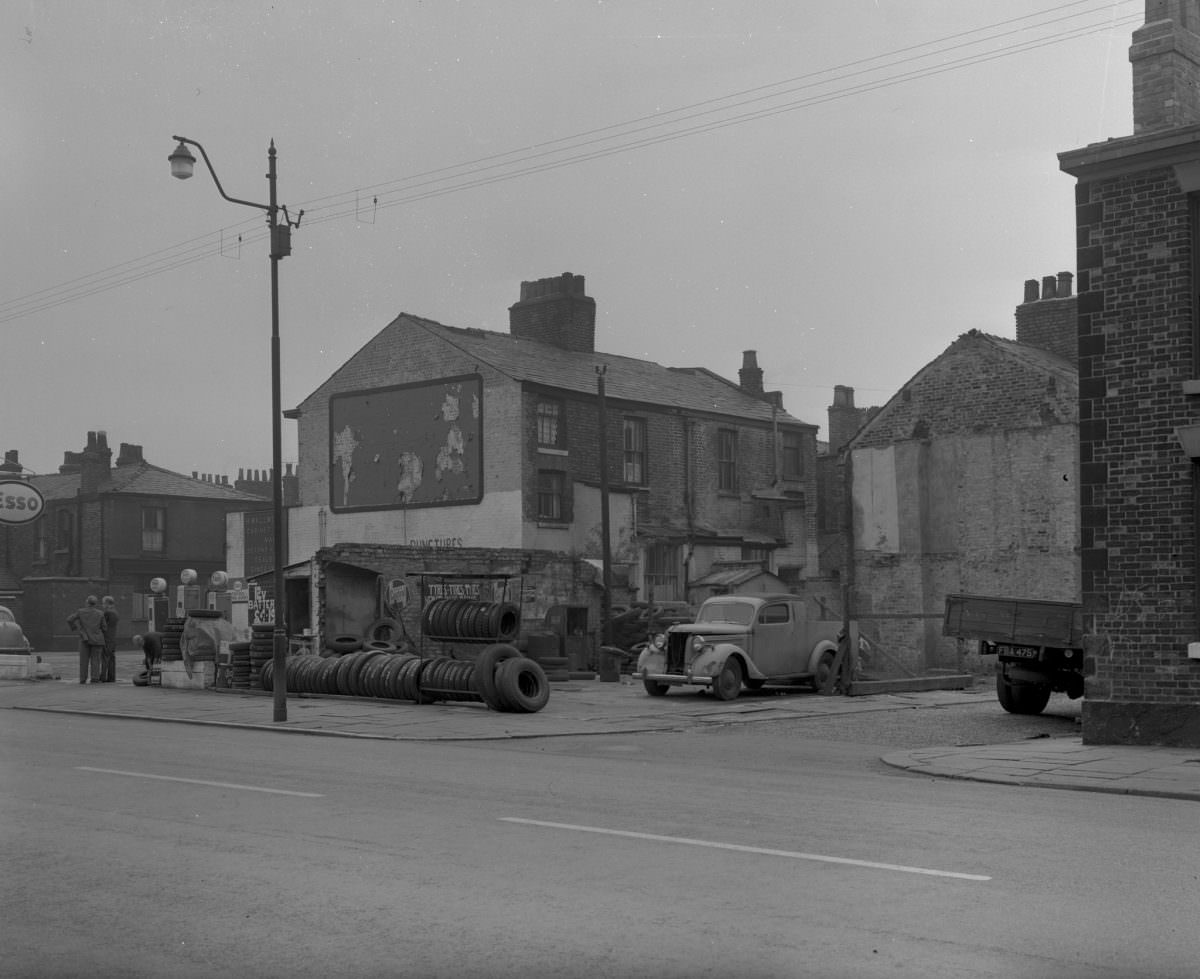
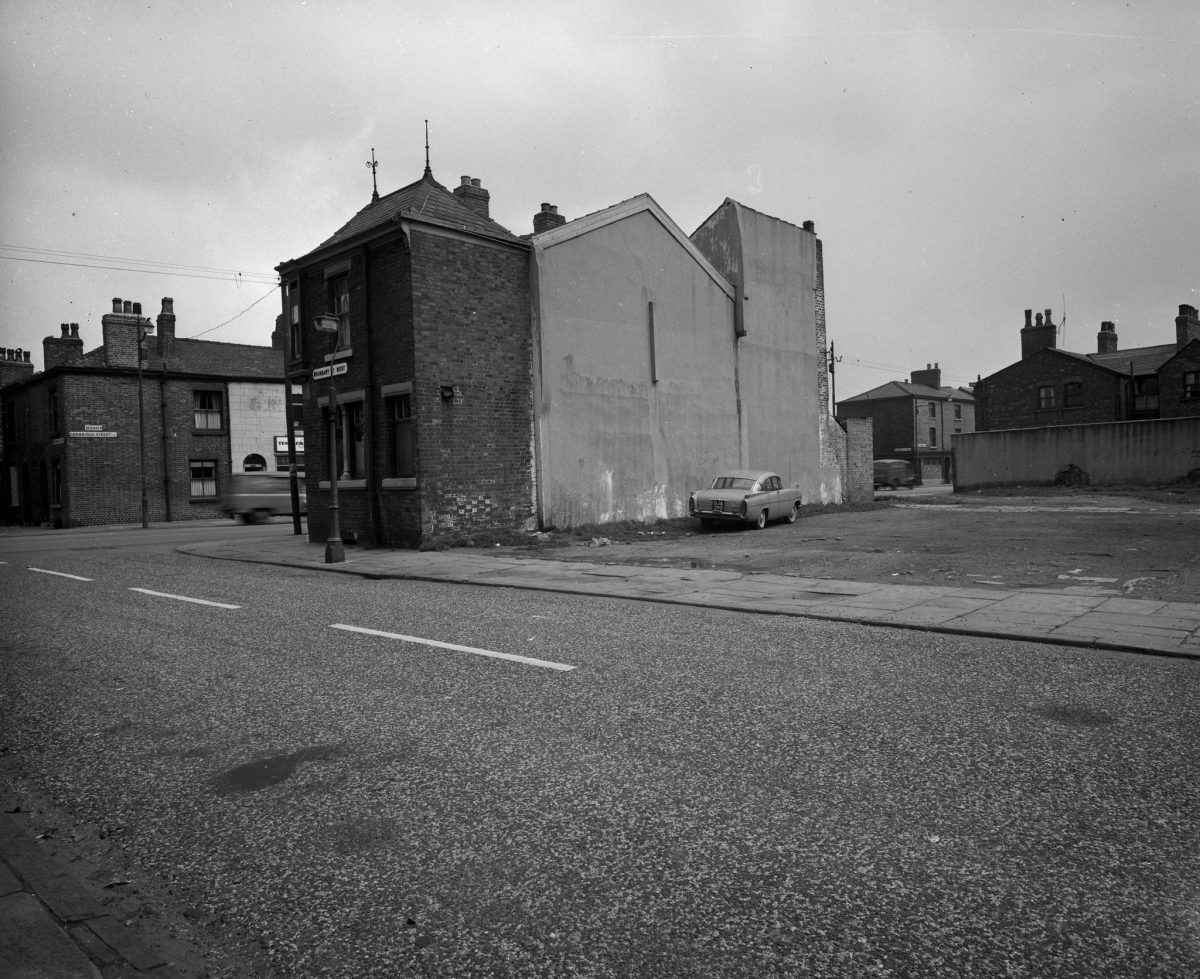
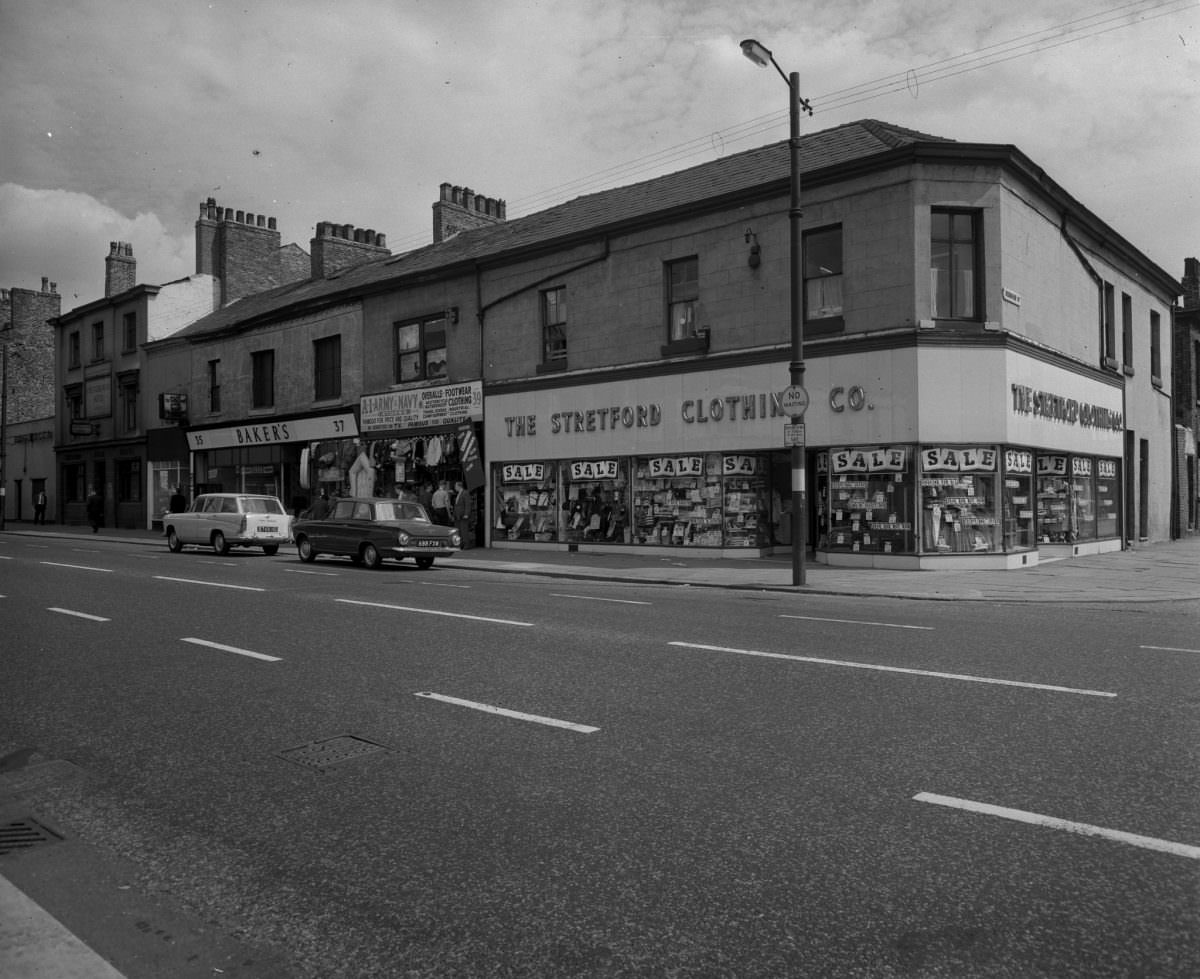
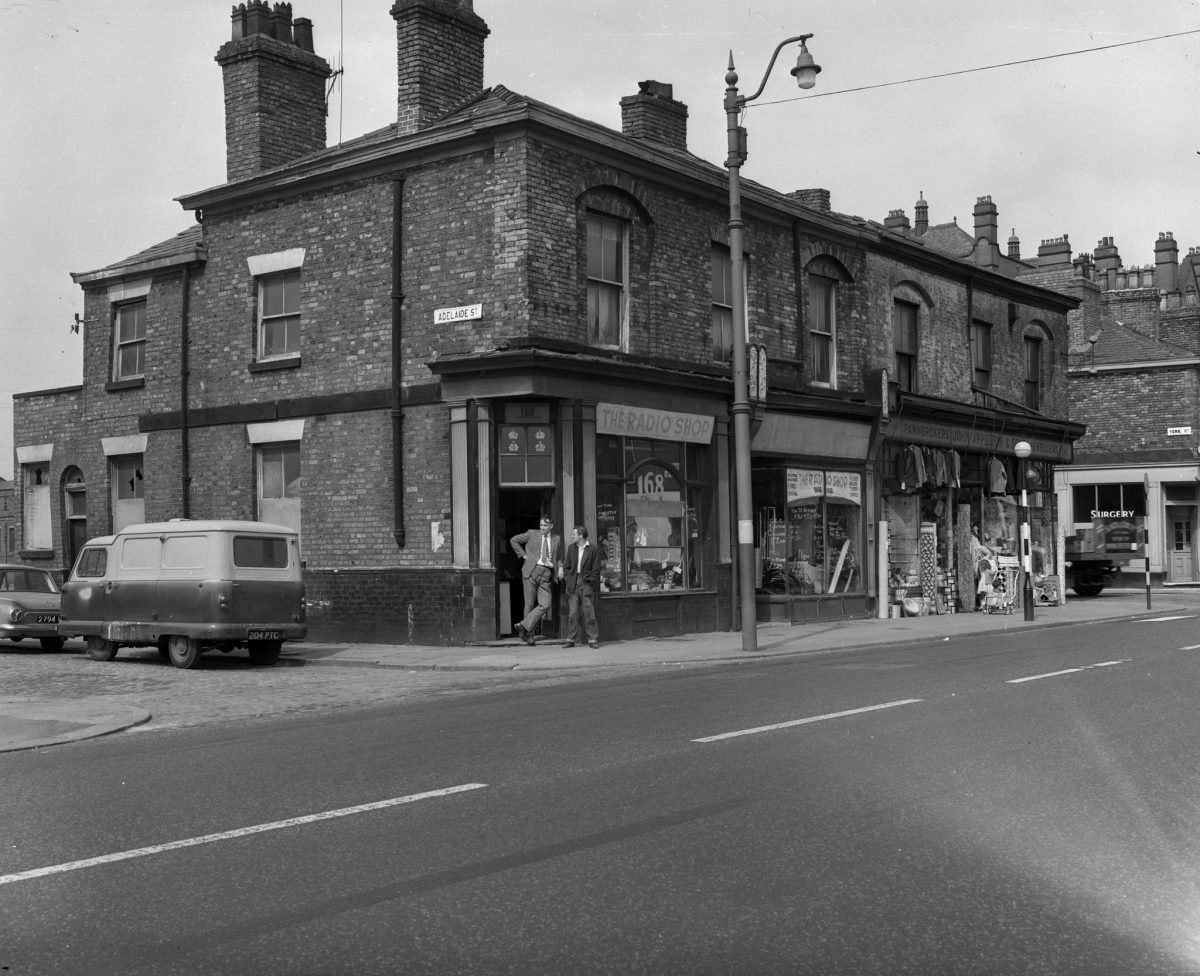
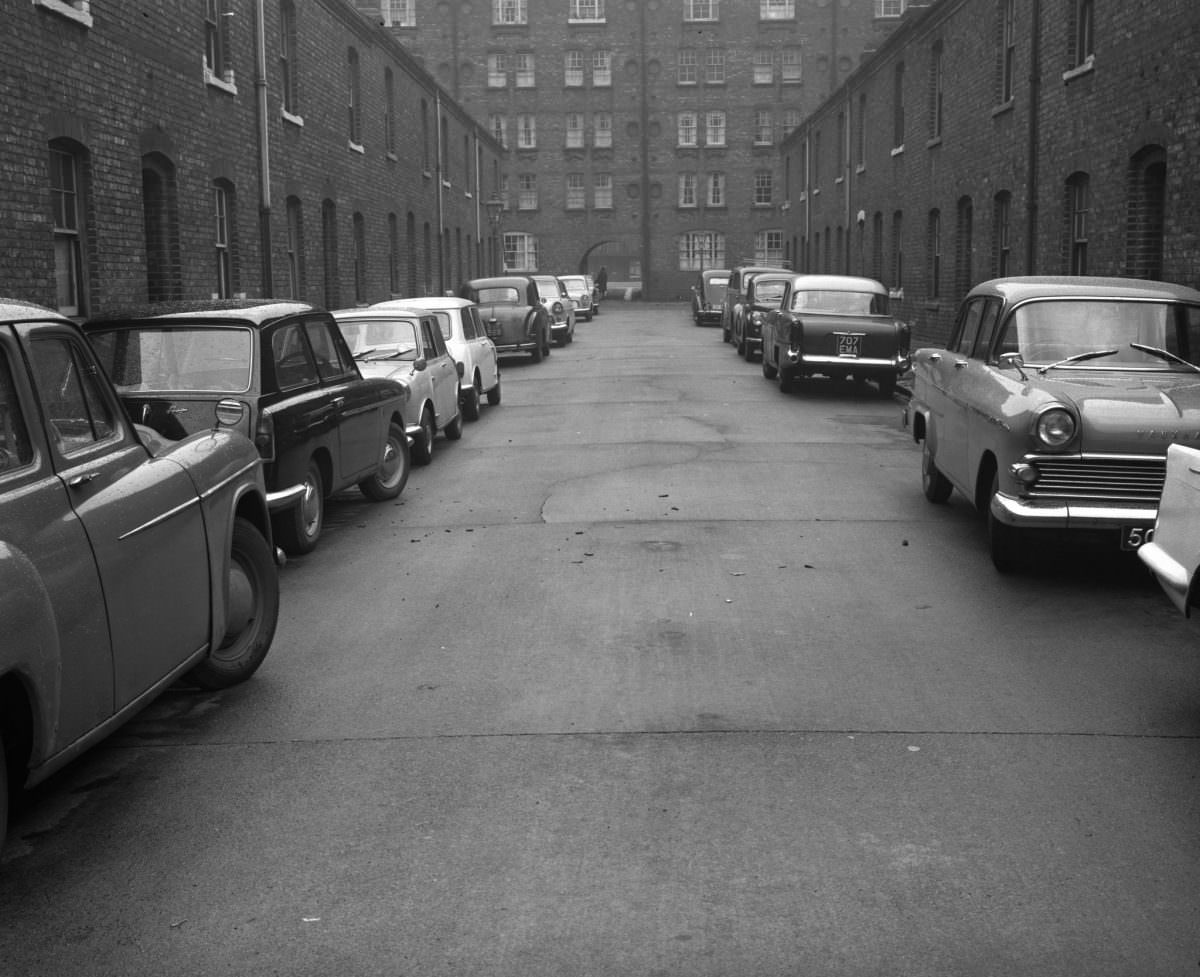
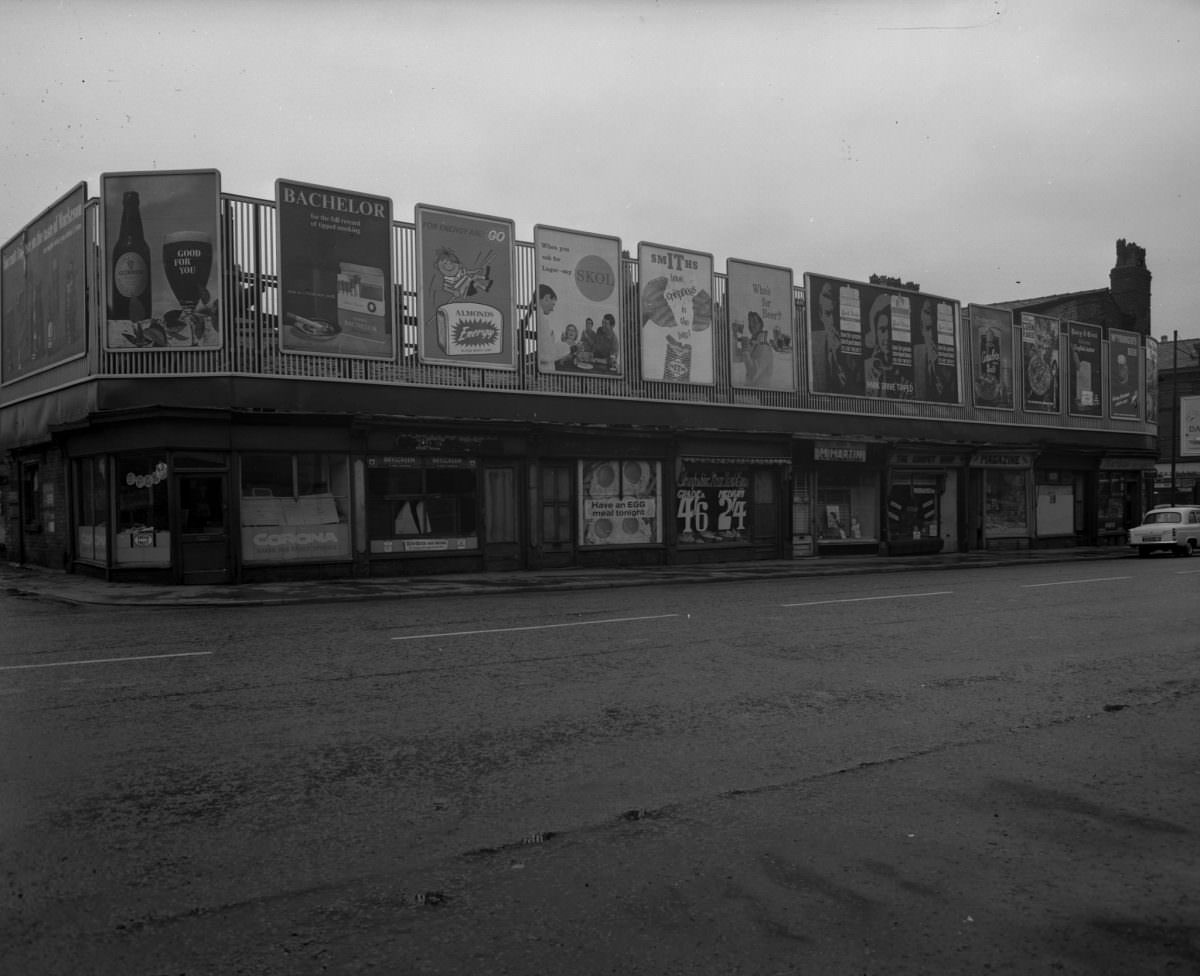
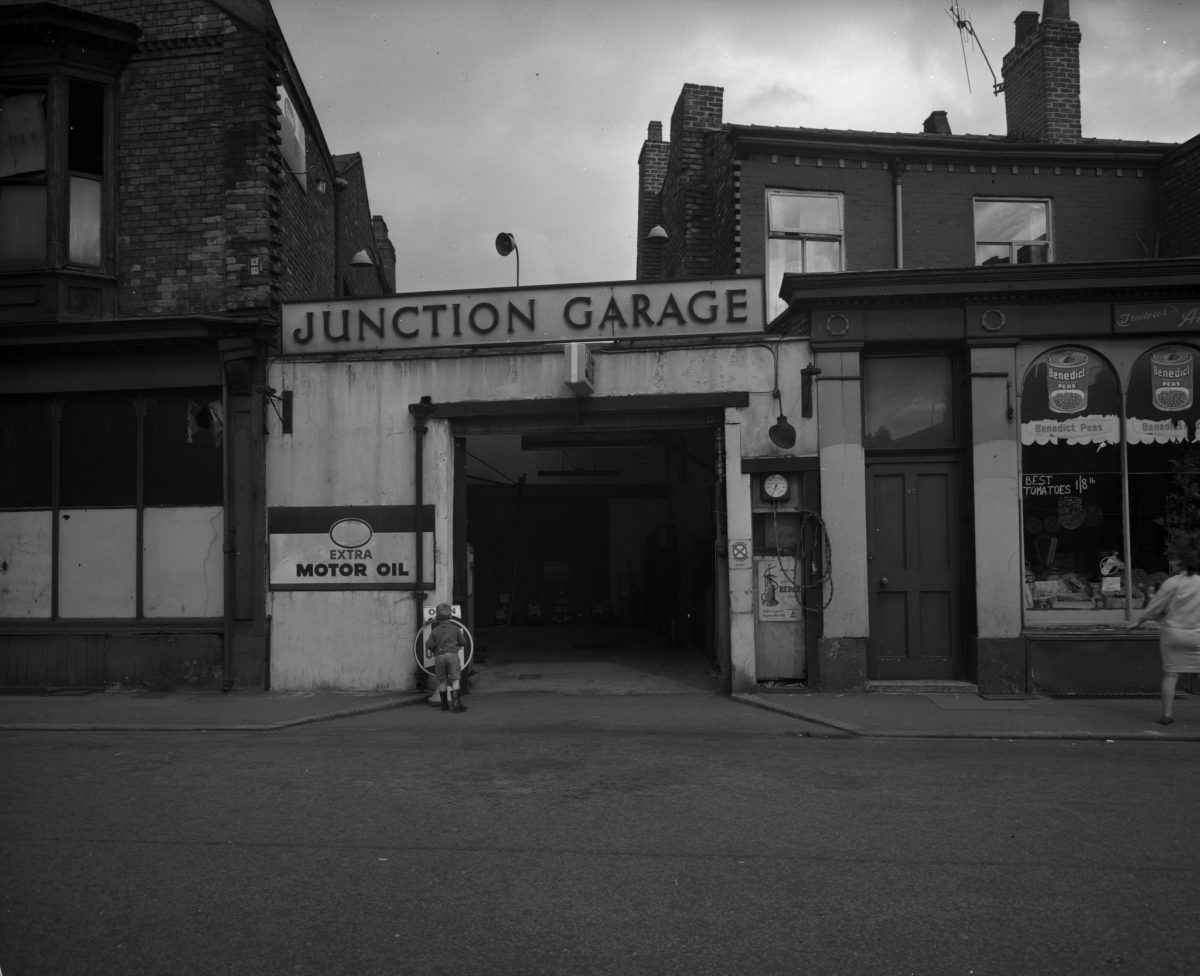
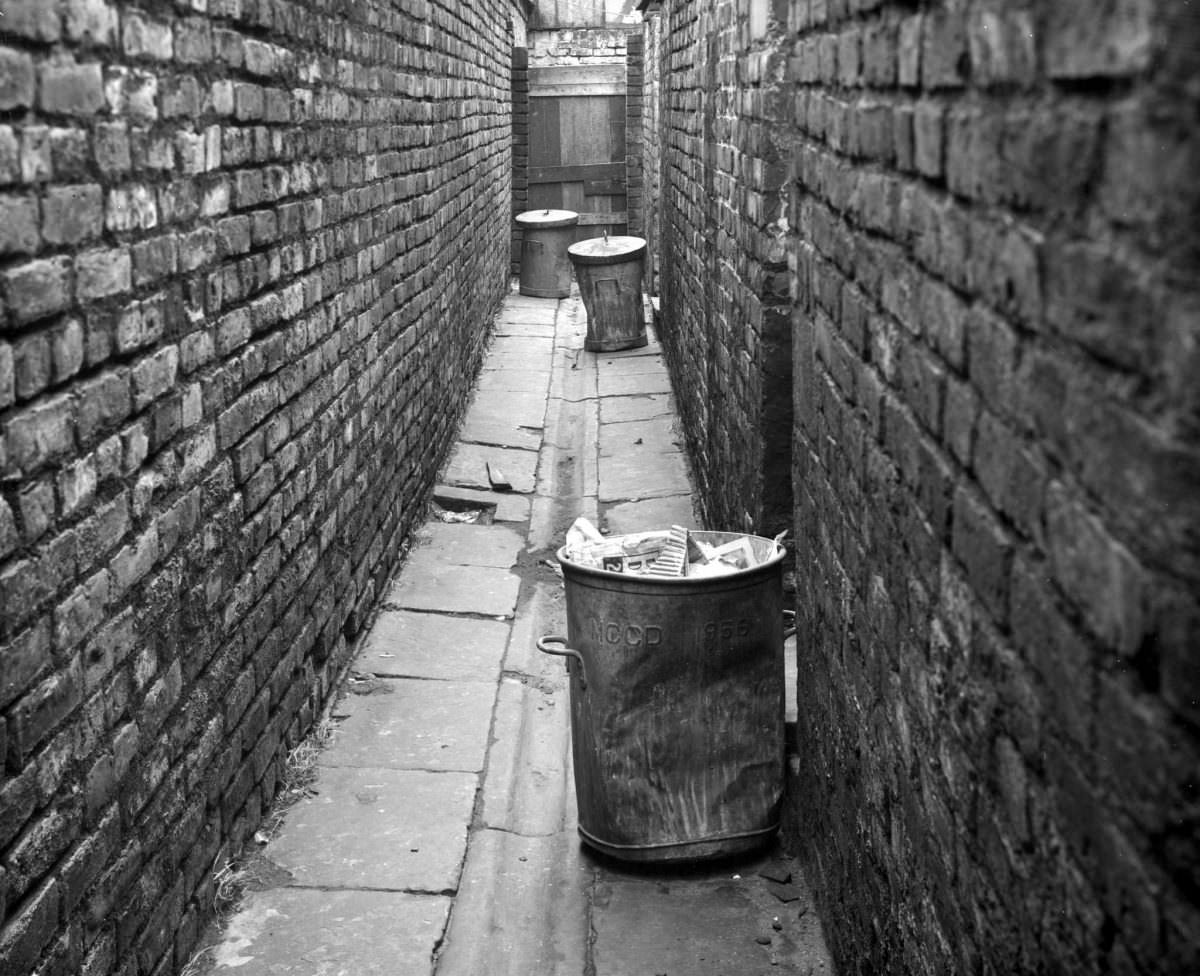
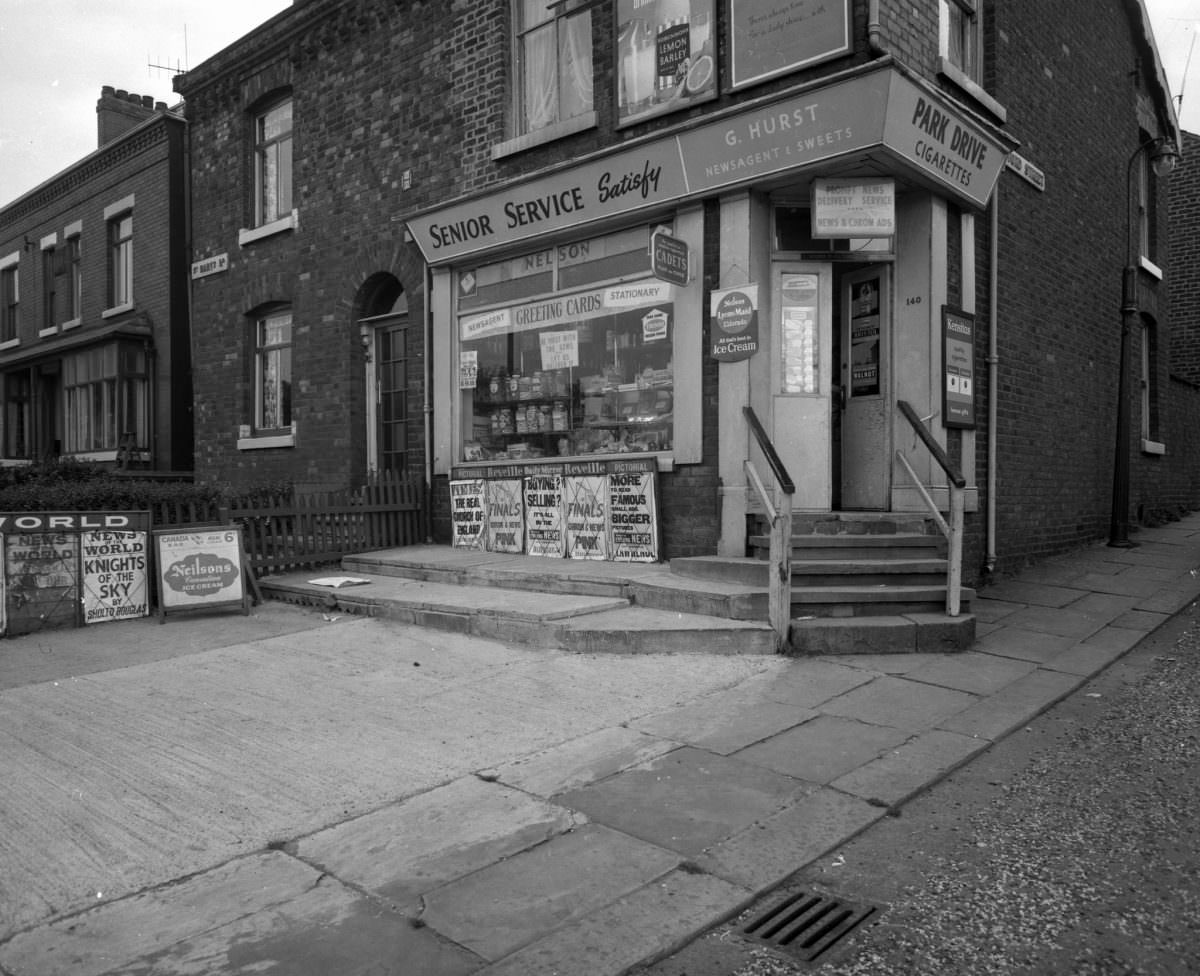
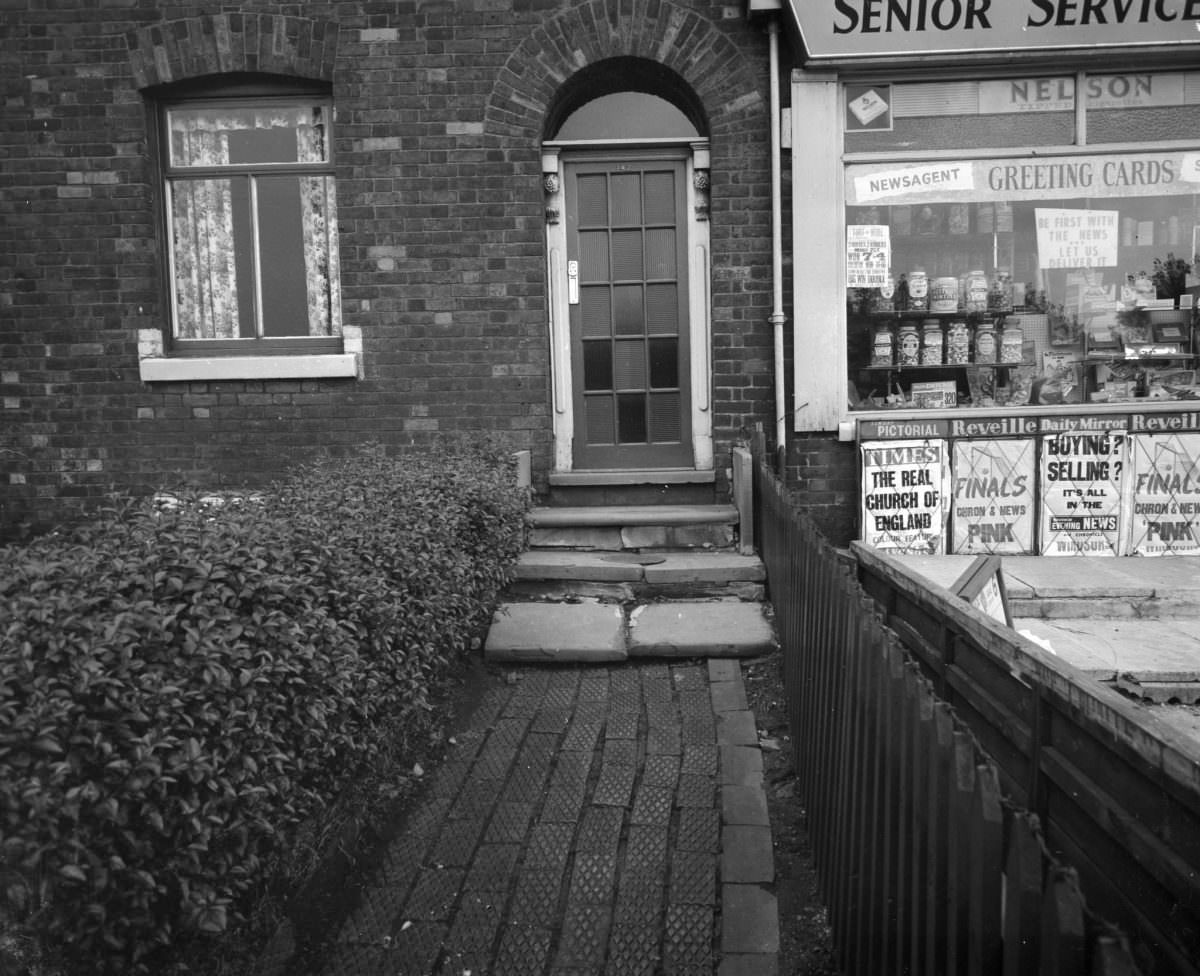
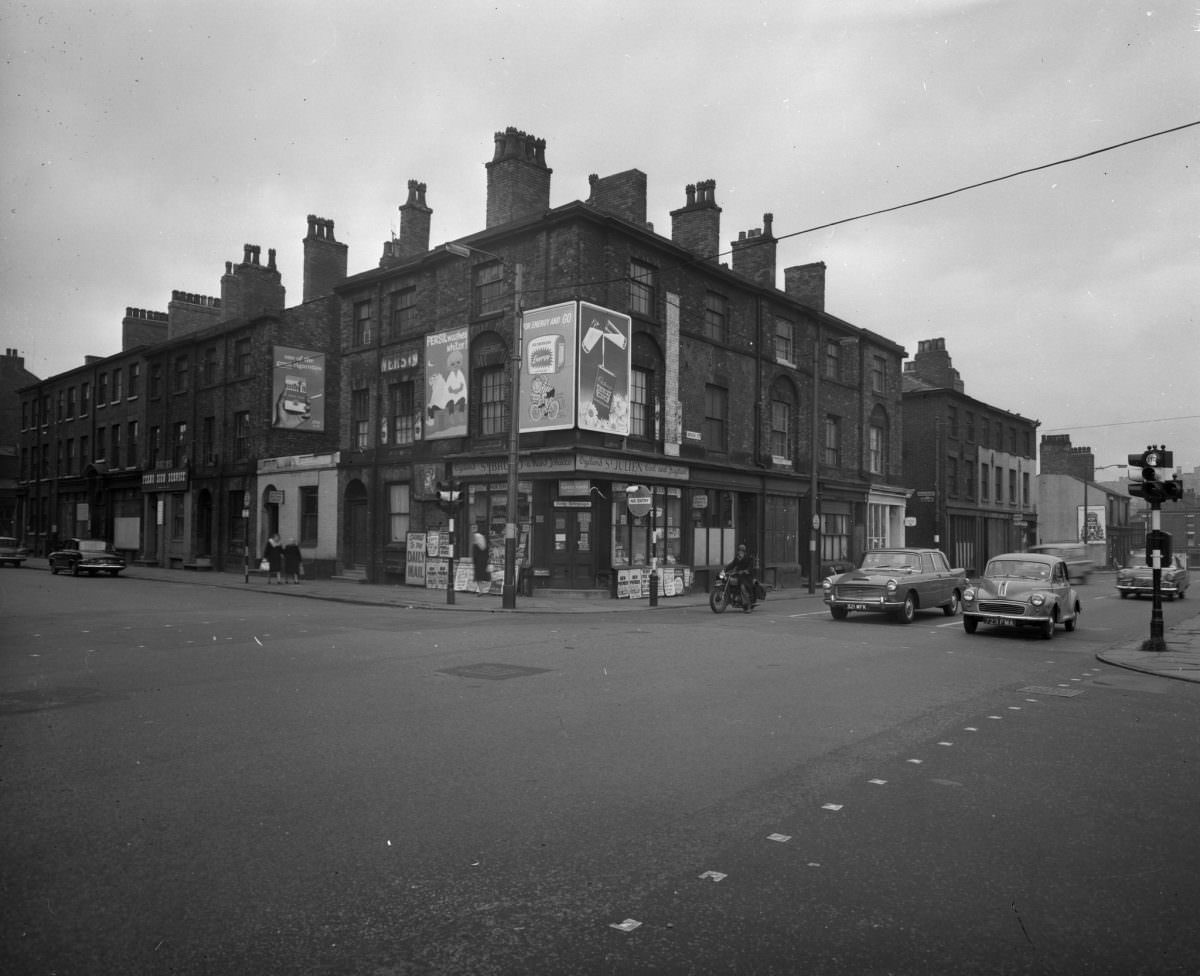
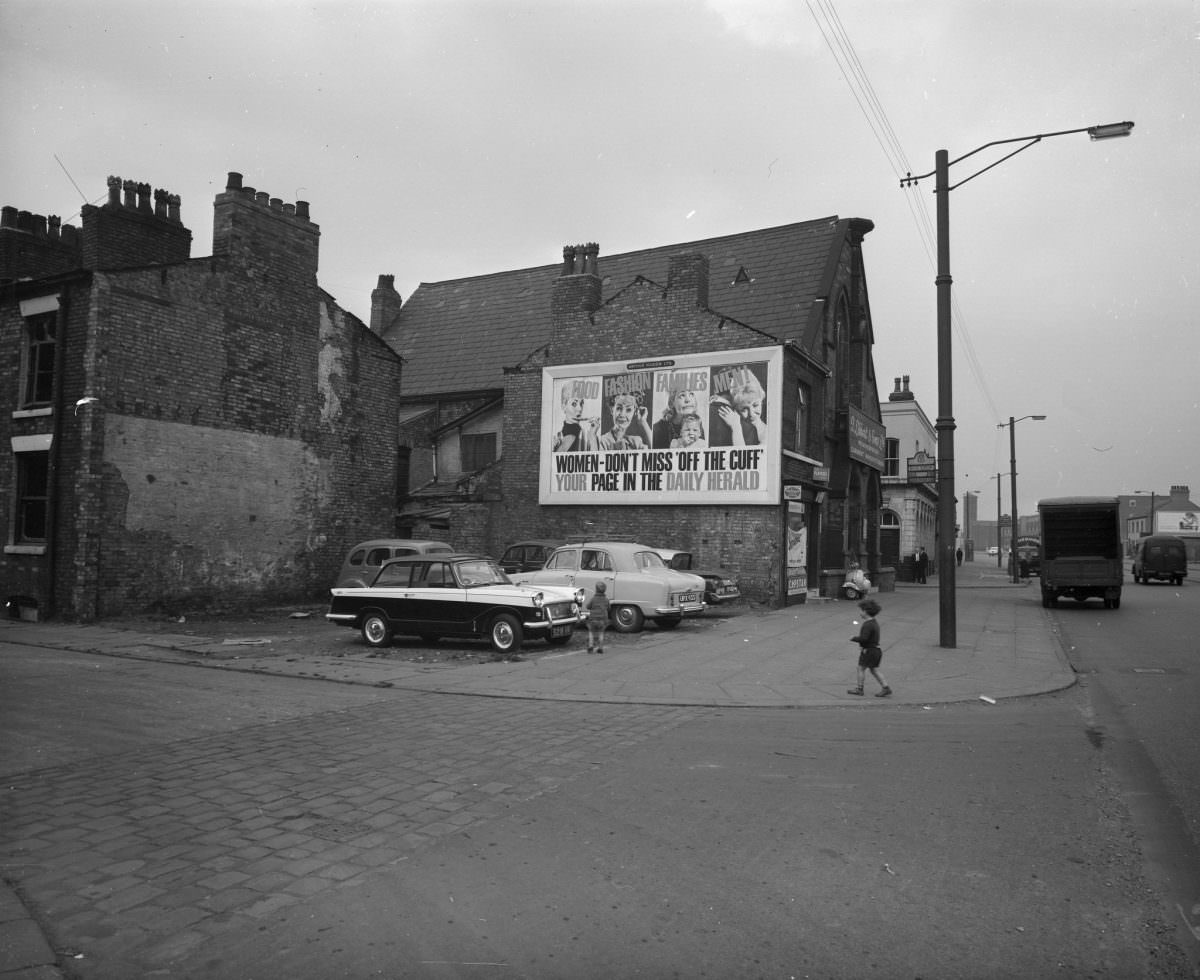
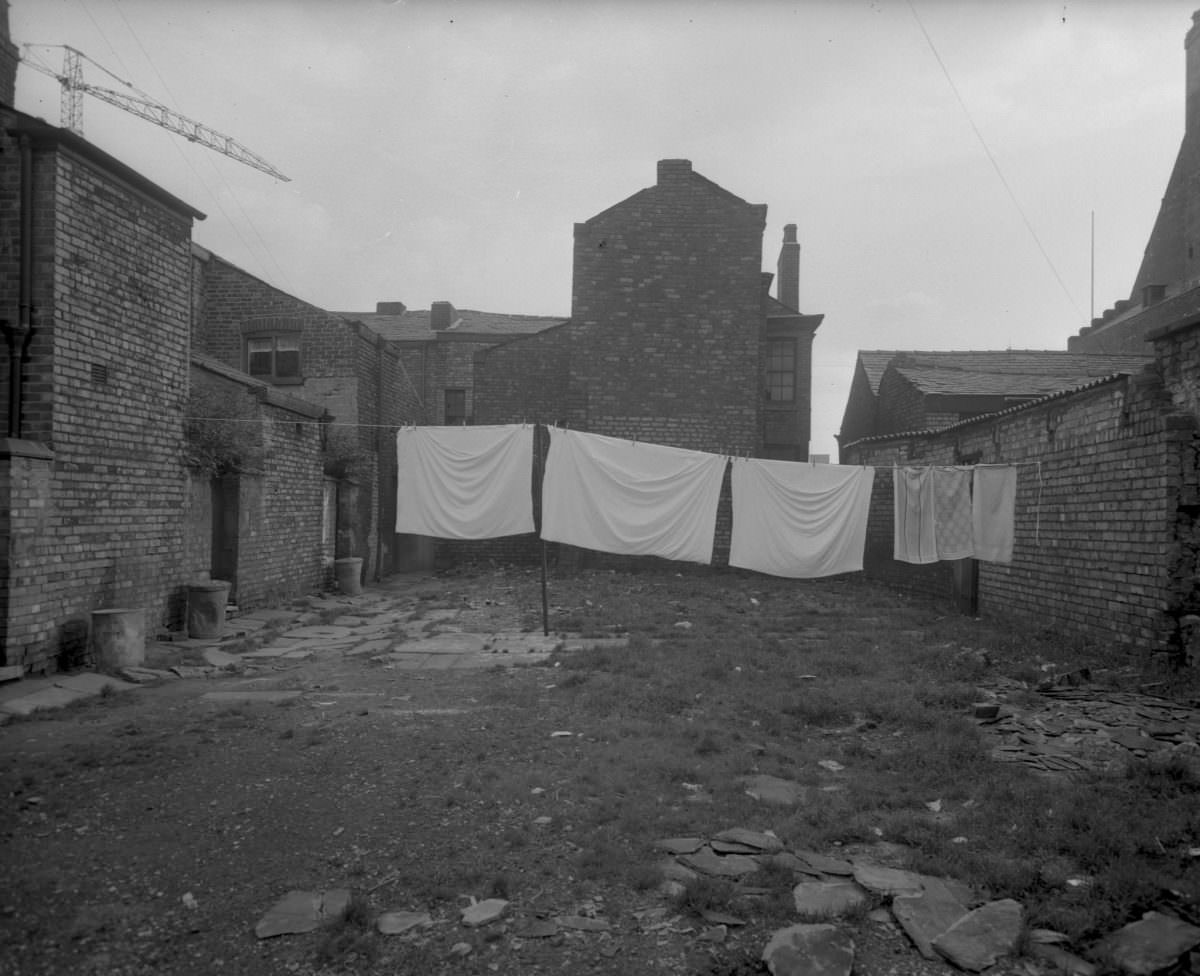
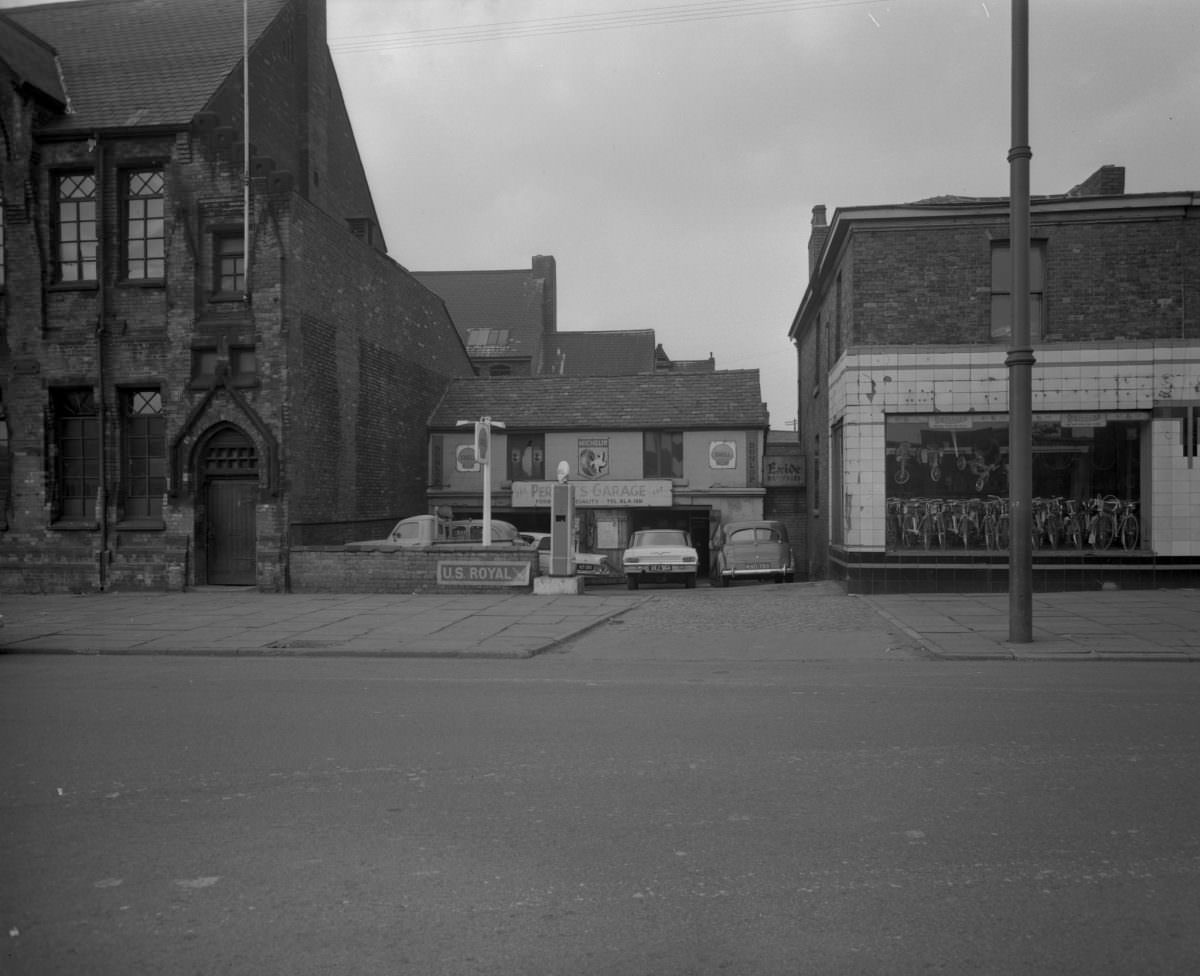
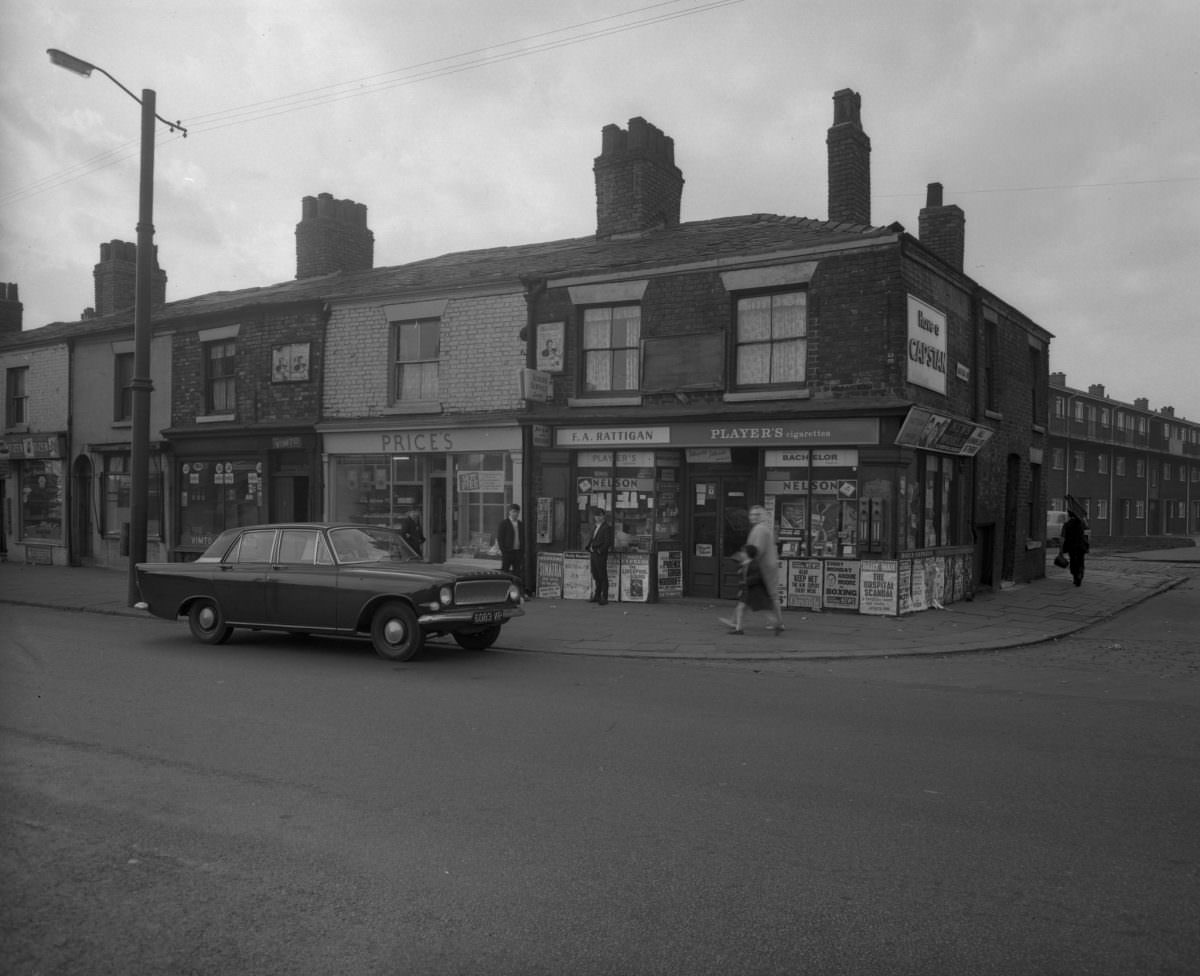
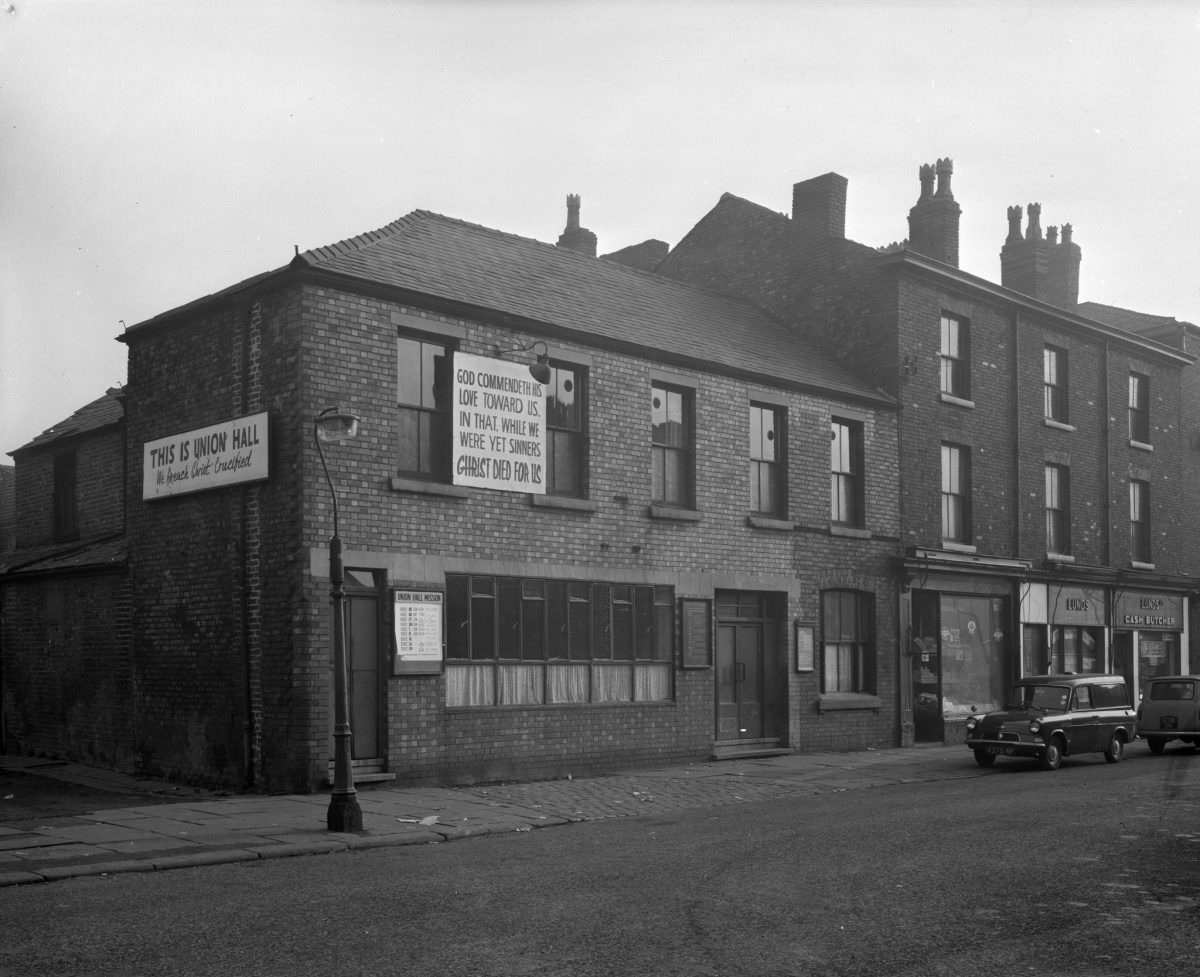
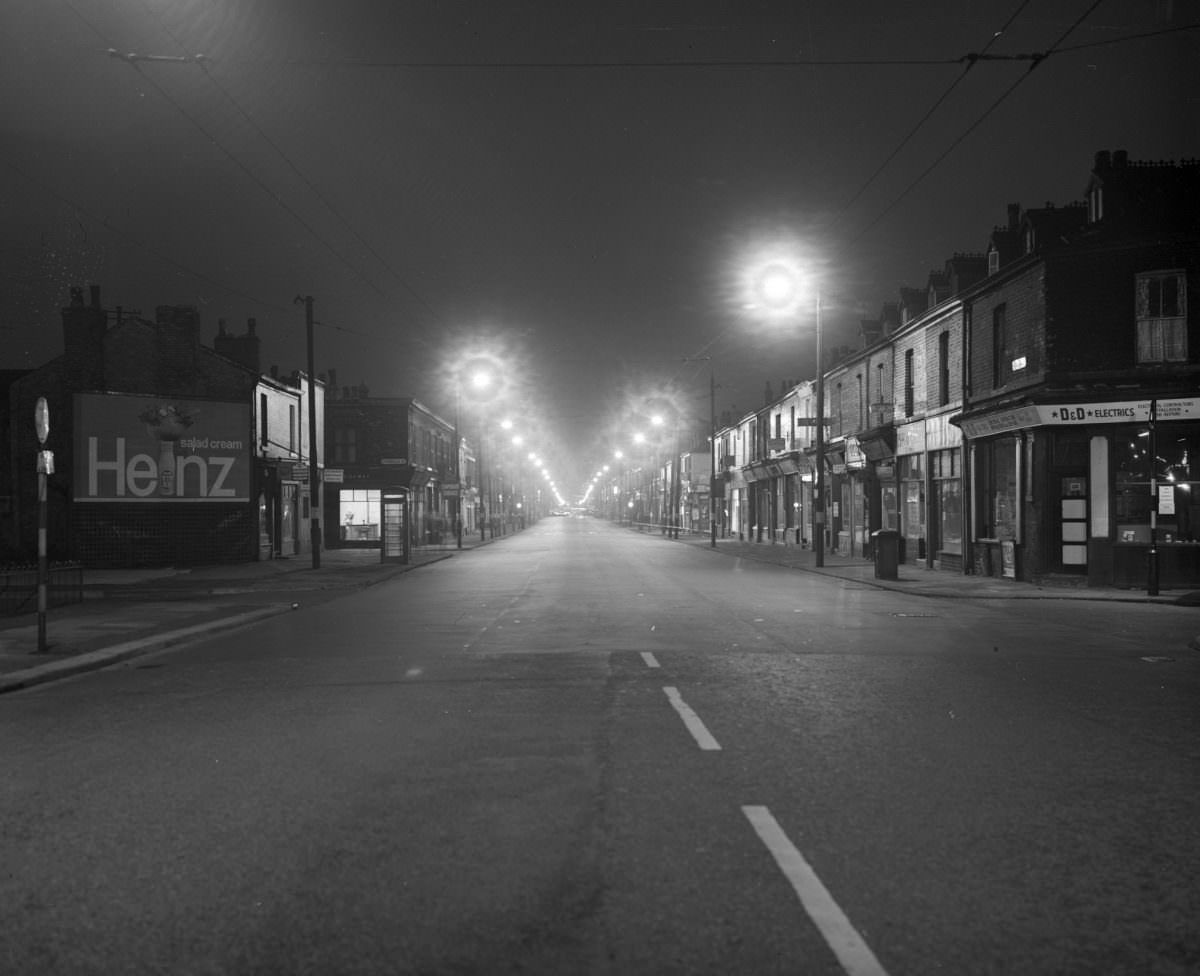
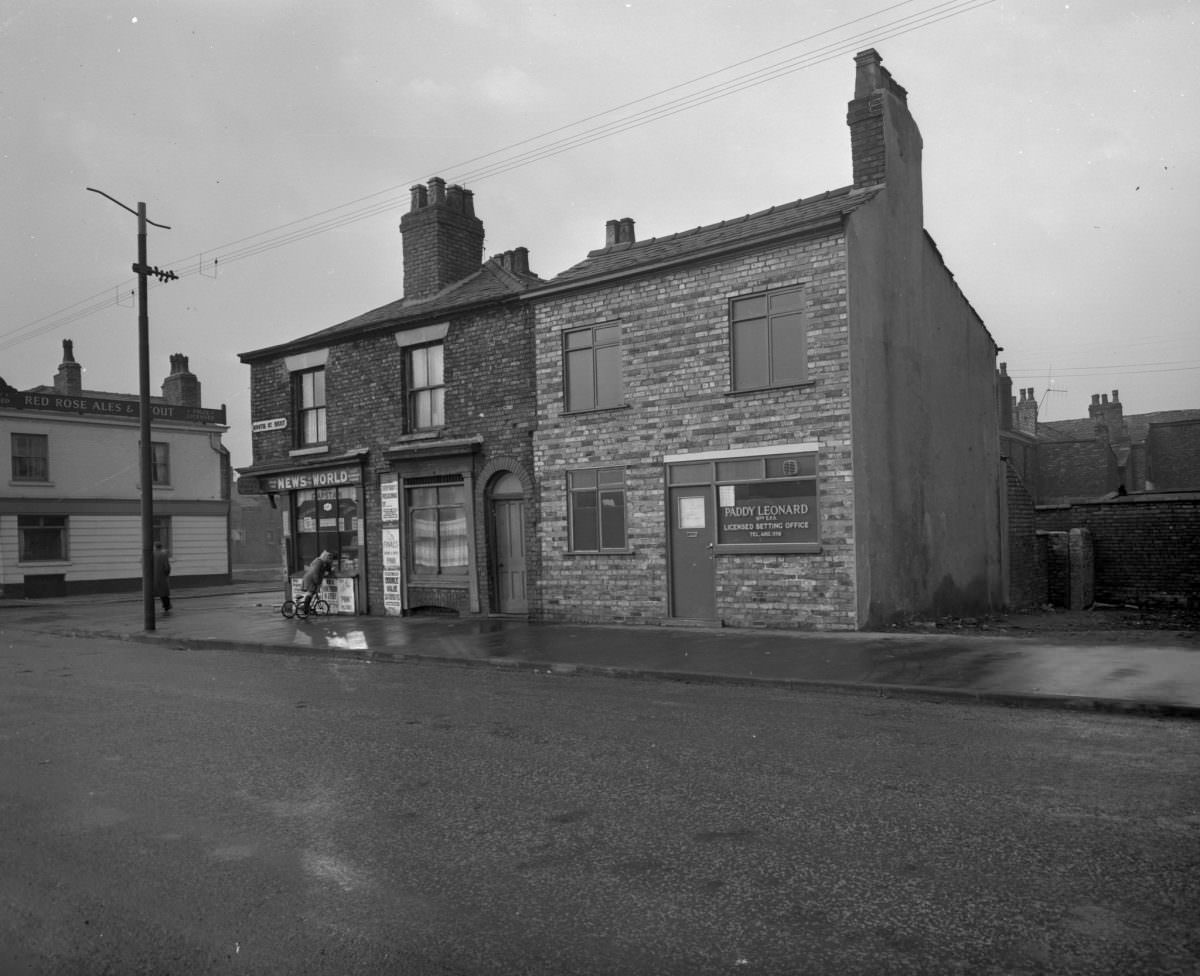
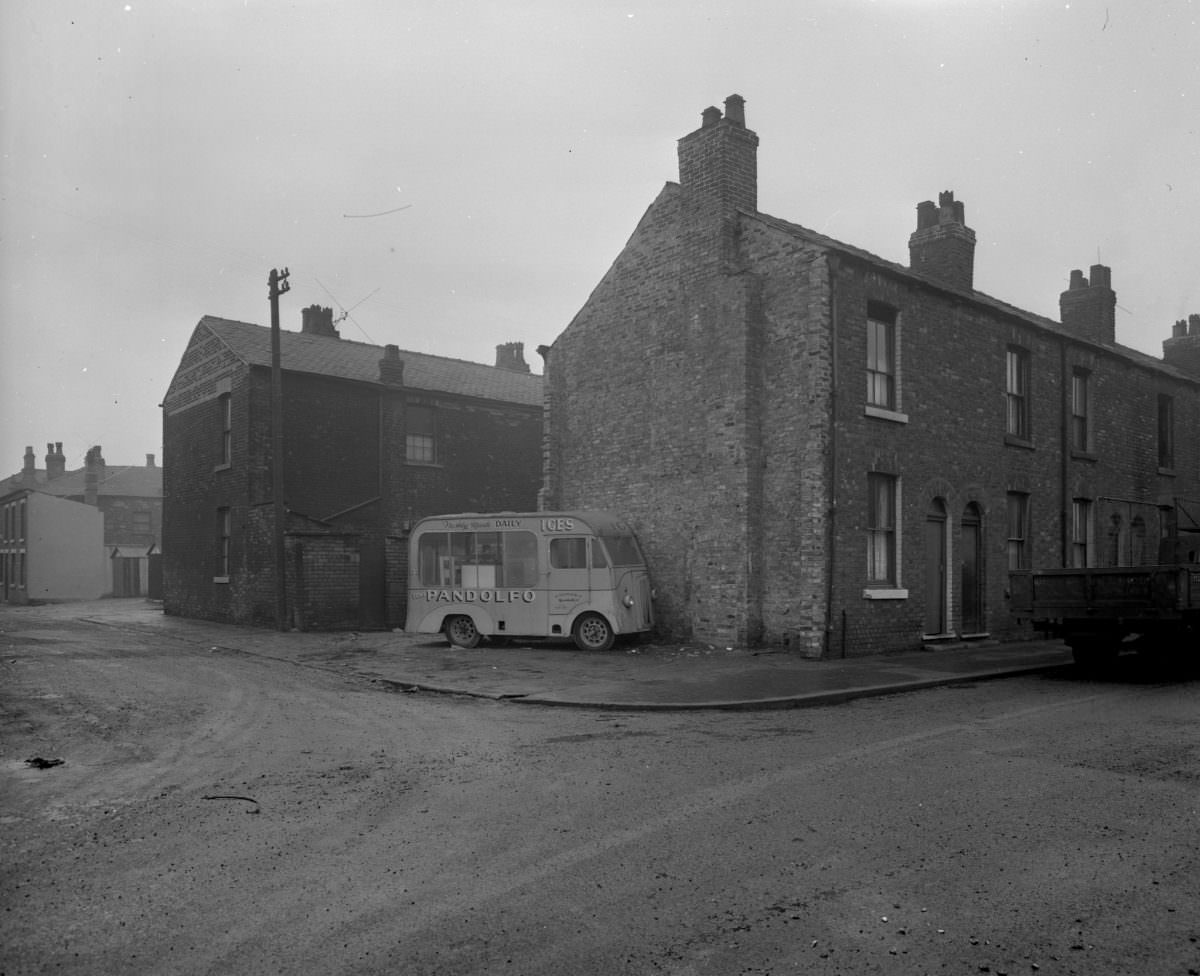
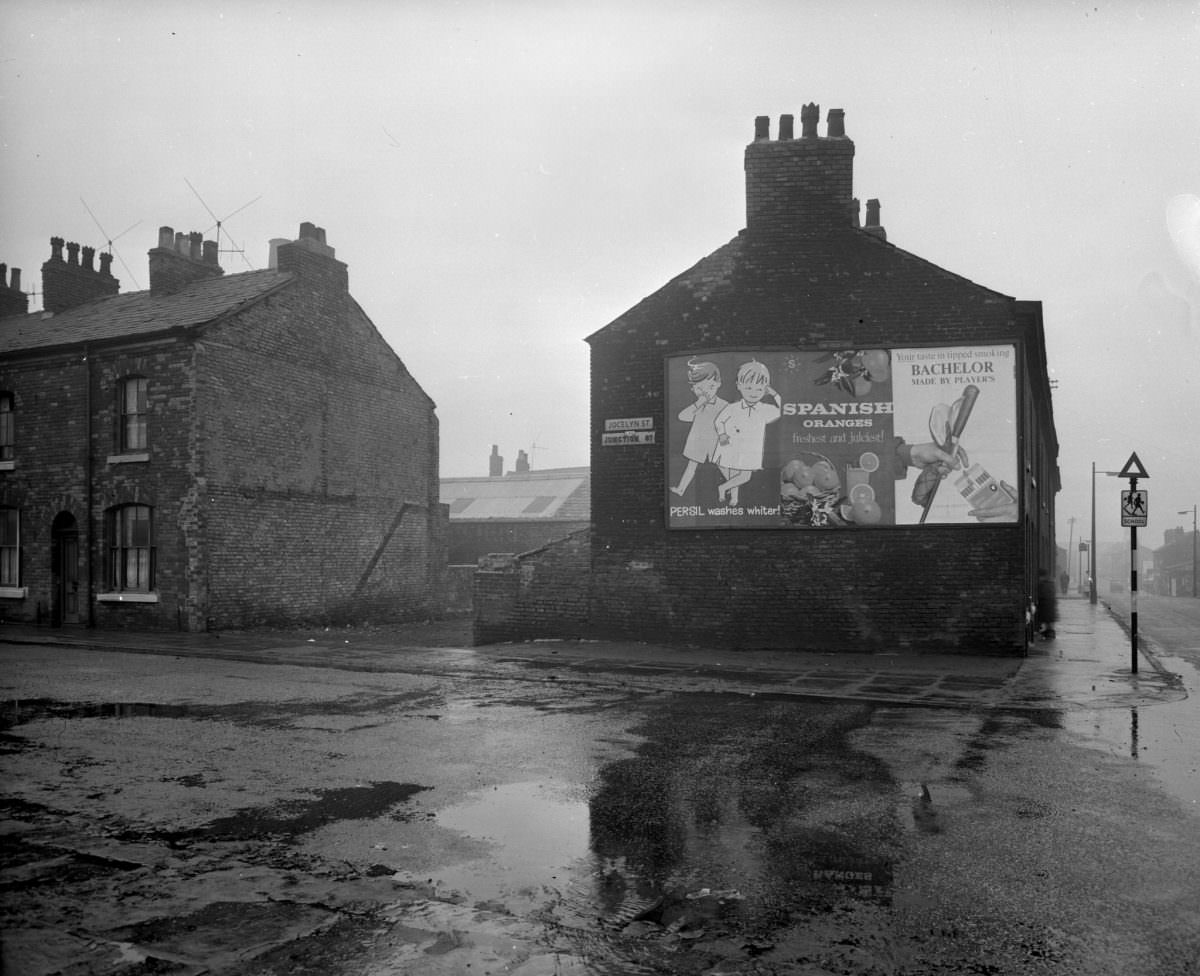
Below are some fascinating historical photos that offer a glimpse at the city in 1963.
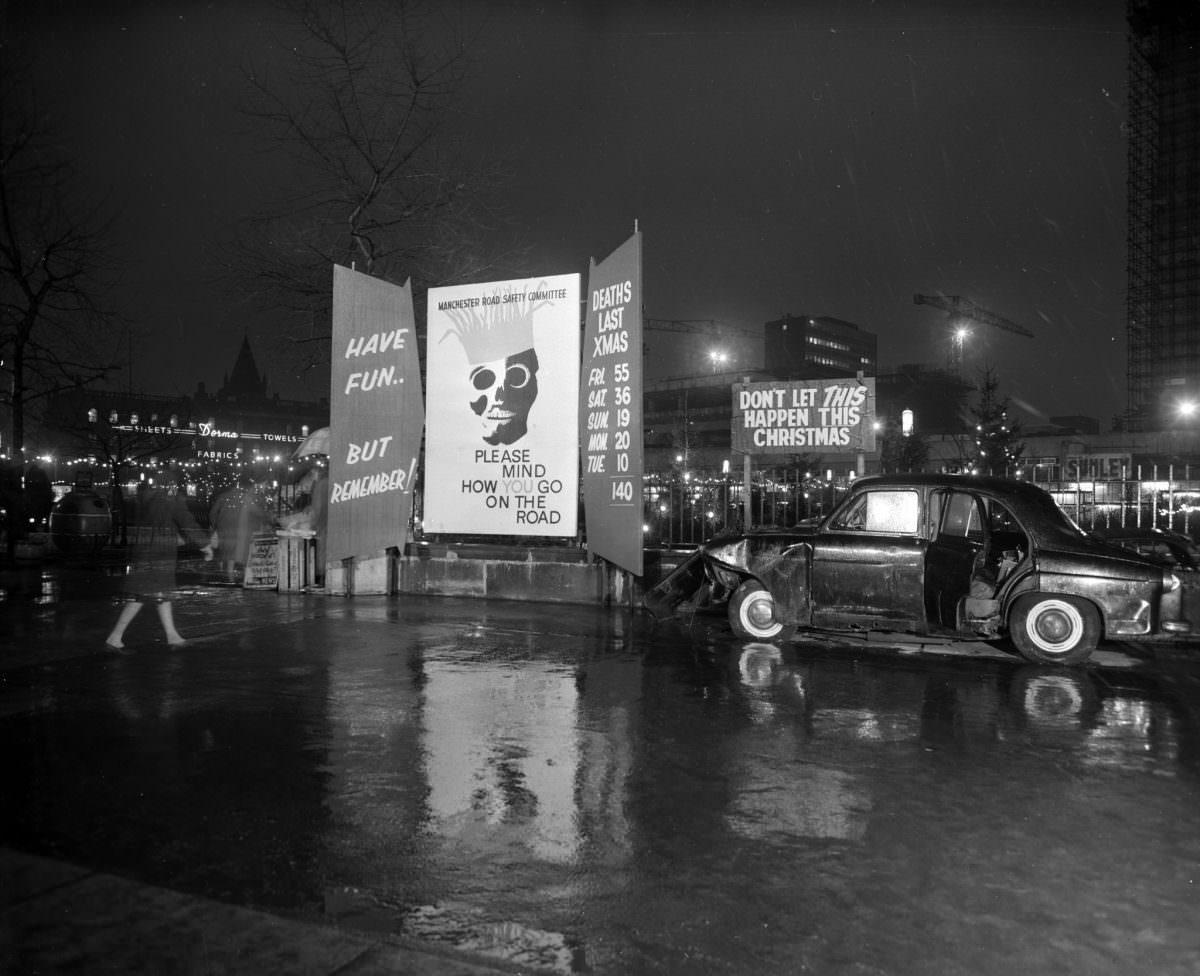
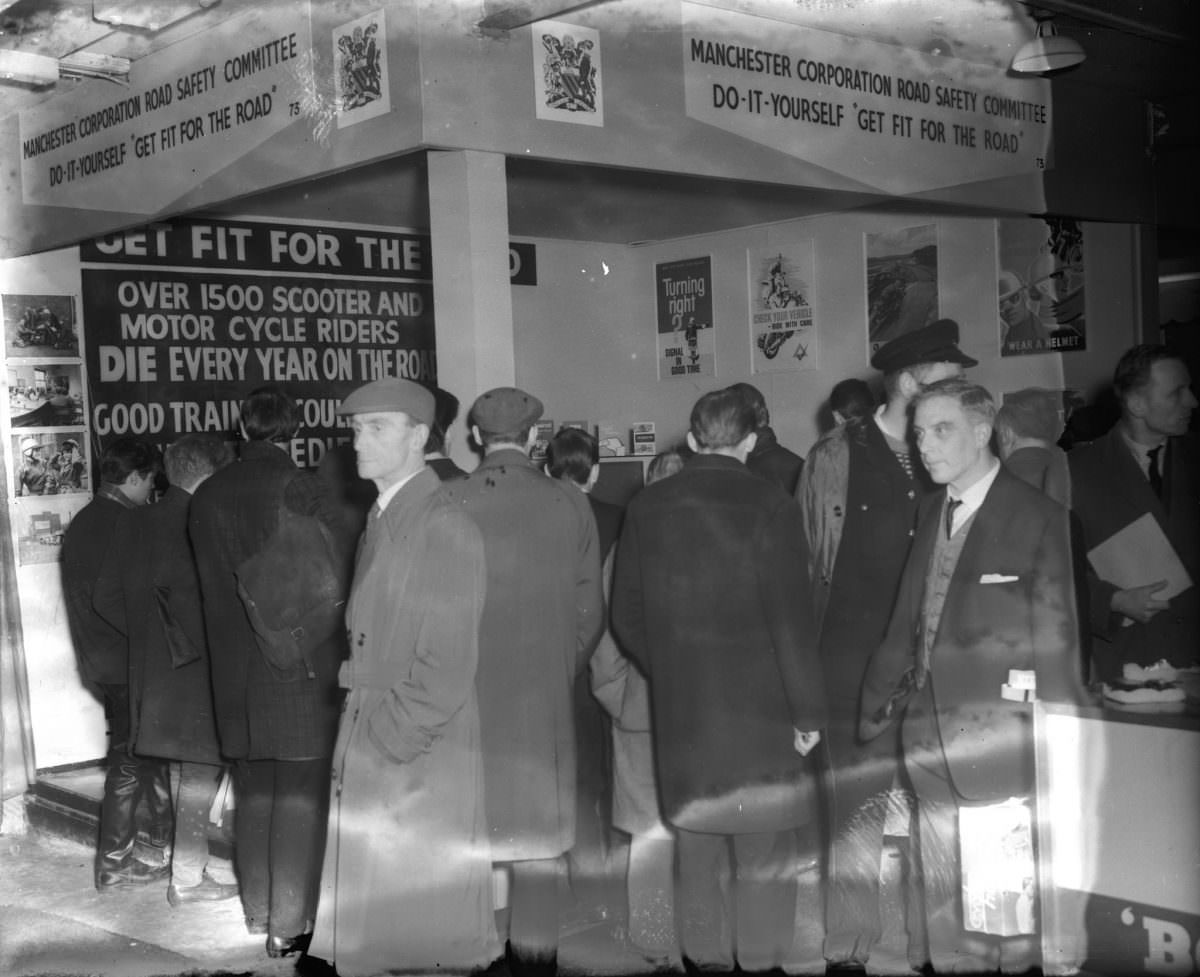

Number 12 shocked me – 140 deaths on the road last Christmas!
Really stood out to me too. Road safety was really worked onby authorities in the 1970s. Mandatory seat belts and to some extent the Green Cross Code scheme made a huge difference.
Drink driving laws too.
We take seatbelts for granted so much that it’s hard to remember what a huge change it was.
Probably the coolest thing I’ve seen this Christmas. Thank you.
These are great.