
The Meiji period, which ran from 1868 to 1912, was the most dramatic stretch of change Japan had ever seen. In just a few decades, the country went from a feudal society with closed borders to one of the most modern nations in the world. By the time it ended, Japan had a centralized national government, a strong industrial economy, a professional military, and a working system of railroads, schools, and communication lines. Few eras in world history match the speed and scale of what Japan accomplished during this time.
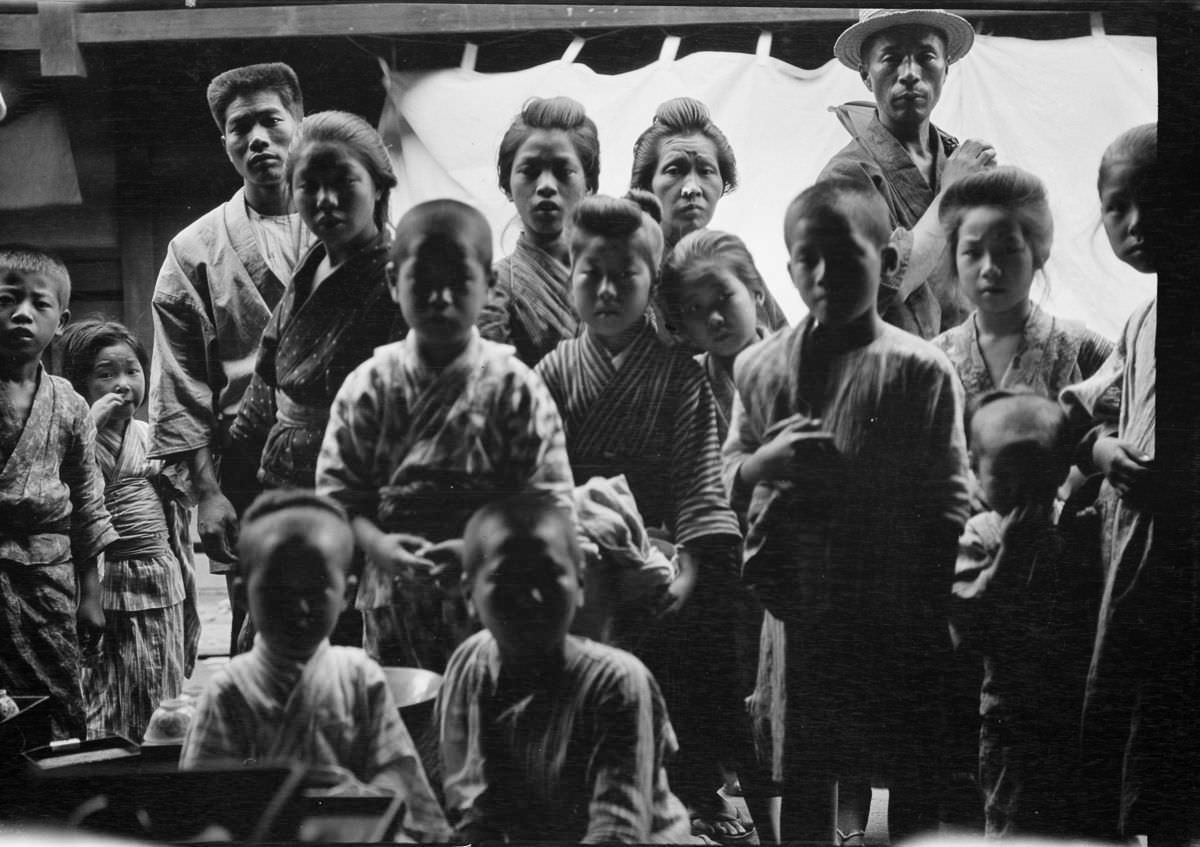
The man behind this remarkable photo collection is Arnold Genthe. Born and educated in Germany, Genthe moved to San Francisco in 1895, initially working as a tutor. He became a skilled photographer and built a reputation for his candid, atmospheric images. He is well known for his photographs of San Francisco’s Chinatown, taken in the late 1890s and early 1900s, which documented the daily lives of Chinese immigrants in striking detail.
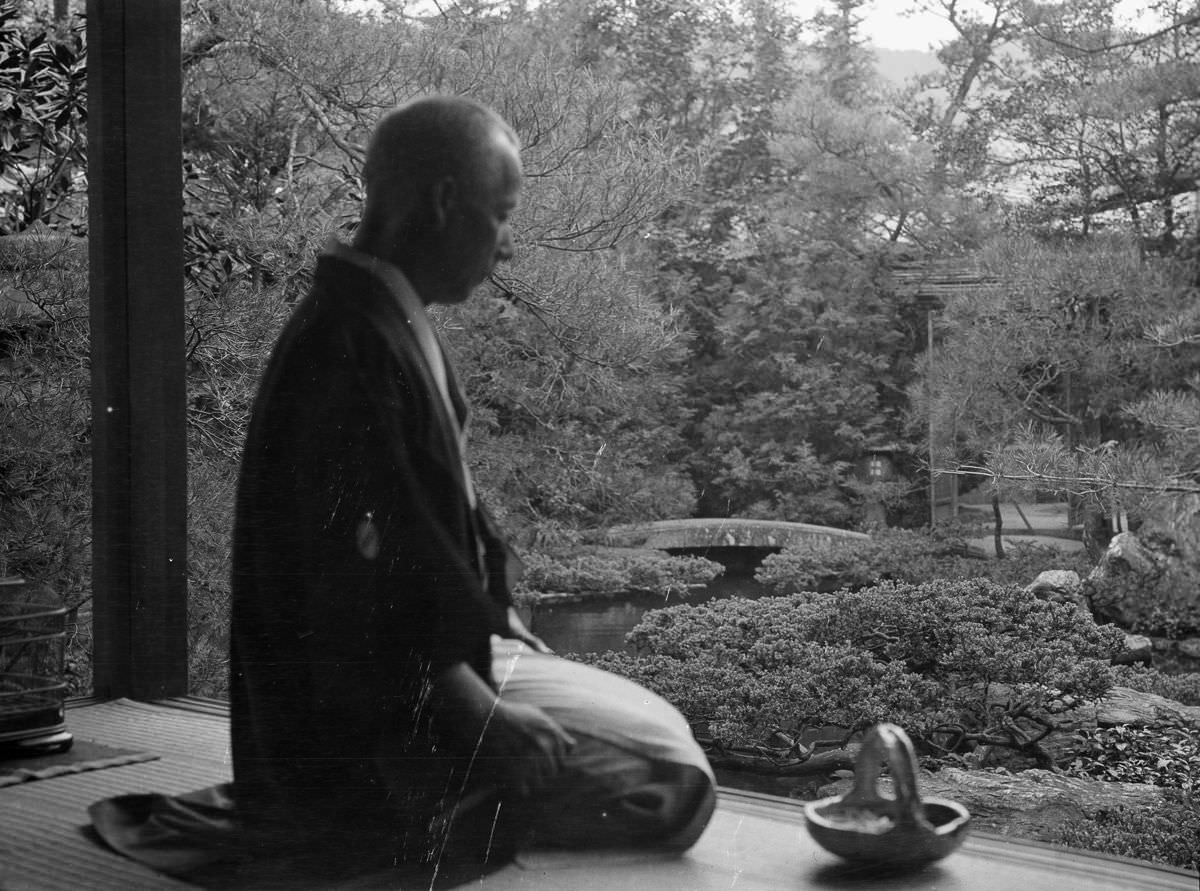
In 1908, Genthe spent six months traveling through Japan. His timing placed him in the country during the final years of the Meiji period, just a few years before Emperor Meiji’s death in 1912. The photographs he took during that trip are now rare historical documents — quiet, street-level views of a nation in the middle of an enormous transformation.
One of the Meiji government’s most concrete achievements was the railroad network. The first railway line in Japan was built during this period, and by the end of the 19th century, more than 1,500 miles of rail stretched across the country. This connected cities, moved goods, and allowed the military to shift troops quickly. It was a physical sign of just how much Japan had changed.
The Meiji government also took full control of Japan’s foreign trade, which had previously been restricted and managed by Western powers through unequal treaties. Reclaiming that control was a major political and economic win. Japan could now set its own terms in international commerce, which fed directly into its growing industrial sector.
Education was central to the Meiji government’s plan. A national school system was built from the ground up, and the government brought in teachers and experts from Europe and America to help shape it. Japanese youth were taught modern science, engineering, and governance. Thousands of Japanese students were also sent abroad to study in Western universities, returning home with knowledge the country needed to compete on the world stage.
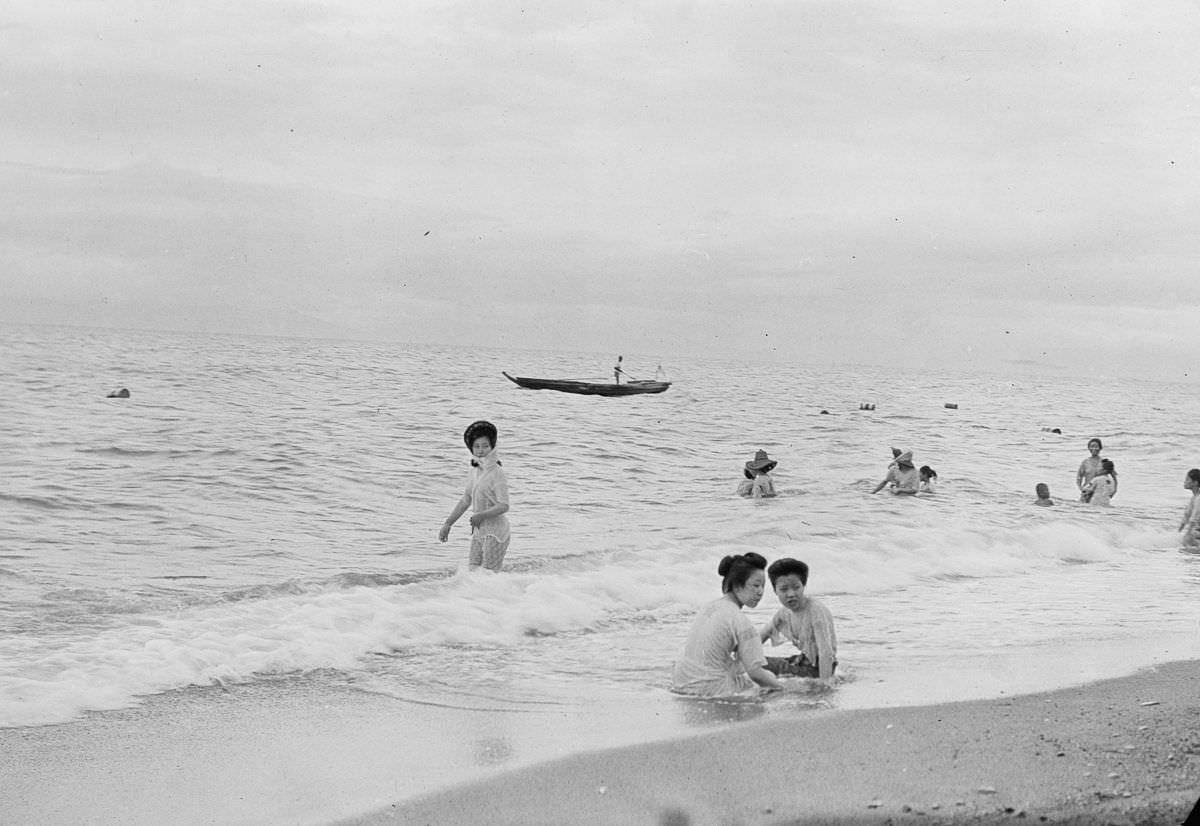
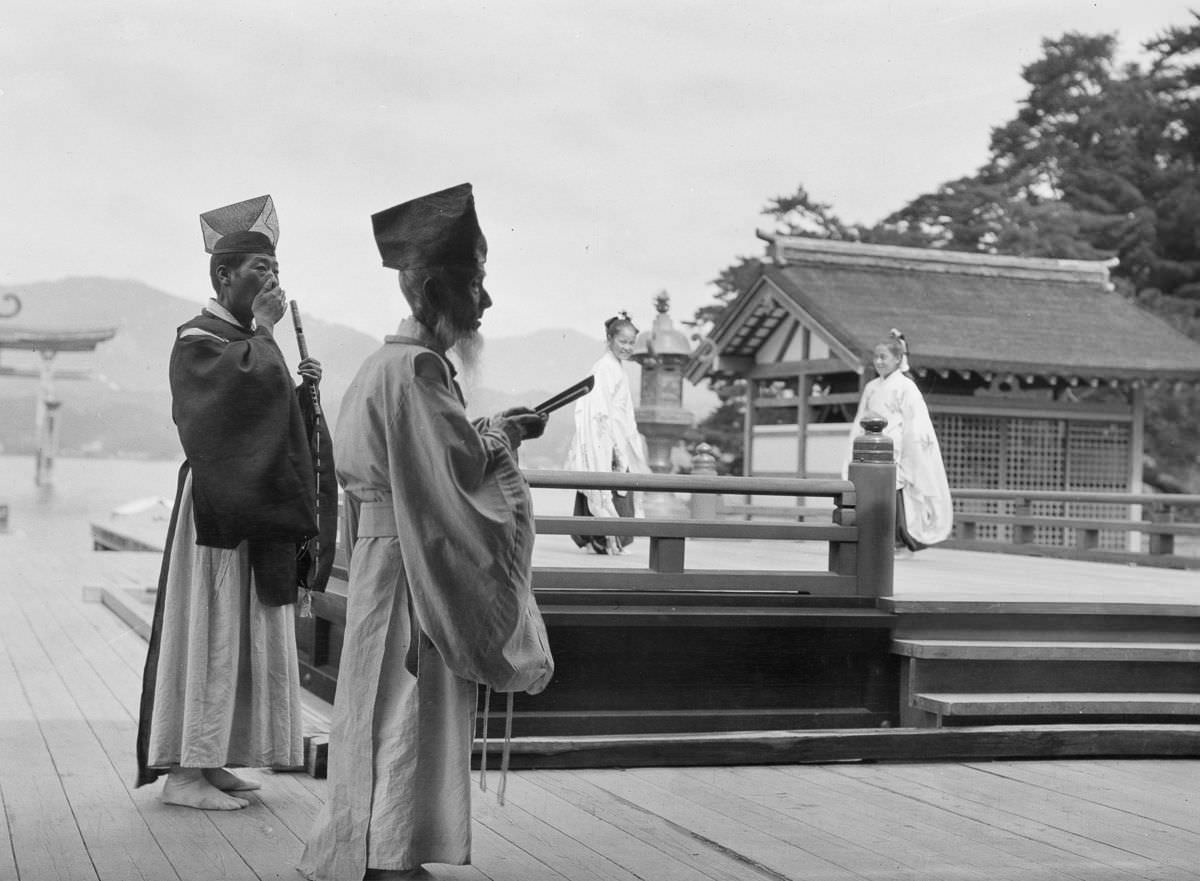
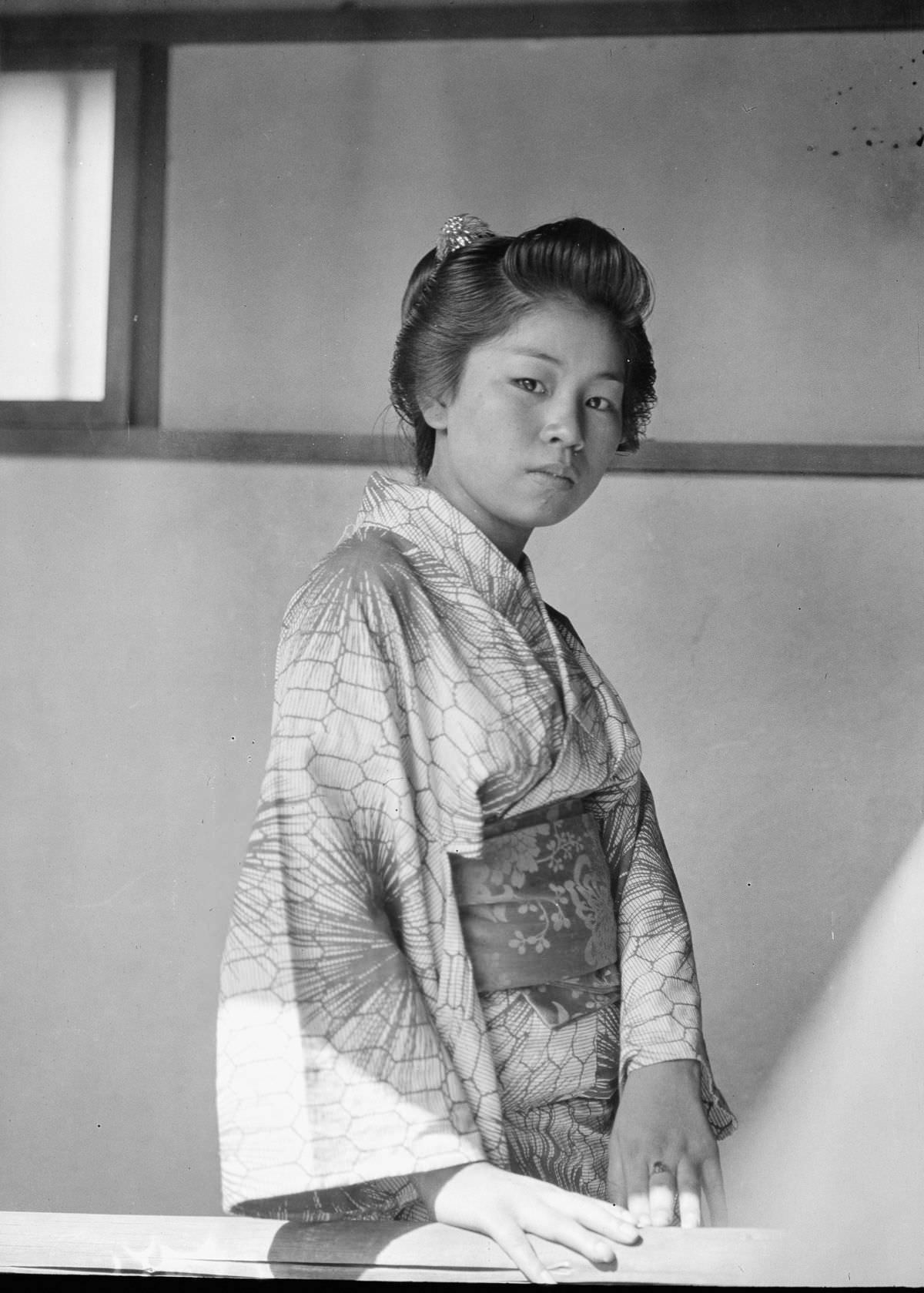
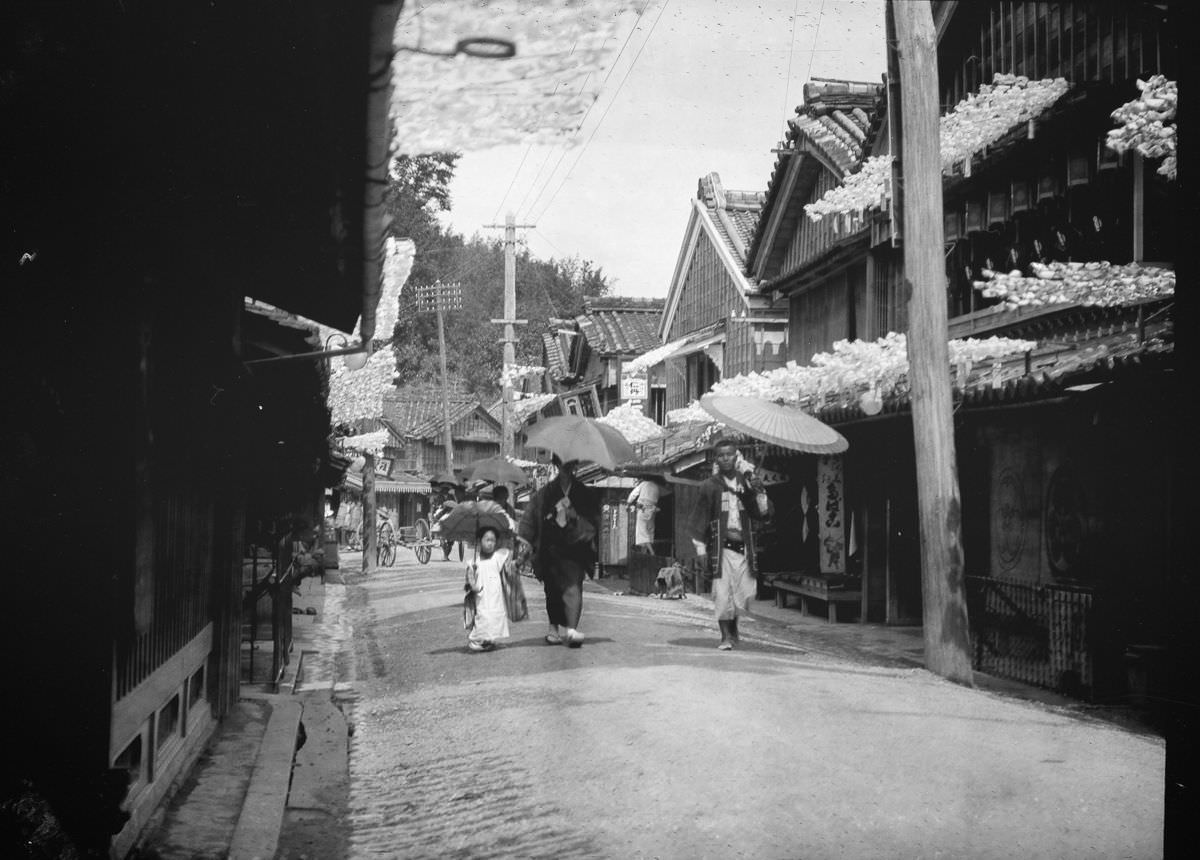
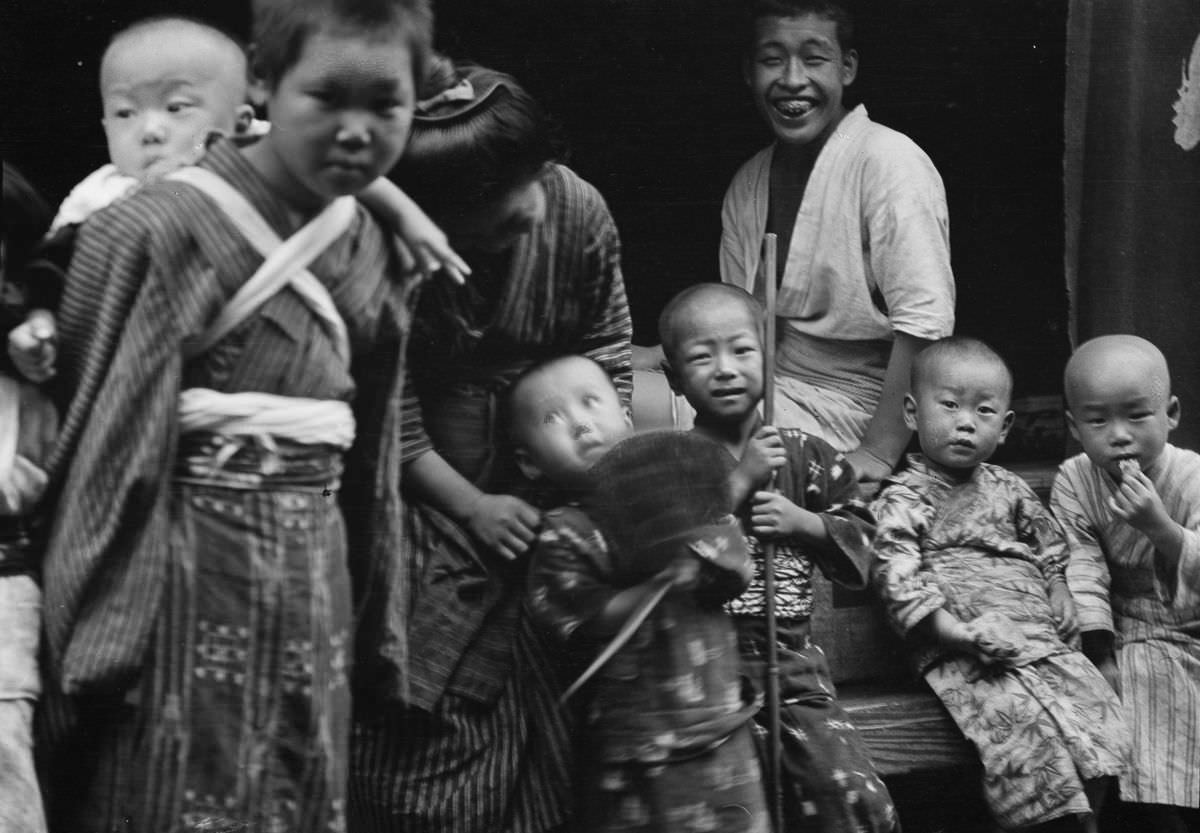
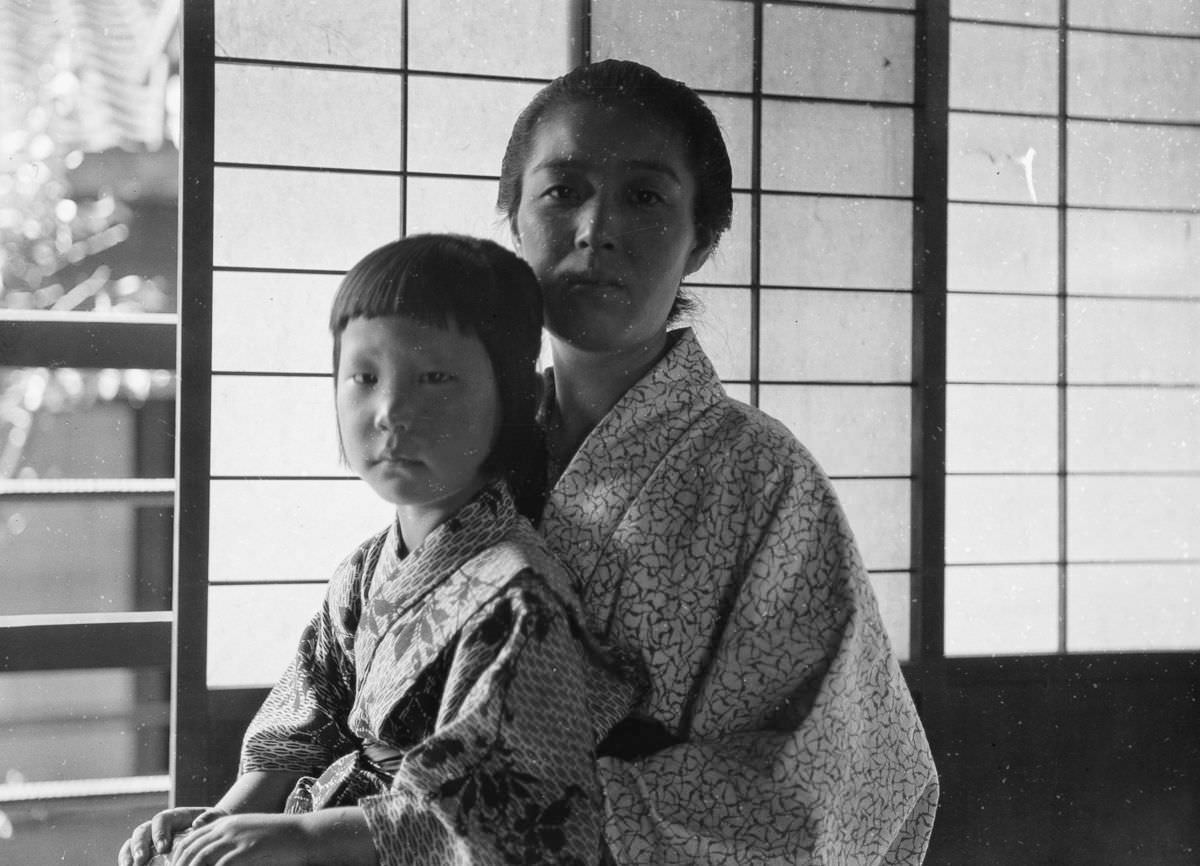
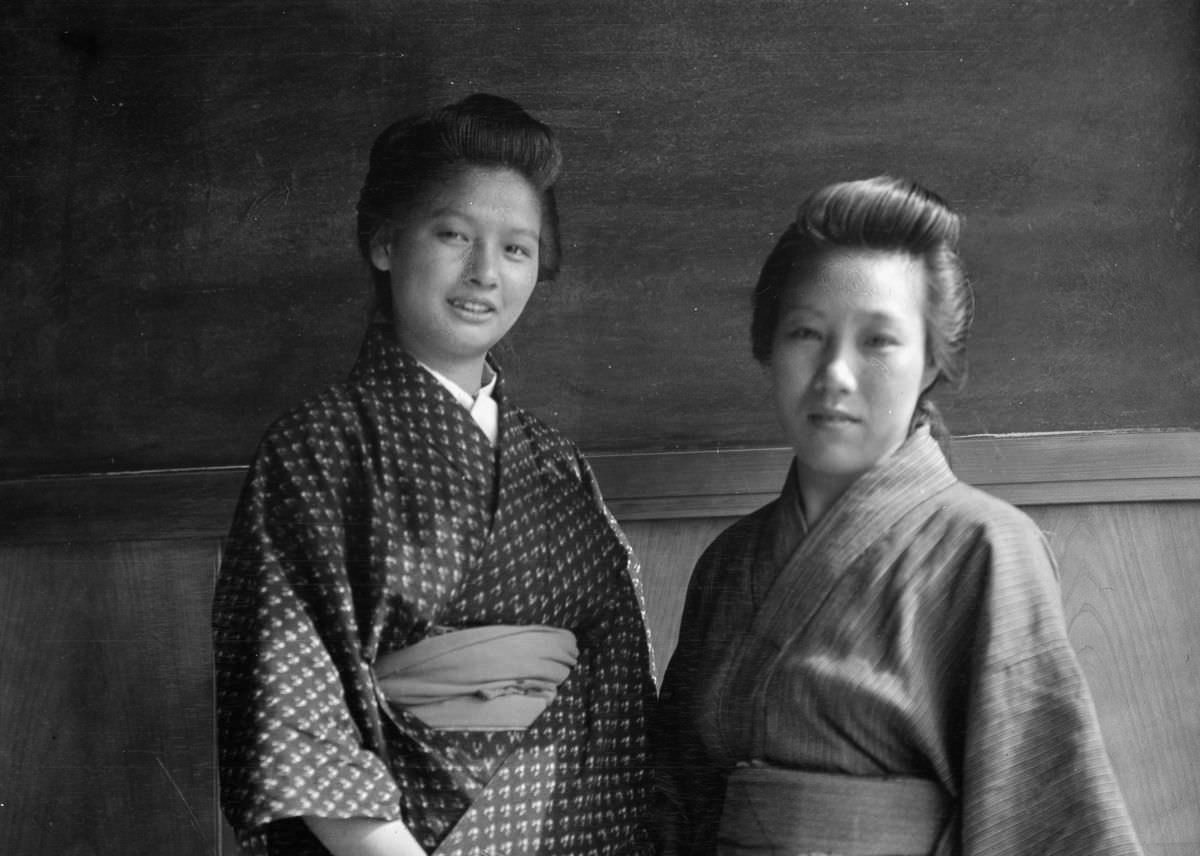
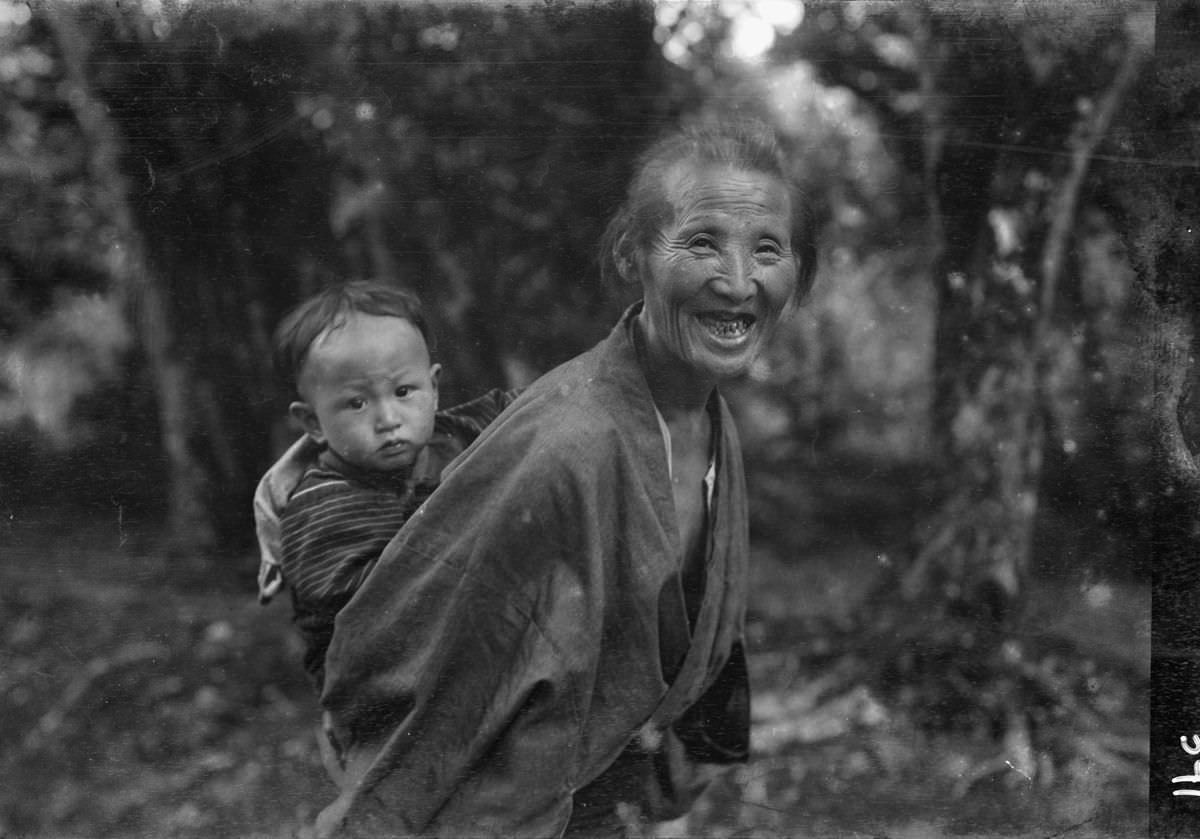
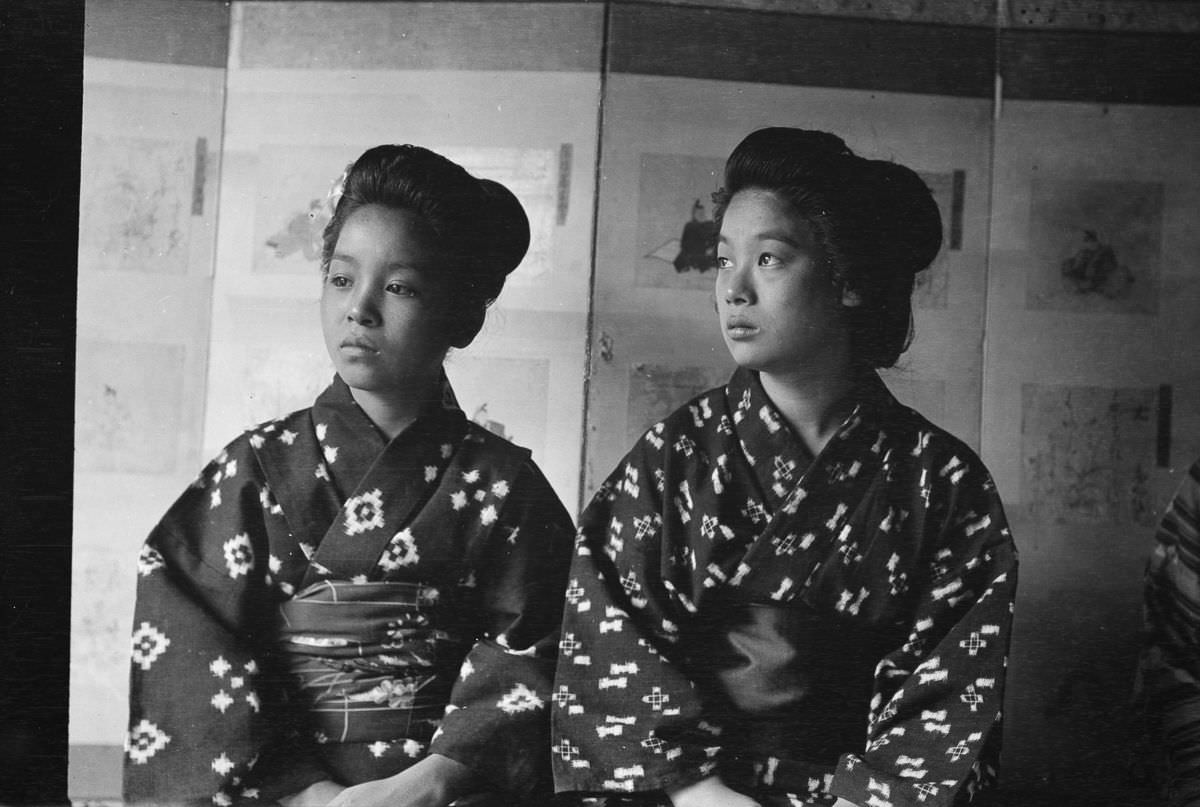
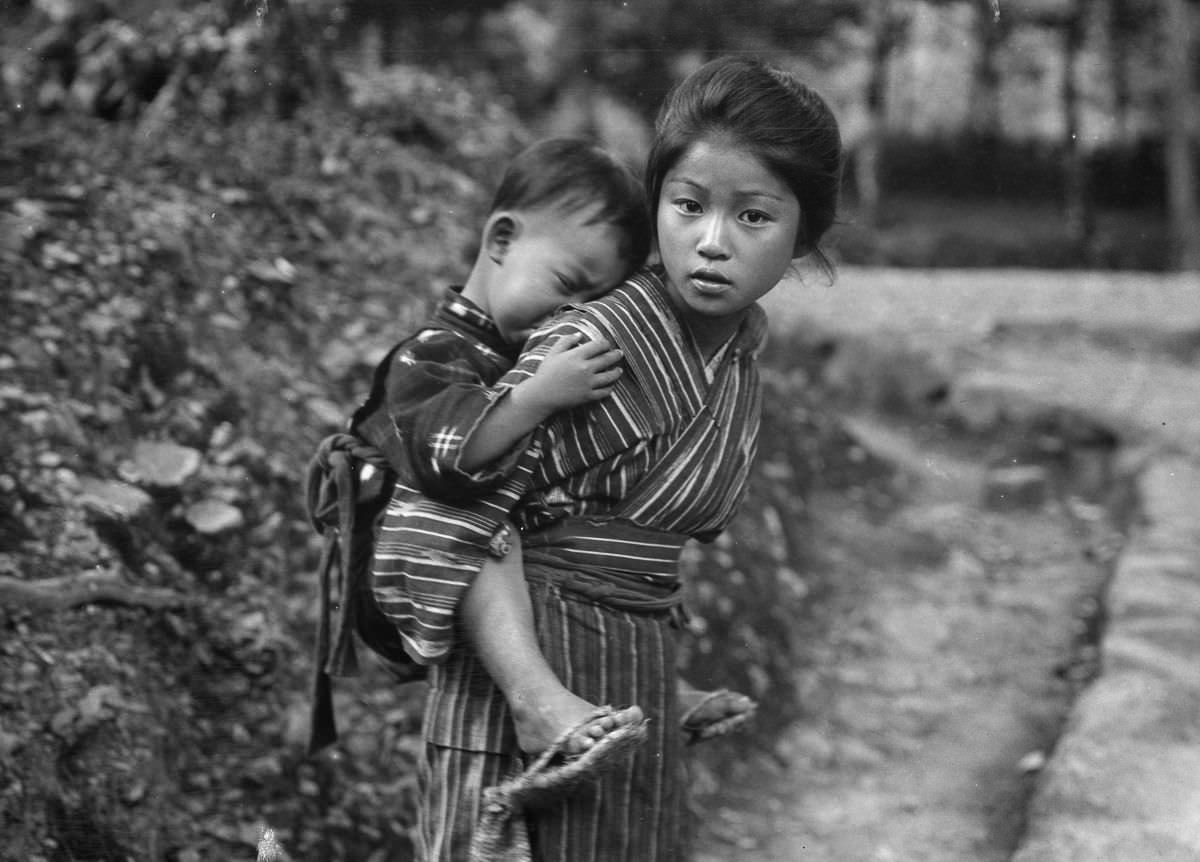
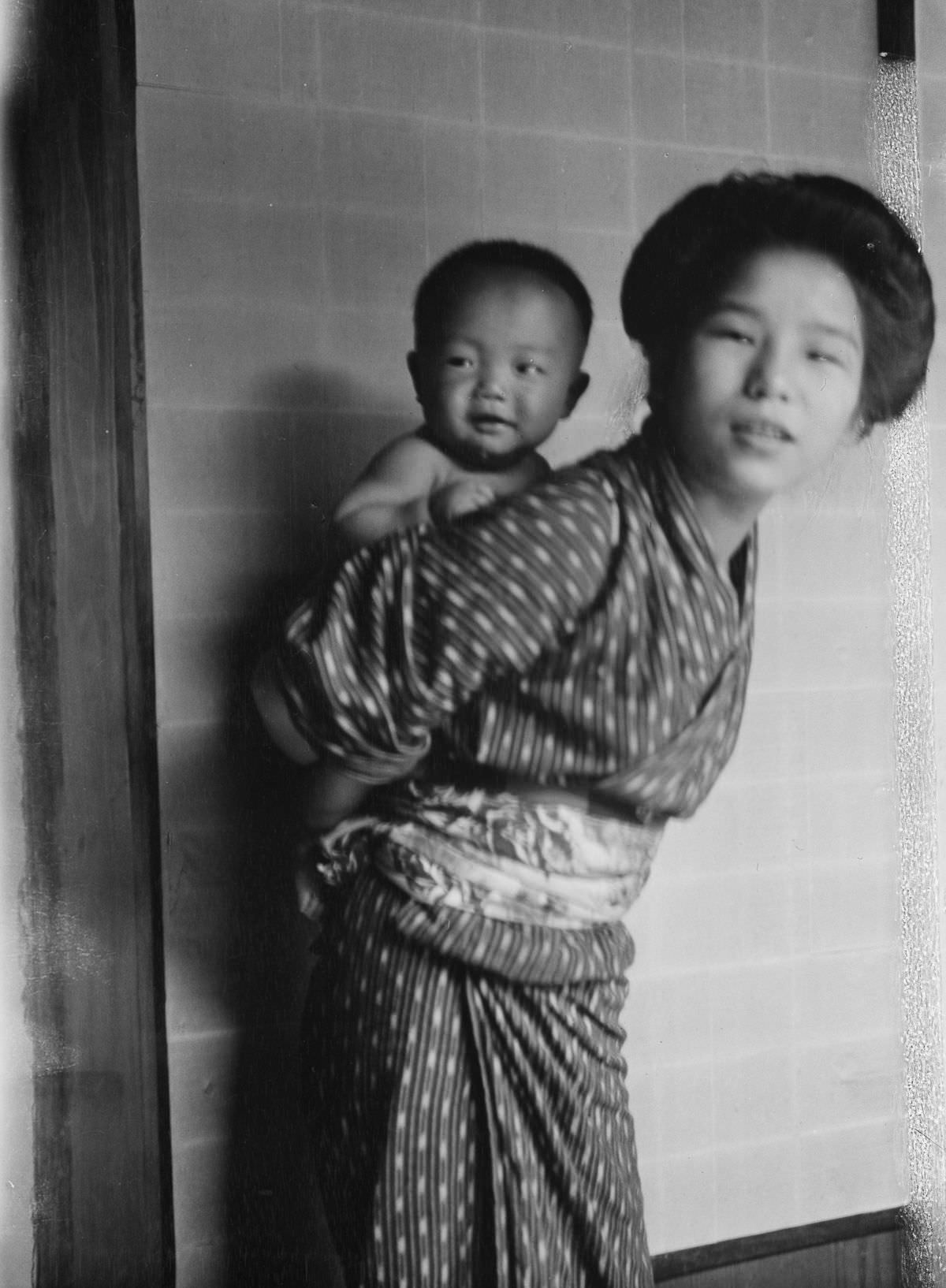
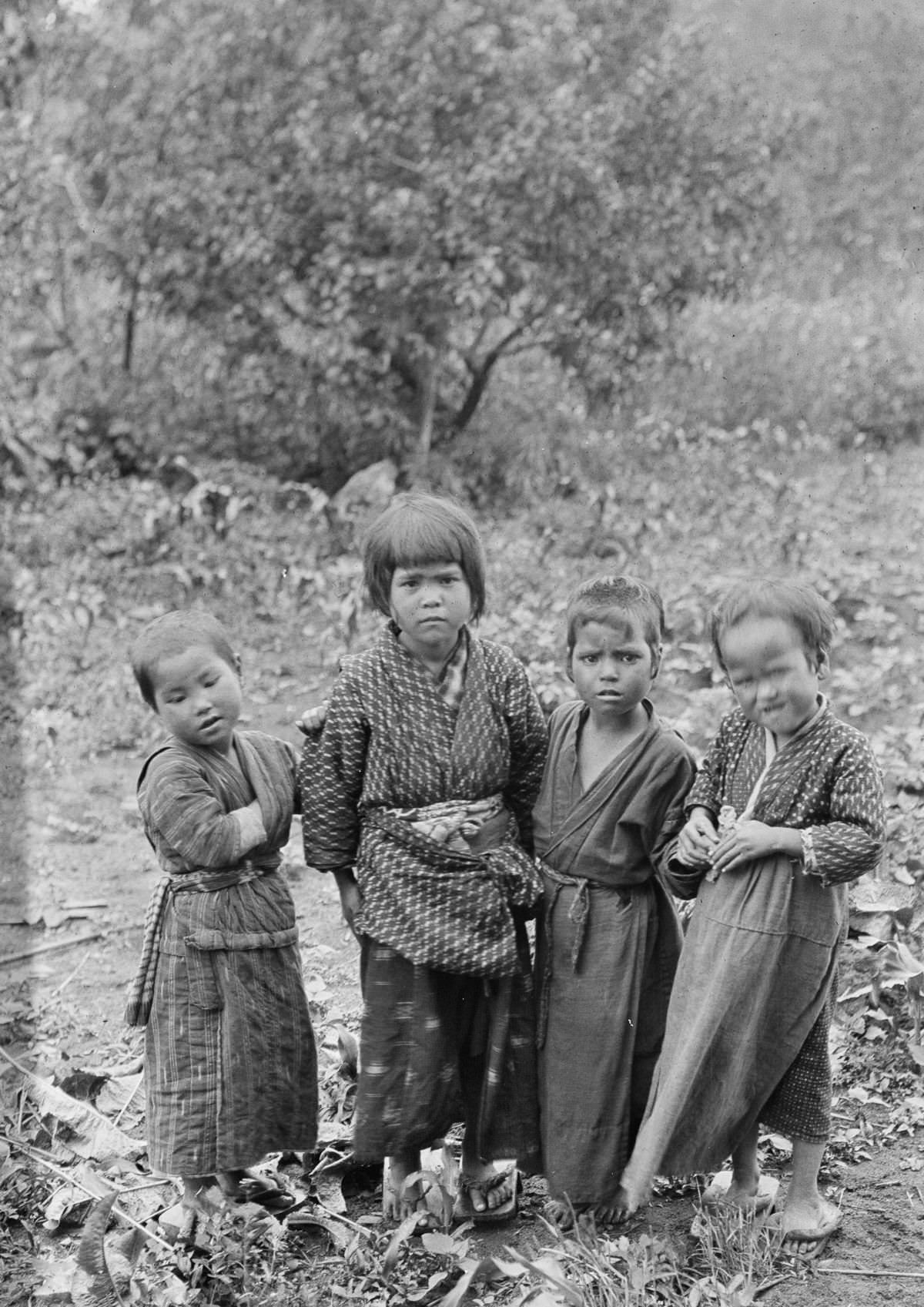
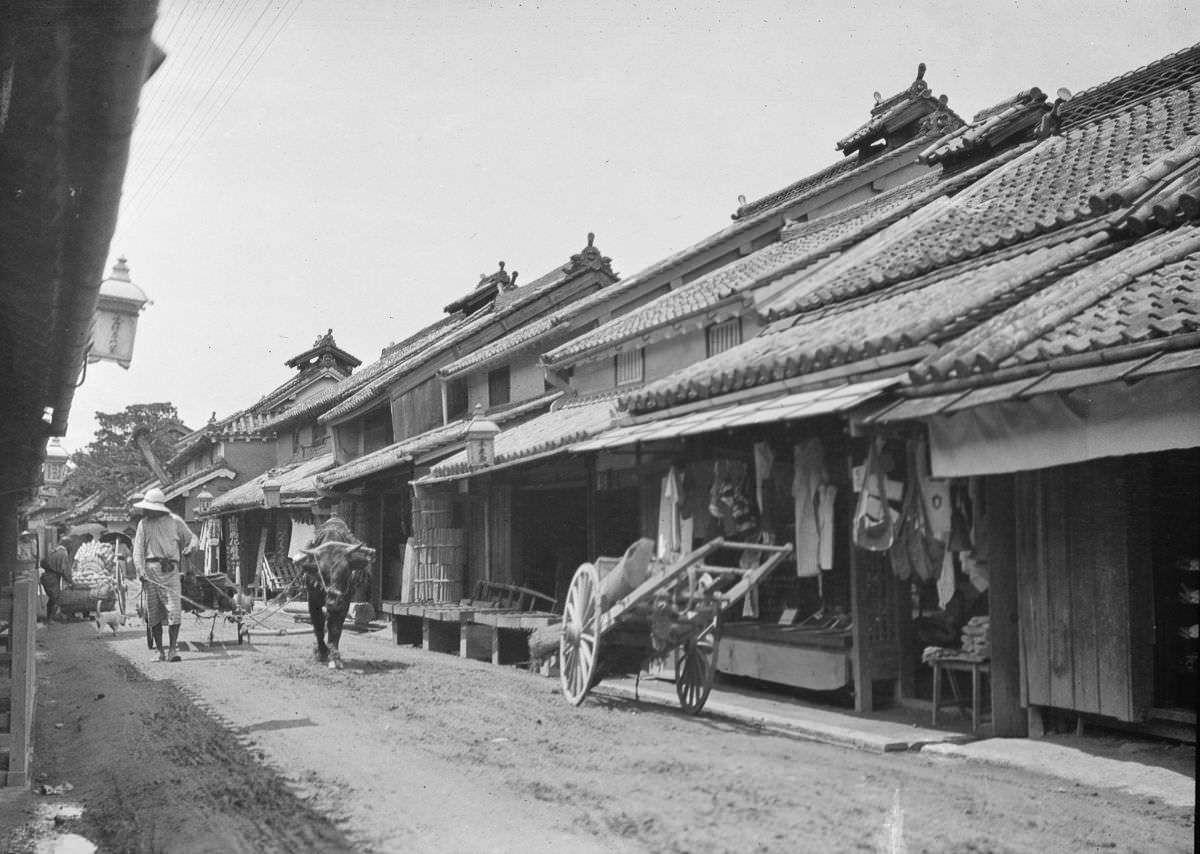
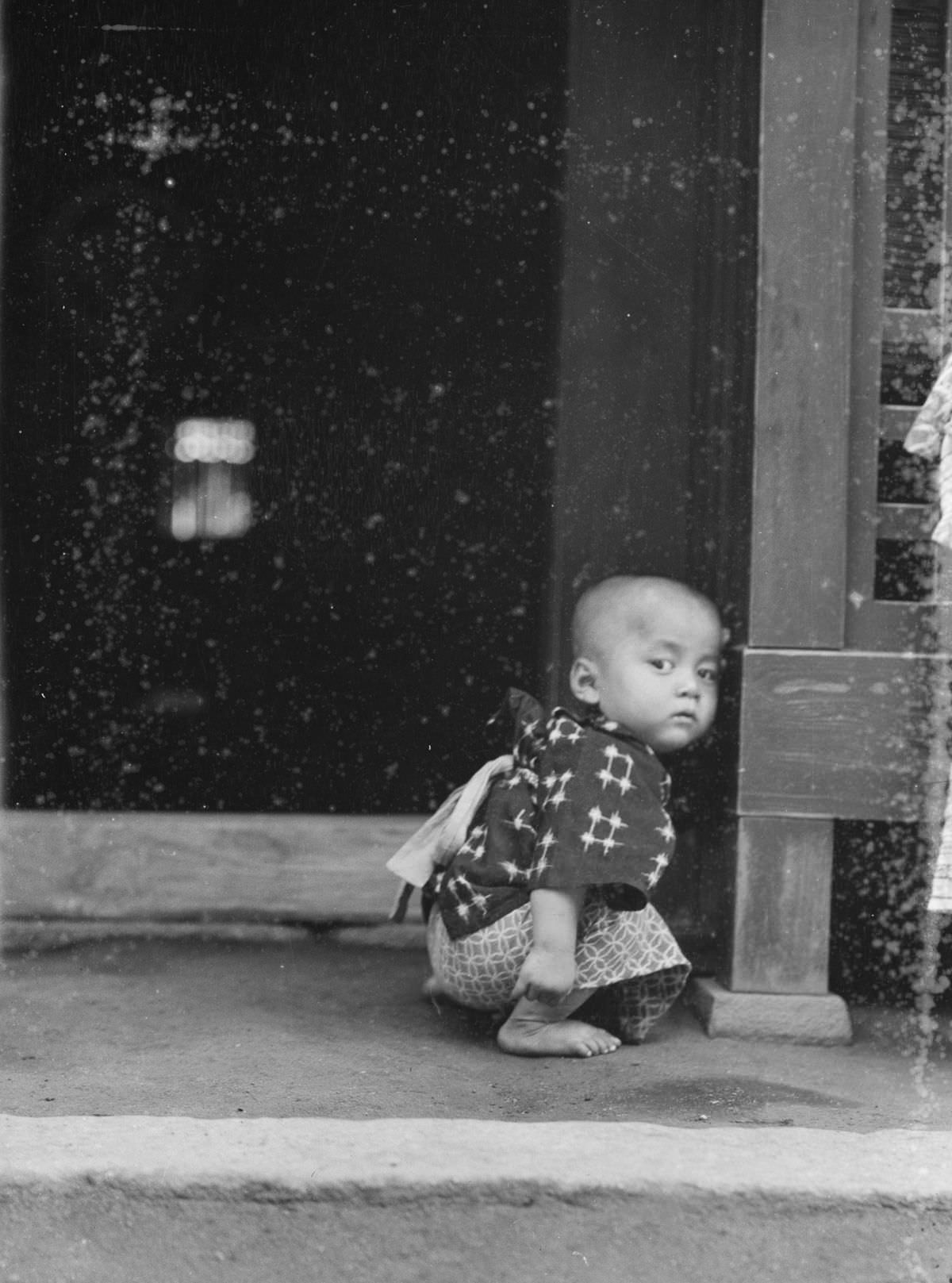
Genthe’s photographs from 1908 show Japan at street level — markets, temples, workers, children, craftsmen, and everyday scenes from towns and cities across the country. His style was observational. He did not stage his subjects. He moved through spaces and caught life as it happened, which gives these images an honest quality that formal portraits of the era lack.
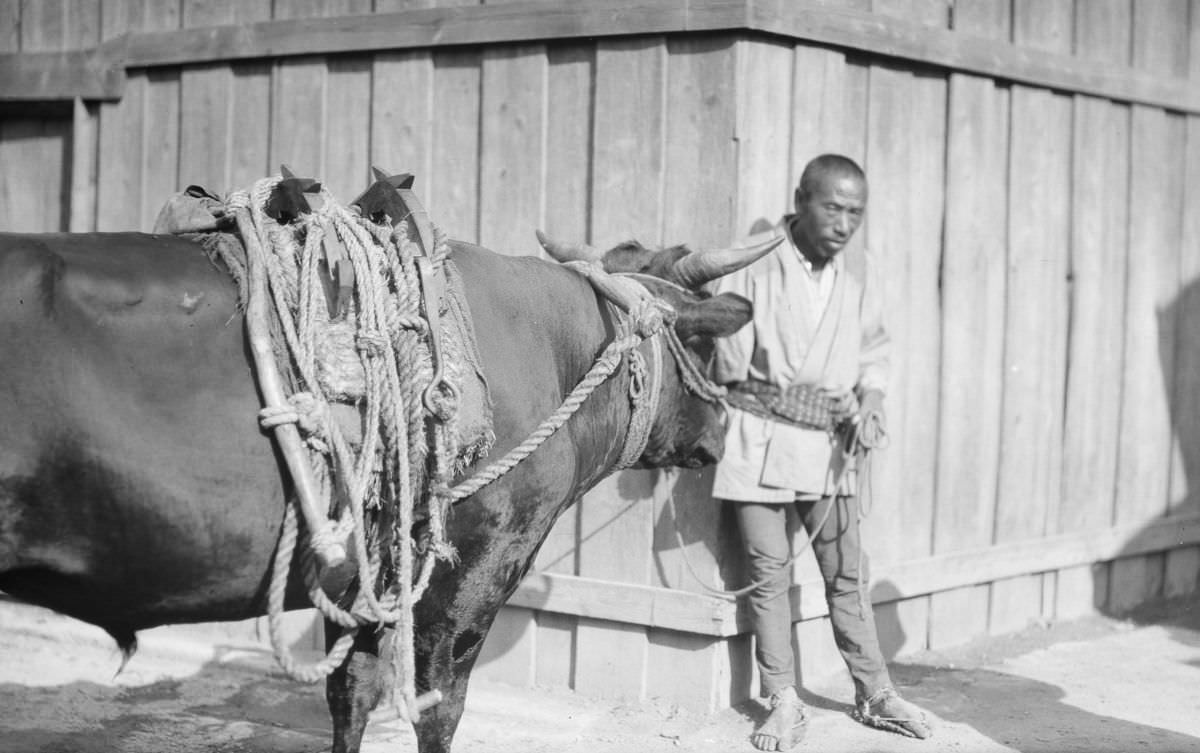
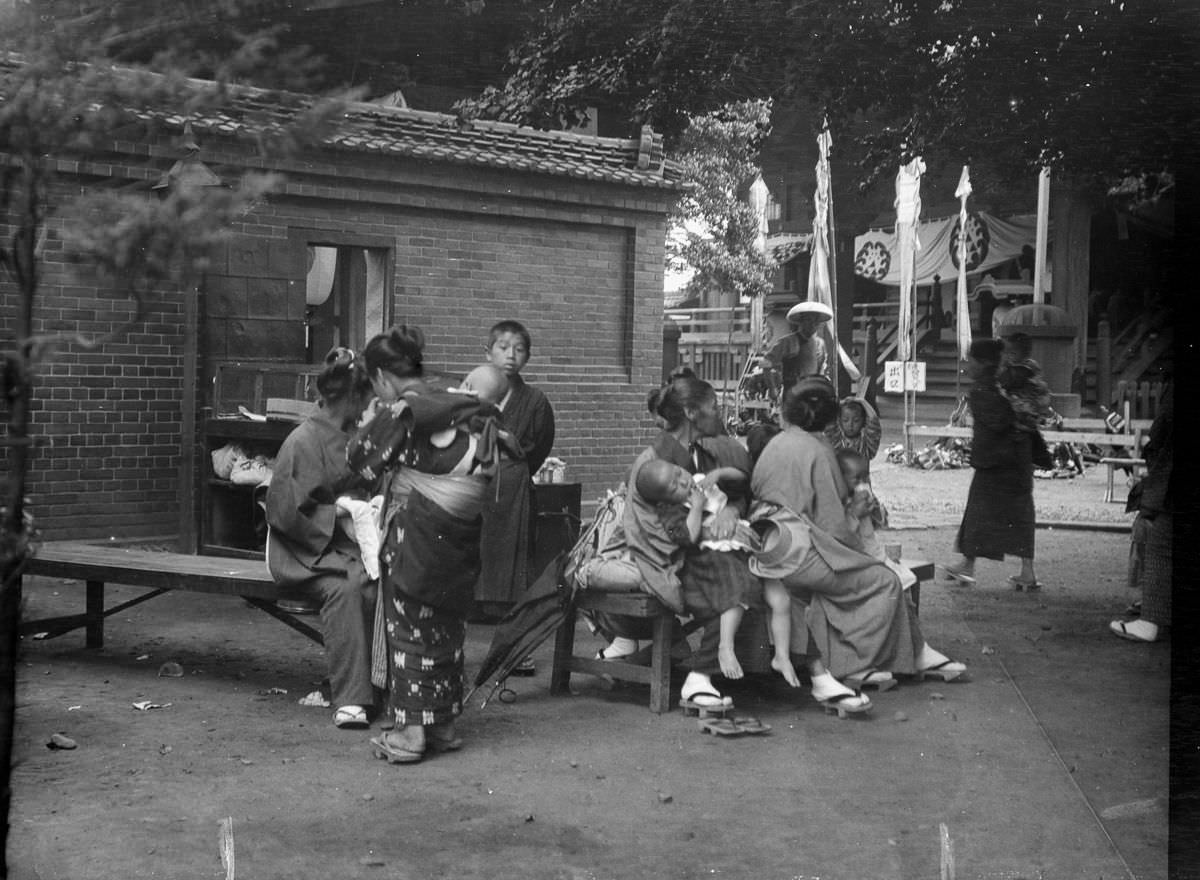
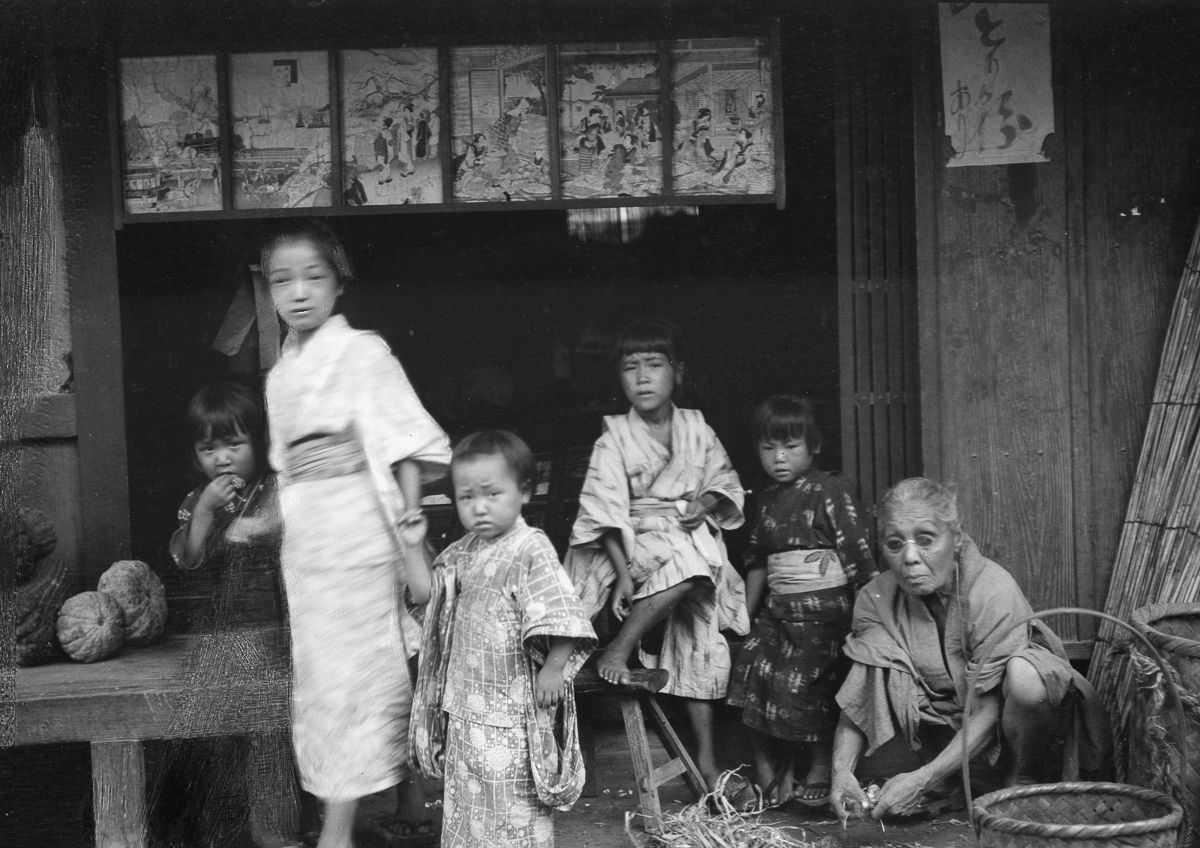
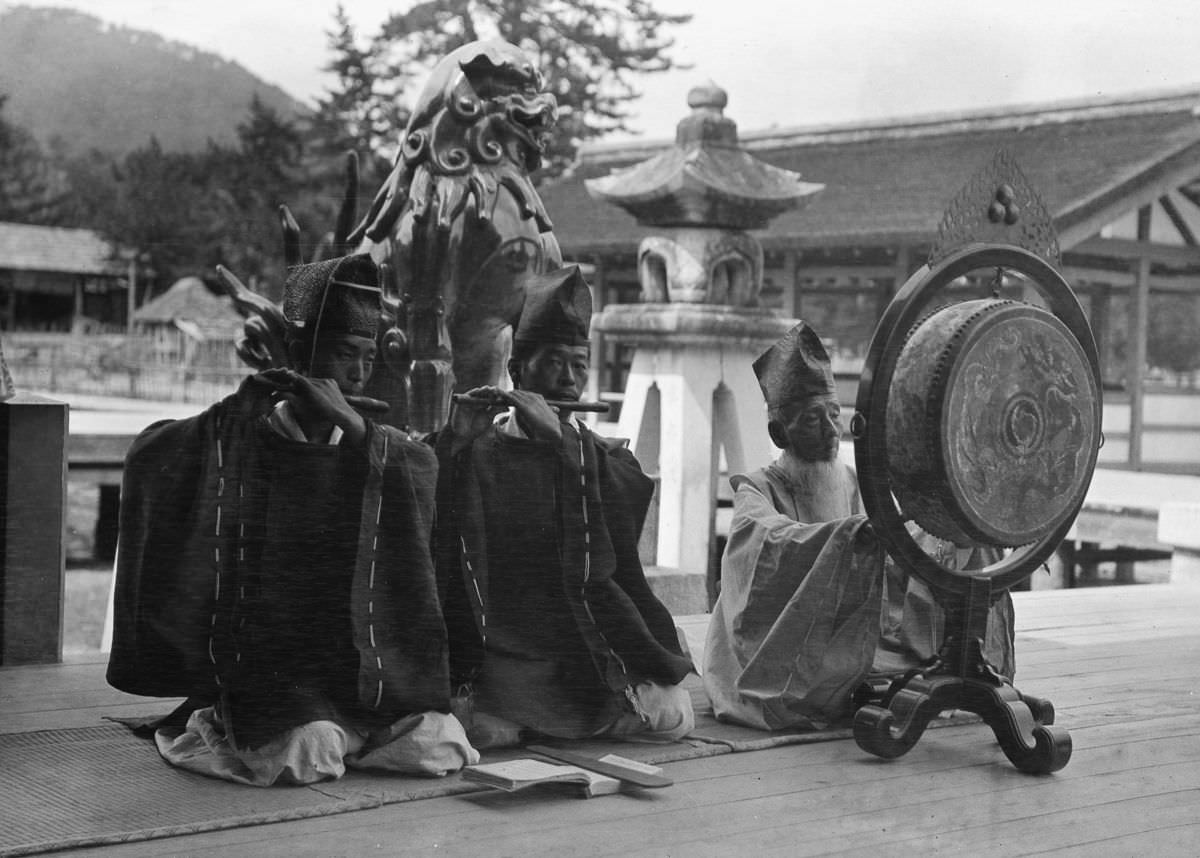
What makes these photos especially valuable is the timing. By 1908, Japan had already absorbed many of the changes of the Meiji era, but traditional ways of life were still visible everywhere. The tension between the old and the new shows up throughout Genthe’s work — ancient architecture next to new infrastructure, traditional clothing alongside Western dress, rural customs surviving inside a rapidly modernizing country.
Japan’s military was also completely rebuilt during the Meiji period. The old samurai class was dissolved, and a modern conscript army was formed in its place. The country adopted Western military organization, weapons, and tactics. By 1905, Japan had defeated Russia in the Russo-Japanese War — a result that shocked the Western world and confirmed Japan’s standing as a major military power.
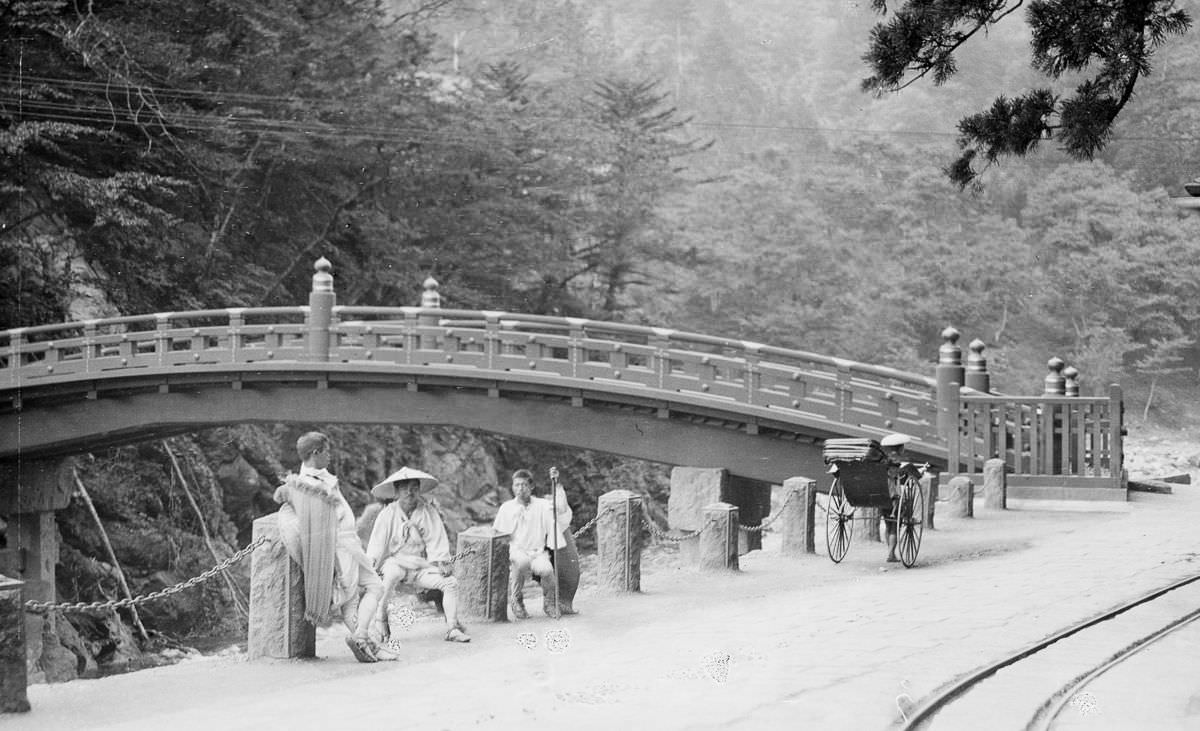
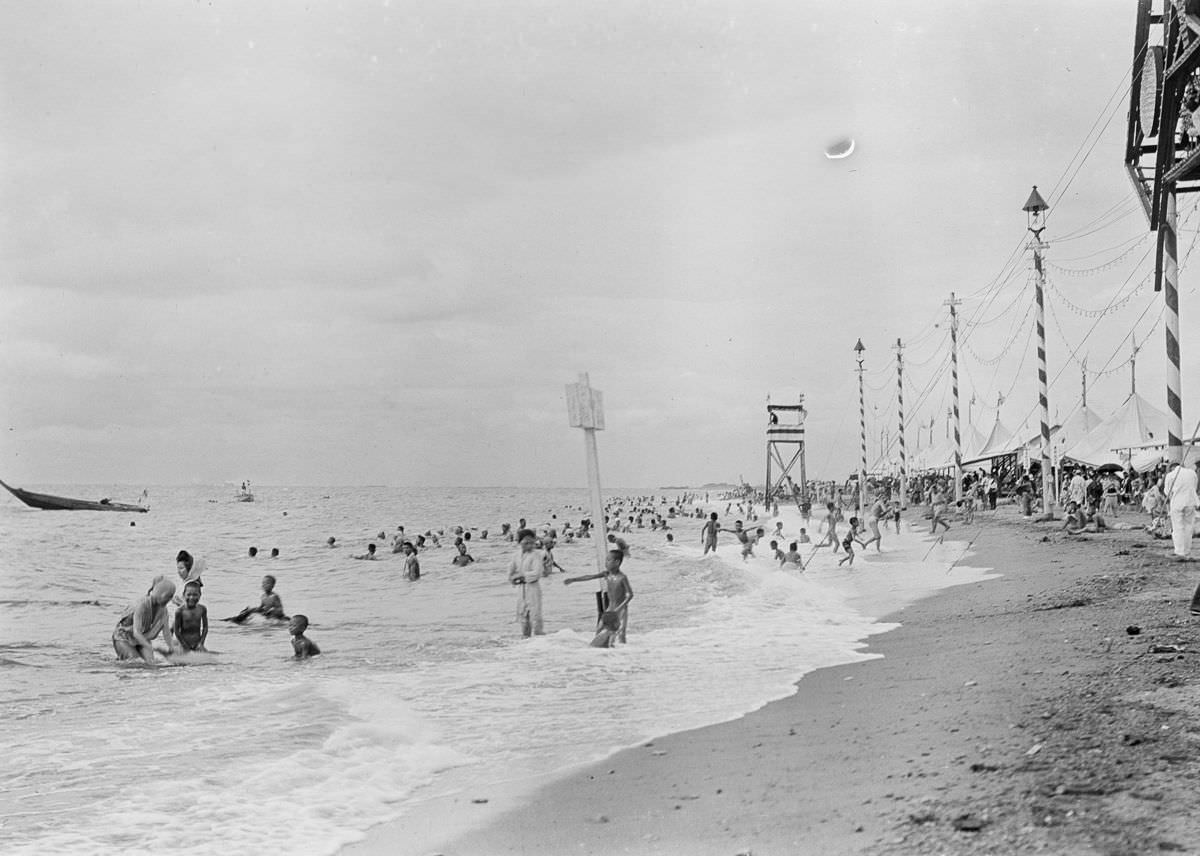
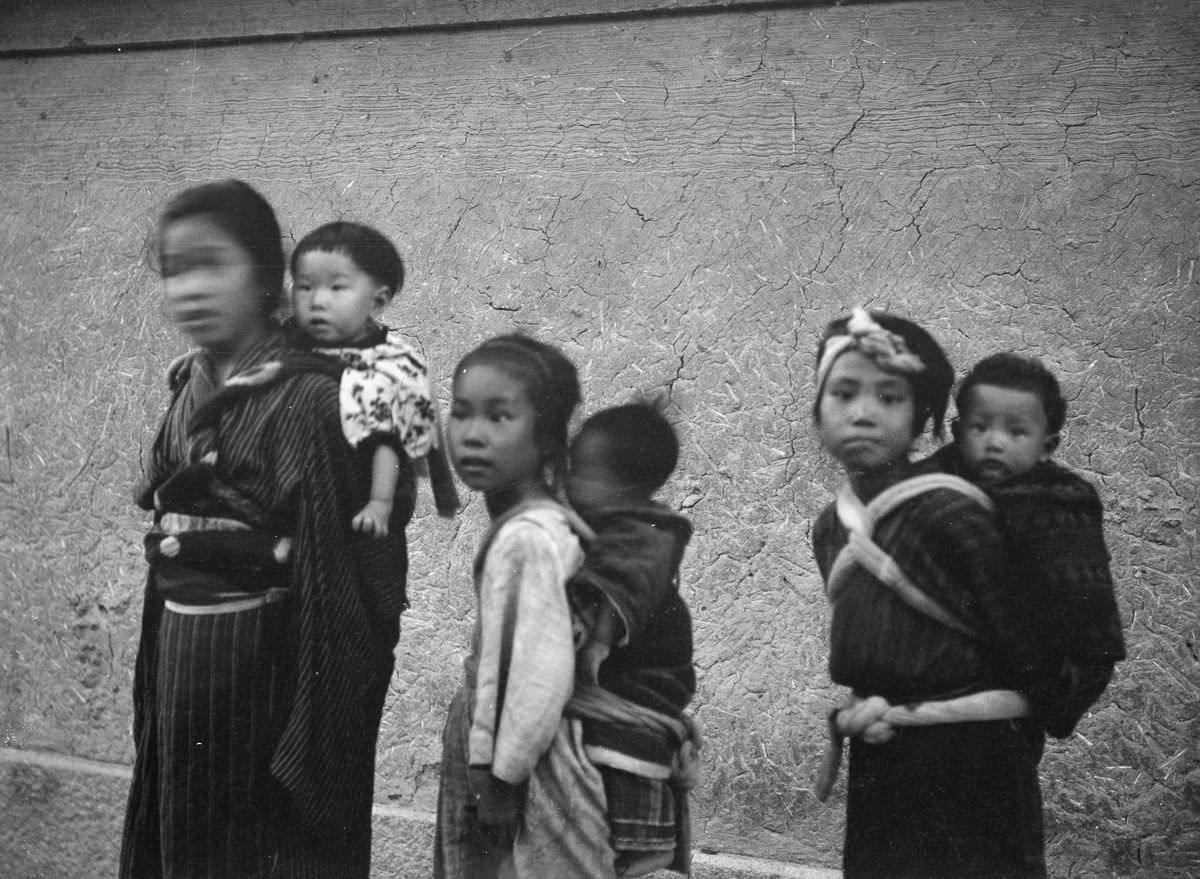
The bureaucratic structure of Japan was also overhauled during this era. Power was pulled away from regional lords and placed under a central government led by the Emperor and a cabinet of ministers. A constitution was issued in 1889, creating a parliament and laying out a formal legal structure for the state. Japan built the machinery of a modern government in a remarkably short period.
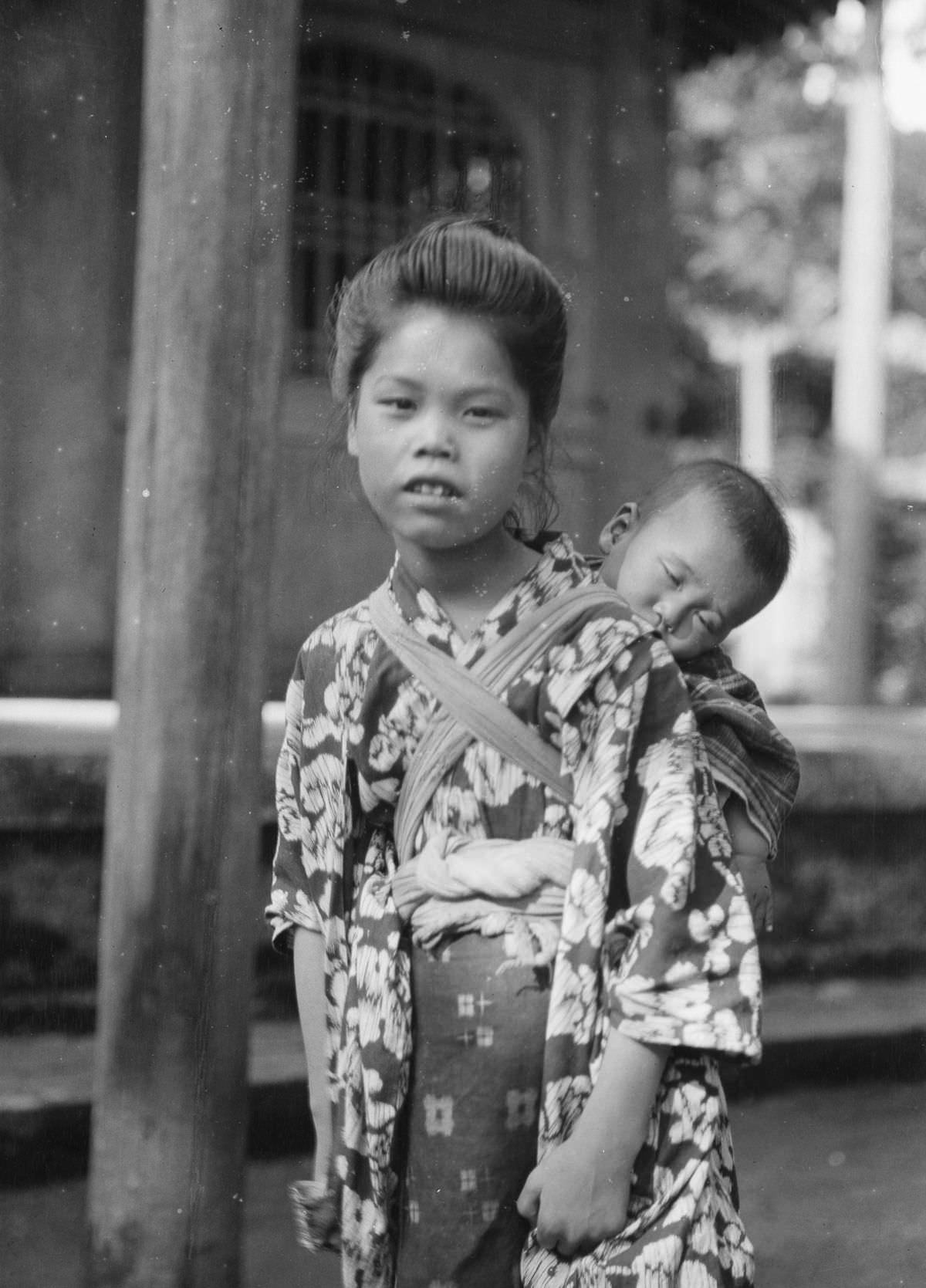
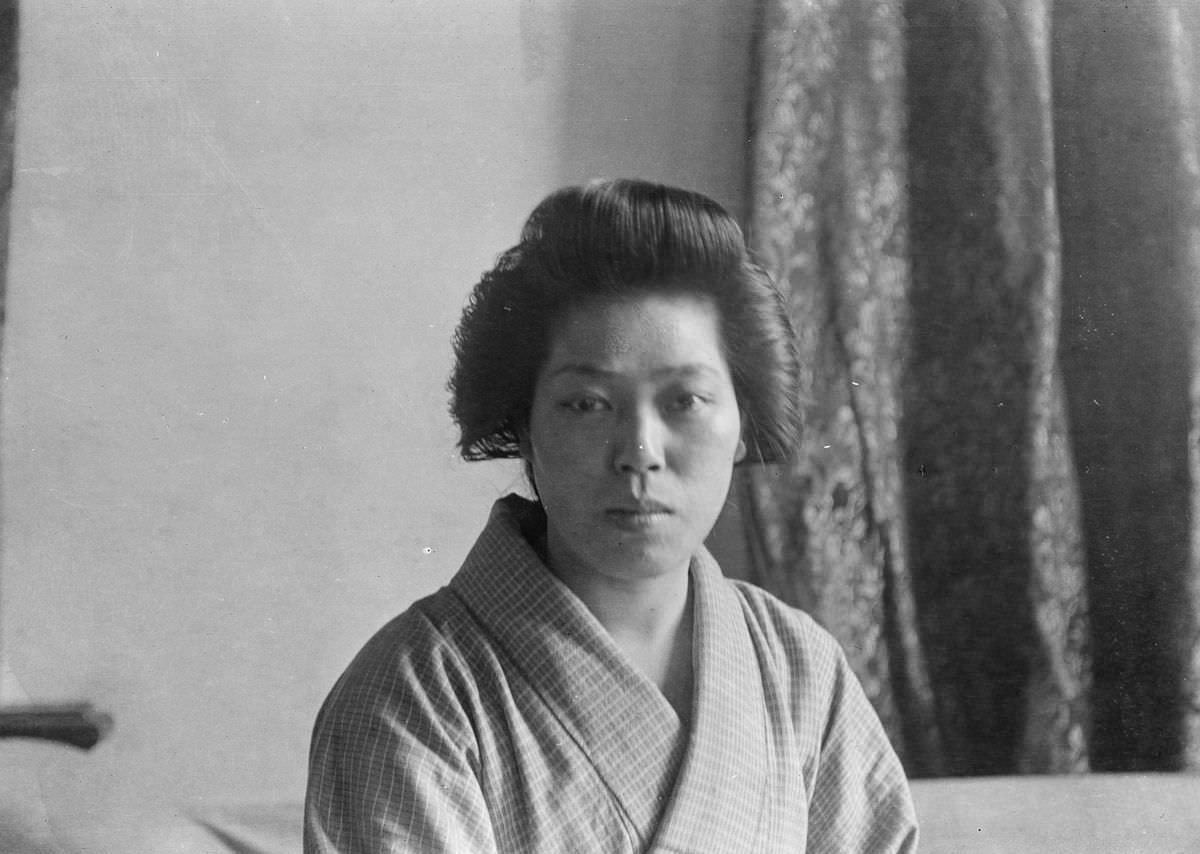
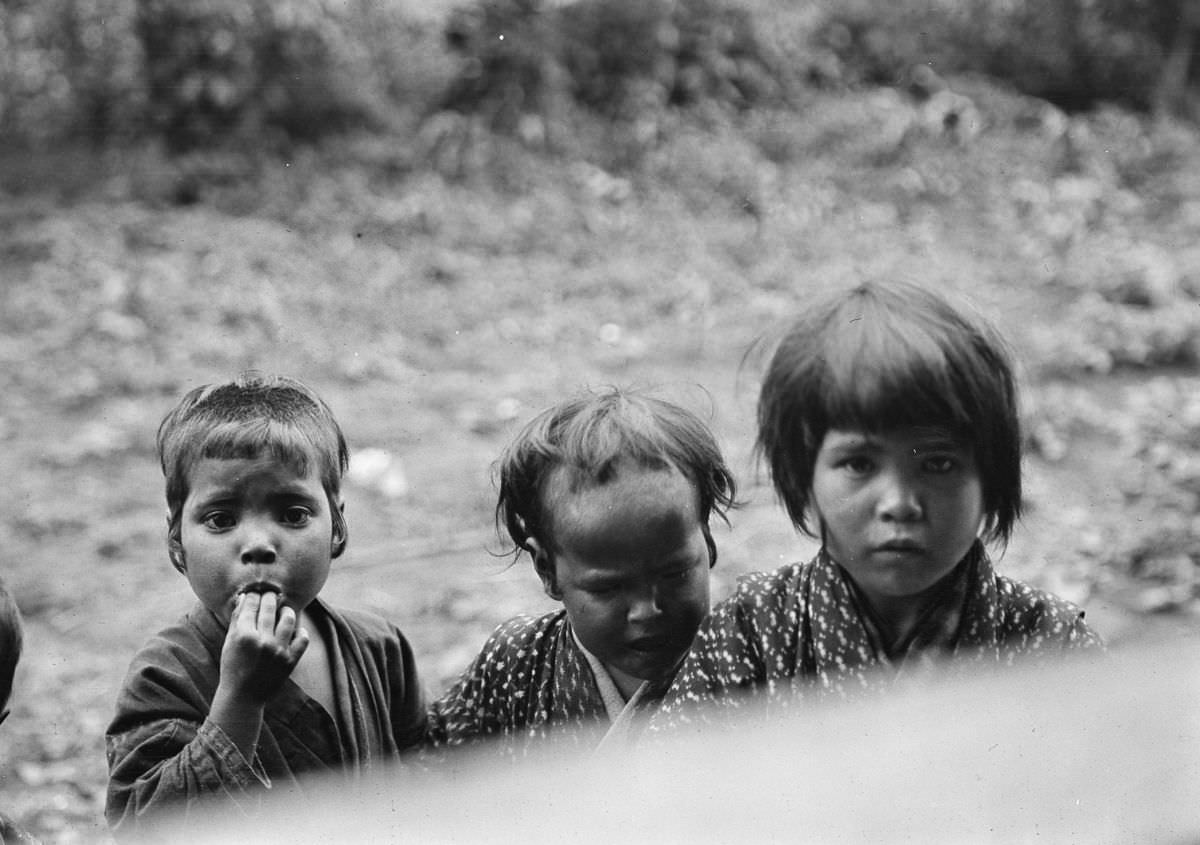
Genthe photographed across a wide range of settings during his six months in Japan. His images include rural landscapes, busy city streets, religious ceremonies, and ordinary people going about their daily routines. Together, they form a broad visual record of Japan at a specific and unrepeatable moment in its history.
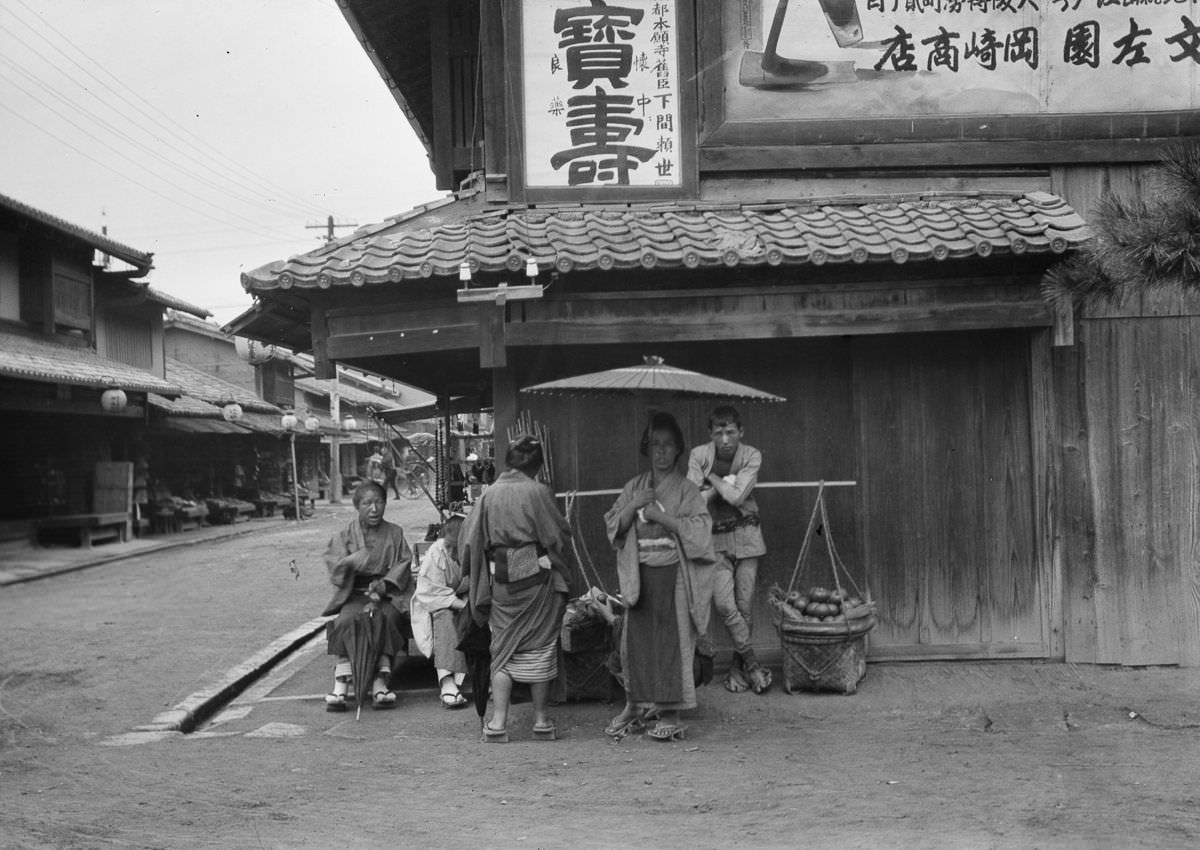
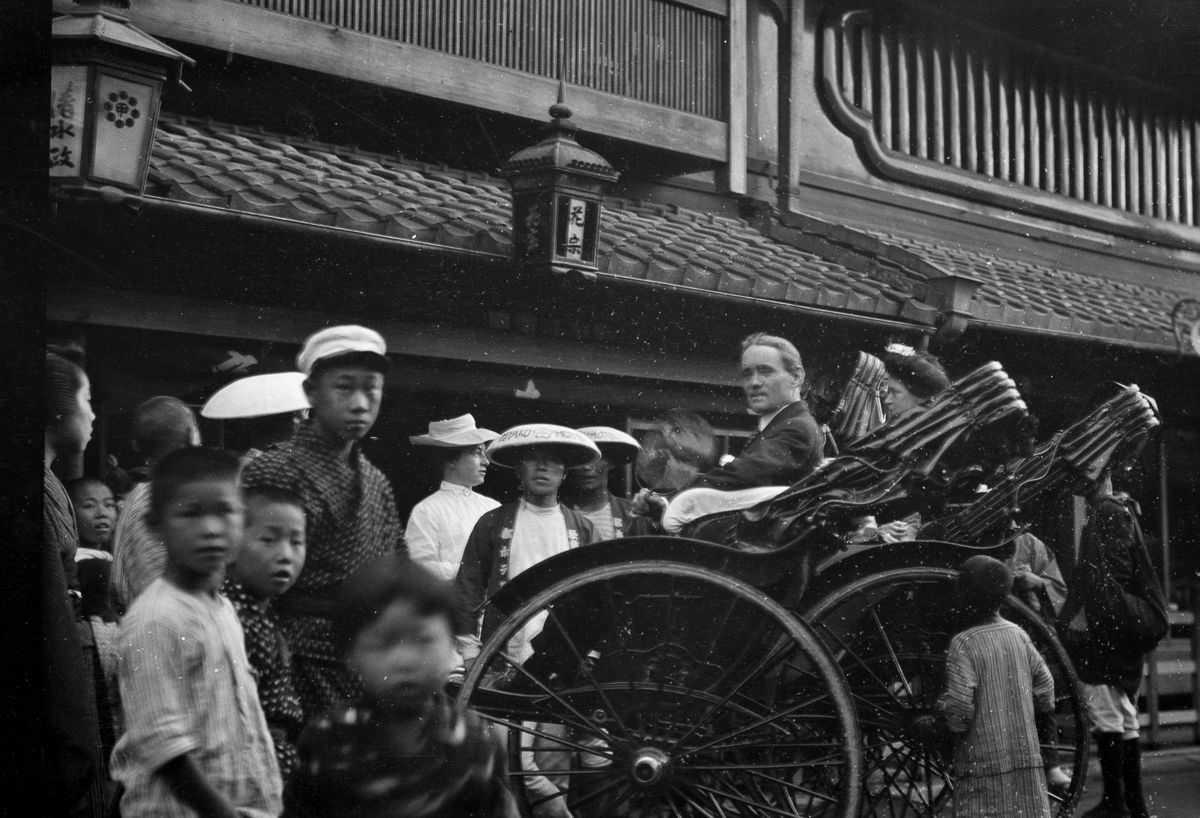
Communication and transportation improvements during the Meiji period went hand in hand. Telegraph lines were strung across the country. Postal services were modernized. The railroad connected the nation’s major centers. These systems made it possible to govern a large country from a single capital and to move information, people, and goods at a speed Japan had never experienced before.
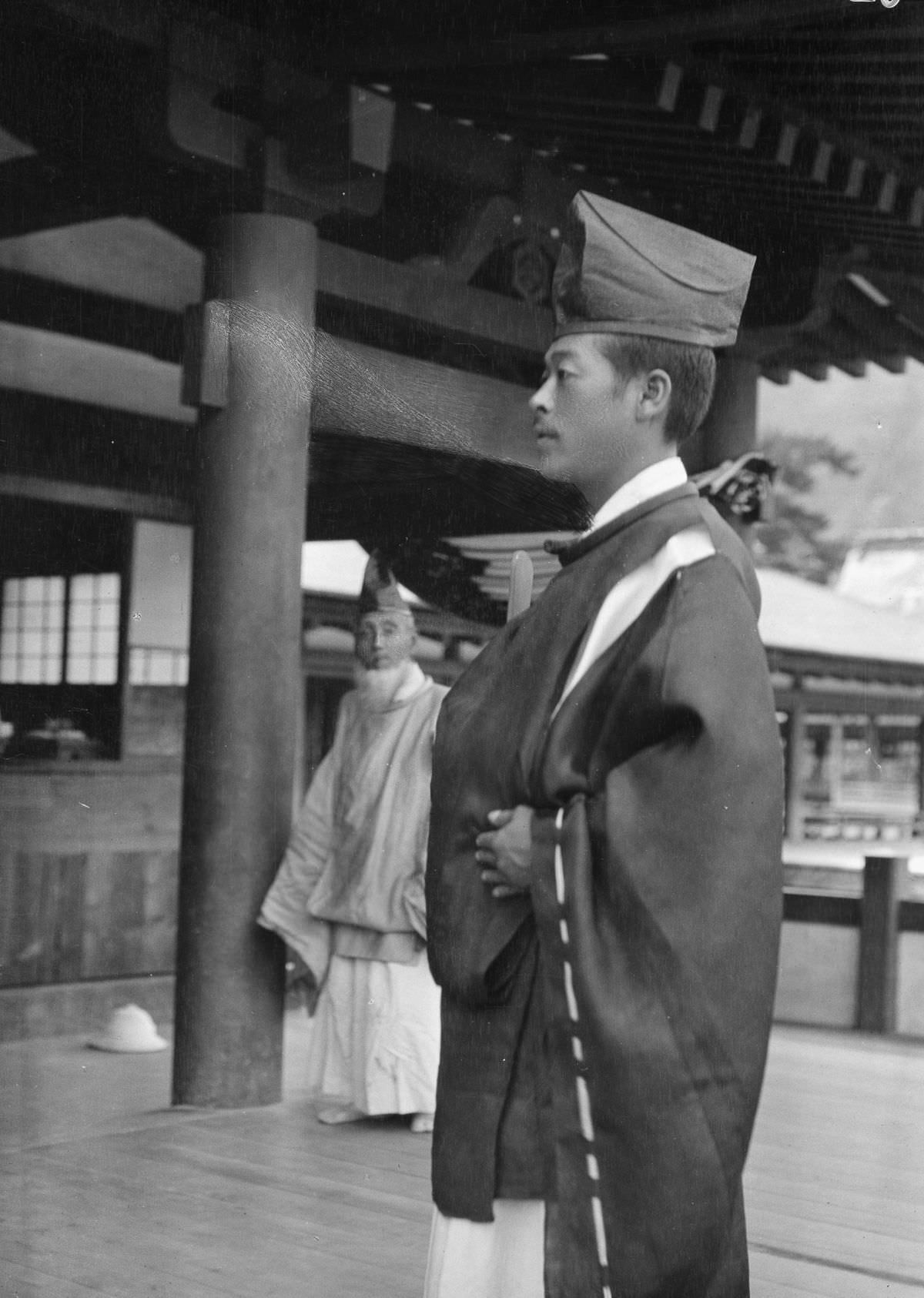
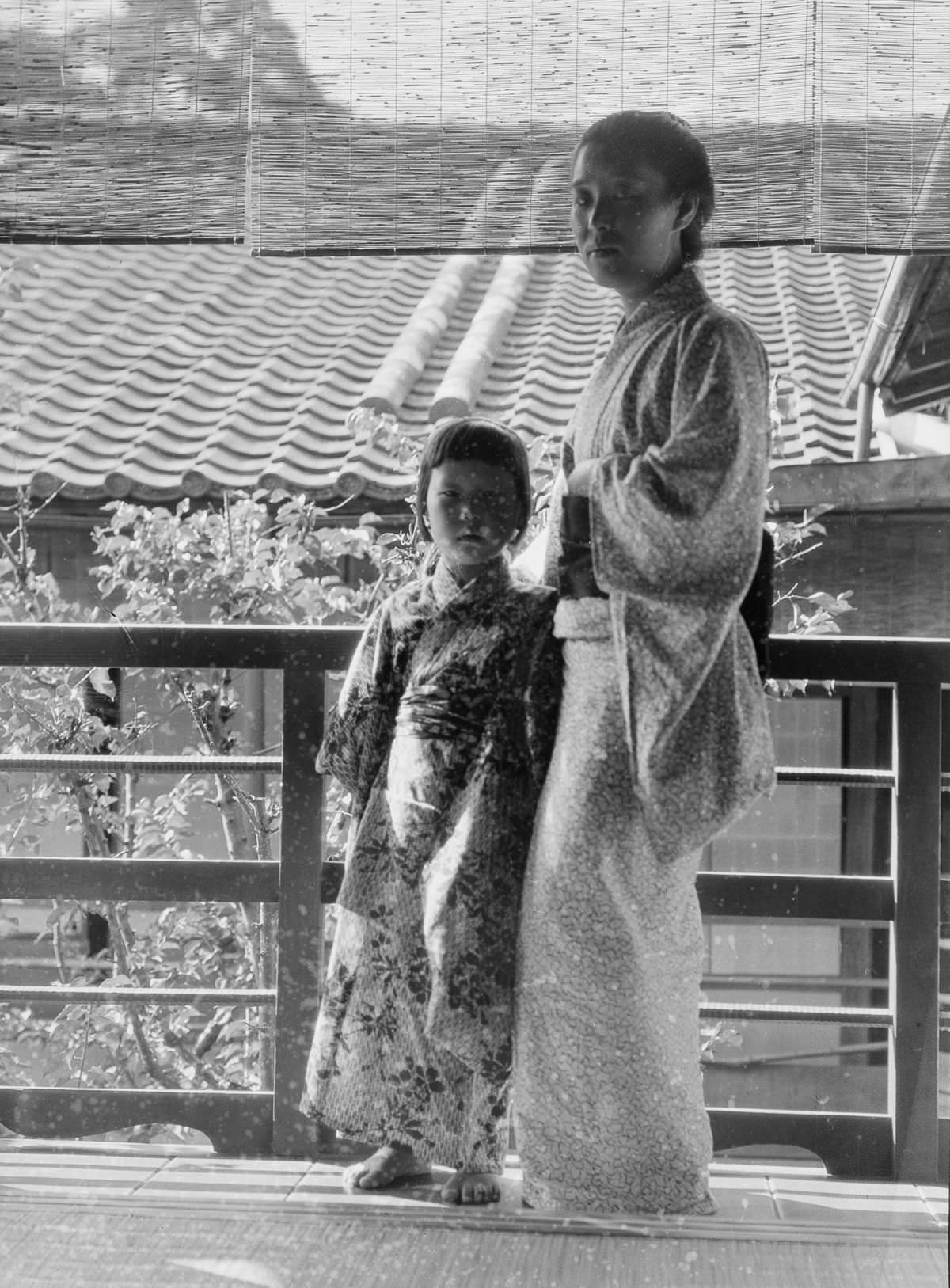
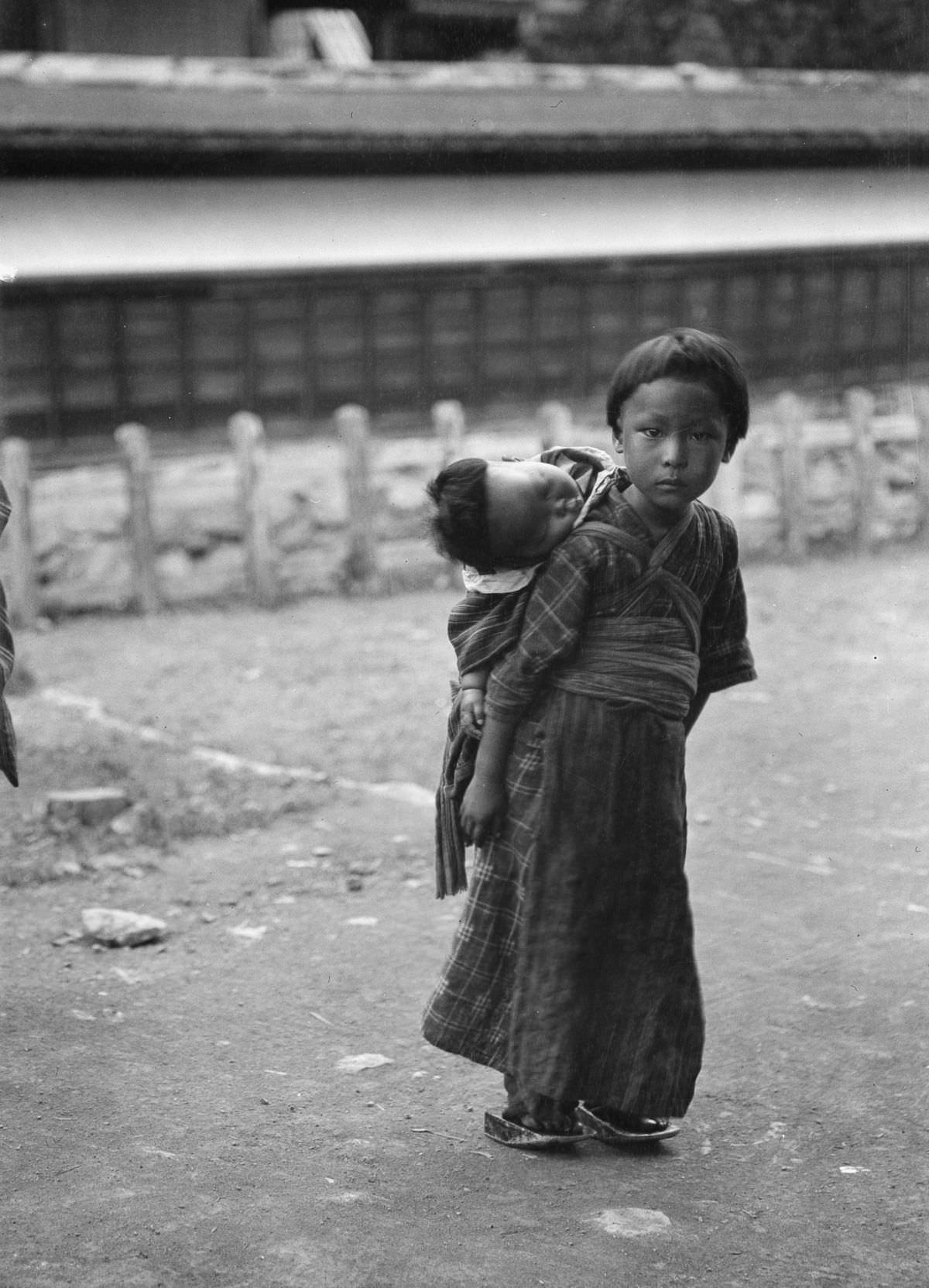
Arnold Genthe had a natural talent for capturing people in unguarded moments. His work in Japan shows the same eye he used in San Francisco’s Chinatown — an ability to find meaning in ordinary scenes. A woman carrying goods through a market, workers resting by the road, children gathered near a temple gate. These are not glamorous images. They are real ones.
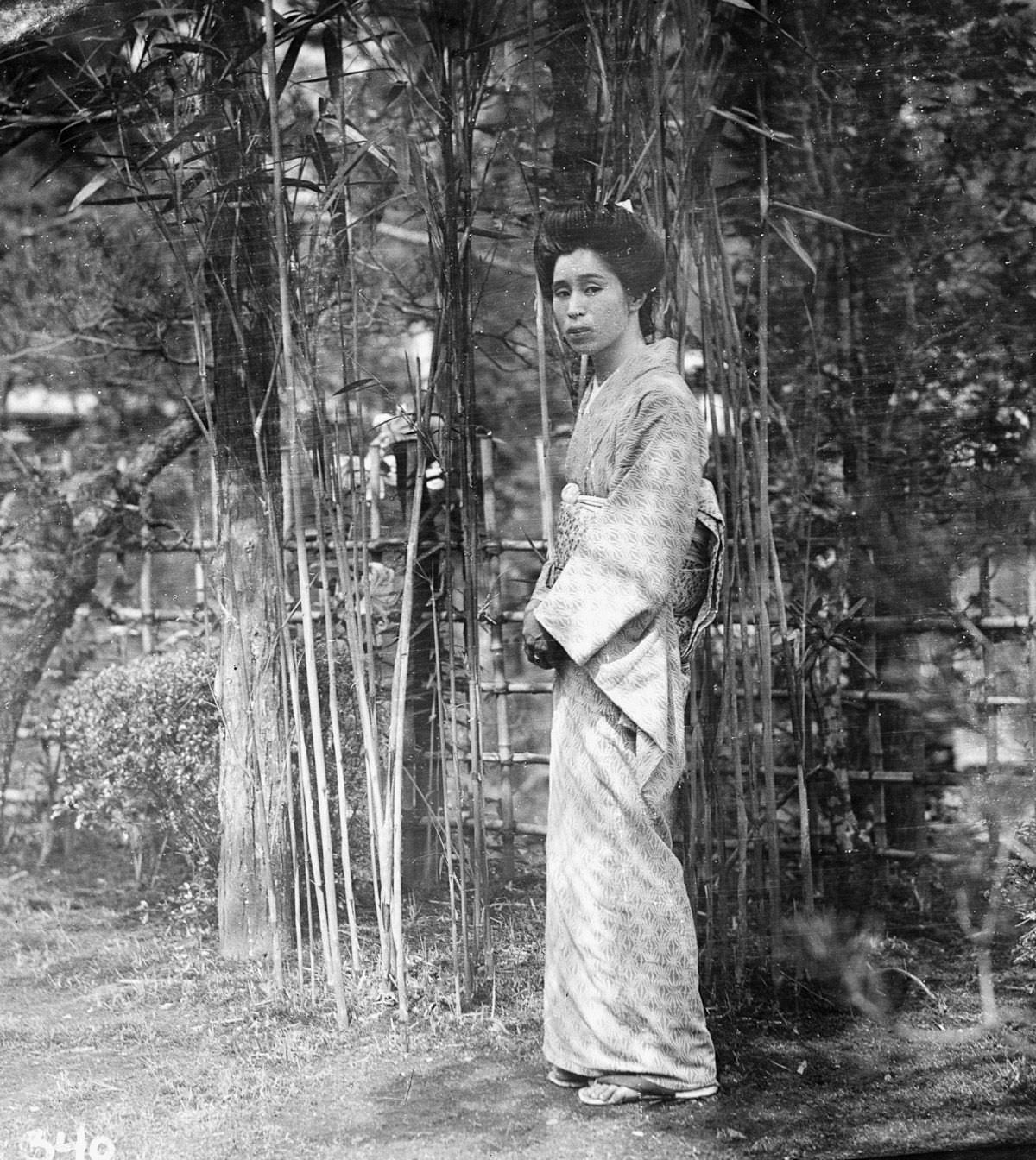
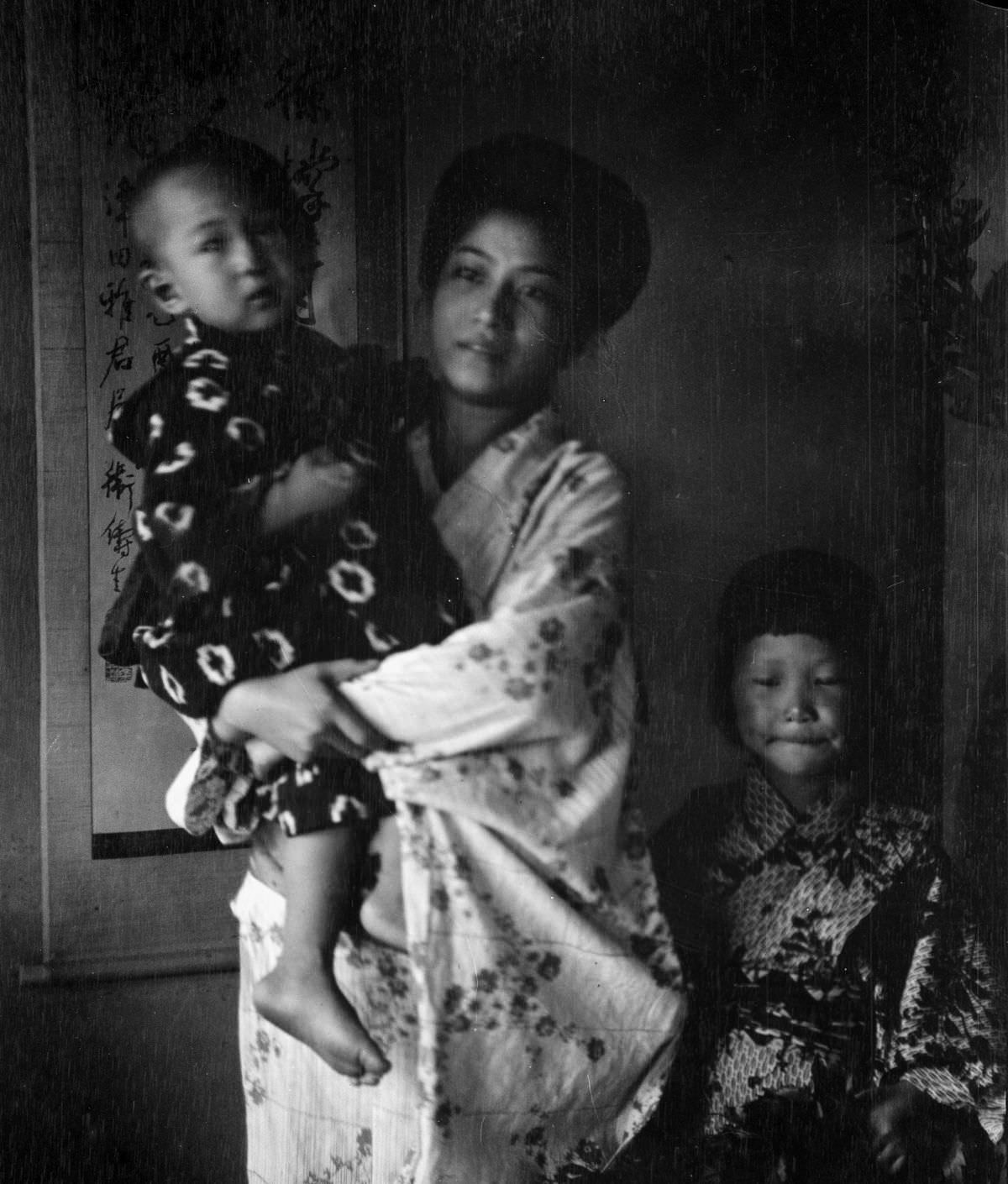
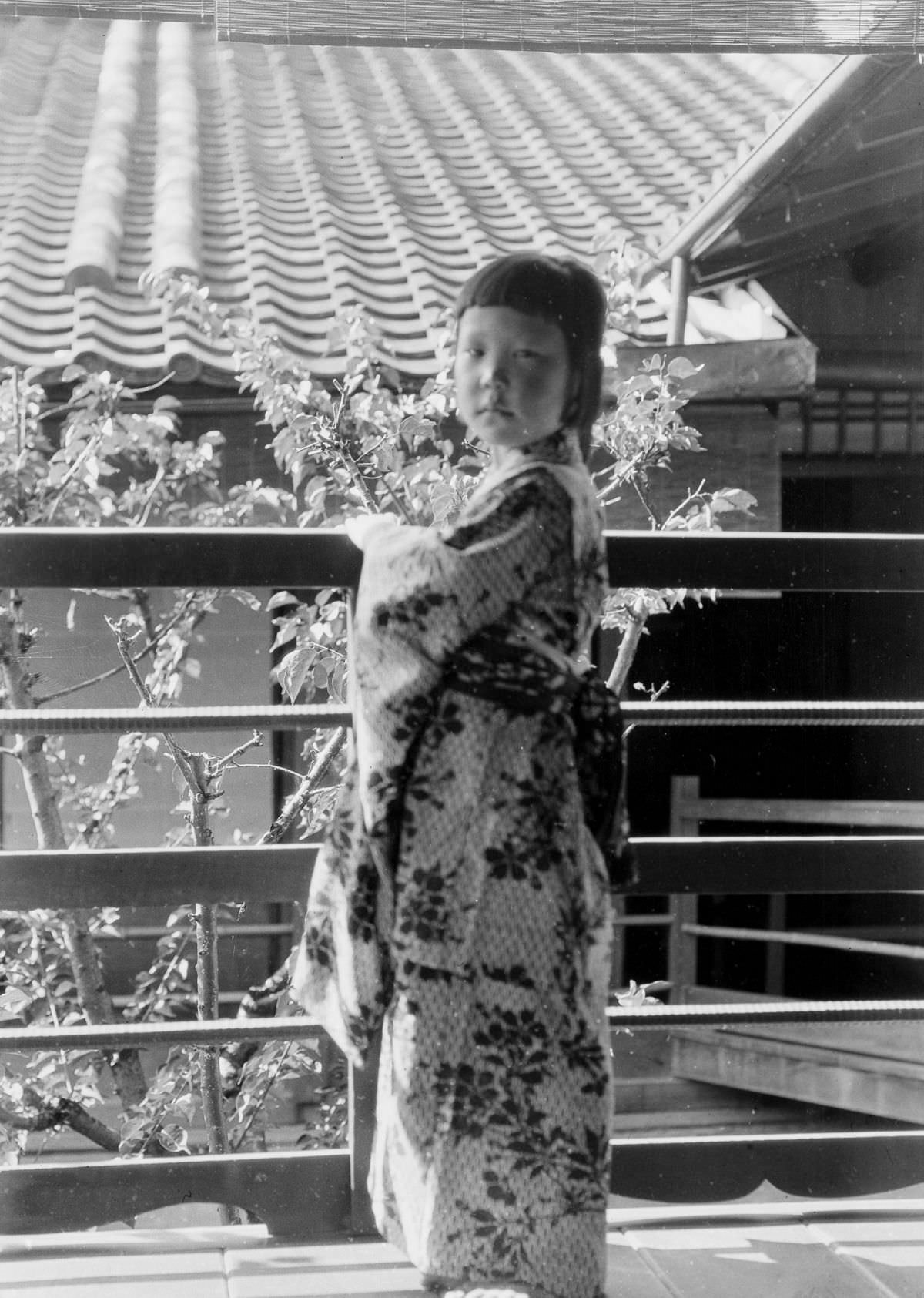
The Meiji period officially closed in 1912 with the death of Emperor Meiji. The Japan that existed at the end of his reign was almost unrecognizable compared to the one he had inherited in 1868. The country had industrialized, modernized its military, built a national education system, and reclaimed its economic independence — all within one lifetime.
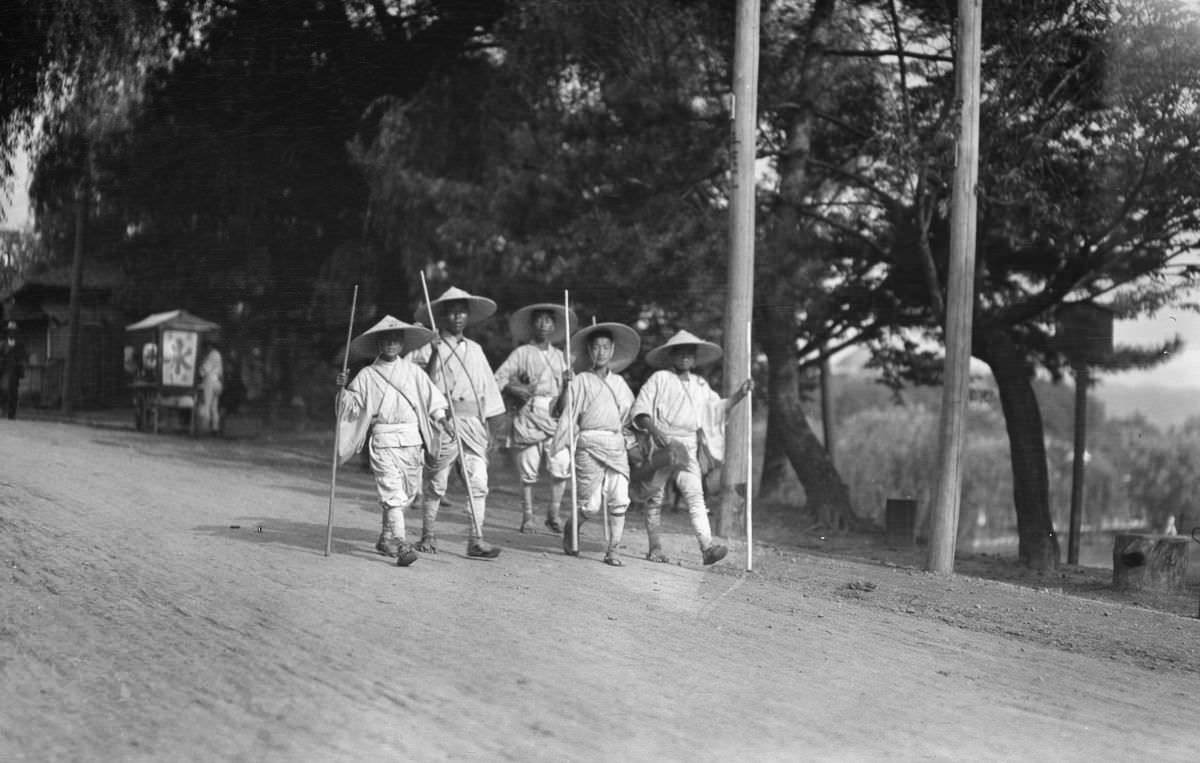
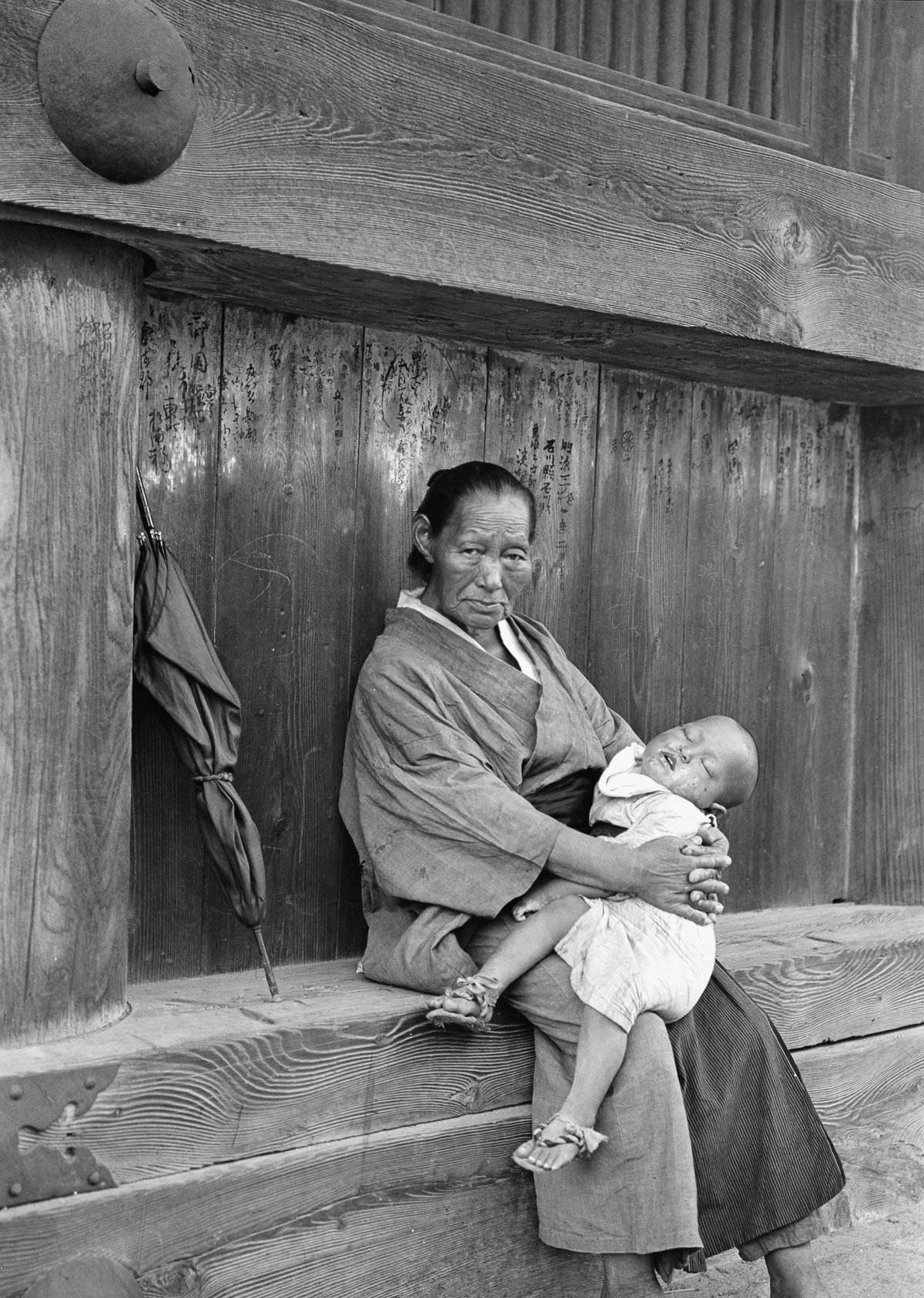
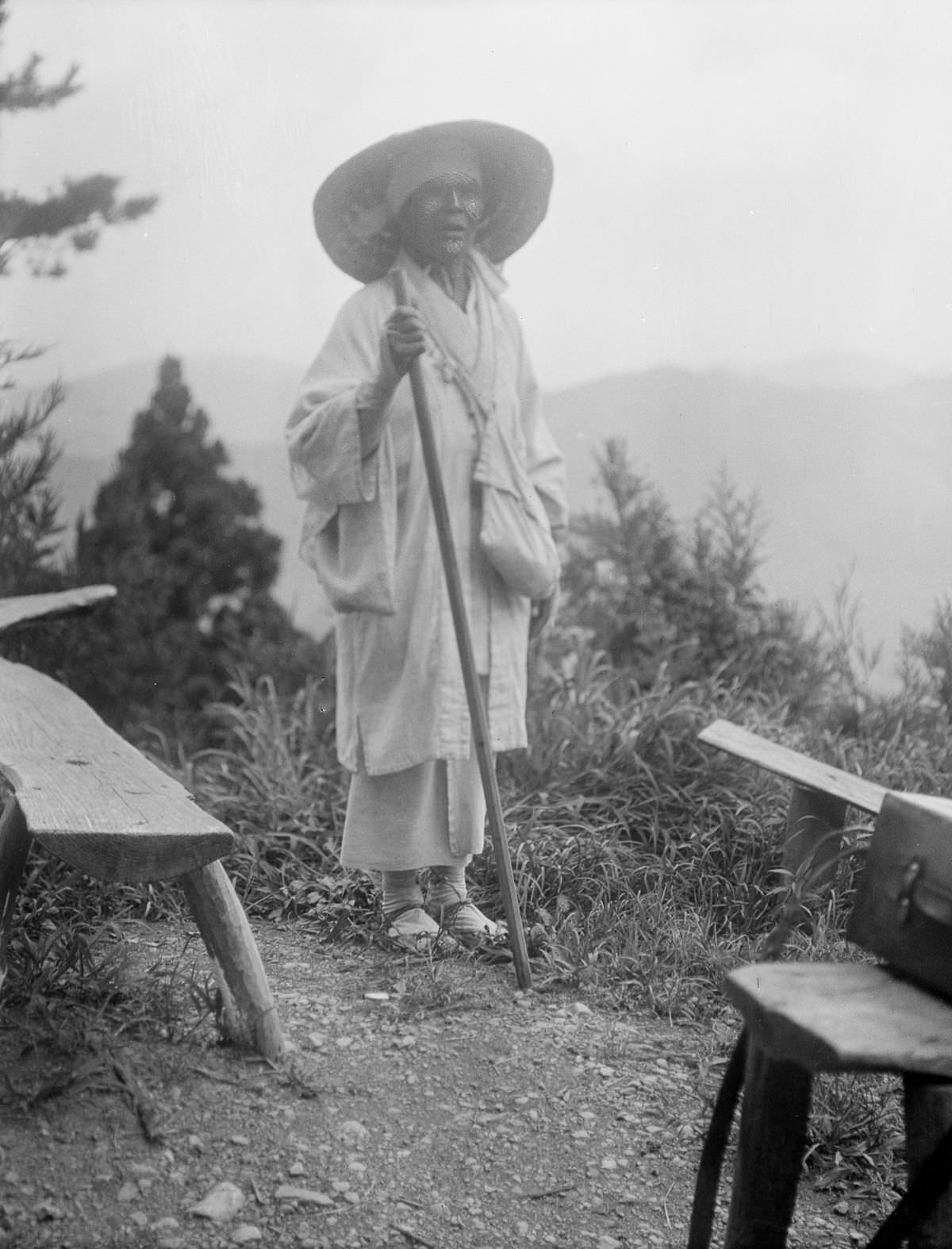
Genthe’s 1908 photographs sit right at the edge of that era. They show a Japan that had already changed enormously but had not yet closed the door on its past. The faces, streets, and daily routines captured in his images belong to a world that was only a few years away from disappearing entirely into the next chapter of Japanese history.


How very interesting!