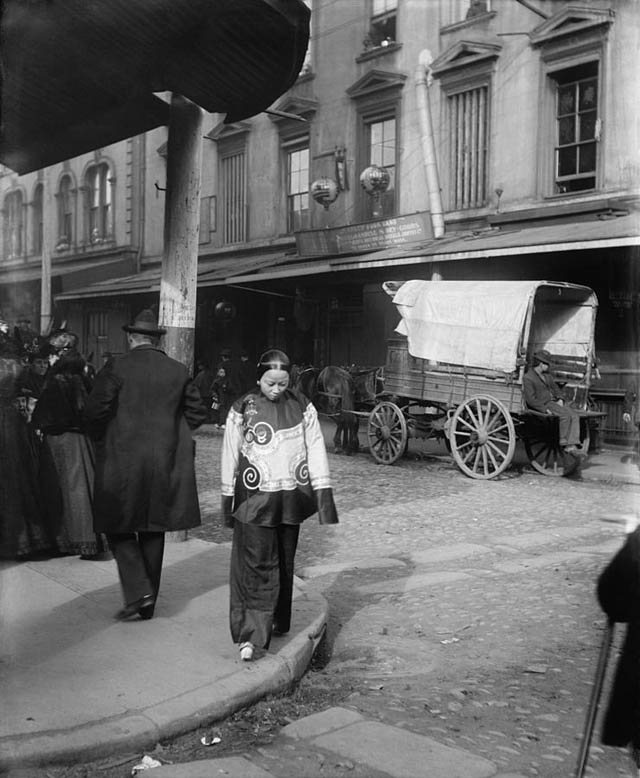
Arnold Genthe arrived in San Francisco in 1895 as a young German immigrant hired to work as a tutor. He had a camera, a fascination with people, and access to one of the most visually rich neighborhoods in America. San Francisco’s Chinatown, packed into roughly six square blocks, was home to tens of thousands of Chinese immigrants who had built a world of their own within the city. Genthe spent years walking its narrow streets and capturing its daily life in photographs that most Americans of that era never would have taken.
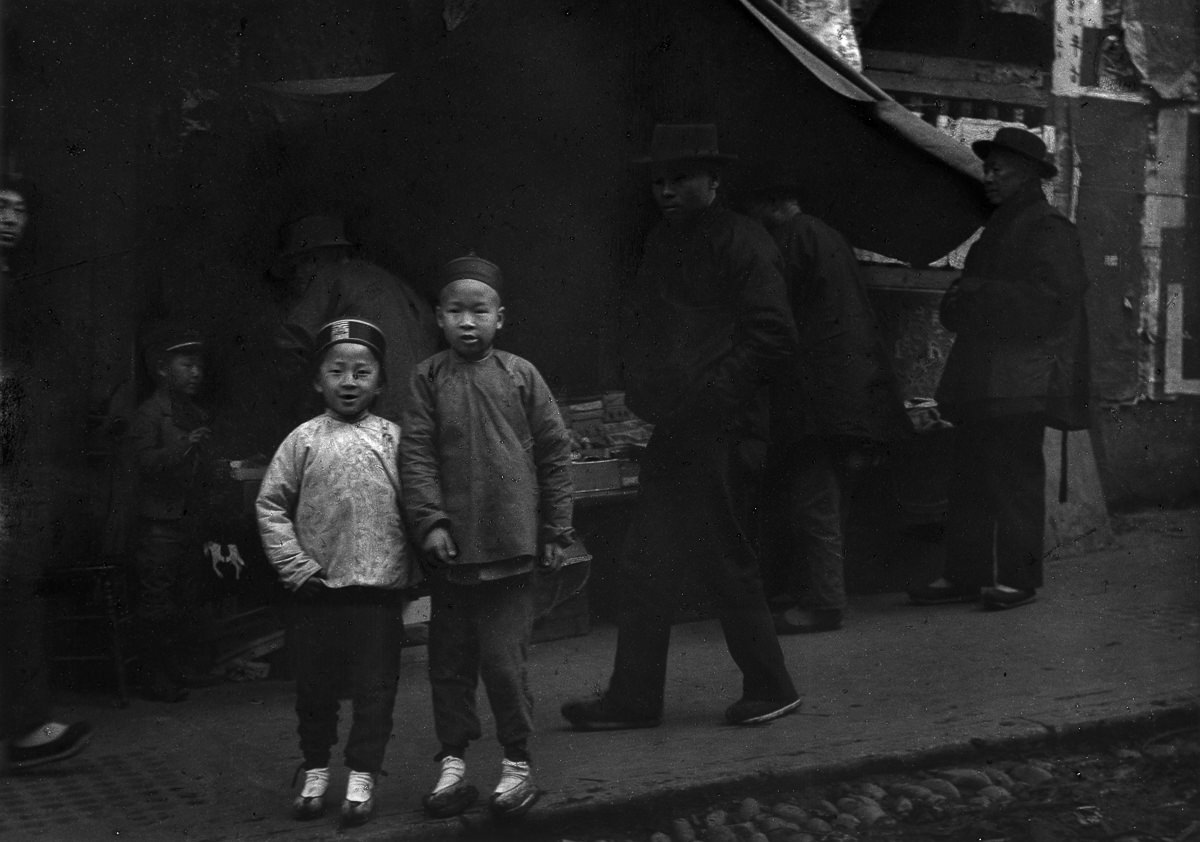
Chinatown in the early 1900s was a crowded, complex place. Immigrants from Guangdong province had been settling in San Francisco since the Gold Rush years, and by the turn of the century the neighborhood was dense with shops, temples, family associations, and working-class housing. Most residents worked in laundries, restaurants, or factories. The Chinese Exclusion Act of 1882 had cut off new immigration, so the community was largely made up of men who had arrived decades earlier and were not permitted to bring their families.
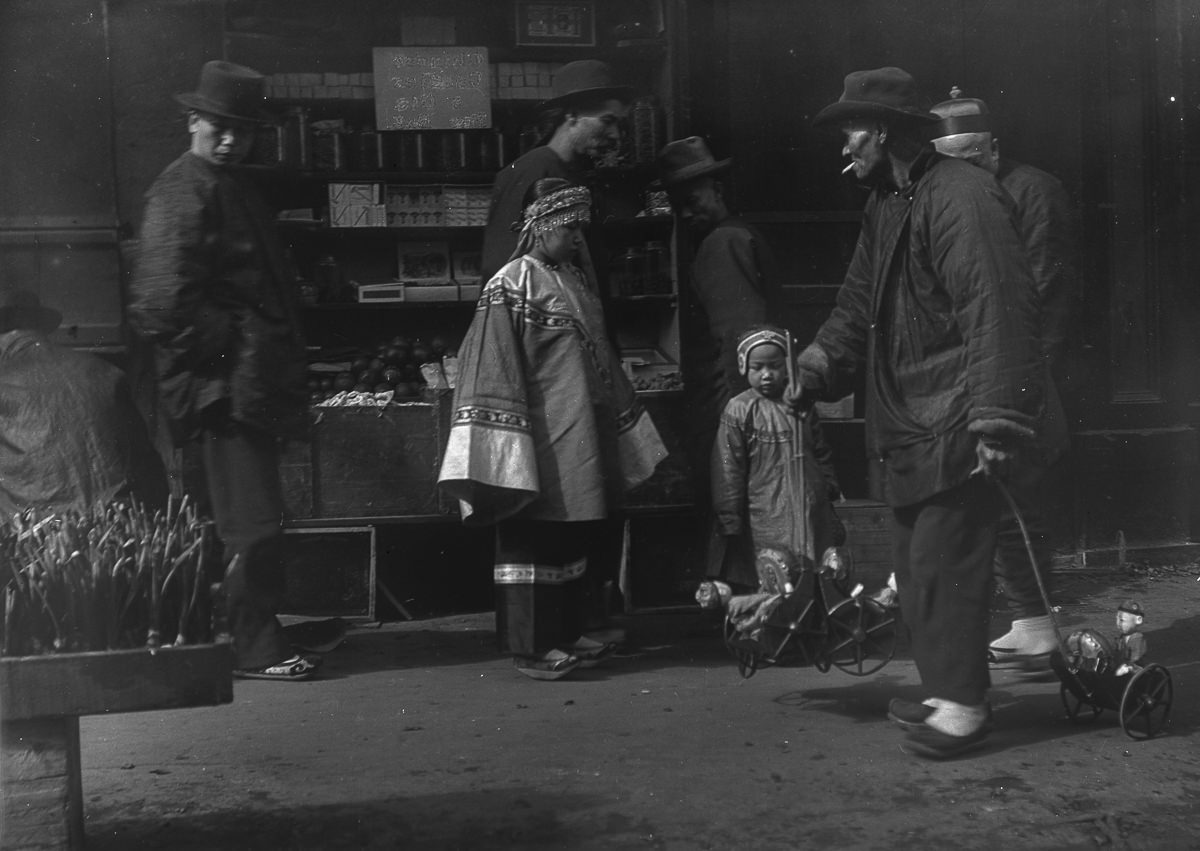
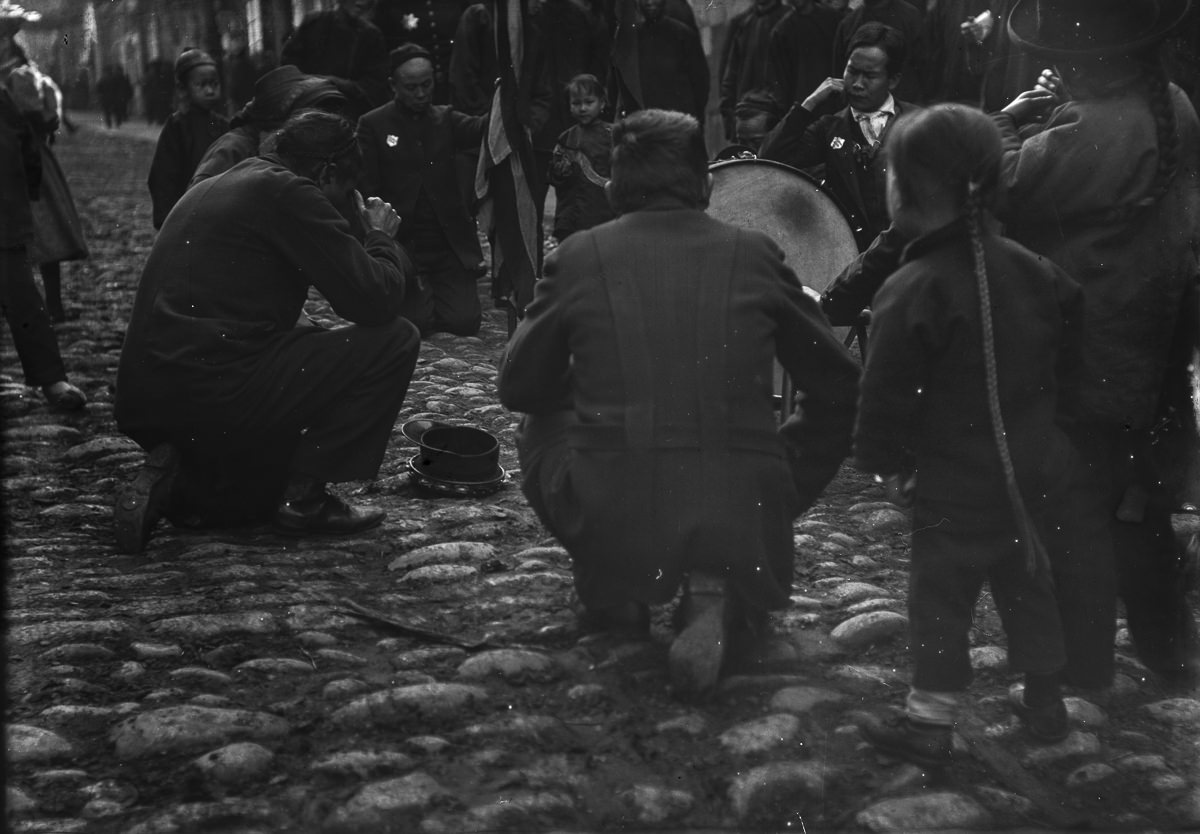
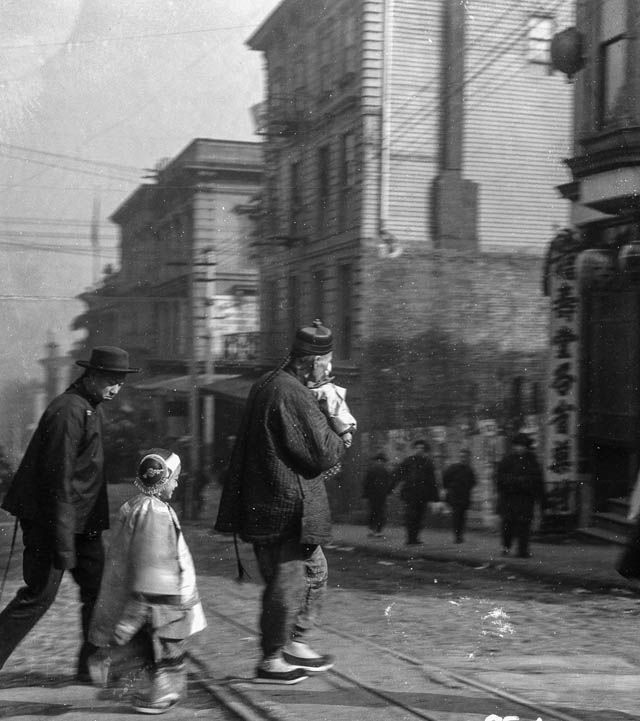
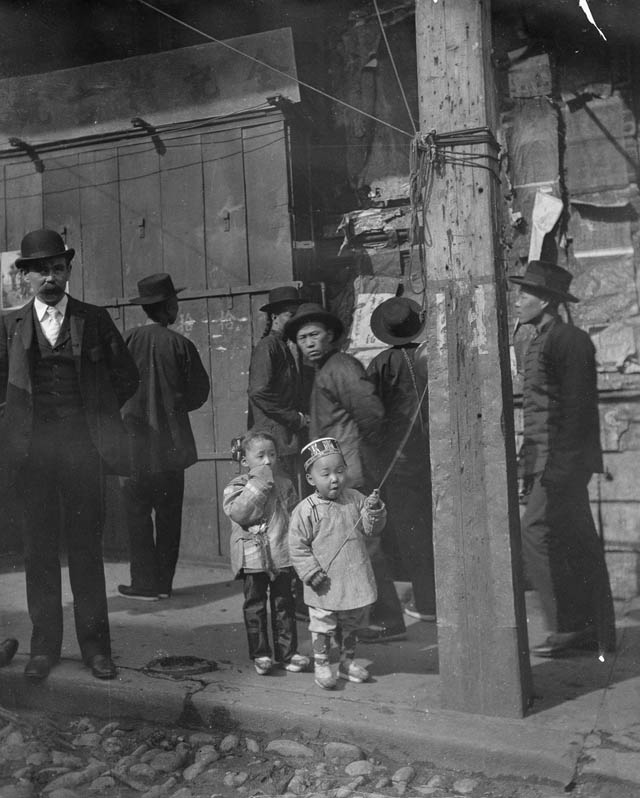
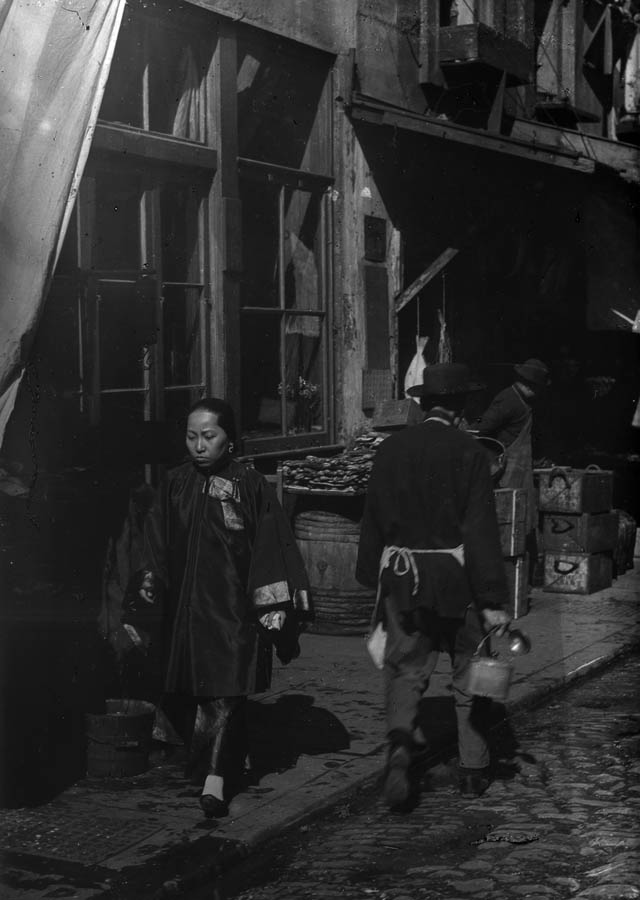
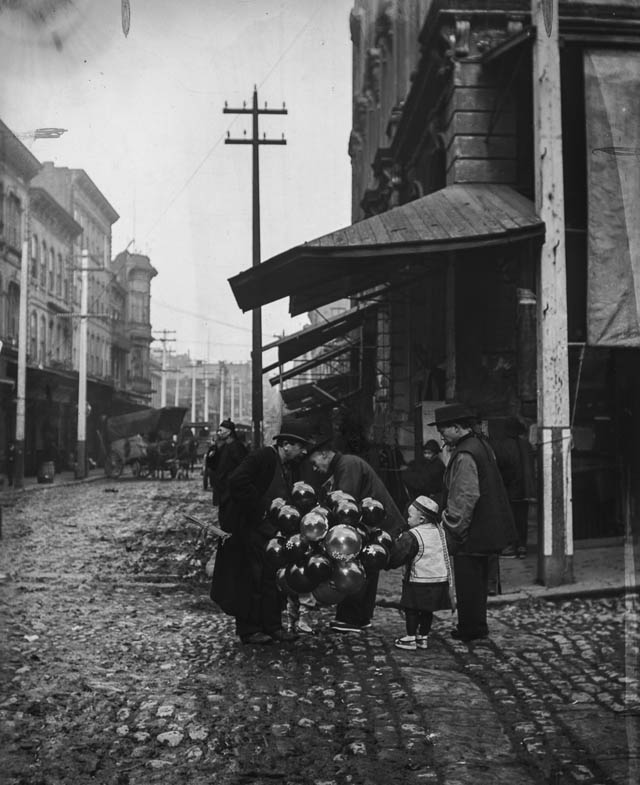
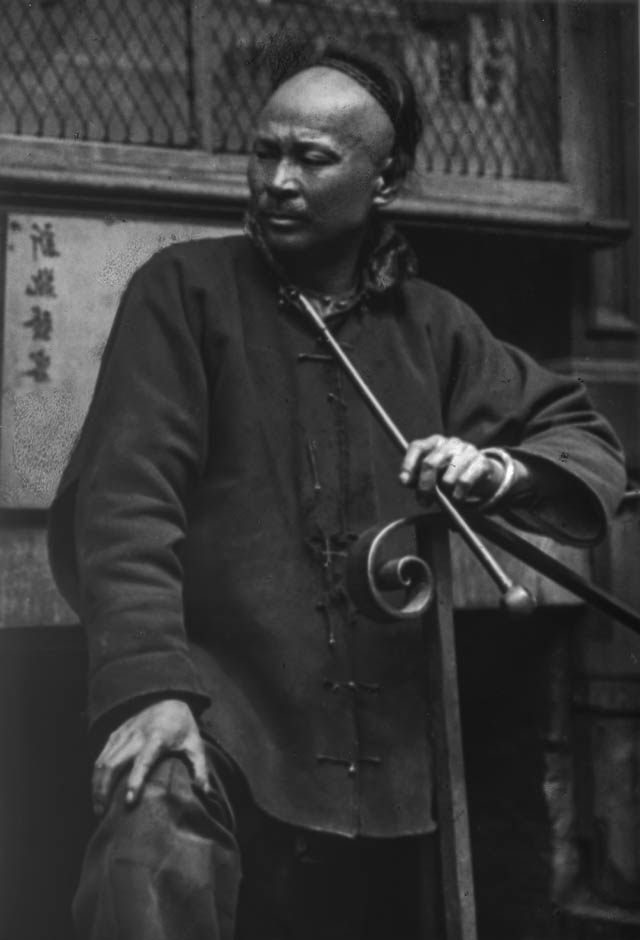
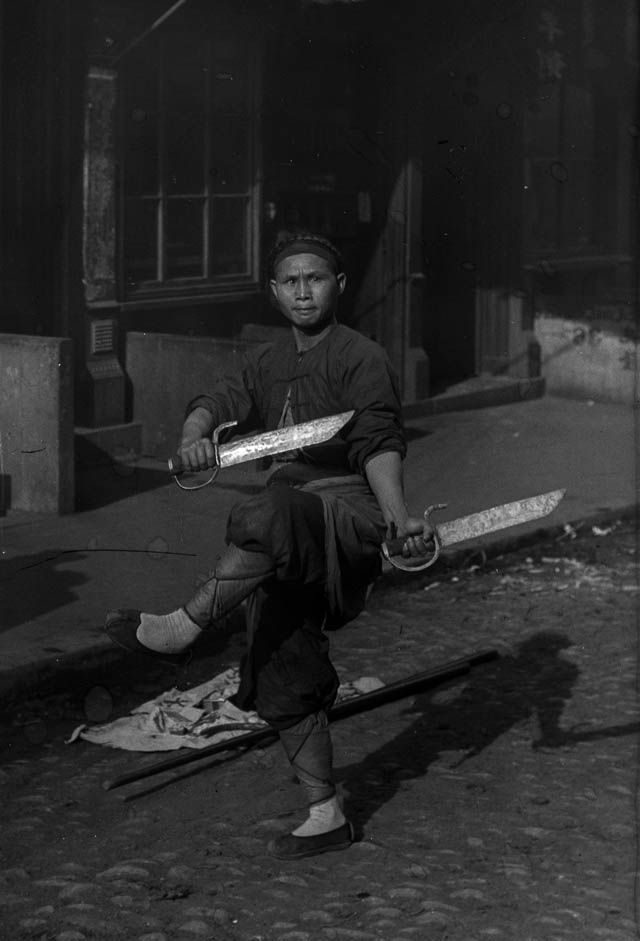
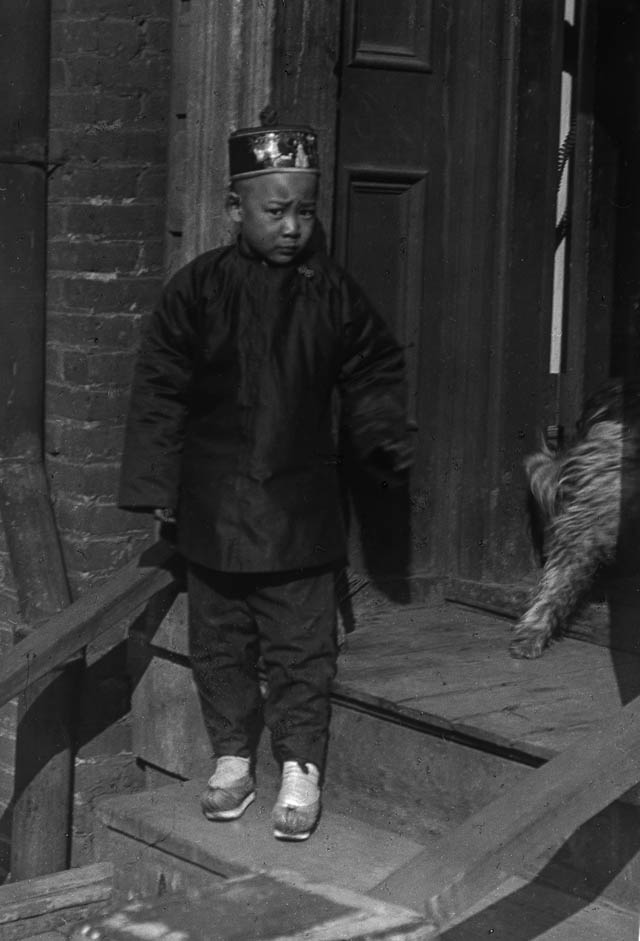
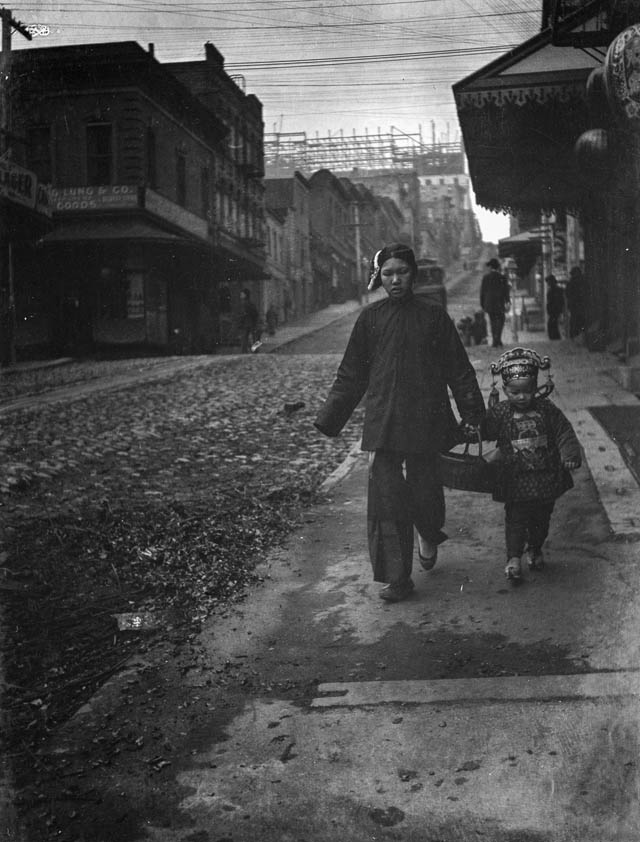
Genthe photographed street vendors, children at play, men in traditional dress, and the everyday rhythms of a neighborhood that outsiders rarely saw up close. He often shot without his subjects knowing, using a small camera he could conceal, which gave his images a candid, unposed quality that was rare for the time. The result was a record of real life rather than staged portraits.
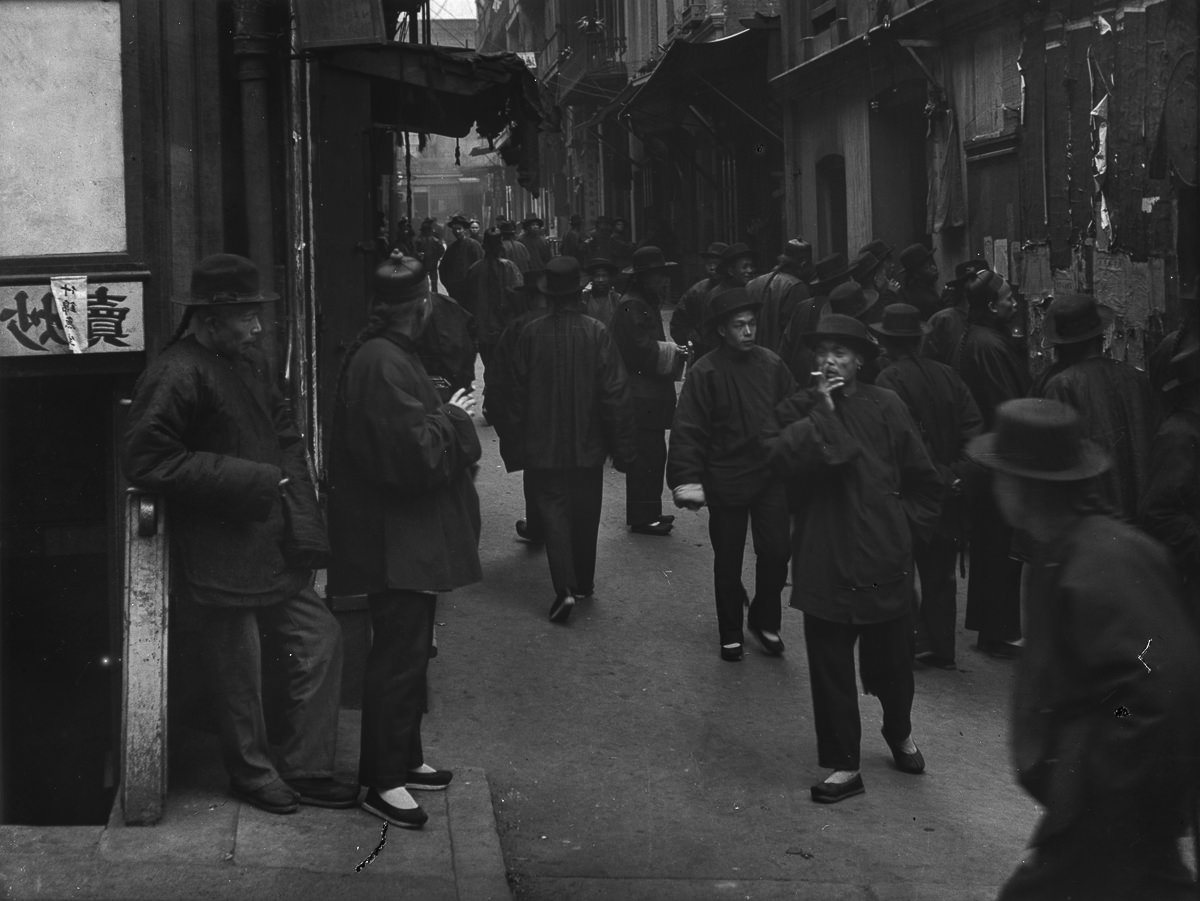
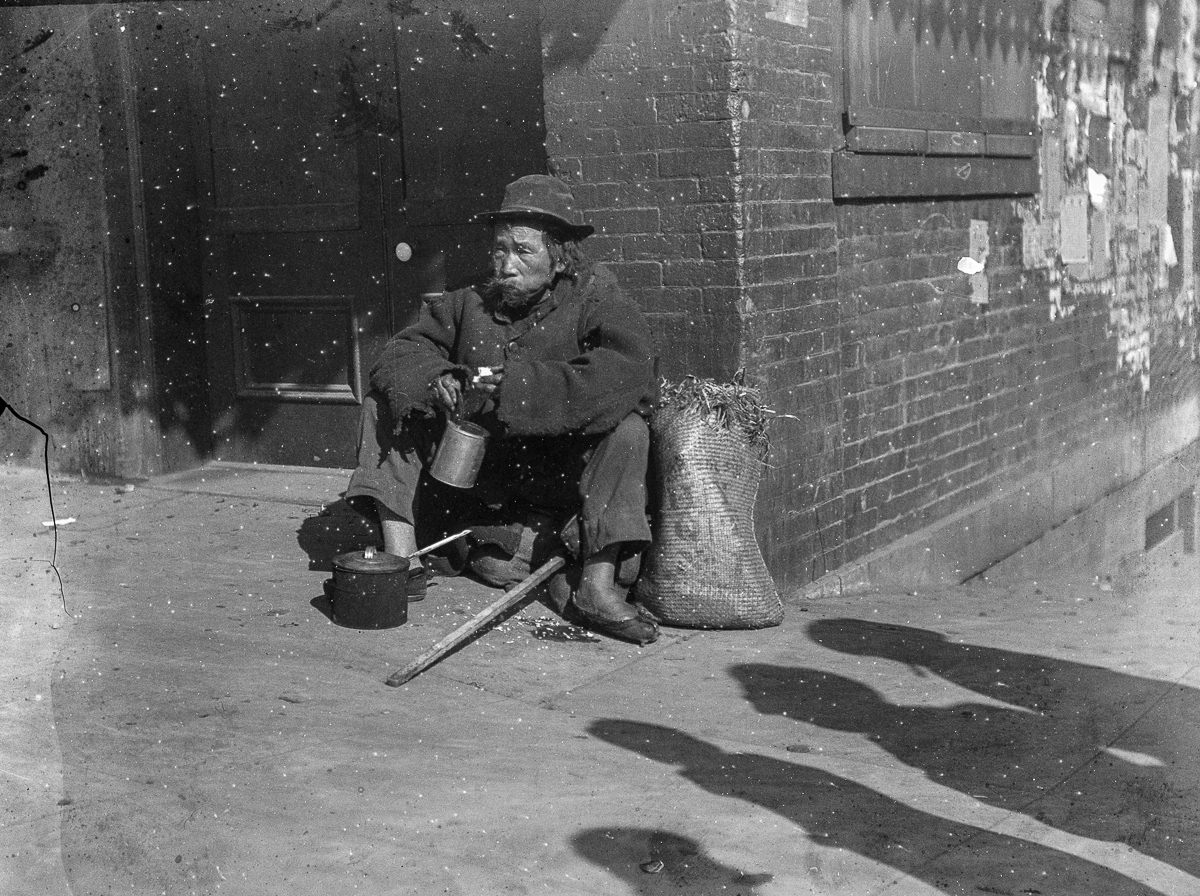
The streets of Chinatown were lined with businesses that catered entirely to the Chinese community. Signs in Chinese characters hung above doorways. Merchants sold dried seafood, herbal medicines, silks, and produce. Benevolent associations — organizations tied to family clans or home regions in China — operated from storefronts and served as the neighborhood’s unofficial government, settling disputes and providing support to members.
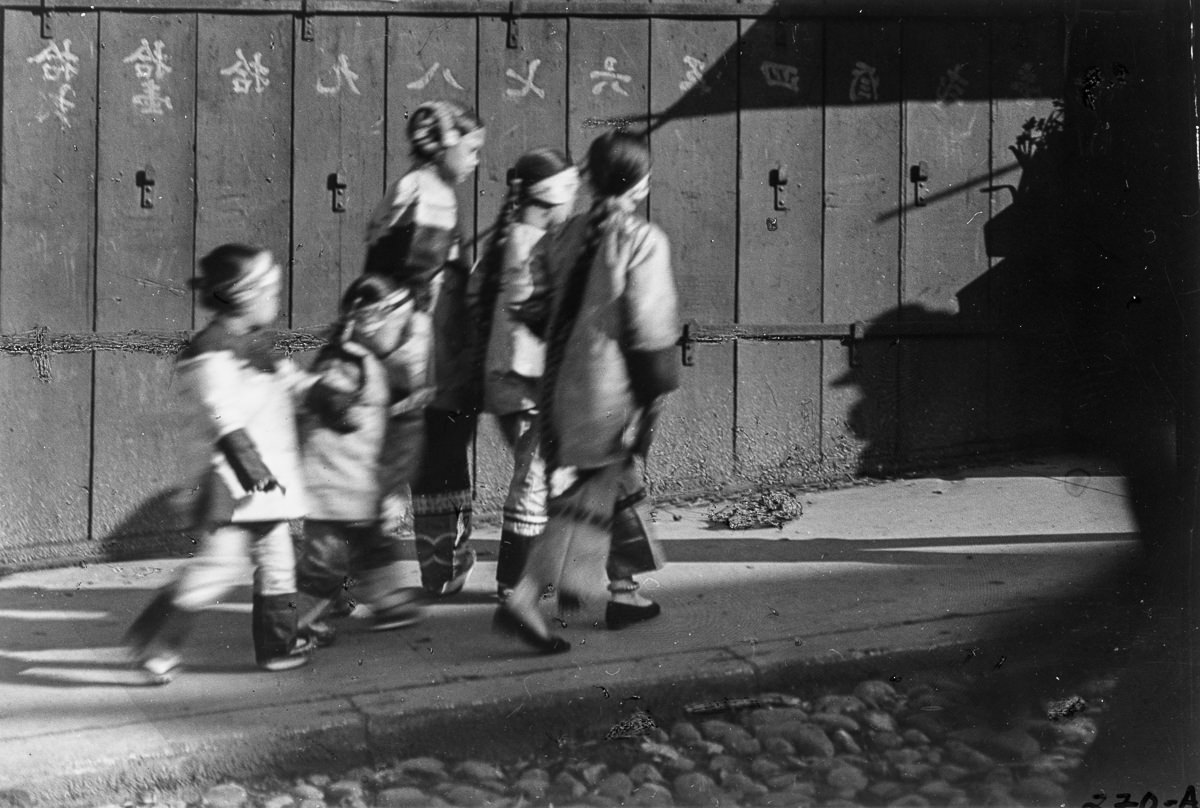
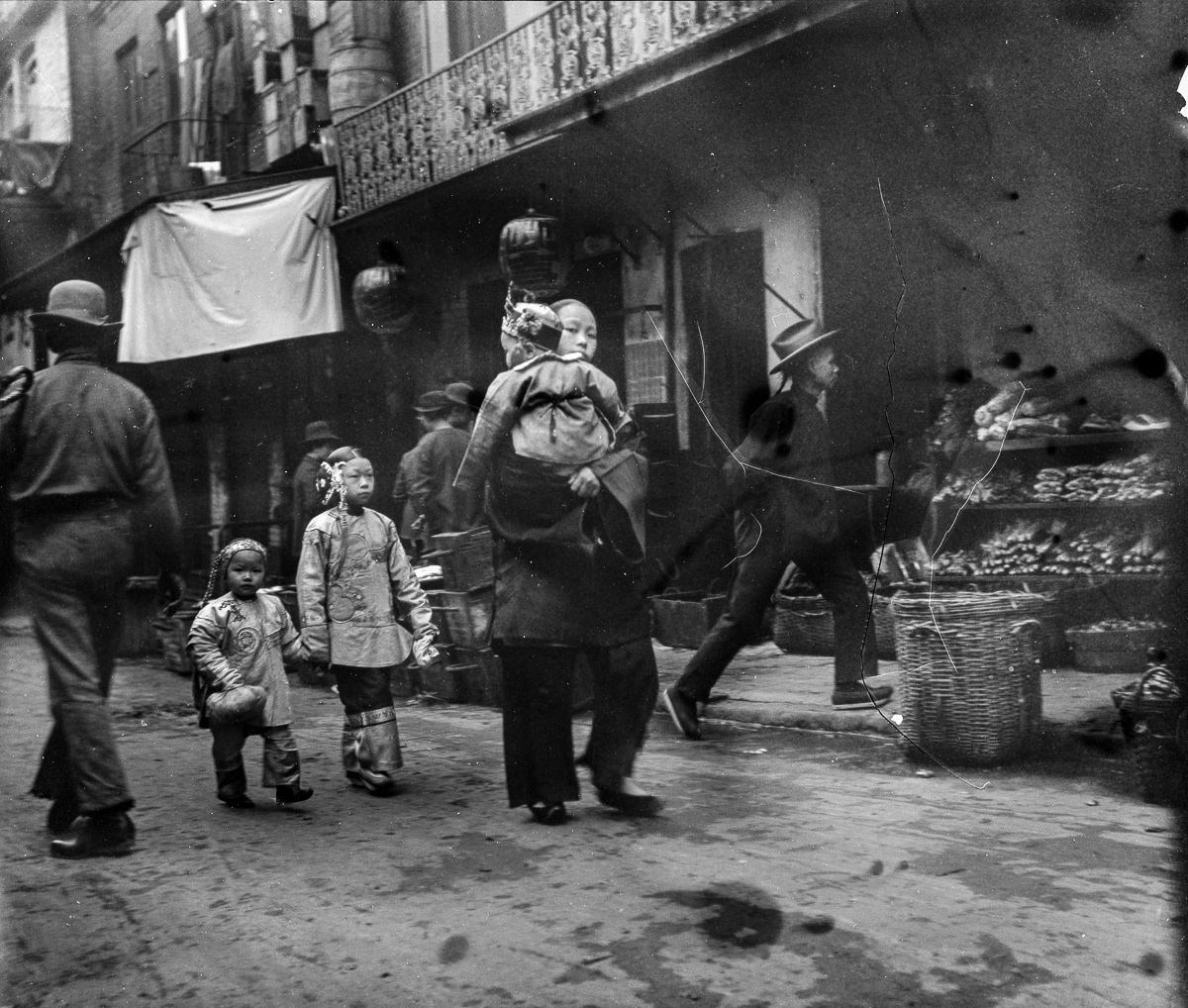
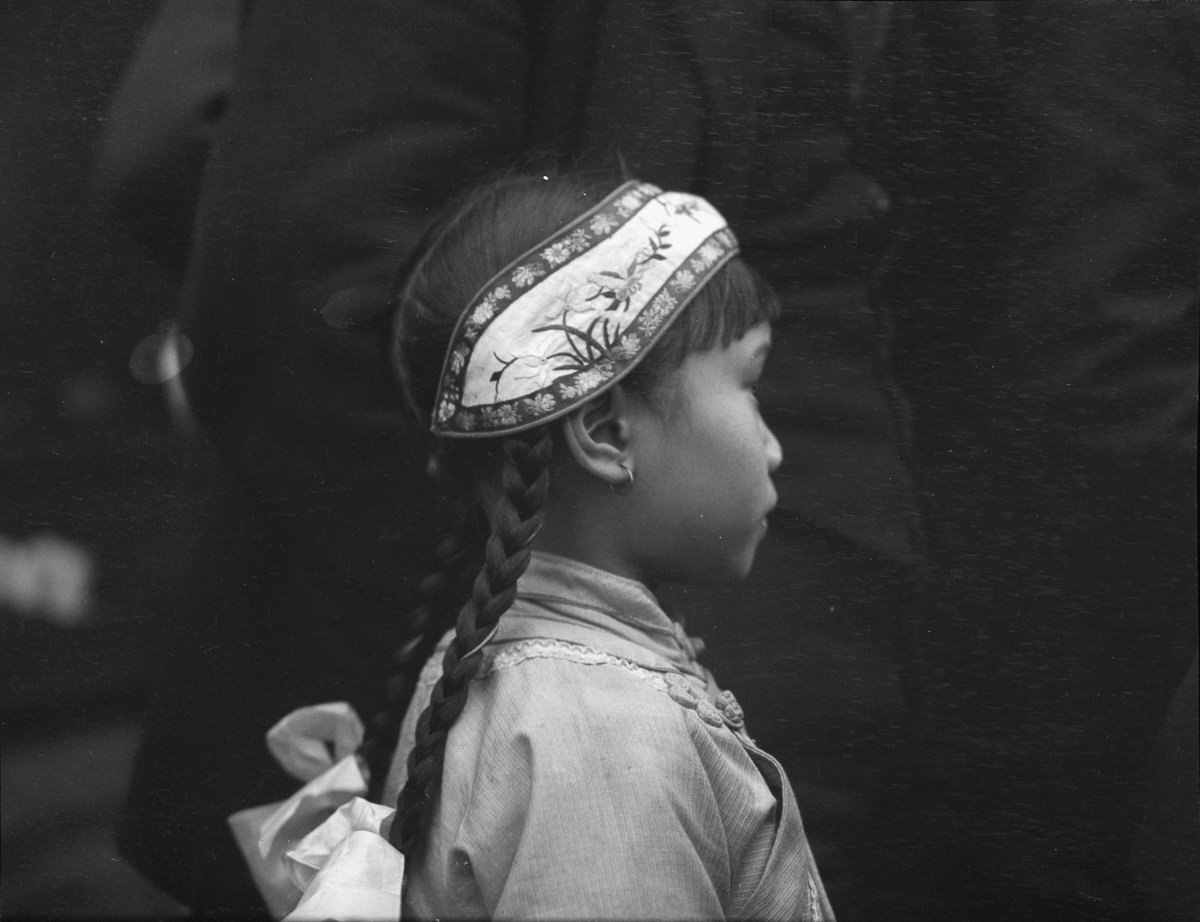
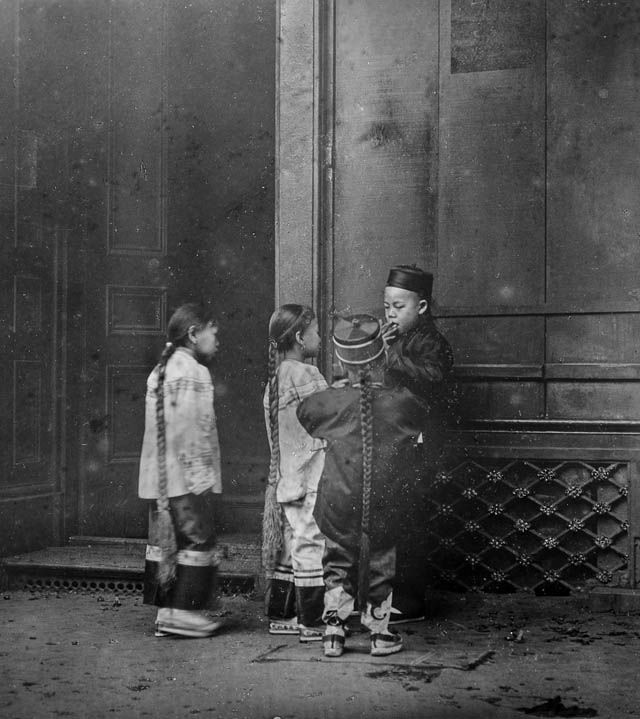
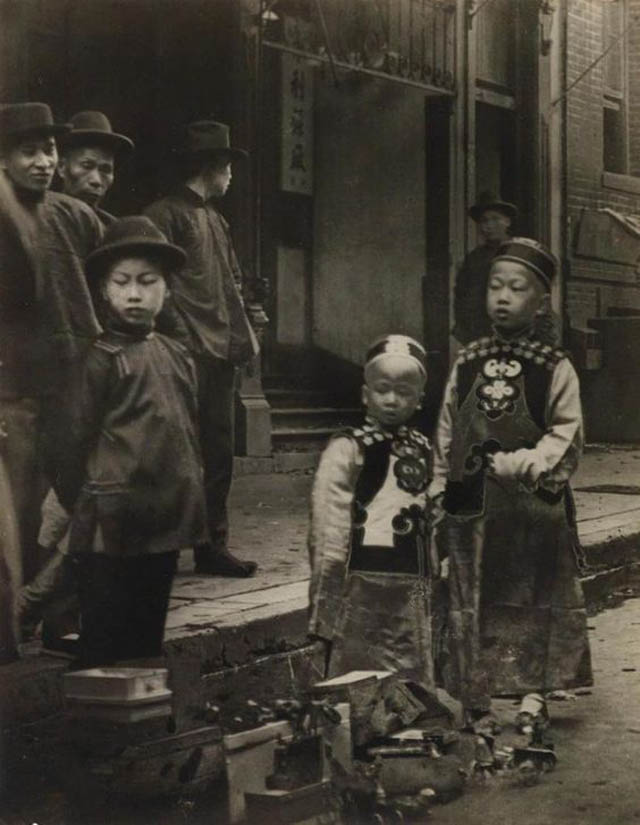
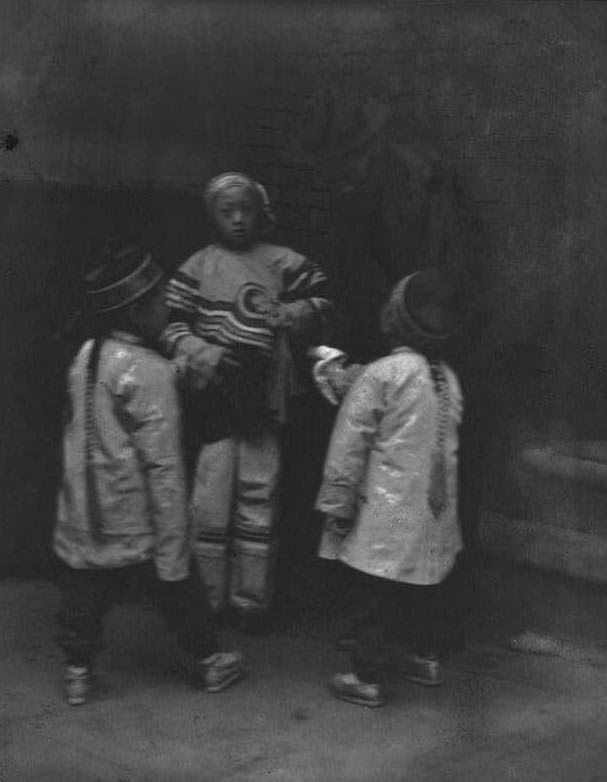
Children were a common subject in Genthe’s Chinatown photographs. Despite the harsh restrictions on Chinese family life imposed by U.S. law, children born in San Francisco were American citizens, and they grew up navigating two very different worlds. They attended both public schools and Chinese-language schools run by the community.
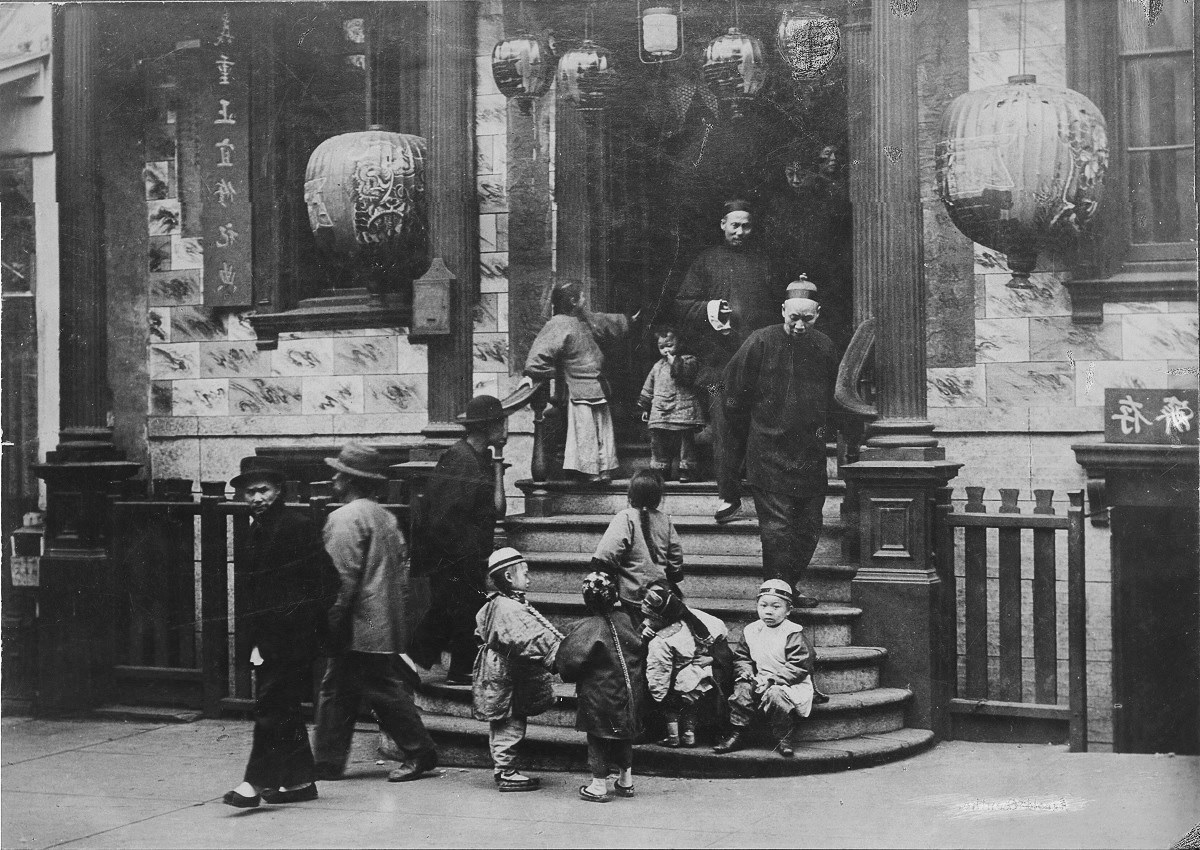
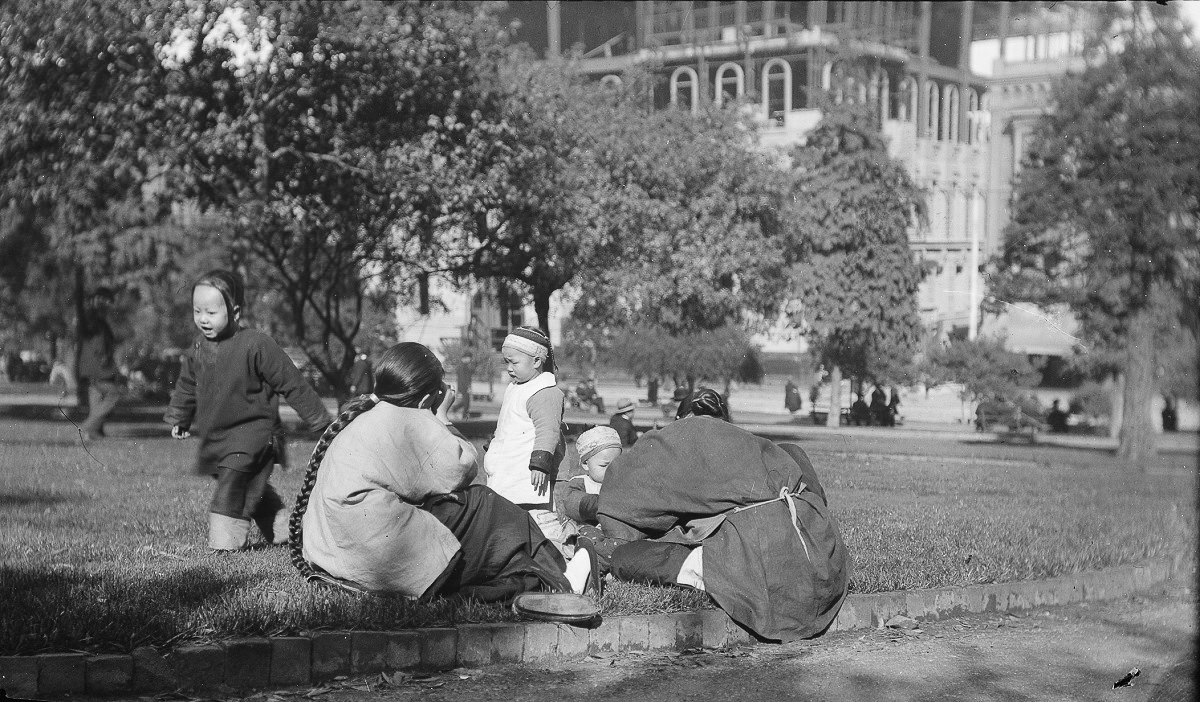
Genthe’s photographs also document the visual culture of the neighborhood — the lanterns, the layered architecture, the mixture of Western and Chinese clothing styles. Some residents wore traditional Chinese robes and braided queues, the long hairstyle required by the Qing dynasty government for Chinese men. Others had adopted Western dress. The two styles often appeared side by side on the same street.
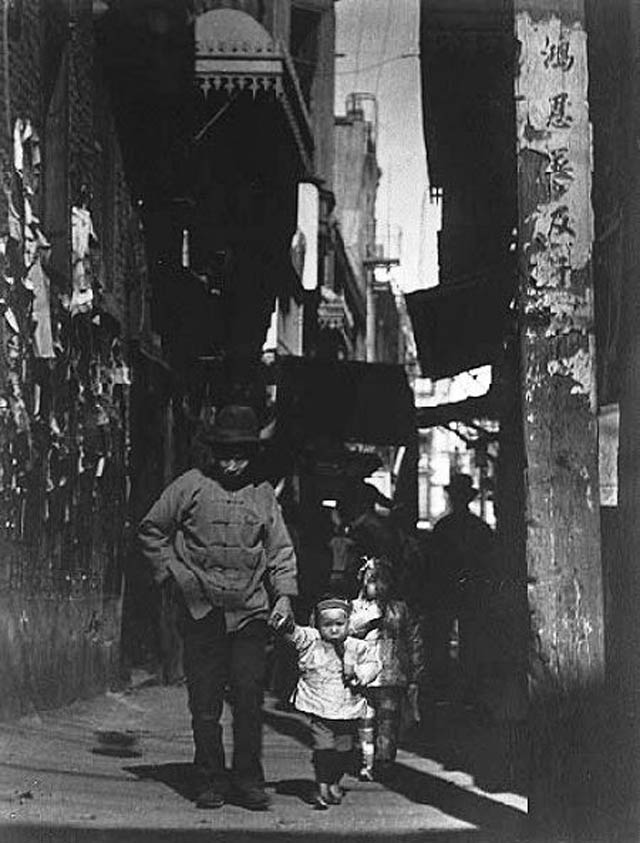
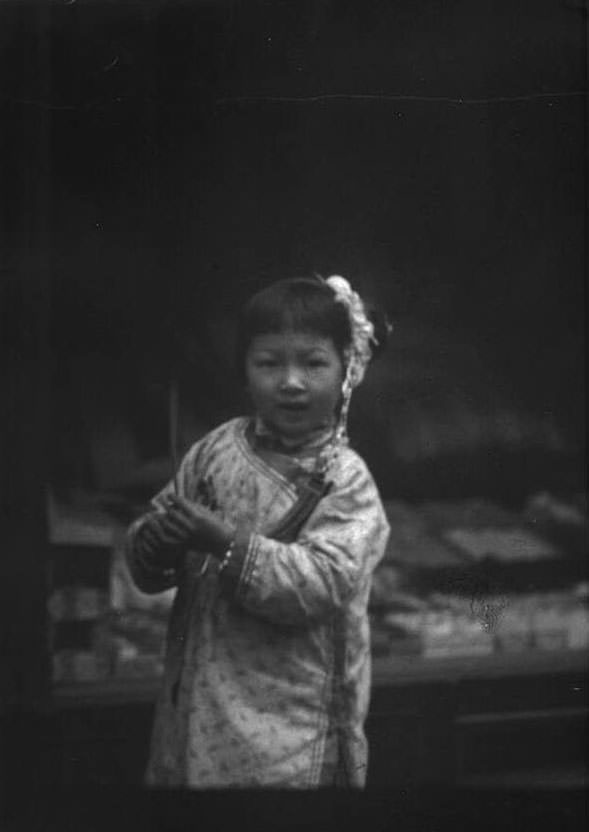
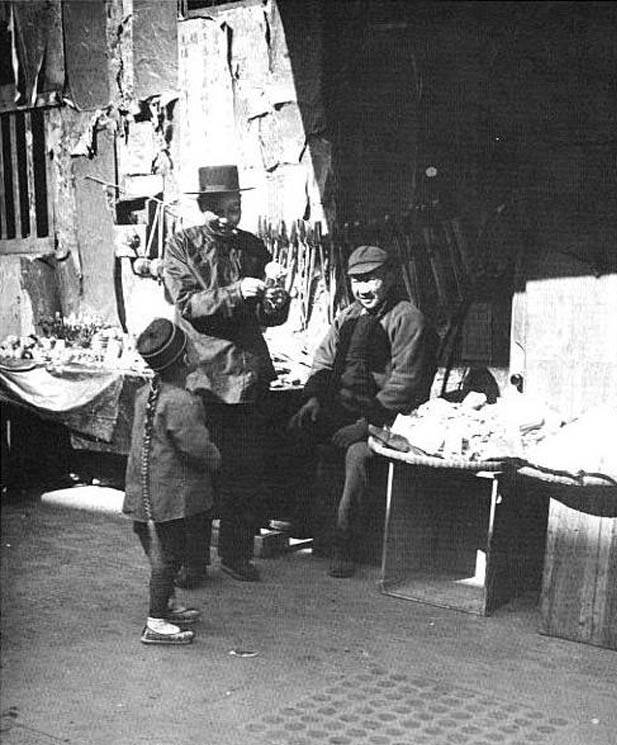
Not all of Chinatown’s life was visible to outsiders. The neighborhood also had opium dens, gambling halls, and tong rivalries — conflicts between competing criminal organizations that sometimes turned violent. These were real parts of the neighborhood’s social landscape, and the press of the era often used them to paint Chinatown as a dangerous and mysterious place. Genthe’s photographs push back against that narrative simply by showing ordinary people going about ordinary days.
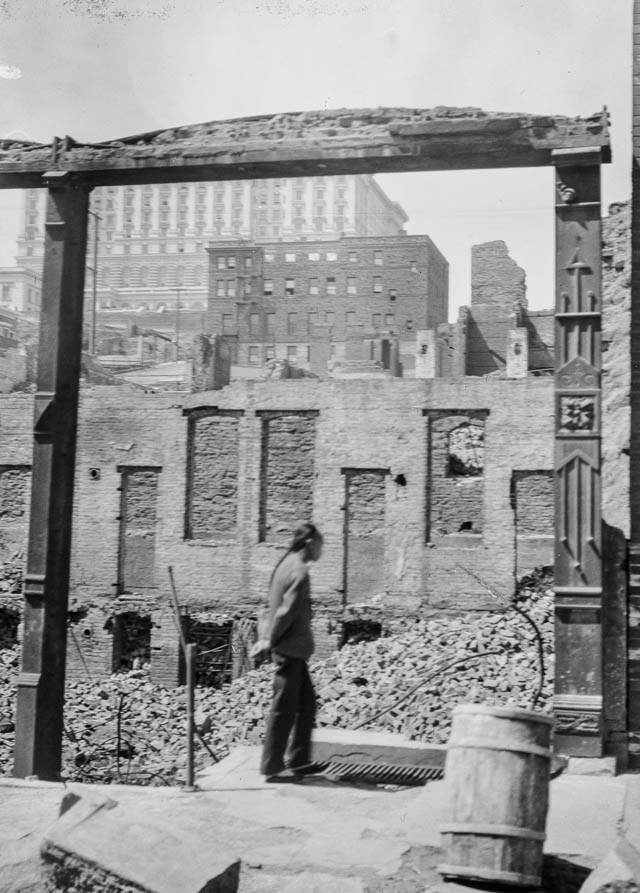
The 1906 San Francisco earthquake and fire destroyed nearly all of Chinatown. The neighborhood burned to the ground along with much of the city. Genthe, whose own studio was destroyed, grabbed a borrowed camera and photographed the disaster as it unfolded. His earthquake photographs became some of the most famous images of that event. The Chinatown he had spent a decade documenting was gone.
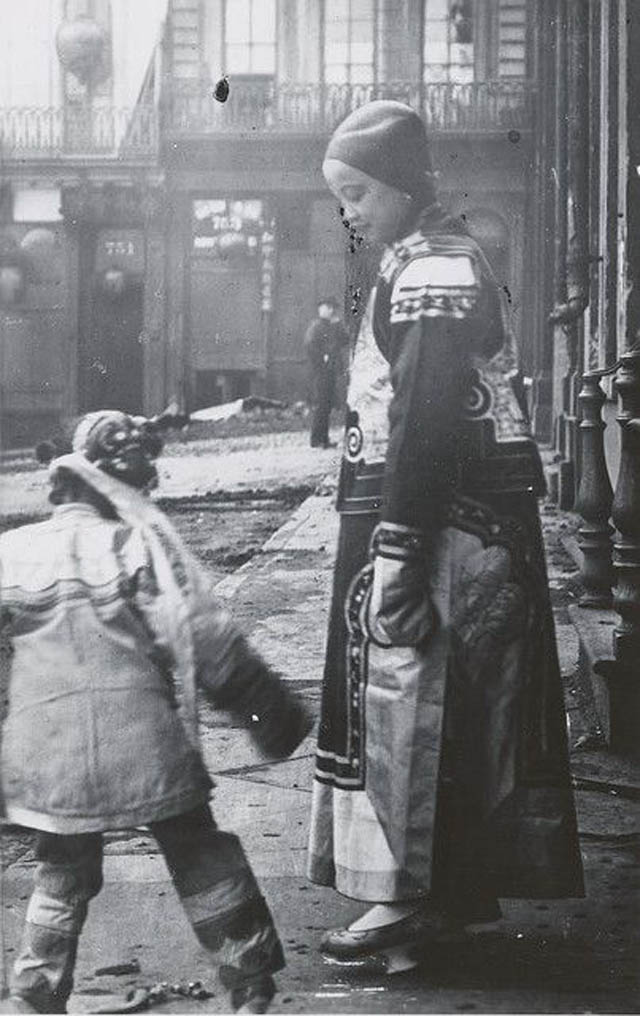
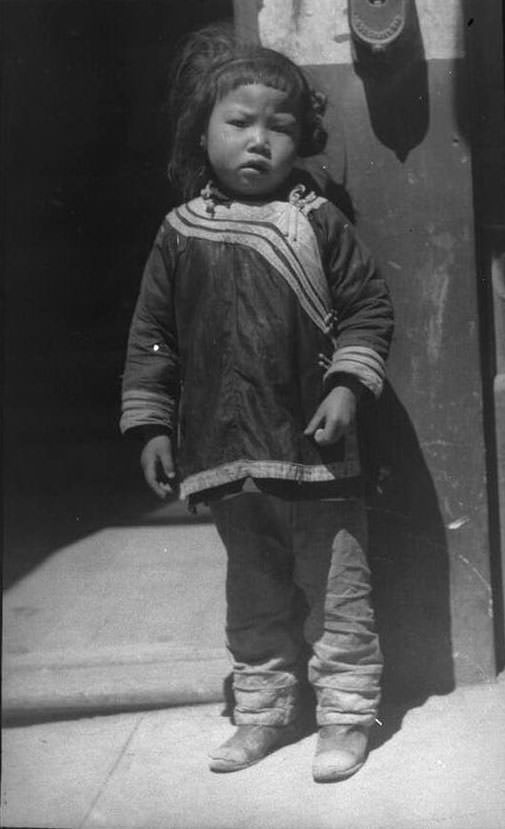
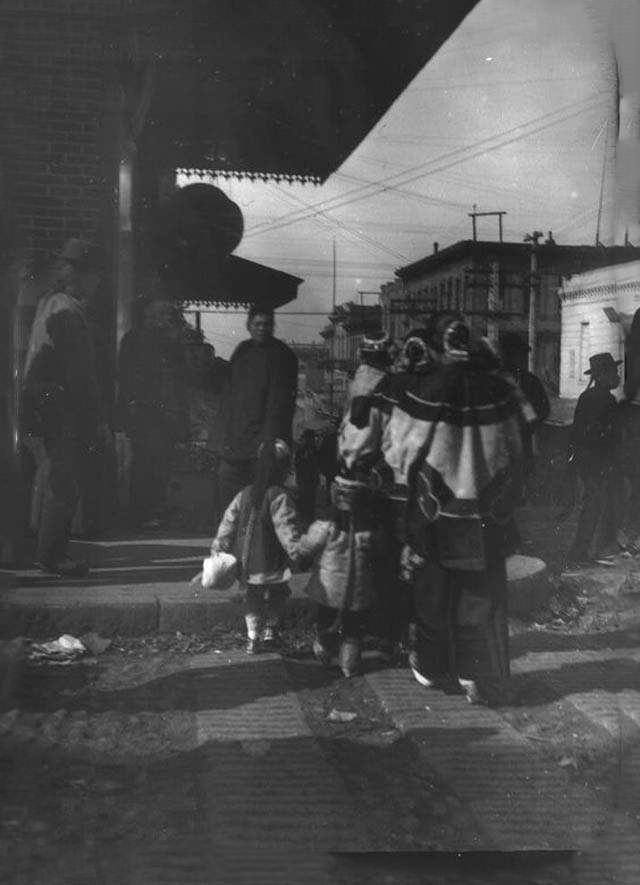
After the earthquake, city officials briefly considered relocating Chinatown to a less central part of San Francisco. The Chinese community resisted, and Chinatown was rebuilt on the same site. The new neighborhood went up quickly and was designed to appeal to tourists, with more elaborate pagoda-style architecture than the original. Genthe’s pre-earthquake photographs remain the most complete visual record of what that earlier Chinatown looked like.
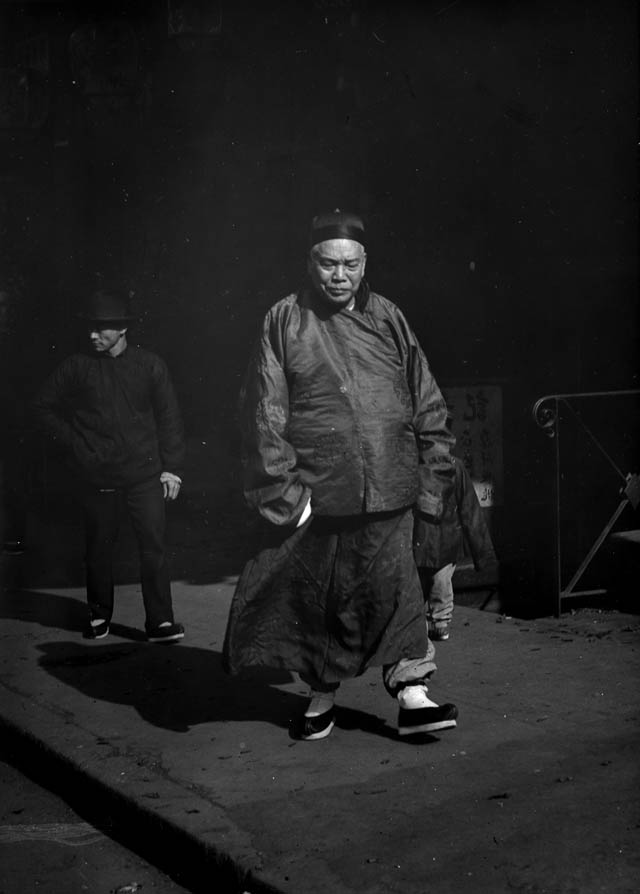
Beyond Chinatown, Genthe went on to photograph some of the most prominent figures of the early 20th century. His portraits included President Theodore Roosevelt, dancer Isadora Duncan, and actress Greta Garbo. He also photographed author Jack London, who lived nearby and was a contemporary in San Francisco’s cultural scene. Genthe moved to New York in 1911, where he continued working as a portrait photographer for decades.
Genthe published a book of his Chinatown photographs in 1908, titled “Pictures of Old Chinatown.” The text was written by Will Irwin, a journalist who had grown up in San Francisco. The book presented the neighborhood to a broad American audience at a time when most people outside California had little direct knowledge of Chinese immigrant life. The photographs stood apart from the sensationalized reporting that dominated press coverage of Chinatown during that period.
His glass plate negatives survived the 1906 earthquake only because he had stored many of them outside his studio. The Library of Congress now holds a large portion of his Chinatown archive. These images span roughly a decade of street life — from the mid-1890s to 1906 — and they show a community that was tightly knit, commercially active, and deeply rooted in its own traditions while existing under significant legal and social pressure from the broader American society.