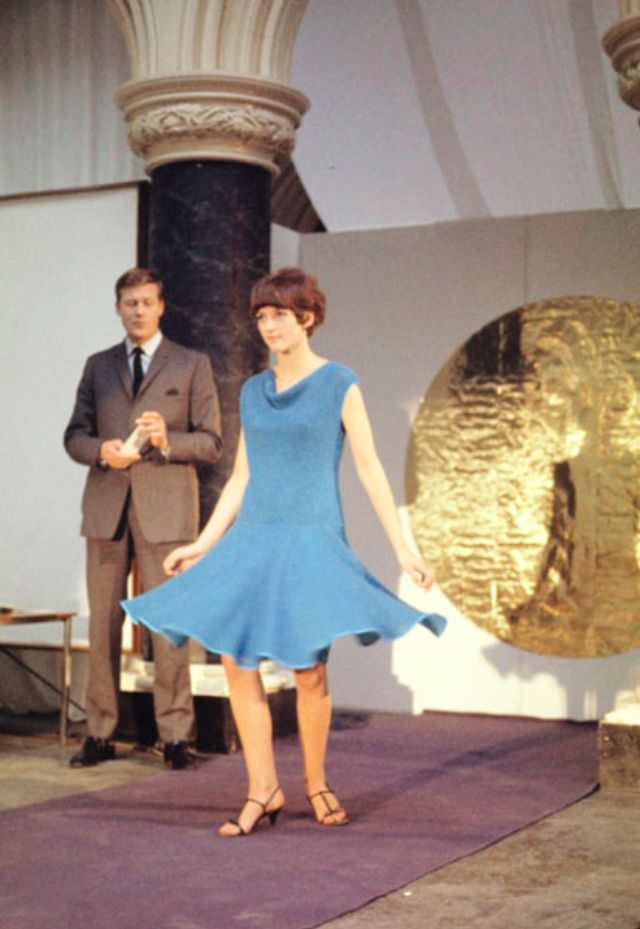
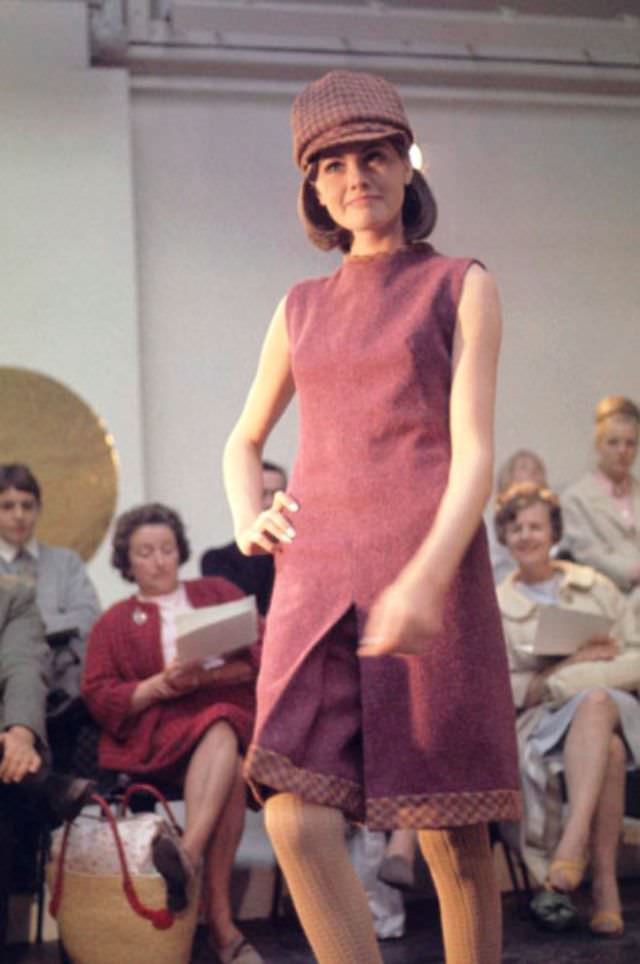
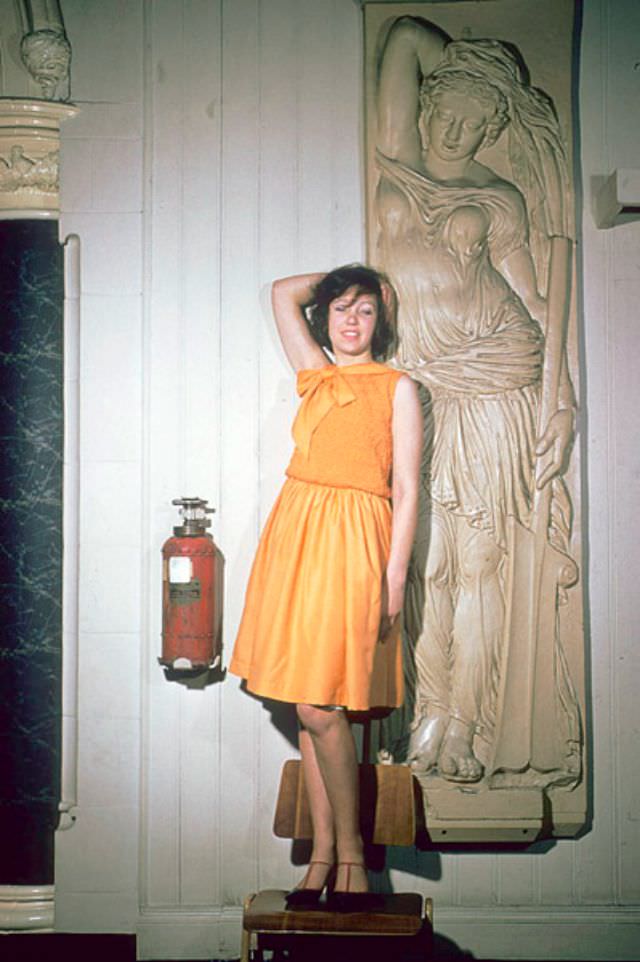
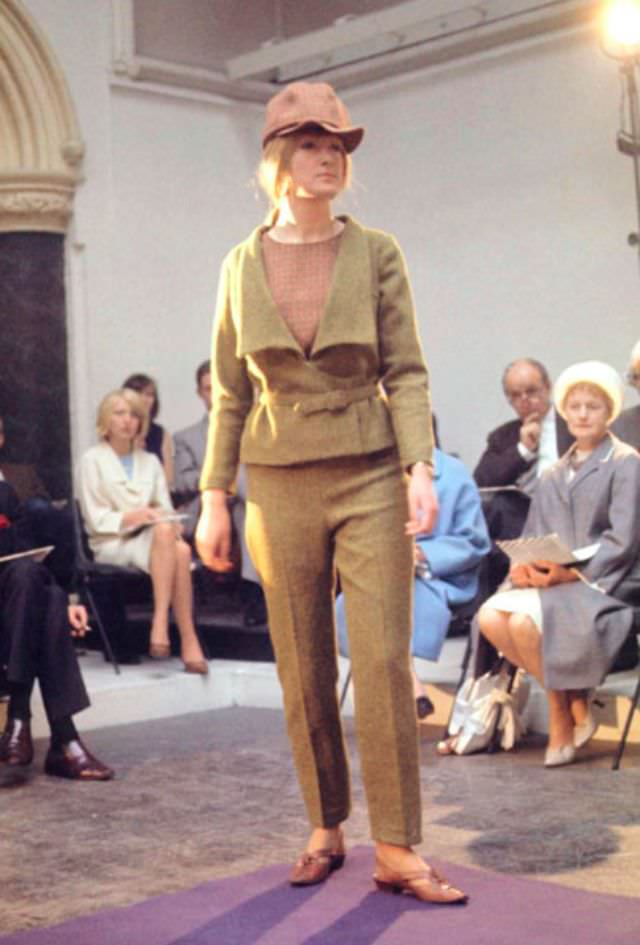
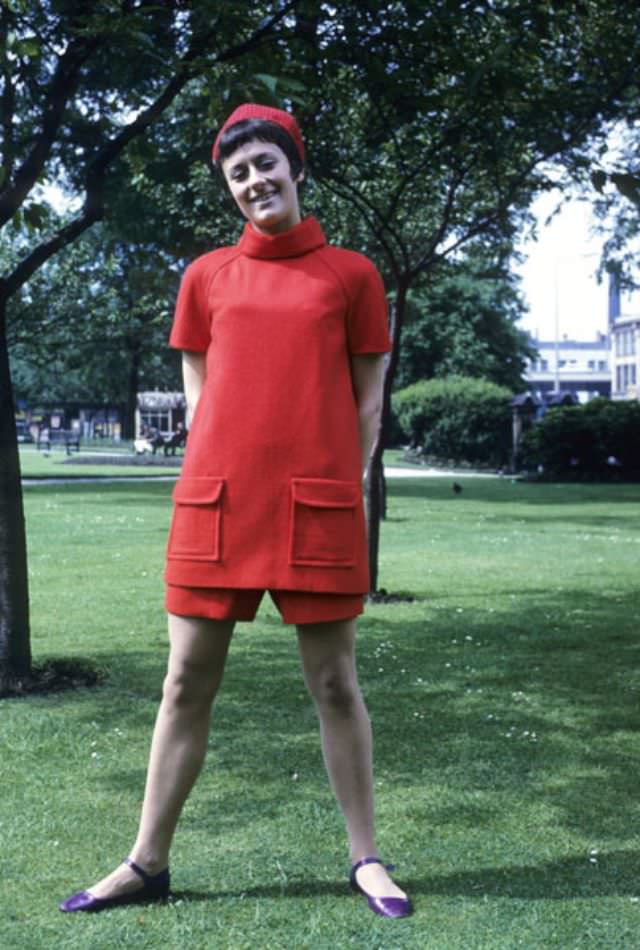
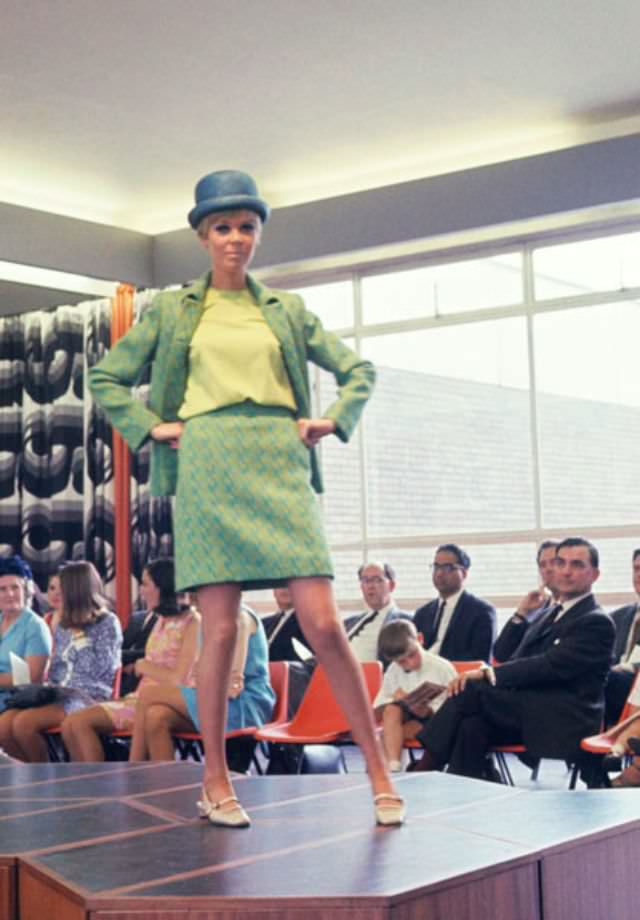
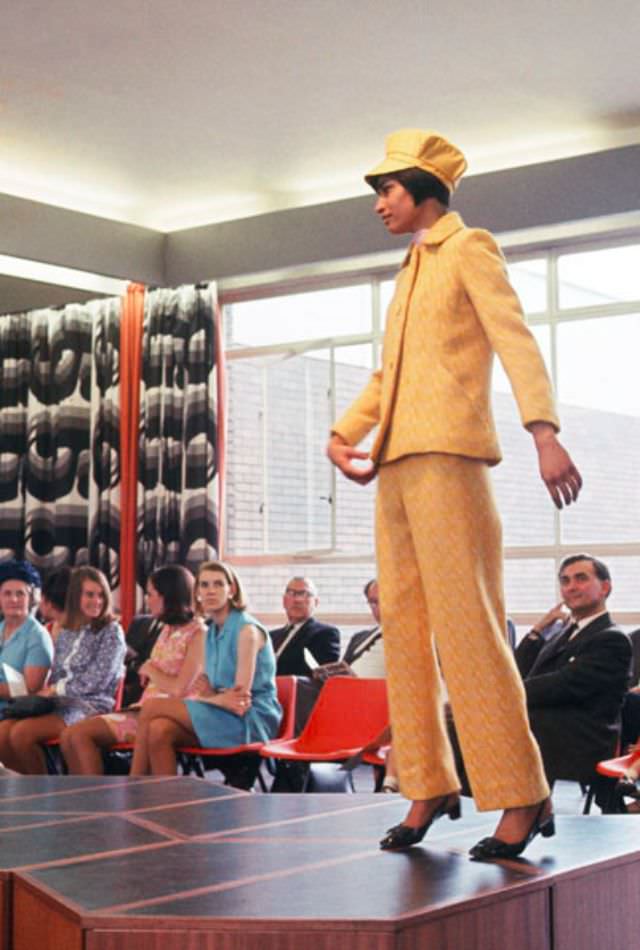
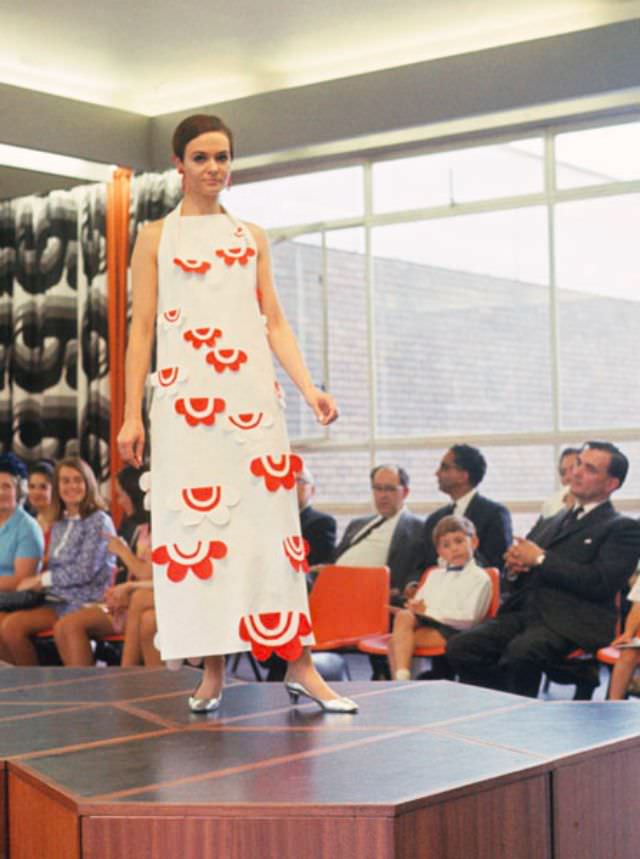
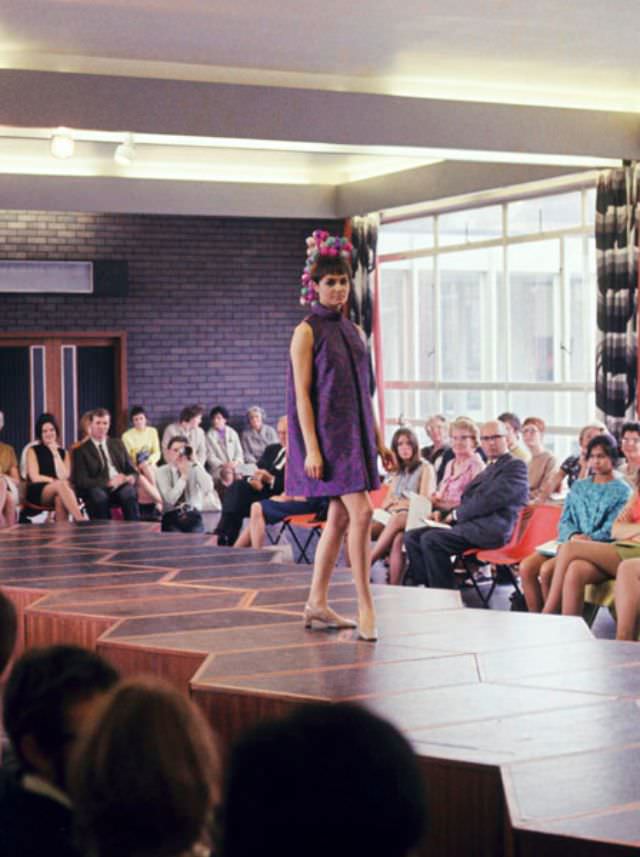
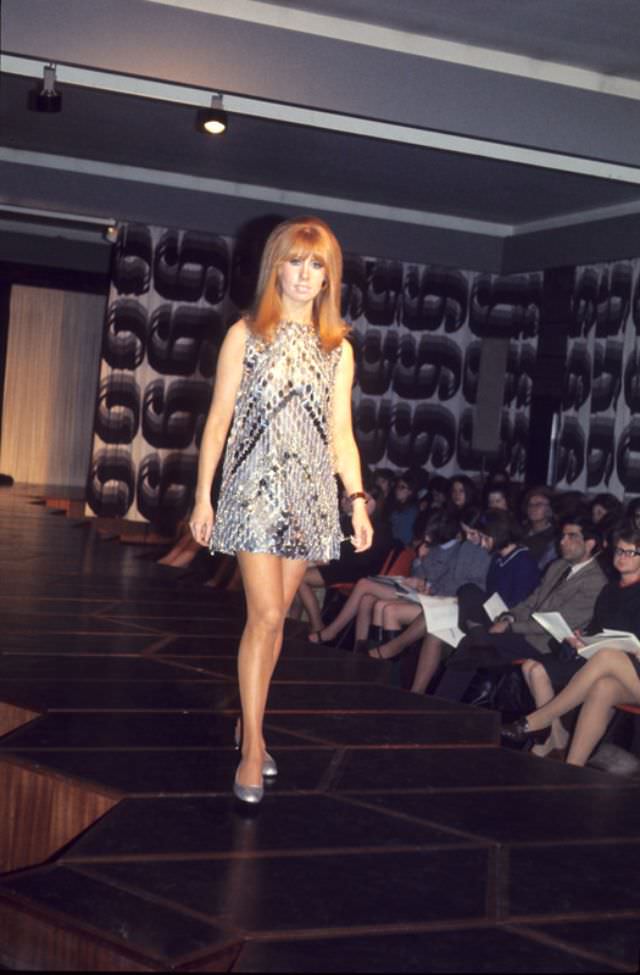
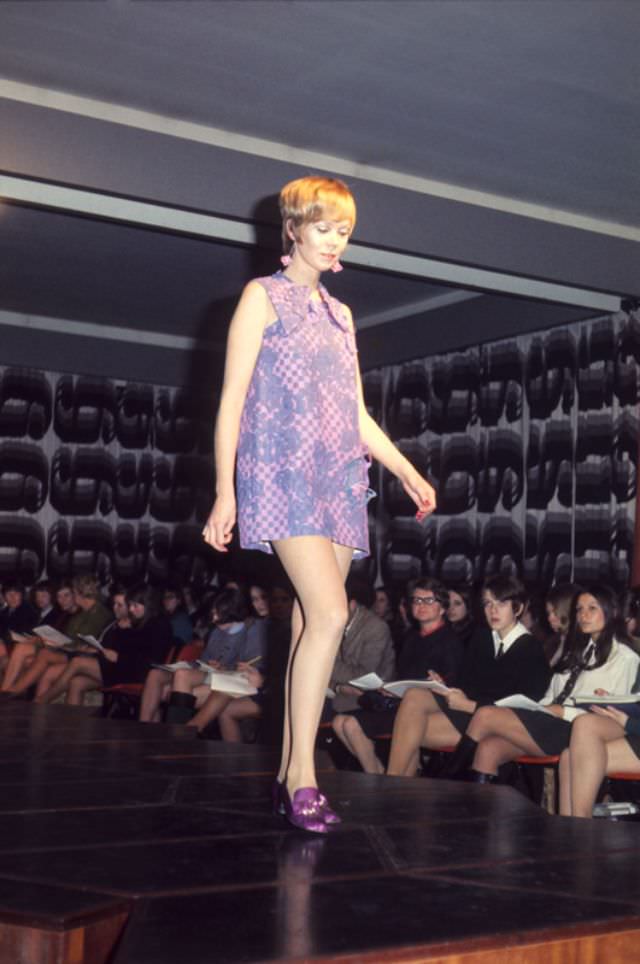
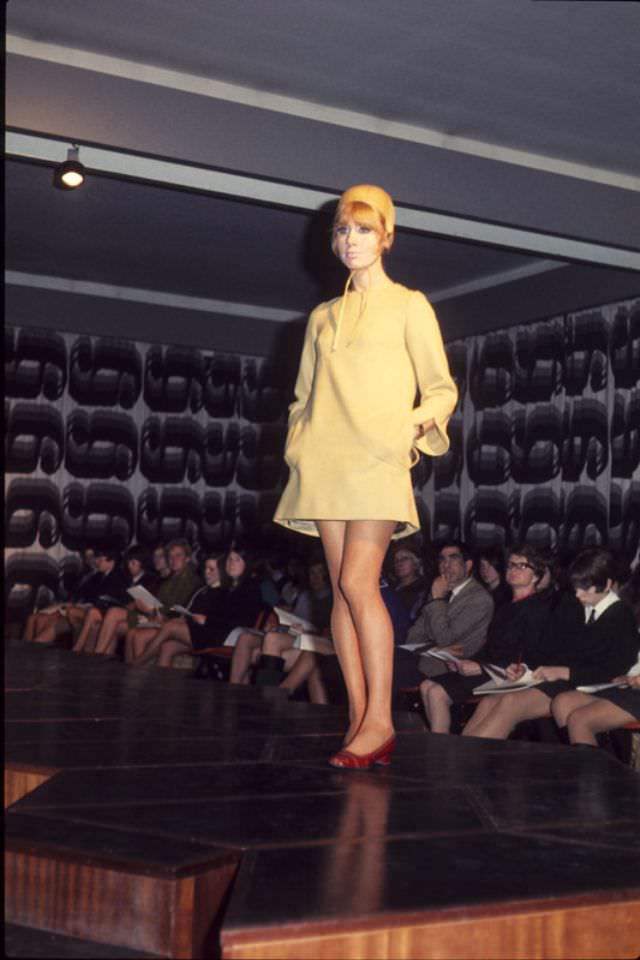
In the 1960s, Manchester was more than an industrial city — it was a hotbed of creative energy. The Manchester School of Art, which later became part of Manchester Polytechnic and eventually Manchester Metropolitan University, was training a new generation of fashion designers. These students were young, ambitious, and deeply tuned in to everything happening around them.
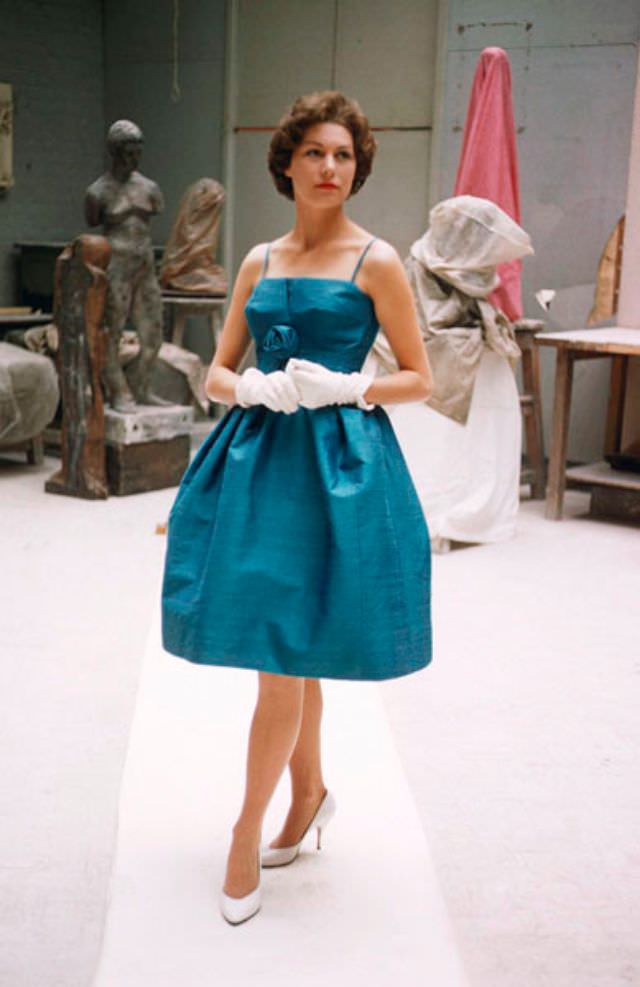
The city’s textile manufacturing history gave students direct access to fabrics and materials that most art school students elsewhere could only dream of. They used this to their advantage, experimenting with bold colors, unconventional cuts, and mixed fabrics from the very start of their training.
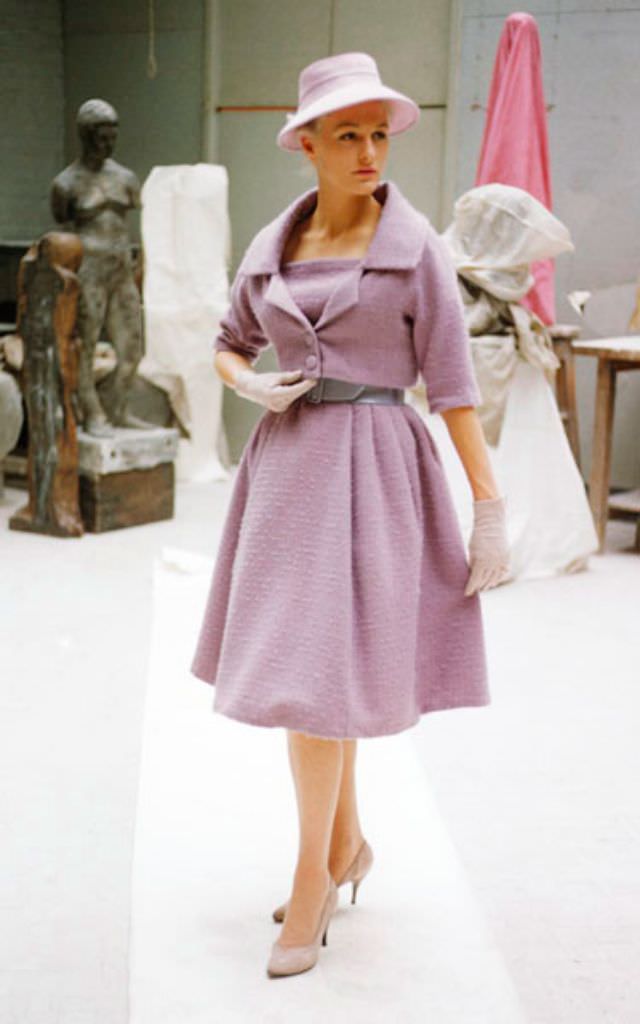
The Mod movement hit Manchester hard. Sharp tailoring, geometric shapes, and clean lines defined the look many students chased. At the same time, the Hippie movement pulled others toward flowing fabrics and vivid, psychedelic prints. Many students fused both into something entirely their own.
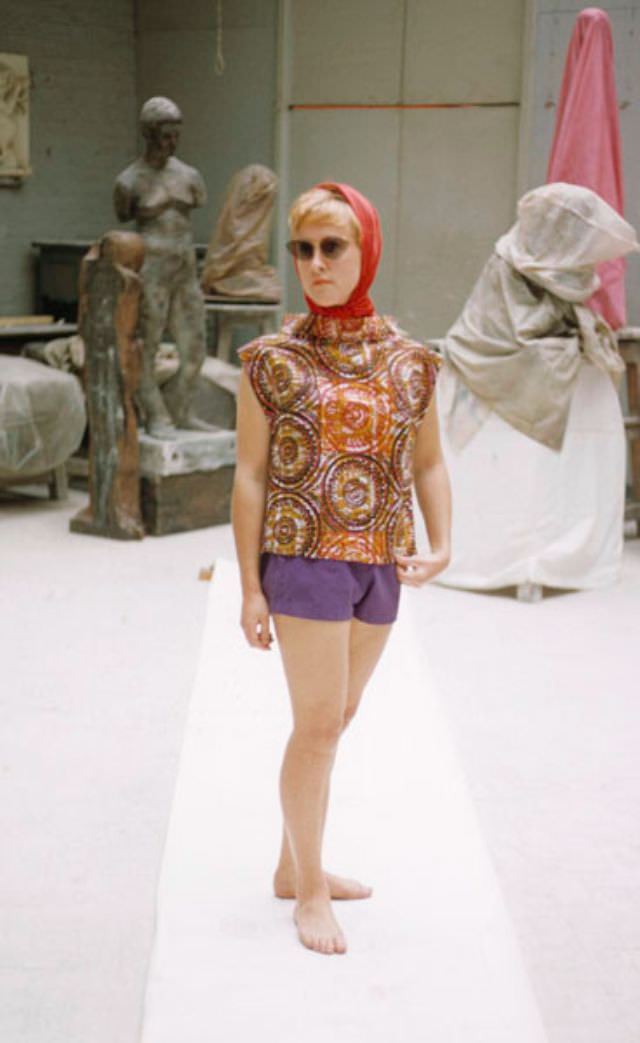
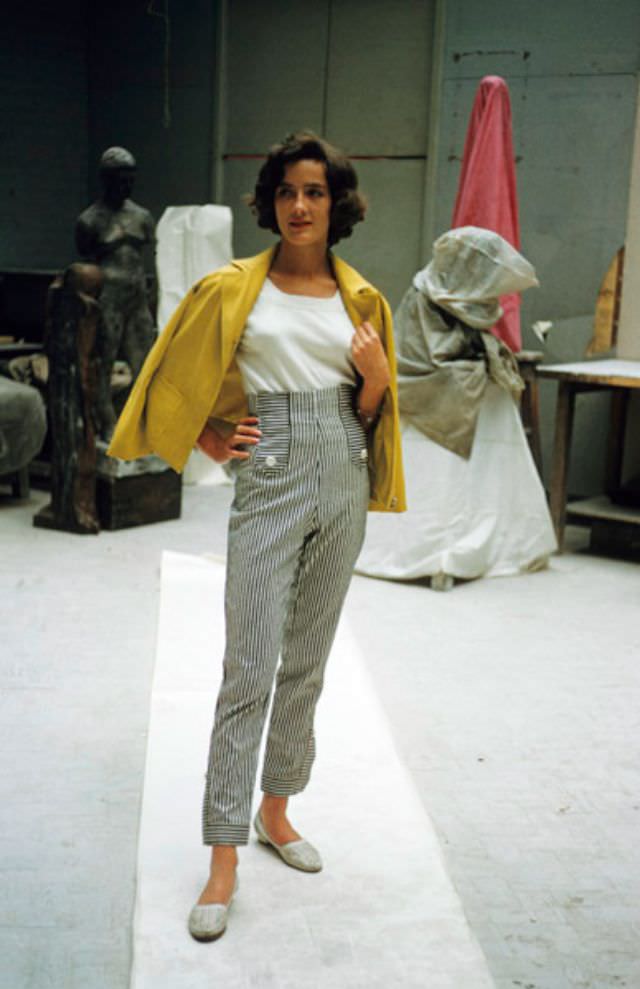
Bands like The Beatles and The Rolling Stones were reshaping what young people wore across Britain. Manchester students felt that influence directly. Music wasn’t just background noise — it was a design brief.
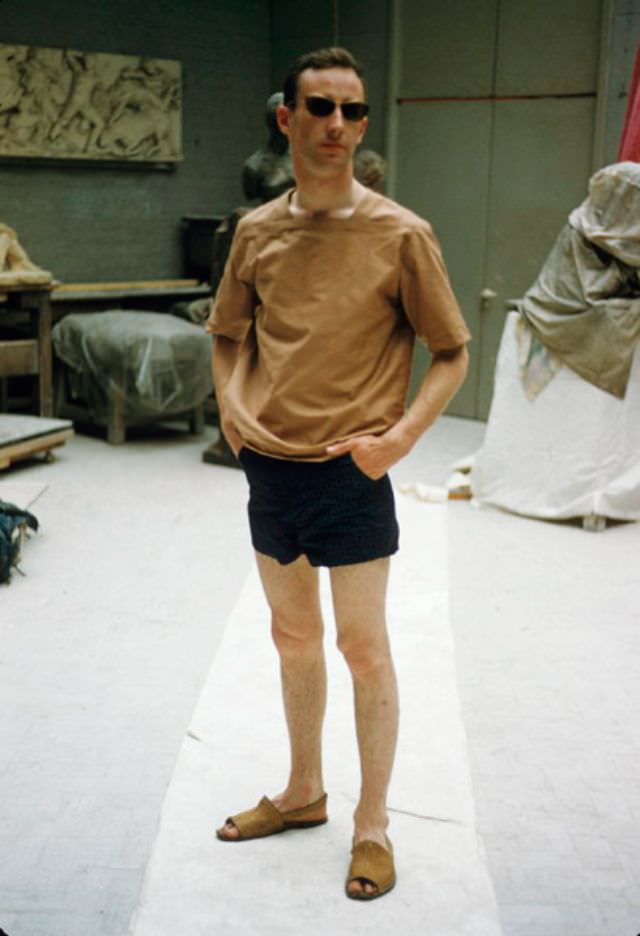
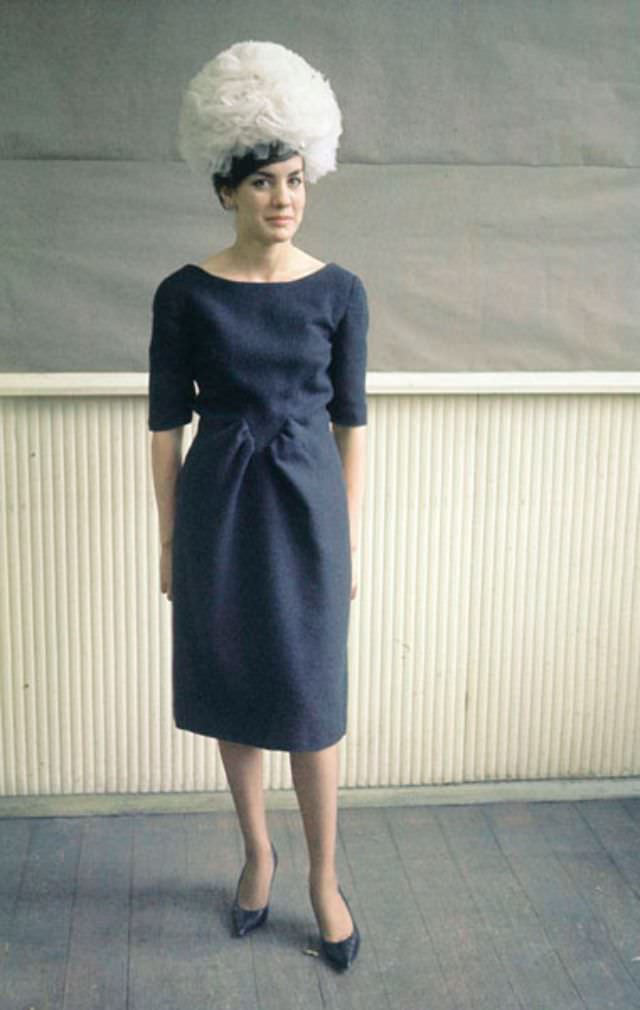
Coursework at the Manchester School of Art covered pattern making, sewing techniques, and textile knowledge. Students built real technical skills alongside their creative instincts. That combination produced graduates who could design with both vision and precision.
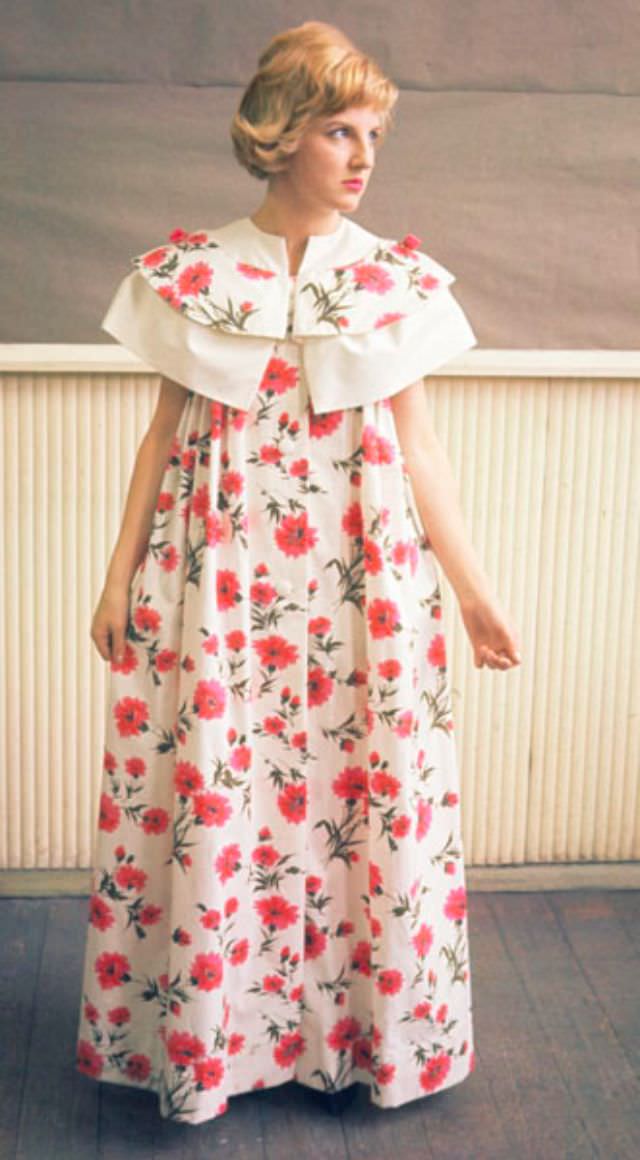
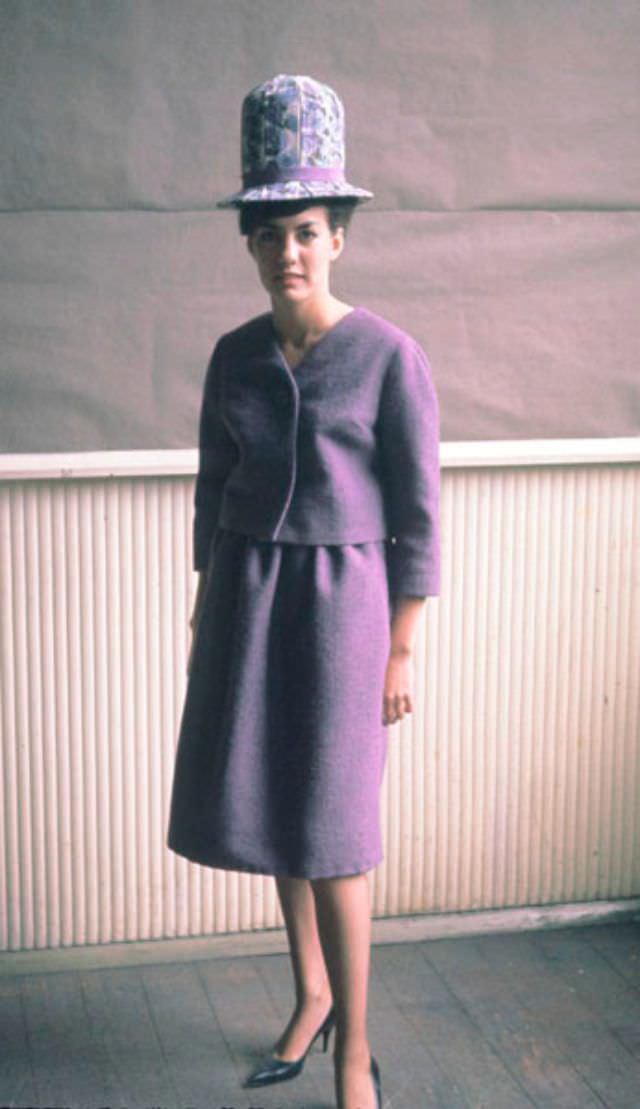
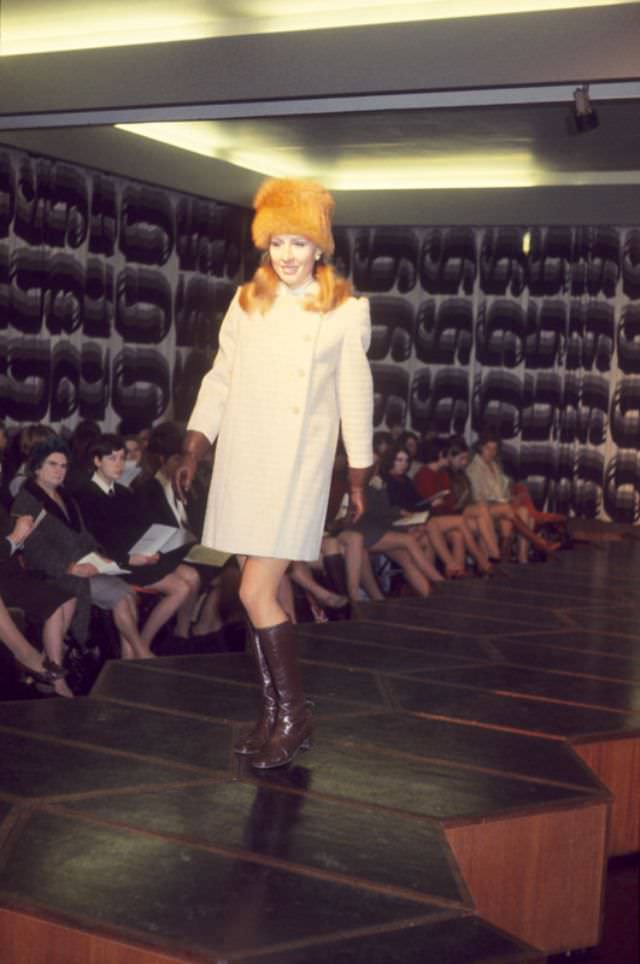
Fashion shows and public exhibitions were a regular part of student life. These events put their work in front of real audiences and gave them early experience handling feedback and public scrutiny.
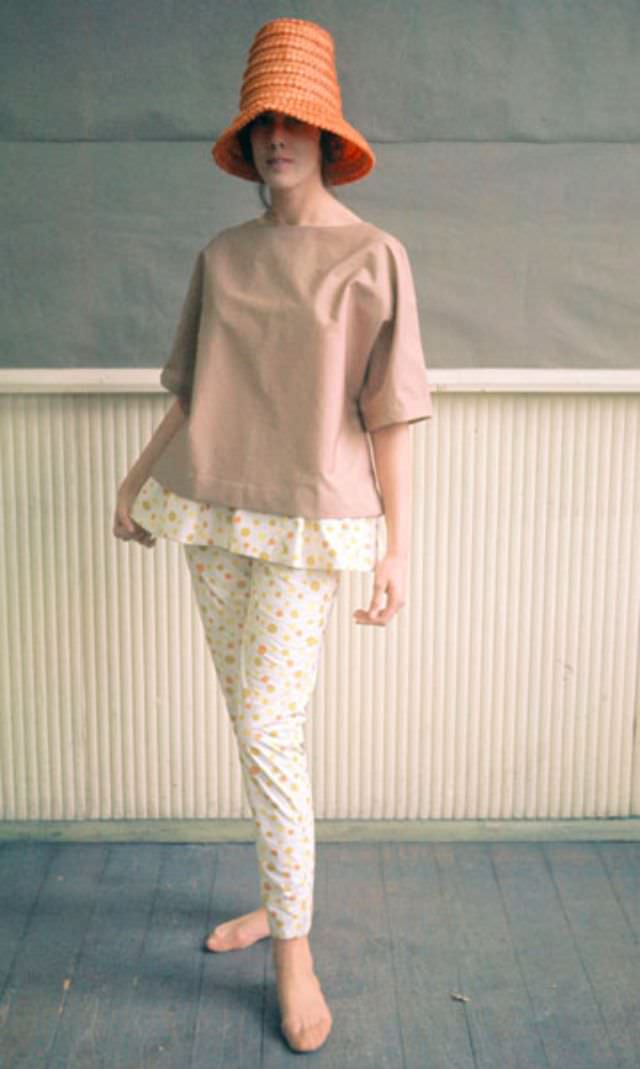

Ready-to-wear clothing was growing in popularity across Britain, and Manchester students were right in step. They designed pieces aimed squarely at youth culture — practical, affordable, and eye-catching.
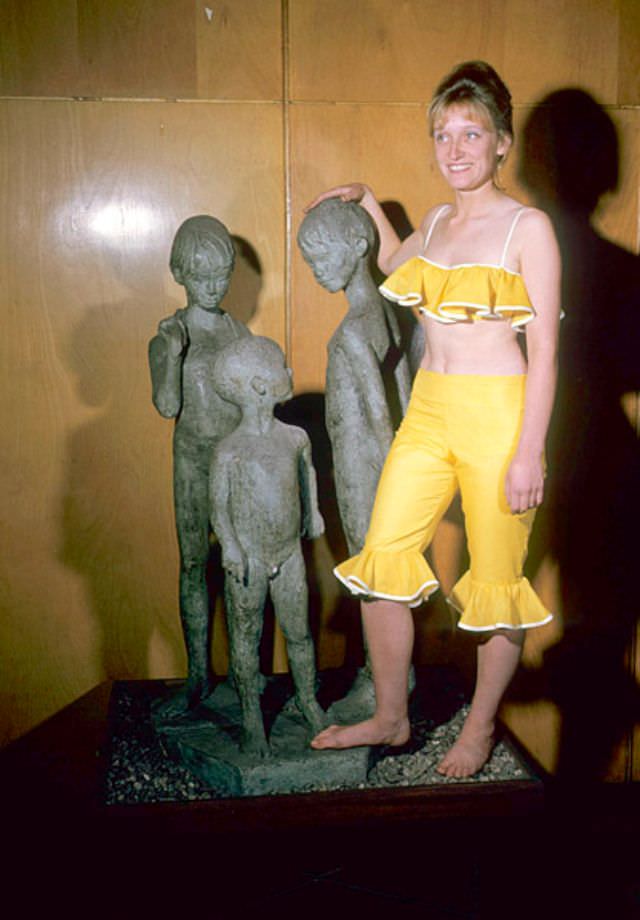
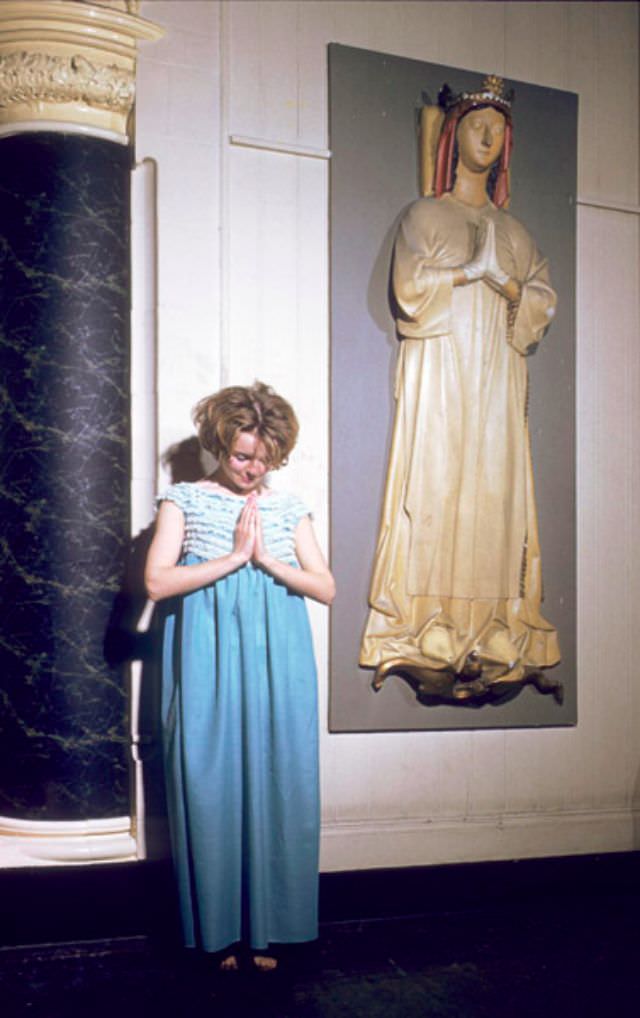
Some students pushed further, drawing from avant-garde art movements to create garments that blurred the line between clothing and sculpture. These pieces weren’t just fashion — they were statements.