
After World War II, America entered a period of real prosperity. Families were growing, jobs were plentiful, and people had money to spend. Pepsi saw an opportunity — not just to sell a soft drink, but to sell an entire way of life.
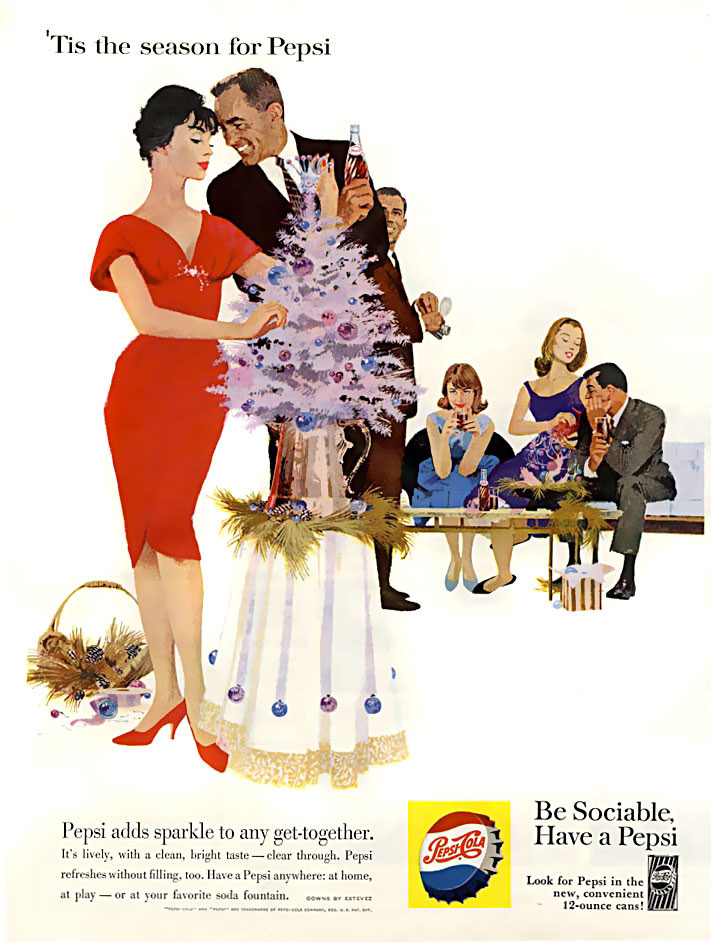
To understand Pepsi’s 1950s ads, you first need to understand the term “Populuxe.” It describes the blending of popular culture and luxury that defined the decade. Americans wanted stylish cars, modern furniture, and fashionable clothes. Pepsi tapped directly into that desire.
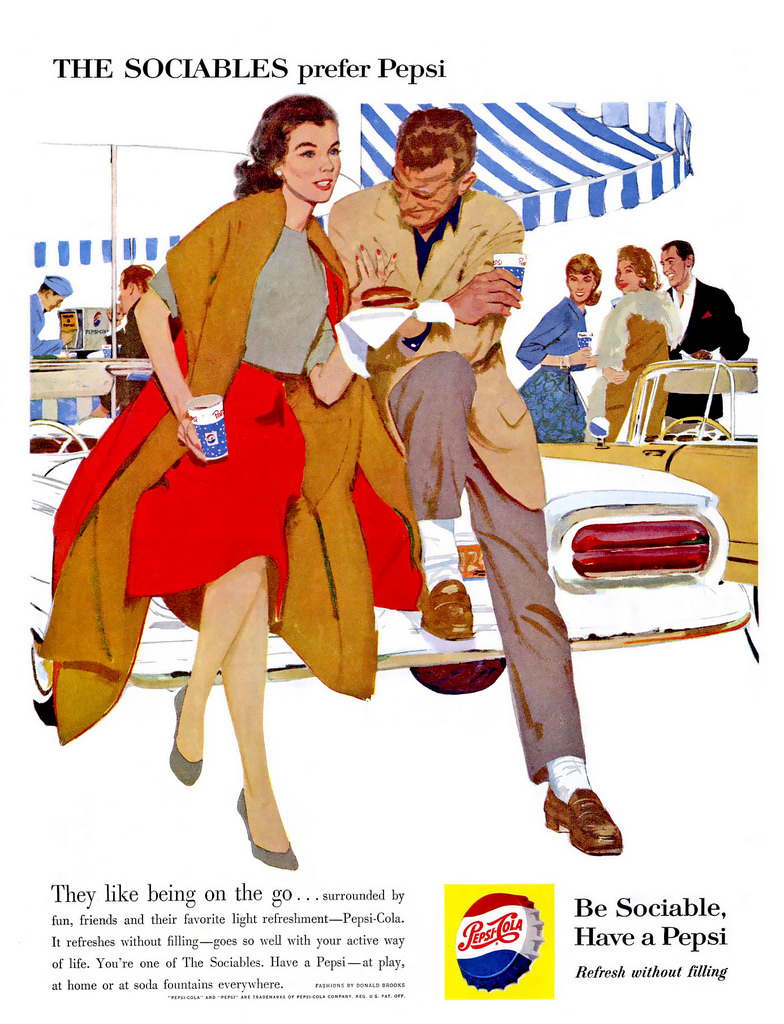
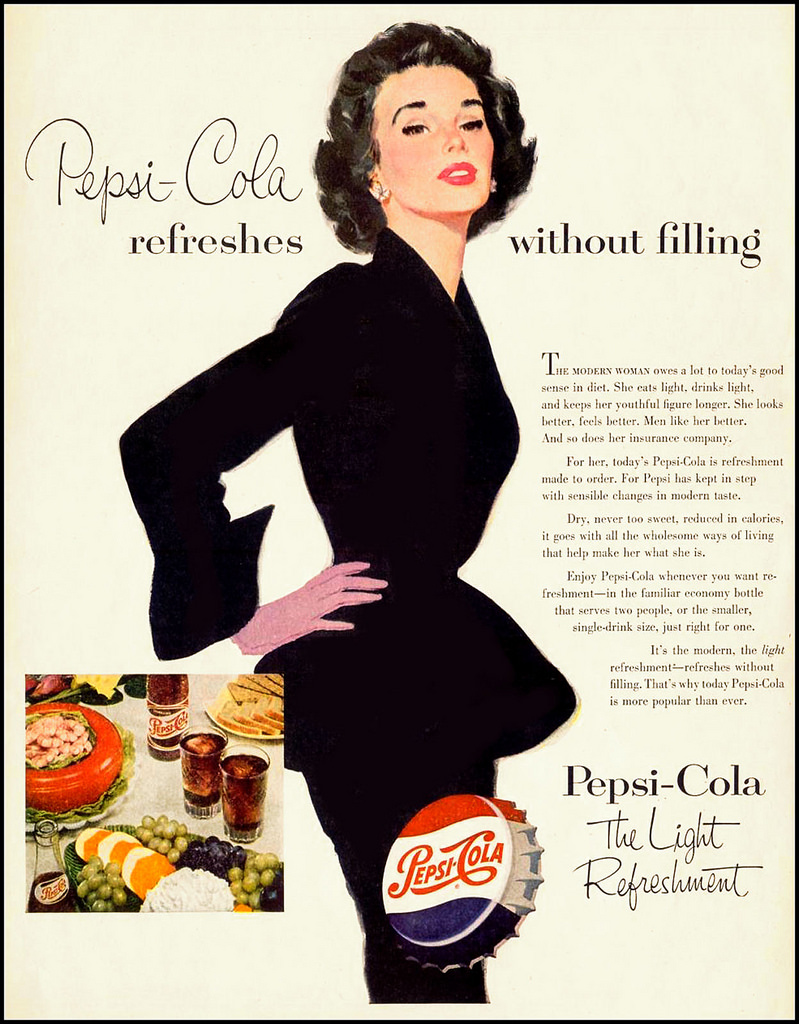
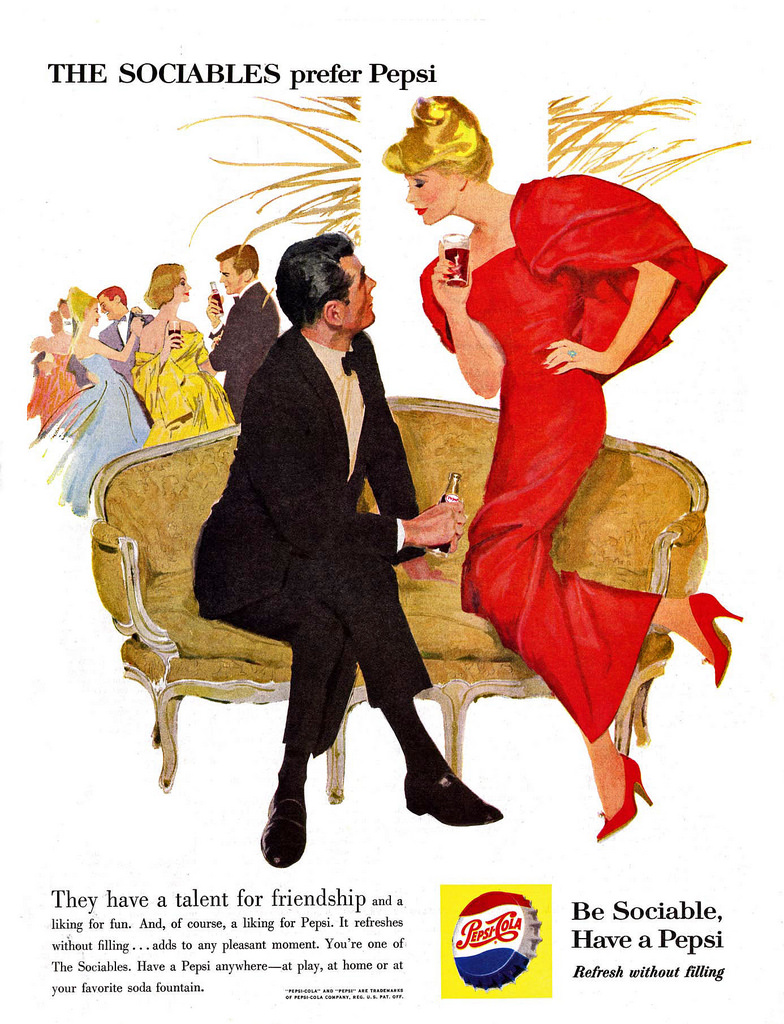
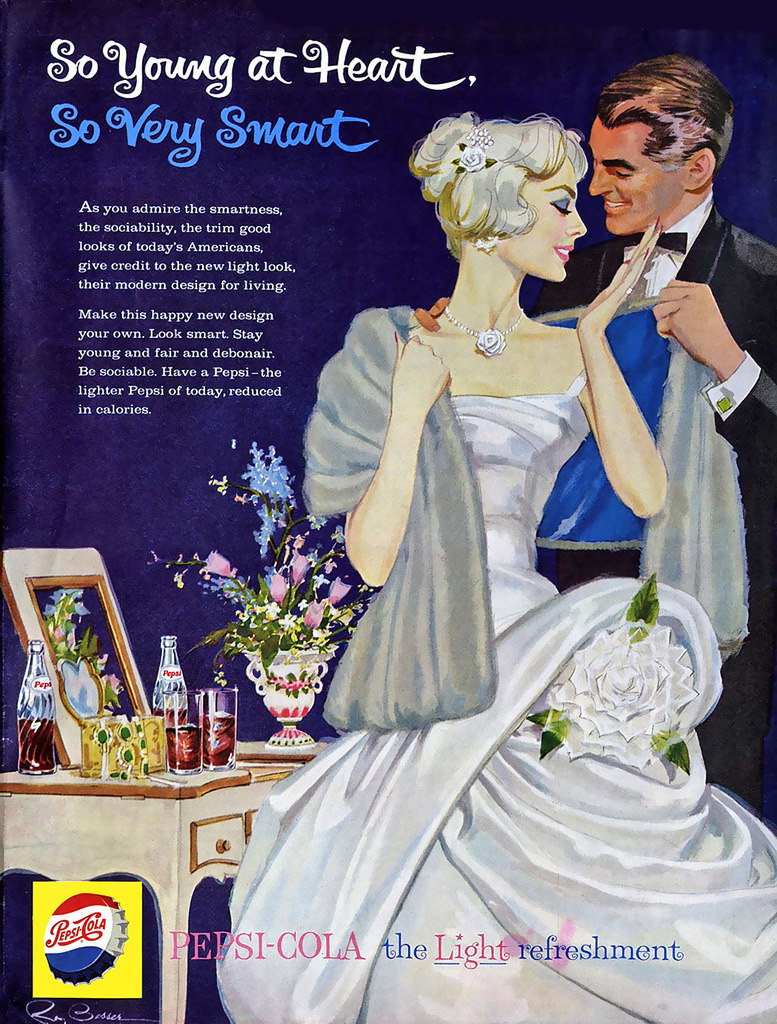
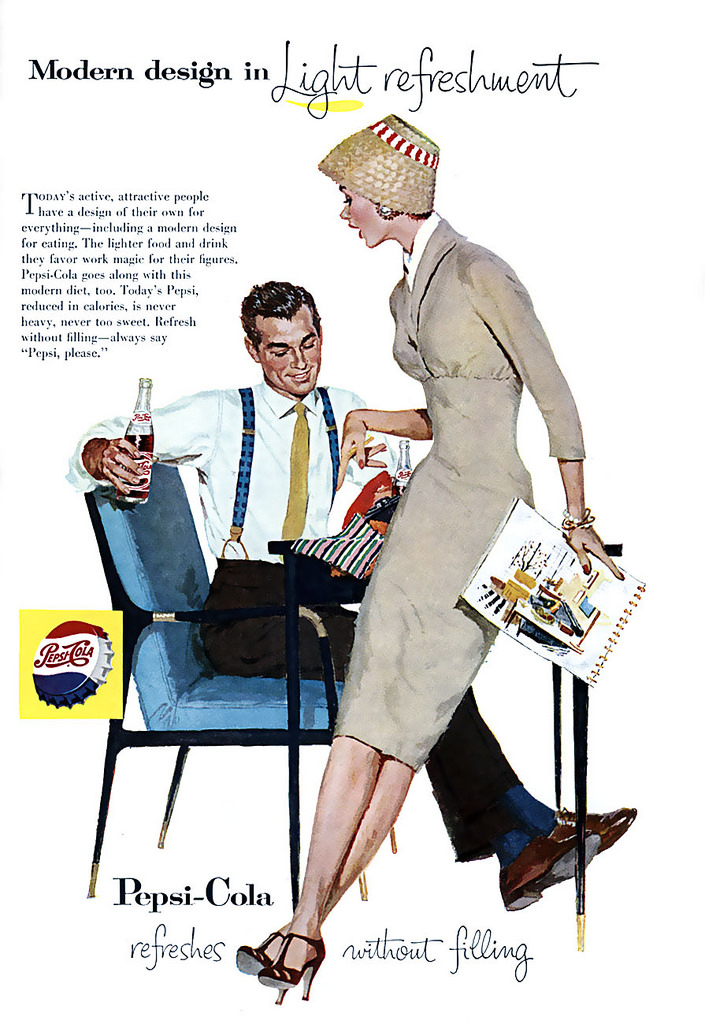
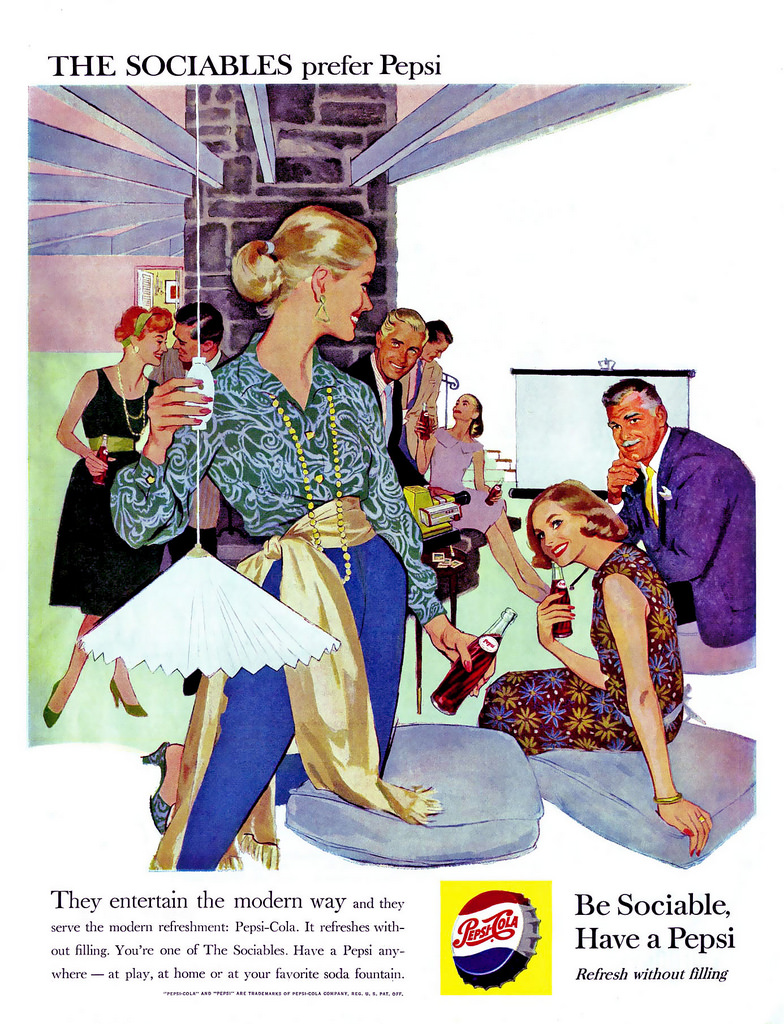
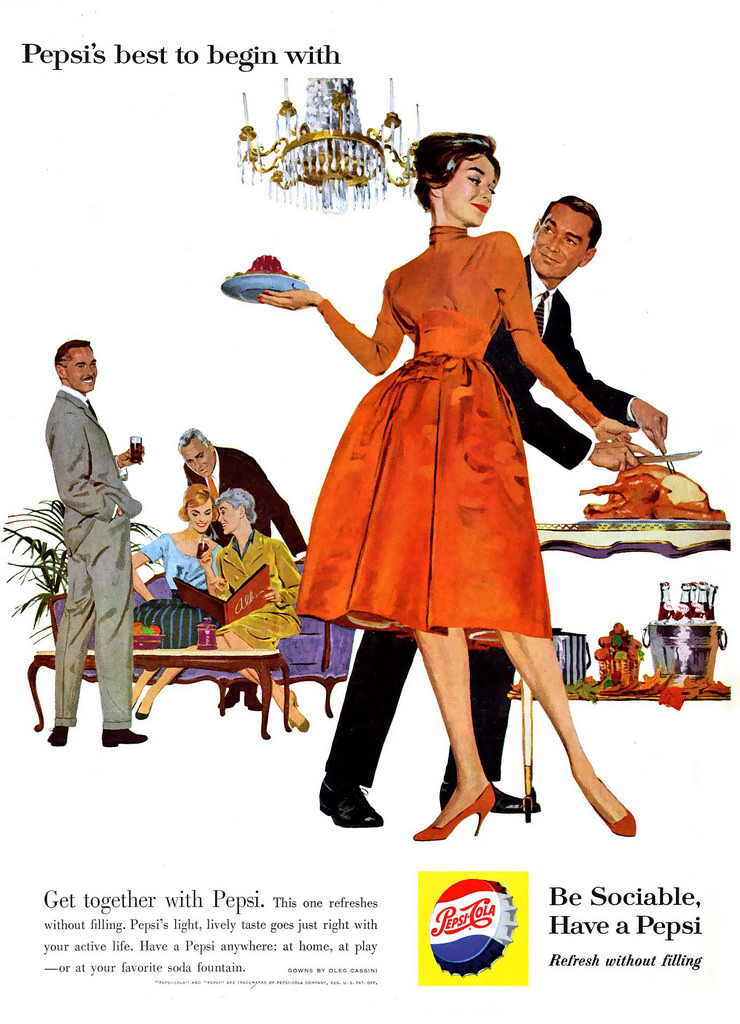
The ads didn’t simply show someone drinking a soda. They showed well-dressed men and women relaxing in sleek, modern homes. Every detail — the hairstyles, the furniture, the wall décor — was carefully chosen to project affluence and sophistication.
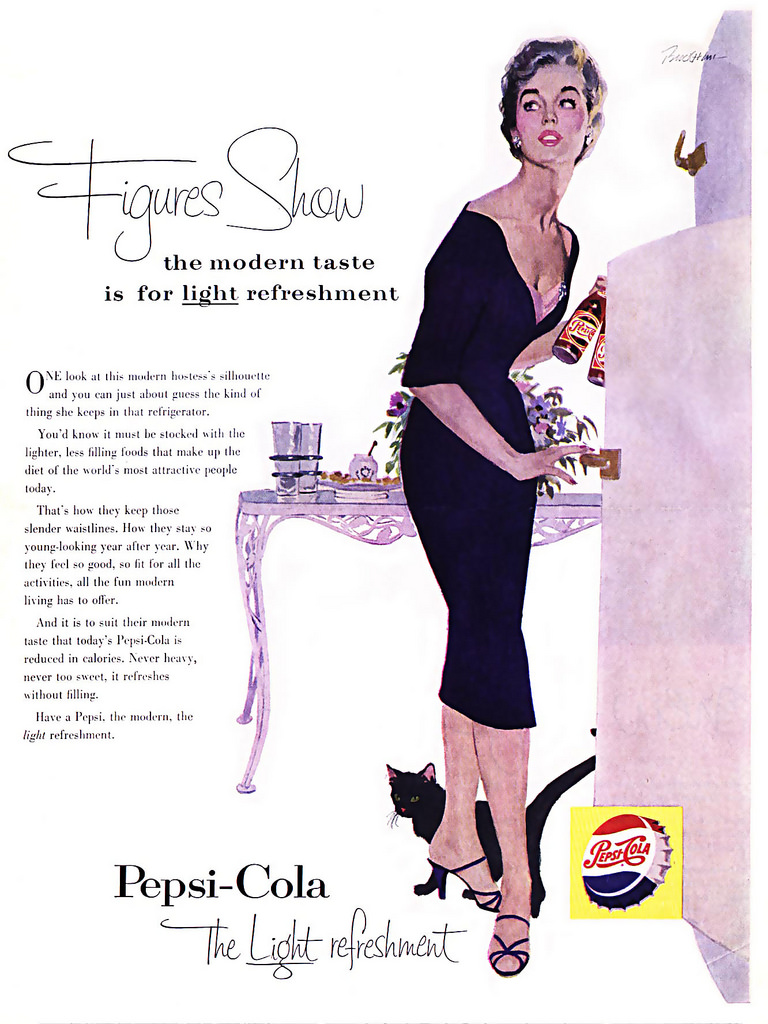
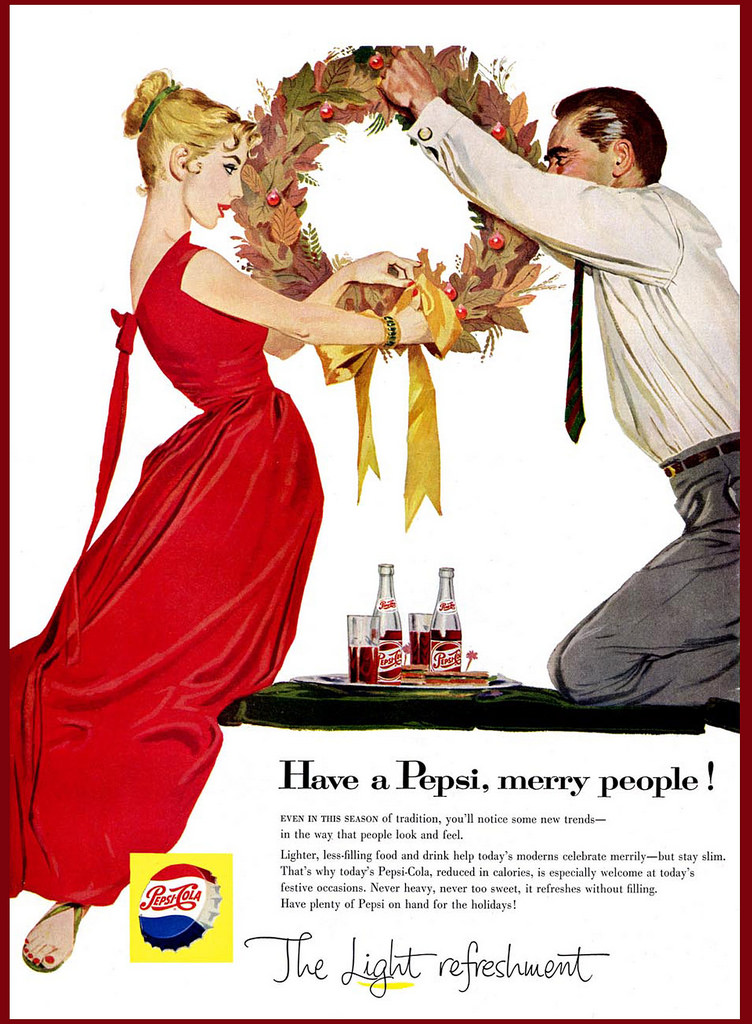
One ad featured a stylish couple in a living room decorated with a gold wreath — a deliberately non-traditional, chic touch for the era. These kinds of details positioned Pepsi as the drink of people who were forward-thinking and fashion-conscious.
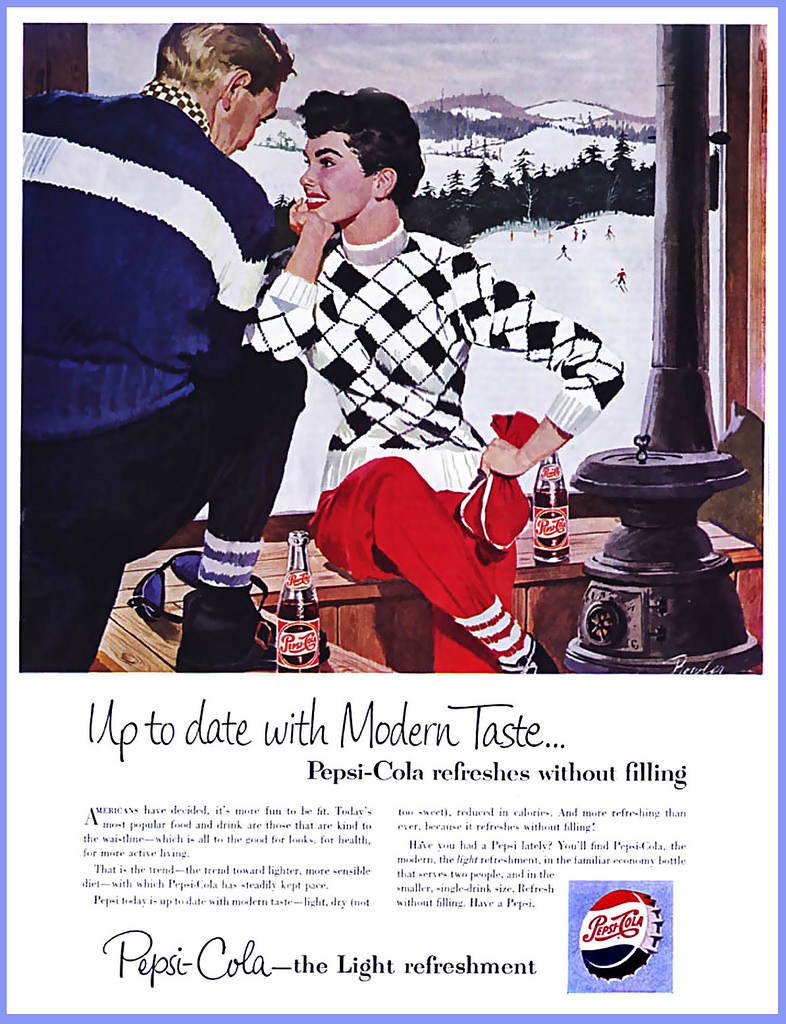
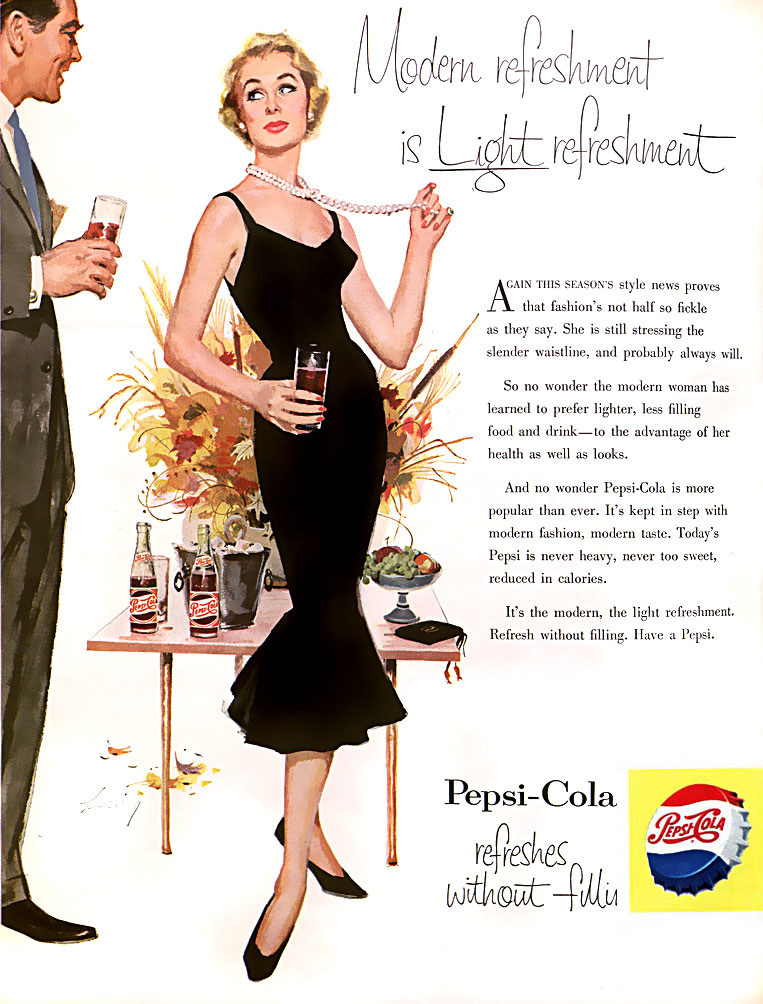
The campaigns targeted mainstream adults, not teenagers. The people in the ads looked young and vibrant, but they were adults living comfortable, leisurely lives. The message was straightforward: Pepsi drinkers belonged to a sophisticated, modern crowd.
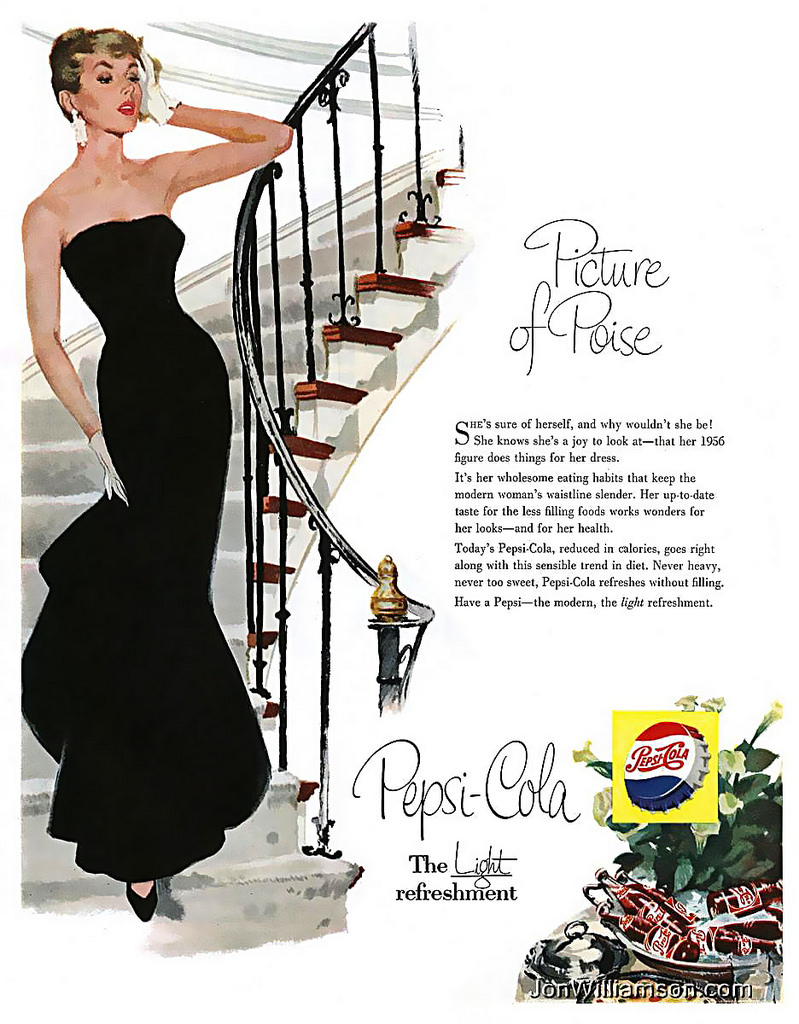
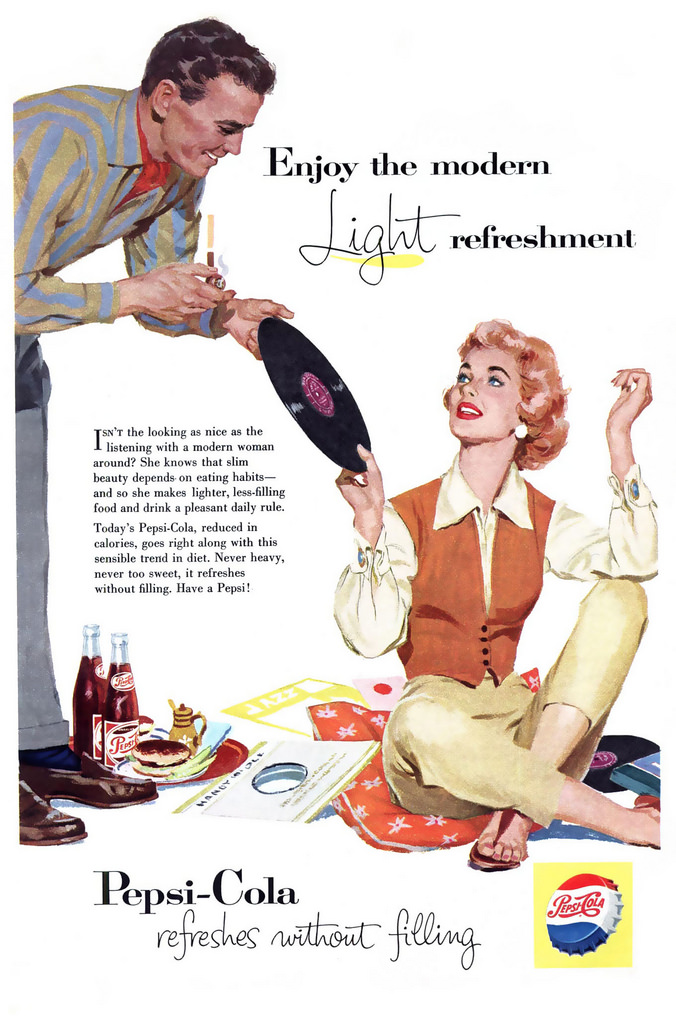
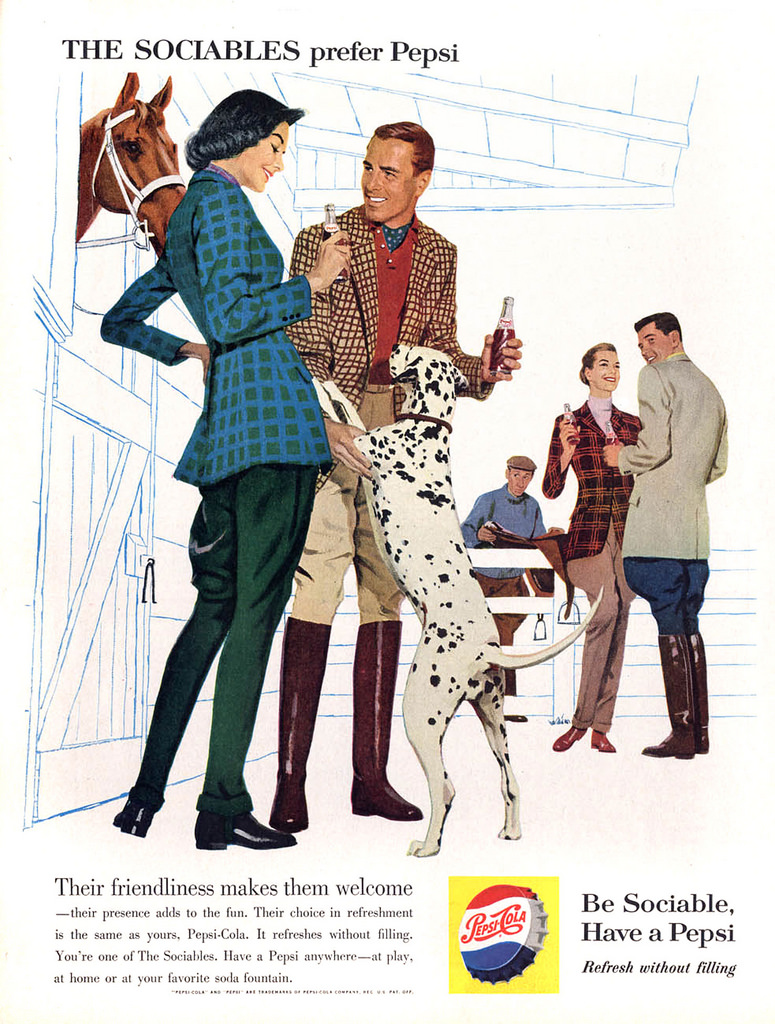
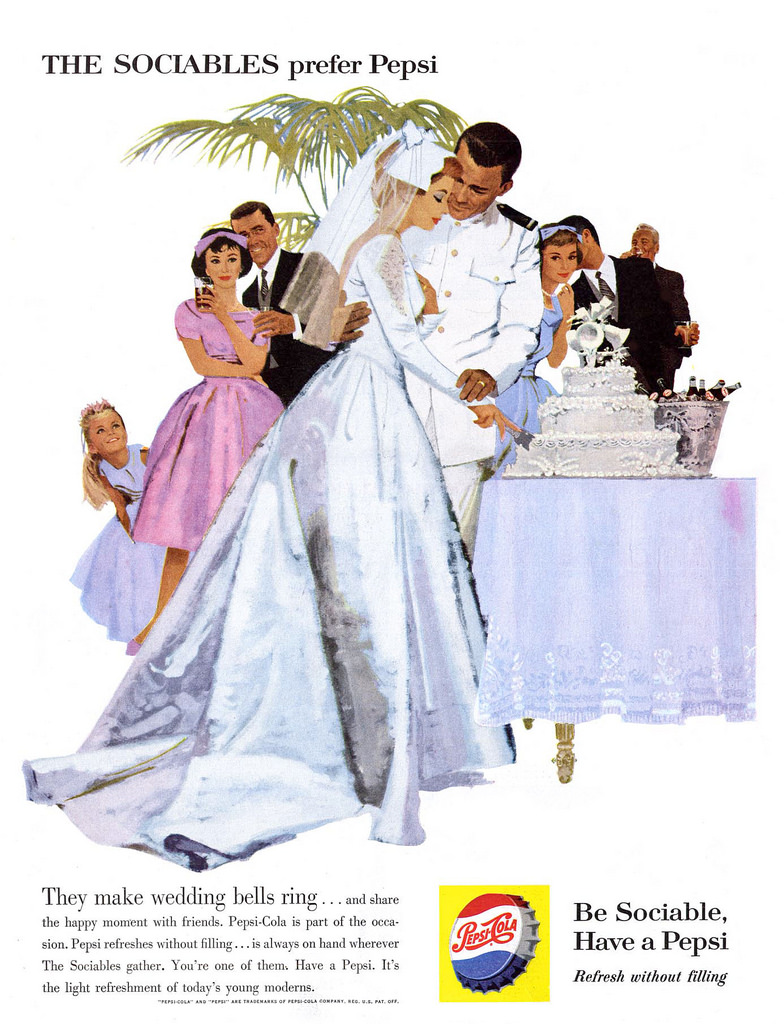
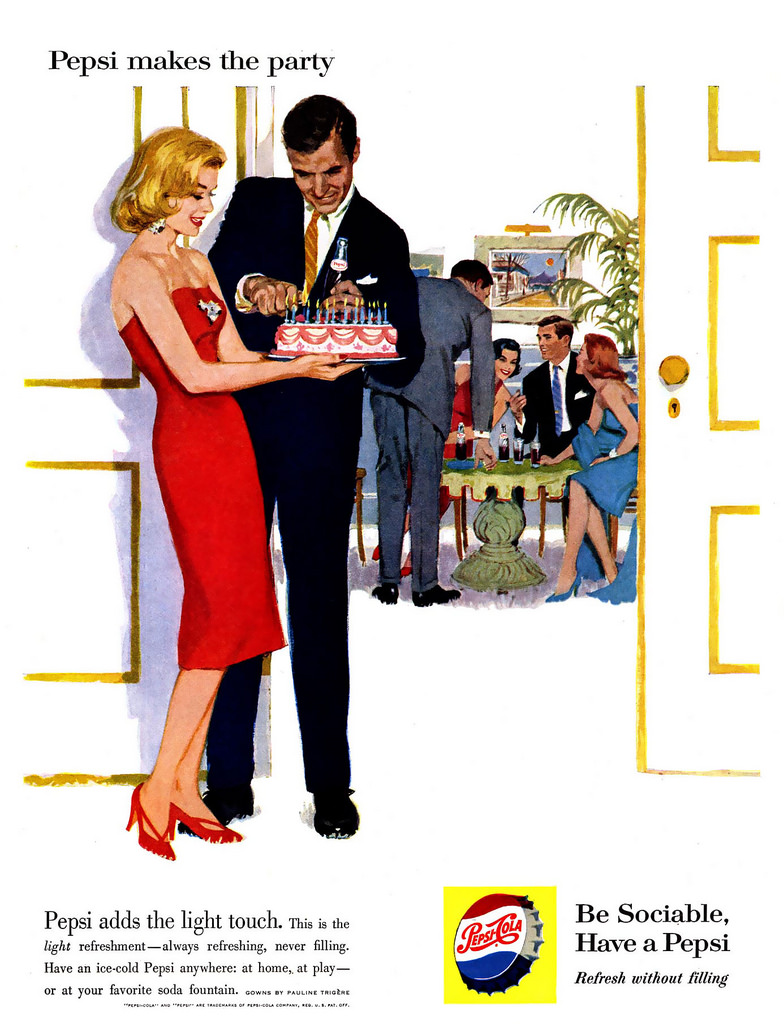
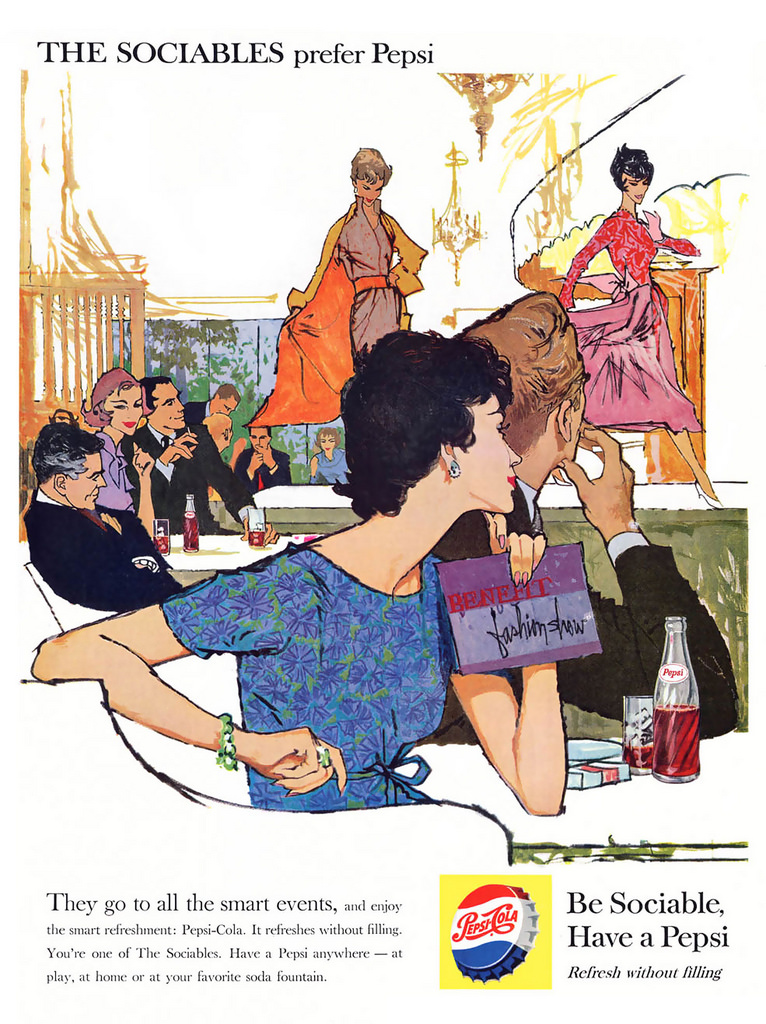
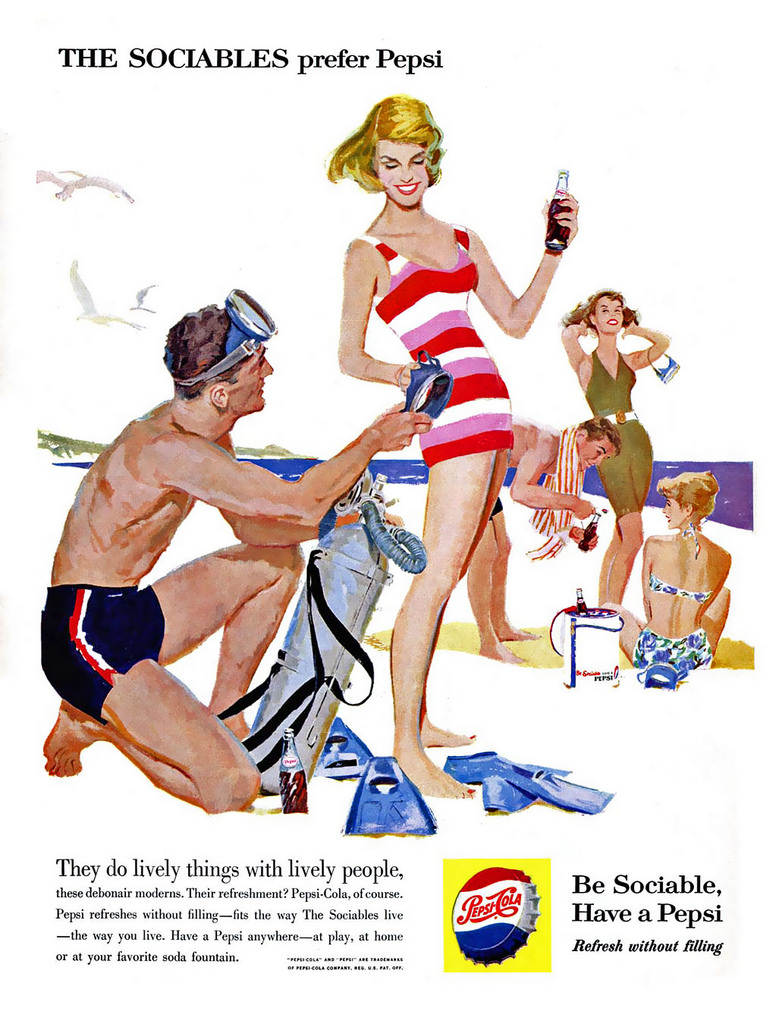
Social settings appeared throughout the ads — backyard gatherings, elegant dinner parties, and family moments in beautifully decorated homes. Each scene reinforced the idea that Pepsi fit naturally into a life of comfort and style.
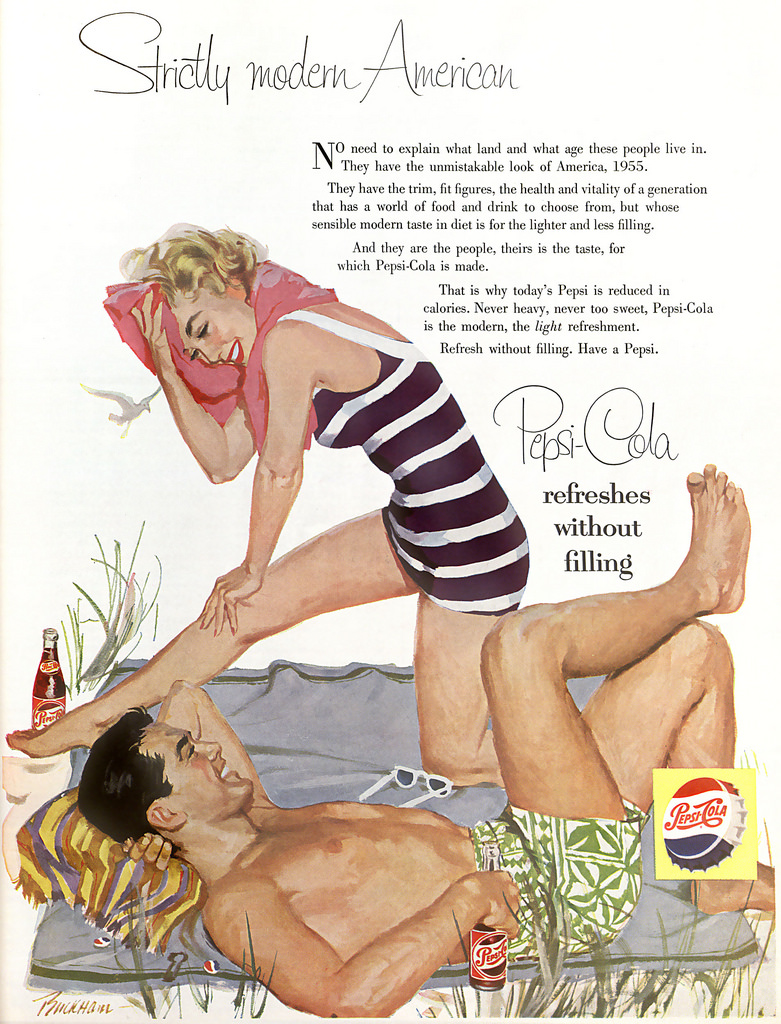
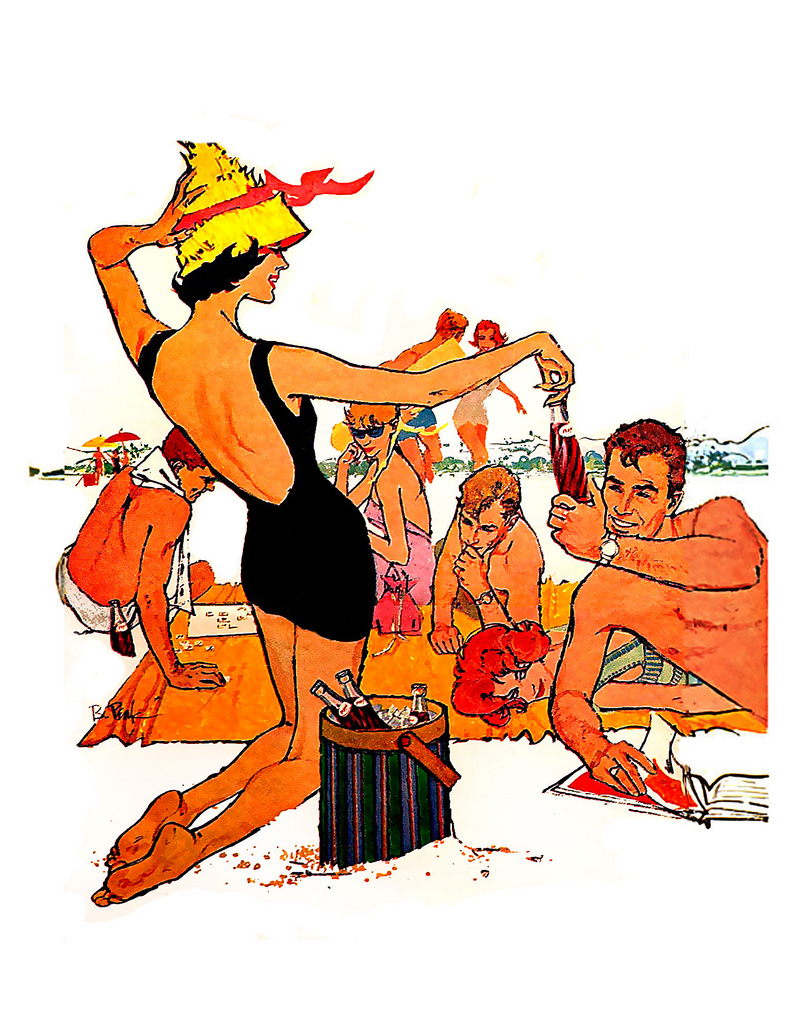
Many people link the phrase “The Pepsi Generation” to the 1950s, but that slogan didn’t actually appear until the 1960s. Still, the groundwork was laid in this decade. The ads already portrayed a youthful energy and a spirit of modern living without needing the tagline.
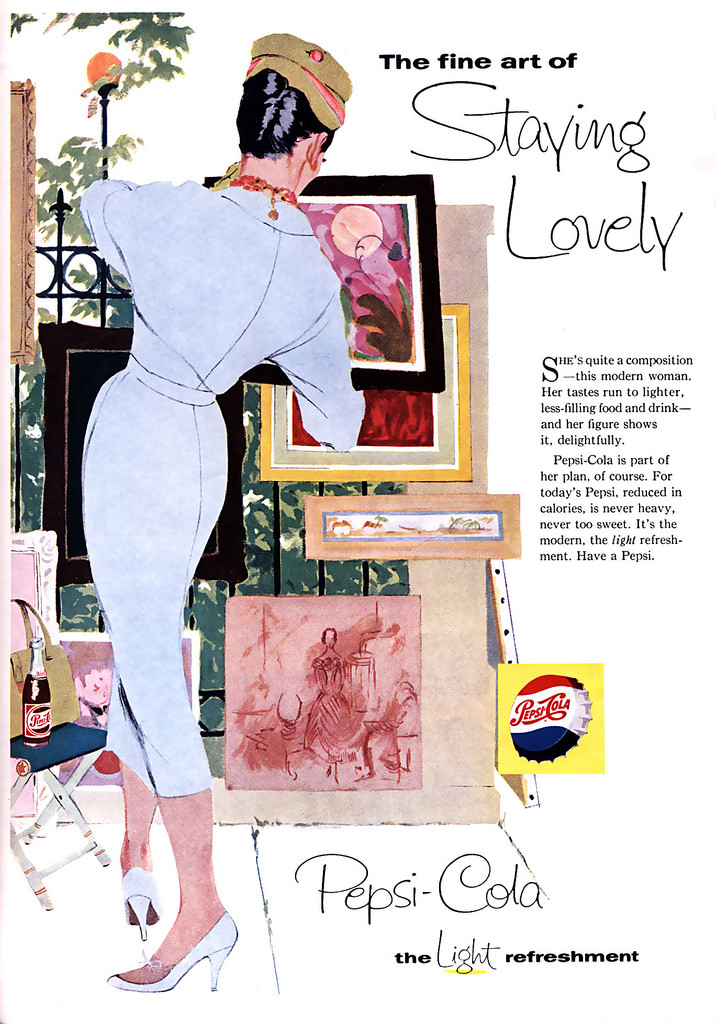
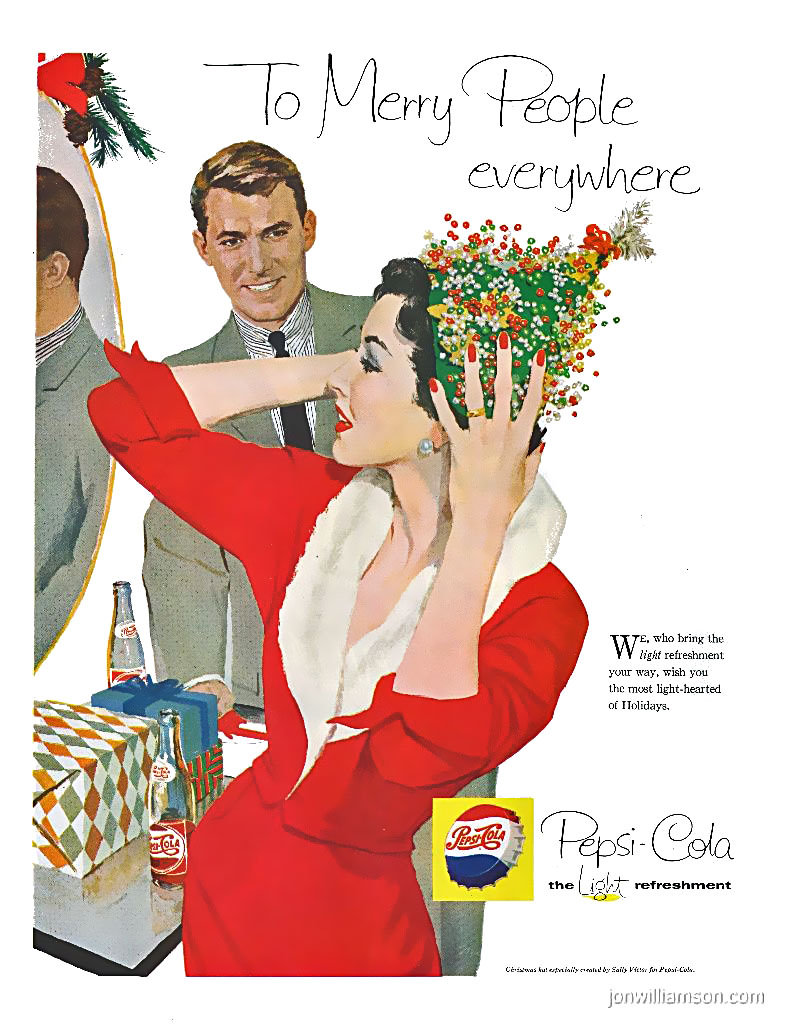
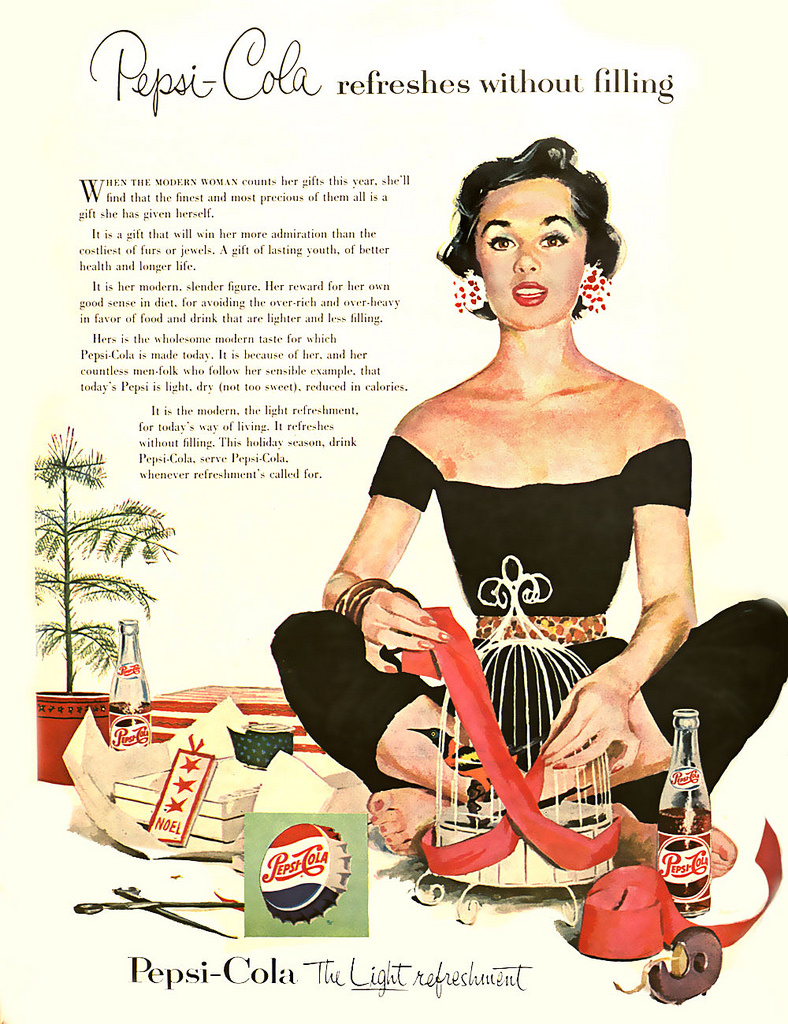
Fashion played a central role in nearly every ad. Women wore the latest styles, and men appeared polished and put-together. The clothing wasn’t incidental — it was a signal that Pepsi belonged in the world of taste and refinement.
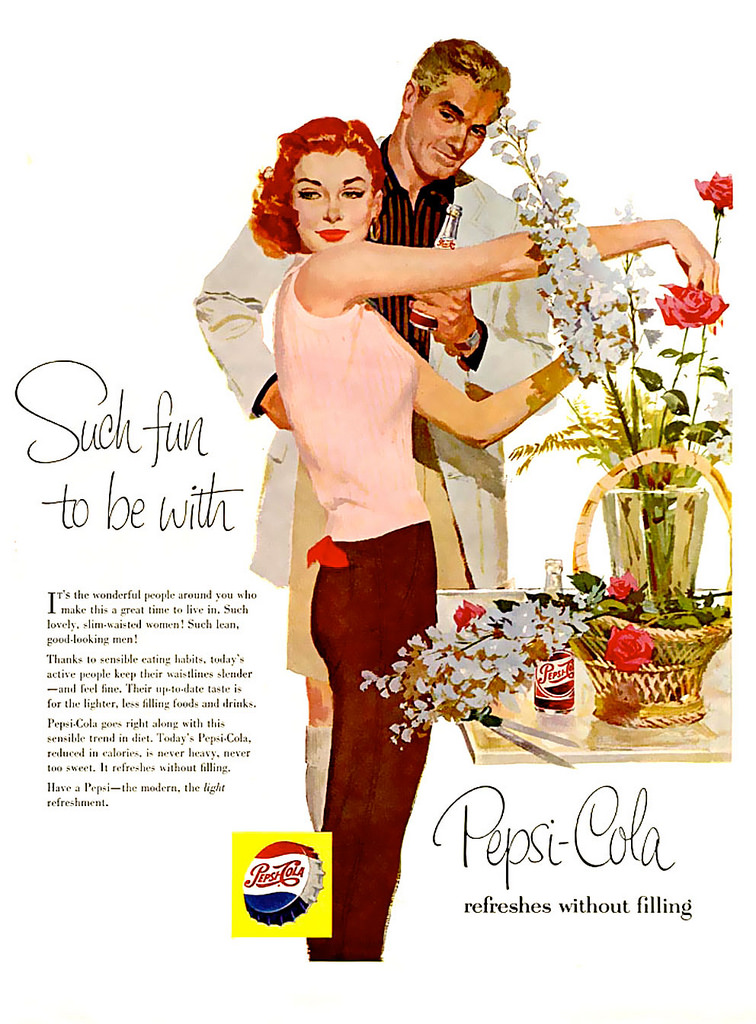
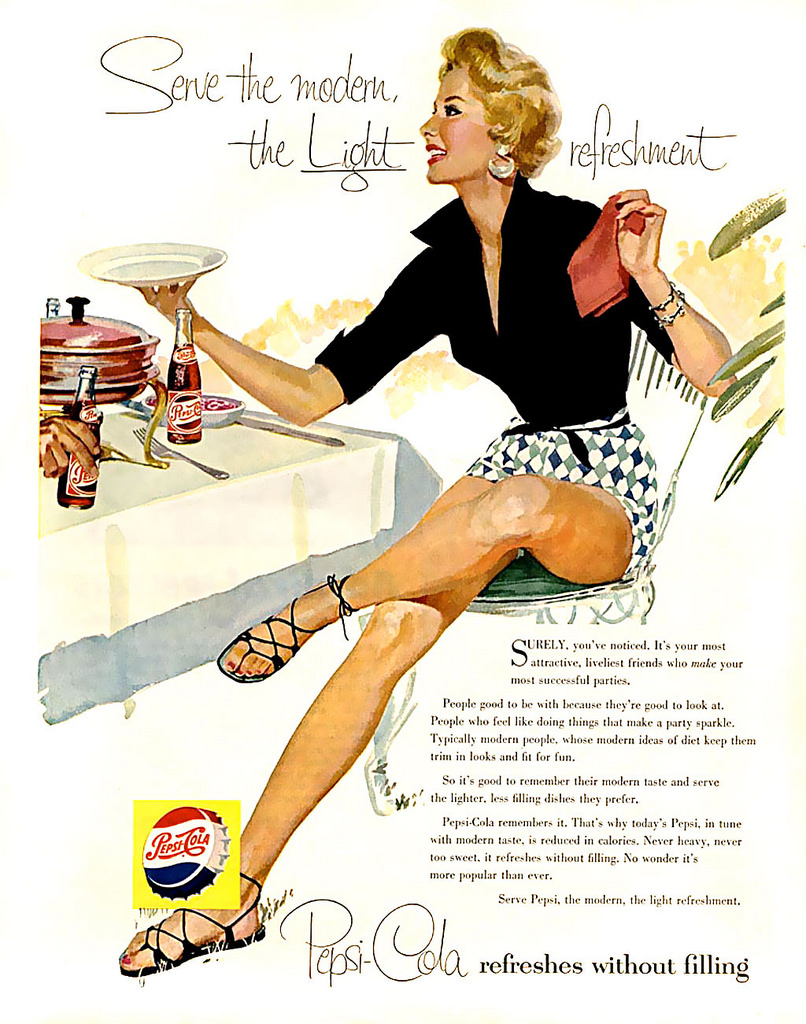
Home settings in the ads reflected the postwar American dream. Modern furniture, open layouts, and carefully chosen decorative accents filled the backgrounds. These weren’t ordinary living rooms — they were aspirational spaces that consumers wanted for themselves.
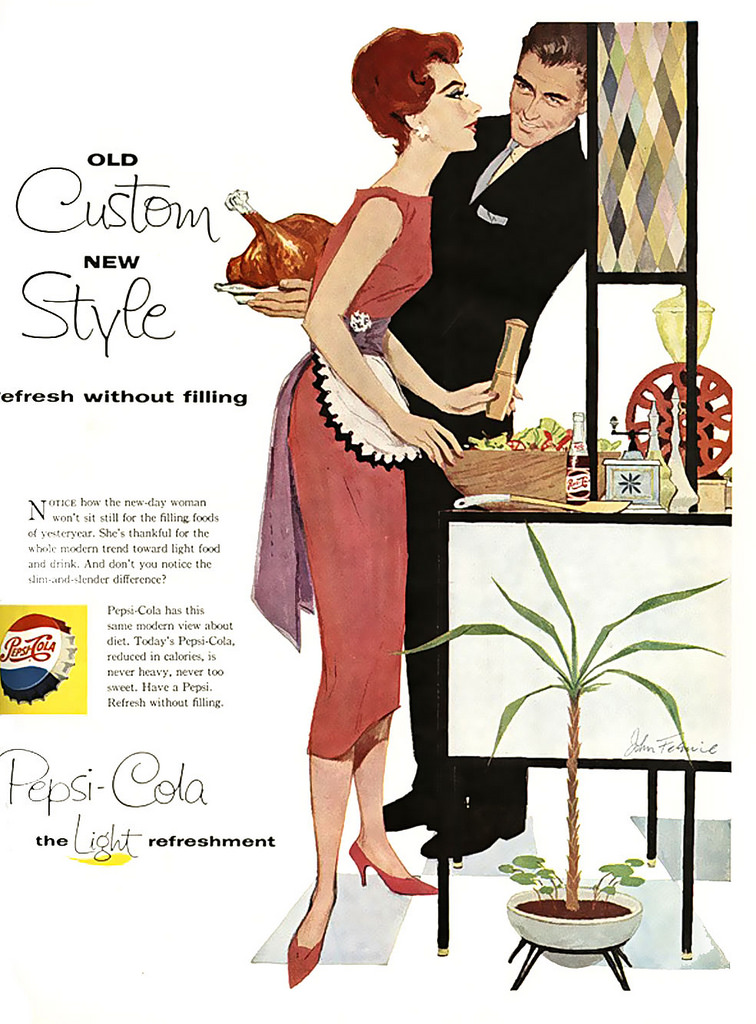
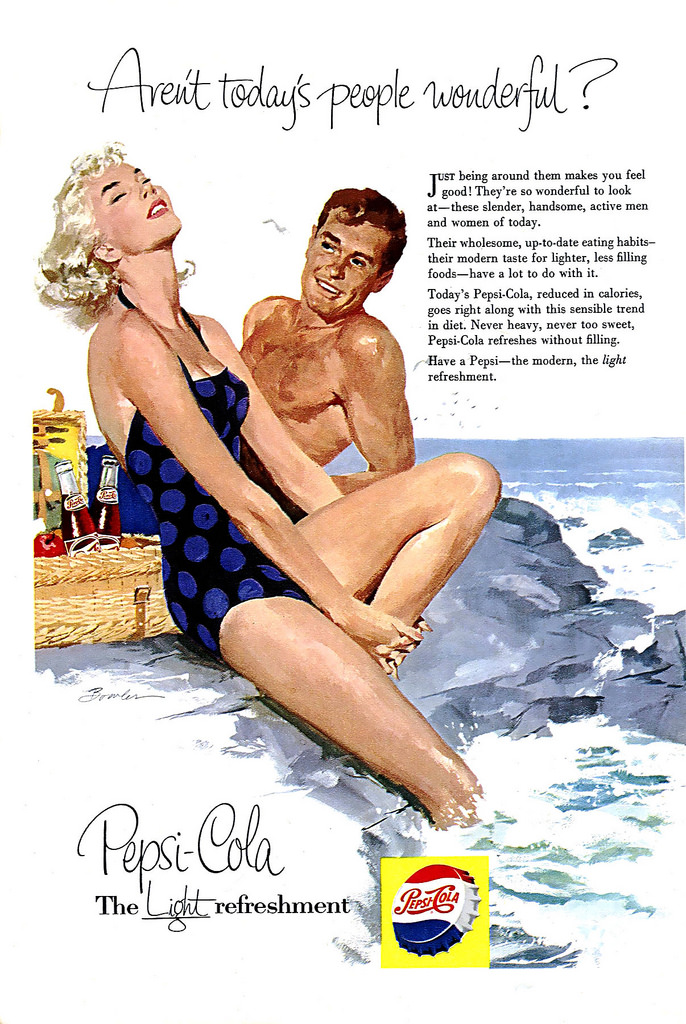
Pepsi’s 1950s strategy was built on a clear insight: people don’t just buy products, they buy identity. By associating the brand with elegance, leisure, and modernity, Pepsi gave consumers a reason to choose it beyond taste alone.

It’s 2025 and memories of these Pepsi-Cola magazine advertisements popped into my thoughts. I remember that they were illustrations. By the way, who was the artist?
Great blog. Continued success and good luck!