
Vicksburg, Mississippi has one of the most layered histories of any city in the American South. French colonists founded it in 1719, and it grew steadily along the eastern bank of the Mississippi River. By the time the Civil War broke out, Vicksburg had become one of the most strategically valuable cities in the country. Its location on the river gave whoever controlled it a massive military advantage. The Union siege of 1863, known as the Vicksburg Campaign, ended with the city’s surrender on July 4th — a turning point that split the Confederacy and gave the Union full control of the Mississippi River.
After the war, Vicksburg faced deep political and racial tension during Reconstruction. Violence and intimidation were common tools used to suppress Black political participation in the city and across the state. Despite this turmoil, Vicksburg rebuilt itself as a commercial hub. By the late 19th and early 20th centuries, it had become a major trading center, with its waterfront driving much of the regional economy. The photos below capture the city during that era — roughly between 1900 and 1936 — when Vicksburg was both thriving and deeply divided.
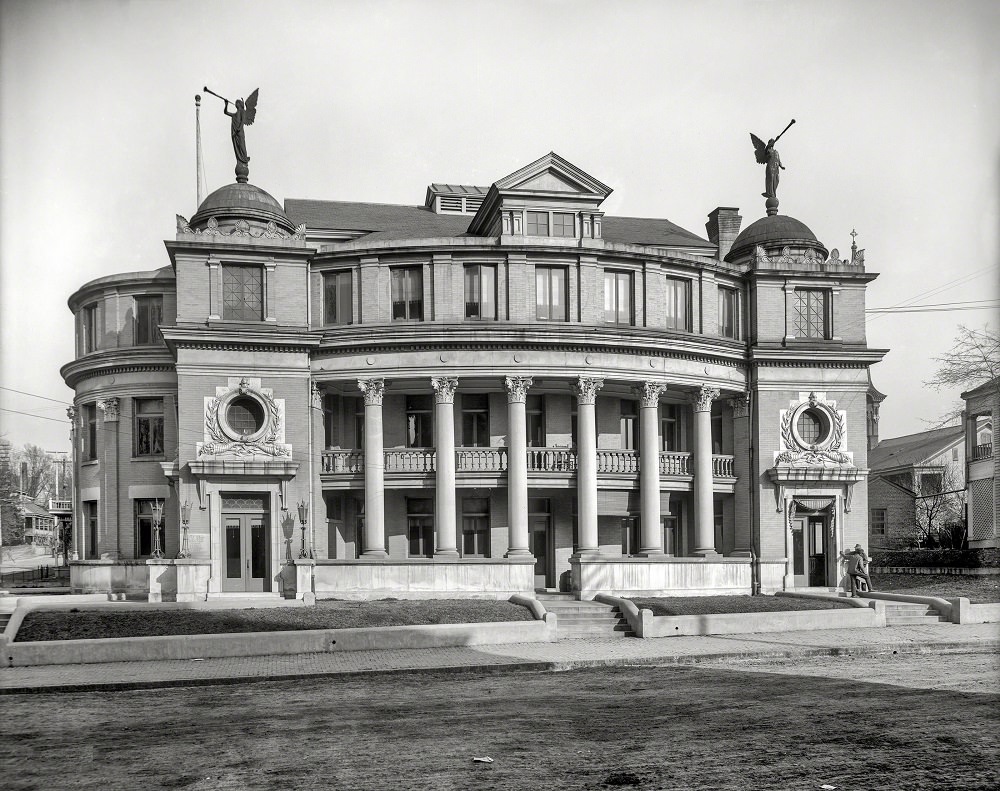
The city’s government buildings stood as symbols of civic ambition in the early 1900s. Vicksburg’s City Hall was one of the most recognizable structures in town, reflecting the city’s effort to project stability and growth after decades of post-war hardship.
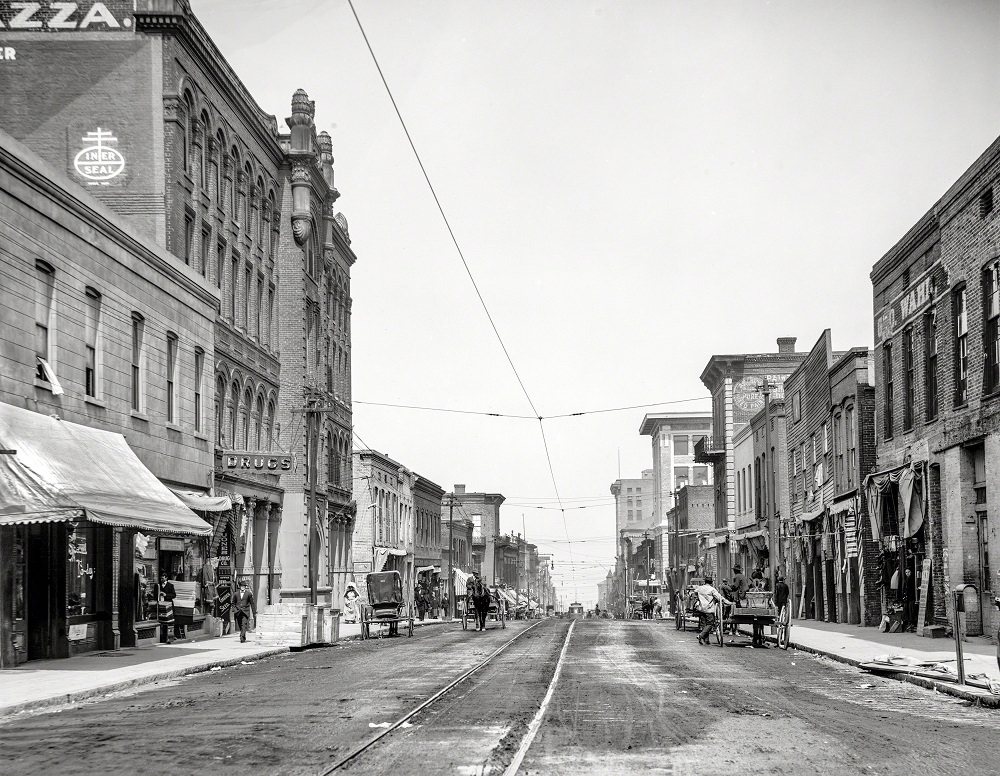
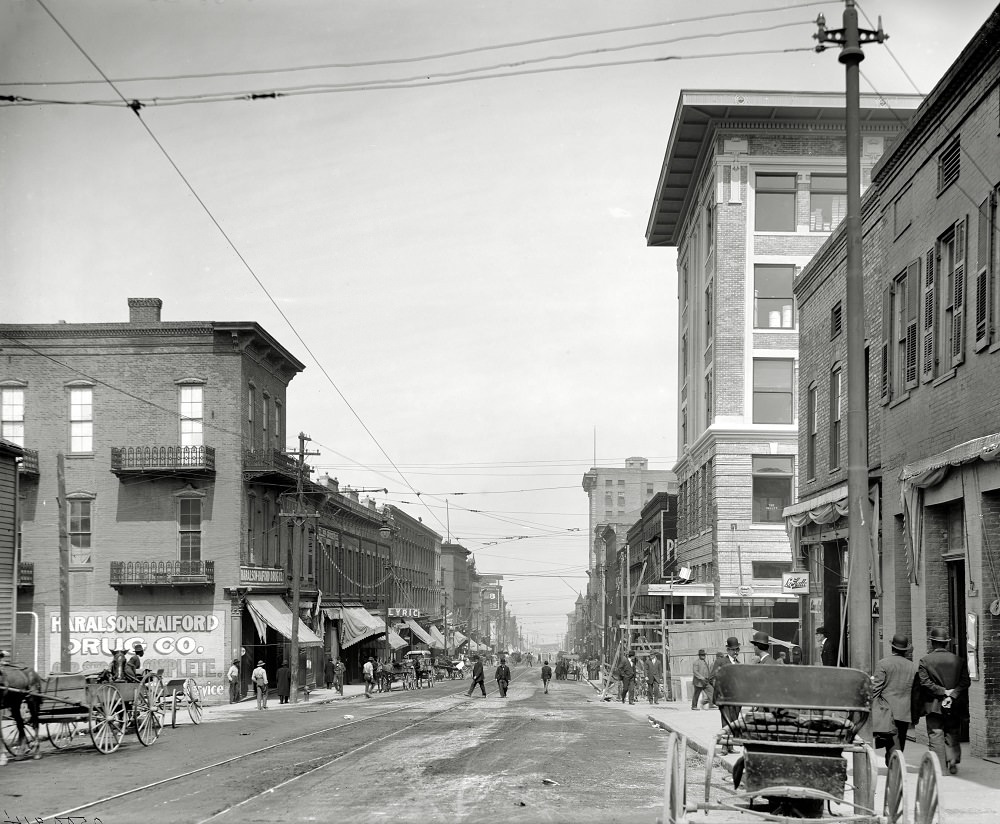
Washington Street was the commercial spine of Vicksburg. Lined with storefronts, hotels, and businesses, it was where daily life played out for residents of all backgrounds. The street bustled with foot traffic, horse-drawn wagons, and eventually early automobiles as the century turned.
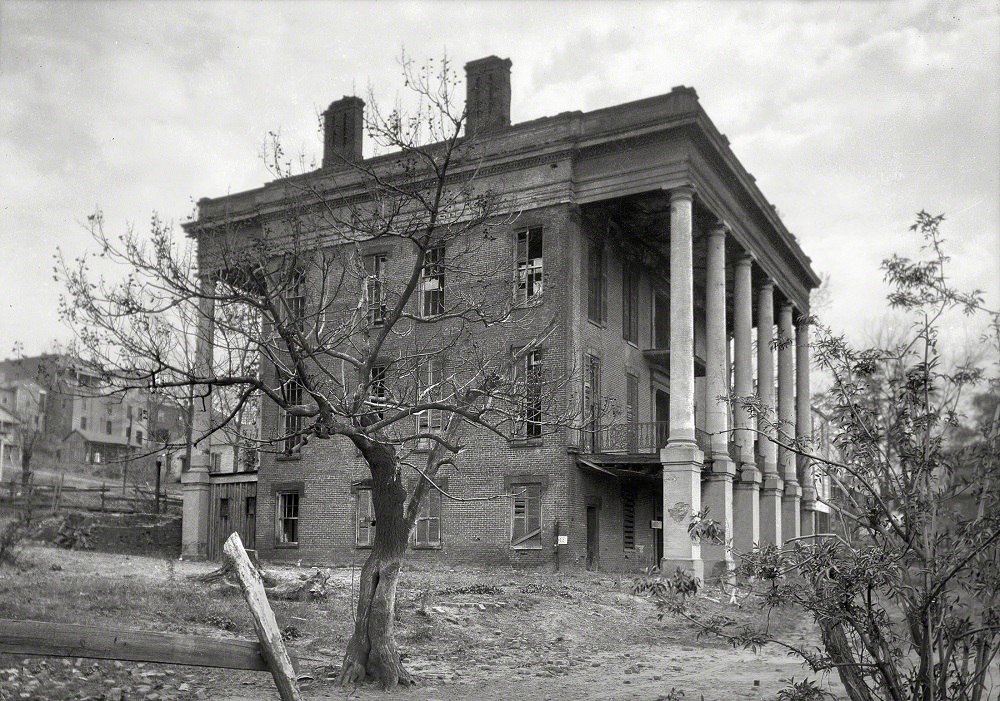
Not all of Vicksburg’s architectural history survived into the modern era. The Shamrock, also known as the Porterfield residence, stood on Oak Street as a fine example of the city’s 19th-century domestic architecture. By the time this photograph was taken in March 1934, the building’s fate was already sealed — it was demolished just two years later in 1936.
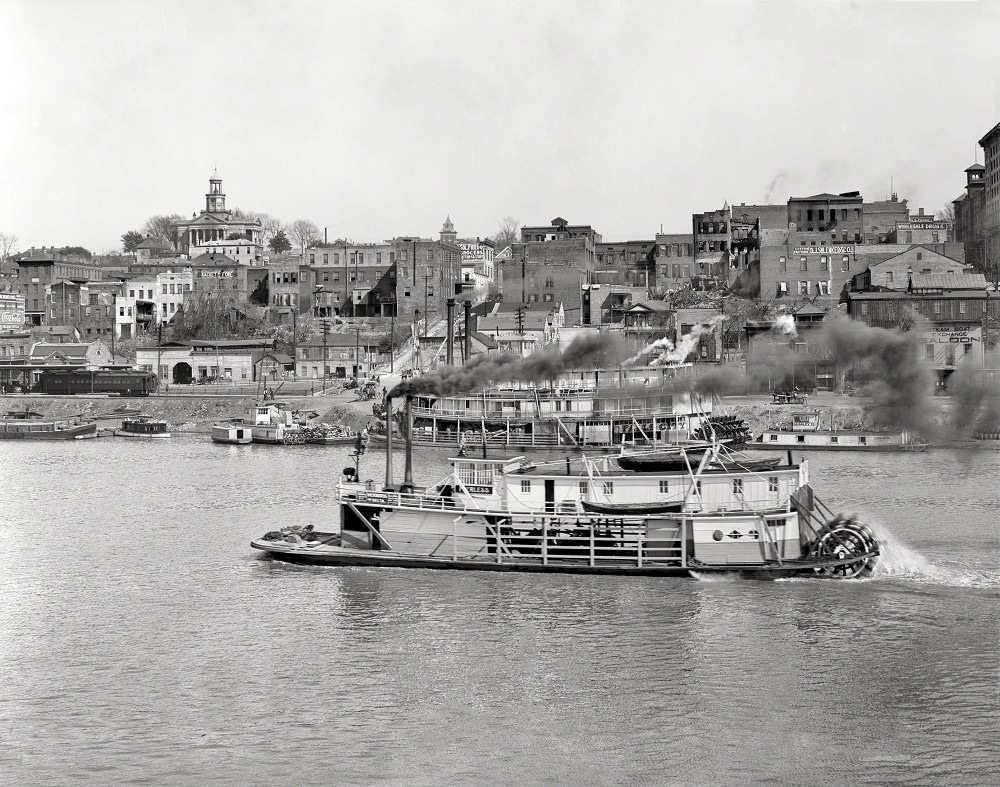
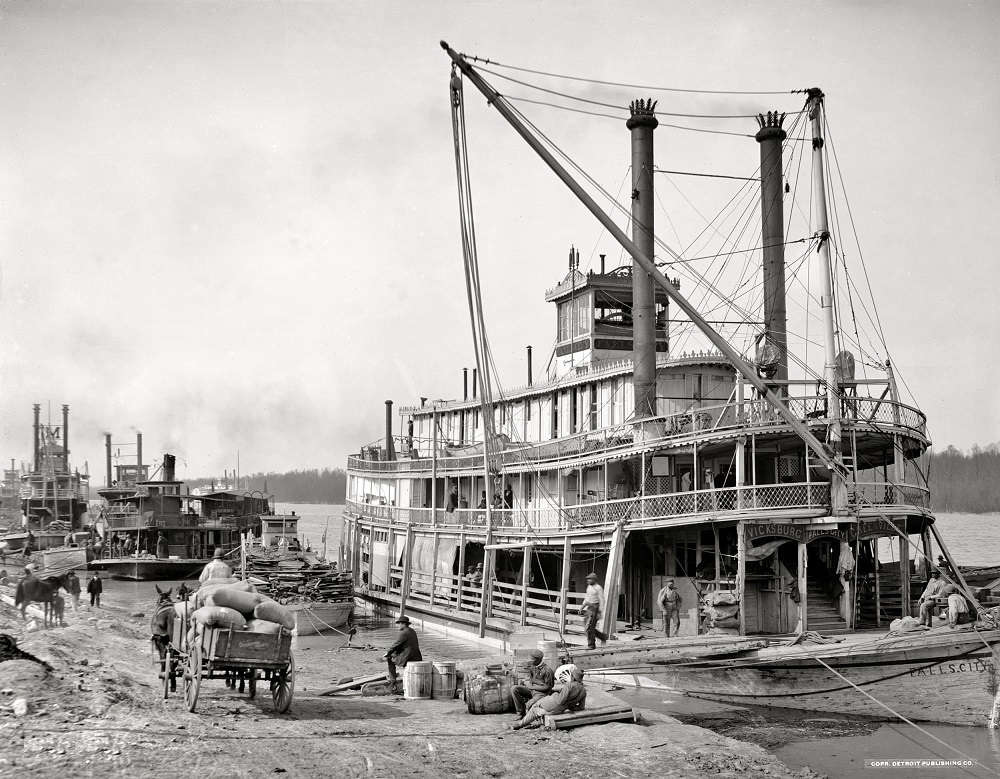
The Mississippi River was the engine of Vicksburg’s economy. Steamboats and sternwheelers moved cotton, goods, and passengers up and down the river constantly. The sternwheeler Peerless was one of the vessels that regularly worked the Vicksburg waterfront around 1909, part of a fleet that kept the city connected to markets north and south.
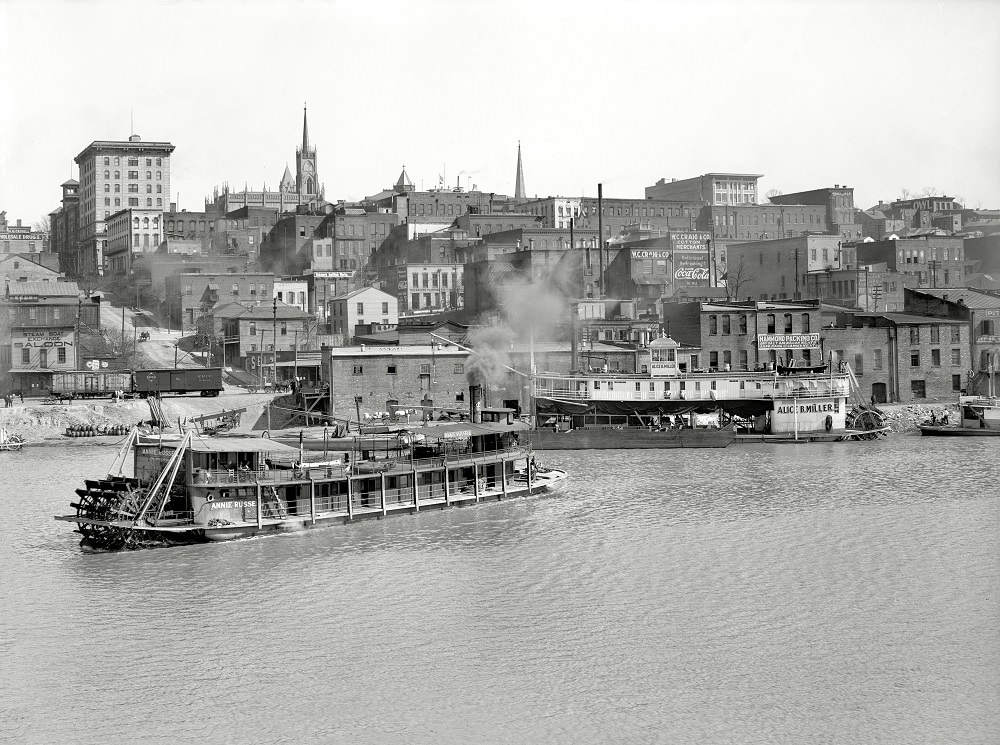
Washington Street looked somewhat different by 1910 compared to just a year prior. Small changes in storefronts, signage, and street activity reflected the steady pace of commercial development happening across the city during those years.
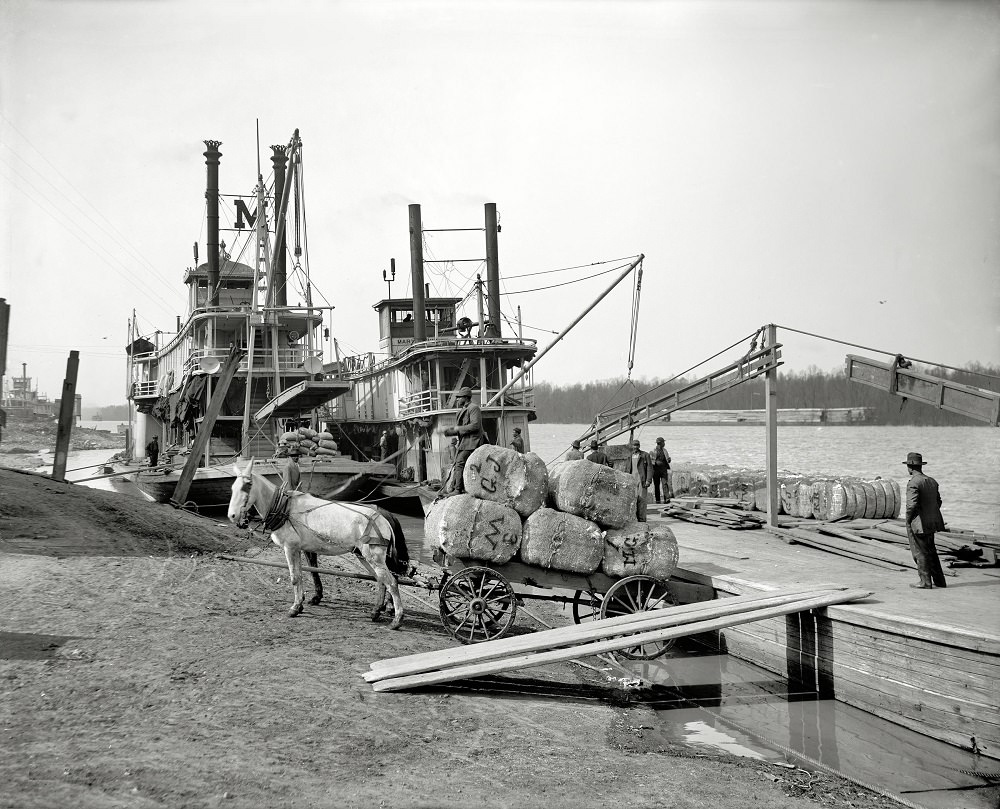
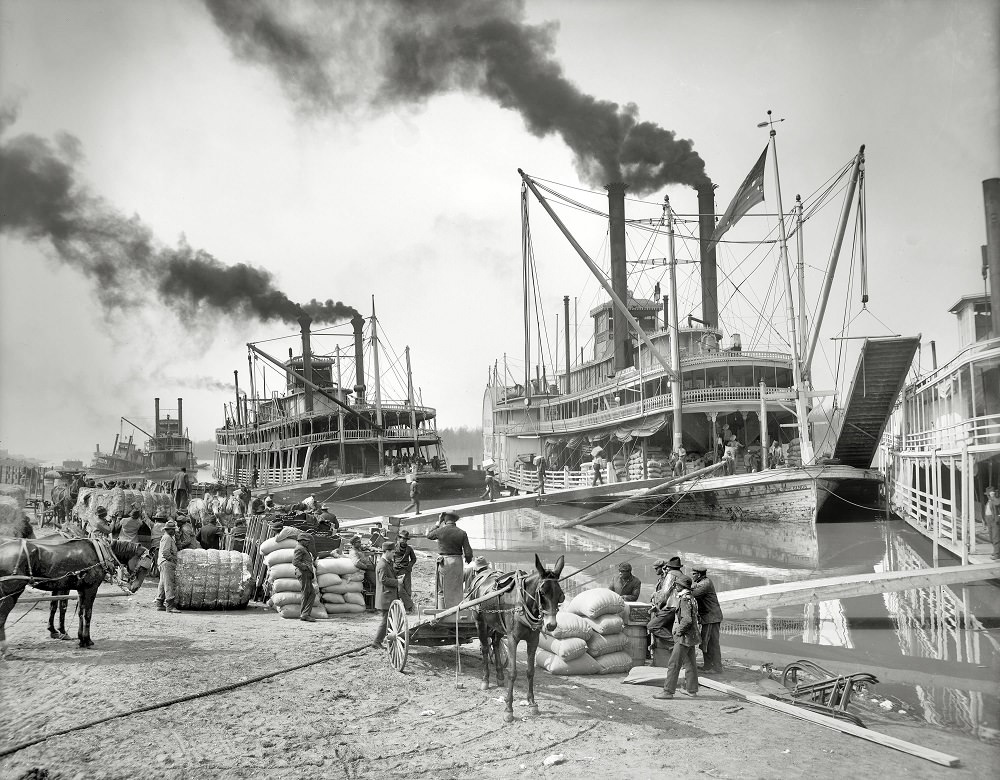
Cotton was king along the Vicksburg levee. Dozens of workers — most of them Black laborers — unloaded bales from boats and stacked them along the riverbank. This work was physically grueling, low-paid, and essential to the city’s prosperity. The cotton trade that flowed through Vicksburg’s docks fed textile mills and markets across the country and beyond.
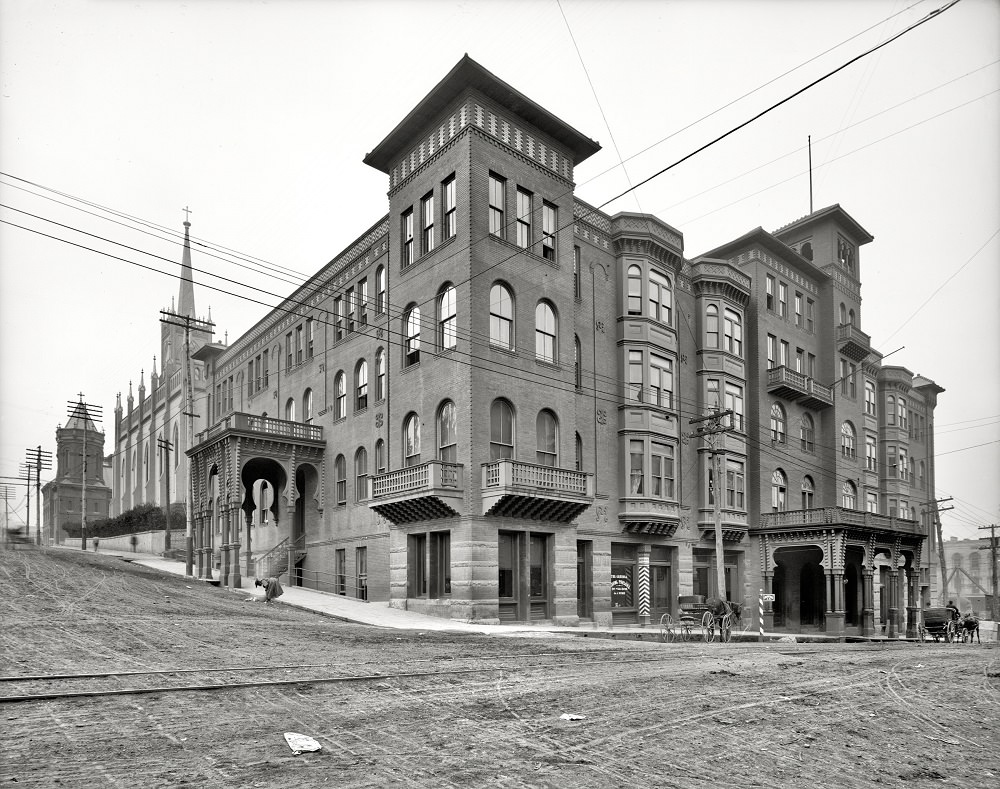
Hotels like the Carroll served the steady stream of travelers and businessmen passing through Vicksburg. Located in a city that was both a river port and a regional commercial center, establishments like these were important to the local economy and to the city’s reputation as a place worth stopping.
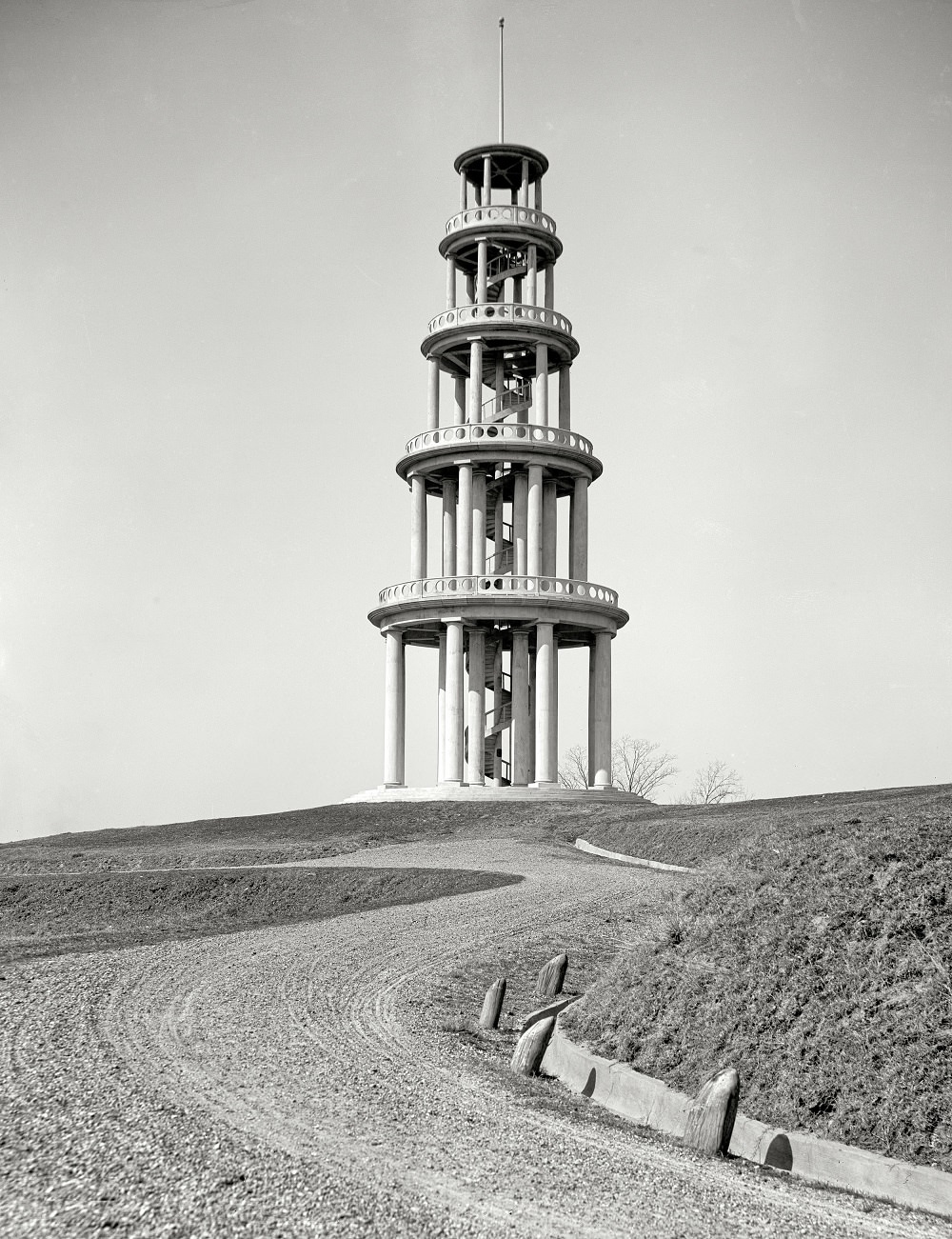
The Vicksburg National Military Park, established in 1899, preserved the battlefield grounds where some of the war’s most intense fighting took place. By 1909, the park had already become a destination for veterans, tourists, and students. Monuments and earthworks marked the positions of both Union and Confederate forces during the 47-day siege.
The steamboat landing at Vicksburg in 1906 was a scene of constant motion. Boats arrived and departed around the clock, loaded with cargo and passengers. The landing was one of the most active points on the entire lower Mississippi River during this period.
At the turn of the century, sternwheelers like the Falls City were a common sight at Vicksburg’s levee. These flat-bottomed boats were well suited to the shallow and shifting waters of the Mississippi. They carried everything from farm goods to passengers, making them indispensable to river trade in the region.
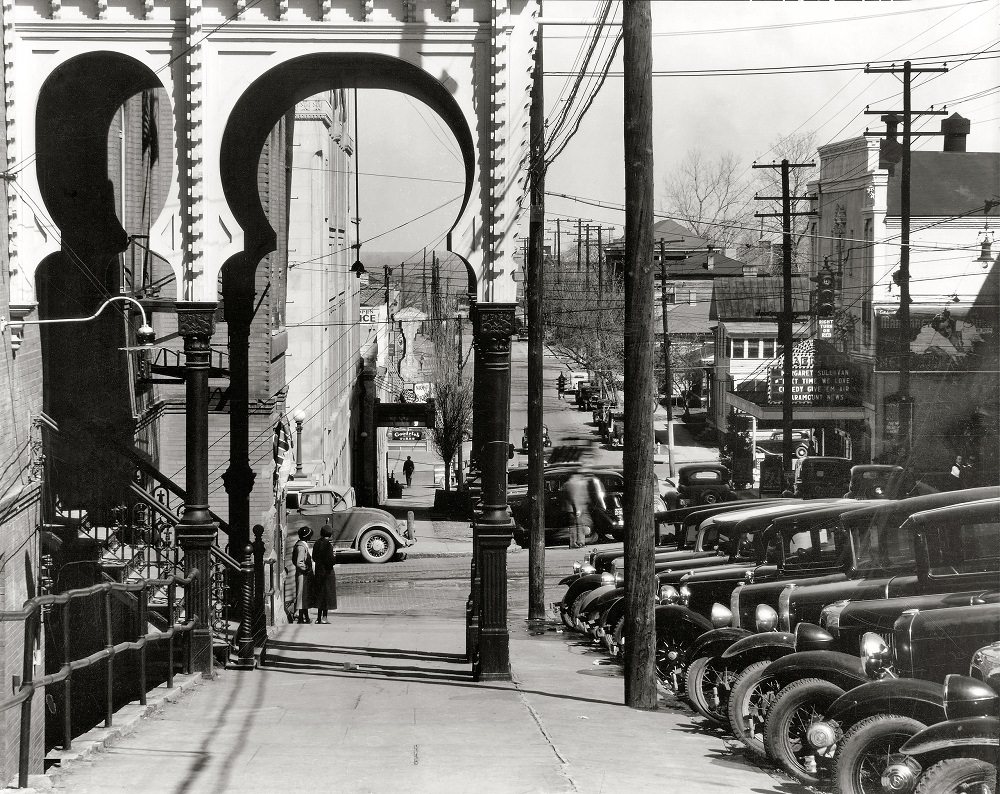
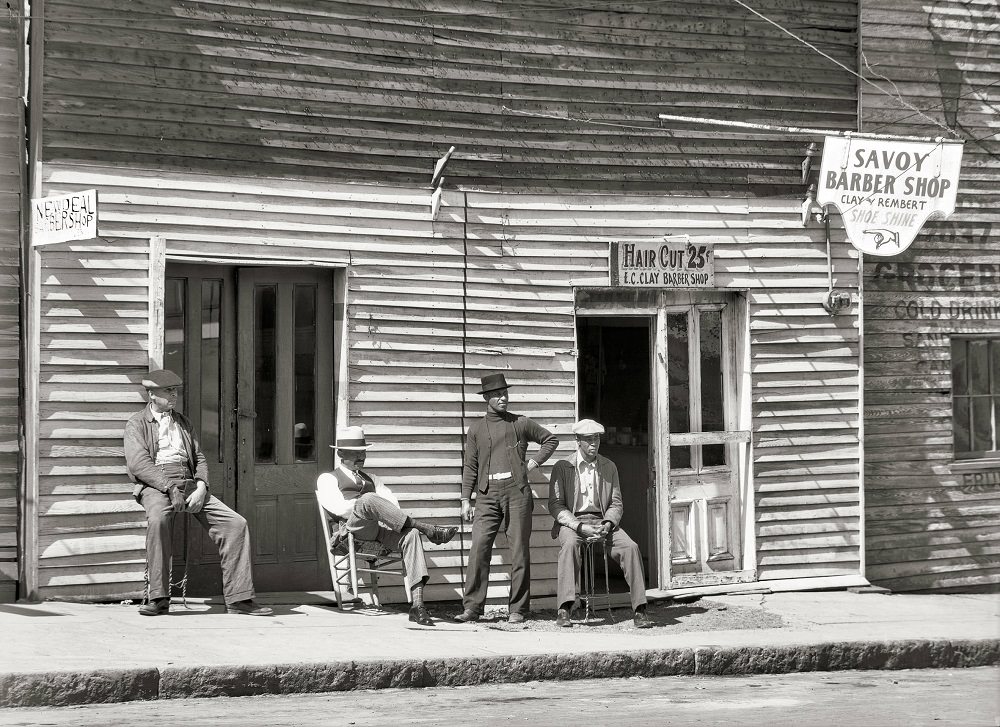
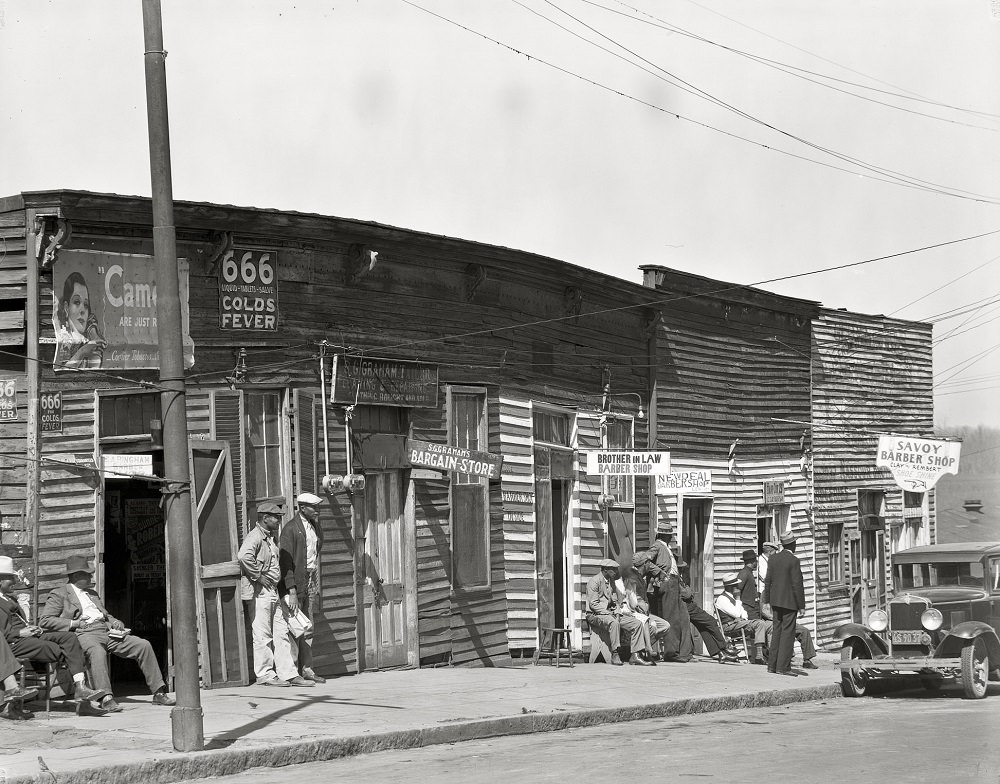
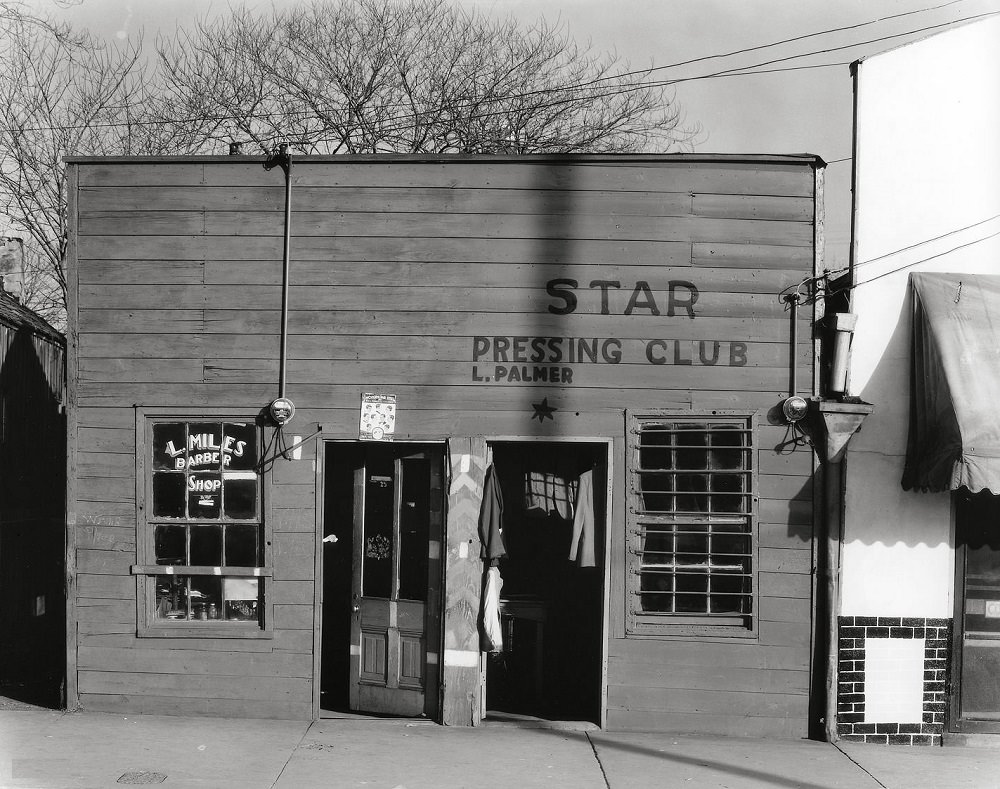
By 1936, Vicksburg’s streets told a story of economic strain. The Great Depression had hit Southern cities hard, and Vicksburg was no exception. Street scenes from March of that year show a city still functioning but showing the wear of hard times. The following photographs from 1936 document daily life in the city’s Black community, captured by photographers working for federal documentation projects.
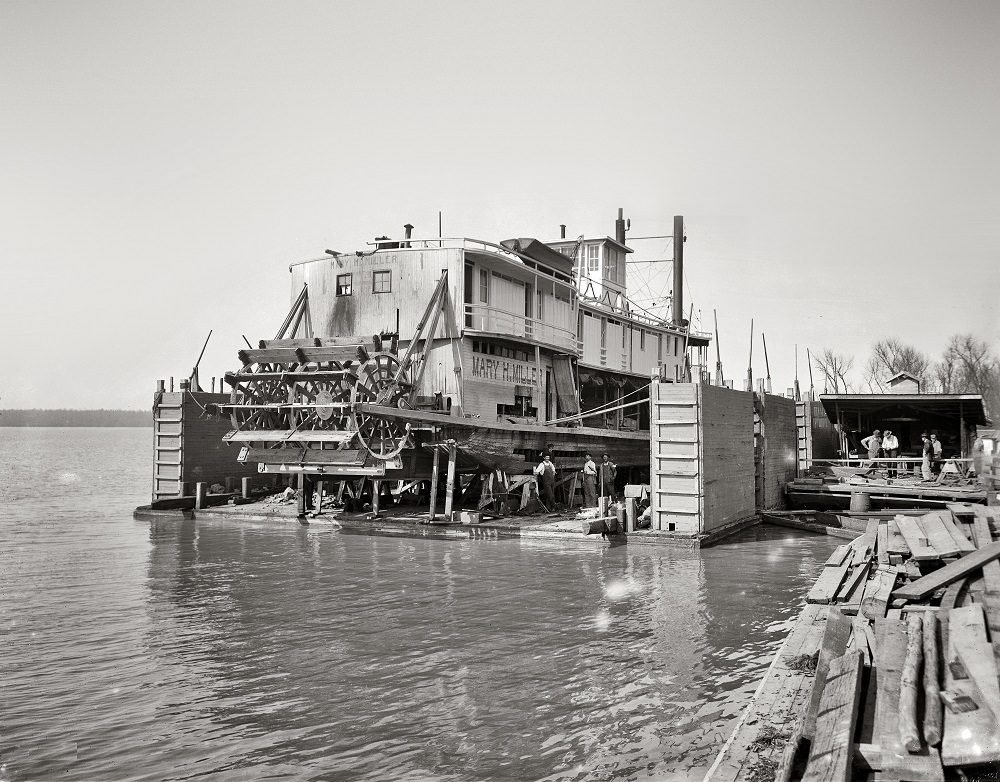
River infrastructure was critical to keeping Vicksburg’s waterfront operational. This floating dry dock on the Mississippi, photographed in 1905, was used to repair and maintain the steamboats and other vessels that kept the city’s trade moving. Dry docks like this one allowed boats to be lifted out of the water for hull repairs without needing a permanent shore-based facility — a practical solution for a working river city.





Beautiful photos. A lot of history. Thanks for sharing!
Also, what it will look like in 2030
The city closed in the porches of city hall, got rid of the street cars, and demolished the awesome park tower. Disappointing.
There are no trumpets in city hall anymore, but it still looks like that.
The patio and balcony are enclosed, and the butter-yellow color certainly makes a different impression than the black and white.
Is it better than it looks now?