
in

Building, Farming, Driving, Flying: Exploring the Diverse Work of Women in WWII Through Historic Photos

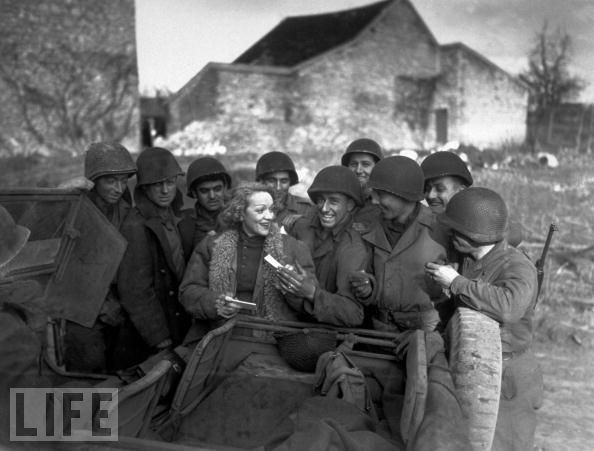
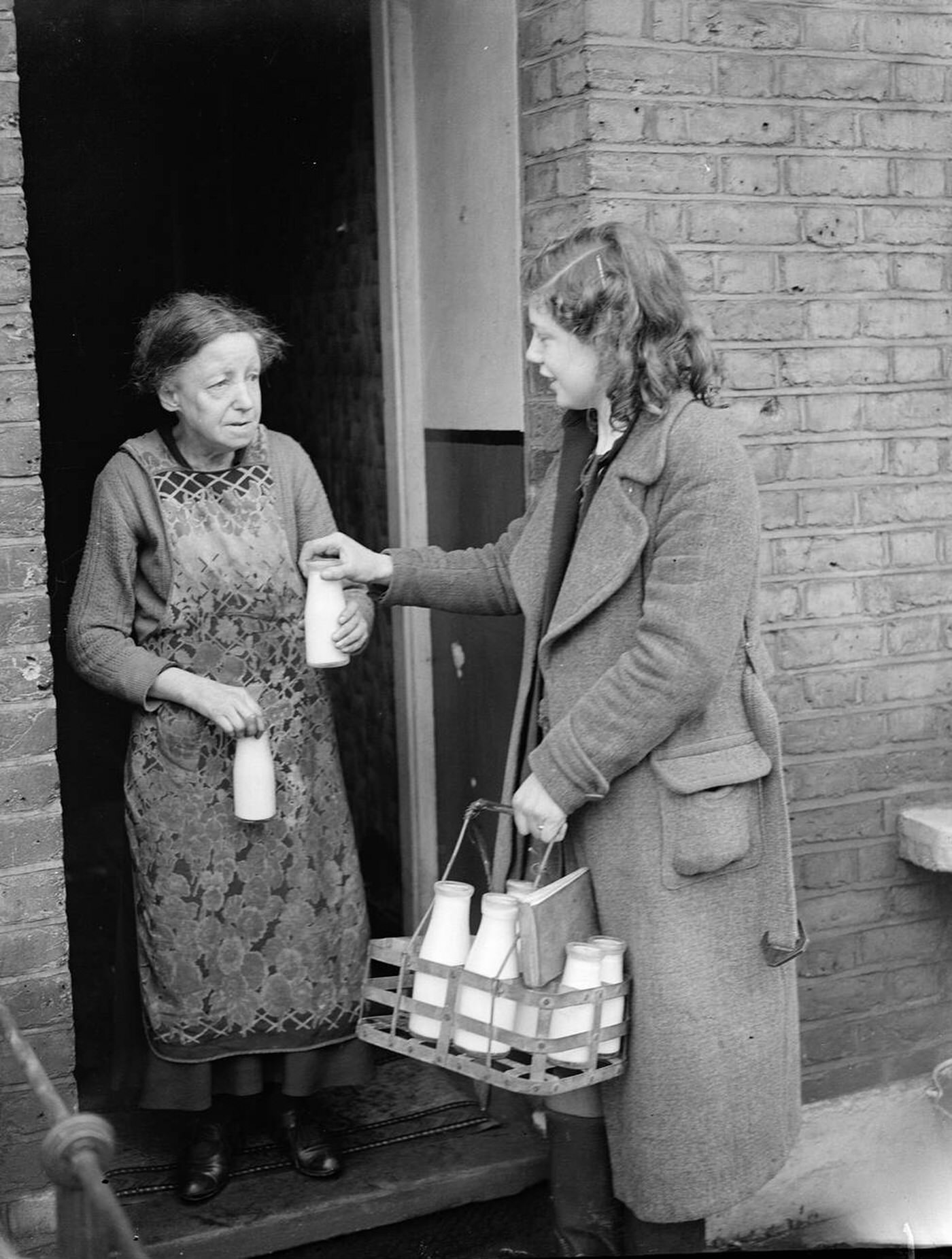
World War II required an enormous mobilization effort from the nations involved. As millions of men were drafted or volunteered for the armed forces, leaving their civilian jobs behind, significant labor shortages developed back home. To keep industries producing essential goods, maintain services, and support the military campaign, women stepped into the workforce in unprecedented numbers, taking on a vast array of jobs crucial to the war effort.

The need for workers was immense. Factories had to dramatically increase production from bullets and uniforms to massive bombers and warships. Farms needed hands to plant and harvest food for both the population at home and the troops overseas. Transportation systems had to keep running efficiently. Governments in countries like the United States, Britain, Canada, and others launched recruitment drives, using posters, radio announcements, and newsreels to encourage women to take jobs in support of their nation.

Read more

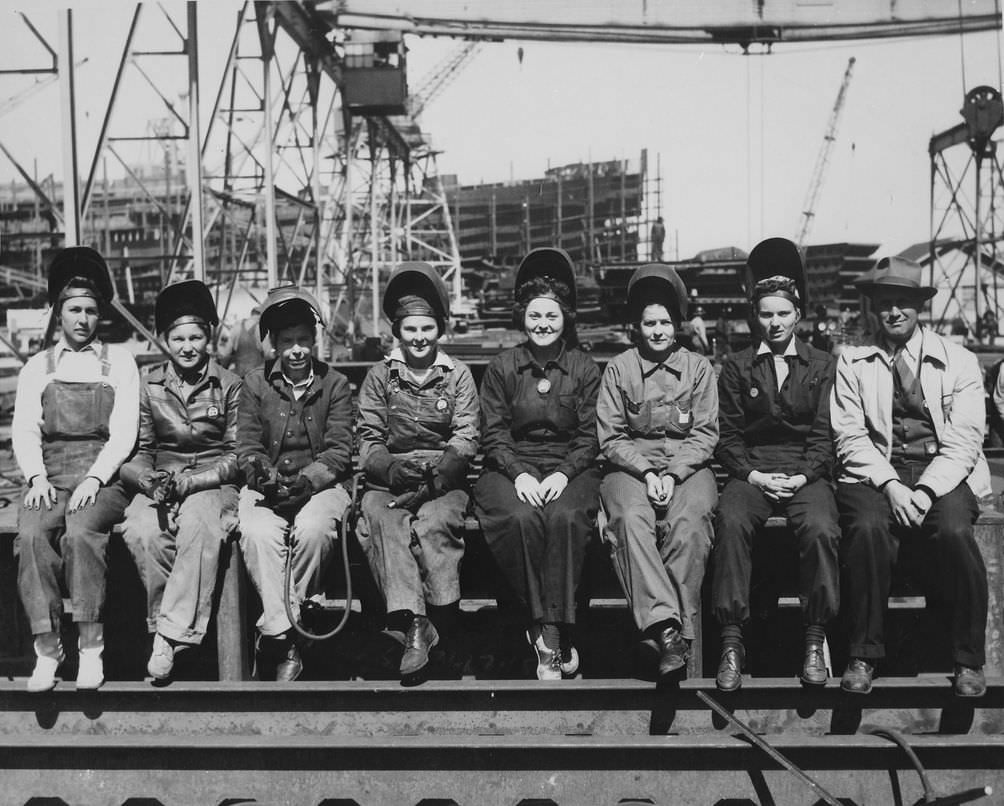
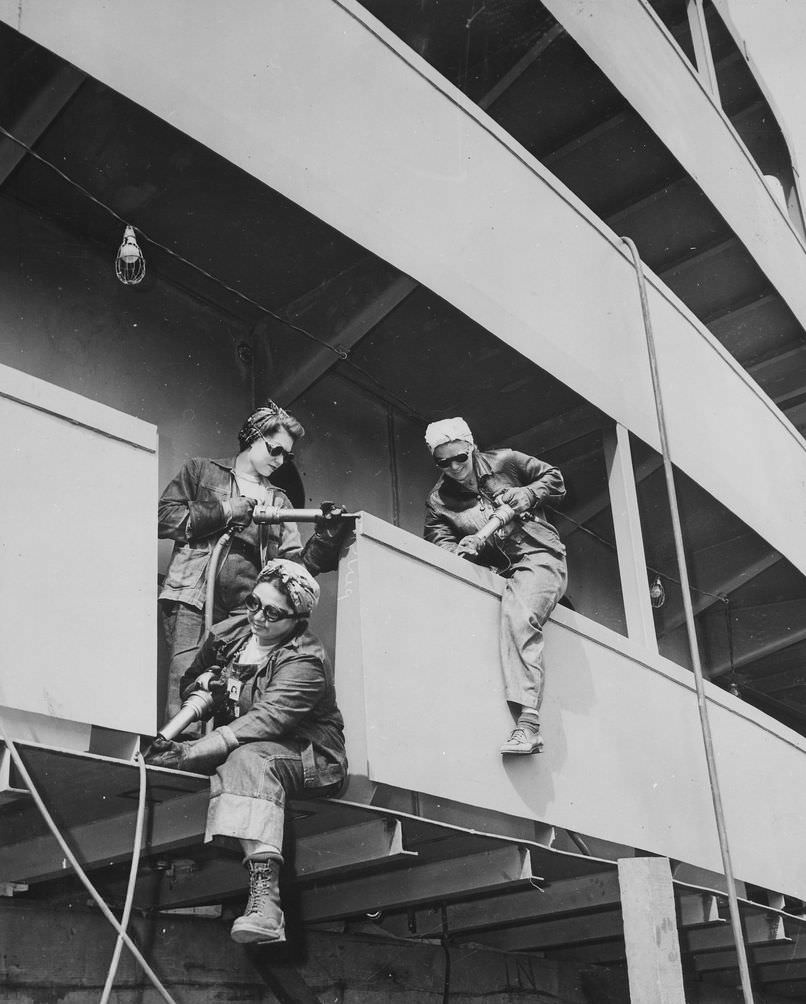
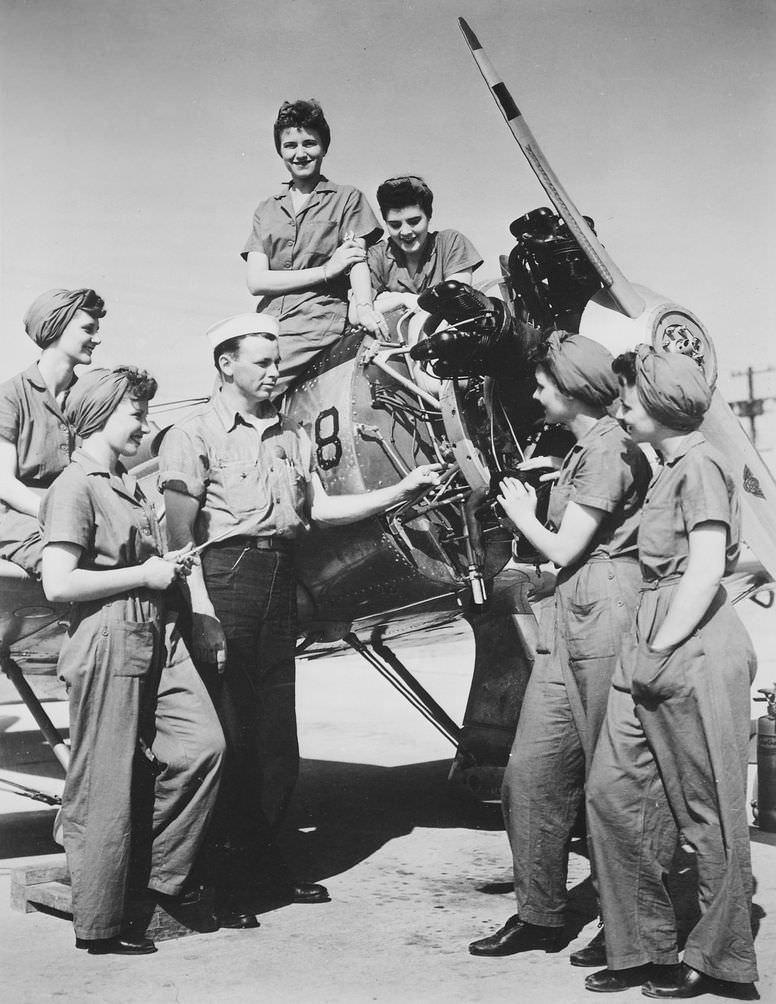
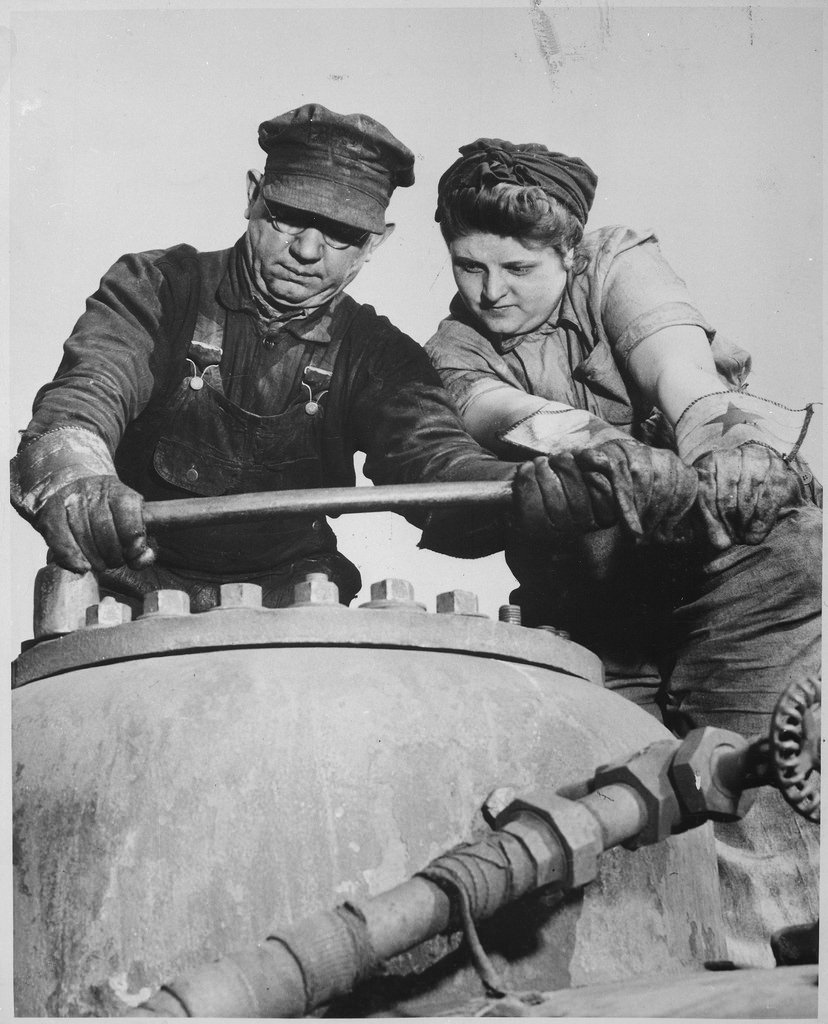
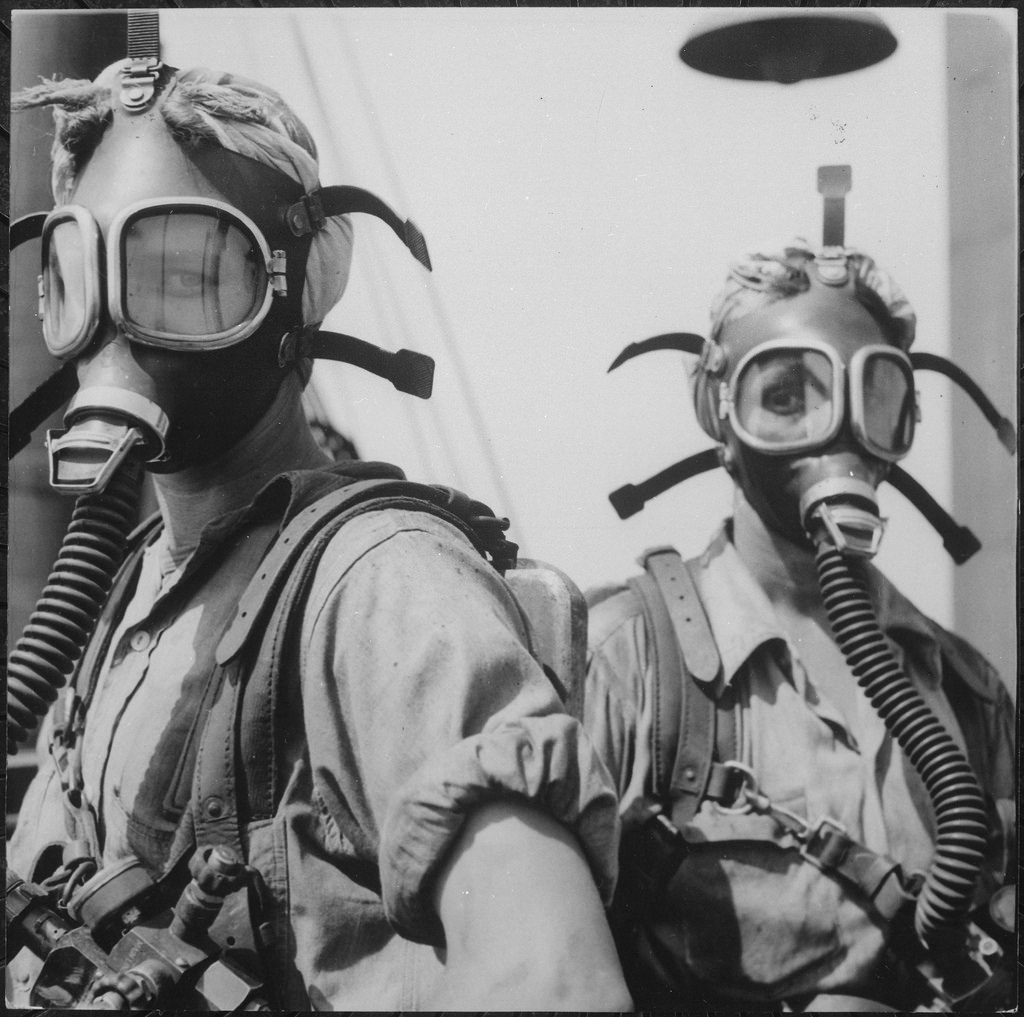
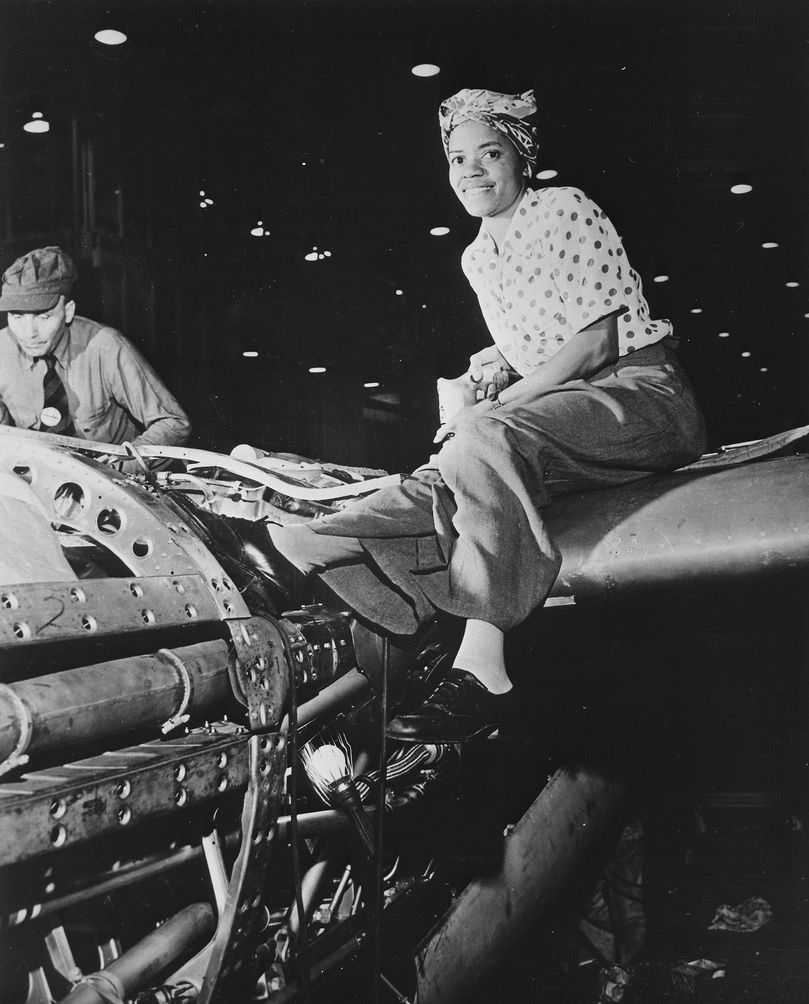
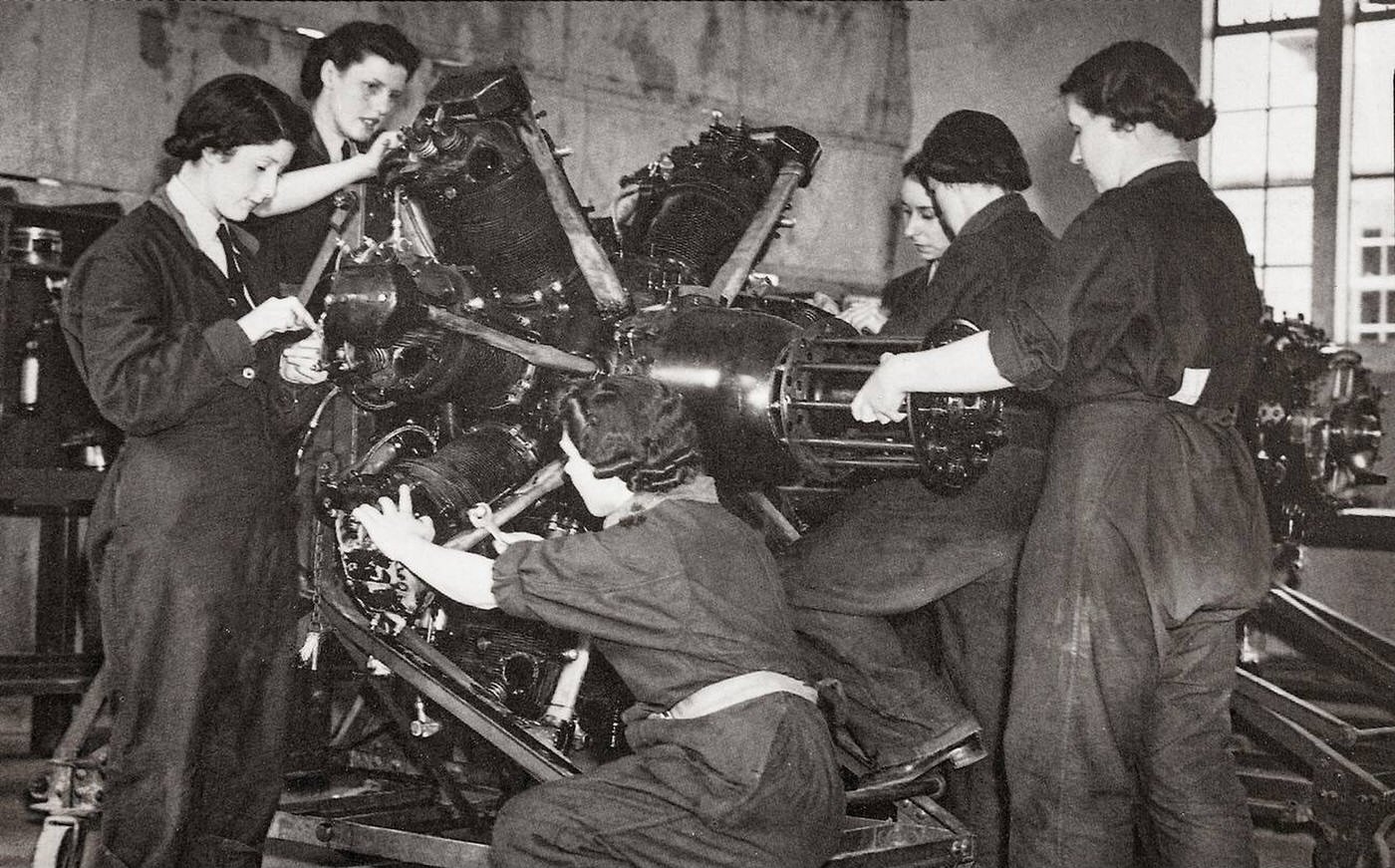
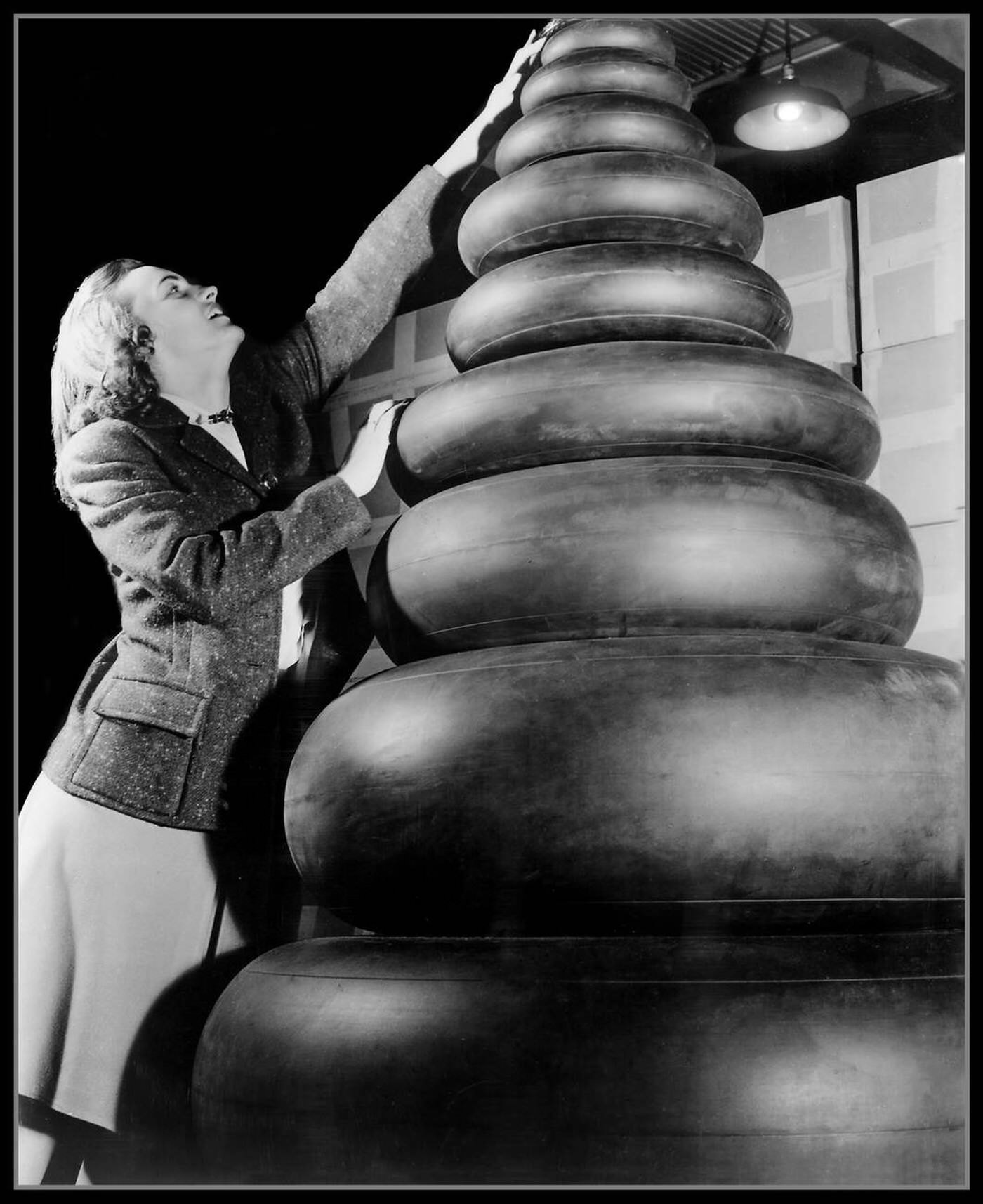
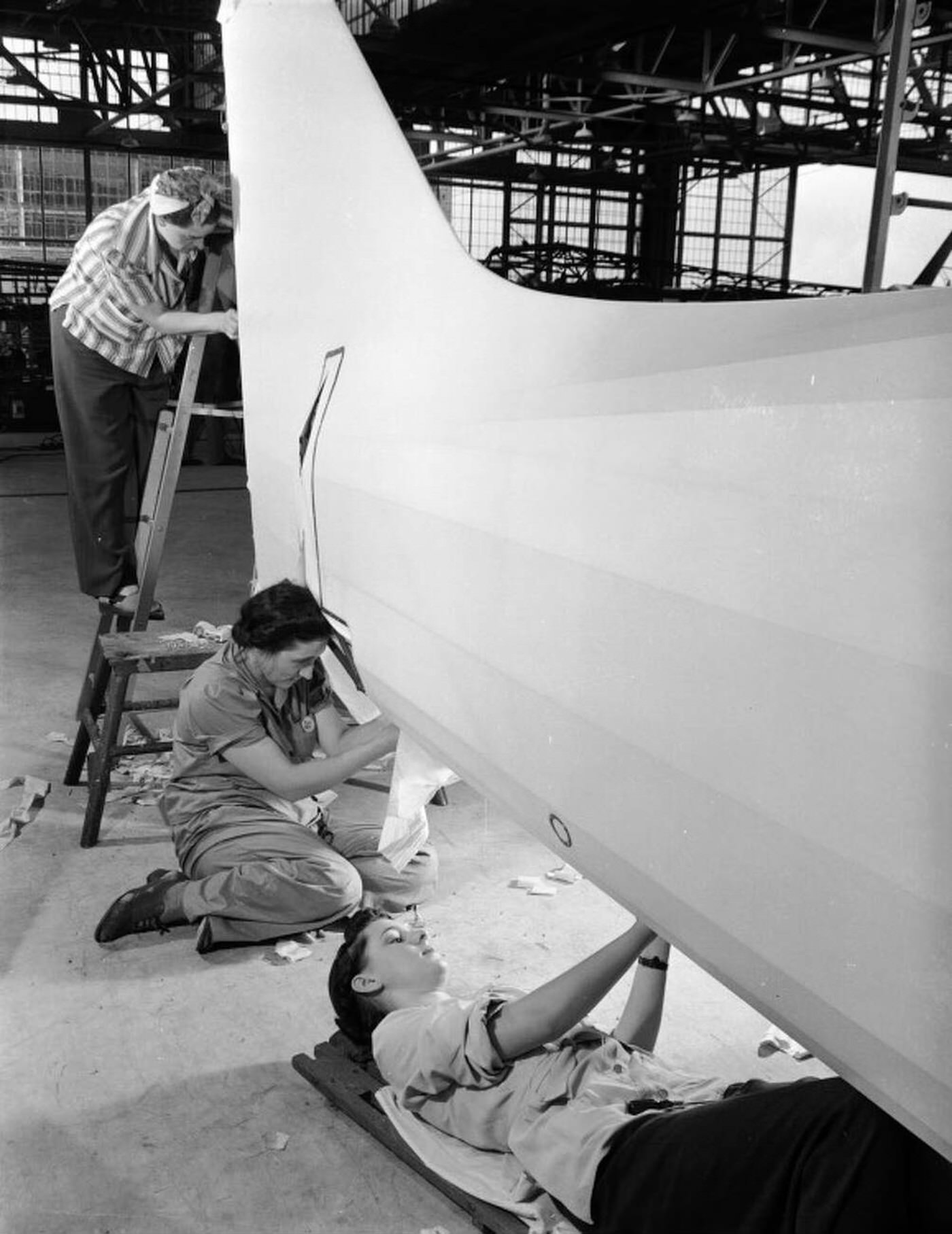
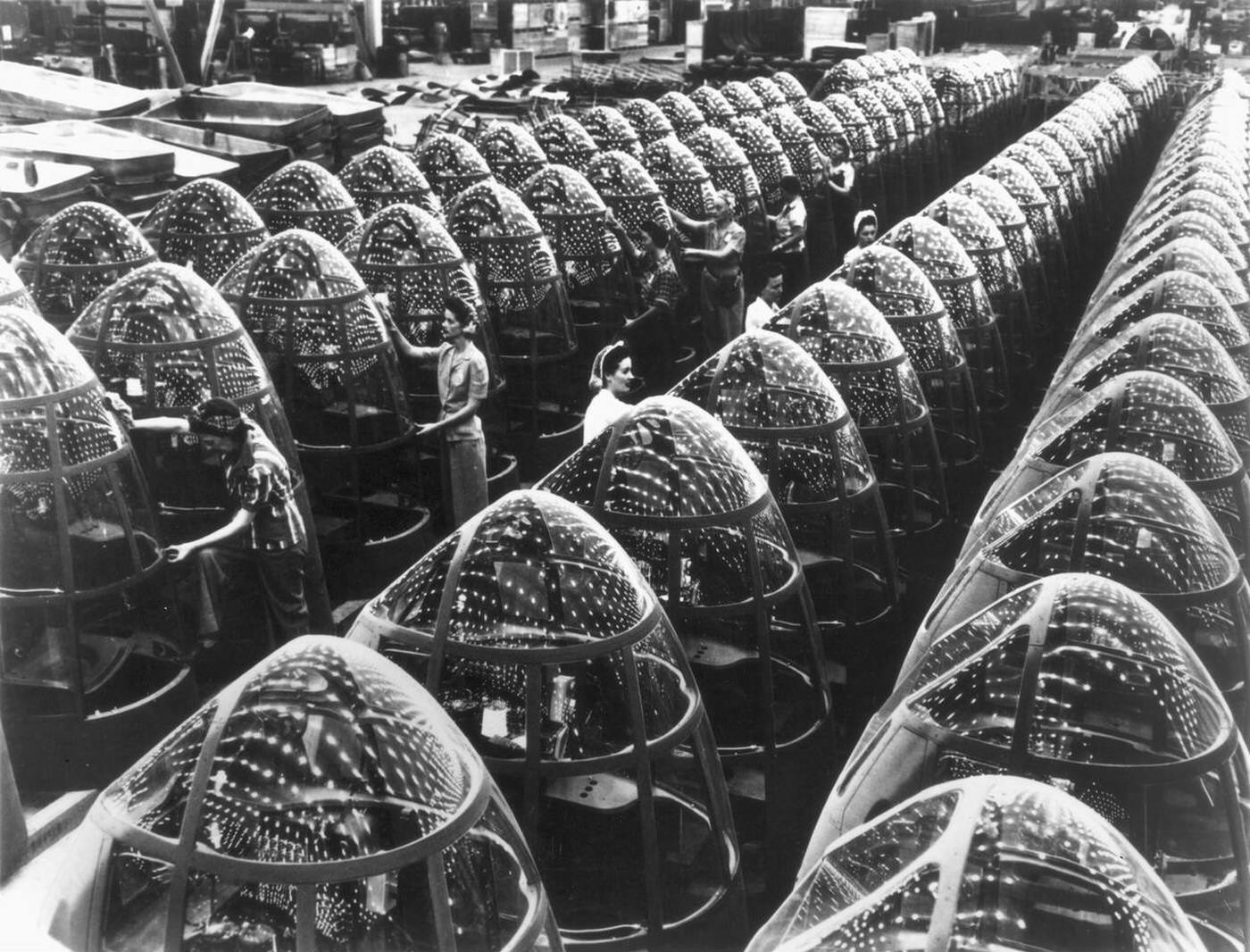
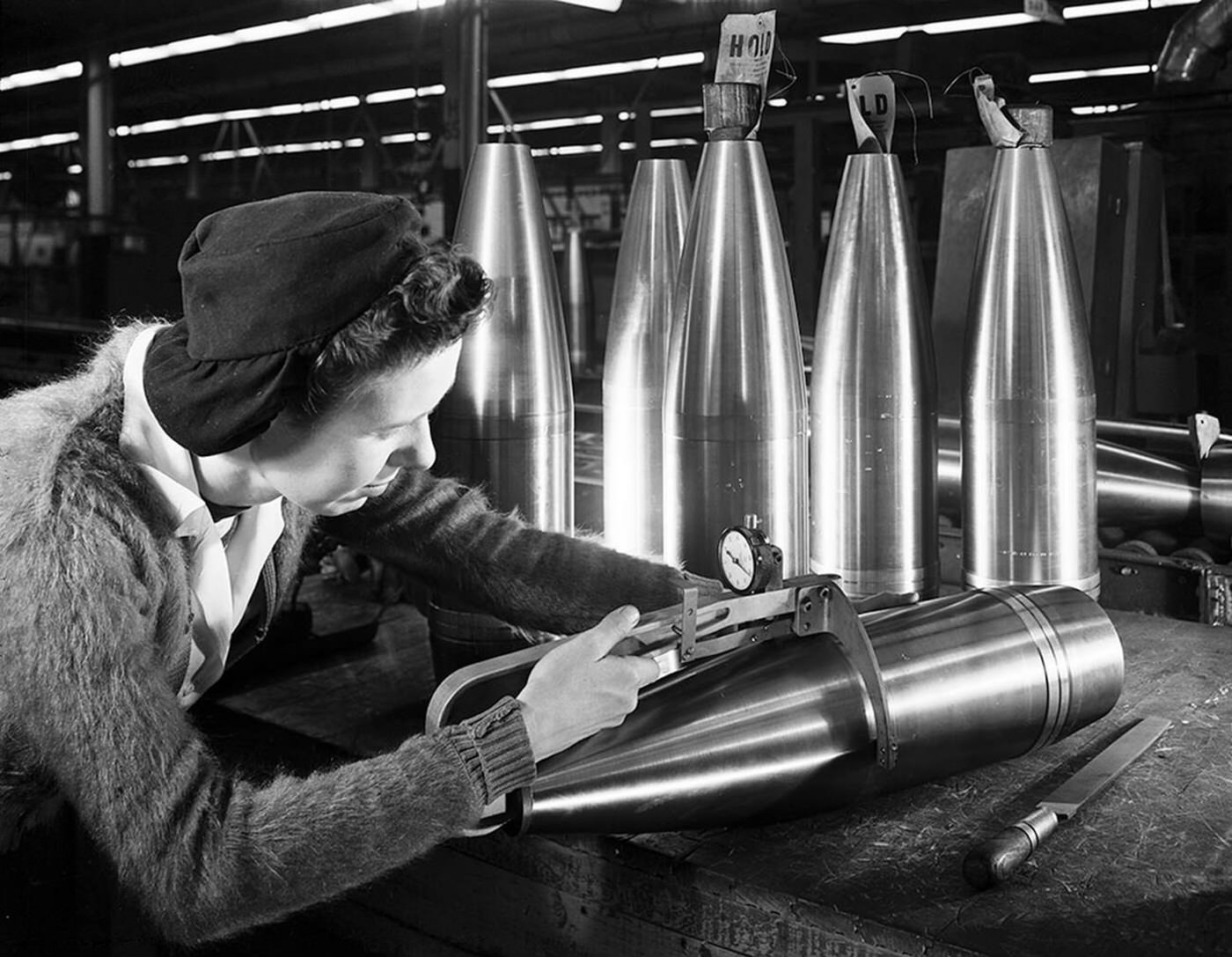
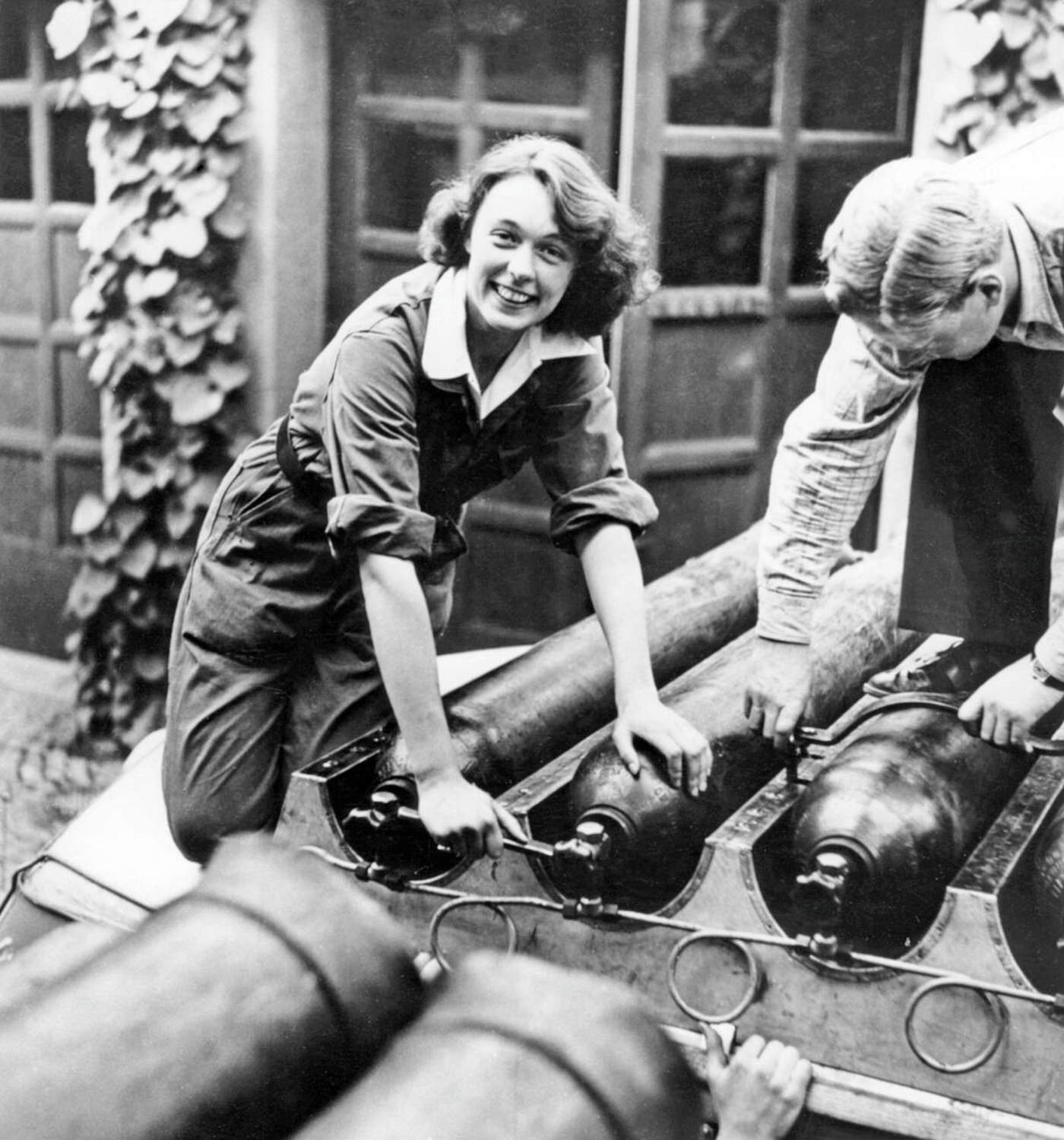
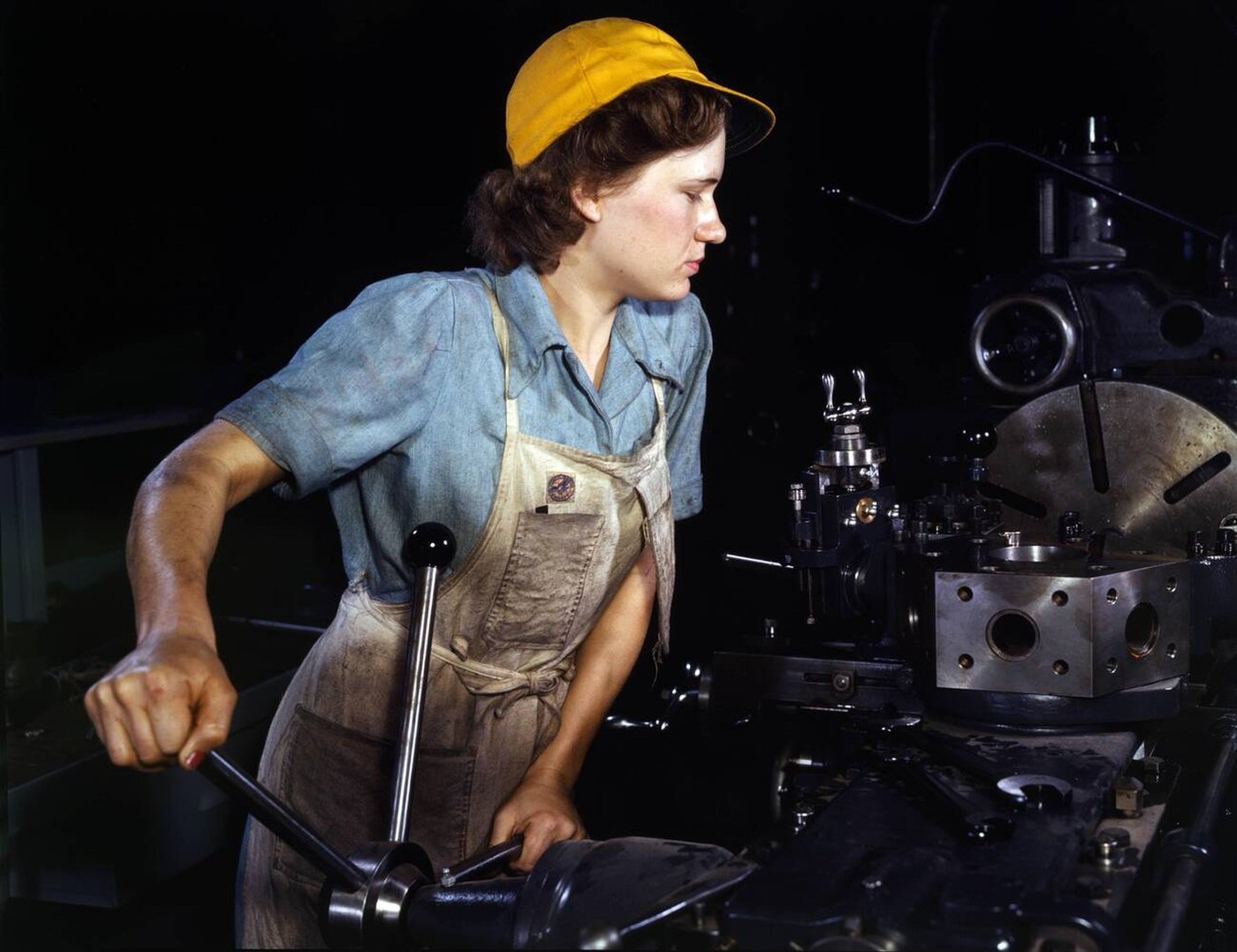
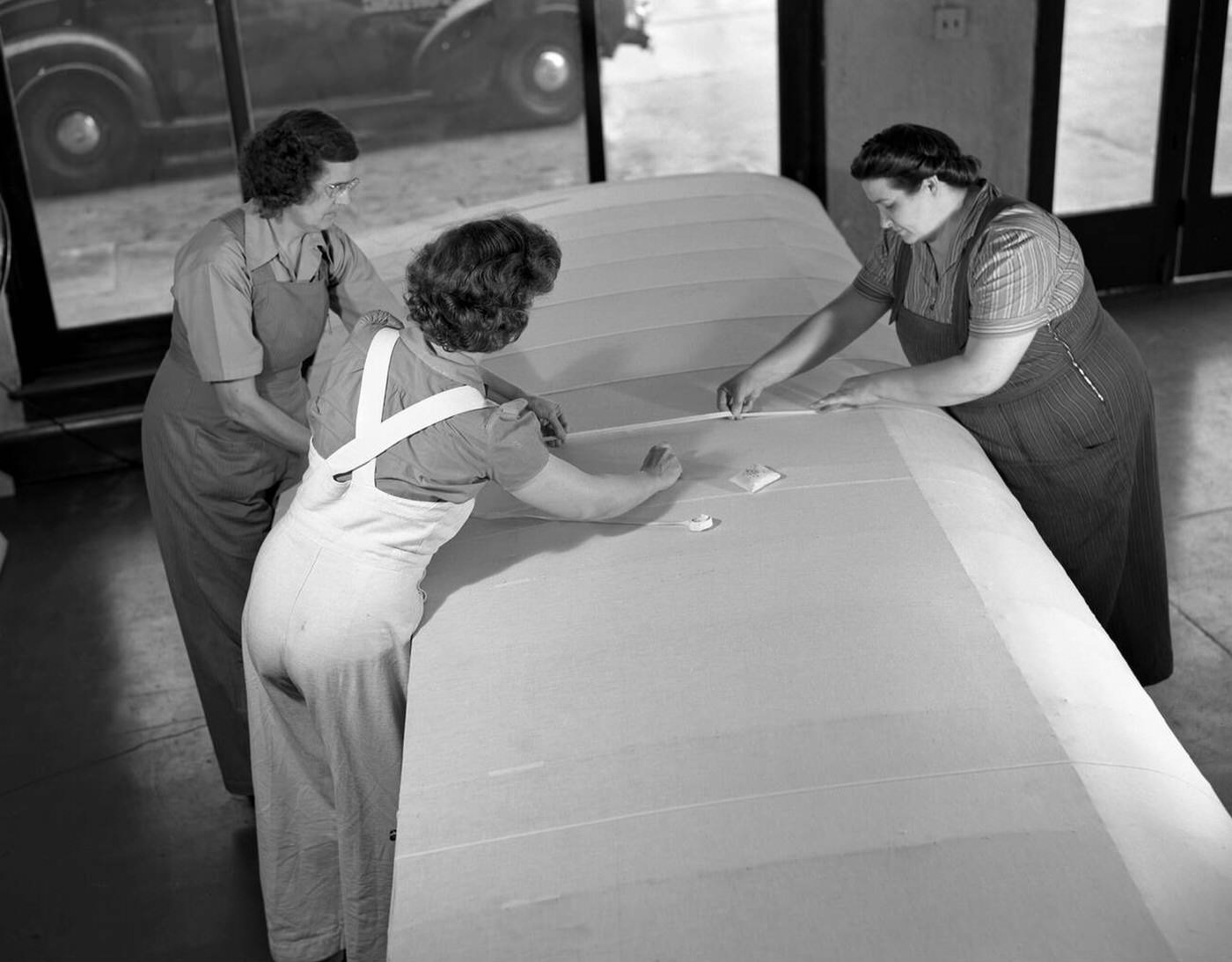
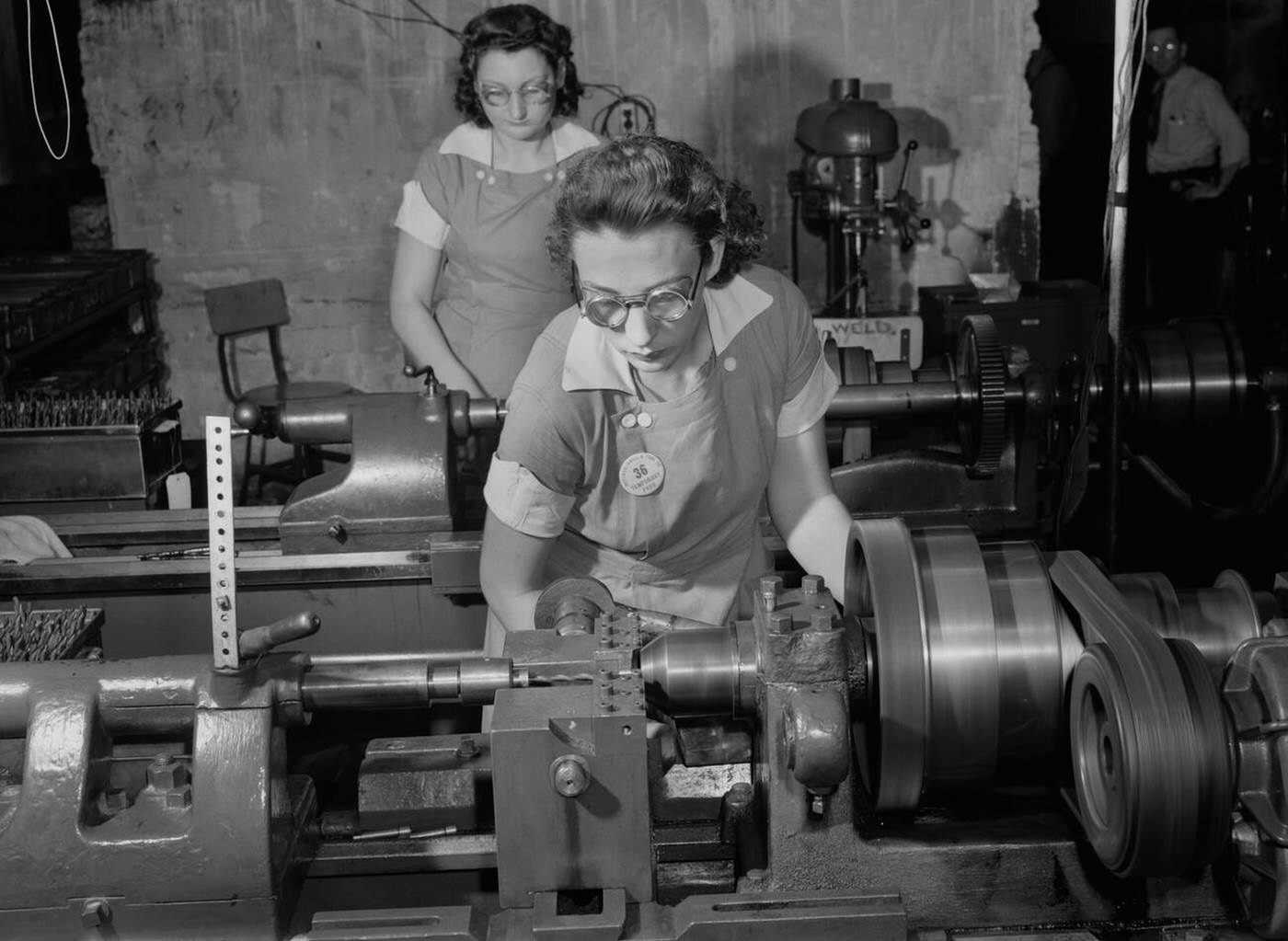
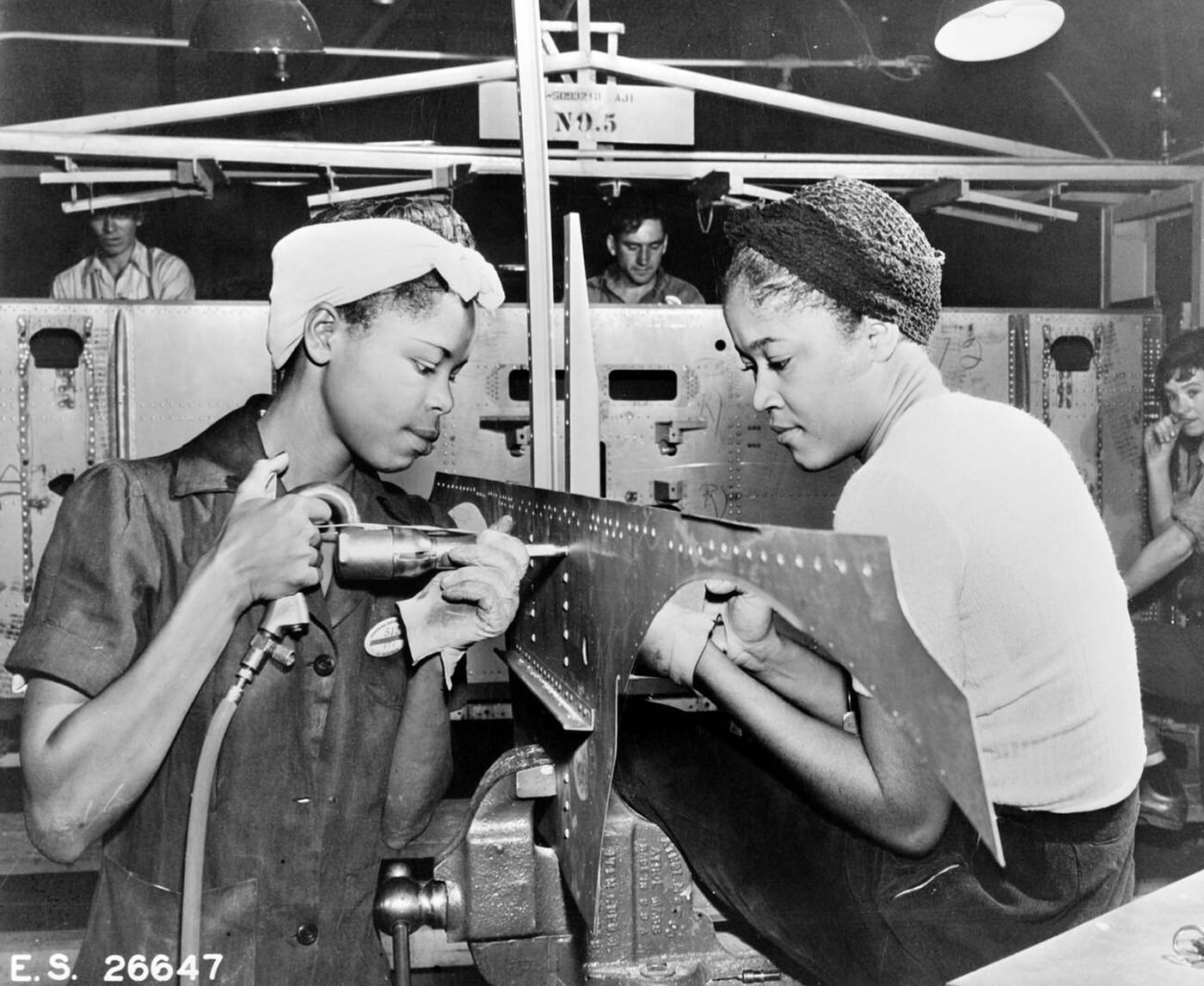
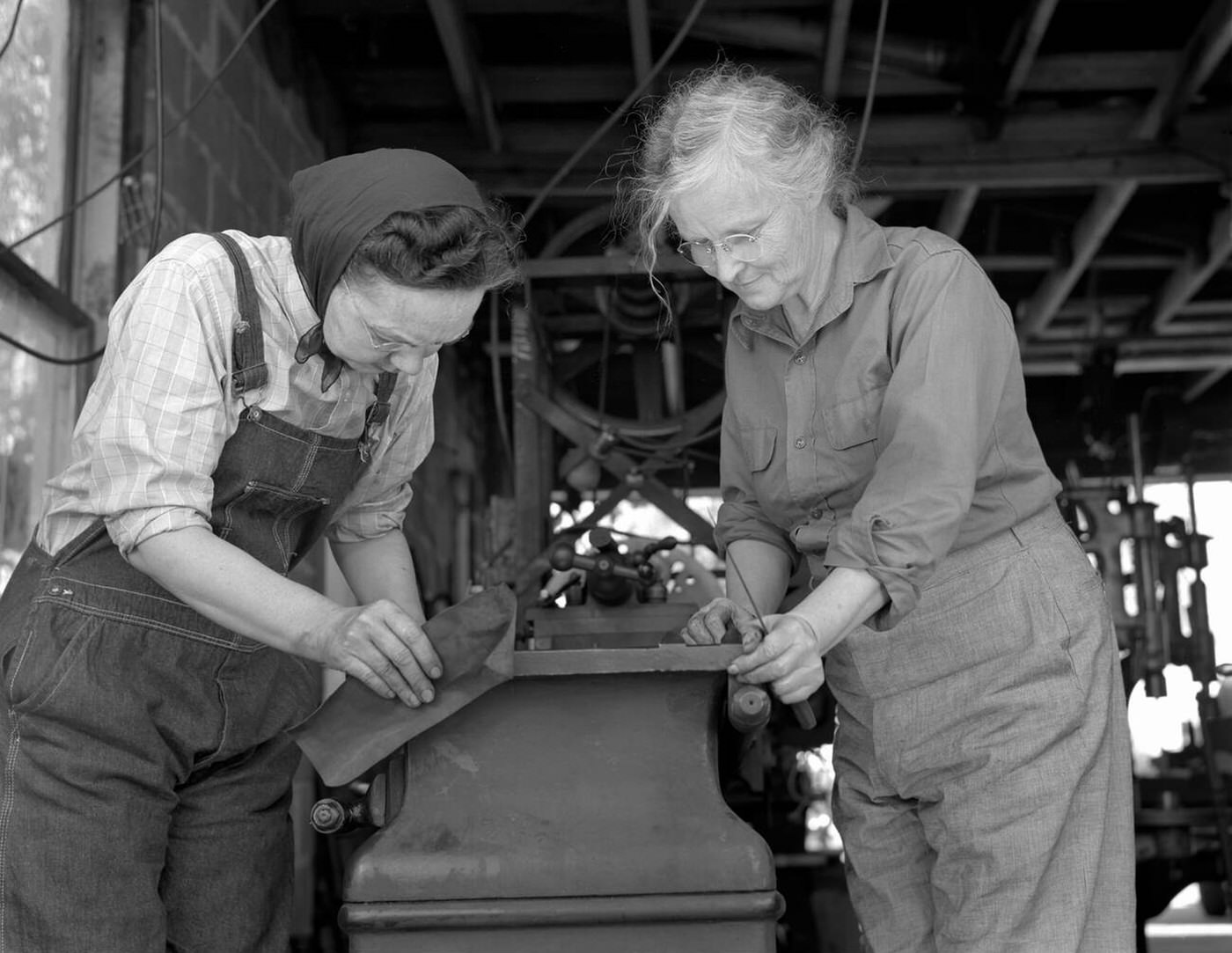
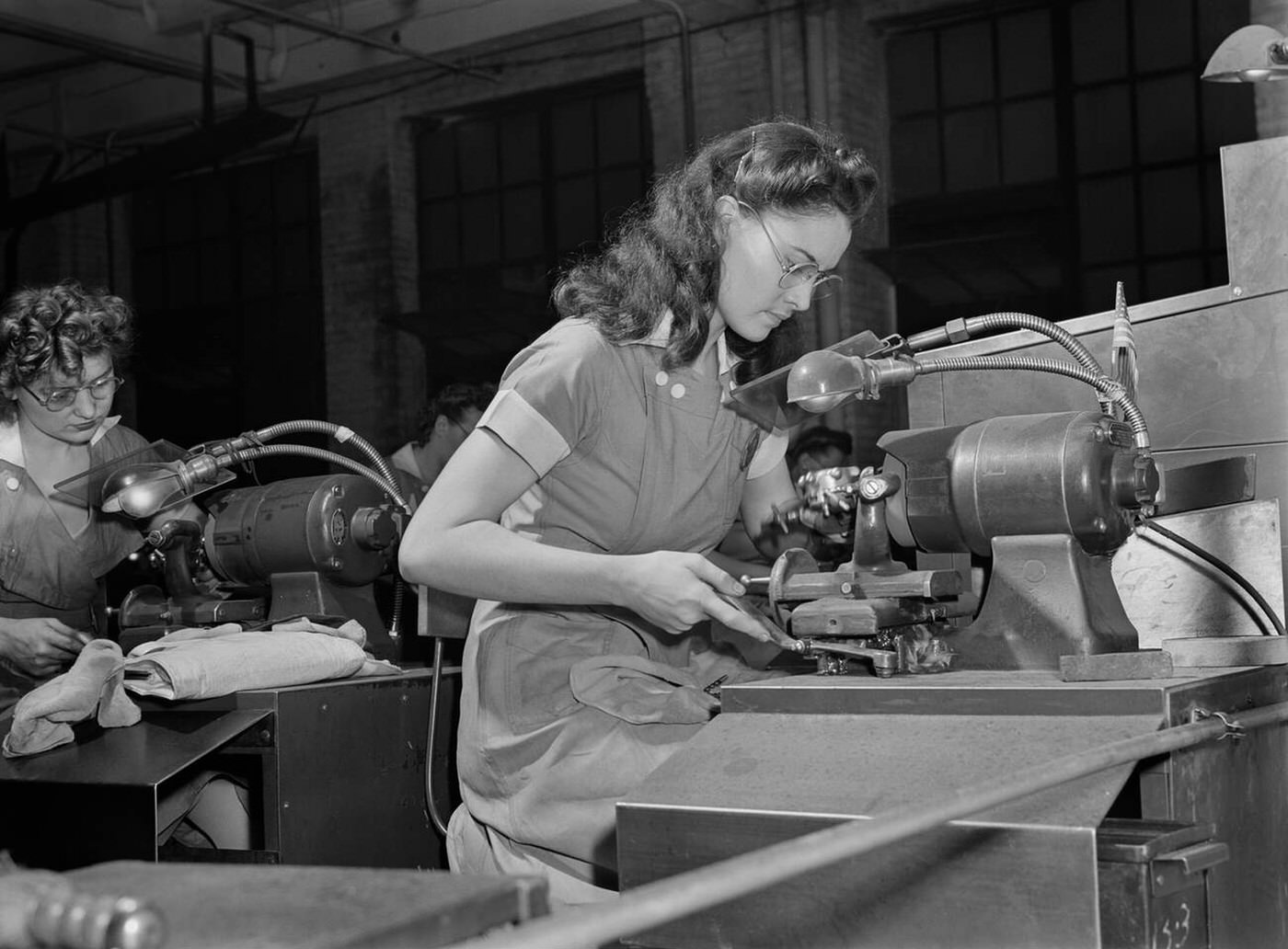
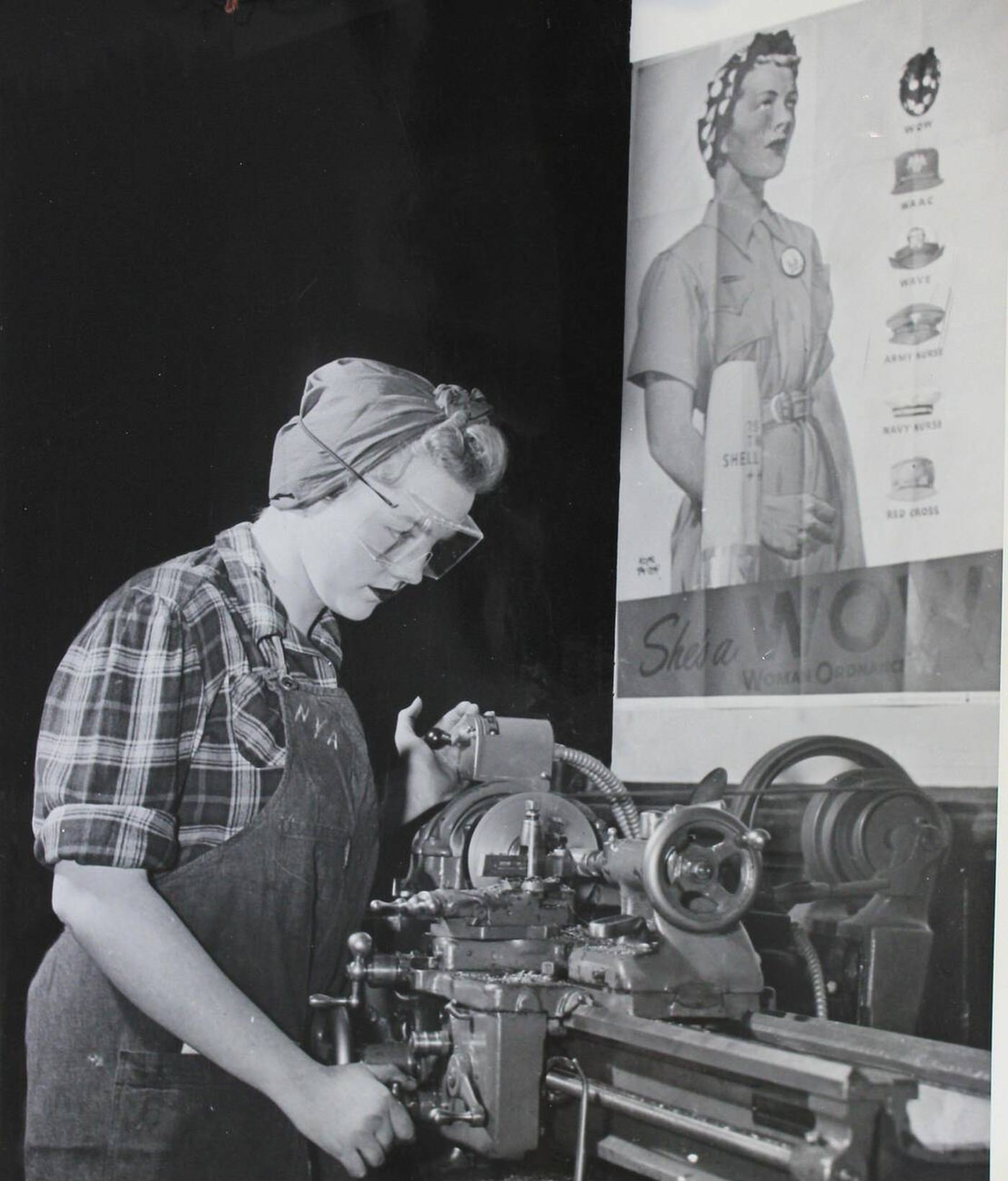
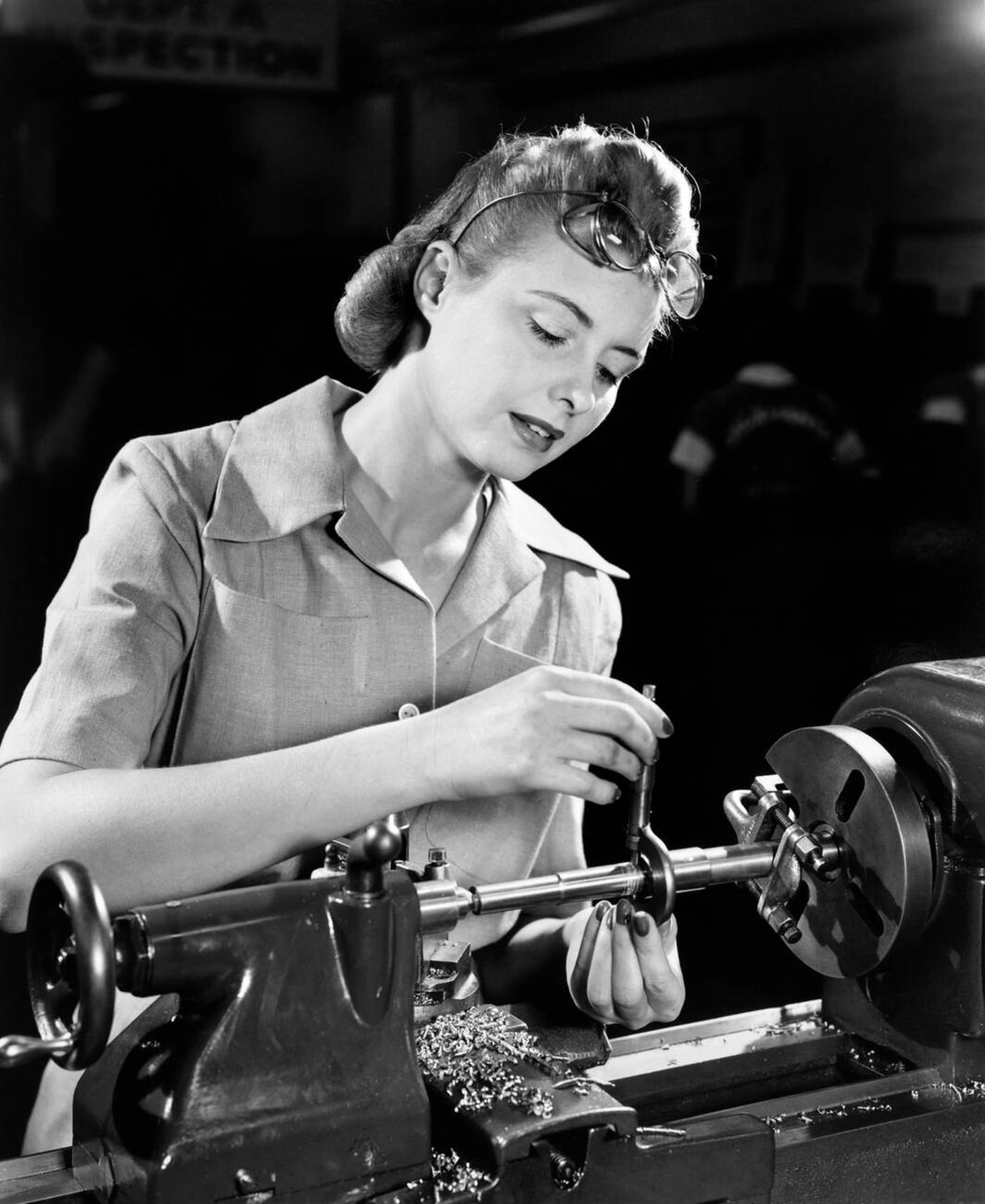
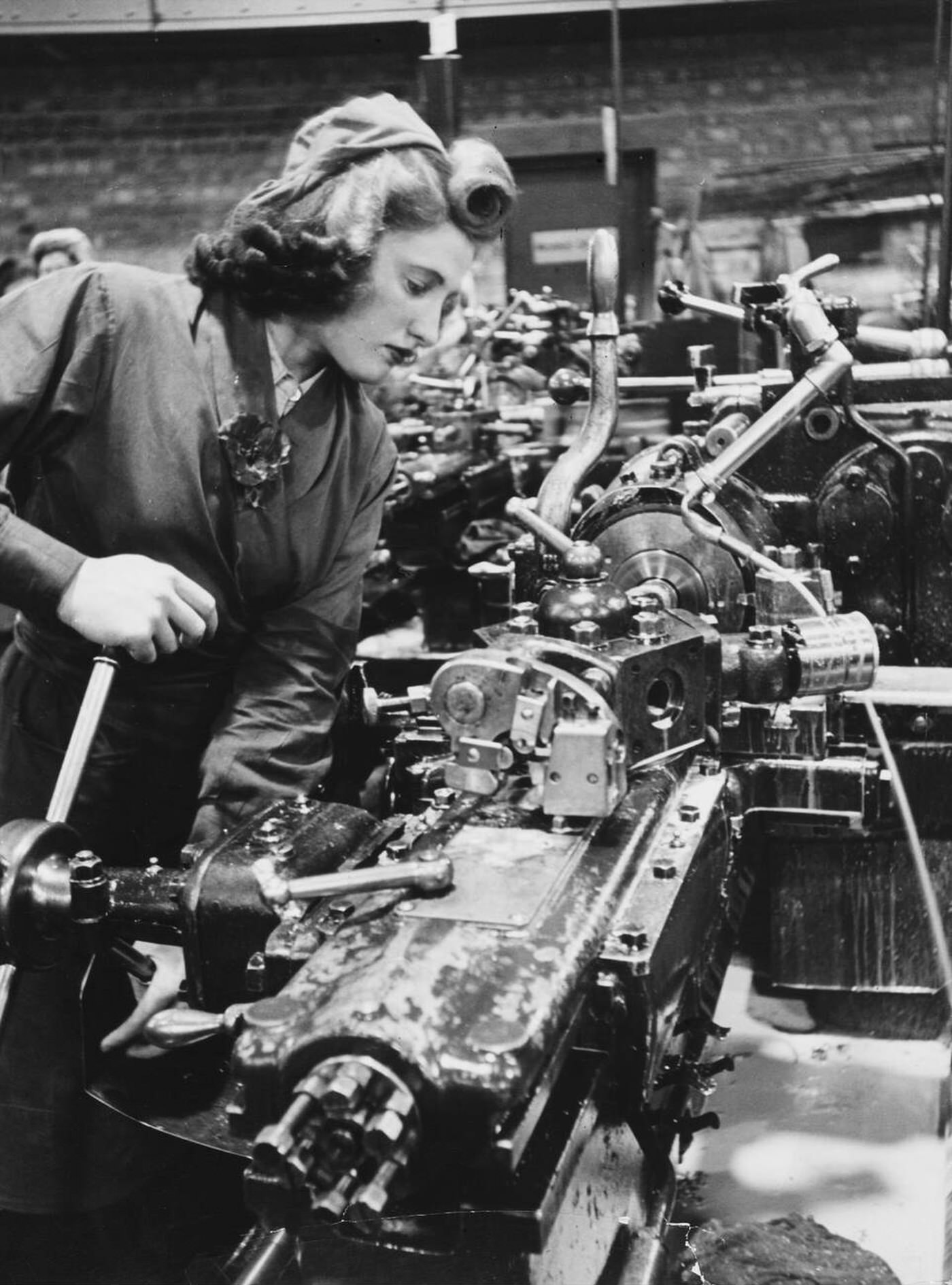
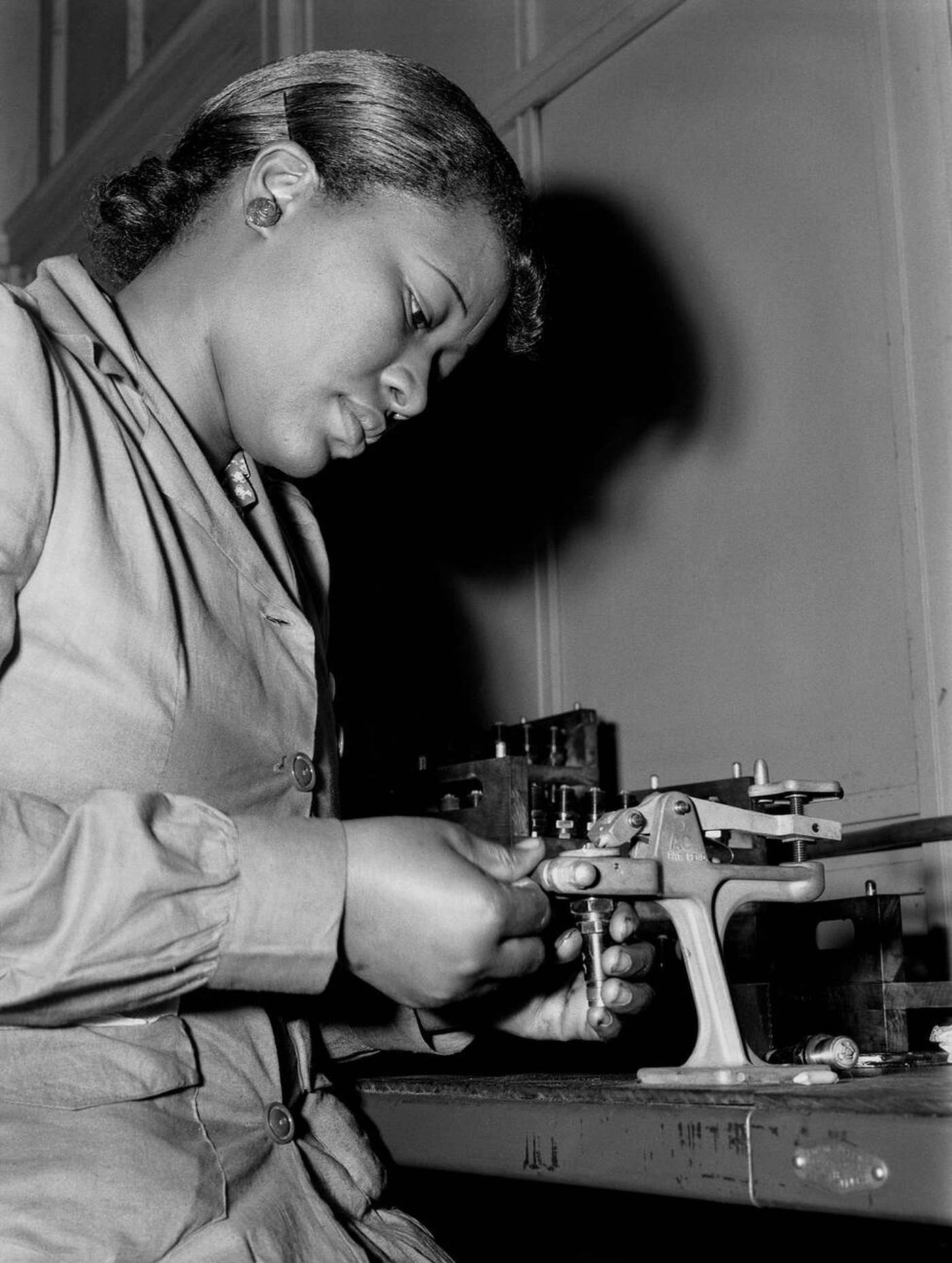
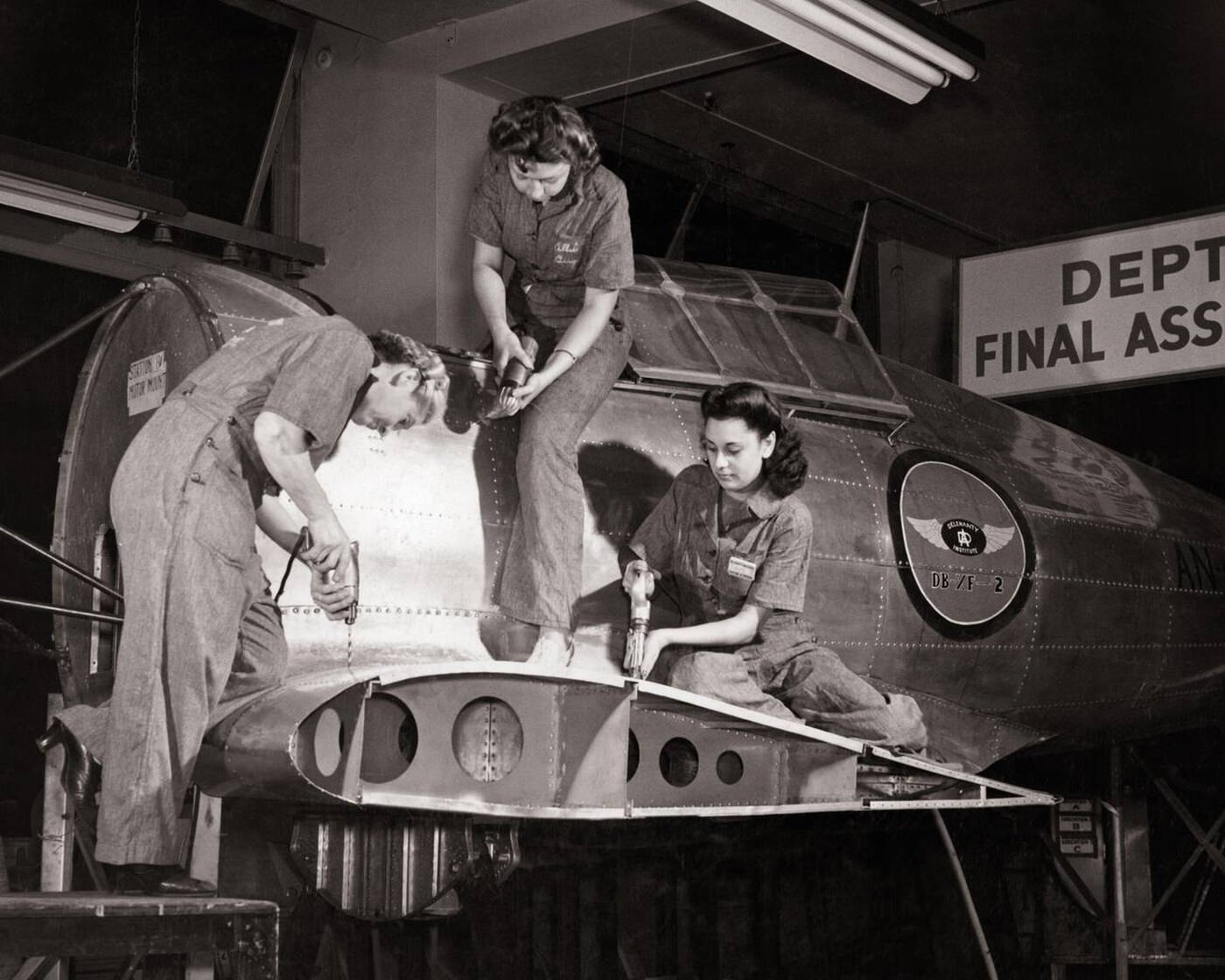
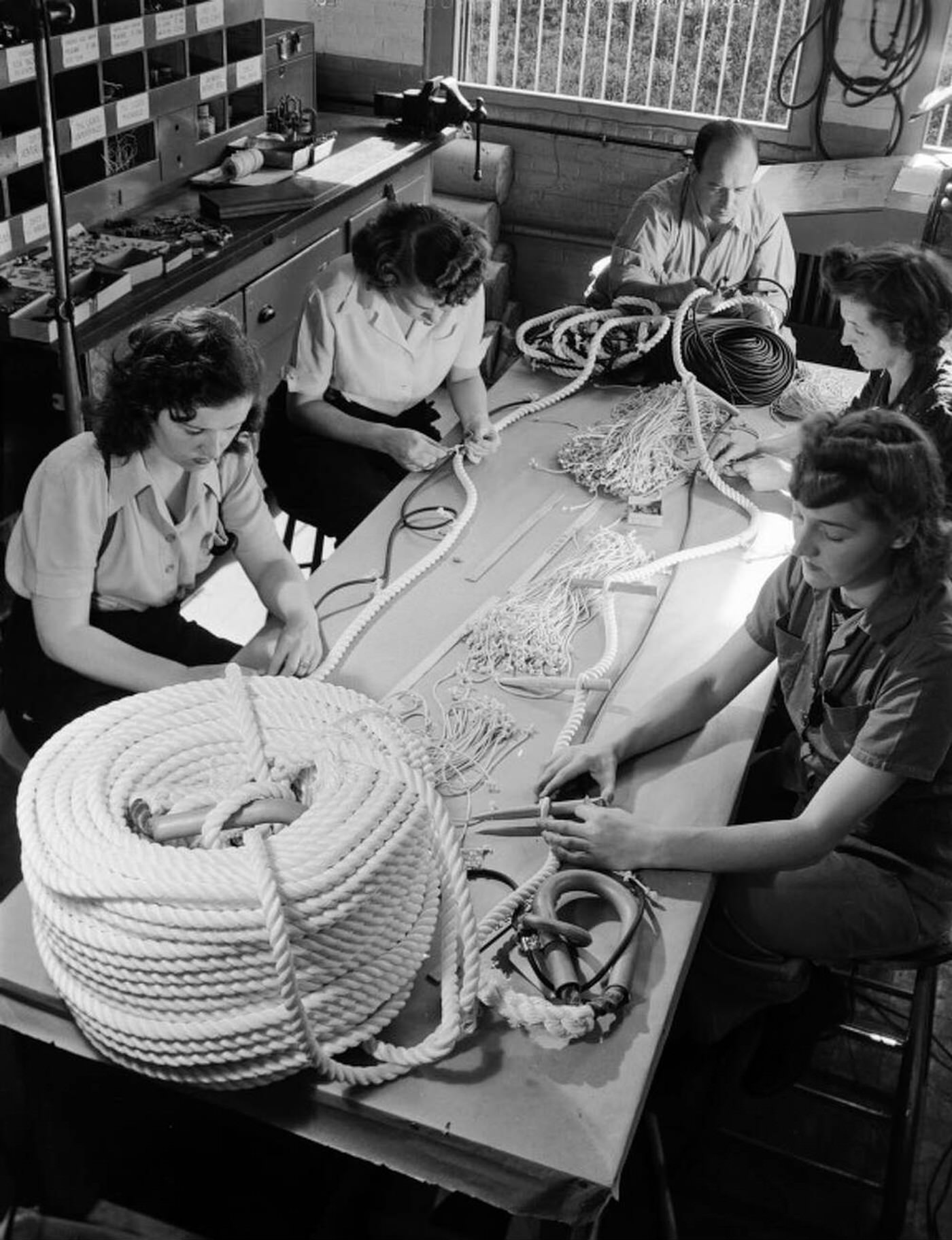
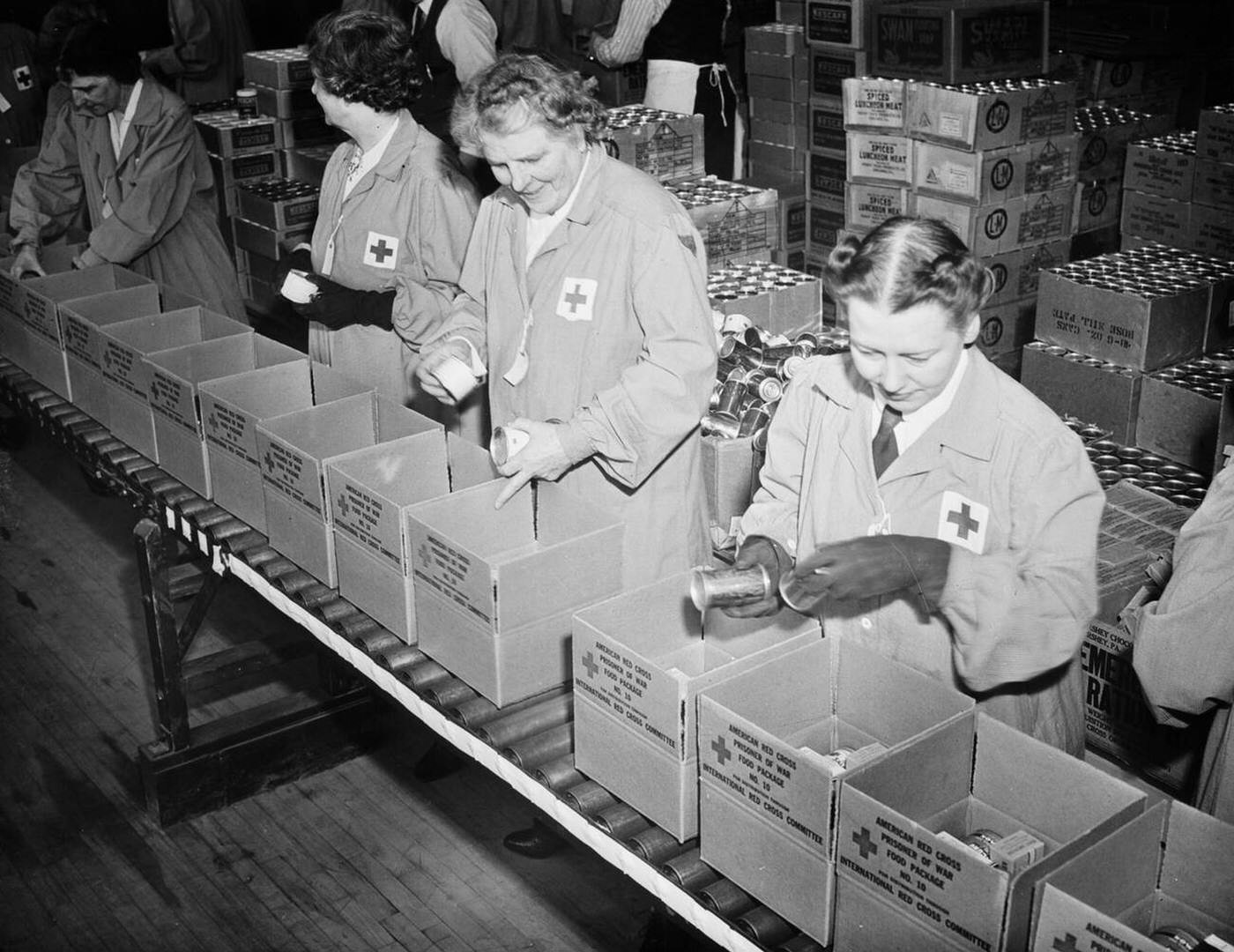
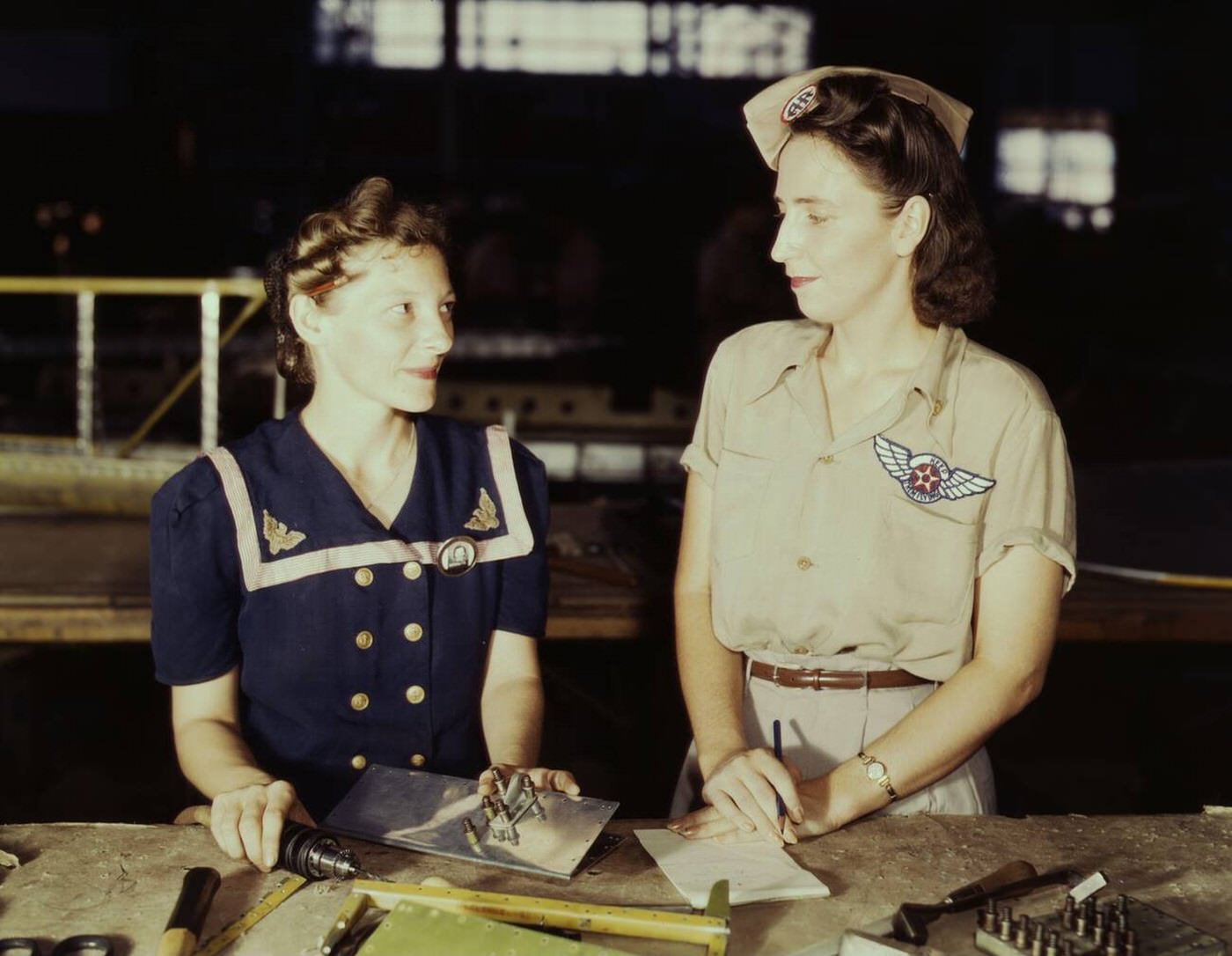
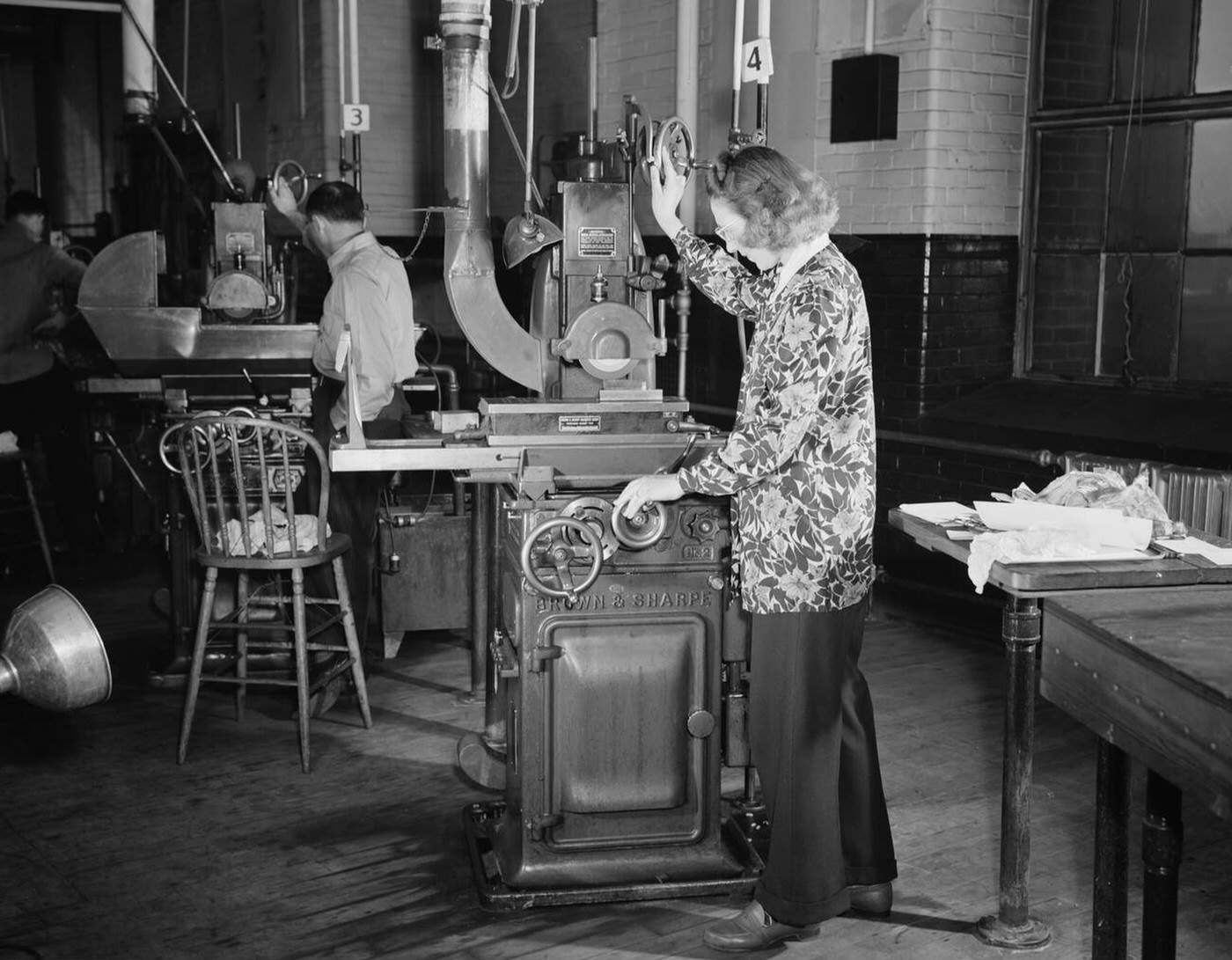
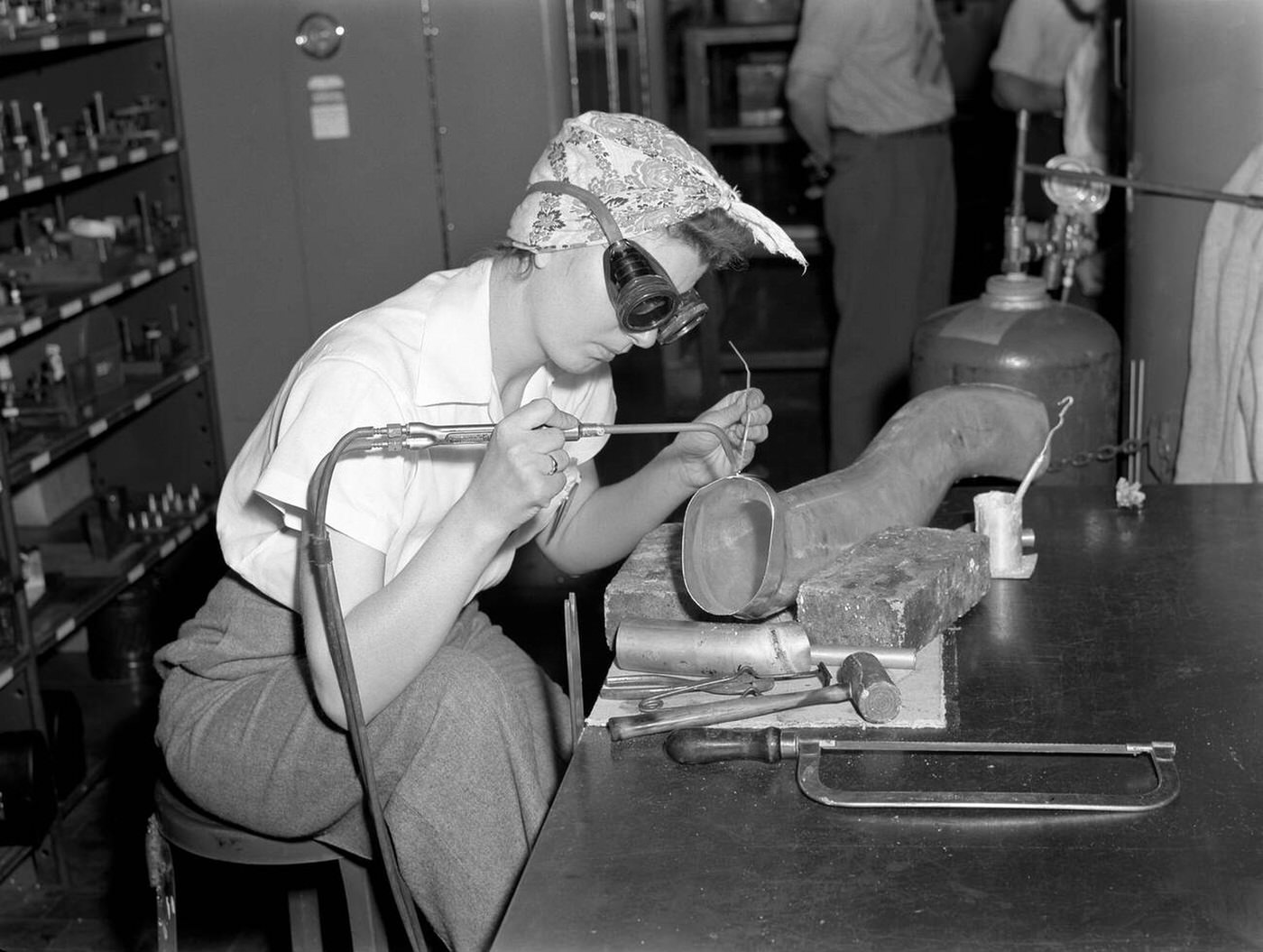
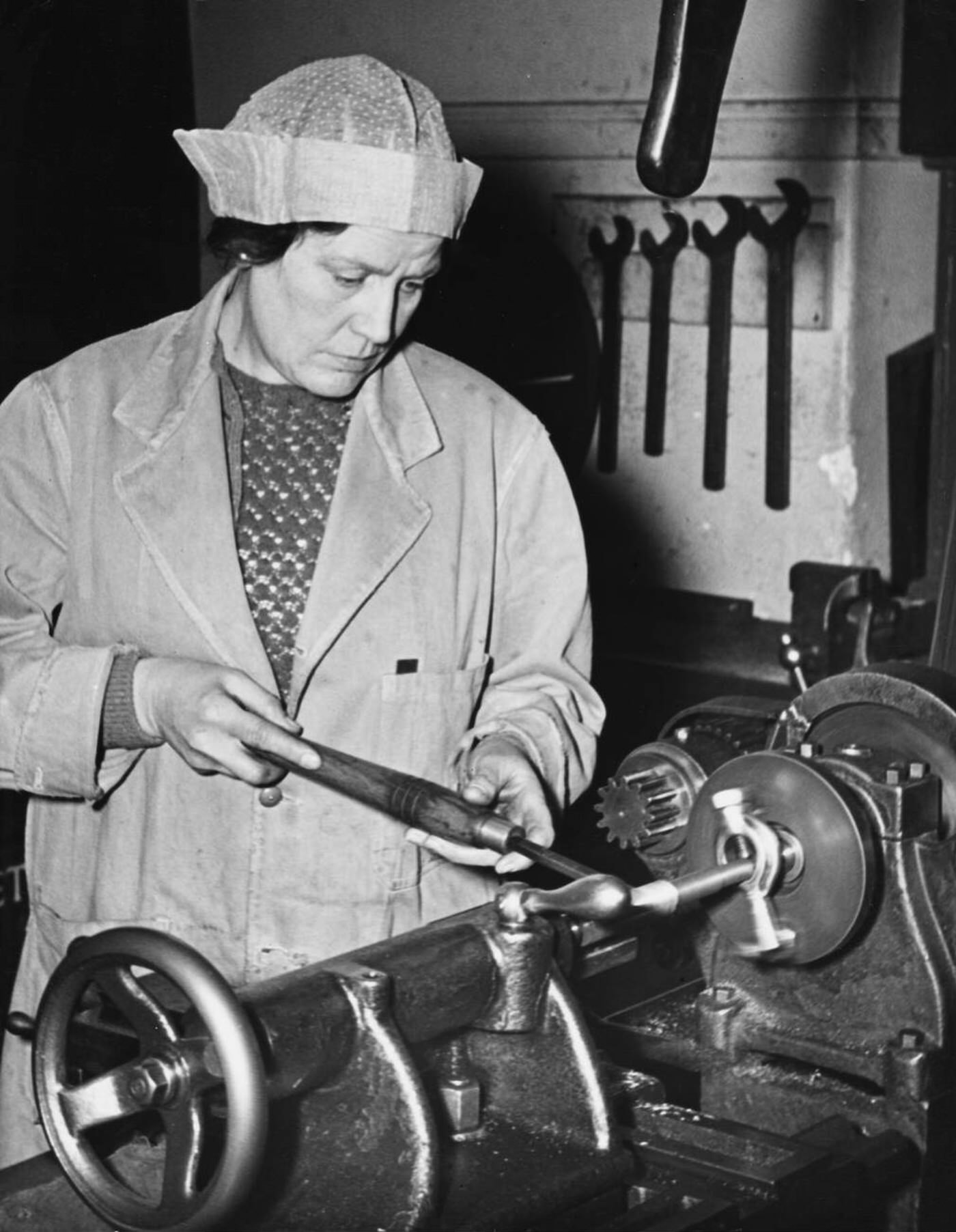
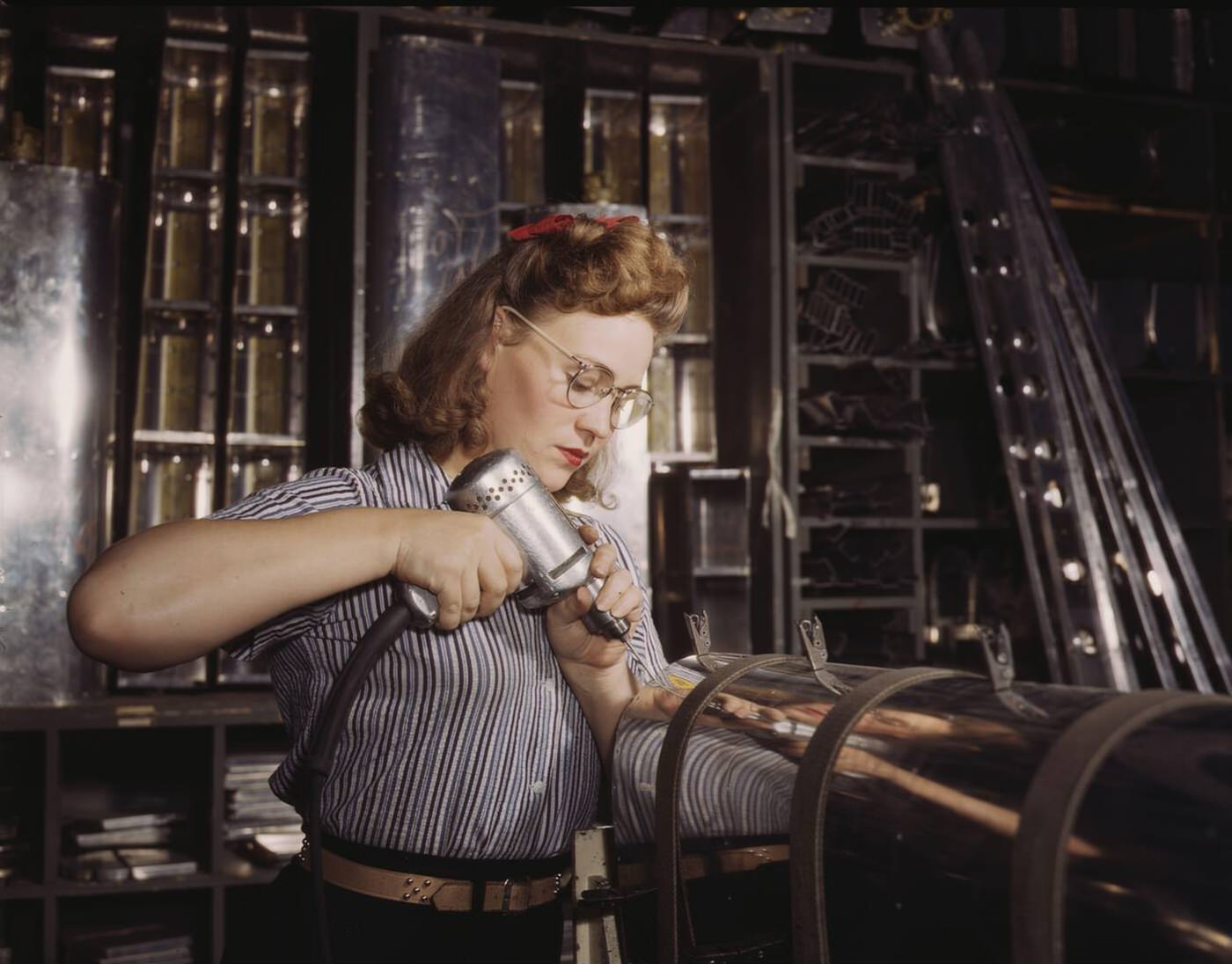
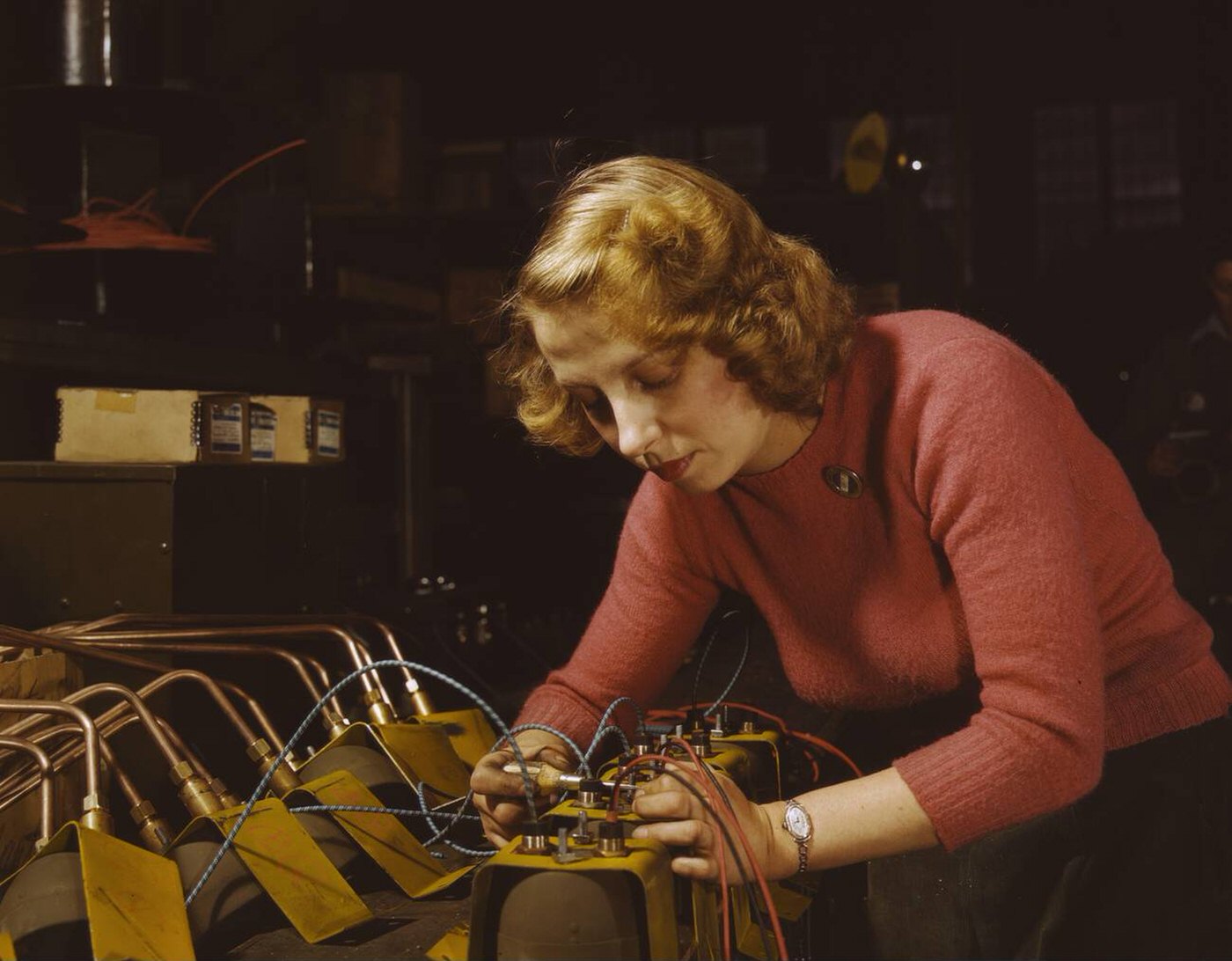
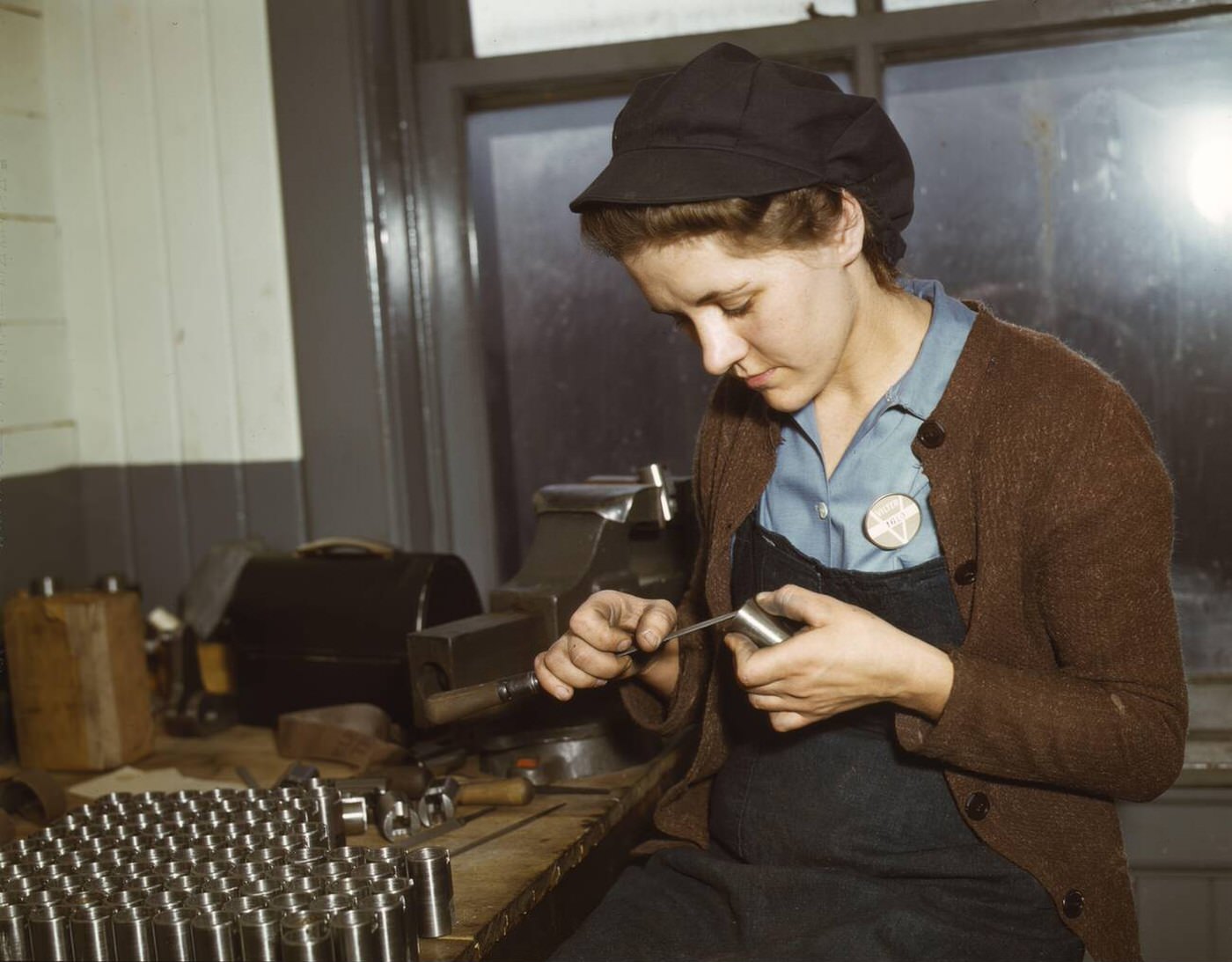
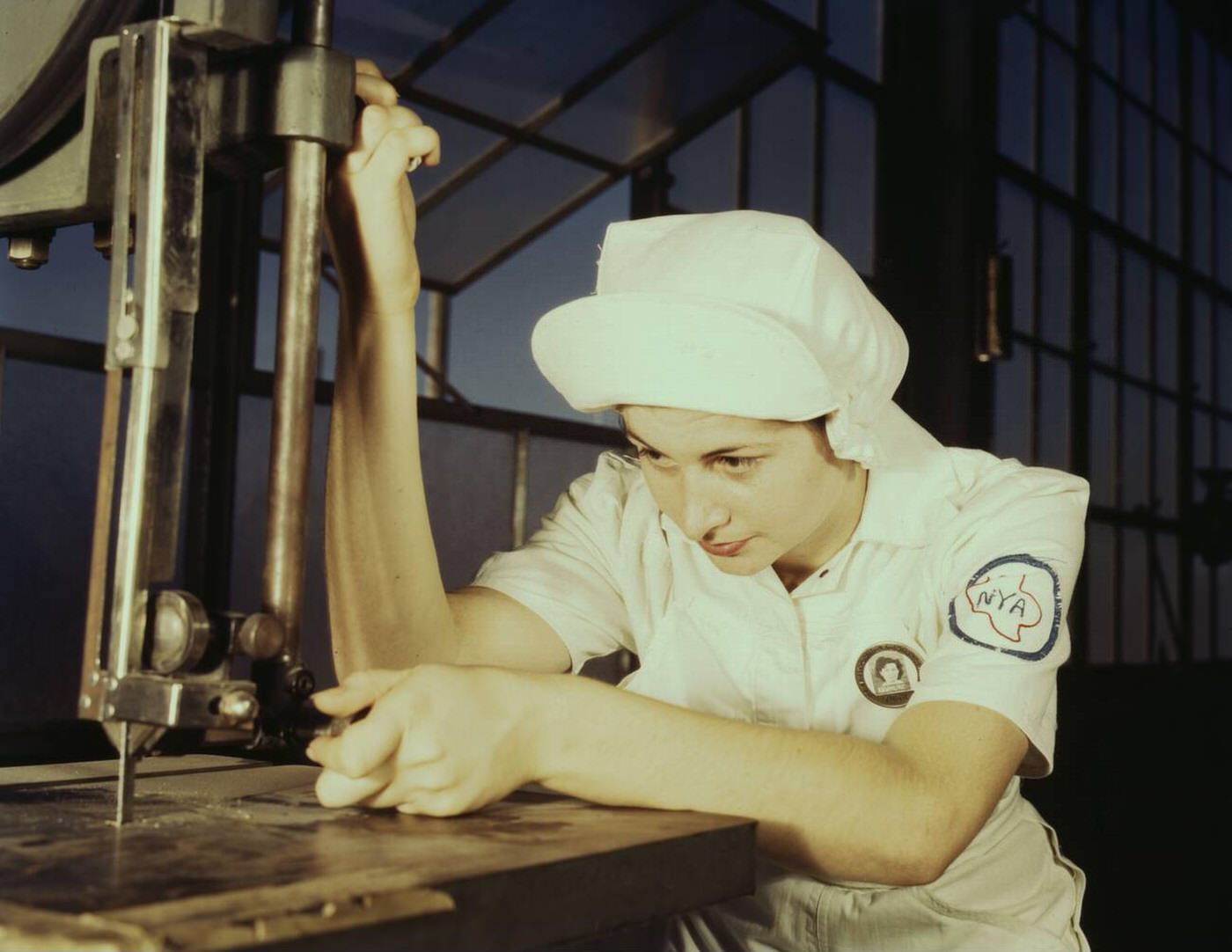
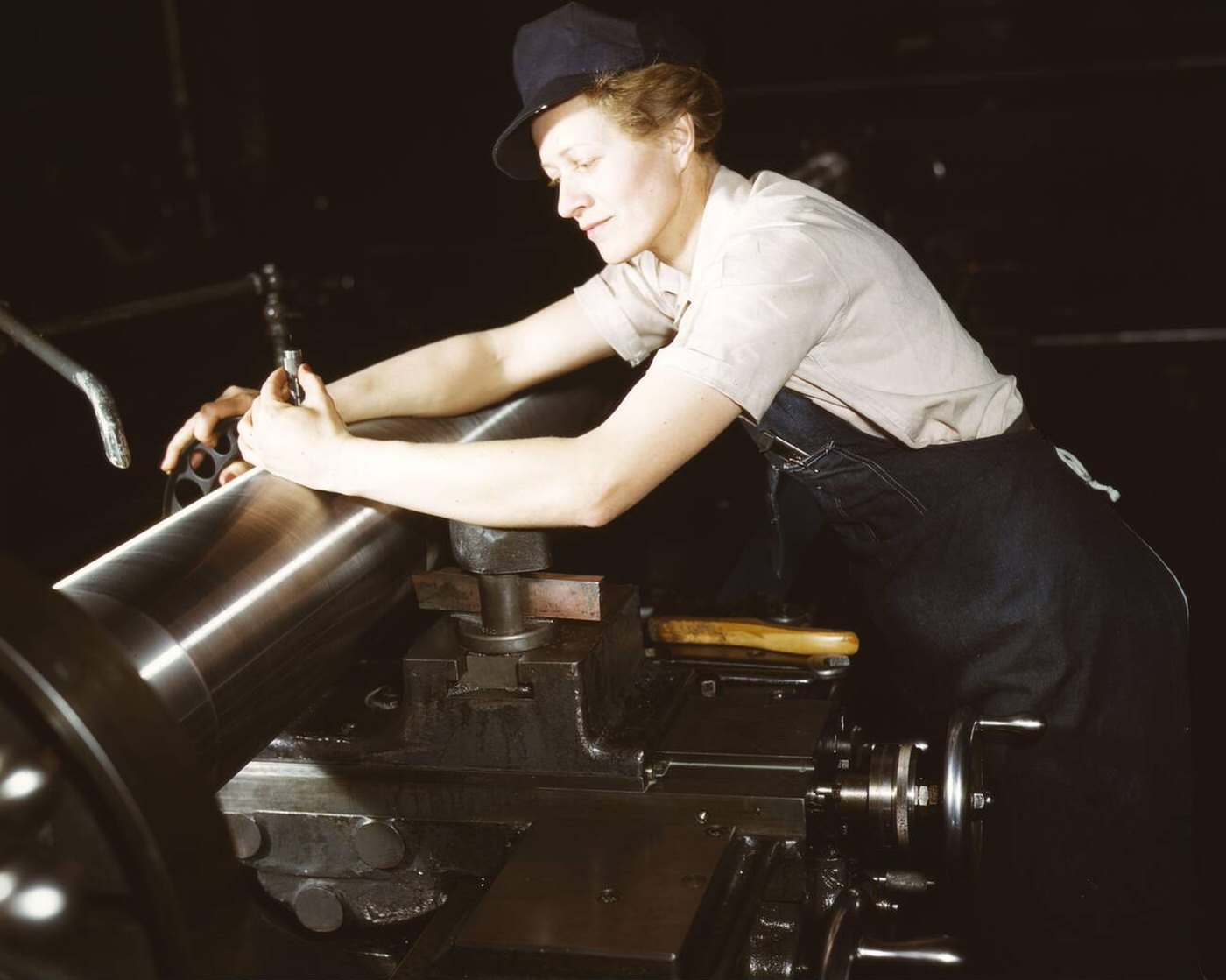
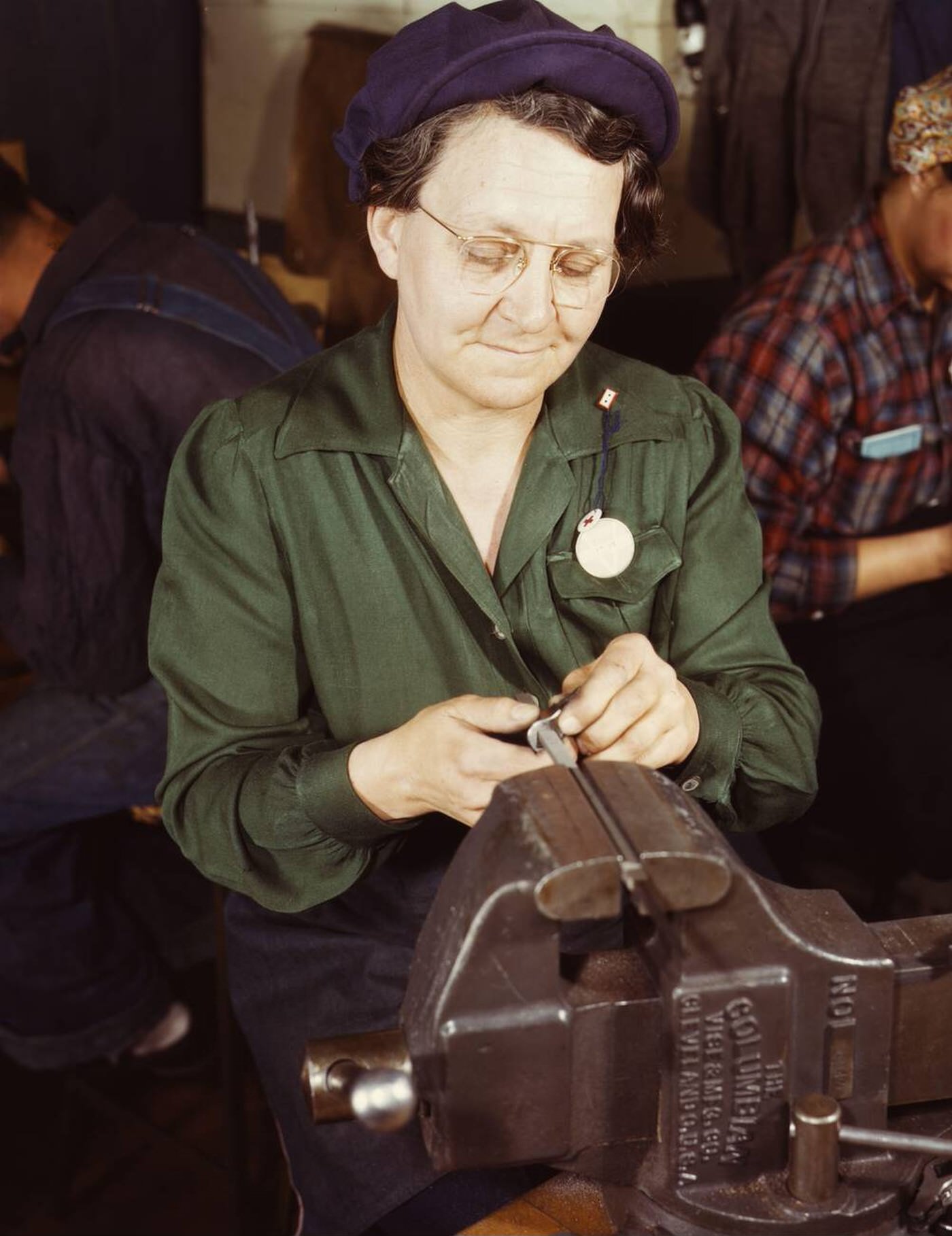
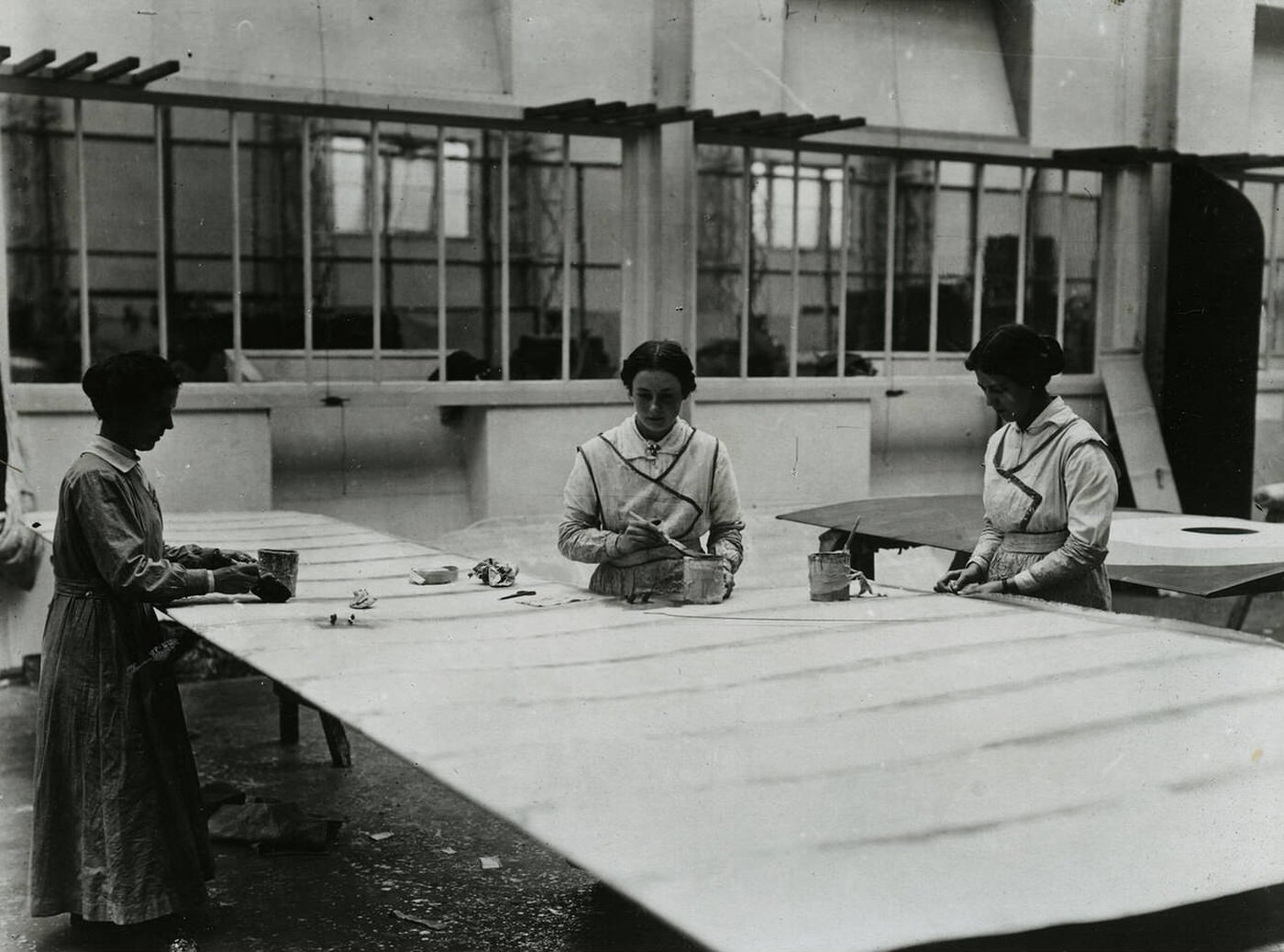
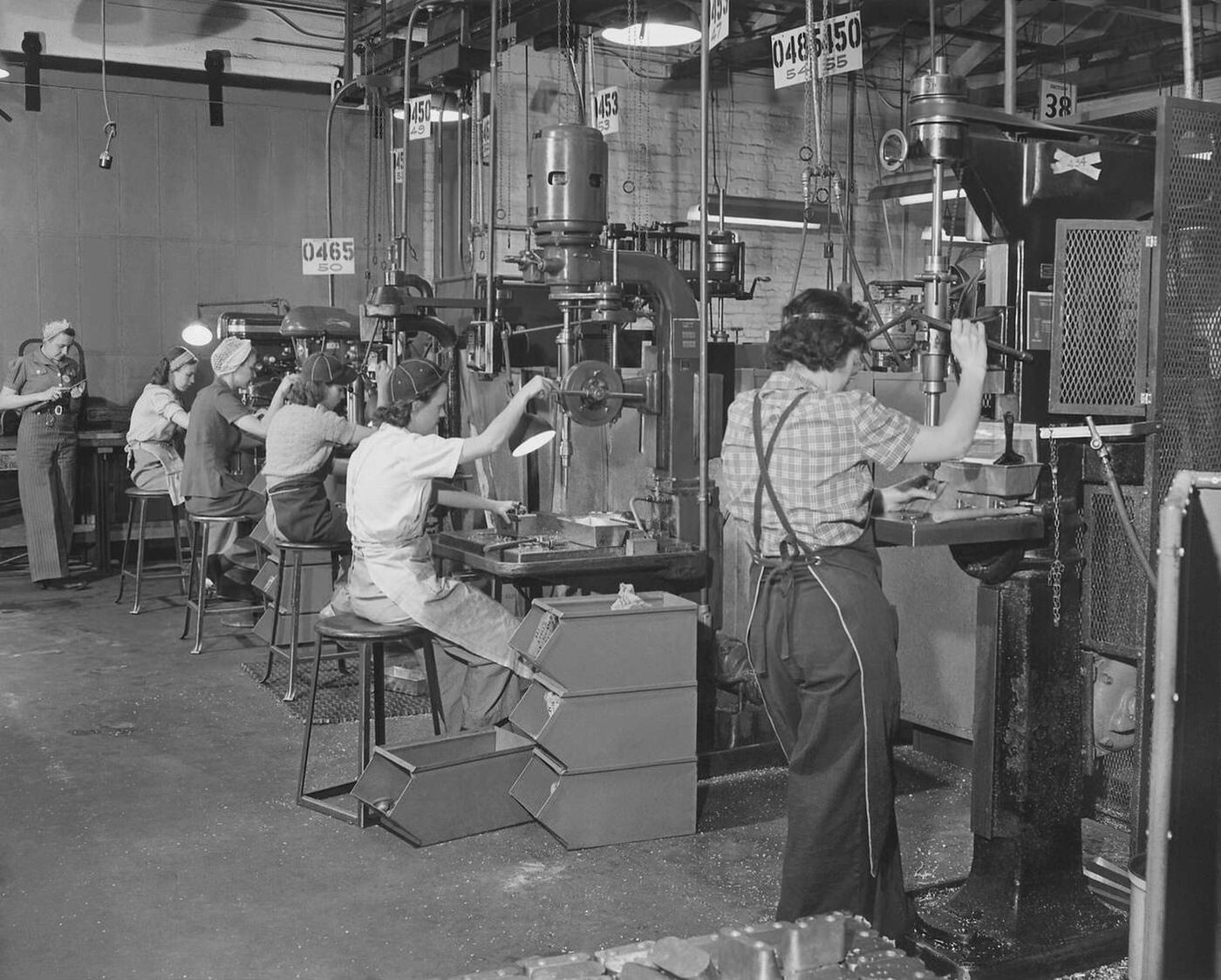
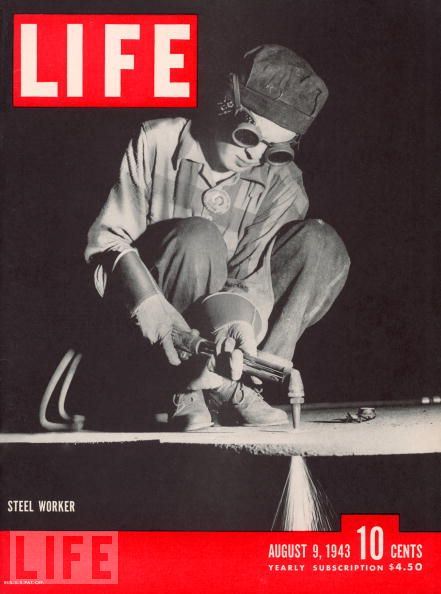
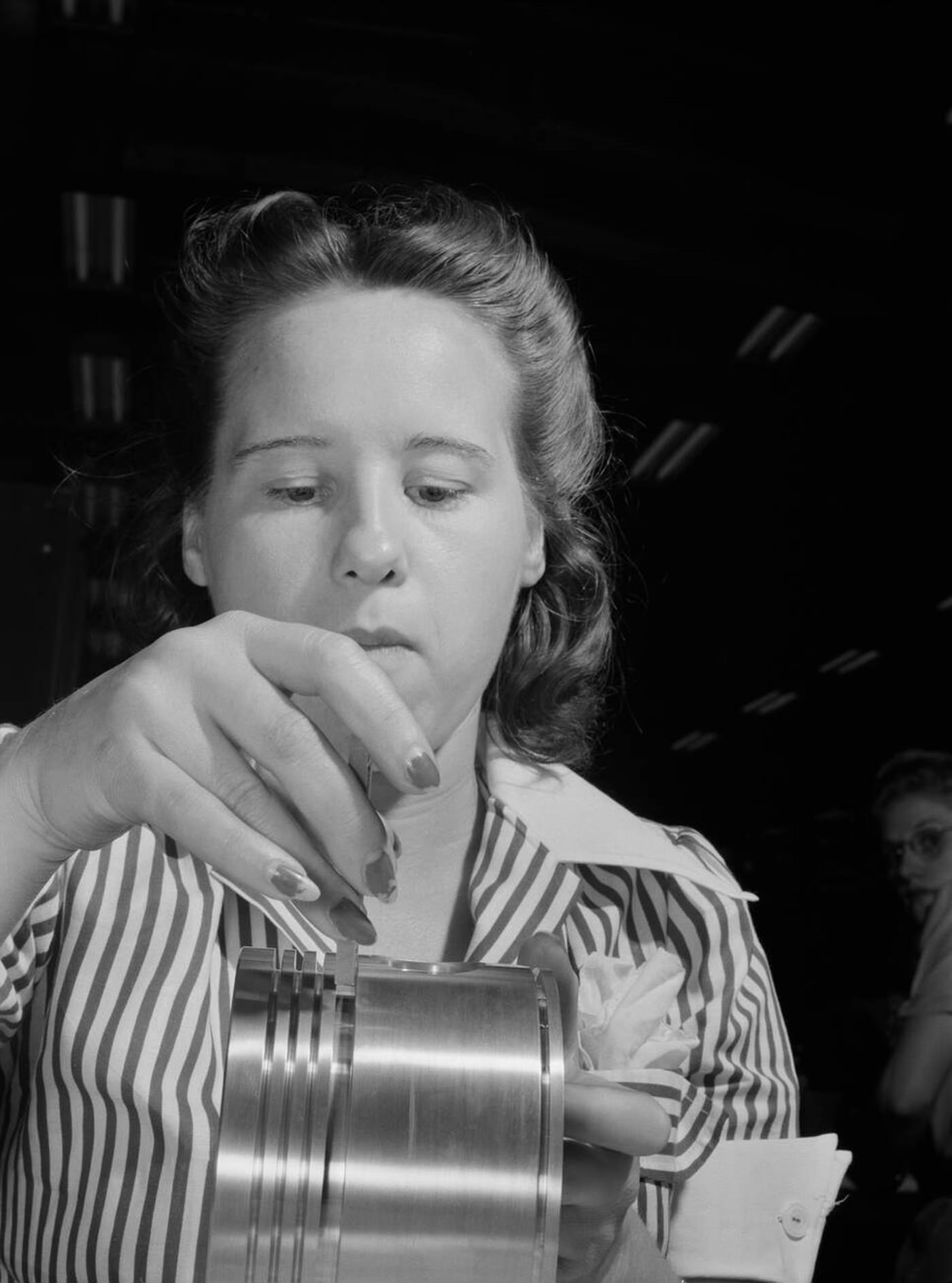
Factories became one of the most significant areas for women’s wartime employment. Women learned new trades and took on demanding industrial jobs that had previously been considered men’s work. They became essential workers in aircraft plants, helping to build the thousands of planes needed for air superiority. They worked in shipyards, contributing to the construction and repair of naval vessels and merchant ships. They staffed munitions factories, producing ammunition and explosives. Specific tasks included operating heavy machinery like lathes and drill presses, assembling complex components for engines or radios, welding metal seams, and riveting panels onto airplane wings and ship hulls. The cultural image of “Rosie the Riveter” in the U.S. came to symbolize these capable women performing vital industrial work.

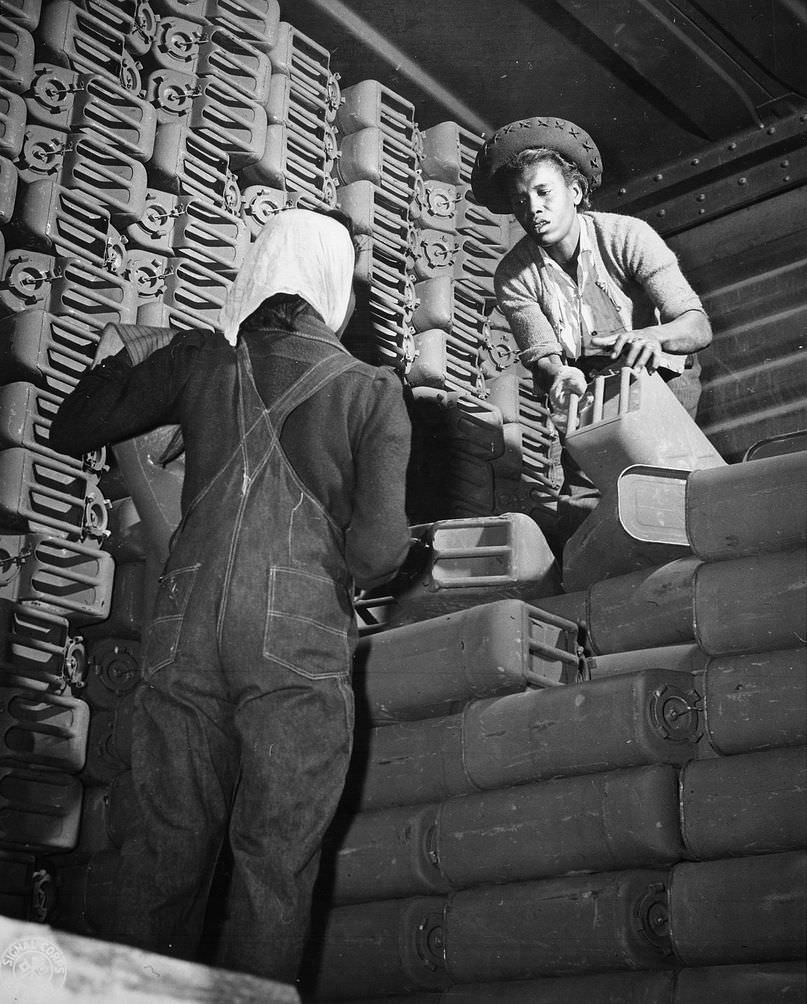
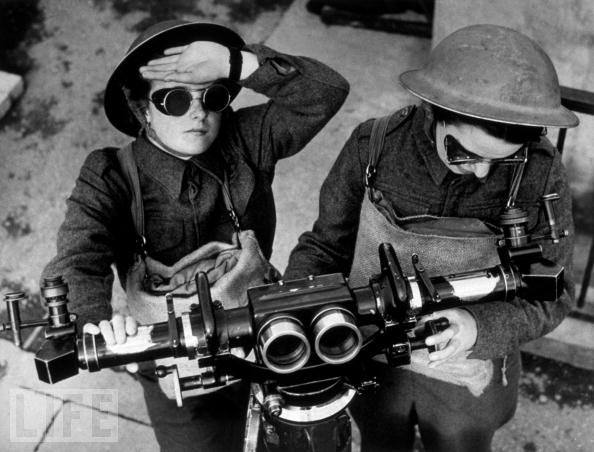
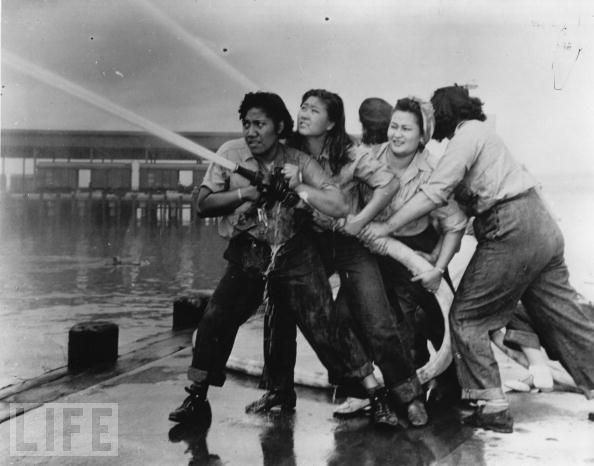
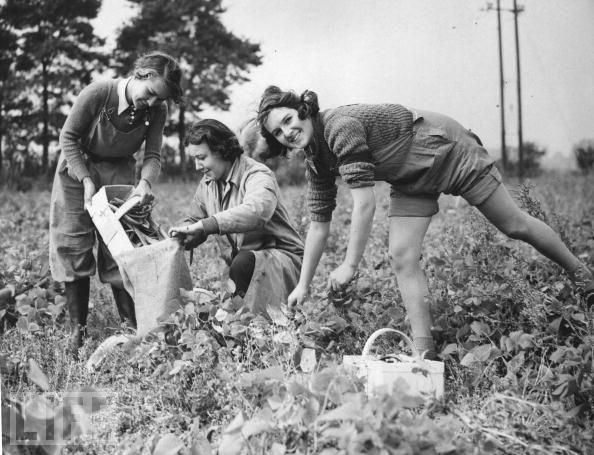
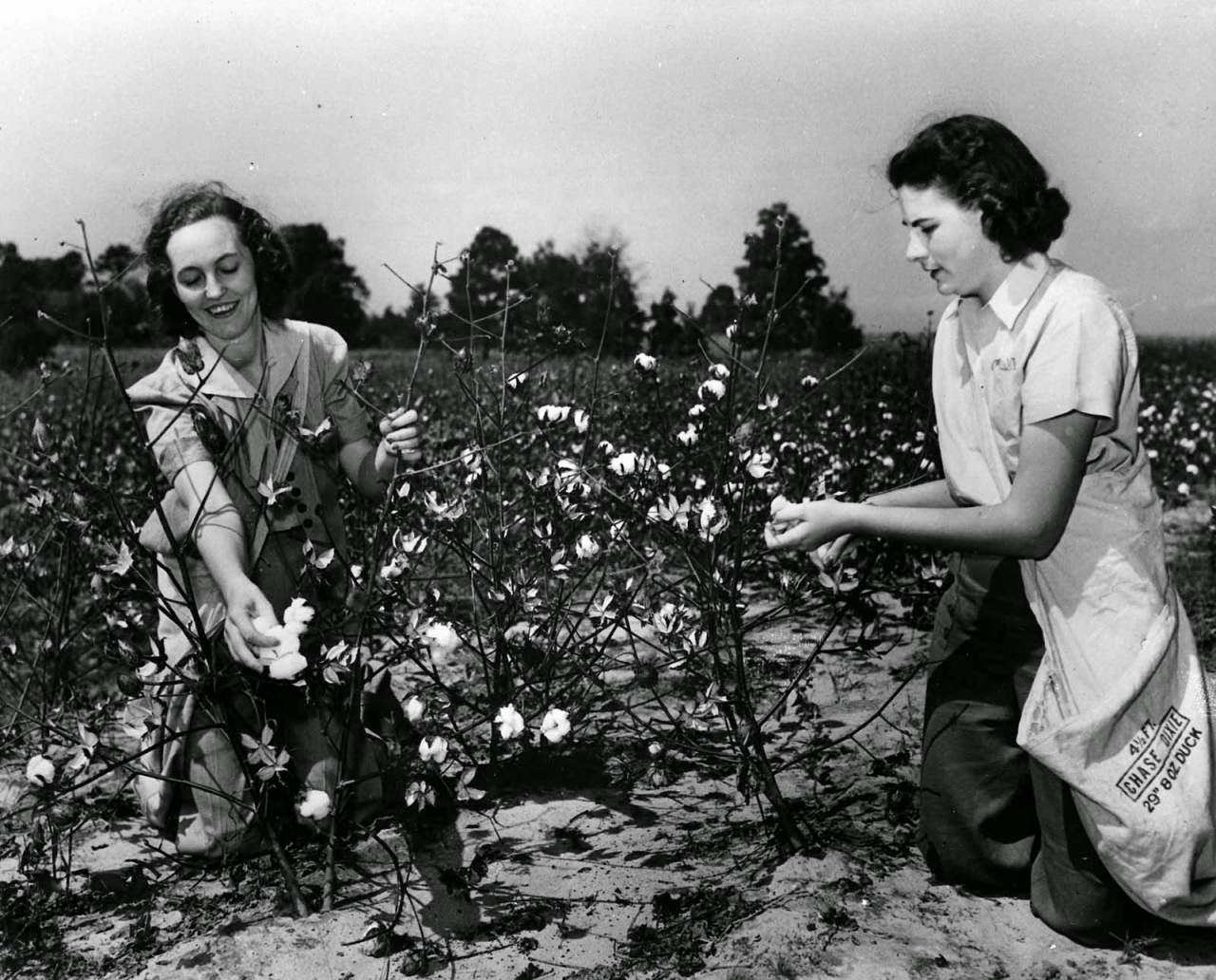
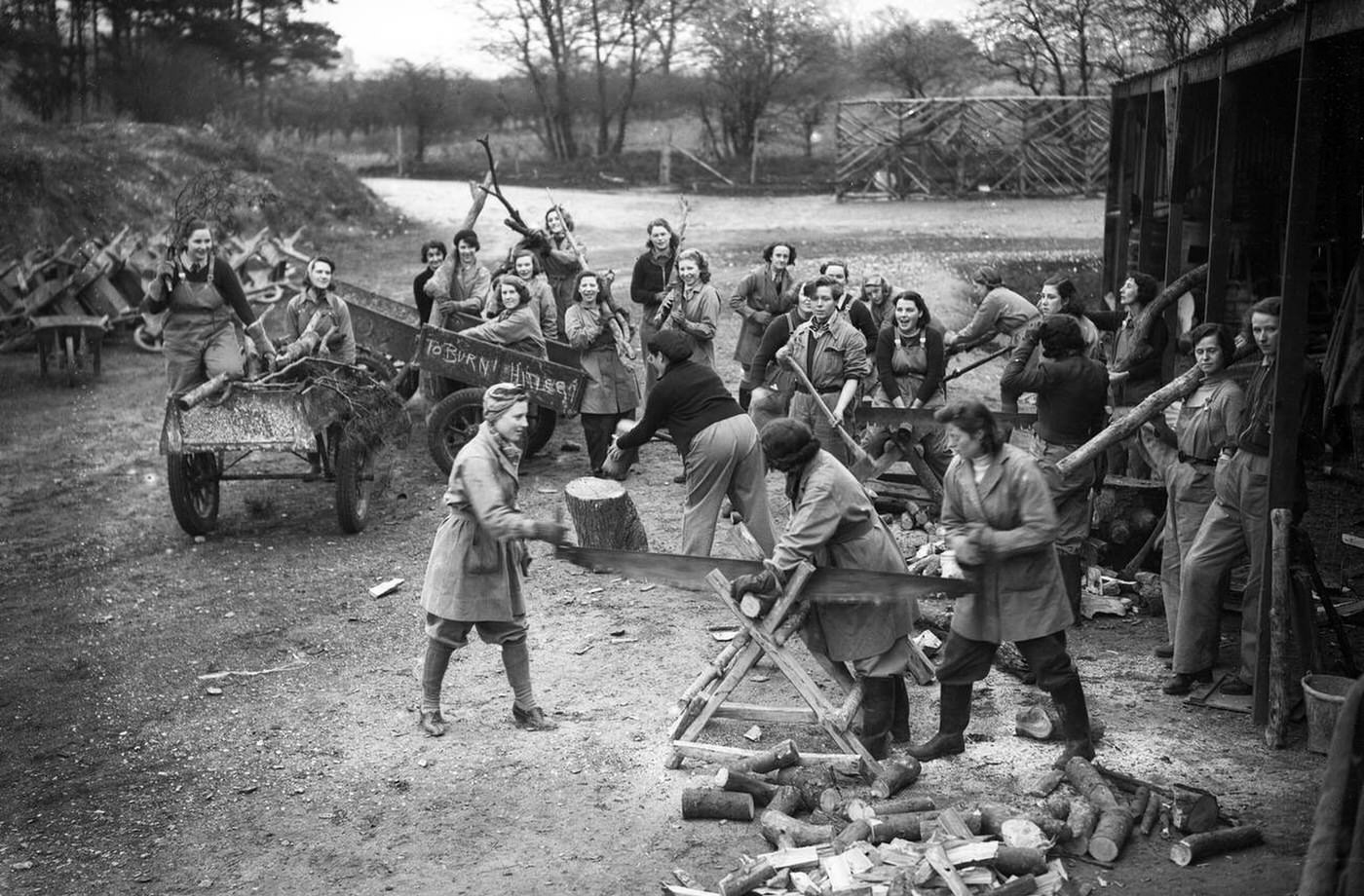
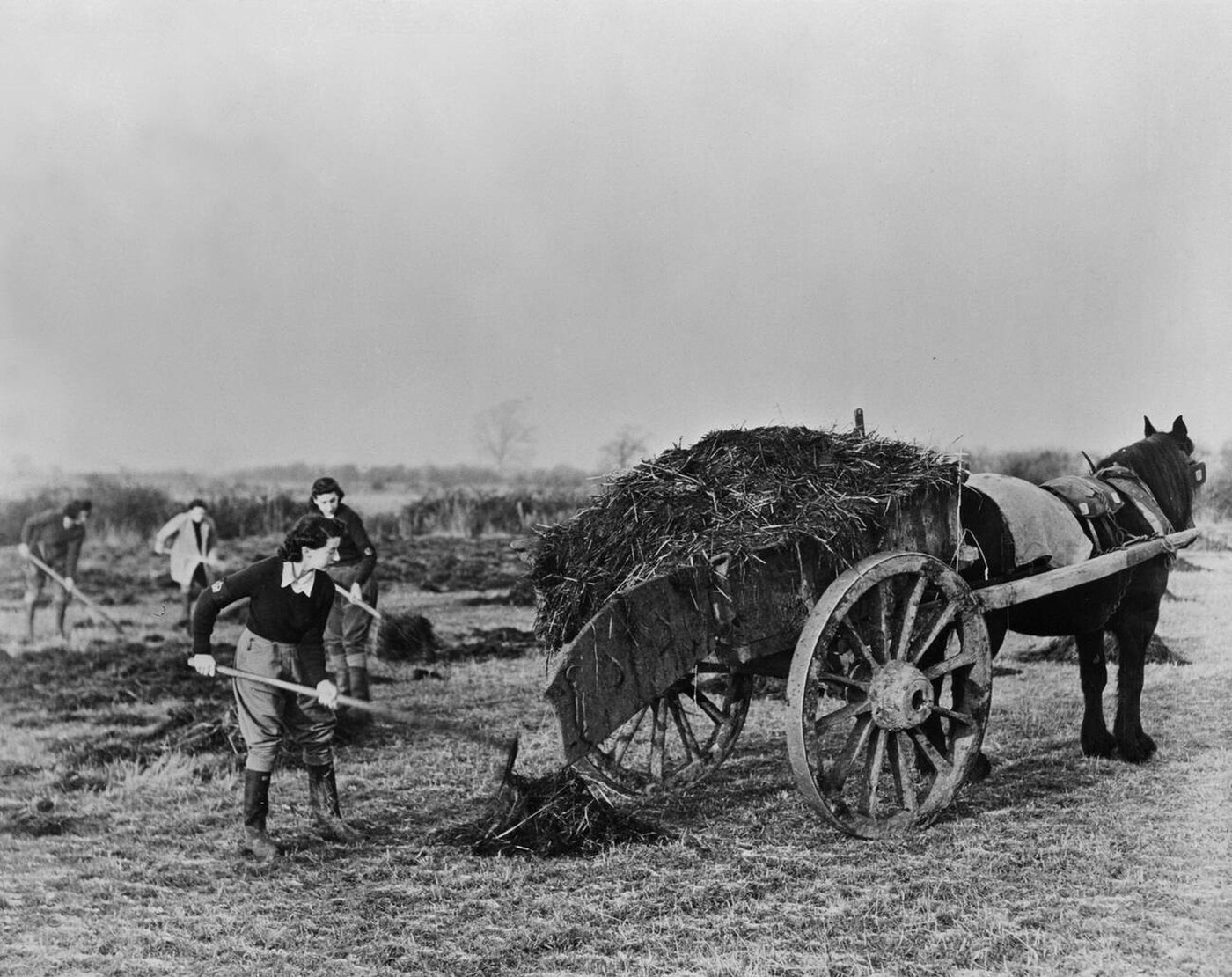
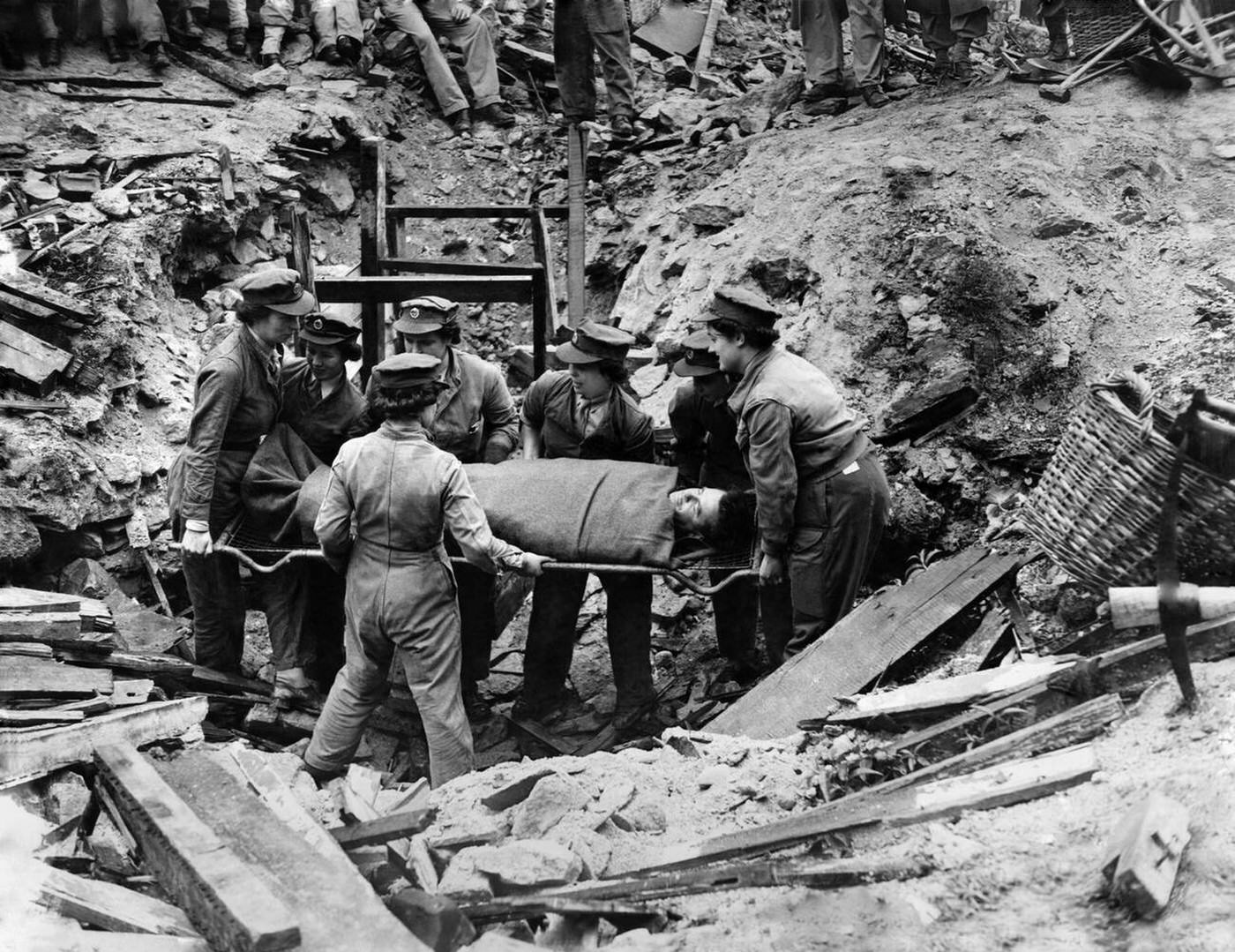
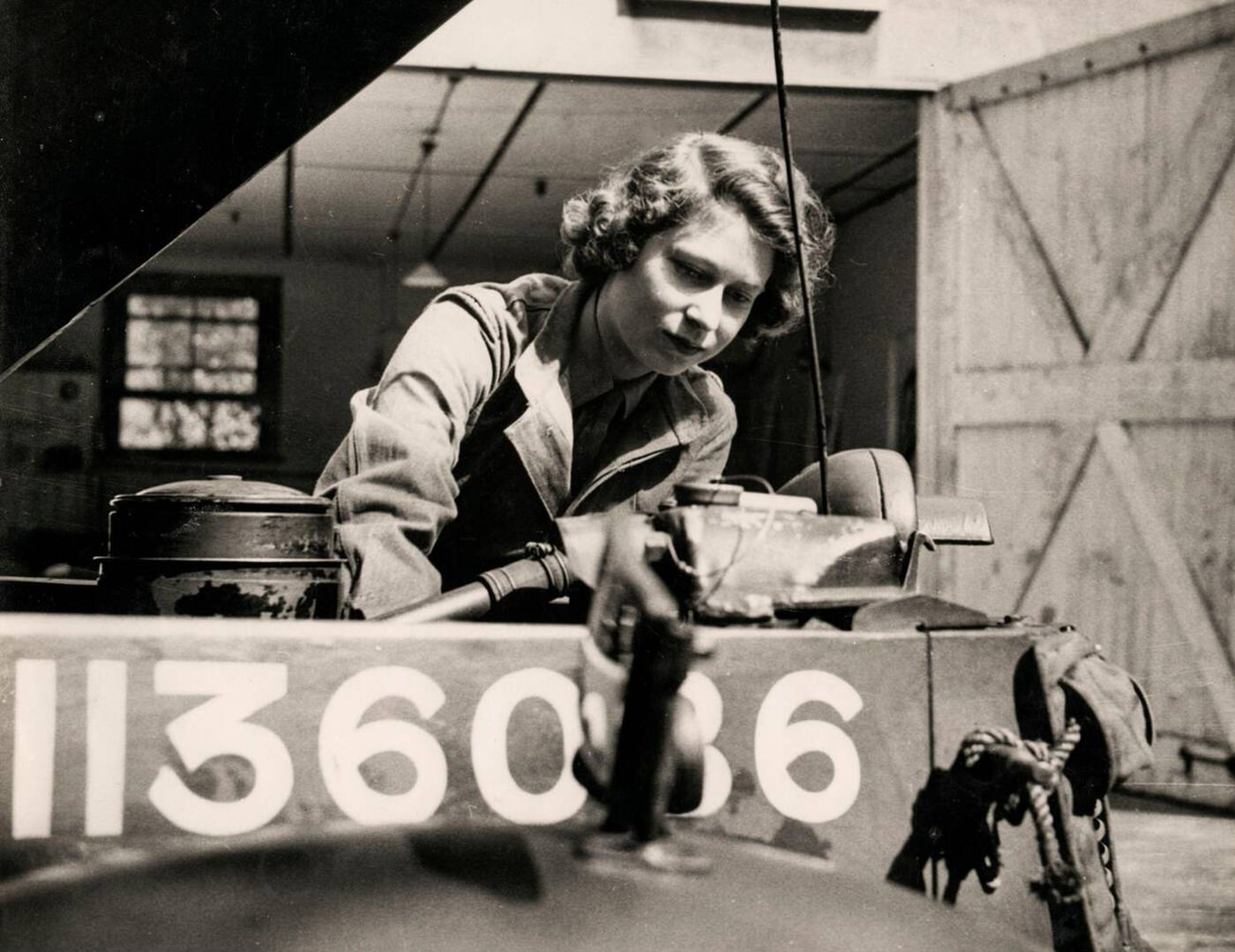
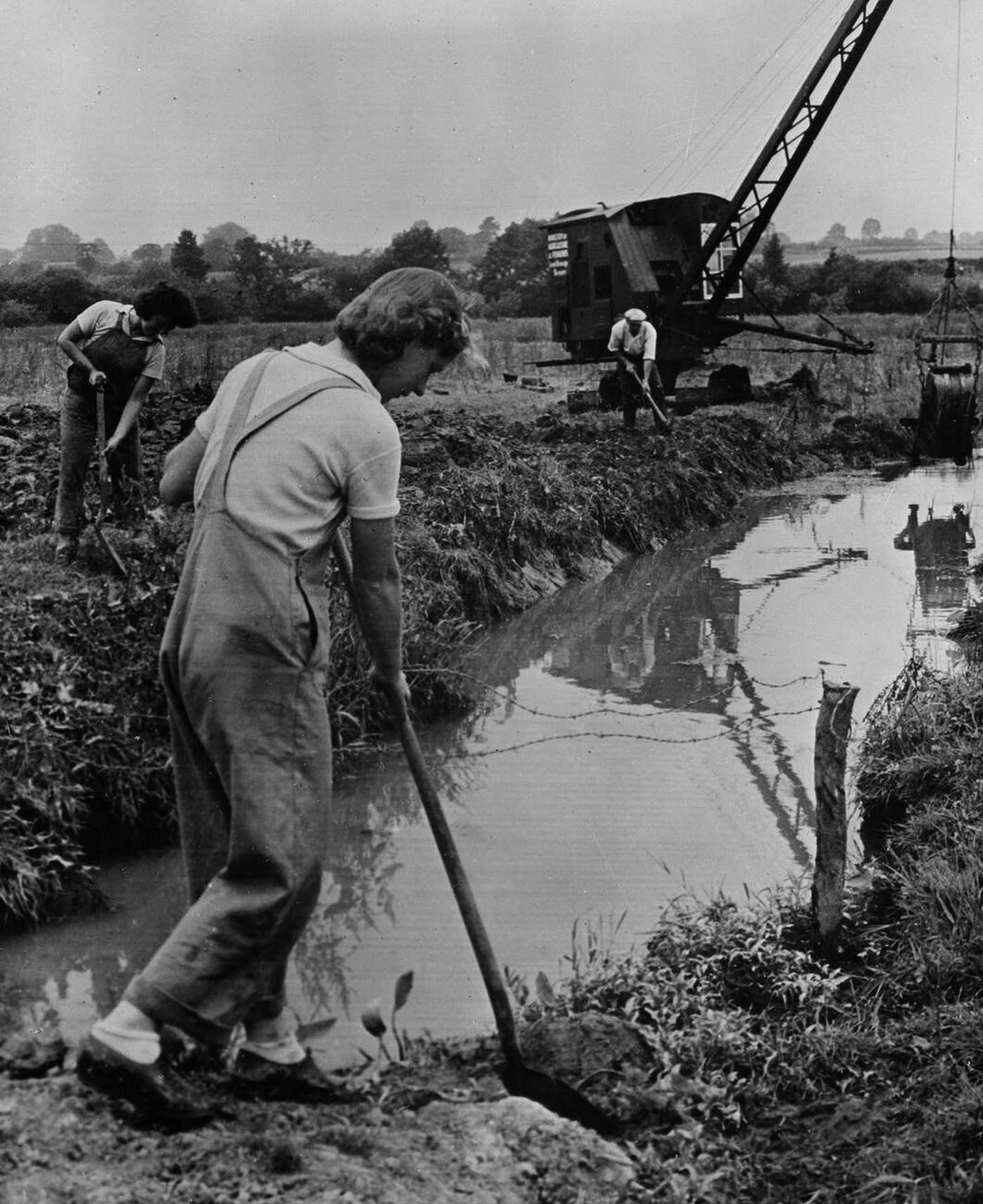
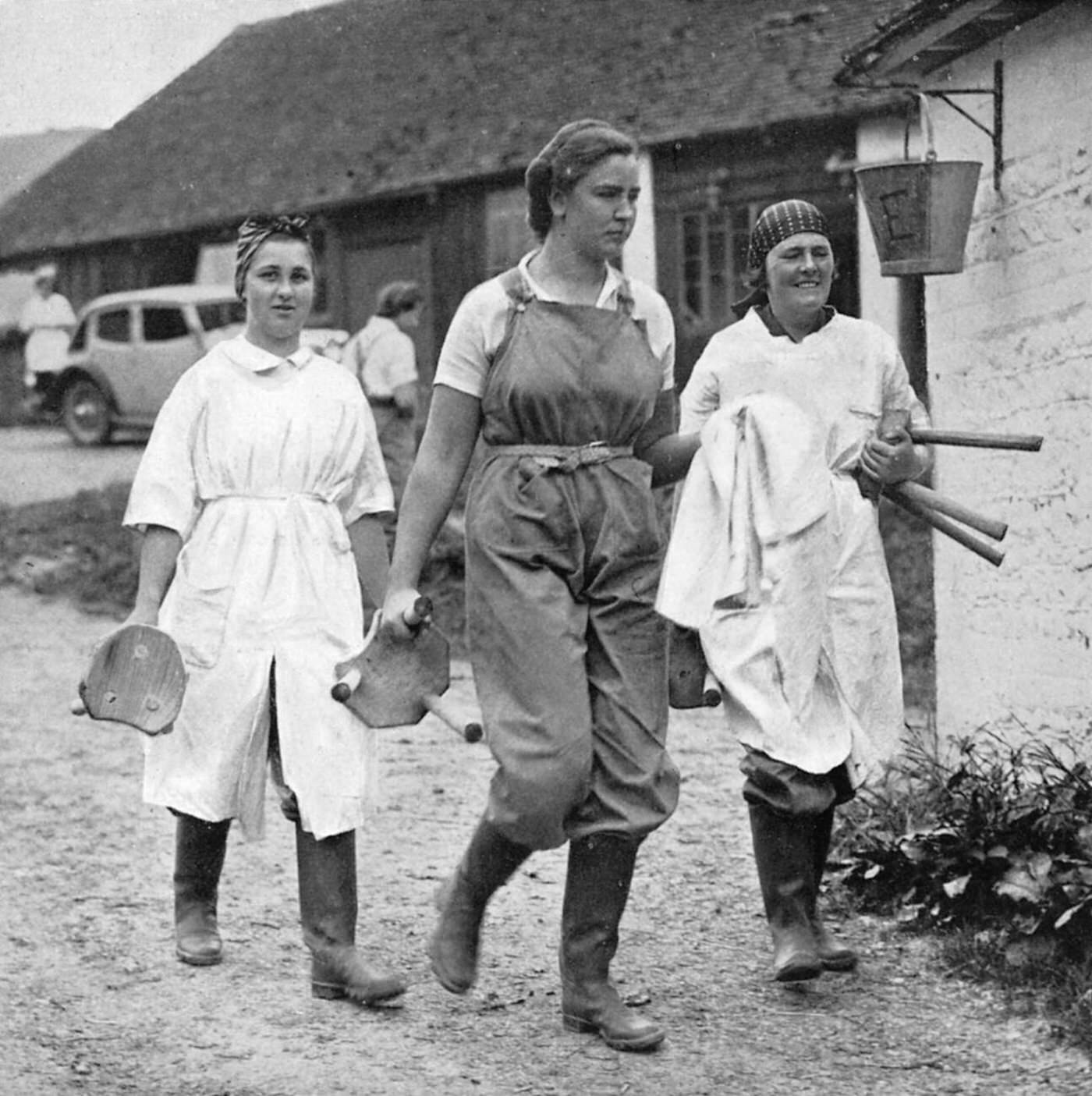
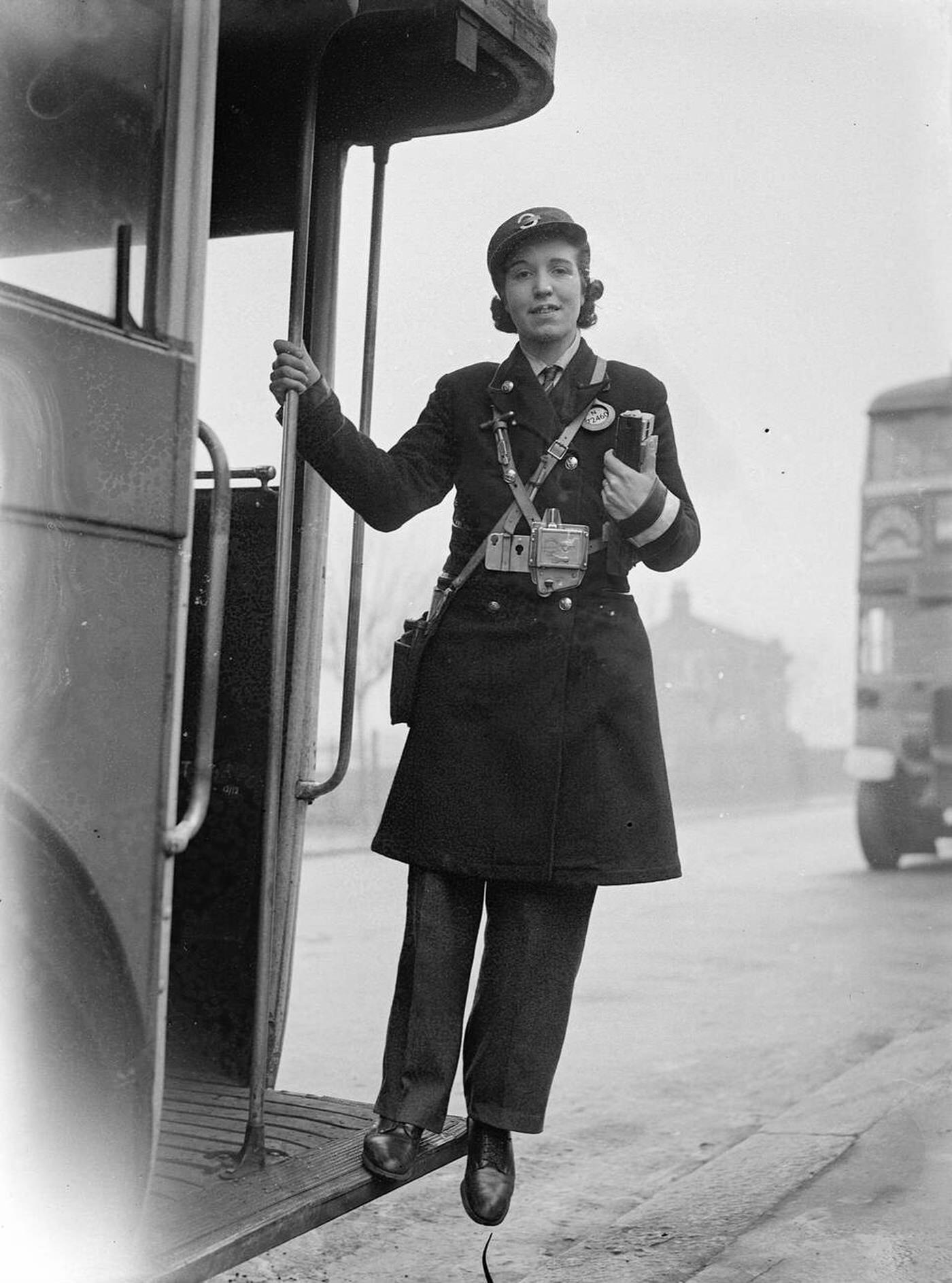
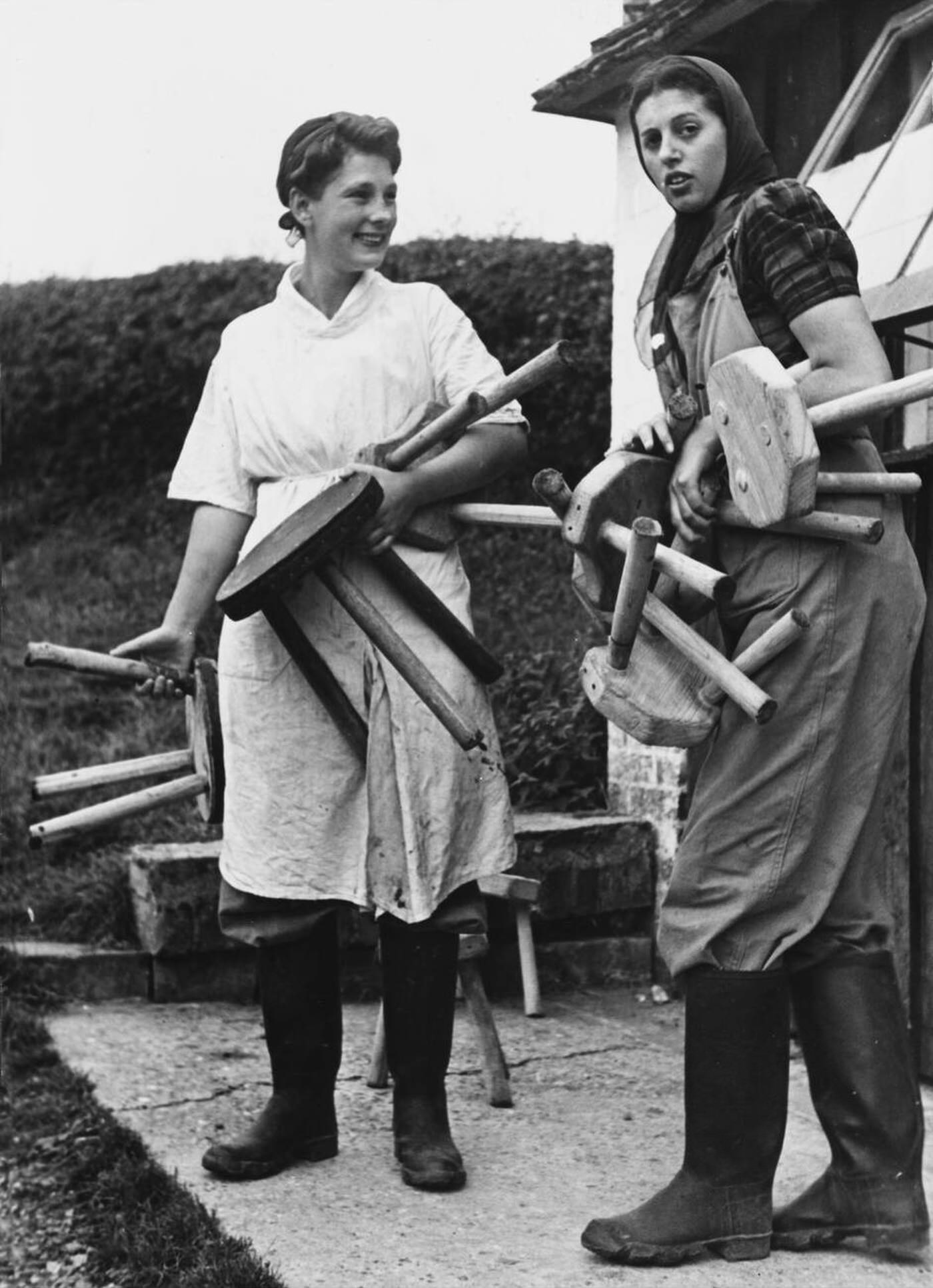
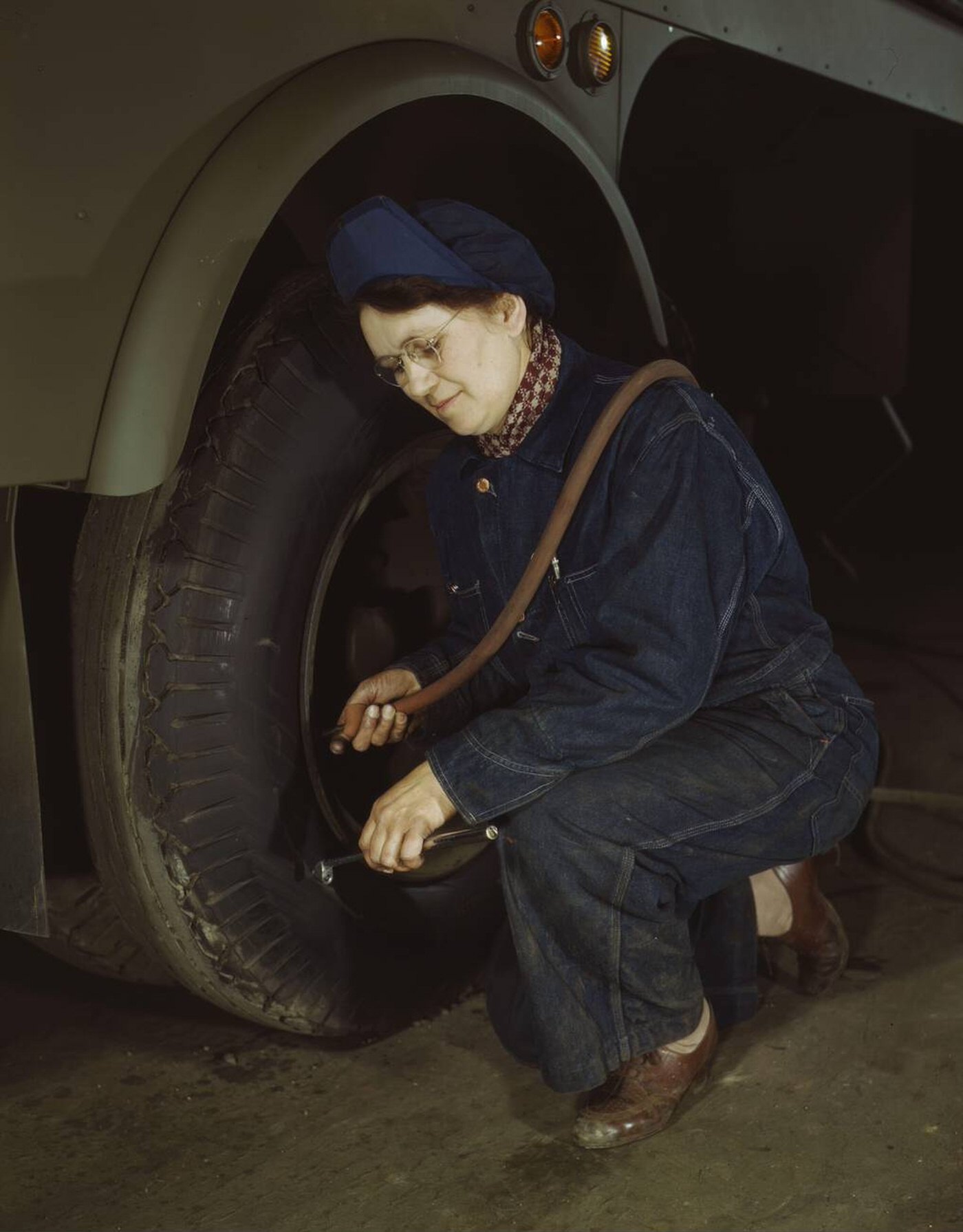
Women’s contributions extended well beyond the factory floor into many other essential sectors. With agricultural workers serving in the military, women took to the fields to ensure food production didn’t falter. Initiatives like the Women’s Land Army in Britain mobilized tens of thousands of women to perform all types of farm labor, from plowing and planting to harvesting crops and caring for livestock, often under difficult conditions. Women also became crucial to keeping transportation systems moving. They drove buses, trams, and delivery trucks, worked as conductors, filled roles in railway yards and offices, and helped maintain vehicles. Civil defense efforts on the home front also relied heavily on women volunteers serving as air raid wardens, fire watchers, communication operators, and staffing first aid posts.

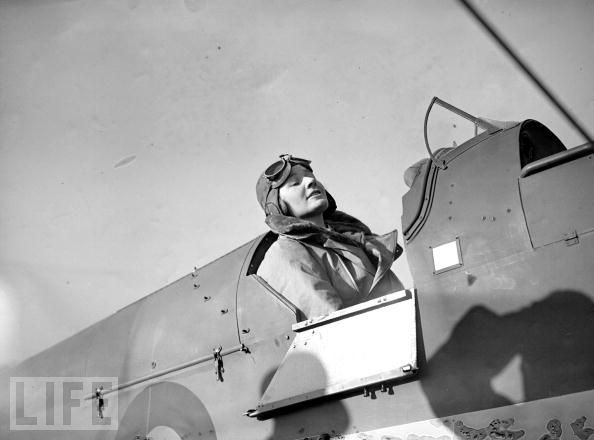
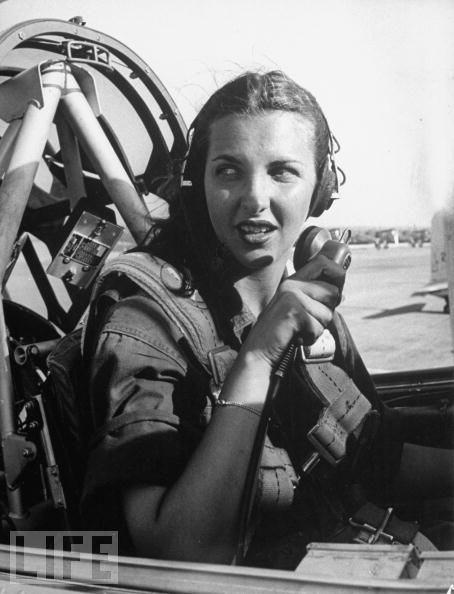
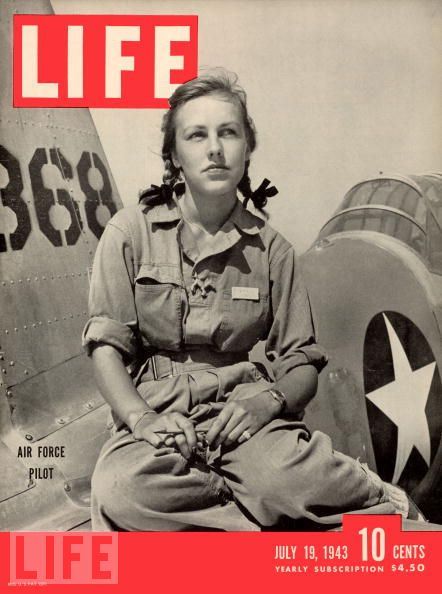
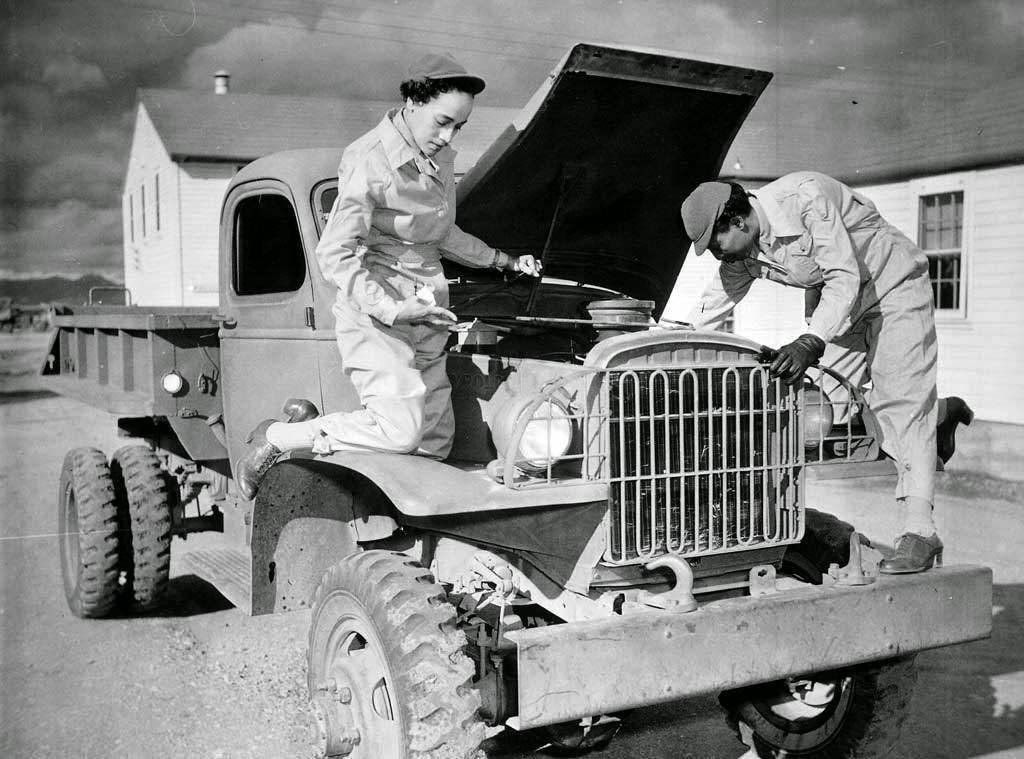
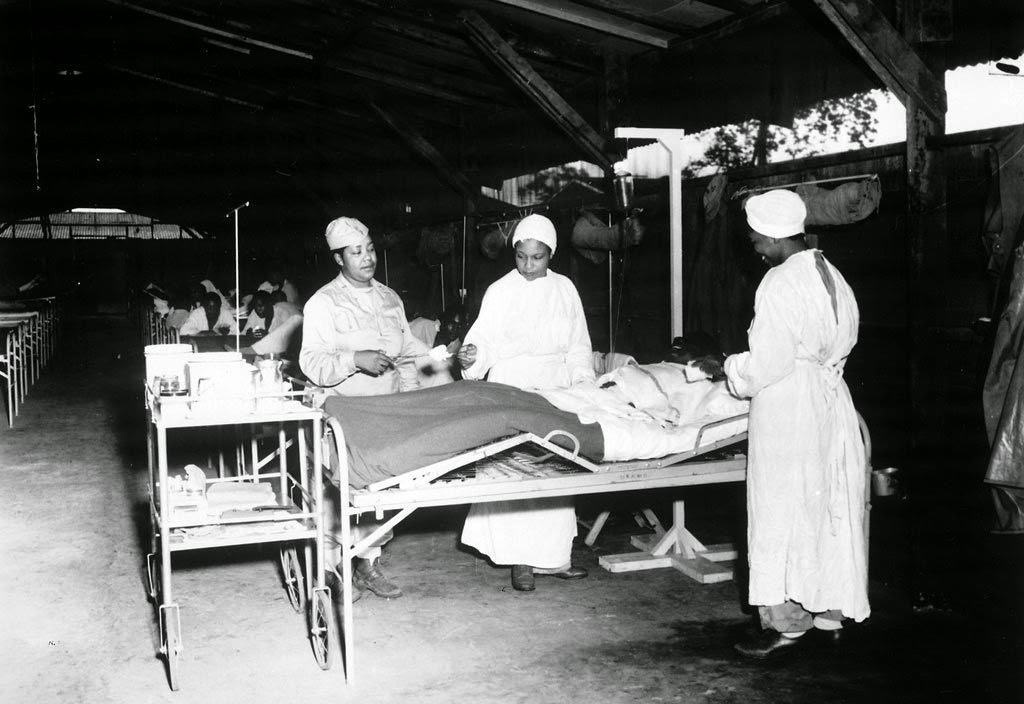
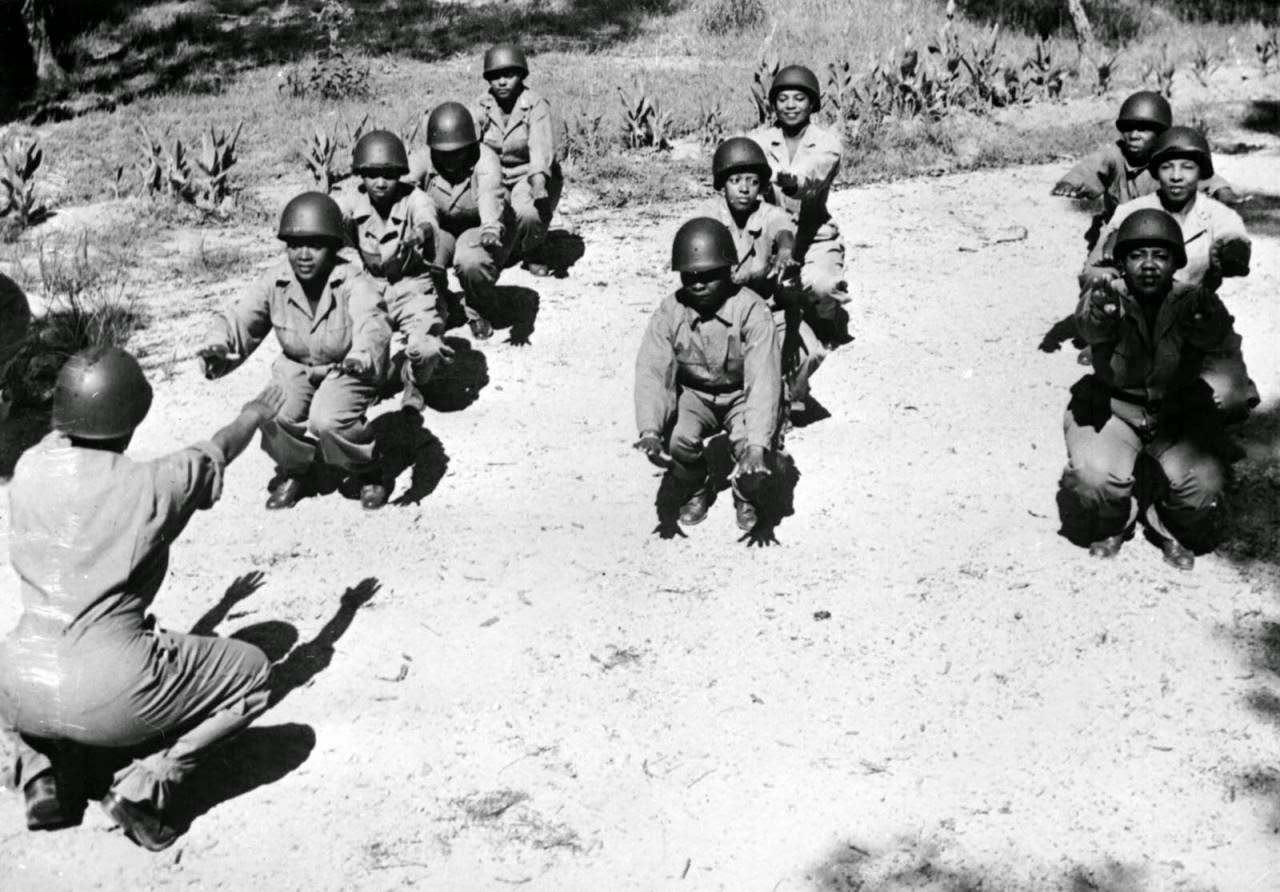
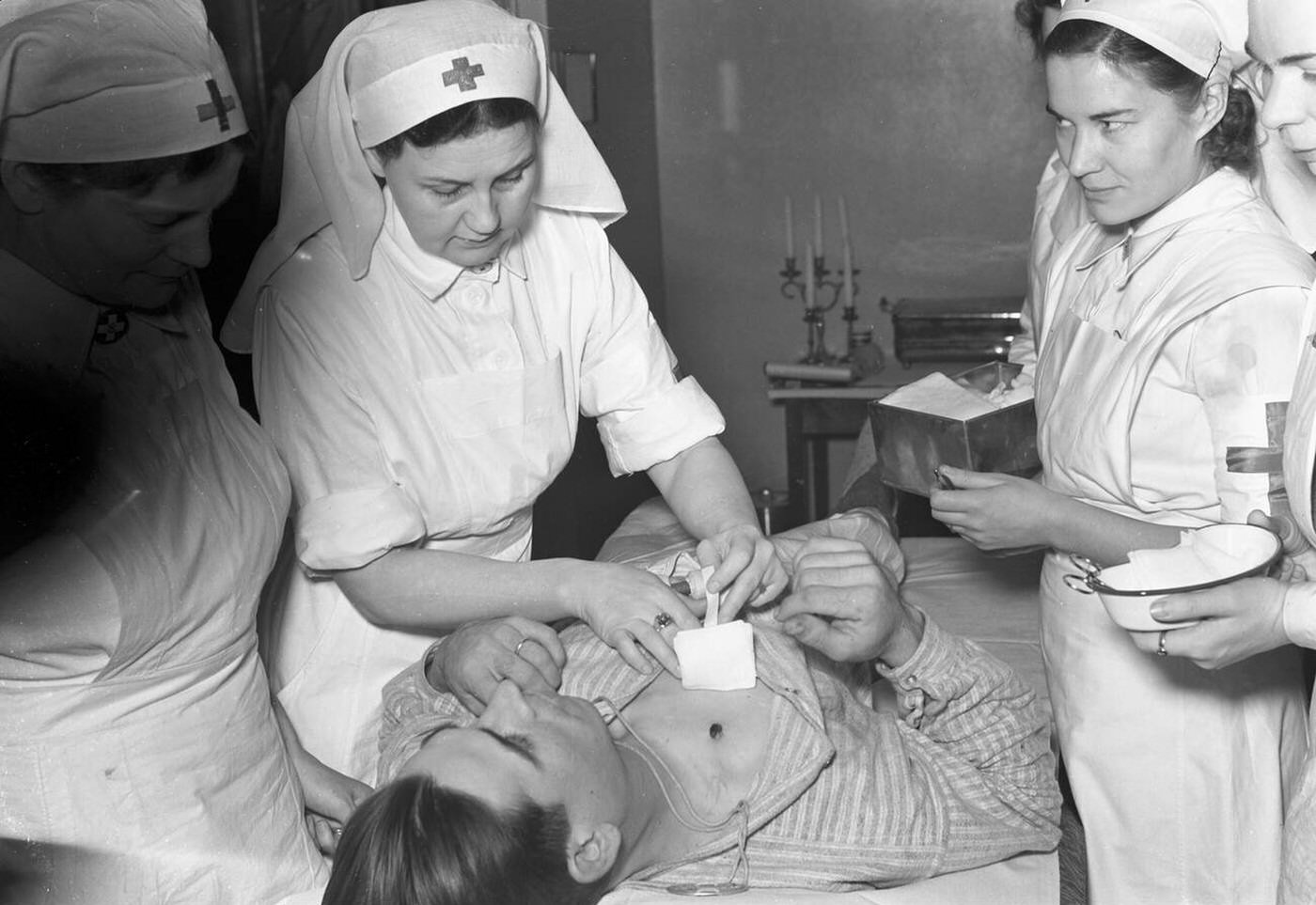
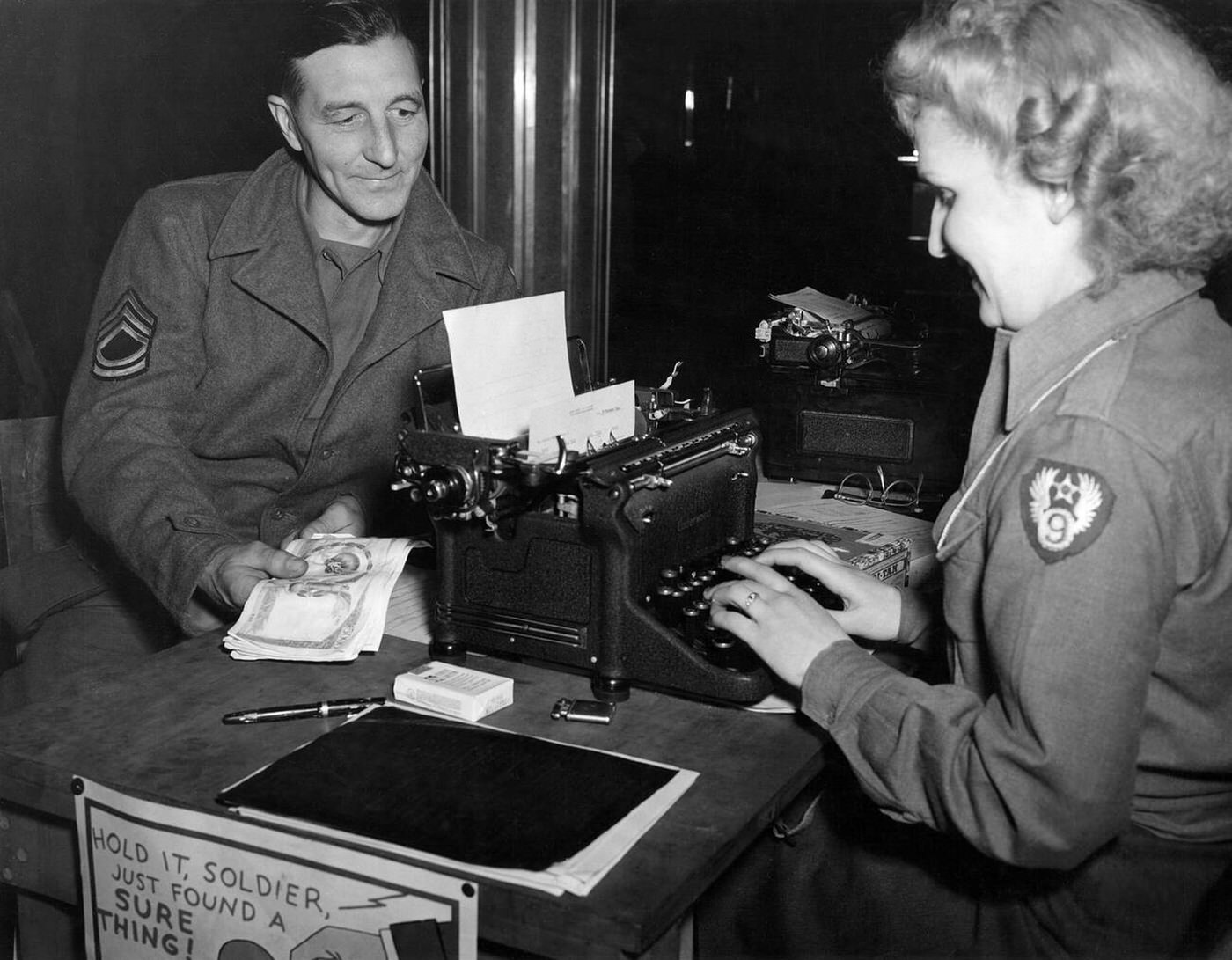
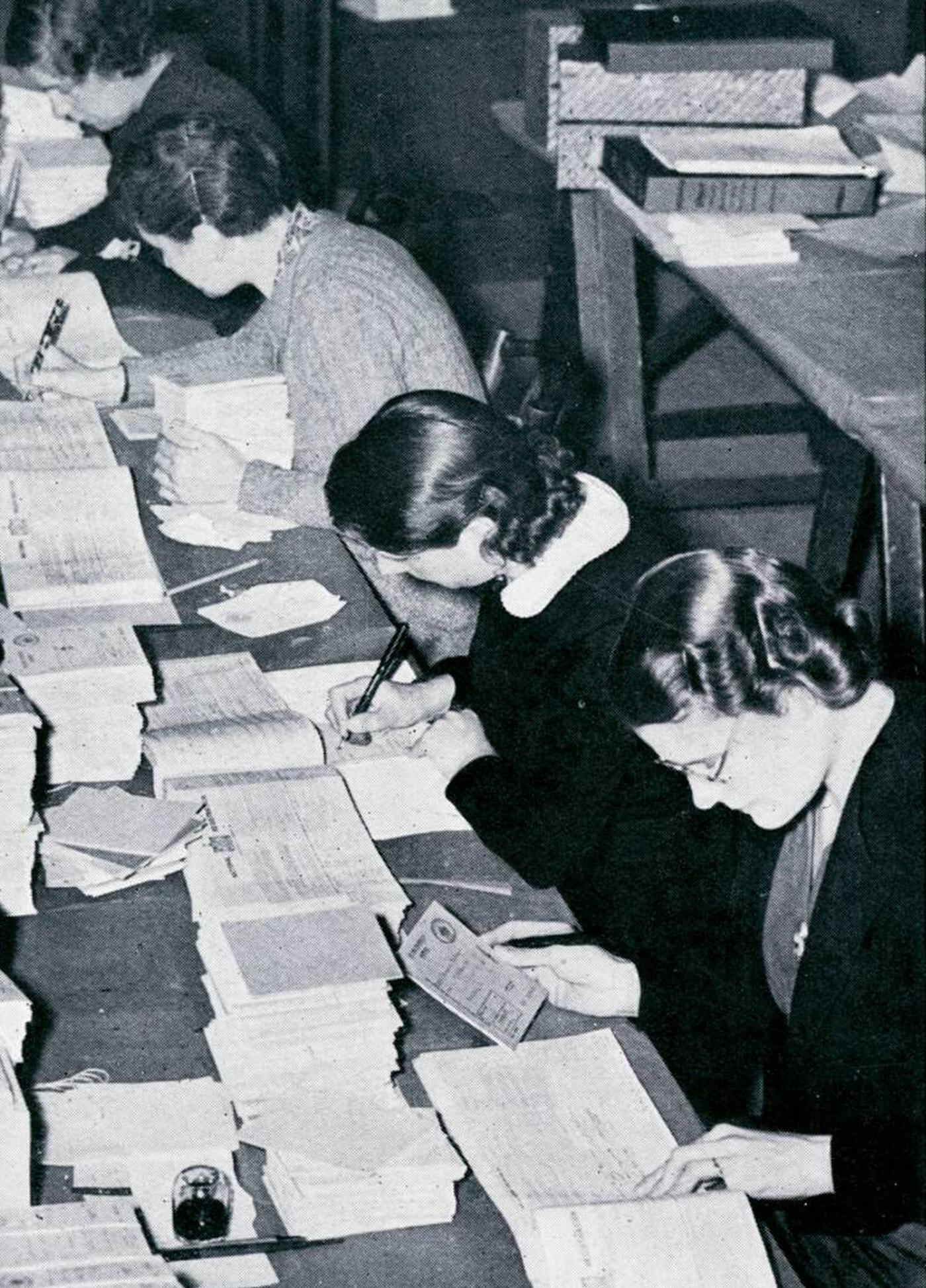
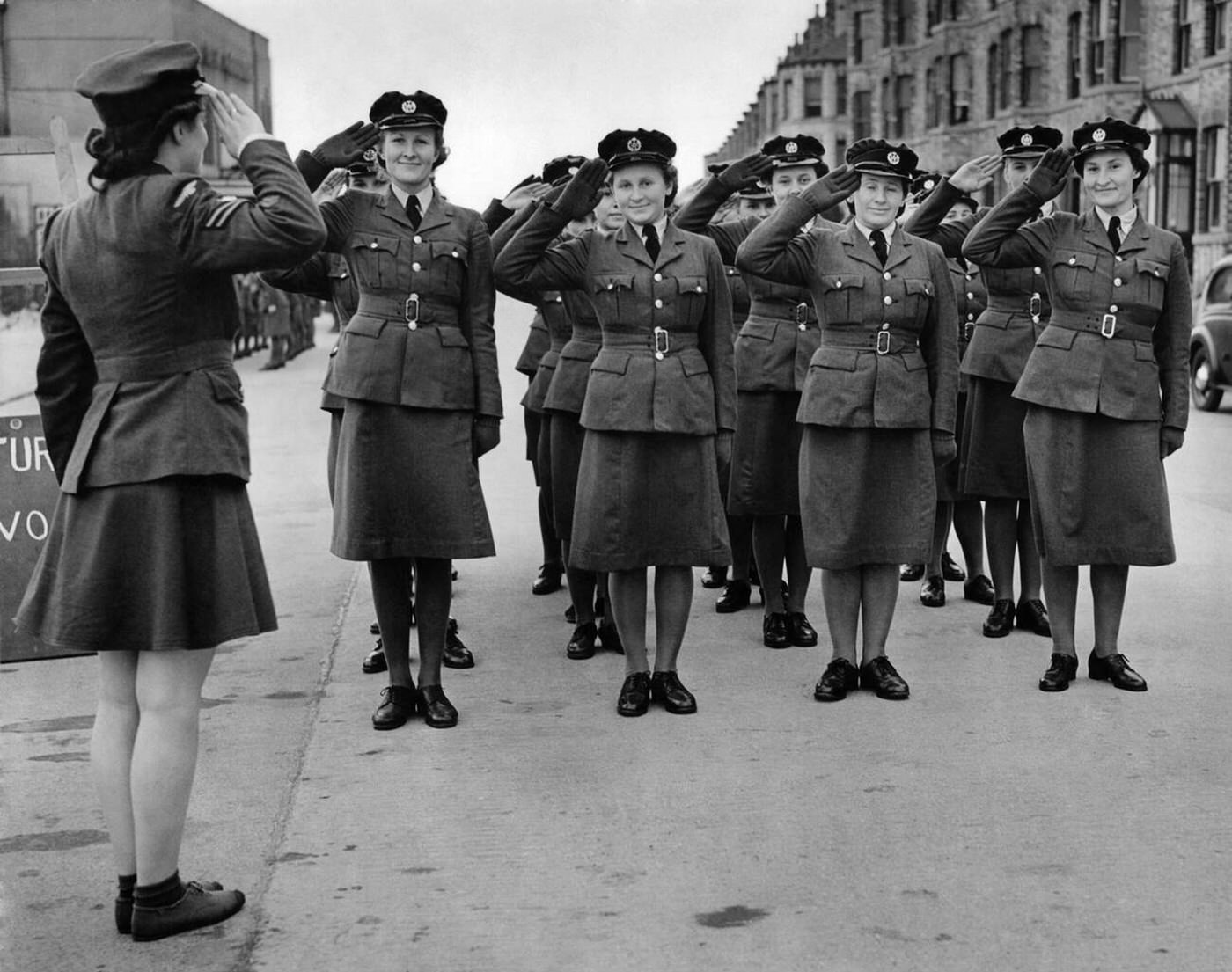
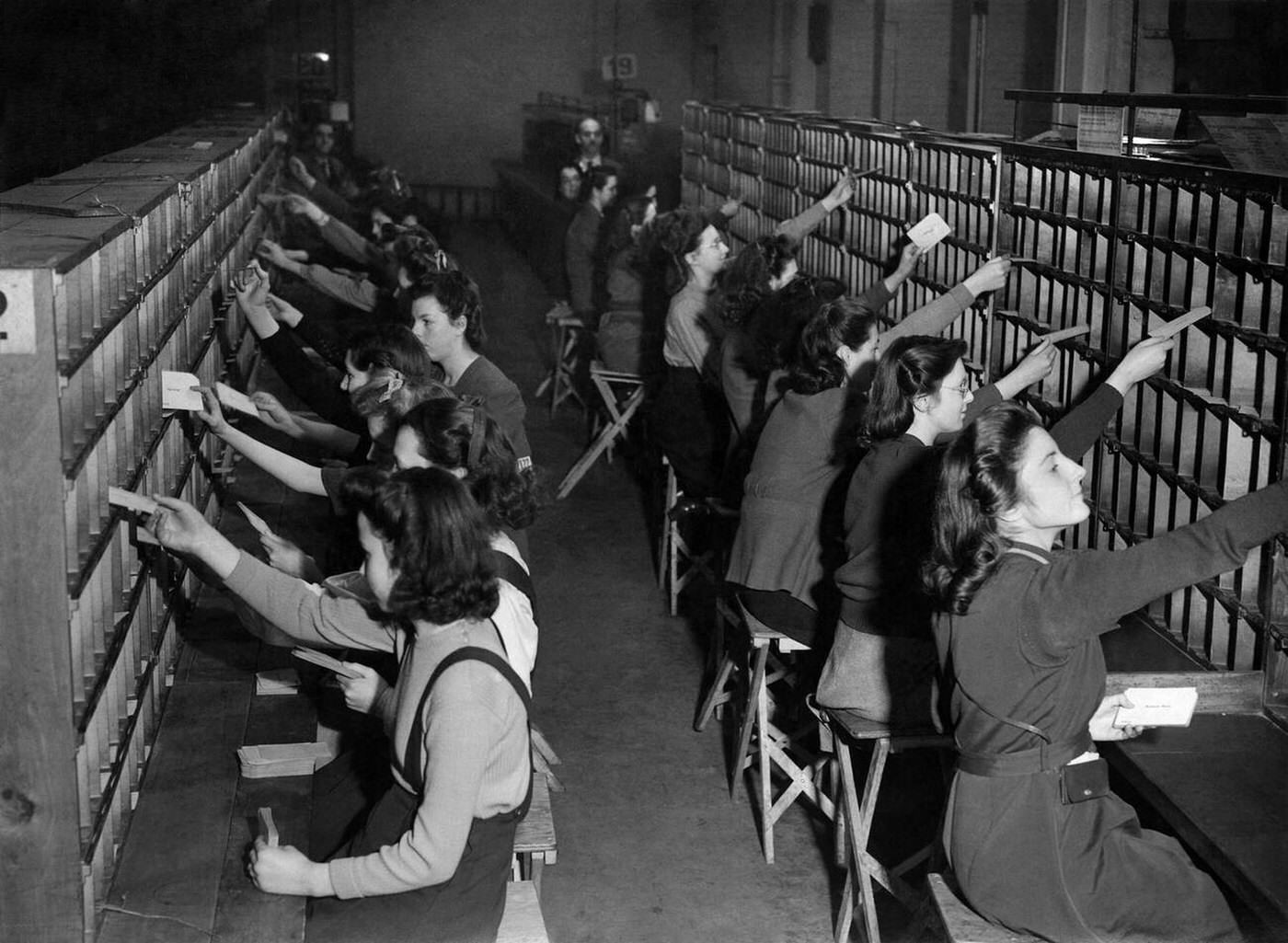
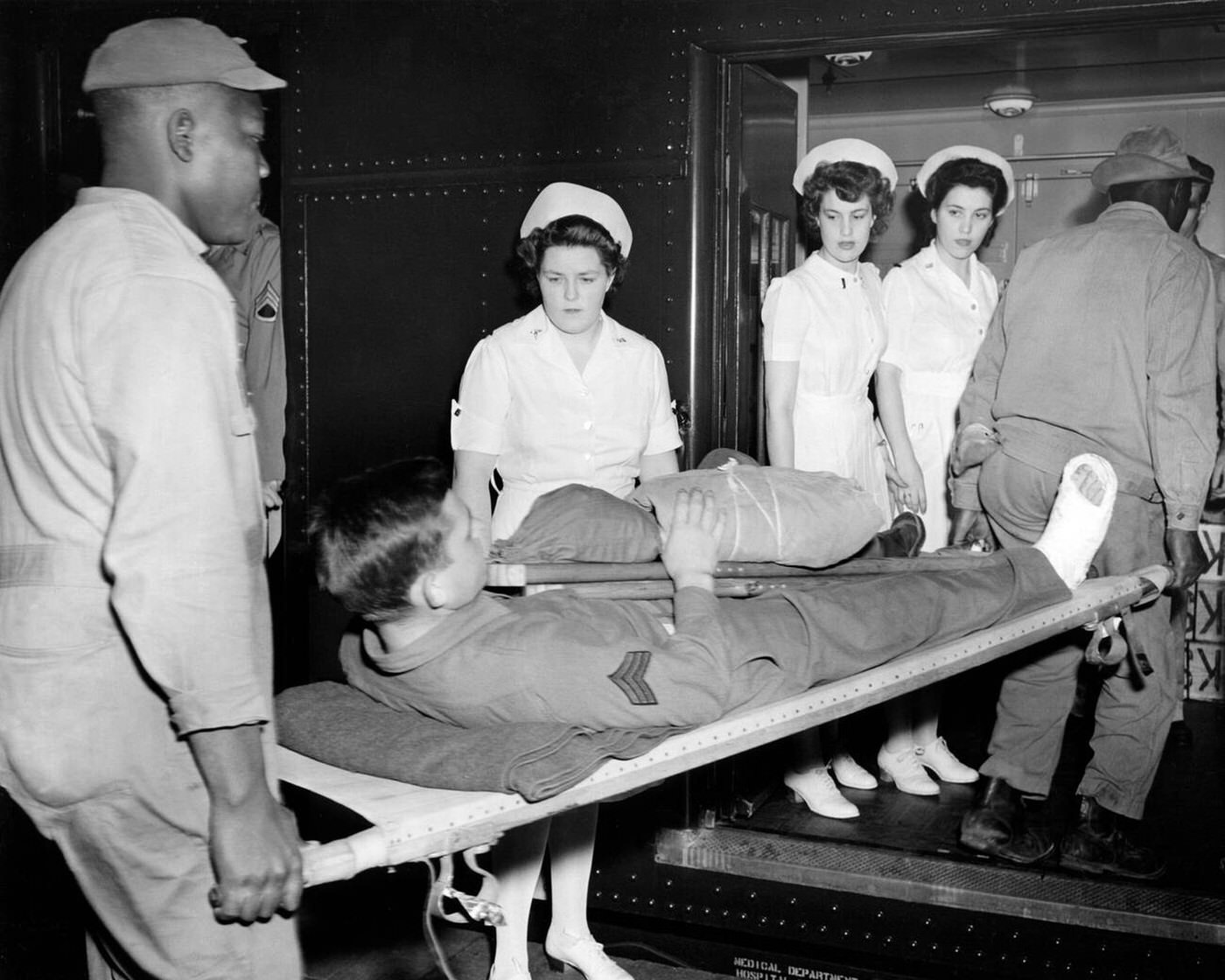
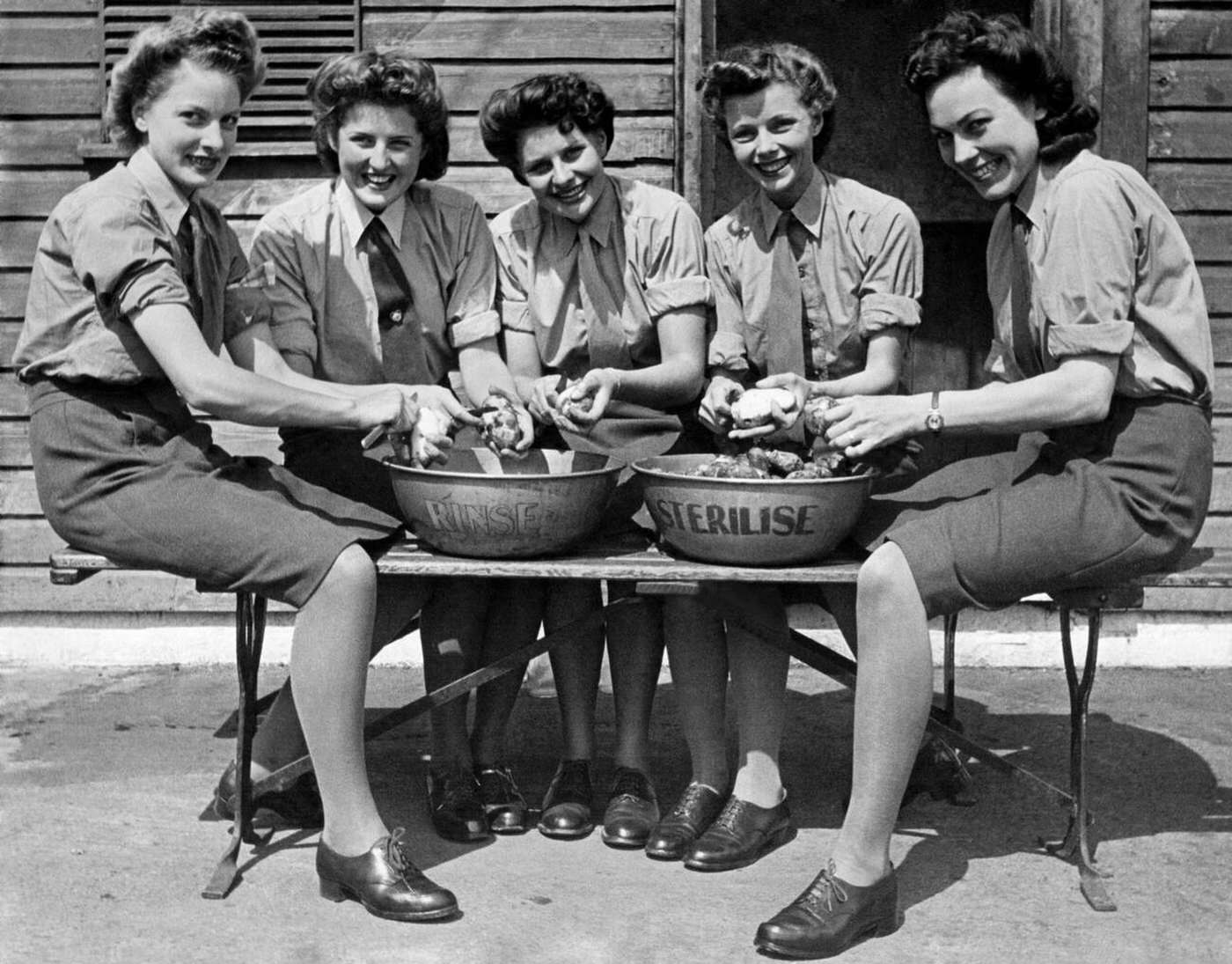
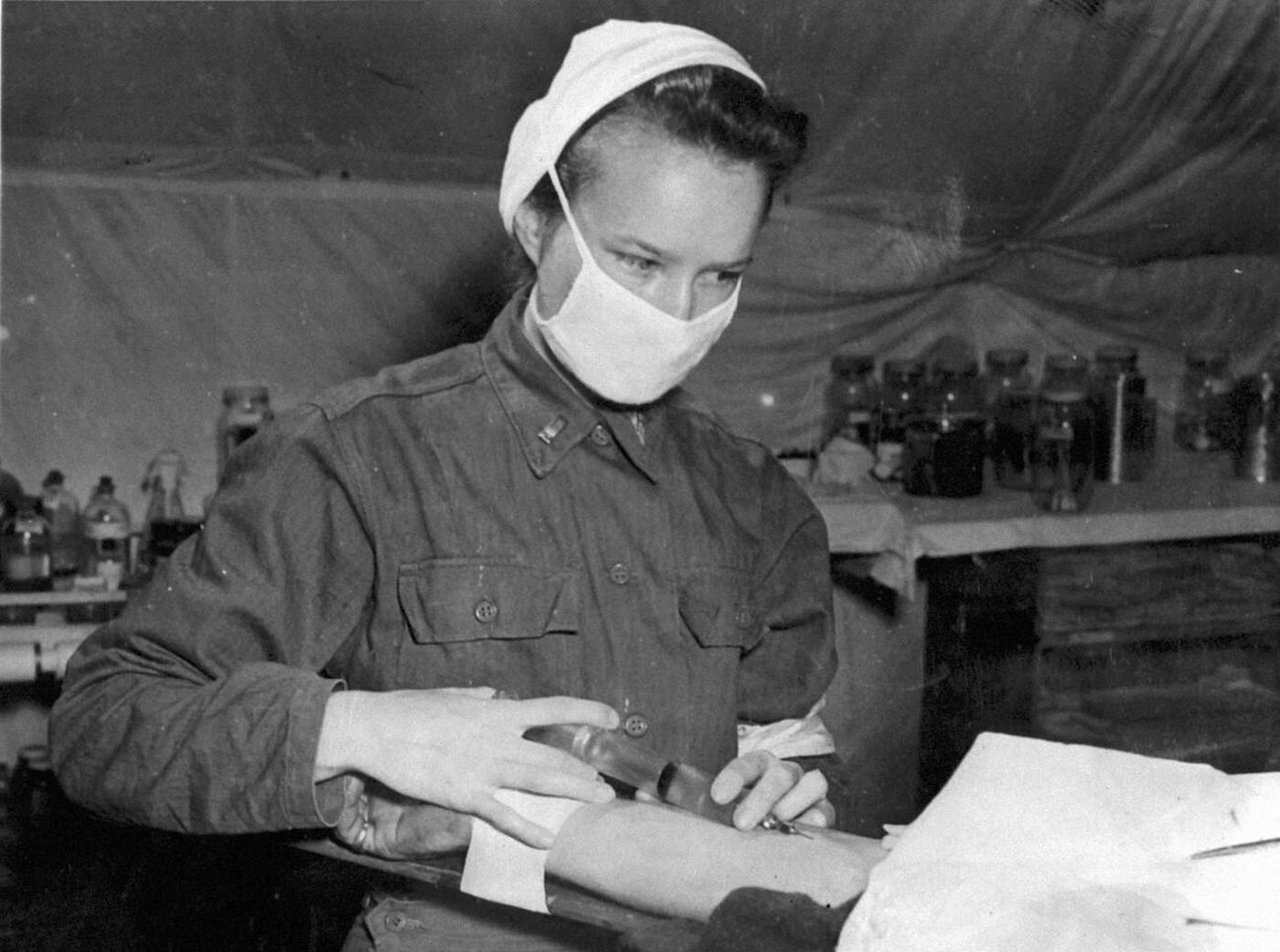
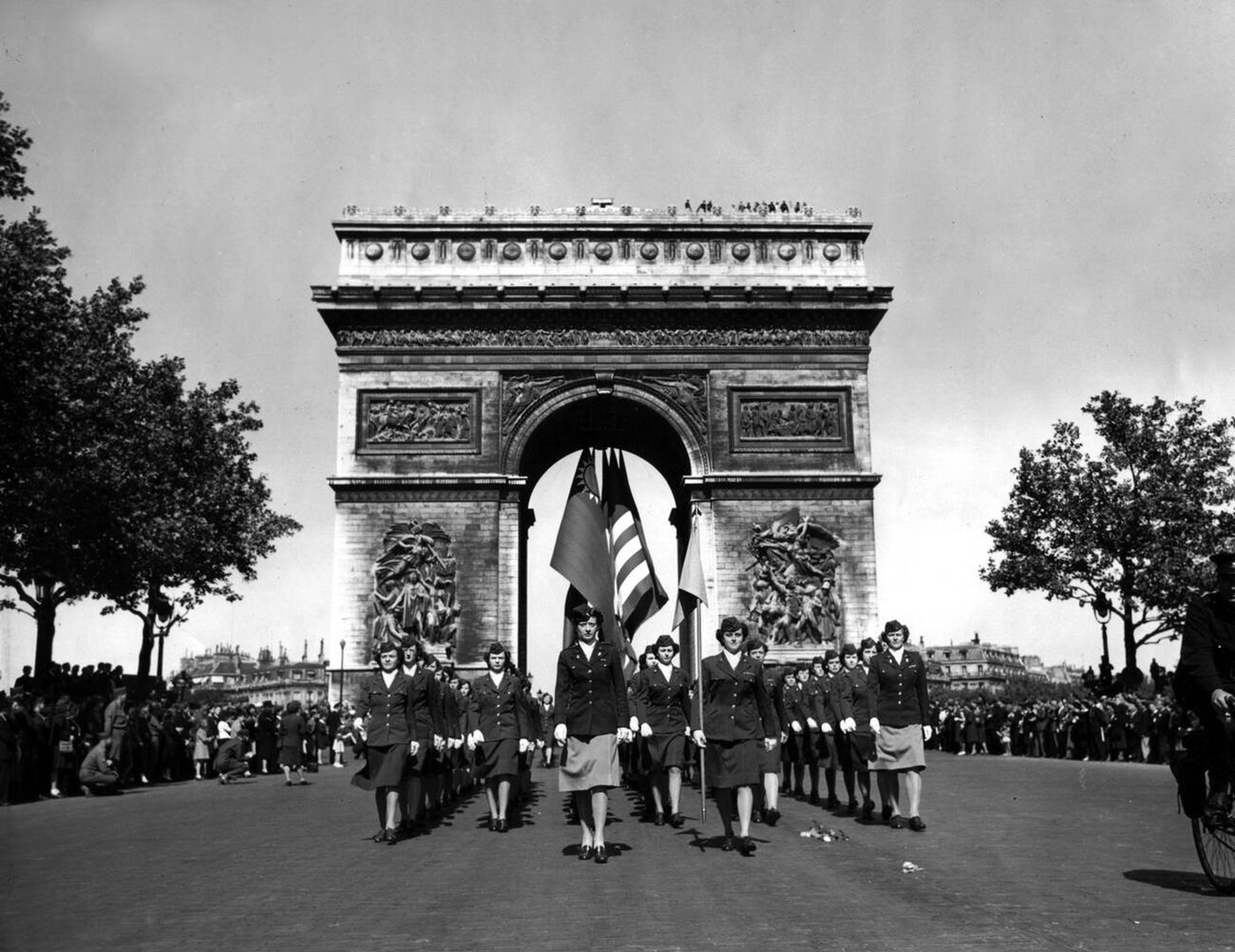
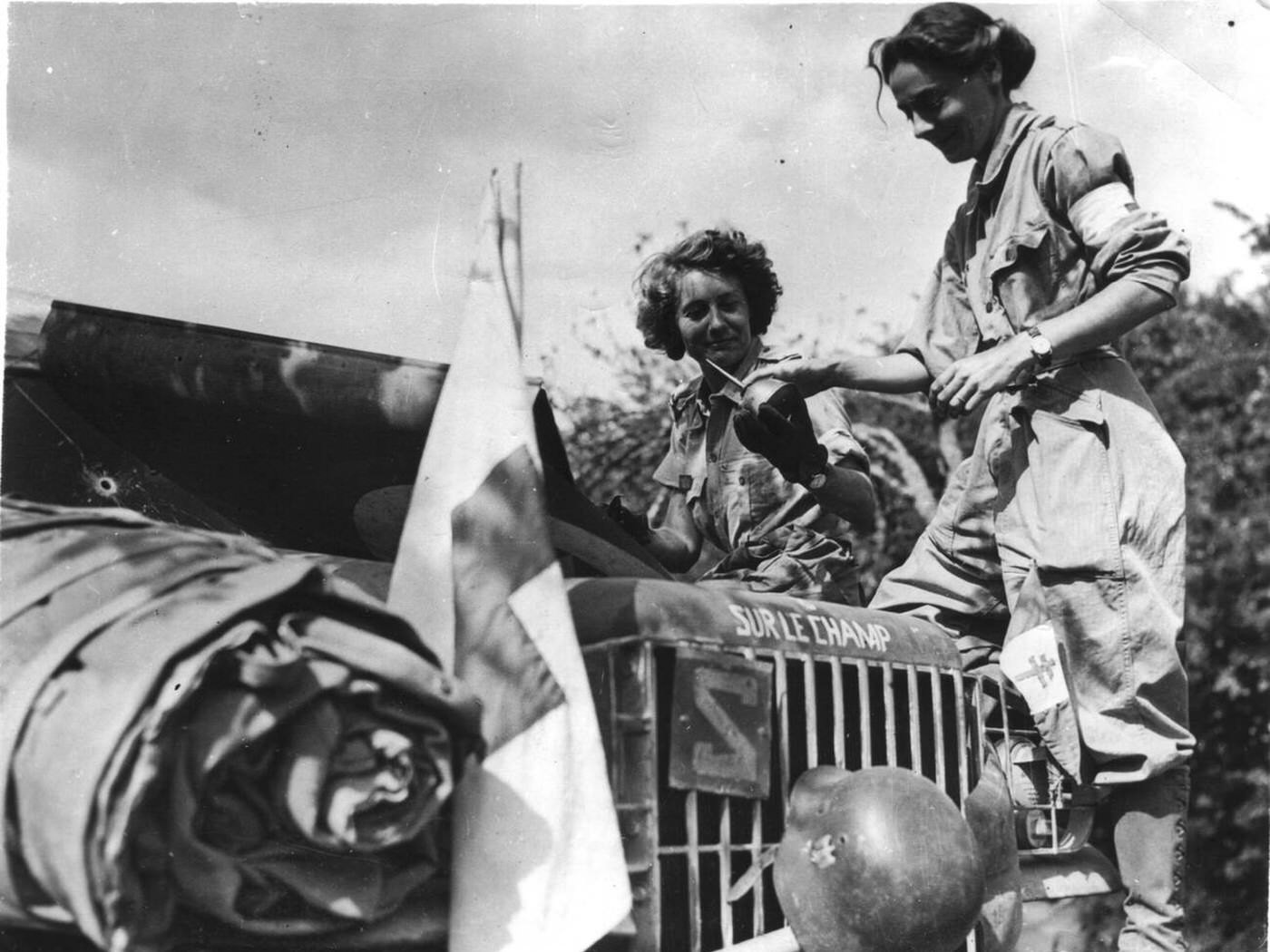
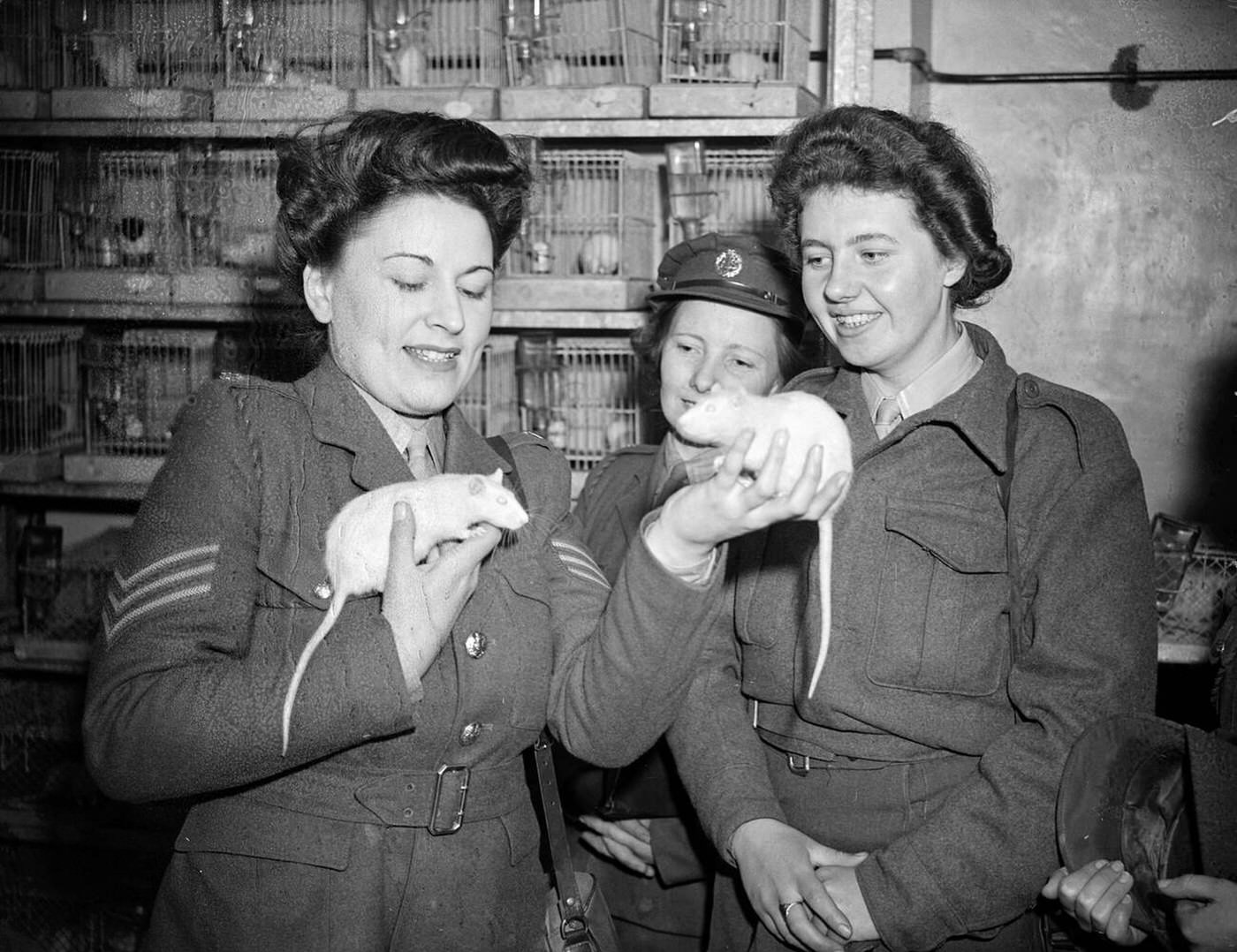
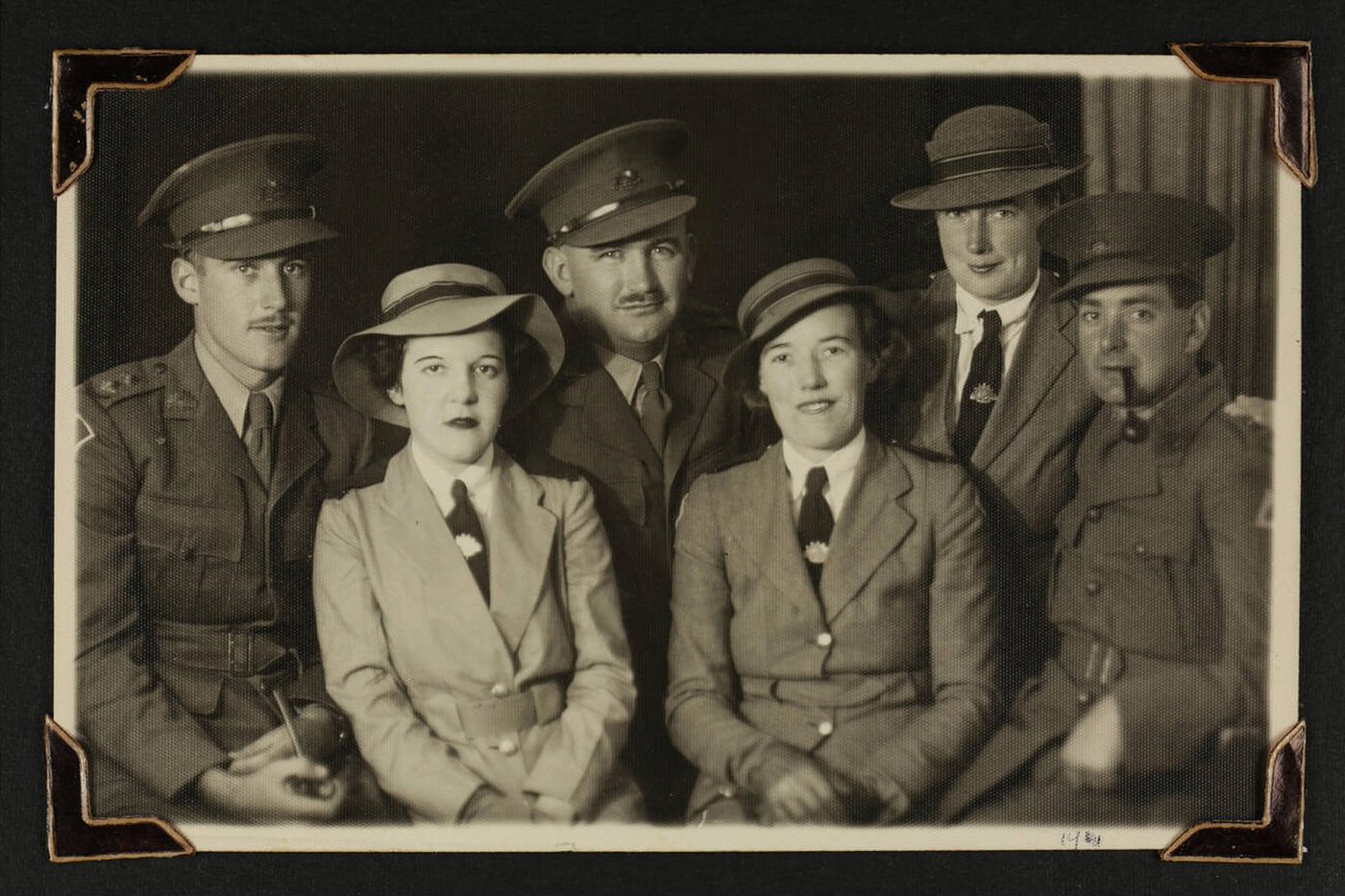
Many women also contributed directly to the military effort by joining uniformed auxiliary services. Organizations were established such as the Women’s Army Corps (WACs), the Navy’s WAVES (Women Accepted for Volunteer Emergency Service), and the Coast Guard’s SPARS in the United States, along with the Auxiliary Territorial Service (ATS), the Women’s Auxiliary Air Force (WAAF), and the Women’s Royal Naval Service (WRNS) in Great Britain. While women in these Western Allied services were generally not assigned to direct combat roles, they performed critical support functions that freed up men for fighting duties. They worked as clerks, typists, drivers, mechanics, radio operators, photographers, supply technicians, and parachute riggers, among many other roles. Nursing sisters served bravely in military hospitals, often close to the front lines, providing essential medical care to the wounded. A select group of skilled female pilots, like the American Women Airforce Service Pilots (WASP), tested aircraft and ferried planes from factories to military bases.

This widespread entry of women into new fields of work occurred across numerous locations. They could be found in the large industrial plants of major cities, the coastal shipyards, the sprawling munitions complexes, rural farms and fields, city transit systems, local civil defense posts, military bases both at home and sometimes overseas, and in hospitals supporting the armed forces.

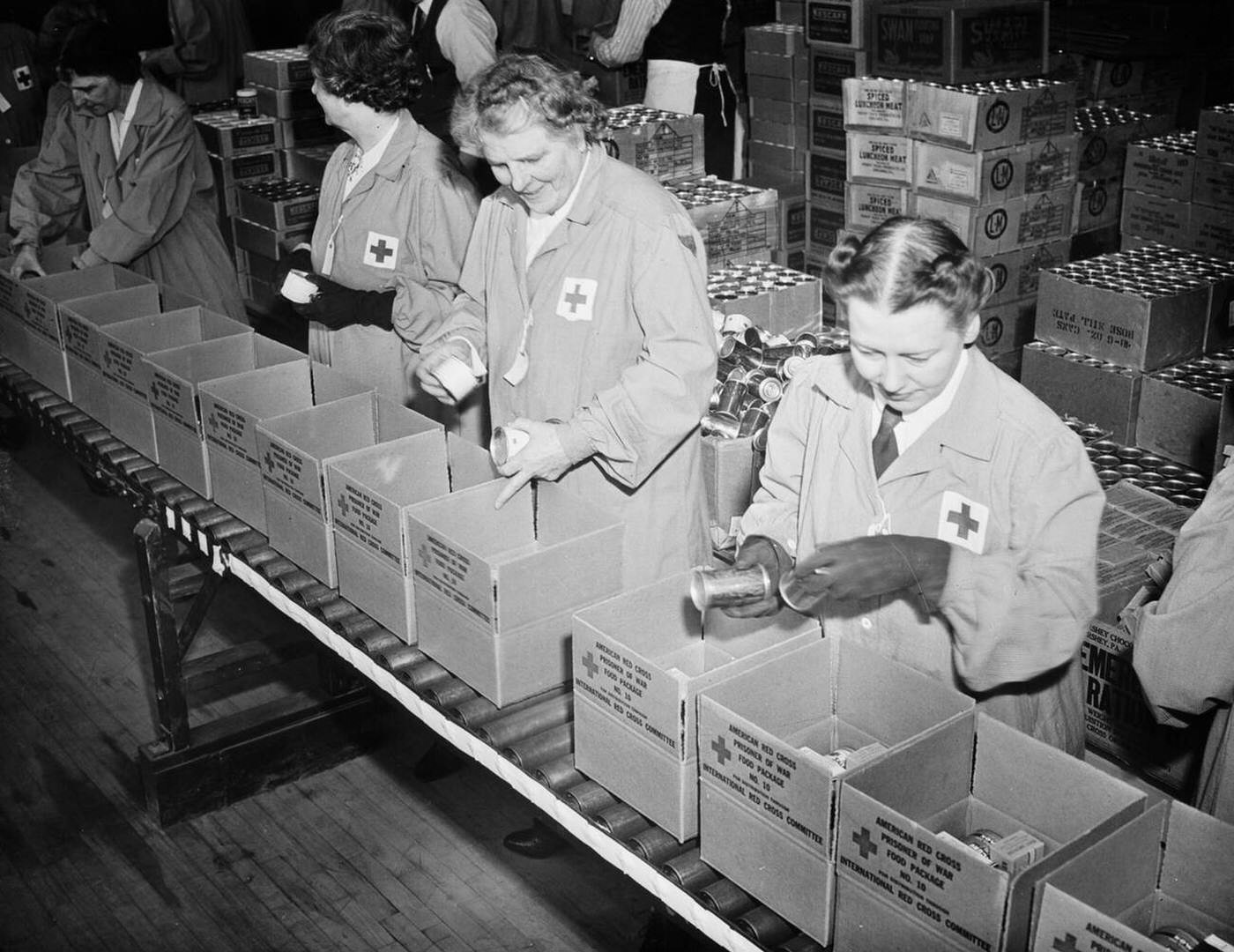
The labor provided by millions of women during World War II was fundamental to the Allied victory. Their work in factories produced the vast quantities of equipment and supplies needed for modern warfare. Their efforts in agriculture helped feed nations under strain. Their roles in transportation and communication kept vital networks operating. Their service in military auxiliary units provided essential logistical, administrative, and medical support. By taking on these diverse and demanding jobs, women kept the home front running and directly contributed to the capacity of their nations to fight and ultimately win the war.
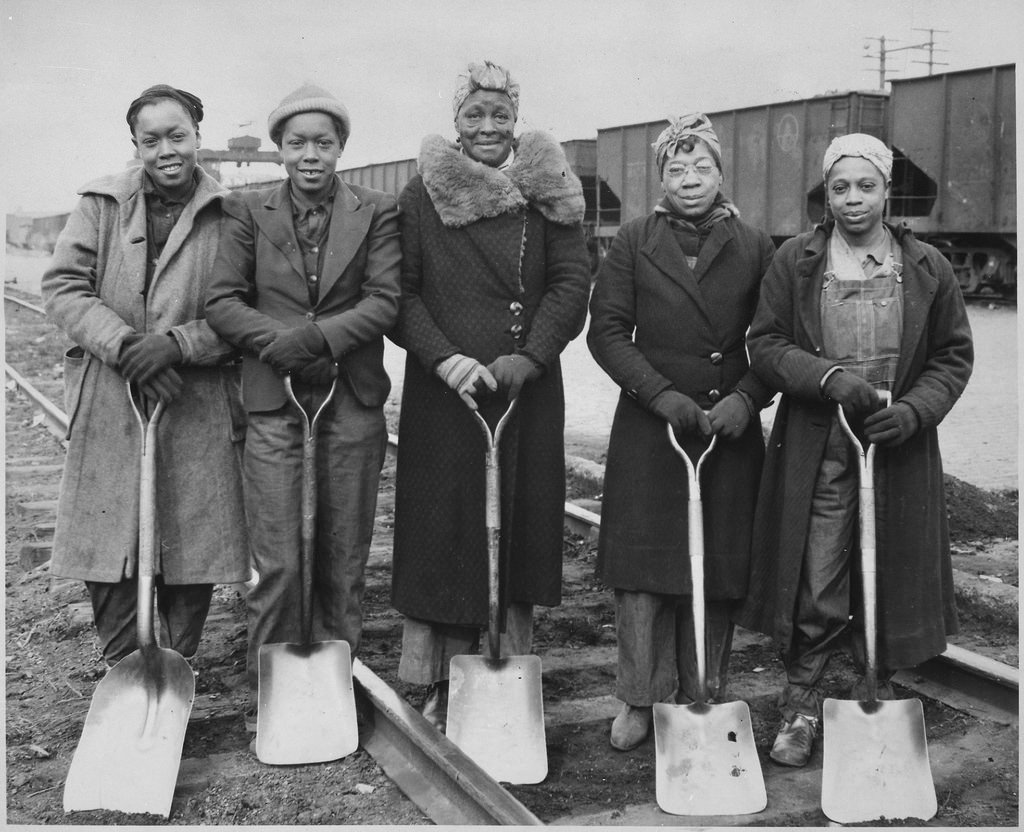
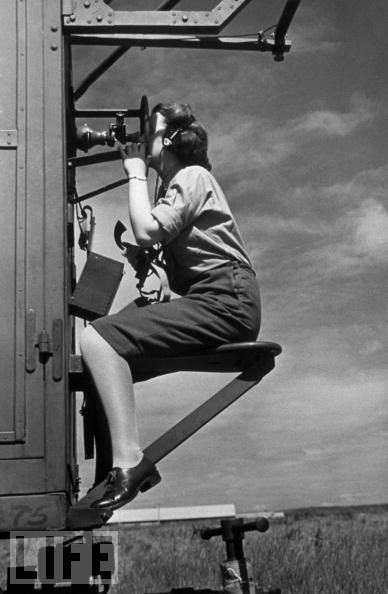
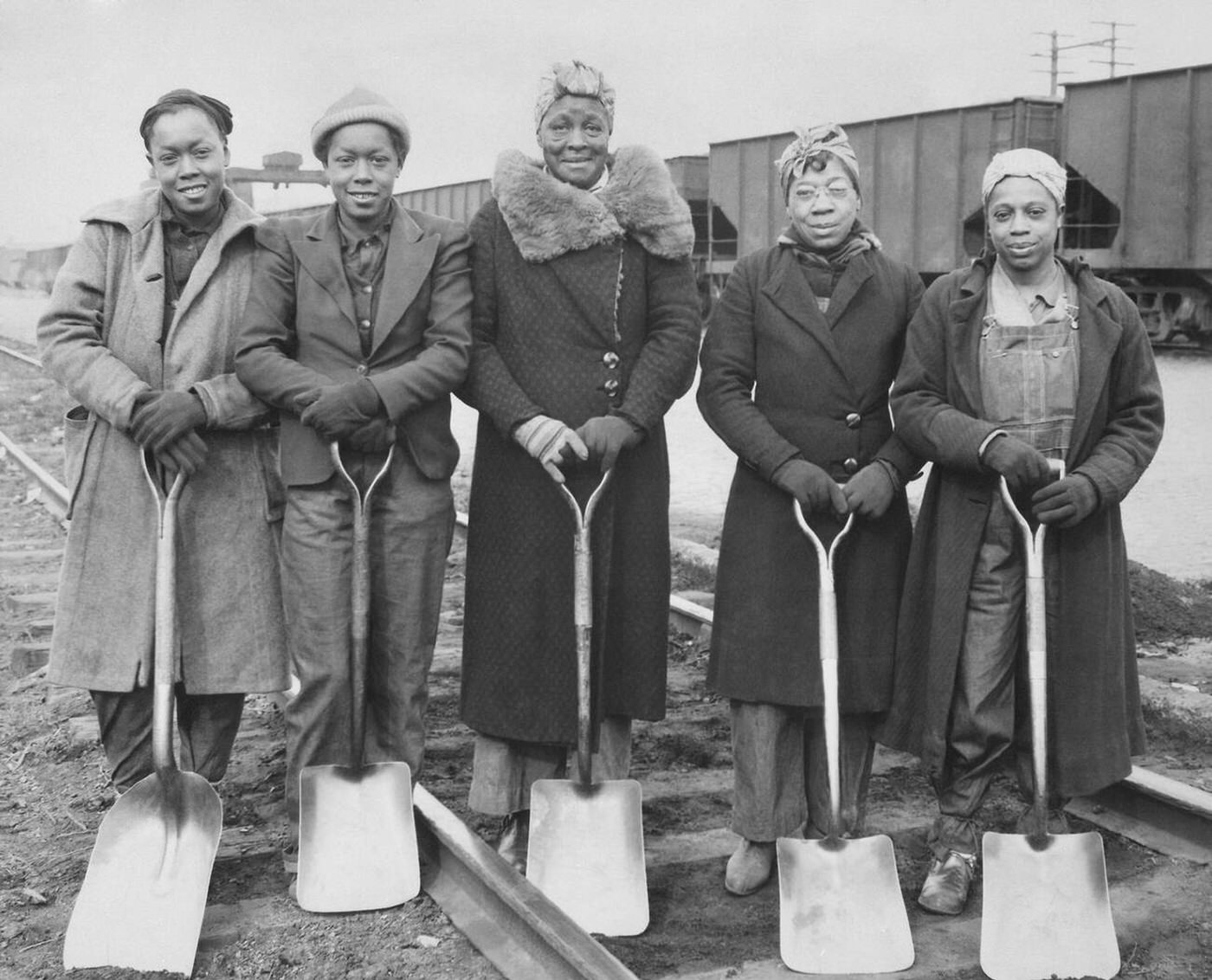
#5 Women working on railroads, 1940s

Women working on railroads, 1940s

#10 A female riveter at Lockheed Aircraft, 1940s

A female riveter at Lockheed Aircraft, 1940s

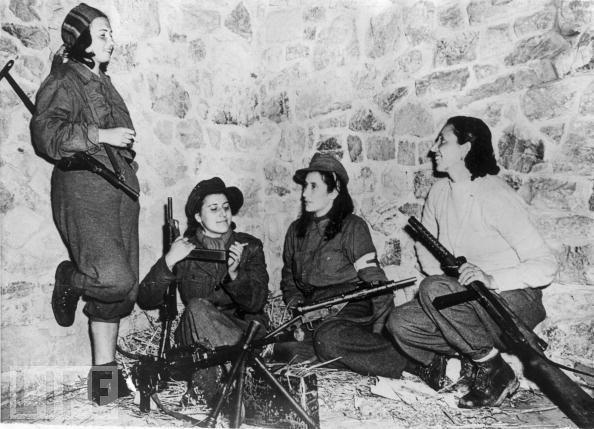
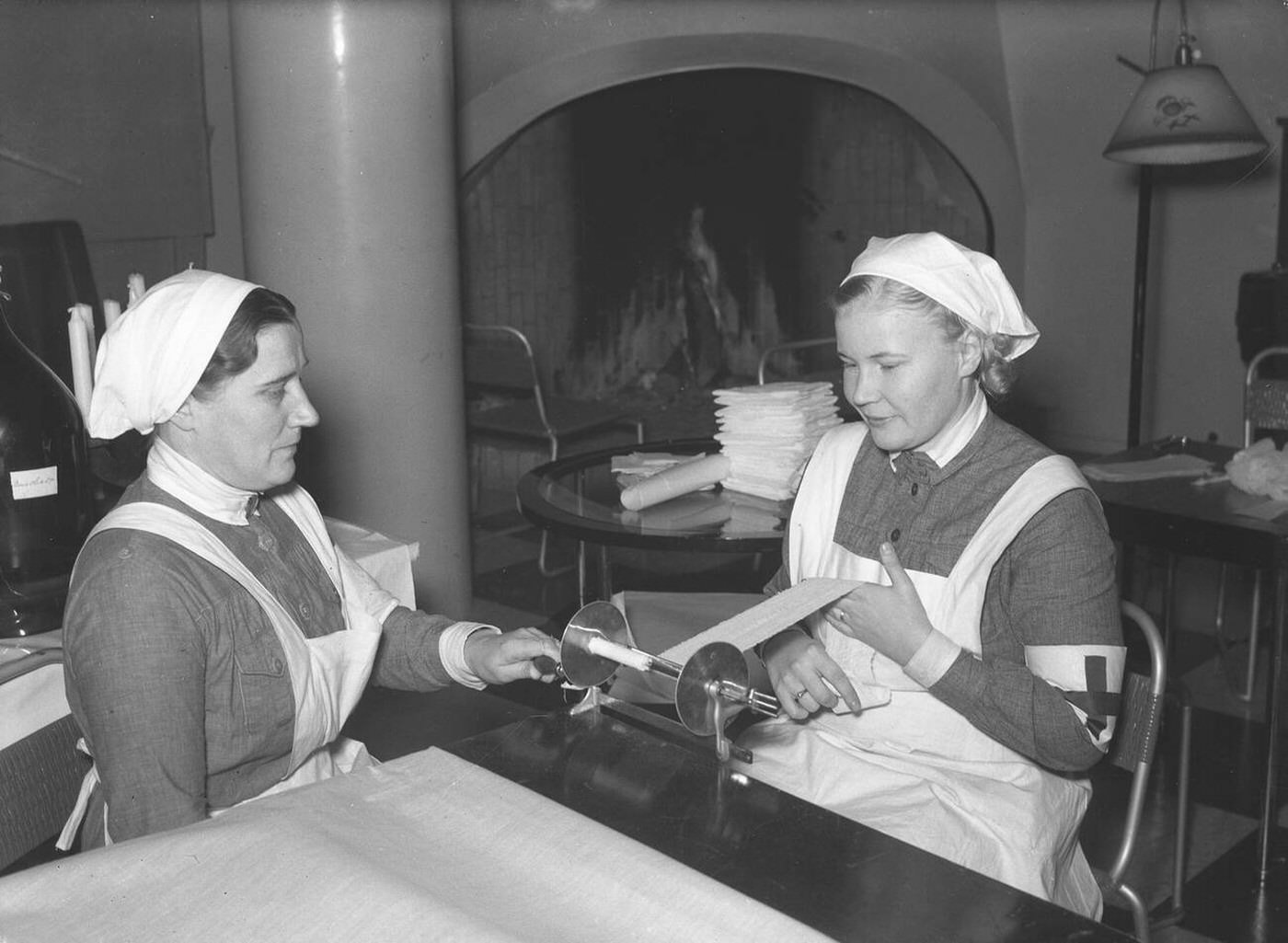
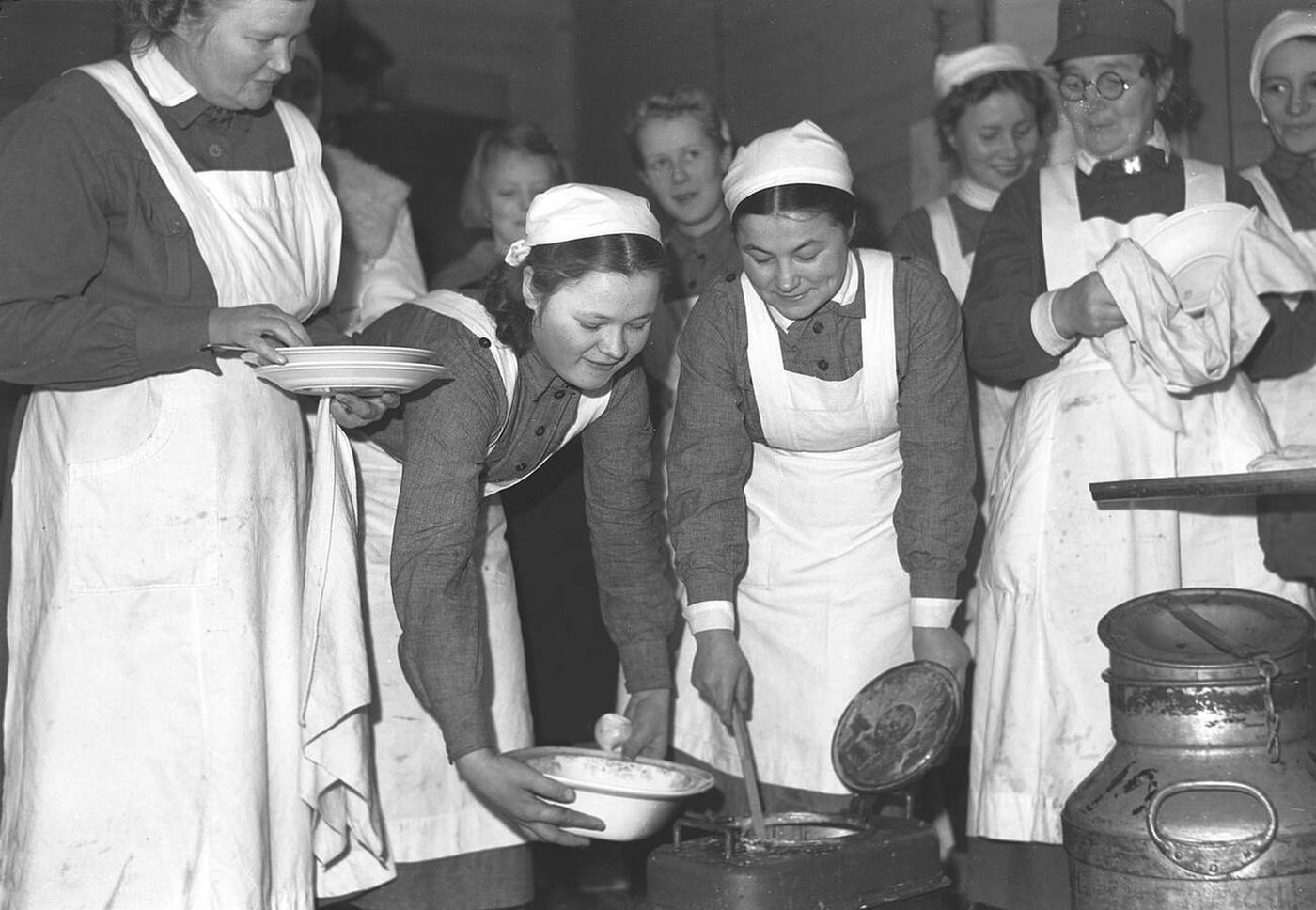
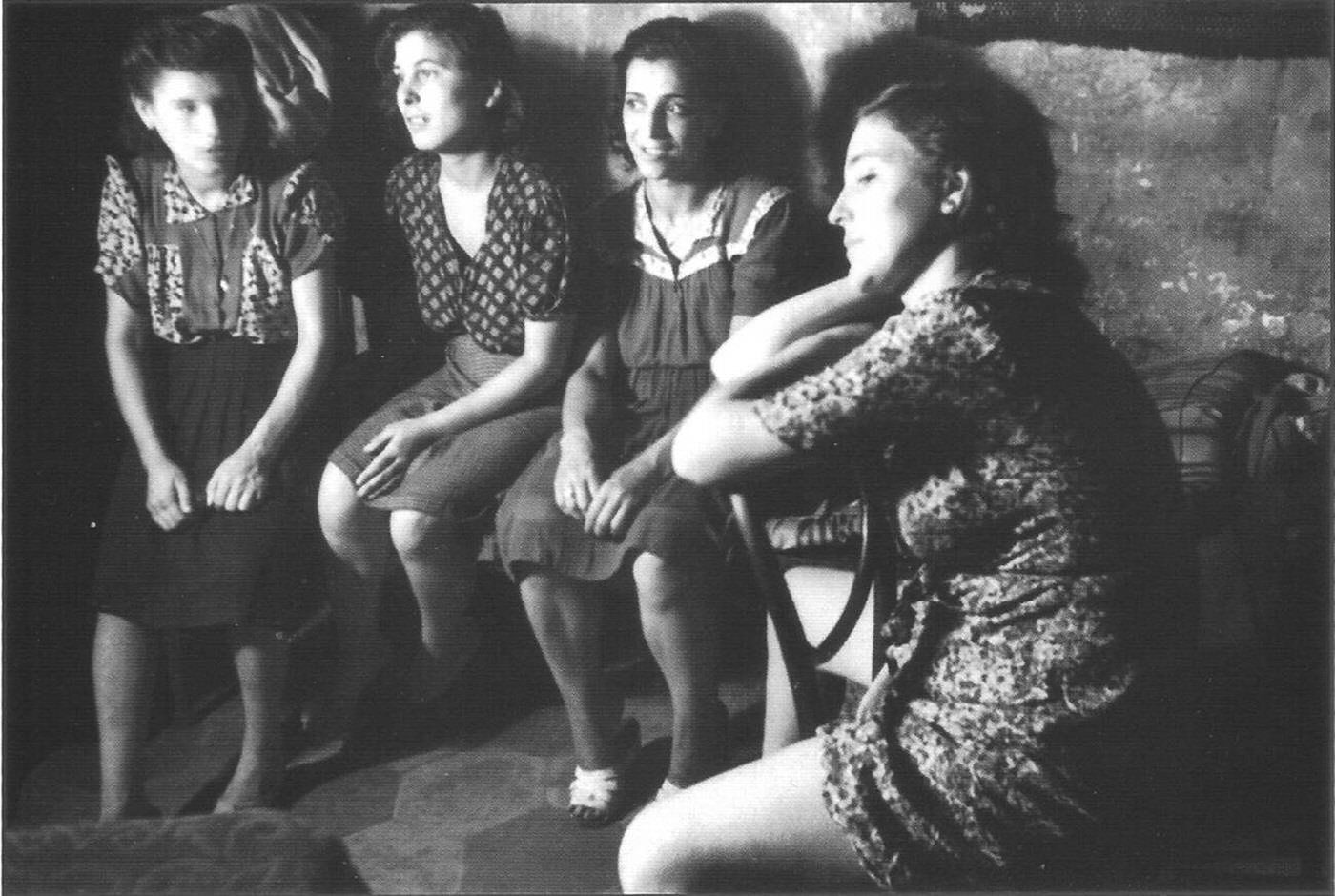
#15 Finnish Lotta-Svärd members, World War II

Finnish Lotta-Svärd members, World War II

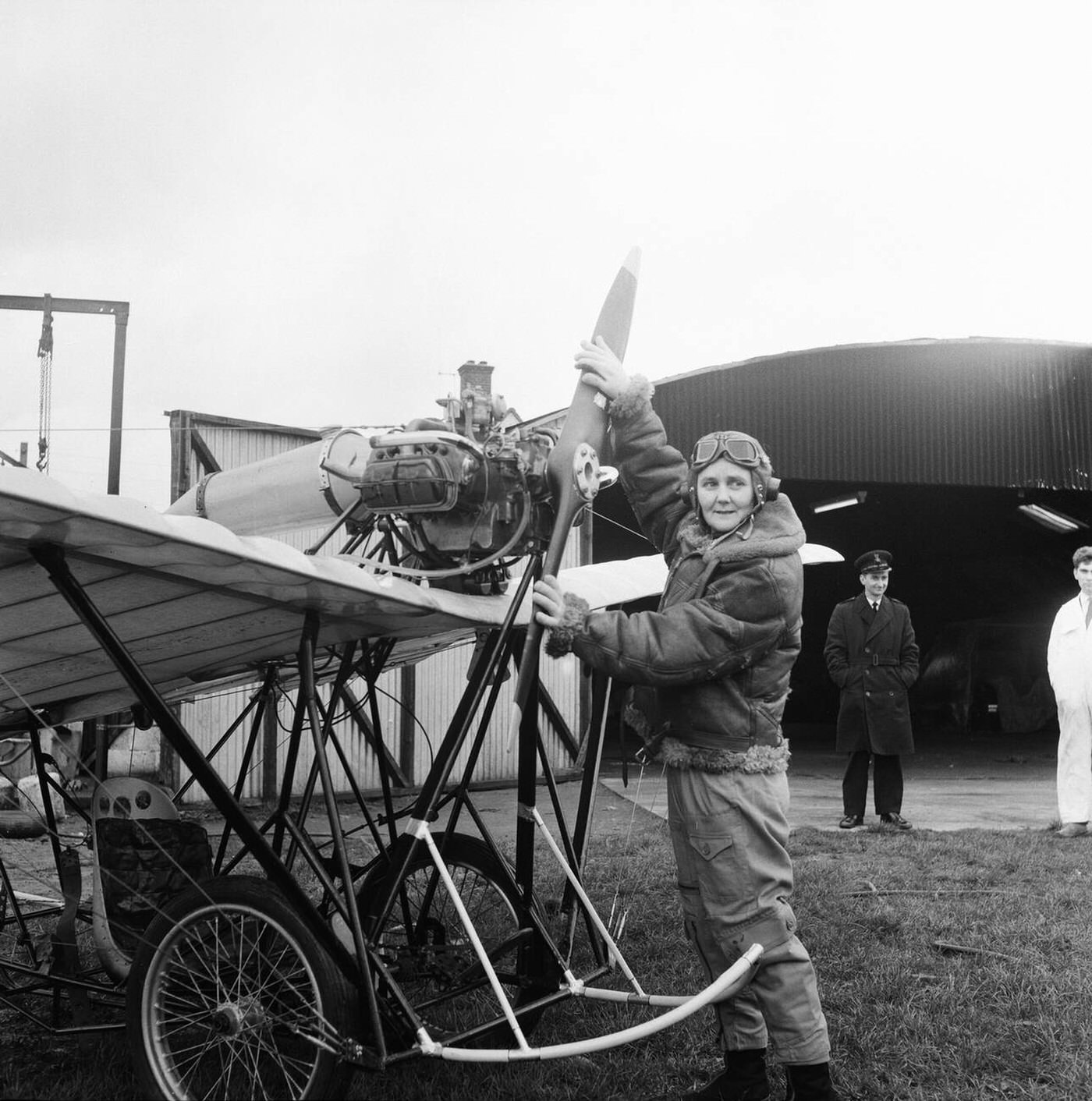
#17 Pauline Gower, Air Transport Auxiliary, World War II

#18 Women looking for enemy aircraft in England, World War II

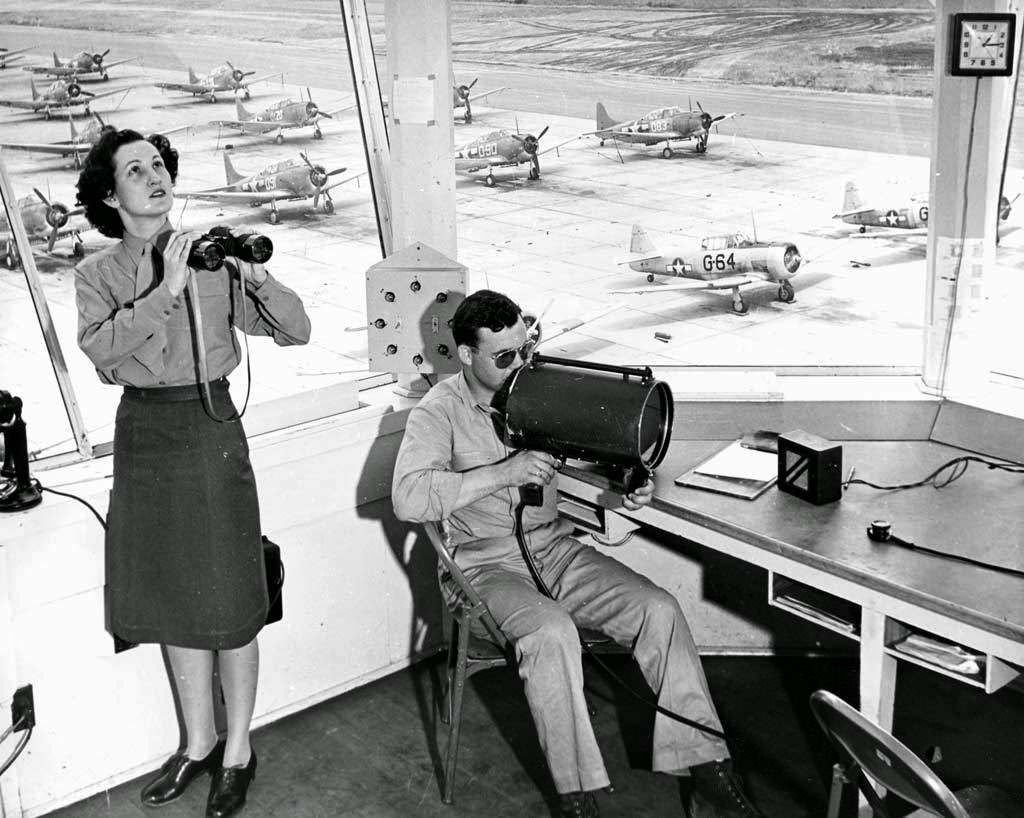
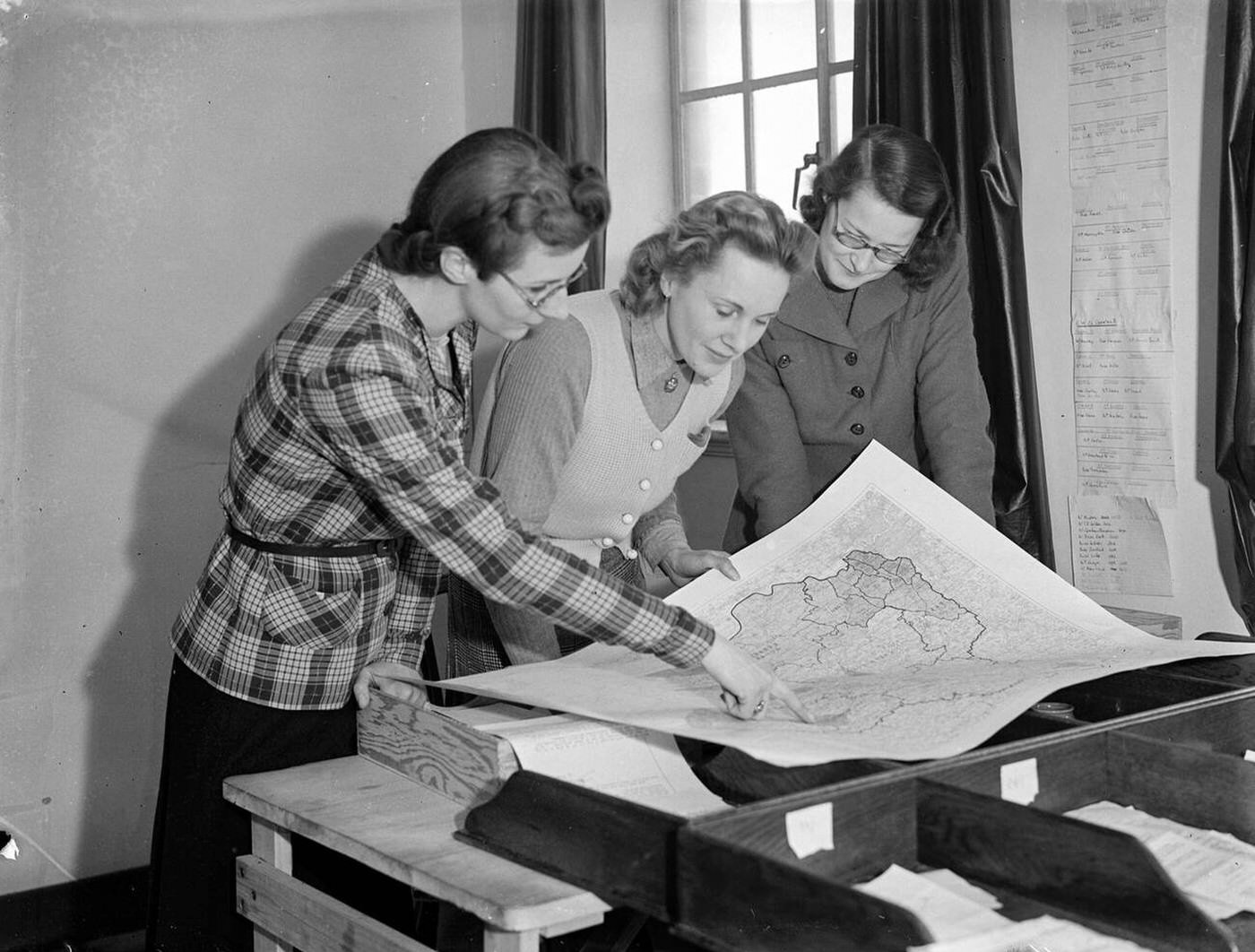
#20 Women reporting enemy aircraft positions, World War II

Women reporting enemy aircraft positions, World War II

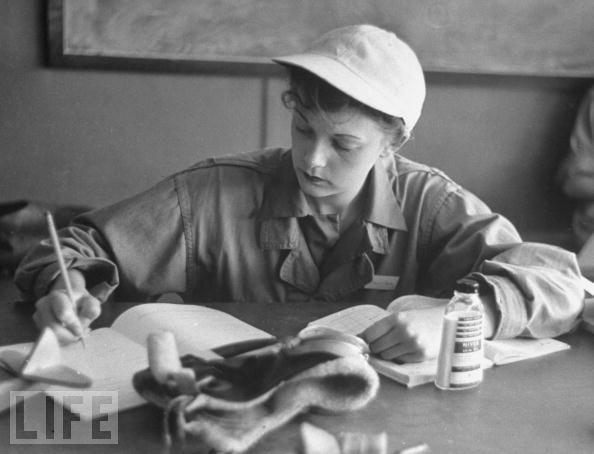
#21 Nancy Nesbit, pilot trainee, 1940s

Nancy Nesbit, pilot trainee, 1940s

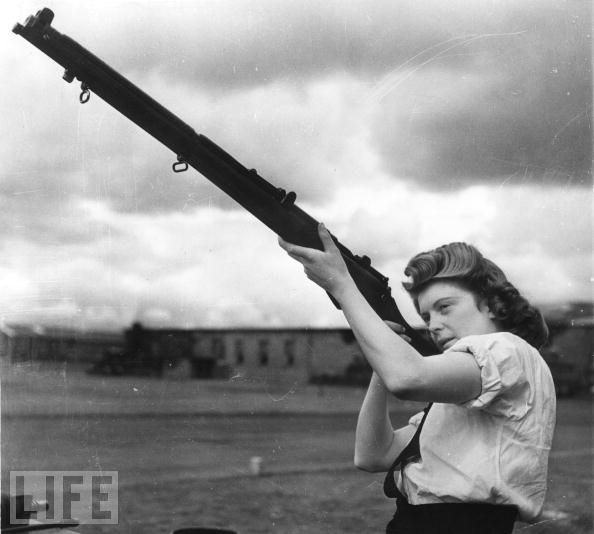
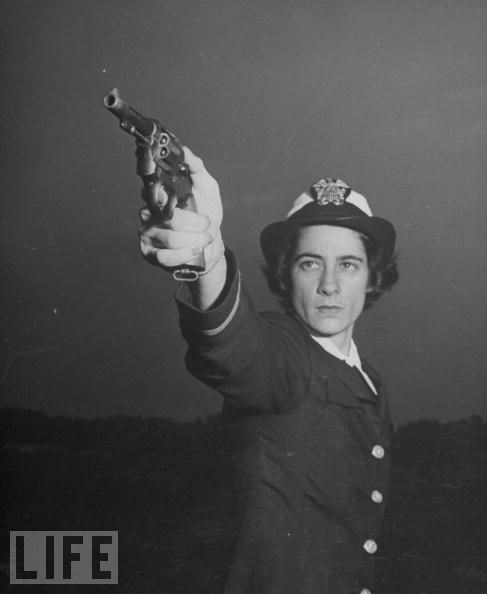
#24 WAVES members in marksmanship training, World War II

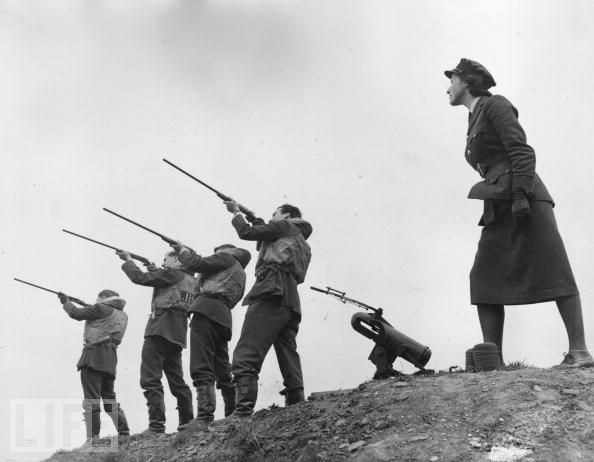
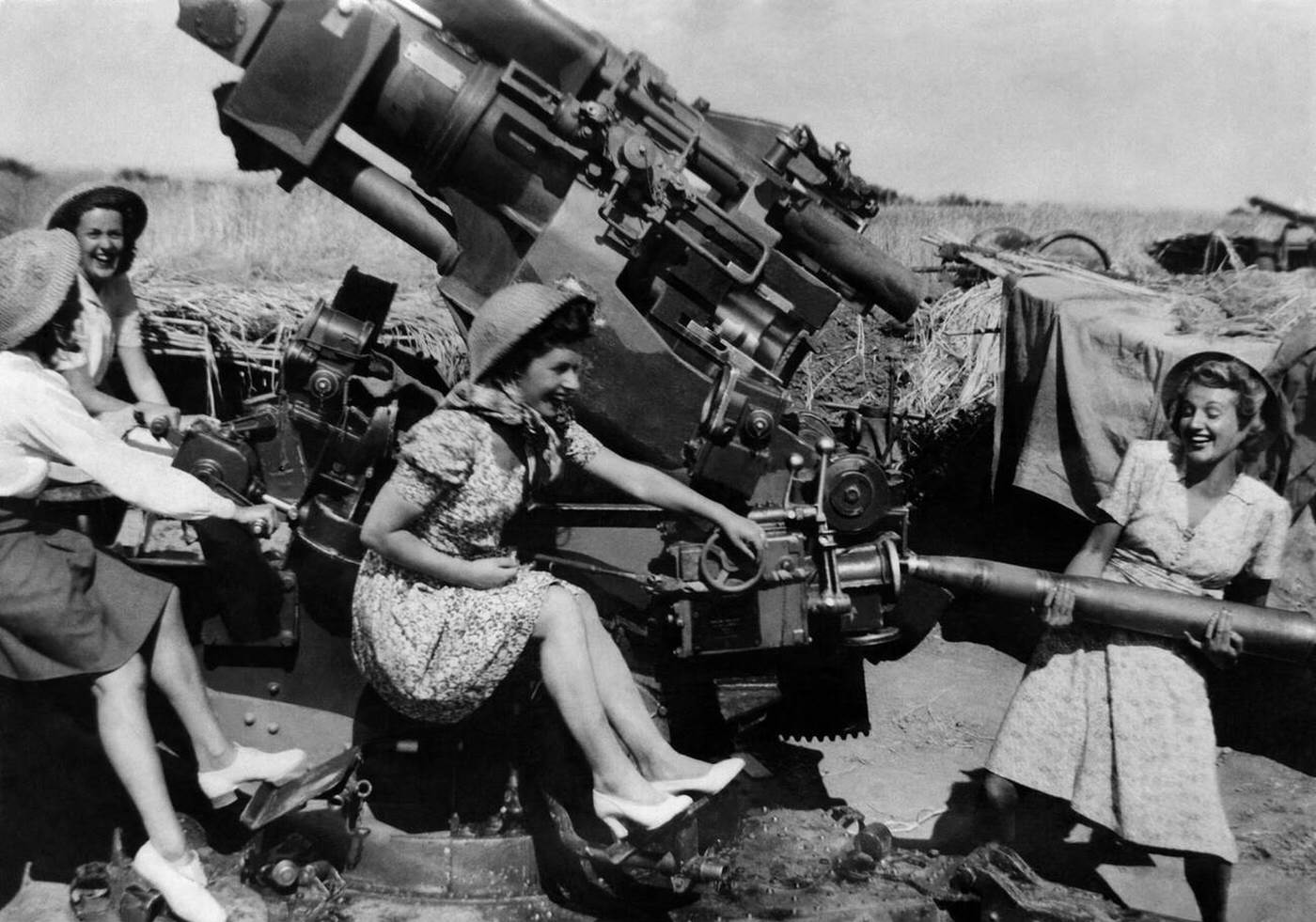
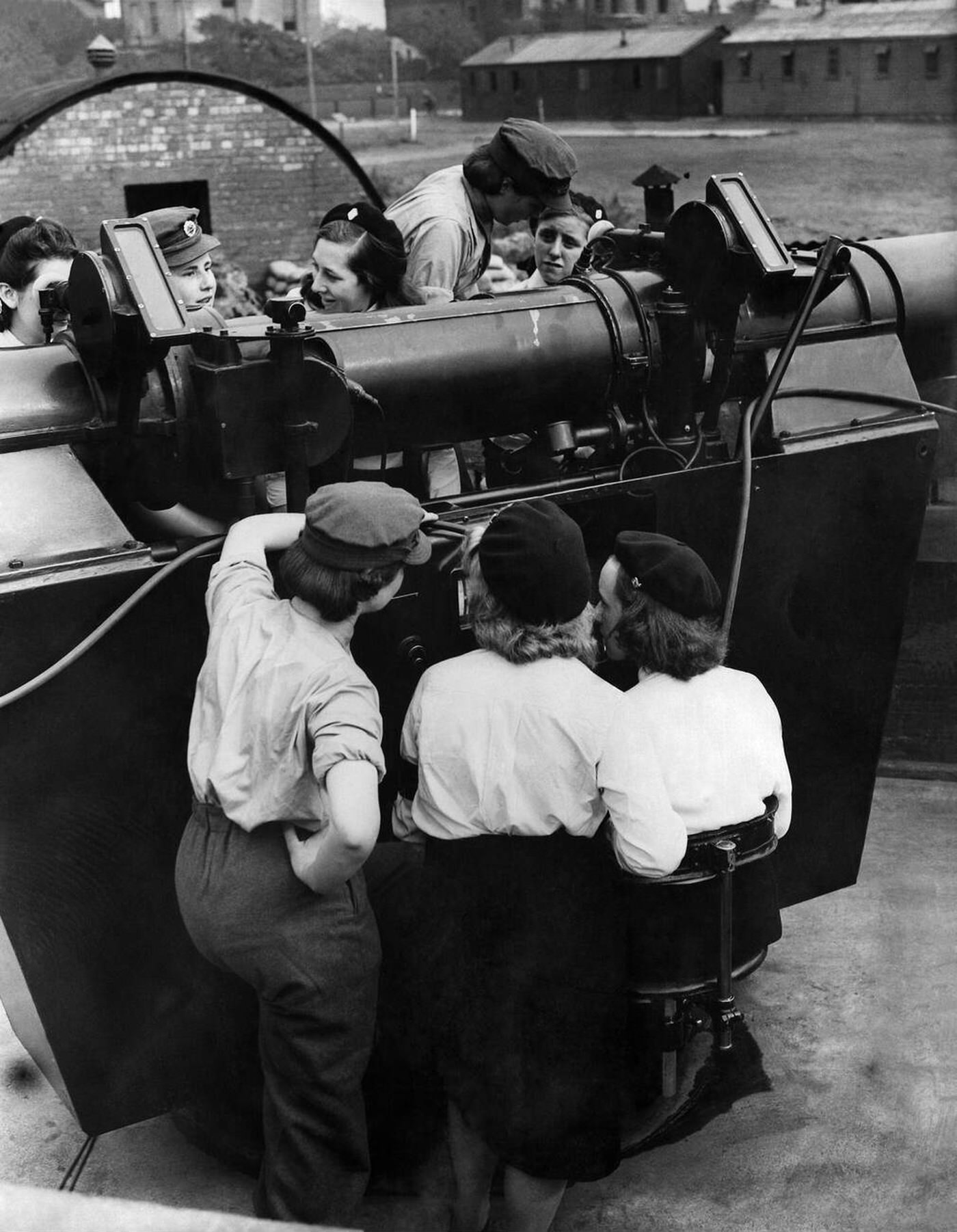
#25 ATS member at an anti-aircraft emplacement, World War II

ATS member at an anti-aircraft emplacement, World War II

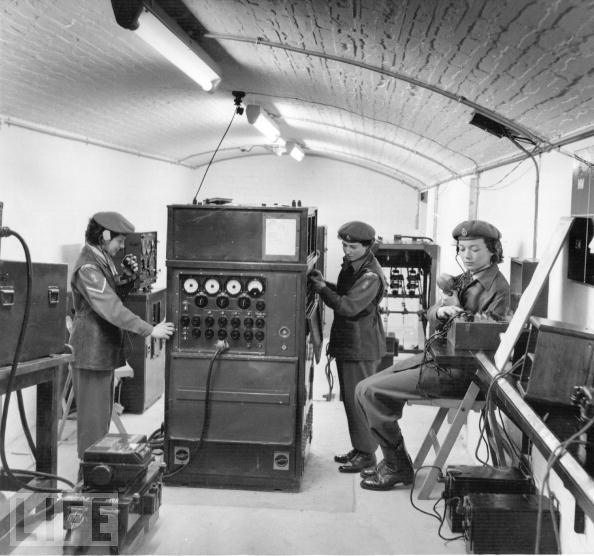
#26 ATS members training as gun battery controllers, 1944

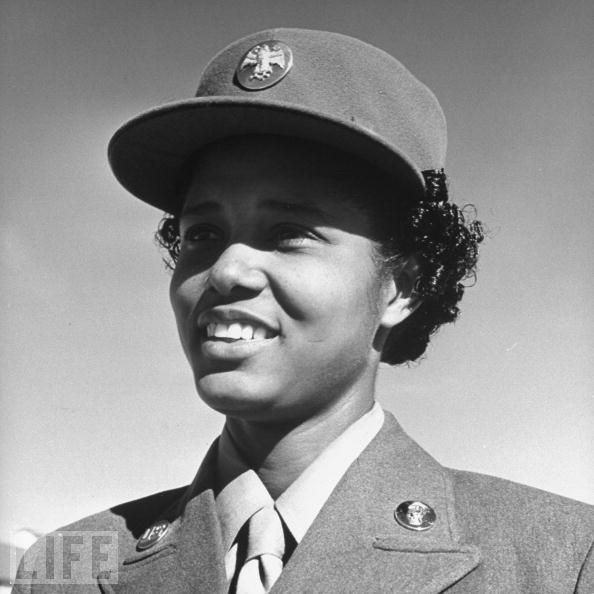
#28 A member of America’s Women’s Air Corps, World War II

#29 Women’s Auxiliary Air Force assisting pilots, World War II

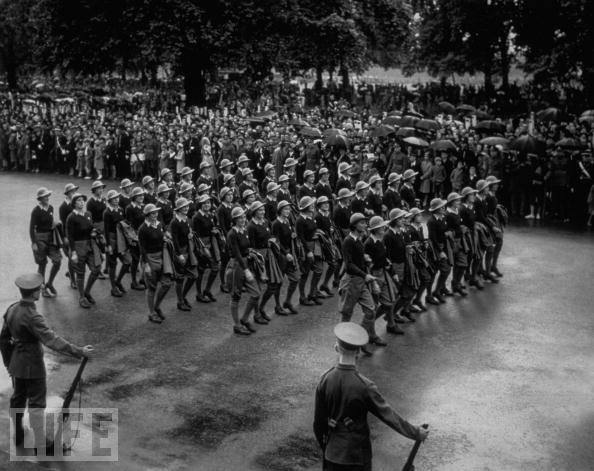
#30 Land Girls marching before King George VI, 1939

Land Girls marching before King George VI, 1939

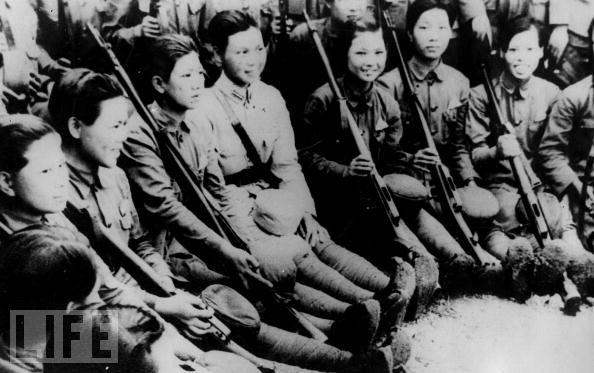
#32 Chinese women receiving rifle training, World War II

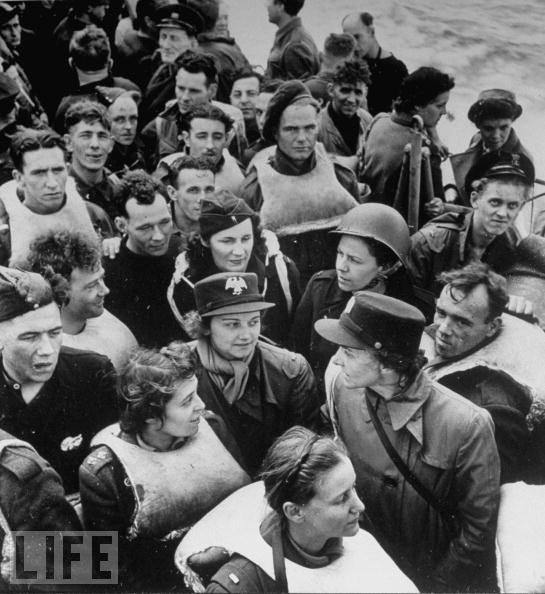
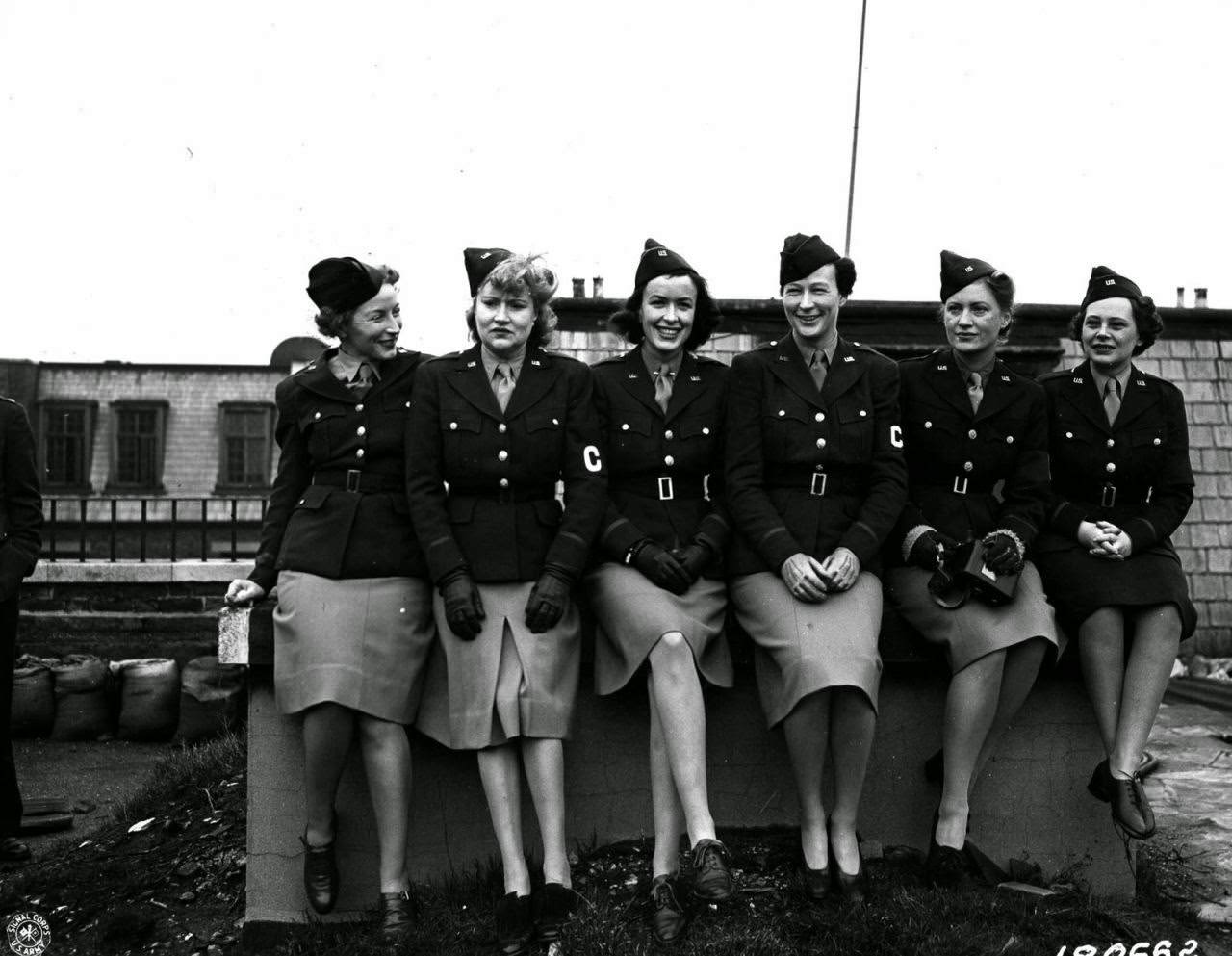
#33 WAC officers after a ship torpedoing, World War II

#34 A female Russian soldier showing off medals, 1945

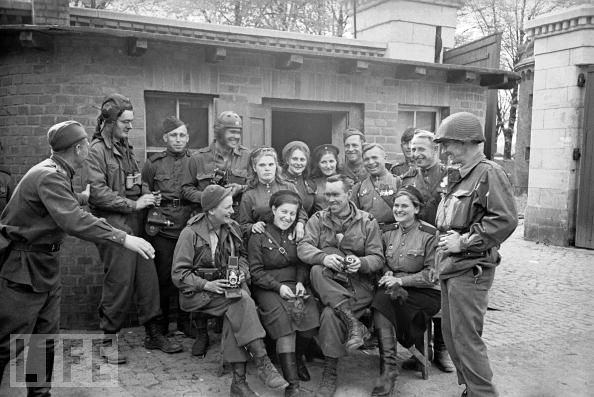
#35 Allied and Red Army soldiers meeting, 1945

Allied and Red Army soldiers meeting, 1945

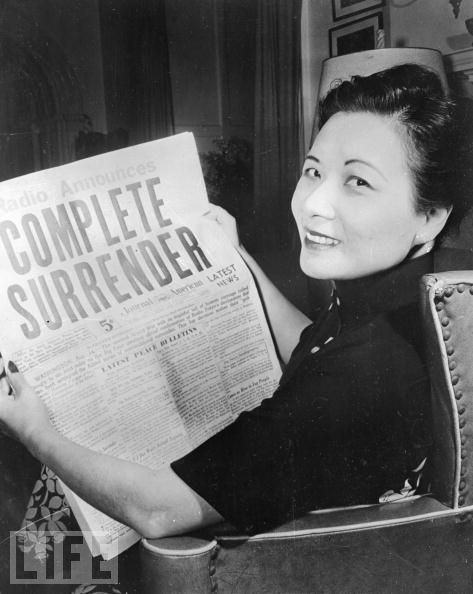
#36 Soong Mei-Ling reading of Japan’s surrender, 1945

#37 Salesgirls picking beans for the war effort, World War II

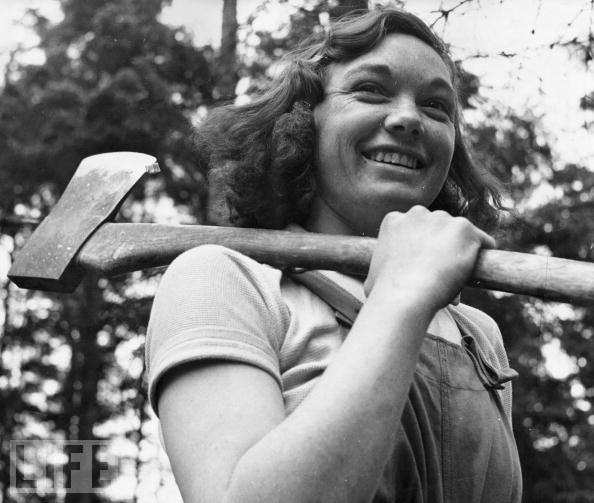
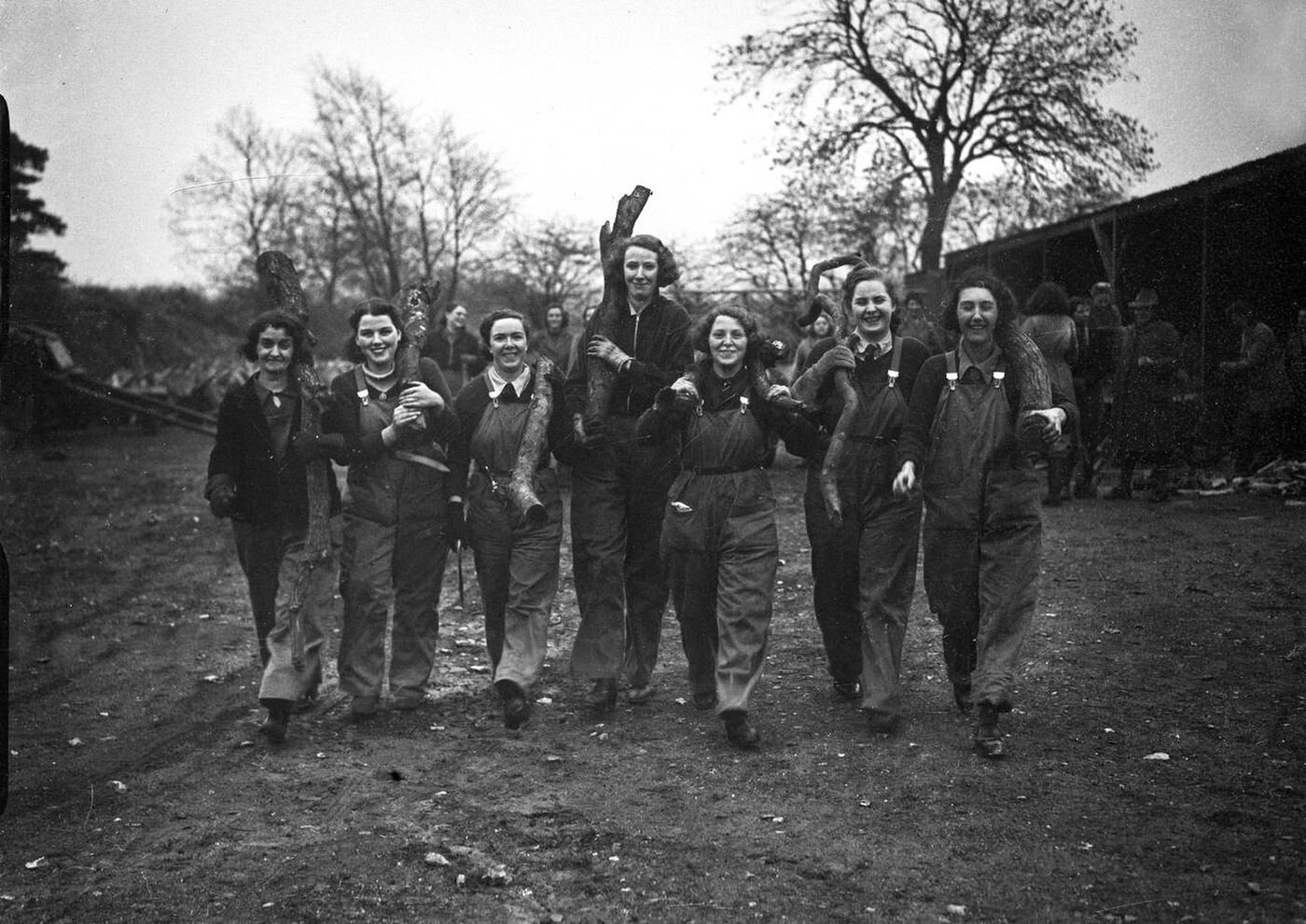
#38 Cicely Clark, Women’s Timber Corps member, 1942

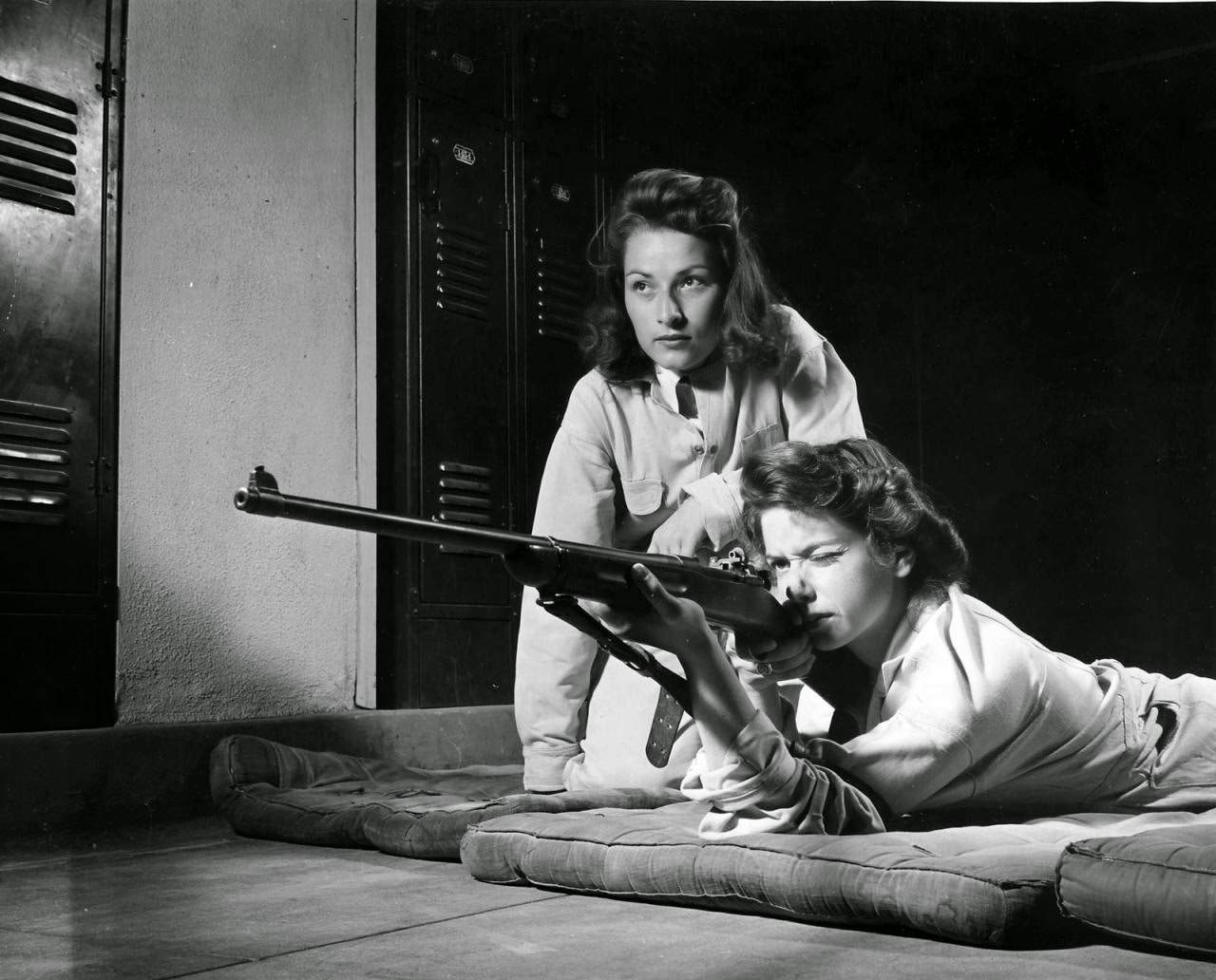
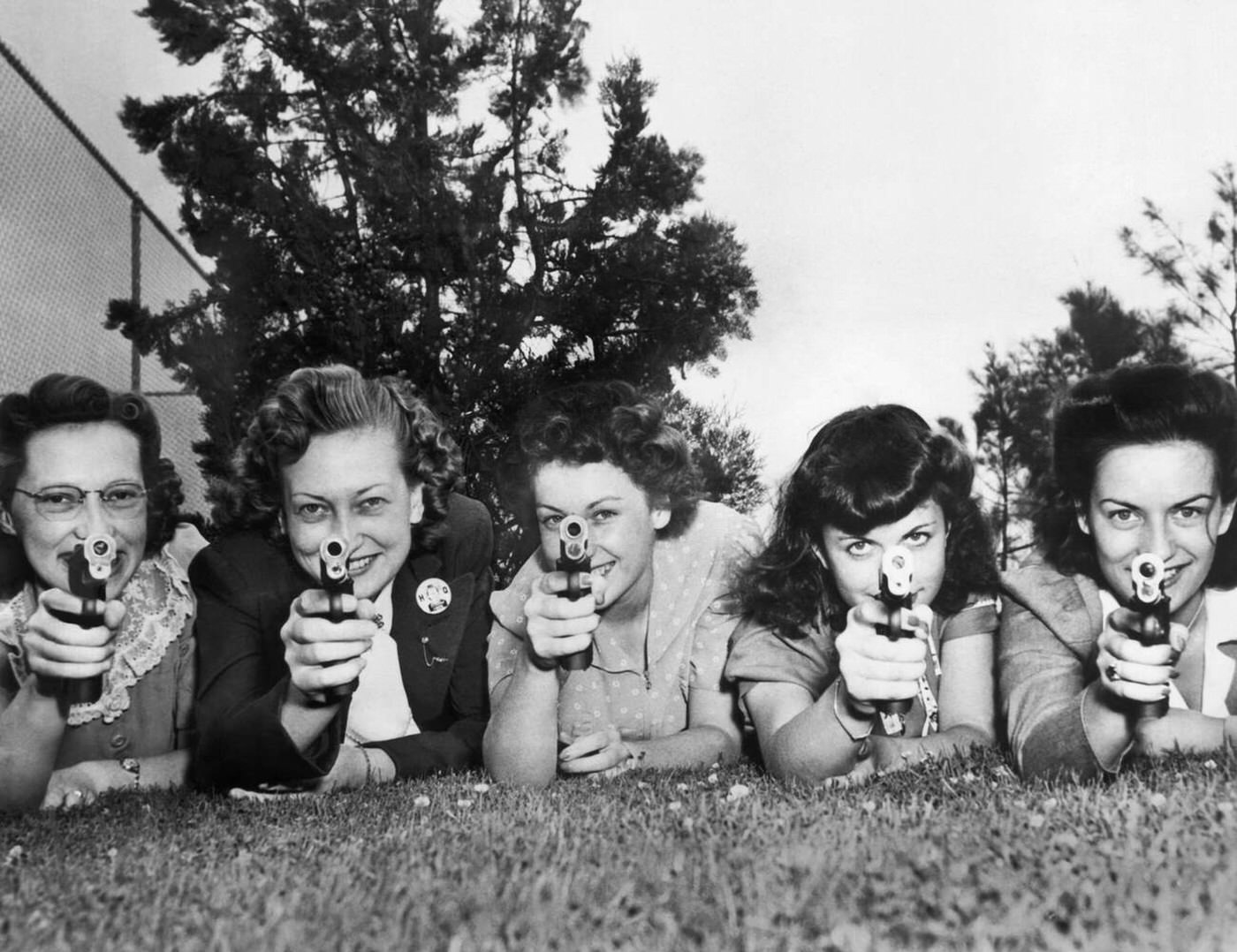
#40 Women conducting marksmanship training, 1942

Women conducting marksmanship training, 1942

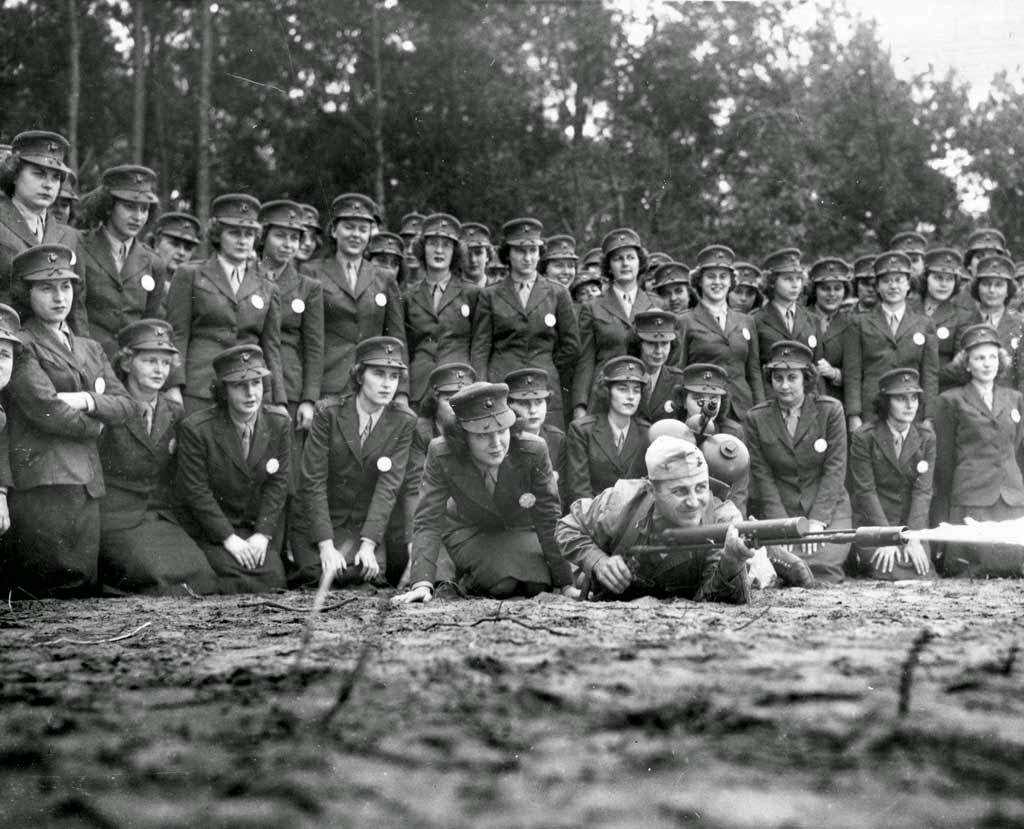
#41 U.S. Marine Corps Women’s Reservists, World War II
#42 U.S. Marine Corps Women’s Reserve members, World War II
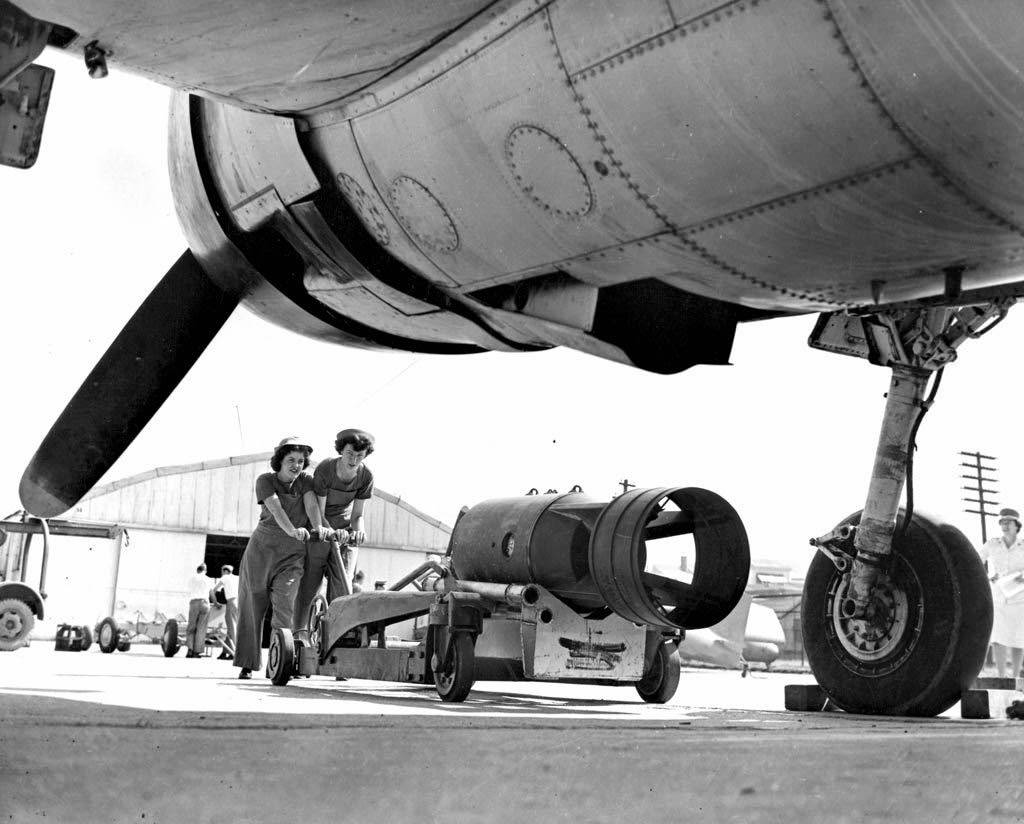
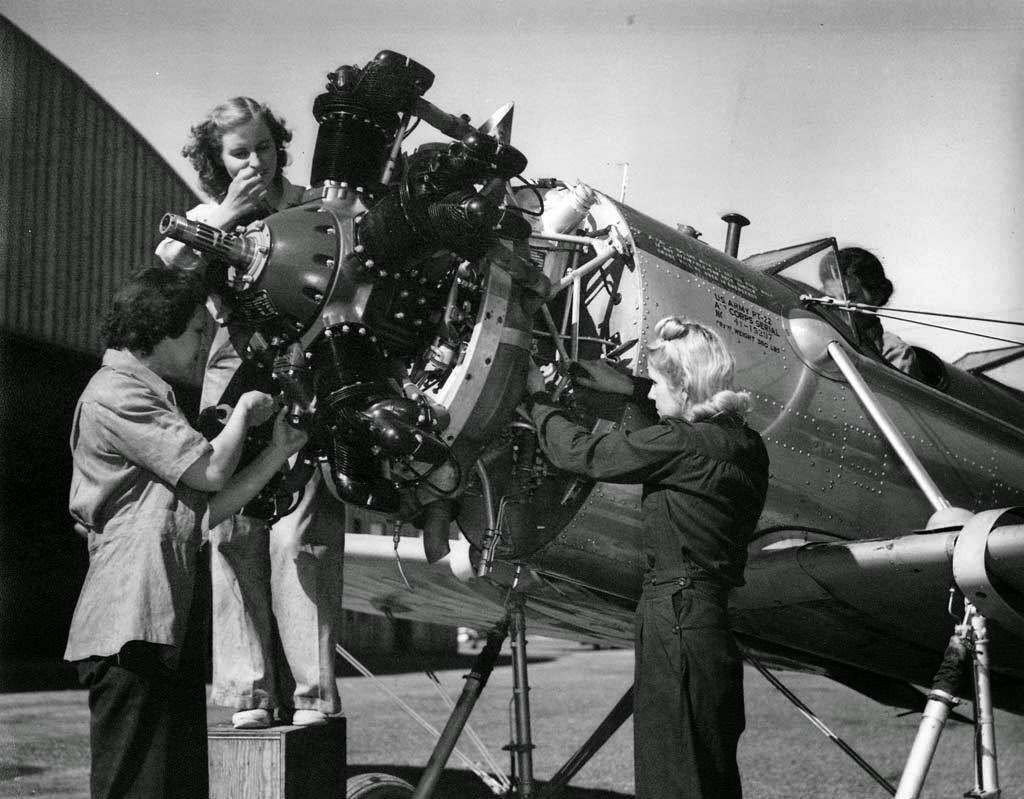
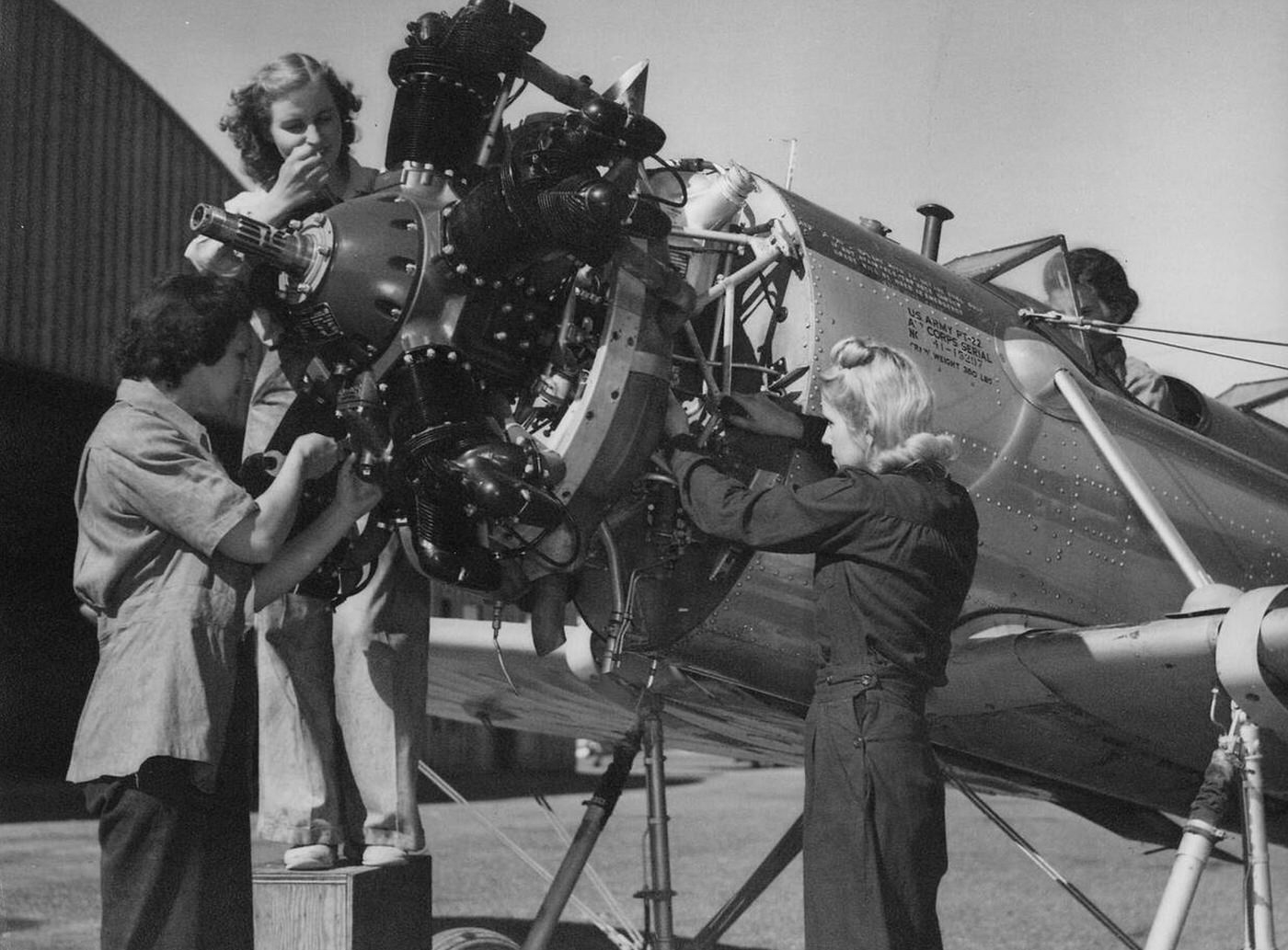
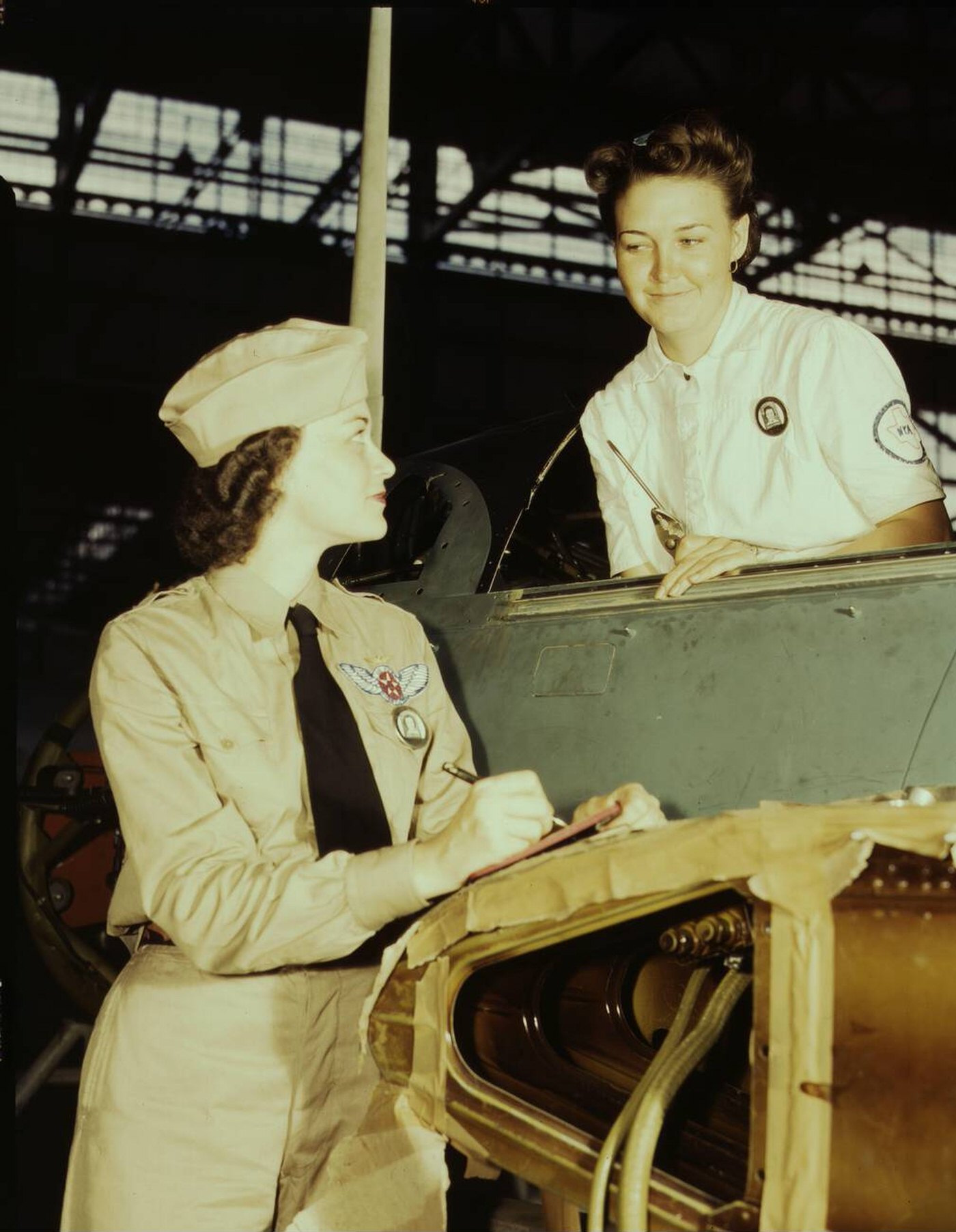
#43 Women mechanics working on an airplane, World War II

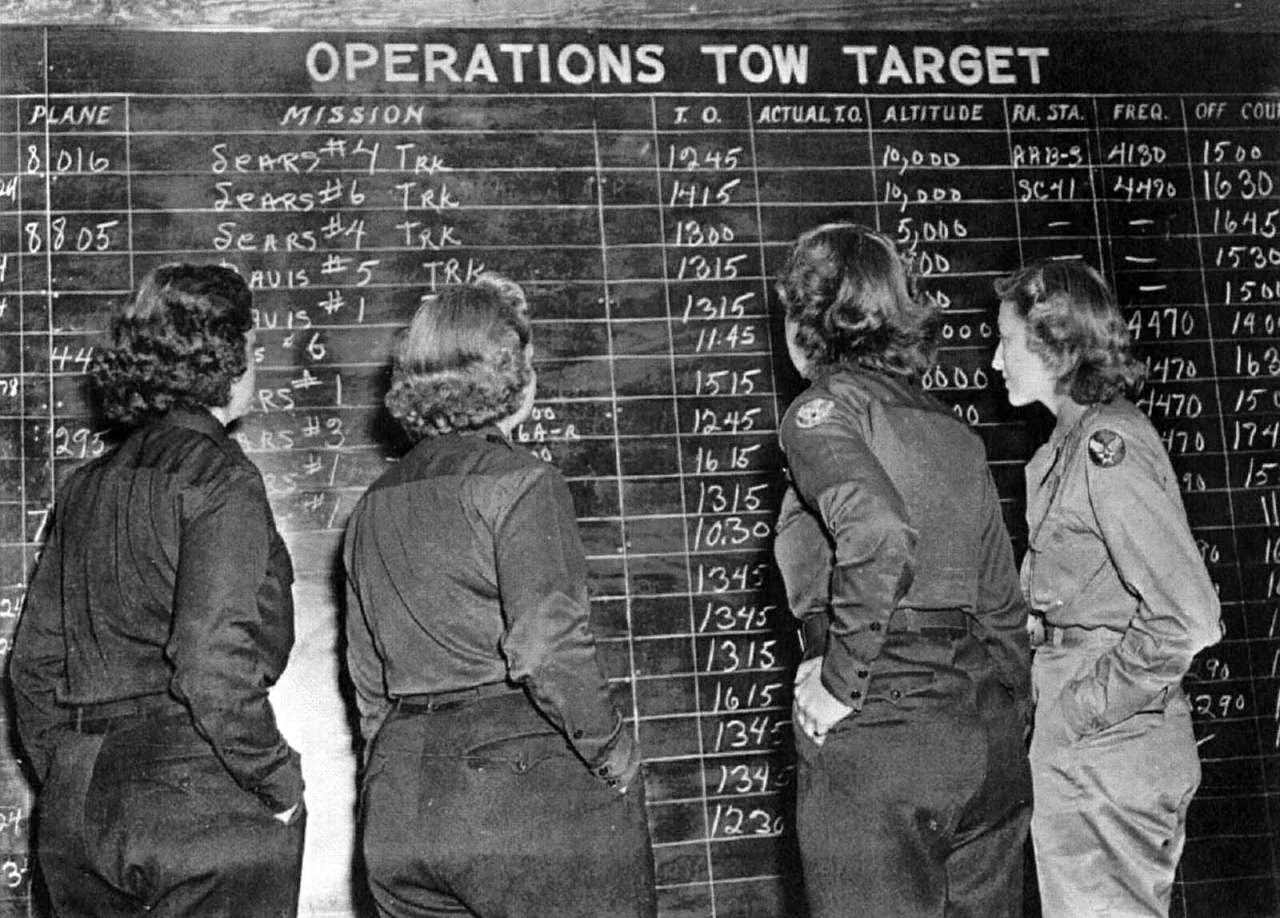
#44 WASPs checking the schedule for target towing, World War II

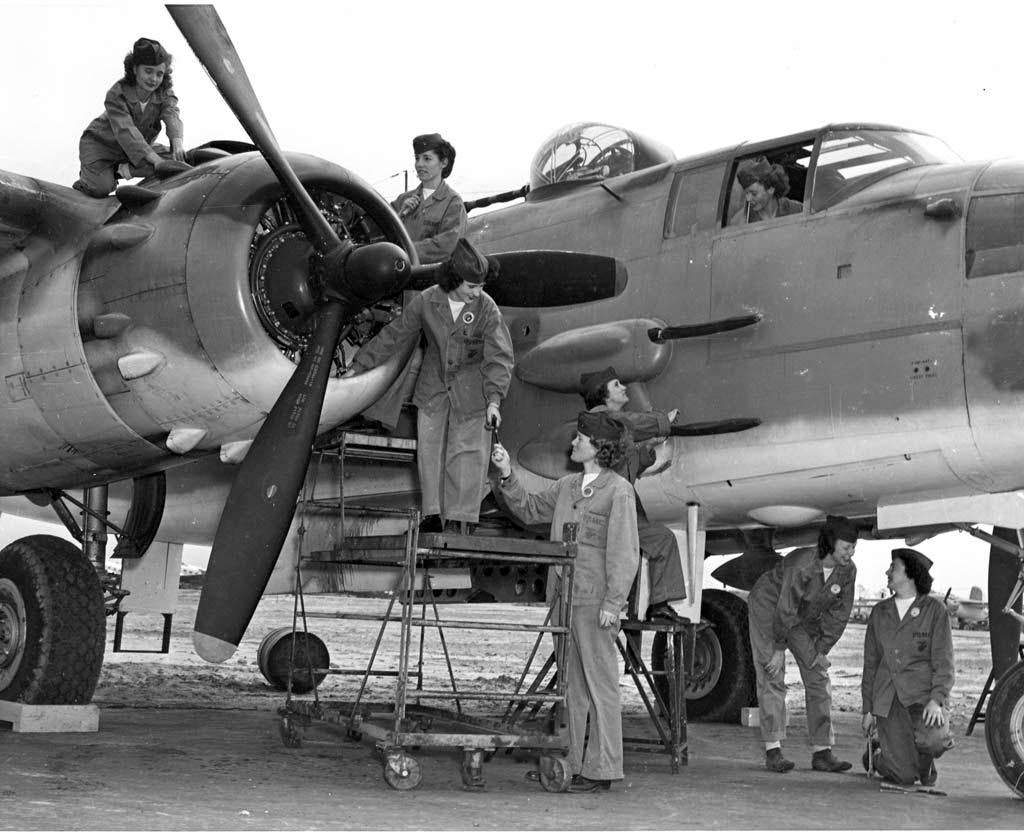
#45 U.S. Marine Corps Women’s Reservists working on a PBJ, 1945

U.S. Marine Corps Women's Reservists working on a PBJ, 1945

#46 U.S. Marine Corps members directing air traffic, World War II

#48 Women working at a West Coast airplane factory, 1942

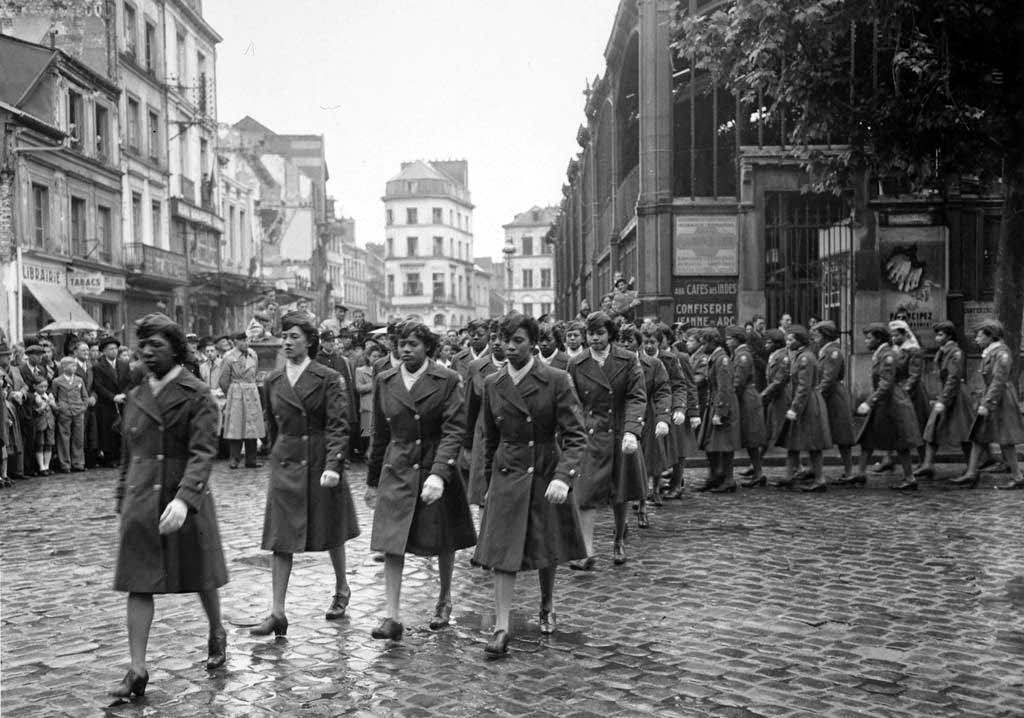
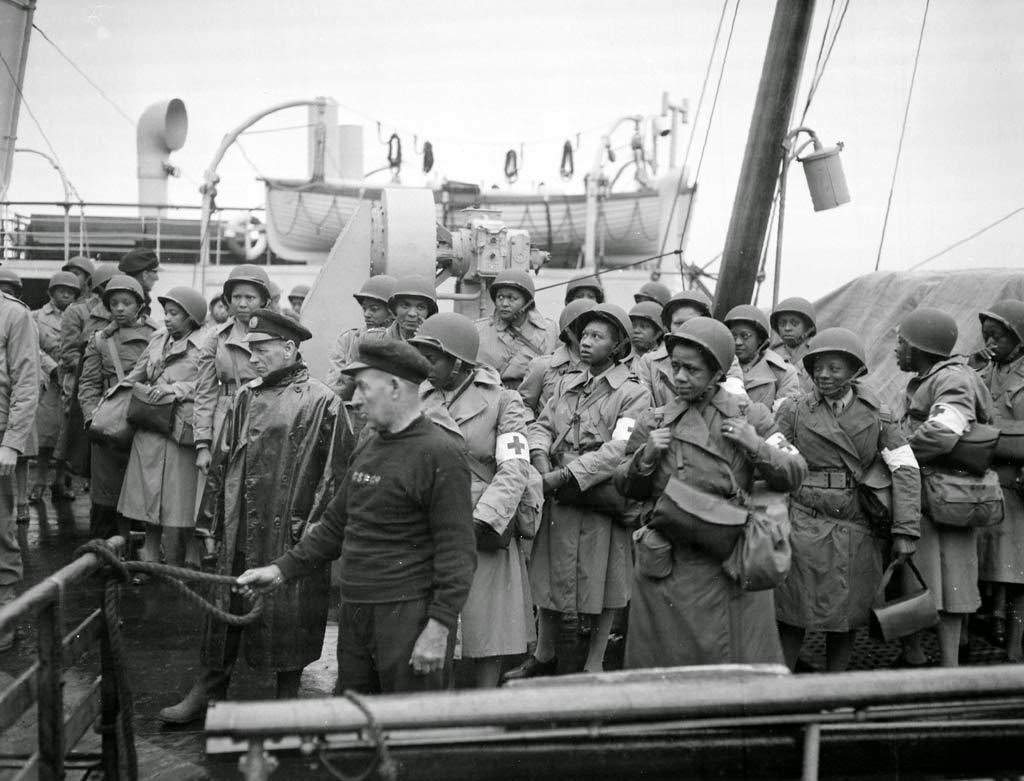
#50 6888th Central Postal Directory Battalion members, 1945

6888th Central Postal Directory Battalion members, 1945

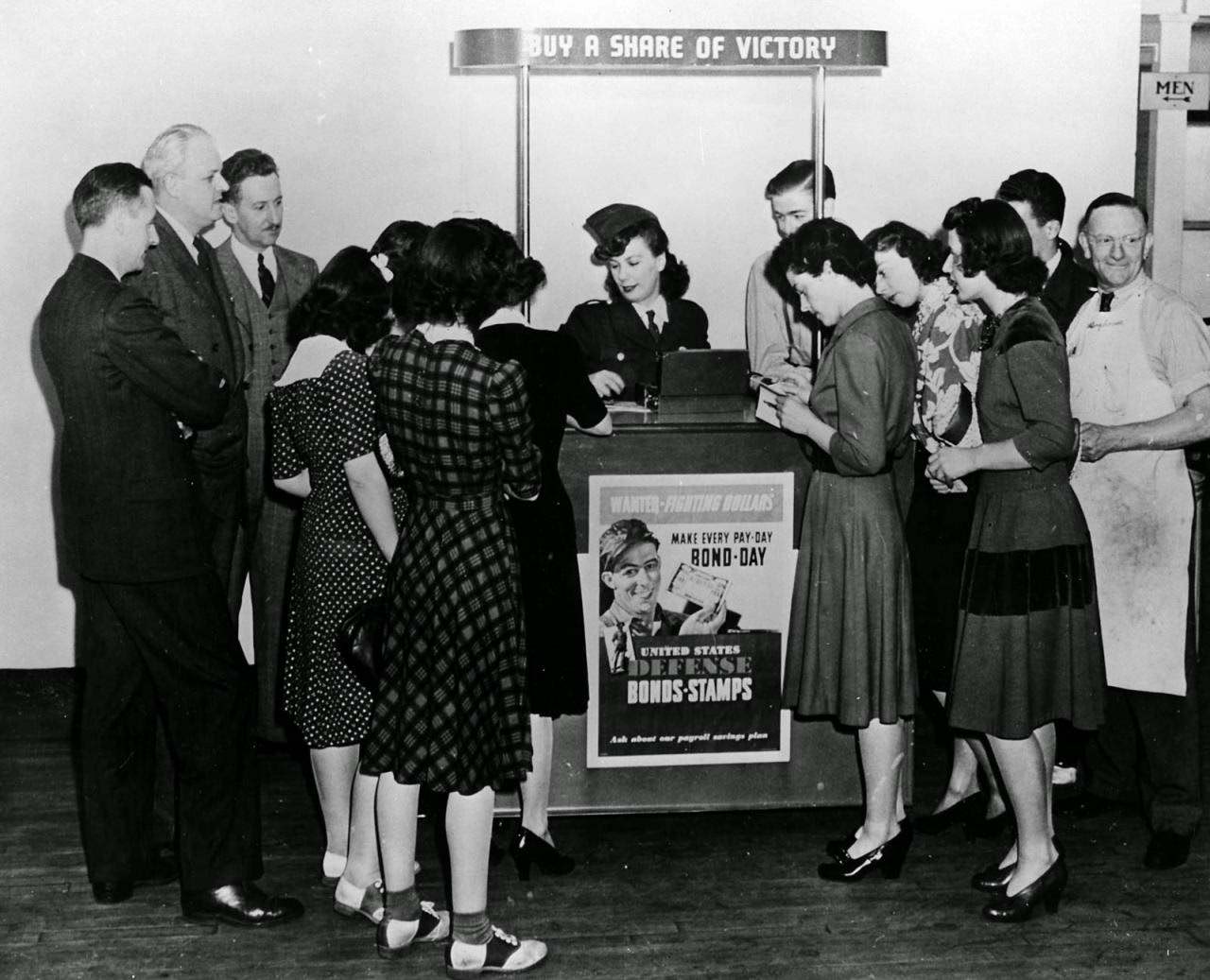
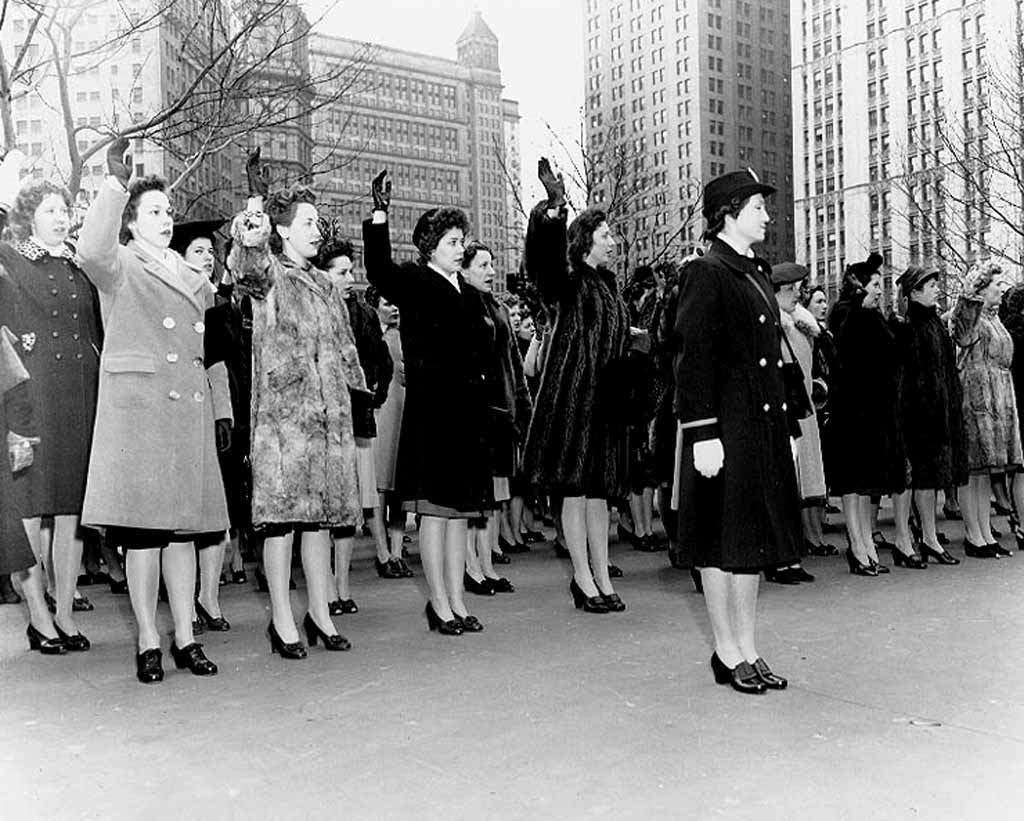
#55 Women enlisting in WAVES and SPARS, 1943

Women enlisting in WAVES and SPARS, 1943

#60 Women’s Auxiliary Air Force (WAAF), World War II

Women's Auxiliary Air Force (WAAF), World War II

#65 Women checking Vickers machine guns, 1941

Women checking Vickers machine guns, 1941

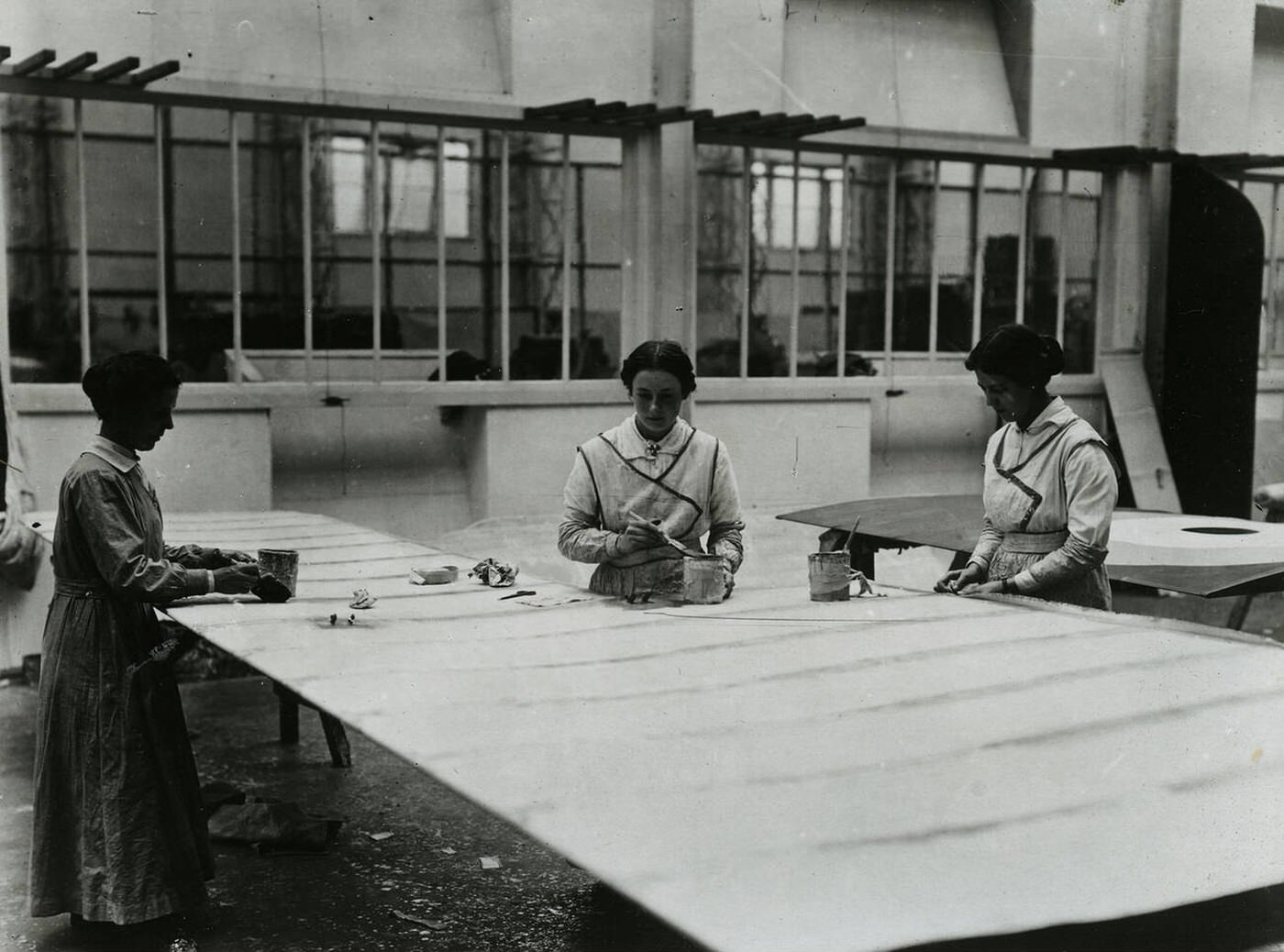
#69 Women working on aircraft at Vultee Aircraft, World War II

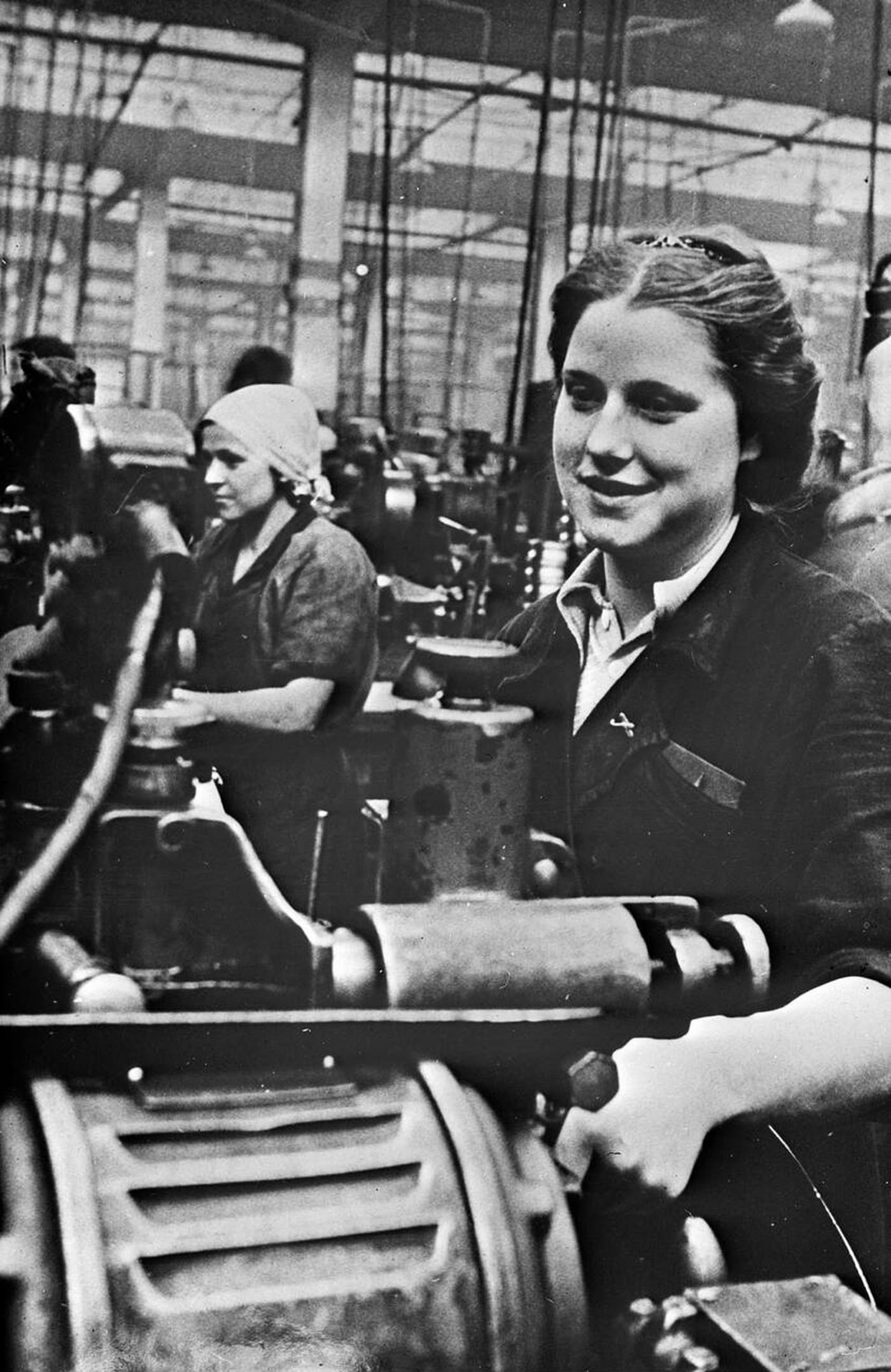
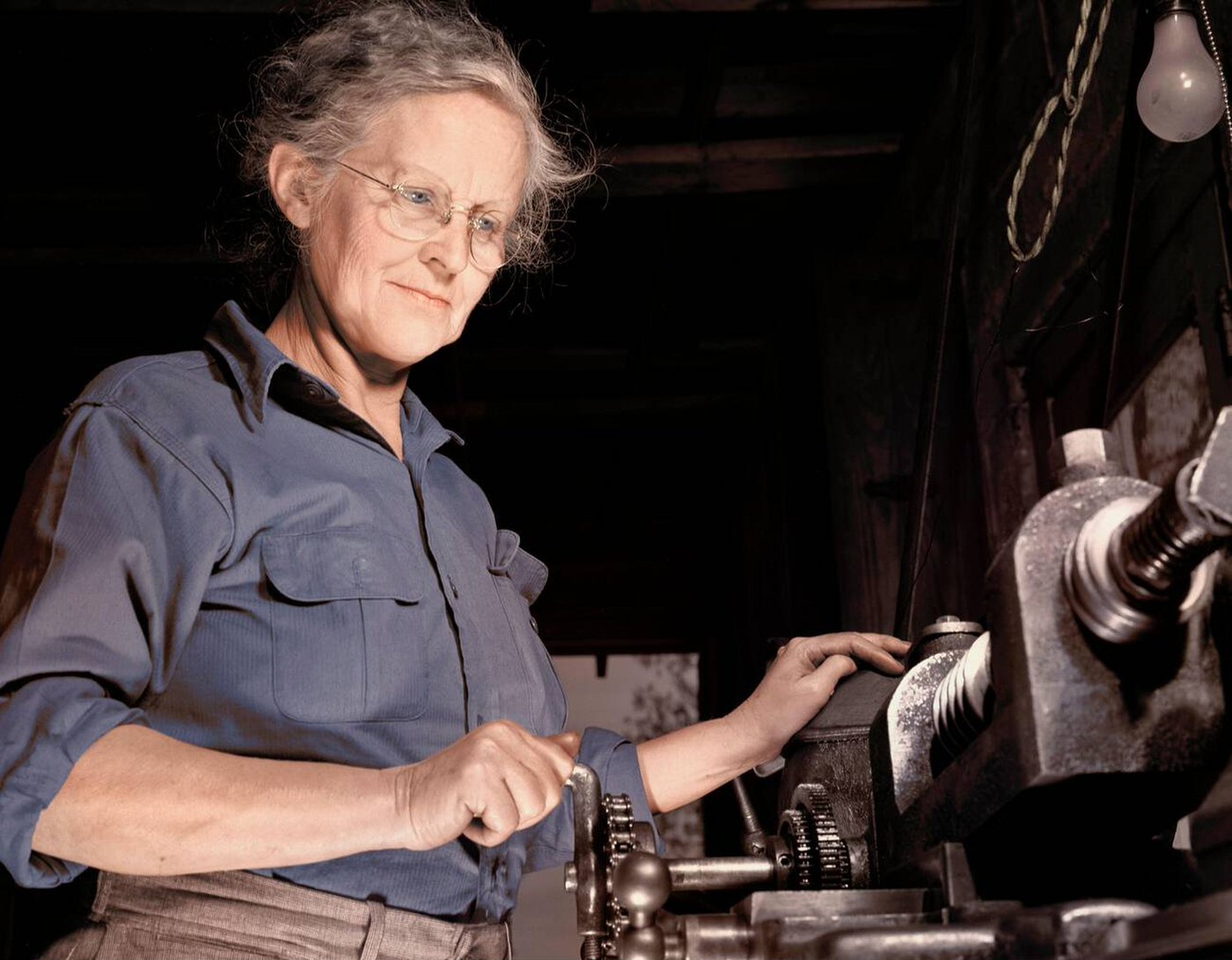
#70 Women operating a lathe in the USSR, World War II

Women operating a lathe in the USSR, World War II

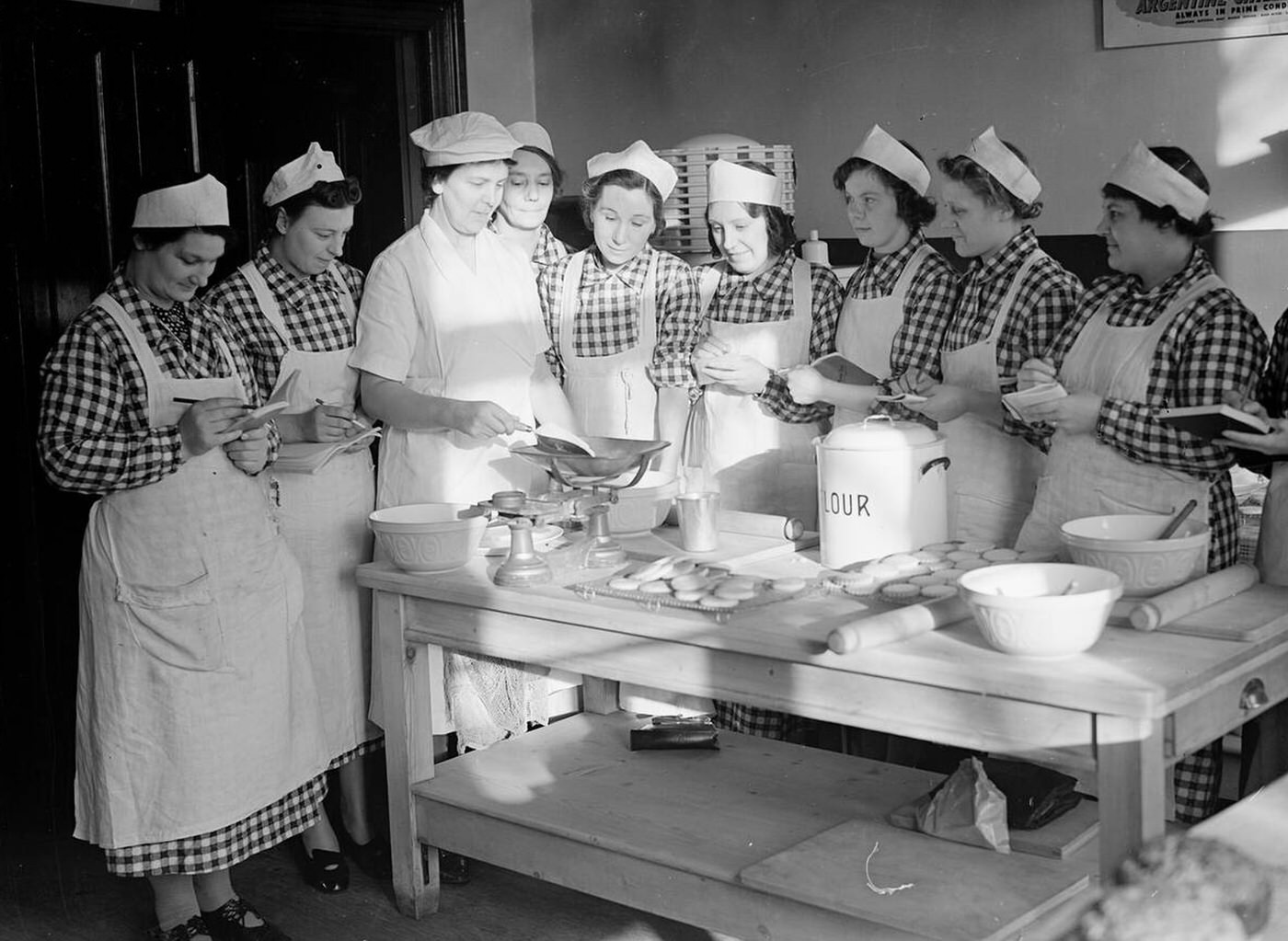
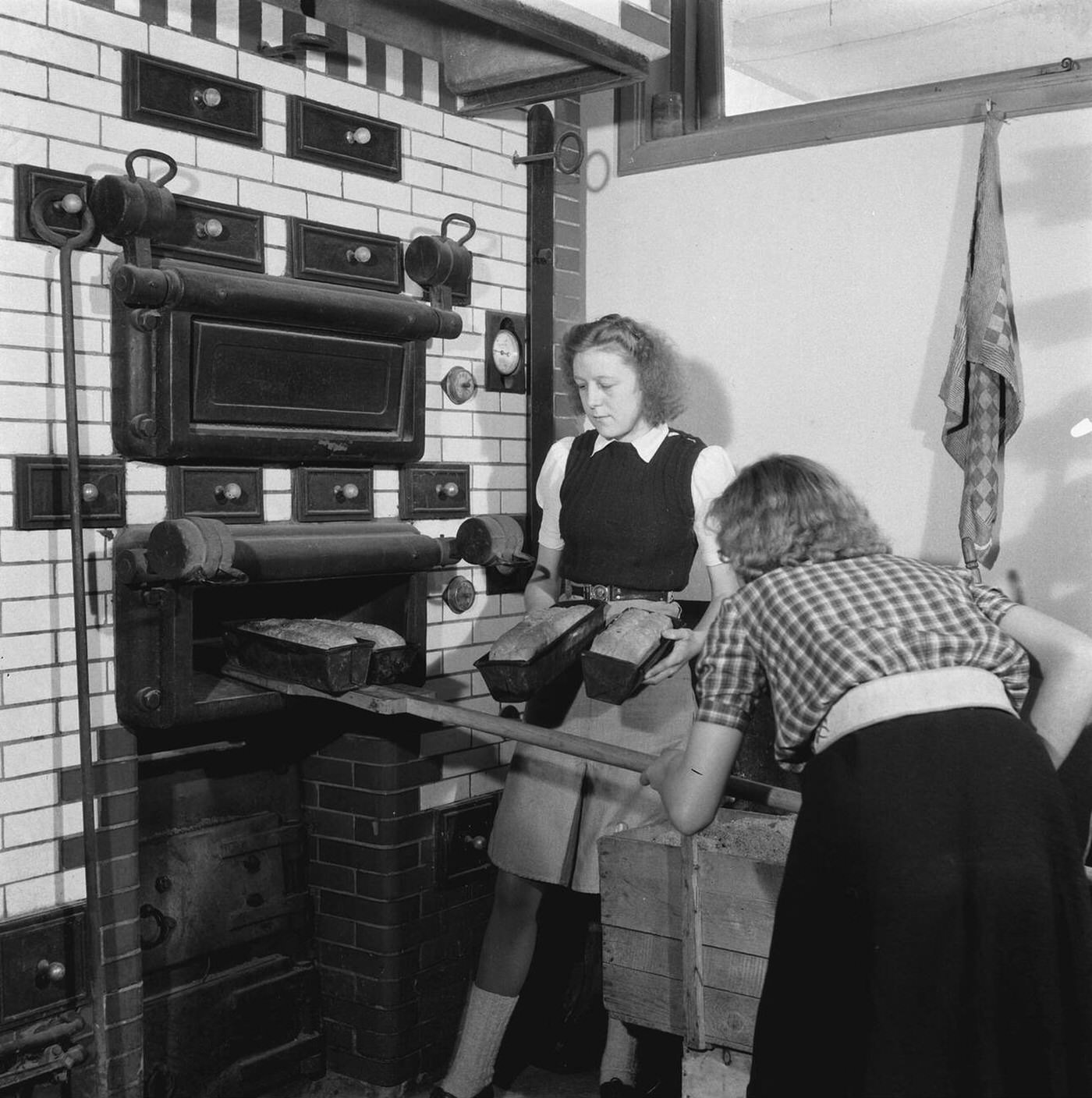
#71 Unemployed women learning to be canteen cooks, World War II

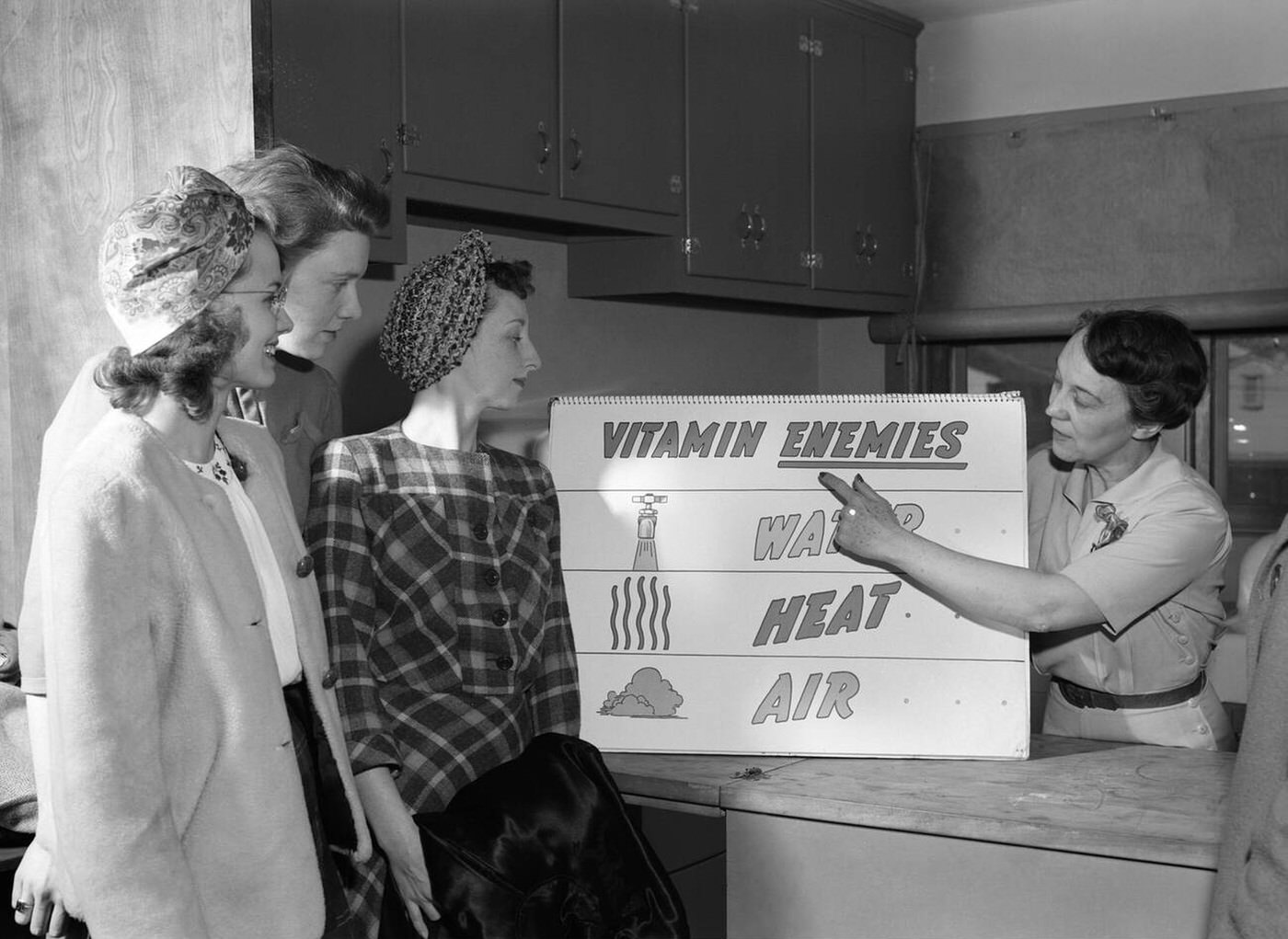
#75 Ida Lansden discussing food preservation, 1943

Ida Lansden discussing food preservation, 1943

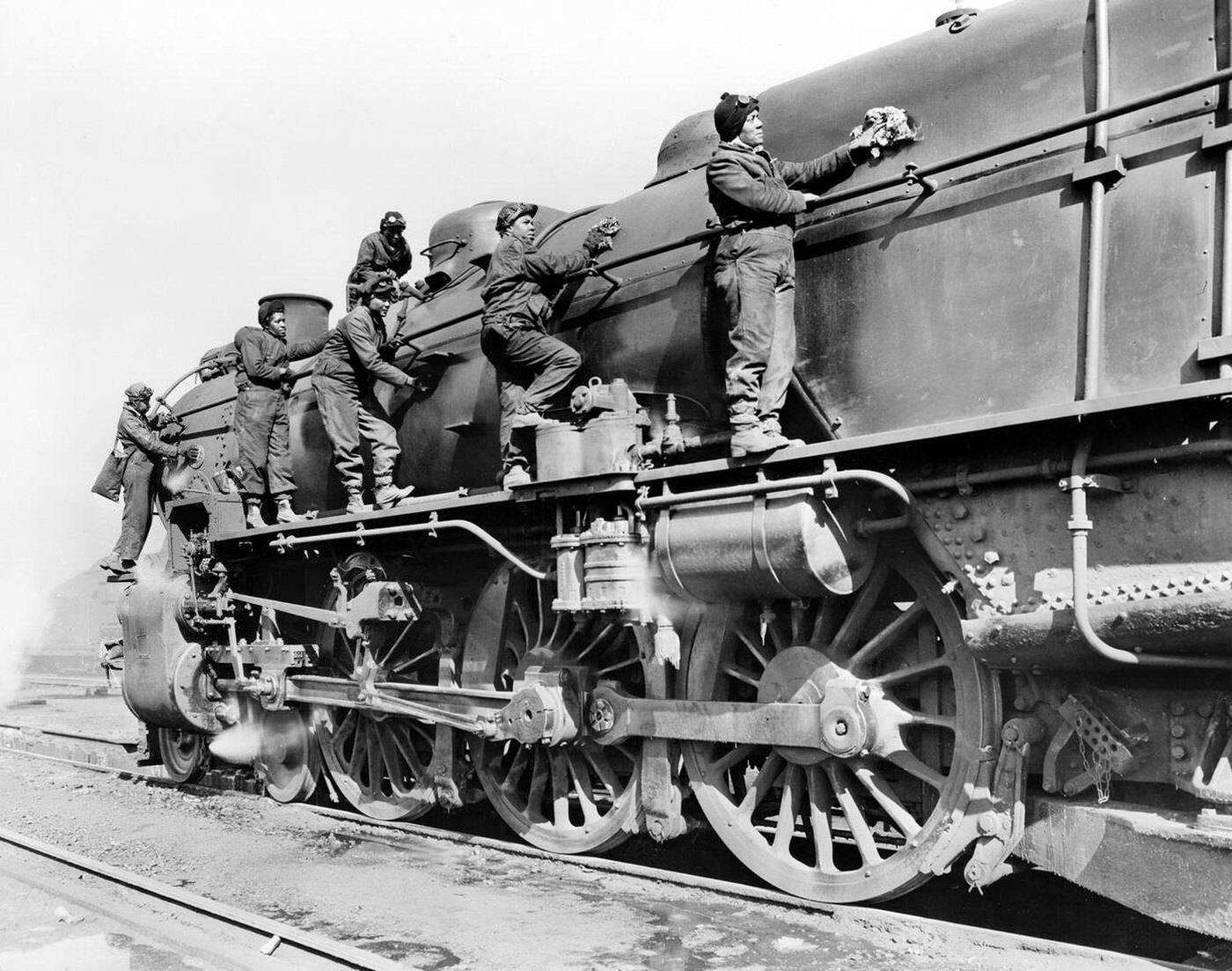
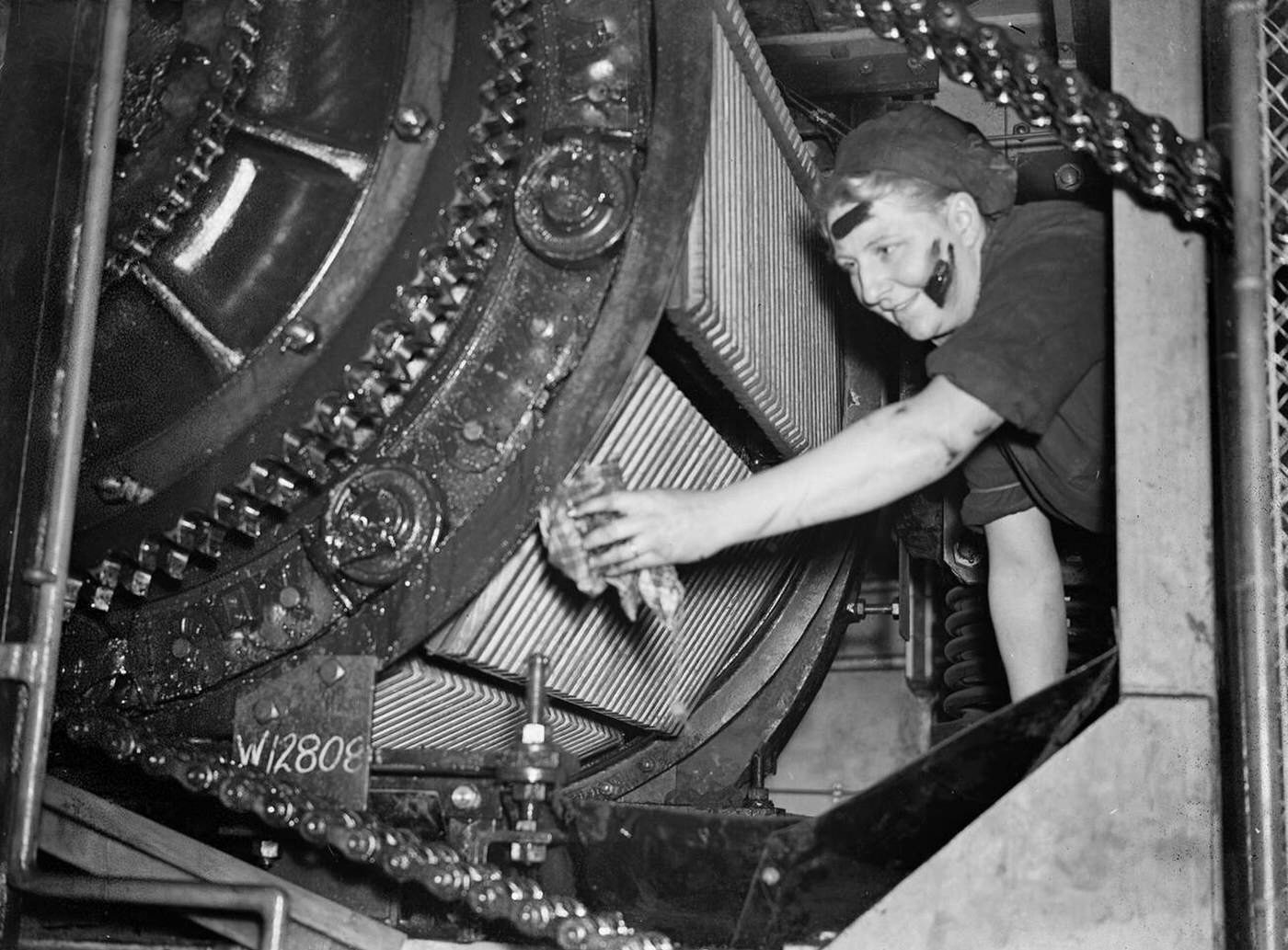
#77 Women engine cleaners on the Pennsylvania Railroad, 1943

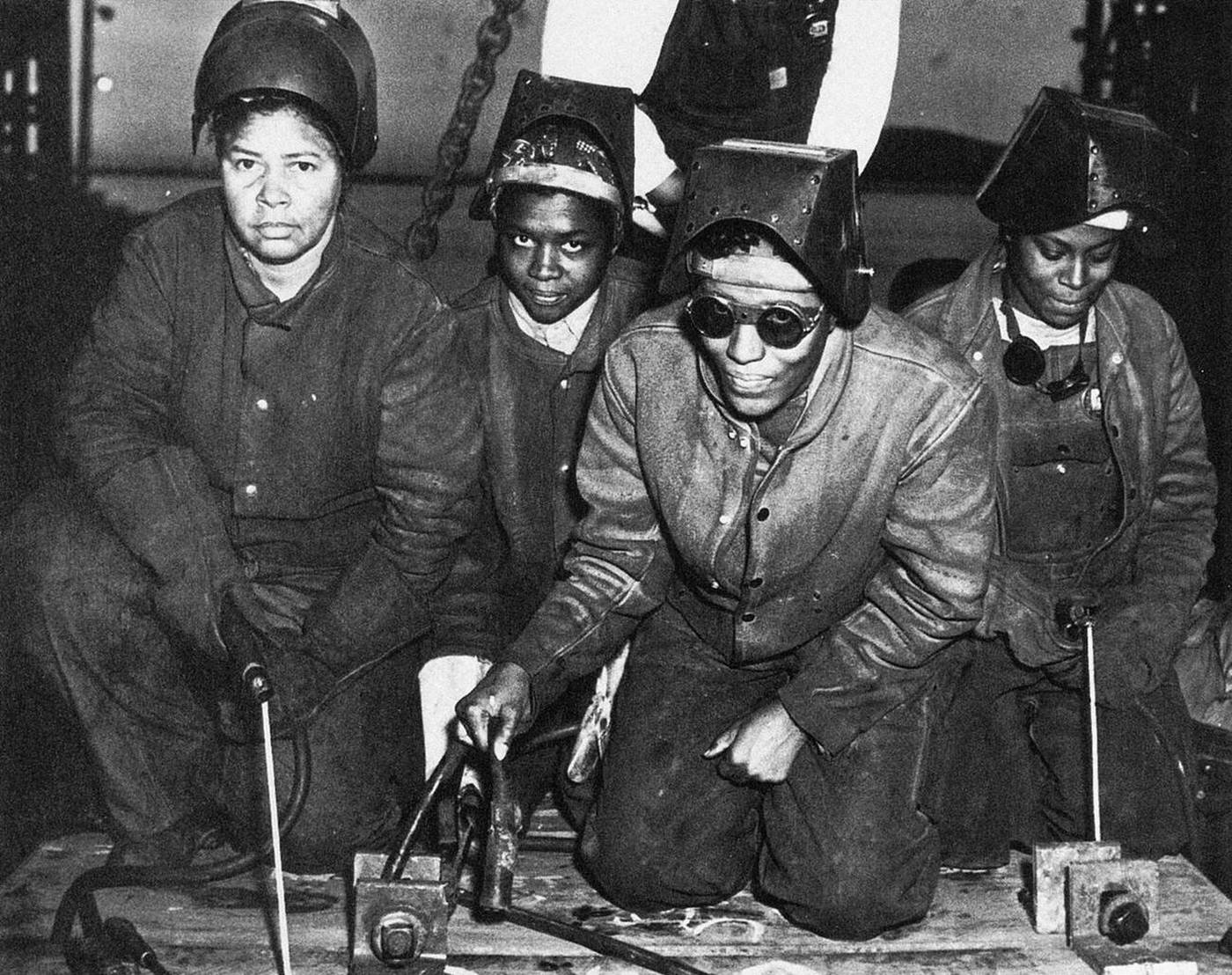
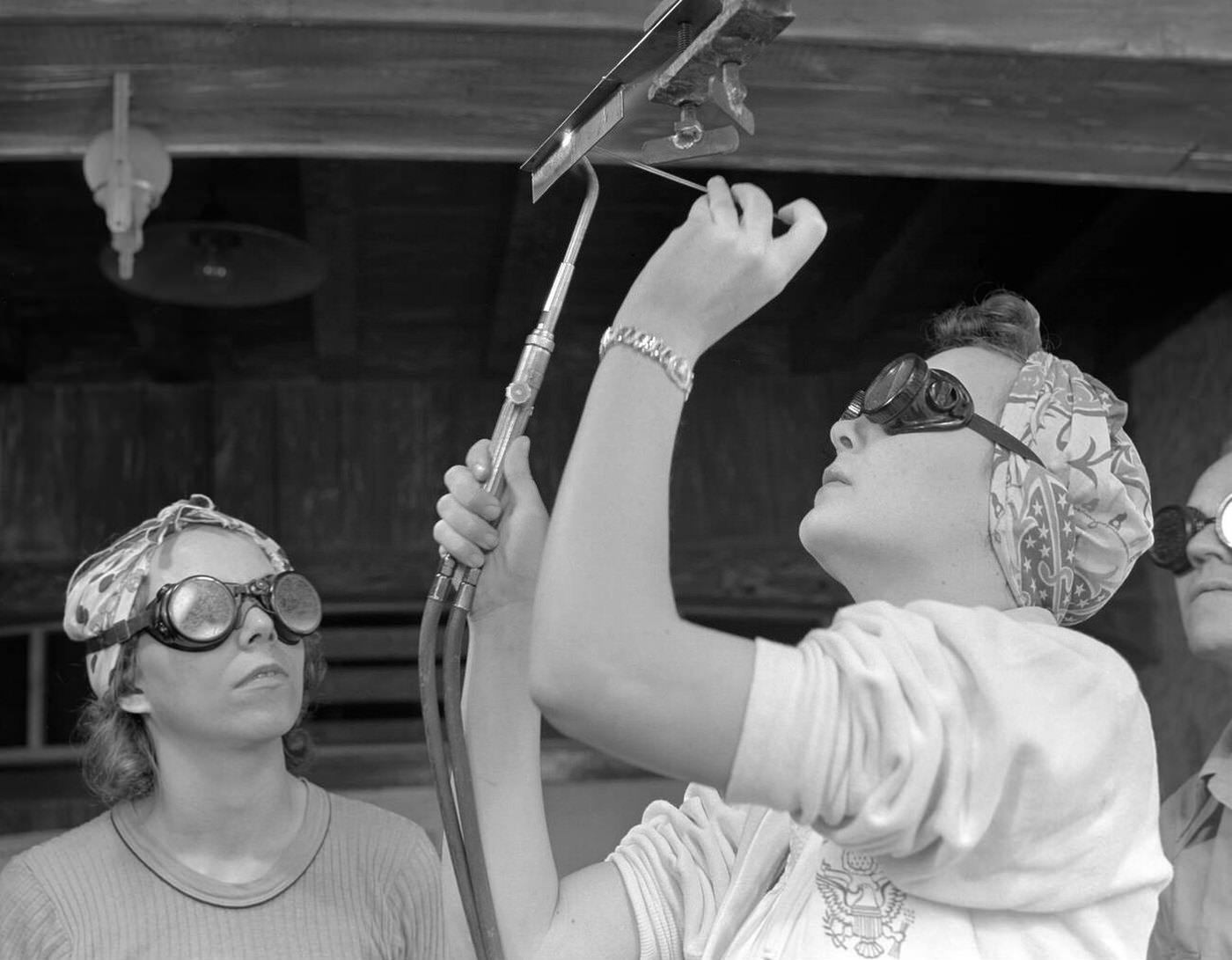
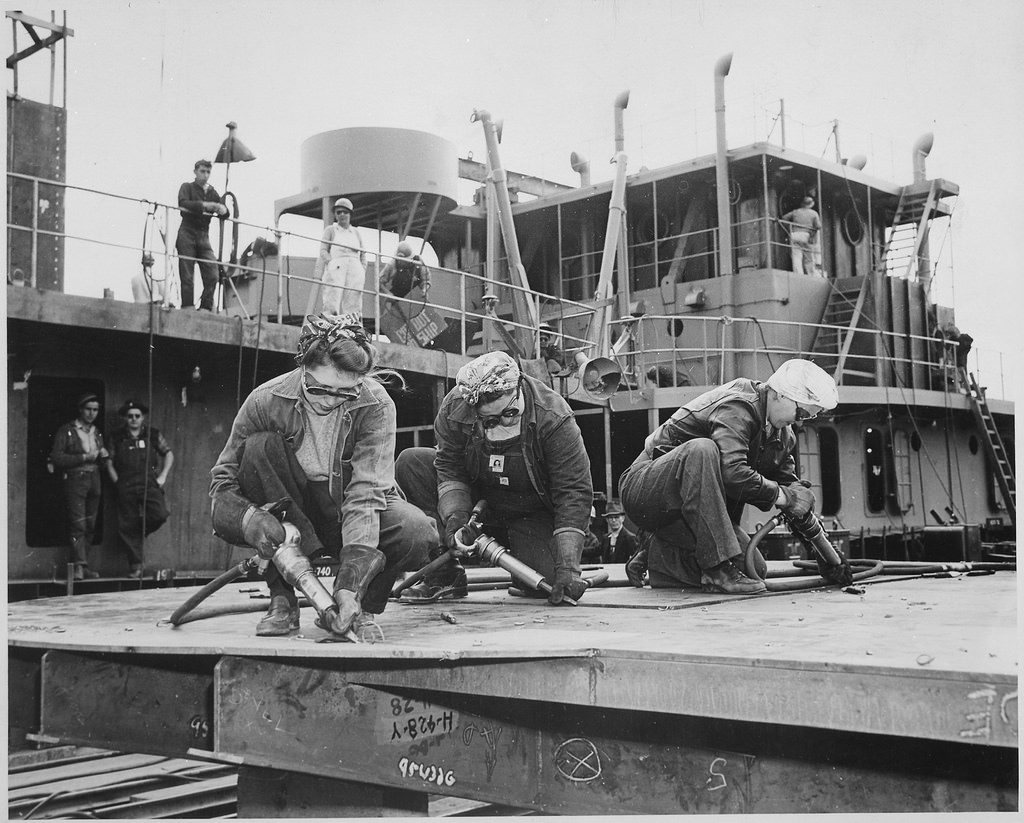
#80 Women welders at a shipyard, 1943

Women welders at a shipyard, 1943

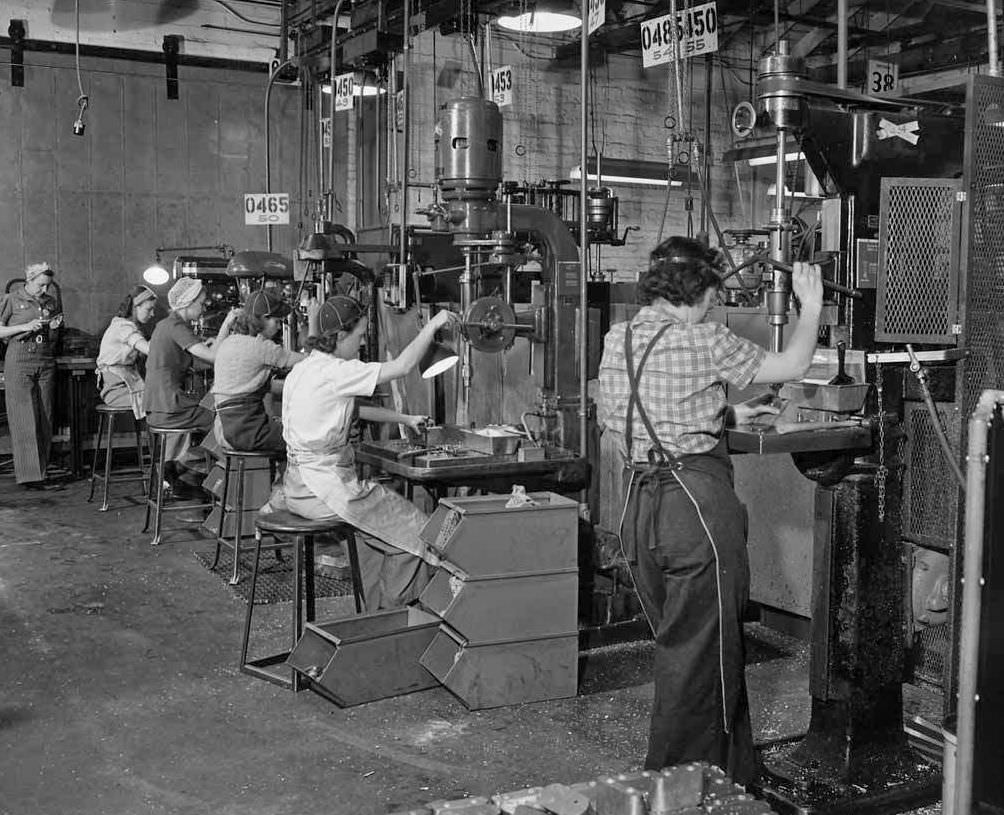
#84 A woman working on ordnance at General Motors, World War II

#85 Jane Horney, suspected Nazi spy, World War II

Jane Horney, suspected Nazi spy, World War II

#90 Women at Douglas Aircraft Company, World War II

Women at Douglas Aircraft Company, World War II

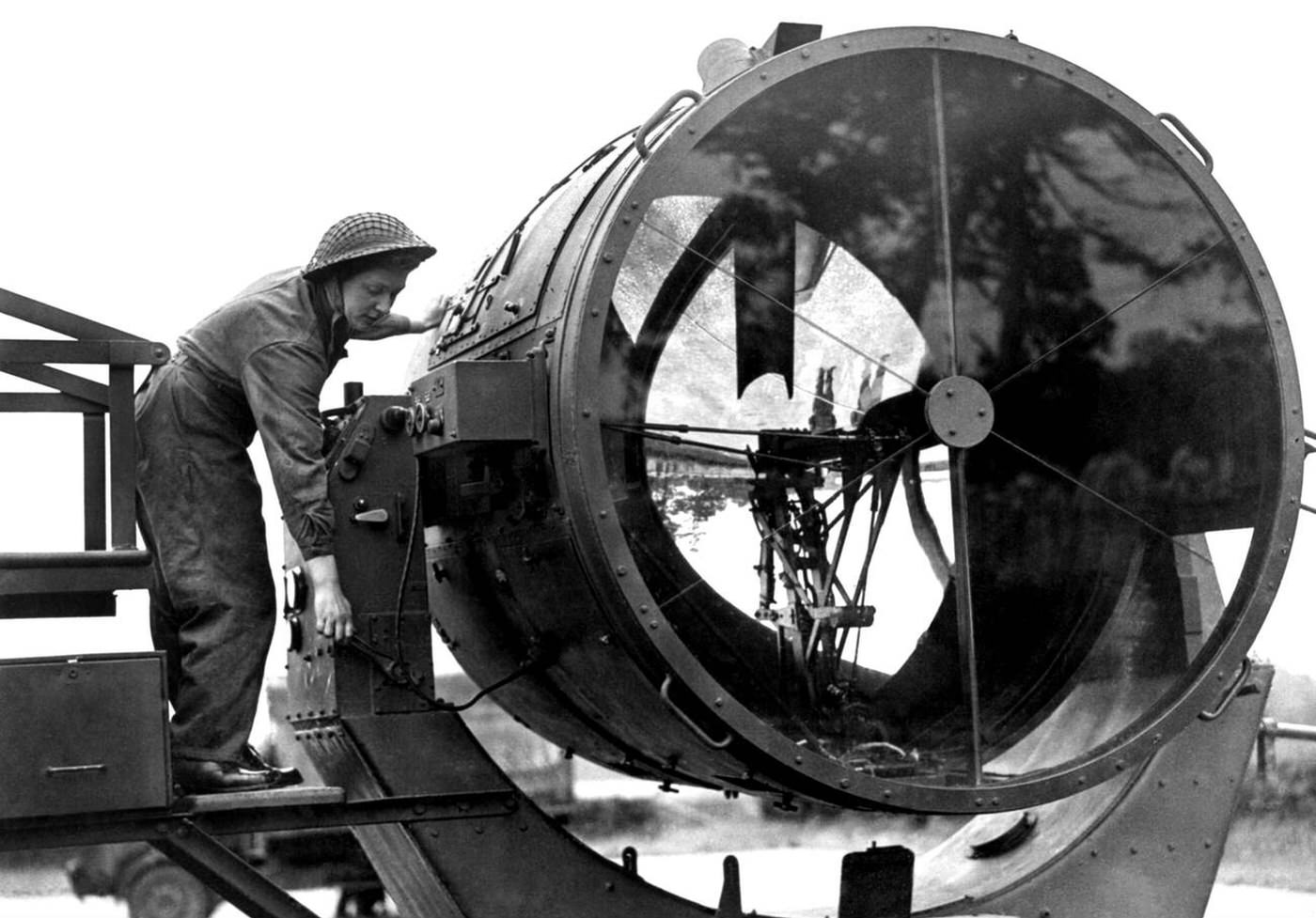
#92 Private Betty Wood working on searchlights, World War II

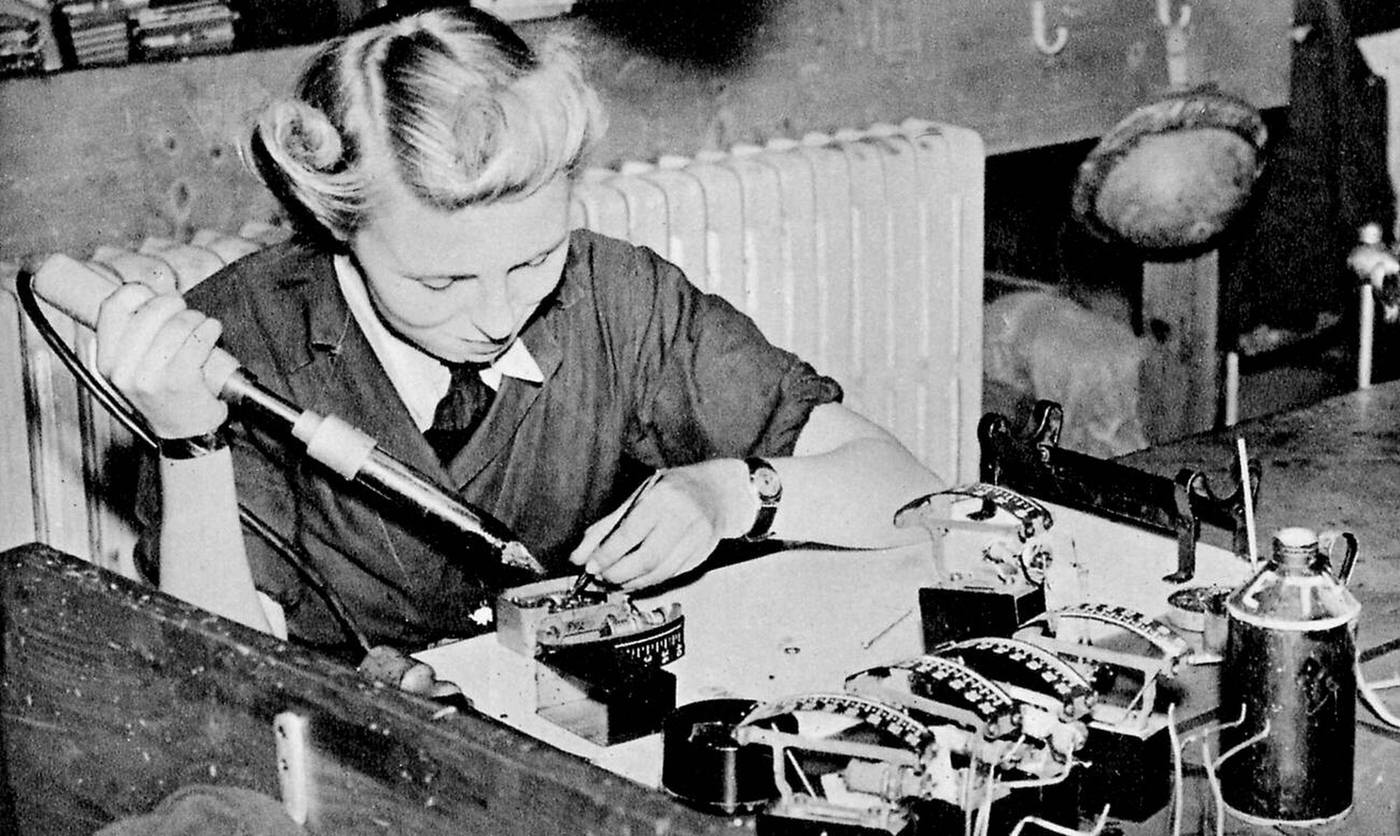
#93 WAAF member repairing an engine speed indicator, World War II

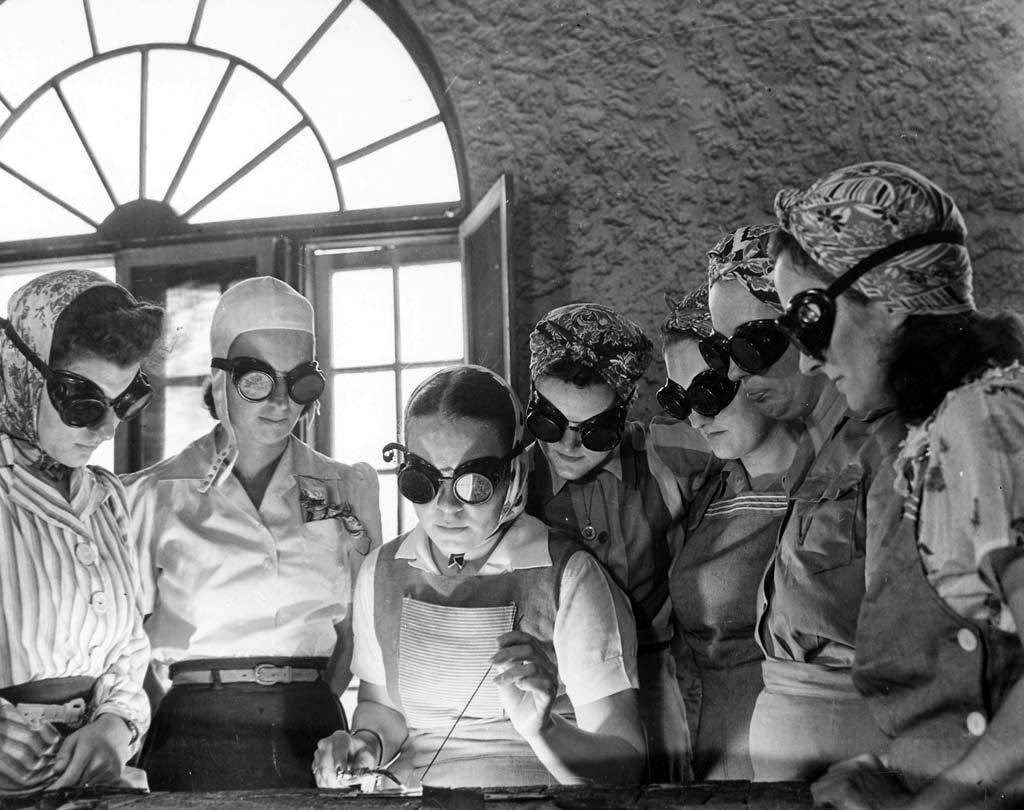
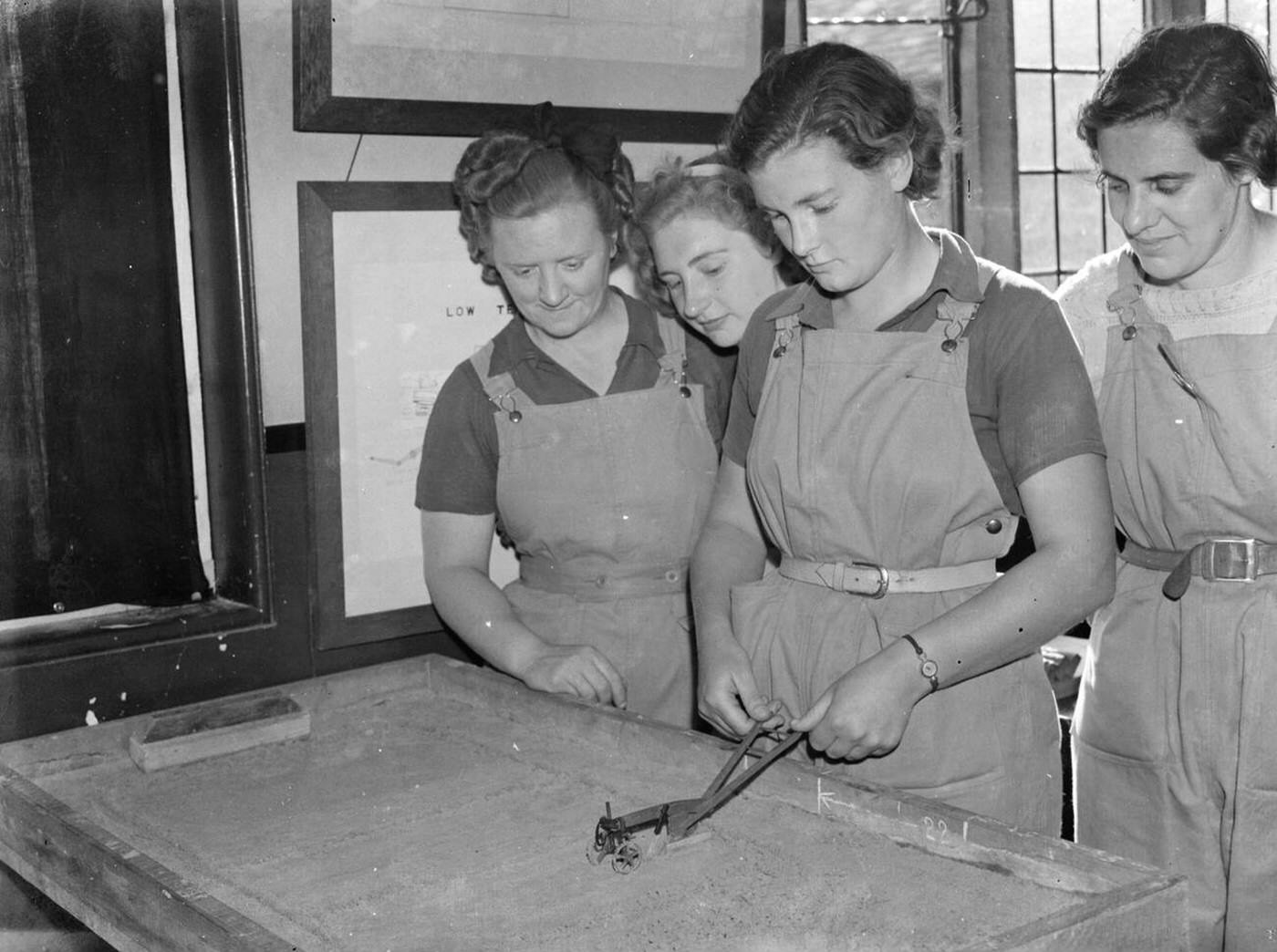
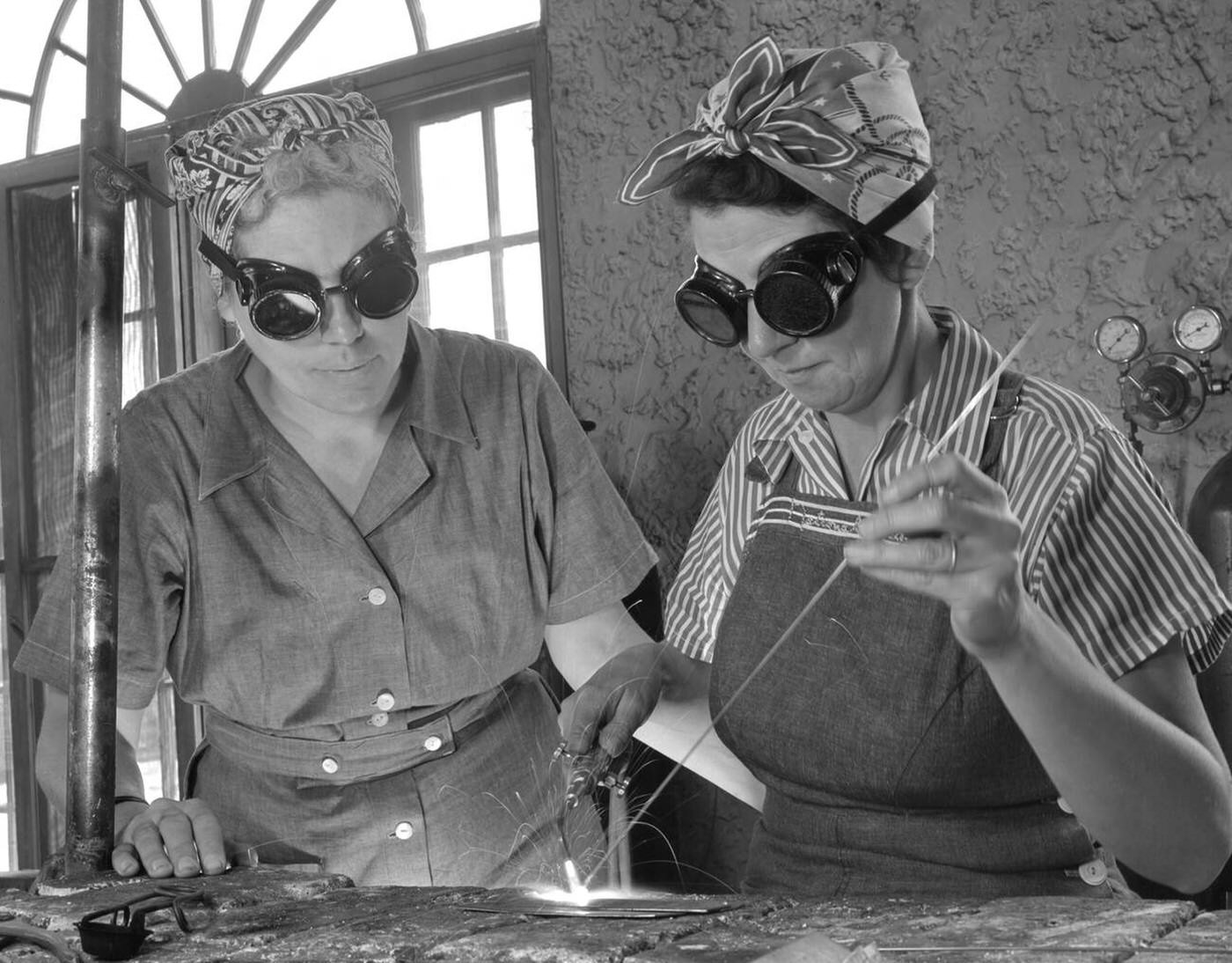
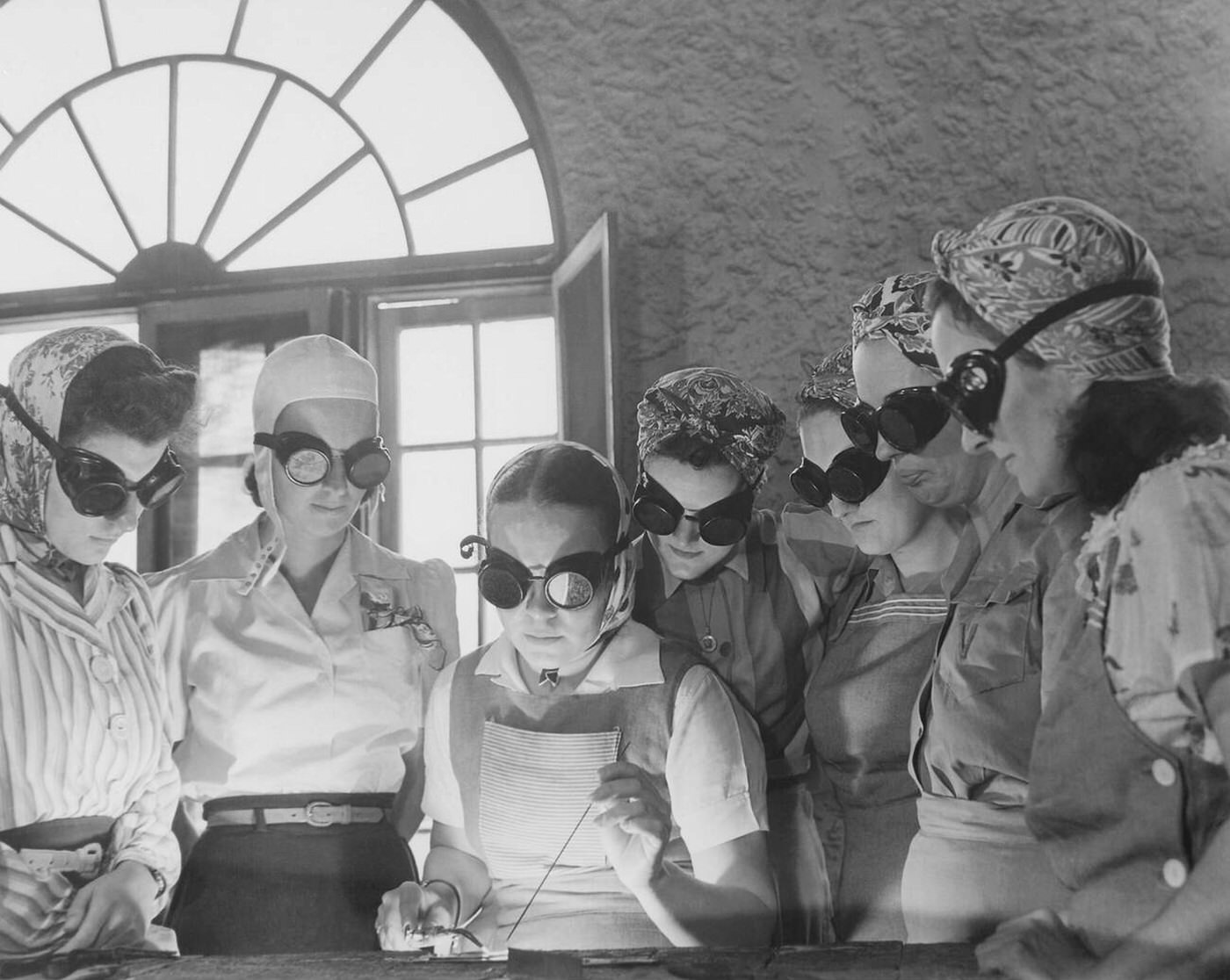
#95 Women learning aircraft welding, 1940s

Women learning aircraft welding, 1940s

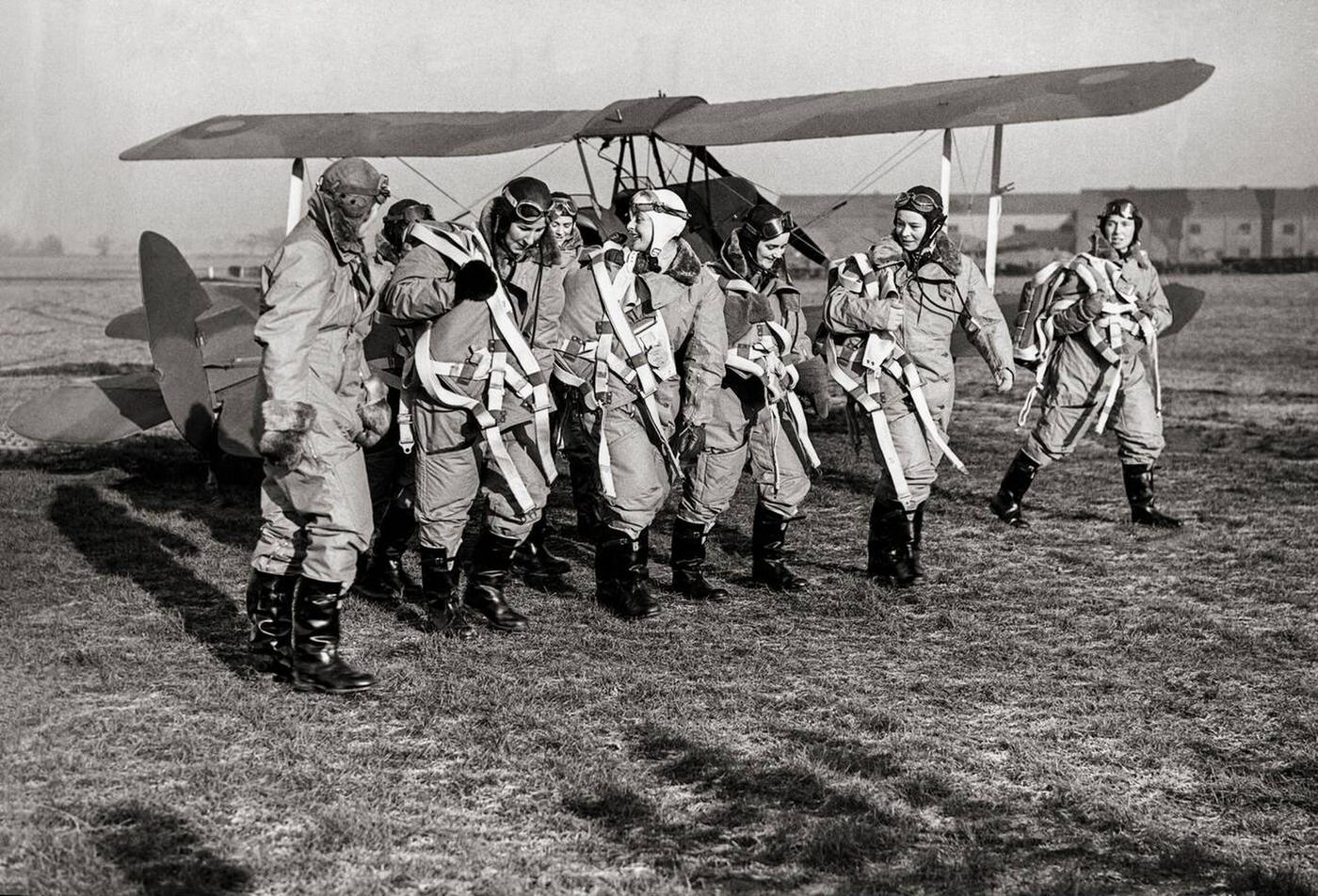
#100 Air Transport Auxiliary women pilots, 1940

Air Transport Auxiliary women pilots, 1940

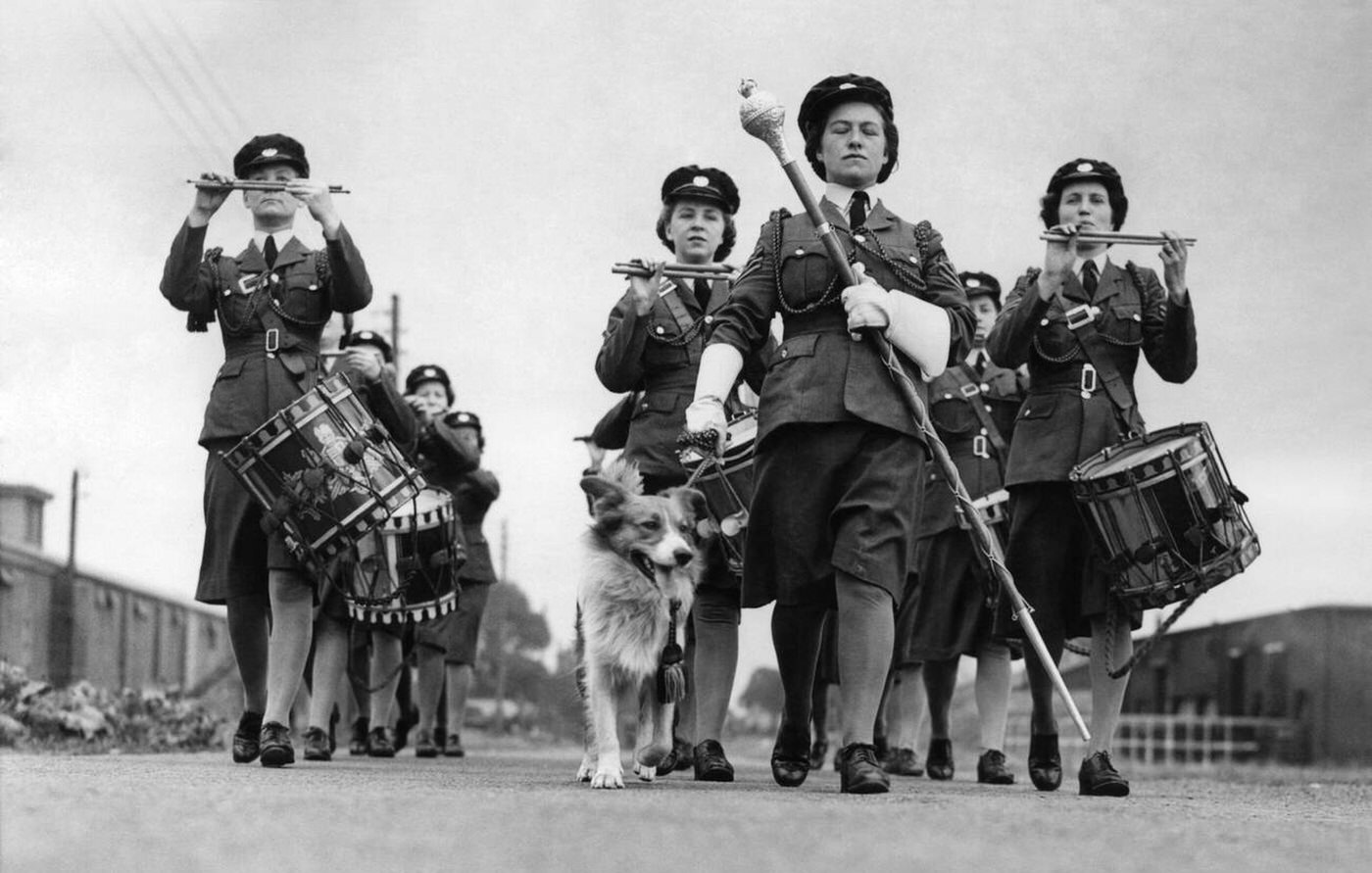
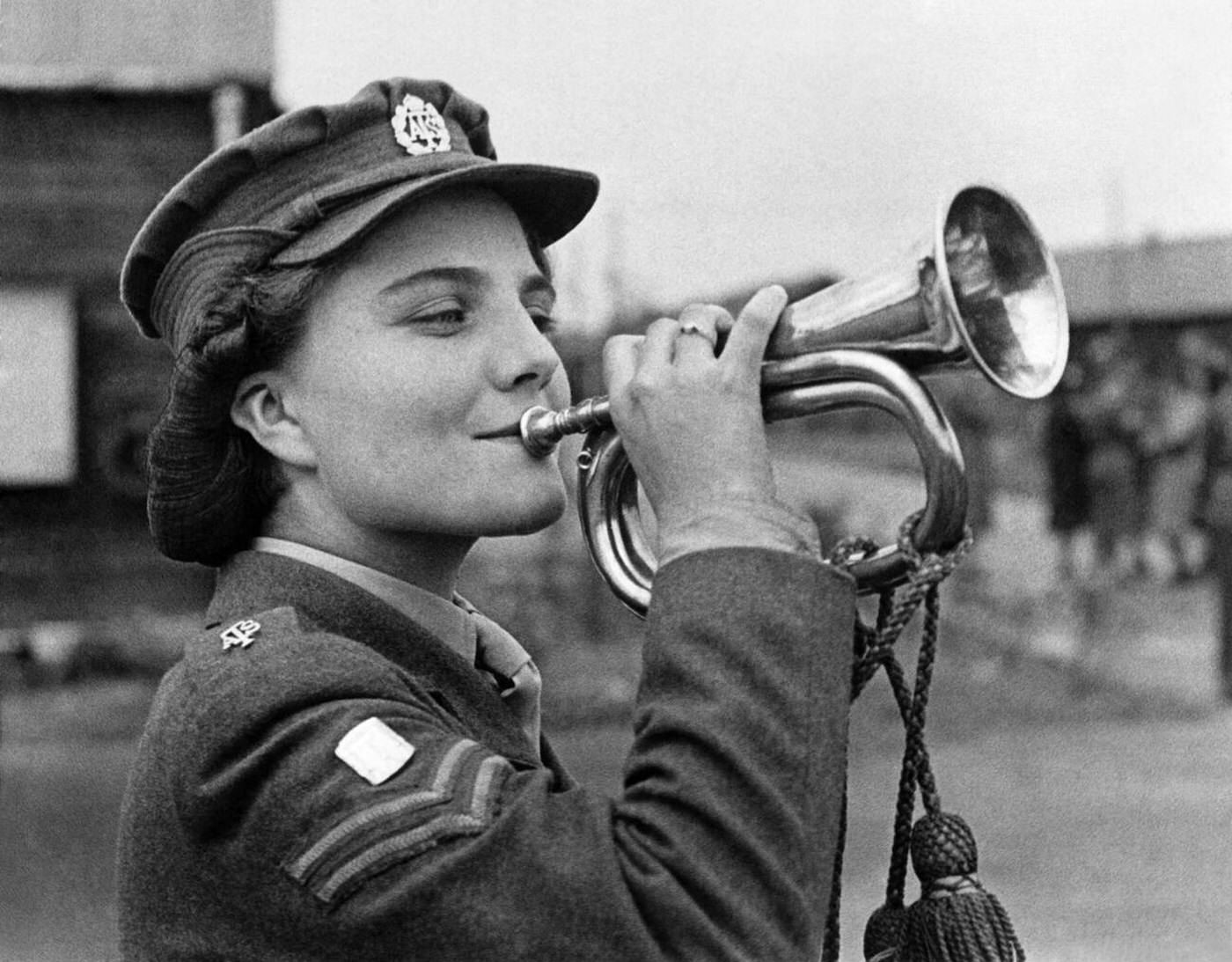
#105 Corporal Helen Quann, ATS bugler, 1942

Corporal Helen Quann, ATS bugler, 1942

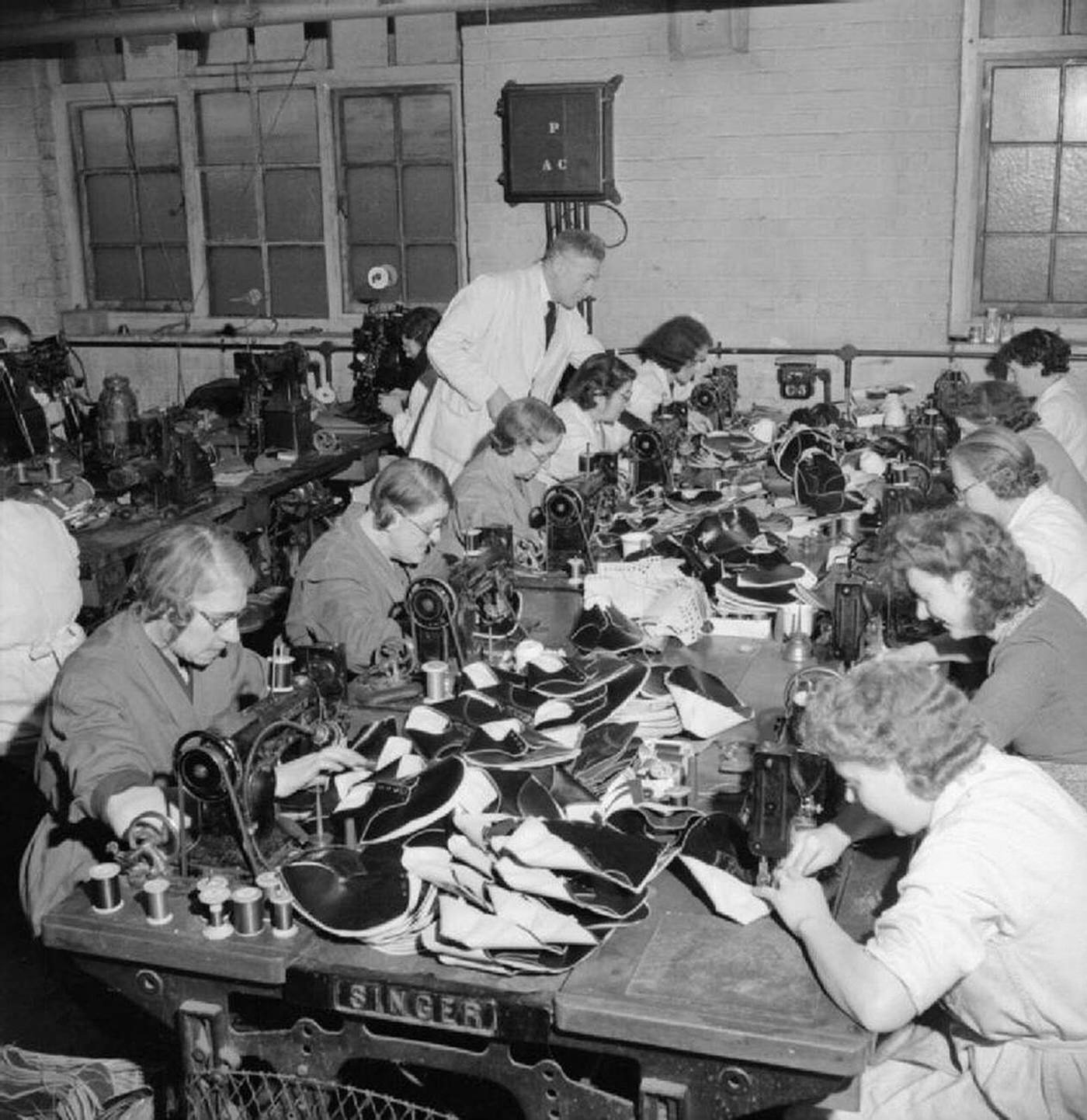
#110 Machinists sewing shoe parts, World War II

Machinists sewing shoe parts, World War II

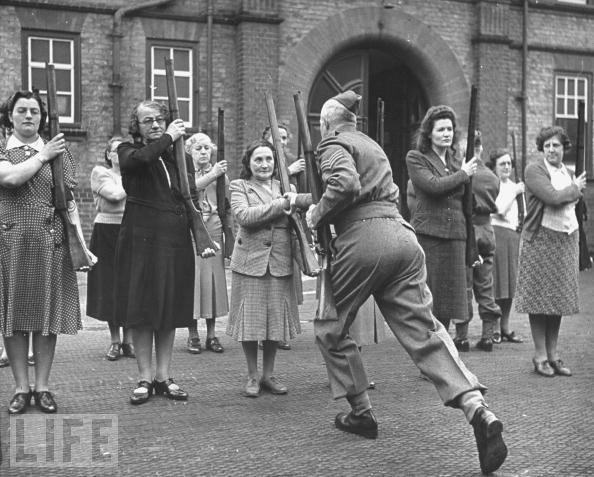
#113 Girls’ Training Corps visiting a gun site, 1942

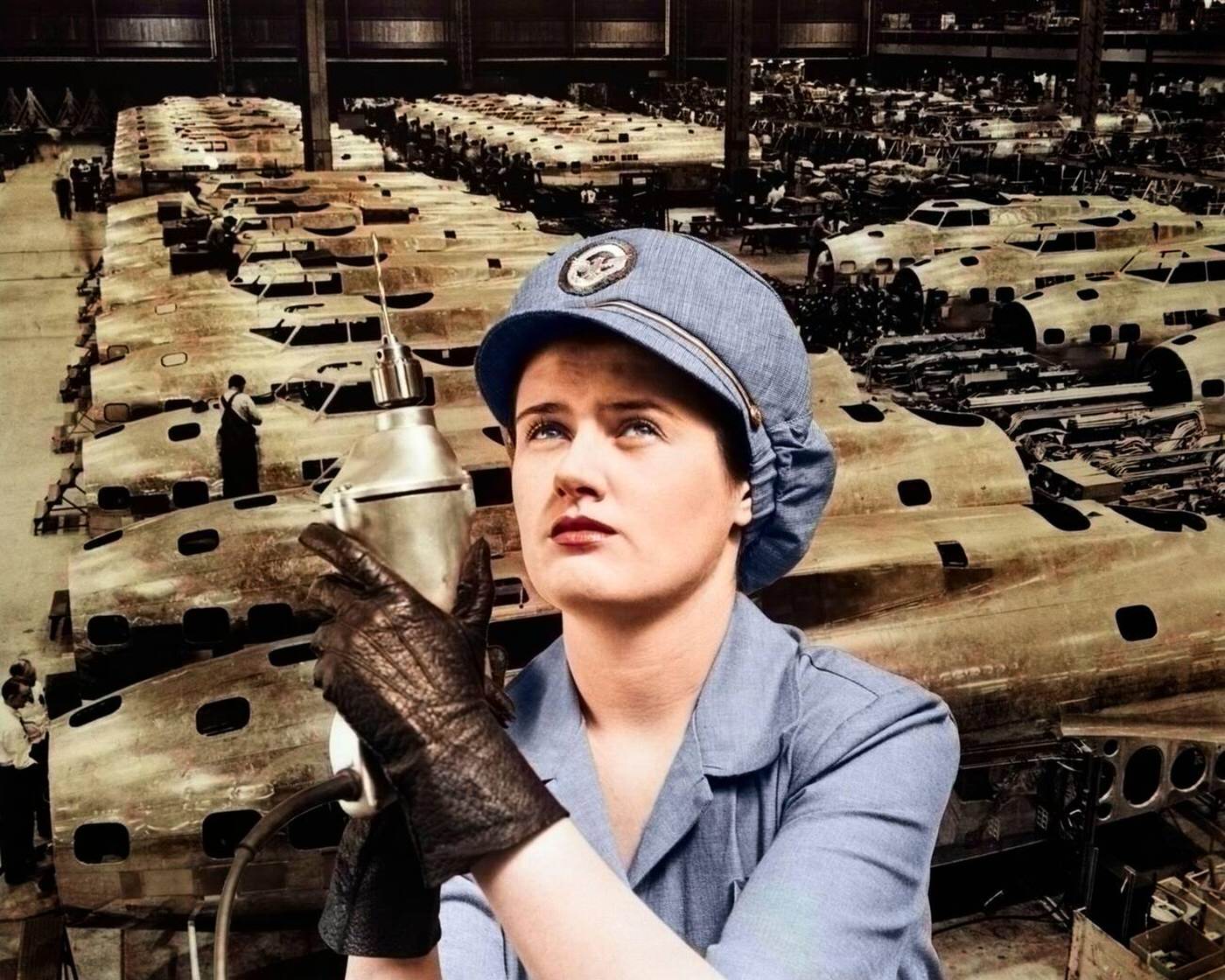
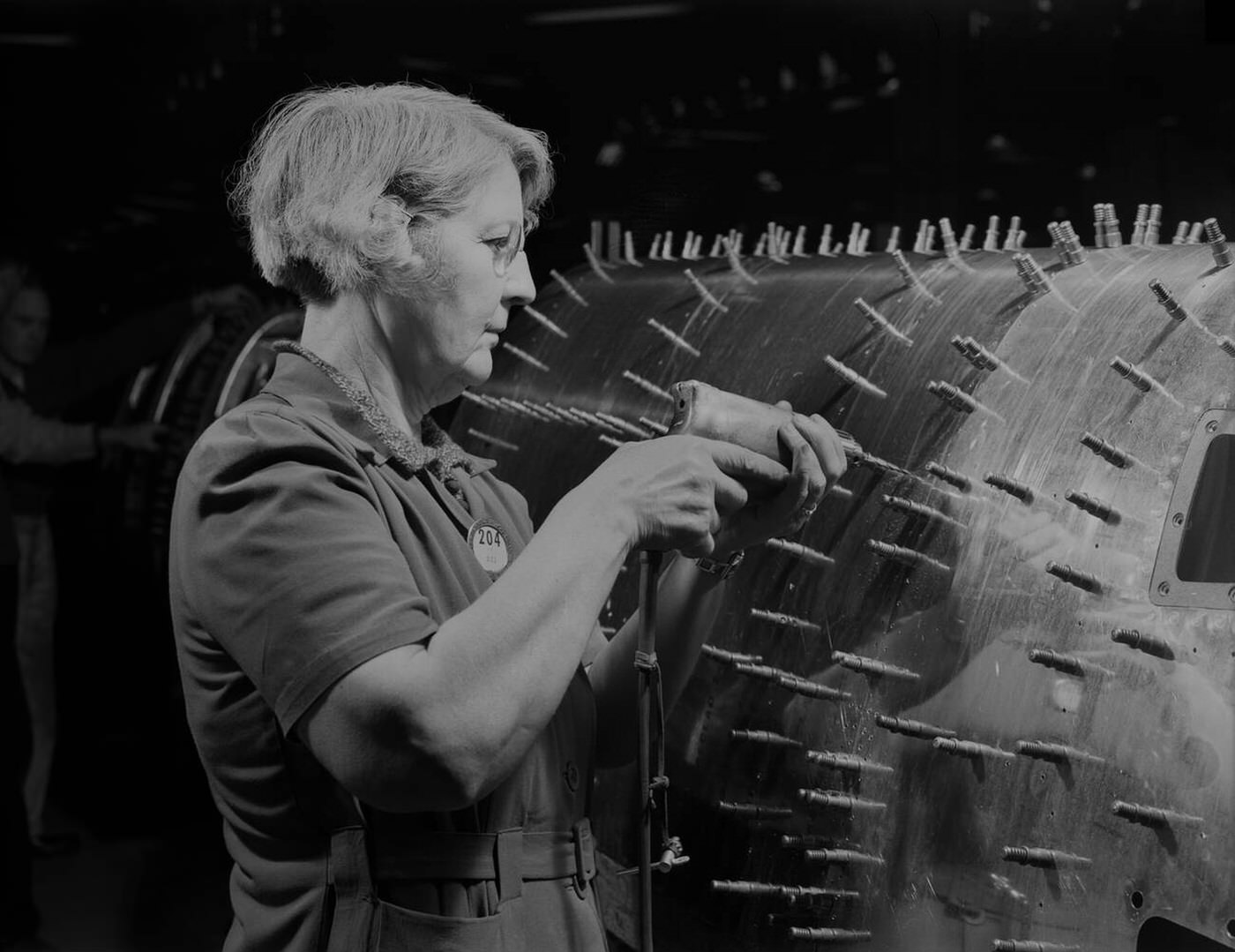
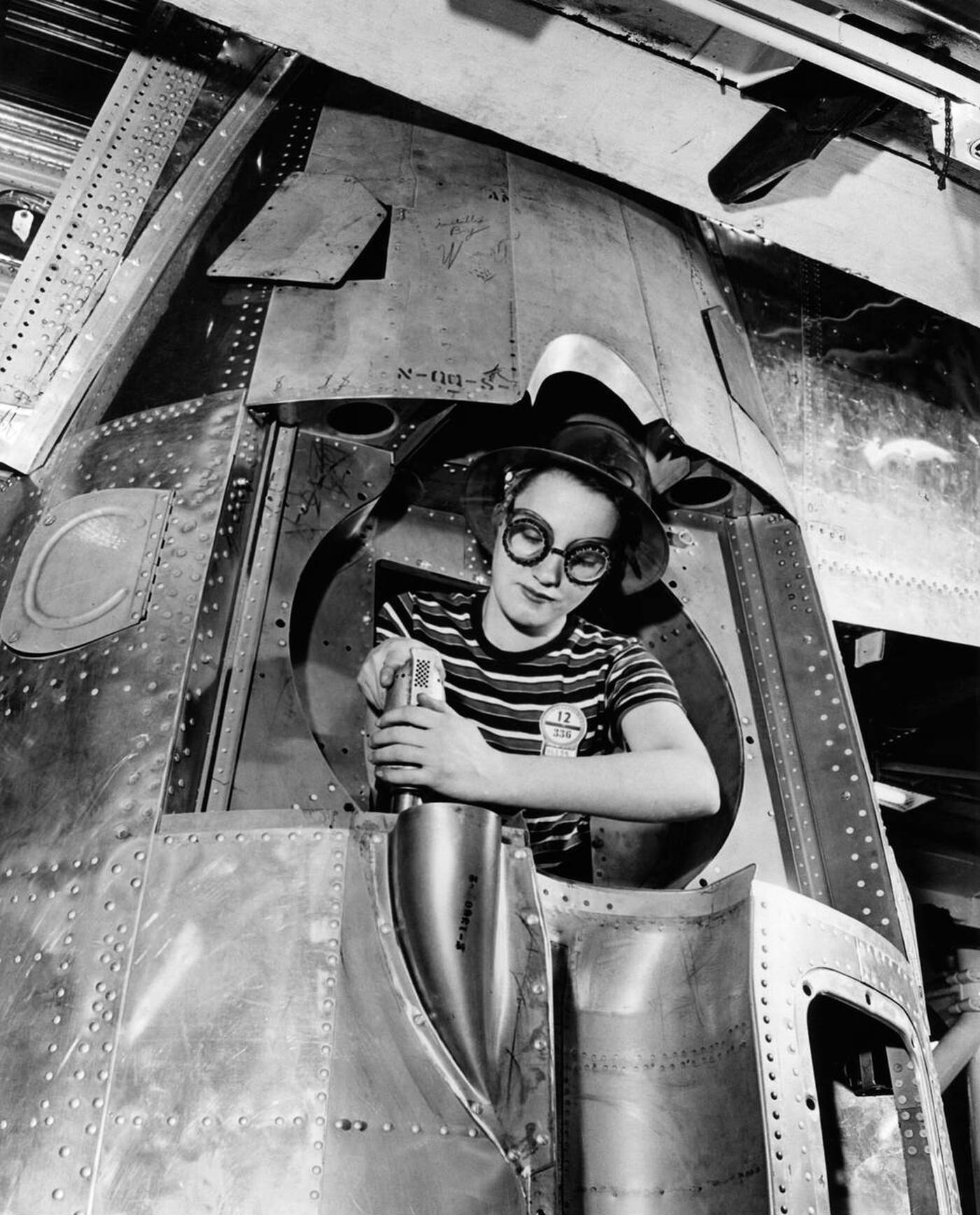
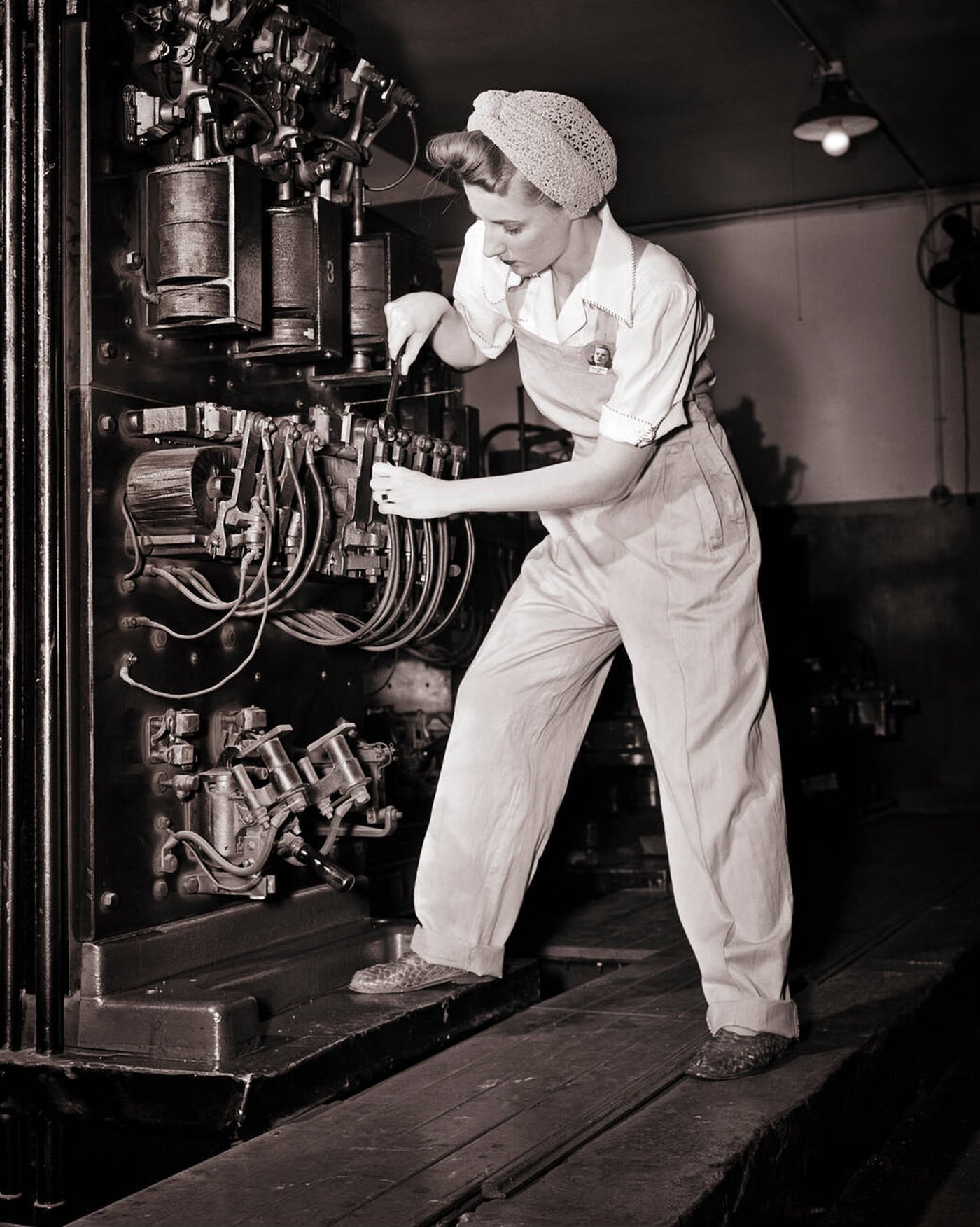
#115 A woman riveter drilling a hole, 1940s

A woman riveter drilling a hole, 1940s

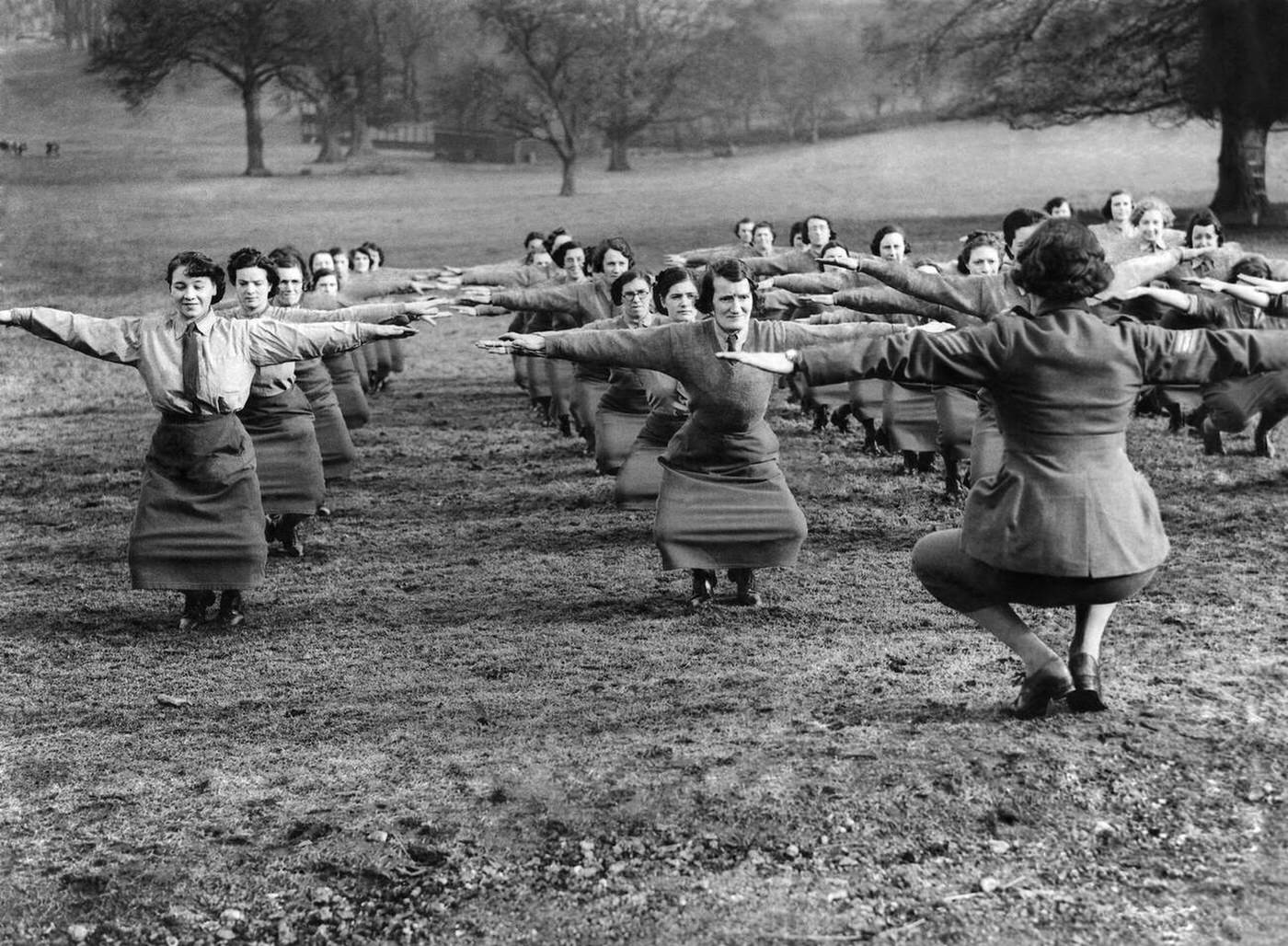
#120 ATS members in a beauty competition, 1944

ATS members in a beauty competition, 1944

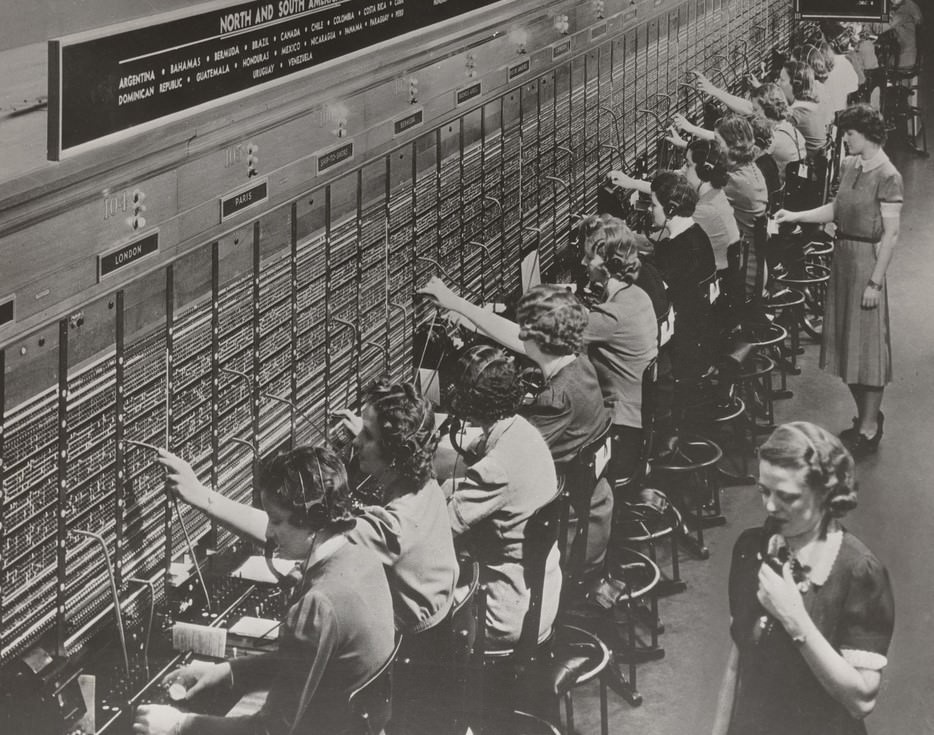
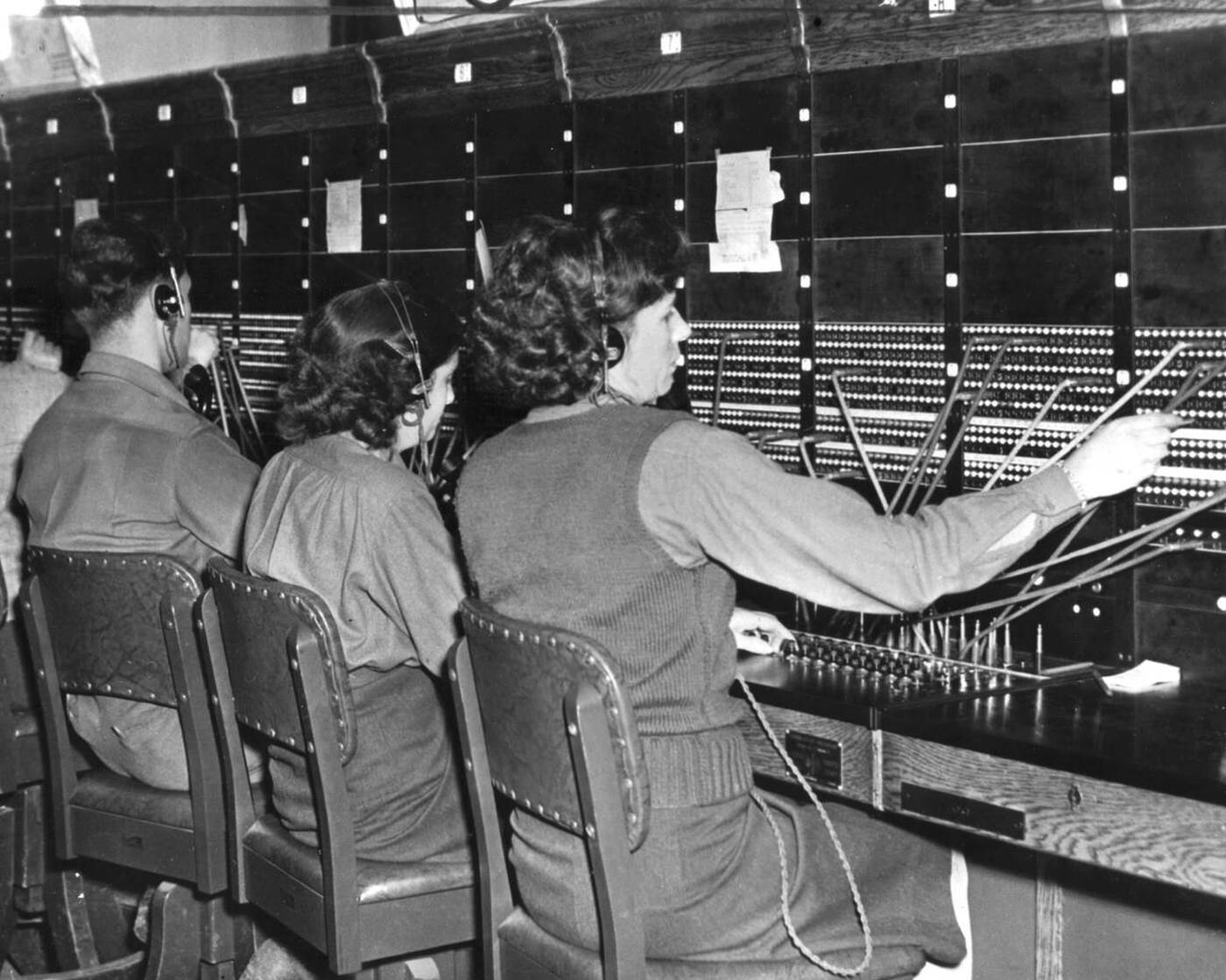
#125 U.S. Army telephone switchboard in France, 1944

U.S. Army telephone switchboard in France, 1944

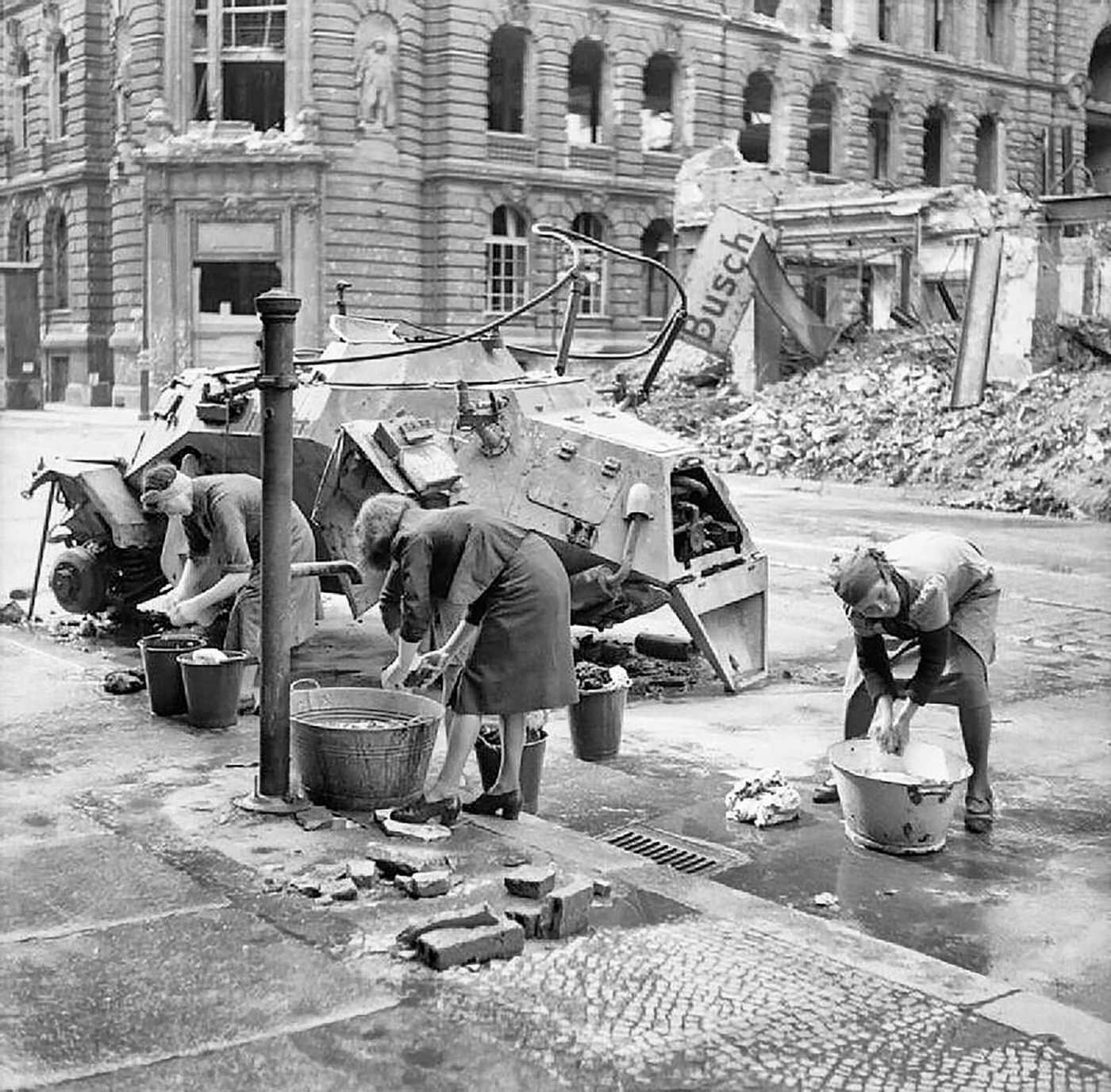
#130 German women in war production, 1942

German women in war production, 1942

#131 Women working on aircraft maintenance, World War II

#132 Princess Elizabeth working as a mechanic, World War II

#135 Women working at General Aircraft Company, World War II

Women working at General Aircraft Company, World War II

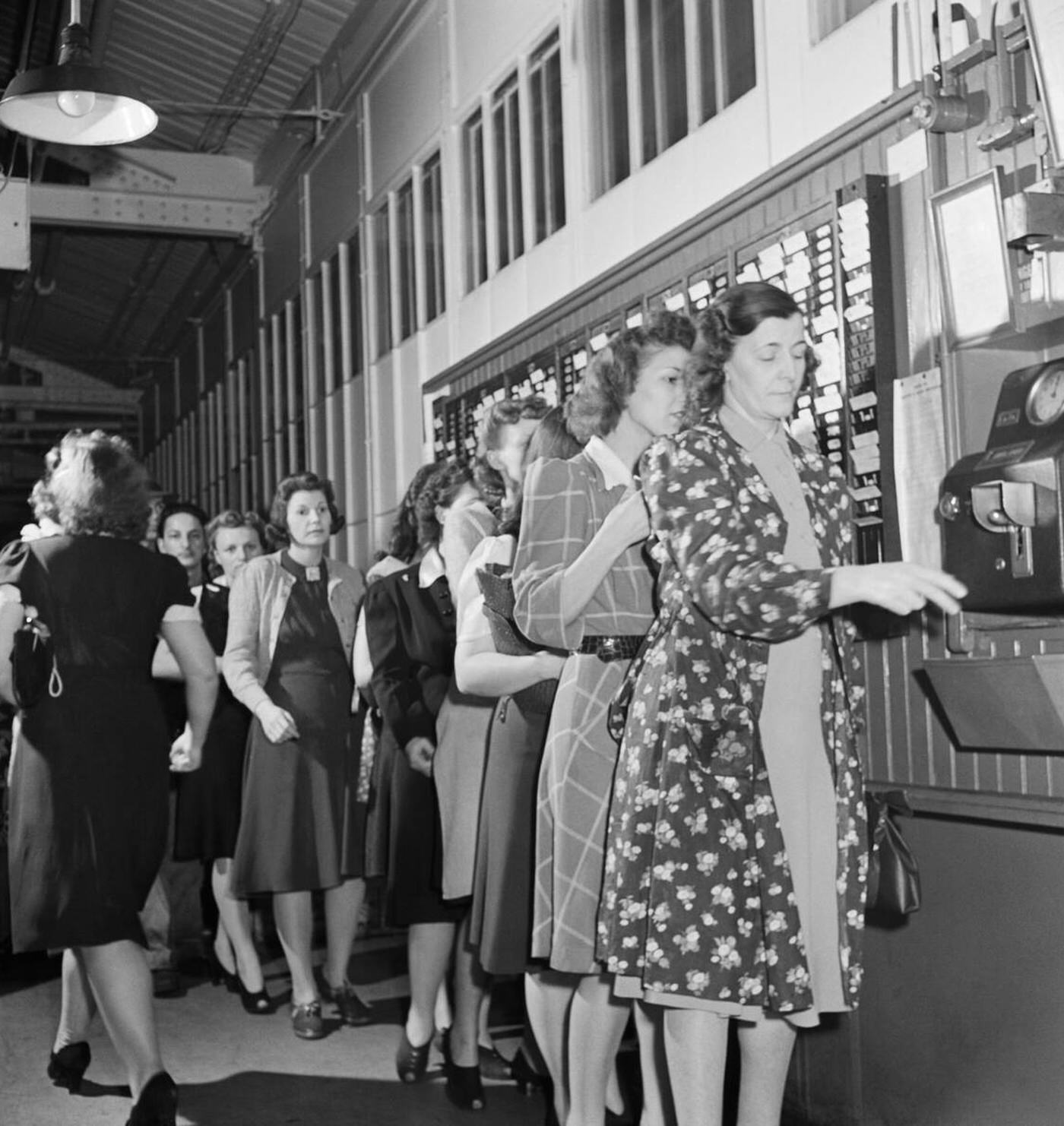
#140 Workers punching time cards, World War II

Workers punching time cards, World War II

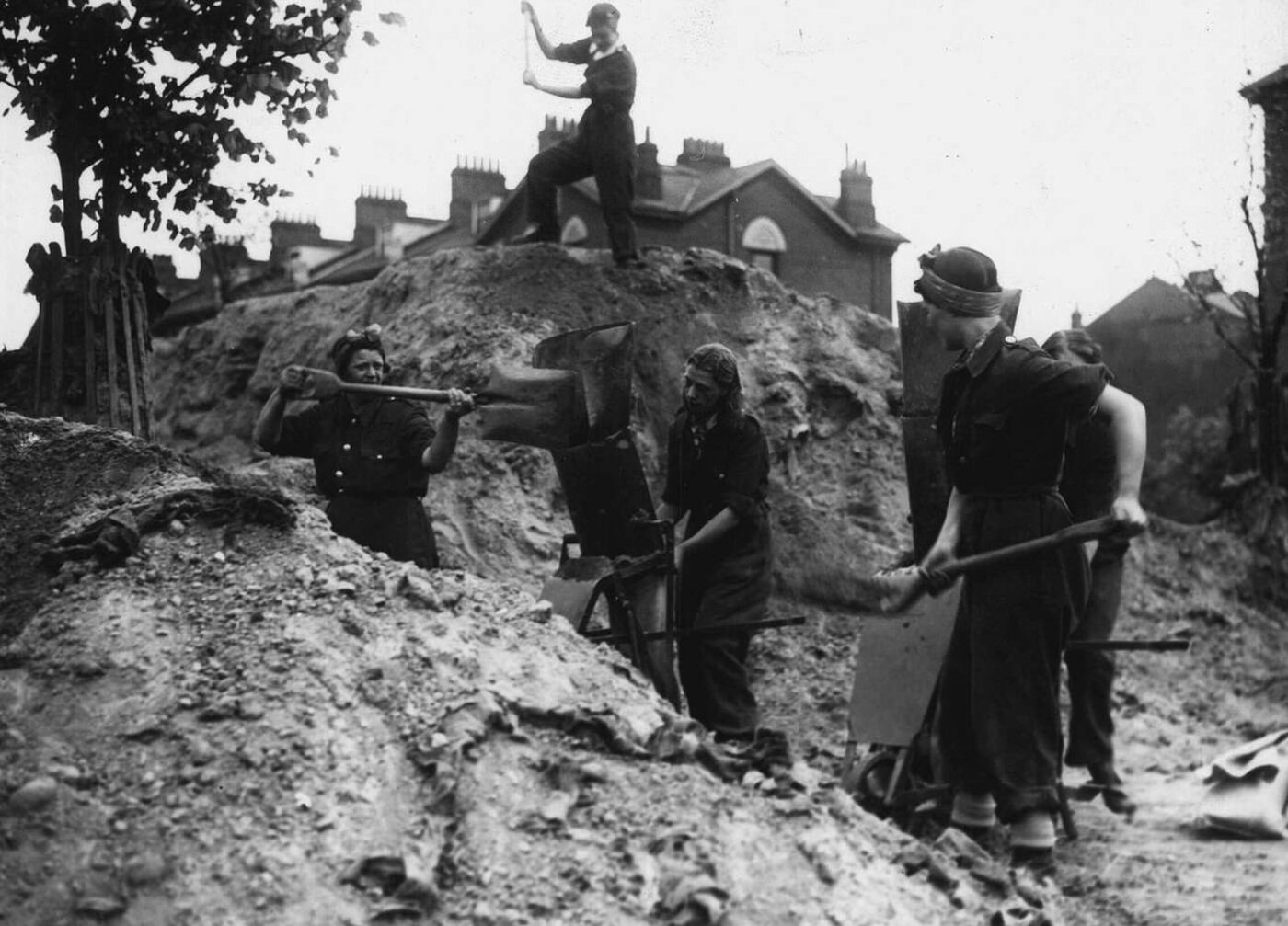
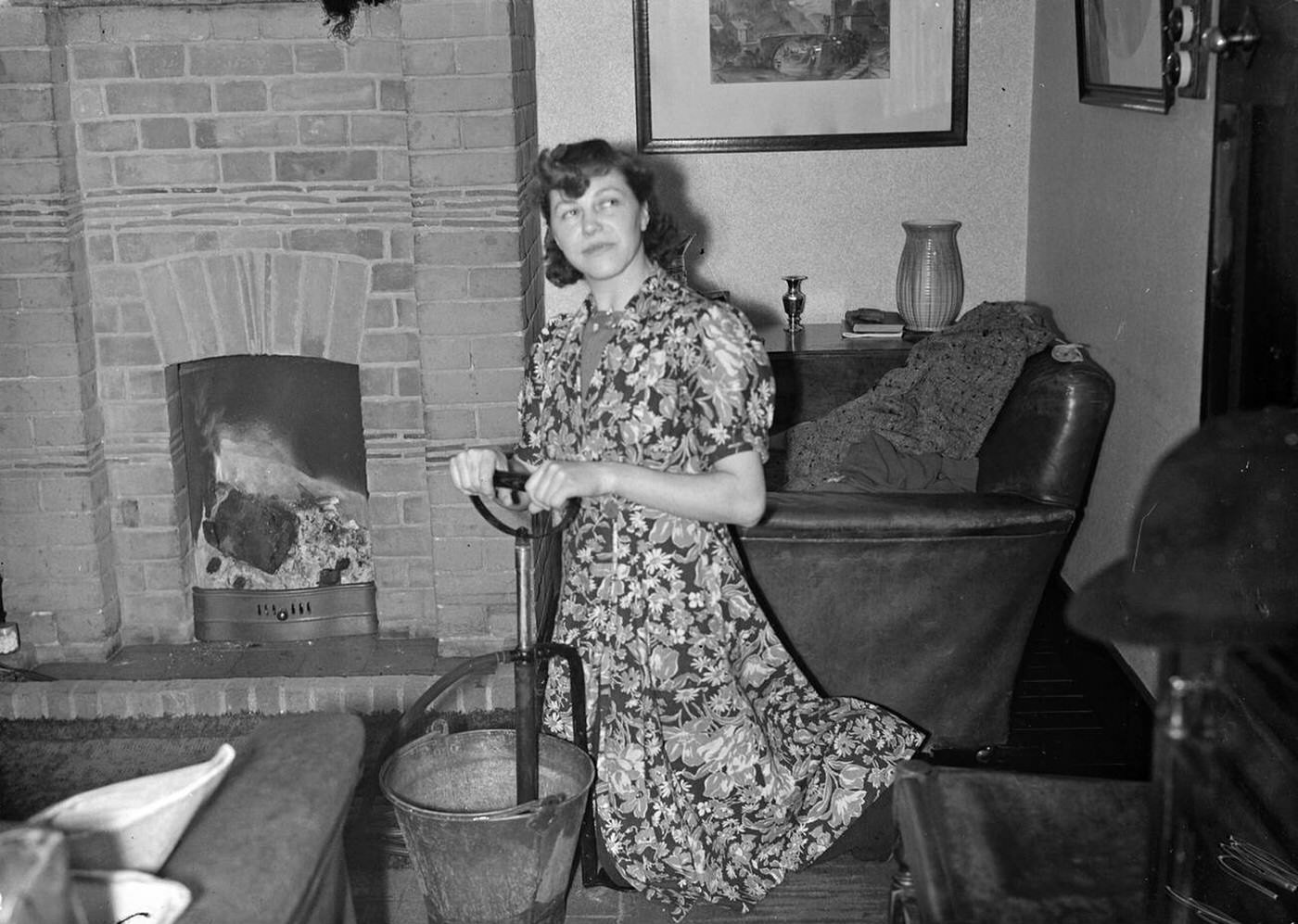
#142 Housewives extinguishing incendiaries, World War II

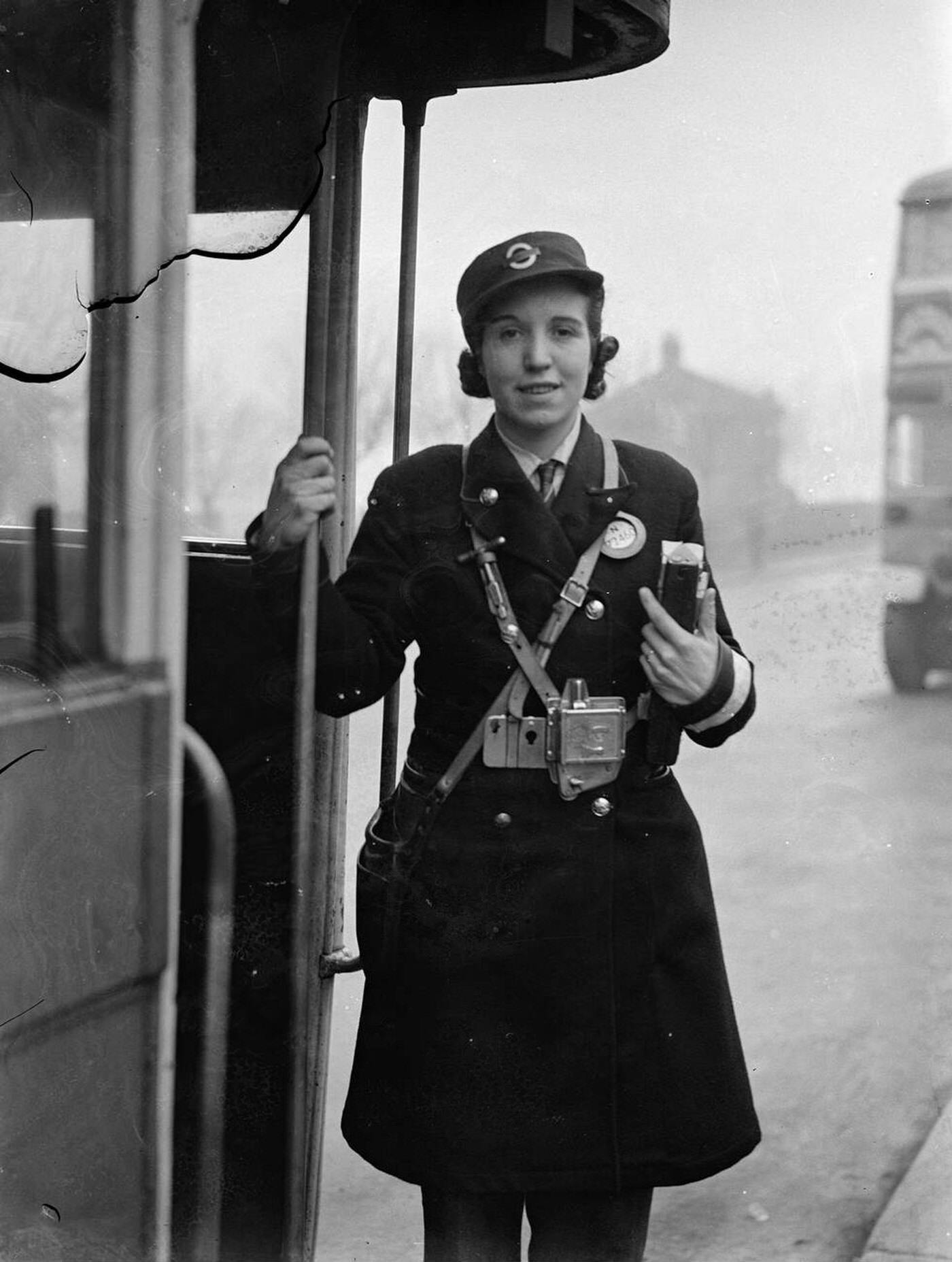
#145 Nellie Carrington as a bus conductress, 1941

Nellie Carrington as a bus conductress, 1941

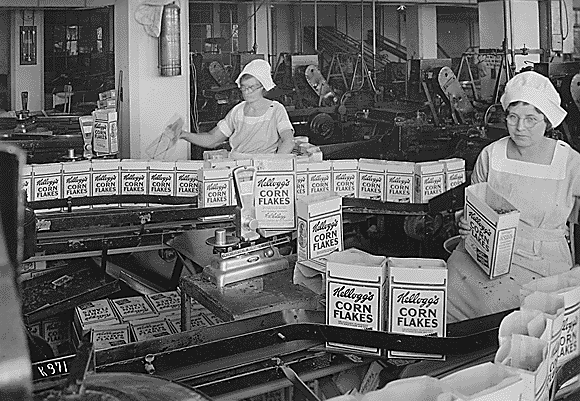
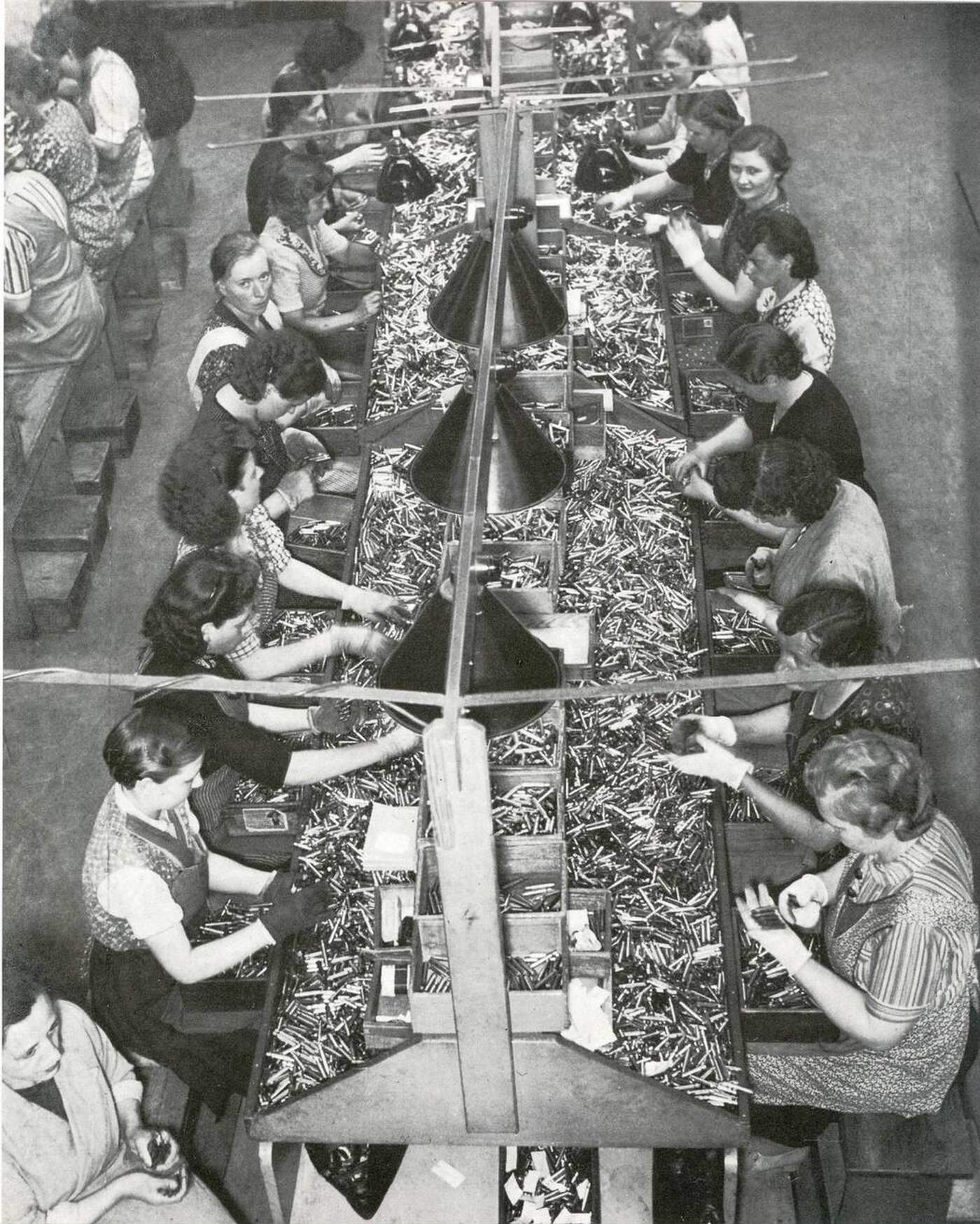
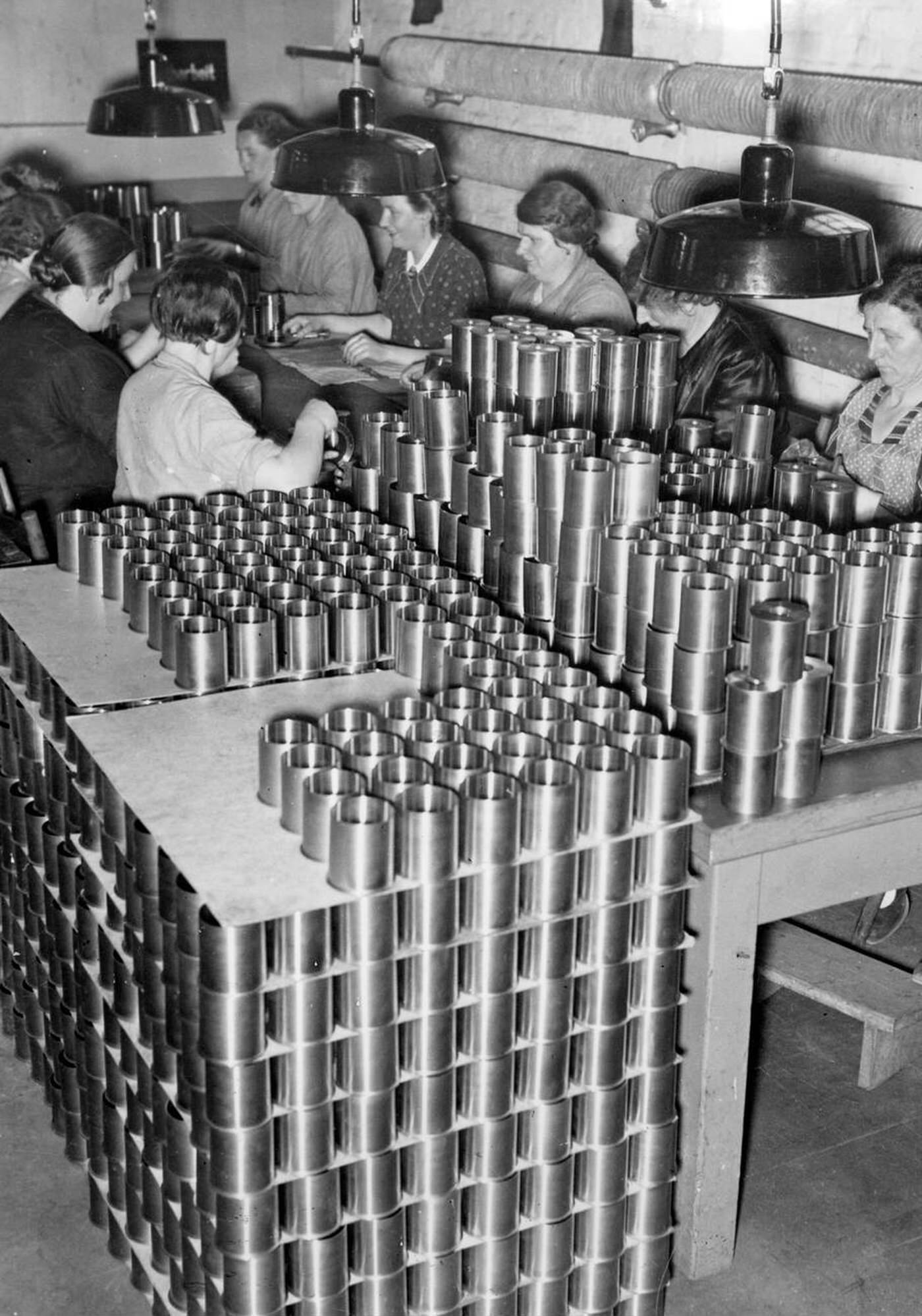
#150 Munitions Factory, World War II

Munitions Factory, World War II

#151 Trackwomen of the Baltimore & Ohio Railroad, 1943

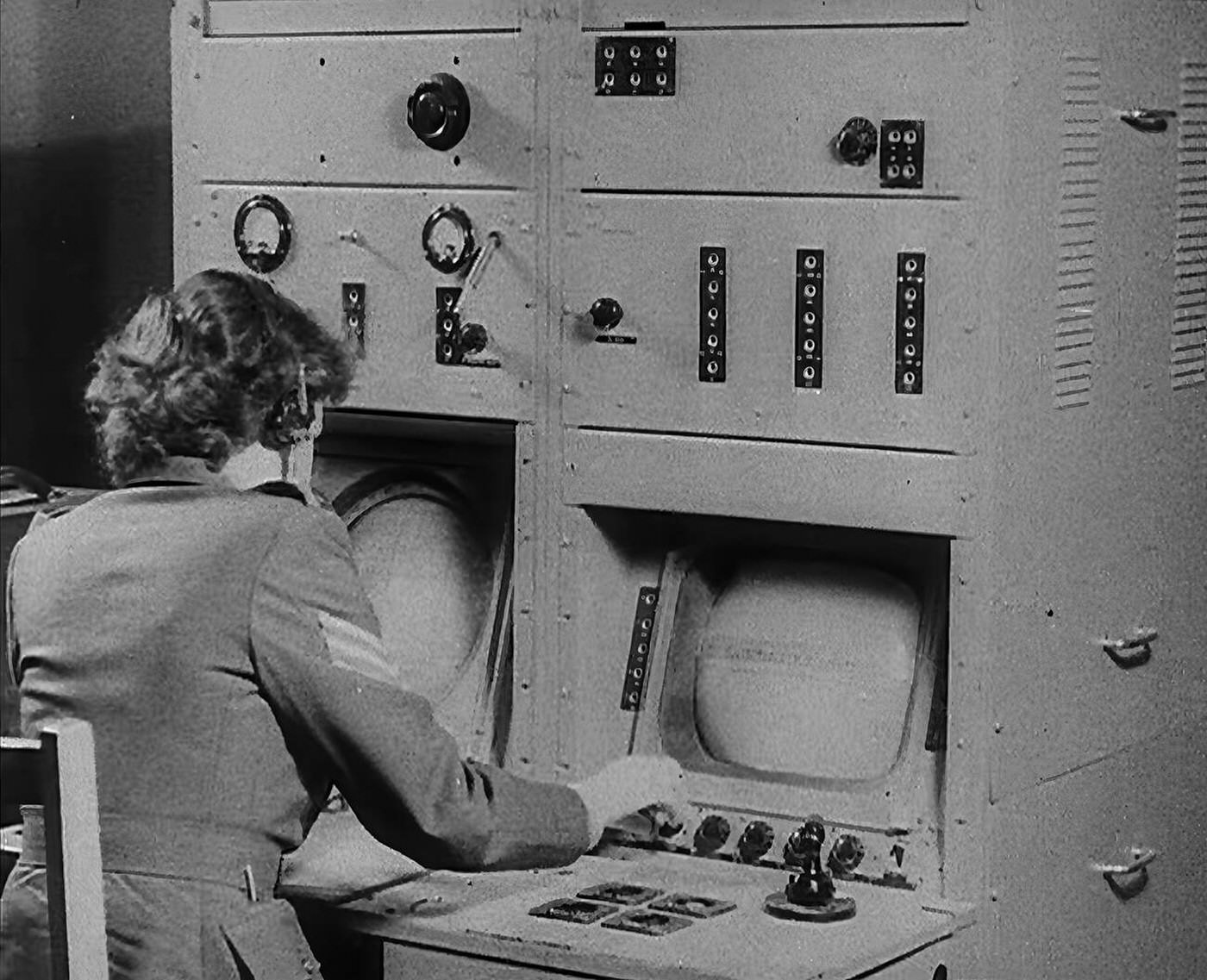
#155 A woman operating a radio, 1940

A woman operating a radio, 1940

#156 A woman working at North American Aviation, World War II

#157 Lucile Mazurek working on blackout lamps, World War II

#158 War production workers at Vilter Manufacturing, World War II

#159 War production workers at Heil Company, World War II

#160 Mildred Webb at Naval Air Base, World War II

Mildred Webb at Naval Air Base, World War II

#161 War production workers at Vilter Manufacturing, World War II

#162 War production worker at Vilter Manufacturing, World War II

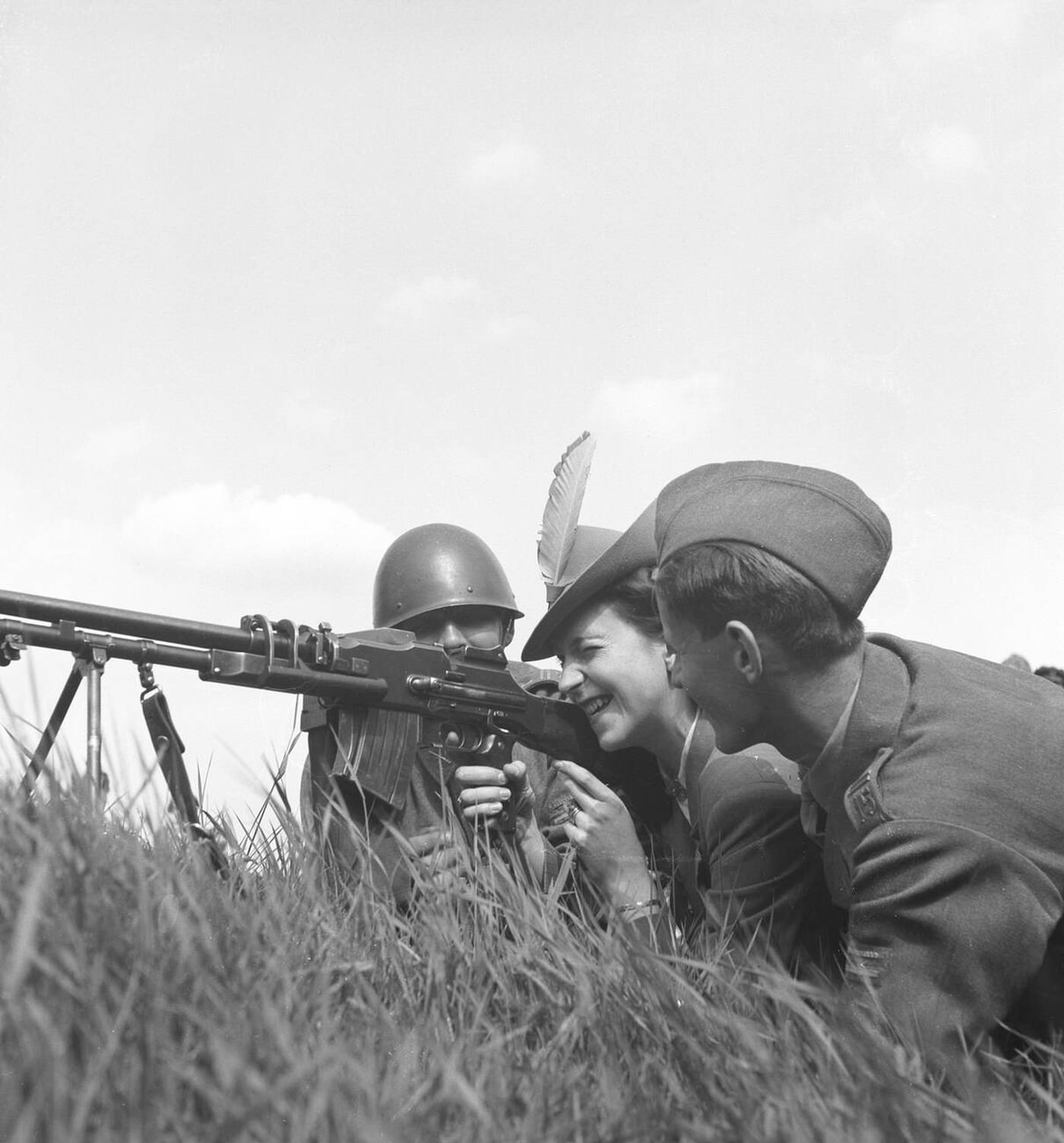
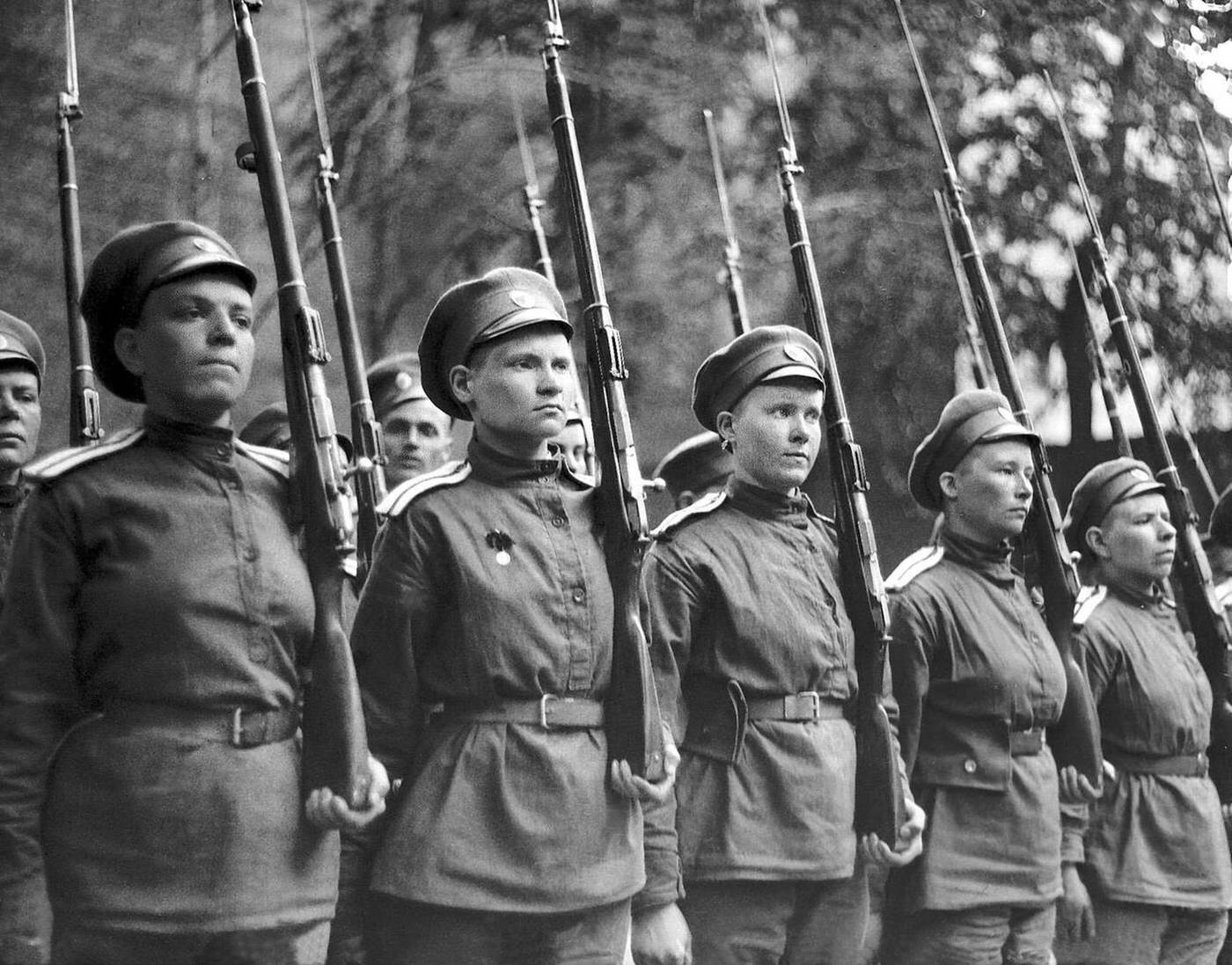
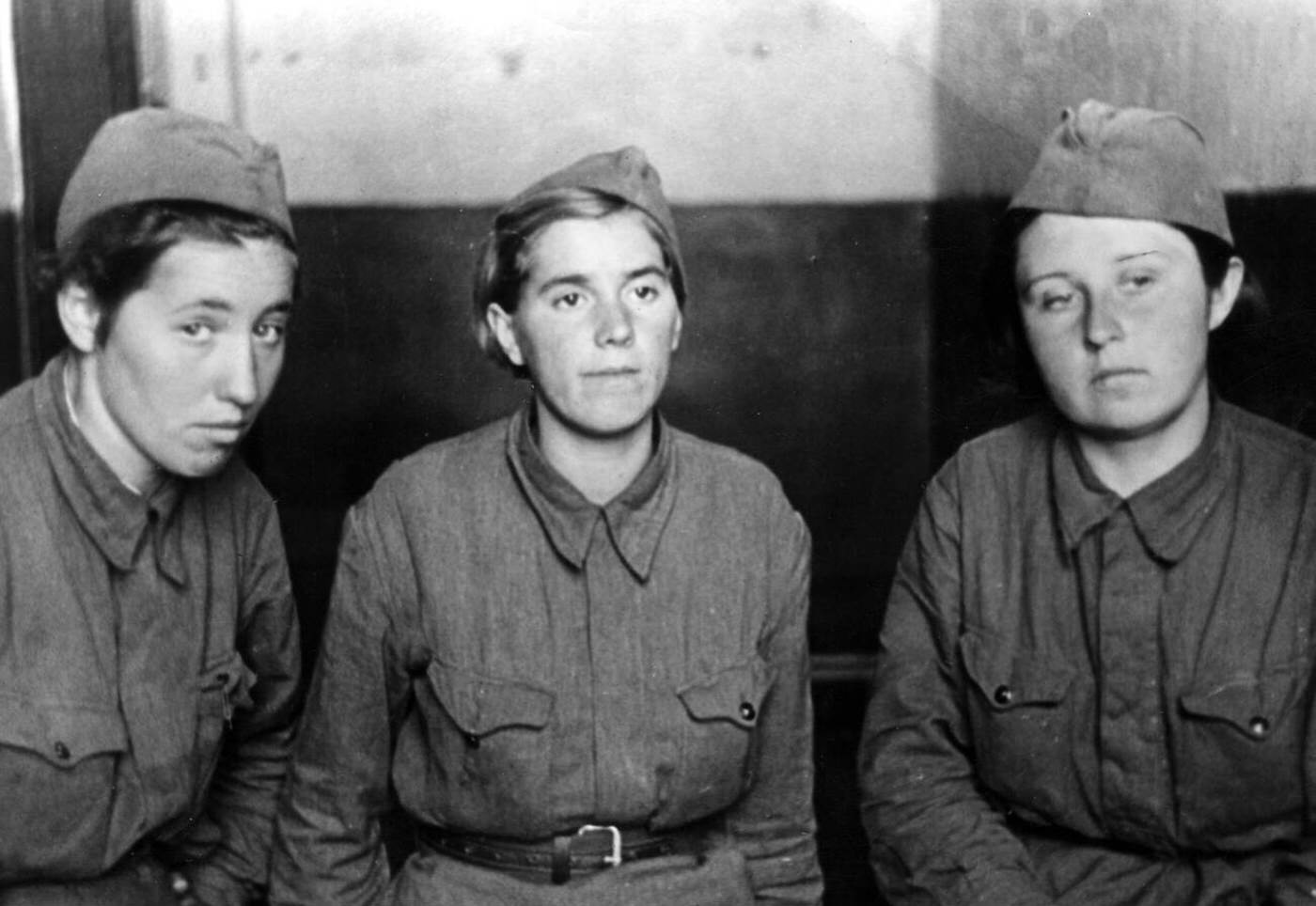
#165 Russian Women in the Red Army, World War II

Russian Women in the Red Army, World War II

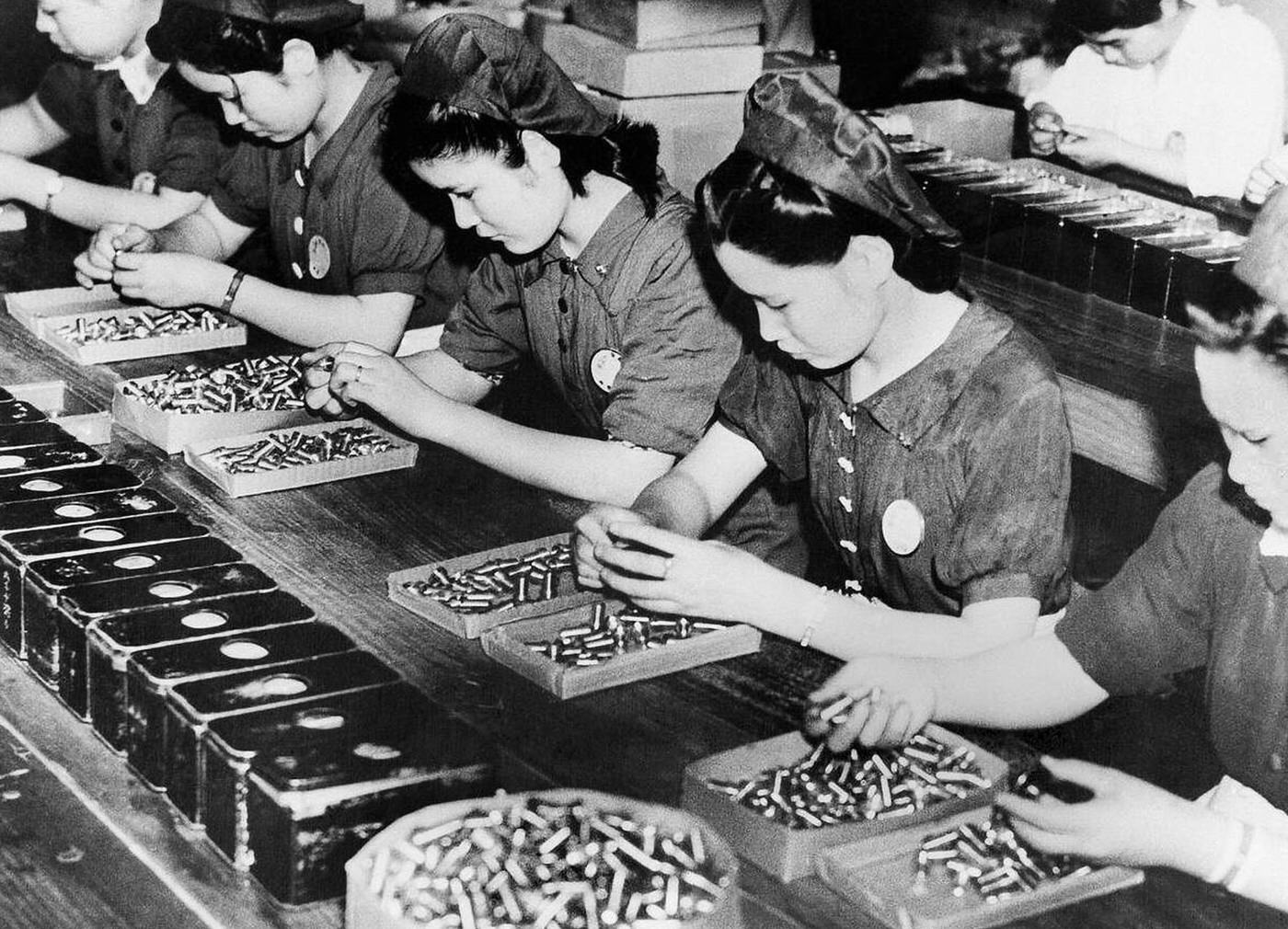
#167 Women working in a Japanese ammunition factory, 1941

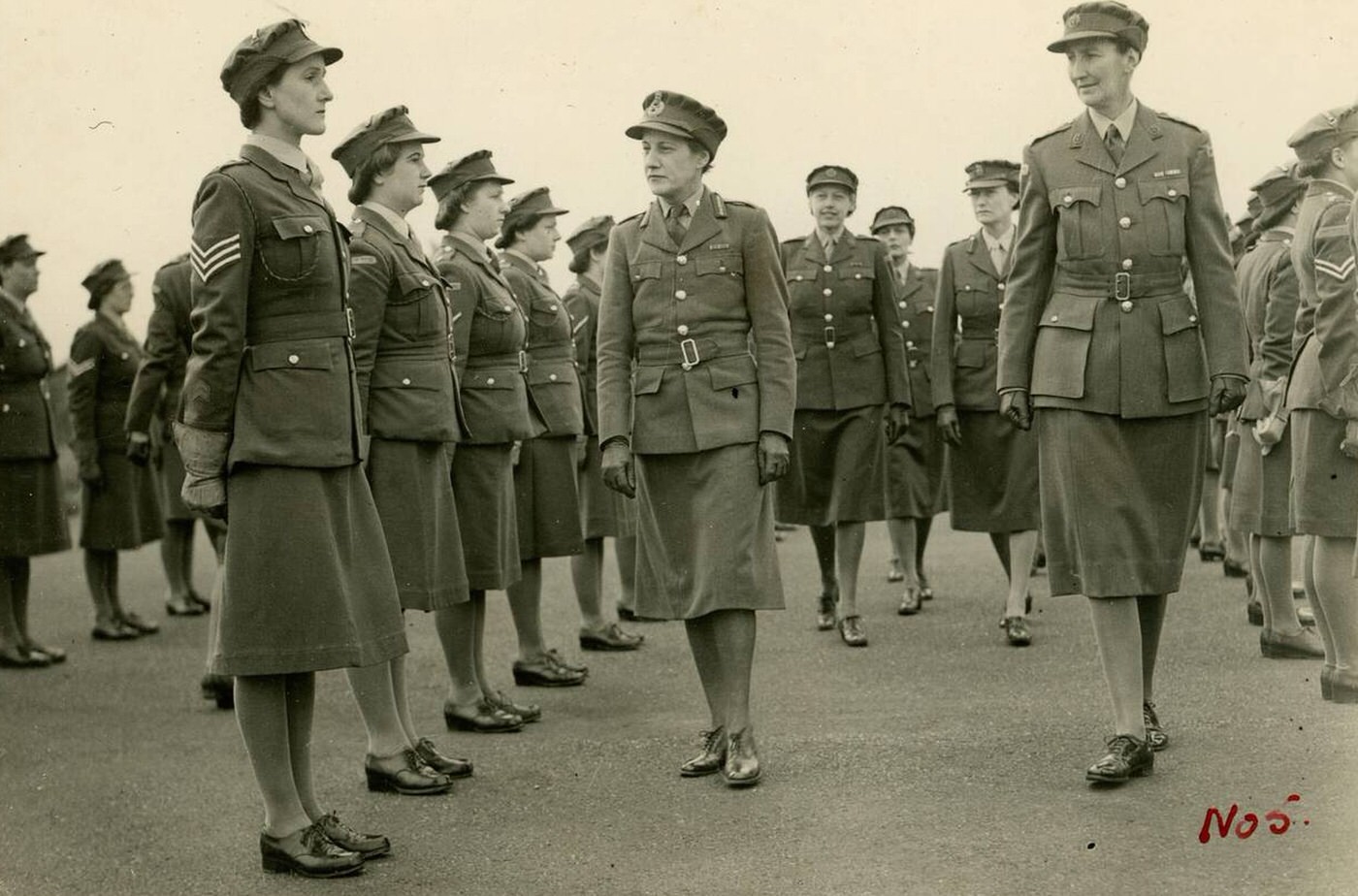
#168 ATS & Women’s Transport Service inspection, 1940

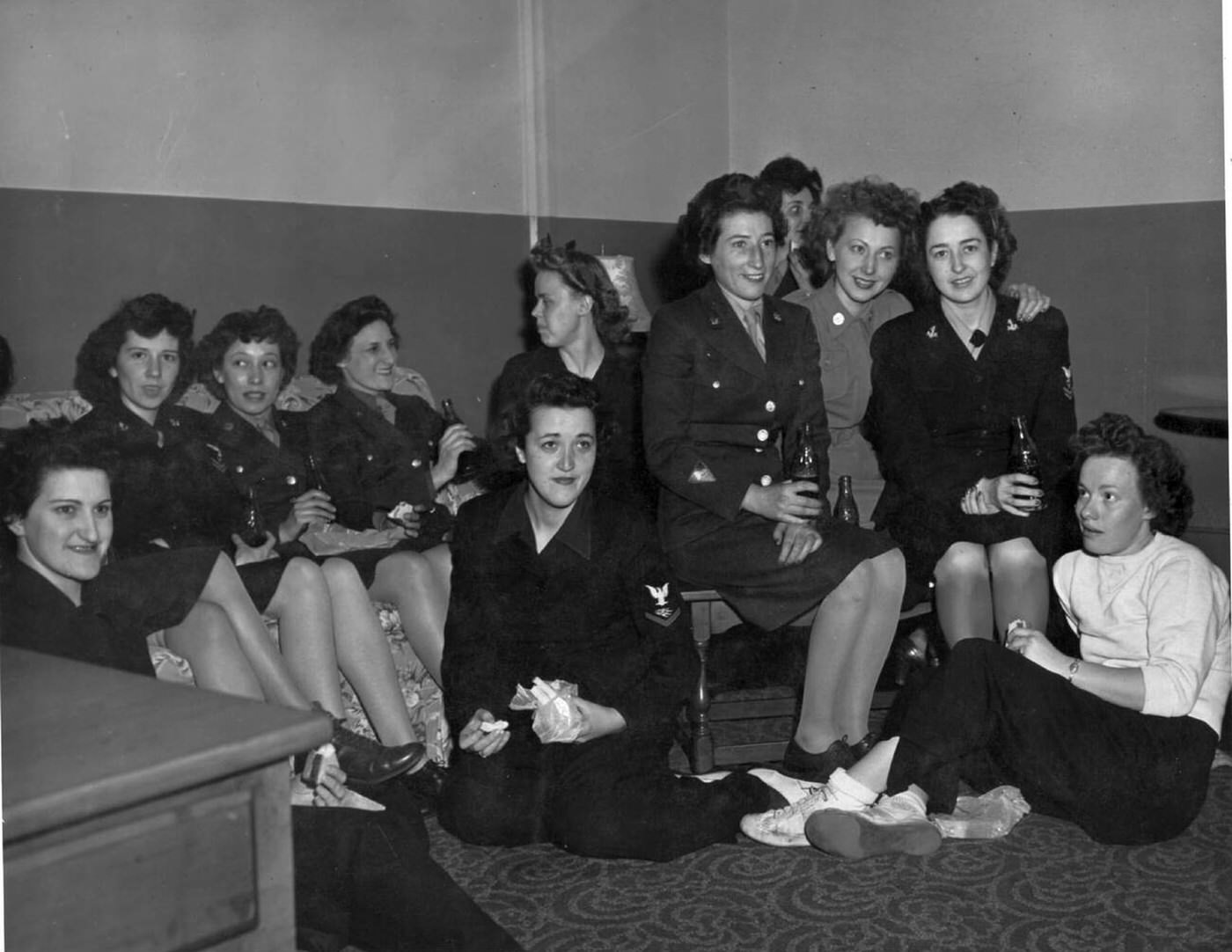
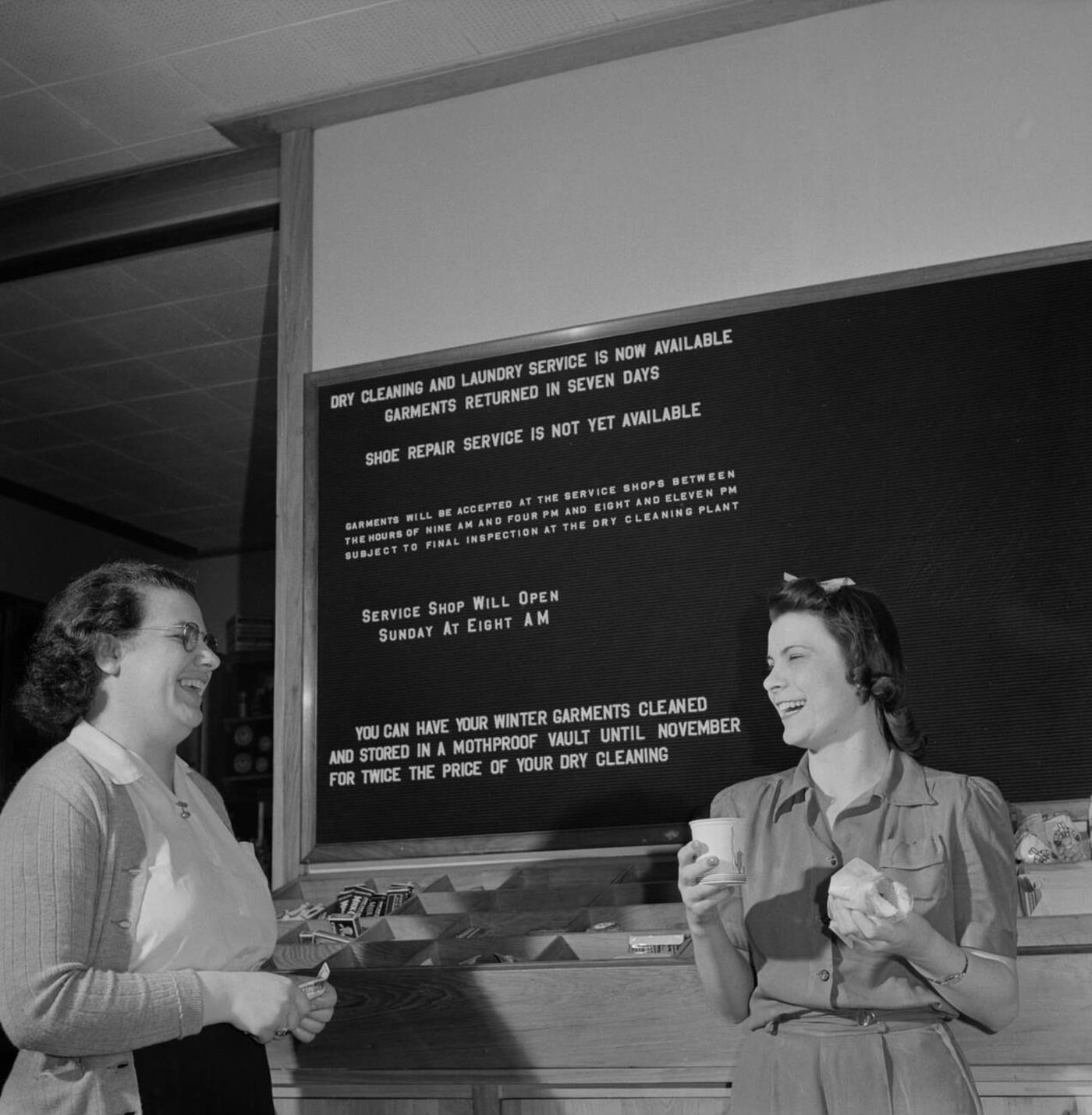
#170 Women eating hotdogs, 1943

Women eating hotdogs, 1943

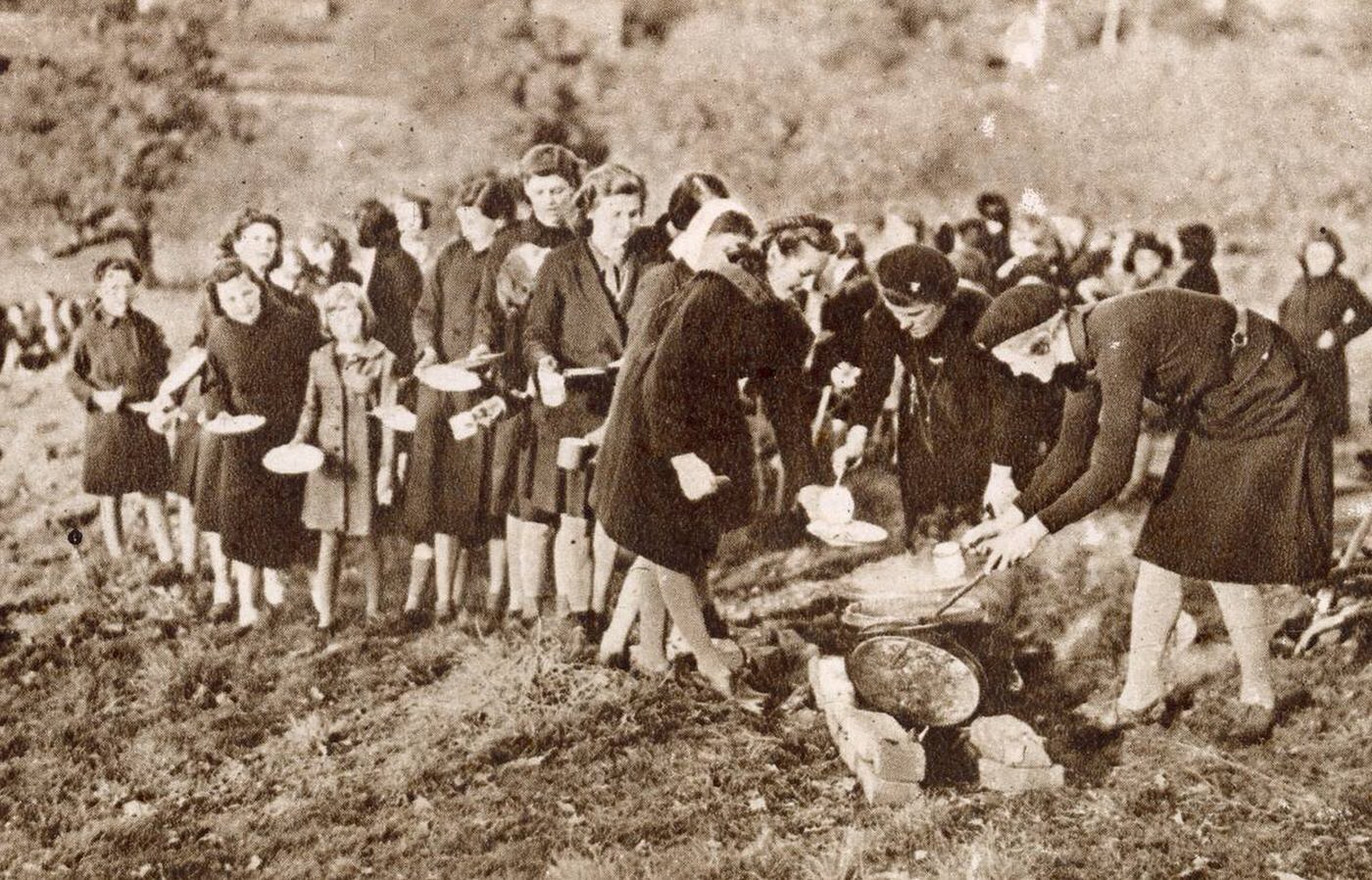
#171 Guide International Service rehearsing food service, World War II

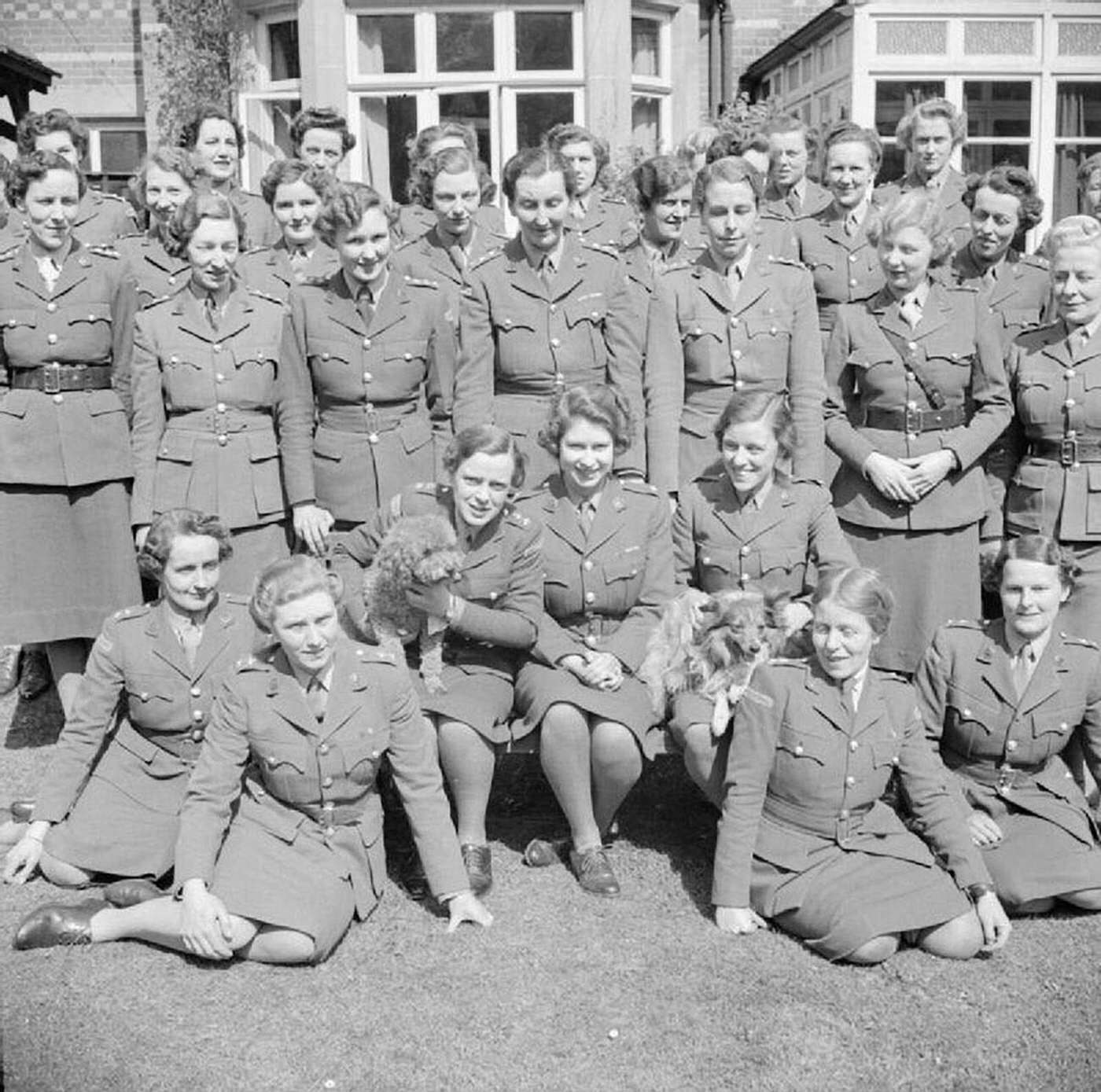
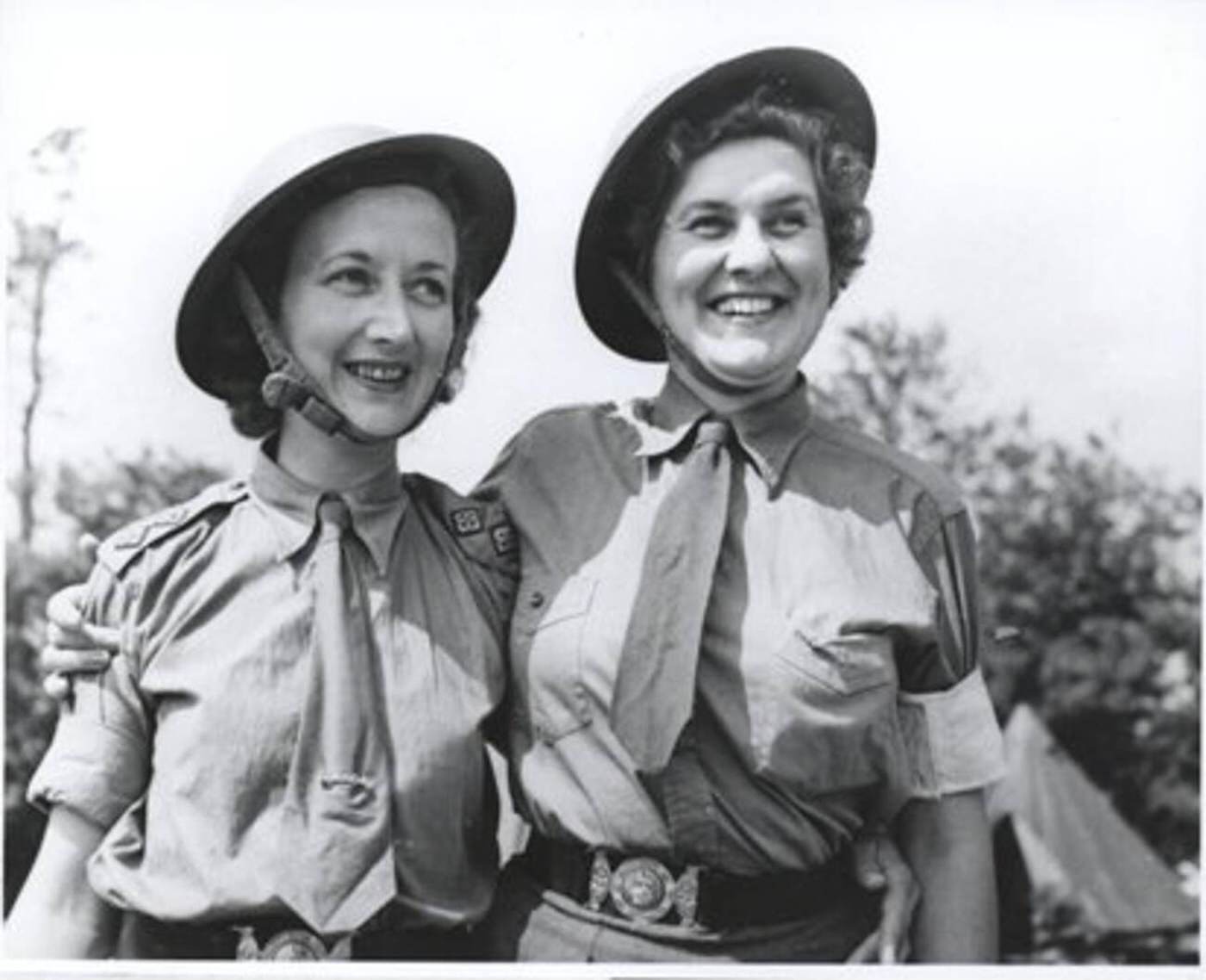
#175 ATS volunteers including Princess Elizabeth, World War II

ATS volunteers including Princess Elizabeth, World War II

#177 Women working on aircraft maintenance, World War II

Avatar of Andrew Thompson

Written by Andrew Thompson

Andrew Thompson is an archaeologist and historian who specializes in the study of war and conflict. He writes about the brutal history of warfare, including the World Wars and other significant conflicts. Through his work, he aims to deepen our understanding of the human cost of conflict and inspire us to work towards a more peaceful future.

Leave a Reply

Your email address will not be published. Required fields are marked *