
Berkeley sits on the northeastern shore of San Francisco Bay, and for decades it has carried a reputation unlike almost any other American city. It is educated, politically charged, culturally rich, and densely layered with history. These vintage photographs by Richard Friedman capture that world in remarkable detail — streets, parks, cafés, and the faces of everyday Berkeley life from the late 1960s through the early 1980s.
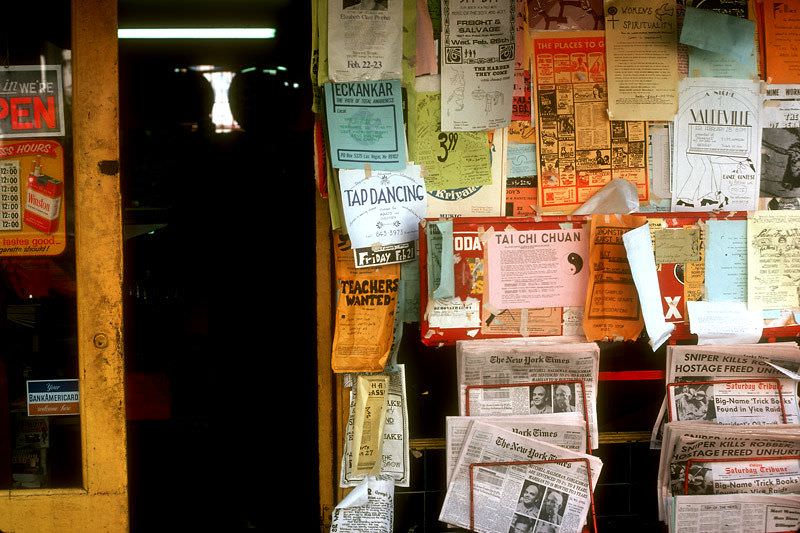
By the late 1960s, Berkeley was already one of the most politically active cities in the United States. Telegraph Avenue had become a magnet for the hippie movement, which crossed the Bay from San Francisco and took firm root here. The overlap between countercultural life and radical left politics was substantial. Students, activists, musicians, and drifters shared the same sidewalks, coffee shops, and bookstores. The street was its own ecosystem.
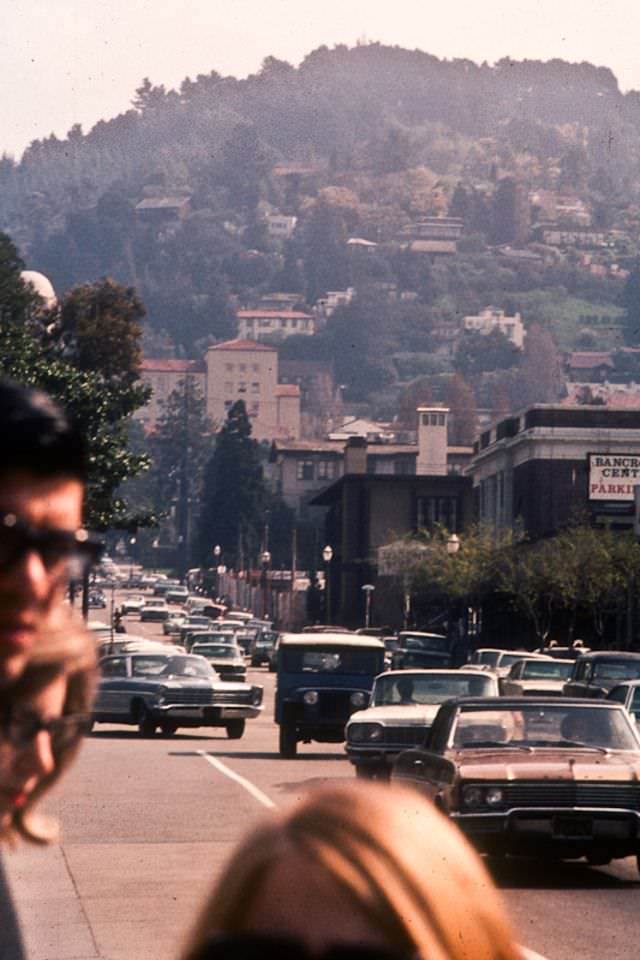
At the center of UC Berkeley’s campus, Sproul Plaza served as the beating heart of student activism. It was a stage for speeches, protests, and spontaneous gatherings that drew national media attention throughout the 1960s. In March 1968, the plaza buzzed with the energy of a city that believed ordinary people could change public policy through direct action.
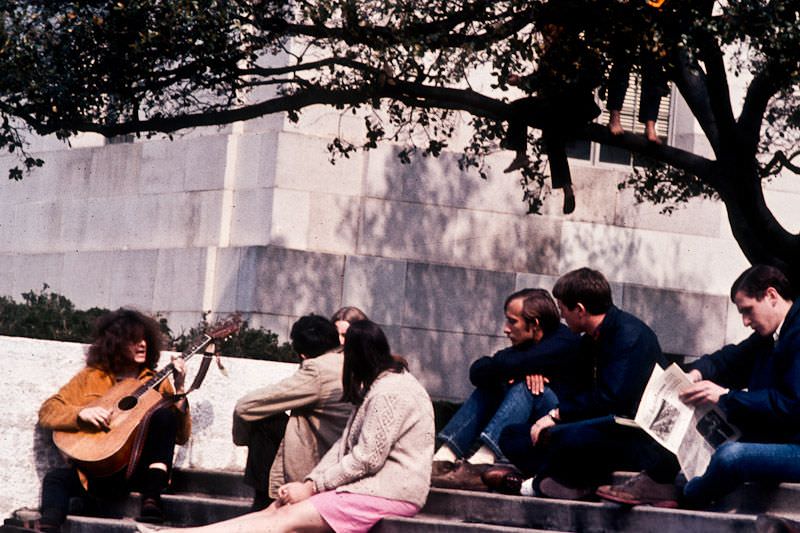
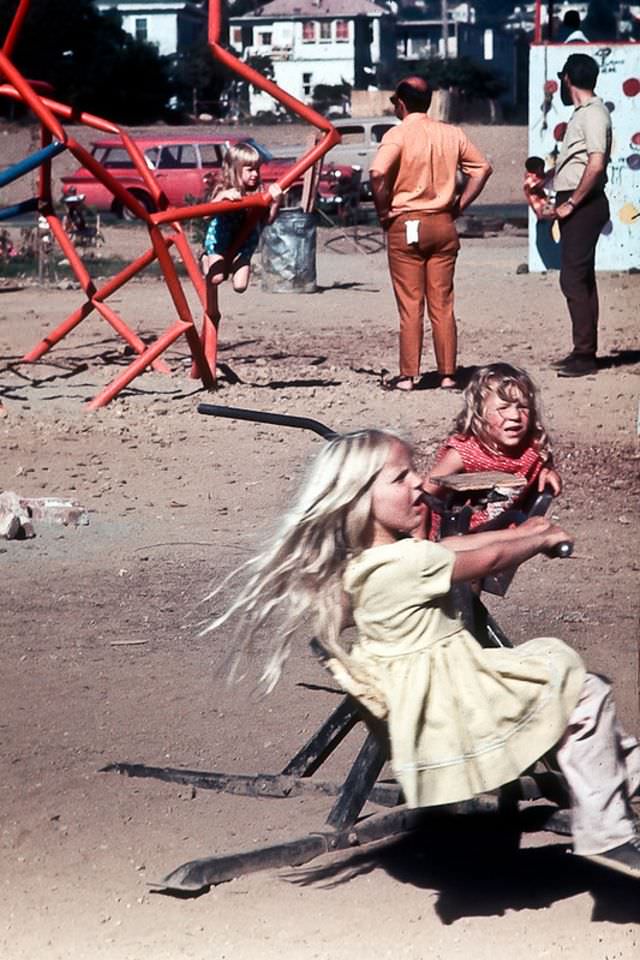
Away from the political friction, Berkeley’s neighborhood life had its own warm rhythms. Live Oak Park on the north side of the city hosted festivals that brought the community together around music, crafts, and open-air gathering. These events drew families and locals who lived far from the Telegraph Avenue scene but were equally part of what made Berkeley distinct.
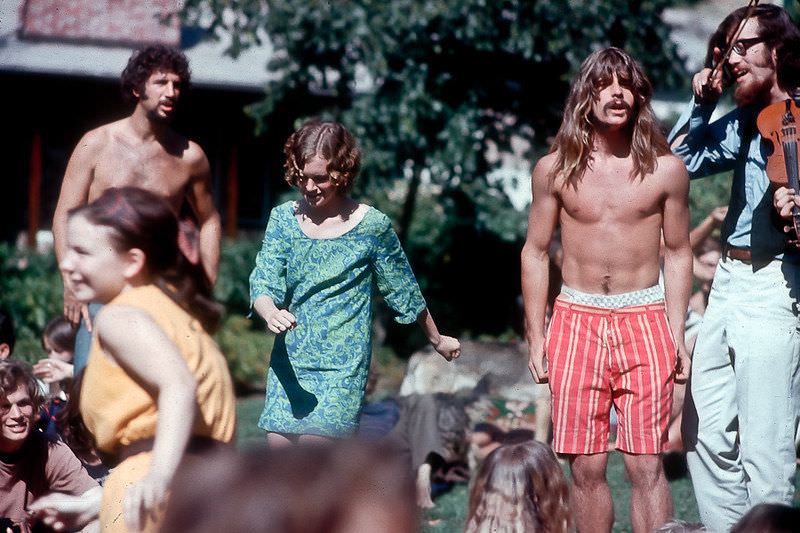
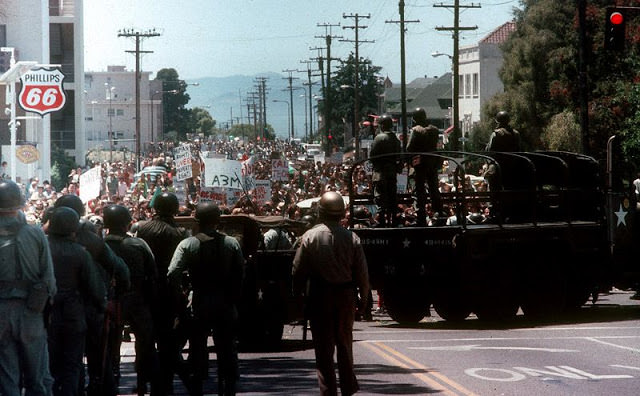
Berkeley’s residential streets told a quieter story. Neighborhoods like the Northside, near the Ohlone Way corridor, were lined with craftsman homes, overgrown gardens, and corner stores that had served the same blocks for generations. The pace there stood in sharp contrast to the chaos unfolding just a few miles south near the university.
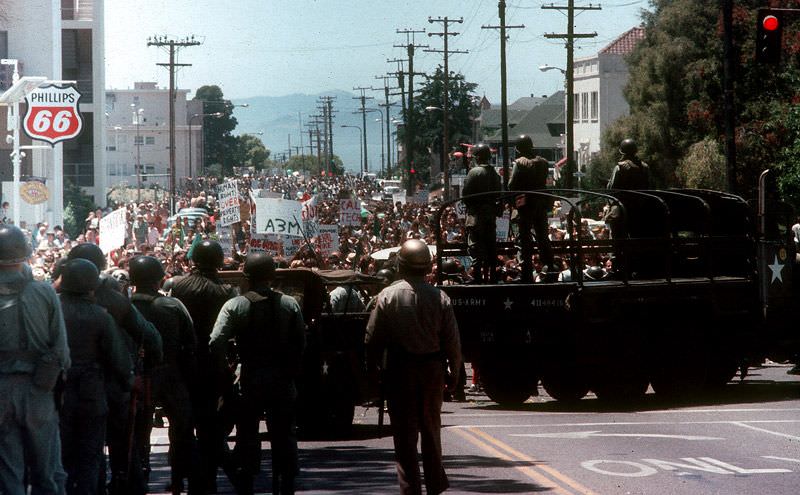
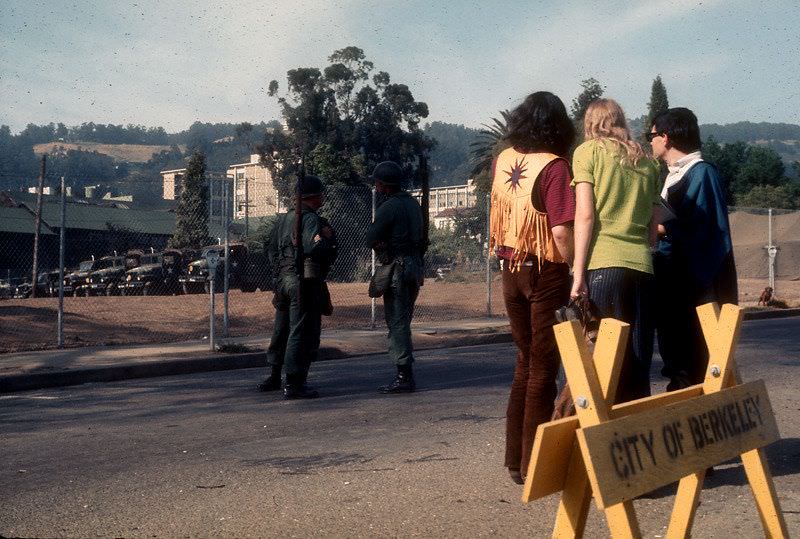
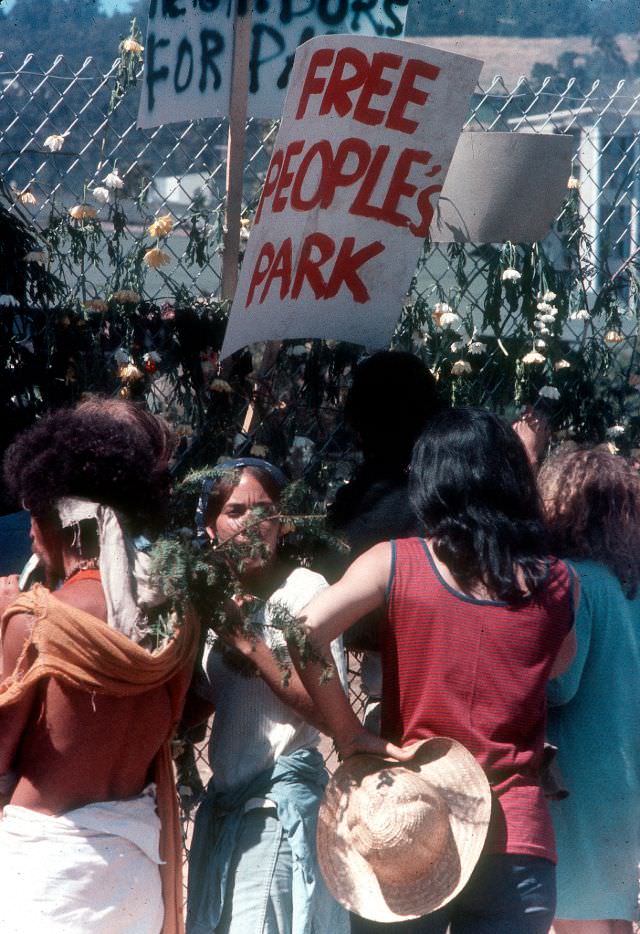
No single event defined Berkeley in 1969 more than the battle over People’s Park. The conflict began when the University of California attempted to reclaim a vacant lot that students and activists had converted into a community green space. Governor Ronald Reagan ordered the National Guard into Berkeley. Officers fired birdshot into crowds, killing one man and blinding another. The Guard occupied the city for a month. People’s Park became a national symbol of the confrontation between institutional authority and grassroots community organizing.
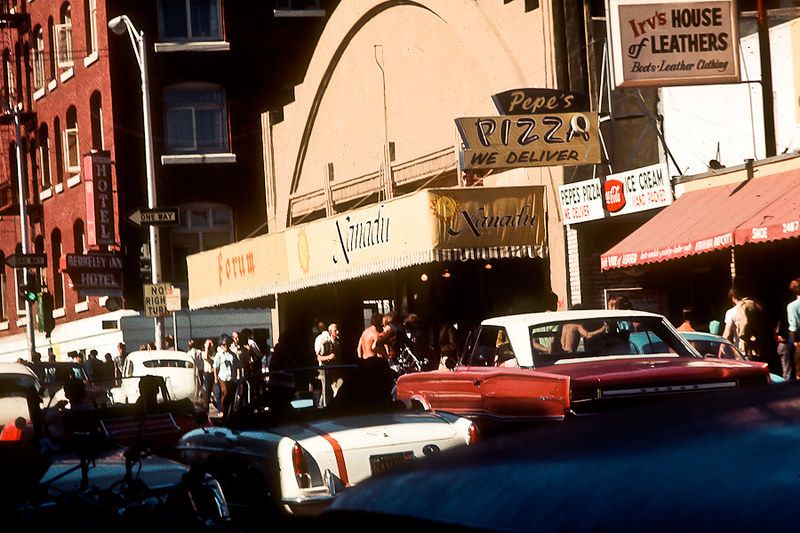
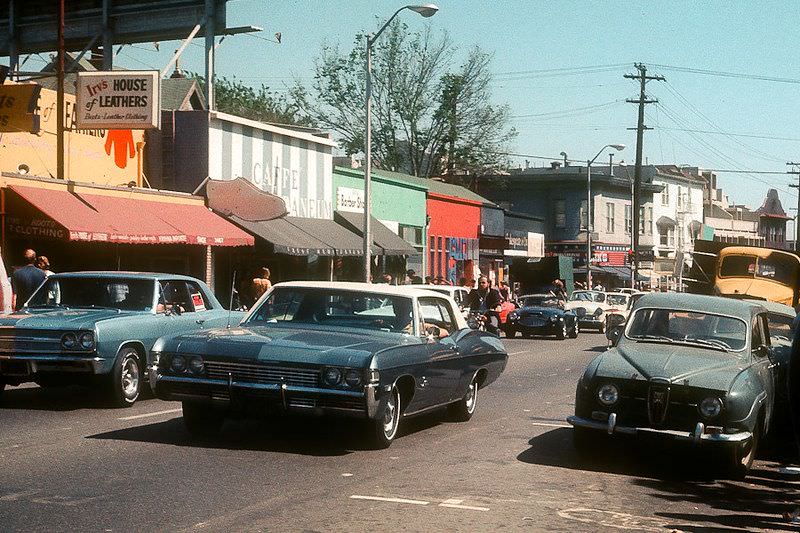
Telegraph Avenue remained the commercial and cultural spine of Berkeley’s counterculture throughout 1969. Street vendors, record shops, head shops, and food stalls competed for space on the sidewalk. The avenue attracted runaways, students, activists, and tourists in equal measure. It was loud, colorful, and often chaotic — exactly what its regulars wanted it to be.
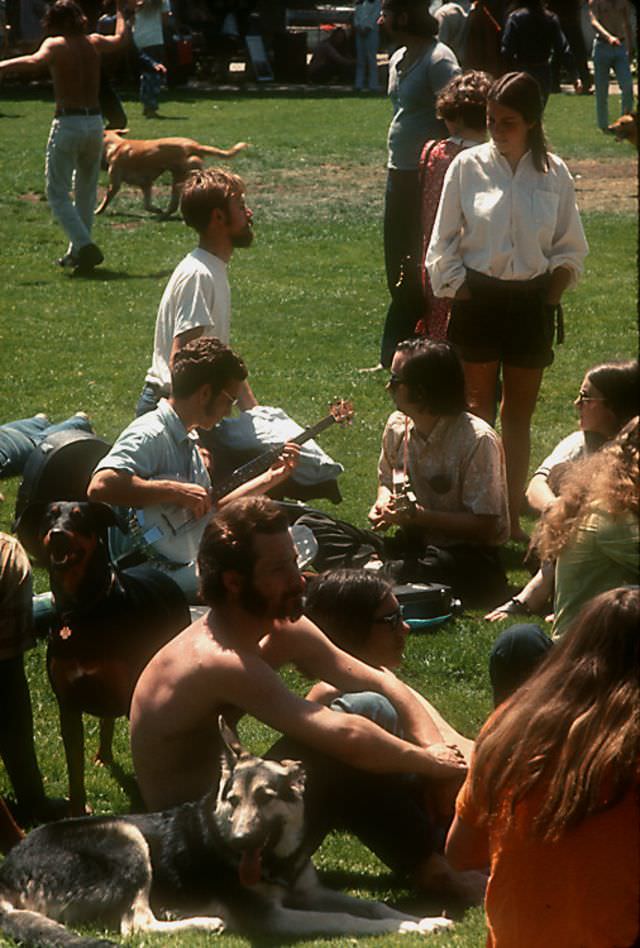
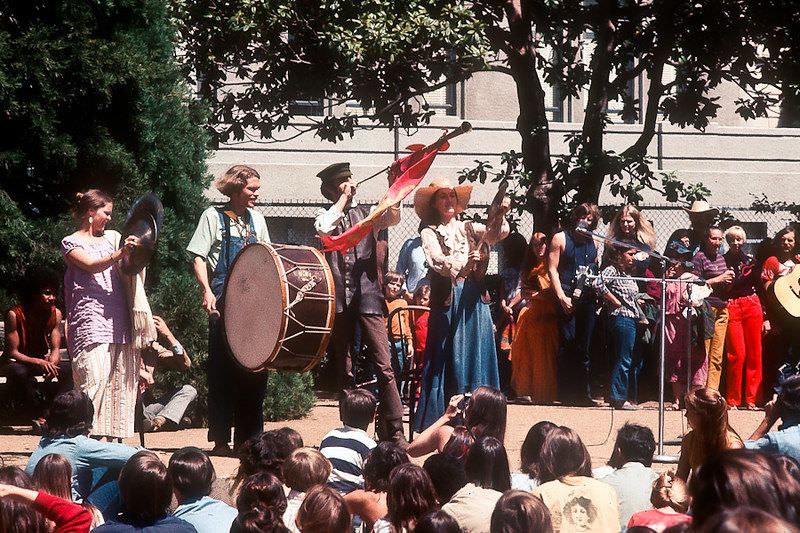
The Berkeley Folk Festival drew performers and audiences to Live Oak Park each summer, turning the shaded grounds into a gathering point for acoustic music and community. The 1970 festival continued that tradition, pulling in crowds who spread blankets across the grass and stayed for hours. Folk music in Berkeley was never purely entertainment — it carried the political and social weight of the era’s broader movements.
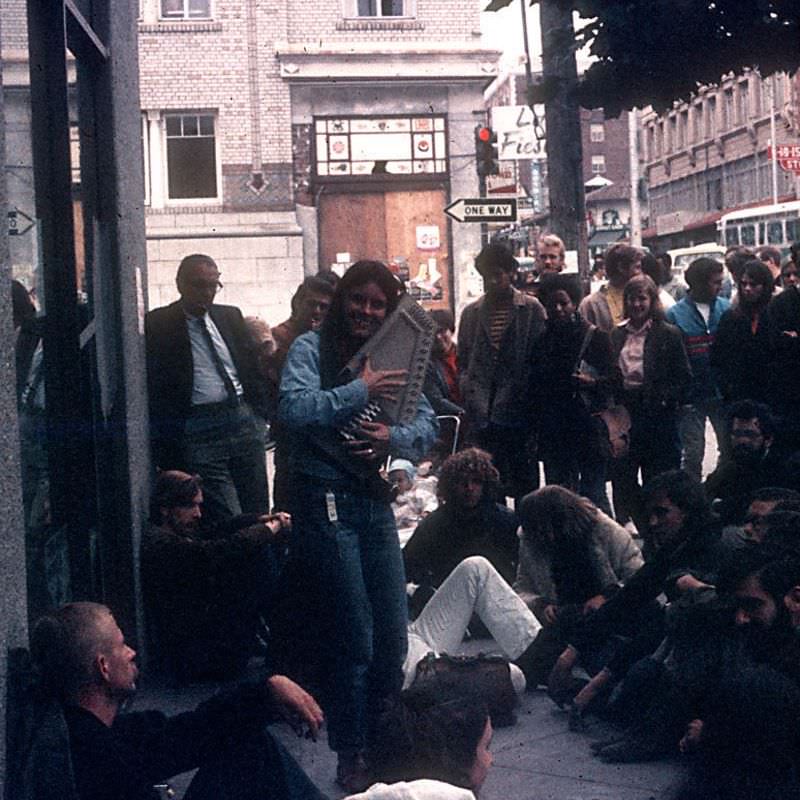
Shattuck Avenue anchored a different side of Berkeley’s creative life. Studios, galleries, and small businesses operated out of its storefronts, providing space for artists and craftspeople who couldn’t afford San Francisco rents. By 1970, Shattuck had developed a distinct identity separate from Telegraph — less confrontational, more artisan.
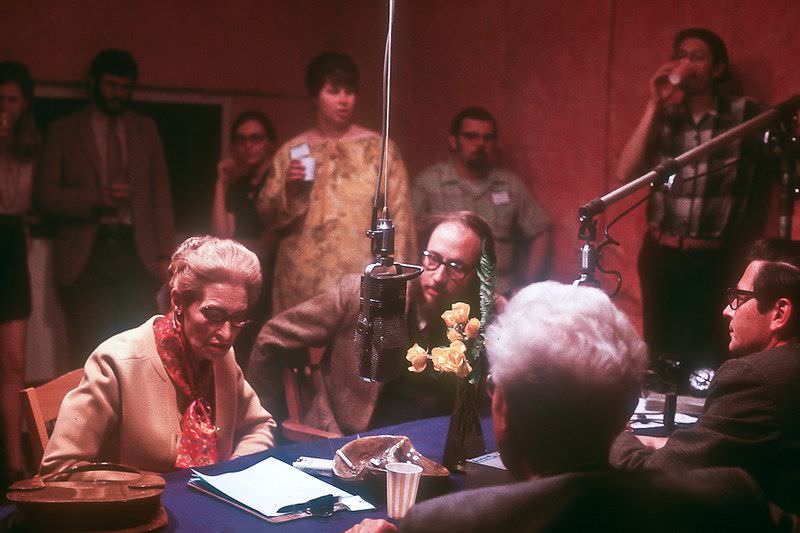
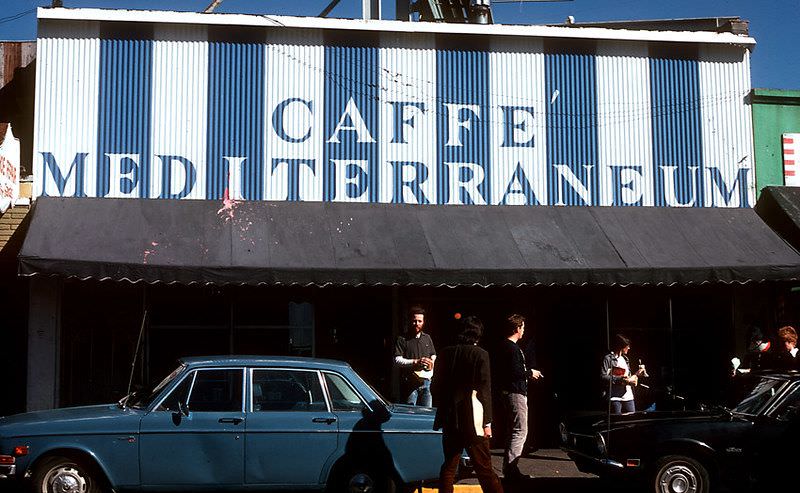
Café Med, known locally as
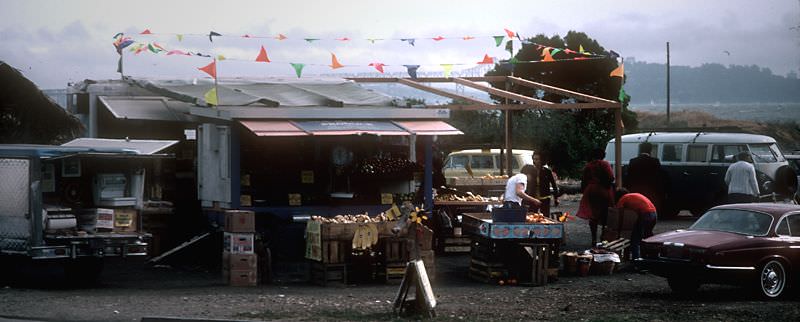
Berkeley’s waterfront offered a completely different atmosphere. The Berkeley Marina, developed along the bay shoreline, gave residents open views of San Francisco and the Golden Gate. By the mid-1970s it had become a popular destination for sailing, kite flying, and weekend escapes from the density of the flatlands and hills neighborhoods just inland.
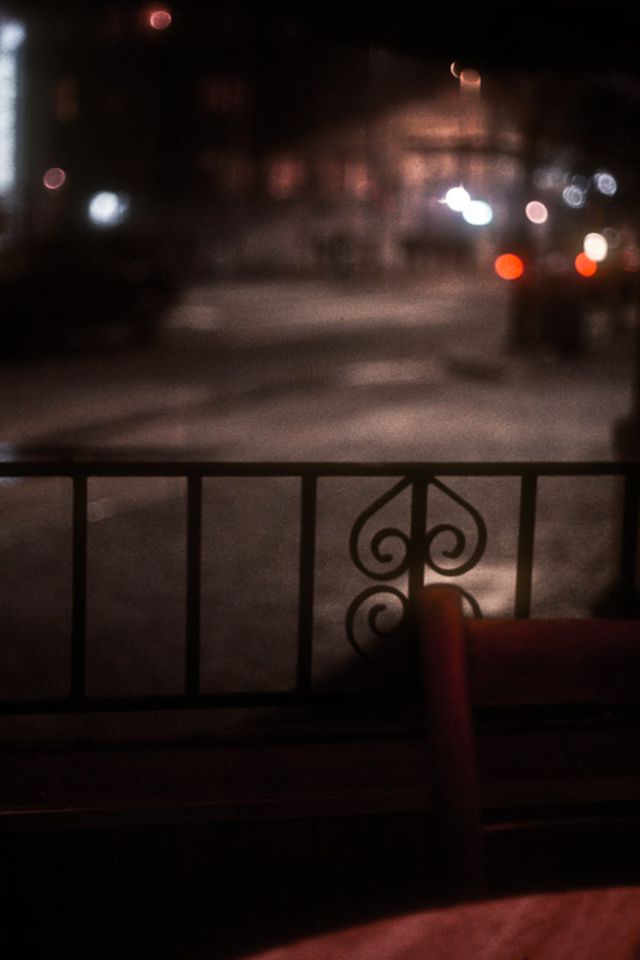
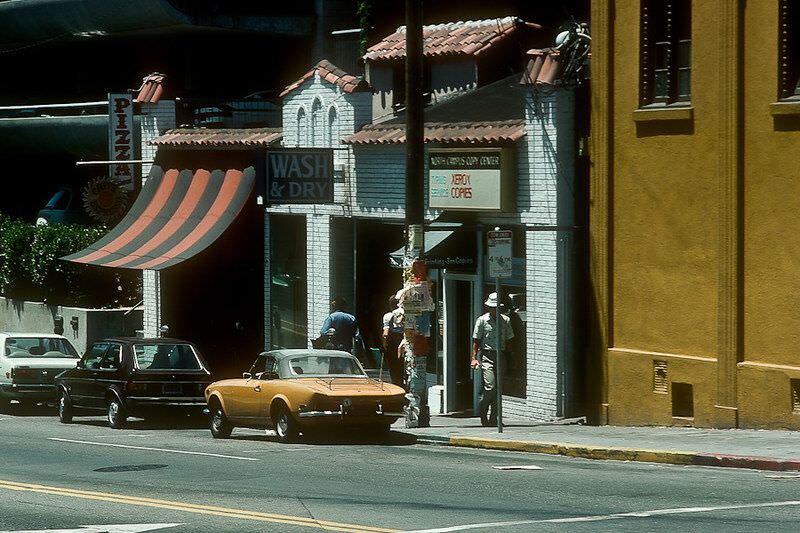
The corner of Hearst Avenue and Euclid on the north side of the UC Berkeley campus had its own small neighborhood identity. Café Espresso anchored the block, serving the professors, graduate students, and residents who populated the Northside neighborhood. It was a calmer, more literary corner of Berkeley than the Telegraph corridor — the kind of place that rewarded regulars.
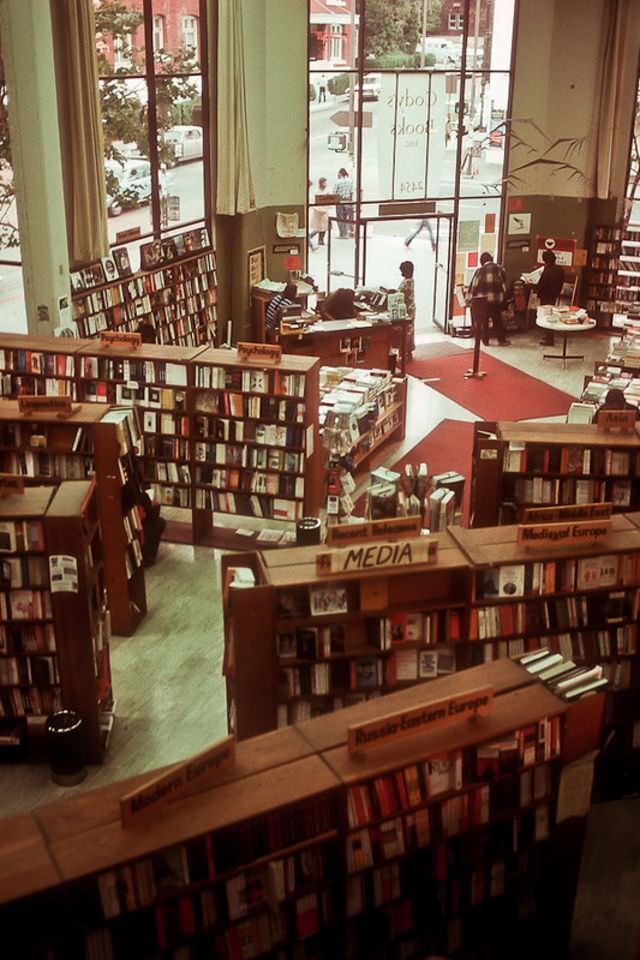
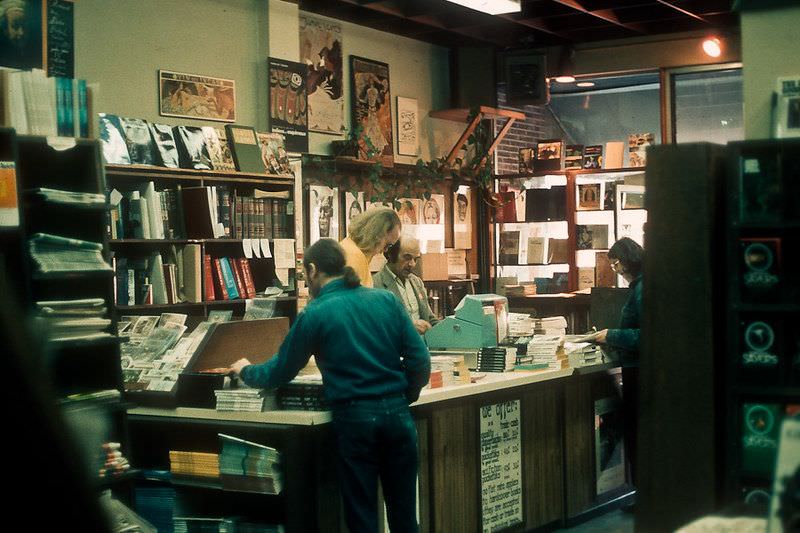
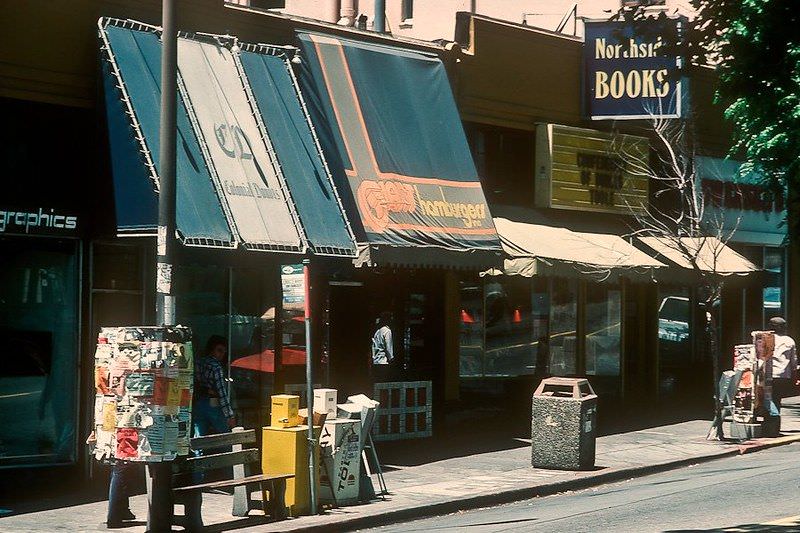
Berkeley’s bookstore culture was legendary. Moe’s Books on Telegraph Avenue was one of the Bay Area’s most respected used bookstores, known for four floors of densely packed shelves and a staff with strong opinions. Northside Books served a similar function on the other side of campus — a neighborhood shop that stocked both academic and general titles. In a city built around the university, bookstores functioned as community anchors.
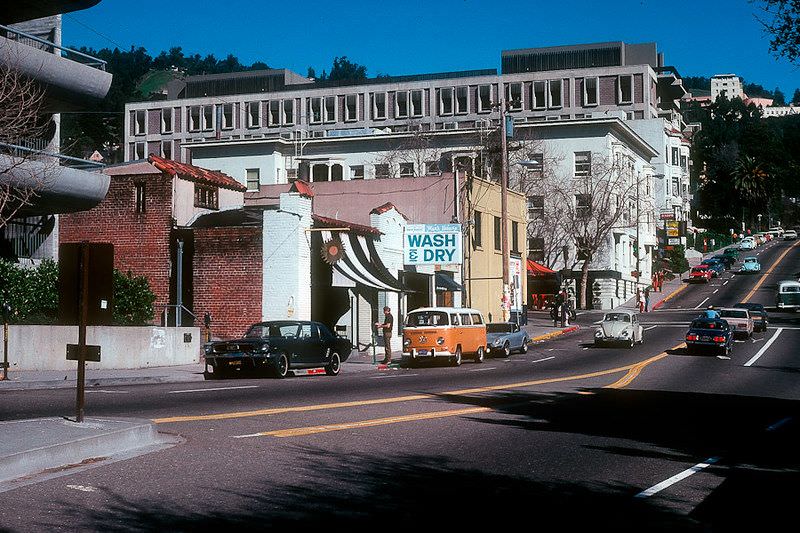
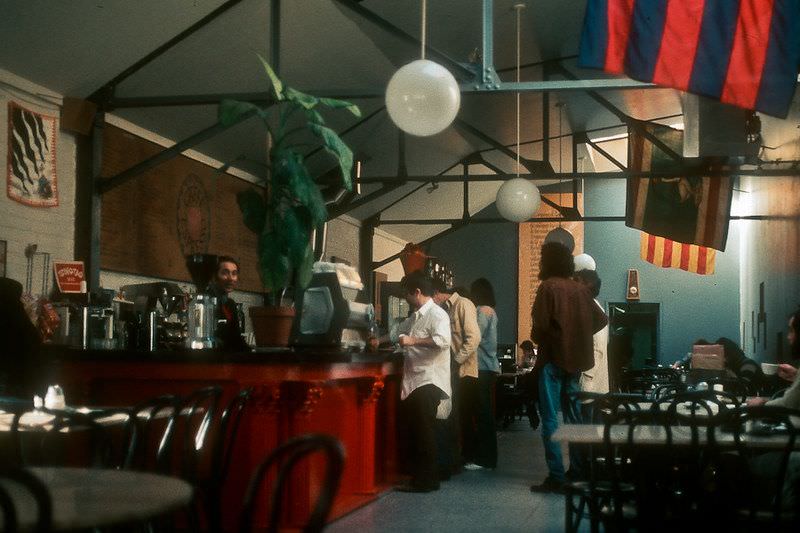
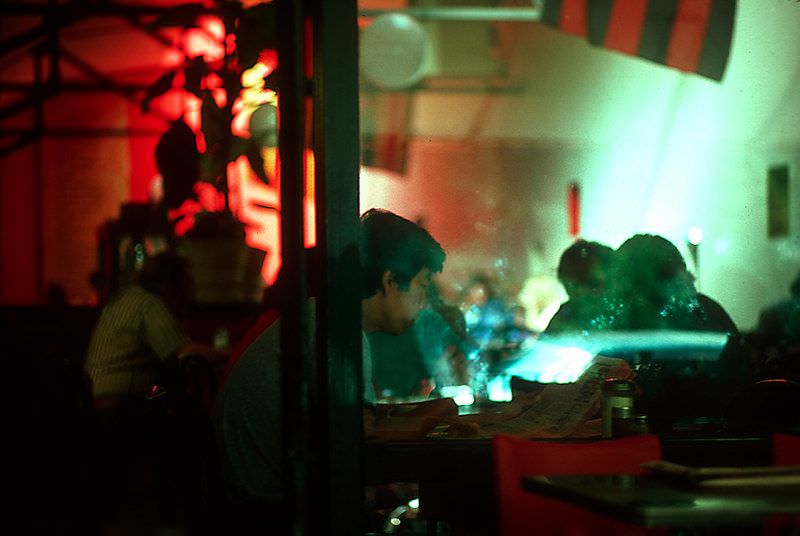
The Med in 1975 still held its place as Telegraph Avenue’s living room. Regulars came every day. New faces arrived and became regulars within weeks. The coffeehouse format — counter service, communal tables, long hours — suited a city where people showed up to think and argue as much as to eat or drink.
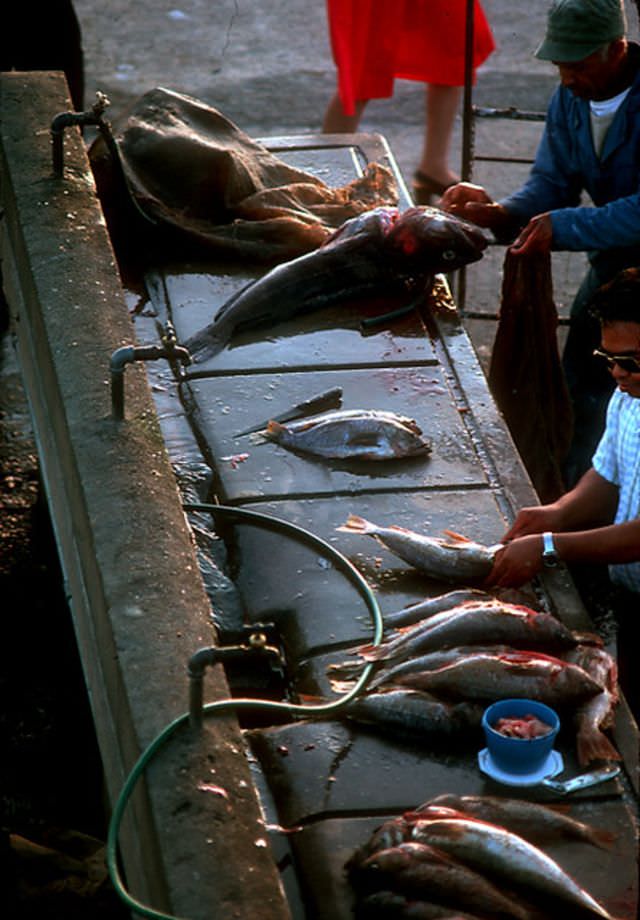
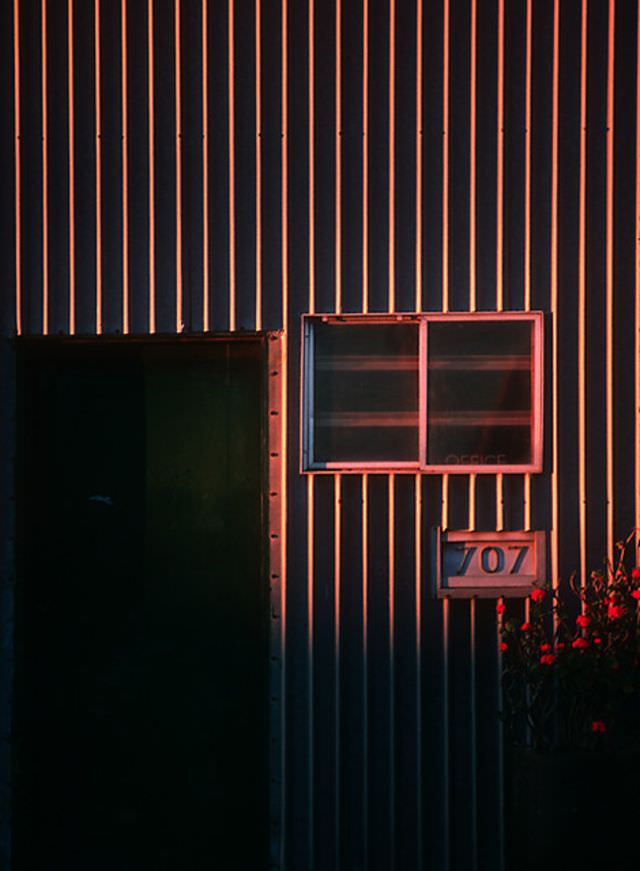
Berkeley’s industrial west side presented a face the tourist rarely saw. Warehouses, light manufacturing operations, and working-class businesses occupied the flatlands near the bay. In 1976, this part of the city was unglamorous and functional — a working waterfront district that processed, stored, and shipped goods while the hills and university neighborhoods drew all the cultural attention.
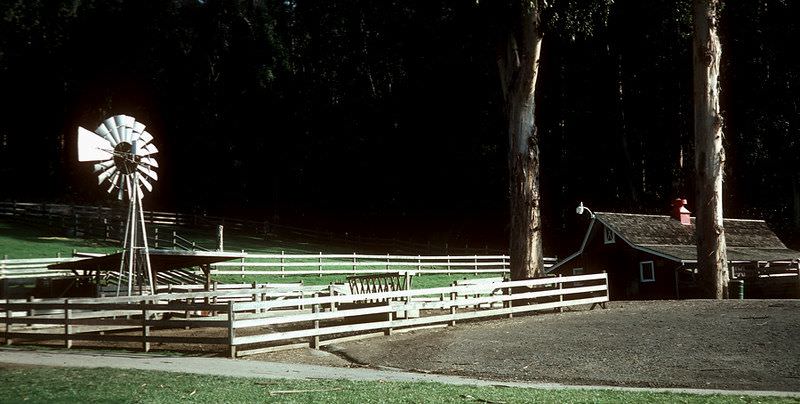
Tilden Regional Park, tucked into the Berkeley Hills, contained the Little Farm — a small working farm that had been a fixture for East Bay families since the 1950s. Children could feed the animals and watch agricultural work up close. In December 1979, it remained exactly what it had always been: a low-key, genuine slice of rural life nestled inside one of the most urban regions in California.
As Berkeley moved into the 1980s, the Marina continued to grow as a recreational destination. Sailboats, windsurfers, and weekend crowds made it a fixture in the city’s outdoor life. The views across the bay toward San Francisco remained among the most striking in the entire Bay Area.
By 1981, the Hearst and Euclid corner had changed little in the years since Friedman first photographed it. The Café Espresso was still there, still drawing its steady crowd of Northside regulars. The storefronts along the block reflected a neighborhood that had aged without losing its character — small-scale, walkable, built around the rhythms of campus and community life.
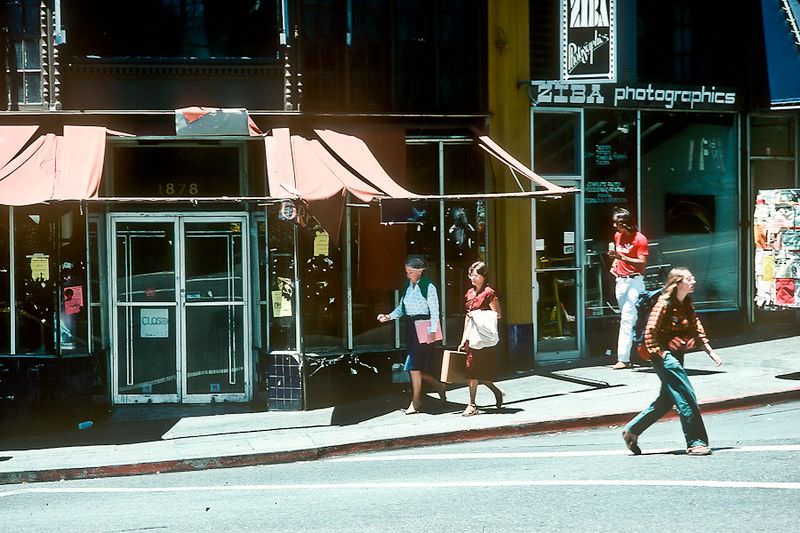
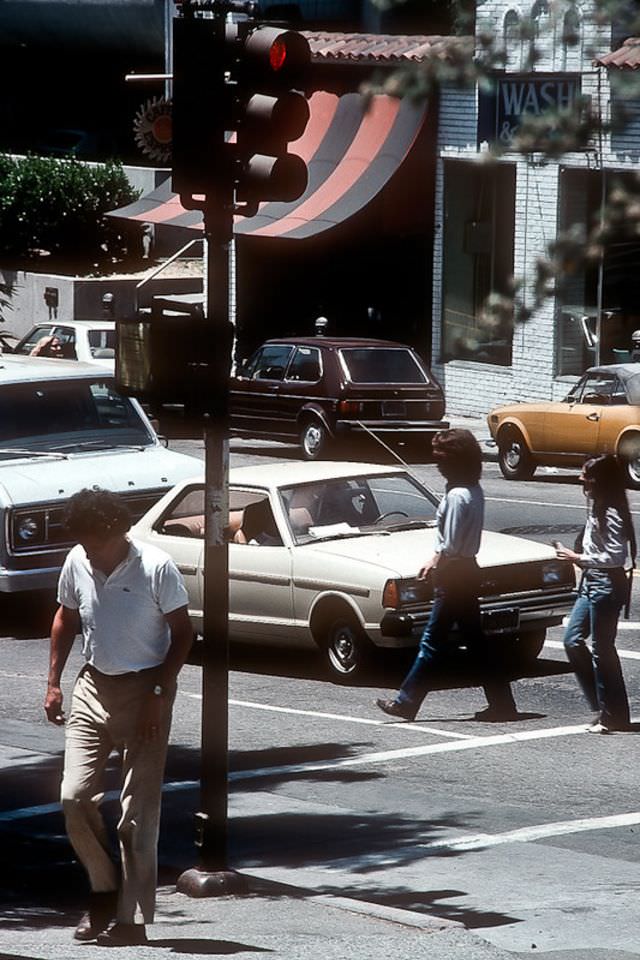





Many of these are mis-captioned, as if the titles and pictures were mixed up.
Love these photos!!
Although some captions are incorrect
It brings back memories of long hair and furry faces. Reverse “Earth” shoes too.
I was there in the early 80’s. I remember it differently.
It’s such a Eurocentric historical depiction of Berkeley’s past as if people of color were nonexistent in the creation of the culture of this city. Is it not enough that gentrification, rising housing costs and property taxes have made it easy to prey on and displace these groups from areas they were relegated to when considered undesirable. You could at least show the respect of acknowledging their presence and contribution to the city and region.