
In the 1860s, getting dressed was a serious process for a young girl in Victorian England. Fashion was not simply about looking nice — it was a structured, layered ritual that followed strict rules of modesty and style. Every piece of clothing served a purpose, and the full outfit could involve half a dozen garments before the dress even went on.
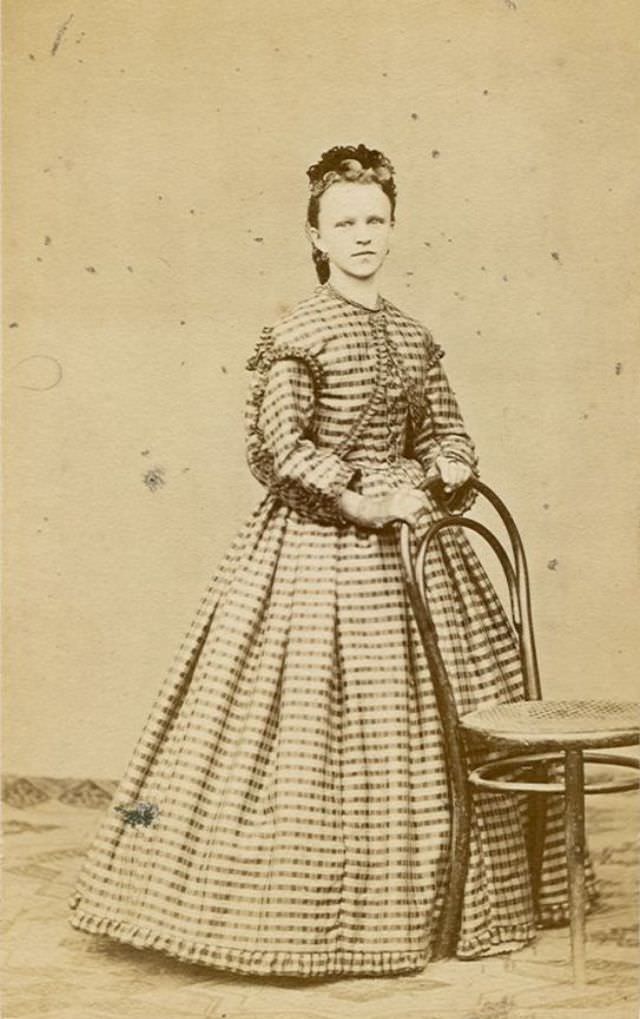
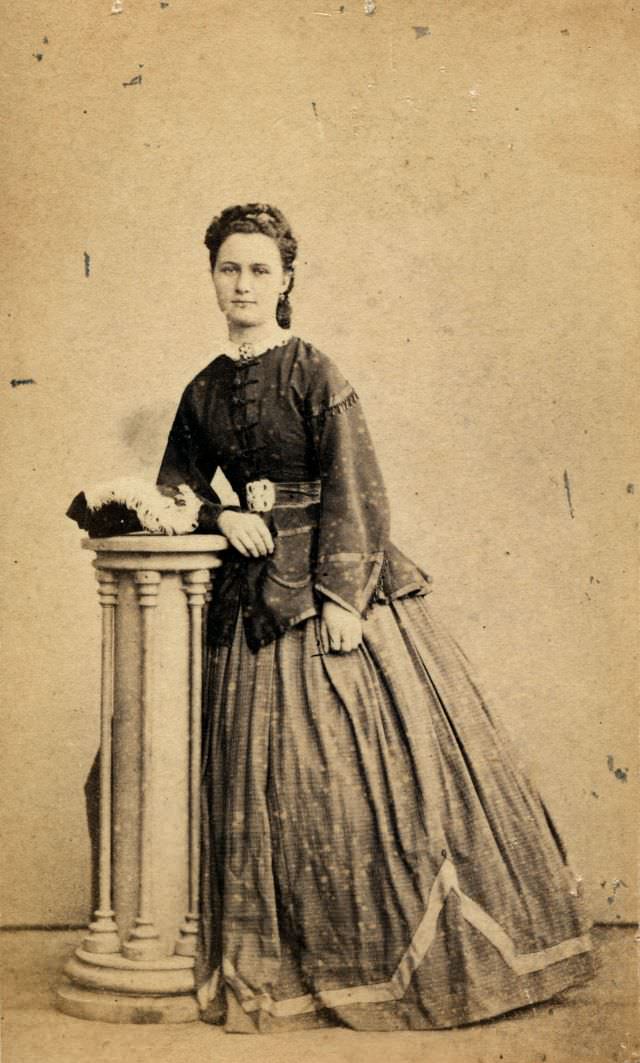
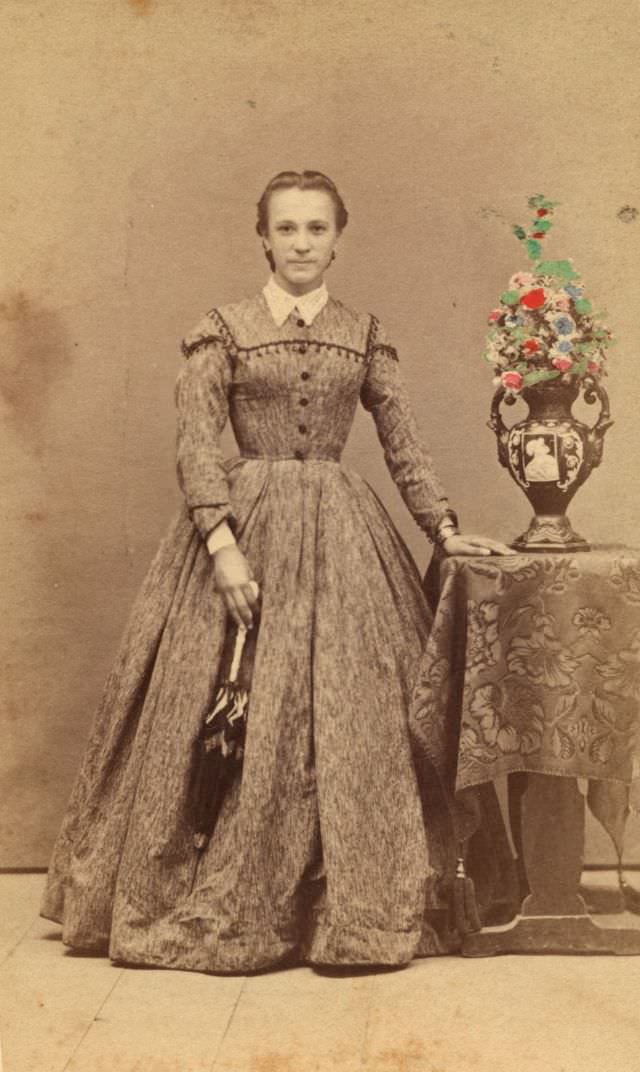
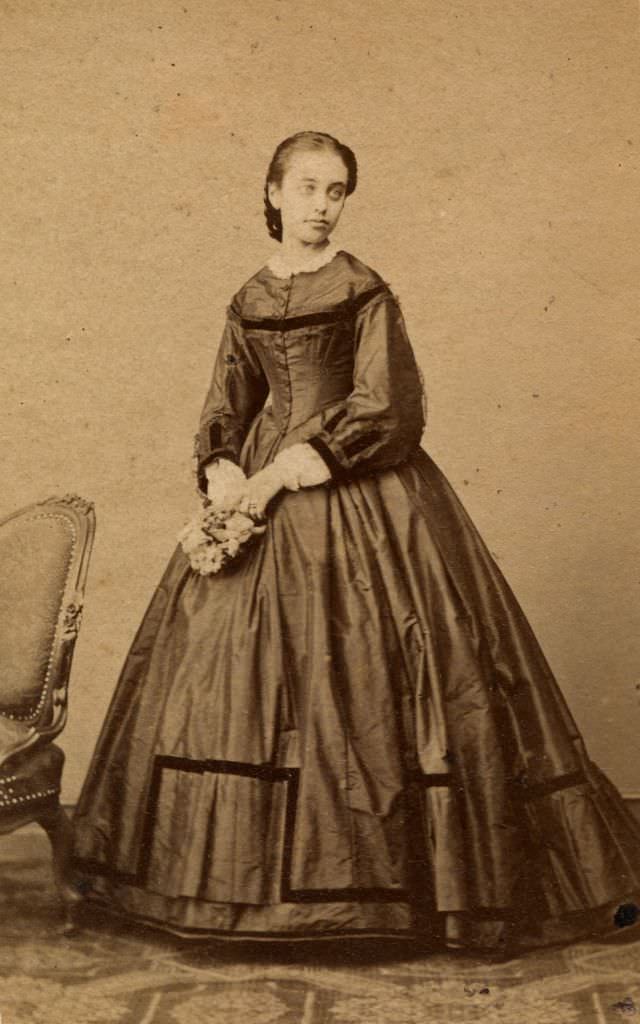
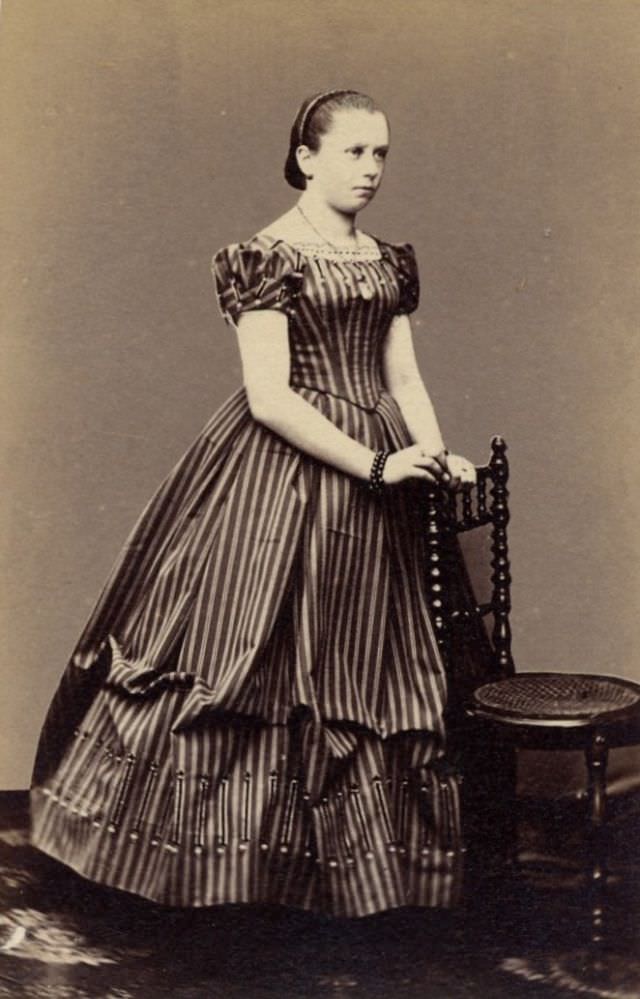
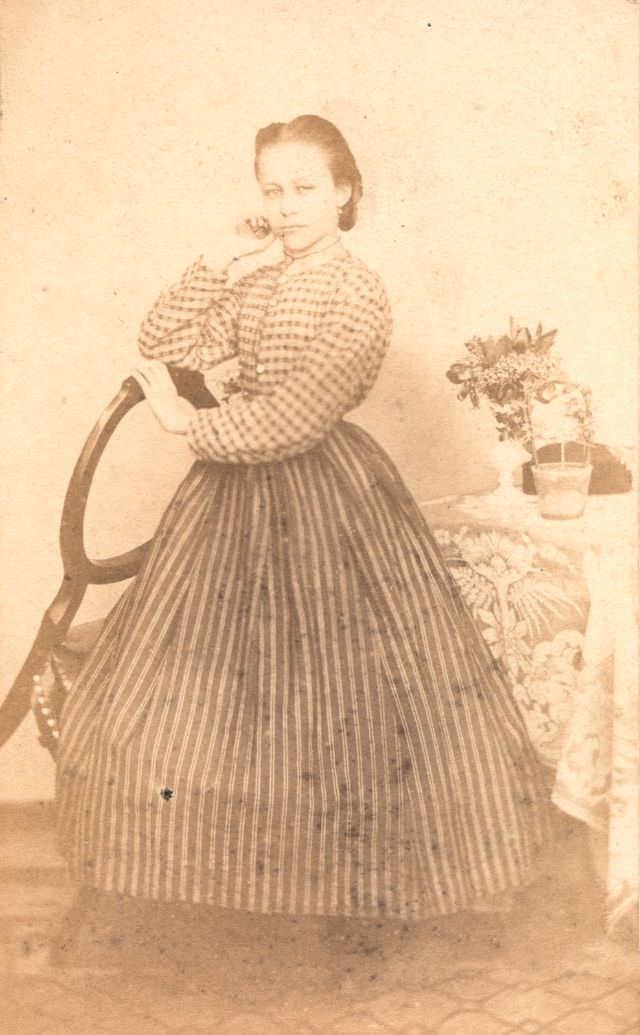
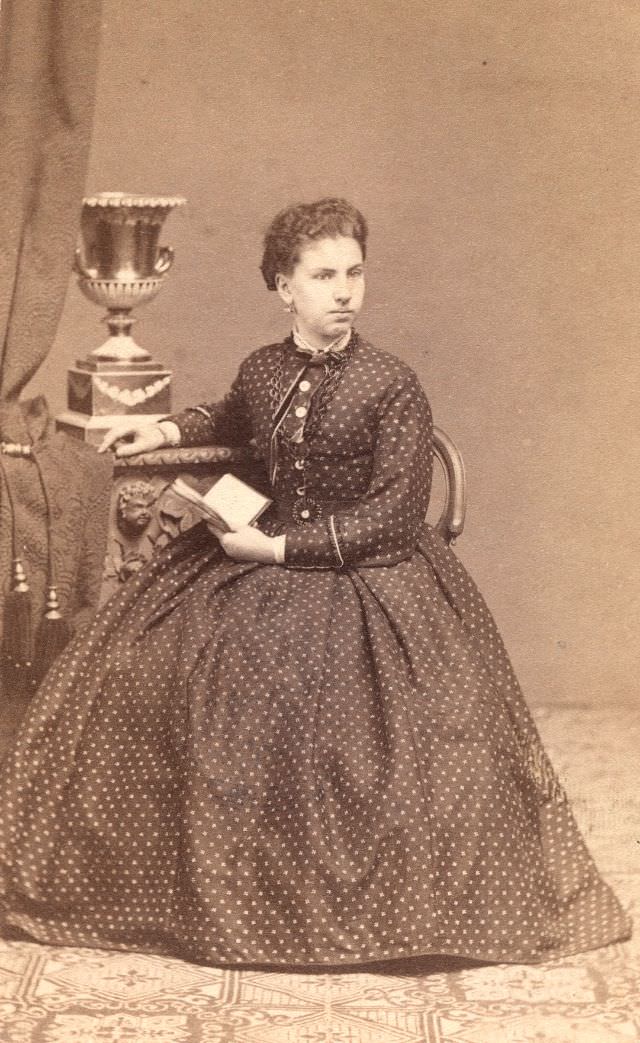
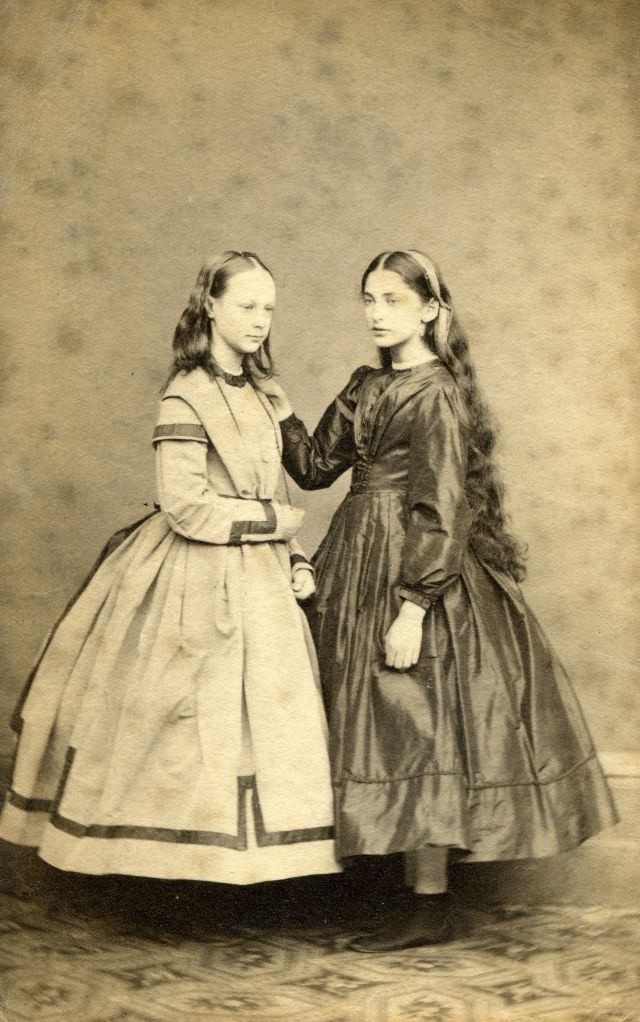
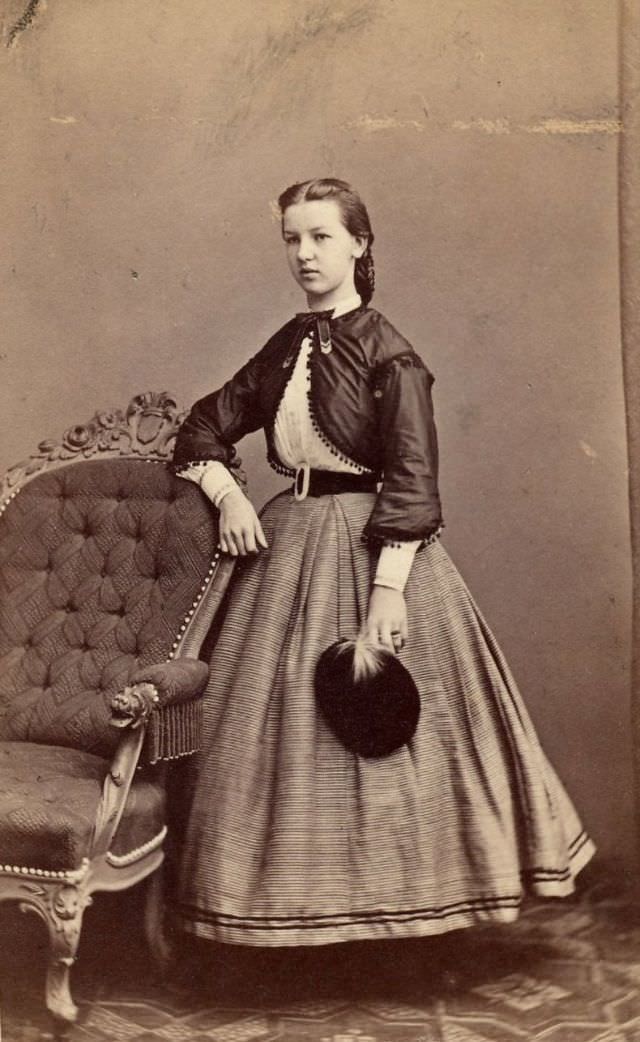
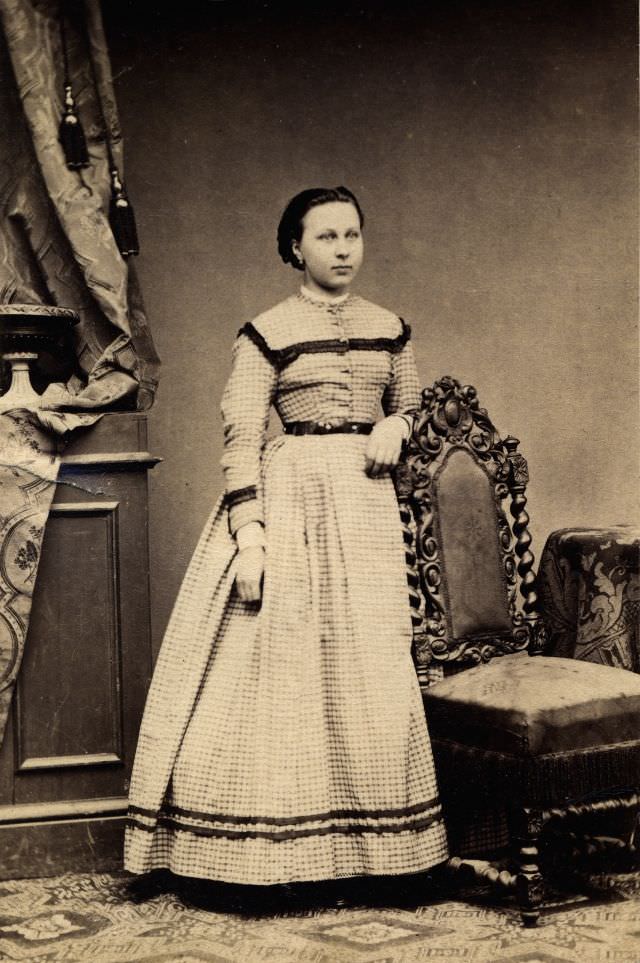
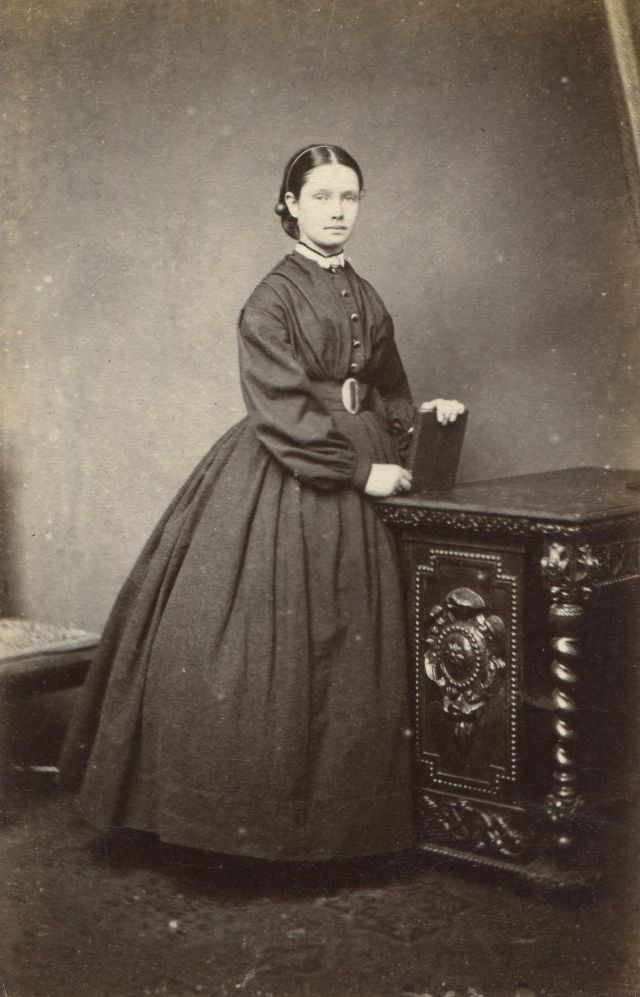
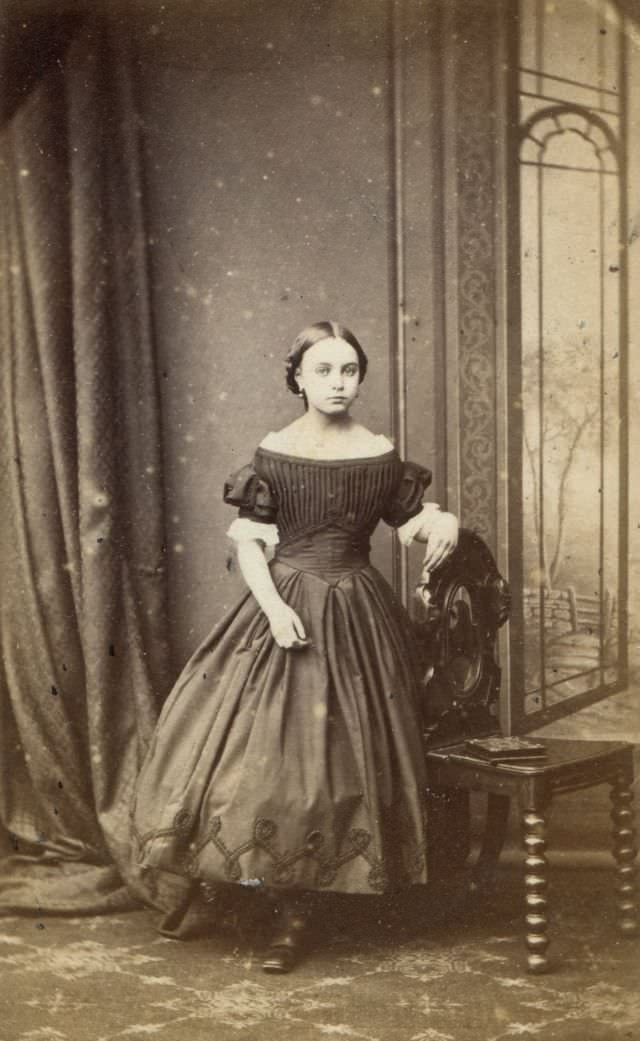
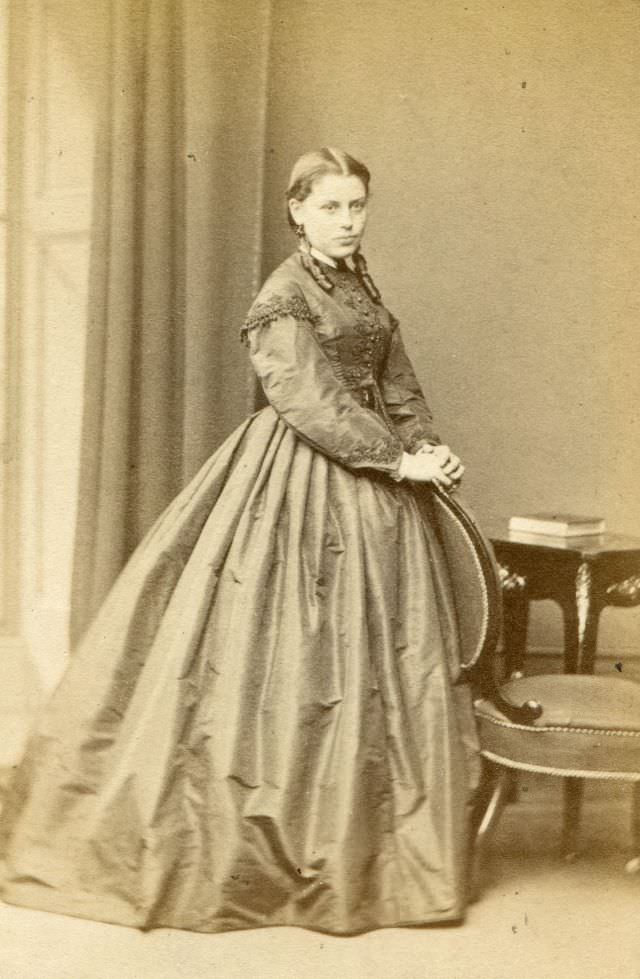
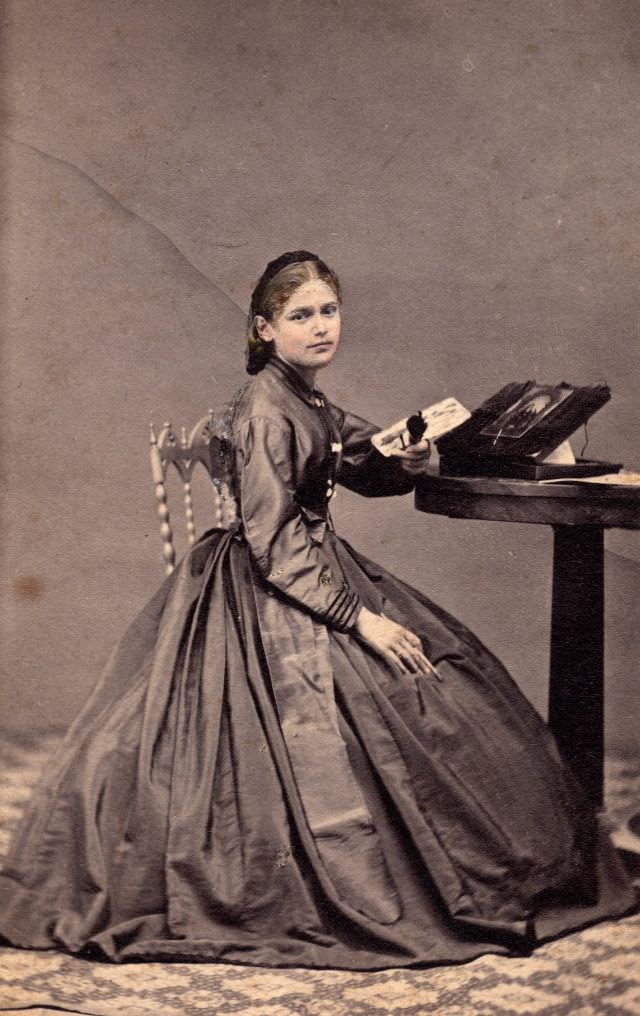
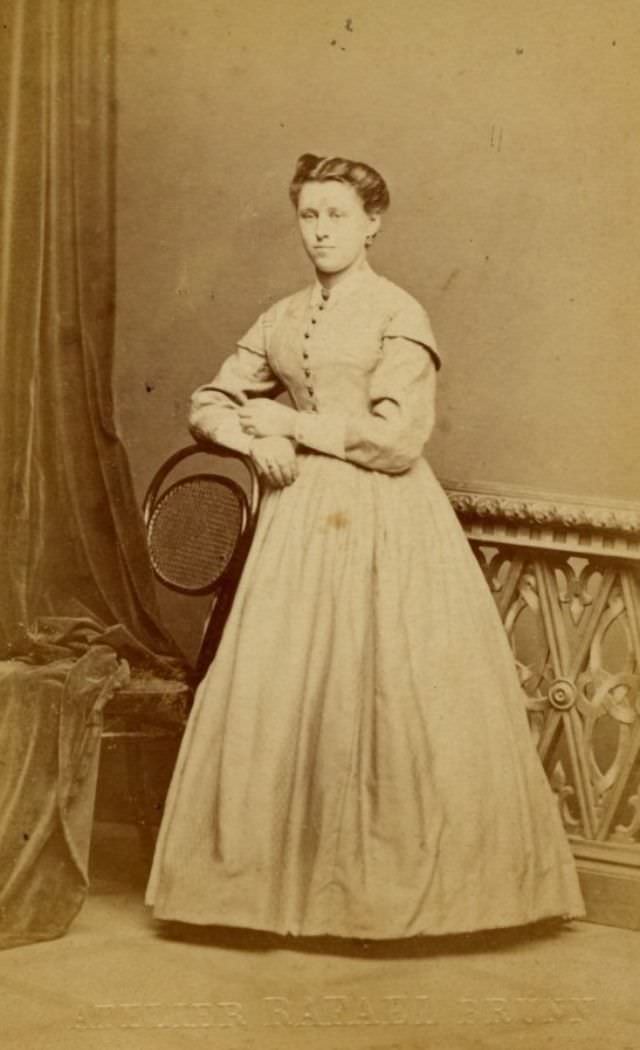
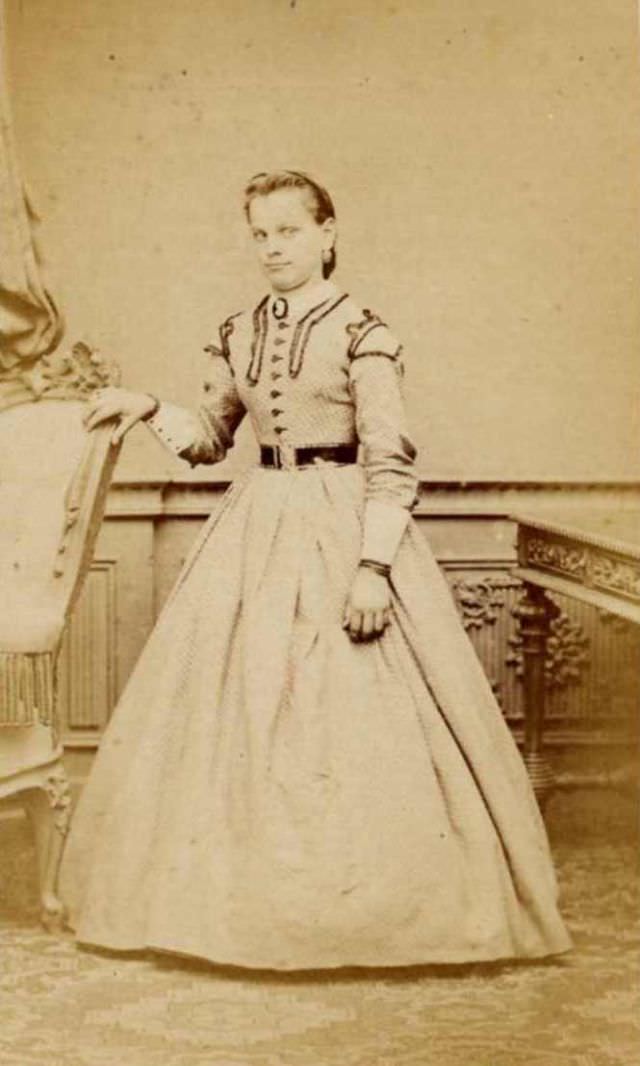
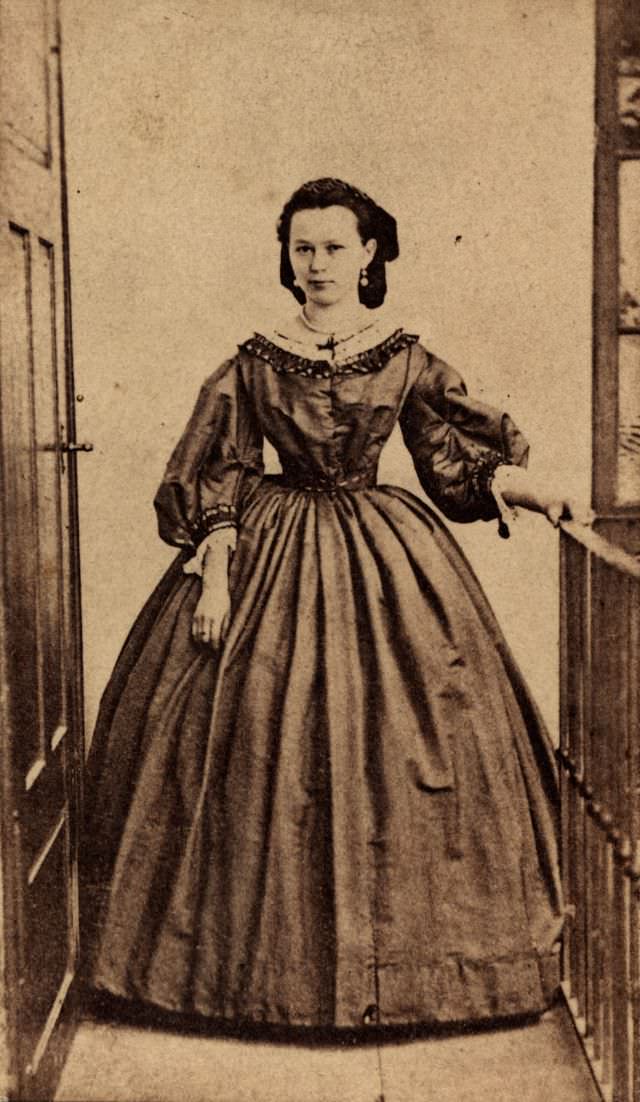
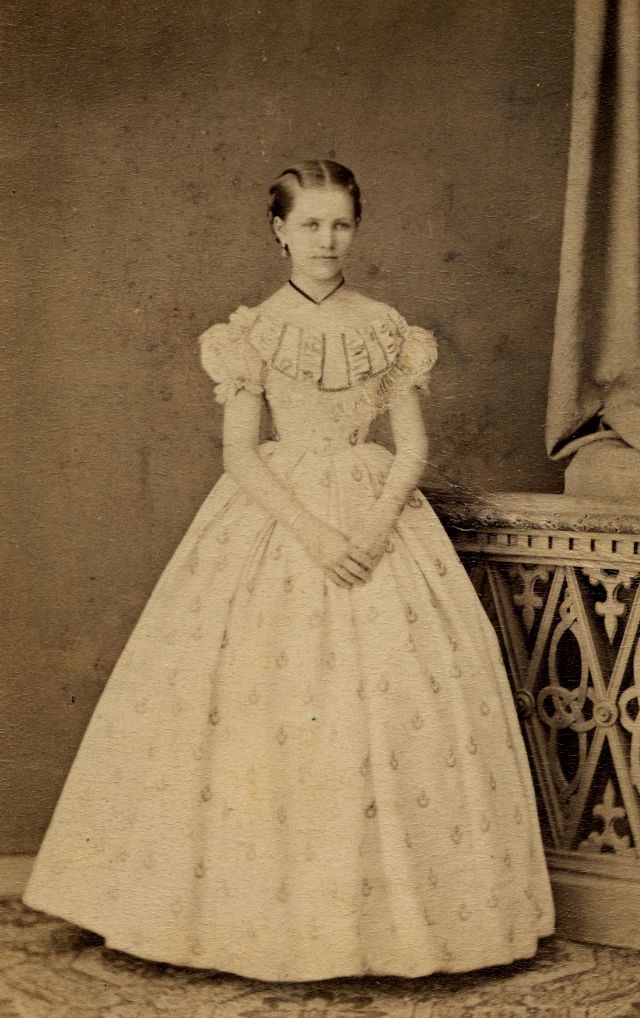
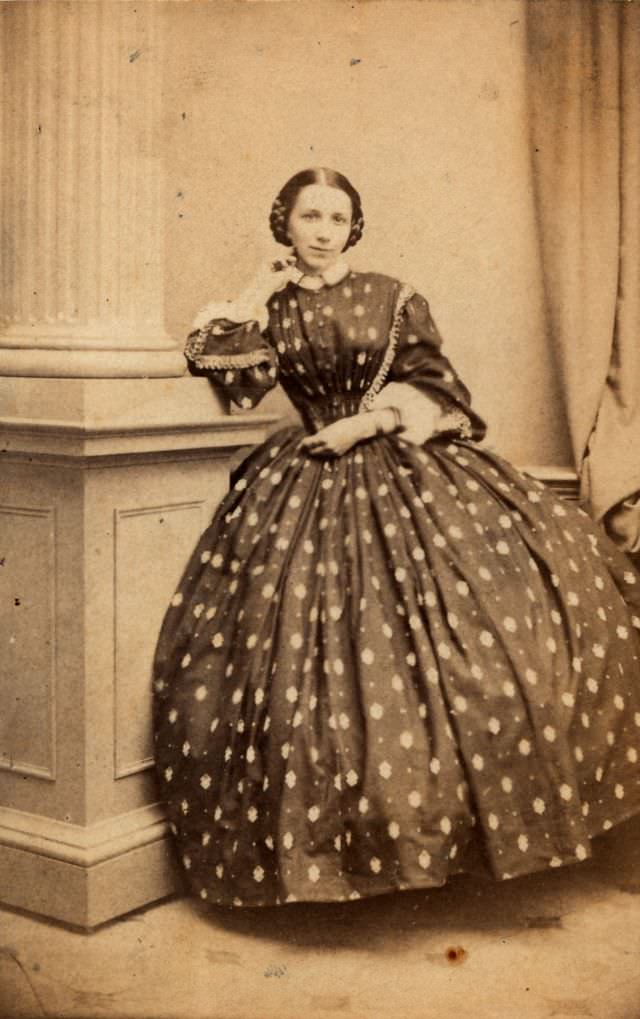
The most defining feature of 1860s girls’ fashion was the crinoline. This was a cage-like frame made of steel hoops connected by fabric or tape, worn under the skirt to hold it out in a wide, bell shape. The crinoline gave dresses their signature silhouette — full, sweeping, and dramatic. Early in the decade, skirts were at their widest, sometimes extending several feet from the body.
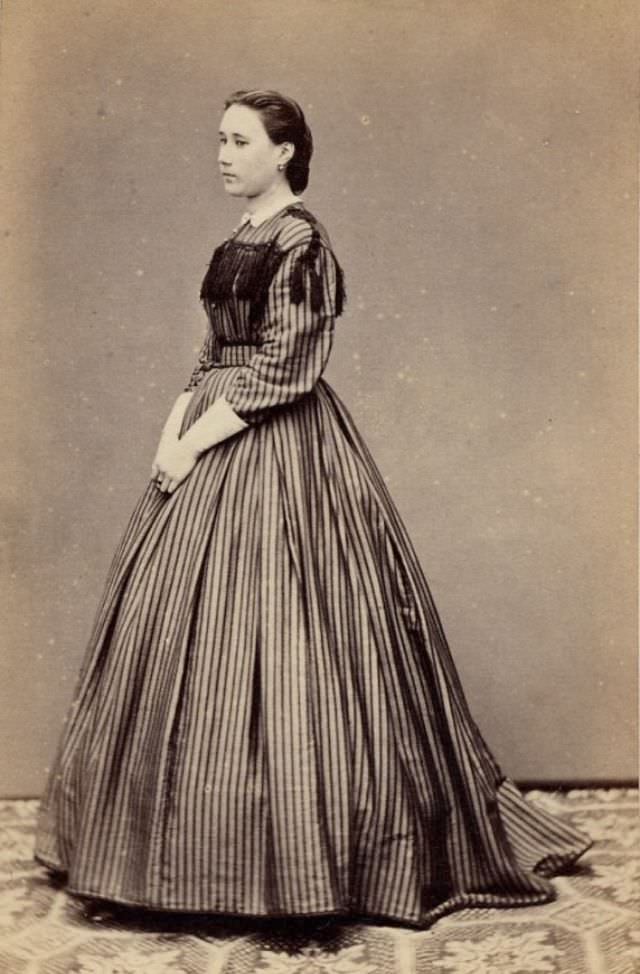
Beneath the crinoline, a girl wore a chemise — a plain, loose undergarment that sat closest to the skin. Over that came a corset, laced to pull in the waist. Then came multiple petticoats, which added extra volume and helped the crinoline hold its shape. Only after all of these layers was the outer dress put on.
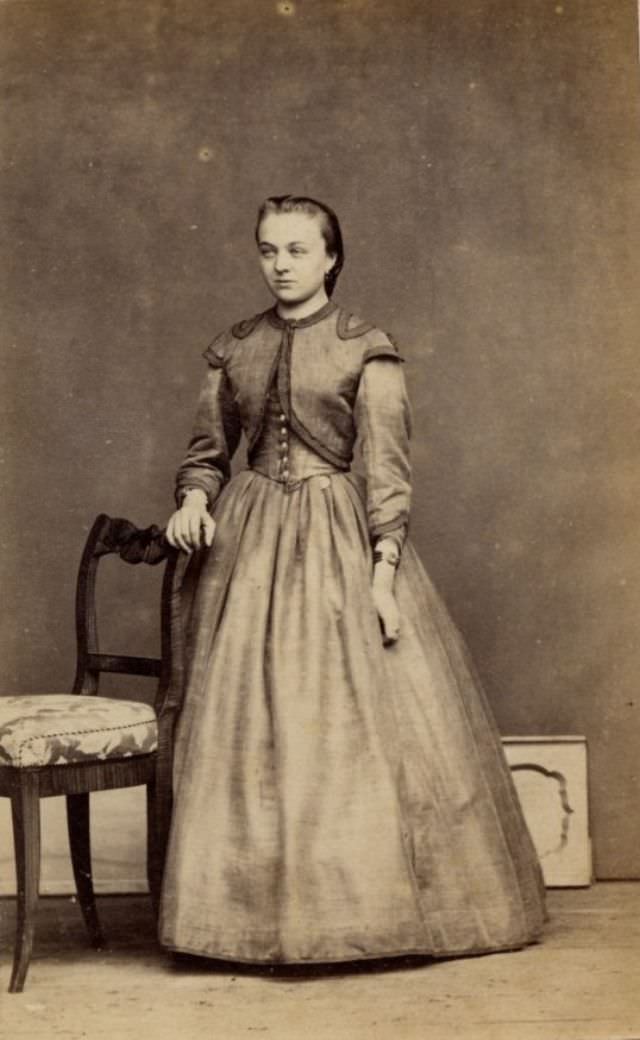
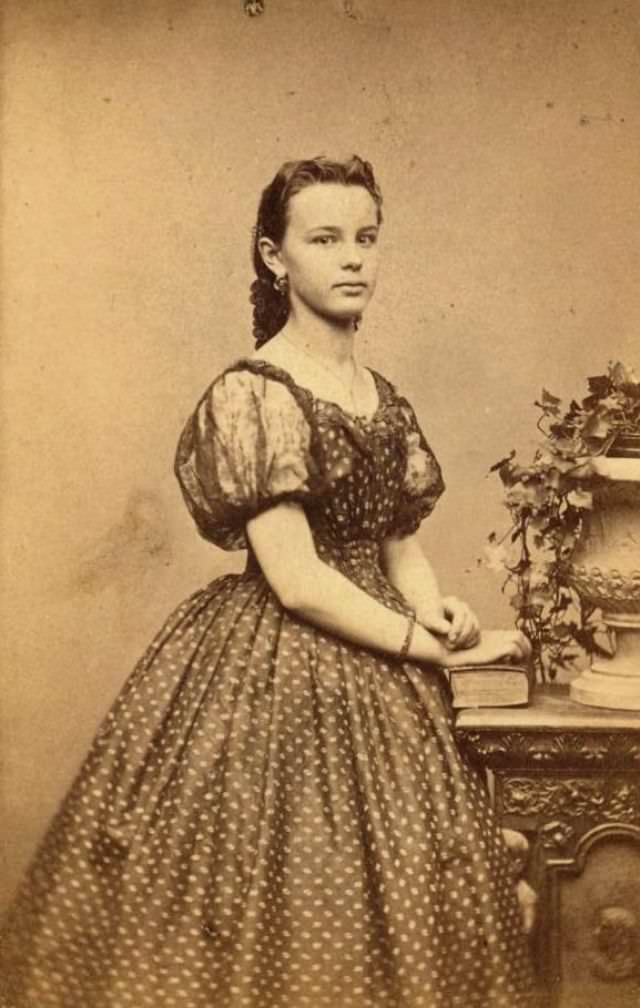
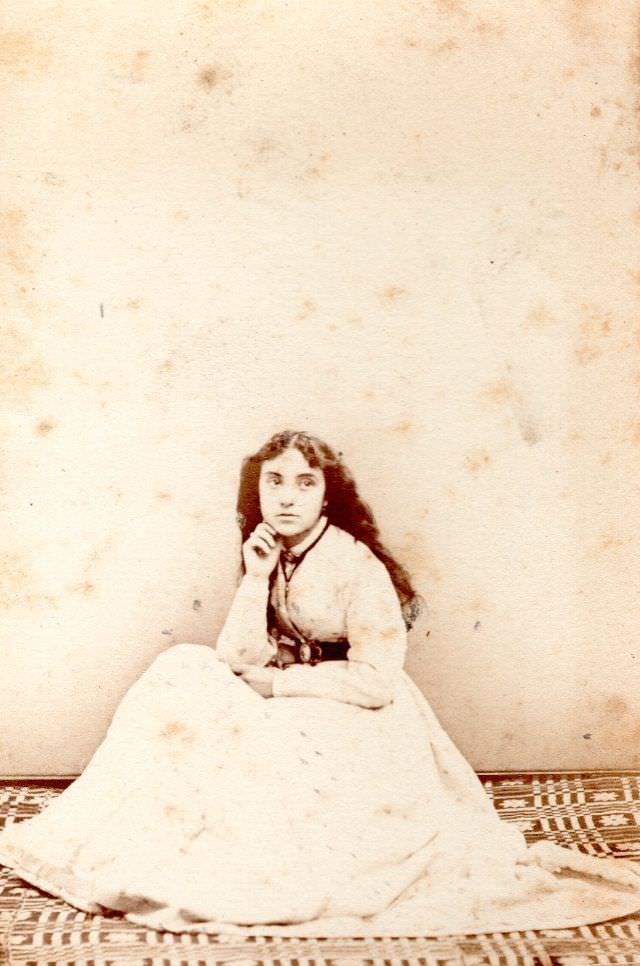
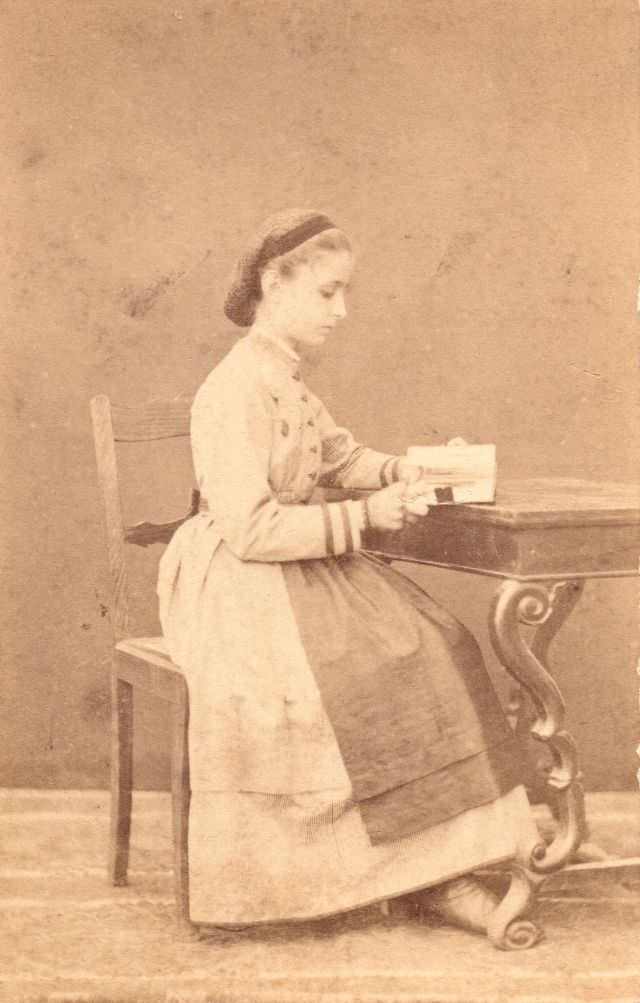
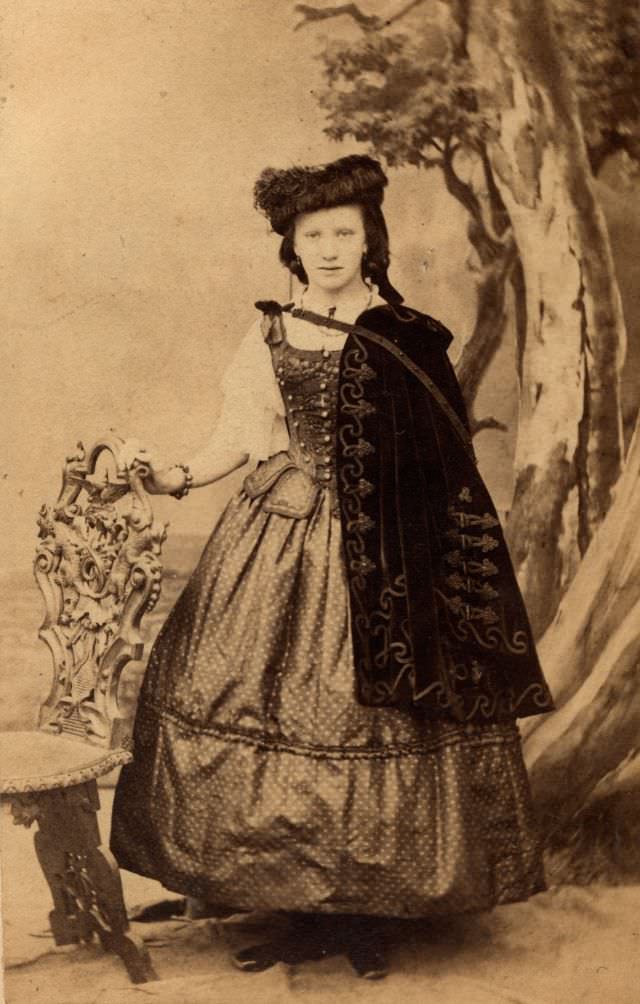
The dress itself varied by occasion and family income. Cotton and wool were used for everyday wear, while silk and satin were reserved for formal events. Regardless of the fabric, the surface of the dress was rarely plain. Lace trim, embroidered panels, ribbon sashes, and beadwork were all common decorations. Some dresses featured hand-painted floral designs along the hem or bodice.
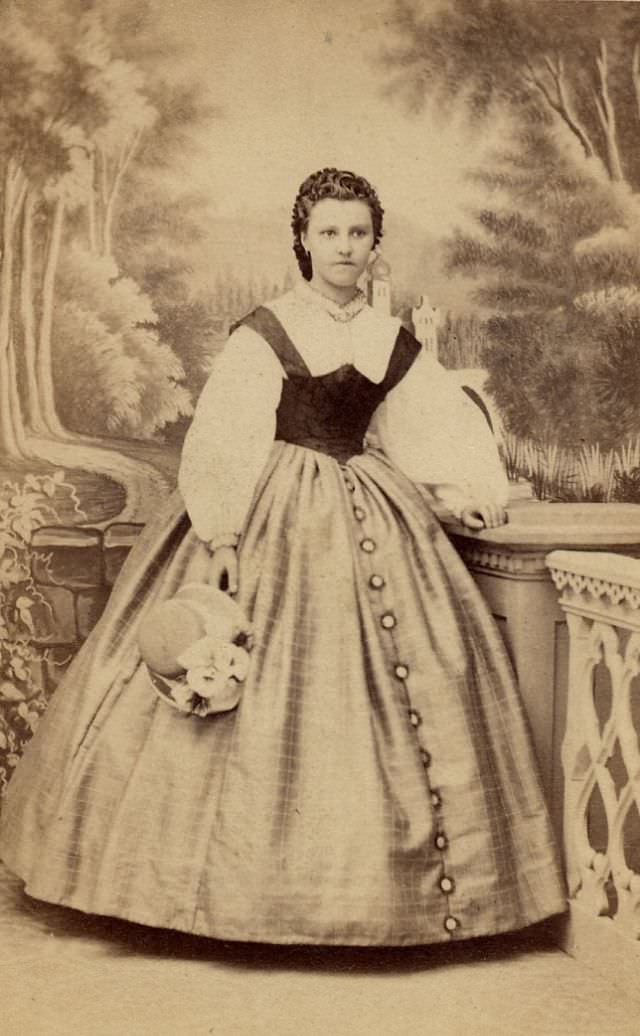
No outfit was complete without a hat or bonnet. In summer, wide-brimmed straw hats kept the sun off a girl’s face. In winter, close-fitting felt bonnets provided warmth. Both styles were typically decorated with feathers, silk flowers, or ribbons tied under the chin. A bonnet was considered an essential part of modest, respectable dress for girls of all ages.
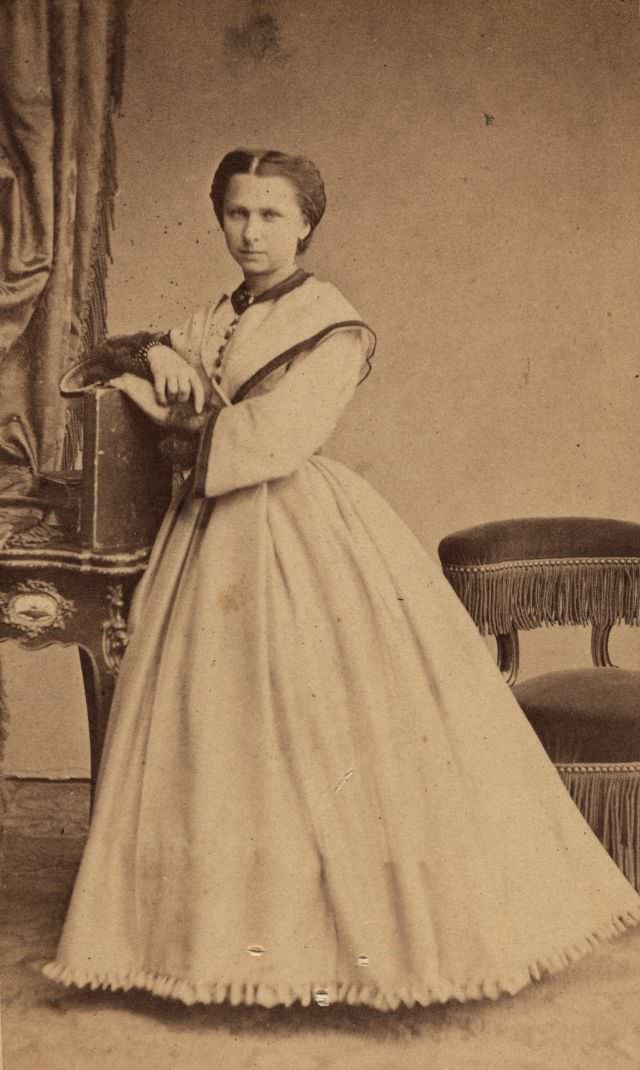
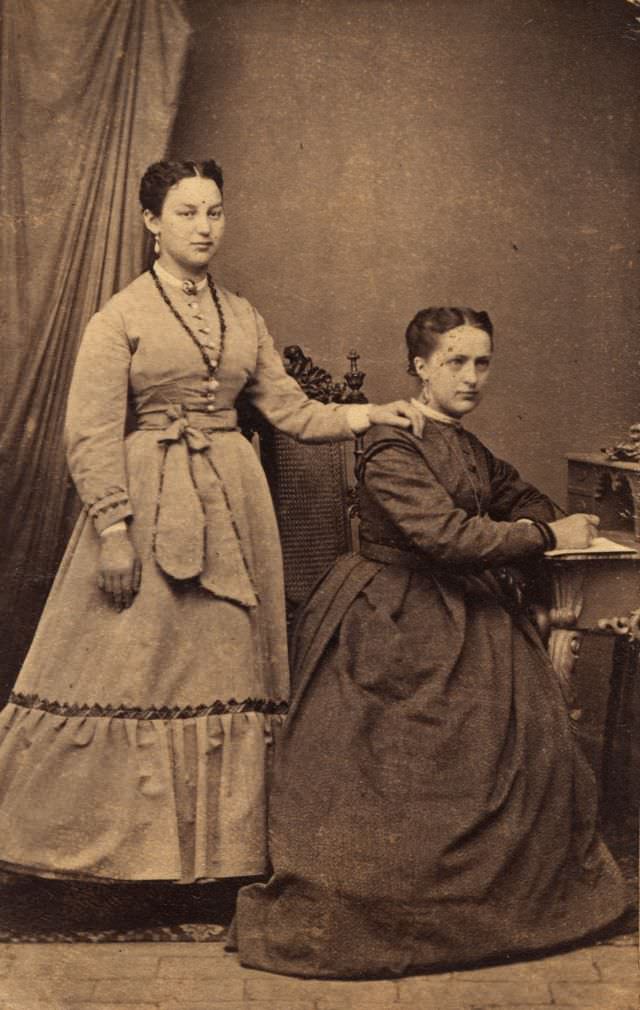
Hair was worn long and styled carefully. Braids, curls pinned at the back, and neat buns were all fashionable choices. Hair accessories such as ribbon ties, decorative combs, and fabric headbands were widely used. Jewelry was modest — a thin gold chain, a small brooch, or a simple pendant was typical for girls.
Footwear followed the same division between everyday and formal. Leather ankle boots with lace-up closures were worn for daily activities. For formal occasions, girls wore delicate slippers made of silk or satin, often decorated with embroidery or small beaded details. Both styles were fitted close to the foot, with a low, modest heel.
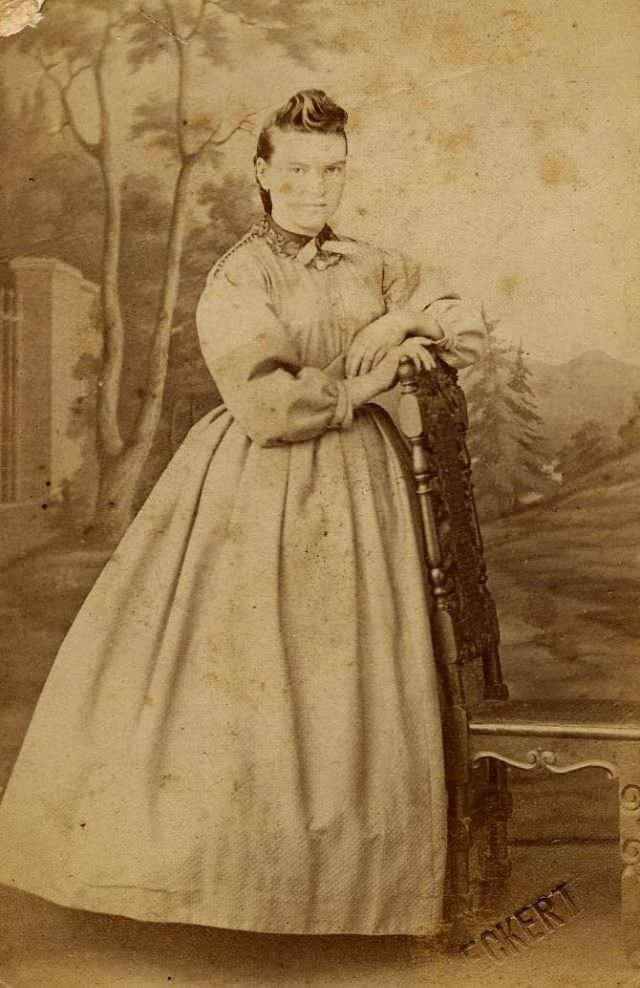
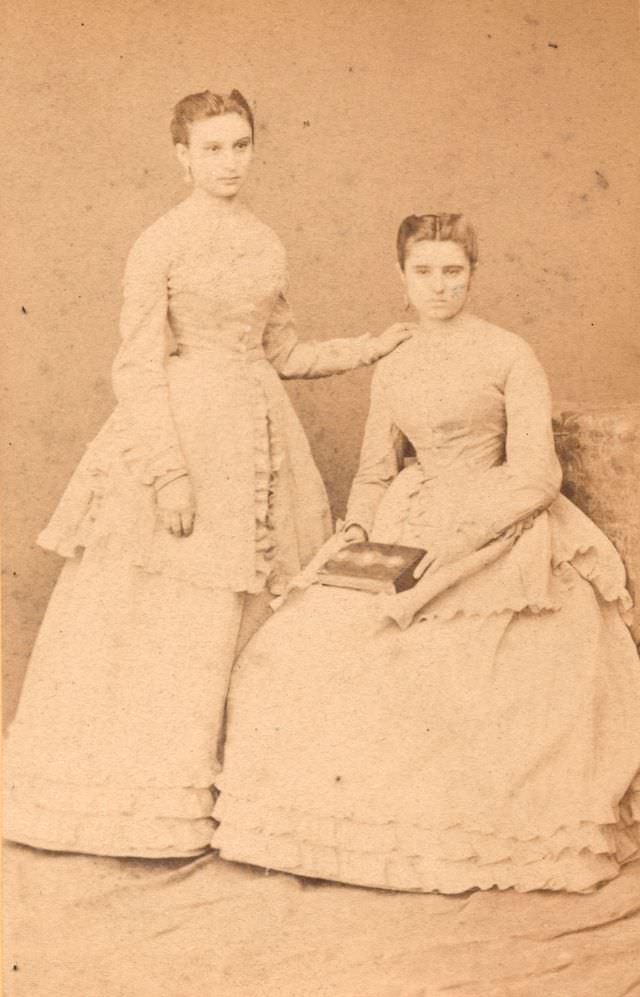
By the late 1860s, the silhouette began to shift. The crinoline shrank, and skirts stopped flaring out evenly on all sides. Instead, the front became flatter while the back grew fuller and more rounded. This new shape was known as the crinolette. It was a clear move away from the wide bell skirt that had dominated the earlier part of the decade.
Victorian girls’ fashion in the 1860s was built on precision and detail. Every layer, trim, and accessory was chosen with care and followed the social expectations of the time.